EP1583529B1 - Amino acid phenoxy ethers, their preparation and uses - Google Patents
Amino acid phenoxy ethers, their preparation and uses Download PDFInfo
- Publication number
- EP1583529B1 EP1583529B1 EP04701752A EP04701752A EP1583529B1 EP 1583529 B1 EP1583529 B1 EP 1583529B1 EP 04701752 A EP04701752 A EP 04701752A EP 04701752 A EP04701752 A EP 04701752A EP 1583529 B1 EP1583529 B1 EP 1583529B1
- Authority
- EP
- European Patent Office
- Prior art keywords
- amino
- salts
- dione
- phenoxy
- oxazolidin
- Prior art date
- Legal status (The legal status is an assumption and is not a legal conclusion. Google has not performed a legal analysis and makes no representation as to the accuracy of the status listed.)
- Expired - Lifetime
Links
- 0 CCC*[C@@](C1)[C@]1C1=C*CCC1 Chemical compound CCC*[C@@](C1)[C@]1C1=C*CCC1 0.000 description 7
- RIKQFBGCNQAHBO-UHFFFAOYSA-N Cc1ccc(C)c(C(F)(F)F)c1 Chemical compound Cc1ccc(C)c(C(F)(F)F)c1 RIKQFBGCNQAHBO-UHFFFAOYSA-N 0.000 description 6
- GJDICGOCZGRDFM-UHFFFAOYSA-N CC(C(OC)=O)NC(OC(C)(C)C)=O Chemical compound CC(C(OC)=O)NC(OC(C)(C)C)=O GJDICGOCZGRDFM-UHFFFAOYSA-N 0.000 description 1
- HBXFIXSFKULBOG-UHFFFAOYSA-N Cc1cc(F)c(C)c(F)c1 Chemical compound Cc1cc(F)c(C)c(F)c1 HBXFIXSFKULBOG-UHFFFAOYSA-N 0.000 description 1
- BSFHJMGROOFSRA-UHFFFAOYSA-N Cc1cc([N+]([O-])=O)c(C)cc1 Chemical compound Cc1cc([N+]([O-])=O)c(C)cc1 BSFHJMGROOFSRA-UHFFFAOYSA-N 0.000 description 1
Images



Classifications
-
- C—CHEMISTRY; METALLURGY
- C07—ORGANIC CHEMISTRY
- C07D—HETEROCYCLIC COMPOUNDS
- C07D263/00—Heterocyclic compounds containing 1,3-oxazole or hydrogenated 1,3-oxazole rings
- C07D263/02—Heterocyclic compounds containing 1,3-oxazole or hydrogenated 1,3-oxazole rings not condensed with other rings
- C07D263/30—Heterocyclic compounds containing 1,3-oxazole or hydrogenated 1,3-oxazole rings not condensed with other rings having two or three double bonds between ring members or between ring members and non-ring members
- C07D263/34—Heterocyclic compounds containing 1,3-oxazole or hydrogenated 1,3-oxazole rings not condensed with other rings having two or three double bonds between ring members or between ring members and non-ring members with hetero atoms or with carbon atoms having three bonds to hetero atoms with at the most one bond to halogen, e.g. ester or nitrile radicals, directly attached to ring carbon atoms
- C07D263/44—Two oxygen atoms
-
- A—HUMAN NECESSITIES
- A61—MEDICAL OR VETERINARY SCIENCE; HYGIENE
- A61K—PREPARATIONS FOR MEDICAL, DENTAL OR TOILETRY PURPOSES
- A61K31/00—Medicinal preparations containing organic active ingredients
- A61K31/33—Heterocyclic compounds
- A61K31/395—Heterocyclic compounds having nitrogen as a ring hetero atom, e.g. guanethidine or rifamycins
- A61K31/41—Heterocyclic compounds having nitrogen as a ring hetero atom, e.g. guanethidine or rifamycins having five-membered rings with two or more ring hetero atoms, at least one of which being nitrogen, e.g. tetrazole
- A61K31/42—Oxazoles
- A61K31/421—1,3-Oxazoles, e.g. pemoline, trimethadione
-
- A—HUMAN NECESSITIES
- A61—MEDICAL OR VETERINARY SCIENCE; HYGIENE
- A61K—PREPARATIONS FOR MEDICAL, DENTAL OR TOILETRY PURPOSES
- A61K31/00—Medicinal preparations containing organic active ingredients
- A61K31/33—Heterocyclic compounds
- A61K31/395—Heterocyclic compounds having nitrogen as a ring hetero atom, e.g. guanethidine or rifamycins
- A61K31/41—Heterocyclic compounds having nitrogen as a ring hetero atom, e.g. guanethidine or rifamycins having five-membered rings with two or more ring hetero atoms, at least one of which being nitrogen, e.g. tetrazole
- A61K31/42—Oxazoles
- A61K31/422—Oxazoles not condensed and containing further heterocyclic rings
-
- A—HUMAN NECESSITIES
- A61—MEDICAL OR VETERINARY SCIENCE; HYGIENE
- A61K—PREPARATIONS FOR MEDICAL, DENTAL OR TOILETRY PURPOSES
- A61K31/00—Medicinal preparations containing organic active ingredients
- A61K31/33—Heterocyclic compounds
- A61K31/395—Heterocyclic compounds having nitrogen as a ring hetero atom, e.g. guanethidine or rifamycins
- A61K31/41—Heterocyclic compounds having nitrogen as a ring hetero atom, e.g. guanethidine or rifamycins having five-membered rings with two or more ring hetero atoms, at least one of which being nitrogen, e.g. tetrazole
- A61K31/425—Thiazoles
- A61K31/426—1,3-Thiazoles
-
- A—HUMAN NECESSITIES
- A61—MEDICAL OR VETERINARY SCIENCE; HYGIENE
- A61K—PREPARATIONS FOR MEDICAL, DENTAL OR TOILETRY PURPOSES
- A61K31/00—Medicinal preparations containing organic active ingredients
- A61K31/33—Heterocyclic compounds
- A61K31/395—Heterocyclic compounds having nitrogen as a ring hetero atom, e.g. guanethidine or rifamycins
- A61K31/41—Heterocyclic compounds having nitrogen as a ring hetero atom, e.g. guanethidine or rifamycins having five-membered rings with two or more ring hetero atoms, at least one of which being nitrogen, e.g. tetrazole
- A61K31/425—Thiazoles
- A61K31/427—Thiazoles not condensed and containing further heterocyclic rings
-
- A—HUMAN NECESSITIES
- A61—MEDICAL OR VETERINARY SCIENCE; HYGIENE
- A61P—SPECIFIC THERAPEUTIC ACTIVITY OF CHEMICAL COMPOUNDS OR MEDICINAL PREPARATIONS
- A61P19/00—Drugs for skeletal disorders
-
- A—HUMAN NECESSITIES
- A61—MEDICAL OR VETERINARY SCIENCE; HYGIENE
- A61P—SPECIFIC THERAPEUTIC ACTIVITY OF CHEMICAL COMPOUNDS OR MEDICINAL PREPARATIONS
- A61P19/00—Drugs for skeletal disorders
- A61P19/02—Drugs for skeletal disorders for joint disorders, e.g. arthritis, arthrosis
-
- A—HUMAN NECESSITIES
- A61—MEDICAL OR VETERINARY SCIENCE; HYGIENE
- A61P—SPECIFIC THERAPEUTIC ACTIVITY OF CHEMICAL COMPOUNDS OR MEDICINAL PREPARATIONS
- A61P25/00—Drugs for disorders of the nervous system
-
- A—HUMAN NECESSITIES
- A61—MEDICAL OR VETERINARY SCIENCE; HYGIENE
- A61P—SPECIFIC THERAPEUTIC ACTIVITY OF CHEMICAL COMPOUNDS OR MEDICINAL PREPARATIONS
- A61P29/00—Non-central analgesic, antipyretic or antiinflammatory agents, e.g. antirheumatic agents; Non-steroidal antiinflammatory drugs [NSAID]
-
- A—HUMAN NECESSITIES
- A61—MEDICAL OR VETERINARY SCIENCE; HYGIENE
- A61P—SPECIFIC THERAPEUTIC ACTIVITY OF CHEMICAL COMPOUNDS OR MEDICINAL PREPARATIONS
- A61P3/00—Drugs for disorders of the metabolism
-
- A—HUMAN NECESSITIES
- A61—MEDICAL OR VETERINARY SCIENCE; HYGIENE
- A61P—SPECIFIC THERAPEUTIC ACTIVITY OF CHEMICAL COMPOUNDS OR MEDICINAL PREPARATIONS
- A61P3/00—Drugs for disorders of the metabolism
- A61P3/04—Anorexiants; Antiobesity agents
-
- A—HUMAN NECESSITIES
- A61—MEDICAL OR VETERINARY SCIENCE; HYGIENE
- A61P—SPECIFIC THERAPEUTIC ACTIVITY OF CHEMICAL COMPOUNDS OR MEDICINAL PREPARATIONS
- A61P3/00—Drugs for disorders of the metabolism
- A61P3/06—Antihyperlipidemics
-
- A—HUMAN NECESSITIES
- A61—MEDICAL OR VETERINARY SCIENCE; HYGIENE
- A61P—SPECIFIC THERAPEUTIC ACTIVITY OF CHEMICAL COMPOUNDS OR MEDICINAL PREPARATIONS
- A61P3/00—Drugs for disorders of the metabolism
- A61P3/08—Drugs for disorders of the metabolism for glucose homeostasis
-
- A—HUMAN NECESSITIES
- A61—MEDICAL OR VETERINARY SCIENCE; HYGIENE
- A61P—SPECIFIC THERAPEUTIC ACTIVITY OF CHEMICAL COMPOUNDS OR MEDICINAL PREPARATIONS
- A61P3/00—Drugs for disorders of the metabolism
- A61P3/08—Drugs for disorders of the metabolism for glucose homeostasis
- A61P3/10—Drugs for disorders of the metabolism for glucose homeostasis for hyperglycaemia, e.g. antidiabetics
-
- A—HUMAN NECESSITIES
- A61—MEDICAL OR VETERINARY SCIENCE; HYGIENE
- A61P—SPECIFIC THERAPEUTIC ACTIVITY OF CHEMICAL COMPOUNDS OR MEDICINAL PREPARATIONS
- A61P37/00—Drugs for immunological or allergic disorders
-
- A—HUMAN NECESSITIES
- A61—MEDICAL OR VETERINARY SCIENCE; HYGIENE
- A61P—SPECIFIC THERAPEUTIC ACTIVITY OF CHEMICAL COMPOUNDS OR MEDICINAL PREPARATIONS
- A61P37/00—Drugs for immunological or allergic disorders
- A61P37/02—Immunomodulators
-
- A—HUMAN NECESSITIES
- A61—MEDICAL OR VETERINARY SCIENCE; HYGIENE
- A61P—SPECIFIC THERAPEUTIC ACTIVITY OF CHEMICAL COMPOUNDS OR MEDICINAL PREPARATIONS
- A61P37/00—Drugs for immunological or allergic disorders
- A61P37/02—Immunomodulators
- A61P37/06—Immunosuppressants, e.g. drugs for graft rejection
-
- A—HUMAN NECESSITIES
- A61—MEDICAL OR VETERINARY SCIENCE; HYGIENE
- A61P—SPECIFIC THERAPEUTIC ACTIVITY OF CHEMICAL COMPOUNDS OR MEDICINAL PREPARATIONS
- A61P43/00—Drugs for specific purposes, not provided for in groups A61P1/00-A61P41/00
-
- A—HUMAN NECESSITIES
- A61—MEDICAL OR VETERINARY SCIENCE; HYGIENE
- A61P—SPECIFIC THERAPEUTIC ACTIVITY OF CHEMICAL COMPOUNDS OR MEDICINAL PREPARATIONS
- A61P9/00—Drugs for disorders of the cardiovascular system
- A61P9/12—Antihypertensives
-
- C—CHEMISTRY; METALLURGY
- C07—ORGANIC CHEMISTRY
- C07D—HETEROCYCLIC COMPOUNDS
- C07D277/00—Heterocyclic compounds containing 1,3-thiazole or hydrogenated 1,3-thiazole rings
- C07D277/02—Heterocyclic compounds containing 1,3-thiazole or hydrogenated 1,3-thiazole rings not condensed with other rings
- C07D277/20—Heterocyclic compounds containing 1,3-thiazole or hydrogenated 1,3-thiazole rings not condensed with other rings having two or three double bonds between ring members or between ring members and non-ring members
- C07D277/32—Heterocyclic compounds containing 1,3-thiazole or hydrogenated 1,3-thiazole rings not condensed with other rings having two or three double bonds between ring members or between ring members and non-ring members with hetero atoms or with carbon atoms having three bonds to hetero atoms with at the most one bond to halogen, e.g. ester or nitrile radicals, directly attached to ring carbon atoms
- C07D277/34—Oxygen atoms
Definitions
- the present invention relates to novel amino acid phenyl ethers for the treatment of immunological diseases, inflammation, obesity, hyperlipidemia, hypertension, necrological diseases and diabetes.
- the principal elements of the immune system are macrophages or antigen-presenting cells, T cells and B cells.
- the role of other immune cells such as NK cells, basophils, mast cells and dendritic cells are known, but their role in primary immunologic disorders is uncertain. Macrophages are important mediators of both inflammation and providing the necessary "help" for T cell stimulation and proliferation. Most importantly macrophages make IL 1, IL 12 and TNF- ⁇ all of which are potent pro-inflammatory molecules and also provide help for T cells.
- activation of macrophages results in the induction of enzymes, such as cyclooxygenase II (COX-2), inducible nitric oxide synthase (iNOS) and production of free radicals capable of damaging normal cells.
- COX-2 cyclooxygenase II
- iNOS inducible nitric oxide synthase
- Cytokines are molecules secreted by immune cells that are important in mediating immune responses. Cytokine production may lead to the secretion of other cytokines, altered cellular function, cell division or differentiation. Inflammation is the normal response to injury or infection. However, in inflammatory diseases such as rheumatoid arthritis, pathologic inflammatory processes can lead to morbidity and mortality.
- the cytokine tumor necrosis factor-alpha (TNF- ⁇ ) plays a central role in the inflammatory response and has been targeted as a point of intervention in inflammatory disease. TNF- ⁇ is a polypeptide hormone released by activated macrophages and other cells.
- TNF- ⁇ participates in the protective inflammatory response by activating leukocytes and promoting their migration to extravascular sites of inflammation ( Moser et al., J Clin Invest, 83:444-55,1989 ).
- TNF- ⁇ can act as a potent pyrogen and induce the production of other pro-inflammatory cytokines ( Haworth et al., Eur J Immunol, 21:2575-79, 1991 ; Brennan et al., Lancet, 2:244-7, 1989 ).
- TNF- ⁇ also stimulates the synthesis of acute-phase proteins. In rheumatoid arthritis, a chronic and progressive inflammatory disease affecting about 1% of the adult U.S.
- TNF- ⁇ mediates the cytokine cascade that leads to joint damage and destruction ( Arend et al., Arthritis Rheum, 38:151-60,1995 ).
- Inhibitors of TNF- ⁇ including soluble TNF receptors (etanercept) ( Goldenberg, Clin Ther, 21:75-87, 1999 ) and anti-TNF- ⁇ antibody (infliximab) ( Luong et al., Ann Pharmacother, 34:743-60, 2000 ), have recently been approved by the U.S. Food and Drug Administration (FDA) as agents for the treatment of rheumatoid arthritis.
- FDA U.S. Food and Drug Administration
- TNF- ⁇ Elevated levels of TNF- ⁇ have also been implicated in many other disorders and disease conditions, including cachexia, septic shock syndrome, osteoarthrites, inflammatory bowel disease such as Crohn's disease and ulcerative colitis etc.
- the cytokine IL-1 ⁇ also participates in the inflammatory response. It stimulates thymocyte proliferation, fibroblast growth factor activity, and the release of prostaglandin from synovial cells.
- Elevated or unregulated levels of the cytokine IL-1 ⁇ have been associated with a number of inflammatory diseases and other disease states, including but not limited to adult respiratory distress syndrome, allergy, Alzheimer's disease etc.
- Type-II insulin-resistant diabetes mellitus accounts for 90-95% of all diabetes.
- This syndromic metabolic disorder currently affects more than 150 million people worldwide and is projected to grow to 300 million by year 2005 [ Amos, A., McCarty, D., Zimmet, P. (1997) Diabetic Med. 14, S1-S85 ; Kopelman, P.G. Hitaman, G.A. (1998) Lancet, 352, SIV5 ).
- the main force driving this increase in incidence of type II diabetes is an increase in obesity, the single most important contribution to the pathogenesis of type II diabetes [ Kopelman, P.G., Hitaman, G.A. (1998) Lancet, 352, SIV5 ].
- sulfonylureas and related insulin secretogens that are known to release more insulin from pancreatic ⁇ cells
- metformin that acts to reduce hepatic glucose production
- PPAR peroxisome proliferator-activated receptor
- a-glucosidase inhibitors that slow down absorption of glucose from the gut
- insulin itself that suppresses glucose production and augments glucose utilization
- Type II diabetes Several current treatments for type II diabetes are associated with episodes of hypoglycemia, and few of the available therapies adequately address underlying defects such as obesity and a phenomenon known as insulin resistance.
- sulfonylureas represent the oldest and widely used form of treatment. Many patients who respond to sulfonylureas initially become refractory to the treatment over time (secondary failure).
- type II diabetes is now linked with high level of triglycerides and cholesterol. Therefore, there is a need for new classes of drugs addressing the underlying issue of metabolic defects (increasingly known as Syndrome-X) such as obesity, hyperglycemia and hyperlipidemic conditions to address type II diabetes and its associated condition.
- Syndrome-X metabolic defects
- Table 1 Current Therapeutic agents for Type II Diabetes Drug class Delivery Molecular Target Site of Action Adverse Events Insulin Intramuscular Insulin receptor Liver, Muscle, Fat Weight gain Hypoglycemia Sulfonylureas Oral SU receptors Pancreatic ⁇ cells Weight gain (glibenclamide) K+/ATPchannel Hypoglycemia (repaglinide) (nateglinide) Metformin Oral Unknown Liver (muscle) GI disturbance (biguanides) Lactic acidosis ⁇ -Glucosidase Oral ⁇ -Glucosidase Intestine disturbance Inhibitors (Acarbose) PPAR-agonist Oral PPAR-gamma Fat, Muscle, Liver Weight gain (Rosiglitazone) Anaemia (Pioglitazone) Oedema
- US 5441971 discloses thiaxolidinedione derivatives for the treatment of diabetes.
- the present invention relates to a compound formula (I) its tautomeric forms, its stereoisomers, its polymorphs, its pharmaceutically acceptable salts, its pharmaceutically acceptable solvates, wherein ---- represents an optional double bond;
- Y represents oxygen, sulfur or NR, wherein R represents hydrogen or alkyl;
- Z represents oxygen or sulfur;
- R 1 , R 2 , R 3 and R 4 may be same or different and independently represent hydrogen, halogen, hydroxy, nitro, cyano, formyl, amino, alkyl, or alkoxy;
- A represents a bond or substituted or unsubstituted aryl, heterocyclyl or heteroaryl ring;
- X represents an alpha amino carboxylic acid or alpha amino carboxylic acid derivative in which the amino group is carboxylated or the carboxylic acid group is esterified or is an amide, wherein X is bonded to A or Y through its alpha side chain.
- the present invention also relates to a process for the preparation of the above said novel compounds, their tautomeric forms, their stereoisomers, their polymorphs, their pharmaceutically acceptable salts, pharmaceutically acceptable solvates, novel intermediates and pharmaceutical compositions containing them.
- Tautomeric forms are isomeric forms which exists in a state of equilibrium capable of reacting according to either form.
- Stereoisomers include configurational isomers, such as cis- and trans-double bonds, as well as optically active isomers having different spatial arrangements of their atoms.
- Polymorphs are molecules which can crystallize in two or more forms. Solvates are molecular or ionic complexes of molecules or ions of solvent with those of a solute.
- An alpha-amino carboxylic acid includes, but is not limited to, naturally-occurring amino acids.
- the alpha side chain is a group, including hydrogen, covalently bonded to the alpha carbon of an alpha-amino carboxylic acid.
- Derivatives include compounds resulting from routine functionalizing of atoms, such as, derivatives found by protecting amino or carboxyl groups by carboxylation or esterification, respectively.
- the compounds of the present invention are effective in lowering blood glucose, serum insulin, free fatty acids, cholesterol and triglyceride levels and are useful in the treatment and / or prophylaxis of diabetes.
- the compounds of the present invention are effective in treatment of obesity, inflammation, autoimmune diseases such as such as multiple sclerosis and rheumatoid arthritis. Surprisingly, these compounds increase the leptin level and have no liver toxicity.
- the compounds of the present invention are useful for the treatment of disorders associated with insulin resistance, such as polycystic ovary syndrome, as well as hyperlipidemia, coronary artery disease and peripheral vascular disease, and for the treatment of inflammation and immunological diseases, particularly those mediated by cytokines such as TNF- ⁇ , IL-1, IL-6, IL-1 ⁇ and cyclooxygenase such as COX-2.
- the groups represented by R 1 , R 2 , R 3 and R 4 are selected from hydrogen, halogen such as fluorine, chlorine, bromine or iodine; hydroxy, nitro, cyano, formyl, amino, linear or branched, substituted or unsubstituted (C 1 -C 12 )alkyl group such as methyl, ethyl, propyl, isopropyl, n-butyl, isobutyl, t-butyl, pentyl, hexyl, octal and nonyl; substituted or unsubstituted (C 1 -C 12 )alkoxy group such as methoxy, ethoxy, propoxy and butoxy.
- halogen such as fluorine, chlorine, bromine or iodine
- the group represented by A is selected from aryl such as phenyl and naphthyl; heteroaryl ring such as pyridyl, pyrrolyl, thiazolyl, indolyl, imidazolyl and furyl; heterocyclyl ring such as piperzine, morpholine, piperidine and pyrrolidine.
- the group A may be mono, di or tri substituted and the substituents are selected from halogen, hydroxy, nitro, cyano, formyl, amino, alkyl, haloalkyl, alkoxy, and haloalkoxy.
- the amino acid and side chain represented by X, X-A or X-A-Y is selected from alanine, glycine, arginine, asparagine, cysteine, glutamic acid, glutamine, histidine, isoleucine, leucine, lysine, methionine, ornithine, proline, serine, threonine, tryptophan and tyrosine, which may be substituted or unsubstituted and their derivatives such as ester and amides of carboxylic acid.
- the preferred substituents are selected from halogen, alkyl, alkoxy, aryl, heteroaryl and amino.
- the amino acid X-A-Y preferably represents substituted or unsubstituted arginine, asparagine, cysteine, glutamine, histidine, lysine, methionine, ornithine, proline, serine, threonine, tryptophan, tyrosine and their derivatives in which the amino group is carboxylated or the carboxylic acid group is esterified or is an amide.
- the group X-A also preferably represents alanine, glycine, isoleucine, leucine and their derivatives in which the amino group is carboxylated or the carboxylic acid group is esterified or is an amide.
- A represents a substituted or unsubstituted alkyl, heterocyclyl or heteroaryl ring.
- Z is sulfur and Y is oxygen.
- R, through R 4 are hydrogen.
- Pharmaceutically acceptable salts forming part of this invention include base addition salts such as alkali metal salts like Li, Na, and K salts, alkaline earth metal salts like Ca and Mg salts, salts of organic bases such as lysine, arginine, guanidine, diethanolamine and choline, ammonium or substituted ammonium salts.
- base addition salts such as alkali metal salts like Li, Na, and K salts, alkaline earth metal salts like Ca and Mg salts, salts of organic bases such as lysine, arginine, guanidine, diethanolamine and choline, ammonium or substituted ammonium salts.
- Salts may include acid addition salts which are, sulphates, nitrates, phosphates, perchlorates, borates, hydrohalides, acetates, tartrates, maleates, citrates, succinates, palmoates, methanesulphonates, benzoates, salicylates, hydroxynaphthoates, benzenesulfonates, ascorbates, glycerophosphates and ketoglutarates.
- Pharmaceutically acceptable solvates may be hydrates or comprising other solvents of crystallization such as alcohols.
- the present invention relates to novel amino acid phenyl ethers of formula (I) their tautomeric forms, their stereoisomers, their polymorphs, their pharmaceutically acceptable salts, their pharmaceutically acceptable solvates, wherein -- represents an optional double bond; Y represents oxygen, sulfur or NR, wherein R represents hydrogen or alkyl; Z represents oxygen or sulfur; R 1 , R 2 , R 3 and R 4 may be same or different and independently represent hydrogen, halogen, hydroxy, nitro, cyano, formyl, amino, alkyl, or alkoxy; A represents substituted or unsubstituted aryl; X represents an alpha amino carboxylic acid or a derivative thereof in which the amino group is carboxylated or the carboxylic acid group is esterified or is an amide, wherein X is bonded to A or Y through its alpha side chain.
- the present invention relates to novel amino acid phenyl ethers of formula (I) their tautomeric forms, their stereoisomers, their polymorphs, their pharmaceutically acceptable salts, their pharmaceutically acceptable solvates, wherein --- represents optional double bond;
- Y represents oxygen, sulfur or NR, wherein R represents hydrogen or alkyl;
- Z represents oxygen or sulfur;
- R 1 , R 2 , R 3 and R 4 may be same or different and independently represent hydrogen, halogen, hydroxy, nitro, cyano, formyl, amino, alkyl, or alkoxy;
- A represents, substituted or unsubstituted phenyl;
- X represents alanine or a derivative thereof in which the amino group is carboxylated or the carboxylic acid group is esterified or is an amide, wherein X is bonded to A or Y through its alpha methyl group.
- Particularly useful compounds according to the invention include:
- Preferred salts for the list of compounds above are hydrochloride, hydrobromide, sodium, potassium or magnesium.
- reaction of compound of formula (IIIa) wherein X 1 represents a protected alpha amino carboxylic acid group and all other symbols are as defined earlier with the compound of formula (IIIb) wherein L represents a nucleophilic aromatic substitution leaving group, and all other symbols are as defined earlier to produce a compound of formula (IIIc) may be carried out in the presence of solvents such as THF, DMF, DMSO and DME or mixtures of solvents may be used.
- the reaction may be carried out in an inert atmosphere which may be maintained by using inert gases such as N 2 , Ar or He.
- the reaction may be effected in the presence of a base such as K 2 CO 3 , Na 2 CO 3 , NaH or mixtures thereof.
- the reaction temperature may range from 20 °C to 150 °C, preferably at a temperature in the range of 30 °C to 100 °C.
- the duration of the reaction may range from 1 to 24 hours, preferably from 2 to 6 hours.
- the conventional protecting groups used are those that can be easily removed and are selected from t-Boc, CBz, F-moc, etc.
- the reaction of the compound of the general formula (IIIc) with 2,4-thiazolidinedione or 2,4-oxazolidinedione to yield a compound of formula (IIId) may be carried out neat in the presence of sodium acetate or in the presence of a solvent such as benzene, toluene, methoxyethanol or mixtures thereof.
- the reaction temperature may range from 80 °C to 180 °C, when the reaction is carried out neat in the presence of sodium acetate.
- Suitable catalyst such as piperidinium acetate or benzoate, sodium acetate or mixtures of catalysts may also be employed.
- Sodium acetate can be used in the presence of solvent, but it is preferred that sodium acetate is used neat.
- the water produced in the reaction may be removed, for example, by using Dean Stark water separator or by using water absorbing agents like molecular sieves.
- the deprotection of amino acid group of formula (IIId) to yield compound of formula (I) may be carried out using acids such as HCl, sulfuric acid, acetic acid in the presence of solvents such as DCM, ethyl acetate and water or mixture thereof at a temperature in the range of -10 °C to 50 °C.
- the compounds of general formula (I) wherein Z represents sulfur, --- represents no bond can be prepared by reacting the compound of formula (IIIe) wherein J is halogen atom, like chlorine, bromine or iodine and R 5 is a lower alkyl group with thiourea followed by treatment with an acid.
- reaction of compound of general formula (IIIe) with thiourea is carried out in the presence of alcoholic solvent such as methanol, ethanol, propanol, isobutanol, 2-methoxybutanol, etc or DMSO or sulfolane.
- alcoholic solvent such as methanol, ethanol, propanol, isobutanol, 2-methoxybutanol, etc or DMSO or sulfolane.
- the reaction may be conducted at a temperature in the range between 20 °C and the reflux temperature of the solvent used.
- Bases such as NaOAc, KOAc, NaOMe, NaOEt etc. can be used.
- the compounds of the general formula (I) wherein --- represents a bond and all other symbols are as defined earlier can also be prepared by reacting a compound of formula wherein L is a nucleophilic leaving such as halogen atom, like chlorine, bromine or iodine; methanesulfonate, trifluoromethanesulfonate and p-toluenesulfonate with a compound of the formula (IIIg).
- L is a nucleophilic leaving such as halogen atom, like chlorine, bromine or iodine
- methanesulfonate, trifluoromethanesulfonate and p-toluenesulfonate with a compound of the formula (IIIg).
- reaction of compound of general formula (IIIf) with a compound of general formula (IIIg) to produce a compound of general formula (I) may be carried out in the presence of solvents such as THF, DMF, DMSO and DME or mixtures thereof.
- solvents such as THF, DMF, DMSO and DME or mixtures thereof.
- the reaction may be carried out in an inert atmosphere which may be maintained by using inert gases such as N 2 , Ar or He.
- the reaction may be effected in the presence of a base such as alkalis like sodium hydroxide or potassium hydroxide; alkali metal carbonates like sodium carbonate or potassium carbonate; alkali metal hydrides such as sodium hydrides; organometallic bases like n-butyl lithium; alkali metal amides like sodamide, or mixtures thereof.
- the amount of base may range from 1 to 5 equivalents, preferably 1 to 3 equivalents.
- the reaction temperature may be in the range of 0 °C to 120 °C, preferably at a temperature in the range of 20 °C to 100 °C.
- the duration of the reaction may range from 0.5 to 24 hours, preferably from 0.5 to 6 hrs.
- the compounds of the general formula (I) wherein --- represents a bond and all other symbols are as defined earlier can also be prepared by reacting a compound of formula (IIIh) where A and X are as defined earlier with a compound of the formula (IIIg).
- reaction of compound of general formula (IIIh) with a compound of general formula (IIIg) to produce a compound of general formula (I) may be carried out in the presence of solvents such as THF, DMF, DMSO and DME or mixtures thereof.
- solvents such as THF, DMF, DMSO and DME or mixtures thereof.
- the reaction may be carried out in an inert atmosphere which may be maintained by using inert gases such as N 2 , Ar or He.
- the reaction may be effected in the presence of a base such as alkalis like sodium hydroxide or potassium hydroxide; alkali metal carbonates like sodium carbonate or potassium carbonate; alkali metal hydrides such as sodium hydride; organometallic bases like n-butyl lithium; alkali metal amides like sodamide, or mixtures thereof.
- the amount of base may range from 1 to 5 equivalents, preferably 1 to 3 equivalents.
- the reaction temperature may be in the range of 0 °C to 120 °C, preferably at a temperature in the range of 20 °C to 100 °C.
- the duration of the reaction may range from 0.5 to 24 hours, preferably from 0.5 to 6 hrs.
- the reduction may be carried out in the presence of gaseous hydrogen and a catalyst such as Pd/C, Rh/C, Pt/C and Raney Nickel. Mixtures of catalysts may be used.
- the reaction may be conducted in the presence of solvents such as dioxane, acetic acid and ethyl acetate. Mixtures of solvents may be used. A pressure between atmospheric pressure to 100 psi may be employed.
- the catalyst may be 5-10% Pd/C and the amount of catalyst used may range from 50-300% w/w.
- the reaction may also be carried out by employing metal solvent reduction such as magnesium in methanol or sodium amalgam in methanol.
- metal solvent reduction such as magnesium in methanol or sodium amalgam in methanol.
- the reaction may also be carried out with alkali metal borohydrides such as LiBH 4 , NaBH 4 and KBH 4 in the presence of cobalt salt such as CoCl 2 and ligands, preferably bidentated ligands such as 2,2'-bipyridyl, 1,10-phenanthroline and bisoximes.
- an intermediate of formula (IIIc) their tautomeric forms, their stereoisomers, their polymorphs, their pharmaceutically acceptable salts, their pharmaceutically acceptable solvates wherein Y represents oxygen, sulfur or NR, wherein R represents hydrogen or alkyl; R 1 , R 2 , R 3 and R 4 may be same or different and independently represent hydrogen, halogen, hydroxy, nitro, cyano, formyl, amino, alkyl, or alkoxy; A represents substituted or unsubstituted aryl; X represents an alpha amino carboxylic acid or a derivative thereof in which the amino group is carboxylated or the carboxylic acid group is esterified or is an amide, wherein X is bonded to A or Y through its alpha side chain.
- an intermediate of formula (IIIe) their tautomeric forms, their stereoisomers, their polymorphs, their pharmaceutically acceptable salts, their pharmaceutically acceptable solvates wherein Y represents oxygen, sulfur or NR, wherein R represents hydrogen or alkyl; R 1 , R 2 , R 3 and R 4 may be same or different and independently represent hydrogen, halogen, hydroxy, nitro, cyano, formyl, amino, alkyl, or alkoxy; A represents substituted or unsubstituted aryl; X represents an alpha amino carboxylic acid or a derivative thereof in which the amino group is carboxylated or the carboxylic acid group is esterified or is an amide, wherein X is bonded to A or Y through its alpha side chain; J represents halogen atom and R 5 represents lower alkyl group.
- compounds of the invention exhibit no adipocyte differentiation. It is also surprising that administration reduces body weight gain. Finally, compounds of the invention appear to have no affinity for PPAR-g. These three features of the compounds are different from known TZD molecules, which typically have adipocyte differentiation activity, increase weight gain, and are PPAR-g agonists. Furthermore, compounds of the invention have anti-inflammation properties. For example, the compounds inhibit TNF ⁇ , IL-6 and IL1 ⁇ .
- the compounds according to the present invention may be combined with a physiologically acceptable vehicle in a pharmaceutical composition.
- a pharmaceutical composition is an orally administrated capsule or solution in which the compound is delivered in water, saline, a phosphate buffer, or lyophilized powder in a form of tablets or capsules which also includes various fillers and binders.
- the effective dosages of compound in a composition will be selected by those of ordinary skill in the art and may be empirically determined.
- the compounds of the present invention are useful for the treatment of inflammation, autoimmune diseases such as multiple sclerosis, IBD, obesity, neurological diseases, hypertension, and diseases such as diabetes characterized by the presence of elevated blood glucose levels, that is hyperglycemic disorders such as diabetes mellitus, including both Type I and Type II diabetes as well as other hyperglycemic related disorders such as hyperlipidemia and kidney related disorders
- treatment it is meant that the compound is administered at least to reduce inflammation, hypertension, obesity, blood lipid levels, blood glucose levels or symptoms associated with autoimmune or neurological disease or disorder from which the patient is suffering.
- the compound is administered in an amount sufficient, for example, to reduce blood glucose level to an acceptable range, wherein an acceptable range means +/- 10%, usually +/- 8% and usually +/- 5% of the normal average blood glucose level for the subject.
- an acceptable range means +/- 10%, usually +/- 8% and usually +/- 5% of the normal average blood glucose level for the subject.
- the compounds may be administered to the subject using a convenient administration technique, including intravenous, intradermal, intramuscular, subcutaneous and oral administration. However, the oral route of administration is particularly preferred.
- the dosage delivered to the host will necessarily depend upon the route by which the compound is delivered, but generally ranges from 5 to 500 mg/70 kg human body weight.
- the pharmaceutically acceptable salts may be prepared by reacting the compound of formula (I) with 1 to 4 equivalents of a base such as sodium hydroxide, sodium methoxide, sodium hydride, potassium t-butoxide, calcium hydroxide and magnesium hydroxide, in solvents like either, THF, methanol, t-butanol, dioxane, isopropanol, ethanol etc. Mixtures of solvents may be used. Organic bases like lysine, arginine, diethanolamine, choline, guanidine and their derivatives etc. may also be used.
- a base such as sodium hydroxide, sodium methoxide, sodium hydride, potassium t-butoxide, calcium hydroxide and magnesium hydroxide
- solvents like either, THF, methanol, t-butanol, dioxane, isopropanol, ethanol etc. Mixtures of solvents may be used.
- Organic bases like lysine, arginine, diethanolamine
- acid addition salts are prepared by treatment witch acids such as hydrochloric acid, hydrobromic acid, nitric acid, sulfuric acid, phosphoric acid, p-toluenesulfonic acid, methanesulfonic acid, acetic acid, citric acid, maleic acid, salicylic acid, hydroxynaphthoic acid, ascorbic acid, palmitic acid, succinic acid, benzoic acid, benzene sulfonic acid and tartaric acid in solvents like ethyl acetate, ether, alcohols, acetone, THF, dioxane etc. Mixture of solvents may also be used.
- acids such as hydrochloric acid, hydrobromic acid, nitric acid, sulfuric acid, phosphoric acid, p-toluenesulfonic acid, methanesulfonic acid, acetic acid, citric acid, maleic acid, salicylic acid, hydroxynaphthoic acid, ascorbic
- the present invention also provides a pharmaceutical composition, containing once or more of the compounds of the general formula (I) as defined above, their tautomeric forms, their stereoisomers, their polymorphs, their pharmaceutically acceptable salts, their pharmaceutically acceptable solvates in combination with the usual pharmaceutically employed carriers and diluents.
- the pharmaceutical composition may be in the forms normally employed, such as tablets, capsules, powders, syrups, solutions and suspensions, may contain flavourants, sweeteners etc. in suitable solid or liquid carriers or diluents, or in suitable sterile media to form injectable solutions or suspensions.
- Such compositions typically contain from 1 to 25%, preferably 1 to 15% by weight of active compound, the remainder of the composition being pharmaceutically acceptable carriers, diluents, excipients or solvents.
- Suitable pharmaceutically acceptable carriers include solid fillers or diluents and sterile aqueous or organic solutions.
- the active compound will be present in such pharmaceutical compositions in the amounts sufficient to provide the desired dosage in the range as described above.
- the compounds can be combined with a suitable solid or liquid carrier or diluent to form capsules, tablets, powders, syrups, solutions and suspensions.
- the pharmaceutical compositions may, if desired, contain additional components such as flavourants, sweeteners and excipients.
- the compounds can be combined with sterile aqueous or organic media to form injectable solutions or suspensions.
- solutions in sesame or peanut oil and aqueous propylene glycol can be used, as well as aqueous solutions of water-soluble pharmaceutically-acceptable acid addition salts or alkali or alkaline earth metal salts of the compounds.
- the injectable solutions prepared in this manner can then be, administered intravenously, intraperitoneally, subcutaneously, or intramuscularly, with intramuscular administration being preferred in humans.
- the pharmaceutical composition of the present invention are particularly effective in lowering blood glucose, serum insulin and triglyceride levels in animal models of types II diabetes.
- the pharmaceutical compositions of the present invention are also effective in the treatment of obesity, inflammation, autoimmune diseases.
- pharmaceutical composition of the present invention are useful for the treatment of disorders associated with insulin resistance, such as polycystic ovary syndrome, as well as hyperlipidemia, coronary artery disease and peripheral vascular disease, and for the treatment of inflammation and immunological diseases, particularly those mediated by cytokines such as TNF- ⁇ , IL-1, IL-6 and cyclooxygenase such as COX-2.
Landscapes
- Health & Medical Sciences (AREA)
- Chemical & Material Sciences (AREA)
- Organic Chemistry (AREA)
- Pharmacology & Pharmacy (AREA)
- Public Health (AREA)
- Veterinary Medicine (AREA)
- General Health & Medical Sciences (AREA)
- Animal Behavior & Ethology (AREA)
- Medicinal Chemistry (AREA)
- Life Sciences & Earth Sciences (AREA)
- Bioinformatics & Cheminformatics (AREA)
- Nuclear Medicine, Radiotherapy & Molecular Imaging (AREA)
- General Chemical & Material Sciences (AREA)
- Chemical Kinetics & Catalysis (AREA)
- Engineering & Computer Science (AREA)
- Diabetes (AREA)
- Epidemiology (AREA)
- Immunology (AREA)
- Hematology (AREA)
- Obesity (AREA)
- Rheumatology (AREA)
- Physical Education & Sports Medicine (AREA)
- Emergency Medicine (AREA)
- Endocrinology (AREA)
- Biomedical Technology (AREA)
- Orthopedic Medicine & Surgery (AREA)
- Cardiology (AREA)
- Neurology (AREA)
- Neurosurgery (AREA)
- Child & Adolescent Psychology (AREA)
- Transplantation (AREA)
- Pain & Pain Management (AREA)
- Heart & Thoracic Surgery (AREA)
- Pharmaceuticals Containing Other Organic And Inorganic Compounds (AREA)
- Thiazole And Isothizaole Compounds (AREA)
- Organic Low-Molecular-Weight Compounds And Preparation Thereof (AREA)
- Acyclic And Carbocyclic Compounds In Medicinal Compositions (AREA)
- Heterocyclic Carbon Compounds Containing A Hetero Ring Having Nitrogen And Oxygen As The Only Ring Hetero Atoms (AREA)
Abstract
Description
- The present invention relates to novel amino acid phenyl ethers for the treatment of immunological diseases, inflammation, obesity, hyperlipidemia, hypertension, necrological diseases and diabetes.
- The principal elements of the immune system are macrophages or antigen-presenting cells, T cells and B cells. The role of other immune cells such as NK cells, basophils, mast cells and dendritic cells are known, but their role in primary immunologic disorders is uncertain. Macrophages are important mediators of both inflammation and providing the necessary "help" for T cell stimulation and proliferation. Most importantly macrophages make
IL 1,IL 12 and TNF-α all of which are potent pro-inflammatory molecules and also provide help for T cells. In addition, activation of macrophages results in the induction of enzymes, such as cyclooxygenase II (COX-2), inducible nitric oxide synthase (iNOS) and production of free radicals capable of damaging normal cells. Many factors activate macrophages, including bacterial products, superantigens and interferon gamma (IFN γ). It is believed that phosphotyrosine kinases (PTKs) and other undefined cellular kinases are involved in the activation process. - Cytokines are molecules secreted by immune cells that are important in mediating immune responses. Cytokine production may lead to the secretion of other cytokines, altered cellular function, cell division or differentiation. Inflammation is the normal response to injury or infection. However, in inflammatory diseases such as rheumatoid arthritis, pathologic inflammatory processes can lead to morbidity and mortality. The cytokine tumor necrosis factor-alpha (TNF-α) plays a central role in the inflammatory response and has been targeted as a point of intervention in inflammatory disease. TNF-α is a polypeptide hormone released by activated macrophages and other cells. At low concentrations, TNF-α participates in the protective inflammatory response by activating leukocytes and promoting their migration to extravascular sites of inflammation (Moser et al., J Clin Invest, 83:444-55,1989). At higher concentrations, TNF-α can act as a potent pyrogen and induce the production of other pro-inflammatory cytokines (Haworth et al., Eur J Immunol, 21:2575-79, 1991; Brennan et al., Lancet, 2:244-7, 1989). TNF-α also stimulates the synthesis of acute-phase proteins. In rheumatoid arthritis, a chronic and progressive inflammatory disease affecting about 1% of the adult U.S. population, TNF-α mediates the cytokine cascade that leads to joint damage and destruction (Arend et al., Arthritis Rheum, 38:151-60,1995). Inhibitors of TNF-α, including soluble TNF receptors (etanercept) (Goldenberg, Clin Ther, 21:75-87, 1999) and anti-TNF-α antibody (infliximab) (Luong et al., Ann Pharmacother, 34:743-60, 2000), have recently been approved by the U.S. Food and Drug Administration (FDA) as agents for the treatment of rheumatoid arthritis.
- Elevated levels of TNF-α have also been implicated in many other disorders and disease conditions, including cachexia, septic shock syndrome, osteoarthrites, inflammatory bowel disease such as Crohn's disease and ulcerative colitis etc.
- Excessive production of IL-6 is implicated in several disease states, it is highly desirable to develop compounds that inhibit IL-6 secretion.
- The cytokine IL-1β also participates in the inflammatory response. It stimulates thymocyte proliferation, fibroblast growth factor activity, and the release of prostaglandin from synovial cells.
- Elevated or unregulated levels of the cytokine IL-1β have been associated with a number of inflammatory diseases and other disease states, including but not limited to adult respiratory distress syndrome, allergy, Alzheimer's disease etc.
- Since overproduction of IL-1β is associated with numerous disease conditions, it is desirable to develop compounds that inhibit the production or activity of IL-1β.
- It will be appreciated from the foregoing that, while there have been extensive prior efforts to provide compounds for inhibiting, for example, TNF-α, IL-1, IL-6, COX-2 or other agents considered responsible for immune response, inflammation or inflammatory diseases, e.g. arthritis, there still remains a need for new and improved compounds for effectively treating or inhibiting such diseases.
- There appears to be a correlation of TNF-α to adipogenesis (obesity) and other metabolic disorders such as diabetes mellitus. Although, in the past two decades there has been an explosive increase in number of people diagnosed with diabetes worldwide [Amos A., McCarty, D., Zimmet, P. (1997) Diabetic Med. 14, S1-S85; King, H., Aubert, R., Herman, W. (1998) Diabetes Care, 21, 1414-1431], there has been relatively little development of new therapeutics for the treatment of diabetes and its associated conditions [Moller, D.E. (2001) Nature 414, 821-827]. Diabetes exists in two types: insulin dependent Type-I and non-Insulin dependent (insulin-resistant) Type-II. Type-II insulin-resistant diabetes mellitus accounts for 90-95% of all diabetes. This syndromic metabolic disorder currently affects more than 150 million people worldwide and is projected to grow to 300 million by year 2005 [Amos, A., McCarty, D., Zimmet, P. (1997) Diabetic Med. 14, S1-S85; Kopelman, P.G. Hitaman, G.A. (1998) Lancet, 352, SIV5). The main force driving this increase in incidence of type II diabetes is an increase in obesity, the single most important contribution to the pathogenesis of type II diabetes [Kopelman, P.G., Hitaman, G.A. (1998) Lancet, 352, SIV5].
- At present, therapy for type II diabetes relies mainly on several approaches intended to reduce the hyperglycemia itself. These are: sulfonylureas and related insulin secretogens that are known to release more insulin from pancreatic β cells; metformin, that acts to reduce hepatic glucose production; peroxisome proliferator-activated receptor (PPAR) agonists that enhances insulin action; a-glucosidase inhibitors that slow down absorption of glucose from the gut; and insulin itself, that suppresses glucose production and augments glucose utilization (summarized in table I below). All of these therapies have limited efficacy, limited tolerability and significant mechanism-based side effects. Of particular concern is the tendency for most treatment to enhance body weight gain. Several current treatments for type II diabetes are associated with episodes of hypoglycemia, and few of the available therapies adequately address underlying defects such as obesity and a phenomenon known as insulin resistance. Among these oral medications, sulfonylureas represent the oldest and widely used form of treatment. Many patients who respond to sulfonylureas initially become refractory to the treatment over time (secondary failure). Besides glucose level and obesity, type II diabetes is now linked with high level of triglycerides and cholesterol. Therefore, there is a need for new classes of drugs addressing the underlying issue of metabolic defects (increasingly known as Syndrome-X) such as obesity, hyperglycemia and hyperlipidemic conditions to address type II diabetes and its associated condition.
Table 1: Current Therapeutic agents for Type II Diabetes Drug class Delivery Molecular Target Site of Action Adverse Events Insulin Intramuscular Insulin receptor Liver, Muscle, Fat Weight gain Hypoglycemia Sulfonylureas Oral SU receptors Pancreatic β cells Weight gain (glibenclamide) K+/ATPchannel Hypoglycemia (repaglinide) (nateglinide) Metformin Oral Unknown Liver (muscle) GI disturbance (biguanides) Lactic acidosis α-Glucosidase Oral α-Glucosidase Intestine disturbance Inhibitors (Acarbose) PPAR-agonist Oral PPAR-gamma Fat, Muscle, Liver Weight gain (Rosiglitazone) Anaemia (Pioglitazone) Oedema - Additionally,
US 5441971 discloses thiaxolidinedione derivatives for the treatment of diabetes. - The present invention relates to a compound formula (I)

- The present invention also relates to a process for the preparation of the above said novel compounds, their tautomeric forms, their stereoisomers, their polymorphs, their pharmaceutically acceptable salts, pharmaceutically acceptable solvates, novel intermediates and pharmaceutical compositions containing them. Tautomeric forms are isomeric forms which exists in a state of equilibrium capable of reacting according to either form. Stereoisomers include configurational isomers, such as cis- and trans-double bonds, as well as optically active isomers having different spatial arrangements of their atoms. Polymorphs are molecules which can crystallize in two or more forms. Solvates are molecular or ionic complexes of molecules or ions of solvent with those of a solute. An alpha-amino carboxylic acid includes, but is not limited to, naturally-occurring amino acids. The alpha side chain is a group, including hydrogen, covalently bonded to the alpha carbon of an alpha-amino carboxylic acid. Derivatives include compounds resulting from routine functionalizing of atoms, such as, derivatives found by protecting amino or carboxyl groups by carboxylation or esterification, respectively.
- The compounds of the present invention are effective in lowering blood glucose, serum insulin, free fatty acids, cholesterol and triglyceride levels and are useful in the treatment and / or prophylaxis of diabetes. The compounds of the present invention are effective in treatment of obesity, inflammation, autoimmune diseases such as such as multiple sclerosis and rheumatoid arthritis. Surprisingly, these compounds increase the leptin level and have no liver toxicity.
- Furthermore, the compounds of the present invention are useful for the treatment of disorders associated with insulin resistance, such as polycystic ovary syndrome, as well as hyperlipidemia, coronary artery disease and peripheral vascular disease, and for the treatment of inflammation and immunological diseases, particularly those mediated by cytokines such as TNF-α, IL-1, IL-6, IL-1β and cyclooxygenase such as COX-2.
-
-
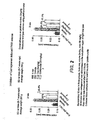
Figure 1 shows that the compounds in Example 1 lower pro-inflammatory cytokines in human macrophage cells. -
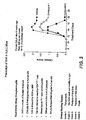
Figure 2 shows efficacy ofcompound 2 in Example 1 in an animal model of inflammation. -
Figure 3 shows efficacy ofcompounds -
Figure 4 represents schematic illustration of various cytokines and their role in management of a number of inflammatory and autoimmune diseases. -
Figure 5 is a schematic illustration of how TNFα is linked to various metabolic disorders besides its inflammatory and autoimmune properties. -
Figure 6 shows the blood glucose lowering effect of compound in Example 1 in ob/ob and db/db mice. -
Figure 7 shows the effect ofcompounds -
Figure 8 shows the effect of compound2 in Example 1 an insulin sensitizing and lipid lowering activity. -
Figure 9 shows the effect of lipid accumulation in human preadipocytes when treated with various dosages of a compound of the invention compared to rosiglitazone. - In an embodiment of the present invention, the groups represented by R1, R2, R3 and R4 are selected from hydrogen, halogen such as fluorine, chlorine, bromine or iodine; hydroxy, nitro, cyano, formyl, amino, linear or branched, substituted or unsubstituted (C1-C12)alkyl group such as methyl, ethyl, propyl, isopropyl, n-butyl, isobutyl, t-butyl, pentyl, hexyl, octal and nonyl; substituted or unsubstituted (C1-C12)alkoxy group such as methoxy, ethoxy, propoxy and butoxy.
- In an embodiment of the present invention; the group represented by A is selected from aryl such as phenyl and naphthyl; heteroaryl ring such as pyridyl, pyrrolyl, thiazolyl, indolyl, imidazolyl and furyl; heterocyclyl ring such as piperzine, morpholine, piperidine and pyrrolidine. The group A may be mono, di or tri substituted and the substituents are selected from halogen, hydroxy, nitro, cyano, formyl, amino, alkyl, haloalkyl, alkoxy, and haloalkoxy.
- In an embodiment of the present invention, the amino acid and side chain represented by X, X-A or X-A-Y is selected from alanine, glycine, arginine, asparagine, cysteine, glutamic acid, glutamine, histidine, isoleucine, leucine, lysine, methionine, ornithine, proline, serine, threonine, tryptophan and tyrosine, which may be substituted or unsubstituted and their derivatives such as ester and amides of carboxylic acid. The preferred substituents are selected from halogen, alkyl, alkoxy, aryl, heteroaryl and amino.
- The amino acid X-A-Y preferably represents substituted or unsubstituted arginine, asparagine, cysteine, glutamine, histidine, lysine, methionine, ornithine, proline, serine, threonine, tryptophan, tyrosine and their derivatives in which the amino group is carboxylated or the carboxylic acid group is esterified or is an amide. The group X-A also preferably represents alanine, glycine, isoleucine, leucine and their derivatives in which the amino group is carboxylated or the carboxylic acid group is esterified or is an amide. In another embodiment A represents a substituted or unsubstituted alkyl, heterocyclyl or heteroaryl ring.
- In another embodiment, Z is sulfur and Y is oxygen. Preferably, R, through R4 are hydrogen.
- Pharmaceutically acceptable salts forming part of this invention include base addition salts such as alkali metal salts like Li, Na, and K salts, alkaline earth metal salts like Ca and Mg salts, salts of organic bases such as lysine, arginine, guanidine, diethanolamine and choline, ammonium or substituted ammonium salts. Salts may include acid addition salts which are, sulphates, nitrates, phosphates, perchlorates, borates, hydrohalides, acetates, tartrates, maleates, citrates, succinates, palmoates, methanesulphonates, benzoates, salicylates, hydroxynaphthoates, benzenesulfonates, ascorbates, glycerophosphates and ketoglutarates. Pharmaceutically acceptable solvates may be hydrates or comprising other solvents of crystallization such as alcohols.
- Preferably the present invention relates to novel amino acid phenyl ethers of formula (I)

- More preferably, the present invention relates to novel amino acid phenyl ethers of formula (I)

- Particularly useful compounds according to the invention include:
- 5-[4-(4-(2-Amino-2-carboxyethyl)phenoxy)benzilidene]thiazolidin-2,4-dione or its salts;
5-[4-(4-(2-Amino-2-methoxycarbonylethyl)phenoxy)benzilidene]thiazolidin-2,4-dione or its salts;
5-[4-(4-(2-Amino-2-carboxyethyl)phenoxyl)benozyl]thiazolidin-2,4-dione or its salts;
5-[4-(4-(2-Amino-2-methoxycarbonylethyl)phenoxy)benzyl]thiazolidin-2,4-dione or its salts;
5-[4-(4-(2-Amino-2-carboxyethyl)phenoxy)benzilidene]oxazolidin-2,4-dione or its salts;
5-[4-(4-(2-Amino-2-methoxycarbonylethyl)phenoxy)benzilidene]oxazilidin-2,4-dione or its salts;
5-[4-(4-(2-Amino-2-carboxyethyl)phenoxy)benzyl]oxazolidin-2,4-dione or its salts;
5-[4-(4-(2-Amino-2-methoxycarbonylethyl)phenoxy)benzyl]oxazolidin-2,4-dione or its salts; - 5-[4-(4-(2-Amino-2-carboxyethyl)phenoxy)-2,6-difluorobenzilidene]oxazolidin-2,4-dione or its salts;
5-[4-(4-(2-Amino-2-methoxycarbonylethyl)phenoxy)-2,6-difluorobenzilidene] oxazolidin-2,4-dione or its salts;
5-[4-(4-(2-Amino-2-carboxyethyl)phenoxy)-2,6-difluorobenzyl]oxazolidin-2,4-dione or its salts;
5-(4-(4-(2-Amino-2-methoxycarbonylethyl)phenoxy)-2,6-difluorobenzyl] oxazolidin-2,4-dione or its salts;
5-[4-(4-(2-Amino-2-carboxyethyl)phenoxy)-2,6-difluorobenzilidene]thiazolidin-2,4-dione or its salts;
5-[4-(4-(2-Amino-2-methoxycarbonylethyl)phenoxy)-2,6-difluorobenzilidene] thiazolidin-2,4-dione or its salts;
5-[4-(4-(2-Amino-2-carboxyethyl)phenoxy)-2,6-difluorobenzyl]thiazolidin-2,4-dione or its salts;
5-[4-(4-(2-Amino-2-methoxycarbonylethyl)phenoxy)-2,6-difluorobenzyl] thiazolidin-2,4-dione or its salts;
5-[4-(4-(2-Amino-2-carboxyethyl)phenoxy)-2,3-difluorobenzilidene]thiazolidin-2,4-dione or its salts;
5-[4-(4-(2-Amino-2-methoxycarbonylethyl)phenoxy)-2,3-difluorobenzilidene] thiazolidin-2,4-dione or its salts;
5-[4-(4-(2-Amino-2-carboxyethyl)phenoxy)-2,3-difluorobenzyl]thiazolidin-2,4-dione or its salts;
5-[4-(4-(2-Amino-2-methoxycarbonylethyl)phenoxy)-2,3-difluorobenzyl] thiazolidin-2,4-dione or its salts; - 5-[4-(4-(2-Amino-2-carboxyethyl)phenoxy)-2,3-difluorobenzilidene]oxazolidin-2,4-dione or its salts;
5-[4-(4-(2-Amino-2-methoxycarbonylethyl)phenoxy)-2,3-difluorobenzilidene] oxazolidin-2,4-dione or its salts;
5-[4-(4-(2-Amino-2-carboxyethyl)phenoxy)-2,3-difluorobenzyl]oxazolidin-2,4-dione or its salts;
5-[4-(4-(2-Amino-2-methoxycarbonylethyl)phenoxy)-2,3-difluorobenzyl] oxazolidin-2,4-dione or its salts; - 5-[4-(4-(2-Amino-2-carboxyethyl)phenoxy)-3-methylbenzilidene]oxazolidin-2,4-dione or its salts;
5-[4-(4-(2-Amino-2-methoxycarbonylethyl)phenoxy)-3-methylbenzilidene] oxazolidin-2,4-dione or its salts;
5-[4-(4-(2-Amino-2-carboxyethyl)phenoxy)-3-methylbenzyl]oxazolidin-2,4-dione or its salts;
5-[4-(4-(2-Amino-2-methoxycarbonylethyl)phenoxy)-3-methylbenzyl]oxazolidin-2,4-dione or its salts; - 5-[4-(4-(2-Amino-2-carboxyethyl)phenoxy)-3-methylbenzilidene]thiazolidin-2,4-dione or its salts;
5-[4-(4-(2-Amino-2-methoxycarbonylethyl)phenoxy)-3-methylbenzilidene] thiazolidin-2,4-dione or its salts;
5-[4-(4-(2-Amino-2-carboxyethyl)phenoxy)-3-methylbenzyl]thiazolidin-2,4-dione or its salts;
5-[4-(4-(2-Amino-2-methoxycarbonylethyl)phenoxy)-3-methylbenzyl]thiazolidin-2,4-dione or its salts; - 5-[4-(4-(2-Amino-2-carboxyethyl)phenoxy)-3-nitrobenzilidene]thiazolidin-2,4-dione or its salts;
5-[4-(4-(2-Amino-2-methoxycarbonylethyl)phenoxy)-3-nitrobenzilidene] thiazolidin-2,4-dione or its salts;
5-[4-(4-(2-Amino-2-carboxyethyl)phenoxy)-3-nitrobenzyl]thiazolidin-2,4-dione or its salts;
5-[4-(4-(2-Amino-2-methoxycarbonylethyl)phenoxy)-3-nitrobenzyl]thiazolidin-2,4-dione or its salts; - 5-[4-(4-(2-Amino-2-carboxyethyl)phenoxy)-3-nitrobenzilidene]oxazolidin-2,4-dione or its salts;
5-[4-(4-(2-Amino-2-methoxycarbonylethyl)phenoxy)-3-nitrobenzilidene] oxazolidin-2,4-dione or its salts;
5-[4-(4-(2-Amino-2-carboxyethyl)phenoxy)-3-nitrobenzyl]oxazolidin-2,4-dione or its salts;
5-[4-(4-(2-Amino-2-methoxycarbonylethyl)phenoxy)-3-nitrobenzyl]oxazolidin-2,4-dione or its salts; - 5-[4-(4-(2-Amino-2-carboxyethyl)phenoxy)-3-aminobenzilidene]thiazolidin-2,4-dione or its salts;
5-[4-(4-(2-Amino-2-methoxycarbonylethyl)phenoxy)-3-aminobenzilidene] thiazolidin-2,4-dione or its salts;
5-[4-(4-(2-Amino-2-carboxyethyl)phenoxy)-3-aminobenzyl]thiazolidin-2,4-dione or its salts;
5-[4-(4-(2-Amino-2-methoxycarbonylethyl)phenoxy)-3-aminobenzyl]thiazolidin-2,4-dione or its salts; - 5-[4-(4-(2-Amino-2-carboxyethyl)phenoxy)-3-aminobenzilidene]oxazolidin-2,4-dione or its salts;
5-[4-(4-(2-Amino-2-methoxycarbonylethyl)phenoxy)-3-aminobenzilidene] oxazolidin-2,4-dione or its salts;
5-[4-(4-(2-Amino-2-carboxyethyl)phenoxy)-3-aminobenzyl]oxazolidin-2,4-dione or its salts;
5-[4-(4-(2-Amino-2-methoxycarbonylethyl)phenoxy)-3-aminobenzyl]oxazolidin-2,4-dione or its salts; - 5-[4-(4-(2-Amino-2-carboxyethyl)phenoxy)-2-fluorobenzilidene]thiazolidin-2,4-dione or its salts;
5-[4-(4-(2-Amino-2-methoxycarbonylethyl)phenoxy)-2-fluorobenzilidene] thiazolidin-2,4-dione or its salts;
5-[4-(4-(2-Amino-2-carboxyethyl)phenoxy)-2-fluorobenzyl]thiazolidin-2,4-dione or its salts;
5-[4-(4-(2-Amino-2-methoxycarbonylethyl)phenoxy)-2-fluorobenzyl]thiazolidin-2,4-dione or its salts; - 5-[4-(4-(2-Amino-2-carboxyethyl)phenoxy)-2-fluorobenzilidene]oxazolidin-2,4-dione or its salts;
5-[4-(4-(2-Amino-2-methoxycarbonylethyl)phenoxy)-2-fluorobenzilidene] oxazolidin-2,4-dione or its salts;
5-[4-(4-(2-Amino-2-carboxyethyl)phenoxy)-2-fluorobenzyl]oxazolidin-2,4-dione or its salts;
5-[4-(4-(2-Amino-2-methoxycarbonylethyl)phenoxy)2-fluorobenzyl]oxazolidin-2,4-dione or its salts; - 5-[4-(4-(2-Amino-2-carboxyethyl)phenoxy)-3-fluorobenzilidene]thiazolidin-2,4-dione or its salts;
5-[4-(4-(2-Amino-2-methoxycarbonylethyl)phenoxy)-3-fluorobenzilidene] thiazolidin-2,4-dione or its salts;
5-[4-(4-(2-Amino-2-carboxyethyl)phenoxy)-3-fluorobenzyl]thiazolidin-2,4-dione or its salts;
5-[4-(4-(2-Amino-2-methoxycarbonylethyl)phenoxy)-3-fluorobenzyl]thiazolidin-2,4-dione or its salts; - 5-[4-(4-(2-Amino-2-carboxyethyl)phenoxy)-3-fluorobenzilidene]oxazolidin-2,4-dione or its salts;
5-[4-(4-(2-Amino-2-methoxycarbonylethyl)phenoxy)-3-fluorobenzilidene] oxazolidin-2,4-dione or its salts;
5-[4-(4-(2-Amino-2-carboxyethyl)phenoxy)-3-fluorobenzyl]oxazolidin-2,4-dione or its salts ;
5-[4-(4-(2-Amino-2-methoxycarbonylethyl)phenoxy)-3-fluorobenzyl]oxazolidin-2,4-dione or its salts; - 5-[4-(4-(2-Amino-2-carboxyethyl)phenoxy)-2-trifluoromethylbenzilidene] thiazolidin-2,4-dione or its salts;
5-[4-(4-(2-Amino-2-methoxycarbonylethyl)phenoxy)-2-trifluoromethylbenzilidene] thiazolidin-2,4-dione or its salts;
5-[4-(4-(2-Amino-2-carboxyethyl)phenoxy)-2-trifluoromethylbenzyl]thiazolidin-2,4-dione or its salts;
5-[4-(4-(2-Amino-2-methoxycarbonylethyl)phenoxy)-2-trifluoromethylbenzyl] thiazolidin-2,4-dione or its salts; - 5-[4-(4-(2-Amino-2-carboxyethyl)phenoxy)-2-trifluoromethylbenzilidene] oxazolidin-2,4-dione or its salts;
5-[4-(4-(2-Amino-2-methoxycarbonylethyl)phenoxy)-2-trifluoromethylbenzilidene] oxazolidin-2,4-dione or its salts;
5-[4-(4-(2-Amino-2-carboxyethyl)phenoxy)-2-trifluoromethylbenzyl]oxazolidin-2,4-dione or its salts;
5-[4-(4-(2-Amino-2-methoxycarbonylethyl)phenoxy)-2-trifluoromethylbenzyl] oxazolidin-2,4-dione or its salts; - 5-[4-(4-(2-Amino-2-carboxyethyl)phenoxy)-3-trifluoromethylbenzilidene] thiazolidin-2,4-dione or its salts;
5-[4-(4-(2-Amino-2-methoxycarbonylethyl)phenoxy)-3-trifluoromethylbenzilidene] thiazolidin-2,4-dione or its salts;
5-[4-(4-(2-Amino-2-carboxyethyl)phenoxy)-3-trifluoromethylbenzyl]thiazolidin-2,4-dione or its salts;
5-[4-(4-(2-Amino-2-methoxycarbonylethyl)phenoxy)-3-trifluoromethylbenzyl] thiazolidin-2,4-dione or its salts;
5-[4-(4-(2-Amino-2-carboxyethyl)phenoxy)-3-trifluoromethylbenzilidene] oxazolidin-2,4-dione or its salts;
5-[4-(4-(2-Amino-2-methoxycarbonylethyl)phenoxy)-3-trifluoromethylbenzilidene] oxazolidin-2,4-dione or its salts;
5-[4-(4-(2-Amino-2-carboxyethyl)phenoxy)-3-trifluoromethylbenzyl]oxazolidin-2,4-dione or its salts;
5-[4-(4-(2-Amino-2-methoxycarbonylethyl)phenoxy)-3-trifluoromethylbenzyl] oxazolidin-2,4-dione or its salts; - 5-[4-(4-(2-Amino-2-carboxyethyl)-2,6-difluorophenoxy)benzilidene]oxazolidin-2,4-dione or its salts;
5-[4-(4-(2-Amino-2-methoxycarbonylethyl)-2,6-difluorophenoxy)benzilidene] oxazolidin-2,4-dione or its salts
5-[4-(4-(2-Amino-2-carboxyethyl)-2,6-difluorophenoxy)benzyl]oxazolidin-2,4-dione or its salts;
5-[4-(4-(2-Amino-2-methoxycarbonylethyl)-2,6-difluorophenoxy)benzyl] oxazolidin-2,4-dione or its salts;
5-[4-(4-(2-Amino-2-carboxyethyl)-2,6-difluorophenoxy)benzilidene]thiazolidin-2,4-dione or its salts;
5-[4-(4-(2-Amino-2-methoxycarbonylethyl)-2,6-difluorophenoxy)benzilidene] thiazolidin-2,4-dione or its salts;
5-[4-(4-(2-Amino-2-carboxyethyl)-2,6-difluorophenoxy)benzyl]thiazolidin-2,4-dione or its salts;
5-[4-(4-(2-Amino-2-methoxycarbonylethyl)-2,6-difluorophenoxy)benzyl] thiazolidin-2,4-dione or its salts; - 5-[4-(4-(2-Amino-2-carboxyethyl)-2,3-difluorophenoxy)benzilidene]thiazolidin-2,4-dione or its salts
5-[4-(4-(2-Amino-2-methoxycarbonylethyl)-2,3-difluorophenoxy)benzilidene] thiazolidin-2,4-dione or its salts;
5-[4-(4-(2-Amino-2-carboxyethyl)-2,3-difluorophenoxy)benzyl]thiazolidin-2,4-dione or its salts;
5-[4-(4-(2-Amino-2-methoxycarbonylethyl)-2,3-difluorophenoxy)benzyl] thiazolidin-2,4-dione or its salts;
5-[4-(4-(2-Amino-2-carboxyethyl)-2,3-difluorophenoxy)benzilidene]oxazolidin-2,4-dione or its salts;
5-[4-(4-(2-Amino-2-methoxycarbonylethyl)-2,3-difluorophenoxy)benzilidene]-oxazolidin-2,4-dione or its salts;
5-[4-(4-(2-Amino-2-carboxyethyl)-2,3-difluorophenoxy)benzyl]oxazolidin-2,4-dione or its salts;
5-[4-(4-(2-Amino-2-methoxycarbonylethyl)-2,3-difluorophenoxy)benzyl] oxazolidin-2,4-dione or its salts; - 5-[4-(4-(2-Amino-2-carboxyethyl)-3-methylphenoxy)benzilidene]oxazolidin-2,4-dione or its salts;
5-[4-(4-(2-Amino-2-methoxycarbonylethyl)-3-methylphenoxy)benzilidene] oxazolidin-2,4-dione or its salts;
5-[4-(4-(2-Amino-2-carboxyethyl)-3-methylphenoxy)benzyl]oxazolidin-2,4-dione or its salts;
5-[4-(4-(2-Amino-2-methoxycarbonylethyl)-3-methylphenoxy)benzyl]oxazolidin-2,4-dione or its salts;
5-[4-(4-(2-Amino-2-carboxyethyl)-3-methylphenoxy)benzilidene]thiazolidin-2,4-dione or its salts;
5-[4-(4-(2-Amino-2-methoxycarbonylethyl)-3-methylphenoxy)benzilidene] thiazolidin-2,4-dione or its salts;
5-[4-(4-(2-Amino-2-carboxyethyl)-3-methylphenoxy)benzyl]thiazolidin-2,4-dione or its salts;
5-[4-(4-(2-Amino-2-methoxycarbonylethyl)-3-methylphenoxy)benzyl]thiazolidin-2,4-dione or its salts; - 5-[4-(4-(2-Amino-2-carboxyethyl)-3-nitrophenoxy)benzilidene]thiazolidin-2,4-dione or its salts;
5-[4-(4-(2-Amino-2-methoxycarbonylethyl)-3-nitrophenoxy)benzilidene] thiazolidin-2,4-dione or its salts;
5-[4-(4-(2-Amino-2-carboxyethyl)-3-nitrophenoxy)benzyl]thiazolidin-2,4-dione or its salts;
5-[4-(4-(2-Amino-2-methoxycarbonylethyl)-3-nitrophenoxy)benzyl]thiazolidin-2,4-dione or its salts;
5-[4-(4-(2-Amino-2-carboxyethyl)-3-nitrophenoxy)benzilidene]oxazolidin-2,4-dione or its salts;
5-[4-(4-(2-Amino-2-methoxycarbonylethyl)-3-nitrophenoxy)benzilidene] oxazolidin-2,4-dione or its salts;
5-[4-(4-(2-Amino-2-carboxyethyl)-3-nitrophenoxy)benzyl]oxazolidin-2,4-dione or its salts;
5-[4-(4-(2-Amino-2-methoxycarbonylethyl)-3-nitrophenoxy)benzyl]oxazolidin-2,4-dione or its salts; - 5-[4-(4-(2-Amino-2-carboxyethyl)-3-aminophenoxy)benzilidene]thiazolidin-2,4-dione or its salts;
5-[4-(4-(2-Amino-2-methoxycarbonylethyl)-3-aminophenoxy)benzilidene] thiazolidin-2,4-dione or its salts;
5-[4-(4-(2-Amino-2-carboxyethyl)-3-aminophenoxy)benzyl]thiazolidin-2,4-dione or its salts;
5-[4-(4-(2-Amino-2-methoxycarbonylethyl)-3-aminophenoxy)benzyl]thiazolidin-2,4-dione or its salts;
5-[4-(4-(2-Amino-2-carboxyethyl)-3-aminophenoxy)benzilidene]oxazolidin-2,4-dione or its salts;
5-[4-(4-(2-Amino-2-methoxycarbonylethyl)-3-aminophenoxy)benzilidene] oxazolidin-2,4-dione or its salts;
5-[4-(4-(2-Amino-2-carboxyethyl)-3-aminophenoxy)benzyl]oxazolidin-2,4-dione or its salts;
5-[4-(4-(2-Amino-2-methoxycarbonylethyl)-3-aminophenoxy)benzyl]oxazolidin-2,4-dione or its salts; - 5-[4-(4-(2-Amino-2-carboxyethyl)-2-fluorophenoxy)benzilidene]thiazolidin-2,4-dione or its salts;
5-[4-(4-(2-Amino-2-methoxycarbonylethyl)-2-fluorophenoxy)benzilidene] thiazolidin-2,4-dione or its salts;
5-[4-(4-(2-Amino-2-carboxyethyl)-2-fluorophenoxy)benzyl]thiazolidin-2,4-dione or its salts;
5-[4-(4-(2-Amino-2-methoxycarbonylethyl)-2-fluorophenoxy)benzyl]thiazolidin-2,4-dione or its salts;
5-[4-(4-(2-Amino-2-carboxyethyl)-2-fluorophenoxy)benzilidene]oxazolidin-2,4-dione or its salts;
5-[4-(4-(2-Amino-2-methoxycarbonylethyl)-2-fluorophenoxy)benzilidene] oxazolidin-2,4-dione or its salts;
5-[4-(4-(2-Amino-2-carboxyethyl)-2-fluorophenoxy)benzyl]oxazolidin-2,4-dione or its salts;
5-[4-(4-(2-Amino-2-methoxycarbonylethyl)-2-fluorophenoxy)benzyl]oxazolidin-2,4-dione or its salts; - 5-[4-(4-(2-Amino-2-carboxyethyl)-3-fluorophenoxy)benzilidene]thiazolidin-2,4-dione or its salts;
5-[4-(4-(2-Amino-2-methoxycarbonylethyl)-3-fluorophenoxy)benzilidene] thiazolidin-2,4-dione or its salts;
5-[4-(4-(2-Amino-2-carboxyethyl)-3-fluorophenoxy)benzyl]thiazolidin-2,4-dione or its salts;
5-[4-(4-(2-Amino-2-methoxycarbonylethyl)-3-fluorophenoxy)benzyl]thiazolidin-2,4-dione or its salts;
5-[4-(4-(2-Amino-2-carboxyethyl)-3-fluorophenoxy)benzilidene]oxazolidin-2,4-dione or its salts;
5-[4-(4-(2-Amino-2-methoxycarbonylethyl)-3-fluorophenoxy)benzilidene] oxazolidin-2,4-dione or its salts;
5-[4-(4-(2-Amino-2-carboxyethyl)-3-fluorophenoxy)benzyl]oxazolidin-2,4-dione or its salts;
5-[4-(4-(2-Amino-2-methoxycarbonylethyl)-3-fluorophenoxy)benzyl]oxazolidin-2,4-dione or its salts; - 5-[4-(4-(2-Amino-2-carboxyethyl)-2-trifluoromethylphenoxy)benzilidene] thiazolidin-2,4-dione or its salts;
5-[4-(4-(2-Amino-2-methoxycarbonylethyl)-2-trifluoromethylphenoxy) benzilidene] thiazolidin-2,4-dione or its salts;
5-[4-(4-(2-Amino-2-carboxyethyl)-2-trifluoromethylphenoxy)benzyl]thiazolidin-2,4-dione or its salts;
5-[4-(4-(2-Amino-2-methoxycarbonylethyl)-2-trifluoromethylphenoxy)benzyl] thiazolidin-2,4-dione or its salts;
5-[4-(4-(2-Amino-2-carboxyethyl)-2-trifluoromethylphenoxy)benzilidene] oxazolidin-2,4-dione or its salts;
5-[4-(4-(2-Amino-2-methoxycarbonylethyl)-2-trifluoromethylphenoxy) benzilidene] oxazolidin-2,4-dione or its salts;
5-[4-(4-(2-Amino-2-carboxyethyl)-2-trifluoromethylphenoxy)benzyl]oxazolidin-2,4-dione or its salts;
5-[4-(4-(2-Amino-2-methoxycarbonylethyl)-2-trifluoromethylphenoxy)benzyl] oxazolidin-2,4-dione or its salts; - 5-[4-(4-(2-Amino-2-carboxyethyl)-3-trifluoromethylphenoxy)benzilidene] thiazolidin-2,4-dione or its salts;
5-[4-(4-(2-Amino-2-methoxycarbonylethyl)-3-trifluoromethylphenoxy) benzilidene] thiazolidin-2,4-dione or its salts;
5-[4-(4-(2-Amino-2-carboxyethyl)-3-trifluoromethylphenoxy)benzyl]thiazolidin-2,4-dione or its salts;
5-[4-(4-(2-Amino-2-methoxycarbonylethyl)-3-trifluoromethylphenoxy)benzyl] thiazolidin-2,4-dione or its salts;
5-[4-(4-(2-Amino-2-carboxyethyl)-3-trifluoromethylphenoxy)benzilidene] oxazolidin-2,4-dione or its salts;
5-[4-(4-(2-Amino-2-methoxycarbonylethyl)-3-trifluoromethylphenoxy) benzilidene] oxazolidin-2,4-dione or its salts;
5-[4-(4-(2-Amino-2-carboxyethyl)-3-trifluoromethylphenoxy)benzyl]oxazolidin-2,4-dione or its salts;
5-[4-(4-(2-Amino-2-melhoxycarbonylethyl)-3-trifluoromethylphcnoxy)benzyl] oxazolidin-2,4-dione or its salts; - 5-[4-(4-(2-t-butoxycarbonylamino-2-methoxycarbonylethyl)phenoxy) benzilidene] thiazolidin-2,4-dione or its salts;
5-[4-(4-(2-t-butoxycarbonylamino-2-methoxycarbonylethyl)phenoxy) benzyl]thiazolidin-2,4-dione or its salts;
5-[4-(4-(2-t-butoxycarbonylamino-2-methoxycarbonylethyl)phenoxy) benzilidene] oxazolidin-2,4-dione or its salts;
5-[4-(4-(2-t-butoxycarbonylamino-2-methoxycarbonylethyl)phenoxy) benzyl]oxazolidin-2,4-dione or its salts. - 5-[4-(4-(2-t-butoxycarbonylamino-2-carboxyethyl)phenoxy) benzilidene]thiazolidin-2,4-dione or its salts;
5-[4-(4-(2-t-butoxycarbonylamino-2-carboxyethyl)phenoxy)benzyl]thiazolidin-2,4-dione or its salts;
5-[4-(4-(2-t-butoxycarbonylamino-2-carboxyethyl)phenoxy) benzilidene]oxazolidin-2,4-dione or its salts and
5-[4-(4-(2-t-butoxycarbonylamino-2-carboxyethyl)phenoxy)benzyl]oxazolidin-2,4-dione or its salts. - Preferred salts for the list of compounds above are hydrochloride, hydrobromide, sodium, potassium or magnesium.
- According to another feature of the present invention, there is provided a process for the preparation of compounds of formula (I), wherein --- represents a bond and all other symbols are as defined earlier, as shown in scheme- I

- The reaction of compound of formula (IIIa) wherein X1 represents a protected alpha amino carboxylic acid group and all other symbols are as defined earlier with the compound of formula (IIIb) wherein L represents a nucleophilic aromatic substitution leaving group, and all other symbols are as defined earlier to produce a compound of formula (IIIc) may be carried out in the presence of solvents such as THF, DMF, DMSO and DME or mixtures of solvents may be used. The reaction may be carried out in an inert atmosphere which may be maintained by using inert gases such as N2, Ar or He. The reaction may be effected in the presence of a base such as K2CO3, Na2CO3, NaH or mixtures thereof. The reaction temperature may range from 20 °C to 150 °C, preferably at a temperature in the range of 30 °C to 100 °C. The duration of the reaction may range from 1 to 24 hours, preferably from 2 to 6 hours.
- The conventional protecting groups used are those that can be easily removed and are selected from t-Boc, CBz, F-moc, etc.
- The reaction of the compound of the general formula (IIIc) with 2,4-thiazolidinedione or 2,4-oxazolidinedione to yield a compound of formula (IIId) may be carried out neat in the presence of sodium acetate or in the presence of a solvent such as benzene, toluene, methoxyethanol or mixtures thereof. The reaction temperature may range from 80 °C to 180 °C, when the reaction is carried out neat in the presence of sodium acetate. Suitable catalyst such as piperidinium acetate or benzoate, sodium acetate or mixtures of catalysts may also be employed. Sodium acetate can be used in the presence of solvent, but it is preferred that sodium acetate is used neat. The water produced in the reaction may be removed, for example, by using Dean Stark water separator or by using water absorbing agents like molecular sieves.
- The deprotection of amino acid group of formula (IIId) to yield compound of formula (I) may be carried out using acids such as HCl, sulfuric acid, acetic acid in the presence of solvents such as DCM, ethyl acetate and water or mixture thereof at a temperature in the range of -10 °C to 50 °C.
- In another embodiment of the present invention, the compounds of general formula (I) wherein Z represents sulfur, --- represents no bond can be prepared by reacting the compound of formula (IIIe)

- The reaction of compound of general formula (IIIe) with thiourea is carried out in the presence of alcoholic solvent such as methanol, ethanol, propanol, isobutanol, 2-methoxybutanol, etc or DMSO or sulfolane. The reaction may be conducted at a temperature in the range between 20 °C and the reflux temperature of the solvent used. Bases such as NaOAc, KOAc, NaOMe, NaOEt etc. can be used.
- In yet another embodiment of the present invention, the compounds of the general formula (I) wherein --- represents a bond and all other symbols are as defined earlier can also be prepared by reacting a compound of formula


- The reaction of compound of general formula (IIIf) with a compound of general formula (IIIg) to produce a compound of general formula (I) may be carried out in the presence of solvents such as THF, DMF, DMSO and DME or mixtures thereof. The reaction may be carried out in an inert atmosphere which may be maintained by using inert gases such as N2, Ar or He. The reaction may be effected in the presence of a base such as alkalis like sodium hydroxide or potassium hydroxide; alkali metal carbonates like sodium carbonate or potassium carbonate; alkali metal hydrides such as sodium hydrides; organometallic bases like n-butyl lithium; alkali metal amides like sodamide, or mixtures thereof. Multiple solvents and bases can be used. The amount of base may range from 1 to 5 equivalents, preferably 1 to 3 equivalents. The reaction temperature may be in the range of 0 °C to 120 °C, preferably at a temperature in the range of 20 °C to 100 °C. The duration of the reaction may range from 0.5 to 24 hours, preferably from 0.5 to 6 hrs.
- In yet another embodiment of the present invention, the compounds of the general formula (I) wherein --- represents a bond and all other symbols are as defined earlier can also be prepared by reacting a compound of formula (IIIh)


- The reaction of compound of general formula (IIIh) with a compound of general formula (IIIg) to produce a compound of general formula (I) may be carried out in the presence of solvents such as THF, DMF, DMSO and DME or mixtures thereof. The reaction may be carried out in an inert atmosphere which may be maintained by using inert gases such as N2, Ar or He. The reaction may be effected in the presence of a base such as alkalis like sodium hydroxide or potassium hydroxide; alkali metal carbonates like sodium carbonate or potassium carbonate; alkali metal hydrides such as sodium hydride; organometallic bases like n-butyl lithium; alkali metal amides like sodamide, or mixtures thereof. Multiple solvents and bases can be used. The amount of base may range from 1 to 5 equivalents, preferably 1 to 3 equivalents. The reaction temperature may be in the range of 0 °C to 120 °C, preferably at a temperature in the range of 20 °C to 100 °C. The duration of the reaction may range from 0.5 to 24 hours, preferably from 0.5 to 6 hrs.
- In another embodiment of the present invention, there is provided a process for the preparation of compounds of formula (I), wherein --- represents no bond by reducing compounds of formula (I) wherein --- represents a bond and all other symbols are as defined earlier. The reduction may be carried out in the presence of gaseous hydrogen and a catalyst such as Pd/C, Rh/C, Pt/C and Raney Nickel. Mixtures of catalysts may be used. The reaction may be conducted in the presence of solvents such as dioxane, acetic acid and ethyl acetate. Mixtures of solvents may be used. A pressure between atmospheric pressure to 100 psi may be employed. The catalyst may be 5-10% Pd/C and the amount of catalyst used may range from 50-300% w/w. The reaction may also be carried out by employing metal solvent reduction such as magnesium in methanol or sodium amalgam in methanol. The reaction may also be carried out with alkali metal borohydrides such as LiBH4, NaBH4 and KBH4 in the presence of cobalt salt such as CoCl2 and ligands, preferably bidentated ligands such as 2,2'-bipyridyl, 1,10-phenanthroline and bisoximes.
- In yet another embodiment of the present invention, there is provided an intermediate of formula (IIIc)

Y represents oxygen, sulfur or NR, wherein R represents hydrogen or alkyl; R1, R2, R3 and R4 may be same or different and independently represent hydrogen, halogen, hydroxy, nitro, cyano, formyl, amino, alkyl, or alkoxy; A represents substituted or unsubstituted aryl; X represents an alpha amino carboxylic acid or a derivative thereof in which the amino group is carboxylated or the carboxylic acid group is esterified or is an amide, wherein X is bonded to A or Y through its alpha side chain. - In yet another embodiment of the present invention, there is provided an intermediate of formula (IIIe)

- It has been surprisingly found that, unlike other thiazolidine-compounds (TZD molecules), compounds of the invention exhibit no adipocyte differentiation. It is also surprising that administration reduces body weight gain. Finally, compounds of the invention appear to have no affinity for PPAR-g. These three features of the compounds are different from known TZD molecules, which typically have adipocyte differentiation activity, increase weight gain, and are PPAR-g agonists. Furthermore, compounds of the invention have anti-inflammation properties. For example, the compounds inhibit TNFα, IL-6 and IL1β.
- The compounds according to the present invention may be combined with a physiologically acceptable vehicle in a pharmaceutical composition. The particularly preferred form of composition is an orally administrated capsule or solution in which the compound is delivered in water, saline, a phosphate buffer, or lyophilized powder in a form of tablets or capsules which also includes various fillers and binders. The effective dosages of compound in a composition will be selected by those of ordinary skill in the art and may be empirically determined.
- The compounds of the present invention are useful for the treatment of inflammation, autoimmune diseases such as multiple sclerosis, IBD, obesity, neurological diseases, hypertension, and diseases such as diabetes characterized by the presence of elevated blood glucose levels, that is hyperglycemic disorders such as diabetes mellitus, including both Type I and Type II diabetes as well as other hyperglycemic related disorders such as hyperlipidemia and kidney related disorders
- By "treatment," it is meant that the compound is administered at least to reduce inflammation, hypertension, obesity, blood lipid levels, blood glucose levels or symptoms associated with autoimmune or neurological disease or disorder from which the patient is suffering. The compound is administered in an amount sufficient, for example, to reduce blood glucose level to an acceptable range, wherein an acceptable range means +/- 10%, usually +/- 8% and usually +/- 5% of the normal average blood glucose level for the subject. A variety of subjects may be treated with the compounds such as livestock, valuable or rare animals, pets, as well as humans. The compounds may be administered to the subject using a convenient administration technique, including intravenous, intradermal, intramuscular, subcutaneous and oral administration. However, the oral route of administration is particularly preferred. The dosage delivered to the host will necessarily depend upon the route by which the compound is delivered, but generally ranges from 5 to 500 mg/70 kg human body weight.
- The invention is explained in detail in the examples given below.
-

- To a suspension of fresh sodium hydride (0.813 g, 33.9 mmol) in dry DMF (20 ml) under nitrogen atmosphere was added the solution of methyl-2-[(t-butoxycarbonyl)amino]-3-(4-hydroxyphenyl)propanoate (10 g, 33.9 mmol) in DMF (20 ml) slowly. The mixture was stirred for 15 minutes. 4-Fluorobenzaldehyde (4.20 g, 33.9 mmol) was added and the mixture was heated to 80 °C. After completion of the reaction, the solvent was removed by high vacuum and the mixture was quenched with addition of saturated aqueous ammonium chloride. The mixture was extracted with ethyl acetate (3 x50 ml). After washing with brine and dried on anhydrous sodium sulfate, the solvent was evaporated and the product was purified with flash column from eluent of hexanes: ethyl ether; 12/30 to 12/ 22 to afford the title compound as an oil (yield 11.5 g, 85.0 %).
1H NMR (CDCl3, 360 M Hz,): δ 9.92 (s, 1H), 7.83 (d, 2H), 7.19 (d, 2H), 7.05 (d, 2H), 7.03(d, 2H), 4.60(t, 1H), 3.72(s, 3H), 3.09(d, 2H), 1.42(s, 9H). The structure was confirmed by Mass Spec. Calculated (M+1) 400.4; Measured 400.3. - To a solution of methyl-2-[(t-butoxycarbonyl)amino]-3-[-(4-formylphenoxy) phenyl]propanoate obtained in step (i) above in anhydrous toluene (10 g, 25 mmol), 2,4-thiazolidinedione (3.53 g, 30 mmol) was added followed by benzoic acid (0.46 g, 3.75 mmol) and piperidine (0.28 g, 3.25 mmol). The solution was heated to reflux at 145-155 °C with continuous removal of water using Dean-Stark apparatus for 5 hr. The solution was cooled to RT and the yellow solid was precipitated to afford the title compound (yield 11.9 g, 96%, purity 96.5 % by HPLC, mp : 160-164 °C).
1H NMR (CDCl3, 360 M Hz,): 7.82(s, 1H), 7.47(d, 2H); 7.05(d, 2H), 7.00(d, 2H); 6.75(d, 2H) 5.18(m, 1H), 4.54(M, 1H), 3.71(s, 3H); 3.02(m, 2H), 3.00(m, 2H). 1.42(s, 9H). The structure was confirmed by Mass Spec. Calculated (M+1) 498.5; Measured 498.5. - A solution of 5-[4-(4-(2-t-butoxycarbonylamino-2-methoxycarbonylethyl) phenoxy)benzilidene]thiazolidin-2,4-dione (2 g, 4.0 mmol) in DCM (100 ml) at 0 °C was bubbled with HCl gas. After stirring for 1 hour, the yellow precipitate was filtered and 1.7 g (3.9 mmol) of HCl-Tyr (C6H4-CH=TD27-OMe was collected with 97.5% yield, mp : 187-190 °C. The HPLC purity of product was 94.5%. Compound
1H NMR (D20, 360 M Hz,): 7.46(s, NH, 1H); 7.24(d, 2H); 7.16(d, 2H); 6.94(d, 2H); 6.78(d, 2H); 4.80 (s, NH3, 3H); 4.40(m Cα-H, 1H); 3.80(s, OMe). The structure was confirmed by Mass Spec. Calculated (M+1) 501.5 ; Measured 501.5. - To a solution of 5-[4-(4-(2-amino-2-methoxycarbonylethyl) phenoxy)benzilidenl]thiazolidin-2,4-dione (0.7 g, 1.6 mmol) in methanol (20 ml) dry Pd/C (0.15 g) was added. After hydrogenating at 60 psi at 40 °C over night, the solution was filtered with Celite and evaporated under reduced pressure to yield quantitatively the title compound. This compound did not show melting in DSC but changes to black colour, in capillary and shrinks at 97-133 °
C. Compound 2. - The pharmaceutically acceptable salts may be prepared by reacting the compound of formula (I) with 1 to 4 equivalents of a base such as sodium hydroxide, sodium methoxide, sodium hydride, potassium t-butoxide, calcium hydroxide and magnesium hydroxide, in solvents like either, THF, methanol, t-butanol, dioxane, isopropanol, ethanol etc. Mixtures of solvents may be used. Organic bases like lysine, arginine, diethanolamine, choline, guanidine and their derivatives etc. may also be used. Alternatively, acid addition salts are prepared by treatment witch acids such as hydrochloric acid, hydrobromic acid, nitric acid, sulfuric acid, phosphoric acid, p-toluenesulfonic acid, methanesulfonic acid, acetic acid, citric acid, maleic acid, salicylic acid, hydroxynaphthoic acid, ascorbic acid, palmitic acid, succinic acid, benzoic acid, benzene sulfonic acid and tartaric acid in solvents like ethyl acetate, ether, alcohols, acetone, THF, dioxane etc. Mixture of solvents may also be used.
- The present invention also provides a pharmaceutical composition, containing once or more of the compounds of the general formula (I) as defined above, their tautomeric forms, their stereoisomers, their polymorphs, their pharmaceutically acceptable salts, their pharmaceutically acceptable solvates in combination with the usual pharmaceutically employed carriers and diluents.
- The pharmaceutical composition may be in the forms normally employed, such as tablets, capsules, powders, syrups, solutions and suspensions, may contain flavourants, sweeteners etc. in suitable solid or liquid carriers or diluents, or in suitable sterile media to form injectable solutions or suspensions. Such compositions typically contain from 1 to 25%, preferably 1 to 15% by weight of active compound, the remainder of the composition being pharmaceutically acceptable carriers, diluents, excipients or solvents.
- Suitable pharmaceutically acceptable carriers include solid fillers or diluents and sterile aqueous or organic solutions. The active compound will be present in such pharmaceutical compositions in the amounts sufficient to provide the desired dosage in the range as described above. Thus, for oral administration, the compounds can be combined with a suitable solid or liquid carrier or diluent to form capsules, tablets, powders, syrups, solutions and suspensions. The pharmaceutical compositions, may, if desired, contain additional components such as flavourants, sweeteners and excipients. For parenteral administration, the compounds can be combined with sterile aqueous or organic media to form injectable solutions or suspensions. For example, solutions in sesame or peanut oil and aqueous propylene glycol can be used, as well as aqueous solutions of water-soluble pharmaceutically-acceptable acid addition salts or alkali or alkaline earth metal salts of the compounds. The injectable solutions prepared in this manner can then be, administered intravenously, intraperitoneally, subcutaneously, or intramuscularly, with intramuscular administration being preferred in humans.
- The pharmaceutical composition of the present invention are particularly effective in lowering blood glucose, serum insulin and triglyceride levels in animal models of types II diabetes. The pharmaceutical compositions of the present invention are also effective in the treatment of obesity, inflammation, autoimmune diseases. Furthermore, pharmaceutical composition of the present invention are useful for the treatment of disorders associated with insulin resistance, such as polycystic ovary syndrome, as well as hyperlipidemia, coronary artery disease and peripheral vascular disease, and for the treatment of inflammation and immunological diseases, particularly those mediated by cytokines such as TNF-α, IL-1, IL-6 and cyclooxygenase such as COX-2.
- Compounds of the present invention have been tested for lowering inflammatory cytokines level, chemically-induced inflammation, obesity and blood glucose, in different models for their biological activity. The attached
figures 1-9 . shows the activity profile of the representative compound. -
FIGURE 1 .Compounds
Human THP-1 monocyte cells were cultured and incubated with two compounds of example 1 at different concentrations. Cells were then challenged with lipopolysaccharides (LPS) at a concentration of (1 microgram/ml) for 24 hours. Cell supernatants were then analyzed for the presence of TNFα, IL1β and IL-6 cytokines by antibody directed enzyme-linked immunoassay. As shown inFigure 1 , the example compounds can inhibit the production of three major pro-infalmmatory cytokines in a dose dependent manner. No significant change in cell viability was observed with incubation of cells in the presence of highest concentration of the compound. These strongly indicate that compound of example 1 is highly effective in reducing the production of pro-inflammatory cytokines. -
FIGURE 2 .Compound 2 in Example 1 can lower Carrageenan induced inflammation in rats.
Spegue-Dowley rats of average weight 250g (6-7 weeks of age) were randomized in three goups, and given 50 mg/kg oral dose of compound of example 1. Thirty minutes later carrageenan was administered in the sub-planter region of right hind paws. Control group received equal volume of water without any compound. Paw volume was measured after 2 and three hours. Dexamethasone at a concentration of 5 mg/kg was used as a positive control in this experiment. As shown inFigure 2 , the compound of example 1 can substantially lower the inflammation induced by carrageenan. Attime 3 hours the effect of compound of example -1 was as effective as dexamethasone (a known anti-inflammatory drug that acts via different mechanism pathways). -
FIGURE 3 .Compounds
Multiple sclerosis (MS) is an autoimmune disease and is regulated by cytokine levels. In order to test the effect of example 1 in MS model, experimental allergic encepahalomyalitis (EAE) was induced in SJL/J mice. EAE is an autoimmune inflammatory disease of the central nervous system (CNS). The disease shows many similarities with the human MS, and hence is used as a model to test the potential efficacy of new drugs that may have applicability in MS. EAE was induced by injecting spinal chord homogenate where animals were treated with example compounds. The severity of EAE was established by clinical scores of paralysis. As shown inFigure 3 , the new compound treated group showed complete prevention of EAE. These results indicate utility of the example compounds for the treatment of MS and other neurological disorders. -
FIGURE 4 . Schematic representation of cytokine modulation and immune disorders. Macrophage produces various cytokines upon stimulation by mitogens and other unknown factors. Few of theses key cytokines are known to be involved in various immunological disorders including a number of autoimmne diseases. -
FIGURE 5 . Direct and indirect Linkage of TNFα in Metabolic diseases.
It has been well established that TNFα plays a major role in inflammatory diseases and autoimmune disorders with treatments available for rheumatoid arthritis using antibody against TNFα. In addition, a number of studies in recent years have predicted the possible role of TNFα in adipose biology and metabolic disorders such as diabetes, obesity, hyperlipidemic and vascular complications. The schematic illustration reflects how the regulation of TNFα can have impact on a number of metabolic diseases, that can provide different pathways for treating these diseases. -
FIGURE 6 .Compound 2 in Example 1 substantially improves hyperglycemia in diabetic mice.
The hypoglycemic effect of the compound has been examined in two spontaneous animal models of diabetes (ob/ob and db/db mice). The ob/ob mice lacks leptin gene and is also considered a typical model for obesity. The db/db mice have defective leptin receptor and show hyperglycemia with significant weight gain. The compound at a dose of 5, 10 and 50 mg/kg body weight was given orally in these animals for a period of 15-21 days. Treatment of both ob/ob and db/db diabetic animals resulted in significant improvement of hyperglycemic conditions. Results are essentially the same forcompound 1. -
FIGURE 7 . TheCompounds
The leptin knock-out mice (ob/ob) are considered a suitable model for obesity besides diabetes. In order to test the efficacy of these compounds towards obesity, ob/ob mice were treated with compound for 21 days. As shown inFigure 7 , single dose daily treatment of ob/ob mice with compound can result in 35% improvement in body weight gain, indicating the utility of these compounds for the treatment of obesity. This finding is opposite from that using other thiazolidines, which typically increase weight. -
FIGURE 8 . TheCompound 2 in Example 1 can improve insulin resistance and lipid homeostasis.
The leptin knock-out ob/ob mice is also considered a good model for insulin resistance. Treatment of these animals with thecompound 2 lowered serum insulin concentration by >70%. Similarly, a 48% decrease in triglyceride level and >50% decrease in serum cholesterol concentrations were observed in 15-day treatment study. These results indicate that the compounds have strong anti-lipidemic properties and can improve the sensitivity of insulin.
In a separate study, surprisingly it was observed that these compounds are non-adipogenic in contrast to other known thiazolidinediones and has very weak or no affinity towards peroxisome proliferator activator receptor-gamma (PPAR-γ). All of these biological findings suggest the compounds have novel properties and work by a very different mechanism of action from PPAR-γ binding. -
FIGURE. 9 . Known PPAR-g agonist rosiglitazone is an adipogenic agent, butCompound 2 is not.
Human subcutaneous preadipocytes were cultured in 96 well plate in presence of vehicle or different doses (0.01, 0.1, 1.0, and 10 microMolar) of either rosiglitazone (BRL) or compound 2 (BLX) for 13 days. Every 72 hours media were changed with fresh compound. As TNF inhibits adipogenesis process, it was kept as negative control of the experiment where coincubation with rosiglitazone showed a significant reduction in adipogenesis compared to rosiglitazone alone. On day 13 cells were fixed and lipid (triglycerides) accumulation was measured by staining with Oil Red O and pictures were under the microscope. To have more quantitative data, Oil Red O was extracted by adding isopropanol and measured spectrophotometrically at 540 nM (as shown in the bar graph). It can be seen that regardless of dosage,compound 2 did not cause accumulation of lipids. Rosiglitazone showed a dose dependent increase in lipid production, which could be inhibited by addition of TNFα.

| Compd No. | X | A | Y | R2, R3 | R4 | Z |
| 1 |  |  | O | H, H | H | S |
| 2 |  |  | O | H, H | H | S |
| 3 |  |  | O | H, H | 2H | S |
| 4 | 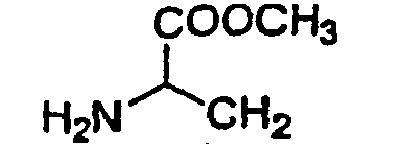 |  | O | H, H | 2H | S |
| 5 |  |  | O | H, H | H | O |
| 6 |  |  | O | H, H | H | O |
| 7 |  |  | O | H, H | 2H | O |
| 8 |  |  | O | H, H | 2H | O |
| 9 |  |  | O | 2-F, 6-F | H | O |
| 10 |  |  | O | 2-F, 6-F | H | O |
| 11 |  |  | O | 2-F, 6-F | 2H | O |
| 12 |  |  | O | 2-F, 6-F | 2H | O |
| 13 |  |  | O | 2-F, 6-F | H | S |
| 14 |  |  | O | 2-F, 6-F | H | S |
| 15 |  |  | O | 2-F, 6-F | 2H | S |
| 16 |  |  | O | 2-F, 6-F | 2H | S |
| 17 |  |  | O | 2-F, 3-F | H | S |
| 18 |  |  | O | 2-F, 3-F | H | S |
| 19 |  |  | O | 2-F, 3-F | 2H | S |
| 20 |  |  | O | 2-F, 3-F | 2H | S |
| 21 |  |  | O | 2-F, 3-F | H | O |
| 22 |  |  | O | 2-F, 3-F | H | O |
| 23 |  |  | O | 2-F, 3-F | 2H | O |
| 24 |  |  | O | 2-F, 3-F | 2H | O |
| 25 |  |  | O | 3-Me | H | O |
| 26 |  |  | O | 3-Me | H | O |
| 27 |  |  | O | 3-Me | 2H | O |
| 28 |  |  | O | 3-Me | 2H | O |
| 29 |  |  | O | 3-Me | H | S |
| 30 |  |  | O | 3-Me | H | S |
| 31 |  |  | O | 3-Me | 2H | S |
| 32 |  |  | O | 3-Me | 2H | S |
| 33 |  |  | O | 3-NO2 | H | S |
| 34 | 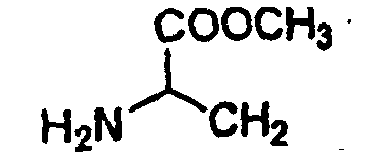 |  | O | 3-NO2 | H | S |
| 35 |  |  | O | 3-NO2 | 2H | S |
| 36 |  |  | O | 3-NO2 | 2H | S |
| 37 |  |  | O | 3-NO2 | H | O |
| 38 |  |  | O | 3-NO2 | H | O |
| 39 |  |  | O | 3-NO2 | 2H | O |
| 40 |  |  | O | 3-NO2 | 2H | O |
| 41 |  | 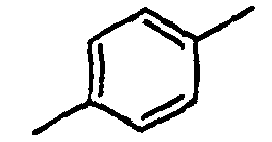 | O | 3-NH2 | H | S |
| 42 |  |  | O | 3-NH2 | H | S |
| 43 |  |  | O | 3-NH2 | 2H | S |
| 44 | 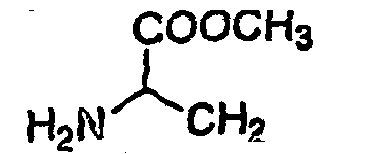 |  | O | 3-NH2 | 2H | S |
| 45 |  |  | O | 3-NH2 | H | O |
| 46 |  |  | O | 3-NH2 | H | O |
| 47 |  |  | O | 3-NH2 | 2H | O |
| 48 |  |  | O | 3-NH2 | 2H | O |
| 49 |  |  | O | 2-F | H | S |
| 50 |  |  | O | 2-F | H | S |
| 51 |  |  | O | 2-F | 2H | S |
| 52 |  |  | O | 2-F | 2H | S |
| 53 |  |  | O | 2-F | H | O |
| 54 |  |  | O | 2-F | H | O |
| 55 |  |  | O | 2-F | 2H | O |
| 56 |  |  | O | 2-F | 2H | O |
| 57 |  |  | O | 3-F | H | S |
| 58 |  |  | O | 3-F | H | S |
| 59 |  |  | O | 3-F | 2H | S |
| 60 |  |  | O | 3-F | 2H | S |
| 61 |  |  | O | 3-F | H | O |
| 62 |  |  | O | 3-F | H | O |
| 63 |  | 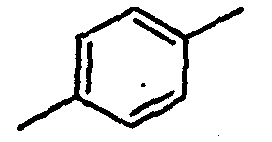 | O | 3-F | 2H | O |
| 64 |  |  | O | 3-F | 2H | O |
| 65 |  |  | O | 2-CF3 | H | S |
| 66 |  |  | O | 2-CF3 | H | S |
| 67 |  |  | O | 2-CF3 | 2H | S |
| 68 |  |  | O | 2-CF3 | 2H | S |
| 69 |  |  | O | 2-CF3 | H | O |
| 70 |  |  | O | 2-CF3 | H | O |
| 71 |  | 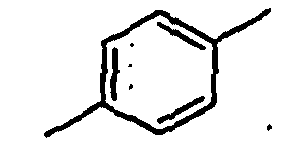 | O | 2-CF3 | 2H | O |
| 72 |  |  | O | 2-CF3 | 2H | O |
| 73 |  |  | O | 3-CF3 | H | S |
| 74 |  |  | O | 3-CF3 | H | S |
| 75 | 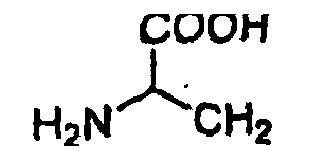 |  | O | 3-CF3 | 2H | S |
| 76 |  |  | O | 3-CF3 | 2H | S |
| 77 | 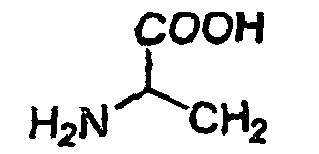 |  | O | 3-CF3 | H | O |
| 78 |  |  | O | 3-CF3 | H | O |
| 79 |  |  | O | 3-CF3 | 2H | O |
| 80 |  |  | O | 3-CF3 | 2H | O |
| 81 |  |  | O | H, H | H | O |
| 82 |  |  | O | H, H | H | O |
| 83 |  |  | O | H, H | 2H | O |
| 84 |  |  | O | H, H | 2H | O |
| 85 |  |  | O | H, H | H | S |
| 86 |  |  | O | H, H | H | S |
| 87 |  |  | O | H, H | 2H | S |
| 88 |  |  | O | H, H | 2H | S |
| 89 |  |  | O | H, H | H | S |
| 90 | 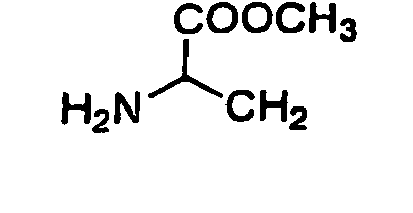 |  | O | H, H | H | S |
| 91 |  |  | O | H, H | 2H | S |
| 92 |  |  | O | H, H | 2H | S |
| 93 |  |  | O | H, H | H | O |
| 94 |  |  | O | H, H | H | O |
| 95 |  |  | O | H, H | 2H | O |
| 96 |  |  | O | H, H | 2H | O |
| 97 |  | 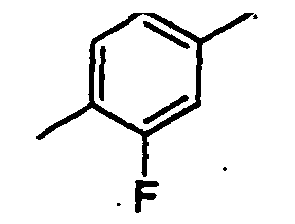 | O | H, H | H | O |
| 98 |  |  | O | H, H | H | O |
| 99 |  |  | O | H, H | 2H | O |
| 100 |  |  | O | H, H | 2H | O |
| 101 |  |  | O | H, H | H | S |
| 102 |  |  | O | H, H | H | S |
| 103 |  |  | O | H, H | 2H | S |
| 104 |  |  | O | H, H | 2H | S |
| 105 |  |  | O | H, H | H | O |
| 106 |  |  | O | H, H | H | O |
| 107 |  | 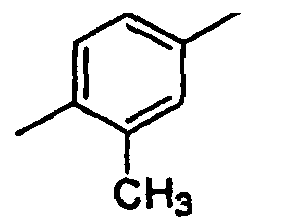 | O | H, H | 2H | O |
| 108 |  | 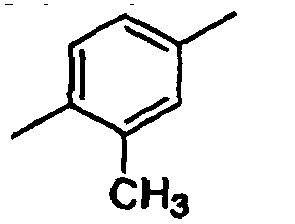 | O | H, H | 2H | O |
| 109 |  |  | O | H, H | H | S |
| 110 |  |  | O | H, H | H | S |
| 111 | 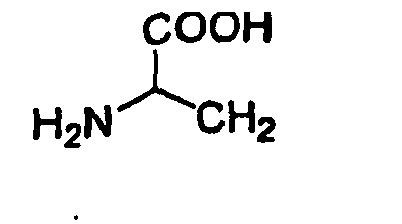 |  | O | H, H | 2H | S |
| 112 | 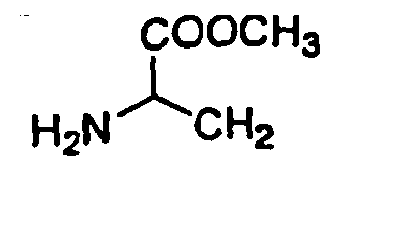 |  | O | H, H | 2H | S |
| 113 |  |  | O | H, H | H | S |
| 114 |  |  | O | H, H | H | S |
| 115 |  |  | O | H, H | 2H | S |
| 116 |  |  | O | H, H | 2H | S |
| 117 |  |  | O | H, H | H | O |
| 118 |  |  | O | H, H | H | O |
| 119 |  |  | O | H, H | 2H | O |
| 120 |  |  | O | H, H | 2H | O |
| 121 |  | 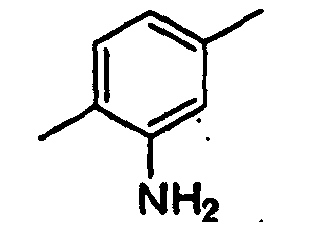 | O | H, H | H | S |
| 122 |  |  | O | H, H | H | S |
| 123 |  |  | O | H, H | 2H | S |
| 124 |  |  | O | H, H | 2H | S |
| 125 |  |  | O | H, H | H | O |
| 126 |  |  | O | H, H | H | O |
| 127 |  |  | O | H, H | 2H | O |
| 128 |  |  | O | H, H | 2H | O |
| 129 | 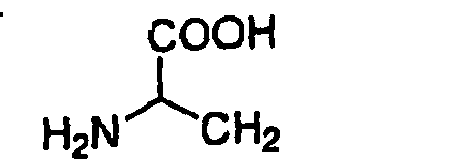 |  | O | H, H | H | S |
| 130 |  |  | O | H, H | H | S |
| 131 |  |  | O | H, H | 2H | S |
| 132 |  |  | O | H, H | 2H | S |
| 133 |  |  | O | H, H | H | O |
| 134 |  |  | O | H, H | H | O |
| 135 |  |  | O | H, H | 2H | O |
| 136 |  |  | O | H, H | 2H | O |
| 137 |  |  | O | H, H | H | S |
| 138 |  |  | O | H, H | H | S |
| 139 |  |  | O | H, H | 2H | S |
| 140 |  |  | O | H,H | 2H | S |
| 141 |  |  | O | H, H | H | O |
| 142 |  |  | O | H, H | H | O |
| 143 |  |  | O | H, H | 2H | O |
| 144 |  |  | O | H, H | 2H | O |
| 145 |  |  | O | H, H | H | S |
| 146 |  |  | O | H, H | H | S |
| 147 |  |  | O | H, H | 2H | S |
| 148 |  |  | O | H, H | 2H | S |
| 149 |  |  | O | H, H | H | O |
| 150 |  |  | O | H, H | H | O |
| 151 |  |  | O | H, H | 2H | O |
| 152 |  |  | O | H, H | 2H | O |
| 153 |  |  | O | H, H | H | S |
| 154 |  |  | O | H, H | H | S |
| 155 |  |  | O | H, H | 2H | S |
| 156 |  |  | O | H, H | 2H | S |
| 157 |  |  | O | H, H | H | O |
| 158 |  | 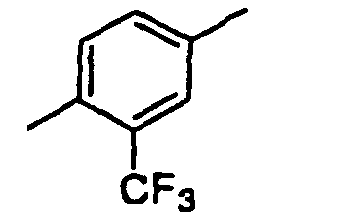 | O | H, H | H | O |
| 159 |  |  | O | H, H | 2H | O |
| 160 |  |  | O | H, H | 2H | O |
| 161 |  |  | O | H, H | H | S |
| 162 | 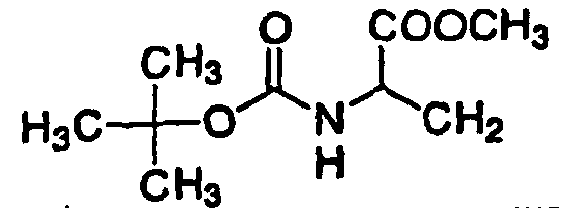 |  | O | H, H | 2H | S |
| 163 |  | 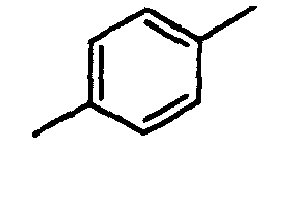 | O | H, H | H | O |
| 164 |  |  | O | H, H | 2H | O |
| 165 |  |  | O | H, H | H | S |
| 166 |  |  | O | H, H | 2H | S |
| 167 |  |  | O | H, H | H | O |
| 168 |  |  | O | H, H | 2H | O |
Claims (39)
- A compound of formula (I)

- A compound of formula (I) according to claim 1, wherein the X-A-Y-represents an amino acid selected from the group consisting of substituted or unsubstituted arginine, asparagine, cysteine, glutamine, histidine, lysine, methionine, ornithine, proline, serine, threonine, tryptophan, tyrosine and their derivatives in which the amino group is carboxylated or the carboxylic acid group is esterified or is an amide.
- A compound according to claim 1 wherein A represents a substituted or unsubstituted aryl, heterocyclyl or heteroaryl ring.
- A compound according to claim 1 wherein X-A- represents an amino acid selected from the group consisting of alanine, glycine, isoleucine and leucine and their derivatives in which the amino group is carboxylated or the carboxylic acid group is esterified or is an amide.
- A compound according to claim 1 wherein A represents a bond.
- A compound according to any of claims 1 through 5 wherein Z is sulfur and Y is oxygen.
- A compound according to any of claims 1 through 5 wherein R1 through R4 are hydrogen.
- A compound according to any of claims 1 through 5 wherein the --- double bond is present.
- A compound according to any of claims 1 through 5 wherein the --- double bond is absent.
- A compound according to claim 2 wherein X-A-Y- comprises tyrosine.
- A compound according to claim 2 wherein X-A-Y comprises a tyrosine derivative in which the amino group is carboxylated or the carboxylic acid group is esterified or is an amide.
- A compound according to claim 11 wherein said derivative comprises an alkyl ester of tyrosine.
- A compound according to claim 12 wherein said ester is the methyl ester.
- A compound according to claim 10 or 11 wherein R1, R2, R3 and R4 are hydrogen and Z is sulfur.
- A compound according to claim 14 wherein the --- double bond is present.
- A compound according to claim 14 wherein the --- double bond is absent.
- A compound according to claim 1, which is selected from the group consisting of:5-[4-(4-(2-Amino-2-carboxyethyl)phenoxy)benzilidene]thiazolidin-2,4-dione or its salts;
5-[4-(4-(2-Amino-2-methoxycarbonylethyl)phenoxy)benzilidene]thiazolidin-2,4-dione or its salts;
5-[4-(4-(2-Amino-2-carboxyethyl)phenoxy)benzyl]thiazolidin-2,4-dione or its salts;
5-[4-(4-(2-Amino-2-methoxycarbonylethyl)phenoxy)benzyl]thiazolidin-2,4-dione or its salts;
5-[4-(4-(2-Amino-2-carboxyethyl)phenoxy)benzilidene]oxazolidin-2,4-dione or its salts;
5-[4-(4-(2-Amino-2-methoxycarbonylethyl)phenoxy)benzilidene]oxazolidin-2,4-dione or its salts;
5-[4-(4-(2-Amino-2-carboxyethyl)phenoxy)benzyl]oxazolidin-2,4-dione or its salts;
5-[4-(4-(2-Amino-2-methoxycarbonylethyl)phenoxy)benzyl]oxazolidin-2,4-dione or its salts;5-[4-(4-(2-Amino-2-carboxyethyl)phenoxy)-2,6-difluorobenzilidene]oxazolidin-2,4-dione or its salts;
5-[4-(4-(2-Amino-2-methoxycarbonylethyl)phenoxy)-2,6-difluorobenzilidene] oxazolidin-2,4-dione or its salts;
5-[4-(4-(2-Amino-2-carboxyethyl)phenoxy)-2,6-difluorobenzyl]oxazolidin-2,4-dione or its salts;
5-[4-(4-(2-Amino-2-methoxycarbonylethyl)phenoxy)-2,6-difluorobenzyl] oxazolidin-2,4-dione or its salts;5-[4-(4-(2-Amino-2-carboxyethyl)phenoxy)-2,6-difluorobenzilidene]thiazolidin-2,4-dione or its salts;
5-[4-(4-(2-Amino-2-methoxycarbonylethyl)phenoxy)-2,6-difluorobenzilidene] thiazolidin-2,4-dione or its salts;
5-[4-(4-(2-Amino-2-carboxyethyl)phenoxy)-2,6-difluorobenzyl]thiazolidin-2,4-dione or its salts;
5-[4-(4-(2-Amino-2-methoxycarbonylethyl)phenoxy)-2,6-difluorobenzyl] thiazolidin-2,4-dione or its salts;5-[4-(4-(2-Amino-2-carboxyethyl)phenoxy)-2,3-difluorobenzilidene]thiazolidin-2,4-dione or its salts;
5-[4-(4-(2-Amino-2-methoxycarbonylethyl)phenoxy)-2,3-difluorobenzilidene] thiazolidin-2,4-dione or its salts;
5-[4-(4-(2-Amino-2-carboxyethyl)phenoxy)-2,3-difluorobenzyl]thiazolidin-2,4-dione or its salts;
5-[4-(4-(2-Amino-2-methoxycarbonylethyl)phenoxy)-2,3-difluorobenzyl] thiazolidin-2,4-dione or its salts;5-[4-(4-(2-Amino-2-carboxyethyl)phenoxy)-2,3-difluorobenzilidene]oxazolidin-2,4-dione or its salts;
5-[4-(4-(2-Amino-2-methoxycarbonylethyl)phenoxy)-2,3-difluorobenzilidene] oxazolidin-2,4-dione or its salts;
5-[4-(4-(2-Amino-2-carb-oxyethyl)phenoxy)-2,3-difluorobenzyl]oxazolidin-2,4-dione or its salts;
5-[4-(4-(2-Amino-2-methoxycarbonylethyl)phenoxy)-2,3-difluorobenzyl] oxazolidin-2,4-dione or its salts;
5-[4-(4-(2-Amino-2-carboxyethyl)phenoxy)-3-methylbenzilidene]oxazolidin-2,4-dione or its salts;
5-[4-(4-(2-Amino-2-methoxycarbonylethyl)phenoxy)-3-methylbenzilidene] oxazolidin-2,4-dione or its salts;
5-[4-(4-(2-Amino-2-carboxyethyl)phenoxy)-3-methylbenzyl]oxazolidin-2,4-dione or its salts;
5-[4-(4-(2-Amino-2-methoxycarbonylethyl)phenoxy)-3-methylbenzyl]oxazolidin-2,4-dione or its salts;5-[4-(4-(2-Amino-2-carboxyethyl)phenoxy)-3-methylbenzilidene]thiazolidin-2,4-dione or its salts;
5-[4-(4-(2-Amino-2-methoxycarbonylethyl)phenoxy)-3-methylbenzilidene] thiazolidin-2,4-dione or its salts;
5-[4-(4-(2-Amino-2-carboxyethyl)phenoxy)-3-methylbenzyl]thiazolidin-2,4-dione or its salts;
5-[4-(4-(2-Amino-2-methoxycarbonylethyl)phenoxy)-3-methylbenzyl]thiazolidin-2,4-dione or its salts;5-[4-(4-(2-Amino-2-carboxyethyl)phenoxy)-3-nitrobenzilidene]thiazolidin-2,4-dione or its salts;
5-[4-(4-(2-Amino-2-methoxycarbonylethyl)phenoxy)-3-nitrobenzilidene] thiazolidin-2,4-dione or its salts;
5-[4-(4-(2-Amino-2-carboxyethyl)phenoxy)-3-nitrobenzyl]thiazolidin-2,4-dione or its salts;
5-[4-(4-(2-Amino-2-methoxycarbonylethyl)phenoxy)-3-nitrobenzyl]thiazolidin-2,4-dione or its salts;5-[4-(4-(2-Amino-2-carboxyethyl)phenoxy)-3-nitrbbenzilidene]oxazolidin-2,4-dione or its salts;
5-[4-(4-(2-Amino-2-methoxycarbonylethyl)phenoxy)-3-nitrobenzilidene] oxazolidin-2,4-dione or its salts;
5-[4-(4-(2-Amino-2-carboxyethyl)phenoxy)-3-nitrobenzyl]oxazolidin-2,4-dione or its salts;
5-[4-(4-(2-Amino-2-methoxycarbonylethyl)phenoxy)-3-nitrobenzyl]oxazolidin-2,4-dione or its salts;5-[4-(4-(2-Amino-2-carboxyethyl)phenoxy)-3-aminobenzilidene]thiazolidin-2,4-dione or its salts;
5-[4-(4-(2-Amino-2-methoxycarbonylethyl)phenoxy)-3-aminobenzilidene] thiazolidin-2,4-dione or its salts;
5-[4-(4-(2-Amino-2-carboxyethyl)phenoxy)-3-aminobenzyl]thiazolidin-2,4-dione or its salts;
5-[4-(4-(2-Amino-2-methoxycarbonylethyl)phenoxy)-3-aminobenzyl]thiazolidin-2,4-dione or its salts;5-[4-(4-(2-Amino-2-carboxyethyl)phenoxy)-3-aminobenzilidene]oxazolidin-2,4-dione or its salts;
5-[4-(4-(2-Amino-2-methoxycarbonylethyl)phenoxy)-3-aminobenzilidene] oxazolidin-2,4-dione or its salts;
5-[4-(4-(2-Amino-2-carboxyethyl)phenoxy)-3-aminobenzyl]oxazolidin-2,4-dione or its salts;
5-[4-(4-(2-Amino-2-methoxycarbonylethyl)phenoxy)-3-aminobenzyl]oxazolidin-2,4-dione or its salts;5-[4-(4-(2-Amino-2-carboxyethyl)phenoxy)-2-fluorobenzilidene]thiazolidin-2,4-dione or its salts;
5-[4-(4-(2-Amino-2-methoxycarbonylethyl)phenoxy)-2-fluorobenzilidene] thiazolidin-2,4-dione or its salts;
5-[4-(4-(2-Amino-2-carboxyethyl)phenoxy)-2-fluorobenzyl]thiazolidin-2,4-dione or its salts;
5-[4-(4-(2-Amino-2-methoxycarbonylethyl)phenoxy)-2-fluorobenzyl]thiatiolidin-2,4-dione or its salts;5-[4-(4-(2-Amino-2-carboxyethyl)phenoxy)-2-fluorobenzilidene]oxazolidin-2,4-dione or its salts;
5-[4-(4-(2-Amino-2-methoxycarbonylethyl)phenoxy)-2-fluorobenzilidene] oxazolidin-2,4-dione or its salts;
5-[4-(4-(2-Amino-2-carboxyethyl)phenoxy)-2-fluorobenzyl]oxazolidin-2,4-dione or its salts ;
5-[4-(4-(2-Amino-2-methoxycarbonylethyl)phenoxy)-2-fluorobenzyl]oxazolidin-2,4-dione or its salts;5-[4-(4-(2-Amino-2-carboxyethyl)phenoxy)-3-fluorobenzilidene]thiazolidin-2,4-dione or its salts;
5-[4-(4-(2-Amino-2-methoxycarbonylethyl)phenoxy)-3-fluorobenzilidene] thiazolidin-2,4-dione or its salts;
5-[4-(4-(2-Amino-2-carboxyethyl)phenoxy)-3-fluorobenzyl]thiazolidin-2,4-dione or its salts;
5-[4-(4-(2-Amino-2-methoxycarbonylethyl)phenoxy)-3-fluorobenzyl]thiazolidin-2,4-dione or its salts;5-[4-(4-(2-Amino-2-carboxyethyl)phenoxy)-3-fluorobenzilidene]oxazolidin-2,4-dione or its salts;
5-[4-(4-(2-Amino-2-methoxycarbonylethyl)phenoxy)-3-fluorobenzilidene] oxazolidin-2,4-dione or its salts;
5-[4-(4-(2-Amino-2-carboxyethyl)phenoxy)-3-fluorobenzyl]oxazolidin-2,4-dione or its salts ;
5-[4-(4-(2-Amino-2-methoxycarbonylethyl)phenoxy)-3-fluorobenzyl]oxazolidin-2,4-dione or its salts;5-[4-(4-(2-Amino-2-carboxyethyl)phenoxy)-2-trifluoromethylbenzilidene] thiazolidin-2,4-dione or its salts;
5-[4-(4-(2-Amino-2-methoxycarbonylethyl)phenoxy)-2-trifluoromethylbenzilidene] thiazolidin-2,4-dione or its salts;
5-[4-(4-(2-Amino-2-carboxyethyl)phenoxy)-2-trifluoromethylbenzyl]thiazolidin-2,4-dione or its salts;
5-[4-(4-(2-Amino-2-methoxycarbonylethyl)phenoxy)-2-trifluoromethylbenzyl] thiazolidin-2,4-dione or its salts;5-[4-(4-(2-Amino-2-carboxyethyl)phenoxy)-2-trifluoromethylbenzilidene] oxazolidin-2,4-dione or its salts;
5-[4-(4-(2-Amino-2-methoxycarbonylethyl)phenoxy)-2-trifluoromethylbenzilidene] oxazolidin-2,4-dione or its salts;
5-[4-(4-(2-Amino-2-carboxyethyl)phenoxy)-2-trifluoromethylbenzyl]oxazolidin-2,4-dione or its salts;
5-[4-(4-(2-Amino-2-mcthoxycarbonylethyl)phenoxy)-2-trifluoromethylbenzyl] oxazolidin-2,4-dione or its salts;5-[4-(4-(2-Amino-2-carboxyethyl)phenoxy)-3-trifluoromethylbenzilidene] thiazolidin-2,4-dione or its salts;
5-[4-(4-(2-Amino-2-methoxycarbonylethyl)phenoxy)-3-trifluoromethylbenzilidene] thiazolidin-2,4-dione or its salts;
5-[4-(4-(2-Amino-2-carboxyethyl)phenoxy)-3-trifluoroniethylbenzyl]thiazolidin-2,4-dione or its salts;
5-[4-(4-(2-Amino-2-methoxycarbonylethyl)phenoxy)-3-trifluoromethylbenzyl] thiazolidin-2,4-dione or its salts;
5-[4-(4-(2-Amino-2-carboxyethyl)phenoxy)-3-trifluoromethylbenzilidene] oxazolidin-2,4-dione or its salts;
5-[4-(4-(2-Amino-2-methoxycarbonylethyl)phenoxy)-3-trifluoromethylbenzilidene] oxazolidin-2,4-dione or its salts;
5=[4-(4-(2-Amino-2-carboxyethyl)phenoxy)-3-trifluoromethylbenzyl]oxazolidin-2,4-dione or its salts;
5-[4-(4-(2-Amino-2-methoxycarbonylethyl)phenoxy)-3-trifluoromethylbenzyl] oxazolidin-2,4-dione or its salts;5-[4-(4-(2-Amino-2-carboxyethyl)-2,6-difluorophenoxy)benzilidene]oxazolidin-2,4-dione or its salts;
5-[4-(4-(2-Amino-2-methoxycarbonylethyl)-2,6-difluorophenoxy)benzilidene] oxazolidin-2,4-dione or its salts
5-[4-(4-(2-Amino-2-carboxyethyl)-2,6-difluorophenoxy)benzyl]oxazolidin-2,4-dione or its salts;
5-[4-(4-(2-Amino-2-methoxycarbonylethyl)-2,6-difluorophenoxy)benzyl] oxazolidin-2,4-dione or its salts;
5-[4-(4-(2-Amino-2-carboxyethyl)-2,6-difluorophenoxy)benzilidene]thiazolidin-2,4-dione or its salts;
5-[4-(4-(2-Amino-2-methoxycarbonylethyl)-2,6-difluorophenoxy)benzilidene] thiazolidin-2,4-dione or its salts;
5-[4-(4-(2-Amino-2-carboxyethyl)-2,6-diffuorophenoxy)benzyl]thiazolidin-2,4-dione or its salts;
5-[4-(4-(2-Amino-2-methoxycarbonylethyl)-2,6-difluorophenoxy)benzyl] thiazolidin-2,4-dione or its salts;5-[4-(4-(2-Amino-2-carboxyethyl)-2,3-difluorophenoxy)benzilidene]thiazolidin-2,4-dione or its salts
5-[4-(4-(2-Amino-2-methoxycarbonylethyl)-2,3-difluorophenoxy)benzilidene] thiazolidin-2,4-dione or its salts;
5-[4-(4-(2-Amino-2-carboxyethyl)-2,3-difluorophenoxy)benzyl]thiazolidin-2,4-dione or its salts;
5-[4-(4-(2-Amino-2-methoxycarbonylethyl)-2,3-difluorophenoxy)benzyl] thiazolidin-2,4-dione or its salts;
5-[4-(4-(2-Amino-2-carboxyethyl)-2,3-difluorophenoxy)benzilidene]oxazolidin-2,4-dione or its salts;
5-[4-(4-(2-Amino-2-methoxycarbonylethyl)-2,3-difluorophenoxy)benzilidene] oxazolidin-2,4-dione or its salts;
5-[4-(4-(2-Amino-2-carboxyethyl)-2,3-difluorophenoxy)benzyl]oxazolidin-2,4-dione or its salts;
5-[4-(4-(2-Amino-2-methoxycarbonylethyl)-2,3-difluorophenoxy)benzyl] oxazolidin-2,4-dione or its salts;5-[4-(4-(2-Amino-2-carboxyethyl)-3-methylphenoxy)benzilidene]oxazolidin-2,4-dione or its salts;
5-[4-(4-(2-Amino-2-methoxycarbonylethyl)-3-methylphenoxy)benzilidene] oxazolidin-2,4-dione or its salts;
5-[4-(4-(2-Amino-2-carboxyethyl)-3-methylphenoxy)benzyl]oxazolidin-2,4-dione or its salts;
5-[4-(4-(2-Amino-2-methoxycarbonylethyl)-3-methylphenoxy)benzyl]oxazolidin-2,4-dione or its salts;
5-[4-(4-(2-Amino-2-carboxyethyl)-3-methylphenoxy)benzilidene]thiazolidin-2,4-dione or its salts;
5-[4-(4-(2-Amino-2-methoxycarbonylethyl)-3-methylphenoxy)benzilidene] thiazolidin-2,4-dione or its salts;
5-[4-(4-(2-Amino-2-carboxyethyl)-3-methylphenoxy)benzyl]thiazolidin-2,4-dione or its salts;
5-[4-(4-(2-Amino-2-methoxycarbonylethyl)-3-methylphenoxy)benzyl]thiazolidin-2,4-dione or its salts;5-[4-(4-(2-Amino-2-carboxyethyl)-3-nitrophenoxy)benzilidene]thiazolidin-2,4-dione or its salts;
5-[4-(4-(2-Amino-2-methoxycarbonylethyl)-3-nitrophenoxy)benzilidene] thiazolidin-2,4-dione or its salts;
5-[4-(4-(2-Amino-2-carboxyethyl)-3-nitrophenoxy)benzyl]thiazolidin-2,4-dione or its salts;
5-[4-(4-(2-Amino-2-methoxycarbonylethyl)-3-nitrophenoxy)benzyl]thiazolidin-2,4-dione or its salts;
5-[4-(4-(2-Amino-2-carboxyethyl)-3-nitrophenoxy)benzilidene]oxazolidin-2,4-dione or its salts;
5-[4-(4-(2-Amino-2-methoxycarbonylethyl)-3-nitrophenoxy)benzilidene] oxazolidin-2,4-dione or its salts;
5-[4-(4-(2-Amino-2-carboxyethyl)-3-nitrophenoxy)benzyl]oxazolidin-2,4-dione or its salts;
5-[4-(4-(2-Amino-2-methoxycarbonylethyl)-3-nitrophenoxy)benzyl]oxazolidin-2,4-dione or its salts;5-[4-(4-(2-Amino-2-carboxyethyl)-3-aininophenoxy)benzilidene]thiazolidin-2,4-dione or its salts;
5-[4-(4-(2-Amino-2-methoxycarbonylethyl)-3-aminophenoxy)benzilidene] thiazolidin-2,4-dione or its salts;
5-[4-(4-(2-Amino-2-carboxyethyl)-3-aminophenoxy)benzyl]thiazolidin-2,4-dione or its salts;
5-[4-(4-(2-Amino-2-methoxycarbonylethyl)-3-aminophenoxy)benzyl]thiazolidin-2,4-dione or its salts;
5-[4-(4-(2-Amino-2-carboxyethyl)-3-aminophenoxy)benzilidene]oxazolidin-2,4-dione or its salts;
5-[4-(4-(2-Amino-2-methoxycarbonylethyl)-3-aminophenoxy)benzilidene] oxazolidin-2,4-dione or its salts;
5-[4-(4-(2-Amino-2-carboxyethyl)-3-aminophenoxy)benzyl]oxazolidin-2,4-dione or its salts;
5-[4-(4-(2-Amino-2-methoxycarbonylethyl)-3-aminophenoxy)benzyl]oxazolidin-2,4-dione or its salts;5-[4-(4-(2-Amino-2-carboxyethyl)-2-fluorophenoxy)benzilidene]thiazolidin-2,4-dione or its salts;
5-[4-(4-(2-Amino-2-methoxycarbonylethyl)-2-fluorophenoxy)benzilidene] thiazolidin-2,4-dione or its salts;
5-[4-(4-(2-Amino-2-carboxyethyl)-2-fluorophenoxy)benzyl]thiazolidin-2,4-dione or its salts;
5-[4-(4-(2-Amino-2-methoxycarbonylethyl)-2-fluorophenoxy)benzyl]thiazolidin-2,4-dione or its salts;
5-[4-(4-(2-Amino-2-carboxyethyl)-2-fluorophenoxy)benzilidene]oxazolidin-2,4-dione or its salts;
5-[4-(4-(2-Amino-2-methoxycarbonylethyl)-2-fluorophenoxy)benzilidene] oxazolidin-2,4-dione or its salts;
5-[4-(4-(2-Amino-2-carboxyethyl)-2-fluorophenoxy)benzyl]oxazolidin-2,4-dione or its salts;
5-[4-(4-(2-Amino-2-methoxycarbonylethyl)-2-fluorophenoxy)benzyl]oxazolidin-2,4-dione or its salts;5-[4-(4-(2-Amino-2-carboxyethyl)-3-fluorophenoxy)benzilidene]thiazolidin-2,4-dione or its salts;
5-[4-(4-(2-Amino-2-methoxycarbonylethyl)-3-fluorophenoxy)benzilidene] thiazolidin-2,4-dione or its salts;
5-[4-(4-(2-Amino-2-carboxyethyl)-3-fluorophenoxy)benzyl]thiazolidin-2,4-dione or its salts;
5-[4-(4-(2-Amino-2-methoxycarbonylethyl)-3-fluorophenoxy)benzyl]thiazolidin-2,4-dione or its salts;
5-[4-(4-(2-Amino-2-carboxyethyl)-3-fluorophenoxy)benzilidene]oxazolidin-2,4-dione or its salts;
5-[4-(4-(2-Amino-2-methoxycarbonylethyl)-3-fluoxophenoxy)benzilidene] oxazolidin-2,4-dione or its salts;
5-[4-(4-(2-Amino-2-carboxyethyl)-3-fluorophenoxy)benzyl]oxazolidin-2,4-dione or its salts;
5-[4-(4-(2-Amino-2-methoxycarbonylethyl)-3-fluorophenoxy)benzyl]oxazolidin-2,4-dione or its salts;5-[4-(4-(2-Amino-2-carboxyethyl)-2-trifluoromethylphenoxy)benzilidene] thiazolidin-2,4-dione or its salts;
5-[4-(4-(2-Amino-2-methoxycarbonylethyl)-2-trifluoromethylphenoxy) benzilidene] thiazolidin-2,4-dione or its salts;
5-[4-(4-(2-Amino-2-carboxyethyl)-2-trifluoromethylphenoxy)benzyl]thiazolidin-2,4-dione or its salts;
5-[4-(4-(2-Amino-2-methoxycarbonylethyl)-2-trifluoromethylphenoxy)benzyl] thiazolidin-2,4-dione or its salts;
5-[4-(4-(2-Amino-2-carboxyethyl)-2-trifluoromethylphenoxy)benzilidene] oxazolidin-2,4-dione or its salts;
5-[4-(4-(2-Amino-2-methoxycarbonylethyl)-2-trifluoromethylphenoxy) benzilidene] oxazolidin-2,4-dione or its salts;
5-[4-(4-(2-Amino-2-carboxyethyl)-2-trifluoromethylphenoxy)benzyl]oxazolidin-2,4-dione or its salts;
5-[4-(4-(2-Amino-2-methoxycarbonylethyl)-2-trifluoromethylphenoxy)benzyl] oxazolidin-2,4-dione or its salts;5-[4-(4-(2-Amino-2-carboxyethyl)-3-trifluoromethylphenoxy)benzilidene] thiazolidin-2,4-dione or its salts;
5-[4-(4-(2-Amino-2-methoxycarbonylethyl)-3-trifluoromethylphenoxy) benzilidene] thiazolidin-2,4-dione or its salts;
5-[4-(4-(2-Amino-2-carboxyethyl)-3-trifluoromethylphenoxy)benzyl]thiazolidin-2,4-dione or its salts;
5-[4-(4-(2-Amino-2-methoxycarbonylethyl)-3-trifluoromethylphenoxy)benzyl] thiazolidin-2,4-dione or its salts;
5-[4-(4-(2-Amino-2-carboxyethyl)-3-trifluoromethylphenoxy)benzilidene] oxazolidin-2,4-dione or its salts;5-[4-(4-(2-Amino-2-methoxycarbonylethyl)-3-trifluoromethylphenoxy) benzilidene] oxazolidin-2,4-dione or its salts;
5-[4-(4-(2-Amino-2-carboxyethyl)-3-trifluoromethylphenoxy)benzyl]oxazolidin-2,4-dione or its salts;
5-[4-(4-(2-Amino-2-methoyycarbonylethyl)-3-trifluoromethylphenoxy)benzyl] oxazolidin-2,4-dione or its salts;5-[4-(4-(2-t-butoxycarbonylamino-2-methoxycarbonylethyl)phenoxy) benzilidene] thiazolidin-2,4-dione or its salts;
5-[4-(4-(2-t-butoxycarbonylamino-2-methoxycarbonylethyl)phenoxy) benzyl]thiazolidin-2,4-dione or its salts;
5-[4-(4-(2-t-butoxycarbonylamino-2-methoxycarbonylethyl)phenoxy) benzilidene] oxazolidin-2,4-dione or its salts;
5-[4-(4-(2-t-butoxycarbonylamino-2-methoxycarbonylethyl)phenoxy) benzyl]oxazolidin-2,4-dione or its salts.5-[4-(4-(2-t-butoxycarbonylamino-2-carboxyethyl)phenoxy) benzilidene]thiazolidin-2,4-dione or its salts;
5-[4-(4-(2-t-butoxycarbonylamino-2-carboxyethyl)phenoxy)benzyl]thiazolidin-2,4-dione or its salts;
5-[4-(4-(2-t-butoxycarbonylamino-2-carboxyethyl)phenoxy) benzilidene]oxazolidin-2,4-dione or its salts and
5-[4-(4-(2-t-butoxycarbonylamino-2-carboxyethyl)phenoity)benzyl]oxazolidin-2,4-dione or its salts. - A process for the preparation of an amino acid phenyl ether of formula (I)
 i). reacting the compound of formula (IIIa)

 ii). reacting the compound of the formula (IIIc) with 2,4-thiazolidinedione or 2,4-oxazolidinedione to yield a compound of formula (IIId) and
 iii). deprotecting the amino acid group of formula (IIId) to yield compound of formula (I).
 - A process for the preparation of amino acid phenyl ethers of formula (I)


- A process for the preparation of an amino acid phenyl ether of formule (I)


- A process for the preparation of an amino acid phenyl ether of formula (I)


- A process for the preparation of compound of formula (I)

- A pharmaceutical composition, which comprises a pharmaceutically effective amount of an amino acid phenyl ether of formula (I)

- Compound of formula (I) according to claim 1 for use in reducing glucose in plasma.
- Compound of formula (I) according to claim 1 for use in reducing free fatty acids in plasma.
- Compound of formula (I) according to claim 1 for use in reducing cholesterol in plasma.
- Compound of formula (I) according to claim 1 for use in reducing triglyceride levels in plasma.
- Compound of formula (I) according to claim 1 for use in treating obesity.
- Compound of formula (I) according to claim 1 for use in treating autoimmune diseases .
- Compound of formula (I) according to claim 1 for use in treating inflammation.
- Compound of formula (I) according to claim 1 for use in treating immunological disease.
- Compound for use according to claim 29 wherein the autoimmune disease is multiple sclerosis.
- Compound for use according to claim 29 wherein the autoimmune disease is rheumatoid arthritis.
- Compound for use according to claim 30 wherein the inflammation is mediated by cyclooxygenase.
- Compound for use according to claim 31 wherein the immunological diseases is mediated by cytokines.
- Compound of formula (I) according to claim 1 for use in treating a disorder associated with insulin resistance.
- An intermediate of formula (IIIc)

- An intermediate of formula (IIIc)
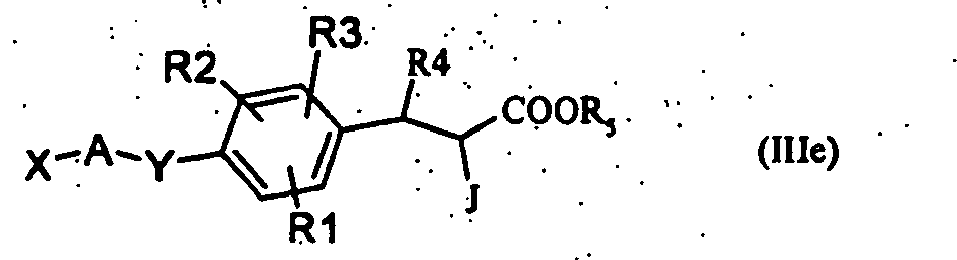
- The compound as claimed in claim 1, wherein said pharmaceutically acceptable salt is selected from hydrochloride, hydrobromide, sodium, potassium or magnesium salt.
Priority Applications (2)
| Application Number | Priority Date | Filing Date | Title |
|---|---|---|---|
| SI200431804T SI1583529T1 (en) | 2003-01-17 | 2004-01-13 | Amino acid phenoxy ethers, their preparation and uses |
| CY20121100137T CY1112673T1 (en) | 2003-01-17 | 2012-02-09 | FAINOXY AMOIDS |
Applications Claiming Priority (5)
| Application Number | Priority Date | Filing Date | Title |
|---|---|---|---|
| US356113 | 1999-07-16 | ||
| US44077203P | 2003-01-17 | 2003-01-17 | |
| US440772P | 2003-01-17 | ||
| US10/356,113 US6794401B2 (en) | 2003-01-17 | 2003-01-31 | Amino acid phenoxy ethers |
| PCT/US2004/000790 WO2004066964A2 (en) | 2003-01-17 | 2004-01-13 | Amino acid phenoxy ethers |
Publications (4)
| Publication Number | Publication Date |
|---|---|
| EP1583529A2 EP1583529A2 (en) | 2005-10-12 |
| EP1583529A4 EP1583529A4 (en) | 2007-07-04 |
| EP1583529B1 true EP1583529B1 (en) | 2011-11-09 |
| EP1583529B9 EP1583529B9 (en) | 2012-04-04 |
Family
ID=32716922
Family Applications (1)
| Application Number | Title | Priority Date | Filing Date |
|---|---|---|---|
| EP04701752A Expired - Lifetime EP1583529B9 (en) | 2003-01-17 | 2004-01-13 | Amino acid phenoxy ethers, their preparation and uses |
Country Status (20)
| Country | Link |
|---|---|
| US (2) | US6794401B2 (en) |
| EP (1) | EP1583529B9 (en) |
| JP (1) | JP4833072B2 (en) |
| KR (1) | KR101085315B1 (en) |
| AT (1) | ATE532510T1 (en) |
| AU (1) | AU2004207449A1 (en) |
| BR (1) | BRPI0406772B1 (en) |
| CA (1) | CA2513496C (en) |
| CY (1) | CY1112673T1 (en) |
| DK (1) | DK1583529T3 (en) |
| EA (1) | EA200501078A1 (en) |
| ES (1) | ES2374724T3 (en) |
| MA (1) | MA27658A1 (en) |
| MX (1) | MXPA05007684A (en) |
| NO (1) | NO330984B1 (en) |
| NZ (1) | NZ541328A (en) |
| PT (1) | PT1583529E (en) |
| SI (1) | SI1583529T1 (en) |
| TW (1) | TWI325420B (en) |
| WO (1) | WO2004066964A2 (en) |
Families Citing this family (13)
| Publication number | Priority date | Publication date | Assignee | Title |
|---|---|---|---|---|
| US7521465B2 (en) * | 2003-01-17 | 2009-04-21 | Bexel Pharmaceuticals, Inc. | Diphenyl ether derivatives |
| US7781464B2 (en) * | 2003-01-17 | 2010-08-24 | Bexel Pharmaceuticals, Inc. | Heterocyclic diphenyl ethers |
| US7087576B2 (en) * | 2003-10-07 | 2006-08-08 | Bexel Pharmaceuticals, Inc. | Dipeptide phenyl ethers |
| US7592486B2 (en) * | 2004-09-16 | 2009-09-22 | Board Of Regents Of The University Of Nebraska | Anhydrous fluoride salts and reagents and methods for their production |
| CA2601884A1 (en) * | 2005-03-18 | 2006-09-21 | Surendrakumar Satyanarayan Pandey | Novel tyrosine derivatives |
| US20090203744A1 (en) * | 2005-07-29 | 2009-08-13 | Pande Y Surendrakumar Satyanarayan | Novel pyridine derivatives |
| WO2008019306A2 (en) * | 2006-08-04 | 2008-02-14 | Decode Genetics Ehf | Aryl amino acid derivatives as inhibitors of lta4h (leukotriene a4 hydrolase) for treating inflammation |
| US20090005381A1 (en) * | 2007-06-26 | 2009-01-01 | Philip Manton Brown | Methods of treating serotonin-mediated diseases and disorders |
| KR20100046189A (en) | 2007-07-11 | 2010-05-06 | 렉시컨 파마슈티컬스 인코퍼레이티드 | Methods and compositions for treating pulmonary hypertension and related diseases and disorders |
| WO2009030968A1 (en) * | 2007-09-05 | 2009-03-12 | Orchid Research Laboratories Limited | Mao a inhibitors with a diphenyl ether-substructure. |
| EP2300446B1 (en) * | 2008-05-20 | 2011-12-07 | Merck Sharp & Dohme Corp. | Efficient production of heterologous proteins using mannosyl transferase inhibitors |
| CN103108634B (en) | 2010-07-28 | 2015-08-12 | 幽兰化学医药有限公司 | Be used for the treatment of the diphenyl ether compound of hepatopathy, pneumonopathy, diabetic complication and cardiovascular disease |
| WO2012153775A1 (en) | 2011-05-10 | 2012-11-15 | 国立大学法人神戸大学 | Thioxothiazolidine derivative having ras function inhibitory effect |
Family Cites Families (26)
| Publication number | Priority date | Publication date | Assignee | Title |
|---|---|---|---|---|
| US20020049240A1 (en) * | 1994-12-19 | 2002-04-25 | Beecham Group P.1.C. | Novel compounds |
| US5166137A (en) * | 1991-03-27 | 1992-11-24 | Nobipols Forskningsstiftelse | Guluronic acid polymers and use of same for inhibition of cytokine production |
| US5441971A (en) * | 1991-04-11 | 1995-08-15 | The Upjohn Company | Thiazolidinedione derivatives, production and use thereof |
| EP0590793B1 (en) * | 1992-08-31 | 1999-10-13 | Sankyo Company Limited | Oxazolidine derivatives having anti-diabetic and anti-obesity properties, their preparation and their therapeutic uses |
| TW268952B (en) * | 1993-02-26 | 1996-01-21 | Takeda Pharm Industry Co Ltd | |
| DK0719140T3 (en) * | 1993-09-15 | 2008-03-03 | Daiichi Sankyo Co Ltd | Use of thiazolidinediones to prevent or delay the onset of NIDDM |
| US5527546A (en) * | 1994-08-10 | 1996-06-18 | Bayer Corporation | Human interleukin 6 inhibitor |
| DE4432101A1 (en) * | 1994-09-09 | 1996-03-14 | Hoechst Ag | Amino acid-substituted benzoylguanidines, process for their preparation, their use as a medicament or diagnostic agent, and medicament containing them |
| DK0824588T3 (en) * | 1995-05-11 | 2004-08-16 | Applied Research Systems | Inhibitor of IL-6 activity |
| CZ293016B6 (en) * | 1995-06-01 | 2004-01-14 | Sankyo Company Limited | Benzimidazole derivatives and pharmaceutical compositions in which the derivatives are comprised |
| TW438587B (en) * | 1995-06-20 | 2001-06-07 | Takeda Chemical Industries Ltd | A pharmaceutical composition for prophylaxis and treatment of diabetes |
| TW577875B (en) * | 1997-01-31 | 2004-03-01 | Shionogi & Co | Pyrrolidine derivatives with inhibitory activity for phospholipase A2 |
| JPH11124331A (en) * | 1997-08-21 | 1999-05-11 | Takeda Chem Ind Ltd | Antiinflammatory agent |
| US6331633B1 (en) * | 1998-05-08 | 2001-12-18 | Calyx Therapeutics Inc. | Heterocyclic analogs of diphenylethylene compounds |
| US6699896B1 (en) * | 1998-05-12 | 2004-03-02 | Wyeth | Oxazole-aryl-carboxylic acids useful in the treatment of insulin resistance and hyperglycemia |
| KR20010052615A (en) * | 1998-06-05 | 2001-06-25 | 다비드 에 질레스 | Oxazolidinone derivatives, process for their preparation and pharmaceutical compositions containing them |
| AU5443499A (en) * | 1998-08-27 | 2000-03-21 | Ono Pharmaceutical Co. Ltd. | Carboxylic acid derivatives and drugs containing the same as the active ingredient |
| IL145922A0 (en) | 1999-04-28 | 2002-07-25 | Aventis Pharma Gmbh | Di-aryl acid derivatives as ppar receptor ligands |
| TWI284533B (en) * | 1999-05-24 | 2007-08-01 | Sankyo Co | Pharmaceutical composition for treating hyperglycemia, impaired glucose tolerance, diabetes complications and for improving insulin resistant |
| AU6340600A (en) | 1999-07-01 | 2001-01-22 | Geron Corporation | Telomerase inhibitors and methods of their use |
| WO2001014349A1 (en) * | 1999-08-23 | 2001-03-01 | Kyorin Pharmaceutical Co., Ltd. | Substituted benzylthiazolidine-2,4-dione derivatives |
| BR0013671A (en) * | 1999-08-31 | 2003-06-10 | Maxia Pharmaceuticals Inc | Heterocyclic Derivatives for the Treatment of Diabetes and Other Diseases |
| JP2001199888A (en) * | 2000-01-24 | 2001-07-24 | Fujimoto Brothers:Kk | Diabetes treatment |
| JP2001294537A (en) * | 2000-02-10 | 2001-10-23 | Takeda Chem Ind Ltd | Combined medicine |
| ATE310733T1 (en) | 2000-04-21 | 2005-12-15 | Pfizer Prod Inc | THYROID RECEPTOR LIGANDS |
| US6680387B2 (en) * | 2000-04-24 | 2004-01-20 | Aryx Therapeutics | Materials and methods for the treatment of diabetes, hyperlipidemia, hypercholesterolemia, and atherosclerosis |
-
2003
- 2003-01-31 US US10/356,113 patent/US6794401B2/en not_active Expired - Lifetime
-
2004
- 2004-01-13 EA EA200501078A patent/EA200501078A1/en unknown
- 2004-01-13 EP EP04701752A patent/EP1583529B9/en not_active Expired - Lifetime
- 2004-01-13 BR BRPI0406772A patent/BRPI0406772B1/en not_active IP Right Cessation
- 2004-01-13 CA CA2513496A patent/CA2513496C/en not_active Expired - Fee Related
- 2004-01-13 AU AU2004207449A patent/AU2004207449A1/en not_active Abandoned
- 2004-01-13 DK DK04701752.0T patent/DK1583529T3/en active
- 2004-01-13 AT AT04701752T patent/ATE532510T1/en active
- 2004-01-13 PT PT04701752T patent/PT1583529E/en unknown
- 2004-01-13 ES ES04701752T patent/ES2374724T3/en not_active Expired - Lifetime
- 2004-01-13 NZ NZ541328A patent/NZ541328A/en not_active IP Right Cessation
- 2004-01-13 WO PCT/US2004/000790 patent/WO2004066964A2/en not_active Ceased
- 2004-01-13 SI SI200431804T patent/SI1583529T1/en unknown
- 2004-01-13 KR KR1020057013193A patent/KR101085315B1/en not_active Expired - Fee Related
- 2004-01-13 MX MXPA05007684A patent/MXPA05007684A/en active IP Right Grant
- 2004-01-13 JP JP2006536536A patent/JP4833072B2/en not_active Expired - Fee Related
- 2004-01-14 TW TW093100932A patent/TWI325420B/en not_active IP Right Cessation
- 2004-09-21 US US10/947,047 patent/US20050096366A1/en not_active Abandoned
-
2005
- 2005-08-01 NO NO20053714A patent/NO330984B1/en not_active IP Right Cessation
- 2005-08-16 MA MA28444A patent/MA27658A1/en unknown
-
2012
- 2012-02-09 CY CY20121100137T patent/CY1112673T1/en unknown
Also Published As
| Publication number | Publication date |
|---|---|
| EP1583529A2 (en) | 2005-10-12 |
| WO2004066964A2 (en) | 2004-08-12 |
| EA200501078A1 (en) | 2006-02-24 |
| EP1583529B9 (en) | 2012-04-04 |
| CY1112673T1 (en) | 2016-02-10 |
| WO2004066964A3 (en) | 2005-02-24 |
| US20040142991A1 (en) | 2004-07-22 |
| BRPI0406772A (en) | 2005-12-27 |
| AU2004207449A1 (en) | 2004-08-12 |
| WO2004066964A9 (en) | 2004-09-02 |
| TW200418792A (en) | 2004-10-01 |
| ATE532510T1 (en) | 2011-11-15 |
| NO20053714L (en) | 2005-10-11 |
| BRPI0406772B1 (en) | 2016-08-23 |
| US20050096366A1 (en) | 2005-05-05 |
| MA27658A1 (en) | 2005-12-01 |
| US6794401B2 (en) | 2004-09-21 |
| NZ541328A (en) | 2008-11-28 |
| ES2374724T3 (en) | 2012-02-21 |
| DK1583529T3 (en) | 2012-01-23 |
| JP2007501288A (en) | 2007-01-25 |
| MXPA05007684A (en) | 2006-03-10 |
| KR101085315B1 (en) | 2011-11-22 |
| TWI325420B (en) | 2010-06-01 |
| CA2513496A1 (en) | 2004-08-12 |
| PT1583529E (en) | 2012-02-13 |
| EP1583529A4 (en) | 2007-07-04 |
| SI1583529T1 (en) | 2012-02-29 |
| CA2513496C (en) | 2013-05-14 |
| NO330984B1 (en) | 2011-08-29 |
| NO20053714D0 (en) | 2005-08-01 |
| KR20050092764A (en) | 2005-09-22 |
| JP4833072B2 (en) | 2011-12-07 |
Similar Documents
| Publication | Publication Date | Title |
|---|---|---|
| EP1583529B9 (en) | Amino acid phenoxy ethers, their preparation and uses | |
| KR20080081099A (en) | Substituted thiazolidinediones derivatives | |
| EP2004185B1 (en) | Novel heterocyclic diphenyl ethers | |
| US7521466B2 (en) | Dipeptide phenyl ethers | |
| JP5134974B2 (en) | 5- [4- (4- (2- (Amino-2-methoxycarbonylethyl) phenoxy) benzylidene] thiazolidine-2,4-dione derivatives and related compounds for reducing plasma glucose, cholesterol and triglyceride levels | |
| WO2006023866A2 (en) | Thiazolo-naphthyl acids as inhibitors of plasminogen activator inhibitor-1 | |
| ZA200506527B (en) | Amino acid phenoxy ethers | |
| US20080319031A1 (en) | Novel Tyrosine Derivatives | |
| JPH10182461A (en) | Visceral fat reducing agent | |
| HK1089087A (en) | Amino acid phenoxy ethers | |
| CN101160296A (en) | 5- [ 4- (4- (2-amino-2-methoxycarbonylethyl) phenoxy) benzylidene ] thiazolidine-2, 4-dione derivatives and related compounds for lowering plasma glucose, cholesterol and triglyceride levels |
Legal Events
| Date | Code | Title | Description |
|---|---|---|---|
| PUAI | Public reference made under article 153(3) epc to a published international application that has entered the european phase |
Free format text: ORIGINAL CODE: 0009012 |
|
| 17P | Request for examination filed |
Effective date: 20050719 |
|
| AK | Designated contracting states |
Kind code of ref document: A2 Designated state(s): AT BE BG CH CY CZ DE DK EE ES FI FR GB GR HU IE IT LI LU MC NL PT RO SE SI SK TR |
|
| AX | Request for extension of the european patent |
Extension state: AL LT LV MK |
|
| A4 | Supplementary search report drawn up and despatched |
Effective date: 20070601 |
|
| RIC1 | Information provided on ipc code assigned before grant |
Ipc: A61K 31/42 20060101ALI20070525BHEP Ipc: A61K 31/425 20060101ALI20070525BHEP Ipc: C07D 263/44 20060101AFI20070525BHEP Ipc: C07D 263/04 20060101ALI20070525BHEP Ipc: C07D 277/04 20060101ALI20070525BHEP Ipc: A61P 3/10 20060101ALI20070525BHEP |
|
| 17Q | First examination report despatched |
Effective date: 20101027 |
|
| REG | Reference to a national code |
Ref country code: DE Ref legal event code: R079 Ref document number: 602004035213 Country of ref document: DE Free format text: PREVIOUS MAIN CLASS: A61K0031425000 Ipc: A61K0031421000 |
|
| GRAP | Despatch of communication of intention to grant a patent |
Free format text: ORIGINAL CODE: EPIDOSNIGR1 |
|
| RIC1 | Information provided on ipc code assigned before grant |
Ipc: A61K 31/427 20060101ALI20110210BHEP Ipc: A61K 31/426 20060101ALI20110210BHEP Ipc: A61P 37/02 20060101ALI20110210BHEP Ipc: A61P 3/04 20060101ALI20110210BHEP Ipc: C07D 263/44 20060101ALI20110210BHEP Ipc: C07D 277/34 20060101ALI20110210BHEP Ipc: A61P 19/02 20060101ALI20110210BHEP Ipc: A61P 3/08 20060101ALI20110210BHEP Ipc: A61P 3/10 20060101ALI20110210BHEP Ipc: A61K 31/421 20060101AFI20110210BHEP Ipc: A61P 25/00 20060101ALI20110210BHEP Ipc: A61K 31/422 20060101ALI20110210BHEP Ipc: A61P 29/00 20060101ALI20110210BHEP Ipc: A61P 3/06 20060101ALI20110210BHEP |
|
| RTI1 | Title (correction) |
Free format text: AMINO ACID PHENOXY ETHERS, THEIR PREPARATION AND USES |
|
| GRAS | Grant fee paid |
Free format text: ORIGINAL CODE: EPIDOSNIGR3 |
|
| GRAA | (expected) grant |
Free format text: ORIGINAL CODE: 0009210 |
|
| AK | Designated contracting states |
Kind code of ref document: B1 Designated state(s): AT BE BG CH CY CZ DE DK EE ES FI FR GB GR HU IE IT LI LU MC NL PT RO SE SI SK TR |
|
| AX | Request for extension of the european patent |
Extension state: AL LT LV MK |
|
| REG | Reference to a national code |
Ref country code: GB Ref legal event code: FG4D |
|
| REG | Reference to a national code |
Ref country code: CH Ref legal event code: EP |
|
| REG | Reference to a national code |
Ref country code: IE Ref legal event code: FG4D |
|
| REG | Reference to a national code |
Ref country code: CH Ref legal event code: NV Representative=s name: PATENTANWAELTE SCHAAD, BALASS, MENZL & PARTNER AG |
|
| REG | Reference to a national code |
Ref country code: DK Ref legal event code: T3 |
|
| REG | Reference to a national code |
Ref country code: NL Ref legal event code: T3 |
|
| REG | Reference to a national code |
Ref country code: DE Ref legal event code: R096 Ref document number: 602004035213 Country of ref document: DE Effective date: 20120126 |
|
| REG | Reference to a national code |
Ref country code: RO Ref legal event code: EPE |
|
| REG | Reference to a national code |
Ref country code: PT Ref legal event code: SC4A Free format text: AVAILABILITY OF NATIONAL TRANSLATION Effective date: 20120202 |
|
| REG | Reference to a national code |
Ref country code: ES Ref legal event code: FG2A Ref document number: 2374724 Country of ref document: ES Kind code of ref document: T3 Effective date: 20120221 |
|
| REG | Reference to a national code |
Ref country code: SE Ref legal event code: TRGR |
|
| REG | Reference to a national code |
Ref country code: EE Ref legal event code: FG4A Ref document number: E006246 Country of ref document: EE Effective date: 20120120 |
|
| LTLA | Lt: lapse of european patent or patent extension | ||
| REG | Reference to a national code |
Ref country code: GR Ref legal event code: EP Ref document number: 20120400142 Country of ref document: GR Effective date: 20120305 |
|
| REG | Reference to a national code |
Ref country code: SK Ref legal event code: T3 Ref document number: E 11158 Country of ref document: SK |
|
| PLBE | No opposition filed within time limit |
Free format text: ORIGINAL CODE: 0009261 |
|
| STAA | Information on the status of an ep patent application or granted ep patent |
Free format text: STATUS: NO OPPOSITION FILED WITHIN TIME LIMIT |
|
| 26N | No opposition filed |
Effective date: 20120810 |
|
| REG | Reference to a national code |
Ref country code: DE Ref legal event code: R097 Ref document number: 602004035213 Country of ref document: DE Effective date: 20120810 |
|
| REG | Reference to a national code |
Ref country code: HU Ref legal event code: AG4A Ref document number: E014654 Country of ref document: HU |
|
| REG | Reference to a national code |
Ref country code: FR Ref legal event code: PLFP Year of fee payment: 13 |
|
| REG | Reference to a national code |
Ref country code: FR Ref legal event code: PLFP Year of fee payment: 14 |
|
| REG | Reference to a national code |
Ref country code: FR Ref legal event code: PLFP Year of fee payment: 15 |
|
| PGFP | Annual fee paid to national office [announced via postgrant information from national office to epo] |
Ref country code: LU Payment date: 20180130 Year of fee payment: 15 |
|
| PGFP | Annual fee paid to national office [announced via postgrant information from national office to epo] |
Ref country code: NL Payment date: 20180129 Year of fee payment: 15 |
|
| PGFP | Annual fee paid to national office [announced via postgrant information from national office to epo] |
Ref country code: DE Payment date: 20180130 Year of fee payment: 15 Ref country code: DK Payment date: 20180130 Year of fee payment: 15 Ref country code: GB Payment date: 20180130 Year of fee payment: 15 Ref country code: CH Payment date: 20180216 Year of fee payment: 15 Ref country code: ES Payment date: 20180226 Year of fee payment: 15 Ref country code: FI Payment date: 20180129 Year of fee payment: 15 |
|
| PGFP | Annual fee paid to national office [announced via postgrant information from national office to epo] |
Ref country code: EE Payment date: 20180130 Year of fee payment: 15 Ref country code: AT Payment date: 20180131 Year of fee payment: 15 Ref country code: SE Payment date: 20180130 Year of fee payment: 15 Ref country code: GR Payment date: 20180130 Year of fee payment: 15 Ref country code: HU Payment date: 20180213 Year of fee payment: 15 Ref country code: MC Payment date: 20180131 Year of fee payment: 15 Ref country code: IE Payment date: 20180130 Year of fee payment: 15 Ref country code: FR Payment date: 20180129 Year of fee payment: 15 Ref country code: BE Payment date: 20180129 Year of fee payment: 15 Ref country code: IT Payment date: 20180130 Year of fee payment: 15 Ref country code: BG Payment date: 20180130 Year of fee payment: 15 |
|
| PGFP | Annual fee paid to national office [announced via postgrant information from national office to epo] |
Ref country code: RO Payment date: 20180713 Year of fee payment: 15 |
|
| PGFP | Annual fee paid to national office [announced via postgrant information from national office to epo] |
Ref country code: SK Payment date: 20180712 Year of fee payment: 15 Ref country code: CZ Payment date: 20180712 Year of fee payment: 15 Ref country code: TR Payment date: 20180711 Year of fee payment: 15 Ref country code: SI Payment date: 20180712 Year of fee payment: 15 |
|
| PGFP | Annual fee paid to national office [announced via postgrant information from national office to epo] |
Ref country code: PT Payment date: 20180711 Year of fee payment: 15 |
|
| PGFP | Annual fee paid to national office [announced via postgrant information from national office to epo] |
Ref country code: CY Payment date: 20180712 Year of fee payment: 15 |
|
| REG | Reference to a national code |
Ref country code: DE Ref legal event code: R119 Ref document number: 602004035213 Country of ref document: DE |
|
| REG | Reference to a national code |
Ref country code: EE Ref legal event code: MM4A Ref document number: E006246 Country of ref document: EE Effective date: 20190131 |
|
| REG | Reference to a national code |
Ref country code: DK Ref legal event code: EBP Effective date: 20190131 |
|
| PG25 | Lapsed in a contracting state [announced via postgrant information from national office to epo] |
Ref country code: MC Free format text: LAPSE BECAUSE OF NON-PAYMENT OF DUE FEES Effective date: 20190131 |
|
| REG | Reference to a national code |
Ref country code: CH Ref legal event code: PL |
|
| REG | Reference to a national code |
Ref country code: NL Ref legal event code: MM Effective date: 20190201 |
|
| REG | Reference to a national code |
Ref country code: AT Ref legal event code: MM01 Ref document number: 532510 Country of ref document: AT Kind code of ref document: T Effective date: 20190113 |
|
| GBPC | Gb: european patent ceased through non-payment of renewal fee |
Effective date: 20190113 |
|
| PG25 | Lapsed in a contracting state [announced via postgrant information from national office to epo] |
Ref country code: LU Free format text: LAPSE BECAUSE OF NON-PAYMENT OF DUE FEES Effective date: 20190113 |
|
| REG | Reference to a national code |
Ref country code: SK Ref legal event code: MM4A Ref document number: E 11158 Country of ref document: SK Effective date: 20190113 |
|
| REG | Reference to a national code |
Ref country code: BE Ref legal event code: MM Effective date: 20190131 |
|
| REG | Reference to a national code |
Ref country code: IE Ref legal event code: MM4A |
|
| PG25 | Lapsed in a contracting state [announced via postgrant information from national office to epo] |
Ref country code: CZ Free format text: LAPSE BECAUSE OF NON-PAYMENT OF DUE FEES Effective date: 20190113 Ref country code: DE Free format text: LAPSE BECAUSE OF NON-PAYMENT OF DUE FEES Effective date: 20190801 Ref country code: FI Free format text: LAPSE BECAUSE OF NON-PAYMENT OF DUE FEES Effective date: 20190113 Ref country code: SE Free format text: LAPSE BECAUSE OF NON-PAYMENT OF DUE FEES Effective date: 20190114 Ref country code: FR Free format text: LAPSE BECAUSE OF NON-PAYMENT OF DUE FEES Effective date: 20190131 Ref country code: CY Free format text: LAPSE BECAUSE OF NON-PAYMENT OF DUE FEES Effective date: 20190113 Ref country code: NL Free format text: LAPSE BECAUSE OF NON-PAYMENT OF DUE FEES Effective date: 20190201 Ref country code: RO Free format text: LAPSE BECAUSE OF NON-PAYMENT OF DUE FEES Effective date: 20190113 Ref country code: SI Free format text: LAPSE BECAUSE OF NON-PAYMENT OF DUE FEES Effective date: 20190114 Ref country code: PT Free format text: LAPSE BECAUSE OF NON-PAYMENT OF DUE FEES Effective date: 20190715 Ref country code: SK Free format text: LAPSE BECAUSE OF NON-PAYMENT OF DUE FEES Effective date: 20190113 Ref country code: EE Free format text: LAPSE BECAUSE OF NON-PAYMENT OF DUE FEES Effective date: 20190131 |
|
| PG25 | Lapsed in a contracting state [announced via postgrant information from national office to epo] |
Ref country code: GR Free format text: LAPSE BECAUSE OF NON-PAYMENT OF DUE FEES Effective date: 20190802 Ref country code: BE Free format text: LAPSE BECAUSE OF NON-PAYMENT OF DUE FEES Effective date: 20190131 Ref country code: BG Free format text: LAPSE BECAUSE OF NON-PAYMENT OF DUE FEES Effective date: 20190731 Ref country code: HU Free format text: LAPSE BECAUSE OF NON-PAYMENT OF DUE FEES Effective date: 20190114 |
|
| PG25 | Lapsed in a contracting state [announced via postgrant information from national office to epo] |
Ref country code: AT Free format text: LAPSE BECAUSE OF NON-PAYMENT OF DUE FEES Effective date: 20190113 Ref country code: LI Free format text: LAPSE BECAUSE OF NON-PAYMENT OF DUE FEES Effective date: 20190131 Ref country code: CH Free format text: LAPSE BECAUSE OF NON-PAYMENT OF DUE FEES Effective date: 20190131 Ref country code: GB Free format text: LAPSE BECAUSE OF NON-PAYMENT OF DUE FEES Effective date: 20190113 |
|
| REG | Reference to a national code |
Ref country code: SI Ref legal event code: KO00 Effective date: 20190926 |
|
| PG25 | Lapsed in a contracting state [announced via postgrant information from national office to epo] |
Ref country code: DK Free format text: LAPSE BECAUSE OF NON-PAYMENT OF DUE FEES Effective date: 20190131 Ref country code: IE Free format text: LAPSE BECAUSE OF NON-PAYMENT OF DUE FEES Effective date: 20190113 |
|
| PG25 | Lapsed in a contracting state [announced via postgrant information from national office to epo] |
Ref country code: IT Free format text: LAPSE BECAUSE OF NON-PAYMENT OF DUE FEES Effective date: 20190113 |
|
| REG | Reference to a national code |
Ref country code: ES Ref legal event code: FD2A Effective date: 20200309 |
|
| PG25 | Lapsed in a contracting state [announced via postgrant information from national office to epo] |
Ref country code: ES Free format text: LAPSE BECAUSE OF NON-PAYMENT OF DUE FEES Effective date: 20190114 |
|
| PG25 | Lapsed in a contracting state [announced via postgrant information from national office to epo] |
Ref country code: TR Free format text: LAPSE BECAUSE OF NON-PAYMENT OF DUE FEES Effective date: 20190113 |