EP1582596A2 - Nor-1 (neuron-derived orphan receptor-1), novel diagnostic and therapeutic target for cardiovascular diseases - Google Patents
Nor-1 (neuron-derived orphan receptor-1), novel diagnostic and therapeutic target for cardiovascular diseases Download PDFInfo
- Publication number
- EP1582596A2 EP1582596A2 EP03785966A EP03785966A EP1582596A2 EP 1582596 A2 EP1582596 A2 EP 1582596A2 EP 03785966 A EP03785966 A EP 03785966A EP 03785966 A EP03785966 A EP 03785966A EP 1582596 A2 EP1582596 A2 EP 1582596A2
- Authority
- EP
- European Patent Office
- Prior art keywords
- expression
- cells
- nur77
- levels
- human
- Prior art date
- Legal status (The legal status is an assumption and is not a legal conclusion. Google has not performed a legal analysis and makes no representation as to the accuracy of the status listed.)
- Withdrawn
Links
- 101100162200 Aspergillus parasiticus (strain ATCC 56775 / NRRL 5862 / SRRC 143 / SU-1) aflD gene Proteins 0.000 title claims abstract description 33
- 208000024172 Cardiovascular disease Diseases 0.000 title claims abstract description 31
- 230000001225 therapeutic effect Effects 0.000 title claims abstract description 12
- 108010093163 Member 3 Group A Nuclear Receptor Subfamily 4 Proteins 0.000 title description 183
- 102100022673 Nuclear receptor subfamily 4 group A member 3 Human genes 0.000 title description 183
- HCUOEKSZWPGJIM-YBRHCDHNSA-N (e,2e)-2-hydroxyimino-6-methoxy-4-methyl-5-nitrohex-3-enamide Chemical compound COCC([N+]([O-])=O)\C(C)=C\C(=N/O)\C(N)=O HCUOEKSZWPGJIM-YBRHCDHNSA-N 0.000 title description 3
- 150000001875 compounds Chemical class 0.000 claims abstract description 37
- 230000004913 activation Effects 0.000 claims abstract description 29
- 238000011282 treatment Methods 0.000 claims abstract description 11
- 201000010099 disease Diseases 0.000 claims abstract description 9
- 208000037265 diseases, disorders, signs and symptoms Diseases 0.000 claims abstract description 9
- 238000001415 gene therapy Methods 0.000 claims abstract description 6
- 238000012544 monitoring process Methods 0.000 claims abstract description 4
- 238000011458 pharmacological treatment Methods 0.000 claims abstract description 4
- HCUOEKSZWPGJIM-IYNMRSRQSA-N (e,2z)-2-hydroxyimino-6-methoxy-4-methyl-5-nitrohex-3-enamide Chemical compound COCC([N+]([O-])=O)\C(C)=C\C(=N\O)\C(N)=O HCUOEKSZWPGJIM-IYNMRSRQSA-N 0.000 claims abstract 29
- 210000004509 vascular smooth muscle cell Anatomy 0.000 claims description 73
- 238000000034 method Methods 0.000 claims description 64
- 230000014509 gene expression Effects 0.000 claims description 61
- 210000004027 cell Anatomy 0.000 claims description 55
- 230000000694 effects Effects 0.000 claims description 53
- 108090000623 proteins and genes Proteins 0.000 claims description 51
- 101100405118 Mus musculus Nr4a1 gene Proteins 0.000 claims description 48
- 102100022679 Nuclear receptor subfamily 4 group A member 1 Human genes 0.000 claims description 48
- 101100405120 Xenopus laevis nr4a1 gene Proteins 0.000 claims description 48
- 210000002966 serum Anatomy 0.000 claims description 44
- 229940046166 oligodeoxynucleotide Drugs 0.000 claims description 38
- 108020004999 messenger RNA Proteins 0.000 claims description 28
- 102000004169 proteins and genes Human genes 0.000 claims description 23
- 238000003757 reverse transcription PCR Methods 0.000 claims description 23
- 101150026563 NR4A2 gene Proteins 0.000 claims description 21
- 101001109695 Rattus norvegicus Nuclear receptor subfamily 4 group A member 1 Proteins 0.000 claims description 21
- 230000000692 anti-sense effect Effects 0.000 claims description 20
- 108090000190 Thrombin Proteins 0.000 claims description 19
- 229960004072 thrombin Drugs 0.000 claims description 17
- 238000000636 Northern blotting Methods 0.000 claims description 16
- 238000011065 in-situ storage Methods 0.000 claims description 16
- 210000002889 endothelial cell Anatomy 0.000 claims description 15
- 210000001616 monocyte Anatomy 0.000 claims description 14
- 239000003112 inhibitor Substances 0.000 claims description 13
- 241000282412 Homo Species 0.000 claims description 12
- 239000012472 biological sample Substances 0.000 claims description 12
- 210000005167 vascular cell Anatomy 0.000 claims description 10
- 241000124008 Mammalia Species 0.000 claims description 9
- 210000002540 macrophage Anatomy 0.000 claims description 8
- 238000001262 western blot Methods 0.000 claims description 8
- 108020004414 DNA Proteins 0.000 claims description 7
- 108091034117 Oligonucleotide Proteins 0.000 claims description 7
- JLCPHMBAVCMARE-UHFFFAOYSA-N [3-[[3-[[3-[[3-[[3-[[3-[[3-[[3-[[3-[[3-[[3-[[5-(2-amino-6-oxo-1H-purin-9-yl)-3-[[3-[[3-[[3-[[3-[[3-[[5-(2-amino-6-oxo-1H-purin-9-yl)-3-[[5-(2-amino-6-oxo-1H-purin-9-yl)-3-hydroxyoxolan-2-yl]methoxy-hydroxyphosphoryl]oxyoxolan-2-yl]methoxy-hydroxyphosphoryl]oxy-5-(5-methyl-2,4-dioxopyrimidin-1-yl)oxolan-2-yl]methoxy-hydroxyphosphoryl]oxy-5-(6-aminopurin-9-yl)oxolan-2-yl]methoxy-hydroxyphosphoryl]oxy-5-(6-aminopurin-9-yl)oxolan-2-yl]methoxy-hydroxyphosphoryl]oxy-5-(6-aminopurin-9-yl)oxolan-2-yl]methoxy-hydroxyphosphoryl]oxy-5-(6-aminopurin-9-yl)oxolan-2-yl]methoxy-hydroxyphosphoryl]oxyoxolan-2-yl]methoxy-hydroxyphosphoryl]oxy-5-(5-methyl-2,4-dioxopyrimidin-1-yl)oxolan-2-yl]methoxy-hydroxyphosphoryl]oxy-5-(4-amino-2-oxopyrimidin-1-yl)oxolan-2-yl]methoxy-hydroxyphosphoryl]oxy-5-(5-methyl-2,4-dioxopyrimidin-1-yl)oxolan-2-yl]methoxy-hydroxyphosphoryl]oxy-5-(5-methyl-2,4-dioxopyrimidin-1-yl)oxolan-2-yl]methoxy-hydroxyphosphoryl]oxy-5-(6-aminopurin-9-yl)oxolan-2-yl]methoxy-hydroxyphosphoryl]oxy-5-(6-aminopurin-9-yl)oxolan-2-yl]methoxy-hydroxyphosphoryl]oxy-5-(4-amino-2-oxopyrimidin-1-yl)oxolan-2-yl]methoxy-hydroxyphosphoryl]oxy-5-(4-amino-2-oxopyrimidin-1-yl)oxolan-2-yl]methoxy-hydroxyphosphoryl]oxy-5-(4-amino-2-oxopyrimidin-1-yl)oxolan-2-yl]methoxy-hydroxyphosphoryl]oxy-5-(6-aminopurin-9-yl)oxolan-2-yl]methoxy-hydroxyphosphoryl]oxy-5-(4-amino-2-oxopyrimidin-1-yl)oxolan-2-yl]methyl [5-(6-aminopurin-9-yl)-2-(hydroxymethyl)oxolan-3-yl] hydrogen phosphate Polymers Cc1cn(C2CC(OP(O)(=O)OCC3OC(CC3OP(O)(=O)OCC3OC(CC3O)n3cnc4c3nc(N)[nH]c4=O)n3cnc4c3nc(N)[nH]c4=O)C(COP(O)(=O)OC3CC(OC3COP(O)(=O)OC3CC(OC3COP(O)(=O)OC3CC(OC3COP(O)(=O)OC3CC(OC3COP(O)(=O)OC3CC(OC3COP(O)(=O)OC3CC(OC3COP(O)(=O)OC3CC(OC3COP(O)(=O)OC3CC(OC3COP(O)(=O)OC3CC(OC3COP(O)(=O)OC3CC(OC3COP(O)(=O)OC3CC(OC3COP(O)(=O)OC3CC(OC3COP(O)(=O)OC3CC(OC3COP(O)(=O)OC3CC(OC3COP(O)(=O)OC3CC(OC3COP(O)(=O)OC3CC(OC3COP(O)(=O)OC3CC(OC3CO)n3cnc4c(N)ncnc34)n3ccc(N)nc3=O)n3cnc4c(N)ncnc34)n3ccc(N)nc3=O)n3ccc(N)nc3=O)n3ccc(N)nc3=O)n3cnc4c(N)ncnc34)n3cnc4c(N)ncnc34)n3cc(C)c(=O)[nH]c3=O)n3cc(C)c(=O)[nH]c3=O)n3ccc(N)nc3=O)n3cc(C)c(=O)[nH]c3=O)n3cnc4c3nc(N)[nH]c4=O)n3cnc4c(N)ncnc34)n3cnc4c(N)ncnc34)n3cnc4c(N)ncnc34)n3cnc4c(N)ncnc34)O2)c(=O)[nH]c1=O JLCPHMBAVCMARE-UHFFFAOYSA-N 0.000 claims description 7
- 108020000948 Antisense Oligonucleotides Proteins 0.000 claims description 6
- 239000000074 antisense oligonucleotide Substances 0.000 claims description 6
- 238000012230 antisense oligonucleotides Methods 0.000 claims description 6
- 210000004369 blood Anatomy 0.000 claims description 6
- 239000008280 blood Substances 0.000 claims description 6
- 239000008194 pharmaceutical composition Substances 0.000 claims description 6
- 238000010171 animal model Methods 0.000 claims description 5
- 238000007887 coronary angioplasty Methods 0.000 claims description 5
- 238000011161 development Methods 0.000 claims description 5
- 238000000605 extraction Methods 0.000 claims description 5
- 230000005764 inhibitory process Effects 0.000 claims description 5
- 238000001356 surgical procedure Methods 0.000 claims description 5
- 239000013598 vector Substances 0.000 claims description 5
- 238000000018 DNA microarray Methods 0.000 claims description 4
- 102000001708 Protein Isoforms Human genes 0.000 claims description 4
- 108010029485 Protein Isoforms Proteins 0.000 claims description 4
- 230000002265 prevention Effects 0.000 claims description 4
- 108091028043 Nucleic acid sequence Proteins 0.000 claims description 3
- 230000000903 blocking effect Effects 0.000 claims description 3
- 239000000969 carrier Substances 0.000 claims description 3
- 239000003814 drug Substances 0.000 claims description 3
- 230000002093 peripheral effect Effects 0.000 claims description 3
- 238000002360 preparation method Methods 0.000 claims description 3
- 238000003491 array Methods 0.000 claims description 2
- 239000000470 constituent Substances 0.000 claims description 2
- 238000003365 immunocytochemistry Methods 0.000 claims description 2
- 238000003364 immunohistochemistry Methods 0.000 claims description 2
- 238000003745 diagnosis Methods 0.000 claims 1
- 230000006698 induction Effects 0.000 description 27
- 210000004351 coronary vessel Anatomy 0.000 description 22
- 238000004458 analytical method Methods 0.000 description 20
- 201000001320 Atherosclerosis Diseases 0.000 description 19
- 235000018102 proteins Nutrition 0.000 description 18
- 230000003902 lesion Effects 0.000 description 17
- 239000000523 sample Substances 0.000 description 17
- 102100021242 Dymeclin Human genes 0.000 description 16
- 101000817629 Homo sapiens Dymeclin Proteins 0.000 description 16
- 102100027584 Protein c-Fos Human genes 0.000 description 16
- 208000029078 coronary artery disease Diseases 0.000 description 16
- 108010071563 Proto-Oncogene Proteins c-fos Proteins 0.000 description 15
- 102000005636 Cyclic AMP Response Element-Binding Protein Human genes 0.000 description 14
- 108010045171 Cyclic AMP Response Element-Binding Protein Proteins 0.000 description 14
- 210000001367 artery Anatomy 0.000 description 14
- 230000001419 dependent effect Effects 0.000 description 14
- 238000002474 experimental method Methods 0.000 description 14
- 230000003143 atherosclerotic effect Effects 0.000 description 13
- 102000007330 LDL Lipoproteins Human genes 0.000 description 12
- 108010007622 LDL Lipoproteins Proteins 0.000 description 12
- 102000003923 Protein Kinase C Human genes 0.000 description 12
- 108090000315 Protein Kinase C Proteins 0.000 description 12
- 102000040945 Transcription factor Human genes 0.000 description 12
- 108091023040 Transcription factor Proteins 0.000 description 12
- 230000004663 cell proliferation Effects 0.000 description 12
- 239000002299 complementary DNA Substances 0.000 description 12
- NOESYZHRGYRDHS-UHFFFAOYSA-N insulin Chemical compound N1C(=O)C(NC(=O)C(CCC(N)=O)NC(=O)C(CCC(O)=O)NC(=O)C(C(C)C)NC(=O)C(NC(=O)CN)C(C)CC)CSSCC(C(NC(CO)C(=O)NC(CC(C)C)C(=O)NC(CC=2C=CC(O)=CC=2)C(=O)NC(CCC(N)=O)C(=O)NC(CC(C)C)C(=O)NC(CCC(O)=O)C(=O)NC(CC(N)=O)C(=O)NC(CC=2C=CC(O)=CC=2)C(=O)NC(CSSCC(NC(=O)C(C(C)C)NC(=O)C(CC(C)C)NC(=O)C(CC=2C=CC(O)=CC=2)NC(=O)C(CC(C)C)NC(=O)C(C)NC(=O)C(CCC(O)=O)NC(=O)C(C(C)C)NC(=O)C(CC(C)C)NC(=O)C(CC=2NC=NC=2)NC(=O)C(CO)NC(=O)CNC2=O)C(=O)NCC(=O)NC(CCC(O)=O)C(=O)NC(CCCNC(N)=N)C(=O)NCC(=O)NC(CC=3C=CC=CC=3)C(=O)NC(CC=3C=CC=CC=3)C(=O)NC(CC=3C=CC(O)=CC=3)C(=O)NC(C(C)O)C(=O)N3C(CCC3)C(=O)NC(CCCCN)C(=O)NC(C)C(O)=O)C(=O)NC(CC(N)=O)C(O)=O)=O)NC(=O)C(C(C)CC)NC(=O)C(CO)NC(=O)C(C(C)O)NC(=O)C1CSSCC2NC(=O)C(CC(C)C)NC(=O)C(NC(=O)C(CCC(N)=O)NC(=O)C(CC(N)=O)NC(=O)C(NC(=O)C(N)CC=1C=CC=CC=1)C(C)C)CC1=CN=CN1 NOESYZHRGYRDHS-UHFFFAOYSA-N 0.000 description 12
- 238000002399 angioplasty Methods 0.000 description 11
- 238000002337 electrophoretic mobility shift assay Methods 0.000 description 11
- 239000003226 mitogen Substances 0.000 description 11
- 102000006255 nuclear receptors Human genes 0.000 description 11
- 108020004017 nuclear receptors Proteins 0.000 description 11
- 230000008569 process Effects 0.000 description 11
- 230000007246 mechanism Effects 0.000 description 10
- 210000000329 smooth muscle myocyte Anatomy 0.000 description 10
- 230000035755 proliferation Effects 0.000 description 9
- 210000001519 tissue Anatomy 0.000 description 9
- 108090000723 Insulin-Like Growth Factor I Proteins 0.000 description 8
- 102000004218 Insulin-Like Growth Factor I Human genes 0.000 description 8
- 102000004895 Lipoproteins Human genes 0.000 description 8
- 108090001030 Lipoproteins Proteins 0.000 description 8
- 239000000284 extract Substances 0.000 description 8
- QMGUOJYZJKLOLH-UHFFFAOYSA-N 3-[1-[3-(dimethylamino)propyl]indol-3-yl]-4-(1h-indol-3-yl)pyrrole-2,5-dione Chemical compound C12=CC=CC=C2N(CCCN(C)C)C=C1C1=C(C=2C3=CC=CC=C3NC=2)C(=O)NC1=O QMGUOJYZJKLOLH-UHFFFAOYSA-N 0.000 description 7
- 108020005497 Nuclear hormone receptor Proteins 0.000 description 7
- 102000016978 Orphan receptors Human genes 0.000 description 7
- 108070000031 Orphan receptors Proteins 0.000 description 7
- 210000000709 aorta Anatomy 0.000 description 7
- 230000006870 function Effects 0.000 description 7
- 102000004164 orphan nuclear receptors Human genes 0.000 description 7
- 108090000629 orphan nuclear receptors Proteins 0.000 description 7
- 102000005962 receptors Human genes 0.000 description 7
- 108020003175 receptors Proteins 0.000 description 7
- 206010003210 Arteriosclerosis Diseases 0.000 description 6
- 108010081589 Becaplermin Proteins 0.000 description 6
- 102000015779 HDL Lipoproteins Human genes 0.000 description 6
- 108010010234 HDL Lipoproteins Proteins 0.000 description 6
- 102000004877 Insulin Human genes 0.000 description 6
- 108090001061 Insulin Proteins 0.000 description 6
- 108091027981 Response element Proteins 0.000 description 6
- 108010038912 Retinoid X Receptors Proteins 0.000 description 6
- 102000034527 Retinoid X Receptors Human genes 0.000 description 6
- 230000006907 apoptotic process Effects 0.000 description 6
- 208000011775 arteriosclerosis disease Diseases 0.000 description 6
- 230000027455 binding Effects 0.000 description 6
- YPHMISFOHDHNIV-FSZOTQKASA-N cycloheximide Chemical compound C1[C@@H](C)C[C@H](C)C(=O)[C@@H]1[C@H](O)CC1CC(=O)NC(=O)C1 YPHMISFOHDHNIV-FSZOTQKASA-N 0.000 description 6
- 229940125396 insulin Drugs 0.000 description 6
- 230000037361 pathway Effects 0.000 description 6
- 230000004044 response Effects 0.000 description 6
- VBEQCZHXXJYVRD-GACYYNSASA-N uroanthelone Chemical compound C([C@@H](C(=O)N[C@H](C(=O)N[C@@H](CS)C(=O)N[C@@H](CC(N)=O)C(=O)N[C@@H](CS)C(=O)N[C@H](C(=O)N[C@@H]([C@@H](C)CC)C(=O)NCC(=O)N[C@@H](CC=1C=CC(O)=CC=1)C(=O)N[C@@H](CO)C(=O)NCC(=O)N[C@@H](CC(O)=O)C(=O)N[C@@H](CCCNC(N)=N)C(=O)N[C@@H](CS)C(=O)N[C@@H](CCC(N)=O)C(=O)N[C@@H]([C@@H](C)O)C(=O)N[C@@H](CCCNC(N)=N)C(=O)N[C@@H](CC(O)=O)C(=O)N[C@@H](CC(C)C)C(=O)N[C@@H](CCCNC(N)=N)C(=O)N[C@@H](CC=1C2=CC=CC=C2NC=1)C(=O)N[C@@H](CC=1C2=CC=CC=C2NC=1)C(=O)N[C@@H](CCC(O)=O)C(=O)N[C@@H](CC(C)C)C(=O)N[C@@H](CCCNC(N)=N)C(O)=O)C(C)C)[C@@H](C)O)NC(=O)[C@H](CO)NC(=O)[C@H](CC(O)=O)NC(=O)[C@H](CC(C)C)NC(=O)[C@H](CO)NC(=O)[C@H](CCC(O)=O)NC(=O)[C@@H](NC(=O)[C@H](CC=1NC=NC=1)NC(=O)[C@H](CCSC)NC(=O)[C@H](CS)NC(=O)[C@@H](NC(=O)CNC(=O)CNC(=O)[C@H](CC(N)=O)NC(=O)[C@H](CC(C)C)NC(=O)[C@H](CS)NC(=O)[C@H](CC=1C=CC(O)=CC=1)NC(=O)CNC(=O)[C@H](CC(O)=O)NC(=O)[C@H](CC=1C=CC(O)=CC=1)NC(=O)[C@H](CO)NC(=O)[C@H](CO)NC(=O)[C@H]1N(CCC1)C(=O)[C@H](CS)NC(=O)CNC(=O)[C@H]1N(CCC1)C(=O)[C@H](CC=1C=CC(O)=CC=1)NC(=O)[C@H](CO)NC(=O)[C@@H](N)CC(N)=O)C(C)C)[C@@H](C)CC)C1=CC=C(O)C=C1 VBEQCZHXXJYVRD-GACYYNSASA-N 0.000 description 6
- 210000003556 vascular endothelial cell Anatomy 0.000 description 6
- CUKWUWBLQQDQAC-VEQWQPCFSA-N (3s)-3-amino-4-[[(2s)-1-[[(2s)-1-[[(2s)-1-[[(2s,3s)-1-[[(2s)-1-[(2s)-2-[[(1s)-1-carboxyethyl]carbamoyl]pyrrolidin-1-yl]-3-(1h-imidazol-5-yl)-1-oxopropan-2-yl]amino]-3-methyl-1-oxopentan-2-yl]amino]-3-(4-hydroxyphenyl)-1-oxopropan-2-yl]amino]-3-methyl-1-ox Chemical compound C([C@@H](C(=O)N[C@@H]([C@@H](C)CC)C(=O)N[C@@H](CC=1NC=NC=1)C(=O)N1[C@@H](CCC1)C(=O)N[C@@H](C)C(O)=O)NC(=O)[C@@H](NC(=O)[C@H](CCCN=C(N)N)NC(=O)[C@@H](N)CC(O)=O)C(C)C)C1=CC=C(O)C=C1 CUKWUWBLQQDQAC-VEQWQPCFSA-N 0.000 description 5
- 108091032973 (ribonucleotides)n+m Proteins 0.000 description 5
- 102400000345 Angiotensin-2 Human genes 0.000 description 5
- 101800000733 Angiotensin-2 Proteins 0.000 description 5
- FTEDXVNDVHYDQW-UHFFFAOYSA-N BAPTA Chemical compound OC(=O)CN(CC(O)=O)C1=CC=CC=C1OCCOC1=CC=CC=C1N(CC(O)=O)CC(O)=O FTEDXVNDVHYDQW-UHFFFAOYSA-N 0.000 description 5
- OYPRJOBELJOOCE-UHFFFAOYSA-N Calcium Chemical compound [Ca] OYPRJOBELJOOCE-UHFFFAOYSA-N 0.000 description 5
- 102400001368 Epidermal growth factor Human genes 0.000 description 5
- 101800003838 Epidermal growth factor Proteins 0.000 description 5
- 102100031181 Glyceraldehyde-3-phosphate dehydrogenase Human genes 0.000 description 5
- 101000599951 Homo sapiens Insulin-like growth factor I Proteins 0.000 description 5
- 102100037852 Insulin-like growth factor I Human genes 0.000 description 5
- 102100021695 Lanosterol 14-alpha demethylase Human genes 0.000 description 5
- 101710146773 Lanosterol 14-alpha demethylase Proteins 0.000 description 5
- 108010016731 PPAR gamma Proteins 0.000 description 5
- 102100038825 Peroxisome proliferator-activated receptor gamma Human genes 0.000 description 5
- 108010074438 Sterol Regulatory Element Binding Protein 2 Proteins 0.000 description 5
- 102100026841 Sterol regulatory element-binding protein 2 Human genes 0.000 description 5
- 208000007536 Thrombosis Diseases 0.000 description 5
- 229950006323 angiotensin ii Drugs 0.000 description 5
- 229940116977 epidermal growth factor Drugs 0.000 description 5
- 108020004445 glyceraldehyde-3-phosphate dehydrogenase Proteins 0.000 description 5
- 239000003102 growth factor Substances 0.000 description 5
- 238000000338 in vitro Methods 0.000 description 5
- 238000002955 isolation Methods 0.000 description 5
- 239000003446 ligand Substances 0.000 description 5
- 238000010369 molecular cloning Methods 0.000 description 5
- 230000026731 phosphorylation Effects 0.000 description 5
- 238000006366 phosphorylation reaction Methods 0.000 description 5
- 230000001105 regulatory effect Effects 0.000 description 5
- 230000019491 signal transduction Effects 0.000 description 5
- 230000011664 signaling Effects 0.000 description 5
- 102000003974 Fibroblast growth factor 2 Human genes 0.000 description 4
- 108090000379 Fibroblast growth factor 2 Proteins 0.000 description 4
- 241001465754 Metazoa Species 0.000 description 4
- IQFYYKKMVGJFEH-XLPZGREQSA-N Thymidine Chemical compound O=C1NC(=O)C(C)=CN1[C@@H]1O[C@H](CO)[C@@H](O)C1 IQFYYKKMVGJFEH-XLPZGREQSA-N 0.000 description 4
- 102000004887 Transforming Growth Factor beta Human genes 0.000 description 4
- 108090001012 Transforming Growth Factor beta Proteins 0.000 description 4
- 239000012190 activator Substances 0.000 description 4
- 239000011575 calcium Substances 0.000 description 4
- 229910052791 calcium Inorganic materials 0.000 description 4
- 230000022131 cell cycle Effects 0.000 description 4
- 230000006378 damage Effects 0.000 description 4
- 230000018109 developmental process Effects 0.000 description 4
- 230000017423 tissue regeneration Effects 0.000 description 4
- 230000002792 vascular Effects 0.000 description 4
- 102000004127 Cytokines Human genes 0.000 description 3
- 108090000695 Cytokines Proteins 0.000 description 3
- 230000006820 DNA synthesis Effects 0.000 description 3
- 101001050288 Homo sapiens Transcription factor Jun Proteins 0.000 description 3
- 108060001084 Luciferase Proteins 0.000 description 3
- 239000005089 Luciferase Substances 0.000 description 3
- 102000043136 MAP kinase family Human genes 0.000 description 3
- 108091054455 MAP kinase family Proteins 0.000 description 3
- 108700026244 Open Reading Frames Proteins 0.000 description 3
- 102000003728 Peroxisome Proliferator-Activated Receptors Human genes 0.000 description 3
- 108090000029 Peroxisome Proliferator-Activated Receptors Proteins 0.000 description 3
- 108010081690 Pertussis Toxin Proteins 0.000 description 3
- 102100023132 Transcription factor Jun Human genes 0.000 description 3
- 230000009471 action Effects 0.000 description 3
- 230000003213 activating effect Effects 0.000 description 3
- SHGAZHPCJJPHSC-YCNIQYBTSA-N all-trans-retinoic acid Chemical compound OC(=O)\C=C(/C)\C=C\C=C(/C)\C=C\C1=C(C)CCCC1(C)C SHGAZHPCJJPHSC-YCNIQYBTSA-N 0.000 description 3
- 208000007474 aortic aneurysm Diseases 0.000 description 3
- 230000000923 atherogenic effect Effects 0.000 description 3
- 238000001514 detection method Methods 0.000 description 3
- 210000003027 ear inner Anatomy 0.000 description 3
- 238000000684 flow cytometry Methods 0.000 description 3
- 229930004094 glycosylphosphatidylinositol Natural products 0.000 description 3
- 230000012010 growth Effects 0.000 description 3
- 230000007062 hydrolysis Effects 0.000 description 3
- 238000006460 hydrolysis reaction Methods 0.000 description 3
- 238000001727 in vivo Methods 0.000 description 3
- 238000010348 incorporation Methods 0.000 description 3
- 239000002609 medium Substances 0.000 description 3
- 230000005012 migration Effects 0.000 description 3
- 238000013508 migration Methods 0.000 description 3
- 230000002297 mitogenic effect Effects 0.000 description 3
- 210000004165 myocardium Anatomy 0.000 description 3
- 210000002569 neuron Anatomy 0.000 description 3
- 239000002773 nucleotide Substances 0.000 description 3
- 125000003729 nucleotide group Chemical group 0.000 description 3
- 230000008506 pathogenesis Effects 0.000 description 3
- 230000007170 pathology Effects 0.000 description 3
- 239000013612 plasmid Substances 0.000 description 3
- 230000008439 repair process Effects 0.000 description 3
- 229930002330 retinoic acid Natural products 0.000 description 3
- 102000003702 retinoic acid receptors Human genes 0.000 description 3
- 108090000064 retinoic acid receptors Proteins 0.000 description 3
- 108020004418 ribosomal RNA Proteins 0.000 description 3
- 108020003113 steroid hormone receptors Proteins 0.000 description 3
- 230000000638 stimulation Effects 0.000 description 3
- 210000003699 striated muscle Anatomy 0.000 description 3
- ZRKFYGHZFMAOKI-QMGMOQQFSA-N tgfbeta Chemical compound C([C@H](NC(=O)[C@H](C(C)C)NC(=O)CNC(=O)[C@H](CCC(O)=O)NC(=O)[C@H](CCCNC(N)=N)NC(=O)[C@H](CC(N)=O)NC(=O)[C@H](CC(C)C)NC(=O)[C@H]([C@@H](C)O)NC(=O)[C@H](CCC(O)=O)NC(=O)[C@H]([C@@H](C)O)NC(=O)[C@H](CC(C)C)NC(=O)CNC(=O)[C@H](C)NC(=O)[C@H](CO)NC(=O)[C@H](CCC(N)=O)NC(=O)[C@@H](NC(=O)[C@H](C)NC(=O)[C@H](C)NC(=O)[C@@H](NC(=O)[C@H](CC(C)C)NC(=O)[C@@H](N)CCSC)C(C)C)[C@@H](C)CC)C(=O)N[C@@H]([C@@H](C)O)C(=O)N[C@@H](C(C)C)C(=O)N[C@@H](CC=1C=CC=CC=1)C(=O)N[C@@H](C)C(=O)N1[C@@H](CCC1)C(=O)N[C@@H]([C@@H](C)O)C(=O)N[C@@H](CC(N)=O)C(=O)N[C@@H](CCC(O)=O)C(=O)N[C@@H](C)C(=O)N[C@@H](CC=1C=CC=CC=1)C(=O)N[C@@H](CCCNC(N)=N)C(=O)N[C@@H](C)C(=O)N[C@@H](CC(C)C)C(=O)N1[C@@H](CCC1)C(=O)N1[C@@H](CCC1)C(=O)N[C@@H](CCCNC(N)=N)C(=O)N[C@@H](CCC(O)=O)C(=O)N[C@@H](CCCNC(N)=N)C(=O)N[C@@H](CO)C(=O)N[C@@H](CCCNC(N)=N)C(=O)N[C@@H](CC(C)C)C(=O)N[C@@H](CC(C)C)C(O)=O)C1=CC=C(O)C=C1 ZRKFYGHZFMAOKI-QMGMOQQFSA-N 0.000 description 3
- 108090000721 thyroid hormone receptors Proteins 0.000 description 3
- 102000004217 thyroid hormone receptors Human genes 0.000 description 3
- MZOFCQQQCNRIBI-VMXHOPILSA-N (3s)-4-[[(2s)-1-[[(2s)-1-[[(1s)-1-carboxy-2-hydroxyethyl]amino]-4-methyl-1-oxopentan-2-yl]amino]-5-(diaminomethylideneamino)-1-oxopentan-2-yl]amino]-3-[[2-[[(2s)-2,6-diaminohexanoyl]amino]acetyl]amino]-4-oxobutanoic acid Chemical compound OC[C@@H](C(O)=O)NC(=O)[C@H](CC(C)C)NC(=O)[C@H](CCCN=C(N)N)NC(=O)[C@H](CC(O)=O)NC(=O)CNC(=O)[C@@H](N)CCCCN MZOFCQQQCNRIBI-VMXHOPILSA-N 0.000 description 2
- KJTLQQUUPVSXIM-ZCFIWIBFSA-M (R)-mevalonate Chemical compound OCC[C@](O)(C)CC([O-])=O KJTLQQUUPVSXIM-ZCFIWIBFSA-M 0.000 description 2
- HIYAVKIYRIFSCZ-CYEMHPAKSA-N 5-(methylamino)-2-[[(2S,3R,5R,6S,8R,9R)-3,5,9-trimethyl-2-[(2S)-1-oxo-1-(1H-pyrrol-2-yl)propan-2-yl]-1,7-dioxaspiro[5.5]undecan-8-yl]methyl]-1,3-benzoxazole-4-carboxylic acid Chemical compound O=C([C@@H](C)[C@H]1O[C@@]2([C@@H](C[C@H]1C)C)O[C@@H]([C@@H](CC2)C)CC=1OC2=CC=C(C(=C2N=1)C(O)=O)NC)C1=CC=CN1 HIYAVKIYRIFSCZ-CYEMHPAKSA-N 0.000 description 2
- 208000004476 Acute Coronary Syndrome Diseases 0.000 description 2
- 206010002329 Aneurysm Diseases 0.000 description 2
- 108091035707 Consensus sequence Proteins 0.000 description 2
- KJTLQQUUPVSXIM-UHFFFAOYSA-N DL-mevalonic acid Natural products OCCC(O)(C)CC(O)=O KJTLQQUUPVSXIM-UHFFFAOYSA-N 0.000 description 2
- 206010048554 Endothelial dysfunction Diseases 0.000 description 2
- 230000010190 G1 phase Effects 0.000 description 2
- 208000035150 Hypercholesterolemia Diseases 0.000 description 2
- 108700002232 Immediate-Early Genes Proteins 0.000 description 2
- 102100038895 Myc proto-oncogene protein Human genes 0.000 description 2
- 101710135898 Myc proto-oncogene protein Proteins 0.000 description 2
- 108020002144 NR4 subfamily Proteins 0.000 description 2
- MWUXSHHQAYIFBG-UHFFFAOYSA-N Nitric oxide Chemical compound O=[N] MWUXSHHQAYIFBG-UHFFFAOYSA-N 0.000 description 2
- 102000052575 Proto-Oncogene Human genes 0.000 description 2
- 108700020978 Proto-Oncogene Proteins 0.000 description 2
- 102100035178 Retinoic acid receptor RXR-alpha Human genes 0.000 description 2
- 108010066463 Retinoid X Receptor alpha Proteins 0.000 description 2
- 230000018199 S phase Effects 0.000 description 2
- 101710150448 Transcriptional regulator Myc Proteins 0.000 description 2
- 108060008682 Tumor Necrosis Factor Proteins 0.000 description 2
- 102100040247 Tumor necrosis factor Human genes 0.000 description 2
- 102000009270 Tumour necrosis factor alpha Human genes 0.000 description 2
- 108050000101 Tumour necrosis factor alpha Proteins 0.000 description 2
- 208000027418 Wounds and injury Diseases 0.000 description 2
- 210000004100 adrenal gland Anatomy 0.000 description 2
- 230000004075 alteration Effects 0.000 description 2
- 125000000539 amino acid group Chemical group 0.000 description 2
- 150000001413 amino acids Chemical group 0.000 description 2
- 230000003321 amplification Effects 0.000 description 2
- 238000000137 annealing Methods 0.000 description 2
- 230000001028 anti-proliverative effect Effects 0.000 description 2
- 210000002376 aorta thoracic Anatomy 0.000 description 2
- 230000036523 atherogenesis Effects 0.000 description 2
- 230000033228 biological regulation Effects 0.000 description 2
- 230000015572 biosynthetic process Effects 0.000 description 2
- 210000004899 c-terminal region Anatomy 0.000 description 2
- 239000003715 calcium chelating agent Substances 0.000 description 2
- HIYAVKIYRIFSCZ-UHFFFAOYSA-N calcium ionophore A23187 Natural products N=1C2=C(C(O)=O)C(NC)=CC=C2OC=1CC(C(CC1)C)OC1(C(CC1C)C)OC1C(C)C(=O)C1=CC=CN1 HIYAVKIYRIFSCZ-UHFFFAOYSA-N 0.000 description 2
- 230000003197 catalytic effect Effects 0.000 description 2
- 230000006369 cell cycle progression Effects 0.000 description 2
- 230000003915 cell function Effects 0.000 description 2
- 230000003833 cell viability Effects 0.000 description 2
- 238000012512 characterization method Methods 0.000 description 2
- 238000006243 chemical reaction Methods 0.000 description 2
- 239000003795 chemical substances by application Substances 0.000 description 2
- 238000010276 construction Methods 0.000 description 2
- 230000002950 deficient Effects 0.000 description 2
- 230000004069 differentiation Effects 0.000 description 2
- 230000008694 endothelial dysfunction Effects 0.000 description 2
- 210000002950 fibroblast Anatomy 0.000 description 2
- 230000001969 hypertrophic effect Effects 0.000 description 2
- 210000004072 lung Anatomy 0.000 description 2
- 238000013507 mapping Methods 0.000 description 2
- 239000000463 material Substances 0.000 description 2
- 239000012528 membrane Substances 0.000 description 2
- 238000002493 microarray Methods 0.000 description 2
- 230000004048 modification Effects 0.000 description 2
- 238000012986 modification Methods 0.000 description 2
- 230000009456 molecular mechanism Effects 0.000 description 2
- 102000027507 nuclear receptors type II Human genes 0.000 description 2
- 108091008686 nuclear receptors type II Proteins 0.000 description 2
- 238000003199 nucleic acid amplification method Methods 0.000 description 2
- 231100000590 oncogenic Toxicity 0.000 description 2
- 230000002246 oncogenic effect Effects 0.000 description 2
- 230000002018 overexpression Effects 0.000 description 2
- 210000005259 peripheral blood Anatomy 0.000 description 2
- 239000011886 peripheral blood Substances 0.000 description 2
- 230000035479 physiological effects, processes and functions Effects 0.000 description 2
- 229920001184 polypeptide Polymers 0.000 description 2
- 230000023603 positive regulation of transcription initiation, DNA-dependent Effects 0.000 description 2
- 102000004196 processed proteins & peptides Human genes 0.000 description 2
- 108090000765 processed proteins & peptides Proteins 0.000 description 2
- 230000002062 proliferating effect Effects 0.000 description 2
- 230000002685 pulmonary effect Effects 0.000 description 2
- 230000009467 reduction Effects 0.000 description 2
- 230000008929 regeneration Effects 0.000 description 2
- 238000011069 regeneration method Methods 0.000 description 2
- 230000022532 regulation of transcription, DNA-dependent Effects 0.000 description 2
- 238000011160 research Methods 0.000 description 2
- 238000012827 research and development Methods 0.000 description 2
- 208000037803 restenosis Diseases 0.000 description 2
- 238000012163 sequencing technique Methods 0.000 description 2
- 230000002269 spontaneous effect Effects 0.000 description 2
- 238000010186 staining Methods 0.000 description 2
- 238000007619 statistical method Methods 0.000 description 2
- 230000002195 synergetic effect Effects 0.000 description 2
- 238000003786 synthesis reaction Methods 0.000 description 2
- 210000001685 thyroid gland Anatomy 0.000 description 2
- 238000001890 transfection Methods 0.000 description 2
- 238000012546 transfer Methods 0.000 description 2
- 229960001727 tretinoin Drugs 0.000 description 2
- 210000003606 umbilical vein Anatomy 0.000 description 2
- LXJXRIRHZLFYRP-VKHMYHEASA-L (R)-2-Hydroxy-3-(phosphonooxy)-propanal Natural products O=C[C@H](O)COP([O-])([O-])=O LXJXRIRHZLFYRP-VKHMYHEASA-L 0.000 description 1
- CWGYZWDPEJIZAU-KXIWCOCFSA-N (e,2z)-2-hydroxyimino-n-methyl-5-nitrohex-3-enamide Chemical compound CNC(=O)\C(=N/O)\C=C\C(C)[N+]([O-])=O CWGYZWDPEJIZAU-KXIWCOCFSA-N 0.000 description 1
- YJIYWYAMZFVECX-UHFFFAOYSA-N 2-[N-[2-(acetyloxymethoxy)-2-oxoethyl]-2-[2-[2-[bis[2-(acetyloxymethoxy)-2-oxoethyl]amino]phenoxy]ethoxy]anilino]acetic acid acetyloxymethyl ester Chemical compound CC(=O)OCOC(=O)CN(CC(=O)OCOC(C)=O)C1=CC=CC=C1OCCOC1=CC=CC=C1N(CC(=O)OCOC(C)=O)CC(=O)OCOC(C)=O YJIYWYAMZFVECX-UHFFFAOYSA-N 0.000 description 1
- RBTBFTRPCNLSDE-UHFFFAOYSA-N 3,7-bis(dimethylamino)phenothiazin-5-ium Chemical compound C1=CC(N(C)C)=CC2=[S+]C3=CC(N(C)C)=CC=C3N=C21 RBTBFTRPCNLSDE-UHFFFAOYSA-N 0.000 description 1
- 102100029077 3-hydroxy-3-methylglutaryl-coenzyme A reductase Human genes 0.000 description 1
- 101710158485 3-hydroxy-3-methylglutaryl-coenzyme A reductase Proteins 0.000 description 1
- 102100033639 Acetylcholinesterase Human genes 0.000 description 1
- 108010022752 Acetylcholinesterase Proteins 0.000 description 1
- 229920001817 Agar Polymers 0.000 description 1
- 102000002260 Alkaline Phosphatase Human genes 0.000 description 1
- 108020004774 Alkaline Phosphatase Proteins 0.000 description 1
- 208000025494 Aortic disease Diseases 0.000 description 1
- 200000000007 Arterial disease Diseases 0.000 description 1
- 206010003178 Arterial thrombosis Diseases 0.000 description 1
- 241000894006 Bacteria Species 0.000 description 1
- 102100026189 Beta-galactosidase Human genes 0.000 description 1
- 102100023995 Beta-nerve growth factor Human genes 0.000 description 1
- PHEDXBVPIONUQT-UHFFFAOYSA-N Cocarcinogen A1 Natural products CCCCCCCCCCCCCC(=O)OC1C(C)C2(O)C3C=C(C)C(=O)C3(O)CC(CO)=CC2C2C1(OC(C)=O)C2(C)C PHEDXBVPIONUQT-UHFFFAOYSA-N 0.000 description 1
- 102000029816 Collagenase Human genes 0.000 description 1
- 108060005980 Collagenase Proteins 0.000 description 1
- LXJXRIRHZLFYRP-VKHMYHEASA-N D-glyceraldehyde 3-phosphate Chemical compound O=C[C@H](O)COP(O)(O)=O LXJXRIRHZLFYRP-VKHMYHEASA-N 0.000 description 1
- 230000004568 DNA-binding Effects 0.000 description 1
- 101710088194 Dehydrogenase Proteins 0.000 description 1
- 101100460668 Dothistroma septosporum (strain NZE10 / CBS 128990) Nor1 gene Proteins 0.000 description 1
- KCXVZYZYPLLWCC-UHFFFAOYSA-N EDTA Chemical compound OC(=O)CN(CC(O)=O)CCN(CC(O)=O)CC(O)=O KCXVZYZYPLLWCC-UHFFFAOYSA-N 0.000 description 1
- 238000002965 ELISA Methods 0.000 description 1
- 102000004190 Enzymes Human genes 0.000 description 1
- 108090000790 Enzymes Proteins 0.000 description 1
- 241000588724 Escherichia coli Species 0.000 description 1
- 241000206602 Eukaryota Species 0.000 description 1
- 108091006027 G proteins Proteins 0.000 description 1
- 102000003688 G-Protein-Coupled Receptors Human genes 0.000 description 1
- 108090000045 G-Protein-Coupled Receptors Proteins 0.000 description 1
- 102000030782 GTP binding Human genes 0.000 description 1
- 108091000058 GTP-Binding Proteins 0.000 description 1
- 108090000079 Glucocorticoid Receptors Proteins 0.000 description 1
- 101001109689 Homo sapiens Nuclear receptor subfamily 4 group A member 3 Proteins 0.000 description 1
- 102000000589 Interleukin-1 Human genes 0.000 description 1
- 108010002352 Interleukin-1 Proteins 0.000 description 1
- 241000699666 Mus <mouse, genus> Species 0.000 description 1
- 108010025020 Nerve Growth Factor Proteins 0.000 description 1
- 102000008299 Nitric Oxide Synthase Human genes 0.000 description 1
- 108010021487 Nitric Oxide Synthase Proteins 0.000 description 1
- 239000004677 Nylon Substances 0.000 description 1
- 102000023984 PPAR alpha Human genes 0.000 description 1
- 102000001253 Protein Kinase Human genes 0.000 description 1
- 101710090875 Protein c-Fos Proteins 0.000 description 1
- 102100023606 Retinoic acid receptor alpha Human genes 0.000 description 1
- 240000004808 Saccharomyces cerevisiae Species 0.000 description 1
- MTCFGRXMJLQNBG-UHFFFAOYSA-N Serine Natural products OCC(N)C(O)=O MTCFGRXMJLQNBG-UHFFFAOYSA-N 0.000 description 1
- 108091081024 Start codon Proteins 0.000 description 1
- 241000282887 Suidae Species 0.000 description 1
- 230000033540 T cell apoptotic process Effects 0.000 description 1
- 102000006463 Talin Human genes 0.000 description 1
- 108010083809 Talin Proteins 0.000 description 1
- 201000008754 Tenosynovial giant cell tumor Diseases 0.000 description 1
- 108010046722 Thrombospondin 1 Proteins 0.000 description 1
- 102100036034 Thrombospondin-1 Human genes 0.000 description 1
- 206010072810 Vascular wall hypertrophy Diseases 0.000 description 1
- 229940022698 acetylcholinesterase Drugs 0.000 description 1
- 239000008272 agar Substances 0.000 description 1
- 238000000540 analysis of variance Methods 0.000 description 1
- 238000013459 approach Methods 0.000 description 1
- 208000037849 arterial hypertension Diseases 0.000 description 1
- 238000003556 assay Methods 0.000 description 1
- 230000007214 atherothrombosis Effects 0.000 description 1
- 108010005774 beta-Galactosidase Proteins 0.000 description 1
- 238000001574 biopsy Methods 0.000 description 1
- 210000000601 blood cell Anatomy 0.000 description 1
- 210000001124 body fluid Anatomy 0.000 description 1
- 239000010839 body fluid Substances 0.000 description 1
- 230000037396 body weight Effects 0.000 description 1
- 210000004556 brain Anatomy 0.000 description 1
- 239000003710 calcium ionophore Substances 0.000 description 1
- 244000309466 calf Species 0.000 description 1
- 238000013172 carotid endarterectomy Methods 0.000 description 1
- 230000001364 causal effect Effects 0.000 description 1
- 238000004113 cell culture Methods 0.000 description 1
- 230000024245 cell differentiation Effects 0.000 description 1
- 239000013592 cell lysate Substances 0.000 description 1
- 230000012292 cell migration Effects 0.000 description 1
- 230000036755 cellular response Effects 0.000 description 1
- 208000026106 cerebrovascular disease Diseases 0.000 description 1
- 210000000349 chromosome Anatomy 0.000 description 1
- 210000003040 circulating cell Anatomy 0.000 description 1
- 229960002424 collagenase Drugs 0.000 description 1
- 230000000295 complement effect Effects 0.000 description 1
- 239000012141 concentrate Substances 0.000 description 1
- 210000004748 cultured cell Anatomy 0.000 description 1
- 238000004163 cytometry Methods 0.000 description 1
- 230000032459 dedifferentiation Effects 0.000 description 1
- 210000000188 diaphragm Anatomy 0.000 description 1
- 238000001085 differential centrifugation Methods 0.000 description 1
- 230000009274 differential gene expression Effects 0.000 description 1
- 208000035647 diffuse type tenosynovial giant cell tumor Diseases 0.000 description 1
- 230000029087 digestion Effects 0.000 description 1
- 231100000673 dose–response relationship Toxicity 0.000 description 1
- 230000003828 downregulation Effects 0.000 description 1
- 230000002526 effect on cardiovascular system Effects 0.000 description 1
- 150000002066 eicosanoids Chemical class 0.000 description 1
- 230000003511 endothelial effect Effects 0.000 description 1
- 239000002158 endotoxin Substances 0.000 description 1
- 229940088598 enzyme Drugs 0.000 description 1
- CJAONIOAQZUHPN-KKLWWLSJSA-N ethyl 12-[[2-[(2r,3r)-3-[2-[(12-ethoxy-12-oxododecyl)-methylamino]-2-oxoethoxy]butan-2-yl]oxyacetyl]-methylamino]dodecanoate Chemical compound CCOC(=O)CCCCCCCCCCCN(C)C(=O)CO[C@H](C)[C@@H](C)OCC(=O)N(C)CCCCCCCCCCCC(=O)OCC CJAONIOAQZUHPN-KKLWWLSJSA-N 0.000 description 1
- DEFVIWRASFVYLL-UHFFFAOYSA-N ethylene glycol bis(2-aminoethyl)tetraacetic acid Chemical compound OC(=O)CN(CC(O)=O)CCOCCOCCN(CC(O)=O)CC(O)=O DEFVIWRASFVYLL-UHFFFAOYSA-N 0.000 description 1
- 210000003527 eukaryotic cell Anatomy 0.000 description 1
- 238000010195 expression analysis Methods 0.000 description 1
- 239000013604 expression vector Substances 0.000 description 1
- 238000001943 fluorescence-activated cell sorting Methods 0.000 description 1
- 239000012634 fragment Substances 0.000 description 1
- 230000005714 functional activity Effects 0.000 description 1
- 239000000499 gel Substances 0.000 description 1
- 238000012248 genetic selection Methods 0.000 description 1
- 230000009036 growth inhibition Effects 0.000 description 1
- 239000001963 growth medium Substances 0.000 description 1
- 230000002440 hepatic effect Effects 0.000 description 1
- 239000000833 heterodimer Substances 0.000 description 1
- 102000047217 human NR4A3 Human genes 0.000 description 1
- 210000005119 human aortic smooth muscle cell Anatomy 0.000 description 1
- 230000004179 hypothalamic–pituitary–adrenal axis Effects 0.000 description 1
- 208000022368 idiopathic cardiomyopathy Diseases 0.000 description 1
- 230000001900 immune effect Effects 0.000 description 1
- 230000001771 impaired effect Effects 0.000 description 1
- 230000001939 inductive effect Effects 0.000 description 1
- 230000002401 inhibitory effect Effects 0.000 description 1
- 208000014674 injury Diseases 0.000 description 1
- 230000003834 intracellular effect Effects 0.000 description 1
- 230000006662 intracellular pathway Effects 0.000 description 1
- 230000009545 invasion Effects 0.000 description 1
- 235000005772 leucine Nutrition 0.000 description 1
- 150000002614 leucines Chemical class 0.000 description 1
- 108020001756 ligand binding domains Proteins 0.000 description 1
- 229920006008 lipopolysaccharide Polymers 0.000 description 1
- 238000003670 luciferase enzyme activity assay Methods 0.000 description 1
- 239000003550 marker Substances 0.000 description 1
- 230000001404 mediated effect Effects 0.000 description 1
- 229960000907 methylthioninium chloride Drugs 0.000 description 1
- 230000002438 mitochondrial effect Effects 0.000 description 1
- 238000002703 mutagenesis Methods 0.000 description 1
- 231100000350 mutagenesis Toxicity 0.000 description 1
- 239000013642 negative control Substances 0.000 description 1
- 229940053128 nerve growth factor Drugs 0.000 description 1
- 230000004031 neuronal differentiation Effects 0.000 description 1
- 102000039446 nucleic acids Human genes 0.000 description 1
- 108020004707 nucleic acids Proteins 0.000 description 1
- 150000007523 nucleic acids Chemical class 0.000 description 1
- 229920001778 nylon Polymers 0.000 description 1
- 108091008755 orphan steroid receptors Proteins 0.000 description 1
- 230000001575 pathological effect Effects 0.000 description 1
- 230000008807 pathological lesion Effects 0.000 description 1
- 108091008725 peroxisome proliferator-activated receptors alpha Proteins 0.000 description 1
- 230000000144 pharmacologic effect Effects 0.000 description 1
- 238000011422 pharmacological therapy Methods 0.000 description 1
- PHEDXBVPIONUQT-RGYGYFBISA-N phorbol 13-acetate 12-myristate Chemical compound C([C@]1(O)C(=O)C(C)=C[C@H]1[C@@]1(O)[C@H](C)[C@H]2OC(=O)CCCCCCCCCCCCC)C(CO)=C[C@H]1[C@H]1[C@]2(OC(C)=O)C1(C)C PHEDXBVPIONUQT-RGYGYFBISA-N 0.000 description 1
- 108060006633 protein kinase Proteins 0.000 description 1
- 238000000746 purification Methods 0.000 description 1
- 238000011552 rat model Methods 0.000 description 1
- 108091008146 restriction endonucleases Proteins 0.000 description 1
- 108091008726 retinoic acid receptors α Proteins 0.000 description 1
- 150000004492 retinoid derivatives Chemical class 0.000 description 1
- 210000003705 ribosome Anatomy 0.000 description 1
- 230000009528 severe injury Effects 0.000 description 1
- 238000002741 site-directed mutagenesis Methods 0.000 description 1
- 102000005969 steroid hormone receptors Human genes 0.000 description 1
- 150000003431 steroids Chemical class 0.000 description 1
- 208000002918 testicular germ cell tumor Diseases 0.000 description 1
- 238000012360 testing method Methods 0.000 description 1
- 238000002560 therapeutic procedure Methods 0.000 description 1
- 238000003146 transient transfection Methods 0.000 description 1
- 238000013519 translation Methods 0.000 description 1
- 230000005945 translocation Effects 0.000 description 1
- 238000011269 treatment regimen Methods 0.000 description 1
- 210000004231 tunica media Anatomy 0.000 description 1
- 210000003462 vein Anatomy 0.000 description 1
Images


Classifications
-
- G—PHYSICS
- G01—MEASURING; TESTING
- G01N—INVESTIGATING OR ANALYSING MATERIALS BY DETERMINING THEIR CHEMICAL OR PHYSICAL PROPERTIES
- G01N33/00—Investigating or analysing materials by specific methods not covered by groups G01N1/00 - G01N31/00
- G01N33/48—Biological material, e.g. blood, urine; Haemocytometers
- G01N33/50—Chemical analysis of biological material, e.g. blood, urine; Testing involving biospecific ligand binding methods; Immunological testing
- G01N33/68—Chemical analysis of biological material, e.g. blood, urine; Testing involving biospecific ligand binding methods; Immunological testing involving proteins, peptides or amino acids
- G01N33/6872—Intracellular protein regulatory factors and their receptors, e.g. including ion channels
-
- G—PHYSICS
- G01—MEASURING; TESTING
- G01N—INVESTIGATING OR ANALYSING MATERIALS BY DETERMINING THEIR CHEMICAL OR PHYSICAL PROPERTIES
- G01N33/00—Investigating or analysing materials by specific methods not covered by groups G01N1/00 - G01N31/00
- G01N33/48—Biological material, e.g. blood, urine; Haemocytometers
- G01N33/50—Chemical analysis of biological material, e.g. blood, urine; Testing involving biospecific ligand binding methods; Immunological testing
- G01N33/74—Chemical analysis of biological material, e.g. blood, urine; Testing involving biospecific ligand binding methods; Immunological testing involving hormones or other non-cytokine intercellular protein regulatory factors such as growth factors, including receptors to hormones and growth factors
-
- A—HUMAN NECESSITIES
- A61—MEDICAL OR VETERINARY SCIENCE; HYGIENE
- A61P—SPECIFIC THERAPEUTIC ACTIVITY OF CHEMICAL COMPOUNDS OR MEDICINAL PREPARATIONS
- A61P9/00—Drugs for disorders of the cardiovascular system
- A61P9/10—Drugs for disorders of the cardiovascular system for treating ischaemic or atherosclerotic diseases, e.g. antianginal drugs, coronary vasodilators, drugs for myocardial infarction, retinopathy, cerebrovascula insufficiency, renal arteriosclerosis
-
- C—CHEMISTRY; METALLURGY
- C12—BIOCHEMISTRY; BEER; SPIRITS; WINE; VINEGAR; MICROBIOLOGY; ENZYMOLOGY; MUTATION OR GENETIC ENGINEERING
- C12Q—MEASURING OR TESTING PROCESSES INVOLVING ENZYMES, NUCLEIC ACIDS OR MICROORGANISMS; COMPOSITIONS OR TEST PAPERS THEREFOR; PROCESSES OF PREPARING SUCH COMPOSITIONS; CONDITION-RESPONSIVE CONTROL IN MICROBIOLOGICAL OR ENZYMOLOGICAL PROCESSES
- C12Q1/00—Measuring or testing processes involving enzymes, nucleic acids or microorganisms; Compositions therefor; Processes of preparing such compositions
- C12Q1/68—Measuring or testing processes involving enzymes, nucleic acids or microorganisms; Compositions therefor; Processes of preparing such compositions involving nucleic acids
- C12Q1/6876—Nucleic acid products used in the analysis of nucleic acids, e.g. primers or probes
- C12Q1/6883—Nucleic acid products used in the analysis of nucleic acids, e.g. primers or probes for diseases caused by alterations of genetic material
-
- G—PHYSICS
- G01—MEASURING; TESTING
- G01N—INVESTIGATING OR ANALYSING MATERIALS BY DETERMINING THEIR CHEMICAL OR PHYSICAL PROPERTIES
- G01N33/00—Investigating or analysing materials by specific methods not covered by groups G01N1/00 - G01N31/00
- G01N33/48—Biological material, e.g. blood, urine; Haemocytometers
- G01N33/50—Chemical analysis of biological material, e.g. blood, urine; Testing involving biospecific ligand binding methods; Immunological testing
- G01N33/68—Chemical analysis of biological material, e.g. blood, urine; Testing involving biospecific ligand binding methods; Immunological testing involving proteins, peptides or amino acids
- G01N33/6893—Chemical analysis of biological material, e.g. blood, urine; Testing involving biospecific ligand binding methods; Immunological testing involving proteins, peptides or amino acids related to diseases not provided for elsewhere
-
- A—HUMAN NECESSITIES
- A61—MEDICAL OR VETERINARY SCIENCE; HYGIENE
- A61K—PREPARATIONS FOR MEDICAL, DENTAL OR TOILETRY PURPOSES
- A61K48/00—Medicinal preparations containing genetic material which is inserted into cells of the living body to treat genetic diseases; Gene therapy
-
- C—CHEMISTRY; METALLURGY
- C12—BIOCHEMISTRY; BEER; SPIRITS; WINE; VINEGAR; MICROBIOLOGY; ENZYMOLOGY; MUTATION OR GENETIC ENGINEERING
- C12Q—MEASURING OR TESTING PROCESSES INVOLVING ENZYMES, NUCLEIC ACIDS OR MICROORGANISMS; COMPOSITIONS OR TEST PAPERS THEREFOR; PROCESSES OF PREPARING SUCH COMPOSITIONS; CONDITION-RESPONSIVE CONTROL IN MICROBIOLOGICAL OR ENZYMOLOGICAL PROCESSES
- C12Q2600/00—Oligonucleotides characterized by their use
- C12Q2600/158—Expression markers
-
- G—PHYSICS
- G01—MEASURING; TESTING
- G01N—INVESTIGATING OR ANALYSING MATERIALS BY DETERMINING THEIR CHEMICAL OR PHYSICAL PROPERTIES
- G01N2333/00—Assays involving biological materials from specific organisms or of a specific nature
- G01N2333/435—Assays involving biological materials from specific organisms or of a specific nature from animals; from humans
- G01N2333/705—Assays involving receptors, cell surface antigens or cell surface determinants
- G01N2333/72—Assays involving receptors, cell surface antigens or cell surface determinants for hormones
- G01N2333/723—Steroid/thyroid hormone superfamily, e.g. GR, EcR, androgen receptor, oestrogen receptor
-
- G—PHYSICS
- G01—MEASURING; TESTING
- G01N—INVESTIGATING OR ANALYSING MATERIALS BY DETERMINING THEIR CHEMICAL OR PHYSICAL PROPERTIES
- G01N2800/00—Detection or diagnosis of diseases
- G01N2800/32—Cardiovascular disorders
- G01N2800/323—Arteriosclerosis, Stenosis
Definitions
- Biomedicine Novel therapeutic and diagnostic targets for diseases and identification of novel pharmaceutical compounds which regulate the activity of said therapeutic targets.
- Cardiovascular diseases such as arteriosclerosis.
- vascular smooth muscle cells vascular smooth muscle cells
- PPARs Peroxisome Proliferator-Activated Receptors
- retinoic receptors both Retinoid X Receptor (RXR) and Retinoic Acid Receptor (RAR) and Retinoid-Related Orphan Receptor (ROR) have been identified in the activation/proliferation of VSMC and consequently implicated in the atherogenic process (Miano JM, Topouzis S, Majesky MW, Olson EN. Retinoid expression and all-trans retinoic acid-mediated growth inhibition in vascular smooth muscle cells. Circulation. 1996; 93: 1886-1895; Neuville P, Yan Z, Gidlof A, Pepper MS, Hansson GK, Gabbiani G, Sirsjo A.
- Retinoic acid regulates arterial smooth muscle cell proliferation and phenotypic features in vivo and in vitro though an RARalpha-dependent signalling pathway.
- Nuclear receptors are a large family of ligand-activated transcription factors, which regulate complex gene programs having great importance in virtually all processes of development and physiology in adult age (Mangelsdorf DJ, Thummel C, Beato M, Herrlich P, Schütz, Umesono K, Blumberg B, Kastner P, Mark M, Chambon P, Evans RM.
- the nuclear receptor superfamily the second decade. Cell. 1995; 83: 835-839; Giguère V. Orphan nuclear receptors: from gene to function. Endocr Rev 1999; 20: 689-725).
- ligands are currently known for only half the known nuclear receptors, the remaining receptors are known as orphan receptors and especially constitute an area for research and development (R&D).
- NOR-1 together with Nur77 and Nurr1, form the NGFI-B subfamily within the superfamily of nuclear receptors (Mangelsdorf DJ, Thummel C, Beato M, Herrlich P, Schütz, Umesono K, Blumberg B, Kastner P, Mark M, Chambon P, Evans RM.
- the nuclear receptor superfamily the second decade. Cell. 1995; 83: 835-839; Giguère V. Orphan nuclear receptors: from gene to function. Endocr Rev 1999; 20: 689-725).
- An object of the present invention consists of an identification procedure of NOR-1 and/or Nu77 and/or Nurr1 in biological samples of mammals, preferably humans, for diagnosing and following-up cardiovascular diseases associated with the activation of NOR-1 or for monitoring, following-up or assessing the effectiveness of pharmacological treatments for said cardiovascular diseases, characterised in that it comprises the following parts:
- a further object of the present invention consists of an identification procedure of potential modulator compounds of NOR-1 activity and, therefore, potential therapeutic compounds of cardiovascular diseases associated with the activation of NOR-1 and/or Nur77 and/or Nur1, characterised by the following stages:
- a particular object of the present invention consists of an identification procedure of potential modulator compounds of NOR-1 and/or Nur77 and/or Nur1 activity where the "biological environment" is for example a VSMC culture of mammals, preferably human or porcine, where in the presence or otherwise of NOR-1 inductor mitogens - serum, thrombin, PDGF and EGF, among others - the potential compound to be assessed is added and a determination is then made of: mRNA levels of NOR-1 and/or Nur77 and/or Nur1 (by means of RT-PCR, Northern blot, in situ RT-PCR or in situ hybridation, among other methods) or the NOR-1 and/or Nur77 and/or Nur1 activity [by means of the capacity of these transcription factors to bind themselves to specific DNA sequences in Electrophoretic Mobility Shift Assays (EMSA)] as has been done in the present invention, or determining the capacity of NOR-1 to form heterodimers with other members of the NGFI-B family (Nur77 and Nurr1)
- Another particular object of the present invention consists of an identification procedure of potential modulator compounds of NOR-1 and/or Nur77 and/or Nur1 activity
- the "biological environment" is for example an animal model, preferably porcine, which is subjected to a percutaneous transluminal coronary angioplasty (PTCA) operation, it is administered with the potential compound to assess and then a determination is made of the NOR-1 levels of the lesions caused by means of techniques such as RT-PCR, Northern blot, in situ RT-PCR or Western blot (see example 2.3 of the present invention) among others.
- PTCA percutaneous transluminal coronary angioplasty
- a further object of the present invention consists of a NOR-1 inhibitor or booster compound (which will modify its expression or its activity as a transcription factor individually or cooperatively with the other members of the NGFI-B family) identified according to a procedure described above.
- a further object consists of a pharmaceutical composition characterised in that it comprises a therapeutically effective quantity of a NOR-1 inhibitor or booster compound identified by the procedure of the present invention.
- a further object of the present invention consists of the use of a pharmaceutical composition described above in the preparation of a medicine for the treatment of cardiovascular diseases associated with activation of NOR-1 in mammals, preferably humans.
- a further object of the present invention is a gene therapy procedure for the treatment and prevention in mammals, preferably humans, of cardiovascular diseases associated with activation of NOR-1, which would permit the modification of NOR-1 expression in cells involved in the aetiopathogeny of those diseases, for example by means of the expression of antisense oligonucleotides of NOR-1 (ODNs) using vectors or carriers permitting the entrance of those ODNs into those cells.
- ODNs antisense oligonucleotides of NOR-1
- a particular object of the present invention consists of antisense/against NOR-1 ODNs described in this invention: AS1-NOR-1 (SEQ ID NO6) and AS2-NOR-1 (SEQ ID NO 7), along with any other that might be developed with the knowledge existing in the state of the art, and which block the expression of NOR-1 (Nabel EG, Nabel GJ, Gene Transfer. In: Atherosclerosis and Coronary Artery Disease. edited by V. Fuster, R Ross and EJ Topol. Lippincott-Raven Publisher, Philadelphia, 190996).
- Said strategies would also include those directed towards modifying the function of the NOR-1 protein by means of over-expression of a defective (dominant negatives) NOR-1 protein (or of another member of the NGFI-B family) which compete with the native proteins and reduce their activity.
- NOR-1 a rapid induction gene in VSMC. NOR-1 was temporarily induced by means of angioplasty in coronary arteries of pig and was overexpressed in primary atherosclerotic lesions in humans.
- NOR-1 is a rapid induction gene which was intensely induced in VSMC by mitogenic stimuli which signal by means of dependent pathways of protein kinase receptors (PDGF and EGF) and of receptors coupled to G proteins (thrombin).
- PDGF and EGF protein kinase receptors
- thrombin receptors coupled to G proteins
- other agents such as cytokines, which induce NOR-1 in gingival fibroblasts (Borghaei RC, Yale ES, Mochan E, Pease EA. Induction of mitogen-inducible nuclear orphan receptor by interleukin 1 in human synovial and gingival fibroblasts. Biochem Biophys Res Common.
- NOR-1 could play a key role integrating different signalling pathways in VSMC, in processes such as thrombosis which produce the activation/degranulation of the platelets (which release PDGF and EGF) and generation of thrombin. If fact, NOR-1 was also induced by these agents in other cells involved in the atherosclerotic process, such as endothelial cells and monocytes/macrophages [Fuster V, Badimon L, Badimon JJ, Chesebro JH.
- LDLs low density lipoproteins
- NOR-1 modulation by lipoproteins suggests that this gene can be a potential indicator of processes associated with an increase in the circulating levels of LDL, which in fact, constitutes one of the best characterised atheroscleritic risk factors having an impact on the physiology of both vascular cells (VSMC and endothelial cells) and circulating cells (particularly monocytes) (Navad M, Fogelman AM, Principle JA, Terroto MC, Demer LL, Franks JS, Watson AD, Edwards PA, Lusis AJ. Pathogenesis of atherosclerosis. Am J Cardiol 1995; 76: 18C-23C; Lusis AJ. Atherosclerosis Nature 2000; 407: 233-241).
- NOR-1 is temporarily induced by mitogens in cultured cells, significant expression of NOR-1 was detected in various adult tissues, particularly in the myocardium and in striated muscle, both of pig and of humans (data not shown), which suggests that in those tissues NOR-1 could regulate genes involved in key functions in them.
- NBRE specific response element
- NOR-1 expression and that of Nur77 are increased in human primary atherosclerotic lesions in patients with coronary artery disease (CAD) or aortic aneurysm
- CAD coronary artery disease
- aortic aneurysm the revascularisation procedures that damage the vascular wall and induce the proliferation of VSMC activated the expression of NOR-1 and Nurr1 but not that of Nur77 (data not shown).
- the significance of the increased expression of Nur77 and Nurr1 in these samples is not currently known.
- Nur77 and Nurr1 are induced concomitantly with NOR-1 (in the situations mentioned), they bind to a single response element and they can form heterodimers with each other (Maira M, Martens C, Philips A, Drouin J.
- the genes of the NGBI-B family have been involved in different cell functions, among them cell proliferation and differentiation and apoptosis (Maruyama K, Tsukada t, Ohkura N, Bandoh S, Hosono T, Yamaguchi K. The NGFI-B subfamily of the nuclear receptor superfamily. Int J Oncol. 1998; 12: 1237-1243). It must be borne in mind that in the same way these "unspecific" roles have been attributed to other early response genes such as c-fos and c-myc (Rothman A, Wolner B, Button D, Taylor P. Immediate-early gene expression in response to hypertrophic and proliferative stimuli in pulmonary arterial smooth muscle cells. J Biol Chem.
- Retinoids inhibit the actions of angiotensin II on vascular smooth muscle cells. Circ Res. 2001; 88: 636-644; Claudel T, Leibowitz MD, Fievet C, Tailleux A, Wagner B, Repa JJ, Torpier G, Lobaccaro JM, Paterniti JR, Mangelsdorf DJ, Heyman RA, Auwerx J. Reduction of atherosclerosis in apolipoprotein E knockout mice by activation on the retinoid X receptor. Proc Natl Acad Sci USA.
- Ligands for the peroxisome proliferator-activated receptor-gamma and the retinoid X receptor-alpha exert synergistic antiproliferative effects on human coronary artery smooth muscle cells. Mol Cell Bio Res Commun 2000; 3: 159-164).
- NOR-1 expression pattern is in agreement with the participation of this transcription factor in the underlying molecular mechanisms in both spontaneous and "accelerated” arteriosclerosis.
- the nature of the stimuli leading to an increase in NOR-1 expression, both in vivo and in vitro, and the intracellular pathways involved in that induction firmly support a role for NOR-1 in the proliferation of VSMCs.
- ODNs Two antisense ODNs directed against NOR-1. These ODNs significantly inhibited the proliferation of human coronary SMC (they reduced the de novo synthesis of DNA, cell cycle progression and lesion repair by VSMCs).
- c-fos as the comparison pattern because a proportionality relation has been established between the degree of expression of c-fos and VSMC proliferation both in vivo (Indolfi C, Esposito G, Di Lorenzo E, Rapacciuolo A, Feliciello A, Porcellini A, Avvedimento VE, Condorelli M, Chiariello M. Smooth muscle cell proliferation is proportional to the degree of balloon injury in a rat model of angioplasty. Circulation.
- VSMC Leon T, Vazquez E, Sanz C, Vega JA, Mato JM, Giraldez F, Represa J, Varela-Nieto I., Insulin-like growth factor-I regulates cell proliferation in the developing inner ear, activating glycosyl-phosphatidylinositol hydrolysis and Fos expression. Endocrinology. 1995; 136: 3494-3503; Suggs W, Olsen SC, Mandani D, Patel S, Eith FJ.
- NOR-1 transcription factor is a potential modulating factor of vascular cell function (VSMCs and endothelial cells) and monocytes/macrophages, and therefore a new diagnostic target for cardiovascular pathologies and a new target in future therapeutic strategies (pharmacological or gene-therapy based).
- an object of the present invention constitutes an identification procedure of NOR-1 and/or Nu77 and/or Nurr1 in biological samples of mammals, preferably humans, for diagnosing and following-up cardiovascular diseases associated with NOR-1 activation or for monitoring, following-up or assessing the effectiveness of pharmacological treatments for said cardiovascular diseases, characterised in that it comprises the following parts:
- the term "identification of NOR-1" refers to the determination of human NOR-1 expression levels, in any of its two alpha and beta isoforms, and/or Nur77 and/or Nurr1, be it its messenger RNA or the corresponding proteins - by means of any quantitative, semi-quantitative or qualitative method - in a biological sample of a potential patient of said cardiovascular disease.
- biological sample refers to body fluids such as blood (especially to its constituent cells), to vascular cells and to samples of peripheral tissues affected by cardiovascular diseases or by processes that can act as coadjuvants in the development of atherosclerotic lesions and eventually as markers of the process (for example, biopsies of gums), obtained by means of blood extraction, intravascular surgery (atherectomy or similar) among others.
- the term "quantitative, semi-quantitative or qualitative method” refers to methods used in the field of molecular biology for the determination of mRNA levels such as, among others, RT-PCR, Northern blot (Sambroock J, Fritsch EF, Maniatis T. Extraction purification analysis of messenger RNA from eukaryotic cells. In: Molecular Cloning (book 1). could Spring Harbor Laboratory Press, 1989: 7.39), "DNA arrays” or biochips of DNA or oligonucleotides (Hitunen MO, Niemi M, Ylä-Herttuala S. Functional genomics and DNA array techniques in atherosclerosis research. Curr Opin Lipidol.
- a further object of the present invention consists of an identification procedure of potential modulatory compounds of NOR-1 activity and, therefore, potential therapeutic compounds for cardiovascular diseases associated with NOR-1 and/or Nur77 and/or Nur1 activation, characterised by the following stages:
- a particular object of the present invention consists of an identification procedure of potential modulatory compounds of NOR-1 and/or Nur77 and/or Nur1 activity where the "biological environment" is for example a VSMC culture of mammals, preferably human or porcine, where in the presence or otherwise of NOR-1 inductor mitogens - serum, thrombin, PDGF and EGF, among others - the potential compound to be assessed is added and a determination is then made of: mRNA levels of NOR-1 and/or Nur77 and/or Nur1 (by means of RT-PCR, Northern blot, in situ RT-PCR or in situ hybridation, among other methods) or NOR-1 and/or Nur77 and/or Nur1 activity [by means of the capacity of these transcription factors to bind themselves to specific DNA sequences in Electrophoretic Mobility Shift Assays (EMSA)] as has been done in the present invention, or determining the capacity of NOR-1 to form heterodimers with other members of the NGFI-B family (Nur77 and Nurr1)
- Another particular object of the present invention consists of an identification procedure for potential modulatory compounds of NOR-1 and/or Nur77 and/or Nur1 activity
- the "biological environment" is for example an animal model, preferably porcine, which is subjected to a percutaneous transluminal coronary angioplasty (PTCA) operation, it is administered with the potential compound to assess, and then a determination is made of NOR-1 levels of the lesions caused by means of techniques such as RT-PCR, Northern blot, in situ RT-PCR or Western blot (see example 2.3 of the present invention) among others.
- PTCA percutaneous transluminal coronary angioplasty
- a further object of the present invention consists of a NOR-1 inhibitor or booster compound (which will modify its expression or its activity as a transcription factor individually or cooperatively with the other members of the NGFI-B family) identified according to a procedure described above.
- a further object consists of a pharmaceutical composition characterised in that it comprises a therapeutically effective quantity of a NOR-1 inhibitor or booster compound identified by the procedure of the present invention.
- a further object of the present invention consists in the use of a pharmaceutical composition described above in the preparation of a medicine for the treatment of cardiovascular diseases associated with activation of NOR-1 in mammals, preferably humans.
- a further object of the present invention is a gene therapy procedure for the treatment and prevention in mammals, preferably humans, of cardiovascular diseases associated with activation of NOR-1, which would permit the modification of NOR-1 expression in cells involved in the aetiopathogeny of those diseases, for example by means of the expression of antisense oligonucleotides of NOR-1 (ODNs) using vectors or carriers that permit the entrance of those ODNs into said cells.
- ODNs antisense oligonucleotides of NOR-1
- a particular object of the present invention consists of antisense ODNs/against NOR-1 described in this invention: AS1-NOR-1 (SEQ ID N06) and AS2-NOR-1 (SEQ ID NO 7), along with any other that might be developed with the knowledge existing in the state of the art, and that block NOR-1 expression (Nabel EG, Nabel GJ, Gene Transfer. In: Atherosclerosis and Coronary Artery Disease. edited by V. Fuster, R Ross and EJ Topol. Lippincott-Raven Publisher, Philadelphia, 1996).
- Said strategies would also include those directed towards modifying the function of the NOR-2 protein by means of over-expression of a defective (dominant negatives) NOR-1 protein (or of another member of the NGFI-B family) that competes with the native proteins and reduce their activity.
- cardiovascular diseases associated with activation of NOR-1 refers to cardiovascular diseases which are associated with increased levels of NOR-1, due to an inductor causal relation or simply by an association, which belongs to, among others, the following group: atherothrombosis (Woof N, Davies MJ, Interrelationship between atherosclerosis and thrombosis. In: Thrombosis in cardiovascular Disorders. Edited by V Fuster and M Verstraete. WB Sanders Company. Harcourt Brace Jovanovich, Inc. Philadelphia 1992), "accelerated” arteriosclerosis (post-vascularisation restenosis) (Nikol S, Huehns TY, Höfling B. Molecular biology and post-angioplasty restenosis.
- Example 1 The NOR-1 transcription factor is induced in VSMC by mitogens of CREB dependent mechanisms
- porcine coronary artery SMCs were stimulated with mitogens such as serum, PDGF or thrombin and the differential gene expression was analysed by means of mRNA-DD analysis.
- the porcine model is, on account of its great similarity to the human one, a commonly accepted model in the study of VSMC differentiation and in arteriosclerosis (Badimon L, Atherosclerosis and thrombosis: lessons from animal models. Thromb Haemost. 2001; 86, 356-365).
- a total of 23 bands were isolated differentially regulated by at least one of the inductors used. The analysis of the sequence of those bands revealed that only one of them displayed significant identity with genes described previously.
- Band-23 induced by serum and PDGF, corresponded to thrombospondin-1.
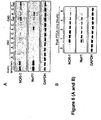
- Band-2 (1010 bp) ( Figure 1A) recognised a transcript of 5.7 kb induced early by serum, PDGF and thrombin ( Figure 1B and 1C, left-hand panel).
- the nucleotide sequence of band 2 shared a high level of homology with the 3'-non-translated region of members of the NGFI-B family of orphan nuclear receptors: NOR-1 (Ohkura N, Hijikuro M, Yamamoto A, Miki K. Molecular cloning of a novel thyroid/steroid receptor superfamily gene from cultured rat neuronal cells. Biochem Biophys Res Common.
- the open reading frame (ORF) of clone ⁇ SsNor32 (submitted to the GenBanK/EMBL Access N° AJ011767) codes for a polypeptide of 643 amino-acid residues which, among the receptors mentioned earlier, exhibited the greatest level of homology with NOR-1 ⁇ sequences.
- the long 3'-non-translated region (3072 kp) of this cDNA (pNOR-1 ⁇ ) contains 9 copies of the sequence ATTTA, typical of short-life mRNA.
- the clone ⁇ SsNor83 (submitted to the GenBanK/EMBL Access N° AJ011768) exhibits a coding ORF for a polypeptide of 446 amino-acid residues (pNOR-1 ⁇ ) which does not contain the C-terminal region corresponding to the ligand binding domain.
- pNOR-1 ⁇ polypeptide of 446 amino-acid residues
- the leucines zip of the C-terminal region is conserved in three members of the NGFI-B family.
- NOR-1 The most powerful inductors of NOR-1 were serum, PDGF and thrombin ( Figure 2). EGF and IGF-1 (only detectable in overexposed plates) also induced NOR-1. IGF-1 synergises with both PDGF and with thrombin in NOR-1 induction, though to a lesser degree than in c-fos induction. The effect of other mitogens, including lipopolysaccharide and angiotensin-II (data not shown) on NOR-1 was minimal.
- Quiescent VSMCs were exposed to growing concentrations of low (LDL) and high (HDL) density lipoproteins obtained by means of differential centrifugation as we have described previously (Vidal F, Colomé G, Mart ⁇ nez-González J, Badimon L. Athergenic concentrations of native low density lipoproteins downregulate nitric oxide synthasemRMA and protein levels in endothelial cells. Eu J Biochem 1998; 252: 378-384) and the levels of NOR-1 mRNA were determined by Northern blot. The lipoproteins induced NOR-1 with a time pattern similar to that obtained with serum (data not shown).
- NOR-1 induction is dependent on the activation of protein kinase C (PKC): it was induced by PMA (a PKC activator), while GF-109203X (a PKC inhibitor) inhibited NOR-1 induction produced by serum ( Figure 2A).
- PKC protein kinase C
- GF-109203X a PKC inhibitor
- the increase in NOR-1 expression is also dependent on Ca 2+ mobilisation: A23817 (a calcium ionophore) induced NOR-1, while the calcium chelating agent EGTA inhibited its expression.
- the induction of NOR-1 produced by serum was also inhibited by a specific inhibitor of the G protein coupled receptors (pertussis toxin) and of the mitogen activated protein kinase (MAPK) (PD98059) ( Figure 2A). Pertussis toxin completely abolished the induction produced by thrombin (data not shown).
- CREB was activated by phosphorylation on Ser 133 in VSMCs induced with serum ( Figure 4A) and nuclear extracts from human VSMCs were bound to a probe (Nor/3CRE) containing the three putative CRE elements present in the promoter of NOR-1 (from -84 to -41) (Ohkura N, Ito M, Tsukada T, Sasaki K, Yamaguchi K, Miki K. Alternative splicing generates isoforms of human neuron-derived orphan receptor-1 (NOR-1) mRNA. Gene . 1998; 211: 79-85) ( Figure 4B). The effect was specific (competed by an excess of cold probe) and was super-shifted by antibodies against CREB but not by antibodies against c-Fos or c-Jun.
- Heart and striated muscle express high levels of NOR-1, on the other hand low levels were detected in the thoracic aorta, lung and adrenal glands, and marginal expression (only detected in overexposed plates) in the rest of the porcine tissues analysed (Figure 5).
- the expression pattern of Nur77 was similar to that of NOR-1. Nevertheless, the expression levels of Nur77 were less than those of NOR-1 in the myocardium (in relation to the levels in striated muscle) and higher in diaphragm, thoracic aorta, lung and adrenal glands.
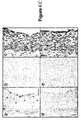
- NOR-1 mRNA levels in non-atherosclerotic arteries both in patients with DIC (dilated idiopathic cardiopathy) and with CAD (coronary artery disease) were low or undetectable ( Figure 6A).
- NOR-1 was overexpressed in primary atherosclerotic lesions from patients with CAD.
- human aorta arteries with aneurysm expression of both NOR-1 and Nbur77 was very high.
- PTCA Percutaneous transluminal coronary angioplasty
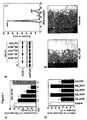
- Antisense sequences were directed against the two putative ATG start codons for the translation of human NOR-1 (Okhura N, Hijikuro M, Yamamoto A, Miki K. Molecular cloning of a novel thyroid/steroid receptor superfamily gene from cultured rat neuronal cells. Biochem Biophys Res Common. 1994; 205: 1959-1965; Hedvat CV, Irving SG. The isolation and characterisation of MINOR, a novel mitogen-inducible nuclear orphan receptor. Mol Endocrinol. 1995; 9: 1692-1700). Both antisense ODNs effectively inhibited the incorporation of [ 3 H] thymidine in human VSMCs in a dose-dependent manner.
- Figure 7A shows the effect of AS 1 -NOR sequences.
- the sense NOR-1 ODNs produced no effect.
- a similar inhibiting effect was produced by growing concentrations of an antisense ODN against c-fos (data not shown), previously used for analysing the role of this proto-oncogene in cell proliferation (Leon T, Vazquez E, Sanz C, Vega JA, Mato JM, Giraldez F, Represa J, Varela-Nieto I., Insulin-like growth factor-I regulates cell proliferation in the developing inner ear, activating glycosyl-phosphatidylinositol hydrolysis and Fos expression. Endocrinology. 1995; 136: 3494-3503).
- the levels of NOR-1 mRNA in cells treated with antisense ODNs were significantly lower than in control cells or in those treated with the sense NOR-1 sequences or with anti -c-fos ODNs ( Figure 7B).
- FIG. 7C shows representative FACS profiles corresponding to human VSMC with and without AS 1 -NOR.
- Sense NOR-1 ODNs did not produce any effect on the cell cycle distribution.
- a similar effect was produced by antisense ODNs against c-fos (41% reduction in the entrance of cells into S phase and a similar increase in the number of cells in G1 phase) .
- Example 3 The NOR transcription factor is induced in monocytes/macrophages activated by mitogenic factors
- NOR-1 is induced by lipoproteins in human endothelial cells and by growth factors in human monocytes/macrophages.
- LDL low density lipoproteins
- LDL low density lipoproteins
- HDL high density lipoproteins
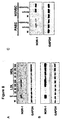
- NOR-1 mRNA induced levels of NOR-1 mRNA in human umbilical vein endothelial cells
- VSMC both LDL and HDL induced the expression of NOR-1
- 10% serum and thrombin (10 U/mL) also induced NOR-1 expression both in HUVEC and in porcine aorta artery endothelial cells (PAEC) ( Figure 8C).
- PAEC porcine aorta artery endothelial cells
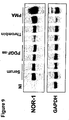
- NOR-1 is induced by growth factors in human monocytes/macrophages in culture
- Human monocytes were incubated for 24 hours in multi-well plates and were then exposed for 1 h to different inductors [10% human serum, 5% nmol/L PDGF-BB, 10 U/mL of thrombin, and a PKC inductor (PMA, 5 ⁇ mol/L)] and NOR-1 mRNA levels were determined by RT-PCR.
- Figure 9 shows the expression levels of NOR-1 achieved in these cells exposed to different inductors.
- the cells, plasmids, antisense sequences, oligonucleotides and animals used in said Examples are identified, along with the methods for evaluating the expression of proteins of interest in this present invention NOR-1 and Nur77 (Northern blot, in situ RT-PCR, EMSA), western blot, the angioplasty technique, VSMC lesion technique and statistical analysis.
- the VSMCs were obtained by the explant technique starting from human and porcine coronary arteries (Mart ⁇ nez-González J, Vi ⁇ als M, Vidal F, Llorente-Cortés V, Badimon L, Mevelonate deprivation impairs IGF-I/Insulin signalling in human vascular smooth muscle cells. Atherosclerosis 1997; 135: 213-223). Cells were cultured as described earlier and in the experiments cells of between the 2 nd and 5 th passage were used. The cells were sown on multi-well plates and when they reached confluence, quiescence was induced by incubating them for 48 hours in a medium with 0.4% foetal calf serum (FCS).
- FCS foetal calf serum
- PDGF-BB Platelet-Derived Growth Factor-BB
- IGF-1 Insulin-like Growth Factor-1
- BFGF basic Fibroblast Growth Factor
- TGF- ⁇ Tumour Necrosis Factor- ⁇
- TGF- ⁇ Tumour Necrosis Factor- ⁇
- TGF- ⁇ Tumour Necrosis Factor- ⁇
- TGF- ⁇ Tumour Necrosis Factor- ⁇
- TGF- ⁇ Transforming Growth Factor beta
- the VSMCs were preincubated for 30 minutes before the stimulus.
- the inhibitors used were: 1 ⁇ g/mL of pertussis toxin (Sigma), 50 ⁇ mol/L of PD98059 (Sigma), 15 ⁇ mol/L of 1,2-bis(2-aminophenoxy)ethane-N,N,N',N'-tetrakis tetraacetic acid acetoxymethyl ester (BAPTA-AM) (Sigma) or growing concentrations of GF-109203X (Sigma) or EDTA.
- Human umbilical vein endothelial cells (HUVEC) and porcine aorta artery endothelial cells (PAEC) were obtained by means of the digestion method with collagenase and cultured as we have previously described (Mart ⁇ nez-González J, Raposo B, Rodriguez C, Badimon L, 3-hydroxy-3-methylglutaryl coenzyme A reductase inhibition prevents endothelial NO synthase downregulation by atherogenic levels of native LDLs. Arterioscler Thromb Vasc Biol 2001; 21: 804-809).
- Human monocytes were obtained by means of elutriation starting from concentrates of white cells in accordance with the methodologies previously described (Sanderson RJ et al. Isolation and enumeration of peripheral blood monocytes. J Immunol 1977; 118: 1409-1414).
- the inhibitors did not produce any effect on the cell morphology, cell apoptosis (analysis by staining with Hoesch 33258 dye) or on cell viability analysed with a commercial kit for mitochondrial dehydrogenase activity ( XTT based assay for cell viability, Roche).
- RNA from VSMC coming from the tunica media of porcine coronary arteries was isolated, quiescent or stimulated for 1 hour with 10% human serum, 10 U/mL of ⁇ -thrombin or 5 nmol/L of PDGF-BB using Quick-PrepTM (Amersham-Pharmacia), mRNA-DD analysis was conducted with the DeltaTM RNA fingerprinting kit (Clontech) as described (Rodriguez C, Mart ⁇ nez-González J, Sánchez-Gómez S, Badimon L. LDL downregulate CYP51 in vascular endothelial cells in the arterial wall through a SREBP-2 dependent mechanism. Circ Res. 2001; 88: 268-274). Differential bands were cloned in the pGEM-TTM vector (Promega) and sequenced with the ABIPrism dRhodamine Terminator Sequencing kit (Perkin Elmer).
- Band number 2 identified by mRNA-DD was used as a probe for the analysis of a cDNA library in ⁇ ZAPII (Stratagene) prepared from porcine coronary artery SMC mRNA (stimulated with human serum for 1 hour).
- ⁇ ZAPII porcine coronary artery SMC mRNA
- 101 positive clones were identified, which were characterised by mapping with restriction enzymes.
- Clones ⁇ SsNor32 and ⁇ Ssnor83 were subcloned for later analysis.
- the nucleotide sequence was obtained by automatic sequencing of both strands of cDNA.
- the multiple alignments of protein were obtained using the ClustaIW service from the European Bioinformatics Institute.
- NOR-1 ⁇ cDNA a c-fos rat cDNA and a ribosomal cDNA (for normalising the membranes) were used.
- Nuclear extracts (3 ⁇ g) from human VSMC were used along with double chain probes corresponding to the human NOR-1 promoter sequence (from -84 to -41; Nor/3CRE), which contains the three CRE sites or a probe containing an NBRE consensus sequence, as described (Rodriguez C, Mart ⁇ nez-González J, Sánchez-Gómez S, Badimon L. LDL downregulate CYP51 in vascular endothelial cells in the arterial wall through a SREBP-2 dependent mechanism. Circ Res. 2001; 88: 268-274). The super-shift experiments were conducted using antibodies against CREB, c-Fos and c-Jun (Santa Cruz Biotechnology).
- CREB levels were analysed by Western blot (of the phosphorylated and dephosphorylated forms) in cell extracts coming from VSMC (Rodriguez C, Mart ⁇ nez-González J, Sánchez-Gómez S, Badimon L. LDL downregulate CYP51 in vascular endothelial cells in the arterial wall through a SREBP-2 dependent mechanism. Circ Res. 2001; 88: 268-274) using specific antibodies (Santa Cruz Biotechnology).
- the plasmid pNOR ⁇ /-1703 which contains human NOR-1 promoter was kindly provided by Dr N Ohkura. Directed mutagenesis on the three possible CRE sites present in the NOR-1 promoter was carried out by QuickChangeTM Site-Directed Mutagenesis Kit (Stratagene). The changes introduced in the sequence of the mutant construction [pNOR ⁇ /-1703-(M)] were (-79) TGcatcAGCGTCCCATGcatgCACATTGcgtaCT(-46) (SEQ ID NO1) (changes are indicated by letters in lower case). The new sequence was analysed by means of promoter analysis programs in order to confirm that no new response elements had been created.
- NIH-3T3 cells were transfected with luciferase expression vectors using the NucleofactorTM system (Amaxa Biosystems), following the manufacturer's specifications. Quiescence was induced in the transfected cells incubating them for 36 hours in a medium with 0.4% FCS and they were then stimulated with serum for 4 hours. Luciferase activity was determined in cell lysates with a luminometer. pSV ⁇ -gal (Promega) was used as an internal control.
- aortas and coronary arteries were obtained from transplanted hearts coming from human patients with idiopathic cardiomyopathy (DIC) or CAD. Coronary arteries were examined at low magnification and classified in two categories: areas with atherosclerotic lesions and areas without atherosclerotic lesions. The present study and all human samples followed the internal directives and were approved by the Ethical Committee of the Hospital of Santa Creu i Sant Pau.
- DIC idiopathic cardiomyopathy
- NOR-1, Nur77 and Nurr1 expression was analysed by RT-PCR.
- the specific oligonucleotides used were NOR-1 5'-AGGG CTGCAAGGGCTTTTTCAAGA GA-3' (SEQ ID NO2) and 5'-TGCT TTCTACAGGAGCTGCT-3' (SEQ ID N03); Nur77, 5'-CCACAGCCTCCAGCCTTTT-3' (SEQ ID NO4) and 5'-TTTCGCCGCCTCTTGTCCAC -3' (SEQ ID NO5) ; Nurr1, 5'-CTCCCGCCTCTCCCTCTTCT-3' (SEQ ID NO10) and 5'-TTGGTCGGCTTTGGGCAGGT -3' (SEQ ID NO11).
- GPDH glyceraldehyde-3-phosphate
- PCR products stained with dioxygenine were resolved in agar gels, transferred to nylon membranes (Scheicher & Schuell) and detected as described (Rodriguez C, Mart ⁇ nez-González J, Sánchez-Gómez S, Badimon L. LDL downregulate CYP51 in vascular endothelial cells in the arterial wall through a SREBP-2 dependent mechanism. Circ Res. 2001; 88: 268-274).
- In situ PCR was conducted on specimens subjected to PTCA using the EZ rTth RNA PCR KitTM (Perkin Elmer) according to the manufacturer's protocol.
- the primers used for amplifying the mRNA were: 5'-GATGCTATCCCAGCAGGAAA-3' (SEQ ID NO 8) and 5'-CATCAAGAACGGCCAAAAT-3' (SEQ ID N09).
- the amplification was carried out for 25 cycles and the specific annealing conditions were 55°C for 90 s.
- the PCR products stained with dioxygenine were detected using a system coupled to alkaline phosphatase and NBT/BCP.
- Antisense ODNs used were: antisense-1 NOR-1 (AS 1 -NOR; 5'-TTGGACGCAGGGCAT-3') (SEQ ID NO 6) and antisense-2 NOR-1 (AS 2 -NOR; 5'-GCTGCCAAGGTCCAT-3') (SEQ ID NO 7), complementary to nucleotides 732 to 746 and 849 to 863 of human NOR-1 mRNA (access N° NM-006981) respectively.
Landscapes
- Life Sciences & Earth Sciences (AREA)
- Health & Medical Sciences (AREA)
- Engineering & Computer Science (AREA)
- Chemical & Material Sciences (AREA)
- Molecular Biology (AREA)
- Urology & Nephrology (AREA)
- Immunology (AREA)
- Biomedical Technology (AREA)
- Hematology (AREA)
- Analytical Chemistry (AREA)
- Proteomics, Peptides & Aminoacids (AREA)
- General Health & Medical Sciences (AREA)
- Cell Biology (AREA)
- Biotechnology (AREA)
- Medicinal Chemistry (AREA)
- Biochemistry (AREA)
- Microbiology (AREA)
- Pathology (AREA)
- Physics & Mathematics (AREA)
- Organic Chemistry (AREA)
- General Physics & Mathematics (AREA)
- Food Science & Technology (AREA)
- Bioinformatics & Cheminformatics (AREA)
- Wood Science & Technology (AREA)
- Zoology (AREA)
- Genetics & Genomics (AREA)
- Biophysics (AREA)
- Endocrinology (AREA)
- Nuclear Medicine, Radiotherapy & Molecular Imaging (AREA)
- Pharmacology & Pharmacy (AREA)
- Animal Behavior & Ethology (AREA)
- Public Health (AREA)
- Veterinary Medicine (AREA)
- General Chemical & Material Sciences (AREA)
- Chemical Kinetics & Catalysis (AREA)
- Heart & Thoracic Surgery (AREA)
- Cardiology (AREA)
- Vascular Medicine (AREA)
- General Engineering & Computer Science (AREA)
- Medicines That Contain Protein Lipid Enzymes And Other Medicines (AREA)
Abstract
Description
- Biomedicine. Novel therapeutic and diagnostic targets for diseases and identification of novel pharmaceutical compounds which regulate the activity of said therapeutic targets. Cardiovascular diseases such as arteriosclerosis.
- In order to understand the molecular mechanisms involved in the activation and dedifferentiation of vascular smooth muscle cells (VSMC), a detailed mapping is needed of the cascades of transcription factors induced by atherogenic stimuli. These master genes could be targets for new strategies, both therapeutic and diagnostic. Recently, different nuclear receptors, among which can be highlighted Peroxisome Proliferator-Activated Receptors (PPARs) (Marx N, Schonbeck V, Lazar MA, Libby P, Plutzky J. Peroxisome proliferator-activated receptor gamma activators inhibit gene expression and migration in human vascular smooth muscle cells. Circ Res. 1998; 83: 1097-1103; Staels B, Koening W, Habib A, Merval R, Lebret M, Torra IP, Delerive P, Faadel A, Chinetti G, Fruchart JC, Najib J, Maclouf J, Tedgui A. Activation of human aortic smooth-muscle cells is inhibited by PPARalpha but not by PPARgamma activator. Nature 1998; 393: 790-793), retinoic receptors, both Retinoid X Receptor (RXR) and Retinoic Acid Receptor (RAR) and Retinoid-Related Orphan Receptor (ROR) have been identified in the activation/proliferation of VSMC and consequently implicated in the atherogenic process (Miano JM, Topouzis S, Majesky MW, Olson EN. Retinoid expression and all-trans retinoic acid-mediated growth inhibition in vascular smooth muscle cells. Circulation. 1996; 93: 1886-1895; Neuville P, Yan Z, Gidlof A, Pepper MS, Hansson GK, Gabbiani G, Sirsjo A. Retinoic acid regulates arterial smooth muscle cell proliferation and phenotypic features in vivo and in vitro though an RARalpha-dependent signalling pathway. Arterioscler Thronb Vasc Biol. 1999; 19: 1430-1436; Haxsen V, Adam-Stitah S, Ritz E, Wagner J. Retinoids inhibit the actions of angiotensin II on vascular smooth muscle cells. Circ Res. 2001; 88: 636-644). Nuclear receptors are a large family of ligand-activated transcription factors, which regulate complex gene programs having great importance in virtually all processes of development and physiology in adult age (Mangelsdorf DJ, Thummel C, Beato M, Herrlich P, Schütz, Umesono K, Blumberg B, Kastner P, Mark M, Chambon P, Evans RM. The nuclear receptor superfamily: the second decade. Cell. 1995; 83: 835-839; Giguère V. Orphan nuclear receptors: from gene to function. Endocr Rev 1999; 20: 689-725). Also, ligands are currently known for only half the known nuclear receptors, the remaining receptors are known as orphan receptors and especially constitute an area for research and development (R&D).
- NOR-1, together with Nur77 and Nurr1, form the NGFI-B subfamily within the superfamily of nuclear receptors (Mangelsdorf DJ, Thummel C, Beato M, Herrlich P, Schütz, Umesono K, Blumberg B, Kastner P, Mark M, Chambon P, Evans RM. The nuclear receptor superfamily: the second decade. Cell. 1995; 83: 835-839; Giguère V. Orphan nuclear receptors: from gene to function. Endocr Rev 1999; 20: 689-725). These genes have been involved in neuoroendocrine regulation, neuronal differentiation, hepatic regeneration, cell apoptosis and response to mitogenic stimuli in different cell types (Maruyama K, Tsukada t, Ohkura N, Bandoh S, Hosono T, Yamaguchi K. The NGFI-B subfamily of the nuclear receptor superfamily. Int J Oncol. 1998; 12: 1237-1243) Finally, it can be expected that new knowledge on the complete functional activity of these transcription factors can permit the development of new diagnostic and treatment strategies for diseases caused by alteration of those potential targets.
- An object of the present invention consists of an identification procedure of NOR-1 and/or Nu77 and/or Nurr1 in biological samples of mammals, preferably humans, for diagnosing and following-up cardiovascular diseases associated with the activation of NOR-1 or for monitoring, following-up or assessing the effectiveness of pharmacological treatments for said cardiovascular diseases, characterised in that it comprises the following parts:
- a) Obtaining of the biological sample by means of blood extraction or intravascular surgery (atherectomy or similar), and
- b) Identification of NOR-1 and/or Nur77 and/or Nur1 in that biological sample, where a positive or incremented result with respect to a base level considered physiological will indicate the existence of a cardiovascular disease associated with activation of NOR-1 or where the comparison of the levels of NOR-1 determined over time would indicate the evolution of the cardiovascular disease or whether, for example, the treatment administered for that disease is showing any therapeutic effect.
-
- A further object of the present invention consists of an identification procedure of potential modulator compounds of NOR-1 activity and, therefore, potential therapeutic compounds of cardiovascular diseases associated with the activation of NOR-1 and/or Nur77 and/or Nur1, characterised by the following stages:
- a) placing of said compound in contact in a biological environment where there exists the functionally active protein NOR-1 and/or Nur77 and/or Nur1,
- b) determination of the expression levels or activity levels of the protein of NOR-1 and/or Nur77 and/or Nur1, and
- c) selection of said compound as modulator compound of NOR-1 and/or Nur77 and/or Nur1 if the inhibition or boosting of the effects of NOR-1 is noted in the presence of the compound.
-
- A particular object of the present invention consists of an identification procedure of potential modulator compounds of NOR-1 and/or Nur77 and/or Nur1 activity where the "biological environment" is for example a VSMC culture of mammals, preferably human or porcine, where in the presence or otherwise of NOR-1 inductor mitogens - serum, thrombin, PDGF and EGF, among others - the potential compound to be assessed is added and a determination is then made of: mRNA levels of NOR-1 and/or Nur77 and/or Nur1 (by means of RT-PCR, Northern blot, in situ RT-PCR or in situ hybridation, among other methods) or the NOR-1 and/or Nur77 and/or Nur1 activity [by means of the capacity of these transcription factors to bind themselves to specific DNA sequences in Electrophoretic Mobility Shift Assays (EMSA)] as has been done in the present invention, or determining the capacity of NOR-1 to form heterodimers with other members of the NGFI-B family (Nur77 and Nurr1) thereby modulating the transactivation of target genes; or by means of determination of the protein levels (by means of the techniques mentioned above).
- Another particular object of the present invention consists of an identification procedure of potential modulator compounds of NOR-1 and/or Nur77 and/or Nur1 activity where the "biological environment" is for example an animal model, preferably porcine, which is subjected to a percutaneous transluminal coronary angioplasty (PTCA) operation, it is administered with the potential compound to assess and then a determination is made of the NOR-1 levels of the lesions caused by means of techniques such as RT-PCR, Northern blot, in situ RT-PCR or Western blot (see example 2.3 of the present invention) among others.
- So, a further object of the present invention consists of a NOR-1 inhibitor or booster compound (which will modify its expression or its activity as a transcription factor individually or cooperatively with the other members of the NGFI-B family) identified according to a procedure described above. Equally, a further object consists of a pharmaceutical composition characterised in that it comprises a therapeutically effective quantity of a NOR-1 inhibitor or booster compound identified by the procedure of the present invention.
- A further object of the present invention consists of the use of a pharmaceutical composition described above in the preparation of a medicine for the treatment of cardiovascular diseases associated with activation of NOR-1 in mammals, preferably humans.
- A further object of the present invention is a gene therapy procedure for the treatment and prevention in mammals, preferably humans, of cardiovascular diseases associated with activation of NOR-1, which would permit the modification of NOR-1 expression in cells involved in the aetiopathogeny of those diseases, for example by means of the expression of antisense oligonucleotides of NOR-1 (ODNs) using vectors or carriers permitting the entrance of those ODNs into those cells. A particular object of the present invention consists of antisense/against NOR-1 ODNs described in this invention: AS1-NOR-1 (SEQ ID NO6) and AS2-NOR-1 (SEQ ID NO 7), along with any other that might be developed with the knowledge existing in the state of the art, and which block the expression of NOR-1 (Nabel EG, Nabel GJ, Gene Transfer. In: Atherosclerosis and Coronary Artery Disease. edited by V. Fuster, R Ross and EJ Topol. Lippincott-Raven Publisher, Philadelphia, 190996). Said strategies would also include those directed towards modifying the function of the NOR-1 protein by means of over-expression of a defective (dominant negatives) NOR-1 protein (or of another member of the NGFI-B family) which compete with the native proteins and reduce their activity.
- In this study, use was made of the mRNA-DD analysis system in a search for mitogen-induced genes in VSMC in the porcine model, a model which, due to its great similarity to the human one, is commonly accepted in the study of VSMC differentiation and in arteriosclerosis (Badimon L, Atherosclerosis and thrombosis: lessons from animal models. Thromb Haemost. 2001; 86, 356-365). We have identified NOR-1 as a rapid induction gene in VSMC. NOR-1 was temporarily induced by means of angioplasty in coronary arteries of pig and was overexpressed in primary atherosclerotic lesions in humans. Induction of the other members of the NGFI-B family was also detected in human atherosclerotic lesions (Nur77) and in porcine coronary arteries subjected to balloon angioplasty (Nurr1). Antisense ODNs against NOR-1 inhibited VSMC proliferation and tissue repair induced by means of mechanical damage.
- Starting from porcine SMC, two isoforms of NOR-1 were cloned. NOR-1 is a rapid induction gene which was intensely induced in VSMC by mitogenic stimuli which signal by means of dependent pathways of protein kinase receptors (PDGF and EGF) and of receptors coupled to G proteins (thrombin). On the contrary, other agents, such as cytokines, which induce NOR-1 in gingival fibroblasts (Borghaei RC, Sinai ES, Mochan E, Pease EA. Induction of mitogen-inducible nuclear orphan receptor by
interleukin 1 in human synovial and gingival fibroblasts. Biochem Biophys Res Common. 1998; 251: 334-338) or angiotensin-II, which induces NOR-1 in fasciculate cells (Fernández PM, Brunel F, Jiménez MA. Saez JM, Cereghini S, Zakin MM. Nuclear receptors Nor1 and NGFI-B/Nur77 play similar, albeit distinct, roles in hypothalamo-pituitary-adrenal axis. Endocrinology. 2000; 141: 2392-2400), did not induce NOR-1 in VSMC. Increase in the intracellular calcium concentration along with activation of PKC and the MAPKs pathway, pathways activated in cell migration and proliferation processes, are involved in NOR-1 induction in VSMC. In this sense, mitogens using more than one pathway (for example, serum) induced NOR-1 to a greater degree, and the association of PDGF or thrombin with IGF-1 increased the effect individually produced by each one of them. Therefore, NOR-1 could play a key role integrating different signalling pathways in VSMC, in processes such as thrombosis which produce the activation/degranulation of the platelets (which release PDGF and EGF) and generation of thrombin. If fact, NOR-1 was also induced by these agents in other cells involved in the atherosclerotic process, such as endothelial cells and monocytes/macrophages [Fuster V, Badimon L, Badimon JJ, Chesebro JH. The pathogenesis of coronary artery disease and the acute coronary syndromes. New Eng J Med 326. Part I (242-250) and Part (310-318)]. Also, growing concentrations of low density lipoproteins (LDLs) induced NOR-1 both in VSMC and in endothelial cells, while growing concentrations of HDL only induced NOR-1 in VSMC. NOR-1 modulation by lipoproteins suggests that this gene can be a potential indicator of processes associated with an increase in the circulating levels of LDL, which in fact, constitutes one of the best characterised atheroscleritic risk factors having an impact on the physiology of both vascular cells (VSMC and endothelial cells) and circulating cells (particularly monocytes) (Navad M, Fogelman AM, Berliner JA, Terroto MC, Demer LL, Franks JS, Watson AD, Edwards PA, Lusis AJ. Pathogenesis of atherosclerosis. Am J Cardiol 1995; 76: 18C-23C; Lusis AJ. Atherosclerosis Nature 2000; 407: 233-241). - Transfection experiments indicate a key role for CRE elements present in the NOR-1 promoter in its induction by mitogenic stimuli. In fact, CREB activation is a point of convergence both of PKC dependent pathways and of calcium mobilisation (Mayr B, Montminy M, Transcriptional regulation by the phosphorylation-dependent factor CREB. Nat Rev Mol Cell Bio 2001; 2: 599-609), the two main pathways involved in NOR-1 induction. Serum induced the phosphorylation of CREB, though no changes were observed in the binding of CREB, according to the capacity of CREB to bind itself constitutively to its response element (Mayr B, Montminy M, Transcriptional regulation by the phosphorylation-dependent factor CREB. Nat Rev Mol Cell Bio 2001; 2: 599-609).
- Although NOR-1 is temporarily induced by mitogens in cultured cells, significant expression of NOR-1 was detected in various adult tissues, particularly in the myocardium and in striated muscle, both of pig and of humans (data not shown), which suggests that in those tissues NOR-1 could regulate genes involved in key functions in them. The simultaneous expression of the genes of the NGFI-B family in certain tissues and cells, the great homology of their amino-acid sequences and the capacity of the three receptors to bind to a specific response element (NBRE) (Wilson TE, Fahmer TJ, Johnston M, Milbrandt J. Identification of the cDNA binding site for NGFI-B by genetic selection in yeast. Science. 1991; 256: 1296-1299) can explain the functional redundancy observed in certain systems (Cheng LEC, Chan FKM, Cado D, Winoto A. Functional redundancy of the Nur77 and Nor-1 orphan steroid receptors in T-cell apoptosis. EMBO J. 1997; 16: 1865-1875). Nevertheless, we observed different expression patterns in adult tissues and on the vascular wall under pathological conditions. In fact, although both NOR-1 expression and that of Nur77 are increased in human primary atherosclerotic lesions in patients with coronary artery disease (CAD) or aortic aneurysm, the revascularisation procedures that damage the vascular wall and induce the proliferation of VSMC activated the expression of NOR-1 and Nurr1 but not that of Nur77 (data not shown). The significance of the increased expression of Nur77 and Nurr1 in these samples is not currently known. Nevertheless, Nur77 and Nurr1 are induced concomitantly with NOR-1 (in the situations mentioned), they bind to a single response element and they can form heterodimers with each other (Maira M, Martens C, Philips A, Drouin J. Heterodimerisation between members of the Nur subfamily of orphan nuclear receptors as a novel mechanism for gene activation. Mol Cell Biol 1999 ; 19: 7549-7557) or with RXR (Mangelsdorf DJ, Evans RM. The RXR heterodimers and orphan receptors. Cell. 1995; 83: 841-850), nuclear factor which modulates the VSMC phenotype (as discussed more fully in the following paragraph), they could thus positively or negatively modulate NOR-1 activity in vascular cells or in blood cells. Therefore, both Nur77 and Nurr1 would be directly or indirectly involved in pathologies in which NOR-1 induction is detected.
- The genes of the NGBI-B family have been involved in different cell functions, among them cell proliferation and differentiation and apoptosis (Maruyama K, Tsukada t, Ohkura N, Bandoh S, Hosono T, Yamaguchi K. The NGFI-B subfamily of the nuclear receptor superfamily. Int J Oncol. 1998; 12: 1237-1243). It must be borne in mind that in the same way these "unspecific" roles have been attributed to other early response genes such as c-fos and c-myc (Rothman A, Wolner B, Button D, Taylor P. Immediate-early gene expression in response to hypertrophic and proliferative stimuli in pulmonary arterial smooth muscle cells. J Biol Chem. 1994; 269: 639-6404; Macdonald K, Bennet MR. Cdc25A is necessary but not sufficient for optimal c-myc induced apoptosis and cell proliferation of vascular smooth muscle cells. Circ Res. 1999; 84; 820-830). In this sense, it seems plausible that in a particular physiological context the specific function of NOR-1 would depend on concomitant changes in the expression levels of other genes. In fact, the relation between eukaryote transcription factors, particularly the paradigmatic heterodimerisation between nuclear receptors (Maira M, Martens C, Philips A, Drouin J. Heterodimerisation between members of the Nur subfamily of orphan nuclear receptors as a novel mechanism for gene activation. Mol Cell Biol 1999 ; 19: 7549-7557), increases the complexity of the molecular "networks" operating in vascular cells. Nur77 and Nurr1 (but not NOR-1) can form heterodimers with RXR (Mangelsdorf DJ, Evans RM. The RXR heterodimers and orphan receptors. Cell. 1995 ; 83: 841-850), permitting the latter to activate the vascular genes in a ligand dependent way via response elements to retinoic acid. Given that RXR has been directly involved in the modulation of VSMCs phenotype and in atherogenesis (Haxsen V, Adam-Stitah S, Ritz E, Wagner J. Retinoids inhibit the actions of angiotensin II on vascular smooth muscle cells. Circ Res. 2001; 88: 636-644; Claudel T, Leibowitz MD, Fievet C, Tailleux A, Wagner B, Repa JJ, Torpier G, Lobaccaro JM, Paterniti JR, Mangelsdorf DJ, Heyman RA, Auwerx J. Reduction of atherosclerosis in apolipoprotein E knockout mice by activation on the retinoid X receptor. Proc Natl Acad Sci USA. 2001; 27: 2610-2615), and is the common partner of other nuclear receptors activated in vascular cells such as PPARs or RAR (Marx N, Schonbeck V, Lazar MA, Libby P, Plutzky J. Peroxisome proliferator-activated receptor gamma activators inhibit gene expression and migration in human vascular smooth muscle cells. Circ Res. 1998; 83: 1097-1103; Haxsen V, Adam-Stitah S, Ritz E, Wagner J. Retinoids inhibit the actions of angiotensin II on vascular smooth muscle cells. Circ Res. 2001; 88: 637-644; Benson S, Padmanabhan S, Kurtz TW, Pershadsingh HA. Ligands for the peroxisome proliferator-activated receptor-gamma and the retinoid X receptor-alpha exert synergistic antiproliferative effects on human coronary artery smooth muscle cells. Mol Cell Bio Res Commun. 2000; 3: 159-164), a potential "competition" of these heterodimer pairs by RXR should not be discarded. This interference/synergy relation between nuclear receptors, among themselves or with other transcription factors can be important in regulating the function of vascular cells (Benson S, Padmanabhan S, Kurtz TW, Pershadsingh HA. Ligands for the peroxisome proliferator-activated receptor-gamma and the retinoid X receptor-alpha exert synergistic antiproliferative effects on human coronary artery smooth muscle cells. Mol Cell Bio Res Commun 2000; 3: 159-164).
- NOR-1 expression pattern is in agreement with the participation of this transcription factor in the underlying molecular mechanisms in both spontaneous and "accelerated" arteriosclerosis. The nature of the stimuli leading to an increase in NOR-1 expression, both in vivo and in vitro, and the intracellular pathways involved in that induction firmly support a role for NOR-1 in the proliferation of VSMCs. In order to back up this hypothesis we analyse the effect of two antisense ODNs directed against NOR-1. These ODNs significantly inhibited the proliferation of human coronary SMC (they reduced the de novo synthesis of DNA, cell cycle progression and lesion repair by VSMCs). The effectiveness of the antisense ODNs blocking these processes was similar to that produced by ODNs directed against the well-characterised proto-oncogene c-fos, which as NOR-1 is temporarily induced in VSMC and in porcine coronary arteries following PTCA (Martínez-González J, Viñals M, Vidal F, Llorente-Cortés V, Badimon L, Mevalonate deprivation impairs IGF-I/Insulin signalling in human vascular smooth muscle cells. Atherosclerosis 1997; 135: 213-223; Rothman A, Wolner B, Button D, Taylor P. Immediate-early gene expression in response to hypertrophic and proliferative stimuli in pulmonary arterial smooth muscle cells. J Biol Chem. 1994; 269: 639-6404;, Badimon L, Alfon J, Royo T, Berrozpe M, Martínez-González J, Vidal F, Chesebro JH, Fuster V, Badimon JJ., Cell biology of restenosis post-angioplasty. Z Kardiol. 1995; 84: 145-149). We selected c-fos as the comparison pattern because a proportionality relation has been established between the degree of expression of c-fos and VSMC proliferation both in vivo (Indolfi C, Esposito G, Di Lorenzo E, Rapacciuolo A, Feliciello A, Porcellini A, Avvedimento VE, Condorelli M, Chiariello M. Smooth muscle cell proliferation is proportional to the degree of balloon injury in a rat model of angioplasty. Circulation. 1995; 92: 1230-1235) and in vitro (Martínez-González J, Viñals M., Vidal F, Llorente-Cortés V, Badimon L, Mevalonate deprivation impairs IGF-I/Insulin signalling in human vascular smooth muscle cells. Atherosclerosis 1997; 135: 213-223), and ODNs against c-fos have been successfully used to block cell proliferation in different systems including VSMC (Leon T, Vazquez E, Sanz C, Vega JA, Mato JM, Giraldez F, Represa J, Varela-Nieto I., Insulin-like growth factor-I regulates cell proliferation in the developing inner ear, activating glycosyl-phosphatidylinositol hydrolysis and Fos expression. Endocrinology. 1995; 136: 3494-3503; Suggs W, Olsen SC, Mandani D, Patel S, Eith FJ. Antisense oligonucleotides to c-fos and c-jun inhibit intimal thickening in a rat vein graft model. Surgery. 1999; 126: 443-449). Our results firmly suggest that NOR-1 plays a role in VSMCs proliferation, which is in agreement with the evidence obtained by other authors who attribute a role to this orphan nuclear receptor in cell proliferation in different systems. In fact, among the NGFI-B gene family, only the oncogenic conversion of NOR-1 has been described (Labelle Y, Zucman J, Stenman G, Kindblom LC, Knight J, Turc-Carel C, Dockhom-Dwomiczak B, Mandahl N, Desmaze C, Peter M. Aurias A, Delattre O, Thomas G. Oncogenic conversion of a novel orphan nuclear receptor by chromosome translocation. Hum Mol Genet. 1995; 4: 2219-2226).
- To summarise, the present invention is based on the fact that the inventors have observed that NOR-1 transcription factor is a potential modulating factor of vascular cell function (VSMCs and endothelial cells) and monocytes/macrophages, and therefore a new diagnostic target for cardiovascular pathologies and a new target in future therapeutic strategies (pharmacological or gene-therapy based).
- Thus, an object of the present invention constitutes an identification procedure of NOR-1 and/or Nu77 and/or Nurr1 in biological samples of mammals, preferably humans, for diagnosing and following-up cardiovascular diseases associated with NOR-1 activation or for monitoring, following-up or assessing the effectiveness of pharmacological treatments for said cardiovascular diseases, characterised in that it comprises the following parts:
- a) Obtaining the biological sample by means of blood extraction or intravascular surgery (atherectomy or similar), and
- b) Identification of NOR-1 and/or Nur77 and/or Nur1 in said biological sample, where a positive or incremented result with respect to a base level considered physiological will indicate the existence of a cardiovascular disease associated with activation of NOR-1 or where the comparison of NOR-1 levels determined over time would indicate the evolution of the cardiovascular disease or whether, for example, the treatment administered for said disease is showing any therapeutic effect.
-
- As used in the present invention, the term "identification of NOR-1" refers to the determination of human NOR-1 expression levels, in any of its two alpha and beta isoforms, and/or Nur77 and/or Nurr1, be it its messenger RNA or the corresponding proteins - by means of any quantitative, semi-quantitative or qualitative method - in a biological sample of a potential patient of said cardiovascular disease.
- The term "biological sample" as used in the present invention refers to body fluids such as blood (especially to its constituent cells), to vascular cells and to samples of peripheral tissues affected by cardiovascular diseases or by processes that can act as coadjuvants in the development of atherosclerotic lesions and eventually as markers of the process (for example, biopsies of gums), obtained by means of blood extraction, intravascular surgery (atherectomy or similar) among others.
- As used in the present invention, the term "quantitative, semi-quantitative or qualitative method" refers to methods used in the field of molecular biology for the determination of mRNA levels such as, among others, RT-PCR, Northern blot (Sambroock J, Fritsch EF, Maniatis T. Extraction purification analysis of messenger RNA from eukaryotic cells. In: Molecular Cloning (book 1). Could Spring Harbor Laboratory Press, 1989: 7.39), "DNA arrays" or biochips of DNA or oligonucleotides (Hitunen MO, Niemi M, Ylä-Herttuala S. Functional genomics and DNA array techniques in atherosclerosis research. Curr Opin Lipidol. 1999; 10: 515-519); in situ hybridation or in situ RT-PCR (Herrington GS, McGee JO. Principles and basic methodology of DNA/RNA detection by in situ hybridation. In: Herrington GS, McGee JO. Eds Diagnostic molecular pathology: A practical approach,. IRL press, 1992; 1: 69-102); or of protein levels by means of polyclonal or monoclonal antibodies which recognise NOR-1, such as, among others, Western blot (Sambroock J, Fritsch EF, Maniatis T. Detection and analysis of proteins expressed from cloned genes. In: Molecular Cloning (book 3). Cold Spring Harbor Laboratory Press, 1989: 18.60), immunocytochemistry and immunohistochemistry (Robinson G, Ellis IO, MacLennan A,. Immunochemistry. In: Bandcroft JD, Stevens A. ed., Theory and practice of histological techniques. Churchill Livingstone, 1990: 413-436), EIA or ELISA techniques (Pradellas P., et al. Enzyme immunoasasays of eicosanoids using acetylcholinesterase as label: an alternative to radiommunoassays. Anal Chem 1985; 57: 1170-1173), protein biochips (Huang RP. Detection of multiple proteins in an antibody-based protein microarray system. Journal of Immunological Methods 225 (2001): 1-13; http://www.functionalgenomics.org.uk/sections/resources/p roteinarrays.htm; Kodadek T. Protein microarrays: prospects and problems. Chemistry and
Biology 8/2 (2001): 105-115). Currently at the development phase by the inventors of the present invention is the obtention of antibodies against a fragment of NOR-1 protein sequence generated by expression in a plasmidic prokaryote vector, by means of techniques widely known by any expert in the sector of the art of this invention (Sambroock J, Fritsch EF, Maniatis T. Expression of cloned genes in Escherichia coli. In: Molecular Cloning (book 3). Cold Spring Harbor Laboratory Press, 1989). - A further object of the present invention consists of an identification procedure of potential modulatory compounds of NOR-1 activity and, therefore, potential therapeutic compounds for cardiovascular diseases associated with NOR-1 and/or Nur77 and/or Nur1 activation, characterised by the following stages:
- a) placing said compound in contact with a biological environment where functionally active NOR-1 and/or Nur77 and/or Nur1 proteins exist,
- b) determination of the expression levels or activity levels of NOR-1 and/or Nur77 and/or Nur1 proteins, and
- c) selection of said compound as modulator compound of NOR-1 and/or Nur77 and/or Nur1 if the inhibition or boosting of NOR-1 effects is noted in the presence of the compound.
-
- A particular object of the present invention consists of an identification procedure of potential modulatory compounds of NOR-1 and/or Nur77 and/or Nur1 activity where the "biological environment" is for example a VSMC culture of mammals, preferably human or porcine, where in the presence or otherwise of NOR-1 inductor mitogens - serum, thrombin, PDGF and EGF, among others - the potential compound to be assessed is added and a determination is then made of: mRNA levels of NOR-1 and/or Nur77 and/or Nur1 (by means of RT-PCR, Northern blot, in situ RT-PCR or in situ hybridation, among other methods) or NOR-1 and/or Nur77 and/or Nur1 activity [by means of the capacity of these transcription factors to bind themselves to specific DNA sequences in Electrophoretic Mobility Shift Assays (EMSA)] as has been done in the present invention, or determining the capacity of NOR-1 to form heterodimers with other members of the NGFI-B family (Nur77 and Nurr1) thereby modulating the transactivation of target genes; or by means of determining protein levels (using the techniques mentioned above).
- Another particular object of the present invention consists of an identification procedure for potential modulatory compounds of NOR-1 and/or Nur77 and/or Nur1 activity where the "biological environment" is for example an animal model, preferably porcine, which is subjected to a percutaneous transluminal coronary angioplasty (PTCA) operation, it is administered with the potential compound to assess, and then a determination is made of NOR-1 levels of the lesions caused by means of techniques such as RT-PCR, Northern blot, in situ RT-PCR or Western blot (see example 2.3 of the present invention) among others.
- Thus, a further object of the present invention consists of a NOR-1 inhibitor or booster compound (which will modify its expression or its activity as a transcription factor individually or cooperatively with the other members of the NGFI-B family) identified according to a procedure described above. Equally, a further object consists of a pharmaceutical composition characterised in that it comprises a therapeutically effective quantity of a NOR-1 inhibitor or booster compound identified by the procedure of the present invention.
- A further object of the present invention consists in the use of a pharmaceutical composition described above in the preparation of a medicine for the treatment of cardiovascular diseases associated with activation of NOR-1 in mammals, preferably humans.
- A further object of the present invention is a gene therapy procedure for the treatment and prevention in mammals, preferably humans, of cardiovascular diseases associated with activation of NOR-1, which would permit the modification of NOR-1 expression in cells involved in the aetiopathogeny of those diseases, for example by means of the expression of antisense oligonucleotides of NOR-1 (ODNs) using vectors or carriers that permit the entrance of those ODNs into said cells. A particular object of the present invention consists of antisense ODNs/against NOR-1 described in this invention: AS1-NOR-1 (SEQ ID N06) and AS2-NOR-1 (SEQ ID NO 7), along with any other that might be developed with the knowledge existing in the state of the art, and that block NOR-1 expression (Nabel EG, Nabel GJ, Gene Transfer. In: Atherosclerosis and Coronary Artery Disease. edited by V. Fuster, R Ross and EJ Topol. Lippincott-Raven Publisher, Philadelphia, 1996). Said strategies would also include those directed towards modifying the function of the NOR-2 protein by means of over-expression of a defective (dominant negatives) NOR-1 protein (or of another member of the NGFI-B family) that competes with the native proteins and reduce their activity.
- As used in the present invention, the term "cardiovascular diseases associated with activation of NOR-1" refers to cardiovascular diseases which are associated with increased levels of NOR-1, due to an inductor causal relation or simply by an association, which belongs to, among others, the following group: atherothrombosis (Woof N, Davies MJ, Interrelationship between atherosclerosis and thrombosis. In: Thrombosis in cardiovascular Disorders. Edited by V Fuster and M Verstraete. WB Sanders Company. Harcourt Brace Jovanovich, Inc. Philadelphia 1992), "accelerated" arteriosclerosis (post-vascularisation restenosis) (Nikol S, Huehns TY, Höfling B. Molecular biology and post-angioplasty restenosis. Atherosclerosis 1996; 123: 17-23), spontaneous arteriosclerosis in its different manifestations [coronary artery disease (CAD), aortic disease, cerebrovascular disease and peripheral arteriopathies] (Ross R. The pathogenesis of atherosclerosis. Nature 1993; 362: 801-809; Lusis AJ. Atherosclerosis Nature 2000; 407: 233-241), aneurysms and vascular remodelling/regeneration (Ouriel K. Endosvascular therapies: an update on aortic aneurysm repair and carotid endarterectomy. J Am Coll Surg. 2002; 195: 549-552) and in general cardiovascular diseases associated with de-differentiation (Owens GK. Role of alterations in the differentiated state of vascular smooth muscle cells in atherogenesis. In: Atherosclerosis and Coronary Artery Disease. Edited by V Fuster, R Ross and EJ Topol. Lippincott-Raven Publisher, Philadelphia, 1996), migration and proliferation (Libby P. Molecular bases of the acute coronary syndromes. Circulation 1995; 91: 2844-2850) or apoptosis of vascular cells (Best PJM et al. Apoptosis: basic concepts and implications in coronary artery disease. Arterioscler Throm Biol 1999 ; 19: 14-22) or which cause endothelial dysfunction such as hypercholesterolemia (John S, Schmieder RE. Impaired endothelial dysfunction in arterial hypertension and hypercholesterolemia: potential mechanisms and differences.
-
- Figure 1.- Identification of NOR-1 by means of mRNA-DD.
Representative mRNA-DD analysis showing the induction of
band 2 produced by 10% human serum, 10 U/mL of thrombin and 5 nmol/L of PDGF (after 1 h of stimulation). B, Northern blot analysis of quiescent versus stimulated porcine coronary artery SMC using differentially regulated cDNA (band 2) or c-fos as probes. rRNA ribosomal RNA. C. Northern blot of quiescent versus stimulated porcine coronary artery SMC (1 h with serum) using the cDNA from band 2 (left) or pNOR-1α (right) as probes. D. NOR-1 induction kinetics by serum in human coronary SMC. E, mRNA levels of NOR-1 in human coronary SMC stimulated with serum in presence or absence of cycloheximide (CHX) for different times. Nl, non-induced cells. - Figure 2.- NOR-1 Expression in human VSMC. mRNA levels in human coronary VSMC stimulated with growth factors and cytokines for 1 h. A, A representative Northern blot is shown (n=3) [rRNA, ribosomal RNA; bFGF, basic fibroblast growth factor; TGFβ, transforming growth factor beta; IL-1β, interleucine-1 beta; TNF-α, tumour necrosis factor alpha]. Nl, non-induced cells.
- Figure 3.- Signalling pathways involved in NOR-1 induction. A, Northern blot showing NOR-1 expression in human coronary VSMC stimulated with PMA or with calcium ionophore A23187 for 1 h, and the effect of inhibitors of different signalling pathways. A representative experiment is shown (n=3). [GF,GF-109203X]. B, EMSA showing the increase in the binding of nuclear extracts from cells treated with serum to a probe containing a consensus NBRE element and the effect of GF-109203X and BAPTA (a calcium chelate). The competition of the binding due to an excess (5 and 50 times) of cold probe is shown. The arrows indicate the shift bands. [Probe(-NE), NBE probe without nuclear extracts]. Nl, non-induced cells.
- Figure 4.- Mechanisms involved in NOR-1 induction. A, Western blot showing the effect of serum (after 10 min) on the phosphorylation of CREB on serine133 (CREB-P) and the effect of inhibitors GF-109203X and BAPTA. Shown in the lower panel are the total levels of CREB. B, EMSA showing the binding capacity of nuclear extracts from human VSMC to the probe Nor/3CRE. The effect of growing quantities of cold probe (5 and 50 times) is shown. The super-shift band produced by anti-CREB antibodies but not by anti-c-Fos or anti-c-Jun antibodies is shown. [Probe(-NE), Nor/CRE probe without nuclear extracts]. C, Effect of 10% serum, GF-109203X and BAPTA on the levels of NOR-1 in NIH-3T3 cells. D. Serum increases the activity of NOR-1 promoter in cells transfected with the native promoter (pNORα/-1703) but not in those transfected with the promoter in which the three CRE elements were mutated [pNORα/-1703-(M)]. The effect produced by the inhibition of the PKC and calcium mobilisation is shown. The luciferase activity was normalised with β-galactosidase activity and was calculated as a percentage of the pNORα/-1703 activity in cells treated with serum. N1, non-induced cells.
- Figure 5.- NOR-1 expression in porcine tissues. Northern blot showing the mRNA levels of NOR-1 and Nur77 in porcine tissues. A representative experiment is shown (n=3). [rRNA, ribosomal RNA]
- Figure 6.- Expression of members of the NGFI-B family in human and porcine arteries A, NOR-1 and Nur77 expression in human arteries of patients with aortic aneurysm, dilated idiopathic cardiopathy (DIC) and coronary artery disease (CAD). [A, intima/media aorta; C, intima/media of non-atherosclerotic coronary arteries ; CAT intima/media of atherosclerotic coronary arteries]. B, NOR-1 and Nur77 regulation by balloon angioplasty. Representative experiment showing two dilated arteries each time. [PTCA, percutaneous transcutaneous coronary angioplasty]. C, in situ RT-PCR showing the induction of NOR-1 in SMC of the media following PTCA. Seriate cuts of dilated (a-c) and non-dilated (d-f) arteries; b and e correspond to negative controls of RT-PCR; c and f correspond to haemotoxylin-eosin stainings. Bar = 50 µm.
- Figure 7.- Antisense oligonucleotides against NOR-1
inhibit DNA synthesis and tissue repair of human coronary
SMC. A, Quiescent VSMCs were stimulated with 10% human
serum for 24 h and a determination of the incorporation
of [3H] thymidine was made in the absence (white bars) or
presence of growing concentrations (µmol/L) or antisense
ODNs (AS1-NOR, black bars).
The effect is shown of the corresponding "sense" sequence (SE1-NOR, 10 µmol/L) (striped bars); (n=4 experiments conducted in triplicate). B, Effect of the oligonucleotides on the mRNA levels of NOR-1 analysed by means of RT-PCR 3 h after the stimulation with serum. [AS-FOS, antisense ODNs against c-fos]. C, Representative profiles of the analysis by means of flow cytometry of quiescent human VSMC (black line), stimulated with serum (red line) and treated with AS1-NOR (blue line). D, Antisense oligonucleotides against NOR-1 inhibit tissue repair after mechanical damage of human coronary VSMC. Confluent/quiescent SMC were scraped and then incubated for 72 h in the absence (Control) or presence of oligonucleotides (10 µmol/L). The histogram shows the number of cells in the denuded zone (n=3 experiments conducted in triplicate). In E the representative data corresponding to cells treated with AS1-NOR and controls is shown. The arrows indicate the margin of the "wound" [ODNs, oligonucleotides; AS- antisense; SE- sense]; (*, p<0.05, versus controls or cells treated with the corresponding sense sequence). N1, non-induced cells. - Figure 8.- NOR-1 induction by lipoproteins and mitogens in human endothelial cells and by lipoproteins in VSMC. A and B, levels of NOR-1 mRNA in human endothelial cells (HUVEC) (A) and in human coronary VSMC (B) in response to growing concentrations of LDL or HDL (µg/mL). The levels of GAPDH used for normalising the result are shown. As control, the effect of 10% human serum is shown. C, Levels of NOR-1 mRNA of HUVEC and porcine endothelial cells (PAEC) in culture activated with 10% human serum or thrombin (10 U/mL). A representative experiment is shown (n=3) of the levels of mRNA determined by means of RT-PCR. N1, non-induced cells.
- Figure 9.- NOR-1 induction in monocytes/macrophages.
Levels of NOR-1 mRNA in human monocytes and macrophages
in culture activated with 10% human serum, PDGF-BB (5
mmol/L), thrombin (10 U/mL) and a PKC inductor (
PMA 5 µmol/L). The levels of GAPDH used for normalising the result are shown. A representative experiment is shown (n=3). -
- The following Examples serve to illustrate the invention and must not be considered as limiting its scope.
- In order to identify new genes involved in the activation of VSMCs, porcine coronary artery SMCs were stimulated with mitogens such as serum, PDGF or thrombin and the differential gene expression was analysed by means of mRNA-DD analysis. The porcine model is, on account of its great similarity to the human one, a commonly accepted model in the study of VSMC differentiation and in arteriosclerosis (Badimon L, Atherosclerosis and thrombosis: lessons from animal models. Thromb Haemost. 2001; 86, 356-365). A total of 23 bands were isolated differentially regulated by at least one of the inductors used. The analysis of the sequence of those bands revealed that only one of them displayed significant identity with genes described previously. Band-23, induced by serum and PDGF, corresponded to thrombospondin-1. Band-2 (1010 bp) (Figure 1A) recognised a transcript of 5.7 kb induced early by serum, PDGF and thrombin (Figure 1B and 1C, left-hand panel). The nucleotide sequence of
band 2 shared a high level of homology with the 3'-non-translated region of members of the NGFI-B family of orphan nuclear receptors: NOR-1 (Ohkura N, Hijikuro M, Yamamoto A, Miki K. Molecular cloning of a novel thyroid/steroid receptor superfamily gene from cultured rat neuronal cells. Biochem Biophys Res Common. 1994; 205: 1959-1965; Hedvat CV, Irving SG. The isolation and characterisation of MINOR, a novel mitogen-inducible nuclear orphan receptor. Mol Endocrinol. 1995; 9: 1692-1700), Nur77 (Hazel TG, Nathans D, Lau LF. A gene inducible by serum growth factors encodes a member of the steroid and thyroid hormone receptor superfamily. Proc Natl Acad Sci USA. 1998; 85: 8444-8448; Milbrandt J. Nerve growth factor induces a gene homologous to the glucocorticoid receptor gene. Neuron. 1988; 1: 183-188) and Nurr1 (Law SW, Conneely OM, DeMayo FJ, O'Malley BW. Identification of a new brain-specific transcription factor, Nurr1. Mol Endocrinol. 1992 ; 6: 2129-2135). - The open reading frame (ORF) of clone λSsNor32 (submitted to the GenBanK/EMBL Access N° AJ011767) codes for a polypeptide of 643 amino-acid residues which, among the receptors mentioned earlier, exhibited the greatest level of homology with NOR-1α sequences. The long 3'-non-translated region (3072 kp) of this cDNA (pNOR-1α) contains 9 copies of the sequence ATTTA, typical of short-life mRNA. The clone λSsNor83 (submitted to the GenBanK/EMBL Access N° AJ011768) exhibits a coding ORF for a polypeptide of 446 amino-acid residues (pNOR-1β) which does not contain the C-terminal region corresponding to the ligand binding domain. Alignments of the amino-acid sequence of pNOR-1α and pNOR-1β with their human homologues, rat and mouse revealed a great identity, between 89% and 94% for pNOR-1α and 87% for pNOR-1β. The greatest identity (100%) was found in the DNA binding domain. The leucines zip of the C-terminal region is conserved in three members of the NGFI-B family.
- In Northern blot experiments, the cDNA of pNOR-α identified two transcripts (5.7 kb and 4.0 kb) temporarily induced by serum in porcine (Figure 1C, right-hand panel) and human (Figure 1D) coronary artery SMC. The induction of NOR-1 mRNA did not require the de novo synthesis of protein and was overinduced by cycloheximide (Figure 1E), as previously described for non-vascular cells.
- The most powerful inductors of NOR-1 were serum, PDGF and thrombin (Figure 2). EGF and IGF-1 (only detectable in overexposed plates) also induced NOR-1. IGF-1 synergises with both PDGF and with thrombin in NOR-1 induction, though to a lesser degree than in c-fos induction. The effect of other mitogens, including lipopolysaccharide and angiotensin-II (data not shown) on NOR-1 was minimal.
- Quiescent VSMCs were exposed to growing concentrations of low (LDL) and high (HDL) density lipoproteins obtained by means of differential centrifugation as we have described previously (Vidal F, Colomé G, Martínez-González J, Badimon L. Athergenic concentrations of native low density lipoproteins downregulate nitric oxide synthasemRMA and protein levels in endothelial cells. Eu J Biochem 1998; 252: 378-384) and the levels of NOR-1 mRNA were determined by Northern blot. The lipoproteins induced NOR-1 with a time pattern similar to that obtained with serum (data not shown).
- NOR-1 induction is dependent on the activation of protein kinase C (PKC): it was induced by PMA (a PKC activator), while GF-109203X (a PKC inhibitor) inhibited NOR-1 induction produced by serum (Figure 2A). The increase in NOR-1 expression is also dependent on Ca2+ mobilisation: A23817 (a calcium ionophore) induced NOR-1, while the calcium chelating agent EGTA inhibited its expression. The induction of NOR-1 produced by serum was also inhibited by a specific inhibitor of the G protein coupled receptors (pertussis toxin) and of the mitogen activated protein kinase (MAPK) (PD98059) (Figure 2A). Pertussis toxin completely abolished the induction produced by thrombin (data not shown).
- By means of EMSA (Electrophoretic Mobility Shift Assay) we observed an increase in the binding of nuclear extracts coming from VSMCs stimulated with serum to a probe containing an NBRE consensus sequence (a response element to NOR-1), said increase did not take place when the activation of the PKC was inhibited (by GF10920X) or Ca2+ mobilisation was inhibited (by BAPTA) (Figure 3B).
- CREB was activated by phosphorylation on Ser133 in VSMCs induced with serum (Figure 4A) and nuclear extracts from human VSMCs were bound to a probe (Nor/3CRE) containing the three putative CRE elements present in the promoter of NOR-1 (from -84 to -41) (Ohkura N, Ito M, Tsukada T, Sasaki K, Yamaguchi K, Miki K. Alternative splicing generates isoforms of human neuron-derived orphan receptor-1 (NOR-1) mRNA. Gene. 1998; 211: 79-85) (Figure 4B). The effect was specific (competed by an excess of cold probe) and was super-shifted by antibodies against CREB but not by antibodies against c-Fos or c-Jun.
- The role of the CRE elements in NOR-1 induction by serum was analysed in NIH-3T3 cells. As in human VSMCs, NOR-1 induction produced by serum in NIH-3T3 cells was inhibited when the activation of PKC or calcium mobilisation was blocked (Figure 4C). In transfection experiments the activity of NOR-1 promoter was reduced by BAPTA (a calcium chelating agent) and by GF-109203X, and was completely inhibited when the three CRE elements were mutated (Figure 4D).
- Heart and striated muscle express high levels of NOR-1, on the other hand low levels were detected in the thoracic aorta, lung and adrenal glands, and marginal expression (only detected in overexposed plates) in the rest of the porcine tissues analysed (Figure 5). The expression pattern of Nur77, the main member of the NGFI-B family, was similar to that of NOR-1. Nevertheless, the expression levels of Nur77 were less than those of NOR-1 in the myocardium (in relation to the levels in striated muscle) and higher in diaphragm, thoracic aorta, lung and adrenal glands.
- NOR-1 mRNA levels in non-atherosclerotic arteries (coronary arteries and aorta) both in patients with DIC (dilated idiopathic cardiopathy) and with CAD (coronary artery disease) were low or undetectable (Figure 6A). NOR-1 was overexpressed in primary atherosclerotic lesions from patients with CAD. Expression of Nur77, detected in aorta but not in coronary arteries from patients with DIC, was induced in primary atherosclerotic lesions of patients with CAD though to a lesser degree than NOR-1. In human aorta arteries with aneurysm expression of both NOR-1 and Nbur77 was very high.
- Percutaneous transluminal coronary angioplasty (PTCA) temporarily induces NOR-1 mRNA in porcine coronary arteries with a pattern similar to that observed in VSMC in culture (Figure 6B). Nurr1 was also temporarily induced after PTCA (Figure 6B), but on the other hand no expression of Nur77 was detected (data not shown). By in situ RT-PCR NOR- expression was localized to SMC in the media of dilated arteries (Figure 6C).
- Antisense sequences (AS-NOR) were directed against the two putative ATG start codons for the translation of human NOR-1 (Okhura N, Hijikuro M, Yamamoto A, Miki K. Molecular cloning of a novel thyroid/steroid receptor superfamily gene from cultured rat neuronal cells. Biochem Biophys Res Common. 1994; 205: 1959-1965; Hedvat CV, Irving SG. The isolation and characterisation of MINOR, a novel mitogen-inducible nuclear orphan receptor. Mol Endocrinol. 1995; 9: 1692-1700). Both antisense ODNs effectively inhibited the incorporation of [3H] thymidine in human VSMCs in a dose-dependent manner. Figure 7A shows the effect of AS1-NOR sequences. The sense NOR-1 ODNs produced no effect. A similar inhibiting effect was produced by growing concentrations of an antisense ODN against c-fos (data not shown), previously used for analysing the role of this proto-oncogene in cell proliferation (Leon T, Vazquez E, Sanz C, Vega JA, Mato JM, Giraldez F, Represa J, Varela-Nieto I., Insulin-like growth factor-I regulates cell proliferation in the developing inner ear, activating glycosyl-phosphatidylinositol hydrolysis and Fos expression. Endocrinology. 1995; 136: 3494-3503). The levels of NOR-1 mRNA in cells treated with antisense ODNs were significantly lower than in control cells or in those treated with the sense NOR-1 sequences or with anti-c-fos ODNs (Figure 7B).
- Flow cytometry analysis of the distribution of the phases of the cell cycle revealed a significant reduction of entry into S phase following stimulation with serum (40% and 42% with AS1- and AS2-NOR respectively) and a parallel increase in the cells in G1 phase. Figure 7C shows representative FACS profiles corresponding to human VSMC with and without AS1-NOR. Sense NOR-1 ODNs did not produce any effect on the cell cycle distribution. A similar effect was produced by antisense ODNs against c-fos (41% reduction in the entrance of cells into S phase and a similar increase in the number of cells in G1 phase) .
- In an in vitro system previously validated for lesion repair (Lowe HC, Fahmy RG, Kavuna MM, Baker A, Chesterman CN, Khachigian LM, Catalytic oligodeoxynucleotides define a key regulatory role for each growth response factor-1 in the porcine model of coronary in-stent resenosis. Cir Res. 2001; 89: 670-677) AS1- or AS2-NOR significantly inhibited the invasion of the denuded zone by 45% and 46% respectively (Figure 7D). On the other hand, equivalent concentrations of sense NOR-1 ODNs did not modulate this process. The effect produced by the ODNs against NOR-1 was similar to that produced by the ODNs against c-fos. Figure 7E shows a representative image of human VSMCs subjected to this process in the presence of AS1-NOR.
- Human monocytes isolated by means of elutriation (Sanderson RJ et al. Isolation and enumeration of peripheral blood monocytes. J Immunol 1977; 118: 1409-1414) were incubated for 24 hours in multi-well plates and were then exposed for one hour to different inductors [human serum, PDGF-BB, thrombin, and a PKC inductor (PMA)] and NOR-1 mRNA levels were determined by means of RT-PCR as has been previously stated (Figure 8).
- Growing concentrations of low density lipoproteins (LDL), but not of high density lipoproteins (HDL), induced levels of NOR-1 mRNA in human umbilical vein endothelial cells (HUVEC) (Figure 8A). In VSMC, both LDL and HDL induced the expression of NOR-1 (Figure 8B). 10% serum and thrombin (10 U/mL) also induced NOR-1 expression both in HUVEC and in porcine aorta artery endothelial cells (PAEC) (Figure 8C). In these experiments endothelial cells in a state of semi-confluence, cultured in low serum containing medium, were induced with growing concentrations of lipoproteins or other inductors for 1 h.
- Human monocytes were incubated for 24 hours in multi-well plates and were then exposed for 1 h to different inductors [10% human serum, 5% nmol/L PDGF-BB, 10 U/mL of thrombin, and a PKC inductor (PMA, 5 µmol/L)] and NOR-1 mRNA levels were determined by RT-PCR. Figure 9 shows the expression levels of NOR-1 achieved in these cells exposed to different inductors.
In the following section on Materials and Methods, the cells, plasmids, antisense sequences, oligonucleotides and animals used in said Examples are identified, along with the methods for evaluating the expression of proteins of interest in this present invention NOR-1 and Nur77 (Northern blot, in situ RT-PCR, EMSA), western blot, the angioplasty technique, VSMC lesion technique and statistical analysis. - The VSMCs were obtained by the explant technique starting from human and porcine coronary arteries (Martínez-González J, Viñals M, Vidal F, Llorente-Cortés V, Badimon L, Mevelonate deprivation impairs IGF-I/Insulin signalling in human vascular smooth muscle cells. Atherosclerosis 1997; 135: 213-223). Cells were cultured as described earlier and in the experiments cells of between the 2nd and 5th passage were used. The cells were sown on multi-well plates and when they reached confluence, quiescence was induced by incubating them for 48 hours in a medium with 0.4% foetal calf serum (FCS). Quiescent cells were stimulated with 10% human serum or with 5 nmol/L of Platelet-Derived Growth Factor-BB (PDGF-BB) (Amersham-Pharmacia), 10 U/mL of α-thrombin (Diagnostica-Stago), 10 nmol/L of Insulin-like Growth Factor-1 (IGF-1) (Sigma), 1 µmol/L of insulin (Novo-Nordisk), 10 nmol/L of Epidermal Growth Factor (EGF) (Amersham-Pharmacia), 25 nmol/L of basic Fibroblast Growth Factor (bFGF) (Amersham-Pharmacia), 5 nmol/L of Tumour Necrosis Factor-α (TNF-α) (Amersham-Pharmacia), 5000 U/mL of interleucine-1β (IL-1β) (Amersham-Pharmacia), 0.1 nmol/L of Transforming Growth Factor beta (TGF-β) (Amersham-Pharmacia) or by growing concentrations of A23187 (Alexis) and 4-β-phorbol-12-myristate-13-acetate (PMA) (Sigma) in different experiments. When inhibitors were used, the VSMCs were preincubated for 30 minutes before the stimulus. The inhibitors used were: 1 µg/mL of pertussis toxin (Sigma), 50 µmol/L of PD98059 (Sigma), 15 µmol/L of 1,2-bis(2-aminophenoxy)ethane-N,N,N',N'-tetrakis tetraacetic acid acetoxymethyl ester (BAPTA-AM) (Sigma) or growing concentrations of GF-109203X (Sigma) or EDTA.
- Human umbilical vein endothelial cells (HUVEC) and porcine aorta artery endothelial cells (PAEC) were obtained by means of the digestion method with collagenase and cultured as we have previously described (Martínez-González J, Raposo B, Rodriguez C, Badimon L, 3-hydroxy-3-methylglutaryl coenzyme A reductase inhibition prevents endothelial NO synthase downregulation by atherogenic levels of native LDLs. Arterioscler Thromb Vasc Biol 2001; 21: 804-809).
- Human monocytes were obtained by means of elutriation starting from concentrates of white cells in accordance with the methodologies previously described (Sanderson RJ et al. Isolation and enumeration of peripheral blood monocytes. J Immunol 1977; 118: 1409-1414).
- The inhibitors did not produce any effect on the cell morphology, cell apoptosis (analysed by staining with Hoesch 33258 dye) or on cell viability analysed with a commercial kit for mitochondrial dehydrogenase activity (XTT based assay for cell viability, Roche).
- Total RNA from VSMC coming from the tunica media of porcine coronary arteries was isolated, quiescent or stimulated for 1 hour with 10% human serum, 10 U/mL of α-thrombin or 5 nmol/L of PDGF-BB using Quick-Prep™ (Amersham-Pharmacia), mRNA-DD analysis was conducted with the Delta™ RNA fingerprinting kit (Clontech) as described (Rodriguez C, Martínez-González J, Sánchez-Gómez S, Badimon L. LDL downregulate CYP51 in vascular endothelial cells in the arterial wall through a SREBP-2 dependent mechanism. Circ Res. 2001; 88: 268-274). Differential bands were cloned in the pGEM-T™ vector (Promega) and sequenced with the ABIPrism dRhodamine Terminator Sequencing kit (Perkin Elmer).
-
Band number 2 identified by mRNA-DD was used as a probe for the analysis of a cDNA library in λZAPII (Stratagene) prepared from porcine coronary artery SMC mRNA (stimulated with human serum for 1 hour). In an analysis of 1 x 10⁶ colonies, 101 positive clones were identified, which were characterised by mapping with restriction enzymes. Clones λSsNor32 and λSsnor83 were subcloned for later analysis. The nucleotide sequence was obtained by automatic sequencing of both strands of cDNA. The multiple alignments of protein were obtained using the ClustaIW service from the European Bioinformatics Institute. - Total RNA was obtained as described above and analysed by Northern blot as previously described (Martínez-González J, Viñals M., Vidal F, Llorente-Cortés V, Badimon L, Mevelonate deprivation impairs IGF-I/Insulin signalling in human vascular smooth muscle cells. Atherosclerosis 1997; 135: 213-223). As probes NOR-1α cDNA, a c-fos rat cDNA and a ribosomal cDNA (for normalising the membranes) were used.
- Nuclear extracts (3 µg) from human VSMC were used along with double chain probes corresponding to the human NOR-1 promoter sequence (from -84 to -41; Nor/3CRE), which contains the three CRE sites or a probe containing an NBRE consensus sequence, as described (Rodriguez C, Martínez-González J, Sánchez-Gómez S, Badimon L. LDL downregulate CYP51 in vascular endothelial cells in the arterial wall through a SREBP-2 dependent mechanism. Circ Res. 2001; 88: 268-274). The super-shift experiments were conducted using antibodies against CREB, c-Fos and c-Jun (Santa Cruz Biotechnology).
- CREB levels were analysed by Western blot (of the phosphorylated and dephosphorylated forms) in cell extracts coming from VSMC (Rodriguez C, Martínez-González J, Sánchez-Gómez S, Badimon L. LDL downregulate CYP51 in vascular endothelial cells in the arterial wall through a SREBP-2 dependent mechanism. Circ Res. 2001; 88: 268-274) using specific antibodies (Santa Cruz Biotechnology).
- The plasmid pNORα/-1703 which contains human NOR-1 promoter (from -1703 to +264) was kindly provided by Dr N Ohkura. Directed mutagenesis on the three possible CRE sites present in the NOR-1 promoter was carried out by QuickChange™ Site-Directed Mutagenesis Kit (Stratagene). The changes introduced in the sequence of the mutant construction [pNORα/-1703-(M)] were (-79) TGcatcAGCGTCCCATGcatgCACATTGcgtaCT(-46) (SEQ ID NO1) (changes are indicated by letters in lower case). The new sequence was analysed by means of promoter analysis programs in order to confirm that no new response elements had been created.
- NIH-3T3 cells were transfected with luciferase expression vectors using the Nucleofactor™ system (Amaxa Biosystems), following the manufacturer's specifications. Quiescence was induced in the transfected cells incubating them for 36 hours in a medium with 0.4% FCS and they were then stimulated with serum for 4 hours. Luciferase activity was determined in cell lysates with a luminometer. pSVβ-gal (Promega) was used as an internal control.
- Samples of aortas and coronary arteries were obtained from transplanted hearts coming from human patients with idiopathic cardiomyopathy (DIC) or CAD. Coronary arteries were examined at low magnification and classified in two categories: areas with atherosclerotic lesions and areas without atherosclerotic lesions. The present study and all human samples followed the internal directives and were approved by the Ethical Committee of the Hospital of Santa Creu i Sant Pau.
- Yorkshire-Albino pigs were selected (body weight 30-35 kg) to carry out the angioplasties. The handling, upkeep and care of the animals, along with the procedures carried out in this study, were done following the institutional directives and also the directives for animal research of the American Heart Association. The methodology for the angioplasty with coronary balloon has been widely described.13 The coronary lesions were produced by inflating a balloon catheter (Cordis) of 4.0x20.0 mm three times at 8 atm. Once the angioplasty was finished, the animals were slaughtered after 1, 2, 4 and 6 hours (n=20). This angioplasty procedure produces an over-extension of the artery causing severe damage.
- NOR-1, Nur77 and Nurr1 expression was analysed by RT-PCR. The specific oligonucleotides used were NOR-1 5'-AGGG CTGCAAGGGCTTTTTCAAGA GA-3' (SEQ ID NO2) and 5'-TGCT TTCTACAGGAGCTGCT-3' (SEQ ID N03); Nur77, 5'-CCACAGCCTCCAGCCTTTT-3' (SEQ ID NO4) and 5'-TTTCGCCGCCTCTTGTCCAC -3' (SEQ ID NO5) ; Nurr1, 5'-CTCCCGCCTCTCCCTCTTCT-3' (SEQ ID NO10) and 5'-TTGGTCGGCTTTGGGCAGGT -3' (SEQ ID NO11). The levels of glyceraldehyde-3-phosphate (GAPDH) were used for normalising the results (Rodríguez C, Martínez-González J, Sánchez-Gómez S, Badimon L. LDL downregulate CYP51 in vascular endothelial cells in the arterial wall through a SREBP-2 dependent mechanism. Circ Res. 2001; 88: 268-274). The amplification was carried out at 24 (NOR-1, Nur77 and Nurr1) or 22 (GAPDH) cycles: denaturing, 94°C for 30 s: annealing at 61°C (NOR-1, Nurr1 and GAPDH) or 55°C (Nur77) for 1 minute and polymerisation, 72°C for 1 min. 30 s. PCR products stained with dioxygenine were resolved in agar gels, transferred to nylon membranes (Scheicher & Schuell) and detected as described (Rodriguez C, Martínez-González J, Sánchez-Gómez S, Badimon L. LDL downregulate CYP51 in vascular endothelial cells in the arterial wall through a SREBP-2 dependent mechanism. Circ Res. 2001; 88: 268-274).
- In situ PCR was conducted on specimens subjected to PTCA using the EZ rTth RNA PCR Kit™ (Perkin Elmer) according to the manufacturer's protocol. The primers used for amplifying the mRNA were: 5'-GATGCTATCCCAGCAGGAAA-3' (SEQ ID NO 8) and 5'-CATCAAGAACGGCCAAAAT-3' (SEQ ID N09). The amplification was carried out for 25 cycles and the specific annealing conditions were 55°C for 90 s. The PCR products stained with dioxygenine were detected using a system coupled to alkaline phosphatase and NBT/BCP.
- Quiescent SMCs from human coronary arteries were induced with 10% human serum in culture medium with 0.5 µCi/mL [3H] thymidine in presence or absence of growing concentrations of phosphorothioated oligodeoxynucleotides (ODNs) and incorporation of [3H] thymidine was determined as has been previously described (Martínez-González J, Viñals M., Vidal F, Llorente-Cortés V, Badimon L, Mevelonate deprivation impairs IGF-I/Insulin signalling in human vascular smooth muscle cells. Atherosclerosis 1997; 135: 213-223). The effect of ODNs on the cell cycle was analysed using flow cytometry as has been described (Darzinkiewic Z, Juan G. Nucleic acid analysis. In: Robinson JP. ed. Current Protocols in Cytometry. New York, John Wiley and Sons, Inc. 1997: 1-24). Antisense ODNs used were: antisense-1 NOR-1 (AS1-NOR; 5'-TTGGACGCAGGGCAT-3') (SEQ ID NO 6) and antisense-2 NOR-1 (AS2-NOR; 5'-GCTGCCAAGGTCCAT-3') (SEQ ID NO 7), complementary to nucleotides 732 to 746 and 849 to 863 of human NOR-1 mRNA (access N° NM-006981) respectively. As controls, the corresponding ODNs sense and antisense sequences against c-fos were used, as previously used for analysing the role of this proto-oncogene in cell proliferation (Leon Y, Vazquez E, Sanz C, Vega JA, Mato JM, Giraldez F, Represa J, Varela-Nieto I. Insulin-like growth factor-I regulates cell proliferation in the developing inner ear, activating glycosyl-phosphatidylinositol hydrolysis and Fos expression. Endocrinology. 1995; 136: 3494-3503).
- The capacity of antisense ODNs to inhibit tissue repair of VSMCs following mechanical lesion was analysed in human coronary artery SMCs in culture as has been previously described (Lowe HC, Fahny RG, Kavuna MM, Baker A, Chesterman CN, Khachigian LM, Catalytic oligodeoxynucleotides define a key regulatory role for each growth response factor-1 in the porcine model of coronary in-stent resenosis. Cir Res. 2001; 89: 670-677). Briefly, quiescent human coronary artery SMCs in a state of confluence were scraped and then incubated for 72 h at 37°C in presence and absence of the previously stated ODNs. Cells were fixed and stained with methylene blue. Images were digitised by means of a Sony 3CCD camera and the number of cells in the denuded zone was determined.
- The results were expressed as the mean±EEM. The Stat ViewTN II program (Abacus Concepts) for Macintosh computer was used for the analysis. Multiple groups were analysed by means of an ANOVA factor, following the Fisher PLSD test to determine specific differences among groups.


Claims (12)
- Identification procedure of NOR-1 and/or Nu77 and/or Nurr1 in biological samples from mammals, preferably humans, for diagnosis and follow-up of cardiovascular diseases associated with NOR-1 activation or for monitoring, following-up or assessing the effectiveness of pharmacological treatments for said cardiovascular diseases, characterised in that it comprises the following parts:a) Obtaining the biological sample by means of blood extraction or intravascular surgery, andb) Identification of NOR-1 and/or Nur77 and/or Nur1 in said biological sample, where a positive or increased result with respect to a base level considered physiological, will indicate the existence of a cardiovascular disease associated with activation proteins of the NGFI-B family, or where the comparison of NOR-1 levels determined over time would indicate development of the cardiovascular disease or whether, for example, the treatment administered for that disease shows any therapeutic effect.
- Identification procedure of NOR-1 and/or Nur77 and/or Nur1 according to claim 1 characterised in that NOR-1 identification is done by determination of the expression levels of human NOR-1, in any of its two alpha and beta isoforms, and/or of Nur77 and/or of Nurr1, be it its messenger RNA or the corresponding proteins.
- Identification procedure of NOR-1 and/or Nur77 and/or Nur1 according to claim 1 characterised in that the biological sample consists of body samples such as blood (especially its constituent cells), vascular cells and also peripheral tissue samples.
- Identification procedure of NOR-1 according to any of claims 1 to 3, characterised in that the methods used for the determination of the mRNA levels belong, among others, to the following group: RT-PCR, Northern blot, DNA arrays or biochips of DNA or oligonucleotides, in situ hybridation or in situ RT-PCR; and because the methods for determining protein levels are based on polyclonal or monoclonal antibodies which recognise NOR-1 and/or Nur77 and/or Nurr1 and belong to the following group, among others: Western blot, immunocytochemistry, immunohistochemistry and protein biochips.
- Identification procedure of potential NOR-1 activity modulating compounds characterised by the following stages:a) placing said compound in contact within a biological environment where the functionally active protein NOR-1 exists,b) determination of NOR-1 protein expression or activity levels, andc) selection of said compound as NOR-1 modulating compound (or of other members of the NGFI-B family) if the inhibition or boosting of NOR-1 effects is noted in the presence of the compound.
- Identification procedure of potential NOR-1 activity modulating compounds according to claim 5 characterised in that the biological environment is a VSMC culture, endothelial cells and monocytes/macrophages where in the presence or otherwise of NOR-1 - serum, thrombin, PDGF and EGF, among others - the potential compound to be assessed is added and a determination of expression or activity levels of NOR-1 is then made.
- Identification procedure of potential NOR-1 activity modulating compounds of according to claim 5 characterised in that the biological environment is an animal model, preferably porcine, which is subjected to a percutaneous transluminal coronary angioplasty (PTCA) operation, and is administered with the potential compound to assess.
- NOR-1 inhibitor or booster compound (or of other members of the NGFI-B family) characterised in that it is identified by means of a procedure according to any of claims 5 to 7.
- Pharmaceutical composition characterised in that it comprises a therapeutically effective quantity of a inhibitor or booster compound of NOR-1 (or of other members of the NGFI-B family) according to claim 8.
- Use of a pharmaceutical composition according to claim 9 in the preparation of a medicine for the treatment of cardiovascular diseases associated with NOR-1 activation in humans.
- Gene therapy procedure for the treatment and prevention in humans of cardiovascular diseases associated with NOR-1 activation, characterised by blocking NOR-1 expression in cells implicated in the aetiopathogeny of those diseases, for example by means of expression of NOR-1 antisense oligonucleotides (ODNs), or nucleotide sequences directed at blocking NOR-1 expression, using vectors or carriers that permit the entrance of said sequences into the cells. (for example, coated "stents" among others) .
- Gene therapy procedure for the treatment and prevention in humans of cardiovascular diseases associated with NOR-1 activation, according to claim 11, characterised in that the antisense ODNs/against NOR-1 are the following: AS1-NOR-1 (SEQ ID NO6) and AS2-NOR-1 (SEQ ID NO 7).
Applications Claiming Priority (3)
| Application Number | Priority Date | Filing Date | Title |
|---|---|---|---|
| ES200202901A ES2228235B1 (en) | 2002-12-17 | 2002-12-17 | NOR-1 AND / OR NUR77 AND / OR NURR1 IDENTIFICATION PROCEDURE FOR THE DIAGNOSIS AND FOLLOW-UP OF CARDIOVASCULAR DISEASES. |
| ES200202901 | 2002-12-17 | ||
| PCT/ES2003/000644 WO2004054428A2 (en) | 2002-12-17 | 2003-12-17 | Nor-1 (neuron-derived orphan receptor-1), novel diagnostic and therapeutic target for cardiovascular diseases |
Publications (1)
| Publication Number | Publication Date |
|---|---|
| EP1582596A2 true EP1582596A2 (en) | 2005-10-05 |
Family
ID=32524369
Family Applications (1)
| Application Number | Title | Priority Date | Filing Date |
|---|---|---|---|
| EP03785966A Withdrawn EP1582596A2 (en) | 2002-12-17 | 2003-12-17 | Nor-1 (neuron-derived orphan receptor-1), novel diagnostic and therapeutic target for cardiovascular diseases |
Country Status (4)
| Country | Link |
|---|---|
| EP (1) | EP1582596A2 (en) |
| AU (1) | AU2003294979A1 (en) |
| ES (2) | ES2228235B1 (en) |
| WO (1) | WO2004054428A2 (en) |
Families Citing this family (2)
| Publication number | Priority date | Publication date | Assignee | Title |
|---|---|---|---|---|
| WO2006029052A2 (en) * | 2004-09-03 | 2006-03-16 | The Government Of The United States Of America As Represented By The Secretary Of The Department Of Health And Human Services | Methods for assessing atherosclerosis |
| CN110237087A (en) * | 2019-07-25 | 2019-09-17 | 上海交通大学医学院附属瑞金医院 | Application of the ribosome S 6 kinase enzyme inhibitor SL0101 in preparation treatment cardiovascular disease medicine |
-
2002
- 2002-12-17 ES ES200202901A patent/ES2228235B1/en not_active Expired - Fee Related
- 2002-12-17 ES ES200401841A patent/ES2288330B1/en not_active Expired - Fee Related
-
2003
- 2003-12-17 EP EP03785966A patent/EP1582596A2/en not_active Withdrawn
- 2003-12-17 AU AU2003294979A patent/AU2003294979A1/en not_active Abandoned
- 2003-12-17 WO PCT/ES2003/000644 patent/WO2004054428A2/en not_active Ceased
Non-Patent Citations (1)
| Title |
|---|
| See references of WO2004054428A2 * |
Also Published As
| Publication number | Publication date |
|---|---|
| ES2228235B1 (en) | 2006-05-16 |
| WO2004054428A2 (en) | 2004-07-01 |
| ES2228235A1 (en) | 2005-04-01 |
| AU2003294979A1 (en) | 2004-07-09 |
| ES2288330A1 (en) | 2008-01-01 |
| ES2288330B1 (en) | 2009-05-01 |
| WO2004054428A3 (en) | 2004-07-29 |
| AU2003294979A8 (en) | 2004-07-09 |
Similar Documents
| Publication | Publication Date | Title |
|---|---|---|
| Martínez-González et al. | Neuron-derived orphan receptor-1 (NOR-1) modulates vascular smooth muscle cell proliferation | |
| Sells et al. | Commonality of the gene programs induced by effectors of apoptosis in androgen-dependent and-independent prostate cells | |
| Walsh et al. | Osteoblast function is compromised at sites of focal bone erosion in inflammatory arthritis | |
| Andrade et al. | Wnt gene expression in the post-natal growth plate: regulation with chondrocyte differentiation | |
| Wizigmann-Voos et al. | Pathology, genetics and cell biology of hemangioblastomas | |
| JP2009213490A (en) | Bone and/or joint disease-associated gene | |
| Breckon et al. | Stromelysin (MMP‐3) synthesis is up‐regulated in estrogen‐deficient mouse osteoblasts in vivo and in vitro | |
| Chai et al. | Visualizing cathepsin k cre expression at the single cell level with gfp reporters | |
| Reppe et al. | Sox‐4 messenger RNA is expressed in the embryonic growth plate and regulated via the parathyroid hormone/parathyroid hormone‐related protein receptor in osteoblast‐like cells | |
| DiBattista et al. | Reduced expression of glucocorticoid receptor levels in human osteoarthritic chondrocytes. Role in the suppression of metalloprotease synthesis. | |
| Montuenga et al. | Coordinate expression of transforming growth factor-β1 and adrenomedullin in rodent embryogenesis | |
| WO2000046348A1 (en) | Method for inducing differentiation into adipocytes, compound regulating differentiation into adipocytes and method for screening the same | |
| Okuda et al. | PQBP-1 transgenic mice show a late-onset motor neuron disease-like phenotype | |
| ES2288330B1 (en) | PROCEDURE FOR IDENTIFICATION OF POTENTIAL COMPOUNDS MODULATING THE ACTIVITY OF NOR-1, NEW DIAGNOSTIC AND THERAPEUTIC DIANA OF CARDIOVASCULAR DISEASES. | |
| CN1192248A (en) | Method for detecting compounds that modulate the action of obesity proteins | |
| Xu et al. | Cytokine regulation of adult human osteoblast‐like cell prostaglandin biosynthesis | |
| Molinar-Rode et al. | Regulation of proto-oncogene expression in adult and developing lungs | |
| US20130202533A1 (en) | Methods for modulating skeletal remodeling and patterning by modulating shn2 activity, shn3 activity, or shn2 and shn3 activity in combination | |
| KR20030084919A (en) | Reagents and methods for identifying and modulating expression of genes regulated by cdk inhibitors | |
| JP2005516579A (en) | Methods for detecting and treating nodular sclerosis complex associated with injury | |
| Wang et al. | Selective induction of c-jun and jun-B but not c-fos or c-myc during mitogenesis in SV40-transformed cells at the predifferentiation growth arrest state | |
| US20040126788A1 (en) | Fibulin-5 and uses thereof | |
| US20040091468A1 (en) | Novel transcriptional mediators of blood vessel development and endothelial differentiation | |
| JP3507512B2 (en) | Screening method of heat shock protein expression induction regulator | |
| Greene et al. | Gene-expression analysis identifies IGFBP2 dysregulation in dental pulp cells from human cleidocranial dysplasia |
Legal Events
| Date | Code | Title | Description |
|---|---|---|---|
| PUAI | Public reference made under article 153(3) epc to a published international application that has entered the european phase |
Free format text: ORIGINAL CODE: 0009012 |
|
| 17P | Request for examination filed |
Effective date: 20050715 |
|
| AK | Designated contracting states |
Kind code of ref document: A2 Designated state(s): AT BE BG CH CY CZ DE DK EE ES FI FR GB GR HU IE IT LI LU MC NL PT RO SE SI SK TR |
|
| AX | Request for extension of the european patent |
Extension state: AL LT LV MK |
|
| DAX | Request for extension of the european patent (deleted) | ||
| 17Q | First examination report despatched |
Effective date: 20060922 |
|
| RIN1 | Information on inventor provided before grant (corrected) |
Inventor name: MARTINEZ GONZALEZ, JOSE Inventor name: BADIMON MAESTRO, LINA,CTR INVEST CARDIOVASCULAR |
|
| 17Q | First examination report despatched |
Effective date: 20060922 |
|
| STAA | Information on the status of an ep patent application or granted ep patent |
Free format text: STATUS: THE APPLICATION IS DEEMED TO BE WITHDRAWN |
|
| 18D | Application deemed to be withdrawn |
Effective date: 20100701 |