EP1582517A1 - Blood-brain barrier disruption inhibitors - Google Patents
Blood-brain barrier disruption inhibitors Download PDFInfo
- Publication number
- EP1582517A1 EP1582517A1 EP04701099A EP04701099A EP1582517A1 EP 1582517 A1 EP1582517 A1 EP 1582517A1 EP 04701099 A EP04701099 A EP 04701099A EP 04701099 A EP04701099 A EP 04701099A EP 1582517 A1 EP1582517 A1 EP 1582517A1
- Authority
- EP
- European Patent Office
- Prior art keywords
- group
- phenyl
- blood
- hydrogen atom
- hydroxyalkyl
- Prior art date
- Legal status (The legal status is an assumption and is not a legal conclusion. Google has not performed a legal analysis and makes no representation as to the accuracy of the status listed.)
- Withdrawn
Links
- 0 *C(C(*)=NN1*)C1=O Chemical compound *C(C(*)=NN1*)C1=O 0.000 description 4
Images



Classifications
-
- C—CHEMISTRY; METALLURGY
- C07—ORGANIC CHEMISTRY
- C07D—HETEROCYCLIC COMPOUNDS
- C07D231/00—Heterocyclic compounds containing 1,2-diazole or hydrogenated 1,2-diazole rings
- C07D231/02—Heterocyclic compounds containing 1,2-diazole or hydrogenated 1,2-diazole rings not condensed with other rings
- C07D231/10—Heterocyclic compounds containing 1,2-diazole or hydrogenated 1,2-diazole rings not condensed with other rings having two or three double bonds between ring members or between ring members and non-ring members
- C07D231/14—Heterocyclic compounds containing 1,2-diazole or hydrogenated 1,2-diazole rings not condensed with other rings having two or three double bonds between ring members or between ring members and non-ring members with hetero atoms or with carbon atoms having three bonds to hetero atoms with at the most one bond to halogen, e.g. ester or nitrile radicals, directly attached to ring carbon atoms
- C07D231/18—One oxygen or sulfur atom
- C07D231/20—One oxygen atom attached in position 3 or 5
- C07D231/22—One oxygen atom attached in position 3 or 5 with aryl radicals attached to ring nitrogen atoms
- C07D231/26—1-Phenyl-3-methyl-5- pyrazolones, unsubstituted or substituted on the phenyl ring
-
- A—HUMAN NECESSITIES
- A61—MEDICAL OR VETERINARY SCIENCE; HYGIENE
- A61K—PREPARATIONS FOR MEDICAL, DENTAL OR TOILETRY PURPOSES
- A61K31/00—Medicinal preparations containing organic active ingredients
- A61K31/33—Heterocyclic compounds
- A61K31/395—Heterocyclic compounds having nitrogen as a ring hetero atom, e.g. guanethidine or rifamycins
- A61K31/41—Heterocyclic compounds having nitrogen as a ring hetero atom, e.g. guanethidine or rifamycins having five-membered rings with two or more ring hetero atoms, at least one of which being nitrogen, e.g. tetrazole
- A61K31/415—1,2-Diazoles
- A61K31/4152—1,2-Diazoles having oxo groups directly attached to the heterocyclic ring, e.g. antipyrine, phenylbutazone, sulfinpyrazone
-
- A—HUMAN NECESSITIES
- A61—MEDICAL OR VETERINARY SCIENCE; HYGIENE
- A61P—SPECIFIC THERAPEUTIC ACTIVITY OF CHEMICAL COMPOUNDS OR MEDICINAL PREPARATIONS
- A61P25/00—Drugs for disorders of the nervous system
-
- A—HUMAN NECESSITIES
- A61—MEDICAL OR VETERINARY SCIENCE; HYGIENE
- A61P—SPECIFIC THERAPEUTIC ACTIVITY OF CHEMICAL COMPOUNDS OR MEDICINAL PREPARATIONS
- A61P29/00—Non-central analgesic, antipyretic or antiinflammatory agents, e.g. antirheumatic agents; Non-steroidal antiinflammatory drugs [NSAID]
-
- A—HUMAN NECESSITIES
- A61—MEDICAL OR VETERINARY SCIENCE; HYGIENE
- A61P—SPECIFIC THERAPEUTIC ACTIVITY OF CHEMICAL COMPOUNDS OR MEDICINAL PREPARATIONS
- A61P35/00—Antineoplastic agents
-
- A—HUMAN NECESSITIES
- A61—MEDICAL OR VETERINARY SCIENCE; HYGIENE
- A61P—SPECIFIC THERAPEUTIC ACTIVITY OF CHEMICAL COMPOUNDS OR MEDICINAL PREPARATIONS
- A61P43/00—Drugs for specific purposes, not provided for in groups A61P1/00-A61P41/00
-
- A—HUMAN NECESSITIES
- A61—MEDICAL OR VETERINARY SCIENCE; HYGIENE
- A61P—SPECIFIC THERAPEUTIC ACTIVITY OF CHEMICAL COMPOUNDS OR MEDICINAL PREPARATIONS
- A61P7/00—Drugs for disorders of the blood or the extracellular fluid
-
- A—HUMAN NECESSITIES
- A61—MEDICAL OR VETERINARY SCIENCE; HYGIENE
- A61P—SPECIFIC THERAPEUTIC ACTIVITY OF CHEMICAL COMPOUNDS OR MEDICINAL PREPARATIONS
- A61P7/00—Drugs for disorders of the blood or the extracellular fluid
- A61P7/10—Antioedematous agents; Diuretics
-
- A—HUMAN NECESSITIES
- A61—MEDICAL OR VETERINARY SCIENCE; HYGIENE
- A61P—SPECIFIC THERAPEUTIC ACTIVITY OF CHEMICAL COMPOUNDS OR MEDICINAL PREPARATIONS
- A61P9/00—Drugs for disorders of the cardiovascular system
-
- A—HUMAN NECESSITIES
- A61—MEDICAL OR VETERINARY SCIENCE; HYGIENE
- A61P—SPECIFIC THERAPEUTIC ACTIVITY OF CHEMICAL COMPOUNDS OR MEDICINAL PREPARATIONS
- A61P9/00—Drugs for disorders of the cardiovascular system
- A61P9/10—Drugs for disorders of the cardiovascular system for treating ischaemic or atherosclerotic diseases, e.g. antianginal drugs, coronary vasodilators, drugs for myocardial infarction, retinopathy, cerebrovascula insufficiency, renal arteriosclerosis
-
- A—HUMAN NECESSITIES
- A61—MEDICAL OR VETERINARY SCIENCE; HYGIENE
- A61P—SPECIFIC THERAPEUTIC ACTIVITY OF CHEMICAL COMPOUNDS OR MEDICINAL PREPARATIONS
- A61P9/00—Drugs for disorders of the cardiovascular system
- A61P9/14—Vasoprotectives; Antihaemorrhoidals; Drugs for varicose therapy; Capillary stabilisers
Definitions
- the present invention relates to a blood-brain barrier disruption inhibitor which comprise, as an active ingredient, a pyrazolone derivative or a physiologically acceptable salt thereof, or a hydrate thereof or a solvate thereof.
- the blood-brain barrier is a barrier for restricting the transfer of substances from the blood to brain tissues.
- the brain is protected from toxic substances with such a blood-brain barrier.
- Lipid-soluble substances such as nicotine, caffeine or heroin can easily pass through the blood-brain barrier.
- lipid-insoluble substances such as a polar substance or a strong electrolyte can hardly pass through the blood-brain barrier.
- water-soluble substances such as D-glucose, which are necessary for brain metabolism, permeate the blood-brain barrier via carriers, and they are then transferred to brain tissues.
- brain capillaries In brain capillaries, endothelial cells, which are adjacent to each other, form a tight bond that is called a tight junction, so that they prevent substances from leaking out of spaces between cells. Thus, it is considered that substances moving in and out of the brain should pass through such brain capillary endothelial cells, in principle.
- brain capillary endothelial cells transport not only nutritive substances but also medicaments into the brain, through various transport systems that have expressed in the cytoplasmic membrane.
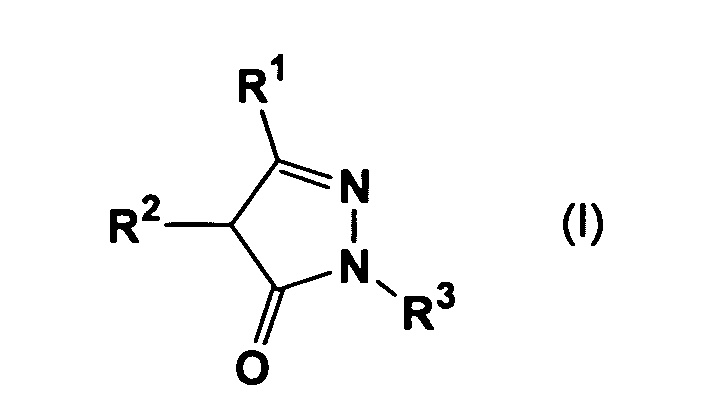
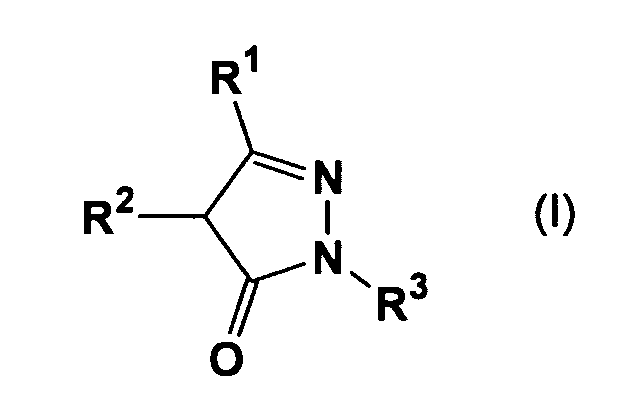
- R 1 represents a hydrogen atom, aryl, C 1-5 alkyl, or C 3-6 (total carbon number) alkoxycarbonylalkyl
- R 2 represents a hydrogen atom, aryloxy, arylmercapto, C 1-5 alkyl or C 1-3 hydroxyalkyl, or R 1 and R 2 are combined with each other to represent C 3-5 alkylene group
- R 3 represents a hydrogen atom, C 1-5 alkyl, C 5-7 cycloalkyl, C 1-3 hydroxyalkyl, benzyl, naphthyl or phenyl, or phenyl substituted with the same or different 1 to 3 substituents selected from the group consisting of C 1-5 alkoxy, C 1-3 hydroxyalkyl, C 2-5 (total carbon number) alkoxycarbonyl, C 1-3 alkylmercapto, C 1-4 alkylamino, C 2-8 (total
- JP Patent Publication (Kokoku) No. 5-35128, B (1993) lipid peroxide production-suppressing action
- JP Patent Publication (Kokai) No. 3-215425 (1991) antiulcer action
- JP Patent Publication (Kokai) No. 3-215426 (1991) anti-hyperglycemic action
- edaravone is a free radical scavenger which prevents cell damage and the like by removing various free radicals including active oxygen.
- edaravone is able to inhibit disruption of the blood-brain barrier.
- the present inventors have studied the effect of a pyrazolone derivative represented by formula (I) to inhibit blood-brain barrier disruption, using in vitro and in vivo systems.
- a pyrazolone derivative represented by formula (I) to inhibit blood-brain barrier disruption, using in vitro and in vivo systems.
- the inventors have found that blood-brain barrier disruption is inhibited by administration of the above-described pyrazolone derivative, so as to alleviate the neurological symptoms of patients suffering from inflammatory diseases of central nervous system, thereby completing the present invention.
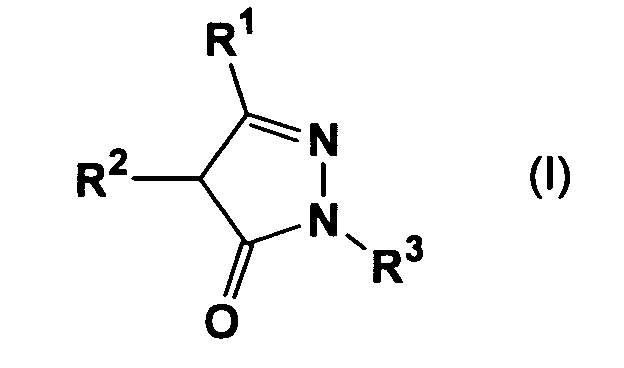
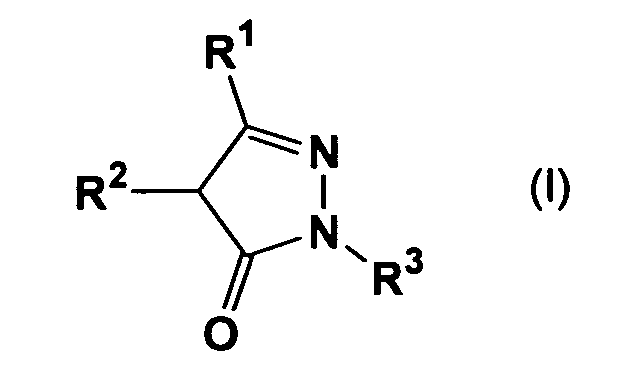
- a blood-brain barrier disruption inhibitor which comprises as an active ingredient a pyrazolone derivative represented by the following formula (I) or a physiologically acceptable salt thereof, or a hydrate thereof or a solvate thereof: wherein R 1 represents a hydrogen atom, an aryl group, a C 1-5 alkyl group, or a C 3-6 (total carbon number) alkoxycarbonylalkyl group; R 2 represents a hydrogen atom, an aryloxy group, an arylmercapto group, a C 1-5 alkyl group or a C 1-3 hydroxyalkyl group; or R 1 and R 2 are combined with each other to represent C 3-5 alkylene group; and R 3 represents a hydrogen atom, a C 1-5 alkyl group, a C 5-7 cycloalkyl group, a C 1-3 hydroxyalkyl group, a benzyl group, a naphthyl group, a phenyl group, or a
- the present invention provides a blood-brain barrier disruption inhibitor which has an action of inhibiting increases in permeability of the blood-brain barrier, and a blood-brain barrier disruption inhibitor which has an action of inhibiting increases in the amount of inflammatory cytokines in spinal fluid.
- the pyrazolone derivative represented by the formula (I) is 3-methyl-1-phenyl-2-pyrazolin-5-one or a physiologically acceptable salt thereof, or a hydrate thereof or a solvate thereof.
- the present invention provides a medicament for prevention and/or treatment of multiple sclerosis, meningitis, cerebritis or brain abscess, which comprises as an active ingredient a pyrazolone derivative represented by the above-described formula (I) or a physiologically acceptable salt thereof, or a hydrate thereof or a solvate thereof.
- a pyrazolone derivative represented by the formula (I) is 3-methyl-1-phenyl-2-pyrazolin-5-one.
- the present invention provides a method for inhibiting a blood-brain barrier disruption which comprises a step of administering to mammals such as a human, an effective amount of a pyrazolone derivative represented by the formula (I) or a physiologically acceptable salt thereof, or a hydrate thereof or a solvate thereof; and a method for preventing and/or treating multiple sclerosis, meningitis, cerebritis or brain abscess which comprises a step of administering to mammals such as a human, an effective amount of a pyrazolone derivative represented by the formula (I) or a physiologically acceptable salt thereof, or a hydrate thereof or a solvate thereof.
- the present invention provides the use of a pyrazolone derivative represented by formula (I) or a physiologically acceptable salt thereof, or a hydrate thereof or a solvate thereof, for the production of a blood-brain barrier disruption inhibitor; and the use of a pyrazolone derivative represented by formula (I) or a physiologically acceptable salt thereof, or a hydrate thereof or a solvate thereof, for the production of a medicament for prevention and/or treatment of multiple sclerosis, meningitis, cerebritis or brain abscess.
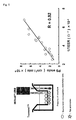
- Figure 1 shows a summary of a blood-brain barrier coculture model (left figure), and the correlation between the diffusion speed of sodium fluorescein and TEER (transcellular endothelial electrical resistance) in the produced coculture model (right figure).
- PSendo indicates a fluorescein permeation clearance in an endothelial cell layer. Fluorescein is added into a medium on the apical side (on the side of the endothelial cells) of a Transwell, and fluorescein permeation into the medium on the basolateral side (the side of astrocytes) is observed.
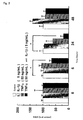
- FIG. 2 shows the results obtained by examining the effects of TNF- ⁇ (tumor necrosis factor alpha) and IL-1 ⁇ (interleukin-1 beta) on TEER.
- Figure 3 shows the effects of NF- ⁇ B (nuclear factor- ⁇ B) inhibitor and iNOS (inducible nitric oxide synthase) inhibitor on TEER.
- NF- ⁇ B nuclear factor- ⁇ B
- iNOS inducible nitric oxide synthase
- Figure 4 shows the effects of NF- ⁇ B inhibitor and iNOS inhibitor on the amount of NO produced.
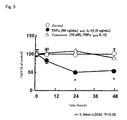
- Figure 5 shows the effects of edaravone on TEER.
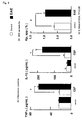
- Figure 6 shows the results obtained by examining the amounts of TNF- ⁇ and IL-1 ⁇ and the BBB permeability in EAE rats.
- Figure 7 shows the results obtained by examining the effect of edaravone on the amounts of TNF- ⁇ and IL-1 ⁇ and the BBB permeability in EAE rats.
- the term "CSF" indicates cerebral spinal fluid.
- Figure 8 shows the results obtained by evaluating limb neuroparalysis scores in a group of EAE model rats to which no agents are administered (control), a group of EAE model rats to which dexamethasone is administered, and a group of EAE model rats to which edaravone is administered.
- the term "i.p.” indicates intraperitoneal administration.
- the blood-brain barrier disruption inhibitor and the medicament for prevention and/or treatment of multiple sclerosis, meningitis, cerebritis, or brain abscess according to the present invention comprise a pyrazolone derivative represented by the formula (I) that is defined in the present specification or a physiologically acceptable salt thereof, or a hydrate thereof or a solvate thereof.
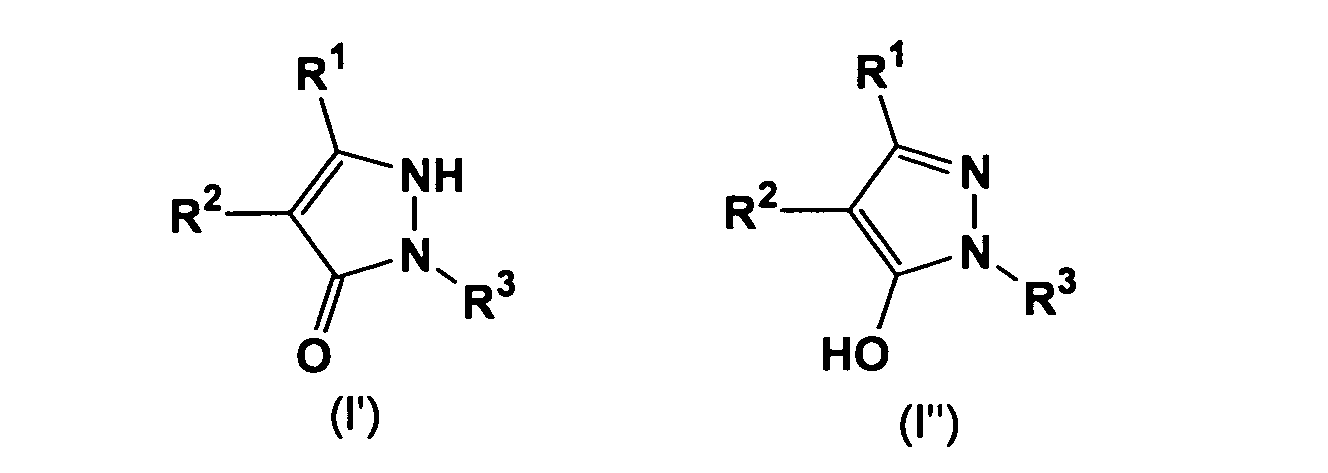
- the compound represented by the formula (I) used in the present invention can have a structure represented by the following formula (I') or (I") due to tautomerism.
- One of the tautomers is shown in the formula (I) of this specification for convenience. The presence of the following tautomers is obvious to a person skilled in the art.
- the compound represented by the following formula (I') or (I") or a physiologically acceptable salt thereof, or a hydrate thereof or a solvate thereof may also be used.
- the aryl group in the definition of R 1 may be either a monocyclic or polycyclic aryl group. Examples thereof include a phenyl group, a naphthyl group and the like, as well as a phenyl group substituted with a substituent such as an alkyl group (for example, a methyl group or a butyl group), an alkoxy group (for example, a methoxy group or a butoxy group), a halogen atom (for example, a chlorine atom) or a hydroxy group.
- aryl portions in other substituents e.g., an aryloxy group having the aryl portions.
- the C 1-5 alkyl group in the definition of R 1 , R 2 and R 3 may be either linear- or branched chain. Examples thereof include a methyl group, an ethyl group, a propyl group, an isopropyl group, a butyl group, an isobutyl group, a sec-butyl group, a tert-butyl group, and a pentyl group.
- Examples of the C 3-6 (total carbon number) alkoxycarbonylalkyl group in the definition of R 1 include a methoxycarbonylmethyl group, an ethoxycarbonylmethyl group, a propoxycarbonylmethyl group, a methoxycarbonylethyl group and a methoxycarbonylpropyl group.
- Examples of the aryloxy group in the definition of R 2 include a p-methylphenoxy group, a p-methoxyphenoxy group, a p-chlorophenoxy group and a p-hydroxyphenoxy group.
- Examples of the arylmercapto group include a phenylmercapto group, a p-methylphenylmercapto group, a p-methoxyphenylmercapto group, a p-chlorophenylmercapto group and a p-hydroxyphenylmercapto group.
- Examples of the C 3-5 alkylene group in the definition of R 1 and R 2 include a trimethylene group, a tetramethylene group, a pentamethylene group, a hexamethylene group, a methyltrimethylene group, an ethyltrimethylene group, a dimethyltrimethylene group and a methyltetramethylene group.
- Examples of the C 1-3 hydroxyalkyl group in the definition of R 2 and R 3 include a hydroxymethyl group, a 2-hydroxyethyl group and a 3-hydroxypropyl group.
- Examples of the C 5-7 cycloalkyl group in the definition of R 3 include a cyclopentyl group, a cyclohexyl group and a cycloheptyl group.
- examples of the C 1-5 alkoxy group that is the substituent of a phenyl group include a methoxy group, an ethoxy group, a propoxy group, an isopropoxy group, a butoxy group and a pentyloxy group;
- examples of the C 2-5 (total carbon number) alkoxycarbonyl group include a methoxycarbonyl group, an ethoxycarbonyl group, a propoxycarbonyl group and a butoxycarbonyl group;
- examples of the C 1-3 alkylmercapto group include a methylmercapto group, an ethylmercapto group and a propylmercapto group;
- examples of the C 1-4 alkylamino group include a methylamino group, an ethylamino group, a propylamino group and a butylamino group; and examples of the C 2-8 (total carbon number) dialkylamino group include a dimethylamino group,
- Examples of the compound (I) that is preferably used as an active ingredient of the agent of the present invention include the following compounds. 3-methyl-1-phenyl-2-pyrazolin-5-one; 3-methyl-1-(2-methylphenyl)-2-pyrazolin-5-one; 3-methyl-1-(3-methylphenyl)-2-pyrazolin-5-one; 3-methyl-1-(4-methylphenyl)-2-pyrazolin-5-one; 3-methyl-1-(3,4-dimethylphenyl)-2-pyrazolin-5-one; 1-(4-ethylphenyl)-3-methyl-2-pyrazolin-5-one; 3-methyl-1-(4-propylphenyl)-2-pyrazolin-5-one; 1-(4-butylphenyl)-3-methyl-2-pyrazolin-5-one; 1-(3-trifluoromethylphenyl)-3-methyl-2-pyrazolin-5-one; 1-(4-trifluoromethylphenyl)-3-methyl-2-pyra
- a compound in a free form represented by the formula (I) as well as a physiologically acceptable salt thereof may also be used.
- the physiologically acceptable salt include a salt with mineral acid such as hydrochloric acid, sulfuric acid, hydrogen bromide salt or phosphoric acid; a salt with organic acid such as methanesulfonic acid, p-toluenesulfonic acid, benzenesulfonic acid, acetic acid, glycolic acid, glucuronic acid, maleic acid, fumaric acid, oxalic acid, ascorbic acid, citric acid, salicylic acid, nicotinic acid or tartaric acid; a salt with alkaline metal such as sodium and potassium; a salt with alkaline earth metal such as magnesium or calcium; and a salt with amine such as ammonia, tris(hydroxymethyl)aminomethane, N,N-bis(hydroxyethyl)piperazine, 2-amino-2-methyl
- a hydrate of a compound represented by the above formula (I) or a physiologically acceptable salt thereof, or a solvate of a compound represented by the above formula (I) or a physiologically acceptable salt thereof may also be used.
- the type of an organic solvent used to form a solvate is not specifically limited.
- methanol, ethanol, ether, dioxane or tetrahydrofuran can be exemplified.
- the compound represented by the above formula (I) may have 1 or more asymmetric carbons depending on the type of a substituent.
- a stereoisomer such as an optical isomer or a diastereoisomer may be present.
- a stereoisomer in a pure form, any mixture of stereoisomers, raceme or the like may also be used.
- the dose of the medicament of the present invention is not specifically limited.
- the dose as the weight of a compound (active ingredient) represented by the formula (I), is generally, in the case of oral administration, 0.1 to 1000 mg/kg body weight per day, preferably 0.5 to 50 mg/kg body weight per day, and in the case of parenteral administration, 0.01 to 100 mg/kg body weight per day and preferably 0.1 to 10 mg/kg body weight.
- the above dose is administered once a day or administered on several (2 to 3) different occasions per day, and may be appropriately increased or decreased depending on age, pathological conditions or symptoms.
- the compound represented by the above formula (I) or the physiologically acceptable salt thereof, or the hydrate or solvate thereof may be administered as it is.
- a pharmaceutical composition comprising the above substance which is an active ingredient, and a pharmacologically and pharmaceutically acceptable additive, is prepared and administered.
- Examples of pharmacologically and pharmaceutically acceptable additives that can be used herein include excipients, disintegrating agents or disintegrating adjuvant agents, binders, lubricants, coating agents, dye, diluents, base, solubilizing agents or solubilizing adjuvant agents, isotonizing agents, pH regulators, stabilizers, propellants and adhesives.
- excipients such as glucose, lactose, D-mannitol, starch or crystalline cellulose; disintegrating agents or disintegrating adjuvant agents such as carboxymethylcellulose, starch or carboxymetylcellulose calcium; binders such as hydroxypropylcellulose, hydroxypropylmethylcellulose, polyvinylpyrrolidone or gelatine; lubricants such as magnesium stearate or talc; coating agents such as hydroxypropylmethylcellulose, saccharose, polyethylene glycol or titanium oxide; and bases such as petrolatum, liquid paraffin, polyethylene glycol, gelatine, kaolin, glycerin, purified water or hard fat.
- excipients such as glucose, lactose, D-mannitol, starch or crystalline cellulose
- disintegrating agents or disintegrating adjuvant agents such as carboxymethylcellulose, starch or carboxymetylcellulose calcium
- binders such as hydroxypropylcellulose, hydroxypropylmethylcellulose, polyvinylpyrrol
- additives for example, solubilizing agents or solubilizing adjuvant agents such as distilled water for injection, physiological saline or propylene glycol that can constitute an aqueous injection or an injection that is dissolved when used; isotonizing agents such as glucose, sodium chloride, D-mannitol or glycerine; and pH regulators such as inorganic acid, organic acid, inorganic base and organic base.
- solubilizing agents or solubilizing adjuvant agents such as distilled water for injection, physiological saline or propylene glycol that can constitute an aqueous injection or an injection that is dissolved when used
- isotonizing agents such as glucose, sodium chloride, D-mannitol or glycerine
- pH regulators such as inorganic acid, organic acid, inorganic base and organic base.
- the form of the agent of the present invention is not specifically limited, and may be any of the various forms that can be applied by a person skilled in the art.
- a medicament appropriate for oral administration for example, tablets, powders, granules, hard gelatin capsule agents, suppositories or troches can be prepared by using solid pharmaceutical additives, and for example, syrups, emulsions or soft gelatin capsule agents can be prepared by using liquid pharmaceutical additives.
- a medicament appropriate for parenteral administration injections, drops, inhalants, suppositories, percutaneous absorbents, trans-mucosal absorbents or the like can be prepared.
- a protective agent for the brain (drops) comprising as an active ingredient a compound represented by the above formula (I) has already been clinically used (under the general name “edaravone” and the commercial name “Radicut”: produced and marketed by Mitsubishi Pharma Corporation). This commercially available pharmaceutical preparation can be used as it is for the medicament of the present invention.
- the agent of the present invention is effective for inhibiting a blood-brain barrier disruption in inflammatory diseases of central nervous system.
- inflammatory diseases of central nervous system include multiple sclerosis, meningitis, cerebritis and brain abscess. Particularly preferred examples of such a disease include multiple sclerosis and meningitis.
- the agent of the present invention can preferably exhibit an action of inhibiting an increase in permeability of the blood-brain barrier, and an action of inhibiting an increase in the amounts of inflammatory cytokines (TNF- ⁇ , IL-1 ⁇ , etc.) in spinal fluid.
- the administration route of the agent of the present invention is not particularly limited, and the agent can be administered orally or parenterally.
- the administration route of parenteral administration is also not particularly limited, and injection administration can be carried out intravenously, intramuscularly, intradermically or subcutaneously.
- the agent of the present invention can preventively be administered before the occurrence of blood-brain barrier disruption. Moreover, the agent of the present invention can be administered to patients suffering from blood-brain barrier disruption for the purpose of preventing deterioration of the symptoms or alleviating the symptoms.
- Example 1 Evaluation of action of edaravone to inhibit blood-brain barrier disruption, using blood-brain barrier coculture model
- a blood-brain barrier coculture model was prepared by a method that had previously been reported (Eur. J. Pharm. Sci., 12: 215-222, 2001). Specifically, brain microcapillary endothelial cells and rat astrocytes were isolated, and the two types of cells were cultured on both sides of a TranswellTM filter, so as to prepare a coculture model. The preparation method of such a coculture model will be described below.
- a brain capillary was isolated from a bovine brain. The meninx and white matter were eliminated therefrom, and the gray matter was recovered in DMEM (DMEM + S) to which 10% fetal calf serum had been added. Vascular fragments were prepared by homogenizing by hand, using a Wheaton homogenizer, and they were then captured on a 150- ⁇ m nylon mesh. The blood vessel was digested with collagenase, trypsin and DNAseI, in DMEM + S at 37°C for 1 hour. The digest was then filtrated through a 200- ⁇ m nylon mesh. The brain capillary fractions were resuspended in a frozen mixture (fetal calf serum (FCS) containing 10% DMSO), and the obtained suspension was stored at -80°C.
- FCS fetal calf serum
- Astrocytes were isolated from newborn Wister rats (Harlan, Zeist, The Netherlands). The isolated cortex was fragmented, and the fragmented cortex was then incubated together with trypsin-EDTA at 37°C in DMEM. The suspension was filtrated through each of 120- ⁇ m and 45- ⁇ m nylon meshes. The obtained filtrate was placed in a plastic flask used for tissue culture (Greiner, Alphen a/d Rijn, The Netherlands), and it was then cultured in DMEM + S at 37°C in 10% CO 2 for 3 days. Thereafter, the medium was exchanged with fresh medium every 2 days.
- the culture was subcultured at a split ratio of 1 : 3 in a flask covered with poly-D-lysine, using trypsin-EDTA. The culture was allowed to grow until it became confluent again. Subsequently, the astrocyte-conditioned medium was recovered every one day during 2 weeks. The obtained media were stored in frozen mixtures in liquid nitrogen.
- the brain capillary was inoculated into a plastic flask used for tissue culture, which had been covered with type IV collagen and fibronectin, and was allowed to adhere to a medium for 4 hours. Thereafter, the medium was exchanged with a growth medium (DMEM + S to which a 50% (v/v) astrocyte-conditioned medium and 125 ⁇ g/ml heparin had been added), and growing cells (large quantities of brain capillary endothelial cells and only small quantities of peritheliums) were cultured at 37°C in 10% CO 2 .
- DMEM + S a 50% (v/v) astrocyte-conditioned medium and 125 ⁇ g/ml heparin had been added
- growing cells large quantities of brain capillary endothelial cells and only small quantities of peritheliums
- An in vitro blood-brain barrier model was prepared on a Transwell polycarbonate filter covered with type IV collagen (surface area: 0.33 cm 2 ; pore size: 0.4 ⁇ m; Coming Costar, Cambridge, MA, U.S.A.).
- the brain capillary endothelial cells were treated with trypsin-EDTA for approximately 1 minute. The peritheliums were left in a state of adherence to the lower layer.
- Astrocytes were inoculated into the bottom of the filter at a density of 45,000 cells/filter, so as to prepare a coculture consisting of the brain capillary endothelial cells and the astrocytes.
- the astrocytes were allowed to adhere to the bottom of the filter for 10 minutes. Two or three days after such adhesion, the brain capillary endothelial cells were subcultured. The brain capillary endothelial cells were inoculated at a density of 30,000 cells/filter.
- a coculture consisting of the brain capillary endothelial cells and the astrocytes was cultured in DMEM + S supplemented with 125 ⁇ g/ml heparin, for the initial 2 or 3 days, and then cultured in DMEM + S or a differential medium (that is, DMEM + S which had been supplemented with 5 ⁇ g/ml apotransferrin, 8 ⁇ g/ml putrescine, 2.5 ⁇ g/ml sodium selenite, 312.5 ⁇ M 8-(4-chlorophenylthio (CPT))-cAMP, 17.5 ⁇ M RO-20-1724, and 1 ⁇ M all trans-retinoic acid) for the last 2 or 3 days, so that the culture was carried out until the culture product became a tight monolayer.
- a monolayer consisting of the brain capillary endothelial cells was cultured in the same above manner with the exception that a 50% (v/v) astrocyte-conditioned medium was added to the medium.
- a summary of the produced coculture model is shown in the left image of Figure 1.
- the correlation between the diffusion speed of sodium fluorescein and TEER (transcellular endothelial electrical resistance) in the produced coculture model is shown in the right image of Figure 1.
- TEER was measured using Millicell-ERS (Catalog No. MERS00001) manufactured by Millipore.
- TNF- ⁇ (50 ng/ml) and/or IL-1 ⁇ (5 ng/ml) were added to the cells, and permeability was then measured as TEER, using Millicell-ERS (Catalog No. MERS00001) manufactured by Millipore.
- TNF- ⁇ and IL-1 ⁇ were added to the outside of the base of the BBB coculture model in a TranswellTM filter.
- TEER was significantly reduced by addition of TNF- ⁇ (50 ng/ml) and/or IL-1 ⁇ (5 ng/ml).
- TNF- ⁇ (50 ng/ml) and/or IL-1 ⁇ (5 ng/ml) were added to the cells in the presence of BAY11-7082 (10 ⁇ M, CALBIOCHEM) or ⁇ -MSH (1 ⁇ M, Sigma) used as an NF- ⁇ B inhibitor, 1400W (0.5 nM, CALBIOCHEM) used as an iNOS inhibitor, or edaravone (10 ⁇ M).
- BAY11-7082 10 ⁇ M, CALBIOCHEM
- ⁇ -MSH (1 ⁇ M, Sigma used as an NF- ⁇ B inhibitor
- 1400W 0.5 nM, CALBIOCHEM
- edaravone 10 ⁇ M
- permeability was measured as TEER, using Millicell-ERS (Catalog No. MERS00001) manufactured by Millipore.
- NO in the culture solution was measured by the Griess method.
- Figure 3 shows the effects of the NF- ⁇ B inhibitor and iNOS inhibitor on TEER.
- Figure 4 shows the effects of the NF- ⁇ B inhibitor and iNOS inhibitor on the amount of NO produced.
- Figure 5 shows the effects of edaravone on TEER. As is apparent from the results shown in Figures 3 to 5, reduction in TEER by TNF- ⁇ or IL-1 ⁇ was overcome by addition of the NF- ⁇ B inhibitor, iNOS inhibitor, or edaravone.
- Example 2 Evaluation of action of edaravone to inhibit blood-brain barrier disruption, using experimental autoimmune encephalomyelitis (EAE) models
- EAE Experimental autoimmune encephalomyelitis
- Rats inbred male Lewis rats; body weight: 200 to 250 g were inoculated with 0.1 ml each of the thus obtained emulsion by subcutaneous administration of the emulsion to both plantae of the hind legs thereof, so as to prepare EAE model rats.
- Control rats were inoculated with an emulsion that did not contain spinal cord.
- the concentrations of TNF- ⁇ and IL-1 ⁇ in blood plasma and in spinal fluid, the protein ratio in spinal fluid / blood plasma, and blood-brain barrier permeability were measured, in both a case where edaravone was administered or a case where edaravone was not administered.
- Kp and "app” indicate apparent distribution ratios, which are values obtained by dividing the concentration of fluorescein in brain tissues by the concentration thereof in blood plasma after intravenous injection of the fluorescein (wherein the values are multiplied by 100, so as to be expressed on a percentage basis). It is to be noted that the specific gravity of brain tissues is expressed as 1 (because the unit of concentration is expressed as /g tissue weight).
- limb neuroparalysis scores were evaluated in a group of EAE model rats to which no agents were administered (control), a group of EAE model rats to which dexamethasone was administered (1 mg/kg/day, intraperitoneal administration), and a group of EAE model rats to which edaravone was administered (3 mg/kg/day, intraperitoneal administration).
- the limb neuroparalysis scores were evaluated in accordance with the following standards. Paul's clinical score in EAE rats Score Neurological symptoms 0 Normal 1 Sagging of tails and locomotor ataxia 2 Partial paralysis of hind legs 3 Complete paralysis of hind legs associated with incontinence 4 Complete paralysis of legs
- the agent of the present invention is useful for inhibiting blood-brain barrier disruption in inflammatory diseases of central nervous system.
Landscapes
- Health & Medical Sciences (AREA)
- Chemical & Material Sciences (AREA)
- Organic Chemistry (AREA)
- Veterinary Medicine (AREA)
- Public Health (AREA)
- General Health & Medical Sciences (AREA)
- Animal Behavior & Ethology (AREA)
- Life Sciences & Earth Sciences (AREA)
- Medicinal Chemistry (AREA)
- Pharmacology & Pharmacy (AREA)
- General Chemical & Material Sciences (AREA)
- Bioinformatics & Cheminformatics (AREA)
- Chemical Kinetics & Catalysis (AREA)
- Nuclear Medicine, Radiotherapy & Molecular Imaging (AREA)
- Engineering & Computer Science (AREA)
- Epidemiology (AREA)
- Cardiology (AREA)
- Heart & Thoracic Surgery (AREA)
- Diabetes (AREA)
- Hematology (AREA)
- Vascular Medicine (AREA)
- Urology & Nephrology (AREA)
- Pain & Pain Management (AREA)
- Rheumatology (AREA)
- Biomedical Technology (AREA)
- Neurology (AREA)
- Neurosurgery (AREA)
- Pharmaceuticals Containing Other Organic And Inorganic Compounds (AREA)
Abstract
Description

3-methyl-1-phenyl-2-pyrazolin-5-one;
3-methyl-1-(2-methylphenyl)-2-pyrazolin-5-one;
3-methyl-1-(3-methylphenyl)-2-pyrazolin-5-one;
3-methyl-1-(4-methylphenyl)-2-pyrazolin-5-one;
3-methyl-1-(3,4-dimethylphenyl)-2-pyrazolin-5-one;
1-(4-ethylphenyl)-3-methyl-2-pyrazolin-5-one;
3-methyl-1-(4-propylphenyl)-2-pyrazolin-5-one;
1-(4-butylphenyl)-3-methyl-2-pyrazolin-5-one;
1-(3-trifluoromethylphenyl)-3-methyl-2-pyrazolin-5-one;
1-(4-trifluoromethylphenyl)-3-methyl-2-pyrazolin-5- one;
1-(2-methoxyphenyl)-3-methyl-2-pyrazolin-5-one;
1-(3-methoxyphenyl)-3-methyl-2-pyrazolin-5-one;
1-(4-methoxyphenyl)-3-methyl-2-pyrazolin-5-one;
1-(3,4-dimethoxyphenyl)-3-methyl-2-pyrazolin-S-one;
1-(4-ethoxyphenyl)-3-methyl-2-pyrazolin-5-one;
3-methyl-1-(4-propoxyphenyl)-2-pyrazolin-5-one;
1-(4-butoxyphenyl)-3-methyl-2-pyrazolin-5-one;
1-(2-chlorophenyl)-3-methyl-2-pyrazolin-5-one;
1-(3-chlorophenyl)-3-methyl-2-pyrazolin-5-one;
1-(4-chlorophenyl)-3-methyl-2-pyrazolin-5-one;
1-(3,4-dichlorophenyl)-3-methyl-2-pyrazolin-5-one;
1-(4-bromophenyl)-3-methyl-2-pyrazolin-5-one;
1-(4-fluorophenyl)-3-methyl-2-pyrazolin-5-one;
1-(3-chloro-4-methylphenyl)-3-methyl-2-pyrazolin-5-one;
1-(3-methylmercaptophenyl)-3-methyl-2-pyrazolin-5-one;
1-(4-methylmercaptophenyl)-3-methyl-2-pyrazolin-5-one;
4-(3-methyl-5-oxo-2-pyrazoline-1-yl) benzoic acid;
1-(4-ethoxycarbonylphenyl)-3-methyl-2-pyrazolin-5-one;
1-(4-nitrophenyl)-3-methyl-2-pyrazolin-5-one;
3-ethyl-1-phenyl-2-pyrazolin-5-one;
1-phenyl-3-propyl-2-pyrazolin-5-one;
1,3-diphenyl-2-pyrazolin-5-one;
3-phenyl-1-(p-tolyl)-2-pyrazolin-5-one;
1-(4-methoxyphenyl)-3-phenyl-2-pyrazolin-5-one;
1-(4-chlorophenyl)-3-phenyl-2-pyrazolin-5-one;
3,4-dimethyl-1-phenyl-2-pyrazolin-5-one;
4-isobutyl-3-methyl-1-phenyl-2-pyrazolin-5-one;
4-(2-hydroxyethyl)-3-methyl-1-phenyl-2-pyrazolin-5-one;
3-methyl-4-phenoxy-1-phenyl-2-pyrazolin-5-one;
3-methyl-4-phenylmercapto-1-phenyl-2-pyrazolin-5-one;
3,3 ', 4,5,6,7-hexahydro-2-phenyl-2H-indazole-3-one;
3-(ethoxycarbonylmethyl)-1-phenyl-2-pyrazolin-5-one;
1-phenyl-2-pyrazolin-5-one;
3-methyl-2-pyrazolin-5-one;
1,3-dimethyl-2-pyrazolin-5-one;
1-ethyl-3-methyl-2-pyrazolin-5-one;
1-butyl-3-methyl-2-pyrazolin-5-one;
1-(2-hydroxyethyl)-3-methyl-2-pyrazolin-5-one;
1-cyclohexyl-3-methyl-2-pyrazolin-5-one;
1-benzyl-3-methyl-2-pyrazolin-5-one;
1-(α-naphthyl)-3-methyl-2-pyrazolin-5-one;
1-methyl-3-phenyl-2-pyrazolin-5-one;
3-methyl-1-(4-methylphenyl)-2-pyrazolin-5-one;
1-(4-butylphenyl)-3-methyl-2-pyrazolin-5-one;
1-(4-methoxyphenyl)-3-methyl-2-pyrazolin-5-one;
1-(4-butoxyphenyl)-3-methyl-2-pyrazolin-5-one;
1-(4-chlorophenyl)-3-methyl-2-pyrazolin-5-one;
1-(4-hydroxyphenyl)-3-methyl-2-pyrazolin-5-one;
1-(3,4-dihydroxyphenyl)-3-methyl-2-pyrazolin-5-one;
1-(2-hydroxyphenyl)-3-methyl-2-pyrazolin-5-one;
1-(3-hydroxyphenyl)-3-methyl-2-pyrazolin-5-one;
1-(4-hydroxyphenyl)-3-methyl-2-pyrazolin-5-one;
1-(3,4-hydroxyphenyl)-3-methyl-2-pyrazolin-5-one;
1-(4-hydroxyphenyl)-3-phenyl-2-pyrazolin-5-one;
1-(4-hydroxymethylphenyl)-3-methyl-2-pyrazolin-5-one;
1-(4-aminophenyl)-3-methyl-2-pyrazolin-5-one;
1-(4-methylaminophenyl)-3-methyl-2-pyrazolin-5-one;
1-(4-ethylaminophenyl)-3-methyl-2-pyrazolin-5-one;
1-(4-butylaminophenyl)-3-methyl-2-pyrazolin-5-one;
1-(4-dimethylaminophenyl)-3-methyl-2-pyrazolin-5-one;
1-(acetamidophenyl)-3-methyl-2-pyrazolin-5-one; and
1-(4-cyanophenyl)-3-methyl-2-pyrazolin-5-one:
Yield: 67%
Melting point: 127.5 to 128.5°C
| Paul's clinical score in EAE rats | |
| Score | |
| 0 | |
| 1 | Sagging of tails and |
| 2 | Partial paralysis of |
| 3 | Complete paralysis of hind legs associated with |
| 4 | Complete paralysis of legs |
Claims (18)
- A blood-brain barrier disruption inhibitor which comprises as an active ingredient a pyrazolone derivative represented by the following formula (I) or a physiologically acceptable salt thereof, or a hydrate thereof or a solvate thereof:wherein R1 represents a hydrogen atom, an aryl group, a C1-5 alkyl group, or a C3-6 (total carbon number) alkoxycarbonylalkyl group; R2 represents a hydrogen atom, an aryloxy group, an arylmercapto group, a C1-5 alkyl group or a C1-3 hydroxyalkyl group; or R1 and R2 are combined with each other to represent C3-5 alkylene group; and R3 represents a hydrogen atom, a C1-5 alkyl group, a C5-7 cycloalkyl group, a C1-3 hydroxyalkyl group, a benzyl group, a naphthyl group, a phenyl group, or a phenyl group substituted with the same or different 1 to 3 substituents selected from the group consisting of a C1-5 alkyl group, a C1-5 alkoxy group, a C1-3 hydroxyalkyl group, a C2-5 (total carbon number) alkoxycarbonyl group, a C1-3 alkylmercapto group, a C1-4 alkylamino group, a C2-8 (total carbon number) dialkylamino group, a halogen atom, a trifluoromethyl group, a carboxyl group, a cyano group, a hydroxyl group, a nitro group, an amino group and an acetamide group.

- The blood-brain barrier disruption inhibitor according to claim 1 which has an action of inhibiting increases in permeability of the blood-brain barrier.
- The blood-brain barrier disruption inhibitor according to claim 1 or 2 which has an action of inhibiting increases in the amount of inflammatory cytokines in spinal fluid.
- The blood-brain barrier disruption inhibitor according to any of claims 1 to 3 wherein the pyrazolone derivative represented by the formula (I) is 3-methyl-1-phenyl-2-pyrazolin-5-one.
- A medicament for prevention and/or treatment of multiple sclerosis, meningitis, cerebritis or brain abscess, which comprises as an active ingredient a pyrazolone derivative represented by the above-described formula (I) or a physiologically acceptable salt thereof, or a hydrate thereof or a solvate thereof:wherein R1 represents a hydrogen atom, an aryl group, a C1-5 alkyl group, or a C3-6 (total carbon number) alkoxycarbonylalkyl group; R2 represents a hydrogen atom, an aryloxy group, an arylmercapto group, a C1-5 alkyl group or a C1-3 hydroxyalkyl group; or R1 and R2 are combined with each other to represent C3-5 alkylene group; and R3 represents a hydrogen atom, a C1-5 alkyl group, a C5-7 cycloalkyl group, a C1-3 hydroxyalkyl group, a benzyl group, a naphthyl group, a phenyl group, or a phenyl group substituted with the same or different 1 to 3 substituents selected from the group consisting of a C1-5 alkyl group, a C1-5 alkoxy group, a C1-3 hydroxyalkyl group, a C2-5 (total carbon number) alkoxycarbonyl group, a C1-3 alkylmercapto group, a C1-4 alkylamino group, a C2-8 (total carbon number) dialkylamino group, a halogen atom, a trifluoromethyl group, a carboxyl group, a cyano group, a hydroxyl group, a nitro group, an amino group and an acetamide group.

- The medicament according to claim 5 wherein the pyrazolone derivative represented by the formula (I) is 3-methyl-1-phenyl-2-pyrazolin-5-one.
- A method for inhibiting a blood-brain barrier disruption which comprises a step of administering to mammals such as a human, an effective amount of a pyrazolone derivative represented by the formula (I) or a physiologically acceptable salt thereof, or a hydrate thereof or a solvate thereof:wherein R1 represents a hydrogen atom, an aryl group, a C1-5 alkyl group, or a C3-6 (total carbon number) alkoxycarbonylalkyl group; R2 represents a hydrogen atom, an aryloxy group, an arylmercapto group, a C1-5 alkyl group or a C1-3 hydroxyalkyl group; or R1 and R2 are combined with each other to represent C3-5 alkylene group; and R3 represents a hydrogen atom, a C1-5 alkyl group, a C5-7 cycloalkyl group, a C1-3 hydroxyalkyl group, a benzyl group, a naphthyl group, a phenyl group, or a phenyl group substituted with the same or different 1 to 3 substituents selected from the group consisting of a C1-5 alkyl group, a C1-5 alkoxy group, a C1-3 hydroxyalkyl group, a C2-5 (total carbon number) alkoxycarbonyl group, a C1-3 alkylmercapto group, a C1-4 alkylamino group, a C2-8 (total carbon number) dialkylamino group, a halogen atom, a trifluoromethyl group, a carboxyl group, a cyano group, a hydroxyl group, a nitro group, an amino group and an acetamide group.
- The method according to claim 7 wherein the blood-brain barrier disruption is inhibited by inhibiting increases in permeability of the blood-brain barrier.
- The method according to claim 7 or 8 wherein the blood-brain barrier disruption is inhibited by inhibiting increases in the amount of inflammatory cytokines in spinal fluid.
- The method according to any of claims 7 to 9 wherein the pyrazolone derivative represented by the formula (I) is 3-methyl-1-phenyl-2-pyrazolin-5-one.
- A method for preventing and/or treating multiple sclerosis, meningitis, cerebritis or brain abscess which comprises a step of administering to mammals such as a human, an effective amount of a pyrazolone derivative represented by the formula (I) or a physiologically acceptable salt thereof, or a hydrate thereof or a solvate thereof:wherein R1 represents a hydrogen atom, an aryl group, a C1-5 alkyl group, or a C3-6 (total carbon number) alkoxycarbonylalkyl group; R2 represents a hydrogen atom, an aryloxy group, an arylmercapto group, a C1-5 alkyl group or a C1-3 hydroxyalkyl group; or R1 and R2 are combined with each other to represent C3-5 alkylene group; and R3 represents a hydrogen atom, a C1-5 alkyl group, a C5-7 cycloalkyl group, a C1-3 hydroxyalkyl group, a benzyl group, a naphthyl group, a phenyl group, or a phenyl group substituted with the same or different 1 to 3 substituents selected from the group consisting of a C1-5 alkyl group, a C1-5 alkoxy group, a C1-3 hydroxyalkyl group, a C2-5 (total carbon number) alkoxycarbonyl group, a C1-3 alkylmercapto group, a C1-4 alkylamino group, a C2-8 (total carbon number) dialkylamino group, a halogen atom, a trifluoromethyl group, a carboxyl group, a cyano group, a hydroxyl group, a nitro group, an amino group and an acetamide group.

- The method according to claim 11 wherein the pyrazolone derivative represented by the formula (I) is 3-methyl-1-phenyl-2-pyrazolin-5-one.
- Use of a pyrazolone derivative represented by formula (I) or a physiologically acceptable salt thereof, or a hydrate thereof or a solvate thereof, for the production of a blood-brain barrier disruption inhibitor;wherein R1 represents a hydrogen atom, an aryl group, a C1-5 alkyl group, or a C3-6 (total carbon number) alkoxycarbonylalkyl group; R2 represents a hydrogen atom, an aryloxy group, an arylmercapto group, a C1-5 alkyl group or a C1-3 hydroxyalkyl group; or R1 and R2 are combined with each other to represent C3-5 alkylene group; and R3 represents a hydrogen atom, a C1-5 alkyl group, a C5-7 cycloalkyl group, a C1-3 hydroxyalkyl group, a benzyl group, a naphthyl group, a phenyl group, or a phenyl group substituted with the same or different 1 to 3 substituents selected from the group consisting of a C1-5 alkyl group, a C1-5 alkoxy group, a C1-3 hydroxyalkyl group, a C2-5 (total carbon number) alkoxycarbonyl group, a C1-3 alkylmercapto group, a C1-4 alkylamino group, a C2-8 (total carbon number) dialkylamino group, a halogen atom, a trifluoromethyl group, a carboxyl group, a cyano group, a hydroxyl group, a nitro group, an amino group and an acetamide group.

- The use according to claim 13 wherein the blood-brain barrier disruption inhibitor has an action of inhibiting increases in permeability of the blood-brain barrier.
- The use according to claim 13 or 14 wherein the blood-brain barrier disruption inhibitor has an action of inhibiting increases in the amount of inflammatory cytokines in spinal fluid.
- The use according to any of claims 13 to 15 wherein the pyrazolone derivative represented by the formula (I) is 3-methyl-1-phenyl-2-pyrazolin-5-one.
- Use of a pyrazolone derivative represented by formula (I) or a physiologically acceptable salt thereof, or a hydrate thereof or a solvate thereof, for the production of a medicament for prevention and/or treatment of multiple sclerosis, meningitis, cerebritis or brain abscess:wherein R1 represents a hydrogen atom, an aryl group, a C1-5 alkyl group, or a C3-6 (total carbon number) alkoxycarbonylalkyl group; R2 represents a hydrogen atom, an aryloxy group, an arylmercapto group, a C1-5 alkyl group or a C1-3 hydroxyalkyl group; or R1 and R2 are combined with each other to represent C3-5 alkylene group; and R3 represents a hydrogen atom, a C1-5 alkyl group, a C5-7 cycloalkyl group, a C1-3 hydroxyalkyl group, a benzyl group, a naphthyl group, a phenyl group, or a phenyl group substituted with the same or different 1 to 3 substituents selected from the group consisting of a C1-5 alkyl group, a C1-5 alkoxy group, a C1-3 hydroxyalkyl group, a C2-5 (total carbon number) alkoxycarbonyl group, a C1-3 alkylmercapto group, a C1-4 alkylamino group, a C2-8 (total carbon number) dialkylamino group, a halogen atom, a trifluoromethyl group, a carboxyl group, a cyano group, a hydroxyl group, a nitro group, an amino group and an acetamide group.
- The use according to claim 17 wherein the pyrazolone derivative represented by the formula (I) is 3-methyl-1-phenyl-2-pyrazolin-5-one.
Applications Claiming Priority (3)
| Application Number | Priority Date | Filing Date | Title |
|---|---|---|---|
| JP2003004813 | 2003-01-10 | ||
| JP2003004813 | 2003-01-10 | ||
| PCT/JP2004/000105 WO2004063167A1 (en) | 2003-01-10 | 2004-01-09 | Blood-brain barrier disruption inhibitors |
Publications (2)
| Publication Number | Publication Date |
|---|---|
| EP1582517A1 true EP1582517A1 (en) | 2005-10-05 |
| EP1582517A4 EP1582517A4 (en) | 2008-11-12 |
Family
ID=32708979
Family Applications (1)
| Application Number | Title | Priority Date | Filing Date |
|---|---|---|---|
| EP04701099A Withdrawn EP1582517A4 (en) | 2003-01-10 | 2004-01-09 | BREAKING INHIBITORS OF THE HEMATO-ENCEPHALIC BARRIER |
Country Status (7)
| Country | Link |
|---|---|
| US (1) | US20060111418A1 (en) |
| EP (1) | EP1582517A4 (en) |
| JP (1) | JPWO2004063167A1 (en) |
| KR (1) | KR20050114606A (en) |
| CN (1) | CN1723201A (en) |
| CA (1) | CA2513042A1 (en) |
| WO (1) | WO2004063167A1 (en) |
Cited By (2)
| Publication number | Priority date | Publication date | Assignee | Title |
|---|---|---|---|---|
| RU2816835C1 (en) * | 2021-02-25 | 2024-04-05 | Аптабио Терапьютикс Инк. | Novel pyrazole derivatives |
| US11999718B2 (en) | 2021-02-25 | 2024-06-04 | Aptabio Therapeutics Inc. | Pyrazole derivatives |
Families Citing this family (2)
| Publication number | Priority date | Publication date | Assignee | Title |
|---|---|---|---|---|
| CN101801195A (en) * | 2007-11-21 | 2010-08-11 | 帝国制药美国公司 | Pyrazolone derivative emulsion formulations |
| WO2010087306A1 (en) | 2009-01-29 | 2010-08-05 | 株式会社林原生物化学研究所 | Anti-neurodegenerative disease agent |
Family Cites Families (4)
| Publication number | Priority date | Publication date | Assignee | Title |
|---|---|---|---|---|
| USRE35801E (en) * | 1985-05-20 | 1998-05-19 | Mitsubishi Chemical Corporation | Prophylactic and therapeutic composition for circulatory disorders and method of treatment |
| DK169672B1 (en) * | 1985-05-20 | 1995-01-09 | Mitsubishi Chem Ind | Pharmaceutical preparations containing pyrazolone derivatives as active ingredient and the use of pyrazolone derivatives for the preparation of pharmaceutical preparations |
| CA2172512A1 (en) * | 1993-09-22 | 1995-03-30 | Lawrence Steinman | Interaction of t-cell receptors and antigen in autoimmune disease |
| JP2004143068A (en) * | 2002-10-23 | 2004-05-20 | Mitsubishi Pharma Corp | Pharmaceutical for prevention and / or treatment of influenza encephalitis / encephalopathy |
-
2004
- 2004-01-09 KR KR1020057012784A patent/KR20050114606A/en not_active Withdrawn
- 2004-01-09 CN CNA2004800019089A patent/CN1723201A/en active Pending
- 2004-01-09 WO PCT/JP2004/000105 patent/WO2004063167A1/en not_active Ceased
- 2004-01-09 JP JP2005507671A patent/JPWO2004063167A1/en active Pending
- 2004-01-09 CA CA002513042A patent/CA2513042A1/en not_active Abandoned
- 2004-01-09 EP EP04701099A patent/EP1582517A4/en not_active Withdrawn
- 2004-01-09 US US10/541,702 patent/US20060111418A1/en not_active Abandoned
Cited By (2)
| Publication number | Priority date | Publication date | Assignee | Title |
|---|---|---|---|---|
| RU2816835C1 (en) * | 2021-02-25 | 2024-04-05 | Аптабио Терапьютикс Инк. | Novel pyrazole derivatives |
| US11999718B2 (en) | 2021-02-25 | 2024-06-04 | Aptabio Therapeutics Inc. | Pyrazole derivatives |
Also Published As
| Publication number | Publication date |
|---|---|
| WO2004063167A1 (en) | 2004-07-29 |
| EP1582517A4 (en) | 2008-11-12 |
| KR20050114606A (en) | 2005-12-06 |
| CA2513042A1 (en) | 2004-07-29 |
| JPWO2004063167A1 (en) | 2006-05-18 |
| US20060111418A1 (en) | 2006-05-25 |
| CN1723201A (en) | 2006-01-18 |
Similar Documents
| Publication | Publication Date | Title |
|---|---|---|
| CA3122989A1 (en) | Cromolyn esters and uses thereof | |
| EP3321255A1 (en) | Novel therapeutic agent for amyotrophic lateral sclerosis (als) or disease attributable to als | |
| JP2010043132A (en) | Drug of combination of antithrombotic agent and pyrazolone derivative | |
| US20060111418A1 (en) | Blood-brain barrier disruption inhibitor | |
| JP2004123716A (en) | Pharmaceutical for prevention and / or treatment of liver damage caused by chemical substances | |
| US9259416B2 (en) | Pyrazolone compounds useful for treatment of cerebrovascular disorders associated with ischemic stroke | |
| EP1553087A1 (en) | Preventive and/or therapeutic drugs for inflammatory intestinal diseases | |
| US7312239B2 (en) | Medicament for prevention and/or therapy of arterial wall disorder | |
| JP4418621B2 (en) | Pharmaceuticals for the prevention and / or treatment of lung disorders | |
| JP2004123713A (en) | Pharmaceutical for prevention and / or treatment of sudden deafness | |
| JP2004002381A (en) | Pharmaceutical for prevention and / or treatment of liver damage caused by endotoxemia | |
| JP2005314348A (en) | Facial nerve palsy treatment | |
| JP2004115508A (en) | Drugs for improving the function of burned skin tissue | |
| JP2006096664A (en) | Liver fibrosis inhibitor | |
| JPWO2006126625A1 (en) | Medicine containing pyrazolone derivative | |
| JP2004002400A (en) | Drug for cerebral protection and / or normalization of cerebral function used for performing mild hypothermia | |
| JP2004161720A (en) | Agent for treatment and prevention of paraquat poisoning | |
| JPWO2005012255A1 (en) | Treatment for inflammatory joint diseases | |
| JP2004137252A (en) | Cytotoxic marker inhibitor | |
| JP2004143149A (en) | Pharmaceutical for prevention and / or treatment of pancreatic disease | |
| JP2004115511A (en) | Sodium-calcium exchange inhibitor containing pyrazolone derivative as active ingredient | |
| JP2004115505A (en) | Pharmaceutical for prevention and / or treatment of arterial wall disorders | |
| JP2004346067A (en) | Drugs to extend the treatment time of antithrombotic drugs |
Legal Events
| Date | Code | Title | Description |
|---|---|---|---|
| PUAI | Public reference made under article 153(3) epc to a published international application that has entered the european phase |
Free format text: ORIGINAL CODE: 0009012 |
|
| 17P | Request for examination filed |
Effective date: 20050712 |
|
| AK | Designated contracting states |
Kind code of ref document: A1 Designated state(s): AT BE BG CH CY CZ DE DK EE ES FI FR GB GR HU IE IT LI LU MC NL PT RO SE SI SK TR |
|
| AX | Request for extension of the european patent |
Extension state: AL LT LV MK |
|
| DAX | Request for extension of the european patent (deleted) | ||
| RAP1 | Party data changed (applicant data changed or rights of an application transferred) |
Owner name: MITSUBISHI TANABE PHARMA CORPORATION |
|
| A4 | Supplementary search report drawn up and despatched |
Effective date: 20081015 |
|
| STAA | Information on the status of an ep patent application or granted ep patent |
Free format text: STATUS: THE APPLICATION IS DEEMED TO BE WITHDRAWN |
|
| 18D | Application deemed to be withdrawn |
Effective date: 20090114 |