EP1576944A2 - Makeup method based on texture and texture - Google Patents
Makeup method based on texture and texture Download PDFInfo
- Publication number
- EP1576944A2 EP1576944A2 EP03794124A EP03794124A EP1576944A2 EP 1576944 A2 EP1576944 A2 EP 1576944A2 EP 03794124 A EP03794124 A EP 03794124A EP 03794124 A EP03794124 A EP 03794124A EP 1576944 A2 EP1576944 A2 EP 1576944A2
- Authority
- EP
- European Patent Office
- Prior art keywords
- texture
- map
- image
- makeup
- impression
- Prior art date
- Legal status (The legal status is an assumption and is not a legal conclusion. Google has not performed a legal analysis and makes no representation as to the accuracy of the status listed.)
- Ceased
Links
Images








Classifications
-
- G—PHYSICS
- G06—COMPUTING OR CALCULATING; COUNTING
- G06T—IMAGE DATA PROCESSING OR GENERATION, IN GENERAL
- G06T15/00—Three-dimensional [3D] image rendering
- G06T15/04—Texture mapping
-
- A—HUMAN NECESSITIES
- A61—MEDICAL OR VETERINARY SCIENCE; HYGIENE
- A61K—PREPARATIONS FOR MEDICAL, DENTAL OR TOILETRY PURPOSES
- A61K8/00—Cosmetics or similar toiletry preparations
-
- A—HUMAN NECESSITIES
- A61—MEDICAL OR VETERINARY SCIENCE; HYGIENE
- A61Q—SPECIFIC USE OF COSMETICS OR SIMILAR TOILETRY PREPARATIONS
- A61Q1/00—Make-up preparations; Body powders; Preparations for removing make-up
Definitions
- the invention relates to a makeup method for mapping image expansion of an image of makeup based on a relation between the makeup and texture as well as the texture and effectively rendering an image of the makeup based on the texture, and to a texture map therefor.
- makeup is composed of broadly three important factors, i.e., color, shape, and texture.
- the makeup with color is based on arrangement and mapping of effects of makeup color of such as a lipstick and an eye shadow applied to the respective parts of a face
- the makeup with shape is based on arrangement and mapping of effects of makeup based on the shape such as the face outline, the positions and shapes of the eyes, the nose, the lips and the hairline.
- the effects of makeup based on the color and the shape have been previously disclosed by the applicant of the present invention as results of investigations, but, with respect to the texture, comprehensive and collective investigations have not been performed yet.
- the textures of makeup are images of liveliness, vividness, softness, serenity, and so forth which can not be expressed by the color or shape, and expressed with words such as sweetness, feminine, cool/sharp, and so forth and mainly brought by materials of cosmetics. Particularly, recently bright and shining makeup just like brilliant eyes and glossy lips have drawn attention and thus the texture tends to be regarded to be important. Although the relations between the makeup and textures have been accumulated as practical experiences of individual cosmeticians, they have been neither integrated nor established collectively.
- An object of the present invention is to collectively arrange relations between makeup and textures and provide an effective makeup method based on the texture and a texture map to be used for the makeup method, which have not been proposed yet.
- Means employed for this invention to solve the above-mentioned problem is characterized by comprising:
- the texture image map is examined based on results of questionnaire regarding photographs of models to whom makeup has been actually applied in the skins, eyes, and lips to produce three types of texture image maps, i.e., a skin texture map, an eye texture map, and a lip texture map; and makeup with a texture is performed according to the three types of texture image maps.
- the three texture image maps are put in order with words for every image zone to produce texture map tables; and makeup with a texture is performed according to the texture map tables.
- the texture words consists of nine texture words, i.e., 1. standard: a texture giving properly covering power and natural glossy impression; 2. mat: a texture giving solemn, dull surface, heavy, and concealing impression; 3. sheer: a texture giving transparent and light impression; 4. pearly: a texture giving delicate and glossy impression just like smooth and luster pearl; 5. dispersedpearl: a texture giving blinking and sparkling impression just like dispersedly existing pearls; 6. metallic: a texture giving strongly bright impression just like the metal surface; 7. glitter: a texture giving vividly bright impression just like lames; 8. glossy: a texture giving impression of wettish gloss and damply and strong luster; and 9. foggy: a texture giving soft and powdery impression.
- the textures are classified into three characteristics, i.e., austerity, transparency, and gloss, and the austerity and transparency are arranged collectively in the ordinate as a volume axis and the gloss in the abscissa as a gloss axis.
- the individual image is composed of four type images, i.e., "cute/pretty", “fresh/active”, “soft/feminine” and “cool/sharp”.
- the texture map is used as a tool for counseling customers on actual makeup in shops and effective makeup for customers is made possible. Also, the texture map is utilized for image rendering for giving good texture, and it is made possible for the middle to elder age to confirm regions of the skins which give good texture.
- the invention Based on investigations on relations of makeup and textures, that is, how textures work on and affect the image rendering by makeup, the invention gives a map of a makeup image extent according to the texture and thus makes it possible to easily and efficiently render the makeup image based on the texture.
- the texture is expressed by 9 words and the respective words are defined as the following meanings. That is, 1. standard: a texture giving properly covering power and natural glossy impression; 2. mat: a texture giving solemn, dull surface, heavy, and concealing impression; 3. sheer: a texture giving transparent and light impression; 4. pearly: a texture giving delicate and glossy impression just like smooth and luster pearl; 5.
- dispersed pearl a texture giving blinking and sparkling impression just like dispersedly existing pearls
- 6. metallic a texture giving strongly bright impression just like the metal surface
- glitter a texture giving vividly bright impression just like lames
- 8. glossy a texture giving impression of wettish gloss and damply and strong luster
- 9. foggy a texture giving soft and powdery impression.
- the nine texture words are classified into three characteristics, i.e., austerity, transparency, and gloss. Further, the austerity and transparency are arranged collectively in the ordinate as a volume axis and the gloss in the abscissa as a gloss axis, so that texture word mapping is carried out for visualizing the positional correlations of the textures according to results of questionnaire.
- the questionnaire was carried out for cosmetic technicians including technicians with 8 year or longer makeup experience and persons in charge of brand products 16 persons; ordinary monitors in twenties and fifties each 30 persons in total 76 persons .
- the panelist persons taking questionnaire were all highly aware of cosmetic sense.
- Each one person in twenties and fifties was selected among models to be photographed.
- the model in twenties was a woman having normal skin with little skin trouble to express various textures, and the model in fifties was a woman having uneven skin with little stain but wrinkles and pores.
- the photographs were taken basically under natural light and the angle of the faces was so set as to effectively appreciate the texture. Further, in order to make the directions of the textures clear, special cosmetics were made ready for the eye color and lip color.
- the words regarding the textures were picked-up amongwords relevant to textures and makeup from cosmetic manuals and magazines.
- the texture words with characteristic difference on the expression of makeup of the skin, eyes, and lips were extracted, and many selected words were further selected based on questionnaire for the cosmeticians and the experiences of the cosmeticians.
- 9 texture words i.e., 1. standard, 2. mat, 3. sheer, 4. pearly, 5. dispersed pearl, 6. metallic, 7. glitter, 8. glossy, and 9. foggy, were selected.
- the definitions of the respective texture words were as followings:
- the texture means that the impression produced owing to the difference of the properties of materials, and therefore, what kinds of properties these nine textures have were investigated.
- the three properties were classified into two and as shown in Fig. 1, glossy and not glossy textures were divided and arranged in the abscissa relevant to the gloss, and the abscissa was set to be a gloss axis.
- the austerity was arranged as light and heavy and the transparency was arranged as transparent and opaque degree in the ordinate, and the ordinate was set to be a volume axis.
- Points were calculated from the results of the word questionnaire for cosmetic technicians and the results were arranged along the gloss axis and the volume axis while the standards of the 9 kinds of textures were set in the center to obtain the word map as illustrated in Fig. 2 showing the positional correlations of the textures.
- the map is referred to as "texture word map”.
- the respective textures were expanded in the ordinate and abscissa, and it means that the glossy degree or the volume degree of the respective textures has a margin.
- the textures such as "standard, sheer, dispersed pearl, pearly, mat, and metallic” had a wide margin in the direction of the gloss axis but a narrow margin in the direction of the volume axis.
- the textures such as "glitter, glossy, and foggy" had, on the contrary, a wide margin in the direction of the volume axis but a narrow margin in the direction of the gloss axis.
- Fig. 5 shows an eye texture map showing the extent of the eyes and texture images
- Fig. 6 shows a lip texture map showing the extent of the lips and texture images.
- the nine textures expressing the eyes and lips are as follows: standard gives properly covering power and natural glossy impression: sheer gives transparent and light impression: pearly gives smooth and luster pearl-like impression: dispersed pearl gives sparkling impression just like dispersedly existing pearls: metallic gives strongly bright impression just like the metal surface: glitter gives vividly bright impression: glossy gives impression of wettish gloss and damply and strong luster: and foggy gives soft and powdery impression.
- the mat image was extended to four image zones and the region in the tender, feminine image zone was widest, so that it can be understood that the feminine image can effectively be rendered by giving mat texture.
- images for the respective textures were extended, it can be understood that various ways of rending are possible.
- a texture map table was produced by putting the three types of texture maps of the skin, eyes, and lips in order with the words for every image zone (reference to Fig. 16).
- this texture map table the texture with the widest image region was marked with o ⁇ since strong image rendering was possible; the texture with the secondary widest image region was marked with ⁇ ; and the texture with the narrowest image region was marked with ⁇ since slight image rendering was possible. Accordingly, it is possible to combine only the textures marked o ⁇ for rendering an image and emphasizing the image.
- makeup image is often insufficient in wide and expanded expression for the person to be made up and is possibly a lack of balance.
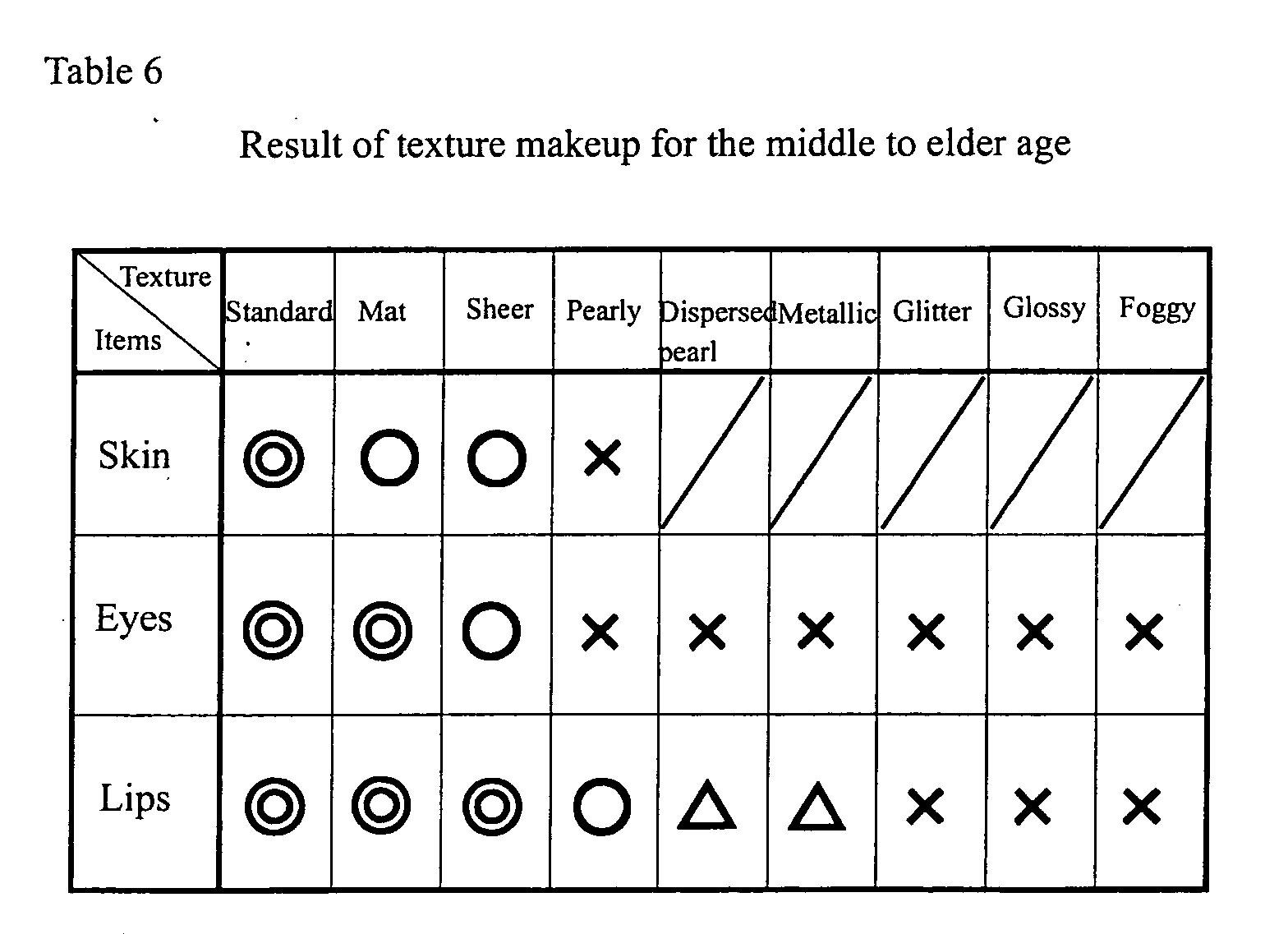
- the textured makeup for the middle to elder age is as shown in Table 6 and with respect to the eyes, the metallic existing in the luster direction made even wrinkles luster and although the glitter was gorgeous, it emphasized the dents. With respect to the lips, along with aging, the vertical wrinkles tended to be noticeable and the glossy with strongly wettish was easy to smear and the answers to the questionnaire said that the image was also indecent and filthy.
- the makeup with standard texture was done for the model in fifties, the makeup gave proper covering power and natural glossy impression and the makeup was decent, beautiful and tasteful.
- the makeup was performed with entirely mat texture, the makeup gave slight dry but formal impression and gave a decent and calm image similarly to the case of the standard.
Landscapes
- Engineering & Computer Science (AREA)
- Life Sciences & Earth Sciences (AREA)
- Health & Medical Sciences (AREA)
- Computer Graphics (AREA)
- Public Health (AREA)
- Veterinary Medicine (AREA)
- General Health & Medical Sciences (AREA)
- Animal Behavior & Ethology (AREA)
- Physics & Mathematics (AREA)
- General Physics & Mathematics (AREA)
- Theoretical Computer Science (AREA)
- Birds (AREA)
- Epidemiology (AREA)
- Cosmetics (AREA)
- Image Generation (AREA)
Abstract
Description
- The invention relates to a makeup method for mapping image expansion of an image of makeup based on a relation between the makeup and texture as well as the texture and effectively rendering an image of the makeup based on the texture, and to a texture map therefor.
- Conventionally, facing, so-called makeup, is composed of broadly three important factors, i.e., color, shape, and texture. The makeup with color is based on arrangement and mapping of effects of makeup color of such as a lipstick and an eye shadow applied to the respective parts of a face, and the makeup with shape is based on arrangement and mapping of effects of makeup based on the shape such as the face outline, the positions and shapes of the eyes, the nose, the lips and the hairline. The effects of makeup based on the color and the shape have been previously disclosed by the applicant of the present invention as results of investigations, but, with respect to the texture, comprehensive and collective investigations have not been performed yet. The textures of makeup are images of liveliness, vividness, softness, serenity, and so forth which can not be expressed by the color or shape, and expressed with words such as sweetness, feminine, cool/sharp, and so forth and mainly brought by materials of cosmetics. Particularly, recently bright and shining makeup just like brilliant eyes and glossy lips have drawn attention and thus the texture tends to be regarded to be important. Although the relations between the makeup and textures have been accumulated as practical experiences of individual cosmeticians, they have been neither integrated nor established collectively.
- An object of the present invention is to collectively arrange relations between makeup and textures and provide an effective makeup method based on the texture and a texture map to be used for the makeup method, which have not been proposed yet.
- Means employed for this invention to solve the above-mentioned problem is characterized by comprising:
- selecting a plurality of texture words to express the makeup textures; classifying the plurality of selected texture words into two types; producing a texture word map by arranging one characteristic in the ordinate and the other characteristic in the abscissa and arrangingpositional correlations of the texture words one another in the coordinates of the ordinate and the abscissa; producing a texture image map by over lapping individual images on the texture word map; and performing makeup with a texture according to the texture image map.
-
- It is characterized in that the texture image map is examined based on results of questionnaire regarding photographs of models to whom makeup has been actually applied in the skins, eyes, and lips to produce three types of texture image maps, i.e., a skin texture map, an eye texture map, and a lip texture map; and makeup with a texture is performed according to the three types of texture image maps.
- It is characterized in that the three texture image maps are put in order with words for every image zone to produce texture map tables; and makeup with a texture is performed according to the texture map tables.
- It is characterized in that the texture words consists of nine texture words, i.e., 1. standard: a texture giving properly covering power and natural glossy impression; 2. mat: a texture giving solemn, dull surface, heavy, and concealing impression; 3. sheer: a texture giving transparent and light impression; 4. pearly: a texture giving delicate and glossy impression just like smooth and luster pearl; 5. dispersedpearl: a texture giving blinking and sparkling impression just like dispersedly existing pearls; 6. metallic: a texture giving strongly bright impression just like the metal surface; 7. glitter: a texture giving vividly bright impression just like lames; 8. glossy: a texture giving impression of wettish gloss and damply and strong luster; and 9. foggy: a texture giving soft and powdery impression.
- It is characterized in that the textures are classified into three characteristics, i.e., austerity, transparency, and gloss, and the austerity and transparency are arranged collectively in the ordinate as a volume axis and the gloss in the abscissa as a gloss axis.
- It is characterized in that the individual image is composed of four type images, i.e., "cute/pretty", "fresh/active", "soft/feminine" and "cool/sharp".
- It is characterized in that the degree of the possible image rendering extent is written on the texture map and the correlation of the textures or the balance of the texture and image is expressed on the map.
- According to the invention, the texture map is used as a tool for counseling customers on actual makeup in shops and effective makeup for customers is made possible. Also, the texture map is utilized for image rendering for giving good texture, and it is made possible for the middle to elder age to confirm regions of the skins which give good texture.
-
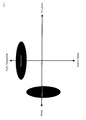
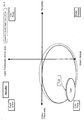
- Fig. 1 is a graph showing a gloss axis and a volume axis.
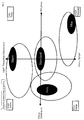
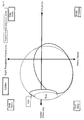
- Fig. 2 is a graph showing a texture word map.
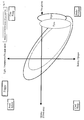
- Fig. 3 is a graph showing a texture image map.
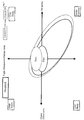
- Fig. 4 is a graph showing a skin texture image map.
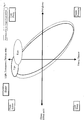
- Fig. 5 is a graph showing an eye texture image map.
- Fig. 6 is a graph showing a lip texture image map.
- Fig. 7 is a graph showing a standard texture image map of the eyes and lips.
- Fig. 8 is a graph showing a mat texture image map of the same.
- Fig. 9 is a graph showing a sheer texture image map of the same.
- Fig. 10 is a graph showing a pearly texture image map of the same.
- Fig. 11 is a graph showing a dispersed-pearl texture image map of the same.
- Fig. 12 is a graph showing a metallic texture image map of the same.
- Fig. 13 is a graph showing a glitter texture image map of the same.
- Fig. 14 is a graph showing a glossy texture image map of the same.
- Fig. 15 is a graph showing a foggy texture image map of the same.
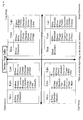
- Fig. 16 is a graph showing a texture image map table.
- Fig. 17 is a graph showing a texture image map of the middle and elder age.
-
- Hereinafter, a preferable embodiment of the invention will be described in detail. Based on investigations on relations of makeup and textures, that is, how textures work on and affect the image rendering by makeup, the invention gives a map of a makeup image extent according to the texture and thus makes it possible to easily and efficiently render the makeup image based on the texture. The texture is expressed by 9 words and the respective words are defined as the following meanings. That is, 1. standard: a texture giving properly covering power and natural glossy impression; 2. mat: a texture giving solemn, dull surface, heavy, and concealing impression; 3. sheer: a texture giving transparent and light impression; 4. pearly: a texture giving delicate and glossy impression just like smooth and luster pearl; 5. dispersed pearl: a texture giving blinking and sparkling impression just like dispersedly existing pearls; 6. metallic: a texture giving strongly bright impression just like the metal surface; 7. glitter: a texture giving vividly bright impression just like lames; 8. glossy: a texture giving impression of wettish gloss and damply and strong luster; and 9. foggy: a texture giving soft and powdery impression. The nine texture words are classified into three characteristics, i.e., austerity, transparency, and gloss. Further, the austerity and transparency are arranged collectively in the ordinate as a volume axis and the gloss in the abscissa as a gloss axis, so that texture word mapping is carried out for visualizing the positional correlations of the textures according to results of questionnaire.
- Individual images composed of "cute/pretty", "fresh/active", "soft/feminine" and "cool/sharp" are overlapped on the texture word map to produce a texture image map and make the map usable as indexes showing the relations between the makeup and textures. Next, the texture image map is examined based on results of questionnaire regarding photographs of models to whom makeup has been actually applied in the skins, eyes, and lips to produce a skin texture map, an eye texture map, and a lip texture map. Further, the three texture image maps are put in order with words for every image zone to produce texture map tables. The degree of the possible image rendering extent is written on the texture map table to clarify the correlation of the textures or the balance of the texture and image, thereby enabling makeup based on the texture.
- With reference to drawings, preferable examples of the invention will be described. First, to investigate how the makeup image was expanded and changed according to textures, the terms expressing the textures were put in order. Next, how the textures of the skin, eyes, and lips appeared and what images the textures gave were investigated and finally combination and balance of the textures were investigated. To arrange the terms expressing the textures, words relevant to the textures were extracted and what kind feelings such words had were investigated by questionnaire. With respect to how the textures of the skin, eyes, and lips appeared and what images the textures gave, and combination and balance of the textures, the characteristics of the textures, images, and fondness were determined according to the judgments and questionnaire regarding the photographs of models to whom makeup has been applied. The questionnaire was carried out for cosmetic technicians including technicians with 8 year or longer makeup experience and persons in charge of brand products 16 persons; ordinary monitors in twenties and fifties each 30 persons in total 76 persons . The panelist persons taking questionnaire were all highly aware of cosmetic sense. Each one person in twenties and fifties was selected among models to be photographed. The model in twenties was a woman having normal skin with little skin trouble to express various textures, and the model in fifties was a woman having uneven skin with little stain but wrinkles and pores. The photographs were taken basically under natural light and the angle of the faces was so set as to effectively appreciate the texture. Further, in order to make the directions of the textures clear, special cosmetics were made ready for the eye color and lip color.
- The words regarding the textures were picked-up amongwords relevant to textures and makeup from cosmetic manuals and magazines. Among the picked-up words relevant to the textures and makeup, the texture words with characteristic difference on the expression of makeup of the skin, eyes, and lips were extracted, and many selected words were further selected based on questionnaire for the cosmeticians and the experiences of the cosmeticians. As a result, 9 texture words, i.e., 1. standard, 2. mat, 3. sheer, 4. pearly, 5. dispersed pearl, 6. metallic, 7. glitter, 8. glossy, and 9. foggy, were selected. The definitions of the respective texture words were as followings:
- "standard" is a texture giving properly covering power and natural glossy impression: "mat" is a texture giving solemn, dull surface, heavy, and concealing impression: "sheer" is a texture giving transparent and light impression: "pearly" is a texture giving delicate and glossy impression just like smooth and luster pearl: "dispersed pearl" is a texture giving blinking and sparkling impression just like dispersedly existing pearls: "metallic" is a texture giving strongly bright impression just like the metal surface: "glitter" is a texture giving vividly bright impression just like lames: "glossy" is a texture giving impression of wettish gloss and damply and strong luster: and "foggy" is a texture giving soft and powdery impression.
-
- The texture means that the impression produced owing to the difference of the properties of materials, and therefore, what kinds of properties these nine textures have were investigated. As a result, it was made clear that the following three properties were included: "austerity" expressing lightness and heaviness, "transparency" expressing transparent and opaque degree, and "gloss" expressing glossy or not glossy. Therefore, the three properties were classified into two and as shown in Fig. 1, glossy and not glossy textures were divided and arranged in the abscissa relevant to the gloss, and the abscissa was set to be a gloss axis. Next, the austerity was arranged as light and heavy and the transparency was arranged as transparent and opaque degree in the ordinate, and the ordinate was set to be a volume axis. Points were calculated from the results of the word questionnaire for cosmetic technicians and the results were arranged along the gloss axis and the volume axis while the standards of the 9 kinds of textures were set in the center to obtain the word map as illustrated in Fig. 2 showing the positional correlations of the textures. Hereinafter, the map is referred to as "texture word map". In the texture word map, the respective textures were expanded in the ordinate and abscissa, and it means that the glossy degree or the volume degree of the respective textures has a margin. For example, the textures such as "standard, sheer, dispersed pearl, pearly, mat, and metallic" had a wide margin in the direction of the gloss axis but a narrow margin in the direction of the volume axis. The textures such as "glitter, glossy, and foggy" had, on the contrary, a wide margin in the direction of the volume axis but a narrow margin in the direction of the gloss axis.
- Next, practically textures of the skins, eyes, and lips were given and what kind impression the faces gave and also how the images were expanded were investigated based on questionnaire taken by cosmetic technicians while utilizing the above-mentioned texture word map. As conventional experiential knowledge of the cosmetic technicians, when makeup is to be done, mat is used for feminine and soft image expression, and sheer is used for fresh and active image expression. Therefore, four image zones creating individual images, i.e., "cute/pretty", "fresh/active", "soft/feminine" and "cool/sharp", were overlapped on the above-mentioned texture word map to obtain a map relevant to the texture images as shown in Fig. 3. Hereinafter, the map is referred to as "texture image map". The texture image map was used as indexes expressing the relations of the makeup and textures and successively, the usability of the texture image map as the indexes was investigated according to the results of questionnaire taken by cosmetic technicians.
- The investigation of the texture image map was first carried out for the skin. Based on the experiences of the cosmetic technicians, the texture expressing the skin base, glitter or glossy was not practical. The textures of the skin base presently possible to be supposed according to the experiences were limited to four types, i.e., standard, mat, sheer and pearly, and other textures were found not usable for skinbase. As the textures expressing the skin base, "standard" gave a properly covering power and natural glossy finishing image: "mat" gave a finishing image with powdery skin surface; "sheer" gave a transparent finishing image just like bare skin; and "pearly" gave a finishing image of the skin with pearly (gloss) texture. Then, models were photographed after makeup has been done, and then, the photographs were shown to panelists to take the questionnaire regarding two kinds of items, i.e., the characteristics of the textures and the images how the photographs were seen. The items of the questionnaire were as shown in Table 1. The results were overlaid to obtain the skin texture map of Fig. 4. As being made clear from the skin texture map, it was understood that the texture word map shown in Fig. 2 and the skin texture map shown in Fig. 4 were approximately coincident with each other in the characteristics of the texture, except "pearly". In the texture image map shown in Fig. 3, "pearly" was positioned in the middle in the volume axis, but, the texture gave strongly glossy and slightly thick impression when the skin was made up. It was supposedly attributed to that the pearly feeling gave concealing image to the skin depending on the angle since the skin had a wide surface area. In Fig. 4, the regions surrounded with the elliptical lines show the expansion of the images and the width shows the extent of the image expansion. With respect to "pearly", almost all answers to questionnaire said that cool/sharp impression was given and fresh/active impression was also given, and therefore, the region of the image was found having an elliptical shape extended in the direction of the volume axis and also having a width in the direction of the gloss axis. Accordingly, it could be said that if the skin with pearly texture was selected, it was effective to render cool/sharp and fresh/active images.
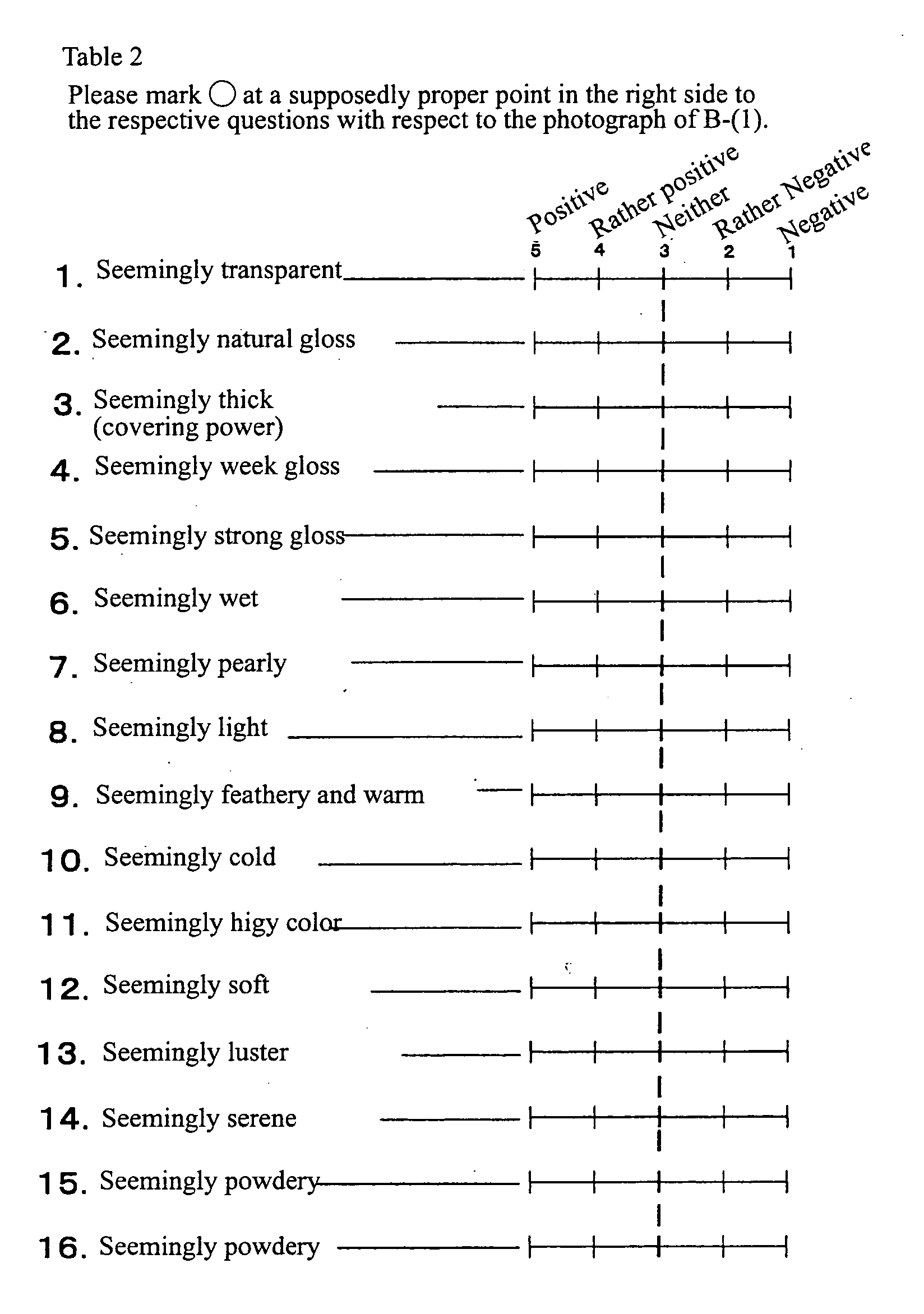
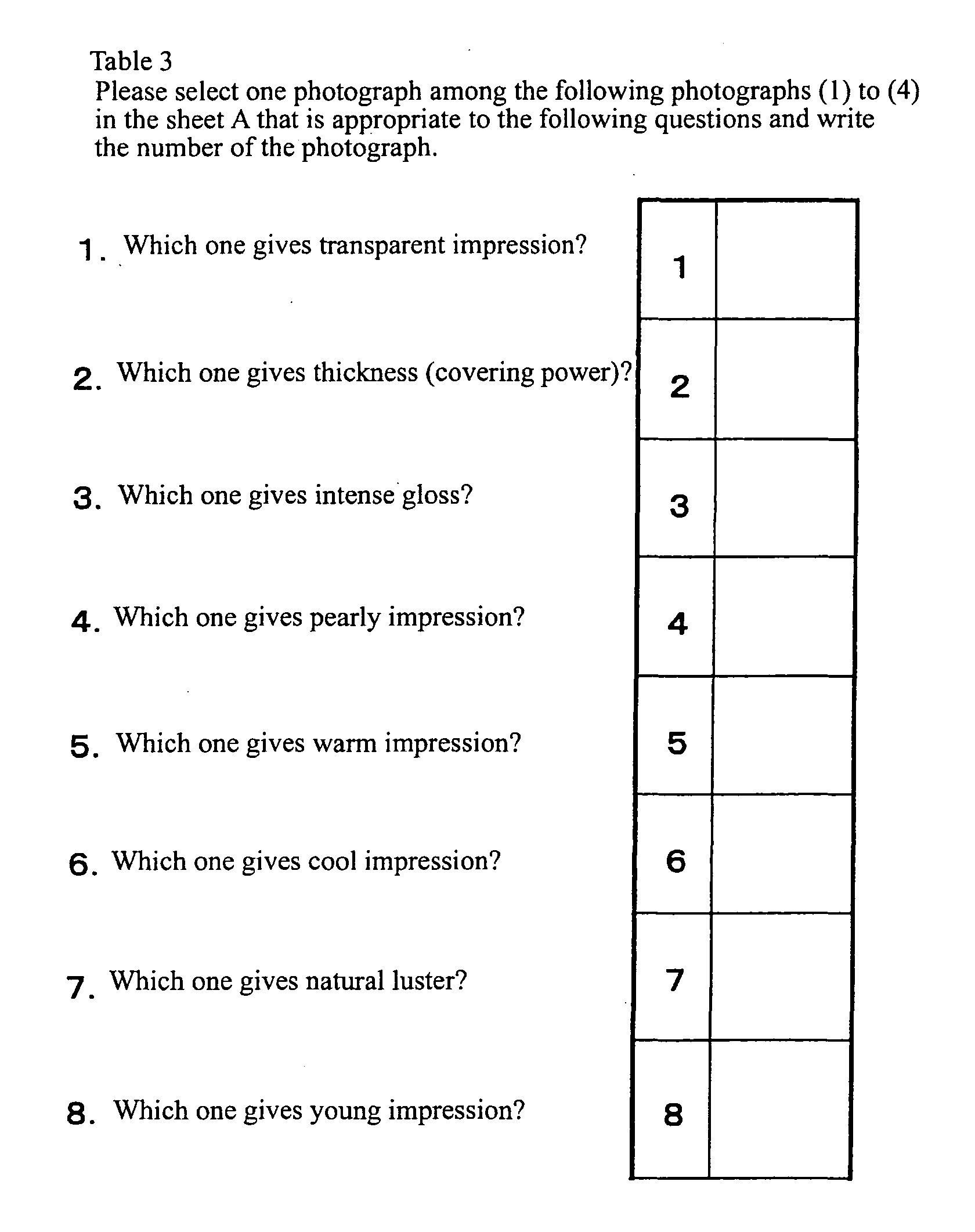
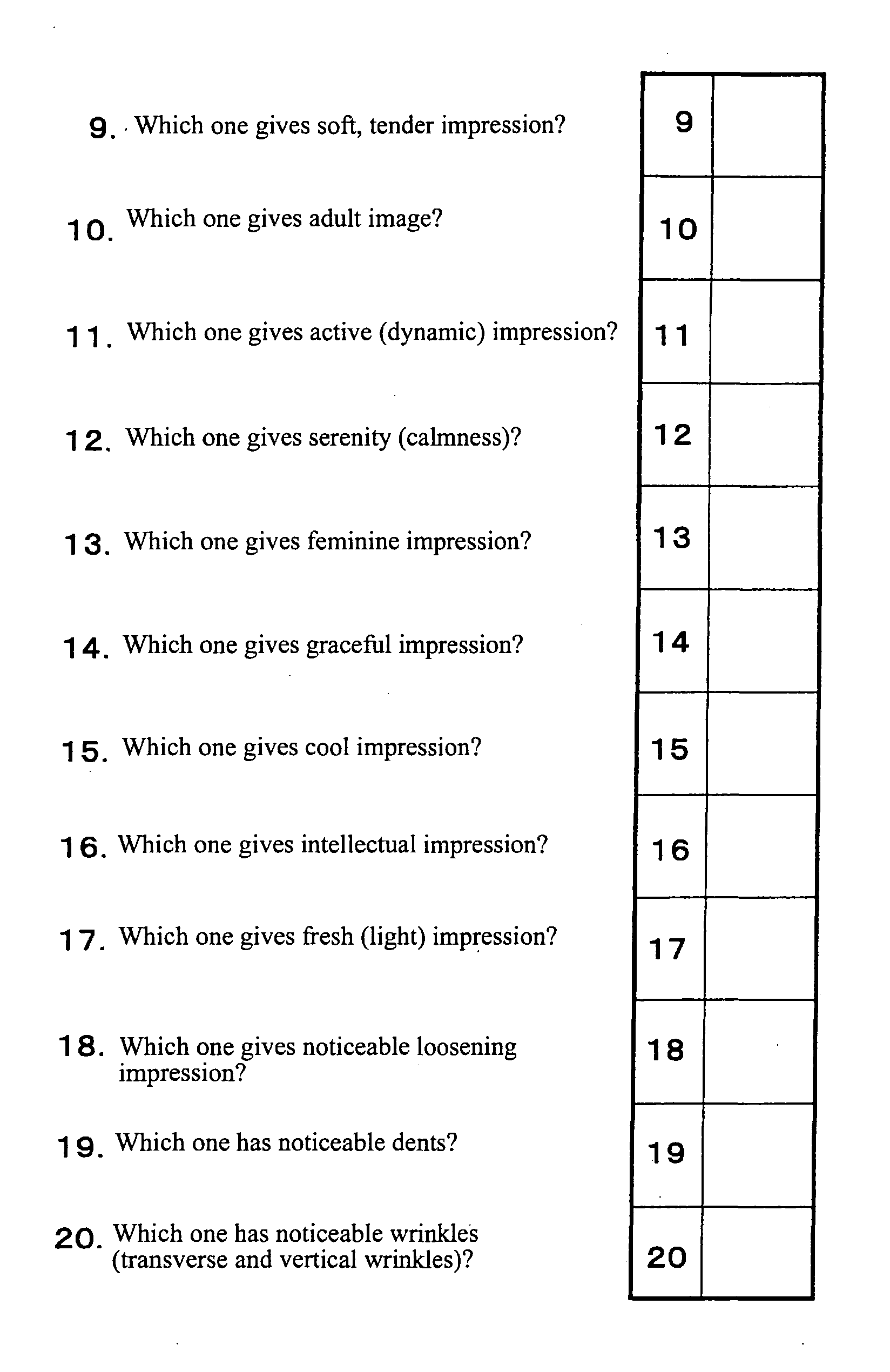
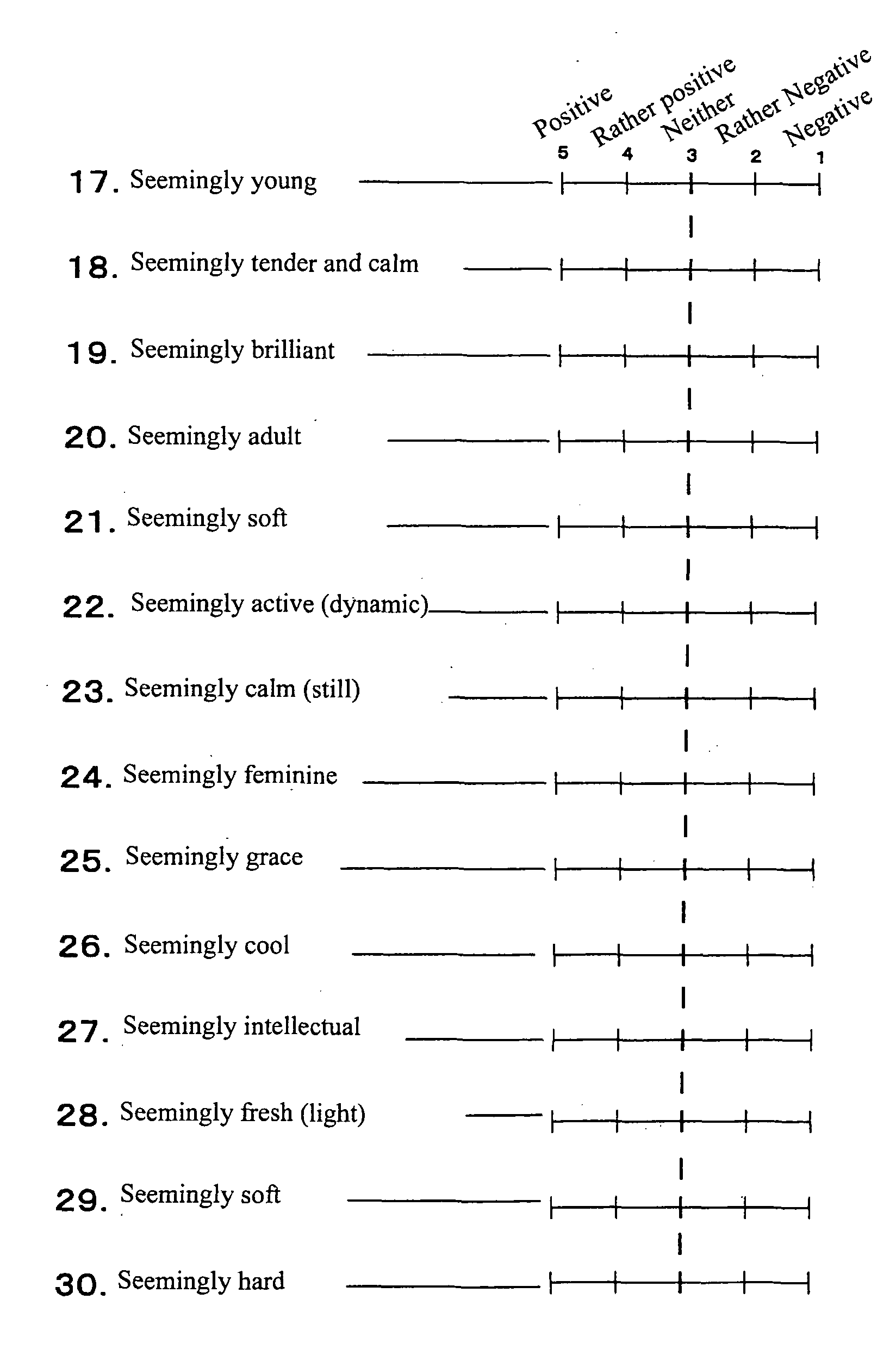
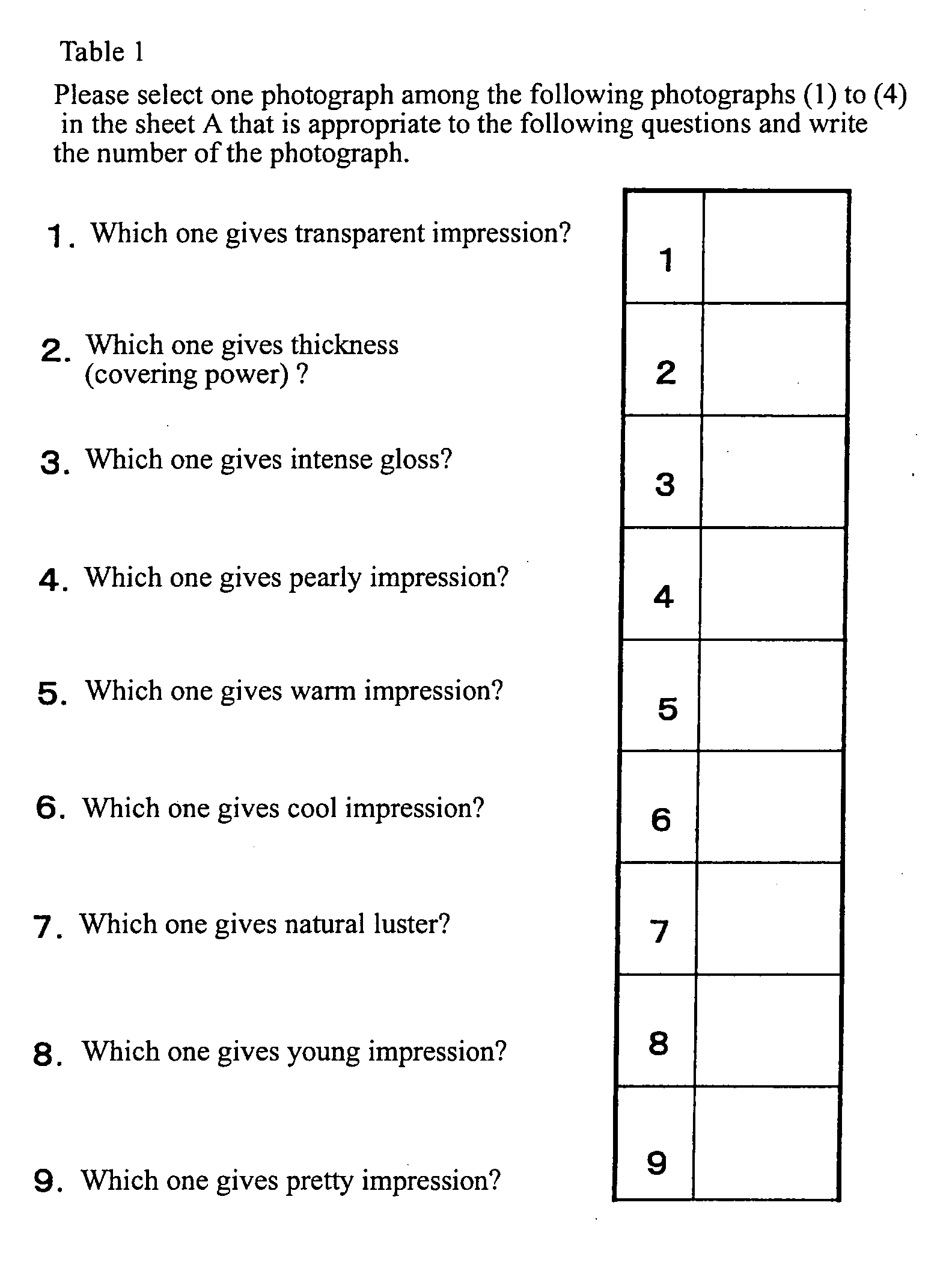 Next, with respect to the textures expressing the eyes and lips, Fig. 5 shows an eye texture map showing the extent of the eyes and texture images, and Fig. 6 shows a lip texture map showing the extent of the lips and texture images. The nine textures expressing the eyes and lips are as follows: standard gives properly covering power and natural glossy impression: sheer gives transparent and light impression: pearly gives smooth and luster pearl-like impression: dispersed pearl gives sparkling impression just like dispersedly existing pearls: metallic gives strongly bright impression just like the metal surface: glitter gives vividly bright impression: glossy gives impression of wettish gloss and damply and strong luster: and foggy gives soft and powdery impression. Then, models were photographed after eye and lip makeup has been done, and then the photographs were shown to panelists just like the case of skin base to take the questionnaire regarding two kinds of items, i.e., the characteristics of the textures and the images how the photographs were seen. The items of the questionnaire were as shown in Table 2. The results were overlaid on the texture word map to obtain an eye texture map shown in Fig. 5 and a lip texture map shown in Fig. 6. The questionnaire as shown in Table 2 was done by evaluating the respective items in 5 grades. Tables 3 and 4 are items of the questionnaire for the model in fifties, and Table 3 is relevant to the questionnaire items of skin texture and Table 4 is relevant to the questionnaire items of the eyes and lips.



 Two characteristic incidents were observed in the eye texture map showing the extent of eyes and texture images shown in Fig. 5. One was that glossy had a width in the direction of the volume axis. Glossy means wettish gloss and damply and strong luster and it was derived in two-ways: in the direction of feeling oil and thus heavy and in the direction of feeling watery and thus light. Therefore, the region in the direction of the volume axis was supposedly widened. The other was relevant to mat and it gave lighter impression and was thus positioned higher than that in the texture word map shown in Fig. 2. It is supposedly attributed to that the concealing power of the mat made the eyelids soft and luminous to give light impression when the mat makeup of eyelids was done. Further, the mat image was extended to four image zones and the region in the tender, feminine image zone was widest, so that it can be understood that the feminine image can effectively be rendered by giving mat texture. Similarly to other textures, since images for the respective textures were extended, it can be understood that various ways of rending are possible.
- With respect to lip texture map showing the lips and texture images shown in Fig. 6, a characteristic texture was sheer. The sheer in the lip texture map was positioned in the direction shifted slightly more in the direction of slightly gloss than that in the texture word map shown in Fig. 2. It is supposedly attributed to that the natural wettish gloss of a lipstick gave luster image. The texture image was expanded in a zone from a fresh/active zone to a tender, feminine zone, and it was made clear that the lightness of the sheer was effective to render the tender and feminine images. The eye texture map and the lip texture map shown in Figs. 5 and 6 are overlapped in the image regions of the respective nine textures and therefore hardly distinguished from others, so that the respective textures are separately shown in Figs. 7 to 15 while the texture images of both eyes and lips are overlapped. When the three types of the texture maps of the skin, eyes, and lips were compared with the texture word maps and the respective textures were investigated, the texture words and the texture images by makeup were found overlapped. Accordingly, it was found that the relations of the makeup and the textures could be expressed by the three types of the skin texture map (Fig. 4), the eye texture map (Fig. 5), and the lip texture map (Fig. 6).
- In consideration of the utilization easiness for cosmetic technicians at stops, a texture map table was produced by putting the three types of texture maps of the skin, eyes, and lips in order with the words for every image zone (reference to Fig. 16). In this texture map table, the texture with the widest image region was marked with o ○ since strong image rendering was possible; the texture with the secondary widest image region was marked with ○; and the texture with the narrowest image region was marked with Δ since slight image rendering was possible. Accordingly, it is possible to combine only the textures marked o ○ for rendering an image and emphasizing the image. However in such a case, makeup image is often insufficient in wide and expanded expression for the person to be made up and is possibly a lack of balance. For example, in the case of combination of eye and lip textures with mat skin, the following three cases were investigated: makeup was finished entirely with mat marked o ○; next, metallic marked ○ was combined; and finally dispersed pearl marked ○ was combined. If the point makeup for the eyes and lips was finished on the mat skin with similarly mat texture, three textures are overlapped to result in emphasis of the feminine image. Next, if the metallic textures of the eyes and lips with strong contrast were combined, the entire texture was serenity and strong gloss and the metallic texture was emphasized to result in emphasis of gorgeous, cold, and brilliant images. However, there are responses that the point makeup was too emphasized. Finally, if the dispersed pearl textures of the eyes and lips with weak contrast were combined, the entire impression was well-balanced impression and the image was expanded in four image zones to make it clear that various image rendering was possible.
- From these results, in collective arrangement of the correlations of the skin texture and the balance of the eye and lip textures, if the same textures of the skin, eyes, and lips are combined, the characteristics of the texture are emphasized as they are to result in directional emphasis of the image. If the textures of the eyes and lips were strong to the texture of the skin, the characteristics of the respective textures were found persisting and outstanding. It is supposed necessary to keep good balance of the intensity of the textures. On the contrary, if the textures of the eyes and lips were weak, it was found that good harmony and balance could be obtained and positive image was expanded. It was found that if either one of the textures of the eyes and lips was made strong to the texture of the skin and the other was made weak, the image was shifted to the direction of the strong texture. Such a correlation of the texture and the balance is collectively arranged in Table 5. This balance rule can be utilized for selecting cosmetic products and image rendering. In the case glossy marked Δ was applied thick to mat skin in the tender, feminine image zone, the evaluation according to the questionnaire was a dislikable and indecent image. From this result, in the case of using the texture marked Δ, it was found that the amount of the use was needed to be slight and proper.
Correlation of the texture and balance Skin × Eyes × Lips Skin × Same × Same ▪ The characteristics of the texture were
emphasized as they were. ▪ The direction of the image was emphasized.Skin × Strong × Strong ▪ The characteristics of the respective texture persisted outstandingly. ▪ The intensity of the texture should be adjusted. Skin × Weak × Weak ▪ Good entire harmony was obtained and
the image was expanded.Skin × Strong × Weak ▪ The image was shifted in the direction of the respective strong textures. - The textured makeup for the middle to elder age is as shown in Table 6 and with respect to the eyes, the metallic existing in the luster direction made even wrinkles luster and although the glitter was gorgeous, it emphasized the dents. With respect to the lips, along with aging, the vertical wrinkles tended to be noticeable and the glossy with strongly wettish was easy to smear and the answers to the questionnaire said that the image was also indecent and filthy. When the makeup with standard texture was done for the model in fifties, the makeup gave proper covering power and natural glossy impression and the makeup was decent, gorgeous and tasteful. Next, when the makeup was performed with entirely mat texture, the makeup gave slight dry but formal impression and gave a decent and calm image similarly to the case of the standard. When the makeup was performed with sheer texture, the makeup gave natural glossy and transparent impression and the makeup gave a fresh, light image as ordinal makeup texture. Finally, when the makeup was done with entirely pearly texture, the entire face became bright like a Buddha sculpture and the aging phenomenon with noticeable wrinkles and pores became outstanding.Based on the results of the questionnaire, the map of the texture regions where the skin of the middle to elder age is seemed to be beautiful is shown as a texture image map of Fig. 17. It was found that the skin and eyes existed in approximately close regions and that the standard, mat, and sheer textures were in texture regions where the unevenness of wrinkles and pores were not obvious. In the texture for making the skin seemed beautiful, the essential point was proper covering power and natural gloss. Textures in the light directions other than that were improper for makeup for the middle to elder age. With respect to the lips, there is a widely expanded adequate region and the mat, sheer, and pearly textures and the standard texture in the center can be exemplified. As a wettish type, the use option in combination with lip liner application is widened. However, the texture in the strongly wettish and strongly bright direction is improper.
Claims (10)
- A makeup method comprising: selecting a plurality of texture words to express the makeup textures; classifying the plurality of selected texture words into two types; producing a texture wordmap by arranging one characteristic in the ordinate and the other characteristic in the abscissa and arranging positional correlations of the texture words one another in the coordinates of the ordinate and the abscissa; producing a texture image map by overlapping individual images on the texture word map; andperformingmakeupwitha texture according to the texture image map.
- The makeup method according to claim 1, comprising:examining the texture image map based on results of questionnaire regarding photographs of models to whom makeup has been actually applied in the skins, eyes, and lips to produce three types of texture image maps, i.e., a skin texture map, an eye texture map, and a lip texture map; and performing makeup with a texture according to the three types of texture image maps.
- The makeup method according to claim 2, comprising:putting the three texture image maps in order with words for every image zone to produce texture map tables; and performing makeup with a texture according to the texture map tables.
- A texture map obtained by selecting a plurality of texture words to express the makeup textures; classifying the plurality of selected texture words into two types; producing a texture word map by arranging one characteristic in the ordinate and the other characteristic in the abscissa and arranging positional correlations of the texture words one another in the coordinates of the ordinate and the abscissa; and producing a texture image map by overlapping individual images on the texture word map.
- The texture map according to claim 4, obtained by examining the texture image map based on results of questionnaire regarding photographs of models to whom makeup has been actually applied in the skins, eyes, and lips; and producing three types of texture image maps, i . e. , a skin texture map, an eye texture map, and a lip texture map.
- The texture map according to claim 5, obtained by putting the three types of texture maps in order with words for every image zone; and producing a texture map table.
- The makeup method or texture map according to any one of claims 1 to 6, wherein the texture words consist of nine texture words, i.e., 1. standard: a texture giving properly covering power and natural glossy impression; 2. mat: a texture giving solemn, dull surface, heavy, andconcealingimpression; 3. sheer: a texture giving transparent and light impression; 4. pearly: a texture giving delicate and glossy impression just like smooth and luster pearl; 5. dispersed pearl: a texture giving blinking and sparkling impression just like dispersedly existing pearls; 6. metallic: a texture giving strongly bright impression just like a metal surface; 7. glitter: a texture giving vividly bright impression; 8. glossy: a texture giving impression of wettish gloss and damply and strong luster; and 9. foggy: a texture giving soft and powdery impression.
- The makeup method or texture map according to any one of claims 1 to 6, wherein the textures are classified into three characteristics, i.e., austerity, transparency, and gloss, and the austerity and transparency are arranged collectively in the ordinate as a volume axis and the gloss is arranged in the abscissa as a gloss axis.
- The makeup method or texture map according to one any of claims 1 to 6, wherein the individual image is composed of four type images, i.e., "cute/pretty", "fresh/active", "soft/feminine" and "cool/sharp".
- The makeup method or texture map according to claim 3 or 6, wherein a degree of a possible image rendering extent is written on the texture map table, and the correlation of the textures or the balance of the texture and image is expressed.
Applications Claiming Priority (3)
| Application Number | Priority Date | Filing Date | Title |
|---|---|---|---|
| JP2002256973A JP4849761B2 (en) | 2002-09-02 | 2002-09-02 | Makeup method based on texture and texture image map |
| JP2002256973 | 2002-09-02 | ||
| PCT/JP2003/010983 WO2004022008A2 (en) | 2002-09-02 | 2003-08-28 | Makeup method based on texture and texture |
Publications (2)
| Publication Number | Publication Date |
|---|---|
| EP1576944A2 true EP1576944A2 (en) | 2005-09-21 |
| EP1576944A4 EP1576944A4 (en) | 2007-08-01 |
Family
ID=31972970
Family Applications (1)
| Application Number | Title | Priority Date | Filing Date |
|---|---|---|---|
| EP03794124A Ceased EP1576944A4 (en) | 2002-09-02 | 2003-08-28 | Makeup method based on texture and texture |
Country Status (6)
| Country | Link |
|---|---|
| US (1) | US7646880B2 (en) |
| EP (1) | EP1576944A4 (en) |
| JP (1) | JP4849761B2 (en) |
| KR (1) | KR20050057116A (en) |
| TW (1) | TW200404505A (en) |
| WO (1) | WO2004022008A2 (en) |
Cited By (1)
| Publication number | Priority date | Publication date | Assignee | Title |
|---|---|---|---|---|
| CN106156179A (en) * | 2015-04-20 | 2016-11-23 | 阿里巴巴集团控股有限公司 | A kind of information retrieval method and device |
Families Citing this family (7)
| Publication number | Priority date | Publication date | Assignee | Title |
|---|---|---|---|---|
| CN101043832A (en) * | 2004-10-22 | 2007-09-26 | 株式会社资生堂 | Classification method of lips, makeup method, classification map and cosmetic utensils |
| JP5535425B2 (en) * | 2006-12-22 | 2014-07-02 | メルク パテント ゲゼルシャフト ミット ベシュレンクテル ハフツング | Filler, method for producing the same, and cosmetics |
| JP4862955B1 (en) * | 2010-10-29 | 2012-01-25 | オムロン株式会社 | Image processing apparatus, image processing method, and control program |
| JP4831259B1 (en) * | 2011-03-10 | 2011-12-07 | オムロン株式会社 | Image processing apparatus, image processing method, and control program |
| US11120495B2 (en) * | 2016-09-15 | 2021-09-14 | GlamST LLC | Generating virtual makeup products |
| US11315173B2 (en) | 2016-09-15 | 2022-04-26 | GlamST LLC | Applying virtual makeup products |
| CN110992248B (en) * | 2019-11-27 | 2021-03-19 | 腾讯科技(深圳)有限公司 | Display method, device, device and storage medium for lip makeup special effects |
Family Cites Families (20)
| Publication number | Priority date | Publication date | Assignee | Title |
|---|---|---|---|---|
| US5311293A (en) * | 1983-07-18 | 1994-05-10 | Chromatics Color Sciences International, Inc. | Method and instrument for selecting personal compatible colors |
| EP0415648B1 (en) * | 1989-08-31 | 1998-05-20 | Canon Kabushiki Kaisha | Image processing apparatus |
| US5304809A (en) * | 1992-09-15 | 1994-04-19 | Luxtron Corporation | Luminescent decay time measurements by use of a CCD camera |
| US5557324A (en) * | 1992-10-29 | 1996-09-17 | The Johns Hopkins University | Polorization viewer |
| DE69301239T2 (en) * | 1993-08-03 | 1996-08-14 | Parfums Christian Dior, Paris | Process for determining the color of a complexion foundation for the sensitive restoration of the skin color of a person and device for its use |
| US6020892A (en) * | 1995-04-17 | 2000-02-01 | Dillon; Kelly | Process for producing and controlling animated facial representations |
| US6243059B1 (en) * | 1996-05-14 | 2001-06-05 | Rainbow Displays Inc. | Color correction methods for electronic displays |
| JP3902873B2 (en) * | 1998-09-01 | 2007-04-11 | キヤノン株式会社 | Software installation method for information processing apparatus, software uninstallation method for information processing apparatus, color correction processing method for information processing apparatus, and software installation method |
| US6633294B1 (en) * | 2000-03-09 | 2003-10-14 | Seth Rosenthal | Method and apparatus for using captured high density motion for animation |
| US6850243B1 (en) * | 2000-12-07 | 2005-02-01 | Nvidia Corporation | System, method and computer program product for texture address operations based on computations involving other textures |
| US20020147627A1 (en) * | 2001-02-14 | 2002-10-10 | Marcia Roosevelt | Creative idea generation process |
| US6592465B2 (en) * | 2001-08-02 | 2003-07-15 | Acushnet Company | Method and apparatus for monitoring objects in flight |
| JP2004201797A (en) * | 2002-12-24 | 2004-07-22 | Yasutaka Nakada | Skin analysis method |
| US7068277B2 (en) * | 2003-03-13 | 2006-06-27 | Sony Corporation | System and method for animating a digital facial model |
| US7218320B2 (en) * | 2003-03-13 | 2007-05-15 | Sony Corporation | System and method for capturing facial and body motion |
| US7333113B2 (en) * | 2003-03-13 | 2008-02-19 | Sony Corporation | Mobile motion capture cameras |
| US7358972B2 (en) * | 2003-05-01 | 2008-04-15 | Sony Corporation | System and method for capturing facial and body motion |
| AU2003289004A1 (en) * | 2003-06-11 | 2005-01-04 | Kose Corporation | Skin evaluation method and image simulation method |
| FR2881858A1 (en) * | 2005-02-04 | 2006-08-11 | Oreal | INTERACTIVE SYSTEM USEFUL IN COSMETICS AND METHOD FOR CONSTRUCTING A DATABASE |
| US7522768B2 (en) * | 2005-09-09 | 2009-04-21 | Hewlett-Packard Development Company, L.P. | Capture and systematic use of expert color analysis |
-
2002
- 2002-09-02 JP JP2002256973A patent/JP4849761B2/en not_active Expired - Lifetime
-
2003
- 2003-08-28 US US10/526,216 patent/US7646880B2/en not_active Expired - Lifetime
- 2003-08-28 WO PCT/JP2003/010983 patent/WO2004022008A2/en not_active Ceased
- 2003-08-28 EP EP03794124A patent/EP1576944A4/en not_active Ceased
- 2003-08-28 TW TW092123773A patent/TW200404505A/en unknown
- 2003-08-28 KR KR1020057003648A patent/KR20050057116A/en not_active Ceased
Non-Patent Citations (1)
| Title |
|---|
| No Search * |
Cited By (2)
| Publication number | Priority date | Publication date | Assignee | Title |
|---|---|---|---|---|
| CN106156179A (en) * | 2015-04-20 | 2016-11-23 | 阿里巴巴集团控股有限公司 | A kind of information retrieval method and device |
| CN106156179B (en) * | 2015-04-20 | 2020-01-07 | 阿里巴巴集团控股有限公司 | Information retrieval method and device |
Also Published As
| Publication number | Publication date |
|---|---|
| KR20050057116A (en) | 2005-06-16 |
| TW200404505A (en) | 2004-04-01 |
| WO2004022008A2 (en) | 2004-03-18 |
| JP4849761B2 (en) | 2012-01-11 |
| JP2004091419A (en) | 2004-03-25 |
| US7646880B2 (en) | 2010-01-12 |
| US20060134153A1 (en) | 2006-06-22 |
| EP1576944A4 (en) | 2007-08-01 |
Similar Documents
| Publication | Publication Date | Title |
|---|---|---|
| KR100801115B1 (en) | How to choose point makeup cosmetics | |
| TWI392462B (en) | Morphological classification of the eye and morphological classification, as well as eye makeup method, eye shape classification and cosmetic equipment | |
| CN101779218B (en) | Makeup simulation system and makeup simulation method thereof | |
| US20070047761A1 (en) | Methods Of Analyzing Human Facial Symmetry And Balance To Provide Beauty Advice | |
| JP2000194835A (en) | Makeup advice system | |
| CN101258963A (en) | Lip categorizing method, makeup method, categorizing map, and makeup tool | |
| Mutlu Danaci et al. | Examining the Factor of Color on Street Facades in Context of the Perception of Urban Aesthetics: Example of Antalya. | |
| US7646880B2 (en) | Makeup method based on texture and texture map | |
| KR100767133B1 (en) | Makeup Color Image Taxonomy and Makeup Color Image Map | |
| CN107170036A (en) | A kind of Realistic Rendering method of layer structure faceform | |
| JP5285249B2 (en) | Lip color scale and lipstick selection method | |
| US5888879A (en) | Method for evaluating make-up cosmetic product and powder composition | |
| Palmer | Brazen Cheek: Face-painters in late eighteenth-century England | |
| KR100734339B1 (en) | Cosmetic method based on color balance of skin color, hair color and make-up color | |
| JP2001190525A (en) | Base makeup cosmetic selection method and base makeup cosmetic selection information map | |
| JPH09208428A (en) | How to choose make-up cosmetics | |
| JP2005222405A (en) | Recommended method of foundation | |
| JP2022078957A (en) | How to choose a mask and how to beautify | |
| JP2008006224A (en) | Glossy color sample of face image | |
| Wise | " Gurl, Yo Foundation Don't Match": 40 Years of African American Makeup in Ebony Magazine | |
| Tochigi et al. | Multidimensional Data Visualization for Investigation of Skin Transparency | |
| TW202339644A (en) | Method for extracting hair color-related information | |
| JPH0668075U (en) | Information sheet for makeup cosmetics | |
| Kay | Hagley Museum and Library, Center for the History of Business, Technology, and Society." Beauty and Business." March 26-27, 1999. Wilmington, Del. | |
| US20070259317A1 (en) | Method and kit for assisting in the selection of an adornment |
Legal Events
| Date | Code | Title | Description |
|---|---|---|---|
| PUAI | Public reference made under article 153(3) epc to a published international application that has entered the european phase |
Free format text: ORIGINAL CODE: 0009012 |
|
| 17P | Request for examination filed |
Effective date: 20050401 |
|
| AK | Designated contracting states |
Kind code of ref document: A2 Designated state(s): AT BE BG CH CY CZ DE DK EE ES FI FR GB GR HU IE IT LI LU MC NL PT RO SE SI SK TR |
|
| RBV | Designated contracting states (corrected) |
Designated state(s): DE FR IT |
|
| PUAK | Availability of information related to the publication of the international search report |
Free format text: ORIGINAL CODE: 0009015 |
|
| A4 | Supplementary search report drawn up and despatched |
Effective date: 20070704 |
|
| 17Q | First examination report despatched |
Effective date: 20081024 |
|
| REG | Reference to a national code |
Ref country code: DE Ref legal event code: R003 |
|
| STAA | Information on the status of an ep patent application or granted ep patent |
Free format text: STATUS: THE APPLICATION HAS BEEN REFUSED |
|
| 18R | Application refused |
Effective date: 20110214 |