EP1574574A1 - Exon 1-beta of pdgf receptor alpha gene and utilization thereof - Google Patents
Exon 1-beta of pdgf receptor alpha gene and utilization thereof Download PDFInfo
- Publication number
- EP1574574A1 EP1574574A1 EP03811521A EP03811521A EP1574574A1 EP 1574574 A1 EP1574574 A1 EP 1574574A1 EP 03811521 A EP03811521 A EP 03811521A EP 03811521 A EP03811521 A EP 03811521A EP 1574574 A1 EP1574574 A1 EP 1574574A1
- Authority
- EP
- European Patent Office
- Prior art keywords
- pdgf receptor
- exon
- gene
- ribozyme
- rna
- Prior art date
- Legal status (The legal status is an assumption and is not a legal conclusion. Google has not performed a legal analysis and makes no representation as to the accuracy of the status listed.)
- Withdrawn
Links
- 108091008606 PDGF receptors Proteins 0.000 title claims abstract description 75
- 102000011653 Platelet-Derived Growth Factor Receptors Human genes 0.000 title claims abstract description 75
- 101150087698 alpha gene Proteins 0.000 title claims abstract description 49
- 239000002773 nucleotide Substances 0.000 claims abstract description 74
- 125000003729 nucleotide group Chemical group 0.000 claims abstract description 72
- 108020004999 messenger RNA Proteins 0.000 claims abstract description 70
- 230000014509 gene expression Effects 0.000 claims abstract description 68
- 230000009368 gene silencing by RNA Effects 0.000 claims abstract description 56
- 108091030071 RNAI Proteins 0.000 claims abstract description 53
- 206010028980 Neoplasm Diseases 0.000 claims abstract description 35
- 201000011510 cancer Diseases 0.000 claims abstract description 33
- 108090000994 Catalytic RNA Proteins 0.000 claims abstract description 31
- 102000053642 Catalytic RNA Human genes 0.000 claims abstract description 31
- 108091092562 ribozyme Proteins 0.000 claims abstract description 31
- 239000000126 substance Substances 0.000 claims abstract description 31
- 230000000692 anti-sense effect Effects 0.000 claims abstract description 24
- 239000003795 chemical substances by application Substances 0.000 claims abstract description 20
- 229940124597 therapeutic agent Drugs 0.000 claims abstract description 8
- 239000003814 drug Substances 0.000 claims abstract description 5
- 239000004480 active ingredient Substances 0.000 claims abstract description 4
- 238000000034 method Methods 0.000 claims description 37
- 108020004414 DNA Proteins 0.000 claims description 19
- 102000040430 polynucleotide Human genes 0.000 claims description 19
- 108091033319 polynucleotide Proteins 0.000 claims description 19
- 239000002157 polynucleotide Substances 0.000 claims description 19
- 108020005544 Antisense RNA Proteins 0.000 claims description 15
- 239000003184 complementary RNA Substances 0.000 claims description 15
- FWMNVWWHGCHHJJ-SKKKGAJSSA-N 4-amino-1-[(2r)-6-amino-2-[[(2r)-2-[[(2r)-2-[[(2r)-2-amino-3-phenylpropanoyl]amino]-3-phenylpropanoyl]amino]-4-methylpentanoyl]amino]hexanoyl]piperidine-4-carboxylic acid Chemical compound C([C@H](C(=O)N[C@H](CC(C)C)C(=O)N[C@H](CCCCN)C(=O)N1CCC(N)(CC1)C(O)=O)NC(=O)[C@H](N)CC=1C=CC=CC=1)C1=CC=CC=C1 FWMNVWWHGCHHJJ-SKKKGAJSSA-N 0.000 claims description 12
- 230000000295 complement effect Effects 0.000 claims description 12
- 108091081021 Sense strand Proteins 0.000 claims description 6
- 238000002560 therapeutic procedure Methods 0.000 claims description 3
- 230000008685 targeting Effects 0.000 claims 2
- 102000004196 processed proteins & peptides Human genes 0.000 abstract description 4
- 108090000765 processed proteins & peptides Proteins 0.000 abstract description 4
- 238000013519 translation Methods 0.000 abstract description 4
- 229920001184 polypeptide Polymers 0.000 abstract description 3
- 230000002401 inhibitory effect Effects 0.000 abstract description 2
- 210000004027 cell Anatomy 0.000 description 56
- 102100024026 Transcription factor E2F1 Human genes 0.000 description 23
- 108090000623 proteins and genes Proteins 0.000 description 16
- 238000013518 transcription Methods 0.000 description 16
- 230000035897 transcription Effects 0.000 description 16
- 102000010780 Platelet-Derived Growth Factor Human genes 0.000 description 15
- 108010038512 Platelet-Derived Growth Factor Proteins 0.000 description 15
- 239000013598 vector Substances 0.000 description 15
- 239000013604 expression vector Substances 0.000 description 9
- 230000001105 regulatory effect Effects 0.000 description 9
- 108091032973 (ribonucleotides)n+m Proteins 0.000 description 8
- 102000040650 (ribonucleotides)n+m Human genes 0.000 description 8
- 238000000338 in vitro Methods 0.000 description 8
- JTJMJGYZQZDUJJ-UHFFFAOYSA-N phencyclidine Chemical compound C1CCCCN1C1(C=2C=CC=CC=2)CCCCC1 JTJMJGYZQZDUJJ-UHFFFAOYSA-N 0.000 description 8
- 102000004169 proteins and genes Human genes 0.000 description 8
- 230000002103 transcriptional effect Effects 0.000 description 8
- 238000011144 upstream manufacturing Methods 0.000 description 8
- 108020004491 Antisense DNA Proteins 0.000 description 7
- 108091028043 Nucleic acid sequence Proteins 0.000 description 7
- 241000700605 Viruses Species 0.000 description 7
- 239000003816 antisense DNA Substances 0.000 description 7
- 230000015572 biosynthetic process Effects 0.000 description 7
- 230000003211 malignant effect Effects 0.000 description 7
- 108060001084 Luciferase Proteins 0.000 description 6
- 238000001727 in vivo Methods 0.000 description 6
- 238000003670 luciferase enzyme activity assay Methods 0.000 description 6
- 230000001629 suppression Effects 0.000 description 6
- 238000003786 synthesis reaction Methods 0.000 description 6
- 239000013612 plasmid Substances 0.000 description 5
- 230000002194 synthesizing effect Effects 0.000 description 5
- 241000282412 Homo Species 0.000 description 4
- 241000699670 Mus sp. Species 0.000 description 4
- 230000027455 binding Effects 0.000 description 4
- 238000004519 manufacturing process Methods 0.000 description 4
- 238000002360 preparation method Methods 0.000 description 4
- 235000018102 proteins Nutrition 0.000 description 4
- 241000701161 unidentified adenovirus Species 0.000 description 4
- 206010009944 Colon cancer Diseases 0.000 description 3
- 102000053602 DNA Human genes 0.000 description 3
- 102000015699 E2F1 Transcription Factor Human genes 0.000 description 3
- 108010063774 E2F1 Transcription Factor Proteins 0.000 description 3
- 108700024394 Exon Proteins 0.000 description 3
- 102000018233 Fibroblast Growth Factor Human genes 0.000 description 3
- 108050007372 Fibroblast Growth Factor Proteins 0.000 description 3
- 108700039691 Genetic Promoter Regions Proteins 0.000 description 3
- 241000699666 Mus <mouse, genus> Species 0.000 description 3
- 206010030155 Oesophageal carcinoma Diseases 0.000 description 3
- 101710148465 Platelet-derived growth factor receptor alpha Proteins 0.000 description 3
- 102100030485 Platelet-derived growth factor receptor alpha Human genes 0.000 description 3
- 239000012830 cancer therapeutic Substances 0.000 description 3
- 230000003197 catalytic effect Effects 0.000 description 3
- 208000029742 colonic neoplasm Diseases 0.000 description 3
- 238000012217 deletion Methods 0.000 description 3
- 230000037430 deletion Effects 0.000 description 3
- 230000000694 effects Effects 0.000 description 3
- 229940126864 fibroblast growth factor Drugs 0.000 description 3
- 230000003834 intracellular effect Effects 0.000 description 3
- 230000035755 proliferation Effects 0.000 description 3
- 230000001177 retroviral effect Effects 0.000 description 3
- 238000003757 reverse transcription PCR Methods 0.000 description 3
- 230000011664 signaling Effects 0.000 description 3
- 238000001890 transfection Methods 0.000 description 3
- 102000004190 Enzymes Human genes 0.000 description 2
- 108090000790 Enzymes Proteins 0.000 description 2
- 208000000461 Esophageal Neoplasms Diseases 0.000 description 2
- LFQSCWFLJHTTHZ-UHFFFAOYSA-N Ethanol Chemical compound CCO LFQSCWFLJHTTHZ-UHFFFAOYSA-N 0.000 description 2
- 108090001102 Hammerhead ribozyme Proteins 0.000 description 2
- 101001126417 Homo sapiens Platelet-derived growth factor receptor alpha Proteins 0.000 description 2
- 102000001393 Platelet-Derived Growth Factor alpha Receptor Human genes 0.000 description 2
- 108010068588 Platelet-Derived Growth Factor alpha Receptor Proteins 0.000 description 2
- 238000012228 RNA interference-mediated gene silencing Methods 0.000 description 2
- 230000006819 RNA synthesis Effects 0.000 description 2
- 108050002653 Retinoblastoma protein Proteins 0.000 description 2
- 101710137500 T7 RNA polymerase Proteins 0.000 description 2
- 108091023040 Transcription factor Proteins 0.000 description 2
- 102000040945 Transcription factor Human genes 0.000 description 2
- 239000000074 antisense oligonucleotide Substances 0.000 description 2
- 238000012230 antisense oligonucleotides Methods 0.000 description 2
- 230000008901 benefit Effects 0.000 description 2
- 230000033228 biological regulation Effects 0.000 description 2
- 230000015556 catabolic process Effects 0.000 description 2
- 239000002299 complementary DNA Substances 0.000 description 2
- 230000002950 deficient Effects 0.000 description 2
- 238000006731 degradation reaction Methods 0.000 description 2
- 230000000593 degrading effect Effects 0.000 description 2
- 230000001419 dependent effect Effects 0.000 description 2
- 239000000539 dimer Substances 0.000 description 2
- 230000002708 enhancing effect Effects 0.000 description 2
- 201000004101 esophageal cancer Diseases 0.000 description 2
- 230000002068 genetic effect Effects 0.000 description 2
- 108090001052 hairpin ribozyme Proteins 0.000 description 2
- 238000012606 in vitro cell culture Methods 0.000 description 2
- 239000003112 inhibitor Substances 0.000 description 2
- 238000002347 injection Methods 0.000 description 2
- 239000007924 injection Substances 0.000 description 2
- 230000004048 modification Effects 0.000 description 2
- 238000012986 modification Methods 0.000 description 2
- 230000037361 pathway Effects 0.000 description 2
- 230000035945 sensitivity Effects 0.000 description 2
- 230000019491 signal transduction Effects 0.000 description 2
- 241000894007 species Species 0.000 description 2
- 239000013603 viral vector Substances 0.000 description 2
- 108020000948 Antisense Oligonucleotides Proteins 0.000 description 1
- 206010003210 Arteriosclerosis Diseases 0.000 description 1
- 101100297347 Caenorhabditis elegans pgl-3 gene Proteins 0.000 description 1
- OYPRJOBELJOOCE-UHFFFAOYSA-N Calcium Chemical compound [Ca] OYPRJOBELJOOCE-UHFFFAOYSA-N 0.000 description 1
- 241000282472 Canis lupus familiaris Species 0.000 description 1
- 241000282693 Cercopithecidae Species 0.000 description 1
- 108020004635 Complementary DNA Proteins 0.000 description 1
- 108091035707 Consensus sequence Proteins 0.000 description 1
- 238000001712 DNA sequencing Methods 0.000 description 1
- 230000004568 DNA-binding Effects 0.000 description 1
- 102000016928 DNA-directed DNA polymerase Human genes 0.000 description 1
- 108010014303 DNA-directed DNA polymerase Proteins 0.000 description 1
- 108091008794 FGF receptors Proteins 0.000 description 1
- 102000044168 Fibroblast Growth Factor Receptor Human genes 0.000 description 1
- 206010071602 Genetic polymorphism Diseases 0.000 description 1
- WHUUTDBJXJRKMK-UHFFFAOYSA-N Glutamic acid Natural products OC(=O)C(N)CCC(O)=O WHUUTDBJXJRKMK-UHFFFAOYSA-N 0.000 description 1
- 101100519721 Homo sapiens PDGFRB gene Proteins 0.000 description 1
- 238000012404 In vitro experiment Methods 0.000 description 1
- 108091092195 Intron Proteins 0.000 description 1
- ROHFNLRQFUQHCH-UHFFFAOYSA-N Leucine Natural products CC(C)CC(N)C(O)=O ROHFNLRQFUQHCH-UHFFFAOYSA-N 0.000 description 1
- 239000005089 Luciferase Substances 0.000 description 1
- 229910017920 NH3OH Inorganic materials 0.000 description 1
- 108091092724 Noncoding DNA Proteins 0.000 description 1
- 238000000636 Northern blotting Methods 0.000 description 1
- 101710163270 Nuclease Proteins 0.000 description 1
- 108091034117 Oligonucleotide Proteins 0.000 description 1
- 108091008103 RNA aptamers Proteins 0.000 description 1
- 241000700159 Rattus Species 0.000 description 1
- 108020004682 Single-Stranded DNA Proteins 0.000 description 1
- 241000282887 Suidae Species 0.000 description 1
- 241000251539 Vertebrata <Metazoa> Species 0.000 description 1
- 208000036142 Viral infection Diseases 0.000 description 1
- 230000005856 abnormality Effects 0.000 description 1
- 230000004913 activation Effects 0.000 description 1
- 238000007792 addition Methods 0.000 description 1
- 125000003275 alpha amino acid group Chemical group 0.000 description 1
- 208000011775 arteriosclerosis disease Diseases 0.000 description 1
- 238000010804 cDNA synthesis Methods 0.000 description 1
- 239000011575 calcium Substances 0.000 description 1
- 229910052791 calcium Inorganic materials 0.000 description 1
- 230000022131 cell cycle Effects 0.000 description 1
- 230000011712 cell development Effects 0.000 description 1
- 230000024245 cell differentiation Effects 0.000 description 1
- 230000004663 cell proliferation Effects 0.000 description 1
- 239000003153 chemical reaction reagent Substances 0.000 description 1
- 230000007423 decrease Effects 0.000 description 1
- 238000013461 design Methods 0.000 description 1
- 238000011161 development Methods 0.000 description 1
- 201000010099 disease Diseases 0.000 description 1
- 208000037265 diseases, disorders, signs and symptoms Diseases 0.000 description 1
- 238000004520 electroporation Methods 0.000 description 1
- 238000010828 elution Methods 0.000 description 1
- 230000008519 endogenous mechanism Effects 0.000 description 1
- 238000002474 experimental method Methods 0.000 description 1
- 239000012634 fragment Substances 0.000 description 1
- 230000004927 fusion Effects 0.000 description 1
- 238000001476 gene delivery Methods 0.000 description 1
- 235000013922 glutamic acid Nutrition 0.000 description 1
- 239000004220 glutamic acid Substances 0.000 description 1
- 239000003102 growth factor Substances 0.000 description 1
- 238000004128 high performance liquid chromatography Methods 0.000 description 1
- 238000009396 hybridization Methods 0.000 description 1
- 230000006303 immediate early viral mRNA transcription Effects 0.000 description 1
- 230000001939 inductive effect Effects 0.000 description 1
- 208000015181 infectious disease Diseases 0.000 description 1
- 230000005764 inhibitory process Effects 0.000 description 1
- 238000007918 intramuscular administration Methods 0.000 description 1
- 238000007912 intraperitoneal administration Methods 0.000 description 1
- 238000001990 intravenous administration Methods 0.000 description 1
- 125000001909 leucine group Chemical group [H]N(*)C(C(*)=O)C([H])([H])C(C([H])([H])[H])C([H])([H])[H] 0.000 description 1
- 238000001638 lipofection Methods 0.000 description 1
- 239000002502 liposome Substances 0.000 description 1
- 125000002496 methyl group Chemical group [H]C([H])([H])* 0.000 description 1
- 238000000520 microinjection Methods 0.000 description 1
- 238000010369 molecular cloning Methods 0.000 description 1
- 201000008968 osteosarcoma Diseases 0.000 description 1
- 230000002018 overexpression Effects 0.000 description 1
- 125000004430 oxygen atom Chemical class O* 0.000 description 1
- 239000000546 pharmaceutical excipient Substances 0.000 description 1
- 125000002467 phosphate group Chemical group [H]OP(=O)(O[H])O[*] 0.000 description 1
- 230000026731 phosphorylation Effects 0.000 description 1
- 238000006366 phosphorylation reaction Methods 0.000 description 1
- 239000013641 positive control Substances 0.000 description 1
- 238000010187 selection method Methods 0.000 description 1
- 238000010532 solid phase synthesis reaction Methods 0.000 description 1
- 230000006641 stabilisation Effects 0.000 description 1
- 238000011105 stabilization Methods 0.000 description 1
- 238000007920 subcutaneous administration Methods 0.000 description 1
- 238000006467 substitution reaction Methods 0.000 description 1
- 239000000758 substrate Substances 0.000 description 1
- 229910052717 sulfur Inorganic materials 0.000 description 1
- 125000004434 sulfur atom Chemical group 0.000 description 1
- 230000004083 survival effect Effects 0.000 description 1
- 230000005758 transcription activity Effects 0.000 description 1
- 238000003151 transfection method Methods 0.000 description 1
- 229940121358 tyrosine kinase inhibitor Drugs 0.000 description 1
- 239000005483 tyrosine kinase inhibitor Substances 0.000 description 1
- 150000004917 tyrosine kinase inhibitor derivatives Chemical class 0.000 description 1
- 241001430294 unidentified retrovirus Species 0.000 description 1
- 230000009385 viral infection Effects 0.000 description 1
- 230000029663 wound healing Effects 0.000 description 1
Images


Classifications
-
- C—CHEMISTRY; METALLURGY
- C12—BIOCHEMISTRY; BEER; SPIRITS; WINE; VINEGAR; MICROBIOLOGY; ENZYMOLOGY; MUTATION OR GENETIC ENGINEERING
- C12N—MICROORGANISMS OR ENZYMES; COMPOSITIONS THEREOF; PROPAGATING, PRESERVING, OR MAINTAINING MICROORGANISMS; MUTATION OR GENETIC ENGINEERING; CULTURE MEDIA
- C12N15/00—Mutation or genetic engineering; DNA or RNA concerning genetic engineering, vectors, e.g. plasmids, or their isolation, preparation or purification; Use of hosts therefor
- C12N15/09—Recombinant DNA-technology
- C12N15/11—DNA or RNA fragments; Modified forms thereof; Non-coding nucleic acids having a biological activity
-
- C—CHEMISTRY; METALLURGY
- C12—BIOCHEMISTRY; BEER; SPIRITS; WINE; VINEGAR; MICROBIOLOGY; ENZYMOLOGY; MUTATION OR GENETIC ENGINEERING
- C12N—MICROORGANISMS OR ENZYMES; COMPOSITIONS THEREOF; PROPAGATING, PRESERVING, OR MAINTAINING MICROORGANISMS; MUTATION OR GENETIC ENGINEERING; CULTURE MEDIA
- C12N15/00—Mutation or genetic engineering; DNA or RNA concerning genetic engineering, vectors, e.g. plasmids, or their isolation, preparation or purification; Use of hosts therefor
- C12N15/09—Recombinant DNA-technology
- C12N15/11—DNA or RNA fragments; Modified forms thereof; Non-coding nucleic acids having a biological activity
- C12N15/113—Non-coding nucleic acids modulating the expression of genes, e.g. antisense oligonucleotides; Antisense DNA or RNA; Triplex- forming oligonucleotides; Catalytic nucleic acids, e.g. ribozymes; Nucleic acids used in co-suppression or gene silencing
- C12N15/1138—Non-coding nucleic acids modulating the expression of genes, e.g. antisense oligonucleotides; Antisense DNA or RNA; Triplex- forming oligonucleotides; Catalytic nucleic acids, e.g. ribozymes; Nucleic acids used in co-suppression or gene silencing against receptors or cell surface proteins
-
- A—HUMAN NECESSITIES
- A61—MEDICAL OR VETERINARY SCIENCE; HYGIENE
- A61K—PREPARATIONS FOR MEDICAL, DENTAL OR TOILETRY PURPOSES
- A61K31/00—Medicinal preparations containing organic active ingredients
- A61K31/70—Carbohydrates; Sugars; Derivatives thereof
- A61K31/7088—Compounds having three or more nucleosides or nucleotides
-
- A—HUMAN NECESSITIES
- A61—MEDICAL OR VETERINARY SCIENCE; HYGIENE
- A61K—PREPARATIONS FOR MEDICAL, DENTAL OR TOILETRY PURPOSES
- A61K48/00—Medicinal preparations containing genetic material which is inserted into cells of the living body to treat genetic diseases; Gene therapy
-
- A—HUMAN NECESSITIES
- A61—MEDICAL OR VETERINARY SCIENCE; HYGIENE
- A61P—SPECIFIC THERAPEUTIC ACTIVITY OF CHEMICAL COMPOUNDS OR MEDICINAL PREPARATIONS
- A61P35/00—Antineoplastic agents
-
- A—HUMAN NECESSITIES
- A61—MEDICAL OR VETERINARY SCIENCE; HYGIENE
- A61P—SPECIFIC THERAPEUTIC ACTIVITY OF CHEMICAL COMPOUNDS OR MEDICINAL PREPARATIONS
- A61P43/00—Drugs for specific purposes, not provided for in groups A61P1/00-A61P41/00
Definitions
- the present invention relates to polynucleotides that include exon 1 ⁇ of the PDGF receptor ⁇ gene or a part thereof, to methods, substances, and agents for suppressing expression of PDGF receptor ⁇ which target mRNA including exon 1 ⁇ among mRNAs of the PDGF receptor ⁇ gene and to cancer therapeutic agents.
- Platelet-derived growth factor plays an important role in cell proliferation, development and differentiation, wound healing, malignant progression of cancer and arteriosclerosis, etc. It is therefore expected that regulation of PDGF signaling will lead to discovery of therapeutic agents for these diseases.
- PDGF expression suppressors (refer to, e.g. , Japanese Laid-Open Application No. 10-59850), inhibitors of binding between PDGF and PDGF receptor ⁇ (National Publication of International Patent Application No. 1996-13370), and tyrosine kinase inhibitor of PDGF receptor ⁇ (refer to, e.g., National Publication of International Patent Application No. 2002-514228) have been proposed.
- the object of the present invention is to provide polynucleotides, substances for suppressing expression, agents for suppressing expression, and cancer therapeutic agents for use in methods for suppressing expression that enable selective suppression of PDGF signals specific to cancer cells.
- the polynucleotide according to the present invention has the nucleotide sequence shown in SEQ ID NO: 2 or a part thereof.
- An example of a polynucleotide having a part of the nucleotide sequence shown in SEQ ID NO: 2 is, for example, the one having the nucleotide sequence shown in SEQ ID NO: 1.
- polynucleotide according to the present invention has the nucleotide sequence of SEQ ID NO: 2 with one or a few nucleotides deleted, substituted, or added, or a part thereof, which is included in the nucleotide sequence of the sense strand of the PDGF receptor ⁇ gene.
- PDGF receptor ⁇ gene refers to the gene composed of the nucleotide sequence shown in GenBank Accession Nos. AC026580 and AC025013 and its homologues.
- polynucleotide according to the present invention may be a polynucleotide that has a nucleotide sequence complementary to the aforementioned polynucleotide or part thereof.
- polynucleotides may be any one of double-stranded DNA, single-stranded DNA, double-stranded RNA, and single-stranded RNA.
- a polypeptide that has a genetic polymorphism which is deletion, substitution, or addition of one or a few nucleotides, and that has a nucleotide sequence included in the nucleotide sequence of the sense strand of the PDGF receptor ⁇ gene or a part thereof is within the scope of the present invention.
- the polypeptide is preferred to have an equivalent function and is more preferred to be transcriptionally regulated by E2F-1.
- the method for suppressing expression of PDGF receptor ⁇ targets mRNA containing exon 1 ⁇ among mRNAs of the PDGF receptor ⁇ gene.
- mRNA refers to RNA formed by removing the introns from hnRNA and linking the exons.
- To target an mRNA refers to specifically preventing, directly or indirectly from the mRNA, formation of its encoded protein.
- Protein expression refers to production of proteins as a result of accurate translation of genetic information on DNA through mRNA.
- the method for suppressing expression of PDGF receptor ⁇ may be any one that uses an antisense nucleotide, a ribozyme, a maxizyme, or an RNAi.
- Antisense nucleotide of the PDGF receptor ⁇ gene refers to a nucleotide complementary to the nucleotide sequence of mRNA of the PDGF receptor ⁇ gene.
- the antisense nucleotide of the PDGF receptor ⁇ gene may be an antisense RNA or an antisense DNA, and modified nucleotides may be used.
- the above-mentioned antisense RNA or DNA refers an RNA or a DNA complementary to a mRNA sequence transcribed from a target gene.
- An antisense RNA or DNA is used to block expression of genetic information in a cell and to specifically suppress production of the target protein.
- Ribozyme is the general term of RNA with enzyme activity; it refers to an enzyme that specifically cleaves organism-based RNA.
- a ribozyme has the function of cleaving a target RNA sequence when taken up into cells, resulting in suppression of protein expression from the target RNA.
- a ribozyme is preferable as a substance for suppressing protein expression because of its high specificity to a target RNA sequence.
- Ribozymes include a hammerhead ribozyme, hairpin ribozyme, etc.
- Maxizyme is generally RNA molecules that form the dimer structure as described in WO99/46388. For example, it is possible to cleave only cancer cell-specific mRNAs by constructing a maxizyme so that its two RNA molecules recognize cancer cell-specific mRNAs, instead of recognizing mRNA in a normal cell.
- RNAi is a technique using double-stranded RNA (dsRNA) that induces a phenomenon called RNA interference.
- dsRNA double-stranded RNA
- RNA interference refers to a phenomenon in which expression of a target gene is suppressed when the double-stranded RNA is introduced into a cell.
- RNAi is considered to work like this: an endogenous mechanism in a host cuts an RNA molecule into 21- 23 base-pair short RNAs. These short RNA molecules recognize and sequence-specifically degrade mRNA transcribed from a host gene. As a result, expression of the protein encoded by the host gene is specifically suppressed.
- the method for suppressing expression according to the present invention may be any one that uses DNA that encodes an antisense RNA, a ribozyme, a maxizyme, or an RNAi.
- the substance for suppressing expression of PDGF receptor ⁇ targets a mRNA containing exon 1 ⁇ among mRNAs of the PDGF receptor ⁇ gene. This is caused, for example, by binding of a substance for suppressing expression to the mRNA or its degradation of the mRNA. Furthermore, a substance for suppressing expression may indirectly cause some other substance to bind to the mRNA or to degrade the mRNA. It should be noted that "substance for suppressing expression of PDGF” refers to a substance that suppresses production of the PDGF receptor ⁇ protein from the PDGF receptor ⁇ gene.
- Specific examples of the substance for suppressing expression of PDGF receptor ⁇ according to the present invention include an antisense nucleotide, a ribozyme, a maxizyme, or an RNAi.
- Specific examples of the substance for suppressing expression of PDGF receptor ⁇ according to the present invention include DNA that encodes antisense RNA, a ribozyme, a maxizyme, or an RNAi.
- the agent for suppressing expression of PDGF receptor ⁇ according to the present invention contains the aforementioned substance for suppressing expression as an active ingredient.
- the therapeutic agent for cancer according to the present invention contains the aforementioned agent for suppressing expression.
- the therapeutic method for cancer according to the present invention uses the aforementioned agent for suppressing expression.
- cycline D1 which functions upstream of the RB protein
- FGF fibroblast growth factor
- PDGF platelet-derived growth factor
- the transcription factor E2F-1 is present downstream in the cycline D1-RB pathway and enhances its sensitivity to FGF by enhancing expression of FGF receptors.
- E2F-1 enhances expression of PDGF receptor ⁇ as well but the inventors found that E2F-1 does not act on the known promoter.
- the inventors found out a novel promoter region regulated by E2F-1 in the conventional intron 1 and identified novel exon 1 ⁇ to be used in transcription by the novel promoter, as will be described in detail in Examples.
- Embodiments of the present invention accomplished based on the above-described findings are hereinafter described in detail by giving Examples. Unless otherwise explained, methods described in standard sets of protocols such as J.Sambrook and E.F.Fritsch & T.Maniatis (Ed.),"Molecular Cloning, a Laboratory Manual (2nd edition), Cold Spring HarborPress and Cold Spring Harbor, New York (1989); and F.M.Ausubel, R.Brent, R.E.Kingston, D.D.Moore, J.G.Seidman, J.A.Smith, and K.Struhl (Ed.),"Current Protocols in Molecular Biology," John Wiley & Sons Ltd., or alternatively, their modified/changed methods are used. When using commercial reagent kits and measuring apparatus, unless otherwise explained, protocols attached to them are used.
- a polynucleotide having the nucleotide sequence of the exon 1 ⁇ of the human PDGF receptor ⁇ gene shown in SEQ ID NO: 2 or a part thereof can be prepared, based on nucleotide sequence information shown in SEQ ID NO: 2, from human a gene library, such as a cDNA library or a genomic library.
- exon 1 ⁇ of the PDGF receptor ⁇ gene derived from organisms other than humans, such as mice, rats, chicks, pigs, dogs, and monkeys can be also defined by being transcriptionally regulated by E2F-1.
- exon 1 ⁇ of the human PDGF receptor ⁇ gene can also be identified, for example, by hybridization to exon 1 ⁇ of the human PDGF receptor ⁇ gene or examination of a new exon in the conventionally known intron 1 sequence.
- the exon 1 ⁇ of the PDGF receptor ⁇ gene derived from organisms other than humans is also among the polynucleotides according to the present invention.
- Exon 1 ⁇ of the human PDGF receptor ⁇ gene refers to the exon including the polynucleotide that has the nucleotide sequence shown in SEQ ID NO: 2.
- Exon 1 ⁇ of the PDGF receptor ⁇ gene refers to the exon containing the polynucleotide that has the nucleotide sequence shown in SEQ ID NO: 2 and the exon corresponding thereto in species other than humans.
- exon 1 ⁇ of the PDGF receptor ⁇ gene does not necessarily need to have a high homology at the nucleotide sequence level in species other than humans, but it needs to conserve the functional aspect of being transcribed in a specific cell type; for example, it needs to have the feature that its transcription is regulated by E2F-1, which another exon 1 does not have.
- the method for suppressing expression that targets exon 1 ⁇ -containing mRNA among mRNAs of the PDGF receptor ⁇ gene, the polynucleotide, the substance for suppressing expression, the agent for suppressing expression, etc. according to the present invention are useful as therapeutic methods and agents for cancer for the purpose of attacking specific cancer cells (illustratively, e.g., human colon cancer cells SW480, human esophageal cancer cells T.Tn, etc.)
- the method for suppressing expression according to the present invention targets mRNA containing exon 1 ⁇ among mRNAs of the PDGF receptor ⁇ gene. It may be, for example, the method for suppressing expression of PDGF receptor ⁇ by causing the mRNA containing exon 1 ⁇ among mRNAs of a PDGF receptor ⁇ gene to be bound, thereby suppressing translation. Alternatively, it may be the method for suppressing expression of PDGF receptor ⁇ by degrading or cleaving the above-mentioned mRNA. In the following, the methods for suppressing expression using substances for suppressing expressions, such as an antisense nucleotides, a ribozyme, a maxizyme, or an RNAi, will be described by means of examples.
- the antisense nucleotides for use in the method for suppressing expression according to the present invention are illustratively antisense RNA or antisense DNA having the nucleotide sequence complementary to the nucleotide sequence of the portion corresponding to exon 1 ⁇ among mRNAs of the PDGF the nucleotide sequence complementary to part thereof.
- an antisense oligonucleotide consisting of a 15-30 nucleotide sequence may be used.
- the antisense nucleotide according to the present invention is not limited, in terms of structure, to the location or length of its sequence, modifications, or presence of mismatches in the sequence.
- the above-mentioned modified antisense nucleotides are illustratively the antisense nucleotide linked by phosphodiester bonds that have a phosphate group with one oxygen atom modified with a sulfur atom or a methyl group for stabilization of antisense nucleotides in the body or cells or the morpholino-modified antisense nucleotide.
- the antisense DNA according to the present invention can be synthesized in vitro by the primer extension method using a DNA-dependent DNA polymerase such as S1 nuclease. It is also possible to synthesize only antisense strands by performing PCR using a part of the antisense strand as primers. Alternatively, antisense DNA may be synthesized artificially by using a DNA synthesizer or other means. Antisense oligonucleotides are synthesized in the same manner as antisense DNA and are most preferably artificially synthesized.
- the antisense RNA according to the present invention can easily be synthesized with an RNA synthesizer, by solid-phase synthesis, or other means. Subsequently, target RNA can be isolated by elution with NH3OH/EtOH using HPLC.
- the antisense RNA according to the present invention may be artificially synthesized as described above, but it may be synthesized in an in vitro transcription system with T7 RNA polymerase by constructing a vector into which a double-stranded DNA having a DNA sequence corresponding to antisense RNA has been inserted downstream of the promoter sequence (5'-TAATACGACTCACTATA-3': SEQ ID NO: 3) specifically recognized by T7 RNA polymerase.
- antisense RNA may be expressed in cells using expression vectors, such as a virus vector or a plasmid incorporating DNA corresponding to the antisense RNA.
- the virus vector may be an adenovirus vector or a retroviral vector.
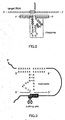
- a ribozyme has nucleotide sequences (sequences at the 5'and 3' ends of a ribozyme are shown) complementary to the target mRNA sequences and a 24-nucleotide sequence including the catalytic active site (circled nucleotides), as shown in FIG. 2.
- sequences sequences at the 5'and 3' ends of a ribozyme are shown
- a 24-nucleotide sequence including the catalytic active site circled nucleotides
- the ribozyme that is the substance for suppressing expression according to the present invention can be designed such that, after selecting the sequence corresponding to an NUX sequence from the nucleotide sequence of exon 1 ⁇ of the human PDGF receptor ⁇ gene shown in SEQ ID NO: 2, both a nucleotide sequence complementary to a 15-20 nucleotide sequence containing the selected sequence and a 24-nucleotide sequence including the catalytic active site (circled nucleotides) are included in the ribozyme.
- sequence corresponding to an NUX sequence include, for example, GTCs at positions 34 to 36, GTCs at positions 75 to 77, GTCs at positions 78 to 80, GTCs at positions 81 to 83, GTCs at positions 172 to 174, and GTCs at positions 267 to 269 shown in SEQ ID NO: 2.
- the above-mentioned ribozyme may be a hammerhead ribozyme and a hairpin ribozyme.
- the actual methods for synthesizing the ribozyme include artificial synthesis, in vitro synthesis, intracellular synthesis with an expression vector, etc., and as the techniques are the same as those used for antisense RNA synthesis as described in (1), their explanation is omitted here.
- a maxizyme is composed of RNA molecules that form the dimer structure.
- Each of the two RNA molecules has a sensor arm (X...X region in the figure, X representing any nucleotide.
- X in the upper row and the corresponding X in the lower row represent a pair of complementary nucleotides.) that specifically recognizes a target RNA; a catalytic active site (the region where double strands are not formed in the figure); and a site that recognizes an NUX sequence (where N can be any nucleotide and X can be A, U or C; represented as the sequence GUC in the figure) on the mRNA containing the target RNA and upstream (upstream of the sequence GUC in the figure) or downstream (downstream of the sequence GUC portion in the figure) thereof.
- the maxizyme can cleave the NUX sequence on the mRNA containing the target RNA, thereby degrading the target mRNA.
- exon 1 ⁇ of the PDGF receptor ⁇ gene is used as the target RNA and a nucleotide sequence complementary to this target RNA as a sensor arm.
- An NUX sequence that is present downstream of the target RNA is then selected from mRNA of PDGF receptor ⁇ and the nucleotide sequence complementary to the sequences upstream and downstream of the NUX sequence is determined.
- the NUX sequence may be the one on mRNA of exon 1 ⁇ of the PDGF receptor ⁇ gene.
- a maxizyme can be prepared by synthesizing each RNA molecule of the intended maxizyme with an RNA synthesizer. There may be one or a few increases or decrease in the number of the Xs shown in the figure.
- the actual methods for synthesizing the ribozyme include artificial synthesis, in vitro synthesis, intracellular synthesis with an expression vector, etc. and as the techniques are the same as those used for antisense RNA synthesis as described in (1), their explanation is omitted here. It should be noted that, since a maxizyme uses two RNA molecules, when a maxizyme is expressed in cells by means of expression vectors, two RNA molecules may be incorporated into one vector or each RNA molecule may be separately incorporated into two vectors.
- RNAi double-stranded RNA
- RNAi that is a substance for suppressing expression according to the present invention can be prepared as follows.
- RNA having the nucleotide sequence of the sense strand of exon 1 ⁇ of the PDGF receptor ⁇ gene or a part thereof and RNA complementary to the RNA can be artificially synthesized using an RNA synthesizer, or may be synthesized in vitro and in vivo using HiScribeRNAi Transcription Kit (manufactured by NEB).
- expression vectors such as virus vectors or plasmids
- exon 1 ⁇ of the PDGF receptor ⁇ gene or a part thereof has been cloned in positive or negative direction, and expressing both strands of DNA in cells
- RNAi is formed in the cells and the target mRNA is degraded.
- An expression vector can be used including DNA having a sequence which has resulted from fusion of the DNA sequences of each strand of the double strand corresponding to exon 1 ⁇ of the PDGF receptor ⁇ gene or a part thereof, i.e.
- virus vector may be an adenovirus vector, a retroviral vector, or the like. These RNAis are preferably of up to 30 bases long, most preferably, of up to 21 bases long.
- a prepared substance for suppressing expressions such as an antisense nucleotide, a ribozyme, a maxizyme, or an RNAi, is introduced into the intended cancer cells by the electroporation method, microinjection method, lipofection method, viral infection method using a viral vector (e.g., an adenovirus or a retrovirus), transfection method using calcium, or the like.
- a viral vector e.g., an adenovirus or a retrovirus
- an agent for suppressing expression that contains as an active ingredient a substance for suppressing expressions such as the aforementioned prepared antisense nucleotide, ribozyme, maxizyme, or RNAi may be directly administered to the vicinity of targeted cancer cells in a human or a vertebrate other than a human.
- a substance for suppressing expressions such as the aforementioned prepared antisense nucleotide, ribozyme, maxizyme, or RNAi
- parenteral, oral, intradermal, subcutaneous, intravenous, intramuscular, or intraperitoneal administration may be performed.
- an agent for suppressing expression may further contain a suitable pharmacologically acceptable excipient or base, depending on the site or purpose of administration.
- An agent for suppressing expression to be administered to an individual is preferably prepared such that the substance for suppressing expression is easily taken up into cells.
- an expression vector made by integrating the aforementioned antisense nucleotide, ribozyme, maxizyme, or RNAi into a viral vector is infected into a suitable cell line in vitro so that it produces the virus, and the produced virus can be used for infection by injection.
- the virus vector to be used may be an adenovirus vector or a retroviral vector which can function in cells.
- a plasmid may be introduced into cells by encapsulating the aforementioned expression vector in a liposome so that it fuses to cancer cells.
- in vivo transfection may be performed using TransIT In Vivo Gene Delivery System (TAKARA).
- TAKARA TransIT In Vivo Gene Delivery System
- the agent for suppressing expression may be directly injected into the affected site or intravenously injected.
- an RNA aptamer in which the aforementioned antisense nucleotide, ribozyme, a maxizyme, or RNA such as RNAi has been bound to peptides, such as HIV TAT, which are easily introduced into cells may be injected as an agent for suppressing expression by an in vitro selection method.
- Cancer cells to be targeted are illustratively human SW 480 colon cancer cells or human T.Tn esophageal cancer cells, but they are not limited to any specific ones, as long as they are cancer cells in which mRNA transcribed from exon 1 ⁇ of the PDGF receptor ⁇ gene can be detected.
- the in vivo assessment method is illustratively the following :
- the aforementioned specific cancer cells are subcutaneously injected into normal mice, the tumor is allowed to grow during a particular period of time, and subsequently, the aforementioned agent for suppressing expression prepared by the method described (5) is injected as single or multiple doses.
- suppression of expression by the substance for suppressing expression can be assessed by comparing and evaluating tumor sizes and survival rates between the treated mice and non-treated mice.
- mouse NIH 3T3 cells proliferate by addition of PDGF, in a manner not depending on the scaffold.
- expression of PDGF receptor ⁇ (PDGFR- ⁇ ) in the mouse NIH 3T3 cell line was examined and it was found that the expression of PDGF receptor ⁇ was enhanced, being regulated at the transcriptional level.
- cycline D1 activates the transcription factor E2F-1 through cell cycle-dependent pRb phosphorylation
- E2F-1 The promoter region consisting of sequences from -1395 to +312 (nucleotides numbered according to the transcription start point reported in Genomics, Vol.30, 224-232, 1995. Refer to GenBank Accession No. D50001S01) relative to the transcription start point was cloned upstream of a luciferase gene using the pGL3 luciferase vector and introduced into cycline D1-overexpressed NIH 3T3 cells together with an E2F-1 expression vector by transfection.
- luciferase assay was performed to examine transcriptional activity by the above-mentioned promoter.
- a positive control a plasmid containing a luciferase gene downstream of the mFGFR-1 promoter was used.
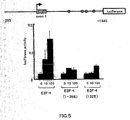
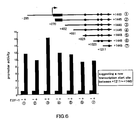
- transcriptional activity of the mFGFR-1 promoter was enhanced, whereas transcriptional activity of the PDGF receptor ⁇ promoter was not enhanced (FIG. 4).
- E2F-1 mutant amino acid sequence from 1 to 368 defective in E2F-1 transcription activation or another E2F-1 mutant defective in DNA binding ability constructed by substituting leucine 132 for glutamic acid, suggesting that the region is in fact regulated by E2F-1.
- the transcription start point associated with E2F-1 was determined by the 5'RACE method.
- mRNA was extracted from the NIH 3T3 cell line into which the reporter construct in which DNA having the sequences from nucleotides -295 to +1445 was inserted upstream of a luciferase gene had been introduced by transfection.
- PCR was performed with primers (forward primer 1 [SEQ ID NO: 4:5'-CCT TAATTAAGGGATTCTCGCATGCCAGAGATCCTA-3']; reverse primer 1 [SEQ ID NO: 5:5'-CCTTAATTAAGGGGCGCAACTGCAACTCCGATAAA T-3'])specific to the luciferase gene sequence by using 5'Full RACE Core Set (TAKARA's brand name), yielding amplified products. Examination of the DNA sequences of these amplified products revealed the presence of a novel exon in a region previously regarded as an intron. Thus, it was shown that a novel exon transcriptionally regulated by E2F-1 is present in a region previously considered an intron.
- Primers (forward primer 2 [SEQ ID NO: 6:5'-CCTTAATTAAGGAACCGCACACCAAGGGGCCCTCATT-3'); reverse primer 2 [SEQ ID NO: 7:5'-AACAGCACAGGTGACCACAATCG-3']) were designed from the sequences of exon 1 ⁇ of the PDGF receptor ⁇ gene and the previously known exon 4.
- the RT-PCR was performed using the total RNAs extracted from various cancer cells shown in FIG. 1. As shown in FIG. 1, signals were detected in SW480 human colon cancer cells and human T. Tn oesophageal cancer cells. These amplified bands were recovered and the DNA sequences were examined.
- polynucleotides, substances for suppressing expression, agents for suppressing expression, and cancer therapeutic agents, for use in methods for suppressing expression that enable selective suppression of PDGF signals specific to cancer cells can be provided.
Landscapes
- Health & Medical Sciences (AREA)
- Life Sciences & Earth Sciences (AREA)
- Engineering & Computer Science (AREA)
- Genetics & Genomics (AREA)
- Chemical & Material Sciences (AREA)
- Molecular Biology (AREA)
- General Health & Medical Sciences (AREA)
- Biomedical Technology (AREA)
- Organic Chemistry (AREA)
- Bioinformatics & Cheminformatics (AREA)
- Biotechnology (AREA)
- Veterinary Medicine (AREA)
- Animal Behavior & Ethology (AREA)
- Public Health (AREA)
- Pharmacology & Pharmacy (AREA)
- Zoology (AREA)
- Medicinal Chemistry (AREA)
- Wood Science & Technology (AREA)
- General Engineering & Computer Science (AREA)
- Epidemiology (AREA)
- Biophysics (AREA)
- Physics & Mathematics (AREA)
- Plant Pathology (AREA)
- Microbiology (AREA)
- Biochemistry (AREA)
- Chemical Kinetics & Catalysis (AREA)
- General Chemical & Material Sciences (AREA)
- Nuclear Medicine, Radiotherapy & Molecular Imaging (AREA)
- Pharmaceuticals Containing Other Organic And Inorganic Compounds (AREA)
- Medicines That Contain Protein Lipid Enzymes And Other Medicines (AREA)
Abstract
By using an antisense nucleotide, a ribozyme, a maxizyme, or an RNAi constructed based on the nucleotide sequence of exon 1 beta of the PDGF receptor alpha gene, which is expressed in specific cancer cells, or a polypeptide containing a portion thereof, translation of an mRNA transcribed from exon 1 beta of the PDGF receptor alpha gene is suppressed. An agent for suppressing expression containing as an active ingredient a substance for inhibiting expression, such as an antisense nucleotide, a ribozyme, a maxizyme, or an RNAi, is effective as a therapeutic agent for cancer. <IMAGE>
Description
This application claims the benefit of priority to Japan
Patent Application No. 2002-332142, filed on November 15, 2002,
which is incorporated herein by reference.
The present invention relates to polynucleotides that
include exon 1 β of the PDGF receptor α gene or a part thereof,
to methods, substances, and agents for suppressing expression
of PDGF receptor α which target mRNA including exon 1 β among
mRNAs of the PDGF receptor α gene and to cancer therapeutic
agents.
Platelet-derived growth factor (PDGF) plays an important
role in cell proliferation, development and differentiation,
wound healing, malignant progression of cancer and
arteriosclerosis, etc. It is therefore expected that
regulation of PDGF signaling will lead to discovery of
therapeutic agents for these diseases. As therapeutic agents,
in fact, PDGF expression suppressors (refer to, e.g. , Japanese
Laid-Open Application No. 10-59850), inhibitors of binding
between PDGF and PDGF receptor α (National Publication of
International Patent Application No. 1996-13370), and tyrosine
kinase inhibitor of PDGF receptor α (refer to, e.g., National
Publication of International Patent Application No.
2002-514228) have been proposed.
However, these suppressors and inhibitors can affect not
only cancer-specific PDGF signaling but also normal PDGF
signaling. Thus, the object of the present invention is to
provide polynucleotides, substances for suppressing
expression, agents for suppressing expression, and cancer
therapeutic agents for use in methods for suppressing
expression that enable selective suppression of PDGF signals
specific to cancer cells.
The polynucleotide according to the present invention has
the nucleotide sequence shown in SEQ ID NO: 2 or a part thereof.
An example of a polynucleotide having a part of the nucleotide
sequence shown in SEQ ID NO: 2 is, for example, the one having
the nucleotide sequence shown in SEQ ID NO: 1.
Further, the polynucleotide according to the present
invention has the nucleotide sequence of SEQ ID NO: 2 with one
or a few nucleotides deleted, substituted, or added, or a part
thereof, which is included in the nucleotide sequence of the
sense strand of the PDGF receptor α gene.
"PDGF receptor α gene" as used herein refers to the gene
composed of the nucleotide sequence shown in GenBank Accession
Nos. AC026580 and AC025013 and its homologues.
Further, the polynucleotide according to the present
invention may be a polynucleotide that has a nucleotide sequence
complementary to the aforementioned polynucleotide or part
thereof.
These polynucleotides may be any one of double-stranded
DNA, single-stranded DNA, double-stranded RNA, and single-stranded
RNA. Further, a polypeptide that has a genetic
polymorphism which is deletion, substitution, or addition of
one or a few nucleotides, and that has a nucleotide sequence
included in the nucleotide sequence of the sense strand of the
PDGF receptor α gene or a part thereof is within the scope of
the present invention. However, the polypeptide is preferred
to have an equivalent function and is more preferred to be
transcriptionally regulated by E2F-1.
The method for suppressing expression of PDGF receptor
α according to the present invention targets mRNA containing
exon 1 β among mRNAs of the PDGF receptor α gene. "mRNA" as
used herein refers to RNA formed by removing the introns from
hnRNA and linking the exons. "To target an mRNA" as used herein
refers to specifically preventing, directly or indirectly from
the mRNA, formation of its encoded protein. "Protein
expression" refers to production of proteins as a result of
accurate translation of genetic information on DNA through
mRNA.
The method for suppressing expression of PDGF receptor
α according to the present invention may be any one that uses
an antisense nucleotide, a ribozyme, a maxizyme, or an RNAi.
"Antisense nucleotide of the PDGF receptor α gene" as used
herein refers to a nucleotide complementary to the nucleotide
sequence of mRNA of the PDGF receptor α gene. The antisense
nucleotide of the PDGF receptor α gene may be an antisense RNA
or an antisense DNA, and modified nucleotides may be used. The
above-mentioned antisense RNA or DNA refers an RNA or a DNA
complementary to a mRNA sequence transcribed from a target gene.
An antisense RNA or DNA is used to block expression of genetic
information in a cell and to specifically suppress production
of the target protein.
"Ribozyme" is the general term of RNA with enzyme
activity; it refers to an enzyme that specifically cleaves
organism-based RNA. A ribozyme has the function of cleaving
a target RNA sequence when taken up into cells, resulting in
suppression of protein expression from the target RNA. A
ribozyme is preferable as a substance for suppressing protein
expression because of its high specificity to a target RNA
sequence. Ribozymes include a hammerhead ribozyme, hairpin
ribozyme, etc.
"Maxizyme" is generally RNA molecules that form the dimer
structure as described in WO99/46388. For example, it is
possible to cleave only cancer cell-specific mRNAs by
constructing a maxizyme so that its two RNA molecules recognize
cancer cell-specific mRNAs, instead of recognizing mRNA in a
normal cell.
"RNAi" is a technique using double-stranded RNA (dsRNA)
that induces a phenomenon called RNA
interference. "Phenomenon called RNA interference" refers to
a phenomenon in which expression of a target gene is suppressed
when the double-stranded RNA is introduced into a cell.
Currently, RNAi is considered to work like this: an endogenous
mechanism in a host cuts an RNA molecule into 21- 23 base-pair
short RNAs. These short RNA molecules recognize and
sequence-specifically degrade mRNA transcribed from a host gene.
As a result, expression of the protein encoded by the host gene
is specifically suppressed.
The method for suppressing expression according to the
present invention may be any one that uses DNA that encodes an
antisense RNA, a ribozyme, a maxizyme, or an RNAi.
The substance for suppressing expression of PDGF receptor
α according to the present invention targets a mRNA containing
exon 1 β among mRNAs of the PDGF receptor α gene. This is caused,
for example, by binding of a substance for suppressing
expression to the mRNA or its degradation of the mRNA.
Furthermore, a substance for suppressing expression may
indirectly cause some other substance to bind to the mRNA or
to degrade the mRNA. It should be noted that "substance for
suppressing expression of PDGF" refers to a substance that
suppresses production of the PDGF receptor α protein from the
PDGF receptor α gene.
Specific examples of the substance for suppressing
expression of PDGF receptor α according to the present invention
include an antisense nucleotide, a ribozyme, a maxizyme, or an
RNAi.
Specific examples of the substance for suppressing
expression of PDGF receptor α according to the present invention
include DNA that encodes antisense RNA, a ribozyme, a maxizyme,
or an RNAi.
The agent for suppressing expression of PDGF receptor α
according to the present invention contains the aforementioned
substance for suppressing expression as an active ingredient.
The therapeutic agent for cancer according to the present
invention contains the aforementioned agent for suppressing
expression.
The therapeutic method for cancer according to the
present invention uses the aforementioned agent for suppressing
expression.
It is known that in cancer cells, in most cases,
abnormalities have occurred in the signal transduction pathway
in which cancer suppressor proteins, such as the RB protein,
are involved. For example, overexpression of cycline D1, which
functions upstream of the RB protein, is considered to
contribute to malignant progression of cancer cells by
enhancing sensitivity to growth factors. In an in vitro cell
culture system, by adding fibroblast growth factor (FGF) to a
cell line in which cycline D1 is overexpressed, the cells become
malignant. The inventors found out that platelet-derived
growth factor (PDGF) also functions in the same manner--i.e.,
cause a cell line in which cycline D1 is overexpressed to become
malignant.
The transcription factor E2F-1 is present downstream in
the cycline D1-RB pathway and enhances its sensitivity to FGF
by enhancing expression of FGF receptors. E2F-1 enhances
expression of PDGF receptor α as well but the inventors found
that E2F-1 does not act on the known promoter. The inventors
found out a novel promoter region regulated by E2F-1 in the
conventional intron 1 and identified novel exon 1 β to be used
in transcription by the novel promoter, as will be described
in detail in Examples.
Thus, it has been shown that, in the malignant progression
of cancer involving E2F-1 and PDGF, one of the targets of these
factors is mRNA that contains exon 1 β of PDGF receptor α.
Consequently, by specifically inhibiting production of PDGF
receptor α from transcripts having this exon 1 β, it is possible
to block the signaling pathway leading to malignant progression
of cancer cells and thereby to suppress proliferation of cancer
cells. It should be noted that, when proliferation of cancer
cells is induced by some factor that cause the cancer to be
malignant in collaboration with PDGF receptor α by inducing
overtranscription of mRNA containing exon 1 β, the present
invention is applicable to inhibition of proliferation of such
cancer cells, even if the cycline D1-E2F-1 pathway is not
involved.
Embodiments of the present invention accomplished based
on the above-described findings are hereinafter described in
detail by giving Examples. Unless otherwise explained,
methods described in standard sets of protocols such as
J.Sambrook and E.F.Fritsch & T.Maniatis (Ed.),"Molecular
Cloning, a Laboratory Manual (2nd edition), Cold Spring
HarborPress and Cold Spring Harbor, New York (1989); and
F.M.Ausubel, R.Brent, R.E.Kingston, D.D.Moore, J.G.Seidman,
J.A.Smith, and K.Struhl (Ed.),"Current Protocols in Molecular
Biology," John Wiley & Sons Ltd., or alternatively, their
modified/changed methods are used. When using commercial
reagent kits and measuring apparatus, unless otherwise
explained, protocols attached to them are used.
The object, characteristics, and advantages of the
present invention as well as the idea thereof will be apparent
to those skilled in the art from the descriptions given herein.
It is to be understood that the embodiments and specific
examples of the invention described herein below are to be taken
as preferred examples of the present invention. These
descriptions are only for illustrative and explanatory purposes
and are not intended to limit the invention to these embodiments
or examples. It is further apparent to those skilled in the
art that various changes and modifications may be made based
on the descriptions given herein within the intent and scope
of the present invention disclosed herein.
A polynucleotide having the nucleotide sequence of the
exon 1 β of the human PDGF receptor α gene shown in SEQ ID NO:
2 or a part thereof can be prepared, based on nucleotide sequence
information shown in SEQ ID NO: 2, from human a gene library,
such as a cDNA library or a genomic library. In addition, exon
1 β of the PDGF receptor α gene derived from organisms other
than humans, such as mice, rats, chicks, pigs, dogs, and monkeys
can be also defined by being transcriptionally regulated by
E2F-1. It can also be identified, for example, by hybridization
to exon 1 β of the human PDGF receptor α gene or examination
of a new exon in the conventionally known intron 1 sequence.
The exon 1 β of the PDGF receptor α gene derived from organisms
other than humans is also among the polynucleotides according
to the present invention.
"Exon 1 β of the human PDGF receptor α gene" as used herein
refers to the exon including the polynucleotide that has the
nucleotide sequence shown in SEQ ID NO: 2. " Exon 1 β of the PDGF
receptor α gene" refers to the exon containing the
polynucleotide that has the nucleotide sequence shown in SEQ
ID NO: 2 and the exon corresponding thereto in species other
than humans.
Being the non-coding region on mRNA, exon 1 β of the PDGF
receptor α gene does not necessarily need to have a high homology
at the nucleotide sequence level in species other than humans,
but it needs to conserve the functional aspect of being
transcribed in a specific cell type; for example, it needs to
have the feature that its transcription is regulated by E2F-1,
which another exon 1 does not have.
As shown in FIG. 1, mRNA containing exon 1 β among mRNAs
of the PDGF receptor α gene is detected only in specific cancer
cells. Therefore, the method for suppressing expression that
targets exon 1 β-containing mRNA among mRNAs of the PDGF
receptor α gene, the polynucleotide, the substance for
suppressing expression, the agent for suppressing expression,
etc. according to the present invention are useful as
therapeutic methods and agents for cancer for the purpose of
attacking specific cancer cells (illustratively, e.g., human
colon cancer cells SW480, human esophageal cancer cells T.Tn,
etc.)
The method for suppressing expression according to the
present invention targets mRNA containing exon 1 β among mRNAs
of the PDGF receptor α gene. It may be, for example, the method
for suppressing expression of PDGF receptor α by causing the
mRNA containing exon 1 β among mRNAs of a PDGF receptor α gene
to be bound, thereby suppressing translation. Alternatively,
it may be the method for suppressing expression of PDGF receptor
α by degrading or cleaving the above-mentioned mRNA. In the
following, the methods for suppressing expression using
substances for suppressing expressions, such as an antisense
nucleotides, a ribozyme, a maxizyme, or an RNAi, will be
described by means of examples.
The antisense nucleotides for use in the method for
suppressing expression according to the present invention are
illustratively antisense RNA or antisense DNA having the
nucleotide sequence complementary to the nucleotide sequence
of the portion corresponding to exon 1 β among mRNAs of the PDGF
the nucleotide sequence complementary to part thereof. In this
case, an antisense oligonucleotide consisting of a 15-30
nucleotide sequence may be used.
The antisense nucleotide according to the present
invention is not limited, in terms of structure, to the location
or length of its sequence, modifications, or presence of
mismatches in the sequence. The above-mentioned modified
antisense nucleotides are illustratively the antisense
nucleotide linked by phosphodiester bonds that have a phosphate
group with one oxygen atom modified with a sulfur atom or a methyl
group for stabilization of antisense nucleotides in the body
or cells or the morpholino-modified antisense nucleotide.
The antisense DNA according to the present invention can
be synthesized in vitro by the primer extension method using
a DNA-dependent DNA polymerase such as S1 nuclease. It is also
possible to synthesize only antisense strands by performing PCR
using a part of the antisense strand as primers. Alternatively,
antisense DNA may be synthesized artificially by using a DNA
synthesizer or other means. Antisense oligonucleotides are
synthesized in the same manner as antisense DNA and are most
preferably artificially synthesized.
On the other hand, the antisense RNA according to the
present invention can easily be synthesized with an RNA
synthesizer, by solid-phase synthesis, or other means.
Subsequently, target RNA can be isolated by elution with
NH3OH/EtOH using HPLC.
The antisense RNA according to the present invention may
be artificially synthesized as described above, but it may be
synthesized in an in vitro transcription system with T7 RNA
polymerase by constructing a vector into which a
double-stranded DNA having a DNA sequence corresponding to
antisense RNA has been inserted downstream of the promoter
sequence (5'-TAATACGACTCACTATA-3': SEQ ID NO: 3) specifically
recognized by T7 RNA polymerase.
Alternatively, antisense RNA may be expressed in cells
using expression vectors, such as a virus vector or a plasmid
incorporating DNA corresponding to the antisense RNA.
The virus vector may be an adenovirus vector or a retroviral
vector.
A ribozyme has nucleotide sequences (sequences at the
5'and 3' ends of a ribozyme are shown) complementary to the
target mRNA sequences and a 24-nucleotide sequence including
the catalytic active site (circled nucleotides), as shown in
FIG. 2. When the 5' and 3' end sequences of a ribozyme
specifically bind to the target mRNA sequence, it is possible
to cleave mRNA at sequence NUX (where N can be any nucleotide
and X can be A, U or C) and thereby to degrade the target mRNA.
Accordingly, it is considered that by synthesizing a ribozyme
using as a substrate the nucleotide sequence of the portion
corresponding to exon 1 β among mRNAs of the PDGF receptor α
gene and administering such a ribozyme into cells, it is
possible to specifically cleave mRNAs containing Exon 1 β among
mRNAs of the PDGF receptor α gene.
Therefore, the ribozyme that is the substance for
suppressing expression according to the present invention can
be designed such that, after selecting the sequence
corresponding to an NUX sequence from the nucleotide sequence
of exon 1 β of the human PDGF receptor α gene shown in SEQ ID
NO: 2, both a nucleotide sequence complementary to a 15-20
nucleotide sequence containing the selected sequence and a
24-nucleotide sequence including the catalytic active site
(circled nucleotides) are included in the ribozyme. Specific
examples of the sequence corresponding to an NUX sequence
include, for example, GTCs at positions 34 to 36, GTCs at
positions 75 to 77, GTCs at positions 78 to 80, GTCs at positions
81 to 83, GTCs at positions 172 to 174, and GTCs at positions
267 to 269 shown in SEQ ID NO: 2. The above-mentioned ribozyme
may be a hammerhead ribozyme and a hairpin ribozyme.
The actual methods for synthesizing the ribozyme include
artificial synthesis, in vitro synthesis, intracellular
synthesis with an expression vector, etc., and as the techniques
are the same as those used for antisense RNA synthesis as
described in (1), their explanation is omitted here.
As shown in FIG. 3, a maxizyme is composed of RNA molecules
that form the dimer structure. Each of the two RNA molecules
has a sensor arm (X...X region in the figure, X representing
any nucleotide. X in the upper row and the corresponding X in
the lower row represent a pair of complementary nucleotides.)
that specifically recognizes a target RNA; a catalytic active
site (the region where double strands are not formed in the
figure); and a site that recognizes an NUX sequence (where N
can be any nucleotide and X can be A, U or C; represented as
the sequence GUC in the figure) on the mRNA containing the target
RNA and upstream (upstream of the sequence GUC in the figure)
or downstream (downstream of the sequence GUC portion in the
figure) thereof. When a sensor arm of a maxizyme has
specifically recognized and bound to the target RNA, and another
sensor arm of the maxizyme has specifically recognized and bound
to the upstream and downstream of an NUX sequence on the mRNA
containing the target RNA, the maxizyme can cleave the NUX
sequence on the mRNA containing the target RNA, thereby
degrading the target mRNA. Accordingly, it is considered that
by synthesizing a maxizyme on the base of the nucleotide
sequence of the portion corresponding to exon 1 β in mRNA of
the PDGF receptor α gene and administering such a maxizyme into
cells, it should be possible to specifically cleave mRNA
containing exon 1 β among mRNAs of the PDGF receptor α gene.
For example, exon 1 β of the PDGF receptor α gene is used
as the target RNA and a nucleotide sequence complementary to
this target RNA as a sensor arm. An NUX sequence that is present
downstream of the target RNA is then selected from mRNA of PDGF
receptor α and the nucleotide sequence complementary to the
sequences upstream and downstream of the NUX sequence is
determined. The NUX sequence may be the one on mRNA of exon
1 β of the PDGF receptor α gene. Based on these pieces of
information, a maxizyme can be prepared by synthesizing each
RNA molecule of the intended maxizyme with an RNA synthesizer.
There may be one or a few increases or decrease in the number
of the Xs shown in the figure.
The actual methods for synthesizing the ribozyme include
artificial synthesis, in vitro synthesis, intracellular
synthesis with an expression vector, etc. and as the techniques
are the same as those used for antisense RNA synthesis as
described in (1), their explanation is omitted here. It should
be noted that, since a maxizyme uses two RNA molecules, when
a maxizyme is expressed in cells by means of expression vectors,
two RNA molecules may be incorporated into one vector or each
RNA molecule may be separately incorporated into two vectors.
It was reported that introduction of double-stranded RNA
corresponding to a gene of interest into an organism causes
degradation of the corresponding mRNA (Bass, B. L. (2000) Cell
101, 235-238, Fire, A.(1999) Trends Genet.15, 358-363, Sharp,
P.A.(2001) Genes Dev.15 485-490). It is therefore considered
that, when double-stranded RNA (RNAi) corresponding to the mRNA
containing exon 1 β of the PDGF receptor α gene or a part thereof
is introduced into cells or an organism, mRNA containing exon
1 β among mRNAs of the PDGF receptor α gene is degraded.
RNAi that is a substance for suppressing expression
according to the present invention can be prepared as follows.
RNA having the nucleotide sequence of the sense strand of exon
1 β of the PDGF receptor α gene or a part thereof and RNA
complementary to the RNA can be artificially synthesized using
an RNA synthesizer, or may be synthesized in vitro and in vivo
using HiScribeRNAi Transcription Kit (manufactured by NEB).
Alternatively, by introducing, into cells, expression
vectors, such as virus vectors or plasmids, into each of which
exon 1 β of the PDGF receptor α gene or a part thereof has been
cloned in positive or negative direction, and expressing both
strands of DNA in cells, RNAi is formed in the cells and the
target mRNA is degraded. An expression vector can be used
including DNA having a sequence which has resulted from fusion
of the DNA sequences of each strand of the double strand
corresponding to exon 1 β of the PDGF receptor α gene or a part
thereof, i.e. , DNA having a sequence in which the 3' end of the
sense strand DNA has been fused to the 5' end of the antisense
strand DNA or DNA having a sequence in which the 3' end of the
complementary DNA has been fused to the 5' end of the sense strand
DNA. The above-mentioned virus vector may be an adenovirus
vector, a retroviral vector, or the like. These RNAis are
preferably of up to 30 bases long, most preferably, of up to
21 bases long.
In a in vitro cell culture system, for intracellular
introduction of a substance for suppressing expression, a
prepared substance for suppressing expressions, such as an
antisense nucleotide, a ribozyme, a maxizyme, or an RNAi, is
introduced into the intended cancer cells by the
electroporation method, microinjection method, lipofection
method, viral infection method using a viral vector (e.g., an
adenovirus or a retrovirus), transfection method using calcium,
or the like.
On the other hand, as the method for introducing an agent
for suppressing expression to an individual in vivo, an agent
for suppressing expression that contains as an active
ingredient a substance for suppressing expressions, such as the
aforementioned prepared antisense nucleotide, ribozyme,
maxizyme, or RNAi may be directly administered to the vicinity
of targeted cancer cells in a human or a vertebrate other than
a human. Alternatively, depending on the agent, parenteral,
oral, intradermal, subcutaneous, intravenous, intramuscular,
or intraperitoneal administration may be performed. In this
case, an agent for suppressing expression may further contain
a suitable pharmacologically acceptable excipient or base,
depending on the site or purpose of administration.
An agent for suppressing expression to be administered
to an individual is preferably prepared such that the substance
for suppressing expression is easily taken up into cells. As
one possible method, for example, an expression vector made by
integrating the aforementioned antisense nucleotide, ribozyme,
maxizyme, or RNAi into a viral vector is infected into a suitable
cell line in vitro so that it produces the virus, and the produced
virus can be used for infection by injection. The virus vector
to be used may be an adenovirus vector or a retroviral vector
which can function in cells.
In addition, a plasmid may be introduced into cells by
encapsulating the aforementioned expression vector in a
liposome so that it fuses to cancer cells. Alternatively, in
vivo transfection may be performed using TransIT In Vivo Gene
Delivery System (TAKARA). In this case, the agent for
suppressing expression may be directly injected into the
affected site or intravenously injected.
Alternatively, an RNA aptamer in which the aforementioned
antisense nucleotide, ribozyme, a maxizyme, or RNA such as RNAi
has been bound to peptides, such as HIV TAT, which are easily
introduced into cells, may be injected as an agent for
suppressing expression by an in vitro selection method. Cancer
cells to be targeted are illustratively human SW 480 colon
cancer cells or human T.Tn esophageal cancer cells, but they
are not limited to any specific ones, as long as they are cancer
cells in which mRNA transcribed from exon 1 β of the PDGF receptor
α gene can be detected.
According to the methods described in the previous (5),
by preparing specific cancer cells cultured in vitro with or
without a substance for suppressing expression and by comparing
and evaluating the amount of mRNA transcribed from exon 1 β of
the PDGF receptor α gene by the RT-PCR method, suppression of
expression by a substance for suppressing expression can be
assessed. Alternatively, a method for assessing the amount of
mRNA transcribed from exon 1 β of the PDGF receptor α gene by
northern blotting etc. may be used. Based on these results,
antisense nucleotides capable of suppressing more effectively
translation of mRNA transcribed from exon 1 β of the PDGF
receptor α gene can be found.
Although the above-mentioned procedure is for in vitro
experiment, it is possible to make an assessment in in vivo
experiment as well.
The in vivo assessment method is illustratively the
following : The aforementioned specific cancer cells are
subcutaneously injected into normal mice, the tumor is allowed
to grow during a particular period of time, and subsequently,
the aforementioned agent for suppressing expression prepared
by the method described (5) is injected as single or multiple
doses. Following injection(s), suppression of expression by
the substance for suppressing expression can be assessed by
comparing and evaluating tumor sizes and survival rates between
the treated mice and non-treated mice.
Examples according to the present invention will be
described in detail hereinbelow.
In this example, the novel exon regulated by the
transcription factor E2F-1 in the PDGF receptor α gene was
identified.
First, the inventor found out that mouse NIH 3T3 cells
proliferate by addition of PDGF, in a manner not depending on
the scaffold. Thus, expression of PDGF receptor α (PDGFR-α)
in the mouse NIH 3T3 cell line was examined and it was found
that the expression of PDGF receptor α was enhanced, being
regulated at the transcriptional level.
Since cycline D1 activates the transcription factor E2F-1
through cell cycle-dependent pRb phosphorylation, it was
investigated whether or not this enhancement was due to the
regulation of the promoter of human PDGF receptor α by E2F-1.
The promoter region consisting of sequences from -1395 to +312
(nucleotides numbered according to the transcription start
point reported in Genomics, Vol.30, 224-232, 1995. Refer to
GenBank Accession No. D50001S01) relative to the transcription
start point was cloned upstream of a luciferase gene using the
pGL3 luciferase vector and introduced into cycline
D1-overexpressed NIH 3T3 cells together with an E2F-1
expression vector by transfection. After culture for 24 to 72
hours, luciferase assay was performed to examine
transcriptional activity by the above-mentioned promoter. As
a positive control, a plasmid containing a luciferase gene
downstream of the mFGFR-1 promoter was used. As a result,
transcriptional activity of the mFGFR-1 promoter was enhanced,
whereas transcriptional activity of the PDGF receptor α
promoter was not enhanced (FIG. 4). These results revealed that
the conventionally known PDGF receptor α promoter is not
involved in enhancement of expression of the PDGF receptor α
in mouse cycline D1-overexpressed NIH 3T3 cells.
Then, it was examined whether or not a consensus sequence
that binds to E2F-1 is present downstream of exon 1 of the human
PDGFR-α gene by the search for transcription factor binding
sequences (TF search). It was found that sequences to which
E2F-1 would bind are present at four locations in clusters near
approximately 1 kbp downstream of the reported transcription
start point. Thus, a DNA consisting of the sequence from
nucleotides -295 to +1445 was inserted upstream of a luciferase
gene. By using the obtained reporter construct, luciferase
assay was performed in the same manner previously described to
examine transcriptional activity by E2F-1. The result
confirmed that the transcriptional activity in this region is
enhanced by E2F-1 (FIG. 5). Further, no transcription activity
was detected with an E2F-1 mutant (amino acid sequence from 1
to 368) defective in E2F-1 transcription activation or another
E2F-1 mutant defective in DNA binding ability constructed by
substituting leucine 132 for glutamic acid, suggesting that the
region is in fact regulated by E2F-1.
However, since the putative E2F-1 binding site is present
about 1.2 kbp downstream of the transcription start point
previously reported, this promoter activity is unlikely to act
on the transcription start point previously reported. Hence,
to examine whether the region is working on the transcription
start point previously reported, deletion mutants of various
lengths lacking this transcription start point were constructed
and luciferase assay was performed in the same manner as above
described to examine transcriptional activity by E2 F-1. As
a result, even the construct deleted to about 1 kbp downstream
of the transcription start point had promoter activity and
further exhibited enhancement of transcriptional activity by
E2F-1 as well. These results suggested a possibility that mRNA
regulated by E2F-1 of PDGFR-α might be expressed at a new
transcription start point (FIG. 6).
Then, the transcription start point associated with E2F-1
was determined by the 5'RACE method. mRNA was extracted from
the NIH 3T3 cell line into which the reporter construct in which
DNA having the sequences from nucleotides -295 to +1445 was
inserted upstream of a luciferase gene had been introduced by
transfection. PCR was performed with primers (forward primer
1 [SEQ ID NO: 4:5'-CCT TAATTAAGGGATTCTCGCATGCCAGAGATCCTA-3'];
reverse primer 1 [SEQ ID NO:
5:5'-CCTTAATTAAGGGGCGCAACTGCAACTCCGATAAA T-3'])specific to
the luciferase gene sequence by using 5'Full RACE Core Set
(TAKARA's brand name), yielding amplified products.
Examination of the DNA sequences of these amplified products
revealed the presence of a novel exon in a region previously
regarded as an intron. Thus, it was shown that a novel exon
transcriptionally regulated by E2F-1 is present in a region
previously considered an intron.
In this Example, it was examined if exon 1 β of the PDGF
receptor α gene is specifically expressed in cancer cells.
Primers (forward primer 2 [SEQ ID NO:
6:5'-CCTTAATTAAGGAACCGCACACCAAGGGGCCCTCATT-3'); reverse
primer 2 [SEQ ID NO: 7:5'-AACAGCACAGGTGACCACAATCG-3']) were
designed from the sequences of exon 1 β of the PDGF receptor
α gene and the previously known exon 4. The RT-PCR was performed
using the total RNAs extracted from various cancer cells shown
in FIG. 1. As shown in FIG. 1, signals were detected in SW480
human colon cancer cells and human T. Tn oesophageal cancer cells.
These amplified bands were recovered and the DNA sequences were
examined. The results revealed that these bands were mRNA
fragments of human PDGFR-α in which the sequences of exon 1 β
of the PDGF receptor α gene and the previously known exons 2
to 4 are linked together. Simultaneously, the 338 bp
full-length sequence of exon 1 β shown in SEQ ID NO: 1 was
determined. Namely, the newly identified promoter region was
revealed to belong to Human PDGFR mRNA2 (FIG. 7).
More exact location of 5' end of exon 1 β was examined
by 5'RACE method. mRNA was extracted from human MG-63
osteosarcoma cells expressing PDGFR-α mRNA including exon 1 β .
By using 5'Full RACE Core Set, PCR was performed with primers
(forward primer 2 [SEQ ID NO: 6]; reverse primer 3 [SEQ ID NO:
8: 5'-CCGCTCGAGGCGACGACGACTTCTTCACTCAGG-3'] specific to exon
1 β. DNA sequencing of amplified products obtained by this PCR
revealed that the 363 bp nucleotide sequence shown in SEQ ID
NO: 2 had been obtained and 5' end of exon 1 β extended to at
least +1210.
As described above, according to the present invention,
polynucleotides, substances for suppressing expression,
agents for suppressing expression, and cancer therapeutic
agents, for use in methods for suppressing expression that
enable selective suppression of PDGF signals specific to
cancer cells, can be provided.


Claims (12)
- A polynucleotide comprising the nucleotide sequence shown in SEQ ID NO: 2 or a part thereof.
- A polynucleotide comprising a nucleotide sequence shown in SEQ ID NO: 2, in which one or a few nucleotides are deleted, substituted, or added, comprising a nucleotide sequence contained in the nucleotide sequence of the sense strand of the PDGF receptor α gene or a part thereof.
- A polynucleotide comprising a nucleotide sequence complementary to the polynucleotide or part thereof of claim 1 or 2.
- A method for suppressing expression of PDGF receptor α comprising targeting mRNA including exon 1 β among mRNAs of the PDGF receptor α gene.
- The method of claim 4, wherein antisense nucleotides, a ribozyme, a maxizyme, or an RNAi is used.
- The method of claim 4, wherein DNA that encodes an antisense RNA, a ribozyme, a maxizyme, or an RNAi is used.
- A substance for suppressing expression of PDGF receptor α comprising targeting mRNA containing exon 1 β among mRNAs of the PDGF receptor α gene.
- The substance of claim 7, which is antisense nucleotides, a ribozyme, a maxizyme, or an RNAi.
- The substance of claim 7, which is a DNA that encodes an antisense RNA, a ribozyme, a maxizyme, or an RNAi.
- An agent for suppressing expression of PDGF receptor α comprising the substance of claim 7 as an active ingredient.
- A therapeutic agent for cancer comprising the agent of claim 10.
- A therapeutic method for cancer, wherein the agent of claim 10 is used.
Applications Claiming Priority (3)
| Application Number | Priority Date | Filing Date | Title |
|---|---|---|---|
| JP2002332142 | 2002-11-15 | ||
| JP2002332142 | 2002-11-15 | ||
| PCT/JP2003/014528 WO2004046356A1 (en) | 2002-11-15 | 2003-11-14 | EXON 1β OF PDGF RECEPTOR α GENE AND UTILIZATION THEREOF |
Publications (2)
| Publication Number | Publication Date |
|---|---|
| EP1574574A1 true EP1574574A1 (en) | 2005-09-14 |
| EP1574574A4 EP1574574A4 (en) | 2005-12-14 |
Family
ID=32321652
Family Applications (1)
| Application Number | Title | Priority Date | Filing Date |
|---|---|---|---|
| EP03811521A Withdrawn EP1574574A4 (en) | 2002-11-15 | 2003-11-14 | Exon 1-beta of pdgf receptor alpha gene and utilization thereof |
Country Status (8)
| Country | Link |
|---|---|
| US (1) | US20060211638A1 (en) |
| EP (1) | EP1574574A4 (en) |
| JP (1) | JPWO2004046356A1 (en) |
| KR (1) | KR20050085006A (en) |
| CN (1) | CN1729291A (en) |
| AU (1) | AU2003302135A1 (en) |
| CA (1) | CA2506245A1 (en) |
| WO (1) | WO2004046356A1 (en) |
Families Citing this family (2)
| Publication number | Priority date | Publication date | Assignee | Title |
|---|---|---|---|---|
| EP2112511B1 (en) * | 1999-03-17 | 2012-01-18 | University Of North Carolina At Chapel Hill | Method of screening candidate compounds for susceptibility to biliary excretion |
| US7601494B2 (en) * | 1999-03-17 | 2009-10-13 | The University Of North Carolina At Chapel Hill | Method of screening candidate compounds for susceptibility to biliary excretion |
Family Cites Families (2)
| Publication number | Priority date | Publication date | Assignee | Title |
|---|---|---|---|---|
| EP0474744B1 (en) * | 1989-05-22 | 1994-08-03 | Zymogenetics, Inc. | Pdgf -alpha- receptor |
| CA2488876A1 (en) * | 2002-06-13 | 2003-12-24 | Oregon Health & Science University | Activating mutations of platelet derived growth factor receptor alpha (pdgfra) as diagnostic markers and therapeutic targets |
-
2003
- 2003-11-14 WO PCT/JP2003/014528 patent/WO2004046356A1/en not_active Ceased
- 2003-11-14 CN CNA2003801070514A patent/CN1729291A/en active Pending
- 2003-11-14 CA CA002506245A patent/CA2506245A1/en not_active Abandoned
- 2003-11-14 EP EP03811521A patent/EP1574574A4/en not_active Withdrawn
- 2003-11-14 AU AU2003302135A patent/AU2003302135A1/en not_active Abandoned
- 2003-11-14 JP JP2004553172A patent/JPWO2004046356A1/en not_active Withdrawn
- 2003-11-14 US US10/534,836 patent/US20060211638A1/en not_active Abandoned
- 2003-11-14 KR KR1020057008784A patent/KR20050085006A/en not_active Withdrawn
Non-Patent Citations (2)
| Title |
|---|
| DATABASE EMBL 23 March 2000 (2000-03-23), BIRREN, B. ET AL.: "Homo sapiens chromosome 4, clone RP11-39D6" XP002348363 retrieved from EBI Database accession no. AC026580 * |
| See also references of WO2004046356A1 * |
Also Published As
| Publication number | Publication date |
|---|---|
| CA2506245A1 (en) | 2004-06-03 |
| AU2003302135A1 (en) | 2004-06-15 |
| EP1574574A4 (en) | 2005-12-14 |
| WO2004046356A1 (en) | 2004-06-03 |
| US20060211638A1 (en) | 2006-09-21 |
| KR20050085006A (en) | 2005-08-29 |
| JPWO2004046356A1 (en) | 2006-03-16 |
| CN1729291A (en) | 2006-02-01 |
Similar Documents
| Publication | Publication Date | Title |
|---|---|---|
| EP2516647B1 (en) | Molecule for treating an inflammatory disorder | |
| AU2023203737B2 (en) | Methods for diagnosing and treating metastatic cancer | |
| US20230272399A1 (en) | Inhibitors of line1 and uses thereof | |
| EP2478101A1 (en) | Fra-1 target genes as drug targets for treating cancer | |
| US20260139273A1 (en) | Synergistic Nucleic Acid Based Therapeutics and Methods of Use for Treating Genetic Disorders | |
| CA2487427A1 (en) | Methods and compositions for treating neoplasia relating to hnrnp a1 and a2 nucleic acid molecules | |
| CN114531876B (en) | RNA editing inhibitors and uses thereof | |
| US20060211638A1 (en) | Exon 1 ss of pdgf alpha gene and utilization thereof | |
| Guo et al. | Transcription of human zinc finger ZNF268 gene requires an intragenic promoter element | |
| WO2005010185A1 (en) | Rna capable of inhibiting expression of klf5 gene | |
| WO2016077566A1 (en) | Modulation of alternative mdm2 splicing | |
| AU2015262889A1 (en) | Small interfering RNA (siRNA) for the therapy of type 2 (ADO2) autosomal dominant osteopetrosis caused by CLCN7 (ADO2 CLCN7-dependent) gene mutation | |
| US20100209400A1 (en) | TAK1-Mediated Regulation of Osteogenesis | |
| JP2011188849A (en) | miR-7 EXPRESSION PLASMID HAVING ANTITUMOR EFFECT | |
| WO2013055898A1 (en) | Methods for enhancing the efficacy of microrna mediated interference | |
| CN120771281A (en) | Use of core promoter of CREPT gene in treating tumor | |
| Swiezewski | Session 1 & 2: Post-transcriptional regulation | |
| EP4100423A1 (en) | Modified filamins and their uses | |
| JP2011190176A (en) | Degranulation inhibitor for mast cell | |
| CN1951504A (en) | Zinc finger protein HZF1 gene function and application thereof | |
| JP2003304881A (en) | Novel gene involved in nervous induction, protein thereof, and method of using the same |
Legal Events
| Date | Code | Title | Description |
|---|---|---|---|
| PUAI | Public reference made under article 153(3) epc to a published international application that has entered the european phase |
Free format text: ORIGINAL CODE: 0009012 |
|
| 17P | Request for examination filed |
Effective date: 20050615 |
|
| AK | Designated contracting states |
Kind code of ref document: A1 Designated state(s): AT BE BG CH CY CZ DE DK EE ES FI FR GB GR HU IE IT LI LU MC NL PT RO SE SI SK TR |
|
| AX | Request for extension of the european patent |
Extension state: AL LT LV MK |
|
| A4 | Supplementary search report drawn up and despatched |
Effective date: 20051028 |
|
| DAX | Request for extension of the european patent (deleted) | ||
| STAA | Information on the status of an ep patent application or granted ep patent |
Free format text: STATUS: THE APPLICATION IS DEEMED TO BE WITHDRAWN |
|
| 18D | Application deemed to be withdrawn |
Effective date: 20060114 |