EP1564302B1 - Genes for diagnosing colorectal cancer - Google Patents
Genes for diagnosing colorectal cancer Download PDFInfo
- Publication number
- EP1564302B1 EP1564302B1 EP04003301A EP04003301A EP1564302B1 EP 1564302 B1 EP1564302 B1 EP 1564302B1 EP 04003301 A EP04003301 A EP 04003301A EP 04003301 A EP04003301 A EP 04003301A EP 1564302 B1 EP1564302 B1 EP 1564302B1
- Authority
- EP
- European Patent Office
- Prior art keywords
- seq
- set forth
- gene sequence
- genes
- colorectal cancer
- Prior art date
- Legal status (The legal status is an assumption and is not a legal conclusion. Google has not performed a legal analysis and makes no representation as to the accuracy of the status listed.)
- Expired - Lifetime
Links
Images







Classifications
-
- C—CHEMISTRY; METALLURGY
- C12—BIOCHEMISTRY; BEER; SPIRITS; WINE; VINEGAR; MICROBIOLOGY; ENZYMOLOGY; MUTATION OR GENETIC ENGINEERING
- C12Q—MEASURING OR TESTING PROCESSES INVOLVING ENZYMES, NUCLEIC ACIDS OR MICROORGANISMS; COMPOSITIONS OR TEST PAPERS THEREFOR; PROCESSES OF PREPARING SUCH COMPOSITIONS; CONDITION-RESPONSIVE CONTROL IN MICROBIOLOGICAL OR ENZYMOLOGICAL PROCESSES
- C12Q1/00—Measuring or testing processes involving enzymes, nucleic acids or microorganisms; Compositions therefor; Processes of preparing such compositions
- C12Q1/68—Measuring or testing processes involving enzymes, nucleic acids or microorganisms; Compositions therefor; Processes of preparing such compositions involving nucleic acids
- C12Q1/6876—Nucleic acid products used in the analysis of nucleic acids, e.g. primers or probes
- C12Q1/6883—Nucleic acid products used in the analysis of nucleic acids, e.g. primers or probes for diseases caused by alterations of genetic material
- C12Q1/6886—Nucleic acid products used in the analysis of nucleic acids, e.g. primers or probes for diseases caused by alterations of genetic material for cancer
-
- G—PHYSICS
- G01—MEASURING; TESTING
- G01N—INVESTIGATING OR ANALYSING MATERIALS BY DETERMINING THEIR CHEMICAL OR PHYSICAL PROPERTIES
- G01N33/00—Investigating or analysing materials by specific methods not covered by groups G01N1/00 - G01N31/00
- G01N33/48—Biological material, e.g. blood, urine; Haemocytometers
- G01N33/50—Chemical analysis of biological material, e.g. blood, urine; Testing involving biospecific ligand binding methods; Immunological testing
- G01N33/53—Immunoassay; Biospecific binding assay; Materials therefor
- G01N33/575—Immunoassay; Biospecific binding assay; Materials therefor for cancer
- G01N33/57535—Immunoassay; Biospecific binding assay; Materials therefor for cancer of the large intestine, e.g. colon, rectum or anus
-
- C—CHEMISTRY; METALLURGY
- C12—BIOCHEMISTRY; BEER; SPIRITS; WINE; VINEGAR; MICROBIOLOGY; ENZYMOLOGY; MUTATION OR GENETIC ENGINEERING
- C12Q—MEASURING OR TESTING PROCESSES INVOLVING ENZYMES, NUCLEIC ACIDS OR MICROORGANISMS; COMPOSITIONS OR TEST PAPERS THEREFOR; PROCESSES OF PREPARING SUCH COMPOSITIONS; CONDITION-RESPONSIVE CONTROL IN MICROBIOLOGICAL OR ENZYMOLOGICAL PROCESSES
- C12Q2600/00—Oligonucleotides characterized by their use
- C12Q2600/158—Expression markers
Definitions
- This invention relates to a set of oligonucleotides for diagnosing colorectal cancer particularly suited for a method of clinical diagnosis for colorectal cancer which enables the effects of early diagnosis, specificity, highly sensitivity and safety.
- Colorectal cancer is one of the most common malignant tumors in the world. It is the second most frequent cause of malignant tumor related mortality in developed countries. In developed countries, mortality rate caused by colorectal cancer seems have a descending tendency progressively in previous 20 years, the main causes for early diagnosis is provided and the improvement of methods of therapy and medicines. But in Taiwan because of changes in diet habit to occidental habit and the rapid changes in environment, the rate of suffering from colorectal cancer is rising constantly, furthermore, also showing an age-descending tendency.
- colorectal cancer is the third leading cause of cancer-related death for male and female, which is announced by The Department of Health (DOH), highest level of the executive branch, Taiwan.
- DOH The Department of Health
- About 6681 new cases of colorectal cancer diagnosed per year such as statistical data by DOH of 1999, for 3649 patients dead in the colorectal cancer per year such as statistical data by DOH of 2002 in Taiwan.
- the average age of colorectal cancer patients is lower than in other countries. In other words, twenty-year-old or thirty-year-old people suffer from colorectal cancer in Taiwan. Therefore, we cannot ignore the possibility of the colorectal cancer in young persons.
- the present invention aims at providing a set of oligonucleotides for early diagnosing possibility of recurrence and metastasis for colorectal patients. Simultaneously, tracing 100 colorectal cancer cases, found that 92% genes variation in colorectal tissue. In the process of tracing for 100 colorectal cancer cases simultaneously, mutation of genes is found in 92% colorectal cancer tissues. In the tracing process, although CEA of 16 patients still in normal value range, that detect early tumor cells in blood by using genes variation testing.
- HES-6 as a marker for metastases of colon carcinoma (cell line HT29).
- the metastases were dissected from lung tissue of mice rather than from human beings.
- a colorectal cancer cell line from ATCC was injected into the mouse body to find a difference between a metastatic tissue and a non-metastatic tissue.
- Sequence BC027178 could be identified in database EMBL. However, the database was silent on any specific function.
- Marker genes and oligoncleotides specific thereto for the diagnosis of colorectal cancer are known from WO 00/55351 , Nakagawa, M. et al., Gastroenterology and Hepatology, 2001, vol. 16, p. 184-189 , and Hedge, P. et al., Cancer Research, 2001, vol. 61, p. 7792-7797 .
- colon cancer antigens Screening methods for identifying agonists and antagonists of colon cancer antigens of the invention.
- the present application describes a SSH and cDNA microarray technology for the identification of candidate marker genes which are overexpressed continuously from colorectal proliferous polypus to colorectal oncogene, overexpressed genes are selected from up regulation genes which related intently in colorectal cancer oncogene, and down regulation genes which related in colorectal cancer oncogene.
- the total 71 genes are used to diagnosing early colorectal cancer.
- the main purpose according to the present application is to provide marker genes for clinical diagnosis of colorectal cancer for early diagnosis, specificity, highly sensitivity and safety.
- the invention provides a set of oligonucleotides for diagnosing colorectal cancer according to claim 1.
- Advantageous embodiments are laid down in further claims.
- the identification of genes comprises the steps of: (1) deriving epithelium cells from normal intestines, polypus of intestines and colorectal cancer tissue; (2) collecting genes with highly differential gene expression by Suppression Subtractive Hybridization (SSH), and building a library; (3) deriving colonies with relatively high signal intensities from cancer tissue; (4) collecting more clinically cancer tissues by Northern Hybridization, real-time Polymerase Chain Reaction (PCR) combined with analysis of bioinformation to affirm variation between differential gene expression; and (5) selecting the most suitable genes from said library.
- the reagent uses the gene sequence as method of clinical diagnosis for colorectal cancer to the early diagnosis.
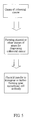
- FIG.1 showing the procedure of searching genes according to the present disclosure.
- Said procedure comprise the steps of: (1) deriving epithelium cells from normal intestines, polypus of intestines and colorectal cancer tissue; (2) collecting genes with highly differential gene expression by Suppression Subtractive Hybridization (SSH), and building library ; (3) deriving colonies with relatively high signal intensities from cancer tissue; (4) collecting more clinically cancer tissues by Northern Hybridization, real-time Polymerase Chain Reaction (PCR) combined with analysis of bioinformation to affirm variation between differential gene expression; and (5) selecting the most suitable genes from said library.
- SSH Suppression Subtractive Hybridization
- PCR real-time Polymerase Chain Reaction
- the genes for diagnosing colorectal cancer are selected from the group consisting of: SEQ ID NO HS ID Acc No Discription Definition Oligo sequence 1 Hs.107213 BC027178 FNBP3 Formin binding protein 3 Homo sapiens, formin binding protein 3, clone MGC:16979 IMAGE:4343048, mRNA, complete cds 2 Hs.123107 NM_002257 KLK1 Kallikrein 1, renal/pancreas/sal ivary Homo sapiens kallikrein 1, renal/pancreas/salivary (KLK1), mRNA.
- TM4SF3 Transmembrane 4 superfamily member 3
- TM4SF3 Homo sapiens transmembrane 4 superfamily member 3
- mRNA 41 Hs.85146 NM_005239 ETS2 V-ets erythroblastosis virus E26 oncogene homolog 2 (avian)
- ETS2 V-ets erythroblastosis virus
- v-ets erythroblastosis virus E26 oncogene homolog 2 (avian) (ETS2)
- mRNA 43 Hs.88219 NM_003454 ZNF200 Zinc finger protein 200
- ZNF200 zinc finger protein
- mRNA 44 Hs.9914 NM_006350 FST Fol
- nidulans Homo sapiens sudD suppressor of bimD6 homolog (A. nidulans) (SUDD), mRNA 51 Hs.25087 NM_006070 TFG TRK-fused gene Homo sapiens TRK-fused gene (TFG), mRNA 52 Hs.3017 NM_003284 TNP1 Transition protein 1 (during histone to protamine replacement) Homo sapiens transition protein 1 (duping histone to protamine replacement) (TNP1), mRNA 53 Hs.283664 NM_032466 ASPH Aspartate beta-hydroxylase Homo sapiens aspartate beta-hydroxylase (ASPH), transcript variant 3, mRNA 54 Hs.283664 NM_032467 ASPH Aspartate beta-hydroxylase Homo sapiens aspartate beta-hydroxylase (ASPH), transcript variant 4, mRNA 55 Hs.171992 NM_002843 PTPRJ Protein tyrosine phosphatase, receptor type, J
- the HS ID of the 71 genes comprises: Hs.107213, Hs.123107, Hs.1369, Hs.151254, Hs.1526, Hs.184270, Hs.2043, Hs.267871, Hs.4935, Hs.5509, Hs.5662, Hs.75990, Hs.83384, Hs.10029, Hs.103982, Hs.12314, Hs.150557, Hs.169266, Hs.1827, Hs.1869, Hs.194148, Hs.2352, Hs.246885, Hs.29665, Hs.3235, Hs.55209, Hs.585, Hs.62187, Hs.63290, Hs.699, Hs.74111, Hs.75103, Hs.75117, Hs.75236, Hs.75258, Hs.75498, Hs.76913, Hs.79889, Hs.82173, Hs
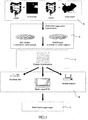
- FIG. 2a and FIG. 2b are views showing the primary screening.
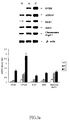
- FIG.3a and FIG.3b are views showing affirmation to genes using Northern Blotting method.
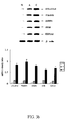
- FIG.4a and 4b are views showing quantity expression of cancer tissue.
- the high expression colonies in colorectal cancer and adenoma are selected by the Colony Hybridization and then the nucleic acid of cDNA after purification spot on glass chip by using microarray testing.
- the expression profiles of the cDNA chips were derived from a set of cDNA probes including adenoma, adenocarcinoma and the corresponding normal tissue from the same patient. Genes exhibiting at least three-fold greater intensities in the adenocarcinoma or adenoma than in corresponding normal tissue samples were considered significant. The significant up-regulated genes were then further confirmed by Northern blot ( FIG. 3a and FIG. 3b ) and subsequently sequenced. Northern analysis of each set of cDNA genes on the chip revealed that 36 genes were detected as up-regulated in adenoma compared to normal, and 54 genes were detected as up-regulated in carcinoma as compared to the normal control. A set of 23 genes with serial increase of genes expression from adenoma to carcinoma was identified.
- EMBUGenBank libraries of NCBI/BLAST program there are 3 unknown functional genes among 23 identified genes including ectopic viral integration site 2B (Genbank accession no.NM-006495) Homo sapiens chromosome 21q22.1 anonymous mRNA sequence (Genebank accession no.AF003738) and Homo sapiens DMR protein mRNA (Genbank accession no.AF327354), and another 20 functional genes. Among these 20 functional genes, 6 genes are CRC-related (such as TM4SF3), 14 genes are CRC-unrelated (such as ATP2A2).
- Fecal occult blood test has shortcomings for high false positives and false negatives to low specificity and sensitivity of the method, therefore the method is merely a first screening tool and the tumor label method is also not high specificity and sensitivity.
- the method is merely a first screening tool and the tumor label method is also not high specificity and sensitivity.
- the colonoscopy has high invasion and price to make low acceptance for patient in the mass screening tool of early diagnosis. Because sample collection is convenience and low invasion, Peripheral blood test of patient is a diagnosis method of genes, that is suitable to mass screening clinical application.
- FIG.5 showing another preferred embodiment according to the present disclosure.
Landscapes
- Health & Medical Sciences (AREA)
- Life Sciences & Earth Sciences (AREA)
- Chemical & Material Sciences (AREA)
- Immunology (AREA)
- Engineering & Computer Science (AREA)
- Organic Chemistry (AREA)
- Proteomics, Peptides & Aminoacids (AREA)
- Pathology (AREA)
- Analytical Chemistry (AREA)
- Molecular Biology (AREA)
- Physics & Mathematics (AREA)
- Wood Science & Technology (AREA)
- Zoology (AREA)
- Urology & Nephrology (AREA)
- Microbiology (AREA)
- Hematology (AREA)
- Biochemistry (AREA)
- General Health & Medical Sciences (AREA)
- Biomedical Technology (AREA)
- Biotechnology (AREA)
- Genetics & Genomics (AREA)
- Oncology (AREA)
- Hospice & Palliative Care (AREA)
- Cell Biology (AREA)
- Biophysics (AREA)
- General Physics & Mathematics (AREA)
- Medicinal Chemistry (AREA)
- Food Science & Technology (AREA)
- Bioinformatics & Cheminformatics (AREA)
- General Engineering & Computer Science (AREA)
- Measuring Or Testing Involving Enzymes Or Micro-Organisms (AREA)
Abstract
Description
- This invention relates to a set of oligonucleotides for diagnosing colorectal cancer particularly suited for a method of clinical diagnosis for colorectal cancer which enables the effects of early diagnosis, specificity, highly sensitivity and safety.
- Colorectal cancer is one of the most common malignant tumors in the world. It is the second most frequent cause of malignant tumor related mortality in developed countries. In developed countries, mortality rate caused by colorectal cancer seems have a descending tendency progressively in previous 20 years, the main causes for early diagnosis is provided and the improvement of methods of therapy and medicines. But in Taiwan because of changes in diet habit to occidental habit and the rapid changes in environment, the rate of suffering from colorectal cancer is rising constantly, furthermore, also showing an age-descending tendency.
- Amongst the top ten types of cancer of Taiwanese of 2002, colorectal cancer (CRC) is the third leading cause of cancer-related death for male and female, which is announced by The Department of Health (DOH), highest level of the executive branch, Taiwan. About 6681 new cases of colorectal cancer diagnosed per year such as statistical data by DOH of 1999, for 3649 patients dead in the colorectal cancer per year such as statistical data by DOH of 2002 in Taiwan. The average age of colorectal cancer patients is lower than in other countries. In other words, twenty-year-old or thirty-year-old people suffer from colorectal cancer in Taiwan. Therefore, we cannot ignore the possibility of the colorectal cancer in young persons.
- Although methods of diagnosis and surgical operation treatment are improved for colorectal cancer patients, when a comparison is made between early diagnosis with later period diagnosis by surgical operation respectively, the treatment is able to probably overcome the colorectal cancer in early diagnosis, but is not able to absolutely overcome the colorectal cancer in the later period diagnosis. The far metastasis are the main problem of treatment of colorectal cancer, therefore, a method with high sensitivity, high specificity and easy diagnosis which is able to detect early and potentially curable CRCis believed to be a novel target for CRC diagnosis and therapy.
- The present invention aims at providing a set of oligonucleotides for early diagnosing possibility of recurrence and metastasis for colorectal patients. Simultaneously, tracing 100 colorectal cancer cases, found that 92% genes variation in colorectal tissue. In the process of tracing for 100 colorectal cancer cases simultaneously, mutation of genes is found in 92% colorectal cancer tissues. In the tracing process, although CEA of 16 patients still in normal value range, that detect early tumor cells in blood by using genes variation testing.
- Swearingen, M. L. et. al, Cancer Letters, 2003, Vol. 198, p. 229-239 disclose HES-6 as a marker for metastases of colon carcinoma (cell line HT29). The metastases were dissected from lung tissue of mice rather than from human beings. In the corresponding study a colorectal cancer cell line from ATCC was injected into the mouse body to find a difference between a metastatic tissue and a non-metastatic tissue.
- Lin, Shiu-Ru et al., International Journal of Molecular Medicine, 2002, Vol. 10, Supp. 1, p. S46 confirm the 15 most related genes to carcinogenesis of colorectal cancer without examining their expression in clinical patients' tissue to confirm their high relation to the process of carcinogenesis of colorectal cancer.
- Sequence BC027178 could be identified in database EMBL. However, the database was silent on any specific function.
- Marker genes and oligoncleotides specific thereto for the diagnosis of colorectal cancer are known from
WO 00/55351 -
WO 00/55351to Rosen, C. A. - Therefore, the main purpose according to the present application is to provide marker genes for clinical diagnosis of colorectal cancer for early diagnosis, specificity, highly sensitivity and safety.
- The invention provides a set of oligonucleotides for diagnosing colorectal cancer according to
claim 1. Advantageous embodiments are laid down in further claims. - For the purpose stated above, the identification of genes comprises the steps of: (1) deriving epithelium cells from normal intestines, polypus of intestines and colorectal cancer tissue; (2) collecting genes with highly differential gene expression by Suppression Subtractive Hybridization (SSH), and building a library; (3) deriving colonies with relatively high signal intensities from cancer tissue; (4) collecting more clinically cancer tissues by Northern Hybridization, real-time Polymerase Chain Reaction (PCR) combined with analysis of bioinformation to affirm variation between differential gene expression; and (5) selecting the most suitable genes from said library. Moreover, the reagent uses the gene sequence as method of clinical diagnosis for colorectal cancer to the early diagnosis.
- The present invention will be better understood from the following detailed description of preferred embodiments of the invention, taken in conjunction with the accompanying drawings, in which:
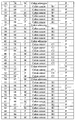
- Table 1
- is a table showing the result of clinical examination of colorectal cancer biochip;
- FIG. 1
- is a view showing the procedure of deriving genes according to the method described in the present application ;
- FIG. 2a and FIG. 2b
- are views showing the primary screening according to the method described in the present application ;
- FIG. 3a and FIG.3b
- are views showing affirmation to genes using Northern Blotting method according to the method of present application ;
- FIG. 4a and FIG. 4b
- are views showing quantity expression of cancer tissue according to the method of present application; and
- FIG.5
- is a diagram showing second preferred embodiments according to the present disclosure.
- The following descriptions of the preferred embodiments are provided to understand the methods and the procedures of the present disclosure. Please refer to
FIG.1 , showing the procedure of searching genes according to the present disclosure. Said procedure comprise the steps of: (1) deriving epithelium cells from normal intestines, polypus of intestines and colorectal cancer tissue; (2) collecting genes with highly differential gene expression by Suppression Subtractive Hybridization (SSH), and building library ; (3) deriving colonies with relatively high signal intensities from cancer tissue; (4) collecting more clinically cancer tissues by Northern Hybridization, real-time Polymerase Chain Reaction (PCR) combined with analysis of bioinformation to affirm variation between differential gene expression; and (5) selecting the most suitable genes from said library. Moreover, by using the gene sequence as a reagent, this enables clinical diagnosis for colorectal cancer to the effects of early diagnosis, specificity, highly sensitivity and safety. - The genes for diagnosing colorectal cancer, the specific oligonucleotides sequence are selected from the group consisting of:
SEQ ID NO HS ID Acc No Discription Definition Oligo sequence 1 Hs.107213 BC027178 FNBP3 Formin binding protein 3Homo sapiens, formin binding protein 3, clone MGC:16979 IMAGE:4343048, mRNA,complete cds 
2 Hs.123107 NM_002257 KLK1 Kallikrein 1, renal/pancreas/sal ivary Homo sapiens kallikrein 1, renal/pancreas/salivary (KLK1), mRNA.
3 Hs.1369 NM_000574 for DAF Decay accelerating factor complement (CD55, Cromer blood group system) Homo sapiens decay accelerating factor for complement (CD55. Cromer blood group system) (DAF), mRNA 
4 Hs.151254 NM_005046 KLK7 Kallikrein 7 (chymotryptic, stratum corneum) Homo sapiens kallikrein 7 (chymotryptic, stratum corneum) (KLK7), transcript variant 1, mRNA.
5 Hs.1526 NM_001681 ATP2A2 ATPase, Ca++ transporting, cardiac muscle, slow twitch 2Homo sapiens ATPase, Ca++ transporting, cardiac muscle, slow twitch 2 (ATP2A2), mRNA 
6 Hs.184270 NM_006135 CAPZA1 Capping protein (actin filament) muscle Z-line, alpha 1Homo sapiens capping protein (actin filament) muscle Z-line, alpha 1 (CAPZA1), mRNA. 
7 Hs 2043 NM_001151 SLC25A4Solute carrier family 25 (mitochondrial carrier; adenine nucleotide translocator), member 4Homo sapiens solute carrier family 25 (mitochondrial carrier; adenine nucleotide translocator), member 4 (SLC25A4), nuclear gene encoding mitochondrial protein, mRNA. 
8 Hs.267871 NM_005177 ATP6VOA1 ATPase, H+ transporting, lysosomal V0 subunit a isoform 1Homo sapiens ATPase, H+ transporting, lysosomal V0 subunit a isoform 1 (ATP6VOA1), mRNA. 
9 Hs.4935 D79998 KIAA0176 protein Human mRNA for KIAA0176 gene, partial cds 
10 Hs.5509 NM_006495 EVI2B Ecotropic viral integration site 2BHomo sapiens ecotropic viral integration site 2B (EVI2B), mRNA.
11 Hs.5662 NM_006098 GNB2L1 Guanine nucleotide binding protein (G protein), beta polypeptide 2-like 1 Homo sapiens guanine nucleotide binding protein (G protein), beta polypeptide 2-like 1 (GNB2L1), mRNA. 
12 Hs.75990 NM_005143 HP Haptoglobin Homo sapiens haptoglobin (HP), mRNA. 
13 Hs.83384 NM_006272 S100B S100 calcium binding protein, beta (neural) Homo sapiens S100 calcium binding protein, beta (neural) (S100B), mRNA 
14 Hs.10029 NM_001814 CTSC Cathepsin C Homo sapiens cathepsin C (CTSC), mRNA 
15 Hs.103982 NM_005409 SCYB11 Small inducible cytokine subfamily B (Cys-X-Cys), member 11Homo sapiens small inducible cytokine subfamily B (Cys-X-Cys), member 11 (SCYB11), mRNA. 
16 Hs.12314 AL049397 Homo sapiens mRNA; cDNA DKFZp586C1019 (from clone DKFZp586C1019) Homo sapiens mRNA; cDNA DKFZp586C1019 (from clone DKFZp586C1019) 
17 Hs.150557 NM_001206 BTEB1 Basic transcription element binding protein 1Homo sapiens basic transcription element binding protein 1 (BTEB1), mRNA. 
18 Hs.169266 NM_000909 NPY1 R Neuropeptide Y receptor Y1 Homo sapiens neuropeptide Y receptor Y1 (NPY1 R), mRNA. 
19 Hs.1827 NM_002507 NGFR Nerve growth factor receptor (TNFR superfamily, member 16) Homo sapiens nerve growth factor receptor (TNFR superfamily, member 16) (NGFR), mRNA. 
20 Hs.1869 NM_002633 PGM1 Phosphoglucomut ase 1Homo sapiens phosphoglucomutase 1 (PGM1), mRNA. 
21 Hs.194148 NM_005433 YES1 V-yes-1 Yamaguchi sarcoma viral oncogene homolog 1Homo sapiens v-yes-1 Yamaguchi sarcoma viral oncogene homolog 1 (YES1), mRNA 
22 Hs.2352 X74210 ADCY2 Adenylate cyclase 2 (brain) H.sapiens mRNA for adenylyl cyclase 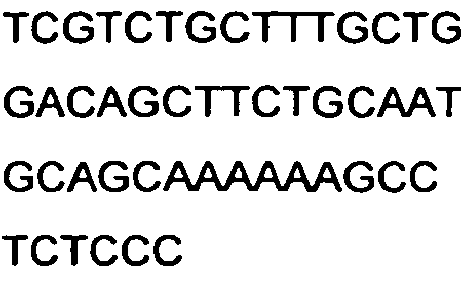
23 Hs.246885 NM_017958 FLJ20783 hypothetical protein FLJ20783 Homo sapiens hypothetical protein FLJ20783 (FLJ20783), mRNA. 
24 Hs.29665 NM_014944 CLSTN1 Calsyntenin 1 Homo sapiens calsyntenin 1 (CLSTN1), mRNA. 
25 Hs.3235 NM_002272 KRT4 Keratin 4 Homo sapiens keratin 4 (KRT4), mRNA 
26 Hs.55209 AF327354 Homo sapiens DMR protein mRNA, complete cds Homo sapiens DMR protein mRNA, complete cds 
27 Hs.585 NM_000384 APOB Apolipoprotein B (including Ag(x) antigen) Homo sapiens apolipoprotein B (including Ag(x) antigen) (APOB), mRNA 
28 Hs.62187 AF022913 ol PIGK Phosphatidylinosit glycan, class K Homo sapiens GPI transamidase mRNA, complete cds 
29 Hs.63290 NM_012260 HPCL2 2-hydroxyphytano yl-CoA lyase Homo sapiens 2-hydroxyphytanoyl-Co A lyase (HPCL2), mRNA 
30 Hs.699 NM_000942 PPIB Peptidylprolyl isomerase B (cyclophilin B) Homo sapiens peptidylprolyl isomerase B (cyclophilin B) (PPIB), mRNA 
31 Hs.74111 NM_007367 d RALY RNA binding protein (autoantigenic, hnRNP-associate with lethal yellow) Homo sapiens RNA binding protein (autoantigenic, hnRNP-associated with lethal yellow) (RALY) transcript variant 2,mRNA 
32 Hs.75103 NM_003406 e YWHAZ Tyrosine 3-monooxygenas e/tryptophan 5-monooxygenas activation protein, zeta polypeptide Homo sapiens tyrosine 3-monooxygenase/tryp tophan 5-monooxygenase activation protein, zeta polypeptide (YWHAZ), mRNA 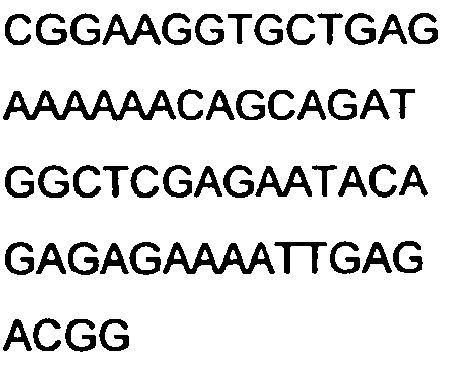
33 Hs.75117 NM_004515 ILF2 Interleukin enhancer binding factor 2, 45kDHomo sapiens interleukin enhancer binding factor 2, 45kD (ILF2),mRNA 
34 Hs.75236 NM_021952 ELAVL4 ELAV (embryonic lethal, abnormal vision, Drosophila)-like 4 (Hu antigen D) Homo sapiens ELAV (embryonic lethal, abnormal vision, Drosophila)-like 4 (Hu antigen D) (ELAVL4), mRNA 
35 Hs.75258 NM_004893 H2AFY H2A histone family, member Y Homo sapiens H2A histone family, member Y (H2AFY), transcript variant 2,mRNA 
36 Hs.75498 NM_004591 (SCYA20 Small inducible cytokine subfamily A (Cys-Cys), member 20Homo sapiens small inducible cytokine subfamily A (Cys-Cys), member 20 (SCYA20), mRNA 
37 Hs.76913 NM_002790 PSMA5 Proteasome (prosome, macropain) subunit, alpha type, 5 Homo sapiens proteasome (prosome, macropain) subunit, alpha type, 5 (PSMA5), mRNA 
38 Hs.79889 NM_012329 MMD Monocyte to macrophage differentiation-ass ociated Homo sapiens monocyte to macrophage differentiation-associat ed (MMD), mRNA 
39 Hs.82173 NM_005655 TIEG TGFB inducible early growth response Homo sapiens TGFB inducible early growth response (TIEG), mRNA 
40 Hs. 84072 NM_004616 TM4SF3 Transmembrane 4 superfamily member 3Homo sapiens transmembrane 4 superfamily member 3 (TM4SF3),mRNA 
41 Hs.85146 NM_005239 ETS2 V-ets erythroblastosis virus E26 oncogene homolog 2 (avian) Homo sapiens v-ets erythroblastosis virus E26 oncogene homolog 2 (avian) (ETS2), mRNA 
42 Hs.85844 NM_002529 NTRK1 Neurotrophic tyrosine kinase, receptor, type 1Homo sapiens neurotrophic tyrosine kinase, receptor, type (NTRK1), mRNA 
43 Hs.88219 NM_003454 ZNF200 Zinc finger protein 200 Homo sapiens zinc finger protein 200 (ZNF200), mRNA 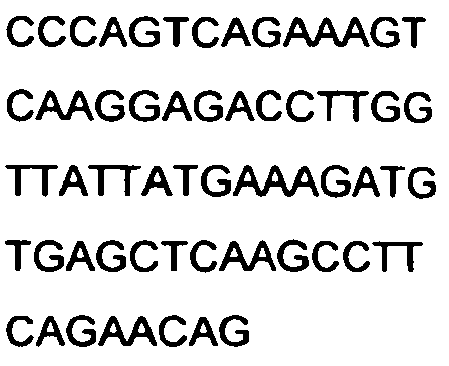
44 Hs.9914 NM_006350 FST Follistatin Homo sapiens follistatin (FST), transcript variant FST317, mRNA 
45 Hs.169319 NM_003419 ZNF345 Zinc finger protein 345 Homo sapiens zinc finger protein 345 (ZNF345), mRNA 
46 Hs.72805 NM_030921 DC42 Hypothetical protein DC42 Homo sapiens hypothetical protein DC42 (DC42), mRNA 
47 Hs.108301 NM_003297 NR2C1 Nuclear receptor subfamily 2, group C,member 1Homo sapiens nuclear receptor subfamily 2, group C, member 1 (NR2C1), mRNA
48 Hs.177926 NM_030941 LOC81691 Exonuclease NEF-sp Homo sapiens exonuclease NEF-sp (LOC81691), mRNA 
49 Hs.194746 NM_018896 CACNA1G Calcium channel, voltage-dependen t, alpha 1G subunit Homo sapiens calcium channel, voltage-dependent, alpha 1G subunit (CACNA1G), mRNA 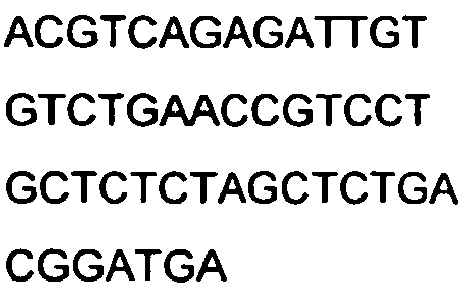
50 Hs.209061 NM_003831 SUDD SudD suppressor of bimD6 homolog (A. nidulans) Homo sapiens sudD suppressor of bimD6 homolog (A. nidulans) (SUDD), mRNA 
51 Hs.25087 NM_006070 TFG TRK-fused gene Homo sapiens TRK-fused gene (TFG), mRNA 
52 Hs.3017 NM_003284 TNP1 Transition protein 1 (during histone to protamine replacement) Homo sapiens transition protein 1 (duping histone to protamine replacement) (TNP1), mRNA 
53 Hs.283664 NM_032466 ASPH Aspartate beta-hydroxylase Homo sapiens aspartate beta-hydroxylase (ASPH), transcript variant 3,mRNA 
54 Hs.283664 NM_032467 ASPH Aspartate beta-hydroxylase Homo sapiens aspartate beta-hydroxylase (ASPH), transcript variant 4,mRNA 
55 Hs.171992 NM_002843 PTPRJ Protein tyrosine phosphatase, receptor type, J Homo sapiens protein tyrosine phosphatase, receptor type, J (PTPRJ), mRNA 
56 Hs.155172 NM_003664 AP3B1 adaptor- related protein complex 3,beta 1subunit 
57 Hs.183418 M37712 CDC2L2 cell dividion cycle2- like2 
58 Hs.244473 NM_031900 AGXT2 alanine- glyoxylate aminotransferase 2
59 Hs.12835 NM_004842 AKAP7 A kinase (PRKA) anchor protein 7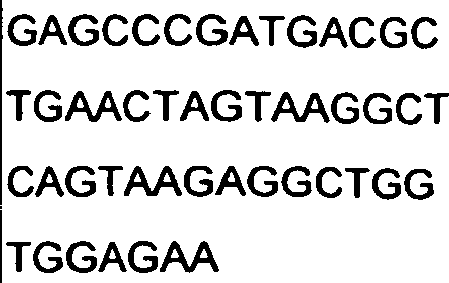
60 Hs.1650 NM_000111 SLC26A3 solute carrier family 26,member 3
61 Hs.2998 NM_000112 SLC26A2 solute carrier family 26 (sulfate transporter), member 2
62 Hs.2246 NM_001308 CPN1 carboxypeptidase N, polypeptide 1,50kD 
63 Hs.267871 NM_005177 ATP6V0A1 ATPase, H+ transporting, lysosomal V0 subunit a isoform 1
64 Hs.75445 NM_004684 SPARCL1 SPARC-like 1 (mast9, hevin) 
65 Hs.39957 NM_016445 PLEK2 pleckstrin 2 (mouse) homolog 
66 Hs.65029 NM_002048 GAS1 growth arrest-specific 1 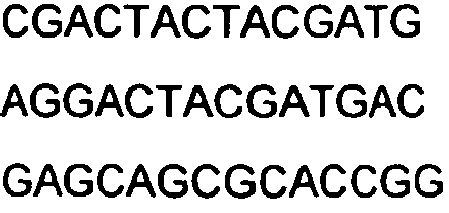
67 Hs.239926 NM_006745 SC4MOL sterol-C4-methyl oxidase-like 
68 Hs.59271 NM-006758 U2AF1 U2(RNU2) small nuclear RNA auxiliary factor 1
69 Hs.8867 NM_001554 CYR61 cysteine-rich, angiogenic inducer, 61 
70 Hs.50123 NM_003452 ZNF189 zinc finger protein 189 
71 Hs.82071 NM_006079 CITED2 Cbp/p300-interacting transactivator, with Glu/Asp-rich carboxy-terminal domain, 2 
- From the above table, the HS ID of the 71 genes comprises: Hs.107213, Hs.123107, Hs.1369, Hs.151254, Hs.1526, Hs.184270, Hs.2043, Hs.267871, Hs.4935, Hs.5509, Hs.5662, Hs.75990, Hs.83384, Hs.10029, Hs.103982, Hs.12314, Hs.150557, Hs.169266, Hs.1827, Hs.1869, Hs.194148, Hs.2352, Hs.246885, Hs.29665, Hs.3235, Hs.55209, Hs.585, Hs.62187, Hs.63290, Hs.699, Hs.74111, Hs.75103, Hs.75117, Hs.75236, Hs.75258, Hs.75498, Hs.76913, Hs.79889, Hs.82173, Hs.84072, Hs.85146, Hs.85844, Hs.88219, Hs.9914, Hs.169319, Hs.72805, Hs.108301, Hs.177926, Hs.194746, Hs.209061, Hs.25087, Hs.3017, Hs.283664, Hs.283664, Hs.171992, Hs.155172, Hs.183418, Hs.244473, Hs.12835, Hs.1650, Hs.29981, Hs.2246, Hs.267871, Hs.75445, Hs.39957, Hs.65029, Hs.239926, Hs.59271, Hs.8867, Hs.50123, Hs.82071, etc.
- We obtain said specific oligonucleotides sequences by using analysis of OMP (Oligonucleotide Modeling Platform, DNA Software, Inc., Ann Arbor, MI) DNA software, Said gene sequences can act as a reagent, a biochip and a medicine for detecting colorectal cancer shown in table 1.
- According to the present disclosure,
FIG. 2a andFIG. 2b are views showing the primary screening.FIG.3a andFIG.3b are views showing affirmation to genes using Northern Blotting method.FIG.4a and4b are views showing quantity expression of cancer tissue. we search over progressive distinctive new genes among the carcinoma process of colorectal cancer by using SSH method to build up CRA libraries and CRC libraries which make the comparison between adenoma, adenocarcinoma and normal tissue, that obtain over 5000 clones in per library; then randomly select about 3000 clones of cDNA from per library to dot on nylon membrane as pre-screen by using Colony Hybridization shown inFIG.2a andFIG.2b . The high expression colonies in colorectal cancer and adenoma are selected by the Colony Hybridization and then the nucleic acid of cDNA after purification spot on glass chip by using microarray testing. - The expression profiles of the cDNA chips were derived from a set of cDNA probes including adenoma, adenocarcinoma and the corresponding normal tissue from the same patient. Genes exhibiting at least three-fold greater intensities in the adenocarcinoma or adenoma than in corresponding normal tissue samples were considered significant. The significant up-regulated genes were then further confirmed by Northern blot (
FIG. 3a andFIG. 3b ) and subsequently sequenced. Northern analysis of each set of cDNA genes on the chip revealed that 36 genes were detected as up-regulated in adenoma compared to normal, and 54 genes were detected as up-regulated in carcinoma as compared to the normal control. A set of 23 genes with serial increase of genes expression from adenoma to carcinoma was identified. - Further, comparison is made by using EMBUGenBank libraries of NCBI/BLAST program, there are 3 unknown functional genes among 23 identified genes including ectopic
viral integration site 2B (Genbank accession no.NM-006495) Homo sapiens chromosome 21q22.1 anonymous mRNA sequence (Genebank accession no.AF003738) and Homo sapiens DMR protein mRNA (Genbank accession no.AF327354), and another 20 functional genes. Among these 20 functional genes, 6 genes are CRC-related (such as TM4SF3), 14 genes are CRC-unrelated (such as ATP2A2). Moreover, we obtain cDNAs of three patients who suffer from adenoma and adenocarcinema simultaneously and four colorectal cancer patients to affirm variation of 23 identified genes, result shown that were at least 3-fold higher in mRNA expression level in the adenocarcinoma tissues compared with normal samples, and the level gradually increased from colorectal adenomas to adenocarcinomas shown inFIG. 4a andFIG. 4b . - Now, methods of clinical diagnosis for detecting colorectal cancer are fecal occult blood test, image test, tumor label and colonoscopy. In each of these methods, we can generalize purpose of the present disclosure according to disadvantage of these methods.
- If patient undergo colorectal cancer before tumor cells spread out, five-year survival rate can be achieved over 90%. A certain number of tumor cells are needed for traditional detection by using tumor label method. In the case of image test, normally, correctly affirmation can be made easier when tumor become large. It is high invasion and price to make low acceptance for the patient in the colonoscopy that can not suitable for early diagnosis. Because of the process of circulating of tumor cells, different expression certainly happen among the genes. In the process of proliferation of early tumor cells, the dying cells cause molecule of ribonucleic acid to release into blood circulation. And, early diagnosis can be offered by the detection of using the constructed oligonucleotide biochip which is discharged from small number of tumor cells in the peripheral blood.
- Fecal occult blood test has shortcomings for high false positives and false negatives to low specificity and sensitivity of the method, therefore the method is merely a first screening tool and the tumor label method is also not high specificity and sensitivity. But, we use these genes to detect peripheral blood of 100 CRC patients, peripheral blood of 50 healthy people and 40 other cancer-related patients as controls shown in
FIG.1 , these genes can detect 88 colorectal cancer patients for remarkable sensitivity of 88% (88/100) and specificity of 90% (90/100) in the clinical analysis. - The colonoscopy has high invasion and price to make low acceptance for patient in the mass screening tool of early diagnosis. Because sample collection is convenience and low invasion, Peripheral blood test of patient is a diagnosis method of genes, that is suitable to mass screening clinical application.
- Please refer to
FIG.5 , showing another preferred embodiment according to the present disclosure. We choose genes of colorectal cancer and vector that express simultaneously in eukaryotic and prokaryotic to form recombination genes, and then form eukaryotic transformant cell by using and further form prokaryotic transfectant cell, and then obtain secreted protein by using extract of genes having said recombination genes, and obtain antibody from said secreted protein immune animals for making of protein testing reagent, colorectal vaccine and colorectal protein medicine for colorectal cancer.
Claims (2)
- A set of oligonucleotides for diagnosing colorectal cancer consisting of oligonucleotides specific for each of the genes set forth in:(01) a gene sequence as set forth in SEQ ID No. 1;(02) a gene sequence as set forth in SEQ ID No. 2;(03) a gene sequence as set forth in SEQ ID No. 3;(04) a gene sequence as set forth in SEQ ID No. 4;(05) a gene sequence as set forth in SEQ ID No. 5;(06) a gene sequence as set forth in SEQ ID No. 6;(07) a gene sequence as set forth in SEQ ID No. 7;(08) a gene sequence as set forth in SEQ ID No. 8;(09) a gene sequence as set forth in SEQ ID No. 9;(10) a gene sequence as set forth in SEQ ID No. 10;(11) a gene sequence as set forth in SEQ ID No. 11;(12) a gene sequence as set forth in SEQ ID No. 12;(13) a gene sequence as set forth in SEQ ID No. 13;(14) a gene sequence as set forth in SEQ ID No. 14;(15) a gene sequence as set forth in SEQ ID No. 15;(16) a gene sequence as set forth in SEQ ID No. 16;(17) a gene sequence as set forth in SEQ ID No. 17;(18) a gene sequence as set forth in SEQ ID No. 18;(19) a gene sequence as set forth in SEQ ID No. 19;(20) a gene sequence as set forth in SEQ ID No. 20;(21) a gene sequence as set forth in SEQ ID No. 21;(22) a gene sequence as set forth in SEQ ID No. 22;(23) a gene sequence as set forth in SEQ ID No. 23;(24) a gene sequence as set forth in SEQ ID No. 24;(25) a gene sequence as set forth in SEQ ID No. 25;(26) a gene sequence as set forth in SEQ ID No. 26;(27) a gene sequence as set forth in SEQ ID No. 27;(28) a gene sequence as set forth in SEQ ID No. 28;(29) a gene sequence as set forth in SEQ ID No. 29;(30) a gene sequence as set forth in SEQ ID No. 30;(31) a gene sequence as set forth in SEQ ID No. 31;(32) a gene sequence as set forth in SEQ ID No. 32;(33) a gene sequence as set forth in SEQ ID No. 33;(34) a gene sequence as set forth in SEQ ID No. 34;(35) a gene sequence as set forth in SEQ ID No. 35;(36) a gene sequence as set forth in SEQ ID No. 36;(37) a gene sequence as set forth in SEQ ID No. 37;(38) a gene sequence as set forth in SEQ ID No. 38;(39) a gene sequence as set forth in SEQ ID No. 39;(40) a gene sequence as set forth in SEQ ID No. 40;(41) a gene sequence as set forth in SEQ ID No. 41;(42) a gene sequence as set forth in SEQ ID No. 42;(43) a gene sequence as set forth in SEQ ID No. 43;(44) a gene sequence as set forth in SEQ ID No. 44;(45) a gene sequence as set forth in SEQ ID No. 45;(46) a gene sequence as set forth in SEQ ID No. 46;(47) a gene sequence as set forth in SEQ ID No. 47;(48) a gene sequence as set forth in SEQ ID No. 48;(49) a gene sequence as set forth in SEQ ID No. 49;(50) a gene sequence as set forth in SEQ ID No. 50;(51) a gene sequence as set forth in SEQ ID No. 51;(52) a gene sequence as set forth in SEQ ID No. 52;(53) a gene sequence as set forth in SEQ ID No. 53;(54) a gene sequence as set forth in SEQ ID No. 54;(55) a gene sequence as set forth in SEQ ID No. 55;(56) a gene sequence as set forth in SEQ ID No. 56;(57) a gene sequence as set forth in SEQ ID No. 57;(58) a gene sequence as set forth in SEQ ID No. 58;(59) a gene sequence as set forth in SEQ ID No. 59;(60) a gene sequence as set forth in SEQ ID No. 60;(61) a gene sequence as set forth in SEQ ID No. 61;(62) a gene sequence as set forth in SEQ ID No. 62;(63) a gene sequence as set forth in SEQ ID No. 63;(64) a gene sequence as set forth in SEQ ID No. 64;(65) a gene sequence as set forth in SEQ ID No. 65;(66) a gene sequence as set forth in SEQ ID No. 66;(67) a gene sequence as set forth in SEQ ID No. 67;(68) a gene sequence as set forth in SEQ ID No. 68;(69) a gene sequence as set forth in SEQ ID No. 69;(70) a gene sequence as set forth in SEQ ID No. 70; and(71) a gene sequence as set forth in SEQ ID No. 71.
- A testing biochip for detecting colorectal cancer consisting of a set of oligonucleotides specific for each of the genes set forth in SEQ ID NOs : 1 to 71 according to claim 1.
Priority Applications (2)
| Application Number | Priority Date | Filing Date | Title |
|---|---|---|---|
| AT04003301T ATE524558T1 (en) | 2004-02-13 | 2004-02-13 | GENES FOR DIAGNOSING COLORECTAL CANCER |
| EP04003301A EP1564302B1 (en) | 2004-02-13 | 2004-02-13 | Genes for diagnosing colorectal cancer |
Applications Claiming Priority (1)
| Application Number | Priority Date | Filing Date | Title |
|---|---|---|---|
| EP04003301A EP1564302B1 (en) | 2004-02-13 | 2004-02-13 | Genes for diagnosing colorectal cancer |
Publications (2)
| Publication Number | Publication Date |
|---|---|
| EP1564302A1 EP1564302A1 (en) | 2005-08-17 |
| EP1564302B1 true EP1564302B1 (en) | 2011-09-14 |
Family
ID=34684693
Family Applications (1)
| Application Number | Title | Priority Date | Filing Date |
|---|---|---|---|
| EP04003301A Expired - Lifetime EP1564302B1 (en) | 2004-02-13 | 2004-02-13 | Genes for diagnosing colorectal cancer |
Country Status (2)
| Country | Link |
|---|---|
| EP (1) | EP1564302B1 (en) |
| AT (1) | ATE524558T1 (en) |
Families Citing this family (1)
| Publication number | Priority date | Publication date | Assignee | Title |
|---|---|---|---|---|
| EP2544006A1 (en) | 2007-06-04 | 2013-01-09 | Diagnoplex | Biomarker combinations for colorectal cancer |
-
2004
- 2004-02-13 EP EP04003301A patent/EP1564302B1/en not_active Expired - Lifetime
- 2004-02-13 AT AT04003301T patent/ATE524558T1/en not_active IP Right Cessation
Also Published As
| Publication number | Publication date |
|---|---|
| EP1564302A1 (en) | 2005-08-17 |
| ATE524558T1 (en) | 2011-09-15 |
Similar Documents
| Publication | Publication Date | Title |
|---|---|---|
| KR102622305B1 (en) | Detection method using chromosomal interaction sites | |
| CN102099484B (en) | A method for identifying tumor tissues and subtypes using expression signatures of specific gene combinations, and for predicting patient prognosis and metastasis | |
| US20050239079A1 (en) | Predicting outcome with tamoxifen in breast cancer | |
| EP2360278A1 (en) | Diagnostic for lung disorders using class prediction | |
| US20100105051A1 (en) | Compositions, kits, and methods for identification, assessment, prevention, and therapy of breast cancer | |
| US20070003990A1 (en) | Novel genes, compositions, kits, and methods for identification, assessment, prevention and therapy of cervical cancer | |
| WO2003008552A9 (en) | Mll translocations specify a distinct gene expression profile, distinguishing a unique leukemia | |
| KR20110057188A (en) | Biomarker Profile Measurement System and Method | |
| US20030065157A1 (en) | Genes expressed in lung cancer | |
| WO2009049228A2 (en) | Compositions and methods for assessing disorders | |
| AU2008203226A1 (en) | Colorectal cancer prognostics | |
| WO2005076005A2 (en) | A method for classifying a tumor cell sample based upon differential expression of at least two genes | |
| CA2568732A1 (en) | Methods for predicting and monitoring response to cancer therapy | |
| CA2504403A1 (en) | Prognostic for hematological malignancy | |
| KR101206029B1 (en) | Multiple SNP for diagnosing colorectal cancer, microarray and kit comprising the same, and method for diagnosing colorectal cancer using the same | |
| Emterling et al. | Clinicopathological significance of microsatellite instability and mutated RIZ in colorectal cancer | |
| US7575928B2 (en) | Genes for diagnosing colorectal cancer | |
| US20030175761A1 (en) | Identification of genes whose expression patterns distinguish benign lymphoid tissue and mantle cell, follicular, and small lymphocytic lymphoma | |
| KR20210104206A (en) | Composition for diagnosing polymyositis or dermatomyositis | |
| KR20200025968A (en) | Gender-specific biomarker for the diagnosis and treatment strategy of lung adenocarcinoma | |
| US20050100897A1 (en) | NFAT transcription factors in tumor progression | |
| EP1564302A1 (en) | Genes for diagnosing colorectal cancer | |
| KR102061814B1 (en) | Gender-specific markers for diagnosing prognosis and determining treatment strategies of patient of clear cell renal cell carcinoma | |
| TWI278519B (en) | Genes for diagnosing colorectal cancer | |
| CN110714081B (en) | Complete set of reagent for quantitatively detecting OC-STAMP gene expression level and application thereof |
Legal Events
| Date | Code | Title | Description |
|---|---|---|---|
| PUAI | Public reference made under article 153(3) epc to a published international application that has entered the european phase |
Free format text: ORIGINAL CODE: 0009012 |
|
| AK | Designated contracting states |
Kind code of ref document: A1 Designated state(s): AT BE BG CH CY CZ DE DK EE ES FI FR GB GR HU IE IT LI LU MC NL PT RO SE SI SK TR |
|
| AX | Request for extension of the european patent |
Extension state: AL LT LV MK |
|
| 17P | Request for examination filed |
Effective date: 20060127 |
|
| AKX | Designation fees paid |
Designated state(s): AT BE BG CH CY CZ DE DK EE ES FI FR GB GR HU IE IT LI LU MC NL PT RO SE SI SK TR |
|
| 17Q | First examination report despatched |
Effective date: 20060303 |
|
| GRAP | Despatch of communication of intention to grant a patent |
Free format text: ORIGINAL CODE: EPIDOSNIGR1 |
|
| GRAS | Grant fee paid |
Free format text: ORIGINAL CODE: EPIDOSNIGR3 |
|
| GRAA | (expected) grant |
Free format text: ORIGINAL CODE: 0009210 |
|
| AK | Designated contracting states |
Kind code of ref document: B1 Designated state(s): AT BE BG CH CY CZ DE DK EE ES FI FR GB GR HU IE IT LI LU MC NL PT RO SE SI SK TR |
|
| REG | Reference to a national code |
Ref country code: GB Ref legal event code: FG4D |
|
| REG | Reference to a national code |
Ref country code: CH Ref legal event code: EP |
|
| REG | Reference to a national code |
Ref country code: IE Ref legal event code: FG4D |
|
| REG | Reference to a national code |
Ref country code: DE Ref legal event code: R096 Ref document number: 602004034294 Country of ref document: DE Effective date: 20111117 |
|
| REG | Reference to a national code |
Ref country code: NL Ref legal event code: VDEP Effective date: 20110914 |
|
| PG25 | Lapsed in a contracting state [announced via postgrant information from national office to epo] |
Ref country code: FI Free format text: LAPSE BECAUSE OF FAILURE TO SUBMIT A TRANSLATION OF THE DESCRIPTION OR TO PAY THE FEE WITHIN THE PRESCRIBED TIME-LIMIT Effective date: 20110914 Ref country code: SE Free format text: LAPSE BECAUSE OF FAILURE TO SUBMIT A TRANSLATION OF THE DESCRIPTION OR TO PAY THE FEE WITHIN THE PRESCRIBED TIME-LIMIT Effective date: 20110914 |
|
| PG25 | Lapsed in a contracting state [announced via postgrant information from national office to epo] |
Ref country code: CY Free format text: LAPSE BECAUSE OF FAILURE TO SUBMIT A TRANSLATION OF THE DESCRIPTION OR TO PAY THE FEE WITHIN THE PRESCRIBED TIME-LIMIT Effective date: 20110914 Ref country code: SI Free format text: LAPSE BECAUSE OF FAILURE TO SUBMIT A TRANSLATION OF THE DESCRIPTION OR TO PAY THE FEE WITHIN THE PRESCRIBED TIME-LIMIT Effective date: 20110914 Ref country code: GR Free format text: LAPSE BECAUSE OF FAILURE TO SUBMIT A TRANSLATION OF THE DESCRIPTION OR TO PAY THE FEE WITHIN THE PRESCRIBED TIME-LIMIT Effective date: 20111215 Ref country code: AT Free format text: LAPSE BECAUSE OF FAILURE TO SUBMIT A TRANSLATION OF THE DESCRIPTION OR TO PAY THE FEE WITHIN THE PRESCRIBED TIME-LIMIT Effective date: 20110914 |
|
| REG | Reference to a national code |
Ref country code: AT Ref legal event code: MK05 Ref document number: 524558 Country of ref document: AT Kind code of ref document: T Effective date: 20110914 |
|
| PG25 | Lapsed in a contracting state [announced via postgrant information from national office to epo] |
Ref country code: BE Free format text: LAPSE BECAUSE OF FAILURE TO SUBMIT A TRANSLATION OF THE DESCRIPTION OR TO PAY THE FEE WITHIN THE PRESCRIBED TIME-LIMIT Effective date: 20110914 |
|
| PG25 | Lapsed in a contracting state [announced via postgrant information from national office to epo] |
Ref country code: CZ Free format text: LAPSE BECAUSE OF FAILURE TO SUBMIT A TRANSLATION OF THE DESCRIPTION OR TO PAY THE FEE WITHIN THE PRESCRIBED TIME-LIMIT Effective date: 20110914 Ref country code: SK Free format text: LAPSE BECAUSE OF FAILURE TO SUBMIT A TRANSLATION OF THE DESCRIPTION OR TO PAY THE FEE WITHIN THE PRESCRIBED TIME-LIMIT Effective date: 20110914 |
|
| PG25 | Lapsed in a contracting state [announced via postgrant information from national office to epo] |
Ref country code: RO Free format text: LAPSE BECAUSE OF FAILURE TO SUBMIT A TRANSLATION OF THE DESCRIPTION OR TO PAY THE FEE WITHIN THE PRESCRIBED TIME-LIMIT Effective date: 20110914 Ref country code: NL Free format text: LAPSE BECAUSE OF FAILURE TO SUBMIT A TRANSLATION OF THE DESCRIPTION OR TO PAY THE FEE WITHIN THE PRESCRIBED TIME-LIMIT Effective date: 20110914 Ref country code: PT Free format text: LAPSE BECAUSE OF FAILURE TO SUBMIT A TRANSLATION OF THE DESCRIPTION OR TO PAY THE FEE WITHIN THE PRESCRIBED TIME-LIMIT Effective date: 20120116 Ref country code: IT Free format text: LAPSE BECAUSE OF FAILURE TO SUBMIT A TRANSLATION OF THE DESCRIPTION OR TO PAY THE FEE WITHIN THE PRESCRIBED TIME-LIMIT Effective date: 20110914 Ref country code: EE Free format text: LAPSE BECAUSE OF FAILURE TO SUBMIT A TRANSLATION OF THE DESCRIPTION OR TO PAY THE FEE WITHIN THE PRESCRIBED TIME-LIMIT Effective date: 20110914 |
|
| PLBE | No opposition filed within time limit |
Free format text: ORIGINAL CODE: 0009261 |
|
| STAA | Information on the status of an ep patent application or granted ep patent |
Free format text: STATUS: NO OPPOSITION FILED WITHIN TIME LIMIT |
|
| PG25 | Lapsed in a contracting state [announced via postgrant information from national office to epo] |
Ref country code: DK Free format text: LAPSE BECAUSE OF FAILURE TO SUBMIT A TRANSLATION OF THE DESCRIPTION OR TO PAY THE FEE WITHIN THE PRESCRIBED TIME-LIMIT Effective date: 20110914 |
|
| 26N | No opposition filed |
Effective date: 20120615 |
|
| PG25 | Lapsed in a contracting state [announced via postgrant information from national office to epo] |
Ref country code: MC Free format text: LAPSE BECAUSE OF NON-PAYMENT OF DUE FEES Effective date: 20120229 |
|
| REG | Reference to a national code |
Ref country code: CH Ref legal event code: PL |
|
| REG | Reference to a national code |
Ref country code: DE Ref legal event code: R097 Ref document number: 602004034294 Country of ref document: DE Effective date: 20120615 |
|
| PG25 | Lapsed in a contracting state [announced via postgrant information from national office to epo] |
Ref country code: CH Free format text: LAPSE BECAUSE OF NON-PAYMENT OF DUE FEES Effective date: 20120229 Ref country code: LI Free format text: LAPSE BECAUSE OF NON-PAYMENT OF DUE FEES Effective date: 20120229 |
|
| REG | Reference to a national code |
Ref country code: IE Ref legal event code: MM4A |
|
| PG25 | Lapsed in a contracting state [announced via postgrant information from national office to epo] |
Ref country code: IE Free format text: LAPSE BECAUSE OF NON-PAYMENT OF DUE FEES Effective date: 20120213 |
|
| PG25 | Lapsed in a contracting state [announced via postgrant information from national office to epo] |
Ref country code: ES Free format text: LAPSE BECAUSE OF FAILURE TO SUBMIT A TRANSLATION OF THE DESCRIPTION OR TO PAY THE FEE WITHIN THE PRESCRIBED TIME-LIMIT Effective date: 20111225 |
|
| PG25 | Lapsed in a contracting state [announced via postgrant information from national office to epo] |
Ref country code: BG Free format text: LAPSE BECAUSE OF FAILURE TO SUBMIT A TRANSLATION OF THE DESCRIPTION OR TO PAY THE FEE WITHIN THE PRESCRIBED TIME-LIMIT Effective date: 20111214 |
|
| PG25 | Lapsed in a contracting state [announced via postgrant information from national office to epo] |
Ref country code: TR Free format text: LAPSE BECAUSE OF FAILURE TO SUBMIT A TRANSLATION OF THE DESCRIPTION OR TO PAY THE FEE WITHIN THE PRESCRIBED TIME-LIMIT Effective date: 20110914 |
|
| PG25 | Lapsed in a contracting state [announced via postgrant information from national office to epo] |
Ref country code: LU Free format text: LAPSE BECAUSE OF NON-PAYMENT OF DUE FEES Effective date: 20120213 |
|
| PG25 | Lapsed in a contracting state [announced via postgrant information from national office to epo] |
Ref country code: HU Free format text: LAPSE BECAUSE OF FAILURE TO SUBMIT A TRANSLATION OF THE DESCRIPTION OR TO PAY THE FEE WITHIN THE PRESCRIBED TIME-LIMIT Effective date: 20040213 |
|
| REG | Reference to a national code |
Ref country code: FR Ref legal event code: PLFP Year of fee payment: 13 |
|
| REG | Reference to a national code |
Ref country code: FR Ref legal event code: PLFP Year of fee payment: 14 |
|
| REG | Reference to a national code |
Ref country code: FR Ref legal event code: PLFP Year of fee payment: 15 |
|
| PGFP | Annual fee paid to national office [announced via postgrant information from national office to epo] |
Ref country code: DE Payment date: 20200217 Year of fee payment: 17 Ref country code: GB Payment date: 20200106 Year of fee payment: 17 |
|
| PGFP | Annual fee paid to national office [announced via postgrant information from national office to epo] |
Ref country code: FR Payment date: 20200106 Year of fee payment: 17 |
|
| REG | Reference to a national code |
Ref country code: DE Ref legal event code: R119 Ref document number: 602004034294 Country of ref document: DE |
|
| GBPC | Gb: european patent ceased through non-payment of renewal fee |
Effective date: 20210213 |
|
| PG25 | Lapsed in a contracting state [announced via postgrant information from national office to epo] |
Ref country code: DE Free format text: LAPSE BECAUSE OF NON-PAYMENT OF DUE FEES Effective date: 20210901 Ref country code: FR Free format text: LAPSE BECAUSE OF NON-PAYMENT OF DUE FEES Effective date: 20210228 Ref country code: GB Free format text: LAPSE BECAUSE OF NON-PAYMENT OF DUE FEES Effective date: 20210213 |