EP1559447A1 - Use of epothilones in the treatment of neuronal connectivity defects such as schizophrenia and autism - Google Patents
Use of epothilones in the treatment of neuronal connectivity defects such as schizophrenia and autism Download PDFInfo
- Publication number
- EP1559447A1 EP1559447A1 EP04290249A EP04290249A EP1559447A1 EP 1559447 A1 EP1559447 A1 EP 1559447A1 EP 04290249 A EP04290249 A EP 04290249A EP 04290249 A EP04290249 A EP 04290249A EP 1559447 A1 EP1559447 A1 EP 1559447A1
- Authority
- EP
- European Patent Office
- Prior art keywords
- alkyl
- epothilone
- treatment
- substituted
- derivative
- Prior art date
- Legal status (The legal status is an assumption and is not a legal conclusion. Google has not performed a legal analysis and makes no representation as to the accuracy of the status listed.)
- Withdrawn
Links
- 0 CC(CCCC(*)(*)C(*)C[C@](C(C)=Cc1c[s]c(*)n1)OC(CC(C(C)(C)C(C1C)=O)O*)=O)C1O* Chemical compound CC(CCCC(*)(*)C(*)C[C@](C(C)=Cc1c[s]c(*)n1)OC(CC(C(C)(C)C(C1C)=O)O*)=O)C1O* 0.000 description 1
- QXRSDHAAWVKZLJ-LFIBNONCSA-N CC(CCCC1(C)OC1CC(/C(/C)=C/c1c[s]c(C)n1)OC(CC(C(C)(C)C(C1C)=O)O)=O)C1O Chemical compound CC(CCCC1(C)OC1CC(/C(/C)=C/c1c[s]c(C)n1)OC(CC(C(C)(C)C(C1C)=O)O)=O)C1O QXRSDHAAWVKZLJ-LFIBNONCSA-N 0.000 description 1
Images


Classifications
-
- A—HUMAN NECESSITIES
- A61—MEDICAL OR VETERINARY SCIENCE; HYGIENE
- A61K—PREPARATIONS FOR MEDICAL, DENTAL OR TOILETRY PURPOSES
- A61K31/00—Medicinal preparations containing organic active ingredients
- A61K31/33—Heterocyclic compounds
- A61K31/335—Heterocyclic compounds having oxygen as the only ring hetero atom, e.g. fungichromin
-
- A—HUMAN NECESSITIES
- A61—MEDICAL OR VETERINARY SCIENCE; HYGIENE
- A61K—PREPARATIONS FOR MEDICAL, DENTAL OR TOILETRY PURPOSES
- A61K31/00—Medicinal preparations containing organic active ingredients
- A61K31/33—Heterocyclic compounds
- A61K31/38—Heterocyclic compounds having sulfur as a ring hetero atom
-
- A—HUMAN NECESSITIES
- A61—MEDICAL OR VETERINARY SCIENCE; HYGIENE
- A61K—PREPARATIONS FOR MEDICAL, DENTAL OR TOILETRY PURPOSES
- A61K31/00—Medicinal preparations containing organic active ingredients
- A61K31/33—Heterocyclic compounds
- A61K31/395—Heterocyclic compounds having nitrogen as a ring hetero atom, e.g. guanethidine or rifamycins
- A61K31/41—Heterocyclic compounds having nitrogen as a ring hetero atom, e.g. guanethidine or rifamycins having five-membered rings with two or more ring hetero atoms, at least one of which being nitrogen, e.g. tetrazole
- A61K31/425—Thiazoles
-
- A—HUMAN NECESSITIES
- A61—MEDICAL OR VETERINARY SCIENCE; HYGIENE
- A61P—SPECIFIC THERAPEUTIC ACTIVITY OF CHEMICAL COMPOUNDS OR MEDICINAL PREPARATIONS
- A61P25/00—Drugs for disorders of the nervous system
-
- A—HUMAN NECESSITIES
- A61—MEDICAL OR VETERINARY SCIENCE; HYGIENE
- A61P—SPECIFIC THERAPEUTIC ACTIVITY OF CHEMICAL COMPOUNDS OR MEDICINAL PREPARATIONS
- A61P25/00—Drugs for disorders of the nervous system
- A61P25/18—Antipsychotics, i.e. neuroleptics; Drugs for mania or schizophrenia
-
- A—HUMAN NECESSITIES
- A61—MEDICAL OR VETERINARY SCIENCE; HYGIENE
- A61P—SPECIFIC THERAPEUTIC ACTIVITY OF CHEMICAL COMPOUNDS OR MEDICINAL PREPARATIONS
- A61P25/00—Drugs for disorders of the nervous system
- A61P25/28—Drugs for disorders of the nervous system for treating neurodegenerative disorders of the central nervous system, e.g. nootropic agents, cognition enhancers, drugs for treating Alzheimer's disease or other forms of dementia
Definitions
- the present invention relates to the use of epothilones for manufacturing a medicament for use in the treatment of psychotic disorders thought to be associated with neuronal connectivity defects, in the absence of obvious anatomical, degenerative, or proliferative anomalies.
- Psychotic disorders are disorders that are predominantly characterized by an impairment of mental functioning to the extent that it interferes grossly with an individual's ability to meet the ordinary demands of life.
- Psychotic disorders currently thought to result from disorders in neuronal connectivity include, and are not limited to, schizophrenia, schizophreniform disorder, schizoaffective or delusional disorder, and autism (Andreassen NC, Brain Res. Rev. 2000; 31:106-12; Francke et al., Neuron, 2003, 39, 205-216; Jamain et al, Nature Genetics, 2003, 34, 27-28.1).
- Schizophrenia is any of a group of psychotic disorders usually characterized by withdrawal from reality, illogical patterns of thinking, delusions and hallucinations and accompanied in varying degrees by other emotional, behavioral or intellectual disturbances.
- a lifelong chronic mental illness, schizophrenia exhibits positive and negative symptoms, with an onset in young adulthood and deterioration from the previous level of functioning.
- Positive symptoms reflect a distortion or excess of normal functions (eg, disorganized speech, delusions, and hallucinations).
- Negative symptoms reflect a restricted range of normal behavior and emotions (eg, apathy, paucity of speech and incongruity or flattening of emotional responses).
- Schizophrenia can be presented in various forms depending on the symptoms and signs.
- the varieties of schizophrenia include paranoid schizophrenia, hebephrenic schizophrenia, catatonic schizophrenia, and undifferentiated schizophrenia as well as post-schizophrenic depression, residual schizophrenia, simple schizophrenia and unspecified schizophrenia.
- Neuroleptic agents or drugs i.e. "neuroleptics”
- neuroleptics also called anti-psychotics or major tranquilizers
- schizophrenia certain organic central nervous system disorders, mental illnesses, and associated psychotic processes today.
- schizophrenics are chronically maintained on neuroleptics.
- All known neuroleptics are dopaminergic blockers, having pharmacological actions similar to the action of chlorpromazine, an aliphatic phenothiazine derivative also known as Thiorazine.
- the invention derives from the discovery that epothilones can alleviate schizophrenia-related behavioural disorders in an animal model termed STOP deficient mice (Andrieux et al.: Genes Dev. 2002 Sep 15; 16(18): 2350-64).
- Epothilones A and B as well as some of their synthetic derivatives have recently found interest in connection with the treatment of cancer.
- WO 98/22461, WO 99/07692, DE 198 21954, WO 99/02514, WO 99/67252, WO 00/50423, WO 02/21712, WO 00/66589, WO 01/081341, WO 00/49021 and US 2003/0 203 929 deal with the synthesis of epothilone derivatives and for some of them with their use in the treatment of cancers.
- WO 03/074053 relates more specifically to the use of some epothilone derivatives to treat diseases involving degenerative or hyperproliferative processes, such as brain tumor, Alzeihmer's disease, multiple sclerosis and primary or secondary brain tumors.
- the invention provides alternative therapies for treating some Central Nervous System (CNS) disorders and mental illness, associated with neuronal connectivity defect, particularly schizophrenia and autism, said defects being not associated with any detectable anatomical, degenerative or proliferative anomalies.
- CNS Central Nervous System
- the present invention is directed to the use of at least one epothilone or derivative thereof as an active ingredient, in particular in a therapeutically effective amount, for manufacturing a medicament for use in the treatment of disease(s) involving a neuronal connectivity defect.
- the present invention is directed to the use of at least one epothilone or derivative thereof as an active ingredient, in particular in a therapeutically effective amount, for manufacturing a medicament for use in the treatment of schizophrenia and/or autism.
- the present invention is directed to a method of treatment of disease(s) involving a neuronal connectivity defect comprising administering to an individual in need thereof a therapeutically effective amount of at least one epothilone or derivative thereof, in particular as defined according to the invention.
- An embodiment of the method of the present invention comprises administering to an individual a therapeutically effective amount of at least one epothilone or derivative thereof, in particular as defined according to the instant invention, in a pharmaceutical composition comprising at least a pharmaceutically acceptable carrier.
- Another embodiment of the method of the present invention comprises administering to an individual a therapeutically effective amount of at least one epothilone or derivative thereof, in particular according to the invention or a pharmaceutical composition thereof in combination with one or more agents useful in preventing or treating psychotic or psychiatric disorders, in particular such as neuroleptics.
- disease associated with neuronal connectivity defect refers to mental diseases currently thought to involve neuronal connectivity disorder, in the absence of obvious anatomical, proliferative or degenerative anomaly. Examples of such disorders include particularly schizophrenia and autism.
- the diseases considered according to the invention are different from progressive dementing disorders like Alzheimer, which involve neuronal degeneration.
- schizophrenia refers to a psychiatric disorder that includes at least two of the following: delusions, hallucinations, disorganized speech, grossly disorganized or catatonic behaviour, or negative symptoms. Patients can be diagnosed as schizophrenic using the DSM-IV criteria (APA, 1994, Diagnostic and Statistical Manual of Mental Disorders (Fourth Edition), Washington, D.C.).
- “Negative” symptoms of schizophrenia include affect blunting, anergia, alogia and social withdrawal, which can be measured using SANS (the Scales for the Assessment of Negative Symptoms; see Andreasen, 1983, Scales for the Assessment of Negative Symptoms (SANS), Iowa City, Iowa).
- SANS the Scales for the Assessment of Negative Symptoms; see Andreasen, 1983, Scales for the Assessment of Negative Symptoms (SANS), Iowa City, Iowa).
- PANSS Positive and Negative Syndrome Scale
- “Cognitive” symptoms of schizophrenia include impairment in obtaining, organizing, and using intellectual knowledge which can be measured by the Positive and Negative Syndrome Scale-cognitive subscale (PANSS-cognitive subscale) (Lindenmayer et al., 1994, J. Nerv. Ment. Dis. 182:631-638) or with cognitive tasks such as the Wisconsin Card Sorting Test.
- PANSS-cognitive subscale Positive and Negative Syndrome Scale-cognitive subscale
- cognitive tasks such as the Wisconsin Card Sorting Test.
- autism refers to a state of mental introversion characterized by morbid self-absorption, social failure, language delay, and stereotyped behavior. Patients can be diagnosed as suffering from autism by using the DSM-IV criteria.
- Treating refers to the treatment of a disease in an individual, which disease is associated with neuronal connectivity defect and includes:
- the used epothilone may be derivatives of epothilones of following formula (I): wherein:
- the used epothilone may be derivatives of epothilones of following formula (II): wherein:
- the compounds of formula (I) and (II) may have several asymmetric carbon atoms.
- the chemical designation of compounds denotes the mixture of all possible stereochemically isomeric forms, said mixtures containing all diastereomers and enantiomers of the basic molecular structure.
- addition salt as used hereinabove also comprises the solvates which the compounds of formula (I) and (II) are able to form and said solvates are meant to be included within the scope of the present invention.
- solvates are e.g., the hydrates, alcoholates and the like.
- alkyl includes straight chained and branched hydrocarbon groups containing the indicated number of carbon atoms, typically methyl, ethyl, and straight-chain and branched propyl and butyl groups. Unless otherwise indicated, the hydrocarbon group can obtain up to 16 carbon atoms.
- alkyl includes "bridged alkyl”.
- Alkyl groups can be substituted, for example, with hydroxy (OH), halogen, aryl, heteroaryl, cycloalkyl, heterocycloalkyl, cycloalkenyl, heterocycloalkenyl, amino (N(R b ) 2 ), and sulfonyl (SO 2 R b ), wherein R b is selected from the group consisting of hydro, C 1 -C 6 alkyl, cycloalkyl, aryl, and SO 2 C 1 -C 6 -alkyl, or two R b groups are taken together to form a 5- or 6-membered ring.
- cycloalkyl and “cycloalkenyl” are defined as a cyclic C 3-7 hydrocarbon group, e.g., cyclopropyl, cyclobutyl, cyclohexyl, cyclohexenyl, cyclopentenyl, and cyclopentyl.
- Heterocycloalkyl and “heterocycloalkenyl” are defined similarly as cycloalkyl except the ring contains one to three hereroatoms selected from the group consisting of oxygen, nitrogen, and sulphur.
- halogen is defined herein to include fluoro, bromo, chloro, and iodo.
- aryl alone or in combination, is defined herein as a monocyclic or bicyclic aromatic group, e.g., phenyl or naphtyl. Unless otherwise indicated, an "aryl"group can be unsubstituted or substituted. Exemplary aryl groups include phenyl, naphthyl, tetrahydronaphthyl, chlorophenyl, methylphenyl, methoxyphenyl, trifluoromethylphenyl, nitrophenyl, 2,4-methoxychlorophenyl, and the like.
- heteroaryl is defined herein as a monocyclic or bicyclic ring system containing at least one nitrogen, oxygen, or sulfur atom in an aromatic ring, and that can be unsubstituted or substituted.
- heteroaryl groups include, but are not limited to thienyl, furyl, pyridyl, oxazolyl, quinolyl, isoquinolyl, indolyl, triazolyl, isothiazolyl, isoxazolyl, imidizolyl, benzothiazolyl, pyrazinyl, pyrimidinyl, thiazolyl, and thiadiazolyl.
- alkoxy is defined as -OR, wherein R is alkyl, including cycloalkyl.
- acyl is defined as -CO-R, wherein R is alkyl, including cycloalkyl.
- Epothilones of formula (I) and (II) are especially interesting as they appear to offer relief of both the positive and negative symptoms of schizophrenia. Further the present compounds also appear to be useful therapeutic agents for combating autism.
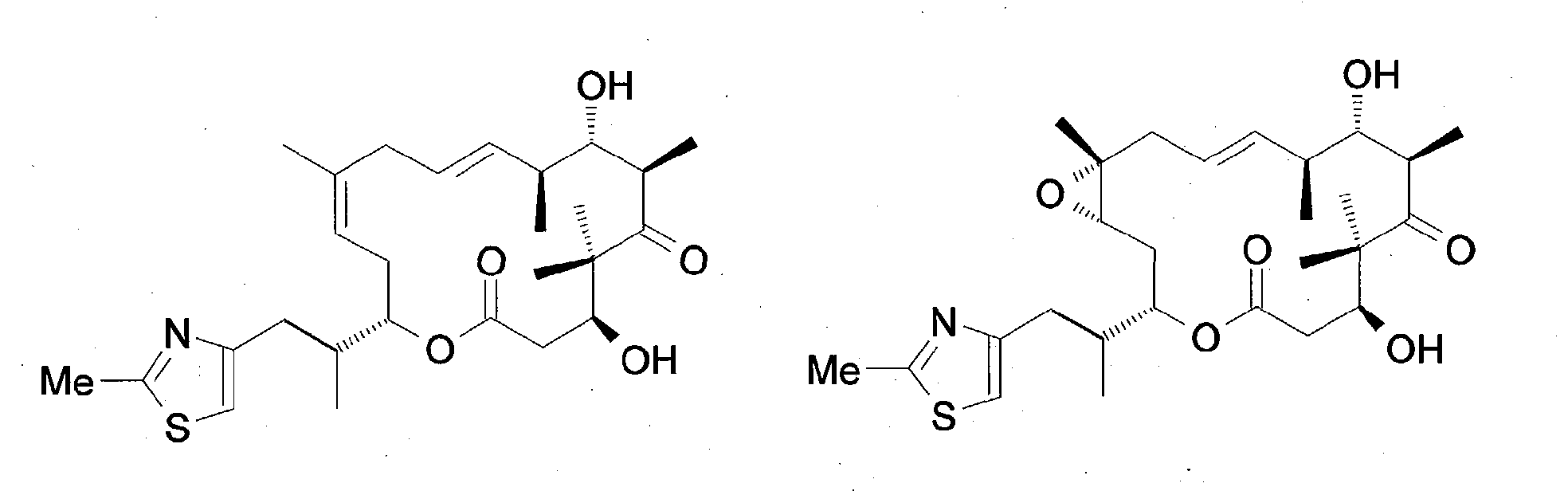
- the used epothilones include at least the natural epothilones A or B of following formula: and pharmaceutically acceptable salts thereof.
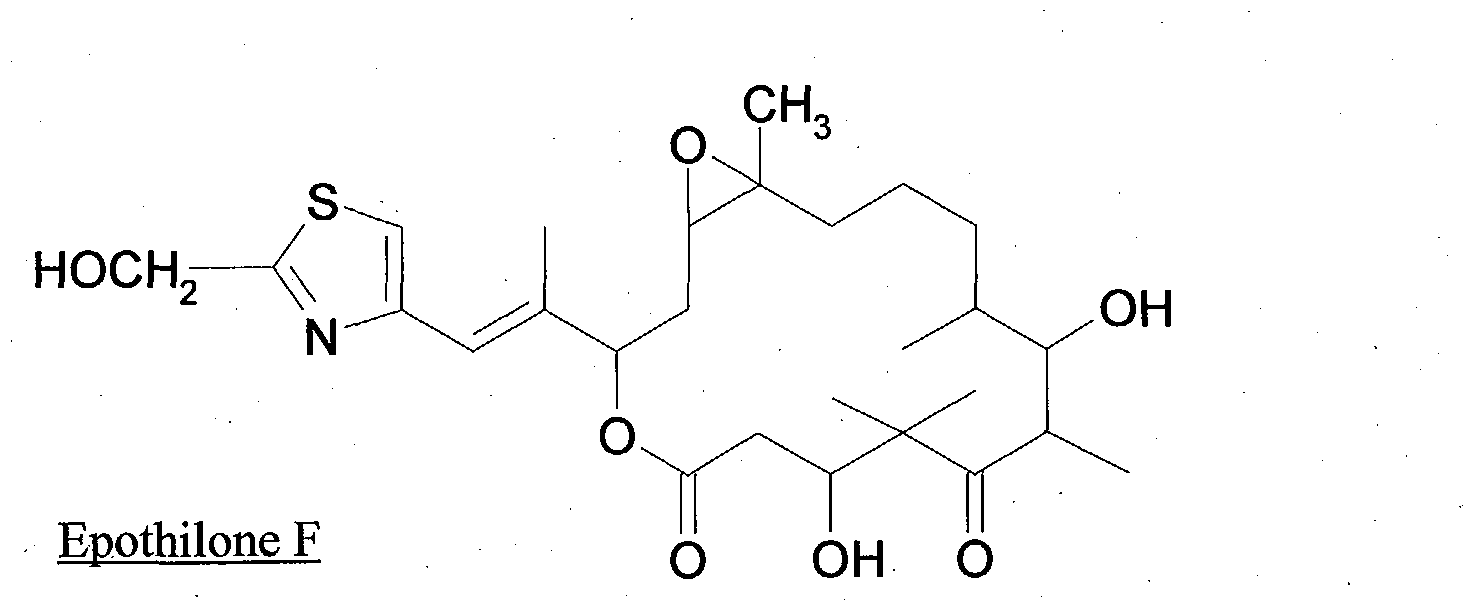
- epothilones may be synthetic epothilone C, D, E or F of the following formula: and in particular the epothilone D or derivative or salt thereof.
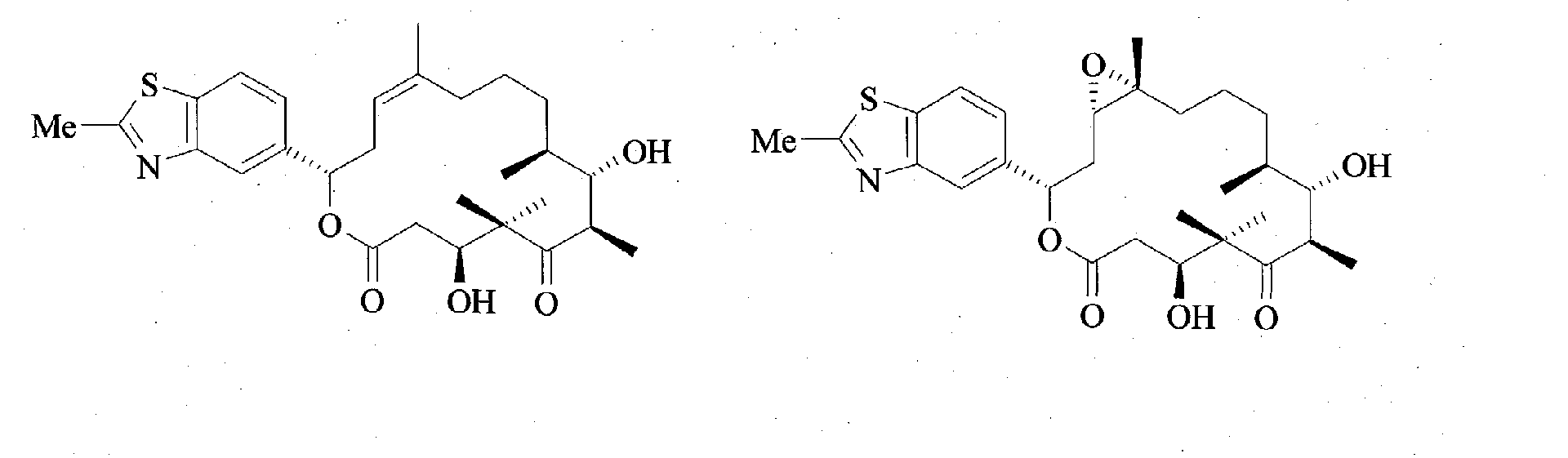
- epothilone may be synthetic epothilone of following formula:
- terapéuticaally effective amount refers to that amount in epothilone which, when administered to an individual in need thereof, is sufficient to provide efficient treatment, as defined below, for diseases associated with neuronal connectivity defect.
- the amount which constitutes a “therapeutically effective amount” will vary depending on the compound, the disease and its severity, and the age of the human to be treated, that can be determined routinely by one ordinary skill in the art having regard to his own knowledge and to this disclosure.
- the therapeutically effective amount in epothilone and in particular of a compound selected from the group consisting of Formula (I) or (II) may be from about 0.01 mg/Kg/dose to about 100 mg/Kg/dose.
- the therapeutically effective amount may be from about 0.01 mg/Kg/dose to about 25 mg/Kg/dose. More preferably, the therapeutically effective amount may be from about 0.01 mg/Kg/dose to about 10 mg/Kg/dose. Most preferably, the therapeutically effective amount may be from about 0.01 mg/Kg/dose to about 5 mg/Kg/dose.
- the therapeutically effective amount of the active ingredient contained per dosage unit e.g., tablet, capsule, powder, injection, suppository, teaspoonful and the like
- the therapeutically effective amount of the active ingredient contained per dosage unit may be from about 1 mg/day to about 7000 mg/day for a subject, for example, having an average weight of 70 Kg.
- the epothilone can be formulated by methods known in the art.
- Compositions for the oral, rectal, parenteral or local application can be prepared in the form of tablets, capsules, granulates, suppositories, implantages, sterile injectable aqueous or oily solutions, suspensions or emulsions, aerosols, salves, creams, or gels, retard preparations or retard implantates.
- the epothilone may also be administered by implantable dosing systems. In particular the epothilone is formulated for perfusion.
- the pharmaceutical active epothilone can thus be mixed with adjuvants known in the art, such as gum Arabic, talcum, starch, mannitol, methyl cellulose, lactose, surfactants such as Tweens® or Myrj®, magnesium stearate, aqueous or non-aqueous carriers, paraffin derivatives, wetting agents, dispersing agents, emulsifiers, preservatives, and flavours.
- adjuvants known in the art, such as gum Arabic, talcum, starch, mannitol, methyl cellulose, lactose, surfactants such as Tweens® or Myrj®, magnesium stearate, aqueous or non-aqueous carriers, paraffin derivatives, wetting agents, dispersing agents, emulsifiers, preservatives, and flavours.
- An epothilone according to the invention or a pharmaceutical composition thereof may be administered by any conventional route of administration including, but not limited to oral, pulmonary, intraperitoneal (ip), intravenous (iv), intramuscular (im), subcutaneous (sc), transdermal, buccal, nasal, sublingual, ocular, rectal and vaginal.
- administration directly to the nervous system may include, and are not limited to, intracerebral, intraventricular, intracerebroventricular, intrathecal, intracistemal, intraspinal or peri-spinal routes of administration by delivery via intracranial or intravertebral needles or catheters with or without pump devices. It will be readily apparent to those skilled in the art that any dose or frequency of administration that provides the therapeutic effect described herein is suitable for use in the present invention.
- mice activities (sleeping, feeding, grooming, walking and remaining still while awake) treated or not treated with epothilone D.
- the activities are video-recorded during 3 h.
- Left Panels number of occurrences of each activity (calculated for each mouse and averaged, mean ⁇ s.e.m).
- Right Panels time spent in each different activity (calculated for each mouse and averaged, mean ⁇ s.e.m).
- Tissue use score (T: 0-2)
- Nest building score (N: 0-2)
- Number of retrieved pups (R: 1-3)
- global score (T+N+R) were calculated for each mouse and averaged (mean ⁇ s.e.m). p ⁇ 0.05, ** p ⁇ 0.025, *** p ⁇ 0.01, ANOVA
- Epothilone D has been tested in STOP deficient mice. These mice display neuronal connectivity defects, with synaptic defects affecting both long- and - short term synaptic plasticity, associated with severe behavioral disorders. Behavioral disorders in STOP-/- mice are alleviated by long-term treatment with neuroleptics. STOP-/- mice are currently considered as a valuable animal model for study of the origin and treatment of mental diseases thought to result from a disease of the synapse, such as schizophrenia (Mirmics et al., Trends Neurosci., 2001, 24, 479-486)
- STOP deficient or control wild type (WT) female mice nulliparous, 8 weeks old, were treated either with a placebo (carrier alone), or with epothilone D.
- Epothilone D was injected intra-peritoneally, in two injections a week, at a total dose of 4 mg/kg/week, for 8 weeks.
- the drug was diluted at a final concentration of 0.2mg/ml in water, from a 50mg/ml stock solution in DMSO.
- Spontaneous activity was recorded and quantified during a three hours period of time, as in Andrieux et al. Five activities were considered: feeding, remaining still without sleeping, walking, grooming and sleeping. For each activity, the total time spent doing the activity and the number of distinct sequences of activity, were determined.
- the tested mouse was placed in a 240x240x120 mm cage containing litter and provided with a Kleenex tissue folded in 4 (final dimensions, 100x100 mm). After 60 hours, the mouse ability to use the paper and to build a nest was scored as follows:
- Tissue use score 0, the Kleenex tissue remained folded; 1, the tissue has been unfolded but not shredded; 2 the tissue was shredded.
- Nest building score 0, no attempt to build a nest; 1, primitive flat nest of uncontrolled shape; 2,true nest, the paper is mixed with litter to form a circular nest, less than 80mm in diameter.
- mice were trained and assessed for pup retrieving as in Andrieux et al.. Retrieving was scored as the number of pups retrieved (0 to 3).
- TNR nesting and retrieving capacity
Landscapes
- Health & Medical Sciences (AREA)
- Chemical & Material Sciences (AREA)
- Medicinal Chemistry (AREA)
- Pharmacology & Pharmacy (AREA)
- Life Sciences & Earth Sciences (AREA)
- Animal Behavior & Ethology (AREA)
- General Health & Medical Sciences (AREA)
- Public Health (AREA)
- Veterinary Medicine (AREA)
- Epidemiology (AREA)
- Engineering & Computer Science (AREA)
- Bioinformatics & Cheminformatics (AREA)
- Biomedical Technology (AREA)
- Neurology (AREA)
- Neurosurgery (AREA)
- Chemical Kinetics & Catalysis (AREA)
- General Chemical & Material Sciences (AREA)
- Nuclear Medicine, Radiotherapy & Molecular Imaging (AREA)
- Organic Chemistry (AREA)
- Psychiatry (AREA)
- Hospice & Palliative Care (AREA)
- Pharmaceuticals Containing Other Organic And Inorganic Compounds (AREA)
- Heterocyclic Carbon Compounds Containing A Hetero Ring Having Oxygen Or Sulfur (AREA)
- Plural Heterocyclic Compounds (AREA)
- Medicines That Contain Protein Lipid Enzymes And Other Medicines (AREA)
Abstract
The present invention is about the use of at least one epothilone or
derivative thereof as an active ingredient for manufacturing a
medicament for use in the treatment of disease(s) involving a neuronal
connectivity defect such as schizophrenia or autism.
Description
- The present invention relates to the use of epothilones for manufacturing a medicament for use in the treatment of psychotic disorders thought to be associated with neuronal connectivity defects, in the absence of obvious anatomical, degenerative, or proliferative anomalies.
- Psychotic disorders are disorders that are predominantly characterized by an impairment of mental functioning to the extent that it interferes grossly with an individual's ability to meet the ordinary demands of life.
- Psychotic disorders currently thought to result from disorders in neuronal connectivity include, and are not limited to, schizophrenia, schizophreniform disorder, schizoaffective or delusional disorder, and autism (Andreassen NC, Brain Res. Rev. 2000; 31:106-12; Francke et al., Neuron, 2003, 39, 205-216; Jamain et al, Nature Genetics, 2003, 34, 27-28.1).
- Schizophrenia is any of a group of psychotic disorders usually characterized by withdrawal from reality, illogical patterns of thinking, delusions and hallucinations and accompanied in varying degrees by other emotional, behavioral or intellectual disturbances. A lifelong chronic mental illness, schizophrenia exhibits positive and negative symptoms, with an onset in young adulthood and deterioration from the previous level of functioning. Positive symptoms reflect a distortion or excess of normal functions (eg, disorganized speech, delusions, and hallucinations). Negative symptoms, on the other hand, reflect a restricted range of normal behavior and emotions (eg, apathy, paucity of speech and incongruity or flattening of emotional responses). Schizophrenia can be presented in various forms depending on the symptoms and signs. The varieties of schizophrenia include paranoid schizophrenia, hebephrenic schizophrenia, catatonic schizophrenia, and undifferentiated schizophrenia as well as post-schizophrenic depression, residual schizophrenia, simple schizophrenia and unspecified schizophrenia.
- Neuroleptic agents or drugs (i.e. "neuroleptics"), also called anti-psychotics or major tranquilizers remain the treatment of choice for schizophrenia, certain organic central nervous system disorders, mental illnesses, and associated psychotic processes today. Currently, it is estimated that over 95% of schizophrenics are chronically maintained on neuroleptics. All known neuroleptics are dopaminergic blockers, having pharmacological actions similar to the action of chlorpromazine, an aliphatic phenothiazine derivative also known as Thiorazine.
- Although the known anti-psychotic drugs have clear efficacy in the treatment of mental illness, they do not cure all symptoms and have a variety of side effects.
- The invention derives from the discovery that epothilones can alleviate schizophrenia-related behavioural disorders in an animal model termed STOP deficient mice (Andrieux et al.: Genes Dev. 2002 Sep 15; 16(18): 2350-64).
- The natural products Epothilones A and B as well as some of their synthetic derivatives have recently found interest in connection with the treatment of cancer. Thus, WO 98/22461, WO 99/07692, DE 198 21954, WO 99/02514, WO 99/67252, WO 00/50423, WO 02/21712, WO 00/66589, WO 01/081341, WO 00/49021 and US 2003/0 203 929 deal with the synthesis of epothilone derivatives and for some of them with their use in the treatment of cancers. WO 03/074053 relates more specifically to the use of some epothilone derivatives to treat diseases involving degenerative or hyperproliferative processes, such as brain tumor, Alzeihmer's disease, multiple sclerosis and primary or secondary brain tumors.
- A beneficial effect of epothilones has now been demonstrated in STOP deficient mice which display neuronal connectivity defects not associated with any detectable anatomical, degenerative or proliferative anomalies.
- Accordingly, the invention provides alternative therapies for treating some Central Nervous System (CNS) disorders and mental illness, associated with neuronal connectivity defect, particularly schizophrenia and autism, said defects being not associated with any detectable anatomical, degenerative or proliferative anomalies.
- According to a first aspect, the present invention is directed to the use of at least one epothilone or derivative thereof as an active ingredient, in particular in a therapeutically effective amount, for manufacturing a medicament for use in the treatment of disease(s) involving a neuronal connectivity defect.
- In particular, the present invention is directed to the use of at least one epothilone or derivative thereof as an active ingredient, in particular in a therapeutically effective amount, for manufacturing a medicament for use in the treatment of schizophrenia and/or autism.
- According to a second aspect, the present invention is directed to a method of treatment of disease(s) involving a neuronal connectivity defect comprising administering to an individual in need thereof a therapeutically effective amount of at least one epothilone or derivative thereof, in particular as defined according to the invention.
- An embodiment of the method of the present invention comprises administering to an individual a therapeutically effective amount of at least one epothilone or derivative thereof, in particular as defined according to the instant invention, in a pharmaceutical composition comprising at least a pharmaceutically acceptable carrier.
- Another embodiment of the method of the present invention comprises administering to an individual a therapeutically effective amount of at least one epothilone or derivative thereof, in particular according to the invention or a pharmaceutical composition thereof in combination with one or more agents useful in preventing or treating psychotic or psychiatric disorders, in particular such as neuroleptics.
- As used herein, the term "disease associated with neuronal connectivity defect" refers to mental diseases currently thought to involve neuronal connectivity disorder, in the absence of obvious anatomical, proliferative or degenerative anomaly. Examples of such disorders include particularly schizophrenia and autism. In particular, the diseases considered according to the invention are different from progressive dementing disorders like Alzheimer, which involve neuronal degeneration.
- As used herein, the term "schizophrenia" refers to a psychiatric disorder that includes at least two of the following: delusions, hallucinations, disorganized speech, grossly disorganized or catatonic behaviour, or negative symptoms. Patients can be diagnosed as schizophrenic using the DSM-IV criteria (APA, 1994, Diagnostic and Statistical Manual of Mental Disorders (Fourth Edition), Washington, D.C.).
- "Negative" symptoms of schizophrenia include affect blunting, anergia, alogia and social withdrawal, which can be measured using SANS (the Scales for the Assessment of Negative Symptoms; see Andreasen, 1983, Scales for the Assessment of Negative Symptoms (SANS), Iowa City, Iowa).
- "Positive" symptoms of schizophrenia include delusion and hallucination, which can be measured using PANSS (the Positive and Negative Syndrome Scale; see Kay et al., 1987, Schizophrenia Bulletin 13:261-276).
- "Cognitive" symptoms of schizophrenia include impairment in obtaining, organizing, and using intellectual knowledge which can be measured by the Positive and Negative Syndrome Scale-cognitive subscale (PANSS-cognitive subscale) (Lindenmayer et al., 1994, J. Nerv. Ment. Dis. 182:631-638) or with cognitive tasks such as the Wisconsin Card Sorting Test.
- As used herein, the term "autism" refers to a state of mental introversion characterized by morbid self-absorption, social failure, language delay, and stereotyped behavior. Patients can be diagnosed as suffering from autism by using the DSM-IV criteria.
- "Treating" or "treatment" as used herein refers to the treatment of a disease in an individual, which disease is associated with neuronal connectivity defect and includes:
- (i) inhibiting the disease, i.e., arresting its development; or
- (ii) relieving the disease, i.e., alleviating symptoms caused by the disease.
-
- According to one embodiment, the used epothilone may be derivatives of epothilones of following formula (I):wherein:
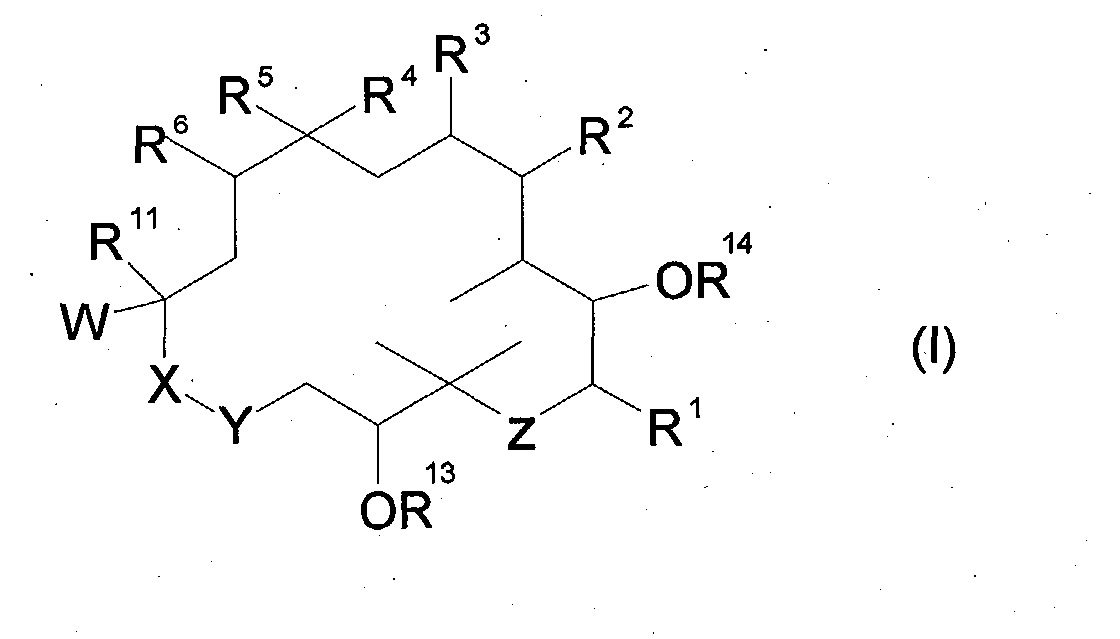
- R1 represents H, alkyl, alkenyl or alkynyl in C1-C6, aryl in C6-C10, aralkyl in C7-C15,
- R2, R3 represents each H or form together C=C double bond,
- R4 represents C1-C6-alkyl in particular CH3, fluoro substituted C1-C6 alkyl in particular CF3 or CFH2,
- R5 and R6 form a C=C double bond or a three membered ring including O, S, NR7, CR8R9 with R7 being C(O)R10, SO2R10 and R8, R9, R10 being independently H, halogen, C1-C6 alkyl, C6-C10 aryl, C7-C15 alkaryl,
- R11 being H, C1-C6 alkyl, C6-C10 aryl, C7-C15 alkaryl, and in particular H,
- W represents C(R12)=CH, C(R12)=CF or a bicyclic aromatic/heteroaromatic radical preferably a 2-methylbenzothiazol-5-yl radical, or a 2-methylbenzoxazol-5-yl radical or a quinolin-7-yl radical, with R12 representing a heteroaromatic radical, preferably a 2-pyridinyl, a 2-substituted thiazol-4-yl or a 2-substituted oxazol-4-yl radical with substitution in 2-position by C1-C6-alkyl, pseudohalogen like CN or N3, S-C1-C4-alkyl, O-C1-C6-alkyl, or C1-C6-alkyl substituted by OH, amino, halogen, pseudohalogen such as -NCO, -NCS, -N3 , O-(C1-C6)-acyl, O-(C1-C6)-alkyl or O-benzoyl,
- X-Y represents O-C(=O), O-CH2, CH2-O, CH2-C(=O),
- Z represents C=O, S, S=O, SO2,
- R13 and R14 represents independently from each other H, C1-C6-alkyl, (CO)R15 or C1-4-trialkylsilyl, with R15 being H, C1-C6-alkyl, fluoro substituted C1-C6-alkyl, and pharmaceutically acceptable salts thereof.
- According to one embodiment, the used epothilone may be derivatives of epothilones of following formula (II):wherein:

- R'4 represents an C1-C6-alkyl or substituted C1-C6-alkyl with substituents as F, Cl, Br or I, pseudohalogen such as -NCO, -NCS, -N3, NH2, OH, O-(C1-C6)-acyl, O-(C1-C6)-alkyl or O-benzoyl,
- R'1 and R'2 are independently from each other H, C1-C6-alkyl, (CO)R'5 with R'5 being H, C1-C6-alkyl, C1-C6-fluoroalkyl or C1-4-trialkylsilyl,
- R'3 represents H, C1-C6-alkyl, halogen substituted C1-C6-alkyl, and
- Y and Z form either a C=C double bond or are the O atom of an epoxide
- Depending on the nature of the various subsistuents, the compounds of formula (I) and (II) may have several asymmetric carbon atoms. Unless otherwise mentioned or indicated, the chemical designation of compounds denotes the mixture of all possible stereochemically isomeric forms, said mixtures containing all diastereomers and enantiomers of the basic molecular structure.
- The term addition salt as used hereinabove also comprises the solvates which the compounds of formula (I) and (II) are able to form and said solvates are meant to be included within the scope of the present invention. Examples of such solvates are e.g., the hydrates, alcoholates and the like.
- As used therein,
the term "alkyl" includes straight chained and branched hydrocarbon groups containing the indicated number of carbon atoms, typically methyl, ethyl, and straight-chain and branched propyl and butyl groups. Unless otherwise indicated, the hydrocarbon group can obtain up to 16 carbon atoms. The term "alkyl" includes "bridged alkyl". Alkyl groups can be substituted, for example, with hydroxy (OH), halogen, aryl, heteroaryl, cycloalkyl, heterocycloalkyl, cycloalkenyl, heterocycloalkenyl, amino (N(Rb)2), and sulfonyl (SO2Rb), wherein Rb is selected from the group consisting of hydro, C1-C6alkyl, cycloalkyl, aryl, and SO2C1-C6-alkyl, or two Rb groups are taken together to form a 5- or 6-membered ring. - The terms "cycloalkyl" and "cycloalkenyl" are defined as a cyclic C3-7 hydrocarbon group, e.g., cyclopropyl, cyclobutyl, cyclohexyl, cyclohexenyl, cyclopentenyl, and cyclopentyl. "Heterocycloalkyl" and "heterocycloalkenyl" are defined similarly as cycloalkyl except the ring contains one to three hereroatoms selected from the group consisting of oxygen, nitrogen, and sulphur. Cycloalkyl and heterocycloalkyl groups are saturated ring systems, and cycloalkenyl and heterocycloalkenyl are partially unsaturated ring systems, all optionally substituted with, for example, one to three groups, independently selected from C1-4-alkyl, C1-3-alkylene-OH, C1-3alkylene-N(Ra)2, NH2, oxo (=O), aryl, and OH.
- The term "halogen" is defined herein to include fluoro, bromo, chloro, and iodo.
- The term"aryl", alone or in combination, is defined herein as a monocyclic or bicyclic aromatic group, e.g., phenyl or naphtyl. Unless otherwise indicated, an "aryl"group can be unsubstituted or substituted. Exemplary aryl groups include phenyl, naphthyl, tetrahydronaphthyl, chlorophenyl, methylphenyl, methoxyphenyl, trifluoromethylphenyl, nitrophenyl, 2,4-methoxychlorophenyl, and the like.
- The term "heteroaryl" is defined herein as a monocyclic or bicyclic ring system containing at least one nitrogen, oxygen, or sulfur atom in an aromatic ring, and that can be unsubstituted or substituted. Examples of heteroaryl groups include, but are not limited to thienyl, furyl, pyridyl, oxazolyl, quinolyl, isoquinolyl, indolyl, triazolyl, isothiazolyl, isoxazolyl, imidizolyl, benzothiazolyl, pyrazinyl, pyrimidinyl, thiazolyl, and thiadiazolyl.
- The term"alkoxy" is defined as -OR, wherein R is alkyl, including cycloalkyl.
- The term "acyl" is defined as -CO-R, wherein R is alkyl, including cycloalkyl.
- Epothilones of formula (I) and (II) are especially interesting as they appear to offer relief of both the positive and negative symptoms of schizophrenia. Further the present compounds also appear to be useful therapeutic agents for combating autism.
- More particularly, the epothilone is at least a derivative of formula II wherein R'1, R'2, R'3 represent independently from each other, H, C1-C6-alkyl in particular CH3, C1-C6 perfluoroalkyl in particular CF3 and Y and Z form together a C = C double bond or are together the O atom of an epoxide.
- According to another specific embodiment, the used epothilones include at least the natural epothilones A or B of following formula:
 and pharmaceutically acceptable salts thereof.
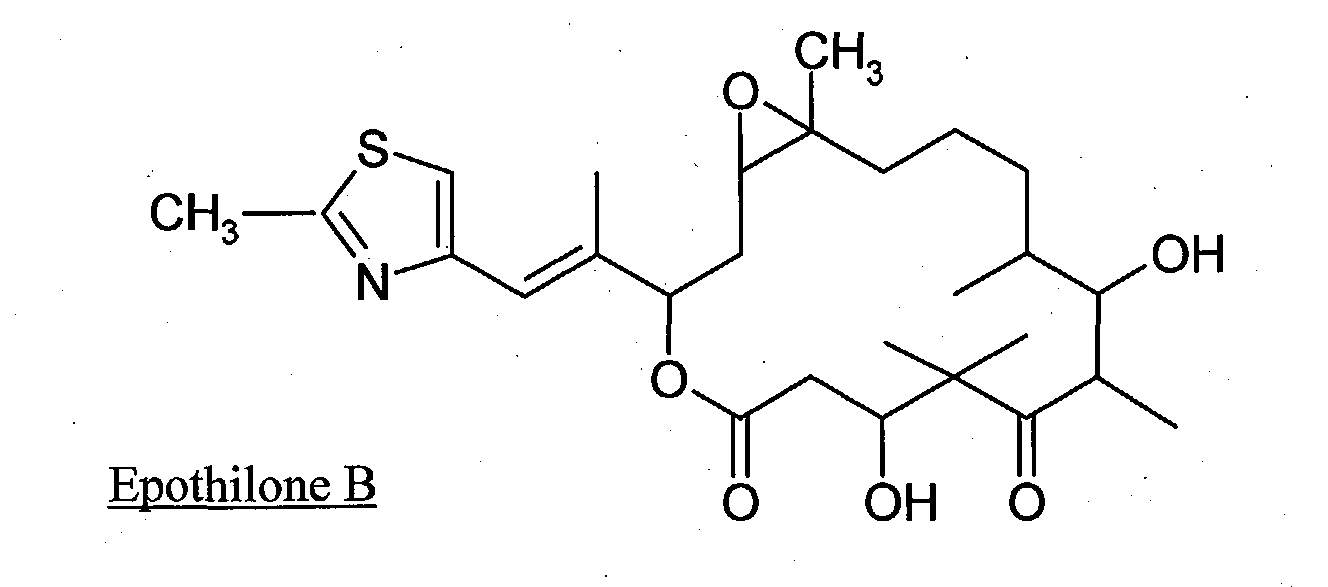
- According to another specific embodiment, epothilones may be synthetic epothilone C, D, E or F of the following formula:

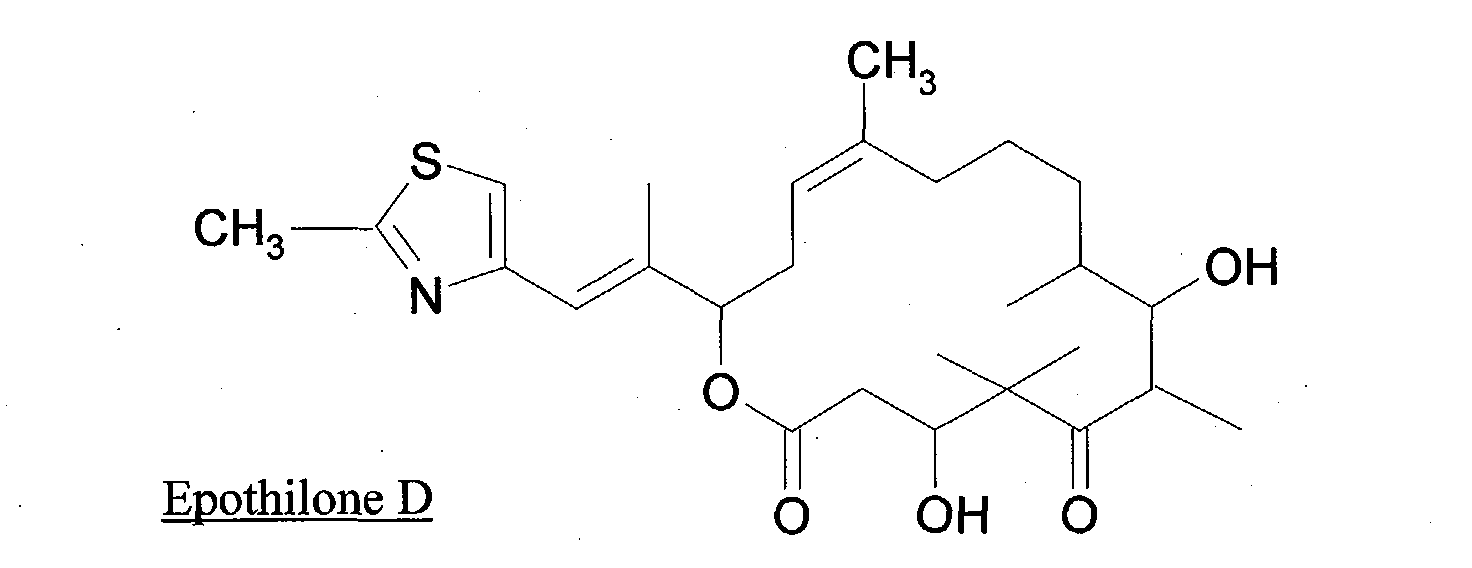
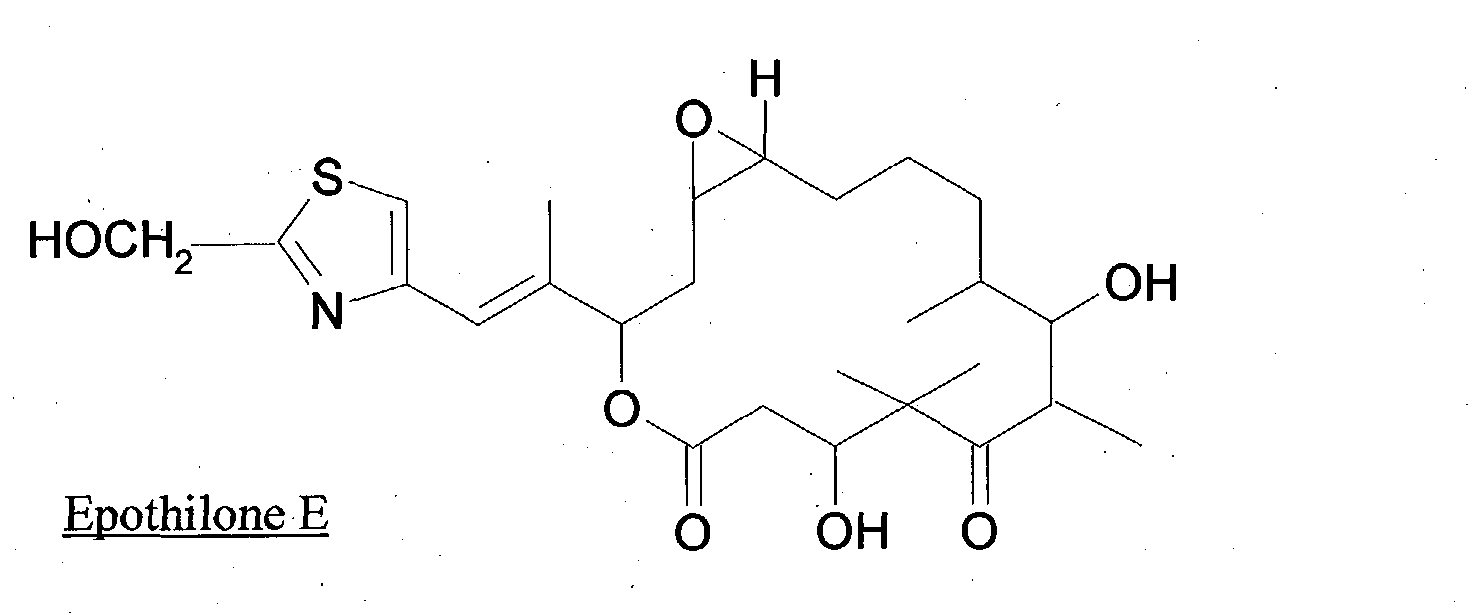 and in particular the epothilone D or derivative or salt thereof.
- According to another specific embodiment, epothilone may be synthetic epothilone of following formula:

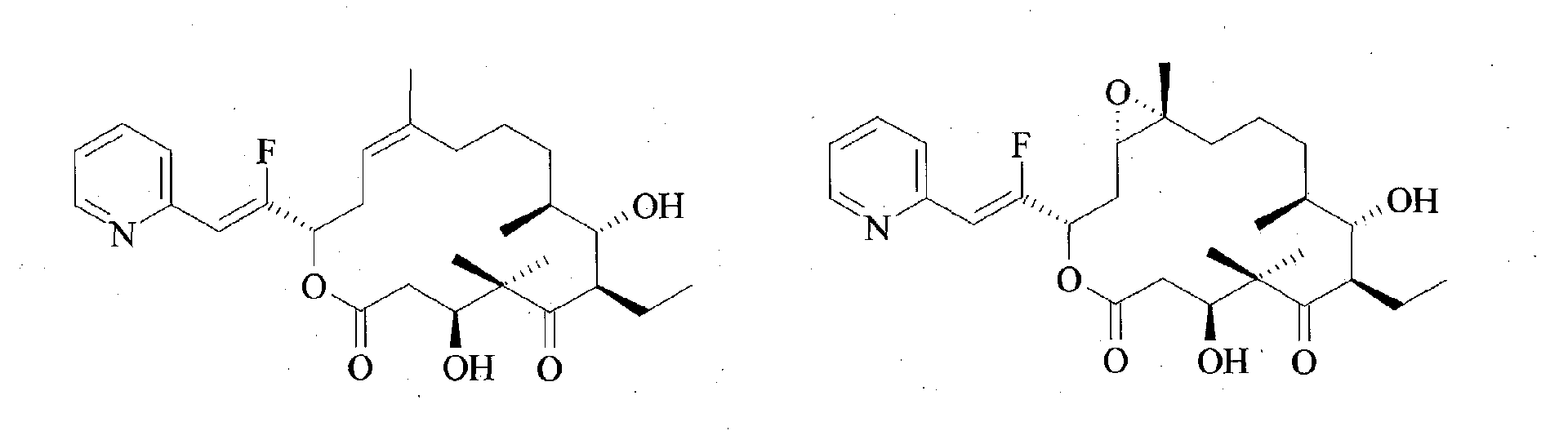

- The term "therapeutically effective amount" as used herein refers to that amount in epothilone which, when administered to an individual in need thereof, is sufficient to provide efficient treatment, as defined below, for diseases associated with neuronal connectivity defect.
- Naturally, the amount which constitutes a "therapeutically effective amount" will vary depending on the compound, the disease and its severity, and the age of the human to be treated, that can be determined routinely by one ordinary skill in the art having regard to his own knowledge and to this disclosure.
- For example, the therapeutically effective amount in epothilone and in particular of a compound selected from the group consisting of Formula (I) or (II) may be from about 0.01 mg/Kg/dose to about 100 mg/Kg/dose. Preferably, the therapeutically effective amount may be from about 0.01 mg/Kg/dose to about 25 mg/Kg/dose. More preferably, the therapeutically effective amount may be from about 0.01 mg/Kg/dose to about 10 mg/Kg/dose. Most preferably, the therapeutically effective amount may be from about 0.01 mg/Kg/dose to about 5 mg/Kg/dose. Therefore, the therapeutically effective amount of the active ingredient contained per dosage unit (e.g., tablet, capsule, powder, injection, suppository, teaspoonful and the like) as described herein may be from about 1 mg/day to about 7000 mg/day for a subject, for example, having an average weight of 70 Kg.
- For the use according to the invention, the epothilone can be formulated by methods known in the art. Compositions for the oral, rectal, parenteral or local application can be prepared in the form of tablets, capsules, granulates, suppositories, implantages, sterile injectable aqueous or oily solutions, suspensions or emulsions, aerosols, salves, creams, or gels, retard preparations or retard implantates. The epothilone may also be administered by implantable dosing systems. In particular the epothilone is formulated for perfusion.
- The pharmaceutical active epothilone can thus be mixed with adjuvants known in the art, such as gum Arabic, talcum, starch, mannitol, methyl cellulose, lactose, surfactants such as Tweens® or Myrj®, magnesium stearate, aqueous or non-aqueous carriers, paraffin derivatives, wetting agents, dispersing agents, emulsifiers, preservatives, and flavours.
- An epothilone according to the invention or a pharmaceutical composition thereof may be administered by any conventional route of administration including, but not limited to oral, pulmonary, intraperitoneal (ip), intravenous (iv), intramuscular (im), subcutaneous (sc), transdermal, buccal, nasal, sublingual, ocular, rectal and vaginal. In addition, administration directly to the nervous system may include, and are not limited to, intracerebral, intraventricular, intracerebroventricular, intrathecal, intracistemal, intraspinal or peri-spinal routes of administration by delivery via intracranial or intravertebral needles or catheters with or without pump devices. It will be readily apparent to those skilled in the art that any dose or frequency of administration that provides the therapeutic effect described herein is suitable for use in the present invention.
- The invention is further illustrated by the following examples and figures:
- It reports mouse activities (sleeping, feeding, grooming, walking and remaining still while awake) treated or not treated with epothilone D. The activities are video-recorded during 3 h. Left Panels: number of occurrences of each activity (calculated for each mouse and averaged, mean ± s.e.m). Right Panels: time spent in each different activity (calculated for each mouse and averaged, mean ± s.e.m).
* p≤0.05, ** p≤ 0.025, *** p≤ 0.01, ANOVA. - It reports the nesting capacity. Tissue use score (T: 0-2), Nest building score (N: 0-2), Number of retrieved pups (R: 1-3) and global score (T+N+R) were calculated for each mouse and averaged (mean ± s.e.m).
p≤0.05, ** p≤ 0.025, *** p≤ 0.01, ANOVA - Epothilone D has been tested in STOP deficient mice. These mice display neuronal connectivity defects, with synaptic defects affecting both long- and - short term synaptic plasticity, associated with severe behavioral disorders. Behavioral disorders in STOP-/- mice are alleviated by long-term treatment with neuroleptics. STOP-/- mice are currently considered as a valuable animal model for study of the origin and treatment of mental diseases thought to result from a disease of the synapse, such as schizophrenia (Mirmics et al., Trends Neurosci., 2001, 24, 479-486)
- STOP deficient or control wild type (WT) female mice, nulliparous, 8 weeks old, were treated either with a placebo (carrier alone), or with epothilone D. Epothilone D was injected intra-peritoneally, in two injections a week, at a total dose of 4 mg/kg/week, for 8 weeks. The drug was diluted at a final concentration of 0.2mg/ml in water, from a 50mg/ml stock solution in DMSO.
- For test of the effect of epothilone, we examined mouse spontaneous activity, and mouse ability to build a nest and to retrieve pups. Whereas behavioral defects in STOP-/mice are complex, these defects ultimately result in conspicuous alterations of spontaneous behaviour, with a fragmented activity characterized by frequent shifts between activities, and in severe deficits affecting tasks related to nurturing, such as nest building and pup retrieving.
- Spontaneous activity was recorded and quantified during a three hours period of time, as in Andrieux et al. Five activities were considered: feeding, remaining still without sleeping, walking, grooming and sleeping. For each activity, the total time spent doing the activity and the number of distinct sequences of activity, were determined.
- For assessment of nesting capacity, the tested mouse was placed in a 240x240x120 mm cage containing litter and provided with a Kleenex tissue folded in 4 (final dimensions, 100x100 mm). After 60 hours, the mouse ability to use the paper and to build a nest was scored as follows:
- Tissue use score: 0, the Kleenex tissue remained folded; 1, the tissue has been unfolded but not shredded; 2 the tissue was shredded.
- Nest building score: 0, no attempt to build a nest; 1, primitive flat nest of uncontrolled shape; 2,true nest, the paper is mixed with litter to form a circular nest, less than 80mm in diameter.
- For assessment of retrieving: following the nest building test, mice were trained and assessed for pup retrieving as in Andrieux et al.. Retrieving was scored as the number of pups retrieved (0 to 3).
- Finally a global score for nesting and retrieving capacity (TNR) was determined for each mouse, by adding the tissue use, nest building, and pup retrieving scores.
- Among 19 STOP -/- mice, 9 were treated with placebo injections, 10 with epothilone D. Among 20 WT mice, 10 were treated with placebo injections and 10 with epothilone D.
- In STOP deficient mice, epothilone treatment caused a remarkable decrease in the total number of shifts between activities (see figure 1). This decrease in number concerned the number of walking, and grooming sequences, whereas the number of sleeping and feeding sequences remained unaffected. The total time spent grooming was also highly significantly diminished by epothilone treatment. Finally, epothilone treatment tended to diminish the time spent remaining still without sleeping, and to increase the time spent sleeping. These results indicate a conspicuous alleviation of the activity fragmentation that is characteristic of untreated STOP deficient mice (Andrieux et al.), with a trend to diminish abnormal activities such as remaining still without sleeping, or activities that can be stereotypic such as grooming, and to increase sleeping which is deficient in untreated STOP-/- mice (Andrieux et al.).
- In the same STOP deficient mice, epothilone treatment strongly improved the paper use score, the nest building score, and tended to improve the pup retrieving score. There was a highly significant increase in the TNR score, which rose from 1.16 to 4.4, upon epothilone treatment, in STOP-/- mice (Figure 2). The treatment thus had a remarkable beneficial effect on nurturing-related tasks that are strongly deficient in untreated STOP-/mice.
- In contrast, in WT mice, epothilone treatment had no significant effect on the recorded activities or on nurturing-related behaviours, with the exception of a significant increase in the number of sequences of stillness (Figure 1). However, the observation of a single significant difference among multiple comparisons is compatible with random fluctuations. Altogether, results indicate that epothilones have little or no psychotropic effects in WT mice.
- Taken together, these results show that epothilone treatment can alleviate behavioural disorders in an animal model of psychiatric disease involving connectivity disorders.
Claims (14)
- Use of at least one epothilone or derivative thereof as an active ingredient for manufacturing a medicament for use in the treatment of disease(s) involving a neuronal connectivity defect.
- Use of at least one epothilone or derivative thereof as an active ingredient for manufacturing a medicament for use in the treatment of schizophrenia or autism.
- Use according to claim 1 or 2, wherein the epothilone is a compound of formula (I):wherein:
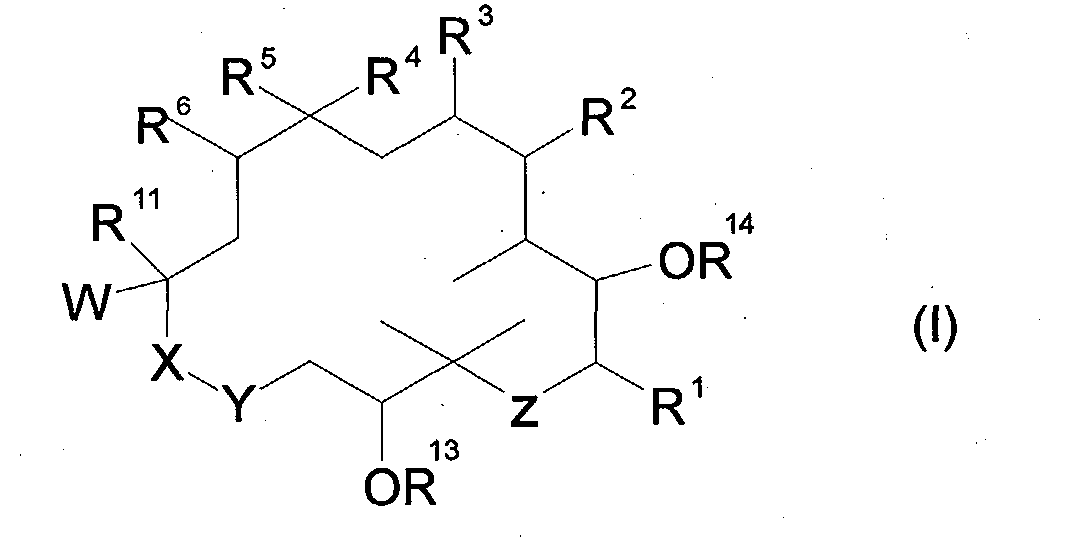 and pharmaceutically acceptable salts thereof.R1 represents H, alkyl, alkenyl or alkynyl in C1-C6, aryl in C6-C10, aralkyl in C7-C15,R2, R3 represents each H or form together C=C double bond,R4 represents C1-C6-alkyl in particular CH3, fluoro substituted C1-C6 alkyl in particular CF3 or CFH2,R5 and R6 form a C=C double bond or a three membered ring including O, S, NR7, CR8R9 with R7 being C(O)R10, SO2R10 and R8, R9, R10 being independently H, halogen, C1-C6 alkyl, C6-C10 aryl, C7-C15 alkaryl,R11 being H, C1-C6 alkyl, C6-C10 aryl, C7-C15 alkaryl, and in particular H,W represents C(R12)=CH, C(R12)=CF or a bicyclic aromatic/heteroaromatic radical preferably a 2-methylbenzothiazol-5-yl radical, or a 2-methylbenzoxazol-5-yl radical or a quinolin-7-yl radical, with R12 representing a heteroaromatic radical, preferably a 2-pyridinyl, a 2-substituted thiazol-4-yl or a 2-substituted oxazol-4-yl radical with substitution in 2-position by C1-C6 alkyl, pseudohalogen like CN or N3, S-C1-C4-alkyl, O-C1-C6-alkyl, or C1-C6-alkyl substituted by OH, amino, halogen, pseudohalogen such as -NCO, -NCS, -N3 , O-(C1-C6)-acyl, O-(C1-C6)-alkyl or O-benzoyl,X-Y represents O-C(=O), O-CH2, CH2-O, CH2-C(=O),Z represents C=O, S, S=O, SO2,R13 and R14 represents independently from each other H, C1-C6-alkyl, (CO)R15 or C1-4-trialkylsilyl, with R15 being H, C1-C6-alkyl, fluoro substituted C1-C6-alkyl,
- Use according to any one of claims 1 to 3, wherein the epothilone is a derivative of following formula (II):wherein:
 and pharmaceutically acceptable salts thereof.R'4 represents an C1-C6 alkyl or substituted C1-C6 alkyl with substituents as F, Cl, Br or I, pseudohalogen, such as -NCO, -NCS , -N3, NH2, OH, O-(C1-C6)-acyl, O-(C1-C6)-alkyl or O-benzoyl,R'1 and R'2 are independently from each other H, C1-C6-alkyl, (CO)R'5 with R'5 being H, C1-C6-alkyl, C1-C6-fluoroalkyl or C1-4-trialkylsilyl,R'3 represents H, C1-C6-alkyl, halogen substituted C1-C6-alkyl, andY and Z form either a C=C double bond or are the O atom of an epoxide
- Use according to claim 4, wherein the epothilone is at least a derivative of formula (II) wherein R'1; R'2, R'3 represents independently from each other, H, C1-C6-alkyl in particular CH3, C1-C6 fluoroalkyl in particular CF3 and Y and Z form either a C=C double bond or are together the O atom of an epoxide.
- Use according to any one of claims 1 to 5, wherein epothilone includes at least the natural epothilone A or B of following formula:
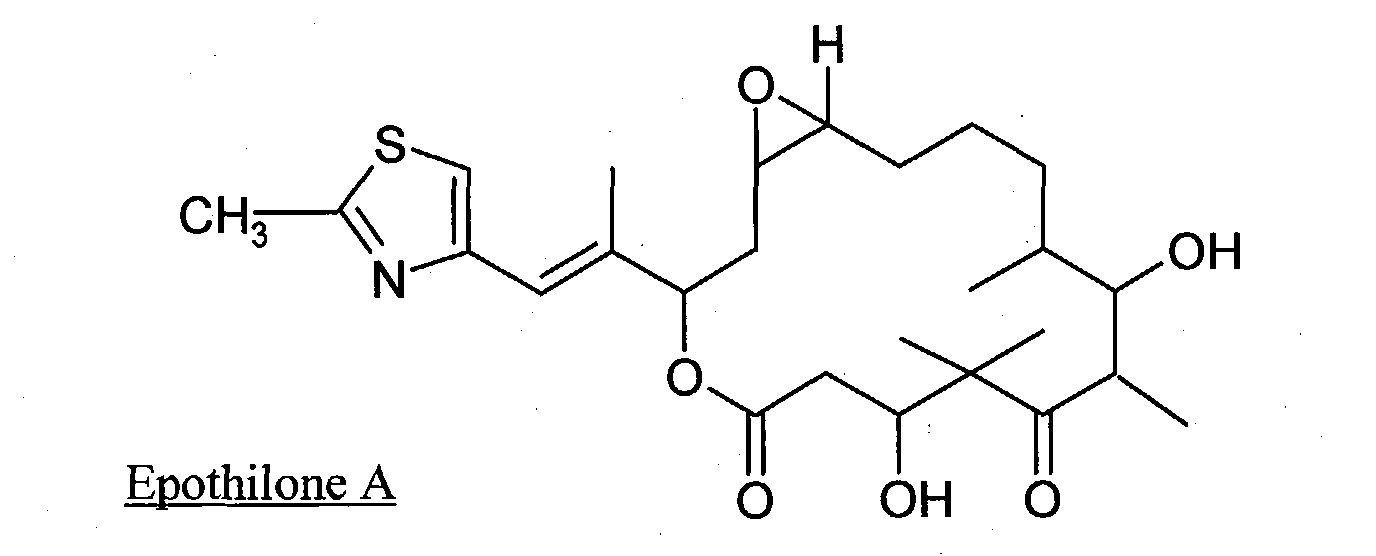 or a pharmaceutically acceptable salt thereof.
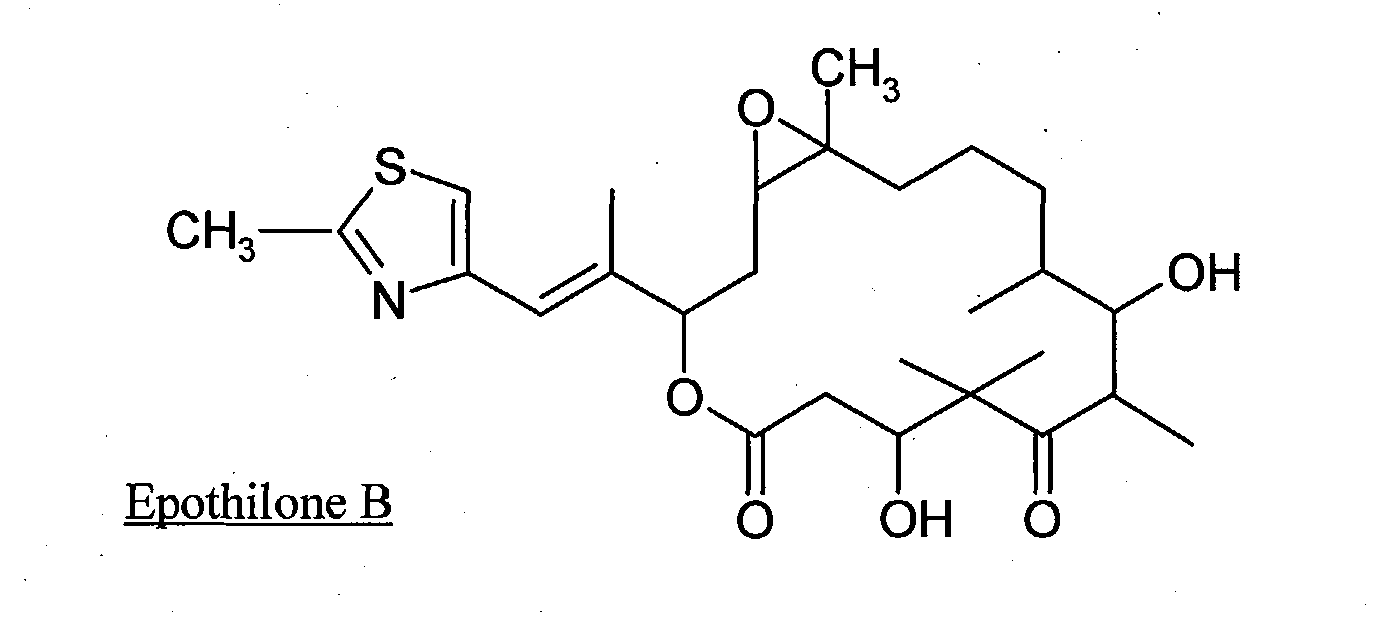
- Use according to any one of claims 1 to 6, wherein epothilone includes at least one synthetic epothilone C, D, E or F of following formula:

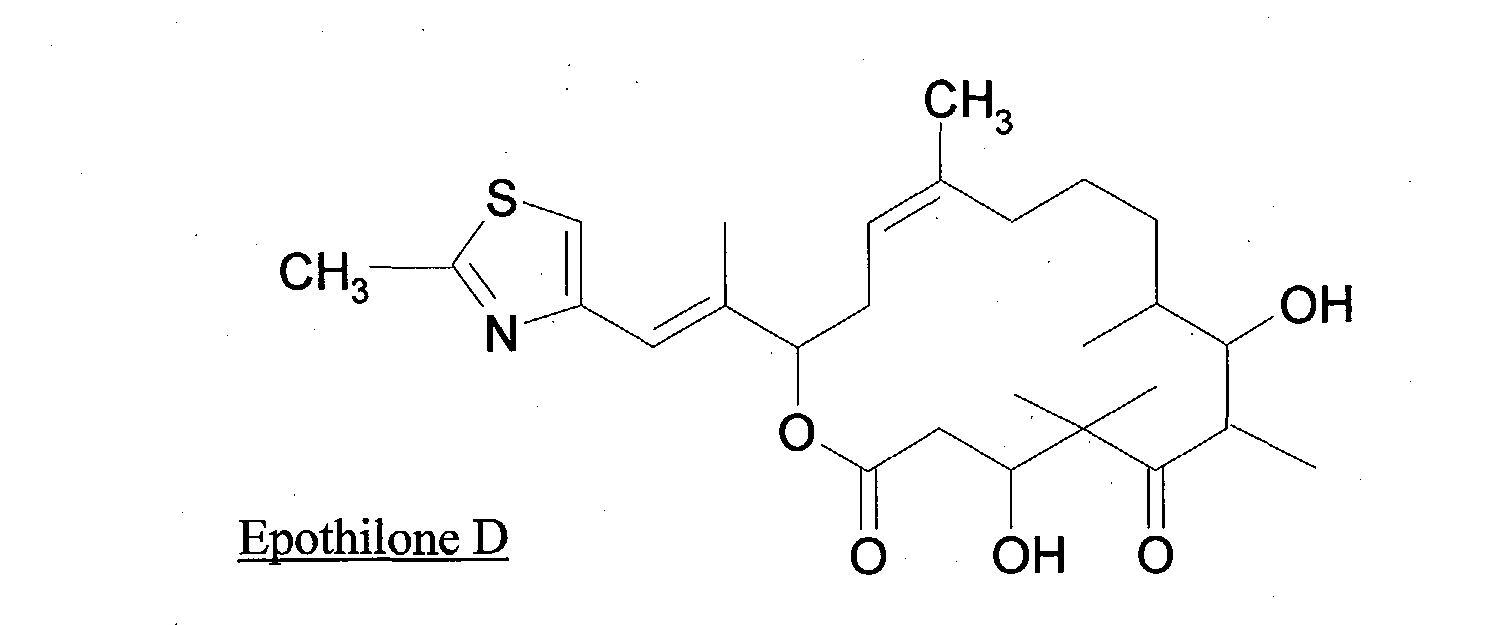
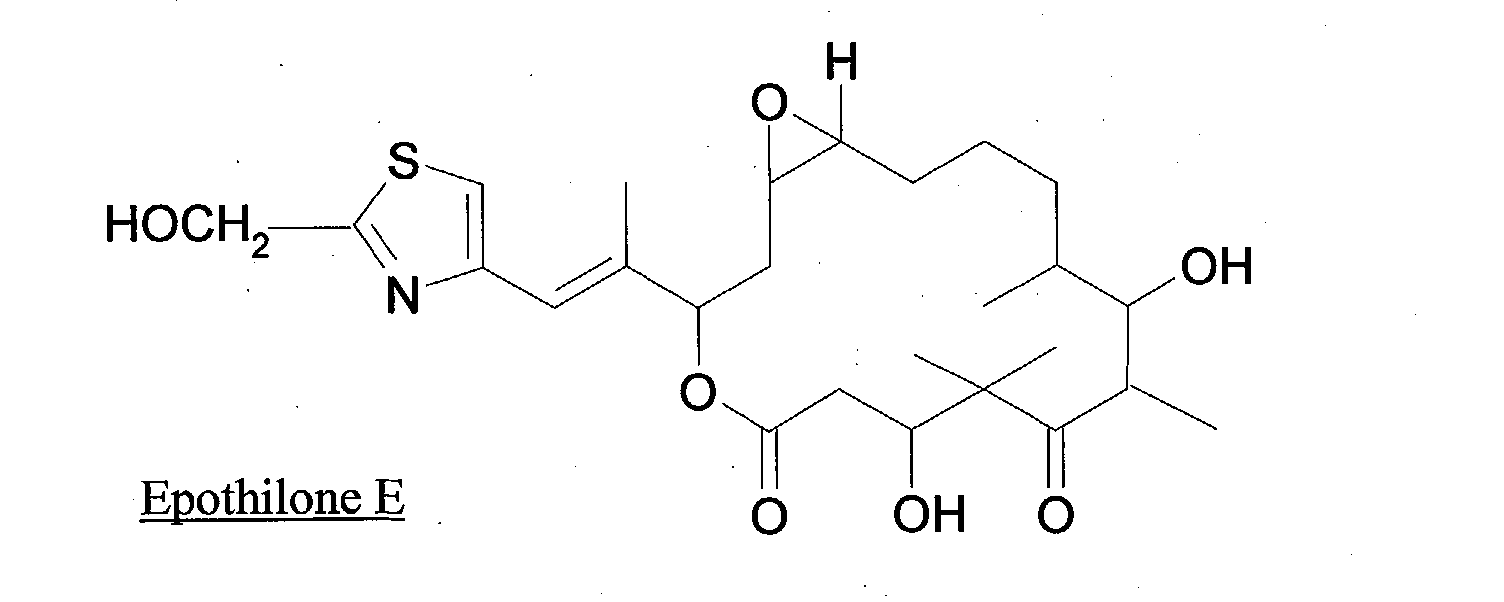 in particular epothilone D and pharmaceutically acceptable salts thereof.

- Use according to any one of claims 1 to 7, wherein epothilone includes at least one synthetic epothilone of following formula:
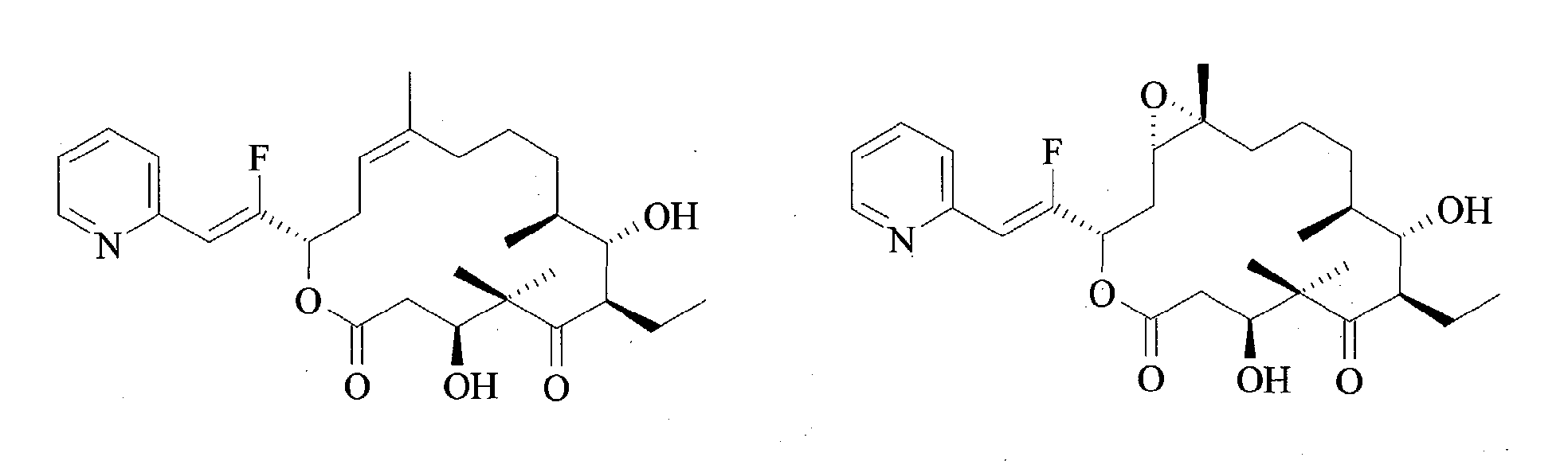
- Use according to any one of claims 1 to 8, wherein the epothilone(s) is used at a therapeutically effective amount from about 0.01/Kg/dose to about 100 mg/Kg/dose.
- Method of treatment of a disease involving a neuronal connectivity defect comprising administering to an individual in need thereof a therapeutic effective amount of one epothilone or derivative thereof.
- Method of treatment of a disease involving a neuronal connectivity defect comprising administering to an individual a therapeutically effective amount of at least one epothilone or derivative thereof in a pharmaceutical composition comprising at least a pharmaceutically acceptable carrier.
- Method according to claim 10 or 11, wherein the disease includes a psychotic or psychiatric disorder.
- Method according to any one of claims from 10 to 12, wherein the epothilone or pharmaceutical compositions thereof is administered in combination with one or more agents useful in preventing or treating psychotic or psychiatric disorders.
- Method according to any one of claims from 10 to 13, wherein the epothilone is as defined in claims 3 to 9.
Priority Applications (12)
| Application Number | Priority Date | Filing Date | Title |
|---|---|---|---|
| EP04290249A EP1559447A1 (en) | 2004-01-30 | 2004-01-30 | Use of epothilones in the treatment of neuronal connectivity defects such as schizophrenia and autism |
| AT05702370T ATE419902T1 (en) | 2004-01-30 | 2005-01-28 | USE OF EPOTHILONES IN THE TREATMENT OF NEURONAL CONNECTION DEFECTS SUCH AS SCHIZOPHRENIA AND AUTISM |
| AU2005210221A AU2005210221B2 (en) | 2004-01-30 | 2005-01-28 | Use of epothilones in the treatment of neuronal connectivity defects such as schizophrenia and autism |
| US10/586,486 US7816370B2 (en) | 2004-01-30 | 2005-01-28 | Use of epothilones in the treatment of neuronal connectivity defects such as schizophrenia and autism |
| DE602005012231T DE602005012231D1 (en) | 2004-01-30 | 2005-01-28 | USE OF EPOTHILONES IN THE TREATMENT OF NEURALAL CONNECTION DEFECTS SUCH AS SCHIZOPHRENIA AND AUTISM |
| PCT/IB2005/000217 WO2005075023A1 (en) | 2004-01-30 | 2005-01-28 | Use of epothilones in the treatment of neuronal connectivity defects such as schizophrenia and autism |
| ES05702370T ES2321526T3 (en) | 2004-01-30 | 2005-01-28 | USE OF EPOTILONES IN THE TREATMENT OF DEFINITIONS OF NEURONAL CONNECTIVITY SUCH AS SCHIZOPHRENIA AND AUTISM. |
| EP05702370A EP1711230B1 (en) | 2004-01-30 | 2005-01-28 | Use of epothilones in the treatment of neuronal connectivity defects such as schizophrenia and autism |
| CA2554082A CA2554082C (en) | 2004-01-30 | 2005-01-28 | Use of epothilones in the treatment of neuronal connectivity defects such as schizophrenia and autism |
| JP2006550350A JP5459934B2 (en) | 2004-01-30 | 2005-01-28 | Methods of using epothilone in the treatment of nerve connection defects such as schizophrenia and autism |
| US12/923,219 US8513280B2 (en) | 2004-01-30 | 2010-09-09 | Use of epothilones in the treatment of neuronal connectivity defects such as schizophrenia and autism |
| JP2012009166A JP2012121890A (en) | 2004-01-30 | 2012-01-19 | Use of epothilone in the treatment of neuronal connectivity defect such as schizophrenia and autism |
Applications Claiming Priority (1)
| Application Number | Priority Date | Filing Date | Title |
|---|---|---|---|
| EP04290249A EP1559447A1 (en) | 2004-01-30 | 2004-01-30 | Use of epothilones in the treatment of neuronal connectivity defects such as schizophrenia and autism |
Publications (1)
| Publication Number | Publication Date |
|---|---|
| EP1559447A1 true EP1559447A1 (en) | 2005-08-03 |
Family
ID=34639488
Family Applications (2)
| Application Number | Title | Priority Date | Filing Date |
|---|---|---|---|
| EP04290249A Withdrawn EP1559447A1 (en) | 2004-01-30 | 2004-01-30 | Use of epothilones in the treatment of neuronal connectivity defects such as schizophrenia and autism |
| EP05702370A Revoked EP1711230B1 (en) | 2004-01-30 | 2005-01-28 | Use of epothilones in the treatment of neuronal connectivity defects such as schizophrenia and autism |
Family Applications After (1)
| Application Number | Title | Priority Date | Filing Date |
|---|---|---|---|
| EP05702370A Revoked EP1711230B1 (en) | 2004-01-30 | 2005-01-28 | Use of epothilones in the treatment of neuronal connectivity defects such as schizophrenia and autism |
Country Status (9)
| Country | Link |
|---|---|
| US (2) | US7816370B2 (en) |
| EP (2) | EP1559447A1 (en) |
| JP (2) | JP5459934B2 (en) |
| AT (1) | ATE419902T1 (en) |
| AU (1) | AU2005210221B2 (en) |
| CA (1) | CA2554082C (en) |
| DE (1) | DE602005012231D1 (en) |
| ES (1) | ES2321526T3 (en) |
| WO (1) | WO2005075023A1 (en) |
Cited By (2)
| Publication number | Priority date | Publication date | Assignee | Title |
|---|---|---|---|---|
| WO2008122087A1 (en) * | 2007-04-04 | 2008-10-16 | The University Of Western Australia | Methods for treating pervasive developmental disorders |
| WO2012055826A1 (en) | 2010-10-25 | 2012-05-03 | Universite De La Mediterranee (Aix-Marseille Ii) | TREATMENT OF MeCP2-ASSOCIATED DISORDERS |
Families Citing this family (3)
| Publication number | Priority date | Publication date | Assignee | Title |
|---|---|---|---|---|
| CN102076339A (en) * | 2008-04-24 | 2011-05-25 | 百时美施贵宝公司 | Use of epothilone D in the treatment of tau-related diseases including Alzheimer's disease |
| WO2012094681A1 (en) * | 2011-01-07 | 2012-07-12 | The Trustees Of Columbia University In The City Of New York | Compositions and methods for the diagnosis of schizophrenia |
| EP2726108B1 (en) | 2011-06-29 | 2018-01-10 | The Trustees of Columbia University in the City of New York | Inhibitor of neuronal connectivity linked to schizophrenia susceptibility and cognitive dysfunction |
Citations (2)
| Publication number | Priority date | Publication date | Assignee | Title |
|---|---|---|---|---|
| US6518421B1 (en) * | 2000-03-20 | 2003-02-11 | Bristol-Myers Squibb Company | Process for the preparation of epothilone analogs |
| WO2003074053A1 (en) * | 2002-03-01 | 2003-09-12 | Schering Ag | Use of epothilones in the treatment of brain diseases associated with proliferative processes |
Family Cites Families (18)
| Publication number | Priority date | Publication date | Assignee | Title |
|---|---|---|---|---|
| ATE267197T1 (en) | 1996-11-18 | 2004-06-15 | Biotechnolog Forschung Gmbh | EPOTHILONE D, ITS PRODUCTION AND ITS USE AS A CYTOSTATIC AGENT OR AS A PLANT PROTECTIVE PRODUCT |
| US6515016B2 (en) * | 1996-12-02 | 2003-02-04 | Angiotech Pharmaceuticals, Inc. | Composition and methods of paclitaxel for treating psoriasis |
| US6495579B1 (en) | 1996-12-02 | 2002-12-17 | Angiotech Pharmaceuticals, Inc. | Method for treating multiple sclerosis |
| US6380394B1 (en) | 1996-12-13 | 2002-04-30 | The Scripps Research Institute | Epothilone analogs |
| DE19821954A1 (en) | 1997-05-15 | 1998-11-19 | Biotechnolog Forschung Gmbh | Preparation of epothilone derivatives |
| US6605599B1 (en) * | 1997-07-08 | 2003-08-12 | Bristol-Myers Squibb Company | Epothilone derivatives |
| ES2290993T3 (en) | 1997-08-09 | 2008-02-16 | Bayer Schering Pharma Aktiengesellschaft | NEW DERIVATIVES OF EPOTILONE, PROCESS FOR ITS PRODUCTION AND ITS PHARMACEUTICAL USE. |
| AU738576B2 (en) * | 1997-12-04 | 2001-09-20 | Bristol-Myers Squibb Company | A process for the reduction of oxiranyl epothilones to olefinic epothilones |
| US6320045B1 (en) * | 1997-12-04 | 2001-11-20 | Bristol-Myers Squibb Company | Process for the reduction of oxiranyl epothilones to olefinic epothilones |
| EE200100431A (en) | 1999-02-18 | 2002-12-16 | Schering Aktiengesellschaft | 16-haloepothilone derivatives, process for their preparation and pharmaceutical use |
| EE04852B1 (en) | 1999-02-22 | 2007-06-15 | Gesellschaft Fuer Biotechnologische Forschung Mbh | C-21 Modified Epothiolones, Methods of Making and Using Them, and Use of a Pharmaceutical Composition in the Treatment of Cancerous or Other Proliferative Diseases |
| AR023792A1 (en) | 1999-04-30 | 2002-09-04 | Bayer Schering Pharma Ag | DERIVATIVES 6-ALQUENILO- AND 6-ALQUINILO-EPOTILONA, THE PROCEDURES TO PREPARE THEM AND THEIR USE IN PHARMACEUTICAL PRODUCTS |
| DE10020899A1 (en) | 2000-04-20 | 2001-10-25 | Schering Ag | New 9-oxa-epothilone derivatives, are phase-specific cell division regulators useful for treating malignant tumors, angiogenesis or inflammatory disease |
| US20020045609A1 (en) | 2000-05-26 | 2002-04-18 | Gary Ashley | Epothilone derivatives and methods for making and using the same |
| CN1208910C (en) | 2000-09-05 | 2005-06-29 | 连宇通信有限公司 | A method of channel estimation and a system for realizing the method |
| FR2817117B1 (en) * | 2000-11-24 | 2005-11-04 | Commissariat Energie Atomique | TRANSGENIC OR RECOMBINANT NON-HUMAN MAMMALS AND USES THEREOF IN THE SCREENING OF MEDICAMENTS USEFUL IN PSYCHOACTIVE DISORDERS |
| EP1483267A2 (en) | 2002-03-07 | 2004-12-08 | The Board Of Trustees Of The University Of Illinois | Microtubule stabilizing compounds |
| TW200400191A (en) | 2002-05-15 | 2004-01-01 | Bristol Myers Squibb Co | Pharmaceutical compositions and methods of using C-21 modified epothilone derivatives |
-
2004
- 2004-01-30 EP EP04290249A patent/EP1559447A1/en not_active Withdrawn
-
2005
- 2005-01-28 AT AT05702370T patent/ATE419902T1/en not_active IP Right Cessation
- 2005-01-28 US US10/586,486 patent/US7816370B2/en not_active Expired - Fee Related
- 2005-01-28 CA CA2554082A patent/CA2554082C/en not_active Expired - Fee Related
- 2005-01-28 ES ES05702370T patent/ES2321526T3/en not_active Expired - Lifetime
- 2005-01-28 WO PCT/IB2005/000217 patent/WO2005075023A1/en not_active Ceased
- 2005-01-28 JP JP2006550350A patent/JP5459934B2/en not_active Expired - Fee Related
- 2005-01-28 EP EP05702370A patent/EP1711230B1/en not_active Revoked
- 2005-01-28 DE DE602005012231T patent/DE602005012231D1/en not_active Expired - Lifetime
- 2005-01-28 AU AU2005210221A patent/AU2005210221B2/en not_active Ceased
-
2010
- 2010-09-09 US US12/923,219 patent/US8513280B2/en not_active Expired - Fee Related
-
2012
- 2012-01-19 JP JP2012009166A patent/JP2012121890A/en active Pending
Patent Citations (2)
| Publication number | Priority date | Publication date | Assignee | Title |
|---|---|---|---|---|
| US6518421B1 (en) * | 2000-03-20 | 2003-02-11 | Bristol-Myers Squibb Company | Process for the preparation of epothilone analogs |
| WO2003074053A1 (en) * | 2002-03-01 | 2003-09-12 | Schering Ag | Use of epothilones in the treatment of brain diseases associated with proliferative processes |
Non-Patent Citations (1)
| Title |
|---|
| NICOLAOU K C ET AL: "Chemical Biology of Epothilones", ANGEWANDTE CHEMIE. INTERNATIONAL EDITION, VERLAG CHEMIE. WEINHEIM, DE, vol. 37, no. 15, August 1998 (1998-08-01), pages 2014 - 2045, XP002131418, ISSN: 0570-0833 * |
Cited By (2)
| Publication number | Priority date | Publication date | Assignee | Title |
|---|---|---|---|---|
| WO2008122087A1 (en) * | 2007-04-04 | 2008-10-16 | The University Of Western Australia | Methods for treating pervasive developmental disorders |
| WO2012055826A1 (en) | 2010-10-25 | 2012-05-03 | Universite De La Mediterranee (Aix-Marseille Ii) | TREATMENT OF MeCP2-ASSOCIATED DISORDERS |
Also Published As
| Publication number | Publication date |
|---|---|
| US8513280B2 (en) | 2013-08-20 |
| ES2321526T3 (en) | 2009-06-08 |
| EP1711230A1 (en) | 2006-10-18 |
| DE602005012231D1 (en) | 2009-02-26 |
| AU2005210221B2 (en) | 2010-10-07 |
| US20080207697A1 (en) | 2008-08-28 |
| JP2007519709A (en) | 2007-07-19 |
| US20110118317A1 (en) | 2011-05-19 |
| CA2554082C (en) | 2013-12-24 |
| US7816370B2 (en) | 2010-10-19 |
| ATE419902T1 (en) | 2009-01-15 |
| WO2005075023A1 (en) | 2005-08-18 |
| AU2005210221A1 (en) | 2005-08-18 |
| EP1711230B1 (en) | 2009-01-07 |
| JP2012121890A (en) | 2012-06-28 |
| JP5459934B2 (en) | 2014-04-02 |
| CA2554082A1 (en) | 2005-08-18 |
Similar Documents
| Publication | Publication Date | Title |
|---|---|---|
| JP6861764B2 (en) | Methods and compositions for promoting axonal regeneration and neural function | |
| EP3444249B1 (en) | Sodium channel blockers, preparation method thereof and use thereof | |
| EP2420239B1 (en) | Clomipramine as anti-angiogenic agent | |
| US8513280B2 (en) | Use of epothilones in the treatment of neuronal connectivity defects such as schizophrenia and autism | |
| KR20200105980A (en) | Medicinal agent for treating amyotrophic lateral sclerosis or preventing progression of phase of amyotrophic lateral sclerosis | |
| US20250115596A1 (en) | Esters of 8-methyl-8-azabicyclo[3.2.1] octan-3-yl 3-hydroxy-2-phenylpropanoate | |
| EP3500306B1 (en) | Triple combination of histamine-3 receptor inverse agonists, acetylcholinesterase inhibitors and nmda receptor antagonist | |
| KR100889515B1 (en) | How to improve learning and memory, and how to treat memory loss | |
| CN109180670A (en) | Imino group thiadiazine dioxide derivative and application thereof | |
| US20240058328A1 (en) | Masitinib for the treatment of alzheimer's disease | |
| US20210393606A1 (en) | Therapeutic agent for frontal lobe dysfunction | |
| ES3062815T3 (en) | Compositions for treating aging-associated impairments using ccr3-inhibitors | |
| HK1249059B (en) | Therapeutic agent for frontal lobe dysfunction | |
| HK1136495A (en) | Anti-angiogenic agents and methods of use |
Legal Events
| Date | Code | Title | Description |
|---|---|---|---|
| PUAI | Public reference made under article 153(3) epc to a published international application that has entered the european phase |
Free format text: ORIGINAL CODE: 0009012 |
|
| AK | Designated contracting states |
Kind code of ref document: A1 Designated state(s): AT BE BG CH CY CZ DE DK EE ES FI FR GB GR HU IE IT LI LU MC NL PT RO SE SI SK TR |
|
| AX | Request for extension of the european patent |
Extension state: AL LT LV MK |
|
| AKX | Designation fees paid | ||
| REG | Reference to a national code |
Ref country code: DE Ref legal event code: 8566 |
|
| STAA | Information on the status of an ep patent application or granted ep patent |
Free format text: STATUS: THE APPLICATION IS DEEMED TO BE WITHDRAWN |
|
| 18D | Application deemed to be withdrawn |
Effective date: 20060204 |