TECHNICAL FIELD
The invention relates to lyophilized formulations comprising
bacterial cell wall skeleton components (bacteria-CWS) and
intermediate materials in the production thereof, and processes for
preparation of the lyophilized formulations and the intermediate
materials thereof, as well as processes for analyzing a medical product
comprising a bacteria-CWS, for example, of Mycobacterium and
Nocarida as an effective ingredient.
BACKGROUND ART
It has been acknowledged that dead bacteria, and bacterial cell
wall skeleton components of bacteria (hereinafter abbreviated as
bacteria-CWS) have an immunopotentiating activity, and exhibit an
anti-tumor effect for example in experimental cancer cell lines using
animal models and in cancer immunotherapy for human.
Further, it has been acknowledged that administration of an
oil-in-water emulsion formulation, which is prepared by dispersing and
emulsifying bacterial cell wall skeleton components in an oil, extremely
enhances anti-cancer effects via its immunopotetiating activity. For
example, it has been reported that cancer immunotherapy using an oil-in-water
emulsion of bacterial cell wall skeleton of Mycobacterium bovis
bacillus Calmette-Guerin (hereinafter referred to as BCG-CWS) gave an
excellent result in cancer therapy for human (Pro. Japan Acad., 70, Ser.
B 205-209 (1994), Pro. Japan Acad., 74, Ser. B20550-55 (1998)).
Such an oil-in-water emulsion formulation can be prepared, for
example, by adding water containing a surfactant to the paste obtained
by dispersing and emulsifying a bacteria-CWS in an oil (J. Nat. Cancer
Inst. 48, 831-835 (1972), J. Bacteriol, 92, 869-879 (1966), Gann, 69,
619-626 (1978)).
In general, an oil-in-water emulsion comprising bacteria-CWS
is extremely unstable to generate insoluble aggregates in a few days.
Such a tendency is especially pronounced in cases that oil contents are
low. On the other hand, oil-in-water emulsion formulations with
higher oil contents may put a much burden on living bodies and also
provide side effects. Therefore, only a required amount of an oil-in-water
emulsion formulation is now manually prepared just before use
in clinical practice. However, it is difficult to prepare formulations
constantly having uniform qualities just before use by such manual
operations. Thus, re-suspension of a lyophilized formulation with high
storage-stability before use, which is prepared by lyophilizing an oil-in-water
emulsion, into an oil-in-water emulsion formulation by adding an
aqueous solvent such as distilled water for injection to the lyophilized
formulation is preferable from the viewpoint of availability for clinical
use and storage stability of the formulations. Accordingly, there exists
a need to provide a stable oil-in-water emulsion formulation and a
lyophilized formulation thereof, which can be put into practical use as
medical products and can be constantly prepared.
In order to place a formulation comprising bacteria-CWS as an
effective ingredient on commercial market, assay of biological strength
and identification of effective ingredients are required in addition to the
preparation of such a formulation. In general, medical products
comprising a chemical substance as an effective ingredient can be
evaluated for identity and content of the ingredient by means of
determination using chemical analysis.
However, bacteria-CWS which is a biopolymer having a three-layer
structure containing long-chain fatty acids such as mycolic acid,
sugar chains and peptide glycans is insoluble in water and organic
solvents, and therefore, it cannot be determined by methods such as
HPLC, GC and the like which are usually used for analysis of chemical
substances.
Bacteria have different constituents depending on genera,
species and strains. Methods for analysis of mycolic acid which
characteristically exists in Mycobacterium such as tubercle bacillus
and BCG are known in addition to genetic analyses as methods for
identification of Mycobacterium. Specifically, bacterial strains of
Mycobacterium can be alkaline-hydrolyzed, and extracted with an
organic solvent to provide mycolic acid, which is then analyzed by
HPLC, thereby enabling identification of genus and species from the
elusion pattern of the mycolic acid (J. Clinical Microbiology, 1327-1330,
May 1992).
However, any method to exactly determine the amount of
mycolic acid in bacteria-CWS has not yet been known.
DISCLOSURE OF THE INVENTION
The problem to be addressed by the present invention is to
provide stable and lyophilizable oil-in-water emulsions comprising
bacterial cell wall skeleton components as an effective ingredient,
lyophilized formulations of the oil-in-water emulsion of the present
invention, bacteria-CWS which is a raw material to prepare the
formulations of the present invention and pastes comprising bacteria-CWS
which are intermediate materials in the production thereof,
processes for preparation thereof, and processes for identification of
effective ingredients in the formulations of the present invention and of
quantitative assay of the strength thereof, processes for identification of
genera, species and strains of the bacteria from which the bacteria-CWS
used as an effective ingredient is derived, as well as processes for
checking that the present formulations and intermediate materials
thereof are identical to the standards.
We have extensively examined compositions of bacteria-CWS,
oil, surfactants and stabilizers, etc., and processes for preparation
thereof in order to obtain an extremely stable oil-in-water emulsion
comprising bacteria-CWS as an effective ingredient and a lyophilized
formulation thereof. Firstly, we considered that the properties of a
paste consisting of cell wall skeleton components and an oil, which is a
intermediate material, are important to successfully prepare lyophilized
formulations of an emulsion having an excellent re-suspension stability.
Thus, we focused on types and compositions of an oil, and ratios of an
oil to cell wall skeleton components as indexes of the properties of a
paste, and further examined them. As the result, we have found that
a factor which has a great influence on properties of the stable oil-in-water
emulsion is a viscosity of the paste comprising cell wall skeleton
components which comprises bacteria-CWS and an oil. Further, we
have unclosed ratios of cell wall skeleton components to an oil, which
provide a good viscosity.
Specifically, it is difficult to make bacteria-CWS into an
emulsion with a uniform particle size distribution because bacteria-CWS
is insoluble in water and in oil. Particularly, we have found that
it is impossible to uniformly disperse bacteria-CWS in an oil upon
mixing and stirring when the viscosity of an oil is high and when the
amount of the oil is low. Upon examining diverse oils, we have found
that a paste comprising bacteria-CWS suitable for emulsification can be
obtained at a viscosity below a certain level regardless of the types of
the oil. Particularly, emulsification using a paste comprising bacteria-CWS
with a viscosity of about 0.7 poise or less was found to provide an
emulsion with a good particle size distribution.
On the other hand, although an emulsion can be obtained
without any problems using a paste comprising bacteria-CWS with
high oil content and low viscosity, an emulsion with a preferred particle
size distribution can not be reproduced when the lyophilized
formulation is resuspended by adding water. As the result of our
study, we have found that a paste comprising bacteria-CWS with a
viscosity of about 0.2 poise or more retains its stability of resuspension
after lyophilization.
Moreover, lyophilized formulations comprising bacteria-CWS as
effective ingredients are different in qualities such as stability, and
stability of the oil-in-water formulation obtained after resuspension
(resuspension stability) depending on the properties of the paste
comprising bacteria-CWS, surfactants, and stabilizers.
International Publication No. WO00/3724 cited above
describes that, for the known methods using glycine as a stabilizer,
about 900 mM to 1,200 mM (ca. 6.9 % to 9.2 %) glycine is required in
order to obtain a stable lyophilized formulation. However, because the
biological isotonic concentration of glycine is 300 mM (2.3 %), there is a
great concern that such a high concentration would place a burden on
living bodies.
We have studied intensively and found that lyophilized
formulation with a high resuspension stability could be prepared using
mannitol as a stabilizer.
We have studied, and have found that 1 to 10 %, preferably 1
to 5 % mannitol as a stabilizer may be used to enhance the stability of
lyophilized formulation, and stability of oil-in-water emulsions after
resuspension in case of the oil-in-water emulsion of the paste
comprising bacteria-CWS of the present invention.
In addition, we also have studied procedures of preparing the
paste comprising bacteria-CWS.
International Publication No. WO00/3724 cited above
describes that bacteria-CWS and oil are mixed by firstly diluting with
an organic solvent, then removing the solvent by distillation.
The present inventors have studied using various organic
solvents as a dispersion-aiding solvent, and found that more excellent
pastes comprising bacterial cell wall skeleton components can be
obtained by use of a non-polar solvent compared with those using only
a polar solvent.
The present invention has been accomplished based on the
above findings.
That is, the present invention relates to:
Further, in this embodiment, the present invention relates to:
Further, methods to identify the genera, species and so on of
Mycobacterium bacteria on the basis of the pattern of the long-chain
fatty acids which are comprised in CWS of Mycobacterium in an
amount of about 30 to 45 % as a constituent, have been known.
However, neither method to exactly determine the amount of the long-chain
fatty acids comprised in the bacteria-CWS of Mycobacterium,
Nocardia and the like, nor methods to identify the genera, species or
strains of the bacteria on the basis of the fatty acid from which the
bacteria-CWS is derived, has been known yet. We, the present
inventors, have studied intensively, and as the results, we have found
that the species and strains of bacteria such as Mycobacterium and
Nocarida can be identified by extracting and analyzing the long-chain
fatty acids contained in the bacteria-CWS, thus enabling the assay of
the strength of said bacteria-CWS. Moreover, we have established the
method to effectively determine the long-chain fatty acids by converting
the acid to the derivative thereof in order to enhance detection
sensitivity, and then analyzing by use of HPLC and the like.
On the other hand, the bacteria-CWS of Mycobacterium,
Nocardia and the like is a biopolymer consisting of a long-chain fatty
acid such as mycolic acid, a saccharide, a peptide glycan and the like,
and those components, the ratio of the components and the molecular
weight thereof which affect the strength of CWS may vary depending on
the culture conditions of the bacteria. Accordingly, homogeneity and
strength of the bacteria-CWS of Mycobacterium, Nocardia and the like
should be evaluated per each production lots.
As the results of our intensive study, we have found that the
amount of mycolic acid contained in CWS correlates with the biological
activity of CWS of BCG (BCG-CWS), and thus established a simple
method for assay of strength. Particularly, in BCG-CWS standard, the
content of mycolic acid exhibits proportional relationship with
bioactivity of BCG-CWS, i.e., TNF-α production induction activity,
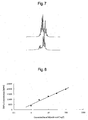
which is one of immunopotentiating activities (see Fig.8). That is, we
have found that the strength of the bacteria-CWS of Mycobacterium,
Nocardia and the like as an immunopotentiating agent and/or as anti-tumor
agent can be assayed by determining the long-chain fatty acid
which is a constituent of bacteria-CWS of Mycobacterium, Nocardia
and the like. Further, we have found that the genera, species and
strains of the bacteria can be also identified from the chromatograph of
the long-chain fatty acid obtained from the strains, raw materials and
formulations.
The present invention has been accomplished based on the
above findings. Specifically, the present invention relates to:
BRIEF DESCRIPTION OF THE DRAWING
Figure 1 shows the particle size distribution of BCG-CWS in
the paste using heptane as a dispersion-aiding solvent.
Figure 2 shows the particle size distribution of the paste using
90 % heptane/ 10 % ethanol as a dispersion-aiding solvent.
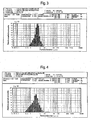
Figure 3 shows the particle size distribution regarding of the
oil-in-water emulsion in the squalane 1.6 % formulation before
lyophilization.
Figure 4 shows the particle size distribution regarding of the
oil-in-water emulsion in the squalane 1.6 % formulation after
lyophilization
Figure 5 shows the chromatogram of the test sample, plotting
the retention time of HPLC as the horizontal axis and the strength of
the fluorescence as the longitudinal axis.
Figure 6 shows a standard carve of BCG-CWS raw material
standard.
Figure 7 shows that the strains may be identified from the
chromatogram from the difference between strains (top; BCG Tokyo
strain, bottom: BCG Pasteur strain).
Figure 8 shows the correlation between the mycolic acid
content and biological activity of the test substances.
BEST MODE FOR CARRYING OUT THE INVENTION
In the present invention, bacteria from which a bacteria-CWS is
derived are exemplified by gram-positive rod such as Mycobacteria,
Nocardia, Corynebacteria (Proprionibacteria), and Rhodococcus,
Bordetella, Listeria, Gordona or the like. Preferably, Mycobacteria and
Nocardia are included. "Mycobacteria" represents bacteria belonging
to acid-fast bacteria, Mycobacterium, particularly includes
Mycobacterium tuberclosis, Mycobacterium bovis (including BCG),
Mycobacterium africanum, Mycobacterium microti, as well as
Mycobacterium leprae, non-tuberclosis acid-fast bacteria,
Mycobacterium kansasii, Mycobacterium avium, Mycobacterium phlei
and the like. Nocarida includes Nocardia rubra and the like.
Bacteria-CWS may be obtained in form of an insoluble residue by a
purification process which comprises crashing the cells with a physical
means, removing nucleic acids and proteins from the cell debris, and
then delipidating the resultant material, and the preparation thereof is
well-known (J. Nat. Cancer Inst., 52, 95-101 (1974)).
The bacterial cell wall skeleton components are used as an oil-in-water
emulsion in a concentration of 0.01 to 10 mg/ml. Preferably,
the concentration is from 0.1 mg/ml to 2 mg/ml, more preferably from
0.2 mg/ml to 1 mg/ml.
In the present invention, an "oil" includes a mineral oil, or an
animal and vegetable oil such as those described in Immunology, 27,
311-329 (1974). Mineral oil is exemplified by a liquid paraffin
(Drakeol-6VR, Morescobiores U-6, Moleskobiores U-8, etc.), a bayol
(Bayol F), and the like. Vegetable oil is exemplified by a soybean oil,
synthelane 4, ethyl oleate, a peanut oil, a camellia oil, a sesame oil, AD-65
(a mixture of a peanut oil, Arlacel, and aluminum monostearate),
and the like. Animal oil is exemplified by squalane, and a terpenoid
derivative such as squalene, and the like. A mixture of one or more
oils selected from animal oils, vegetable oils, mineral oils may be
included. Among them, squalane, or a mixture of squalene with a
vegetable oil such as a soybean oil, ethyl oleate, oleic acid, etc (or oils
derived therefrom), for example, Drakeol-6VR, or a mixture of squalene
with a mineral oil such as various liquid paraffin is preferred.
More preferably, squalane, Drakeol-6VR, a mixture of squalane
and soybean oil, a mixture of squalane and ethyl oleate, or a mixture of
squalane and Drakeol-6VR, and the like are included.
"Viscosity" as used herein means a value determined by
dynamic viscoelasticity measurement, for example, values obtained
using a co-axial bicylindrical viscometer. In the present invention,
viscosity may be measured using a co-axial bicylindrical viscometer
manufactured by Rheology Co., Ltd (Model MR-300, Soliquid meter) at
25 °C under nitrogen atmosphere. One poise represents 0.1 Pa.s
(pascal.sec).
"An organic solvent as a dispersion-aiding solvent" usable for
the preparation of the paste of the present invention includes an
organic solvent that can be evaporated off by, for example, heating
under a nitrogen stream or under reduced pressure, and may be a
mixture of two or more solvents. Particularly, such solvents include
those having a boiling point from 30 °C to 140 °C at atmospheric
pressure.
When an alcohol solvent such as ethanol is used alone for the
preparation of the paste of the present invention, bacteria-CWS may
not be sufficiently dispersed. On the other hand, when a non-polar
solvent, for example, an aromatic hydrocarbon solvent such as toluene,
an aliphatic hydrocarbon solvents such as hexane, heptane and the
like, a halogenated hydrocarbon solvent such as chloroform, or ether
solvents such as tetrahydrofuran is used, a homogeneously dispersed
solution can be obtained, and a paste with an excellent homogeneity
can be obtained, those of which have been found by the present
inventors. Further, the inventors have found that using a non-polar
solvent partially containing an alcohol solvent, a more excellent paste
comprising bacteria-CWS can be obtained compared with the case
using a non-polar solvent alone. Specifically, using a non-polar
solvent alone, the resultant paste contains a small amount of giant
particles having a particle diameter of about 10 µm mixed therein,
exhibiting two peaks of the particle size distribution of bacteria-CWS in
the paste (see Fig.1). When an oil-in-water emulsion is prepared, the
formulations of different lots tend to provide variation in particle size
distribution. It has been found that when an alcohol solvent is mixed
therein, a homogeneous particle size distribution can be obtained.
Preferred dispersion-aiding solvents for the preparation of the
pastes according to the present invention include a non-polar solvent,
and a mixture of a non-polar solvent and an alcohol solvent. Such
organic solvents are preferably selected from those described as a
solvent of Class 2 or 3 in the ICH Guideline for Residual Solvents.
Non-polar solvents include, for example, an aromatic
hydrocarbon solvent such as toluene, an aliphatic hydrocarbon solvent
such as cyclopentane, cyclohexane, pentane, hexane, heptane, octane;
a halogenated hydrocarbon solvent such as dichloromethane,
chloroform, trichloroethylene; and an ether solvent such as
tetrahydrofuran. Such a non-polar solvent is not limited to a single
type, but several solvents may be mixed and used as needed.
Alcohol solvents include, for example, methanol, ethanol.
propanol, isopropanol, or butanol. Particularly, ethanol is preferred.
When the dispersion-aiding solvent is a mixture of an alcohol
solvent and a non-polar solvent, 5 to 30 %, preferably 5 to 20 %, more
preferably 5 to 15 % of alcohol solvent is contained.
More preferably, solvents include halogenated hydrocarbon
solvents such as chloroform, dichloromethane, trichloroethylene;
aliphatic hydrocarbon solvents such as hexane, heptane, pentane,
octane; aromatic or aliphatic hydrocarbon solvents containing 0 to
20 % ethanol. Particularly, 5 to 20 % ethanol-heptane, 5 to 20 %
ethanol-hexane, 5 to 20 % ethanol-toluene, 5 to 20 % ethanol-cyclohexane,
5 to 20 % propanol-heptane, 5 to 20 % isopropanol-heptane,
preferably 10 % ethanol may be exemplified.
A "surfactant" which can be used in the present invention is
not limited to a particular species as long as it is used in a
pharmaceutical formulation. It includes a phospholipid, a nonionic
surfactant, and the like. The phospholipid is exemplified by
phosphatidyl amine, phosphatidyl ethanol amine, phosphatidyl inositol,
phosphatidyl serine, sphingomyelin, lecithin, or the like. A
hydrogenated phospholipid may be used. The nonionic surfactant is
exemplified by poly(oxyethylene)-polyoxypropylene copolymer,
Polyoxyethylene Hydrogenated castor oil, a poly(oxyethylene) castor oil
derivative, a poly(oxyethylene) sorbitan fatty acid ester such as
poly(oxyethylene) sorbitan monolaurate (Polysorbate 20),
poly(oxyethylene) sorbitan monopalmitate (Polysorbate 40),
poly(oxyethylene) sorbitan monostearate (Polysorbate 60), or
poly(oxyethylene) sorbitan monooleate (Polysorbate 80), and a sorbitan
fatty acid ester such as sorbitan monolaurate (Span 20), sorbitan
monopalmitate (Span 40), sorbitan monostearate (Span 60), and
sorbitan monooleate (Span 80). Preferred surfactant includes egg yolk
phosphatidylcholine, egg yolk lecithin, soybean lecithin, and
Polysorbate 80, Polysorbate 20, Polyoxyethylene Hydrogenated castor
oil 60 (HCO-60), Polyoxyethylene Hydrogenated castor oil 50 (HCO-50),
polyoxyethylene (160)polyoxypropylene(30)glycol (pluronic F68) and the
like. More preferred surfactant includes Polysorbate 80.
The surfactant is suitably used in an oil-in-water emulsion in a
concentration range of 0.01 to 10 %w/w, and preferably, 0.01 to
3 %w/w. Each surfactant may be used solely, or in combination with
other several ones, as appropriate.
"Stabilizers" are components used in order to maintain and
improve stability of the above emulsion. The stabilizers which can be
used in the present invention include a monosaccharide, a sugar
alcohol, a polysaccharide, an amino acid, a protein, urea, or an
inorganic salt. The monosaccharide and disaccharide includes
glucose, fructose, sucrose, lactose, trehalose and the like. The sugar
alcohol includes mannitol, sorbitol and the like. More preferred sugar
alcohol includes mannitol. The polysaccharide is exemplified as a
preferred one by dextran, starch, maltodextrin, cellulose,
polyvinylpyrrolidone, sodium alginate, or the like. The amino acid is
preferably a neutral amino acid such as alanine, glycine, proline, and
more preferably, glycine among the neutral amino acids. The protein
is exemplified as a preferred one by albumin, a gelatin, a collagen, and
the like. The inorganic salt includes sodium chloride, calcium chloride,
sodium sulfate, sodium carbonate and the like.
The stabilizer is preferably monosaccharide, or sugar alcohol,
more preferably mannitol.
Such a stabilizer may be used solely, or in combination with
other several ones, if necessary.
The concentration of the stabilizer is suitably in a range of 0.1
to 20 %w/w, and preferably, 0.1 to 10 %w/w. The suitable
concentration of the stabilizer varies depending on the types of the
stabilizer, and may be adequately adjusted depending on the
manufacturing scale and the content of the component, if necessary.
As for amino acids such as glycine, the suitable concentration is
2.25 % (300 mM) to 1.25 % (1500 mM), preferably about 6.75 % (900
mM). As for mannitol, the concentration in the oil-in-water emulsion
is preferably 1 to 10 %, more preferably 1 to 8 %, even more preferably
3 to 6 %. Since mannitol may be used as a stabilizer at the
concentration almost equal to isotonic, stable formulations providing
less burden on a living body may be prepared by use of mannitol.
Aqueous solvents as used in resuspension of the lyophilized
formulations of the present invention are media for dispersion of
emulsion particles, and include distilled water for injection,
physiological saline or the like, not being limited to a particular species
as long as it can be used as an aqueous solvent for injection.
"Long-chain fatty acids" represent a long-chain fatty acid
characteristically existing in cell walls of Mycobacteria, Nocardia,
Corynebacteria, Rhodococcus, Gordona, or the like. Such a long-chain
fatty acid includes, for example, mycolic acid, which represents an α-alkyl-β-hydroxyl
fatty acid with a total carbon number of about 22 to
90. Among them, the total carbon numbers of mycolic acid is about
60 to 90 in Mycobacterium, about 44 to 60 in Nocardia. Such mycolic
acids may be isolated as a mixture of several types of molecules.
Alpha chains of mycolic acids consisting of linear hydrocarbons have
different length among different genera and species with a wide
distribution mainly ranging from C22 to C66. On the other hand, in β-chains,
it is known that there exist functional groups such as α-mycolic
acid (with a cyclopropyl group and/or a double bond) in any kinds of
Mycobacterium, and various sub-mycolic acids (methoxy, ethoxy, keto,
epoxy, methyl, etc.) in certain strains. For example, BCG Tokyo
strains have α-, methoxy- and keto-mycolic acid.
As used herein, the term "strength" represents a strength of
biological activity of bacteria-CWS of Mycobacterium, Nocardia and the
like, or medical products comprising them, or a relative value compared
with the calibrated standards.
The medical products include a suspension of CWS in an
aqueous solvent; a paste comprising CWS and an oil such as a mineral
oil, squalane or squalene; an emulsion solution obtained by re-suspending
the paste; or a lyophilized formulation obtained by
lyophilizing said suspension in an aqueous solvent or emulsion
solution.
In this context, biological activity means an
immunopotentiating activity and/or an anti-tumor activity of CWS of
bacteria such as Mycobacterium, Nocardia and the like, and includes
any activity in vivo and in vitro well-known in the art. Particularly,
interferon-γ induction activity, TNF-α induction activity, anti-tumor
activity in the test tumor animal model and the like are included.
As the first aspect, the present invention provides an oil-in-water
emulsion, and a paste comprising bacteria-CWS as an effective
ingredient, which may be a suitable intermediate material in the
production of a lyophilized formulation thereof. Specifically, the
present invention provides a paste consisting of a bacteria-CWS and an
oil (an oily mixture), which is characterized by having a viscosity of
about 0.7 poise or less (25 °C), preferably about 0.2 to about 0.6 poise
(25 °C). More preferably, a paste comprising bacteria-CWS with a
viscosity from about 0.28 to 0.55 poise (25 °C).
When squalane is used as an oil, a paste comprising bacteria-CWS
preferably has a viscosity from about 0.35 to 0.55 poise (25 °C),
and more preferably, from about 0.39 to 0.51 poise (25 °C). For
example, when an oil-in-water emulsion is prepared from a paste
comprising bacteria-CWS (viscosity: 0.43 poise) using 26.7 g squalane
per lg of BCG-CWS and lyophilized in the same manner as described
below, oil droplets in the oil-in-water emulsion obtained by re-suspending
the lyophilized formulation exhibits a single peak with
narrow half bandwidth, with particle size being from 2 to 3 µm (see
Fig.4). On the other hand, as for the particle size distribution of the oil
droplets in the oil-in-water emulsion obtained by re-suspending the
lyophilized formulation, particles with diameter of 10 to 50 µm may
increase in addition to the main distribution with particle diameter of 2
to 3 µm as the viscosity of the paste comprising BCG-CWS increased,
resulting in impaired homogeneity in particle size. Further, as for
long-term storage stability of said lyophilized formulation, the paste
comprising BCG-CWS with the above viscosity of 0.43 poise is more
excellent in terms of the generation of adhesion to the wall of the vessel
and the concentration of the raw material in the re-suspended oil-in-water
emulsion. The specific embodiment of the paste comprising
BCG-CWS is exemplified as a preferred composition by those having a
viscosity of about 0.43 ± 0.3 poise.
Preferred pastes comprising bacteria-CWS are those comprising
an assembly of bacteria-CWS particles wherein the particle diameter is
0.1 µm to 20 µm, preferably 0.15 to 6 µm, more preferably 0.2 µm to 2
µm in the particle size distribution, and those wherein the particle size
distribution shows a single peak, and D10 % of 0.23 ± 0.05 and D90 %
of 0.60 ± 0.05.
When a mixture with several oils is used, each oils may be
mixed in any appropriate composition ratio, but the composition ratio
is desirably selected such that the viscosity during mixing with
bacteria-CWS is adjusted to about 0.7 poise or less (25 °C). Further,
in order to prepare a stable lyophilized formulation after suspension,
the composition ratio of each oil may be such that the viscosity during
mixing with bacteria-CWS is about 0.2 poise or more (25 °C).
Particularly, about 6.6 g to 35.2 g, preferably about 8.4 g to 35. 2 g of
squalane may be used for about 0.66 g of bacteria-CWS.
The paste may be prepared in a large scale by: (1) a step of
mixing with stirring a bacteria-CWS, an oil, and an organic solvent; and
(2) a step of evaporating the organic solvent in step (1) to obtain a paste
comprising bacteria-CWS.
The amount of the organic solvent used in step (1) is, for
example, 50 ml to 500 ml for 0.67 g of bacteria-CWS. The order of
addition of the materials may not be particularly limited. The time for
mixing these materials with stirring may not be particularly limited,
but preferably from 10 minutes to 1 hour.
In step (2), a heating temperature to evaporate the solvent may
be properly selected depending on the boiling point and vapor pressure
of the solvent used. Since deactivation of the cell wall skeleton may be
occurred at evaluated temperature, the temperature not higher than
100 °C is preferred at which deactivation may not occur. Preferably,
the temperature is not higher than 80 °C.
The step of evaporating off the solvent may be carried out
under ambient pressure or under reduced pressure.
Further, the paste comprising bacteria-CWS has an assembly
of bacteria-CWS particles having a particle diameter of 0.1 µm to 20
µm, preferably 0.15 to 6 µm, still more preferably 0.2 µm to 2 µm.
That is, pastes comprising bacteria-CWS wherein (1) the viscosity is
about 0.2 to 0.7 poise (25 °C), and (2) the particle diameter of the
bacteria-CWS particle assembly is 0.15 µm to 6 µm, are also a
preferable embodiment of the present invention.
As the second aspect, the present invention provides an oil-in-water
emulsion which has a homogeneous particle size distribution and
which comprises a bacteria-CWS as an effective ingredient, and a
pharmaceutical formulation consisting of the oil-in-water emulsion.
Specifically, the invention provides an oil-in-water emulsion which
comprises the paste comprising bacteria-CWS as described above,
0.1 % to 20 %, preferably 1 % to 10 % of a stabilizer; and 0.01% to
10 %, preferably 0.01 % to 3 % of a surfactant, as well as a
pharmaceutical composition thereof.
Specific example includes an oil-in-water emulsion which
comprises 0.67 g to 3.35 g of bacteria-CWS and 0.1 to 10 %w/w,
preferably 0.4 to 8 %w/w, more preferably 0.6 to 5 % of squalane, as
well as 1 % to 10 %w/w of stabilizer, 0.01 % to 3 %w/w of surfactant.
The process for preparation of the oil-in-water emulsion of the
present invention is not particularly limited, and those described in
International Publication No. WO00/3724 and the like may be used.
For example, example of such a process includes a process wherein the
paste comprising bacteria-CWS prepared according to the above
process is emulsified using a two-step emulsification, that is,
emulsification methods 1 and 2 as shown below.
Emulsification method 1:
The oil-in-water emulsion may be prepared by the following
steps:
Dispersing/emulsifying devices usable in the present invention
include a Potter-Elvehjem type homogenizer, a homomixer, an
ultrasonication homomixer, Microfluidizer (trade name), Nanomizer
(trade name), Ultimizer (trade name), a Manton-Gaulin homogenizer
type high pressure homogenizer, all of which can be used to conduct
dispersion or emulsification to prepare a desired oil-in-water emulsion.
For some reason in the preparation, additives such as an excipient or a
stabilizer may be added to the resultant oil-in-water emulsion.
Emulsification method 2
The oil-in-water emulsion of the present invention may be
prepared by the following steps:
The preparation of the oil-in-water emulsion of the present
invention using emulsification method 2 as described above avoids the
precipitation of a surfactant, which would be a problem encountered
when an emulsion containing en electrolyte such as an amino acid, an
inorganic salt or the like as a stabilizer in the preparation using
emulsification method 1. Moreover, dilution step 6) in emulsification
method 2 does not change the particle size distribution of the emulsion.
A large scale production using emulsification method 1 requires using
an emulsifier device suitable depending on preparation scale, which
limits the preparation scale. However, using a high-concentration
emulsion solution as an intermediate material in emulsification method
2 provides an advantage to increase the amount of oil-in-water
emulsion prepared per batch.
In the step of preparation of the oil-in-water emulsion in
emulsification method 1 or 2 as described above, an agent for rendering
isotonic may be added if necessary. These agents for rendering
isotonic are not limited to a single type, but may be used in a
combination of several types as appropriate. In the present invention,
an agent for rendering isotonic may also function as an excipient that
forms a lyophilized preparation into a lyophilized cake. An agent for
rendering isotonic or an excipient is exemplified by a saccharide, an
amino acid, an urea, an inorganic salt, and the like. The saccharide is
exemplified by a monosaccharide, a disaccharide, and a sugar alcohol.
The monosaccharide includes glucose, fructose, and the like, the
disaccharide includes maltose, lactose, trehalose, sucrose, and the like,
and the sugar alcohol includes mannitol, sorbitol, and the like. The
amino acid includes alanine, glycine, lysine, arginine, proline and the
like. Each agent for rendering isotonic may be used solely, or in
combination with other several ones, if necessary. As an isotonic
agent, those described for the stabilizer may be used. A surfactant
may also serve as an isotonic agent. The isotonic agent may be
different from the stabilizer. The concentration of the isotonic agent
may be selected depending on the contents of the other components,
and suitably used in a concentration range of 0.1 to 30 %w/w in the
oil-in-water emulsion.
The oil-in-water emulsion of the present invention has oil
droplets with particle diameter of 0.2 to 30 µm, preferably 0.2 to 20 µm,
of which the average particle diameter is preferably 2 to 3 µm.
Bacteria-CWS is encapsulated in an oil droplet.
Whether or not bacteria-CWS is encapsulated in an oil in the
oil-in-water emulsion of the present invention may be examined by
assay of the agglutination reaction of the cell wall skeleton components
with lectin. As such assay, methods, for example, described in
International Publication No. WO00/3724 may be used.
Thus, an oil-in-water emulsion negative for agglutination
reaction with lectin, wherein (1) the particle diameter of the emulsion
oil droplet is 0.2 to 10 µm, with the average particle diameter being 2 to
3 µm; and (2) bacteria-CWS is encapsulated in the droplet, may be also
encompassed as an embodiment of the present invention. The particle
diameter of the oil droplet of the emulsion may be preferably D10%: 0.5
µm or more, and D90 %: 20µm or less.
As the third aspect, the present invention provides a lyophilized
formulation obtainable by lyophilizing the above oil-in-water emulsion.
The lyophilized formulation may be prepared by lyophilizing the
above oil-in-water emulsion. That is, the lyophilized formulation of the
present invention is obtained by subjecting the oil-in-water emulsion to
lyophilization process, and finally substituting the content of the vial
with nitrogen and sealing the vial.
For lyophilization of the oil-in-water emulsion, the temperature
and time for such lyophilization may not be particularly limited, and
include, for example, those described in International Publication No.
WO00/3724.
As an aqueous solvent used for preparation of the oil-in-water
emulsion by resuspending the lyophilized formulation, the isotonic
solutions described above may be used. The lyophilized formulation
can be more quickly re-suspended upon addition of a suitable aqueous
solvent, thus providing an oil-in-water emulsion showing a particle size
distribution and stability similar to those before the lyophilization.
As the fourth aspect, the present invention provides an
assembly of bacterial cell wall skeleton component particles (a bacteria-CWS
particle assembly) which has a particle diameter of 0.15 to 6 µm,
preferably 0.2 to 2 µm in the particle size distribution. The invention
also comprises an assembly of bacteria-CWS particles in which the
particle diameter shows D10%: 0.2 µm or more, and D90%: 0.7 µm or
less, wherein "D 10 %: 0.2 µm" means that its particle diameter
reaches 10 % of the assembly summation as calculated in order of
increasing diameter in the particle size distribution, and in other words,
means that up to 90 % of the bacteria-CWS particle assembly may have
a particle diameter of 0.2 µm or more, and wherein "D90%: 0.7 µm"
means that its particle diameter reaches 90 % of the assembly
summation as calculated in order of decreasing diameter in the particle
size distribution, and in other words, means that up to 90 % of the
bacteria-CWS particle assembly may have a particle diameter of 0.7 µm
or less, preferably an assembly showing D10%: 0.23 ± 0.05 µm, and
D90%: 0.6 ± 0.05 µm.
The present invention also encompasses a paste comprising the
assembly of bacterial cell wall skeleton component particles (a bacteria-CWS
particle assembly) with the particle diameter described above, an
emulsion and a lyophilized formulation prepared from the paste.
Specifically, an emulsion comprising the above bacteria-CWS (oil
droplet) having a particle diameter of 0.2 to 30 µm, preferably 0.3 to 20
µm, more preferably 1 to 10 µm, and a lyophilized formulation thereof
may be encompassed in the present invention.
Particle diameter as used herein may be determined by
measuring a particle size distribution. Such particle size distribution
may be measured according to the methods well-known in the art, for
example, using a laser diffraction particle size analyzer (SALD3000,
SHIMADZU Corp.) or a MICRO-TURRAX UPA (manufactured by
HANEWEL) for a suspension of bacteria-CWS in a solvent. In case of
bacteria-CWS having a particle diameter of 1 µm or less, the particle
diameter may be preferably measured using MICRO-TURRAX UPA.
For example, BCG-CWS suspended in a solvent at a concentration of
about 0.1 mg/mL may be used as a sample for measurement.
In case of a paste comprising bacteria-CWS or an emulsion, it
may be measured using a laser diffraction particle size analyzer
(SALD3000, SHIMADZU Corp.). For example, a paste comprising
bacteria-CWS of the present invention may be diluted about 300 times
or more with an oil to provide a sample for measurement. Preferably,
a sample for measurement may be prepared to adjust the bacteria-CWS
concentration to 0.1 to 0.2 mg/mL.
The oil-in-water emulsion of the present invention can be
administered parenterally, for example, by injection. Dosage form to
be administered may be varied depending on a therapeutic purpose,
and is not limited to a particular form. Dosage form usually used
includes an injection form for transcutaneous administration. The
amount of bacteria-CWS in the emulsion is generally in a range from
0.2 mg/ml to 0.6 mg/ml. The lyophilized formulation of the present
invention may be resuspended in an appropriate amount of an aqueous
solvent such as the above isotonic solution before use. When the
lyophilized formulation is resuspended to administer to a living body,
the concentrations of the individual components may be different to
those in the oil-in-water emulsion as a production intermediate
material before lyophilization. The appropriate amount of the aqueous
solvent may be preferably in a range from0.5 to 4 times of the amount
of the solution before lyophilization.
Although the amount and the number of dosage to be
administered may be varied depending on the disease to be treated, the
symptom, the age, the body weight, sex and the like of a particular
patient, it is possible to usually administer 10 to 250 µg, and
preferably 25 to 200 µg per administration every week or every four
weeks to an adult in case of a parenteral administration, particularly
injection.
As the fifth aspect, the present invention provides a process for
qualitative identification and determination of the species and strains
of Mycobacterium, Nocardia and the like on the basis of chromatogram
of the long-chain fatty acid contained in their bacteria-CWS, which
comprise the following steps:
Each step will be described in detail.
As the sixth aspect, the present invention provides a process
for determination and evaluation of a CWS content in a test sample
containing bacteria-CWS of Mycobacterium, Nocardia and the like, and
to assay and evaluate the amount of the effective ingredient, i.e.,
strength, which comprises:
The each of the above steps will be described in detail.
This step is as described above.
The value obtained in (4) of the test sample, i.e., of a bacteria-CWS
to be evaluated may be compared with that of the bacteria-CWS
standard to assay the strength of the sample.
For example, the value obtained in (4) of the standard of the
bacteria-CWS of Mycobacterium, Nocardia and the like (Vstd) may be
compared with that of the test sample (Vsam), and the strength of the
test sample may be expressed by the following formula:
strength (%) = Vsam/Vstd x 100 (%).
Preferably, the values of the standard obtained in (4) are
measured at different concentrations and several times, and a standard
carve is created showing the correlation between the concentration of
the standard and the long-chain fatty acid content. The amount of the
effective ingredient in the test sample, i.e., strength, can be calculated
from the measurement of the long-chain fatty acid content in the test
sample using the standard curve.
According to the present processes, not only bacteria-CWS of
Mycobacterium, Nocardia, and the like, but also an effective ingredient
of a pharmaceutical formulation comprising the bacteria-CWS of
Mycobacterium, Nocardia, and the like, as well as a strength may be
detected and determined. That is, according to processes similar to
those described above, a suspension of strains or pharmaceutical
formulations in water or organic solvent is prepared and the amount of
the long-chain fatty acid in the strain or the pharmaceutical
formulations may be measured.
Examples
The present invention is further illustrated by the examples as
described below, but is not restricted by them in any respect.
Example 1
Preparation of pastes comprising BCG-CWS
BCG-CWS (670 mg), as a cell wall skeleton components
obtained as described in J. Nat. Cancer Inst., 52, 95 - 101 (1974), was
added to a mixture of squalane (8.4 g) used as an oil and toluene (200
mL), and the resultant mixture was shaken or treated with ultrasonic
at room temperature to perform dispersion. Then, the dispersion
mixture was heated at 60 - 70 °C under a flow of nitrogen or air to
evaporate the toluene. Thus, a paste comprising BCG-CWS was
obtained.
The viscosity of the paste was measured at 25 °C using a co-axial
bicylindrical viscometer manufactured by Rheology Co., Ltd
(Model MR-300, Soliquid meter). The viscosity was measured to be
0.545 poise.
Similarly, using a mixture of squalane as an oil and ethyl
oleate (8.4 g), a paste comprising BCG-CWS was obtained. Similarly,
the viscosity of the paste was measured at 25 °C using a co-axial
bicylindrical viscometer manufactured by Rheology Co., Ltd (Model MR-300,
Soliquid meter). The results are shown in Table 1.
| | BCG-CWS | Squalane | Ethyl oleate | Viscosity (poise) |
| 1 | 670 mg | 8.4 g | 0 | 0.545 |
| 2 | 670 mg | 6.3 g | 2.1 g | 0.258 |
| 3 | 670 mg | 4.2 g | 4.2 g | 0.260 |
| 4 | 670 mg | 2.1 g | 6.3 g | 0.165 |
| 5 | 670 mg | 0 | 8.4 g | 0.112 |
| 6 | 0 | 8.4 g | 0 | 0.239 |
As shown in Table 1, the viscosity of squalane was 0.236, and
that of a paste obtained by mixing the squalane with BCG-CWS was
0.545. When the content of the ethyl oleate, which has a lower
viscosity, was increased, the viscosity of the paste comprising BCG-CWS
was reduced accordingly.
Example 2
Preparation of pastes comprising BCG-CWS
According to a similar procedure to that of Example 1 except
that BCG-CWS (670 mg) as a cell wall skeleton, and soybean oil (8.4 g)
as an oil were used, an oily mixture (paste) was prepared and measured
for its viscosity.
Similarly, a paste was prepared using Synthelane 4, Drakeol as
oil, and the viscosity was measured.
The results are shown in Table 2.
| | BCG-CWS | Oil (8.4 g) | Viscosity (poise) |
| 1 | 670 mg | Soybean oil | 6.95 |
| 2 | 670 mg | Squalane | 0.55 |
| 3 | 670 mg | Synthelane | 4 | 0.49 |
| 4 | | Drakeol | 0.28 |
| 5 | 670 mg | Ethyl oleate | 0.11 |
As shown in Table 2, the viscosity of the pastes comprising
BCG-CWS varied considerably depending on the oil used other than
squalane.
Example 3
Changes in the amount of squalane and the viscosity
According to a similar procedure to that of Example 1 except
that BCG-CWS (670 mg) was used as a cell wall skeleton, and the
amount of squalane varied from 4.2 g to 33.6 g, pastes were prepared
and the changes in viscosity were measured.
The results are shown in Table 3.
| | BCG-CWS | Squalane | Viscosity (poise) |
| 1 | 670 mg | 4.2 g | 0.888 |
| 2 | 670 mg | 6.3 g | 0.672 |
| 3 | 670 mg | 8.4 g | 0.545 |
| 4 | 670 mg | 12.6 g | 0.492 |
| 5 | 670 mg | 16.8 g | 0.429 |
| 6 | 670 mg | 33.6 g | 0.362 |
As shown in Table 3, the viscosity tended to increase when the
ratio of squalane to BCG-CWS was decreased, and tended to decrease
when the ratio of squalane was increased.
Example 4
Changes in the ratio of squalane and the availability of the formulation
To paste 3 of Example 3, 0.02 w/w% Polysorbate 80 aqueous
solution (281.5 g) was added, and roughly emulsified using a
homomixer, followed by adding 5.2 g of 10 w/w% Polysorbate 80
aqueous solution to conduct a complete emulsification. Finally, 204.2
g of 10 w/w% Polysorbate 80 solution was added and mixed, and then
the final concentration of Polysorbate 80 was adjusted to 1.0 w/w% to
obtain an oil-in-water emulsion. Subsequently, 1500 mL of 4 w/w%
mannitol aqueous solution was added to give 2L of final product, which
was an emulsion of BCG-CWS with concentration of 0.3 mg/ml.
Similarly, an emulsion was prepared using the paste in
Example 3 (except for 3), and the effect of the amount of the squalane
on the availability of the emulsion formulation was examined. The
availability of the formulation was evaluated based on: (1) emergency of
the assembly during emulsification; (2) particle size distribution
immediately after emulsification; (3) particle size distribution before
and after lyophilization; and (4) properties after resuspension of the
lyophilized formulation.
The results are shown in Table 4. In Table 4, "○" means that
the product meets all of the above criteria, "x" means that the
formulation fails to meet these criteria, and "Δ" means that the
formulation was slightly inferior in terms of homogeneous particle size
distribution.
| | BCG-CWS | Squalane | Viscosity (poise) | Availability of formulation |
| 1 | 670 mg | 4.2 g | 0.888 | X |
| 2 | 670 mg | 6.3 g | 0.672 | Δ |
| 3 | 670 mg | 8.4 g | 0.545 | ○ |
| 4 | 670 mg | 12.6 g | 0.492 | ○ |
| 5 | 670 mg | 16.8 g | 0.429 | ○ |
| 6 | 670 mg | 33.6 g | 0.362 | ○ |
In the preparation of the emulsion using the paste comprising
BCG-CWS described in Example 3, as shown in table 4, a good
emulsion was prepared using a paste with a viscosity of about 0.7 poise
or less. On the other hand, a paste 1 which has higher viscosity
(0.888 poise) failed to provide a good emulsion formulation. It
indicates that over-emulsification was partially occurred in droplets
with the increased viscosity, resulting in emergency of raw material
assembly encapsulated with an extremely small amount of oil
(substance which is not homogeneously suspended but assembly),
which considerably degrades the properties and stability of the
formulation.
On the other hand, a paste with viscosity around 0.670 poise
did not provide drug assembly, but was poor in homogeneity in the
particle size distribution of droplets of the emulsion. The formulation
with viscosity of 0.545 poise or less showed a sharp particle size
distribution with high homogeneity of droplets of the emulsion (data
not shown).
Example 5
Types of oils and the availability of the emulsion formulation
According to a similar procedure to that of Example 4, except
that oils used were those in Example 2, an emulsion was prepared and
the availability of the formulation was evaluated. The results are
shown in Table 5.
| | BCG-CWS | Oil (8.4 g) | Viscosity (poise) | Availability of formulation |
| 1 | 670 mg | Soybean oil | 6.95 | X |
| 2 | 670 mg | Squalane | 0.55 | ○ |
| 3 | 670 mg | Synthelane | 4 | 0.49 | ○ |
| 4 | 670 mg | Drakeol | 0.28 | ○ |
| 5 | 670 mg | Ethyl oleate | 0.11 | ○ |
As shown in Table 5, good emulsion was obtained using a
paste comprising BCG-CWS having a viscosity of 0.55 poise or less,
regardless of the types of the oil. In Table 5, "○" means that (1) the
particle size distribution immediately after lyophilization shows a sharp
peak with an average particle diameter of 2 to 3 µm, (2) there is no
change in particle size distribution before and after lyophilization, (3)
there is no adhesion of the formulation to the vial after resuspension of
the lyophilized formulation nor decrease of the concentration of raw
material in the formulation. Especially, the formulations (2) and (3)
having viscosity of 0.49 - 0.56 poise provided good results.
Example 6
Composition of the oil and the availability of the formulation
According to a similar procedure to that of Example 4, using oil
having the same composition as that in Example 1, an emulsion was
prepared, and availability of formulation was evaluated. The results
are shown in Table 6.
| | BCG-CWS | Squalane | Ethyl oleate | Viscosity (poise) | Availability of formulation |
| 1 | 670 mg | 8.4 g | 0 | 0.545 | ○ |
| 2 | 670 mg | 6.3 g | 2.1 g | 0.258 | ○ |
| 3 | 670 mg | 4.2 g | 4.2 g | 0.260 | ○ |
| 4 | 670 mg | 2.1 g | 6.3 g | 0.165 | ○ |
| 5 | 670 mg | 0 | 8.4 g | 0.112 | ○ |
| 6 | 0 mg | 8.4 g | 0 | 0.239 | ○ |
Table 6 shows that the change in the composition of the oil (a
mixed ratio of squalane and ethyl oleate) has little effect on the
properties of the emulsion, and that the paste comprising BCG-CWS
having a viscosity of 0.545 or less provides good emulsion.
Example 7
The change in the amount of squalane and the availability of the
formulation
The oil-in-water emulsion prepared according to Example 4
was dispensed into 10 mL aliquots in vials, and then lyophilized to
provide the lyophilized formulation of the present invention.
Lyophilization was conducted using a lyophilizer (GT-6, manufactured
FINTEC). Then the availability of the preparation was evaluated in
terms of resuspension stability, particle size distribution, and the like.
The results are shown in Table 7.
| | BCG-CWS | Squalane | Viscosity (poise) | Availability of formulation |
| 1 | 670 mg | 4.2 g | 0.888 | X |
| 2 | 670 mg | 6.3 g | 0.672 | Δ |
| 3 | 670 mg | 8.4 g | 0.545 | ○ |
| 4 | 670 mg | 12.6 g | 0.492 | ○ |
| 5 | 670 mg | 16.8 g | 0.429 | ○ |
| 6 | 670 mg | 33.6 g | 0.362 | ○ |
As shown in Table 7, the availability of emulsion was also
influenced by the viscosity of the paste comprising BCG-CWS. The
paste comprising BCG-CWS having a viscosity of 0.672 or less provides
a good lyophilized formulation. That with viscosity of 0.545 or less is
found to provide more excellent lyophilized formulation.
Example 8
The composition of the oil and the availability of the formulation
The lyophilized formulation of the oil-in-water emulsion
prepared according to Example 4 was prepared, and evaluated for
availability of formulation in terms of resuspension stability, particle
size distribution and the like. The results are shown in Table 8.
| | BCG-CWS | Squalane | Ethyl oleate | Viscosity (poise) | Availability of formulation |
| 1 | 670 mg | 8.4 g | 0 | 0.545 | ○ |
| 2 | 670 mg | 6.3 g | 2.1 g | 0.258 | ○ |
| 3 | 670 mg | 4.2 g | 4.2 g | 0.260 | ○ |
| 4 | 670 mg | 2.1 g | 6.3 g | 0.165 | X |
| 5 | 670 mg | 0 | 8.4 g | 0.112 | X |
| 6 | 0 | 8.4 g | 0 | 0.239 | ○ |
In Example 7, the lyophilized formulation of the emulsion was
influenced by the viscosity of the paste comprising BCG-CWS used.
The paste with viscosity of 0.545 or less provided good lyophilized
formulation. Table 8 shows that the paste having too low viscosity
fails to provide a good lyophilized formulation. Accordingly, the
suitable viscosity of the paste in order to provide a good lyophilized
formulation of the emulsion is found to be in the range from0.258 to
0.545.
Example 9
The type of the oil and the availability of the lyophilized formulation
According to a similar procedure to that of Example 7 using
oils in Example 2, lyophilized formulation of the emulsion was
prepared and evaluated for the availability of the formulation. The
results are shown in Table 9.
| | BCG-CWS | Oil (8.4 g) | Viscosity (poise) | Availability of lyophilized formulation |
| 1 | 670 mg | Soybean oil | 6.95 | X |
| 2 | 670 mg | Squalane | 0.55 | ○ |
| 3 | 670 mg | Synthelane | 4 | 0.49 | ○ |
| 4 | 670 mg | Drakeol | 0.28 | ○ |
| 5 | 670 mg | Ethyl oleate | 0.11 | X |
As shown in Table 9, it is found that not the type of the oil but
the viscosity of the paste comprising BCG-CWS used may have a great
influence on the availability of the lyophilized formulation. Referring
to Example 8, suitable viscosity of the BCG-CWS paste from which a
good lyophilized formulation may be obtained is shown to be 0.28 to
0.55.
Example 10
Preparation Example
BCG-CWS (2640 mg) as cell wall skeleton components was
added to a mixture of squalane (35.2 g) and 10 % ethanol/90 %
heptane (400 mL), and shaken or treated with ultrasonic at a room
temperature to perform dispersion. Then, the dispersion was heated
at 60 °C under a flow of nitrogen to evaporate the solvent with stirring.
After that, the residue that had been added with 924 g of an aqueous
solution of 0.02 %w/w Polysorbate 80 was emulsified with a
homogenizer for rough emulsification (7,000 rpm (reversed
rotation)/min x 5 minutes), then the resultant was added with 36.6 g of
an aqueous solution of 10 %w/w Polysorbate 80 to conduct a complete
emulsification (12,000 rpm (normal rotation)/min x 10 minutes).
Finally, 1.5 g of a solution of 10 w/w% Polysorbate 80 was added,
mixed with stirring (7,000 rpm (reversed rotation) x 1 minute), then the
final concentration of Polysorbate was adjusted to 0.4 %w/w to provide
an oil-in-water emulsion. After that, 3,500 g of an aqueous solution of
4 w/w% mannitol was added to provide 4,000 g of the final formulation.
(The formulation contains: CWS, 0.6 mg/mL; SQA, 0.8 w/w%; mannitol,
3 w/w %).
This oil-in-water emulsion was dispensed into 2 mL aliquots in
vials, lyophilized to provide lyophilized formulation of the present
invention. Lyophilization was carried out using a lyophilizer (GT-6,
manufactured by FINTEC, or ULVAC 13A, manufactured by ULVAC).
Example 11
Study on dispersion-aiding solvent:
BCG-CWS (210 mg) was dispersed in various organic solvents
(toluene, hexane, heptane, chloroform, dichloroethane,
dichloromethane, tetrahydrofuran; 20ml each) by ultrasonication
treatment to prepare dispersed drug, then stirred (3,000 rpm x 5
minutes)with a Potter homogenizer (20 ml model), if necessary. The
resulting raw material was evaluated for particle size distribution.
Moreover, the above raw material solution was mixed with squalane
(2.64 g), and the organic solvent was evaporated as described in
Example 10 to provide a paste, which was evaluated for particle size
distribution.
Particle size distribution of the dispersed raw material was
measured using MICRO-TURRAX UPA (manufactured by HANEWEL),
and a laser diffraction particle size analyzer (SALD3000, SHIMADZU
Corp.) at the concentration of 0.1 mg CWS/mL. The paste was diluted
with squalane, and measured using a laser diffraction particle size
analyzer (SALD3000, SHIMADZU Corp.) at the concentration of 0.1 -
0.2 mg CWS/mL SQA.
Results
The particle size distribution of the raw material dispersed in
toluene was examined, showing two peaks: a sub-micron peak at 400 -
600 nm and a peak of large particle around 10 µm.
The particle size distribution of a mixture obtained by mixing
the above drug dispersed in toluene with squalane, and that of a paste
prepared by dispersing the above mixture using a Potter type
homogenizer were examined. As a result, both of them maintain the
particle size distribution similar to those before mixing with squalane.
On the other hand, using hexane, heptane, chloroform,
dichloroethane, dichloromethane, tetrahydrofuran and the like as a
dispersion-aiding solvent, the particle size distribution around several
tens micrometer, as observed in toluene dispersion, was decreased (see
Fig. 1). The particle size distribution of BCG-CWS drug in the paste
using 90 % heptane/ 10 % ethanol is shown in Fig. 2. As shown in Fig.
2, a homogeneous mixture with a single peak at 0.3 - 2 µm without a
sub-peak was obtained.
Table 10 shows the measurements of
D 10 %, D90%, and
average particle diameter, when the BCG-CWS drugs dispersed in
various solvents were measured using a MICRO-TURRAX UPA.
| Solvent | D | 10 % (µm) | D90% (µm) | Average particle diameter |
| 10 % ethanol/heptane | 0.23 | 0.60 | 0.41 |
| 5% ethanol/heptane | 0.23 | 0.70 | 0.41 |
| 20 % ethanol/heptane | 0.25 | 0.65 | 0.43 |
| Heptane | 1.19 | 5.07* | 2.90* |
| Toluene | 0.33 | 2.08* | 1.03* |
| *Since the value of the order of µm has low data precision attributable to the device performance, it is preferred to refer to the value in Table 11. |
Table 11 as described below shows the measurements of
D
10 %, D90%, and the average particle diameter of BCG-CWS drug
dispersed in each solvent as measured by SALD3000.
| Solvent | D | 10 % (µm) | D90% (µm) | Average particle diameter |
| 10 % ethanol/heptane | 0.11 | 0.89 | 0.40 |
| Heptane | 0.45 | 1.10 | 0.71 |
| Toluene | 0.39 | 20.86 | 2.65 |
| Toluene | 0.33 | 2.08* | 1.03* |
| *Since the value of the order of µm has low data precision attributable to the device performance, it is preferred to refer to the value in Table 11. |
Table 12 described below shows the measurements of
D 10 %,
D90%, and the average particle diameter of BCG-CWS drug dispersed
in each solvent as measured by SALD3000.
| Solvent | D | 10 % (µm) | D90% (µm) | Average particle diameter |
| 10 % ethanol/heptane | 0.38 | 0.70 | 0.52 |
| Heptane | 0.52 | 5.50 | 1.17 |
| Toluene | 0.39 | 9.91 | 1.05 |
BCG-CWS (1320 mg) as cell wall skeleton components was
added to a mixture of squalane (17.6 g) and 10 % ethanol/90 %
heptane (200 mL), and shaken or treated with ultrasonic at a room
temperature to perform dispersion. Then, the dispersion was heated
at 60 - 70 °C under a flow of nitrogen to evaporate the solvent with
stirring. After that, the residue that had been added with 462.0 g of
an aqueous solution of 0.02 %w/w Polysorbate 80 was emulsified with
a homogenizer for rough emulsification (7,000 rpm (reversed
rotation)/min x 5 minutes), then the resultant was added with 18.3 g of
an aqueous solution of 10 %w/w Polysorbate 80 to conduct a complete
emulsification (12,000 rpm (normal rotation)/min x 5 minutes).
Finally, 0.76 g of a solution of 10 w/w% Polysorbate 80 was added,
mixed and stirred (7,000 rpm (reversed rotation) x 1 minute), then the
final concentration of Polysorbate 80 was adjusted to 0.4 %w/w to
provide an oil-in-water emulsion. After that, 1,500 g of an aqueous
solution of 4 w/w% mannitol was added to provide 2,000 g of the final
formulation. (The formulation contains: CWS, 0.6 mg/mL; SQA, 0.8
w/w%; Tween80, 0.1 w/w%; mannitol, 3 w/w %).
This oil-in-water emulsion was dispensed into 2 mL aliquots in
vials, lyophilized to provide lyophilized formulation of the present
invention. Lyophilization was carried out using a lyophilizer (GT-6,
manufactured by FINTEC, or ULVAC 13A, manufactured by ULVAC).
Example 13
Formulation Example
BCG-CWS (2640 mg) as cell wall skeleton components was
added to a mixture of squalane (70.4 g) and 10 % ethanol/90 %
heptane (400 mL), and shaken or treated with ultrasonic at a room
temperature to perform dispersion. Then, the dispersion was heated
at 60 - 70 °C under a flow of nitrogen to evaporate the solvent with
stirring. After that, the residue that had been added with 888.7 g of
an aqueous solution of 0.02 %w/w Polysorbate 80 was emulsified with
a homogenizer for rough emulsification (7,000 rpm (reversed
rotation)/min x 5 minutes), then the resultant was added with 36.7 g of
an aqueous solution of 10 %w/w Polysorbate 80 to conduct a complete
emulsification (12,000 rpm (normal rotation)/min x 10 minutes).
Finally, 1.5 g of a solution of 10 w/w% Polysorbate 80 was added,
mixed with stirring (7,000 rpm (reversed rotation) x 1 minute), then the
final concentration of Polysorbate 80 was adjusted to 0.4 %w/w to
provide an oil-in-water emulsion. After that, 3,000 g of an aqueous
solution of 1.2 w/w% Polysorbate 80/6.7 w/w% mannitol was added to
provide 4,000 g of the final formulation. (The formulation contains:
CWS, 0.6 mg/mL; SQA, 1.6 w/w%; Tween 80, 1 w/w%; mannitol, 5
w/w %).
This oil-in-water emulsion was dispensed into 2 mL aliquots in
vials, lyophilized to provide lyophilized formulation of the present
invention. Lyophilization was carried out using a lyophilizer (GT-6,
manufactured by FINTEC, or ULVAC 13A, manufactured by ULVAC).
Example 14
Formulation Example
BCG-CWS (1320 mg) as cell wall skeleton components was
added to a mixture of squalane (35.2 g) and 10 % ethanol/90 %
heptane (200 mL), and shaken or treated with ultrasonic at a room
temperature to perform dispersion. Then, the dispersion was heated
at 60 - 70 °C under a flow of nitrogen to evaporate the solvent with
stirring. After that, the residue that had been added with 444.3 g of
an aqueous solution of 0.02 %w/w Polysorbate 80 was emulsified with
a homogenizer for rough emulsification (7,000 rpm (reversed
rotation)/min x 5 minutes), then the resultant was added with 18.4 g of
an aqueous solution of 10 %w/w Polysorbate 80 to conduct a complete
emulsification (12,000 rpm (normal rotation)/min x 5 minutes).
Finally, 0.76 g of a solution of 10 w/w% Polysorbate 80 was added,
mixed with stirring (7,000 rpm (reversed rotation) x 1 minute), then the
final concentration of Polysorbate 80 was adjusted to 0.4 %w/w to
provide an oil-in-water emulsion. After that, 1,500 g of an aqueous
solution of 1.2 w w/w% Tween 80/ 6.7 w/w% mannitol was added to
provide 2,000 g of the final formulation. (The formulation contains:
CWS, 0.60 mg/mL; SQA, 1.6 w/w%; Tween 80, 1 w/w%; mannitol, 5
w/w %).
This oil-in-water emulsion was dispensed into 2 mL aliquots in
vials, lyophilized to provide lyophilized formulation of the present
invention. Lyophilization was carried out using a lyophilizer (GT-6,
manufactured by FINTEC, or ULVAC 13A, manufactured by ULVAC).
Example 15
The change in particle size distribution after lyophilization
The change in the particle size distribution before and after
lyophilization was evaluated for the lyophilized squalane 1.6 %
formulation (containing 26.7 g of squalane per gram of BCG-CWS;
viscosity, 0.43 poise) prepared in Example 12, according to a similar
procedure to that of Example 11.
As a result, the lyophilized formulation preserved a single peak
particle size distribution with average particle diameter being 2 - 3 µm
similar to that of an oil-in-water emulsion before lyophilization (Fig. 3)
even after resuspension, wherein 90% D was about 5 µm. On the
other hand, the formulation with less squalane content had particles
with larger particle diameter (10 µm to 50 µm) mixed therein. In the
particle size distribution after lyophilization, the 90 % D value which
indicates the existence of larger particle was around 5 µm for 1.6 %
formulation.
The above results show that the formulation of Example 12 has
highly preserved particle size distribution before and after lyophilization.
Example 16
Change in properties and concentration of drug in suspension after
storage of the lyophilized formulation
The squalane 1.6 % formulation (containing 26.7 g of squalane
per gram of BCG-CWS; viscosity, 0.43 poise) prepared in Example 12
was evaluated for stability using long-term accelerated storage
conditions (5 °C, 25 °C, 40 °C), and severe conditions (60 °C, 80 °C).
As the evaluation standard, the concentration of the drug in the
suspension described in Example 17 was calculated using a method for
determination of mycolic acid, and the state of the suspension was
visually evaluated.
As the results, the squalane 1.6 % formulation did not provide
generation of adhesion even after storage at 40 °C for 3 months, nor
provide decrease in drug concentration in the suspension, as shown in
Table 13. Table 14 shows that no generation of adhesion nor decrease
of drug concentration in the suspension was observed even after
storage under severe conditions (at 60 °C, 80 °C for a month).
The above results indicate that the formulation of Example 12
exhibits excellent storage stability.
| Lot | | Initial 5 °C | 25 °C | 40 °C |
| | | x3months | x3months | x3months |
| Squalane 1.6% formulation | 98 (-) | 99 (-) | 100 (-) | 102 (-) |
| *SMP-105 concentration of the suspension is expressed as percentage based on the desired concentration. The amount of adhesion is reported in parentheses. |
| | Lot | Initial | 60 °C x1 month | 80 °C x1 month |
| | Squalane 1.6% | 98 | 102 | 100 |
| | formulation | (-) | (-) | (-) |
| *SMP-105 concentration of the suspension is expressed as percentage based on the desired concentration. The amount of adhesion is reported in parentheses. |
(2) Analysis
The test solution and the standard solution (10 µL, each) were analyzed
by HPLC using the following conditions. The chromatogram of the test
solution exhibiting elution pattern with multiple peaks derived from
mycolic acid was compared with that of the standard solution. The
peak area ratio of the mycolic acid derivative to that of the internal
standard was obtained, and the strength of the sample was obtained
using a standard curve plotted from the data of the standard solution.
[Setting of the high performance liquid chromatography (HPLC)]
Column temperature : 50 °C
Column : Mightysil™ RP-18 GP 150-4.6 (5 µm, 4.6 mmΦ x 15 cm)
manufactured by Kanto Kagaku, or SUMIPAX ODS A-211 (5 µm, 4.6
mmΦ x 25 cm) manufactured by SUMIKA CHEMICAL ANALYSIS
SERVICE, LTD.), or Develosil C30-UG™ (3 µm, 4.6 mmΦ x 15 cm or 5
µm, 4.6 mmΦ x 25 cm) manufactured by Nomura Chemical Co., Ltd.)
Solvent: gradient of A: methanol/water mixture (9: 1) and B: 2-propanol,
or gradient of A: methanol and B: toluene as shown in Table 15.
| Gradient of A: methanol/water mixture (9: 1) and B: 2-propanol |
| Min |
| | 0 | 25 | 35 | 36 | 39 |
| A(%) | 90 | 5 | 5 | 90 | 90 |
| B(%) | 10 | 95 | 95 | 10 | 10 |
| Gradient of A: methanol and B: toluene |
| Min |
| | 0 | 15 | 30 | 50 | 50.1 | 60 |
| A(%) | 100 | 90 | 50 | 40 | 100 | 100 |
| B(%) | 0 | 10 | 50 | 60 | 0 | 0 |
Flow rate of the mobile phase; 1.0 or 1.5 mL/min
Detection condition of fluorescence
Excitation wavelength: 365 nm
Detection wavelength; 412 nm
(3) Results
Fig. 5 shows a representative chromatogram, Fig. 6 shows a
standard curve prepared by plotting the amount of the mycolic acid in
the standard measured at several concentrations.
The elution pattern of the mycolic acid in the test sample was
compared with that of the standard, and found to exhibit peaks of the
same strength at the same position. The strength obtained from the
measurements of the test sample using the standard curve in Fig. 6 is
shown in Table 16.
| Sample (Lot No.) | Titer (%) |
| 0023 | 100 |
| 0104 | 96 |
| 0107a | 98 |
| Titer (%) = (amount of CWS in the sample calculated from the standard curve)/ (amount of sample) x100 |
As described above, the strength of the BCG-CWS which is an
intermediate material for production of the formulation comprising
BCG-CWS as an effective ingredient can be assayed.
Example 18
Identification and determination of the bacterial strain
(1) Preparation of the solution
1) About 10 mg (in terms of CWS) of the BCG Tokyo strain
(manufactured by Japan BCG), killed by the known method was
precisely weighed, to which was added 5 mol/L solution of potassium
hydroxide in ethanol (99.5)/water mixture (1:1)(2 mL), and allowed to
react at 100 °C for 2 hours. After cooling, the reaction was acidified by
addition of 6 mol/L hydrochloric acid (1.5 mL), and mixed by shaking.
2) Separately, about 15 mg of the BCG-CWS standard whose
biological activity had been validated was weighed precisely, to which
was added toluene or heptane/ethanol (99.5) mixture (9.1) to bring the
volume to 25 mL precisely, and treated with ultrasonic for 15 minutes
to provide a standard solution. The standard solution (1, 2, and 3 mL)
was measured precisely, and the solvent was evaporated. 0.5 mol/L
solution of potassium hydroxide in ethanol (99.5)/ toluene/water
mixture (10:10:1) (1 mL) was added, and subjected to ultrasonic
treatment for 1 minute. The reaction was heated in a temperature
controlled bath at 65 °C for 3 hours. After cooling, 2 mol/L
hydrochloric acid (500 µL) was added to the reaction and mixed
thoroughly by shaking.
3) Hexane (2 mL) was added to the test solution and the standard
solution, and mixed thoroughly by shaking and allowed to stand.
After that, the upper layer (organic layer) was transferred into a sample
bottle. The same procedure was repeated twice using hexane (1 mL for
each procedure).
4) Water (1 mL) was added to the collected upper layer, which was
mixed thoroughly. After centrifugation, the aqueous layer (lower layer)
was removed. The above procedure was repeated one more time.
5) The solvent in the upper layer was evaporated using a
centrifugal evaporator or nitrogen.
6) A certain amount of toluene was added to the residue to bring
the concentration to about 0.3 mg/mL (in terms of CWS). The solution
(200 µL) was measured precisely into a sample bottle, to which were
added toluene (300 µL) and fluorescent labeling agent (ADAM (9-Anthryldiazomethane);
manufactured by Funakoshi) (500 µL) and
allowed to react at 40 °C for 5 hours or longer. After completion of
the reaction, the reaction was immediately cooled to 5 °C. Thus
obtained products were subjected to analysis as a sample solution and
a standard solution, respectively.
(2) Analysis
The sample solution and the standard solution (10 µL,
respectively) were analyzed under the same test conditions as those in
HPLC of BCG-CWS. The elution pattern exhibiting multiple peaks
derived from mycolic acid in the chromatogram of the sample solution
was compared with that of the standard solution. Using a peak area of
the mycolic acid derivative in the sample solution, and a standard
curve prepared from the peak area of the mycolic acid, the content of
CWS (%) in the test sample (bacterial strain) was obtained.
(3) Results
The results of the measurement of the test sample are shown
in Table 17.
| Sample | CWS content (%) |
| Strain 032B | 4.5 |
| Strain 036B | 5.7 |
| Strain 037B | 5.5 |
| Strain 041B | 5.8 |
| CWS content (%) = (the amount of CWS in the sample obtained from
the standard curve)/ (the collected amount of the sample) x 100 |
As mentioned above, an amount of an effective ingredient in
each manufacturing lot could be evaluated for BCG Tokyo strain, which
is an intermediate material in the production of the pharmaceutical
formulations comprising BCG-CWS as an effective ingredient.
Example 19
Analysis of the lyophilized formulation
(1) Preparation of the solution
1) The lyophilized formulation of BCG-CWS was prepared
according to the method described in Example 10. About 15 mg of the
lyophilized formulation standard of BCG-CWS, whose biological activity
had been validated, was precisely weighed, to which was added toluene
or heptane/ethanol (99.5) mixture (9: 1) to adjust the volume precisely
to 25 mL, which was treated with ultrasonic for 15 minutes to give a
standard solution. The standard solution was precisely measured (1,
2 and 3 mL), and the solvent was evaporated. To this standard
solution was added an internal standard solution (erucic acid
(manufactured by Aldrich) in toluene (1g/5000mL) or a tricosenoic acid
(manufactured by Tokyo Kasei) in toluene (3g/1000mL)) (precisely 100
µL), followed by 0.5 mol/L solution of potassium hydroxide in ethanol
(99.5)/toluene/water mixture (20:10:1) (1 mL), which was treated with
ultrasonic for a minute.
2) The test sample of the lyophilized formulation of BCG-CWS was
precisely weighed, to which was added an internal standard solution
(100 µL, precisely), followed by 0.5 mol/L solution of potassium
hydroxide in ethanol (99.5)/toluene/water mixture (10:10:1) (1 mL),
which was treated with ultrasonic for a minute.
After that, hydrolysis was conducted; mycolic acid was extracted
with a solvent to perform labeling in the same manner as in Example 1,
except that the labeling agent used had concentration 10 times higher
than that in Example 1.
(2) Analysis
The sample solution and the standard solution (10 µL,
respectively) were analyzed using the following conditions.
The elution pattern exhibiting multiple peaks derived from mycolic acid
in the chromatogram of the sample solution was compared with that of
the standard solution. The peak area ratio of mycolic acid derivative to
the internal standard was obtained, and the strength of the test sample
was obtained using a standard curve prepared from the sample
solution.
(3) Results
The results of the measurement of the test sample are shown
in Table 18.
| Lot No. | Titer (%) |
| CWD204 | 103 |
| CWD205 | 101 |
| CWD206 | 110 |
| Titer (%) = (The amount of CWS in the formulation obtained from the standard curve)/ (the nominal amount of the drug in the formulation) x 100 |
As mentioned above, the strength of the pharmaceutical
formulation comprising BCG-CWS as an effective ingredient for each lot
can be assayed.
Example 20
Identification of the bacterial strain of BCG-CWS
According to the same manner as in Example 1, BCG Tokyo
CWS and BCG Pasteur CWS were analyzed for elution pattern of
mycolic acid by HPLC. The results are shown in Fig. 7.
As shown in Fig. 7, it is apparent that the different strains can
be discriminated from their chromatogram since different types of BCG
strains have different type and different ratio of mycolic acid.
Reference Example 1 Biological activity test of BCG-CWS standard
(1) Method
RAW 264.7 cells were seeded in a 96-well plate, and cultivated
at 37 °C under conditions (5 % CO2, wet) for 5 hours, and after addition
of different concentrations of suspensions of BCG-CWS (standard) in
physiological saline, the resultant was further cultured for about 15
hours. The amount of TNF-α in the culture supernatant was subjected
to ELISA assay using AN'ALYZA™ Mouse TNF-α Immunoassay kit.
According to the accompanied instructions, absorbance at 450 nm was
measured. The content of the mycolic acid in the above suspension of
BCG-CWS in physiological saline was measured according to the
method described in Example 17.
(2) Results
Fig. 8 shows plot of the measured content of mycolic acid in
BCG-CWS and the amount of TNF-α.
The above results show that, in the BCG-CWS standard, the
content of mycolic acid obtained by the present method correlates with
the actual biological activity (TNF-α production induction activity).
That is, the content of mycolic acid can be used as an index for
strength
EFFECTS OF THE INVENTION
The present invention may provide a stable oil-in-water
emulsion formulation. The present invention also provides a stable
and lyophilizable oil-in-water emulsion formulation and lyophilized
formulation thereof comprising solid components in oil. Accordingly,
BCG-CWS formulation may be prepared, and immunopotentiating anti-tumor
therapy can be more effectively performed using the present
method.
According to the present invention, genera, species and strains
of bacteria in the bacteria-CWS and the formulation comprising the
bacteria-CWS can be identified and determined from the chromatogram
pattern of a long-chain fatty acid and a derivative thereof contained in
bacteria-CWS of Mycobacterium, Nocardia and the like. The strength
of the production intermediate material comprising bacteria-CWS of
Mycobacterium, Nocardia and the like can be quantitatively assayed.
Thus, the formulation comprising bacteria-CWS of Mycobacterium,
Nocardia and the like can be prepared while maintaining the quality of
the formulation comprising the bacteria-CWS of Mycobacterium,
Nocardia and the like as effective ingredients.