EP1544304A1 - Novel serine protease - Google Patents
Novel serine protease Download PDFInfo
- Publication number
- EP1544304A1 EP1544304A1 EP03771429A EP03771429A EP1544304A1 EP 1544304 A1 EP1544304 A1 EP 1544304A1 EP 03771429 A EP03771429 A EP 03771429A EP 03771429 A EP03771429 A EP 03771429A EP 1544304 A1 EP1544304 A1 EP 1544304A1
- Authority
- EP
- European Patent Office
- Prior art keywords
- polypeptide
- amino acid
- acid sequence
- seq
- present
- Prior art date
- Legal status (The legal status is an assumption and is not a legal conclusion. Google has not performed a legal analysis and makes no representation as to the accuracy of the status listed.)
- Withdrawn
Links
Images
Classifications
-
- C—CHEMISTRY; METALLURGY
- C12—BIOCHEMISTRY; BEER; SPIRITS; WINE; VINEGAR; MICROBIOLOGY; ENZYMOLOGY; MUTATION OR GENETIC ENGINEERING
- C12N—MICROORGANISMS OR ENZYMES; COMPOSITIONS THEREOF; PROPAGATING, PRESERVING, OR MAINTAINING MICROORGANISMS; MUTATION OR GENETIC ENGINEERING; CULTURE MEDIA
- C12N9/00—Enzymes; Proenzymes; Compositions thereof; Processes for preparing, activating, inhibiting, separating or purifying enzymes
- C12N9/14—Hydrolases (3)
- C12N9/48—Hydrolases (3) acting on peptide bonds (3.4)
- C12N9/50—Proteinases, e.g. Endopeptidases (3.4.21-3.4.25)
- C12N9/64—Proteinases, e.g. Endopeptidases (3.4.21-3.4.25) derived from animal tissue
- C12N9/6421—Proteinases, e.g. Endopeptidases (3.4.21-3.4.25) derived from animal tissue from mammals
- C12N9/6424—Serine endopeptidases (3.4.21)
-
- A—HUMAN NECESSITIES
- A61—MEDICAL OR VETERINARY SCIENCE; HYGIENE
- A61P—SPECIFIC THERAPEUTIC ACTIVITY OF CHEMICAL COMPOUNDS OR MEDICINAL PREPARATIONS
- A61P1/00—Drugs for disorders of the alimentary tract or the digestive system
-
- C—CHEMISTRY; METALLURGY
- C12—BIOCHEMISTRY; BEER; SPIRITS; WINE; VINEGAR; MICROBIOLOGY; ENZYMOLOGY; MUTATION OR GENETIC ENGINEERING
- C12Q—MEASURING OR TESTING PROCESSES INVOLVING ENZYMES, NUCLEIC ACIDS OR MICROORGANISMS; COMPOSITIONS OR TEST PAPERS THEREFOR; PROCESSES OF PREPARING SUCH COMPOSITIONS; CONDITION-RESPONSIVE CONTROL IN MICROBIOLOGICAL OR ENZYMOLOGICAL PROCESSES
- C12Q1/00—Measuring or testing processes involving enzymes, nucleic acids or microorganisms; Compositions therefor; Processes of preparing such compositions
- C12Q1/34—Measuring or testing processes involving enzymes, nucleic acids or microorganisms; Compositions therefor; Processes of preparing such compositions involving hydrolase
- C12Q1/37—Measuring or testing processes involving enzymes, nucleic acids or microorganisms; Compositions therefor; Processes of preparing such compositions involving hydrolase involving peptidase or proteinase
-
- G—PHYSICS
- G01—MEASURING; TESTING
- G01N—INVESTIGATING OR ANALYSING MATERIALS BY DETERMINING THEIR CHEMICAL OR PHYSICAL PROPERTIES
- G01N33/00—Investigating or analysing materials by specific methods not covered by groups G01N1/00 - G01N31/00
- G01N33/48—Biological material, e.g. blood, urine; Haemocytometers
- G01N33/50—Chemical analysis of biological material, e.g. blood, urine; Testing involving biospecific ligand binding methods; Immunological testing
- G01N33/68—Chemical analysis of biological material, e.g. blood, urine; Testing involving biospecific ligand binding methods; Immunological testing involving proteins, peptides or amino acids
- G01N33/6893—Chemical analysis of biological material, e.g. blood, urine; Testing involving biospecific ligand binding methods; Immunological testing involving proteins, peptides or amino acids related to diseases not provided for elsewhere
-
- G—PHYSICS
- G01—MEASURING; TESTING
- G01N—INVESTIGATING OR ANALYSING MATERIALS BY DETERMINING THEIR CHEMICAL OR PHYSICAL PROPERTIES
- G01N2500/00—Screening for compounds of potential therapeutic value
-
- G—PHYSICS
- G01—MEASURING; TESTING
- G01N—INVESTIGATING OR ANALYSING MATERIALS BY DETERMINING THEIR CHEMICAL OR PHYSICAL PROPERTIES
- G01N2800/00—Detection or diagnosis of diseases
- G01N2800/06—Gastro-intestinal diseases
Definitions
- the present invention relates to a polypeptide which is a precursor of a novel serine protease related to the regulation of gastrointestinal hormones or the mature form thereof, a polynucleotide encoding the polypeptide, a vector comprising the polynucleotide, and a transformed cell comprising the vector.
- proteases Several hundreds of proteases have been reported so far and it is expected that about one percent of all genome encodes proteases.
- proteases a great number of molecules related to important roles which is directly associated with vital phenomena, such as protein maturation, expression of physiological activities, regulation of metabolism, manifestation and transmission of information via the cleavage of peptide chains are known, in addition to molecules carrying out digestion of proteins and peptides. Therefore, the application of protease inhibitors to pharmaceutical products has historically been carried out. Actually, protease inhibitors occupy 32% of the top 50 agents on the world market now.
- the type II transmembrane serine protease is a molecule species with the transmembrane region in the N terminus side and the protease domain in the extracellular C terminus side (see non-patent reference 1). Molecules playing roles in the regulation of important physiological activities, such as Corin which regulates the conversion of the atrial natriuretic polypeptide precursor (proANP) to the mature form (see non-patent reference 2) and Enteropeptidase which converts trypsinogen to trypsin (see non-patent reference 3) are classified in the family.
- Corin which regulates the conversion of the atrial natriuretic polypeptide precursor (proANP) to the mature form
- Enteropeptidase which converts trypsinogen to trypsin
- non-patent reference 1 it is reported that many of these type II transmembrane serine proteases show a relatvely restricted and characteristic tissue distribution. Further, it is suggested that these serine proteases act on extracellular matrices around membrane and are related to cell differentiation, the reduction of cellular adhesion of each cell, the retention of homeostasis on epithelial cells and the like (see non-patent reference 4, non-patent reference 5 and non-patent reference 6).
- Small intestine is a gastrointestinal tract in which nutritious digestion and absorption are mainly carried out, while it has been indicated that small intestine is an endocrine organ related to the generation and secretion of various physiologically active peptides and various hormones (see non-patent reference 7). Since the discovery of secretin extracted from small intestine as a substance which stimulates pancreatic exocrine secretion via blood circulation by Bayliss, Starling, et al . in 1902, 40 or more gastrointestinal hormones including their candidates have been reported. Since many of the hormones are also expressed in brain, they are called neuropeptide or brain-gut hormone under another name. It is known that these physiologically active peptides are generated via the processing of the precursors thereof.
- vasoactive intestinal peptide is consisting of 28 amino acids and is distributed in the nerve fibers of the central nervous system, urogenital system, respiratory organs and salivary gland and has activity such as relaxing the smooth muscle of gastrointestinal tract in addition to vasolidation and an activity increasing blood flow (see non-patent reference 11). Recently, further, it is reported that VIP has an anti-inflammatory action (see non-patent reference 12).
- non-patent reference 13 It is shown that when adventitious VIP is administered intravenously to healthy adults causes serious diarrhea (see non-patent reference 13). Additionally, it is reported that when a rat is experimentally induced diarrhea, the VIP concentration of the portal vein is elevated (see non-patent reference 14). On the other hand, in Hirshsprung disease which constantly induces severe constipation, the decrease and disappearance of VIP-positive nerve is observed (see non-patent reference 15). It is reported that the VIP concentration in the tissues of patients of spontaneous chronic constipation is lower, compared with the concentration in normal subjects (see non-patent reference 16). As described above, VIP has a close relation with the occurrence of diarrhea and constipation.
- VIP may be useful for the treatment of constipation, particularly irritable bowel syndrome of constipation type at a high frequency in female patients and the treatment of inflammatory gastrointestinal diseases.
- the pharmaceutical application of VIP itself involves much difficulty, since VIP is so rapidly degraded in bodies that the half life in blood is short (see non-patent reference 19 and see non-patent reference 20), and VIP is administered parenterally.
- patent reference 3 there is a description that the regulation of a homologous sequence to the polypeptide of the present invention is useful particularly for the treatment of the metastasis of malignant cells, cancer angiogenesis, inflammation, arteriosclerosis, neurodegenerative disease, COPD, or pathogenic infection.
- patent reference 4 there is description that the regulation of the polypeptide of the present invention is useful particularly for the treatment of cancer, COPD, or diseases of the peripheral or central nervous system or diseases of circulatory organs.
- patent reference 5 there is not any description about specific use.
- Non-patent reference 4 (Non-patent reference 4)
- the inventors of the present invention carried out various investigations. As a result, the inventors of the present invention determined the full-length sequence and full-length ORF of a novel human type II transmembrane serine protease gene related to the cleavage and processing of hormones produced in small intestine, and managed to obtain the full-length gene and recombinant proteins. Subsequently, it is demonstrated that a polypeptide consisting of the amino acid sequence of the 51st to 531st amino acids in an amino acid sequence represented by SEQ ID NO:2 was the extracellular region of the protease.
- protease activity using a synthetic peptide was established, and it was found that the polypeptide consisting of the 237th to 531st amino acid sequence in the amino acid sequence represented by SEQ ID NO:2 had a sufficient protease activity. Additionally, it was found that the full-length region of the protease and the extracellular region thereof can be used so as to obtain the active type enzyme. Still additionally, it was confirmed that the protease was highly expressed in small intestine and was scarcely expressed in lung, colon and spleen. It was demonstrated that cleavage by the protease is demonstrated to be a cause of gastrointestinal diseases, since the protease cleaves VIP selectively. In other words, it was demonstrated that gastrointestinal diseases, particularly irritable bowel syndrome of constipation type can be treated by inhibiting the activity of the mature protease of the present invention which is expressed in small intestine and has the VIP cleavage activity.
- the inventors of the present invention provide a novel polypeptide which is useful for screening for an agent for gastrointestinal diseases, a polynucleotide encoding the polypeptide, an expression vector comprising the polynucleotide, a cell transfected with the expression vector, a screening method of an agent for gastrointestinal diseases, and a method of producing pharmaceutical compositions for the treatment of gastrointestinal diseases.
- the present invention has been achieved.
- the present invention relates to the following aspects.
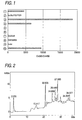
- Fig. 1 is a figure showing the detection of the enzyme activity of a purified recombinant protein.
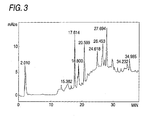
- Fig. 2 is a figure showing the HPLC analysis of the cleavage of VIP with a buffer control.
- Fig. 3 is a figure showing the HPLC analysis of the cleavage of VIP with an enzyme sample.
- precursor used in the present specification means "enzyme precursor” and means a protein that it is an inactive type per se and becomes an active type enzyme by activation (processing).
- mature form means protein which becomes an active type enzyme via activation.
- proteease activity means the activity catalyzing the hydrolysis of peptide bond, and mainly means the enzyme activity of active type enzyme (mature form).
- polypeptides of the present invention include:
- the “functionally equivalent variant of the polypeptide 237/531” and the “functionally equivalent variant of the precursor of the present invention” are collectively referred to as “functionally equivalent variant of the present invention", which includes "a polypeptide comprising the 237th to 531st amino acid sequence in the amino acid sequence represented by SEQ ID NO:2 and showing a protease activity", or "a polypeptide which comprises the 51st to 531st amino acid sequence in the amino acid sequence represented by SEQ ID NO:2 and showing a protease activity", or "a polypeptide which comprises an amino acid sequence in which the 51st to 531st amino acid sequence in the amino acid sequence represented by SEQ ID NO:2 is conjugated to the C-terminus side of an amino acid sequence consisting of the 1st to 50th amino acid sequence in the amino acid sequence represented by SEQ ID NO:2, or an amino acid sequence comprising the 1st to 50th amino acid sequence in the amino acid sequence represented by SEQ ID NO:2 in which 1 to 10, preferably 1 to
- polypeptides which are highly expressed in small intestine are preferable.
- functionally equivalent variants of the present invention include polypeptides (namely, fusion polypeptides) prepared by adding appropriate marker sequences and the like at the N terminus or C terminus of the polypeptide of the present invention, for example the polypeptide consisting of an amino acid sequence represented by SEQ ID NO:2, the polypeptide 51/531, or the polypeptide 237/465, as far as the polypeptides show protease activity or show protease activity after processing.
- sequences for the easily confirmation of the expression of polypeptide, and intracellular localization or ready purification can be used, which include such as FLAG epitope, hexa-histidine tag, hemagglutinin tag and myc epitope.
- the origin of the functionally equivalent variant of the present invention is not limited to human origin.
- human variants of a polypeptide comprising the 237th to 531st amino acid sequence in the amino acid sequence represented by SEQ ID NO:2 a polypeptide comprising the 51st to 531st amino acid sequence in the amino acid sequence represented by SEQ ID NO:2 or a polypeptide consisting of an amino acid sequence represented by SEQ ID NO:2 are included and additionally, such functionally equivalent variants derived from biological organisms (for example, mouse, rat, hamster or dog) other than humans are also included.
- polypeptides prepared by artificial modification via genetic engineering based on their natural polypeptides namely, human-derived variants or functionally equivalent variants from biological organisms other than humans
- polypeptide consisting of the 237th to 531st amino acid sequence in the amino acid sequence represented by SEQ ID NO:2 the polypeptide consisting of the 51st to 531st amino acids in an amino acid sequence represented by SEQ ID NO:2 or the polypeptide consisting of an amino acid sequence represented by SEQ ID NO:2 are also included.
- the "variation” means a difference in individuals in terms of the same polypeptide in the same species or a difference found in homologous polypeptides among several species.
- the "homologous polypeptide of the present invention” is not particularly limited as far as "a polypeptide which comprises the polypeptide 237/531 and which consists of an amino acid sequence represented by SEQ ID NO:2, or a polypeptide which consists of an amino acid sequence with 95% or more homology with the polypeptide 51/531 and is a precursor of an enzyme showing a protease activity".
- the homologous polypeptide comprise an amino acid sequence with 98%or more homology.
- the polypeptide highly expressed in small intestine is preferable.
- the "homology” means the value of Identities obtained by using the bl2seq program (Tatiana A. Tatsusova, Thomas L. Madden, FEMS Microbiol. Lett., Vol.174, 247-250, 1999) in the BLAST PACKAGE [sgi32 bit edition, Version 2.0.12; available from the National Center for Biotechnology Information (NCBI)].
- pair wise alignment parameters "balstp” as “program name”, "0” as “Gap insertion Cost value”, “0” as “Gap extension Cost value”, and "BLOSUM62” as "Matrix" are used respectively.
- polypeptides of the present invention have been described so far.
- the protein which is the polypeptide consisting of an amino acid sequence represented by SEQ ID NO:2 is referred to as "ARS protein".
- the polypeptide consisting of an amino acid sequence represented by SEQ ID NO:2 is the full-length ORF of the ARS protein.
- the polypeptide 51/531 is the extracellular region and both polypeptides relate to precursors of the enzyme. Additionally, it is speculated that the polypeptide 237/531 is the serine protease region and the C-terminal sequence.
- the polynucleotide of the present invention is not particularly limited as far as the polynucleotide encodes the polypeptide of the present invention and includes for example a polynucleotide consisting of a nucleotide sequence represented by SEQ ID NO:1, a nucleotide sequence consisting of the 151st to 1593rd nucleotide sequence in the nucleotide sequence represented by SEQ ID NO:1 or a nucleotide sequence consisting of the 709th to 1593rd nucleotide sequence in the nucleotide sequence represented by SEQ ID NO:1,.
- the polynucleotide consisting of a nucleotide sequence represented by SEQ ID NO:1 encodes the polypeptide consisting of an amino acid sequence represented by SEQ ID NO:2.
- the polynucleotide consisting of the 151st to 1593rd nucleotides in a nucleotide sequence represented by SEQ ID NO:1 encodes the polypeptide 51/531, while the polynucleotide consisting of the 709th to 1593rd nucleotides encodes the polypeptide 237/531.
- a person skilled in the art can obtain the polynucleotide of the present invention, based on the information of the nucleotide sequence encoding the polypeptide consisting of an amino acid sequence represented by SEQ ID NO:2, the polypeptide 51/531 or the polypeptide 237/531 (for example, a nucleotide sequence represented by SEQ ID NO:1, a sequence consisting of the 151st to 1593rd nucleotide sequence in the nucleotide sequence represented by SEQ ID NO:1 or a sequence consisting of the 709th to 1593rd nucleotide sequence in the nucleotide sequence represented by SEQ ID NO:1).
- gene recombinantion technique can be carried out according to known methods (for example, gene manipulation experimental manuals for example by Sambrook, J. et al ., " Molecular Cloning-A Laboratory Manual", Cold Spring Harbor Laboratory, NY, 1989).
- an appropriate primer or probe is designed on the basis of the information of the nucleotide sequence represented by SEQ ID NO:1, a sequence consisting of the 151st to 1593rd nucleotide sequence in the nucleotide sequence represented by SEQ ID NO:1 or a sequence consisting of the 709th to 1596th nucleotide sequence in the nucleotide sequence represented by SEQ ID NO:1.
- a sample for example, total RNA or mRNA fraction, cDNA library or phage library
- an objective biological organism for example, mammalian animals (for example, human, mouse, rat, hamster or dog)
- PCR polymerase chain reaction
- polypeptide of the present invention can be obtained. It can be confirmed for example by the method described in Example 8 or 11 that the polypeptide or the mature form generated by the processing of the polypeptide shows the protease activity.
- polypeptide artificially modified by genetic engineering can be obtained as follows.
- general methods for example site-specific mutagenesis (Mark, D.F., et al ., Proc. Natl. Acad. Sci. USA, Vol.81, 5662-5666, 1984)
- a polynucleotide is obtained and is then expressed using an appropriate expression system. It is confirmed by the method described in Example 8 or 11 that the expressed polypeptide or the mature form thereof generated through the processing of the polypeptide shows the protease activity. In such manner, the objective polypeptide can be obtained.
- the polypeptide of the present invention also includes a polypeptide which is obtained by expressing the polynucleotide encoding the precursor protein of the present invention in an appropriate expression system and which is cleaved accompanying activation, and as far as the cleaved polypeptide exerts the protease activity.
- the polypeptide is produced by the cleavage in between the activating sequence of the serine protease in the amino acid sequence represented by SEQ ID NO:2, namely between the 236th and 237th amino acids and is a polypeptide in which N-terminus in the 237th amino acid having Serine protease activity (namely, the polypeptide 237/531 putatively).
- polypeptide of the present invention also includes a polypeptide cleaved accompanying activation which is obtained by treating a protein obtained by expressing the polynucleotide encoding the precursor protein of the present invention in an appropriate expression system with trypsin preferably by the method described in Example 9, as far as the cleaved polypeptide shows the protease activity.
- whether or not a certain polypeptide shows the "protease activity" is not particularly limited and can be confirmed by detecting the enzyme cleavage activity using synthetic peptides labeled with fluorescence, for example a synthetic peptide in which C terminus is labeled with MCA (4-methyl-coumaryl-7-amide) (Yasuoka, S. et al ., Am. J. Respir. Cell Mol Biol ., Vol.16, 300-308, 1997), preferably by the method described in Example 8 or 11. More preferably, the enzyme cleavage activity can be detected and confirmed for example by the method described in Example 12, using VIP as a physiologically active substance.
- synthetic peptides labeled with fluorescence for example a synthetic peptide in which C terminus is labeled with MCA (4-methyl-coumaryl-7-amide) (Yasuoka, S. et al ., Am. J. Respir. Cell Mol Biol ., Vol.16, 300-308, 1997)
- the method for producing the polynucleotide of the present invention is not particularly limited and includes for example (1) a method using PCR; (2) a method using routine genetic engineering technique (in other words, a method selecting a transformant containing desired cDNA from transformants obtained by transformation with cDNA library); or (3) a chemical synthesis method.
- the individual production methods can be carried out as described in WO 01/34785.
- the "novel protein of the present invention” in the specification of the patent application should be read as the polypeptide of the present invention, while the “gene of the present invention” therein should be read as the polynucleotide of the present invention.
- the polynucleotide of the present invention can be produced by the following procedures.
- mRNA is extracted from human cells or tissues with an ability of producing the polypeptide of the present invention. Based on the nucleotide sequence of the polynucleotide encoding the polypeptide of the present invention, then, a set of two primers which is capable of covering the full-length mRNA corresponding to the polypeptide of the present invention, or a set of two primers which is capable of covering the mRNA region as a part of the full-length mRNA is prepared. A modification temperature or conditions for adding a denaturing agent is appropriately selected, and reverse transcriptase - polymerase chain reaction (RT-PCR) which is suitable for each of the prepared primer set is carried out to obtain the full-length cDNA of the polypeptide of the present invention or a part thereof.
- RT-PCR reverse transcriptase - polymerase chain reaction
- PCR is carried out, to obtain the full-length cDNA of the polypeptide of the present invention or a part thereof.
- total RNA including mRNA encoding the polypeptide of the present invention is extracted from cells or tissues which has an ability of producing the polypeptide of the present invention by a known method.
- the extraction method includes, for example, guanidine ⁇ thiocyanate ⁇ hot phenol method, guanidine thiocyanate-guanidine hydrochloric acid method or guanidine ⁇ thiocyanate ⁇ cesium chloride method.
- the guanidine ⁇ thiocyanate ⁇ cesium chloride method is used.
- the cells or tissues which has an ability of producing the polypeptide of the present invention can be identified for example by Northern blotting using the polynucleotide encoding the polypeptide of the present invention or a part thereof, or Western blotting using an antibody specific to the polypeptide of the present invention.
- mRNA can be purified by general methods. For example, mRNA can be purified by allowing the mRNA to be adsorbed onto an oligo (dT) cellulose column and then eluting. If desired, mRNA can further be fractioned by sucrose density gradient centrifugation method and the like. Without mRNA extraction, commercially available mRNA extracted and purified may also be used.
- the purified mRNA is subjected to reverse transcriptase reaction in the presence of for example random primer, oligo dT primer and/or synthetically custom-made primers to prepare a first strand cDNA .
- the synthesis is carried out by general methods. Using the resulting first strand cDNA and two kinds of primers covering the full length or a partial region of the objective polynucleotide, PCR is carried out to amplify the intended cDNA.
- the obtained DNA is fractionated by agarose gel electrophoresis and the like. If desired, the DNA is digested with restriction enzymes and ligated, to obtain the objective DNA fragment.
- the polynucleotide of the present invention can be produced for example by the procedures described in "Mode for Carrying out the Invention", 1) Method for producing gene of the protein, b) Second production method in the patent reference described above.
- the polynucleotide of the present invention can be produced for example by the methods described in "the Mode for Carrying out the Invention", 1) Method for producing gene of the protein, c) Third production method and d) Fourth production method in the patent reference above. More specifically, the polynucleotide of the present invention may be produced by ligating nucleotide fragments produced by chemical synthetic method together. Additionally, each polynucleotide (oligonucleotide) may also be synthetically produced, using a DNA synthesizer (for example, Oligo 1000M DNA Synthesizer (Beckman) or 394 DNA/RNA Synthesizer (Applied Biosystems)).
- a DNA synthesizer for example, Oligo 1000M DNA Synthesizer (Beckman) or 394 DNA/RNA Synthesizer (Applied Biosystems)
- the methods for producing the expression vector, the host cell and the protein in the present invention can be carried out by the method described in "Mode for carrying out the Invention", 2) Methods for producing the vector of the present invention, the host cell of the present invention and the recombinant protein of the present invention in the patent reference described above.
- the isolated polynucleotide of the present invention is again integrated into an appropriate vector DNA, to thereby transform eukaryotic or prokaryotic host cells.
- an appropriate promoter and a sequence related with the gene expression the polynucleotide can be expressed in individual host cells.
- the expression vector of the present invention is not particularly limited as far as it is the expression vector comprising the polynucleotide of the present invention, and includes for example an expression vector obtained by inserting the polynucleotide of the present invention into known expression vectors appropriately selected, depending on the used host cell.
- the cell of the present invention is not limited as far as it is a cell transfected with the aforementioned expression vector of the present invention and comprises the polynucleotide of the present invention.
- the cell includes a cell in which the polynucleotide of the present invention is integrated in the chromosome of host cells, or cells in which the polynucleotide of the present invention is contained in the form of expression vectors comprising the polynucleotide.
- the cell can be a cell with expression of the polypeptide of the present invention or a cell without expression of the polypeptide of the present invention.
- the cell of the present invention can be obtained by transfecting the expression vector of the present invention into a desired host cell.
- the polynucleotide of the present invention is integrated in an expression vector of pCEP4dE2-FLAG (WO 01/34785, Example 3) for mammalian cells to obtain an expression vector for a desired protein, and then, the expression vector is transfected into a human fetal kidney-derived HEK293-EBNA cell using a commercially available transfection reagent FuGENETM 6 to produce the transfected cell of the present invention.
- the desired transfected cell obtained above can be incubated by routine methods. Through the culture, the protein of the present invention is produced.
- the culture medium for use in the incubation various culture medium routinely used for a selected host cell can be selected appropriately.
- the Dulbecco's modified Eagle's minimum essential culture medium (DMEM) or the like medium supplemented with a serum component such as fetal bovine serum (FBS) and additionally supplemented with G418 can be used.
- DMEM Dulbecco's modified Eagle's minimum essential culture medium
- FBS fetal bovine serum
- the protein of the present invention which is produced in the transfected cell as described above can be separated and purified by various known separation procedures and methods using the physical properties, biochemical properties and the like of the protein.
- the protein of the present invention is fused in-frame to a marker sequence and is then expressed to enable the identification, purification and the like of the expressed protein.
- a marker sequence for example, FLAG epitope, hexa-histidine tag, hemagglutinin tag, and myc epitope are known.
- proteases such as enterokinase, Factor Xa and thrombin
- the polypeptide used in the screening of the present invention is preferably a protein highly expressed in small intestine as shown in Example 2 described below, and additionally has a protease activity as shown in Example 8, Example 11 or Example 12. It was shown that a polypeptide which is cleaved accompanying activation, and is obtained by expressing the polynucleotide encoding the polypeptide 51/531 which is one of the polypeptides used in the screening of the present invention, cleaved VIP. As shown in the Background Art, VIP is a physiologically active peptide which is known to be useful for the treatment of constipation, particularly for the treatment of irritable bowel syndrome of constipation type at a high frequency in female patients and the treatment of inflammatory gastrointestinal diseases.
- the polypeptide used in the screening of the present invention cleaved VIP
- a substance improving gastrointestinal diseases, particularly irritable bowel syndrome can be obtained by screening for an inhibitor of the polypeptide used in the screening of the present invention to increase the endogenous VIP amount.
- the screening method of the present invention can be carried out for example by detecting the enzyme cleavage activity using a synthetic peptide labeled with fluorescence, for example labeled with MCA (4-methyl-coumaryl-7-amide) in the C terminus (Yasuoka, S., et al ., Am. J. Respir. Cell Mol Biol., Vol.16, 300-308, 1997). More preferably, the screening method can be carried out by the methods described in Example 8 or Example 11. Further, as shown in Example 12, screening of the inhibitor of the enzyme is enabled by determination of the enzyme activity by HPLC, followed by enzyme reaction using a physiologically active peptide (for example, VIP).
- a synthetic peptide labeled with fluorescence for example labeled with MCA (4-methyl-coumaryl-7-amide) in the C terminus
- a substance in which IC50 is 10 ⁇ M or less preferably a substance in which IC50 is 1 ⁇ M or less, more preferably a substance in which IC50 is 0.1 ⁇ M or less can be selected as a substance which has a protease inhibitory activity.
- a substance which has a protease inhibitory activity as described above, an agent for gastrointestinal diseases, particularly an agent for irritable bowel syndrome can be obtained.
- test substance used in the screening method of the present invention is not particularly limited.
- commercially available compounds including peptides
- various known compounds including peptides registered in chemical files
- compound groups obtained by combinatorial chemistry technique N. K. Terrett, M. Gardner, D.W.Gordon, R. J. Kobylecki, J. Steele, Tetrahedron, Vol.51, 8135-73 (1995)
- microbial culture supernatant natural compounds derived from plants and marine organisms, animal tissue extracts, or compounds (including peptide) obtained by chemically or biologically modifying compounds (including peptide) selected by the screening method are examples of test substances of the present invention.
- the present invention includes a method for producing a pharmaceutical composition for the treatment of gastrointestinal diseases, comprising a screening step using the screening method of the present invention and a formulation step using a substance obtained by the screening.
- the formulation containing the substance obtainable by the screening method of the present invention as the active component can be prepared, using carriers, excipients and/or other additives for general use in the formulation of the active component, depending on the type of the active component.
- the administration includes oral administration via tablets, pills, capsules, granules, fine granules, powders or oral liquids, or parenteral administration via injections intravenous injections and intramuscular injections or injections into joints, suppositories, transcutaneous administration preparation or transmucosal administration preparation.
- parenteral administration such as intravenous injection is preferable.
- a solid composition for oral administration contains one or more active substances and at least one inert diluent, such as lactose, mannitol, glucose, microcrystalline cellulose, hydroxypropyl cellulose, starch, polyvinylpyrrolidone or alminum magnesium metasilicate.
- the composition may contain additives other than inert diluents, for example lubricants, disintegrators, stabilizers or dissolution agents or auxiliary dissolution agents according to general methods. If necessary, tablets or pills may be coated with films such as sugar coating or gastric or enteric coatings.
- the oral liquid composition may include for example emulsions, solutions, suspensions, syrups or elixirs and may contain inert diluents for general use, for example distilled water or ethanol.
- the composition may contain additives other than inert diluents, for example, moistening agent, suspending agents, sweeteners, aromatics or antiseptics.
- Non-parenteral injections may include aseptic, aqueous or non-aqueous solutions, suspensions or emulsions.
- the aqueous solutions or suspensions may contain for example water for injection or physiological saline as diluents.
- the diluents for non-aqueous solutions or suspensions include for example propylene glycol, polyethylene glycol, plant oils (for example, olive oil) and alcohols (for example, ethanol), or polysorbate 80.
- the composition may further contain a moistening agent, an emulsifying agent, a dispersing agent, a stabilizer, a dissolution agent or an auxiliary dissolution agent, or an antiseptic and the like.
- the composition can be sterilized by filtration through bacteria-retaining filters, blending of a germicide or irradiation. Additionally, an aseptic solid composition is produced, which can be used by dissolving in sterile water or other sterile medium for injection prior to use.
- the dose can be appropriately determined, in view of the intensity of the activity of the active component, namely a substance obtained by the screening method of the present invention, the symptom, and age or sex of a subject of its administration.
- the daily dose is about 0.1 to 100 mg, preferably 0.1 to 50 mg per adult (with a body weight of 60 kg).
- the daily dose is 0.01 to 50 mg, preferably 0.01 to 10 mg per day.
- the present invention can also be carried out according to the instructions of the commercially available products.
- cDNA derived from human small intestine (Marathon-ReadyTM cDNA; Clontech) as a template
- PCR for the amplification of cDNA end (Rapid Amplification of cDNA Ends; RACE) was repeatedly carried out to analyze the nucleotide sequence in the 5' side and 3' side and the full-length open reading frame (ORF) of the novel gene sequence was determined. The details are described below. For 5' RACE, GSPR1 to GSPR10 were used as primers.
- GSPR1 SEQ ID NO:5
- AP-1 a product attached to Marathon-ReadyTM cDNA; Clontech
- SEQ ID NO:3 a product attached to Marathon-ReadyTM cDNA; Clontech
- PCR was carried out.
- thermal denaturation at 97°C (2 minutes) was carried out at first and subsequently PCR was carried out under a condition of 40 times of a cycle consisting of 97°C for 20 seconds, 60°C for 30 seconds and 72°C for 2 minutes, followed by a condition of 72°C for 7 minutes.
- reaction solution was electrophoresed on agarose gel. DNA amplification was confirmed.
- a 50-fold dilution of the PCR reaction solution with sterile water was used as the second PCR template, GSPR-2 (SEQ ID NO:6) and AP-2 (a product attached to Marathon-ReadyTM cDNA; Clontech) (SEQ ID NO:4) were used as primers and DNA polymerase (PyrobestTM DNA polymerase; Takara Shuzo Co., Ltd.) was used to carry out PCR at 96°C for 2.5 minutes and subsequently under a condition of 40 times of a cycle consisting of 97°C for 20 seconds, 68°C for 30 seconds and 72°C for 60 seconds, followed by a condition of 72°C for 7 minutes.
- the gene thus amplified was directly sequenced with a DNA sequencer (ABI3700 DNA sequencer; Applied Biosystems) by dideoxy terminator method.
- a DNA sequencer (ABI3700 DNA sequencer; Applied Biosystems) by dideoxy terminator method.
- Each set of two sequences namely [GSPR3 (SEQ ID NO:7) and GSPR4 (SEQ ID NO:8)], [GSPR5 (SEQ ID NO:9) and GSPR6 (SEQ ID NO:10)], [GSPR7 (SEQ ID NO:11) and GSPR8 (SEQ ID NO:12)] and [GSPR9 (SEQ ID NO:13) and GSPR10 (SEQ ID NO:14)] was also used for sequencing of the 5' side, the first PCR in combination with AP-1 and the second PCR in combination with AP-2.
- GSPR-2 SEQ ID NO:16
- AP-2 primers
- DNA polymerase PyrobestTM DNA polymerase; Takara Shuzo Co., Ltd.
- the gene thus amplified was directly sequenced with a DNA sequencer (ABI3700 DNA sequencer; Applied Biosystems) by dideoxy terminator method, to determine the ORF in the 3' end to determine the full-length ORF.
- the gene was called ARS.
- the full-length nucleotide sequence of the gene is shown as SEQ ID NO:1 and its putative amino acid sequence is shown as SEQ ID NO:2.
- ORF of ARS encodes a novel protein consisting of 531 amino acids at the 1st to 531st amino acid sequence in the amino acid sequence represented by SEQ ID No:2.
- the novel protein has a structure of domains, namely intracellular domain, transmembrane domain, pro-region, protease-activating sequence, serine protease domain and C-terminal sequence from the N terminus and thus, the protein was a molecule belonging to the type II transmembrane serine protease family.
- PCR was carried out using oligonucleotides represented by SEQ ID NO:17 and SEQ ID NO:19 as primers, and the cDNA panel as templates and DNA polymerase (TaKaRa LA TaqTM; Takara Shuzo Co., Ltd.).
- the thermal denaturation at 96°C (2 minutes) was carried out first, PCR was carried out under a condition of 40 times of a cycle of 97°C for 20 seconds, 60°C for 30 seconds and 72°C for 2 minutes, followed by 72°C for 7 minutes.
- the reaction solution was electrophoresed on agarose gel to obtain a DNA fragment of about 1.5 kb, which was derived from the mRNA of the ARS gene. Consequently, it was demonstrated that the mRNA of the ARS gene was strongly expressed in small intestine and was scarcely expressed in lung, large intestine, and spleen.
- PCR was carried out at 96°C (2.5 minutes) and subsequently under a condition of 45 times of a cycle consisting of 97°C for 20 seconds, 60°C for 30 seconds and 72°C for 2 minutes, followed by 72°C for 7 minutes.
- a fragment of about 1.5 kb thus produced was subcloned in a cloning vector (pCR4Blunt-TOPO; Invitrogen), using ampicillin resistance as a marker.
- a plasmid clone pPCR617-5' F was selected, which was recognized with the EcoR I recognition sequence which exists in both sides of the cloning site in the cloning vector and produces an insert sequence of about 1.5 kb
- oligo DNAs represented by SEQ ID NO:20 and SEQ ID NO:19 in which Xba I recognition sequence and Kozak sequence was added to the 5' side as primers, and DNA polymerase (PyrobestTM DNA polymerase; Takara Shuzo Co., Ltd.) PCR was carried out at 95°C for 2.5 minutes, subsequently 40 times of a cycle
- the thus generated fragment of about 1.5 kb was subcloned in a cloning vector (PCR4Blunt-TOPO; Invitrogen), using ampicillin resistance as a marker.
- a cloning vector (PCR4Blunt-TOPO; Invitrogen)
- ampicillin resistance as a marker.
- PCR Using oligo DNA represented by SEQ ID NO:21 and oligo DNA represented by SEQ ID NO:22 in which Not I recognition sequence was added to the 3' side as primers, cDNA derived from human small intestine (Marathon-ReadyTM cDNA; Clontech) as a template and DNA polymerase (PyrobestTM DNA polymerase; Takara Shuzo Co., Ltd.), PCR was carried out at 96°C for 2.5 minutes, consequently 40 times of a cycle consisting of 97°C for 20 seconds, 60°C for 30 seconds, followed by 72°C for 30 seconds and a condition of 72°C for 7 minutes.
- sequence inserted in pCEP4dE2-FLAG was sequenced with a DNA sequencer (ABI3700 DNA sequencer; Applied Biosystems) by dideoxy terminator method, it was confirmed that the sequence was the nucleotide sequence represented by the 1st to 1593 nucleotide sequence in the nucleotide sequence represented by SEQ ID No:1.
- the expression plasmid pCEP-ARSF-FLAG can express a protein of a polypeptide encoded by SEQ ID NO:2 at the 1st to 531st positions, to which the FLAG sequence is preliminarily added to the C terminus.
- a plasmid was constructed as follows.
- the gene of the 151st to 1596th positions of SEQ ID NO:1 was obtained by PCR. More specifically, using oligo DNA represented by SEQ ID No:23 to which Bgl II recognition sequence was added and oligo DNA represented by SEQ ID NO:24 to which Xho I recognition sequence was added as primers, pCEP-ARS-FLAG as a template and DNA polymerase (PyrobestTM DNA polymerase; Takara Shuzo Co., Ltd.), reactions were carried out at 96°C for 2 minutes, subsequently 36 times of a cycle of 98°C for 15 seconds, 65°C for 30 seconds and 72°C for 1.5 minutes, followed by 72°C for 7 minutes.
- the DNA fragment thus obtained was subcloned in a pCR4Blunt-TOPO vector (Invitrogen). The sequence was then confirmed using a DNA sequencer (ABI3700 DNA sequencer; Applied Biosystems) by dideoxy terminator method. Excision the intended DNA fragment at the Bgl II and Xho I sites and inserting the resulting DNA in between the Bam HI and Xho I sites of pCEP-signal-FLAG vector, pCEP-signal-FLAG-ARS-extracellular was completed.
- the expression plasmid of pCEP-signal-FLAG-ARS-extracellular can express a protein of a polypeptide encoded the 51st to 531st position of SEQ ID NO:2, to which a secretory signal sequence and the FLAG sequence were added to the N terminus.
- a plasmid was constructed as follows.
- the gene of the 709th to 1596th positions of SEQ ID NO:1 was obtained by PCR. More specifically, using an oligo DNA primer represented by SEQ ID NO:25 to which Bgl II recognition sequence was added and an oligo DNA primer represented by SEQ ID NO:24, pCEP-ARS-FLAG as a template and DNA polymerase (PyrobestTM DNA polymerase; Takara Shuzo Co., Ltd.), reactions were carried out at 96°C for 2 minutes, subsequently 35 times of a cycle of 98°C for 15 seconds, 65°C for 30 seconds and 72°C for 1.5 minutes, and followed by 72°C for 7 minutes.
- PyrobestTM DNA polymerase Takara Shuzo Co., Ltd.
- the DNA fragment thus produced was digested with restriction enzymes Bgl II and Xho I and inserted in between the Bam HI and Xho I sites of pCEP4-signal-FLAG vector, to completely prepare pCEP-signal-FLAG-ARS-SerPD.
- the sequence was analyzed with a DNA sequencer (ABI3700 DNA sequencer; Applied Biosystems) by dideoxy terminator method. It was confirmed that the sequence was a sequence consisting of the 709th to 1596th nucleotides in the nucleotide sequence represented by SEQ ID NO:1.
- the expression plasmid pCEP-signal-FLAG-ARS-SerPD can express a protein of a polypeptide encoded by the 237th to 531st positions of SEQ ID NO:2, in which a secretory signal sequence and FLAG sequence are added to the N terminus.
- a plasmid was constructed as follows.
- the gene of the 709th to 1392nd positions of SEQ ID NO:1 was obtained by PCR. More specifically, PCR was carried out using oligo DNA represented by SEQ ID NO:25 to which Bgl II recognition sequence was added and oligo DNA represented by SEQ ID NO:26 to which Xho I recognition sequence and termination codon sequence were added as a primer and using the same template and the same PCR conditions as described in Example 5.
- the DNA fragment thus produced was digested with restriction enzymes of Bgl II and Xho I and inserted in between the Bam HI and Xho I sites of pCEP4-signal-FLAG vector, to completely prepare pCEP-signal-FLAG-ARS-SerPDO.
- sequence was analyzed with a DNA sequencer (ABI3700 DNA sequencer; Applied Biosystems) by dideoxy terminator method. It was confirmed that the sequence was a sequence consisting of the 709th to 1392nd nucleotides in the nucleotide sequence represented by SEQ ID NO:1.
- the expression plasmid pCEP-signal-FLAG-ARS-SerPDO can express a protein in which a secretory signal sequence and FLAG sequence was added to the N terminus of a polypeptide encoded by the 237th to 464th positions of SEQ ID No:2.
- ARS-FLAG Expression of ARS-FLAG, signal-FLAG-ARS-extracellular, signal-FLAG-ARS-SerPD and signal-FLAG-ARS-SerPDO in animal cell lines
- the expression plasmids prepared in Examples 3 to 5 were introduced into HEK293-EBNA cell (Invitrogen) using a transfection reagent (FuGENETM6 transfection reagent; Roche) according to the instruction attached thereto. After the introduction of the plasmids, the culture medium was replaced with a serum-free culture medium within 12 to 16 hours and further incubated for another 48 to 60 hours. The culture supernatant was collected and resulting each liquid culture was centrifuged (3000 rpm, 10 minutes) with a centrifuge (Type 8800; Kubota) to obtain culture supernatants.
- phosphate buffer 10 mM sodium phosphate, pH 7.5
- the resulting precipitate was suspended in phosphate buffer, which was defined as the cell fraction.
- the culture supernatants obtained by the introduction of pCEP-ARSF-FLAG, pCEP-signal-FLAG-ARS-extracellular and pCEP-signal-FLAG-ARS-SerPD are referred to as ARS-FLAG culture supernatant, signal-FLAG-ARS-extracellular culture supernatant, signal-FLAG-ARS-SerPD culture supernatant and signal-FLAG-ARS-SerPDO culture supernatant, respectively.
- each culture supernatant (20 ⁇ l of each culture supernatant of 12 ml recovered from one 15-cm petri dish) and the cell fraction (5 ⁇ l of cell fraction prepared by suspending the cell recovered from one 15-cm petri dish in 10 ml of phosphate buffer) were electrophoresed in SDS/4% to 20% acrylamide gel (Daiichi Pure Chemicals Co., Ltd.) (under reducing condition) and then transferred on PVDF membrane (Millipore) using a blotting apparatus.
- Block Ace (DAINIPPON PHARMACEUTICAL CO., LTD.) was added, for blocking, to the PVDF membrane after the transfer, a biotinylated mouse anti-FLAG monoclonal antibody (M2; Sigma) and horseradish peroxidase-labeled streptoavidin (Amersham Pharmacia) were sequentially reacted. After the reaction, the expression of an intended protein was confirmed using ECL Western blotting detection system (Amersham Pharmacia). In case of ARS-FLAG was allowed to be expressed, a considered to be the full-length protein with a putative molecular weight of about 55 to 65 kD was detected in the cell fraction, and a protein of about 35 to 40 kD was additionally detected.
- the method for detecting enzymatic cleavage activity using a synthetic peptide labeled with MCA (4-methyl-coumaryl-7-amide) in the C terminus was according to the method reported in an academic paper (Yasuoka, S. et al ., Am. J. Respir. Cell Mol Biol., Vol.16, 300-308, 1997), unless otherwise described. Specifically, synthetic polypeptide (Peptide Institute, Inc.) labeled with MCA at the C terminus was used as a substrate and was diluted in TBS (20 mM Tris-HCl, pH 7.5, 150 mM NaCl) to become a final concentration of 100 ⁇ M in a 96-well plate.
- TBS 20 mM Tris-HCl, pH 7.5, 150 mM NaCl
- screening of an inhibitor of the protease activity in the present invention is enabled, by measurement in the presence of a test substance using cleaved substrate.
- the signal-FLAG-ARS-extracellular culture supernatant was treated with trypsin beads (immobilized trypsin-Sepharose 4B; Worthington), to examine whether or not the elevation of the decomposition activity of artificial substrates could be observed.
- trypsin beads immobilized trypsin-Sepharose 4B; Worthington
- the method for treating enzyme using trypsin beads was according to the method described in a paper (Shigeki Satomi, et al., Biochem. Biophys. Res. Com., Vol.287, 995-1002, 2001). The detail is shown below.
- the signal-FLAG-ARS-extracellular culture supernatant and the culture supernatant in case of the gene introduction with the blank vector which were prepared in the same manner as in Example 7 were used. Trypsin beads were washed three times with 0.1 M ammonium carbonate buffer and was then suspended in the buffer. The obtained trypsin beads were mixed with each of the samples at a ratio of 1:2 to 1:4, and treated in the buffer at 37°C for 2 hours. After the treatment, the mixture was centrifuged at 4°C and 3000 rpm for 3 minutes with a centrifuge (Type M150-IV; Sakuma Seisakusho), to recover the supernatant.
- a centrifuge Type M150-IV; Sakuma Seisakusho
- the recovered supernatant was further centrifuged at 4°C and 6000 rpm for 3 minutes with a centrifuge (Type M150-IV; Sakuma Seisakusho), to recover the supernatant to thereby remove trypsin beads.
- the decomposition activity of an artificial substrate Boc-Glu(OBzl)-Ala-Arg-MCA with the enzyme sample and the control sample as obtained by the treatment with trypsin beads were compared to each other using the method for detecting enzyme activity as described in Example 7. Consequently, it was confirmed that the activity of a sample prepared by treating the signal-FLAG-ARS-extracellular culture supernatant with trypsin beads was increased 10-fold or more of that of such sample without trypsin beads treatment.
- the decomposition activity of the artificial substrate was not observed. This suggests that the ARS may possibly be controlled with activation of other proteases. Since the sample obtained by treating the signal-FLAG-ARS-extracellular with trypsin has high activity, the sample can be used for screening for a substance inhibiting the protease activity in the present invention.
- a recombinant protein secreted into the liquid culture of the cell was extracted and purified.
- the transfected HEK293EBNA cells were incubated by the same method as in Example 7 to about 80% confluence, from which the culture medium was then removed. Instead, a culture medium containing 4% serum was added, for further incubation under conditions of 37°C and a carbon dioxide concentration of 5% for another 4 days.
- the culture supernatant was recovered 4 days later; filtered through a 0.22- ⁇ m filter (Zartor); and adsorbed on an ANTI-FLAG M2-AGAROSE AFFINITY GEL (Sigma) column equilibrated with TBS buffer by a routine method. Subsequently, about 50 ml of the TBS buffer was used for washing the column. Then, 6 ml of 0.1 mM glycine hydrochloride solution of pH 2.2 was passed through the column to obtain each 1ml fraction. To the separated fractions, 100 ⁇ l of 1 M Tris-HCl of pH 8 was immediately added to adjust the pH.
- the individual fractions thus obtained were confirmed by Western blotting using an antibody against the FLAG tag added to the N terminus (mouse anti-FLAG monoclonal antibody M2; Sigma). Specifically, the eluted fractions were electrophoresed on SDS/4% to 20% acrylamide gel (Daiichi Pure Chemicals Co., Ltd.) (under reducing conditions) and then transferred on PVDF membrane (Millipore) using a blotting apparatus.
- Block Ace DAINIPPON PHARMACEUTICAL CO., LTD.
- M2 biotinylated mouse anti-FLAG monoclonal antibody
- streptoavidin horseradish peroxidase-labeled streptoavidin
- Example 10 Using a synthetic peptides which have the C terminus labeled wit MCA (4-methyl-coumaryl-7-amide) by the same method as in Example 8, the cleavage activity of the enzyme purified in Example 10 was detected. Unless otherwise described, the method described in a paper (Yasuoka, S. et al ., Am. J. Respir. Cell Mol Biol., Vol.16, 300-308, 1997) was used. Specifically, using a synthetic peptides (Peptide Institute, Inc.) which have the C terminus labeled with MCA as substrates, the substrates were diluted with ammonium hydrogen carbonate buffer to become a final concentration of 200 ⁇ M or 400 ⁇ M in a 96-well plate.
- Example 10 After the purified protein solution obtained in Example 10 or the ammonium hydrogen carbonate buffer as a control was added to the substrate solutions, the resulting mixtures were incubated at 37°C for one hour. Subsequently, the fluorescence of AMC (7-amino-4-methyl-coumarin) released from the synthetic peptide by enzymatic cleavage was measured at a wavelength of 460 nm for measurement, using an excitation wavelength of 390 nm with a fluorescent plate reader (SAFIRE manufactured by TECAN). The results are shown in Fig. 1. In Fig. 1, the open bar expresses buffer control, while the solid bar expresses the case of using purified protein solution.
- AMC fluorescent plate reader
- the first bar represents the case of using Boc-Glu(OBzl)-Ala-Arg-MCA as a substrate;
- the second bar represents the case of using Boc-Phe-Ser-Arg-MCA as a substrate;
- the third bar represents the case of using Boc-Leu-Ser-Thr-Arg-MCA as a substrate;
- the fourth bar represents the case of using Boc-Gln-Arg-Arg-MCA as a substrate;
- the fifth bar represents the case of using Suc-Ala-Ala-Pro-Phe-MCA as a substrate;
- the sixth bar represents the case of using Suc-Ala-Pro-Ala-MCA as a substrate;
- the seventh bar represents the case of using Boc-Glu-Lys-Lys-MCA as a substrate;
- the eighth bar represents the case of using Boc-Leu-Lys-Arg-MCA as a substrate;
- the ninth bar represents the case of using Boc-Leu-Gly-Arg-MCA as a substrate
- the purified protein solution showed the cleavage activities of Boc-Glu(OBzl)-Ala-Arg-MCA, Boc-Gln-Arg-Arg-MCA and Boc-Phe-Ser-Arg-MCA, which were never detected in the buffer control. Further, the following substrates of Boc-Leu-Ser-Thr-Arg-MCA, Boc-Glu-Lys-Lys-MCA, Boc-Leu-Lys-Arg-MCA, Boc-Leu-Gly-Arg-MCA and Boc-Asp(OBzl)-Pro-Arg-MCA were examined for the first time presently. It was shown that the purified protein cleaved all these substrates.
- an enzyme solution treated with trypsin beads was obtained, using the purified protein solution.
- the substrate cleavage activity of the enzyme solution was measured by the same method as in Example 8. Specifically, synthetic peptide substrates were diluted in ammonium hydrogen carbonate buffer to become a final concentration of 400 ⁇ M in a 96-well plate. After the enzyme solution described above was mixed into the resulting diluted substrates, the mixture were incubated at 37°C for one hour. Subsequently, the fluorescence of AMC released from the synthetic peptide by enzymatic cleavage were measured.
- This Example indicates that an inhibitor of the protease activity in the present invention can be screened for by the measurement in the presence of a test substance using the cleaved substrates even by using the purified enzyme or a product prepared by treating the purified enzyme with trypsin beads.
- the purified signal-FLAG-ARS-extracellular enzyme after the treatment with trypsin beads in the same manner as in the method of Example 9 was used as an enzyme sample and was mixed with the following physiologically active peptides for reaction at 37°C for 16 hours, to detect the enzyme activity.
- an ammonium hydrogen carbonate buffer was used as a control without addition of enzyme.
- the peptides were adjusted to 0.1 mM in 100 mM ammonium hydrogen carbonate solution of pH 8.
- the peptides used were adenocorticotropic hormone (ACTH), angiotensin 1-13, angiotensin 1-14, angiotensin 1-7, angiotensin 1-9, angiotensin 3-7, angiotensin 3-8, angiotensin I, angiotensin II, angiotensin III, A-type natriuretic peptide (ANP), apelin 13, apelin 36, big gastrin, B-type natriuretic peptide 32 (BNP 32), bradykinin, benzoyl-Gly-His-Leu, chymostatin, C-type natriuretic peptide 22 (CNP 22), arginine-deficient bradykinin (Des-Arg-bradykinin), leucine-terminal enkephalin (Leu-enkephalin), methionine-terminal enkephalin (Met-enkephalin), growth hormone (GH), gastric inhibitory peptid
- the cleavage of the substrate peptides was confirmed by analyzing and comparing the reaction of a sample with the enzyme solution to with that of a sample with added ammonium hydrogen carbonate buffer instead of the enzyme, by high-performance liquid chromatography (HPLC) (LC-10AS manufactured by Shimadzu Co., Ltd.).
- Figs. 2 and 3 show the results of VIP cleavage by HPLC analysis.
- Fig. 2 shows the case of the addition of the buffer control
- Fig. 3 shows the case of the addition of the enzyme sample.
- the horizontal axis shows retention time
- the vertical axis shows absorbance.
- the polypeptide of the present invention is a protease highly expressed in small intestine or a precursor thereof.
- the precursor of the present invention is useful for obtaining the protease of the present invention. Since the protease of the present invention has VIP cleavage activity, the polypeptide, the polynucleotide, the expression vector and the cell in accordance with the present invention are useful for screening for an agent for gastrointestinal diseases.
- nucleotide sequences of SEQ ID NOs.:3, 4, 20, and 22 to 26 in the Sequence Listing are primer sequences artificially synthesized.
Landscapes
- Life Sciences & Earth Sciences (AREA)
- Health & Medical Sciences (AREA)
- Chemical & Material Sciences (AREA)
- Engineering & Computer Science (AREA)
- Organic Chemistry (AREA)
- Biomedical Technology (AREA)
- Zoology (AREA)
- Wood Science & Technology (AREA)
- Molecular Biology (AREA)
- General Health & Medical Sciences (AREA)
- Bioinformatics & Cheminformatics (AREA)
- Genetics & Genomics (AREA)
- Proteomics, Peptides & Aminoacids (AREA)
- Biochemistry (AREA)
- Microbiology (AREA)
- Immunology (AREA)
- Biotechnology (AREA)
- Medicinal Chemistry (AREA)
- Analytical Chemistry (AREA)
- Physics & Mathematics (AREA)
- Urology & Nephrology (AREA)
- General Engineering & Computer Science (AREA)
- Hematology (AREA)
- Cell Biology (AREA)
- Pathology (AREA)
- General Physics & Mathematics (AREA)
- Biophysics (AREA)
- Food Science & Technology (AREA)
- Nuclear Medicine, Radiotherapy & Molecular Imaging (AREA)
- Chemical Kinetics & Catalysis (AREA)
- General Chemical & Material Sciences (AREA)
- Public Health (AREA)
- Animal Behavior & Ethology (AREA)
- Pharmacology & Pharmacy (AREA)
- Veterinary Medicine (AREA)
- Micro-Organisms Or Cultivation Processes Thereof (AREA)
- Peptides Or Proteins (AREA)
- Medicines That Contain Protein Lipid Enzymes And Other Medicines (AREA)
Abstract
It is disclosed that a novel polypeptide useful for
screening for an agent for specific diseases to which
gastrointestinal hormones are related, particularly
irritable bowel syndrome, a polynucleotide encoding the
polypeptide, a vector comprising the polynucleotide, and a
transfected cell by the vector. It is disclosed that the
polypeptide is a novel type II transmembrane serine
protease related to the regulation of hormones produced in
gastrointestinal tract or a precursor thereof.
Additionally, a screening method of an agent for
gastrointestinal diseases using the polypeptide and a
method for producing a pharmaceutical composition for the
treatment of gastrointestinal diseases, comprising a
substance obtained by the screening method as the active
ingredient are disclosed.
Description
The present invention relates to a polypeptide which
is a precursor of a novel serine protease related to the
regulation of gastrointestinal hormones or the mature form
thereof, a polynucleotide encoding the polypeptide, a
vector comprising the polynucleotide, and a transformed
cell comprising the vector.
Several hundreds of proteases have been reported so
far and it is expected that about one percent of all genome
encodes proteases. Among these proteases, a great number
of molecules related to important roles which is directly
associated with vital phenomena, such as protein
maturation, expression of physiological activities,
regulation of metabolism, manifestation and transmission of
information via the cleavage of peptide chains are known,
in addition to molecules carrying out digestion of proteins
and peptides. Therefore, the application of protease
inhibitors to pharmaceutical products has historically been
carried out. Actually, protease inhibitors occupy 32% of
the top 50 agents on the world market now.
Among serine proteases, the type II transmembrane
serine protease is a molecule species with the
transmembrane region in the N terminus side and the
protease domain in the extracellular C terminus side (see
non-patent reference 1). Molecules playing roles in the
regulation of important physiological activities, such as
Corin which regulates the conversion of the atrial
natriuretic polypeptide precursor (proANP) to the mature
form (see non-patent reference 2) and Enteropeptidase which
converts trypsinogen to trypsin (see non-patent reference
3) are classified in the family. Additionally, it is
reported that many of these type II transmembrane serine
proteases show a relatvely restricted and characteristic
tissue distribution (see non-patent reference 1). Further,
it is suggested that these serine proteases act on
extracellular matrices around membrane and are related to
cell differentiation, the reduction of cellular adhesion of
each cell, the retention of homeostasis on epithelial cells
and the like (see non-patent reference 4, non-patent
reference 5 and non-patent reference 6).
Small intestine is a gastrointestinal tract in which
nutritious digestion and absorption are mainly carried out,
while it has been indicated that small intestine is an
endocrine organ related to the generation and secretion of
various physiologically active peptides and various
hormones (see non-patent reference 7). Since the discovery
of secretin extracted from small intestine as a substance
which stimulates pancreatic exocrine secretion via blood
circulation by Bayliss, Starling, et al. in 1902, 40 or
more gastrointestinal hormones including their candidates
have been reported. Since many of the hormones are also
expressed in brain, they are called neuropeptide or brain-gut
hormone under another name. It is known that these
physiologically active peptides are generated via the
processing of the precursors thereof. It is shown that
these physiologically active peptides control the functions
of intestinal tract and that the abnormalities of these
peptides are involved in the onset of irritable bowel
syndrome (see non-patent reference 8, non-patent reference
9 and non-patent reference 10).
Among them, vasoactive intestinal peptide (VIP) is
consisting of 28 amino acids and is distributed in the
nerve fibers of the central nervous system, urogenital
system, respiratory organs and salivary gland and has
activity such as relaxing the smooth muscle of
gastrointestinal tract in addition to vasolidation and an
activity increasing blood flow (see non-patent reference
11). Recently, further, it is reported that VIP has an
anti-inflammatory action (see non-patent reference 12).
It is shown that when adventitious VIP is
administered intravenously to healthy adults causes serious
diarrhea (see non-patent reference 13). Additionally, it
is reported that when a rat is experimentally induced
diarrhea, the VIP concentration of the portal vein is
elevated (see non-patent reference 14). On the other hand,
in Hirshsprung disease which constantly induces severe
constipation, the decrease and disappearance of VIP-positive
nerve is observed (see non-patent reference 15).
It is reported that the VIP concentration in the tissues of
patients of spontaneous chronic constipation is lower,
compared with the concentration in normal subjects (see
non-patent reference 16). As described above, VIP has a
close relation with the occurrence of diarrhea and
constipation.
With regard to inflammatory bowel disease, in
ulcerative colitis patients, the decrease and disappearance
of VIP-positive nerve is observed in a site with strong
acute inflammatory reactions, while the reticulately
tangled VIP nerve is observed in a site with remarkable
vascular proliferation (see non-patent reference 17). In
one type of ulcerative colitis, namely trinitrobenzene
sulfonic acid (TNBS)-induced colitis model as a model of
Crohn's disease, VIP administered subcutaneously shows its
anti-inflammation activity, and the therapeutic effect is
recognized (see non-patent reference 18).
These suggest that VIP may be useful for the
treatment of constipation, particularly irritable bowel
syndrome of constipation type at a high frequency in female
patients and the treatment of inflammatory gastrointestinal
diseases. The pharmaceutical application of VIP itself
involves much difficulty, since VIP is so rapidly degraded
in bodies that the half life in blood is short (see non-patent
reference 19 and see non-patent reference 20), and
VIP is administered parenterally.
Although there are various reports about sequences
homologous to the polypeptide and the polynucleotide in the
present invention (non-patent references 1 to 5), no
sequence which is 100% identical to the polypeptide and the
polynucleotide of the present invention has been known. In
patent reference 1, a great number of diseases including
gastrointestinal diseases are cited, without any
experimental support for the reason that a sequence
homologous to the polypeptide of the invention is related
to and there is a description that the sequence can be used
for the prevention, treatment or diagnosis of the diseases.
In patent reference 2, a great number of diseases to which
the polypeptide of the present invention is related is
described. In patent reference 3, there is a description
that the regulation of a homologous sequence to the
polypeptide of the present invention is useful particularly
for the treatment of the metastasis of malignant cells,
cancer angiogenesis, inflammation, arteriosclerosis,
neurodegenerative disease, COPD, or pathogenic infection.
In patent reference 4, there is description that the
regulation of the polypeptide of the present invention is
useful particularly for the treatment of cancer, COPD, or
diseases of the peripheral or central nervous system or
diseases of circulatory organs. However, no experimental
support exists about the relationship between polypeptide
of the present invention and the diseases or no specific
information exists about the physiological functions of the
polypeptide of the present invention. In patent reference
5, there is not any description about specific use.
Pamphlet of International Publication No.02/38744
Pamphlet of International Publication No.02/00860
Pamphlet of International Publication No.01/96378
Pamphlet of International Publication No.02/08392
Pamphlet of International Publication No.03/040393
"The Journal of Biological Chemistry", (USA), 2001,
Vol.276, p.857-860
"Proceedings of the National Academy of Sciences of the
United States of America" (USA), 2001, Vol.97, p. 8525-8529
"Biochemistry", (USA), 1995, Vol. 34, p. 4562-4568
"The Journal of Biological Chemistry", (USA), 2001, Vol.
277, p.303-309
"The Journal of Biological Chemistry", (USA), 1997, Vol.
272, p.31315-31320
"Biochemical and Biophysical Research Communications",
2001, Vol. 287, p.995-1002
"Medicopia 12. Digestion and Hormone - Pathology and Test-",
Akira Oneta, 1985, p.94-108
"Diagnosis and Therapeutic Treatment of Irritable Bowel
Syndrome", 1989, p. 81-91
"Diagnosis and Therapeutic Treatment of Irritable Bowel
Syndrome", 1989, p. 214-218
"Jikken Igaku 5", 1987, p. 531-534
"Nippon Rinsho", 1992, Vol.50, p. 2697-2702
Delgado M. et al., "Nat. Meed.", Vol.7, 563-569, 2001
"New England Journal of Medicine", (USA), 1983, Vol. 309,
p.1482-1485
Kishimoto S. et al., "The 7th International Symposium on
Gastrointestinal Hormones", p. 26 (Abst.), Shizuoka, 1988
"Neuroscience Letters", (Ireland), 1982, Vol.34, p.57-62
"Gastroenterology", (USA), 1988, Vol. 94, p.300-310
"Biomedical Research", 1991, Vol.12, p.28
"Gastroenterolog", (USA), 2003, Vol.124, p.961-971
"Nuclear Medicine and Biology", (USA), 1994, Vol.21, p.
865-872
"Nuclear Medicine and Biology", (USA), 1999, Vol.26, p.
931-936
The inventors of the present invention carried out
various investigations. As a result, the inventors of the
present invention determined the full-length sequence and
full-length ORF of a novel human type II transmembrane
serine protease gene related to the cleavage and processing
of hormones produced in small intestine, and managed to
obtain the full-length gene and recombinant proteins.
Subsequently, it is demonstrated that a polypeptide
consisting of the amino acid sequence of the 51st to 531st
amino acids in an amino acid sequence represented by SEQ ID
NO:2 was the extracellular region of the protease. Then,
an assay system for the protease activity using a synthetic
peptide was established, and it was found that the
polypeptide consisting of the 237th to 531st amino acid
sequence in the amino acid sequence represented by SEQ ID
NO:2 had a sufficient protease activity. Additionally, it
was found that the full-length region of the protease and
the extracellular region thereof can be used so as to
obtain the active type enzyme. Still additionally, it was
confirmed that the protease was highly expressed in small
intestine and was scarcely expressed in lung, colon and
spleen. It was demonstrated that cleavage by the protease
is demonstrated to be a cause of gastrointestinal diseases,
since the protease cleaves VIP selectively. In other
words, it was demonstrated that gastrointestinal diseases,
particularly irritable bowel syndrome of constipation type
can be treated by inhibiting the activity of the mature
protease of the present invention which is expressed in
small intestine and has the VIP cleavage activity.
As a result, the inventors of the present invention
provide a novel polypeptide which is useful for screening
for an agent for gastrointestinal diseases, a
polynucleotide encoding the polypeptide, an expression
vector comprising the polynucleotide, a cell transfected
with the expression vector, a screening method of an agent
for gastrointestinal diseases, and a method of producing
pharmaceutical compositions for the treatment of
gastrointestinal diseases. Thus, the present invention has
been achieved.
Specifically, the present invention relates to the
following aspects.
an amino acid sequence consisting of the 1st to 50th amino acid sequence in the amino acid sequence represented by SEQ ID NO:2, or
an amino acid sequence comprising the 1st to 50th amino acid sequence in the amino acid sequence represented by SEQ ID NO:2 in which 1 to 10 amino acids are deleted, substituted and/or inserted,
and is a precursor of an enzyme which shows a protease activity.
a polypeptide consisting of the 51st to 531st amino acid sequence in the amino acid sequence represented by SEQ ID NO:2.
a step of allowing i) a polypeptide according to [1] or [2] to contact with ii) a substrate cleavable with said polypeptide and iii) a test substance,
a step of analyzing the cleavage of the substrate and
a step of selecting a substance inhibiting the activity for cleaving the substrate.
a screening step using the screening method according to [9] and
a formulation step using a substance obtainable by the screening.
There are various reports about homologous sequences
to the polypeptide and polynucleotide of the present
invention (see patent references 1 to 5). In patent
reference 1, a great number of diseases including
gastrointestinal diseases to which a sequence homologous to
the polypeptide of the present invention is related are
cited and it is described that the sequence can be used for
the prevention, treatment or diagnosis of those diseases.
However, there is no experimental support about the
relationship of the sequence with those diseases. In
patent reference 2, a great number of proteases including
homologous sequences to the polypeptide of the present
invention are disclosed and many diseases for which those
proteases related to are cited. However, there is no
description about gastrointestinal diseases among the many
diseases. Additionally, there is no example in which the
sequence was actually obtained or never includes any
experimental support about the use. Although in patent
reference 5, sequences homologous to the polypeptide of the
present invention is disclosed, there is no example in
which the sequence was actually obtained or no description
about the specific use. In patent reference 3, there is
description that the regulation of a homologous sequence to
the polypeptide of the present invention is useful
particularly for the treatment of the metastasis of
malignant cells, cancer angiogenesis, inflammation,
arteriosclerosis, neurodegenerative disease, COPD, or
pathogenic infection. In patent reference 4, it is
described that the regulation of the polypeptide of the
present invention is useful particularly for the the
treatment of cancer, COPD, or diseases of the peripheral or
central nervous system or diseases of circulatory organs.
In the patent reference 3, it is described that the
sequence is highly expressed in spleen and bone marrow and
that the expression thereof in lung has been drawing
attention. In the patent reference 4, it is described that
the sequence is highly expressed in testes and colon.
However, the expression of the sequences in the patent
reference 3 and the patent reference 4 was very low.
Additionally, there is no information about the
relationship of the sequences in gastrointestinal diseases
the patent reference 3 and the patent reference 4. Since
these homologous sequences differ from the polypeptide of
the present invention in terms of expression site, it was
believed that these might have different functions. In
other words, the protease which is highly expressed in
small intestine and has the VIP cleavage activity, and the
polypeptide of the present invention which a precursor
thereof were found by the inventors of the present
invention for the first time.
Fig. 1 is a figure showing the detection of the
enzyme activity of a purified recombinant protein.
Fig. 2 is a figure showing the HPLC analysis of the
cleavage of VIP with a buffer control.
Fig. 3 is a figure showing the HPLC analysis of the
cleavage of VIP with an enzyme sample.
The terms used in the present invention are
explained hereinafter.
The term "precursor" used in the present
specification means "enzyme precursor" and means a protein
that it is an inactive type per se and becomes an active
type enzyme by activation (processing). The term "mature
form" means protein which becomes an active type enzyme via
activation. The term "protease activity" means the activity
catalyzing the hydrolysis of peptide bond, and mainly means
the enzyme activity of active type enzyme (mature form).
The polypeptides of the present invention include:
The "functionally equivalent variant of the
polypeptide 237/531" and the "functionally equivalent
variant of the precursor of the present invention" are
collectively referred to as "functionally equivalent
variant of the present invention", which includes "a
polypeptide comprising the 237th to 531st amino acid
sequence in the amino acid sequence represented by SEQ ID
NO:2 and showing a protease activity", or "a polypeptide
which comprises the 51st to 531st amino acid sequence in
the amino acid sequence represented by SEQ ID NO:2 and
showing a protease activity", or "a polypeptide which
comprises an amino acid sequence in which the 51st to 531st
amino acid sequence in the amino acid sequence represented
by SEQ ID NO:2 is conjugated to the C-terminus side of an
amino acid sequence consisting of the 1st to 50th amino
acid sequence in the amino acid sequence represented by SEQ
ID NO:2, or an amino acid sequence comprising the 1st to
50th amino acid sequence in the amino acid sequence
represented by SEQ ID NO:2 in which 1 to 10, preferably 1
to 7, more preferably 1 to 5 amino acids are deleted,
substituted and/or inserted, and is a precursor of an
enzyme which shows a protease activity". Among the each
functionally equivalent variants of the present invention,
polypeptides which are highly expressed in small intestine
are preferable. Additionally, functionally equivalent
variants of the present invention include polypeptides
(namely, fusion polypeptides) prepared by adding
appropriate marker sequences and the like at the N terminus
or C terminus of the polypeptide of the present invention,
for example the polypeptide consisting of an amino acid
sequence represented by SEQ ID NO:2, the polypeptide
51/531, or the polypeptide 237/465, as far as the
polypeptides show protease activity or show protease
activity after processing.
As the marker sequences, for example, sequences for
the easily confirmation of the expression of polypeptide,
and intracellular localization or ready purification can be
used, which include such as FLAG epitope, hexa-histidine
tag, hemagglutinin tag and myc epitope.
The origin of the functionally equivalent variant of
the present invention is not limited to human origin. For
example, human variants of a polypeptide comprising the
237th to 531st amino acid sequence in the amino acid
sequence represented by SEQ ID NO:2, a polypeptide
comprising the 51st to 531st amino acid sequence in the
amino acid sequence represented by SEQ ID NO:2 or a
polypeptide consisting of an amino acid sequence
represented by SEQ ID NO:2 are included and additionally,
such functionally equivalent variants derived from
biological organisms (for example, mouse, rat, hamster or
dog) other than humans are also included. Additionally,
polypeptides prepared by artificial modification via
genetic engineering based on their natural polypeptides
(namely, human-derived variants or functionally equivalent
variants from biological organisms other than humans), or
the polypeptide consisting of the 237th to 531st amino acid
sequence in the amino acid sequence represented by SEQ ID
NO:2, the polypeptide consisting of the 51st to 531st amino
acids in an amino acid sequence represented by SEQ ID NO:2
or the polypeptide consisting of an amino acid sequence
represented by SEQ ID NO:2 are also included. In the
specification, the "variation" means a difference in
individuals in terms of the same polypeptide in the same
species or a difference found in homologous polypeptides
among several species.
The "homologous polypeptide of the present invention"
is not particularly limited as far as "a polypeptide which
comprises the polypeptide 237/531 and which consists of an
amino acid sequence represented by SEQ ID NO:2, or a
polypeptide which consists of an amino acid sequence with
95% or more homology with the polypeptide 51/531 and is a
precursor of an enzyme showing a protease activity".
Preferably, the homologous polypeptide comprise an amino
acid sequence with 98%or more homology. Among the
individual homologous polypeptides, further, the
polypeptide highly expressed in small intestine is
preferable.
In the specification, the "homology" means the value
of Identities obtained by using the bl2seq program (Tatiana
A. Tatsusova, Thomas L. Madden, FEMS Microbiol. Lett.,
Vol.174, 247-250, 1999) in the BLAST PACKAGE [sgi32 bit
edition, Version 2.0.12; available from the National Center
for Biotechnology Information (NCBI)]. With regard to the
parameters, pair wise alignment parameters, "balstp" as
"program name", "0" as "Gap insertion Cost value", "0" as
"Gap extension Cost value", and "BLOSUM62" as "Matrix" are
used respectively.
The polypeptides of the present invention have been
described so far. Among the polypeptides of the present
invention, the protein which is the polypeptide consisting
of an amino acid sequence represented by SEQ ID NO:2 is
referred to as "ARS protein". The polypeptide consisting of
an amino acid sequence represented by SEQ ID NO:2 is the
full-length ORF of the ARS protein. The polypeptide 51/531
is the extracellular region and both polypeptides relate to
precursors of the enzyme. Additionally, it is speculated
that the polypeptide 237/531 is the serine protease region
and the C-terminal sequence. As shown in the following
Examples, it is demonstrated that enzymatic cleavage
processing occurs in the N-terminal region of the enzyme
precursor described as SEQ ID NO:2 convert the precursor to
be the mature form (the active type enzyme) and
consequently, the enzyme activity strengthens. Similarly,
the extracellular region (the polypeptide 51/531) may also
be used for obtaining the active type enzyme. Since the
polypeptide 237/531 speculated as the serine protease
region and the C-terminal sequence was observed to show the
enzyme activity, it was confirmed that those with the
region show the enzyme activity.
The polynucleotide of the present invention is not
particularly limited as far as the polynucleotide encodes
the polypeptide of the present invention and includes for
example a polynucleotide consisting of a nucleotide
sequence represented by SEQ ID NO:1, a nucleotide sequence
consisting of the 151st to 1593rd nucleotide sequence in
the nucleotide sequence represented by SEQ ID NO:1 or a
nucleotide sequence consisting of the 709th to 1593rd
nucleotide sequence in the nucleotide sequence represented
by SEQ ID NO:1,. The polynucleotide consisting of a
nucleotide sequence represented by SEQ ID NO:1 encodes the
polypeptide consisting of an amino acid sequence
represented by SEQ ID NO:2. The polynucleotide consisting
of the 151st to 1593rd nucleotides in a nucleotide sequence
represented by SEQ ID NO:1 encodes the polypeptide 51/531,
while the polynucleotide consisting of the 709th to 1593rd
nucleotides encodes the polypeptide 237/531.
A person skilled in the art can obtain the
polynucleotide of the present invention, based on the
information of the nucleotide sequence encoding the
polypeptide consisting of an amino acid sequence
represented by SEQ ID NO:2, the polypeptide 51/531 or the
polypeptide 237/531 (for example, a nucleotide sequence
represented by SEQ ID NO:1, a sequence consisting of the
151st to 1593rd nucleotide sequence in the nucleotide
sequence represented by SEQ ID NO:1 or a sequence
consisting of the 709th to 1593rd nucleotide sequence in
the nucleotide sequence represented by SEQ ID NO:1).
Unless otherwise described, gene recombinantion technique
can be carried out according to known methods (for example,
gene manipulation experimental manuals for example by
Sambrook, J. et al., "Molecular Cloning-A Laboratory
Manual", Cold Spring Harbor Laboratory, NY, 1989).
For example, an appropriate primer or probe is
designed on the basis of the information of the nucleotide
sequence represented by SEQ ID NO:1, a sequence consisting
of the 151st to 1593rd nucleotide sequence in the
nucleotide sequence represented by SEQ ID NO:1 or a
sequence consisting of the 709th to 1596th nucleotide
sequence in the nucleotide sequence represented by SEQ ID
NO:1. Using the resulting primer or probe and a sample
(for example, total RNA or mRNA fraction, cDNA library or
phage library) derived from an objective biological
organism [for example, mammalian animals (for example,
human, mouse, rat, hamster or dog)], polymerase chain
reaction (PCR) (Saiki, R. K., Science, Vol.239, 487-491,
1988) or a hybridization method is carried out to obtain
the polynucleotide. By allowing the polynucleotide to be
expressed in an appropriate expression system (for example,
the method described in Example 7), the polypeptide of the
present invention can be obtained. It can be confirmed for
example by the method described in Example 8 or 11 that the
polypeptide or the mature form generated by the processing
of the polypeptide shows the protease activity.
Additionally, the polypeptide artificially modified
by genetic engineering can be obtained as follows. By
general methods, for example site-specific mutagenesis
(Mark, D.F., et al., Proc. Natl. Acad. Sci. USA, Vol.81,
5662-5666, 1984), a polynucleotide is obtained and is then
expressed using an appropriate expression system. It is
confirmed by the method described in Example 8 or 11 that
the expressed polypeptide or the mature form thereof
generated through the processing of the polypeptide shows
the protease activity. In such manner, the objective
polypeptide can be obtained.
The polypeptide of the present invention also
includes a polypeptide which is obtained by expressing the
polynucleotide encoding the precursor protein of the
present invention in an appropriate expression system and
which is cleaved accompanying activation, and as far as the
cleaved polypeptide exerts the protease activity.
Preferably, the polypeptide is produced by the cleavage in
between the activating sequence of the serine protease in
the amino acid sequence represented by SEQ ID NO:2, namely
between the 236th and 237th amino acids and is a
polypeptide in which N-terminus in the 237th amino acid
having Serine protease activity (namely, the polypeptide
237/531 putatively).
Further, the polypeptide of the present invention
also includes a polypeptide cleaved accompanying activation
which is obtained by treating a protein obtained by
expressing the polynucleotide encoding the precursor
protein of the present invention in an appropriate
expression system with trypsin preferably by the method
described in Example 9, as far as the cleaved polypeptide
shows the protease activity.
In the specification, whether or not a certain
polypeptide shows the "protease activity" is not
particularly limited and can be confirmed by detecting the
enzyme cleavage activity using synthetic peptides labeled
with fluorescence, for example a synthetic peptide in which
C terminus is labeled with MCA (4-methyl-coumaryl-7-amide)
(Yasuoka, S. et al., Am. J. Respir. Cell Mol Biol., Vol.16,
300-308, 1997), preferably by the method described in
Example 8 or 11. More preferably, the enzyme cleavage
activity can be detected and confirmed for example by the
method described in Example 12, using VIP as a
physiologically active substance.
The method for producing the polynucleotide of the
present invention is not particularly limited and includes
for example (1) a method using PCR; (2) a method using
routine genetic engineering technique (in other words, a
method selecting a transformant containing desired cDNA
from transformants obtained by transformation with cDNA
library); or (3) a chemical synthesis method. The
individual production methods can be carried out as
described in WO 01/34785. Herein, the "novel protein of
the present invention" in the specification of the patent
application should be read as the polypeptide of the
present invention, while the "gene of the present
invention" therein should be read as the polynucleotide of
the present invention.
The individual production methods are sequentially
described below.
By the method using PCR, for example, the
polynucleotide of the present invention can be produced by
the following procedures.
mRNA is extracted from human cells or tissues with
an ability of producing the polypeptide of the present
invention. Based on the nucleotide sequence of the
polynucleotide encoding the polypeptide of the present
invention, then, a set of two primers which is capable of
covering the full-length mRNA corresponding to the
polypeptide of the present invention, or a set of two
primers which is capable of covering the mRNA region as a
part of the full-length mRNA is prepared. A modification
temperature or conditions for adding a denaturing agent is
appropriately selected, and reverse transcriptase -
polymerase chain reaction (RT-PCR) which is suitable for
each of the prepared primer set is carried out to obtain
the full-length cDNA of the polypeptide of the present
invention or a part thereof.
Otherwise, using cDNA synthesized with reverse
transcriptase from mRNA prepared from human cells or
tissues with a potency of generating the polypeptide of the
present invention or commercially available cDNA derived
from human cells or tissues as template, PCR is carried
out, to obtain the full-length cDNA of the polypeptide of
the present invention or a part thereof.
More specifically, first, total RNA including mRNA
encoding the polypeptide of the present invention is
extracted from cells or tissues which has an ability of
producing the polypeptide of the present invention by a
known method. The extraction method includes, for example,
guanidine·thiocyanate·hot phenol method, guanidine
thiocyanate-guanidine hydrochloric acid method or
guanidine·thiocyanate·cesium chloride method. Preferably,
the guanidine·thiocyanate·cesium chloride method is used.
The cells or tissues which has an ability of producing the
polypeptide of the present invention can be identified for
example by Northern blotting using the polynucleotide
encoding the polypeptide of the present invention or a part
thereof, or Western blotting using an antibody specific to
the polypeptide of the present invention.
Continuously, the extracted mRNA is purified. mRNA
can be purified by general methods. For example, mRNA can
be purified by allowing the mRNA to be adsorbed onto an
oligo (dT) cellulose column and then eluting. If desired,
mRNA can further be fractioned by sucrose density gradient
centrifugation method and the like. Without mRNA
extraction, commercially available mRNA extracted and
purified may also be used.
Then, the purified mRNA is subjected to reverse
transcriptase reaction in the presence of for example
random primer, oligo dT primer and/or synthetically custom-made
primers to prepare a first strand cDNA . The
synthesis is carried out by general methods. Using the
resulting first strand cDNA and two kinds of primers
covering the full length or a partial region of the
objective polynucleotide, PCR is carried out to amplify the
intended cDNA. The obtained DNA is fractionated by agarose
gel electrophoresis and the like. If desired, the DNA is
digested with restriction enzymes and ligated, to obtain
the objective DNA fragment.
By the method using routine genetic engineering
technique, the polynucleotide of the present invention can
be produced for example by the procedures described in
"Mode for Carrying out the Invention", 1) Method for
producing gene of the protein, b) Second production method
in the patent reference described above.
By the method using chemical synthesis, the
polynucleotide of the present invention can be produced for
example by the methods described in "the Mode for Carrying
out the Invention", 1) Method for producing gene of the
protein, c) Third production method and d) Fourth
production method in the patent reference above. More
specifically, the polynucleotide of the present invention
may be produced by ligating nucleotide fragments produced
by chemical synthetic method together. Additionally, each
polynucleotide (oligonucleotide) may also be synthetically
produced, using a DNA synthesizer (for example, Oligo 1000M
DNA Synthesizer (Beckman) or 394 DNA/RNA Synthesizer
(Applied Biosystems)).
The methods for producing the expression vector, the
host cell and the protein in the present invention can be
carried out by the method described in "Mode for carrying
out the Invention", 2) Methods for producing the vector of
the present invention, the host cell of the present
invention and the recombinant protein of the present
invention in the patent reference described above. The
isolated polynucleotide of the present invention is again
integrated into an appropriate vector DNA, to thereby
transform eukaryotic or prokaryotic host cells. By
additionally introducing an appropriate promoter and a
sequence related with the gene expression, the
polynucleotide can be expressed in individual host cells.
The expression vector of the present invention is
not particularly limited as far as it is the expression
vector comprising the polynucleotide of the present
invention, and includes for example an expression vector
obtained by inserting the polynucleotide of the present
invention into known expression vectors appropriately
selected, depending on the used host cell.
Further, the cell of the present invention is not
limited as far as it is a cell transfected with the
aforementioned expression vector of the present invention
and comprises the polynucleotide of the present invention.
For example the cell includes a cell in which the
polynucleotide of the present invention is integrated in
the chromosome of host cells, or cells in which the
polynucleotide of the present invention is contained in the
form of expression vectors comprising the polynucleotide.
Additionally, the cell can be a cell with expression of the
polypeptide of the present invention or a cell without
expression of the polypeptide of the present invention.
The cell of the present invention can be obtained by
transfecting the expression vector of the present invention
into a desired host cell. More specifically, as described
Examples 3, 4, 5 and 6, the polynucleotide of the present
invention is integrated in an expression vector of
pCEP4dE2-FLAG (WO 01/34785, Example 3) for mammalian cells
to obtain an expression vector for a desired protein, and
then, the expression vector is transfected into a human
fetal kidney-derived HEK293-EBNA cell using a commercially
available transfection reagent FuGENE™ 6 to produce the
transfected cell of the present invention.
The desired transfected cell obtained above can be
incubated by routine methods. Through the culture, the
protein of the present invention is produced. As the
culture medium for use in the incubation, various culture
medium routinely used for a selected host cell can be
selected appropriately. For example, for the HEK293-EBNA
cell, the Dulbecco's modified Eagle's minimum essential
culture medium (DMEM) or the like medium supplemented with
a serum component such as fetal bovine serum (FBS) and
additionally supplemented with G418 can be used.
The protein of the present invention which is
produced in the transfected cell as described above can be
separated and purified by various known separation
procedures and methods using the physical properties,
biochemical properties and the like of the protein.
The protein of the present invention is fused in-frame
to a marker sequence and is then expressed to enable
the identification, purification and the like of the
expressed protein. As the marker sequence, for example,
FLAG epitope, hexa-histidine tag, hemagglutinin tag, and
myc epitope are known. By additionally inserting amino
acid sequences specifically recognized by proteases, such
as enterokinase, Factor Xa and thrombin between the marker
sequence and the novel protein, the marker sequence part
can be cleaved and removed with these proteases.
The polypeptide used in the screening of the present
invention is preferably a protein highly expressed in small
intestine as shown in Example 2 described below, and
additionally has a protease activity as shown in Example 8,
Example 11 or Example 12. It was shown that a polypeptide
which is cleaved accompanying activation, and is obtained
by expressing the polynucleotide encoding the polypeptide
51/531 which is one of the polypeptides used in the
screening of the present invention, cleaved VIP. As shown
in the Background Art, VIP is a physiologically active
peptide which is known to be useful for the treatment of
constipation, particularly for the treatment of irritable
bowel syndrome of constipation type at a high frequency in
female patients and the treatment of inflammatory
gastrointestinal diseases. Since the polypeptide used in
the screening of the present invention cleaved VIP, a
substance improving gastrointestinal diseases, particularly
irritable bowel syndrome can be obtained by screening for
an inhibitor of the polypeptide used in the screening of
the present invention to increase the endogenous VIP
amount.
The screening method of the present invention, which
is not particularly limited, can be carried out for example
by detecting the enzyme cleavage activity using a synthetic
peptide labeled with fluorescence, for example labeled with
MCA (4-methyl-coumaryl-7-amide) in the C terminus (Yasuoka,
S., et al., Am. J. Respir. Cell Mol Biol., Vol.16, 300-308,
1997). More preferably, the screening method can be
carried out by the methods described in Example 8 or
Example 11. Further, as shown in Example 12, screening of
the inhibitor of the enzyme is enabled by determination of
the enzyme activity by HPLC, followed by enzyme reaction
using a physiologically active peptide (for example, VIP).
For example, under conditions described in Example
8, a substance in which IC50 is 10 µM or less, preferably a
substance in which IC50 is 1 µM or less, more preferably a
substance in which IC50 is 0.1 µM or less can be selected
as a substance which has a protease inhibitory activity.
By selecting a substance which has a protease inhibitory
activity as described above, an agent for gastrointestinal
diseases, particularly an agent for irritable bowel
syndrome can be obtained.
A test substance used in the screening method of the
present invention is not particularly limited. For
example, commercially available compounds (including
peptides), various known compounds (including peptides)
registered in chemical files, compound groups obtained by
combinatorial chemistry technique (N. K. Terrett, M.
Gardner, D.W.Gordon, R. J. Kobylecki, J. Steele,
Tetrahedron, Vol.51, 8135-73 (1995)), microbial culture
supernatant, natural compounds derived from plants and
marine organisms, animal tissue extracts, or compounds
(including peptide) obtained by chemically or biologically
modifying compounds (including peptide) selected by the
screening method are examples of test substances of the
present invention.
The present invention includes a method for
producing a pharmaceutical composition for the treatment of
gastrointestinal diseases, comprising a screening step
using the screening method of the present invention and a
formulation step using a substance obtained by the
screening.
The formulation containing the substance obtainable
by the screening method of the present invention as the
active component can be prepared, using carriers,
excipients and/or other additives for general use in the
formulation of the active component, depending on the type
of the active component.
The administration includes oral administration via
tablets, pills, capsules, granules, fine granules, powders
or oral liquids, or parenteral administration via
injections intravenous injections and intramuscular
injections or injections into joints, suppositories,
transcutaneous administration preparation or transmucosal
administration preparation. For peptides to be digested in
stomach, in particular, parenteral administration such as
intravenous injection is preferable.
A solid composition for oral administration contains
one or more active substances and at least one inert
diluent, such as lactose, mannitol, glucose,
microcrystalline cellulose, hydroxypropyl cellulose,
starch, polyvinylpyrrolidone or alminum magnesium
metasilicate. The composition may contain additives other
than inert diluents, for example lubricants,
disintegrators, stabilizers or dissolution agents or
auxiliary dissolution agents according to general methods.
If necessary, tablets or pills may be coated with films
such as sugar coating or gastric or enteric coatings.
The oral liquid composition may include for example
emulsions, solutions, suspensions, syrups or elixirs and
may contain inert diluents for general use, for example
distilled water or ethanol. The composition may contain
additives other than inert diluents, for example,
moistening agent, suspending agents, sweeteners, aromatics
or antiseptics.
Non-parenteral injections may include aseptic,
aqueous or non-aqueous solutions, suspensions or emulsions.
The aqueous solutions or suspensions may contain for
example water for injection or physiological saline as
diluents. The diluents for non-aqueous solutions or
suspensions include for example propylene glycol,
polyethylene glycol, plant oils (for example, olive oil)
and alcohols (for example, ethanol), or polysorbate 80.
The composition may further contain a moistening agent, an
emulsifying agent, a dispersing agent, a stabilizer, a
dissolution agent or an auxiliary dissolution agent, or an
antiseptic and the like. The composition can be sterilized
by filtration through bacteria-retaining filters, blending
of a germicide or irradiation. Additionally, an aseptic
solid composition is produced, which can be used by
dissolving in sterile water or other sterile medium for
injection prior to use.
The dose can be appropriately determined, in view of
the intensity of the activity of the active component,
namely a substance obtained by the screening method of the
present invention, the symptom, and age or sex of a subject
of its administration.
In case of oral dosing, for example, the daily dose
is about 0.1 to 100 mg, preferably 0.1 to 50 mg per adult
(with a body weight of 60 kg). In case of parenteral
administration in the form of an injection, the daily dose
is 0.01 to 50 mg, preferably 0.01 to 10 mg per day.
The present invention is now described in detail in
the following Examples. However, the present invention is
not limited by the Examples. Unless otherwise described,
herein, the present invention was carried out according to
the experimental manual of the known method ("Molecular
Cloning-A Labpratory Manual", Sambrook, J., et al., Cold
Spring Harbor Laboratory Press, NY, 1989, etc.).
In case of using commercially available reagents or
kits, the present invention can also be carried out
according to the instructions of the commercially available
products.
Using a cDNA derived from human small intestine
(Marathon-Ready™ cDNA; Clontech) as a template, PCR for
the amplification of cDNA end (Rapid Amplification of cDNA
Ends; RACE) was repeatedly carried out to analyze the
nucleotide sequence in the 5' side and 3' side and the full-length
open reading frame (ORF) of the novel gene sequence
was determined. The details are described below. For 5'
RACE, GSPR1 to GSPR10 were used as primers. Using GSPR1
(SEQ ID NO:5) and AP-1 (a product attached to Marathon-Ready™
cDNA; Clontech) (SEQ ID NO:3) as the first primers,
a cDNA derived from human small intestine (Marathon-Ready™
cDNA; Clontech) as template and DNA polymerase (TaKaRa LA
Taq™; Takara Shuzo Co., Ltd.), PCR was carried out. In
PCR, thermal denaturation at 97°C (2 minutes) was carried
out at first and subsequently PCR was carried out under a
condition of 40 times of a cycle consisting of 97°C for 20
seconds, 60°C for 30 seconds and 72°C for 2 minutes,
followed by a condition of 72°C for 7 minutes. Then, the
reaction solution was electrophoresed on agarose gel. DNA
amplification was confirmed. A 50-fold dilution of the PCR
reaction solution with sterile water was used as the second
PCR template, GSPR-2 (SEQ ID NO:6) and AP-2 (a product
attached to Marathon-Ready™ cDNA; Clontech) (SEQ ID NO:4)
were used as primers and DNA polymerase (Pyrobest™ DNA
polymerase; Takara Shuzo Co., Ltd.) was used to carry out
PCR at 96°C for 2.5 minutes and subsequently under a
condition of 40 times of a cycle consisting of 97°C for 20
seconds, 68°C for 30 seconds and 72°C for 60 seconds,
followed by a condition of 72°C for 7 minutes. The gene
thus amplified was directly sequenced with a DNA sequencer
(ABI3700 DNA sequencer; Applied Biosystems) by dideoxy
terminator method. Each set of two sequences, namely
[GSPR3 (SEQ ID NO:7) and GSPR4 (SEQ ID NO:8)], [GSPR5 (SEQ
ID NO:9) and GSPR6 (SEQ ID NO:10)], [GSPR7 (SEQ ID NO:11)
and GSPR8 (SEQ ID NO:12)] and [GSPR9 (SEQ ID NO:13) and
GSPR10 (SEQ ID NO:14)] was also used for sequencing of the
5' side, the first PCR in combination with AP-1 and the
second PCR in combination with AP-2. For the gene sequence
of the 3' side in the same manner as in the 5' terminus,
using GSPF1 (SEQ ID NO:15) and AP-1 as primers for the
first 3' RACE, the cDNA as template and DNA polymerase
(TaKaRa La Taq™; Takara Shuzo Co., Ltd.), thermal
denaturation at 97°C (2 minutes) was carried out and
subsequently PCR was carried out under a condition of 40
times of a cycle consisting of 97°C for 20 seconds, 60°C
for 30 seconds and 72°C for 2 minutes, followed by a
condition of 72°C for 7 minutes. Continuously, the
reaction solution was electrophoresed on agarose gel. DNA
amplification was confirmed. A 50-fold dilution of the PCR
reaction solution with sterile water was used as the second
PCR template, GSPR-2 (SEQ ID NO:16) and AP-2 were used as
primers and DNA polymerase (Pyrobest™ DNA polymerase;
Takara Shuzo Co., Ltd.) was used to carry out PCR at 96°C
for 2.5 minutes and subsequently under a condition of 40
times of a cycle consisting of 97°C for 20 seconds, 68°C
for 30 seconds and 72°C for 60 seconds, followed by a
condition of 72°C for 7 minutes. The gene thus amplified
was directly sequenced with a DNA sequencer (ABI3700 DNA
sequencer; Applied Biosystems) by dideoxy terminator
method, to determine the ORF in the 3' end to determine the
full-length ORF. The gene was called ARS. The full-length
nucleotide sequence of the gene is shown as SEQ ID NO:1 and
its putative amino acid sequence is shown as SEQ ID NO:2.
ORF of ARS encodes a novel protein consisting of 531 amino
acids at the 1st to 531st amino acid sequence in the amino
acid sequence represented by SEQ ID No:2. As the results
of homology screening, the novel protein has a structure of
domains, namely intracellular domain, transmembrane domain,
pro-region, protease-activating sequence, serine protease
domain and C-terminal sequence from the N terminus and
thus, the protein was a molecule belonging to the type II
transmembrane serine protease family.
Using a commercially available cDNA panel (Human MTC
Panel I, Human MTC Panel II, Human Fetal MTC Panel, and
Human Tumor MTC Panel; Clontech), the distribution of the
tissue expression of the ARS gene was analyzed by the
following procedures.
Specifically, PCR was carried out using
oligonucleotides represented by SEQ ID NO:17 and SEQ ID
NO:19 as primers, and the cDNA panel as templates and DNA
polymerase (TaKaRa LA TaqTM; Takara Shuzo Co., Ltd.). The
thermal denaturation at 96°C (2 minutes) was carried out
first, PCR was carried out under a condition of 40 times of
a cycle of 97°C for 20 seconds, 60°C for 30 seconds and 72°C
for 2 minutes, followed by 72°C for 7 minutes.
Continuously, the reaction solution was electrophoresed on agarose gel to obtain a DNA fragment of about 1.5 kb, which was derived from the mRNA of the ARS gene. Consequently, it was demonstrated that the mRNA of the ARS gene was strongly expressed in small intestine and was scarcely expressed in lung, large intestine, and spleen.
Continuously, the reaction solution was electrophoresed on agarose gel to obtain a DNA fragment of about 1.5 kb, which was derived from the mRNA of the ARS gene. Consequently, it was demonstrated that the mRNA of the ARS gene was strongly expressed in small intestine and was scarcely expressed in lung, large intestine, and spleen.
Using oligo DNAs represented by SEQ ID NO:18 and SEQ
ID NO:19 as primers, a cDNA derived from human small
intestine (Marathon-ReadyTM cDNA; Clontech) as a template,
and DNA polymerase (Pyrobest™ DNA polymerase; Takara Shuzo
Co., Ltd.), PCR was carried out at 96°C (2.5 minutes) and
subsequently under a condition of 45 times of a cycle
consisting of 97°C for 20 seconds, 60°C for 30 seconds and
72°C for 2 minutes, followed by 72°C for 7 minutes. A
fragment of about 1.5 kb thus produced was subcloned in a
cloning vector (pCR4Blunt-TOPO; Invitrogen), using
ampicillin resistance as a marker. In case that the
resulting plasmid clones were treated with a restriction
enzyme of EcoRI, a plasmid clone pPCR617-5' F was selected,
which was recognized with the EcoRI recognition sequence
which exists in both sides of the cloning site in the
cloning vector and produces an insert sequence of about 1.5
kb Using the plasmid clone pPCR617-5' F thus obtained as a
template, oligo DNAs represented by SEQ ID NO:20 and SEQ ID
NO:19 in which XbaI recognition sequence and Kozak sequence
was added to the 5' side as primers, and DNA polymerase
(Pyrobest™ DNA polymerase; Takara Shuzo Co., Ltd.), PCR
was carried out at 95°C for 2.5 minutes, subsequently 40
times of a cycle consisting of 97°C for 20 seconds, 60°C
for 30 seconds and 72°C for 2 minutes, followed by 72 °C
for 7 minutes. The thus generated fragment of about 1.5 kb
was subcloned in a cloning vector (PCR4Blunt-TOPO;
Invitrogen), using ampicillin resistance as a marker. In
case that the resulting plasmid clones were treated with a
restriction enzyme EcoRI, a plasmid clone pCR617-XbaF1 was
selected, which was digested with the EcoRI recognition
sequence which exists in both the sides of the cloning site
in the cloning vector and produce an insert sequence of
about 1.5 kb. Using oligo DNA represented by SEQ ID NO:21
and oligo DNA represented by SEQ ID NO:22 in which NotI
recognition sequence was added to the 3' side as primers,
cDNA derived from human small intestine (Marathon-Ready™
cDNA; Clontech) as a template and DNA polymerase
(Pyrobest™ DNA polymerase; Takara Shuzo Co., Ltd.), PCR
was carried out at 96°C for 2.5 minutes, consequently 40
times of a cycle consisting of 97°C for 20 seconds, 60°C
for 30 seconds, followed by 72°C for 30 seconds and a
condition of 72°C for 7 minutes. (1) A DNA fragment of
about 0.6 kb obtained by cleavage with ApaI and NotI, using
the ApaI recognition sequence present in the amplified
sequence and the NotI recognition sequence inserted in the
primer site, after the treatment of the thus generated
fragment of about 0.6 kb with phenol/chloroform and (2) a
DNA fragment of about 1 kb previously obtained by the
cleavage with restriction enzymes XbaI and ApaI using the
ApaI recognition sequence exists in the insert in the
pCR671-XbaF1 and the XbaI recognition sequence inserted in
the primer site during subcloning are ligated and inserted
in between the XbaI and NotI sites of pCEP4dE2-FLAG (WO
01/34785, Example 3) to completely prepare a plasmid
expressing the full-length protein of pCEP-ARSF-FLAG. When
the sequence inserted in pCEP4dE2-FLAG was sequenced with a
DNA sequencer (ABI3700 DNA sequencer; Applied Biosystems)
by dideoxy terminator method, it was confirmed that the
sequence was the nucleotide sequence represented by the 1st
to 1593 nucleotide sequence in the nucleotide sequence
represented by SEQ ID No:1.
The expression plasmid pCEP-ARSF-FLAG can express a
protein of a polypeptide encoded by SEQ ID NO:2 at the 1st
to 531st positions, to which the FLAG sequence is
preliminarily added to the C terminus.
In order to express the polypeptide encoded by the
51st to 531st position of SEQ ID NO:2, as a protein to
which a secretory signal sequence and FLAG were added to
the N terminus, a plasmid was constructed as follows.
At first, the gene of the 151st to 1596th positions
of SEQ ID NO:1 was obtained by PCR. More specifically,
using oligo DNA represented by SEQ ID No:23 to which BglII
recognition sequence was added and oligo DNA represented by
SEQ ID NO:24 to which XhoI recognition sequence was added
as primers, pCEP-ARS-FLAG as a template and DNA polymerase
(Pyrobest™ DNA polymerase; Takara Shuzo Co., Ltd.),
reactions were carried out at 96°C for 2 minutes,
subsequently 36 times of a cycle of 98°C for 15 seconds,
65°C for 30 seconds and 72°C for 1.5 minutes, followed by
72°C for 7 minutes. The DNA fragment thus obtained was
subcloned in a pCR4Blunt-TOPO vector (Invitrogen). The
sequence was then confirmed using a DNA sequencer (ABI3700
DNA sequencer; Applied Biosystems) by dideoxy terminator
method. Excision the intended DNA fragment at the BglII
and XhoI sites and inserting the resulting DNA in between
the BamHI and XhoI sites of pCEP-signal-FLAG vector, pCEP-signal-FLAG-ARS-extracellular
was completed.
The expression plasmid of pCEP-signal-FLAG-ARS-extracellular
can express a protein of a polypeptide
encoded the 51st to 531st position of SEQ ID NO:2, to which
a secretory signal sequence and the FLAG sequence were
added to the N terminus.
In order to express the polypeptide encoded by 237th
to 531st position of SEQ ID NO:2, as a protein to which a
secretory signal sequence of FLAG was added to the N
terminus, a plasmid was constructed as follows.
First, the gene of the 709th to 1596th positions of
SEQ ID NO:1 was obtained by PCR. More specifically, using
an oligo DNA primer represented by SEQ ID NO:25 to which
BglII recognition sequence was added and an oligo DNA
primer represented by SEQ ID NO:24, pCEP-ARS-FLAG as a
template and DNA polymerase (Pyrobest™ DNA polymerase;
Takara Shuzo Co., Ltd.), reactions were carried out at 96°C
for 2 minutes, subsequently 35 times of a cycle of 98°C for
15 seconds, 65°C for 30 seconds and 72°C for 1.5 minutes,
and followed by 72°C for 7 minutes. The DNA fragment thus
produced was digested with restriction enzymes BglII and
XhoI and inserted in between the BamHI and XhoI sites of
pCEP4-signal-FLAG vector, to completely prepare pCEP-signal-FLAG-ARS-SerPD.
The sequence was analyzed with a
DNA sequencer (ABI3700 DNA sequencer; Applied Biosystems)
by dideoxy terminator method. It was confirmed that the
sequence was a sequence consisting of the 709th to 1596th
nucleotides in the nucleotide sequence represented by SEQ
ID NO:1.
The expression plasmid pCEP-signal-FLAG-ARS-SerPD
can express a protein of a polypeptide encoded by the 237th
to 531st positions of SEQ ID NO:2, in which a secretory
signal sequence and FLAG sequence are added to the N
terminus.
In order to express the polypeptide encoded by the
237th to 464th positions of SEQ ID NO:2, as a protein to
which a secretory signal sequence of FLAG is added to the N
terminus, a plasmid was constructed as follows.
First, the gene of the 709th to 1392nd positions of
SEQ ID NO:1 was obtained by PCR. More specifically, PCR
was carried out using oligo DNA represented by SEQ ID NO:25
to which BglII recognition sequence was added and oligo DNA
represented by SEQ ID NO:26 to which XhoI recognition
sequence and termination codon sequence were added as a
primer and using the same template and the same PCR
conditions as described in Example 5. The DNA fragment
thus produced was digested with restriction enzymes of
BglII and XhoI and inserted in between the BamHI and XhoI
sites of pCEP4-signal-FLAG vector, to completely prepare
pCEP-signal-FLAG-ARS-SerPDO. The sequence was analyzed
with a DNA sequencer (ABI3700 DNA sequencer; Applied
Biosystems) by dideoxy terminator method. It was confirmed
that the sequence was a sequence consisting of the 709th to
1392nd nucleotides in the nucleotide sequence represented
by SEQ ID NO:1.
The expression plasmid pCEP-signal-FLAG-ARS-SerPDO
can express a protein in which a secretory signal sequence
and FLAG sequence was added to the N terminus of a
polypeptide encoded by the 237th to 464th positions of SEQ
ID No:2.
The expression plasmids prepared in Examples 3 to 5
were introduced into HEK293-EBNA cell (Invitrogen) using a
transfection reagent (FuGENE™ 6 transfection reagent;
Roche) according to the instruction attached thereto.
After the introduction of the plasmids, the culture medium
was replaced with a serum-free culture medium within 12 to
16 hours and further incubated for another 48 to 60 hours.
The culture supernatant was collected and resulting each
liquid culture was centrifuged (3000 rpm, 10 minutes) with
a centrifuge (Type 8800; Kubota) to obtain culture
supernatants. After removing the culture supernatants, the
remaining cells were washed with phosphate buffer (PBS; 10
mM sodium phosphate, pH 7.5) and then recovered by scraping
from the culture plate by pipetting with phosphate buffer,
and centrifuged with a centrifuge (Type 8800; Kubota) at
3000 rpm for 10 minutes. The resulting precipitate was
suspended in phosphate buffer, which was defined as the
cell fraction. The culture supernatants obtained by the
introduction of pCEP-ARSF-FLAG, pCEP-signal-FLAG-ARS-extracellular
and pCEP-signal-FLAG-ARS-SerPD are referred
to as ARS-FLAG culture supernatant, signal-FLAG-ARS-extracellular
culture supernatant, signal-FLAG-ARS-SerPD
culture supernatant and signal-FLAG-ARS-SerPDO culture
supernatant, respectively.
The presence of the intended proteins in the culture
supernatants and the cells were confirmed by Western
blotting using an antibody against the FLAG tag added to
the end. Specifically, each culture supernatant (20 µl of
each culture supernatant of 12 ml recovered from one 15-cm
petri dish) and the cell fraction (5 µl of cell fraction
prepared by suspending the cell recovered from one 15-cm
petri dish in 10 ml of phosphate buffer) were
electrophoresed in SDS/4% to 20% acrylamide gel (Daiichi
Pure Chemicals Co., Ltd.) (under reducing condition) and
then transferred on PVDF membrane (Millipore) using a
blotting apparatus. After Block Ace (DAINIPPON
PHARMACEUTICAL CO., LTD.) was added, for blocking, to the
PVDF membrane after the transfer, a biotinylated mouse
anti-FLAG monoclonal antibody (M2; Sigma) and horseradish
peroxidase-labeled streptoavidin (Amersham Pharmacia) were
sequentially reacted. After the reaction, the expression
of an intended protein was confirmed using ECL Western
blotting detection system (Amersham Pharmacia). In case of
ARS-FLAG was allowed to be expressed, a considered to be
the full-length protein with a putative molecular weight of
about 55 to 65 kD was detected in the cell fraction, and a
protein of about 35 to 40 kD was additionally detected. In
each culture supernatant, additionally, bands with
molecular weights of about 55 to 60 kD and 35 to 40 kD
which is not detected in case of the introduction of blank
vector were detected. Compared with each culture
supernatant, an expression protein at least about 10-fold
was detected in the cell fraction, and that most of the
expressed proteins were confirmed to be remained
intracellularly. It was indicated that some ARS gene
products became mature forms by cleavage in an activating
sequence between the pro-region and serine protease domain
reserved in the serine protease family and most of them
were never released extracellularly owing to the S-S bond
between cysteine molecules and the like, even when they
were cleaved. On the other hand, in cells in which signal-FLAG-ARS-extracellular
was expressed, bands of about 50-60
kD, about 23-25 kD and about 20-23 kD were detected in the
cell fractions. The similar bands were confirmed in the
culture supernatant. In cells in which signal-FLAG-617-SerPD
was expressed, a band of about 30-35 kD, about 27 kD
and about 24 kD was detected, additionally a band of about
35-37 kD was mainly detected in the culture supernatant.
In cells which expresses signal-FLAG-ARS-SerPDO, bands of
about 25-28 kD, about 24 kD and about 23 kD were detected
in the cell fraction, while a band of about 25-28 kD was
detected in the culture supernatant. Thus, the expression
of each of the proteins was confirmed.
Since an activating site (arginine at 236th position
and isoleucine 237th position in SEQ ID NO:2) known to be
cleaved when serine protease is activated (Takehiko Koide,
Igaku no Ayumi, Vol.198, 11-16, 2001) is present in ARS, it
is suggested that ARS is cleaved between them and
additionally cleaved at least at one position on the N-terminal
side. In comparison with an existing type II
serine protease HAT (Yamaoka, K., et al., J. Biol. Chem.
vol.273, 11895-11901, 1998), Descl (Lang, J.C. and
Schuller, D.E., British J. Cancer, Vol.84, 237-243), hepsin
(Leytus, S.P. et al., Biochemistry, Vol.27, 1067-1074,
1988) and Spinesin (TMPRSS5) (Nozomi Y., et al., J. Biol.
Chem. Vol.277, 6806-6812, 2002) in terms of amino acid
sequence, cysteine residue speculated to form disulfide
bond is preserved in ARS alike (Cys225, 346, 262, 278, 392,
406, 417, 446). Thus, it is speculated that a polypeptide
containing the serine protease domain of about 26 kD and
the polypeptide on the N-terminal side form disulfide bond.
(Compared with other proteases, it is expected that
disulfide bond is formed between Cys225 and 346.)
The method for detecting enzymatic cleavage activity
using a synthetic peptide labeled with MCA (4-methyl-coumaryl-7-amide)
in the C terminus was according to the
method reported in an academic paper (Yasuoka, S. et al.,
Am. J. Respir. Cell Mol Biol., Vol.16, 300-308, 1997),
unless otherwise described. Specifically, synthetic
polypeptide (Peptide Institute, Inc.) labeled with MCA at
the C terminus was used as a substrate and was diluted in
TBS (20 mM Tris-HCl, pH 7.5, 150 mM NaCl) to become a final
concentration of 100 µM in a 96-well plate. After the ARS-FLAG,
signal-FLAG-ARS-extracellular, signal-FLAG-ARS-SerPD
and signal-FLAG-ARS-SerPDO culture supernatants shown in
Example 6 and a culture supernatant in case of gene
introduction using a blank vector as a control were added
to the substrate solution and the resulting mixtures were
incubated at 37°C. Subsequently, the fluorescence of AMC
(7-amino-4-methyl-coumarin) released from the synthetic
peptide by enzymatic cleavage was measured at a wavelength
of 460 nm for measurement, using an excitation wavelength
of 390 nm with a fluorescent plate reader (Fluostar, SLT).
Consequently, all culture supernatants of the ARS-FLAG,
signal-FLAG-ARS-extracellular, signal-FLAG-ARS-SerPD and
signal-FLAG-ARS-SerPDO showed the cleavage activity of
synthetic peptides of Boc-Glu(OBzl)-Ala-Arg-MCA, Boc-Gln-Arg-Arg-MCA
and Boc-Phe-Ser-Arg-MCA, which was never
obtained from the culture supernatant in case of the gene
introduction of the blank vector.
By the method of the present Example, screening of
an inhibitor of the protease activity in the present
invention is enabled, by measurement in the presence of a
test substance using cleaved substrate.
The signal-FLAG-ARS-extracellular culture
supernatant was treated with trypsin beads (immobilized
trypsin-Sepharose 4B; Worthington), to examine whether or
not the elevation of the decomposition activity of
artificial substrates could be observed. Unless otherwise
described, the method for treating enzyme using trypsin
beads was according to the method described in a paper
(Shigeki Satomi, et al., Biochem. Biophys. Res. Com.,
Vol.287, 995-1002, 2001). The detail is shown below.
As an enzyme sample and a control sample, the
signal-FLAG-ARS-extracellular culture supernatant and the
culture supernatant in case of the gene introduction with
the blank vector which were prepared in the same manner as
in Example 7 were used. Trypsin beads were washed three
times with 0.1 M ammonium carbonate buffer and was then
suspended in the buffer. The obtained trypsin beads were
mixed with each of the samples at a ratio of 1:2 to 1:4,
and treated in the buffer at 37°C for 2 hours. After the
treatment, the mixture was centrifuged at 4°C and 3000 rpm
for 3 minutes with a centrifuge (Type M150-IV; Sakuma
Seisakusho), to recover the supernatant. The recovered
supernatant was further centrifuged at 4°C and 6000 rpm for
3 minutes with a centrifuge (Type M150-IV; Sakuma
Seisakusho), to recover the supernatant to thereby remove
trypsin beads. The decomposition activity of an artificial
substrate Boc-Glu(OBzl)-Ala-Arg-MCA with the enzyme sample
and the control sample as obtained by the treatment with
trypsin beads were compared to each other using the method
for detecting enzyme activity as described in Example 7.
Consequently, it was confirmed that the activity of a
sample prepared by treating the signal-FLAG-ARS-extracellular
culture supernatant with trypsin beads was
increased 10-fold or more of that of such sample without
trypsin beads treatment. On the other hand, in the control
sample and the control sample after trypsin treatment, the
decomposition activity of the artificial substrate was not
observed. This suggests that the ARS may possibly be
controlled with activation of other proteases. Since the
sample obtained by treating the signal-FLAG-ARS-extracellular
with trypsin has high activity, the sample
can be used for screening for a substance inhibiting the
protease activity in the present invention.
Using a cell expressing the signal-FLAG-ARS-extracellular
protein, a recombinant protein secreted into
the liquid culture of the cell was extracted and purified.
Specifically, the transfected HEK293EBNA cells were
incubated by the same method as in Example 7 to about 80%
confluence, from which the culture medium was then removed.
Instead, a culture medium containing 4% serum was added,
for further incubation under conditions of 37°C and a
carbon dioxide concentration of 5% for another 4 days. The
culture supernatant was recovered 4 days later; filtered
through a 0.22-µm filter (Zartor); and adsorbed on an ANTI-FLAG
M2-AGAROSE AFFINITY GEL (Sigma) column equilibrated
with TBS buffer by a routine method. Subsequently, about
50 ml of the TBS buffer was used for washing the column.
Then, 6 ml of 0.1 mM glycine hydrochloride solution of pH
2.2 was passed through the column to obtain each 1ml
fraction. To the separated fractions, 100 µl of 1 M Tris-HCl
of pH 8 was immediately added to adjust the pH. The
individual fractions thus obtained were confirmed by
Western blotting using an antibody against the FLAG tag
added to the N terminus (mouse anti-FLAG monoclonal
antibody M2; Sigma). Specifically, the eluted fractions
were electrophoresed on SDS/4% to 20% acrylamide gel
(Daiichi Pure Chemicals Co., Ltd.) (under reducing
conditions) and then transferred on PVDF membrane
(Millipore) using a blotting apparatus. After adding Block
Ace (DAINIPPON PHARMACEUTICAL CO., LTD.) for blocking to
the transferred PVDF membrane, a biotinylated mouse anti-FLAG
monoclonal antibody (M2; Sigma) and horseradish
peroxidase-labeled streptoavidin (Amersham Pharmacia) were
sequentially reacted. After reaction, it was confirmed
that which eluted fractions contained the protein, using
ECL Western blotting detection system (Amersham Pharmacia).
Since it was found that the most protein was eluted in the
first fraction, the eluted fraction was designated as
purified protein solution.
Using a synthetic peptides which have the C terminus
labeled wit MCA (4-methyl-coumaryl-7-amide) by the same
method as in Example 8, the cleavage activity of the enzyme
purified in Example 10 was detected. Unless otherwise
described, the method described in a paper (Yasuoka, S. et
al., Am. J. Respir. Cell Mol Biol., Vol.16, 300-308, 1997)
was used. Specifically, using a synthetic peptides
(Peptide Institute, Inc.) which have the C terminus labeled
with MCA as substrates, the substrates were diluted with
ammonium hydrogen carbonate buffer to become a final
concentration of 200 µM or 400 µM in a 96-well plate.
After the purified protein solution obtained in Example 10
or the ammonium hydrogen carbonate buffer as a control was
added to the substrate solutions, the resulting mixtures
were incubated at 37°C for one hour. Subsequently, the
fluorescence of AMC (7-amino-4-methyl-coumarin) released
from the synthetic peptide by enzymatic cleavage was
measured at a wavelength of 460 nm for measurement, using
an excitation wavelength of 390 nm with a fluorescent plate
reader (SAFIRE manufactured by TECAN). The results are
shown in Fig. 1. In Fig. 1, the open bar expresses buffer
control, while the solid bar expresses the case of using
purified protein solution. The first bar represents the
case of using Boc-Glu(OBzl)-Ala-Arg-MCA as a substrate; the
second bar represents the case of using Boc-Phe-Ser-Arg-MCA
as a substrate; the third bar represents the case of using
Boc-Leu-Ser-Thr-Arg-MCA as a substrate; the fourth bar
represents the case of using Boc-Gln-Arg-Arg-MCA as a
substrate; the fifth bar represents the case of using Suc-Ala-Ala-Pro-Phe-MCA
as a substrate; the sixth bar
represents the case of using Suc-Ala-Pro-Ala-MCA as a
substrate; the seventh bar represents the case of using
Boc-Glu-Lys-Lys-MCA as a substrate; the eighth bar
represents the case of using Boc-Leu-Lys-Arg-MCA as a
substrate; the ninth bar represents the case of using Boc-Leu-Gly-Arg-MCA
as a substrate; and the tenth bar
represents the case of using Boc-Asp(OBzl)-Pro-Arg-MCA as a
substrate.
The purified protein solution showed the cleavage
activities of Boc-Glu(OBzl)-Ala-Arg-MCA, Boc-Gln-Arg-Arg-MCA
and Boc-Phe-Ser-Arg-MCA, which were never detected in
the buffer control. Further, the following substrates of
Boc-Leu-Ser-Thr-Arg-MCA, Boc-Glu-Lys-Lys-MCA, Boc-Leu-Lys-Arg-MCA,
Boc-Leu-Gly-Arg-MCA and Boc-Asp(OBzl)-Pro-Arg-MCA
were examined for the first time presently. It was shown
that the purified protein cleaved all these substrates.
By the same method as in Example 9, an enzyme
solution treated with trypsin beads was obtained, using the
purified protein solution. Then, the substrate cleavage
activity of the enzyme solution was measured by the same
method as in Example 8. Specifically, synthetic peptide
substrates were diluted in ammonium hydrogen carbonate
buffer to become a final concentration of 400 µM in a 96-well
plate. After the enzyme solution described above was
mixed into the resulting diluted substrates, the mixture
were incubated at 37°C for one hour. Subsequently, the
fluorescence of AMC released from the synthetic peptide by
enzymatic cleavage were measured. Then, it was
demonstrated that the enzyme solution cleaved the synthetic
peptides of Boc-Glu(OBzl)-Ala-Arg-MCA, Boc-Gln-Arg-Arg-MCA,
Boc-Phe-Ser-Arg-MCA, Boc-Leu-Ser-Thr-Arg-MCA, Boc-Glu-Lys-Lys-MCA,
Boc-Leu-Lys-Arg-MCA, Boc-Leu-Gly-Arg-MCA, and Boc-Asp(OBzl)-Pro-Arg-MCA.
Additionally, the enzyme solution
after the treatment with trypsin beads had higher cleavage
activity than that of the purified protein solution.
This Example indicates that an inhibitor of the
protease activity in the present invention can be screened
for by the measurement in the presence of a test substance
using the cleaved substrates even by using the purified
enzyme or a product prepared by treating the purified
enzyme with trypsin beads.
The purified signal-FLAG-ARS-extracellular enzyme
after the treatment with trypsin beads in the same manner
as in the method of Example 9 was used as an enzyme sample
and was mixed with the following physiologically active
peptides for reaction at 37°C for 16 hours, to detect the
enzyme activity. As a control without addition of enzyme,
an ammonium hydrogen carbonate buffer was used. The
peptides were adjusted to 0.1 mM in 100 mM ammonium
hydrogen carbonate solution of pH 8. The peptides used
were adenocorticotropic hormone (ACTH), angiotensin 1-13,
angiotensin 1-14, angiotensin 1-7, angiotensin 1-9,
angiotensin 3-7, angiotensin 3-8, angiotensin I,
angiotensin II, angiotensin III, A-type natriuretic peptide
(ANP), apelin 13, apelin 36, big gastrin, B-type
natriuretic peptide 32 (BNP 32), bradykinin, benzoyl-Gly-His-Leu,
chymostatin, C-type natriuretic peptide 22 (CNP
22), arginine-deficient bradykinin (Des-Arg-bradykinin),
leucine-terminal enkephalin (Leu-enkephalin), methionine-terminal
enkephalin (Met-enkephalin), growth hormone (GH),
gastric inhibitory peptide (GIP), glucagon-like peptide 1
(GLP-1), glucagon-like peptide 2 (GLP-2), glucagon, growth
hormone releasing factor (GRF), insulin, luteinizing
hormone releasing hormone (LH-RH), melanin-concentrating
hormone (MCH), α-melanocyte stimulating hormone (α-MSH),
motilin, neurotensin, neuropeptide Y (NPY), oxytosin,
pituitary adenylate cyclase activating polypeptide 38
(PACAP38), prolactin-releasing peptide (PrRP31),
pyroglutamic apelin 13 (Pyr-apelin 13), secretin,
somatostatin, substance P, [D-Arg1, D-Pro2,D-Trp7,9,
Leu11]-substance P, [D-Pro2,D-Trp7,9]-substance P,
urotensin II, or vasoactive intestinal peptide (VIP) (all
from Peptide Institute, Inc.). The cleavage of the
substrate peptides was confirmed by analyzing and comparing
the reaction of a sample with the enzyme solution to with
that of a sample with added ammonium hydrogen carbonate
buffer instead of the enzyme, by high-performance liquid
chromatography (HPLC) (LC-10AS manufactured by Shimadzu
Co., Ltd.).
HPLC conditions
TSK-gel ODS-80 Ts column, manufactured by TOSOH
Column temperature: 40°C
Measurement wavelength: 220 nm
Compositions of solvent solutions
Solution A: 10 mM potassium dihydrogen phosphate buffer, pH 7.4 to 8.0
Solution B: mixture solution of 90 % acetonitrile: 10% ultra-pure water
Flow rate: 1 ml/min
Gradient program
TSK-gel ODS-80 Ts column, manufactured by TOSOH
Column temperature: 40°C
Measurement wavelength: 220 nm
Compositions of solvent solutions
Solution A: 10 mM potassium dihydrogen phosphate buffer, pH 7.4 to 8.0
Solution B: mixture solution of 90 % acetonitrile: 10% ultra-pure water
Flow rate: 1 ml/min
Gradient program
- 0 to 5 minutes: Bconc.
- 0%
- 5 to 30 minutes: Bconc.
- 80% (gradient)
- 30 to 35 minutes: Bconc.
- 80% (constant)
- 35 to 36 minutes: Bconc.
- 0% (back)
- 36 to 40 minutes: Bconc.
- 0%
As the results of the analysis and the comparison,
it was known that the enzyme sample selectively cleaved
VIP, NPY, ANP, CNP, α-MSH, and MCH. The results of VIP
cleavage by HPLC analysis are shown in Figs. 2 and 3. Fig.
2 shows the case of the addition of the buffer control,
while Fig. 3 shows the case of the addition of the enzyme
sample. In the figures, the horizontal axis shows
retention time, while the vertical axis shows absorbance.
By HPLC under the same conditions, generally, the same
amount of the same substance consequently shows a chart
with the same detection time (retention time) and the same
peak area. Although the HPLC was carried out under the
same conditions and the VIP amount dissolved initially was
adjusted to be the same, the case of the addition of the
buffer to the reaction system and the case of the addition
of the enzyme sample to the reaction system led to a
difference in detected peak. In other words, particularly
retention times with peaks 17.614 and 18.800 never detected
in the case of the buffer were detected. This indicates
that VIP is cleaved by the addition of the enzyme sample so
that different substances are detected. In other words,
the enzyme sample cleaved VIP.
Since it is known that VIP is useful for the
treatment of constipation, particularly irritable bowel
syndrome of constipation type at a high frequency in female
patients and the treatment of inflammatory gastrointestinal
diseases, it was found that the polypeptide of the present
invention with VIP cleavage activity was useful for
screening for a drug of gastrointestinal diseases.
Further, it was demonstrated that the method of Examples or
more simply, the method described in Examples 8 or 11 can
be used as a method for screening for an agent for
gastrointestinal diseases.
The polypeptide of the present invention is a
protease highly expressed in small intestine or a precursor
thereof. The precursor of the present invention is useful
for obtaining the protease of the present invention. Since
the protease of the present invention has VIP cleavage
activity, the polypeptide, the polynucleotide, the
expression vector and the cell in accordance with the
present invention are useful for screening for an agent for
gastrointestinal diseases.
In the numerical title <223> in the Sequence Listing
below, the explanation of "Artificial Sequence" is
described. Specifically, nucleotide sequences of SEQ ID
NOs.:3, 4, 20, and 22 to 26 in the Sequence Listing are
primer sequences artificially synthesized.
Although the present invention has been described
above with reference to the specific embodiments,
variations and modifications thereof obvious to persons
skilled in the art are also included within the scope of
the present invention.
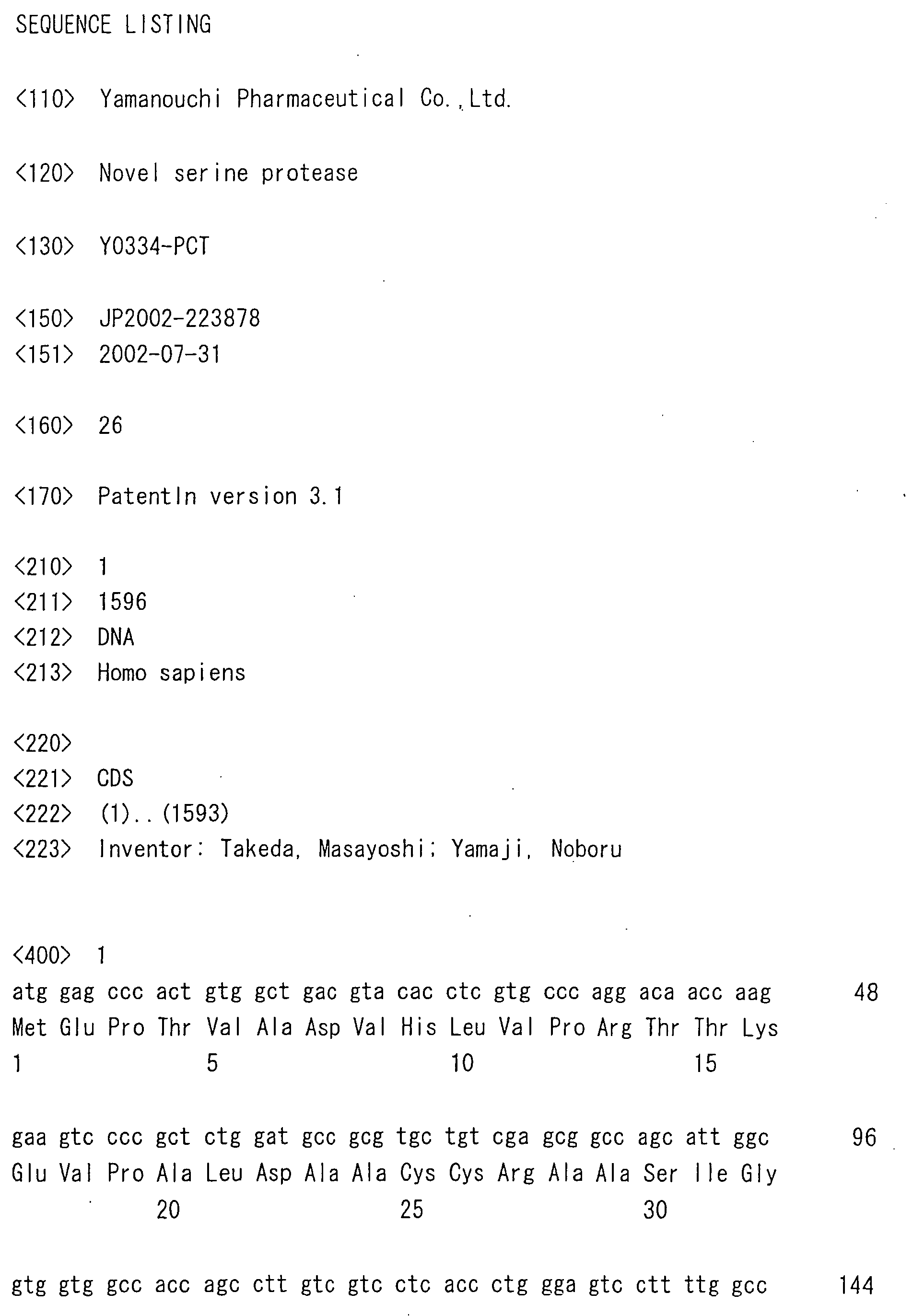
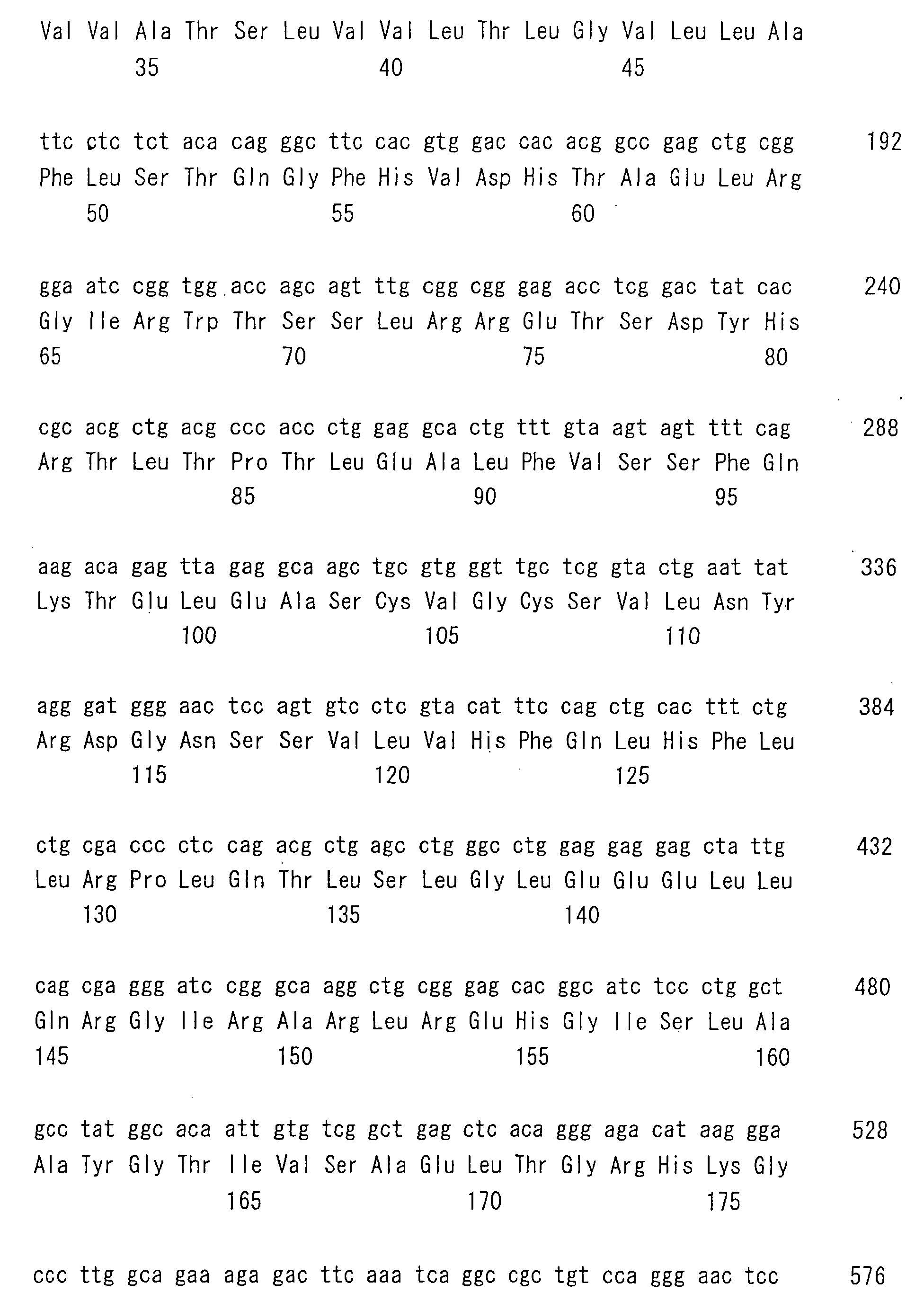
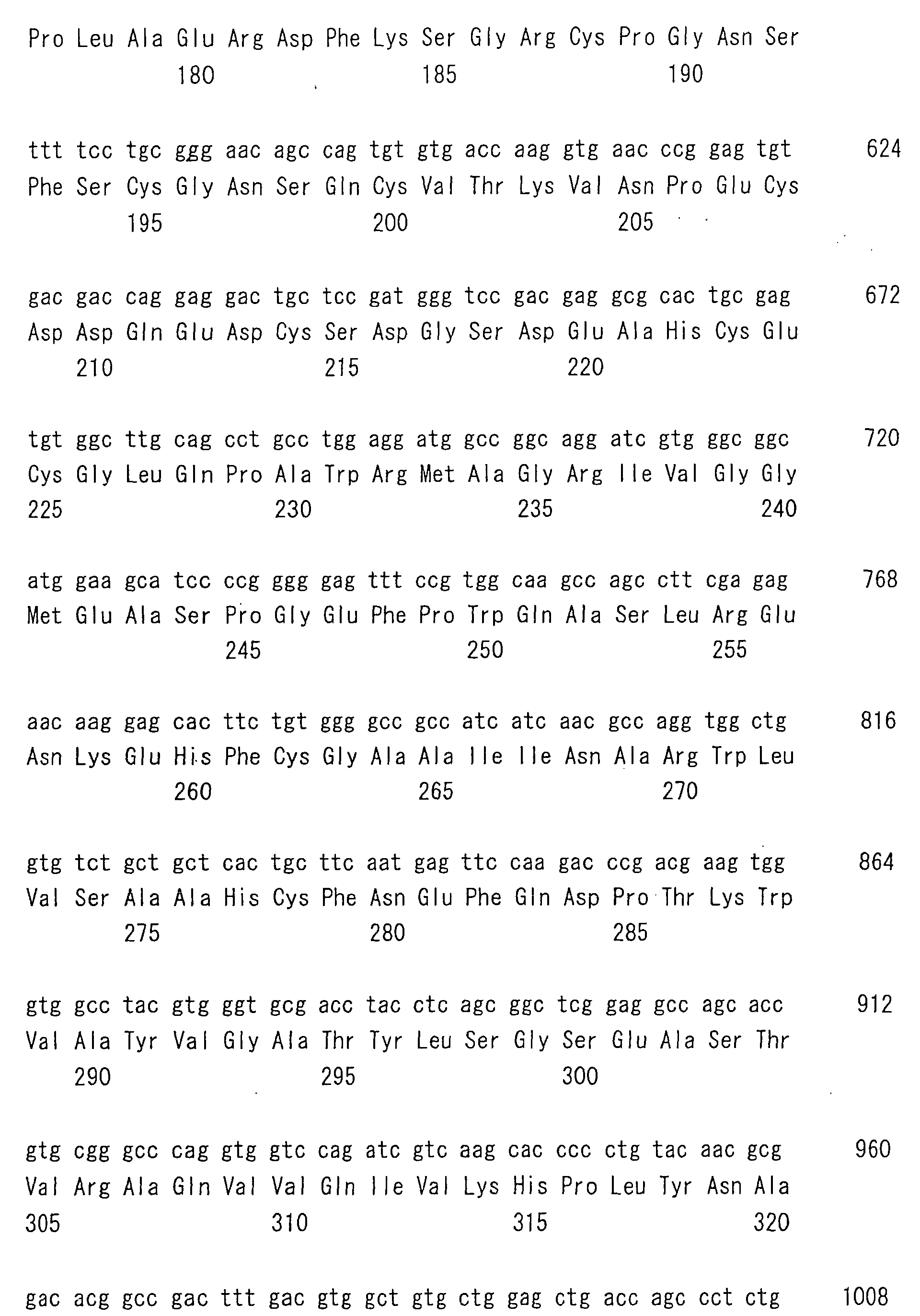

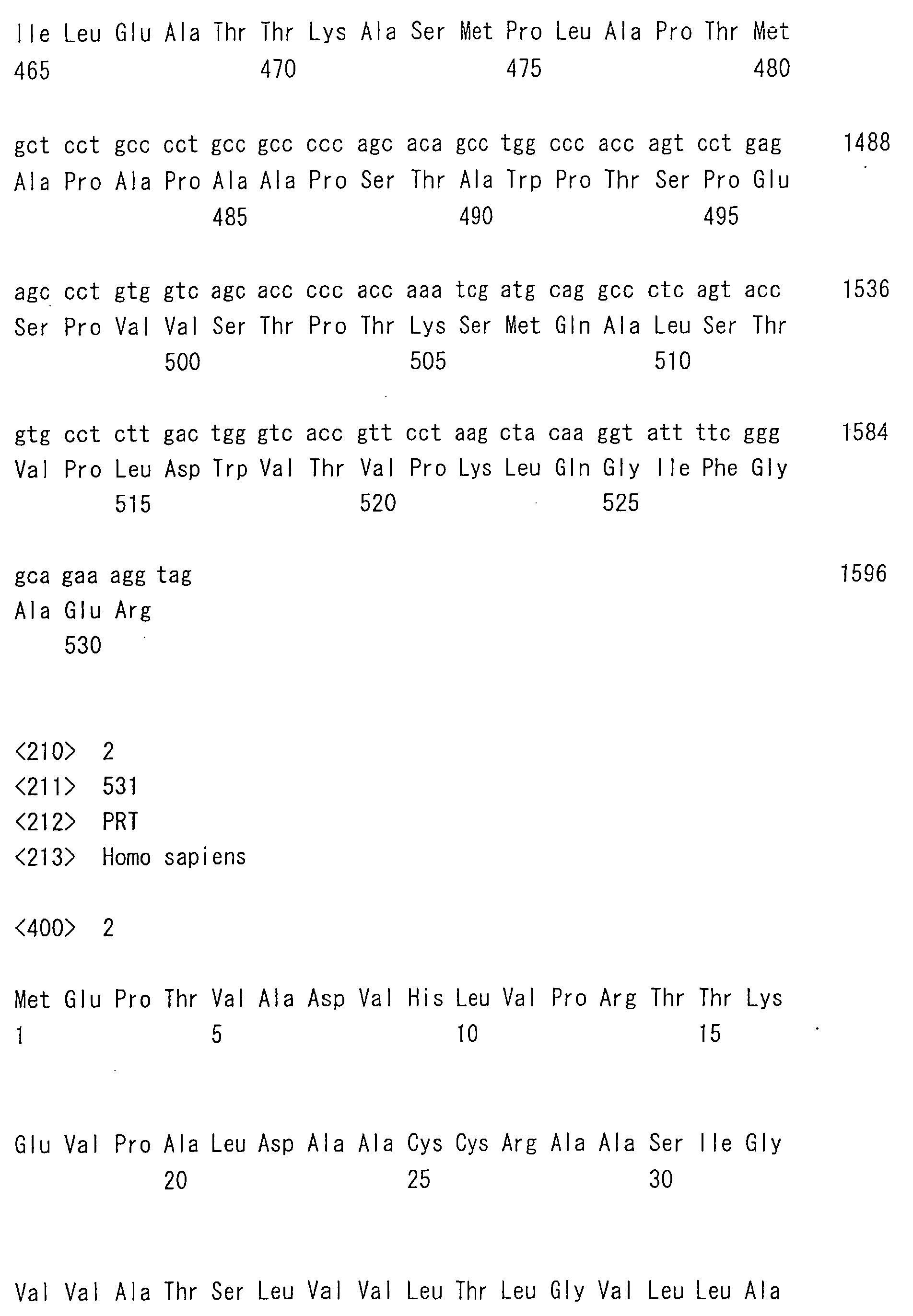

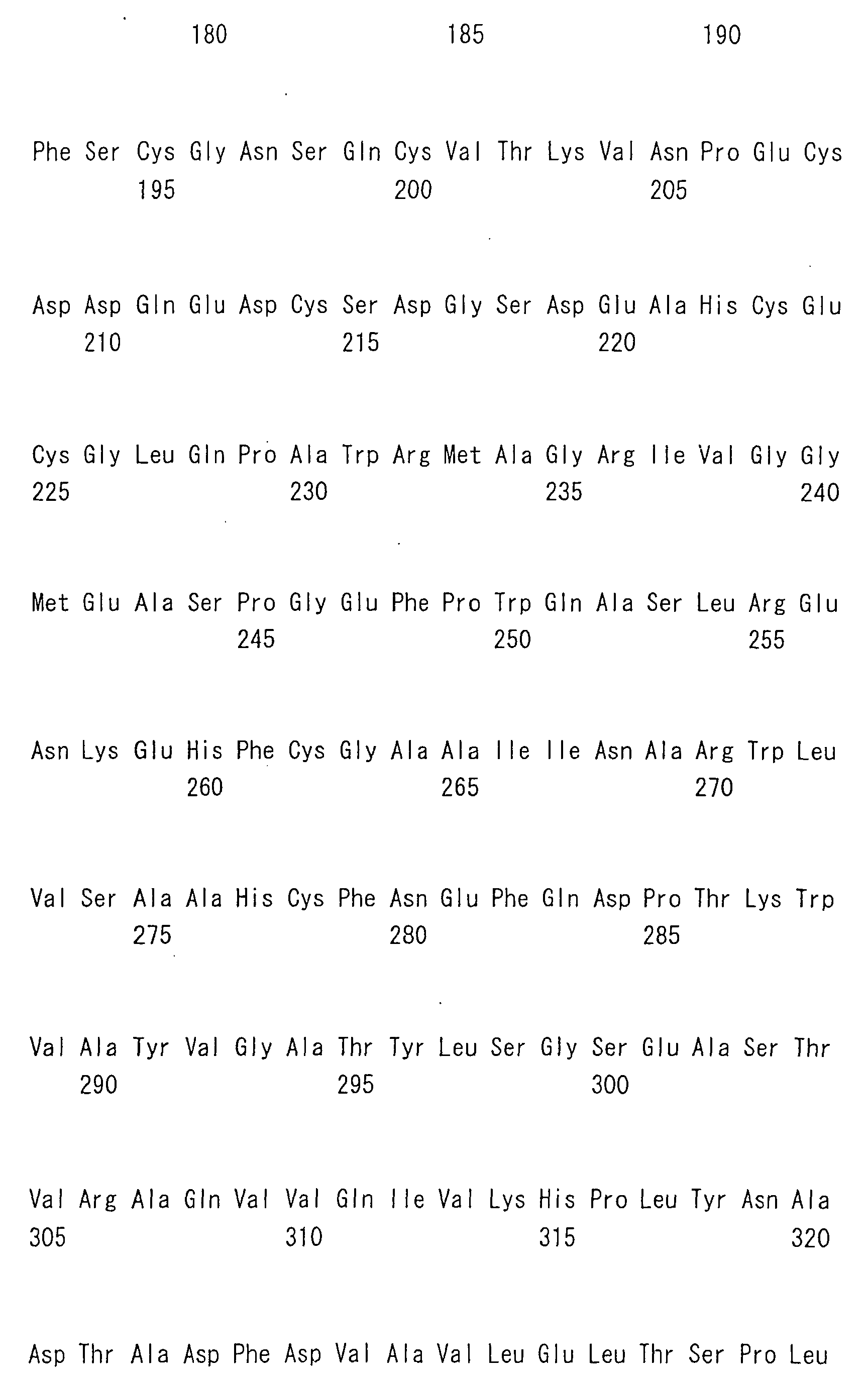


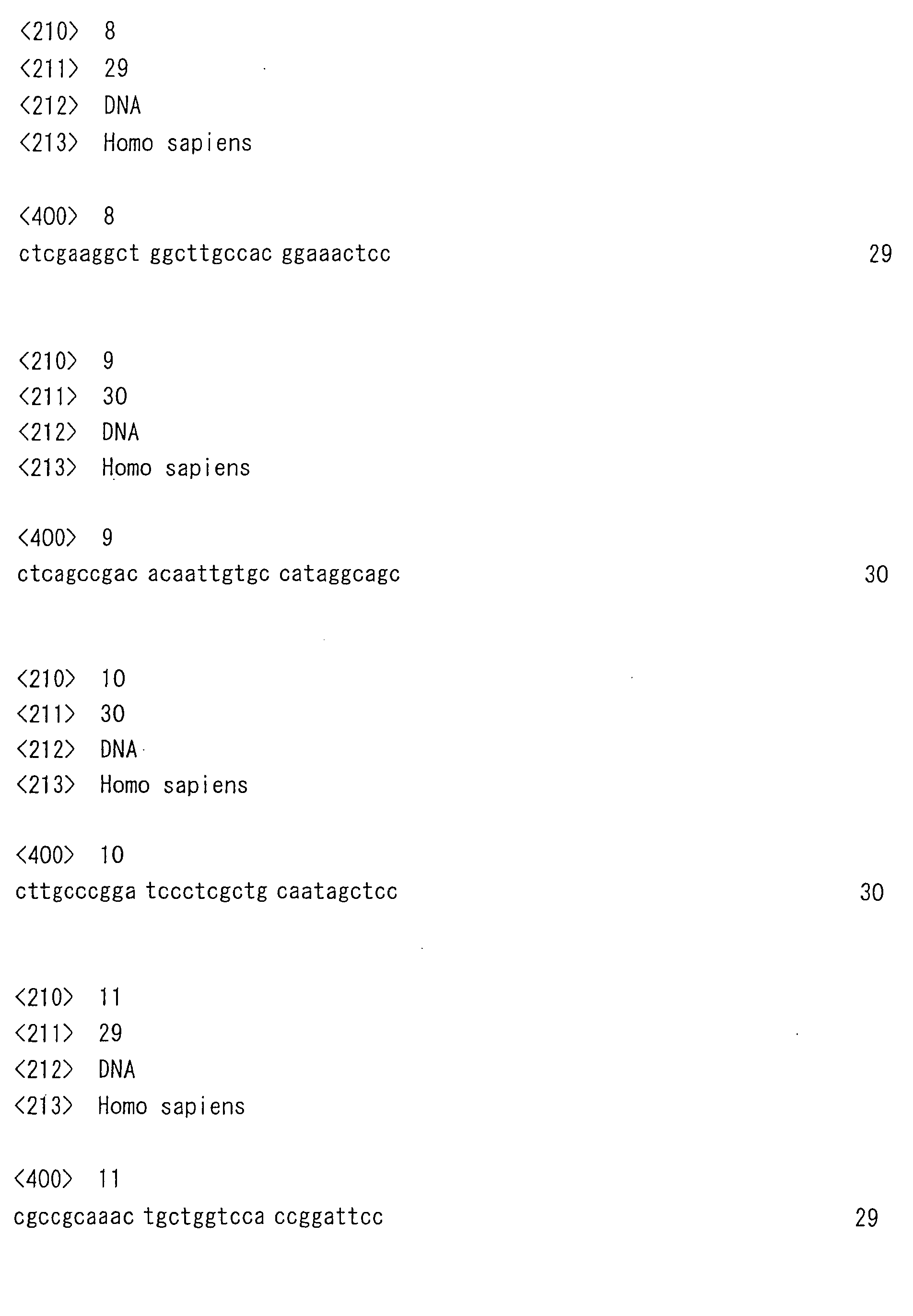
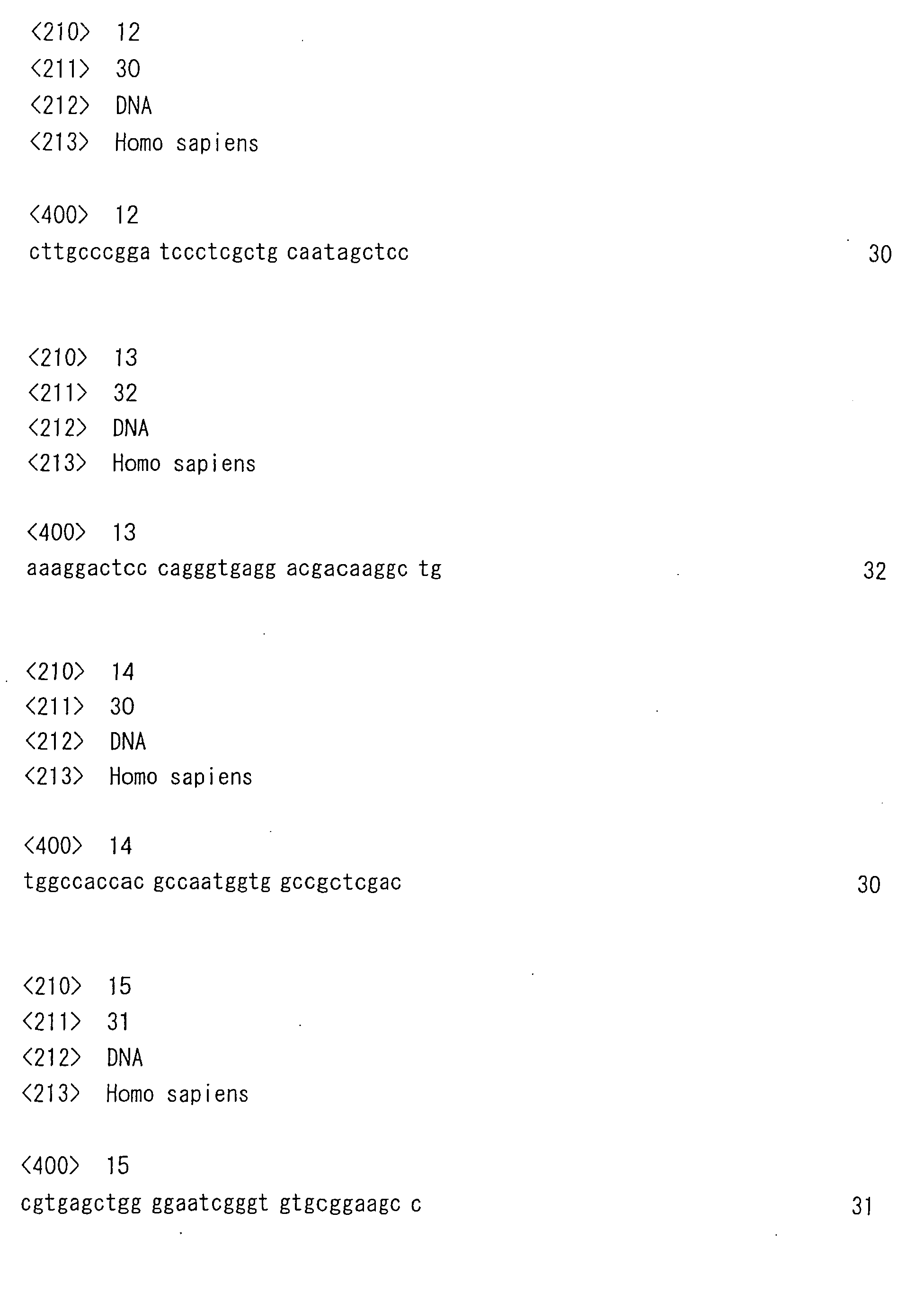
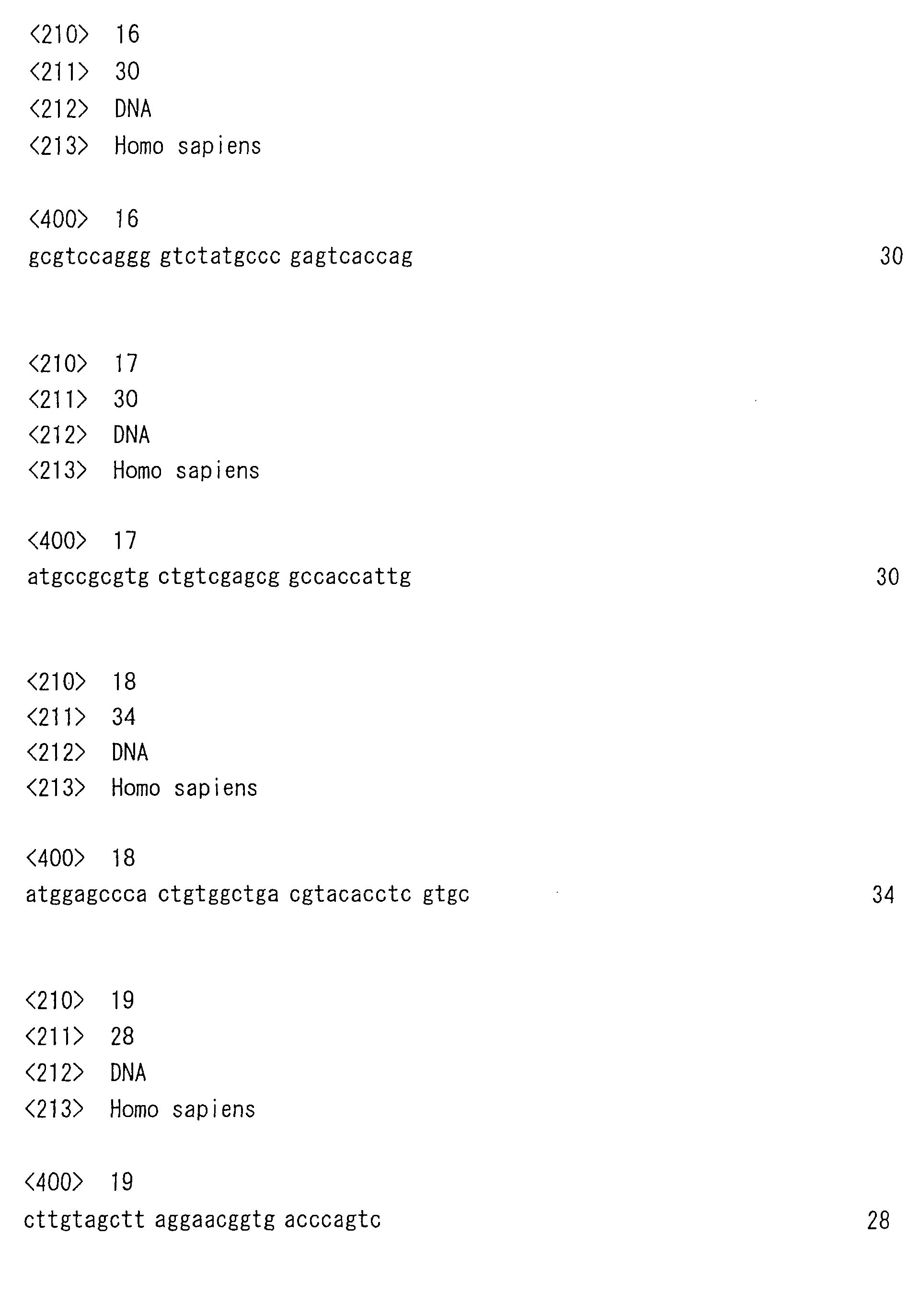
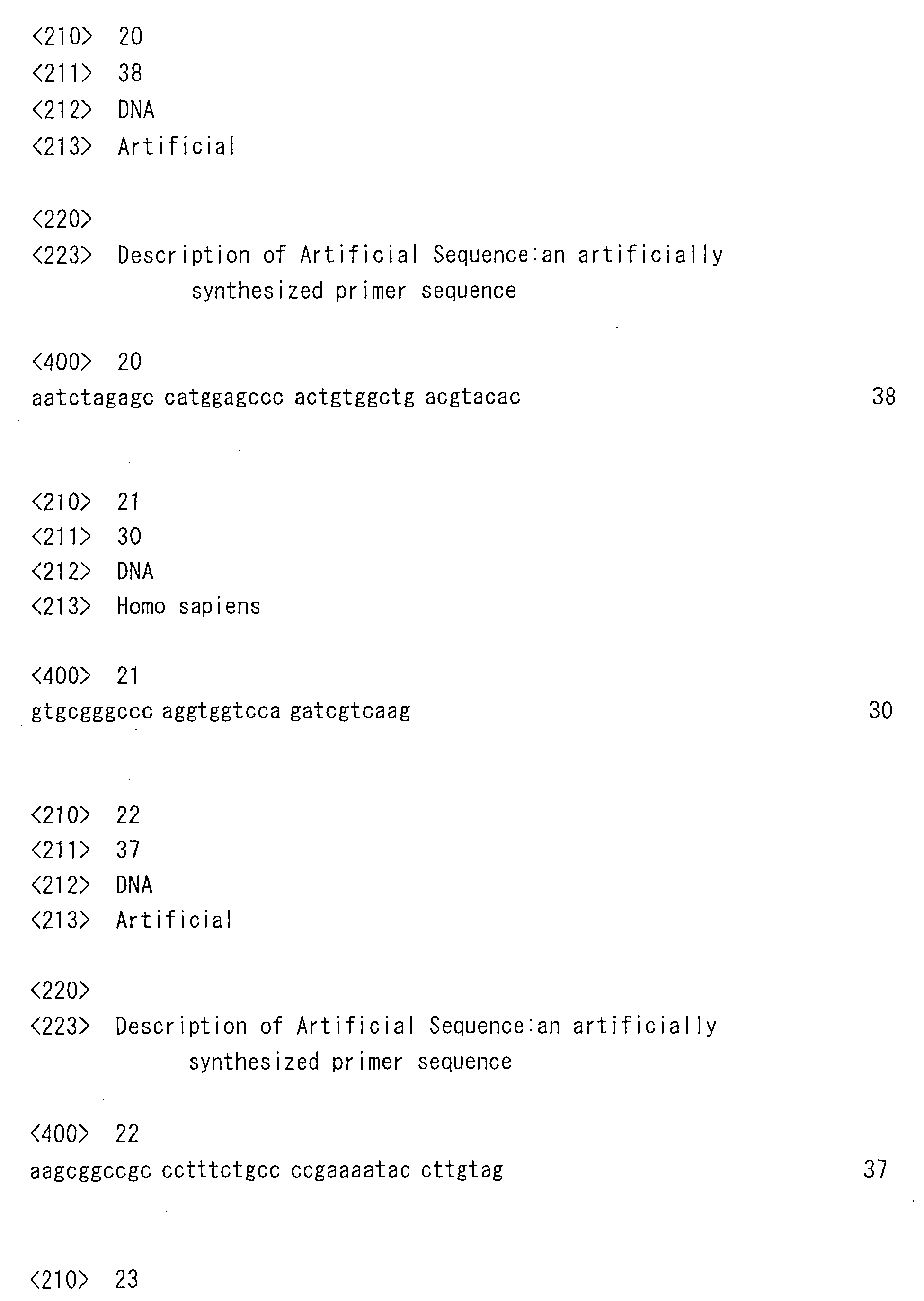
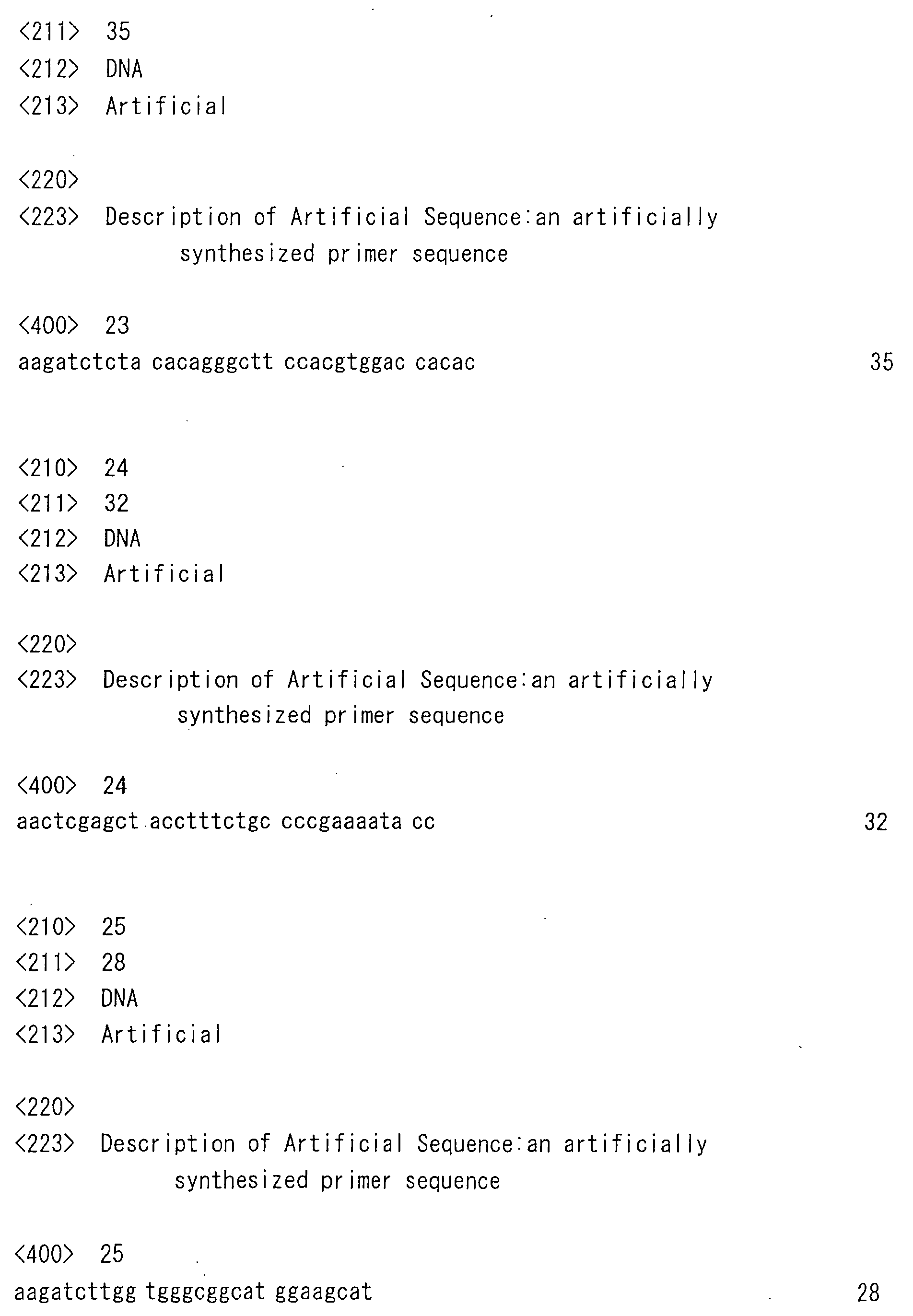
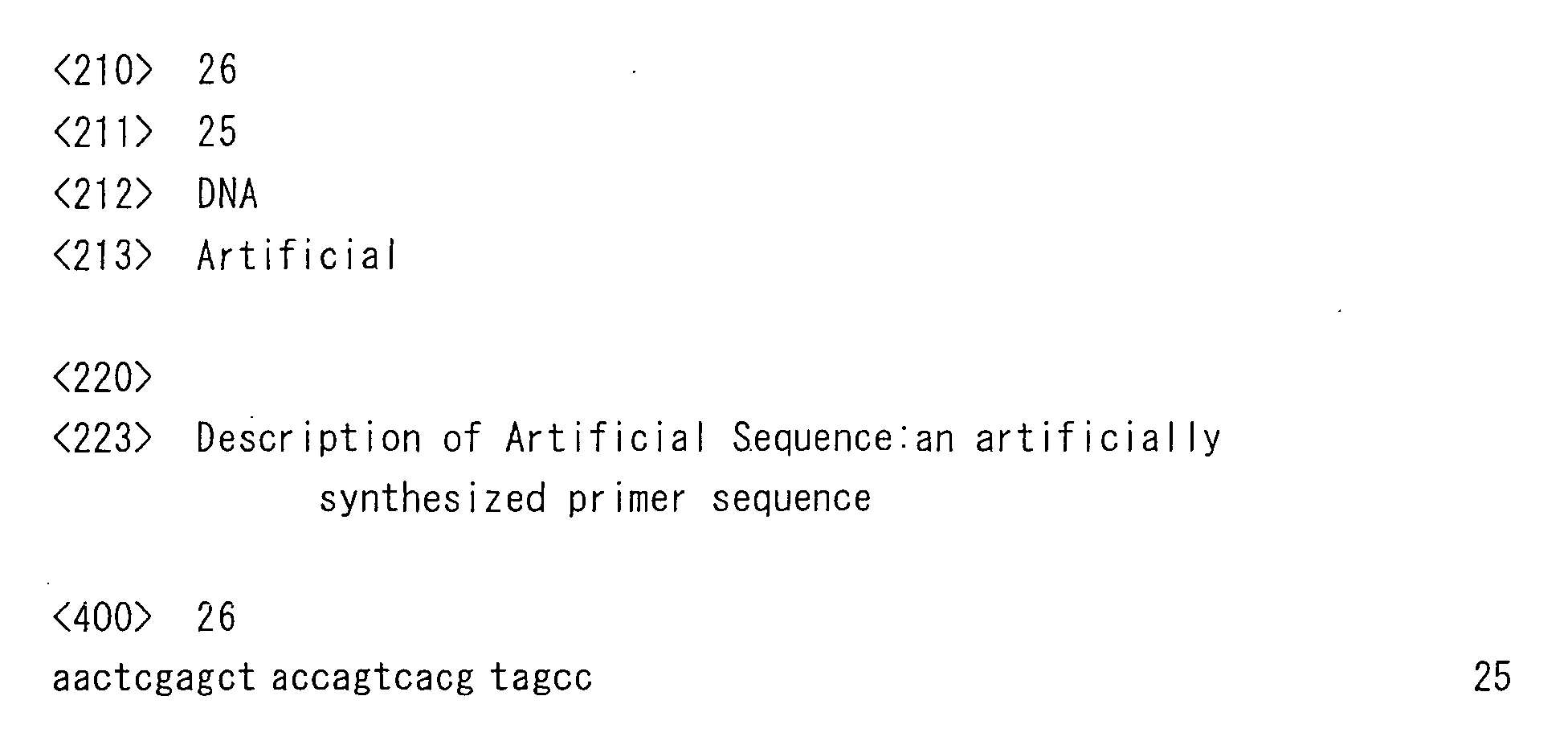
Claims (10)
- A polypeptide which comprises the 237th to 531st amino acid sequence in the amino acid sequence represented by SEQ ID NO:2 and is an enzyme which shows a protease activity.
- A polypeptide consisting of the 237th to 531st amino acid sequence in the amino acid sequence represented by SEQ ID NO:2.
- A polypeptide which comprises the 51st to 531st amino acid sequence in the amino acid sequence represented by SEQ ID NO:2 and is a precursor of an enzyme which shows a protease activity.
- A polypeptide which comprises an amino acid sequence in which the 51st to 531st amino acid sequence in the amino acid sequence represented by SEQ ID NO:2 is conjugated to the C-terminus side of
an amino acid sequence consisting of the 1st to 50th amino acid sequence in the amino acid sequence represented by SEQ ID NO:2, or
an amino acid sequence comprising the 1st to 50th amino acid sequence in the amino acid sequence represented by SEQ ID NO:2 in which 1 to 10 amino acids are deleted, substituted and/or inserted,
and is a precursor of an enzyme which shows a protease activity. - A polypeptide consisting of an amino acid sequence represented by SEQ ID NO:2, or
a polypeptide consisting of the 51st to 531st amino acid sequence in the amino acid sequence represented by SEQ ID NO:2. - A polynucleotide encoding a polypeptide according to any one of claims 1 to 5.
- An expression vector comprising a polynucleotide according to claim 6.
- A cell transformed with an expression vector according to claim 7.
- A method for screening an agent for treating gastrointestinal diseases, which comprises
a step of allowing i) a polypeptide according to claim 1 or claim 2 to contact with ii) a substrate cleavable with said polypeptide and iii) a test substance,
a step of analyzing the cleavage of the substrate and
a step of selecting a substance inhibiting the activity for cleaving the substrate. - A method for producing a pharmaceutical composition for treating gastrointestinal diseases, which comprises
a screening step using the screening method according to claim 9 and
a formulation step using a substance obtainable by the screening.
Applications Claiming Priority (3)
| Application Number | Priority Date | Filing Date | Title |
|---|---|---|---|
| JP2002223878 | 2002-07-31 | ||
| JP2002223878 | 2002-07-31 | ||
| PCT/JP2003/009677 WO2004011654A1 (en) | 2002-07-31 | 2003-07-30 | Novel serine protease |
Publications (2)
| Publication Number | Publication Date |
|---|---|
| EP1544304A1 true EP1544304A1 (en) | 2005-06-22 |
| EP1544304A4 EP1544304A4 (en) | 2006-05-10 |
Family
ID=31184986
Family Applications (1)
| Application Number | Title | Priority Date | Filing Date |
|---|---|---|---|
| EP03771429A Withdrawn EP1544304A4 (en) | 2002-07-31 | 2003-07-30 | SERINE PROTEASE |
Country Status (6)
| Country | Link |
|---|---|
| US (1) | US20060134719A1 (en) |
| EP (1) | EP1544304A4 (en) |
| JP (1) | JPWO2004011654A1 (en) |
| AU (1) | AU2003252734A1 (en) |
| CA (1) | CA2494793A1 (en) |
| WO (1) | WO2004011654A1 (en) |
Cited By (1)
| Publication number | Priority date | Publication date | Assignee | Title |
|---|---|---|---|---|
| EP1916299A4 (en) * | 2005-06-20 | 2008-10-08 | P Lap Corp | Dna, vector, transformant and method for producing apa protein |
Families Citing this family (2)
| Publication number | Priority date | Publication date | Assignee | Title |
|---|---|---|---|---|
| FR2865133B1 (en) * | 2004-01-19 | 2008-01-18 | Rytek | COMPOSITIONS FOR THE TREATMENT OF DIGESTIVE DISEASES |
| JP5526921B2 (en) * | 2010-03-29 | 2014-06-18 | ソニー株式会社 | IMAGING DEVICE, ELECTRONIC DEVICE, AND DISPLAY CONTROL METHOD |
Family Cites Families (7)
| Publication number | Priority date | Publication date | Assignee | Title |
|---|---|---|---|---|
| AU2001233262A1 (en) * | 2000-02-03 | 2001-08-14 | Dendreon Corporation | Nucleic acid molecules encoding transmembrane serine proteases, the encoded proteins and methods based thereon |
| EP1309676A2 (en) * | 2000-06-12 | 2003-05-14 | Bayer Aktiengesellschaft | Human epithin-like serine protease |
| AU2001271427A1 (en) * | 2000-06-26 | 2002-01-08 | Sugen, Inc. | Novel proteases |
| AU2001278488A1 (en) * | 2000-07-25 | 2002-02-05 | Bayer Aktiengesellschaft | Regulation of human matriptase-like serine protease |
| WO2002038744A2 (en) * | 2000-10-18 | 2002-05-16 | Incyte Genomics, Inc. | Proteases |
| WO2002095007A2 (en) * | 2001-05-23 | 2002-11-28 | Dendreon San Diego Llc | Conjugates activated by cell surface proteases and therapeutic uses thereof |
| WO2003064641A1 (en) * | 2002-01-30 | 2003-08-07 | Geneprot, Inc. | Gene encoding serine proteases |
-
2003
- 2003-07-30 EP EP03771429A patent/EP1544304A4/en not_active Withdrawn
- 2003-07-30 CA CA002494793A patent/CA2494793A1/en not_active Abandoned
- 2003-07-30 AU AU2003252734A patent/AU2003252734A1/en not_active Abandoned
- 2003-07-30 JP JP2004524313A patent/JPWO2004011654A1/en not_active Withdrawn
- 2003-07-30 WO PCT/JP2003/009677 patent/WO2004011654A1/en not_active Ceased
- 2003-07-30 US US10/522,668 patent/US20060134719A1/en not_active Abandoned
Cited By (1)
| Publication number | Priority date | Publication date | Assignee | Title |
|---|---|---|---|---|
| EP1916299A4 (en) * | 2005-06-20 | 2008-10-08 | P Lap Corp | Dna, vector, transformant and method for producing apa protein |
Also Published As
| Publication number | Publication date |
|---|---|
| EP1544304A4 (en) | 2006-05-10 |
| AU2003252734A1 (en) | 2004-02-16 |
| WO2004011654A1 (en) | 2004-02-05 |
| JPWO2004011654A1 (en) | 2005-11-24 |
| US20060134719A1 (en) | 2006-06-22 |
| CA2494793A1 (en) | 2004-02-05 |
Similar Documents
| Publication | Publication Date | Title |
|---|---|---|
| CN1112367C (en) | Use of a pharmaceutical composition comprising an appetite-suppressing peptide | |
| US8058242B2 (en) | Chimeric proteins with natriuretic activity | |
| Kitamura et al. | Cloning and characterization of cDNA encoding a precursor for human adrenomedullin | |
| KR920007666B1 (en) | Modified fibrinolytic agents | |
| KR101299417B1 (en) | Method for producing carboxy-terminal amidified peptides | |
| Reeks et al. | Privileged frameworks from snake venom | |
| EP3278813A1 (en) | Growth hormone polypeptides and methods of making and using same | |
| JP2018535964A (en) | Treatment of steroid-induced hyperglycemia with fibroblast growth factor (FGF) 1 analog | |
| Abe et al. | A unique primary structure, cDNA cloning and function of a galactose‐specific lectin from ascidian plasma | |
| KR20150104584A (en) | Cyclic receptor-associated protein(rap) peptides | |
| EP3189072B1 (en) | Gip peptide analogues | |
| US20180161443A1 (en) | Growth hormone polypeptides and methods of making and using same | |
| IE66333B1 (en) | Compositions and methods for the syntheses and assay of enkephalinase | |
| Matsuo et al. | Molecular biology of atrial natriuretic peptides | |
| RU2186110C2 (en) | Recombinant protein asp-pallidipin, method of its production and purification, vector, strain, pharmaceutical composition | |
| US20060134719A1 (en) | Novel serine protease | |
| JP2729712B2 (en) | Functional polypeptide | |
| Nielsen et al. | Chromogranin-B, a putative precursor of eight novel rat glucagonoma peptides through processing at mono-, di-, or tribasic residues | |
| CN1962695B (en) | GLP-1 infusion proteins, their preparation and use | |
| CA2355402A1 (en) | Recombinant synthesis of beta-lipotropin and other peptides | |
| EP4501348A1 (en) | Peptides for use in the improvement of well-being | |
| JPWO2003062429A1 (en) | New serine protease | |
| JP2001521761A (en) | Secreted protein NSL4 | |
| JPH08228799A (en) | DNA primer and method for screening DNA | |
| JPWO2000001725A1 (en) | sugar transporter |
Legal Events
| Date | Code | Title | Description |
|---|---|---|---|
| PUAI | Public reference made under article 153(3) epc to a published international application that has entered the european phase |
Free format text: ORIGINAL CODE: 0009012 |
|
| 17P | Request for examination filed |
Effective date: 20050131 |
|
| AK | Designated contracting states |
Kind code of ref document: A1 Designated state(s): AT BE BG CH CY CZ DE DK EE ES FI FR GB GR HU IE IT LI LU MC NL PT RO SE SI SK TR |
|
| AX | Request for extension of the european patent |
Extension state: AL LT LV MK |
|
| RAP1 | Party data changed (applicant data changed or rights of an application transferred) |
Owner name: ASTELLAS PHARMA INC. |
|
| DAX | Request for extension of the european patent (deleted) | ||
| A4 | Supplementary search report drawn up and despatched |
Effective date: 20060327 |
|
| STAA | Information on the status of an ep patent application or granted ep patent |
Free format text: STATUS: THE APPLICATION IS DEEMED TO BE WITHDRAWN |
|
| 18D | Application deemed to be withdrawn |
Effective date: 20060629 |