EP1541586A1 - Novel gene associated with rheumatoid arthritis - Google Patents
Novel gene associated with rheumatoid arthritis Download PDFInfo
- Publication number
- EP1541586A1 EP1541586A1 EP03741500A EP03741500A EP1541586A1 EP 1541586 A1 EP1541586 A1 EP 1541586A1 EP 03741500 A EP03741500 A EP 03741500A EP 03741500 A EP03741500 A EP 03741500A EP 1541586 A1 EP1541586 A1 EP 1541586A1
- Authority
- EP
- European Patent Office
- Prior art keywords
- seq
- polypeptide
- amino acid
- acid sequence
- present
- Prior art date
- Legal status (The legal status is an assumption and is not a legal conclusion. Google has not performed a legal analysis and makes no representation as to the accuracy of the status listed.)
- Withdrawn
Links
Images

Classifications
-
- C—CHEMISTRY; METALLURGY
- C07—ORGANIC CHEMISTRY
- C07K—PEPTIDES
- C07K14/00—Peptides having more than 20 amino acids; Gastrins; Somatostatins; Melanotropins; Derivatives thereof
- C07K14/435—Peptides having more than 20 amino acids; Gastrins; Somatostatins; Melanotropins; Derivatives thereof from animals; from humans
- C07K14/46—Peptides having more than 20 amino acids; Gastrins; Somatostatins; Melanotropins; Derivatives thereof from animals; from humans from vertebrates
- C07K14/47—Peptides having more than 20 amino acids; Gastrins; Somatostatins; Melanotropins; Derivatives thereof from animals; from humans from vertebrates from mammals
- C07K14/4701—Peptides having more than 20 amino acids; Gastrins; Somatostatins; Melanotropins; Derivatives thereof from animals; from humans from vertebrates from mammals not used
- C07K14/4713—Autoimmune diseases, e.g. Insulin-dependent diabetes mellitus, multiple sclerosis, rheumathoid arthritis, systemic lupus erythematosus; Autoantigens
-
- C—CHEMISTRY; METALLURGY
- C12—BIOCHEMISTRY; BEER; SPIRITS; WINE; VINEGAR; MICROBIOLOGY; ENZYMOLOGY; MUTATION OR GENETIC ENGINEERING
- C12Q—MEASURING OR TESTING PROCESSES INVOLVING ENZYMES, NUCLEIC ACIDS OR MICROORGANISMS; COMPOSITIONS OR TEST PAPERS THEREFOR; PROCESSES OF PREPARING SUCH COMPOSITIONS; CONDITION-RESPONSIVE CONTROL IN MICROBIOLOGICAL OR ENZYMOLOGICAL PROCESSES
- C12Q1/00—Measuring or testing processes involving enzymes, nucleic acids or microorganisms; Compositions therefor; Processes of preparing such compositions
- C12Q1/68—Measuring or testing processes involving enzymes, nucleic acids or microorganisms; Compositions therefor; Processes of preparing such compositions involving nucleic acids
- C12Q1/6876—Nucleic acid products used in the analysis of nucleic acids, e.g. primers or probes
- C12Q1/6883—Nucleic acid products used in the analysis of nucleic acids, e.g. primers or probes for diseases caused by alterations of genetic material
-
- C—CHEMISTRY; METALLURGY
- C12—BIOCHEMISTRY; BEER; SPIRITS; WINE; VINEGAR; MICROBIOLOGY; ENZYMOLOGY; MUTATION OR GENETIC ENGINEERING
- C12Q—MEASURING OR TESTING PROCESSES INVOLVING ENZYMES, NUCLEIC ACIDS OR MICROORGANISMS; COMPOSITIONS OR TEST PAPERS THEREFOR; PROCESSES OF PREPARING SUCH COMPOSITIONS; CONDITION-RESPONSIVE CONTROL IN MICROBIOLOGICAL OR ENZYMOLOGICAL PROCESSES
- C12Q2600/00—Oligonucleotides characterized by their use
- C12Q2600/158—Expression markers
Definitions
- the present invention relates to a novel polypeptide relating to chronic rheumatoid arthritis (RA), a polynucleotide encoding the polypeptide, vectors comprising the polynucleotide, a transformant cell comprising the vector and an useful method for detecting RA diagnosis.
- RA chronic rheumatoid arthritis
- RA is a chronic inflammatory disease of unknown origin, which has the mainlocus of lesion in the synovial tissue and causes flare, swelling, heat sensation, pain, movement restriction and destruction of joints.
- Overproduction of inflammatory cytokines such as interleukin-1 (IL-1), interleukin-6 (IL-6), interleukin-8 (IL-8), interleukin-12 (IL-12), interleukin-15 (IL-15), interleukin-18 (IL-18), tumor necrosis factor- ⁇ (TNF- ⁇ ) and the like, nitric oxide (NO), prostaglandins (PGs) and the like is known in the synovial tissue of RA (cf. non-patent reference 1).
- IL-1 interleukin-1
- IL-6 interleukin-6
- IL-8 interleukin-8
- IL-12 interleukin-12
- IL-15 interleukin-15
- IL-18 interleukin-18
- TNF- ⁇ tumor necrosis factor- ⁇
- NO nitric oxide
- immunocytes which constitute the synovial tissue activate each other through molecules on cellular surface, for example CD40/CD40 ligand systems and ICAM-1 (intercellular adhesion molecule-1)/LFA-1 (leukocyte adhesion molecule-1) systems and relate to the prolongation of inflammatory reaction (see non-patent reference 2).
- CD40/CD40 ligand systems and ICAM-1 (intercellular adhesion molecule-1)/LFA-1 (leukocyte adhesion molecule-1) systems and relate to the prolongation of inflammatory reaction (see non-patent reference 2).
- ICAM-1 intercellular adhesion molecule-1
- LFA-1 leukocyte adhesion molecule-1
- the patent reference 2 describes a great number of proteins comprising sequences homologous with that of RA2 and these proteins are useful for the treatment of cancer, digestive disorders, immune disorders, endocrine diseases (for example, diabetes mellitus), neurological diseases (for example, Alzheimer disease, Parkinson's disease, Creutzfeldt-Jacob disease, encephalomyelitis, menigitis, and schizophrenia) and connective tissue diseases (for example, osteoporosis and arthritis).
- endocrine diseases for example, diabetes mellitus
- neurological diseases for example, Alzheimer disease, Parkinson's disease, Creutzfeldt-Jacob disease, encephalomyelitis, menigitis, and schizophrenia
- connective tissue diseases for example, osteoporosis and arthritis.
- the sequence homologous with DGPP2L is useful for the diagnosis, treatment, preventton and prognosis of diseases including tumor diseases such as per-proliferative diseases; that the sequence is also useful for the treatment of neurological diseases, immune diseases, muscular diseases, genital diseases, gastrointestinal diseases, lung diseases, circulatory diseases, or kidney diseases; and that the sequence is additionally useful as an agent for detecting diseases related to the abnormal expression and activity of the polypeptide and is useful for the treatment of cancer and chronic rheumatoid arthritis.
- diseases including tumor diseases such as per-proliferative diseases
- the sequence is also useful for the treatment of neurological diseases, immune diseases, muscular diseases, genital diseases, gastrointestinal diseases, lung diseases, circulatory diseases, or kidney diseases
- the sequence is additionally useful as an agent for detecting diseases related to the abnormal expression and activity of the polypeptide and is useful for the treatment of cancer and chronic rheumatoid arthritis.
- a sequence highly homologous with DGPP2L is disclosed and it is described that the sequence is useful for the detection, treatment, prevention or prognosis of per-proliferative diseases (for example, cancer), immunodeficiency diseases (for example, AIDS), autoimmune diseases (for example, arthritis), neurological diseases (for example, Alzheimer disease), metabolic disorders (for example, phenylketonuria), inflammatory diseases (for example, asthma), circulatory diseases (for example, artheriosclerosis), blood diseases (hemophilia), genital diseases (for example, infertility) and infectious diseases (for example, influenza).
- per-proliferative diseases for example, cancer
- immunodeficiency diseases for example, AIDS
- autoimmune diseases for example, arthritis
- neurological diseases for example, Alzheimer disease
- metabolic disorders for example, phenylketonuria
- inflammatory diseases for example, asthma
- circulatory diseases for example, artheriosclerosis
- blood diseases hemophilia
- genital diseases for example, infertility
- infectious diseases for
- the inventors of the present invention successfully obtained six full-length gene sequences, using cDNA derived from human spleen as a template (Example 1). Five of them were novel genes. Additionally, the inventors of the present invention successfully allowed the expression of proteins encoded by the six genes in animal cell strains (Example 2). Further, the inventors of the present invention found that the expression levels of the six genes were elevated in the synovial tissues of human RA patients. Still further, the inventors of the present invention found that the expression level of each of the genes was elevated in accordance with the score of pathologic RA findings, i.e. that the severity of the inflammatory symptoms of RA is related with the elevation of the expression level of each of the genes (Example 4). Based on these findings, a method which is useful as a method for RA diagnosis by which progress of RA is detected was enabled.
- the inventors of the present invention provided a novel gene, a protein encoded by the genes, expression vectors harboring the gene, a cell transformed with the expression vector or an antibody, and a detection method useful for RA diagnosis and a detecting kit therefor.
- the present invention has been achieved.
- the present invention relates to the following:
- the molecule is described as a cytokine and is described that antagonists against the molecule are useful for inflammatory diseases including RA.
- sequences including sequences homologous with DGPP2L are useful for the diagnosis, treatment, prevention and prognosis of diseases including tumor diseases such as per-proliferative diseases; that the sequences are also useful for the treatment of nerological diseases, immune diseases, muscular diseases, genital diseases, gastrointestinal diseases, lung diseases, circulatory diseases, or kidney diseases; and that the sequences are useful as an agent for detecting diseases involved in the abnormal expression and activity of the polypeptide and are useful for the treatment of cancer and chronic rheumatoid arthritis.
- tumor diseases such as per-proliferative diseases
- sequences are also useful for the treatment of nerological diseases, immune diseases, muscular diseases, genital diseases, gastrointestinal diseases, lung diseases, circulatory diseases, or kidney diseases
- sequences are useful as an agent for detecting diseases involved in the abnormal expression and activity of the polypeptide and are useful for the treatment of cancer and chronic rheumatoid arthritis.
- tumor diseases such as per-proliferative diseases
- sequences are also useful for the treatment of
- polypeptides of the present invention include:
- the “functionally equivalent variant of the present invention” includes "a polypeptide comprising an amino acid sequence represented by SEQ ID NO:2, SEQ ID NO:4, SEQ ID NO:6, SEQ ID NO:8 or SEQ ID NO:10 and having enhanced expression specific to RA patients” or "a polypeptide comprising an amino acid sequence represented by SEQ ID NO:2, SEQ ID NO:4, SEQ ID NO:6, SEQ ID NO:8 or SEQ ID NO:10 in which 1 to 10, preferably 1 to 7, more preferably 1 to 5 amino acids are substituted, deleted and/or inserted and having enhanced expression specific to RA patients”.
- the "homologous polypeptide of the present invention” is not limited as far as “a polypeptide comprising an amino acid sequence with 90 % or more homology with an amino acid sequence represented by SEQ ID NO:2, SEQ ID NO:4, SEQ ID NO:6, SEQ ID NO:8 or SEQ ID NO:10 and having enhanced expression specific to RA patients".
- the homologous polypeptide of the present invention is a polypeptide comprising an amino acid sequence with preferably 95% or more homology, more preferably 98% or more homology.
- the "homology” means the value of Identities obtained by using the bl2seq program (Tatiana A. Tatsusova, Thomas L. Madden, FEMS Microbiol. Lett., 174, 247-250, 1999) in the BLAST PACKAGE [sgi32 bit edition, Version 2.0.12; available from National Center for Biotechnology Information (NCBI)].
- pair wise alignment parameters are individually used, including "balstp” as "program name”, "0” as “Gap insertion Cost value”, “0” as “Gap extension Cost value”, and "BLOSUM62” as "Matrix".
- enhanced expression specific to RA patients means expression enhanced 2-fold or more in the synovial tissue or synovial fibroblast-like cell of RA patients, compared with non-RA patients.
- polypeptides of the present invention have been described so far.
- the polypeptide comprising an amino acid sequence represented by SEQ ID NO:2, SEQ ID NO:4, SEQ ID NO:6, SEQ ID NO:8 or SEQ ID NO:10, the functionally equivalent variant of the present invention and the homologous polypeptide of the present invention are generally called as "the polypeptide of the present invention” hereinafter.
- the polypeptide of the present invention a polypeptide comprising an amino acid sequence represented by SEQ ID NO:12 and having enhanced expression specific to RA patients, a polypeptide comprising an amino acid sequence represented by SEQ ID NO:12 in which 1 to 10, preferably 1 to 7, more preferably 1 to 5 amino acids are substituted, deleted and/or inserted and having enhanced expression specific to RA patients, or a polypeptide consisting of an amino acid sequence represented by SEQ ID NO:12 is generally called as "the polypeptide for the detection method of the present invention” hereinafter.
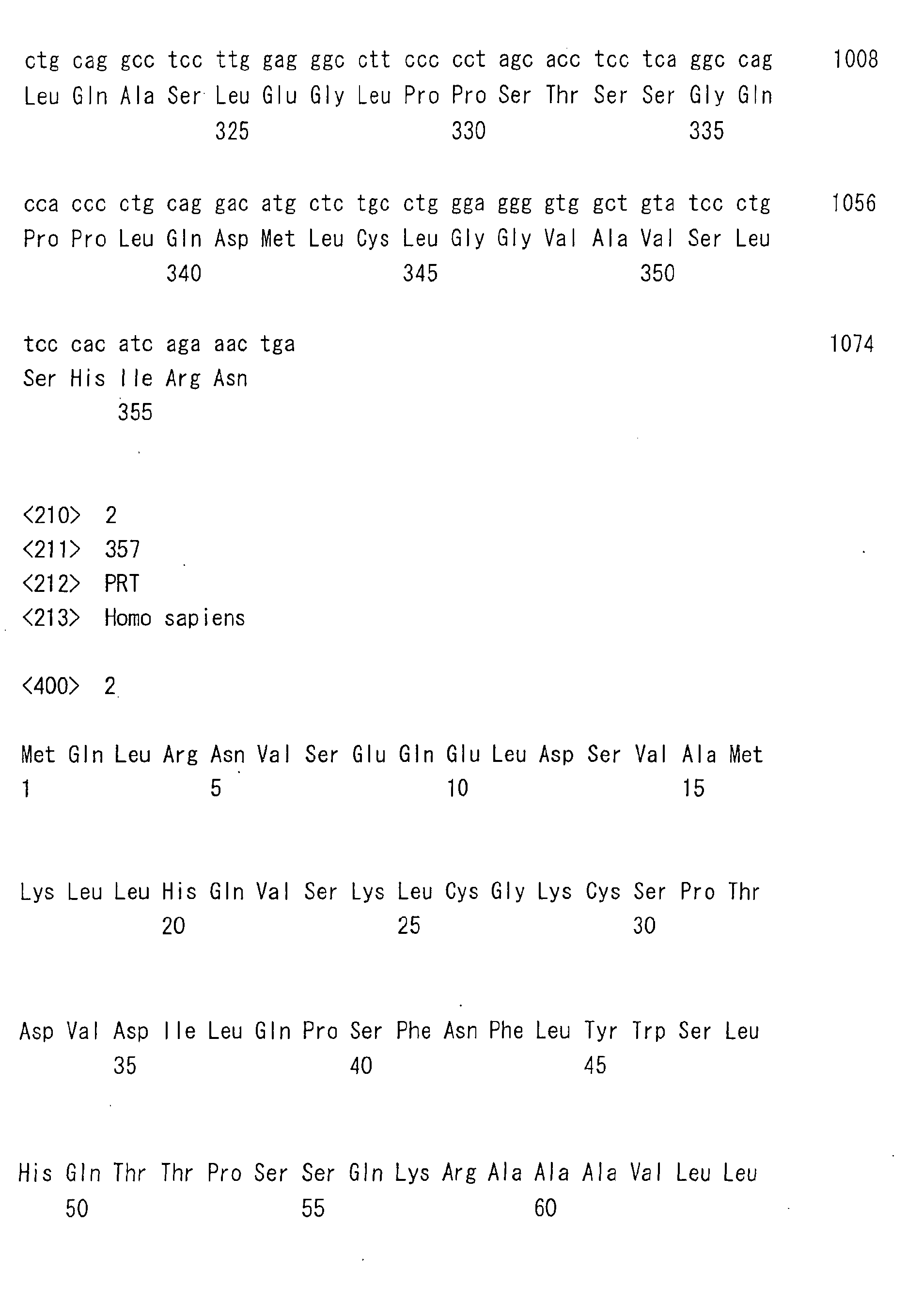
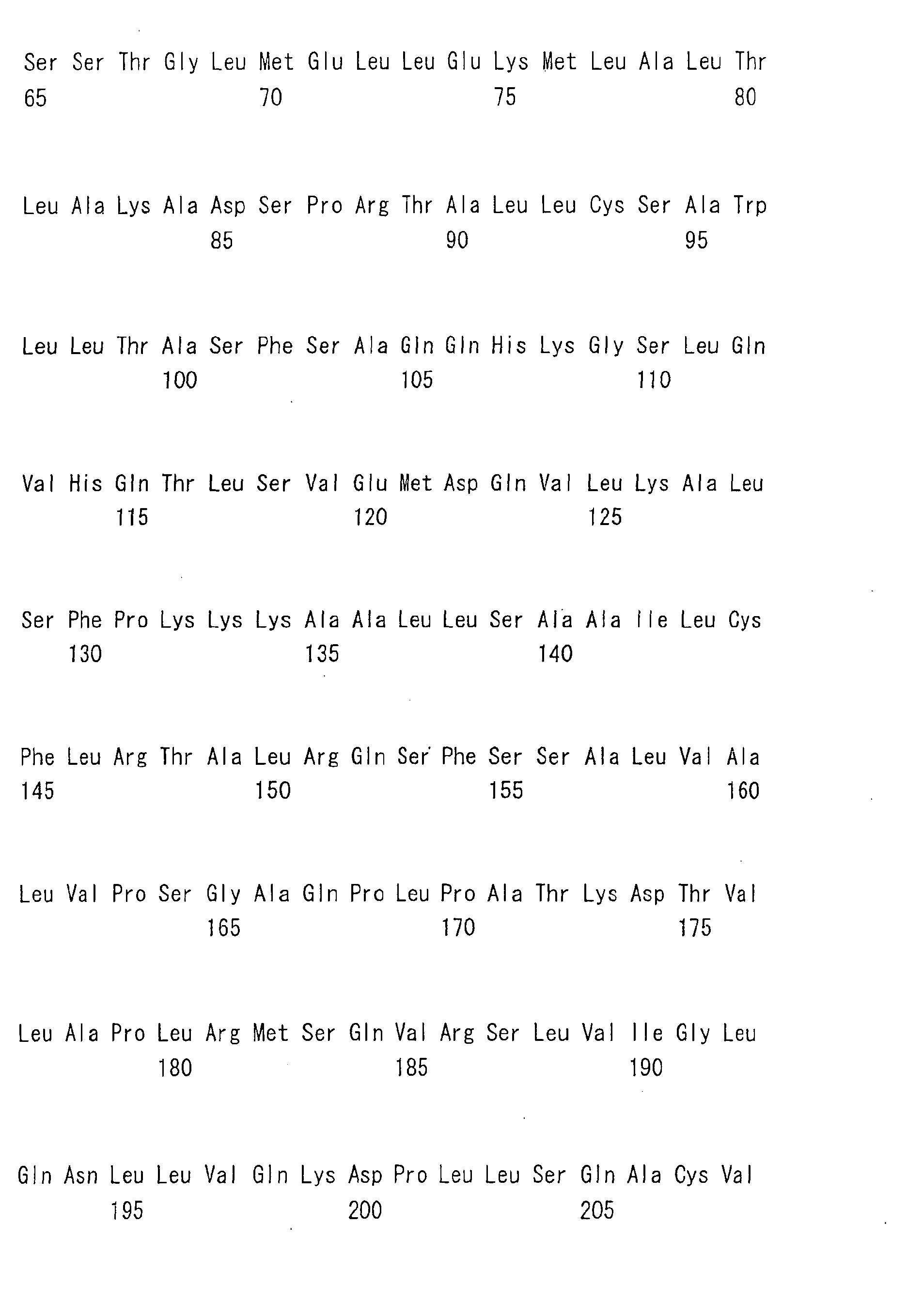
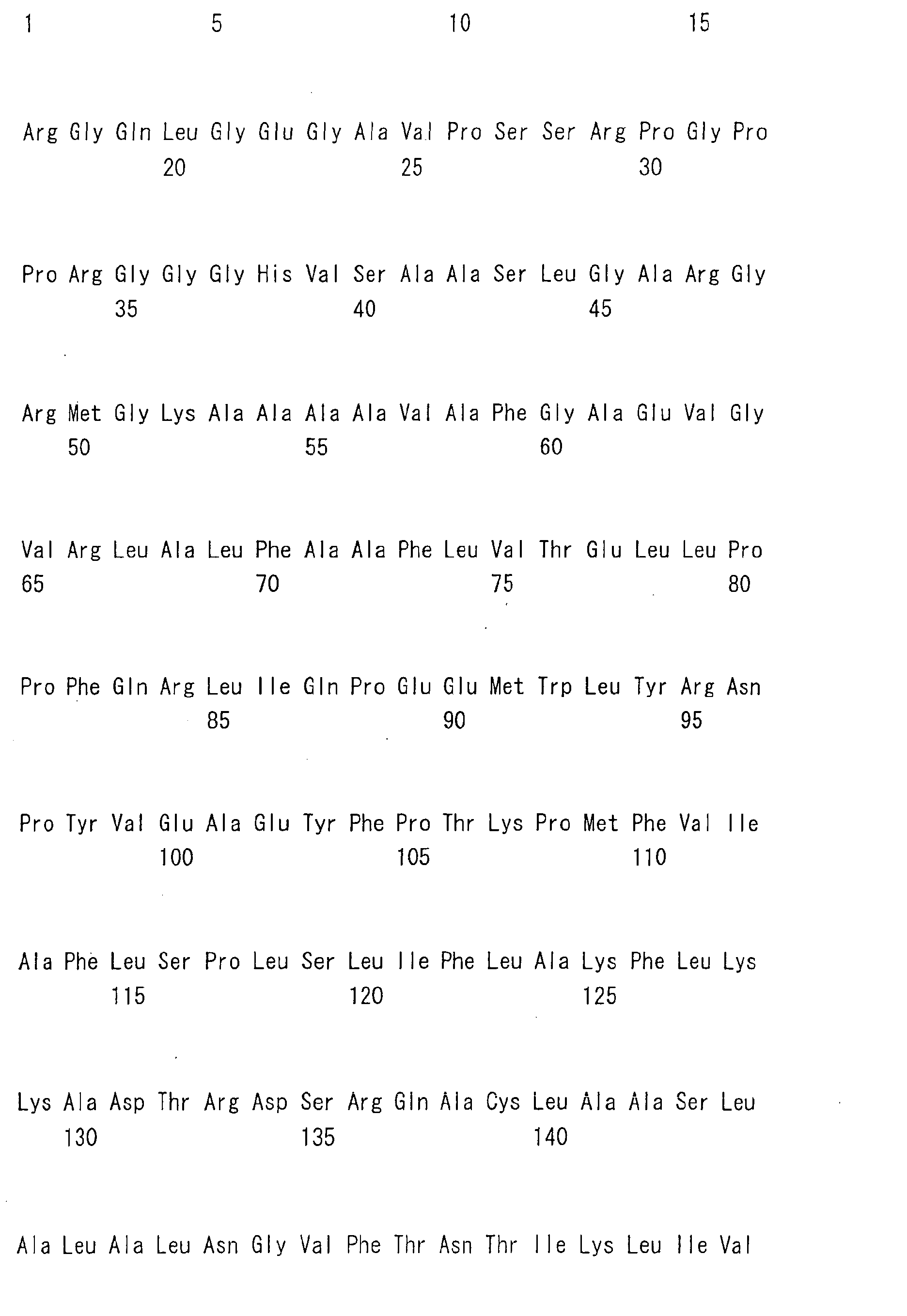
- a protein which is the polypeptide consisting of an amino acid sequence represented by SEQ ID NO:2 is called as "RA2 protein”
- a protein which is the polypeptide consisting of an amino acid sequence represented by SEQ ID NO:4 is called as "RA3 protein”
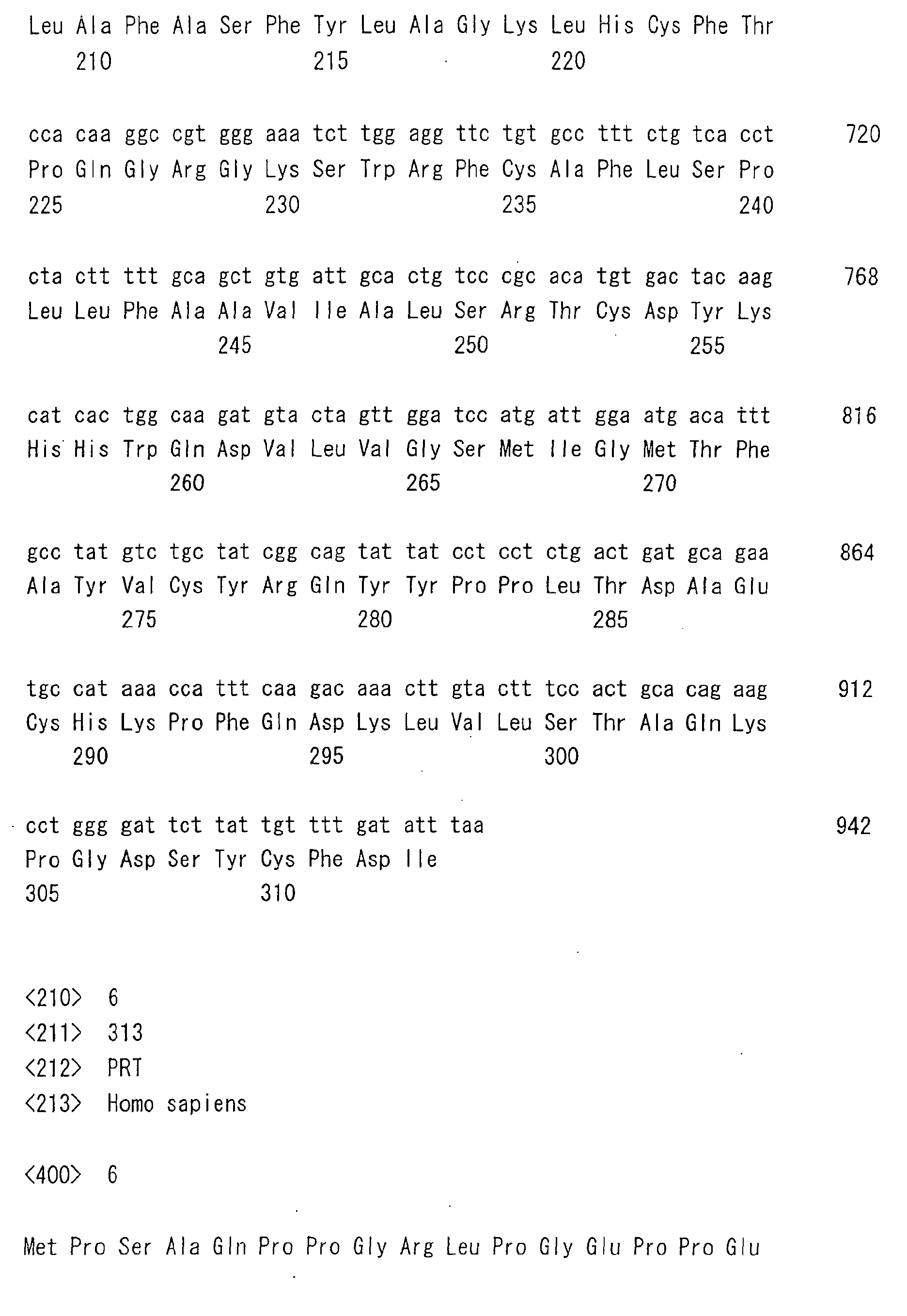
- a protein which is the polypeptide consisting of an amino acid sequence represented by SEQ ID NO:6 is called as "DGPP1L protein”
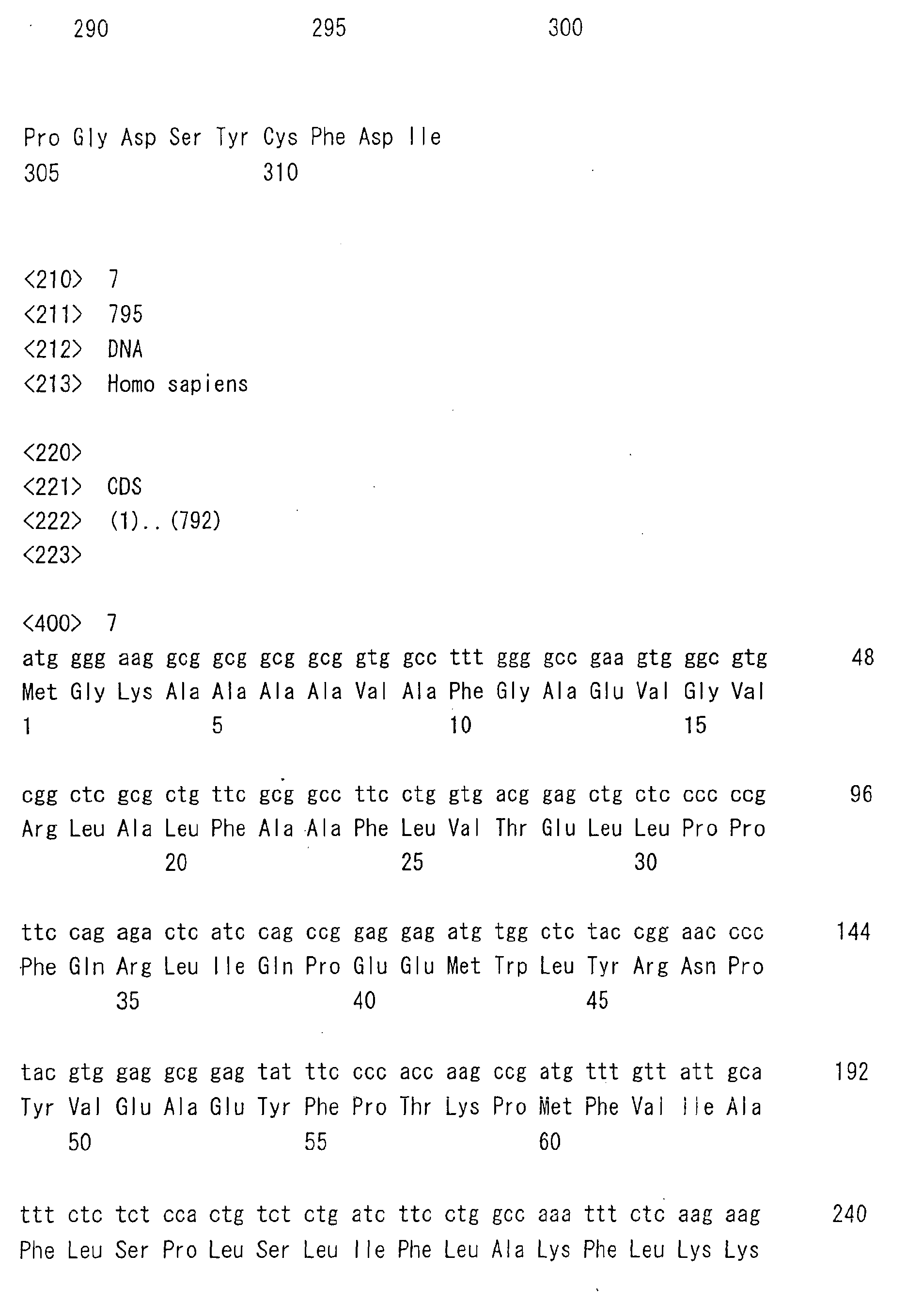
- a protein which is the polypeptide consisting of an amino acid sequence represented by SEQ ID NO:8 is called as "DGPP1S protein”
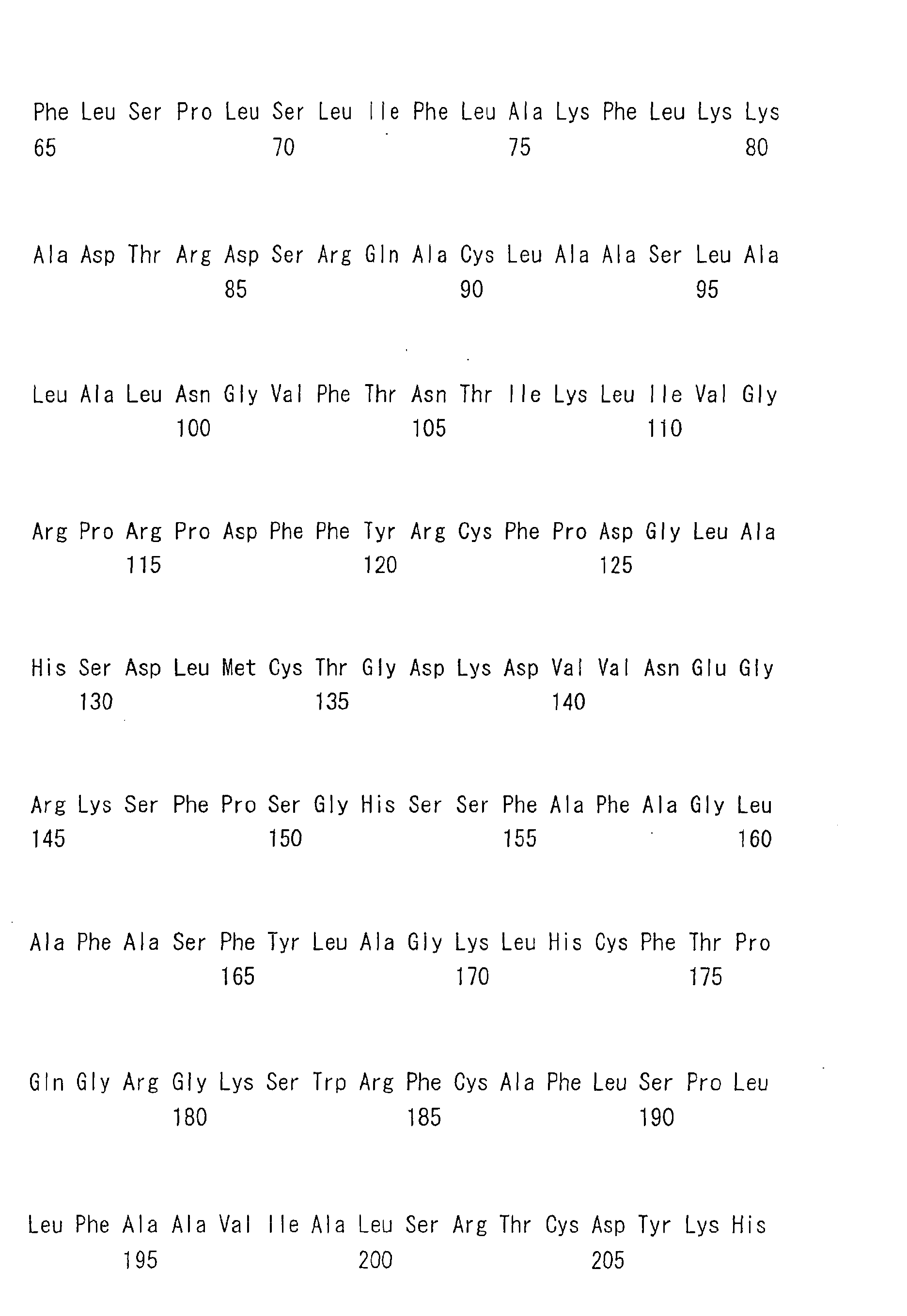
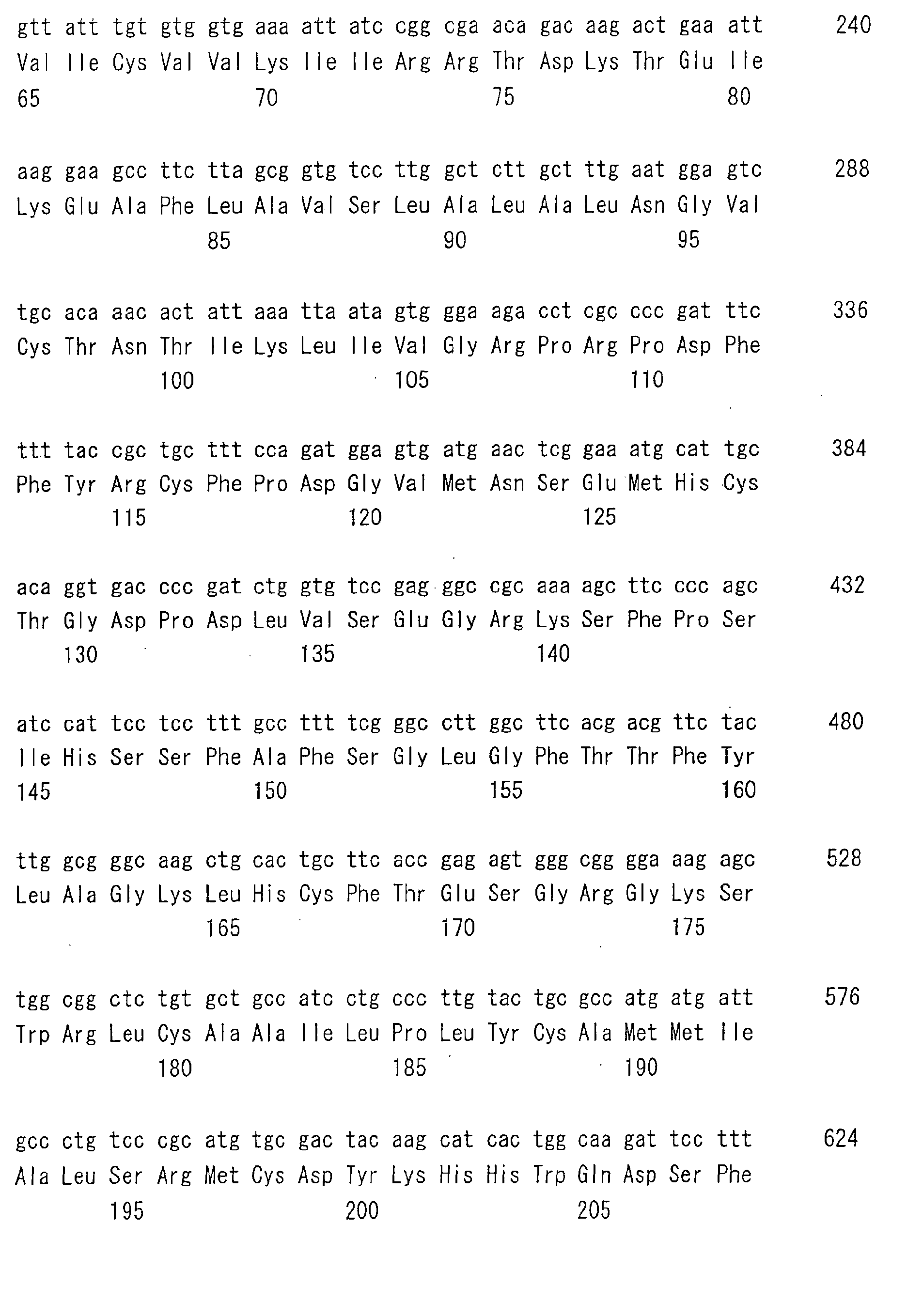
- a protein which is the polypeptide consisting of an amino acid sequence represented by SEQ ID NO:10 is called as "DGPP2L protein”
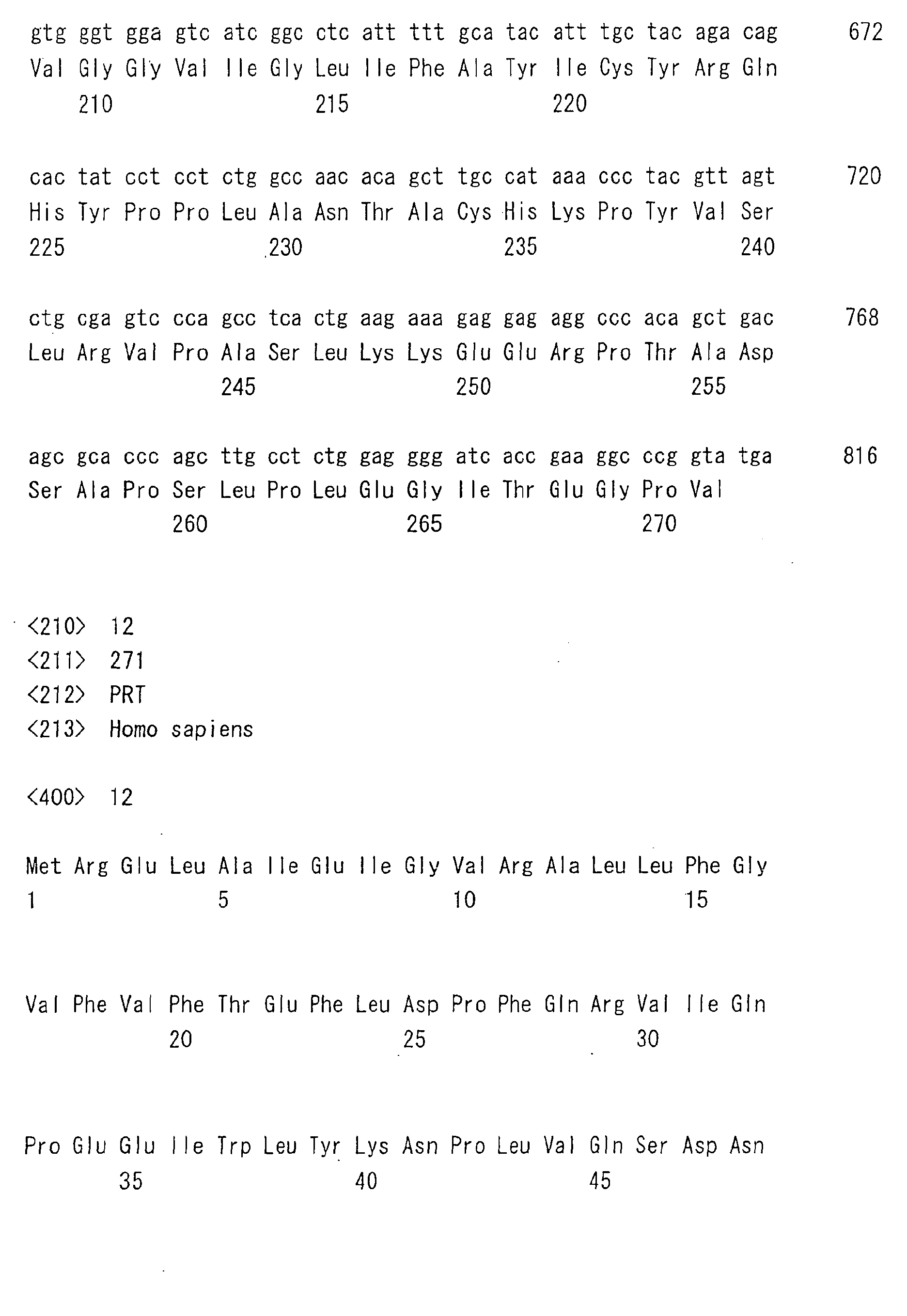
- a protein which is the polypeptide consisting of an amino acid sequence represented by SEQ ID NO:12 is called as "DGPP2S protein”.
- the polypeptide of the present invention is preferably "a polypeptide consisting of an amino acid sequence represented by SEQ ID NO:2, SEQ ID NO:4, SEQ ID NO:6, SEQ ID NO:8 or SEQ ID NO:10", " a polypeptide comprising an amino acid sequence represented by SEQ ID NO:2, SEQ ID NO:4, SEQ ID NO:6, SEQ ID NO:8 or SEQ ID NO:10 and involving enhanced expression specific to RA patients or a polypeptide comprising an amino acid sequence represented by SEQ ID NO:2, SEQ ID NO:4, SEQ ID NO:6, SEQ ID NO:8 or SEQ ID NO:10 in which 1 to 10, preferably 1 to 7, more preferably 1 to 5 amino acids are substitutes, deleted and/or inserted and having enhanced expression specific to RA patients", or "a polypeptide comprising an amino acid sequence with 90% or more (preferably 95% or more, more preferably 98% or more) homology with an amino acid sequence represented by SEQ ID NO:2, SEQ ID NO:4, SEQ ID NO:6, S
- polynucleotide consisting of a nucleotide sequence encoding the RA2 protein of the present invention may be any of a nucleotide sequence encoding the RA2 protein represented by the amino acid sequence of SEQ ID NO:2, a functionally equivalent variant thereof or a homologous polypeptide thereof.
- the polynucleotide is preferably a polynucleotide consisting of a nucleotide sequence encoding the amino acid sequence of SEQ ID NO:2 and is more preferably the nucleotide sequence of SEQ ID NO:1.
- the polynucleotide consisting of a nucleotide sequence encoding the RA3 protein of the present invention may be any of a nucleotide sequence encoding the RA3 protein represented by the amino acid sequence of SEQ ID NO:4, a functionally equivalent variant thereof or a homologous polypeptide thereof.
- the polynucleotide is preferably a polynucleotide consisting of a nucleotide sequence encoding the amino acid sequence of SEQ ID NO:4 and is more preferably the nucleotide sequence of SEQ ID NO:3.
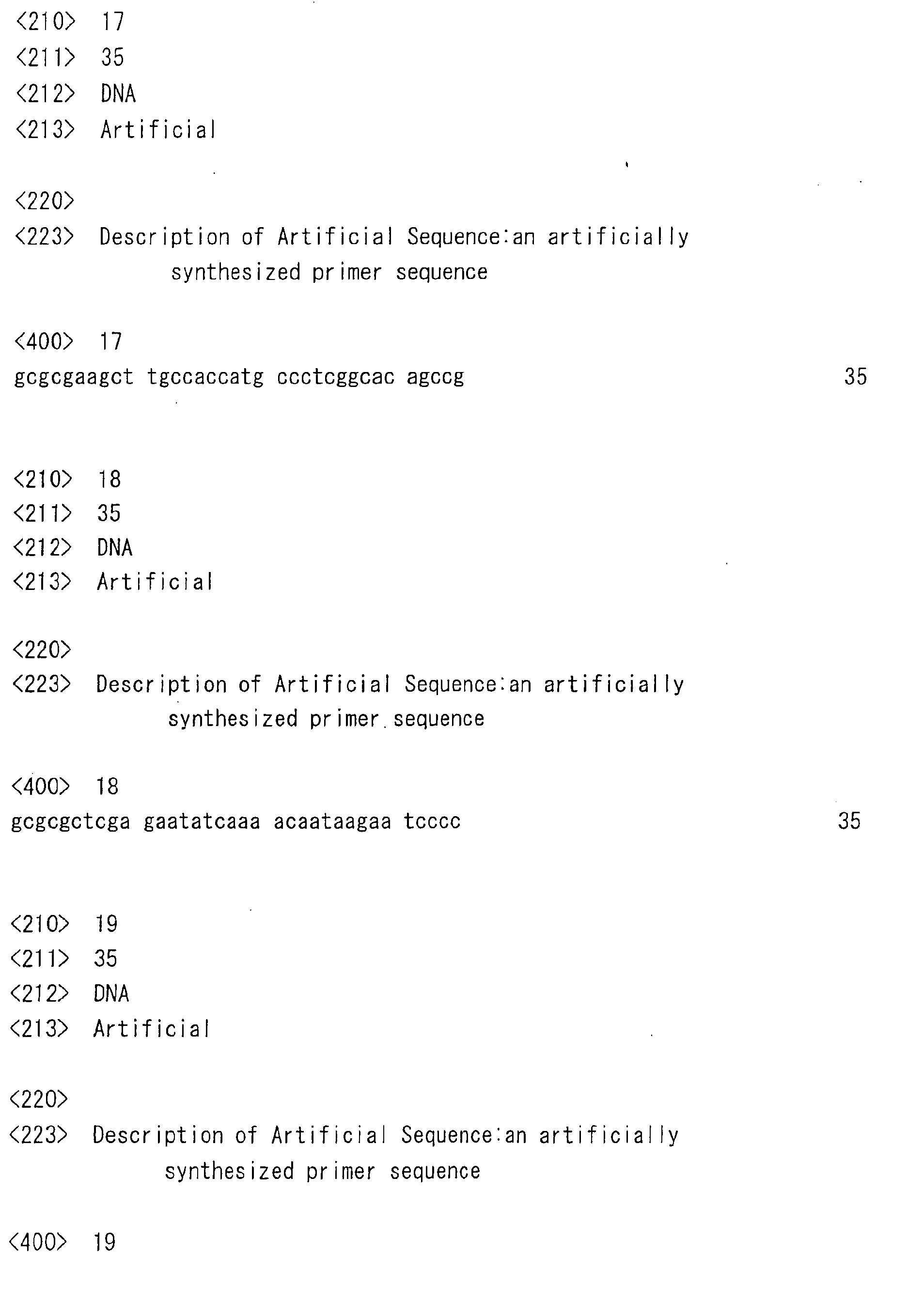
- the polynucleotide consisting of a nucleotide sequence encoding the DGPP1L protein of the present invention may be any of a nucleotide sequence encoding the DGPP1L protein represented by the amino acid sequence of SEQ ID NO:6, a functionally equivalent variant thereof or a homologous polypeptide thereof.
- the polynucleotide is preferably a polynucleotide consisting of a nucleotide sequence encoding the amino acid sequence of SEQ ID NO:6 and is more preferably the nucleotide sequence of SEQ ID NO:5.
- the polynucleotide consisting of a nucleotide sequence encoding the DGPP1S protein of the present invention may be any of a nucleotide sequence encoding the DGPP1S protein represented by the amino acid sequence of SEQ ID NO:8, a functionally equivalent variant thereof or a homologous polypeptide thereof.
- the polynucleotide is preferably a polynucleotide consisting of a nucleotide sequence encoding the amino acid sequence of SEQ ID NO:8 and is more preferably the nucleotide sequence of SEQ ID NO:7.
- the polynucleotide consisting of a nucleotide sequence encoding the DGPP2L protein of the present invention may be any of a nucleotide sequence encoding the DGPP2L protein represented by the amino acid sequence of SEQ ID NO:10, a functionally equivalent variant thereof or a homologous polypeptide thereof.
- the polynucleotide is preferably a polynucleotide consisting of a nucleotide sequence encoding the amino acid sequence of SEQ ID NO:10 and is more preferably the nucleotide sequence of SEQ ID NO:9.
- the polynucleotide consisting of a nucleotide sequence encoding the DGPP2S protein of the present invention may be any of a nucleotide sequence encoding the DGPP2S protein represented by the amino acid sequence of SEQ ID NO:12, a functionally equivalent variant thereof or a homologous polypeptide thereof.
- the polynucleotide is preferably a polynucleotide consisting of a nucleotide sequence encoding the amino acid sequence of SEQ ID NO:12 and is more preferably the nucleotide sequence of SEQ ID NO:11.
- the method for producing a polynucleotide (including the polynucleotide of the present invention) encoding the polypeptide for the detection method of the present invention and a polynucleotide specifically hybridizing with the polynucleotide of the present invention is not particularly limited and for example includes (1) the PCR method; (2) a method using routine genetic engineering technique (in other words, a method including selecting a transformant strain containing desired amino acids from transformant strains obtained by transformation with cDNA library); or (3) a chemical synthesis method.
- the production methods can be individually carried out as described in WO 01/34785.
- the "novel protein of the present invention” in the specification of the patent application should be read as the polypeptide for the detection method of the present invention (namely, the RA2 protein, the RA3 protein, the DGPP1L protein, the DGPP1S protein, the DGPP2L protein or the DGPP2S protein), while the “gene of the present invention” therein should be read as the gene encoding the polypeptide for detection in accordance with the present invention (namely, the RA2 gene, the RA3 gene, the DGPP1L gene, the DGPP1S gene, the DGPP2L gene or the DGPP2S gene).
- the polynucleotide of the present invention is described as an example.
- the polynucleotide encoding the polypeptide for the detection method of the present invention (more specifically, a polypeptide comprising an amino acid sequence represented by SEQ ID NO:12 and having enhanced expression specific to chronic rheumatoid arthritis patients, a polypeptide comprising an amino acid sequence represented by SEQ ID NO:12 in which 1 to 10, preferably 1 to 7, more preferably 1 to 5 amino acids are substituted, deleted, and/or inserted and having enhanced expression specific to chronic rheumatoid arthritis patients, or a polypeptide consisting of an amino acid sequence represented by SEQ ID NO.12 can also be produced in the same manner.
- the polynucleotide of the present invention can be produced by procedures described in "Mode for Carrying out the Invention", 1) Method for producing protein gene, a) First production method in the patent reference described above.
- a mRNA is extracted from cells or tissues with an ability of producing the protein of the present invention, for example from human RA patient-derived synovial membrane. Then, the mRNA is subjected to reverse-transcriptase reaction in the presence of random primer or oligo dT primer, to synthetically prepare a first cDNA chain.
- the cDNA is treated by polymerase chain reaction (PCR), to obtain the polynucleotide of the present invention as a whole or as a part. More specifically, the polynucleotide of the present invention can be produced for example by the method described in Example 1.
- PCR polymerase chain reaction
- the polynucleotide of the present invention can be produced by the procedures described in "Mode for Carrying out the Invention", 1) Method for producing protein gene, a) Second production method in the patent reference described above.
- the polynucleotide of the present invention can be produced for example by the methods described in, "the Mode for Carrying out the Invention", 1) Method for producing protein gene, c) Third production method and d) Fourth production method in the patent reference described above. More specifically, the polynucleotide of the present invention may be produced by binding together nucleotide fragments produced by chemical synthetic method. Additionally, each polynucleotide (oligonucleotide) may also be synthetically produced, using a DNA synthesizer (for example, Oligo 1000M DNA Synthesizer (Beckman) or 394 DNA/RNA Synthesizer (Applied Biosystems)).
- a DNA synthesizer for example, Oligo 1000M DNA Synthesizer (Beckman) or 394 DNA/RNA Synthesizer (Applied Biosystems)
- the methods for producing expression vector, host cell and protein in the present invention can be produced by methods described in, "Mode for carrying out the Invention", 2) Methods for producing the vector of the present invention, the host cell of the present invention and the recombinant protein of the present invention in the patent reference described above.
- the isolated polynucleotide of the present invention is integrated into an appropriate vector DNA again, to thereby transform eukaryotic or prokaryotic host cells.
- an appropriate promoter and a sequence which relates to the phenotypic expression the polynucleotide can be expressed in individual host cells.
- the expression vector of the present invention is not particularly limited as far as it comprises the polynucleotide of the present invention, and includes such as an expression vector obtained by inserting the polynucleotide of the present invention into known expression vectors appropriately selected, depending on the host cell used.
- the cell of the present invention is not particularly limited as far as it is transfected with the expression vector of the present invention described above and it comprises the polynucleotide of the present invention, and includes for example cells in which the polynucleotide of the present invention is integrated in the chromosome of the host cells, or cells containing the polynucleotide of the present invention in the form of an expression vector comprising the polynucleotide.
- the cell may be a cell which expresses the polypeptide of the present invention or a cell which does not expresses the polypeptide of the present invention.
- the cell of the present invention can be obtained by transfecting a desired host cell with the expression vector of the present invention.
- an expression vector for a desired protein can be obtained, and then, by incorporating the expression vector in a human fetal kidney-derived 293T cell with the use of a commercially available transfection reagent Lipofectamine 2000, the transformant cell of the present invention can be produced.
- the desired transformant cell obtained above can be cultured by routine methods. Through the culturing, the protein of the present invention is produced.
- various medium routinely used can be selected appropriately in accordance with a selected host cell.
- the Dulbecco's modified Eagle's minimum essential culture medium (DMEM) supplemented for example with a serum component such as fetal bovine serum (FBS) and additionally supplemented with G418 may be used.
- DMEM Dulbecco's modified Eagle's minimum essential culture medium
- FBS fetal bovine serum
- the protein of the present invention produced in the transformant cell as described above can be separated and purified by various known separation procedures and methods using the physical properties and biochemical properties of the protein and the like.
- the protein of the present invention is fused in-frame with a marker sequence and is then expressed, to enable the identification and purification of the protein and the like.
- a marker sequence for example, FLAG epitope, hexa-histidine tag, hemagglutinin tag, and mye epitope are known.
- proteases such as enterokinase, Factor Xa and thrombin
- the polynucleotide of the present invention per se or a part thereof can be used as a hybridization probe in the detection method of RA as described below and is therefore useful for detection of RA. Additionally, the polypeptide of the present invention can be used for producing an antibody which specifically recognizes the polypeptide of the present invention or as a control for detecting and assaying the expression level.
- the method for producing the antibody of the present invention is not particularly limited, it can be carried out in the same manner as described in the "Mode for Carrying out the Invention", ⁇ Antibody binding to the polypeptide of the invention> in the patent reference described above.
- the antibody of the present invention for example the polyclonal antibody or monoclonal antibody, can be obtained by direct administration of a polypeptide comprising an amino acid sequence represented by SEQ ID NO:4 and having enhanced expression specific to chronic rheumatoid arthritis patients, a polypeptide comprising an amino acid sequence represented by SEQ ID NO:4 in which 1 to several amino acids are substituted, deleted, and/or inserted, and having enhanced expression specific to chronic rheumatoid arthritis patients, or the whole or a part of a polypeptide consisting of an amino acid sequence represented by SEQ ID NO:4 to various animals.
- the antibody may be obtained by a DNA vaccination method using a plasmid in which the gene encoding the polypeptide is introduced (Raz, E. et al., Proc. Natl. Acad. Sci. USA , 91, 9519-9523, 1994; Donnelly, J. J. et al., J. Infect. Dis., 173, 314-320, 1996).
- Such polyclonal antibody can be produced from the serum or egg of a sensitized animal, for example sensitized rabbit, rat, goat or chicken, which is prepared by emulsifying the polypeptide or a part thereof in an appropriate adjuvant such as Freund's complete adjuvant and immunizing an animal intraperitoneally, subcutaneously or intravenously.
- the polyclonal antibody thus produced can be separated and purified by routine methods for protein isolation and purification.
- the routine methods for protein isolation and purification include for example centrifugation, dialysis, salting out with ammonium sulfate and chromatography for example with DEAE-cellulose, hydroxyapatite, and Protein A agarose.
- the monoclonal antibody can be produced easily by a person skilled in the art according to the cell fusion method of Kohler and Milstein (Kohler, G. and Milstein, C., Nature, 256, 495-497, 1975).
- a polynucleotide specifically hybridizing with a polynucleotide represented by SEQ ID NO:1, SEQ ID NO:3, SEQ ID NO:5, SEQ ID NO:7 or SEQ ID NO:9 and having at least 15 nucleotides is also included in the present invention.
- the phrase "specifically hybridizing" with the polynucleotide of the present invention means hybridizing with the polynucleotide of the present invention but never hybridizing with other polynucleotides under general hybridization condition, preferably under strict condition.
- the strict condition broadly means conditions for hybridization, such as about "5 x SSPE, 5 x Denhardt's solution, 0.5% SDS, 40% formamide, 200 ⁇ g/ml salmon sperm DNA, and 37°C overnight". More strict condition mean condition such as about "5 x SSPE, 5 x Denhardt's solution, 0.5% SDS, 50% formamide, 200 ⁇ g/ml salmon sperm DNA, and 42 °C overnight".
- lax condition is the one such as about “5 ⁇ SSC, 1% SDS and 42°C”
- general condition is such as about "0.5 ⁇ SSC, 0.1% SDS and 42°C”
- more strict condition is such as about "0.2 ⁇ SSC, 0.1% SDS and 65°C”.
- Such polynucleotide can be used as probe for the detection and isolation of the polynucleotide of the present invention or as primer for the amplification of the polynucleotide of the present invention.
- the polynucleotide is to be used as primer, generally, the polynucleotide is of a chain length of 15 bp to 100 bp, preferably 15 bp to 40 bp.
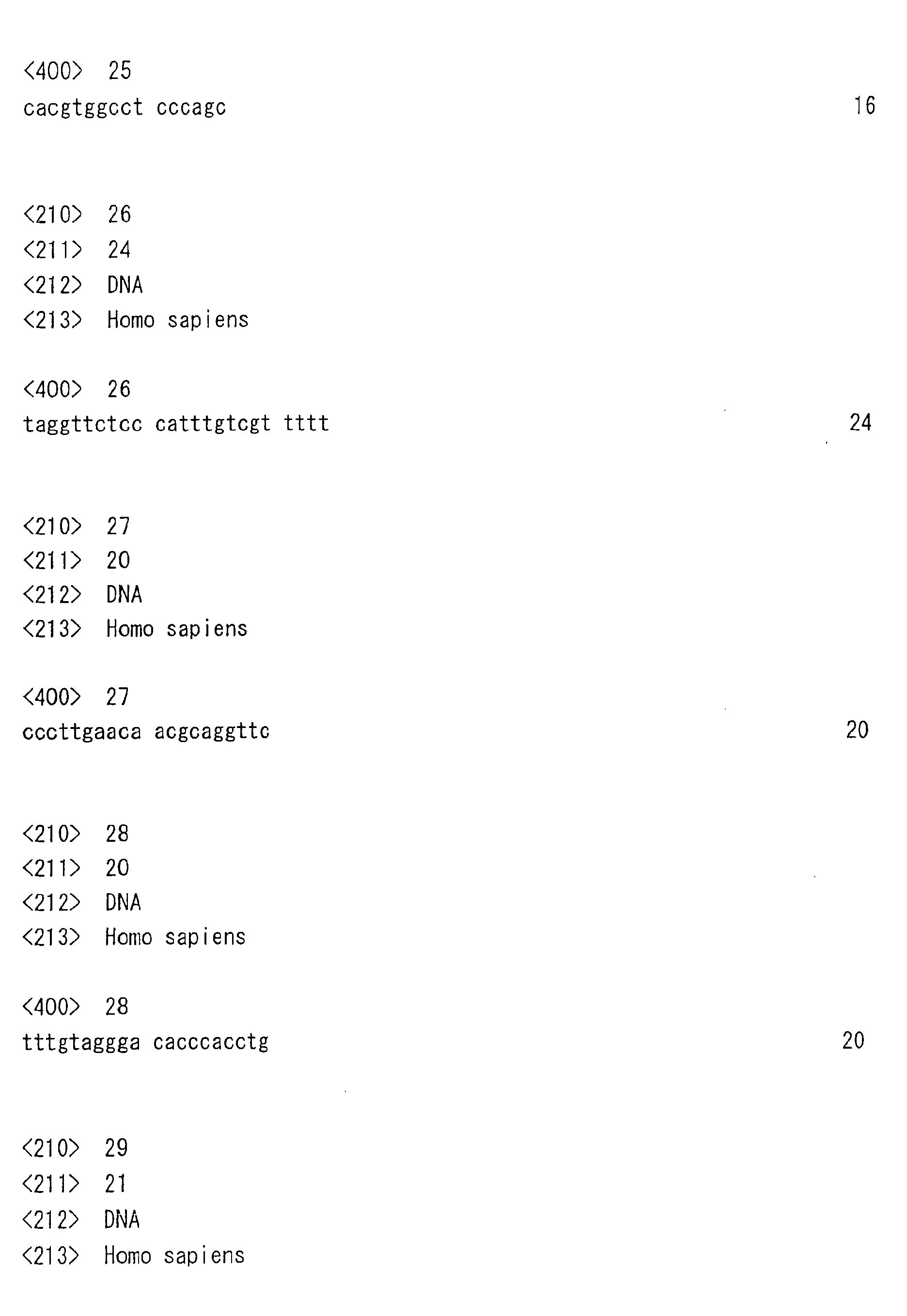
- nucleotide sequences as such primer include 1) primers represented by the nucleotide sequences of SEQ ID NOS: 25 and 26, 2) primers represented by the nucleotide sequences of SEQ ID NOS: 27 and 28, 3) primers represented by the nucleotide sequences of SEQ ID NOS: 29 and 30, and 4) primers represented by the nucleotide sequences of SEQ ID NOS: 31 and 32.
- DNA comprising at least a part of the sequence of the polynucleotide or the whole (or a complimentary sequence) of the present invention and having a chain length of at least 15 bp is used.
- the probe and the primer in accordance with the present invention can be used for assaying the expression level of the gene of the present invention for detection for RA diagnosis.
- an array of oligonucleotide probes comprising the nucleotide sequence of the polynucleotide of the present invention or a fragment thereof can be constructed.
- the array technique is known and used for analyzing gene expression (Chee, M. et al. (1996) Science, 274, 610-613).
- the mode includes
- the gene expression level for the detection method of RA in the present invention includes the gene transcription into mRNA and its translation into protein.
- the detection method of RA in accordance with the present invention is carried out by comparison with the expression level of mRNA corresponding to the gene of the present invention or the expression level of the protein encoded by the gene.
- the method for assaying the expression level of a gene comprising a polynucleotide sequence encoding the polypeptide for the detection method of the present invention in the step (1) can be carried out according to known gene analysis methods.
- hybridization technique using nucleic acid which hybridizes with the gene of the present invention as probe or gene amplification technique using DNA which hybridizes with a polynucleotide encoding the polypeptide for the detection method of the present invention as probe can be utilized.
- nucleic acid derived from synovial cells from a test subject for example mRNA can be used for the assay.
- the mRNA amount can be assayed by the gene amplification method using a primer designed so as to specifically amplify the gene sequence of the present invention.
- the gene amplification method is not particularly limited and for example, PCR and nucleic acid amplification method using RNA polymerase can be used with no specific limitation.
- the primer for use in the detection method of RA in the present invention or the primer contained in the kit for RA detection in the present invention are not particularly limited as far as it can specifically amplify the gene sequence encoding the polypeptide for the detection method of the present invention.
- Such primer can be designed on the basis of the nucleotide sequence of the gene of the present invention.
- PCR amplification monitor method is enabled by using for example a primer design software Primer Express (PE Biosystems). Additionally, a polynucleotide specifically hybridizing with a polynucleotide encoding the polypeptide for the detection method in the present invention can also be used as such primer.
- PE Biosystems primer design software Primer Express
- a polynucleotide specifically hybridizing with a polynucleotide encoding the polypeptide for the detection method in the present invention can also be used as such primer.
- RA detection using hybridization technique can be carried out, using for example Northern hybridization, dot blot method and DNA microarray method. Additionally, gene amplification technique such as RT-PCR may also be used.
- PCR amplification monitor (real-time PCR) method (Genome Res., 6 (10), 986, 1996) is used during the course of gene amplification , to thereby make a more quantitative assay of the expression of the gene of the present invention.
- the PCR amplification monitor method for example ABI PRISM 7900 (PE Biosystems) can be used.
- Real-time PCR is a known method, and apparatuses and kits therefor are commercially available. Using them, the method can be carried out in a simple manner. More specifically, the method can be carried out by the method described in Example 4.
- a method for detecting a protein expressed by the gene can be used.
- detection method for example, Western blotting, immunoprecipitation method and ELISA can be used, using an antibody binding to the protein, preferably an antibody specifically binding to the protein with a cell extract solution from the synovial cell obtained from a test subject.
- comparative method is not particularly limited as far as comparing the expression level obtained at the step (1) with the expression levels in normal subjects or non-RA patients. For example, such comparison can be carried out by the method described in Example 4.
- the kit for RA detection in the present invention includes at least a forward primer and a reverse primer designed for the specific amplification of a polynucleotide encoding the polypeptide for the detection method in the present invention.
- PCR was carried out at 94°C for 2 minutes and 20 times of cycle consisting of 98°C for 10 seconds, 60°C for 30 seconds and 72°C for 1 minute and 30 seconds, and followed by at 72°C for 3 minutes.
- the PCR product was treated with phenol and chloroform, precipitated with ethanol and dissolved in distilled water.
- DNA amplified with the primer set of SEQ ID NO:13 and SEQ ID NO: 14 was cleaved doubly with BamH I and Xho I, while other DNAs were doubly cleaved with Hin dIII and Xho I.
- the obtained products were inserted at the BamH I -Xho I site or at the Hind III -Xho I site of the expression vector pcDNA3.1-CFL.
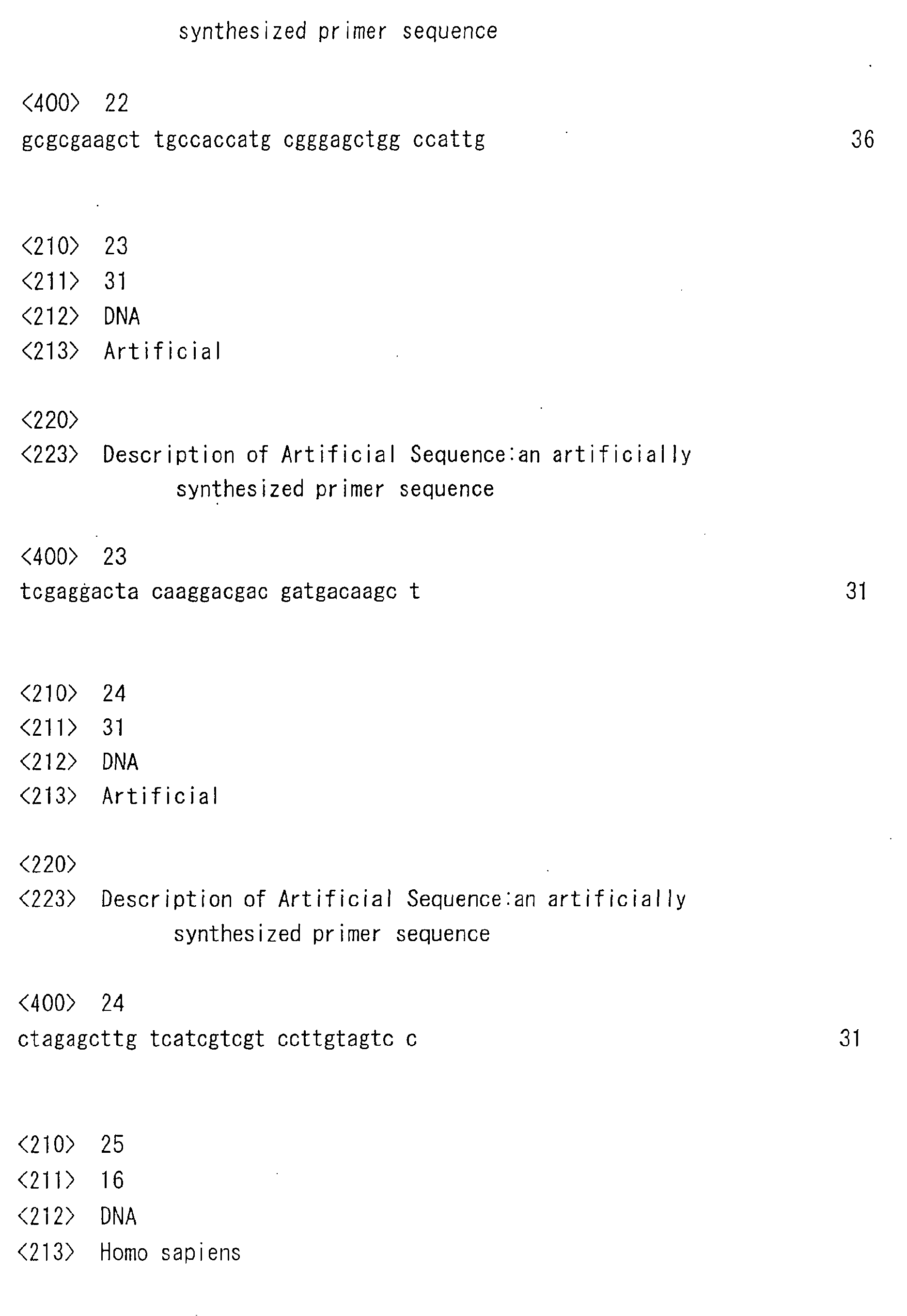
- a pcDNA3.1-CFL is a plasmid prepared by inserting a double-stranded oligoDNA consisting of SEQ ID No: 23 and SEQ ID NO:24 in the Xho I -Xba I site of pcDNA3.1(+) (Invitrogen). The plasmid gives the FLAG tag to intended protein, which is then expressed.
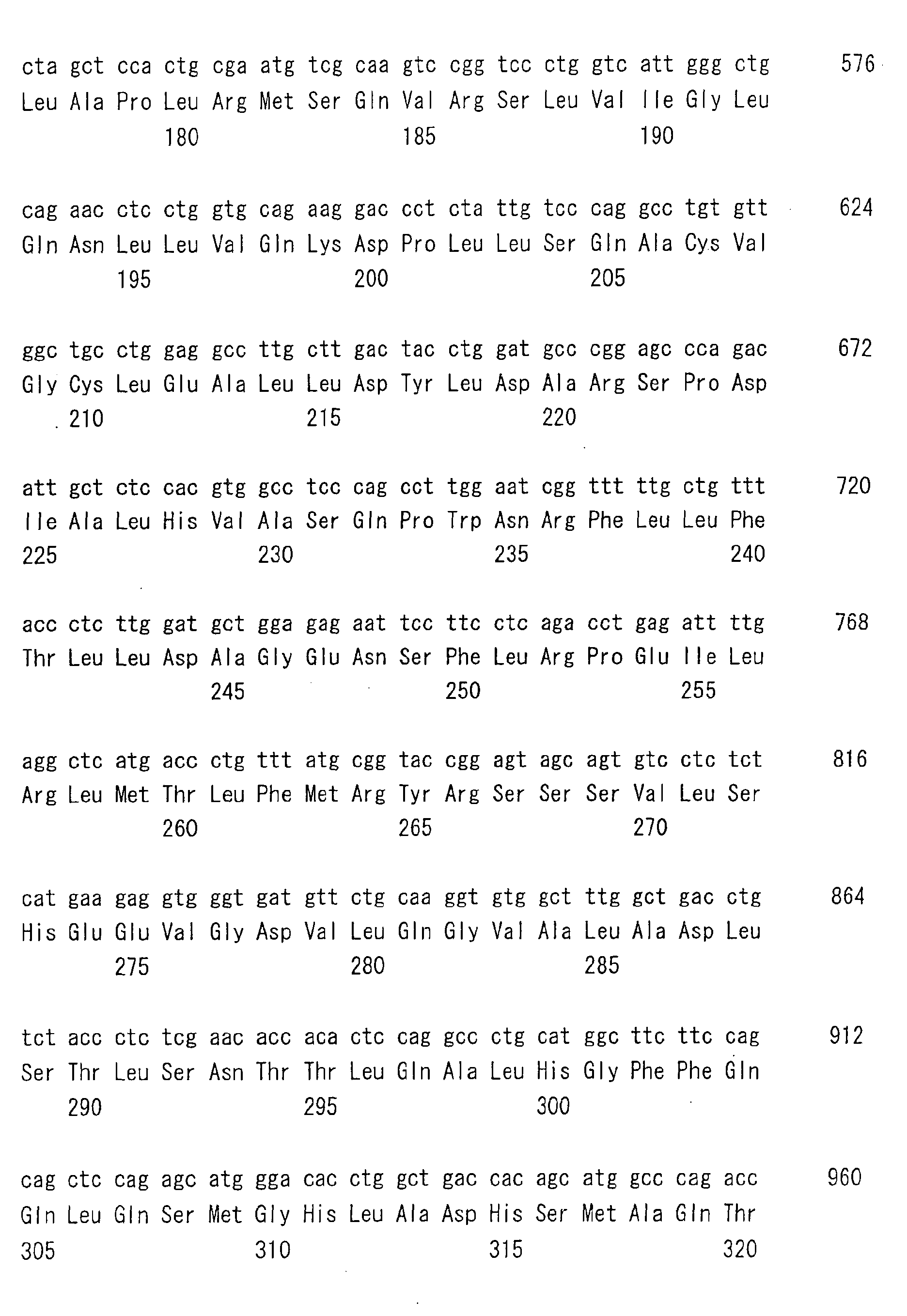
- the plasmids were sequenced by dideoxy terminator method, using AB13700 DNA sequencer (Applied Biosystems), to obtain a sequence represented by SEQ ID NO:1, SEQ ID NO:3, SEQ ID NO:5, SEQ ID NO:7, SEQ ID NO:9 or SEQ ID NO:11.
- the full-length ORF sequence of each of the sequences was determined.
- the genes were individually designated as RA2, RA3, DGPP1L, DGPP1S, DGPP2L and DGPP2S. Putative amino acid sequences were shown in SEQ ID NO:2, SEQ ID NO:4, SEQ ID NO:6, SEQ ID NO:8, SEQ ID NO:10 and SEQ ID NO:12.
- the six expression plasmids prepared in Example 1 were individually introduced in 293T cell using a transfection reagent (Lipofectamine; Gibco) according to the attached instruction.
- the culture medium was replaced with a serum-free culture medium 12 to 16 hours after the introduction of the plasmids, followed by additional continuous culturing for another 48 to 60 hours to collect cells
- a solution consisting of 50 mM Tris, pH 7.5, 0.25 M NaCl, 10% glycerol, 1% Triton X-100, 1 mM EDTA, 1 mM EGTA and 1 mM PMSF (Sigma) was added to the obtained cells to dissolve the cells, followed by centrifugation at 15,000 rpm for 15 minutes with an Eppendorf tube centrifuge machine (Tomy Digital Biology Co., Ltd.) to obtain the supernatant.
- the presence of an intended protein in the lysate of the introduced cell was confirmed by Western blotting using an antibody (mouse anti-FLAG monoclonal antibody M2; Sigma) against the FLAG tag added at the C terminus.
- an antibody mouse anti-FLAG monoclonal antibody M2; Sigma
- the lysate described above was electrophoresed (under the reducing condition) on SDS/4 % to 20 % acrylamide gel (Daiichi Pure Chemicals Co., Ltd.) and then transferred onto PVDF membrane (Millipore), using a blotting apparatus.
- Block Ace DAINIPPON PHARMACEUTICAL CO., LTD.
- a biotinylated mouse anti-FLAG monoclonal antibody and horseradish peroxidase-labeled streptoavidin were sequentially added for reaction.
- the expression of the intended protein was confirmed using ECL Western blotting detection system (Amersham Pharmacia).
- synovial tissue sample and synovial fibroblast-like cell sample are obtained from synovial tissue sample and synovial fibroblast-like cell sample.
- Synovial tissues and synovial fibroblast-like cells were recovered via synovial membrane biopsy from human RA patients and human OA patients. Synovial cells were prepared according to the reference of Harigai M, et al. (J Rheumatol . 1999 May; 26 (5): 1035-43) while synovial fibroblast-like cells were prepared according to the reference of Zhang HG, et al. (Arthritis Rheum . 2000 May; 43 (5): 1094-105). G1 and G6 were samples of synovial tissues in mixture from two human RA patients.
- G1:1.5 and G6:0 in the modification of surface layer into multi layer was modified by G1:2.5 and G6:0 in the formation of lymph follicle; G1:2.0 and G6:0.5 angiogenesis.
- G7 is a sample of synovial tissues in mixture from two human OA patients.
- the score of pathological findings was based on Harigai M., et al ., Clin Immunol Immunopathol . 1993 Oct; 69 (1): 83-91 and reflects the inflammation level of synovial tissue.
- G1 with a high score of pathological findings is a sample with a larger inflammation level than that of G6.
- R1 and R2 are synovial fibroblast-like cell samples from individual human RA patients.
- the scores of pathological findings are as follows: RS1:2 and RS2:0 in the modification of surface layer into multi layer; R1:2 and RS2:0 in the formation of lymph follicle; and RS1:3 and RS2:2 concerning angiogenesis.
- RS1 is a sample with a larger inflammation level than that of RS2.
- OA1 and OA2 are synovial fibroblast-like cell samples from one human OA patient.
- Total RNA was extracted from RA synovial tissues (G1 and G6 samples), OA synovial tissue (G7 sample), RA synovial fibroblast-like cells (RS1 and RS2 samples) and OA synovial fibroblast-like cells (OA1 and OA2 samples), using an RNA extraction reagent ISOGEN (Nippon Gene). The extraction was carried out according to the protocols attached to the reagent. The detail of the extraction method is now described below. To 100 mg of a frozen tissue, 1 ml of ISOGEN was added and homogenized, followed by standing for 5 minutes. After addition of 0.2 ml of chloroform (Kanto Chemical), the tissue was stirred and stood for 3 minutes.
- ISOGEN Natural Gene
- the tissue was centrifuged at 12,000 ⁇ g at 4°C for 15 minutes. The supernatant was recovered and 0.5 ml of 2-isopropanol (Kanto Chemical) was added thereto, followed by standing for 10 minutes. The mixture was then centrifuged at 12,000 ⁇ g at 4°C for 10 minutes. After the supernatant was removed, 1 ml of 70% ethanol was added. The resulting mixture was centrifuged at 7,500 ⁇ g at 4°C for 5 minutes. After drying in air, the product was dissolved in 50 ⁇ l of water.
- the extracted total RNA was treated with DNase on a column, using a DNase processing kit (RNasey Mini kit, RNase-free DNase Set: both from Qiagen). According to the protocol attached to the kit, the treatment was carried out. The detail is described below. Water was added to the total RNA solution to become 100 ⁇ l. Subsequently, 350 ml of the buffer RLT contained in the kit was added and stirred. Then, 250 ⁇ l of ethanol was added and stirred, followed by charging in the column (RNeasy Mini spin column) included in the kit. The mixture was centrifuged at 8,000 ⁇ g for 15 seconds.
- RNasey Mini kit RNase-free DNase Set: both from Qiagen
- centrifugation at 8,000 ⁇ g for 15 seconds was carried out. Further, 10 ⁇ l of the Dnase I stock solution and 70 ⁇ l of the buffer RDD contained in the kit were added, and the resulting mixture was left to stand at ambient temperature for 15 minutes. After adding 350 ⁇ l of the buffer RW1, centrifugation at 8,000 ⁇ g for 15 seconds was carried out. After adding 350 ⁇ l of the buffer RW1, centrifugation at 8,000 ⁇ g for 15 seconds was carried out. After adding 500 ⁇ l of the buffer RPE contained in the kit, centrifugation at 8,000 ⁇ g for 15 seconds was carried out.
- RNA was prepared by reverse transcription with total RNA as template.
- Total RNA (1 ⁇ g) was mixed with 10 ⁇ l of a random hexamer (100 ng/ ⁇ l) (Amersham Pharmacia Biotech), and water was added thereto to become a final volume of 48 ⁇ l. After treatment at 70 °C for 10 minutes, the resulting mixture was placed on ice. Subsequently, 32 ⁇ l of an RT reaction mixture solution was added.
- the mixture solution had the following composition: 5 ⁇ First-Strand Buffer (250 mM Tris-HCl, pH 8.3, 375 mM KCl, 15 mM MgCl 2 ), 10 mM DTT, 0.5 mM dNTP, Superscript II RNase H - reverse transcriptase (800 units) (all described above were from GIBCO BRL). After mixing, the resulting mixture was treated at 25°C for 15 minutes, 42°C for 50 minutes and 70°C for 15 minutes.
- First-Strand Buffer 250 mM Tris-HCl, pH 8.3, 375 mM KCl, 15 mM MgCl 2
- 10 mM DTT 0.5 mM dNTP
- Superscript II RNase H - reverse transcriptase 800 units
- cDNA As a template for preparing a standard curve for calculating the relative expression level of an object gene among each assay samples, a dilution series of human genomic DNA (Clontech) or a dilution series of a mixture solution of each assay samples was used. In order to correct the difference in cDNA concentration in samples, G3PDH gene as an internal standard for correction was similarly assayed and analyzed. Based on the expression level of the G3PDH gene, the expression level of an intended gene was corrected and calculated.
- the expression level of each gene in the G7 sample from OA synovial tissue or the OA1 sample from synovial fibroblast-like cell was defined as 100 and the relative expression level of each gene in each sample was calculated.
- the results obtained by using synovial fibroblast-like cells are shown in Fig. 2 and Table 3.
- G1 which is an RA synovial tissue sample compared with G7 which is an OA synovial tissue sample expression levels of all the genes of RA2, RA3, RA4, DGPP1, and DGPP2 were apparently and significantly elevated.
- the expression levels of the individual genes were elevated significantly. It was found that the expression levels of the individual genes were elevated in relation with the score of pathological RA findings, namely that the severity of RA inflammation symptoms has a correlation with the elevation of the expression levels of the individual genes.
- RA progress can be detected by the methods described in the Example and detection of RA diagnosis is enabled.
- the polynucleotide of the present invention is an indicator for RA diagnosis since the elevation of the expression thereof is associated with the level of RA severity.
- the polynucleotide of the present invention, the antibody of the present invention and the oligonucleotide hybridizing with the polynucleotide of the present invention are useful for detection of RA diagnosis.
- the polypeptide of the present invention is useful for preparing the antibody of the present invention which is useful for such detection.
- novel genes having enhanced expression in RA synovial cells are provided in accordance with the present invention and the novel genes can be applied to testing for RA diagnosis, by PCR using the specific primer sequence thereof.
Landscapes
- Chemical & Material Sciences (AREA)
- Health & Medical Sciences (AREA)
- Life Sciences & Earth Sciences (AREA)
- Organic Chemistry (AREA)
- Proteomics, Peptides & Aminoacids (AREA)
- Zoology (AREA)
- Genetics & Genomics (AREA)
- Analytical Chemistry (AREA)
- Immunology (AREA)
- Engineering & Computer Science (AREA)
- Molecular Biology (AREA)
- Wood Science & Technology (AREA)
- Biochemistry (AREA)
- Biophysics (AREA)
- General Health & Medical Sciences (AREA)
- Toxicology (AREA)
- Medicinal Chemistry (AREA)
- Gastroenterology & Hepatology (AREA)
- Rheumatology (AREA)
- Pathology (AREA)
- Rehabilitation Therapy (AREA)
- Physics & Mathematics (AREA)
- Hematology (AREA)
- Biotechnology (AREA)
- Microbiology (AREA)
- Diabetes (AREA)
- Bioinformatics & Cheminformatics (AREA)
- General Engineering & Computer Science (AREA)
- Peptides Or Proteins (AREA)
- Measuring Or Testing Involving Enzymes Or Micro-Organisms (AREA)
Abstract
Description
Pamphlet of International Publication No. 00/42070
Pamphlet of International Publication No. 01/77137
Pamphlet of International Publication No. 01/32910
Pamphlet of International Publication No. 02/26798
Pamphlet of International Publication No. 01/55163
Pamphlet of International Publication No. 01/55301
"The Journal of Experimental Medicine", (USA), 1991, Vol.173, p.569-574
"The Journal of Rheumatology", (Canada), 2002, Vol.29, p.875-882
"Current Pharmaceutical Biotechnology", (USA), 2000, Vol. 1, p. 217-233
"Nature Reviews Immunolog", (UK), 2002, Vol. 2, p.364-371
"Medicine", J. Axford, ed., (USA), Blackwell Science, 1996, p.3.18-3.22
(2) a polypeptide comprising an amino acid sequence represented by SEQ ID NO:2, SEQ ID NO:4, SEQ ID NO:6, SEQ ID NO:8 or SEQ ID NO:10 in which 1 to 10 amino acids are substituted, deleted and/or inserted and having enhanced expression in chronic rheumatoid arthritis patients.
| Forward primer (sequence with recognition sequence of a restriction enzyme BamHI or HindIII at 5' end) | Reverse primer (sequence with recognition sequence of a restriction enzyme XhoI at 5' end) | |
| CFL-RA2 | SEQ ID NO:13 | SEQ ID NO:14 |
| CFL-RA3 | SEQ ID NO:15 | SEQ ID NO:16 |
| CFL-DGPP1L | SEQ ID NO:17 | SEQ ID NO:18 |
| CFL-DGPP1S | SEQ ID NO:19 | SEQ ID NO:18 |
| CFL-DGPP2L | SEQ ID NO:20 | SEQ ID NO:21 |
| CDL-DFPP2S | SEQ ID NO:22 | SEQ ID NO:2 |
| FLAG | SEQ ID NO:23 | SEQ ID NO:24 |
| Forward primer | Reverse primer | |
| RA2 | SEQ ID NO:25 | SEQ ID NO:26 |
| RA3 | SEQ ID NO:27 | SEQ ID NO:28 |
| DGPP1L, DGPP1S | SEQ ID NO:29 | SEQ ID NO:30 |
| DGPP2L, DGPP2S | SEQ ID NO:31 | SEQ ID NO:32 |
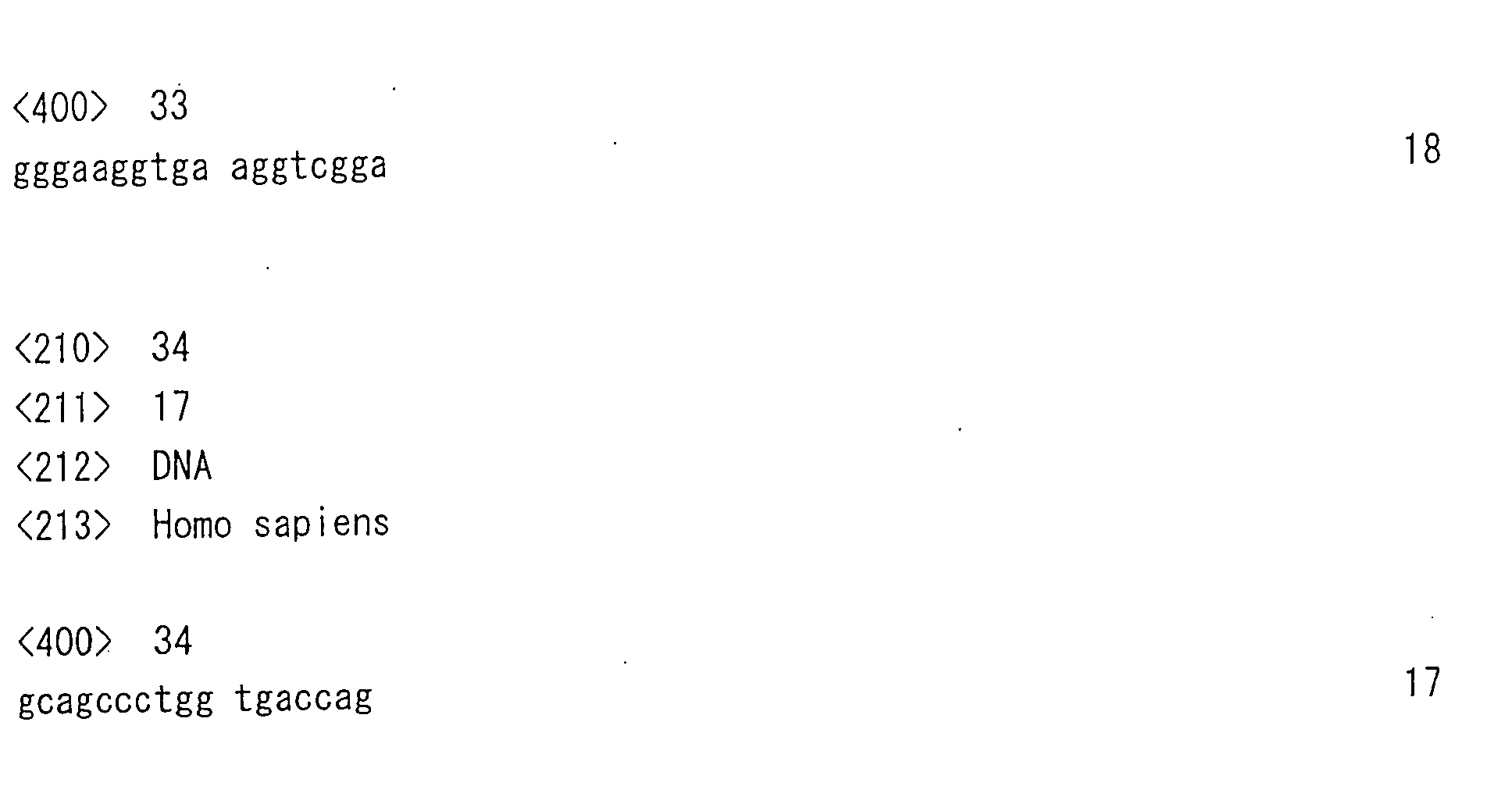
| G3DPH | SEQ ID NO:33 | SEQ ID NO:34 |
| DGPP1 | DGPP2 | RA2 | RA3 | |
| RS1 | 273 | 762 | 4042 | 2076 |
| RS2 | 246 | 221 | 1716 | 1136 |
| OA1 | 100 | 100 | 100 | 100 |
| OA2 | 86 | 123 | 66 | 99 |













Claims (9)
- (1) A polypeptide comprising an amino acid sequence represented by SEQ ID NO:2, SEQ ID NO:4, SEQ ID NO:6, SEQ ID NO:8 or SEQ ID NO:10 and having enhanced expression in chronic rheumatoid arthritis patients or
(2) a polypeptide comprising an amino acid sequence represented by SEQ ID NO:2, SEQ ID NO:4, SEQ ID NO:6, SEQ ID NO:8 or SEQ ID NO:10 in which 1 to 10 amino acids are substituted, deleted and/or inserted and having enhanced expression in chronic rheumatoid arthritis patients. - A polypeptide consisting of an amino acid sequence represented by SEQ ID NO:2, SEQ ID NO:4, SEQ ID NO:6, SEQ ID NO:8 or SEQ ID NO:10.
- A polynucleotide encoding the polypeptide according to claim 1 or 2.
- An expression vector comprising the polynucleotide according to claim 3.
- A cell transformed with the expression vector according to claim 4.
- A antibody which binds to a polypeptide comprising an amino acid sequence represented by SEQ ID NO:4 and having enhanced expression in chronic rheumatoid arthritis patients, a polypeptide comprising an amino acid sequence represented by SEQ ID NO:4 in which 1 to 10 amino acids are substituted, deleted and/or inserted and having enhanced expression in chronic rheumatoid arthritis patients or a polypeptide consisting of an amino acid sequence represented by SEQ ID NO:4.
- A polynucleotide which specifically hybridizes to a polynucleotide represented by SEQ ID NO:1, SEQ ID NO:3, SEQ ID NO:5, SEQ ID NO:7 or SEQ ID NO:9 and has at least 15 nucleotides.
- A method for detecting rheumatoid arthritis comprising1) a step of assaying the expression level of a gene in a synovial biopsy sample of a test subject, said gene comprisingi) the nucleotide sequence according to claim 3 orii) a polynucleotide sequence encoding a polypeptide comprising an amino acid sequence represented by SEQ ID NO:12 and having enhanced expression in chronic rheumatoid arthritis patients, a polypeptide comprising an amino acid sequence represented by SEQ ID NO:12 in which 1 to 10 amino acids are substituted, deleted and/or inserted and having enhanced expression in chronic rheumatoid arthritis patients, or a polypeptide consisting of an amino acid sequence represented by SEQ ID NO:12; and(2) a step of comparing the expression level of the gene with the expression levels thereof in a synovial biopsy sample in a normal subject or a patient with non-chronic rheumatoid arthritis.
- A kit for detecting chronic rheumatoid arthritis comprising forward and reverse primers designed for enabling specific amplification of a gene represented by1) the polynucleotide according to claim 3 or2) a polynucleotide encoding a polypeptide comprising an amino acid sequence represented by SEQ ID NO:12 and having enhanced expression in chronic rheumatoid arthritis patients, a polypeptide comprising an amino acid sequence represented by SEQ ID NO:12 in which 1 to 10 amino acids are substituted, deleted and/or inserted and having enhanced expression in chronic rheumatoid arthritis patients, or a polypeptide consisting of an amino acid sequence represented by SEQ ID NO:12.
Applications Claiming Priority (3)
| Application Number | Priority Date | Filing Date | Title |
|---|---|---|---|
| JP2002211951 | 2002-07-22 | ||
| JP2002211951 | 2002-07-22 | ||
| PCT/JP2003/009180 WO2004009626A1 (en) | 2002-07-22 | 2003-07-18 | Novel gene associated with rheumatoid arthritis |
Publications (2)
| Publication Number | Publication Date |
|---|---|
| EP1541586A1 true EP1541586A1 (en) | 2005-06-15 |
| EP1541586A4 EP1541586A4 (en) | 2006-08-09 |
Family
ID=30767793
Family Applications (1)
| Application Number | Title | Priority Date | Filing Date |
|---|---|---|---|
| EP03741500A Withdrawn EP1541586A4 (en) | 2002-07-22 | 2003-07-18 | NEW GENE ASSOCIATED WITH RHEUMATOID ARTHRITIS |
Country Status (6)
| Country | Link |
|---|---|
| US (1) | US20060172296A1 (en) |
| EP (1) | EP1541586A4 (en) |
| JP (1) | JPWO2004009626A1 (en) |
| AU (1) | AU2003281626A1 (en) |
| CA (1) | CA2493263A1 (en) |
| WO (1) | WO2004009626A1 (en) |
Families Citing this family (2)
| Publication number | Priority date | Publication date | Assignee | Title |
|---|---|---|---|---|
| JP2007104902A (en) * | 2004-01-16 | 2007-04-26 | Astellas Pharma Inc | Screening method for rheumatoid arthritis drug |
| JP2007104901A (en) * | 2004-01-16 | 2007-04-26 | Astellas Pharma Inc | Screening method for rheumatoid arthritis drug |
Family Cites Families (8)
| Publication number | Priority date | Publication date | Assignee | Title |
|---|---|---|---|---|
| US5840544A (en) * | 1996-04-17 | 1998-11-24 | Incyte Pharmaceuticals, Inc. | DNA encoding rantes homolog from prostate |
| JP2002534964A (en) * | 1999-01-15 | 2002-10-22 | ザイモジェネティクス,インコーポレイティド | Mammalian α-helix protein |
| JP2003528587A (en) * | 1999-10-29 | 2003-09-30 | ヒューマン ジノーム サイエンシーズ, インコーポレイテッド | 27 human secretory proteins |
| WO2001055448A1 (en) * | 2000-01-31 | 2001-08-02 | Human Genome Sciences, Inc. | Nucleic acids, proteins, and antibodies |
| US6926898B2 (en) * | 2000-04-12 | 2005-08-09 | Human Genome Sciences, Inc. | Albumin fusion proteins |
| CN1339599A (en) * | 2000-08-23 | 2002-03-13 | 上海博德基因开发有限公司 | New polypeptide-phosphotadic acid phosphatase 29.81 and polynucleotide for encoding such polypeptide |
| US20030073623A1 (en) * | 2001-07-30 | 2003-04-17 | Drmanac Radoje T. | Novel nucleic acid sequences obtained from various cDNA libraries |
| EP1308459A3 (en) * | 2001-11-05 | 2003-07-09 | Research Association for Biotechnology | Full-length cDNA sequences |
-
2003
- 2003-07-18 WO PCT/JP2003/009180 patent/WO2004009626A1/en not_active Ceased
- 2003-07-18 EP EP03741500A patent/EP1541586A4/en not_active Withdrawn
- 2003-07-18 AU AU2003281626A patent/AU2003281626A1/en not_active Abandoned
- 2003-07-18 US US10/521,940 patent/US20060172296A1/en not_active Abandoned
- 2003-07-18 JP JP2004522765A patent/JPWO2004009626A1/en not_active Withdrawn
- 2003-07-18 CA CA002493263A patent/CA2493263A1/en not_active Abandoned
Also Published As
| Publication number | Publication date |
|---|---|
| US20060172296A1 (en) | 2006-08-03 |
| WO2004009626A1 (en) | 2004-01-29 |
| EP1541586A4 (en) | 2006-08-09 |
| JPWO2004009626A1 (en) | 2005-11-17 |
| AU2003281626A1 (en) | 2004-02-09 |
| CA2493263A1 (en) | 2004-01-29 |
Similar Documents
| Publication | Publication Date | Title |
|---|---|---|
| WO2003101283A2 (en) | Diagnostics markers for lung cancer | |
| CN102762730A (en) | Primers for diagnosing ankylosing spondylitis, and method for diagnosing ankylosing spondylitis using the same | |
| JP2002530077A (en) | Inflammation related genes | |
| JPH11503610A (en) | A novel chemokine expressed in eosinophils | |
| JP2023531935A (en) | Treatment of obesity with G protein-coupled receptor 75 (GPR75) inhibitors | |
| JP2002518048A (en) | Prostate cancer-related genes | |
| JP2001509026A (en) | Novel human metallothionein | |
| JP2007504825A (en) | Compositions, reagents, and kits for diagnosing, monitoring, and treating obesity and / or diabetes, and methods thereof | |
| JP2002511742A (en) | Novel human serine carboxypeptidase | |
| JP2001526914A (en) | Human / regulatory protein | |
| JP2002503109A (en) | Novel human ribonuclease | |
| JP5363695B2 (en) | Polynucleotides for colon cancer | |
| US20060172296A1 (en) | Novel gene associated with rheumatoid arthritis | |
| JP2001520014A (en) | Cell division regulator | |
| EP1164190B1 (en) | Rheumatoid arthritis gene and method for diagnosing rheumatoid arthritis | |
| WO2004074436A2 (en) | Methods of use of a gpcr in the diagnosis and treatment of colon and lung cancer | |
| JP2001512018A (en) | Human lifespan guarantee protein homolog | |
| JP2002508176A (en) | Human phosphatase | |
| JP2002534088A (en) | Insulin synthesis gene | |
| US7105315B2 (en) | Transmembrane protein differentially expressed in cancer | |
| JP2003505028A (en) | Splicing variants of the CD40 receptor | |
| JPWO2000056888A1 (en) | Rheumatoid arthritis disease genes and diagnostic methods for rheumatoid arthritis | |
| JP2001514002A (en) | Human nucleotide pyrophosphohydrolase | |
| JP2008507261A (en) | Novel nucleotide and amino acid sequences for lung cancer diagnosis, and assays and methods of use thereof | |
| JP2002511736A (en) | Two human galectin-5 homologs |
Legal Events
| Date | Code | Title | Description |
|---|---|---|---|
| PUAI | Public reference made under article 153(3) epc to a published international application that has entered the european phase |
Free format text: ORIGINAL CODE: 0009012 |
|
| 17P | Request for examination filed |
Effective date: 20050120 |
|
| AK | Designated contracting states |
Kind code of ref document: A1 Designated state(s): AT BE BG CH CY CZ DE DK EE ES FI FR GB GR HU IE IT LI LU MC NL PT RO SE SI SK TR |
|
| AX | Request for extension of the european patent |
Extension state: AL LT LV MK |
|
| RAP1 | Party data changed (applicant data changed or rights of an application transferred) |
Owner name: HARIGAI, MASAYOSHI Owner name: ASTELLAS PHARMA INC. |
|
| DAX | Request for extension of the european patent (deleted) | ||
| A4 | Supplementary search report drawn up and despatched |
Effective date: 20060710 |
|
| 17Q | First examination report despatched |
Effective date: 20061114 |
|
| STAA | Information on the status of an ep patent application or granted ep patent |
Free format text: STATUS: THE APPLICATION IS DEEMED TO BE WITHDRAWN |
|
| 18D | Application deemed to be withdrawn |
Effective date: 20080118 |