EP1533619A2 - Specific markers for metabolic syndrome - Google Patents
Specific markers for metabolic syndrome Download PDFInfo
- Publication number
- EP1533619A2 EP1533619A2 EP04026956A EP04026956A EP1533619A2 EP 1533619 A2 EP1533619 A2 EP 1533619A2 EP 04026956 A EP04026956 A EP 04026956A EP 04026956 A EP04026956 A EP 04026956A EP 1533619 A2 EP1533619 A2 EP 1533619A2
- Authority
- EP
- European Patent Office
- Prior art keywords
- polypeptide
- adipose tissue
- level
- visceral adipose
- marker
- Prior art date
- Legal status (The legal status is an assumption and is not a legal conclusion. Google has not performed a legal analysis and makes no representation as to the accuracy of the status listed.)
- Granted
Links
Images





Classifications
-
- G—PHYSICS
- G01—MEASURING; TESTING
- G01N—INVESTIGATING OR ANALYSING MATERIALS BY DETERMINING THEIR CHEMICAL OR PHYSICAL PROPERTIES
- G01N33/00—Investigating or analysing materials by specific methods not covered by groups G01N1/00 - G01N31/00
- G01N33/48—Biological material, e.g. blood, urine; Haemocytometers
- G01N33/50—Chemical analysis of biological material, e.g. blood, urine; Testing involving biospecific ligand binding methods; Immunological testing
- G01N33/68—Chemical analysis of biological material, e.g. blood, urine; Testing involving biospecific ligand binding methods; Immunological testing involving proteins, peptides or amino acids
- G01N33/6893—Chemical analysis of biological material, e.g. blood, urine; Testing involving biospecific ligand binding methods; Immunological testing involving proteins, peptides or amino acids related to diseases not provided for elsewhere
-
- A—HUMAN NECESSITIES
- A61—MEDICAL OR VETERINARY SCIENCE; HYGIENE
- A61K—PREPARATIONS FOR MEDICAL, DENTAL OR TOILETRY PURPOSES
- A61K31/00—Medicinal preparations containing organic active ingredients
- A61K31/16—Amides, e.g. hydroxamic acids
-
- A—HUMAN NECESSITIES
- A61—MEDICAL OR VETERINARY SCIENCE; HYGIENE
- A61K—PREPARATIONS FOR MEDICAL, DENTAL OR TOILETRY PURPOSES
- A61K38/00—Medicinal preparations containing peptides
- A61K38/16—Peptides having more than 20 amino acids; Gastrins; Somatostatins; Melanotropins; Derivatives thereof
- A61K38/17—Peptides having more than 20 amino acids; Gastrins; Somatostatins; Melanotropins; Derivatives thereof from animals; from humans
- A61K38/1703—Peptides having more than 20 amino acids; Gastrins; Somatostatins; Melanotropins; Derivatives thereof from animals; from humans from vertebrates
- A61K38/1709—Peptides having more than 20 amino acids; Gastrins; Somatostatins; Melanotropins; Derivatives thereof from animals; from humans from vertebrates from mammals
-
- A—HUMAN NECESSITIES
- A61—MEDICAL OR VETERINARY SCIENCE; HYGIENE
- A61K—PREPARATIONS FOR MEDICAL, DENTAL OR TOILETRY PURPOSES
- A61K49/00—Preparations for testing in vivo
- A61K49/0004—Screening or testing of compounds for diagnosis of disorders, assessment of conditions, e.g. renal clearance, gastric emptying, testing for diabetes, allergy, rheuma, pancreas functions
-
- A—HUMAN NECESSITIES
- A61—MEDICAL OR VETERINARY SCIENCE; HYGIENE
- A61P—SPECIFIC THERAPEUTIC ACTIVITY OF CHEMICAL COMPOUNDS OR MEDICINAL PREPARATIONS
- A61P3/00—Drugs for disorders of the metabolism
- A61P3/04—Anorexiants; Antiobesity agents
-
- A—HUMAN NECESSITIES
- A61—MEDICAL OR VETERINARY SCIENCE; HYGIENE
- A61P—SPECIFIC THERAPEUTIC ACTIVITY OF CHEMICAL COMPOUNDS OR MEDICINAL PREPARATIONS
- A61P3/00—Drugs for disorders of the metabolism
- A61P3/06—Antihyperlipidemics
-
- A—HUMAN NECESSITIES
- A61—MEDICAL OR VETERINARY SCIENCE; HYGIENE
- A61P—SPECIFIC THERAPEUTIC ACTIVITY OF CHEMICAL COMPOUNDS OR MEDICINAL PREPARATIONS
- A61P3/00—Drugs for disorders of the metabolism
- A61P3/08—Drugs for disorders of the metabolism for glucose homeostasis
- A61P3/10—Drugs for disorders of the metabolism for glucose homeostasis for hyperglycaemia, e.g. antidiabetics
-
- A—HUMAN NECESSITIES
- A61—MEDICAL OR VETERINARY SCIENCE; HYGIENE
- A61P—SPECIFIC THERAPEUTIC ACTIVITY OF CHEMICAL COMPOUNDS OR MEDICINAL PREPARATIONS
- A61P9/00—Drugs for disorders of the cardiovascular system
-
- A—HUMAN NECESSITIES
- A61—MEDICAL OR VETERINARY SCIENCE; HYGIENE
- A61P—SPECIFIC THERAPEUTIC ACTIVITY OF CHEMICAL COMPOUNDS OR MEDICINAL PREPARATIONS
- A61P9/00—Drugs for disorders of the cardiovascular system
- A61P9/10—Drugs for disorders of the cardiovascular system for treating ischaemic or atherosclerotic diseases, e.g. antianginal drugs, coronary vasodilators, drugs for myocardial infarction, retinopathy, cerebrovascula insufficiency, renal arteriosclerosis
-
- A—HUMAN NECESSITIES
- A61—MEDICAL OR VETERINARY SCIENCE; HYGIENE
- A61P—SPECIFIC THERAPEUTIC ACTIVITY OF CHEMICAL COMPOUNDS OR MEDICINAL PREPARATIONS
- A61P9/00—Drugs for disorders of the cardiovascular system
- A61P9/12—Antihypertensives
-
- C—CHEMISTRY; METALLURGY
- C12—BIOCHEMISTRY; BEER; SPIRITS; WINE; VINEGAR; MICROBIOLOGY; ENZYMOLOGY; MUTATION OR GENETIC ENGINEERING
- C12Q—MEASURING OR TESTING PROCESSES INVOLVING ENZYMES, NUCLEIC ACIDS OR MICROORGANISMS; COMPOSITIONS OR TEST PAPERS THEREFOR; PROCESSES OF PREPARING SUCH COMPOSITIONS; CONDITION-RESPONSIVE CONTROL IN MICROBIOLOGICAL OR ENZYMOLOGICAL PROCESSES
- C12Q1/00—Measuring or testing processes involving enzymes, nucleic acids or microorganisms; Compositions therefor; Processes of preparing such compositions
- C12Q1/68—Measuring or testing processes involving enzymes, nucleic acids or microorganisms; Compositions therefor; Processes of preparing such compositions involving nucleic acids
- C12Q1/6876—Nucleic acid products used in the analysis of nucleic acids, e.g. primers or probes
- C12Q1/6883—Nucleic acid products used in the analysis of nucleic acids, e.g. primers or probes for diseases caused by alterations of genetic material
-
- C—CHEMISTRY; METALLURGY
- C12—BIOCHEMISTRY; BEER; SPIRITS; WINE; VINEGAR; MICROBIOLOGY; ENZYMOLOGY; MUTATION OR GENETIC ENGINEERING
- C12Q—MEASURING OR TESTING PROCESSES INVOLVING ENZYMES, NUCLEIC ACIDS OR MICROORGANISMS; COMPOSITIONS OR TEST PAPERS THEREFOR; PROCESSES OF PREPARING SUCH COMPOSITIONS; CONDITION-RESPONSIVE CONTROL IN MICROBIOLOGICAL OR ENZYMOLOGICAL PROCESSES
- C12Q1/00—Measuring or testing processes involving enzymes, nucleic acids or microorganisms; Compositions therefor; Processes of preparing such compositions
- C12Q1/68—Measuring or testing processes involving enzymes, nucleic acids or microorganisms; Compositions therefor; Processes of preparing such compositions involving nucleic acids
- C12Q1/6876—Nucleic acid products used in the analysis of nucleic acids, e.g. primers or probes
- C12Q1/6888—Nucleic acid products used in the analysis of nucleic acids, e.g. primers or probes for detection or identification of organisms
-
- C—CHEMISTRY; METALLURGY
- C12—BIOCHEMISTRY; BEER; SPIRITS; WINE; VINEGAR; MICROBIOLOGY; ENZYMOLOGY; MUTATION OR GENETIC ENGINEERING
- C12Q—MEASURING OR TESTING PROCESSES INVOLVING ENZYMES, NUCLEIC ACIDS OR MICROORGANISMS; COMPOSITIONS OR TEST PAPERS THEREFOR; PROCESSES OF PREPARING SUCH COMPOSITIONS; CONDITION-RESPONSIVE CONTROL IN MICROBIOLOGICAL OR ENZYMOLOGICAL PROCESSES
- C12Q2600/00—Oligonucleotides characterized by their use
- C12Q2600/158—Expression markers
-
- G—PHYSICS
- G01—MEASURING; TESTING
- G01N—INVESTIGATING OR ANALYSING MATERIALS BY DETERMINING THEIR CHEMICAL OR PHYSICAL PROPERTIES
- G01N2500/00—Screening for compounds of potential therapeutic value
Definitions
- visceral adipose tissue accumulation is associated with an increased risk of the development of non-insulin dependent diabetes, myocardial infarction, stroke and other arteriosclerotic diseases and their associated risk factors, including insulin resistance, elevated blood lipids, glucose and hypertension.
- the clustering of these risk factors has been designated 'Metabolic Syndrome', also called 'Syndrome X', the 'Insulin Resistance Syndrome' or the 'Deadly quartet'.
- This syndrome is also characterized by one or more endocrine disturbances and is therefore also called 'Neuro-endocrine Syndrome' (Marin, P. Neuroendocrine News, 21(3) 1996, 2).
- Conditions related to Metabolic Syndrome include diabetes mellitus type II (IDDM), non-insulin dependent diabetes (NIDDM), myocardial infarction, stroke and other arteriosclerotic diseases as well as the risk factors for these diseases, insulin resistance in general, abdominal obesity caused by accumulation of visceral adipose tissue, elevated serum lipids, and raised diastolic and/or systolic blood pressure.
- IDDM diabetes mellitus type II
- NIDDM non-insulin dependent diabetes
- myocardial infarction myocardial infarction
- stroke arteriosclerotic diseases
- insulin resistance in general
- abdominal obesity caused by accumulation of visceral adipose tissue, elevated serum lipids, and raised diastolic and/or systolic blood pressure.
- Visceral adipose tissue is known as the intra-abdominal fat, the adipose depot associated with central obesity. This adipose depot is to be distinguished from the subcutaneous adipose depot, which is located throughout the body. It is the visceral adipose tissue, which has been associated with an increased risk for disorders, as well as mortality. Visceral adipose tissue plays a key role in this process by modulating whole body metabolism, in as yet undefined ways. In obesity, the relative amounts of visceral adipose tissue can vary from individual to individual, and the only means of precisely defining the levels of visceral adipose tissue is via the use of magnetic resonance imaging and by computed tomography.
- a method for the measurement of levels of visceral adipose tissue comprises obtaining a biological sample; and detecting or measuring the level of a polypeptide marker, the polypeptide marker comprising at least one polypeptide selected from the group consisting of the polypeptides having SEQ ID Nos. 2, 4, 6, 8, 10, 12, 14, 16, 18, 20, 22, 24, 26, 28, 30, 32, 34, 36 and 38.
- a method for the measurement of levels of visceral adipose tissue comprises detecting or measuring the level of a polypeptide marker in a biological sample, the polypeptide marker comprising at least one polypeptide selected from the group consisting of the polypeptides having SEQ ID Nos. 2, 4, 6, 8, 10, 12, 14, 16, 18, 20, 22, 24, 26, 28, 30, 32, 34, 36 and 38.
- a method for measuring the level of visceral adipose tissue in a subject comprises obtaining a biological sample; and detecting or measuring the level of a marker, the nucleic acid marker comprising at least one nucleic acid molecule selected from the group consisting of the nucleic acid molecules of SEQ ID Nos. 1, 3, 5, 7, 9, 11, 13, 15, 17, 19, 21, 23, 25. 27, 29, 31, 33, 35 and 37.
- a method for measuring the level of visceral adipose tissue in a subject comprises detecting or measuring the level of a marker in a biological sample, the nucleic acid marker comprising at least one nucleic acid molecule selected from the group consisting of the nucleic acid molecules of SEQ ID Nos. 1, 3, 5, 7, 9, 11, 13, 15, 17, 19, 21, 23, 25, 27, 29, 31, 33, 35 and 37.
- a screening method for identifying a compound which interacts with a polypeptide that is predominately expressed in visceral adipose tissue comprising contacting said polypeptide with a compound or a plurality of compounds under conditions which allow interaction of the compound with the polypeptide; and detecting the interaction between the compound or plurality of compounds with the polypeptide.
- a screening method for identifying a compound which is an agonist or an antagonist of a polypeptide that is predominately expressed in visceral adipose tissue the polypeptide being selected from the group consisting of the polypeptides having SEQ ID Nos.
- a screening method for identifying a compound which is an inhibitor of the expression of a polypeptide that is predominately expressed in visceral adipose tissue the polypeptide being selected from the group consisting of the polypeptides having SEQ ID Nos.
- 2, 4, 6, 8, 10, 12, 14, 16, 18, 20, 22, 24, 26, 28, 30, 32, 34, 36 and 38 comprising contacting a host which expresses the polypeptide with a compound; determining a first expression level or activity of the polypeptide; determining a second expression level or activity of the polypeptide in a host which has not been contacted with the compound; and quantitatively relating the first expression level or activity with the second expression level or activity, wherein when the first expression level or activity is less than the second expression level or activity, the compound is identified as an inhibitor of the expression of the polypeptide.
- a method of correlating protein levels in a mammal with a diagnosis of the level of visceral adipose tissue comprising selecting one or more proteins selected from the group consisting of the proteins having SEQ ID Nos. 2, 4, 6, 8, 10, 12, 14, 16, 18, 20, 22, 24, 26, 28, 30, 32, 34, 36 and 38; determining the level of the one or more proteins in the mammal; and generating an index number, Y, which indicates a base level of visceral adipose tissue.
- kits for screening of compounds that activate or inhibit a polypeptides or stimulate or inhibit the expression of any of said polypeptides the polypeptides being selected from the group consisting of the polypeptides having SEQ ID Nos. 2, 4, 6, 8, 10, 12, 14, 16, 18, 20, 22, 24, 26, 28, 30, 32, 34, 36 and 38.
- a method for monitoring serum levels of one or more proteins to measure levels of visceral adipose tissue in a subject comprising raising antibodies of said one or more proteins; detecting the serum level of the proteins; and comparing the serum level to those subjects known to have a specific level of visceral adipose tissue.
- a method for treating metabolic syndrome comprising administering, to a patient in need thereof, a therapeutically effective amount of at least one antibody against at least one protein, or antigen-binding fragment thereof, selected from the group consisting of the proteins having SEQ ID Nos. 2, 4, 6, 8, 10, 12, 14, 16, 18, 20, 22, 24, 26, 28, 30, 32, 34, 36 and 38.
- a method for treating metabolic syndrome comprising administering, to a patient in need thereof, a therapeutically effective amount of at least one protein, protein fragment or peptide selected from the group consisting of the proteins having SEQ ID Nos. 2, 4, 6, 8, 10, 12, 14, 16, 18, 20, 22, 24, 26, 28, 30, 32, 34, 36 and 38.
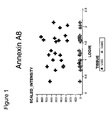
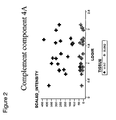
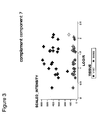
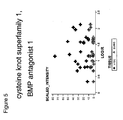
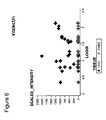
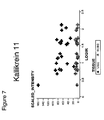
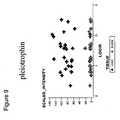
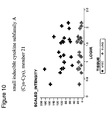
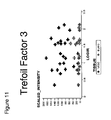
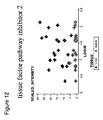
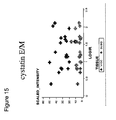
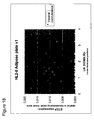
- Figures 1 through 16 are graphs of the scaled intensity vs. log of the insulin resistance for various adipose levels of RNA measured by Affymetrix analysis in visceral and subcutaneous adipose tissues.
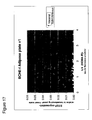
- Figures 17 and 18 are graphs of the scaled intensity vs. log of the insulin resistance for various adipose levels of RNA measured by STEP analysis in visceral and subcutaneous adipose tissues.
- Complement component 4A C4A, C4S, CO4 Acidic C4, C4A anaphylatoxin, Rodgers form of C4 AH002623 720 NM007293 SEQ ID No. 3 NP009224 SEQ ID No. 4 Complement component 7 C7 J03507 SEQ ID No. 5 730 NM000587 NP000578 SEQ ID No. 6 Fibroblast growth factor 9 FGF9 GAF, HBFG-9, glia-activating factor D14838 SEQ ID No. 7 2254 NM002010 NP002001 SEQ ID No. 8 Gremlin DRM, IHG-2, CKTSF1B1, cysteine knot superfamily 1, BMPantagonist 1 AF110137 SEQ ID No.
- Tissue factor pathway inhibitor 2 TFPI-2 PPS, placental protein 5 D29992 SEQ ID No. 23 7980 NM006528 NP006519 SEQ ID No. 24 Sulfatase 1 23213 NM015170 SEQ ID No. 25 NP055985 SEQ ID No. 26 IGFBP2 3485 NM000597 SEQ ID No. 27 NP000588 SEQ ID No. 28 Cystatin E/M 1474 NM001323 SEQ ID No. 29 NP001314 SEQ ID No. 30 Pregnancy-assoc plasma protein A 5069 NM002581 SEQ ID No. 31 NP002572 SEQ ID No.
- the present invention provides a marker for measuring the relative amount of visceral adipose tissue present in a subject. This measurement may then be correlated to the diagnosis of metabolic syndrome or an early stage of metabolic syndrome.
- markers comprise at least one polypeptide selected from the group consisting of the polypeptides listed in table 1 (SEQ ID NOs: 2, 4, 6, 8, 10, 12, 14, 16, 18, 20, 22, 24, 26, 28, 30, 32, 34, 36 and 38).
- the term "marker” as used herein refers to one or more polypeptides that are predominately expressed in visceral adipose tissue and that can be used to measure the amount of visceral adipose tissue, and therefore, can be used to diagnose metabolic syndrome, a pre-metabolic syndromatic state or a susceptibility to develop metabolic syndrome.
- the markers may be used either alone or as combinations of multiple polypeptides that are known to be expressed in visceral adipose tissues.
- polypeptide refers to a polymer of amino acids, and not to a specific length. Thus, peptides, oligopeptides and proteins are included within the definition of polypeptide.
- the marker of this invention is a marker comprising at least one polypeptide selected from the group consisting of the polypeptides listed in table 1.
- the present invention provides an in vitro method for the measurement of the levels of visceral derived secreted proteins in an individual.
- the amounts of the measured proteins can be extrapolated to the total amount of visceral adipose tissue in the individual, thereby determining the levels of visceral adipose tissue in an individual.
- differences in secreted proteins can be correlated with different comorbidities found in different individuals.
- differentiately expressed or “predominately expressed” in accordance with this invention relates to marker genes which express proteins that are secreted mainly by tissues and/or cells derived from visceral adipose tissue.
- biological sample means a sample which comprises material wherein the differential expression of marker genes may be measured and may be obtained from an individual.
- Particular preferred samples comprise body fluids, like blood, serum, plasma, urine, synovial fluid, spinal fluid, cerebrospinal fluid, semen or lymph, as well as body tissues, such as visceral adipose tissue.
- the detection and/or measurement of the differentially expressed marker genes may comprise the detection of an increase, decrease and/or the absence of a specific nucleic acid molecule, for example RNA or cDNA, the measurement/detection of a expressed polypeptide/protein as well as the measurement/detection of a (biological) activity (or lack thereof) of the expressed protein/polypeptide.
- the (biological) activity may comprise enzymatic activities, activities relating to signaling pathway-events e.g. antigen-recognition as well as effector-events.
- RNA and/or cDNA levels are well known in the art and comprise methods as described in the appended examples. Such methods include, but are not limited to PCR-technology, northern blots, affymetrix chips, and the like.
- detection refers to the qualitative determination of the absence or presence of polypeptides.
- measured refers to the quantitative determination of the differences in expression of polypeptides in biological samples from patients. Additionally, the term “measured” may also refer to the quantitative determination of the differences in expression of polypeptides in biological samples from visceral adipose tissues.
- Monoclonal or polyclonal antibodies recognizing the polypeptides listed in Table 1, or peptide fragments thereof, can either be generated for the purpose of detecting the polypeptides or peptide fragments, eg. by immunizing rabbits with purified proteins, or known antibodies recognizing the polypeptides or peptide fragments can be used.
- an antibody capable of binding to the denatured proteins such as a polyclonal antibody, can be used to detect the peptides of this invention in a Western Blot.
- An example for a method to measure a marker is an ELISA. This type of protein quantitation is based on an antibody capable of capturing a specific antigen, and a second antibody capable of detecting the captured antigen.
- a further method for the detection of a diagnostic marker for the measurement of levels of visceral adipose tissue is by analyzing biopsy specimens for the presence or absence of the markers of this invention. Methods for the detection of these markers are well known in the art and include, but are not limited to, immunohistochemistry or immunofluorescent detection of the presence or absence of the polypeptides of the marker of this invention. Methods for preparation and use of antibodies; and the assays mentioned hereinbefore are described in Harlow, E. and Lane, D. Antibodies: A Laboratory Manual, (1988), Cold Spring Harbor Laboratory Press.
- the in vitro method herein before described comprises a marker which comprises at least two of the polypeptides listed in Table 1.
- suitable biological samples need to be analyzed for the presence or absence of a marker.
- the biological samples can be serum, plasma, or various tissues including cells of adipose tissue.
- Cells from adipose tissue can be obtained by any known method, such as ERCP, secretin stimulation, fine-needle aspiration, cytologic brushings and large-bore needle biopsy.
- nucleic acid molecules coding for the marker hereinbefore described is RNA or DNA.
- the in vitro method herein before described comprises comparing the expression levels of at least one of the nucleic acids encoding the polypeptide marker in an individual known to have elevated levels of visceral adipose tissue, to the expression levels of the same nucleic acids in an individual known to have low or normal levels of visceral adipose tissue.
- the in vitro method herein before described comprises comparing the expression level of the marker in an individual known to have elevated levels of visceral adipose tissue, to the expression levels of the same nucleic acids in an individual known to have low or normal levels of visceral adipose tissue.
- an increase of the expression levels of the marker is indicative of the susceptibility to develop metabolic syndrome.
- the inventive in vitro method comprises a method, wherein the detection and/or measuring step is carried out by detecting and/or measuring protein(s)/polypeptide(s) or a fragment thereof encoded by the gene(s) as listed in Table 1.
- these detection/measuring steps comprise methods known in the art, like inter alia, proteomics, immuno-chemical methods like Western-blots, ELISAs and the like.
- the expression levels of at least two marker genes as listed in Table 1 are compared.
- the present invention also provides a screening method for identifying and/or obtaining a compound which interacts with a polypeptide listed in table 1, that is predominantly expressed in visceral adipose tissue, comprising the steps of contacting the polypeptide with a compound or a plurality of compounds under conditions which allow interaction of the compound with the polypeptide; and detecting the interaction between the compound or plurality of compounds with the polypeptide.
- polypeptides that are associated with the cell membrane on the cell surface or which are expressed as transmembrane or integral membrane polypeptides
- the interaction of a compound with the polypeptides can be detected with different methods which include, but are not limited to, methods using cells that either normally express the polypeptide or in which the polypeptide is overexpressed, eg. by detecting displacement of a known ligand which is labeled by the compound to be screened.
- membrane preparations may be used to test for interaction of a compound with such a polypeptide.
- Interaction assays to be employed in the method disclosed herein may comprise FRET-assays (fluorescence resonance energy transfer; as described, inter alia, in Ng, Science 283 (1999), 2085-2089 or Ubarretxena-Belandia, Biochem. 38 (1999), 7398-7405), TR-FRETs and biochemical assays as disclosed herein.
- FRET-assays fluorescence resonance energy transfer; as described, inter alia, in Ng, Science 283 (1999), 2085-2089 or Ubarretxena-Belandia, Biochem. 38 (1999), 7398-7405
- TR-FRETs fluorescence resonance energy transfer
- TR-FRETs fluorescence resonance energy transfer
- biochemical assays as disclosed herein.
- commercial assays like "Amplified Luminescent Proximity Homogenous AssayTM" (BioSignal Packard) may be employed. Further methods are well known in the art and, inter alia, described
- test for interaction may also be carried out by specific immunological and/or biochemical assays which are well known in the art and which comprise, e.g., homogenous and heterogenous assays as described herein below.
- the interaction assays employing read-out systems are well known in the art and comprise, inter alia, two-hybrid screenings (as, described, inter alia, in EP-0 963 376, WO 98/25947, WO 00/02911; and as exemplified in the appended examples), GST-pull-down columns, coprecipitation assays from cell extracts as described, inter alia, in Kasus-Jacobi, Oncogene 19 (2000), 2052-2059, "interaction-trap" systems (as described, inter alia, in US 6,004,746) expression cloning (e.g.
- Homogeneous (interaction) assays comprise assays wherein the binding partners remain in solution and comprise assays, like agglutination assays.
- Heterogeneous assays comprise assays like, inter alia, immuno assays, for example, Enzyme Linked Immunosorbent Assays (ELISA), Radioactive Immunoassays (RIA), Immuno Radiometric Assays (IRMA), Flow Injection Analysis (FIA), Flow Activated Cell Sorting (FACS), Chemiluminescent Immuno Assays (CLIA) or Electrogenerated Chemiluminescent (ECL) reporting.
- ELISA Enzyme Linked Immunosorbent Assays
- RIA Radioactive Immunoassays
- IRMA Immuno Radiometric Assays
- FIA Flow Injection Analysis
- FACS Flow Activated Cell Sorting
- CCLIA Chemiluminescent Immuno Assays
- ECL Electrogenerated Chemiluminescent
- the present invention further provides a screening method for identifying and/or obtaining a compound which is an agonist or an antagonist of a polypeptide listed in Table 1 that is predominantly expressed in visceral adipose tissue, comprising the steps of a) contacting the polypeptide with a compound identified and/or obtained by the screening method described above under conditions which allow interaction of the compound with the polypeptide; b) determining the activity of the polypeptide; c) determining the activity of the polypeptide expressed in the host as defined in (a), which has not been contacted with the compound; and d) quantitatively relating the activity as determined in (b) and (c), wherein a decreased activity determined in (b) in comparison to (c) is indicative for an agonist or antagonist.
- This screening assay can be performed either as an in vitro assay, or as a host-based assay.
- the host to be employed in the screening methods of the present invention and comprising and/or expressing a polypeptide listed in Table 1 may comprise prokaryotic as well as eukaryotic cells.
- the cells may comprise bacterial cells, yeast cells, as well as cultured (tissue) cell lines, inter alia, derived from mammals.
- animals may also be employed as hosts, for example a non-human transgenic animal. Accordingly, the host (cell) may be transfected or transformed with the vector comprising a nucleic acid molecule coding for a polypeptide which is differentially regulated in visceral adipose tissue as disclosed herein.
- the host cell or host may therefore be genetically modified with a nucleic acid molecule encoding such a polypeptide or with a vector comprising such a nucleic acid molecule.
- genetically modified means that the host cell or host comprises in addition to its natural genome a nucleic acid molecule or vector coding for a polypeptide listed in Table 1 or at least a fragment thereof.
- the additional genetic material may be introduced into the host (cell) or into one of its predecessors/parents.
- the nucleic acid molecule or vector may be present in the genetically modified host cell or host either as an independent molecule outside the genome, preferably as a molecule which is capable of replication, or it may be stably integrated into the genome of the host cell or host.
- the present invention further provides a screening method for identifying and/or obtaining a compound which is an antagonist of a polypeptide listed in Table 1 that is predominantly expressed in visceral adipose tissue.
- the host cell of the present invention may be any prokaryotic or eukaryotic cell.
- Suitable prokaryotic cells are those generally used for cloning like E. coli or Bacillus subtilis. Yet, these prokaryotic host cells are also envisaged in the screening methods disclosed herein.
- eukaryotic cells comprise, for example, fungal or animal cells. Examples for suitable fungal cells are yeast cells, preferably those of the genus Saccharomyces and most preferably those of the species Saccharomyces cerevisiae.
- suitable animal cells are, for instance, insect cells, vertebrate cells, preferably mammalian cells, such as e.g. CHO, HeLa, NIH3T3 or MOLT-4. Further suitable cell lines known in the art are obtainable from cell line depositories, like the American Type Culture Collection (ATCC).
- ATCC American Type Culture Collection
- a compound which interacts with a polypeptide listed in table 1 and which inhibits or antagonizes the polypeptide is identified by determining the activity of the polypeptide in the presence of the compound.
- the term "activity” as used herein relates to the functional property or properties of a specific polypeptide.
- the term “activity” relates to the enzymatic activity of a specific polypeptide.
- the term “activity” relates to the adhesive properties of a polypeptide and may be determined using assays such as, but not limited to, adhesion assays, cell spreading assays, or in vitro interaction of the adhesion molecule with a known ligand.
- the term “activity” relates to the regulation of the cytoskeleton by such polypeptides, or to their incorporation into the cytoskeleton.
- the ability of Gelsolin to regulate actin polymerization, or of Filamin A to promote orthogonal branching of actin filaments may be determined using in vitro actin polymerization assays.
- Activity in relation to the regulation of cytoskeletal structures may further be determined by, as non-limiting examples, cell spreading assays, cell migration assays, cell proliferation assays or immunofluorescence assays, or by staining actin filaments with fluorescently labeled phalloidin.
- activity relates to ion flux (Chloride lux) across the membrane.
- transcription factors the term "activity" relates to their ability to regulate gene transcription.
- the transcriptional activity of a gene can be determined using commonly used assays, such as a reporter gene assay.
- a reporter gene assay For growth factors and hormones or their receptors, the term "activity" relates to their ability to bind to their receptors or ligands, respectively, and to induce receptor activation and subsequent signaling cascades, and/or it relates to the factor's or receptor's ability to mediate the cellular function or functions eventually caused by growth factor or hormone mediated receptor activation.
- Growth factor or hormone binding to receptors can be determined by commonly known ligand binding assays.
- Receptor activation can be determined by testing for receptor autophosphorylation, or by assaying for modification or recruitment of downstream signaling mediators to the receptors (by immunoprecipitation and Western Blotting of signaling complexes).
- Cellular functions regulated by growth factors or hormones and their receptors can be cell proliferation (eg determined by using thymidine incorporation or cell counts), cell migration assays (eg determined by using modified Boyden chambers), cell survival or apoptosis assays (eg determined by using DAPI staining), angiogenesis assays (eg in vitro assays to measure endothelial tube formation that are commercially available). In addition to these assays, other assays may be used as well to determine these and other cellular functions.
- cell proliferation eg determined by using thymidine incorporation or cell counts
- cell migration assays eg determined by using modified Boyden chambers
- cell survival or apoptosis assays eg determined by using DAPI staining
- angiogenesis assays eg in vitro assays to measure endothelial tube formation that are commercially available.
- other assays may be used as well to determine these and other cellular functions.
- Inhibitors, antagonists, activators or agonists as identified and/or obtained by the methods of the present invention are particularly useful in the therapeutic management, prevention and or treatment of metabolic syndrome related comorbidities.
- Inhibitors or antagonists of a polypeptide listed in Table 1 may be identified by the screening method described above when there is a decreased activity determined in the presence of the compound in comparison to the absence of the compound in the screening method, which is indicative for an inhibitor or antagonist.
- potential inhibitors or antagonists to be identified, screened for and/or obtained with the method of the present invention include molecules, preferably small molecules which bind to, interfere with and/or occupy relevant sites on the expressed marker genes that are predominately present in visceral adipose tissue.
- inhibitors interfere with the synthesis/production of (functional) upregulated marker genes or gene products, like, e.g. anti-sense constructs, ribozymes and the like.
- the inhibitors and/or antagonist which can be screened for and obtained in accordance with the method of the present invention include, inter alia, peptides, proteins, nucleic acids including DNA, RNA, RNAi, PNA, ribozymes, antibodies, small organic compounds, small molecules, ligands, and the like.
- the inhibitor and/or antagonist of differentially expressed marker genes may comprises (an) antibody(ies).
- the antibody(ies) may comprise monoclonal antibodies as well as polyclonal antibodies.
- chimeric antibodies, synthetic antibodies as well as antibody fragments (like Fab, F(ab)2, Fv, scFV), or a chemically modified derivative of antibodies are envisaged. It is envisaged that the antibodies bind to the marker gene or its gene product and/or interfere its activity.
- oligonucleotides and/or aptamers which specifically bind to the marker genes as defined herein or which interfere with the activity of the marker genes are envisaged as inhibitors and/or antagonists.
- the term "oligonucleotide” as used in accordance with the present invention comprises coding and non-coding sequences, it comprises DNA and RNA and/or comprises also any feasible derivative.
- the term “oligonucleotide” further comprises peptide nucleic acids (PNAs) containing DNA analogs with amide backbone linkages (Nielson, Science 274 (1991), 1497-1500).
- Oligonucleotides which may inhibit and/or antagonize the marker gene activity and which can be identified and/or obtained by the method of the present invention can be, inter alia, easily chemically synthesized using synthesizers which are well known in the art and are commercially available like, e.g., the AB1 394 DNA-RNA Synthesizers. Additionally, the use of synthetic small interfering dsRNAs of ⁇ 22 nt (siRNAs) may be used for suppressing gene expression.
- siRNAs small interfering dsRNAs of ⁇ 22 nt
- this invention provides a screening method for identifying and/or obtaining a compound which is an inhibitor of the expression of a polypeptide listed in table 1 that is predominately expressed in visceral adipose tissue, comprising the steps of a) contacting a host which expresses the polypeptide with a compound; b) determining the expression level and/or activity of the polypeptide; c) determining the expression level and/or activity of the polypeptide in the host as defined in (a), which has not been contacted with the compound; and d) quantitatively relating the expression level of the polypeptide as determined in (b) and (c), wherein a decreased expression level determined in (b) in comparison to (c) is indicative for an inhibitor of the expression of the polypeptide.
- An inhibitor of the expression of a polypeptide listed in table 1 is identified by the screening method described hereinbefore when a decreased expression of the protein is determined in the presence of the compound in comparison to the absence of the compound in the screening method, which is indicative for an inhibitor of expression of a polypeptide.
- expression levels relate to expression levels of a polypeptide listed in table 1 that is predominately expressed in visceral adipose tissue.
- expression levels are at least 2 fold, more preferably at least 3 fold, even more preferably at least 4 fold, most preferably at least 5 fold higher in visceral adipose tissue cells than in, for example, subcutaneous adipose tissue.
- the present invention provides a compound identified and/or obtained by any of the screening methods hereinbefore described.
- the compound is further comprised in a pharmaceutical composition.
- Any conventional carrier material can be utilized.
- the carrier material can be an organic or inorganic one suitable for eteral, percutaneous or parenteral administration. Suitable carriers include water, gelatin, gum arabic, lactose, starch, magnesium stearate, talc, vegetable oils, polyalkylene-glycols, petroleum jelly and the like.
- the pharmaceutical preparations may contain other pharmaceutically active agents. Additional additives such as flavoring agents, stabilizers, emulsifying agents, buffers and the like may be added in accordance with accepted practices of pharmaceutical compounding.
- the compound may be used for the preparation of a medicament for the treatment or prevention of metabolic syndrome.
- the compound may also be used for the preparation of a diagnostic composition for diagnosing levels of visceral adipose tissue.
- the compound comprises an antibody, an antibody-derivative, an antibody fragment, a peptide or an antisense construct.
- antibodies against the proteins listed in table 1, or antigen-binding fragments thereof may be used in an in vitro method for the measurement of levels of visceral adipose tissue.
- the present invention provides a kit for the diagnosis of the level of visceral adipose tissue in a patient comprising one or more of the antibodies, or antigen-binding fragments thereof, described above.
- Another kit provided by this invention is a kit for the diagnosis of the level of visceral adipose tissue in a patient comprising one or more of the nucleic acids coding for the marker hereinbefore described.
- Yet another kit provided by this invention is a kit for screening of compounds that agonize or antagonize any of the polypeptides listed in table 1, or inhibit the expression of any of the polypeptides.
- the inhibitor and/or antagonist may also comprise small molecules.
- Small molecules may also be identified as activators or agonists by the herein disclosed methods.
- the term "small molecule” relates, but is not limited to small peptides, inorganic and/or organic substances or peptide-like molecules, like peptide-analogs comprising D-amino acids.
- peptidomimetics and/or computer aided design of appropriate antagonist, inhibitors, agonists or activators may be employed in order to obtain candidate compounds to be tested in the inventive method.
- Appropriate computer systems for the computer aided design of, e.g., proteins and peptides are described in the prior art, for example, in Berry, Biochem. Soc. Trans. 22 (1994), 1033-1036; Wodak, Ann. N. Y. Acad. Sci. 501 (1987), 1-13; Pabo, Biochemistry 25 (1986), 5987-5991.
- the results obtained from the above-described computer analysis can be used in combination with the method of the invention for, e.g., optimizing known compounds, substances or molecules.
- Appropriate compounds can also be identified by the synthesis of peptidomimetic combinatorial libraries through successive chemical modification and testing the resulting compounds, e.g., according to the methods described herein. Methods for the generation and use of peptidomimetic combinatorial libraries are described in the prior art, for example in Ostresh, Methods in Enzymology 267 (1996), 220-234 and Dorner, Bioorg. Med. Chem. 4 (1996), 709-715.
- inhibitors activators, agonists or activators of the markers of the present invention or of the nucleic acid molecule encoding the expressed markers can be used for the design of peptidomimetic inhibitors, antagonists, agonists or activators to be tested in the method of the invention (Rose, Biochemistry 35 (1996), 12933-12944; Rutenber, Bioorg. Med. Chem. 4 (1996), 1545-1558).
- the compounds to be screened with the method(s) of the present invention do not only comprise single, isolated compounds. It is also envisaged that mixtures of compounds are screened with the method of the present invention. It is also possible to employ extracts, like, inter alia, cellular extracts from prokaryotic or eukaryotic cells or organisms.
- phosphates, pyrophosphates or sulfates or hemi succinates or formation of pharmaceutically acceptable salts, or formation of pharmaceutically acceptable complexes, or synthesis of pharmacologically active polymers, or introduction of hydrophylic moieties, or introduction/exchange of substituents on aromates or side chains, change of substituent pattern, or modification by introduction of isosteric or bioisosteric moieties, or synthesis of homologous compounds, or introduction of branched side chains, or conversion of alkyl substituents to cyclic analogues, or dramatization of hydroxyl group to ketales, acetales, or N-acetylation to amides, phenylcarbamates, or synthesis of Mannich bases, imines, or transformation of ketones or aldehydes to Schiff's bases, oximes, acetales, ketales, enolesters, oxazolidines, thiozolidines or combinations thereof.
- the invention provides for the use of a compound or a plurality of compounds which is obtainable by the method disclosed herein for the preparation of a diagnostic composition for diagnosing the level of visceral adipose tissue in a patient. It is, for example envisaged that specific antibodies, fragments thereof or derivatives thereof which specifically detect or recognize differentially expressed marker gene products as disclosed herein be employed in such diagnostic compositions. Yet, specific primers/primer pairs which may detect and/or amplify the marker gene of the present invention maybe employed in the diagnostic compositions.
- the compound to be used in the pharmaceutical as well as in the diagnostic composition may comprises an antibody, an antibody-derivative, an antibody fragment, a peptide or a nucleic acid, like primers/primer pairs as well as anti-sense constructs, RNAi or ribozymes.
- a therapeutically effective amount of at least one antibody against at least one protein, or antigen-binding fragment thereof, or of at least one protein, protein fragment or peptide selected from the group consisting of the proteins having Seq ID Nos. 2, 4, 6, 8, 10, 12, 14, 16, 18, 20, 22, 24, 26, 28, 30, 32, 34, 36 and 38 can be used for the preparation of a medicament for the treatment of metabolic syndrome.
- the diagnostic composition may also comprise suitable means for detection known in the art.
- the present invention also provides the use of a nucleic acid selected from the group consisting of the nucleic acids of SEQ ID No. 1, 3, 5, 7, 9, 11, 13, 15, 17, 19, 21, 23, 25, 27, 29, 31, 33, 35, and 37 as a marker in the diagnosis of visceral adipose tissue accumulation; and the use of a polypeptide selected from the group consisting of the proteins of SEQ ID No. 2, 4, 6, 8, 10, 12, 14, 16, 18, 20, 22, 24, 26, 28, 30, 32, 34, 36, and 38, as a marker for the diagnosis of visceral adipose tissue accumulation.
- Double-stranded cDNA was further converted into cRNA using the in vitro transcription (IVT) MEGAscriptTM T7 kit (Ambion, Austin, TX) and labelled with biotinylated nucleotides 1 .
- the in vitro transcription product was purified using the RNeasy Mini kit (Qiagen, Valencia, CA), and fragmented as described (Wodicka L, Dong H, Mittmann M, Ho MH, Lockhart DJ. Genome-wide expression monitoring in Saccharomyces cerevisiae. Nat Biotechnol 1997;15:1359-67). Hybridization of the fragmented in vitro transcription product to the Human Genome U95 (HG-U95) Genechip® array set was performed as suggested by the manufacturer (Affymetrix, Santa Clara, CA).
- Chips were each standardized to the overall mean of the all of the chips in the experiment. Genes were not separately standardized.
Landscapes
- Health & Medical Sciences (AREA)
- Life Sciences & Earth Sciences (AREA)
- Chemical & Material Sciences (AREA)
- Engineering & Computer Science (AREA)
- Organic Chemistry (AREA)
- General Health & Medical Sciences (AREA)
- Proteomics, Peptides & Aminoacids (AREA)
- Bioinformatics & Cheminformatics (AREA)
- Analytical Chemistry (AREA)
- Veterinary Medicine (AREA)
- Animal Behavior & Ethology (AREA)
- Medicinal Chemistry (AREA)
- Public Health (AREA)
- Immunology (AREA)
- Pharmacology & Pharmacy (AREA)
- Zoology (AREA)
- Molecular Biology (AREA)
- Wood Science & Technology (AREA)
- Hematology (AREA)
- Diabetes (AREA)
- Urology & Nephrology (AREA)
- Physics & Mathematics (AREA)
- Genetics & Genomics (AREA)
- Nuclear Medicine, Radiotherapy & Molecular Imaging (AREA)
- Pathology (AREA)
- Biomedical Technology (AREA)
- Chemical Kinetics & Catalysis (AREA)
- General Chemical & Material Sciences (AREA)
- Epidemiology (AREA)
- Biochemistry (AREA)
- Biotechnology (AREA)
- Microbiology (AREA)
- Gastroenterology & Hepatology (AREA)
- Biophysics (AREA)
- General Engineering & Computer Science (AREA)
- Heart & Thoracic Surgery (AREA)
- Cardiology (AREA)
- Obesity (AREA)
- Endocrinology (AREA)
- General Physics & Mathematics (AREA)
Abstract
Description
- In both men and women, visceral adipose tissue accumulation is associated with an increased risk of the development of non-insulin dependent diabetes, myocardial infarction, stroke and other arteriosclerotic diseases and their associated risk factors, including insulin resistance, elevated blood lipids, glucose and hypertension. The clustering of these risk factors has been designated 'Metabolic Syndrome', also called 'Syndrome X', the 'Insulin Resistance Syndrome' or the 'Deadly Quartet'. This syndrome is also characterized by one or more endocrine disturbances and is therefore also called 'Neuro-endocrine Syndrome' (Marin, P. Neuroendocrine News, 21(3) 1996, 2). These disturbances include low serum levels of sex steroids (testosterone in men, and estrogens in women), signs of a decreased action of growth hormone, and an excessive secretion of cortisol. The latter has been shown clinically as a major causative process for the development of Metabolic Syndrome as demonstrated by successful treatment with the cortisol synthesis inhibitor ketoconazole (WO 96/04912).
- Conditions related to Metabolic Syndrome include diabetes mellitus type II (IDDM), non-insulin dependent diabetes (NIDDM), myocardial infarction, stroke and other arteriosclerotic diseases as well as the risk factors for these diseases, insulin resistance in general, abdominal obesity caused by accumulation of visceral adipose tissue, elevated serum lipids, and raised diastolic and/or systolic blood pressure.
- Visceral adipose tissue is known as the intra-abdominal fat, the adipose depot associated with central obesity. This adipose depot is to be distinguished from the subcutaneous adipose depot, which is located throughout the body. It is the visceral adipose tissue, which has been associated with an increased risk for disorders, as well as mortality. Visceral adipose tissue plays a key role in this process by modulating whole body metabolism, in as yet undefined ways. In obesity, the relative amounts of visceral adipose tissue can vary from individual to individual, and the only means of precisely defining the levels of visceral adipose tissue is via the use of magnetic resonance imaging and by computed tomography. These complex techniques can provide a detailed determination of the levels of visceral adipose tissue, but are not available to the routine access to measure the community at large for healthcare purposes. In addition, the costs associated with MRI and CT scans are quite large, and thus not applicable to routine screening.
- As can be seen, there is a need for a relatively simple and cost-efficient technique for measuring, monitoring and tracking levels of visceral adipose tissue as a method for diagnosing and possibly treating metabolic syndrome as well as a method for finding potential compounds for the treatment of metabolic syndrome.
- According to one aspect of the present invention, a method for the measurement of levels of visceral adipose tissue comprises obtaining a biological sample; and detecting or measuring the level of a polypeptide marker, the polypeptide marker comprising at least one polypeptide selected from the group consisting of the polypeptides having SEQ ID Nos. 2, 4, 6, 8, 10, 12, 14, 16, 18, 20, 22, 24, 26, 28, 30, 32, 34, 36 and 38.
- According to one aspect of the present invention, a method for the measurement of levels of visceral adipose tissue comprises detecting or measuring the level of a polypeptide marker in a biological sample, the polypeptide marker comprising at least one polypeptide selected from the group consisting of the polypeptides having SEQ ID Nos. 2, 4, 6, 8, 10, 12, 14, 16, 18, 20, 22, 24, 26, 28, 30, 32, 34, 36 and 38.
- According to another aspect of the present invention, a method for measuring the level of visceral adipose tissue in a subject comprises obtaining a biological sample; and detecting or measuring the level of a marker, the nucleic acid marker comprising at least one nucleic acid molecule selected from the group consisting of the nucleic acid molecules of SEQ ID Nos. 1, 3, 5, 7, 9, 11, 13, 15, 17, 19, 21, 23, 25. 27, 29, 31, 33, 35 and 37.
- According to another aspect of the present invention, a method for measuring the level of visceral adipose tissue in a subject comprises detecting or measuring the level of a marker in a biological sample, the nucleic acid marker comprising at least one nucleic acid molecule selected from the group consisting of the nucleic acid molecules of SEQ ID Nos. 1, 3, 5, 7, 9, 11, 13, 15, 17, 19, 21, 23, 25, 27, 29, 31, 33, 35 and 37.
- According to a further aspect of the present invention, there is provided a screening method for identifying a compound which interacts with a polypeptide that is predominately expressed in visceral adipose tissue, the polypeptide being selected from the group consisting of the polypeptides having SEQ ID Nos. 2, 4, 6, 8, 10, 12, 14, 16, 18, 20, 22, 24, 26, 28, 30, 32, 34, 36 and 38, comprising contacting said polypeptide with a compound or a plurality of compounds under conditions which allow interaction of the compound with the polypeptide; and detecting the interaction between the compound or plurality of compounds with the polypeptide.
- According to yet another aspect of the present invention, there is provided a screening method for identifying a compound which is an agonist or an antagonist of a polypeptide that is predominately expressed in visceral adipose tissue, the polypeptide being selected from the group consisting of the polypeptides having SEQ ID Nos. 2, 4, 6, 8, 10, 12, 14, 16, 18, 20, 22, 24, 26, 28, 30, 32, 34, 36 and 38, comprising contacting said polypeptide with a compound under conditions which allow interaction of the compound with said polypeptide; determining a first level of activity of the polypeptide; determining a second level of activity of the polypeptide expressed in a host which has not been contacted with the compound; and quantitatively relating the first level of activity with the second level of activity, wherein when the first level of activity is less than the second level of activity, the compound is identified as an antagonist of the polypeptide.
- According to still a further aspect of the present invention, there is provided a screening method for identifying a compound which is an inhibitor of the expression of a polypeptide that is predominately expressed in visceral adipose tissue, the polypeptide being selected from the group consisting of the polypeptides having SEQ ID Nos. 2, 4, 6, 8, 10, 12, 14, 16, 18, 20, 22, 24, 26, 28, 30, 32, 34, 36 and 38, comprising contacting a host which expresses the polypeptide with a compound; determining a first expression level or activity of the polypeptide; determining a second expression level or activity of the polypeptide in a host which has not been contacted with the compound; and quantitatively relating the first expression level or activity with the second expression level or activity, wherein when the first expression level or activity is less than the second expression level or activity, the compound is identified as an inhibitor of the expression of the polypeptide.
- According to another aspect of the present invention, there are provided a method of correlating protein levels in a mammal with a diagnosis of the level of visceral adipose tissue, comprising selecting one or more proteins selected from the group consisting of the proteins having SEQ ID Nos. 2, 4, 6, 8, 10, 12, 14, 16, 18, 20, 22, 24, 26, 28, 30, 32, 34, 36 and 38; determining the level of the one or more proteins in the mammal; and generating an index number, Y, which indicates a base level of visceral adipose tissue.
- According to still another aspect of the present invention, there is provided a kit for screening of compounds that activate or inhibit a polypeptides or stimulate or inhibit the expression of any of said polypeptides, the polypeptides being selected from the group consisting of the polypeptides having SEQ ID Nos. 2, 4, 6, 8, 10, 12, 14, 16, 18, 20, 22, 24, 26, 28, 30, 32, 34, 36 and 38.
- According to a further aspect of the present invention, there is provided a method for monitoring serum levels of one or more proteins to measure levels of visceral adipose tissue in a subject, the method comprising raising antibodies of said one or more proteins; detecting the serum level of the proteins; and comparing the serum level to those subjects known to have a specific level of visceral adipose tissue.
- According to yet a further aspect of the present invention, there is provided a method for treating metabolic syndrome comprising administering, to a patient in need thereof, a therapeutically effective amount of at least one antibody against at least one protein, or antigen-binding fragment thereof, selected from the group consisting of the proteins having SEQ ID Nos. 2, 4, 6, 8, 10, 12, 14, 16, 18, 20, 22, 24, 26, 28, 30, 32, 34, 36 and 38.
- According to another aspect of the present invention, there is provided a method for treating metabolic syndrome comprising administering, to a patient in need thereof, a therapeutically effective amount of at least one protein, protein fragment or peptide selected from the group consisting of the proteins having SEQ ID Nos. 2, 4, 6, 8, 10, 12, 14, 16, 18, 20, 22, 24, 26, 28, 30, 32, 34, 36 and 38.
- The above, and other objects, features and advantages of the present invention will become apparent from the following description read in conjunction with the accompanying drawings and claims.
- Figures 1 through 16 are graphs of the scaled intensity vs. log of the insulin resistance for various adipose levels of RNA measured by Affymetrix analysis in visceral and subcutaneous adipose tissues. Figures 17 and 18 are graphs of the scaled intensity vs. log of the insulin resistance for various adipose levels of RNA measured by STEP analysis in visceral and subcutaneous adipose tissues.
- The problem of identifying gene and polypeptides suitable as markers of metabolic syndrome for early diagnosis of the disease, and the long felt need for such markers, was overcome by the present invention. It was surprisingly found that a specific set of genes are more selectively secreted in visceral adipose tissue. The differentially expressed genes, and the polypeptides they encode, along with their accession numbers, are listed in Table 1.
Visceral Adipose Secreted Proteins Name Abbreviation Alias GenBank Locus Link MRNA Protein Annexin A8 ANX8 Annexin VII, annexin VIII X16662 SEQ ID No. 1 244 NM001630 NP001621 SEQ ID No. 2 Complement component 4AC4A, C4S, CO4 Acidic C4, C4A anaphylatoxin, Rodgers form of C4 AH002623 720 NM007293 SEQ ID No. 3 NP009224 SEQ ID No. 4 Complement component 7C7 J03507 SEQ ID No. 5 730 NM000587 NP000578 SEQ ID No. 6 Fibroblast growth factor 9FGF9 GAF, HBFG-9, glia-activating factor D14838 SEQ ID No. 7 2254 NM002010 NP002001 SEQ ID No. 8 Gremlin DRM, IHG-2, CKTSF1B1, cysteine knot superfamily 1, BMPantagonist 1AF110137 SEQ ID No. 9 26585 NM013372 NP037504 SEQ ID No. 10 Intelectin ITLN LFR, FLJ20022, endothelial lectin HL-1, intestinal lactoferrin receptor AK000029 SEQ ID No. 11 55600 NM017625 NP060095 SEQ ID No. 12 Kallikrein 11 KLK11 TLSP, PRSS20, MGC33060, hippostasin BC022068 SEQ ID No. 13 11012 NM006853 NP006844 SEQ ID No. 14 Mesothelin MSLN MPF, SMR, CAK1 U40434 SEQ ID No. 15 10232 NM005823 NP037536 SEQ ID No. 16 Pleiotrophin PTN HARP, HBNF, HBGF8, NEGF1 AB004306 SEQ ID No. 17 5764 NM002825 NP002816 SEQ ID No. 18 Small inducible cytokine subfamily A member 21SCYA21 CKb9, TCA4, MGC34555, 6CKine, CCL21 chemokine (C-C motif) ligand 21AB002409 BI833188 SEQ ID No. 19 6366 NM002989 NP002980 SEQ ID No. 20 Trefoil Factor 3TFF3 ITF, HITF, human intestinal trefoil factor L08044 7033 NM003226 SEQ ID No.21 NP003217 SEQ ID No. 22 Tissue factor pathway inhibitor 2TFPI-2 PPS, placental protein 5 D29992 SEQ ID No. 23 7980 NM006528 NP006519 SEQ ID No. 24 Sulfatase 1 23213 NM015170 SEQ ID No. 25 NP055985 SEQ ID No. 26 IGFBP2 3485 NM000597 SEQ ID No. 27 NP000588 SEQ ID No. 28 Cystatin E/M 1474 NM001323 SEQ ID No. 29 NP001314 SEQ ID No. 30 Pregnancy-assoc plasma protein A 5069 NM002581 SEQ ID No. 31 NP002572 SEQ ID No. 32 Butyrlcholineste rase BCHE-I 590 NM000055 SEQ ID No. 33 NP000046 SEQ ID No. 34 Endothelial lectin HL-2 Intelectin 2, HLS2-II 142683 NM080878 SEQ ID No. 35 NP543154 SEQ ID No. 36 Mesothelin (variant 1 ), Megakaryocyte potentiating factor precursor MSLN MPF, SMR, CAK1 10232 NM005823 SEQ ID No.37 NP005814 SEQ ID No. 38 - Based on the polypeptides listed in table 1, the present invention provides a marker for measuring the relative amount of visceral adipose tissue present in a subject. This measurement may then be correlated to the diagnosis of metabolic syndrome or an early stage of metabolic syndrome. These markers comprise at least one polypeptide selected from the group consisting of the polypeptides listed in table 1 (SEQ ID NOs: 2, 4, 6, 8, 10, 12, 14, 16, 18, 20, 22, 24, 26, 28, 30, 32, 34, 36 and 38). Thus, the term "marker" as used herein refers to one or more polypeptides that are predominately expressed in visceral adipose tissue and that can be used to measure the amount of visceral adipose tissue, and therefore, can be used to diagnose metabolic syndrome, a pre-metabolic syndromatic state or a susceptibility to develop metabolic syndrome. The markers may be used either alone or as combinations of multiple polypeptides that are known to be expressed in visceral adipose tissues.
- The term "polypeptide" as used herein, refers to a polymer of amino acids, and not to a specific length. Thus, peptides, oligopeptides and proteins are included within the definition of polypeptide.
- Preferably, the marker of this invention is a marker comprising at least one polypeptide selected from the group consisting of the polypeptides listed in table 1.
- With the identification of polypeptides predominately expressed in visceral adipose tissue, the present invention provides an in vitro method for the measurement of the levels of visceral derived secreted proteins in an individual. The amounts of the measured proteins can be extrapolated to the total amount of visceral adipose tissue in the individual, thereby determining the levels of visceral adipose tissue in an individual. Moreover, it will also be possible to determine whether the visceral adipose tissue differs between individuals, by measuring the levels of visceral derived secreted proteins. Furthermore, differences in secreted proteins can be correlated with different comorbidities found in different individuals.
- The term "differentially expressed" or "predominately expressed" in accordance with this invention relates to marker genes which express proteins that are secreted mainly by tissues and/or cells derived from visceral adipose tissue.
- In accordance with the present invention, the term "biological sample" as employed herein means a sample which comprises material wherein the differential expression of marker genes may be measured and may be obtained from an individual. Particular preferred samples comprise body fluids, like blood, serum, plasma, urine, synovial fluid, spinal fluid, cerebrospinal fluid, semen or lymph, as well as body tissues, such as visceral adipose tissue.
- The detection and/or measurement of the differentially expressed marker genes may comprise the detection of an increase, decrease and/or the absence of a specific nucleic acid molecule, for example RNA or cDNA, the measurement/detection of a expressed polypeptide/protein as well as the measurement/detection of a (biological) activity (or lack thereof) of the expressed protein/polypeptide. The (biological) activity may comprise enzymatic activities, activities relating to signaling pathway-events e.g. antigen-recognition as well as effector-events.
- Methods for the detection/measurement of RNA and/or cDNA levels are well known in the art and comprise methods as described in the appended examples. Such methods include, but are not limited to PCR-technology, northern blots, affymetrix chips, and the like.
- The term "detection" as used herein refers to the qualitative determination of the absence or presence of polypeptides. The term "measured" as used herein refers to the quantitative determination of the differences in expression of polypeptides in biological samples from patients. Additionally, the term "measured" may also refer to the quantitative determination of the differences in expression of polypeptides in biological samples from visceral adipose tissues.
- Methods for detection and/or measurement of polypeptides in biological samples are well known in the art and include, but are not limited to, Western-blotting, ELISAs or RIAs, or various proteomics techniques. Monoclonal or polyclonal antibodies recognizing the polypeptides listed in Table 1, or peptide fragments thereof, can either be generated for the purpose of detecting the polypeptides or peptide fragments, eg. by immunizing rabbits with purified proteins, or known antibodies recognizing the polypeptides or peptide fragments can be used. For example, an antibody capable of binding to the denatured proteins, such as a polyclonal antibody, can be used to detect the peptides of this invention in a Western Blot. An example for a method to measure a marker is an ELISA. This type of protein quantitation is based on an antibody capable of capturing a specific antigen, and a second antibody capable of detecting the captured antigen. A further method for the detection of a diagnostic marker for the measurement of levels of visceral adipose tissue is by analyzing biopsy specimens for the presence or absence of the markers of this invention. Methods for the detection of these markers are well known in the art and include, but are not limited to, immunohistochemistry or immunofluorescent detection of the presence or absence of the polypeptides of the marker of this invention. Methods for preparation and use of antibodies; and the assays mentioned hereinbefore are described in Harlow, E. and Lane, D. Antibodies: A Laboratory Manual, (1988), Cold Spring Harbor Laboratory Press.
- While the analysis of one of the polypeptides listed in Table 1 may accurately diagnose levels of visceral adipose tissue, the accuracy of the diagnosis may be increased by analyzing combinations of multiple polypeptides listed in Table 1. Thus, the in vitro method herein before described, comprises a marker which comprises at least two of the polypeptides listed in Table 1.
- For diagnosis of visceral adipose tissue levels, suitable biological samples need to be analyzed for the presence or absence of a marker. The biological samples can be serum, plasma, or various tissues including cells of adipose tissue. Cells from adipose tissue can be obtained by any known method, such as ERCP, secretin stimulation, fine-needle aspiration, cytologic brushings and large-bore needle biopsy.
- It is also possible to diagnose visceral adipose tissue levels by detecting and/or measuring nucleic acid molecules coding for the marker hereinbefore described. Preferably, the nucleic acid molecule is RNA or DNA.
- In one embodiment of the present invention, the in vitro method herein before described comprises comparing the expression levels of at least one of the nucleic acids encoding the polypeptide marker in an individual known to have elevated levels of visceral adipose tissue, to the expression levels of the same nucleic acids in an individual known to have low or normal levels of visceral adipose tissue.
- In another embodiment of the present invention the in vitro method herein before described comprises comparing the expression level of the marker in an individual known to have elevated levels of visceral adipose tissue, to the expression levels of the same nucleic acids in an individual known to have low or normal levels of visceral adipose tissue. In a more preferred embodiment of the in vitro method, an increase of the expression levels of the marker is indicative of the susceptibility to develop metabolic syndrome.
- Yet, in another embodiment of the present invention, the inventive in vitro method comprises a method, wherein the detection and/or measuring step is carried out by detecting and/or measuring protein(s)/polypeptide(s) or a fragment thereof encoded by the gene(s) as listed in Table 1. Again, these detection/measuring steps comprise methods known in the art, like inter alia, proteomics, immuno-chemical methods like Western-blots, ELISAs and the like.
- Preferably, in the in vitro method of the present invention the expression levels of at least two marker genes as listed in Table 1 are compared.
- The present invention also provides a screening method for identifying and/or obtaining a compound which interacts with a polypeptide listed in table 1, that is predominantly expressed in visceral adipose tissue, comprising the steps of contacting the polypeptide with a compound or a plurality of compounds under conditions which allow interaction of the compound with the polypeptide; and detecting the interaction between the compound or plurality of compounds with the polypeptide.
- For polypeptides that are associated with the cell membrane on the cell surface, or which are expressed as transmembrane or integral membrane polypeptides, the interaction of a compound with the polypeptides can be detected with different methods which include, but are not limited to, methods using cells that either normally express the polypeptide or in which the polypeptide is overexpressed, eg. by detecting displacement of a known ligand which is labeled by the compound to be screened. Alternatively, membrane preparations may be used to test for interaction of a compound with such a polypeptide.
- Interaction assays to be employed in the method disclosed herein may comprise FRET-assays (fluorescence resonance energy transfer; as described, inter alia, in Ng, Science 283 (1999), 2085-2089 or Ubarretxena-Belandia, Biochem. 38 (1999), 7398-7405), TR-FRETs and biochemical assays as disclosed herein. Furthermore, commercial assays like "Amplified Luminescent Proximity Homogenous Assay™" (BioSignal Packard) may be employed. Further methods are well known in the art and, inter alia, described in Fernandez, Curr. Opin. Chem. Biol. 2 (1998), 547-603.
- The "test for interaction" may also be carried out by specific immunological and/or biochemical assays which are well known in the art and which comprise, e.g., homogenous and heterogenous assays as described herein below. The interaction assays employing read-out systems are well known in the art and comprise, inter alia, two-hybrid screenings (as, described, inter alia, in EP-0 963 376, WO 98/25947, WO 00/02911; and as exemplified in the appended examples), GST-pull-down columns, coprecipitation assays from cell extracts as described, inter alia, in Kasus-Jacobi, Oncogene 19 (2000), 2052-2059, "interaction-trap" systems (as described, inter alia, in US 6,004,746) expression cloning (e.g. lamda gt11), phage display (as described, inter alia, in US 5,541,109), in vitro binding assays and the like. Further interaction assay methods and corresponding read out systems are, inter alia, described in US 5,525,490, WO 99/51741, WO 00/17221, WO 00/14271 or WO 00/05410. Vidal and Legrain (1999) in Nucleic Acids Research 27, 919-929 describe, review and summarize further interaction assays known in the art which may be employed in accordance with the present invention.
- Homogeneous (interaction) assays comprise assays wherein the binding partners remain in solution and comprise assays, like agglutination assays. Heterogeneous assays comprise assays like, inter alia, immuno assays, for example, Enzyme Linked Immunosorbent Assays (ELISA), Radioactive Immunoassays (RIA), Immuno Radiometric Assays (IRMA), Flow Injection Analysis (FIA), Flow Activated Cell Sorting (FACS), Chemiluminescent Immuno Assays (CLIA) or Electrogenerated Chemiluminescent (ECL) reporting.
- The present invention further provides a screening method for identifying and/or obtaining a compound which is an agonist or an antagonist of a polypeptide listed in Table 1 that is predominantly expressed in visceral adipose tissue, comprising the steps of a) contacting the polypeptide with a compound identified and/or obtained by the screening method described above under conditions which allow interaction of the compound with the polypeptide; b) determining the activity of the polypeptide; c) determining the activity of the polypeptide expressed in the host as defined in (a), which has not been contacted with the compound; and d) quantitatively relating the activity as determined in (b) and (c), wherein a decreased activity determined in (b) in comparison to (c) is indicative for an agonist or antagonist. This screening assay can be performed either as an in vitro assay, or as a host-based assay. The host to be employed in the screening methods of the present invention and comprising and/or expressing a polypeptide listed in Table 1 may comprise prokaryotic as well as eukaryotic cells. The cells may comprise bacterial cells, yeast cells, as well as cultured (tissue) cell lines, inter alia, derived from mammals. Furthermore animals may also be employed as hosts, for example a non-human transgenic animal. Accordingly, the host (cell) may be transfected or transformed with the vector comprising a nucleic acid molecule coding for a polypeptide which is differentially regulated in visceral adipose tissue as disclosed herein.
- The host cell or host may therefore be genetically modified with a nucleic acid molecule encoding such a polypeptide or with a vector comprising such a nucleic acid molecule. The term "genetically modified" means that the host cell or host comprises in addition to its natural genome a nucleic acid molecule or vector coding for a polypeptide listed in Table 1 or at least a fragment thereof. The additional genetic material may be introduced into the host (cell) or into one of its predecessors/parents. The nucleic acid molecule or vector may be present in the genetically modified host cell or host either as an independent molecule outside the genome, preferably as a molecule which is capable of replication, or it may be stably integrated into the genome of the host cell or host.
- Preferably, the present invention further provides a screening method for identifying and/or obtaining a compound which is an antagonist of a polypeptide listed in Table 1 that is predominantly expressed in visceral adipose tissue.
- As mentioned herein above, the host cell of the present invention may be any prokaryotic or eukaryotic cell. Suitable prokaryotic cells are those generally used for cloning like E. coli or Bacillus subtilis. Yet, these prokaryotic host cells are also envisaged in the screening methods disclosed herein. Furthermore, eukaryotic cells comprise, for example, fungal or animal cells. Examples for suitable fungal cells are yeast cells, preferably those of the genus Saccharomyces and most preferably those of the species Saccharomyces cerevisiae. Suitable animal cells are, for instance, insect cells, vertebrate cells, preferably mammalian cells, such as e.g. CHO, HeLa, NIH3T3 or MOLT-4. Further suitable cell lines known in the art are obtainable from cell line depositories, like the American Type Culture Collection (ATCC).
- A compound which interacts with a polypeptide listed in table 1 and which inhibits or antagonizes the polypeptide is identified by determining the activity of the polypeptide in the presence of the compound.
- The term "activity" as used herein relates to the functional property or properties of a specific polypeptide. For the enzymes, the term "activity" relates to the enzymatic activity of a specific polypeptide. For adhesion molecules, the term "activity" relates to the adhesive properties of a polypeptide and may be determined using assays such as, but not limited to, adhesion assays, cell spreading assays, or in vitro interaction of the adhesion molecule with a known ligand. For cytoskeletal proteins, the term "activity" relates to the regulation of the cytoskeleton by such polypeptides, or to their incorporation into the cytoskeleton. As a non-limiting example, the ability of Gelsolin to regulate actin polymerization, or of Filamin A to promote orthogonal branching of actin filaments, may be determined using in vitro actin polymerization assays. Activity in relation to the regulation of cytoskeletal structures may further be determined by, as non-limiting examples, cell spreading assays, cell migration assays, cell proliferation assays or immunofluorescence assays, or by staining actin filaments with fluorescently labeled phalloidin. For ion channels the term "activity" relates to ion flux (Chloride lux) across the membrane. For transcription factors, the term "activity" relates to their ability to regulate gene transcription. The transcriptional activity of a gene can be determined using commonly used assays, such as a reporter gene assay. For growth factors and hormones or their receptors, the term "activity" relates to their ability to bind to their receptors or ligands, respectively, and to induce receptor activation and subsequent signaling cascades, and/or it relates to the factor's or receptor's ability to mediate the cellular function or functions eventually caused by growth factor or hormone mediated receptor activation. Growth factor or hormone binding to receptors can be determined by commonly known ligand binding assays. Receptor activation can be determined by testing for receptor autophosphorylation, or by assaying for modification or recruitment of downstream signaling mediators to the receptors (by immunoprecipitation and Western Blotting of signaling complexes). Cellular functions regulated by growth factors or hormones and their receptors can be cell proliferation (eg determined by using thymidine incorporation or cell counts), cell migration assays (eg determined by using modified Boyden chambers), cell survival or apoptosis assays (eg determined by using DAPI staining), angiogenesis assays (eg in vitro assays to measure endothelial tube formation that are commercially available). In addition to these assays, other assays may be used as well to determine these and other cellular functions.
- Inhibitors, antagonists, activators or agonists as identified and/or obtained by the methods of the present invention are particularly useful in the therapeutic management, prevention and or treatment of metabolic syndrome related comorbidities.
- Inhibitors or antagonists of a polypeptide listed in Table 1 may be identified by the screening method described above when there is a decreased activity determined in the presence of the compound in comparison to the absence of the compound in the screening method, which is indicative for an inhibitor or antagonist.
- Therefore, potential inhibitors or antagonists to be identified, screened for and/or obtained with the method of the present invention include molecules, preferably small molecules which bind to, interfere with and/or occupy relevant sites on the expressed marker genes that are predominately present in visceral adipose tissue.
- It is furthermore envisaged that such inhibitors interfere with the synthesis/production of (functional) upregulated marker genes or gene products, like, e.g. anti-sense constructs, ribozymes and the like. The inhibitors and/or antagonist which can be screened for and obtained in accordance with the method of the present invention include, inter alia, peptides, proteins, nucleic acids including DNA, RNA, RNAi, PNA, ribozymes, antibodies, small organic compounds, small molecules, ligands, and the like.
- Accordingly, the inhibitor and/or antagonist of differentially expressed marker genes may comprises (an) antibody(ies). The antibody(ies) may comprise monoclonal antibodies as well as polyclonal antibodies. Furthermore, chimeric antibodies, synthetic antibodies as well as antibody fragments (like Fab, F(ab)2, Fv, scFV), or a chemically modified derivative of antibodies are envisaged. It is envisaged that the antibodies bind to the marker gene or its gene product and/or interfere its activity.
- In addition, oligonucleotides and/or aptamers which specifically bind to the marker genes as defined herein or which interfere with the activity of the marker genes are envisaged as inhibitors and/or antagonists. The term "oligonucleotide" as used in accordance with the present invention comprises coding and non-coding sequences, it comprises DNA and RNA and/or comprises also any feasible derivative. The term "oligonucleotide" further comprises peptide nucleic acids (PNAs) containing DNA analogs with amide backbone linkages (Nielson, Science 274 (1991), 1497-1500). Oligonucleotides which may inhibit and/or antagonize the marker gene activity and which can be identified and/or obtained by the method of the present invention can be, inter alia, easily chemically synthesized using synthesizers which are well known in the art and are commercially available like, e.g., the AB1 394 DNA-RNA Synthesizers. Additionally, the use of synthetic small interfering dsRNAs of ~22 nt (siRNAs) may be used for suppressing gene expression.
- Further to the screening methods disclosed above, this invention provides a screening method for identifying and/or obtaining a compound which is an inhibitor of the expression of a polypeptide listed in table 1 that is predominately expressed in visceral adipose tissue, comprising the steps of a) contacting a host which expresses the polypeptide with a compound; b) determining the expression level and/or activity of the polypeptide; c) determining the expression level and/or activity of the polypeptide in the host as defined in (a), which has not been contacted with the compound; and d) quantitatively relating the expression level of the polypeptide as determined in (b) and (c), wherein a decreased expression level determined in (b) in comparison to (c) is indicative for an inhibitor of the expression of the polypeptide.
- An inhibitor of the expression of a polypeptide listed in table 1 is identified by the screening method described hereinbefore when a decreased expression of the protein is determined in the presence of the compound in comparison to the absence of the compound in the screening method, which is indicative for an inhibitor of expression of a polypeptide.
- The term "express" as used herein relates to expression levels of a polypeptide listed in table 1 that is predominately expressed in visceral adipose tissue. Preferably, expression levels are at least 2 fold, more preferably at least 3 fold, even more preferably at least 4 fold, most preferably at least 5 fold higher in visceral adipose tissue cells than in, for example, subcutaneous adipose tissue.
- Furthermore, the present invention provides a compound identified and/or obtained by any of the screening methods hereinbefore described. The compound is further comprised in a pharmaceutical composition. Any conventional carrier material can be utilized. The carrier material can be an organic or inorganic one suitable for eteral, percutaneous or parenteral administration. Suitable carriers include water, gelatin, gum arabic, lactose, starch, magnesium stearate, talc, vegetable oils, polyalkylene-glycols, petroleum jelly and the like. Furthermore, the pharmaceutical preparations may contain other pharmaceutically active agents. Additional additives such as flavoring agents, stabilizers, emulsifying agents, buffers and the like may be added in accordance with accepted practices of pharmaceutical compounding.
- The compound may be used for the preparation of a medicament for the treatment or prevention of metabolic syndrome. In addition, the compound may also be used for the preparation of a diagnostic composition for diagnosing levels of visceral adipose tissue. Preferably, the compound comprises an antibody, an antibody-derivative, an antibody fragment, a peptide or an antisense construct.
- Within the scope of the present invention, antibodies against the proteins listed in table 1, or antigen-binding fragments thereof, may be used in an in vitro method for the measurement of levels of visceral adipose tissue.
- In order to efficiently perform diagnostic screenings, the present invention provides a kit for the diagnosis of the level of visceral adipose tissue in a patient comprising one or more of the antibodies, or antigen-binding fragments thereof, described above. Another kit provided by this invention is a kit for the diagnosis of the level of visceral adipose tissue in a patient comprising one or more of the nucleic acids coding for the marker hereinbefore described. Yet another kit provided by this invention is a kit for screening of compounds that agonize or antagonize any of the polypeptides listed in table 1, or inhibit the expression of any of the polypeptides.
- As mentioned herein above, the inhibitor and/or antagonist may also comprise small molecules. Small molecules, however may also be identified as activators or agonists by the herein disclosed methods. The term "small molecule" relates, but is not limited to small peptides, inorganic and/or organic substances or peptide-like molecules, like peptide-analogs comprising D-amino acids.
- Furthermore, peptidomimetics and/or computer aided design of appropriate antagonist, inhibitors, agonists or activators may be employed in order to obtain candidate compounds to be tested in the inventive method. Appropriate computer systems for the computer aided design of, e.g., proteins and peptides are described in the prior art, for example, in Berry, Biochem. Soc. Trans. 22 (1994), 1033-1036; Wodak, Ann. N. Y. Acad. Sci. 501 (1987), 1-13; Pabo, Biochemistry 25 (1986), 5987-5991. The results obtained from the above-described computer analysis can be used in combination with the method of the invention for, e.g., optimizing known compounds, substances or molecules. Appropriate compounds can also be identified by the synthesis of peptidomimetic combinatorial libraries through successive chemical modification and testing the resulting compounds, e.g., according to the methods described herein. Methods for the generation and use of peptidomimetic combinatorial libraries are described in the prior art, for example in Ostresh, Methods in Enzymology 267 (1996), 220-234 and Dorner, Bioorg. Med. Chem. 4 (1996), 709-715. Furthermore, the three-dimensional and/or crystallographic structure of inhibitors activators, agonists or activators of the markers of the present invention or of the nucleic acid molecule encoding the expressed markers can be used for the design of peptidomimetic inhibitors, antagonists, agonists or activators to be tested in the method of the invention (Rose, Biochemistry 35 (1996), 12933-12944; Rutenber, Bioorg. Med. Chem. 4 (1996), 1545-1558).
- The compounds to be screened with the method(s) of the present invention do not only comprise single, isolated compounds. It is also envisaged that mixtures of compounds are screened with the method of the present invention. It is also possible to employ extracts, like, inter alia, cellular extracts from prokaryotic or eukaryotic cells or organisms.
- In addition, the compound identified or refined by the inventive method can be employed as a lead compound to achieve, modified site of action, spectrum of activity, organ specificity, and/or improved potency, and/or decreased toxicity (improved therapeutic index), and/or decreased side effects, and/or modified onset of therapeutic action, duration of effect, and/or modified pharmakinetic parameters (resorption, distribution, metabolism and excretion), and/or modified physico-chemical parameters (solubility, hygroscopicity, color, taste, odor, stability, state), and/or improved general specificity, organ/tissue specificity, and/or optimized application form and route may be modified by esterification of carboxyl groups, or esterification of hydroxyl groups with carbon acids, or esterification of hydroxyl groups to, e.g. phosphates, pyrophosphates or sulfates or hemi succinates, or formation of pharmaceutically acceptable salts, or formation of pharmaceutically acceptable complexes, or synthesis of pharmacologically active polymers, or introduction of hydrophylic moieties, or introduction/exchange of substituents on aromates or side chains, change of substituent pattern, or modification by introduction of isosteric or bioisosteric moieties, or synthesis of homologous compounds, or introduction of branched side chains, or conversion of alkyl substituents to cyclic analogues, or dramatization of hydroxyl group to ketales, acetales, or N-acetylation to amides, phenylcarbamates, or synthesis of Mannich bases, imines, or transformation of ketones or aldehydes to Schiff's bases, oximes, acetales, ketales, enolesters, oxazolidines, thiozolidines or combinations thereof.
- Additionally, the invention provides for the use of a compound or a plurality of compounds which is obtainable by the method disclosed herein for the preparation of a diagnostic composition for diagnosing the level of visceral adipose tissue in a patient. It is, for example envisaged that specific antibodies, fragments thereof or derivatives thereof which specifically detect or recognize differentially expressed marker gene products as disclosed herein be employed in such diagnostic compositions. Yet, specific primers/primer pairs which may detect and/or amplify the marker gene of the present invention maybe employed in the diagnostic compositions.
- Accordingly, the compound to be used in the pharmaceutical as well as in the diagnostic composition may comprises an antibody, an antibody-derivative, an antibody fragment, a peptide or a nucleic acid, like primers/primer pairs as well as anti-sense constructs, RNAi or ribozymes. Thus, a therapeutically effective amount of at least one antibody against at least one protein, or antigen-binding fragment thereof, or of at least one protein, protein fragment or peptide selected from the group consisting of the proteins having Seq ID Nos. 2, 4, 6, 8, 10, 12, 14, 16, 18, 20, 22, 24, 26, 28, 30, 32, 34, 36 and 38, can be used for the preparation of a medicament for the treatment of metabolic syndrome.
- The diagnostic composition may also comprise suitable means for detection known in the art.
- The present invention also provides the use of a nucleic acid selected from the group consisting of the nucleic acids of SEQ ID No. 1, 3, 5, 7, 9, 11, 13, 15, 17, 19, 21, 23, 25, 27, 29, 31, 33, 35, and 37 as a marker in the diagnosis of visceral adipose tissue accumulation; and the use of a polypeptide selected from the group consisting of the proteins of SEQ ID No. 2, 4, 6, 8, 10, 12, 14, 16, 18, 20, 22, 24, 26, 28, 30, 32, 34, 36, and 38, as a marker for the diagnosis of visceral adipose tissue accumulation.
- The invention is further described by reference to the following biological examples which are merely illustrative and are not to be construed as a limitation of scope.
- Total RNA was extracted using Ultraspec® RNA (Biotecx, Houston, TX) according to the manufacturer's protocol, and purified using the RNeasy Mini kit (Qiagen, Valencia, CA) with DNase treatment. Double-stranded cDNA was synthesized from 10 ug total RNA by SuperScript™ Double-Stranded cDNA Synthesis Kit (Life Technology, Rockville, MD) using the T7-T24 primer. The double-stranded cDNA product was purified by phenol/chloroform/isoamyl extraction using phase lock gels (Eppendorf, Westbury, NY). Double-stranded cDNA was further converted into cRNA using the in vitro transcription (IVT) MEGAscript™ T7 kit (Ambion, Austin, TX) and labelled with biotinylated nucleotides1. The in vitro transcription product was purified using the RNeasy Mini kit (Qiagen, Valencia, CA), and fragmented as described (Wodicka L, Dong H, Mittmann M, Ho MH, Lockhart DJ. Genome-wide expression monitoring in Saccharomyces cerevisiae. Nat Biotechnol 1997;15:1359-67). Hybridization of the fragmented in vitro transcription product to the Human Genome U95 (HG-U95) Genechip® array set was performed as suggested by the manufacturer (Affymetrix, Santa Clara, CA).
- All numeric analyses were conducted on signal intensities as reported by the Affymetrix's MAS algorithms (Affymetrix Technical Note: New Statistical Algorithms for Monitoring Gene Expression on GeneChip® Probe Arrays. (2001)). Chips were each standardized to the overall mean of the all of the chips in the experiment. Genes were not separately standardized.
- The analysis of the data was constructed as a linear model (Draper N., Smith H. Applied Regression Analysis, Second Edition John Wiley and Sons. New York, New York. (1966); Searle S. R. Linear Models John Wiley and Sons. New York, New York. (1971)) with factors for BMI, tissue of origin (subcutaneous vs. visceral adipose), insulin resistance (measured by HOMA), fasting glucose, fasting insulin and the interactions between tissue of origin and fasting glucose, fasting insulin, and insulin resistance respectively. Calculations were done using SAS version 8.1. The equation for the model is as follows:
- Nine statistical tests (contrasts) were then performed using this model. 1) Effect in visceral adipose; 2) Effect in subcutaneous adipose; 3) Differential effect between visceral and subcutaneous adipose. Each of those three tests was performed with the three interaction terms resulting in the final 9 tests.
- Results of the model calculations and statistical contrasts were then filtered to result in the final genes of interest. Significance was defined as a p-value for the entire model less than 0.001 and a p-value for the specific contrast of less than 0.01. The p-value cutoffs were chosen so as to control for false positives while still finding the majority of true positives (Sokal R. R., Rohlf F. J. Biometry W. H. Freeman and Company. New York, New York. (1969)).
- Finally genes were annotated through linking the Genbank accession numbers provided by Affymetrix with the Unigene http://www.ncbi.nlin.nih.gov. /entrez/query.fcgi?db=unigene) and LocusLink (http://www.ncbi.nlm.nih.gov /LocusLink/) annotations for those accession numbers.
- All references discussed throughout the above specification are herein incorporated in their entirety by reference for the subject matter they contain.
- It should be understood, of course, that the foregoing relates to preferred embodiments of the invention and that modifications may be made without departing from the spirit and scope of the invention as set forth in the following claims.


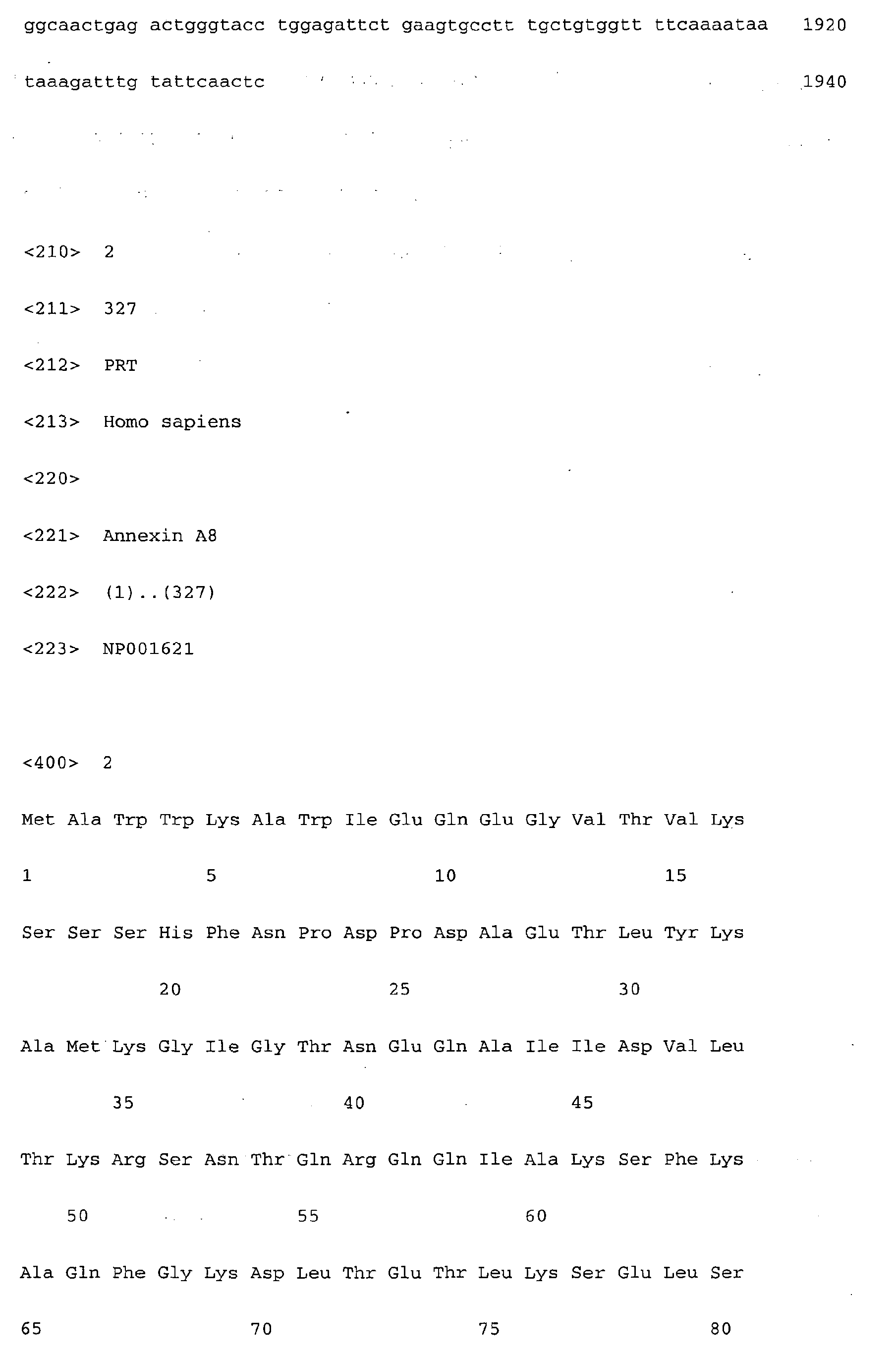




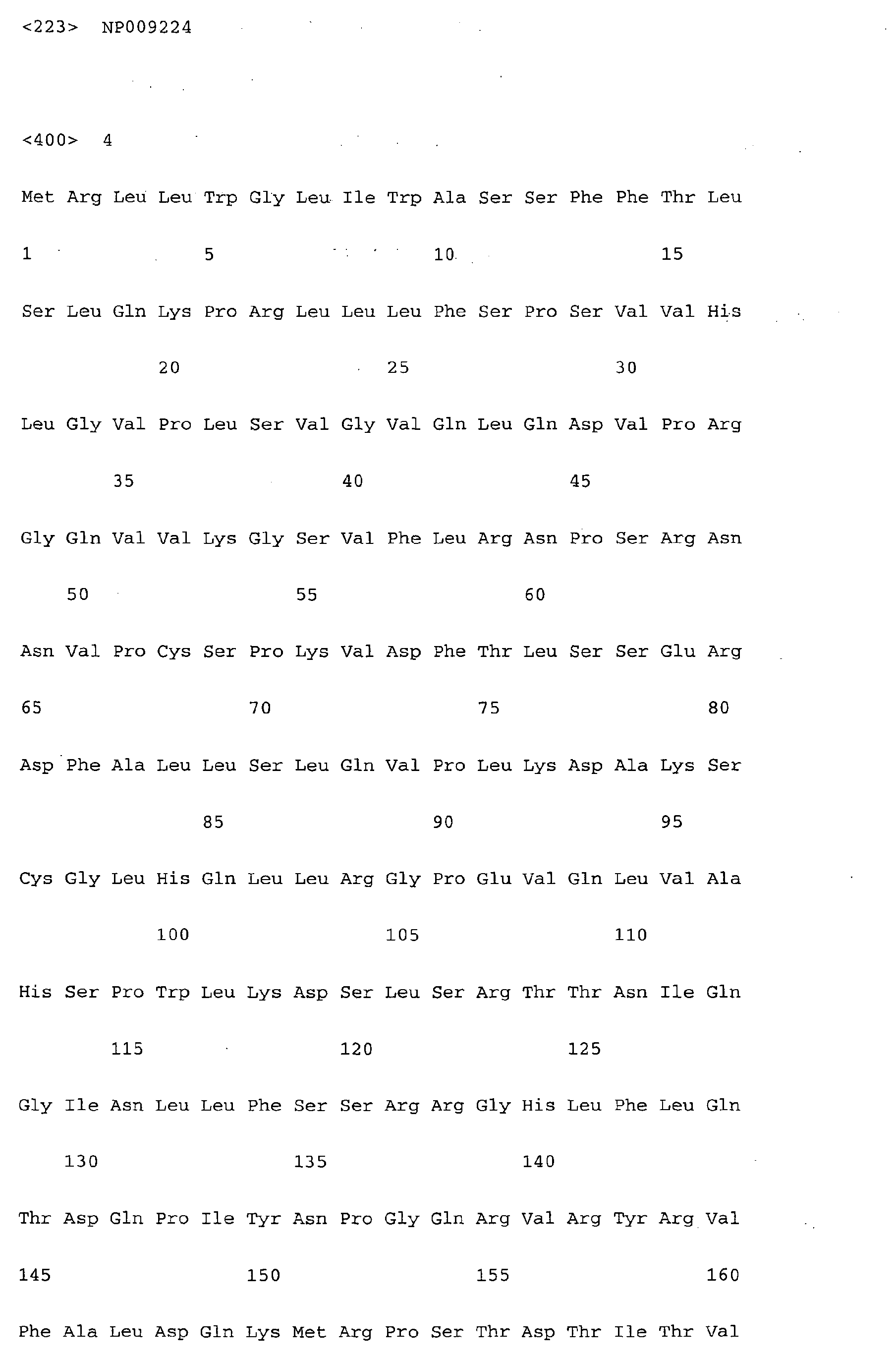
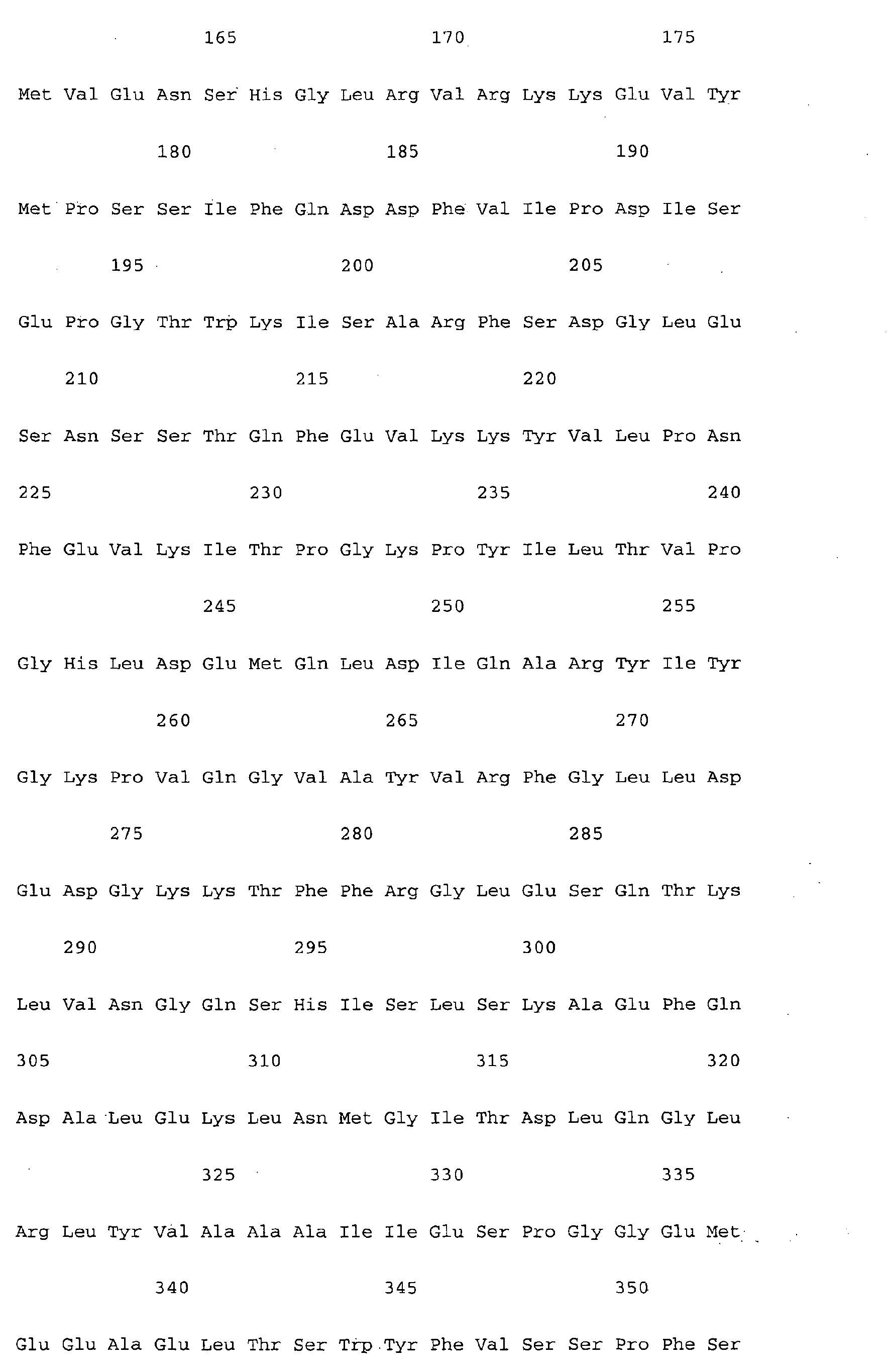
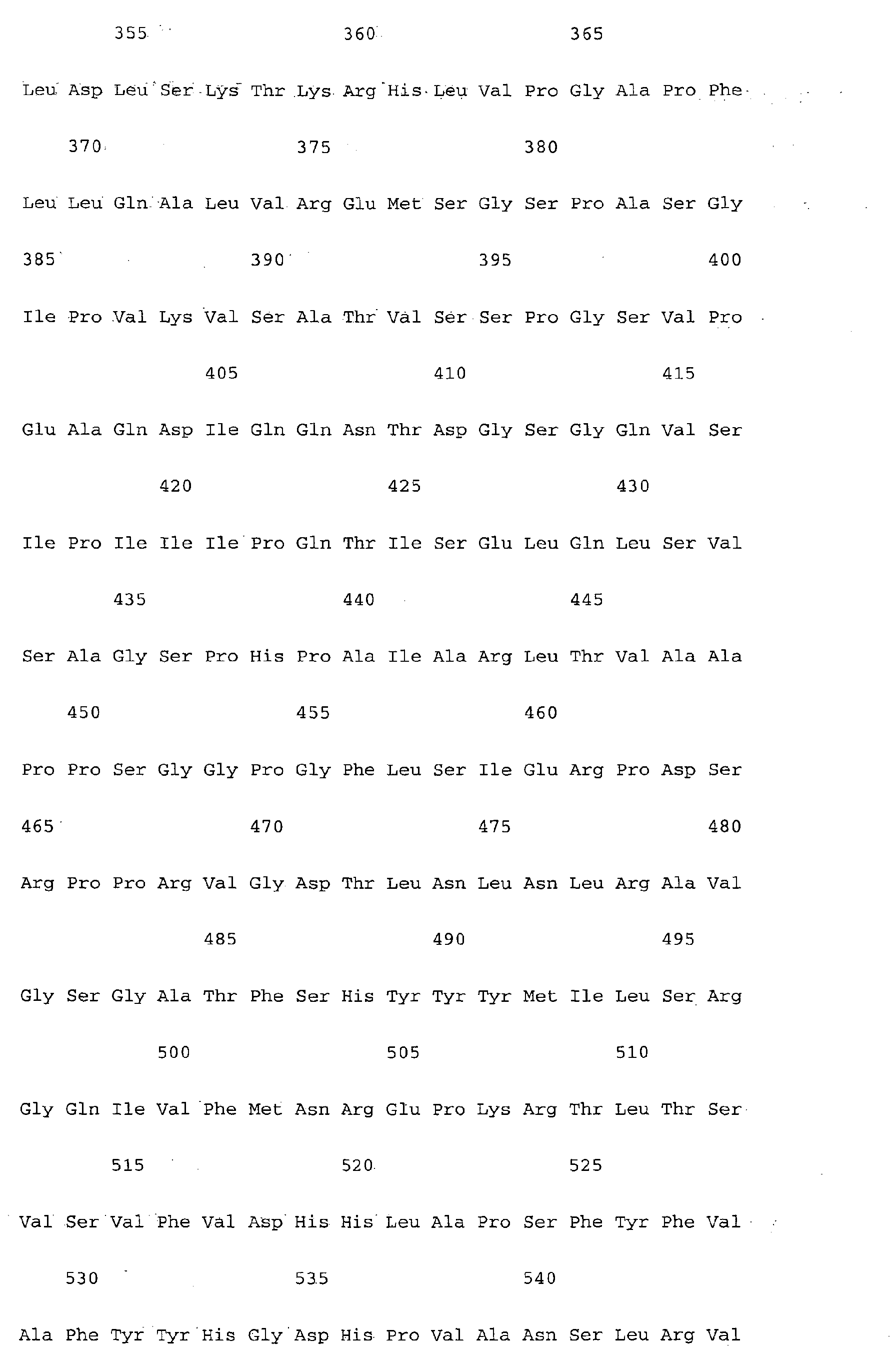
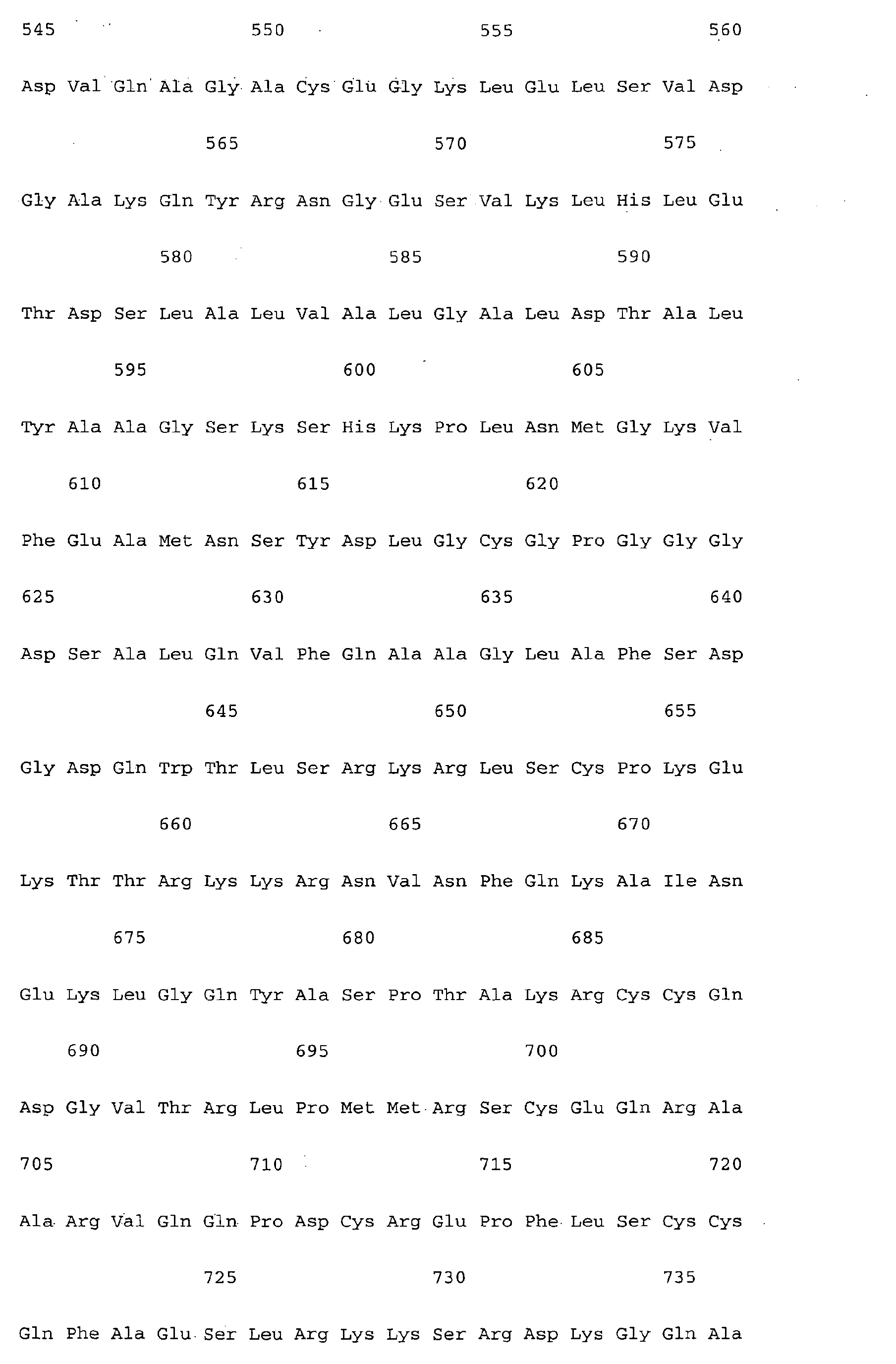

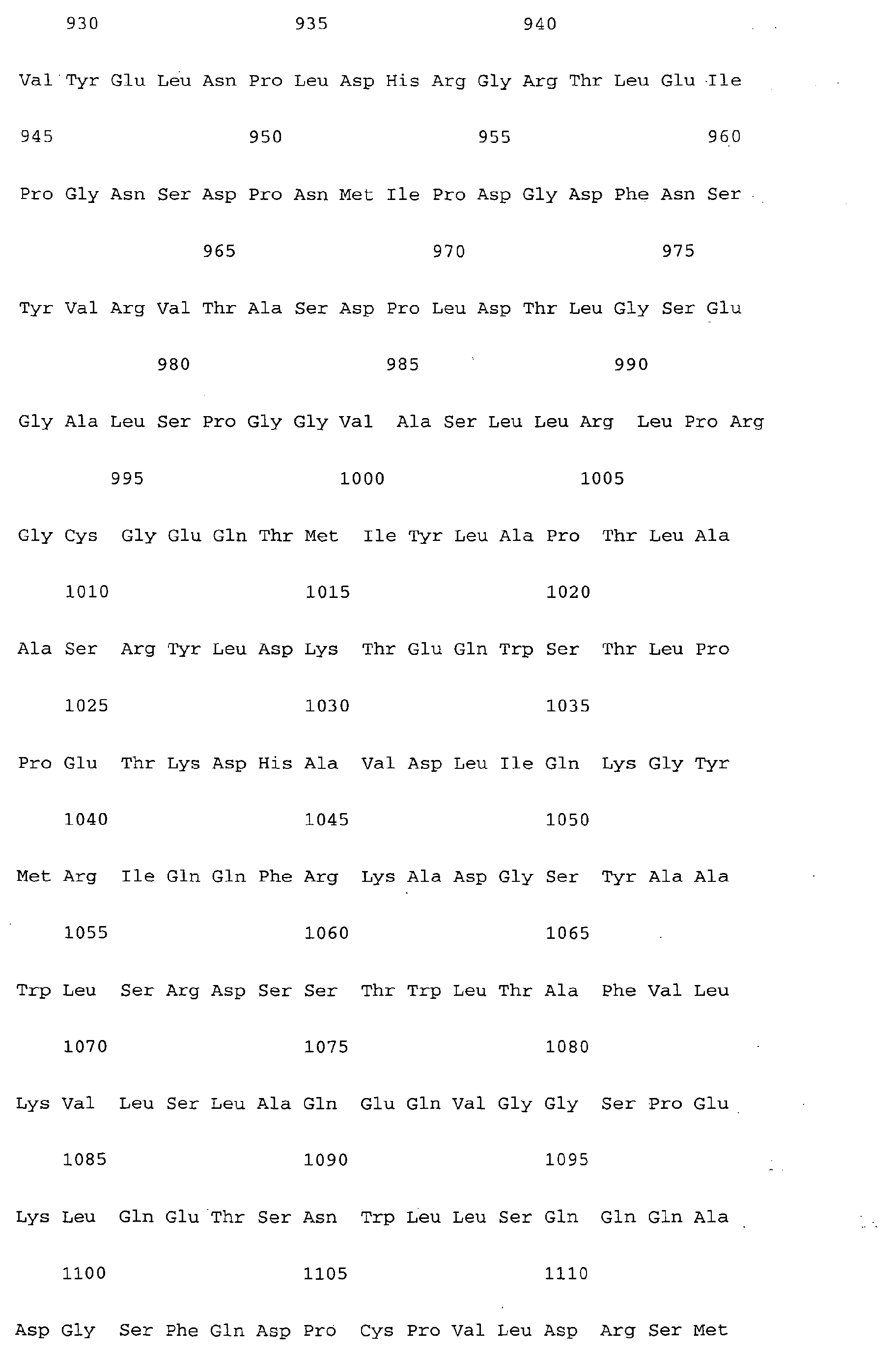


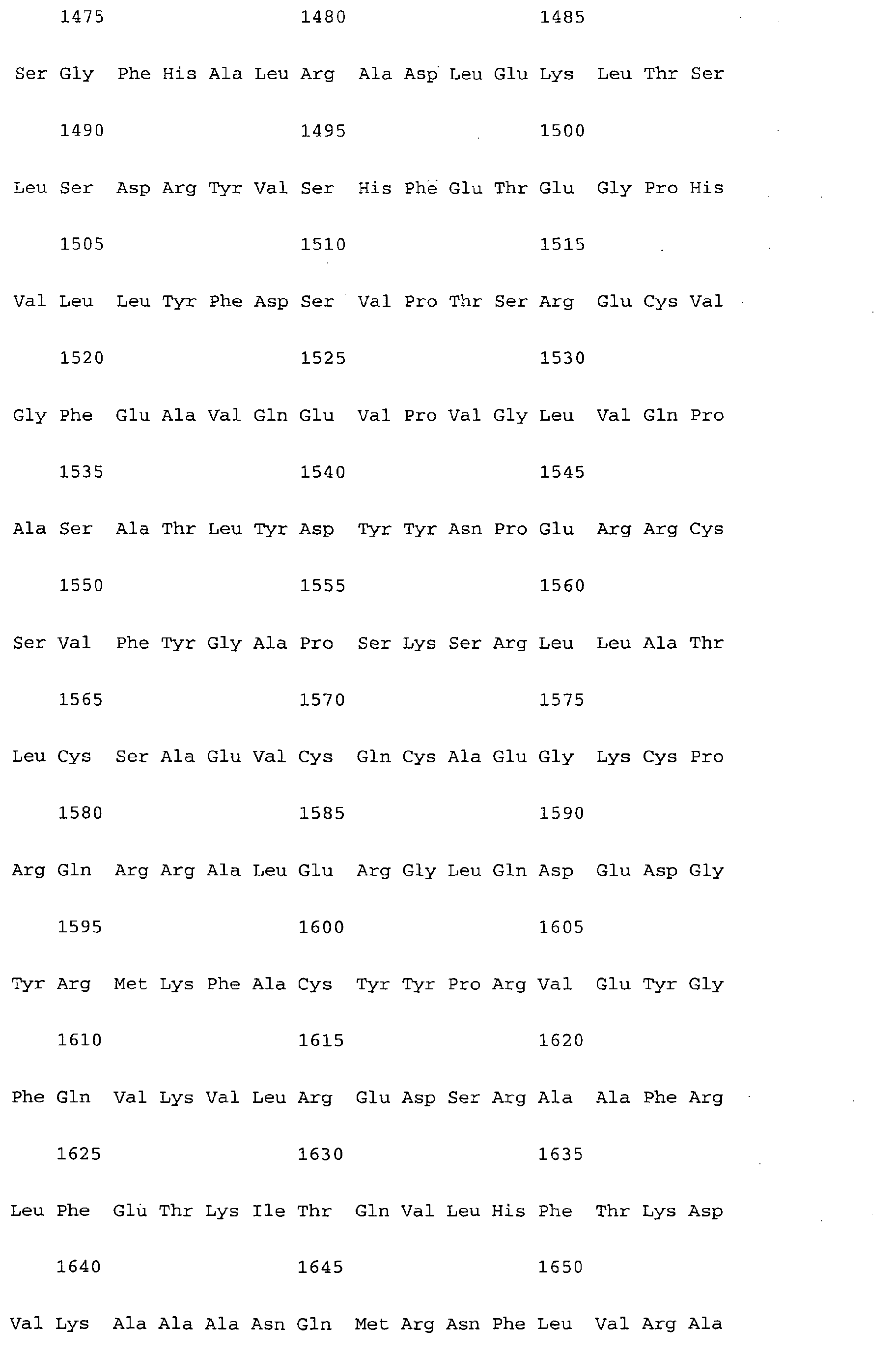
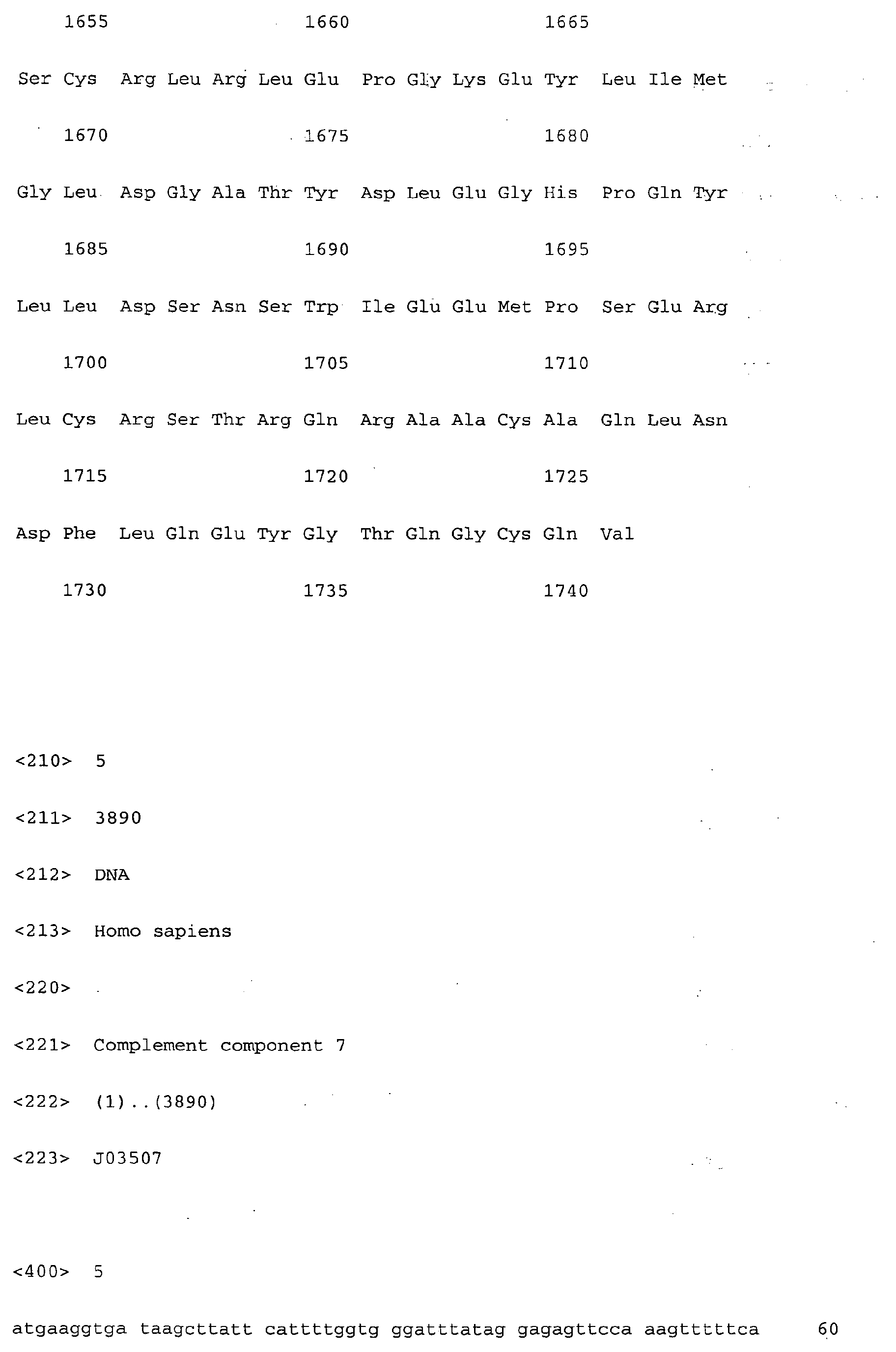


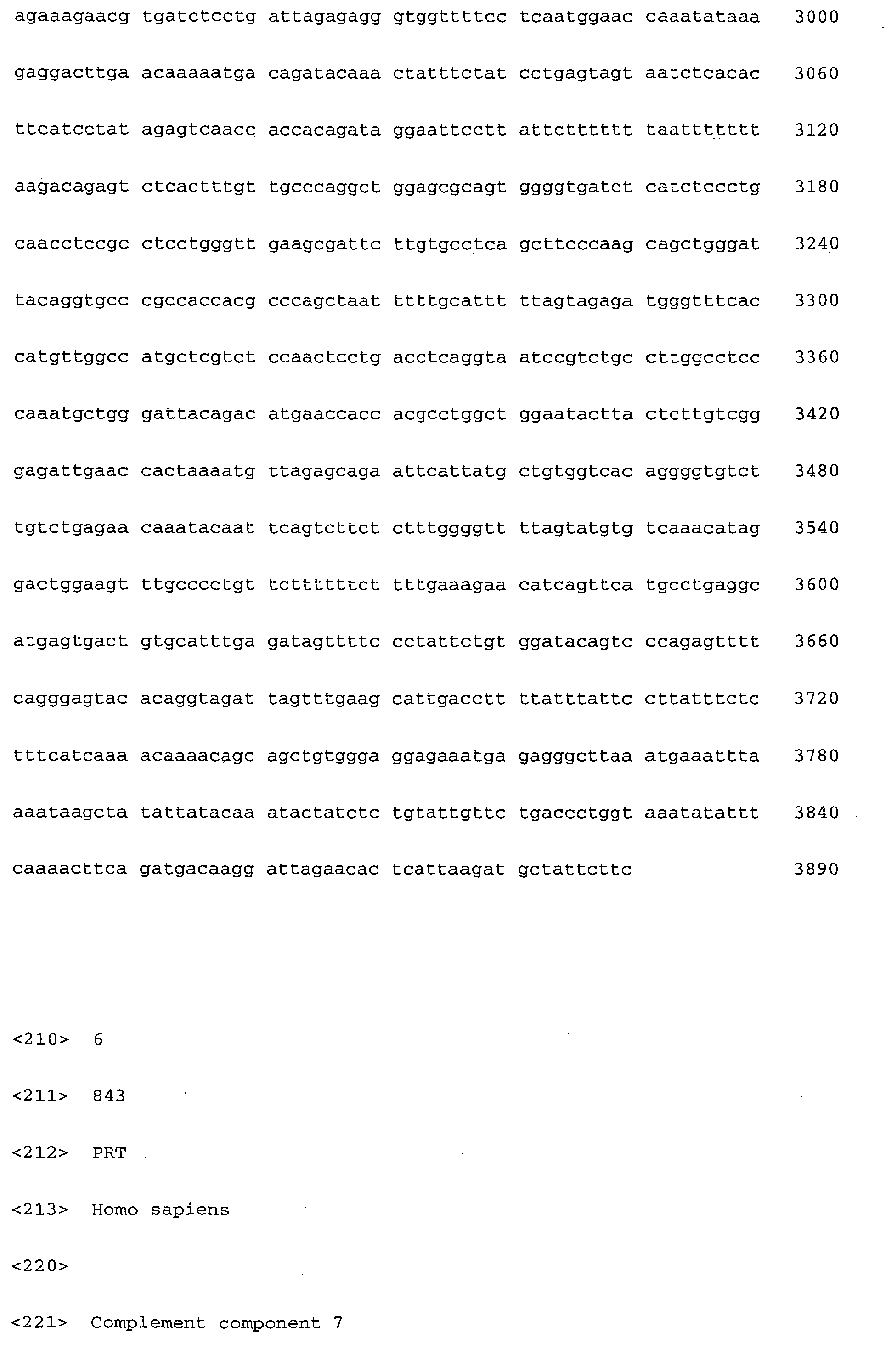

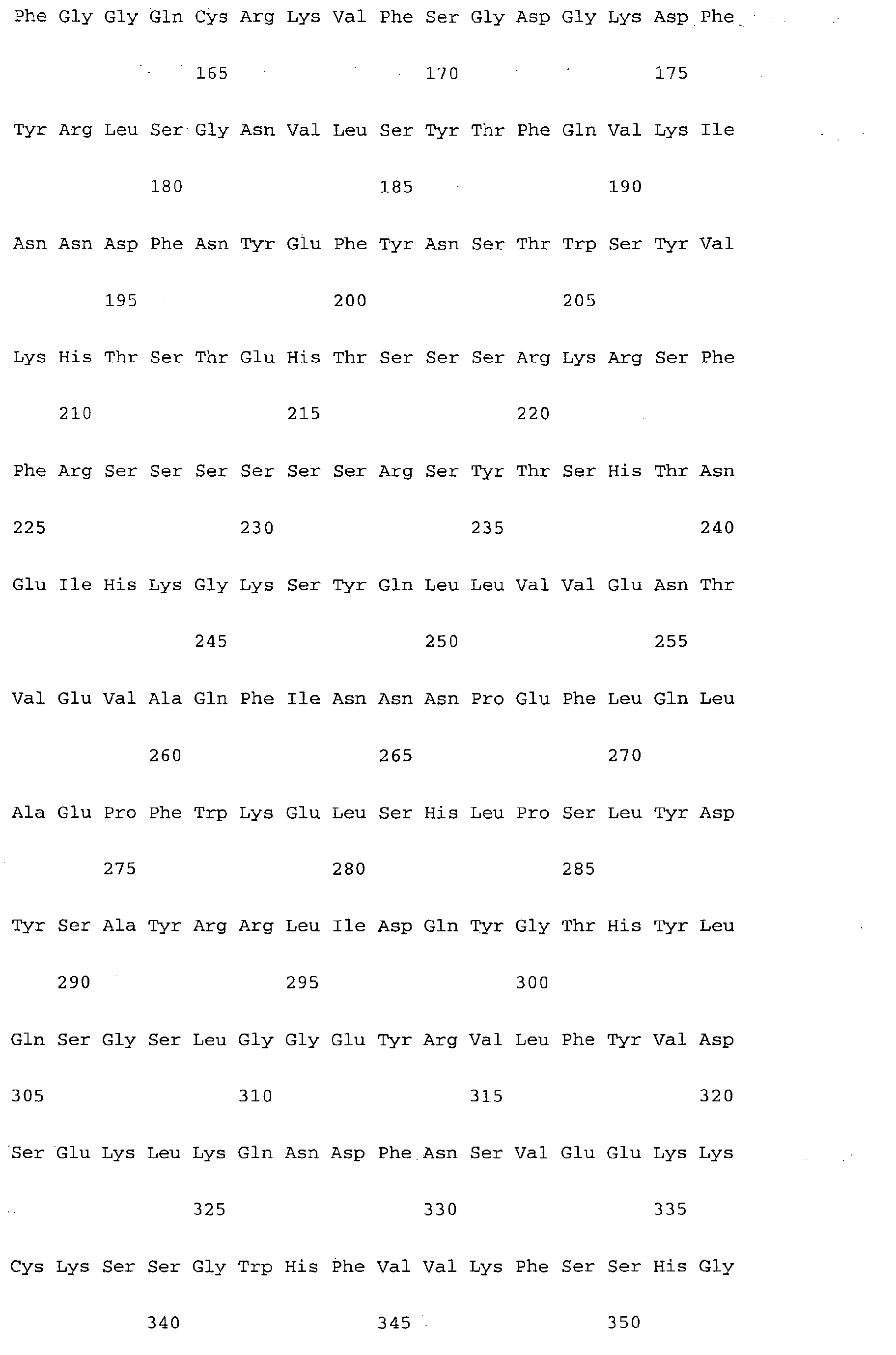
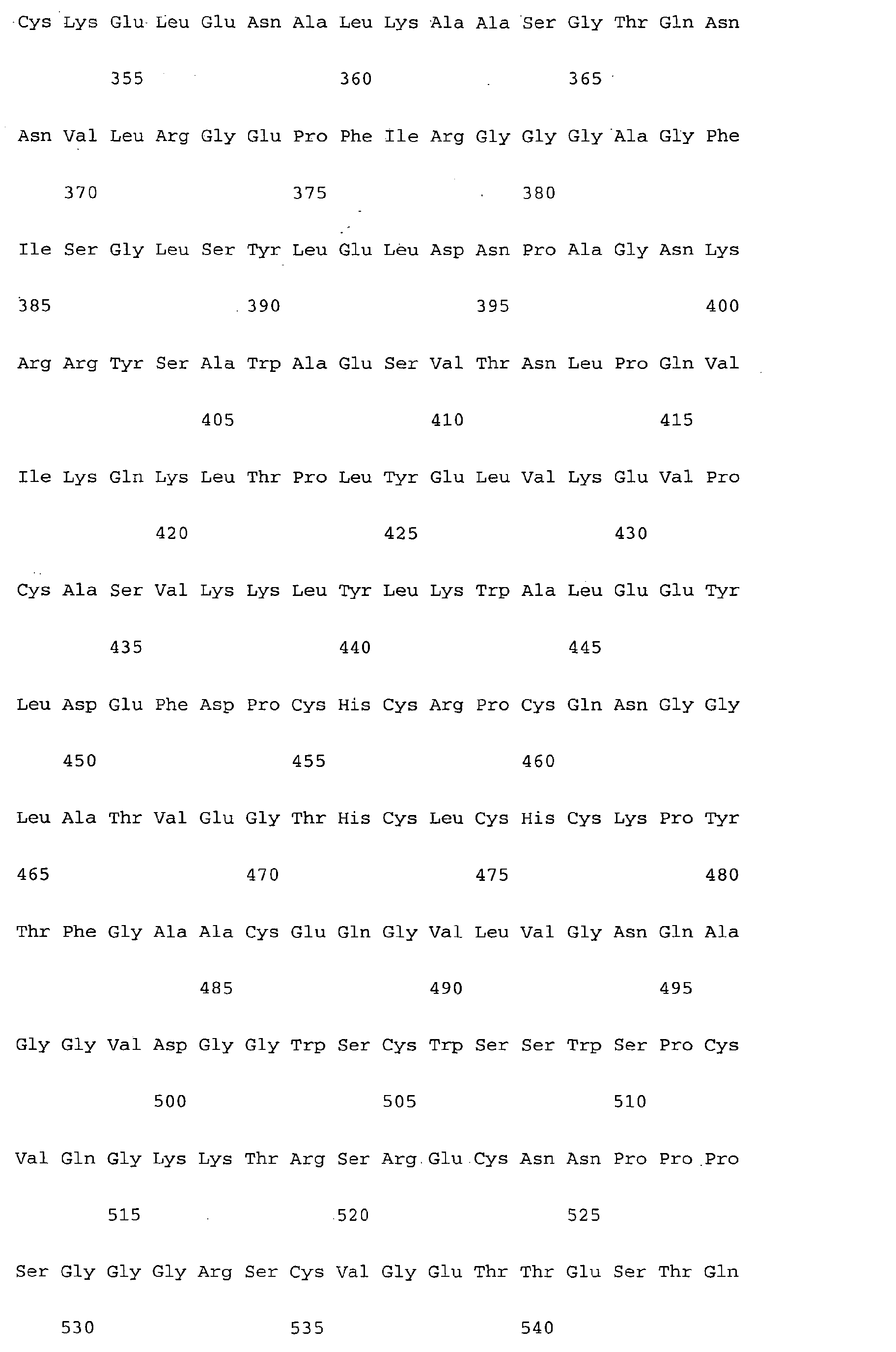
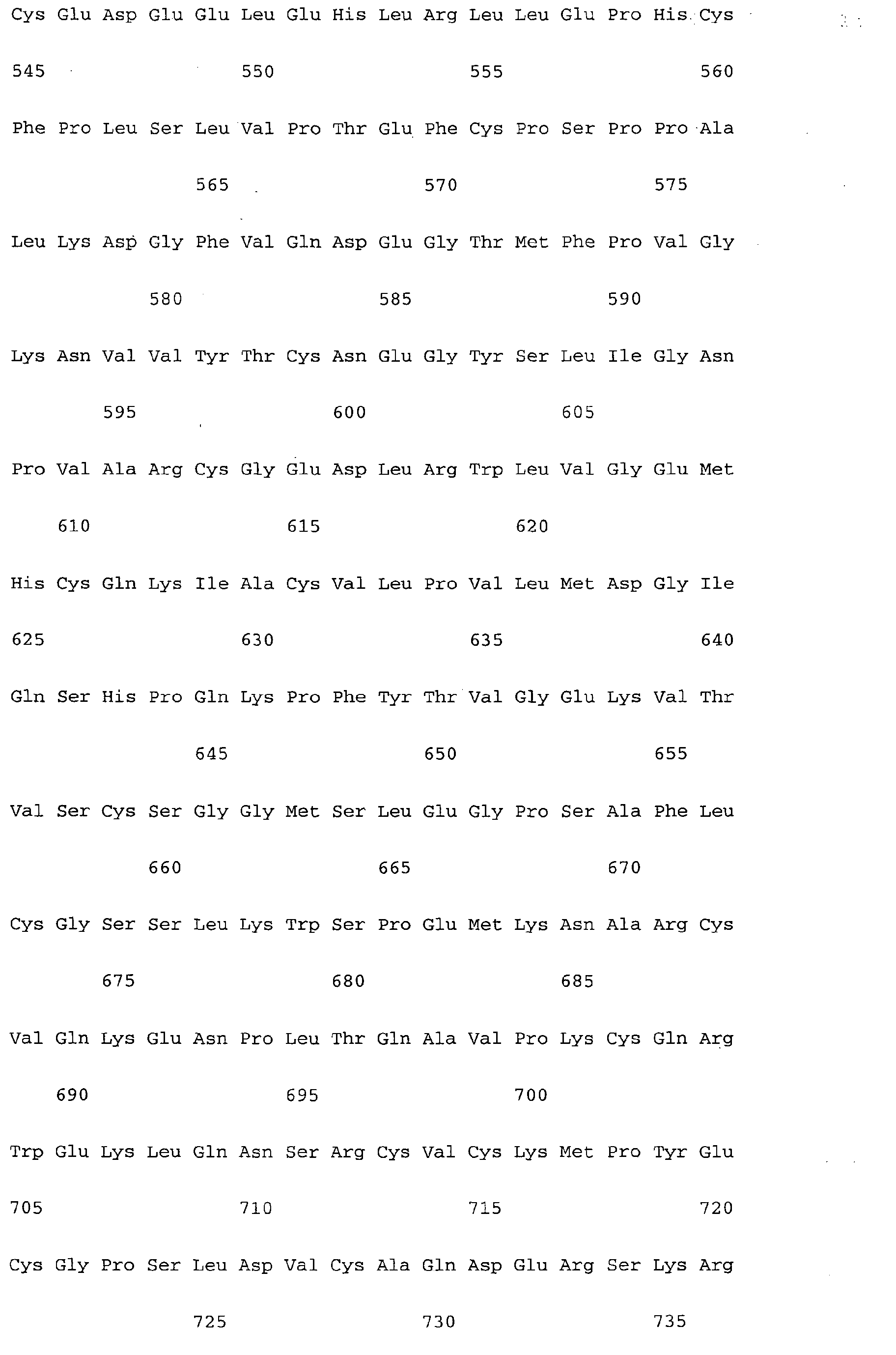

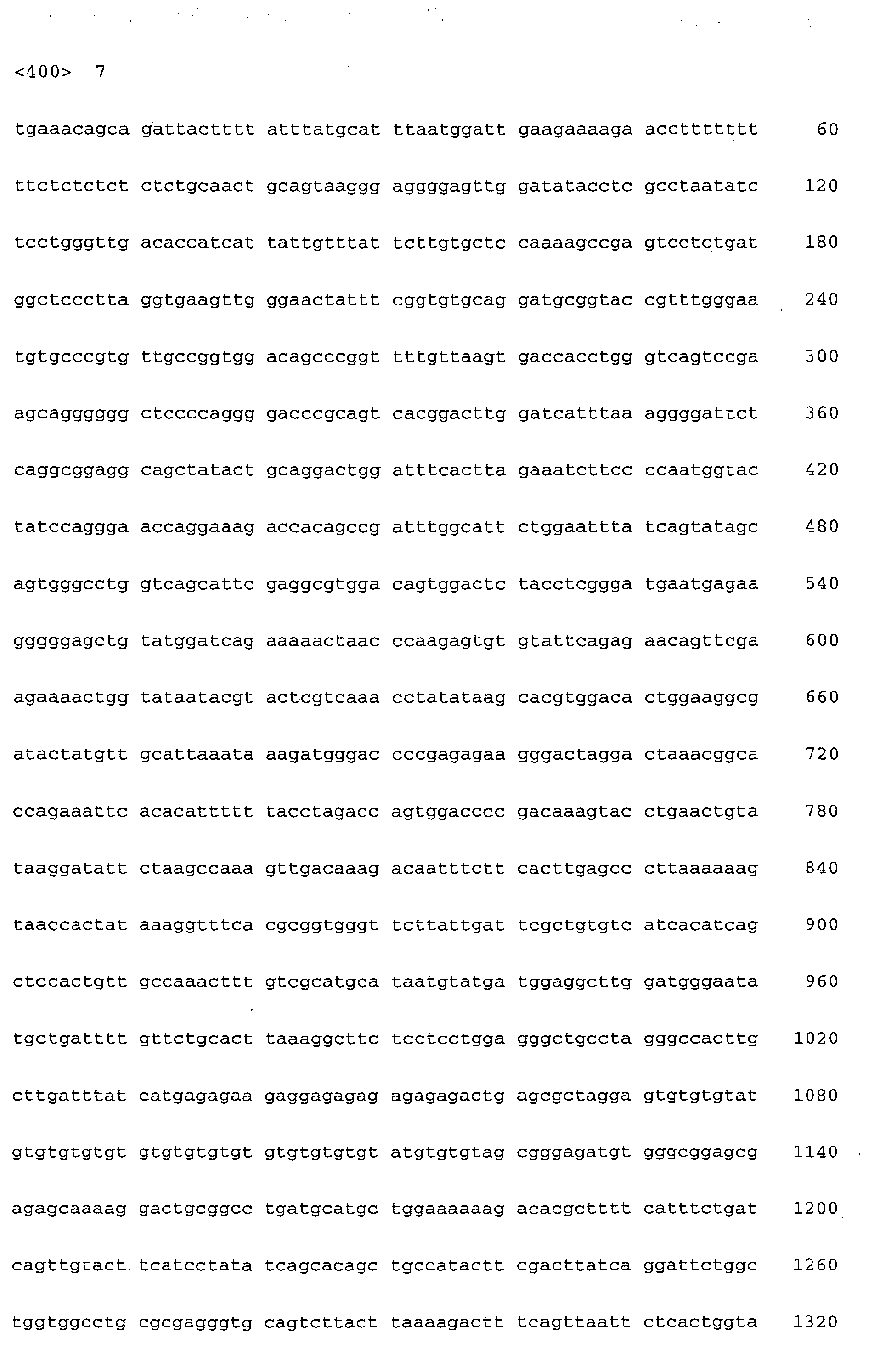


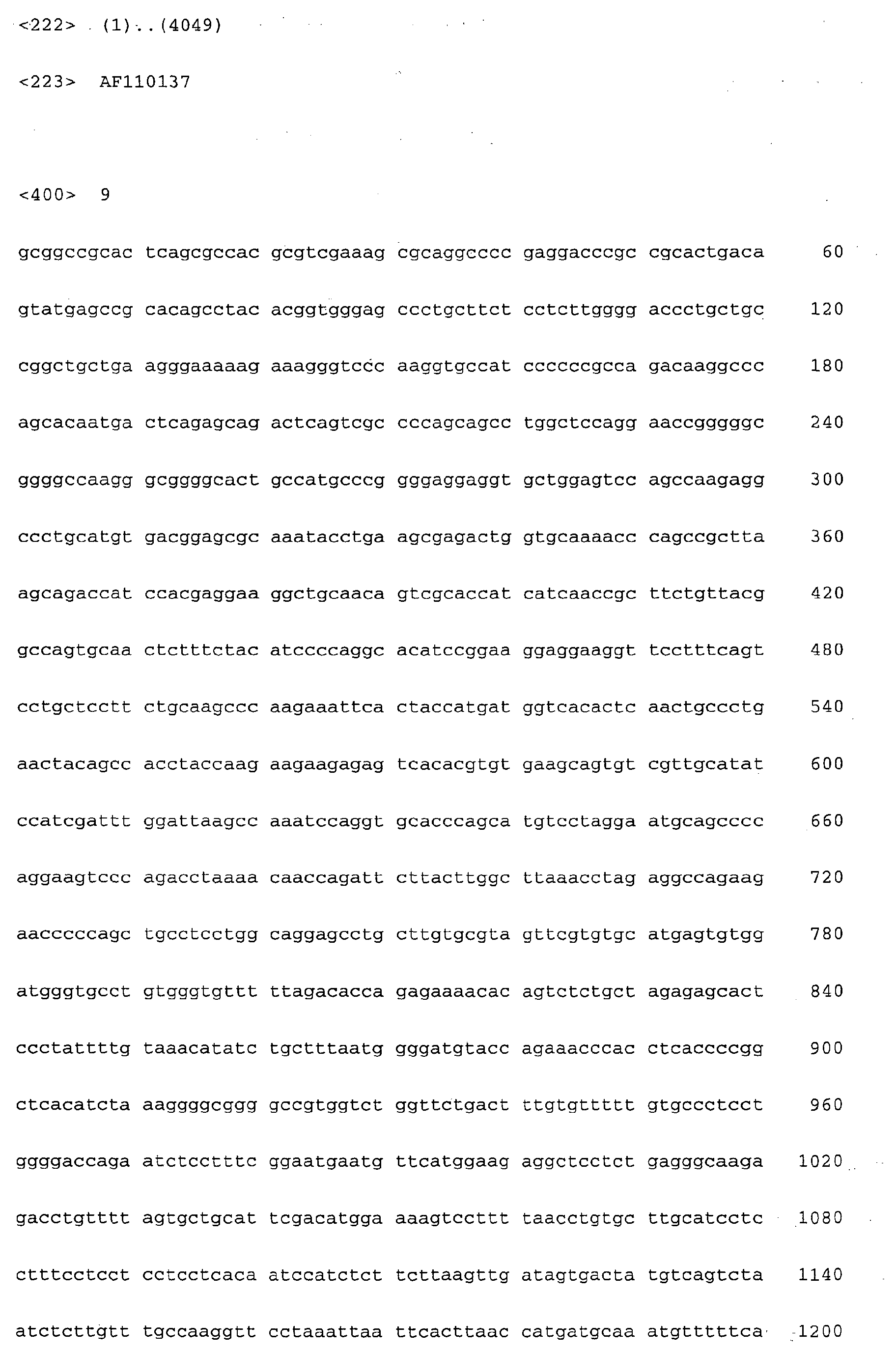

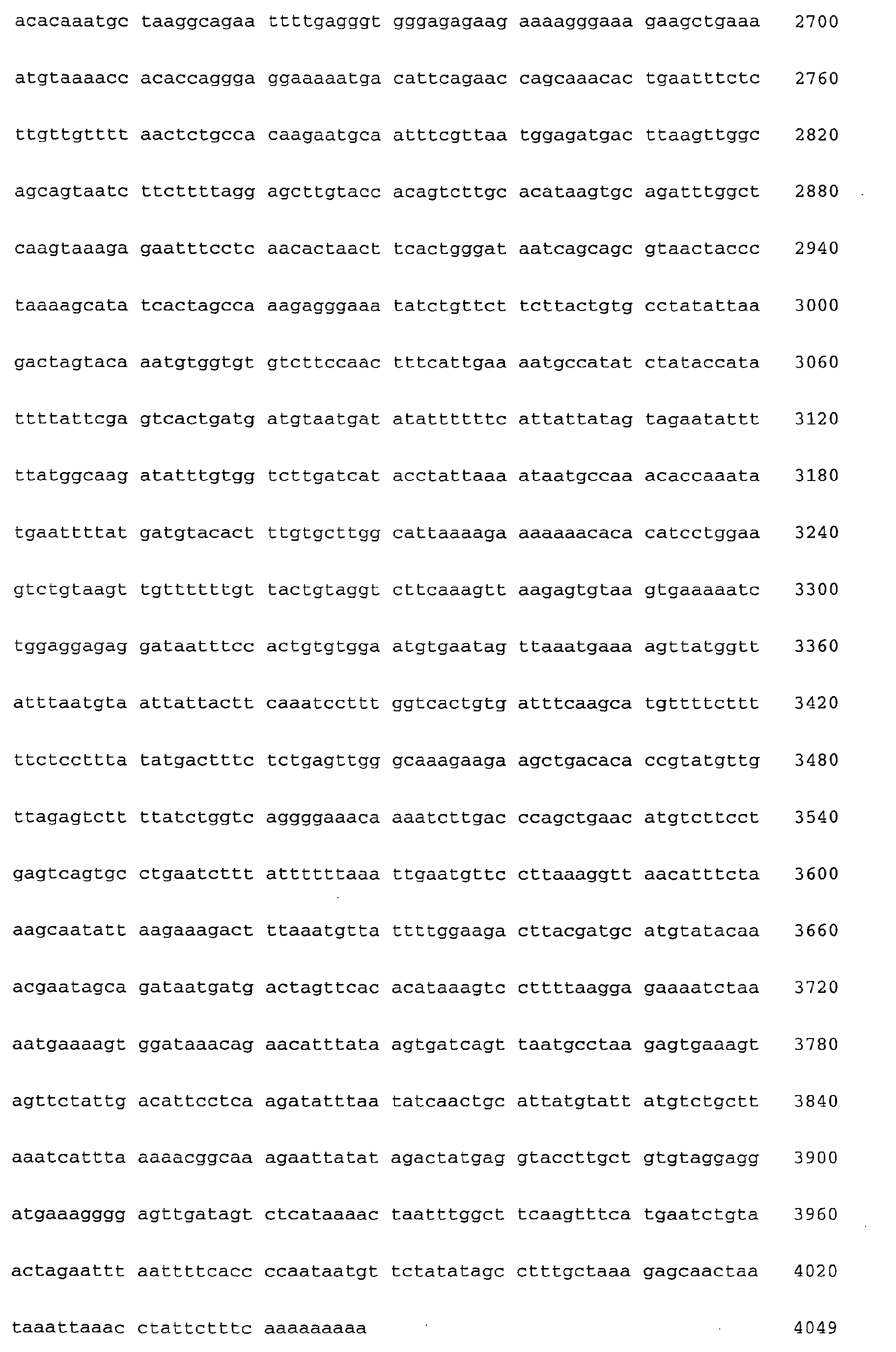


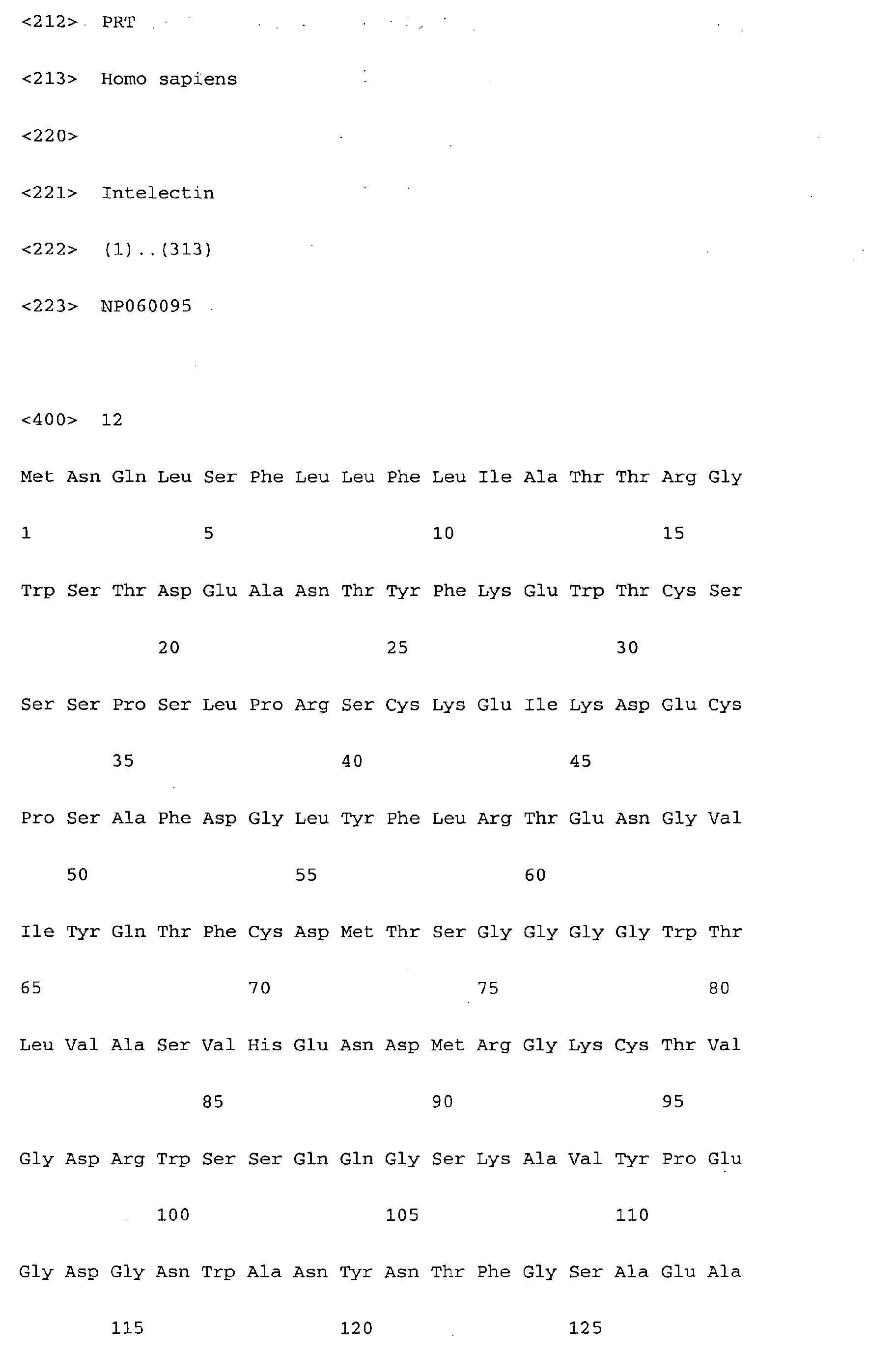


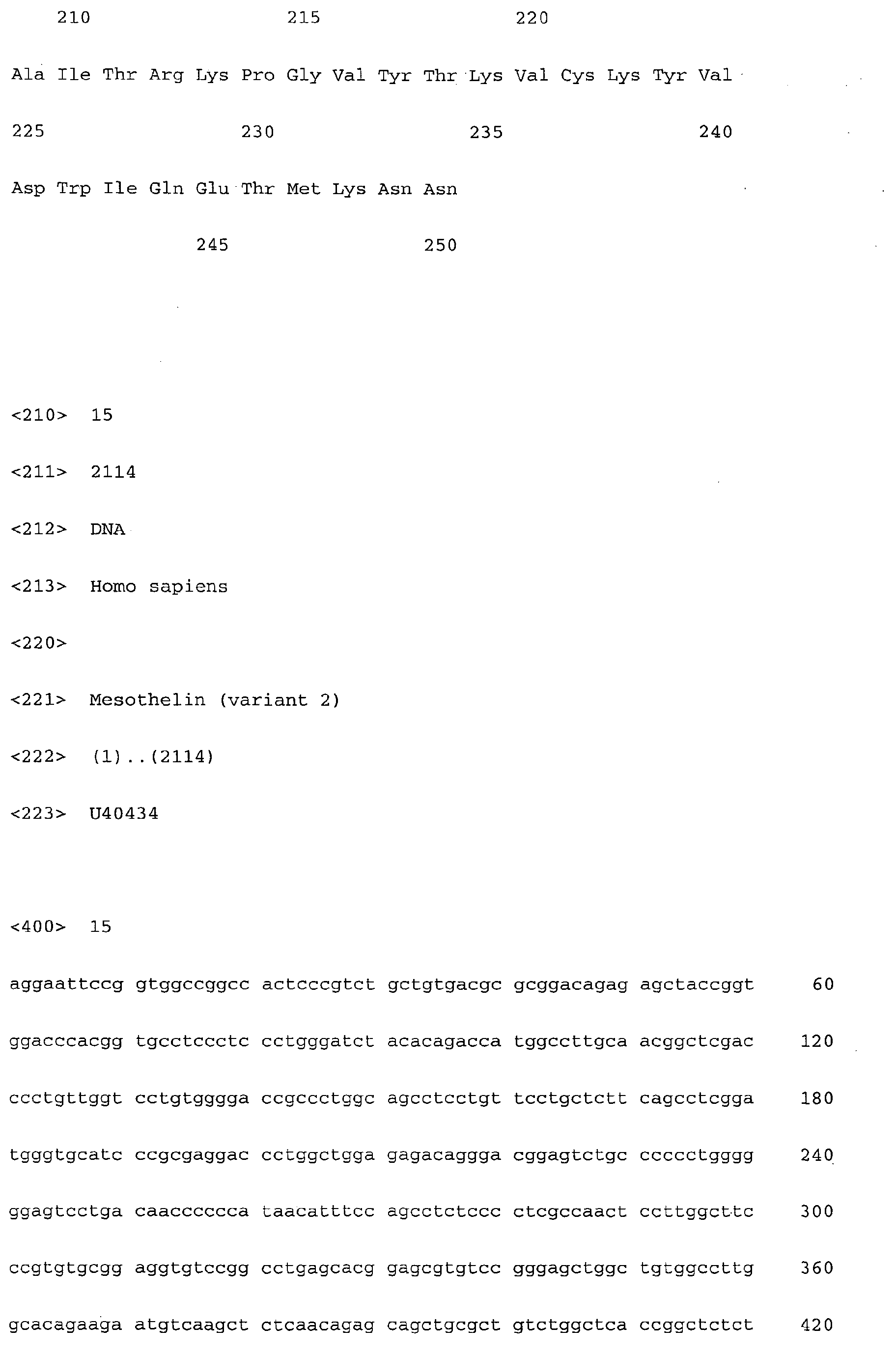


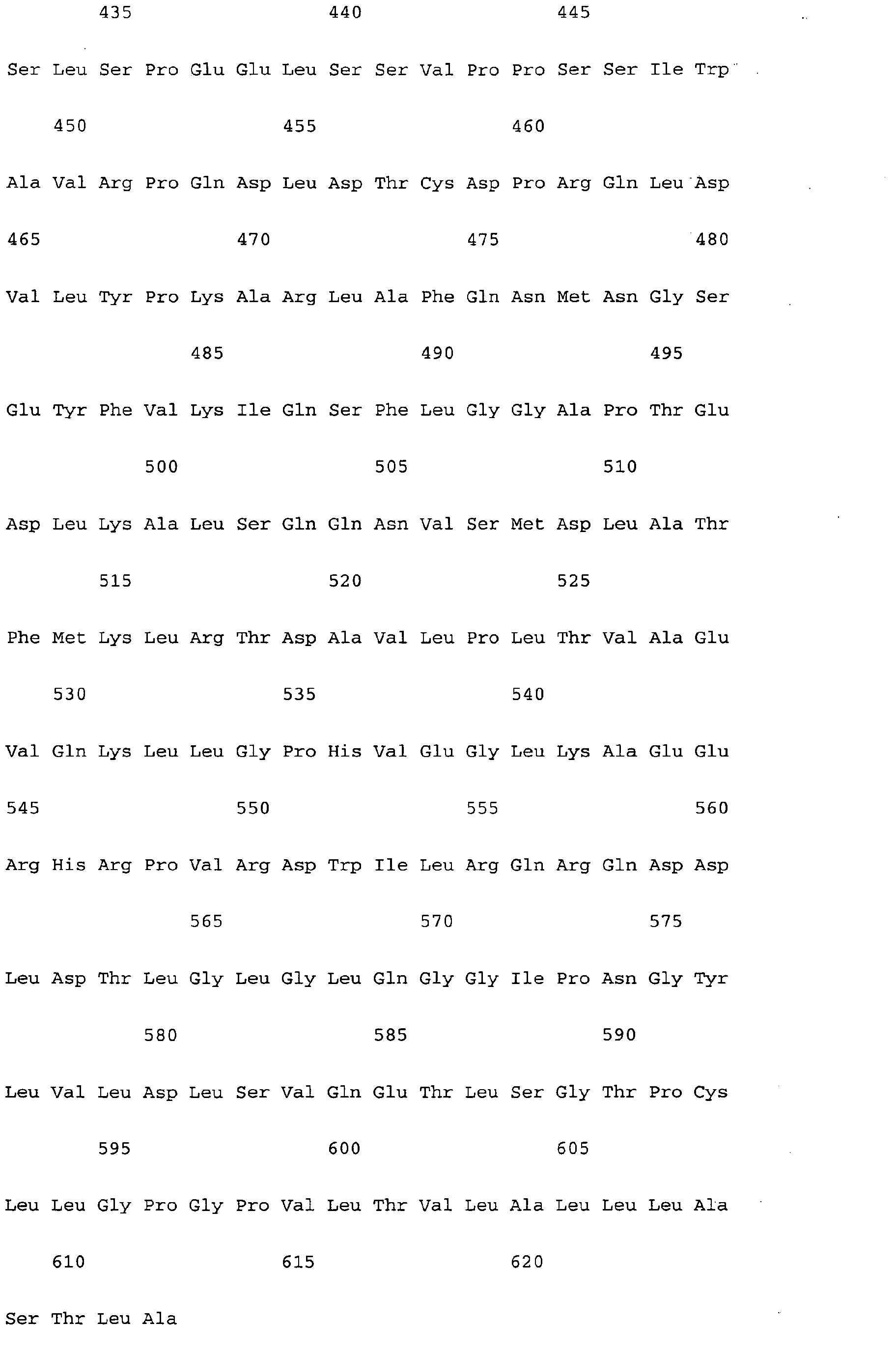


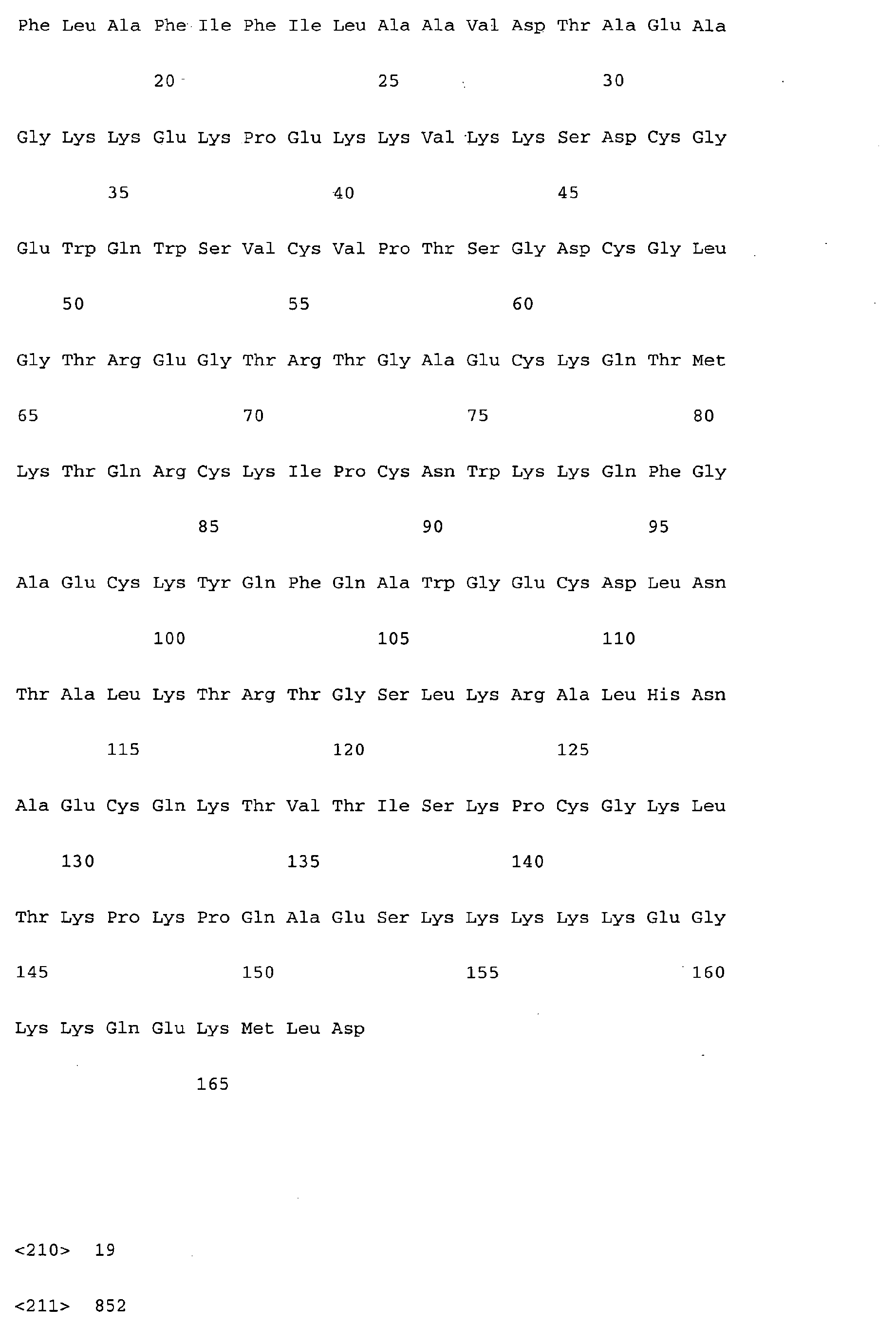
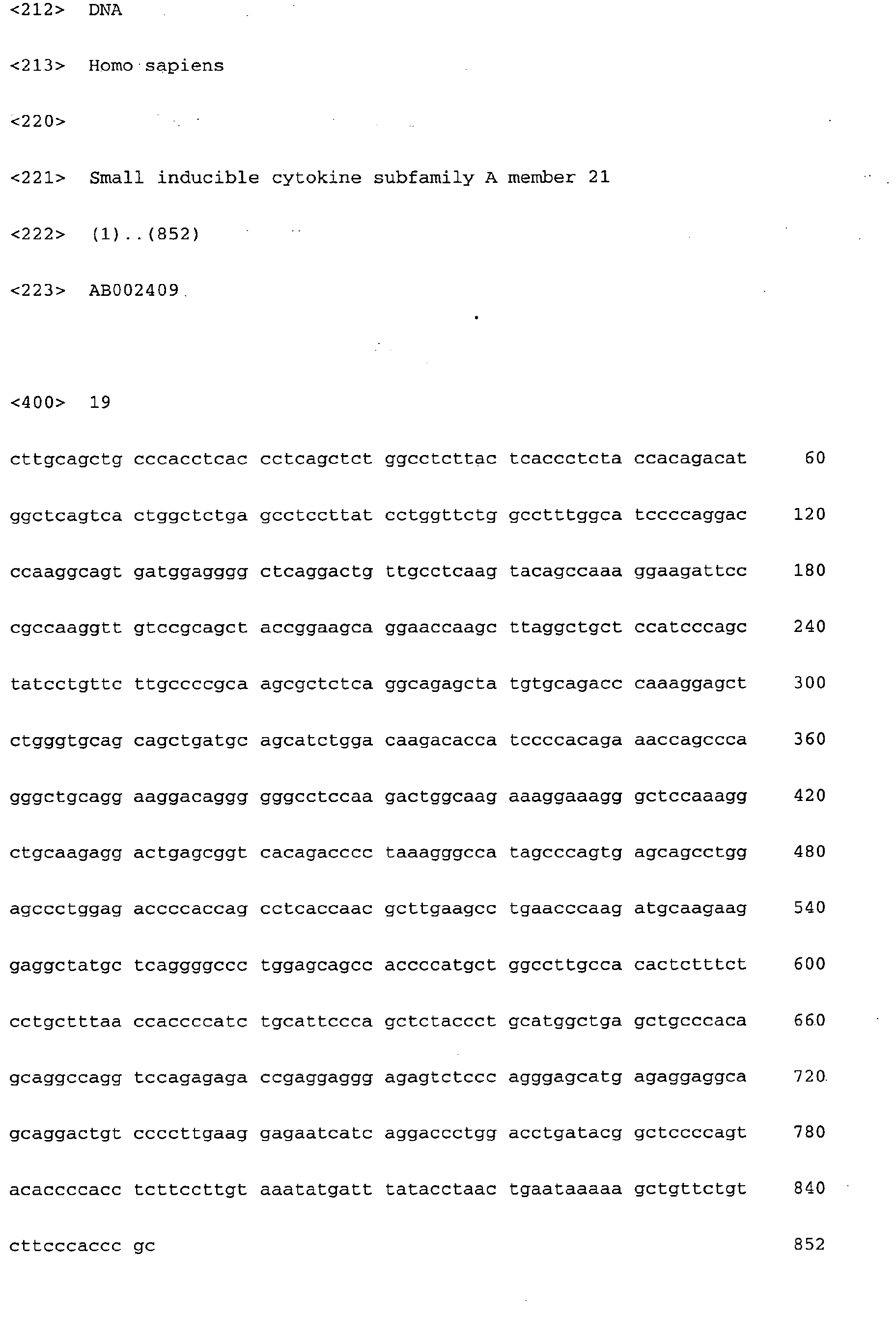


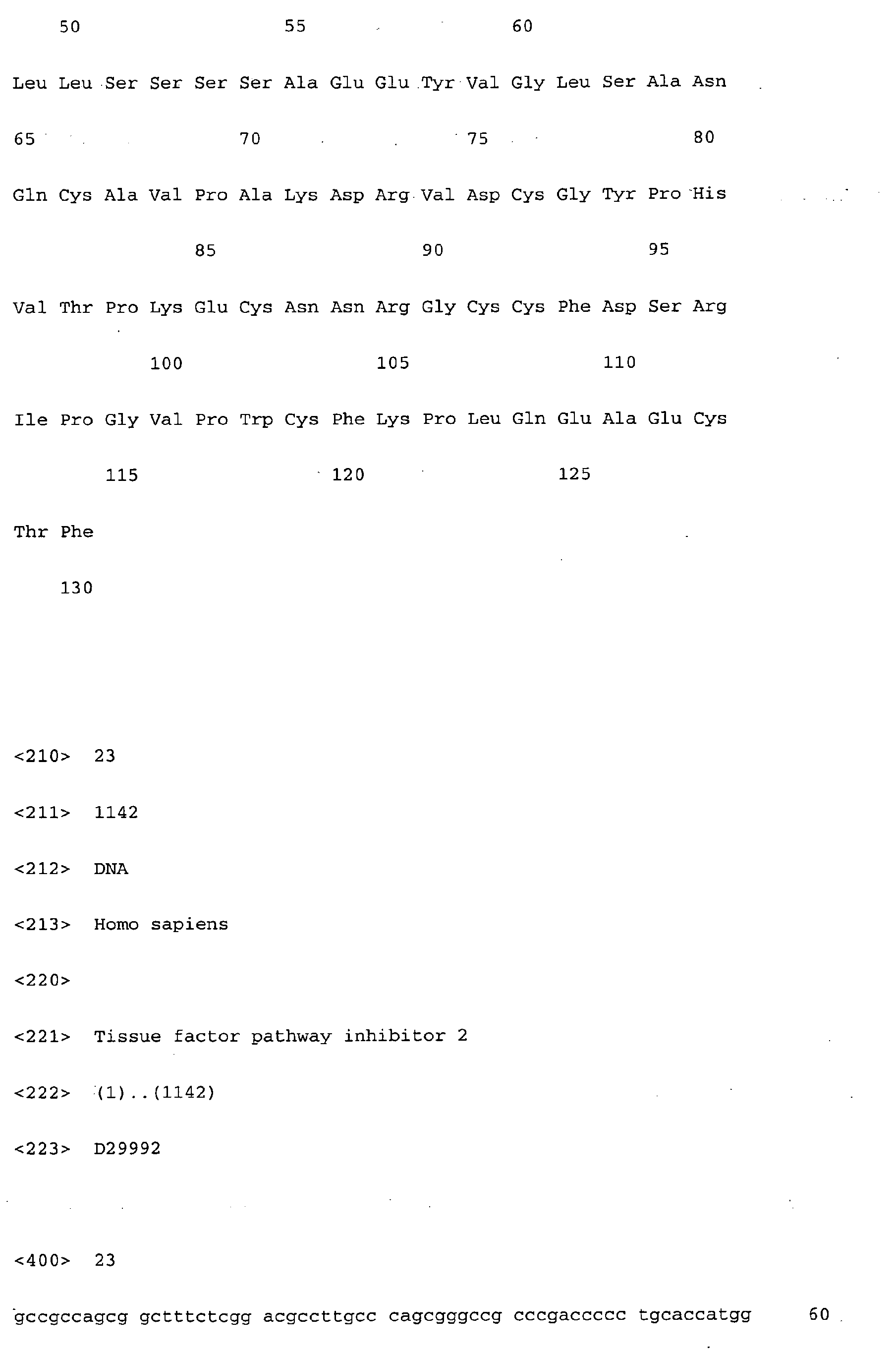
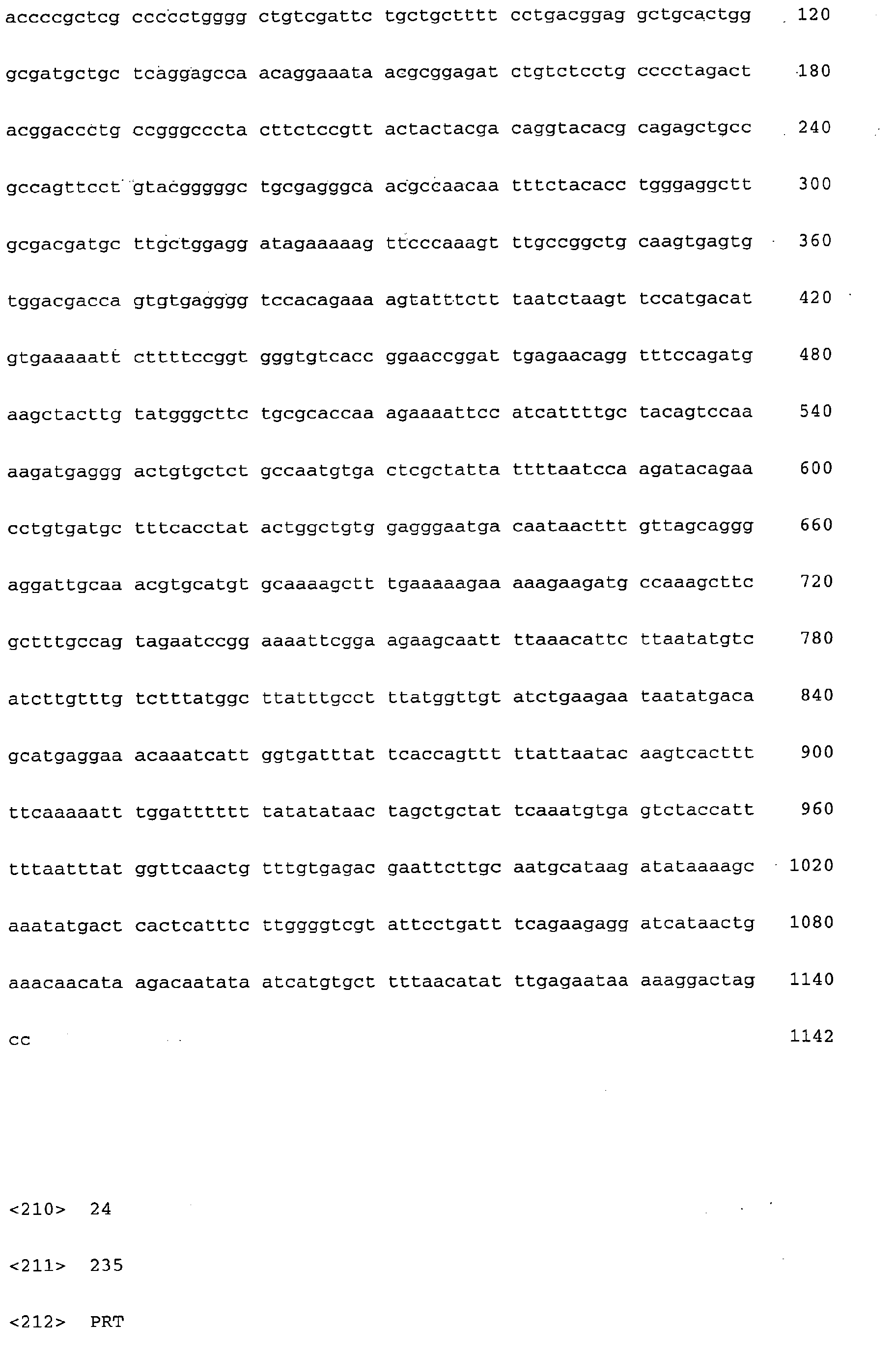
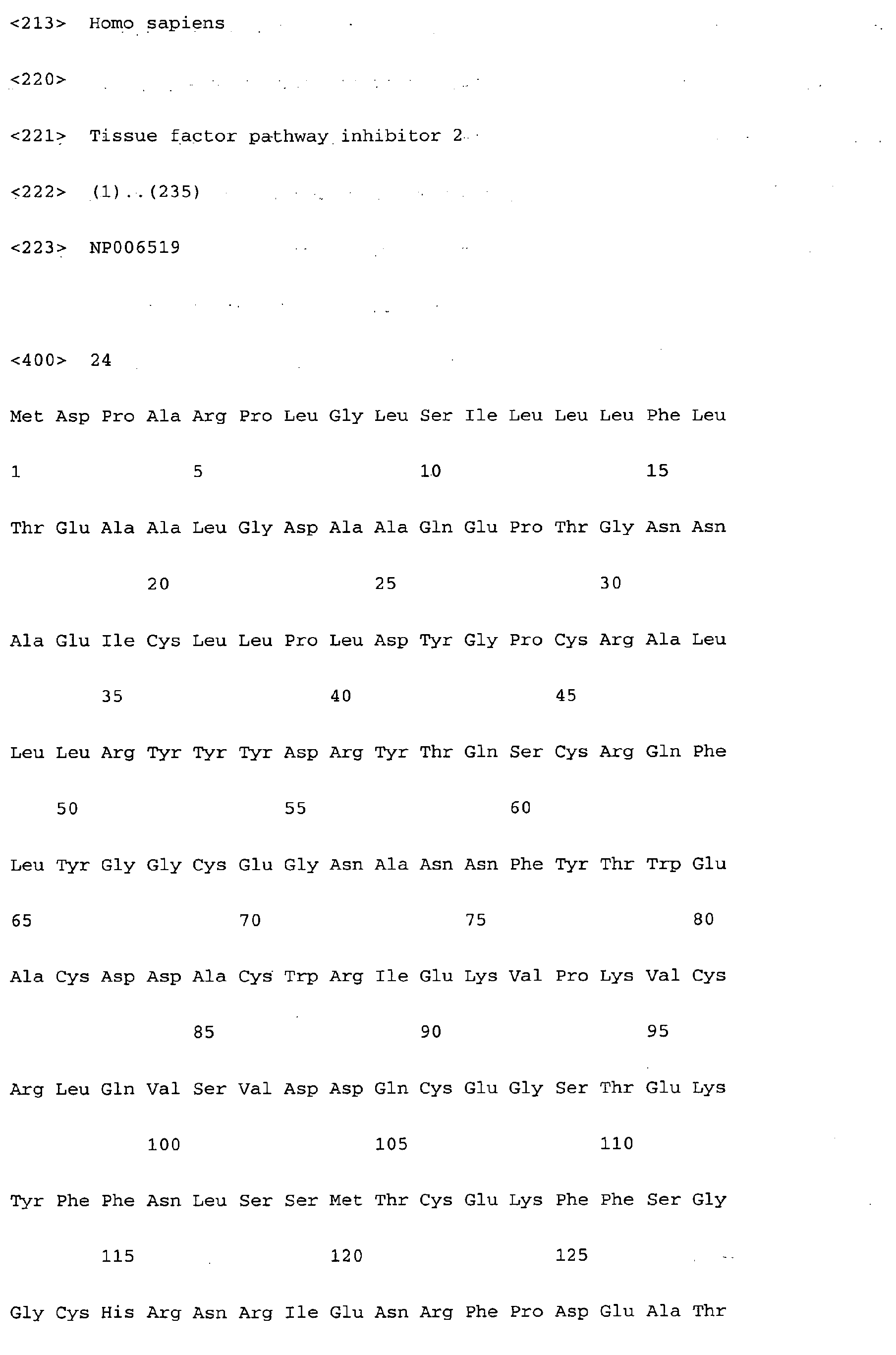

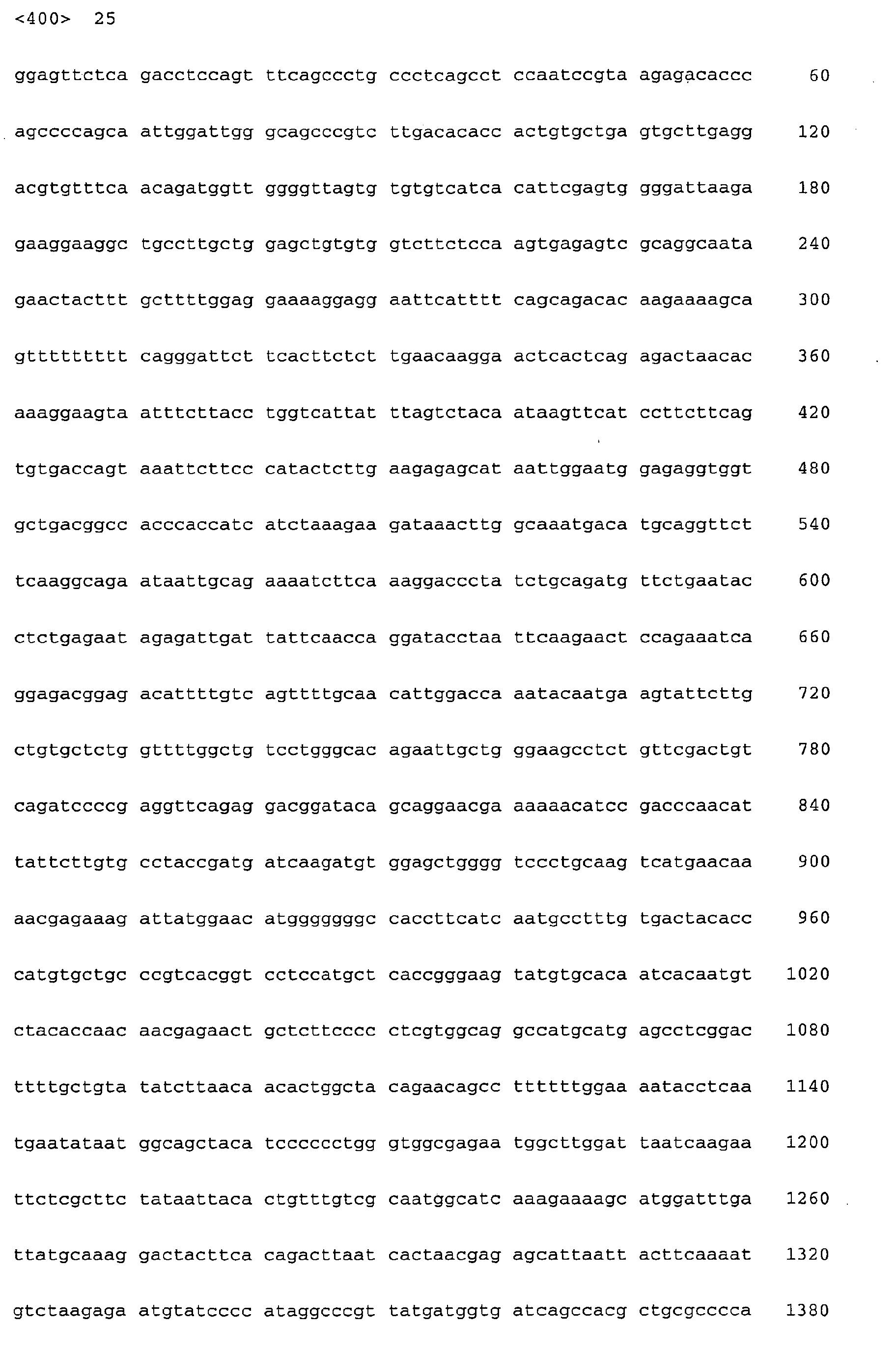
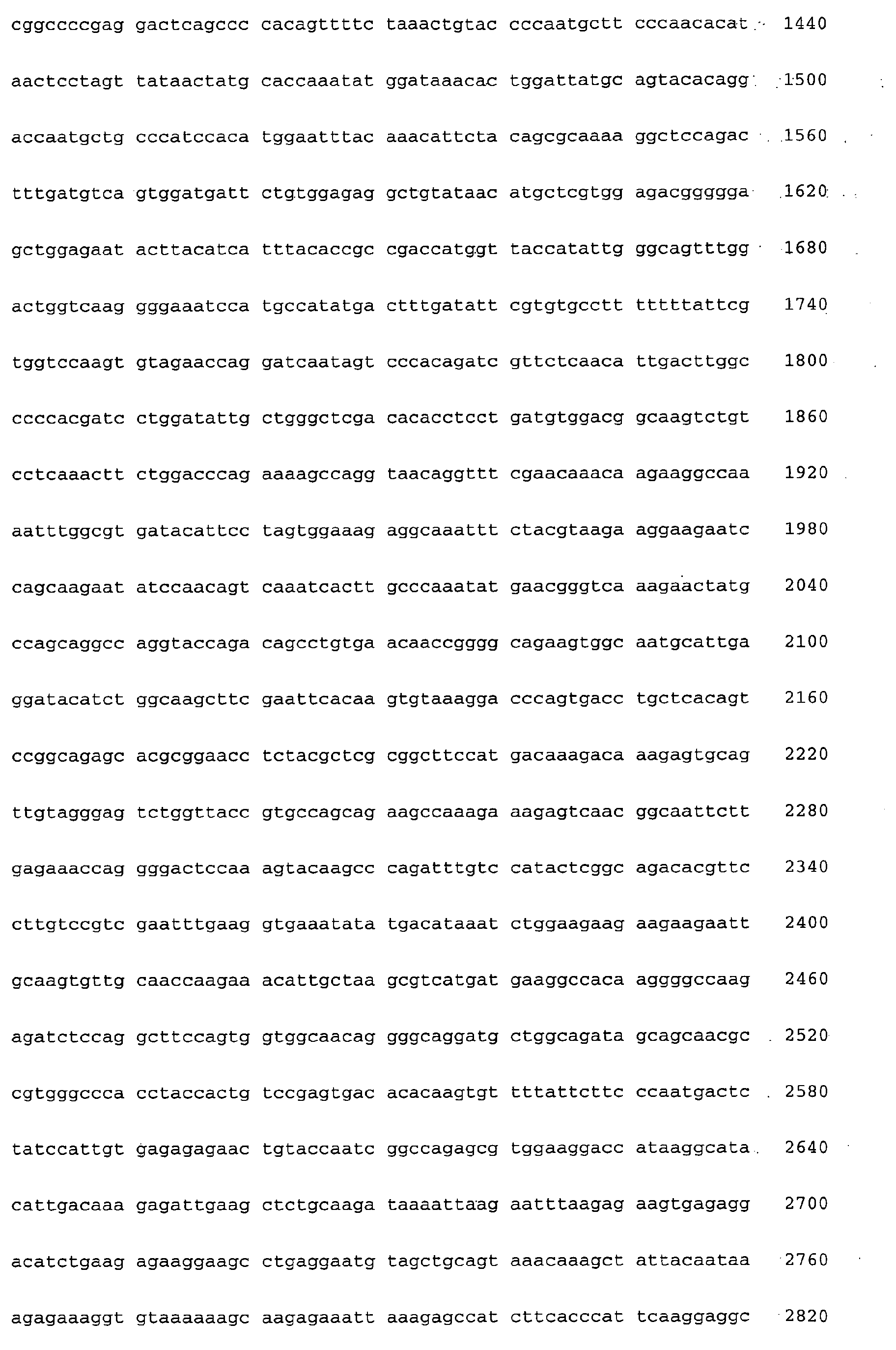
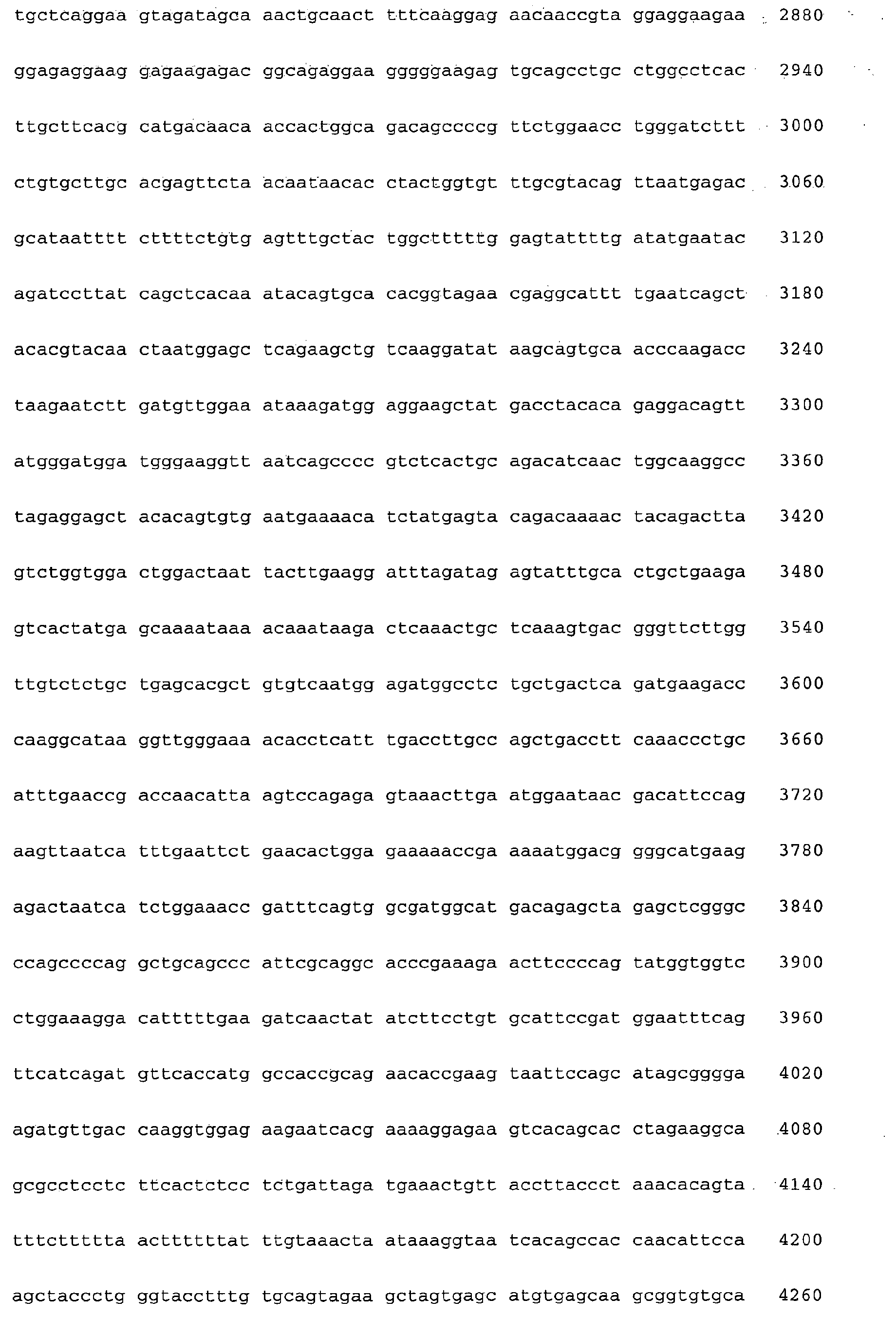

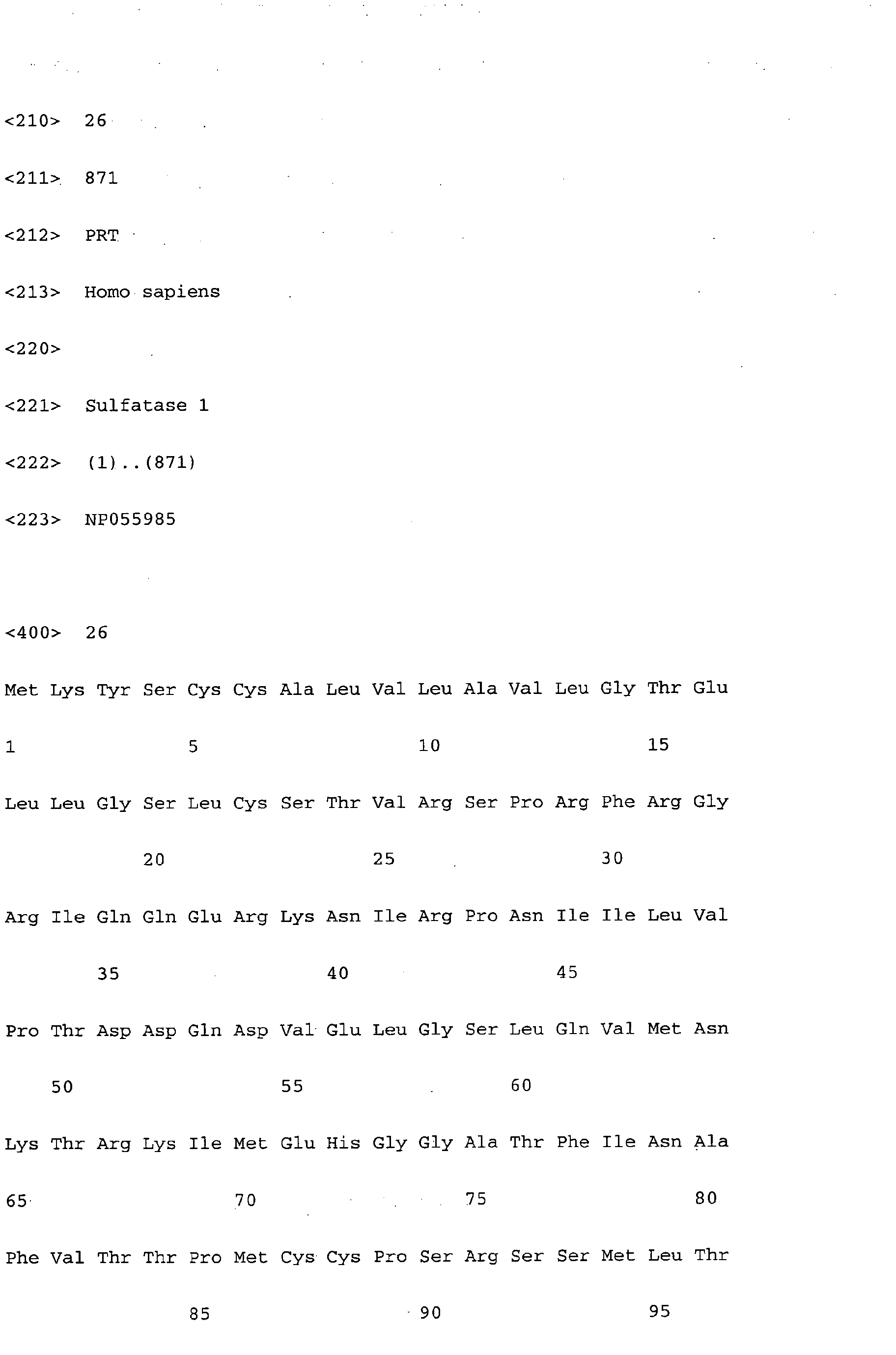

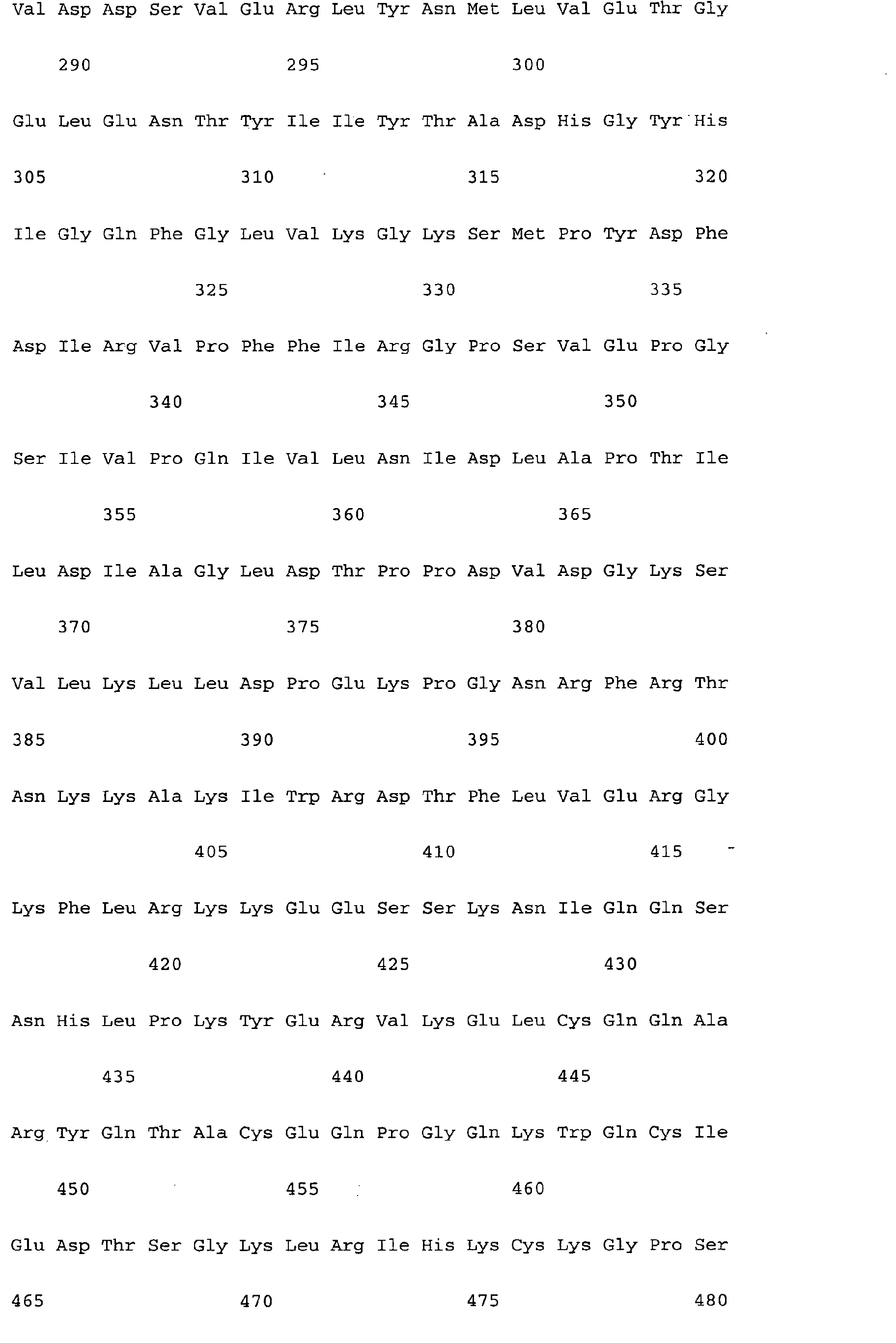

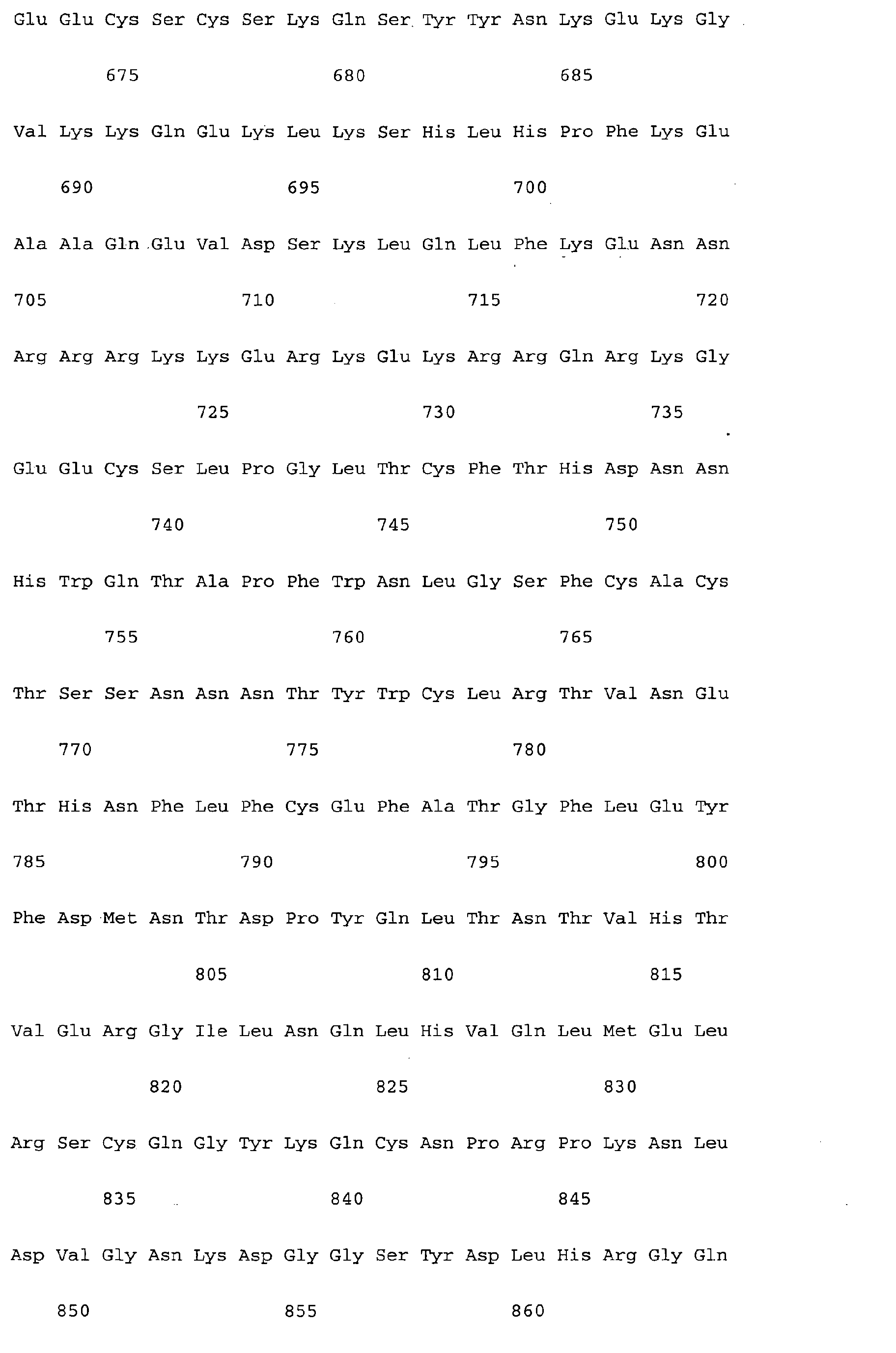

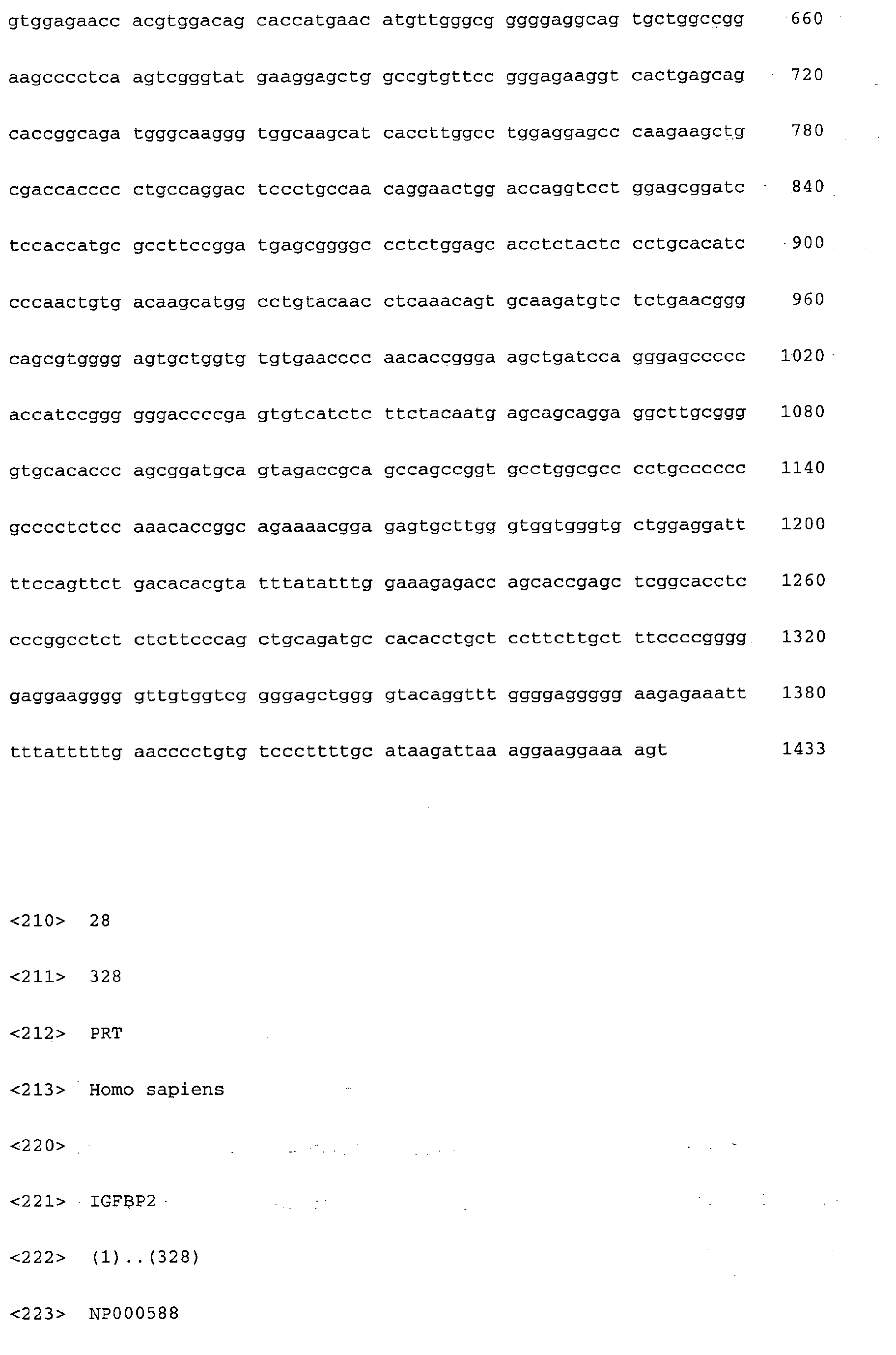

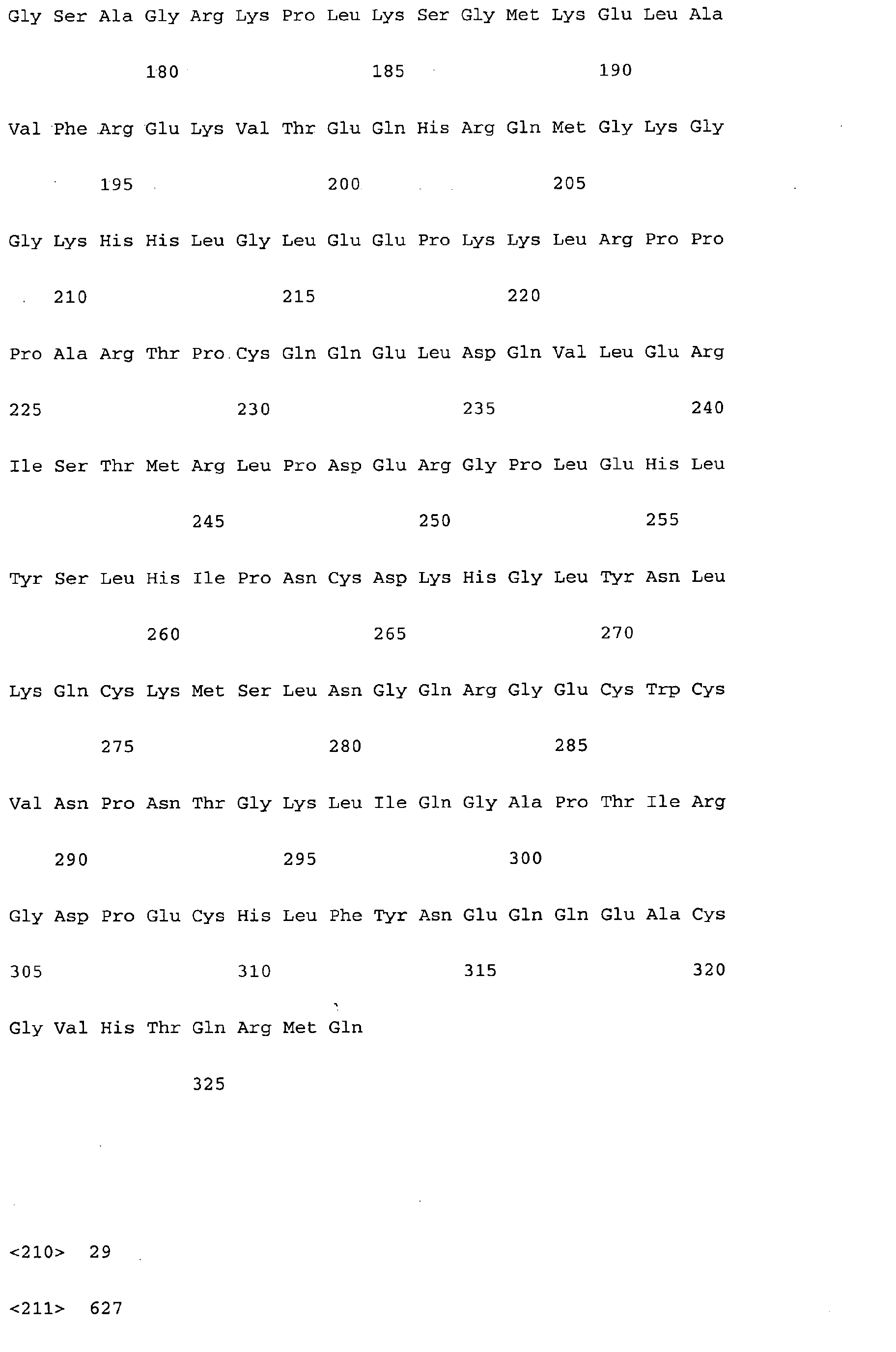


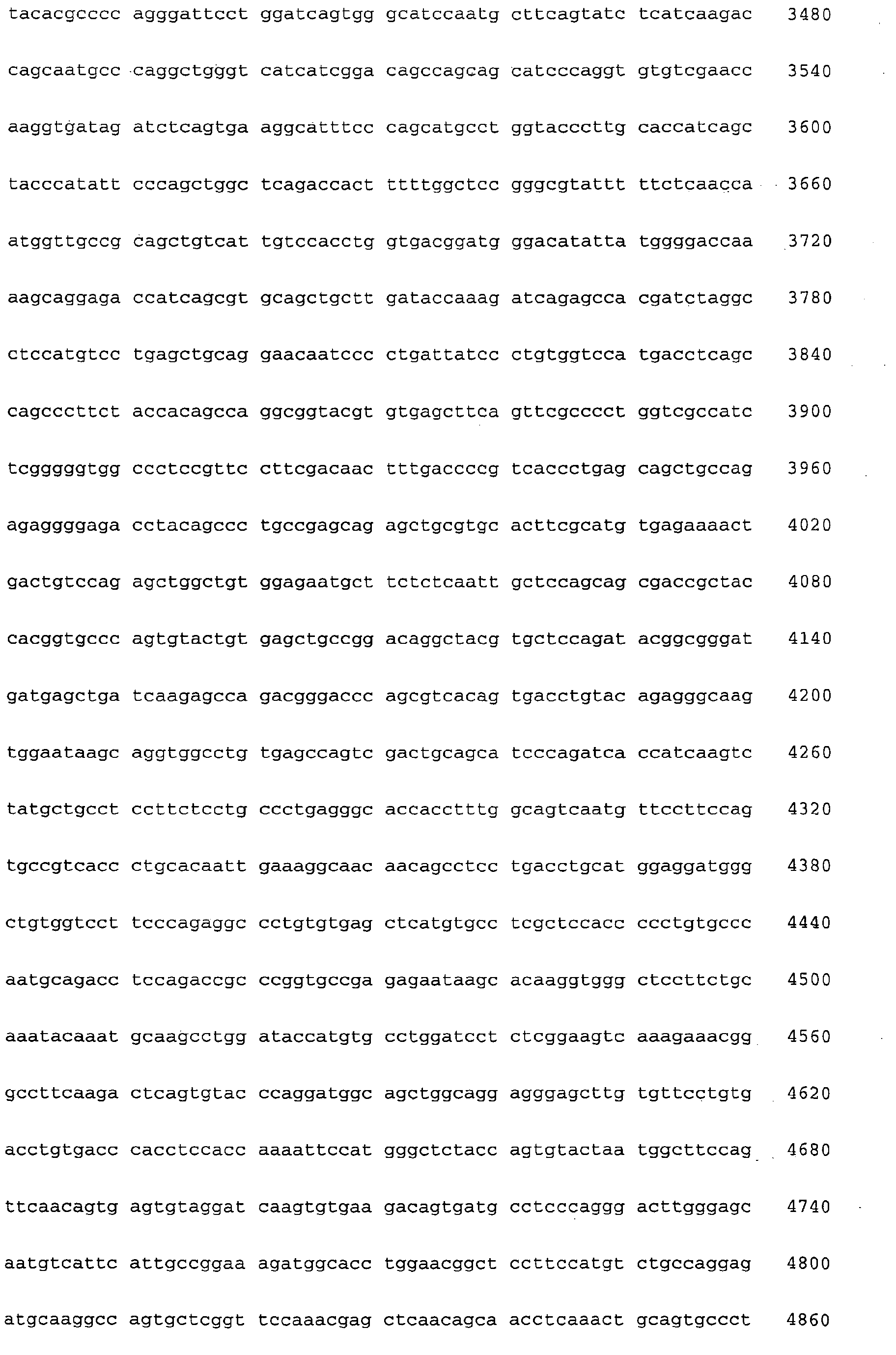


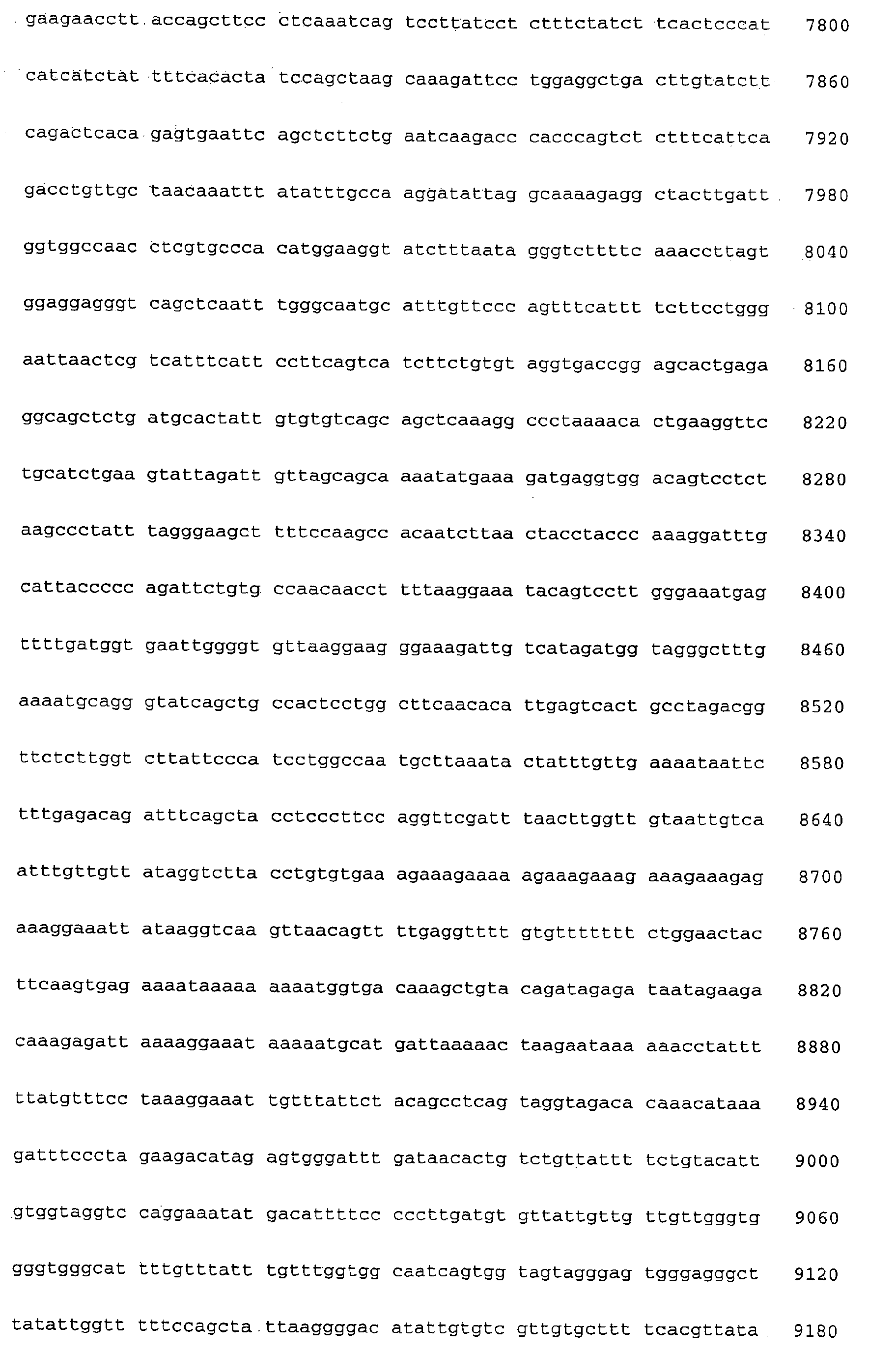

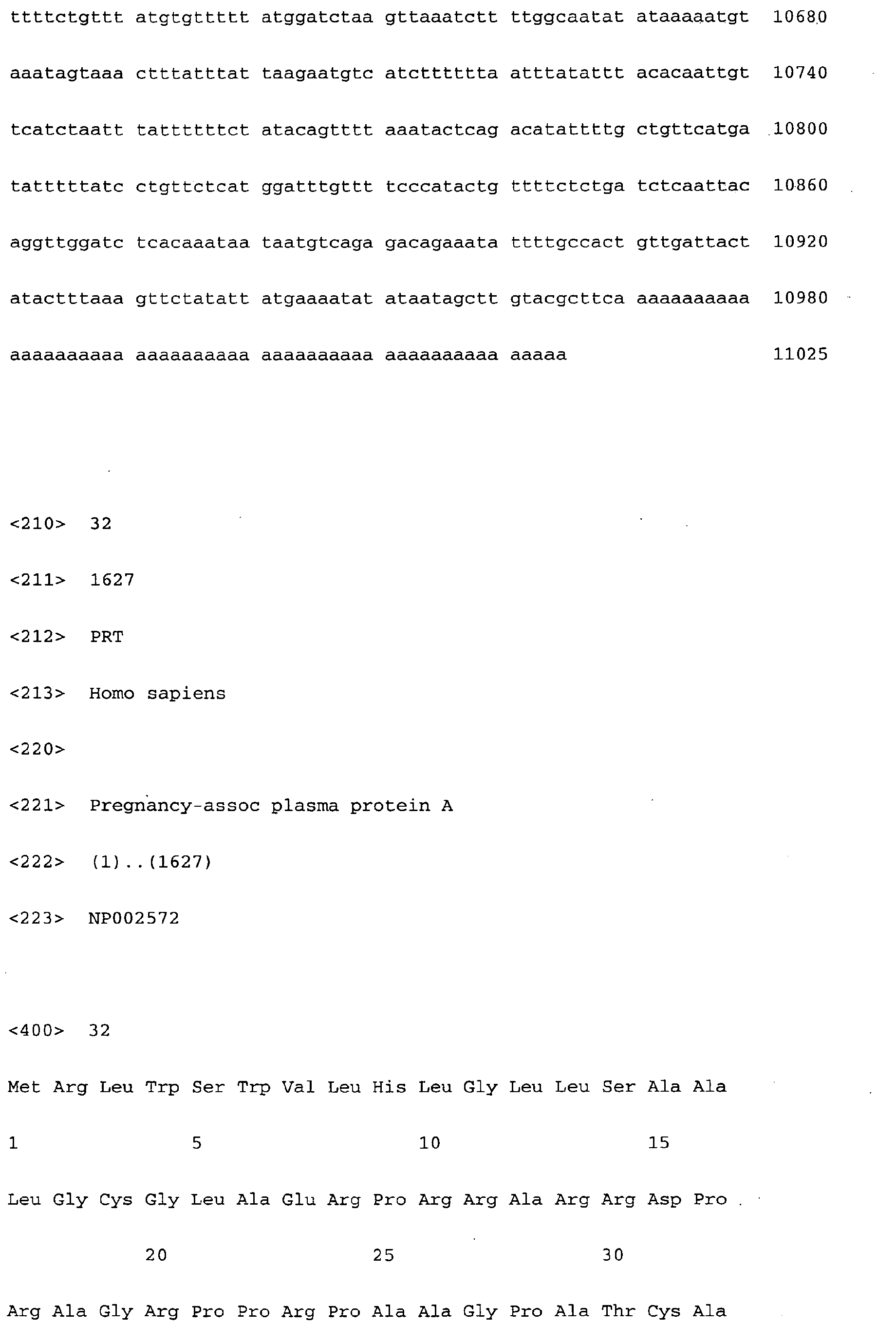


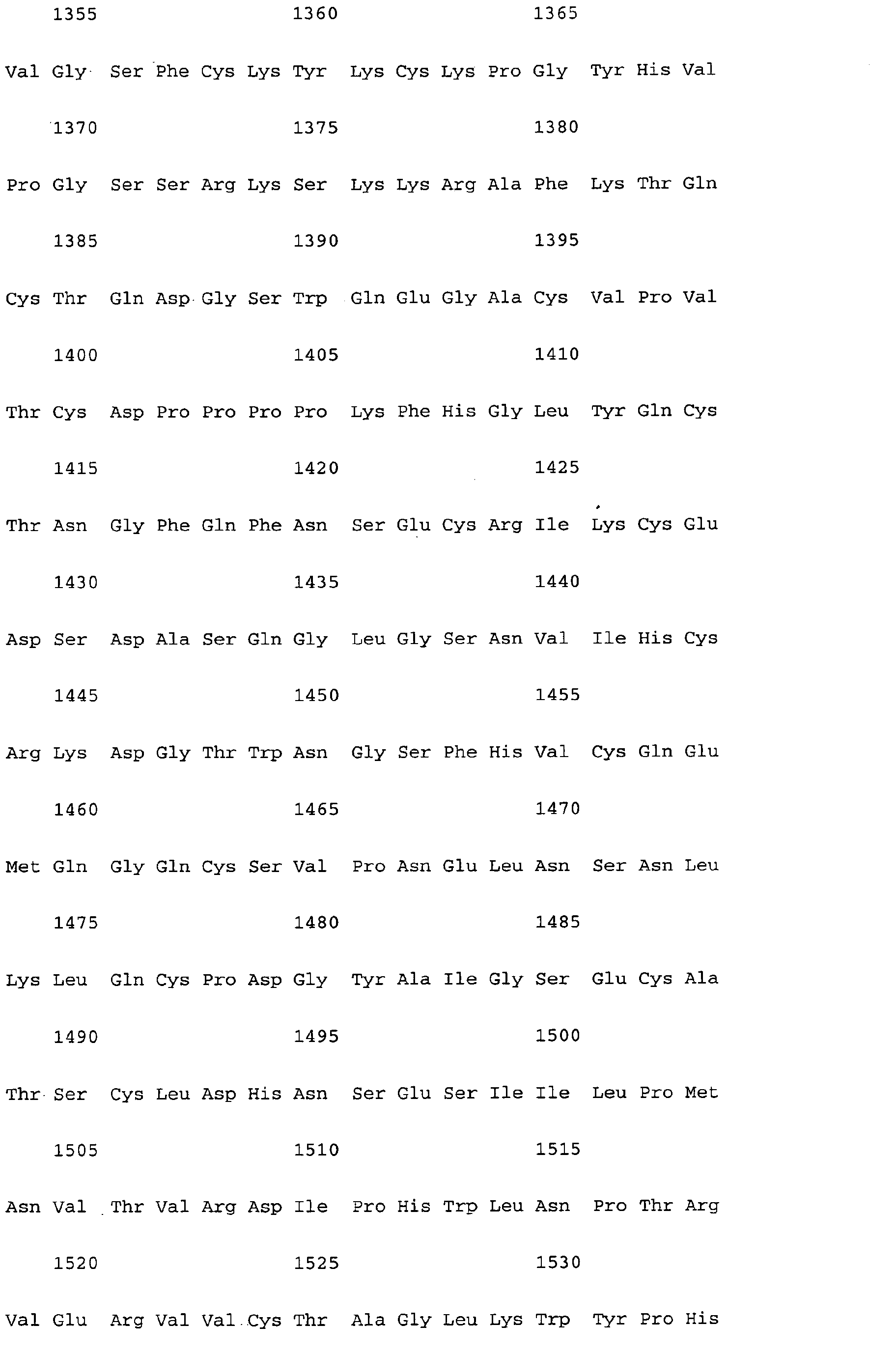


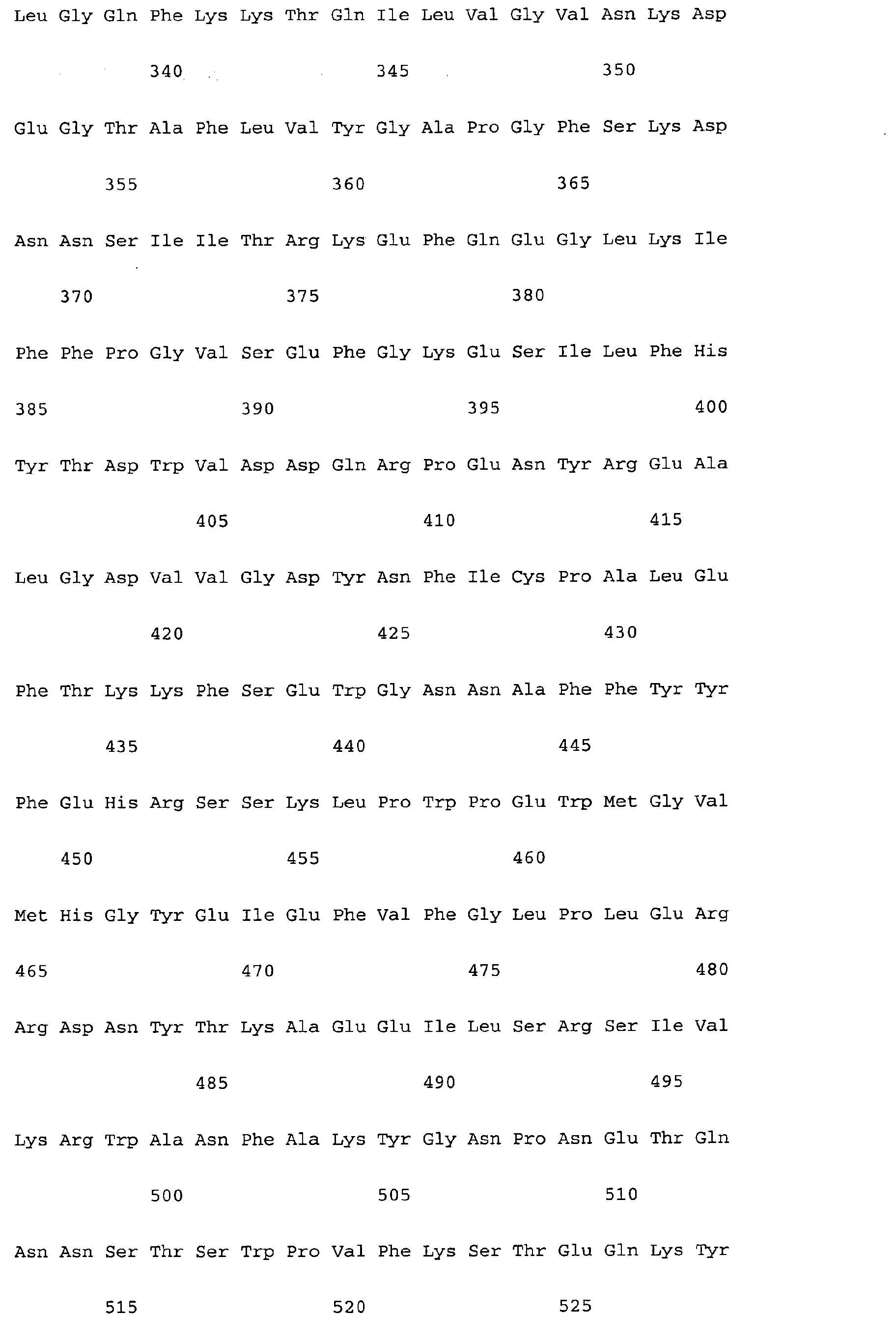


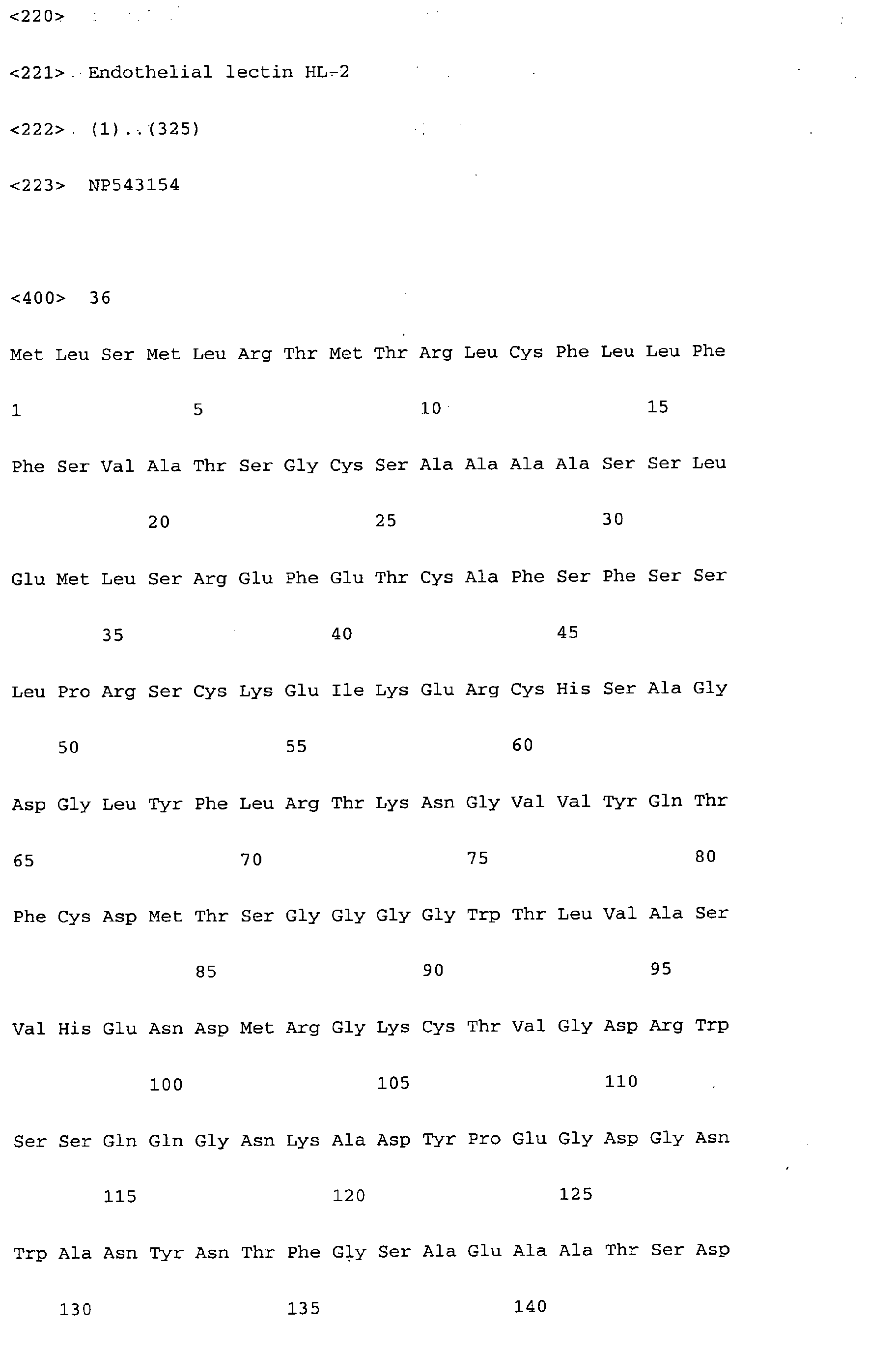
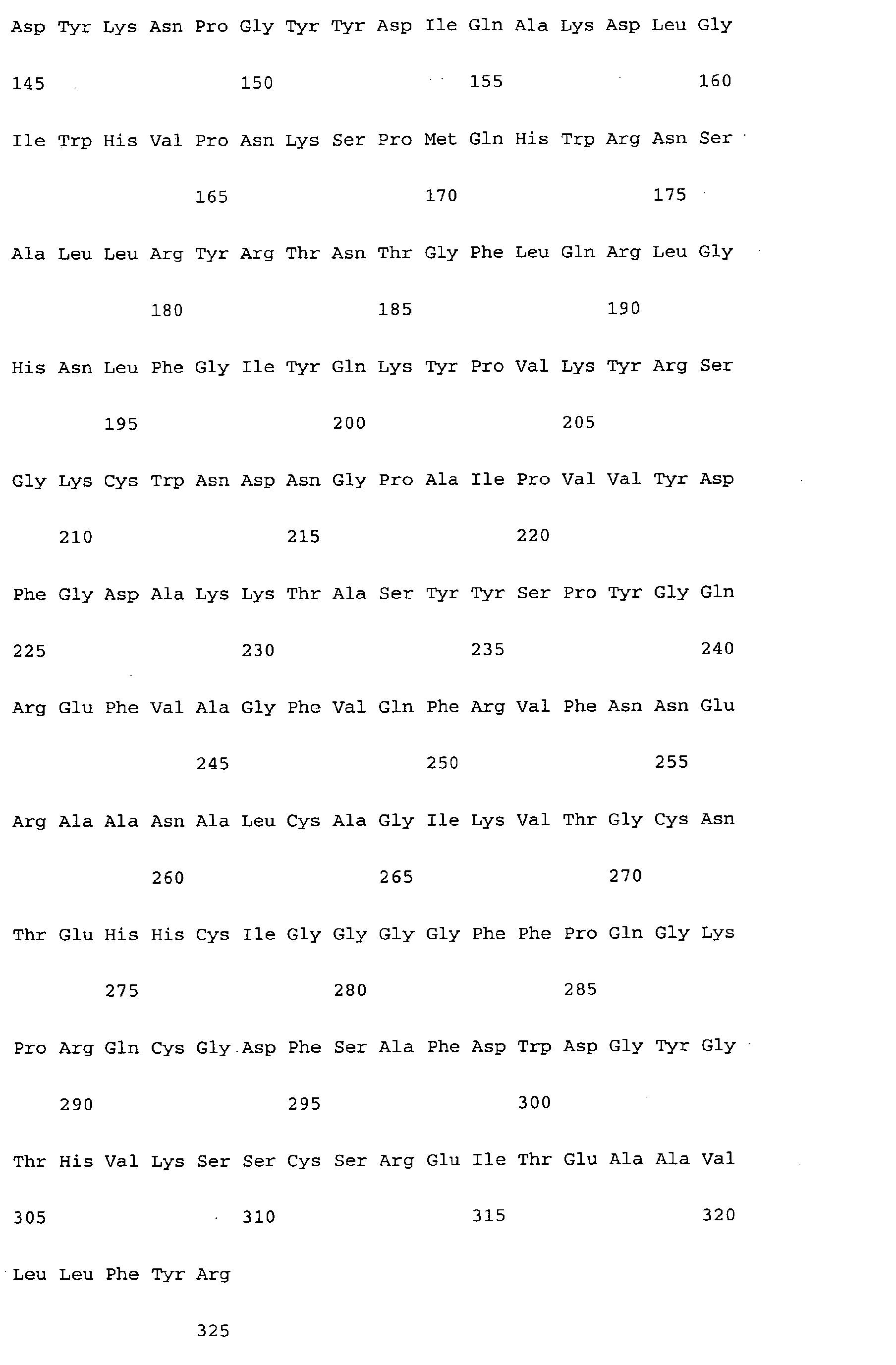
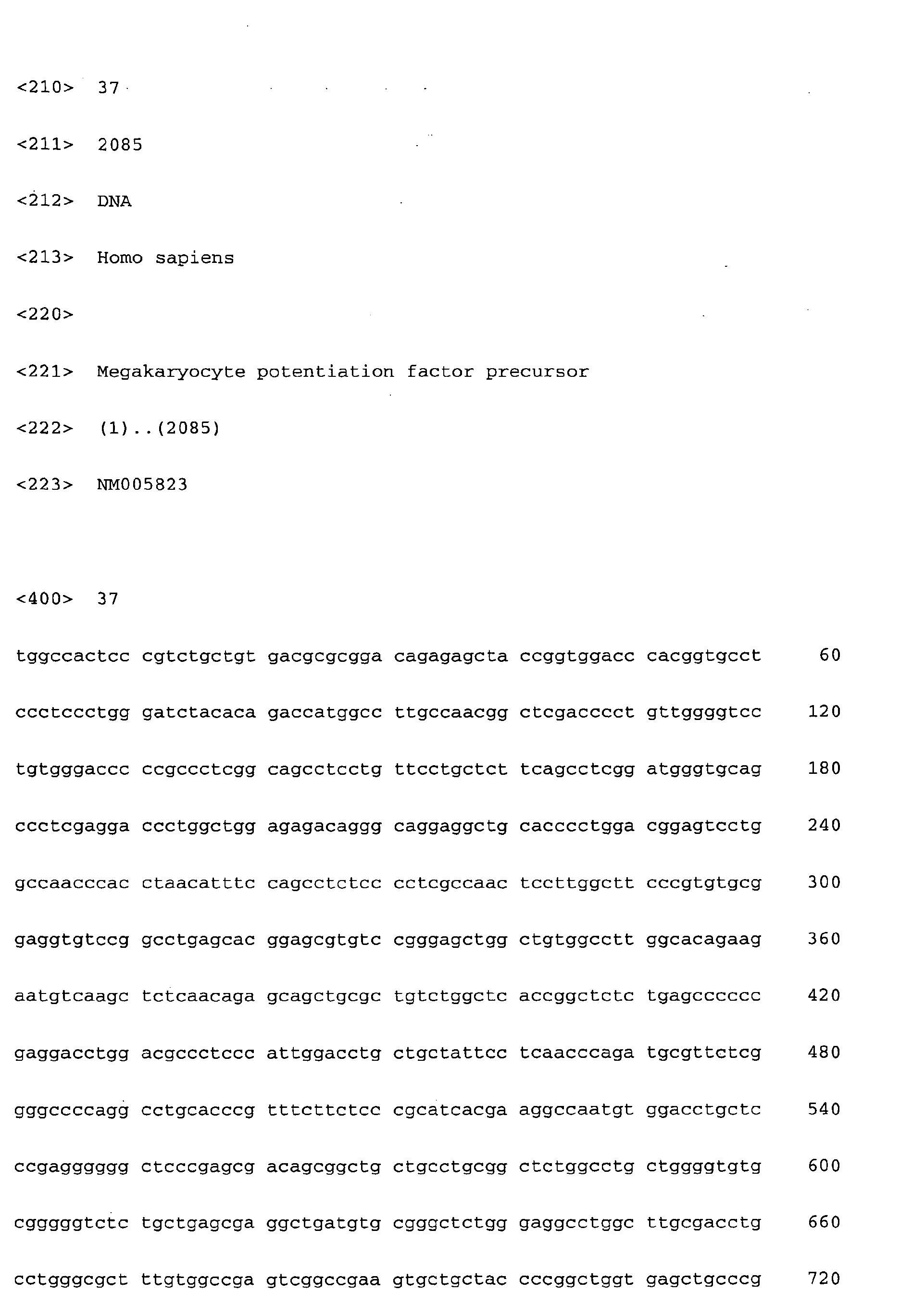

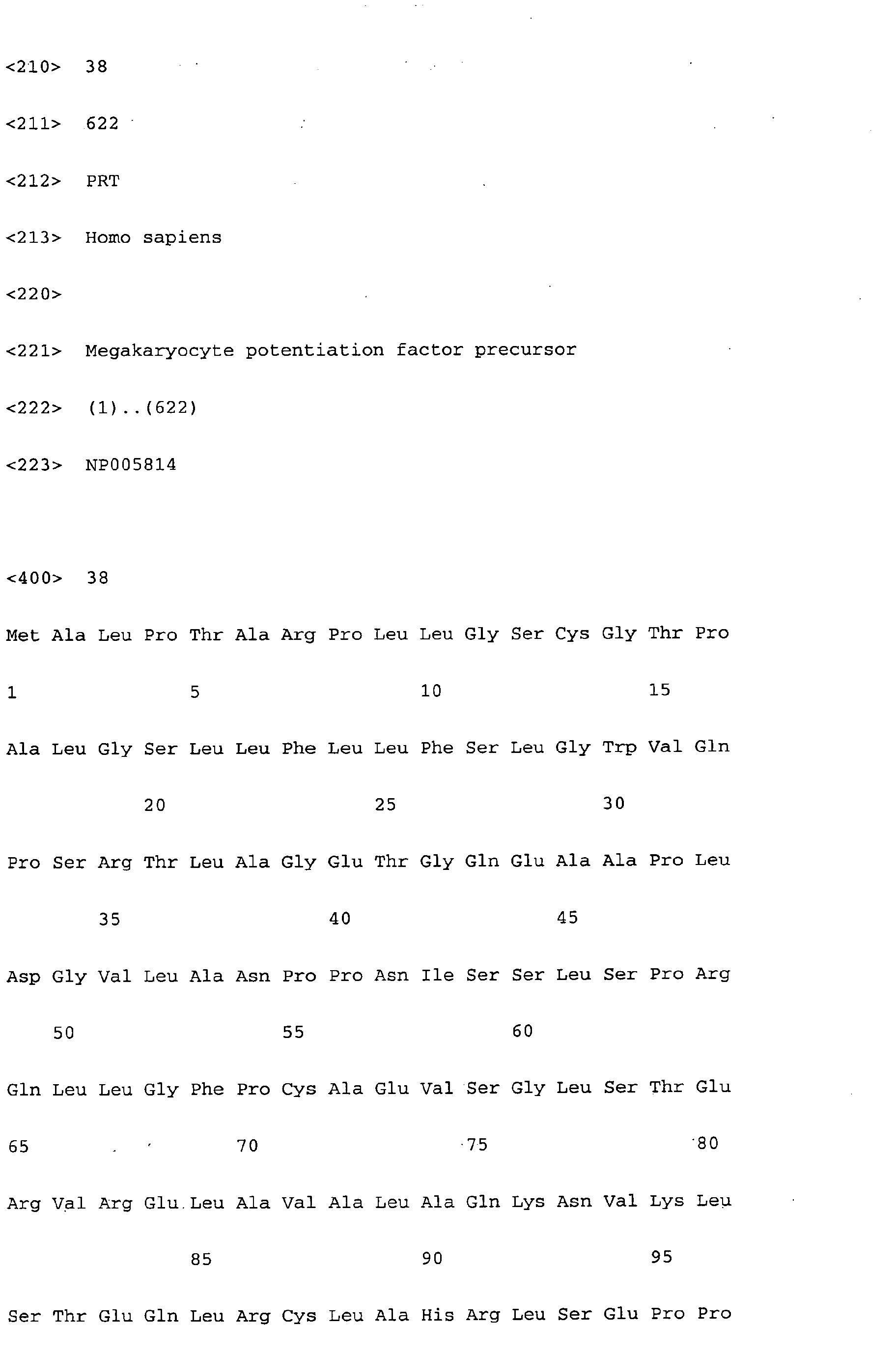

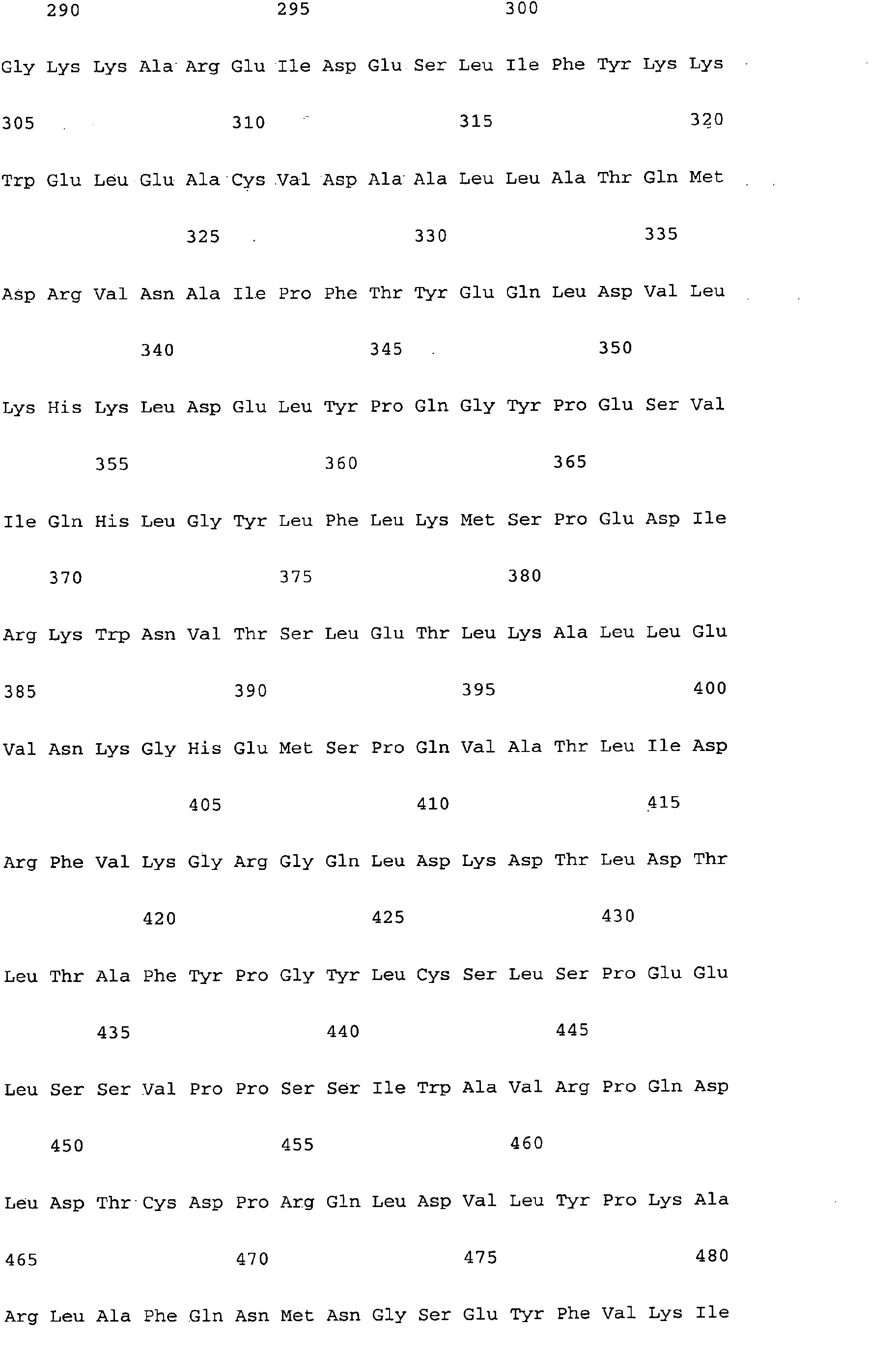

Claims (27)
- A method for the measurement of levels of visceral adipose tissue comprising:obtaining a biological sample; anddetecting or measuring the level of a polypeptide marker, said polypeptide marker comprising at least one polypeptide selected from the group consisting of the polypeptides having SEQ ID Nos. 2, 4, 6, 8, 10, 12, 14, 16, 18, 20, 22, 24, 26, 28, 30, 32, 34, 36 and 38.
- A method for the measurement of levels of visceral adipose tissue comprising detecting or measuring the level of a polypeptide marker in a biological sample, said polypeptide marker comprising at least one polypeptide selected from the group consisting of the polypeptides having SEQ ID Nos. 2, 4, 6, 8, 10, 12, 14, 16, 18, 20, 22, 24, 26, 28, 30, 32, 34, 36 and 38.
- The methods of claims 1 or 2, wherein said polypeptide marker comprises at least two polypeptides.
- The method of claims 1 to 3, wherein said biological sample is derived from the group consisting of serum, plasma, and cells of visceral adipose tissue.
- The methods of any one of claims 1 to 4, wherein the level of said polypeptide marker in an individual known to have elevated levels of visceral adipose tissue is compared to the expression levels of the same polypeptide marker in an individual known to have low or normal levels of visceral adipose tissue.
- The methods of any one of claims 1 to 5, wherein an increase of the level of said polypeptide marker over time is indicative of metabolic syndrome or the susceptibility to metabolic syndrome.
- A method for measuring the level of visceral adipose tissue in a subject comprising:obtaining a biological sample; anddetecting or measuring the level of a marker, said nucleic acid marker comprising at least one nucleic acid molecule selected from the group consisting of the nucleic acid molecules of SEQ ID Nos. 1, 3, 5, 7, 9, 11, 13, 15, 17, 19, 21, 23, 25. 27, 29, 31, 33, 35 and 37.
- A method for measuring the level of visceral adipose tissue in a subject comprising:detecting or measuring the level of a marker in a biological sample, said nucleic acid marker comprising at least one nucleic acid molecule selected from the group consisting of the nucleic acid molecules of SEQ ID Nos. 1, 3, 5, 7, 9, 11, 13, 15, 17, 19, 21, 23, 25. 27, 29, 31, 33, 35 and 37.
- The methods of claims 7 or 8, wherein said nucleic acid marker is RNA.
- The methods claims 7 to 9, wherein the expression level of said nucleic acid marker in an individual known to have elevated levels of visceral adipose tissue is compared to the expression levels of the same polypeptide marker in an individual known to have low or normal levels of visceral adipose tissue.
- The methods of any one of claims 7 to 10, wherein an increase of the expression levels of said nucleic acid marker over time is indicative of metabolic syndrome or the susceptibility to metabolic syndrome.
- A screening method for identifying a compound which interacts with a polypeptide that is predominately expressed in visceral adipose tissue, said polypeptide being selected from the group consisting of the polypeptides having SEQ ID Nos. 2, 4, 6, 8, 10, 12, 14, 16, 18, 20, 22, 24, 26, 28, 30, 32, 34, 36 or 38, comprising:contacting said polypeptide with a compound or a plurality of compounds under conditions which allow interaction of said compound with said polypeptide; anddetecting the interaction between said compound or plurality of compounds with said polypeptide.
- A screening method for identifying a compound which is an agonist or an antagonist of a polypeptide that is predominately expressed in visceral adipose tissue, said polypeptide being selected from the group consisting of the polypeptides having SEQ ID Nos. 2, 4, 6, 8, 10, 12, 14, 16, 18, 20, 22, 24, 26, 28, 30, 32, 34, 36 and 38, comprising:contacting said polypeptide with a compound under conditions which allow interaction of said compound with said polypeptide;determining a first level of activity of said polypeptide;determining a second level of activity of said polypeptide expressed in a host which has not been contacted with said compound; andquantitatively relating the first level of activity with the second level of activity, wherein when said first level of activity is less than said second level of activity, said compound is identified as an antagonist of said polypeptide.
- A screening method for identifying a compound which is an inhibitor of the expression of a polypeptide that is predominately expressed in visceral adipose tissue, said polypeptide being selected from the group consisting of the polypeptides having SEQ ID Nos. 2, 4, 6, 8, 10, 12, 14, 16, 18, 20, 22, 24, 26, 28, 30, 32, 34, 36 and 38, comprising:contacting a host which expresses said polypeptide with a compound;determining a first expression level or activity of said polypeptide;determining a second expression level or activity of said polypeptide in a host which has not been contacted with said compound; andquantitatively relating the first expression level or activity with the second expression level or activity, wherein when said first expression level or activity is less than said second expression level or activity, said compound is identified as an inhibitor of the expression of said polypeptide.
- Antibodies against the proteins, or antigen-binding fragments thereof, for the use in an in vitro method for measuring levels of visceral adipose tissue, said proteins being selected from the group consisting of the proteins having SEQ ID Nos. 2, 4, 6, 8, 10, 12, 14, 16, 18, 20, 22, 24, 26, 28, 30, 32, 34, 36 and 38.
- A method of correlating protein levels in a mammal with a diagnosis of the level of visceral adipose tissue, comprising:selecting one or more proteins selected from the group consisting of the proteins having SEQ ID Nos. 2, 4, 6, 8, 10, 12, 14, 16, 18, 20, 22, 24, 26, 28, 30, 32, 34, 36 and 38;determining the level of said one or more proteins in said mammal; andgenerating an index number, Y, which indicates a base level of visceral adipose tissue.
- The method according to claim 16, further comprising comparing index number, Y, to index numbers of subjects known to have specified levels of visceral adipose tissue.
- The method according to claims 16 or 17, further comprising monitoring said index number, Y, over time, to determine the progression of the level of visceral adipose tissue, thereby predicting a susceptibility to developing metabolic syndrome.
- A kit for the measurement of levels of visceral adipose tissue in a subject comprising one or more of the antibodies, or antigen-binding fragments thereof, of claim 13.
- A kit for the measurement of levels of visceral adipose tissue in a subject comprising one or more of the nucleic acids coding for the polypeptide marker of claim 1.
- A kit for screening of compounds that activate or inhibit a polypeptides or stimulate or inhibit the expression of any of said polypeptides, said polypeptides being selected from the group consisting of the polypeptides having SEQ ID Nos. 2, 4, 6, 8, 10, 12, 14, 16, 18, 20, 22, 24, 26, 28, 30, 32, 34, 36 and 38.
- A method for monitoring serum levels of one or more proteins to measure levels of visceral adipose tissue in a subject, said method comprising:raising antibodies of said one or more proteins;detecting the serum level of said proteins; andcomparing said serum level to those subjects known to have a specific level of visceral adipose tissue.
- Use of a therapeutically effective amount of at least one antibody against at least one protein, or antigen-binding fragment thereof, selected from the group consisting of the proteins having SEQ ID Nos. 2, 4, 6, 8, 10, 12, 14, 16, 18, 20, 22, 24, 26, 28, 30, 32, 34, 36 and 38 for the preparation of a medicament for the treatment of metabolic syndrome.
- Use of a therapeutically effective amount of at least one protein, protein fragment or peptide selected from the group consisting of the proteins having SEQ ID Nos. 2, 4, 6, 8, 10, 12, 14, 16, 18, 20, 22, 24, 26, 28, 30, 32, 34, 36 and 38 for the preparation of a medicament for the treatment of metabolic syndrome.
- Use of nucleic acid selected from the group consisting of the nucleic acids of SEQ ID No. 1, 3, 5, 7, 9, 11, 13, 15, 17, 19, 21, 23, 25, 27, 29, 31, 33, 35, and 37 as a marker in the diagnosis of visceral adipose tissue accumulation.
- Use of a polypeptide selected from the group consisting of the proteins of SEQ ID No. 2, 4, 6, 8, 10, 12, 14, 16, 18, 20, 22, 24, 26, 28, 30, 32, 34, 36, and 38, as a marker for the diagnosis of visceral adipose tissue accumulation.
- The methods, uses and kit as hereinbefore described, especially with reference to the foregoing examples.
Priority Applications (1)
| Application Number | Priority Date | Filing Date | Title |
|---|---|---|---|
| EP09151175A EP2053409A1 (en) | 2003-11-20 | 2004-11-12 | Specific markers for metabolic syndrome |
Applications Claiming Priority (2)
| Application Number | Priority Date | Filing Date | Title |
|---|---|---|---|
| US52384503P | 2003-11-20 | 2003-11-20 | |
| US523845P | 2003-11-20 |
Related Child Applications (1)
| Application Number | Title | Priority Date | Filing Date |
|---|---|---|---|
| EP09151175A Division EP2053409A1 (en) | 2003-11-20 | 2004-11-12 | Specific markers for metabolic syndrome |
Publications (3)
| Publication Number | Publication Date |
|---|---|
| EP1533619A2 true EP1533619A2 (en) | 2005-05-25 |
| EP1533619A3 EP1533619A3 (en) | 2005-10-05 |
| EP1533619B1 EP1533619B1 (en) | 2009-04-29 |
Family
ID=34435222
Family Applications (2)
| Application Number | Title | Priority Date | Filing Date |
|---|---|---|---|
| EP04026956A Expired - Lifetime EP1533619B1 (en) | 2003-11-20 | 2004-11-12 | Specific markers for metabolic syndrome |
| EP09151175A Withdrawn EP2053409A1 (en) | 2003-11-20 | 2004-11-12 | Specific markers for metabolic syndrome |
Family Applications After (1)
| Application Number | Title | Priority Date | Filing Date |
|---|---|---|---|
| EP09151175A Withdrawn EP2053409A1 (en) | 2003-11-20 | 2004-11-12 | Specific markers for metabolic syndrome |
Country Status (6)
| Country | Link |
|---|---|
| US (1) | US20050112675A1 (en) |
| EP (2) | EP1533619B1 (en) |
| JP (3) | JP2005151994A (en) |
| CN (1) | CN1619312A (en) |
| CA (1) | CA2487657A1 (en) |
| DE (1) | DE602004020855D1 (en) |
Cited By (1)
| Publication number | Priority date | Publication date | Assignee | Title |
|---|---|---|---|---|
| WO2007012811A3 (en) * | 2005-07-26 | 2007-03-29 | Procure Therapeutics Ltd | Prostate stem cell markers |
Families Citing this family (9)
| Publication number | Priority date | Publication date | Assignee | Title |
|---|---|---|---|---|
| US7312197B2 (en) * | 2003-02-24 | 2007-12-25 | University Of Maryland, Baltimore | Method of modifying glucose activity using polypeptides selectively expressed in fat tissue |
| US20090208480A1 (en) * | 2006-08-04 | 2009-08-20 | Yue Huang | Long half-life recombinant butyrylcholinesterase |
| US8058014B2 (en) * | 2006-09-29 | 2011-11-15 | University Of Maryland, Baltimore | Method of diagnosing or predicting disease states in a subject using omentin 1 and omentin 2 |
| KR101720760B1 (en) * | 2008-01-25 | 2017-03-28 | 오르후스 우니베르시테트 | Selective exosite inhibition of papp-a activity against igfbp-4 |
| EP2431463A4 (en) * | 2009-05-13 | 2012-12-26 | Shionogi & Co | TEST AGENT FOR VISCERAL OBESITY AND USE THEREOF |
| CA2784861A1 (en) | 2009-12-21 | 2011-07-14 | Pharmathene, Inc. | Recombinant butyrylcholinesterases and truncates thereof |
| JP5662060B2 (en) * | 2010-06-04 | 2015-01-28 | 学校法人帝京大学 | Detection method |
| JP5779427B2 (en) * | 2011-07-06 | 2015-09-16 | 花王株式会社 | Adipose tissue evaluation method |
| DK2674761T3 (en) * | 2012-06-12 | 2016-04-04 | Nestec Sa | PC-44 O: 4 - biomarker for visceral obesity |
Citations (10)
| Publication number | Priority date | Publication date | Assignee | Title |
|---|---|---|---|---|
| WO1996004912A1 (en) | 1994-08-09 | 1996-02-22 | Metabolic Syndrome I Gbg Ab | Use of ketoconazole and related substances in medicaments for treatment of type ii diabetes |
| US5525490A (en) | 1994-03-29 | 1996-06-11 | Onyx Pharmaceuticals, Inc. | Reverse two-hybrid method |
| US5541109A (en) | 1994-04-19 | 1996-07-30 | Rhone-Poulenc Rorer Pharmaceuticals Inc. | Expression cloning of c-src SH3-domain binding proteins |
| WO1998025947A1 (en) | 1996-12-11 | 1998-06-18 | Bristol-Myers Squibb Company | Prokaryotic two-hybrid system |
| WO1999051741A2 (en) | 1998-04-03 | 1999-10-14 | Curagen Corporation | Lyst protein complexes and lyst interacting proteins |
| US6004746A (en) | 1994-07-20 | 1999-12-21 | The General Hospital Corporation | Interaction trap systems for detecting protein interactions |
| WO2000002911A2 (en) | 1998-07-10 | 2000-01-20 | Curagen Corporation | INTERACTION OF HUMAN BETA AMYLOID PRECURSOR PROTEIN (β-APP) WITH HUMAN LON-PROTEASE LIKE PROTEIN (HSLON) |
| WO2000005410A2 (en) | 1998-07-22 | 2000-02-03 | Technion Research And Development Foundation Ltd. | Method for detecting protein-protein interactions and a kit therefor |
| WO2000014271A1 (en) | 1998-09-03 | 2000-03-16 | Loma Linda University | METHOD FOR STUDYING PROTEIN INTERACTIONS $i(IN VIVO) |
| WO2000017221A1 (en) | 1998-09-24 | 2000-03-30 | Duke University | Method of measuring protein-protein interactions in living cells |
Family Cites Families (6)
| Publication number | Priority date | Publication date | Assignee | Title |
|---|---|---|---|---|
| DE3737367A1 (en) * | 1987-11-04 | 1989-05-24 | Boehringer Ingelheim Int | Vascular anticoagulant proteins, DNA which encode the latter, process for their preparation and their use |
| PT87083B (en) * | 1987-03-28 | 1992-07-31 | Boehringer Ingelheim Int | A PROCESS FOR THE PREPARATION OF A VASCULAR ANTICOAGULANT PROTEIN, OF DNA THAT CODIFIES FOR THIS PROTEIN AND OF PHARMACEUTICAL COMPOSITIONS CONTAINING IT |
| DE3810331A1 (en) * | 1988-03-26 | 1989-10-05 | Boehringer Ingelheim Int | Monoclonal VAC antibodies |
| US20030082533A1 (en) * | 2001-01-26 | 2003-05-01 | Henry Yue | Intelectin |
| AU2002324881A1 (en) * | 2001-09-05 | 2003-03-18 | Wesleyan University | Diagnostic and prognostic tests |
| US7312197B2 (en) * | 2003-02-24 | 2007-12-25 | University Of Maryland, Baltimore | Method of modifying glucose activity using polypeptides selectively expressed in fat tissue |
-
2004
- 2004-11-12 DE DE602004020855T patent/DE602004020855D1/en not_active Expired - Fee Related
- 2004-11-12 EP EP04026956A patent/EP1533619B1/en not_active Expired - Lifetime
- 2004-11-12 EP EP09151175A patent/EP2053409A1/en not_active Withdrawn
- 2004-11-17 US US10/991,321 patent/US20050112675A1/en not_active Abandoned
- 2004-11-17 CA CA002487657A patent/CA2487657A1/en not_active Abandoned
- 2004-11-18 CN CNA2004100949287A patent/CN1619312A/en active Pending
- 2004-11-19 JP JP2004335869A patent/JP2005151994A/en not_active Withdrawn
-
2008
- 2008-05-15 JP JP2008127774A patent/JP2008275629A/en not_active Ceased
-
2009
- 2009-04-17 JP JP2009100419A patent/JP2009216709A/en active Pending
Patent Citations (11)
| Publication number | Priority date | Publication date | Assignee | Title |
|---|---|---|---|---|
| US5525490A (en) | 1994-03-29 | 1996-06-11 | Onyx Pharmaceuticals, Inc. | Reverse two-hybrid method |
| US5541109A (en) | 1994-04-19 | 1996-07-30 | Rhone-Poulenc Rorer Pharmaceuticals Inc. | Expression cloning of c-src SH3-domain binding proteins |
| US6004746A (en) | 1994-07-20 | 1999-12-21 | The General Hospital Corporation | Interaction trap systems for detecting protein interactions |
| WO1996004912A1 (en) | 1994-08-09 | 1996-02-22 | Metabolic Syndrome I Gbg Ab | Use of ketoconazole and related substances in medicaments for treatment of type ii diabetes |
| WO1998025947A1 (en) | 1996-12-11 | 1998-06-18 | Bristol-Myers Squibb Company | Prokaryotic two-hybrid system |
| EP0963376A1 (en) | 1996-12-11 | 1999-12-15 | Bristol-Myers Squibb Company | Prokaryotic two-hybrid system |
| WO1999051741A2 (en) | 1998-04-03 | 1999-10-14 | Curagen Corporation | Lyst protein complexes and lyst interacting proteins |
| WO2000002911A2 (en) | 1998-07-10 | 2000-01-20 | Curagen Corporation | INTERACTION OF HUMAN BETA AMYLOID PRECURSOR PROTEIN (β-APP) WITH HUMAN LON-PROTEASE LIKE PROTEIN (HSLON) |
| WO2000005410A2 (en) | 1998-07-22 | 2000-02-03 | Technion Research And Development Foundation Ltd. | Method for detecting protein-protein interactions and a kit therefor |
| WO2000014271A1 (en) | 1998-09-03 | 2000-03-16 | Loma Linda University | METHOD FOR STUDYING PROTEIN INTERACTIONS $i(IN VIVO) |
| WO2000017221A1 (en) | 1998-09-24 | 2000-03-30 | Duke University | Method of measuring protein-protein interactions in living cells |
Non-Patent Citations (20)
| Title |
|---|
| BERRY, BIOCHEM. SOC. TRANS., vol. 22, 1994, pages 1033 - 1036 |
| BETTINA WEBER-HAMANN ET AL., PSYCHOSOMATIC MEDICINE, vol. 64, 2002, pages 274 - 277 |
| DORNER, BIOORG. MED. CHEM., vol. 4, 1996, pages 709 - 715 |
| DRAPER N.; SMITH H.: "Applied Regression Analysis", 1966, JOHN WILEY AND SONS |
| FERNANDEZ, CURR. OPIN. CHEM. BIOL., vol. 2, 1998, pages 547 - 603 |
| HARLOW, E.; LANE, D.: "Antibodies: A Laboratory Manual", 1988, COLD SPRING HARBOR LABORATORY PRESS |
| KASUS-JACOBI, ONCOGENE, vol. 19, 2000, pages 2052 - 2059 |
| MARTIN BROCHU ET AL., THE JOURNAL OF CLINICAL ENDOCRINOLOGY & METABOLISM, vol. 85, no. 7, 2000 |
| NIELSON, SCIENCE, vol. 274, 1991, pages 1497 - 1500 |
| OSTRESH, METHODS IN ENZYMOLOGY, vol. 267, 1996, pages 220 - 234 |
| PAB, BIOCHEMISTRY, vol. 25, 1986, pages 5987 - 5991 |
| PETER T. KATZMARZYK ET AL., AMERICAN JOURNAL OF HUMAN BIOLOGY, vol. 11, 1999, pages 225 - 235 |
| ROSE, BIOCHEMISTRY, vol. 35, 1996, pages 12933 - 12944 |
| RUTENBER, BIOORG. MED. CHEM., vol. 4, 1996, pages 1545 - 1558 |
| SCIENCE, vol. 283, 1999, pages 2085 - 2089 |
| SEARLE S. R.: "Linear Models", 1971, JOHN WILEY AND SONS |
| UBARRETXENA-BELANDIA, BIOCHEM., vol. 38, 1999, pages 7398 - 7405 |
| VIDAL; LEGRAIN, NUCLEIC ACIDS RESEARCH, vol. 27, 1999, pages 919 - 929 |
| WODAK, ANN. N. Y. ACAD. SCI., vol. 501, 1987, pages 1 - 13 |
| WODICKA L ET AL.: "Genome-wide expression monitoring in Saccharomyces cerevisiae", NAT BIO- TECHNOL, vol. 15, 1997, pages 1359 - 67 |
Cited By (1)
| Publication number | Priority date | Publication date | Assignee | Title |
|---|---|---|---|---|
| WO2007012811A3 (en) * | 2005-07-26 | 2007-03-29 | Procure Therapeutics Ltd | Prostate stem cell markers |
Also Published As
| Publication number | Publication date |
|---|---|
| CN1619312A (en) | 2005-05-25 |
| JP2009216709A (en) | 2009-09-24 |
| JP2008275629A (en) | 2008-11-13 |
| DE602004020855D1 (en) | 2009-06-10 |
| EP1533619B1 (en) | 2009-04-29 |
| EP1533619A3 (en) | 2005-10-05 |
| EP2053409A1 (en) | 2009-04-29 |
| CA2487657A1 (en) | 2005-05-20 |
| US20050112675A1 (en) | 2005-05-26 |
| JP2005151994A (en) | 2005-06-16 |
Similar Documents
| Publication | Publication Date | Title |
|---|---|---|
| JP2009216709A (en) | Specific markers for metabolic syndrome | |
| WO2004055519A2 (en) | Specific markers for pancreatic cancer | |
| KR20140026537A (en) | Biomarkers for hedgehog inhibitor therapy | |
| JP2004526434A (en) | Genes overexpressed in prostate disorders as diagnostic and therapeutic targets | |
| JP4245539B2 (en) | Specific markers of diabetes | |
| KR20170013261A (en) | Pulmonary hypertension biomarker | |
| WO2001074405A1 (en) | Gene expression profiles in esophageal tissue | |
| JP2009536516A (en) | NMU-GHSR1b / NTSR1 oncogenic signaling pathway as a therapeutic target for lung cancer | |
| Cheng et al. | Transmembrane protein DCBLD2 is correlated with poor prognosis and affects phenotype by regulating epithelial-mesenchymal transition in human glioblastoma cells | |
| JPWO2005021745A1 (en) | Genes associated with hepatocellular carcinoma | |
| JP2005047895A (en) | HCV regulatory protein | |
| JPWO2003057874A1 (en) | Disease marker for kidney disease and use thereof | |
| US6933119B2 (en) | Methods and compositions for the detection and treatment of multiple sclerosis | |
| KR102226826B1 (en) | Composition for Diagnosing Pancreatic Cancer for Use in Buffy Coat Sample | |
| WO2011093989A1 (en) | Methods for determining agents targeting mena isoforms and uses thereof for diagnosis and treatment of metastatic tumors | |
| CN116801788A (en) | Kits, reagents and methods for assessing liver disease | |
| US20110151469A1 (en) | Interferon epsilon (ifne1) as a marker for targeted cancer therapy | |
| JP4120778B2 (en) | Bone metabolic disease marker and use thereof | |
| US20150011411A1 (en) | Biomarkers of cancer | |
| CN105506169B (en) | Fibroid diagnosis and treatment marker | |
| JP2005000056A (en) | Hormone-dependent cancer disease marker and use thereof | |
| US20060183186A1 (en) | Gene expression profiles in stomach cancer | |
| EP1960792A2 (en) | Treatment and diagnostics of inflammatory diseases | |
| US20100129790A1 (en) | Method for Determining Phospholipidosis | |
| CN119530382A (en) | A fibroblast-like macrophage and its application in tumor metastasis prediction and prognosis assessment |
Legal Events
| Date | Code | Title | Description |
|---|---|---|---|
| PUAI | Public reference made under article 153(3) epc to a published international application that has entered the european phase |
Free format text: ORIGINAL CODE: 0009012 |
|
| AK | Designated contracting states |
Kind code of ref document: A2 Designated state(s): AT BE BG CH CY CZ DE DK EE ES FI FR GB GR HU IE IS IT LI LU MC NL PL PT RO SE SI SK TR |
|
| AX | Request for extension of the european patent |
Extension state: AL HR LT LV MK YU |
|
| PUAL | Search report despatched |
Free format text: ORIGINAL CODE: 0009013 |
|
| AK | Designated contracting states |
Kind code of ref document: A3 Designated state(s): AT BE BG CH CY CZ DE DK EE ES FI FR GB GR HU IE IS IT LI LU MC NL PL PT RO SE SI SK TR |
|
| AX | Request for extension of the european patent |
Extension state: AL HR LT LV MK YU |
|
| 17P | Request for examination filed |
Effective date: 20060405 |
|
| AKX | Designation fees paid |
Designated state(s): CH DE ES FR GB IT LI |
|
| AXX | Extension fees paid |
Extension state: LV Payment date: 20060405 Extension state: LT Payment date: 20060405 |
|
| 17Q | First examination report despatched |
Effective date: 20070126 |
|
| GRAP | Despatch of communication of intention to grant a patent |
Free format text: ORIGINAL CODE: EPIDOSNIGR1 |
|
| RIC1 | Information provided on ipc code assigned before grant |
Ipc: G01N 33/68 20060101AFI20080924BHEP |
|
| GRAS | Grant fee paid |
Free format text: ORIGINAL CODE: EPIDOSNIGR3 |
|
| RIN1 | Information on inventor provided before grant (corrected) |
Inventor name: ROSINSKI, JAMES ANDREW Inventor name: KOCHAN, JAREMA PETER |
|
| GRAA | (expected) grant |
Free format text: ORIGINAL CODE: 0009210 |
|
| AK | Designated contracting states |
Kind code of ref document: B1 Designated state(s): CH DE ES FR GB IT LI |
|
| AX | Request for extension of the european patent |
Extension state: LT LV |
|
| REG | Reference to a national code |
Ref country code: GB Ref legal event code: FG4D |
|
| REG | Reference to a national code |
Ref country code: CH Ref legal event code: EP |
|
| REF | Corresponds to: |
Ref document number: 602004020855 Country of ref document: DE Date of ref document: 20090610 Kind code of ref document: P |
|
| LTIE | Lt: invalidation of european patent or patent extension |
Effective date: 20090429 |
|
| PG25 | Lapsed in a contracting state [announced via postgrant information from national office to epo] |
Ref country code: ES Free format text: LAPSE BECAUSE OF FAILURE TO SUBMIT A TRANSLATION OF THE DESCRIPTION OR TO PAY THE FEE WITHIN THE PRESCRIBED TIME-LIMIT Effective date: 20090809 |
|
| PLBE | No opposition filed within time limit |
Free format text: ORIGINAL CODE: 0009261 |
|
| STAA | Information on the status of an ep patent application or granted ep patent |
Free format text: STATUS: NO OPPOSITION FILED WITHIN TIME LIMIT |
|
| 26N | No opposition filed |
Effective date: 20100201 |
|
| REG | Reference to a national code |
Ref country code: CH Ref legal event code: PL |
|
| GBPC | Gb: european patent ceased through non-payment of renewal fee |
Effective date: 20091112 |
|
| REG | Reference to a national code |
Ref country code: FR Ref legal event code: ST Effective date: 20100730 |
|
| PG25 | Lapsed in a contracting state [announced via postgrant information from national office to epo] |
Ref country code: LI Free format text: LAPSE BECAUSE OF NON-PAYMENT OF DUE FEES Effective date: 20091130 Ref country code: FR Free format text: LAPSE BECAUSE OF NON-PAYMENT OF DUE FEES Effective date: 20091130 Ref country code: CH Free format text: LAPSE BECAUSE OF NON-PAYMENT OF DUE FEES Effective date: 20091130 |
|
| PG25 | Lapsed in a contracting state [announced via postgrant information from national office to epo] |
Ref country code: DE Free format text: LAPSE BECAUSE OF NON-PAYMENT OF DUE FEES Effective date: 20100601 |
|
| PG25 | Lapsed in a contracting state [announced via postgrant information from national office to epo] |
Ref country code: GB Free format text: LAPSE BECAUSE OF NON-PAYMENT OF DUE FEES Effective date: 20091112 |
|
| PG25 | Lapsed in a contracting state [announced via postgrant information from national office to epo] |
Ref country code: IT Free format text: LAPSE BECAUSE OF FAILURE TO SUBMIT A TRANSLATION OF THE DESCRIPTION OR TO PAY THE FEE WITHIN THE PRESCRIBED TIME-LIMIT Effective date: 20090429 |