EP1525267B1 - Anionic monoazo dyes - Google Patents
Anionic monoazo dyes Download PDFInfo
- Publication number
- EP1525267B1 EP1525267B1 EP03766203A EP03766203A EP1525267B1 EP 1525267 B1 EP1525267 B1 EP 1525267B1 EP 03766203 A EP03766203 A EP 03766203A EP 03766203 A EP03766203 A EP 03766203A EP 1525267 B1 EP1525267 B1 EP 1525267B1
- Authority
- EP
- European Patent Office
- Prior art keywords
- acid
- sub
- amino
- formula
- residue
- Prior art date
- Legal status (The legal status is an assumption and is not a legal conclusion. Google has not performed a legal analysis and makes no representation as to the accuracy of the status listed.)
- Expired - Lifetime
Links
- 239000000975 dye Substances 0.000 title abstract description 32
- 238000004043 dyeing Methods 0.000 claims abstract description 17
- 229910052739 hydrogen Inorganic materials 0.000 claims abstract description 14
- 239000001257 hydrogen Substances 0.000 claims abstract description 13
- 125000004435 hydrogen atom Chemical group [H]* 0.000 claims abstract description 12
- 238000000034 method Methods 0.000 claims abstract description 11
- -1 cyano, phenyl Chemical group 0.000 claims abstract description 10
- 229910052757 nitrogen Inorganic materials 0.000 claims abstract description 9
- 238000002360 preparation method Methods 0.000 claims abstract description 9
- 229910052736 halogen Inorganic materials 0.000 claims abstract description 8
- 150000002367 halogens Chemical group 0.000 claims abstract description 8
- 125000001637 1-naphthyl group Chemical group [H]C1=C([H])C([H])=C2C(*)=C([H])C([H])=C([H])C2=C1[H] 0.000 claims abstract description 7
- 125000000539 amino acid group Chemical group 0.000 claims abstract description 7
- 125000003277 amino group Chemical group 0.000 claims abstract description 7
- 125000002887 hydroxy group Chemical group [H]O* 0.000 claims abstract description 7
- 125000004433 nitrogen atom Chemical group N* 0.000 claims abstract description 7
- IJGRMHOSHXDMSA-UHFFFAOYSA-N Atomic nitrogen Chemical compound N#N IJGRMHOSHXDMSA-UHFFFAOYSA-N 0.000 claims abstract description 6
- 125000001622 2-naphthyl group Chemical group [H]C1=C([H])C([H])=C2C([H])=C(*)C([H])=C([H])C2=C1[H] 0.000 claims abstract description 5
- 150000001413 amino acids Chemical class 0.000 claims abstract description 5
- 125000002843 carboxylic acid group Chemical group 0.000 claims abstract description 4
- BDHFUVZGWQCTTF-UHFFFAOYSA-N sulfonic acid Chemical compound OS(=O)=O BDHFUVZGWQCTTF-UHFFFAOYSA-N 0.000 claims abstract description 4
- 125000004430 oxygen atom Chemical group O* 0.000 claims abstract description 3
- 229920006395 saturated elastomer Polymers 0.000 claims abstract description 3
- 150000001875 compounds Chemical class 0.000 claims description 38
- 239000000203 mixture Substances 0.000 claims description 15
- 239000002253 acid Substances 0.000 claims description 13
- 150000001412 amines Chemical class 0.000 claims description 13
- 239000007787 solid Substances 0.000 claims description 12
- 238000006243 chemical reaction Methods 0.000 claims description 10
- 125000004178 (C1-C4) alkyl group Chemical group 0.000 claims description 8
- DHMQDGOQFOQNFH-UHFFFAOYSA-N Glycine Chemical compound NCC(O)=O DHMQDGOQFOQNFH-UHFFFAOYSA-N 0.000 claims description 8
- WHUUTDBJXJRKMK-VKHMYHEASA-N L-glutamic acid Chemical compound OC(=O)[C@@H](N)CCC(O)=O WHUUTDBJXJRKMK-VKHMYHEASA-N 0.000 claims description 8
- 239000007864 aqueous solution Substances 0.000 claims description 7
- KDXKERNSBIXSRK-UHFFFAOYSA-N Lysine Natural products NCCCCC(N)C(O)=O KDXKERNSBIXSRK-UHFFFAOYSA-N 0.000 claims description 6
- 229910006069 SO3H Inorganic materials 0.000 claims description 6
- MGNCLNQXLYJVJD-UHFFFAOYSA-N cyanuric chloride Chemical compound ClC1=NC(Cl)=NC(Cl)=N1 MGNCLNQXLYJVJD-UHFFFAOYSA-N 0.000 claims description 6
- 125000000020 sulfo group Chemical group O=S(=O)([*])O[H] 0.000 claims description 6
- MTCFGRXMJLQNBG-REOHCLBHSA-N (2S)-2-Amino-3-hydroxypropansäure Chemical compound OC[C@H](N)C(O)=O MTCFGRXMJLQNBG-REOHCLBHSA-N 0.000 claims description 4
- HOZBSSWDEKVXNO-DKWTVANSSA-N 2-aminobutanedioic acid;(2s)-2-aminobutanedioic acid Chemical compound OC(=O)C(N)CC(O)=O.OC(=O)[C@@H](N)CC(O)=O HOZBSSWDEKVXNO-DKWTVANSSA-N 0.000 claims description 4
- WHUUTDBJXJRKMK-UHFFFAOYSA-N Glutamic acid Natural products OC(=O)C(N)CCC(O)=O WHUUTDBJXJRKMK-UHFFFAOYSA-N 0.000 claims description 4
- 239000004471 Glycine Substances 0.000 claims description 4
- QNAYBMKLOCPYGJ-REOHCLBHSA-N L-alanine Chemical compound C[C@H](N)C(O)=O QNAYBMKLOCPYGJ-REOHCLBHSA-N 0.000 claims description 4
- ROHFNLRQFUQHCH-YFKPBYRVSA-N L-leucine Chemical compound CC(C)C[C@H](N)C(O)=O ROHFNLRQFUQHCH-YFKPBYRVSA-N 0.000 claims description 4
- COLNVLDHVKWLRT-QMMMGPOBSA-N L-phenylalanine Chemical compound OC(=O)[C@@H](N)CC1=CC=CC=C1 COLNVLDHVKWLRT-QMMMGPOBSA-N 0.000 claims description 4
- OUYCCCASQSFEME-QMMMGPOBSA-N L-tyrosine Chemical compound OC(=O)[C@@H](N)CC1=CC=C(O)C=C1 OUYCCCASQSFEME-QMMMGPOBSA-N 0.000 claims description 4
- KZSNJWFQEVHDMF-BYPYZUCNSA-N L-valine Chemical compound CC(C)[C@H](N)C(O)=O KZSNJWFQEVHDMF-BYPYZUCNSA-N 0.000 claims description 4
- AHLPHDHHMVZTML-UHFFFAOYSA-N Orn-delta-NH2 Natural products NCCCC(N)C(O)=O AHLPHDHHMVZTML-UHFFFAOYSA-N 0.000 claims description 4
- MTCFGRXMJLQNBG-UHFFFAOYSA-N Serine Natural products OCC(N)C(O)=O MTCFGRXMJLQNBG-UHFFFAOYSA-N 0.000 claims description 4
- 235000004279 alanine Nutrition 0.000 claims description 4
- 235000001014 amino acid Nutrition 0.000 claims description 4
- 229940024606 amino acid Drugs 0.000 claims description 4
- 239000012954 diazonium Substances 0.000 claims description 4
- 150000001989 diazonium salts Chemical class 0.000 claims description 4
- 125000003963 dichloro group Chemical group Cl* 0.000 claims description 4
- 235000013922 glutamic acid Nutrition 0.000 claims description 4
- 239000004220 glutamic acid Substances 0.000 claims description 4
- 125000001997 phenyl group Chemical group [H]C1=C([H])C([H])=C(*)C([H])=C1[H] 0.000 claims description 4
- COLNVLDHVKWLRT-UHFFFAOYSA-N phenylalanine Natural products OC(=O)C(N)CC1=CC=CC=C1 COLNVLDHVKWLRT-UHFFFAOYSA-N 0.000 claims description 4
- 235000008729 phenylalanine Nutrition 0.000 claims description 4
- 235000004400 serine Nutrition 0.000 claims description 4
- 239000002904 solvent Substances 0.000 claims description 4
- 125000000229 (C1-C4)alkoxy group Chemical group 0.000 claims description 3
- MYFWUKZYURBPHI-BYPYZUCNSA-N (2s)-2-amino-3-(1h-imidazol-2-yl)propanoic acid Chemical compound OC(=O)[C@@H](N)CC1=NC=CN1 MYFWUKZYURBPHI-BYPYZUCNSA-N 0.000 claims description 2
- KYNMONSTYCGIDJ-VIFPVBQESA-N (2s)-2-amino-3-(1h-indol-2-yl)propanoic acid Chemical compound C1=CC=C2NC(C[C@H](N)C(O)=O)=CC2=C1 KYNMONSTYCGIDJ-VIFPVBQESA-N 0.000 claims description 2
- NYPYHUZRZVSYKL-UHFFFAOYSA-N -3,5-Diiodotyrosine Natural products OC(=O)C(N)CC1=CC(I)=C(O)C(I)=C1 NYPYHUZRZVSYKL-UHFFFAOYSA-N 0.000 claims description 2
- QWCKQJZIFLGMSD-UHFFFAOYSA-N 2-Aminobutanoic acid Natural products CCC(N)C(O)=O QWCKQJZIFLGMSD-UHFFFAOYSA-N 0.000 claims description 2
- XDDMZVMWZMSAMX-FHAQVOQBSA-N 2-amino-3-methylpentanoic acid;(2s,3s)-2-amino-3-methylpentanoic acid Chemical compound CCC(C)C(N)C(O)=O.CC[C@H](C)[C@H](N)C(O)=O XDDMZVMWZMSAMX-FHAQVOQBSA-N 0.000 claims description 2
- UOBYKYZJUGYBDK-UHFFFAOYSA-N 2-naphthoic acid Chemical group C1=CC=CC2=CC(C(=O)O)=CC=C21 UOBYKYZJUGYBDK-UHFFFAOYSA-N 0.000 claims description 2
- NYPYHUZRZVSYKL-ZETCQYMHSA-N 3,5-diiodo-L-tyrosine Chemical compound OC(=O)[C@@H](N)CC1=CC(I)=C(O)C(I)=C1 NYPYHUZRZVSYKL-ZETCQYMHSA-N 0.000 claims description 2
- 239000004475 Arginine Substances 0.000 claims description 2
- QWCKQJZIFLGMSD-GSVOUGTGSA-N D-alpha-aminobutyric acid Chemical compound CC[C@@H](N)C(O)=O QWCKQJZIFLGMSD-GSVOUGTGSA-N 0.000 claims description 2
- NNIVFXCKHNRSRL-VKHMYHEASA-N Hydroxyglutamic acid Chemical compound ON[C@H](C(O)=O)CCC(O)=O NNIVFXCKHNRSRL-VKHMYHEASA-N 0.000 claims description 2
- SNDPXSYFESPGGJ-BYPYZUCNSA-N L-2-aminopentanoic acid Chemical compound CCC[C@H](N)C(O)=O SNDPXSYFESPGGJ-BYPYZUCNSA-N 0.000 claims description 2
- XUJNEKJLAYXESH-REOHCLBHSA-N L-Cysteine Chemical compound SC[C@H](N)C(O)=O XUJNEKJLAYXESH-REOHCLBHSA-N 0.000 claims description 2
- AHLPHDHHMVZTML-BYPYZUCNSA-N L-Ornithine Chemical compound NCCC[C@H](N)C(O)=O AHLPHDHHMVZTML-BYPYZUCNSA-N 0.000 claims description 2
- ODKSFYDXXFIFQN-BYPYZUCNSA-P L-argininium(2+) Chemical compound NC(=[NH2+])NCCC[C@H]([NH3+])C(O)=O ODKSFYDXXFIFQN-BYPYZUCNSA-P 0.000 claims description 2
- FFEARJCKVFRZRR-BYPYZUCNSA-N L-methionine Chemical compound CSCC[C@H](N)C(O)=O FFEARJCKVFRZRR-BYPYZUCNSA-N 0.000 claims description 2
- SNDPXSYFESPGGJ-UHFFFAOYSA-N L-norVal-OH Natural products CCCC(N)C(O)=O SNDPXSYFESPGGJ-UHFFFAOYSA-N 0.000 claims description 2
- LRQKBLKVPFOOQJ-YFKPBYRVSA-N L-norleucine Chemical compound CCCC[C@H]([NH3+])C([O-])=O LRQKBLKVPFOOQJ-YFKPBYRVSA-N 0.000 claims description 2
- AHLPHDHHMVZTML-BYPYZUCNSA-O L-ornithinium(1+) Chemical compound [NH3+]CCC[C@H]([NH3+])C([O-])=O AHLPHDHHMVZTML-BYPYZUCNSA-O 0.000 claims description 2
- AYFVYJQAPQTCCC-GBXIJSLDSA-N L-threonine Chemical compound C[C@@H](O)[C@H](N)C(O)=O AYFVYJQAPQTCCC-GBXIJSLDSA-N 0.000 claims description 2
- QIVBCDIJIAJPQS-VIFPVBQESA-N L-tryptophane Chemical compound C1=CC=C2C(C[C@H](N)C(O)=O)=CNC2=C1 QIVBCDIJIAJPQS-VIFPVBQESA-N 0.000 claims description 2
- ROHFNLRQFUQHCH-UHFFFAOYSA-N Leucine Natural products CC(C)CC(N)C(O)=O ROHFNLRQFUQHCH-UHFFFAOYSA-N 0.000 claims description 2
- 239000004472 Lysine Substances 0.000 claims description 2
- UTJLXEIPEHZYQJ-UHFFFAOYSA-N Ornithine Natural products OC(=O)C(C)CCCN UTJLXEIPEHZYQJ-UHFFFAOYSA-N 0.000 claims description 2
- AYFVYJQAPQTCCC-UHFFFAOYSA-N Threonine Natural products CC(O)C(N)C(O)=O AYFVYJQAPQTCCC-UHFFFAOYSA-N 0.000 claims description 2
- 239000004473 Threonine Substances 0.000 claims description 2
- QIVBCDIJIAJPQS-UHFFFAOYSA-N Tryptophan Natural products C1=CC=C2C(CC(N)C(O)=O)=CNC2=C1 QIVBCDIJIAJPQS-UHFFFAOYSA-N 0.000 claims description 2
- KZSNJWFQEVHDMF-UHFFFAOYSA-N Valine Natural products CC(C)C(N)C(O)=O KZSNJWFQEVHDMF-UHFFFAOYSA-N 0.000 claims description 2
- ODKSFYDXXFIFQN-UHFFFAOYSA-N arginine Natural products OC(=O)C(N)CCCNC(N)=N ODKSFYDXXFIFQN-UHFFFAOYSA-N 0.000 claims description 2
- XUJNEKJLAYXESH-UHFFFAOYSA-N cysteine Natural products SCC(N)C(O)=O XUJNEKJLAYXESH-UHFFFAOYSA-N 0.000 claims description 2
- 235000018417 cysteine Nutrition 0.000 claims description 2
- 229960000415 diiodotyrosine Drugs 0.000 claims description 2
- HNDVDQJCIGZPNO-UHFFFAOYSA-N histidine Natural products OC(=O)C(N)CC1=CN=CN1 HNDVDQJCIGZPNO-UHFFFAOYSA-N 0.000 claims description 2
- NBZBKCUXIYYUSX-UHFFFAOYSA-N iminodiacetic acid Chemical compound OC(=O)CNCC(O)=O NBZBKCUXIYYUSX-UHFFFAOYSA-N 0.000 claims description 2
- 229930182817 methionine Natural products 0.000 claims description 2
- 125000004573 morpholin-4-yl group Chemical group N1(CCOCC1)* 0.000 claims description 2
- 230000003287 optical effect Effects 0.000 claims description 2
- 239000003960 organic solvent Substances 0.000 claims description 2
- 229960003104 ornithine Drugs 0.000 claims description 2
- 125000002112 pyrrolidino group Chemical group [*]N1C([H])([H])C([H])([H])C([H])([H])C1([H])[H] 0.000 claims description 2
- OUYCCCASQSFEME-UHFFFAOYSA-N tyrosine Natural products OC(=O)C(N)CC1=CC=C(O)C=C1 OUYCCCASQSFEME-UHFFFAOYSA-N 0.000 claims description 2
- 235000002374 tyrosine Nutrition 0.000 claims description 2
- 239000004474 valine Substances 0.000 claims description 2
- UFHFLCQGNIYNRP-UHFFFAOYSA-N Hydrogen Chemical compound [H][H] UFHFLCQGNIYNRP-UHFFFAOYSA-N 0.000 abstract description 4
- 150000002431 hydrogen Chemical class 0.000 abstract description 4
- 229920002994 synthetic fiber Polymers 0.000 abstract description 3
- 125000000217 alkyl group Chemical group 0.000 abstract 4
- 125000003545 alkoxy group Chemical group 0.000 abstract 1
- 229910052799 carbon Inorganic materials 0.000 abstract 1
- HEMHJVSKTPXQMS-UHFFFAOYSA-M Sodium hydroxide Chemical compound [OH-].[Na+] HEMHJVSKTPXQMS-UHFFFAOYSA-M 0.000 description 54
- 239000000243 solution Substances 0.000 description 37
- 239000000725 suspension Substances 0.000 description 30
- XLYOFNOQVPJJNP-UHFFFAOYSA-N water Substances O XLYOFNOQVPJJNP-UHFFFAOYSA-N 0.000 description 21
- 238000003756 stirring Methods 0.000 description 16
- FAPWRFPIFSIZLT-UHFFFAOYSA-M Sodium chloride Chemical compound [Na+].[Cl-] FAPWRFPIFSIZLT-UHFFFAOYSA-M 0.000 description 12
- VEXZGXHMUGYJMC-UHFFFAOYSA-N Hydrochloric acid Chemical compound Cl VEXZGXHMUGYJMC-UHFFFAOYSA-N 0.000 description 11
- LPXPTNMVRIOKMN-UHFFFAOYSA-M sodium nitrite Chemical compound [Na+].[O-]N=O LPXPTNMVRIOKMN-UHFFFAOYSA-M 0.000 description 10
- OKKJLVBELUTLKV-UHFFFAOYSA-N Methanol Chemical compound OC OKKJLVBELUTLKV-UHFFFAOYSA-N 0.000 description 9
- 0 C*1CCOCC1 Chemical compound C*1CCOCC1 0.000 description 8
- HZAXFHJVJLSVMW-UHFFFAOYSA-N 2-Aminoethan-1-ol Chemical compound NCCO HZAXFHJVJLSVMW-UHFFFAOYSA-N 0.000 description 6
- CSCPPACGZOOCGX-UHFFFAOYSA-N Acetone Chemical compound CC(C)=O CSCPPACGZOOCGX-UHFFFAOYSA-N 0.000 description 6
- 238000001035 drying Methods 0.000 description 6
- 239000000543 intermediate Substances 0.000 description 6
- 239000011780 sodium chloride Substances 0.000 description 6
- IOVCWXUNBOPUCH-UHFFFAOYSA-M Nitrite anion Chemical compound [O-]N=O IOVCWXUNBOPUCH-UHFFFAOYSA-M 0.000 description 5
- 235000010288 sodium nitrite Nutrition 0.000 description 5
- IIACRCGMVDHOTQ-UHFFFAOYSA-N sulfamic acid Chemical compound NS(O)(=O)=O IIACRCGMVDHOTQ-UHFFFAOYSA-N 0.000 description 5
- XSQUKJJJFZCRTK-UHFFFAOYSA-N Urea Chemical compound NC(N)=O XSQUKJJJFZCRTK-UHFFFAOYSA-N 0.000 description 4
- 239000000835 fiber Substances 0.000 description 4
- ZMANZCXQSJIPKH-UHFFFAOYSA-N Triethylamine Chemical compound CCN(CC)CC ZMANZCXQSJIPKH-UHFFFAOYSA-N 0.000 description 3
- 230000015572 biosynthetic process Effects 0.000 description 3
- 238000005859 coupling reaction Methods 0.000 description 3
- KYARBIJYVGJZLB-UHFFFAOYSA-N 7-amino-4-hydroxy-2-naphthalenesulfonic acid Chemical compound OC1=CC(S(O)(=O)=O)=CC2=CC(N)=CC=C21 KYARBIJYVGJZLB-UHFFFAOYSA-N 0.000 description 2
- DLFVBJFMPXGRIB-UHFFFAOYSA-N Acetamide Chemical compound CC(N)=O DLFVBJFMPXGRIB-UHFFFAOYSA-N 0.000 description 2
- RTZKZFJDLAIYFH-UHFFFAOYSA-N Diethyl ether Chemical compound CCOCC RTZKZFJDLAIYFH-UHFFFAOYSA-N 0.000 description 2
- GSEJCLTVZPLZKY-UHFFFAOYSA-N Triethanolamine Chemical compound OCCN(CCO)CCO GSEJCLTVZPLZKY-UHFFFAOYSA-N 0.000 description 2
- 239000004202 carbamide Substances 0.000 description 2
- 230000008878 coupling Effects 0.000 description 2
- 238000010168 coupling process Methods 0.000 description 2
- JBKVHLHDHHXQEQ-UHFFFAOYSA-N epsilon-caprolactam Chemical compound O=C1CCCCCN1 JBKVHLHDHHXQEQ-UHFFFAOYSA-N 0.000 description 2
- 239000005457 ice water Substances 0.000 description 2
- 239000007788 liquid Substances 0.000 description 2
- 239000000463 material Substances 0.000 description 2
- NYGZLYXAPMMJTE-UHFFFAOYSA-M metanil yellow Chemical group [Na+].[O-]S(=O)(=O)C1=CC=CC(N=NC=2C=CC(NC=3C=CC=CC=3)=CC=2)=C1 NYGZLYXAPMMJTE-UHFFFAOYSA-M 0.000 description 2
- 125000002496 methyl group Chemical group [H]C([H])([H])* 0.000 description 2
- 239000000843 powder Substances 0.000 description 2
- 239000011541 reaction mixture Substances 0.000 description 2
- 150000003839 salts Chemical group 0.000 description 2
- LSNNMFCWUKXFEE-UHFFFAOYSA-L sulfite Chemical compound [O-]S([O-])=O LSNNMFCWUKXFEE-UHFFFAOYSA-L 0.000 description 2
- 238000003786 synthesis reaction Methods 0.000 description 2
- XFNJVJPLKCPIBV-UHFFFAOYSA-N trimethylenediamine Chemical compound NCCCN XFNJVJPLKCPIBV-UHFFFAOYSA-N 0.000 description 2
- MAYZWDRUFKUGGP-VIFPVBQESA-N (3s)-1-[5-tert-butyl-3-[(1-methyltetrazol-5-yl)methyl]triazolo[4,5-d]pyrimidin-7-yl]pyrrolidin-3-ol Chemical compound CN1N=NN=C1CN1C2=NC(C(C)(C)C)=NC(N3C[C@@H](O)CC3)=C2N=N1 MAYZWDRUFKUGGP-VIFPVBQESA-N 0.000 description 1
- BFSVOASYOCHEOV-UHFFFAOYSA-N 2-diethylaminoethanol Chemical compound CCN(CC)CCO BFSVOASYOCHEOV-UHFFFAOYSA-N 0.000 description 1
- 125000006176 2-ethylbutyl group Chemical group [H]C([H])([H])C([H])([H])C([H])(C([H])([H])*)C([H])([H])C([H])([H])[H] 0.000 description 1
- IIFFFBSAXDNJHX-UHFFFAOYSA-N 2-methyl-n,n-bis(2-methylpropyl)propan-1-amine Chemical compound CC(C)CN(CC(C)C)CC(C)C IIFFFBSAXDNJHX-UHFFFAOYSA-N 0.000 description 1
- IRPVABHDSJVBNZ-RTHVDDQRSA-N 5-[1-(cyclopropylmethyl)-5-[(1R,5S)-3-(oxetan-3-yl)-3-azabicyclo[3.1.0]hexan-6-yl]pyrazol-3-yl]-3-(trifluoromethyl)pyridin-2-amine Chemical compound C1=C(C(F)(F)F)C(N)=NC=C1C1=NN(CC2CC2)C(C2[C@@H]3CN(C[C@@H]32)C2COC2)=C1 IRPVABHDSJVBNZ-RTHVDDQRSA-N 0.000 description 1
- BRIUJVAXLMLKPY-UHFFFAOYSA-N 7-[(4-aminobenzoyl)amino]-4-hydroxynaphthalene-2-sulfonic acid Chemical compound C1=CC(N)=CC=C1C(=O)NC1=CC=C(C(O)=CC(=C2)S(O)(=O)=O)C2=C1 BRIUJVAXLMLKPY-UHFFFAOYSA-N 0.000 description 1
- QGZKDVFQNNGYKY-UHFFFAOYSA-O Ammonium Chemical compound [NH4+] QGZKDVFQNNGYKY-UHFFFAOYSA-O 0.000 description 1
- WKBOTKDWSSQWDR-UHFFFAOYSA-N Bromine atom Chemical compound [Br] WKBOTKDWSSQWDR-UHFFFAOYSA-N 0.000 description 1
- SJRJJKPEHAURKC-UHFFFAOYSA-N CN1CCOCC1 Chemical compound CN1CCOCC1 SJRJJKPEHAURKC-UHFFFAOYSA-N 0.000 description 1
- SCIFESDRCALIIM-UHFFFAOYSA-N CNC(Cc1ccccc1)C(O)=O Chemical compound CNC(Cc1ccccc1)C(O)=O SCIFESDRCALIIM-UHFFFAOYSA-N 0.000 description 1
- UTYPDIZEMVOOJA-UHFFFAOYSA-N Cc1cc(N=O)ccc1 Chemical compound Cc1cc(N=O)ccc1 UTYPDIZEMVOOJA-UHFFFAOYSA-N 0.000 description 1
- ZAMOUSCENKQFHK-UHFFFAOYSA-N Chlorine atom Chemical compound [Cl] ZAMOUSCENKQFHK-UHFFFAOYSA-N 0.000 description 1
- 229920000742 Cotton Polymers 0.000 description 1
- 239000004375 Dextrin Substances 0.000 description 1
- 229920001353 Dextrin Polymers 0.000 description 1
- IAZDPXIOMUYVGZ-UHFFFAOYSA-N Dimethylsulphoxide Chemical compound CS(C)=O IAZDPXIOMUYVGZ-UHFFFAOYSA-N 0.000 description 1
- PIICEJLVQHRZGT-UHFFFAOYSA-N Ethylenediamine Chemical compound NCCN PIICEJLVQHRZGT-UHFFFAOYSA-N 0.000 description 1
- 240000000731 Fagus sylvatica Species 0.000 description 1
- 235000010099 Fagus sylvatica Nutrition 0.000 description 1
- 239000004606 Fillers/Extenders Substances 0.000 description 1
- PXGOKWXKJXAPGV-UHFFFAOYSA-N Fluorine Chemical compound FF PXGOKWXKJXAPGV-UHFFFAOYSA-N 0.000 description 1
- DGAQECJNVWCQMB-PUAWFVPOSA-M Ilexoside XXIX Chemical compound C[C@@H]1CC[C@@]2(CC[C@@]3(C(=CC[C@H]4[C@]3(CC[C@@H]5[C@@]4(CC[C@@H](C5(C)C)OS(=O)(=O)[O-])C)C)[C@@H]2[C@]1(C)O)C)C(=O)O[C@H]6[C@@H]([C@H]([C@@H]([C@H](O6)CO)O)O)O.[Na+] DGAQECJNVWCQMB-PUAWFVPOSA-M 0.000 description 1
- WHXSMMKQMYFTQS-UHFFFAOYSA-N Lithium Chemical compound [Li] WHXSMMKQMYFTQS-UHFFFAOYSA-N 0.000 description 1
- SECXISVLQFMRJM-UHFFFAOYSA-N N-Methylpyrrolidone Chemical compound CN1CCCC1=O SECXISVLQFMRJM-UHFFFAOYSA-N 0.000 description 1
- UEEJHVSXFDXPFK-UHFFFAOYSA-N N-dimethylaminoethanol Chemical compound CN(C)CCO UEEJHVSXFDXPFK-UHFFFAOYSA-N 0.000 description 1
- AKNUHUCEWALCOI-UHFFFAOYSA-N N-ethyldiethanolamine Chemical compound OCCN(CC)CCO AKNUHUCEWALCOI-UHFFFAOYSA-N 0.000 description 1
- 241000218657 Picea Species 0.000 description 1
- 239000004952 Polyamide Substances 0.000 description 1
- ZLMJMSJWJFRBEC-UHFFFAOYSA-N Potassium Chemical compound [K] ZLMJMSJWJFRBEC-UHFFFAOYSA-N 0.000 description 1
- PMZURENOXWZQFD-UHFFFAOYSA-L Sodium Sulfate Chemical compound [Na+].[Na+].[O-]S([O-])(=O)=O PMZURENOXWZQFD-UHFFFAOYSA-L 0.000 description 1
- 125000000129 anionic group Chemical group 0.000 description 1
- 239000013011 aqueous formulation Substances 0.000 description 1
- 150000004982 aromatic amines Chemical class 0.000 description 1
- GDTBXPJZTBHREO-UHFFFAOYSA-N bromine Substances BrBr GDTBXPJZTBHREO-UHFFFAOYSA-N 0.000 description 1
- 229910052794 bromium Inorganic materials 0.000 description 1
- 125000005521 carbonamide group Chemical group 0.000 description 1
- 125000002091 cationic group Chemical group 0.000 description 1
- 150000001768 cations Chemical class 0.000 description 1
- 239000003795 chemical substances by application Substances 0.000 description 1
- 239000000460 chlorine Substances 0.000 description 1
- 229910052801 chlorine Inorganic materials 0.000 description 1
- 238000010014 continuous dyeing Methods 0.000 description 1
- 125000004093 cyano group Chemical group *C#N 0.000 description 1
- 239000008367 deionised water Substances 0.000 description 1
- 235000019425 dextrin Nutrition 0.000 description 1
- ZBCBWPMODOFKDW-UHFFFAOYSA-N diethanolamine Chemical compound OCCNCCO ZBCBWPMODOFKDW-UHFFFAOYSA-N 0.000 description 1
- 229960001760 dimethyl sulfoxide Drugs 0.000 description 1
- IUNMPGNGSSIWFP-UHFFFAOYSA-N dimethylaminopropylamine Chemical compound CN(C)CCCN IUNMPGNGSSIWFP-UHFFFAOYSA-N 0.000 description 1
- 239000002270 dispersing agent Substances 0.000 description 1
- 239000000428 dust Substances 0.000 description 1
- 150000002169 ethanolamines Chemical class 0.000 description 1
- 125000001495 ethyl group Chemical group [H]C([H])([H])C([H])([H])* 0.000 description 1
- 229910052731 fluorine Inorganic materials 0.000 description 1
- 239000011737 fluorine Substances 0.000 description 1
- 239000003365 glass fiber Substances 0.000 description 1
- 150000002334 glycols Chemical class 0.000 description 1
- 238000007641 inkjet printing Methods 0.000 description 1
- PNDPGZBMCMUPRI-UHFFFAOYSA-N iodine Chemical compound II PNDPGZBMCMUPRI-UHFFFAOYSA-N 0.000 description 1
- 125000000959 isobutyl group Chemical group [H]C([H])([H])C([H])(C([H])([H])[H])C([H])([H])* 0.000 description 1
- 125000001972 isopentyl group Chemical group [H]C([H])([H])C([H])(C([H])([H])[H])C([H])([H])C([H])([H])* 0.000 description 1
- 125000001449 isopropyl group Chemical group [H]C([H])([H])C([H])(*)C([H])([H])[H] 0.000 description 1
- 239000010985 leather Substances 0.000 description 1
- 229910052744 lithium Inorganic materials 0.000 description 1
- 239000010446 mirabilite Substances 0.000 description 1
- 238000002156 mixing Methods 0.000 description 1
- UDGSVBYJWHOHNN-UHFFFAOYSA-N n',n'-diethylethane-1,2-diamine Chemical compound CCN(CC)CCN UDGSVBYJWHOHNN-UHFFFAOYSA-N 0.000 description 1
- DILRJUIACXKSQE-UHFFFAOYSA-N n',n'-dimethylethane-1,2-diamine Chemical compound CN(C)CCN DILRJUIACXKSQE-UHFFFAOYSA-N 0.000 description 1
- SCZVXVGZMZRGRU-UHFFFAOYSA-N n'-ethylethane-1,2-diamine Chemical compound CCNCCN SCZVXVGZMZRGRU-UHFFFAOYSA-N 0.000 description 1
- KVKFRMCSXWQSNT-UHFFFAOYSA-N n,n'-dimethylethane-1,2-diamine Chemical compound CNCCNC KVKFRMCSXWQSNT-UHFFFAOYSA-N 0.000 description 1
- DAZXVJBJRMWXJP-UHFFFAOYSA-N n,n-dimethylethylamine Chemical class CCN(C)C DAZXVJBJRMWXJP-UHFFFAOYSA-N 0.000 description 1
- 125000004108 n-butyl group Chemical group [H]C([H])([H])C([H])([H])C([H])([H])C([H])([H])* 0.000 description 1
- GNVRJGIVDSQCOP-UHFFFAOYSA-N n-ethyl-n-methylethanamine Chemical compound CCN(C)CC GNVRJGIVDSQCOP-UHFFFAOYSA-N 0.000 description 1
- 125000001280 n-hexyl group Chemical group C(CCCCC)* 0.000 description 1
- 125000000740 n-pentyl group Chemical group [H]C([H])([H])C([H])([H])C([H])([H])C([H])([H])C([H])([H])* 0.000 description 1
- 125000004123 n-propyl group Chemical group [H]C([H])([H])C([H])([H])C([H])([H])* 0.000 description 1
- 229920002647 polyamide Polymers 0.000 description 1
- 229920001223 polyethylene glycol Polymers 0.000 description 1
- 229920000151 polyglycol Polymers 0.000 description 1
- 239000010695 polyglycol Substances 0.000 description 1
- 229910052700 potassium Inorganic materials 0.000 description 1
- 239000011591 potassium Substances 0.000 description 1
- 238000000746 purification Methods 0.000 description 1
- 239000000985 reactive dye Substances 0.000 description 1
- 239000001044 red dye Substances 0.000 description 1
- 238000001223 reverse osmosis Methods 0.000 description 1
- 125000002914 sec-butyl group Chemical group [H]C([H])([H])C([H])([H])C([H])(*)C([H])([H])[H] 0.000 description 1
- 239000003352 sequestering agent Substances 0.000 description 1
- 229910052708 sodium Inorganic materials 0.000 description 1
- 239000011734 sodium Substances 0.000 description 1
- 238000005507 spraying Methods 0.000 description 1
- 239000011550 stock solution Substances 0.000 description 1
- 239000008399 tap water Substances 0.000 description 1
- 235000020679 tap water Nutrition 0.000 description 1
- 125000000999 tert-butyl group Chemical group [H]C([H])([H])C(*)(C([H])([H])[H])C([H])([H])[H] 0.000 description 1
- CDVLCTOFEIEUDH-UHFFFAOYSA-K tetrasodium;phosphate Chemical compound [Na+].[Na+].[Na+].[Na+].[O-]P([O-])([O-])=O CDVLCTOFEIEUDH-UHFFFAOYSA-K 0.000 description 1
- IMFACGCPASFAPR-UHFFFAOYSA-N tributylamine Chemical compound CCCCN(CCCC)CCCC IMFACGCPASFAPR-UHFFFAOYSA-N 0.000 description 1
- RKBCYCFRFCNLTO-UHFFFAOYSA-N triisopropylamine Chemical compound CC(C)N(C(C)C)C(C)C RKBCYCFRFCNLTO-UHFFFAOYSA-N 0.000 description 1
- YFTHZRPMJXBUME-UHFFFAOYSA-N tripropylamine Chemical compound CCCN(CCC)CCC YFTHZRPMJXBUME-UHFFFAOYSA-N 0.000 description 1
- 238000005406 washing Methods 0.000 description 1
- 239000001043 yellow dye Substances 0.000 description 1
Classifications
-
- C—CHEMISTRY; METALLURGY
- C09—DYES; PAINTS; POLISHES; NATURAL RESINS; ADHESIVES; COMPOSITIONS NOT OTHERWISE PROVIDED FOR; APPLICATIONS OF MATERIALS NOT OTHERWISE PROVIDED FOR
- C09B—ORGANIC DYES OR CLOSELY-RELATED COMPOUNDS FOR PRODUCING DYES, e.g. PIGMENTS; MORDANTS; LAKES
- C09B29/00—Monoazo dyes prepared by diazotising and coupling
- C09B29/0003—Monoazo dyes prepared by diazotising and coupling from diazotized anilines
-
- C—CHEMISTRY; METALLURGY
- C09—DYES; PAINTS; POLISHES; NATURAL RESINS; ADHESIVES; COMPOSITIONS NOT OTHERWISE PROVIDED FOR; APPLICATIONS OF MATERIALS NOT OTHERWISE PROVIDED FOR
- C09B—ORGANIC DYES OR CLOSELY-RELATED COMPOUNDS FOR PRODUCING DYES, e.g. PIGMENTS; MORDANTS; LAKES
- C09B43/00—Preparation of azo dyes from other azo compounds
- C09B43/12—Preparation of azo dyes from other azo compounds by acylation of amino groups
- C09B43/136—Preparation of azo dyes from other azo compounds by acylation of amino groups with polyfunctional acylating agents
- C09B43/16—Preparation of azo dyes from other azo compounds by acylation of amino groups with polyfunctional acylating agents linking amino-azo or cyanuric acid residues
-
- C—CHEMISTRY; METALLURGY
- C09—DYES; PAINTS; POLISHES; NATURAL RESINS; ADHESIVES; COMPOSITIONS NOT OTHERWISE PROVIDED FOR; APPLICATIONS OF MATERIALS NOT OTHERWISE PROVIDED FOR
- C09B—ORGANIC DYES OR CLOSELY-RELATED COMPOUNDS FOR PRODUCING DYES, e.g. PIGMENTS; MORDANTS; LAKES
- C09B62/00—Reactive dyes, i.e. dyes which form covalent bonds with the substrates or which polymerise with themselves
- C09B62/02—Reactive dyes, i.e. dyes which form covalent bonds with the substrates or which polymerise with themselves with the reactive group directly attached to a heterocyclic ring
- C09B62/04—Reactive dyes, i.e. dyes which form covalent bonds with the substrates or which polymerise with themselves with the reactive group directly attached to a heterocyclic ring to a triazine ring
- C09B62/08—Azo dyes
- C09B62/085—Monoazo dyes
-
- Y—GENERAL TAGGING OF NEW TECHNOLOGICAL DEVELOPMENTS; GENERAL TAGGING OF CROSS-SECTIONAL TECHNOLOGIES SPANNING OVER SEVERAL SECTIONS OF THE IPC; TECHNICAL SUBJECTS COVERED BY FORMER USPC CROSS-REFERENCE ART COLLECTIONS [XRACs] AND DIGESTS
- Y10—TECHNICAL SUBJECTS COVERED BY FORMER USPC
- Y10S—TECHNICAL SUBJECTS COVERED BY FORMER USPC CROSS-REFERENCE ART COLLECTIONS [XRACs] AND DIGESTS
- Y10S8/00—Bleaching and dyeing; fluid treatment and chemical modification of textiles and fibers
- Y10S8/916—Natural fiber dyeing
- Y10S8/919—Paper
Definitions
- the present invention relates to novel anionic monoazo dyes, a process for their preparation and the use of these dyes for dyeing natural or synthetic materials, in particular, paper.
- Monoazo dyes based on coupling reactions of diazotised aromatic amines with 1,3,5-triazinyl-1-acid derivatives have previously been described, for example, in EP 548,795, solely in the form of reactive dyes for cotton.
- WO, A, 9735925 discloses basic monoazo dyes containing an 1,3,5-triazinyl-I-Acid moiety.
- anionic dyes based on this chromophoric system are especially valuable for use in dyeing paper, since they possess highly desirable yellowish-red shades. Such shades of dyeings have, hitherto, only been attainable with difficulty, since no single dyestuff has been available and it has been necessary to incorporate mixtures of yellow and red dyes to obtain such shades. Furthermore, the dyes of the present invention exhibit high degrees of exhaustion under particular dyeing conditions, resulting in dyeings of exceptional brilliance not obtainable by the use of mixtures. In addition the dyes of the invention exhibit excellent water-solubility, thus enabling the ready preparation of concentrated liquid selling grades.
- the invention relates to compounds of the formula in which
- More preferred compounds of formula (1) are those in which
- Especially preferred compounds of formula (1) are those in which
- the sulphonic and/or carboxylic acid groups present in compounds of formula (1) may be present either in the form of the free acid or in the salt form, SO 3 M and/or CO 2 M.
- M is preferably one equivalent of a colourless cation, typically lithium, sodium, potassium, ammonium or the protonated form of a C 4 -C 12 trialkylamine, C 4 -C 12 diamine, C 2 -C 12 -alkanolamine or of a polyglycol amine, conveniently, triethanolamine trisglycol ether, or mixtures of such cationic species.
- M as a protonated C 4 -C 12 trialkylamine may, for example, be a protonated N-ethyl-dimethylamine, N,N-diethylmethylamine, tri-n-propylamine, tri-n-butylamine, tri-isobutylamine, and, preferably, triethylamine or triisopropylamine.
- M as a protonated C 4 -C 12 diamine may, for example, be ethylenediamine, or 1,3-diaminopropane, in which one or both nitrogen atoms are additionally substituted by one or two C 1 -C 4 alkyl radicals, preferably methyl or ethyl radicals.
- M is preferably an N,N-dialkylethylenediamine or N,N-dialkyl-1,3-diaminopropane.
- N-ethylethylenediamine N,N-dimethylethylenediamine, N,N'-dimethylethylenediamine, N,N-diethylethylenediamine, 3-dimethylamino-1-propylamine or 3-diethytamino-1-propylamine.
- M as a protonated C 2 -C 12 alkanolamine may be the protonated form of a monoalkanolamine, dialkanolamine, monoalkanolmonoalkylamine, monoalkanoldialkylamine, dialkanolalkylamine or trialkanolamine or a mixture of different protonated alkanolamines.
- Illustrative examples are: protonated 2-aminoethanol, bis(2-hydroxyethyl)amine, N-(2-hydroxyethyl)dimethylamine, N-(2-hydroxyethyl)diethylamine, N,N-bis(2-hydroxyethyl)ethylamine or tris(2-hydroxyethyl)-amine.
- R 1 as C 1 -C 4 alkyl and R 2 and/or R 3 as C 1 -C 4 alkyl and/ or C 2 -C 6 alkyl which is substituted by hydroxy, halogen or cyano
- these alkyl radicals may be branched or unbranched, for example, methyl, ethyl, n-propyl, isopropyl, n-butyl, sec-butyl, isobutyl, t-butyl, 2-ethylbutyl, n-pentyl, isopentyl, 1-methylpentyl, 1,3-dimethylbutyl or n-hexyl.
- C 1 -C 4 alkoxy may be, for example, methoxy, ethoxy, n-propoxy, isopropoxy, n-butoxy, sec-butoxy, isobutoxy or t-butoxy.
- Halogen in the above formulae and radicals is iodine, bromine, fluorine or, especially, chlorine.
- the dyes of the invention may be used to dye natural or synthetic materials, for example, cellulosic materials, carbonamide group containing materials such as polyamides, leather or glass fibres, but are particularly useful for dyeing paper. They are preferably used as a solid or liquid commercial form.
- the pulverulent or granular form of the dye can be used particularly in batchwise pulp dyeing where the dye mixture, customarily in the form of a stock solution, is added in the pulper, in the beater or in the mixing chest.
- dye preparations which as well as the dye may further include extenders, for example urea as solubilizer, dextrin, Glauber salt, sodium chloride and also dispersants, dustproofing agents and sequestrants, such as tetrasodium phosphate.
- the present invention accordingly further provides solid dye preparations for dyeing paper comprising a compound of the formula (1) and, optionally, further auxiliaries.
- the present invention further provides aqueous solutions, preferably concentrated solutions, for dyeing paper, comprising a compound of the formula (1), preferably in a concentration of from 5 to 30% by weight. Due to their excellent solubility in water, the dyes of formula (1) are particularly suitable for the preparation of such solutions.
- the concentrated solutions preferably contain a low level of inorganic salts, which may be achieved, if necessary, by known methods, for example reverse osmosis.
- the solutions may include further auxiliaries, for example solubilizers such as ⁇ -caprolactam or urea, organic solvents, for example glycols, polyethylene glycols, dimethyl sulphoxide, N-methylpyrrolidone, acetamide, alkanolamines or polyglycolamines, which is a still further aspect of the invention.
- solubilizers such as ⁇ -caprolactam or urea
- organic solvents for example glycols, polyethylene glycols, dimethyl sulphoxide, N-methylpyrrolidone, acetamide, alkanolamines or polyglycolamines, which is a still further aspect of the invention.
- aqueous dye solutions of the present invention may be applied to paper by use of the so-called spraying technique.
- novel dyes of the invention dye paper in predominantly reddish shades with excellent degrees of exhaustion with high colour strength, whilst being sufficiently water-soluble to provide stable aqueous formulations without the need for large quantities of solubilizers. Furthermore, dyeings obtained exhibit high degrees of bleed- and light-fastness and are readily bleachable.
- novel dyes of the invention are suitable for use in the ink-jet printing method.
- one further aspect of the invention is paper, which is dyed with a compound of the formula (1), either in the form of a solid dye preparation, or an aqueous solution, as described above, as well as the use of the compounds of formula (1), according to the invention, for dyeing paper.
- the pH is maintained at 5.0-5.5 by addition of a total of 27.9ml of 4N aqueous sodium hydroxide solution. After stirring for a further 1.5 hours at room temperature, the pH is adjusted to 8-9 to dissolve excess of the coupling component and the solution salted out by addition of 80g of sodium chloride. After stirring for a further 45 minutes, the resulting red suspension is filtered and the solids washed with a small quantity of water. After drying, there are obtained 8.2g of the compound of formula (175).
- the pH is maintained at 5.0-5.5 by addition of a total of 15.6ml of 4N aqueous sodium hydroxide solution. After stirring for a further 3 hours at room temperature, the pH is adjusted to 8-9 to dissolve excess of the coupling component and the solution salted out by addition of 150g of sodium chloride. After stirring for a further 15 minutes, the resulting red suspension is filtered and the solids washed with a small quantity of water. After drying, there are obtained 30g of the compound of formula (176).
- the pH is maintained at 6.0-6.5 by addition of a total of 14.9mi of 2N aqueous sodium hydroxide solution. After stirring for a further 1 hour at room temperature, 80ml of methanol and 45g of sodium chloride are added. Stirring is continued for a further 15 minutes, the resulting red suspension is filtered and the solids washed with a small quantity of water. After drying, there are obtained 7.5g of the compound of formula (195).
- the pH is maintained at 5.0-5.5 by addition of a total of 13.2ml of 4N aqueous sodium hydroxide solution. After stirring for a further 4 hours at room temperature, 250ml of methanol and 35g of sodium chloride are added. Stirring is continued for a further 30 minutes, the resulting red suspension is filtered and the solids washed with a small quantity of water. After drying, there are obtained 11.0g of the compound of formula (196).
- the pH is maintained at 5.0-6.0 by addition of a total of 18.3ml of 2N aqueous sodium hydroxide solution. After stirring for a further 1 hour at room temperature, 150ml of methanol and 50g of sodium chloride are added. Stirring is continued for a further 30 minutes, the resulting orange suspension is filtered and the solids washed with a small quantity of water. After drying, there are obtained 8.2g of the compound of formula (197).
- a mixture consisting of 50% long fibre spruce sulphite bleached and 50% short fibre beech sulphite bleached fibres is suspended in deionised water, as a 2% suspension, and refined and beaten to 22°SR (Schopper Riegler). After dewatering by means of a centrifuge and testing for dry weight, the equivalent to 10g of dry fibre are placed in a beaker and made up to a volume of 500ml with tap water. After stirring for 1 hour, sufficient of the appropriate compound to produce a dyeing of 0.2 standard depth, based on the weight of dry fibre, as a 5g/l aqueous solution is added to the furnish suspension and stirring continued for a further 15 minutes.
- the suspension is made up to 700ml with water and from 300ml of the resulting suspension a hand sheet is produced using a Lhomargy sheet former. After drying on a cylinder at 90°C for 12 minutes, the CIELab coordinates and degrees of exhaustion of the dyes in the dyeings obtained are measured. The backwater ratings of the effluents are also assessed on a scale of from 1 (very highly coloured) to 5 (colourless backwater). The results are summarized in Table 4 below. Table 4 Example Nr. Compound Nr. Concentration for 0.2 St.D.
Landscapes
- Chemical & Material Sciences (AREA)
- Organic Chemistry (AREA)
- Paper (AREA)
- Coloring (AREA)
- Organic Low-Molecular-Weight Compounds And Preparation Thereof (AREA)
- Inks, Pencil-Leads, Or Crayons (AREA)
Abstract
Description
- The present invention relates to novel anionic monoazo dyes, a process for their preparation and the use of these dyes for dyeing natural or synthetic materials, in particular, paper.
- Monoazo dyes based on coupling reactions of diazotised aromatic amines with 1,3,5-triazinyl-1-acid derivatives have previously been described, for example, in EP 548,795, solely in the form of reactive dyes for cotton.
- WO, A, 9735925 discloses basic monoazo dyes containing an 1,3,5-triazinyl-I-Acid moiety.
- Furthermore, in recent years, the use of concentrated aqueous solutions of dyes has gained importance because of the advantages possessed by such solutions when compared with dyes in powder form. The use of solutions avoids the difficulties associated with dust formation and releases the user from the time-consuming and frequently difficult dissolving of the dye powder in water. The use of concentrated solutions was also prompted by the development of continuous dyeing processes for paper, since it is convenient in these processes to meter the solution directly into the pulp stream or to add it at some other suitable point of the papermaking process.
- Surprisingly, it has now been found that anionic dyes based on this chromophoric system are especially valuable for use in dyeing paper, since they possess highly desirable yellowish-red shades. Such shades of dyeings have, hitherto, only been attainable with difficulty, since no single dyestuff has been available and it has been necessary to incorporate mixtures of yellow and red dyes to obtain such shades. Furthermore, the dyes of the present invention exhibit high degrees of exhaustion under particular dyeing conditions, resulting in dyeings of exceptional brilliance not obtainable by the use of mixtures. In addition the dyes of the invention exhibit excellent water-solubility, thus enabling the ready preparation of concentrated liquid selling grades.
- Accordingly, the invention relates to compounds of the formula

- A
- represents a 1- or 2-naphthyl residue, which is substituted by a total of one or two sulphonic
and/or carboxylic acid groups, preferably a 1- or 2-naphthyl mono- or disulphonic acid or a 1- or 2-naphthyl monocarboxylic acid residue, - R1
- represents hydrogen or C1-C4alkyl, each
- D1 and D2,
- independently of the other, represent either an amino acid residue resulting from removal of a hydrogen atom from the amino group of the amino acid or the residue
-NR2R3, in which each - R2 and R3,
- independently of the other, represent hydrogen, C1-C4alkyl, C2-C6alkyl which is substituted by hydroxy, halogen or cyano, phenyl which is unsubstituted or monosubstituted by hydroxy, halogen, SO3H, C1-C4alkyl or C1-C4alkoxy or, alternatively,
- R2 and R3,
- together with the nitrogen atom to which they are connected, complete a saturated, 5- or 6-membered ring which may contain, in addition to the nitrogen atom, one nitrogen or oxygen atom and which may be further substituted and
- n
- is 0 or 1.
- More preferred compounds of formula (1) are those in which
- R1
- represents hydrogen
- D1 and D2,
- independently of the other, is an amino acid residue resulting from removal of a hydrogen atom from the amino group of the amino acid and which is derived from glycine, alanine, serine, cysteine, phenylalanine, tyrosine (4-hydroxyphenylalanine), diiodotyrosine, tryptophan (β-indolylalanine), histidine ((β-imidazolylalanine), α-aminobutyric acid, methionine, valine (α-aminoisovaleric acid), norvaline, leucine (α-aminoisocaproic acid), isoleucine (α-amino-β-methylvaleric acid), norleucine (α-amino-n-caproic acid), arginine, ornithine (α,δ-diaminovaleric acid), lysine (α,ε-diaminocaproic acid), aspartic acid (aminosuccinic acid), glutamic acid (α-aminoglutaric acid), threonine and hydroxyglutamic acid as well as mixtures and optical isomers thereof or from iminodiacetic acid, a residue
-NR2R3, in which each - R2 and R3,
- independently of the other, represent hydrogen, C2-C4hydroxyalkyl, phenyl, which is unsubstituted or monosubstituted by SO3H or, alternatively, a morpholino, piperidino or pyrrolidino residue.
- Especially preferred compounds of formula (1) are those in which
- A
- represents a 1-naphthyl-2-, 3-, 4-, 5-, 6-, 7- or 8-sulphonic acid, a 2-naphthyl-1-, 5-, 6- or 7-sulphonic acid, a 2-naphthyl-1-, 3- or 6-carboxylic acid, a 1-naphthyl-3,8- or 4,8-disulphonic acid or a 2-naphthyl-1,5-, 3,6-, 4,8- or 6,8-disulphonic acid residue and each
- D1 and D2,
- independently of the other, is an amino acid residue from which a hydrogen atom on the amino group has been removed and which is derived from glycine, alanine, serine, phenylalanine, aspartic acid (aminosuccinic acid) or glutamic acid (α-aminoglutaric acid), a residue
-NR2R3, in which each - R2 and R3,
- independently of the other, represent hydrogen, C2-C3hydroxyalkyl, phenyl, which is unsubstituted or monosubstituted by SO3H or, alternatively, a morpholino residue.
- Most especially preferred compounds of formula (1) are those in which
- A
- represents a 1-naphthyl-2-, 3-, 4-, 5-, 6-, 7- or 8-sulphonic acid, a 2-naphthyl-1-, 5-, 6- or 7-sulphonic acid, a 2-naphthyl-1-, 3- or 6-carboxylic acid, a 1-naphthyl-3,8- or 4,8-disulphonic acid or a 2-naphthyl-1,5-, 3,6-, 4,8- or 6,8-disulphonic acid residue, most especially, when
- n
- is 0, a 2-naphthyl-6- or 7-sulphonic acid residue and, when
- n
- is 1, a 1-naphthyl-4-sulphonic acid, 2-naphthyl-6-sulphonic acid or a 2-naphthyl-1,5-disulphonic acid residue,
- R1
- represents hydrogen and both
- D1 and D2
- represent the group -NHCH2CH2OH.
- The sulphonic and/or carboxylic acid groups present in compounds of formula (1) may be present either in the form of the free acid or in the salt form, SO3M and/or CO2M. M is preferably one equivalent of a colourless cation, typically lithium, sodium, potassium, ammonium or the protonated form of a C4-C12trialkylamine, C4-C12diamine, C2-C12-alkanolamine or of a polyglycol amine, conveniently, triethanolamine trisglycol ether, or mixtures of such cationic species.
M as a protonated C4-C12trialkylamine may, for example, be a protonated N-ethyl-dimethylamine, N,N-diethylmethylamine, tri-n-propylamine, tri-n-butylamine, tri-isobutylamine, and, preferably, triethylamine or triisopropylamine.
M as a protonated C4-C12diamine may, for example, be ethylenediamine, or 1,3-diaminopropane, in which one or both nitrogen atoms are additionally substituted by one or two C1-C4alkyl radicals, preferably methyl or ethyl radicals. M is preferably an N,N-dialkylethylenediamine or N,N-dialkyl-1,3-diaminopropane. Illustrative examples are: N-ethylethylenediamine, N,N-dimethylethylenediamine, N,N'-dimethylethylenediamine, N,N-diethylethylenediamine, 3-dimethylamino-1-propylamine or 3-diethytamino-1-propylamine.
M as a protonated C2-C12alkanolamine may be the protonated form of a monoalkanolamine, dialkanolamine, monoalkanolmonoalkylamine, monoalkanoldialkylamine, dialkanolalkylamine or trialkanolamine or a mixture of different protonated alkanolamines. Illustrative examples are: protonated 2-aminoethanol, bis(2-hydroxyethyl)amine, N-(2-hydroxyethyl)dimethylamine, N-(2-hydroxyethyl)diethylamine, N,N-bis(2-hydroxyethyl)ethylamine or tris(2-hydroxyethyl)-amine. - Within the scope of the definitions of R1 as C1-C4alkyl and R2 and/or R3 as C1-C4alkyl and/ or C2-C6alkyl which is substituted by hydroxy, halogen or cyano, these alkyl radicals may be branched or unbranched, for example, methyl, ethyl, n-propyl, isopropyl, n-butyl, sec-butyl, isobutyl, t-butyl, 2-ethylbutyl, n-pentyl, isopentyl, 1-methylpentyl, 1,3-dimethylbutyl or n-hexyl.
Similarly, C1-C4alkoxy may be, for example, methoxy, ethoxy, n-propoxy, isopropoxy, n-butoxy, sec-butoxy, isobutoxy or t-butoxy. - Halogen in the above formulae and radicals is iodine, bromine, fluorine or, especially, chlorine.
- The dyes of formula (1) of the invention may be prepared by known methods, for example by reacting the diazonium salt of an amine of the formula
A-NH2 (2)
with either 2-amino- or 2-C1-C4alkylamino-5-hydroxynaphthalene-7-sulphonic acid (where n=0) or with 2-(4-amino- or 4-C1-C4alkylaminobenzoyl)amino- or C1-C4alkylamino-5-hydroxynaphthalene-7-sulphonic acid (where n=1), reaction with cyanuric chloride and subsequent sequential reaction of the dichloro intermediate with amines D1H and D2H or, alternatively,
reacting 2-amino- or 2-C1-C4alkylamino-5-hydroxynaphthalene-7-sulphonic acid (where n=0) or 2-(4-amino- or 4-C1-C4alkylaminobenzoyl)amino- or C1-C4alkylamino-5-hydroxynaphthalene-7-sulphonic acid (where n=1) with cyanuric chloride, followed by sequential reaction of the dichloro intermediate with amines D1H and D2H and, finally, reaction with the diazonium salt of the amine of formula (2), whereby A, D1, D2 and n are as previously defined, the latter procedure being preferred. - The dyes of the invention may be used to dye natural or synthetic materials, for example, cellulosic materials, carbonamide group containing materials such as polyamides, leather or glass fibres, but are particularly useful for dyeing paper. They are preferably used as a solid or liquid commercial form.
- The pulverulent or granular form of the dye can be used particularly in batchwise pulp dyeing where the dye mixture, customarily in the form of a stock solution, is added in the pulper, in the beater or in the mixing chest. Preference is here given to using dye preparations which as well as the dye, may further include extenders, for example urea as solubilizer, dextrin, Glauber salt, sodium chloride and also dispersants, dustproofing agents and sequestrants, such as tetrasodium phosphate.
- The present invention accordingly further provides solid dye preparations for dyeing paper comprising a compound of the formula (1) and, optionally, further auxiliaries.
- The present invention further provides aqueous solutions, preferably concentrated solutions, for dyeing paper, comprising a compound of the formula (1), preferably in a concentration of from 5 to 30% by weight. Due to their excellent solubility in water, the dyes of formula (1) are particularly suitable for the preparation of such solutions.
- The concentrated solutions preferably contain a low level of inorganic salts, which may be achieved, if necessary, by known methods, for example reverse osmosis.
- The solutions may include further auxiliaries, for example solubilizers such as ε-caprolactam or urea, organic solvents, for example glycols, polyethylene glycols, dimethyl sulphoxide, N-methylpyrrolidone, acetamide, alkanolamines or polyglycolamines, which is a still further aspect of the invention.
- In addition, the aqueous dye solutions of the present invention may be applied to paper by use of the so-called spraying technique.
- The novel dyes of the invention dye paper in predominantly reddish shades with excellent degrees of exhaustion with high colour strength, whilst being sufficiently water-soluble to provide stable aqueous formulations without the need for large quantities of solubilizers. Furthermore, dyeings obtained exhibit high degrees of bleed- and light-fastness and are readily bleachable.
- Furthermore, as a result of their high colour strength and water solubility, the novel dyes of the invention are suitable for use in the ink-jet printing method.
- Consequently, one further aspect of the invention is paper, which is dyed with a compound of the formula (1), either in the form of a solid dye preparation, or an aqueous solution, as described above, as well as the use of the compounds of formula (1), according to the invention, for dyeing paper.
- The following examples serve to illustrate the invention without intending to be restrictive in nature. Parts and percentages are by weight unless otherwise stated.
-

- 36.9g of cyanuric chloride are dissolved in 185mi of acetone and added to 200g of ice water at 0°C. At an initial temperature of 0-5°C and, subsequently, at 20°C, 28.7g of ethanolamine are added drop wise with stirring, the pH being maintained at 5.5-6.5. After 2.5 hours, the temperature is increased to 40-50°C and the pH maintained at 6.5-7.0 by addition of a total of 164ml of 2N aqueous sodium hydroxide solution. After a further 2 hours the consumption of sodium hydroxide ceases, the reaction mixture is stirred for a further 30 minutes, cooled to room temperature and the white suspension filtered. There are obtained 46.7g of the disubstituted intermediate which are suspended in 300g of water and treated with 47.9g of I-acid (7-amino-4-hydroxy naphthalene-2-sulphonic acid). The resulting beige suspension is heated to 85°C and the pH maintained at 3.0 by addition of a total of 94ml of 2N aqueous sodium hydroxide solution. After stirring for 3 hours reaction is complete, the pH is adjusted to 5.5 by addition of a further 8ml of 2N aqueous sodium hydroxide solution, the suspension cooled to room temperature and the precipitated solids filtered. There are obtained 77g of the compound of formula (100a).
-

- 36.9g of cyanuric chloride are dissolved in 185ml of acetone and added to 200g of ice water at 0°C. At an initial temperature of 0-5°C and, subsequently, at 20°C, 28.7g of ethanolamine are added drop wise with stirring, the pH being maintained at 5.5-6.5. After 2.5 hours, the temperature is increased to 40-50°C and the pH maintained at 6.5-7.0 by addition of a total of 164mi of 2N aqueous sodium hydroxide solution. After a further 2 hours the consumption of sodium hydroxide ceases, the reaction mixture is stirred for a further 30 minutes, cooled to room temperature and the white suspension filtered. There are obtained 46.7g of the disubstituted intermediate which are suspended in 300g of water and treated with 71.7g of p-aminobenzoyl-I-acid (7-(4-benzoylamino)-4-hydroxy naphthalene-2-sulphonic acid). The resulting beige suspension is heated to 100°C and the pH maintained at 3.0 by addition of a total of 86ml of 2N aqueous sodium hydroxide solution. After stirring for 6 hours reaction is complete, the pH is adjusted to 5.7 by addition of a further 16ml of 2N aqueous sodium hydroxide solution, the suspension cooled to room temperature and the precipitated solids filtered. After purification by washing with dilute hydrochloric acid, there are obtained 80g of the compound of formula (100b).
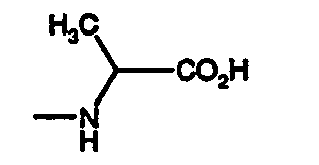
- By proceeding in an analogous manner to that described in Examples 1 or 2, respectively, but replacing the ethanolamine by amines D1H and/or D2H, the following compounds of formula

Table 1 Example Nr. Compound Nr. D1 D2 n 3 (101a) -NHCH2CH2OH -N(CH2CH2OH)2 0 4 (101b) -NHCH2CH2OH -N(CH2CH2OH)2 1 5 (102a) -NHCH2CH2OH -NHCH2CH(CH)3OH 0 6 (102b) -NHCH2CH2OH -NHCH2CH(CH)3OH 1 7 (103a) -NHCH2CH2OH 
0 8 (103b) -NHCH2CH2OH 
1 9 (104a) -NHCH2CH2OH 
0 10 (104b) -NHCH2CH2OH 
1 11 (105a) -NHCH2CH2OH 
0 12 (105b) -NHCH2CH2OH 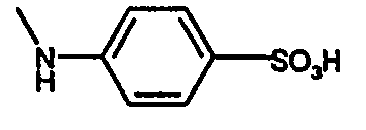
1 13 (106a) -NHCH2CH2OH 
0 14 (106b) -NHCH2CH2OH 
1 15 (107a) -N(CH2CH2OH)2 -N(CH2CH2OH)2 0 16 (107b) -N(CH2CH2OH)2 -N(CH2CH2OH)2 1 17 (108a) -N(CH2CH2OH)2 -NHCH2CH(CH)3OH 0 18 (108b) -N(CH2CH2OH)2 -NHCH2CH(CH)3OH 1 19 (109a) -N(CH2CH2OH)2 
0 20 (109b) -N(CH2CH2OH)2 
1 21 (110a) -N(CH2CH2OH)2 
0 22 (110b) -N(CH2CH2OH)2 
1 23 (111a) -N(CH2CH2OH)2 
0 24 (111b) -N(CH2CH2OH)2 
1 25 (112a) -N(CH2CH2OH)2 
0 26 (112b) -N(CH2CH2OH)2 
1 27 (113a) -NHCH2CH(CH)3OH -NHCH2CH(CH)3OH 0 28 (113b) -NHCH2CH(CH)3OH -NHCH2CH(CH)3OH 1 29 (114a) -NHCH2CH(CH)3OH 
0 30 (114b) -NHCH2CH(CH)3OH 
1 31 (115a) -NHCH2CH(CH)3OH 
0 32 (115b) -NHCH2CH(CH)3OH 
1 33 (116a) -NHCH2CH(CH)3OH 
0 34 (116b) -NHCH2CH(CH)3OH 
1 35 (117a) -NHCH2CH(CH)3OH 
0 36 (117b) -NHCH2CH(CH)3OH 
1 37 (118a) 

0 38 (118b) 

1 39 (119a) 

0 40 (119b) 

1 41 (120a) 

0 42 (120b) 

1 43 (121a) 

0 44 (121b) 

1 45 (122a) 

0 46 (122b) 

1 47 (123a) 

0 48 (123b) 

1 49 (124a) 

0 50 (124b) 

1 51 (125a) 

0 52 (125b) 

1 53 (126a) 

0 54 (126b) 

1 55 (127a) -NHCH2CH2OH 
0 56 (127b) -NHCH2CH2OH 
1 57 (128a) -N(CH2CH2OH)2 
0 58 (128b) -N(CH2CH2OH)2 
1 59 (129a) -NHCH2CH(CH)3OH 
0 60 (129b) -NHCH2CH(CH)3OH 
1 61 (130a) 

0 62 (130b) 

1 63 (131a) 

0 64 (131b) 

1 65 (132a) 

0 66 (132b) 

1 67 (133a) 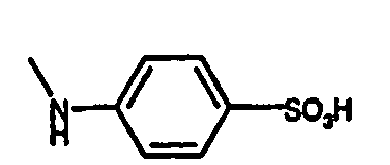

0 68 (133b) 

1 69 (134a) 

0 70 (134b) 

1 71 (135a) -NHCH2CH2OH 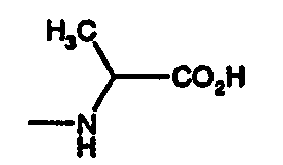
0 72 (135b) -NHCH2CH2OH 
1 73 (136a) -N(CH2CH2OH)2 
0 74 (136b) -N(CH2CH2OH)2 
1 75 (137a) NHCH2CH(CH)3OH 
0 76 (137b) NHCH2CH(CH)3OH 
1 77 (138a) 

0 78 (138b) 

1 79 (139a) 

0 80 (139b) 

1 81 (140a) 

0 82 (140b) 

1 83 (141a) 

0 84 (141b) 

1 85 (142a) 

0 86 (142b) 
1 87 (143a) -NHCH2CH2OH 
0 88 (143b) -NHCH2CH2OH 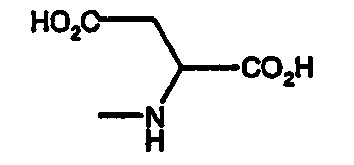
1 89 (144a) -N(CH2CH2OH)2 
0 90 (144b) -N(CH2CH2OH)2 
1 91 (145a) -NHCH2CH(CH)3OH 
0 92 (145b) -NHCH2CH(CH)3OH 
1 93 (146a) 

0 94 (146b) 

1 95 (147a) 

0 96 (147b) 
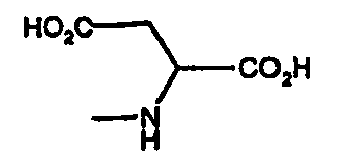
1 97 (148a) 

0 98 (148b) 
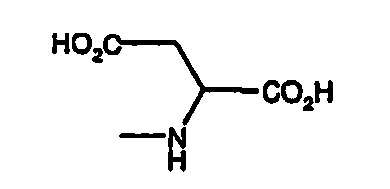
1 99 (149a) 

0 100 (149b) 

1 101 (150a) 

0 102 (150b) 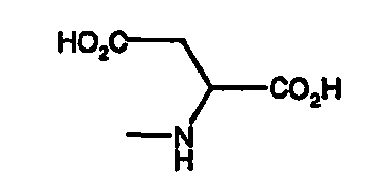

1 103 (151a) -NHCH2CH2OH 
0 104 (151b) -NHCH2CH2OH 
1 105 (152a) -N(CH2CH2OH)2 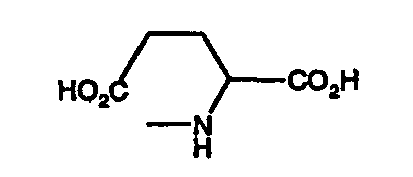
0 106 (152b) -N(CH2CH2OH)2 
1 107 (153a) -NHCH2CH(CH)3OH 
0 108 (153b) -NHCH2CH(CH)3OH 
1 109 (154a) 

0 110 (154b) 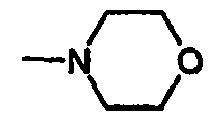

1 111 (155a) 

0 112 (155b) 

1 113 (156a) 

0 114 (156b) 

1 115 (157a) 

0 116 (157b) 

1 117 (158a) 

0 118 (158b) 

1 119 (159a) -NHCH2CH2OH 
0 120 (159b) -NHCH2CH2OH 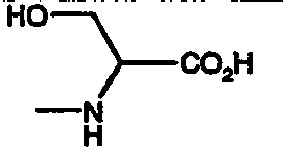
1 121 (160a) -N(CH2CH2OH)2 
0 122 (160b) -N(CH2CH2OH)2 
1 123 (161a) NHCH2CH(CH)3OH 
0 124 (161 b) NHCH2CH(CH)3OH 
1 125 (162a) 

0 126 (162b) 

1 127 (163a) 

0 128 (163b) 

1 129 (164a) 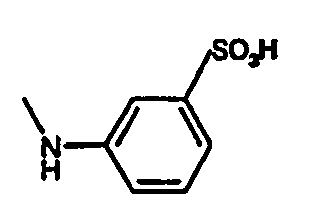

0 130 (164b) 

1 131 (165a) 

0 132 (165b) 

1 133 (166a) 

0 134 (166b) 

1 135 (167a) -NHCH2CH2OH 
0 136 (167b) -NHCH2CH2OH 
1 137 (168a) -N(CH2CH2OH)2 
0 138 (168b) -N(CH2CH2OH)2 
1 139 (169a) NHCH2CH(CH)3OH 
0 140 (169b) NHCH2CH(CH)3OH 
1 141 (170a) 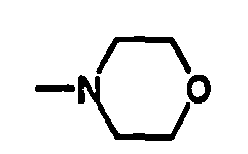

0 142 (170b) 

1 143 (171a) 

0 144 (171b) 

1 145 (172a) 

0 146 (172b) 

1 147 (173a) 

0 148 (173b) 

1 149 (174a) 
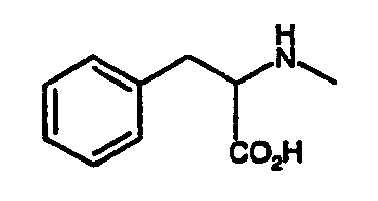
0 150 (174b) 

1 -

- 4.5g of 2-naphthylamine-6-sulphonic acid are suspended in 150g of water and 5.7g of concentrated hydrochloric acid and the suspension treated with a total of 5ml of 4N aqueous sodium nitrite solution over 30 minutes at 0-5°C. The mixture is then stirred for a further 30 minutes and excess nitrite destroyed by addition of 3ml of 2N aqueous sulphamic acid solution. The resulting orange suspension is then added over 30 minutes at 10°C to a suspension of 11.3g of compound (100a) in 100g of water, the pH of which had previously been adjusted to 5.0 by addition of a small amount of 2N aqueous sodium hydroxide solution. During the addition, the pH is maintained at 5.0-5.5 by addition of a total of 27.9ml of 4N aqueous sodium hydroxide solution. After stirring for a further 1.5 hours at room temperature, the pH is adjusted to 8-9 to dissolve excess of the coupling component and the solution salted out by addition of 80g of sodium chloride. After stirring for a further 45 minutes, the resulting red suspension is filtered and the solids washed with a small quantity of water. After drying, there are obtained 8.2g of the compound of formula (175).
-

- 11.2g of 2-naphthylamine-7-sulphonic acid are suspended in 250g of water and 14.2g of concentrated hydrochloric acid and the suspension treated with a total of 12.5ml of 4N aqueous sodium nitrite solution over 30 minutes at 0-5°C. The mixture is then stirred for a further 30 minutes and excess nitrite destroyed by addition of 1ml of 2N aqueous sulphamic acid solution. The resulting orange suspension is then added over 1 hour at 10°C to a suspension of 22.3g of compound (100a) in 50g of water, the pH of which had previously been adjusted to 5.5 by addition of a small amount of 2N aqueous sodium hydroxide solution. During the addition, the pH is maintained at 5.0-5.5 by addition of a total of 15.6ml of 4N aqueous sodium hydroxide solution. After stirring for a further 3 hours at room temperature, the pH is adjusted to 8-9 to dissolve excess of the coupling component and the solution salted out by addition of 150g of sodium chloride. After stirring for a further 15 minutes, the resulting red suspension is filtered and the solids washed with a small quantity of water. After drying, there are obtained 30g of the compound of formula (176).
- By proceeding in a manner analogous to that described in Examples 151 and 152, but replacing the 2-naphthylamine-6- or 7-sulphonic acid by an equivalent quantity of the appropriate amine, the following compounds of formula (4) are obtained, as summarized in Table 2 below.

Table 2 Example Nr. Compound Nr. A1 153 (177) 
154 (178) 
155 (179) 
156 (180) 
157 (181) 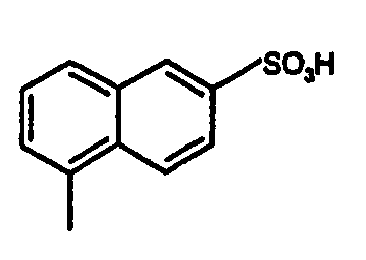
158 (182) 
159 (183) 
160 (184) 
161 (185) 
162 (186) 
163 (187) 
164 (188) 
165 (189) 
166 (190) 
167 (191) 
168 (192) 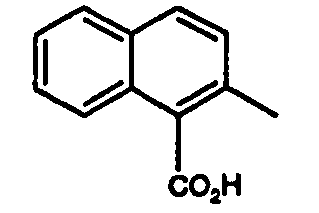
169 (193) 
170 (194) 
-

- 2.3g of 1-naphthylamine-4-sulphonic acid are suspended in 100g of water and 2.9g of concentrated hydrochloric acid and the suspension treated with a total of 2.5ml of 4N aqueous sodium nitrite solution over 30 minutes at 0-5°C. The mixture is then stirred for a further 30 minutes and excess nitrite destroyed by addition of a small quantity of 2N aqueous sulphamic acid solution. The resulting suspension is then added over 35 minutes at 10°C to a suspension of 6.7g of compound (100b) in 100g of water, the pH of which had previously been adjusted to 6.0 by addition of a small amount of 2N aqueous sodium hydroxide solution. During the addition, the pH is maintained at 6.0-6.5 by addition of a total of 14.9mi of 2N aqueous sodium hydroxide solution. After stirring for a further 1 hour at room temperature, 80ml of methanol and 45g of sodium chloride are added. Stirring is continued for a further 15 minutes, the resulting red suspension is filtered and the solids washed with a small quantity of water. After drying, there are obtained 7.5g of the compound of formula (195).
-

- 4.95g of 2-naphthylamine-6-sulphonic acid are suspended in 100g of water and 5.7g of concentrated hydrochloric acid and the suspension treated with a total of 5.1 ml of 4N aqueous sodium nitrite solution over 30 minutes at 0-5°C. The mixture is then stirred for a further 30 minutes and excess nitrite destroyed by addition of a small quantity of 2N aqueous sulphamic acid solution. The resulting suspension is then added over 1 hour at 10°C to a suspension of 13.3g of compound (100b) in 100g of water, the pH of which had previously been adjusted to 5.5 by addition of a small amount of 2N aqueous sodium hydroxide solution. During the addition, the pH is maintained at 5.0-5.5 by addition of a total of 13.2ml of 4N aqueous sodium hydroxide solution. After stirring for a further 4 hours at room temperature, 250ml of methanol and 35g of sodium chloride are added. Stirring is continued for a further 30 minutes, the resulting red suspension is filtered and the solids washed with a small quantity of water. After drying, there are obtained 11.0g of the compound of formula (196).
-

- 3.7g of 2-naphthylamine-1,5-disulphonic acid are suspended in 50g of water and 2.85g of concentrated hydrochloric acid and the suspension treated with a total of 2.Sml of 4N aqueous sodium nitrite solution over 30 minutes at 0-5°C. The mixture is then stirred for a further 1 hour and excess nitrite destroyed by addition of a small quantity of 2N aqueous sulphamic acid solution. The resulting suspension is then added over 40 minutes at 10°C to a suspension of 6.7g of compound (100b) in 100g of water, the pH of which had previously been adjusted to 5.0 by addition of a small amount of 2N aqueous sodium hydroxide solution. During the addition, the pH is maintained at 5.0-6.0 by addition of a total of 18.3ml of 2N aqueous sodium hydroxide solution. After stirring for a further 1 hour at room temperature, 150ml of methanol and 50g of sodium chloride are added. Stirring is continued for a further 30 minutes, the resulting orange suspension is filtered and the solids washed with a small quantity of water. After drying, there are obtained 8.2g of the compound of formula (197).
- By proceeding in a manner analogous to that described in Examples 171 -173, but replacing the 1-naphthylamine-4-sulphonic acid, 2-naphthylamine-6-sulphonic acid or the 2-naphthylamine-1,5-disulphonic acid by an equivalent quantity of the appropriate amine, the following compounds of formula (5) are obtained, as summarized in Table 3 below.

Table 3 Example Nr. Compound Nr. A1 174 (198) 
175 (199) 
176 (200) 
177 (201) 
178 (202) 
179 (203) 
180 (204) 
181 (205) 
182 (206) 
183 (207) 
184 (208) 
185 (209) 
186 (210) 
187 (211) 
188 (212) 
189 (213) 
190 (214) 
- Furthermore, by proceeding in a manner analogous to that described for the preparation of the above dyes but utilizing the intermediates (101a)-(174b) described in Table 1 together with the amines described in Examples 151-190, dyes of the corresponding formulae (4) and (5) may also be obtained.
- A mixture consisting of 50% long fibre spruce sulphite bleached and 50% short fibre beech sulphite bleached fibres is suspended in deionised water, as a 2% suspension, and refined and beaten to 22°SR (Schopper Riegler). After dewatering by means of a centrifuge and testing for dry weight, the equivalent to 10g of dry fibre are placed in a beaker and made up to a volume of 500ml with tap water. After stirring for 1 hour, sufficient of the appropriate compound to produce a dyeing of 0.2 standard depth, based on the weight of dry fibre, as a 5g/l aqueous solution is added to the furnish suspension and stirring continued for a further 15 minutes. The suspension is made up to 700ml with water and from 300ml of the resulting suspension a hand sheet is produced using a Lhomargy sheet former. After drying on a cylinder at 90°C for 12 minutes, the CIELab coordinates and degrees of exhaustion of the dyes in the dyeings obtained are measured. The backwater ratings of the effluents are also assessed on a scale of from 1 (very highly coloured) to 5 (colourless backwater). The results are summarized in Table 4 below.
Table 4 Example Nr. Compound Nr. Concentration for 0.2 St.D. Degree of Exhaustion Backwater rating CIELab Coordinates H* 21.4 C* 49.6 191 (175) 0.57% 87-89% 3 L* 62.7 *a 46.2 *b 18.1 H* 27.9 C* 55.3 192 (176) 0.74% 94-96% 3-4 L* 65.4 *a 48.9 *b 25.9 H* 6.8 C* 43.5 193 (195) 0.82% 86-88% 3 L* 57.7 *a 43.2 *b 5.2 H* 23.5 C* 52.0 194 (196) 0.54% 98-99% 4-5 L* 64.3 *a 47.7 *b 20.8 H* 37.4 C* 56.5 195 (197) 1.1% 79-81 2 L* 69.2 *a 44.8 *b 34.3
Claims (10)
- A compound of the formula
 A represents a 1- or 2-naphthyl residue, which is substituted by a total of one or two sulphonic
and/or carboxylic acid groups,R1 represents hydrogen or C1-C4alkyl, eachD1 and D2, independently of the other, represent either an amino acid residue resulting from removal of a hydrogen atom from the amino group of the amino acid or the residue
-NR2R3, in which eachR2 and R3, independently of the other, represent hydrogen, C1-C4alkyl, C2-C6alkyl which is substituted by hydroxy, halogen or cyano, phenyl which is unsubstituted or monosubstituted by hydroxy, halogen, SO3H, C1-C4alkyl or C1-C4alkoxy or, alternatively,R2 and R3, together with the nitrogen atom to which they are connected, complete a saturated, 5- or 6-membered ring which may contain, in addition to the nitrogen atom, one nitrogen or oxygen atom and which may be further substituted andn is 0 or 1. - A compound of formula (1), according to claim 1, in whichA represents a 1- or 2-naphthyl mono- or disulphonic acid or a 1- or 2-naphthyl monocarboxylic acid residue.
- A compound of formula (1), according to claim 1 or claim 2, in whichR1 represents hydrogenD1 and D2, independently of the other, is an amino acid residue resulting from removal of a hydrogen atom from the amino group of the amino acid and which is derived from glycine, alanine, serine, cysteine, phenylalanine, tyrosine (4-hydroxyphenylalanine), diiodotyrosine, tryptophan (β-indolylalanine), histidine ((β-imidazolylalanine), α-aminobutyric acid, methionine, valine (α-aminoisovaleric acid), norvaline, leucine (α-aminoisocaproic acid), isoleucine (α-amino-β-methylvaleric acid), norleucine (α-amino-n-caproic acid), arginine, ornithine (α,δ-diaminovaleric acid), lysine (α,ε-diaminocaproic acid), aspartic acid (aminosuccinic acid), glutamic acid (α-aminoglutaric acid), threonine and hydroxyglutamic acid as well as mixtures and optical isomers thereof or from iminodiacetic acid, a residue
-NR2R3, in which eachR2 and R3, independently of the other, represent hydrogen, C2-C4hydroxyalkyl, phenyl, which is unsubstituted or monosubstituted by SO3H or, alternatively, a morpholino, piperidino or pyrrolidino residue. - A compound of formula (1), according to any one of claims 1 to 3, in whichA represents a 1-naphthyl-2-, 3-, 4-, 5-, 6-, 7- or 8-sulphonic acid, a 2-naphthyl-1-, 5-, 6- or 7-sulphonic acid, a 2-naphthyl-1-, 3- or 6-carboxylic acid, a 1-naphthyl-3,8- or 4,8-disulphonic acid or a 2-naphthyl-1,5-, 3,6-, 4,8- or 6,8-disulphonic acid residue and eachD1 and D2, independently of the other, is an amino acid residue from which a hydrogen atom on the amino group has been removed and which is derived from glycine, alanine, serine, phenylalanine, aspartic acid (aminosuccinic acid) or glutamic acid (α-aminoglutaric acid), a residue
-NR2R3, in which eachR2 and R3, independently of the other, represent hydrogen, C2-C3hydroxyalkyl, phenyl, which is unsubstituted, or monosubstituted by SO3H or, alternatively, a morpholino residue. - A process for the preparation of the compound of formula (1), according to claim 1, comprising reacting the diazonium salt of an amine of the formula
A-NH2 (2)
with either 2-amino- or 2-C1-C4alkylamino-5-hydroxynaphthalene-7-sulphonic acid (where n=0) or with 2-(4-amino- or 4-C1-C4alkylaminobenzoyl)amino- or C1-C4alkylamino-5-hydroxynaphthalene-7-sulphonic acid (where n=1), reaction with cyanuric chloride and subsequent sequential reaction of the dichloro intermediate with amines D1H and D2H or, alternatively,
reacting 2-amino- or 2-C1-C4alkylamino-5-hydroxynaphthalene-7-sulphonic acid (where n=0) or 2-(4-amino- or 4-C1-C4alkylaminobenzoyl)amino- or C1-C4alkylamino-5-hydroxynaphthalene-7-sulphonic acid (where n=1) with cyanuric chloride, followed by sequential reaction of the dichloro intermediate with amines D1H and D2H and, finally, reaction with the diazonium salt of the amine of formula (2), whereby A, D1, D2 and n are as defined in claim 1. - A solid dye composition for dyeing paper, comprising a compound of the formula (1), according to claim 1, and, optionally, further auxiliaries.
- An aqueous solution for dyeing paper, comprising a compound of the formula (1), according to claim 1, and, optionally, further auxiliaries.
- An aqueous solution according to claim 7 containing, as further auxiliaries, solubilizers and/or organic solvents.
- Paper which is dyed with a compound of the formula (1), according to claim 1, in the form of a solid dye composition, according to claim 6, or an aqueous solution, according to claim 7.
- Use of the compound of formula (1), according to claim 1, for dyeing paper.
Priority Applications (1)
| Application Number | Priority Date | Filing Date | Title |
|---|---|---|---|
| EP03766203A EP1525267B1 (en) | 2002-07-26 | 2003-07-17 | Anionic monoazo dyes |
Applications Claiming Priority (4)
| Application Number | Priority Date | Filing Date | Title |
|---|---|---|---|
| EP02405652 | 2002-07-26 | ||
| EP02405652 | 2002-07-26 | ||
| PCT/EP2003/007770 WO2004013233A1 (en) | 2002-07-26 | 2003-07-17 | Anionic monoazo dyes |
| EP03766203A EP1525267B1 (en) | 2002-07-26 | 2003-07-17 | Anionic monoazo dyes |
Publications (2)
| Publication Number | Publication Date |
|---|---|
| EP1525267A1 EP1525267A1 (en) | 2005-04-27 |
| EP1525267B1 true EP1525267B1 (en) | 2007-03-21 |
Family
ID=31198000
Family Applications (1)
| Application Number | Title | Priority Date | Filing Date |
|---|---|---|---|
| EP03766203A Expired - Lifetime EP1525267B1 (en) | 2002-07-26 | 2003-07-17 | Anionic monoazo dyes |
Country Status (14)
| Country | Link |
|---|---|
| US (1) | US7351808B2 (en) |
| EP (1) | EP1525267B1 (en) |
| JP (1) | JP2005533914A (en) |
| KR (1) | KR20050027126A (en) |
| CN (1) | CN100372894C (en) |
| AT (1) | ATE357484T1 (en) |
| AU (1) | AU2003246711B2 (en) |
| BR (1) | BR0312902A (en) |
| CA (1) | CA2493627A1 (en) |
| DE (1) | DE60312694T2 (en) |
| ES (1) | ES2282678T3 (en) |
| MX (1) | MXPA05001041A (en) |
| TW (1) | TW200404089A (en) |
| WO (1) | WO2004013233A1 (en) |
Families Citing this family (5)
| Publication number | Priority date | Publication date | Assignee | Title |
|---|---|---|---|---|
| KR100700942B1 (en) | 2005-11-30 | 2007-03-28 | (주)경인양행 | Reactive red dye compound and preparation method thereof |
| DE102011008526A1 (en) * | 2011-01-13 | 2012-07-19 | Henkel Ag & Co. Kgaa | Color protecting detergents |
| CN106009769A (en) * | 2016-05-17 | 2016-10-12 | 黄山普米特新材料有限公司 | Reactive orange and synthesis method thereof |
| TWI668235B (en) * | 2018-04-17 | 2019-08-11 | 亞東技術學院 | Dyeing auxiliaries and dyeing processes applied |
| TWI681974B (en) * | 2018-04-17 | 2020-01-11 | 亞東技術學院 | Manufacturing method of auxiliary agent for dyeing |
Family Cites Families (14)
| Publication number | Priority date | Publication date | Assignee | Title |
|---|---|---|---|---|
| DE1102317B (en) * | 1956-08-10 | 1961-03-16 | Ciba Geigy | Process for the preparation of metal-containing monoazo dyes |
| DE3114088A1 (en) * | 1981-04-08 | 1982-10-28 | Bayer Ag, 5090 Leverkusen | WATER-SOLUBLE TRIAZINE COMPOUNDS, THEIR PRODUCTION AND THEIR USE |
| DE3133568A1 (en) * | 1981-08-25 | 1983-03-10 | Bayer Ag, 5090 Leverkusen | Water-soluble triazine compounds, their preparation and their use |
| CH655735A5 (en) * | 1982-09-17 | 1986-05-15 | Sandoz Ag | REACTIVE MONOAZO CONNECTIONS. |
| JPS59179666A (en) * | 1983-03-31 | 1984-10-12 | Mitsubishi Chem Ind Ltd | Monoazo reactive dye |
| GB8909248D0 (en) * | 1989-04-24 | 1989-06-07 | Ici Plc | New reactive dyes |
| US5631352A (en) * | 1994-06-20 | 1997-05-20 | Ciba-Geigy Corporation | Azodyes containing a bridge member based on diamino-substituted triazines |
| JPH08291262A (en) * | 1995-02-22 | 1996-11-05 | Sumitomo Chem Co Ltd | Monoazo compound and dyeing or printing method using the same |
| DE19518356A1 (en) * | 1995-05-19 | 1996-11-21 | Hoechst Ag | Pure brilliant sulpho naphthyl azo-amino sulpho-naphthol dye prepn. |
| US5929215A (en) * | 1996-03-27 | 1999-07-27 | Clariant Finance (Bvi) Limited | Basic monoazo compounds |
| GB9606453D0 (en) * | 1996-03-27 | 1996-06-05 | Clariant Finance Bvi Ltd | Improvements in or relating to organic compounds |
| GB2330841B (en) * | 1997-10-29 | 2002-06-19 | Zeneca Ltd | Novel monoazo dyes for use in ink-jet printing |
| CA2452522A1 (en) * | 2001-07-20 | 2003-02-06 | Ciba Specialty Chemicals Holding Inc. | Dyes incorporating anionic and cationic groups |
| JP2005042028A (en) * | 2003-07-23 | 2005-02-17 | Nippon Kayaku Co Ltd | Water-soluble monoazo compound, water-based orange ink composition containing the same and colored matter produced by using the same |
-
2003
- 2003-07-17 MX MXPA05001041A patent/MXPA05001041A/en active IP Right Grant
- 2003-07-17 WO PCT/EP2003/007770 patent/WO2004013233A1/en not_active Ceased
- 2003-07-17 CA CA002493627A patent/CA2493627A1/en not_active Abandoned
- 2003-07-17 CN CNB038174383A patent/CN100372894C/en not_active Expired - Fee Related
- 2003-07-17 JP JP2004525232A patent/JP2005533914A/en active Pending
- 2003-07-17 ES ES03766203T patent/ES2282678T3/en not_active Expired - Lifetime
- 2003-07-17 KR KR1020057001301A patent/KR20050027126A/en not_active Ceased
- 2003-07-17 AT AT03766203T patent/ATE357484T1/en not_active IP Right Cessation
- 2003-07-17 AU AU2003246711A patent/AU2003246711B2/en not_active Ceased
- 2003-07-17 DE DE60312694T patent/DE60312694T2/en not_active Expired - Fee Related
- 2003-07-17 US US10/520,964 patent/US7351808B2/en not_active Expired - Fee Related
- 2003-07-17 BR BR0312902-0A patent/BR0312902A/en not_active Application Discontinuation
- 2003-07-17 EP EP03766203A patent/EP1525267B1/en not_active Expired - Lifetime
- 2003-07-24 TW TW092120164A patent/TW200404089A/en unknown
Also Published As
| Publication number | Publication date |
|---|---|
| US20050256305A1 (en) | 2005-11-17 |
| BR0312902A (en) | 2005-06-14 |
| KR20050027126A (en) | 2005-03-17 |
| CN1671799A (en) | 2005-09-21 |
| DE60312694D1 (en) | 2007-05-03 |
| WO2004013233A1 (en) | 2004-02-12 |
| ES2282678T3 (en) | 2007-10-16 |
| EP1525267A1 (en) | 2005-04-27 |
| CA2493627A1 (en) | 2004-02-12 |
| JP2005533914A (en) | 2005-11-10 |
| TW200404089A (en) | 2004-03-16 |
| AU2003246711B2 (en) | 2009-05-28 |
| CN100372894C (en) | 2008-03-05 |
| MXPA05001041A (en) | 2005-04-08 |
| AU2003246711A1 (en) | 2004-02-23 |
| ATE357484T1 (en) | 2007-04-15 |
| US7351808B2 (en) | 2008-04-01 |
| DE60312694T2 (en) | 2007-07-12 |
Similar Documents
| Publication | Publication Date | Title |
|---|---|---|
| SE445836B (en) | BASIC RESPONSE CATION-ACTIVE, SULPHONIC ACID-CONTAINING MONOAZO OR DIAZO COMPOUNDS AND THEIR USE | |
| JP3157305B2 (en) | How to dye paper with disazo dyes | |
| AU2001278427B2 (en) | Process for preparing solutions of anionic organic compounds | |
| JPH02102271A (en) | Anionic triazinylamino disazo dye | |
| US20030163879A1 (en) | Reactive dye mixtures | |
| US5519121A (en) | Triazinyl-amino bridge-containing disazo dyestuffs | |
| US7351808B2 (en) | Anionic monoazo dyes | |
| US5059681A (en) | Bis-azotriazinyl reactive dyes having an n-alkyl-phenylenediamine link | |
| JPH06240165A (en) | Disazo dye for paper dyeing | |
| Szadowski et al. | Synthesis and properties of disazo dyes derived from water-soluble derivatives of benzidine and 4, 4'-diaminodiphenylurea | |
| US6084078A (en) | Disazo dyestuffs for dyeing cellulosic materials | |
| ZA200303513B (en) | Use of disazo compounds. | |
| US20080201872A1 (en) | Aqueous Formulations Of Dye Mixtures | |
| EP1345992B1 (en) | Disazo dyes, and copper complexes thereof, for dyeing paper | |
| JP2004536202A (en) | Dyes incorporating anionic and cationic groups | |
| US5203876A (en) | Process for dyeing paper | |
| JP2552732B2 (en) | How to dye trisazo dye and paper | |
| JPH02274770A (en) | Reactive dye | |
| US5233027A (en) | Copper complexes of sulpho groups containing disazo dyestuffs | |
| AU2002238450A1 (en) | Disazo dyes, and copper complexes thereof, for dyeing paper | |
| US4314816A (en) | Direct blue dyes from the condensation of diaminostilbenedisulfonic acid with N-alkyl or N-hydroxyalkyl-8-amino-1-naphthol-3,6-disulfonic acid | |
| EP1899418B1 (en) | Disazo dyes and dye compositions for shading white paper | |
| EP1345993B1 (en) | Use of copper complexes of disazo dyes for dyeing natural and synthetic material | |
| KR960011057B1 (en) | Reactive yellow dye compound, preparation method thereof and dyeing method thereof | |
| KR20050012779A (en) | Yellow anionic disazo dyes |
Legal Events
| Date | Code | Title | Description |
|---|---|---|---|
| PUAI | Public reference made under article 153(3) epc to a published international application that has entered the european phase |
Free format text: ORIGINAL CODE: 0009012 |
|
| 17P | Request for examination filed |
Effective date: 20041217 |
|
| AK | Designated contracting states |
Kind code of ref document: A1 Designated state(s): AT BE BG CH CY CZ DE DK EE ES FI FR GB GR HU IE IT LI LU MC NL PT RO SE SI SK TR |
|
| AX | Request for extension of the european patent |
Extension state: AL LT LV MK |
|
| DAX | Request for extension of the european patent (deleted) | ||
| GRAP | Despatch of communication of intention to grant a patent |
Free format text: ORIGINAL CODE: EPIDOSNIGR1 |
|
| RIC1 | Information provided on ipc code assigned before grant |
Ipc: D21H 21/28 20060101ALI20060904BHEP Ipc: C09B 43/16 20060101AFI20060904BHEP Ipc: C09B 29/01 20060101ALI20060904BHEP |
|
| GRAS | Grant fee paid |
Free format text: ORIGINAL CODE: EPIDOSNIGR3 |
|
| GRAA | (expected) grant |
Free format text: ORIGINAL CODE: 0009210 |
|
| AK | Designated contracting states |
Kind code of ref document: B1 Designated state(s): AT BE BG CH CY CZ DE DK EE ES FI FR GB GR HU IE IT LI LU MC NL PT RO SE SI SK TR |
|
| PG25 | Lapsed in a contracting state [announced via postgrant information from national office to epo] |
Ref country code: FI Free format text: LAPSE BECAUSE OF FAILURE TO SUBMIT A TRANSLATION OF THE DESCRIPTION OR TO PAY THE FEE WITHIN THE PRESCRIBED TIME-LIMIT Effective date: 20070321 Ref country code: BE Free format text: LAPSE BECAUSE OF FAILURE TO SUBMIT A TRANSLATION OF THE DESCRIPTION OR TO PAY THE FEE WITHIN THE PRESCRIBED TIME-LIMIT Effective date: 20070321 Ref country code: AT Free format text: LAPSE BECAUSE OF FAILURE TO SUBMIT A TRANSLATION OF THE DESCRIPTION OR TO PAY THE FEE WITHIN THE PRESCRIBED TIME-LIMIT Effective date: 20070321 Ref country code: SI Free format text: LAPSE BECAUSE OF FAILURE TO SUBMIT A TRANSLATION OF THE DESCRIPTION OR TO PAY THE FEE WITHIN THE PRESCRIBED TIME-LIMIT Effective date: 20070321 Ref country code: NL Free format text: LAPSE BECAUSE OF FAILURE TO SUBMIT A TRANSLATION OF THE DESCRIPTION OR TO PAY THE FEE WITHIN THE PRESCRIBED TIME-LIMIT Effective date: 20070321 |
|
| REG | Reference to a national code |
Ref country code: GB Ref legal event code: FG4D |
|
| REG | Reference to a national code |
Ref country code: CH Ref legal event code: EP |
|
| REF | Corresponds to: |
Ref document number: 60312694 Country of ref document: DE Date of ref document: 20070503 Kind code of ref document: P |
|
| REG | Reference to a national code |
Ref country code: IE Ref legal event code: FG4D |
|
| PG25 | Lapsed in a contracting state [announced via postgrant information from national office to epo] |
Ref country code: SE Free format text: LAPSE BECAUSE OF FAILURE TO SUBMIT A TRANSLATION OF THE DESCRIPTION OR TO PAY THE FEE WITHIN THE PRESCRIBED TIME-LIMIT Effective date: 20070621 |
|
| PG25 | Lapsed in a contracting state [announced via postgrant information from national office to epo] |
Ref country code: PT Free format text: LAPSE BECAUSE OF FAILURE TO SUBMIT A TRANSLATION OF THE DESCRIPTION OR TO PAY THE FEE WITHIN THE PRESCRIBED TIME-LIMIT Effective date: 20070821 |
|
| ET | Fr: translation filed | ||
| NLV1 | Nl: lapsed or annulled due to failure to fulfill the requirements of art. 29p and 29m of the patents act | ||
| REG | Reference to a national code |
Ref country code: ES Ref legal event code: FG2A Ref document number: 2282678 Country of ref document: ES Kind code of ref document: T3 |
|
| PG25 | Lapsed in a contracting state [announced via postgrant information from national office to epo] |
Ref country code: SK Free format text: LAPSE BECAUSE OF FAILURE TO SUBMIT A TRANSLATION OF THE DESCRIPTION OR TO PAY THE FEE WITHIN THE PRESCRIBED TIME-LIMIT Effective date: 20070321 |
|
| PG25 | Lapsed in a contracting state [announced via postgrant information from national office to epo] |
Ref country code: RO Free format text: LAPSE BECAUSE OF FAILURE TO SUBMIT A TRANSLATION OF THE DESCRIPTION OR TO PAY THE FEE WITHIN THE PRESCRIBED TIME-LIMIT Effective date: 20070321 Ref country code: CZ Free format text: LAPSE BECAUSE OF FAILURE TO SUBMIT A TRANSLATION OF THE DESCRIPTION OR TO PAY THE FEE WITHIN THE PRESCRIBED TIME-LIMIT Effective date: 20070321 |
|
| PLBE | No opposition filed within time limit |
Free format text: ORIGINAL CODE: 0009261 |
|
| STAA | Information on the status of an ep patent application or granted ep patent |
Free format text: STATUS: NO OPPOSITION FILED WITHIN TIME LIMIT |
|
| PG25 | Lapsed in a contracting state [announced via postgrant information from national office to epo] |
Ref country code: DK Free format text: LAPSE BECAUSE OF FAILURE TO SUBMIT A TRANSLATION OF THE DESCRIPTION OR TO PAY THE FEE WITHIN THE PRESCRIBED TIME-LIMIT Effective date: 20070321 |
|
| 26N | No opposition filed |
Effective date: 20071227 |
|
| PG25 | Lapsed in a contracting state [announced via postgrant information from national office to epo] |
Ref country code: GR Free format text: LAPSE BECAUSE OF FAILURE TO SUBMIT A TRANSLATION OF THE DESCRIPTION OR TO PAY THE FEE WITHIN THE PRESCRIBED TIME-LIMIT Effective date: 20070622 Ref country code: MC Free format text: LAPSE BECAUSE OF NON-PAYMENT OF DUE FEES Effective date: 20070731 |
|
| REG | Reference to a national code |
Ref country code: CH Ref legal event code: PFA Owner name: CIBA HOLDING INC. Free format text: CIBA SPECIALTY CHEMICALS HOLDING INC.#KLYBECKSTRASSE 141#4057 BASEL (CH) -TRANSFER TO- CIBA HOLDING INC.#KLYBECKSTRASSE 141#4057 BASEL (CH) |
|
| PG25 | Lapsed in a contracting state [announced via postgrant information from national office to epo] |
Ref country code: IE Free format text: LAPSE BECAUSE OF NON-PAYMENT OF DUE FEES Effective date: 20070717 |
|
| PG25 | Lapsed in a contracting state [announced via postgrant information from national office to epo] |
Ref country code: EE Free format text: LAPSE BECAUSE OF FAILURE TO SUBMIT A TRANSLATION OF THE DESCRIPTION OR TO PAY THE FEE WITHIN THE PRESCRIBED TIME-LIMIT Effective date: 20070321 |
|
| PG25 | Lapsed in a contracting state [announced via postgrant information from national office to epo] |
Ref country code: CY Free format text: LAPSE BECAUSE OF FAILURE TO SUBMIT A TRANSLATION OF THE DESCRIPTION OR TO PAY THE FEE WITHIN THE PRESCRIBED TIME-LIMIT Effective date: 20070321 |
|
| PG25 | Lapsed in a contracting state [announced via postgrant information from national office to epo] |
Ref country code: LU Free format text: LAPSE BECAUSE OF NON-PAYMENT OF DUE FEES Effective date: 20070717 Ref country code: BG Free format text: LAPSE BECAUSE OF FAILURE TO SUBMIT A TRANSLATION OF THE DESCRIPTION OR TO PAY THE FEE WITHIN THE PRESCRIBED TIME-LIMIT Effective date: 20070621 |
|
| PG25 | Lapsed in a contracting state [announced via postgrant information from national office to epo] |
Ref country code: TR Free format text: LAPSE BECAUSE OF FAILURE TO SUBMIT A TRANSLATION OF THE DESCRIPTION OR TO PAY THE FEE WITHIN THE PRESCRIBED TIME-LIMIT Effective date: 20070321 Ref country code: HU Free format text: LAPSE BECAUSE OF FAILURE TO SUBMIT A TRANSLATION OF THE DESCRIPTION OR TO PAY THE FEE WITHIN THE PRESCRIBED TIME-LIMIT Effective date: 20070922 |
|
| PGFP | Annual fee paid to national office [announced via postgrant information from national office to epo] |
Ref country code: CH Payment date: 20090515 Year of fee payment: 7 Ref country code: ES Payment date: 20090722 Year of fee payment: 7 Ref country code: FR Payment date: 20090716 Year of fee payment: 7 |
|
| PGFP | Annual fee paid to national office [announced via postgrant information from national office to epo] |
Ref country code: DE Payment date: 20090722 Year of fee payment: 7 |
|
| PGFP | Annual fee paid to national office [announced via postgrant information from national office to epo] |
Ref country code: IT Payment date: 20090707 Year of fee payment: 7 |
|
| PGFP | Annual fee paid to national office [announced via postgrant information from national office to epo] |
Ref country code: GB Payment date: 20100802 Year of fee payment: 8 |
|
| REG | Reference to a national code |
Ref country code: CH Ref legal event code: PL |
|
| REG | Reference to a national code |
Ref country code: FR Ref legal event code: ST Effective date: 20110331 |
|
| PG25 | Lapsed in a contracting state [announced via postgrant information from national office to epo] |
Ref country code: DE Free format text: LAPSE BECAUSE OF NON-PAYMENT OF DUE FEES Effective date: 20110201 Ref country code: CH Free format text: LAPSE BECAUSE OF NON-PAYMENT OF DUE FEES Effective date: 20100731 Ref country code: LI Free format text: LAPSE BECAUSE OF NON-PAYMENT OF DUE FEES Effective date: 20100731 |
|
| REG | Reference to a national code |
Ref country code: DE Ref legal event code: R119 Ref document number: 60312694 Country of ref document: DE Effective date: 20110201 |
|
| PG25 | Lapsed in a contracting state [announced via postgrant information from national office to epo] |
Ref country code: IT Free format text: LAPSE BECAUSE OF NON-PAYMENT OF DUE FEES Effective date: 20100717 Ref country code: FR Free format text: LAPSE BECAUSE OF NON-PAYMENT OF DUE FEES Effective date: 20100802 |
|
| REG | Reference to a national code |
Ref country code: ES Ref legal event code: FD2A Effective date: 20110818 |
|
| PG25 | Lapsed in a contracting state [announced via postgrant information from national office to epo] |
Ref country code: ES Free format text: LAPSE BECAUSE OF NON-PAYMENT OF DUE FEES Effective date: 20100718 |
|
| GBPC | Gb: european patent ceased through non-payment of renewal fee |
Effective date: 20110717 |
|
| PG25 | Lapsed in a contracting state [announced via postgrant information from national office to epo] |
Ref country code: GB Free format text: LAPSE BECAUSE OF NON-PAYMENT OF DUE FEES Effective date: 20110717 |