EP1514942A1 - Method of searching substane having antidiabetic activity - Google Patents
Method of searching substane having antidiabetic activity Download PDFInfo
- Publication number
- EP1514942A1 EP1514942A1 EP03725810A EP03725810A EP1514942A1 EP 1514942 A1 EP1514942 A1 EP 1514942A1 EP 03725810 A EP03725810 A EP 03725810A EP 03725810 A EP03725810 A EP 03725810A EP 1514942 A1 EP1514942 A1 EP 1514942A1
- Authority
- EP
- European Patent Office
- Prior art keywords
- purine derivative
- substituted
- protein
- substance
- binding
- Prior art date
- Legal status (The legal status is an assumption and is not a legal conclusion. Google has not performed a legal analysis and makes no representation as to the accuracy of the status listed.)
- Withdrawn
Links
- 0 *c1nc(*)nc(*)n1 Chemical compound *c1nc(*)nc(*)n1 0.000 description 1
Images


Classifications
-
- C—CHEMISTRY; METALLURGY
- C12—BIOCHEMISTRY; BEER; SPIRITS; WINE; VINEGAR; MICROBIOLOGY; ENZYMOLOGY; MUTATION OR GENETIC ENGINEERING
- C12Q—MEASURING OR TESTING PROCESSES INVOLVING ENZYMES, NUCLEIC ACIDS OR MICROORGANISMS; COMPOSITIONS OR TEST PAPERS THEREFOR; PROCESSES OF PREPARING SUCH COMPOSITIONS; CONDITION-RESPONSIVE CONTROL IN MICROBIOLOGICAL OR ENZYMOLOGICAL PROCESSES
- C12Q1/00—Measuring or testing processes involving enzymes, nucleic acids or microorganisms; Compositions therefor; Processes of preparing such compositions
- C12Q1/02—Measuring or testing processes involving enzymes, nucleic acids or microorganisms; Compositions therefor; Processes of preparing such compositions involving viable microorganisms
- C12Q1/04—Determining presence or kind of microorganism; Use of selective media for testing antibiotics or bacteriocides; Compositions containing a chemical indicator therefor
-
- C—CHEMISTRY; METALLURGY
- C12—BIOCHEMISTRY; BEER; SPIRITS; WINE; VINEGAR; MICROBIOLOGY; ENZYMOLOGY; MUTATION OR GENETIC ENGINEERING
- C12Q—MEASURING OR TESTING PROCESSES INVOLVING ENZYMES, NUCLEIC ACIDS OR MICROORGANISMS; COMPOSITIONS OR TEST PAPERS THEREFOR; PROCESSES OF PREPARING SUCH COMPOSITIONS; CONDITION-RESPONSIVE CONTROL IN MICROBIOLOGICAL OR ENZYMOLOGICAL PROCESSES
- C12Q1/00—Measuring or testing processes involving enzymes, nucleic acids or microorganisms; Compositions therefor; Processes of preparing such compositions
- C12Q1/26—Measuring or testing processes involving enzymes, nucleic acids or microorganisms; Compositions therefor; Processes of preparing such compositions involving oxidoreductase
- C12Q1/32—Measuring or testing processes involving enzymes, nucleic acids or microorganisms; Compositions therefor; Processes of preparing such compositions involving oxidoreductase involving dehydrogenase
-
- A—HUMAN NECESSITIES
- A61—MEDICAL OR VETERINARY SCIENCE; HYGIENE
- A61K—PREPARATIONS FOR MEDICAL, DENTAL OR TOILETRY PURPOSES
- A61K31/00—Medicinal preparations containing organic active ingredients
- A61K31/33—Heterocyclic compounds
- A61K31/395—Heterocyclic compounds having nitrogen as a ring hetero atom, e.g. guanethidine or rifamycins
- A61K31/53—Heterocyclic compounds having nitrogen as a ring hetero atom, e.g. guanethidine or rifamycins having six-membered rings with three nitrogens as the only ring hetero atoms, e.g. chlorazanil, melamine
-
- A—HUMAN NECESSITIES
- A61—MEDICAL OR VETERINARY SCIENCE; HYGIENE
- A61K—PREPARATIONS FOR MEDICAL, DENTAL OR TOILETRY PURPOSES
- A61K31/00—Medicinal preparations containing organic active ingredients
- A61K31/33—Heterocyclic compounds
- A61K31/395—Heterocyclic compounds having nitrogen as a ring hetero atom, e.g. guanethidine or rifamycins
- A61K31/535—Heterocyclic compounds having nitrogen as a ring hetero atom, e.g. guanethidine or rifamycins having six-membered rings with at least one nitrogen and one oxygen as the ring hetero atoms, e.g. 1,2-oxazines
- A61K31/5375—1,4-Oxazines, e.g. morpholine
- A61K31/5377—1,4-Oxazines, e.g. morpholine not condensed and containing further heterocyclic rings, e.g. timolol
-
- A—HUMAN NECESSITIES
- A61—MEDICAL OR VETERINARY SCIENCE; HYGIENE
- A61K—PREPARATIONS FOR MEDICAL, DENTAL OR TOILETRY PURPOSES
- A61K31/00—Medicinal preparations containing organic active ingredients
- A61K31/33—Heterocyclic compounds
- A61K31/395—Heterocyclic compounds having nitrogen as a ring hetero atom, e.g. guanethidine or rifamycins
- A61K31/55—Heterocyclic compounds having nitrogen as a ring hetero atom, e.g. guanethidine or rifamycins having seven-membered rings, e.g. azelastine, pentylenetetrazole
-
- A—HUMAN NECESSITIES
- A61—MEDICAL OR VETERINARY SCIENCE; HYGIENE
- A61P—SPECIFIC THERAPEUTIC ACTIVITY OF CHEMICAL COMPOUNDS OR MEDICINAL PREPARATIONS
- A61P3/00—Drugs for disorders of the metabolism
- A61P3/08—Drugs for disorders of the metabolism for glucose homeostasis
- A61P3/10—Drugs for disorders of the metabolism for glucose homeostasis for hyperglycaemia, e.g. antidiabetics
-
- A—HUMAN NECESSITIES
- A61—MEDICAL OR VETERINARY SCIENCE; HYGIENE
- A61P—SPECIFIC THERAPEUTIC ACTIVITY OF CHEMICAL COMPOUNDS OR MEDICINAL PREPARATIONS
- A61P43/00—Drugs for specific purposes, not provided for in groups A61P1/00-A61P41/00
-
- A—HUMAN NECESSITIES
- A61—MEDICAL OR VETERINARY SCIENCE; HYGIENE
- A61P—SPECIFIC THERAPEUTIC ACTIVITY OF CHEMICAL COMPOUNDS OR MEDICINAL PREPARATIONS
- A61P5/00—Drugs for disorders of the endocrine system
- A61P5/48—Drugs for disorders of the endocrine system of the pancreatic hormones
- A61P5/50—Drugs for disorders of the endocrine system of the pancreatic hormones for increasing or potentiating the activity of insulin
-
- C—CHEMISTRY; METALLURGY
- C07—ORGANIC CHEMISTRY
- C07D—HETEROCYCLIC COMPOUNDS
- C07D487/00—Heterocyclic compounds containing nitrogen atoms as the only ring hetero atoms in the condensed system, not provided for by groups C07D451/00 - C07D477/00
- C07D487/12—Heterocyclic compounds containing nitrogen atoms as the only ring hetero atoms in the condensed system, not provided for by groups C07D451/00 - C07D477/00 in which the condensed system contains three hetero rings
- C07D487/14—Ortho-condensed systems
-
- G—PHYSICS
- G01—MEASURING; TESTING
- G01N—INVESTIGATING OR ANALYSING MATERIALS BY DETERMINING THEIR CHEMICAL OR PHYSICAL PROPERTIES
- G01N33/00—Investigating or analysing materials by specific methods not covered by groups G01N1/00 - G01N31/00
- G01N33/15—Medicinal preparations ; Physical properties thereof, e.g. dissolubility
-
- G—PHYSICS
- G01—MEASURING; TESTING
- G01N—INVESTIGATING OR ANALYSING MATERIALS BY DETERMINING THEIR CHEMICAL OR PHYSICAL PROPERTIES
- G01N33/00—Investigating or analysing materials by specific methods not covered by groups G01N1/00 - G01N31/00
- G01N33/48—Biological material, e.g. blood, urine; Haemocytometers
- G01N33/50—Chemical analysis of biological material, e.g. blood, urine; Testing involving biospecific ligand binding methods; Immunological testing
-
- G—PHYSICS
- G01—MEASURING; TESTING
- G01N—INVESTIGATING OR ANALYSING MATERIALS BY DETERMINING THEIR CHEMICAL OR PHYSICAL PROPERTIES
- G01N33/00—Investigating or analysing materials by specific methods not covered by groups G01N1/00 - G01N31/00
- G01N33/48—Biological material, e.g. blood, urine; Haemocytometers
- G01N33/50—Chemical analysis of biological material, e.g. blood, urine; Testing involving biospecific ligand binding methods; Immunological testing
- G01N33/53—Immunoassay; Biospecific binding assay; Materials therefor
- G01N33/569—Immunoassay; Biospecific binding assay; Materials therefor for microorganisms, e.g. protozoa, bacteria, viruses
- G01N33/56966—Animal cells
-
- G—PHYSICS
- G01—MEASURING; TESTING
- G01N—INVESTIGATING OR ANALYSING MATERIALS BY DETERMINING THEIR CHEMICAL OR PHYSICAL PROPERTIES
- G01N2333/00—Assays involving biological materials from specific organisms or of a specific nature
- G01N2333/90—Enzymes; Proenzymes
- G01N2333/902—Oxidoreductases (1.)
- G01N2333/90209—Oxidoreductases (1.) acting on NADH or NADPH (1.6), e.g. those with a heme protein as acceptor (1.6.2) (general), Cytochrome-b5 reductase (1.6.2.2) or NADPH-cytochrome P450 reductase (1.6.2.4)
-
- G—PHYSICS
- G01—MEASURING; TESTING
- G01N—INVESTIGATING OR ANALYSING MATERIALS BY DETERMINING THEIR CHEMICAL OR PHYSICAL PROPERTIES
- G01N2500/00—Screening for compounds of potential therapeutic value
Definitions
- the present invention relates to a screening method of a therapeutic agent of diabetes mellitus and an insulin secretion-promoting agent.
- Diabetes mellitus is an abnormality of metabolism mainly including glucose metabolism based on the insufficient secretion of insulin or the reduction of the sensitivity of the target cell thereof and has a big characteristic feature of inducing hyperglycemia.
- hyperglycemia When hyperglycemia is sustained for a long time, serious complications in various organs and nerve such as retinitis, nephropathy and nerve disorders occur due to the main cause of vascular disorders.
- retinitis retinitis, nephropathy and nerve disorders
- it is very important to control and maintain the blood glucose value at the normal value. Research works have traditionally been done about the measures therefor.
- the disease type (type II diabetes mellitus) not necessarily requiring insulin therapy for vital control because the onset is very slow is therapeutically treated by controlling blood glucose value via combinations of therapeutic exercise, dietary therapy and medicaments.
- one of oral hypoglycemic agents namely sulfonylurea promoting insulin secretion is widely used in clinical practice.
- agents for promoting insulin secretion namely non-sulfonylurea K + ATP channel blockers such as nateglinide and ripaglinide have been commercially available.
- Sulfonylurea is a therapeutic agent of type II diabetes mellitus and works to lower blood glucose value by promoting insulin secretion from pancreatic ⁇ cell.
- Many sulfonylurea types differing in the intensity of hypoglycemic activity or the time period of the sustainment of the activity have been known [ Joslin's Diabetes Mellitus, 13 th Edition, 29 , 505-525 (1994)].
- hypoglycemia As a major complication in the use of sulfonylurea, hypoglycemia is listed [ Bio. Med. J, 296 , 949-950 (1988); Joslin's Diabetes Mellitus, 13 th Edition, 29 , 505-525 (1994)].
- condensed purine derivatives or condensed cyclic pyrazine derivatives or the like having structures different from those of the non-sulfonylurea K + ATP channel blockers may be a potential hypoglycemic agent capable of promoting insulin secretion, depending on the blood glucose value (WO00/01388, WO01/47931, Japanese Published Unexamined Patent Application No. 154139/00).
- WO00/01388, WO01/47931 Japanese Published Unexamined Patent Application No. 154139/00.
- not any method for highly efficiently screening for a hypoglycemic agent capable of promoting insulin secretion depending on the blood glucose value has been found yet.
- Proteins having amino acid sequences represented by SEQ ID NOs:1 to 3 are all known as enzymes having NADPH-dependent redox enzyme activities of retinol and short-chain alcohols [ Biochimica et Biophysica Acta, 1338, 47 (1997)]. However, no relation between the enzymes and diabetes mellitus has been reported yet.
- triazine derivatives have kinase-inhibiting activity and can be used for therapeutic treatment of diabetes mellitus (WO01/47921). However, no specific description about the therapeutic activity of diabetes mellitus has been elucidated yet. Additionally, it has never been known that triazine derivatives have insulin secretion activity.
- An object of the present invention is to provide a screening method of a therapeutic agent of diabetes mellitus and an insulin secretion-promoting agent without any occurrence of complications such as hypoglycemia.
- the present inventors made investigations, and as a result, they found the correlation between the insulin secretion-promoting activity of condensed purine derivatives and the binding activity of the condensed purine derivatives to proteins capable of binding to the condensed purine derivatives. Thus, the present invention has been achieved.
- the present invention relates to the following aspects (1) to (24).
- alkyl having 1 to 9 carbon atoms can be used as the lower alkyl moiety in the lower alkyl or a substituent containing a lower alkyl moiety (for example, aralkyl).
- the alkyl includes linear, branched or cyclic alkyls and alkyls of combinations thereof.
- the cyclic alkyl moiety in cyclic alkyl or alkyl may contain 1 or at least 2 rings.
- the lower alkyl represented by R 1A is preferably linear or branched lower alkyl or mono- to tri-cyclic lower alkyl (for example, cyclopropyl, cyclobutyl, cyclopentyl, cyclohexyl, 3-noradamantyl and the like).
- the lower alkyl represented by R 2A is preferably linear or branched lower alkyl or monocyclic lower alkyl.
- the linear or branched lower alkyl includes, for example, methyl, ethyl, n -propyl, isopropyl, n -butyl, isobutyl, sec -butyl, tert -butyl, n -pentyl, neopentyl, n -hexyl, n -heptyl, n -octyl, n -nonyl and the like.
- the cyclic lower alkyl includes, for example, cyclopropyl, cyclobutyl, cyclopentyl, cyclohexyl, cycloheptyl, cyclooctyl, noradamantyl, adamantyl and the like. Among these, tert -butyl and cyclopentyl are preferred.
- aryl or the aryl moiety in substituent containing an aryl moiety a monocyclic aromatic ring or an aromatic ring having at least two condensed rings can be used. More specifically, aryl having about 6 to 14 carbon atoms which constitute the ring(s) is preferable. Preferred examples include phenyl, naphthyl, indenyl, anthranyl and the like.
- aralkyl for example, aralkyl having 7 to 15 carbon atoms can be used. Specific examples include benzyl, phenetyl, benzhydryl, naphthylmethyl and the like.
- aromatic heterocyclic group a monocyclic aromatic heterocyclic group or an aromatic heterocyclic group having at least two condensed rings can be used.
- the type and number of heteroatom contained in the aromatic heterocyclic group is not particularly limited. For example, one or at least two heteroatoms selected from the group consisting of nitrogen, sulfur and oxygen can be contained.
- an aromatic heterocyclic group having about 6 to 14 carbon atoms which constitute the ring(s) is preferred and preferred examples include furyl, thienyl, pyrrolyl, imidazolyl, pyrazolyl, triazolyl, tetrazolyl, oxazolyl, thiazolyl, pyridyl, pyrazinyl, pyrimidinyl, pyridazinyl, triazinyl, indolyl indazolyl, benzoimidazolyl, benzoxazolyl, benzothiazolyl, quinolyl, isoquinolyl, phthalazinyl, naphthyridinyl, quinoxalyl, quinazolyl, cinnolyl, purinyl and the like.
- the type and number of the substituent are not particularly limited. When at least two substituents are present, they are the same or different. For example, 1 to 3 substituents can be contained on the ring.
- the substituent on the aryl ring or the aromatic heterocyclic ring includes, for example, substituted or unsubstituted lower alkyl, substituted or unsubstituted lower alkenyl, substituted or unsubstituted lower alkynyl, substituted or unsubstituted lower aralkyl, substituted or unsubstituted lower aryl, hydroxyl, substituted or unsubstituted lower alkoxy, substituted or unsubstituted lower aralkyloxy, substituted or unsubstituted lower aryloxy, substituted or unsubstituted lower aroyl, lower alkoxycarbonyl, substituted or unsubstituted lower alkylthio, substituted or unsubstituted lower alkylsulfonyl, carboxyl, substituted or unsubstituted carbamoyl, substituted or unsubstituted lower alkanoyl, halogen (wherein the term "halogen"
- those described above can be used as the lower alkyl moiety in the functional group containing lower alkyl or lower alkyl moiety (for example, aralkyl, lower alkoxy, aralkyloxy, lower alkoxycarbonyl, lower alkylthio, lower alkylsulfonyl, lower alkanoyl, mono- or di-lower alkyl-substituted amino or the like).
- the lower alkyl or the lower alkyl moiety contains a substituent
- the number and type of the substituent are not particularly limited.
- the lower alkyl or the lower alkyl moiety contains at least two substituents, the substituents are the same or different.
- the lower alkyl or the lower alkyl moiety can contain 1 to 3 substituents.
- the substituents include, for example, hydroxyl halogen, carboxyl, sulfo, phosphono, an ester group derived from an acid group thereof (lower alkyl ester, aralkyl ester, aryl ester, etc.), and the like.
- Specific examples of the alkyl having a substituent(s) include hydroxylethyl, trifluoromethyl and the like. In the di-lower alkyl-substituted amino, two alkyls are the same or different.
- the aralkyl or the aralkyl moiety in the aralkyloxy has the same meaning as the aralkyl described above
- the aryl, the aryloxy or the aryl moiety in the aroyl has the same meaning as the aryl described above.
- the lower alkenyl linear or branched alkenyl having 2 to 6 carbon atoms can be used Examples include vinyl, allyl, 1-propenyl, methacryl, butenyl, crotyl, pentenyl, hexenyl and the like.
- the lower alkynyl linear or branched alkynyl having 2 to 6 carbon atoms can be used.
- Examples include ethynyl, propynyl, butynyl, pentynyl, hexynyl and the like.
- the number of unsaturated bonds in the lower alkenyl or alkynyl is not particularly limited, but preferably, the number is one.
- the number, type or substitution position of the substituent is not particularly limited.
- these groups have two or more substituents, they are the same or different. These groups may have, for example, 1 to 3 substituents.
- substituents listed for the lower alkyl can be used.
- substitution position of X 1 or X 2 is not particularly limited They can individually be substituted on any position on the ring.
- X 1 or X 2 is a substituent except hydrogen
- the steric configuration of a carbon atom to which the substituent binds may be any of S or R.
- n is preferably 0.
- linear, branched and cyclic alkyl and alkyl in combination thereof having 1 to 10 carbon atoms can be used as the lower alkyl moiety in the lower alkyl, the lower alkylthio, the lower alkoxycarbonyl and the lower alkoxyalkyl.
- the cyclic lower alkyl can contain one or at least two rings.
- the linear or branched lower alkyl includes, for example, methyl, ethyl, n -propyl, isopropyl, n -butyl, isobutyl, sec -butyl, tert -butyl, n -pentyl, neopentyl, n -hexyl, n -heptyl, n -octyl, n -nonyl, n -decyl and the like.
- the cyclic lower alkyl includes, for example, cyclopropyl, cyclopropylmethyl, cyclobutyl, cyclopentyl, cyclohexyl, cycloheptyl, cyclooctyl, 1-methylcyclohexyl, 4-methylcyclohexyl, noradamantyl, adamantyl, bicyclo[2.2.1]heptyl, bicyclo[2.2.2]octyl, bicyclo[3.3.0]octyl, bicyclo[33.1]nonyl and the like.
- the alkylene moiety in the lower alkoxyalkyl and the aralkyl has the same meaning as the linear or branched lower alkyl from which hydrogen atom is preliminarily removed.
- the aryl and the aryl moiety in aralkyl include a monocyclic ring or a ring having at least two condensed rings, and include, for example, phenyl, naphthyl, indenyl, anthranyl and the like having 6 to 14 carbon atoms which constitute the ring.
- the aromatic heterocyclic group includes, for example, a 5- or 6-membered monocyclic aromatic heterocyclic group containing at least one atom selected from nitrogen, oxygen and sulfur, and a 3- to 8-membered rings-condensed bicyclic or tricyclic condensed aromatic heterocyclic group containing at least one atom selected from nitrogen, oxygen and sulfur.
- Specific examples include those having 5 to 14 carbon atoms which constitute the ring(s), such as furyl, thienyl, pyrrolyl, imidazolyl, pyrazolyl, triazolyl, tetrazolyl, oxazolyl, thiazolyl, pyridyl, pyrazinyl, pyrimidinyl, pyridazinyl, triazianyl, indolyl, indazolyl, benzoimidazolyl, benzoxazolyl, benzothiazolyl, quinolyl, isoquinolyl, phthalazinyl, naphthyridinyl, quinoxalyl, quinazolyl, cinnolyl and purinyl.
- the alicyclic heterocyclic group includes, for example, a 5- or 6-membered monocyclic alicyclic heterocyclic group containing at least one atom selected from nitrogen, oxygen and sulfur, and a 3- to 8-membered ring-condensed bicyclic or tricyclic condensed alicyclic heterocyclic group containing at least one atom selected from nitrogen, oxygen and sulfur.
- Specific examples include pyrrolidinyl, 2,5-dioxopyrrolidinyl, thiaxolidinyl, oxazolidinyl, 2-oxooxazolidinyl, piperidinyl, piperazinyl, homopiperazinyl, morpholinyl, thiomorpholinyl, tetrahydropyranyl, tetrahydrothiopyranyl, tetrahydrofuryl, tetrahydroquinolyl, tetrahydroisoquinolyl, tetrahydroquinoxalinyl, octahydroquinolyl, dihydroindolyl, 1,3-dioxoisoindolyl, 1,3-dioxohnyl, 1,3-dioxolan-2-spirocyclopentyl and the like.
- the heterocyclic group formed together with the adjacent nitrogen includes, for example, a 5- or 6-membered monocyclic heterocyclic group containing at least nitrogen (wherein the monocyclic heterocyclic group may contain additional nitrogen, oxygen or sulfur), and a 3- to 8-membered, ring-condensed bicyclic or tricyclic condensed heterocyclic group containing at least one nitrogen atom (wherein the condensed heterocyclic group may contain additional nitrogen, oxygen or sulfur).
- the heterocyclic group includes, for example, pyrrolidinyl, thiazolidinyl, oxazolidinyl, piperidino, homopiperidino, piperazinyl, homopiperazinyl, morpholino, thiomorpholino, tetrahydroquinolyl, tetrahydroisoquinolyl octahydroquinolyl, benzimidazolyl, indazolyl, indolyl, isoindolyl, purinyl, dihydroindolyl, pyrrolyl, pyrazolyl, triazolyl, tetrazolyl, imidazolyl and the like.
- the halogen includes atoms of fluorine, chlorine, bromine and iodine.
- the substituents for the substituted aryl, the substituted aralkyl, the substituted aromatic heterocyclic group and the substituted alicyclic heterocyclic group are the same or different and include 1 to 3 substituents, for example, substituted or unsubstituted lower alkyl substituted or unsubstituted aryl, substituted or unsubstituted aryloxy, substituted or unsubstituted aroyl, substituted or unsubstituted aralkyl, substituted or unsubstituted aralkyloxy, substituted or unsubstituted lower alkenyl, substituted or unsubstituted lower alkynyl, substituted or unsubstituted lower alkoxy, substituted or unsubstituted lower alkoxycarbonyl, substituted or unsubstituted lower alkylthio, substituted or unsubstituted lower alkylsulfonyl, substituted or unsubstituted lower alkano
- the lower alkenyl includes, for example, linear or branched lower alkenyl having 2 to 6 carbon atoms, such as vinyl, allyl, 1-propenyl, methacryl, butenyl, crotyl, pentenyl, hexenyl and the like.
- the lower alkynyl includes, for example, linear or branched lower alkynyl having 2 to 6 carbon atoms, such as ethynyl, propynyl, butynyl, pentynyl, hexynyl and the like.
- the number of unsaturated bonds in the lower alkenyl or alkynyl is not particularly limited, but, preferably, the number is one.
- the lower alkyl and the lower alkyl moiety in the lower alkoxy, the lower alkoxycarbonyl, the lower alkylthio, the lower alkylsulfonyl, the lower alkanoyl, the mono- or di-lower alkyl-substituted carbamoyl and the mono- or di-lower alkyl-substituted amino have the same meanings as the above-described lower alkyl.
- the alkylene moiety in the aralkyl and aralkyloxy has the same meaning as the above-described alkylene moiety.
- the aryl and the aryl moiety in the aryloxy and the aroyl have the same meanings as the above-described aryl.
- the halogen has the same meaning as the above-described halogen.
- the substituents in the substituted lower alkyl, the substituted aryl, the substituted aryloxy, the substituted aroyl, the substituted aralkyl, the substituted aralkyloxy, the substituted lower alkenyl, the substituted lower alkynyl, the substituted lower alkoxy, the substituted lower alkoxycarbonyl, the substituted lower alkylthio, the substituted lower alkylsulfonyl and the substituted lower alkanoyl are the same or different and include, for example, hydroxyl with 1 to 3 substituents, the halogen having the same meaning as described above, carboxyl, sulfo, phosphono, ester derived from an acidic group thereof (lower alkyl ester, aralkyl ester, aryl ester, etc.; wherein the lower alkyl moiety, the aralkyl moiety and the aryl
- the substituents in the substituted lower alkyl are the same or different and include 1 to 3 substituents, for example, lower alkoxy, hydroxyl, cyano, azide, carboxyl, phosphono or ester derived from the acidic group thereof (lower alkyl ester, aralkyl ester, aryl ester, etc.
- lower alkyl moiety, the aralkyl moiety and the aryl moiety in these esters have the same meanings as described above
- the lower alkyl and the lower alkyl moiety in the lower alkoxy, the lower alkylthio, the lower alkylaminocarbonyl, the lower alkoxycarbonyl, the lower alkanoyl, the arylsulfonyloxy which may be substituted with lower alkyl the lower alkylsulfonyl and the lower alkylsulfonyloxy have the same meanings as the lower alkyl described above.
- the aryl and the aryl moiety in the aralkyl, the aralkyloxy and the arylsulfonyloxy have the same meanings as the aryl described above.
- the alkylene moiety in aralkyl has the same meaning as the alkylene moiety.
- the halogen, the aromatic heterocyclic group, the alicyclic heterocyclic group, and the heterocyclic group formed together with the adjacent nitrogen have the same meanings as described above, respectively.
- the substituents in the substituted aromatic heterocyclic group and the substituted alicyclic heterocyclic group have the same meanings as described above.
- V 1 or V 2 is not particularly limited. V 1 or V 2 may be substituted on any position in each of the rings. Additionally, when V 1 or V 2 is a substituent except hydrogen atom, the steric configuration of a carbon atom to which the substituent binds may be any of S or R. n is preferably 0.
- R 1 is hydrogen, n -propyl, cyclopentyl or tert- butyl
- More preferable condensed purine derivatives used in the present invention are specifically compounds shown in Table 1 below.
- a more preferred compound is a compound referred to as Compound No. 16 in Table 1 above, which is represented by the following formula (III) (hereinafter sometimes referred to as "Compound 16").
- the intermediate compounds and intended compounds obtained by the production methods can be isolated and purified by general purification methods in organic synthetic chemistry, for example, neutralization, filtration, extraction, washing, drying, concentration, recrystallization, and various chromatographic means. Furthermore, the intermediate compounds may be subjected to the following reactions without particular purification.
- salts of the compounds represented by formulae (I) and (II) compounds in free form are dissolved or suspended in an appropriate solvent, and appropriate acid or base is added thereto to form salts, if necessary, followed by separation and purification. Substances of interest obtained in salt forms may be converted to free forms, which are then converted to desired salts.
- a substance having anti-diabetic activity can be selected by:
- the condensed purine derivative described in the above item 1 can be used as it is.
- the condensed purine derivative which is labeled is preferably used.
- the compound labeled includes, for example, condensed purine derivatives labeled with radioactive labels such as 3 H, 125 I and 13 C, fluorescence labels such as FITC (fluorescein isothiocyanate), and biotin labels.
- radioactive labels such as 3 H, 125 I and 13 C
- fluorescence labels such as FITC (fluorescein isothiocyanate)
- biotin labels Preferably, the condensed purine derivative is radiologically labeled with 3 H.
- the condensed purine derivative described in the above item 1 can be labeled by well known methods.
- the method includes, for example, a method which uses a radiolabeled raw material commercially available for synthetically preparing the condensed purine derivative used in the screening method described in the above item 2, and a method in which a condensed purine derivative having halogen as a functional group is directly bringing into contact with a radioactive element to introduce the radioactive element into the condensed purine derivative described in the above item 1.
- the R form of the compound referred to as Compound 23 in Table 1 is catalytically hydrogenated in the presence of palladium in 3 H gas atmosphere to obtain 3 H-labeled Compound 16.
- a pancreatic ⁇ cell or a treated product of the cell used in the screening method of the present invention may be a cell derived from any animal or a treated product of the cell.
- Preferable examples include pancreatic ⁇ cell derived from rat, mouse, dog or humans or the like and a treated product of the cell.
- an organ or tissue containing a pancreatic ⁇ cell can be used in the screening method of the present invention, so long as specific binding of the organ or tissue to the condensed purine derivative is observed.
- pancreas and Langerhans islands derived from animals such as rat, mouse, dog, and humans a pancreatic ⁇ cell itself which can be isolated from pancreas, or a cell culture obtained by culturing the cell, or a product prepared by treating them can be used in the screening method of the present invention.
- pancreatic ⁇ cell As the pancreatic ⁇ cell, pancreatic ⁇ cell itself, which can be isolated from pancreas by general methods, can be used. Preferably, however, immortalized or cell-lined cell is used.
- Immortalized or cell-lined pancreatic ⁇ cell specifically includes, for example, BRIN-BD11 cell [Diabetes, 45 , 1132-1140 (1996)], INS-1 cell [Endocrinology, 130, 167-178 (1992)], ⁇ TC cell [ Proc. Natl. Acad. Sci. USA, 85 , 9037-9041 (1988)], MIN6 cell [ Endocrinology , 127 , 126-132 (1990)], RINm5F [ Diabetes , 31 , 521-531 (1982)], H1T-T15 cell (ATCC CRL-1777) and the like.
- MIN6 cell is more preferred.
- the treated product of a pancreatic ⁇ cell includes a treated product of a pancreatic ⁇ cell or a tissue containing the cell with a surfactant, ultrasonic wave, mechanical grinding, a solvent or an enzyme, an immobilized product of a pancreatic ⁇ cell or a tissue containing the cell, a cell membrane fraction, a protein-fractionated product, and an enzyme preparation which can be prepared from a pancreatic ⁇ cell or a tissue containing the cell by the usual method, and the like.
- the treated product with a surfactant can be prepared using a surfactant which is generally used in solubilizing animal cell membranes, such as Triton X-100, NP-40, digitonin or sucrose monocapronate.
- a surfactant which is generally used in solubilizing animal cell membranes, such as Triton X-100, NP-40, digitonin or sucrose monocapronate.
- the treated product with mechanical grinding can be prepared by using a homogenizer, ultrasonic wave, a French Press or the like.
- the protein-fractionated product and the enzyme preparation can be prepared from a mechanically grinding-treated product of the cell or tissue by using a method, for example, solvent extraction, salting-out using ammonium sulfate, etc, desalting, precipitation using an organic solvent, anion exchange chromatography using a resin such as diethylamino ethyl (DEAE)-Sepharose and DIAION HPA-75 (manufactured by Mitsubishi Chemical Corporation), cation exchange chromatography using a resin such as S-Sepharose FF (manufactured by Pharmacia K, K.), hydrophobic chromatography using a resin such as butyl Sepharose and phenyl Sepharose, gel filtration using a molecular sieve, affinity chromatography, chromatofocusing, and electrophoresis such as isoelectric electrophoresis, alone or in combination thereof.
- a method for example, solvent extraction, salting-out using ammonium sulfate, etc, desalting
- the labeled condensed purine derivative bound to a pancreatic ⁇ cell or a treated product of the cell can be measured by separating a labeled condensed purine derivative bound to a pancreatic ⁇ cell or a treated product of the cell from the unbound labeled condensed purine derivative and then detecting the labeled condensed purine derivative.
- the method for separating the labeled condensed purine derivative bound to a pancreatic ⁇ cell or a treated product of the cell from the unbound labeled condensed purine derivative includes a separation method by centrifugation in the case where a binding experiment is carried out by using a pancreatic ⁇ cell or an insoluble treated product of the cell. It includes a method which separates a fraction containing the protein or the enzyme sample or the like by gel filtration in the case where a treated product of the pancreatic ⁇ cell is a soluble substance such as a protein fraction or an enzyme preparation.
- the derivative When the labeled condensed purine derivative is labeled with a radioactive isomer, the derivative can be detected and assayed by using a liquid scintillation counter or the like. When the derivative is labeled with a fluorescent substance, the derivative can be detected and assayed by using a fluorescence detector or the like. When the derivative is labeled with biotin, the derivative can be detected and assayed by reacting the derivative with avidin to which an appropriate enzyme is added and assaying the activity of the enzyme. Based on the assayed amount, the amount of the labeled condensed purine derivative bound to a pancreatic ⁇ cell or a treated product of the cell can be determined.
- a substance selected as a substance which inhibits the binding of the condensed purine derivative to a pancreatic ⁇ cell or a treated product of the cell is a substance having anti-diabetic activity, for example, by allowing the selected substance into contact with a pancreatic ⁇ cell or a tissue containing the cell in the presence of glucose so that insulin secretion from the pancreatic ⁇ cell is promoted by the contact to the substance [ Diabetorogia, 36 , 1139 (1993)].
- the screening methods in the above items [1] to [3] as a screening method of a substance having anti-diabetic activity which comprises selecting a substance which inhibits the binding of the condensed purine derivative to a pancreatic ⁇ cell or a treated product of the cell by using the binding activity of the condensed purine derivative thereto as a marker, are far more excellent methods in terms of, for example, operability and rapidity, in comparison with a direct screening method of a substance promoting the activity promoting insulin secretion of pancreatic ⁇ cell by using the activity as a marker.
- the method for selecting a protein capable of binding to the condensed purine derivative used in the present invention any known method can be used, so long as it is a method for selecting a protein specifically binding to the condensed purine derivative.
- the method includes affinity purification method in which the condensed purine derivative is immobilized onto an insoluble polymer called carrier and is mixed with an extract solution of a cell used for evaluation of the binding activity, followed by washing, to identify a molecule binding to the condensed purine derivative [ Current Protocols in Protein Science (Chapter 9), John Wiley & Sons (2001)].
- any carrier can be used, so long as it is a carrier capable of immobilizing the condensed purine derivative.
- a carrier having a functional group capable of binding to the condensed purine derivative by chemical reaction on the surface of the carrier and having less non-specific adsorption of the protein and great operability is preferred.
- the material of the carrier includes, for example, agarose, dextran, cellulose, polyacrylamide, polystyrene and the like.
- the size of the carrier particles of a diameter of 10 nm to 1 mm, preferably 50 nm to 100 ⁇ m, can be used.
- the form of the carrier it may be porous, perforans, non-porous or the like.
- the carrier preferably used in the present invention includes, for example, NHS-activated Sepharose 4 Fast Flow (manufactured by Amersham Biosciences), Affi-Gel 10 (manufactured by Bio-Rad), and the like
- any condensed purine derivative can be used, so long as it is capable of being immobilized onto the carrier.
- the condensed purine derivative capable of being immobilized onto the carrier include the compound represented by the following formula (IV) (hereinafter referred to as "Compound 155”):
- any reaction can be used, so long as it is a reaction which is not disadvantageous for use in the present invention.
- a condensed purine derivative-immobilized carrier can be prepared by reacting a functional group on the carrier with the condensed purine derivative.
- a carrier having succinimidyl carboxylic acid as a functional group is brought into contact with a solution of the condensed purine derivative to react the succinimidyl carboxylic acid on the carrier with the condensed purine derivative.
- any combination of a solvent and reaction conditions can be used, so long as it is a combination for promoting the above immobilization reaction and is a combination which never allows the carrier having succinimidyl carboxylic acid and the condensed purine derivative to cause decomposition reactions, condensation reactions and the like except the above immobilization reaction to such a level that these reactions inhibit the objective of the present invention.
- the carrier having succinimidyl carboxylic acid is brought into contact with a solution containing the condensed purine derivative at 1 ⁇ mol/l to 1 mol/l, and the reaction is carried out at 0°C to 100°C for one second to 1,000 hours while allowing the mixture to stand or gently stirring it by using a rotator or mixer or the like to thereby prepare the condensed purine derivative-immobilized carrier.
- the solvent includes, for example, an aqueous solution containing a salt, a surfactant and a buffering component, water, N,N- dimethylformamide (DMF), dimethylsulfoxide (DMSO), tetrahydrofuran (THF), dioxane, methanol and the like.
- the condensed purine derivative-immobilized carrier is washed so as to remove the unreactive condensed purine derivative.
- Any known washing method capable of stably and efficiently recovering the condensed purine derivative-immobilized carrier and efficiently removing the unreactive condensed purine derivative can be used.
- the carrier is, for example, a particle
- the reaction mixture is centrifuged (15,000 rpm, 5 minutes, room temperature) after the completion of the reaction; the supernatant is removed, while the pellet is suspended in a solvent; and then, centrifugation and supernatant removal are repeated in the same manner, to wash the carrier.
- the carrier is a plate, the plate is washed with a solvent.
- the solvent can be substituted with a solvent suitable for storage and for mixing with the cell extract solution.
- the solvent includes, for example, an aqueous solution containing a salt, a surfactant and a buffering component, water, DMF, DMSO, THF, dioxane, methanol and the like.
- the unreactive functional group can be blocked, if necessary.
- Blocking can be carried out by reacting a compound which reacts with the functional group but does not react with the condensed purine derivative immobilized on the carrier, with the condensed purine derivative-immobilized carrier.
- any compound can be used, so long as it is a compound which reacts with the functional group but does not react with the condensed purine derivative immobilized on the carrier.
- the functional group of the carrier is succinimidyl carboxylic acid, for example, Tris and ethanolamine can be used to block the unreactive succinimidyl carboxylic acid on the condensed purine derivative-immobilized carrier.
- the condensed purine derivative used in the present invention may also be immobilized on the carrier via a spacer compound.
- the spacer compound any compound can be used, so long as the compound is not disadvantageous for use in the present invention.
- the spacer compound includes spacer compounds commercially available from, for example, Pierece, Molecular Probes and Shear Water.
- the spacer compound includes, for example, succinimidyl 6-[3-(2-pyridyldithio)propionamide]hexanoate (LC-SPDP) (manufactured by Pierece), succinimidyl 3-(2-pyridyldithio)propionate (S-1531) (manufactured by Molecular Probes), and the like.
- 6-aminohexanoic acid and 4-amino-n-butyric acid can also be used as the spacer compound.
- the method for binding the condensed purine via the spacer compound to the carrier may be any method, so long as the method is not disadvantageous for use in the present invention.
- the method includes, for example, a method in which a spacer compound is introduced into a carrier and then the condensed purine derivative is bound to the spacer compound and a method in which a spacer compound is bound to the condensed purine derivative and then the spacer compound is immobilized onto the carrier.
- the condensed purine derivative-immobilized carrier can be prepared by chemically protecting one of the functional groups of the spacer compound, reacting the spacer compound with a carrier or the condensed purine derivative, deprotecting the resulting product and reacting then the product with the condensed purine derivative or the carrier.
- a carrier having a succinimidyl carboxylic acid group as a functional group reacts with a spacer compound which is a carboxylic acid compound having primary or secondary amine to prepare a carrier having a carboxyl group on the surface of the carrier.
- the carboxylic acid compound having primary amine or secondary amine includes, for example, 6-aminohexanoic acid, 4-amino-n-butyric acid and the like.
- any combination of a solvent and reaction conditions can be used, so long as it is a combination for promoting the above immobilization reaction and is a combination which never allows the carrier and the spacer compound to cause decomposition reactions, condensation reactions and the like except the above immobilization reaction to such a level that these reactions inhibit the immobilization reaction.
- a carrier is brought into contact with a 1 ⁇ mol/l to 50 mol/l solution containing a compound having primary or secondary amine, for example, 6-aminohexanoic acid and 4-aminobutyric acid, and then the reaction is carried out at 0°C to 100°C for one second to 1,000 hours while allowing the mixture to stand or gently stirring it by using a rotator or mixer or the like to thereby prepare a carrier having a carboxyl group on the surface.
- the solvent includes, for example, water, DMF, DMSO, THF, dioxane, methanol and the like.
- the carrier is washed.
- the washing method any known method can be used, so long as it is a method capable of stably and efficiently recovering the spacer compound-immobilized carrier and efficiently removing the unreactive spacer compound.
- the carrier is a particle, for example, the reaction mixture is centrifuged (at 15,000 rpm; for 5 minutes; at room temperature) after the completion of the reaction, the supernatant is removed, and the precipitate is suspended in a solvent, followed by centrifugation and removal of the supernatant in the same manner as described above, and the procedure is repeated to wash the carrier.
- the carrier is a plate
- the plate is washed with a solvent. If necessary, the solvent may be substituted with a solvent suitable for the following reaction in the same manner.
- the condensed purine derivative-immobilized carrier can be prepared by reacting the carboxyl group on the thus obtained carrier with the condensed purine derivative. Specifically, a spacer compound-immobilized carrier is brought into contact with a solution of the condensed purine derivative to react the carboxyl group on the carrier with the condensed purine derivative.
- any combination of a solvent and reaction conditions can be used, so long as it is a combination'for promoting the above immobilization reaction and is a combination which never allows the spacer compound-immobilized carrier and the condensed purine derivative to cause decomposition reactions, condensation reactions and the like except the above immobilization reaction to such a level that these reactions inhibit the immobilization reaction.
- a spacer-immobilized carrier is brought into contact with a 1 ⁇ mol/l to 50 mol/l solution containing the condensed purine derivative, and the reaction is carried out at 0°C to 100°C for one second to 1,000 hours while allowing the mixture to stand or gently stirring it by using a rotator or mixer or the like to thereby prepare a condensed purine derivative immobilized-carrier on the surface thereof.
- the solution includes, for example, a solution of the condensed purine dissolved in an aqueous solution containing a salts, a surfactants and a buffering component, water, DMF, DMSO, THF, dioxane, methanol and the like.
- the condensed purine derivative immobilized-carrier is washed by the method described above.
- the unreactive functional group still remains on the condensed purine derivative-immobilized carrier, the unreactive functional group can be blocked by the above-described method.
- Other methods for preparing a condensed purine derivative immobilized-carrier include a method the condensed purine derivative is allowed to react with a spacer compound to synthetically prepare a complex of the spacer compound-condensed purine derivative so as to bind the condensed purine derivative on the carrier, and then the compound is bound onto the carrier.
- the complex of the spacer compound-condensed purine derivative can be prepared by reacting the spacer compound with the condensed purine derivative.
- any combination of a solvent and reaction conditions can be used, so long as it is a combination for promoting the above reaction and is a combination which never allows the spacer, the condensed purine derivative and the complex of the spacer compound-condensed purine derivative to cause decomposition reactions, condensation reactions and the like except the above binding reaction to such a level that these reactions inhibit the formation reaction of the complex of the spacer compound and the condensed purine derivative.
- a spacer compound containing 1 ⁇ mol/l to 1 mol/l succinimidyl carboxylic acid and the condensed purine derivative at 1 ⁇ mol/l to 1 mol/l are mixed, and the reaction is carried out at 0 °C to 100 °C for one second to 1,000 hours while allowing the mixture to stand or gently stirring it by using a rotator or mixer or the like to thereby prepare the complex of the spacer-condensed purine derivative.
- the solvent includes, for example, an aqueous solution containing a salt, a surfactant and a buffering component, water, DMF, DMSO, THF, dioxane, methanol and the like.
- the produced complex of the spacer compound-condensed purine derivative can be isolated and purified by thin-layer chromatography, HPLC, biphasic separation or the like.
- the condensed purine derivative-immobilized carrier can be prepared by reacting a carrier with the complex of the spacer compound-condensed purine derivative as prepared by the above-described method.
- any combination of a solution and reaction conditions can be used, so long as it is a combination for promoting the above immobilization reaction and is a combination which never allows the carrier and the complex of the spacer compound-condensed purine derivative to cause decomposition reactions, condensation reactions and the like except the above immobilization reaction to such a level that these reactions inhibit the binding reaction of the complex and the carrier.
- the method includes an immobilization method similar to the method in which the carrier is brought into contact with a solution of the complex of the spacer-condensed purine derivative at 1 ⁇ mol/l to 1 mol/l and the above-described spacer compound is immobilized onto the carrier.
- the condensed purine derivative immobilized-carrier as obtained in such manner is brought into contact with a solvent for storage.
- the solvent and storage conditions at that time may be any combination of a solvent and storage conditions, so long as the condensed purine derivative immobilized-carrier is stable in the solvent under the storage conditions.
- the solvent includes, for example, an aqueous solution containing a salt, a surfactant and a buffering component, water, DMF, DMSO, THF, dioxane, methanol and the like.
- the storage is carried out at room temperature or less. More preferably, the storage is carried out in darkness in atmosphere substituted with inert gas such as helium gas or argon gas.
- the origin of the condensed purine derivative-binding protein used in the screening method of the present invention is not particularly limited, so long as the protein specifically binds to the condensed purine derivative.
- the protein is preferably a protein derived from a eukaryote, more preferably a protein derived from an animal, and most preferably a protein derived from a mammalian apparatus, organ, tissue or cell.
- organ or tissue any known tissue can be used, and organs and tissues such as pancreas and Langerbans islands are preferably used.
- the cell any known cell can be used, and pancreatic ⁇ cell lines, primary cell cultures of pancreatic B cell and the like are preferably used.
- the ⁇ cell lines include, for example, BRIN-BD11 cell [ Diabetes, 45 , 1132-1140 (1996)], INS-1 cell [ Endocrinology, 130 , 167-178 (1992)], ⁇ TC cell [ Proc. Natl. Acad Sci. USA, 85 , 9037-9041 (1988)].
- pancreatic ⁇ cell [ Endocrinology, 127 , 126-132 (1990)], HIT-T15 cell (ATCC CRL-1777), RINm5F cell [ Diabetes , 31 , 521-531 (1982)], and the like.
- the primary cell cultures of the pancreatic ⁇ cell include, for example, cells prepared by culturing cells recovered from tissues such as Langerhans islands for a short period of time.
- any known method can be used, so long as the protein can be recovered by the method.
- the sample can be prepared by using, for example, the method described in Fundamental Experimental Method of Proteins and Enzymes, the 2nd edition (Nankodo, 1994).
- any known disruption method can be used, and the protein sample can be prepared by a combination of, for example, mechanical disruption using an apparatus such as a wearing blender, a Polytron, a Dounce type homogenizer and an ultrasonicator, physical disruption using a hypotonic solution, procedures of solubilization using a surfactant, centrifugation, and the like.
- the protein sample can be stored at a refrigerated state or at a frozen state.
- the condensed purine derivative-binding protein can be screened by using the condensed purine derivative-immobilized carried which can be prepared by the method in the above (1) and the protein sample prepared by the method in the (2) above.
- any known method can be used, so long as it is a method in which the condensed purine derivative can be screened.
- the protein can be screened by using, for example, the method described in Fundamental Experimental Method of Proteins and Enzymes, the 2nd edition (Nankodo, 1994),.
- the condensed purine derivative-immobilized carrier prepared by the method in the above (1) is dispersed into a protein sample solution prepared by the method in the (2) above, and the reaction is carried out at 0°C to 50°C for one second to 1,000 hours while allowing the dispersion to stand or gently stirring it with a rotator-mixer or the like to thereby adsorb the condensed purine derivative-binding protein onto the condensed purine derivative-immobilized carrier.
- the condensed purine derivative-immobilized carrier is washed to remove proteins which are non-specifically adsorbed onto the condensed purine derivative-immobilized carrier.
- any solution can be used, so long as the solution can be used in the present invention, and examples include the solution described in Fundamental Experimental Method of Proteins and Enzymes, the 2nd edition (Nankodo, 1994).
- the condensed purine derivative-binding protein after the protein is adsorbed on the condensed purine derivative-immobilized carrier can be eluted from the condensed purine derivative-immobilized carrier by a means which reduces the binding to the condensed purine derivative.
- a means which reduces the binding to the condensed purine derivative any means can be used, so long as the means can be used in the method of the present invention.
- the means includes, for example, addition of a denaturing agent, increase of a salt concentration, heating, addition of a surfactant and the like.
- the denaturing agent includes SDS, urea, guanidine hydrochloride and the like; the salt includes sodium chloride and potassium chloride and the like; and the surfactant includes Nonidet P40, Triton, Tween and digitonin and the like. Additionally, the heating means raising the temperature to 30 to 100°C.
- the protein capable of binding the condensed purine derivative as thus purified can be detected by a protein analysis method such as SDS-PAGE, two dimensional electrophoresis or mass spectrometry.
- a protein which specifically binds to the condensed purine derivative can be screened by comparing the binding ability of the protein capable of binding the condensed purine derivative to the condensed purine derivative-immobilized carrier with that to a carrier treated by only blocking.
- the condensed purine derivative-binding protein can be separated by SDS-PAGB, stained with Coomassie-Brilliant Blue (CBB) and subsequently scissored out from the gel.
- the protein in the gel can be fractionated with lysyl endopeptidase and endoproteases having specific cleavage sites such as trypsin into peptide fragments.
- the resulting peptide fragments are purified by reverse phase HPLC and the like to determine partial amino acid sequences of the protein by using a gas phase protein sequencer or a mass spectrometer.
- homology search to the amino acid sequence database of PTR, SwissProt and the like and the nucleotide sequence database such as GenBank is carried out to find the homology of the protein to known proteins.
- the protein identified by the methods described above includes a protein comprising the amino acid sequence represented by SEQ ID NO:2.
- the protein is known as an enzyme having NADPH-dependent redox activity of retinol and short-chain alcohol [ Biochimica et Biophysica Acta, 1338 , 47 (1997)].
- any protein can be used, so long as it is identified by the methods in the above (3) and (4).
- the origin thereof is not particularly limited. Examples include
- the protein which consists of an amino acid sequence in which at least one amino acid is deleted, substituted, inserted or added in the amino acid sequence represented by any one of SEQ ID NOs:1 to 3 can be obtained, for example, by introducing mutation(s) to a DNA encoding a protein comprising the amino acid sequence represented by any one of SEQ ID NO:1 to 3 according to a method for introducing site-directed mutagenesis described in Molecular Cloning, A Laboratory Manual, Third Edition, Cold Spring Harbor Laboratory Press (1989) (hereinafter referred to as " Molecular Cloning, Third Edition”); Current Protocols in Molecular Biology , John Wiley & Sons (1987-1997) (hereinafter referred to as " Current Protocols in Molecular Biology ”) ; Nucleic Acids.
- the number of the amino acids which are deleted, substituted, inserted or added is not particularly limited; however, it is such a number that deletion, substitution, insertion or addition can be carried out by a known method such as method for introducing site-directed mutation(s).
- the number is 1 to several tens, preferably 1 to 20, more preferably 1 to 10, and most preferably 1 to 5.
- the deletion, substitution, insertion or addition of at least one amino acid residue in the amino acid sequence represented by any one of SEQ ID NOs:1 to 3 means that one or at least two amino acids are deleted, substituted, inserted or added at any position in the same sequence.
- the deletion, substitution or addition can be carried out in the same amino acid sequence simultaneously.
- the amino acid residue substituted or added can be natural or non-natural.
- the natural amino acid residue includes L-alanine, L-asparagine, L-asparatic acid, L-glutamine, L-glutamic acid, glycine, L-histidine, L-isoleucine, L-leucine, L-lysine, L-methionine, L-phenylalanine, L-proline, L-serine, L-threonine, L-tryptophan, L-tyrosine, L-valine, L-cysteine, and the like.
- amino acid residues which are substituted with each other are shown below. Amino acid residues in the same group can readily be substituted with each other.
- the protein which consists of an amino acid sequence in which at least one amino acid is deleted, substituted, inserted or added in the amino acid sequence represented by any one of SEQ ID NOs:1 to 3 is a protein capable of binding to the condensed purine derivative
- the protein has a homology of 60% or more, generally 80% or more, preferably 95% or more, and more preferably 98% or more, with the amino acid sequence represented by any one of SEQ ID NOs:1 to 3.
- the homology of an amino acid sequence or a nucleotide sequence can be determined by using the algorithm BLAST by Karlin and Altschl [ Proc. Natl. Acad. Sci . USA, 90 ,5873 (1993)] or FASTA [ Methods Enzymol., 183, 63 (1990)].
- the programs called BLASTN and BLASTX have developed based on the above algorithm BLAST [ J . Mol. Biol., 215 , 403 (1990)].
- wordlength 3.
- a protein which consists of an amino acid sequence in which at least one amino acid is deleted, substituted, inserted or added in the amino acid sequence represented by any one of SEQ ID NOs:1 to 3 is a protein which is capable of binding to the condensed purine derivative.
- the condensed purine derivative-immobilized carrier obtained by the method in the above (1) is brought into contact with the protein in a solvent which does not inhibit the binding of the condensed purine derivative to the protein for a sufficient period of time. After the reaction, the carrier is separated by centrifugation and is suspended in a solvent having no activity of dissociating the binding of the condensed purine derivative to the protein. The same procedures are repeated several times to wash the carrier.
- the protein binding to the condensed purine derivative can be eluted from the condensed purine derivative-immobilized carrier by a means which reduces the binding to the condensed purine derivative.
- the means which reduces the binding of the condensed purine derivative to the bound protein includes the method described in the above (3). In the case where a band of the protein can be confirmed by SDS-polyacrylamide electrophoresis when the eluted protein is subjected to electrophoresis, the protein is a condensed purine derivative-binding protein.
- the condensed purine derivative-binding protein used in the screening method of the present invention may by any known method, so long as it can be used for the method of the present invention, and it can be prepared by using the method described in Fundamental Experimental Method of Proteins and Enzymes, the 2nd edition (Nankodo, 1994).
- the condensed purine derivative-binding protein used in the screening method of the present invention can be prepared by disrupting an apparatus, an organ, a tissue or a cell of a eukaryote as an unpurified fraction, a partially purified fraction and a purified fraction.
- the eukaryote may be any known organism, is preferably a mammal.
- the apparatus, organ and tissue may be any known apparatus, organ and tissue and include, for example, pancreas, Langerhans islands and the like.
- the cells may be any known cell and includes, for example, BRIN-BD11 cell [ Diabetes, 45 , 1132-1140 (1996)], INS-1 cell [ Endocrinology, 130 167-178 (1992)], ⁇ TC cell [ Proc . Natl.
- a protein traction containing the condensed purine derivative-binding protein can be prepared by a combination of, for example, mechanical disruption using an apparatus such as a wearing blender, a Polytron, a Dounce type homogenizer and an ultrasonicator, physical disruption using a hypotonic solution, and procedures of solubilization using a surfactant, centrifugation, and the like.
- the protein faction can be stored at a refrigerated state or at a frozen state.
- the method for purifying the condensed purine derivative-binding protein. from the protein fraction includes, for example, a purification method by ion exchange chromatography, hydrophobic chromatography, gel filtration, affinity chromatography using a condensed purine derivative-immobilized carrier, and the like, alone or in combination thereof.
- the amount of the condensed purine derivative-binding protein can be assayed by immunoblotting using an antibody reacting against the condensed purine derivative-binding protein.
- the level of the binding activity of the purified protein to the condensed purine derivative can be assayed by using the condensed purine derivative-immobilized carrier as prepared by the method in the above [1](1).
- the binding complex of the condensed purine derivative and the condensed purine derivative-binding protein is treated by a means which reduces the binding to thereby elute the condensed purine derivative-binding protein from the binding complex.
- the means which reduces the binding of the condensed purine derivative to the bound protein includes the method in the above [1](3).
- the level of the binding activity of the protein contained in the fractionated fraction can be assayed.
- the binding activity can be assessed by assaying the activity of the protein.
- the binding activity of the protein can be assayed by assaying the activity of the protein according to the method described in Current Protocols in Protein Science, John Wiley & Sons (2001).
- the method for purifying the condensed purine derivative-binding protein from the protein fraction prepared above also includes a purification method by affinity chromatography using an antibody which reacts with the protein.
- a monoclonal antibody or a polyclonal antibody which reacts with the protein is obtained, the antibody is crosslinked with a carrier for chromatography by using the method described in, for example, Harlow, E. and Lane, D., Using antibodies: A laboratory manual , Cold Spring Harbor Laboratory Press, Cold Spring Harbor, New York, USA (1999) to prepare an affinity column, and the condensed purine derivative-binding protein can be purified from the protein fraction or a partially purified fraction by using the column.
- the condensed purine derivative-binding protein used in the present invention can be prepared by using a DNA encoding the protein.
- the DNA can be obtained, using a synthetic DNA which can be prepared based on the amino acid sequence of the condensed purine derivative-binding protein identified in the above [1](4) and encodes the amino acid sequence, by using a technique such as colony hybridization or plaque hybridization ( Molecular Cloning, Third Edition) for a cDNA library prepared from the cell, tissue or the like which produces the protein.
- nucleotide sequence of the DNA encoding the protein comprising the amino acid sequence can be obtained by using the amino acid sequence as a query and screening known databases.
- the DNA obtainable by the above method includes, for example,
- the DNA which is hybridizable under stringent conditions is a DNA obtained by colony hybridization, plaque hybridization, Southern hybridization or the like using, as a probe, a part or a full length of a DNA consisting of a complementary sequence of the nucleotide sequence represented by any one of SEQ ID NOs:4 to 6.
- the DNA includes a DNA which can be identified by carrying out hybridization at 65°C in the presence of 0.9 mol/l NaCl using a filter on which a DNA prepared from colonies or plaques is immobilized, and then washing the filter with 0.1 ⁇ to 2 ⁇ SSC solution (the composition of 1 ⁇ SSC solution contains 150 mmol/l sodium chloride and 15 mmol/l sodium citrate) at 65°C.
- the hybridization can be carried out in accordance with a known method described in, for example, Molecular Cloning, Second Edition; Current Protocols in Molecular Biology, DNA Cloning 1: Core Techniques, A Practical Approach, Second Edition, Oxford University (1995) or the like.
- the DNA which is hybridizable includes a DNA having a homology of at least 60% or more, preferably 80% or more, more preferably 95% or more, and most preferably 98% or more, with the nucleotide sequence represented by any one of SEQ ID NOs:4 to 6 when calculated based on the above parameters using above BLAST, FASTA or the like.
- the condensed purine derivative-binding protein can be produced by expressing the DNA encoding the condensed purine derivative-binding protein in a host cell according to the method described below by using a method described in Molecular Cloning, Third Edition, Current Protocols in Molecular Biology or the like.
- a DNA fragment of an appropriate length containing a region which encodes the protein can be prepared.
- a DNA is prepared by substituting a nucleotide(s) in the nucleotide sequence of the region encoding the condensed purine derivative-binding protein so that it has the most suitable codons for the expression in the host cell.
- the DNA is useful for efficient production of the condensed purine derivative-binding protein.
- a recombinant vector is prepared by inserting the DNA fragment or the full length cDNA into a downstream of the promoter of an appropriate expression vector.
- the recombinant vector is introduced into a host cell suitable for the expression vector.
- Any bacterium, yeast, animal cell, insect cell, plant cell and the like can be used as the host cell, so long as it can express the gene of interest.
- the expression vector which can be used is one which can replicate autonomously in the above host cell or those which can be integrated into a chromosome and have a promoter at such a position that the DNA encoding the condensed purine derivative-binding protein can be transcribed.
- the recombinant vector which comprises the DNA encoding the condensed purine derivative-binding protein can replicate autonomously in the procaryote, and that the vector comprises a promoter, a ribosome binding sequence, the DNA of the present invention and a transcription termination sequence.
- the vector may further comprise a gene regulating the promoter.
- the expression vector includes pBTrp2, pBTac1 and pBTac2 (all manufactured by Boehringer Mannheim), pKK233-2 (manufactured by Pharmacia), pSE280 (manufactured by Invitrogen), pGEMEX-1 (manufactured by Promega), pQE-8 (manufactured by QIAGEN), pKYP10 (Japanese Published Unexamined Patent Application No. 110600/83), pKYP200 [ Agric. Biol. Chem., 48 , 669 (1984)], pLSA1 [ Agric. Biol. Chem., 53 , 277 (1989)], pGEL1 [ Proc. Natl. Acad. Sci.
- Any promoter can be used, so long as it can function in the host cell.
- Examples include promoters derived from Escherichia coli, phage and the like, such as trp promoter (P trp ), lac promoter, P L promoter, P R promoter and T7 promoter.
- P trp trp promoter
- lac promoter P L promoter
- P R promoter P R promoter
- T7 promoter trp promoter
- artificially designed and modified promoters such as a promoter in which two P trp are linked in tandem (P trp ⁇ 2), tac promoter, lac T7 promoter and let I promoter, can be used.
- a plasmid in which the space between Shine-Dalgarno sequence, which is the ribosome binding sequence, and the initiation codon is adjusted to an appropriate distance (for example, 6 to 18 nucleotides).
- the transcription termination sequence to express the DNA of the condensed purine derivative-binding protein is not essential for the recombinant vector of the present invention. However, it is preferred to lie a transcription terminating sequence immediately downstream of the structural gene.
- the host cells include microorganisms belonging to the genera Escherichia, Serratia, Bacillus, Brevibacterium, Corynebacterium, Microbacterium , Pseudomonas and the like.
- Examples include Escherichia coli XL1-Blue, Escherichia coli XL2-Blue, Escherichia coli DH1, Escherichia coli MC1000, Escherichia coli KY3276, Escherichia coli W1485, Escherichia coli JM109, Escherichia coli HB101, Escherichia coli No.49, Escherichia coli W3110, Escherichia coli NY49, Escherichia coli GI698, Escherichia coli TB1, Serratia ficaria, Serratia fonticola, Serratia liquefaciens, Serratia marcescens, Bacillus subtilis, Bacillus amyloliquefaciens
- Introduction of the recombinant vector can be carried out by any methods for introducing DNA into the above-described host cells, such as the method using a calcium ion [ Proc. Natl. Acad. Sci. USA , 69 , 2110 (1972)], the protoplast method (Japanese Published Unexamined Patent Application No. 248394/88) and methods described in Gene, 17 , 107 (1982) and Molecular & General Genetics, 168 , 111 (1979).
- the expression vector When yeast is used as the host cell, the expression vector includes YEp13 (ATCC 37115), YEp24 (ATCC 37051), YCp50 (ATCC 37419), pHS19, pHS15 and the like.
- Any promoter can be used so long as it can function in yeast.
- Examples include a promoter of a gene in a glycolysis system such as hexose kinase, PHO5 promoter, PGK promoter, GAP promoter, ADH promoter, gal 1 promoter, gal 10 promoter, a heat shock polypeptide promoter, MF ⁇ 1 promoter, CUP1 promoter and the like.
- the host cell includes yeast strain belonging to the genera Saccharomyces, Schizosaccharomyces, Kluyveromyces, Trichosporon, Schwanniomyces, Pichia, Candida and the like. Examples include Saccharomyces cerevisiae, Schizosaccharomyces pombe, Kluyveromyces lactis, Trichosporon pullulans, Schwanniomyces alluvius, Candida utilis and the like.
- Introduction of the recombinant vector can be carried out by any of the methods for introducing a DNA into yeast, such as electroporation [ Methods. Enzymol., 194, 182 (1990)], the spheroplast method [ Proc. Natl. Acad. Sci. USA, 75 , 1929 (1978)], the lithium acetate method [ J. Bacteriol., 153, 163 (1983)] and a method described in Proc. Natl. Acad Sci. USA, 75 , 1929 (1978).
- electroporation Methods. Enzymol., 194, 182 (1990)
- the spheroplast method Proc. Natl. Acad. Sci. USA, 75 , 1929 (1978)
- the lithium acetate method J. Bacteriol., 153, 163 (1983)
- the expression vector includes pcDNAI and pcDM8 (manufactured by Invitrogen), pAGE107 [Japanese Published Unexamined Patent Application No. 22979/91, Cytotechnology, 3 , 133 (1990)], pAS3-3 (Japanese Published Unexamined Patent Application No. 227075/90), pcDNAI/Amp (manufactured by Invitrogen), pREP4 (manufactured by Invitrogen), pAGE103 [ J. Biochem., 101 , 1307 (1987)], pAGE210 and the like.
- Any promoter can be used, so long as it can function in an animal cell.
- Examples include a promoter of IE (immediate early) gene of cytomegalovirus (CMV), SV40 early promoter, a metallothionein promoter, a promoter of retrovirus, a heat shock promoter, SR ⁇ promoter and the like.
- the enhancer of the IE gene of human CMV can be used together with the promoter.
- the host cell includes human Namalwa cell, monkey COS cell, Chinese hamster ovary (CHO) cell, HST5637 (Japanese Published Unexamined Patent Application No. 299/88) and the like.
- Introduction of the recombinant vector into an animal cell can be carried out by any method, so long as it is a method for introducing a DNA into an animal cell. Examples include electroporation [ Cytotechnology, 3 , 133 (1990)], the calcium phosphate method (Japanese Published Unexamined Patent Application No. 227075/90), the lipofection method [ Proc. Natl. Acad. Sci. USA, 84 , 7413 (1987)], and the method described in Virology, 52 , 456 (1973).
- the polypeptide When an insect cell is used as the host, the polypeptide can be expressed by a method described in, for example, Current Protocols in Molecular Biology, Baculovirus Expression Vectors, A Laboratory Manual, W.H. Freeman and Company, New York (1992), Bio / Technology, 6 , 47 (1988) or the like.
- a recombinant gene transfer vector and baculovirus are co-transfected into an insect cell to obtain a recombinant virus in a supernatant of the culture of its insect cell, and then an insect cell is infected with the resulting recombinant virus to produce the protein.
- the transfer vector used in the method includes pVL1392, pVL1393 and pBlueBacIII (all manufactured by Invitrogen), and the like.
- the baculovirus includes Autographa californica nuclear polyhedrosis virus which infects insects of the family Barathra and the like.
- the insect cell includes Spodoptera frugiperda ovary cells Sf9 and Sf21 [ Baculovirus Expression Vectors, A Laboratory Manual, W.H. Freeman and Company, New York (1992)], Trichoplusia ni ovary cell High 5 (manufactured by Invitrogen) and the like.
- the method for co-transfecting the above transfer vector and the above baculovirus for the preparation of the recombinant virus includes the calcium phosphate method (Japanese Published Unexamined Patent Application No. 227075/90), the lipofection method [ Proc. Natl. Acad Sci. USA, 84 , 7413 (1987)] and the like.
- the expression vector includes Ti plasmid, a tobacco mosaic virus vector, and the like.
- any promoter can be used, so long as it can function in a plant cell Examples include 35S promoter of cauliflower mosaic virus (CaMV), rice actin 1 promoter and the like.
- the host cell includes a plant cell and the like, such as tobacco, potato, tomato, carrot, soybean, rape, alfalfa, rice, wheat and barley.
- the method for introducing the recombinant vector may be any method, so long as it is a method for introducing a DNA into a plant cell, and examples include Agrobacterium method (Japanese Published Unexamined Patent Application No. 140885/84, Japanese Published Unexamined Patent Application No. 70080/85, WO94/00977), electroporation (Japanese Published Unexamined Patent Application No. 251887/85), the method using a particle gun (Japanese Patent No. 2606856 and Japanese Patent No. 2517813) and the like.
- the condensed purine derivative-binding protein can be produced by culturing the transformant thus obtained in a medium to produce and accumulate the condensed purine derivative-binding protein in the culture, and recovering it from the culture.
- Culturing of the transformant in a medium is carried out according to the usual method used in culturing of the host.
- the medium for culturing the transformant may be any of a natural medium and a synthetic medium, so long as it contains a carbon source, a nitrogen source, inorganic salts and the like which can be assimilated by the transformant and the transformant can be cultured efficiently.
- Any carbon source can be used, so long as the transformant can assimilate, and it includes carbohydrates, such as glucose, fructose, sucrose, molasses containing them, starch and starch hydrolysate; organic acids, such as acetic acid and propionic acid; alcohols, such as ethanol and propanol; and the like.
- carbohydrates such as glucose, fructose, sucrose, molasses containing them, starch and starch hydrolysate
- organic acids such as acetic acid and propionic acid
- alcohols such as ethanol and propanol
- the nitrogen source includes ammonia, various ammonium salts of inorganic acids or organic acids, such as ammonium chloride, ammonium sulfate, ammonium acetate and ammonium phosphate; other nitrogen-containing compounds; peptone; meat extract; yeast extract; corn steep liquor, casein hydrolysate; soybean meal and soybean meal hydrolysate; various fermented cells and digested matter thereof; and the like.
- ammonia various ammonium salts of inorganic acids or organic acids, such as ammonium chloride, ammonium sulfate, ammonium acetate and ammonium phosphate
- other nitrogen-containing compounds such as peptone; meat extract; yeast extract; corn steep liquor, casein hydrolysate; soybean meal and soybean meal hydrolysate; various fermented cells and digested matter thereof; and the like.
- the inorganic salt includes potassium dihydrogen phosphate, dipotassium hydrogen phosphate, magnesium phosphate, magnesium sulfate, sodium chloride, ferrous sulfate, manganese sulfate, copper sulfate, calcium carbonate and the like.
- Culturing is usually carried out under aerobic conditions by shaking culture, submerged spinner culture under aeration or the like.
- the culturing temperature is preferably from 15 to 40°C, and the culturing time is generally from 16 hours to 7 days.
- the pH of the medium is preferably maintained at 3.0 to 9.0 during the culturing.
- the pH can be adjusted using inorganic or organic acid, an alkali solution, urea, calcium carbonate, ammonia or the like.
- antibiotics such as ampicillin and tetracycline, can be added to the medium during culturing.
- an inducer can be added to the medium, if necessary.
- an inducer can be added to the medium when a microorganism transformed with an expression vector containing lac promoter is cultured; or indoleacrylic acid or the like can be added thereto when a microorganism transformed with an expression vector containing trp promoter is cultured.
- the medium for culturing a transformant obtained using an animal cell as the host includes generally used RPMI 1640 medium [ The Journal of the American Medical Association , 199 , 519 (1967)], Eagle's MEM medium [ Science , 122 , 501 (1952)], Dulbecco's modified MEM medium [ Virology, 8 , 396 (1959)], and 199 Medium [ Proceeding of the Society for the Biological Medicine, 73 , 1 (1950)], as well as media to which fetal calf serum or the like has been added to the above media and the like.
- Culturing is generally carried out at pH 6 to 8 and at 30 to 40°C for 1 to 7 days in the presence of 5% CO 2 or the like.
- antibiotics such as kanamycin and penicillin, can be added to the medium during the culturing.
- the medium for culturing a transformant obtained using an insect cell as the host includes generally used TNM-FH medium (manufactured by Pharmingen), Sf-900 II SFM (manufactured by Life Technologies), ExCell 400 and ExCell 405 (both manufactured by JRH Biosciences), Grace's Insect Medium [ Nature , 195 , 788 (1962)] and the like.
- Culturing is generally carried out at pH 6 to 7 and at 25 to 30°C for 1 to 5 days or the like.
- antibiotics such as gentamicin can be added to the medium during the culturing.
- a transformant obtained by using a plant cell as the host cell can be used as the cell or after differentiating to a plant cell or organ.
- the medium used in the culturing of the transformant includes Murashige and Skoog (MS) medium, White medium, media to which a plant hormone, such as auxin or cytokinine, has been added, and the like.
- Culturing is carried out generally at a pH 5 to 9 and at 20 to 40°C for 3 to 60 days.
- antibiotics such as kanamycin and hygromycin
- kanamycin and hygromycin can be added to the medium during the culturing, if necessary.
- the condensed purine derivative-binding protein can be produced by culturing a transformant derived from a microorganism, animal cell, insect cell or plant cell containing the recombinant vector to which a DNA encoding the condensed purine derivative-binding protein is inserted according to the general culturing method to produce and accumulate the condensed purine derivative-binding protein, and recovering the condensed purine derivative-binding protein from the culture.
- glycosylated or sugar chain-added polypeptide When expression is carried out by using a yeast, animal cell, insect cell or plant cell, a glycosylated or sugar chain-added polypeptide can be obtained.
- the condensed purine derivative-binding protein can be produced as a fusion protein conjugated with a marker peptide or the like or a secretory protein conjugated with a signal sequence according to the method described in Molecular Cloning, Third Edition as well as. the condensed purine derivative-binding protein as it is.
- the marker peptide to be fused includes, for example, myc polypeptide, ⁇ -galactosidase, protein A, IgG binding region of protein A, chloramphenicol acetyltransferase, poly(Arg), poly(Glu), protein G, maltose-binding protein, glutathione S-transferase, polyhistidine chain (His-tag), S peptide, DNA binding protein domain, Tac antigen, thioredoxin, green fluorescent protein, FLAG peptide and epitopes of any antibodies.
- the signal sequence includes the signal sequence of any secretory protein [Akio Yamakawa, Experimental Medicine, 13 , 469-474 (1995)].
- Examples of the method for producing the condensed purine derivative-binding protein include a method of intracellular expression in a host cell, a method of extracellular secretion from a host cell, and a method of production on a host cell membrane outer envelope. The method can be selected by changing the host cell to be used or the protein to be produced.
- condensed purine derivative-binding protein When the condensed purine derivative-binding protein is produced in a host ceD or on a host cell membrane outer envelope, condensed purine derivative-binding protein can be positively secreted extracellularly in accordance with the method of Paulson et al. [ J. Biol. Chem., 264 , 17619 (1989)], the method of Lowe et al. [ Proc. Natl. Acad. Sci. USA, 86 , 8227 (1989), Genes Develop., 4 , 1288 (1990)], the methods described in Japanese Published Examined Patent Application No. 336963/93 and Japanese Published Examined Patent Application No. 823021194 and the like.
- the condensed purine derivative-binding protein can positively be secreted extracellularly from the host cell by allowing the condensed purine derivative-binding protein in the form where a signal peptide is added before the polypeptide containing the active site of the condensed purine derivative-binding protein.
- the condensed purine derivative-binding protein can also be produced by using a gene-introduced animal individual (transgenic non-human animal) or a plant individual (transgenic plant) which is constructed by the redifferentiation of an animal or plant cell into which the gene is introduced.
- condensed purine derivative-binding protein can be produced in accordance with a general method by rearing or cultivating it to thereby produce and accumulate the protein and then recovering the protein from the animal or plant individual.
- Examples of the method for producing the condensed purine derivative-binding protein using an animal individual include a method in which the condensed purine derivative-binding protein is produced in an animal constructed by introducing a gene in accordance with a known method [ American Journal of Clinical Nutrition , 63 , 627S (1996); Bio / Technology, 9 , 830 (1991)].
- condensed purine derivative-binding protein can be produced by rearing a transgenic non-human animal into which a DNA encoding condensed purine derivative-binding protein is introduced to thereby produce and accumulate the protein in the animal, and then recovering the protein from the animal.
- Examples of the place of the animal where the composition is produced and accumulated include milk (Japanese Published Examined Patent Application No. 309192/88) and eggs of the animal.
- the promoter used in this case any promoter can be used, so long as it can function in an animal.
- Preferred examples include mammary gland cell-specific promoters such as ⁇ casein promoter, ⁇ casein promoter, ⁇ lactoglobulin promoter, whey acidic protein promoter and the like.
- Example of the method for producing the condensed purine derivative-binding protein using a plant individual include a method in which condensed purine derivative-binding protein is produced by cultivating a transgenic plant into which a DNA encoding condensed purine derivative-binding protein is introduced by a known method [ Tissue Culture, 20 (1994); Tissue Culture, 21 (1995); Trends in Biotechnology, 15 , 45 (1997)] to produce and accumulate the condensed purine derivative-binding protein, and then recovering the condensed purine derivative-binding protein from the plant.
- the condensed purine derivative-binding protein prepared from the transformant In order to isolate and purify the condensed purine derivative-binding protein prepared from the transformant, general methods for enzyme isolation and purification can be used. For example, when the condensed purine derivative-binding protein is intracellularly expressed in a dissolved state, the cells after culturing are recovered by centrifugation, suspended in an aqueous buffer and then disrupted using an ultrasonic oscillator, a French press, a Manton Gaulin homogenizer, a dynomill or the like to obtain a cell-free extract.
- a purified preparation of the condensed purine derivative-binding protein can be obtained from a supernatant obtained by centrifuging the cell-free extract according to a general enzyme isolation purification technique such as solvent extraction, salting out, desalting with ammonium sulfate or the like, precipitation using an organic solvent, anion exchange chromatography using a resin such as diethylaminoethyl (DEAE)-Sepharose and DIAION HPA-75 (manufactured by Mitsubishi Chemical), cation exchange chromatography using a resin such as S-Sepharose FF (manufactured by Pharmacia), hydrophobic chromatography using a resin such as butyl-Sepharose and phenyl-Sepharose, gel filtration using a molecular sieve, affinity chromatography, chromatofocusing, electrophoresis such as isoelectric focusing, and the like which may be used alone or in combination thereof.
- a general enzyme isolation purification technique such as solvent extraction, salt
- the condensed purine derivative-binding protein when expressed intracellularly by forming an insoluble body, the cells are recovered, disrupted and centrifuged in the same manner, and the insoluble body of the condensed purine derivative-binding protein is recovered as a precipitation faction.
- the recovered insoluble body of the condensed purine derivative-binding protein is solubilized using a protein denaturing agent.
- the condensed purine derivative-binding protein is made into a normal three-dimensional structure by diluting or dialyzing the solubilized solution, and then a purified preparation of the condensed purine derivative-binding protein is obtained by the same isolation purification method.
- the protein or the derivative thereof can be recovered from the culture supernatant. That is, the culture, is treated by a technique such as centrifugation to obtain a culture supernatant, and a purified preparation can be obtained From the soluble fraction by the same isolation purification method.
- the condensed purine derivative-binding protein can be produced by using a DNA encoding the condensed purine derivative-binding protein under in vitro transcription/translation system.
- an in vitro transcription/translation system can be used according to a known method [Kigawa, et al., J. Biomol. NMR, 6 , 129 (1998); Spirin A.S., et al., Science, 242 , 1162 (1988); Kigawa T. & Yokoyama S., J . Biochem., 110 , 166 (1991)].
- DNA encoding the condensed purine derivative-binding protein is conjugated to the downstream of a promoter such as SP6, T7 and T3, the promoter is allowed to react with an RNA polymerase specific to each promoter to thereby prepare a large amount of the condensed purine derivative-binding protein RNA in vitro.
- a translation system of a cell-free system for example, a translation system using rabbit reticulocyte lysate, wheat germ extract solution or Escherichia coli extract solution, the condensed purine derivative-binding protein can be produced.
- a purified preparation can be obtained from the reaction solution.
- the condensed purine derivative-binding protein used in the screening method of the present invention can be produced by chemical synthetic methods such as Fmoc method (fluorenylmethyloxycarbonyl method) and tBoc method ( t -butyloxycarbonyl method).
- the condensed purine derivative-binding protein can be chemically synthesized by a peptide synthesizer manufactured by Advanced ChemTech, PerkinElmer, Pharmacia, Protein Technology Instrument, SynthecellVega Biomolecules Corporation, PerSeptive or Shimadzu Corporation.
- the condensed purine derivative-binding protein includes, for example, a protein comprising the amino acid sequence represented by any one of SEQ ID NOs:1 to 3.
- the substance having anti-diabetic activity can be obtained by:
- the condensed purine derivative used in the above-described method includes the compound in the above item 1 which is produced by the method in the above item 2, while the condensed purine derivative-binding protein includes the protein in the above item 4[1] which is produced by the method in the above item 4[2].
- the protein includes proteins (i) to (iii) described in the item above item 4[1](5).
- the method for assaying the amount of the condensed purine derivative bound to the condensed purine derivative-binding protein includes, for example, a method in which either one molecule of the condensed purine derivative and the condensed purine derivative-binding protein is immobilized on a solid phase such as a multi-well plate, a chromatographic carrier, a bead such as latex, a chip for surface plasmon resonance or a target for mass spectrometry through physical adsorption, a covalent bond or binding via an antibody which reacts with the condensed purine derivative-binding protein or a molecule which specifically recognizes a peptide selected from a tag peptide, a maker peptide and a signal peptide, the resulting solid phase is treated for blocking or the like to suppress non-specific adsorption if necessary, the other molecule is added, the other molecule non-adsorbed is washed and removed, and the condensed purine derivative-binding protein as the other molecule or
- a substance having anti-diabetic activity can be selected by comparing the amount of the condensed purine derivative bound to the condensed purine derivative-binding protein in the presence of a tested substance with the amount thereof in the absence of the tested substance, using any one of the methods described above and using the inhibitory activity of the tested substance on the binding between the condensed purine derivative and the condensed purine derivative-binding protein as a marker.
- insulin secretion from a pancreatic ⁇ cell by the substance in bringing the pancreatic ⁇ cell or a tissue containing the cell into contact with the substance selected above in the presence of glucose that the substance is a substance having anti-diabetic activity, for example, insulin secretion-promoting activity [ Diabetorogia, 36 , 1139 (1993)].
- a substance binding to the condensed purine derivative-binding protein can be obtained by:
- the steps (i) to (iv) can be carried out according to the method in the above item 3.
- the method for selecting a substance capable of binding to the condensed purine derivative-binding protein from substances selected in the steps (i) to (iv) includes a method which comprises assaying and comparing the binding activity of the substance preliminarily labeled in bringing the substance labeled into contact with a pancreatic ⁇ cell or a treated product of the cell and the binding activity thereof in bringing the labeled substance into contact with a cell except a pancreas-derived cell or tissue or a treated product of the cell or tissue; based on the label, and selecting a substance having high binding activity to a pancreatic ⁇ cell or a treated product of the cell.
- the binding activity can be assayed according to the method of the above item 3[3].
- a substance capable of binding to the condensed purine derivative-binding protein can be obtained from substances selected at the steps in the above items 4[4](i) to (iv) according to the method in the above item 4[3] by using the condensed purine derivative-binding protein as obtained by the methods in the above items 4[1] and [2], instead of a pancreatic ⁇ cell or a treated product of the cell according to the method in the above item 4[4].
- the binding of the condensed purine derivative to the condensed purine derivative-binding protein can be assayed by producing the condensed purine derivative-binding protein as a fusion protein with another protein, and specifically detecting a peptide selected from a tag peptide, a marker peptide or a signal peptide, using a substance having affinity to the protein fused.
- the binding can be detected by using the enzyme activity as a marker, when green fluorescent protein (GFP) or the like is used, the binding can be detected by using the fluorescence as a marker; when protein A, the IgG binding region of protein A, poly(Arg), poly(Glu), protein G, maltose-bound protein, polyhistidine chain (His-tag), a DNA binding polypeptide domain or the like is used, the binding can be detected by using the binding to its specific binding molecule as a marker; and when myc polypeptide, S peptide, Tac antigen, FLAG peptide, an epitope of any antibody or the like are used, the binding can be detected by using the binding to its specific antibody as a marker.
- GFP green fluorescent protein
- ⁇ -Galactosidase chloramphenicol/acetyltransferase, glutathione S-transferase, thioredoxin, green fluorescent protein (GFP), protein A, the IgG binding region of protein A, poly(Arg), poly(Glu), protein G, maltose-bound protein, polyhistidine chain (His-tag), DNA binding protein domain or the like can also be detected by using the binding to its specific antibody as a marker.
- the binding specificity to biotin or the like can be used for binding to a solid phase or the interaction can be detected by using the binding specificity to biotin or the like, fluorescence, radioactivity or the like as a marker.
- the interaction between the condensed purine derivative binding protein and the condensed purine derivative can be detected in a solution system.
- FRET fluorescent resonance energy transfer
- a substance which is capable of changing the activity of a protein capable of binding to the condensed purine derivative can be obtained by
- the condensed purine derivative for use in the method above includes the compound in the above item 1 produced by the method in the above item 2.
- the condensed purine derivative-binding protein includes the protein in the above item 4[1] produced by the method in the above item 4[2].
- the activity of the enzyme can be assayed according to a known method.
- the activity can be assayed according to the method described in Biochem. Biophys. Acta, 1338 , 47 (1977).
- NADP amino acid dehydrogenase
- NADPH nucleophilicity parameter
- alcohol or aldehyde such as retinol, retinal and p-chlorobenzaldehyde
- the elimination rate of the substrate or generation rate of a product by the protein can be monitored by spectrometry, fluorometry or high performance liquid chromatography to thereby assay the activity of the protein.
- a substance which is capable of suppressing the activity of the condensed purine derivative-binding protein can be selected as a substance which reduces the activity of the protein among substances which are capable of modifying the activity of the condensed purine derivative-binding protein obtained by the method in the above item [6].
- a substance which is capable: of suppressing the activity of the condensed purine derivative-binding protein can be obtained by preparing the condensed purine derivative-binding protein and a substrate derivative of the condensed purine derivative-binding protein, and adding a tested substance to a system for detecting the binding of both to select a compound which is capable of suppressing the binding of the condensed purine derivative-binding protein and the substrate derivative of the condensed purine derivative-binding protein by using the inhibition of the binding by the tested substance as a market.
- a substance which is capable of suppressing the activity of the condensed purine derivative-binding protein can be selected among compounds which are capable of binding to the condensed purine derivative-binding protein selected by the method in the above item [3].
- a substance which is capable of suppressing the activity of a condensed purine derivative-binding protein can be selected by
- the substrate derivative of the condensed purine derivative-binding protein means a substance derived from substances which are capable of being substrates of the condensed purine derivative-binding protein.
- the protein substrate derivative specifically includes derivatives of substances which are capable of being substrates of the protein, such as derivatives of NADP and NADPH, and derivatives of alcohol or aldehyde including retinol, retinal, p-chlorobenzaldehyde and the like [ Biochimica et Biophysica Acta, 1338 , 47 (1997)].
- a more specific method includes a method in which either one molecule of the condensed purine derivative-binding protein or a substrate derivative of the condensed purine derivative-binding protein is immobilized on a solid phase such as a multi-well plate, a chromatographic carrier, a bead such as latex, a chip for measuring surface plasmon resonance or a target for mass spectrometry through physical adsorption, a covalent bond or binding via an antibody which reacts with the condensed purine derivative-binding protein or a molecule which specifically recognizes a peptide selected from a tag peptide, a maker peptide and a signal peptide, the resulting solid phase is treated for blocking to suppress non-specific adsorption if necessary, the other molecule is added, the other molecule non-adsorbed is washed and removed, and the other molecule bound is detected based on the activity of the condensed purine derivative-binding protein, the binding profile thereof, the occurrence of surface plasmon resonance
- a compound having preferable activity as an insulin secretion-promoting agent can be screened among substances selected by the methods in the above items [5] to [7]. If necessary, a compound having preferable activity as an insulin secretion-promoting agent can be screened by the method in the following item [11].
- the compound having preferable activity as an insulin secretion-promoting agent means a compound having low activity unpreferable as an insulin secretion-promoting agent and includes, for example, a compound having reduced side effects of known insulin promoters, for example body weight loss, bone marrow suppression, liver disorders, renal toxicity and nerve toxicity.
- a substance which is capable of changing the function of the condensed purine derivative-binding protein can be obtained by:
- the transformant which expresses the condensed purine derivative-binding protein can be prepared by the method in the above item 4[2](2).
- the cell response of the transformant when a tested substance and the transformant are brought into contact with each other includes, for example, change in intracellular information transmission, gene transcription, sugar uptake, growth and the like. These changes can be detected by known methods.
- More specific cell response includes arachidonic acid release, acetylcholine release, intracellular Ca 2+ release, intracellular cAMP generation, intracellular cGMP generation, inositol phosphoric acid generation, the change of the potential of cell membrane, the phosphorylation of intracellular protein, c-fos activation, pH reduction, the aggregation or dispersion of melanin dye, the promotion of insulin secretion and the like.
- a substance which is capable of changing the expression level of a gene encoding the condensed purine derivative-binding protein can be obtained by
- a specific method comprises preparing a total RNA or poly(A) + RNA from each of transformant cells prepared by the above method in the above item 4[2](2) according to general methods, which express the condensed purine derivative-binding protein in contact with a tested substance or in no contact with the tested substance, assaying the expression level of the gene encoding the condensed purine derivative-binding protein by RT-PCR [ PCR Protocols, Academic Press (1990)] using primer DNAs prepared from the DNA encoding the condensed purine derivative-binding protein, and comparing each of the expression levels to thereby obtain a substance which is capable of changing the expression level of the gene encoding the condensed purine derivative-binding protein.
- a substance which is capable of changing the expression level of the condensed purine derivative-binding protein can be obtained by:
- the transformant which expresses the condensed purine derivative-binding protein can be prepared by the method in the above item 4[2](2).
- the method for assaying the expression level of the condensed purine derivative-binding protein includes immunological assay methods.
- the immunological assay methods include, for example, sandwich ELISA using two types of monoclonal antibodies having different epitopes, among antibodies reacting with the condensed purine derivative-binding protein in a liquid phase, and radioimmunoassay using the condensed purine derivative-binding protein as preliminarily labeled with radioactive isomers such as 125 I and an antibody recognizing the protein.
- the antibody reacting with the condensed purine derivative-binding protein can be prepared as a polyclonal antibody, a monoclonal antibody or the like, by a known method using the protein and partially purified peptides of the protein.
- any known method can be used.
- the method using an animal includes,, for example, a method comprising carrying out an oral glucose test using Wistar rats during the administration of a tested substance and selecting a tested substance which has an effect of suppressing blood glucose but does not cause hypoglycemia (WO00/01388).
- the method using resected tissues or culture cells includes, for example, selecting a tested substance promoting insulin secretion at such a level that the tested substance does not promote insulin secretion when the tested substance is added at a low glucose concentration but promotes insulin secretion when the tested substance is added at a high glucose concentration than the level caused singly by a high glucose concentration, using BRIN-BD11 cell [ Diabetes , 45 , 1132-1140 (1996)], INS-1 cell [ Endocrinology , 130 , 167-178 (1992)], ⁇ TC cell [ Proc. Natl. Acad. Sci.
- pancreatic ⁇ cell MIN6 cell [ Endocrinology, 127 , 126-132 (1990)] preserves the properties of pancreatic ⁇ cells in biological organisms, in light of that the insulin content therein and the insulin secretion amount via glucose stimulation are close to those in biological pancreatic ⁇ cells so that the MIN6 cell makes a response to glucose concentration to raise the insulin secretion [ Endocrinology, 127 , 126-132- (1990); Diabetologia , 36 , 139-1145 (1993)].
- the MIN6 cell is more preferred since the MIN6 cell responds to sulfonylurea for use as a therapeutic diabetic agent such as glibenclamide to promote the insulin secretion [ Cellular Signaling, 5 , 777-786 (1993)].
- Culturing of the MIN6 cell and insulin secretion test using MIN6 cell can be carried out according to the method described in Diabetologia, 36 , 1139-1145 (1993).
- the influence of a compound on the insulin secretion activity of the cell can be determined by assaying the insulin amount in the cell culture supernatants collected as follows.
- MIN6 cell cultured in a 24-well plate is washed twice with 1 ml of buffer A containing 2 mmol/l glucose [119 mmol/l sodium chloride, 4.74 mmol/l potassium chloride, 2.54 mmol/l calcium chloride, 1.19 mmol/l magnesium sulfate, 1.19 mmol/l potassium dihydrogen phosphate, 10 mmol/l 2-[4-(2-hydroxylethyl)-1-piperadinyl]ethanesulfonic acid, 0.1% bovine serum albumin, pH 7.3], and is then incubated in 1 ml of the buffer A containing 2 mmol/l glucose at 37°C for 45 minutes.
- the culture supernatant is exchanged with various concentrations of a test compound and buffer A (1 ml) containing 8.4 mmol/l glucose, for additional incubation at 37°C for 45 minutes, to collect the culture supernatant.
- the antibody-reactive insulin secreted in the culture supernatant is diluted with a phosphate buffer containing 1% bovine serum albumin, 0.1% Tween 20, and 0.12% EDTA 2Na, and 0.1% sodium azide, for assaying by radioimmunoassay method.
- Preparing a standard curve using human insulin as a standard substance individual insulin values can be calculated on the basis of the curve. By defining the insulin value obtained when dimethylsulfoxide as a solvent is added instead of a test compound as 100%, the relative percentage (%) of each binding amount can be calculated.
- the compound having insulin secretion-promoting activity as selected by the method of the present invention includes a compound represented by the following formula (V): [wherein R 1B , R 2B and R 3B are the same or different and each represents amino, mono- or di-substituted amino, or a substituted or unsubstituted heterocyclic group containing N (wherein the heterocyclic group binds to the triazine ring via the N atom)].
- the heterocyclic group binding to the triazine ring via the N atom includes, for example, pyrrolyl, imidazolyl pirazolyl, triazolyl, tetrazolyl indolyl, indazolyl, benzoimidazolyl, purinyl, pyrrolidinyl, 2,5-dioxopyrrolidinyl, thiazolinidyl, oxazolidinyl, 2-oxooxazolidinyl, piperidinyl, piperazinyl, homopiperazinyl, morpholinyl, thiomorpholinyl, tetrahydroquinolyl, tetrahydroisoquinolyl, tetrahydroquinoxalyl, octahydroquinolyl, dihydroindolyl, 1,3-dioxoisoindolynyl and the like.
- substitution means substitution with, for example, substituted or unsubstituted lower alkyl, substituted or unsubstituted aralkyl, substituted or unsubstituted aryl, a substituted or unsubstituted aromatic heterocyclic group, or a substituted or unsubstituted alicyclic heterocyclic group.
- the substituted or unsubstituted lower alkyl, the substituted or unsubstituted aralkyl, the substituted or unsubstituted aryl, the substituted or unsubstituted aromatic heterocyclic group, and the substituted or unsubstituted alicyclic heterocyclic group have the same meanings as the substituted or unsubstituted lower alkyl, the substituted or unsubstituted aralkyl, the substituted or unsubstituted aryl, the substituted or unsubstituted aromatic heterocyclic group, and the substituted or unsubstituted alicyclic heterocyclic group have in the definitions in formula (II).
- the compound includes compounds represented by Compound Nos. 193 to 200 in Table 2 shown below.
- the above compounds can be synthesized according to the method described in WO01/47921 or a known general synthetic method and can also be purchased from ChemBrige.
- the medicament comprising the substance selected by the method of the present invention as an active ingredient can be administered as the active ingredient alone, but generally, it is preferable to provide it as a pharmaceutical formulation produced by an appropriate method well known in the technical field of manufacturing pharmacy, by mixing it with at least one pharmaceutically acceptable carrier.
- a pharmaceutically acceptable carrier such as an aqueous solution of a salt, glycine, glucose, human albumin or the like is used.
- a pharmaceutically acceptable additive including a buffering agent or an isotonizing agent which leads the formulation solution to physiological conditions, such as sodium acetate, sodium chloride, sodium lactate, potassium chloride and sodium citrate.
- the medicament can be stored by freeze-drying and be dissolved in an appropriate solvent when it is used.
- the dosage form includes sprays, capsules, tablets, granules, syrups, emulsions, suppositories, injections, ointments, tapes and the like.
- examples of the pharmaceutical preparation suitable for oral administration include emulsions, syrups, capsules, tablets, powders, granules and the like.
- liquid preparations such as emulsions and syrups
- water can be produced by using, as additives, water; saccharides such as sucrose, sorbitol and fructose; glycols such as polyethylene glycol and propylene glycol; oils such as sesame oil, olive oil and soybean oil; antiseptics such as p-hydroxylbenzoic acid esters; flavors such as strawberry flavor and peppermint; and the like.
- saccharides such as sucrose, sorbitol and fructose
- glycols such as polyethylene glycol and propylene glycol
- oils such as sesame oil, olive oil and soybean oil
- antiseptics such as p-hydroxylbenzoic acid esters
- flavors such as strawberry flavor and peppermint; and the like.
- Capsules, tablets, powders, granules and the like can be produced using, as additive, fillers such as lactose, glucose, sucrose and mannitol; disintegrating agents such as starch and sodium alginate; lubricants such as magnesium stearate and talc; binders such as polyvinyl alcohol, hydroxylpropylcellulose and gelatin; surfactants such as fatty acid ester; plasticizers such as glycerine; and the like.
- fillers such as lactose, glucose, sucrose and mannitol
- disintegrating agents such as starch and sodium alginate
- lubricants such as magnesium stearate and talc
- binders such as polyvinyl alcohol, hydroxylpropylcellulose and gelatin
- surfactants such as fatty acid ester
- plasticizers such as glycerine
- Examples of the pharmaceutical preparation suitable for parenteral administration include injections, suppositories, sprays and the like.
- Injections may be prepared using a carrier, such as a salt solution, a glucose solution, a mixture of both thereof or the like.
- Suppositories may be prepared using a carrier such as cacao butter, hydrogenated fat, carboxylic acid or the like.
- sprays may be prepared using the antibody composition as such or using a carrier which does not stimulate the buccal or airway mucous membrane of the patient and can facilitate absorption of the antibody composition by dispersing it as fine particles.
- the carrier include lactose, glycerol and the like.
- it is possible to produce pharmaceutical preparations such as aerosols, dry powders and the like.
- the components exemplified as additives for oral preparations can also be added to the parenteral preparations.
- the clinical dose or the frequency of administration varies depending on the objective therapeutic effect, administration method, treating period, age, body weight and the like, it is usually 10 ⁇ g/kg to 8 g/kg per day and per adult.
- the 3 H-labeled Compound 16 represented by the following formula (VI) (hereinafter referred to as "[ 3 H]-labeled Compound 16") was synthesized by Amersham Pharmacia by the 3 H-gas method using the R form of a compound represented by Compound No. 23 in Table 1 above, which can be synthesized by the method described in WO00/01388:
- MIN6 cell [ Endocrinology, 127 , 126-132 (1990)] was cultured in a DMEM culture medium (Dulbecco's Modified Eagle Medium; manufactured by Nissui Pharmaceutical.) containing 15% fetal bovine serum and 5 g/l glucose in 5% CO 2 at 37°C in a cell culture flask (182 cm 2 ; manufactured by Gliner) to reach confluence. The following procedures were carried out on ice.
- DMEM culture medium Dulbecco's Modified Eagle Medium; manufactured by Nissui Pharmaceutical.
- the culture medium was removed. Then, the cell was washed twice with 30 ml of ice-cold phosphate buffered physiological saline (PBS). Subsequently, 3 ml of ice-cold Tris-HCl buffer [10 mmol/l Tris-HCl, 100 mmol/l sodium chloride (NaCl), 2 mmol/l ethylenediaminetetraacetic acid (EDTA), 10 ⁇ g/ml leupeptin, 1 mmol/l phenylmethanesulfonyl fluoride (PMSF), pH 7.4] was added.
- PBS ice-cold phosphate buffered physiological saline
- the cell attached on the flask was scraped and recovered with a Pasteur pipette. The procedure was carried out once more to obtain a cell suspension of 6 ml in total per 182-cm 2 flask. After the cell in the cell suspension was disrupted using a homogenizer, the resulting solution was centrifuged using a centrifuge Himac CF7D2 (manufactured by Hitachi, Ltd.) at 3,500 rpm at 4°C for 10 minutes to recover the supernatant, which was used as a solution of disrupted cell.
- Himac CF7D2 manufactured by Hitachi, Ltd.
- Example 2 Using a centrifuge Himac CP100 ⁇ (manufactured by Hitachi, Ltd.) with a rotor RP50T (manufactured by Hitachi, Ltd.), the solution of disrupted cell as obtained in Example 2 was centrifuged at 35,000 rpm at 4°C for 30 minutes. The supernatant was discarded. The Tris-HCl buffer cooled on ice was added to the remaining precipitate, which was then suspended with a syringe having an 18-gauge (manufactured by Terumo) injection needle (manufactured by Terumo).
- the resulting suspension was centrifuged by using a centrifuge Himac CP100 ⁇ and a rotor RP50T at 35,000 rpm at 4°C for 30 minutes. The resulting supernatant was discarded. An appropriate amount of ice-cold Tris-HCl buffer was added to the remaining precipitate, which was then suspended with a syringe having a 25-gauge (manufactured by Terumo) injection needle (manufactured by Terumo). The resulting suspension was defined as the membrane fraction of MIN6 cell.
- Example 3 To the membrane fraction of Example 3, 6 ml of an ice-cold solubilization buffer [20 mmol/l Tris-HCl, 500 mmol/l potassium chloride (KCl), 2 mmol/l EDTA, 10 ⁇ g/ml leupeptin, 1 mmol/l PMSF, 1 w/v% digitonin, pH 7.4] was added to suspend the membrane fraction, which was then homogenized by using a homogenizer and left to stand on ice for 30 minutes.
- an ice-cold solubilization buffer [20 mmol/l Tris-HCl, 500 mmol/l potassium chloride (KCl), 2 mmol/l EDTA, 10 ⁇ g/ml leupeptin, 1 mmol/l PMSF, 1 w/v% digitonin, pH 7.4] was added to suspend the membrane fraction, which was then homogenized by using a homogenizer and left to stand on ice for 30 minutes.
- MIN6 cell cultured to almost confluence in a 24-well plate for cell culture was washed twice with KRH buffer (119 mmol/l NaCl, 4.74 mmol/l KCl, 2.54 mmol/l calcium chloride (CaCl 2 ), 1.19 mmol/l magnesium sulfate (MgSO 4 ), 1.19 mmol/l potassium dihydrogen phosphate (KH 2 PO 4 ), 10 mmol/l HEPES, 2 mmol/l glucose, 0.1 w/v% bovine serum albumin (BSA), pH 7.3).
- KRH buffer 119 mmol/l NaCl, 4.74 mmol/l KCl, 2.54 mmol/l calcium chloride (CaCl 2 ), 1.19 mmol/l magnesium sulfate (MgSO 4 ), 1.19 mmol/l potassium dihydrogen phosphate (KH 2 PO 4 ), 10 mmol/l HEPES, 2 mmol/l
- the KRH buffer was added at 1 ml per well, for preincubation at 37°C for 45 minutes. After preincubation, the supernatant was discarded, and 0.15 ml of the KRH buffer, 10 mmol/l [ 3 H]-labeled Compound 16 and a test compound to a final concentration of 1 ⁇ mol/l were added for incubation at 4°C for one hour or longer until the reaction reached equilibrium. Subsequently, the cell was washed twice using the KRH buffer. The KRH buffer was added at 2 ml per well, which was then left to stand at room temperature for 20. minutes. The cell was again washed twice by using the KRH buffer. The radioactivity remaining in each well was counted with a liquid scintillation counter to determine the binding amount.
- Fig. 1A shows the saturation curve of binding and Fig. 1B shows the Scatchard plot. These figures indicate that the use of pancreatic ⁇ cells enabled the detection of the binding specific to the condensed purine derivative.
- Table 3 shows the measured values of the inhibitory activity of each of the condensed purine derivatives on the binding with the [ 3 H]-labeled Compound 16 and the activities promoting insulin secretion.
- Fig. 2 shows the correlation between the inhibitory activity and the insulin secretion-promoting activity. The correlation coefficient between the two activities is 0.679, which is indicated to be a significant correlation.
- Binding inhibitory activity (%) Insulin secretory activity (%) 16 100.0 83.2 17 5.4 15.8 31 112.4 80.5 35 130.9 63.2 36 57.9 47.0 37 73.7 61.0 38 71.8 83.0 40 38.5 76.3 41 55.0 37.2 43 77.6 54.4 61 50.8 80.4 76 12.6 16.9 84 66.4 31.7 85 72.0 26.7 94 30.8 12.0 95 81.1 29.1 96 28.9 28.3 97 19.3 1.5 100 35.1 -3.1 116 7.9 -1.7 117 68.6 43.5 138 60.7 7.8 144 50.5 28.5 146 65.9 27.0 147 56.8 45.6 175 49.5 54.7 183 41.6 22.5 184 78.5 75.0 185 38.4 30.7 186 76.0 47.1 187 73.5 85.0 188 -7.6 -8.0 189 56.4 44.9 190 57.6 74.3 191 80.6 62.0
- Tris-HCl buffer described in Example 2 containing the membrane fraction (150 ⁇ g/ml), the [ 3 H]-labeled Compound 16 and a test compound without any radioactive label was added to a 24-well plate for cell culture (manufactured by Coming) and incubated for one hour at room temperature.
- a harvester Filtermate 196-Unifilter 24 manufactured by Packard
- a membrane fraction was recovered on UniFilter-24GF/B filter plate (manufactured by Packard).
- the membrane fraction was washed four times with 1 ml of a rinse buffer (10 mmol/l Tris-HCl, 100 mmol/l NaCl, 2 mmol/l EDTA, 0.1 w/v% BSA, pH 7.4) and then dried, and Microscinti 20 (manufactured by Packard) was added thereto at 150 ⁇ l/well to count the radioactivity using Microplate Scintillation Counter Top Count (manufactured by Packard).
- a rinse buffer (10 mmol/l Tris-HCl, 100 mmol/l NaCl, 2 mmol/l EDTA, 0.1 w/v% BSA, pH 7.4
- the radioactivity without addition of the Compound 16 was defined as the total binding amount and the radioactivity was defined with addition of the Compound 16 at 10 ⁇ mol/l as the non-specific binding amount, and then the amount remaining after the non-specific binding amount was subtracted from the total binding amount was defined as the specific binding amount.
- Fig. 3A shows the saturation curve of binding and Fig. 3B shows the Scatchard plot. These results indicate that the use of the membrane fraction of pancreatic ⁇ cell enabled the detection of the binding specific to the condensed purine derivative. Additionally, Fig. 4 shows the correlation between the inhibitory activity of the condensed purine derivative on the binding with the [ 3 H]-labeled Compound 16 and the insulin secretion-promoting activity. The correlation coefficient between the two activities is 0.705, which is indicated to be a significant correlation.
- the radioactivity without addition of a compound represented by Compound No. 16 was defined as the total binding amount and the radioactivity with addition of the compound at 10 ⁇ mol/l was defined as the non-specific binding amount, and then the amount remaining after the non-specific binding amount was subtracted from the total binding amount was defined as the specific binding amount.
- Fig. 5 shows the total binding amount and the non-specific binding amount. The results indicate that the use of the solubilized membrane fraction of pancreatic ⁇ cell enabled the detection of the binding specific to the condensed purine derivative.
- the MIN6 cell cultured in a 24-well plate was washed twice with 1 ml of buffer A [119 mmol/l NaCl, 4.74 mmol/l KCl, 2.54 mmol/l CaCl 2 , 1.19 mmol/l MgSO 4 , 1.19 mmol/l KH 2 PO 4 , 10 mmol/l 2-[4-(2-hydroxylethyl)-1-piperadinyl]ethanesulfonic acid, 0.1% BSA, pH 7.3] containing 2 mmol/l glucose. Subsequently, the resulting cell was incubated in 1 ml of the buffer A containing 2 mmol/l glucose at 37°C for 45 minutes. The culture supernatant was exchanged with the buffer A (1 ml) containing test compounds of various concentrations and 8.4 mmol/l glucose and incubated at 37°C for 45 minutes to collect the culture supernatant.
- buffer A [119 mmol/l NaCl, 4.74
- Antibody-reactive insulin secreted in the culture supernatant was assayed by radioimmunoassay [ Methods in Investigative and Diagnostic Endocrinology, Vol. 2A, 2B, North-Holland Publishing Co., Amsterdam (1973)] after the culture supernatant was diluted with phosphate buffer containing 1% BSA, 0.1% Tween 20, 0.12% EDTA 2Na, and 0.1% sodium azide.
- a standard curve was prepared by using human insulin as the standard substance, and individual insulin values were calculated on the basis of the curve.
- a substance having anti-diabetic activity can be selected from a culture of a microorganism by using the membrane fraction of pancreatic ⁇ cells.
- a microorganism isolated from soil by plate dilution method is cultured in a culture medium containing 0.5% glucose, 3.0% soluble starch, 2.0% soybean powder, 0.5% yeast extract, 0.5% corn steep liquor, 03% calcium carbonate (CaCO 3 ) (pH 7.2 before steam boiling) in a test tube with an agitator at 28°C for 4 days.
- dimethylsulfoxide of the same volume as that of the culture is added for sufficient agitation, which is then separated into a solid matter and a supernatant solution with a centrifuge.
- Binding inhibition ratio (%) (specific binding in the presence of 50% dimethylsulfoxide - specific binding in the presence of culture supernatant solution) /specific binding in the presence of 50% dimethylsulfoxide ⁇ 100
- a substance having anti-diabetic activity was screened for, using the inhibitory activity of the binding between pancreatic ⁇ cells and [ 3 H]-labeled Compound 16.
- a tested substance was dissolved in dimethylsulfoxide and then added to give a final concentration of 1 ⁇ mol/l.
- the radioactivity with addition of the unlabeled Compound 16 was defined as the non-specific binding amount and the radioactivity without addition of the unlabeled Compound 16 was defined as the total binding amount, and then the individual specific binding amounts were calculated by the method described in Example 6.
- the compounds were commercially purchased from ChemBrige or were otherwise synthesized by the method described in WO01/47921 or a known general synthetic method.
- the solvent for NHS-activated Sepharose particle was exchanged with THF.
- a solution of the compound 196 was added to the 500 ⁇ l-pellet from the NHS-activated Sepharose particle, to disperse the NHS-activated Sepharose particle.
- the solvent then was THF; the volume was 500 ⁇ l; and the concentration of the Compound 155 was 6 mmol/l. Under occasional agitation, the mixture reacted together overnight at room temperature. After the completion of reaction, the particle was centrifuged (1,000 rpm, one minute, room temperature) to remove the supernatant.
- Compound 155-immobilized particle thus obtained was dispersed in THF to 500 ⁇ l particle/ml and was then stored in darkness at 4°C.
- Murine pancreatic ⁇ cell line MIN6 was cultured by static culturing in 425 ml of Dulbecco's Modified Eagle Medium (manufactured by Nissui Pharmaceutical Co., Ltd.) supplemented with 75 ml of FBS, 8.5 ml of 7.5% sodium hydrogen carbonate (NaHCO 3 ), 5 ml of 200 mmol/l L-glutamine, 2.5 ml of penicillin-streptomycin (a mixture solution of 1000 units/ml and 10 mg/l, respectively) in a dish in an incubator in 5% CO 2 at 37°C
- the cell was washed twice with PBS at 37°C and then scraped with buffer A [20 mmol/l HEPES, pH 7.4, 2 mmol/l EDTA, 1 mmol/l PMSF, 1 ⁇ g/ml aprotinin] at 4°C.
- buffer A 20 mmol/l HEPES, pH 7.4, 2 mmol/l EDTA, 1 mmol/l PMSF, 1 ⁇ g/ml aprotinin
- the cell mixture was stirred gently with a rotator at 4°C for 30 minutes. Subsequently, the cell mixture was centrifuged (12,000 rpm, 5 minutes, 4°C) to precipitate insoluble fractions. The resulting supernatant was defined as the soluble fraction.
- the pellet was suspended in 1 ml of buffer B [20 mmol/l HEPES, pH 7.4, 2 mmol/l EDTA, 150 mmol/l NaCl, 1% digitonin, 1 mmol/l PMSF, 1 ⁇ g/ml aprotinin] and gently stirred with a rotator at 4°C for 30 minutes. Subsequently, the mixture was centrifuged (12,000 rpm, 5 minutes, 4°C) to precipitate insoluble fractions. The resulting supernatant was defined as the solubilized membrane fraction. By the method, a soluble fraction at a protein concentration of about 3 mg/ml and the solubilized membrane fraction were obtained. The soluble fraction and the solubilized membrane fraction were stored at -80°C.
- the solubilized membrane fraction of MIN6 as prepared in Example 12 was 10-fold diluted with the buffer B.
- the compound represented by Compound No. 16 (hereinafter referred to as "Compound 16") at 500 ⁇ mol/l was added to 1 ml of the resulting dilution and gently stirred at 4°C for 2 hours.
- the solubilized membrane fraction of MIN6 without addition of the Compound 16 was 10-fold diluted with buffer C [20 mmol/l HEPES, pH 7.4, 2 mmol/l EDTA, 150 mmol/l NaCl, 1% digitonin, 1 mmol/l PMSF, 1 ⁇ g/ml aprotinin], and 1 ml of the resulting dilution was gently stirred at 4°C for 2 hours. Then, a particle immobilizing a compound represented by Compound No.
- Compound 155-immobilized particle As prepared in Example 8 was added to the solubilized membrane fraction solution with addition of the Compound 16 and the solubilized membrane faction solution without addition of any tested substance and gently stirred at 4°C for 30 minutes. Subsequently, the resulting solutions were centrifuged (12,000 rpm, one minute, 4°C) to precipitate the particle to thereby remove the supernatants. Then, 750 ⁇ l of the buffer C was added and stirred for 3 seconds, followed by centrifugation (12,000 rpm, one minute, 4°C), to precipitate the particle to remove the supernatant.
- the p31 protein separated on SDS-polyacrylamide gel electrophoresis was scissored out from the gel and was allowed to react with 0.3 ⁇ g of lysyl endopeptidase (manufactured by Wako Pure Chemical) in 25 mmol/l Tris-HCl buffer, pH 8.5 at 37°C for 13 hours.
- a reaction supernatant containing peptide fragments obtained via digestion with lysyl endopeptidase was recovered for peptide separation by reverse phase HPLC.
- Magic C18 0.2 mm I.D. ⁇ 5 cm; manufactured by Michrom BioResources
- the peptide was eluted on a linear acetonitrile gradient of 5% to 60%.
- the separated peptide was isolated into a tube for amino acid sequencing with a gas phase protein sequencer Precise 492cLC (manufactured by Applied Biosystems).
- the determined amino acid sequence was shown as SEQ ID NO:11.
- trypsin sequence grade; manufactured by Roche Diagnostics
- the peptide fragment obtained with trypsin digestion was separated by reverse phase HPLC by the same method as described above, for determination of the amino acid sequence.
- the determined amino acid sequence was shown as SEQ ID NO:12.
- amino acid sequences represented by SEQ ID NOs:11 and 12 were subjected to homology screening in the PIR protein database. Consequently, it was confirmed that these sequences coincided having a sequence consisting of the 199th amino acid residue to the 209th amino acid residue from the N terminus of the amino acid sequence represented by SEQ ID NO:2, which was derived from mouse NADPH-dependent retinol dehydrogenase/reductase, and a sequence consisting of the 34th amino acid residue to the 40th amino acid residue from the N terminus thereof.
- RNA extracted from the murine pancreatic ⁇ cell line (MIN6) as template and oligodT as primer a single-strand cDNA was synthesized.
- a gene part encoding the full-length p31 protein was prepared by polymerase chain reaction (PCR), which was then integrated in an Escherichia coli expression vector pET-14b purchased from NOVAGEN to construct an expression plasmid of His-p31 protein with His tag added at the N terminus.
- PCR polymerase chain reaction
- RNA extracted from MIN6 cell From 1 ⁇ g of the total RNA extracted from MIN6 cell according to the general method [ Biochemistry , 18 , 5294 (1977)], a single-stranded cDNA was synthesized, using a single-stranded cDNA synthetic kit SuperScriptTM First-Strand Synthesis System for RT-PCR (manufactured by GIBCO BRL) and using oligo dT as primer. As PCR template, 0.4% of the single-stranded cDNA was used.
- the DNA consisting of the nucleotide sequence represented by SEQ ID NO:7 was designed to have an Nde I site, while the DNA consisting of the nucleotide sequence represented by SEQ ID NO:8 was designed to have a Bam HI site.
- PCR was carried out by using Pyrobest DNA polymerase (manufactured by Takara Shuzo).
- the reaction solution was prepared according to the instruction for the polymerase.
- GeneAmp PCR system 9700 Applied Biosystems
- the reaction solution was incubated at 95°C for 5 minutes, then subjected to 30 cycles of 94°C for 30 seconds, 65°C for one minute and 72°C for 2 minutes, and incubated at 72°C for 7 minutes. In such manner, the reaction was progressed.
- DNA was purified by using a DNA purification kit Prep-A-Gene DNA Purification Systems (manufactured by BIO-RAD LABORATORIES, INC.).
- the DNA was dissolved in 10 ⁇ l of NEB2 buffer (manufactured by New England Biolab), and 10 units of Nde I and 10 units of Pst I were added thereto for digestion at 37°C for 2 hours.
- the reaction solution was subjected to electrophoresis on agarose gel, to recover a DNA fragment of about 0.8 kb.
- an Escherichia coli strain BL21 (manufactured by Stratagene) was transformed by the method of Cohen, et al. to recover a transformant.
- the plasmid harbored on the transformant strain was isolated according to a usual method to confirm the structure by digestion with restriction enzymes.
- the plasmid was designated as pET-14b-p31.
- the nucleotide sequence of the plasmid pET-14b-p31 obtained above was determined by using a nucleotide sequencing kit of Applied Biosystems (BigDye Terminator Cycle Sequencing Ready Reaction Kit v2.0).
- the gene cloned in this Example encoded the protein consisting of 260 amino acids represented by SEQ ID NO:2. It was shown that the amino acid sequence was identical to the amino acid sequence of a murine-derived protein as described in GenBank Accession No. AB045132.1.
- the Escherichia coli strain BL21 was transformed with the plasmid pET-14b-p31 obtained above in the above [1] by the method of Cohen, et al. to obtain a transformant strain BL21/pET-14b-p31.
- BL21/pET-14b-p31 was cultured under shaking (220 rpm) in a 15-ml test tube containing 5 ml of ampicillin-containing L-broth [10 g/l Bacto-Tryptone (manufactured by DIFCO), 5 g/l yeast extract (manufactured by DIFCO), 5 g/l NaCl, 75 ⁇ g/ml ampicillin] at 37°C for 8 hours.
- IPTG isopropyl- ⁇ -D-thiogalactopyranoside
- His-p31 His-p31 protein
- the mouse His-p31 was purified from the cultured bacterial cells obtained in Example 5 under conditions of 0 to 4°C without exception, by the following method.
- the resulting supernatant was filtered through a filter (manufactured by Millipore; Millex-GV; 0.22 ⁇ m).
- the filtrate was purified by metal chelate affinity chromatography under the following conditions. Conditions for metal chelate affinity chromatography:
- the eluate was fractionated in 1.3-ml portions. Each fraction was analyzed by SDS-polyacrylamide electrophoresis under mercaptoethanol reduction, to collect a faction containing the mouse His-p31 band around a molecular weight of 31 kDa. The fraction was defined as zinc chelate chromatography mouse His-p31 fraction.
- the p31 fraction via zinc chelate chromatography was treated with desalting.
- the desalting process was done under the following conditions. Desalting process conditions:
- the eluate was fractionated at 0.5 ml. Each fraction was analyzed by SDS-polyacrylamide electrophoresis under mercaptoethanol reduction to collect a fraction containing the mouse His-p31 band around a molecular weight of 31 kDa. The resulting fraction was defined as the PD-10 mouse His-p31 fraction.
- the analytical results of the obtained His-p31 by SDS-PAGE are shown in Fig. 6.
- the histidine tag at the N terminus was removed by thrombin digestion, for N-terminal amino acid sequencing. Specifically, 100 mU of biotinylated thrombin (biotinylated human thrombin; manufactured by Novagen) was added to about 10 ⁇ g of His-p31 for reaction in a reaction solution (20 mmol/l Tris-HCl buffer, pH 8.4, 1.5 mol/l NaCl, 2.5 mmol/l CaCl 2 ) at 20 °C for 15 hours.
- a reaction solution (20 mmol/l Tris-HCl buffer, pH 8.4, 1.5 mol/l NaCl, 2.5 mmol/l CaCl 2 .
- the gel was electrically transferred onto PDVF membrane (proBlott; manufactured by Applied Biosystems) according to the method described in J. Biol. Chem., 262 , 10035-10038 (1987).
- the membrane after transfer was stained with Coomassie-Blue, from which a band of a molecular weight of about 31 kDa was scissored out, to analyze the N terminal amino acid sequence using a gas phase protein sequencer (PPSQ-10; manufactured by Shimadzu Corporation) by the method recommended by the manufacturer.
- PPSQ-10 gas phase protein sequencer
- the resulting amino acid sequence was identical to an amino acid sequence, starting from the first residue from the N terminus of the amino acid sequence described as SEQ ID NO:2, as speculated on the basis of the gene sequence. It was confirmed that the first residue to the third residue from the N terminus of the amino acid sequence represented by SEQ ID NO:9 was derived from the pET-14b vector and the sequence from the fourth residue thereafter was identical to the amino acid sequence derived from mouse p31.
- a sensor chip CM5 manufactured by BIAcore was arranged in BIAcore2000 (manufactured by BIAcore) and was then equilibrated at 10°C, using HBS-EP buffer (100 mmol/l HEPES, 5 mmol/l NaCl, 500 mmol/l EDTA, 0.005% Polysorbate 20 v/v, pH 7.4; filtered through 0.22 ⁇ m filter) according to the attached manual.
- HBS-EP buffer 100 mmol/l HEPES, 5 mmol/l NaCl, 500 mmol/l EDTA, 0.005% Polysorbate 20 v/v, pH 7.4; filtered through 0.22 ⁇ m filter
- an EDC reagent for ligand immobilization N-ethyl-N'-(3-dimethylaminapropyl)carbodiimide hydrochloride; manufactured by BIAcore
- an NHS reagent H-hydroxylsuccinimide; manufactured by BIAcore
- the compound represented by Compound No. 155 in Table 1 above was dissolved in an immobilization buffer (20 mmol/l sodium carbonate buffer, pH 8.5) to give a concentration of 100 ⁇ g/ml.
- the resulting solution was injected onto the sensor chip at a flow rate of 10 ⁇ l/minute, for immobilization to about 50 RU.
- a solution prepared by dissolving the mouse His-p31 purified above in Example 12 in HBS-EP buffer to a concentration of 100 nmol/l was defined as His-p31 solution, while a tested substance solution added to the His-p31 solution to a tested substance concentration of 500 ⁇ mol/l was defined as His-p31/tested substance solution. These were used for binding experiments. Further, a solution prepared by dissolving a compound represented by Compound No. 16, 17, 36, 38, 103 or 144 in Table 1 above in dimethylsulfoxide (DMSO) to give a concentration of 50 mmol/l, and a solution prepared by dissolving a compound represented by Compound No. 94 or 183 in Table 1 in DMSO to give a concentration of 10 mmol/l were used as tested substance solutions.
- DMSO dimethylsulfoxide
- the tested substance solutions were allowed to flow onto the sensor chip at a flow rate of 20 ⁇ l/minute for 300 seconds, and the binding amount (RU) was measured 15 seconds after the completion of the flowing.
- the surface of the sensor chip was regenerated by individually allowing 2 mmol/l guanidine-HCl and 10 mmol/l glycine-HCl to flow for 120 seconds.
- the inhibition ratio of each tested substance on the binding of His-p31 to the immobilized Compound 155 was calculated and corrected on the basis of the binding amount (RU) when the His-p31/tested substance solution was allowed to flow.
- Fig. 7 shows the correlation between the inhibition ratio of each tested substance on the binding of His-p31 to the immobilized Compound 155 and the activity of each tested substance for promoting insulin secretion as assayed by the method described in Test Example 1.
- the correlation coefficient between the inhibition ratio of each tested substance on the binding of His-p31 to the immobilized Compound 155 and the activity of the substance for promoting insulin secretion was 0.78, indicating that the correlation was significant.
- test substances were synthesized according to the methods described in WO00/01388 and WO01/47931.
- Compound 155-immobilized particle'' a particle immobilizing the compound represented by Compound No. 15 thereon (hereinafter referred to as "Compound 155-immobilized particle'') as prepared in Example 8 was added to the solutions of the solubilized membrane fraction with the tested substance added and the solubilized membrane fraction without the tested substance added and gently stirred at 4°C for 30 minutes. Subsequently, the particle was precipitated by centrifugation (12,000 rpm, one minute, 4°C) to remove the supernatant. Then, 750 ⁇ l of the buffer C was added and stirred for 3 seconds, followed by centrifugation (12,000 rpm, one minute, 4°C) to precipitate the particle to thereby remove the supernatant.
- the band of the p31 protein can be confirmed.
- the band of the p31 protein cannot be confirmed at the experiment with the tested substance Compound 16 added.
- the Compound 16 inhibits the binding of the p31 protein to the Compound 155-immobilized particle.
- the band of the p31 protein cannot be confirmed.
- Compound 17 cannot inhibit the binding of the p31 protein to the Compound 155-immobilized particle.
- a compound represented by Compound No. 155 labeled with fluorescein isothiocyanatc (hereinafter referred to as "FITC-labeled Compound 155") can be prepared by mixing NHS-fluorescein commercially available with the compound represented by Compound No. 155 in Table 1 above in DMSO at room temperature for 3 hours.
- 100 ⁇ l of 5 ⁇ mol/l FITC-labeled Compound 155 is brought into contact with the His-p31 protein; after the supernatant is removed, the resulting pellet is washed with PBS containing 0.05% Tween 20; and the remaining FTTC-labeled Compound 155 is assayed with fluorescence plate reader to select a substance having activity of inhibiting the binding of the condensed purine derivative and the protein capable of binding to the condensed purine derivative.
- the insulin secretion-promoting activity of the substance can be confirmed by the method descried above in Example 8.
- Example 14 400 ⁇ l of the supernatant of a disrupted product of the culture of a recombinant Escherichia coli expressing the His-p31 protein as prepared in Example 14 is mixed with 10 ⁇ l of Zn 2+ ion chelate Sepharose for binding the protein, followed by washing with PBS. The resulting bead is defined as affinity bead.
- the affinity bead is mixed with 1 ml of a solution containing 1 ⁇ mol/l FITC-labeled Compound 155 in the presence or absence of 500 ⁇ mol/l tested substance to remove the supernatant.
- the remaining FITC-labeled Compound 155 is extracted into 100 ⁇ l of aqueous 1% SDS solution for assaying the fluorescence intensity of the extract solution with a fluorescence spectrometric system, so that a substance which inhibits the binding of the condensed purine derivative to the protein capable of binding to the condensed purine derivative can be selected.
- the insulin secretion-promoting activity of the substance can be confirmed by the method of Example 8 above.
- NADPH was added to 1 ml of a solution of 10 mmol/Tris-HCl, 100 mmol/l NaCl and 2 mmol/l EDTA, pH 7.4 containing the His-p31 protein prepared in Example 12 at 1 ⁇ g/ml and p-chlorobenzaldehyde at 250 ⁇ mol/l to give a final concentration of 5 ⁇ mol/l and incubated at 37°C. Then, the NADPH decrease following the decomposition of p-chlorobenzaldehyde in the presence or absence of a tested substance was detected at the absorbance at 340 nm.
- the enzyme activity inhibition of the His-p31 protein was assayed when the substance represented by Compound No. 16 or 17 was used as the tested substance. The results show that the compound represented by Compound No. 16 strongly inhibited the activity of the protein, in comparison with the compound represented by Compound No. 17.
- NADPH is added to 150 ⁇ l of a solution of 10 mmol/Tris-HCl, 100 mmol/l NaCl and 2 mmol/l EDTA, pH 7.4 containing the His-p31 protein prepared in Example 12 at 1 ⁇ g/ml and p-chlorobenzaldehyde at 250 ⁇ mol/l to give a final concentration of 5 ⁇ mol/l and incubated at 37°C. Then, 150 ⁇ l of a solution containing 0.2 mol/l potassium cyanide (KCN), 0.06 mol/l potassium hydroxide (KOH) and 1 mol/l bathophenanthroline disulfonic acid is added to the resulting reaction solution and allowed to stand at room temperature for 5 minutes.
- KCN potassium cyanide
- KOH 0.06 mol/l potassium hydroxide
- bathophenanthroline disulfonic acid is added to the resulting reaction solution and allowed to stand at room temperature for 5 minutes.
- the insulin secretion-promoting activity of the selected substance can be confirmed by the method in Example 8 above.
- Solution A [20 mmol/l HEPES-NaOH, 50 mmol/l KCl and 3 mmol/l MgCl 2 , pH 7.5 containing 1% bovine serum albumin, 20% glycerol, and 1% CHAPS] and Solution B [40 mmol/l HEPES NaOH, 100 mmol/l KCl and 6 mmol/l MgCl 2 , pH 7.5 containing 40 ⁇ mol/l all-trans retinal, 25 ⁇ mol/l NADPH, 0.1% bovine serum albumin, 2% glycerol, and 0.1% CHAPS] are prepared.
- the solution A contains the His-p31 protein prepared in Example 12 at 0.1 ⁇ g/ml.
- the insulin secretion-promoting activity of the selected substance can be confirmed by the method of Example 8 above.
- a therapeutic agent of diabetes mellitus without the onset of complications such as hypoglycemia, using the condensed purine derivative, as well as a screening method of an insulin secretion-promoting agent, can be provided in accordance with the present invention.
Landscapes
- Health & Medical Sciences (AREA)
- Life Sciences & Earth Sciences (AREA)
- Chemical & Material Sciences (AREA)
- Engineering & Computer Science (AREA)
- Organic Chemistry (AREA)
- General Health & Medical Sciences (AREA)
- Medicinal Chemistry (AREA)
- Immunology (AREA)
- Pharmacology & Pharmacy (AREA)
- Animal Behavior & Ethology (AREA)
- Veterinary Medicine (AREA)
- Public Health (AREA)
- Molecular Biology (AREA)
- Zoology (AREA)
- Bioinformatics & Cheminformatics (AREA)
- Biochemistry (AREA)
- Analytical Chemistry (AREA)
- Physics & Mathematics (AREA)
- Epidemiology (AREA)
- Hematology (AREA)
- Urology & Nephrology (AREA)
- Wood Science & Technology (AREA)
- Proteomics, Peptides & Aminoacids (AREA)
- Microbiology (AREA)
- Biotechnology (AREA)
- Biomedical Technology (AREA)
- Diabetes (AREA)
- Cell Biology (AREA)
- Pathology (AREA)
- General Physics & Mathematics (AREA)
- Biophysics (AREA)
- Food Science & Technology (AREA)
- Nuclear Medicine, Radiotherapy & Molecular Imaging (AREA)
- Chemical Kinetics & Catalysis (AREA)
- General Chemical & Material Sciences (AREA)
- Genetics & Genomics (AREA)
- General Engineering & Computer Science (AREA)
- Virology (AREA)
- Tropical Medicine & Parasitology (AREA)
- Endocrinology (AREA)
Abstract
Description

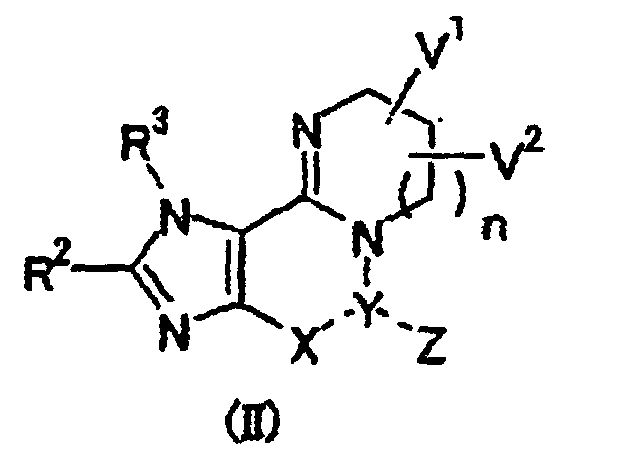
- [2] assaying the expression level of the protein in the transformant in the absence of the tested substance,
- [3] comparing the assayed amount in the presence of the tested substance with that in the absence of the tested substance, and
- [4] selecting a substance which is capable of changing the expression level of the protein from the tested substances.

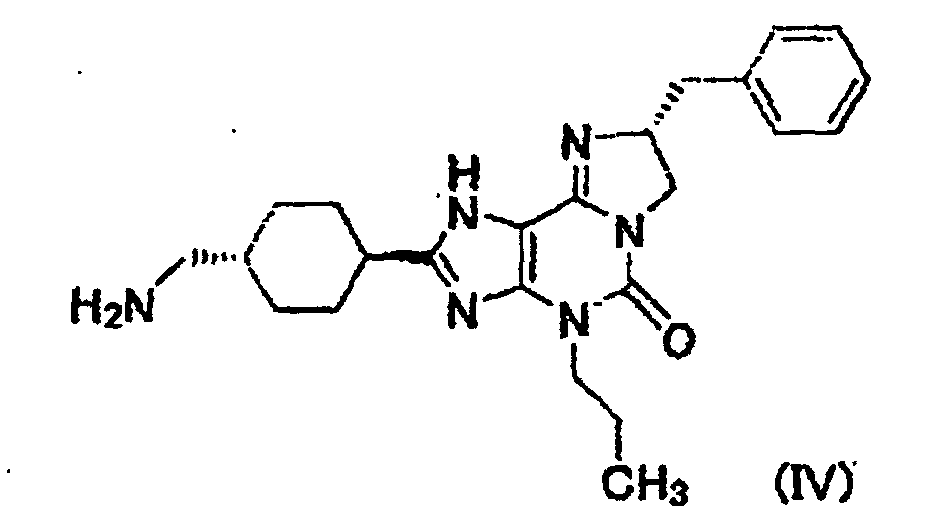

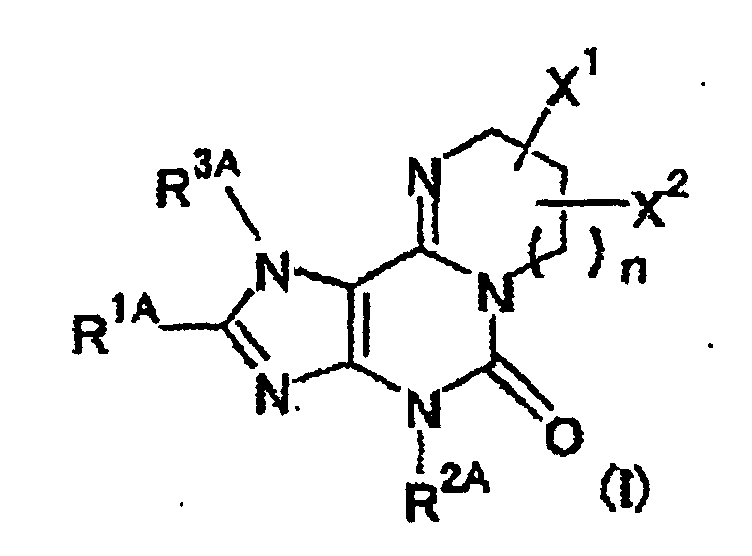
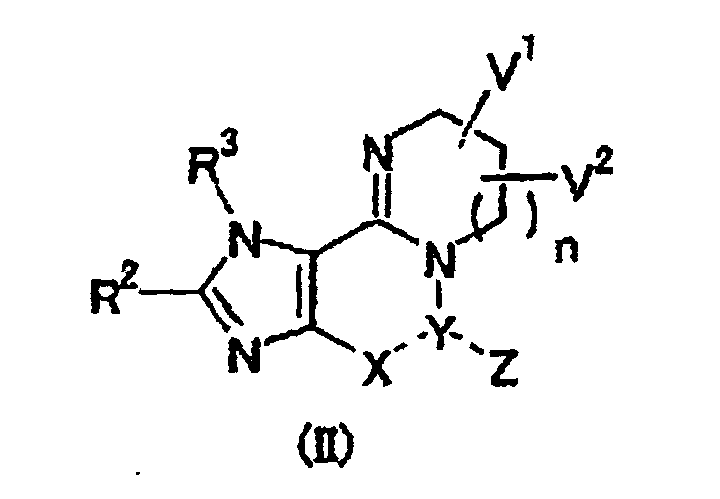


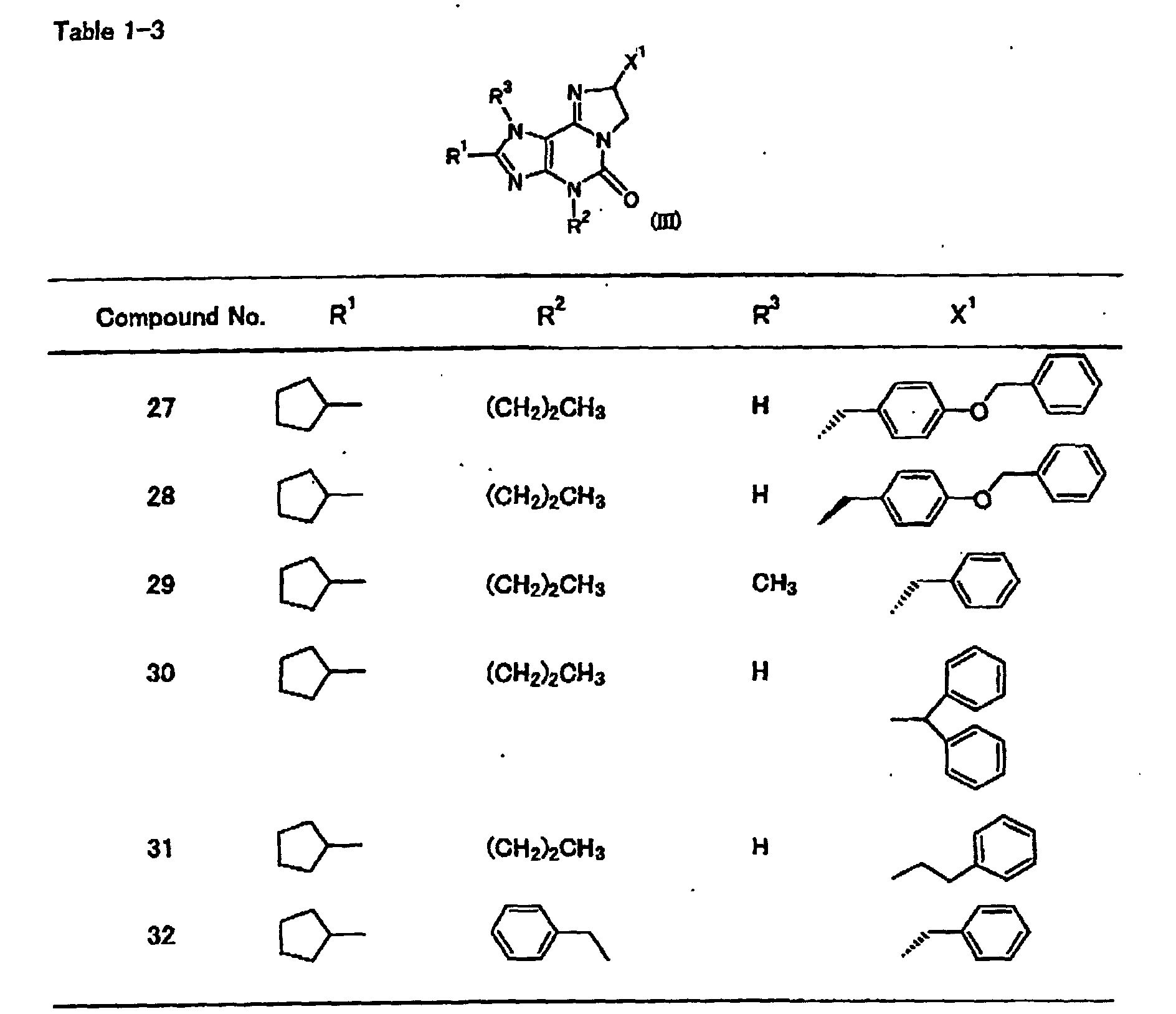


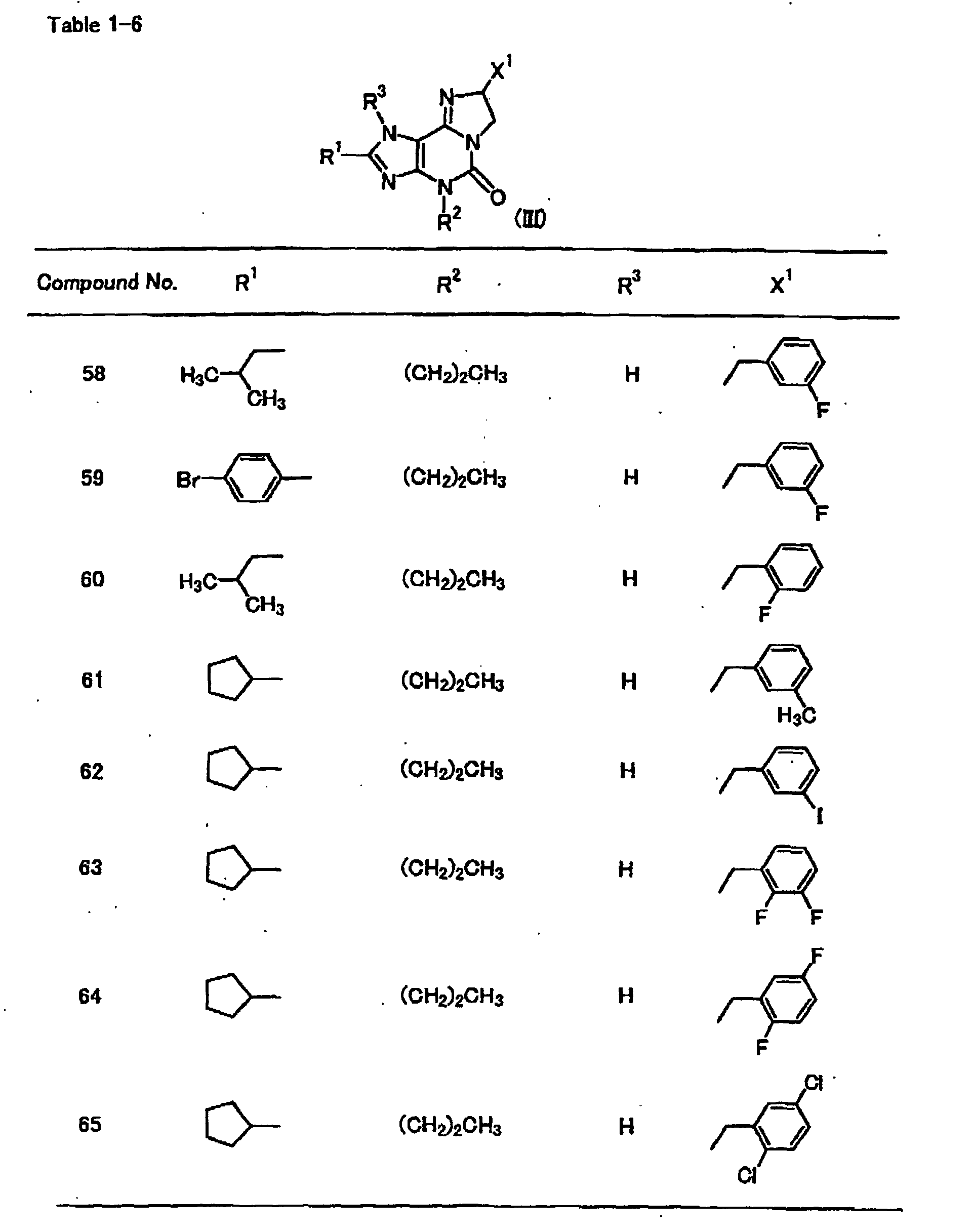

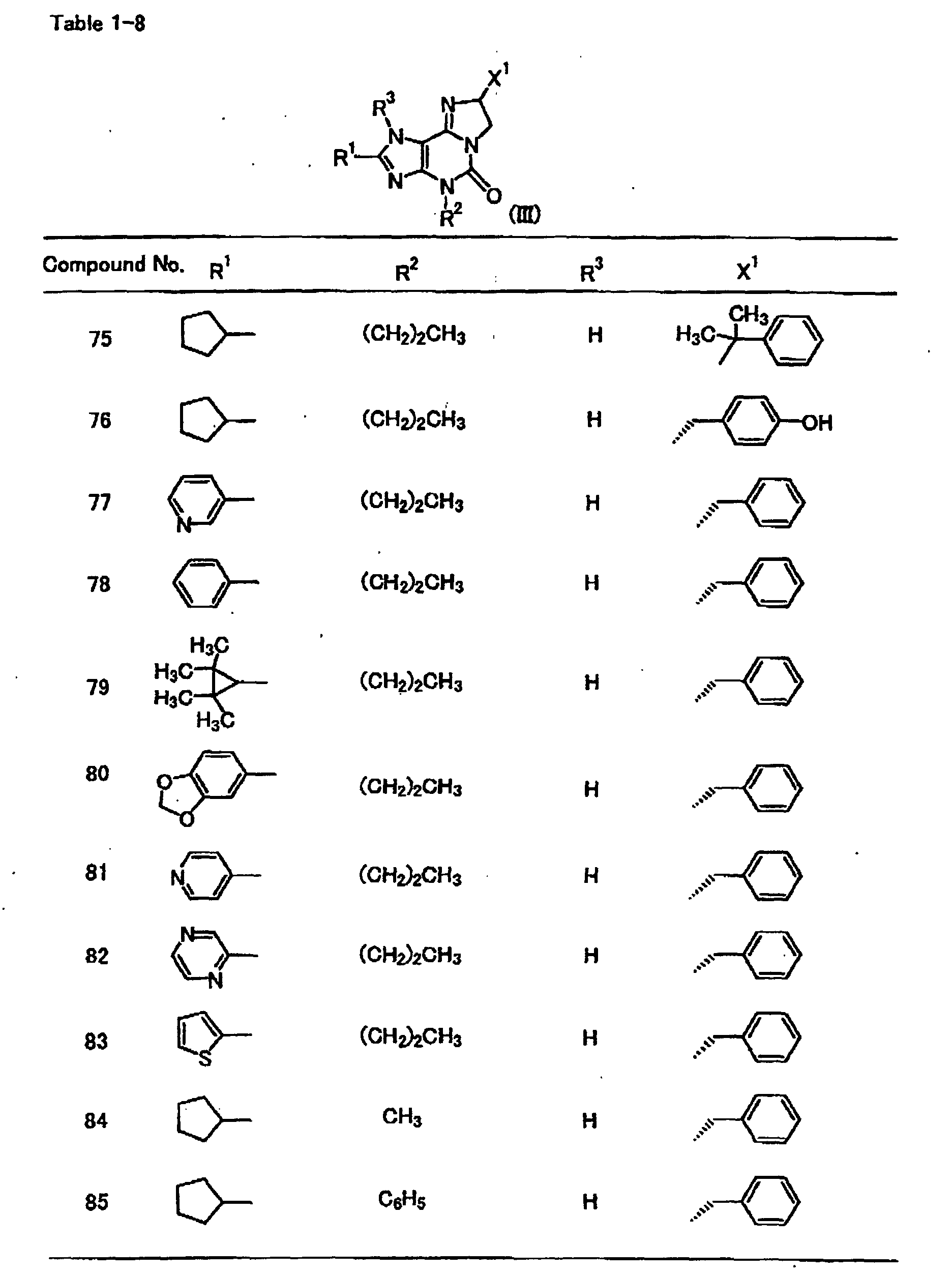

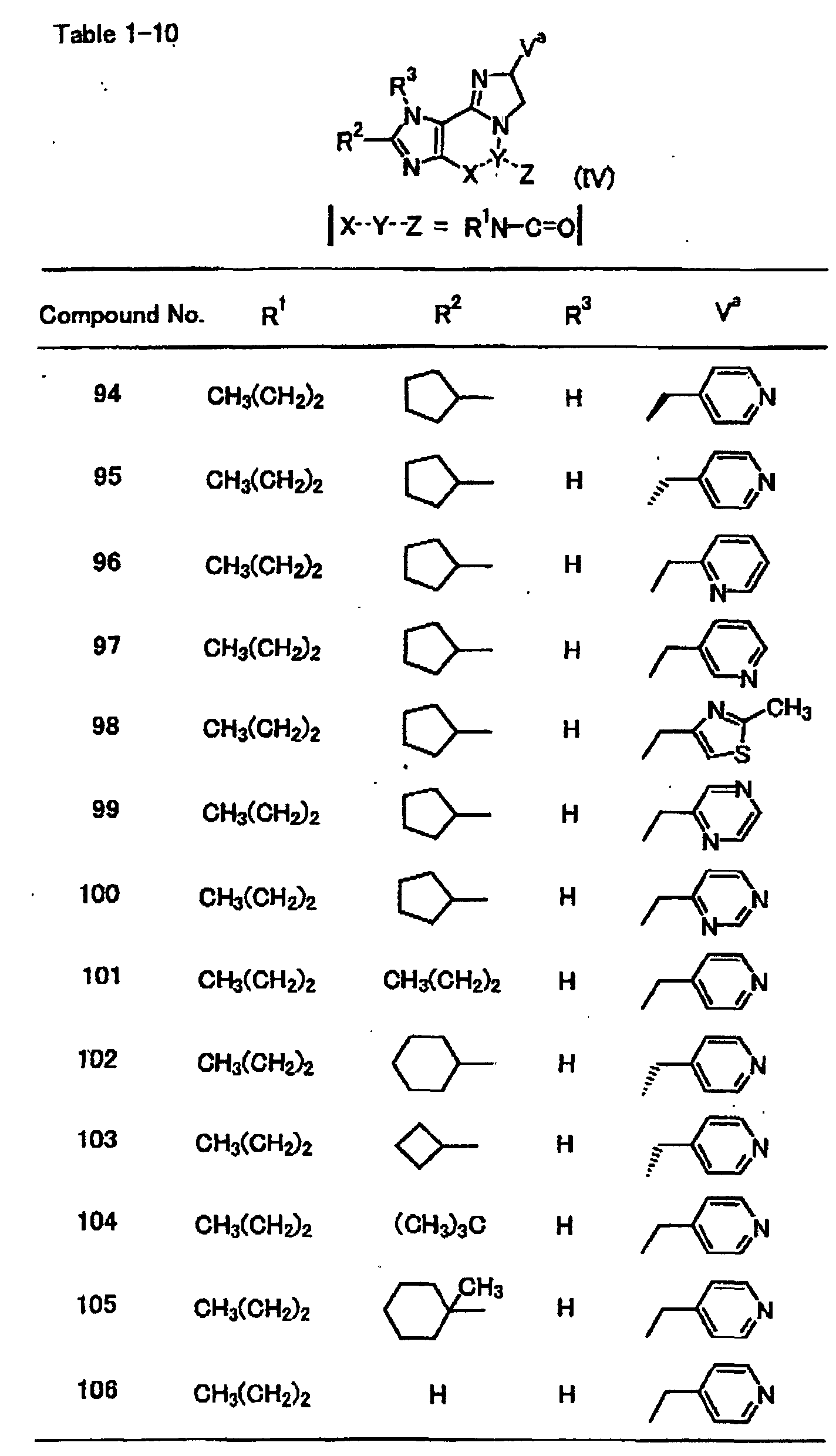


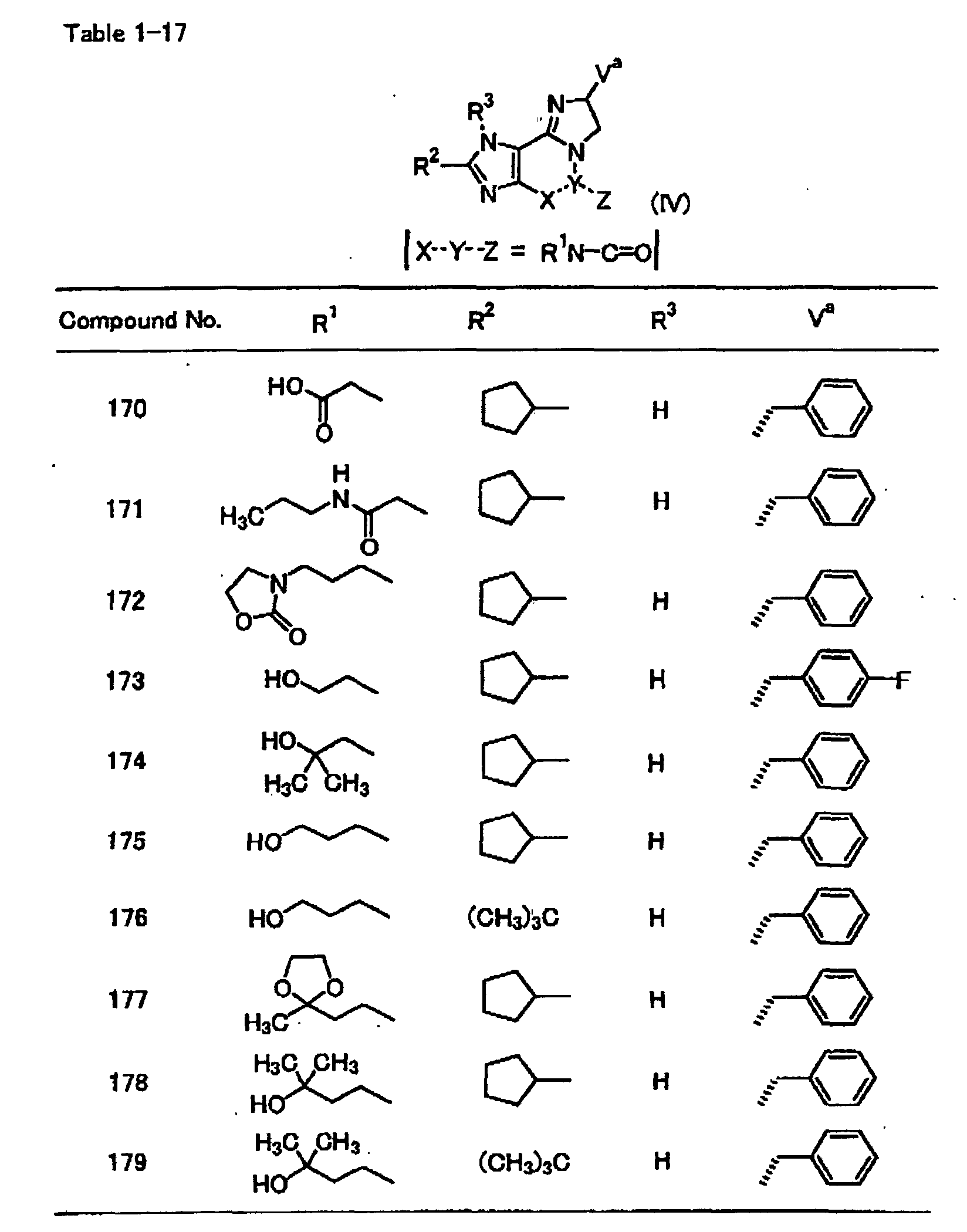
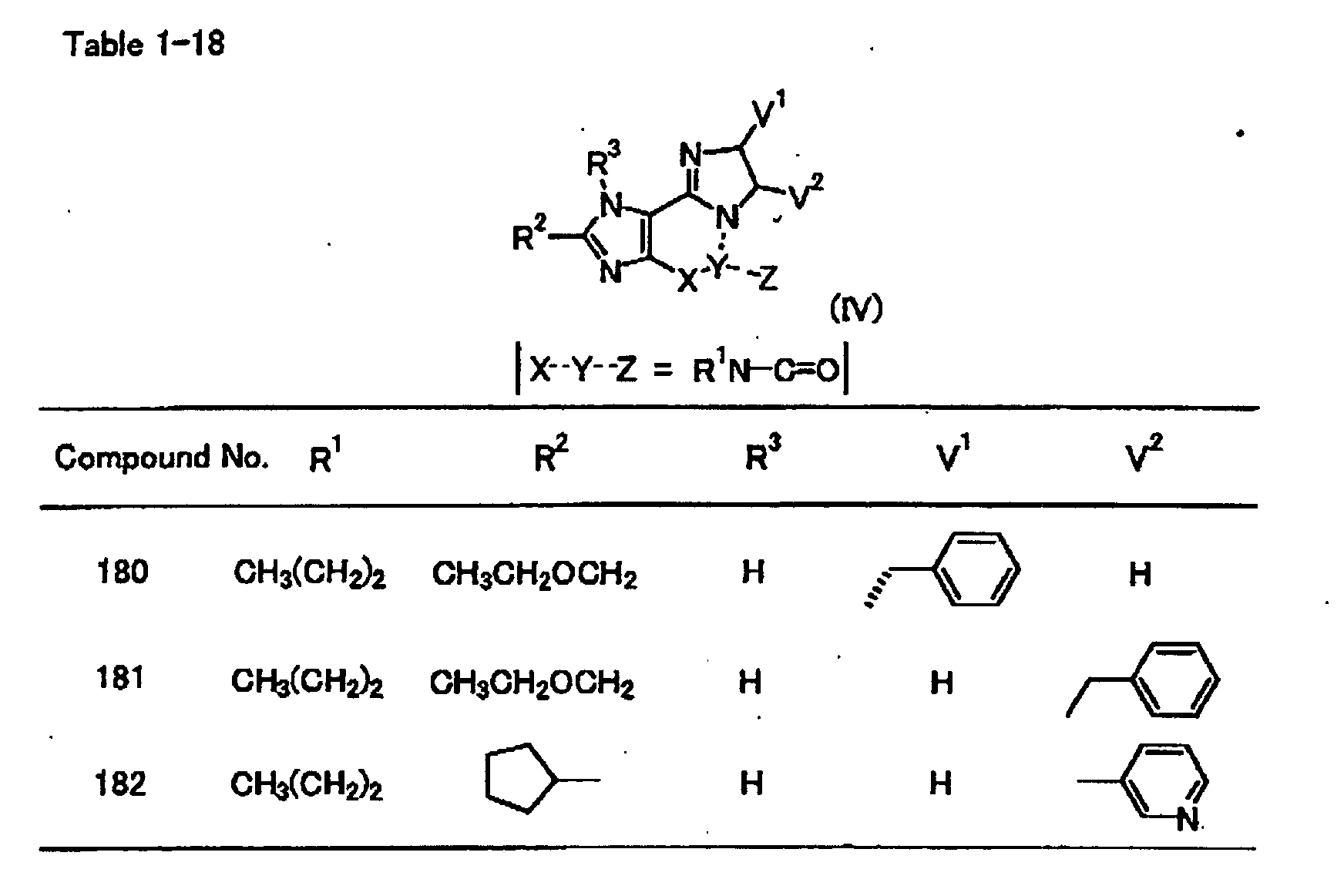
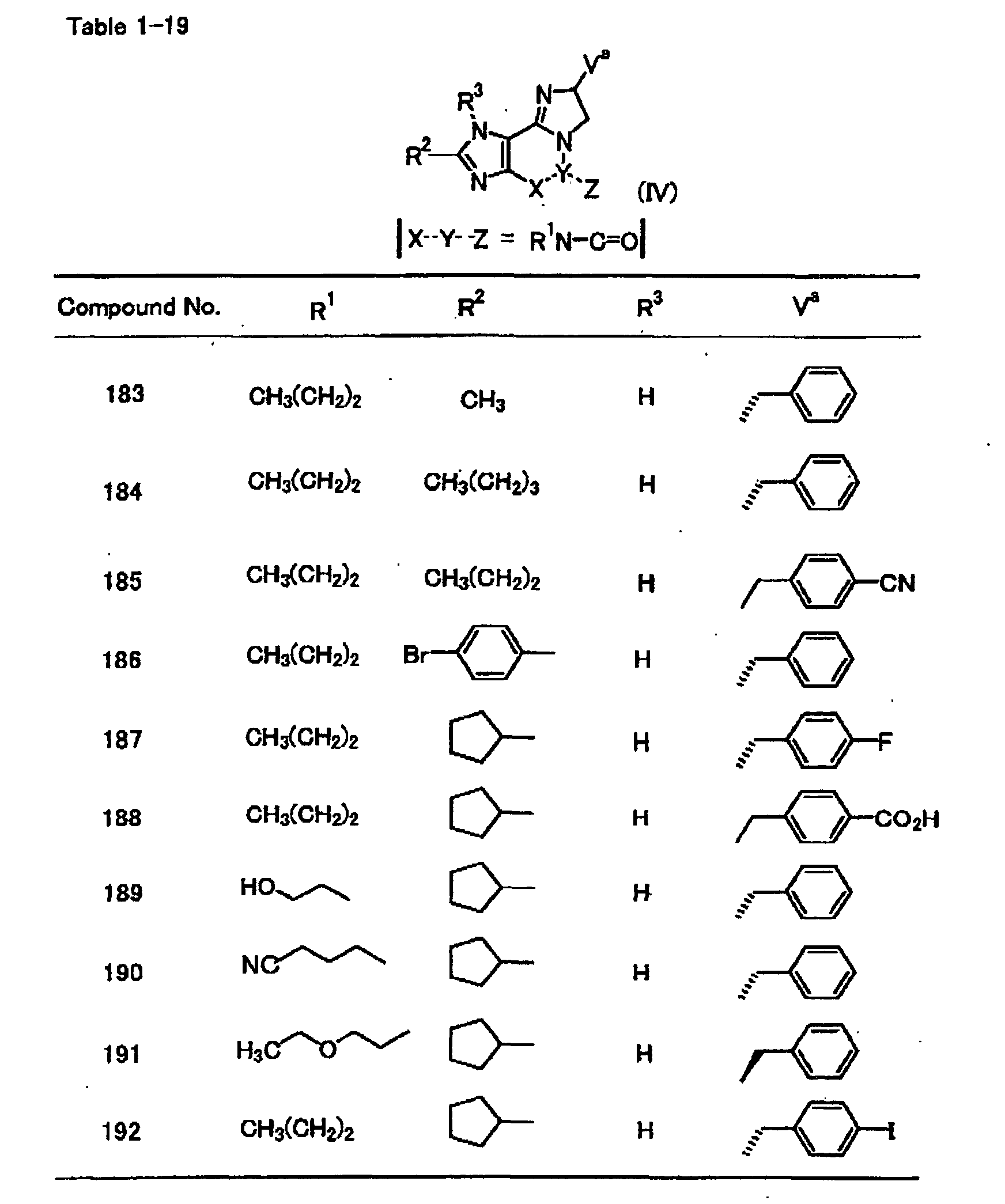
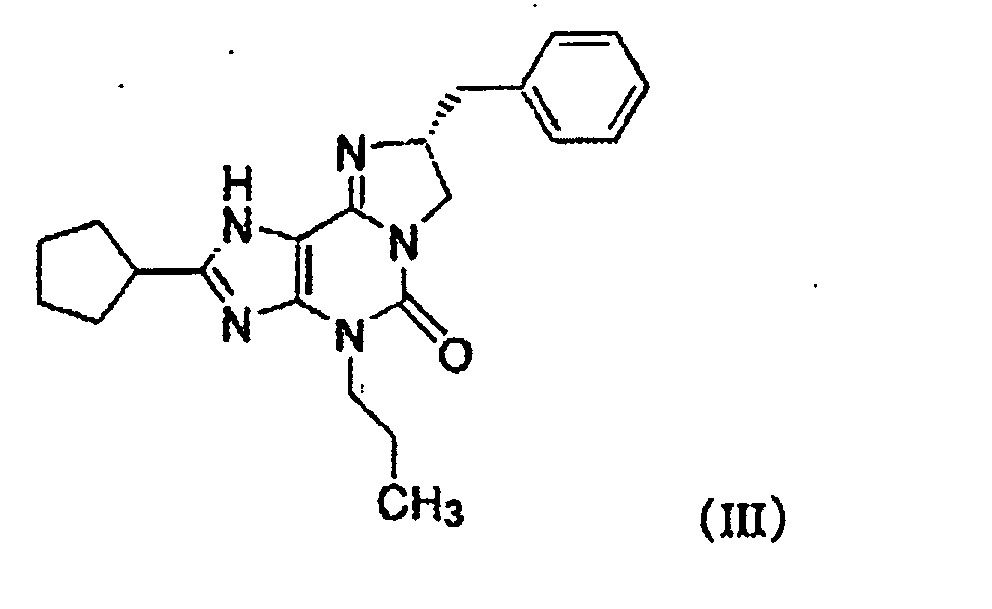

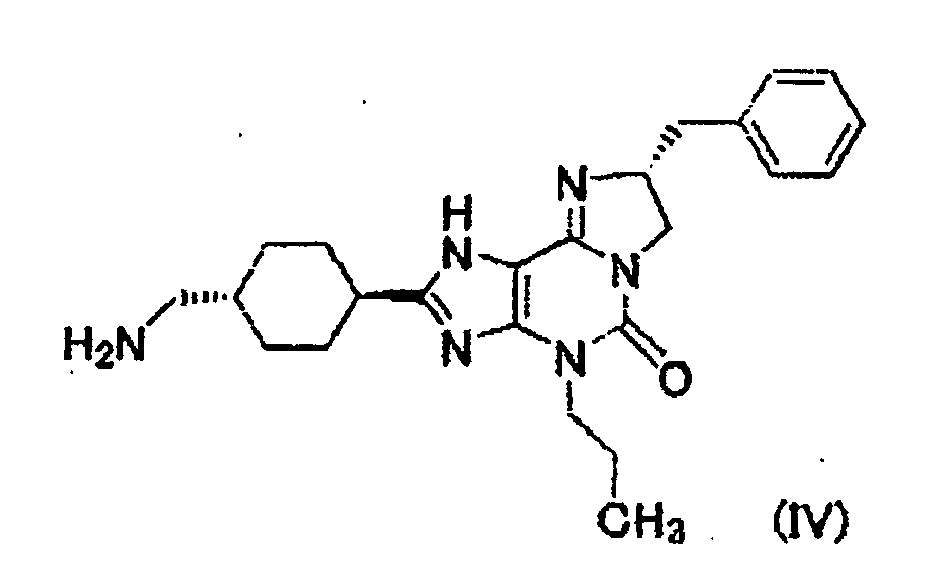

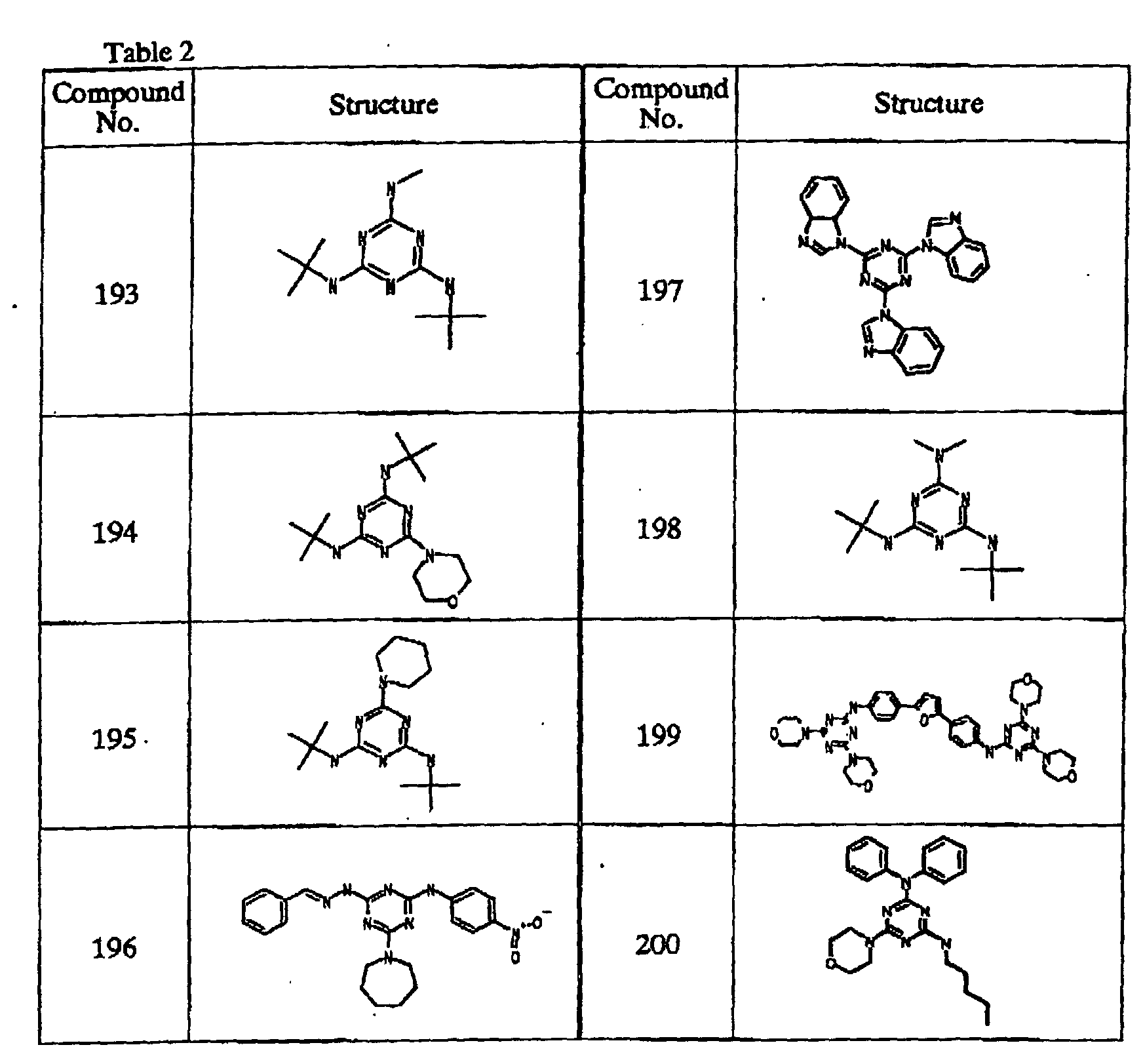
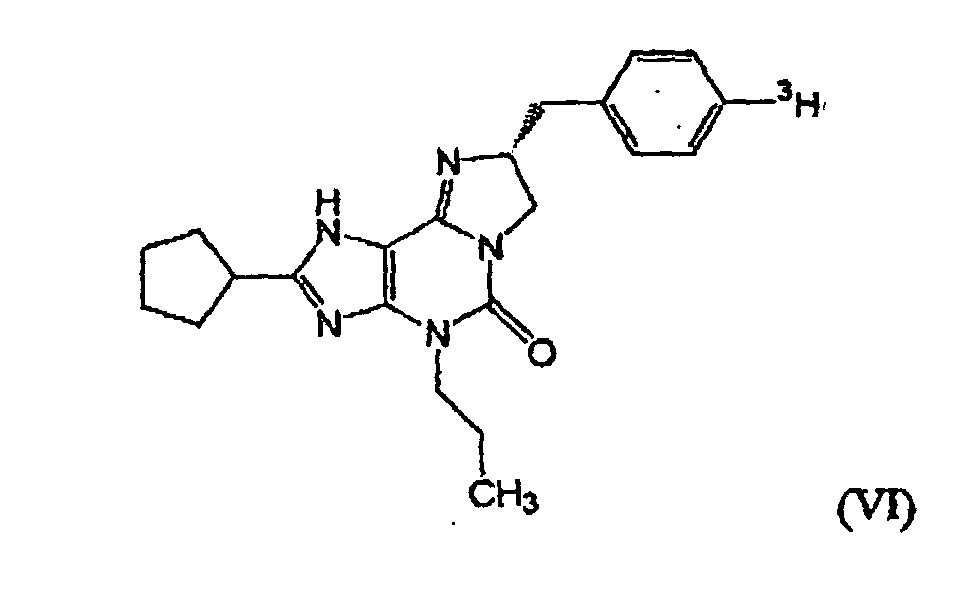
| Compound No. | Binding inhibitory activity (%) | Insulin secretory activity (%) |
| 16 | 100.0 | 83.2 |
| 17 | 5.4 | 15.8 |
| 31 | 112.4 | 80.5 |
| 35 | 130.9 | 63.2 |
| 36 | 57.9 | 47.0 |
| 37 | 73.7 | 61.0 |
| 38 | 71.8 | 83.0 |
| 40 | 38.5 | 76.3 |
| 41 | 55.0 | 37.2 |
| 43 | 77.6 | 54.4 |
| 61 | 50.8 | 80.4 |
| 76 | 12.6 | 16.9 |
| 84 | 66.4 | 31.7 |
| 85 | 72.0 | 26.7 |
| 94 | 30.8 | 12.0 |
| 95 | 81.1 | 29.1 |
| 96 | 28.9 | 28.3 |
| 97 | 19.3 | 1.5 |
| 100 | 35.1 | -3.1 |
| 116 | 7.9 | -1.7 |
| 117 | 68.6 | 43.5 |
| 138 | 60.7 | 7.8 |
| 144 | 50.5 | 28.5 |
| 146 | 65.9 | 27.0 |
| 147 | 56.8 | 45.6 |
| 175 | 49.5 | 54.7 |
| 183 | 41.6 | 22.5 |
| 184 | 78.5 | 75.0 |
| 185 | 38.4 | 30.7 |
| 186 | 76.0 | 47.1 |
| 187 | 73.5 | 85.0 |
| 188 | -7.6 | -8.0 |
| 189 | 56.4 | 44.9 |
| 190 | 57.6 | 74.3 |
| 191 | 80.6 | 62.0 |


Conditions for metal chelate affinity chromatography:
- Column:
- Chelating Sepharose Fast Flow with coordinated zinc, as prepared by elution with aqueous 200 mmol/l zinc sulfate solution at a flow of 24 ml/h for 20 minutes and then at a flow of 6 ml/h for 24 hours (manufactured by Amersham Pharmacia Biotech; 10 × 100 mm)
- Eluent:
- 1000 ml of Solution A (20 mmol/l sodium phosphate buffer, 500 mmol/l NaCl, 5 mmol/l imidazole, pH 7.4) and 1000 ml of Solution B (20 mmol/l sodium phosphate buffer, 500 mmol/l NaCl, 500 mmol/l imidazole, pH 7.4)
- Flow:
- 6 ml/h
- Elution:
- eluted on a linear concentration gradient from solution A to solution B
Desalting process conditions:
- Column:
- PD-10 (manufactured by Amersham Pharmacia Biotech)
- Eluent:
- 400 mmol/l potassium phosphate buffer, pH 7.4

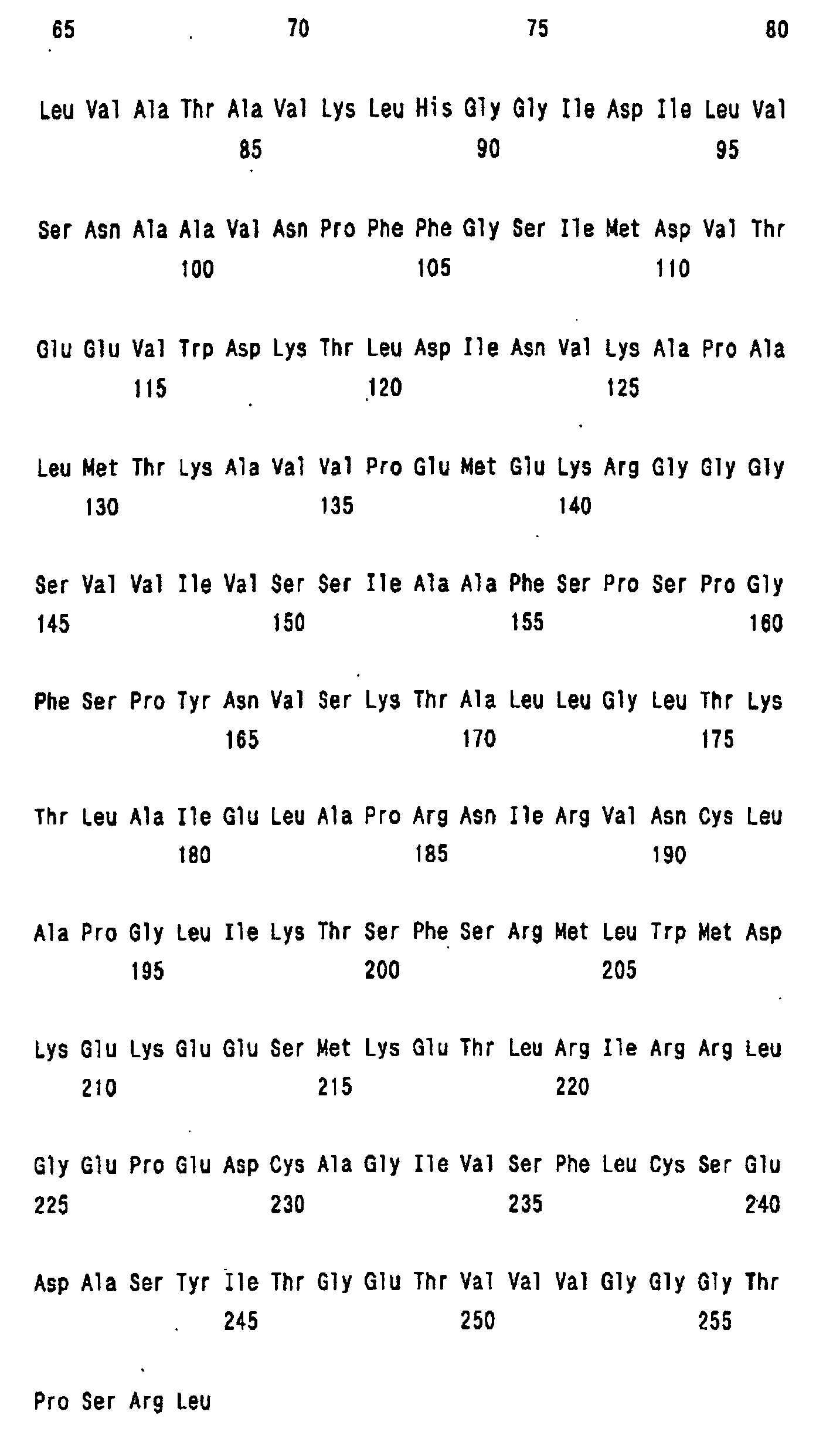


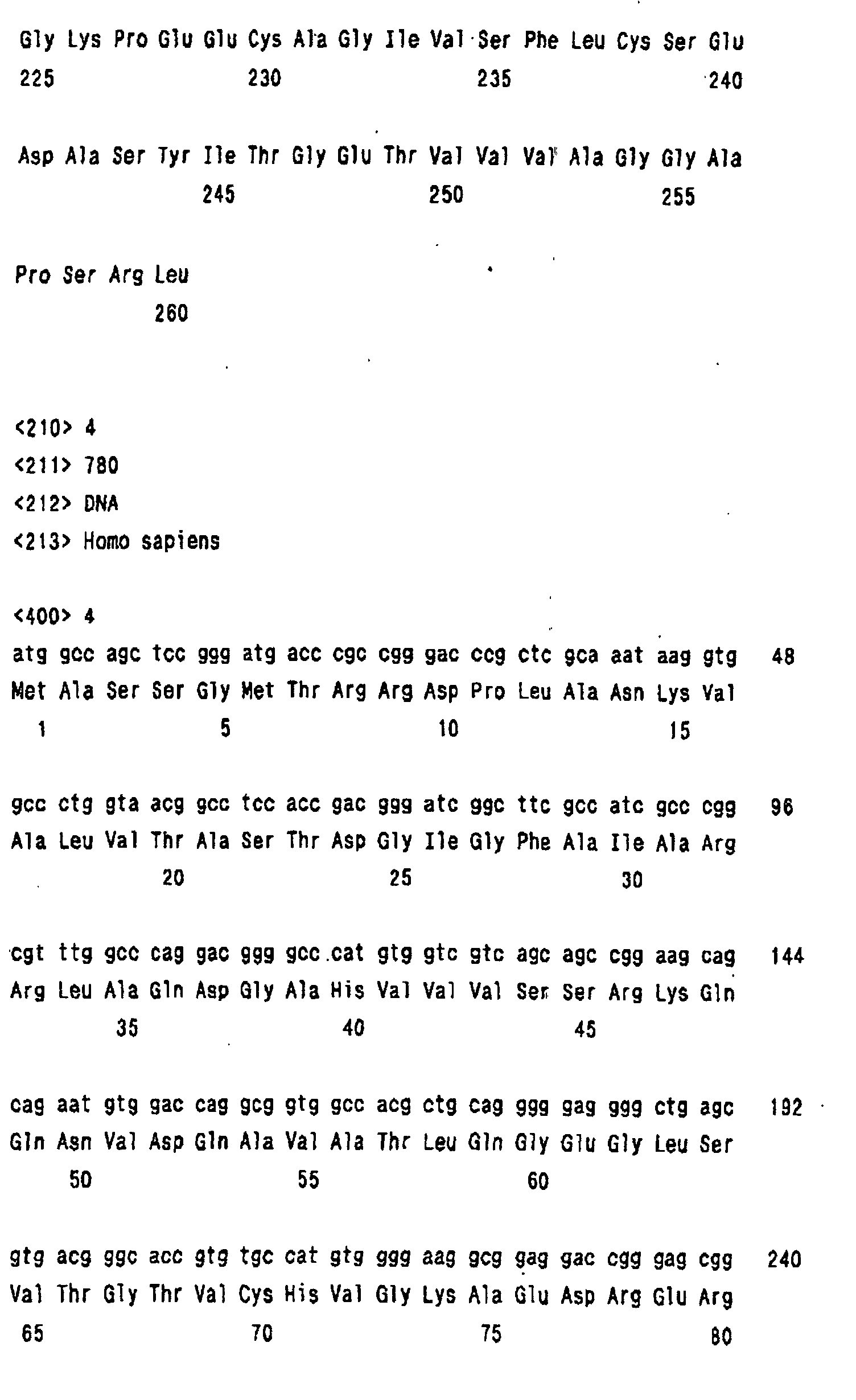
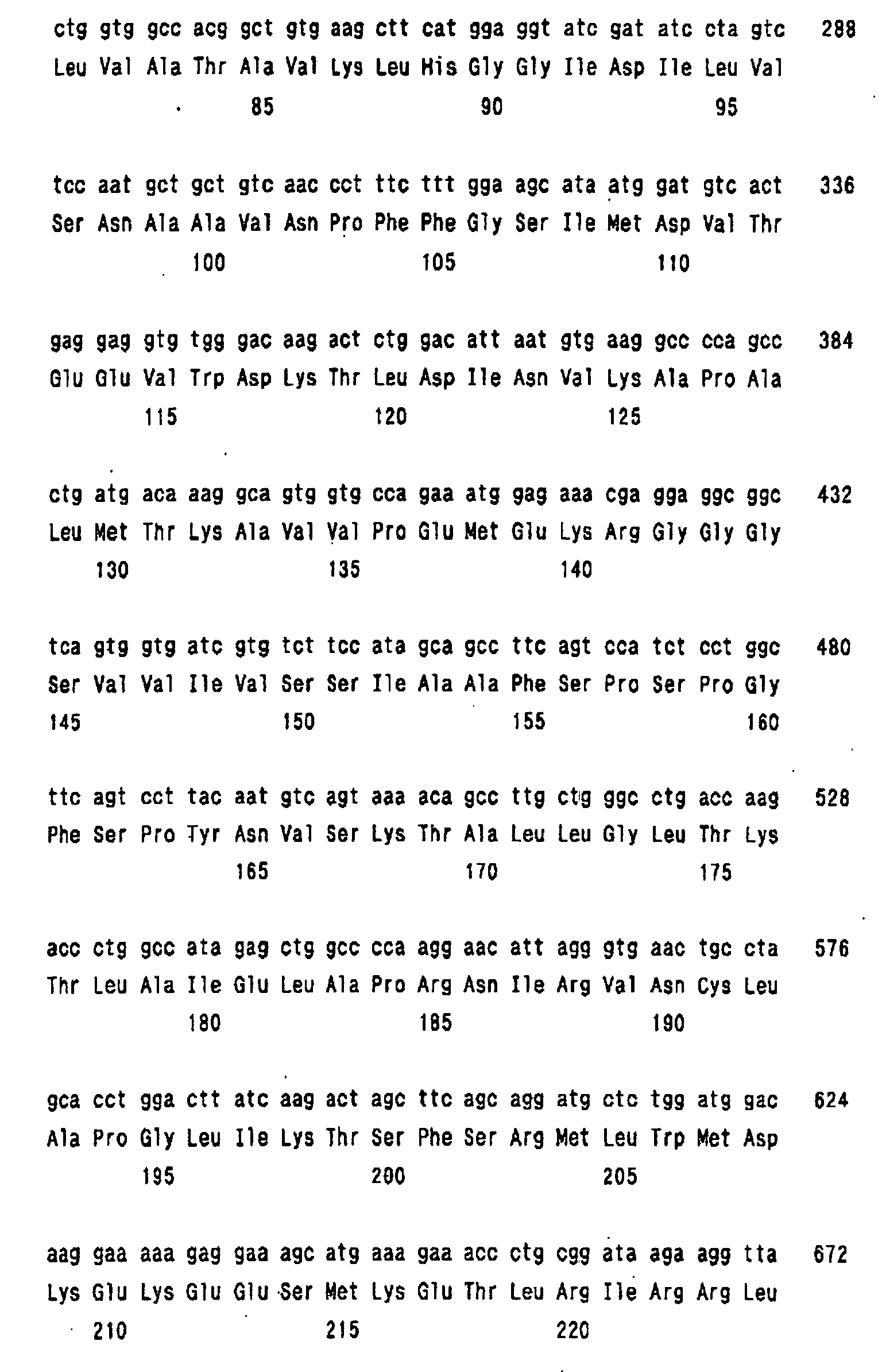
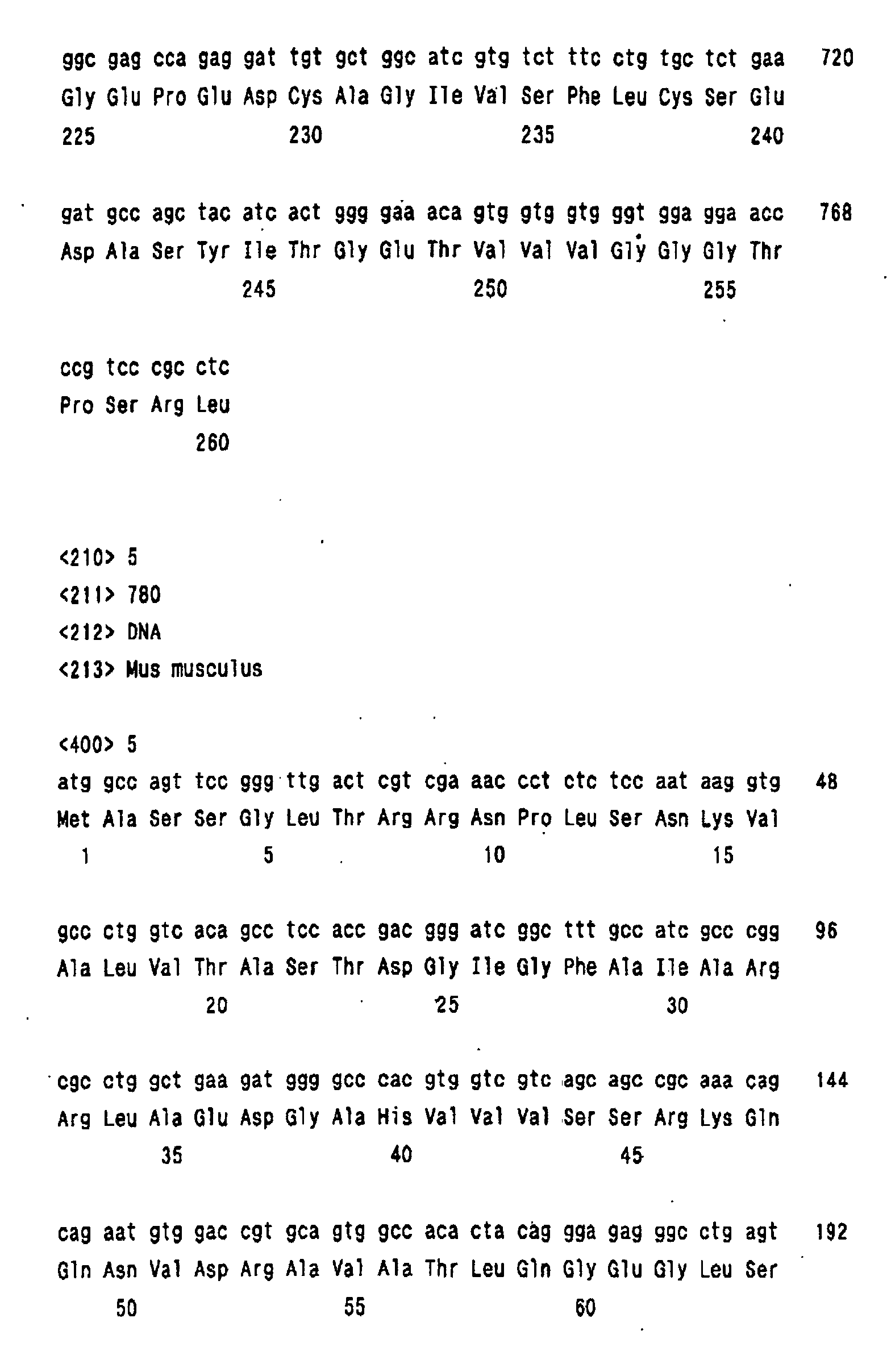
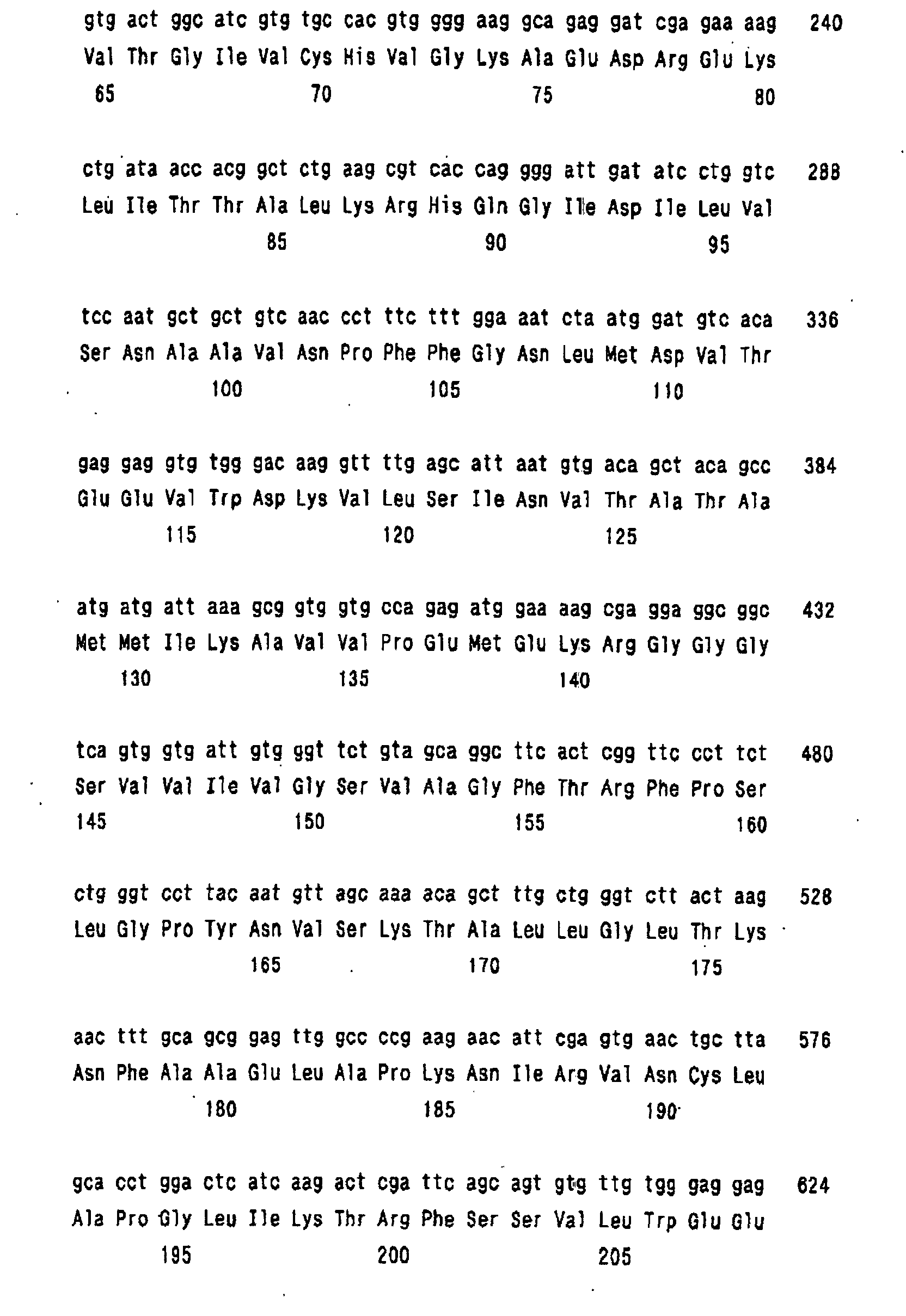

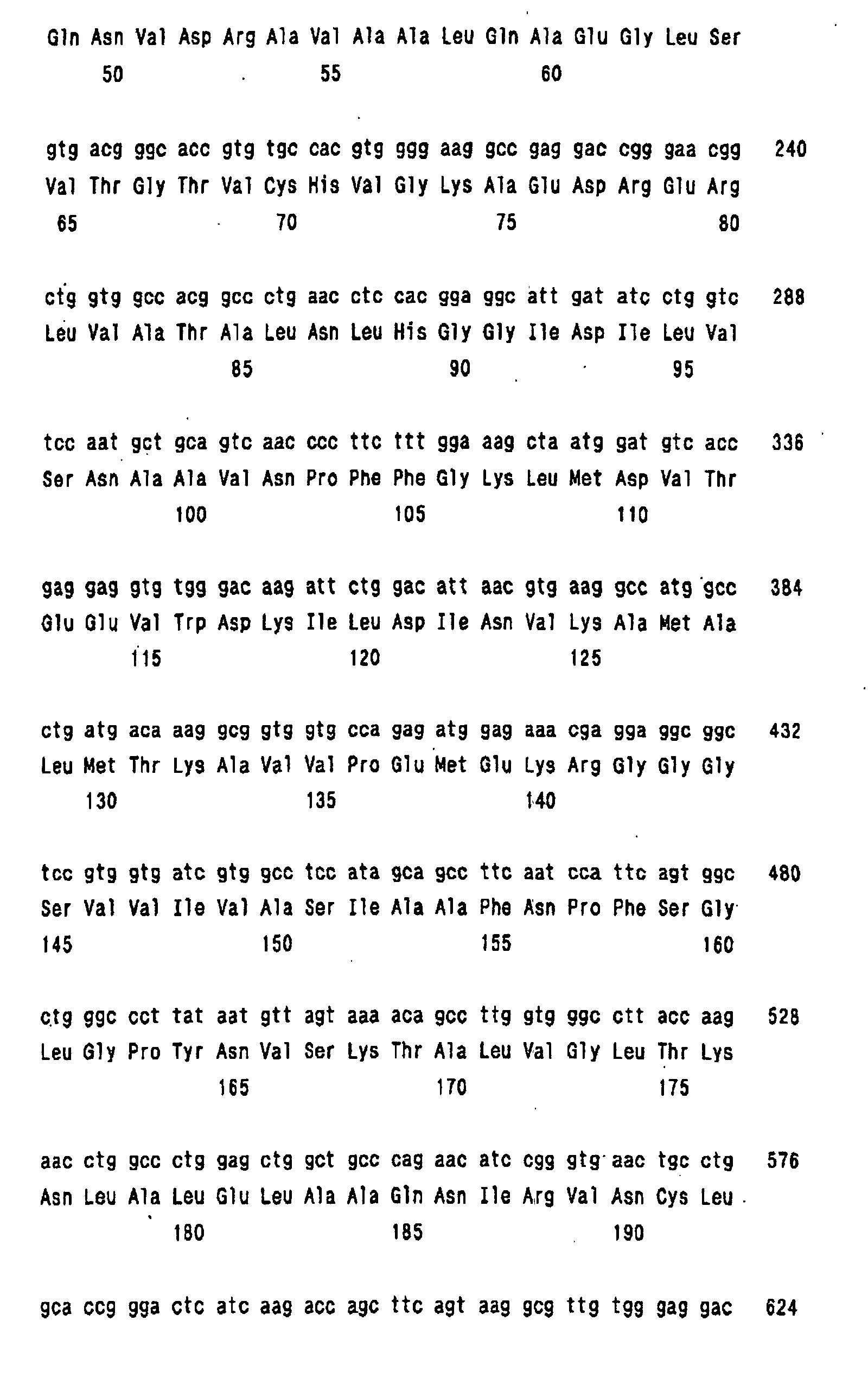

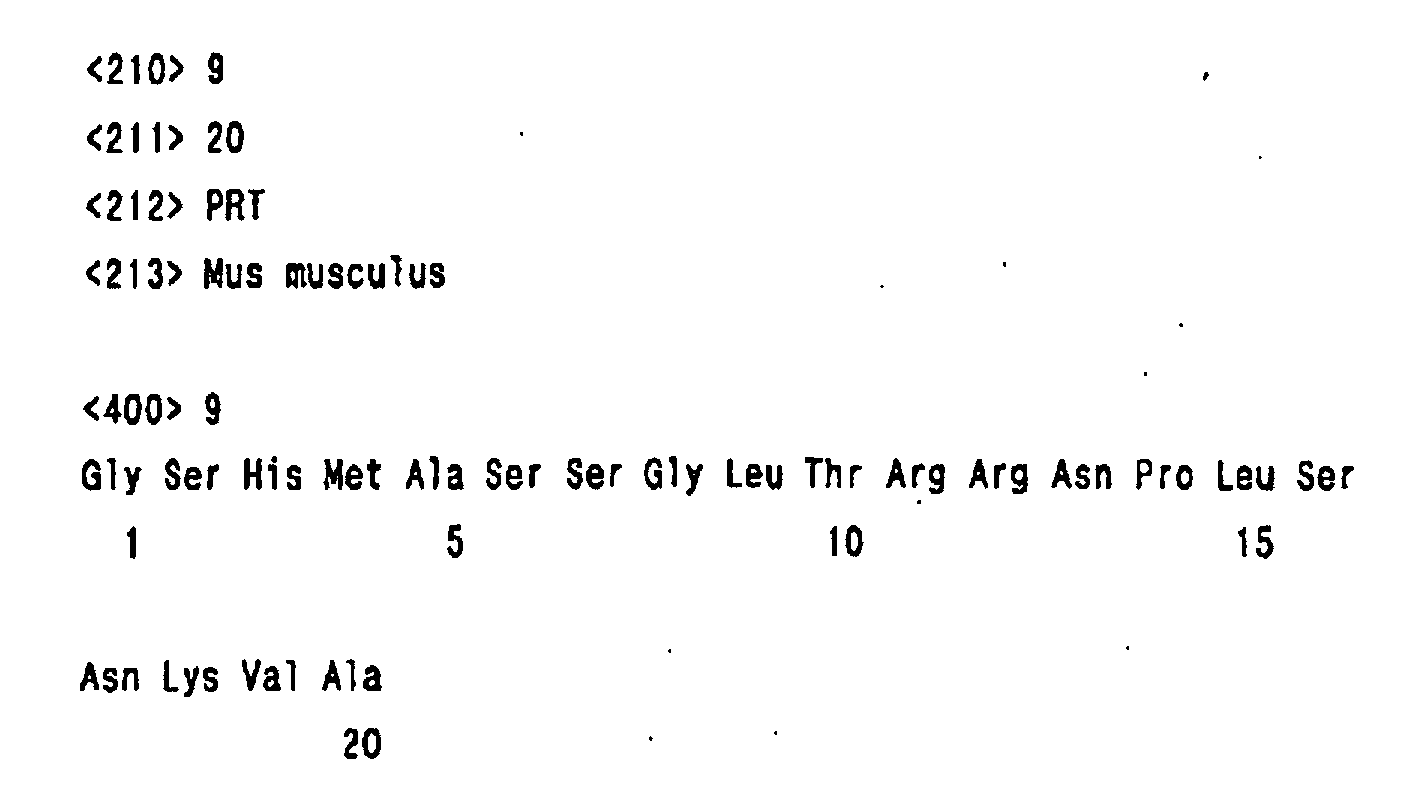
Claims (24)
- A screening method of a substance having anti-diabetic activity, which comprises:[1] bringing a compound selected from compounds represented by the following formula (1):(wherein R1A represents hydrogen, lower alkyl, substituted or unsubstituted aryl, or a substituted or unsubstituted aromatic heterocyclic group; R2A represents hydrogen, lower alkyl, substituted or unsubstituted aralkyl, substituted or unsubstituted aryl, or a substituted or unsubstituted aromatic heterocyclic group; R3A represents hydrogen, lower alkyl, or substituted or unsubstituted aralkyl; X1 and X2 each independently represents hydrogen, lower alkyl, substituted or unsubstituted aralkyl, or substituted or unsubstituted aryl; and n is an integer of 0 to 3) or compounds represented by the following formula (II):
 {wherein X--Y--Z represents R1N-C=O (wherein R1 represents hydrogen, substituted or unsubstituted lower alkyl, substituted or unsubstituted aralkyl, substituted or unsubstituted aryl or a substituted or unsubstituted aromatic heterocyclic group) or N=C-W [wherein W represents halogen, a substituted or unsubstituted aromatic heterocyclic group, a substituted or unsubstituted alicyclic heterocyclic group, -NR4R5 (wherein R4 and R5 are the same or different and each represents hydrogen, substituted or unsubstituted lower alkyl, substituted or unsubstituted aryl, or substituted or unsubstituted aralkyl or R4 and R5 together with adjacent nitrogen represent a heterocyclic group), -OR6 (wherein R6 represents substituted or unsubstituted lower alkyl, substituted or unsubstituted aryl, or substituted or unsubstituted aralkyl), -SR6a (wherein R6a has the same meaning as R6), substituted or unsubstituted lower alkyl, or cyano]; R2 represents hydrogen, substituted or unsubstituted lower alkyl, substituted or unsubstituted aralkyl, substituted or unsubstituted aryl, a substituted or unsubstituted aromatic heterocyclic group, a substituted or unsubstituted alicyclic heterocyclic group, halogen, lower alkylthio, -NR7R8 (wherein R7 and R8 have the same meanings as R4 and R5 as described above, respectively), -CO2H, lower alkoxycarbonyl, -COHal (wherein Hal represents halogen), -CONR9R10 (wherein R9 and R10 have the same meanings as R4 and R5 as described above, respectively), or -CHO; R3 represents hydrogen, lower alkyl, substituted or unsubstituted aralkyl, or lower alkoxyalkyl; n represents an integer of 0 to 3; V1 represents hydrogen, substituted or unsubstituted lower alkyl, substituted or unsubstituted aralkyl, substituted or unsubstituted aryl, or a substituted or unsubstituted aromatic heterocyclic group; and V2 represents substituted lower alkyl or a substituted or unsubstituted aromatic heterocyclic group, and when V1 represents hydrogen, lower alkyl, substituted or unsubstituted aralkyl or substituted or unsubstituted aryl and (a) X--Y--Z represents R1aN-C=O (wherein R1a represents the same groups defined for R1 except the substituted lower alkyl), and R2 represents substituted lower alkyl, substituted or unsubstituted aralkyl, a substituted or unsubstituted alicyclic heterocyclic group, halogen, lower alkylthio, -NR7R8 (wherein R7 and R8 have the same meanings as described above, respectively), -CO2H, lower alkoxycarbonyl, -COHal (wherein Hal has the same meaning as described above), -CONR9R10 (wherein R9 and R10 have the same meanings as described above, respectively), or -CHO, (b) X--Y--Z represents R1N-C=O (wherein R1 has the same meaning as described above) and R3 represents lower alkoxyalkyl, (c) X--Y--Z represents R1bN-C=O (wherein R1b represents substituted lower alkyl), (d) X--Y--Z represents N=C-W (wherein W has the same meaning as described above), and R2 represents substituted or unsubstituted lower alkyl. substituted or unsubstituted aralkyl, substituted or unsubstituted aryl, a substituted or unsubstituted aromatic heterocyclic group, a substituted or unsubstituted alicyclic heterocyclic group, halogen, lower alkylthio, -NR7R8 (wherein R7 and R8 have the same meanings as described above, respectively), -CO2H, lower alkoxycarbonyl, -COHal (wherein Hal has the same meaning as described above), -CONR9R10 (wherein R9 and R10 have the same meanings as described above, respectively), or-CH, or (e) X--Y--Z represents N=-W (wherein W has the same meaning as described above), and R3 represents lower alkyl, substituted or unsubstituted aralkyl, or lower alkoxyalkyl, V2 may represent lower alkyl, substituted or unsubstituted aralkyl, or substituted or unsubstituted aryl] (hereinafter referred to as "condensed purine derivative") into contact with a pancreatic β cell or a treated product of the cell in the presence of a tested substance to assay the binding amount of the condensed purine derivative to the pancreatic β cell or the treated product of the cell,
 [2] bringing the condensed purine derivative into contact with a pancreatic β cell or a treated product of the cell in the absence of the tested substance to assay the binding amount of the condensed purine derivative to the pancreatic β cell or the treated product of the cell,[3] comparing the assayed amount in the presence of the tested substance with that in the absence of the tested substance, and[4] selecting a substance which inhibits the binding of the condensed purine derivative to the pancreatic β cell or the treated product of the cell from the tested substances.
 - A screening method of a substance having anti-diabetic activity, which comprises:[1] bringing the condensed purine derivative described in claim 1 into contact with a protein capable of binding to the condensed purine derivative in the presence of a tested substance to assay the binding amount of the condensed purine derivative to the protein,[2] bringing the condensed purine derivative into contact with the protein in the absence of the tested substance to assay the binding amount of the condensed purine derivative to the protein,[3] comparing the assayed amount in the presence of the tested substance with that in the absence of the tested substance, and[4] selecting a substance which inhibits the binding of the condensed purine derivative to the protein from the tested substances.
- A screening method of a substance which is capable of binding to a protein capable of binding to the condensed purine derivative described in claim 1, which comprises:[1] bringing the condensed purine derivative described in claim 1 into contact with a pancreatic β cell or a treated product of the cell in the presence of a tested substance to assay the binding amount of the condensed purine derivative to the pancreatic β cell or the treated product of the cell,[2] bringing the condensed purine derivative into contact with a pancreatic β cell or a treated product of the cell in the absence of the tested substance to assay the binding amount of the condensed purine derivative to pancreatic β cell or the treated product of the cell,[3] comparing the assayed amount in the presence of the tested substance with that in the absence of the tested substance,[4] selecting a substance which inhibits the binding of the condensed purine derivative to the pancreatic β cell or the treated product of the cell from the tested substances, and[5] selecting a substance binding to a protein capable of binding to the condensed purine derivative from the substances obtained in the step [4].
- A screening method of a substance which is capable of binding to a protein capable of binding to the condensed purine derivative described in claim 1, which comprises:[1] bringing the condensed purine derivative described in claim 1 into contact with a protein capable of binding to the condensed purine derivative in the presence of a tested substance to assay the binding amount of the condensed purine derivative to the protein,[2] bringing the condensed purine derivative into contact with the protein in the absence of the tested substance to assay the binding amount of the condensed purine derivative to the protein,[3] comparing the assayed amount in the presence of the tested substance with that in the absence of the tested substance, and[4] selecting a substance which inhibits the binding of the condensed purine derivative to the protein from the tested substances.
- A screening method of a substance which is capable of changing the activity of a protein capable of binding to the condensed purine derivative described in claim 1, which comprises:[1] bringing a tested substance into contact with a protein capable of binding to the condensed purine derivative described in claim 1 to assay the activity of the protein,[2] assaying the activity of the protein which is out of contact with the tested substance,[3] comparing the assayed amount in the presence of the tested substance with that in the absence of the tested substance, and[4] selecting a substance which is capable of changing the activity of the protein from the tested substances.
- A screening method of a substance which is capable of suppressing the activity of a protein capable of binding to the condensed purine derivative described in claim 1, which comprises:[1] bringing a tested substance into contact with a protein capable of binding to the condensed purine derivative described in claim 1 to assay the activity of the protein,[2] assaying the activity of the protein which is out of contact with the tested substance,[3] comparing the assayed amount in the presence of the tested substance with that in the absence of the tested substance, and[4] selecting a substance which is capable of suppressing the activity of the protein from the tested substances.
- A screening method of a substance which is capable of changing the function of a protein capable of binding to the condensed purine derivative described in claim 1, which comprises:[1] bringing a tested substance into contact with a transformant which expresses a protein capable of binding to the condensed purine derivative described in claim 1 to assay the cell response of the transformant,[2] assaying the cell response of the transformant in the absence of the tested substance,[3] comparing the assayed amount in the presence of the tested substance with that in the absence of the tested substance, and[4] selecting a substance which is capable of changing the cell response of the transformant from the tested substances.
- A screening method of a substance which is capable of changing the expression level of a gene encoding a protein capable of binding to the condensed purine derivative described in claim 1, which comprises:[1] bringing a tested substance into contact with a transformant which expresses a protein capable of binding to the condensed purine derivative described in claim 1 to assay the expression level of the gene encoding the protein in the transformant,[2] assaying the expression level of the gene encoding the protein in the transformant in the absence of the tested substance,[3] comparing the assayed amount in the presence of the tested substance with that in the absence of the tested substance, and[4] selecting a substance which is capable of changing the expression level of the gene encoding the protein from the tested substances.
- A screening method of a substance which is capable of changing the expression level of a protein capable of binding to the condensed purine derivative described in claim 1, which comprises:[1] bringing a tested substance into contact with a transformant which expresses a protein capable of binding to the condensed purine derivative described in claim 1 to assay the expression level of the protein in the transformant,[2] assaying the expression level of the protein in the transformant in the absence of the tested substance,[3] comparing the assayed amount in the presence of the tested substance with that in the absence of the tested substance, and[4] selecting a substance which is capable of changing the expression level of the protein from the tested substances.
- The screening method according to any one of claims 1 to 9, wherein the condensed purine derivative is a compound represented by the following formula (III):
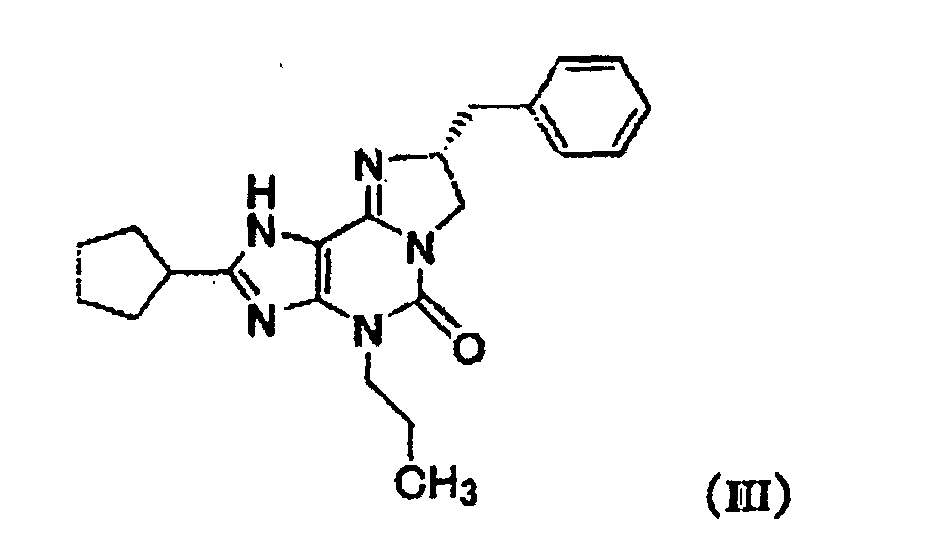
- The screening method according to any one of claims 2 and 4 to 9, wherein the purine derivative described in claim 1 is immobilized on a carrier.
- The screening method according to claim 11, wherein the carrier is a Sepharose particle.
- The screening method according to claim 11 or 12, wherein the condensed purine derivative is a compound represented by formula (IV):
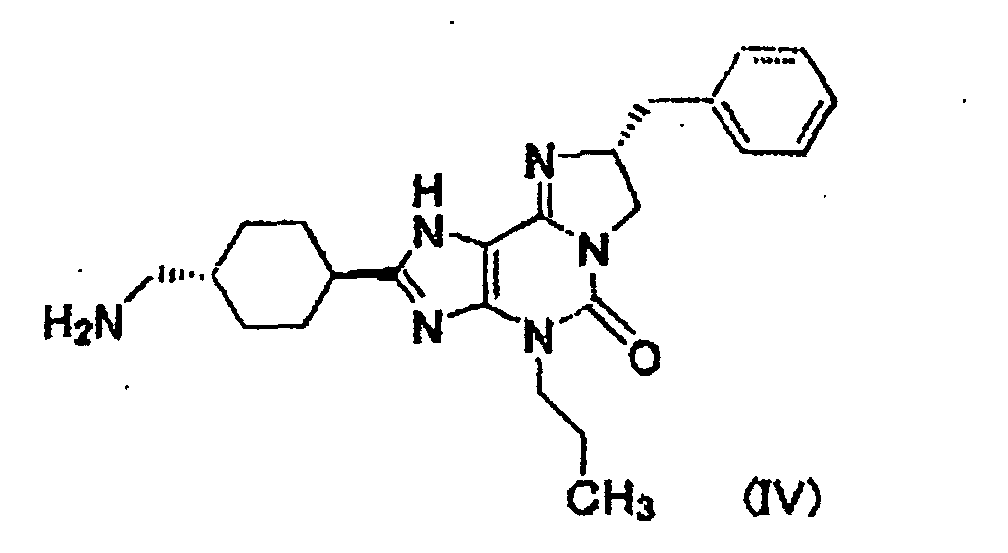
- A carrier which is immobilized with the condensed purine derivative described in claim 1.
- The carrier according to claim 14, wherein the condensed purine derivative is the condensed purine derivative represented by formula (IV) described in claim 13.
- The carrier according to claim 14 or 15, wherein the carrier is a Sepharose particle.
- The screening method according to any one of claims 2 and 4 to 13, wherein the protein capable of binding to the condensed purine derivative described in claim 1 is a protein selected from the following [i] to [iii]:[i] a protein which comprises the amino acid sequence represented by any one of SEQ ID NOs:1 to 3;[ii] a protein which consists of an amino acid sequence in which at least one amino acid is deleted, substituted, inserted or added in the amino acid sequence represented by any one of SEQ ID NOs:1 to 3, and is capable of binding to the condensed purine derivative described in claim 1; and[iii] a protein which consists of an amino acid sequence having a homology of 60% or more with the amino acid sequence represented by any one of SEQ ID NOs:1 to 3, and is capable of binding to the condensed purine derivative described in claim 1.
- A substance obtainable by the screening method according to any one of claims 1 to 13 and 17 or a pharmaceutically acceptable salt of the substance.
- A medicament which comprises the substance according to claim 18 or a pharmaceutically acceptable salt of the substance as an active ingredient.
- A therapeutic agent of diabetes mellitus, which comprises the substance according to claim 18 or a pharmaceutically acceptable salt of the substance as an active ingredient.
- An insulin secretion-promoting agent, which comprises the substance according to claim 18 or a pharmaceutically acceptable salt of the substance as an active ingredient.
- An insulin secretion-promoting agent, which comprises a compound represented by the following formula (V):[wherein R1B, R2B and R3B are the same or different and each represents amino, mono- or di-substituted amino, or a substituted or unsubstituted N-containing heterocyclic group (wherein the heterocyclic group binds to the triazine ring at the N atom)] or a pharmaceutically acceptable salt thereof as an active ingredient.
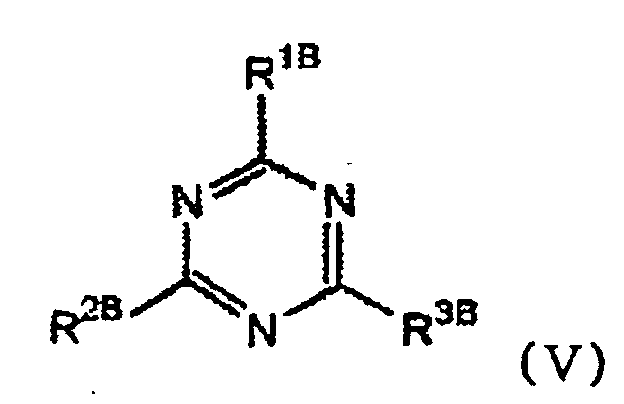
- A method for promoting insulin secretion, which comprises administering an effective amount of the compound represented by formula (V) described in claim 22 or a pharmaceutically acceptable salt thereof.
- Use of the compound represented by formula (V) described in claim 22 or a pharmaceutically acceptable salt thereof for the manufacture of an insulin secretion-promoting agent.
Applications Claiming Priority (3)
| Application Number | Priority Date | Filing Date | Title |
|---|---|---|---|
| JP2002143599 | 2002-05-17 | ||
| JP2002143599 | 2002-05-17 | ||
| PCT/JP2003/006137 WO2003097862A1 (en) | 2002-05-17 | 2003-05-16 | Method of searching substane having antidiabetic activity |
Publications (2)
| Publication Number | Publication Date |
|---|---|
| EP1514942A1 true EP1514942A1 (en) | 2005-03-16 |
| EP1514942A4 EP1514942A4 (en) | 2007-05-16 |
Family
ID=29545026
Family Applications (1)
| Application Number | Title | Priority Date | Filing Date |
|---|---|---|---|
| EP03725810A Withdrawn EP1514942A4 (en) | 2002-05-17 | 2003-05-16 | METHOD OF SEARCHING FOR MATERIAL HAVING ANTIDIABETIC ACTIVITY |
Country Status (7)
| Country | Link |
|---|---|
| US (1) | US20070191402A1 (en) |
| EP (1) | EP1514942A4 (en) |
| JP (1) | JPWO2003097862A1 (en) |
| KR (1) | KR20040111636A (en) |
| CN (1) | CN1668759A (en) |
| AU (1) | AU2003231538A1 (en) |
| WO (1) | WO2003097862A1 (en) |
Families Citing this family (7)
| Publication number | Priority date | Publication date | Assignee | Title |
|---|---|---|---|---|
| CA2523763A1 (en) * | 2003-04-25 | 2004-11-11 | Kyowa Hakko Kogyo Co., Ltd. | Fused pyrimidine derivative |
| CN101586138B (en) * | 2008-05-19 | 2012-02-29 | 河南农业大学 | Process for preparing and purifying Exendin-4 from colon bacillus |
| CN107501241B (en) | 2011-03-28 | 2020-10-13 | 梅制药公司 | Compounds, pharmaceutical compositions containing them and their use in the treatment of proliferative diseases |
| DK2970279T3 (en) * | 2013-03-15 | 2020-11-30 | Intra Cellular Therapies Inc | ORGANIC COMPOUNDS |
| EP3630118A4 (en) | 2017-05-23 | 2021-03-31 | MEI Pharma, Inc. | Combination therapy |
| MX2020001727A (en) | 2017-08-14 | 2020-03-20 | Mei Pharma Inc | Combination therapy. |
| CN121113979A (en) * | 2025-10-10 | 2025-12-12 | 不老莓生命技术(上海)有限公司 | A fluorescence detection method and system for anti-glycation biomolecules |
Family Cites Families (7)
| Publication number | Priority date | Publication date | Assignee | Title |
|---|---|---|---|---|
| JPS5414986A (en) * | 1977-07-01 | 1979-02-03 | Taiho Pharmaceutical Co Ltd | Production of dihydrooss triazine derivative |
| AU4396899A (en) * | 1998-07-02 | 2000-01-24 | Kyowa Hakko Kogyo Co. Ltd. | Remedies for diabetes |
| DK1105360T3 (en) * | 1998-08-17 | 2009-11-02 | Bristol Myers Squibb Co | Identification of Compound-Protein Interactions Using Libraries of Protein Nucleic Acid Fusion Molecules |
| IL142794A0 (en) * | 1998-12-16 | 2002-03-10 | Genentech Inc | Secreted and transmembrane polypeptides and nucleic acids encoding the same |
| IL144703A (en) * | 1999-02-10 | 2010-04-15 | Curis Inc | Use of peptide yy for the preparation of a pharmaceutical composition for enhancing pancreatic cell differentiation |
| DE60018216T2 (en) * | 1999-12-24 | 2006-02-16 | Kyowa Hakko Kogyo Co., Ltd. | CONDENSED PURE DERIVATIVES |
| US20050089847A1 (en) * | 2000-08-07 | 2005-04-28 | Thomas Wilckens | Short chain dehydrogenases/reductases(sdr) |
-
2003
- 2003-05-16 JP JP2004506517A patent/JPWO2003097862A1/en not_active Abandoned
- 2003-05-16 KR KR10-2004-7018595A patent/KR20040111636A/en not_active Withdrawn
- 2003-05-16 EP EP03725810A patent/EP1514942A4/en not_active Withdrawn
- 2003-05-16 CN CNA038166461A patent/CN1668759A/en active Pending
- 2003-05-16 US US10/514,119 patent/US20070191402A1/en not_active Abandoned
- 2003-05-16 AU AU2003231538A patent/AU2003231538A1/en not_active Abandoned
- 2003-05-16 WO PCT/JP2003/006137 patent/WO2003097862A1/en not_active Ceased
Also Published As
| Publication number | Publication date |
|---|---|
| JPWO2003097862A1 (en) | 2005-09-15 |
| WO2003097862A1 (en) | 2003-11-27 |
| EP1514942A4 (en) | 2007-05-16 |
| KR20040111636A (en) | 2004-12-31 |
| AU2003231538A1 (en) | 2003-12-02 |
| CN1668759A (en) | 2005-09-14 |
| US20070191402A1 (en) | 2007-08-16 |
Similar Documents
| Publication | Publication Date | Title |
|---|---|---|
| JP7576145B2 (en) | SARM1 inhibitors | |
| TWI453206B (en) | 2-Protonamine cyclic amine urea derivative, pharmaceutical composition thereof and use thereof | |
| Friedmann et al. | Different interleukin 2 receptor beta-chain tyrosines couple to at least two signaling pathways and synergistically mediate interleukin 2-induced proliferation. | |
| JP2011506563A (en) | Bisthiazole derivatives, process for their preparation and their use as pharmaceuticals | |
| KR20010042804A (en) | Btk inhibitors and methods for their identification and use | |
| JP4798663B2 (en) | Novel angiogenesis inhibitor | |
| US20070191402A1 (en) | Method of searching substrate having antidiabetic activity | |
| WO2002102780A1 (en) | Tetrahydroquinoline derivative compound and drug containing the compound as active ingredient | |
| JP4086492B2 (en) | Medicine for the treatment of diabetes | |
| JP2019526617A (en) | Therapeutic compounds | |
| US8772281B2 (en) | Remedy for diabetes | |
| CA2274309A1 (en) | Novel dna, novel protein, and novel antibody | |
| JPWO2002015925A1 (en) | Apoptosis control method and apoptosis control polypeptide | |
| US20050119197A1 (en) | Naadp analogues for modulating t-cell activity | |
| RU2296760C2 (en) | Derivative compounds of carboxylic acid and agents comprising thereof as active components | |
| US20090270314A1 (en) | Polypeptide having anti-angiogenic activity | |
| WO2019126697A1 (en) | Oxazole containing compounds as activators of ido1 and ahr | |
| JP4566605B2 (en) | Collagen synthesis inhibitor containing short peptide as active ingredient and method for producing the same | |
| JP5914906B2 (en) | Insulin secretagogue | |
| JP2003235587A (en) | Method for searching for a protein that binds to LK6-A or a derivative thereof, and method for searching for an immunosuppressant using the protein and the protein | |
| JP2000189168A (en) | Novel transcription elongation inhibitor | |
| JPH1146781A (en) | Human ADAMTS-1 protein, gene encoding the same, pharmaceutical composition, and method for immunological analysis of human ADAMTS-1 protein | |
| JP2011219375A (en) | Use of ornithine aminotransferase enzyme activity inhibitor | |
| JPWO2002068655A1 (en) | Method for searching for therapeutic agent for hepatitis D | |
| JP2001029079A (en) | Novel polypeptide |
Legal Events
| Date | Code | Title | Description |
|---|---|---|---|
| PUAI | Public reference made under article 153(3) epc to a published international application that has entered the european phase |
Free format text: ORIGINAL CODE: 0009012 |
|
| 17P | Request for examination filed |
Effective date: 20041217 |
|
| AK | Designated contracting states |
Kind code of ref document: A1 Designated state(s): AT BE BG CH CY CZ DE DK EE ES FI FR GB GR HU IE IT LI LU MC NL PT RO SE SI SK TR |
|
| AX | Request for extension of the european patent |
Extension state: AL LT LV MK |
|
| DAX | Request for extension of the european patent (deleted) | ||
| RIC1 | Information provided on ipc code assigned before grant |
Ipc: G01N 33/569 20060101ALI20070126BHEP Ipc: C12Q 1/32 20060101ALI20070126BHEP Ipc: C07D 251/70 20060101ALI20070126BHEP Ipc: A61P 43/00 20060101ALI20070126BHEP Ipc: A61P 5/50 20060101ALI20070126BHEP Ipc: A61P 3/10 20060101ALI20070126BHEP Ipc: A61K 45/00 20060101ALI20070126BHEP Ipc: A61K 31/55 20060101ALI20070126BHEP Ipc: A61K 31/5377 20060101ALI20070126BHEP Ipc: A61K 31/53 20060101ALI20070126BHEP Ipc: C12N 9/02 20060101ALI20070126BHEP Ipc: C07K 14/47 20060101ALI20070126BHEP Ipc: C12Q 1/04 20060101AFI20031205BHEP |
|
| A4 | Supplementary search report drawn up and despatched |
Effective date: 20070416 |
|
| 17Q | First examination report despatched |
Effective date: 20070903 |
|
| STAA | Information on the status of an ep patent application or granted ep patent |
Free format text: STATUS: THE APPLICATION IS DEEMED TO BE WITHDRAWN |
|
| 18D | Application deemed to be withdrawn |
Effective date: 20080115 |