EP1514551A1 - Antiinflammatory agent, agent for preventing/ameliorating allergic diseases and functional food - Google Patents
Antiinflammatory agent, agent for preventing/ameliorating allergic diseases and functional food Download PDFInfo
- Publication number
- EP1514551A1 EP1514551A1 EP03733176A EP03733176A EP1514551A1 EP 1514551 A1 EP1514551 A1 EP 1514551A1 EP 03733176 A EP03733176 A EP 03733176A EP 03733176 A EP03733176 A EP 03733176A EP 1514551 A1 EP1514551 A1 EP 1514551A1
- Authority
- EP
- European Patent Office
- Prior art keywords
- galactose
- bond
- galactooligosaccharide
- agent
- allergic diseases
- Prior art date
- Legal status (The legal status is an assumption and is not a legal conclusion. Google has not performed a legal analysis and makes no representation as to the accuracy of the status listed.)
- Withdrawn
Links
Images


Classifications
-
- C—CHEMISTRY; METALLURGY
- C07—ORGANIC CHEMISTRY
- C07H—SUGARS; DERIVATIVES THEREOF; NUCLEOSIDES; NUCLEOTIDES; NUCLEIC ACIDS
- C07H3/00—Compounds containing only hydrogen atoms and saccharide radicals having only carbon, hydrogen, and oxygen atoms
- C07H3/06—Oligosaccharides, i.e. having three to five saccharide radicals attached to each other by glycosidic linkages
-
- A—HUMAN NECESSITIES
- A23—FOODS OR FOODSTUFFS; TREATMENT THEREOF, NOT COVERED BY OTHER CLASSES
- A23L—FOODS, FOODSTUFFS OR NON-ALCOHOLIC BEVERAGES, NOT OTHERWISE PROVIDED FOR; PREPARATION OR TREATMENT THEREOF
- A23L33/00—Modifying nutritive qualities of foods; Dietetic products; Preparation or treatment thereof
- A23L33/10—Modifying nutritive qualities of foods; Dietetic products; Preparation or treatment thereof using additives
-
- A—HUMAN NECESSITIES
- A61—MEDICAL OR VETERINARY SCIENCE; HYGIENE
- A61K—PREPARATIONS FOR MEDICAL, DENTAL OR TOILETRY PURPOSES
- A61K31/00—Medicinal preparations containing organic active ingredients
- A61K31/70—Carbohydrates; Sugars; Derivatives thereof
- A61K31/702—Oligosaccharides, i.e. having three to five saccharide radicals attached to each other by glycosidic linkages
-
- A—HUMAN NECESSITIES
- A61—MEDICAL OR VETERINARY SCIENCE; HYGIENE
- A61K—PREPARATIONS FOR MEDICAL, DENTAL OR TOILETRY PURPOSES
- A61K31/00—Medicinal preparations containing organic active ingredients
- A61K31/70—Carbohydrates; Sugars; Derivatives thereof
- A61K31/715—Polysaccharides, i.e. having more than five saccharide radicals attached to each other by glycosidic linkages; Derivatives thereof, e.g. ethers, esters
-
- A—HUMAN NECESSITIES
- A61—MEDICAL OR VETERINARY SCIENCE; HYGIENE
- A61P—SPECIFIC THERAPEUTIC ACTIVITY OF CHEMICAL COMPOUNDS OR MEDICINAL PREPARATIONS
- A61P11/00—Drugs for disorders of the respiratory system
- A61P11/06—Antiasthmatics
-
- A—HUMAN NECESSITIES
- A61—MEDICAL OR VETERINARY SCIENCE; HYGIENE
- A61P—SPECIFIC THERAPEUTIC ACTIVITY OF CHEMICAL COMPOUNDS OR MEDICINAL PREPARATIONS
- A61P29/00—Non-central analgesic, antipyretic or antiinflammatory agents, e.g. antirheumatic agents; Non-steroidal antiinflammatory drugs [NSAID]
-
- A—HUMAN NECESSITIES
- A61—MEDICAL OR VETERINARY SCIENCE; HYGIENE
- A61P—SPECIFIC THERAPEUTIC ACTIVITY OF CHEMICAL COMPOUNDS OR MEDICINAL PREPARATIONS
- A61P37/00—Drugs for immunological or allergic disorders
- A61P37/02—Immunomodulators
-
- A—HUMAN NECESSITIES
- A61—MEDICAL OR VETERINARY SCIENCE; HYGIENE
- A61P—SPECIFIC THERAPEUTIC ACTIVITY OF CHEMICAL COMPOUNDS OR MEDICINAL PREPARATIONS
- A61P37/00—Drugs for immunological or allergic disorders
- A61P37/08—Antiallergic agents
-
- A—HUMAN NECESSITIES
- A61—MEDICAL OR VETERINARY SCIENCE; HYGIENE
- A61P—SPECIFIC THERAPEUTIC ACTIVITY OF CHEMICAL COMPOUNDS OR MEDICINAL PREPARATIONS
- A61P43/00—Drugs for specific purposes, not provided for in groups A61P1/00-A61P41/00
Definitions
- the present invention relates to an anti-inflammatory agent containing an ⁇ -bond galactooligosaccharide as the active ingredient, an agent for preventing or ameliorating allergic diseases and a functional food containing an ⁇ -bond galactooligosaccharide as the active ingredient and having an anti-inflammatory action or an action for preventing or ameliorating allergic diseases.
- Inflammation means a series of reactions shown by an organism against any internal or external stimulations, and includes inflammation due to infection by bacterium, virus, parasite and the like, inflammation by heat, cooling, mechanical trauma, ultraviolet ray and the like, allergic inflammation caused by deposition of an immune complex produced in a body on cells and tissue, inflammation due to an abnormal metabolic product generated in a body, and the like, and the inflammations invite pyrexia, flare, swelling, pain, dysfunction and the like.
- steroidal anti-inflammatory agents there are used for treatment of such inflammations, there are used steroidal anti-inflammatory agents, non-steroidal anti-inflammatory agents, anti-phlogistic enzymes, anti-histaminic agents and the like.
- allergic diseases such as pollenosis, food allergy, atopic dermatitis, allergic rhinitis, anaphylaxis, allergic bronchial asthma and the like.
- Allergy is a reaction causing disorders in an organism as a result of an immune response, and the above-mentioned allergic diseases are classified into type I allergy correlated with an IgE antibody produced by a B cell.
- an antigen such as microorganisms, food and the like bonds to a mastocyte (mast cell)
- various chemical mediators such as histamine, leucotriene, serotonin, prostaglandin and the like are secreted, to cause accentuation of vascular permeability, bronchoconstriction, tissue damage and the like (immediate phase).
- tissue damage of bronchial mucous membrane, and the like are caused by remarkable invasion of eosinophils (late phase).
- proteins and the like among food components taken and incorporated into an organism, act as a so-called antigen causing an immune response, and this antigen is taken to cause a supersensitive immune reaction.
- an organism has a control mechanism of preventing occurrence of a supersensitive immune response such as allergy and the like against a food antigen referred to as oral immune tolerance.
- This oral immune tolerance is induced by rendering a specific T cell against a food antigen into nonresponse condition (anagy), or causing apoptosis (cell death) to allow the cell disappear, and when the mechanism of oral immune tolerance is broken for some reasons, an IgE antibody is produced against certain kind of taken food to cause food allergy, in some cases.
- the above-mentioned IgE antibody inviting type I allergy is produced by activation of B cells by IL-4 and the like secreted from differentiated and induced Th2, among two different subsets differentiated from helper T cells (Th0) (namely, type 1 helper T cell (differentiated and induced from interleukin 12 (IL-12) and the like, hereinafter referred to as Th1) and type 2 helper T cell (differentiated and induced from interleukin 4 (IL-4) and the like, hereinafter referred to as Th2)).
- Th1 and Th2 are in a correlation suppressing mutual proliferation via a cytokine, and the immune response is originally present under a mechanism of mutual control of both the cells to make a balance.
- type I allergy is believed to be a result of deviation of balance toward Th2 because of some reasons, and it is believed that if this deviation is corrected, in other words, if Th1 is made dominant, prevention and amelioration of allergic diseases is possible.
- increase in the number of patients suffering from allergic diseases is ascribable to dominance of Th2 owing not only to gene factors but also to environmental factors (decrease in chances of invasion of a microorganism into a body due to improvement in hygienic condition, increase in chances of exposure to chemical substance, increase in stress, and the like), that is, prevention and amelioration of allergic diseases is a current important subject.
- therapeutic agents for inflammation and therapeutic agents for allergic diseases are mostly composed of medical drugs, and when a treatment for a long period of time is necessary such as in the case of chronic inflammation, atopic dermatitis, allergic bronchial asthma and the like, some side effects follow in chronic dosing, and a treatment showing high safety even in chronic dosing is desired. Further, recently, there is a tendency also of increase in the number of patients suffering from food allergy against various foods, and a highly safe treatment is desired. Furthermore, medical drugs used for the treatment of allergic diseases are mostly composed of those used symptomatically such as anti-histaminic agents, and a causal treatment is desired.
- the present invention has been made in view of the above-mentioned facts and provides an anti-inflammatory agent made from a highly safe material which can be daily taken as a food, an agent for preventing or ameliorating allergic diseases depending on the mechanism of onset of allergic diseases, and a functional food having these actions.
- the present invention is an anti-inflammatory agent containing an ⁇ -bond galactooligosaccharide as the active ingredient.
- the present invention is an agent for preventing or ameliorating allergic diseases, containing an ⁇ -bond galactooligosaccharide as the active ingredient.
- this agent for preventing or ameliorating allergic diseases prevention or amelioration of allergic diseases accentuates the immune response of Th1 and suppresses the immune response of Th2.
- An ⁇ -bond galactooligosaccharide accentuates Th1 and suppresses Th2 and adjusts a balance of them, therefore, this saccharide can suppress production of an IgE antibody.
- prevention or amelioration of allergic diseases suppresses production of an IgE antibody and invasion of an eosinophile.
- an ⁇ -bond galactooligosaccharide strongly suppresses invasion of an eosinophile, it is useful for allergic bronchial asthma in which an allergic reaction is caused in a late phase. Also, an ⁇ -bond galactooligosaccharide promotes induction of oral immune tolerance, and consequently, is useful for food allergy.
- the present invention is a functional food containing an ⁇ -bond galactooligosaccharide as the active ingredient and having an anti-inflammatory action or an action for preventing or ameliorating allergic diseases.
- the ⁇ -bond galactooligosaccharide is an oligosaccharide having an ⁇ -galactosyl group, and includes melibiose, manninotriose, raffinose, stachyose and the like, and these can be produced from beat, soy bean oligosaccharide and the like.
- melibiose manninotriose
- raffinose raffinose
- stachyose stachyose and the like
- ⁇ -bond galactooligosaccharide those synthesized with enzymes can be used. Synthesis with an enzyme can be conducted utilizing the dehydration condensation reaction of ⁇ -galactosidase with the use of galactose or galactose-containing substance as a substrate. By synthesis using galactose as a substrate, ⁇ -bond galactooligosaccharides generally represented by ⁇ -(Gal) n (n usually represents an integer of 2 to 10) including a mixture of ⁇ -galactobiose, ⁇ -galactotriose, ⁇ -galactotetraose, and higher oligosaccharides, are obtained.
- ⁇ -(Gal) n usually represents an integer of 2 to 10
- ⁇ -bond galactooligosaccharides generally represented by ⁇ -(Gal) n Glc (n usually represents an integer of 1 to 9) including a mixture of oligosaccharides composed only of galactoses such as ⁇ -galactosylglucose, ⁇ -galactobiose and the like, are obtained.
- the galactose-containing substance also includes hydrolysates of galactose-containing substances, for example, a mixture of galactose and glucose obtained by allowing ⁇ -galactosydase and acid to act on lactose, and the like.
- glucose is mixed separately with galactose and used as a substrate is also included (see WO 02/18614).
- the source of ⁇ -galactosidase is not particularly restricted providing it can be used for synthesis of an ⁇ -bond galactooligosaccharide by a dehydration condensation reaction with the use of galactose or galactose-containing substance as a substrate, and from the standpoint of yield or the like, those produced by Aspergillus niger are preferable, and those produced by Aspergillus niger APC-9319 strain (FERM BP-7680) are more preferable (see, WO 02/18614).
- Conidiospore head spherical to radial
- conidiospore optical microscope
- conidiospore sub-spherical, smooth surface to slightly rough surface
- conidiospore electrospherical
- rough surface having elevation
- diameter about 3.
- the effective amount of an ⁇ -bond galactooligosaccharide which is an active ingredient of the anti-inflammatory agent or agent for preventing or ameliorating allergic diseases of the present invention can be appropriately controlled depending on symptom, age, body weight, dose mode and the like, and usually, for adult, it is preferably from 4 mg to 40 g/day, more preferably from 0.3 g to 30 g/day.
- an ⁇ -bond galactooligosaccharide when an ⁇ -bond galactooligosaccharide is contained in other food materials, it is preferably taken in a rate of 0.3 g to 30 g/day, and the rate can be appropriately controlled depending on the kind, form, shape and the like of a food utilized.
- the dose mode is not limited to this.
- the dosage form of an ⁇ -bond galactooligosaccharide can be appropriately selected, and it can be processed into various dosage forms such as tablet, powder, granule, capsule, syrup, gargle, ointment and the like using pharmaceutically acceptable various aids such as excipient, binder, disintegrating agent and the like.
- An effect can also be obtained by injecting an appropriately diluted ⁇ -bond galactooligosaccharide aqueous solution into blood.
- an ⁇ -bond galactooligosaccharide can be compounded in existing suitable foods to give functional foods intending promotion of these functions.
- an ⁇ -bond galactooligosaccharide can be compounded into powdered milk and liquid milk in view of the whole sugar percentage and allowed to be taken.
- ⁇ -GOS The ⁇ -bond galactooligosaccharide used in the examples (hereinafter, referred to as ⁇ -GOS, or GOS) had been synthesized by allowing ⁇ -galactosidase produced by Aspergillus niger APC-9319 (FERM BP-7680) to act on galactose, and represented by ⁇ -(Gal) n strain (n usually represents an integer of 2 to 10) .
- ⁇ -GOS Aspergillus niger APC-9319
- ⁇ -GOS Suitable amount of ⁇ -GOS was weighed, pulverized in a mortar, then, injection distilled water was added to this to cause dissolution thereof, preparing a 600 mg/mL solution. A part of this solution was separated and diluted with injection distilled water to prepare a 100 mg/mL solution. Preparation of a test substance was conducted every one week. The dose volume for rat was 0.6 mL/100 g body weight.
- Suitable amount of Mycobacterium tuberculosis H37Ra (manufactured by Wako Pure Chemical Industries Ltd.) killed by heating was weighed, pulverized in an agate mortar, then, a liquid paraffin (manufactured by Wako Pure Chemical Industries Ltd.) was added portion-wise to cause suspension, preparing a 6 mg/mL suspension.
- Rats Male Wistar rats (SPF) purchased at 7-weeks old from Nippon SLC K.K. were pre-bred for 11 days and subjected to an experiment. Rats were bred in a SPF barrier breeding room at room temperature 24 ⁇ 3°C and a relative humidity of 55 ⁇ 15% (irradiation time: 8 to 18 hours, ventilation frequency: 18/hour).
- Rats were bred at a rate of 2 to 3/cage, and allowed to freely take solid feed (MF, manufactured by Oriental Yeast Industry K.K.) and sterilized distilled water. Picric acid was used in hair for identification of rat individual.
- MF solid feed
- Picric acid was used in hair for identification of rat individual.
- Rats were fixed on a fixing table under ether anesthesia, and 0.1 mL of the prepared adjuvant was injected intradermally into footpad of right rear leg, to induce arthritis. The induced day was day 0.
- Administration method It was orally administered forcibly using a rat oral sonde (administration once per day).
- Leg volume volume of right hind leg and left hind leg was measured using a leg volume measuring apparatus (TK-105, manufactured by Muromachi Machine). The measurement was conducted on the same day as the evaluation days of arthritis score.
- the result arthritis score and leg volume were represented by average value ⁇ standard deviation of individual group.
- variance analysis was conducted using an analysis soft (Stat View, Abacus Inc., USA), to confirm equal variance, then, Fisher's PLSD method, multiple comparison test was carried out, to compare between groups. When p ⁇ 0.05, the statistical significance was positive.
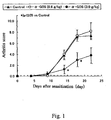
- the ⁇ -GOS (0.6 g/kg) dose group did not affect arthritis score.
- the ⁇ -GOS (3 g/kg) dose group suppressed remarkably increase in score at day 14 or later.
- the score of the control group was 3.8 ⁇ 0.8
- the score of the ⁇ -GOS (3 g/kg) dose group was 1.2 ⁇ 0.8 (p ⁇ 0.05).
- the score of the control group was 7.2 ⁇ 0.4
- the score of the ⁇ -GOS (3 g/kg) dose group was 3.0 ⁇ 1.3 (p ⁇ 0.05).
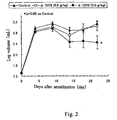
- the ⁇ -GOS (3 g/kg) dose group suppressed remarkably increase in right leg volume at day 14 or later. Particularly, at day 22, the volume of the control group was 3.13 ⁇ 0.10 mL, while the score of the ⁇ -GOS (3 g/kg) dose group was 2.44 ⁇ 0.24 mL (p ⁇ 0.05).
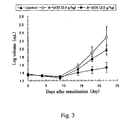
- ⁇ -GOS (3 g/kg) dose group did not show significant difference, it showed a tendency of suppressing increase in volume at day 14 or later.
- BN rat Brown Norway rat
- OVA ovalbumin
- rats were allowed to freely take AIN-93G as a base feed ( ⁇ -corn starch, 529.5 g/kg; casein, 200 g/kg; sucrose, 100 g/kg; soy bean oil, 70 g/kg; cellulose, 50 g/kg; mineral mixing, 35 g/kg; vitaminmixing, 10 g/kg; L-cystine, 3 g/kg; choline bitartarate, 2.5 g/kg).
- AIN-93G a base feed
- ⁇ -corn starch 529.5 g/kg
- casein 200 g/kg
- sucrose 100 g/kg
- soy bean oil 70 g/kg
- cellulose 50 g/kg
- mineral mixing 35 g/kg
- vitaminmixing 10 g/kg
- L-cystine 3 g/kg
- choline bitartarate 2.5 g/kg
- inactivated Bordetella pertussis (6 ⁇ 10 9 CFU/rat) was intraperitoneally administered as an adjuvant.
- a base feed group and an ⁇ -GOS added feed group of giving a feed in which 5% (w/w) of the base feed is substituted with ⁇ -GOS were prepared, and rats were allowed to freely take the test feeds for 2 weeks.
- OVA (1 mg/rat) was orally administered four times to half individuals of the ⁇ -GOS added feed group.
- rats were allowed to absorb aerosol of OVA (1% (w/v)) for 10 minutes using an ultrasonic nebulizer.
- BALF bronchovesicule washing liquid
- the pathological condition of allergic bronchial asthma is composed of an immediate phase correlated with degranulation of a mast cell by antigen-specific IgE and a late phase composed mainly of the subsequently eosinophilic inflammation, therefore, also in this example, the OVA specific antibody level in blood and the extent of eosinophile invasion in an air duct after antigen elicitation were used as indices.
- ⁇ -GOS has an effect for preventing allergic asthma in an allergic asthma model.
- mice 5 weeks C57BL/6J Jcl female mice were purchased from Clea Japan, Inc. Until the test, mice were allowed to freely take a commercially available feed (CE-2, manufactured by Clea Japan, Inc.) and tap water, and bred under environments of a temperature of 24 ⁇ 1°C, a humidity of 50 ⁇ 10% and a bright and dark 12-hours cycle (bright period 8:00 to 20:00, dark period 20:00 to 8:00). When used in the test, they were 6-weeks old (body weight, 18.6 g, 20.3 g).
- Concanavalin A (ConA) type IV (manufactured by Sigma) was used as a T cell mitogen.
- mice C57BL/6 mice were narcotized, by Nembutal (40 mg/kg), and spleen was removed aseptically.
- the spleen was washed in one shale containing Hank's balanced salt solution to remove fat and the like, and the spleen was ground by a tea strainer and glass bar in the second shale containing the same solution, to prepare float cells.
- the cells were centrifugally separated at 1500 rpm for 3 minutes, then, the supernatant was removed and the cells were floated in a medium prepared by adding Hepes, L-glutamine, penicillin G, streptomycin, 2-mercaptoethanol and 10% Nuserum (Becton Dickinson Lab.) to a RPMI-1640 medium (manufactured by Nippon Pharmaceutical Co., Ltd.) and centrifugally separated at 1500 rpm for 3 minutes, then, the supernatant was again removed. The cells were floated in a small amount of the same medium, and diluted to 2.5 ⁇ 10 6 cell/mL.
- the addition concentration of saccharides was 0 to 1000 ⁇ g/mL, ConA was 2 ⁇ g/mL, and after preparation, each 200 ⁇ L of cells were inoculated onto a 96-well plate, and culturing was initiated in a CO 2 incubator (37°C, CO 2 ; 5.0%).
- MTT 3-(4,5-dimethyl-2-thiazolyl)-2,5-diphenyl-2H-tetrazolium bromide
- RPMI-1640 medium 0.5% MTT (3-(4,5-dimethyl-2-thiazolyl)-2,5-diphenyl-2H-tetrazolium bromide) solution (dissolved in RPMI-1640 medium) was added to each well in an amount of 10 ⁇ L, and reacted for 3 hours in a CO 2 incubator (37°C, CO 2 ; 5.0%).
- a SDS solution (20% SDS in 0.03 NHCl) was added to each well in an amount of 80 ⁇ L, to terminate the reaction. It was allowed to stand for about 10 hours to solubilize a coloring matter, then, the absorbancy at 540 nm was measured by a micro plate reader.
- Cell growth was evaluated by absorbancy difference ( ⁇ OD) obtained by subtracting blank absorbancy from the absorbancy in the culture liquid.
- cytokines Production of cytokines was measured using the samples under ⁇ -GOS 125 and 500 ⁇ g/mL addition conditions in the lymphocyte growth ability evaluation test. 72 hours after initiation of culturing, the plate was frozen to terminate culture. Cytokines (LL-4, IL-12) in each culture liquid were measured by an ELISA kit (manufactured by Amersham Pharmacia).
- the prepared float cell liquid showed a concentration of 2.3 ⁇ 10 6 cell/mL and a survival rate of 96%.
- Change in absorbancy difference ( ⁇ OD) following lymphocyte growth at each saccharide concentration is shown in Fig. 6 and Fig. 7.
- IL-12 production in stimulating with ConA showed a value twice or more than those in no-addition section both in the cases of ⁇ -GOS 125 ⁇ g/ml and ⁇ -GOS 500 ⁇ g/ml.
- IL-4 production showed approximately the same amount as that of no-addition section in the case of addition of ⁇ -GOS 125 ⁇ g/ml, while a lower value was shown than that in no-addition section in the case of addition of 500 ⁇ g/ml.
- ⁇ -GOS has an action of growing a T cell, by addition of a mitogen (ConA) .
- ConA mitogen
- ⁇ -GOS accentuates IL-12 production and suppresses IL-4 production. Namely, it becomes clear that ⁇ -GOS accentuates an immune response of Th1 and suppresses an immune response of Th2.
- Example 4 (influence exerted on allergic bronchial eosinophilic inflammation by oligosaccharide)
- an oligosaccahide no-addition seed (base seed) group After pre-breeding for 1 week, an oligosaccahide no-addition seed (base seed) group, and feeds obtained by substituting 5% (w/w) of the base feed with raffinose (RAF), ⁇ -GOS (hereinafter, referred to simply as GOS), fructooligosaccharide (FOS), xylooligosaccharide (XOS), that is, five groups were prepared, and mice were allowed to freely take these feeds for 8 weeks. During this, an aqueous OVA solution (1 mg/0.2 mL) was orally administered forcibly every day.
- RAF raffinose
- ⁇ -GOS hereinafter, referred to simply as GOS
- FOS fructooligosaccharide
- XOS xylooligosaccharide
- IgG was detected from one week after initiation of administration of OVA, in the oligosaccharide no-addition feed group, a plateau was attained in three weeks, after this, until 8 weeks, approximately the same level was maintained.
- the GOS feed group showed the same change as that for the oligosaccharide no-addition feed group throughout the experiment period, while both the FOS feed group and the RAF and XOS feed groups changed lower than the oligosaccharide no-addition feed group, at 3 to 4 weeks and at 2 to 5 weeks, respectively. However, at 6 weeks, all the groups converged to approximately the same level.
- IgE showed slow general increase as compared with IgG.
- the value initiated to increase from 2 weeks, and showed higher values from the temporary maximum value at 5 weeks to high values at 8 weeks.
- the FOS feed group showed an increase at 5 weeks, thereafter, continued an increase until 8 weeks.
- the RAF and XOS feed groups changed lower than the oligosaccharide no-addition feed group and the FOS feed group until 7 weeks, and showed the same high value as that of the FOS group.
- the GOS feed group changed lower like the RAF and XOS feed groups until 7 weeks, further, did not increase to the levels of other groups even at 8 weeks.
- RAF and XOS have an effect of delaying increase, against IgG and IgE, and the effect of FOS is weaker than them.
- GOS showed no effect of delaying increase of IgG, strongly suppressed increase of IgE, differing from RAF and XOS.
- sensitization by oral antigen needs permeation of an antigen from an intestinal tract into a body, therefore, a possibility of delay of sensitization by suppression of permeation through an intestinal tract of an antigen in an intestinal tract by an oligosaccharide, especially GOS is hypothesized.
- the present invention is not limited to the above-mentioned examples providing it is included in the substantial range of the invention.
- an anti-inflammatory agent and an agent for preventing or ameliorating allergic diseases containing an ⁇ -bond galactooligosaccharide as the active ingredient can be used safely for a long period of time, and are useful, particularly, for chronic inflammation or allergic bronchial asthma, and food allergy.
- a functional food containing an ⁇ -bond galactooligosaccharide as the active ingredient and having an anti-inflammatory action or an action for preventing or ameliorating allergic diseases can be compounded in various foods and can be used safely for a long period of time, and is useful, particularly, for chronic inflammation or allergic bronchial asthma, and food allergy.
Landscapes
- Health & Medical Sciences (AREA)
- Life Sciences & Earth Sciences (AREA)
- Chemical & Material Sciences (AREA)
- General Health & Medical Sciences (AREA)
- Animal Behavior & Ethology (AREA)
- Medicinal Chemistry (AREA)
- Organic Chemistry (AREA)
- Pharmacology & Pharmacy (AREA)
- Public Health (AREA)
- Veterinary Medicine (AREA)
- Engineering & Computer Science (AREA)
- Molecular Biology (AREA)
- Chemical Kinetics & Catalysis (AREA)
- General Chemical & Material Sciences (AREA)
- Nuclear Medicine, Radiotherapy & Molecular Imaging (AREA)
- Bioinformatics & Cheminformatics (AREA)
- Epidemiology (AREA)
- Pulmonology (AREA)
- Immunology (AREA)
- Polymers & Plastics (AREA)
- Mycology (AREA)
- Nutrition Science (AREA)
- Food Science & Technology (AREA)
- Biochemistry (AREA)
- Biotechnology (AREA)
- Genetics & Genomics (AREA)
- Pain & Pain Management (AREA)
- Rheumatology (AREA)
- Pharmaceuticals Containing Other Organic And Inorganic Compounds (AREA)
- Coloring Foods And Improving Nutritive Qualities (AREA)
- Saccharide Compounds (AREA)
- Polysaccharides And Polysaccharide Derivatives (AREA)
Abstract
It is intended to provide an antiinflammatory agent made from a highly safe material which can be daily taken as a food, an agent for preventing or ameliorating allergic diseases and a functional food having the above effects. The antiinflammatory agent contains an alpha -bond galactooligosaccharide as the active ingredient. The agent for preventing or ameliorating allergic diseases contains an alpha -bond galactooligosaccharide as the active ingredient. The functional food contains an alpha -bond galactooligosaccharide as the active ingredient. As such alpha -bond galactooligosaccharide, use can be made of a product synthesized by the dehydration reaction by alpha -galactosidase with the use of galactose or a galactose-containing material as a substrate. <IMAGE>
Description
The present invention relates to an anti-inflammatory agent
containing an α-bond galactooligosaccharide as the active
ingredient, an agent for preventing or ameliorating allergic
diseases and a functional food containing an α-bond
galactooligosaccharide as the active ingredient and having an
anti-inflammatory action or an action for preventing or
ameliorating allergic diseases.
Inflammation means a series of reactions shown by an
organism against any internal or external stimulations, and
includes inflammation due to infection by bacterium, virus,
parasite and the like, inflammation by heat, cooling, mechanical
trauma, ultraviolet ray and the like, allergic inflammation
caused by deposition of an immune complex produced in a body
on cells and tissue, inflammation due to an abnormal metabolic
product generated in a body, and the like, and the inflammations
invite pyrexia, flare, swelling, pain, dysfunction and the like.
For treatment of such inflammations, there are used steroidal
anti-inflammatory agents, non-steroidal anti-inflammatory
agents, anti-phlogistic enzymes, anti-histaminic agents and the
like.
Now, there is a tendency of increase in the number of patients
suffering from allergic diseases such as pollenosis, food allergy,
atopic dermatitis, allergic rhinitis, anaphylaxis, allergic
bronchial asthma and the like. Allergy is a reaction causing
disorders in an organism as a result of an immune response, and
the above-mentioned allergic diseases are classified into type
I allergy correlated with an IgE antibody produced by a B cell.
In type I allergy, an IgE antibody produced by stimulation by
an antigen such as microorganisms, food and the like bonds to
a mastocyte (mast cell), and the same antigen bonds again to
this, consequently, various chemical mediators such as histamine,
leucotriene, serotonin, prostaglandin and the like are secreted,
to cause accentuation of vascular permeability,
bronchoconstriction, tissue damage and the like (immediate
phase). In allergic bronchial asthma and the like, it is becoming
clear that tissue damage of bronchial mucous membrane, and the
like are caused by remarkable invasion of eosinophils (late
phase).
On the other hand, according to the immune mechanism
described above, proteins and the like, among food components
taken and incorporated into an organism, act as a so-called
antigen causing an immune response, and this antigen is taken
to cause a supersensitive immune reaction.
However, an organism has a control mechanism of preventing
occurrence of a supersensitive immune response such as allergy
and the like against a food antigen referred to as oral immune
tolerance. This oral immune tolerance is induced by rendering
a specific T cell against a food antigen into nonresponse
condition (anagy), or causing apoptosis (cell death) to allow
the cell disappear, and when the mechanism of oral immune
tolerance is broken for some reasons, an IgE antibody is produced
against certain kind of taken food to cause food allergy, in
some cases.
The above-mentioned IgE antibody inviting type I allergy
is produced by activation of B cells by IL-4 and the like secreted
from differentiated and induced Th2, among two different subsets
differentiated from helper T cells (Th0) (namely, type 1 helper
T cell (differentiated and induced from interleukin 12 (IL-12)
and the like, hereinafter referred to as Th1) and type 2 helper
T cell (differentiated and induced from interleukin 4 (IL-4)
and the like, hereinafter referred to as Th2)). Th1 and Th2
are in a correlation suppressing mutual proliferation via a
cytokine, and the immune response is originally present under
a mechanism of mutual control of both the cells to make a balance.
Therefore, type I allergy is believed to be a result of deviation
of balance toward Th2 because of some reasons, and it is believed
that if this deviation is corrected, in other words, if Th1 is
made dominant, prevention and amelioration of allergic diseases
is possible. There is also an idea that increase in the number
of patients suffering from allergic diseases is ascribable to
dominance of Th2 owing not only to gene factors but also to
environmental factors (decrease in chances of invasion of a
microorganism into a body due to improvement in hygienic condition,
increase in chances of exposure to chemical substance, increase
in stress, and the like), that is, prevention and amelioration
of allergic diseases is a current important subject.
However, conventionally, therapeutic agents for
inflammation and therapeutic agents for allergic diseases are
mostly composed of medical drugs, and when a treatment for a
long period of time is necessary such as in the case of chronic
inflammation, atopic dermatitis, allergic bronchial asthma and
the like, some side effects follow in chronic dosing, and a
treatment showing high safety even in chronic dosing is desired.
Further, recently, there is a tendency also of increase in the
number of patients suffering from food allergy against various
foods, and a highly safe treatment is desired. Furthermore,
medical drugs used for the treatment of allergic diseases are
mostly composed of those used symptomatically such as
anti-histaminic agents, and a causal treatment is desired.
The present invention has been made in view of the
above-mentioned facts and provides an anti-inflammatory agent
made from a highly safe material which can be daily taken as
a food, an agent for preventing or ameliorating allergic diseases
depending on the mechanism of onset of allergic diseases, and
a functional food having these actions.
The present invention is an anti-inflammatory agent
containing an α-bond galactooligosaccharide as the active
ingredient.
The present invention is an agent for preventing or
ameliorating allergic diseases, containing an α-bond
galactooligosaccharide as the active ingredient. In this agent
for preventing or ameliorating allergic diseases, prevention
or amelioration of allergic diseases accentuates the immune
response of Th1 and suppresses the immune response of Th2. An
α-bond galactooligosaccharide accentuates Th1 and suppresses
Th2 and adjusts a balance of them, therefore, this saccharide
can suppress production of an IgE antibody. In this agent for
preventing or ameliorating allergic diseases, prevention or
amelioration of allergic diseases suppresses production of an
IgE antibody and invasion of an eosinophile. Since an α-bond
galactooligosaccharide strongly suppresses invasion of an
eosinophile, it is useful for allergic bronchial asthma in which
an allergic reaction is caused in a late phase. Also, an α-bond
galactooligosaccharide promotes induction of oral immune
tolerance, and consequently, is useful for food allergy.
The present invention is a functional food containing an
α-bond galactooligosaccharide as the active ingredient and
having an anti-inflammatory action or an action for preventing
or ameliorating allergic diseases.
The α-bond galactooligosaccharide is an oligosaccharide
having an α-galactosyl group, and includes melibiose,
manninotriose, raffinose, stachyose and the like, and these can
be produced from beat, soy bean oligosaccharide and the like.
As the α-bond galactooligosaccharide, commercially available
products can also be used.
Further, as the α-bond galactooligosaccharide, those
synthesized with enzymes can be used. Synthesis with an enzyme
can be conducted utilizing the dehydration condensation reaction
of α-galactosidase with the use of galactose or
galactose-containing substance as a substrate. By synthesis
using galactose as a substrate, α-bond galactooligosaccharides
generally represented by α-(Gal)n (n usually represents an
integer of 2 to 10) including a mixture of α-galactobiose,
α-galactotriose, α-galactotetraose, and higher
oligosaccharides, are obtained.
By synthesis using galactose and glucose as a substrate,
α-bond galactooligosaccharides generally represented by
α-(Gal)nGlc (n usually represents an integer of 1 to 9) including
a mixture of oligosaccharides composed only of galactoses such
as α-galactosylglucose, α-galactobiose and the like, are
obtained. The galactose-containing substance also includes
hydrolysates of galactose-containing substances, for example,
a mixture of galactose and glucose obtained by allowing
β-galactosydase and acid to act on lactose, and the like. A
case in which glucose is mixed separately with galactose and
used as a substrate is also included (see WO 02/18614). These
α-bond galactooligosaccharides have been confirmed to be safe
and can be daily used.
The source of α-galactosidase is not particularly
restricted providing it can be used for synthesis of an α-bond
galactooligosaccharide by a dehydration condensation reaction
with the use of galactose or galactose-containing substance as
a substrate, and from the standpoint of yield or the like, those
produced by Aspergillus niger are preferable, and those produced
by Aspergillus niger APC-9319 strain (FERM BP-7680) are more
preferable (see, WO 02/18614).
This strain has been deposited with National Institute
of Advanced Industrial Science and Technology International
Patent Organism Depositary Center (IPOD, 305-8566, chuo No. 6,
higashi 1-1-1, Tsukuba city, Ibaraki prefecture, Japan)
(relegated from national deposition to international deposition,
original deposition date: August 29, 2000, acceptance No. of
national deposition: FERM P-18003) according to the Budapest
Treaty.
Mycological natures of this strain are described below.
Conidiospore head: spherical to radial, conidiospore
(optical microscope): spherical to sub-spherical, smooth
surface to slightly rough surface, conidiospore (electron
microscope): rough surface (having elevation), diameter (about
3. 5 to 4.0 µm), effusion: formed in small amount (clear to brown) ,
smell: scarce, sterigmata: 2 stage, colony growth speed (malt
extract agar medium, culturing at 25°C) : >85 mm (7 days culture),
>85 mm (12 days culture), colony growth speed (Czapek Yeast agar
medium, culturing at 25°C): 60 to 67 mm (7 days culture), 65
to 73 mm (12 days culture), hue of colony (malt extract agar
medium) : black (surface), colorless (rear surface), hue of colony
(Czapek Yeast agar medium) : black to gray black (front surface) ,
cream to gray yellow (rear surface)
The effective amount of an α-bond galactooligosaccharide
which is an active ingredient of the anti-inflammatory agent
or agent for preventing or ameliorating allergic diseases of
the present invention can be appropriately controlled depending
on symptom, age, body weight, dose mode and the like, and usually,
for adult, it is preferably from 4 mg to 40 g/day, more preferably
from 0.3 g to 30 g/day. Regarding the functional food, when
an α-bond galactooligosaccharide is contained in other food
materials, it is preferably taken in a rate of 0.3 g to 30 g/day,
and the rate can be appropriately controlled depending on the
kind, form, shape and the like of a food utilized.
Though it is general that an α-bond galactooligosaccharide
in the form of liquid or powder is orally administered, the dose
mode is not limited to this. Namely, the dosage form of an α-bond
galactooligosaccharide can be appropriately selected, and it
can be processed into various dosage forms such as tablet, powder,
granule, capsule, syrup, gargle, ointment and the like using
pharmaceutically acceptable various aids such as excipient,
binder, disintegrating agent and the like. An effect can also
be obtained by injecting an appropriately diluted α-bond
galactooligosaccharide aqueous solution into blood.
Further, other medical drugs can be.compounded to give
a medical preparation providing the action and effect of an α-bond
galactooligosaccharide are not lost.
Also, an α-bond galactooligosaccharide can be compounded
in existing suitable foods to give functional foods intending
promotion of these functions. For example, an α-bond
galactooligosaccharide can be compounded into powdered milk and
liquid milk in view of the whole sugar percentage and allowed
to be taken.
The present invention will be illustrated further in detail
by examples below.
The α-bond galactooligosaccharide used in the examples
(hereinafter, referred to as α-GOS, or GOS) had been synthesized
by allowing α-galactosidase produced by Aspergillus niger
APC-9319 (FERM BP-7680) to act on galactose, and represented
by α-(Gal)n strain (n usually represents an integer of 2 to 10) .
Example 1 (effect of preventing onset of adjuvant arthritis)
Suitable amount of α-GOS was weighed, pulverized in a mortar,
then, injection distilled water was added to this to cause
dissolution thereof, preparing a 600 mg/mL solution. A part
of this solution was separated and diluted with injection
distilled water to prepare a 100 mg/mL solution. Preparation
of a test substance was conducted every one week. The dose volume
for rat was 0.6 mL/100 g body weight.
Suitable amount of Mycobacterium tuberculosis H37Ra
(manufactured by Wako Pure Chemical Industries Ltd.) killed by
heating was weighed, pulverized in an agate mortar, then, a liquid
paraffin (manufactured by Wako Pure Chemical Industries Ltd.)
was added portion-wise to cause suspension, preparing a 6 mg/mL
suspension.
Male Wistar rats (SPF) purchased at 7-weeks old from Nippon
SLC K.K. were pre-bred for 11 days and subjected to an experiment.
Rats were bred in a SPF barrier breeding room at room temperature
24±3°C and a relative humidity of 55±15% (irradiation time: 8
to 18 hours, ventilation frequency: 18/hour).
Rats were bred at a rate of 2 to 3/cage, and allowed to
freely take solid feed (MF, manufactured by Oriental Yeast
Industry K.K.) and sterilized distilled water. Picric acid was
used in hair for identification of rat individual.
Rats were fixed on a fixing table under ether anesthesia,
and 0.1 mL of the prepared adjuvant was injected intradermally
into footpad of right rear leg, to induce arthritis. The induced
day was day 0.
Administration method: It was orally administered forcibly
using a rat oral sonde (administration once per day).
| Group No. | Name of substance | Dosage (g/kg) | Individual No. |
| 1 | Control (distilled water) | 0 | 1-1, 1-2, 1-3, 1-4, 1-5 |
| 2 | α-GOS | 0.6 | 2-1, 2-2, 2-3, 2-4, 2-5 |
| 3 | α-GOS | 3.0 | 3-1, 3-2, 3-3, 3-4, 3-5 |
General condition: Condition was observed once a day.
Arthritis score: Extents of flare, swelling and rigidity
of right front leg, left front leg and left hind leg excepting
right hind leg of sensitized portions were visually observed
and evaluated by scores of 0 to 4 points according to the following
standard, the maximum sum being 12 points. The measurement was
conducted on day 0, 4, 9, 14, 18 and 22.
Leg volume: volume of right hind leg and left hind leg
was measured using a leg volume measuring apparatus (TK-105,
manufactured by Muromachi Machine). The measurement was
conducted on the same day as the evaluation days of arthritis
score.
The result arthritis score and leg volume were represented
by average value ± standard deviation of individual group. For
testing statistical significance of individual group against
negative control group, variance analysis (ANOVA) was conducted
using an analysis soft (Stat View, Abacus Inc., USA), to confirm
equal variance, then, Fisher's PLSD method, multiple comparison
test was carried out, to compare between groups. When p<0.05,
the statistical significance was positive.
The experiment results are shown in Table 1.
The α-GOS (0.6 g/kg) dose group did not affect arthritis
score.
However, the α-GOS (3 g/kg) dose group suppressed
remarkably increase in score at day 14 or later. Particularly,
at day 14, the score of the control group was 3.8±0.8, while
the score of the α-GOS (3 g/kg) dose group was 1.2±0.8 (p<0.05).
At day 18, the score of the control group was 7.2±0.4, while
the score of the α-GOS (3 g/kg) dose group was 3.0±1.3 (p<0.05).
The experiment results are shown in Fig. 2.
Like in the case of arthritis score, the α-GOS (0.6 g/kg)
dose group did not affect the right leg volume.
However, the α-GOS (3 g/kg) dose group suppressed
remarkably increase in right leg volume at day 14 or later.
Particularly, at day 22, the volume of the control group was
3.13±0.10 mL, while the score of the α-GOS (3 g/kg) dose group
was 2.44±0.24 mL (p<0.05).
The experiment results are shown in Fig. 3.
Like in the case of arthritis score, the α-GOS (0.6 g/kg)
dose group did not affect the left leg volume.
While the α-GOS (3 g/kg) dose group did not show significant
difference, it showed a tendency of suppressing increase in volume
at day 14 or later.
It is suggested that by forced oral administration of α-GOS
(3 g/kg), a remarkable suppressing effect on adjuvant arthritis
of rat is manifested, and particularly, an anti-inflammatory
effect against chronic inflammation is expected.
Using Brown Norway rat (BN rat) of which response of an
antibody against an administered antigen has been reported to
be near that of human, an allergic bronchial asthma model was
produced using ovalbumin (OVA) as a model antigen, and an
influence exerted by α-GOS added to feed was analyzed. Until
initiation of the experiment, rats were allowed to freely take
AIN-93G as a base feed (α-corn starch, 529.5 g/kg; casein, 200
g/kg; sucrose, 100 g/kg; soy bean oil, 70 g/kg; cellulose, 50
g/kg; mineral mixing, 35 g/kg; vitaminmixing, 10 g/kg; L-cystine,
3 g/kg; choline bitartarate, 2.5 g/kg). After pre-breeding for
1 week, 1 mL of mixed liquid of OVA (1 mg/mL) and alum was
subcutaneously administered to a cervical back part.
Simultaneously, inactivated Bordetella pertussis (6×10⁹
CFU/rat) was intraperitoneally administered as an adjuvant. One
week after immunization, a base feed group and an α-GOS added
feed group of giving a feed in which 5% (w/w) of the base feed
is substituted with α-GOS were prepared, and rats were allowed
to freely take the test feeds for 2 weeks. During this, OVA
(1 mg/rat) was orally administered four times to half individuals
of the α-GOS added feed group. 3 weeks after immunization, rats
were allowed to absorb aerosol of OVA (1% (w/v)) for 10 minutes
using an ultrasonic nebulizer. The day after elicitation, the
abdomen was open under Nembutal anesthesia, blood was collected
from abdominal aorta to cause bleeding to death, then,
bronchovesicule washing liquid (BALF) was obtained. A site spin
specimen was made from BALF, May-Grunwald-Giemsa stain was
performed and cell profile was analyzed. The OVA specific
antibody level in blood was measured by ELISA.
It is becoming clear that the pathological condition of
allergic bronchial asthma is composed of an immediate phase
correlated with degranulation of a mast cell by antigen-specific
IgE and a late phase composed mainly of the subsequently
eosinophilic inflammation, therefore, also in this example, the
OVA specific antibody level in blood and the extent of eosinophile
invasion in an air duct after antigen elicitation were used as
indices.
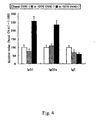
Regarding the antigen-specific IgE level in blood, there
is a tendency that this level is lower in the α-GOS added group
than in the base feed group as a control group (Fig. 4). On
the other hand, there is a tendency that the number of eosinophiles
and the number of neutrophiles in BALF are smaller in the α-GOS
added group than in the base feed group, further, it is about
half in the case of oral administration of OVA (Fig. 5).
From the above-mentioned results, it is clear that α-GOS
has an effect for preventing allergic asthma in an allergic asthma
model.
When OVA is orally administered after immunization, a
further lower value is shown as compared with the case of no
oral administration. The reason for this is hypothesized that
an action of suppressing a symptom is manifested by promotion
of induction of oral immune tolerance due to OVA by a feed α-GOS.
From the above-mentioned results, it is clear that α-GOS
accentuates induction of oral immune tolerance, and is effective
also for prevention and reduction of food allergy.
5 weeks C57BL/6J Jcl female mice were purchased from Clea
Japan, Inc. Until the test, mice were allowed to freely take
a commercially available feed (CE-2, manufactured by Clea Japan,
Inc.) and tap water, and bred under environments of a temperature
of 24±1°C, a humidity of 50±10% and a bright and dark 12-hours
cycle (bright period 8:00 to 20:00, dark period 20:00 to 8:00).
When used in the test, they were 6-weeks old (body weight, 18.6
g, 20.3 g).
Concanavalin A (ConA) type IV (manufactured by Sigma) was
used as a T cell mitogen.
C57BL/6 mice were narcotized, by Nembutal (40 mg/kg), and
spleen was removed aseptically. The spleen was washed in one
shale containing Hank's balanced salt solution to remove fat
and the like, and the spleen was ground by a tea strainer and
glass bar in the second shale containing the same solution, to
prepare float cells. The cells were centrifugally separated
at 1500 rpm for 3 minutes, then, the supernatant was removed
and the cells were floated in a medium prepared by adding Hepes,
L-glutamine, penicillin G, streptomycin, 2-mercaptoethanol and
10% Nuserum (Becton Dickinson Lab.) to a RPMI-1640 medium
(manufactured by Nippon Pharmaceutical Co., Ltd.) and
centrifugally separated at 1500 rpm for 3 minutes, then, the
supernatant was again removed. The cells were floated in a small
amount of the same medium, and diluted to 2.5×10⁶ cell/mL. The
addition concentration of saccharides was 0 to 1000 µg/mL, ConA
was 2 µg/mL, and after preparation, each 200 µL of cells were
inoculated onto a 96-well plate, and culturing was initiated
in a CO2 incubator (37°C, CO2; 5.0%).
0, 24, 48 and 72 hours after culturing, cell growth was
measured by a MTT method. 0.5% MTT
(3-(4,5-dimethyl-2-thiazolyl)-2,5-diphenyl-2H-tetrazolium
bromide) solution (dissolved in RPMI-1640 medium) was added to
each well in an amount of 10 µL, and reacted for 3 hours in a
CO2 incubator (37°C, CO2; 5.0%). A SDS solution (20% SDS in 0.03
NHCl) was added to each well in an amount of 80 µL, to terminate
the reaction. It was allowed to stand for about 10 hours to
solubilize a coloring matter, then, the absorbancy at 540 nm
was measured by a micro plate reader. Cell growth was evaluated
by absorbancy difference (ΔOD) obtained by subtracting blank
absorbancy from the absorbancy in the culture liquid.
Production of cytokines was measured using the samples
under α-GOS 125 and 500 µg/mL addition conditions in the
lymphocyte growth ability evaluation test. 72 hours after
initiation of culturing, the plate was frozen to terminate culture.
Cytokines (LL-4, IL-12) in each culture liquid were measured
by an ELISA kit (manufactured by Amersham Pharmacia).
The prepared float cell liquid showed a concentration of
2.3×10⁶ cell/mL and a survival rate of 96%. Change in absorbancy
difference (ΔOD) following lymphocyte growth at each saccharide
concentration is shown in Fig. 6 and Fig. 7.
48 hours or later after initiation of culturing, cell growth
by ConA was observed in the α-GOS added group.
The results of measurement of production of IL-4 and IL-12
when α-GOS and ConA were added to a plate are shown in Fig. 8
and Fig. 9.
IL-12 production in stimulating with ConA (after 72 hours)
showed a value twice or more than those in no-addition section
both in the cases of α-GOS 125 µg/ml and α-GOS 500 µg/ml. In
contrast, IL-4 production showed approximately the same amount
as that of no-addition section in the case of addition of α-GOS
125 µg/ml, while a lower value was shown than that in no-addition
section in the case of addition of 500 µg/ml.
From the above-mentioned results, it is clear that α-GOS
has an action of growing a T cell, by addition of a mitogen (ConA) .
In this case, α-GOS accentuates IL-12 production and suppresses
IL-4 production. Namely, it becomes clear that α-GOS
accentuates an immune response of Th1 and suppresses an immune
response of Th2.
An oral sensitization model of BALB/c mouse using ovalbumin
(OVA) as a model antigen was produced, and influences exerted
by various oligosaccharides added to feed on serum antibody titer
were compared. Until initiation of the experiment, 12-week old
male BALM/c mice were allowed to freely take AIN-93G as a base
feed (α-corn starch, 529.5 g/kg; casein, 200 g/kg; sucrose, 100
g/kg; soy bean oil, 70 g/kg; cellulose, 50 g/kg; mineral mixing,
35 g/kg; vitamin mixing, 10 g/kg; L-cystine, 3 g/kg; choline
bitartarate, 2.5 g/kg). After pre-breeding for 1 week, an
oligosaccahide no-addition seed (base seed) group, and feeds
obtained by substituting 5% (w/w) of the base feed with raffinose
(RAF), α-GOS (hereinafter, referred to simply as GOS),
fructooligosaccharide (FOS), xylooligosaccharide (XOS), that
is, five groups were prepared, and mice were allowed to freely
take these feeds for 8 weeks. During this, an aqueous OVA solution
(1 mg/0.2 mL) was orally administered forcibly every day. After
initiation of aministration of OVA, blood was collected from
orbital venous plexus every one week, and centrifugally separated
to obtain sera. Sear of one group (9/group) were pooled, and
subjected to quantification of antigen-specific antibody titer
by ELISA.
Changes in concentration of antigen-specific IgG and IgE
in blood from initiation of oral immunization of OVA to 8-weeks
are shown in Fig. 10 and Fig. 11. Before administration of OVA
(0 week), both IgG and IgE were not found.
IgG was detected from one week after initiation of
administration of OVA, in the oligosaccharide no-addition feed
group, a plateau was attained in three weeks, after this, until
8 weeks, approximately the same level was maintained. The GOS
feed group showed the same change as that for the oligosaccharide
no-addition feed group throughout the experiment period, while
both the FOS feed group and the RAF and XOS feed groups changed
lower than the oligosaccharide no-addition feed group, at 3 to
4 weeks and at 2 to 5 weeks, respectively. However, at 6 weeks,
all the groups converged to approximately the same level.
On the other hand, IgE showed slow general increase as
compared with IgG. In the oligosaccharide no-addition feed
group, the value initiated to increase from 2 weeks, and showed
higher values from the temporary maximum value at 5 weeks to
high values at 8 weeks. In contrast, the FOS feed group showed
an increase at 5 weeks, thereafter, continued an increase until
8 weeks. The RAF and XOS feed groups changed lower than the
oligosaccharide no-addition feed group and the FOS feed group
until 7 weeks, and showed the same high value as that of the
FOS group. The GOS feed group changed lower like the RAF and
XOS feed groups until 7 weeks, further, did not increase to the
levels of other groups even at 8 weeks.
Form the above-described results, it is believed that RAF
and XOS have an effect of delaying increase, against IgG and
IgE, and the effect of FOS is weaker than them. On the other
hand, though GOS showed no effect of delaying increase of IgG,
strongly suppressed increase of IgE, differing from RAF and XOS.
Currently, a mechanism for suppressing increase in serum antibody
titer by an oligosaccharide is not clear. However,
sensitization by oral antigen needs permeation of an antigen
from an intestinal tract into a body, therefore, a possibility
of delay of sensitization by suppression of permeation through
an intestinal tract of an antigen in an intestinal tract by an
oligosaccharide, especially GOS is hypothesized.
The present invention is not limited to the above-mentioned
examples providing it is included in the substantial range of
the invention.
As described above, an anti-inflammatory agent and an agent
for preventing or ameliorating allergic diseases, containing
an α-bond galactooligosaccharide as the active ingredient can
be used safely for a long period of time, and are useful,
particularly, for chronic inflammation or allergic bronchial
asthma, and food allergy.
A functional food containing an α-bond
galactooligosaccharide as the active ingredient and having an
anti-inflammatory action or an action for preventing or
ameliorating allergic diseases can be compounded in various foods
and can be used safely for a long period of time, and is useful,
particularly, for chronic inflammation or allergic bronchial
asthma, and food allergy.
Claims (17)
- An anti-inflammatory agent containing an α-bond galactooligosaccharide as the active ingredient.
- The anti-inflammatory agent according to Claim 1, wherein the α-bond galactooligosaccharide is a product synthesized by utilizing the dehydration condensation reaction of α-galactosidase with the use of galactose or galactose-containing substance as a substrate.
- The anti-inflammatory agent according to Claim 2, wherein the α-bond galactooligosaccharide is a product synthesized using galactose as a substrate and represented by α-(Gal)n (Gal: galactose, n usually represents an integer of 2 to 10).
- The anti-inflammatory agent according to Claim 2, wherein the α-bond galactooligosaccharide is a product synthesized using as a substrate a substance containing glucose in addition to galactose as the galactose-containing substance and represented by α-(Gal)nGlc (Glc: glucose, n usually represents an integer of 1 to 9).
- An agent for preventing or ameliorating allergic diseases, containing an α-bond galactooligosaccharide as the active ingredient.
- The agent for preventing or ameliorating allergic diseases according to Claim 5, wherein prevention or amelioration of allergic diseases accentuates the immune response of a type 1 helper T cell (Th1) and suppresses the immune response of a type 2 helper T cell (Th2).
- The agent for preventing or ameliorating allergic diseases according to Claim 5, wherein prevention or amelioration of allergic diseases is caused by suppression of production of an IgE antibody and suppression of invasion of an eosinophile.
- The agent for preventing or ameliorating allergic diseases according to Claim 7, wherein the allergic disease is allergic bronchial asthma.
- The agent for preventing or ameliorating allergic diseases according to Claim 5, wherein prevention or amelioration of allergic diseases is caused by promotion of induction of oral immunity tolerance.
- The agent for preventing or ameliorating allergic diseases according to Claim 9, wherein the allergic disease is food allergy.
- The agent for preventing or ameliorating allergic diseases according to Claims 5 to 10, wherein the α-bond galactooligosaccharide is a product synthesized by utilizing the dehydration condensation reaction of α-galactosidase with the use of galactose or galactose-containing substance as a substrate.
- The agent for preventing or ameliorating allergic diseases according to Claim 11, wherein the α-bond galactooligosaccharide is a product synthesized using galactose as a substrate and represented by α-(Gal)n (n usually represents an integer of 2 to 10).
- The agent for preventing or ameliorating allergic diseases according to Claim 11, wherein the α-bond galactooligosaccharide is a product synthesized using as a substrate a substance containing glucose in addition to galactose as the galactose-containing substance and represented by α-(Gal)nGlc (n usually represents an integer of 1 to 9).
- A functional food containing an α-bond galactooligosaccharide as the active ingredient and having an anti-inflammatory action or an action for preventing or ameliorating allergic diseases.
- The functional food according to Claim 14, wherein the α-bond galactooligosaccharide is a product synthesized by utilizing the dehydration condensation reaction of α-galactosidase with the use of galactose or galactose-containing substance as a substrate.
- The functional food according to Claim 15, wherein the α-bond galactooligosaccharide is a product synthesized using galactose as a substrate and represented by α-(Gal)n (n usually represents an integer of 2 to 10).
- The functional food according to Claim 15, wherein the α-bond galactooligosaccharide is a product synthesized using as a substrate a substance containing glucose in addition to galactose as the galactose-containing substance and represented by α-(Gal)nGlc (n usually represents an integer of 1 to 9).
Applications Claiming Priority (3)
| Application Number | Priority Date | Filing Date | Title |
|---|---|---|---|
| JP2002159158 | 2002-05-31 | ||
| JP2002159158 | 2002-05-31 | ||
| PCT/JP2003/006783 WO2003101464A1 (en) | 2002-05-31 | 2003-05-29 | Antiinflammatory agent, agent for preventing/ameliorating allergic diseases and functional food |
Publications (2)
| Publication Number | Publication Date |
|---|---|
| EP1514551A1 true EP1514551A1 (en) | 2005-03-16 |
| EP1514551A4 EP1514551A4 (en) | 2008-01-09 |
Family
ID=29706512
Family Applications (1)
| Application Number | Title | Priority Date | Filing Date |
|---|---|---|---|
| EP03733176A Withdrawn EP1514551A4 (en) | 2002-05-31 | 2003-05-29 | Antiinflammatory agent, agent for preventing/ameliorating allergic diseases and functional food |
Country Status (5)
| Country | Link |
|---|---|
| US (1) | US20060234980A1 (en) |
| EP (1) | EP1514551A4 (en) |
| JP (1) | JP4556009B2 (en) |
| CN (1) | CN100528169C (en) |
| WO (1) | WO2003101464A1 (en) |
Cited By (7)
| Publication number | Priority date | Publication date | Assignee | Title |
|---|---|---|---|---|
| WO2007028256A3 (en) * | 2005-09-09 | 2007-04-26 | Biotechnologies Oceanova Inc | Polysaccharides compositions comprising fucans and galactans and their use to reduce extravasation and inflammation |
| US8486668B2 (en) | 2009-02-24 | 2013-07-16 | Ritter Pharmaceuticals, Inc. | Prebiotic formulations and methods of use |
| US8492124B2 (en) | 2009-02-24 | 2013-07-23 | Ritter Pharmaceuticals, Inc. | Prebiotic formulations and methods of use |
| WO2015007326A1 (en) * | 2013-07-18 | 2015-01-22 | Institut D'investigació Biomèdica De Bellvitge (Idibell) | Agents comprising a terminal alpha-galactosyl moiety for use in prevention and/or treatment of inflammatory diseases |
| WO2015153841A1 (en) | 2014-04-04 | 2015-10-08 | Ritter Pharmaceuticals, Inc. | Methods and compositions for microbiome alteration |
| US9226933B2 (en) | 2004-07-22 | 2016-01-05 | Ritter Pharmaceuticals, Inc. | Methods and compositions for treating lactose intolerance |
| WO2016086206A1 (en) | 2014-11-25 | 2016-06-02 | Epiva Biosciences, Inc. | Probiotic compositions containing clostridials for inhibiting inflammation |
Families Citing this family (5)
| Publication number | Priority date | Publication date | Assignee | Title |
|---|---|---|---|---|
| JP2005281298A (en) * | 2004-03-04 | 2005-10-13 | Fancl Corp | T cell immunomodulator containing melibiose as active ingredient |
| US20090118226A1 (en) * | 2006-05-30 | 2009-05-07 | Kazunari Ushida | Intestinal eosinophil-suppressing composition |
| WO2008054193A1 (en) * | 2006-11-02 | 2008-05-08 | N.V. Nutricia | Nutritional products that comprise saccharide oligomers |
| US20110189342A1 (en) * | 2010-02-01 | 2011-08-04 | Jeong Hea-Seok | High-purity galactooligosaccharides and uses thereof |
| KR102236944B1 (en) * | 2020-04-29 | 2021-04-06 | (주)네오크레마 | Functional food composition and cosmetic composition comprising galacto-oligosaccharide, or galacto-oligosaccharide and collagen tripeptides for improving immune function and skin condition |
Family Cites Families (7)
| Publication number | Priority date | Publication date | Assignee | Title |
|---|---|---|---|---|
| FR2751876B1 (en) * | 1996-07-31 | 1998-12-31 | Roc Sa | USE OF AN OLIGOSACCHARIDE AS AN IMMUNOMODULATOR, DERMATO-COSMETIC COMPOSITION AND METHOD OF COSMETIC TREATMENT |
| JP2000060541A (en) * | 1998-08-27 | 2000-02-29 | Fuyuki Mitsuyama | Bifidobacterium proliferation-promoting substance, intestinal function-controlling substance and pharmaceutical preparation for bifidobacterium |
| FR2802414B1 (en) * | 1999-12-20 | 2003-06-27 | G Pharm Lab | COMPOSITION, ESPECIALLY COSMETIC OR DERMATOLOGICAL, CONTAINING OLIGOSACCHARIDES, METHOD FOR THE PREPARATION THEREOF AND METHOD FOR THE COSMETIC TREATMENT |
| JP4024454B2 (en) * | 2000-03-31 | 2007-12-19 | 日本甜菜製糖株式会社 | IgE antibody production reducing agent and allergic constitution improving agent |
| FR2811228B1 (en) * | 2000-07-07 | 2002-10-25 | Lvmh Rech | USE OF OLIGOSACCHARIDES OR PLANT EXTRACTS CONTAINING AS A COSMETIC OR DERMATOLOGICAL AGENT IN PARTICULAR FOR STIMULATING THE PRODUCTION OF BETA-ENDORPHIN IN THE SKIN |
| WO2002018614A1 (en) * | 2000-08-30 | 2002-03-07 | Amano Enzyme Inc. | METHOD OF ELEVATING YIELD OF OLIGOSACCHARIDES CONTAINING α-GALACTOSYL AND ANTI-CANDIDA COMPOSITIONS |
| JP4053743B2 (en) * | 2001-07-27 | 2008-02-27 | 株式会社ファンケル | Immunomodulator |
-
2003
- 2003-05-29 CN CNB038120755A patent/CN100528169C/en not_active Expired - Fee Related
- 2003-05-29 WO PCT/JP2003/006783 patent/WO2003101464A1/en not_active Ceased
- 2003-05-29 JP JP2004508821A patent/JP4556009B2/en not_active Expired - Fee Related
- 2003-05-29 US US10/516,234 patent/US20060234980A1/en not_active Abandoned
- 2003-05-29 EP EP03733176A patent/EP1514551A4/en not_active Withdrawn
Cited By (12)
| Publication number | Priority date | Publication date | Assignee | Title |
|---|---|---|---|---|
| US9226933B2 (en) | 2004-07-22 | 2016-01-05 | Ritter Pharmaceuticals, Inc. | Methods and compositions for treating lactose intolerance |
| WO2007028256A3 (en) * | 2005-09-09 | 2007-04-26 | Biotechnologies Oceanova Inc | Polysaccharides compositions comprising fucans and galactans and their use to reduce extravasation and inflammation |
| US8486668B2 (en) | 2009-02-24 | 2013-07-16 | Ritter Pharmaceuticals, Inc. | Prebiotic formulations and methods of use |
| US8492124B2 (en) | 2009-02-24 | 2013-07-23 | Ritter Pharmaceuticals, Inc. | Prebiotic formulations and methods of use |
| US8785160B2 (en) | 2009-02-24 | 2014-07-22 | Ritter Pharmaceuticals, Inc. | Prebiotic formulations and methods of use |
| US9579340B2 (en) | 2009-02-24 | 2017-02-28 | Ritter Pharmaceuticals, Inc. | Prebiotic formulations and methods of use |
| US9592248B2 (en) | 2009-02-24 | 2017-03-14 | Ritter Pharmaceuticals, Inc. | Prebiotic formulations and methods of use |
| US9775860B2 (en) | 2009-02-24 | 2017-10-03 | Ritter Pharmaceuticals, Inc. | Prebiotic formulations and methods of use |
| US9808481B2 (en) | 2009-02-24 | 2017-11-07 | Ritter Pharmaceuticals, Inc. | Prebiotic formulations and methods of use |
| WO2015007326A1 (en) * | 2013-07-18 | 2015-01-22 | Institut D'investigació Biomèdica De Bellvitge (Idibell) | Agents comprising a terminal alpha-galactosyl moiety for use in prevention and/or treatment of inflammatory diseases |
| WO2015153841A1 (en) | 2014-04-04 | 2015-10-08 | Ritter Pharmaceuticals, Inc. | Methods and compositions for microbiome alteration |
| WO2016086206A1 (en) | 2014-11-25 | 2016-06-02 | Epiva Biosciences, Inc. | Probiotic compositions containing clostridials for inhibiting inflammation |
Also Published As
| Publication number | Publication date |
|---|---|
| JPWO2003101464A1 (en) | 2005-09-29 |
| WO2003101464A1 (en) | 2003-12-11 |
| CN1655799A (en) | 2005-08-17 |
| US20060234980A1 (en) | 2006-10-19 |
| JP4556009B2 (en) | 2010-10-06 |
| EP1514551A4 (en) | 2008-01-09 |
| CN100528169C (en) | 2009-08-19 |
Similar Documents
| Publication | Publication Date | Title |
|---|---|---|
| EP2440073B1 (en) | Synergistic mixture of beta-galacto-oligosaccharides with beta-1,3 and beta-1,4/1,6 linkages | |
| EP2546330B1 (en) | Lactic acid bacterium-containing preparation | |
| KR102668947B1 (en) | Composition for improving preventing or treating muscular disease including Lactobacillus plantarum Q1(LPQ1) | |
| JP5554994B2 (en) | Lactic acid bacteria-containing preparation | |
| KR101937364B1 (en) | Novel lactic acid bacteria having immunoregulatory activities derived from human digestive tract and use thereof | |
| KR102397916B1 (en) | A novel anaerobic microbe isolated from human milk and method of preventing or treating metabolic disease using thereof | |
| US10639343B2 (en) | Preparation method of Gynostemma pentaphyllum leaves extract and Gynostemma pentaphyllum extract prepared by the method thereof | |
| US20060234980A1 (en) | Antiinflammatory agent, agent for preventing/ameliorating allergic diseases and functional food | |
| US20230034847A1 (en) | Composition for suppressing fat accumulation | |
| JP2007254333A (en) | Bacteria-containing composition having anti-inflammatory effect | |
| JP2009142266A (en) | New strain of lactobacillus | |
| US20250295714A1 (en) | Lactobacillus paracasei strain or lactobacillus plantarum strain derived from human body, having body fat reducing activity, and mixture composition comprising same | |
| KR100717742B1 (en) | Cholesterol Lowering Agents, Secondary Bile Acid Inhibitors, Food and Drink | |
| KR20120128260A (en) | Phamaceutical or food composition for treating or preventing obesity disease comprising a mixture of lactic acid bacteria | |
| CN113544255B (en) | Kola feces for preventing and treating obesity and complications thereof | |
| AU2019260951B2 (en) | Composition for type I allergy | |
| KR102146706B1 (en) | Composition for improving allergic rhinitis containing fermented red ginseng concentrate having increased content of ginsenoside Rd using fermentation by Bifidobacterium animalis ssp. lactis HY8002 and Bifidobacterium adolescentis HY8502 mixture as effective component | |
| KR20220057323A (en) | Composition for preventing, alleviating, or treating NAFLD, obesity, or dyslipidemia comprising Lactobacillus mudanjiangensis CKDB001 strain | |
| CN113795572B (en) | HOLDEMANELLA SP. Bacteria and their uses | |
| AU2004200137B2 (en) | Cholesterol-lowering agents, secondary bile acid production inhibitors, and foods and drinks | |
| JP2025503054A (en) | Composition for preventing, improving, or treating non-alcoholic fatty liver disease, comprising extracellular vesicles derived from the genus Roseburia or Bifidobacterium | |
| CN117618473A (en) | Application of PB bacteria in preventing, improving and treating metabolic diseases | |
| CN121843703A (en) | Induction promoter for regulatory T cells, therapeutic or prophylactic agent for autoimmune diseases, therapeutic or prophylactic agent for allergic diseases, food composition for preventing autoimmune diseases, food composition for preventing allergic diseases, food composition for improving allergic conditions, food composition for maintaining healthy immune function, therapeutic or prophylactic method for autoimmune diseases or allergic diseases, and screening method for substance promoting induction of regulatory T cells | |
| HK1231124A1 (en) | Intestinal bacteria butyribacter intestini and application thereof | |
| HK1231124A (en) | Intestinal bacteria butyribacter intestini and application thereof |
Legal Events
| Date | Code | Title | Description |
|---|---|---|---|
| PUAI | Public reference made under article 153(3) epc to a published international application that has entered the european phase |
Free format text: ORIGINAL CODE: 0009012 |
|
| 17P | Request for examination filed |
Effective date: 20041222 |
|
| AK | Designated contracting states |
Kind code of ref document: A1 Designated state(s): AT BE BG CH CY CZ DE DK EE ES FI FR GB GR HU IE IT LI LU MC NL PT RO SE SI SK TR |
|
| AX | Request for extension of the european patent |
Extension state: AL LT LV MK |
|
| DAX | Request for extension of the european patent (deleted) | ||
| A4 | Supplementary search report drawn up and despatched |
Effective date: 20071212 |
|
| 17Q | First examination report despatched |
Effective date: 20080917 |
|
| STAA | Information on the status of an ep patent application or granted ep patent |
Free format text: STATUS: THE APPLICATION IS DEEMED TO BE WITHDRAWN |
|
| 18D | Application deemed to be withdrawn |
Effective date: 20100422 |