TECHNICAL FIELD
The present invention relates to a simple and
extremely precise method for measuring a concentration of
a trace substance in an environment. More particularly,
the present invention relates to a measurement that uses a
quartz oscillator, and competitive reaction in an antigen-antibody
reaction between a protein-binding dioxin complex
and dioxins, and that measures a trace dioxin level
present in the environment easily, as well as a
measurement method for obtaining a toxicity equivalency
(TEQ) of dioxin.
BACKGROUND ART
In recent years, environmental contamination by
environmental hormones and others, from dioxins and the
like, has become a serious social problem. To preserve
the earth environment, high-grade chemical measurement
skill is required that can measure chemical substances at
the level from ppm to ppt, in order to investigate the
actual condition of outbreak circumstances and exposure
circumstances of these environmental contaminants.
Moreover, to improve monitoring precision, both samples
for measurement, and numbers of measurements performed,
need to be increased.
Because there are many isomers and homologues of
dioxins, and dioxins exist at very low levels in the
environment, they are not easy to analyze. Currently, a
gas chromatography / mass spectrometry (GC/MS) method is
the most reliable method, and it is used widely to
officially measure dioxins. In the GC/MS method, a target
substance is detected by ionizing and mass analyzing after
separating evaporated sample components by gas
chromatography.
Despite the reliability of measured values by the
GC/MS method, the equipment and exclusive reagents are
expensive. Moreover, sample pretreatment requiring
skillful technique is necessary. That is, it is necessary
to remove measurement disturbing substance as much as
possible before injection into an analyzer, and further,
it is necessary to concentrate the dioxins in advance
because of the extremely low, trace amounts of dioxins in
a sample. various special glass equipment is used in
these pretreatments, which are performed manually over a
period of several days by a skillful analyst with high-grade
technique. As a result, the GC/MS method requires
much time and cost for analysis, and there has been a
limitation in raising the frequency of monitoring.
A simpler, quicker, and less expensive method than
the GC/MS method is Enzyme-Linked Immunosorbent Assay
(ELISA method), which utilizes antigen-antibody reaction
as a focus. The ELISA method is used to detect the
presence of an antibody or an antigen utilizing an enzyme
activity, using, as a probe, an antigen or an antibody
bound to the enzyme via a covalent bond.
Despite that the ELISA method is simpler, quicker,
and less expensive than the GC/MS method, the lowest level
the ELISA method can measure is of ng/ml units (ppb unit),
while the GC/MS method can measure at a level of pg/ml
units (ppt unit). As a result, the ELISA method has been
used only semi-quantitatively, to monitor at a screening
level, for the need for precision analysis. Additionally,
labeling treatment of antibody or antigen was necessary in
the ELISA method.
On the other hand, as a measurement method for a
trace constituent that utilizes biological affinity, such
as immune reaction and others, a biosensor that utilizes a
surface plasmon resonance (SPR) method (Karube et al.,
Analytica Chimica Acta, 304 (1995) 139-145; Karube et al.,
Analytica Chimica Acta, 434 (2001) 223-230), and a
measurement method that uses a quartz oscillator, are
under research.
A measurement method that uses a quartz oscillator
can detect and measure a trace constituent by adsorbing
substance to the surface of a quartz oscillator, and using
the change in frequency of the quartz oscillator, which is
in proportion to the weight of the adsorbed substance. As
a result, labeling treatment of an antibody, secondary
antibody, or antigen, which are used for measurement with
a radioactive isotope, dye, fluorescent substance, enzyme,
radical probe, and the like, are entirely unnecessary,
making easy, quick, and inexpensive measurement possible.
The quartz oscillator is used as a highly precise
and stable oscillating element in many electronic circuits,
such as clocks, computers, and communicating/measuring
equipment. The quartz oscillator is, moreover, known as
the Quartz Crystal Microbalance (QCM), since the quartz
oscillator enables highly sensitive analysis, on the order
of from the nanogram to the femtogram, by transforming the
weight of adhesion on its electrode into a change of
oscillatory frequency quantitatively, and it is used as a
biosensor, in addition to as a film thickness meter and a
chemical sensor.
A usual measurement method for a trace constituent
using a quartz oscillator is to measure reactivity between
an analyte and a recognition element, and the mass of the
analyte, by having a recognition element
adsorbed/immobilized on the surface of a quartz oscillator
beforehand, and having it react with an analyte, and
obtaining the change in frequency before and after the
reaction.
As a method for measuring an antigen-antibody
reaction that uses, as a recognition element, an antibody
that is able to bind specifically to an analyte as an
antigen, thereby combining the recognition element with a
quartz oscillator, for example, the methods mentioned
below are suggested.
In a method disclosed in JP-A-63-11835, a quartz
oscillator biosensor, on the surface of which an antigen
or antibody was immobilized, is employed, in which method
the sensitivity of the quartz oscillator biosensor was
amplified by binding, via an antigen-antibody reaction, an
antibody- or antigen-immobilizing latex or other
microparticle further to a substrate bound via an antigen-antibody
reaction.
On the other hand, in a method disclosed in JP-A-03-77601,
an antigen or an antibody is reacted in a liquid
medium with an antibody- or antigen-supporting insoluble
carrier particle toward this antigen or antibody, while
allowing a quartz oscillator having no such reaction-participating
antigen or antibody immobilized thereon, to
be oscillated in the liquid medium, thereby measuring the
change in the oscillatory frequency of the quartz
oscillator attributable to clot formation caused by the
reaction.
However, in any of the methods disclosed in JP-A-63-11835
and JP-A-03-77601, it is essential for the antigen
to be a polymer comprising multiple antibody binding sites.
Thus, when an analyte is a low-molecular-weight substance,
such as an environmental contaminant, including a dioxin
and the like, or when an analyte has only one antibody
binding site, the latex on which an antigen or antibody is
immobilized cannot bind to an analyte, or the insoluble
carrier on which antigen or antibody is immobilized forms
a clot, to become unable to bind to a quartz oscillator,
resulting in difficulty in the measurement.
As an example, to solve these problem, a method
which comprises using competitive reaction, allowing
multiple analytes to be bound to protein polymers, to form
a competitive standard substance that is allowed to
compete with an analyte in the test sample, was disclosed
in Japanese Patent Application Nos. 2001-117308 and 2001-117309,
and also in Xi Chun Zhou et al., Analyst, 2001,
126, pp.71-78. According to the method disclosed in these
documents, a larger amount of the analyte present in the
test sample leads to more efficient prevention of the
binding of the competitive standard substance to the
recognition element on the surface of the quartz
oscillator, resulting in a reduced change in frequency.
Therefore, even when the measurement target is a low-molecular-weight
substance, or when it is a substance
comprising only one antibody binding site, highly
sensitive and highly precise measurement is possible.
However, either measurement method using a quartz
oscillator mentioned above measures a model solution that
comprises a simple substance. In the real-world
environment, multiple substances coexist. For example, in
the model solution for dioxins, there exists only 2,3,7,8-tetrachlorodibenzoparadioxin
(2,3,7,8-TCDD), but in an
actual environmentally-derived sample (for example, an
extract from fly ash of an incineration plant), there are
more than 100 multi-component dioxins and furans, at
varying concentrations, coexisting in the sample.
On the other hand, during the antigen-antibody
reaction, phosphate buffered saline (PBS) is used as a
solvent, but when substances that are insoluble in water,
such as dioxins, are the measurement target, dimethyl
sulfoxide (DMSO) and a surfactant (a phosphate buffer with
0.05% of Tween 20 (a trade name, manufactured by Sigma
Chemical Co.)) are mixed with PBS, to make the measurement
target soluble. In this case, as the higher structure of
the antibody that was immobilized on a quartz oscillator
changes under the influence of DMSO and a surfactant, it
will not be able to recognize the particular analyte alone,
and therefore a stabilizer will be used, to maintain the
higher structure of the antibody. As this stabilizer, and
accordingly, bovine serum albumin (BSA), casein
hydrolysate, modified protein, or such were used so far.
However, when measuring an environmental sample, the
stabilization effect of conventional stabilizers was low,
and the effect could not maintain the higher structure of
the antibody; and, accordingly, even if an antibody that
could bind specifically to an analyte, which behaves as an
antigen, was used, an antigen-antibody reaction with a
substance similar to the analyte might occur, and
therefore it was difficult to conduct accurate measurement
in a mixture system of an environment that includes
multiple components. For example, when the 2,3,7,8-TCDD
in an environmental sample was treated as a measurement
target, a monoclonal antibody, which exhibits selectivity
only to 2,3,7,8-TCDD, could not recognize the measurement
target normally, and therefore it was unable to bring
about accurate measurement. As a result, there are no
reports of environmentally-derived samples actually having
been measured by a method using a conventional quartz
oscillator.
Moreover, when screening (environmentally
monitoring) dioxins, it was necessary to make a large
amount, corresponding to the number of analytical test
samples, of anti-dioxin antibody-immobilizing quartz
oscillators, that had to be stored in order to analyze
many test samples at once.
However, since it was not possible to store quartz
oscillators for a long time when using a conventional
stabilizer, because the higher structure of the antibody
deteriorated over time, and the particular analyte alone
could not be recognized, and therefore, accurate
measurement could not be performed.
On the other hand, because dioxins differ in
toxicity depending on the dioxin variety, from the
viewpoint of environmental monitoring, toxicity
equivalency (TEQ) in the environment is important. Here,
toxicity equivalency is derived by multiplying an actually
measured concentration by a toxicity equivalent
coefficient. However, because it has been difficult to
measure a mixture system of an environment that includes
multiple components accurately by the conventional
measurement method using a quartz oscillator, it has also
been difficult to measure toxicity equivalency accurately.
Other and further features and advantages of the
invention will appear more fully from the following
description, taken in connection with the accompanying
drawings.
BRIEF DESCRIPTION OF THE DRAWINGS
Fig. 1 is a front view showing the relation between
the recognition element (antibody) placed on a quartz
oscillator and the stabilizer.
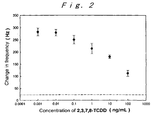
Fig. 2 is a diagram showing the relation between the
concentration of 2,3,7,8-TCDD and the change in
oscillatory frequency of a quartz oscillator of the
present invention.
Fig. 3 is a diagram showing the correlation between
a measured result by the method of the present invention
and a measured result by the ELISA method.
Fig. 4 is a diagram showing the correlation between
a measured result by the method of the present invention
and a measured result by the GC/MS method.
DISCLOSURE OF THE INVENTION
The present invention resides in a method for
measuring a concentration of dioxins in an
environmentally-derived sample or a biologically-derived
sample, which comprises: using a quartz oscillator; and a
method for measuring a toxicity equivalency thereof.
BEST MODE FOR CARRYING OUT THE INVENTION
The present invention will be explained further in
the following.
That is, the present invention provides the
following:
The present invention will be explained in detail in
the followings.
At first, the method for measuring the concentration
of the present invention will be explained.
The present invention is characterized by using a
stabilizer which comprises a particular synthetic polymer,
and immobilizing a recognition element having a specific
binding ability to an analyte contained in a contaminated
material of multiple components, on a quartz oscillator,
and binding multiple analytes to a polymer protein and the
like, and regarding this as a competitive standard
substance, and using the competitive reaction to compete
it with the analyte in the test sample. In the present
invention, by using a stabilizer comprising a particular
synthetic polymer, it is possible to measure the
concentration of a mixture system comprising multiple
components accurately which was unable to measure by a
conventional method using a quartz oscillator.
The antigen recognition of antibody has a secondary
or a tertiary higher structure of a steric structure of a
target molecule, and it is particularly necessary to
stabilize the tertiary higher structure which is composed
by amino acid sequence of hind of the tip of Fab portion
where it is an antigen recognition site of the antibody.
And, it is also necessary to stabilize the structure of
the antibody against all sorts of external changes
(temperature, dehydration, pH, ion intensity). The
stabilizer which is used in the present invention is able
to stabilize these.
In the present specification, the stabilizer (also
referred to as "blocking agent") is a reagent which
provides effects of (1) decrease in non-specific
adsorption of antigen (the selectivity, the improvement of
sensitivity) and (2) maintenance of a higher structure
which is the foundation of molecule recognition ability of
antibody (the stability of the antibody, the improvement
of endurance) during an immune sensor or during an
antigen-antibody reaction of an enzyme immobilized
immunoassay, a solid phase radioimmunoassay or the like.
Fig. 1 is an explanatory drawing showing the
relation between the recognition element (antibody) placed
on a quartz oscillator and the stabilizer. The upper row
of the Fig. 1 shows an example of a conventional technique
and the lower row shows the example of the present
invention. The difference between the conventional
stabilizer and the stabilizer of the present invention
will be explained below by referring to Fig. 1.
At the surface of gold electrode 2 of quartz
oscillator 1 where antibody 3 was fixed on, the stabilizer
5 which was able to use conventionally was physically
adsorbing or chemically binding to the space where the
antibody 3 was not immobilized on, and was performing the
role of excluding (or restraining) the coexisting protein
in the sample, besides an analyte, to adsorb non-specifically
on the portion of quartz oscillator 1 where
antibody 3 was not immobilized on. According to this, it
was able to obtain a net response of an antigen-antibody
reaction alone on the quartz oscillator. This action is
applicable similarly to the stabilizer 4 used in the
present invention.
However, because a conventional stabilizer 5 was
mostly a biologically-derived product such as BSA and a
denatured protein, there was no stabilization for itself,
and accordingly the stabilizer 5 denatured into stabilizer
7 as the time passes by, and it could not maintain the
higher structure of antibody 3. Due to this, antibody 3
was denatured into antibody 6 and react with substances
besides a particular analyte, and accordingly it was not
able to measure a particular analyte alone accurately.
Comparing to this, since the stabilizer 4 itself,
which is used in the present invention, has endurance
against the elevation of the temperature, a change in time,
a change in pH and the like, the activity of antibody 3
declines little against the rise in temperature, a change
in time, a change in pH and the like, and accordingly the
stabilized higher structure of antibody 3 will be
maintained, and it is able to be preserved for several
days in the state of which antibody 3 immobilized on
quartz oscillator 1.
For the stabilizer, a compound which has a chemical
structure similar to biomembrane is used from the
viewpoint of maintaining the higher structure of antibody.
For example, a water soluble polymer composed from units
of a phosphoryl choline group-containing compound, which
comprises a structure similar to a polarity group of lipid
that is composing a cell membrane, and the like are
mentioned, and for a specific example, a polymer composed
from units of 2-methacryloyl oxyethyl phosphoryl choline
(MPC) and the like are mentioned. MPC polymer can be a
homopolymer, a random copolymer, a block polymer, a graft
polymer, an acrylate derivative of macromonomer, an ethyl
fumarate derivative, a styrene derivative and the like.
MPC polymer can be manufactured by the method described in
JP-A-06-313009, JP-A-10-296063, JP-A-2001-261740 and the
like.
These compounds, which comprise a chemical structure
similar to a biomembrane, are dissolved in a PBS solution
and are used as a stabilizer. For specific examples of
the stabilizer, Block Ace (a trade name, manufactured by
Snow Brand Milk Products Co.,Ltd.), Lipidure (a trade name,
manufactured by NOF Corporation), or StabilGuard (a trade
name, manufactured by SurModics, Inc.) is mentioned.
The concentration and the amount of a stabilizer
used may vary depending on the type of the stabilizer, and
in case of StabilGuard (a trade name), an original
solution is used as it is, and in case of Lipidure (a
trade name), it is used as a solution at 0.01 to 25% by
mass, preferably 0.1 to 5% by mass, more preferably 0.2%
by mass in 10mM of PBS (pH 7.0) and also it is preferable
to use 0.01 to 0.05mL, more preferably 0.015 to 0.03mL for
the electrode of a quartz oscillator (a diameter of the
electrode 0.5 cm, area of the electrode 0.196 cm2).
Usually, a phosphate buffered saline (PBS) is used
as a solvent in an antigen-antibody reaction, but when a
substance which is difficult to solubilize in water, such
as dioxins, is a measurement target, it is preferable to
mix dimethyl sulfoxide (DMSO) in PBS in order to
solubilize the measurement target. DMSO is mixed
preferably at 10 to 50%, more preferably at 25% by volume
ratio. A surfactant can also be mixed and used in place
of DMSO. As the surfactant, for example, a phosphate
buffer to which 0.05% of Tween 20 (a trade name,
manufactured by Sigma Chemical Co.) is added, can be used
and it is mixed preferably at 0.01 to 5%, more preferably
at 0.03 to 1% by volume ratio.
An analyte in the present invention will not be
restricted particularly, and for example, an
environmentally-derived sample such as combustion ash of
an incineration plant, fly ash, soil, residue in the
interior of a combustor, contaminated soil, condensed
deposit, drainage, sewage, ground water, water of
rivers/lake/marsh, sludge, and a trace constituent
contained in a biologically-derived sample such as cow's
milk, mother's milk, blood, urine, body fluid, the
cellular tissue, is mentioned. For the trace constituent,
for example, environmental contaminants, from the so-called
environmental hormones and the like, which were
specified as endocrine disruptors such as coplanar PCBs,
furans, dioxins, brominated dioxins, and a trace hormones
in human body and the like, is mentioned. As used herein,
the term "dioxins" is a polychlorinated dibenzo-p-dioxin
(PCDD) and polychlorinated dibenzofuran (PCDF), and as a
specific example, 2,3,7,8- tetrachlorodibenzoparadioxin
and 2,3,7,8- tetrachlorodibenzofuran are mentioned.
In the present invention, it can be measured with
high sensitivity even when the analyte is a low molecular
weight substance, which has about 100 to 1000 of molecular
weight, or a substance which only has one antibody binding
site.
In the present invention, multiple analytes are
bound to a polymer protein which is used as a competitive
standard substance in a reaction allowing it to compete
with the analyte in a test sample. The competitive
standard substance used in the present invention is
multiple analytes bound to a protein polymer.
The protein is not limited particularly, and in view
of availability and economy, for example, serum albumin
which is a protein having a molecular weight of several
ten thousands used widely in the biochemical field as well
as an enzyme such as peroxidase, β-galactosidase is used
suitably.
As a method for binding multiple analytes to a
protein polymer, for example, a mixed acid anhydride
method, an N-hydroxysuccinimide method, the same
reactivity crosslinking method, an N-(m-maleimidobenzoyloxy)
succinimide-type crosslinking-method
or the like is mentioned.
The analyte is measured by using a quartz oscillator
having a recognition element immobilized thereon.
For the quartz oscillator used in the present
invention, one which was used conventionally can be used,
and with regard to the variety of it, for example, AT Cut,
GT Cut, BT Cut and the like are mentioned, and the
material of an electrode may preferably be gold, silver
and the like.
An oscillatory frequency of the quartz oscillator is
not limited particularly, and it should be chosen
according to the use suitably, and 5 to 50 MHz is
preferable, and 9 to 30 MHz is more preferable. When the
oscillatory frequency is less than 5 MHz, the sensitivity
is not enough, and when it is over 50 MHz, the noise will
be generated to affect a practical use.
The biochip is made by immobilizing a recognition
element and a stabilizer on a quartz oscillator.
The method for immobilizing a recognition element on
a quartz oscillator is not limited particularly, and it
can be done by a conventional way. For example, a method
involving a glutaraldehyde treatment after a cysteamine
treatment over the gold electrode surface of the quartz
oscillator followed by allowing the recognition element to
be adsorbed on the surface is mentioned.
The recognition element immobilized on the quartz
oscillator has a specific binding ability toward an
analyte. The recognition element used in the present
invention, is not limited particularly as long as the
product binds specifically toward the analyte, and for
example, an antibody which produces an antigen-antibody
reaction with the analyte, a receptor molecule which
recognizes the analyte specifically and the like are
mentioned.
For the antibody which undergoes an antigen-antibody
reaction with an analyte, for example, a monoclonal
antibody, a polyclonal antibody (IgG, IgM or the like) or
the like made by immunizing animals such as a rabbit, a
goat, a sheep, using the an analyte and a haptenized
analyte as an antigen, is mentioned. For the antibody,
for example, F(ab')2, Fab', Fab obtained by enzyme
treatment and the like can be used, and further, Fab',
scFv and the like prepared by a genetic recombination
technique can be used.
For the receptor molecule which recognizes an
analyte is not limited particularly, and for example, it
is known that dioxins bind to an Ah (allyl hydrocarbon)
receptor, and accordingly such receptor can be used.
Furthermore, as a recognition element, peptide, DNA
or the like which has an ability of binding to an analyte
can be used, and a polymer which have a complementary
binding site to an analyte that is made by a molecular
imprinting method can be used.
The recognition element is immobilized on a quartz
oscillator, and it is preferable to form a clot element by
immobilizing a free recognition element on insoluble
carrier particles. The weight gains by sandwiching the
complex of a competitive standard substance between the
recognition element immobilized on the quartz oscillator
and the clot element, and as a result, the amount of
change in the frequency will be amplified and it will be
possible to detect/quantitate the analyte at a far lower
concentration. When the recognition element is an
antibody which undergoes an antigen-antibody reaction with
an analyte, the clot element will work as a secondary
antibody.
For the insoluble carrier particles used in the
present invention, it is not limited particularly as long
as it is insoluble substantially in liquid medium used in
the present invention, for example, the particles
comprised from organic polymer substances such as
polystyrene, a styrene-butadiene copolymer, a styrene-sodium
styrene sulfonate copolymer, a styrene-methacrylate
copolymer, a styrene-chloromethylstyrene copolymer, a
chlorinated polystyrene; inorganic oxide microparticles
such as silica, silica-alumina; magnetic metallic
microparticles such as ferrite coated with an organic thin
layer, or the like, is mentioned.
The diameter of the particles can be large as long
as it can disperse stably in a liquid medium in order to
produce enough amount of change in the oscillatory
frequency, and are preferable to be 0.01 µm to 1 µm, more
preferable to be 0.05 µm to 0.5 µm.
The method for forming a clot element by allowing a
recognition element to be supported by insoluble carrier
particles is not limited particularly, and it can be done
by a conventional way. For example, a method for chemical
adsorption which uses a coupling agent and the like for
insoluble carrier particles, a method for chemical
adsorption which uses a latex, which is a polymer
substance with reactive functional groups on the surface
of particles, as insoluble carrier particles, or a method
for physical adsorption which utilizes a hydrophobic
interaction or the like, is mentioned.
The concentration of the clot element is not limited
particularly and can be established suitably, and are
preferable to be 0.01 to 1.0% by mass, more preferable to
be 0.05 to 0.5% by mass. If it is less than 0.01% by mass,
the antigen-antibody reaction will not take place
sufficiently, and if it is 1.0% by mass, the clot element
will be difficult to disperse stably in a liquid medium.
As an equipment used in the present invention, for
example, the equipment described in JP-A-03-77601 can be
used. In the measuring equipment, a quartz oscillator tip
is connected to a measurement system comprising an
oscillating circuit and a microcomputer for counting the
frequency and processing the data.
Furthermore, the present invention enables a
measurement by using a small-sized sensor system which is
a unit integrating a dry cell drive type or a battery
drive-type frequency indicator and an oscillating circuit.
With this, the measuring equipment can be hand-carried,
and the measuring can be done at any place.
Furthermore, the present invention can bring about
the measurement by embedding the quartz oscillator into a
micro passage, and using a micro passage type chemical
reaction system which accelerates the antigen-antibody
reaction time of in a micro reaction space. By using this
system, the competitive reaction with an analyte in a test
portion can be finished within one minute, thereby
enabling a much quicker measurement. Specifically, the
system described in Kitamori et al., Analytical Chemistry,
Vol.73, No. 6, 1213-1218 (2001), Kitamori et al.,
Analytical Chemistry, Vol.74, No. 9, 2014-2020 (2002) or
the like, can be used.
Using a case where a recognition element is an
antibody for an example, one embodiment of the measurement
method of the present invention will be explained in the
followings.
Upon measuring, the environmentally-derived sample
or the biologically-derived sample is extracted within a
few hours by a high speed solvent extraction method, and a
concentration/clean up pretreatment is conducted. The
high speed solvent extraction method is described in
Kazuto Sakata et al., "A quick dioxin analysis technique
which combined high speed solvent extraction method and
immunoassay", Journal of Resources and Environment, Vol.
37, No. 9, 87 to 91 (2001). By putting the present
invention, combining with this pretreatment, into practice,
the result of the analysis can be obtained within four to
five hours from collecting samples while it took two weeks
from collecting samples to measurement by a conventional
official method.
First, the quartz oscillator, which was conducted a
variety of chemical treatments to immobilize an antibody
and the like, was immersed in a liquid medium of a buffer
solution or the like, while allowing the liquid medium to
be stirred preliminarily at a constant speed by a stirrer
which was put in a thermostat cell for the measurement.
Alternatively, the quartz oscillator, which has been
subjected to a variety of chemical treatments to
immobilize an antibody and the like, was put in a
thermostat cell for measurement and the antibody
immobilization operation was conducted as mentioned below.
For examples of the liquid medium here employed in
the present invention, a phosphate buffer solution, a
glycine buffer solution, a tris hydrochloric acid buffer
solution and the like are preferable. It is preferable
for the rotation speed of the stirrer to be, from the
viewpoint of carrying out the antigen-antibody reaction
promptly and at the same time the oscillation stably, 500
to 1500 rpm, more preferable is to be 800 to 1000 rpm. It
is also preferable to maintain a constant rotation speed
during the reaction.
Next, a biochip is made. The quartz oscillator is
immersed in the liquid medium in the above-mentioned
thermostat cell, and oscillated, and the antibody is
supported by the quartz oscillator. Then 0.1 to 5% of the
stabilizer is added on the quartz oscillator, and
thereafter the stabilizer which is not immobilized on the
quartz oscillator is washed off with water. After drying
the quartz oscillator, or in the solution, the frequency
F1 is measured when the oscillatory frequency is
stabilized. In the present invention, after immobilizing
antibody on the quartz oscillator by using a stabilizer,
followed by a storage for a few days, an antigen-antibody
reaction is performed and the concentration of dioxins can
be measured. As a result, it can prepare and preserve a
large amount of the antibody immobilizing quartz
oscillator (biochip), and analyze a large number of
samples at once. It is preferable to use the biochip thus
produced before the expiration of the storage period. The
storage period at 25°C in a dry condition, is preferably 1
to 60 days, more preferably 1 to 7 days. Under a dry
condition at 0 to 4°C (refrigerated condition), it is
preferably 1 to 1000 days, more preferably 1 to 365 days,
and particularly not longer than 30 days.
Next, a mixture of a protein to which multiple
antigens bind, and a sample comprising antigen, is added,
thereby performing a competitive immune reaction. If an
antigen is contained in the test sample at this moment,
the binding of the protein having multiple antigens bound
thereto to an antibody supported on a surface of the
quartz oscillator will be inhibited. Because the
frequency of the quartz oscillator will decrease depending
on the weight of the substance bound on the quartz
oscillator, a decrease in the weight of the antigen bound
protein adsorbing to the quartz oscillator leads to
decrease in the frequency reduction.
The free antigen-binding protein, which does not
bind to the antibody on the surface of the quartz
oscillator, is removed and washed off. While stirring
continuously, the frequency which is once stabilized
constantly is measured as a value F2. The amount of
change in the frequency, ΔF, is calculated by subtracting
F2 from the obtained F1.
Although the temperature of the reaction during the
above-mentioned measurement can be room temperature, it is
preferable, in order to establish a high cycle stability
of the quartz oscillator, to operate the temperature under
the circumstance of 25 to 37°C with precision of ±0.1°C.
In present invention, the calibration curve is made
by using an analyte of a known concentration, and by using
this, the concentration of an analyte in the test sample
is calculated.
While the quartz oscillator used in the present
invention can be used again by washing and removing an
antibody and the like immobilized on the surface with a
mixed solution of sulfuric acid/aqueous hydrogen peroxide,
a potassium permanganate solution or the like, this quartz
oscillator can be exchanged after each measurement since
it is as inexpensive as about 100 yen.
Particularly in the case of analyzing dioxins,
because the toxicity of dioxins is very high, and the
solution after washing must be combusted and decomposed at
a high temperature of 1500°C or higher after concentration,
it is preferable to basically use a quartz oscillator as a
disposable product.
The measurement method of a toxicity equivalency of
the present invention will be explained below.
In case of dioxins, by multiplying a concentration
of each component by a designated toxicity equivalent
coefficient, the toxicity equivalency (TEQ) of each
component can be calculated. The toxicity equivalent
coefficient is prescribed by World Health Organization/International
Programme on Chemical Safety (WHO/IPCS).
The toxicity equivalent coefficient of 2,3,7,8-tetrachlorodibenzoparadioxin
(2,3,7,8-TCDD) is 1, and it
is known that a high toxicity equivalent coefficient is
associated when compared to other dioxins in the
environment. Also, it is known that the concentration of
2,3,7,8 -TCDD in the environment is higher than those of
other dioxins. Therefore, by measuring the concentration
of 2,3,7,8 -TCDD according to the above-mentioned method
of the present invention, and from the calibration curve
which is made beforehand by using a GC/MS method, it will
be possible to measure the toxicity equivalency of entire
dioxins in the sample. This toxicity equivalency
measurement method can be applied to an environmentally-derived
sample and a biologically-derived sample.
Examples
The present invention will be described in more
detail based on the following examples. However, the
present invention is not limited by these examples.
Example 1
< Anti 2,3,7,8-TCDD-antibody immobilization and
stabilization treatment of a quartz oscillator >
A test was carried out by regarding 2,3,7,8-TCDD,
which is a low molecular weight compound, as an analyte.
A quartz oscillator of AT Cut (9 MHz) was used. At
first, the gold electrode surface of the quartz oscillator
was washed with a mixed solution of sulfuric acid/aqueous
hydrogen peroxide. After washing with purified water,
nitrogen was circulated on the quartz oscillator at 2.5
L/minute for drying. Next, the gold electrode surface of
the quartz oscillator was treated with 0.01M of cysteamine,
and was treated with a 1% solution of glutaraldehyde
continuously, and was washed three times with 1 mL of
purified water after activation for antibody-binding.
Next, by adding 30 µL of a PBS solution (pH 7.4) of
50 µg/mL of an anti 2,3,7,8-TCDD monoclonal antibody on
the quartz oscillator, and by reacting for 90 minutes at
25°C, the antibody is immobilized on the quartz oscillator.
After washing three times with 1 mL of purified water, 30
µL of a 0.02M glycine solution was added on quartz
oscillator in order to cap the remaining unreacted
aldehyde group on the quartz oscillator, and a reaction
was conducted for 30 minutes at 25°C. After washing three
times with 1 mL of purified water, 30 µL of a 0.2%
stabilizer-PBS solution was added on the quartz oscillator,
and a reaction was conducted for 90 minutes at 25°C.
Lipidure-HM (a trade name, manufactured by NOF
Corporation) was used for a stabilizer. After washing
three times with 1 mL of purified water, nitrogen was
circulated on the quartz oscillator at a flow rate of 2.5
L/minute for drying, and 60 minutes later, the oscillatory
frequency of the antibody-immobilizing quartz-oscillator
was measured, and the measured value was designated as F1.
<Antigen-antibody reaction I>
A DMSO solution of 2,3,7,8-TCDD was mixed into 10 mM
of PBS solution (pH 7.4) of 100 ng/mL of 2,3,7,8-TCDD-binding
ovalbumin (manufactured by Research Diagnostics,
Inc.) in the ratio of 1:3, and it was regarded as 25% of
DMSO solution. Antigen solutions of competitive reaction
were prepared by a dissolution at the concentrations of
0.001, 0.01, 0.1, 1, 10 and 100 ng/mL of 2,3,7,8-TCDD.
10 µL of each antigen solution was added to an anti-2,3,7,8-TCDD
antibody-immobilizing quartz oscillator which
was prepared as mentioned above, and was reacted for 60
minutes at 25°C, the antigen-antibody reaction I was
performed. Since the antigen-antibody reaction is as
substantial as about 300 Hz, the reaction can be finished
in 10 minutes of the reaction time if it is judged that
the antigen-antibody reaction rate of 65% was sufficient.
After completion of the reaction followed by washing three
times with 1 mL of purified water, nitrogen was circulated
on the quartz oscillator at a flow rate of 2.5 L/minute
for drying, and after 30 minutes the oscillatory frequency
of the antibody-immobilizing quartz-oscillator was
measured and the measured value was designated as F2.
The value calculated by subtracting F2 from F1 is
designated as ΔF1, and the results are shown in Table 1.
Further, the relationship with the concentration of
2,3,7,8-TCDD is shown in Fig. 2, and used as a calibration
curve for measuring the concentration of the dioxins
contained in a sample extracted from fly ash of an
incineration plant of Example 1 mentioned below.
| 2, 3, 7, 8-TCDD (ng/mL) | Δ F 1 (Hz) |
| 0 | 280±46 |
| 0. 001 | 282±16 |
| 0.01 | 279±13 |
| 0. 1 | 250±18 |
| 1 | 214±21 |
| 10 | 180±7 |
| 100 | 112±13 |
As is apparent from Table 1, a trace concentration
of 2,3,7,8-TCDD as low as 0.001 ng/mL (1 pg/mL) to 100
ng/mL could be measured in the present invention.
Example 2
<Antigen-antibody reaction II (sensitization reaction by
latex reagents)>
A solution was prepared to be 1 ng/mL by dissolving
2,3,7,8-TCDD (manufactured by Research Diagnostics, Inc.)
into 1 ng/mL of 2,3,7,8-TCDD-binding ovalbumin
(manufactured by Research Diagnostics, Inc.) solution, and
this was regarded as an antigen solution. Antigen-antibody
reaction I was peformed in the same manner as in
Example 1, and then antigen-antibody reaction II was
conducted by adding 10 µL of anti 2,3,7,8-TCDD monoclonal
antibody immobilized anti 2,3,7,8-TCDD latex suspension
(solid portion 0.01%) into latex for immune reagents
(manufactured by Sekisui Chemical Co., Ltd.) after washing,
and incubating for 60 minutes at 25°C. After completion
of the reaction followed by washing with purified water,
the oscillatory frequency of the antibody-immobilizing
quartz-oscillator was measured, and the measured value was
designated as F3.
The value calculated by subtracting F3 from F2 is
regarded as ΔF2. The results are shown in Table 2.
For reference, a 1 ng/mL solution alone of 2,3,7,8-TCDD-binding
ovalbumin (manufactured by Research
Diagnostics, Inc.), which is a competitive standard
substance, was handled as an antigen solution and was
tested in the same manner. The results are shown in Table
2.
Comparative example 1
The test was conducted in the same manner as in
Example 2, except that the latex reagents and the
stabilizer were not used. The results are shown in Table
2.
| | | Δ F 2 (Hz) |
| | | TCDD-ovalbumin (1ng/ml) | TCDD-ovalbumin (1ng/ml) + TCDD (1ng/ml) |
| Example 2 | With the latex | 932 | 510 |
| Comparative example 1 | Without the latex | 86 | 42 |
As is apparent from Table 2, the measured value of
change in the frequency became higher by ten times or more
by adding the latex particles, and accordingly a
measurement at a high sensitivity is possible.
Example 3
Antigen-antibody reaction measurement for 2,3,7,8-TCDD,
contained in a sample extracted from fly ash of an
incineration plant, was tested. Similarly to Example 1,
the anti-2,3,7,8-TCDD antibody was immobilized on the
quartz oscillator and treated for stabilization, and a
competitive reaction solution was prepared at 1 ng/mL by
dissolving the sample extracted from fly ash of the
incineration plant in a 100 ng/mL solution of 2,3,7,8-TCDD-binding
ovalbumin (manufactured by Research
Diagnostics, Inc.) as a standard of competitive reaction,
and this was regarded as an antigen solution. By using
this, the antigen-antibody reaction was conducted in the
same manner as in Example 1. The results are shown in
Table 3.
Comparative example 2
The test was conducted in the same manner as in
Example 3, except that a stabilizer was not used. The
results are shown in Table 3.
| | Stabilizer | Change in the oscillatory frequency [Hz] |
| Example 3 | 0.2% of Lipidure-HM-PBS solution (30 µL) | 200 ± 29 |
| Comparative example 2 | None | 20 ± 45 |
As is apparent from Table 3, when measuring
environmental sample which is a mixture, and in the case
that the stabilizer was not added, the response of change
in the oscillatory frequency decreases remarkably.
Compared to this, in the Example of the present invention,
which the stabilizer was added, the measured value of
change in the frequency became higher by ten times or more
when comparing with the case where the stabilizer was not
added, and accordingly it was able to measure with high
sensitivity.
In the case where the stabilizer is not added, an
inhibition by a highly concentrated multi-component
substances contained in an actual environmental sample or
a cross reactivity of an antibody itself leads to a
reduction in change in the frequency based on the antigen-antibody
reaction, which leads to difficulty in obtaining
the response stably. Further, in the case that the
stabilizer is not added, the mixture of various highly
concentrated multi-component substances in the measuring
solution such as dioxins, furans, does not allow the anti-2,3,7,8-TCDD
monoclonal antibody to maintain the higher
structure for undergoing the antigen-antibody reaction
normally, possibly resulting in an abnormal frequency
response.
Example 4
The concentration of 2,3,7,8-TCDD in the sample used
in Example 3 was measured by ELISA method, and the
correlation with the measured result by the method of the
present invention was investigated. The results are shown
in Fig. 3. Fig. 3 is a diagram showing a correlation
between a measured result by the method of the present
invention and a measured result by the ELISA method.
Further, the same sample was measured by a GC/MS
method, and the correlation with the measured result by
the method of the present invention was investigated. For
the measuring equipment, HP-6890/JMS-700 MStation (a trade
name, manufactured by JEOL Ltd.), as a gas
chromatography/mass spectrometer, and MS-MP8220D (a trade
name, manufactured by JEOL Ltd.), as a data processing
system, were used. In a GC/MS method, the concentration
of individual component of dioxins (such as
tetrachlorodibenzoparadioxins (TeCDDs),
pentachlorodibenzoparadioxins (PeCDDs),
hexachlorodibenzoparadioxins (HeCDDs),
heptachlorodibenzoparadioxins (HpCDDs),
octachlorodibenzoparadioxins (OCDDs),
tetrachlorodibenzofurans (TeCDFs),
pentachlorodibenzofurans (PeCDFs), hexachlorodibenzofurans
(HeCDFs), heptachlorodibenzofurans (HpCDFs),
octachlorodibenzofurans (OCDFs)), which exists in the
sample, was measured, and individual toxicity equivalency
was calculated by multiplying the concentration of
individual component by the individual toxicity equivalent
coefficient, and the individual toxicity equivalency was
summed up, and the toxicity equivalency (TEQ) of entire
dioxins in the sample was calculated. The result is shown
in Fig. 4. Fig. 4 is a diagram showing a correlation
between a measured result by the method of the present
invention and a measured result by the GC/MS method.
As is apparent from Fig. 3, the measured result by
the method of the present invention correlates well with
the measured result by the ELISA method. Accordingly, the
method of the present invention can be utilized as a
concentration measurement method in the place of ELISA
method. Also as is evident from Fig. 4, the measured
result by the method of the present invention also
correlate well with the measured result of toxicity
equivalency by the GC/MS method. Accordingly, the method
of the present invention can be utilized as a toxicity
equivalency measurement method in the place of the GC/MS
method.
Example 5
A 100 ng/mL solution of a 2,3,7,8-TCDD-binding
ovalbumin (manufactured by Research Diagnostics, Inc.) was
regarded as an antigen solution, and in the same manner as
in Example 1, anti 2,3,7,8-TCDD antibody was immobilized
on the quartz oscillator and treated for stabilization.
Subsequently, after storing the sample overnight at 25°C,
the measurement experiment of the antigen-antibody
reaction of 2,3,7,8-TCDD was conducted in the same manner
as in Example 1. The measured result is shown in Table 4.
Comparative example 3
The sample was prepared and the measurement
experiment of the antigen-antibody reaction of 2,3,7,8-TCDD
was conducted in the same manner as in Example 5,
except that the stabilization and the overnight storage
was not conducted. The measured result is shown in Table
4.
Comparative examples 4 to 6
The sample was prepared and the measurement
experiment of the antigen-antibody reaction of 2,3,7,8-TCDD
was conducted in the same manner as in Example 5,
except that the stabilization was not conducted. It was
tested similarly for three times, and each were regarded
as comparative examples 4 to 6. The each of the measured
results is shown in Table 4.
| | Details of the experiment | Change in the oscillatory frequency [Hz] |
| Example 5 | With the stabilizer, One day storage | 280 ± 15 |
| Comparative example 3 | Without the stabilizer, Without the storage | 304 ± 9 |
| Comparative example 4 | Without the stabilizer, One day storage | 35 ± 34 |
| Comparative example 5 | Without the stabilizer, One day storage | 120 ± 29 |
| Comparative example 6 | Without the stabilizer, One day storage | 84 ± 45 |
As is apparent from Table 4, when an antibody-immobilizing
quartz-oscillator for dioxin analysis is
preserved overnight, the amount of antigen-antibody
reaction decreases remarkably. In this case, when it is
without a stabilizer, the change in frequency based on the
antigen-antibody reaction is small, and the response is
not obtained stably.
On the contrary, an example of the present invention
containing the stabilizer exhibited a stable response
although it underwent about 10% reduction in the antigen-antibody
reaction level after an overnight storage when
compared with Comparative example 3 undergoing no
overnight storage.
Example 6
The concentration of 2,3,7,8-TCDD, contained in the
sample extracted from fly ash of an incineration plant,
was measured in the same manner as in Example 3. The
measured result was 97 ng/mL. As a result of applying the
measured concentration to the calibration curve shown in
Fig. 4, the toxicity equivalency was 49 ng-TEQ/mL.
Using the same sample, the concentration of each
component was measured by the GC/MS method. The measured
result is shown in Table 5.
| Target component | Actually measured concentration (ng/ml) | Toxicity equivalent coefficient | Toxicity equivalency(TEQ) (ng-TEQ/ml) |
| 2,3,7.8-TeCDD | 50 | × 1 | 50 |
| Total of TeCDDs | 54 | --- | --- |
| 1,2,3,7,8-PeCDD | 2.2 | × 1 | 2.2 |
| Total of PeCDDs | 10.2 | --- | --- |
| 1,2,3,4,7,8-HxCDD | 0.46 | × 0.1 | 0.046 |
| 1,2,3,6,7,8-HxCDD | 0.66 | × 0.1 | 0.066 |
| 1,2,3,7,8,9-HxCDD | 20 | × 0.1 | 2.0 |
| Total of HxCDDs | 26 | --- | --- |
| 1,2,3,4,6,7,8-HpCDD | 8.6 | × 0.01 | 0.086 |
| Total of HpCDDs | 12.2 | --- | --- |
| OCDD | 30 | × 0.0001 | 0.0030 |
| Total of entire PCDDs | 132.4 | --- | 54.401 |
| 2,3,7,8-TeCDF | 19.2 | × 0.1 | 1.92 |
| Total of TeCDFs | 24 | --- | --- |
| 1,2,3,7,8-PeCDF | 3.4 | × 0.05 | 0.17 |
| 2,3,4,7,8-PeCDF | 0.54 | × 0.5 | 0.27 |
| Total of PeCDFs | 9.6 | --- | --- |
| 1,2,3,4,7,8-HxCDF | 0.54 | × 0.1 | 0.054 |
| 1,2,3,6,7,8-HxCDF | 0.38 | × 0.1 | 0.038 |
| 1,2,3,7,8,9-HxCDF | 13.4 | × 0.1 | 1.34 |
| 2,3,4,6,7,8-HxCDF | 1.32 | × 0.1 | 0.132 |
| Total of HxCDFs | 14.8 | --- | --- |
| 1,2,3,4,6,7,8-HpCDF | 1.16 | × 0.01 | 0.0116 |
| 1,2,3,4,7,8,9-HpCDF | 7.4 | × 0.01 | 0.074 |
| Total of HpCDFs | 9.4 | --- | --- |
| OCDD | 8.6 | × 0.0001 | 0.00086 |
| Total of entire PCDFs | 66.4 | --- | 4.01046 |
| Grand total of PCDDs and PCDFs | 198 | --- | 58 |
As is apparent from Table 5, the toxicity
equivalency of entire dioxins in the sample was 58 ng-TEQ/mL.
Accordingly, by measuring the concentration of
2,3,7,8-TCDD, which is known to present at the most
highest concentration and to exhibit the most highest
toxicity among the dioxins in the environment, and from
the calibration curve which is made beforehand by using
the GC/MS method, it was able to measure the toxicity
equivalency of entire dioxins in the sample.
According to the present invention, a trace
constituent in a contaminated material comprising multiple
components, such as an environmentally-derived sample, a
biologically-derived sample, can be measured quickly at a
high sensitivity by a very easy operation. For example, a
trace constituent can be detected by using, as an assay
sample, biologically-derived samples such as human serum,
urine, body fluid or environmentally-derived samples such
as water of rivers/lake, sludge, dust of combustion
furnace. Particularly, environmental contaminants, from
the so-called environmental hormones and the like, which
were specified as endocrine disruptors, such as dioxins,
and a trace hormones in human body and the like can be
measured with high sensitivity.
A conventional official method of the dioxins
measurement (GC/MS method) costed about 250,000 yen per
analysis, and its analyzing time took near four weeks.
Compared to this, according to the present invention, a
measurement is possible at the same precision level as the
official method in about four hours at a cost of about
20,000 yen per analysis. Further, with regard to the
measuring equipment, the equipment unit of the official
method costs 60,000,000 yen whereas it costs about 10,000
yen in the present invention. Accordingly, the present
invention is extremely economically favorable.
According to the present invention, by measuring the
concentration of highly concentrated and deadly poisonous
2,3,7,8-tetrachlorodibenzoparadioxin (2,3,7,8-TCDD) in the
environment, and by calculating toxicity equivalency, it
can measure the overall toxicity equivalency of dioxins in
a contaminated material comprising multiple components,
such as an environmentally-derived sample, a biologically-derived
sample.
INDUSTRIAL APPLICABILITY
A measurement method of the present invention
enables a measurement quickly at a high sensitivity by a
very easy operation, and accordingly, it is suitable as a
measurement method for measuring environmental
contaminants including so-called environmental hormones
and the like which were prescribed as endocrine disruptors
such as dioxins in a contaminated material comprising
multiple components such as an environmentally-derived
sample and a biologically-derived sample, and a trace
hormones in human body, as well as a measurement method
for measuring toxicity equivalency thereof.
Having described our invention as related to the
present embodiments, it is our intention that the
invention not be limited by any of the details of the
description, unless otherwise specified, but rather be
construed broadly within its spirit and scope as set out
in the accompanying claims.