EP1507009A1 - Vector for gene silencing and gene silencing method using the same - Google Patents
Vector for gene silencing and gene silencing method using the same Download PDFInfo
- Publication number
- EP1507009A1 EP1507009A1 EP03752935A EP03752935A EP1507009A1 EP 1507009 A1 EP1507009 A1 EP 1507009A1 EP 03752935 A EP03752935 A EP 03752935A EP 03752935 A EP03752935 A EP 03752935A EP 1507009 A1 EP1507009 A1 EP 1507009A1
- Authority
- EP
- European Patent Office
- Prior art keywords
- gene
- vector
- pvy
- target gene
- gene silencing
- Prior art date
- Legal status (The legal status is an assumption and is not a legal conclusion. Google has not performed a legal analysis and makes no representation as to the accuracy of the status listed.)
- Granted
Links
Images



Classifications
-
- C—CHEMISTRY; METALLURGY
- C12—BIOCHEMISTRY; BEER; SPIRITS; WINE; VINEGAR; MICROBIOLOGY; ENZYMOLOGY; MUTATION OR GENETIC ENGINEERING
- C12N—MICROORGANISMS OR ENZYMES; COMPOSITIONS THEREOF; PROPAGATING, PRESERVING, OR MAINTAINING MICROORGANISMS; MUTATION OR GENETIC ENGINEERING; CULTURE MEDIA
- C12N15/00—Mutation or genetic engineering; DNA or RNA concerning genetic engineering, vectors, e.g. plasmids, or their isolation, preparation or purification; Use of hosts therefor
- C12N15/09—Recombinant DNA-technology
- C12N15/63—Introduction of foreign genetic material using vectors; Vectors; Use of hosts therefor; Regulation of expression
- C12N15/79—Vectors or expression systems specially adapted for eukaryotic hosts
- C12N15/82—Vectors or expression systems specially adapted for eukaryotic hosts for plant cells, e.g. plant artificial chromosomes (PACs)
- C12N15/8216—Methods for controlling, regulating or enhancing expression of transgenes in plant cells
-
- C—CHEMISTRY; METALLURGY
- C12—BIOCHEMISTRY; BEER; SPIRITS; WINE; VINEGAR; MICROBIOLOGY; ENZYMOLOGY; MUTATION OR GENETIC ENGINEERING
- C12N—MICROORGANISMS OR ENZYMES; COMPOSITIONS THEREOF; PROPAGATING, PRESERVING, OR MAINTAINING MICROORGANISMS; MUTATION OR GENETIC ENGINEERING; CULTURE MEDIA
- C12N15/00—Mutation or genetic engineering; DNA or RNA concerning genetic engineering, vectors, e.g. plasmids, or their isolation, preparation or purification; Use of hosts therefor
- C12N15/09—Recombinant DNA-technology
- C12N15/63—Introduction of foreign genetic material using vectors; Vectors; Use of hosts therefor; Regulation of expression
- C12N15/79—Vectors or expression systems specially adapted for eukaryotic hosts
- C12N15/82—Vectors or expression systems specially adapted for eukaryotic hosts for plant cells, e.g. plant artificial chromosomes (PACs)
- C12N15/8216—Methods for controlling, regulating or enhancing expression of transgenes in plant cells
- C12N15/8218—Antisense, co-suppression, viral induced gene silencing [VIGS], post-transcriptional induced gene silencing [PTGS]
Definitions
- the present invention relates to a virus vector that can be used for causing gene silencing (referred to as a gene silencing vector hereinafter) and to a gene silencing method using the vector. More particularly, the present invention relates to a gene silencing method of virus-induced type that exhibits a high occurrence probability of gene silencing and that is inherited according to the Mendel's laws.
- VIGS virus-induced gene silencing
- JP 6-133783 A a vector for providing potato cells with resistance to potato virus Y necrosis strain (PVY-N). Subsequent studies have led to the finding that the vector can be used for gene silencing and completion of the present invention. That is, the present invention is to provide a gene silencing vector that suppresses the expression of specific target gene in a host, and to provide a gene silencing method.
- a gene silencing vector according to the present invention is a recombinant vector that comprises an enhancer sequence downstream of a promoter and a gene encoding a coat protein of potyvirus-origin (hereinafter, occasionally referred to as "CP-encoding gene") downstream of the CP-coding gene, wherein a specific target gene which is to be subjected to gene silencing in a host plant or a homologous gene thereof is inserted in a sense direction upstream or downstream of the CP-encoding gene.
- CP-encoding gene a coat protein of potyvirus-origin
- the gene silencing method according to the present invention comprises transforming a host plant with a gene construct obtained by inserting the target gene into the vector, thereby suppressing expression of the target gene in the host plant.
- the gene silencing vector according to the present invention or the gene silencing method according to the present invention bring about such unexpected effects that:
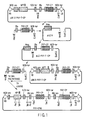
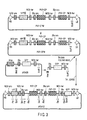
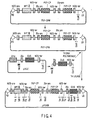
- NPT neimycin phosphotransferase
- BR right border
- BL left border
- 35s-pro cauliflower mosaic virus 35s promoter
- NOS-ter terminator of nopaline synthetase
- Amp ampicillin resistant gene
- PVY-CP coat protein gene of PVY-T
- GFP GFP gene
- GUS ⁇ -glucuronidase gene
- PsDof1 pea zinc flinger transcription factors.
- GS-PVY vector JP 6-133783 A developed in order to make potato resistant to potato virus Y necrosis line
- a gene incorporated around a PVY-T coat protein in a sense direction is induced to cause gene silencing in a host, and found that an enhancer-encoding gene and a coat protein-encoding gene of virus-origin both of which exist in the downstream of a promoter relate to PTGS deeply.
- the GS-PVY vector is a recombinant vector that has a leader sequence of cucumber mosaic virus (CMV) RNA4 in the downstream of a promoter and a gene encoding a coat protein of potato virus Y necrosis strain (PVY-N) in the downstream of the leader sequence.
- CMV cucumber mosaic virus
- PVY-N coat protein of potato virus Y necrosis strain
- the promoter used in the gene silencing vector according to the present invention is not particularly limited but may be any one so far as it can initiate transcription of the virus-origin coat protein.
- 35S promoter, PAL promoter, and PAL BOX promoter may be utilized.
- RNA 4 in CMV is shown in Nitta et al., Japanese Journal of Phytopathology 54 : 516-522 (1988). Further, it is well known that the leader sequence of a structural protein of a plant virus generally has an effect of enhancing the expression of proteins (D.E. Sleat and T.M.A. Wilson, 1992, Plant Virus Genomes as Source of Novel functions for Genetic Engineering, In Genetic Engineering with Plant Viruses, T.M.A. Wilson and J.W. Davies ed., CRC Press, pp. 55-113).
- the leader sequence of the RNA4 of CMV located downstream of the promoter of GS-PVY vector is not limited, but may be any enhancer sequence so far as it can activate transcription of the expression of protein; for example, an enhancer in the 35S promoter (a region of -90 to -440) or an enhancer sequence such as TMV- ⁇ -sequence may be used.
- the virus coat protein has a group-specific amino acid composition and is the sole virus product that has a low homology with other virus groups.
- PVY-T is a plant virus that belongs to Potyvirus.
- the gene silencing of the present invention is considered to be ascribable to protective reaction by the plant against the coat protein in the gene silencing vector of the present invention and enhancer thereof. Therefore, other gene sequences can also be used if they encode coat proteins derived from potyvirus that belongs to the same group as PVY-T and has high homologies.
- the gene sequence encoding the coat protein is not employed singly, but a plurality of same or different sequences may be arranged in tandem.
- the gene silencing vector according to the present invention can be constructed based on appropriate available base vectors. It is preferable that the base vector has a replication origin that functions in the host cell in addition to the above-mentioned promoter. Furthermore, it is preferable that the base vector has a terminator and an appropriate selection marker such as drug resistance.
- the base vector can be readily prepared by inserting the above-mentioned leader sequence of RNA4 of CMV and the sequence encoding CP of PVY-T into an appropriate available vector, by utilizing restriction enzymes according to a conventional method.
- the gene silencing method according to the present invention is characterized in that a host plant is transformed with said gene silencing vector, wherein the vector has an additional gene that is a target of gene silencing (hereinafter, referred to as "target gene”) or a gene homologous to target gene in a sense direction upstream or downstream of the above-mentioned coat protein gene of Potyvirus-origin.
- target gene a target of gene silencing
- the host plant in which gene silencing is to be caused by the application of the present invention is not particularly limited.
- Appropriate hosts include, for example, potato and tobacco.
- the target gene of gene silencing that is, the gene whose expression is to be suppressed in the host is ligated upstream or downstream of the potyvirus CP in the gene silencing vector.
- the target gene is not particularly limited and may be any gene that exists in the host (endogenous gene) or exogenous gene or fixed one.
- the genes encoding the full-length thereof are desirable, homologous genes (for example, those encoding a part of full-length) may also be used.
- the homology is preferably 70% or more, more preferably 80% or more.
- one copy of the gene may provide the effect of the present invention sufficiently.
- a plurality of genes may be used, for example, in tandem. In this manner, incorporation of the target gene into the gene silencing vector according to the present invention and transformation of the host plant therewith can induce suppression of the target gene in the host.
- the method of transforming a host plant is not particularly limited and an appropriate method may be selected depending on the kind of the host plant.
- the host is a cell of a plant
- Agrobacterium tumefaciens which has high infectivity to plants, is first transformed with the gene construct obtained by incorporating a target gene into the above-mentioned gene silencing vector, and then, the transformant is inoculated to the host plant to effect infection.
- the present invention is not limited thereto.
- the method of transforming Agrobacterium tumefaciens per se is known and can be performed by, for example, a freeze-thaw method (Cited Document: G. An et al., (1988) Binary Vectors, In Plant Molecular Biology Manual A3, Kluwer Academic, Dordrecht pp. 1-19).
- gene silencing of a target gene is induced in a high probability.
- the gene silencing of a target gene induced by the gene silencing vector of the present invention is not only effective in the present generation in which transformation is performed, but also be inherited in self fertilized progeny so that the expression of target gene can be suppressed stably and consecutively.
- the expression of the target gene can be suppressed at various levels not only in self fertilized progeny but also in progeny crossed with other strains and can be suppressed completely (100%). For example, as described in examples hereinbelow, about 30 individuals (about 50%) out of 60 individuals of F1 completely suppressed the expression of GFP used as a marker gene, and the remaining 30 individuals (about 50%) showed from low to medium level of suppression of GFP expression, thus showing the effect of gene silencing.
- Example 1 Experiments using GFP gene as a marker
- a vector pBI121PVY-T/CP obtained by incorporating PVY-T/CP into a plant expression vector pBI121 (manufactured by Clontech Corporation, U.S.A.) was cleaved with restriction enzymes HindIII and EcoRI to afford a DNA fragment containing a 35S promoter, PVY-T/CP, and Nos terminator. The fragment was then introduced into the restriction enzyme sites HindIII and EcoRI of pUC19 (manufactured by Takara Shuzo Co., Ltd.) to give pUC19-PVY-T/CP.
- the vector was cleaved with restriction enzymes HindIII and EcoRI to recover the DNA fragment containing a 35S promoter, PVY-T/CP, and Nos terminator. Then, the fragment was blunt-ended with T4 DNA polymerase to afford a first blunt ended DNA fragment.
- pYS415 vector which corresponded to pBI121 PVY-T/CP vector of JP 6-133783A with a GFP gene incorporated therein.
- pYS409 that was obtained by cloning into pUC19 (manufactured by Takara Shuzo Co., Ltd.) a 35S promoter, GFP gene, and Nos terminator was cleaved with restriction enzymes HindIII and EcoRI. DNA fragments containing the 35S promoter, GFP gene, and Nos terminator were recovered and blunt ended with T4 DNA polymerase to give blunt-ended DNA fragments. Then, pBI121PVY-T/CP was cleaved with restriction enzyme EcoRI to make them linear and then blunt-ended with T4 DNA polymerase.
- the previously obtained blunt-ended DNA fragment was ligated to the linearized blunt-ended pBI121 PVY-T/CP by using T4 ligase to result in vector pYS415 in which the 35S promoter, GFP gene, and Nos terminator were inserted downstream of the Nos terminator in pBI121 PVY-T/CP.
- a pYS412 vector which corresponded to the PVY-T/CPW vector constructed in (1) above into which a GFP gene was incorporated was constructed as follows.
- pY409 that correspond pUC19 manufactured by Takara Shuzo Co., Ltd.
- pY409 having a 35S promoter, GFP gene, and Nos terminator cloned therein was cleaved with restriction enzymes HindIII and EcoRI.
- DNA fragments containing the 35S promoter, GFP gene, and Nos terminator were recovered and blunt ended with T4 DNA polymerase to afford blunt-ended DNA fragments.
- the PVY-T/CPW obtained in (1) above was cleaved with restriction enzyme EcoRI to make them linear and then blunt-ended with T4 DNA polymerase.
- the previously obtained blunt-ended DNA fragment was ligated to the linearized blunt-ended PVY-T/CPW by using T4 ligase to result in vector pYS412 in which the 35S promoter, GFP gene and Nos terminator were inserted downstream of the 3' Nos terminator in PVY-T/CPW.
- the above-constructed plant transforming vectors pYS415 and pYS412 were separately introduced into the strain LBA4404 (Hoekema et al., Nature 303; 179-180, 1983) of Agrobacterium tumefaciens by a freeze-thaw method to perform transformation. Subsequently, selection by kanamycin resistance gave rise to target colonies in which either pYS415 or pYS412 was introduced into the strain LBA4404 of Agrobacterium tumefaciens .
- Tobacco leaves collected from upper leaves of tobacco plant (Petit Havana SR1) cultivated for 1.5 months in a greenhouse were surface sterilized with 70% ethyl alcohol and 1% sodium hypochlorite, and washed with sterilized water, followed by preparation of leaf discs having a diameter of about 6 mm.
- the leaf discs together with about 10 8 cells of Agrobacterium tumefaciens transformed with the vector of the present invention as described above were co-cultivated for 48 hours in a Linsmaier and Skoog's liquid medium consisting of inorganic salts and 30g/L sucrose.
- leaf discs were washed with sterilized water containing 250 mg/L cefotaxime to wash bacteria out, and then placed on a Linsmaier and Skoog's shoot induced medium containing inorganic salts, 0.3 mg/L 3-indoleacetic acid, 10 mg/L 2ip (6-r,r-dimethylallyl-amino) Purine, 100 mg/L kanamycin, 250 mg/L cefotaxime, and 0.9% agar.
- GFP gene was analyzed by detecting fluorescence emitted by the transformant.
- Molecular Imager FX manufactured by BIO-RAD Laboratories, Inc. was used and analysis was performed by using an image analyzing system AQUACOSMOS manufactured by Hamamatsu Photonics Co., Ltd.
- the fluorescence of GFP from the transformed tobacco transfected with the above-mentioned vector construct pYS415 was measured by the above-mentioned method.
- variety of transformed tobaccos was selected, the tobaccos varying from the individuals emitting no green fluorescence at all to individuals intensely emitting green fluorescence.
- inoculation of PVY-T virus enabled selection of individuals that showed no disease symptom of PVY-T, i.e., immunized individuals from only those individuals which emitted no green fluorescence.
- the relationship between GFP expression and PVY-T resistance is shown in Table 1 below. The results indicate that in the transformed tobacco that exhibits resistance to PVY-T, the expression of GFP is suppressed by gene silencing.
- PVY-T resistance of the transformed tobacco was examined according to the assay described in the paragraph [0027] of JP 6-133783 A. That is, purified virus particles of PVY-T were inoculated to tobacco Bright Yellow No. 4 or Burley 21. After confirming the symptom of necrosis after 2 weeks, the infected leaves were sampled, diluted with PBS-T buffer (0.02M phosphate buffer) 2 to 10 times the fresh weight of the leaves, and then homogenized. The homogenate was inoculated to each transformant. The transformant subjected to the test was acclimatized with 12-cm nail and cultivated in a greenhouse of closed system controlled at about 21°C.
- artificial inoculation was performed.
- the artificial inoculation was performed by coating 5 leaves of from upper to middle leaves of the test plant with a mixture of 600-mesh carborundum and a predetermined concentration of virus homogenate.
- presence or absence of necrosis symptom was examined with time over 1 week to 2 months.
- presence or absence of virus particles was examined by using ELISA to assay degree of the resistance.
- Example 2 Experiments using GFP gene as a marker
- GBS18-13 and GBS19-7 selected as described above were crossed with transformed tobacco (GFP-7-11) obtained by introducing and fixing GFP gene into tobacco (Petit Havana SR1) so that GFP could be expressed in a high rate.
- F1 seeds selected were surface sterilized with 70% ethyl alcohol (for several seconds) and 1% sodium hypochlorite (5 minutes), washed with sterilized water by a conventional method, and disseminated on a Linsmaier and Skoog's medium, followed by measuring green fluorescence of GFP with time using Molecular Imager Fx manufactured by BIO-RAD Laboratories, Inc.
- the cultivation conditions were as follows.
- Light condition Irradiated under a white fluorescent lamp of 3,000 to 5,000 Lux for 24 hours.
- the self fertilizing seed and F1 hybrid seed of tobacco were harvested as follows.
- the self fertilizing seeds can be readily obtained by covering the tobacco inflorescence by a paper bag in order to prevent mixing of pollens.
- F1 hybrid seeds can be obtained by emasculating individuals to be hybridized with objective individuals before crossing while taking care so that pollens from other individuals should not mix in, attaching pollens of anther that has just been cleaved to stigma of a pistil and then covering the inflorescence by an over bag.
- capsules turn brown and seeds ripe.
- Recombinant tobaccos are cultivated in a completely closed greenhouse system controlled to 20°C to 25°C, and then, self fertilized seeds and F1 hybrid seeds of tobacco were harvested.
- Example 3 Experiments using GUS gene as a marker
- a pYS436 vector which corresponds to the PVY-T/CPW vector constructed in (1) above of Example 1 and has a ⁇ -glucuronidase (GUS) gene incorporated therein, was constructed as follows.
- pBI221 which corresponds to pUC19 (manufactured by Takara Shuzo Co., Ltd.) having 35S promoter, GUS gene, and Nos terminator cloned therein was cleaved with restriction enzymes HindIII and EcoRI. DNA fragments containing the 35S promoter, GUS gene, and Nos terminator were recovered and blunt-ended with T4 DNA polymerase to obtain blunt-ended DNA fragments. Then, PVY-T/CPW was cleaved with restriction enzyme EcoRI to make them linear and then blunt-ended with T4 DNA polymerase.
- the above-constructed plant transforming vector pYS436 was introduced into the strain LBA4404 (Hoekema et al., Nature 303; 179-180, 1983) of Agrobacterium tumefaciens to perform transformation in the same method as in Example 1. Subsequently, selection by kanamycin resistance gave rise to objective colonies in which pYS436 was introduced into the strain LBA4404 of Agrobacterium tumefaciens .
- the obtained vector pYS436 was transformed into leaf discs of tobacco plant (Petit Havana SR1) cultivated in a greenhouse for 1.5 months, in the same method as in Example 1.
- Example 4 Experiments using a pea zinc finger transcription factor PsDof1 as a marker (suppression of endogenous transcription factor)
- a pYS465 vector which corresponds to the PVY-T/CPW vector constructed in (1) above of Example 1 and has a 35S promoter, pea zinc finger transcription factor PsDof1, and Nos terminator incorporated therein, was constructed as follows.
- pGEX-5X-1 having PsDof1 incorporated therein (Cited Document: Plant Biotechnology, 19(4), 251-260 (2002)) was cleaved with restriction enzymes SalI and XhoI, and a fragment containing PsDof1 gene was recovered. This was blunt-ended with T4 DNA polymerase to obtain blunt-ended DNA fragment.
- pCaMCN manufactured by Pharmacia AB
- pCaMCN-PsDof1 was connected to the previously obtained PsDof1 gene fragment using T4 ligase to obtain a vector pCaMCN-PsDof1 in which 35S promoter was connected upstream of the PsDof1 gene fragment and Nos terminator was connected downstream thereof.
- pCaMCN-PsDof1 was cleaved with XbaI and EcoRI, and then, recovered was a gene fragment in which a 35S promoter was connected upstream of the PsDof1 gene fragment and a Nos terminator was connected downstream thereof. This was blunt-ended with T4 DNA polymerase to obtain a blunt-ended DNA fragment.
- the pBI101.2 (Toyobo) to which GUS gene was connected was cleaved with XbaI and EcoRI to remove the GUS gene and blunt-ended with the T4 DNA polymerase.
- the resultant blunt-ended DNA fragment was connected to the previously obtained gene fragment in which the 35S promoter was connected upstream of the PsDof1 gene fragment and Nos terminator was connected downstream thereof by using T4 ligase, thereby obtaining a vector pBI101.2-PsDof1.
- pBI101.2-PsDof1 was cleaved with HindIII and EcoRI to recover the gene fragment in which the 35S promoter was connected upstream of the PsDof1 gene fragment and Nos terminator was connected downstream thereof, and this fragment was blunt-ended with T4 DNA polymerase to obtain a blunt-ended DNA fragment.
- the PVY-T/CPW obtained in (1) of Example 1 was cleaved with restriction enzyme EcoRI and blunt-ended with T4 DNA polymerase.
- the previously obtained blunt-ended DNA fragment was connected to the linearized blunt-ended PVY-T/CPW with T4 ligase, thereby resulting in vector pYS465 in which the 35S promoter, PsDof1 gene, and Nos terminator were inserted downstream of the 3' Nos terminator in PVY-T/CPW.
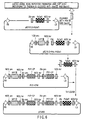
- constructed was a pYS466 vector in which PAL promoter, pea zinc finger transcription factor PsDof1, and Nos terminator were incorporated into PVY-T/CPW vector (see FIGS. 5A and 5B).
- pUC18 having BOX 5 repeater promoter and CAT gene incorporated therein JP 2000-245463 A was cleaved with restriction enzymes HindIII and BamH1 to recover the PAL promoter DNA fragment.
- pBI101.2-PsDof1 was cleaved with HindIII and BamH1 to remove the 35S promoter, and the resultant fragment was connected to the previously obtained PAL promoter with T4 ligase, thereby obtaining a pBI101.2-PAL-PsDof1 vector. Furthermore, the pBI101.2-PAL-PsDof1 was cleaved with HindIII and EcoRI to recover a fragment that contained the PAL promoter, PsDof1 gene, and Nos terminator, and the resultant fragment was blunt-ended with T4 DNA polymerase.
- PVY-T/CPW was cleaved with restriction enzyme EcoRI and blunt-ended with T4 DNA polymerase.
- the linearized blunt-ended PVY-T/CPW was connected to the previously obtained blunt-ended DNA fragment with T4 ligase, thereby giving rise to a vector pYS466 in which the PAL promoter, PsDof1 gene, and Nos terminator were inserted downstream of 3' Nos terminator in PVY-T/CPW (see FIG. 6).
- the above-constructed plant transforming vectors pYS465 and pYS466 were introduced into the strain LBA4404 (Hoekema et al., Nature 303; 179-180, 1983) of Agrobacterium tumefaciens to perform transformation in the same method as Example 1. Subsequently, selection by kanamycin resistance was performed, thereby obtaining target colonies in which either pYS465 or pYS466 was introduced into the strain LBA4404 of Agrobacterium tumefaciens .
- the obtained vectors pYS465 and pYS466 were transformed into leaf discs of tobacco plant (Petit Havana SR1) cultivated in a greenhouse for 1.5 months, in the same method as in Example 1.
Landscapes
- Health & Medical Sciences (AREA)
- Genetics & Genomics (AREA)
- Life Sciences & Earth Sciences (AREA)
- Engineering & Computer Science (AREA)
- Bioinformatics & Cheminformatics (AREA)
- Wood Science & Technology (AREA)
- Biomedical Technology (AREA)
- Organic Chemistry (AREA)
- Biotechnology (AREA)
- General Engineering & Computer Science (AREA)
- Chemical & Material Sciences (AREA)
- Zoology (AREA)
- Molecular Biology (AREA)
- Biophysics (AREA)
- Plant Pathology (AREA)
- Physics & Mathematics (AREA)
- Biochemistry (AREA)
- General Health & Medical Sciences (AREA)
- Microbiology (AREA)
- Cell Biology (AREA)
- Virology (AREA)
- Breeding Of Plants And Reproduction By Means Of Culturing (AREA)
- Measuring Or Testing Involving Enzymes Or Micro-Organisms (AREA)
- Micro-Organisms Or Cultivation Processes Thereof (AREA)
- Compositions Of Oxide Ceramics (AREA)
- Saccharide Compounds (AREA)
- Inorganic Insulating Materials (AREA)
Abstract
Description
NPT = neimycin phosphotransferase, BR = right border, BL =left border, 35s-pro =
| Relationship between GFP expression and PVY-T resistance in transformed tobacco in which GS-PVY vector + GFP gene was introduced | ||
| Intensity of green fluorescence | Number of individuals of transformed tobacco | Number of PVY-T resistant individuals |
| Strong | 2 | 0(0%) |
| Weak | 6 | 0(0%) |
| None | 8 | 4(50%) |
| Test tobacco plant: Petit Havana SR1 | ||
| Test construct: pYS415 |
| GUS Expression of transformants into which pBI121 and pYS436 were introduced, respectively | ||
| Transformant | Number of tested individuals | Expression of GUS gene |
| pBI121 | 13 | 13 |
| pYS436 | 14 | 0 |
Claims (8)
- A gene silencing vector, comprising a recombinant vector which includes a promoter, an enhancer sequence in the downstream of the promoter, and a gene encoding a potyvirus-origin coat protein in the downstream of the enhancer sequence, wherein in order to cause gene silencing of the specific target gene in a host plant, the vector is used with a specific target gene or a gene that is homologous to the target gene inserted upstream or downstream of the coat protein.
- A gene silencing vector, comprising a recombinant vector which includes a promoter, a leader sequence in RNA4 of cucumber mosaic virus in the downstream of the promoter, and a gene encoding a coat protein (PVY-T/CP) of a potato virus Y necrosis strain (PVY-N) in the downstream of the enhancer sequence, wherein in order to cause gene silencing of the specific target gene in a host plant, the vector is used with a specific target gene or a gene that is homologous to the target gene inserted upstream or downstream of the coat protein of the potato virus Y necrosis strain (PVY-N).
- The gene silencing vector according to claim 1, wherein a plurality of the coat proteins are incorporated to suppress expression of the target gene more strongly.
- A gene silencing method, comprising transforming a host plant with the gene silencing vector according to claim 1 to suppress expression of the target gene in the host plant.
- A method according to claim 4, wherein expression of the target gene is suppressed in a range of several% to 100%.
- A method according to claim 4 or 5, wherein the suppression of expression of the gene is stably maintained not only in present generation of the transformed host but also in a self fertilizing progeny.
- A method according to claim 4 or 5, further comprising crossing the transformed host with another host, wherein the suppression of expression of the target gene is stably maintained in a hybrid generation obtained by the crossing.
- A method according to any one of claims 4 to 7, wherein the host cell is a cell of PVY-susceptible plant, the transformed host is immune or resistant against PVY, and expression of the target gene is suppressed depending on an extent of the resistance.
Applications Claiming Priority (3)
| Application Number | Priority Date | Filing Date | Title |
|---|---|---|---|
| JP2002147888 | 2002-05-22 | ||
| JP2002147888 | 2002-05-22 | ||
| PCT/JP2003/006328 WO2003097841A1 (en) | 2002-05-22 | 2003-05-21 | Vector for gene silencing and gene silencing method using the same |
Publications (3)
| Publication Number | Publication Date |
|---|---|
| EP1507009A1 true EP1507009A1 (en) | 2005-02-16 |
| EP1507009A4 EP1507009A4 (en) | 2006-03-22 |
| EP1507009B1 EP1507009B1 (en) | 2009-11-18 |
Family
ID=29545204
Family Applications (1)
| Application Number | Title | Priority Date | Filing Date |
|---|---|---|---|
| EP03752935A Expired - Lifetime EP1507009B1 (en) | 2002-05-22 | 2003-05-21 | Vector for gene silencing and gene silencing method using the same |
Country Status (9)
| Country | Link |
|---|---|
| EP (1) | EP1507009B1 (en) |
| JP (1) | JP4361858B2 (en) |
| AT (1) | ATE449182T1 (en) |
| AU (1) | AU2003235377A1 (en) |
| DE (1) | DE60330140D1 (en) |
| DK (1) | DK1507009T3 (en) |
| ES (1) | ES2335756T3 (en) |
| PT (1) | PT1507009E (en) |
| WO (1) | WO2003097841A1 (en) |
Families Citing this family (3)
| Publication number | Priority date | Publication date | Assignee | Title |
|---|---|---|---|---|
| CN110885797B (en) * | 2018-08-20 | 2022-04-12 | 山东农业大学 | Attenuated vaccine against cucumber mosaic virus, preparation method and application thereof |
| CN110857438B (en) * | 2018-08-20 | 2022-05-17 | 中国烟草总公司黑龙江省公司牡丹江烟草科学研究所 | Tobacco mosaic virus gene fragment for efficiently producing siRNA, attenuated vaccine, preparation method and application thereof |
| CN110857439B (en) * | 2018-08-20 | 2022-05-17 | 中国烟草总公司黑龙江省公司牡丹江烟草科学研究所 | Potato Y virus gene segment capable of efficiently generating siRNA, attenuated vaccine, preparation method and application thereof |
Family Cites Families (3)
| Publication number | Priority date | Publication date | Assignee | Title |
|---|---|---|---|---|
| JP3452372B2 (en) * | 1992-10-21 | 2003-09-29 | 日本たばこ産業株式会社 | Recombinant vector, method for imparting immunity to PVY-T to potato using the same, and PVY-T immunized potato |
| GB9703146D0 (en) * | 1997-02-14 | 1997-04-02 | Innes John Centre Innov Ltd | Methods and means for gene silencing in transgenic plants |
| EP1456389A1 (en) * | 2001-12-12 | 2004-09-15 | Plant Bioscience Limited | Methods and means for gene silencing in plants |
-
2003
- 2003-05-21 EP EP03752935A patent/EP1507009B1/en not_active Expired - Lifetime
- 2003-05-21 JP JP2004506496A patent/JP4361858B2/en not_active Expired - Fee Related
- 2003-05-21 DE DE60330140T patent/DE60330140D1/en not_active Expired - Lifetime
- 2003-05-21 AT AT03752935T patent/ATE449182T1/en not_active IP Right Cessation
- 2003-05-21 DK DK03752935.1T patent/DK1507009T3/en active
- 2003-05-21 PT PT03752935T patent/PT1507009E/en unknown
- 2003-05-21 WO PCT/JP2003/006328 patent/WO2003097841A1/en not_active Ceased
- 2003-05-21 ES ES03752935T patent/ES2335756T3/en not_active Expired - Lifetime
- 2003-05-21 AU AU2003235377A patent/AU2003235377A1/en not_active Abandoned
Also Published As
| Publication number | Publication date |
|---|---|
| JPWO2003097841A1 (en) | 2005-09-15 |
| EP1507009A4 (en) | 2006-03-22 |
| ES2335756T3 (en) | 2010-04-05 |
| DE60330140D1 (en) | 2009-12-31 |
| JP4361858B2 (en) | 2009-11-11 |
| ATE449182T1 (en) | 2009-12-15 |
| EP1507009B1 (en) | 2009-11-18 |
| WO2003097841A1 (en) | 2003-11-27 |
| PT1507009E (en) | 2010-01-25 |
| DK1507009T3 (en) | 2010-04-06 |
| AU2003235377A1 (en) | 2003-12-02 |
Similar Documents
| Publication | Publication Date | Title |
|---|---|---|
| JP4739634B2 (en) | Kestrum Yellow Leaf Curling Virus Promoter | |
| Shinoyama et al. | Genetic engineering of chrysanthemum (Chrysanthemum morifolium): current progress and perspectives | |
| US10774335B2 (en) | Method for transforming a plant cell or plant tissue using agrobacterium, transgenic plant, transgenic cell or transgenic tissue, culture medium and use of a method for transforming a plant cell or tissue | |
| JP2002541853A (en) | Plant transformation method | |
| CN103290027A (en) | Protein for regulating and controlling chloroplast growth and gene and application thereof | |
| CN101985623A (en) | Cloning and application of key gene Wo for controlling tomato hair generation | |
| CN101668858A (en) | Virus tolerant plants and methods for their production | |
| CN109988761A (en) | A nucleotide sequence and its application in enhancing the ability of plants to resist pests | |
| WO2017128039A1 (en) | Gene combination and use thereof | |
| US20080044897A1 (en) | Gene silencing vector and gene silencing method using the same | |
| Ito et al. | Rose phytoene desaturase gene silencing by apple latent spherical virus vectors | |
| US20210261975A1 (en) | Dna construct to be used in genome editing of plant | |
| EP1507009B1 (en) | Vector for gene silencing and gene silencing method using the same | |
| CN102191253B (en) | Plant disease-resistant regulation and control gene UEP and application thereof | |
| CN103421801A (en) | Gene regulating and controlling rice seed setting rate and applications | |
| KR102805494B1 (en) | ATPsyn-α gene from Glycine max controlling disease resistance against Soybean mosaic virus and uses thereof | |
| US6956149B1 (en) | Method of conveying BNYVV resistance to sugar beet plants | |
| JP4228072B2 (en) | Artificial synthetic gene encoding avidin | |
| JP3964701B2 (en) | Disease resistant gramineous plant | |
| US11319548B2 (en) | Cold- and water-inducible promoter from rice | |
| KR101874192B1 (en) | OsTat1 gene enhancing plant disease and uses thereof | |
| KR101360542B1 (en) | RICE OsSERK1 GENE AND TRANSGENIC RICE TRANSFORMED WITH THE SAME | |
| CN119162190B (en) | A tobacco AP2 transcription factor TOE3 and its applications | |
| CN114606260B (en) | Method for improving temperature-sensitive resistance of tomato root-knot nematode | |
| KR102732577B1 (en) | PSaC gene from Glycine max controlling disease resistance against Soybean mosaic virus and uses thereof |
Legal Events
| Date | Code | Title | Description |
|---|---|---|---|
| PUAI | Public reference made under article 153(3) epc to a published international application that has entered the european phase |
Free format text: ORIGINAL CODE: 0009012 |
|
| 17P | Request for examination filed |
Effective date: 20041130 |
|
| AK | Designated contracting states |
Kind code of ref document: A1 Designated state(s): AT BE BG CH CY CZ DE DK EE ES FI FR GB GR HU IE IT LI LU MC NL PT RO SE SI SK TR |
|
| AX | Request for extension of the european patent |
Extension state: AL LT LV MK |
|
| A4 | Supplementary search report drawn up and despatched |
Effective date: 20060206 |
|
| 17Q | First examination report despatched |
Effective date: 20080609 |
|
| GRAP | Despatch of communication of intention to grant a patent |
Free format text: ORIGINAL CODE: EPIDOSNIGR1 |
|
| GRAS | Grant fee paid |
Free format text: ORIGINAL CODE: EPIDOSNIGR3 |
|
| GRAA | (expected) grant |
Free format text: ORIGINAL CODE: 0009210 |
|
| AK | Designated contracting states |
Kind code of ref document: B1 Designated state(s): AT BE BG CH CY CZ DE DK EE ES FI FR GB GR HU IE IT LI LU MC NL PT RO SE SI SK TR |
|
| AX | Request for extension of the european patent |
Extension state: AL LT LV MK |
|
| REG | Reference to a national code |
Ref country code: GB Ref legal event code: FG4D |
|
| REG | Reference to a national code |
Ref country code: CH Ref legal event code: EP |
|
| REG | Reference to a national code |
Ref country code: IE Ref legal event code: FG4D |
|
| REG | Reference to a national code |
Ref country code: CH Ref legal event code: NV Representative=s name: NOVAGRAAF INTERNATIONAL SA |
|
| REF | Corresponds to: |
Ref document number: 60330140 Country of ref document: DE Date of ref document: 20091231 Kind code of ref document: P |
|
| REG | Reference to a national code |
Ref country code: GR Ref legal event code: EP Ref document number: 20090402906 Country of ref document: GR |
|
| REG | Reference to a national code |
Ref country code: PT Ref legal event code: SC4A Free format text: AVAILABILITY OF NATIONAL TRANSLATION Effective date: 20100118 |
|
| REG | Reference to a national code |
Ref country code: SE Ref legal event code: TRGR |
|
| REG | Reference to a national code |
Ref country code: ES Ref legal event code: FG2A Ref document number: 2335756 Country of ref document: ES Kind code of ref document: T3 |
|
| REG | Reference to a national code |
Ref country code: DK Ref legal event code: T3 |
|
| LTIE | Lt: invalidation of european patent or patent extension |
Effective date: 20091118 |
|
| PG25 | Lapsed in a contracting state [announced via postgrant information from national office to epo] |
Ref country code: FI Free format text: LAPSE BECAUSE OF FAILURE TO SUBMIT A TRANSLATION OF THE DESCRIPTION OR TO PAY THE FEE WITHIN THE PRESCRIBED TIME-LIMIT Effective date: 20091118 |
|
| PG25 | Lapsed in a contracting state [announced via postgrant information from national office to epo] |
Ref country code: SI Free format text: LAPSE BECAUSE OF FAILURE TO SUBMIT A TRANSLATION OF THE DESCRIPTION OR TO PAY THE FEE WITHIN THE PRESCRIBED TIME-LIMIT Effective date: 20091118 Ref country code: CY Free format text: LAPSE BECAUSE OF FAILURE TO SUBMIT A TRANSLATION OF THE DESCRIPTION OR TO PAY THE FEE WITHIN THE PRESCRIBED TIME-LIMIT Effective date: 20091118 |
|
| PGFP | Annual fee paid to national office [announced via postgrant information from national office to epo] |
Ref country code: GB Payment date: 20100329 Year of fee payment: 8 |
|
| PG25 | Lapsed in a contracting state [announced via postgrant information from national office to epo] |
Ref country code: EE Free format text: LAPSE BECAUSE OF FAILURE TO SUBMIT A TRANSLATION OF THE DESCRIPTION OR TO PAY THE FEE WITHIN THE PRESCRIBED TIME-LIMIT Effective date: 20091118 Ref country code: BG Free format text: LAPSE BECAUSE OF FAILURE TO SUBMIT A TRANSLATION OF THE DESCRIPTION OR TO PAY THE FEE WITHIN THE PRESCRIBED TIME-LIMIT Effective date: 20100218 Ref country code: RO Free format text: LAPSE BECAUSE OF FAILURE TO SUBMIT A TRANSLATION OF THE DESCRIPTION OR TO PAY THE FEE WITHIN THE PRESCRIBED TIME-LIMIT Effective date: 20091118 |
|
| PGFP | Annual fee paid to national office [announced via postgrant information from national office to epo] |
Ref country code: DK Payment date: 20100507 Year of fee payment: 8 Ref country code: ES Payment date: 20100507 Year of fee payment: 8 Ref country code: FR Payment date: 20100423 Year of fee payment: 8 Ref country code: LU Payment date: 20100611 Year of fee payment: 8 Ref country code: PT Payment date: 20100407 Year of fee payment: 8 |
|
| PG25 | Lapsed in a contracting state [announced via postgrant information from national office to epo] |
Ref country code: CZ Free format text: LAPSE BECAUSE OF FAILURE TO SUBMIT A TRANSLATION OF THE DESCRIPTION OR TO PAY THE FEE WITHIN THE PRESCRIBED TIME-LIMIT Effective date: 20091118 Ref country code: SK Free format text: LAPSE BECAUSE OF FAILURE TO SUBMIT A TRANSLATION OF THE DESCRIPTION OR TO PAY THE FEE WITHIN THE PRESCRIBED TIME-LIMIT Effective date: 20091118 |
|
| PGFP | Annual fee paid to national office [announced via postgrant information from national office to epo] |
Ref country code: AT Payment date: 20100414 Year of fee payment: 8 Ref country code: DE Payment date: 20100430 Year of fee payment: 8 Ref country code: IT Payment date: 20100529 Year of fee payment: 8 Ref country code: NL Payment date: 20100421 Year of fee payment: 8 |
|
| PLBE | No opposition filed within time limit |
Free format text: ORIGINAL CODE: 0009261 |
|
| STAA | Information on the status of an ep patent application or granted ep patent |
Free format text: STATUS: NO OPPOSITION FILED WITHIN TIME LIMIT |
|
| 26N | No opposition filed |
Effective date: 20100819 |
|
| PGFP | Annual fee paid to national office [announced via postgrant information from national office to epo] |
Ref country code: BE Payment date: 20100519 Year of fee payment: 8 Ref country code: CH Payment date: 20100408 Year of fee payment: 8 |
|
| PGFP | Annual fee paid to national office [announced via postgrant information from national office to epo] |
Ref country code: SE Payment date: 20100520 Year of fee payment: 8 Ref country code: TR Payment date: 20100510 Year of fee payment: 8 |
|
| PG25 | Lapsed in a contracting state [announced via postgrant information from national office to epo] |
Ref country code: MC Free format text: LAPSE BECAUSE OF NON-PAYMENT OF DUE FEES Effective date: 20100531 |
|
| PGFP | Annual fee paid to national office [announced via postgrant information from national office to epo] |
Ref country code: GR Payment date: 20100416 Year of fee payment: 8 |
|
| PG25 | Lapsed in a contracting state [announced via postgrant information from national office to epo] |
Ref country code: IE Free format text: LAPSE BECAUSE OF NON-PAYMENT OF DUE FEES Effective date: 20100521 |
|
| REG | Reference to a national code |
Ref country code: CH Ref legal event code: PFA Owner name: JAPAN TOBACCO INC. Free format text: JAPAN TOBACCO INC.#2-1, TORANOMON 2-CHOME, MINATO-KU#TOKYO 105-8422 (JP) -TRANSFER TO- JAPAN TOBACCO INC.#2-1, TORANOMON 2-CHOME, MINATO-KU#TOKYO 105-8422 (JP) |
|
| REG | Reference to a national code |
Ref country code: PT Ref legal event code: MM4A Free format text: LAPSE DUE TO NON-PAYMENT OF FEES Effective date: 20111121 |
|
| BERE | Be: lapsed |
Owner name: JAPAN TOBACCO INC. Effective date: 20110531 |
|
| REG | Reference to a national code |
Ref country code: NL Ref legal event code: V1 Effective date: 20111201 |
|
| REG | Reference to a national code |
Ref country code: CH Ref legal event code: PL |
|
| REG | Reference to a national code |
Ref country code: DK Ref legal event code: EBP |
|
| REG | Reference to a national code |
Ref country code: SE Ref legal event code: EUG |
|
| GBPC | Gb: european patent ceased through non-payment of renewal fee |
Effective date: 20110521 |
|
| PG25 | Lapsed in a contracting state [announced via postgrant information from national office to epo] |
Ref country code: NL Free format text: LAPSE BECAUSE OF NON-PAYMENT OF DUE FEES Effective date: 20111201 Ref country code: PT Free format text: LAPSE BECAUSE OF NON-PAYMENT OF DUE FEES Effective date: 20111121 Ref country code: CH Free format text: LAPSE BECAUSE OF NON-PAYMENT OF DUE FEES Effective date: 20110531 Ref country code: LI Free format text: LAPSE BECAUSE OF NON-PAYMENT OF DUE FEES Effective date: 20110531 |
|
| REG | Reference to a national code |
Ref country code: GR Ref legal event code: ML Ref document number: 20090402906 Country of ref document: GR Effective date: 20111202 |
|
| REG | Reference to a national code |
Ref country code: AT Ref legal event code: MM01 Ref document number: 449182 Country of ref document: AT Kind code of ref document: T Effective date: 20110521 |
|
| REG | Reference to a national code |
Ref country code: FR Ref legal event code: ST Effective date: 20120131 |
|
| PG25 | Lapsed in a contracting state [announced via postgrant information from national office to epo] |
Ref country code: AT Free format text: LAPSE BECAUSE OF NON-PAYMENT OF DUE FEES Effective date: 20110521 Ref country code: IT Free format text: LAPSE BECAUSE OF NON-PAYMENT OF DUE FEES Effective date: 20110521 Ref country code: GR Free format text: LAPSE BECAUSE OF NON-PAYMENT OF DUE FEES Effective date: 20111202 |
|
| REG | Reference to a national code |
Ref country code: DE Ref legal event code: R119 Ref document number: 60330140 Country of ref document: DE Effective date: 20111201 |
|
| PG25 | Lapsed in a contracting state [announced via postgrant information from national office to epo] |
Ref country code: BE Free format text: LAPSE BECAUSE OF NON-PAYMENT OF DUE FEES Effective date: 20110531 |
|
| PG25 | Lapsed in a contracting state [announced via postgrant information from national office to epo] |
Ref country code: FR Free format text: LAPSE BECAUSE OF NON-PAYMENT OF DUE FEES Effective date: 20110531 |
|
| PG25 | Lapsed in a contracting state [announced via postgrant information from national office to epo] |
Ref country code: GB Free format text: LAPSE BECAUSE OF NON-PAYMENT OF DUE FEES Effective date: 20110521 Ref country code: DK Free format text: LAPSE BECAUSE OF NON-PAYMENT OF DUE FEES Effective date: 20110531 |
|
| PG25 | Lapsed in a contracting state [announced via postgrant information from national office to epo] |
Ref country code: HU Free format text: LAPSE BECAUSE OF FAILURE TO SUBMIT A TRANSLATION OF THE DESCRIPTION OR TO PAY THE FEE WITHIN THE PRESCRIBED TIME-LIMIT Effective date: 20100519 |
|
| PG25 | Lapsed in a contracting state [announced via postgrant information from national office to epo] |
Ref country code: SE Free format text: LAPSE BECAUSE OF NON-PAYMENT OF DUE FEES Effective date: 20110522 |
|
| PG25 | Lapsed in a contracting state [announced via postgrant information from national office to epo] |
Ref country code: LU Free format text: LAPSE BECAUSE OF NON-PAYMENT OF DUE FEES Effective date: 20110521 |
|
| REG | Reference to a national code |
Ref country code: ES Ref legal event code: FD2A Effective date: 20130531 |
|
| PG25 | Lapsed in a contracting state [announced via postgrant information from national office to epo] |
Ref country code: DE Free format text: LAPSE BECAUSE OF NON-PAYMENT OF DUE FEES Effective date: 20111201 |
|
| PG25 | Lapsed in a contracting state [announced via postgrant information from national office to epo] |
Ref country code: ES Free format text: LAPSE BECAUSE OF NON-PAYMENT OF DUE FEES Effective date: 20110522 |
|
| PG25 | Lapsed in a contracting state [announced via postgrant information from national office to epo] |
Ref country code: TR Free format text: LAPSE BECAUSE OF NON-PAYMENT OF DUE FEES Effective date: 20110521 |