EP1504762A1 - Medicine for prevention of and treatment for amyloidosis - Google Patents
Medicine for prevention of and treatment for amyloidosis Download PDFInfo
- Publication number
- EP1504762A1 EP1504762A1 EP03723352A EP03723352A EP1504762A1 EP 1504762 A1 EP1504762 A1 EP 1504762A1 EP 03723352 A EP03723352 A EP 03723352A EP 03723352 A EP03723352 A EP 03723352A EP 1504762 A1 EP1504762 A1 EP 1504762A1
- Authority
- EP
- European Patent Office
- Prior art keywords
- transthyretin
- pharmaceutical
- amyloidosis
- amyloid
- present
- Prior art date
- Legal status (The legal status is an assumption and is not a legal conclusion. Google has not performed a legal analysis and makes no representation as to the accuracy of the status listed.)
- Granted
Links
- 206010002022 amyloidosis Diseases 0.000 title claims abstract description 27
- 238000011282 treatment Methods 0.000 title claims abstract description 14
- 239000003814 drug Substances 0.000 title description 13
- 230000002265 prevention Effects 0.000 title description 2
- 229940079593 drug Drugs 0.000 title 1
- 108010071690 Prealbumin Proteins 0.000 claims abstract description 76
- 102000009190 Transthyretin Human genes 0.000 claims abstract description 75
- 208000034846 Familial Amyloid Neuropathies Diseases 0.000 claims abstract description 27
- 206010019889 Hereditary neuropathic amyloidosis Diseases 0.000 claims abstract description 27
- 201000007905 transthyretin amyloidosis Diseases 0.000 claims abstract description 27
- 229910001430 chromium ion Inorganic materials 0.000 claims abstract description 26
- 150000001875 compounds Chemical class 0.000 claims abstract description 21
- 239000004480 active ingredient Substances 0.000 claims abstract description 13
- 238000011321 prophylaxis Methods 0.000 claims abstract description 11
- 238000000354 decomposition reaction Methods 0.000 claims abstract description 10
- 235000014113 dietary fatty acids Nutrition 0.000 claims abstract description 10
- 229930195729 fatty acid Natural products 0.000 claims abstract description 10
- 239000000194 fatty acid Substances 0.000 claims abstract description 10
- -1 fatty acid chromium salt Chemical class 0.000 claims abstract description 10
- SIOXPEMLGUPBBT-UHFFFAOYSA-N picolinic acid Chemical compound OC(=O)C1=CC=CC=N1 SIOXPEMLGUPBBT-UHFFFAOYSA-N 0.000 claims description 10
- 229940081066 picolinic acid Drugs 0.000 claims description 5
- 150000004665 fatty acids Chemical class 0.000 claims description 4
- 238000005259 measurement Methods 0.000 description 31
- 239000000835 fiber Substances 0.000 description 20
- 239000000243 solution Substances 0.000 description 20
- 239000000523 sample Substances 0.000 description 17
- 239000000178 monomer Substances 0.000 description 16
- HEMHJVSKTPXQMS-UHFFFAOYSA-M Sodium hydroxide Chemical compound [OH-].[Na+] HEMHJVSKTPXQMS-UHFFFAOYSA-M 0.000 description 15
- 230000009471 action Effects 0.000 description 13
- 238000007380 fibre production Methods 0.000 description 11
- 229910021555 Chromium Chloride Inorganic materials 0.000 description 10
- VEXZGXHMUGYJMC-UHFFFAOYSA-N Hydrochloric acid Chemical compound Cl VEXZGXHMUGYJMC-UHFFFAOYSA-N 0.000 description 10
- QSWDMMVNRMROPK-UHFFFAOYSA-K chromium(3+) trichloride Chemical compound [Cl-].[Cl-].[Cl-].[Cr+3] QSWDMMVNRMROPK-UHFFFAOYSA-K 0.000 description 10
- 239000007853 buffer solution Substances 0.000 description 9
- 238000006243 chemical reaction Methods 0.000 description 9
- 208000037265 diseases, disorders, signs and symptoms Diseases 0.000 description 9
- 238000002560 therapeutic procedure Methods 0.000 description 9
- DHMQDGOQFOQNFH-UHFFFAOYSA-N Glycine Chemical compound NCC(O)=O DHMQDGOQFOQNFH-UHFFFAOYSA-N 0.000 description 8
- 230000005284 excitation Effects 0.000 description 8
- JADVWWSKYZXRGX-UHFFFAOYSA-M thioflavine T Chemical compound [Cl-].C1=CC(N(C)C)=CC=C1C1=[N+](C)C2=CC=C(C)C=C2S1 JADVWWSKYZXRGX-UHFFFAOYSA-M 0.000 description 8
- VSCWAEJMTAWNJL-UHFFFAOYSA-K aluminium trichloride Chemical compound Cl[Al](Cl)Cl VSCWAEJMTAWNJL-UHFFFAOYSA-K 0.000 description 6
- 201000010099 disease Diseases 0.000 description 6
- 238000011534 incubation Methods 0.000 description 6
- 239000000126 substance Substances 0.000 description 6
- 238000012360 testing method Methods 0.000 description 6
- 238000002474 experimental method Methods 0.000 description 5
- 210000004185 liver Anatomy 0.000 description 5
- 239000000203 mixture Substances 0.000 description 5
- 238000002360 preparation method Methods 0.000 description 5
- 108090000623 proteins and genes Proteins 0.000 description 5
- 102000004169 proteins and genes Human genes 0.000 description 5
- 238000011830 transgenic mouse model Methods 0.000 description 5
- 208000020406 Creutzfeldt Jacob disease Diseases 0.000 description 4
- 208000003407 Creutzfeldt-Jakob Syndrome Diseases 0.000 description 4
- 208000010859 Creutzfeldt-Jakob disease Diseases 0.000 description 4
- 239000004471 Glycine Substances 0.000 description 4
- AUYYCJSJGJYCDS-LBPRGKRZSA-N Thyrolar Chemical class IC1=CC(C[C@H](N)C(O)=O)=CC(I)=C1OC1=CC=C(O)C(I)=C1 AUYYCJSJGJYCDS-LBPRGKRZSA-N 0.000 description 4
- 239000008194 pharmaceutical composition Substances 0.000 description 4
- 239000005495 thyroid hormone Substances 0.000 description 4
- 229940036555 thyroid hormone Drugs 0.000 description 4
- 208000020764 Sensation disease Diseases 0.000 description 3
- 229910052782 aluminium Inorganic materials 0.000 description 3
- 230000003941 amyloidogenesis Effects 0.000 description 3
- 230000002567 autonomic effect Effects 0.000 description 3
- 239000003795 chemical substances by application Substances 0.000 description 3
- HUPFGZXOMWLGNK-UHFFFAOYSA-N diflunisal Chemical compound C1=C(O)C(C(=O)O)=CC(C=2C(=CC(F)=CC=2)F)=C1 HUPFGZXOMWLGNK-UHFFFAOYSA-N 0.000 description 3
- 229960000616 diflunisal Drugs 0.000 description 3
- 238000001727 in vivo Methods 0.000 description 3
- 238000004519 manufacturing process Methods 0.000 description 3
- 210000000056 organ Anatomy 0.000 description 3
- 210000002966 serum Anatomy 0.000 description 3
- 210000001519 tissue Anatomy 0.000 description 3
- 208000024827 Alzheimer disease Diseases 0.000 description 2
- IJGRMHOSHXDMSA-UHFFFAOYSA-N Atomic nitrogen Chemical compound N#N IJGRMHOSHXDMSA-UHFFFAOYSA-N 0.000 description 2
- 102000004506 Blood Proteins Human genes 0.000 description 2
- 108010017384 Blood Proteins Proteins 0.000 description 2
- FERIUCNNQQJTOY-UHFFFAOYSA-N Butyric acid Chemical compound CCCC(O)=O FERIUCNNQQJTOY-UHFFFAOYSA-N 0.000 description 2
- 241001465754 Metazoa Species 0.000 description 2
- LCTONWCANYUPML-UHFFFAOYSA-N Pyruvic acid Chemical compound CC(=O)C(O)=O LCTONWCANYUPML-UHFFFAOYSA-N 0.000 description 2
- FAPWRFPIFSIZLT-UHFFFAOYSA-M Sodium chloride Chemical compound [Na+].[Cl-] FAPWRFPIFSIZLT-UHFFFAOYSA-M 0.000 description 2
- 208000018756 Variant Creutzfeldt-Jakob disease Diseases 0.000 description 2
- 239000000654 additive Substances 0.000 description 2
- 210000004369 blood Anatomy 0.000 description 2
- 239000008280 blood Substances 0.000 description 2
- 208000005881 bovine spongiform encephalopathy Diseases 0.000 description 2
- 229940046374 chromium picolinate Drugs 0.000 description 2
- GJYSUGXFENSLOO-UHFFFAOYSA-N chromium;pyridine-2-carboxylic acid Chemical compound [Cr].OC(=O)C1=CC=CC=N1.OC(=O)C1=CC=CC=N1.OC(=O)C1=CC=CC=N1 GJYSUGXFENSLOO-UHFFFAOYSA-N 0.000 description 2
- 238000001514 detection method Methods 0.000 description 2
- 230000007613 environmental effect Effects 0.000 description 2
- 210000001035 gastrointestinal tract Anatomy 0.000 description 2
- 239000008187 granular material Substances 0.000 description 2
- 210000003734 kidney Anatomy 0.000 description 2
- 230000007246 mechanism Effects 0.000 description 2
- 230000037353 metabolic pathway Effects 0.000 description 2
- 150000002736 metal compounds Chemical class 0.000 description 2
- 239000002904 solvent Substances 0.000 description 2
- 208000024891 symptom Diseases 0.000 description 2
- 238000002054 transplantation Methods 0.000 description 2
- 238000001262 western blot Methods 0.000 description 2
- ZCYVEMRRCGMTRW-UHFFFAOYSA-N 7553-56-2 Chemical compound [I] ZCYVEMRRCGMTRW-UHFFFAOYSA-N 0.000 description 1
- GUBGYTABKSRVRQ-XLOQQCSPSA-N Alpha-Lactose Chemical compound O[C@@H]1[C@@H](O)[C@@H](O)[C@@H](CO)O[C@H]1O[C@@H]1[C@@H](CO)O[C@H](O)[C@H](O)[C@H]1O GUBGYTABKSRVRQ-XLOQQCSPSA-N 0.000 description 1
- 241000283690 Bos taurus Species 0.000 description 1
- 208000035473 Communicable disease Diseases 0.000 description 1
- 206010010774 Constipation Diseases 0.000 description 1
- 206010012735 Diarrhoea Diseases 0.000 description 1
- 102000004190 Enzymes Human genes 0.000 description 1
- 108090000790 Enzymes Proteins 0.000 description 1
- 229920002683 Glycosaminoglycan Polymers 0.000 description 1
- 206010019280 Heart failures Diseases 0.000 description 1
- 241000282412 Homo Species 0.000 description 1
- 208000023105 Huntington disease Diseases 0.000 description 1
- 208000026350 Inborn Genetic disease Diseases 0.000 description 1
- GUBGYTABKSRVRQ-QKKXKWKRSA-N Lactose Natural products OC[C@H]1O[C@@H](O[C@H]2[C@H](O)[C@@H](O)C(O)O[C@@H]2CO)[C@H](O)[C@@H](O)[C@H]1O GUBGYTABKSRVRQ-QKKXKWKRSA-N 0.000 description 1
- 208000024556 Mendelian disease Diseases 0.000 description 1
- 208000001089 Multiple system atrophy Diseases 0.000 description 1
- 208000028389 Nerve injury Diseases 0.000 description 1
- 206010029333 Neurosis Diseases 0.000 description 1
- GRYLNZFGIOXLOG-UHFFFAOYSA-N Nitric acid Chemical compound O[N+]([O-])=O GRYLNZFGIOXLOG-UHFFFAOYSA-N 0.000 description 1
- 206010031127 Orthostatic hypotension Diseases 0.000 description 1
- 102000003992 Peroxidases Human genes 0.000 description 1
- 208000001647 Renal Insufficiency Diseases 0.000 description 1
- 240000004808 Saccharomyces cerevisiae Species 0.000 description 1
- 108010045517 Serum Amyloid P-Component Proteins 0.000 description 1
- 102100036202 Serum amyloid P-component Human genes 0.000 description 1
- 229940121767 Transthyretin stabilizer Drugs 0.000 description 1
- 238000010521 absorption reaction Methods 0.000 description 1
- 230000002378 acidificating effect Effects 0.000 description 1
- 239000000853 adhesive Substances 0.000 description 1
- 230000001070 adhesive effect Effects 0.000 description 1
- 230000032683 aging Effects 0.000 description 1
- XAGFODPZIPBFFR-UHFFFAOYSA-N aluminium Chemical compound [Al] XAGFODPZIPBFFR-UHFFFAOYSA-N 0.000 description 1
- 239000002260 anti-inflammatory agent Substances 0.000 description 1
- 229940124599 anti-inflammatory drug Drugs 0.000 description 1
- 210000000467 autonomic pathway Anatomy 0.000 description 1
- 208000021018 autosomal dominant inheritance Diseases 0.000 description 1
- 235000013405 beer Nutrition 0.000 description 1
- 239000011230 binding agent Substances 0.000 description 1
- 230000037396 body weight Effects 0.000 description 1
- 230000005587 bubbling Effects 0.000 description 1
- 239000002775 capsule Substances 0.000 description 1
- 239000003054 catalyst Substances 0.000 description 1
- 230000001364 causal effect Effects 0.000 description 1
- 230000008859 change Effects 0.000 description 1
- 239000003153 chemical reaction reagent Substances 0.000 description 1
- 238000004587 chromatography analysis Methods 0.000 description 1
- 239000011248 coating agent Substances 0.000 description 1
- 230000000052 comparative effect Effects 0.000 description 1
- NKLPQNGYXWVELD-UHFFFAOYSA-M coomassie brilliant blue Chemical compound [Na+].C1=CC(OCC)=CC=C1NC1=CC=C(C(=C2C=CC(C=C2)=[N+](CC)CC=2C=C(C=CC=2)S([O-])(=O)=O)C=2C=CC(=CC=2)N(CC)CC=2C=C(C=CC=2)S([O-])(=O)=O)C=C1 NKLPQNGYXWVELD-UHFFFAOYSA-M 0.000 description 1
- 239000006071 cream Substances 0.000 description 1
- 238000007872 degassing Methods 0.000 description 1
- 235000015872 dietary supplement Nutrition 0.000 description 1
- 239000003085 diluting agent Substances 0.000 description 1
- 239000007884 disintegrant Substances 0.000 description 1
- 239000002552 dosage form Substances 0.000 description 1
- 239000000975 dye Substances 0.000 description 1
- 230000004064 dysfunction Effects 0.000 description 1
- 206010013990 dysuria Diseases 0.000 description 1
- 230000000694 effects Effects 0.000 description 1
- 238000001962 electrophoresis Methods 0.000 description 1
- 230000005713 exacerbation Effects 0.000 description 1
- 239000000284 extract Substances 0.000 description 1
- 239000003889 eye drop Substances 0.000 description 1
- 229940012356 eye drops Drugs 0.000 description 1
- 238000000855 fermentation Methods 0.000 description 1
- 230000004151 fermentation Effects 0.000 description 1
- 239000000945 filler Substances 0.000 description 1
- 230000002496 gastric effect Effects 0.000 description 1
- 150000004676 glycans Chemical class 0.000 description 1
- 208000035474 group of disease Diseases 0.000 description 1
- 230000036541 health Effects 0.000 description 1
- 210000002216 heart Anatomy 0.000 description 1
- 208000015181 infectious disease Diseases 0.000 description 1
- 238000001802 infusion Methods 0.000 description 1
- 239000003112 inhibitor Substances 0.000 description 1
- 230000000977 initiatory effect Effects 0.000 description 1
- 239000007924 injection Substances 0.000 description 1
- 238000002347 injection Methods 0.000 description 1
- 238000011835 investigation Methods 0.000 description 1
- 229910052740 iodine Inorganic materials 0.000 description 1
- 239000011630 iodine Substances 0.000 description 1
- 201000006370 kidney failure Diseases 0.000 description 1
- 239000008101 lactose Substances 0.000 description 1
- 239000007788 liquid Substances 0.000 description 1
- 210000003141 lower extremity Anatomy 0.000 description 1
- 239000000314 lubricant Substances 0.000 description 1
- 229910021645 metal ion Inorganic materials 0.000 description 1
- 125000001360 methionine group Chemical group N[C@@H](CCSC)C(=O)* 0.000 description 1
- 238000000034 method Methods 0.000 description 1
- 210000004877 mucosa Anatomy 0.000 description 1
- 239000007923 nasal drop Substances 0.000 description 1
- 229940100662 nasal drops Drugs 0.000 description 1
- 229930014626 natural product Natural products 0.000 description 1
- 230000008764 nerve damage Effects 0.000 description 1
- 230000004770 neurodegeneration Effects 0.000 description 1
- 208000015122 neurodegenerative disease Diseases 0.000 description 1
- 208000015238 neurotic disease Diseases 0.000 description 1
- 229910017604 nitric acid Inorganic materials 0.000 description 1
- 229910052757 nitrogen Inorganic materials 0.000 description 1
- 239000000041 non-steroidal anti-inflammatory agent Substances 0.000 description 1
- 229940021182 non-steroidal anti-inflammatory drug Drugs 0.000 description 1
- 239000002674 ointment Substances 0.000 description 1
- 229920001542 oligosaccharide Polymers 0.000 description 1
- 150000002482 oligosaccharides Chemical class 0.000 description 1
- 238000007911 parenteral administration Methods 0.000 description 1
- 230000001575 pathological effect Effects 0.000 description 1
- 210000000578 peripheral nerve Anatomy 0.000 description 1
- 108040007629 peroxidase activity proteins Proteins 0.000 description 1
- 239000008055 phosphate buffer solution Substances 0.000 description 1
- 230000010287 polarization Effects 0.000 description 1
- 229920001282 polysaccharide Polymers 0.000 description 1
- 239000005017 polysaccharide Substances 0.000 description 1
- 238000010837 poor prognosis Methods 0.000 description 1
- 239000000843 powder Substances 0.000 description 1
- 239000002243 precursor Substances 0.000 description 1
- 239000003380 propellant Substances 0.000 description 1
- 230000000069 prophylactic effect Effects 0.000 description 1
- 229940107700 pyruvic acid Drugs 0.000 description 1
- 230000008707 rearrangement Effects 0.000 description 1
- 238000011160 research Methods 0.000 description 1
- 102200150628 rs151220873 Human genes 0.000 description 1
- 239000012488 sample solution Substances 0.000 description 1
- 208000008864 scrapie Diseases 0.000 description 1
- 238000000926 separation method Methods 0.000 description 1
- 210000003491 skin Anatomy 0.000 description 1
- 239000011780 sodium chloride Substances 0.000 description 1
- 239000003381 stabilizer Substances 0.000 description 1
- 239000000758 substrate Substances 0.000 description 1
- 239000000829 suppository Substances 0.000 description 1
- 208000011580 syndromic disease Diseases 0.000 description 1
- 235000020357 syrup Nutrition 0.000 description 1
- 239000006188 syrup Substances 0.000 description 1
- 230000009885 systemic effect Effects 0.000 description 1
- 239000003826 tablet Substances 0.000 description 1
- 230000001225 therapeutic effect Effects 0.000 description 1
- 208000037816 tissue injury Diseases 0.000 description 1
- 230000007704 transition Effects 0.000 description 1
- 210000002700 urine Anatomy 0.000 description 1
- 125000002987 valine group Chemical group [H]N([H])C([H])(C(*)=O)C([H])(C([H])([H])[H])C([H])([H])[H] 0.000 description 1
- 210000003462 vein Anatomy 0.000 description 1
- 239000011782 vitamin Substances 0.000 description 1
- 229930003231 vitamin Natural products 0.000 description 1
- 229940088594 vitamin Drugs 0.000 description 1
- 235000013343 vitamin Nutrition 0.000 description 1
- 150000003722 vitamin derivatives Chemical class 0.000 description 1
Images





Classifications
-
- A—HUMAN NECESSITIES
- A61—MEDICAL OR VETERINARY SCIENCE; HYGIENE
- A61K—PREPARATIONS FOR MEDICAL, DENTAL OR TOILETRY PURPOSES
- A61K33/00—Medicinal preparations containing inorganic active ingredients
- A61K33/24—Heavy metals; Compounds thereof
-
- A—HUMAN NECESSITIES
- A61—MEDICAL OR VETERINARY SCIENCE; HYGIENE
- A61K—PREPARATIONS FOR MEDICAL, DENTAL OR TOILETRY PURPOSES
- A61K31/00—Medicinal preparations containing organic active ingredients
- A61K31/28—Compounds containing heavy metals
-
- A—HUMAN NECESSITIES
- A61—MEDICAL OR VETERINARY SCIENCE; HYGIENE
- A61K—PREPARATIONS FOR MEDICAL, DENTAL OR TOILETRY PURPOSES
- A61K31/00—Medicinal preparations containing organic active ingredients
- A61K31/33—Heterocyclic compounds
- A61K31/395—Heterocyclic compounds having nitrogen as a ring hetero atom, e.g. guanethidine or rifamycins
- A61K31/435—Heterocyclic compounds having nitrogen as a ring hetero atom, e.g. guanethidine or rifamycins having six-membered rings with one nitrogen as the only ring hetero atom
- A61K31/44—Non condensed pyridines; Hydrogenated derivatives thereof
- A61K31/4402—Non condensed pyridines; Hydrogenated derivatives thereof only substituted in position 2, e.g. pheniramine, bisacodyl
-
- A—HUMAN NECESSITIES
- A61—MEDICAL OR VETERINARY SCIENCE; HYGIENE
- A61P—SPECIFIC THERAPEUTIC ACTIVITY OF CHEMICAL COMPOUNDS OR MEDICINAL PREPARATIONS
- A61P25/00—Drugs for disorders of the nervous system
- A61P25/14—Drugs for disorders of the nervous system for treating abnormal movements, e.g. chorea, dyskinesia
-
- A—HUMAN NECESSITIES
- A61—MEDICAL OR VETERINARY SCIENCE; HYGIENE
- A61P—SPECIFIC THERAPEUTIC ACTIVITY OF CHEMICAL COMPOUNDS OR MEDICINAL PREPARATIONS
- A61P25/00—Drugs for disorders of the nervous system
- A61P25/28—Drugs for disorders of the nervous system for treating neurodegenerative disorders of the central nervous system, e.g. nootropic agents, cognition enhancers, drugs for treating Alzheimer's disease or other forms of dementia
-
- A—HUMAN NECESSITIES
- A61—MEDICAL OR VETERINARY SCIENCE; HYGIENE
- A61P—SPECIFIC THERAPEUTIC ACTIVITY OF CHEMICAL COMPOUNDS OR MEDICINAL PREPARATIONS
- A61P43/00—Drugs for specific purposes, not provided for in groups A61P1/00-A61P41/00
Definitions
- the present invention relates to a medicine for the prophylaxis and/or treatment of amyloidosis.
- Amyloidosis refers to a group of diseases wherein a protein having a ⁇ -sheet structure polymerizes to form insoluble fibrils called amyloid (amyloid), which deposit in the body and cause tissue injuries.
- German pathologist Virchow discovered that tissue specimens of amyloidosis stain purple with iodine. From this result, Virchow considered the substance that had deposited on the tissue as a polysaccharide, named this as "starch-like substance', namely "amyloid”, and proposed to call the pathologic condition caused by amyloid deposition as amyloidosis.
- amyloid is defined as "comprising an aggregate of non-branched fibrils of 8-15 nm width that stains orange-red with Congo Red Stain and exhibits green vividly shining double refraction when examined under the polarization microscope".
- amyloidosis The illness caused by amyloid, that is, amyloidosis, includes various diseases such as Alzheimer's disease, Creutzfeldt-Jacob disease (mad cow disease), Huntington's disease or hereditary diseases.
- attention-attracting familial amyloid polyneuropathy FAP is a form of amyloidosis characterized by systemic amyloid deposition in organs such as peripheral nerves, autonomic nerves, kidneys, skin and mucosa, and showing introgression by autosomal dominant inheritance. Since a case of FAP was reported for the first time in a Portuguese in 1952, similar case reports have been presented from worldwide.
- the amyloid fiber that causes FAP is composed of a mutant of transthyretin (TTR), which is a serum protein.
- TTR transthyretin
- the normal TTR usually occurs as a tetramer, whereas mutant TTRs have been shown to be low in structural stability and likely to undergo a structural change from the tetramer to the
- a form of FAP of relatively high incidence in our country is type I FAP, which has a mutant TTR of the Val30Met type as the causal protein. It is said that mutant TTR proteins are lower in structural stability than normal TTR proteins, and that the ⁇ -sheet structures in the molecule thereof associate with each other to form insoluble amyloid fiber and deposit in tissue.
- Major symptoms of type I FAP are multiple neurosis accompanied by sensory disorders that ascend laterally symmetrically from the lower extremity ends, and autonomic disorders (alternating diarrhea and constipation, orthostatic hypotension, dysuria etc.); these are all caused by nerve injuries due to amyloid. Subsequently, amyloid deposition in the heart, kidneys and digestive tract becomes considerable and causes dysfunction of these organs.
- FAP is a disease of poor prognosis that develops in the last half of the 20s to the 30s, leads to walking disability in 10 years, and is fatal due to infectious disease, heart failure, renal insufficiency and the like over a course of 10-20 years, and is an intractable disease designated as a specified disease by the Ministry of Health and Welfare.
- liver transplantation is also adopted as being presumably the most etiotropic therapy.
- This is a therapeutic method based on the expectation that progression of the condition could be stopped by replacing the patient's liver with a donor liver that produces the normal TTR, because the primary TTR-producing organ is the liver.
- this therapy is not a generally adoptable therapeutic method because an additional burden is exerted on the donor.
- the object of the present invention resides in providing a medicine for the prophylaxis and/or treatment of amyloidosis.
- the object of the present invention is to provide a medicine for the prophylaxis and/or treatment of familial amyloid polyneuropathy (FAP), and to provide a medicine to prevent the onset of sensory disorders and autonomic disorders caused by amyloidosis, and a medicine for treatment that enables prevention of progression of the above-described sensory disorders and autonomic disorders, etc.
- FAP familial amyloid polyneuropathy
- the present inventors conducted extensive investigations to accomplish the above-described object, and found that compounds containing the trivalent chromium ion, such as fatty acid chromium salts, have an excellent effect as a medicine for the prophylaxis and/or treatment of amyloidosis, and completed the present invention.
- the present invention provides a medicine for the prophylaxis and/or treatment of amyloidosis, which comprises a compound containing a trivalent chromium ion as an active ingredient.
- a medicine for the prophylaxis and/or treatment of amyloidosis which comprises a compound containing a trivalent chromium ion as an active ingredient.
- amyloidosis is familial amyloid polyneuropathy (FAP)
- the above-described pharmaceutical wherein the compound containing the trivalent chromium ion is a fatty acid chromium salt
- the above-described pharmaceutical wherein the fatty acid is picolinic acid
- the present invention provides a medicine to suppress decomposition of mutant transthyretin in amyloidosis, which comprises a compound containing a trivalent chromium ion as an active ingredient, and a medicine to stabilize mutant transthyretin in amyloidosis, which comprises a compound containing a trivalent chromium ion as an active ingredient.
- the above-described pharmaceutical which is an inhibitor of the transthyretin precursor decomposition reaction promotion by the aluminum ion
- the above-described pharmaceutical wherein amyloidosis is familial amyloid polyneuropathy (FAP)
- FAP familial amyloid polyneuropathy
- the above-described pharmaceutical wherein the compound containing the trivalent chromium ion is a fatty acid chromium salt
- the above-described pharmaceutical wherein the fatty acid is picolinic acid
- mutant transthyretin decomposition suppressor comprising a compound containing the trivalent chromium ion as an active ingredient
- a mutant transthyretin stabilizer comprising a compound containing the trivalent chromium ion as an active ingredient
- a prophylactic and/or therapeutic method for amyloidosis that includes a step wherein a prophylactically and/or therapeutically effective amount of a compound that contains the trivalent chromium ion is administered to a mammalian animal, including human, and a method to suppress decomposition of mutant transthyretin in amyloidosis that includes a step wherein a prophylactically and/or therapeutically effective amount of a compound that contains the trivalent chromium ion is administered to a mammalian animal, including a human, are provided by the present invention.
- a compound that contains the trivalent chromium ion As an active ingredient for the pharmaceutical of the present invention, one or two kinds or more of a compound that contains the trivalent chromium ion can be used.
- the compound is preferably a fatty acid salt, for example, so that it is readily absorbable from the gastrointestinal tract.
- the salt-forming fatty acid butyric acid, picolinic acid, pyruvic acid etc., which are readily metabolizable via in vivo metabolic pathways, are preferred, which, however, are not to be construed as limiting. Of these, picolinic acid, which is now-toxic, and whose rate of gastrointestinal absorption is rapid, is most preferable.
- an optionally chosen mixture containing a compound that contains the trivalent chromium ion may also be used. Examples of such a mixture include mixtures like natural product extracts and beer fermentation cake.
- the pharmaceutical of the present invention can be used as a medicine for the prophylaxis and/or treatment of amyloidosis.
- amyloidosis to which the pharmaceutical of the present invention is applied, neurodegenerative diseases, such as Alzheimer's disease, bovine spongiform encephalopathy (BSE), Creutzfeldt-Jacob disease (CJD), laughing death syndrome, scrapie, variant Creutzfeldt-Jacob disease in humans and the like, as well as familial amyloid polyneuropathy (FAP), can be mentioned.
- familial amyloid polyneuropathy is a particularly suitable target of the pharmaceutical of the present invention.
- Transthyretin which is a serum protein, occurs as a tetrameric protein in the serum, and this tetramer is decomposed to monomers by the action of an unidentified catalyst or enzyme and the like. The majority of these monomers are decomposed, some of which go into in vivo metabolic pathways and is excreted as urine to outside of the body; some of the monomers undergo rearrangement to form a ⁇ -sheet structure, and this ⁇ -sheet structure polymerizes linearly to produce insolubilized fibrous amyloid fiber. Mutant transthyretin is prone to be decomposed from the tetrameric protein to the monomer; as a result, amyloid fiber production increases.
- the present inventors conducted research into the mechanism by which amyloid fiber is produced from transthyretin, and confirmed the presence of individuals that do not develop FAP despite that they have mutant transthyretin. Hence, on the basis of the idea that environmental factors are involved in the production of the above-described amyloid fiber, the inventors ascertained that metal ions, out of environmental factors, are profoundly involved in amyloid fiber production. For example, as shown in the Examples, the aluminum ion possesses an action to promote the reaction of decomposing the transthyretin tetramer to the monomer.
- the trivalent chromium ion possesses an action to inhibit the reaction of decomposing the transthyretin tetramer to produce the monomer; as a result, amyloidosis can be prevented and/or treated by suppressing the reaction of producing amyloid fiber from mutant transthyretin.
- a compound that contains the trivalent chromium ion, which is an active ingredient may be used as is; however, usually, it is desirable that a dosage form of a pharmaceutical composition containing both a compound that contains the trivalent chromium ion or a mixture containing it, which is an active ingredient, and one or two kinds or more of additives for pharmaceutical making, be prepared and used.
- the pharmaceutical of the present invention be used in combination not only with the trivalent chromium ion, but also with a non-steroidal anti-inflammatory drug that stabilizes the transthyretin tetramer, for example, diflunisal.
- compositions for pharmaceutical use suitable for oral administration tablets, capsules, powders, fine granules, granules, liquids, and syrups and the like can be mentioned; as examples of a pharmaceutical composition suitable for parenteral administration, injections, drip infusions, suppositories, inhalants, eye drops, nasal drops, ointments, creams, plasters, transdermally absorbable agents, or transmucosally absorbable agents and the like can be mentioned.
- fillers such as lactose and oligosaccharides, disintegrants or disintegration aids, binders, lubricants, coating agents, dyes, diluents, substrates, solvents or solubilizers, isotonizing agents, pH regulators, stabilizers, propellants, and adhesives and the like can be mentioned; these can be appropriately selected according to the form of the pharmaceutical composition by those skilled in the art, and can also be used in combination of two kinds or more.
- tablets can be mentioned. Tablet diameter is 2-10 mm or so and thickness is 1 ⁇ 5 mm or so; an active ingredient can be contained at 0.01% by weight or more, preferably 0.1-10% by weigh, per 100% by weight of the tablets.
- chromium picolinate for example, "Yeast Free Chromium Picolinate” is commercially available as a nutritional supplement in the form of tablets from Vitamin World (NY, USA) Company; this tablet can also be used as is as the pharmaceutical of the present invention.
- the dosage and administration frequency and the like for the pharmaceutical of the present invention are not subject to limitation, and can be appropriately selected according to conditions such as patient age, body weight and sex, and the kind and seriousness of the disease, the purpose of prophylaxis or treatment, and the like.
- the dosage is 0.01 g to 1 g or so per day for an adult as the amount of active ingredient; the above-described dosage may be administered in several divided portions in a day.
- transthyretin-containing solution Using transthyretin purified from human serum as a transthyretin-containing solution, the purity thereof was confirmed by electrophoresis.
- the transthyretin-containing solution (10 mg/mL) was dissolved in a buffer solution to obtain a concentration of 0.2 mg/mL, and chromium chloride (80 ⁇ g/mL) was added.
- the pH of the buffer solution was adjusted to a pH necessary for each experiment using sodium hydroxide or hydrochloric acid.
- the above-described solution was incubated at 37°C to produce amyloid fiber.
- the amount of amyloid fiber produced was measured.
- the transthyretin-containing solution after incubation was diluted to obtain a transthyretin concentration of 2.5 ⁇ g/mL, supplemented with 10 ⁇ M Thioflavine T and 50mM glycine, adjusted to pH 9.0, and used.
- fluorescence at 482 nm excited by 450 nm excitation light was measured with the fluorescence spectrophotometer F-4500 at 25°C using 1 ml of the sample. Note that both for the excitation side and for the fluorescence side, the measurement was conducted with a 5 nm slit width.
- transthyretin tetramer and the transthyretin monomer were separated by gel separation chromatography, immersed in the Coomassie Brilliant Blue stain, and examined for color developing intensity.
- measurements were conducted for a comparative example wherein the metal compound added to the solution for incubation was changed from chromium chloride to aluminum chloride, and for a control not formulated with chromium chloride.
- another test was conducted in the same manner, except that the metal compound added to the solution for incubation was replaced with 80 ⁇ g/mL chromium chloride and 80 ⁇ g/mL aluminum chloride (chromium chloride and aluminum chloride coexisted).
- Measurement results of fluorescence intensity and the quantitative ratio of the transthyretin tetramer and the transthyretin monomer are shown in Figure 1.
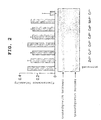
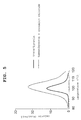
- a differential scanning calorimeter changes in the thermal stability during structural conversion from the transthyretin tetramer to the transthyretin monomer in the presence of the trivalent chromium ion were measured.
- a transthyretin-containing solution prepared to obtain a concentration of 25 ⁇ M using 150 mM sodium chloride containing 500 ⁇ M chromium chloride and a 20 mM phosphate buffer solution, was used.
- the pH of the buffer solution was adjusted to a pH necessary for each experiment, using sodium hydroxide or hydrochloric acid. Measurements were conducted by injecting 1.5 ml of the sample solution to a measurement cell after degassing at room temperature for 5 minutes.
- the measurement conditions involved the use of a model MC-2 differential scanning calorimeter manufactured by MicroCal at a scanning rate of 1°C/min in a temperature range of 15°C to 115°C; during the measurement, the system was pressurized with 2 atm of nitrogen to prevent bubbling due to heat. Note that the measurement cell was washed with concentrated nitric acid for each sample. Measurement results of the amount of heat and transition temperature are shown in Figure 2 and Figure 3.
- a transgenic mouse incorporating a human mutant transthyretin gene having the 30th valine residue of transthyretin mutated to a methionine residue was conducted by intraperitoneally injecting 3.5 ⁇ g of a chromium chloride solution per gram of mouse weight, which is the one-sixth dosage of the LD50 value, daily.
- a chromium chloride solution per gram of mouse weight which is the one-sixth dosage of the LD50 value
- the stability of the transthyretin tetramer in a 60 ⁇ g sample recovered from the blood of the transgenic mouse was measured using Western blotting.
- the primary antibody used for Western blotting was an anti-human mutant transthyretin antibody (1:2000); after a primary antibody reaction, a secondary antibody reaction was conducted using a peroxidase-labeled anti-rabbit secondary antibody (1:10000). For detection of the antibody reaction, the ECL reagent was used. Results of detection of the transthyretin tetramer of the transgenic mouse are shown in Figure 4.
- a transthyretin-containing solution was dissolved in a buffer solution to obtain a concentration of 0.2 mg/mL, 0, 10 or 50 ⁇ M chromium chloride was added, and 0 or 360 nM thyroid hormone was added to each solution.
- the pH of the buffer solution was adjusted to a pH necessary for each experiment using sodium hydroxide or hydrochloric acid.
- the above-described solution was incubated at 37°C to produce amyloid fiber.
- the amount of amyloid fiber produced was measured.
- the transthyretin-containing solution after incubation was diluted to obtain a transthyretin concentration of 2.5 ⁇ g/mL, supplemented with 10 ⁇ M Thioflavine T and 50mM glycine, adjusted to pH 9.0, and used.
- fluorescence at 482 nm excited by 450 nm excitation light was measured with the fluorescence spectrophotometer F-4500 at 25°C using 1 ml of the sample. Note that both for the excitation side and for the fluorescence side, the measurement was conducted with a 5 nm slit width. Measurement results of fluorescence intensity are shown in Figure 5.
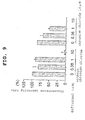
- a recombinant transthyretin-containing solution (10 mg/ml) was dissolved in a buffer solution to obtain a concentration of 0.2 mg/mL, 0, 10, 100 or 500 ⁇ M chromium chloride was added, and 0 or 360 nM thyroid hormone was added to each solution.
- the pH of the buffer solution was adjusted to a pH necessary for each experiment using sodium hydroxide or hydrochloric acid.
- the above-described solution was incubated at 37°C to produce amyloid fiber.
- the amount of amyloid fiber produced was measured.
- the transthyretin-containing solution after incubation was diluted to obtain a transthyretin concentration of 2.5 ⁇ g/mL, supplemented with 10 ⁇ M Thioflavine T and 50 mM glycine, adjusted to pH 9.0, and used.
- fluorescence at 482 nm excited by 450 nm excitation light was measured with the fluorescence spectrophotometer F-4500 at 25°C using 1 ml of the sample. Note that both for the excitation side and for the fluorescence side, the measurement was conducted with a 5 nm slit width. Measurement results of fluorescence intensity are shown in Figure 6.
- a transthyretin-containing solution was dissolved in a buffer solution to obtain a concentration of 0.2 mg/mL, 0, 0.36, 1 or 10 ⁇ M diflunisal was added, and 0 or 10 ⁇ M chromium chloride was added to each solution.
- the pH of the buffer solution was adjusted to a pH necessary for each experiment using sodium hydroxide or hydrochloric acid.
- the above-described solution was incubated at 37°C to produce amyloid fiber.
- the amount of amyloid fiber produced was measured.
- the transthyretin-containing solution after incubation was diluted to obtain a transthyretin concentration of 2.5 ⁇ g/mL, supplemented with 10 ⁇ M Thioflavine T and 50mM glycine, adjusted to pH 9.0, and used.
- fluorescence at 482 nm excited by 450 nm excitation light was measured with the fluorescence spectrophotometer F-4500 at 25°C using 1 ml of the sample. Note that both for the excitation side and for the fluorescence side, the measurement was conducted with a 5 nm slit width. Measurement results of fluorescence intensity are shown in Figure 7.
- the pharmaceutical of the present invention is useful as a medicine for the prophylaxis and/or treatment of amyloidosis, and can particularly be used as a highly effective pharmaceutical for familial amyloid polyneuropathy (FAP), for which no therapies are available other than symptomatic therapies and liver transplantation.
- FAP familial amyloid polyneuropathy
Landscapes
- Health & Medical Sciences (AREA)
- General Health & Medical Sciences (AREA)
- Life Sciences & Earth Sciences (AREA)
- Chemical & Material Sciences (AREA)
- Public Health (AREA)
- Medicinal Chemistry (AREA)
- Animal Behavior & Ethology (AREA)
- Veterinary Medicine (AREA)
- Pharmacology & Pharmacy (AREA)
- Epidemiology (AREA)
- Engineering & Computer Science (AREA)
- Bioinformatics & Cheminformatics (AREA)
- Chemical Kinetics & Catalysis (AREA)
- Organic Chemistry (AREA)
- General Chemical & Material Sciences (AREA)
- Biomedical Technology (AREA)
- Nuclear Medicine, Radiotherapy & Molecular Imaging (AREA)
- Neurology (AREA)
- Neurosurgery (AREA)
- Inorganic Chemistry (AREA)
- Hospice & Palliative Care (AREA)
- Psychiatry (AREA)
- Psychology (AREA)
- Acyclic And Carbocyclic Compounds In Medicinal Compositions (AREA)
- Pharmaceuticals Containing Other Organic And Inorganic Compounds (AREA)
Abstract
Description
Claims (5)
- A pharmaceutical for the prophylaxis and/or treatment of amyloidosis, which comprises a compound comprising a trivalent chromium ion as an active ingredient.
- The pharmaceutical of claim 1, wherein amyloidosis is familial amyloid polyneuropathy.
- The pharmaceutical of claim 1 or 2, wherein the compound comprising the trivalent chromium ion is a fatty acid chromium salt.
- The pharmaceutical of claim 3, wherein the fatty acid is picolinic acid.
- A pharmaceutical to suppress decomposition of a mutant transthyretin in amyloidosis, which comprises a compound comprising a trivalent chromium ion as an active ingredient.
Applications Claiming Priority (3)
| Application Number | Priority Date | Filing Date | Title |
|---|---|---|---|
| JP2002137944 | 2002-05-14 | ||
| JP2002137944 | 2002-05-14 | ||
| PCT/JP2003/005963 WO2003094934A1 (en) | 2002-05-14 | 2003-05-13 | Medicine for prevention of and treatment for amyloidosis |
Publications (3)
| Publication Number | Publication Date |
|---|---|
| EP1504762A1 true EP1504762A1 (en) | 2005-02-09 |
| EP1504762A4 EP1504762A4 (en) | 2008-03-26 |
| EP1504762B1 EP1504762B1 (en) | 2010-08-04 |
Family
ID=29416833
Family Applications (1)
| Application Number | Title | Priority Date | Filing Date |
|---|---|---|---|
| EP03723352A Expired - Lifetime EP1504762B1 (en) | 2002-05-14 | 2003-05-13 | Medicine for prevention of and treatment for familial amyloid polyneuropathy |
Country Status (7)
| Country | Link |
|---|---|
| US (1) | US20060134228A1 (en) |
| EP (1) | EP1504762B1 (en) |
| CN (1) | CN100457122C (en) |
| AT (1) | ATE476188T1 (en) |
| AU (1) | AU2003235261A1 (en) |
| DE (1) | DE60333628D1 (en) |
| WO (1) | WO2003094934A1 (en) |
Cited By (1)
| Publication number | Priority date | Publication date | Assignee | Title |
|---|---|---|---|---|
| WO2010030203A1 (en) * | 2008-09-09 | 2010-03-18 | Biocodex - Incubação De Empresas De Ciências Da Vida, S.A. | Monoclonal antibody to human amyloidogenic and modified forms of transthyretin and its use in the detection and treatment of fap and pathologies presenting modified ttr |
Families Citing this family (3)
| Publication number | Priority date | Publication date | Assignee | Title |
|---|---|---|---|---|
| WO2006021451A2 (en) * | 2004-08-26 | 2006-03-02 | Biostratum Ab | Methods and compounds for treating diabetes |
| US10398729B2 (en) * | 2012-02-14 | 2019-09-03 | Kenneth O. Russell | Method for treating Alzheimer's disease |
| CN103833628B (en) * | 2014-02-21 | 2016-05-11 | 河北富格药业有限公司 | A kind of synthetic method of chromium picolinate |
Family Cites Families (17)
| Publication number | Priority date | Publication date | Assignee | Title |
|---|---|---|---|---|
| US5276059A (en) * | 1992-07-10 | 1994-01-04 | The United States Of America As Represented By The Department Of Health And Human Services | Inhibition of diseases associated with amyloid formation |
| GB9300920D0 (en) * | 1993-01-19 | 1993-03-10 | Sandoz Nutrition Ltd | Improvements in or relating to organic compounds |
| US5643562A (en) * | 1993-03-29 | 1997-07-01 | Queen's University Of Kingston | Method for treating amyloidosis |
| KR960037692A (en) * | 1995-04-13 | 1996-11-19 | 김광희 | New Preparation of Picolinate-Chrome Complex |
| US5614224A (en) * | 1995-04-20 | 1997-03-25 | Womack; Rick W. | Nutritional supplement for diabetics |
| US6329361B1 (en) * | 1995-05-12 | 2001-12-11 | Nutrition 21 | High-dose chromic picolinate treatment of type II diabetes |
| CN1189776A (en) * | 1995-05-12 | 1998-08-05 | 营养21 | Chromium tripicolinate administered in large doses for the treatment of type Ⅱ diabetes mellitus |
| WO1997046244A1 (en) * | 1996-06-06 | 1997-12-11 | Reuven Sandyk | Compositions and method which retard the aging process and which improve age-related disease conditions |
| EP1006794B1 (en) * | 1997-03-12 | 2007-11-28 | Robert W. Esmond | A method for treating or preventing alzheimer's disease |
| US5888553A (en) * | 1997-04-08 | 1999-03-30 | Infinity, Inc. | Non-steroidal anabolic composition |
| ATE304364T1 (en) * | 1997-08-08 | 2005-09-15 | Nutrition 21 | CHROMIUM/BIOTIN TREATMENT OF TYPE II DIABETES |
| US6143301A (en) * | 1998-08-28 | 2000-11-07 | Ambi Inc. | Chromium picolinate compositions and uses thereof |
| US5980905A (en) * | 1998-08-28 | 1999-11-09 | Ambi Inc. | Chromium polynicotinate compositions and uses thereof |
| WO2000012102A1 (en) * | 1998-08-31 | 2000-03-09 | Proteotech, Inc. | Blended compositions for treatment of alzheimer's disease and other amyloidoses |
| AU6044699A (en) * | 1998-09-17 | 2000-04-03 | Akesis Pharmaceuticals, Inc. | Compositions and methods for treatment of glucose metabolism disorders |
| AU2502700A (en) * | 1999-01-12 | 2000-08-01 | Kenneth Blum | Treatment of hypertension with compounds that inhibit the destruction of enkephalins or endorphins |
| CA2480268A1 (en) * | 2002-04-23 | 2003-11-06 | Nutrition 21, Inc. | Chromium compositions and methods for using the same for inhibiting drug-induced insulin resistance |
-
2003
- 2003-05-13 CN CNB038107805A patent/CN100457122C/en not_active Expired - Fee Related
- 2003-05-13 AU AU2003235261A patent/AU2003235261A1/en not_active Abandoned
- 2003-05-13 WO PCT/JP2003/005963 patent/WO2003094934A1/en not_active Ceased
- 2003-05-13 DE DE60333628T patent/DE60333628D1/en not_active Expired - Lifetime
- 2003-05-13 EP EP03723352A patent/EP1504762B1/en not_active Expired - Lifetime
- 2003-05-13 AT AT03723352T patent/ATE476188T1/en not_active IP Right Cessation
- 2003-05-13 US US10/514,335 patent/US20060134228A1/en not_active Abandoned
Cited By (1)
| Publication number | Priority date | Publication date | Assignee | Title |
|---|---|---|---|---|
| WO2010030203A1 (en) * | 2008-09-09 | 2010-03-18 | Biocodex - Incubação De Empresas De Ciências Da Vida, S.A. | Monoclonal antibody to human amyloidogenic and modified forms of transthyretin and its use in the detection and treatment of fap and pathologies presenting modified ttr |
Also Published As
| Publication number | Publication date |
|---|---|
| DE60333628D1 (en) | 2010-09-16 |
| EP1504762A4 (en) | 2008-03-26 |
| EP1504762B1 (en) | 2010-08-04 |
| US20060134228A1 (en) | 2006-06-22 |
| WO2003094934A1 (en) | 2003-11-20 |
| AU2003235261A1 (en) | 2003-11-11 |
| CN100457122C (en) | 2009-02-04 |
| CN1652803A (en) | 2005-08-10 |
| ATE476188T1 (en) | 2010-08-15 |
Similar Documents
| Publication | Publication Date | Title |
|---|---|---|
| US20240368098A1 (en) | Compositions and methods for the prevention and/or treatment of mitochondrial disease, including friedreich's ataxia | |
| Wang et al. | Dantrolene ameliorates impaired neurogenesis and synaptogenesis in induced pluripotent stem cell lines derived from patients with Alzheimer’s disease | |
| Xu et al. | Neurosteroid PREGS protects neurite growth and survival of newborn neurons in the hippocampal dentate gyrus of APPswe/PS1dE9 mice | |
| US12295934B2 (en) | Treating iron deficiency with ferric carboxymaltose | |
| EP1504762B1 (en) | Medicine for prevention of and treatment for familial amyloid polyneuropathy | |
| Mruthinti et al. | Autoimmunity in Alzheimer's disease as evidenced by plasma immunoreactivity against RAGE and Aβ42: complication of diabetes | |
| JPH06305959A (en) | Glycation inhibitor | |
| Zhang et al. | Thymopentin improves the survival of septic mice by promoting the production of 15-deoxy-prostaglandin J2 and activating the PPARγ signaling pathway | |
| JP2004043443A (en) | Pharmaceutical for prevention and treatment of amyloidosis | |
| JP2003506320A (en) | Pharmaceutical compositions comprising NO or at least one NO donating compound or other compound capable of releasing NO or inducing NO formation in cells | |
| Xu et al. | Chloroquine‐induced proinsulin misfolding in the endoplasmic reticulum underlies the attenuation of mature insulin synthesis | |
| Raiteri | The dark side of vitamin D system: unraveling its impact on skeletal muscle homeostasis | |
| US20240175880A1 (en) | Lrrc4 family mimic molecules and diagnostic uses thereof | |
| US20230346727A1 (en) | Compounds for the treatment of hemophilia | |
| EP1819354B1 (en) | Methods and compounds for treating diabetes | |
| US20240115538A1 (en) | Aggrelytes for treating ocular conditions | |
| Efimenko et al. | Assessment of the correction of neuroretinal changes using 2-ethyl-6-methyl-3hydroxypyridinium N-acetyltaurinate in the modeling of POAG | |
| CN102905701A (en) | 1-(2-fluorobiphenyl-4-yl)-cyclopropanecarboxylic acid derivatives for the treatment of prion diseases | |
| MacGregor et al. | Topical corticosteroids potentiate mucin secretion in the normal nose | |
| DIABETES et al. | SECTION 2 CHAPTER | |
| KR20240034159A (en) | Polypeptide inhibitors and uses thereof | |
| US20060074049A1 (en) | Use of heparinoids for treatment and prevention of dementia | |
| RU2626677C1 (en) | Application of pharmaceutical composition of 2-morpholino-5-phenyl-6h-1,3,4-thiadiazine with ascorbic acid as means for alloxan diabetes correction | |
| CA2913582A1 (en) | Compositions and methods for treatment of retinal degenerative diseases | |
| WO2020068425A1 (en) | Compositions and methods for enhancing insulin secretion |
Legal Events
| Date | Code | Title | Description |
|---|---|---|---|
| PUAI | Public reference made under article 153(3) epc to a published international application that has entered the european phase |
Free format text: ORIGINAL CODE: 0009012 |
|
| 17P | Request for examination filed |
Effective date: 20041117 |
|
| AK | Designated contracting states |
Kind code of ref document: A1 Designated state(s): AT BE BG CH CY CZ DE DK EE ES FI FR GB GR HU IE IT LI LU MC NL PT RO SE SI SK TR |
|
| AX | Request for extension of the european patent |
Extension state: AL LT LV MK |
|
| DAX | Request for extension of the european patent (deleted) | ||
| A4 | Supplementary search report drawn up and despatched |
Effective date: 20080226 |
|
| RIC1 | Information provided on ipc code assigned before grant |
Ipc: C07D 213/79 20060101ALI20080220BHEP Ipc: A61P 43/00 20060101ALI20080220BHEP Ipc: A61P 25/28 20060101ALI20080220BHEP Ipc: A61P 25/14 20060101ALI20080220BHEP Ipc: A61K 31/4402 20060101ALI20080220BHEP Ipc: A61K 33/24 20060101AFI20031127BHEP |
|
| 17Q | First examination report despatched |
Effective date: 20090219 |
|
| GRAP | Despatch of communication of intention to grant a patent |
Free format text: ORIGINAL CODE: EPIDOSNIGR1 |
|
| RTI1 | Title (correction) |
Free format text: MEDICINE FOR PREVENTION OF AND TREATMENT FOR FAMILIAR AMYLOID POLYNEUROPATHY |
|
| RIN1 | Information on inventor provided before grant (corrected) |
Inventor name: KAI, HIROFUMI Inventor name: ANDO, YUKIO |
|
| GRAS | Grant fee paid |
Free format text: ORIGINAL CODE: EPIDOSNIGR3 |
|
| RAP1 | Party data changed (applicant data changed or rights of an application transferred) |
Owner name: NIPRO CORPORATION |
|
| GRAA | (expected) grant |
Free format text: ORIGINAL CODE: 0009210 |
|
| AK | Designated contracting states |
Kind code of ref document: B1 Designated state(s): AT BE BG CH CY CZ DE DK EE ES FI FR GB GR HU IE IT LI LU MC NL PT RO SE SI SK TR |
|
| REG | Reference to a national code |
Ref country code: GB Ref legal event code: FG4D |
|
| REG | Reference to a national code |
Ref country code: CH Ref legal event code: EP |
|
| REG | Reference to a national code |
Ref country code: IE Ref legal event code: FG4D |
|
| REF | Corresponds to: |
Ref document number: 60333628 Country of ref document: DE Date of ref document: 20100916 Kind code of ref document: P |
|
| REG | Reference to a national code |
Ref country code: NL Ref legal event code: VDEP Effective date: 20100804 |
|
| PG25 | Lapsed in a contracting state [announced via postgrant information from national office to epo] |
Ref country code: FI Free format text: LAPSE BECAUSE OF FAILURE TO SUBMIT A TRANSLATION OF THE DESCRIPTION OR TO PAY THE FEE WITHIN THE PRESCRIBED TIME-LIMIT Effective date: 20100804 Ref country code: AT Free format text: LAPSE BECAUSE OF FAILURE TO SUBMIT A TRANSLATION OF THE DESCRIPTION OR TO PAY THE FEE WITHIN THE PRESCRIBED TIME-LIMIT Effective date: 20100804 Ref country code: NL Free format text: LAPSE BECAUSE OF FAILURE TO SUBMIT A TRANSLATION OF THE DESCRIPTION OR TO PAY THE FEE WITHIN THE PRESCRIBED TIME-LIMIT Effective date: 20100804 |
|
| PG25 | Lapsed in a contracting state [announced via postgrant information from national office to epo] |
Ref country code: SI Free format text: LAPSE BECAUSE OF FAILURE TO SUBMIT A TRANSLATION OF THE DESCRIPTION OR TO PAY THE FEE WITHIN THE PRESCRIBED TIME-LIMIT Effective date: 20100804 Ref country code: PT Free format text: LAPSE BECAUSE OF FAILURE TO SUBMIT A TRANSLATION OF THE DESCRIPTION OR TO PAY THE FEE WITHIN THE PRESCRIBED TIME-LIMIT Effective date: 20101206 Ref country code: CY Free format text: LAPSE BECAUSE OF FAILURE TO SUBMIT A TRANSLATION OF THE DESCRIPTION OR TO PAY THE FEE WITHIN THE PRESCRIBED TIME-LIMIT Effective date: 20100804 Ref country code: BG Free format text: LAPSE BECAUSE OF FAILURE TO SUBMIT A TRANSLATION OF THE DESCRIPTION OR TO PAY THE FEE WITHIN THE PRESCRIBED TIME-LIMIT Effective date: 20101104 |
|
| PG25 | Lapsed in a contracting state [announced via postgrant information from national office to epo] |
Ref country code: SE Free format text: LAPSE BECAUSE OF FAILURE TO SUBMIT A TRANSLATION OF THE DESCRIPTION OR TO PAY THE FEE WITHIN THE PRESCRIBED TIME-LIMIT Effective date: 20100804 Ref country code: GR Free format text: LAPSE BECAUSE OF FAILURE TO SUBMIT A TRANSLATION OF THE DESCRIPTION OR TO PAY THE FEE WITHIN THE PRESCRIBED TIME-LIMIT Effective date: 20101105 Ref country code: BE Free format text: LAPSE BECAUSE OF FAILURE TO SUBMIT A TRANSLATION OF THE DESCRIPTION OR TO PAY THE FEE WITHIN THE PRESCRIBED TIME-LIMIT Effective date: 20100804 |
|
| PG25 | Lapsed in a contracting state [announced via postgrant information from national office to epo] |
Ref country code: DK Free format text: LAPSE BECAUSE OF FAILURE TO SUBMIT A TRANSLATION OF THE DESCRIPTION OR TO PAY THE FEE WITHIN THE PRESCRIBED TIME-LIMIT Effective date: 20100804 |
|
| PG25 | Lapsed in a contracting state [announced via postgrant information from national office to epo] |
Ref country code: CZ Free format text: LAPSE BECAUSE OF FAILURE TO SUBMIT A TRANSLATION OF THE DESCRIPTION OR TO PAY THE FEE WITHIN THE PRESCRIBED TIME-LIMIT Effective date: 20100804 Ref country code: RO Free format text: LAPSE BECAUSE OF FAILURE TO SUBMIT A TRANSLATION OF THE DESCRIPTION OR TO PAY THE FEE WITHIN THE PRESCRIBED TIME-LIMIT Effective date: 20100804 Ref country code: SK Free format text: LAPSE BECAUSE OF FAILURE TO SUBMIT A TRANSLATION OF THE DESCRIPTION OR TO PAY THE FEE WITHIN THE PRESCRIBED TIME-LIMIT Effective date: 20100804 Ref country code: IT Free format text: LAPSE BECAUSE OF FAILURE TO SUBMIT A TRANSLATION OF THE DESCRIPTION OR TO PAY THE FEE WITHIN THE PRESCRIBED TIME-LIMIT Effective date: 20100804 Ref country code: EE Free format text: LAPSE BECAUSE OF FAILURE TO SUBMIT A TRANSLATION OF THE DESCRIPTION OR TO PAY THE FEE WITHIN THE PRESCRIBED TIME-LIMIT Effective date: 20100804 |
|
| PLBE | No opposition filed within time limit |
Free format text: ORIGINAL CODE: 0009261 |
|
| STAA | Information on the status of an ep patent application or granted ep patent |
Free format text: STATUS: NO OPPOSITION FILED WITHIN TIME LIMIT |
|
| PG25 | Lapsed in a contracting state [announced via postgrant information from national office to epo] |
Ref country code: ES Free format text: LAPSE BECAUSE OF FAILURE TO SUBMIT A TRANSLATION OF THE DESCRIPTION OR TO PAY THE FEE WITHIN THE PRESCRIBED TIME-LIMIT Effective date: 20101115 |
|
| 26N | No opposition filed |
Effective date: 20110506 |
|
| REG | Reference to a national code |
Ref country code: DE Ref legal event code: R097 Ref document number: 60333628 Country of ref document: DE Effective date: 20110506 |
|
| PG25 | Lapsed in a contracting state [announced via postgrant information from national office to epo] |
Ref country code: MC Free format text: LAPSE BECAUSE OF NON-PAYMENT OF DUE FEES Effective date: 20110531 |
|
| REG | Reference to a national code |
Ref country code: CH Ref legal event code: PL |
|
| PG25 | Lapsed in a contracting state [announced via postgrant information from national office to epo] |
Ref country code: CH Free format text: LAPSE BECAUSE OF NON-PAYMENT OF DUE FEES Effective date: 20110531 Ref country code: LI Free format text: LAPSE BECAUSE OF NON-PAYMENT OF DUE FEES Effective date: 20110531 |
|
| REG | Reference to a national code |
Ref country code: IE Ref legal event code: MM4A |
|
| PG25 | Lapsed in a contracting state [announced via postgrant information from national office to epo] |
Ref country code: IE Free format text: LAPSE BECAUSE OF NON-PAYMENT OF DUE FEES Effective date: 20110513 |
|
| PG25 | Lapsed in a contracting state [announced via postgrant information from national office to epo] |
Ref country code: LU Free format text: LAPSE BECAUSE OF NON-PAYMENT OF DUE FEES Effective date: 20110513 |
|
| PG25 | Lapsed in a contracting state [announced via postgrant information from national office to epo] |
Ref country code: TR Free format text: LAPSE BECAUSE OF FAILURE TO SUBMIT A TRANSLATION OF THE DESCRIPTION OR TO PAY THE FEE WITHIN THE PRESCRIBED TIME-LIMIT Effective date: 20100804 |
|
| PG25 | Lapsed in a contracting state [announced via postgrant information from national office to epo] |
Ref country code: HU Free format text: LAPSE BECAUSE OF FAILURE TO SUBMIT A TRANSLATION OF THE DESCRIPTION OR TO PAY THE FEE WITHIN THE PRESCRIBED TIME-LIMIT Effective date: 20100804 |
|
| REG | Reference to a national code |
Ref country code: FR Ref legal event code: PLFP Year of fee payment: 14 |
|
| REG | Reference to a national code |
Ref country code: FR Ref legal event code: PLFP Year of fee payment: 15 |
|
| REG | Reference to a national code |
Ref country code: FR Ref legal event code: PLFP Year of fee payment: 16 |
|
| PGFP | Annual fee paid to national office [announced via postgrant information from national office to epo] |
Ref country code: DE Payment date: 20180522 Year of fee payment: 16 |
|
| PGFP | Annual fee paid to national office [announced via postgrant information from national office to epo] |
Ref country code: FR Payment date: 20180522 Year of fee payment: 16 |
|
| PGFP | Annual fee paid to national office [announced via postgrant information from national office to epo] |
Ref country code: GB Payment date: 20180518 Year of fee payment: 16 |
|
| REG | Reference to a national code |
Ref country code: DE Ref legal event code: R119 Ref document number: 60333628 Country of ref document: DE |
|
| GBPC | Gb: european patent ceased through non-payment of renewal fee |
Effective date: 20190513 |
|
| PG25 | Lapsed in a contracting state [announced via postgrant information from national office to epo] |
Ref country code: GB Free format text: LAPSE BECAUSE OF NON-PAYMENT OF DUE FEES Effective date: 20190513 Ref country code: DE Free format text: LAPSE BECAUSE OF NON-PAYMENT OF DUE FEES Effective date: 20191203 |
|
| PG25 | Lapsed in a contracting state [announced via postgrant information from national office to epo] |
Ref country code: FR Free format text: LAPSE BECAUSE OF NON-PAYMENT OF DUE FEES Effective date: 20190531 |