EP1496118A1 - Method of measuring human cyp3a inducibility - Google Patents
Method of measuring human cyp3a inducibility Download PDFInfo
- Publication number
- EP1496118A1 EP1496118A1 EP03717587A EP03717587A EP1496118A1 EP 1496118 A1 EP1496118 A1 EP 1496118A1 EP 03717587 A EP03717587 A EP 03717587A EP 03717587 A EP03717587 A EP 03717587A EP 1496118 A1 EP1496118 A1 EP 1496118A1
- Authority
- EP
- European Patent Office
- Prior art keywords
- human
- virus
- cyp3a
- gene
- cells
- Prior art date
- Legal status (The legal status is an assumption and is not a legal conclusion. Google has not performed a legal analysis and makes no representation as to the accuracy of the status listed.)
- Granted
Links
Images



Classifications
-
- C—CHEMISTRY; METALLURGY
- C12—BIOCHEMISTRY; BEER; SPIRITS; WINE; VINEGAR; MICROBIOLOGY; ENZYMOLOGY; MUTATION OR GENETIC ENGINEERING
- C12Q—MEASURING OR TESTING PROCESSES INVOLVING ENZYMES, NUCLEIC ACIDS OR MICROORGANISMS; COMPOSITIONS OR TEST PAPERS THEREFOR; PROCESSES OF PREPARING SUCH COMPOSITIONS; CONDITION-RESPONSIVE CONTROL IN MICROBIOLOGICAL OR ENZYMOLOGICAL PROCESSES
- C12Q1/00—Measuring or testing processes involving enzymes, nucleic acids or microorganisms; Compositions therefor; Processes of preparing such compositions
- C12Q1/68—Measuring or testing processes involving enzymes, nucleic acids or microorganisms; Compositions therefor; Processes of preparing such compositions involving nucleic acids
- C12Q1/6897—Measuring or testing processes involving enzymes, nucleic acids or microorganisms; Compositions therefor; Processes of preparing such compositions involving nucleic acids involving reporter genes operably linked to promoters
-
- C—CHEMISTRY; METALLURGY
- C12—BIOCHEMISTRY; BEER; SPIRITS; WINE; VINEGAR; MICROBIOLOGY; ENZYMOLOGY; MUTATION OR GENETIC ENGINEERING
- C12Q—MEASURING OR TESTING PROCESSES INVOLVING ENZYMES, NUCLEIC ACIDS OR MICROORGANISMS; COMPOSITIONS OR TEST PAPERS THEREFOR; PROCESSES OF PREPARING SUCH COMPOSITIONS; CONDITION-RESPONSIVE CONTROL IN MICROBIOLOGICAL OR ENZYMOLOGICAL PROCESSES
- C12Q1/00—Measuring or testing processes involving enzymes, nucleic acids or microorganisms; Compositions therefor; Processes of preparing such compositions
- C12Q1/02—Measuring or testing processes involving enzymes, nucleic acids or microorganisms; Compositions therefor; Processes of preparing such compositions involving viable microorganisms
-
- C—CHEMISTRY; METALLURGY
- C12—BIOCHEMISTRY; BEER; SPIRITS; WINE; VINEGAR; MICROBIOLOGY; ENZYMOLOGY; MUTATION OR GENETIC ENGINEERING
- C12Q—MEASURING OR TESTING PROCESSES INVOLVING ENZYMES, NUCLEIC ACIDS OR MICROORGANISMS; COMPOSITIONS OR TEST PAPERS THEREFOR; PROCESSES OF PREPARING SUCH COMPOSITIONS; CONDITION-RESPONSIVE CONTROL IN MICROBIOLOGICAL OR ENZYMOLOGICAL PROCESSES
- C12Q1/00—Measuring or testing processes involving enzymes, nucleic acids or microorganisms; Compositions therefor; Processes of preparing such compositions
- C12Q1/26—Measuring or testing processes involving enzymes, nucleic acids or microorganisms; Compositions therefor; Processes of preparing such compositions involving oxidoreductase
-
- G—PHYSICS
- G01—MEASURING; TESTING
- G01N—INVESTIGATING OR ANALYSING MATERIALS BY DETERMINING THEIR CHEMICAL OR PHYSICAL PROPERTIES
- G01N33/00—Investigating or analysing materials by specific methods not covered by groups G01N1/00 - G01N31/00
- G01N33/48—Biological material, e.g. blood, urine; Haemocytometers
- G01N33/50—Chemical analysis of biological material, e.g. blood, urine; Testing involving biospecific ligand binding methods; Immunological testing
- G01N33/5005—Chemical analysis of biological material, e.g. blood, urine; Testing involving biospecific ligand binding methods; Immunological testing involving human or animal cells
- G01N33/5008—Chemical analysis of biological material, e.g. blood, urine; Testing involving biospecific ligand binding methods; Immunological testing involving human or animal cells for testing or evaluating the effect of chemical or biological compounds, e.g. drugs, cosmetics
-
- G—PHYSICS
- G01—MEASURING; TESTING
- G01N—INVESTIGATING OR ANALYSING MATERIALS BY DETERMINING THEIR CHEMICAL OR PHYSICAL PROPERTIES
- G01N33/00—Investigating or analysing materials by specific methods not covered by groups G01N1/00 - G01N31/00
- G01N33/48—Biological material, e.g. blood, urine; Haemocytometers
- G01N33/50—Chemical analysis of biological material, e.g. blood, urine; Testing involving biospecific ligand binding methods; Immunological testing
- G01N33/5005—Chemical analysis of biological material, e.g. blood, urine; Testing involving biospecific ligand binding methods; Immunological testing involving human or animal cells
- G01N33/5008—Chemical analysis of biological material, e.g. blood, urine; Testing involving biospecific ligand binding methods; Immunological testing involving human or animal cells for testing or evaluating the effect of chemical or biological compounds, e.g. drugs, cosmetics
- G01N33/502—Chemical analysis of biological material, e.g. blood, urine; Testing involving biospecific ligand binding methods; Immunological testing involving human or animal cells for testing or evaluating the effect of chemical or biological compounds, e.g. drugs, cosmetics for testing non-proliferative effects
- G01N33/5023—Chemical analysis of biological material, e.g. blood, urine; Testing involving biospecific ligand binding methods; Immunological testing involving human or animal cells for testing or evaluating the effect of chemical or biological compounds, e.g. drugs, cosmetics for testing non-proliferative effects on expression patterns
-
- G—PHYSICS
- G01—MEASURING; TESTING
- G01N—INVESTIGATING OR ANALYSING MATERIALS BY DETERMINING THEIR CHEMICAL OR PHYSICAL PROPERTIES
- G01N33/00—Investigating or analysing materials by specific methods not covered by groups G01N1/00 - G01N31/00
- G01N33/48—Biological material, e.g. blood, urine; Haemocytometers
- G01N33/50—Chemical analysis of biological material, e.g. blood, urine; Testing involving biospecific ligand binding methods; Immunological testing
- G01N33/5005—Chemical analysis of biological material, e.g. blood, urine; Testing involving biospecific ligand binding methods; Immunological testing involving human or animal cells
- G01N33/5008—Chemical analysis of biological material, e.g. blood, urine; Testing involving biospecific ligand binding methods; Immunological testing involving human or animal cells for testing or evaluating the effect of chemical or biological compounds, e.g. drugs, cosmetics
- G01N33/5044—Chemical analysis of biological material, e.g. blood, urine; Testing involving biospecific ligand binding methods; Immunological testing involving human or animal cells for testing or evaluating the effect of chemical or biological compounds, e.g. drugs, cosmetics involving specific cell types
- G01N33/5067—Liver cells
-
- G—PHYSICS
- G01—MEASURING; TESTING
- G01N—INVESTIGATING OR ANALYSING MATERIALS BY DETERMINING THEIR CHEMICAL OR PHYSICAL PROPERTIES
- G01N2333/00—Assays involving biological materials from specific organisms or of a specific nature
- G01N2333/90—Enzymes; Proenzymes
- G01N2333/902—Oxidoreductases (1.)
- G01N2333/90245—Oxidoreductases (1.) acting on paired donors with incorporation of molecular oxygen (1.14)
-
- G—PHYSICS
- G01—MEASURING; TESTING
- G01N—INVESTIGATING OR ANALYSING MATERIALS BY DETERMINING THEIR CHEMICAL OR PHYSICAL PROPERTIES
- G01N2333/00—Assays involving biological materials from specific organisms or of a specific nature
- G01N2333/90—Enzymes; Proenzymes
- G01N2333/902—Oxidoreductases (1.)
- G01N2333/90245—Oxidoreductases (1.) acting on paired donors with incorporation of molecular oxygen (1.14)
- G01N2333/90248—Oxidoreductases (1.) acting on paired donors with incorporation of molecular oxygen (1.14) with NADH or NADPH as one of the donors, and incorporation of one atom of oxygen 1.14.13
- G01N2333/90251—Oxidoreductases (1.) acting on paired donors with incorporation of molecular oxygen (1.14) with NADH or NADPH as one of the donors, and incorporation of one atom of oxygen 1.14.13 with a definite EC number (1.14.13.-)
-
- G—PHYSICS
- G01—MEASURING; TESTING
- G01N—INVESTIGATING OR ANALYSING MATERIALS BY DETERMINING THEIR CHEMICAL OR PHYSICAL PROPERTIES
- G01N2500/00—Screening for compounds of potential therapeutic value
- G01N2500/04—Screening involving studying the effect of compounds C directly on molecule A (e.g. C are potential ligands for a receptor A, or potential substrates for an enzyme A)
-
- G—PHYSICS
- G01—MEASURING; TESTING
- G01N—INVESTIGATING OR ANALYSING MATERIALS BY DETERMINING THEIR CHEMICAL OR PHYSICAL PROPERTIES
- G01N2500/00—Screening for compounds of potential therapeutic value
- G01N2500/10—Screening for compounds of potential therapeutic value involving cells
Definitions
- the present invention relates to a method for measuring a capacity for inducing a human drug-metabolizing enzyme, known as human CYP3A, easily and accurately. This. invention also relates to a reagent useful for said measurement.
- cytochrome P450 is an enzyme that exerts the most influence on efficacy of a drug, occurrence of side effects, and disappearance of efficacy of the drug, and thus the measurement of CYP3A inducibility upon administration of a drug is an indispensable factor to be taken into account in the development of medical drugs.
- Some of these drugs have their own CYP3A inducibility, and therefore need to be measured and evaluated indivisually.
- An object of the present invention is to provide an easy, accurate method for determining human CYP3A inducibility upon administration of a drug.
- the present inventors inserted a reporter gene and human nucleus receptor PXR (Pregnane X Receptor) cDNA into an adenovirus as a vector, and through use of the thus-prepared virus, measured human CYP3A inducibility in mice.
- PXR Pregnane X Receptor
- a reporter assay in a human cell culture system ( in vitro ) or a non-human animal (in vivo) incorporating the following two viruses; i.e., (A) an adenovirus which is used as a vector and engineered by incorporating thereto a reporter gene and at least 3 regions capable of binding to human PXR (hereinafter referred to simply as human PXR binding regions), and (B) an adenovirus which is used as a vector and engineered by incorporating thereto a human PXR cDNA.
- A an adenovirus which is used as a vector and engineered by incorporating thereto a reporter gene and at least 3 regions capable of binding to human PXR (hereinafter referred to simply as human PXR binding regions)
- B an adenovirus which is used as a vector and engineered by incorporating thereto a human PXR cDNA.
- transformants capable of maintaining their traits after undergoing repeated subculture are present in a culture of human cells to which a specific DNA fragment has been incorporated the DNA fragment constructed by inserting, into a plasmid vector (a), a detectable reporter gene and at least 3 human PXR binding regions falling within an untranslated region of a human CYP3A gene and that use of such transformants further facilitates in vitro measurement of human CYP3A inducibility, thus leading to completion of the invention.
- the present invention provides a method for measuring human CYP3A inducibility upon administration of a test drug, characterized in that a non-human animal to which a test drug has been administered or a population of human cells cultured in a medium containing a test drug is infected with viruses (A) and (B), and subsequently expression level of the reporter gene described in relation to virus (A) is determined in the non-human animal or the cultured human cells, wherein virus (A) is an adenovirus which is used as a vector and engineered by incorporating thereto a detectable reporter gene and at least 3 human PXR binding regions falling within an untranslated region of a human CYP3A gene, and virus (B) is an adenovirus which is used as a vector and engineered by incorporating thereto a human PXR cDNA.
- the present invention also provides a method for measuring human CYP3A inducibility upon administration of a test drug, characterized by culturing transformed human cells in a medium containing a test drug, the transformed human cells being created by means of transfer of DNA the DNA constructed by inserting, into a plasmid vector (a), a detectable reporter gene and at least 3 human PXR binding regions falling within an untranslated region of a human CYP3A gene and then measuring the expression level of the reporter gene.
- a plasmid vector a
- the present invention also provides a reagent for measuring human CYP3A inducibility, characterized by comprising viruses (A) which is an adenovirus used as a vector and is engineered by incorporating thereto a detectable reporter gene and at least 3 human PXR binding regions falling within an untranslated region of a human CYP3A gene, and virus (B) which is an adenovirus which serves as a vector and engineered by incorporating thereto a human PXR cDNA.
- viruses (A) which is an adenovirus used as a vector and is engineered by incorporating thereto a detectable reporter gene and at least 3 human PXR binding regions falling within an untranslated region of a human CYP3A gene
- virus (B) which is an adenovirus which serves as a vector and engineered by incorporating thereto a human PXR cDNA.
- the present invention further provides a reagent for measuring human CYP3A inducibility, characterized by comprising transformed and cultured human cells which are created by means of transfer of DNA (a) the DNA (a) constructed by inserting, into a plasmid vector, a detectable reporter gene and at least 3 human PXR binding regions falling within an untranslated region of a human CYP3A gene.
- the method of the present invention for measuring human CYP3A uses the following two viruses:
- the adenovirus vector which is used for creating virus (A) and virus (B) may be an adenovirus vector which is generally used as a vector in gene therapy.
- adenovirus vector which is generally used as a vector in gene therapy.
- Examples of commercial adenovirus vectors include Ad5dIX and AdEasy.
- the detectable reporter gene used for obtaining virus (A) should be a gene coding for a detectable protein or a detectable enzyme.
- Examples of the detectable reporter gene include a GFP (green fluorescent protein) gene, a GUS ( ⁇ -glucuronidase) gene, a LUS (lusiferase) gene, and a CAT (chloramphenicol acetyl transferase) gene.
- Examples of the commercial reporter gene include GFP, LUS, and CAT.
- the above-mentioned "at least 3 human PXR binding regions falling within an untranslated region of a human CY3A gene" employed for obtaining virus (A) may be selected from among a 7.7k (dNR-1) region, a 362 (ER-6) region, a 7.6 to 7.4k (MIE) region, and a 7.3k region, which fall within the untranslated region of a human CY3A gene. Of these regions, the 7.7k region, the 7.6 to 7.4k region, and the 362 region are particularly preferred. In the present invention, use of at least 3 human PXR binding regions is important. Use of only 1 or 2 such regions is not enough to induce expression of a human CY3A gene, preventing accurate measurement of human CYP3A inducibility.
- human PXR is referred to as a pregnane X receptor, which is a type of nucleus receptor. Human PXR is known to participate in expression of human CYP3A. However, it has remained unknown that the combination of at least 3 human PXR binding regions falling within an untranslated region of a human CYP3A gene is critical for expression of human CYP3A.
- Human CYP3A includes human CYP3A4, CYP3A5, CYP3A7, and CYP3A43.
- CYP3A4 is the most important in terms of drug metabolism.
- Virus (A) is prepared through the following processes. Firstly, a reporter virus is constructed by ligating at least 3 human PXR binding regions (for example, a 7.7k region, a 7.6 to 7.4k region, and a 362 region) upstream of an LUC gene. The resultant reporter plasmid is then inserted in the EIA ⁇ EIB region of an adenovirus vector.
- a reporter virus is constructed by ligating at least 3 human PXR binding regions (for example, a 7.7k region, a 7.6 to 7.4k region, and a 362 region) upstream of an LUC gene.
- the resultant reporter plasmid is then inserted in the EIA ⁇ EIB region of an adenovirus vector.
- Examples of the human PXR gene for constructing virus (B) include human PXR cDNA.
- Virus (B) is prepared by, for example, preparing a human PXR cDNA according to the method described in Molecular Cloning (Maniatis, et al.) and inserting the resultant human PXR cDNA in the EIA ⁇ EIB region of an adenovirus vector.
- viruses (A) and (B) are introduced into non-human animals to which a test drug has been administered or to human cells cultured in a medium containing a test drug.
- the two viruses must be introduced in such a manner that their functions are exhibited simultaneously.
- the viruses may be introduced in the form of a solution mixture. Alternatively, one virus may be introduced first, followed by addition of the other virus, to thereby allow functions of the two viruses to develop simultaneously.
- non-human animals examples include rats, mice, guinea pigs, rabbits, dogs, and monkeys. From the viewpoint of experimental handling, rats and mice are particularly preferred.
- the test drug is administered to these non-human animals through appropriate administration means generally used in clinical settings. Alternatively, peritoneal administration may be used. The dose of the test drug is determined in consideration of the clinical dose.
- Viruses (A) and (B) are preferably administered to non-human animals peritoneally or intravenously.
- cultured human cells examples include HepG2, LS174T, Hela, and Caco-2. HepG2 and LS174T are particularly preferred.
- the cultured human cells are used as they are; i.e., without any treatment. Alternatively, the cells may be used after they are further cultured in a medium containing the test drug.
- the cultured human cells are infected with viruses (A) and (B) through addition of the viruses to culture medium.
- the transformed and cultured human cells used in the measurement of human CYP3A inducibility according to the present invention are obtained by transferring the following DNA to cultured human cells.
- Examples of the plasmid vector for preparing the DNA (a) include a vector having multi-cloning sites, such as pGL3 Basic Vector (Promega corporation) and a vector containing a GFP gene, such as pDSRed 2-1 (Clontech).
- the detectable reporter gene and the at least 3 human PXR binding regions falling within an untranslated region of a human CYP3A gene for preparing DNA (a) may be any of those mentioned in relation to construction of virus (A).
- DNA (a) is prepared through the following process. Firstly, a reporter vector is created by ligating at least 3 regions capable of binding to human PXR; for example a 7.7k region, a 7.6 to 7.4k region, and a 362 region. The resultant reporter vector is then inserted into the Mlu I- Hind III cleavage site within the multicloning region of plasmid vector having a reporter gene. In order to obtain a clone exhibiting stronger inducibility, it is preferable to use a DNA to which a plurality of plasmids, each having these regions and a reporter gene aligned in line, are ligated in tandem. More preferably, the number of plasmid is 5 or more, and even more preferably, 5 to 10.
- the DNA (a) is transferred to cultured human cells.
- the transfer is preferably performed through, for example, the calcium phosphate method.
- Examples of the cultured human cells useful in the present invention include HepG2, LS174T, Hela, and Caco-2. HepG2 and LS174T are particularly preferred.
- the transformants harboring DNA (a) can be selected by measuring the expression level of the reporter gene after subculturing.
- human CYP3A inducibility of the test drug upon administration thereof can be determined by culturing such transformed and cultured human cells in a medium containing the test drug and then measuring the expression level of the reporter gene.
- the expression level of the reporter gene in non-human animals is determined by, for example, measuring reporter activity in an organ such as the liver or the spleen 2 to 5 days after administration of viruses (A) and (B).
- the reporter activity in the liver is determined by, for example, homogenizing and centrifuging the liver removed from an animal and measuring the fluorescent intensity, reporter enzyme activity, or other reporter-related activities of the supernatant.
- the expression level of the reporter gene in cultured human cells is determined by, for example, infecting the cells with viruses (A) and (B), and 2 to 4 days thereafter, homogenizing and centrifuging the infected cultured cells and measuring reporter activity of the supernatant.
- Human CYP3A inducibility upon administration of a test drug can be estimated by comparing the obtained reporter activity with the reporter activity as measured in a test-drug non-administration group or in a test-drug-free medium culture group.
- assay systems of the present invention using the viruses (A) and (B) in vivo systems employing non-human animals are particularly preferred.
- a recombinant adenovirus was constructed through the following process. Firstly, an upstream fragment (-362 to +11) of the CYP3A4 gene was isolated through PCR and then processed with restriction enzymes Bgl II and Hind III. Thereafter, the product was inserted into a promoterless firefly luciferase vector pGL3-Basic, to thereby prepare pGL3-CYP3A4-362.
- AdCYP3A4-362-7K virus of interest
- AdCYP3A4-362 virus lacking the aforementioned region from -7836 bp to -7208 bp, was also created.
- hPXR hPXR cDNA was cloned from a human liver cDNA library, and inserted into the Bam HI and Hind III sites of a plasmid pCMV4 bearing a CMV promoter (the resultant plasmid will be referred to as pCMV4-hPXR).
- the plasmid pCMV4-hPXR was digested and blunt-ended with Sca I. Subsequently, a procedure similar to that described above in relation to construction of virus (A) was performed, to thereby obtain virus (B) (AdhPXR) (Fig. 2).
- the assay was performed in a manner shown in Fig. 3. Briefly, cells were seeded in a 24-well plate in an amount of 2.0 ⁇ 10 5 cells per well. On the following day; i.e., day 1, the cells were treated with a drug. On day 2, the drug-treated cells were infected with virus, and, 48 hours after viral infection, the cells were recovered. The recovered cells were lysed by use of a reporter lysis buffer (RLB), and the luciferase activity of the lysate was measured.
- RLB reporter lysis buffer
- the initial plan for viral administration was an intravenous route through the tail vein. However, there were some cases where animals died within several hours following administration because of the virulence of the virus. Therefore, the route was changed to intraperitoneal administration so that the animal could not acutely respond to the virus.
- the drug was suspended in corn oil, and administered to each animal three times; i.e., one day before, four hours before, and one day after the virus administration, at a dose of 100 mg/kg each time. Two days after virus administration, each animal was dissected to remove the organ of interest (liver). The liver was homogenized and centrifuged at 9,000 ⁇ g. Luciferase activity of the supernatant (S-9) was measured (Fig. 4).
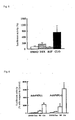
- Fig. 5 shows luciferase activity, which is an index of CYP3A4 inducibility, elicited by different drugs in cultured cells infected with an AdCYP3A4-362 virus.
- Each of the test drugs i.e., dexamethasone, rifampicin, and clotrimazole
- DMSO methyl methyl sulfoxide
- All these drugs are known to elicit CYP3A4 induction when administered to humans.
- rifampicin is known to be a typical human CYP3A4 inducer, because of its high specificity to humans.
- dexamethasone is known to exhibit a strong induction of CYP3A forms in rats.
- Assays employing human liver-cancer-derived cultured cells revealed an increase in luciferase activity in both cases of treatment with clotrimazole and treatment with dexamethasone. However, treatment with rifampicin did not show such an increase.
- the elevated luciferase activity levels observed were about eight times for clotrimazole treatment, and about two times for dexamethasone treatment.
- Fig. 6 shows the results obtained from an in vitro reporter assay performed through use of virus (A) (AdCYP3A4-362-7K) under the same conditions as those of the above assay using the AdCYP3A4-362 virus.
- virus (A) AdCYP3A4-362-7K
- dexamethasone substantially no induction was obtained.
- clotrimazole a strong induction (21 times) was observed.
- Rifampicin was also found to exhibit an increased luciferase activity (five times), which was not observed in the above test employing the AdCYP3A4-362 virus.
- virus (B) AdhPXR
- luciferase activity was three times higher than that in the case of non-treatment, and with rifampicin and clotrimazole, luciferase activity was found to be 15 times and 60 times, respectively, higher than corresponding values obtained from non-treatment, revealing that the degree of transcription activation attained when cells are infected with virus (B) (AdhPXR) is higher than that attained when cells are not infected with virus (B).
- an in vivo assay was carried out for evaluation of inducibility through use of ddY male mice.
- Each test drug was intraperitoneally administered once a day for three days, at a dose of 100 mg/kg each time.
- AdCYP3A4-362 virus was intraperitoneally administered to each mouse.
- the liver of the mouse was weighed, and the luciferase activity and the testosterone 6 ⁇ -hydroxylation activity in the liver were measured.
- Each of the drugs i.e., dexamethasone, rifampicin, and clotrimazole
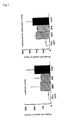
- luciferase activity in the mouse liver S-9 was found to increase as compared with the control; i.e., by about five times in the cases of dexamethasone and rifampicin, and by about nine times in the case of clotrimazole.
- an increase in liver weight and an increase in testosterone 6 ⁇ -hydroxylation activity were observed in all the inducer-treated groups.
- Increases in testosterone 6 ⁇ -hydroxylation activity and increases in luciferase activity as determined in inducer-treated mouse livers were found to be well-correlated (Fig. 7).
- mice which had been infected with virus (A) (AdCYP3A4-362-7K) were found to exhibit higher transcription activation than that exhibited by mice which had been infected with AdCYP3A4-362.
- the attained inducibility was found to be greatly higher than that obtained when cultured cells were used (1,000 times, see Fig. 8).
- CYP3A induction by rifampicin and effect of strong expression of hPXR were investigated after mice were co-infected with virus (A) (AdCYP3A4-362-7K) and virus (B) (AdhPXR).
- AdCYP3A4-362-7K virus
- B AdhPXR
- AxCALacZ used as a control virus was administered so as to equalize the viral dose.
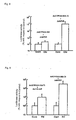
- mice which had been treated with rifampicin exhibited high transcription activation (about nine times) as compared with the control virus group, whereas the mice which had been coinfected with virus (B) (AdhPXR) and administered with rifampicin exhibited a considerably high transcription activation (about 320 times).
- AdhPXR virus
- human CYP3A4 inducibility in response to rifampicin was obtained in mouse liver (Fig. 9).
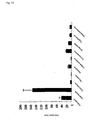
- mice were coinfected with virus (AdCYP3A4-362-7K) and virus (B) (AdhPXR), and the three inducers were administered to the mice. Any of the inducers exhibited high inducibility, although rifampicin exhibited slightly lower inducibility than those of the others (Fig. 10).
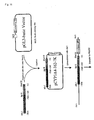
- PCR was performed to amplify and isolate a 5'-flanking region +15 to -362 bp and from -7208 bp to -7836 bp of CYP3A4 of human genomic DNA, and inserted to restriction enzyme sites of a pGL3-Basic vector shown in Fig. 11, to thereby create pCYP3A4-362-7K.
- the resultant pCYP3A4-362-7K was linearized through restriction enzyme treatment with BamH I.
- a plasmid BFP having a neomycin resistant gene was similarly treated with Bgl II.
- pCYP3A4-362-7K and BFP were ligated at a ratio of 5:1.
- HepG2 cells were transfected with the resultant construct of pCYP3A4-362-7K and BFP by use of the calcium phosphate method.
- geneticin was used as a marker for selecting a stable expression cell line.
- a preliminary test was performed to determine the optimum concentration of geneticin. As a result of the preliminary test, the geneticin concentration to be used was determined to be 900 ⁇ g/ml, and selection was carried out. Fourteen days after transfection, generated colonies were transferred one by one to a 24-well plate, and the colonies were incubated in a geneticin-free medium for a further one week.
- Each colony was placed in an Eppendorf tube containing a suitable amount of medium, the cells were suspended by pipetting, and then transferred to two 24-well plates. When the 24-well plates exhibited confluency of cells, luciferase activity was measured (without use of any inducer). At this point, 8 out of 48 colonies showed activity. The colonies that exhibited activity were subcultured in 10-cm dishes containing a geneticin-free medium. The resultant cells were treated with rifampicin or clotrimazole, serving as an inducer, and luciferase activity was measured. Stocks of the cells were also prepared.
- Cells were seeded in a 24-well plate in an amount of 1.0 ⁇ 10 5 cells/well. On the following day, the cells were transferred to a medium containing an inducer, followed by incubation for 24 hours. The inducer was diluted with DMSO, and added so as to attain a final concentration of 10 ⁇ M. After culturing for two days, the luciferase activity was measured.
- the medium was removed, followed by washing with PBS. An appropriate amount of PBS was added, and cells were scraped and recovered. The cells were subjected to centrifugation for five minutes at 4°C (15,000 rpm), to thereby remove the supernatant. Subsequently, a reporter lysis buffer (Primega) (100 ml) was added thereto, and the mixture was sufficiently stirred and then stored for at least six hours at -80°C.
- a reporter lysis buffer (Primega) (100 ml) was added thereto, and the mixture was sufficiently stirred and then stored for at least six hours at -80°C.
- the frozen cell lysate was thawed at room temperature, followed by centrifugation for five minutes at 4°C (15,000 rpm).
- a reagent, Luciferase Assay System (Promega, 35 ⁇ l), was added to the supernatant (20 ⁇ l). The mixture was measured through use of a Turner Desingns Luminometer Model TD-20/20 (Promega). Measurement conditions
- the present invention ensures convenient and accurate evaluation of human CYP3A inducibility upon administration of a test drug to a human subject, providing accurate evaluation in terms of the efficacy of the test drug, occurrence of side effects, disappearance of the drug effect, etc.
Landscapes
- Health & Medical Sciences (AREA)
- Life Sciences & Earth Sciences (AREA)
- Engineering & Computer Science (AREA)
- Chemical & Material Sciences (AREA)
- Immunology (AREA)
- Biomedical Technology (AREA)
- Molecular Biology (AREA)
- Organic Chemistry (AREA)
- Urology & Nephrology (AREA)
- Hematology (AREA)
- General Health & Medical Sciences (AREA)
- Biotechnology (AREA)
- Biochemistry (AREA)
- Bioinformatics & Cheminformatics (AREA)
- Microbiology (AREA)
- Physics & Mathematics (AREA)
- Analytical Chemistry (AREA)
- Proteomics, Peptides & Aminoacids (AREA)
- Wood Science & Technology (AREA)
- Zoology (AREA)
- Cell Biology (AREA)
- Genetics & Genomics (AREA)
- General Physics & Mathematics (AREA)
- Pathology (AREA)
- Tropical Medicine & Parasitology (AREA)
- Toxicology (AREA)
- Food Science & Technology (AREA)
- Medicinal Chemistry (AREA)
- Biophysics (AREA)
- General Engineering & Computer Science (AREA)
- Gastroenterology & Hepatology (AREA)
- Measuring Or Testing Involving Enzymes Or Micro-Organisms (AREA)
- Micro-Organisms Or Cultivation Processes Thereof (AREA)
- Peptides Or Proteins (AREA)
- Investigating Or Analysing Materials By Optical Means (AREA)
- Length Measuring Devices By Optical Means (AREA)
Abstract
Description
Measurement conditions
Claims (4)
- A method for measuring human CYP3A inducibility upon administration of a test drug, characterized in that a non-human animal to which a test drug is administered or a population of human cells cultured in a medium containing a test drug is infected with viruses (A) and (B); virus (A) being an adenovirus which is used as a vector and engineered by incorporating thereto a detectable reporter gene and at least 3 human PXR binding regions falling within an untranslated region of a human CYP3A gene, and virus (B) being an adenovirus which is used as a vector and engineered by incorporating thereto a human PXR cDNA; and subsequently expression level of the reporter gene is determined in the non-human animal or the cultured human cells.
- A method for measuring human CYP3A inducibility upon following administration of a test drug, characterized by culturing transformed human cells in a medium containing a test drug, the transformed human cells being created by means of transfer of DNA, wherein the DNA is constructed by inserting, into a plasmid vector (a), a detectable reporter gene and at least 3 human PXR binding regions falling within an untranslated region of a human CYP3A gene; and then measuring the expression level of the reporter gene.
- A reagent for measuring human CYP3A inducibility, characterized by comprising viruses (A) and (B); virus (A) being an adenovirus which is used as a vector and engineered by incorporating thereto a detectable reporter gene and at least 3 human PXR binding regions falling within an untranslated region of a human CYP3A gene, and virus (B) being an adenovirus which is used as a vector and engineered by incorporating thereto a human PXR cDNA.
- A reagent for measuring human CYP3A inducibility, characterized by comprising transformed and cultured human cells which are created by means of transfer of DNA (a), wherein the DNA (a) is constructed by inserting, into a plasmid vector, a detectable reporter gene and at least 3 human PXR binding regions falling within an untranslated region of a human CYP3A gene.
Applications Claiming Priority (3)
| Application Number | Priority Date | Filing Date | Title |
|---|---|---|---|
| JP2002112364A JP2003304896A (en) | 2002-04-15 | 2002-04-15 | Method for measuring human CYP3A inducibility |
| JP2002112364 | 2002-04-15 | ||
| PCT/JP2003/004761 WO2003087365A1 (en) | 2002-04-15 | 2003-04-15 | Method of measuring human cyp3a inducibility |
Publications (3)
| Publication Number | Publication Date |
|---|---|
| EP1496118A1 true EP1496118A1 (en) | 2005-01-12 |
| EP1496118A4 EP1496118A4 (en) | 2006-10-18 |
| EP1496118B1 EP1496118B1 (en) | 2009-10-21 |
Family
ID=29243314
Family Applications (1)
| Application Number | Title | Priority Date | Filing Date |
|---|---|---|---|
| EP03717587A Expired - Lifetime EP1496118B1 (en) | 2002-04-15 | 2003-04-15 | Method of measuring human cyp3a inducibility |
Country Status (8)
| Country | Link |
|---|---|
| US (11) | US20050142064A1 (en) |
| EP (1) | EP1496118B1 (en) |
| JP (1) | JP2003304896A (en) |
| AT (1) | ATE446507T1 (en) |
| AU (1) | AU2003227500A1 (en) |
| CA (1) | CA2482841A1 (en) |
| DE (1) | DE60329746D1 (en) |
| WO (1) | WO2003087365A1 (en) |
Cited By (1)
| Publication number | Priority date | Publication date | Assignee | Title |
|---|---|---|---|---|
| US8624079B2 (en) | 2007-06-04 | 2014-01-07 | Iti Scotland Limited | Knockin mouse with a disruption in a PXR gene expressing human PXR |
Families Citing this family (3)
| Publication number | Priority date | Publication date | Assignee | Title |
|---|---|---|---|---|
| JP2008510457A (en) * | 2004-08-20 | 2008-04-10 | イステイチユート・デイ・リチエルケ・デイ・ビオロジア・モレコラーレ・ピ・アンジエレツテイ・エツセ・ピー・アー | Cytochrome P450 induction assay |
| US9237294B2 (en) | 2010-03-05 | 2016-01-12 | Sony Corporation | Apparatus and method for replacing a broadcasted advertisement based on both heuristic information and attempts in altering the playback of the advertisement |
| EP2910633B1 (en) | 2012-10-19 | 2019-08-14 | National University Corporation Tottori University | Method for evaluating both induction of drug-metabolizing enzyme and cytotoxicity, and vector and cell for use in said method |
Family Cites Families (3)
| Publication number | Priority date | Publication date | Assignee | Title |
|---|---|---|---|---|
| EP1210354A1 (en) | 1999-09-08 | 2002-06-05 | Metabasis Therapeutics, Inc. | Prodrugs for liver specific drug delivery |
| EP1088900A1 (en) * | 1999-09-10 | 2001-04-04 | Epidauros Biotechnologie AG | Polymorphisms in the human CYP3A4, CYP3A7 and hPXR genes and their use in diagnostic and therapeutic applications |
| WO2002008451A2 (en) * | 2000-07-25 | 2002-01-31 | Epidauros Biotechnologie Ag | Assay for screening compounds for inducing drug metabolizing enzymes |
-
2002
- 2002-04-15 JP JP2002112364A patent/JP2003304896A/en active Pending
-
2003
- 2003-04-15 DE DE60329746T patent/DE60329746D1/en not_active Expired - Lifetime
- 2003-04-15 WO PCT/JP2003/004761 patent/WO2003087365A1/en not_active Ceased
- 2003-04-15 AU AU2003227500A patent/AU2003227500A1/en not_active Abandoned
- 2003-04-15 AT AT03717587T patent/ATE446507T1/en not_active IP Right Cessation
- 2003-04-15 EP EP03717587A patent/EP1496118B1/en not_active Expired - Lifetime
- 2003-04-15 CA CA002482841A patent/CA2482841A1/en not_active Abandoned
- 2003-04-15 US US10/510,237 patent/US20050142064A1/en not_active Abandoned
-
2006
- 2006-05-01 US US11/414,189 patent/US20060194248A1/en not_active Abandoned
-
2008
- 2008-07-28 US US12/180,822 patent/US20090029351A1/en not_active Abandoned
-
2011
- 2011-04-04 US US13/079,269 patent/US20110229875A1/en not_active Abandoned
-
2012
- 2012-04-26 US US13/456,330 patent/US20120264112A1/en not_active Abandoned
-
2013
- 2013-01-30 US US13/754,006 patent/US20130164735A1/en not_active Abandoned
- 2013-12-20 US US14/136,638 patent/US20140127706A1/en not_active Abandoned
-
2014
- 2014-08-25 US US14/467,442 patent/US20140363810A1/en not_active Abandoned
-
2015
- 2015-03-12 US US14/645,835 patent/US20150185203A1/en not_active Abandoned
- 2015-10-06 US US14/875,725 patent/US20160025706A1/en not_active Abandoned
-
2016
- 2016-04-29 US US15/142,218 patent/US20160244848A1/en not_active Abandoned
Cited By (1)
| Publication number | Priority date | Publication date | Assignee | Title |
|---|---|---|---|---|
| US8624079B2 (en) | 2007-06-04 | 2014-01-07 | Iti Scotland Limited | Knockin mouse with a disruption in a PXR gene expressing human PXR |
Also Published As
| Publication number | Publication date |
|---|---|
| US20050142064A1 (en) | 2005-06-30 |
| US20140127706A1 (en) | 2014-05-08 |
| US20110229875A1 (en) | 2011-09-22 |
| JP2003304896A (en) | 2003-10-28 |
| US20090029351A1 (en) | 2009-01-29 |
| US20120264112A1 (en) | 2012-10-18 |
| EP1496118A4 (en) | 2006-10-18 |
| US20060194248A1 (en) | 2006-08-31 |
| CA2482841A1 (en) | 2003-10-23 |
| DE60329746D1 (en) | 2009-12-03 |
| EP1496118B1 (en) | 2009-10-21 |
| AU2003227500A1 (en) | 2003-10-27 |
| WO2003087365A1 (en) | 2003-10-23 |
| US20150185203A1 (en) | 2015-07-02 |
| US20160244848A1 (en) | 2016-08-25 |
| US20130164735A1 (en) | 2013-06-27 |
| US20140363810A1 (en) | 2014-12-11 |
| US20160025706A1 (en) | 2016-01-28 |
| ATE446507T1 (en) | 2009-11-15 |
Similar Documents
| Publication | Publication Date | Title |
|---|---|---|
| Kobayashi et al. | Unique function of the Nrf2–Keap1 pathway in the inducible expression of antioxidant and detoxifying enzymes | |
| Otake et al. | CENP-B creates alternative epigenetic chromatin states permissive for CENP-A or heterochromatin assembly | |
| US20160244848A1 (en) | Method of measuring human cyp3a inducibility | |
| EP3303622B1 (en) | Mechanisms of antimicrobial susceptibility | |
| CA2246300A1 (en) | Cell-based assay | |
| Wu et al. | Establishment of Cre-mediated HBV recombinant cccDNA (rcccDNA) cell line for cccDNA biology and antiviral screening assays | |
| JP6787794B2 (en) | Cell growth-independent detection | |
| JP2003521941A (en) | vector | |
| Quiviger et al. | Improved molecular platform for the gene therapy of rare diseases by liver protein secretion | |
| Peters et al. | Absence of germline infection in male mice following intraventricular injection of adenovirus | |
| US6566089B1 (en) | Cell-based drug screens for regulators of gene expression | |
| Kosuge et al. | Discovery of osmosensitive transcriptional regulation of human cytochrome P450 3As by the tonicity-responsive enhancer binding protein (nuclear factor of activated T cells 5) | |
| US20040115666A1 (en) | Method for identifying compounds modulating reverse cholesterol transport | |
| HUP0102850A2 (en) | Methods and compositions for the determination of protein function and identification of modulators thereof | |
| CA2453189A1 (en) | Bioassay for myostatin | |
| Nilavar et al. | Defective BRCA1-mediated DNA end resection drives tandem duplication formation and FANCM synthetic lethality | |
| Arnold et al. | Identification and validation of an interaction between the E3 ubiquitin ligase WWP1 and the Transcriptional Co-Activator WBP2 in the human heart | |
| JP2002520069A (en) | Adenovirus-based promoter assay | |
| US20030166167A1 (en) | Adenoviral library assay for E2F regulatory genes and methods and compositions for screening compounds | |
| US20050106730A1 (en) | Compositions and methods utilizing stable reporter cell lines for detection of pathway-specific signal transduction | |
| CA2521614A1 (en) | Method of determining xenograft responses | |
| Eferl | MultiHit Mice as a Tool to Identify Cooperating Ras Effector Pathways in Tumorigenesis | |
| Damianidi | Deciphering of the interactome of the oncogenic viral protein HTLV1-Tax | |
| JP2004528815A (en) | Compositions and methods for discovering and selecting biological information | |
| Bu | The Nuclear Factor k B Signal Transduction Pathway: Its Role in Atherogenesis and Intimal Hyperplasia |
Legal Events
| Date | Code | Title | Description |
|---|---|---|---|
| PUAI | Public reference made under article 153(3) epc to a published international application that has entered the european phase |
Free format text: ORIGINAL CODE: 0009012 |
|
| 17P | Request for examination filed |
Effective date: 20041014 |
|
| AK | Designated contracting states |
Kind code of ref document: A1 Designated state(s): AT BE BG CH CY CZ DE DK EE ES FI FR GB GR HU IE IT LI LU MC NL PT RO SE SI SK TR |
|
| AX | Request for extension of the european patent |
Extension state: AL LT LV MK |
|
| A4 | Supplementary search report drawn up and despatched |
Effective date: 20060918 |
|
| RIC1 | Information provided on ipc code assigned before grant |
Ipc: C12N 15/09 20060101ALI20060912BHEP Ipc: C12Q 1/02 20060101ALI20060912BHEP Ipc: G01N 33/50 20060101AFI20060912BHEP |
|
| 17Q | First examination report despatched |
Effective date: 20070803 |
|
| GRAC | Information related to communication of intention to grant a patent modified |
Free format text: ORIGINAL CODE: EPIDOSCIGR1 |
|
| GRAP | Despatch of communication of intention to grant a patent |
Free format text: ORIGINAL CODE: EPIDOSNIGR1 |
|
| GRAS | Grant fee paid |
Free format text: ORIGINAL CODE: EPIDOSNIGR3 |
|
| GRAA | (expected) grant |
Free format text: ORIGINAL CODE: 0009210 |
|
| RAP1 | Party data changed (applicant data changed or rights of an application transferred) |
Owner name: SEKISUI MEDICAL CO., LTD. Owner name: YAMAZOE, YASUSHI |
|
| AK | Designated contracting states |
Kind code of ref document: B1 Designated state(s): AT BE BG CH CY CZ DE DK EE ES FI FR GB GR HU IE IT LI LU MC NL PT RO SE SI SK TR |
|
| REG | Reference to a national code |
Ref country code: GB Ref legal event code: FG4D |
|
| REG | Reference to a national code |
Ref country code: CH Ref legal event code: EP |
|
| REG | Reference to a national code |
Ref country code: IE Ref legal event code: FG4D |
|
| REF | Corresponds to: |
Ref document number: 60329746 Country of ref document: DE Date of ref document: 20091203 Kind code of ref document: P |
|
| NLV1 | Nl: lapsed or annulled due to failure to fulfill the requirements of art. 29p and 29m of the patents act | ||
| PG25 | Lapsed in a contracting state [announced via postgrant information from national office to epo] |
Ref country code: SE Free format text: LAPSE BECAUSE OF FAILURE TO SUBMIT A TRANSLATION OF THE DESCRIPTION OR TO PAY THE FEE WITHIN THE PRESCRIBED TIME-LIMIT Effective date: 20091021 Ref country code: PT Free format text: LAPSE BECAUSE OF FAILURE TO SUBMIT A TRANSLATION OF THE DESCRIPTION OR TO PAY THE FEE WITHIN THE PRESCRIBED TIME-LIMIT Effective date: 20100222 Ref country code: FI Free format text: LAPSE BECAUSE OF FAILURE TO SUBMIT A TRANSLATION OF THE DESCRIPTION OR TO PAY THE FEE WITHIN THE PRESCRIBED TIME-LIMIT Effective date: 20091021 Ref country code: ES Free format text: LAPSE BECAUSE OF FAILURE TO SUBMIT A TRANSLATION OF THE DESCRIPTION OR TO PAY THE FEE WITHIN THE PRESCRIBED TIME-LIMIT Effective date: 20100201 |
|
| PG25 | Lapsed in a contracting state [announced via postgrant information from national office to epo] |
Ref country code: SI Free format text: LAPSE BECAUSE OF FAILURE TO SUBMIT A TRANSLATION OF THE DESCRIPTION OR TO PAY THE FEE WITHIN THE PRESCRIBED TIME-LIMIT Effective date: 20091021 |
|
| PG25 | Lapsed in a contracting state [announced via postgrant information from national office to epo] |
Ref country code: AT Free format text: LAPSE BECAUSE OF FAILURE TO SUBMIT A TRANSLATION OF THE DESCRIPTION OR TO PAY THE FEE WITHIN THE PRESCRIBED TIME-LIMIT Effective date: 20091021 Ref country code: BE Free format text: LAPSE BECAUSE OF FAILURE TO SUBMIT A TRANSLATION OF THE DESCRIPTION OR TO PAY THE FEE WITHIN THE PRESCRIBED TIME-LIMIT Effective date: 20091021 |
|
| PG25 | Lapsed in a contracting state [announced via postgrant information from national office to epo] |
Ref country code: EE Free format text: LAPSE BECAUSE OF FAILURE TO SUBMIT A TRANSLATION OF THE DESCRIPTION OR TO PAY THE FEE WITHIN THE PRESCRIBED TIME-LIMIT Effective date: 20091021 Ref country code: RO Free format text: LAPSE BECAUSE OF FAILURE TO SUBMIT A TRANSLATION OF THE DESCRIPTION OR TO PAY THE FEE WITHIN THE PRESCRIBED TIME-LIMIT Effective date: 20091021 Ref country code: DK Free format text: LAPSE BECAUSE OF FAILURE TO SUBMIT A TRANSLATION OF THE DESCRIPTION OR TO PAY THE FEE WITHIN THE PRESCRIBED TIME-LIMIT Effective date: 20091021 Ref country code: BG Free format text: LAPSE BECAUSE OF FAILURE TO SUBMIT A TRANSLATION OF THE DESCRIPTION OR TO PAY THE FEE WITHIN THE PRESCRIBED TIME-LIMIT Effective date: 20100121 |
|
| PLBE | No opposition filed within time limit |
Free format text: ORIGINAL CODE: 0009261 |
|
| STAA | Information on the status of an ep patent application or granted ep patent |
Free format text: STATUS: NO OPPOSITION FILED WITHIN TIME LIMIT |
|
| PG25 | Lapsed in a contracting state [announced via postgrant information from national office to epo] |
Ref country code: CZ Free format text: LAPSE BECAUSE OF FAILURE TO SUBMIT A TRANSLATION OF THE DESCRIPTION OR TO PAY THE FEE WITHIN THE PRESCRIBED TIME-LIMIT Effective date: 20091021 Ref country code: SK Free format text: LAPSE BECAUSE OF FAILURE TO SUBMIT A TRANSLATION OF THE DESCRIPTION OR TO PAY THE FEE WITHIN THE PRESCRIBED TIME-LIMIT Effective date: 20091021 |
|
| 26N | No opposition filed |
Effective date: 20100722 |
|
| PG25 | Lapsed in a contracting state [announced via postgrant information from national office to epo] |
Ref country code: GR Free format text: LAPSE BECAUSE OF FAILURE TO SUBMIT A TRANSLATION OF THE DESCRIPTION OR TO PAY THE FEE WITHIN THE PRESCRIBED TIME-LIMIT Effective date: 20100122 |
|
| PG25 | Lapsed in a contracting state [announced via postgrant information from national office to epo] |
Ref country code: MC Free format text: LAPSE BECAUSE OF NON-PAYMENT OF DUE FEES Effective date: 20100430 |
|
| REG | Reference to a national code |
Ref country code: CH Ref legal event code: PL |
|
| PG25 | Lapsed in a contracting state [announced via postgrant information from national office to epo] |
Ref country code: IE Free format text: LAPSE BECAUSE OF NON-PAYMENT OF DUE FEES Effective date: 20100415 |
|
| PG25 | Lapsed in a contracting state [announced via postgrant information from national office to epo] |
Ref country code: LI Free format text: LAPSE BECAUSE OF NON-PAYMENT OF DUE FEES Effective date: 20100430 Ref country code: CH Free format text: LAPSE BECAUSE OF NON-PAYMENT OF DUE FEES Effective date: 20100430 |
|
| PG25 | Lapsed in a contracting state [announced via postgrant information from national office to epo] |
Ref country code: IT Free format text: LAPSE BECAUSE OF FAILURE TO SUBMIT A TRANSLATION OF THE DESCRIPTION OR TO PAY THE FEE WITHIN THE PRESCRIBED TIME-LIMIT Effective date: 20091021 |
|
| PG25 | Lapsed in a contracting state [announced via postgrant information from national office to epo] |
Ref country code: CY Free format text: LAPSE BECAUSE OF FAILURE TO SUBMIT A TRANSLATION OF THE DESCRIPTION OR TO PAY THE FEE WITHIN THE PRESCRIBED TIME-LIMIT Effective date: 20091021 |
|
| PG25 | Lapsed in a contracting state [announced via postgrant information from national office to epo] |
Ref country code: HU Free format text: LAPSE BECAUSE OF FAILURE TO SUBMIT A TRANSLATION OF THE DESCRIPTION OR TO PAY THE FEE WITHIN THE PRESCRIBED TIME-LIMIT Effective date: 20100422 Ref country code: LU Free format text: LAPSE BECAUSE OF NON-PAYMENT OF DUE FEES Effective date: 20100415 Ref country code: NL Free format text: LAPSE BECAUSE OF FAILURE TO SUBMIT A TRANSLATION OF THE DESCRIPTION OR TO PAY THE FEE WITHIN THE PRESCRIBED TIME-LIMIT Effective date: 20091021 |
|
| PG25 | Lapsed in a contracting state [announced via postgrant information from national office to epo] |
Ref country code: TR Free format text: LAPSE BECAUSE OF FAILURE TO SUBMIT A TRANSLATION OF THE DESCRIPTION OR TO PAY THE FEE WITHIN THE PRESCRIBED TIME-LIMIT Effective date: 20091021 |
|
| REG | Reference to a national code |
Ref country code: FR Ref legal event code: PLFP Year of fee payment: 14 |
|
| REG | Reference to a national code |
Ref country code: FR Ref legal event code: PLFP Year of fee payment: 15 |
|
| REG | Reference to a national code |
Ref country code: FR Ref legal event code: PLFP Year of fee payment: 16 |
|
| PGFP | Annual fee paid to national office [announced via postgrant information from national office to epo] |
Ref country code: GB Payment date: 20180329 Year of fee payment: 16 |
|
| PGFP | Annual fee paid to national office [announced via postgrant information from national office to epo] |
Ref country code: FR Payment date: 20180315 Year of fee payment: 16 |
|
| PGFP | Annual fee paid to national office [announced via postgrant information from national office to epo] |
Ref country code: DE Payment date: 20180404 Year of fee payment: 16 |
|
| REG | Reference to a national code |
Ref country code: DE Ref legal event code: R119 Ref document number: 60329746 Country of ref document: DE |
|
| GBPC | Gb: european patent ceased through non-payment of renewal fee |
Effective date: 20190415 |
|
| PG25 | Lapsed in a contracting state [announced via postgrant information from national office to epo] |
Ref country code: DE Free format text: LAPSE BECAUSE OF NON-PAYMENT OF DUE FEES Effective date: 20191101 Ref country code: GB Free format text: LAPSE BECAUSE OF NON-PAYMENT OF DUE FEES Effective date: 20190415 |
|
| PG25 | Lapsed in a contracting state [announced via postgrant information from national office to epo] |
Ref country code: FR Free format text: LAPSE BECAUSE OF NON-PAYMENT OF DUE FEES Effective date: 20190430 |