EP1488800A1 - Agent for the treatment of protozoal diseases - Google Patents
Agent for the treatment of protozoal diseases Download PDFInfo
- Publication number
- EP1488800A1 EP1488800A1 EP03715387A EP03715387A EP1488800A1 EP 1488800 A1 EP1488800 A1 EP 1488800A1 EP 03715387 A EP03715387 A EP 03715387A EP 03715387 A EP03715387 A EP 03715387A EP 1488800 A1 EP1488800 A1 EP 1488800A1
- Authority
- EP
- European Patent Office
- Prior art keywords
- epo
- treatment
- protozoal
- protozoal disease
- disease
- Prior art date
- Legal status (The legal status is an assumption and is not a legal conclusion. Google has not performed a legal analysis and makes no representation as to the accuracy of the status listed.)
- Withdrawn
Links
Images




Classifications
-
- A—HUMAN NECESSITIES
- A61—MEDICAL OR VETERINARY SCIENCE; HYGIENE
- A61K—PREPARATIONS FOR MEDICAL, DENTAL OR TOILETRY PURPOSES
- A61K38/00—Medicinal preparations containing peptides
- A61K38/16—Peptides having more than 20 amino acids; Gastrins; Somatostatins; Melanotropins; Derivatives thereof
- A61K38/17—Peptides having more than 20 amino acids; Gastrins; Somatostatins; Melanotropins; Derivatives thereof from animals; from humans
- A61K38/18—Growth factors; Growth regulators
- A61K38/1816—Erythropoietin [EPO]
-
- A—HUMAN NECESSITIES
- A61—MEDICAL OR VETERINARY SCIENCE; HYGIENE
- A61K—PREPARATIONS FOR MEDICAL, DENTAL OR TOILETRY PURPOSES
- A61K9/00—Medicinal preparations characterised by special physical form
- A61K9/0012—Galenical forms characterised by the site of application
- A61K9/0019—Injectable compositions; Intramuscular, intravenous, arterial, subcutaneous administration; Compositions to be administered through the skin in an invasive manner
-
- A—HUMAN NECESSITIES
- A61—MEDICAL OR VETERINARY SCIENCE; HYGIENE
- A61P—SPECIFIC THERAPEUTIC ACTIVITY OF CHEMICAL COMPOUNDS OR MEDICINAL PREPARATIONS
- A61P33/00—Antiparasitic agents
- A61P33/02—Antiprotozoals, e.g. for leishmaniasis, trichomoniasis, toxoplasmosis
-
- A—HUMAN NECESSITIES
- A61—MEDICAL OR VETERINARY SCIENCE; HYGIENE
- A61P—SPECIFIC THERAPEUTIC ACTIVITY OF CHEMICAL COMPOUNDS OR MEDICINAL PREPARATIONS
- A61P33/00—Antiparasitic agents
- A61P33/02—Antiprotozoals, e.g. for leishmaniasis, trichomoniasis, toxoplasmosis
- A61P33/04—Amoebicides
-
- A—HUMAN NECESSITIES
- A61—MEDICAL OR VETERINARY SCIENCE; HYGIENE
- A61P—SPECIFIC THERAPEUTIC ACTIVITY OF CHEMICAL COMPOUNDS OR MEDICINAL PREPARATIONS
- A61P33/00—Antiparasitic agents
- A61P33/02—Antiprotozoals, e.g. for leishmaniasis, trichomoniasis, toxoplasmosis
- A61P33/06—Antimalarials
-
- A—HUMAN NECESSITIES
- A61—MEDICAL OR VETERINARY SCIENCE; HYGIENE
- A61P—SPECIFIC THERAPEUTIC ACTIVITY OF CHEMICAL COMPOUNDS OR MEDICINAL PREPARATIONS
- A61P7/00—Drugs for disorders of the blood or the extracellular fluid
- A61P7/06—Antianaemics
-
- A—HUMAN NECESSITIES
- A61—MEDICAL OR VETERINARY SCIENCE; HYGIENE
- A61K—PREPARATIONS FOR MEDICAL, DENTAL OR TOILETRY PURPOSES
- A61K47/00—Medicinal preparations characterised by the non-active ingredients used, e.g. carriers or inert additives; Targeting or modifying agents chemically bound to the active ingredient
- A61K47/06—Organic compounds, e.g. natural or synthetic hydrocarbons, polyolefins, mineral oil, petrolatum or ozokerite
- A61K47/16—Organic compounds, e.g. natural or synthetic hydrocarbons, polyolefins, mineral oil, petrolatum or ozokerite containing nitrogen, e.g. nitro-, nitroso-, azo-compounds, nitriles, cyanates
- A61K47/18—Amines; Amides; Ureas; Quaternary ammonium compounds; Amino acids; Oligopeptides having up to five amino acids
- A61K47/183—Amino acids, e.g. glycine, EDTA or aspartame
-
- A—HUMAN NECESSITIES
- A61—MEDICAL OR VETERINARY SCIENCE; HYGIENE
- A61K—PREPARATIONS FOR MEDICAL, DENTAL OR TOILETRY PURPOSES
- A61K47/00—Medicinal preparations characterised by the non-active ingredients used, e.g. carriers or inert additives; Targeting or modifying agents chemically bound to the active ingredient
- A61K47/06—Organic compounds, e.g. natural or synthetic hydrocarbons, polyolefins, mineral oil, petrolatum or ozokerite
- A61K47/26—Carbohydrates, e.g. sugar alcohols, amino sugars, nucleic acids, mono-, di- or oligo-saccharides; Derivatives thereof, e.g. polysorbates, sorbitan fatty acid esters or glycyrrhizin
-
- A—HUMAN NECESSITIES
- A61—MEDICAL OR VETERINARY SCIENCE; HYGIENE
- A61K—PREPARATIONS FOR MEDICAL, DENTAL OR TOILETRY PURPOSES
- A61K47/00—Medicinal preparations characterised by the non-active ingredients used, e.g. carriers or inert additives; Targeting or modifying agents chemically bound to the active ingredient
- A61K47/30—Macromolecular organic or inorganic compounds, e.g. inorganic polyphosphates
- A61K47/42—Proteins; Polypeptides; Degradation products thereof; Derivatives thereof, e.g. albumin, gelatin or zein
-
- Y—GENERAL TAGGING OF NEW TECHNOLOGICAL DEVELOPMENTS; GENERAL TAGGING OF CROSS-SECTIONAL TECHNOLOGIES SPANNING OVER SEVERAL SECTIONS OF THE IPC; TECHNICAL SUBJECTS COVERED BY FORMER USPC CROSS-REFERENCE ART COLLECTIONS [XRACs] AND DIGESTS
- Y02—TECHNOLOGIES OR APPLICATIONS FOR MITIGATION OR ADAPTATION AGAINST CLIMATE CHANGE
- Y02A—TECHNOLOGIES FOR ADAPTATION TO CLIMATE CHANGE
- Y02A50/00—TECHNOLOGIES FOR ADAPTATION TO CLIMATE CHANGE in human health protection, e.g. against extreme weather
- Y02A50/30—Against vector-borne diseases, e.g. mosquito-borne, fly-borne, tick-borne or waterborne diseases whose impact is exacerbated by climate change
Definitions
- Protozoal disease is a generic name for diseases which are caused by infections with various protozoa spread to humans or other animals.
- diseases due to infections such as trypanosomiasis, amebiasis, malaria, toxoplasmosis, pneumocystosis, cryptosporidiosis, giardiasis, and leishmaniasis.
- trypanosomiasis is also called sleeping sickness, and occurs in two known forms, African trypanosomiasis distributed mainly in Middle and East Africa, and American trypanosomiasis distributed in Central and South America and called Chagas' disease.
- the former disease is transmitted by tsetse flies, and the latter disease is transmitted by reduviid bugs.
- Either trypanosomiasis presents with symptoms, such as fever, headache, or lymph node enlargement, and results in death.
- T. congolense calves infected by Trypanosoma congolense (hereinafter may be referred to as T. congolense) exhibited severe anemia, although their EPO concentrations in circulation increased.
- T. congolense calves infected by Trypanosoma congolense
- Pentamidine in particular, has been considered to be effective against protozoal disease, but may develop severe hypotension, hypoglycemia and arrhythmia. In patients with disorder of the kidney or liver, pentamidine may aggravate impaired renal or hepatic function, and tends to show side effects. Pentamidine may also exacerbate the symptoms of patients with hypotension or hypertension, and patients with hypoglycemia or hyperglycemia. In the light of these circumstances, the development of a pharmaceutical effective against protozoal disease and minimal in side effects has been desired.
- Protozoal disease in the present invention is a generic name for diseases which are caused by infections with various pathogenic parasitic protozoa spread to humans or other animals.
- diseases due to infections such as amebiasis, trypanosomiasis, malaria, toxoplasmosis, pneumocystosis, cryptosporidiosis, giardiasis, and leishmaniasis.
- the protozoal diseases, which are given particular attention as a target for the therapy of the present invention are diseases accompanied by anemia, such as trypanosomiasis, malaria, babesiosis, and leishmaniasis.
- the present invention is effective, particularly, for the treatment of trypanosomiasis.
- mice are infected with Trypanosoma, especially, Trypanosoma congolense highly pathogenic to cattle, at a rate of 1,000 cells per mouse, all animals died in a short period in a non-treatment group, whereas treatment with human recombinant EPO (r-hEPO) was confirmed to improve the lethality dramatically.
- r-hEPO human recombinant EPO
- a patient who was infected with Trypanosoma, has a possibility of escaping death when infected, for the second time, with Trypanosoma of the same species as the species causing the first infection.
- EPO and Trypanosoma are simultaneously administered to avoid lethal infection with Trypanosoma.
- Such a combined therapy can be used as a vaccine.
- EPO erythropoietin
- the active ingredient used in the present invention there can be named, for example, natural human EPO obtained by extraction from the urine of patients with human aplastic anemia (Japanese Patent Publication No. 1989-38,800); and EPO products manufactured by genetic recombination technologies which comprise collecting messenger RNA (mRNA) corresponding to the amino acid sequence of human EPO, constructing recombinant DNA with the use of the mRNA, and then causing suitable hosts (e.g., microorganisms such as Escherichia coli, yeasts, cell strains of plants, and cell strains of animals, such as COS cells, Chinese hamster ovarian cells (CHO), and mouse C-127 cells) to produce EPO from the recombinant DNA [for example, Japanese Patent Publication No. 1989-44317; Kenneth Jacobs et al., Nature, 313 , 806-810 (1985)].
- suitable hosts e.g., microorganisms such as Escherich
- EPO usable in the present invention may be those of the above-mentioned origins, and their modifications.
- EPO modification products include, for example, those described in Japanese Patent Application Laid-Open No. 1991-151399. Among these EPO modification products are those in which Asn in the peptide chain of the original glycoprotein has been mutated to Gln, and the number of bindings of N-linked sugar chains bound has been changed.
- As other amino acid mutations those described in Japanese Patent Application Laid-Open No. 1990-59599 and Japanese Patent Application Laid-Open No. 1991-72855 are named. That is, there may be any number of amino acid mutations, deletions, or additions, unless the property of EPO acting on the EPO receptor is lost.
- suspending agents In regard to preparations containing EPO of the present invention as the active ingredient, suspending agents, solution adjuvants, stabilizers, tonicity agents, preservatives, and adsorption preventing agents may be added, if desired, depending on the methods of administering them and their dosage forms.
- suspending agents are methylcellulose, polysorbate 80, hydroxyethylcellulose, acacia, tragacanth powder, sodium carboxymethylcellulose, and polyoxyethylene sorbitan monolaurate.
- solution adjuvants are polyoxyethylene hydrogenated castor oil, polysorbate 80, nicotinamide, polyoxyethylene sorbitan monolaurate, macrogol, and castor oil fatty acid ethyl ester.
- Examples of the stabilizers are human serum albumin, dextran 40, methylcellulose, gelatin, sodium sulfite, and sodium metasulfite.
- Examples of the tonicity agents are D-mannitol and sorbitol.
- Examples of the preservatives are methyl parahydroxybenzoate, ethyl parahydroxybenzoate, sorbic acid, phenol, cresol, and chlorocresol.
- Examples of the adsorption preventing agents are human serum albumin, lecithin, dextran, ethylene oxide-propylene oxide copolymer, hydroxypropylcellulose, methylcellulose, polyoxyethylene hydrogenated castor oil, and polyethylene glycol.
- EPO of the present invention As the active ingredient and adding a certain amino acid as a stabilizer, a stable EPO solution preparation free from human serum albumin or purified gelatin can be used.
- This stable EPO solution preparation is described in Japanese Patent Application Laid-Open No. 1998-182481. The descriptions in this publication are to be included in a part of the specification of the present application.
- the amino acid added as the stabilizer in this EPO solution preparation includes free amino acids, and their salts such as sodium salts, potassium salts and hydrochlorides.
- one of these amino acids can be added, or two or more of these amino acids can be added in combination.
- the preferred amino acids are leucine, tryptophan, serine, glutamic acid, arginine, histidine, and lysine, each in D-, L- and DL-forms, and their salts. More preferred are L-leucine, L-tryptophan, L-glutamic acid, L-arginine, L-histidine, and L-lysine, and their salts. Particularly preferred are L-arginine, L-histidine, and L-lysine, and their salts. The most preferred are L-histidine, and its salts.
- the dose of these EPO products in prophylactic and therapeutic drugs targeted by the present invention can be determined, as appropriate, in consideration of the disease to be dealt with, its symptoms and so forth.
- the dose usually 0.1 to 500 ⁇ g, preferably 5 to 100 ⁇ g, per adult.
- mice C57BL/6J female mice (CLEA, Tokyo, Japan) at 7 weeks of age were infected with 1,000 cells of T. congolense (International Livestock Research Institute, Kenya) by intraperitoneal injection (Day 0).
- the mice were treated daily with recombinant human erythropoietin (r-hu-EPO; Chugai Pharmaceuticals, Tokyo, Japan) at a dose of 5,000 U/kg (Experiment 1) or 1,000 U/kg (Experiment 2) for 8days from Day 0 to Day 7 of infection, and their survival rate, hematocrit values, and the number of protozoa per unit amount of the blood were monitored.
- r-hu-EPO recombinant human erythropoietin
- the survival rate of the mice infected with T. congolense (1,000 cells) and treated with 1,000 U/kg of r-hu-EPO for 8 days was 75% on Day 9.
- the survival rate decreased to 50% on Day 12, and was maintained at this level throughout the observation period (FIG. 4).
- the hematocrit values of the infected mice treated with 1,000 U/kg of r-hu-EPO for 8 days increased to 56% on Day 6, and rapidly decreased to 42%, a value lower than the non-treatment control values, on Day 9 (FIG. 5).
- mice C57BL/6J female mice (CLEA, Tokyo, Japan) at 8 weeks of age (4 mice/group) were infected with 1,000 cells of T. congolense (International Livestock Research Institute, Kenya) by intraperitoneal injection (Day 0).
- the mice were treated daily with recombinant human erythropoietin (Chugai Pharmaceuticals, Tokyo, Japan) at a dose of 5,000 U/kg for 8days from Day 0 to Day 7 of infection, or were similarly treated with the existing antiprotozoal agent pentamidine (Benambax: Chugai Pharmaceuticals: hereinafter referred to simply as Pen) at a dose of 4 mg/kg.
- Pen antiprotozoal agent pentamidine
- Their survival rate and hematocrit values were monitored at intervals of 2 days from Day 0.
- FIG. 8 shows the survival rate of each of the groups, i.e., the infected mice, the infected mice treated with r-hu-EPO, and the infected mice treated with pentamidine (Pen).
- Pen is presumed to exhibit an antiprotozoal effect by the mechanism of action different from that of EPO, because no hematopoietic effect is observed in Pen.
- EPO antiprotozoal effect
- Pen is presumed to exhibit an antiprotozoal effect by the mechanism of action different from that of EPO, because no hematopoietic effect is observed in Pen.
- Pen is presumed to exhibit an antiprotozoal effect by the mechanism of action different from that of EPO, because no hematopoietic effect is observed in Pen.
- the combined use of EPO and Pen with different mechanisms of action is expected to show a further life-prolonging effect.
- a solution was aseptically prepared from the above formulation.
- the resulting solution was dispensed in a vial, and sealed up.
- a solution was aseptically prepared from the above formulation.
- the resulting solution was dispensed in a vial, lyophilized, and sealed up.
- a solution was aseptically prepared from the above formulation.
- the resulting solution was dispensed in a vial, and sealed up.
- a solution was aseptically prepared from the above formulation.
- the resulting solution was dispensed in a vial, lyophilized, and sealed up.
- a solution was aseptically prepared from the above formulation.
- the resulting solution was dispensed in a vial, lyophilized, and sealed up.
- a solution was aseptically prepared from the above formulation.
- the resulting solution was dispensed in a vial, and sealed up.
- a solution was aseptically prepared from the above formulation.
- the resulting solution was dispensed in a vial, lyophilized, and sealed up.
- D-Mannitol (5 g), 1 mg of erythropoietin, and 100 mg of human serum albumin were aseptically dissolved in 100 ml of distilled water for injection to prepare an aqueous solution.
- the aqueous solution (1 ml) was dispensed in a vial, lyophilized, and sealed up.
- a solution (1 ml) containing the following ingredients was prepared: EPO 1,500 IU Nonionic surfactant 0.05 mg (Polysorbate 80: Nikko Chemicals) Sodium chloride 8.5 mg L-Arginine hydrochloride (Sigma) 10 mg This solution was adjusted to pH 6.0 with a 10 mM phosphate buffer solution (Wako Pure Chemical Industries), and 1 ml of the solution was charged into a 5 ml glass vial. The glass vial was stoppered, and sealed to produce a solution preparation.
- a solution preparation was produced in the same manner as in Example 14 from a solution containing the following ingredients in 1 ml: EPO 1,500 IU
- Nonionic surfactant 0.05 mg Polysorbate 80: Nikko Chemicals
- Sodium chloride 8.5 mg
- L-Histidine hydrochloride (Sigma) 10 mg
- a solution preparation was produced in the same manner as in Example 14 from a solution containing the following ingredients in 1 ml: EPO 1,500 IU
- Nonionic surfactant 0.05 mg Polysorbate 80: Nikko Chemicals
- Sodium chloride 8.5 mg
- L-Lysine hydrochloride (Sigma) 10 mg
- EPO e.g., tetrachloro-2-amino-2-amino-2-amino-2-amino-2-amino-2-amino-2-amino-2-amino-2-amino-2-amino-2-amino-2-amino-2-amino-2-amino-2-amino-2-amino-2-amino-2-amino-2-amino-2-induced proliferatives.
- protozoal diseases especially protozoal diseases involving anemia and having high lethality rates (for example, trypanosomiasis and malaria).
- these pharmaceuticals show low side effects, and are safe.
- EPO and protozoa are simultaneously administered to establish protozoal infection without leading to death, whereby their combined use can be utilized as a vaccine.
Landscapes
- Health & Medical Sciences (AREA)
- Life Sciences & Earth Sciences (AREA)
- Veterinary Medicine (AREA)
- General Health & Medical Sciences (AREA)
- Medicinal Chemistry (AREA)
- Pharmacology & Pharmacy (AREA)
- Chemical & Material Sciences (AREA)
- Animal Behavior & Ethology (AREA)
- Public Health (AREA)
- Epidemiology (AREA)
- General Chemical & Material Sciences (AREA)
- Nuclear Medicine, Radiotherapy & Molecular Imaging (AREA)
- Organic Chemistry (AREA)
- Tropical Medicine & Parasitology (AREA)
- Chemical Kinetics & Catalysis (AREA)
- Bioinformatics & Cheminformatics (AREA)
- Engineering & Computer Science (AREA)
- Zoology (AREA)
- Gastroenterology & Hepatology (AREA)
- Dermatology (AREA)
- Immunology (AREA)
- Proteomics, Peptides & Aminoacids (AREA)
- Diabetes (AREA)
- Hematology (AREA)
- Medicines That Contain Protein Lipid Enzymes And Other Medicines (AREA)
- Medicinal Preparation (AREA)
Abstract
Description
- This invention relates to an agent for treatment of protozoal disease, which contains erythropoietin (EPO) as the active ingredient.
- Protozoal disease is a generic name for diseases which are caused by infections with various protozoa spread to humans or other animals. Known as typical protozoal diseases are diseases due to infections, such as trypanosomiasis, amebiasis, malaria, toxoplasmosis, pneumocystosis, cryptosporidiosis, giardiasis, and leishmaniasis.
- Of these diseases, trypanosomiasis is also called sleeping sickness, and occurs in two known forms, African trypanosomiasis distributed mainly in Middle and East Africa, and American trypanosomiasis distributed in Central and South America and called Chagas' disease. The former disease is transmitted by tsetse flies, and the latter disease is transmitted by reduviid bugs. Either trypanosomiasis presents with symptoms, such as fever, headache, or lymph node enlargement, and results in death.
- Currently, main therapies of trypanosomiasis include the administration of pentamidine, etc. However, these drugs may cause side effects, such as severe hypotension, hypoglycemia and arrhythmia, and their cautious administration is recommended.
- In trypanosomiasis and malaria infections, anemia is observed as the main clinical and laboratory finding, but little is known about the pathogenesis of their associated anemia. In 1995, Buza et al. reported that calves infected by Trypanosoma congolense (hereinafter may be referred to as T. congolense) exhibited severe anemia, although their EPO concentrations in circulation increased. A similar observation in murine infection with virulent malaria (Plasmodium berghei) had been published three decades ago (Rencricca et al., Infection and Immunity 10, 831-833 (1974)). According to the aforementioned report of Buza et al., a possibility for the presence of inhibitory factors acting on the erythropoietic system has been strongly suggested. Hence, no attempts have been made to administer EPO for the treatment of anemia associated with protozoan infection including Trypanosoma. However, no conclusion has been reached as to whether the administration of exogenous EPO at a high dose resolves anemia due to protozoan infection. Reports issue to date have clarified that endogenous EPO does not resolve this type of anemia.
- Several medicines have been used for the treatment of protozoal diseases, but these medicines have relatively high side effects. Pentamidine, in particular, has been considered to be effective against protozoal disease, but may develop severe hypotension, hypoglycemia and arrhythmia. In patients with disorder of the kidney or liver, pentamidine may aggravate impaired renal or hepatic function, and tends to show side effects. Pentamidine may also exacerbate the symptoms of patients with hypotension or hypertension, and patients with hypoglycemia or hyperglycemia. In the light of these circumstances, the development of a pharmaceutical effective against protozoal disease and minimal in side effects has been desired.
- We, the inventors of the present invention, have confirmed that anemia attributed to protozoal disease is ameliorated by the administration of EPO and, to our surprise, has found that the administration of EPO is effective for the treatment of protozoal disease itself. Based on this finding, we have developed an EPO-containing pharmaceutical composition effective for the treatment of protozoal disease.
-
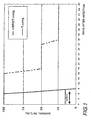
- FIG. 1 is a graph showing the effect of treatment with EPO (5,000 U/kg) on the survival rate of mice infected with Trypanosoma congolense.
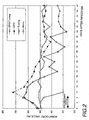
- FIG. 2 is a graph showing the effect of treatment with EPO (5,000 U/kg) on the hematocrit values of mice infected with Trypanosoma congolense.
- FIG. 3 is a graph showing the effect of treatment with EPO (5,000 U/kg) on parasitemia of mice infected with Trypanosoma congolense.
- FIG. 4 is a graph showing the effect of treatment with EPO (1,000 U/kg) on the survival rate of mice infected with Trypanosoma congolense.
- FIG. 5 is a graph showing the effect of treatment with EPO (1,000 U/kg) on the hematocrit values of mice infected with Trypanosoma congolense.
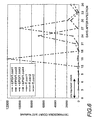
- FIG. 6 is a graph showing the effect of treatment with EPO (1,000 U/kg) on parasitemia of mice infected with Trypanosoma congolense.
- FIG. 7 is a graph showing changes in the body weight of mice infected with Trypanosoma congolense.
- FIG. 8 is a graph showing the effect of treatment with EPO (5,000 U/kg) and Pen (4 mg/kg) on the survival rate of mice infected with Trypanosoma congolense.
- FIG. 9 is a graph showing the effect of treatment with EPO (5,000 U/kg) and Pen (4 mg/kg) on the hematocrit values of mice infected with Trypanosoma congolense.
-
- Protozoal disease in the present invention is a generic name for diseases which are caused by infections with various pathogenic parasitic protozoa spread to humans or other animals. Known as typical protozoal diseases are diseases due to infections, such as amebiasis, trypanosomiasis, malaria, toxoplasmosis, pneumocystosis, cryptosporidiosis, giardiasis, and leishmaniasis. The protozoal diseases, which are given particular attention as a target for the therapy of the present invention, are diseases accompanied by anemia, such as trypanosomiasis, malaria, babesiosis, and leishmaniasis. The present invention is effective, particularly, for the treatment of trypanosomiasis.
- As will be concretely described in experimental examples later, when mice are infected with Trypanosoma, especially, Trypanosoma congolense highly pathogenic to cattle, at a rate of 1,000 cells per mouse, all animals died in a short period in a non-treatment group, whereas treatment with human recombinant EPO (r-hEPO) was confirmed to improve the lethality dramatically. Based on this finding, we developed an EPO-containing pharmaceutical for the treatment of protozoal diseases, especially, protozoal diseases involving anemia (e.g., trypanosomiasis and malaria), in humans or other animals. We confirmed its pharmacological effect, and accomplished the present invention.
- A patient, who was infected with Trypanosoma, has a possibility of escaping death when infected, for the second time, with Trypanosoma of the same species as the species causing the first infection. Thus, EPO and Trypanosoma are simultaneously administered to avoid lethal infection with Trypanosoma. Such a combined therapy can be used as a vaccine.
- As erythropoietin (EPO), the active ingredient used in the present invention, there can be named, for example, natural human EPO obtained by extraction from the urine of patients with human aplastic anemia (Japanese Patent Publication No. 1989-38,800); and EPO products manufactured by genetic recombination technologies which comprise collecting messenger RNA (mRNA) corresponding to the amino acid sequence of human EPO, constructing recombinant DNA with the use of the mRNA, and then causing suitable hosts (e.g., microorganisms such as Escherichia coli, yeasts, cell strains of plants, and cell strains of animals, such as COS cells, Chinese hamster ovarian cells (CHO), and mouse C-127 cells) to produce EPO from the recombinant DNA [for example, Japanese Patent Publication No. 1989-44317; Kenneth Jacobs et al., Nature, 313, 806-810 (1985)].
- EPO usable in the present invention may be those of the above-mentioned origins, and their modifications. EPO modification products include, for example, those described in Japanese Patent Application Laid-Open No. 1991-151399. Among these EPO modification products are those in which Asn in the peptide chain of the original glycoprotein has been mutated to Gln, and the number of bindings of N-linked sugar chains bound has been changed. As other amino acid mutations, those described in Japanese Patent Application Laid-Open No. 1990-59599 and Japanese Patent Application Laid-Open No. 1991-72855 are named. That is, there may be any number of amino acid mutations, deletions, or additions, unless the property of EPO acting on the EPO receptor is lost.
- In regard to preparations containing EPO of the present invention as the active ingredient, suspending agents, solution adjuvants, stabilizers, tonicity agents, preservatives, and adsorption preventing agents may be added, if desired, depending on the methods of administering them and their dosage forms. Examples of the suspending agents are methylcellulose,
polysorbate 80, hydroxyethylcellulose, acacia, tragacanth powder, sodium carboxymethylcellulose, and polyoxyethylene sorbitan monolaurate. Examples of the solution adjuvants are polyoxyethylene hydrogenated castor oil,polysorbate 80, nicotinamide, polyoxyethylene sorbitan monolaurate, macrogol, and castor oil fatty acid ethyl ester. Examples of the stabilizers are human serum albumin,dextran 40, methylcellulose, gelatin, sodium sulfite, and sodium metasulfite. Examples of the tonicity agents are D-mannitol and sorbitol. Examples of the preservatives are methyl parahydroxybenzoate, ethyl parahydroxybenzoate, sorbic acid, phenol, cresol, and chlorocresol. Examples of the adsorption preventing agents are human serum albumin, lecithin, dextran, ethylene oxide-propylene oxide copolymer, hydroxypropylcellulose, methylcellulose, polyoxyethylene hydrogenated castor oil, and polyethylene glycol. - By using the EPO of the present invention as the active ingredient and adding a certain amino acid as a stabilizer, a stable EPO solution preparation free from human serum albumin or purified gelatin can be used. This stable EPO solution preparation is described in Japanese Patent Application Laid-Open No. 1998-182481. The descriptions in this publication are to be included in a part of the specification of the present application.
- The amino acid added as the stabilizer in this EPO solution preparation includes free amino acids, and their salts such as sodium salts, potassium salts and hydrochlorides. To the solution preparation of the present invention, one of these amino acids can be added, or two or more of these amino acids can be added in combination. The preferred amino acids are leucine, tryptophan, serine, glutamic acid, arginine, histidine, and lysine, each in D-, L- and DL-forms, and their salts. More preferred are L-leucine, L-tryptophan, L-glutamic acid, L-arginine, L-histidine, and L-lysine, and their salts. Particularly preferred are L-arginine, L-histidine, and L-lysine, and their salts. The most preferred are L-histidine, and its salts.
- Details of the method, etc. for producing the above-described stable EPO solution preparation are as described in the aforementioned publication.
- The dose of these EPO products in prophylactic and therapeutic drugs targeted by the present invention can be determined, as appropriate, in consideration of the disease to be dealt with, its symptoms and so forth. The dose usually 0.1 to 500 µg, preferably 5 to 100 µg, per adult.
- Hereinbelow, the present invention will be described in further detail by Experimental Examples and Examples, but the present invention is in no way limited by these Experimental Examples and Examples.
- C57BL/6J female mice (CLEA, Tokyo, Japan) at 7 weeks of age were infected with 1,000 cells of T. congolense (International Livestock Research Institute, Kenya) by intraperitoneal injection (Day 0). The mice were treated daily with recombinant human erythropoietin (r-hu-EPO; Chugai Pharmaceuticals, Tokyo, Japan) at a dose of 5,000 U/kg (Experiment 1) or 1,000 U/kg (Experiment 2) for 8days from
Day 0 to Day 7 of infection, and their survival rate, hematocrit values, and the number of protozoa per unit amount of the blood were monitored. - As shown in FIG. 1, all of the mice infected with T. congolense (1,000 cells) died by
Day 9 of infection. However, all and 50% of the infected mice treated with 5,000 U/kg of r-hu-EPO still survived onDay 16 andDay 33 of the protozoal infection, respectively. Any clinical side effects were not detected in the mice receiving r-hu-EPO without protozoal infection, except for marked increases in the hematocrit values (FIG. 2). The hematocrit values of the infected mice treated with r-hu-EPO and the mice receiving r-hu-EPO without parasite infection similarly increased untilDay 6. However, there was a tendency that the hematocrit values in the infected mice treated with r-hu-EPO were lower fromDay 9 than those in the mice receiving r-hu-EPO. Furthermore, the hematocrit values of the infected mice treated with r-hu-EPO were much less than those of the untreated control mice fromDay 16 onwards. Most of the mice infected with Trypanosoma did not show severe anemia during the course of infection. However, when one of the infected mice, which was debilitated and moribund, was sacrificed, its hematocrit value decreased to 30%. The increase in parasitemia (the presence of protozoa in the circulating blood) in surviving animals occurred as several distinct peaks rather than as a sustained increase. Nearly all of the infected mice receiving no EPO died at, or immediately after, the first peak of the parasitemia (2108-3413 × 104 cells/ml blood; FIG. 3). - When mice were infected with T. congolense (1,000 cells), all of the mice died within 9 days as in the results of Experiment 1. On the other hand, the survival rate of the mice infected with T. congolense (1,000 cells) and treated with 1,000 U/kg of r-hu-EPO for 8 days was 75% on
Day 9. The survival rate decreased to 50% onDay 12, and was maintained at this level throughout the observation period (FIG. 4). The hematocrit values of the infected mice treated with 1,000 U/kg of r-hu-EPO for 8 days increased to 56% onDay 6, and rapidly decreased to 42%, a value lower than the non-treatment control values, on Day 9 (FIG. 5). Trypanosoma infected mice without r-hu-EPO treatment died around the first peak of parasitemia (2.4-10.1 × 10⁴ cells/ml blood). Parasitemia in surviving animals had several distinct peaks as observed in Experiment 1 (FIG. 6). The growth curve of animals was not different among the experimental groups (FIG. 7). - C57BL/6J female mice (CLEA, Tokyo, Japan) at 8 weeks of age (4 mice/group) were infected with 1,000 cells of T. congolense (International Livestock Research Institute, Kenya) by intraperitoneal injection (Day 0). The mice were treated daily with recombinant human erythropoietin (Chugai Pharmaceuticals, Tokyo, Japan) at a dose of 5,000 U/kg for 8days from
Day 0 to Day 7 of infection, or were similarly treated with the existing antiprotozoal agent pentamidine (Benambax: Chugai Pharmaceuticals: hereinafter referred to simply as Pen) at a dose of 4 mg/kg. Their survival rate and hematocrit values were monitored at intervals of 2 days fromDay 0. - FIG. 8 shows the survival rate of each of the groups, i.e., the infected mice, the infected mice treated with r-hu-EPO, and the infected mice treated with pentamidine (Pen).
- The number of days of survival after infection with T. cong. was significantly improved by treatment with EPO or Pen. The effect of EPO was comparable to or higher than that of Pen. However, there was no statistically significant difference between EPO and Pen.
- The hematocrit values of the infected mice, the infected mice treated with r-hu-EPO, and the infected mice treated with pentamidine are shown in FIG. 9.
- The 8-day treatment with EPO was observed to ameliorate anemia due to T. cong., but this effect was not observed with Pen. Following treatment with Pen, the hematocrit values decreased transiently to about 40%.
- In the light of these results, Pen is presumed to exhibit an antiprotozoal effect by the mechanism of action different from that of EPO, because no hematopoietic effect is observed in Pen. Thus, the combined use of EPO and Pen with different mechanisms of action is expected to show a further life-prolonging effect.
- Examples concerned with pharmaceutical manufacturing will be shown below.
-
Erythropoietin 8 µg Total amount made with distilled water for injection 2 ml - A solution was aseptically prepared from the above formulation. The resulting solution was dispensed in a vial, and sealed up.
-
Erythropoietin 8 µg Total amount made with distilled water for injection 2 ml - A solution was aseptically prepared from the above formulation. The resulting solution was dispensed in a vial, lyophilized, and sealed up.
-
Erythropoietin 16 µg Total amount made with distilled water for injection 2 ml - A solution was aseptically prepared from the above formulation. The resulting solution was dispensed in a vial, and sealed up.
-
Erythropoietin 16 µg Total amount made with distilled water for injection 2 ml - A solution was aseptically prepared from the above formulation. The resulting solution was dispensed in a vial, lyophilized, and sealed up.
-
Erythropoietin 8 µg Human serum albumin 5 mg Total amount made with distilled water for injection 2 ml - A solution was aseptically prepared from the above formulation. The resulting solution was dispensed in a vial, and sealed up.
-
Erythropoietin 8 µg Human serum albumin 5 mg Total amount made with distilled water for injection 2 ml - A solution was aseptically prepared from the above formulation. The resulting solution was dispensed in a vial, lyophilized, and sealed up.
-
Erythropoietin 16 µg Human serum albumin 5 mg Total amount made with distilled water for injection 2 ml - A solution was aseptically prepared from the above formulation. The resulting solution was dispensed in a vial, and sealed up.
-
Erythropoietin 16 µg Gelatin 5 mg Total amount made with distilled water for injection 2 ml - A solution was aseptically prepared from the above formulation. The resulting solution was dispensed in a vial, lyophilized, and sealed up.
- Injections were prepared in the same manner as in Examples 5 to 8, except that 5 mg of
dextran 40 was used instead of human serum albumin used in Examples 5 to 8. - D-Mannitol (5 g), 1 mg of erythropoietin, and 100 mg of human serum albumin were aseptically dissolved in 100 ml of distilled water for injection to prepare an aqueous solution. The aqueous solution (1 ml) was dispensed in a vial, lyophilized, and sealed up.
- A solution (1 ml) containing the following ingredients was prepared:
EPO 1,500 IU Nonionic surfactant 0.05 mg (Polysorbate 80: Nikko Chemicals) Sodium chloride 8.5 mg L-Arginine hydrochloride (Sigma) 10 mg - A solution preparation was produced in the same manner as in Example 14 from a solution containing the following ingredients in 1 ml:
EPO 1,500 IU Nonionic surfactant 0.05 mg (Polysorbate 80: Nikko Chemicals) Sodium chloride 8.5 mg L-Histidine hydrochloride (Sigma) 10 mg - A solution preparation was produced in the same manner as in Example 14 from a solution containing the following ingredients in 1 ml:
EPO 1,500 IU Nonionic surfactant 0.05 mg (Polysorbate 80: Nikko Chemicals) Sodium chloride 8.5 mg L-Lysine hydrochloride (Sigma) 10 mg - Pharmaceuticals containing EPO as the active ingredient are effective for the treatment of protozoal diseases, especially protozoal diseases involving anemia and having high lethality rates (for example, trypanosomiasis and malaria). Moreover, these pharmaceuticals show low side effects, and are safe. Furthermore, EPO and protozoa are simultaneously administered to establish protozoal infection without leading to death, whereby their combined use can be utilized as a vaccine.
Claims (11)
- An agent for treatment of protozoal disease, containing erythropoietin as an active ingredient.
- The agent for treatment of protozoal disease according to claim 1, wherein said protozoal disease is a disease accompanied by anemia.
- The agent for treatment of protozoal disease according to claim 1, wherein said protozoal disease is trypanosomiasis or malaria.
- The agent for treatment of protozoal disease according to claim 2, wherein said protozoal disease is trypanosomiasis.
- The agent for treatment of protozoal disease according to claim 1, which is formulated as an injection, with the erythropoietin as the active ingredient.
- A method or treatment of protozoal disease, comprising administering an effective amount of erythropoietin to a patient with the protozoal disease.
- The method for treatment according to claim 6, wherein said protozoal disease is a disease accompanied by anemia.
- The method for treatment according to claim 6, wherein said protozoal disease is trypanosomiasis or malaria.
- The method for treatment according to claim 8, wherein said protozoal disease is trypanosomiasis.
- Use of erythropoietin for producing an agent for treatment of protozoal disease.
- The use of erythropoietin according to claim 10, wherein said agent for treatment of protozoal disease is an injection.
Applications Claiming Priority (3)
| Application Number | Priority Date | Filing Date | Title |
|---|---|---|---|
| JP2002080482 | 2002-03-22 | ||
| JP2002080482 | 2002-03-22 | ||
| PCT/JP2003/003426 WO2003080107A1 (en) | 2002-03-22 | 2003-03-20 | Remedies for protozoan diseases |
Publications (2)
| Publication Number | Publication Date |
|---|---|
| EP1488800A1 true EP1488800A1 (en) | 2004-12-22 |
| EP1488800A4 EP1488800A4 (en) | 2006-05-31 |
Family
ID=28449092
Family Applications (1)
| Application Number | Title | Priority Date | Filing Date |
|---|---|---|---|
| EP03715387A Withdrawn EP1488800A4 (en) | 2002-03-22 | 2003-03-20 | REMEDIES FOR PROTOZOA DISEASES |
Country Status (5)
| Country | Link |
|---|---|
| US (1) | US20050148503A1 (en) |
| EP (1) | EP1488800A4 (en) |
| JP (1) | JPWO2003080107A1 (en) |
| AU (1) | AU2003227191A1 (en) |
| WO (1) | WO2003080107A1 (en) |
Families Citing this family (3)
| Publication number | Priority date | Publication date | Assignee | Title |
|---|---|---|---|---|
| EP1643543B1 (en) * | 2003-07-09 | 2010-11-24 | Nikon Corporation | Exposure apparatus and method for manufacturing device |
| US20070037886A1 (en) * | 2005-04-26 | 2007-02-15 | Ajinomoto Co., Inc. | Bone marrow erythroid progenitor cell(s) differentiation inducer |
| KR20070062426A (en) * | 2005-12-12 | 2007-06-15 | 경북대학교 산학협력단 | Pharmaceutical composition for the prevention or treatment of fibrosis containing EP protein |
-
2003
- 2003-03-20 AU AU2003227191A patent/AU2003227191A1/en not_active Abandoned
- 2003-03-20 WO PCT/JP2003/003426 patent/WO2003080107A1/en not_active Ceased
- 2003-03-20 EP EP03715387A patent/EP1488800A4/en not_active Withdrawn
- 2003-03-20 US US10/508,430 patent/US20050148503A1/en not_active Abandoned
- 2003-03-20 JP JP2003577933A patent/JPWO2003080107A1/en not_active Withdrawn
Non-Patent Citations (8)
| Title |
|---|
| BURCHARD GERD-DIETER ET AL: "Increased erythropoietin production in children with severe malarial anemia" AMERICAN JOURNAL OF TROPICAL MEDICINE AND HYGIENE, vol. 53, no. 5, 1995, pages 547-551, XP009064110 ISSN: 0002-9637 * |
| ED. BY KATHLEEN PARFITT: "Martindale, The complete drug reference, 32nd Edition" 1999, PHARMACEUTICAL PRESS , LONDON , XP002374558 ISBN 0 85369 429X, ISSN 0263-5364 * page 717 - page 720 * * page 718, column 3, paragraph 7 - page 719, column 3, paragraph 2 * * |
| EL HASSAN A M A ET AL: "Decreased erythropoietin response in Plasmodium falciparum malaria- associated anaemia" EUROPEAN JOURNAL OF HAEMATOLOGY 1997 DENMARK, vol. 59, no. 5, 1997, pages 299-304, XP009064239 ISSN: 0902-4441 * |
| KENDALL R G: "Erythropoietin." CLINICAL AND LABORATORY HAEMATOLOGY. APR 2001, vol. 23, no. 2, April 2001 (2001-04), pages 71-80, XP002374554 ISSN: 0141-9854 * |
| KURTZHALS J A ET AL: "Reversible suppression of bone marrow response to erythropoietin in Plasmodium falciparum malaria." BRITISH JOURNAL OF HAEMATOLOGY. APR 1997, vol. 97, no. 1, April 1997 (1997-04), pages 169-174, XP002374555 ISSN: 0007-1048 * |
| MASTROIANNI A ET AL: "Prevention of severe drug-related anemia in AIDS" AIDS (HAGERSTOWN), vol. 14, no. Supplement 4, October 2000 (2000-10), page S73, XP009064183 & FIFTH INTERNATIONAL CONGRESS ON DRUG THERAPY IN HIV INFECTION; GLASGOW, UK; OCTOBER 22-26, 2000 ISSN: 0269-9370 * |
| See also references of WO03080107A1 * |
| SILVERMAN P H ET AL: "MURINE MALARIA DECREASES HEMOPOIETIC STEM CELLS" BLOOD, vol. 69, no. 2, 1987, pages 408-413, XP002374556 ISSN: 0006-4971 * |
Also Published As
| Publication number | Publication date |
|---|---|
| AU2003227191A1 (en) | 2003-10-08 |
| JPWO2003080107A1 (en) | 2005-07-21 |
| EP1488800A4 (en) | 2006-05-31 |
| US20050148503A1 (en) | 2005-07-07 |
| WO2003080107A1 (en) | 2003-10-02 |
Similar Documents
| Publication | Publication Date | Title |
|---|---|---|
| US10098891B2 (en) | Highly concentrated stable meloxicam solutions for needleless injection | |
| US4626536A (en) | Compositions for combatting toxaemia | |
| KR960003377B1 (en) | Improved interferon therapy | |
| JP2002544174A5 (en) | ||
| US10117830B2 (en) | Stable parenteral DNJ compositions | |
| KR20230164207A (en) | High concentration alpha-glucosidase compositions for the treatment of pompe disease | |
| EP0126145A1 (en) | INCREASING TETRACYCLINE EFFECT. | |
| JP2025525989A5 (en) | ||
| CN102083441B (en) | Use of nifurtimox for treating giardiasis | |
| US20050148503A1 (en) | Remedies for protozoan diseases | |
| US7232797B2 (en) | Erythropoietin dosing regimen for treating anemia | |
| US5491150A (en) | Supplementary therpeutic agents for the treatment of immunodeficiency syndrome | |
| AU2006231585A1 (en) | Prevention of HIV- infection with TMC278 | |
| US20160250202A1 (en) | Mast Cell Stabilizers to Prevent or Treat Laminitis | |
| EP3484500A1 (en) | Uses of il-12 as a replacement immunotherapeutic | |
| WO2009031918A1 (en) | Apolactoferrin compositions and methods of the use thereof for treating viral hepatitis c | |
| US20050143328A1 (en) | Composition and treatment for envelope virus infections | |
| US10357478B2 (en) | Polyamide compound and pharmaceutical composition for treating mitochondrial genetic diseases | |
| EA011954B1 (en) | Treatment or prevention of respiratory viral infections with immunomodulators compounds | |
| JPH06340549A (en) | Therapeutic agent for feline respiratory organ disease and therapeutic method using the therapeutic agent | |
| JP2024515555A5 (en) | ||
| US6194381B1 (en) | Therapeutic agent and method for feline AIDS virus infections and feline atopic dermatitis | |
| WO2021228875A1 (en) | Treatment of respiratory viral infections | |
| EP4259283A2 (en) | Use of drugs that stiffen mature gametocytes for blocking transmission of plasmodium parasites | |
| EP1136069A1 (en) | Pharmaceutical compositions containing clodronates for high local tolerance intramuscular administration |
Legal Events
| Date | Code | Title | Description |
|---|---|---|---|
| PUAI | Public reference made under article 153(3) epc to a published international application that has entered the european phase |
Free format text: ORIGINAL CODE: 0009012 |
|
| 17P | Request for examination filed |
Effective date: 20040922 |
|
| AK | Designated contracting states |
Kind code of ref document: A1 Designated state(s): AT BE BG CH CY CZ DE DK EE ES FI FR GB GR HU IE IT LI LU MC NL PT RO SE SI SK TR |
|
| AX | Request for extension of the european patent |
Extension state: AL LT LV MK |
|
| RIC1 | Information provided on ipc code assigned before grant |
Ipc: A61P 33/06 20060101ALI20031007BHEP Ipc: A61P 33/04 20060101ALI20031007BHEP Ipc: A61P 33/02 20060101ALI20031007BHEP Ipc: A61P 7/06 20060101ALI20031007BHEP Ipc: A61K 9/08 20060101ALI20031007BHEP Ipc: A61K 38/18 20060101AFI20060403BHEP |
|
| A4 | Supplementary search report drawn up and despatched |
Effective date: 20060420 |
|
| 17Q | First examination report despatched |
Effective date: 20070320 |
|
| STAA | Information on the status of an ep patent application or granted ep patent |
Free format text: STATUS: THE APPLICATION IS DEEMED TO BE WITHDRAWN |
|
| 18D | Application deemed to be withdrawn |
Effective date: 20070731 |