EP1485127B1 - Administration of agents for the treatment of inflammation - Google Patents
Administration of agents for the treatment of inflammation Download PDFInfo
- Publication number
- EP1485127B1 EP1485127B1 EP03709277A EP03709277A EP1485127B1 EP 1485127 B1 EP1485127 B1 EP 1485127B1 EP 03709277 A EP03709277 A EP 03709277A EP 03709277 A EP03709277 A EP 03709277A EP 1485127 B1 EP1485127 B1 EP 1485127B1
- Authority
- EP
- European Patent Office
- Prior art keywords
- alpha
- integrin
- agents
- natalizumab
- patients
- Prior art date
- Legal status (The legal status is an assumption and is not a legal conclusion. Google has not performed a legal analysis and makes no representation as to the accuracy of the status listed.)
- Expired - Lifetime
Links
Images






Classifications
-
- C—CHEMISTRY; METALLURGY
- C07—ORGANIC CHEMISTRY
- C07K—PEPTIDES
- C07K16/00—Immunoglobulins [IG], e.g. monoclonal or polyclonal antibodies
- C07K16/18—Immunoglobulins [IG], e.g. monoclonal or polyclonal antibodies against material from animals or humans
- C07K16/28—Immunoglobulins [IG], e.g. monoclonal or polyclonal antibodies against material from animals or humans against receptors, cell surface antigens or cell surface determinants
- C07K16/2839—Immunoglobulins [IG], e.g. monoclonal or polyclonal antibodies against material from animals or humans against receptors, cell surface antigens or cell surface determinants against the integrin superfamily
-
- A—HUMAN NECESSITIES
- A61—MEDICAL OR VETERINARY SCIENCE; HYGIENE
- A61K—PREPARATIONS FOR MEDICAL, DENTAL OR TOILETRY PURPOSES
- A61K39/00—Medicinal preparations containing antigens or antibodies
- A61K39/395—Antibodies; Immunoglobulins; Immune serum, e.g. antilymphocytic serum
-
- A—HUMAN NECESSITIES
- A61—MEDICAL OR VETERINARY SCIENCE; HYGIENE
- A61K—PREPARATIONS FOR MEDICAL, DENTAL OR TOILETRY PURPOSES
- A61K39/00—Medicinal preparations containing antigens or antibodies
- A61K39/395—Antibodies; Immunoglobulins; Immune serum, e.g. antilymphocytic serum
- A61K39/39533—Antibodies; Immunoglobulins; Immune serum, e.g. antilymphocytic serum against materials from animals
- A61K39/3955—Antibodies; Immunoglobulins; Immune serum, e.g. antilymphocytic serum against materials from animals against proteinaceous materials, e.g. enzymes, hormones, lymphokines
-
- A—HUMAN NECESSITIES
- A61—MEDICAL OR VETERINARY SCIENCE; HYGIENE
- A61K—PREPARATIONS FOR MEDICAL, DENTAL OR TOILETRY PURPOSES
- A61K45/00—Medicinal preparations containing active ingredients not provided for in groups A61K31/00 - A61K41/00
- A61K45/06—Mixtures of active ingredients without chemical characterisation, e.g. antiphlogistics and cardiaca
-
- A—HUMAN NECESSITIES
- A61—MEDICAL OR VETERINARY SCIENCE; HYGIENE
- A61P—SPECIFIC THERAPEUTIC ACTIVITY OF CHEMICAL COMPOUNDS OR MEDICINAL PREPARATIONS
- A61P1/00—Drugs for disorders of the alimentary tract or the digestive system
-
- A—HUMAN NECESSITIES
- A61—MEDICAL OR VETERINARY SCIENCE; HYGIENE
- A61P—SPECIFIC THERAPEUTIC ACTIVITY OF CHEMICAL COMPOUNDS OR MEDICINAL PREPARATIONS
- A61P1/00—Drugs for disorders of the alimentary tract or the digestive system
- A61P1/04—Drugs for disorders of the alimentary tract or the digestive system for ulcers, gastritis or reflux esophagitis, e.g. antacids, inhibitors of acid secretion, mucosal protectants
-
- A—HUMAN NECESSITIES
- A61—MEDICAL OR VETERINARY SCIENCE; HYGIENE
- A61P—SPECIFIC THERAPEUTIC ACTIVITY OF CHEMICAL COMPOUNDS OR MEDICINAL PREPARATIONS
- A61P25/00—Drugs for disorders of the nervous system
-
- A—HUMAN NECESSITIES
- A61—MEDICAL OR VETERINARY SCIENCE; HYGIENE
- A61P—SPECIFIC THERAPEUTIC ACTIVITY OF CHEMICAL COMPOUNDS OR MEDICINAL PREPARATIONS
- A61P25/00—Drugs for disorders of the nervous system
- A61P25/02—Drugs for disorders of the nervous system for peripheral neuropathies
-
- A—HUMAN NECESSITIES
- A61—MEDICAL OR VETERINARY SCIENCE; HYGIENE
- A61P—SPECIFIC THERAPEUTIC ACTIVITY OF CHEMICAL COMPOUNDS OR MEDICINAL PREPARATIONS
- A61P29/00—Non-central analgesic, antipyretic or antiinflammatory agents, e.g. antirheumatic agents; Non-steroidal antiinflammatory drugs [NSAID]
-
- A—HUMAN NECESSITIES
- A61—MEDICAL OR VETERINARY SCIENCE; HYGIENE
- A61P—SPECIFIC THERAPEUTIC ACTIVITY OF CHEMICAL COMPOUNDS OR MEDICINAL PREPARATIONS
- A61P37/00—Drugs for immunological or allergic disorders
-
- A—HUMAN NECESSITIES
- A61—MEDICAL OR VETERINARY SCIENCE; HYGIENE
- A61P—SPECIFIC THERAPEUTIC ACTIVITY OF CHEMICAL COMPOUNDS OR MEDICINAL PREPARATIONS
- A61P37/00—Drugs for immunological or allergic disorders
- A61P37/02—Immunomodulators
-
- A—HUMAN NECESSITIES
- A61—MEDICAL OR VETERINARY SCIENCE; HYGIENE
- A61P—SPECIFIC THERAPEUTIC ACTIVITY OF CHEMICAL COMPOUNDS OR MEDICINAL PREPARATIONS
- A61P43/00—Drugs for specific purposes, not provided for in groups A61P1/00-A61P41/00
-
- C—CHEMISTRY; METALLURGY
- C07—ORGANIC CHEMISTRY
- C07K—PEPTIDES
- C07K16/00—Immunoglobulins [IG], e.g. monoclonal or polyclonal antibodies
- C07K16/18—Immunoglobulins [IG], e.g. monoclonal or polyclonal antibodies against material from animals or humans
- C07K16/28—Immunoglobulins [IG], e.g. monoclonal or polyclonal antibodies against material from animals or humans against receptors, cell surface antigens or cell surface determinants
- C07K16/2839—Immunoglobulins [IG], e.g. monoclonal or polyclonal antibodies against material from animals or humans against receptors, cell surface antigens or cell surface determinants against the integrin superfamily
- C07K16/2842—Immunoglobulins [IG], e.g. monoclonal or polyclonal antibodies against material from animals or humans against receptors, cell surface antigens or cell surface determinants against the integrin superfamily against integrin beta1-subunit-containing molecules, e.g. CD29, CD49
-
- G—PHYSICS
- G01—MEASURING; TESTING
- G01N—INVESTIGATING OR ANALYSING MATERIALS BY DETERMINING THEIR CHEMICAL OR PHYSICAL PROPERTIES
- G01N33/00—Investigating or analysing materials by specific methods not covered by groups G01N1/00 - G01N31/00
- G01N33/48—Biological material, e.g. blood, urine; Haemocytometers
- G01N33/50—Chemical analysis of biological material, e.g. blood, urine; Testing involving biospecific ligand binding methods; Immunological testing
- G01N33/53—Immunoassay; Biospecific binding assay; Materials therefor
- G01N33/569—Immunoassay; Biospecific binding assay; Materials therefor for microorganisms, e.g. protozoa, bacteria, viruses
- G01N33/56966—Animal cells
-
- A—HUMAN NECESSITIES
- A61—MEDICAL OR VETERINARY SCIENCE; HYGIENE
- A61K—PREPARATIONS FOR MEDICAL, DENTAL OR TOILETRY PURPOSES
- A61K39/00—Medicinal preparations containing antigens or antibodies
- A61K2039/505—Medicinal preparations containing antigens or antibodies comprising antibodies
-
- A—HUMAN NECESSITIES
- A61—MEDICAL OR VETERINARY SCIENCE; HYGIENE
- A61K—PREPARATIONS FOR MEDICAL, DENTAL OR TOILETRY PURPOSES
- A61K39/00—Medicinal preparations containing antigens or antibodies
- A61K2039/505—Medicinal preparations containing antigens or antibodies comprising antibodies
- A61K2039/507—Comprising a combination of two or more separate antibodies
-
- A—HUMAN NECESSITIES
- A61—MEDICAL OR VETERINARY SCIENCE; HYGIENE
- A61K—PREPARATIONS FOR MEDICAL, DENTAL OR TOILETRY PURPOSES
- A61K39/00—Medicinal preparations containing antigens or antibodies
- A61K2039/545—Medicinal preparations containing antigens or antibodies characterised by the dose, timing or administration schedule
-
- C—CHEMISTRY; METALLURGY
- C07—ORGANIC CHEMISTRY
- C07K—PEPTIDES
- C07K2317/00—Immunoglobulins specific features
- C07K2317/20—Immunoglobulins specific features characterized by taxonomic origin
- C07K2317/24—Immunoglobulins specific features characterized by taxonomic origin containing regions, domains or residues from different species, e.g. chimeric, humanized or veneered
-
- C—CHEMISTRY; METALLURGY
- C07—ORGANIC CHEMISTRY
- C07K—PEPTIDES
- C07K2317/00—Immunoglobulins specific features
- C07K2317/70—Immunoglobulins specific features characterized by effect upon binding to a cell or to an antigen
- C07K2317/76—Antagonist effect on antigen, e.g. neutralization or inhibition of binding
-
- G—PHYSICS
- G01—MEASURING; TESTING
- G01N—INVESTIGATING OR ANALYSING MATERIALS BY DETERMINING THEIR CHEMICAL OR PHYSICAL PROPERTIES
- G01N2333/00—Assays involving biological materials from specific organisms or of a specific nature
- G01N2333/435—Assays involving biological materials from specific organisms or of a specific nature from animals; from humans
- G01N2333/46—Assays involving biological materials from specific organisms or of a specific nature from animals; from humans from vertebrates
- G01N2333/47—Assays involving proteins of known structure or function as defined in the subgroups
- G01N2333/4701—Details
- G01N2333/4737—C-reactive protein
-
- G—PHYSICS
- G01—MEASURING; TESTING
- G01N—INVESTIGATING OR ANALYSING MATERIALS BY DETERMINING THEIR CHEMICAL OR PHYSICAL PROPERTIES
- G01N2333/00—Assays involving biological materials from specific organisms or of a specific nature
- G01N2333/435—Assays involving biological materials from specific organisms or of a specific nature from animals; from humans
- G01N2333/705—Assays involving receptors, cell surface antigens or cell surface determinants
- G01N2333/70546—Integrin superfamily, e.g. VLAs, leuCAM, GPIIb/GPIIIa, LPAM
- G01N2333/7055—Integrin beta1-subunit-containing molecules, e.g. CD29, CD49
Definitions
- This invention relates generally to agents that specifically bind to and inhibit an integrin receptor comprising an alpha-4 (a4) subunit, and therapeutic uses of the same.
- Inflammation is a response of vascularized tissues to infection or injury and is affected by adhesion of leukocytes to the endothelial cells of blood vessels and their infiltration into the surrounding tissues.
- the infiltrating leukocytes release toxic mediators to kill invading organisms, phagocytize debris and dead cells, and play a role in tissue repair and the immune response.
- infiltrating leukocytes are over-responsive and can cause serious or fatal damage. See, eg., Hickey, Psychoneuroimmunology II (Academic Press 1990 ).
- the integrins are a family of cell-surface glycoproteins involved in cell-adhesion, immune cell migration and activation.
- Alpha-4 integrin is expressed by all circulating leukocytes except neutrophils, and forms heterodimeric receptors in conjunction with either the beta1 or beta7 integrin subunits; both alpha-4 beta-1 ( ⁇ 4 ⁇ 1) and alpha-4 beta-7 ( ⁇ 4 ⁇ 7) dimers play a role in the migration of leukocytes across the vascular endothelium ( Springer et al., 1994 Cell 76: 301-14 ; and Butcher et al., 1996 Science 272: 60-6 ) and contribute to cell activation and survival within the parenchyma ( Damle et al., 1993 J. Immunol. 151: 2368-79 ; Koopman et al., 1994 J. Immunol. 152: 3760-7 ; and Leussink et al., 2002 Acta Neuropathol. 103:131-136 ).
- alpha-4 beta-1 also known as very late antigen-4 [VLA-4]
- VLA-4 very late antigen-4
- VCAM-1 vascular cell adhesion molecule-1
- the alpha-4 beta-7 dimer interacts with mucosal addressin cell adhesion molecule (MAdCAM-1), and mediates homing of lymphocytes to the gut ( Farstad et al.,1997 Am. J. Pathol. 150: 187-99 ; and Issekutz et al., 1991 J. Immunol. 147: 4178-84 ).
- MAdCAM-1 mucosal addressin cell adhesion molecule
- IBD inflammatory bowel disease
- Adhesion molecules such as alpha-4 integrins are potential targets for therapeutic agents.
- the VLA-4 receptor of which alpha-4 integrin is a subunit, is an important target because of its interaction with a ligand residing on brain endothelial cells. Diseases and conditions resulting from brain inflammation have particularly severe consequences.
- the alpha-4 beta-7 integrin dimer is an important target due to its involvement in lymphocyte homing and pathological inflammation in the gastrointestinal tract.
- Alpha-4 beta-1 integrin is expressed on the extracellular surface of activated lymphocytes and monocytes, which have been implicated in the pathogenesis of acute inflammatory brain lesions and blood brain barrier (BBB) breakdown associated with multiple sclerosis (MS) ( Coles et al., 1999 Ann. Neurol. 46(3): 296-304 ).
- BBB blood brain barrier
- MS multiple sclerosis
- Agents against alpha-4 integrin have been tested for their anti-inflammatory potential both in vitro and in vivo in animal models. See Yednock et al., 1992 Nature 356: 63-66 ; U.S. Patent No. 5,840,299 issued to Bendig, et al. on November 24, 1998 , and U.S. Patent No. 6,001,809 issued to Thorsett et al.
- Crohn's disease is a chronic, incurable, relapsing, transmural inflammation of the intestinal tract.
- the disease is characterized by inappropriate immune cell migration and activation in the intestinal mucosa involving T cells, macrophages and neutrophils ( Schreiber et al., 1991 Gastroenterology 101: 1020-30 ).
- First-line medical therapies for Crohn's disease include 5-aminosalicylates (5-ASAs); which have low efficacy, and corticosteroids, which have various short- and long-term side effects ( Munkholm et al., 1994 Gut 35: 360-2 ).
- the present invention provides use of an agent selected from an antibody or an immunologically active fragment thereof which bind to alpha-4 integrin or a dimer comprising alpha-4 integrin for preparing a chronically administerable pharmaceutical composition for reducing chronic pathological inflammation caused by multiple sclerosis wherein the agent is natalizumab to be administered every two weeks or monthly for a period of at least 6 months to the patient in an amount of 2 to 8 mg/kg patient.
- the efficacy of a chronic dosage regime can be determined by the measurement of saturation of a specific integrin dimer.
- a specific integrin dimer it is believed that alpha-4 beta-1 integrin dimer is involved in multiple sclerosis, and thus the level of saturation required for an efficacious chronic administration regime can be measured via measurement of the saturation of the alpha-4 beta-1 dimer receptor.
- the success of a chronic dosage regime can be determined by assessing a physiological marker of the pathological inflammation.
- a physiological marker of the pathological inflammation For example, in a chronic dosage regime administered for MS, the success of the dosage regime can be confirmed by detection of the levels of brain lesions using an imaging technique, e.g ., magnetic resonance imaging (MRI).
- MRI magnetic resonance imaging
- the invention features a dosage regime wherein repeated administration of an agent is provided to provide a level of alpha-4 integrin receptor saturation of 65-100% in a patient, thereby providing chronic suppression of pathological inflammation in the patient.
- the agent is repeatedly administered to provide levels of at least about 75-100% in a patient.
- the agent in repeatedly administered to provide levels of at least about 80-100% in a patient.
- a feature of the invention is that undesirable effects of pathological inflammation can be suppressed long-term in a patient, e.g ., over a period of six months, one year, two years, or more.
- An aspect of the method of the invention is that sufficient levels of an anti-alpha-4 integrin agent are maintained over long periods to suppress pathological inflammation over those periods.
- a feature of the invention is that the dosage form provides lower levels of pathological inflammation over longer periods as compared to a single dose.
- An advantage of the invention is that agents used in the methods of the invention are well tolerated and have low toxicity.
- anti-alpha-4 agent refers to any agent, which binds specifically to an integrin comprising an alpha-4 subunit and inhibits activity of the integrin. This includes agents that specifically bind to alpha-4 integrin, as well as agents that bind to an integrin dimer that comprises the alpha-4 integrin, e.g ., alpha-4 beta-1 ( ⁇ 4 ⁇ 1) or alpha-4 beta-7 ( ⁇ 4 ⁇ 7).
- agents is meant to include synthetic and recombinant molecules (e.g ., antibodies, small molecules, peptides, or other synthetically produced molecules or compounds, as well as recombinantly produced gene products) as well as naturally-occurring compounds (e.g ., polypeptides, antibodies, and the like).
- synthetic and recombinant molecules e.g ., antibodies, small molecules, peptides, or other synthetically produced molecules or compounds, as well as recombinantly produced gene products
- naturally-occurring compounds e.g ., polypeptides, antibodies, and the like.
- efficacy refers to the effectiveness of a particular treatment regime. Efficacy can be measured based on change the course of the disease in response to an agent of the present invention. For example, in the treatment of MS, efficacy can be measured by the frequency of relapses in relapsing-remitting MS, and by the presence or absence of new lesions in the central nervous system as detected using methods such as MRI.
- uccess refers to the effectiveness of a particular treatment regime. This includes a balance of efficacy, toxicity ( e.g ., side effects and patient tolerance of a formulation or dosage unit), patient compliance, and the like. For a chronic administration regime to be considered “successful” it must balance different aspects of patient care and efficacy to produce the most favorable patient outcome.
- the terms “specifically binds” or “binds specifically” as used herein refer to the situation in which one member of a specific binding pair will not show any significant binding to molecules other than its specific binding partner (e.g ., an affinity of about 1,000x or more for its binding partner).
- the anti-alpha-4 integrin agent will not show significant binding to any polypeptide other than an alpha-4 integrin or a receptor comprising an alpha-4 integrin.
- antibodies used in the methods of the invention that bind to an alpha-4 integrin with a binding affinity of 10 7 mole/l or more, preferably 10 8 mole/liters or more, are said to bind specifically to an alpha-4 integrin.
- substantially homologous as used herein is intended to mean any polypeptide that has an alteration in the sequence such that a functionally equivalent amino acid is substituted for one or more amino acids in the polypeptide, thus producing a change that has no or relatively little effect on the binding properties of the polypeptide.
- one or more amino acid residues within the sequence can be substituted by another amino acid of a similar polarity.
- an immune response and “elicits a host immune response” as used herein refer to the production of an immunological response to a receptor comprising an alpha-4 integrin in a subject upon introduction of an agent of the invention to the subject.
- An immune response in the subject can be characterized by serum reactivity with an alpha-4 integrin receptor that is at least twice that of an untreated subject, more preferably three times the reactivity of an untreated subject, and even more preferably at least four times the reactivity of an untreated subject, with serum immunoreactivity measured using a serum dilution of approximately 1:100.
- excipient material is intended to mean any compound forming a part of the formulation that is intended to act merely as a carrier, i.e . not intended to have biological activity itself.
- adjuvant refers to a composition additive that augments the immune response to an agent of the invention but which will not on its own elicit an immune response.
- adjuvants may augment the immune response using a variety of biological mechanisms, including but not limited to lymphocytic recruitment, T cell stimulation, B cell stimulation, and macrophage stimulation.
- treating and “treatment” and the like are used herein to generally mean obtaining a desired pharmacological and physiological effect.
- the effect may be prophylactic in terms of preventing or partially preventing a disease, symptom or condition thereof and/or may be therapeutic in terms of a partial or complete cure of a disease, condition, symptom or adverse effect attributed to the disease.
- treatment covers any treatment of a disease in a mammal, particularly a human, and includes: (a) preventing the disease from occurring in a subject which may be predisposed to the disease but has not yet been diagnosed as having it; (b) inhibiting the disease, i.e ., arresting its development; or (c) relieving the disease, i.e ., causing regression of the disease and/or its symptoms or conditions.
- the disclosure is directed towards treating a patient's suffering from disease related to pathological inflammation.
- the present invention is involved in preventing, inhibiting, or relieving adverse effects attributed to pathological inflammation over long periods of time and/or are such caused by the physiological responses to inappropriate inflammation present in a biological system over long periods of time.
- pathological inflammation refers to an inappropriate and chronic inflammation associated with disorders including, but not limited to, asthma, atherosclerosis, AIDS dementia, diabetes, inflammatory bowel disease, rheumatoid arthritis, transplant rejection, graft versus host disease, multiple sclerosis (especially to inhibit further demyelination), tumor metastasis, nephritis, atopic dermatitis, psoriasis, myocardial ischemia, chronic prostatitis, complications from sickle cell anemia, lupus erythematosus, and acute leukocyte mediated lung injury.
- Such inflammation is characterized by a heightened response of inflammatory cells, including infiltrating leukocytes. Over time, such pathological inflammation often results in damage to tissue in the region of inappropriate inflammation.
- Antegren® is meant to include the antibody also known as AN 100226 (antibody code number) or natalizumab (USAN name).
- Antegren® is a recombinant, humanized anti-alpha-4 integrin antibody.
- the disease or condition being treated in the mammal is one which is modulated when a therapeutically effective dose of Antegren® is administered.
- the present invention is based on the surprising result that chronic administration of an emerging class of new compounds known as selective adhesion molecule inhibitors (SAMIs) is sufficient to provide the maintenance of chronic suppression of inflammation in disorders involving integrin dimers.
- SAMIs selective adhesion molecule inhibitors
- Previous treatments of inflammatory inhibitors have approached the dosage regimes quite differently, in the belief that the administration of an inflammatory inhibitor would cause a reaction of the body's own response system, which would in turn lead to a recognition of the inflammation as pathological and a resulting chronic relief of the pathological inflammation.
- a chronic dosage regime is not only more effective than a short-term dosage regime, but in fact it is required to maintain the suppression of pathological inflammation.
- the levels of an anti-alpha-4 integrin agent need to be maintained over a number of months or even years.
- the present invention is based on the results of a large, randomized, placebo-controlled trial of an anti-alpha-4 integrin antibody, natalizumab, in patients with relapsing MS or with moderate to severely active CD.
- Natalizumab is a recombinant, humanized, monoclonal antibody antagonist against alpha-4 integrin. Results from these two trials have shown that treatment with natalizumab improved the signs and symptoms of patients with MS.
- the method of the invention does not involve any particular mode of administration, since the mode of administration is dependent upon the form of the active agent and the formulation developed to administer the active agent(s).
- the specific examples described here were obtained using parenteral administration of natalizumab.
- the general concept of the invention relates to introducing relatively constant amounts of natalizumab to a patient's circulatory system over a period of months or years.
- This chronic introduction of an agent that selectively binds to alpha-4 integrin or a dimer comprising alpha-4 integrin results in suppression of pathological inflammation being maintained at a constant level over a period of time.
- pathological inflammation can be chronically suppressed in the patient.
- the invention involves obtaining and maintaining a receptor saturation level in a human patient of a dimer comprising alpha-4 integrin in a range of from about 65% to about 100%, more preferably between about 75% to about 100%, and even more preferably between about 80% to about 100%.
- These receptor saturation levels are maintained at these levels chronically ( e.g ., over a period of 6 months or so) to allow for continued suppression of pathological inflammation.
- the agent of the invention is the antibody natalizumab or immunologically active fragments thereof that selectively bind to an alpha-4 integrin or a dimer comprising alpha-4, such as alpha-4 beta-1.
- Immunologically active fragments include Fab fragments, F(ab') fragments, fragments produced by a Fab expression library, anti-idiotypic (anti-Id) antibodies (including, e.g ., anti-Id antibodies to antibodies of the invention), and epitope-binding fragments of any of the above.
- the antibodies are human antigen-binding antibody fragments of the present invention and include, but are not limited to, Fab, Fab' and F(ab') 2 , Fd, single-chain Fvs (scFv), single-chain antibodies, disulfide-linked Fvs (sdFv) and fragments comprising either a VL or VH domain.
- Antigen-binding antibody fragments may comprise the variable region(s) alone or in combination with the entirety or a portion of the following: hinge region, CH1, CH2, and CH3 domains. Also included in the invention are antigen-binding fragments that can comprise any combination of variable region(s) with a hinge region, CH1, CH2, and CH3 domains.
- Chimeric and humanized antibodies can be produced from non-human antibodies, and can have the same or similar binding affinity as the antibody from which they are produced.
- Techniques for producing chimeric antibodies include splicing the genes from, e.g ., a mouse antibody molecule of appropriate antigen specificity together with genes from a human antibody molecule of appropriate biological activity; such antibodies are within the scope of this invention.
- a nucleic acid encoding a variable (V) region of a mouse monoclonal antibody can be joined to a nucleic acid encoding a human constant (C) region, e.g., IgG1 or IgG4.
- V variable
- C human constant
- the agent is an antibody, according to the present invention that is to be given to an individual, administration is via a chronic dosage regime.
- the actual amount administered, and rate and time-course of administration, will depend on the nature and severity of what is being treated. Prescription of treatment, e.g ., decisions on dosage etc., is within the responsibility of general practitioners and other medical doctors, and typically takes account of the disorder to be treated, the condition of the individual patient, the site of delivery, the method of administration and other factors known to practitioners. Examples of the techniques and protocols mentioned above can be found in Remington's Pharmaceutical Sciences, 18th edition, Osol, A. (ed.), 1990 .
- the present disclosure also provides pharmaceutical compositions for the reduction of chronic pathological inflammation in a subject susceptible to such and/or suffering from a disorder associated with pathological inflammation.
- compositions preferably contain an agent in a concentration from about 0.1 to about 10% of the formulation. They may also be used in appropriate association with other pharmaceutically active compounds.
- the following methods and excipients are merely exemplary and are in no way meant to be limiting.
- the agents can be used alone or in combination with appropriate additives to make tablets, powders, granules or capsules, for example, with conventional additives, such as lactose, mannitol, corn starch or potato starch; with binders, such as crystalline cellulose, cellulose derivatives, acacia, corn starch or gelatins; with disintegrators, such as corn starch, potato starch or sodium carboxymethylcellulose; with lubricants, such as talc or magnesium stearate; and if desired, with diluents, buffering agents, moistening agents, preservatives and flavoring agents.
- conventional additives such as lactose, mannitol, corn starch or potato starch
- binders such as crystalline cellulose, cellulose derivatives, acacia, corn starch or gelatins
- disintegrators such as corn starch, potato starch or sodium carboxymethylcellulose
- lubricants such as talc or magnesium stearate
- the formulation is preferably administered in a parenteral dosage form.
- the preferred form depends on the intended mode of administration and therapeutic application.
- the compositions can also include, depending on the formulation desired, pharmaceutically acceptable, non-toxic carriers or diluents, which are defined as vehicles commonly used to formulate pharmaceutical compositions for animal or human administration.
- the diluent is selected so as not to affect the biological activity of the combination. Examples of such diluents are distilled water, physiological phosphate-buffered saline, Ringer's solutions, dextrose solution, and Hank's solution.
- the pharmaceutical composition or formulation may also include other carriers, adjuvants, or nontoxic, nontherapeutic, non-immunogenic stabilizers and the like.
- carrier molecules such as proteoglycans.
- carrier molecules include, but are not limited to, glycosaminoglycans such as heparin sulfate, hyaluronic acid, keratan-sulfate, chondroitin 4-sulfate, chondroitin 6-sulfate, heparan sulfate and dermatin sulfate, perlecan, and pentopolysulfate.
- Antibodies can be administered as injectionable dosages of a solution or as a suspension of the substance in a physiologically acceptable diluent with a pharmaceutical carrier that can be a sterile liquid such as water and oils with or without the addition of a surfactant.
- a pharmaceutical carrier that can be a sterile liquid such as water and oils with or without the addition of a surfactant.
- Other pharmaceutically preparations are those of petroleum, animal, vegetable, or synthetic origin, for example, peanut oil, soybean oil, and mineral oil.
- glycols such as propylene glycol or polyethylene glycol are preferred liquid carriers, particularly for injectable solutions.
- the agents can be administered in a sustained release form, for example a depot injection, implant preparation, or osmotic pump, which can be formulated in such a manner as to permit a sustained release of the active ingredient.
- antibodies may be provided by administering a polynucleotide encoding a whole or partial antibody (e.g ., a single chain Fv) to a subject.
- the polynucleotide is administered to a subject in an appropriate vehicle to allow the expression of the antibody in the subject in a therapeutically effective amount.
- the agents can be formulated into preparations for injections by dissolving, suspending or emulsifying them in an aqueous or nonaqueous solvent, such as vegetable or other similar oils, synthetic aliphatic acid glycerides, esters of higher aliphatic acids or propylene glycol.
- aqueous or nonaqueous solvent such as vegetable or other similar oils, synthetic aliphatic acid glycerides, esters of higher aliphatic acids or propylene glycol.
- the formulations may also contain conventional additives such as solubilizers, isotonic agents, suspending agents, emulsifying agents, stabilizers and preservatives.
- the agents can be utilized in aerosol formulation to be administered via inhalation or pulmonary delivery.
- the agents of the present invention can be formulated into pressurized acceptable propellants such as dichlorodifluoromethane, propane, nitrogen and the like.
- the agents can be made into suppositories by mixing with a variety of bases such as emulsifying bases or water-soluble bases.
- bases such as emulsifying bases or water-soluble bases.
- the agents can be administered rectally via a suppository.
- the suppository can include vehicles such as cocoa butter, carbowaxes and polyethylene glycols, which melt at body temperature, yet are solidified at room temperature.
- Administration may be accomplished by any convenient means, including parenteral injection, and may be systemic or localized in delivery.
- the agents can be incorporated into a variety of formulations for therapeutic administration. More particularly, the agents can be formulated into pharmaceutical compositions by combination with appropriate pharmaceutically acceptable carriers or diluents, and may be formulated into preparations in solid, semi-solid, liquid or gaseous forms, such as tablets, capsules, powders, granules, ointments, solutions, suppositories, injections, inhalants, gels, microspheres, and aerosols.
- administration can be achieved in various ways, including oral, buccal, rectal, parenteral, intraperitoneal, intradermal, transdermal, intratracheal, intranasal, gastric, intramuscular, intracranial, subdermal etc., administration.
- the active agent may be systemic after administration or may be localized by the use of regional administration, intramural administration, or use of an implant that acts to retain the active dose at the site of implantation.
- Unit dosage forms for oral or rectal administration such as syrups, elixirs, and suspensions may be provided wherein each dosage unit, for example, teaspoonful, tablespoonful, tablet or suppository, contains a predetermined amount of the composition containing one or more agents of the present invention.
- unit dosage forms for injection or intravenous administration may comprise the agent of the present invention in a composition as a solution in sterile water, normal saline or another pharmaceutically acceptable carrier.
- Implants for sustained release formulations are well known in the art. Implants are formulated as microspheres, slabs, etc. with biodegradable or non-biodegradable polymers. For example, polymers of lactic acid and/or glycolic acid form an erodible polymer that is well tolerated by the host.
- the implant is placed in proximity to the site of protein deposits (e.g., the site of formation of amyloid deposits associated with neurodegenerative disorders), so that the local concentration of active agent is increased at that site relative to the rest of the body.
- a typical dosage unit for administration of a subject includes, but is not limited to: a solution suitable for intravenous administration; a tablet taken from two to six times daily; or a one time-release capsule or tablet taken once a day and containing a proportionally higher content of active ingredient, etc.
- the time-release effect may be obtained by capsule materials that dissolve at different pH values, by capsules that release slowly by osmotic pressure or by any other known means of controlled release.
- Antibodies and peptides are sometimes administered in combination with an adjuvant.
- adjuvants can be used in combination with an anti alpha-4 integrin agent to elicit an immune response.
- Preferred adjuvants augment the intrinsic response to an agent without causing conformational changes in the agent that affect the qualitative form of the response.
- Preferred adjuvants include aluminum hydroxide and aluminum phosphate, 3 De-O-acylated monophosphoryl lipid A (MPL TM ) ( see GB 2220211 (RIBI ImmunoChem Research Inc., Hamilton, Montana, now part of Corixa).
- Stimulon TM QS-21 is a triterpene glycoside or saponin isolated from the bark of the Quillaja Saponaria Molina tree found in South America (see Kensil et al., in Vaccine Design: The Subunit and Adjuvant Approach (eds. Powell & Newman, Plenum Press, NY, 1995 ); U.S. Patent No. 5,057,540 , (Aquila BioPharmaceuticals, Framingham, MA).
- Other adjuvants are oil in water emulsions (such as squalene or peanut oil), optionally in combination with immune stimulants, such as monophosphoryl lipid A ( see Stoute et al., 1997 N. Engl. J. Med. 336: 86-91 ).
- Adjuvants can be administered as a component of a therapeutic composition with an active agent or can be administered separately, before, concurrently with, or after administration of the therapeutic agent.
- a preferred class of adjuvants for administration is aluminum salts (alum), such as aluminum hydroxide, aluminum phosphate, and aluminum sulfate.
- alum aluminum hydroxide, aluminum phosphate, and aluminum sulfate.
- Such adjuvants can be used with or without other specific immunostimulating agents such as MPL or 3-DMP, QS-21, polymeric or monomeric amino acids such as polyglutamic acid or polylysine.
- Another class of adjuvants is oil-in-water emulsion formulations.
- Such adjuvants can be used with or without other specific immunostimulating agents such as muramyl peptides (e.g., N-acetyhnuramyl-L-threonyl-D-isoglutamine (thr-MDP), N-acetyl-normuramyl-L-alanyl-D-isoglutamine (nor-MDP), N-acetylmuramyl-L-alanyl-D-isoglutaminyl-L-alanine-2-(1'-2'dipalmitoyl-sn-glycero-3-hydroxyphosphoryloxy)-ethylamine (MTP-PE), N-acetylglucsaminyl-N-acetylmuramyl-L-Al-D-isoglu-L-Ala-dipalmitoxy propylamide (DTP-DPP) theramideTM, or other bacterial cell wall components.
- muramyl peptides e
- Oil-in-water emulsions include (a) MF59 ( WO 90/14837 ), containing 5% Squalene, 0.5% Tween 80, and 0.5% Span 85 (optionally containing various amounts of MTP-PE) formulated into submicron particles using a microfluidizer such as Model 110Y microfluidizer (Microfluidics, Newton MA), (b) SAF, containing 10% Squalene, 0.4% Tween 80, 5% pluronic-blocked polymer L121, and thr-MDP, either microfluidized into a submicron emulsion or vortexed to generate a larger particle size emulsion, and (c) RibiTM adjuvant system (RAS), (Ribi Immunochem, Hamilton, MT) containing 2% squalene, 0.2% Tween 80, and one or more bacterial cell wall components from the group consisting of monophosphoryl lipid.A, trehalose dimycolate (TDM), and cell
- adjuvants are saponin adjuvants, such as StimulonTM (QS-21; Aquila, Framingham, MA) or particles generated therefrom, such as ISCOMs (immunostimulating complexes) and ISCOMATRIX.
- Other adjuvants include Complete and Incomplete Freund's Adjuvant (IFA), cytokines, such as interleukins (IL-1, IL-2, and IL-12), macrophage colony stimulating factor (M-CSF), and tumor necrosis factor (TNF).
- IFA Complete and Incomplete Freund's Adjuvant
- cytokines such as interleukins (IL-1, IL-2, and IL-12
- M-CSF macrophage colony stimulating factor
- TNF tumor necrosis factor
- An adjuvant can be administered with an agent as a single composition, or can be administered before, concurrent with or after administration of the agent.
- the agent and an adjuvant can be packaged and supplied in the same vial or can be packaged in separate vials and mixed before use.
- the agent and adjuvant are typically packaged with a label indicating the intended therapeutic application. If the agent and adjuvant are packaged separately, the packaging typically includes instructions for mixing before use.
- the choice of an adjuvant and/or carrier depends on such factors as the stability of the formulation containing the adjuvant, the route of administration, the dosing schedule, and the efficacy of the adjuvant for the species being vaccinated. In humans, a preferred pharmaceutically acceptable adjuvant is one that has been approved for human administration by pertinent regulatory bodies.
- Examples of such preferred adjuvants for humans include alum, MPL and QS-21.
- two or more different adjuvants can be used simultaneously.
- Preferred combinations include alum with MPL, alum with QS-21, MPL with QS-21, and alum, QS-21 and MPL together.
- Incomplete Freund's adjuvant can be used ( Chang et al., 1998 Advanced Drug Delivery Reviews 32: 173-186 ), optionally in combination with any of alum, QS-21, and MPL and all combinations thereof.
- the chronic treatment regimes of the present invention provides anti-alpha-4 integrin agent at a level that will maintain sufficient receptor saturation to suppress pathological inflammation in a patient in need of such.
- the methods of the invention entail administration once per every two weeks or once a month to once every two months, with repeated dosings taking place over a period of at least six months, and more preferably for a year or longer.
- the methods of the invention involve obtaining and maintaining a receptor saturation level in a human patient of a dimer comprising alpha-4 integrin (e.g ., VLA-4) in a range of from about 65% to 100%, more preferably between about 75% to about 100%, and even more preferably between about 80% to about 100%.
- These receptor saturation levels are maintained at these levels chronically ( e.g ., over a period of 6 months or so) to allow for continued suppression of pathological inflammation:
- the anti-alpha-4 agent is the humanized antibody, natalizumab, and the dosing is on a monthly basis.
- Levels of receptor saturation can be monitored to determine the efficacy of the dosing regime, and physiological markers measured to confirm the success of the dosage regime.
- serum levels of the antibody can be monitored to identify clearance of the antibody and to determine the potential effect of half-life on the efficacy of the treatment.
- each dosing injection is generally between 2.0 to 8.0 mg/kg.
- effective dosages can be monitored by obtaining a fluid sample from the patient, generally a blood serum or cerebrospinal fluid sample, and determining the integrin receptor saturation using methods well known in the art. Ideally, a sample is taken prior to initial dosing; subsequent samples are taken and measured prior to and/or after each immunization.
- a particularly preferred amount is a 3 mg per kg of patient per month of natalizumab or an immunologically active fragment equivalent thereof.
- the dosage level is increased in accordance with the particular adjuvant and the level of immunogenicity of the anti-alpha-4 agent Doses for individual agents, selected in accordance with the present invention, are determined according to standard dosing methods, taken in conjunction with the teachings provided herein.
- an anti-alpha-4 agent can be administered as a sustained release formulation, provided the dosage is such that the levels of receptor saturation remain sufficient to suppress inflammation.
- controlled release systems can be used to chronically administer an anti-alpha-4 agent within the scope of this invention. Discussions of appropriate controlled release dosage forms may be found in Lesczek Krowczynski, Extended-Release Dosage Forms, 1987 (CRC Press, Inc. ).
- Controlled release technologies include, but are not limited to physical systems and chemical systems.
- Physical systems include, but are not limited to, reservoir systems with rate-controlling membranes, such as microencapsulation, macroencapsulation, and membrane systems; reservoir systems without rate-controlling membranes, such as hollow fibers, ultra microporous cellulose triacetate, and porous polymeric substrates and foams; monolithic systems, including those systems physically dissolved in non-porous, polymeric, or elastomeric matrices ( e.g ., non-erodible, erodible, environmental agent ingression, and degradable), and materials physically dispersed in non-porous, polymeric, or elastomeric matrices ( e.g ., non-erodible, erodible, environmental agent ingression, and degradable); laminated structures, including reservoir layers chemically similar or dissimilar to outer control layers; and other physical methods, such as osmotic pumps, or
- Chemical systems include, but are not limited to, chemical erosion of polymer matrices (e.g ., heterogeneous, or homogeneous erosion), or biological erosion of a polymer matrix ( e.g ., heterogeneous, or homogeneous). Additional discussion of categories of systems for controlled release may be found in Agis F. Kydonieus, Controlled Release Technologies: Methods, Theory anti Applications, 1980 (CRC Press, Inc. ).
- the antibody can be used to treat a patient that is affected with a disorder involving or arising from pathological inflammation, or to prophylactically treat a patient at risk for a particular disorder.
- the dosage regimes that are necessary for prophylactic versus therapeutic treatment can vary, and will need to be designed for the specific use and disorder treated.
- two or more agents are administered simultaneously, in which case the dosage of each agent administered falls within the ranges indicated. Intervals can also be irregular as indicated by measuring receptor saturation levels or by following other indicia of the disease process.
- dose levels can vary as a function of the specific agent, the severity of the symptoms and the susceptibility of the subject to side effects. Some of the specific agents are more potent than others. Preferred dosages for a given agent are readily determinable by those of skill in the art by a variety of means. A preferred means is to measure the physiological potency of a given agent.
- the controlled release formulations can be used to obtain a wide range of desirable effects. Particularly the formulations are useful in treating essentially any disease state or symptom that is treatable by long term administration of anti-inflammatories that target pathological inflammation.
- MS Multiple sclerosis
- Multiple sclerosis is a progressive neurological autoimmune disease that affects an estimated 250,000 to 350,000 people in the United States. Multiple sclerosis is thought to be the result of a specific autoimmune reaction in which certain leukocytes attack and initiate the destruction of myelin, the insulating sheath covering nerve fibers.
- murine monoclonal antibodies directed against alpha-4 beta-1 integrin have been shown to block the adhesion of leukocytes to the endothelium, and thus prevent inflammation of the central nervous system and subsequent paralysis in the animals.
- MS The onset of MS may be dramatic or so mild as to not cause a patient to seek medical attention.
- the most common symptoms include weakness (in one or more limbs, visual blurring due to optic neuritis, sensory disturbances, diplopia and ataxia.
- the course of disease may be stratified into three general categories: (1) relapsing MS, (2) chronic progressive MS, and (3) inactive MS.
- Relapsing MS is characterized by recurrent attacks of neurologic dysfunction. MS attacks generally evolve over days to weeks and may be followed by complete, partial or no recovery. Recovery from attacks generally occurs within weeks to several months from the peak of symptoms, although rarely some recovery may continue for 2 or more years.
- Chronic progressive MS results in gradually progressive worsening without periods of stabilization or remission. This form develops in patients with a prior history of relapsing MS, although in 20% of patients, no relapses can be recalled. Acute relapses also may occur during the progressive course.
- inactive MS is characterized by fixed neurologic deficits of variable magnitude. Most patients with inactive MS have an earlier history of relapsing MS.
- the course of MS is also dependent on the age of the patient.
- favourable prognostic factors include early onset (excluding childhood), a relapsing course and little residual disability 5 years after onset.
- poor prognosis is associated with a late age of onset (i.e., age 40 or older) and a progressive course.
- These variables are interdependent, since chronic progressive MS tends to begin at a later age that relapsing MS.
- Disability from chronic progressive MS is usually due to progressive paraplegia or quadriplegia in individual patients.
- patients will preferably be treated when the patient is in remission rather then in a relapsing stage of the disease.
- adrenocorticotropic hormone ACTH
- oral corticosteroids e.g ., oral prednisone or intravenous methylprednisolone
- Newer therapies for MS include treating the patient with interferon beta-1b, interferon beta-1a, and copaxone® (formerly known as copolymer 1). These three drugs have been shown to significantly reduce the relapse rate of the disease. These drugs are typically self-administered intramuscularly or subcutaneously.
- One aspect of the invention contemplates treating MS with agents disclosed herein either alone or in combination with other standard treatment modalities.
- Standard treatment modalities include but are not limited to the following. Additional treatment modalities not discussed herein for use in treating MS in combination with the methods and compositions disclosed herein depending on the state of disease in the patient would be evident to the skilled practitioner. Such additional treatment modalities for MS other pathological inflammation would include other immunomodulators or immunosupressants.
- compositions discussed supra can be chronically administered for prophylactic and/or therapeutic treatments of the previously listed inflammatory disorders, including multiple sclerosis, inflammatory bowel disease, asthma, atherosclerosis, rheumatoid arthritis, organ or graft rejection and graft versus host disease.
- compositions are administered to a patient suspected of, or already suffering from such a disease in an amount sufficient to cure, or at least partially arrest, the symptoms of the disease and its complications. An amount adequate to accomplish this is defined as a therapeutically- or pharmaceutically-effective dose.
- compositions are chronically administered to a patient susceptible to, or otherwise at risk of, a particular disease in an amount sufficient to eliminate or reduce the risk or delay the outset of the disease. Such an amount is defined to be a prophylactically effective dose.
- risk may be assessed by NMR imaging or, in some cases, by presymptomatic indications observed by the patient.
- Effective dosage regimes of the compositions of the present invention for the treatment of the above described conditions will vary depending upon many different factors, including means of administration, target site, physiological state of the patient, and other medicaments administered. Thus, treatment dosages will need to be titrated to optimize safety and efficacy.
- each administration of the dosage regime will range from about 0.0001 to 100 mg/kg, and more usually 0.01 to 5 mg/kg of the host body weight
- One preferred dosage regimen is 300 mg administered once per month for a period of at least 6 months, more preferably 12 months and perhaps over the course of several years.
- Another dosage regimen that is preferred is a 3 mg per kilogram of patient weight per month. Such a regimen may be preferable for pediatric or adolescent patients in need of therapy.
- the anti-alpha-4 agents can be used with effective amounts of other therapeutic agents against acute and chronic inflammation.
- agents include other antagonists of adhesion molecules (e.g ., other integrins, selectins, and immunoglobulin (Ig) super family members (see Springer, 1990 Nature 346: 425-433 ; Osborn, 1990 Cell 62: 3 ; Hynes, 1992 Cell 9: 11 ).
- Integrins are heterodimeric transmembrane glycoproteins consisting of an a chain (120-180 kDa) and a ⁇ chain (90-110 kDa), generally having short cytoplasmic domains.
- LFA-1 ⁇ L ⁇ 2
- ICAM-1 Ig-family member counter-receptor
- Mac-1 ( ⁇ M ⁇ 2 ) is distributed on neutrophils and monocytes, and also binds to ICAM-1.
- the selectins consist of L-selectin, E-selectin and P-selectin.
- anti-inflammatory agents that can be used in combination with the anti-alpha-4 agents include antibodies and other antagonists of cytokines, such as interleukins IL-1 through IL-13, tumor necrosis factors a and ⁇ , interferons ⁇ , ⁇ and ⁇ , tumor growth factor beta (TGF- ⁇ ), colony stimulating factor (CSF) and granulocyte monocyte colony stimulating factor (GM-CSF).
- cytokines such as interleukins IL-1 through IL-13, tumor necrosis factors a and ⁇ , interferons ⁇ , ⁇ and ⁇ , tumor growth factor beta (TGF- ⁇ ), colony stimulating factor (CSF) and granulocyte monocyte colony stimulating factor (GM-CSF).
- Other anti-inflammatory agents include antibodies and other antagonists of chemokines such as MCP-1, MIP-1 ⁇ , MIP-1 ⁇ , RANTES, exotaxin and IL-8.
- Other anti-inflammatory agents include NSAIDS, steroids and other small molecule inhibitors of inflammation.
- Additional agents for use in combination with agents which mediate alpha-4 integrin or dimers comprising alpha-4 integrin and treat inflammatory bowel disease (IBD), Crohn's Disease (CD) and ulcerative colitis (UC), include but are not limited to 5-aminosalicylates, glucocorticoids, thioguanine derivatives, methotrexate (MTX), cyclosporine, antibiotics, and infliximab.
- 5-Aminosalicylates include sulfasalazine (also known as Azulfidine) which is a conjugate of mesalamine linked to sulfapyridine by a diazo bond and is usually administered in an amount of 500 mg/day to about 6 g/day.
- 5-Aminosalicylates can also be co-administered with a glucocorticoid.
- a 5-aminosalicylate is used in combination therapy with one of the other agents discussed herein to treat ulcerative colitis, however it can also be used to treat Crohn's disease.
- Non-sulfonamide containing formulations of mesalamine include but are not limited to ASACOL®, CLAVERSA, SALOFALK, PENTASA®, DIPENTUM®, COLAZIDE and ROWASA®.
- Glucocorticoids have been a mainstay of treatment for acute severe exacerbations of IBD since 1955, when they first where shown to be efficacious in UC.
- Oral prednisone can be administered in conjunction with any of the agents disclosed herein. Typically, 20 to 40 mg of oral prednisone is administered once a day.
- Glucocorticoids can also be administered intravenously and via enemas in combination with or concurrently with or within a short time before/after an anti-alpha-4 integrin agent is administered.
- hydrocortisone is available as a retention enema (100 mg/60 mL) and the usual dose is one 60-mL enema per night for 2 to 3 weeks.
- steroids that can be used include, but are not limited to, prednisolone methasulfobenzoate, tixocortol pivalate, fluticasone propionate, beclomethasone dipropionate, and budesonide.
- Thioguanine derivatives are also useful in the treatment of IBD, CD and UC. These include but are not limited to 6-mercaptopurine (6-MP) and azathioprine (IMURAN).
- 6-MP 6-mercaptopurine
- IMURAN azathioprine
- the two drugs can be used interchangeably in combination with any of the alpha-4 integrin modulating agents discussed herein.
- Methotrexate is also contemplated for use in combination with the alpha-4 integrin regulatory agents discussed herein.
- MTX is administered via intramuscular injection (i.m.) to the subject in combination with an anti-alpha-4 integrin agent.
- MTX is effective in steroid-dependent CD, but not as useful in UC.
- MTX can be administered in amounts of about 15 to about 25 mg per week per subject or as necessary as determined by the artisan of ordinary skill.
- Cyclosporines e.g ., SANDIMMUNE®, NEORAL®
- SANDIMMUNE® can also be used in combination with the alpha-4 integrin modulating agents discussed herein to treat pathological inflammation of the bowel. This can be used to treat acute, severe UC, which does not respond to glucocorticoids.
- Infliximab (i.e ., REMICADE®) can also be used to treat CD in combination with the alpha-4 integrin modulating agents indicated herein.
- Infliximab is an immunoglobulin that binds to TNF and thereby neutralizes its activity.
- Other anti-TNF antibodies, such as CDP571 can also be used in combination with the alpha-4 integrin modulating agents disclosed herein.
- Antibiotics are also contemplated for use in combination with the alpha-4 integrin modulating agents indicated herein to modulate UC, IBD and CD.
- patients can be treated with metronidazole or ciprofloxacin (or pharmacological equivalents thereof) in combination with an alpha-4 integrin mediating agent or in the form of an admixture.
- Supportive therapies include, but are not limited to, analgesics, anticholinergic and antidiarrheal agents. Combining such supportive therapies can be useful in the beginning of a treatment regimen in reducing a patient's symptoms and improving their quality of life. Supportive therapies include administering oral iron, folate, and vitamin B 12 .
- Antidiarrheal agents include, but are not limited to diphenoxylate, codeine, loperamide, and anticholinergics (or pharmacological equivalents thereof), which can be administered to patients with mild disease to reduce the frequency of bowel movements and relive rectal urgency.
- Cholestyramine can be used in patients to prevent bile salt-induced colonic secretion in patients who have already undergone limited ileocolic resections prior to treatment with the chronic regimens described herein.
- Anticholinergic agents include, but are not limited to, clidinium bromide, dicyclomine hydrochloride, tincture of belladonna and the like, and are useful to reduce abdominal cramps, pain and rectal urgency.
- the anti-alpha-4 integrin agents e.g ., and-alpha-4 integrin antibodies, small compound alpha-4 integrin antagonists and the like
- agents utilized to treat, ameliorate or palliate symptoms associated with MS include but are not limited to: muscle relaxants (e.g ., Diazepam, cyclobenzaprine, Clonazepam, clonidine, primidone, and the like), anticholinergics (e.g ., propantheline, dicyclomine, and the like), central nervous system stimulants (e.g ., Pemoline), non-steroidal anti-inflammatory agents (NS such as ibuprofen, naproxen and ketoprofen), interferons, immune globulin, glatiramer (Copaxone®), mitoxantrone (Novantrone®), misoprostol, tumor necrosis factor-alpha inhibitors (e.g ., Pirfenidone, infliximab and the like) and corticosteroids (e.g ., glucocorticoids and mineralocorticoids).
- muscle relaxants e.g ., Diaze
- Common agents for treating multiple sclerosis include interferon beta-1b (Betaseron®), interferon beta-la (Avonex®), high-dose interferon beta-1a (Rebif), Glatiramer (Copaxone®), immune globulin, mitoxantrone (Novantrone®), corticosteroids (e.g ., prednisone, methylprednisolone, dexamethasone and the like). Other corticosteroids may also be used and include but are not limited to cortisol, cortisone, fludrocortisone, prednisolone, 6 ⁇ -methylprednisolone, triamcinolone, and betamethasone.
- corticosteroids e.g ., prednisone, methylprednisolone, dexamethasone and the like.
- corticosteroids e.g ., prednisone, methylprednisolone, dexa
- interferons are typically administered as follows: Interferon beta-la (Avonex®) is administered 30 ⁇ g once a week; interferon beta-1a is administered at about 22 ⁇ g or 44 ⁇ g three times a week; and interferon beta-1b (Betaseron®) is administered at 250 ⁇ g on alternate days (Durelli et al., Lancet 359: 1453-60,2002). Typically the interferons are administered for relapsing or remitting multiple sclerosis.
- Interferon beta-la Avonex®
- interferon beta-1a is administered at about 22 ⁇ g or 44 ⁇ g three times a week
- interferon beta-1b Betaseron®
- the interferons are administered for relapsing or remitting multiple sclerosis.
- preferred ranges of interferons may include about 0.1 ⁇ g to about 250 ⁇ g and more preferably about 0.5 ⁇ g to about 50 ⁇ g, depending on the manner in which the agent is administered in conjunction with the other anti-alpha-4 integrin compounds and compositions disclosed herein.
- Non-selective COX inhibitors include but are not limited to salicylic acid derivatives (e.g., aspirin, sodium salicylates, choline magnesium trisalicylate, salsalate, diflunisal, sulfasalazine, and olsalazine), para-aminophenol derivatives (e.g., acetaminophen), indole and indene acetic acids (e.g., tolmetin, diclofenac, and ketorolac), heteroaryl acetic acids (e.g., abuprofen, naproxen, flurbiprofen, ketoprofen, fenprofen, and oxaprozin), anthranilic acids or fenamates (e.g., mefenamic acid and meclofena
- Selective COX-2 inhibitors include diaryl-substituted furanones (e.g., rofecoxib), diaryl-substituted pyrazoles (e.g., celecoxib), indole acetic acids (e.g., etodolac), and sulfonanilides (e.g., nimesulide).
- NS are oftentimes administered in combination with interferon to lessen the flu-like symptoms experienced by patients receiving, for example, Avonex®.
- Common NS agents include naproxen, ibuprofen and ketoprofen. Paracetamol is also frequently administered to patients. See, Reess et al., 2002 Mult. Scler. 8: 15-8 .
- Glatiramer acetate (GA, Copaxone®) is a synthetic molecule that inhibits activation of myelin basic protein-reactive T cells and induces a T-cell repertoire characterized by anti-inflammatory effects. Moreover, Glatiramer can access the central nervous system (CNS), whereas interferon-beta cannot ( Dhib-Jalbut, 2002 Neurology 58: S3-9 ; Weinstock-Guttman et al., 2000 Drugs 59: 401-10 ).
- CNS central nervous system
- Mitoxantrone is an anthracenedione synthetic agent, which has been shown to be effective for treating secondary progressive multiple sclerosis (SP-MS). However, use of this drug is again limited by its cumulative cardiotoxicity (Weinstock-Guttman et al., 2000).
- Tumor necrosis factor-alpha may be a key cytokine in demyelination ( Walker et al., 2001 Mult. Scler. 7: 305-12 ).
- agents that antagonize TNF- ⁇ function or inhibit its synthesis may be useful in combination with the agents and compounds disclosed herein.
- This can include anti-TNF-a antibodies (e.g ., infliximab) as well as agents such as pirfenidone.
- Pirfenidone is a non-peptide drug, which has been shown to decrease synthesis of TNF- ⁇ and to block receptors for TNF- ⁇ . Id.
- ACTH ACTH
- glucocorticoids corticoid steroids
- corticoid steroids glucocorticoids and corticoid steroids. These agents are used for their anti-edema and anti-inflammatory effects.
- ACTH is commonly administered to a subject at 80 U given intravenously in 500 mL of 5% dextrose and water over 6-8 hours for 3 days. It may also be administered at 40 U/ml intramuscularly at a dose of 40 U every 12 hours for 7 days, with the dose then reduced every 3 days. See, S. Hauser, "Multiple sclerosis and other demyelinating diseases," in Harrison's Principles of Internal Medicine 2287-95 (13th ed., Isselbacher et al., ed. 1994 ).
- Methylprednisolone is typically administered slowly in 500 ml D5W over 6 hours, preferably in the morning. Common dosages include 1000 mg daily for 3 days, 500 mg daily for 3 days and 250 mg daily for 3 days. Id. A methylprednisolone-prednisone combination is also commonly administered. Typically about 1,000 mg of intravenous methylprednisolone is administered over three days followed by oral prednisone at 1 mg/kg per day for 14 days. Thus, for use in combination with the compounds and compositions disclosed herein, the steroids may be administered in amounts ranging from about 1 to about 1,000 mg/kg over about 1 to 14 days, as needed.
- Agents such as amantadine hydrochloride and pemoline have been frequently used to treat fatigue associated with MS ( Geisler et al., 1996 Arch. Neurol. 53: 185-8 ).
- the benefit of such combination therapies is that it may lessen the class-specific and agent-specific side effects currently encountered with some of the drugs.
- Class-specific side effects of interferon-beta include fever, chills, myalgias, arthralgias and other flu-like symptoms beginning 2-6 hours after injection and typically resolving 24 hours post injection. Occasionally interferon-beta also induces transient worsening of preexisting MS symptoms.
- Agent specific side effects include injection -site reactions with interferon beta-1b. Management of these effects can be accomplished by tailoring the dose and time of administration, prescribing appropriate combinations of acetaminophen, non-steroidal anti-inflammatory drugs (NS or NSAIDS) and steroids. See Munschauer et al., 1997 Clin. Ther. 19: 883-93 .
- combinations of drugs that can lessen the quantity of a particular drug administered may reduce adverse side effects experienced by a patient.
- the small compound alpha-4-integrin antagonists When administered in combination, the small compound alpha-4-integrin antagonists may be administered in the same formulation as these other compounds or compositions, or in a separate formulation. When administered in combination, the anti-alpha-4-antibodies are generally administered in a separate formulation than the other compounds and compositions. When administered in combinations, the anti-alpha-4 agents may be administered prior to, following, or concurrently with the other compounds and compositions used to treat, ameliorate, or palliate symptoms.
- Eligible subjects were required to be age 18 through 65 years, with Poser criteria defined clinically or laboratory supported definite MS, either relapsing-remitting or secondary progressive, ( Poser et al., 1983 Ann. Neurol. 13: 227-31 ; Lublin et al., 1996 Neurology 46: 907-11 ), a history of at least two relapses within the previous two years, a base-line Kurtzke Expanded Disability Status Score (EDSS) ( Kurtzke,1983 Neurology 33: 1444-52 ) between 2 and 6.5, and a minimum of three lesions on T 2 -weighted brain MRI. Patients were excluded if they received immunosuppressive or immunomodulating treatments within the past 3 months, or experienced a relapse, or received systemic corticosteroids within the past 30 days.
- EDSS Kurtzke Expanded Disability Status Score
- Patients were randomly assigned to one of three treatment groups: 3 mg/kg natalizumab, 6 mg/kg natalizumab, or placebo according to a computer-generated block randomization schedule. Patients received six intravenous infusions at 28-day intervals and then had six months of safety follow-up. The investigator, all other study personnel, and patients were blinded to treatment assignment.
- Unenhanced proton density T 2 -weighted and Gd-enhanced T 1 -weighted MRI brain scans were obtained during the screening phase (month -1), immediately before each treatment (month 0-5), and one month after the last treatment (month 6).
- follow-up MRI scans were obtained at months 9 and 12.
- MRI analysis was performed by a single center blinded to patient treatment and history. Lesions were identified on hard copy images by two experienced clinicians working by consensus.
- the prospective primary outcome measure was the number of new Gd-enhancing lesions over the 6-month treatment period, defined as the period following the first infusion to one month after the last infusion.
- Other MRI parameters evaluated included: the number of persistent Gd-enhancing lesions (enhancing lesions that had also enhanced on the previous monthly scan); the volume of Gd-enhancing lesions (measured by a semiautomated local thresholding method; Grimaud et al., 1996 Magn. Reson. Imaging 14: 495-505 ); the number of new active lesions ( i . e ., new Gd-enhancing lesions plus new or enlarging, non-enhancing T2 lesions); and the number of active scans ( i.e ., containing one or more new Gd- enhancing lesions).
- Clinical endpoints included relapse frequency and changes in EDSS, and a self-reported global assessment using a visual-analog scale (VAS). All adverse events were recorded. Patients were examined at scheduled quarterly intervals, and at unscheduled visits for suspected relapses, by the treating and evaluating neurologists who were both unaware of the patient's treatment assignment. The treating neurologist performed a medical history and examination, and recorded adverse events. The evaluating neurologist assessed neurological status and assigned an EDSS score without knowledge of the patient's history or prior EDSS scores.
- VAS visual-analog scale
- An objective relapse was defined as the occurrence of an acute episode of new or worsening MS symptoms lasting at least 48 hours following a stable period of at least 30 days. It was also accompanied by an increase of at least one point in the EDSS score, an increase of at least one point on two functional system scores (FSS), or an increase of at least two points on one FSS compared with base-line, as determined by the evaluating neurologist. Neurological symptoms that did not meet the above criteria for relapse, but were assessed by the treating neurologist to constitute a relapse, were also recorded (total relapses).
- VAS visual analog scale
- Sample size estimates were based on the number of new Gd-enhancing lesions observed during the first 12 weeks following the first infusion in a previous clinical trial of natalizumab ( Tubridy et al., 1999 Neurology 53: 466-72 ). Based on the results of this previous trial, and using sample size methodology appropriate for a two-sided, two-group comparison at the 5 percent level of significance, based on the Wilcoxon-Mann-Whitney statistic ( Noether,1987 J. Amer. Stat. Assoc. 82: 645-7 ), it was calculated that approximately 73 patients were needed in each group for 80 percent power.
- Serum samples were collected from patients at each visit and analyzed quantitatively for antibodies directed specifically against natalizumab using an enzyme linked immunosorbant assay (ELISA). Natalizumab serum levels and receptor occupancy by natalizumab were also measured in a subgroup of 12 to 14 patients per treatment group before each infusion and at 2 hours, 24 hours, 1, 2, and 3 weeks after the first and last infusions.
- ELISA enzyme linked immunosorbant assay
- Serum antibody concentrations were determined using an ELISA assay.
- a 2.0 ⁇ g/mL solution of a capture antibody that binds specifically to natalizumab was prepared in a solution containing sodium bicarbonate to pH 8.3. 100 ⁇ L of the antibody solution was added to each well of a Costar 96-well microtiter plate. The plate was covered with plate sealing tape and incubated at ambient temperature for 12-26 hours. The plate was aspirated, 200 ⁇ L of blocking buffer (0.25% casein in PBS, pH 7.4) added to each well, and incubated for an additional hour at ambient temperature.
- blocking buffer 0.25% casein in PBS, pH 7.4
- Plates were then either dessicated and stored for later use, or washed once with 300 ⁇ L wash buffer (TBS, pH 7.5 containing 0.05% Tween-20). If plates were dessicated, they were rehydrated just prior to use by adding 300 ⁇ L wash buffer to each well and incubating for 1-2 minutes. Plates were aspirated and inverted onto tissue paper to absorb excess moisture.
- 300 ⁇ L wash buffer TBS, pH 7.5 containing 0.05% Tween-20.
- Test samples were diluted in casein diluent prior to the ELISA (0.25% casein in PBS, with 0.05% Tween 20, pH 7.4). Typically, two or three dilutions of each sample are tested to ensure the natalizumab values were accurate. Dilution control samples were also prepared using known quantities of natalizumab to monitor the accuracy of the remaining steps.
- 100 ⁇ L of reference standard, test sample, or dilution control sample was added to each well, and the plate incubated between 60-75 minutes at ambient temperature. The plates were washed three times with wash buffer and remaining moisture removed. 100 ⁇ L freshly diluted mouse anti-human IgG4-alkaline phosphatase conjugate was added to each well, and the plates were incubated for an additional 60 minutes at ambient temperature. Following incubation, plates were washed four times with wash buffer, and remaining moisture removed. 100 ⁇ L fluorescent substrate A was added using a calibrated multichannel pipetter, and the plates incubated 45-60 minutes at ambient temperature. The levels in each well were determined using an fmax Fluorescence Microplate Reader using the SOFTmax Pro Version 1.3.1 protocol file conc102.ppr.
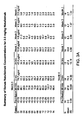
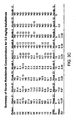
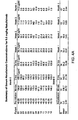
- Figs. 3 and 4 The results are as shown in Figs. 3 and 4 . As shown in these figures, levels of natalizumab decreased between dosings, and by month 7 or 8 ( i.e., 2 to 3 months following the final dosing) the antibody was undetectable in the majority of patients.
- VLA-4 saturation was determined by an indirect immunoassay using flow cytometry.
- the tubes are centrifuged at 2,200 rpm for 5 minutes at 10-15°C, and the liquid aspirated and discarded.
- the cell pellet is resuspended in cold wash buffer to a total of 1 mL.
- a natalizumab stock reference standard 500 ⁇ g/mL of a natalizumab stock reference standard is prepared in wash buffer. 20 ⁇ L of the diluted natalizumab stock reference was added to the first tube, and 20 ⁇ L wash buffer was added to the second tube. Both tubes were incubated on ice for 30 minutes in the dark. After incubation, the tubes were filled with wash buffer up to the 14 mL mark, and centrifuged at 2,200 rpm for 5 minutes in the cold. The supernatant was aspirated, and the wash step repeated a second time. Following the second wash, the cells were resuspended in wash buffer to the 1 mL mark.
- the supernatant was then very carefully removed, 0.5 mL of a fixative solution (Ortho's Fixative pH 7.6) added, and the tubes immediately vortexed to ensure that cells were resuspended in the fixative.
- the tubes were covered with aluminum foil until FACS assay.
- Each sample was then for VLA-4 receptor saturation in the samples with and without analyzed natalizumab using the FACS Calibur flow cytometer and CellQuestTM software.
- the CellQuestTM software allows acquisition and analysis of data from the flow cytometer.
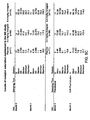
- Receptor saturation levels are shown in Fig. 5 .
- the levels of receptor saturation for months 1-4 were determined prior to that month's dosing.
- the levels of receptor saturation produced by one month dosage intervals were consistently fairly high, and these chronic levels were sufficient to maintain a suppression of the pathological inflammation and associated physiological hallmarks of the disease.
- the levels of saturation were maintained for a month at a mean of at least 67% and a median of at least 75%. These levels were sufficient for the suppression of brain lesions in the treated patients ( see Fig. 1 ).
- the minimum level of saturation determined in the study preinfusion from month 2 to month 5 (and week 21 following administration at month 5) is particularly low as compared to the mean and median values due to a single patient with an antibody response to natalizumab.
- SAEs serious adverse events
- 7 placebo-treated patients reported 11 SAEs, 5 patients receiving natalizumab 3 mg/kg reported 5 SAEs, and 3 patients receiving natalizumab 6 mg/kg reported 4 SAEs.
- four were considered to be immune-mediated and related to study drug.
- There were three reports of serum sickness one in each group including placebo. Only one event was accompanied by a change in complement levels and all occurred at the same investigative site. Overall, these events complicated fewer than one in 250 infusions.
- natalizumab the effects of natalizumab on MRI outcomes in this trial are supported by clinical observations. This study was not prospectively powered to show effects on clinical outcomes. Nonetheless, treatment with natalizumab resulted in a significant reduction in relapse rate and a perception of increased well-being among patients. When all reported clinical relapses are considered, both natalizumab groups experienced significantly fewer relapses than the placebo group during six months of treatment. A significant reduction in these episodes was also observed using predefined relapse criteria; a more stringent measure, because it requires a change in objective signs.
- results of this study provide further support for the role of alpha-4 integrin, and the immune cells that express it, in the pathogenesis of acute inflammatory brain lesions in patients with MS.
- the reduction in new Gd-enhancing lesions was evident after one month of treatment. This observation suggests natalizumab acts early in lesion development by preventing the appearance of new lesions.
- natalizumab has demonstrated strong effects on clinically meaningful parameters in this placebo-controlled trial in patients with relapsing MS. Therapy was well tolerated during this six-month trial.
- the beneficial effects of natalizumab on the appearance of new inflammatory CNS lesions, the occurrence of clinical relapses and improvement in patient well-being observed in this study indicate the potential for observing effects on disability in the longer term studies currently in progress.
Landscapes
- Health & Medical Sciences (AREA)
- Chemical & Material Sciences (AREA)
- Life Sciences & Earth Sciences (AREA)
- Medicinal Chemistry (AREA)
- General Health & Medical Sciences (AREA)
- Immunology (AREA)
- Organic Chemistry (AREA)
- Engineering & Computer Science (AREA)
- Pharmacology & Pharmacy (AREA)
- Animal Behavior & Ethology (AREA)
- Public Health (AREA)
- Veterinary Medicine (AREA)
- Bioinformatics & Cheminformatics (AREA)
- Nuclear Medicine, Radiotherapy & Molecular Imaging (AREA)
- General Chemical & Material Sciences (AREA)
- Chemical Kinetics & Catalysis (AREA)
- Molecular Biology (AREA)
- Biochemistry (AREA)
- Biomedical Technology (AREA)
- Epidemiology (AREA)
- Biophysics (AREA)
- Genetics & Genomics (AREA)
- Proteomics, Peptides & Aminoacids (AREA)
- Microbiology (AREA)
- Urology & Nephrology (AREA)
- Hematology (AREA)
- Cell Biology (AREA)
- Mycology (AREA)
- Neurosurgery (AREA)
- Neurology (AREA)
- Biotechnology (AREA)
- Pathology (AREA)
- Virology (AREA)
- Zoology (AREA)
- Endocrinology (AREA)
- Tropical Medicine & Parasitology (AREA)
- Food Science & Technology (AREA)
- Physics & Mathematics (AREA)
- Analytical Chemistry (AREA)
- General Physics & Mathematics (AREA)
Abstract
Description
- This invention relates generally to agents that specifically bind to and inhibit an integrin receptor comprising an alpha-4 (a4) subunit, and therapeutic uses of the same.
- Inflammation is a response of vascularized tissues to infection or injury and is affected by adhesion of leukocytes to the endothelial cells of blood vessels and their infiltration into the surrounding tissues. In normal inflammation, the infiltrating leukocytes release toxic mediators to kill invading organisms, phagocytize debris and dead cells, and play a role in tissue repair and the immune response. However, in pathological inflammation, infiltrating leukocytes are over-responsive and can cause serious or fatal damage. See, eg., Hickey, Psychoneuroimmunology II (Academic Press 1990).
- The integrins are a family of cell-surface glycoproteins involved in cell-adhesion, immune cell migration and activation. Alpha-4 integrin is expressed by all circulating leukocytes except neutrophils, and forms heterodimeric receptors in conjunction with either the beta1 or beta7 integrin subunits; both alpha-4 beta-1 (α4β1) and alpha-4 beta-7 (α4β7) dimers play a role in the migration of leukocytes across the vascular endothelium (Springer et al., 1994 Cell 76: 301-14; and Butcher et al., 1996 Science 272: 60-6) and contribute to cell activation and survival within the parenchyma (Damle et al., 1993 J. Immunol. 151: 2368-79; Koopman et al., 1994 J. Immunol. 152: 3760-7; and Leussink et al., 2002 Acta Neuropathol. 103:131-136).
- Specifically, alpha-4 beta-1 (also known as very late antigen-4 [VLA-4]), binds to vascular cell adhesion molecule-1 (VCAM-1)( Lobb et al., 1994 J. Clin. Invest. 94:1722-8), which is expressed by the vascular endothelium at many sites of chronic inflammation (Bevilacqua et al., 1993 Annu. Rev. Immunol. 11: 767-804; and Postigo et al., 1993 Res. Immunol. 144:723-35). The alpha-4 beta-7 dimer interacts with mucosal addressin cell adhesion molecule (MAdCAM-1), and mediates homing of lymphocytes to the gut (Farstad et al.,1997 Am. J. Pathol. 150: 187-99; and Issekutz et al., 1991 J. Immunol. 147: 4178-84). Expression of MAdCAM-1 on the vascular endothelium is also increased at sites of inflammation in the intestinal tract of patients with inflammatory bowel disease (IBD) (Briskin et al., 1997 Am. J. Pathol. 151: 97-110).
- Adhesion molecules such as alpha-4 integrins are potential targets for therapeutic agents. For instance, the VLA-4 receptor, of which alpha-4 integrin is a subunit, is an important target because of its interaction with a ligand residing on brain endothelial cells. Diseases and conditions resulting from brain inflammation have particularly severe consequences. In another example, the alpha-4 beta-7 integrin dimer is an important target due to its involvement in lymphocyte homing and pathological inflammation in the gastrointestinal tract.
- Alpha-4 beta-1 integrin is expressed on the extracellular surface of activated lymphocytes and monocytes, which have been implicated in the pathogenesis of acute inflammatory brain lesions and blood brain barrier (BBB) breakdown associated with multiple sclerosis (MS) (Coles et al., 1999 Ann. Neurol. 46(3): 296-304). Agents against alpha-4 integrin have been tested for their anti-inflammatory potential both in vitro and in vivo in animal models. See Yednock et al., 1992 Nature 356: 63-66;
U.S. Patent No. 5,840,299 issued to Bendig, et al. on November 24, 1998 , andU.S. Patent No. 6,001,809 issued to Thorsett et al. on December 14, 1999 . The in vitro experiments demonstrate that alpha-4 integrin antibodies block attachment of lymphocytes to brain endothelial cells. Experiments testing the effect of alpha-4 integrin antibodies on animals having an artificially induced condition simulating multiple sclerosis, experimental autoimmune encephalomyelitis (EAE), have demonstrated that administration of anti-alpha-4 integrin antibodies prevents inflammation of the brain and subsequent paralysis in the animals. Collectively, these experiments identify anti-alpha-4 integrin antibodies as potentially useful therapeutic agents for treating multiple sclerosis and other inflammatory diseases and disorders. - In another specific example of pathological inflammation involving alpha-4 integrins, Crohn's disease (CD) is a chronic, incurable, relapsing, transmural inflammation of the intestinal tract. The disease is characterized by inappropriate immune cell migration and activation in the intestinal mucosa involving T cells, macrophages and neutrophils (Schreiber et al., 1991 Gastroenterology 101: 1020-30). First-line medical therapies for Crohn's disease include 5-aminosalicylates (5-ASAs); which have low efficacy, and corticosteroids, which have various short- and long-term side effects (Munkholm et al., 1994 Gut 35: 360-2). Patients refractory to first-line therapies are treated with immunosuppressive agents such as azathioprine, 6-mercaptopurine, and methotrexate, but these agents have a slow onset of action and potentially serious side effects (Stein et al., 2001 Surg. Clin. North Am. 81: 71-101, viii). More recently, biologic agents with a faster onset of action have been introduced for use in treating Crohn's disease, but such agents are similarly plagued by issues such as long-term efficacy and side effects.
- The present invention provides use of an agent selected from an antibody or an immunologically active fragment thereof which bind to alpha-4 integrin or a dimer comprising alpha-4 integrin for preparing a chronically administerable pharmaceutical composition for reducing chronic pathological inflammation caused by multiple sclerosis wherein the agent is natalizumab to be administered every two weeks or monthly for a period of at least 6 months to the patient in an amount of 2 to 8 mg/kg patient.
- In one embodiment, the efficacy of a chronic dosage regime can be determined by the measurement of saturation of a specific integrin dimer. In a particular example, it is believed that alpha-4 beta-1 integrin dimer is involved in multiple sclerosis, and thus the level of saturation required for an efficacious chronic administration regime can be measured via measurement of the saturation of the alpha-4 beta-1 dimer receptor.
- In one embodiment, the success of a chronic dosage regime can be determined by assessing a physiological marker of the pathological inflammation. For example, in a chronic dosage regime administered for MS, the success of the dosage regime can be confirmed by detection of the levels of brain lesions using an imaging technique, e.g., magnetic resonance imaging (MRI).
- The invention features a dosage regime wherein repeated administration of an agent is provided to provide a level of alpha-4 integrin receptor saturation of 65-100% in a patient, thereby providing chronic suppression of pathological inflammation in the patient. In another specific embodiment, the agent is repeatedly administered to provide levels of at least about 75-100% in a patient. The agent in repeatedly administered to provide levels of at least about 80-100% in a patient.
- A feature of the invention is that undesirable effects of pathological inflammation can be suppressed long-term in a patient, e.g., over a period of six months, one year, two years, or more.
- An aspect of the method of the invention is that sufficient levels of an anti-alpha-4 integrin agent are maintained over long periods to suppress pathological inflammation over those periods.
- A feature of the invention is that the dosage form provides lower levels of pathological inflammation over longer periods as compared to a single dose.
- An advantage of the invention is that agents used in the methods of the invention are well tolerated and have low toxicity.
- These and other objects, advantages, and features of the invention will become apparent to those persons skilled in the art upon reading the details of the methods and formulations as more fully described below.
-
-
Fig. 1 is a line graph illustrating the cumulative mean number of new Gd-enhancing lesions in MS patients following dosing with natalizumab. -
Fig. 2 shows the percentage of active scans at each time point during the natalizumab MS study. Active scans are those containing one or more new Gd-enhancing lesions. -
Figs. 3A-C and4A-C show the serum concentrations of natalizumab following the dosage regime time points in an MS study.Figs. 3A-C show the levels for the 3-mg/kg study;Figs. 4A-C show the levels for the 6-mg/kg study. -
Figs. 5A-F illustrates the levels of receptor saturation maintained in the MS study. Levels shown are percentage values. - Before the present methods and therapeutic agents are described, it is to be understood that this invention is not limited to particular methods and therapeutic agents described, as such may, of course, vary. It is also to be understood that the terminology used herein is for the purpose of describing particular embodiments only, and is not intended to be limiting.
- Where a range of values is provided, it is understood that each intervening value, to the tenth of the unit of the lower limit unless the context clearly dictates otherwise, between the upper and lower limit of that range and any other stated or intervening value in that stated range is encompassed within the invention. The upper and lower limits of these smaller ranges may independently be included in the smaller, subject to any specifically excluded limit in the stated range. Where the stated range includes one or both of the limits, ranges excluding either both of those included limits are also included in the invention.
- It must be noted that as used herein, the singular forms "a", "and", and "the" include plural referents unless the context clearly dictates otherwise. Thus, for example, reference to "an antibody" includes a plurality of such antibodies and reference to "the dosage" includes reference to one or more dosages and equivalents thereof known to those skilled in the art, and so forth.
- The publications discussed herein are provided solely for their disclosure prior to the filing date of the present application. Nothing herein is to be construed as an admission that the present invention is not entitled to antedate such publication by virtue of prior invention. Further, the dates of publication provided may be different from the actual publication dates which may need to be independently confirmed.
- The term "anti-alpha-4 agent" as used herein refers to any agent, which binds specifically to an integrin comprising an alpha-4 subunit and inhibits activity of the integrin. This includes agents that specifically bind to alpha-4 integrin, as well as agents that bind to an integrin dimer that comprises the alpha-4 integrin, e.g., alpha-4 beta-1 (α4β1) or alpha-4 beta-7 (α4β7). The term "agents" is meant to include synthetic and recombinant molecules (e.g., antibodies, small molecules, peptides, or other synthetically produced molecules or compounds, as well as recombinantly produced gene products) as well as naturally-occurring compounds (e.g., polypeptides, antibodies, and the like).
- The term "efficacy" as used herein in the context of a chronic dosage regime refers to the effectiveness of a particular treatment regime. Efficacy can be measured based on change the course of the disease in response to an agent of the present invention. For example, in the treatment of MS, efficacy can be measured by the frequency of relapses in relapsing-remitting MS, and by the presence or absence of new lesions in the central nervous system as detected using methods such as MRI.
- The term "success" as used herein in the context of chronic treatment regimes refers to the effectiveness of a particular treatment regime. This includes a balance of efficacy, toxicity (e.g., side effects and patient tolerance of a formulation or dosage unit), patient compliance, and the like. For a chronic administration regime to be considered "successful" it must balance different aspects of patient care and efficacy to produce the most favorable patient outcome.
- The terms "specifically binds" or "binds specifically" as used herein refer to the situation in which one member of a specific binding pair will not show any significant binding to molecules other than its specific binding partner (e.g., an affinity of about 1,000x or more for its binding partner). In the present invention, the anti-alpha-4 integrin agent will not show significant binding to any polypeptide other than an alpha-4 integrin or a receptor comprising an alpha-4 integrin. For example, antibodies used in the methods of the invention that bind to an alpha-4 integrin with a binding affinity of 107 mole/l or more, preferably 108 mole/liters or more, are said to bind specifically to an alpha-4 integrin.
- The term "substantially homologous" as used herein is intended to mean any polypeptide that has an alteration in the sequence such that a functionally equivalent amino acid is substituted for one or more amino acids in the polypeptide, thus producing a change that has no or relatively little effect on the binding properties of the polypeptide. For example, one or more amino acid residues within the sequence can be substituted by another amino acid of a similar polarity.
- The terms "elicits an immune response" and "elicits a host immune response" as used herein refer to the production of an immunological response to a receptor comprising an alpha-4 integrin in a subject upon introduction of an agent of the invention to the subject. An immune response in the subject can be characterized by serum reactivity with an alpha-4 integrin receptor that is at least twice that of an untreated subject, more preferably three times the reactivity of an untreated subject, and even more preferably at least four times the reactivity of an untreated subject, with serum immunoreactivity measured using a serum dilution of approximately 1:100.
- The term "excipient material" is intended to mean any compound forming a part of the formulation that is intended to act merely as a carrier, i.e. not intended to have biological activity itself.
- The term "adjuvant" as used herein refers to a composition additive that augments the immune response to an agent of the invention but which will not on its own elicit an immune response. Adjuvants may augment the immune response using a variety of biological mechanisms, including but not limited to lymphocytic recruitment, T cell stimulation, B cell stimulation, and macrophage stimulation.
- The terms "treating", and "treatment" and the like are used herein to generally mean obtaining a desired pharmacological and physiological effect. The effect may be prophylactic in terms of preventing or partially preventing a disease, symptom or condition thereof and/or may be therapeutic in terms of a partial or complete cure of a disease, condition, symptom or adverse effect attributed to the disease. The term "treatment" as used herein covers any treatment of a disease in a mammal, particularly a human, and includes: (a) preventing the disease from occurring in a subject which may be predisposed to the disease but has not yet been diagnosed as having it; (b) inhibiting the disease, i.e., arresting its development; or (c) relieving the disease, i.e., causing regression of the disease and/or its symptoms or conditions. The disclosure is directed towards treating a patient's suffering from disease related to pathological inflammation. The present invention is involved in preventing, inhibiting, or relieving adverse effects attributed to pathological inflammation over long periods of time and/or are such caused by the physiological responses to inappropriate inflammation present in a biological system over long periods of time.
- The term "pathological inflammation" as used herein refers to an inappropriate and chronic inflammation associated with disorders including, but not limited to, asthma, atherosclerosis, AIDS dementia, diabetes, inflammatory bowel disease, rheumatoid arthritis, transplant rejection, graft versus host disease, multiple sclerosis (especially to inhibit further demyelination), tumor metastasis, nephritis, atopic dermatitis, psoriasis, myocardial ischemia, chronic prostatitis, complications from sickle cell anemia, lupus erythematosus, and acute leukocyte mediated lung injury. Such inflammation is characterized by a heightened response of inflammatory cells, including infiltrating leukocytes. Over time, such pathological inflammation often results in damage to tissue in the region of inappropriate inflammation.
- By "Antegren®" is meant to include the antibody also known as AN 100226 (antibody code number) or natalizumab (USAN name). Antegren® is a recombinant, humanized anti-alpha-4 integrin antibody. Preferably the disease or condition being treated in the mammal is one which is modulated when a therapeutically effective dose of Antegren® is administered.
- The present invention is based on the surprising result that chronic administration of an emerging class of new compounds known as selective adhesion molecule inhibitors (SAMIs) is sufficient to provide the maintenance of chronic suppression of inflammation in disorders involving integrin dimers. Upon cessation of the repeated dosage regime, the suppression of the inflammation is reversed (see, e.g.,
Fig. 2 ). Previous treatments of inflammatory inhibitors have approached the dosage regimes quite differently, in the belief that the administration of an inflammatory inhibitor would cause a reaction of the body's own response system, which would in turn lead to a recognition of the inflammation as pathological and a resulting chronic relief of the pathological inflammation. What the inventors have shown herein is that a chronic dosage regime is not only more effective than a short-term dosage regime, but in fact it is required to maintain the suppression of pathological inflammation. Thus, in order to realize some of the more important advantages of the invention, the levels of an anti-alpha-4 integrin agent need to be maintained over a number of months or even years. - The present invention is based on the results of a large, randomized, placebo-controlled trial of an anti-alpha-4 integrin antibody, natalizumab, in patients with relapsing MS or with moderate to severely active CD. Natalizumab is a recombinant, humanized, monoclonal antibody antagonist against alpha-4 integrin. Results from these two trials have shown that treatment with natalizumab improved the signs and symptoms of patients with MS.
- In a general sense the method of the invention does not involve any particular mode of administration, since the mode of administration is dependent upon the form of the active agent and the formulation developed to administer the active agent(s). However, the specific examples described here were obtained using parenteral administration of natalizumab.
- The general concept of the invention relates to introducing relatively constant amounts of natalizumab to a patient's circulatory system over a period of months or years. This chronic introduction of an agent that selectively binds to alpha-4 integrin or a dimer comprising alpha-4 integrin results in suppression of pathological inflammation being maintained at a constant level over a period of time. By maintaining therapeutic levels of an active agent for a period of time, pathological inflammation can be chronically suppressed in the patient.
- In a very specific sense, the invention involves obtaining and maintaining a receptor saturation level in a human patient of a dimer comprising alpha-4 integrin in a range of from about 65% to about 100%, more preferably between about 75% to about 100%, and even more preferably between about 80% to about 100%. These receptor saturation levels are maintained at these levels chronically (e.g., over a period of 6 months or so) to allow for continued suppression of pathological inflammation.
- The agent of the invention is the antibody natalizumab or immunologically active fragments thereof that selectively bind to an alpha-4 integrin or a dimer comprising alpha-4, such as alpha-4 beta-1.
- Immunologically active fragments include Fab fragments, F(ab') fragments, fragments produced by a Fab expression library, anti-idiotypic (anti-Id) antibodies (including, e.g., anti-Id antibodies to antibodies of the invention), and epitope-binding fragments of any of the above. Most preferably the antibodies are human antigen-binding antibody fragments of the present invention and include, but are not limited to, Fab, Fab' and F(ab')2, Fd, single-chain Fvs (scFv), single-chain antibodies, disulfide-linked Fvs (sdFv) and fragments comprising either a VL or VH domain. Antigen-binding antibody fragments, including single-chain antibodies, may comprise the variable region(s) alone or in combination with the entirety or a portion of the following: hinge region, CH1, CH2, and CH3 domains. Also included in the invention are antigen-binding fragments that can comprise any combination of variable region(s) with a hinge region, CH1, CH2, and CH3 domains.
- Chimeric and humanized antibodies can be produced from non-human antibodies, and can have the same or similar binding affinity as the antibody from which they are produced. Techniques for producing chimeric antibodies (Morrison et al., 1984 Proc. Natl. Acad. Sci. 81: 6851; Neuberger et al., 1984 Nature 312: 604; Takeda et al., 1985 Nature 314: 452) include splicing the genes from, e.g., a mouse antibody molecule of appropriate antigen specificity together with genes from a human antibody molecule of appropriate biological activity; such antibodies are within the scope of this invention. For example, a nucleic acid encoding a variable (V) region of a mouse monoclonal antibody can be joined to a nucleic acid encoding a human constant (C) region, e.g., IgG1 or IgG4.
- Whether the agent is an antibody, according to the present invention that is to be given to an individual, administration is via a chronic dosage regime. The actual amount administered, and rate and time-course of administration, will depend on the nature and severity of what is being treated. Prescription of treatment, e.g., decisions on dosage etc., is within the responsibility of general practitioners and other medical doctors, and typically takes account of the disorder to be treated, the condition of the individual patient, the site of delivery, the method of administration and other factors known to practitioners. Examples of the techniques and protocols mentioned above can be found in Remington's Pharmaceutical Sciences, 18th edition, Osol, A. (ed.), 1990.
- The present disclosure also provides pharmaceutical compositions for the reduction of chronic pathological inflammation in a subject susceptible to such and/or suffering from a disorder associated with pathological inflammation.
- Pharmaceutical formulations preferably contain an agent in a concentration from about 0.1 to about 10% of the formulation. They may also be used in appropriate association with other pharmaceutically active compounds. The following methods and excipients are merely exemplary and are in no way meant to be limiting.
- For oral preparations, the agents can be used alone or in combination with appropriate additives to make tablets, powders, granules or capsules, for example, with conventional additives, such as lactose, mannitol, corn starch or potato starch; with binders, such as crystalline cellulose, cellulose derivatives, acacia, corn starch or gelatins; with disintegrators, such as corn starch, potato starch or sodium carboxymethylcellulose; with lubricants, such as talc or magnesium stearate; and if desired, with diluents, buffering agents, moistening agents, preservatives and flavoring agents.
- When the agent is an antibody, the formulation is preferably administered in a parenteral dosage form. The preferred form depends on the intended mode of administration and therapeutic application. The compositions can also include, depending on the formulation desired, pharmaceutically acceptable, non-toxic carriers or diluents, which are defined as vehicles commonly used to formulate pharmaceutical compositions for animal or human administration. The diluent is selected so as not to affect the biological activity of the combination. Examples of such diluents are distilled water, physiological phosphate-buffered saline, Ringer's solutions, dextrose solution, and Hank's solution. In addition, the pharmaceutical composition or formulation may also include other carriers, adjuvants, or nontoxic, nontherapeutic, non-immunogenic stabilizers and the like. Also included may be carrier molecules such as proteoglycans. Specific examples of such carrier molecules include, but are not limited to, glycosaminoglycans such as heparin sulfate, hyaluronic acid, keratan-sulfate, chondroitin 4-sulfate, chondroitin 6-sulfate, heparan sulfate and dermatin sulfate, perlecan, and pentopolysulfate.
- Antibodies can be administered as injectionable dosages of a solution or as a suspension of the substance in a physiologically acceptable diluent with a pharmaceutical carrier that can be a sterile liquid such as water and oils with or without the addition of a surfactant. Other pharmaceutically preparations are those of petroleum, animal, vegetable, or synthetic origin, for example, peanut oil, soybean oil, and mineral oil. In general, glycols such as propylene glycol or polyethylene glycol are preferred liquid carriers, particularly for injectable solutions. The agents can be administered in a sustained release form, for example a depot injection, implant preparation, or osmotic pump, which can be formulated in such a manner as to permit a sustained release of the active ingredient.
- In addition, antibodies may be provided by administering a polynucleotide encoding a whole or partial antibody (e.g., a single chain Fv) to a subject. The polynucleotide is administered to a subject in an appropriate vehicle to allow the expression of the antibody in the subject in a therapeutically effective amount.
- The agents can be formulated into preparations for injections by dissolving, suspending or emulsifying them in an aqueous or nonaqueous solvent, such as vegetable or other similar oils, synthetic aliphatic acid glycerides, esters of higher aliphatic acids or propylene glycol. The formulations may also contain conventional additives such as solubilizers, isotonic agents, suspending agents, emulsifying agents, stabilizers and preservatives.
- The agents can be utilized in aerosol formulation to be administered via inhalation or pulmonary delivery. The agents of the present invention can be formulated into pressurized acceptable propellants such as dichlorodifluoromethane, propane, nitrogen and the like.
- Furthermore, the agents can be made into suppositories by mixing with a variety of bases such as emulsifying bases or water-soluble bases. The agents can be administered rectally via a suppository. The suppository can include vehicles such as cocoa butter, carbowaxes and polyethylene glycols, which melt at body temperature, yet are solidified at room temperature.
- Administration may be accomplished by any convenient means, including parenteral injection, and may be systemic or localized in delivery. The agents can be incorporated into a variety of formulations for therapeutic administration. More particularly, the agents can be formulated into pharmaceutical compositions by combination with appropriate pharmaceutically acceptable carriers or diluents, and may be formulated into preparations in solid, semi-solid, liquid or gaseous forms, such as tablets, capsules, powders, granules, ointments, solutions, suppositories, injections, inhalants, gels, microspheres, and aerosols. As such, administration can be achieved in various ways, including oral, buccal, rectal, parenteral, intraperitoneal, intradermal, transdermal, intratracheal, intranasal, gastric, intramuscular, intracranial, subdermal etc., administration. The active agent may be systemic after administration or may be localized by the use of regional administration, intramural administration, or use of an implant that acts to retain the active dose at the site of implantation.
- Unit dosage forms for oral or rectal administration such as syrups, elixirs, and suspensions may be provided wherein each dosage unit, for example, teaspoonful, tablespoonful, tablet or suppository, contains a predetermined amount of the composition containing one or more agents of the present invention. Similarly, unit dosage forms for injection or intravenous administration may comprise the agent of the present invention in a composition as a solution in sterile water, normal saline or another pharmaceutically acceptable carrier.
- Implants for sustained release formulations are well known in the art. Implants are formulated as microspheres, slabs, etc. with biodegradable or non-biodegradable polymers. For example, polymers of lactic acid and/or glycolic acid form an erodible polymer that is well tolerated by the host. The implant is placed in proximity to the site of protein deposits (e.g., the site of formation of amyloid deposits associated with neurodegenerative disorders), so that the local concentration of active agent is increased at that site relative to the rest of the body.
- A typical dosage unit for administration of a subject includes, but is not limited to: a solution suitable for intravenous administration; a tablet taken from two to six times daily; or a one time-release capsule or tablet taken once a day and containing a proportionally higher content of active ingredient, etc. The time-release effect may be obtained by capsule materials that dissolve at different pH values, by capsules that release slowly by osmotic pressure or by any other known means of controlled release.
- Antibodies and peptides, are sometimes administered in combination with an adjuvant. A variety of adjuvants can be used in combination with an anti alpha-4 integrin agent to elicit an immune response. Preferred adjuvants augment the intrinsic response to an agent without causing conformational changes in the agent that affect the qualitative form of the response. Preferred adjuvants include aluminum hydroxide and aluminum phosphate, 3 De-O-acylated monophosphoryl lipid A (MPL™) (see
GB 2220211 U.S. Patent No. 5,057,540 , (Aquila BioPharmaceuticals, Framingham, MA). Other adjuvants are oil in water emulsions (such as squalene or peanut oil), optionally in combination with immune stimulants, such as monophosphoryl lipid A (see Stoute et al., 1997 N. Engl. J. Med. 336: 86-91). Another adjuvant is CpG (WO 98/40100 - A preferred class of adjuvants for administration is aluminum salts (alum), such as aluminum hydroxide, aluminum phosphate, and aluminum sulfate. Such adjuvants can be used with or without other specific immunostimulating agents such as MPL or 3-DMP, QS-21, polymeric or monomeric amino acids such as polyglutamic acid or polylysine. Another class of adjuvants is oil-in-water emulsion formulations. Such adjuvants can be used with or without other specific immunostimulating agents such as muramyl peptides (e.g., N-acetyhnuramyl-L-threonyl-D-isoglutamine (thr-MDP), N-acetyl-normuramyl-L-alanyl-D-isoglutamine (nor-MDP), N-acetylmuramyl-L-alanyl-D-isoglutaminyl-L-alanine-2-(1'-2'dipalmitoyl-sn-glycero-3-hydroxyphosphoryloxy)-ethylamine (MTP-PE), N-acetylglucsaminyl-N-acetylmuramyl-L-Al-D-isoglu-L-Ala-dipalmitoxy propylamide (DTP-DPP) theramide™, or other bacterial cell wall components. Oil-in-water emulsions include (a) MF59 (
WO 90/14837 % Tween 80, and 0.5% Span 85 (optionally containing various amounts of MTP-PE) formulated into submicron particles using a microfluidizer such as Model 110Y microfluidizer (Microfluidics, Newton MA), (b) SAF, containing 10% Squalene, 0.4% Tween % Tween 80, and one or more bacterial cell wall components from the group consisting of monophosphoryl lipid.A, trehalose dimycolate (TDM), and cell wall skeleton (CWS), preferably MPL + CWS (Detox™). Another class of preferred adjuvants is saponin adjuvants, such as Stimulon™ (QS-21; Aquila, Framingham, MA) or particles generated therefrom, such as ISCOMs (immunostimulating complexes) and ISCOMATRIX. Other adjuvants include Complete and Incomplete Freund's Adjuvant (IFA), cytokines, such as interleukins (IL-1, IL-2, and IL-12), macrophage colony stimulating factor (M-CSF), and tumor necrosis factor (TNF). Such adjuvants are generally available from commercial sources. - An adjuvant can be administered with an agent as a single composition, or can be administered before, concurrent with or after administration of the agent. The agent and an adjuvant can be packaged and supplied in the same vial or can be packaged in separate vials and mixed before use. The agent and adjuvant are typically packaged with a label indicating the intended therapeutic application. If the agent and adjuvant are packaged separately, the packaging typically includes instructions for mixing before use. The choice of an adjuvant and/or carrier depends on such factors as the stability of the formulation containing the adjuvant, the route of administration, the dosing schedule, and the efficacy of the adjuvant for the species being vaccinated. In humans, a preferred pharmaceutically acceptable adjuvant is one that has been approved for human administration by pertinent regulatory bodies. Examples of such preferred adjuvants for humans include alum, MPL and QS-21. Optionally, two or more different adjuvants can be used simultaneously. Preferred combinations include alum with MPL, alum with QS-21, MPL with QS-21, and alum, QS-21 and MPL together. Also, Incomplete Freund's adjuvant can be used (Chang et al., 1998 Advanced Drug Delivery Reviews 32: 173-186), optionally in combination with any of alum, QS-21, and MPL and all combinations thereof.
- The chronic treatment regimes of the present invention provides anti-alpha-4 integrin agent at a level that will maintain sufficient receptor saturation to suppress pathological inflammation in a patient in need of such. The methods of the invention entail administration once per every two weeks or once a month to once every two months, with repeated dosings taking place over a period of at least six months, and more preferably for a year or longer. The methods of the invention involve obtaining and maintaining a receptor saturation level in a human patient of a dimer comprising alpha-4 integrin (e.g., VLA-4) in a range of from about 65% to 100%, more preferably between about 75% to about 100%, and even more preferably between about 80% to about 100%. These receptor saturation levels are maintained at these levels chronically (e.g., over a period of 6 months or so) to allow for continued suppression of pathological inflammation:
- In the invention, the anti-alpha-4 agent is the humanized antibody, natalizumab, and the dosing is on a monthly basis. Levels of receptor saturation can be monitored to determine the efficacy of the dosing regime, and physiological markers measured to confirm the success of the dosage regime. As a confirmation, serum levels of the antibody can be monitored to identify clearance of the antibody and to determine the potential effect of half-life on the efficacy of the treatment.
- For antibody administration, each dosing injection is generally between 2.0 to 8.0 mg/kg. In accordance with the teachings provided herein, effective dosages can be monitored by obtaining a fluid sample from the patient, generally a blood serum or cerebrospinal fluid sample, and determining the integrin receptor saturation using methods well known in the art. Ideally, a sample is taken prior to initial dosing; subsequent samples are taken and measured prior to and/or after each immunization. A particularly preferred amount is a 3 mg per kg of patient per month of natalizumab or an immunologically active fragment equivalent thereof.
- When adjuvant is being administered, the dosage level is increased in accordance with the particular adjuvant and the level of immunogenicity of the anti-alpha-4 agent Doses for individual agents, selected in accordance with the present invention, are determined according to standard dosing methods, taken in conjunction with the teachings provided herein.
- As an alternative to chronic administration comprised of repeated individual dosings, an anti-alpha-4 agent can be administered as a sustained release formulation, provided the dosage is such that the levels of receptor saturation remain sufficient to suppress inflammation. For example, controlled release systems can be used to chronically administer an anti-alpha-4 agent within the scope of this invention. Discussions of appropriate controlled release dosage forms may be found in Lesczek Krowczynski, Extended-Release Dosage Forms, 1987 (CRC Press, Inc.).
- The various controlled release technologies cover a very broad spectrum of drug dosage forms. Controlled release technologies include, but are not limited to physical systems and chemical systems. Physical systems include, but are not limited to, reservoir systems with rate-controlling membranes, such as microencapsulation, macroencapsulation, and membrane systems; reservoir systems without rate-controlling membranes, such as hollow fibers, ultra microporous cellulose triacetate, and porous polymeric substrates and foams; monolithic systems, including those systems physically dissolved in non-porous, polymeric, or elastomeric matrices (e.g., non-erodible, erodible, environmental agent ingression, and degradable), and materials physically dispersed in non-porous, polymeric, or elastomeric matrices (e.g., non-erodible, erodible, environmental agent ingression, and degradable); laminated structures, including reservoir layers chemically similar or dissimilar to outer control layers; and other physical methods, such as osmotic pumps, or adsorption onto ion-exchange resins.
- Chemical systems include, but are not limited to, chemical erosion of polymer matrices (e.g., heterogeneous, or homogeneous erosion), or biological erosion of a polymer matrix (e.g., heterogeneous, or homogeneous). Additional discussion of categories of systems for controlled release may be found in Agis F. Kydonieus, Controlled Release Technologies: Methods, Theory anti Applications, 1980 (CRC Press, Inc.).
- The antibody can be used to treat a patient that is affected with a disorder involving or arising from pathological inflammation, or to prophylactically treat a patient at risk for a particular disorder. The dosage regimes that are necessary for prophylactic versus therapeutic treatment can vary, and will need to be designed for the specific use and disorder treated.
- In some methods, two or more agents (e.g., monoclonal antibodies with different binding specificities) are administered simultaneously, in which case the dosage of each agent administered falls within the ranges indicated. Intervals can also be irregular as indicated by measuring receptor saturation levels or by following other indicia of the disease process.
- Those of skill will readily appreciate that dose levels can vary as a function of the specific agent, the severity of the symptoms and the susceptibility of the subject to side effects. Some of the specific agents are more potent than others. Preferred dosages for a given agent are readily determinable by those of skill in the art by a variety of means. A preferred means is to measure the physiological potency of a given agent.
- The controlled release formulations can be used to obtain a wide range of desirable effects. Particularly the formulations are useful in treating essentially any disease state or symptom that is treatable by long term administration of anti-inflammatories that target pathological inflammation.
- The use of the antibody is in treating multiple sclerosis. Multiple sclerosis (MS) is a progressive neurological autoimmune disease that affects an estimated 250,000 to 350,000 people in the United States. Multiple sclerosis is thought to be the result of a specific autoimmune reaction in which certain leukocytes attack and initiate the destruction of myelin, the insulating sheath covering nerve fibers. In an animal model for multiple sclerosis, murine monoclonal antibodies directed against alpha-4 beta-1 integrin have been shown to block the adhesion of leukocytes to the endothelium, and thus prevent inflammation of the central nervous system and subsequent paralysis in the animals.
- The onset of MS may be dramatic or so mild as to not cause a patient to seek medical attention. The most common symptoms include weakness (in one or more limbs, visual blurring due to optic neuritis, sensory disturbances, diplopia and ataxia. The course of disease may be stratified into three general categories: (1) relapsing MS, (2) chronic progressive MS, and (3) inactive MS. Relapsing MS is characterized by recurrent attacks of neurologic dysfunction. MS attacks generally evolve over days to weeks and may be followed by complete, partial or no recovery. Recovery from attacks generally occurs within weeks to several months from the peak of symptoms, although rarely some recovery may continue for 2 or more years.
- Chronic progressive MS results in gradually progressive worsening without periods of stabilization or remission. This form develops in patients with a prior history of relapsing MS, although in 20% of patients, no relapses can be recalled. Acute relapses also may occur during the progressive course.
- A third form is inactive MS. Inactive MS is characterized by fixed neurologic deficits of variable magnitude. Most patients with inactive MS have an earlier history of relapsing MS.
- The course of MS is also dependent on the age of the patient. For example, favourable prognostic factors include early onset (excluding childhood), a relapsing course and little
residual disability 5 years after onset. By contrast, poor prognosis is associated with a late age of onset (i.e.,age 40 or older) and a progressive course. These variables are interdependent, since chronic progressive MS tends to begin at a later age that relapsing MS. Disability from chronic progressive MS is usually due to progressive paraplegia or quadriplegia in individual patients. In one aspect of the invention, patients will preferably be treated when the patient is in remission rather then in a relapsing stage of the disease. - Short-term use of either adrenocorticotropic hormone (ACTH) or oral corticosteroids (e.g., oral prednisone or intravenous methylprednisolone) is the only specific therapeutic measure for treating patients with acute exacerbation of MS.
- Newer therapies for MS include treating the patient with interferon beta-1b, interferon beta-1a, and copaxone® (formerly known as copolymer 1). These three drugs have been shown to significantly reduce the relapse rate of the disease. These drugs are typically self-administered intramuscularly or subcutaneously.
- None of the currently available treatments inhibit demyelination or MS. One aspect of the invention contemplates treating MS with agents disclosed herein either alone or in combination with other standard treatment modalities. Standard treatment modalities include but are not limited to the following. Additional treatment modalities not discussed herein for use in treating MS in combination with the methods and compositions disclosed herein depending on the state of disease in the patient would be evident to the skilled practitioner. Such additional treatment modalities for MS other pathological inflammation would include other immunomodulators or immunosupressants.
- The agents and pharmaceutical compositions discussed supra can be chronically administered for prophylactic and/or therapeutic treatments of the previously listed inflammatory disorders, including multiple sclerosis, inflammatory bowel disease, asthma, atherosclerosis, rheumatoid arthritis, organ or graft rejection and graft versus host disease. In therapeutic applications, compositions are administered to a patient suspected of, or already suffering from such a disease in an amount sufficient to cure, or at least partially arrest, the symptoms of the disease and its complications. An amount adequate to accomplish this is defined as a therapeutically- or pharmaceutically-effective dose.
- In prophylactic applications, pharmaceutical compositions are chronically administered to a patient susceptible to, or otherwise at risk of, a particular disease in an amount sufficient to eliminate or reduce the risk or delay the outset of the disease. Such an amount is defined to be a prophylactically effective dose. In patients with multiple sclerosis in remission, risk may be assessed by NMR imaging or, in some cases, by presymptomatic indications observed by the patient.
- Effective dosage regimes of the compositions of the present invention, for the treatment of the above described conditions will vary depending upon many different factors, including means of administration, target site, physiological state of the patient, and other medicaments administered. Thus, treatment dosages will need to be titrated to optimize safety and efficacy. In general, each administration of the dosage regime will range from about 0.0001 to 100 mg/kg, and more usually 0.01 to 5 mg/kg of the host body weight One preferred dosage regimen is 300 mg administered once per month for a period of at least 6 months, more preferably 12 months and perhaps over the course of several years. Another dosage regimen that is preferred is a 3 mg per kilogram of patient weight per month. Such a regimen may be preferable for pediatric or adolescent patients in need of therapy.
- The anti-alpha-4 agents can be used with effective amounts of other therapeutic agents against acute and chronic inflammation. Such agents include other antagonists of adhesion molecules (e.g., other integrins, selectins, and immunoglobulin (Ig) super family members (see Springer, 1990 Nature 346: 425-433; Osborn, 1990 Cell 62: 3; Hynes, 1992 Cell 9: 11). Integrins are heterodimeric transmembrane glycoproteins consisting of an a chain (120-180 kDa) and a β chain (90-110 kDa), generally having short cytoplasmic domains. For example, three important integrins (i.e., LFA-1, Mac-1 and P150,95) have different alpha subunits, designated CAD 11a, CAD 11b and CD 11c, and a common beta subunit designated CD18. LFA-1 (αLβ2) is expressed on lymphocytes, granulocytes and monocytes, and binds predominantly to an Ig-family member counter-receptor termed ICAM-1 and related ligands. ICAM-1 is expressed on many cells, including leukocytes and endothelial cells, and is up-regulated on vascular endothelium by cytokines such as TNF and IL-1. Mac-1 (αMβ2) is distributed on neutrophils and monocytes, and also binds to ICAM-1. The third β2 integrin, P150,95 (αxβ2), is also found on neutrophils and monocytes. The selectins consist of L-selectin, E-selectin and P-selectin.
- Other anti-inflammatory agents that can be used in combination with the anti-alpha-4 agents include antibodies and other antagonists of cytokines, such as interleukins IL-1 through IL-13, tumor necrosis factors a and β, interferons α, β and γ, tumor growth factor beta (TGF-β), colony stimulating factor (CSF) and granulocyte monocyte colony stimulating factor (GM-CSF). Other anti-inflammatory agents include antibodies and other antagonists of chemokines such as MCP-1, MIP-1 α, MIP-1β, RANTES, exotaxin and IL-8. Other anti-inflammatory agents include NSAIDS, steroids and other small molecule inhibitors of inflammation. Formulations, routes of administration and effective concentrations of agents for combined therapies are as described above for the humanized antibodies against alpha-4 integrin.
- Additional agents for use in combination with agents which mediate alpha-4 integrin or dimers comprising alpha-4 integrin and treat inflammatory bowel disease (IBD), Crohn's Disease (CD) and ulcerative colitis (UC), include but are not limited to 5-aminosalicylates, glucocorticoids, thioguanine derivatives, methotrexate (MTX), cyclosporine, antibiotics, and infliximab.
- 5-Aminosalicylates include sulfasalazine (also known as Azulfidine) which is a conjugate of mesalamine linked to sulfapyridine by a diazo bond and is usually administered in an amount of 500 mg/day to about 6 g/day. 5-Aminosalicylates can also be co-administered with a glucocorticoid. Preferably, a 5-aminosalicylate is used in combination therapy with one of the other agents discussed herein to treat ulcerative colitis, however it can also be used to treat Crohn's disease. Non-sulfonamide containing formulations of mesalamine include but are not limited to ASACOL®, CLAVERSA, SALOFALK, PENTASA®, DIPENTUM®, COLAZIDE and ROWASA®.
- Glucocorticoids have been a mainstay of treatment for acute severe exacerbations of IBD since 1955, when they first where shown to be efficacious in UC. Oral prednisone can be administered in conjunction with any of the agents disclosed herein. Typically, 20 to 40 mg of oral prednisone is administered once a day. Glucocorticoids can also be administered intravenously and via enemas in combination with or concurrently with or within a short time before/after an anti-alpha-4 integrin agent is administered. For example, hydrocortisone is available as a retention enema (100 mg/60 mL) and the usual dose is one 60-mL enema per night for 2 to 3 weeks. This can be altered when used in combination with the therapies and agents discussed herein as would be understood by the artisan of ordinary skill. Other steroids that can be used include, but are not limited to, prednisolone methasulfobenzoate, tixocortol pivalate, fluticasone propionate, beclomethasone dipropionate, and budesonide.
- Thioguanine derivatives are also useful in the treatment of IBD, CD and UC. These include but are not limited to 6-mercaptopurine (6-MP) and azathioprine (IMURAN). The two drugs can be used interchangeably in combination with any of the alpha-4 integrin modulating agents discussed herein.
- Methotrexate (MTX) is also contemplated for use in combination with the alpha-4 integrin regulatory agents discussed herein. Preferably, MTX is administered via intramuscular injection (i.m.) to the subject in combination with an anti-alpha-4 integrin agent. MTX is effective in steroid-dependent CD, but not as useful in UC. MTX can be administered in amounts of about 15 to about 25 mg per week per subject or as necessary as determined by the artisan of ordinary skill.
- Cyclosporines (e.g., SANDIMMUNE®, NEORAL®) can also be used in combination with the alpha-4 integrin modulating agents discussed herein to treat pathological inflammation of the bowel. This can be used to treat acute, severe UC, which does not respond to glucocorticoids.
- Infliximab (i.e., REMICADE®) can also be used to treat CD in combination with the alpha-4 integrin modulating agents indicated herein. Infliximab is an immunoglobulin that binds to TNF and thereby neutralizes its activity. Other anti-TNF antibodies, such as CDP571, can also be used in combination with the alpha-4 integrin modulating agents disclosed herein.
- Antibiotics are also contemplated for use in combination with the alpha-4 integrin modulating agents indicated herein to modulate UC, IBD and CD. For example, patients can be treated with metronidazole or ciprofloxacin (or pharmacological equivalents thereof) in combination with an alpha-4 integrin mediating agent or in the form of an admixture.
- Also contemplated is the use of supportive therapies for IBD, CD and UC in conjunction with agents that mediate alpha-4 integrin or dimers comprising alpha-4 integrin and treat inflammatory bowel disease, Crohn's Disease and ulcerative colitis. Supportive therapies include, but are not limited to, analgesics, anticholinergic and antidiarrheal agents. Combining such supportive therapies can be useful in the beginning of a treatment regimen in reducing a patient's symptoms and improving their quality of life. Supportive therapies include administering oral iron, folate, and vitamin B12. Antidiarrheal agents include, but are not limited to diphenoxylate, codeine, loperamide, and anticholinergics (or pharmacological equivalents thereof), which can be administered to patients with mild disease to reduce the frequency of bowel movements and relive rectal urgency. Cholestyramine can be used in patients to prevent bile salt-induced colonic secretion in patients who have already undergone limited ileocolic resections prior to treatment with the chronic regimens described herein. Anticholinergic agents include, but are not limited to, clidinium bromide, dicyclomine hydrochloride, tincture of belladonna and the like, and are useful to reduce abdominal cramps, pain and rectal urgency.
- For treatment of MS, the anti-alpha-4 integrin agents (e.g., and-alpha-4 integrin antibodies, small compound alpha-4 integrin antagonists and the like) can be combined with other compounds or compositions used to treat, ameliorate or palliate symptoms associated with MS.
- Other agents utilized to treat, ameliorate or palliate symptoms associated with MS, include but are not limited to: muscle relaxants (e.g., Diazepam, cyclobenzaprine, Clonazepam, clonidine, primidone, and the like), anticholinergics (e.g., propantheline, dicyclomine, and the like), central nervous system stimulants (e.g., Pemoline), non-steroidal anti-inflammatory agents (NS such as ibuprofen, naproxen and ketoprofen), interferons, immune globulin, glatiramer (Copaxone®), mitoxantrone (Novantrone®), misoprostol, tumor necrosis factor-alpha inhibitors (e.g., Pirfenidone, infliximab and the like) and corticosteroids (e.g., glucocorticoids and mineralocorticoids).
- Common agents for treating multiple sclerosis include interferon beta-1b (Betaseron®), interferon beta-la (Avonex®), high-dose interferon beta-1a (Rebif), Glatiramer (Copaxone®), immune globulin, mitoxantrone (Novantrone®), corticosteroids (e.g., prednisone, methylprednisolone, dexamethasone and the like). Other corticosteroids may also be used and include but are not limited to cortisol, cortisone, fludrocortisone, prednisolone, 6α-methylprednisolone, triamcinolone, and betamethasone.
- Dosage forms of the agents to be used in combination with the compounds and compositions disclosed herein would vary depending on the subject and drug combination being utilized. For example, interferons are typically administered as follows: Interferon beta-la (Avonex®) is administered 30 µg once a week; interferon beta-1a is administered at about 22 µg or 44 µg three times a week; and interferon beta-1b (Betaseron®) is administered at 250 µg on alternate days (Durelli et al., Lancet 359: 1453-60,2002). Typically the interferons are administered for relapsing or remitting multiple sclerosis. Thus in combination with the anti-alpha-4 integrin agents disclosed herein, preferred ranges of interferons may include about 0.1 µg to about 250 µg and more preferably about 0.5 µg to about 50 µg, depending on the manner in which the agent is administered in conjunction with the other anti-alpha-4 integrin compounds and compositions disclosed herein.
- NS or NSAIDs contemplated for use with this invention include but are not limited to non-selective COX inhibitors and selective COX-2 inhibitors. Non-selective COX inhibitors include but are not limited to salicylic acid derivatives (e.g., aspirin, sodium salicylates, choline magnesium trisalicylate, salsalate, diflunisal, sulfasalazine, and olsalazine), para-aminophenol derivatives (e.g., acetaminophen), indole and indene acetic acids (e.g., tolmetin, diclofenac, and ketorolac), heteroaryl acetic acids (e.g., abuprofen, naproxen, flurbiprofen, ketoprofen, fenprofen, and oxaprozin), anthranilic acids or fenamates (e.g., mefenamic acid and meclofenamic acid), enolic acids (e.g., oxicams such as piroxicam and meloxicam), and alkanones (e.g., nabumetone). Selective COX-2 inhibitors include diaryl-substituted furanones (e.g., rofecoxib), diaryl-substituted pyrazoles (e.g., celecoxib), indole acetic acids (e.g., etodolac), and sulfonanilides (e.g., nimesulide). NS are oftentimes administered in combination with interferon to lessen the flu-like symptoms experienced by patients receiving, for example, Avonex®. Common NS agents include naproxen, ibuprofen and ketoprofen. Paracetamol is also frequently administered to patients. See, Reess et al., 2002 Mult. Scler. 8: 15-8.
- Glatiramer acetate (GA, Copaxone®) is a synthetic molecule that inhibits activation of myelin basic protein-reactive T cells and induces a T-cell repertoire characterized by anti-inflammatory effects. Moreover, Glatiramer can access the central nervous system (CNS), whereas interferon-beta cannot (Dhib-Jalbut, 2002 Neurology 58: S3-9; Weinstock-Guttman et al., 2000 Drugs 59: 401-10).
- Mitoxantrone is an anthracenedione synthetic agent, which has been shown to be effective for treating secondary progressive multiple sclerosis (SP-MS). However, use of this drug is again limited by its cumulative cardiotoxicity (Weinstock-Guttman et al., 2000).
- Tumor necrosis factor-alpha (TNF-α) may be a key cytokine in demyelination (Walker et al., 2001 Mult. Scler. 7: 305-12). Thus use of agents that antagonize TNF-α function or inhibit its synthesis may be useful in combination with the agents and compounds disclosed herein. This can include anti-TNF-a antibodies (e.g., infliximab) as well as agents such as pirfenidone. Pirfenidone is a non-peptide drug, which has been shown to decrease synthesis of TNF-α and to block receptors for TNF-α. Id.
- The long mainstay in most demyelinating conditions and diseases has been the use of ACTH, glucocorticoids and corticoid steroids. These agents are used for their anti-edema and anti-inflammatory effects. ACTH is commonly administered to a subject at 80 U given intravenously in 500 mL of 5% dextrose and water over 6-8 hours for 3 days. It may also be administered at 40 U/ml intramuscularly at a dose of 40 U every 12 hours for 7 days, with the dose then reduced every 3 days. See, S. Hauser, "Multiple sclerosis and other demyelinating diseases," in Harrison's Principles of Internal Medicine 2287-95 (13th ed., Isselbacher et al., ed. 1994). Methylprednisolone is typically administered slowly in 500 ml D5W over 6 hours, preferably in the morning. Common dosages include 1000 mg daily for 3 days, 500 mg daily for 3 days and 250 mg daily for 3 days. Id. A methylprednisolone-prednisone combination is also commonly administered. Typically about 1,000 mg of intravenous methylprednisolone is administered over three days followed by oral prednisone at 1 mg/kg per day for 14 days. Thus, for use in combination with the compounds and compositions disclosed herein, the steroids may be administered in amounts ranging from about 1 to about 1,000 mg/kg over about 1 to 14 days, as needed.
- A side effect in demyelinating conditions such as MS, is fatigue and decreased cognitive function. Agents such as amantadine hydrochloride and pemoline have been frequently used to treat fatigue associated with MS (Geisler et al., 1996 Arch. Neurol. 53: 185-8).
- The benefit of such combination therapies is that it may lessen the class-specific and agent-specific side effects currently encountered with some of the drugs. Class-specific side effects of interferon-beta include fever, chills, myalgias, arthralgias and other flu-like symptoms beginning 2-6 hours after injection and typically resolving 24 hours post injection. Occasionally interferon-beta also induces transient worsening of preexisting MS symptoms. Agent specific side effects include injection -site reactions with interferon beta-1b. Management of these effects can be accomplished by tailoring the dose and time of administration, prescribing appropriate combinations of acetaminophen, non-steroidal anti-inflammatory drugs (NS or NSAIDS) and steroids. See Munschauer et al., 1997 Clin. Ther. 19: 883-93.
- Thus, combinations of drugs that can lessen the quantity of a particular drug administered may reduce adverse side effects experienced by a patient.
- When administered in combination, the small compound alpha-4-integrin antagonists may be administered in the same formulation as these other compounds or compositions, or in a separate formulation. When administered in combination, the anti-alpha-4-antibodies are generally administered in a separate formulation than the other compounds and compositions. When administered in combinations, the anti-alpha-4 agents may be administered prior to, following, or concurrently with the other compounds and compositions used to treat, ameliorate, or palliate symptoms.
- The following examples are put forth so as to provide those of ordinary skill in the art with a complete disclosure and description of representative examples of how to make and use embodiments of the present invention, and are not intended to limit the scope of what the inventors regard as their invention, nor are they intended to represent that the experiments below are all or the only experiments performed. Efforts have been made to ensure accuracy with respect to numbers used (e.g., amounts, temperature, etc.) but some experimental errors and deviations should be accounted for. Unless indicated otherwise, parts are parts by weight, molecular weight is weight average molecular weight, temperature is in degrees Centigrade, and pressure is at or near atmospheric.
- Twenty-six clinical centers in the United States, Canada, and the United Kingdom enrolled 213 patients from September 1999 until May 2000. The institutional review board or central and local ethics committee approved the protocol. All patients gave written informed consent. Study oversight was provided by an independent safety data monitoring committee.
- Eligible subjects were required to be age 18 through 65 years, with Poser criteria defined clinically or laboratory supported definite MS, either relapsing-remitting or secondary progressive, (Poser et al., 1983 Ann. Neurol. 13: 227-31; Lublin et al., 1996 Neurology 46: 907-11), a history of at least two relapses within the previous two years, a base-line Kurtzke Expanded Disability Status Score (EDSS) (Kurtzke,1983 Neurology 33: 1444-52) between 2 and 6.5, and a minimum of three lesions on T2-weighted brain MRI. Patients were excluded if they received immunosuppressive or immunomodulating treatments within the past 3 months, or experienced a relapse, or received systemic corticosteroids within the past 30 days.
- Patients were randomly assigned to one of three treatment groups: 3 mg/kg natalizumab, 6 mg/kg natalizumab, or placebo according to a computer-generated block randomization schedule. Patients received six intravenous infusions at 28-day intervals and then had six months of safety follow-up. The investigator, all other study personnel, and patients were blinded to treatment assignment.
- Unenhanced proton density T2-weighted and Gd-enhanced T1-weighted MRI brain scans were obtained during the screening phase (month -1), immediately before each treatment (month 0-5), and one month after the last treatment (month 6). Follow-up MRI scans were obtained at
months - The prospective primary outcome measure was the number of new Gd-enhancing lesions over the 6-month treatment period, defined as the period following the first infusion to one month after the last infusion. Other MRI parameters evaluated included: the number of persistent Gd-enhancing lesions (enhancing lesions that had also enhanced on the previous monthly scan); the volume of Gd-enhancing lesions (measured by a semiautomated local thresholding method; Grimaud et al., 1996 Magn. Reson. Imaging 14: 495-505); the number of new active lesions (i.e., new Gd-enhancing lesions plus new or enlarging, non-enhancing T2 lesions); and the number of active scans (i.e., containing one or more new Gd- enhancing lesions).
- Clinical endpoints included relapse frequency and changes in EDSS, and a self-reported global assessment using a visual-analog scale (VAS). All adverse events were recorded. Patients were examined at scheduled quarterly intervals, and at unscheduled visits for suspected relapses, by the treating and evaluating neurologists who were both unaware of the patient's treatment assignment. The treating neurologist performed a medical history and examination, and recorded adverse events. The evaluating neurologist assessed neurological status and assigned an EDSS score without knowledge of the patient's history or prior EDSS scores.
- An objective relapse was defined as the occurrence of an acute episode of new or worsening MS symptoms lasting at least 48 hours following a stable period of at least 30 days. It was also accompanied by an increase of at least one point in the EDSS score, an increase of at least one point on two functional system scores (FSS), or an increase of at least two points on one FSS compared with base-line, as determined by the evaluating neurologist. Neurological symptoms that did not meet the above criteria for relapse, but were assessed by the treating neurologist to constitute a relapse, were also recorded (total relapses).
- On a visual analog scale (VAS), patients marked a location along a 10-cm line that reflected their assessment of their overall well-being at base-line and after 3 and 6 months treatment, with higher scores reflecting greater well-being.
- Patients were followed clinically to
month 12. Patients who discontinued treatment, but who did not reach the endpoint, were encouraged to return for follow-up assessments. - Sample size estimates were based on the number of new Gd-enhancing lesions observed during the first 12 weeks following the first infusion in a previous clinical trial of natalizumab (Tubridy et al., 1999 Neurology 53: 466-72). Based on the results of this previous trial, and using sample size methodology appropriate for a two-sided, two-group comparison at the 5 percent level of significance, based on the Wilcoxon-Mann-Whitney statistic (Noether,1987 J. Amer. Stat. Assoc. 82: 645-7), it was calculated that approximately 73 patients were needed in each group for 80 percent power.
- The primary comparison of the number of Gd-enhancing lesions between 6 mg/kg natalizumab and placebo as well as Gd-enhancing volumes were evaluated with the Wilcoxon-Mann-Whitney rank-sum test. Missing values due to one or more MRI scans not being performed were imputed by replacing the missing value with the average number of lesions on available scans for that patient. MRI scans obtained from patients who received systemic corticosteroids within the previous 30 days were discarded and treated as missing values. The Cochran-Mantel-Haenszel correlation statistic, using equally spaced scores for the groups and rank scores for the primary outcome variable, was used to test for a dose-response relationship using data from all three groups.
- Pearson's chi-square test was used to compare proportions of patients with relapses. Changes from baseline in EDSS and VAS were analyzed using a two-way ANOVA with study center and treatment groups as independent variables.
- All analyses included all randomized patients and followed the intention-to-treat principle. All reported P values are two-tailed. There were no significant differences in demographic characteristics, MS disease history, entry EDSS, and MRI parameters among the three groups at base-line (Table 1).
TABLE 1: DEMOGRAPHIC AND BASELINE CHARACTERISTICS OF RANDOMIZED PATIENTS Natalizumab CHARACTERISTIC PLACEBO 3 MG/KG 6 MG/KG (N=71) (N=68) (N=74) Age, years Mean 42.9 42.8 44.9 Range 22-66 22-65 30-63 Gender N (%) Male 25 (35.2) 21 (30.9) 15 (20.3) Female 46 (64.8) 47 (69.1) 59 (79.7) MS category N (%) R-R 45 (63.4) 47 (69.1) 52 (70.3) S-P 26 (36.6) 21 (30.9) 22 (29.7) EDSS Mean 4.40 4:21 4.32 Range 2.0-6.5 1.0-6.5 0.0-6.5 Disease duration Mean 10.2 11.6 13.1 Years Range 1-32 0-40 2-39 Number of relapses Mean 3 2.9 3.1 In past 2 years Range 2-12 2-10 2-8 Time since last relapse Mean 6.5 7.2 6 Months Range 2-17 2-24 2-22 Screening T1-weighted MRI (Month 1) 28 (40) 29 (43) 29 (40) Number (%) of scans with one or more Gd-enhancing lesion(s) Number of Gd-enhancing brain lesions Mean 1.6 1.5 1.7 Range 0-42 0-18 0-23 Baseline T1-weighted MRI (Month 0) Number (%) of scans with one or more new Gd-enhancing lesion(s) Number of new Gd-enhancing brain lesions 22 (31) 29 (43) 32 (43) Mean 1.3 1.3 1.4 Range 0-28 0-32 0-12 - Patients in the placebo group exhibited an average of 9.6 new Gd-enhancing lesions during the six-month treatment period. The corresponding values in the groups receiving natalizumab were 0.7 for the 3 mg/kg group (P<0.0001) and 1.1 for the 6 mg/kg group (P<0.0001)(see Table 2). This difference constituted a 93% and an 88% reduction in new Gd-enhancing lesions in the 3 mg/kg and 6 mg/kg groups, respectively. A difference between treatment groups compared with placebo was apparent after the first infusion (
Fig. 1 ).TABLE 2: SUMMARY OF MRI ACTIVITY DURING TREATMENT (MONTHS 1-6) AND FOLLOW - UP ( MONTHS 9 AND 12)PLACEBO 3 MG/ KG 6 MG/KG P VALUE* New enhancing lesions M1- Mean 9.6 0.7 1.1 (i) <0.0001 Median 2.0 0 0 (ii) <0.0001 SD 27.4 2.1 2.7 Persistent enhancing lesions M1-6 Mean 3.6 0.8 1.3 <0.0001 Median 1 0 0 SD 6.5 1.9 2.6 New active lesions M1-6 Mean 9.7 0.8 1.1 <0.0001 Median 2.0 0 0 SD 27.4 2.2 3 Active scans M1-6 (%) 39% 9% 11% (i) <0.0001 (ii) <0.0001 Enhancing lesion volume M1-6(mm3) 1169.0 156 279.0 (i) 0.005 Mean 266 0 0 (ii) 0.01 Median 2666 359.0 632.0 SD New enhancing lesions M9 and 12. Mean 2.5 2.6 2.1 (i) 0.90 Median 1.0 0.5 0 (ii) 0.59 SD 4.37 4.58 4.96 Persistent enhancing lesions M9 and 12 Mean 0.2 0.1 0.1 0.029 Median 0 0 0 SD 0.64 0.32 0.3 New active lesions M9 and 12 Mean 2.7 2.8 2.3 0.424 Median 1.0 0.5 1.0 SD 4.49 5.69 5.11 Active scans M9 and 12 (%) 42% 40% 35% Enhancing lesion volume M9 and 12(mm3) Mean 427.0 323 233 0.260 Median 88.0 31.0 0 SD 797.0 591.0 686 *(i) comparison of placebo vs. 3 mg/kg natalizumab; (ii) comparison placebo vs. 6 mg/kg natalizumab. - There was a significant and marked reduction in the cumulative number of persistent enhancing lesions, new active lesions, total volume of enhancing lesions, and percentage of active scans from months 1-6 (Table 2;
Fig. 2 ). - During the six month treatment period, a total of 35 relapses were reported in 26 of the 71 placebo patients; 18 relapses were reported in 13 of the 68 patients receiving 3 mg/kg natalizumab, and 15 relapses were reported in 14 of the 74 patients receiving 6 mg/kg (P=0.05, placebo vs. all natalizumab-treated patients). Applying the more stringent objective relapse criteria, the effect was equally strong: 18 relapses in 15 placebo patients; 3 relapses in 3 patients receiving 3 mg/kg natalizumab; 8 relapses in 8 patients receiving 6 mg/kg natalizumab (P=0.05). More relapses in the placebo group required steroid treatment than in the treated arms (22 in placebo, 5 in the 3 mg/kg natalizumab, and 7 in the 6 mg/kg natalizumab groups, P=0.007, placebo vs. all natalizumab-treated patients).
- On the VAS, patients in the placebo group reported no change, while those in the natalizumab groups reported an improvement in well-being by
month 6, at which time the difference between groups was significant (P=0.033, placebo vs. all natalizumab-treated patients). No significant changes in EDSS were observed in any group during treatment. - Serum samples were collected from patients at each visit and analyzed quantitatively for antibodies directed specifically against natalizumab using an enzyme linked immunosorbant assay (ELISA). Natalizumab serum levels and receptor occupancy by natalizumab were also measured in a subgroup of 12 to 14 patients per treatment group before each infusion and at 2 hours, 24 hours, 1, 2, and 3 weeks after the first and last infusions.
- Serum antibody concentrations were determined using an ELISA assay. In brief, a 2.0 µg/mL solution of a capture antibody that binds specifically to natalizumab was prepared in a solution containing sodium bicarbonate to pH 8.3. 100 µL of the antibody solution was added to each well of a Costar 96-well microtiter plate. The plate was covered with plate sealing tape and incubated at ambient temperature for 12-26 hours. The plate was aspirated, 200 µL of blocking buffer (0.25% casein in PBS, pH 7.4) added to each well, and incubated for an additional hour at ambient temperature. Plates were then either dessicated and stored for later use, or washed once with 300 µL wash buffer (TBS, pH 7.5 containing 0.05% Tween-20). If plates were dessicated, they were rehydrated just prior to use by adding 300 µL wash buffer to each well and incubating for 1-2 minutes. Plates were aspirated and inverted onto tissue paper to absorb excess moisture.
- Test samples were diluted in casein diluent prior to the ELISA (0.25% casein in PBS, with 0.05
% Tween 20, pH 7.4). Typically, two or three dilutions of each sample are tested to ensure the natalizumab values were accurate. Dilution control samples were also prepared using known quantities of natalizumab to monitor the accuracy of the remaining steps. - 100 µL of reference standard, test sample, or dilution control sample was added to each well, and the plate incubated between 60-75 minutes at ambient temperature. The plates were washed three times with wash buffer and remaining moisture removed. 100 µL freshly diluted mouse anti-human IgG4-alkaline phosphatase conjugate was added to each well, and the plates were incubated for an additional 60 minutes at ambient temperature. Following incubation, plates were washed four times with wash buffer, and remaining moisture removed. 100 µL fluorescent substrate A was added using a calibrated multichannel pipetter, and the plates incubated 45-60 minutes at ambient temperature. The levels in each well were determined using an fmax Fluorescence Microplate Reader using the SOFTmax Pro Version 1.3.1 protocol file conc102.ppr.
- The results are as shown in
Figs. 3 and4 . As shown in these figures, levels of natalizumab decreased between dosings, and bymonth 7 or 8 (i.e., 2 to 3 months following the final dosing) the antibody was undetectable in the majority of patients. - As well as measuring serum antibody concentration, levels of receptor saturation, and specifically levels of VLA-4 saturation, were determined during the dosing study using FACS analysis. Determination of VLA-4 saturation was determined by an indirect immunoassay using flow cytometry.
- Approximately 1 mL of a blood sample from a patient was aliquoted into two 15 mL polypropylene tubes, and cold wash buffer (human serum [Scantibodies Laboratory, Inc. Part 3SH341] diluted to 3% in PBS) added to the 14 mL mark on the tube. The tubes are centrifuged at 2,200 rpm for 5 minutes at 10-15°C, and the liquid aspirated and discarded. The cell pellet is resuspended in cold wash buffer to a total of 1 mL.
- 500 µg/mL of a natalizumab stock reference standard is prepared in wash buffer. 20 µL of the diluted natalizumab stock reference was added to the first tube, and 20 µL wash buffer was added to the second tube. Both tubes were incubated on ice for 30 minutes in the dark. After incubation, the tubes were filled with wash buffer up to the 14 mL mark, and centrifuged at 2,200 rpm for 5 minutes in the cold. The supernatant was aspirated, and the wash step repeated a second time. Following the second wash, the cells were resuspended in wash buffer to the 1 mL mark.
- 10 µL of R-Phycoerythrin (PE)-conjugated anti-human CDw49d antibody (Pharmingen, Cat. #31475X) was added to each tube and the tubes vortexed gently. The tubes were incubated at 2-8°C for 10-15 minutes in the dark. Following incubation, 2 mL 1X lysing solution, pH 7.4, was added and each tube gently vortexed. The tubes were incubated on ice for 10-15 minutes at 2-8°C, centrifuged 5 minutes in the cold, and the supernatant aspirated from the cell pellet. The cell pellet was resuspended in 4 mL cold staining buffer, and the tubes centrifuged again at 2,200 rpm in the cold. The supernatant was then very carefully removed, 0.5 mL of a fixative solution (Ortho's Fixative pH 7.6) added, and the tubes immediately vortexed to ensure that cells were resuspended in the fixative. The tubes were covered with aluminum foil until FACS assay.
- Each sample was then for VLA-4 receptor saturation in the samples with and without analyzed natalizumab using the FACS Calibur flow cytometer and CellQuest™ software. The CellQuest™ software allows acquisition and analysis of data from the flow cytometer.
- Receptor saturation levels are shown in
Fig. 5 . The levels of receptor saturation for months 1-4 were determined prior to that month's dosing. The levels of receptor saturation produced by one month dosage intervals were consistently fairly high, and these chronic levels were sufficient to maintain a suppression of the pathological inflammation and associated physiological hallmarks of the disease. On average, the levels of saturation were maintained for a month at a mean of at least 67% and a median of at least 75%. These levels were sufficient for the suppression of brain lesions in the treated patients (seeFig. 1 ). The minimum level of saturation determined in the study preinfusion frommonth 2 to month 5 (andweek 21 following administration at month 5) is particularly low as compared to the mean and median values due to a single patient with an antibody response to natalizumab. - As the receptor saturation levels dropped in the patients, so did the efficacy of the treatment. Mean receptor saturation levels of 42% and median receptor saturation levels of 41 % receptor saturation in the treated population were not associated with suppression of brain lesions in the patient population (See
Figs. 2 and5 ), and thus a chronic receptor saturation level above this is necessary for effective suppression of pathological inflammation using agents such as alpha-4 inhibitors. - Repeated natalizumab treatment, at either the 3 or 6 mg/kg dose, appeared well tolerated by patients with MS over a six month treatment period. Similar numbers of patients from each group experienced treatment-emergent adverse events. Though not significant, certain adverse events occurred more commonly with natalizumab compared to placebo (Table 3). A sustained mild lymphocytosis was seen in the natalizumab arms over the six month treatment period.
TABLE 3: ADVERSE EVENTS REPORTED MORE COMMONLY IN NATALIZUMAB-TREATED PATIENTS VERSUS PLACEBO* PLACEBO(71) 3 MG/KG (68) 6 MG/KC (74) Total number of patients with adverse events 68 (96%) 62 (91%) 70 (95%) Body as whole Infection 10 (14%) 14 (21%) 14 (19%) Digestive system Flatulence 0 4 (6%) 0 (0%) Nervous system Circumoral parasthesia 1 (1.0%) 5 (7%) 2 (3%) Respiratory system Sinusitis 3 (4%) 7 (10%) 3 (4%) Pharyngitis 8 (11%) 10 (15%) 15 (20%) Skin and appendages Rash 4 (6%) 6 (9%) 8 (11%) Urogenital system Infection 10 (14%) 14 (21%) 11 (15%) *To be included in the Table, a difference of at least 5 percent in the incidence of adverse events was required between the placebo arm and one of the natalizumab arms. - There were no significant differences in the number of serious adverse events (SAEs) reported in the placebo and treatment arms (i.e., 7 placebo-treated patients reported 11 SAEs, 5
patients receiving natalizumab 3 mg/kg reported 5 SAEs, and 3patients receiving natalizumab 6 mg/kg reported 4 SAEs). Of these, four were considered to be immune-mediated and related to study drug. There was one anaphylactic reaction with urticaria and bronchospasm in the 3 mg/kg group, which was rapidly reversed with antihistamines and steroid treatment. There were three reports of serum sickness, one in each group including placebo. Only one event was accompanied by a change in complement levels and all occurred at the same investigative site. Overall, these events complicated fewer than one in 250 infusions. - There were no differences in the number of patients that discontinued treatment due to an adverse event between groups (i.e., 3 in the placebo group, 4 in the 3 mg/kg group and 3 in the 6 mg/kg group). There was one death in the study secondary to pleural carcinomatosis complicated by hemothorax in a placebo patient.
- Rate of antibody formation was also assessed. Overall, 15 natalizumab-treated patients (11 percent) developed anti-natalizumab antibodies: 13 during the treatment period, and 2 during the post-treatment follow-up period. The clinical relevance, if any, of the presence of anti-natalizumab antibodies is not currently known.
- Maximal serum concentrations of natalizumab were dose dependent and there was no significant accumulation observed with repeated dosing. The patients receiving natalizumab at 3 mg/kg exhibited greater than 80% saturation of the VLA-4 receptor during the treatment period; receptor occupancy was higher (approximately 90%) and more prolonged in
patients receiving natalizumab 6 mg/kg. - The cumulative number of new enhancing lesions and active scans (
months month 9. There was no significant difference in the total number of reported clinical relapses between the three groups: 24 in the placebo group, 24 in the 3 mg/kg group, and 26 in the 6 mg/kg group or in the number of relapses as determined by the predefined objective criteria. - This study is the first to provide strong MRI and clinical evidence in humans that selective inhibition of alpha-4 integrin-mediated leukocyte adhesion and trafficking is an effective approach to the chronic treatment of MS. Both dose levels of the alpha-4 integrin-specific humanized monoclonal antibody natalizumab demonstrated highly statistically significant effects compared with placebo on suppression of new Gd-enhancing inflammatory brain lesions in patients with MS over the six month treatment period. A reduction of these lesions in natalizumab-treated patients was observed one month after the first infusion and was sustained throughout the treatment period. For both dose levels, the reduction was approximately 90 percent, an effect greater than the 50 to 70 percent reduction reported with beta-interferons (MS/MRI Analysis Group, 1995 Neurology 4: 1277-1285; Jacobs et al., 1996 Ann. Neurol. 39: 285-294; and PRISMS (Prevention of Relapses and Disability by Interferon beta-1a Subcutaneously in Multiple Sclerosis) Study Group, 1998 Lancet 352: 1498-1504).
- Moreover, the effects of natalizumab on MRI outcomes in this trial are supported by clinical observations. This study was not prospectively powered to show effects on clinical outcomes. Nonetheless, treatment with natalizumab resulted in a significant reduction in relapse rate and a perception of increased well-being among patients. When all reported clinical relapses are considered, both natalizumab groups experienced significantly fewer relapses than the placebo group during six months of treatment. A significant reduction in these episodes was also observed using predefined relapse criteria; a more stringent measure, because it requires a change in objective signs. The effect of natalizumab on relapses exceeds that of the currently approved treatments for MS, which display approximately 30 percent effect (MS/MRI Analysis Group, supra; Jacobs et al., supra; PRISMS Study Group, supra; Johnson et al., 1995 Neurology 45:1268-76).
- Importantly, no rebound effects on new MRI lesions or relapses were observed in the natalizumab groups after termination of treatment. Further, monthly infusions of natalizumab for six months were well tolerated, and associated with a safety profile similar to placebo and acceptable for chronic treatment of MS.
- The results of this study provide further support for the role of alpha-4 integrin, and the immune cells that express it, in the pathogenesis of acute inflammatory brain lesions in patients with MS. The reduction in new Gd-enhancing lesions was evident after one month of treatment. This observation suggests natalizumab acts early in lesion development by preventing the appearance of new lesions.
- In summary, natalizumab has demonstrated strong effects on clinically meaningful parameters in this placebo-controlled trial in patients with relapsing MS. Therapy was well tolerated during this six-month trial. The beneficial effects of natalizumab on the appearance of new inflammatory CNS lesions, the occurrence of clinical relapses and improvement in patient well-being observed in this study indicate the potential for observing effects on disability in the longer term studies currently in progress.
Claims (4)
- Use of an agent selected from an antibody or an immunologically active fragment thereof which bind to alpha-4 integrin or a dimer comprising alpha-4 integrin for preparing a chronically administerable pharmaceutical composition for reducing chronic pathological inflammation caused by multiple sclerosis wherein the agent is natalizumab to be administered every two weeks or monthly for a period of at least 6 months to the patient in an amount of 2 to 8 mg/kg patient.
- The use of claim 1, wherein the chronic administration is for a period of at least 12 months.
- The use of any of claims 1 - 2, wherein the agent binds to alpha-4 integrin dimers.
- The use of any of claims 1 - 3, wherein the alpha-4 integrin dimer is alpha-4 beta-1.
Priority Applications (8)
| Application Number | Priority Date | Filing Date | Title |
|---|---|---|---|
| EP10012871A EP2360185A3 (en) | 2002-02-25 | 2003-02-25 | Administration of agents for the treatment of inflammation |
| DK10012870.1T DK2336184T3 (en) | 2002-02-25 | 2003-02-25 | Administration of agents for the treatment of inflammation. |
| EP16195336.9A EP3173426A1 (en) | 2002-02-25 | 2003-02-25 | Administration of agents for the treatment of inflammation |
| EP10012872A EP2289941A3 (en) | 2002-02-25 | 2003-02-25 | Administration of agents for the treatment of inflammation |
| EP19210280.4A EP3674322A1 (en) | 2002-02-25 | 2003-02-25 | Administration of agents for the treatment of inflammation |
| SI200332026T SI1485127T1 (en) | 2002-02-25 | 2003-02-25 | Administration of agents for the treatment of inflammation |
| EP10012870.1A EP2336184B1 (en) | 2002-02-25 | 2003-02-25 | Administration of agents for the treatment of inflammation |
| CY20111100838T CY1111787T1 (en) | 2002-02-25 | 2011-08-31 | GRANTING INSTRUMENTS FOR INFLAMMATION EDUCATION |
Applications Claiming Priority (5)
| Application Number | Priority Date | Filing Date | Title |
|---|---|---|---|
| US36013402P | 2002-02-25 | 2002-02-25 | |
| US360134P | 2002-02-25 | ||
| US37450102P | 2002-04-23 | 2002-04-23 | |
| US374501P | 2002-04-23 | ||
| PCT/US2003/005421 WO2003072040A2 (en) | 2002-02-25 | 2003-02-25 | Administration of agents for the treatment of inflammation |
Related Child Applications (6)
| Application Number | Title | Priority Date | Filing Date |
|---|---|---|---|
| EP10012870.1A Division EP2336184B1 (en) | 2002-02-25 | 2003-02-25 | Administration of agents for the treatment of inflammation |
| EP19210280.4A Division EP3674322A1 (en) | 2002-02-25 | 2003-02-25 | Administration of agents for the treatment of inflammation |
| EP16195336.9A Division EP3173426A1 (en) | 2002-02-25 | 2003-02-25 | Administration of agents for the treatment of inflammation |
| EP10012871.9 Division-Into | 2010-10-01 | ||
| EP10012872.7 Division-Into | 2010-10-01 | ||
| EP10012870.1 Division-Into | 2010-10-01 |
Publications (3)
| Publication Number | Publication Date |
|---|---|
| EP1485127A2 EP1485127A2 (en) | 2004-12-15 |
| EP1485127A4 EP1485127A4 (en) | 2006-02-01 |
| EP1485127B1 true EP1485127B1 (en) | 2011-06-08 |
Family
ID=27767592
Family Applications (6)
| Application Number | Title | Priority Date | Filing Date |
|---|---|---|---|
| EP10012872A Withdrawn EP2289941A3 (en) | 2002-02-25 | 2003-02-25 | Administration of agents for the treatment of inflammation |
| EP10012870.1A Revoked EP2336184B1 (en) | 2002-02-25 | 2003-02-25 | Administration of agents for the treatment of inflammation |
| EP16195336.9A Ceased EP3173426A1 (en) | 2002-02-25 | 2003-02-25 | Administration of agents for the treatment of inflammation |
| EP03709277A Expired - Lifetime EP1485127B1 (en) | 2002-02-25 | 2003-02-25 | Administration of agents for the treatment of inflammation |
| EP19210280.4A Withdrawn EP3674322A1 (en) | 2002-02-25 | 2003-02-25 | Administration of agents for the treatment of inflammation |
| EP10012871A Withdrawn EP2360185A3 (en) | 2002-02-25 | 2003-02-25 | Administration of agents for the treatment of inflammation |
Family Applications Before (3)
| Application Number | Title | Priority Date | Filing Date |
|---|---|---|---|
| EP10012872A Withdrawn EP2289941A3 (en) | 2002-02-25 | 2003-02-25 | Administration of agents for the treatment of inflammation |
| EP10012870.1A Revoked EP2336184B1 (en) | 2002-02-25 | 2003-02-25 | Administration of agents for the treatment of inflammation |
| EP16195336.9A Ceased EP3173426A1 (en) | 2002-02-25 | 2003-02-25 | Administration of agents for the treatment of inflammation |
Family Applications After (2)
| Application Number | Title | Priority Date | Filing Date |
|---|---|---|---|
| EP19210280.4A Withdrawn EP3674322A1 (en) | 2002-02-25 | 2003-02-25 | Administration of agents for the treatment of inflammation |
| EP10012871A Withdrawn EP2360185A3 (en) | 2002-02-25 | 2003-02-25 | Administration of agents for the treatment of inflammation |
Country Status (28)
| Country | Link |
|---|---|
| US (7) | US20040009169A1 (en) |
| EP (6) | EP2289941A3 (en) |
| JP (3) | JP2005526045A (en) |
| KR (1) | KR20040105740A (en) |
| CN (1) | CN1310678C (en) |
| AR (1) | AR038605A1 (en) |
| AT (1) | ATE512163T1 (en) |
| AU (2) | AU2003213231A1 (en) |
| BR (1) | BR0307975A (en) |
| CA (1) | CA2477178A1 (en) |
| CO (1) | CO5611176A2 (en) |
| CY (1) | CY1111787T1 (en) |
| DK (2) | DK1485127T3 (en) |
| ES (1) | ES2531852T3 (en) |
| IL (3) | IL163725A0 (en) |
| MX (1) | MXPA04008267A (en) |
| MY (1) | MY157727A (en) |
| NO (1) | NO336235B1 (en) |
| NZ (3) | NZ535320A (en) |
| PH (1) | PH12020500242A1 (en) |
| PL (1) | PL215263B1 (en) |
| PT (2) | PT1485127E (en) |
| RU (1) | RU2359697C2 (en) |
| SA (1) | SA03240276A (en) |
| SI (2) | SI1485127T1 (en) |
| TW (2) | TW201125584A (en) |
| WO (1) | WO2003072040A2 (en) |
| ZA (1) | ZA200407406B (en) |
Cited By (7)
| Publication number | Priority date | Publication date | Assignee | Title |
|---|---|---|---|---|
| EP3620469A1 (en) | 2006-02-28 | 2020-03-11 | Biogen MA Inc. | Methods of treating inflammatory and autoimmune diseases with natalizumab |
| US11280794B2 (en) | 2013-05-28 | 2022-03-22 | Biogen Ma Inc. | Method of assessing risk of PML |
| US11287423B2 (en) | 2010-01-11 | 2022-03-29 | Biogen Ma Inc. | Assay for JC virus antibodies |
| US11333670B2 (en) | 2006-03-03 | 2022-05-17 | Biogen Ma Inc. | Methods of treating inflammatory and autoimmune diseases with natalizumab |
| US12066442B2 (en) | 2011-05-31 | 2024-08-20 | Biogen Ma Inc. | Method of assessing risk of PML |
| US12304956B1 (en) | 2023-05-30 | 2025-05-20 | Paragon Therapeutics, Inc. | Dosing regimen for treating inflammatory bowel disease |
| US12606627B2 (en) | 2023-08-14 | 2026-04-21 | Paragon Therapeutics, Inc. | α4β7 integrin binding proteins and methods of use |
Families Citing this family (58)
| Publication number | Priority date | Publication date | Assignee | Title |
|---|---|---|---|---|
| KR20040105740A (en) | 2002-02-25 | 2004-12-16 | 엘란 파마슈티칼스, 인크. | Administration of agents for the treatment of inflammation |
| MY147019A (en) | 2002-03-13 | 2012-10-15 | Biogen Idec Inc | Anti-alpha v beta 6 antibodies |
| JP2007521249A (en) * | 2003-01-24 | 2007-08-02 | エラン ファーマシューティカルズ,インコーポレイテッド | Compositions for demyelinating diseases and paralysis and their treatment by administering a remyelinating agent |
| CN103040732B (en) | 2003-02-10 | 2015-04-01 | 伊兰药品公司 | Immunoglobulin formulation and method of preparation thereof |
| US20050074451A1 (en) * | 2003-06-25 | 2005-04-07 | Elan Pharmaceuticals, Inc. | Methods and compositions for treating rheumatoid arthritis |
| DOP2005000002A (en) | 2004-01-09 | 2005-08-15 | Pfizer | "ANTIBODIES AGAINST MADCAM" |
| WO2005076843A2 (en) * | 2004-02-06 | 2005-08-25 | Elan Pharmaceuticals, Inc. | Methods and compositions for treating tumors and metastatic disease |
| MY162179A (en) * | 2004-04-01 | 2017-05-31 | Elan Pharm Inc | Steroid sparing agents and methods of using same |
| AU2011213878B2 (en) * | 2004-04-01 | 2012-06-14 | Biogen Ma Inc. | Steroid sparing agents and methods of using same |
| CA2478458A1 (en) * | 2004-08-20 | 2006-02-20 | Michael Panzara | Treatment of pediatric multiple sclerosis |
| AU2011232775B2 (en) * | 2004-08-20 | 2013-11-28 | Biogen Ma Inc. | Extended Treatment of Multiple Sclerosis |
| CA2587597A1 (en) * | 2004-11-19 | 2006-05-26 | Biogen Idec Ma Inc. | Treatment for multiple sclerosis |
| AU2012202575B2 (en) * | 2004-11-19 | 2014-11-20 | Biogen Ma Inc. | Treatment for Multiple Sclerosis |
| NZ581497A (en) * | 2004-12-03 | 2012-07-27 | Biogen Idec Inc | Delaying or preventing onset of multiple sclerosis by vla-4 ginding antibody |
| SI1835922T1 (en) * | 2004-12-22 | 2009-10-31 | Merck Serono Sa | Combination treatment for multiple sclerosis |
| US20100167983A1 (en) * | 2007-10-22 | 2010-07-01 | Teva Pharmaceutical Industries, Ltd. | Combination therapy with glatiramer acetate and rasagiline for the treatment of multiple sclerosis |
| RS52867B (en) * | 2005-02-17 | 2013-12-31 | Teva Pharmaceutical Industries Ltd. | GLATIRAMER ACETATOM AND RAZAGILIN COMBINED THERAPY FOR MULTIPLE SCLEROSIS |
| US8124350B2 (en) * | 2005-04-04 | 2012-02-28 | Biogen Idec Ma Inc. | Methods and products for evaluating an immune response to a therapeutic protein |
| AU2012202823B2 (en) * | 2005-04-04 | 2014-09-25 | Biogen Ma Inc. | Methods and Products for Evaluating an Immune Response to a Therapeutic Protein |
| CN102875681A (en) | 2005-07-08 | 2013-01-16 | 拜奥根Idec马萨诸塞公司 | Anti-αvβ6 antibodies and uses thereof |
| WO2007007160A2 (en) * | 2005-07-11 | 2007-01-18 | Pfizer Limited | Anti-madcam antibodies to treat fever |
| US8410115B2 (en) * | 2006-02-28 | 2013-04-02 | Elan Pharmaceuticals, Inc. | Methods of treating inflammatory and autoimmune diseases with alpha-4 inhibitory compounds |
| BRPI0714381A2 (en) | 2006-07-10 | 2013-03-05 | Biogen Idec Inc | compositions and methods for inhibiting growth of smad4 deficient cancers |
| WO2008021954A2 (en) * | 2006-08-09 | 2008-02-21 | Biogen Idec Ma Inc. | Method for distribution of a drug |
| WO2008140602A2 (en) * | 2006-12-07 | 2008-11-20 | The Govenment Of The Usa As Represented By The Secretary Of The Dept. Of Health And Human Services | USE OF ANTAGONISTS OF THE INTERACTION BETWEEN HIV GP120 AND α4β7 INTEGRIN |
| BRPI0901298A2 (en) | 2009-04-06 | 2011-01-04 | Ems Sa | phthalimide derivatives of nonsteroidal antiinflammatory compounds and / or modulators of tnf- (alpha), process for obtaining them, pharmaceutical compositions containing them and their uses in the treatment of inflammatory diseases |
| MX2011010971A (en) * | 2009-04-17 | 2012-01-19 | Biogen Idec Inc | Compositions and methods to treat acute myelogenous leukemia. |
| EP2467159A1 (en) * | 2009-08-20 | 2012-06-27 | INSERM (Institut National de la Santé et de la Recherche Médicale) | Vla-4 as a biomarker for prognosis and target for therapy in duchenne muscular dystrophy |
| EP2485762B1 (en) | 2009-10-11 | 2017-12-13 | Biogen MA Inc. | Anti-vla-4 related assays |
| BR112012017014B1 (en) | 2010-01-11 | 2021-07-20 | Biogen Ma Inc | METHODS FOR DETECTION OF JC VIRUS ANTIBODIES |
| ES2912934T3 (en) | 2010-04-16 | 2022-05-30 | Biogen Ma Inc | VLA-4 antibodies |
| EP3722808B1 (en) | 2010-10-25 | 2024-09-11 | Biogen MA Inc. | Methods for determining differences in alpha-4 integrin activity by correlating differences in svcam and/or smadcam levels |
| MX2013011130A (en) * | 2011-03-31 | 2013-10-30 | Genentech Inc | Methods of administering beta7 integrin antagonists. |
| UY34054A (en) | 2011-05-02 | 2012-11-30 | Millennium Pharm Inc | FORMULATION FOR ANTI-A ANTIBODY (alpha) 4B (Beta) 7 |
| UA116189C2 (en) | 2011-05-02 | 2018-02-26 | Мілленніум Фармасьютікалз, Інк. | COMPOSITION OF ANTI-α4β7 ANTIBODY |
| JP6243351B2 (en) * | 2012-01-12 | 2017-12-06 | ファーマ ツゥ ビー リミテッド | Fixed dose drug combination therapy for Parkinson's disease |
| EP3666188A1 (en) * | 2012-12-05 | 2020-06-17 | Theranos IP Company, LLC | Systems, devices, and methods for bodily fluid sample collection and transport |
| US10035859B2 (en) | 2013-03-15 | 2018-07-31 | Biogen Ma Inc. | Anti-alpha V beta 6 antibodies and uses thereof |
| WO2014143739A2 (en) | 2013-03-15 | 2014-09-18 | Biogen Idec Ma Inc. | Anti-alpha v beta 6 antibodies and uses thereof |
| WO2015051152A1 (en) * | 2013-10-03 | 2015-04-09 | Leuvas Therapeutics | Modulation of leukocyte activity in treatment of neuroinflammatory degenerative disease |
| US9763992B2 (en) | 2014-02-13 | 2017-09-19 | Father Flanagan's Boys' Home | Treatment of noise induced hearing loss |
| PT3127545T (en) * | 2014-04-04 | 2020-07-20 | Taiho Pharmaceutical Co Ltd | Anti-tumor drug containing taxane compound, and anti-tumor effect enhancer |
| RU2016147569A (en) * | 2014-05-09 | 2018-06-13 | Ногра Фарма Лимитед | METHODS FOR TREATING INFLAMMATORY DISEASES OF THE INTESTINE |
| EP3978530A1 (en) * | 2015-02-26 | 2022-04-06 | F. Hoffmann-La Roche AG | Integrin beta7 antagonists and methods of treating crohn's disease |
| KR20180102052A (en) * | 2015-10-16 | 2018-09-14 | 노오쓰웨스턴 유니버시티 | Pharmacologic combination of atypical antipsychotics and NMDA modulators for the treatment of cognitive impairment, bipolar disorder, cognitive impairment and major depressive disorder |
| AU2016366677A1 (en) * | 2015-12-09 | 2018-07-26 | Nantcell, Inc. | Compositions and methods for treatment of HER2 positive metastatic breast cancer |
| KR102787394B1 (en) | 2017-07-14 | 2025-03-26 | 화이자 인크. | Antibodies to MAdCAM |
| WO2019018688A1 (en) * | 2017-07-20 | 2019-01-24 | The University Of Virginia Patent Foundation | Methods for treatment or prevention of a neurological immunity disorder |
| TW202528300A (en) | 2018-04-12 | 2025-07-16 | 美商莫菲克醫療股份有限公司 | Antagonists of human integrin α4β7 |
| US20210147547A1 (en) * | 2018-04-13 | 2021-05-20 | Novartis Ag | Dosage Regimens For Anti-Pd-L1 Antibodies And Uses Thereof |
| CN112867394B9 (en) | 2018-06-04 | 2024-12-06 | 马萨诸塞州渤健公司 | Anti-VLA-4 antibodies with reduced effector function |
| WO2020112773A1 (en) * | 2018-11-27 | 2020-06-04 | The General Hospital Corporation | Targeting intraepithelial lymphocytes for treatment of metabolic syndrome |
| US12643950B1 (en) | 2019-02-07 | 2026-06-02 | Takeda Pharmaceutical Company Limited | Autoinjector comprising high concentration formulation of vedolizumab |
| BR112022007284A2 (en) | 2019-10-16 | 2022-07-05 | Morphic Therapeutic Inc | HUMAN INTEGRIN INHIBITION ALPHA-4 BETA-7 |
| TW202235417A (en) | 2020-11-19 | 2022-09-16 | 美商普萊恩醫療公司 | Integrin inhibitor and uses thereof |
| WO2022160323A1 (en) * | 2021-01-31 | 2022-08-04 | 兰州大学 | Application of nucleoside analogue in preparation of drugs for preventing or treating gastrointestinal diseases |
| CA3215371A1 (en) | 2021-04-13 | 2022-10-20 | Shibeshih Mitiku BELACHEW | Compositions and methods for treating chronic active white matter lesions / radiologically isolated syndrome |
| US20240350494A1 (en) * | 2021-09-03 | 2024-10-24 | Pliant Therapeutics, Inc. | Therapeutic modulation of integrins |
Family Cites Families (61)
| Publication number | Priority date | Publication date | Assignee | Title |
|---|---|---|---|---|
| EP0279582A3 (en) | 1987-02-17 | 1989-10-18 | Pharming B.V. | Dna sequences to target proteins to the mammary gland for efficient secretion |
| US5057540A (en) | 1987-05-29 | 1991-10-15 | Cambridge Biotech Corporation | Saponin adjuvant |
| US4912094B1 (en) | 1988-06-29 | 1994-02-15 | Ribi Immunochem Research Inc. | Modified lipopolysaccharides and process of preparation |
| US5223409A (en) | 1988-09-02 | 1993-06-29 | Protein Engineering Corp. | Directed evolution of novel binding proteins |
| IL162181A (en) | 1988-12-28 | 2006-04-10 | Pdl Biopharma Inc | A method of producing humanized immunoglubulin, and polynucleotides encoding the same |
| US5530101A (en) | 1988-12-28 | 1996-06-25 | Protein Design Labs, Inc. | Humanized immunoglobulins |
| JPH037237A (en) * | 1989-03-14 | 1991-01-14 | Sandoz Ag | Novel use and therpeutic means for administering cyclospoline |
| WO1990014837A1 (en) | 1989-05-25 | 1990-12-13 | Chiron Corporation | Adjuvant formulation comprising a submicron oil droplet emulsion |
| US5730978A (en) | 1989-09-01 | 1998-03-24 | Fred Hutchinson Cancer Research Center | Inhibition of lymphocyte adherence with α4β1-specific antibodies |
| IL113261A (en) | 1989-09-01 | 1996-10-16 | Hutchinson Fred Cancer Res | Inhibition by peptides of lymphocyte adherence to vascular endothelium utilizing an extracellular matrix receptor-ligand interaction and pharmaceutical compositions containing said peptides |
| US5260210A (en) | 1989-09-27 | 1993-11-09 | Rubin Lee L | Blood-brain barrier model |
| US6033665A (en) | 1989-09-27 | 2000-03-07 | Elan Pharmaceuticals, Inc. | Compositions and methods for modulating leukocyte adhesion to brain endothelial cells |
| SE464961B (en) | 1989-11-15 | 1991-07-08 | Volvo Ab | LED PROTES, IN PARTICULAR, FINGER LEADERS |
| EP0501983B1 (en) | 1989-11-20 | 1994-12-28 | BECKER, Wolfgang | Process for making a dental prosthesis |
| EP1690935A3 (en) | 1990-01-12 | 2008-07-30 | Abgenix, Inc. | Generation of xenogeneic antibodies |
| US6172197B1 (en) | 1991-07-10 | 2001-01-09 | Medical Research Council | Methods for producing members of specific binding pairs |
| GB9015198D0 (en) | 1990-07-10 | 1990-08-29 | Brien Caroline J O | Binding substance |
| GB9206318D0 (en) | 1992-03-24 | 1992-05-06 | Cambridge Antibody Tech | Binding substances |
| US5264563A (en) | 1990-08-24 | 1993-11-23 | Ixsys Inc. | Process for synthesizing oligonucleotides with random codons |
| AU658396B2 (en) | 1991-03-06 | 1995-04-13 | Merck Patent Gesellschaft Mit Beschrankter Haftung | Humanized and chimeric monoclonal antibodies |
| US6225447B1 (en) | 1991-05-15 | 2001-05-01 | Cambridge Antibody Technology Ltd. | Methods for producing members of specific binding pairs |
| US5858657A (en) | 1992-05-15 | 1999-01-12 | Medical Research Council | Methods for producing members of specific binding pairs |
| US5871907A (en) | 1991-05-15 | 1999-02-16 | Medical Research Council | Methods for producing members of specific binding pairs |
| EP0590058B1 (en) | 1991-06-14 | 2003-11-26 | Genentech, Inc. | HUMANIZED Heregulin ANTIBODy |
| WO1994004679A1 (en) | 1991-06-14 | 1994-03-03 | Genentech, Inc. | Method for making humanized antibodies |
| US5224539A (en) | 1991-06-14 | 1993-07-06 | Coen Company, Inc. | Cooling system for air heaters and the like |
| ES2136092T3 (en) | 1991-09-23 | 1999-11-16 | Medical Res Council | PROCEDURES FOR THE PRODUCTION OF HUMANIZED ANTIBODIES. |
| PT1024191E (en) | 1991-12-02 | 2008-12-22 | Medical Res Council | Production of anti-self antibodies from antibody segment repertoires and displayed on phage |
| US5872215A (en) | 1991-12-02 | 1999-02-16 | Medical Research Council | Specific binding members, materials and methods |
| US5932214A (en) * | 1994-08-11 | 1999-08-03 | Biogen, Inc. | Treatment for inflammatory bowel disease with VLA-4 blockers |
| JPH07506566A (en) | 1992-02-12 | 1995-07-20 | バイオゲン インコーポレイテッド | Treatment of inflammatory gastrointestinal diseases |
| US5733743A (en) | 1992-03-24 | 1998-03-31 | Cambridge Antibody Technology Limited | Methods for producing members of specific binding pairs |
| US5336894A (en) | 1992-04-21 | 1994-08-09 | The United States Of America As Represented By The Secretary Of The Air Force | Universal infrared heat source controller |
| ATE199392T1 (en) | 1992-12-04 | 2001-03-15 | Medical Res Council | MULTIVALENT AND MULTI-SPECIFIC BINDING PROTEINS, THEIR PRODUCTION AND USE |
| SG44845A1 (en) | 1993-01-12 | 1997-12-19 | Biogen Inc | Recombitant anti-vla4 antibody molecules |
| DK66493D0 (en) | 1993-06-08 | 1993-06-08 | Ferring A S | PREPARATIONS FOR USE IN TREATMENT OF INFLAMMATORY GAS DISORDERS OR TO IMPROVE IMPROVED HEALTH |
| US5827690A (en) | 1993-12-20 | 1998-10-27 | Genzyme Transgenics Corporatiion | Transgenic production of antibodies in milk |
| US5840299A (en) | 1994-01-25 | 1998-11-24 | Athena Neurosciences, Inc. | Humanized antibodies against leukocyte adhesion molecule VLA-4 |
| DE69535133T2 (en) | 1994-01-25 | 2008-08-21 | Elan Pharmaceuticals, Inc., San Francisco | HUMANIZED ANTIBODIES TO THE LEUKOCYTE ADHESION MOLECULE VLA-4 |
| GB9406974D0 (en) | 1994-04-08 | 1994-06-01 | Pharmaceutical Proteins Ltd | Transgenic production |
| US5362718A (en) * | 1994-04-18 | 1994-11-08 | American Home Products Corporation | Rapamycin hydroxyesters |
| EP0769958B1 (en) | 1994-07-11 | 2003-04-16 | Athena Neurosciences, Inc. | Inhibitors of leukocyte adhesion |
| US6001809A (en) | 1994-07-11 | 1999-12-14 | Elan Pharmaceuticals, Inc. | Inhibitors of leukocyte adhesion |
| US6113898A (en) | 1995-06-07 | 2000-09-05 | Idec Pharmaceuticals Corporation | Human B7.1-specific primatized antibodies and transfectomas expressing said antibodies |
| NZ322175A (en) | 1995-11-10 | 1999-02-25 | Elan Corp Plc | Peptides which enhance transport across tissues and methods of identifying the same |
| GB9712818D0 (en) | 1996-07-08 | 1997-08-20 | Cambridge Antibody Tech | Labelling and selection of specific binding molecules |
| IL119989A0 (en) | 1997-01-10 | 1997-04-15 | Yeda Res & Dev | Pharmaceutical compositions for oral treatment of multiple sclerosis |
| AU753688B2 (en) | 1997-03-10 | 2002-10-24 | Ottawa Civic Loeb Research Institute | Use of nucleic acids containing unmethylated CpG dinucleotide as an adjuvant |
| ATE318841T1 (en) | 1997-05-29 | 2006-03-15 | Merck & Co Inc | BIARYLALKANEOUS ACIDS USED AS CELL ADHESION INHIBITORS |
| AU2740900A (en) | 1999-01-29 | 2000-08-18 | Millennium Pharmaceuticals, Inc. | Method of treating demyelinating inflammatory disease using ccr1 antagonists |
| US6387930B1 (en) * | 1999-05-04 | 2002-05-14 | Schering Corporation | Piperidine derivatives useful as CCR5 antagonists |
| US20010046496A1 (en) * | 2000-04-14 | 2001-11-29 | Brettman Lee R. | Method of administering an antibody |
| EP2287190B1 (en) | 2000-05-10 | 2014-12-17 | Mayo Foundation For Medical Education And Research | Human igm antibodies with the capability of inducing remyelination, and diagnostic and therapeutic uses thereof particularly in the central nervous system |
| KR20040105740A (en) | 2002-02-25 | 2004-12-16 | 엘란 파마슈티칼스, 인크. | Administration of agents for the treatment of inflammation |
| JP2007521249A (en) * | 2003-01-24 | 2007-08-02 | エラン ファーマシューティカルズ,インコーポレイテッド | Compositions for demyelinating diseases and paralysis and their treatment by administering a remyelinating agent |
| CN103040732B (en) * | 2003-02-10 | 2015-04-01 | 伊兰药品公司 | Immunoglobulin formulation and method of preparation thereof |
| US7163939B2 (en) | 2003-11-05 | 2007-01-16 | Abbott Laboratories | Macrocyclic kinase inhibitors |
| NZ581497A (en) * | 2004-12-03 | 2012-07-27 | Biogen Idec Inc | Delaying or preventing onset of multiple sclerosis by vla-4 ginding antibody |
| ES2387317T3 (en) * | 2005-03-03 | 2012-09-20 | Seedlings Life Science Ventures, Llc. | Risk control procedure for patients undergoing treatment with natalizumab |
| US8124350B2 (en) * | 2005-04-04 | 2012-02-28 | Biogen Idec Ma Inc. | Methods and products for evaluating an immune response to a therapeutic protein |
| HUE047230T2 (en) * | 2006-02-28 | 2020-04-28 | Biogen Ma Inc | Methods of treating inflammatory and autoimmune diseases with natalizumab |
-
2003
- 2003-02-25 KR KR10-2004-7013609A patent/KR20040105740A/en not_active Ceased
- 2003-02-25 PT PT03709277T patent/PT1485127E/en unknown
- 2003-02-25 NZ NZ535320A patent/NZ535320A/en not_active IP Right Cessation
- 2003-02-25 NZ NZ591635A patent/NZ591635A/en not_active IP Right Cessation
- 2003-02-25 CA CA002477178A patent/CA2477178A1/en not_active Expired - Lifetime
- 2003-02-25 EP EP10012872A patent/EP2289941A3/en not_active Withdrawn
- 2003-02-25 US US10/372,111 patent/US20040009169A1/en not_active Abandoned
- 2003-02-25 PL PL372306A patent/PL215263B1/en unknown
- 2003-02-25 PH PH1/2020/500242A patent/PH12020500242A1/en unknown
- 2003-02-25 RU RU2004128454/14A patent/RU2359697C2/en active IP Right Revival
- 2003-02-25 JP JP2003570787A patent/JP2005526045A/en active Pending
- 2003-02-25 EP EP10012870.1A patent/EP2336184B1/en not_active Revoked
- 2003-02-25 AU AU2003213231A patent/AU2003213231A1/en not_active Abandoned
- 2003-02-25 MX MXPA04008267A patent/MXPA04008267A/en active IP Right Grant
- 2003-02-25 SI SI200332026T patent/SI1485127T1/en unknown
- 2003-02-25 SI SI200332410T patent/SI2336184T1/en unknown
- 2003-02-25 EP EP16195336.9A patent/EP3173426A1/en not_active Ceased
- 2003-02-25 BR BR0307975-9A patent/BR0307975A/en not_active Application Discontinuation
- 2003-02-25 EP EP03709277A patent/EP1485127B1/en not_active Expired - Lifetime
- 2003-02-25 DK DK03709277.2T patent/DK1485127T3/en active
- 2003-02-25 EP EP19210280.4A patent/EP3674322A1/en not_active Withdrawn
- 2003-02-25 IL IL16372503A patent/IL163725A0/en unknown
- 2003-02-25 WO PCT/US2003/005421 patent/WO2003072040A2/en not_active Ceased
- 2003-02-25 PT PT10012870T patent/PT2336184E/en unknown
- 2003-02-25 AR ARP030100608A patent/AR038605A1/en not_active Application Discontinuation
- 2003-02-25 MY MYPI20030650A patent/MY157727A/en unknown
- 2003-02-25 TW TW100112502A patent/TW201125584A/en unknown
- 2003-02-25 DK DK10012870.1T patent/DK2336184T3/en active
- 2003-02-25 NZ NZ579583A patent/NZ579583A/en not_active IP Right Cessation
- 2003-02-25 EP EP10012871A patent/EP2360185A3/en not_active Withdrawn
- 2003-02-25 AT AT03709277T patent/ATE512163T1/en active
- 2003-02-25 TW TW092103902A patent/TWI346558B/en not_active IP Right Cessation
- 2003-02-25 CN CNB038091380A patent/CN1310678C/en not_active Expired - Lifetime
- 2003-02-25 ES ES10012870.1T patent/ES2531852T3/en not_active Expired - Lifetime
- 2003-09-02 SA SA03240276A patent/SA03240276A/en unknown
-
2004
- 2004-08-25 IL IL163725A patent/IL163725A/en active IP Right Grant
- 2004-09-15 ZA ZA2004/07406A patent/ZA200407406B/en unknown
- 2004-09-24 NO NO20044054A patent/NO336235B1/en not_active IP Right Cessation
- 2004-09-24 CO CO04095478A patent/CO5611176A2/en not_active Application Discontinuation
-
2006
- 2006-10-02 US US11/540,640 patent/US7807167B2/en not_active Expired - Lifetime
-
2009
- 2009-04-23 AU AU2009201587A patent/AU2009201587B2/en not_active Expired
-
2010
- 2010-01-26 IL IL203515A patent/IL203515A/en not_active IP Right Cessation
- 2010-07-29 US US12/846,350 patent/US20110064729A1/en not_active Abandoned
-
2011
- 2011-01-27 JP JP2011015696A patent/JP2011140493A/en active Pending
- 2011-08-31 CY CY20111100838T patent/CY1111787T1/en unknown
-
2014
- 2014-05-23 JP JP2014107437A patent/JP2015042629A/en active Pending
-
2015
- 2015-02-04 US US14/613,821 patent/US20150152182A1/en not_active Abandoned
-
2017
- 2017-05-04 US US15/586,724 patent/US20170306026A1/en not_active Abandoned
-
2019
- 2019-05-13 US US16/411,042 patent/US11248051B2/en not_active Expired - Fee Related
-
2022
- 2022-01-18 US US17/578,294 patent/US20220162321A1/en not_active Abandoned
Cited By (14)
| Publication number | Priority date | Publication date | Assignee | Title |
|---|---|---|---|---|
| EP3620469A1 (en) | 2006-02-28 | 2020-03-11 | Biogen MA Inc. | Methods of treating inflammatory and autoimmune diseases with natalizumab |
| US12607638B2 (en) | 2006-03-03 | 2026-04-21 | Biogen Ma Inc. | Methods of treating inflammatory and autoimmune diseases with natalizumab |
| US11333670B2 (en) | 2006-03-03 | 2022-05-17 | Biogen Ma Inc. | Methods of treating inflammatory and autoimmune diseases with natalizumab |
| US11287423B2 (en) | 2010-01-11 | 2022-03-29 | Biogen Ma Inc. | Assay for JC virus antibodies |
| US12345703B2 (en) | 2010-01-11 | 2025-07-01 | Biogen Ma Inc. | Assay for JC virus antibodies |
| US12105090B2 (en) | 2011-05-31 | 2024-10-01 | Biogen Ma Inc. | Methods of treating a multiple sclerosis patient with anti-VLA-4 therapy |
| US12066442B2 (en) | 2011-05-31 | 2024-08-20 | Biogen Ma Inc. | Method of assessing risk of PML |
| US12031990B2 (en) | 2013-05-28 | 2024-07-09 | Biogen Ma Inc. | Method of assessing risk of PML |
| US12392784B2 (en) | 2013-05-28 | 2025-08-19 | Biogen Ma Inc. | Method of assessing risk of PML |
| US11280794B2 (en) | 2013-05-28 | 2022-03-22 | Biogen Ma Inc. | Method of assessing risk of PML |
| US12304956B1 (en) | 2023-05-30 | 2025-05-20 | Paragon Therapeutics, Inc. | Dosing regimen for treating inflammatory bowel disease |
| US12404334B2 (en) | 2023-05-30 | 2025-09-02 | Paragon Therapeutics, Inc. | Methods of treating gastrointestinal inflammatory disease |
| US12703749B2 (en) | 2023-05-30 | 2026-08-11 | Paragon Therapeutics, Inc. | Method of treating inflammatory bowel disease |
| US12606627B2 (en) | 2023-08-14 | 2026-04-21 | Paragon Therapeutics, Inc. | α4β7 integrin binding proteins and methods of use |
Also Published As
Similar Documents
| Publication | Publication Date | Title |
|---|---|---|
| EP2336184B1 (en) | Administration of agents for the treatment of inflammation | |
| Rodeghiero et al. | Treatment of immune thrombocytopenia in adults: the role of thrombopoietin-receptor agonists | |
| AU2018345625A1 (en) | Dosage and administration of anti-C5 antibodies for treatment of patients with Membranoproliferative glomerulonephritis | |
| Bluett et al. | Practical management of respiratory comorbidities in patients with rheumatoid arthritis | |
| HK1073997B (en) | Administration of agents for the treatment of inflammation | |
| AU2012202155B2 (en) | Administration of agents for the treatment of inflammation | |
| ES2367480T3 (en) | ADMINISTRATION OF AGENTS FOR THE TREATMENT OF INFLAMMATION. | |
| AU2014265076B2 (en) | Administration of agents for the treatment of inflammation | |
| HK1159138A (en) | Administration of agents for the treatment of inflammation | |
| HK1161278A (en) | Administration of agents for the treatment of inflammation | |
| HK1149773A (en) | Administration of agents for the treatment of inflammation |
Legal Events
| Date | Code | Title | Description |
|---|---|---|---|
| PUAI | Public reference made under article 153(3) epc to a published international application that has entered the european phase |
Free format text: ORIGINAL CODE: 0009012 |
|
| 17P | Request for examination filed |
Effective date: 20040922 |
|
| AK | Designated contracting states |
Kind code of ref document: A2 Designated state(s): AT BE BG CH CY CZ DE DK EE ES FI FR GB GR HU IE IT LI LU MC NL PT SE SI SK TR |
|
| AX | Request for extension of the european patent |
Extension state: AL LT LV MK RO |
|
| RIC1 | Information provided on ipc code assigned before grant |
Ipc: 7C 07K 16/28 A Ipc: 7A 61P 37/02 B Ipc: 7G 01N 33/53 B Ipc: 7A 61K 39/395 B Ipc: 7G 01N 33/533 B Ipc: 7A 61P 1/04 B |
|
| REG | Reference to a national code |
Ref country code: HK Ref legal event code: DE Ref document number: 1073997 Country of ref document: HK |
|
| RIC1 | Information provided on ipc code assigned before grant |
Ipc: A61K 39/395 19850101ALI20051207BHEP Ipc: G01N 33/53 19850101ALI20051207BHEP Ipc: A61P 1/04 20000101ALI20051207BHEP Ipc: A61P 37/02 20000101ALI20051207BHEP Ipc: C07K 16/28 19950101AFI20050811BHEP Ipc: G01N 33/533 19850101ALI20051207BHEP Ipc: A61P 25/02 20000101ALI20051207BHEP |
|
| A4 | Supplementary search report drawn up and despatched |
Effective date: 20051220 |
|
| 17Q | First examination report despatched |
Effective date: 20060810 |
|
| 17Q | First examination report despatched |
Effective date: 20060810 |
|
| GRAP | Despatch of communication of intention to grant a patent |
Free format text: ORIGINAL CODE: EPIDOSNIGR1 |
|
| GRAS | Grant fee paid |
Free format text: ORIGINAL CODE: EPIDOSNIGR3 |
|
| GRAA | (expected) grant |
Free format text: ORIGINAL CODE: 0009210 |
|
| AK | Designated contracting states |
Kind code of ref document: B1 Designated state(s): AT BE BG CH CY CZ DE DK EE ES FI FR GB GR HU IE IT LI LU MC NL PT SE SI SK TR |
|
| REG | Reference to a national code |
Ref country code: GB Ref legal event code: FG4D |
|
| REG | Reference to a national code |
Ref country code: CH Ref legal event code: EP |
|
| REG | Reference to a national code |
Ref country code: IE Ref legal event code: FG4D |
|
| REG | Reference to a national code |
Ref country code: DE Ref legal event code: R096 Ref document number: 60337325 Country of ref document: DE Effective date: 20110721 |
|
| REG | Reference to a national code |
Ref country code: CH Ref legal event code: NV Representative=s name: FIAMMENGHI-FIAMMENGHI |
|
| REG | Reference to a national code |
Ref country code: SE Ref legal event code: TRGR |
|
| REG | Reference to a national code |
Ref country code: PT Ref legal event code: SC4A Free format text: AVAILABILITY OF NATIONAL TRANSLATION Effective date: 20110831 |
|
| REG | Reference to a national code |
Ref country code: NL Ref legal event code: T3 |
|
| REG | Reference to a national code |
Ref country code: DK Ref legal event code: T3 |
|
| REG | Reference to a national code |
Ref country code: ES Ref legal event code: FG2A Ref document number: 2367480 Country of ref document: ES Kind code of ref document: T3 Effective date: 20111103 |
|
| REG | Reference to a national code |
Ref country code: SK Ref legal event code: T3 Ref document number: E 9995 Country of ref document: SK |
|
| REG | Reference to a national code |
Ref country code: GR Ref legal event code: EP Ref document number: 20110402101 Country of ref document: GR Effective date: 20111013 |
|
| REG | Reference to a national code |
Ref country code: HU Ref legal event code: AG4A Ref document number: E012379 Country of ref document: HU |
|
| REG | Reference to a national code |
Ref country code: HK Ref legal event code: GR Ref document number: 1073997 Country of ref document: HK |
|
| PLBE | No opposition filed within time limit |
Free format text: ORIGINAL CODE: 0009261 |
|
| STAA | Information on the status of an ep patent application or granted ep patent |
Free format text: STATUS: NO OPPOSITION FILED WITHIN TIME LIMIT |
|
| 26N | No opposition filed |
Effective date: 20120309 |
|
| REG | Reference to a national code |
Ref country code: DE Ref legal event code: R097 Ref document number: 60337325 Country of ref document: DE Effective date: 20120309 |
|
| REG | Reference to a national code |
Ref country code: DE Ref legal event code: R082 Ref document number: 60337325 Country of ref document: DE Representative=s name: HUBER & SCHUESSLER, DE |
|
| REG | Reference to a national code |
Ref country code: DE Ref legal event code: R082 Ref document number: 60337325 Country of ref document: DE Representative=s name: HUBER & SCHUESSLER, DE |
|
| REG | Reference to a national code |
Ref country code: PT Ref legal event code: PC4A Owner name: BIOGEN IDEC INTERNATIONAL HOLDING LTD., BM Effective date: 20131031 |
|
| REG | Reference to a national code |
Ref country code: PT Ref legal event code: PC4A Owner name: BIOGEN IDEC MA INC., US Effective date: 20131031 |
|
| REG | Reference to a national code |
Ref country code: DE Ref legal event code: R081 Ref document number: 60337325 Country of ref document: DE Owner name: BIOGEN LDEC MA INC., US Free format text: FORMER OWNER: ELAN PHARMACEUTICALS, INC., SAN FRANCISCO, US Effective date: 20131007 Ref country code: DE Ref legal event code: R081 Ref document number: 60337325 Country of ref document: DE Owner name: BIOGEN LDEC MA INC., CAMBRIDGE, US Free format text: FORMER OWNER: BIOGEN IDEC INTERNATIONAL HOLDING LTD. (BIIH), HAMILTON, BM Effective date: 20131008 Ref country code: DE Ref legal event code: R081 Ref document number: 60337325 Country of ref document: DE Owner name: BIOGEN LDEC MA INC., CAMBRIDGE, US Free format text: FORMER OWNER: ELAN PHARMACEUTICALS, INC., SAN FRANCISCO, CALIF., US Effective date: 20131007 Ref country code: DE Ref legal event code: R081 Ref document number: 60337325 Country of ref document: DE Owner name: BIOGEN MA INC., CAMBRIDGE, US Free format text: FORMER OWNER: BIOGEN IDEC INTERNATIONAL HOLDING LTD. (BIIH), HAMILTON, BM Effective date: 20131008 Ref country code: DE Ref legal event code: R082 Ref document number: 60337325 Country of ref document: DE Representative=s name: DF-MP DOERRIES FRANK-MOLNIA & POHLMAN PATENTAN, DE Effective date: 20131007 Ref country code: DE Ref legal event code: R081 Ref document number: 60337325 Country of ref document: DE Owner name: BIOGEN MA INC., CAMBRIDGE, US Free format text: FORMER OWNER: ELAN PHARMACEUTICALS, INC., SAN FRANCISCO, CALIF., US Effective date: 20131007 Ref country code: DE Ref legal event code: R082 Ref document number: 60337325 Country of ref document: DE Representative=s name: DF-MP DOERRIES FRANK-MOLNIA & POHLMAN PATENTAN, DE Effective date: 20131008 Ref country code: DE Ref legal event code: R082 Ref document number: 60337325 Country of ref document: DE Representative=s name: HUBER & SCHUESSLER, DE Effective date: 20131007 Ref country code: DE Ref legal event code: R082 Ref document number: 60337325 Country of ref document: DE Representative=s name: HUBER & SCHUESSLER, DE Effective date: 20131008 Ref country code: DE Ref legal event code: R081 Ref document number: 60337325 Country of ref document: DE Owner name: BIOGEN LDEC MA INC., US Free format text: FORMER OWNER: BIOGEN IDEC INTERNATIONAL HOLDING LTD. (BIIH), HAMILTON, BM Effective date: 20131008 |
|
| REG | Reference to a national code |
Ref country code: GB Ref legal event code: 732E Free format text: REGISTERED BETWEEN 20140109 AND 20140115 |
|
| REG | Reference to a national code |
Ref country code: FR Ref legal event code: TP Owner name: BIOGEN IDEC MA INC., US Effective date: 20140311 Ref country code: FR Ref legal event code: CA Effective date: 20140311 |
|
| PGFP | Annual fee paid to national office [announced via postgrant information from national office to epo] |
Ref country code: FI Payment date: 20140211 Year of fee payment: 12 |
|
| PGFP | Annual fee paid to national office [announced via postgrant information from national office to epo] |
Ref country code: AT Payment date: 20140128 Year of fee payment: 12 |
|
| REG | Reference to a national code |
Ref country code: CH Ref legal event code: PUE Owner name: BIOGEN IDEC MA INC., US Free format text: FORMER OWNER: ELAN PHARMACEUTICALS, INC., US |
|
| REG | Reference to a national code |
Ref country code: HU Ref legal event code: FH1C Free format text: FORMER REPRESENTATIVE(S): SOMLAI MARIA, SBGK SZABADALMI UEGYVIVOEI IRODA, HU Representative=s name: SBGK UEGYVIVOEI IRODA, HU Ref country code: HU Ref legal event code: GB9C Owner name: BIOGEN IDEC MA INC., US Free format text: FORMER OWNER(S): ELAN PHARMACEUTICALS, INC., US |
|
| REG | Reference to a national code |
Ref country code: AT Ref legal event code: MM01 Ref document number: 512163 Country of ref document: AT Kind code of ref document: T Effective date: 20150225 |
|
| PG25 | Lapsed in a contracting state [announced via postgrant information from national office to epo] |
Ref country code: FI Free format text: LAPSE BECAUSE OF NON-PAYMENT OF DUE FEES Effective date: 20150225 |
|
| PG25 | Lapsed in a contracting state [announced via postgrant information from national office to epo] |
Ref country code: AT Free format text: LAPSE BECAUSE OF NON-PAYMENT OF DUE FEES Effective date: 20150225 |
|
| REG | Reference to a national code |
Ref country code: FR Ref legal event code: PLFP Year of fee payment: 14 Ref country code: DE Ref legal event code: R039 Ref document number: 60337325 Country of ref document: DE Ref country code: DE Ref legal event code: R008 Ref document number: 60337325 Country of ref document: DE |
|
| REG | Reference to a national code |
Ref country code: NL Ref legal event code: PD Owner name: BIOGEN IDEC MA INC.; US Free format text: DETAILS ASSIGNMENT: VERANDERING VAN EIGENAAR(S), OVERDRACHT; FORMER OWNER NAME: ELAN PHARMACEUTICALS, INC. Effective date: 20151030 |
|
| REG | Reference to a national code |
Ref country code: DE Ref legal event code: R082 Ref document number: 60337325 Country of ref document: DE Representative=s name: DF-MP DOERRIES FRANK-MOLNIA & POHLMAN PATENTAN, DE Ref country code: DE Ref legal event code: R081 Ref document number: 60337325 Country of ref document: DE Owner name: BIOGEN MA INC., CAMBRIDGE, US Free format text: FORMER OWNER: BIOGEN LDEC MA INC., CAMBRIDGE, MASS., US |
|
| REG | Reference to a national code |
Ref country code: FR Ref legal event code: PLFP Year of fee payment: 15 |
|
| REG | Reference to a national code |
Ref country code: FR Ref legal event code: CA Effective date: 20171215 Ref country code: FR Ref legal event code: CD Owner name: BIOGEN MA INC., US Effective date: 20171215 |
|
| REG | Reference to a national code |
Ref country code: FR Ref legal event code: PLFP Year of fee payment: 16 |
|
| REG | Reference to a national code |
Ref country code: CH Ref legal event code: PFA Owner name: BIOGEN MA INC., US Free format text: FORMER OWNER: BIOGEN IDEC MA INC., US |
|
| REG | Reference to a national code |
Ref country code: EE Ref legal event code: GB1A Ref document number: E005733 Country of ref document: EE |
|
| REG | Reference to a national code |
Ref country code: HU Ref legal event code: HC9C Owner name: BIOGEN MA INC., US Free format text: FORMER OWNER(S): ELAN PHARMACEUTICALS, INC., US; BIOGEN IDEC MA INC., US |
|
| REG | Reference to a national code |
Ref country code: SI Ref legal event code: SP73 Owner name: BIOGEN MA INC.; US Effective date: 20180611 |
|
| REG | Reference to a national code |
Ref country code: LU Ref legal event code: HC Owner name: BIOGEN IDEC MA INC.; US Free format text: FORMER OWNER: BIOGEN IDEC MA INC. Effective date: 20180903 Ref country code: LU Ref legal event code: HC Owner name: BIOGEN MA INC.; US Free format text: FORMER OWNER: BIOGEN IDEC MA INC. Effective date: 20180903 Ref country code: LU Ref legal event code: HC Owner name: BIOGEN MA INC.; US Free format text: FORMER OWNER: BIOGEN MA INC. Effective date: 20180903 |
|
| PG25 | Lapsed in a contracting state [announced via postgrant information from national office to epo] |
Ref country code: CY Free format text: LAPSE BECAUSE OF NON-PAYMENT OF DUE FEES Effective date: 20180225 |
|
| PGFP | Annual fee paid to national office [announced via postgrant information from national office to epo] |
Ref country code: DE Payment date: 20200211 Year of fee payment: 18 |
|
| REG | Reference to a national code |
Ref country code: DE Ref legal event code: R042 Ref document number: 60337325 Country of ref document: DE |
|
| PG25 | Lapsed in a contracting state [announced via postgrant information from national office to epo] |
Ref country code: DE Free format text: THE PATENT HAS BEEN ANNULLED BY A DECISION OF A NATIONAL AUTHORITY Effective date: 20200812 |
|
| PGFP | Annual fee paid to national office [announced via postgrant information from national office to epo] |
Ref country code: IE Payment date: 20211209 Year of fee payment: 20 Ref country code: BG Payment date: 20211214 Year of fee payment: 20 Ref country code: SE Payment date: 20211210 Year of fee payment: 20 |
|
| PGFP | Annual fee paid to national office [announced via postgrant information from national office to epo] |
Ref country code: CH Payment date: 20211216 Year of fee payment: 20 |
|
| PGFP | Annual fee paid to national office [announced via postgrant information from national office to epo] |
Ref country code: HU Payment date: 20220112 Year of fee payment: 20 Ref country code: GB Payment date: 20220106 Year of fee payment: 20 Ref country code: DK Payment date: 20220209 Year of fee payment: 20 |
|
| PGFP | Annual fee paid to national office [announced via postgrant information from national office to epo] |
Ref country code: TR Payment date: 20220223 Year of fee payment: 20 Ref country code: SK Payment date: 20220113 Year of fee payment: 20 Ref country code: PT Payment date: 20220224 Year of fee payment: 20 Ref country code: NL Payment date: 20220118 Year of fee payment: 20 Ref country code: MC Payment date: 20220128 Year of fee payment: 20 Ref country code: LU Payment date: 20220214 Year of fee payment: 20 Ref country code: IT Payment date: 20220111 Year of fee payment: 20 Ref country code: GR Payment date: 20220120 Year of fee payment: 20 Ref country code: FR Payment date: 20220118 Year of fee payment: 20 Ref country code: ES Payment date: 20220303 Year of fee payment: 20 Ref country code: EE Payment date: 20220121 Year of fee payment: 20 Ref country code: CZ Payment date: 20220216 Year of fee payment: 20 Ref country code: CY Payment date: 20220107 Year of fee payment: 20 Ref country code: BE Payment date: 20220118 Year of fee payment: 20 |
|
| PGFP | Annual fee paid to national office [announced via postgrant information from national office to epo] |
Ref country code: SI Payment date: 20211229 Year of fee payment: 20 |
|
| REG | Reference to a national code |
Ref country code: DK Ref legal event code: EUP Expiry date: 20230225 |
|
| REG | Reference to a national code |
Ref country code: CH Ref legal event code: PL |
|
| REG | Reference to a national code |
Ref country code: NL Ref legal event code: MK Effective date: 20230224 |
|
| REG | Reference to a national code |
Ref country code: BE Ref legal event code: MK Effective date: 20230225 |
|
| REG | Reference to a national code |
Ref country code: GB Ref legal event code: PE20 Expiry date: 20230224 |
|
| REG | Reference to a national code |
Ref country code: SE Ref legal event code: EUG |
|
| REG | Reference to a national code |
Ref country code: IE Ref legal event code: MK9A Ref country code: SK Ref legal event code: MK4A Ref document number: E 9995 Country of ref document: SK Expiry date: 20230225 |
|
| PG25 | Lapsed in a contracting state [announced via postgrant information from national office to epo] |
Ref country code: PT Free format text: LAPSE BECAUSE OF EXPIRATION OF PROTECTION Effective date: 20230308 Ref country code: IE Free format text: LAPSE BECAUSE OF EXPIRATION OF PROTECTION Effective date: 20230225 Ref country code: CZ Free format text: LAPSE BECAUSE OF EXPIRATION OF PROTECTION Effective date: 20230225 |
|
| REG | Reference to a national code |
Ref country code: ES Ref legal event code: FD2A Effective date: 20230505 |
|
| PG25 | Lapsed in a contracting state [announced via postgrant information from national office to epo] |
Ref country code: SK Free format text: LAPSE BECAUSE OF EXPIRATION OF PROTECTION Effective date: 20230225 Ref country code: SI Free format text: LAPSE BECAUSE OF EXPIRATION OF PROTECTION Effective date: 20230226 Ref country code: GB Free format text: LAPSE BECAUSE OF EXPIRATION OF PROTECTION Effective date: 20230224 |
|
| PG25 | Lapsed in a contracting state [announced via postgrant information from national office to epo] |
Ref country code: ES Free format text: LAPSE BECAUSE OF EXPIRATION OF PROTECTION Effective date: 20230226 |