EP1484061A1 - Drugs containing riboflavin-type compounds - Google Patents
Drugs containing riboflavin-type compounds Download PDFInfo
- Publication number
- EP1484061A1 EP1484061A1 EP03744055A EP03744055A EP1484061A1 EP 1484061 A1 EP1484061 A1 EP 1484061A1 EP 03744055 A EP03744055 A EP 03744055A EP 03744055 A EP03744055 A EP 03744055A EP 1484061 A1 EP1484061 A1 EP 1484061A1
- Authority
- EP
- European Patent Office
- Prior art keywords
- riboflavin
- pharmacologically acceptable
- administration
- acceptable salt
- fmn
- Prior art date
- Legal status (The legal status is an assumption and is not a legal conclusion. Google has not performed a legal analysis and makes no representation as to the accuracy of the status listed.)
- Withdrawn
Links
Images



Classifications
-
- C—CHEMISTRY; METALLURGY
- C07—ORGANIC CHEMISTRY
- C07F—ACYCLIC, CARBOCYCLIC OR HETEROCYCLIC COMPOUNDS CONTAINING ELEMENTS OTHER THAN CARBON, HYDROGEN, HALOGEN, OXYGEN, NITROGEN, SULFUR, SELENIUM OR TELLURIUM
- C07F9/00—Compounds containing elements of Groups 5 or 15 of the Periodic Table
- C07F9/02—Phosphorus compounds
- C07F9/547—Heterocyclic compounds, e.g. containing phosphorus as a ring hetero atom
- C07F9/6561—Heterocyclic compounds, e.g. containing phosphorus as a ring hetero atom containing systems of two or more relevant hetero rings condensed among themselves or condensed with a common carbocyclic ring or ring system, with or without other non-condensed hetero rings
- C07F9/65618—Heterocyclic compounds, e.g. containing phosphorus as a ring hetero atom containing systems of two or more relevant hetero rings condensed among themselves or condensed with a common carbocyclic ring or ring system, with or without other non-condensed hetero rings containing the ring system, e.g. flavins or analogues
-
- A—HUMAN NECESSITIES
- A61—MEDICAL OR VETERINARY SCIENCE; HYGIENE
- A61K—PREPARATIONS FOR MEDICAL, DENTAL OR TOILETRY PURPOSES
- A61K31/00—Medicinal preparations containing organic active ingredients
- A61K31/33—Heterocyclic compounds
- A61K31/395—Heterocyclic compounds having nitrogen as a ring hetero atom, e.g. guanethidine or rifamycins
- A61K31/495—Heterocyclic compounds having nitrogen as a ring hetero atom, e.g. guanethidine or rifamycins having six-membered rings with two or more nitrogen atoms as the only ring heteroatoms, e.g. piperazine or tetrazines
- A61K31/505—Pyrimidines; Hydrogenated pyrimidines, e.g. trimethoprim
- A61K31/519—Pyrimidines; Hydrogenated pyrimidines, e.g. trimethoprim ortho- or peri-condensed with heterocyclic rings
- A61K31/525—Isoalloxazines, e.g. riboflavins, vitamin B2
-
- A—HUMAN NECESSITIES
- A61—MEDICAL OR VETERINARY SCIENCE; HYGIENE
- A61K—PREPARATIONS FOR MEDICAL, DENTAL OR TOILETRY PURPOSES
- A61K31/00—Medicinal preparations containing organic active ingredients
- A61K31/66—Phosphorus compounds
- A61K31/675—Phosphorus compounds having nitrogen as a ring hetero atom, e.g. pyridoxal phosphate
-
- A—HUMAN NECESSITIES
- A61—MEDICAL OR VETERINARY SCIENCE; HYGIENE
- A61P—SPECIFIC THERAPEUTIC ACTIVITY OF CHEMICAL COMPOUNDS OR MEDICINAL PREPARATIONS
- A61P1/00—Drugs for disorders of the alimentary tract or the digestive system
- A61P1/16—Drugs for disorders of the alimentary tract or the digestive system for liver or gallbladder disorders, e.g. hepatoprotective agents, cholagogues, litholytics
-
- A—HUMAN NECESSITIES
- A61—MEDICAL OR VETERINARY SCIENCE; HYGIENE
- A61P—SPECIFIC THERAPEUTIC ACTIVITY OF CHEMICAL COMPOUNDS OR MEDICINAL PREPARATIONS
- A61P1/00—Drugs for disorders of the alimentary tract or the digestive system
- A61P1/18—Drugs for disorders of the alimentary tract or the digestive system for pancreatic disorders, e.g. pancreatic enzymes
-
- A—HUMAN NECESSITIES
- A61—MEDICAL OR VETERINARY SCIENCE; HYGIENE
- A61P—SPECIFIC THERAPEUTIC ACTIVITY OF CHEMICAL COMPOUNDS OR MEDICINAL PREPARATIONS
- A61P17/00—Drugs for dermatological disorders
- A61P17/02—Drugs for dermatological disorders for treating wounds, ulcers, burns, scars, keloids, or the like
-
- A—HUMAN NECESSITIES
- A61—MEDICAL OR VETERINARY SCIENCE; HYGIENE
- A61P—SPECIFIC THERAPEUTIC ACTIVITY OF CHEMICAL COMPOUNDS OR MEDICINAL PREPARATIONS
- A61P29/00—Non-central analgesic, antipyretic or antiinflammatory agents, e.g. antirheumatic agents; Non-steroidal antiinflammatory drugs [NSAID]
-
- A—HUMAN NECESSITIES
- A61—MEDICAL OR VETERINARY SCIENCE; HYGIENE
- A61P—SPECIFIC THERAPEUTIC ACTIVITY OF CHEMICAL COMPOUNDS OR MEDICINAL PREPARATIONS
- A61P37/00—Drugs for immunological or allergic disorders
-
- A—HUMAN NECESSITIES
- A61—MEDICAL OR VETERINARY SCIENCE; HYGIENE
- A61P—SPECIFIC THERAPEUTIC ACTIVITY OF CHEMICAL COMPOUNDS OR MEDICINAL PREPARATIONS
- A61P39/00—General protective or antinoxious agents
- A61P39/06—Free radical scavengers or antioxidants
-
- A—HUMAN NECESSITIES
- A61—MEDICAL OR VETERINARY SCIENCE; HYGIENE
- A61P—SPECIFIC THERAPEUTIC ACTIVITY OF CHEMICAL COMPOUNDS OR MEDICINAL PREPARATIONS
- A61P41/00—Drugs used in surgical methods, e.g. surgery adjuvants for preventing adhesion or for vitreum substitution
-
- A—HUMAN NECESSITIES
- A61—MEDICAL OR VETERINARY SCIENCE; HYGIENE
- A61P—SPECIFIC THERAPEUTIC ACTIVITY OF CHEMICAL COMPOUNDS OR MEDICINAL PREPARATIONS
- A61P43/00—Drugs for specific purposes, not provided for in groups A61P1/00-A61P41/00
-
- A—HUMAN NECESSITIES
- A61—MEDICAL OR VETERINARY SCIENCE; HYGIENE
- A61P—SPECIFIC THERAPEUTIC ACTIVITY OF CHEMICAL COMPOUNDS OR MEDICINAL PREPARATIONS
- A61P7/00—Drugs for disorders of the blood or the extracellular fluid
-
- A—HUMAN NECESSITIES
- A61—MEDICAL OR VETERINARY SCIENCE; HYGIENE
- A61P—SPECIFIC THERAPEUTIC ACTIVITY OF CHEMICAL COMPOUNDS OR MEDICINAL PREPARATIONS
- A61P9/00—Drugs for disorders of the cardiovascular system
-
- A—HUMAN NECESSITIES
- A61—MEDICAL OR VETERINARY SCIENCE; HYGIENE
- A61P—SPECIFIC THERAPEUTIC ACTIVITY OF CHEMICAL COMPOUNDS OR MEDICINAL PREPARATIONS
- A61P9/00—Drugs for disorders of the cardiovascular system
- A61P9/10—Drugs for disorders of the cardiovascular system for treating ischaemic or atherosclerotic diseases, e.g. antianginal drugs, coronary vasodilators, drugs for myocardial infarction, retinopathy, cerebrovascula insufficiency, renal arteriosclerosis
-
- C—CHEMISTRY; METALLURGY
- C07—ORGANIC CHEMISTRY
- C07D—HETEROCYCLIC COMPOUNDS
- C07D475/00—Heterocyclic compounds containing pteridine ring systems
- C07D475/12—Heterocyclic compounds containing pteridine ring systems containing pteridine ring systems condensed with carbocyclic rings or ring systems
- C07D475/14—Benz [g] pteridines, e.g. riboflavin
Definitions
- the present invention relates to a medicament containing riboflavin, a riboflavin derivative or a pharmacologically acceptable salt thereof (hereinbelow sometimes referred to as a riboflavin compound) as an active ingredient, and having a cytokine suppression effect.
- the present invention also relates to a medicament useful for preventing and treating systemic inflammatory response syndrome not caused by an infection.
- Inflammatory reactions are involved in many diseases, and it is known that inflammatory reactions have an important influence not only in so-called inflammatory diseases, but also in Alzheimer's disease, heart disease and the like.
- systemic inflammatory response syndrome which has a pathology of especially systemic inflammatory signs, is particularly important as an indicator of a reaction of the body which was subjected to invasion.
- ARDS adult respiratory distress syndrome
- DIC disseminated intravascular coagulation
- MOF multiple organ failure
- MODS multiple organ dysfunction syndrome
- causes of this systemic inflammatory response syndrome include a variety of kinds of invasion including wounds, burns, pancreatitis, surgery and the like.
- systemic inflammatory response syndrome involves over-induction of protein signal transmitters called cytokines.
- cytokines protein signal transmitters
- IL-1RA interleukin-1 receptor antagonist
- a pharmaceutical composition for blocking production of active TNF- ⁇ which contains a carboxylated and/or sulfated oligosaccharide is disclosed in Japanese Patent Kohyo Publication No. 8-506322.
- riboflavin compounds are useful as immune activators, preventatives against infection and preventative and therapeutic agents for toxic shock, but the relationship between riboflavin compounds and cytokines is not disclosed therein.
- riboflavin compounds have excellent cytokine suppression effect. That is, it was found that the induction and expression of cytokines can be suppressed by administration of a drug containing a riboflavin compound as an active ingredient, with excellent effectiveness in the treatment of various diseases involving inflammatory responses, particularly hypercytokinemia of a body exposed to excessive invasion.
- riboflavin compound acts to suppress the induction or expression of inflammatory cytokines and preserve homeostasis of the body when such inflammatory cytokines are induced or expressed in the body due to invasion.
- the novel discovery that the riboflavin compound has a cytokine suppression effect made it possible to provide with the present invention a more effective preventative or therapeutic agent for hypercytokinemia.
- the present invention provides a medicament having a cytokine suppression effect, which has an active ingredient at least one of riboflavin, a riboflavin derivative or a pharmacologically acceptable salt thereof.
- the present invention provides a cytokine suppressor comprising as an active ingredient at least one of riboflavin, a riboflavin derivative or a pharmacologically acceptable salt of these.
- riboflavin riboflavin derivatives and pharmacologically acceptable salts of the foregoing may be an active ingredient solely, or that more than one of the above may be active ingredients in combination.
- the medicament according to the present invention is useful in preventing or treating hypercytokinemia.
- the method of preventing or treating hypercytokinemia according to the present invention comprises administering to a subject an effective dose of at least one of riboflavin, a riboflavin derivative and a pharmacologically acceptable salt thereof.
- hypercytokinemia is a condition in which the concentration of cytokines in the blood is elevated, and examples of hypercytokinemia include Alzheimer's disease, Parkinson's disease, Castleman's disease, rheumatoid arthritis, multiple myositis, systemic sclerosis, combined connective-tissue disease, Felty's syndrome, recurrent rheumatism, sarcoidosis, osteoarthritis, multiple sclerosis, Behçet's disease, lupus erythematosus, atherosclerosis, heart disease, atrial myxoma, Crohn's disease, ulcerative colitis, inflammatory colitis, gout, contact dermatitis, autoimmune dermatitis, psoriasis, pulmonary fibrosis, pulmonary emphysema, diffuse panbronchiolitis, pleurisy, glomerulonephritis, acute glomerulonephritis, mesangial neph
- Septic shock signifies a condition in which sepsis progresses to the point that dysfunction of one or more internal organs such as the heart, lung, liver, kidneys, spleen, brain or spinal cord occurs, or in which organ dysfunction results in such symptoms as weakness , dizziness, difficulty in standing , low blood pressure, low body temperature, arrhythmia, ventricular fibrillation, dyspnea, low body temperature, convulsions, impaired consciousness or unconsciousness.
- the medicament according to the present invention is particularly useful for the prevention or treatment of systemic inflammatory response syndrome.
- Systemic inflammatory response syndrome is one kind of hypercytokinemia, and is thought to have two pathologies-systemic inflammatory response syndrome (SIRS), in which an inflammatory response occurs when inflammatory cytokines predominate in the blood, and compensatory anti-inflammatory response syndrome (CARS), in which an anti-inflammatory response (such as severe infection) occurs when anti-inflammatory cytokines predominate in the blood, resulting in immunosuppression.
- SIRS systemic inflammatory response syndrome
- CARS compensatory anti-inflammatory response syndrome
- an anti-inflammatory response such as severe infection
- prevention or treatment of systemic inflammatory response syndrome used in the present invention includes prevention or treatment of adult respiratory distress syndrome (ARDS), disseminated intravascular coagulation (DIC), multiple organ failure (MOF) and other multiple organ dysfunction syndromes (MODS), which are caused when the symptoms of SIRS or CARS progress, and the medicament according to the present invention is extremely useful for the prevention or treatment of pathologies of advanced SIRS or CARS.
- ARDS adult respiratory distress syndrome
- DIC disseminated intravascular coagulation
- MOF multiple organ failure
- MODS multiple organ dysfunction syndromes
- the medicament according to the present invention which comprises the riboflavin compound as an active ingredient has the particular effectiveness in preventing or treating systemic inflammatory response syndrome not caused by an infection.
- systemic inflammatory response syndrome not caused by an infection examples include systemic inflammatory response syndrome caused by wounds, burns, acute or chronic pancreatitis, alcoholic liver injury, drug-induced liver injury, liver damage, hepatitis, cirrhosis of the liver, appendicitis, ulcers, ischemia/reperfusion injury, type I diabetes, type II diabetes, diabetic deterioration, prevention or treatment of aftereffects of peritoneal dialysis, or surgery.
- the aforementioned cytokine suppression effect is preferably action which suppresses at least one of the group consisting of IL-1 ⁇ , IL-6, IL-10, INF- ⁇ , TNF- ⁇ , GM-CSF, IL-8 or MCP-1.
- chemokine means a general term for more than 50 cytokines with a molecular weight of about 10,000 having cysteine residues in conserved positions, which exhibit mobilizing activity towards leukocytes.
- cytokines examples include IL-1 ⁇ (interleukin-1 ⁇ ), IL-6 (interleukin-6), IL-10 (interleukin-10), INF- ⁇ (interferon- ⁇ ), TNF- ⁇ (tumor necrosis factor- ⁇ ) and GM-CSF (granulocyte macrophage-colony stimulating factor), while examples of chemikines (a kind of cytokine) include IL-8 (interleukin-8) and MCP-1 (macrophage chemoattractant protein-1).
- the present invention also provides a medicament containing as an active ingredient at least one of riboflavin, a riboflavin derivative or a pharmacologically acceptable salt thereof, which is used in the prevention or treatment of systemic inflammatory response syndrome not caused by an infection.
- systemic inflammatory response syndrome not caused by an infection examples include systemic inflammatory response syndrome caused by wounds, burns, pancreatitis, liver damage, ischemia-reperfusion injury or surgery.
- the riboflavin derivative or pharmacologically acceptable salt thereof is preferably flavin mononucleotide, flavin adenine dinucleotide, riboflavin tetrabutylate, riboflavin sodium phosphate, riboflavin phosphate monodiethanolamine salt, leucoflavin, monohydroflavin, leucoflavin phosphoric acid ester, leucoflavin mononucleotide, leucoflavin adenine dinucleotide or a pharmacologically acceptable salt thereof.
- the aforementioned cytokine suppression effect may have scavenging action of active oxygen as one of its mechanisms.
- the cytokine suppression effect of administration of the aforementioned riboflavin compound may have as one of its mechanisms the action of preventing functional damage to tissue by the active oxygen or in other words the action of scavenging the active oxygen.
- the targets for administration of the medicament according to the present invention are humans or other animals.
- the medicament of the present invention is particularly useful for prevention or treatment in humans.
- Animals in the present invention are industrial animals, companion animals and experimental animals.
- Industrial animals are animals which need to be fed for industrial purposes, such as bovines, equines, swines, caprines, ovines and other livestock, chickens, ducks, quail, turkeys, ostriches and other fowl, and yellowtail, young yellowtail, red sea bream, horse mackerel, carp, rainbow trout, eels and other fish.
- Companion animals are dogs, cats, marmosets, cage birds, hamsters, goldfish and other pet animals, while experimental animals are rats, guinea pigs, beagle dogs, miniature pigs, rhesus monkeys, crab-eating macaques and other animals used for research in medical, biological, agricultural, pharmaceutical and other fields.
- riboflavin, riboflavin derivative or pharmacologically acceptable salt thereof be contained in the form of an injection, tablet, granule, powder, subtle granule, capsule, pill or oral liquid (including syrup). From the standpoint of further improving the cytokine suppression effect, administration is preferably by injection.
- the administration is preferably intravenous, intraperitoneal, intramuscular, subcutaneous, intradermal, intra-articular, intra-bursal, intra-thecal, intra-periosteal or the like, with intravenous administration or intraperitoneal administration being particularly preferred.
- Intravenous administration may be either drip administration or bolus administration.
- the administered dose is 0.1 to 50 mg/kg or preferably 0.3 to 20 mg/kg or more preferably 2 to 20 mg/kg.
- intraperitoneal administration it is 0.1 to 50 mg/kg or preferably 0.3 to 20 mg/kg or more preferably 2 to 20 mg/kg.
- intramuscular administration it is 0.1 to 50 mg/kg or preferably 2 to 20 mg/kg.
- oral administration it is 1 to 1000 mg/kg or preferably 10 to 500 mg/kg or more preferably 30 to 200 mg/kg.
- the medicament according to the present invention may be administered as is or may be made into an injection (for intravenous administration (drip, bolus), intraperitoneal administration, intramuscular administration, subcutaneous administration or the like), oral form (tablet, granule, powder, subtle granule, capsule, pill, oral liquid, syrup or the like), percutaneous absorption form, eye drop, nose drop, suppositories, inhalants (aerosol, powder inhalant, liquid inhalant or the like) or external form (salve, cream, liquid or the like) by ordinary methods with the addition of commonly used pharmaceutical additives. It can also be mixed with a food, feed, drink or the like.
- an injection for intravenous administration (drip, bolus), intraperitoneal administration, intramuscular administration, subcutaneous administration or the like), oral form (tablet, granule, powder, subtle granule, capsule, pill, oral liquid, syrup or the like), percutaneous absorption form, eye drop, nose drop, suppositories, inhal
- manufacture can be by ordinary methods with an addition of a solubilizer, a pH adjuster, a buffer, a suspending agent, an anti-oxidant, a preservative, an isotonic agent and the like to the riboflavin compound as necessary.
- a drip injection may be formed with a solubilizer or the like as the infusion solution, or a drip injection may be formed with an infusion solution having pharmacologically acceptable modifications added thereto.
- These injections can be administered intravenously, intraperitoneally, intramuscularly, subcutaneously or the like. Alternatively, they can be free-dried to make freeze-dried preparations which are dissolved as necessary.
- an excipient When manufacturing oral solid preparations, an excipient, a binder, a disintegrator, a lubricant, a colorant, a flavoring, an anti-oxidant, a solubilizer, a stabilizer and the like can be added to the riboflavin compound as necessary and tablet, coated tablet, granule, powder, subtle granule, capsule, (hard capsule, soft capsule), pill or the like prepared by ordinary methods.
- solubilizer there are no particular limits on the solubilizer used, but examples of the solubilizer include saline, phosphate buffered saline, lactated Ringer's solution, polyoxyethylene hydrogenated castor oil, polysorbate 80, nicotinamide, polyoxyethylene sorbitan monolaurate, macrogol, castor oil fatty acid ethyl ester and the like.
- pH adjuster or the buffer examples include organic acids or inorganic acids and/or salts thereof as well as sodium hydroxide, meglumine and the like.
- suspending agent examples include methylcellulose, polysorbate 80, hydroxyethylcellulose, gum arabic, carboxymethylcellulose sodium, polyoxyethylene sorbitan monolaurate, tragacanth powder and the like.
- anti-oxidant examples include ascorbic acid, ⁇ -tocopherol, ethoxyquin, dibutyl hydroxytoluene, butyl hydroxyanisole and the like.
- preservative examples include methyl para-hydroxybenzoate, ethyl-para-hydroxybenzoate, sorbic acid, phenol, cresol, chlorocresol and the like.
- isotonic agent examples include sodium chloride and the like.
- excipient there are no particular limits on the excipient, but examples include starch, corn starch, dextrin, glucose, lactose, saccharose, sugar alcohols (mannitol, erythritol, xylitol and the like), hydrogenated oil, crystal cellulose, silicic anhydride, calcium silicate, calcium dihydrogenphosphate and the like.
- binder examples include polyvinylpyrrolidone, ethyl cellulose, methyl cellulose, alpha starch, gum arabic, hydroxypropyl cellulose, hydroxypropyl methylcellulose, carboxymethylcellulose, carboxymethylcellulose sodium, propylene glycol, sodium polyacrylate, polyvinyl alcohol and the like.
- disintegrator there are no particular limits on the disintegrator, but examples include crospovidone, low-substituted hydroxypropyl cellulose, cross-linked carboxymethylcellulose sodium, carboxymethylcellulose, calcium carbonate, carboxymethylcellulose calcium and the like.
- lubricant examples include magnesium stearate, talc, calcium stearate, sodium stearyl fumarate, polyethylene glycol 6000 and the like.
- the tablet, granule or powder can be provided with a coating such as hydroxypropyl methylcellulose as necessary.
- manufacture can be by ordinary methods with the colorant, the flavoring, the anti-oxidant, the solubilizer, the stabilizer and the like added to the riboflavin compound as necessary.
- the present invention also provides the use of at least one of riboflavin, a riboflavin derivative or a pharmacologically acceptable salt thereof for preparation of a preventative or therapeutic agent for hypercytokinemia.
- the present invention provides a method for manufacturing a preventative or therapeutic agent for hypercytokinemia using at least one of riboflavin, a riboflavin derivative or a pharmacologically acceptable salt thereof.
- the present invention also provides the use of riboflavin, a riboflavin derivative or a pharmacologically acceptable salt thereof as a preventative or therapeutic agent for hypercytokinemia.
- the present invention also provides a method for treating diseases (such as inflammatory diseases, hypercytokinemia and systemic inflammatory response syndrome) which require cytokine suppression, wherein at least one of riboflavin, a riboflavin derivative or a pharmacologically acceptable salt thereof is administered to the subject (such as the animal).
- diseases such as inflammatory diseases, hypercytokinemia and systemic inflammatory response syndrome
- cytokine suppression wherein at least one of riboflavin, a riboflavin derivative or a pharmacologically acceptable salt thereof is administered to the subject (such as the animal).
- riboflavin-5'-phosphate sodium ester riboflavin sodium phosphate
- Japanese Pharmacopoeia riboflavin phosphate sodium ester 5'-FMN-Na was synthesized and dissolved in 3 mg/mL saline (Otsuka Pharmaceutical Co., Ltd., Tokyo, Japan) for use.
- lipopolysaccharide derived from Escherichia coli serum type 0111:B4 was purchased from Sigma (Sigma Chemical Co., St. Louis, MO) and dissolved in saline for use.
- kits were purchased from Biosource International (Biosource International Inc., Camarillo, CA, USA) and used for measuring concentrations of IL-1 ⁇ , IL-6, IL-10, INF- ⁇ , TNF- ⁇ , GM-CSF and MCP-1.
- MIP-2 is a mouse chemokine, and a mobilizing factor for neutrophils. It corresponds to IL-8 in humans.
- Kits purchased from Dojindo (Dojindo Laboratories, Kumamoto, Japan) were used as the NO 2 /NO 3 assay kits.
- Staphylococcus aureus enterotoxin B and BT-202 were used for the SEB ( Staphylococcus aureus enterotoxin).
- TNF- ⁇ human TNF- ⁇ . K051 was purchased from Pepro Tech (Pepro Tech, Inc., Rock Hill, NJ, USA) and dissolved 15 ⁇ g/mL in saline (Otsuka Pharmaceutical Co., Ltd., Tokyo, Japan) for use.
- D-galactosamine hydrochloride was purchased from Wako (Wako Pure chemical Industries, Ltd., Osaka, Japan) and dissolved 90 mg/mL in saline (Otsuka Pharmaceutical Co., Ltd., Tokyo, Japan) for use.
- AAPH 2,2'-azobis (2-amidinopropane) dihydrochloride
- saline 18.75 mg/mL
- AAPH is a free radical initiator, a water-soluble azo compound which generates free radicals by thermal decomposition.
- mice Male ICR mice aged 5 weeks were obtained from Japan SLC, Inc. (Shizuoka, Japan) and housed at a room temperature of 23 °C (permissible range : 20-26 °C) and a relative humidity of 55 % (permissible range : 40 -70 %) with a 12-hour light/dark cycle (lights on at 7:00 a.m., lights off at 7:00 p.m.). The mice were allowed free access to sterile tap water and a laboratory diet (MF, Oriental Yeast Co., Ltd., Tokyo, Japan). After one week of acclimation, mice were used for experiment.
- MF Oriental Yeast Co., Ltd., Tokyo, Japan
- cytokine concentrations, chemokine concentrations and NO (nitrogen monoxide) concentrations of the collected plasma samples were measured.
- cytokine concentrations and chemokine concentrations of the plasma samples were measured by ELISA using the aforementioned ELISA kits. Plates were read at 540 nm with a plate reader (Spectra max 250, Molecular Devices Corporation, Sunnyvale, CA), and the resulting data were analyzed using SOFT max PRO 1.1 (Molecular Devices Corporation, Sunnyvale, CA).
- a measurement limit of 1.5 pg/mL or less was set for MIP-2, 3.0 pg/mL or less for IL-6, 7.0 pg/mL or less for IL-1 ⁇ , 1.0 pg/mL or less for INF- ⁇ , 3.0 pg/mL or less for TNF- ⁇ , 9.0 pg/mL or less for MCP-1, 0.9 pg/mL or less for IL-10, and 1.0 pg/mL or less for GM-CSF, and values below the measurement limits were given as 0 pg/mL.
- the NO concentrations in the plasma were measured by detecting total combined NO 2 and NO 3 using an NO 2 /NO 3 assay kit.
- Each plasma sample was first filtered with a micro-concentrator (Amicon, Beverly, MA, USA) and centrifuged (15000 rpm, 15 minutes, 4°C).
- NO 3 reductase was added to the centrifuged plasma samples to convert NO 3 to NO 2 , and total NO 2 was measured using Gress reagent. Plates were read at 540 nm with a plate reader (Spectra max 250), and the resulting data were analyzed using the aforementioned SOFT max PRO 1:1.
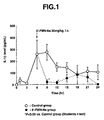
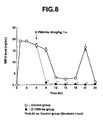
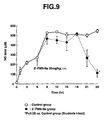
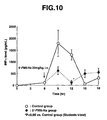
- each plot indicates mean ⁇ standard deviation.
- the white plots indicate the control group, while the black plots indicate the 5'-FMN-Na administration group.
- IL-1 ⁇ concentrations in the plasma peaked 9 hours after administration of LPS, and then gradually declined.
- IL-1 ⁇ concentrations began to decline immediately after administration of 5'-FMN-Na, and IL-1 ⁇ concentrations decreased rapidly between 9 and 12 hours after LPS administration.
- INF- ⁇ concentrations in the plasma peaked 6 hours after administration of LPS, and then gradually declined. In the 5'-FMN-Na administration group, however, INF- ⁇ concentrations declined rapidly between 9 and 18 hours after LPS administration.
- IL-6 concentrations in plasma rose rapidly after LPS administration, peaking after 1 hour, and then gradually declined.
- IL-6 concentrations were still high 24 hours after LPS administration.
- administration of 5'-FMN-Na after 6 hours resulted in a rapid decline in IL-6 concentrations, and this condition was still maintained after 21 hours.
- GM-CSF concentrations in plasma peaked after between 1 and 6 hours, and had declined to their original values after 9 hours. A second peak was observed 21 hours after LPS administration. In the 5'-FMN-Na administration group, however, administration of 5'-FMN-Na after 6 hours tended to depress GM-CSF concentrations 21 hours after LPS administration.
- MCP-1 concentrations in plasma rose rapidly after administration of LPS, peaking after 6 hours. MCP-1 concentrations then declined gradually. Administration of 5'-FMN-Na depressed MCP-1 concentrations, and this state was maintained until 21 hours after LPS administration.
- MIP-2 concentrations in plasma rose rapidly after administration of LPS, peaking after between 1 and 3 hours, and then declined. A second peak was then observed in the control group after 21 hours, but in the 5'-FMN-Na administration group MIP-2 concentrations had declined after 9 hours and this state was maintained after 21 hours.
- 5'-FMN-Na has the effect of suppressing endotoxin-induced increases in blood cytokine, chemokine and NO concentrations.
- mice Male BALB/c mice were purchased at aged 5 weeks from Charles River Japan, and used in the tests after adapting for 1 week under the same conditions as the aforementioned male ICR mice.
- SEB exotoxin
- cytokine concentrations and chemokine concentrations of the various collected plasma samples were measured, analyzed and plotted in the same was as in Example 1.
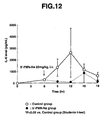
- the measurement results for cytokine concentrations and chemokine concentrations are shown in Figures 10 through 12.
- INF- ⁇ concentrations in plasma peaked at 9 hours after administration of SEB, and then declined. However, when 5'-FMN-Na was administered after 6 hours, a suppression effect on INF- ⁇ concentrations was confirmed after about 12 hours.
- MIP-2 concentrations in plasma peaked 12 hours after administration of SEB, and then declined.
- 5'-FMN-Na was administered 6 hours after administration of SEB, an MIP-2 suppression effect was confirmed after about 12 hours.
- IL-6 concentrations peaked 12 hours after administration of SEB.
- 5'-FMN-Na was administered 6 hours after administration of SEB, a suppression effect on IL-6 concentrations was confirmed after about 9 to 12 hours.
- 5'-FMN-Na has the effect of suppressing exotoxin-induced rises in blood cytokine and chemokine concentrations.
- mice Female ICR mice were purchased at aged 4 weeks from Japan CRJ Inc. (Kanagawa, Japan). Male BALB/c mice were purchased at aged 5 weeks from Japan SLC Inc. (Shizuoka, Japan). These mice were kept in a 12-hour light/dark cycle (lights on at 7:00 a.m., lights off at 7:00 p.m.) under conditions of 23°C (permissive range: 20 to 26°C), relative humidity 55% (permissive range: 40 to 70%). The mice were allowed free access to sterile tap water and a laboratory diet (MF, Oriental Yeast Co., Ltd., Tokyo, Japan). They were used in the tests after adapting to this environment for 1 week.
- MF Oriental Yeast Co., Ltd., Tokyo, Japan
- mice 3 ⁇ g of human TNF- ⁇ and 18 mg of D-galactosamine (0.2 mU30 g body weight) were injected intraperitoneally into female ICR mice (5 weeks old), 10 mice per group. Immediately after administration of TNF- ⁇ and D-galactosamine, the mice were given intravenous injections of 20 mg/kg 5'-FMN-Na (5'-FMN-Na administration group) or saline (control group). The survival rate (%) of the mice 7 days after administration of TNF- ⁇ was observed. The results are shown in Table 1.
- Example 3 Analysis in Example 3 was performed by Steel test. SAS 6.12 was used as in Example 1, and P values of less than 0.05 (two-sided) were considered statistically significant. Test group Survival number Survival rate (%) Saline 2/10 20 5'-FMN-Na 20 mglkg 7/10 70
- the survival rate of the control group was 20% while the survival rate of the 5'-FMN-Na administration group was 70%. All of the 8 control group mice died within 3 days.
- mice 3 ⁇ g of human TNF- ⁇ and 18 g of D-galactosamine (0.2 mU30 g body weight) were injected intraperitoneally into male BALB/c mice (6 weeks old), 10 mice per group.
- TNF- ⁇ and D-galactosamine 20 mg/kg 5'-FMN-Na (5'-FMN-Na administration group) or saline (control group).
- the survival rate (%) of the mice 7 days after administration of TNF- ⁇ was observed. The results are shown in Table 2.
- the survival rate of the control group was 10%, while the survival rate of the 5'-FMN-Na administration group was 60%. All of the 9 control group mice died within 3 days.
- mice Male ICR mice were sacrificed by bleeding from the carotid artery under ether anesthesia, and after intraperitoneal injection of 4.5 mL/mouse Hanks' solution (HBSS; Gibco Laboratories, Grand Island, NY, USA), peritoneal fluid was collected. The collected peritoneal fluid was centrifuged (1000 rpm, 10 minutes) together with chilled HBSS, and peritoneal macrophages were isolated.
- HBSS Hanks' solution
- mice were suspended 1 x 10 6 cells/mL in Eagles medium (Eagles minimal essential medium; Nissui Pharmaceutical Co., Tokyo, Japan) with 15% inactivated mouse serum added, and cultured in a Lab-Tek chamber (Nalgen Nunc International, Naperville, IL, USA) at 37°C in the presence of 5% CO 2 .
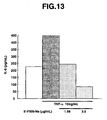
- the mouse peritoneal macrophages were reacted with 10 ng/mL of TNF- ⁇ in the presence of 1.56 ⁇ g/mL or 25 ⁇ g/mL of 5'-FMN-Na or without 5'-FMN-Na, and cultured for 24 hours.
- IL-6 levels rose in the case of mouse peritoneal macrophages to which 10 ng/mL of TNF- ⁇ was added.
- the induced IL-6 was suppressed in the case of the mouse peritoneal macrophages to which an additional 1.56 ⁇ g/mL or 25 ⁇ g/mL of 5'-FMN-Na was added.
- Example 4 the same male ICR mice were purchased as in Example 1 and adapted under the same conditions.
- mice 125 mg/kg of AAPH (0.2 mU30 g body weight) was injected intraperitoneally into male ICR mice (age 6 weeks), 10 mice per group. 24 hours before injection of AAPH, immediately after injection and 1 hour thereafter, the mice were given intravenous injections of 20 mg/kg 5'-FMN-Na (5'-FMN-Na administration group) or saline (control group). The mouse survival rates (%) 7 days after administration of AAPH were observed. The results are shown in Table 3.
- Example 4 the difference between the 5'-FMN-Na group and the control group was analyzed by Steel test. Statistical analysis was performed using SAS 6.12 as in Example 1, and P values of less than 0.05 (two-sided) were considered statistically significant. Test Group Survival number Survival rate (%) Saline 2/10 20 5'-FMN-Na 20 mg/kg i.v. (-24h, 0, +1h) 6/10 60
- the survival rate of the control group was 20%, while the survival rate of the 5'-FMN-Na group was 60%. All of the 8 control group mice died within 2 days.
- the survival rate of the control group was 10% while the survival rate of the 5'-FMN-Na group was 70%. All of the 9 control group mice died within 3 days.
- TNF- ⁇ increases active oxygen in damaged parts of cell membrane receptors and cell sections (Chandel NS, Trzyna WC, McClintock DS and Schumacker, PT: "Role of oxidants in NF-kappa B activation and TNF-alpha gene transcription induced by hypoxia and endotoxin," J Immunol 15, 1013, 1021 (2000)), which indicates that one mechanism of the TNF- ⁇ suppression effect of 5'-FMN-Na is a scavenging action against active oxygen.
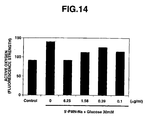
- 5'-FMN-Na was added to concentrations of 6.25 ⁇ g/mL, 1.56 ⁇ g/mL, 0.39 ⁇ g/mL and 0.1 ⁇ g/mL to human vascular endothelial cells (HUVEC) cells cultured on plastic plates, and the cells were CO 2 incubated for 3 hours at 37°C.
- glucose was added to a glucose concentration of 30 mM on each plate, and the cells were CO 2 incubated for 1 hour at 37°C.
- FACS Calibur Flow Cytometry System; Becton Dickinson Japan
- BURSTTEST intracellular active oxygen measurement kit
- the active oxygen of 10,000 cells was measured from mean fluorescent strength of FL1 using FACS Calibur. The results are shown in Figure 14.
- the fluorescent strength (mean fluorescence) of the control group was 91.2, but under a 30 mM glucose load active oxygen was produced and fluorescent strength rose to 140.5.
- fluorescent strength fell to 89.5, and the production of active oxygen was suppressed.
- fluorescent strength was 111.9 with 1.56 ⁇ g/mL added, 125.0 with 0.39 ⁇ g/mL added and 114.2 with 0.1 ⁇ g/mL added.
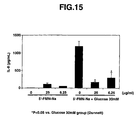
- IL-8 was produced under a glucose load of 30 mM, with IL-8 concentration in the medium rising to 1196 pg/mL.
- IL-8 concentration in the medium fell to 168, while when 6.25 ⁇ g/mL was added the IL-8 concentration in the medium fell to 297 ⁇ g/mL, so that IL-8 production was significantly suppressed (Dunnett test).
- the medicament according to the present invention has excellent cytokine suppressing effect, and is useful as a preventative or therapeutic agent or the like for inflammatory conditions accompanied by hypercytokinemia.
Landscapes
- Health & Medical Sciences (AREA)
- Chemical & Material Sciences (AREA)
- Organic Chemistry (AREA)
- Life Sciences & Earth Sciences (AREA)
- General Health & Medical Sciences (AREA)
- Veterinary Medicine (AREA)
- Pharmacology & Pharmacy (AREA)
- Medicinal Chemistry (AREA)
- Public Health (AREA)
- Animal Behavior & Ethology (AREA)
- Chemical Kinetics & Catalysis (AREA)
- General Chemical & Material Sciences (AREA)
- Nuclear Medicine, Radiotherapy & Molecular Imaging (AREA)
- Bioinformatics & Cheminformatics (AREA)
- Engineering & Computer Science (AREA)
- Epidemiology (AREA)
- Biochemistry (AREA)
- Molecular Biology (AREA)
- Cardiology (AREA)
- Heart & Thoracic Surgery (AREA)
- Diabetes (AREA)
- Vascular Medicine (AREA)
- Urology & Nephrology (AREA)
- Toxicology (AREA)
- Surgery (AREA)
- Pain & Pain Management (AREA)
- Rheumatology (AREA)
- Hematology (AREA)
- Gastroenterology & Hepatology (AREA)
- Immunology (AREA)
- Dermatology (AREA)
- Pharmaceuticals Containing Other Organic And Inorganic Compounds (AREA)
Abstract
Description
| Test group | Survival number | Survival rate (%) |
| | 2/10 | 20 |
| 5'-FMN- | 7/10 | 70 |
| Test Group | Survival number | Survival rate (%) |
| | 1/10 | 10 |
| 5'-FMN- | 6/10 | 60 |
| Test Group | Survival number | Survival rate (%) |
| | 2/10 | 20 |
| 5'-FMN- (-24h, 0, +1h) | 6/10 | 60 |
| Test Group | Survival number | Survival rate (%) |
| | 1/10 | 10 |
| 5'-FMN- (-24h, 0) | 7/10 | 70 |
Claims (15)
- A medicament having cytokine suppression effect, comprising as an active ingredient at least one of riboflavin, a riboflavin derivative or a pharmacologically acceptable salt thereof.
- The medicament according to Claim 1, which is useful for preventing or treating hypercytokinemia.
- The medicament according to Claim 1, which is useful for preventing or treating systemic inflammatory response syndrome.
- The medicament according to Claim 3, wherein said systemic inflammatory response syndrome is not caused by an infection.
- The medicament according to Claim 4, wherein said systemic inflammatory response syndrome is caused by a wound, a bum, pancreatitis, liver damage, ischemia/reperfusion injury or surgery.
- The medicament according to any one of Claims 1 through 5, wherein said cytokine suppression effect suppresses at least one of IL-1β, IL-6, IL-10, INF-γ, TNF-α, GM-CSF, IL-8 or MCP-1.
- A medicament useful for preventing or treating systemic inflammatory response syndrome not caused by an infection, comprising as an active ingredient at least one of riboflavin, a riboflavin derivative or a pharmacologically acceptable thereof.
- The medicament according to Claim 7, wherein said systemic inflammatory response syndrome is caused by a wound, a bum, pancreatitis, liver damage, ischemia-reperfusion injury or surgery.
- The medicament according to Claim 1, wherein said riboflavin derivative or pharmacologically acceptable salt thereof is flavin mononucleotide, flavin adenine dinucleotide, riboflavin tetrabutylate, riboflavin sodium phosphate, riboflavin phosphate monodiethanolamine salt, leucoflavin, monohydroflavin, leucoflavin phosphoric acid ester, leucoflavin mononucleotide, leucoflavin adenine dinucleotide or a pharmacologically acceptable salt thereof.
- The medicament according to Claim 1, wherein at least one of the riboflavin, riboflavin derivative or pharmacologically acceptable salt thereof is contained in the form of an injection, tablet, granule, powder, subtle granule, capsule, pill or oral liquid.
- The medicament according to Claim 1, wherein said cytokine suppression effect has as one mechanism the scavenging action of active oxygen.
- A use of at least one of riboflavin, a riboflavin derivative or a pharmacologically acceptable salt thereof for preparation of a preventative or a therapeutic agent for hypercytokinemia.
- The use of at least one of riboflavin, a riboflavin derivative or a pharmacologically acceptable salt thereof as a preventative or therapeutic agent for hypercytokinemia.
- A cytokine suppressing agent, comprising as an active ingredient at least one of riboflavin, a riboflavin derivative or a pharmacologically acceptable salt thereof.
- A method for preventing or treating hypercytokinemia, comprising administering to a subject an effective dose of at least one of riboflavin, a riboflavin derivative or a pharmacologically acceptable salt thereof.
Applications Claiming Priority (3)
| Application Number | Priority Date | Filing Date | Title |
|---|---|---|---|
| JP2002065720 | 2002-03-11 | ||
| JP2002065720 | 2002-03-11 | ||
| PCT/JP2003/002868 WO2003075935A1 (en) | 2002-03-11 | 2003-03-11 | Drugs containing riboflavin-type compounds |
Publications (2)
| Publication Number | Publication Date |
|---|---|
| EP1484061A1 true EP1484061A1 (en) | 2004-12-08 |
| EP1484061A4 EP1484061A4 (en) | 2009-12-23 |
Family
ID=27800234
Family Applications (1)
| Application Number | Title | Priority Date | Filing Date |
|---|---|---|---|
| EP03744055A Withdrawn EP1484061A4 (en) | 2002-03-11 | 2003-03-11 | Drugs containing riboflavin-type compounds |
Country Status (5)
| Country | Link |
|---|---|
| US (1) | US20050208124A1 (en) |
| EP (1) | EP1484061A4 (en) |
| JP (1) | JPWO2003075935A1 (en) |
| AU (1) | AU2003211586A1 (en) |
| WO (1) | WO2003075935A1 (en) |
Families Citing this family (12)
| Publication number | Priority date | Publication date | Assignee | Title |
|---|---|---|---|---|
| JP2005220108A (en) * | 2004-02-09 | 2005-08-18 | Meiji Univ | Maillard reaction inhibitor and method for suppressing Maillard reaction |
| US8546423B2 (en) | 2005-05-18 | 2013-10-01 | Mpex Pharmaceuticals, Inc. | Aerosolized fluoroquinolones and uses thereof |
| CN102325532B (en) | 2008-10-07 | 2015-06-17 | Mpex医药有限公司 | Inhalation of levofloxacin for reducing lung inflammation |
| AU2009302478B2 (en) | 2008-10-07 | 2015-09-03 | Horizon Orphan Llc | Aerosol fluoroquinolone formulations for improved pharmacokinetics |
| CA2770341A1 (en) * | 2009-08-19 | 2011-02-24 | Mpex Pharmaceuticals, Inc. | Riboflavin based aerosol and use as placebo in trials |
| LT2473170T (en) | 2009-09-04 | 2019-10-10 | Horizon Orphan Llc | USE OF AEROSOLIZED LEVOFLOXACIN FOR THE TREATMENT OF Cystic Fibrosis |
| WO2011123795A1 (en) | 2010-04-02 | 2011-10-06 | Battelle Memorial Institute | Methods for associating or dissociating guest materials with a metal organic framework, systems for associating or dissociating guest materials within a series of metal organic frameworks, and gas separation assemblies |
| WO2012135237A2 (en) * | 2011-03-28 | 2012-10-04 | Arnone John S | Business methods, processes and systems for collection, cryogenic storage and distribution of cosmetic formulations from an obtained stem cell based biological material |
| JP2018070581A (en) * | 2017-04-19 | 2018-05-10 | 誠一 荒木 | Reduced-vitamin b2 formulation |
| WO2020161089A1 (en) * | 2019-02-04 | 2020-08-13 | Dsm Ip Assets B.V. | Therapeutic combinations and compositions for the treatment of inflammatory bowel disease (ii) |
| JP2022007796A (en) * | 2020-06-26 | 2022-01-13 | 誠一 荒木 | Prevention/treatment agent for new coronavirus infection |
| JP7195498B1 (en) * | 2022-03-25 | 2022-12-26 | エリジオンサイエンス株式会社 | Pharmaceutical composition |
Family Cites Families (7)
| Publication number | Priority date | Publication date | Assignee | Title |
|---|---|---|---|---|
| SU1701321A1 (en) * | 1976-04-02 | 1991-12-30 | Всесоюзный Научно-Исследовательский Витаминный Институт | Hypolipemic antisclerotic remedy |
| SU730337A1 (en) * | 1978-04-27 | 1980-04-30 | Институт питания АМН СССР | Protein milky preparation |
| SU731949A1 (en) * | 1978-04-27 | 1980-05-05 | Институт питания АМН СССР | Protein milk preparation |
| NZ244270A (en) * | 1991-09-13 | 1995-07-26 | Eisai Co Ltd | Injectable composition comprising riboflavin |
| JP3286831B2 (en) * | 1996-04-01 | 2002-05-27 | エーザイ株式会社 | Vitamin B2 containing medicine |
| ID24710A (en) * | 1998-05-12 | 2000-08-03 | Nutricia Nv | NUTRITION COMPOSITION FOR WOUND CARE BECAUSE OF PRESSURE |
| DE10064704A1 (en) * | 2000-02-15 | 2001-08-16 | Goossens Peter | Feedstuff or food supplement additive for prophylaxis or therapy of allergies, liver diseases and/or infections, comprises vitamins, aminoacids and optionally sugars and/or steroids |
-
2003
- 2003-03-11 AU AU2003211586A patent/AU2003211586A1/en not_active Abandoned
- 2003-03-11 US US10/506,631 patent/US20050208124A1/en not_active Abandoned
- 2003-03-11 EP EP03744055A patent/EP1484061A4/en not_active Withdrawn
- 2003-03-11 WO PCT/JP2003/002868 patent/WO2003075935A1/en not_active Ceased
- 2003-03-11 JP JP2003574208A patent/JPWO2003075935A1/en not_active Ceased
Also Published As
| Publication number | Publication date |
|---|---|
| WO2003075935A1 (en) | 2003-09-18 |
| AU2003211586A1 (en) | 2003-09-22 |
| JPWO2003075935A1 (en) | 2005-06-30 |
| US20050208124A1 (en) | 2005-09-22 |
| EP1484061A4 (en) | 2009-12-23 |
Similar Documents
| Publication | Publication Date | Title |
|---|---|---|
| Kovach et al. | IL-36γ is a crucial proximal component of protective type-1-mediated lung mucosal immunity in Gram-positive and-negative bacterial pneumonia | |
| US20050208124A1 (en) | Drugs containing riboflavin-type compounds | |
| JP7557185B2 (en) | Enhancement of GABA's ability to modulate immune responses | |
| KR20200123137A (en) | Method of using trisubstituted benzotriazole derivatives | |
| EP3928785A1 (en) | Medicine and food for preventing or treating covid-19, and application thereof | |
| KR102233912B1 (en) | Azelaic acid esters in the treatment of insulin resistance | |
| Mackensen et al. | Treatment of cancer patients with endotoxin induces release of endogenous cytokines | |
| KR20200026118A (en) | Composition for eradicating helicobacter pylori | |
| RS52737B (en) | ROSCOVITINE FOR CERAMIC CYST DISEASES | |
| WO2020124088A1 (en) | Lachnospiraceae mitigates against radiation-induced hematopoietic/gastrointestinal injury and death, and promotes cancer control by radiation | |
| US11524055B2 (en) | Methods for treating diseases mediated by ERBB4-positive pro-inflammatory macrophages | |
| WO2015174278A1 (en) | GM-CSF-PRODUCING T-CELL CONTROL AGENT AND Th1/Th2 IMMUNE BALANCE REGULATOR | |
| HK1071303A (en) | Drugs containing riboflavin-type compounds | |
| JP6912875B2 (en) | How to treat diseases mediated by ErbB4 + inflammatory macrophages | |
| CN118924745A (en) | Use of olmesartan medoxomil single drug and sorafenib combination therapy in preventing/treating diabetes | |
| CN106999525A (en) | Titrated extract of cardoon for the treatment of mesothelioma | |
| CA3167678C (en) | Pharmaceutical composition for inhibiting inflammatory response comprising hydroxyurea | |
| JP4355578B2 (en) | Medicaments containing riboflavin compounds | |
| TW200808337A (en) | Treatment of melanoma | |
| JPH1029941A (en) | Vitamin B2 containing medicine | |
| KR20250036219A (en) | EZH2 inhibition therapy for the treatment of AT-rich interaction domain-containing protein 1A (ARID1A) mutant cancers | |
| CN121974841A (en) | Compounds used to treat liver cancer | |
| KR20250101963A (en) | Pharmaceutical composition for preventing or treating alopecia areata diseases containing enavogliflozin as an active ingredient | |
| EP3513791B1 (en) | Medicinal drug, method, use, and compound for preventing or curing leukemia associated with mll | |
| KR20250170984A (en) | Composition for treating diseases caused by cytokine storm |
Legal Events
| Date | Code | Title | Description |
|---|---|---|---|
| PUAI | Public reference made under article 153(3) epc to a published international application that has entered the european phase |
Free format text: ORIGINAL CODE: 0009012 |
|
| 17P | Request for examination filed |
Effective date: 20040909 |
|
| AK | Designated contracting states |
Kind code of ref document: A1 Designated state(s): AT BE BG CH CY CZ DE DK EE ES FI FR GB GR HU IE IT LI LU MC NL PT RO SE SI SK TR |
|
| AX | Request for extension of the european patent |
Extension state: AL LT LV MK |
|
| REG | Reference to a national code |
Ref country code: HK Ref legal event code: DE Ref document number: 1071303 Country of ref document: HK |
|
| RAP1 | Party data changed (applicant data changed or rights of an application transferred) |
Owner name: EISAI R&D MANAGEMENT CO., LTD. |
|
| A4 | Supplementary search report drawn up and despatched |
Effective date: 20091125 |
|
| RIC1 | Information provided on ipc code assigned before grant |
Ipc: A61P 41/00 20060101ALI20091117BHEP Ipc: A61K 31/661 20060101ALI20091117BHEP Ipc: A61K 31/7068 20060101ALI20091117BHEP Ipc: A61K 31/688 20060101ALI20091117BHEP Ipc: C07F 9/6561 20060101ALI20091117BHEP Ipc: C07D 475/14 20060101ALI20091117BHEP Ipc: A61P 9/10 20060101ALI20091117BHEP Ipc: A61P 9/00 20060101ALI20091117BHEP Ipc: A61P 1/18 20060101ALI20091117BHEP Ipc: A61P 1/16 20060101ALI20091117BHEP Ipc: A61K 31/525 20060101ALI20091117BHEP Ipc: A61K 9/48 20060101ALI20091117BHEP Ipc: A61K 9/20 20060101ALI20091117BHEP Ipc: A61K 9/16 20060101ALI20091117BHEP Ipc: A61K 9/14 20060101ALI20091117BHEP Ipc: A61K 9/10 20060101ALI20091117BHEP Ipc: A61K 31/675 20060101AFI20030923BHEP |
|
| 17Q | First examination report despatched |
Effective date: 20100729 |
|
| STAA | Information on the status of an ep patent application or granted ep patent |
Free format text: STATUS: THE APPLICATION IS DEEMED TO BE WITHDRAWN |
|
| 18D | Application deemed to be withdrawn |
Effective date: 20101209 |
|
| REG | Reference to a national code |
Ref country code: HK Ref legal event code: WD Ref document number: 1071303 Country of ref document: HK |