EP1482039A1 - PRESYNAPTIC PROTEIN p120 - Google Patents
PRESYNAPTIC PROTEIN p120 Download PDFInfo
- Publication number
- EP1482039A1 EP1482039A1 EP03744017A EP03744017A EP1482039A1 EP 1482039 A1 EP1482039 A1 EP 1482039A1 EP 03744017 A EP03744017 A EP 03744017A EP 03744017 A EP03744017 A EP 03744017A EP 1482039 A1 EP1482039 A1 EP 1482039A1
- Authority
- EP
- European Patent Office
- Prior art keywords
- protein
- dna
- synapses
- seq
- set forth
- Prior art date
- Legal status (The legal status is an assumption and is not a legal conclusion. Google has not performed a legal analysis and makes no representation as to the accuracy of the status listed.)
- Withdrawn
Links
Images


Classifications
-
- C—CHEMISTRY; METALLURGY
- C07—ORGANIC CHEMISTRY
- C07K—PEPTIDES
- C07K14/00—Peptides having more than 20 amino acids; Gastrins; Somatostatins; Melanotropins; Derivatives thereof
- C07K14/435—Peptides having more than 20 amino acids; Gastrins; Somatostatins; Melanotropins; Derivatives thereof from animals; from humans
- C07K14/46—Peptides having more than 20 amino acids; Gastrins; Somatostatins; Melanotropins; Derivatives thereof from animals; from humans from vertebrates
- C07K14/47—Peptides having more than 20 amino acids; Gastrins; Somatostatins; Melanotropins; Derivatives thereof from animals; from humans from vertebrates from mammals
-
- C—CHEMISTRY; METALLURGY
- C07—ORGANIC CHEMISTRY
- C07K—PEPTIDES
- C07K16/00—Immunoglobulins [IG], e.g. monoclonal or polyclonal antibodies
- C07K16/18—Immunoglobulins [IG], e.g. monoclonal or polyclonal antibodies against material from animals or humans
-
- C—CHEMISTRY; METALLURGY
- C12—BIOCHEMISTRY; BEER; SPIRITS; WINE; VINEGAR; MICROBIOLOGY; ENZYMOLOGY; MUTATION OR GENETIC ENGINEERING
- C12N—MICROORGANISMS OR ENZYMES; COMPOSITIONS THEREOF; PROPAGATING, PRESERVING, OR MAINTAINING MICROORGANISMS; MUTATION OR GENETIC ENGINEERING; CULTURE MEDIA
- C12N15/00—Mutation or genetic engineering; DNA or RNA concerning genetic engineering, vectors, e.g. plasmids, or their isolation, preparation or purification; Use of hosts therefor
- C12N15/09—Recombinant DNA-technology
- C12N15/11—DNA or RNA fragments; Modified forms thereof; Non-coding nucleic acids having a biological activity
-
- G—PHYSICS
- G01—MEASURING; TESTING
- G01N—INVESTIGATING OR ANALYSING MATERIALS BY DETERMINING THEIR CHEMICAL OR PHYSICAL PROPERTIES
- G01N33/00—Investigating or analysing materials by specific methods not covered by groups G01N1/00 - G01N31/00
- G01N33/48—Biological material, e.g. blood, urine; Haemocytometers
- G01N33/50—Chemical analysis of biological material, e.g. blood, urine; Testing involving biospecific ligand binding methods; Immunological testing
Definitions
- the protein comprising the amino acid sequence described in SEQ ID NO: 2 has been identified as a protein localized in synapses, as described in the Examples below.
- a protein whose presence in synapses has already been established as a synaptic marker is generally used.
- stringent conditions refer to, for example, hybridization in 4x SSC at 65°C followed by washing in 0.1x SSC at 65°C for one hour.
- Alternative stringent conditions are hybridization in 50% formamide followed by washing in 4x SSC at 42°C.
- alternative conditions are hybridization in PerfectHybTM (TOYOBO) solution at 65°C for two and a half hours followed by washing 1) in 2x SSC and 0.05% SDS at 25°C for five minutes, 2) in 2x SSC and 0.05% SDS at 25°C for 15 minutes, and 3) in 0.1x SSC and 0.1% SDS at 50°C for 20 minutes.
- PerfectHybTM TOYOBO
- pME18S-FL3 vector GenBank Accession No. AB009864
- pME18S vector Takebe Y. et al., Mol Cell Biol. 8: 466-472, 1988
- the DNA of this invention can be inserted into the vector using standard methods like the ligase reaction using restriction enzyme sites (Current protocols in Molecular Biology edit. Ausubel et al . (1987). John Wiley & Sons, Section 11.4-11.11).
- the methods of production of the present invention are methods for producing proteins of the present invention that are localized to synapses.
- the methods include culturing transformants of the present invention, and collecting from the culture proteins which are localized to synapses and expressed by the transformants.
- the transformants may be cultured under conditions that enable the expression of a protein of the present invention.
- the protein can be recovered from the culture by appropriately combining routine methods for protein purification, such as various types of chromatography, electrophoresis, and gel filtration.
- proteins of this invention are expressed as fusion proteins with GST or His tag, they can be purified using glutathione-Sepharose or nickel-Sepharose columns, respectively. Purified proteins can be used, for example, for antibody production.
- An Antibody of the present invention can be obtained from animals that have been immunized with a protein of the present invention and prepared by a production method of the present invention.
- Polyclonal antibodies are prepared from sera of the immunized animals described above.
- Monoclonal antibodies are prepared by fusing myeloma cells with antibody-producing cells obtained from the spleen or lymph nodes of the aforementioned immunized animals, and then selecting hybridomas that produce an antibody to the protein of the present invention with a high specificity.
- a protein of the present invention which is obtained by a method of production of the present invention, can be used as an immunogen.
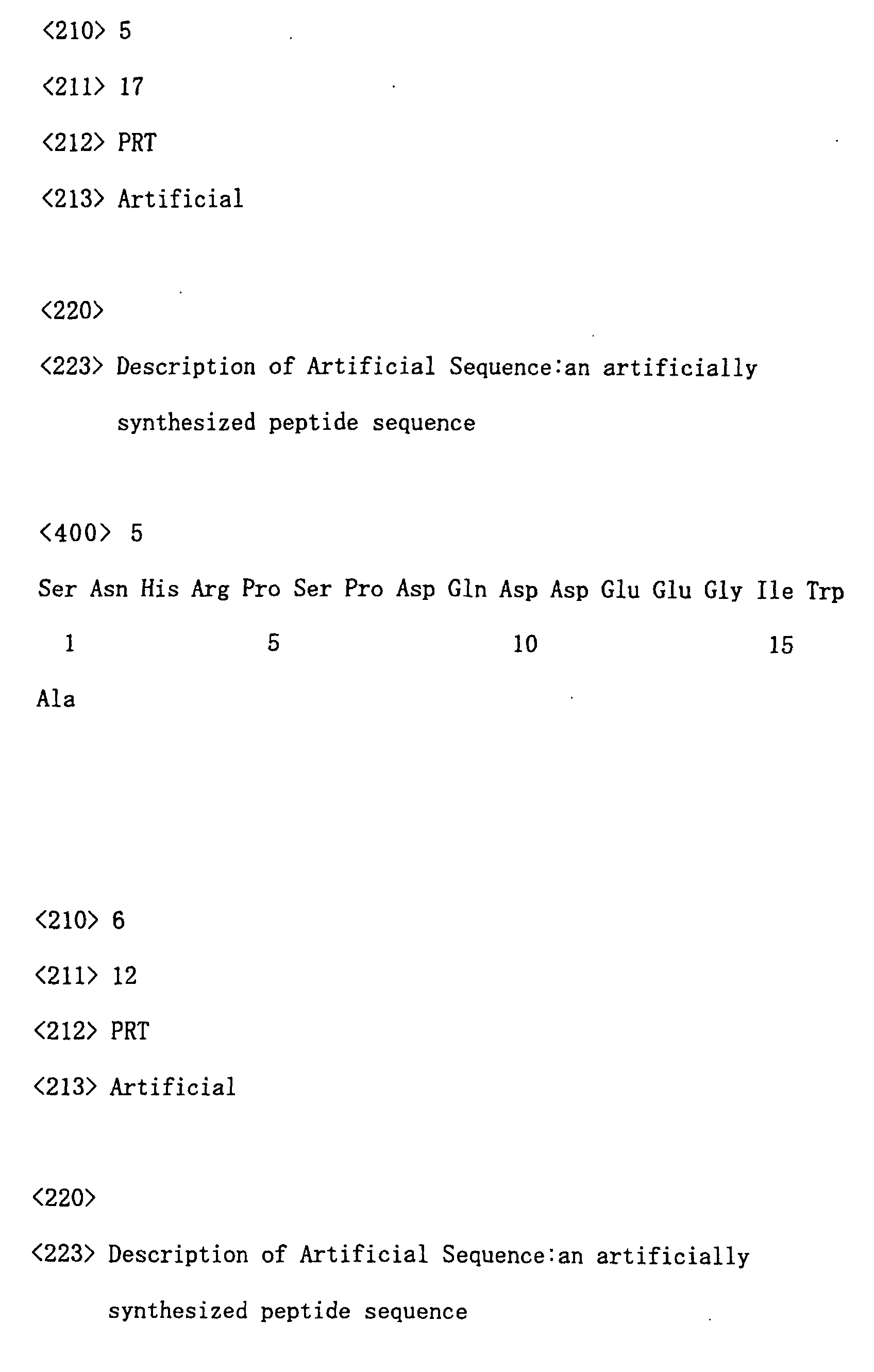
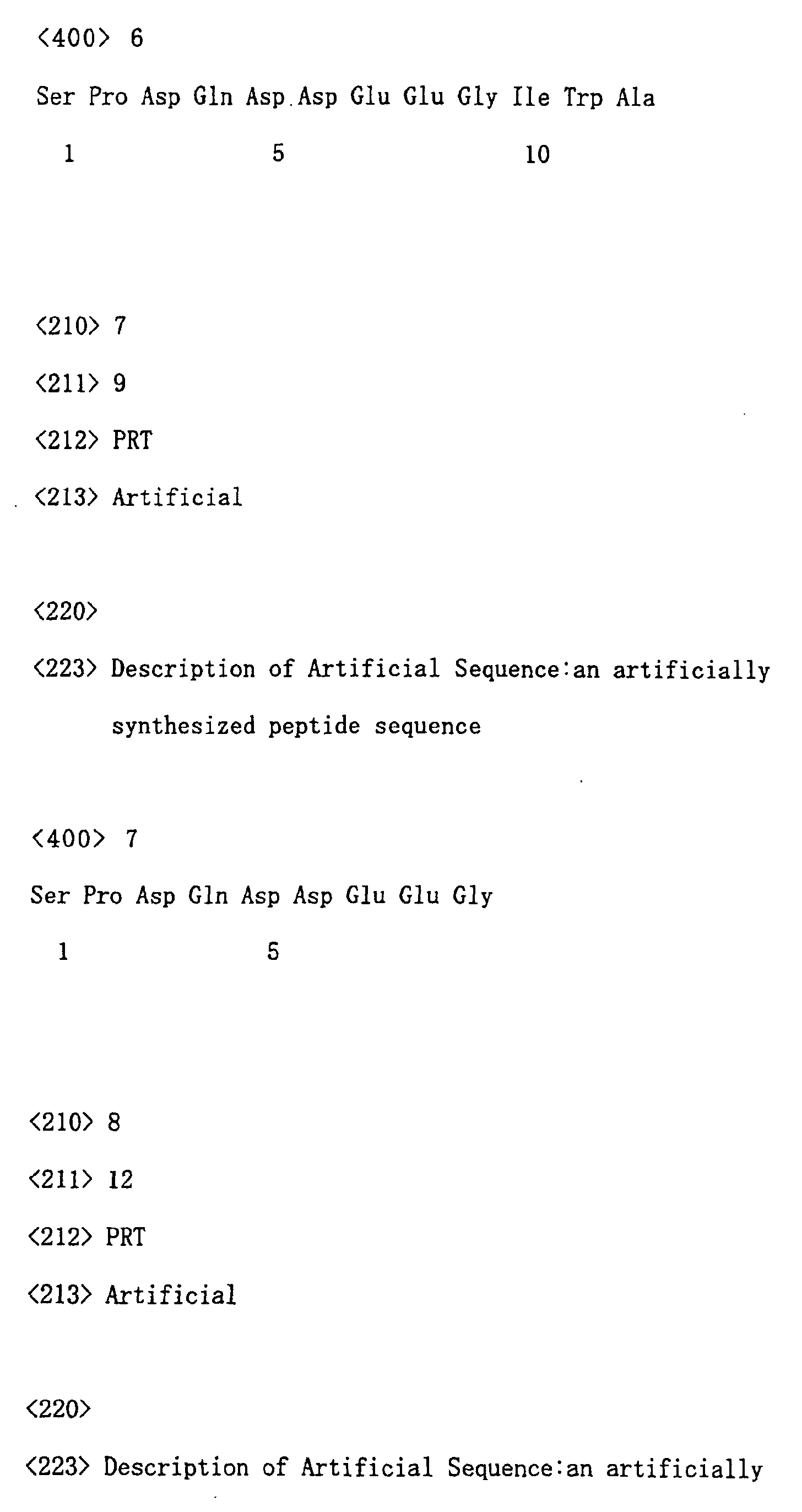
- the immunogen may be a fragment or a peptide comprising a partial structure appropriately selected from the amino acid sequence set forth in SEQ ID NO: 2.
- condensing agents such as glutaraldehyde-, carbodiimide-, or maleiimide-activated esters can be used to prepare an antigen-carrier protein complex.
- Commonly-used carrier proteins such as bovine serum albumin, thyroglobulin, and hemocyanin may be used in the coupling reaction, generally in one- to five-fold excess.
- the animals to be immunized include mice, rats, rabbits, guinea pigs, hamsters, etc.
- the animals are inoculated with the antigen subcutaneously, intramuscularly, or intraperitoneally. Prior to administration, the antigen may be mixed with complete Freund's adjuvant or incomplete Freund's adjuvant, and administered usually once every two to five weeks.
- Antibody-producing cells obtained from the spleens or lymph nodes of immunized animals are fused with myeloma cells and isolated as hybridomas.
- the myeloma cells used are derived from mice, rats, humans, etc.
- the myeloma cells are preferably obtained from the same species as that providing the antibody-producing cells; however, it is also possible to use different species.
- Cell fusion can be carried out, for example, according to the method of Köhler and Milstein (Nature, 256, 495, 1975). Polyethylene glycol, Sendai virus, and so on can be used as fusion accelerators. However, cell fusion is usually carried out using polyethylene glycol (average molecular weight: 1,000 to 4,000) at a concentration of about 20% to 50%, at 20°C to 40°C, and preferably at 30°C to 37°C. The ratio of antibody-producing cells to myeloma cells is generally from 1:1 to 10:1.
- ELISAs Enzyme-linked immunosorbent assays
- EIAs enzyme immunoassays
- immunoblotting using a nitrocellulose transfer membrane following electrophoresis of samples containing a protein of this invention, etc.
- cDNA clones capable of hybridizing to the 5' region of cDNA for a protein of the present invention are selected from a human DNA library. These clones are then inserted into an appropriate promoter screening system and clones with promoter activity are selected. Depending on the situation, the DNA region essential for the promoter activity may be narrowed at this stage.
- compounds that affect the intracellular localization of a protein of the present invention may be selected.
- an antibody obtained by the above-described method is used to stain (using staining methods such as fluorescence antibody assays, enzyme immunoassays, etc.) a cell strain that expresses a protein of the present invention, or a transformant thereof, and through microscopic observation, measuring the influence of a test pharmaceutical on the intracellular localization of a protein of the present invention.
- this screening can be performed according to the method of Examples 3 and 6.
- compounds that bind to a protein of the present invention can be selected.
- Compounds binding to a protein of the present invention are likely to affect the protein's function. Equally, and as shown in the Examples, the protein of the present invention shows exocrine gland specificity in its distribution. Thus, if a compound is able to bind specifically to a protein of the present invention, it may express organ-specific actions.
- compounds binding to a protein of the present invention can be used in synapse detection. For example, synapses can be detected by administering the labeled compound to, or bringing it into contact with, test subjects.
- the present invention also provides a method of screening for reagents for synapse-detecting research or diagnosis.
- p120 protein structurally analyzed in the present invention is rat-derived.
- human-derived p120 protein when used, the methods of the present invention entailing the analysis and screening of the p120 protein gene are also included in the scope of the present invention.
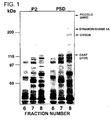
- P2 and PSD fractions were prepared from rat cerebrum using sucrose density-gradient centrifugation (Cohen et al ., J. Cell Biol. 74: 181-203, 1977). Each fraction was dissolved in a urea-containing buffer. These dissolved samples were then separately fractionated on Mono Q anion exchange chromatography columns (Pharmacia). Following electrophoresis, each eluted P2 and PSD fraction was stained and band patterns were compared to identify 20 proteins concentrated in the PSD fraction. Some of these bands are shown in Fig. 1.
- Mass spectrometry showed that most of these 20 proteins were identical to proteins whose localization in synapses had been already reported. However, two of the proteins (the p500 and p120 proteins) did not have matches in mass spectrometry databases (see Fig. 1).
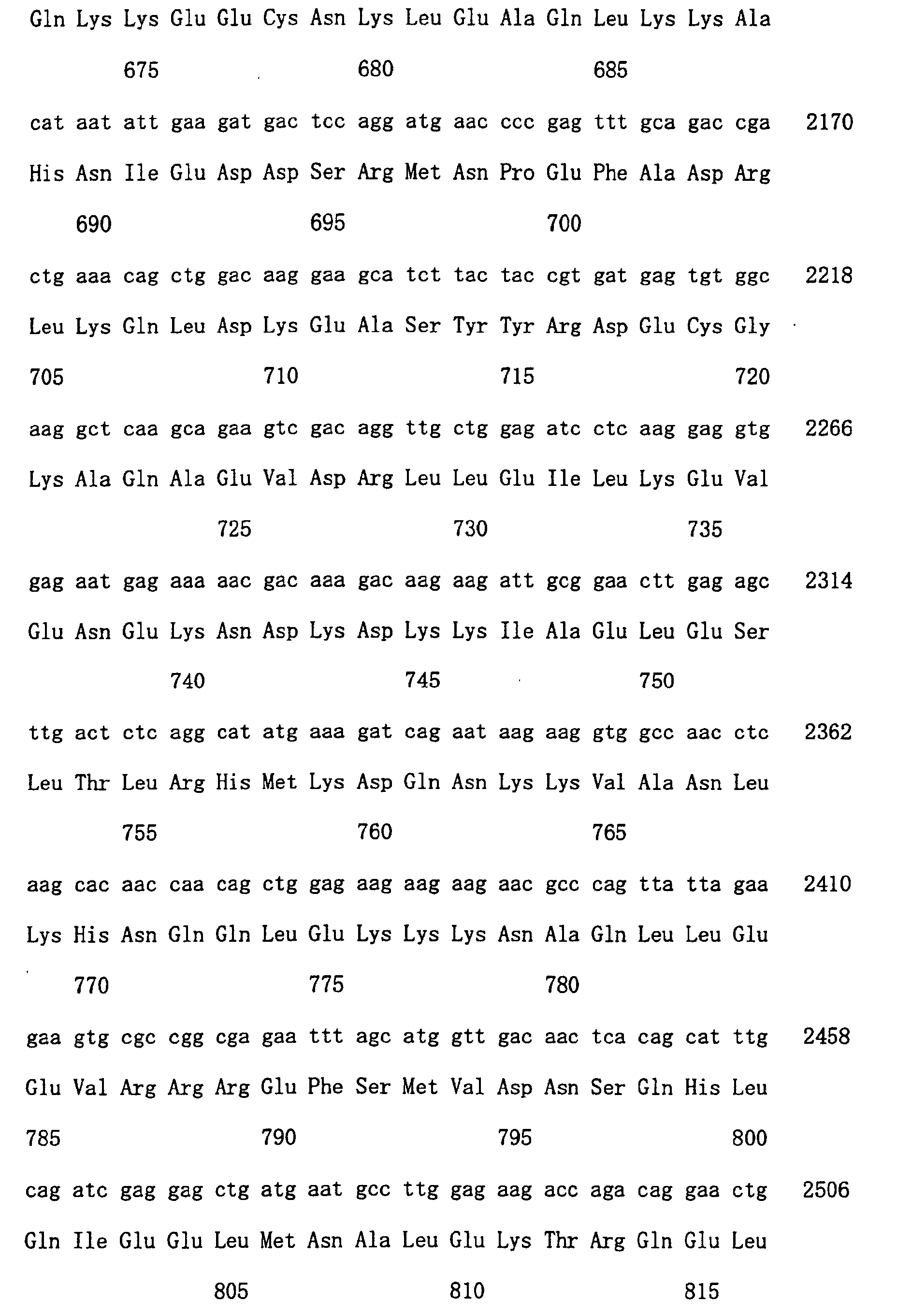
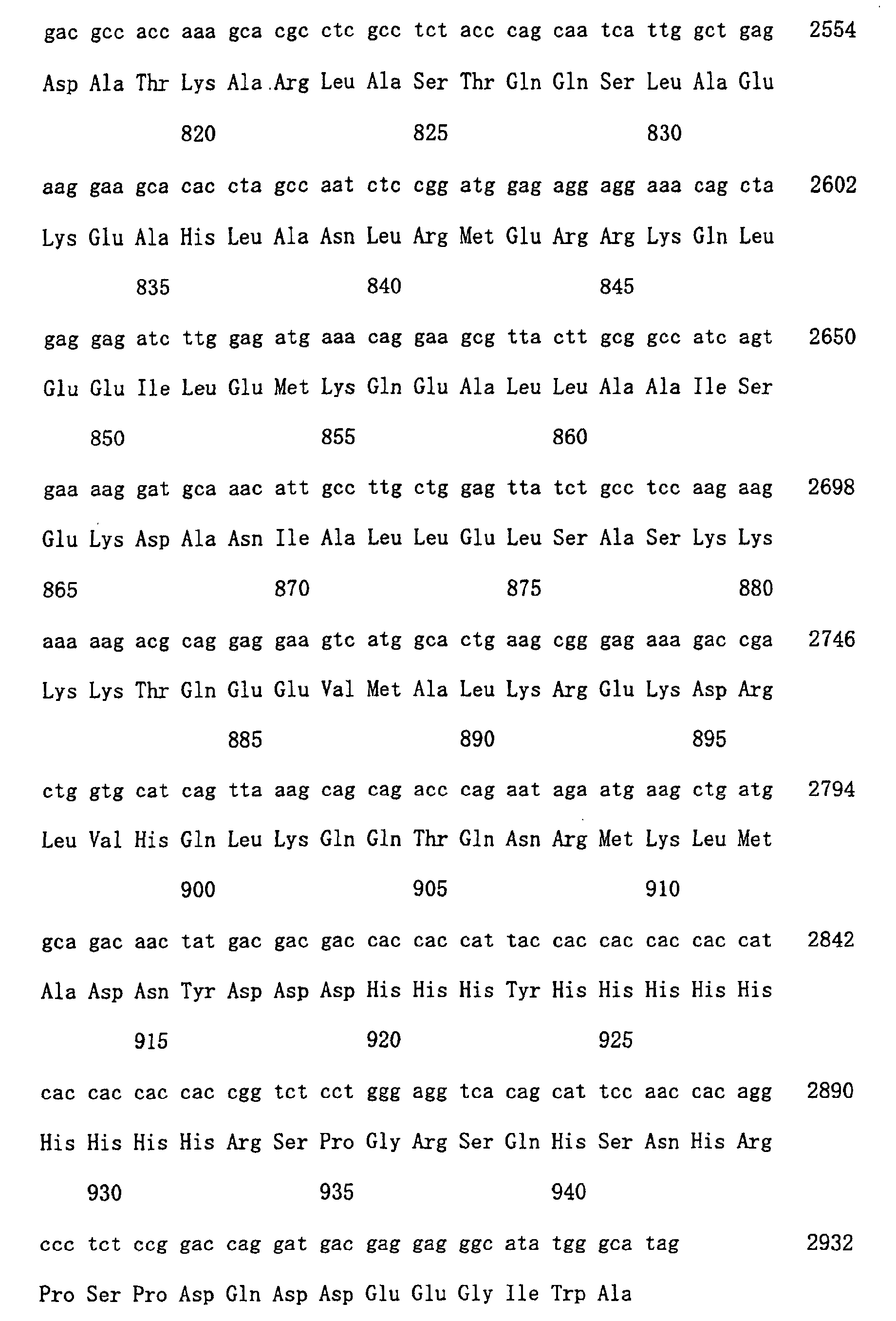
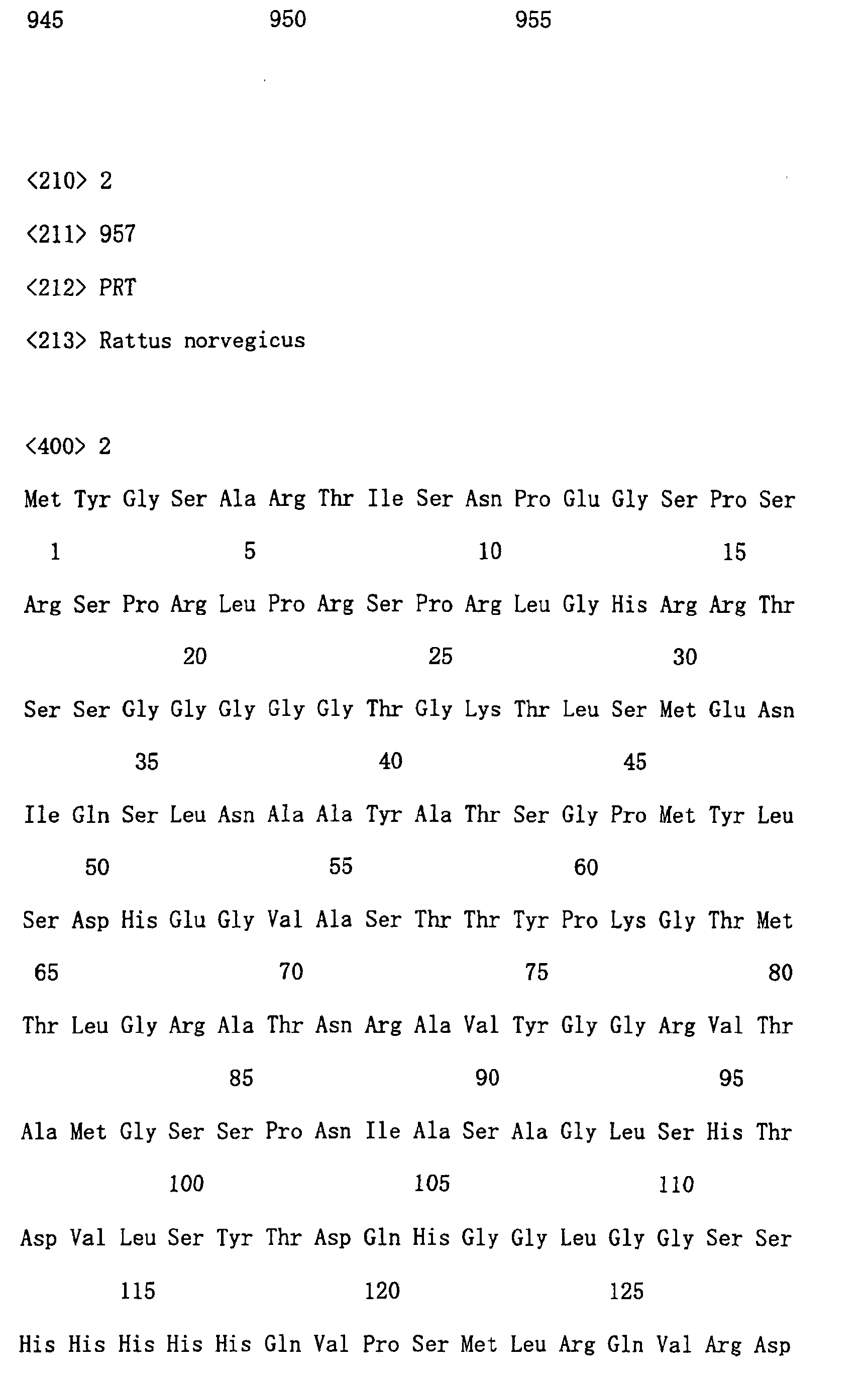
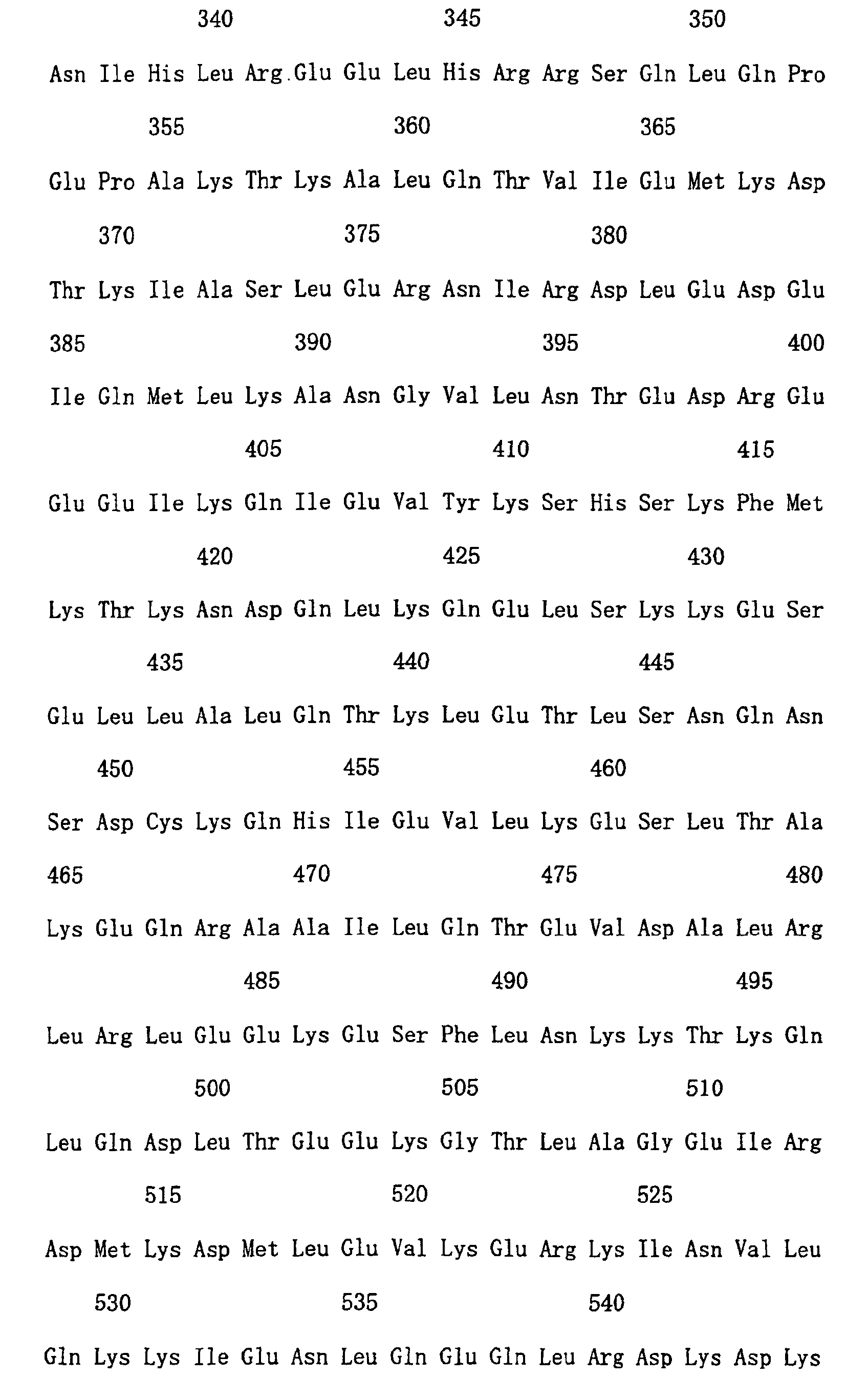
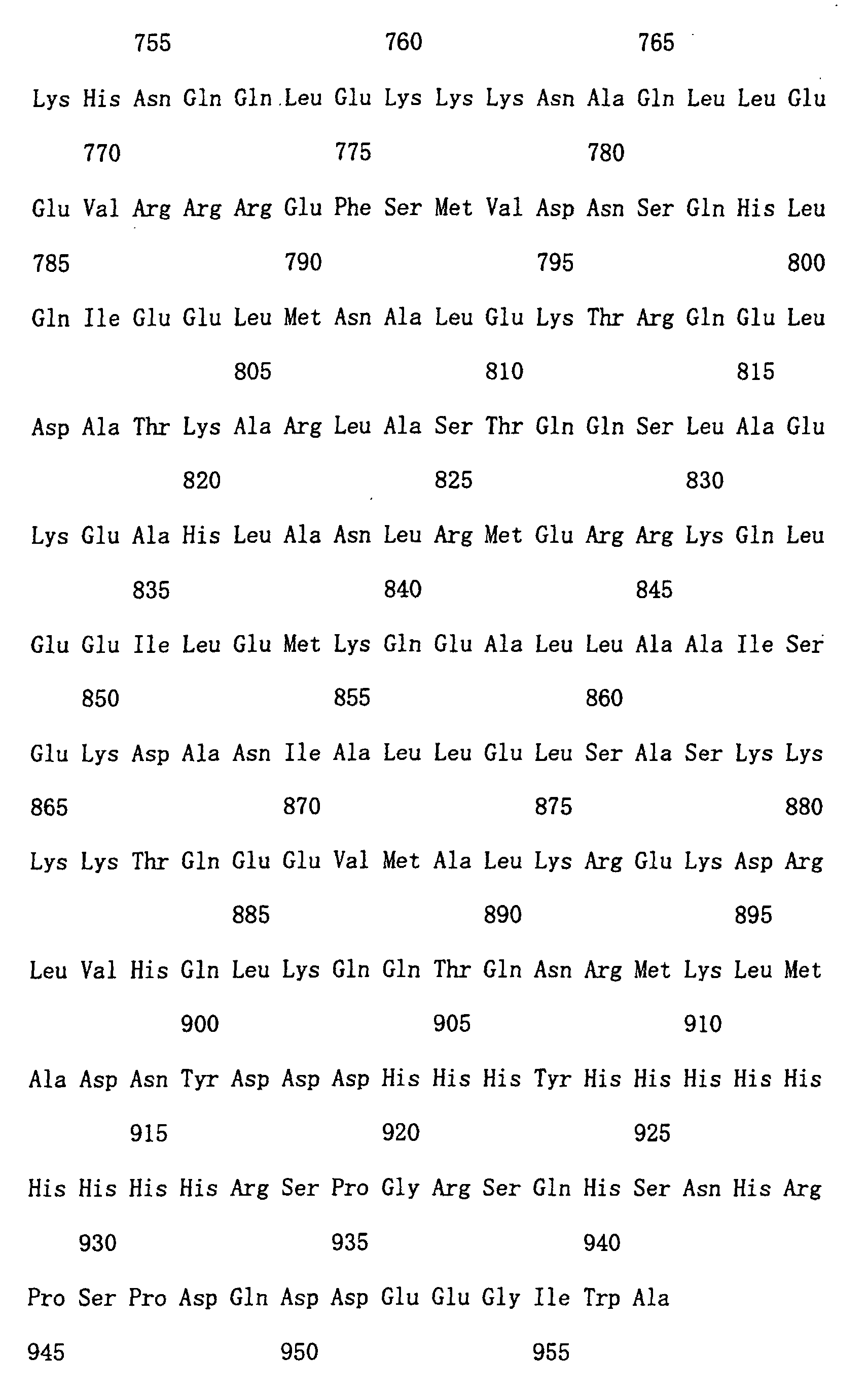
- the protein encoded by the full-length cDNA consists of 957 amino acid residues with a few coiled-coil domains (Fig. 2A). The protein did not have any acknowledged domain structures in particular. However it did have a repetitive histidine sequence in its C-terminal region. In order to confirm that the cloned cDNA actually encoded the full-length amino acid sequence of the originally purified p120 protein, the cDNA was incorporated into an expression vector, and mRNA was then extracted to express the protein in rabbit reticulocyte extracts (Promega).
- Example 2 The antibody prepared in Example 2 also reacted with the endogenous p120 protein, and electrophoresis showed that the protein encoded by the cDNA and the endogenous p120 protein had almost the same mobility (Fig. 2B). Therefore, it was concluded that this cDNA encodes the full-length amino acid sequence of p120 protein.
- a rabbit polyclonal antibody to p120 protein was prepared as follows: The gene encoding the fusion protein of glutathione S-transferase (GST) and amino acids 180 to 380 of SEQ ID NO: 2 was incorporated into an expression vector. The transformed vector was introduced into E. coli (JM109) and the fusion protein thus expressed purified using a glutathione-Sepharose column. Rabbits were then immunized with this purified protein to obtain antibodies to p120 protein.
- GST glutathione S-transferase
- JM109 E. coli
- Rabbits were then immunized with this purified protein to obtain antibodies to p120 protein.
- p120 protein was not solubilized in non-ionic surfactants such as CHAPS, NP40, and Triton X-100, and was recovered in the precipitate (Fig. 3C). However, the p120 protein was solubilized by ionic surfactants, SDS and DOC, and thus recovered in the supernatant. These results indicate that p120 protein is localized to the synaptic junction and tightly bound to the cytomatrix.
- the present invention enables the detection and quantification of p120 protein and of mRNA encoding p120 protein.
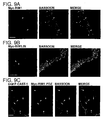
- p120 is localized to synapses and tightly bound to the cytomatrix. Furthermore, it was revealed that p120 functions as a protein scaffold for the localization of RIM1 to synapses, contributing on a molecular basis to the formation of the active zone.
- the present invention also provides markers, probes, and antibodies that can be used in synapse detection. Furthermore, the present invention provides methods of screening for compounds that can be used in synapse detection.
Landscapes
- Health & Medical Sciences (AREA)
- Chemical & Material Sciences (AREA)
- Life Sciences & Earth Sciences (AREA)
- Organic Chemistry (AREA)
- Genetics & Genomics (AREA)
- Molecular Biology (AREA)
- Engineering & Computer Science (AREA)
- Biochemistry (AREA)
- General Health & Medical Sciences (AREA)
- Biophysics (AREA)
- Medicinal Chemistry (AREA)
- Zoology (AREA)
- Biomedical Technology (AREA)
- Proteomics, Peptides & Aminoacids (AREA)
- Gastroenterology & Hepatology (AREA)
- Toxicology (AREA)
- Immunology (AREA)
- Biotechnology (AREA)
- General Engineering & Computer Science (AREA)
- Hematology (AREA)
- Bioinformatics & Cheminformatics (AREA)
- Microbiology (AREA)
- Wood Science & Technology (AREA)
- Physics & Mathematics (AREA)
- Urology & Nephrology (AREA)
- Food Science & Technology (AREA)
- Cell Biology (AREA)
- Plant Pathology (AREA)
- Analytical Chemistry (AREA)
- General Physics & Mathematics (AREA)
- Pathology (AREA)
- Peptides Or Proteins (AREA)
- Measuring Or Testing Involving Enzymes Or Micro-Organisms (AREA)
- Micro-Organisms Or Cultivation Processes Thereof (AREA)
- Investigating Or Analysing Biological Materials (AREA)
- Preparation Of Compounds By Using Micro-Organisms (AREA)
Abstract
Description







Claims (17)
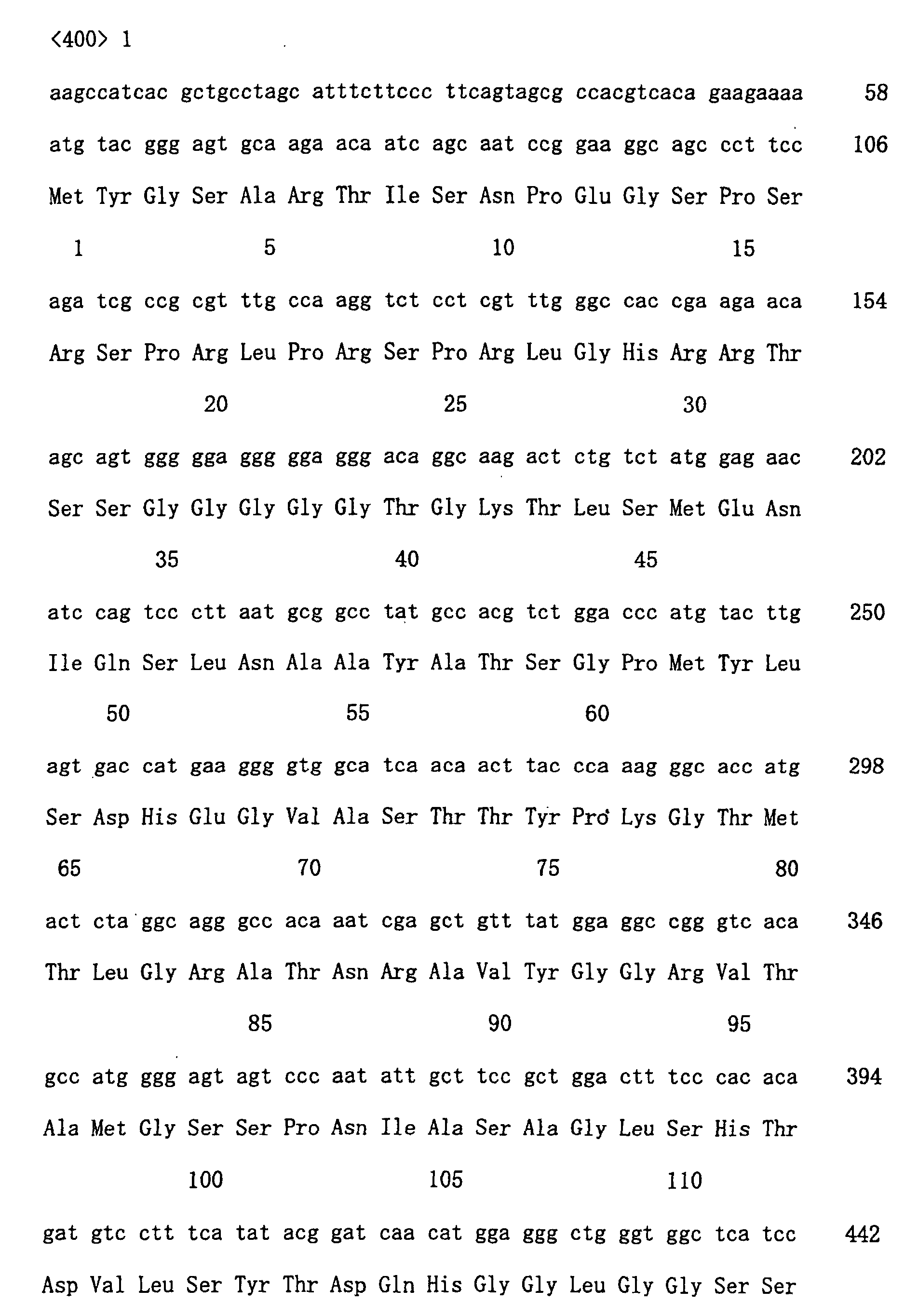
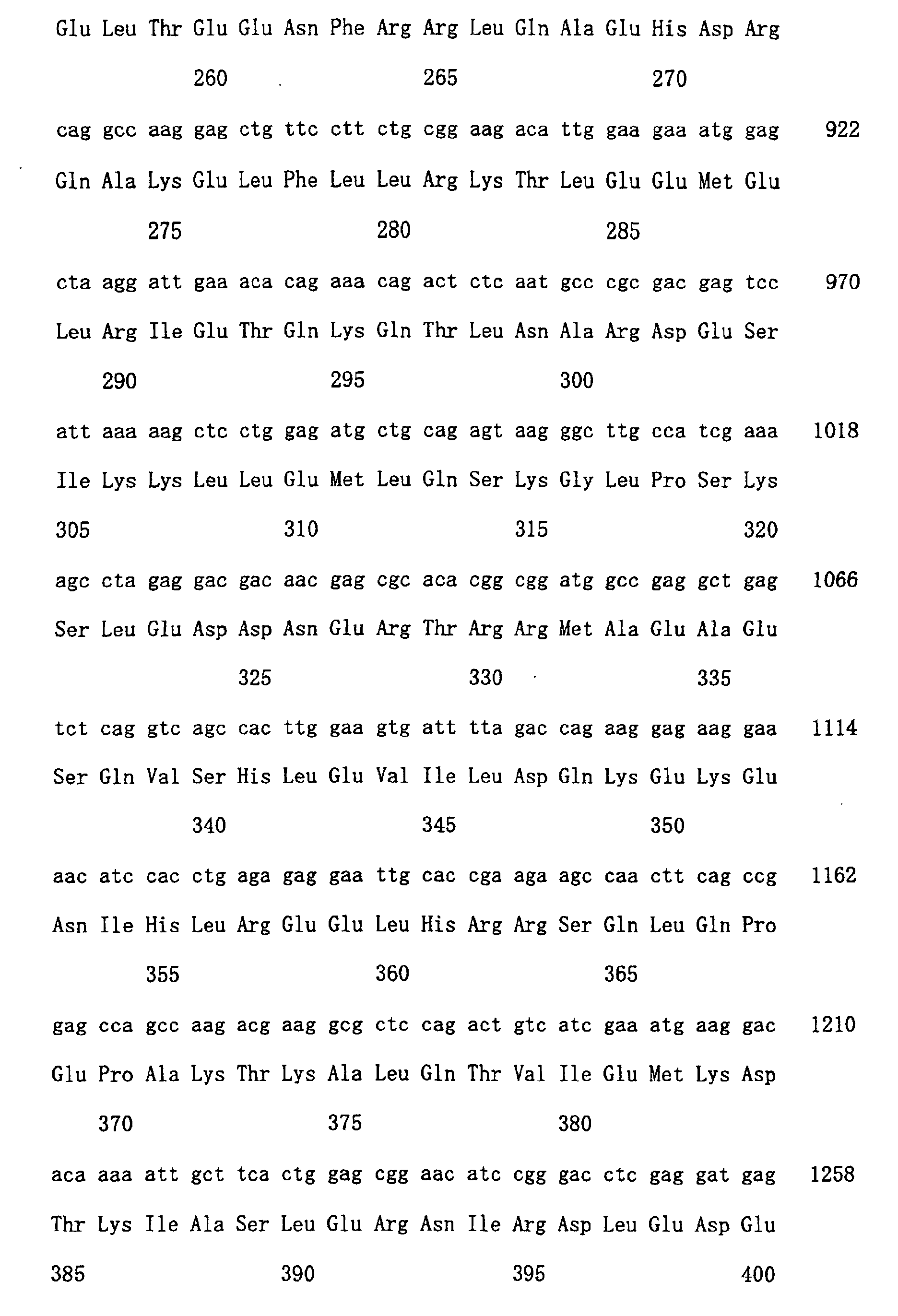
- A protein selected from the group consisting of:(a) a protein comprising the amino acid sequence set forth in SEQ ID NO: 2; and(b) a protein localized to synapses and comprising the amino acid sequence set forth in SEQ ID NO: 2, wherein one or more amino acid residues are deleted, substituted, or added.
- A DNA encoding the protein of claim 1.
- The DNA of claim 2 comprising the nucleotide sequence set forth in SEQ ID NO: 1.
- A DNA selected from the group consisting of:(a) a DNA comprising the nucleotide sequence set forth in SEQ ID NO: 1; and(b) a DNA that hybridizes under stringent conditions to a DNA comprising a nucleotide sequence complementary to the nucleotide sequence set forth in SEQ ID NO: 1, and which encodes a protein localized to synapses.
- A DNA selected from the group consisting of:(a) a DNA comprising the nucleotide sequence set forth in SEQ ID NO: 1; and(b) a DNA comprising a nucleotide sequence with 90% or more homology to the nucleotide sequence set forth in SEQ ID NO: 1 and encoding a protein localized to synapses.
- A protein encoded by the DNA of claim 4 or 5.
- A recombinant vector comprising the DNA of any one of claims 2 to 5.
- A transformant resulting from transformation of a host with the DNA of any one of claims 2 to 5.
- A method for producing a protein localized to synapses, wherein said method comprises the steps of:(1) culturing the transformant of claim 8; and(2) collecting the protein from the culture, wherein the protein is localized to synapses and expressed by the transformant.
- An antibody that reacts with the protein of claim 1 or 6.
- A method for measuring the protein of claim 1 or 6, wherein said method uses the antibody of claim 10.
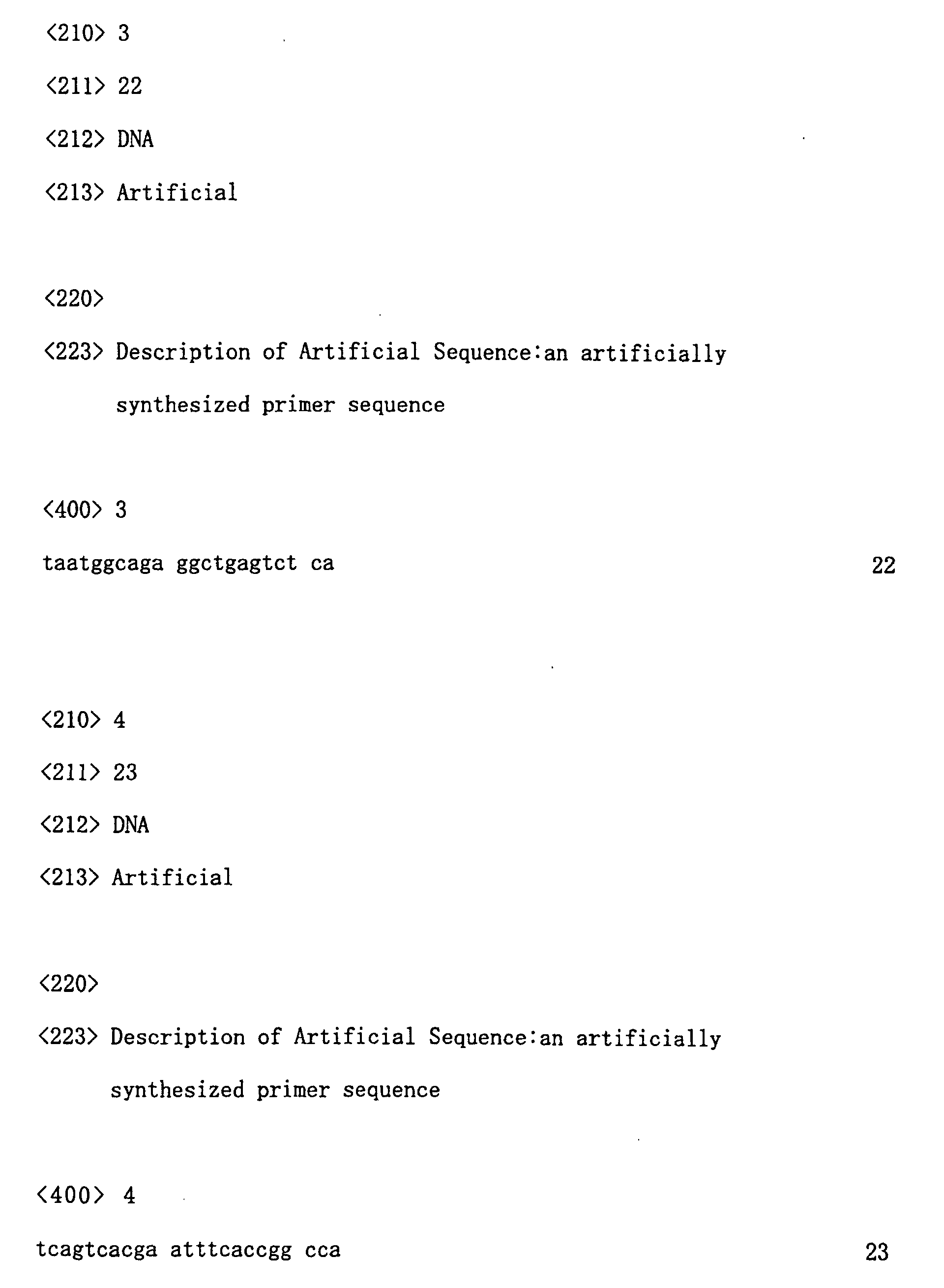
- A method for measuring the DNA or RNA encoding the protein of claim 1 or 6, wherein said method uses as a primer or probe an oligonucleotide comprising at least 15 continuous nucleotides of the nucleotide sequence set forth in SEQ ID NO: 1.
- A method for detecting the protein of claim 1 or 6 using the antibody of claim 10.
- A method of screening for a substance that reacts with the protein of claim 1 or 6, wherein said method comprises the steps of:(1) mixing a test substance with the protein of claim 1 or 6 produced by the method of claim 9, or the transformant of claim 8; and(2) measuring the amount of bound or unbound test substance.
- A method of screening for a substance affecting the expression of the protein of claim 1 or 6, wherein said method comprises the steps of:(1) adding a test substance to cells expressing the protein of claim 1 or 6 followed by culturing; and(2) measuring the amount of the protein of claim 1 or 6 which is expressed in cells, or the amount of mRNA encoding said protein.
- A method of screening for a substance affecting the expression of the protein of claim 1 or 6, wherein said method comprises the steps of:(1) identifying a promoter region regulating the expression of the protein of claim 1 or 6; and(2) measuring the effect of a test substance on the promoter activity.
- A method of screening for a substance affecting the distribution of the protein of claim 1 or 6, wherein said method comprises the steps of:(1) adding a test substance to cells expressing the protein of claim 1 or 6 followed by culturing the cells; and(2) determining the distribution of the protein of claim 1 or 6.
Applications Claiming Priority (3)
| Application Number | Priority Date | Filing Date | Title |
|---|---|---|---|
| JP2002063186 | 2002-03-08 | ||
| JP2002063186 | 2002-03-08 | ||
| PCT/JP2003/002718 WO2003076622A1 (en) | 2002-03-08 | 2003-03-07 | PRESYNAPTIC PROTEIN p120 |
Publications (2)
| Publication Number | Publication Date |
|---|---|
| EP1482039A1 true EP1482039A1 (en) | 2004-12-01 |
| EP1482039A4 EP1482039A4 (en) | 2005-11-02 |
Family
ID=27800183
Family Applications (1)
| Application Number | Title | Priority Date | Filing Date |
|---|---|---|---|
| EP03744017A Withdrawn EP1482039A4 (en) | 2002-03-08 | 2003-03-07 | PRESYNAPTIC PROTEIN p120 |
Country Status (8)
| Country | Link |
|---|---|
| US (2) | US7297773B2 (en) |
| EP (1) | EP1482039A4 (en) |
| JP (1) | JP4187249B2 (en) |
| KR (1) | KR100746141B1 (en) |
| AU (1) | AU2003211819A1 (en) |
| CA (1) | CA2478016C (en) |
| IL (1) | IL163733A0 (en) |
| WO (1) | WO2003076622A1 (en) |
Families Citing this family (4)
| Publication number | Priority date | Publication date | Assignee | Title |
|---|---|---|---|---|
| KR100746141B1 (en) | 2002-03-08 | 2007-08-06 | 에자이 알앤드디 매니지먼트 가부시키가이샤 | Synaptic protein р120 |
| DE102004031116A1 (en) * | 2004-06-28 | 2006-01-12 | Grünenthal GmbH | Method for finding pain-relevant substances using pain-relevant proteins |
| CN104602672B (en) | 2012-06-14 | 2018-12-25 | 伯尔尼大学 | Custom liposomes for the treatment of bacterial infections |
| WO2015120091A1 (en) * | 2014-02-04 | 2015-08-13 | Duke University | Systems and devices for protease detection based on engineered polymers and biopolymers and methods of use |
Family Cites Families (4)
| Publication number | Priority date | Publication date | Assignee | Title |
|---|---|---|---|---|
| US6436703B1 (en) * | 2000-03-31 | 2002-08-20 | Hyseq, Inc. | Nucleic acids and polypeptides |
| US6783969B1 (en) * | 2001-03-05 | 2004-08-31 | Nuvelo, Inc. | Cathepsin V-like polypeptides |
| US20040029790A1 (en) * | 2001-07-05 | 2004-02-12 | Meera Patturajan | Novel human proteins, polynucleotides encoding them and methods of using the same |
| KR100746141B1 (en) | 2002-03-08 | 2007-08-06 | 에자이 알앤드디 매니지먼트 가부시키가이샤 | Synaptic protein р120 |
-
2003
- 2003-03-07 KR KR1020047014102A patent/KR100746141B1/en not_active Expired - Fee Related
- 2003-03-07 IL IL16373303A patent/IL163733A0/en unknown
- 2003-03-07 WO PCT/JP2003/002718 patent/WO2003076622A1/en not_active Ceased
- 2003-03-07 CA CA2478016A patent/CA2478016C/en not_active Expired - Fee Related
- 2003-03-07 AU AU2003211819A patent/AU2003211819A1/en not_active Abandoned
- 2003-03-07 EP EP03744017A patent/EP1482039A4/en not_active Withdrawn
- 2003-03-07 JP JP2003574826A patent/JP4187249B2/en not_active Expired - Fee Related
- 2003-12-30 US US10/747,065 patent/US7297773B2/en not_active Expired - Fee Related
-
2007
- 2007-10-31 US US11/979,099 patent/US7695920B2/en not_active Expired - Fee Related
Also Published As
| Publication number | Publication date |
|---|---|
| US20040171810A1 (en) | 2004-09-02 |
| CA2478016C (en) | 2011-05-10 |
| JPWO2003076622A1 (en) | 2005-07-07 |
| IL163733A0 (en) | 2005-12-18 |
| CA2478016A1 (en) | 2003-09-18 |
| JP4187249B2 (en) | 2008-11-26 |
| AU2003211819A1 (en) | 2003-09-22 |
| EP1482039A4 (en) | 2005-11-02 |
| US20090087842A1 (en) | 2009-04-02 |
| WO2003076622A1 (en) | 2003-09-18 |
| US7297773B2 (en) | 2007-11-20 |
| KR100746141B1 (en) | 2007-08-06 |
| US7695920B2 (en) | 2010-04-13 |
| KR20040093112A (en) | 2004-11-04 |
Similar Documents
| Publication | Publication Date | Title |
|---|---|---|
| Wang et al. | A PDZ protein regulates the distribution of the transmembrane semaphorin, M-SemF | |
| US20080118951A1 (en) | Nogo receptor homologues and their use | |
| US20050221420A1 (en) | Nogo receptor homologues and their use | |
| US7695920B2 (en) | Methods of screening compounds binding to presynaptic protein CAST | |
| US7666603B2 (en) | Breast cancer related protein, gene encoding the same, and method of diagnosing breast cancer using the protein and gene | |
| US7399830B2 (en) | Synaptic activation protein compositions and method | |
| KR20090014979A (en) | Kidney Cancer Diagnostic Compositions and Kits | |
| JP2003510053A (en) | Heparanase-2, a member of the heparanase protein family | |
| JP5180582B2 (en) | Purkinje cell identification method targeting Corl2 gene | |
| US20040086913A1 (en) | Human genes and gene expression products XVI | |
| JP3288716B2 (en) | Human adhesion molecule occludin | |
| US7427666B2 (en) | Antibody directed against a ubiquitin-specific protease occurring in the brain | |
| EP1130030A1 (en) | Human erythroid differentiation related factor | |
| EP1209231A1 (en) | Meg-1 protein | |
| DE60223677T2 (en) | BCMP-101, A PROTEIN ASSOCIATED WITH CANCER | |
| JPH09291099A (en) | Brain-specific novel adapter molecule, its gene and its antibody | |
| US20040234978A1 (en) | Novel potential-dependent cation channel protein | |
| Wiederhold | Characterization of Neurofibromatosis 2 (NF2) Tumor Suppressor Binding Proteins | |
| JP2005527190A (en) | Nuclear protein "SHOCA"-a component of the WNT signaling pathway | |
| CN1380338A (en) | Human testis specific protein -16 gene coded protein | |
| CN1313341A (en) | Human testis protein kinase gene coded protein |
Legal Events
| Date | Code | Title | Description |
|---|---|---|---|
| PUAI | Public reference made under article 153(3) epc to a published international application that has entered the european phase |
Free format text: ORIGINAL CODE: 0009012 |
|
| 17P | Request for examination filed |
Effective date: 20040903 |
|
| AK | Designated contracting states |
Kind code of ref document: A1 Designated state(s): AT BE BG CH CY CZ DE DK EE ES FI FR GB GR HU IE IT LI LU MC NL PT RO SE SI SK TR |
|
| AX | Request for extension of the european patent |
Extension state: AL LT LV MK |
|
| A4 | Supplementary search report drawn up and despatched |
Effective date: 20050919 |
|
| RAP1 | Party data changed (applicant data changed or rights of an application transferred) |
Owner name: EISAI R&D MANAGEMENT CO., LTD. |
|
| 17Q | First examination report despatched |
Effective date: 20080114 |
|
| STAA | Information on the status of an ep patent application or granted ep patent |
Free format text: STATUS: THE APPLICATION IS DEEMED TO BE WITHDRAWN |
|
| 18D | Application deemed to be withdrawn |
Effective date: 20110531 |