EP1479768A1 - Novel screening method - Google Patents
Novel screening method Download PDFInfo
- Publication number
- EP1479768A1 EP1479768A1 EP03705107A EP03705107A EP1479768A1 EP 1479768 A1 EP1479768 A1 EP 1479768A1 EP 03705107 A EP03705107 A EP 03705107A EP 03705107 A EP03705107 A EP 03705107A EP 1479768 A1 EP1479768 A1 EP 1479768A1
- Authority
- EP
- European Patent Office
- Prior art keywords
- seq
- salt
- amino acid
- acid sequence
- receptor protein
- Prior art date
- Legal status (The legal status is an assumption and is not a legal conclusion. Google has not performed a legal analysis and makes no representation as to the accuracy of the status listed.)
- Granted
Links
Images
















Classifications
-
- C—CHEMISTRY; METALLURGY
- C07—ORGANIC CHEMISTRY
- C07K—PEPTIDES
- C07K14/00—Peptides having more than 20 amino acids; Gastrins; Somatostatins; Melanotropins; Derivatives thereof
- C07K14/435—Peptides having more than 20 amino acids; Gastrins; Somatostatins; Melanotropins; Derivatives thereof from animals; from humans
- C07K14/705—Receptors; Cell surface antigens; Cell surface determinants
-
- A—HUMAN NECESSITIES
- A61—MEDICAL OR VETERINARY SCIENCE; HYGIENE
- A61P—SPECIFIC THERAPEUTIC ACTIVITY OF CHEMICAL COMPOUNDS OR MEDICINAL PREPARATIONS
- A61P13/00—Drugs for disorders of the urinary system
- A61P13/12—Drugs for disorders of the urinary system of the kidneys
-
- A—HUMAN NECESSITIES
- A61—MEDICAL OR VETERINARY SCIENCE; HYGIENE
- A61P—SPECIFIC THERAPEUTIC ACTIVITY OF CHEMICAL COMPOUNDS OR MEDICINAL PREPARATIONS
- A61P25/00—Drugs for disorders of the nervous system
-
- A—HUMAN NECESSITIES
- A61—MEDICAL OR VETERINARY SCIENCE; HYGIENE
- A61P—SPECIFIC THERAPEUTIC ACTIVITY OF CHEMICAL COMPOUNDS OR MEDICINAL PREPARATIONS
- A61P3/00—Drugs for disorders of the metabolism
- A61P3/04—Anorexiants; Antiobesity agents
-
- A—HUMAN NECESSITIES
- A61—MEDICAL OR VETERINARY SCIENCE; HYGIENE
- A61P—SPECIFIC THERAPEUTIC ACTIVITY OF CHEMICAL COMPOUNDS OR MEDICINAL PREPARATIONS
- A61P3/00—Drugs for disorders of the metabolism
- A61P3/06—Antihyperlipidemics
-
- A—HUMAN NECESSITIES
- A61—MEDICAL OR VETERINARY SCIENCE; HYGIENE
- A61P—SPECIFIC THERAPEUTIC ACTIVITY OF CHEMICAL COMPOUNDS OR MEDICINAL PREPARATIONS
- A61P3/00—Drugs for disorders of the metabolism
- A61P3/08—Drugs for disorders of the metabolism for glucose homeostasis
-
- A—HUMAN NECESSITIES
- A61—MEDICAL OR VETERINARY SCIENCE; HYGIENE
- A61P—SPECIFIC THERAPEUTIC ACTIVITY OF CHEMICAL COMPOUNDS OR MEDICINAL PREPARATIONS
- A61P3/00—Drugs for disorders of the metabolism
- A61P3/08—Drugs for disorders of the metabolism for glucose homeostasis
- A61P3/10—Drugs for disorders of the metabolism for glucose homeostasis for hyperglycaemia, e.g. antidiabetics
-
- A—HUMAN NECESSITIES
- A61—MEDICAL OR VETERINARY SCIENCE; HYGIENE
- A61P—SPECIFIC THERAPEUTIC ACTIVITY OF CHEMICAL COMPOUNDS OR MEDICINAL PREPARATIONS
- A61P35/00—Antineoplastic agents
-
- A—HUMAN NECESSITIES
- A61—MEDICAL OR VETERINARY SCIENCE; HYGIENE
- A61P—SPECIFIC THERAPEUTIC ACTIVITY OF CHEMICAL COMPOUNDS OR MEDICINAL PREPARATIONS
- A61P7/00—Drugs for disorders of the blood or the extracellular fluid
- A61P7/02—Antithrombotic agents; Anticoagulants; Platelet aggregation inhibitors
-
- A—HUMAN NECESSITIES
- A61—MEDICAL OR VETERINARY SCIENCE; HYGIENE
- A61P—SPECIFIC THERAPEUTIC ACTIVITY OF CHEMICAL COMPOUNDS OR MEDICINAL PREPARATIONS
- A61P9/00—Drugs for disorders of the cardiovascular system
- A61P9/10—Drugs for disorders of the cardiovascular system for treating ischaemic or atherosclerotic diseases, e.g. antianginal drugs, coronary vasodilators, drugs for myocardial infarction, retinopathy, cerebrovascula insufficiency, renal arteriosclerosis
-
- A—HUMAN NECESSITIES
- A61—MEDICAL OR VETERINARY SCIENCE; HYGIENE
- A61P—SPECIFIC THERAPEUTIC ACTIVITY OF CHEMICAL COMPOUNDS OR MEDICINAL PREPARATIONS
- A61P9/00—Drugs for disorders of the cardiovascular system
- A61P9/12—Antihypertensives
-
- C—CHEMISTRY; METALLURGY
- C07—ORGANIC CHEMISTRY
- C07K—PEPTIDES
- C07K16/00—Immunoglobulins [IG], e.g. monoclonal or polyclonal antibodies
- C07K16/18—Immunoglobulins [IG], e.g. monoclonal or polyclonal antibodies against material from animals or humans
- C07K16/28—Immunoglobulins [IG], e.g. monoclonal or polyclonal antibodies against material from animals or humans against receptors, cell surface antigens or cell surface determinants
-
- A—HUMAN NECESSITIES
- A61—MEDICAL OR VETERINARY SCIENCE; HYGIENE
- A61K—PREPARATIONS FOR MEDICAL, DENTAL OR TOILETRY PURPOSES
- A61K39/00—Medicinal preparations containing antigens or antibodies
- A61K2039/505—Medicinal preparations containing antigens or antibodies comprising antibodies
-
- A—HUMAN NECESSITIES
- A61—MEDICAL OR VETERINARY SCIENCE; HYGIENE
- A61K—PREPARATIONS FOR MEDICAL, DENTAL OR TOILETRY PURPOSES
- A61K38/00—Medicinal preparations containing peptides
-
- A—HUMAN NECESSITIES
- A61—MEDICAL OR VETERINARY SCIENCE; HYGIENE
- A61K—PREPARATIONS FOR MEDICAL, DENTAL OR TOILETRY PURPOSES
- A61K39/00—Medicinal preparations containing antigens or antibodies
-
- A—HUMAN NECESSITIES
- A61—MEDICAL OR VETERINARY SCIENCE; HYGIENE
- A61K—PREPARATIONS FOR MEDICAL, DENTAL OR TOILETRY PURPOSES
- A61K48/00—Medicinal preparations containing genetic material which is inserted into cells of the living body to treat genetic diseases; Gene therapy
-
- C—CHEMISTRY; METALLURGY
- C07—ORGANIC CHEMISTRY
- C07K—PEPTIDES
- C07K2319/00—Fusion polypeptide
- C07K2319/60—Fusion polypeptide containing spectroscopic/fluorescent detection, e.g. green fluorescent protein [GFP]
-
- G—PHYSICS
- G01—MEASURING; TESTING
- G01N—INVESTIGATING OR ANALYSING MATERIALS BY DETERMINING THEIR CHEMICAL OR PHYSICAL PROPERTIES
- G01N2333/00—Assays involving biological materials from specific organisms or of a specific nature
- G01N2333/435—Assays involving biological materials from specific organisms or of a specific nature from animals; from humans
- G01N2333/705—Assays involving receptors, cell surface antigens or cell surface determinants
- G01N2333/72—Assays involving receptors, cell surface antigens or cell surface determinants for hormones
- G01N2333/726—G protein coupled receptor, e.g. TSHR-thyrotropin-receptor, LH/hCG receptor, FSH
-
- G—PHYSICS
- G01—MEASURING; TESTING
- G01N—INVESTIGATING OR ANALYSING MATERIALS BY DETERMINING THEIR CHEMICAL OR PHYSICAL PROPERTIES
- G01N2500/00—Screening for compounds of potential therapeutic value
Definitions
- the present invention relates to a rat, mouse, monkey and hamster-derived novel G protein-coupled receptor protein (GPR40) or its salts, and a DNA encoding said GPR40 and its use, as well as use of GPR40 including human-derived GPR40.
- GPR40 G protein-coupled receptor protein
- G protein guanine nucleotide-binding protein
- TMR seven-transmembrane receptors
- G protein-coupled receptor proteins are present on the cell surface of each functional cell and organ in the body, and play important physiological roles as the target of the molecules that regulate the functions of the cells and organs, e.g., hormones, neurotransmitters, physiologically active substances and the like. Receptors transmit signals to cells via binding with physiologically active substances, and the signals induce various reactions such as activation and inhibition of the cells.
- G protein-coupled receptor proteins would elucidate the functional mechanisms in various cells and organs in the body to provide a very important means for development of drugs closely associated with the functions.
- physiologically active substances are found in numerous sites of the body and regulate the physiological functions through their corresponding receptor proteins.
- Many unknown hormones, neurotransmitters or many other physiologically active substances still exist in the body and, as to their receptor proteins, many of these proteins have not yet been reported. In addition, it is still unknown if there are subtypes of known receptor proteins.
- the ligand to human-derived GPR40 is a fatty acid (WO 02/057783).
- substances that inhibit the binding of G protein-coupled proteins to physiologically active substances i.e., ligands
- substances that bind and induce signals similar to those physiologically active substances i.e., ligands
- these substances are not only important for physiological expression in the body as stated above but discovery and cloning of its gene (e.g., cDNA) for a novel G protein-coupled receptor that can be targeted for pharmaceutical development are also very important means in search for a specific ligand, agonist, and antagonist of the novel G protein-coupled receptor.
- G protein-coupled receptors are useful in searching for a novel physiological active substance (i.e., ligand) using the signal transduction activity as an indicator and in search for agonists and antagonists of the receptor.
- a novel physiological active substance i.e., ligand
- agonists and antagonist of the receptor may be prepared by analyzing the physiological action of the receptor through inactivation experiment of the receptor (knockout animal).
- Ligands, agonists, antagonists, etc. of the receptor are expected to be used as prophylactic/therapeutic and diagnostic agents for diseases associated with dysfunction of the G protein-coupled receptor.
- the G protein coupled receptor may be used not only for administration of antagonists or agonists of the receptor, but also for gene therapy by transfer of the receptor gene into the body (or some particular organs) or by introduction of the antisense nucleic acid of the receptor gene into the body (or the particular organ).
- information on the base sequence of the receptor gene is essentially required for investigating deletion or mutation in the gene.
- the receptor gene is also applicable as prophylactic/therapeutic and diagnostic agents for diseases associated with dysfunction of the receptor.
- the present invention provides a novel and useful G protein-coupled receptor protein as described above. That is, the present invention provides a novel G protein-coupled receptor protein, its partial peptides and salts thereof; polynucleotides (DNA and RNA, and derivatives thereof) containing the polynucleotides (DNA and RNA, and derivatives thereof) encoding the G protein-coupled receptor protein or its partial peptides; recombinant vectors containing the polynucleotides; transformants bearing the recombinant vectors; methods for manufacturing the G protein-coupled receptor protein or its salts; antibodies to the G protein-coupled receptor protein, its partial peptides and salts thereof; compounds that change the expression level of said G protein-coupled receptor protein; methods of determining ligands to the G protein-coupled receptor protein; methods for screening the compounds (antagonists and agonists) or salts thereof that change the binding properties of ligands and the G protein-coupled receptor protein; kits for use in the screening methods
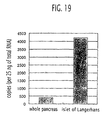
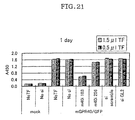
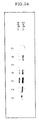
- the present inventors made extensive investigations and as a result, found that ligands to human GPR40 are fatty acids or eicosanoids. Also, the inventors succeeded in cloning DNAs encoding rat, mouse and hamster-derived GPR40. Furthermore, the inventors found that GPR40 is highly expressed in pancreatic Langerhans islets, fatty acids or eicosanoids bind to GPR40 thereby to induce increased intracellular Ca 2+ level and suppressed cAMP production, and free fatty acids promote insulin secretion from MIN6 cells. In addition, the inventors acquired monoclonal antibodies to the C-terminal peptide of human GPR40 and siRNA to mouse GPR40. Based on these findings, the present inventors continued further studies and have come to accomplish the present invention.
- the present invention provides the following features and the like.
- the G protein-coupled receptor protein of the present invention (hereinafter sometimes referred to briefly as GPR40) is a receptor protein containing the same or substantially the same amino acid sequence as the amino acid sequence represented by SEQ ID NO: 1, SEQ ID NO: 3, SEQ ID NO: 5, SEQ ID NO: 17 or SEQ ID NO: 29.
- GPR40 may be any protein derived from any cell of human and mammals (e.g., guinea pig, rat, mouse, rabbit, swine, sheep, bovine, monkey, etc.); any cell (e.g., splenocyte, nerve cells, glial cells, ⁇ cells of pancreas, pancreatic Langerhans' islet, bone marrow cells, mesangial cells, Langerhans' cells, epidermic cells, epithelial cells, endothelial cells, fibroblasts, fibrocytes, myocytes, fat cells, immune cells (e.g., macrophage, T cells, B cells, natural killer cells, mast cells, neutrophils, basophils, eosinophils, monocytes), megakaryocytes, synovial cells, chondrocytes, bone cells, osteoblasts, osteoclasts, mammary gland cells, hepatocytes or interstitial cells; or the corresponding precursor cells, stem cells, cancer cells, etc.
- the amino acid sequence which has substantially the same amino acid sequence as that represented by SEQ ID NO: 1, SEQ ID NO: 3, SEQ ID NO: 5, SEQ ID NO: 17 or SEQ ID NO: 29 includes an amino acid sequence having at least about 85% homology, preferably at least about 90% homology and more preferably at least about 95% homology, to the amino acid sequence represented by SEQ ID NO: 1, SEQ ID NO: 3, SEQ ID NO: 5, SEQ ID NO: 17 or SEQ ID NO: 29.
- Examples of the protein which contains substantially the same amino acid sequence as that shown by SEQ ID NO: 1, SEQ ID NO: 3, SEQ ID NO: 5, SEQ ID NO: 17 or SEQ ID NO: 29 include a protein having substantially the same amino acid sequence as that shown by SEQ ID NO: 1, SEQ ID NO: 3, SEQ ID NO: 5, SEQ ID NO: 17 or SEQ ID NO: 29 and preferably having the activity substantially equivalent to the amino acid sequence represented by SEQ ID NO: 1, SEQ ID NO: 3, SEQ ID NO: 5, SEQ ID NO: 17 or SEQ ID NO: 29, etc.
- substantially equivalent activity described above examples include a ligand binding activity, a signal transduction activity, etc.
- the term substantially equivalent is used to mean that the activities are the same in nature. Therefore, although it is preferred that activities such as the ligand binding and signal transduction activities, etc. be equivalent (e.g., about 0.01- to about 100-fold, preferably about 0.5- to about 20-fold, more preferably about 0.5- to about 2-fold), quantitative factors such as a level of these activities, a molecular weight of the protein, etc. may differ.
- the activities such as ligand binding and signal transduction activities or the like can be determined according to publicly known methods with some modifications thereof, for example, by the ligand determination methods or the screening methods that will be later described.
- proteins containing the following amino acid sequences are used as GPR40: a) amino acid sequences wherein at least 1 or 2 amino acids (preferably approximately 1 to 30 amino acids, more preferably approximately 1 to 10 amino acids, most preferably several (1 to 5) amino acids) are deleted of the amino acid sequence represented by SEQ ID NO: 1, SEQ ID NO: 3, SEQ ID NO: 5, SEQ ID NO: 17 or SEQ ID NO: 29; b) amino acid sequences wherein at least 1 or 2 amino acids (preferably approximately 1 to 30 amino acids, more preferably approximately 1 to 10 amino acids, and most preferably several (1 to 5) amino acids) are added to the amino acid sequence represented by SEQ ID NO: 1, SEQ ID NO: 3, SEQ ID NO: 5, SEQ ID NO: 17 or SEQ ID NO: 29; c) amino acid sequences wherein at least 1 or 2 amino acids (preferably approximately 1 to 30 amino acids, more preferably approximately 1 to 10 amino acids, and most preferably several (1 to 5) amino acids) in the amino acid sequence represented by SEQ ID NO: 1, SEQ ID
- GPR40 is represented in accordance with the conventional way of describing peptides, that is, the N-terminus (amino terminus) at the left hand and the C-terminus (carboxyl terminus) at the right hand.
- the C-terminus may be in any form of a carboxyl group (-COOH), carboxylate (-COO - ), an amide (-CONH 2 ) or an ester (-COOR).
- ester group shown by R examples include a C 1-6 alkyl group such as methyl, ethyl, n-propyl, isopropyl, n-butyl, etc.; a C 3-8 cycloalkyl group such as cyclopentyl, cyclohexyl, etc.; a C 6-12 aryl group such as phenyl, ⁇ -naphthyl, etc.; a C 7-14 aralkyl group such as a phenyl-C 1-2 -alkyl group, e.g., benzyl, phenethyl, etc., or an ⁇ -naphthyl-C 1-2 -alkyl group such as ⁇ -naphthylmethyl, etc.; and the like.
- pivaloyloxymethyl or the like which is used widely as an ester for oral administration, may also be used.
- GPR40 contains a carboxyl group (or a carboxylate) at a position other than the C-terminus, it may be amidated or esterified and such an amide or ester is also included within the GPR40 of the present invention.
- the ester group may be the same group as that described with respect to the C-terminus described above.
- examples of GPR40 include variants of the above proteins, wherein the amino group at the N-terminal methionine residue of the protein supra is protected with a protecting group (for example, a C 1-6 acyl group such as a C 2-6 alkanoyl group, e.g., formyl group, acetyl group, etc.); those wherein the N-terminal region is cleaved in vivo and the glutamyl group thus formed is pyroglutaminated; those wherein a substituent (e.g., -OH, -SH, amino group, imidazole group, indole group, guanidino group, etc.) on the side chain of an amino acid in the molecule is protected with a suitable protecting group (e.g., a C 1-6 acyl group such as a C 2-6 alkanoyl group, e.g., formyl group, acetyl group, etc.), or conjugated proteins such as glycoproteins bound to sugar
- GPR40 of the present invention examples include mouse-derived GPR40 containing the amino acid sequence represented by SEQ ID NO: 1, rat-derived GPR40 containing the amino acid sequence represented by SEQ ID NO: 3, a human-derived GPR40 containing the amino acid sequence represented by SEQ ID NO: 5, cynomolgus monkey-derived GPR40 containing the amino acid sequence represented by SEQ ID NO: 17, hamster-derived GPR40 containing the amino acid sequence represented by SEQ ID NO: 29, etc.
- mouse-derived GPR40, rat-derived GPR40, cynomolgus monkey-derived GPR40 and hamster-derived GPR40 are novel proteins.
- Human-derived GPR40 is a publicly known protein described in WO2000-22129, Biochem. Biophys. Res. Commun.1997, Oct. 20; 239(2):543-547.
- any partial peptide can be used so long as it can be a partial peptide of the aforesaid GPR40.
- the GPR40 protein molecules for example, those having a site exposed to the outside of a cell membrane and having substantially the same receptor binding activity can be used.
- the partial peptide of GPR40 having the amino acid sequence represented by SEQ ID NO: 1, SEQ ID NO: 3, SEQ ID NO: 5, SEQ ID NO: 17 or SEQ ID NO: 29 is a peptide containing the parts analyzed to be extracellular domains (hydrophilic domains) in the hydrophobic plotting analysis.
- a peptide containing a hydrophobic domain in part can be used as well.
- the peptide may contain each domain separately or plural domains together.
- the amino acid sequence having substantially the same amino acid sequence includes an amino acid sequence having at least about 85% homology, preferably at least about 90% homology and more preferably at least about 95% homology, to these amino acid sequences.
- substantially the same receptor binding activity has the same significance as described above.
- the “substantially the same receptor binding activity” can be assayed by the same manner as described above.
- the partial peptide of the present invention may contain amino acid sequences, of which at least 1 or 2 amino acids (preferably approximately 1 to 10 amino acids, more preferably several (1 to 5) amino acids) are deleted; to which at least 1 or 2 amino acids (preferably approximately 1 to 20 amino acids, more preferably approximately 1 to 10 amino acids, and most preferably several (1 to 5) amino acids) are added; or, in which at least 1 or 2 amino acids (preferably approximately 1 to 10 amino acids, more preferably several and most preferably approximately 1 to 5 amino acids) are substituted by other amino acids.
- at least 1 or 2 amino acids preferably approximately 1 to 10 amino acids, more preferably several (1 to 5) amino acids
- amino acids preferably approximately 1 to 20 amino acids, more preferably approximately 1 to 10 amino acids, and most preferably several (1 to 5) amino acids
- the C-terminus may be in any form of a carboxyl group (-COOH), carboxylate (-COO - ), an amide (-CONH 2 ) or an ester (-COOR).
- a carboxyl group or a carboxylate
- GPR40 contains a carboxyl group (or a carboxylate) at a position other than the C-terminus, it may be amidated or esterified and such an amide or ester is also included within the GPR40 of the present invention.
- the ester group may be the same group as that described with respect to the C-terminus described above.
- the partial peptide of the present invention further includes those in which the amino group of the amino acid residue of the N-terminal methionine residue is protected by a protecting group, those in which the N-terminal residue is cleaved in vivo and the produced glutamine residue is pyroglutaminated, those in which substituents on the side chains of amino acids in the molecule are protected by appropriate protecting groups, conjugated peptides such as so-called glycopeptides, to which sugar chains are bound, and the like.
- physiologically acceptable salts with acids or bases especially physiologically acceptable acid addition salts.
- the salts include salts with, for example, inorganic acids (e.g., hydrochloric acid, phosphoric acid, hydrobromic acid, sulfuric acid); salts with organic acids (e.g., acetic acid, formic acid, propionic acid, fumaric acid, maleic acid, succinic acid, tartaric acid, citric acid, malic acid, oxalic acid, benzoic acid, methanesulfonic acid, benzenesulfonic acid) and the like.
- inorganic acids e.g., hydrochloric acid, phosphoric acid, hydrobromic acid, sulfuric acid
- organic acids e.g., acetic acid, formic acid, propionic acid, fumaric acid, maleic acid, succinic acid, tartaric acid, citric acid, malic acid, oxalic acid, benzoic acid, methanesulfonic acid, benzen
- the GPR40 of the present invention or salts thereof may be manufactured by a publicly known method used to purify receptor proteins from human or mammalian cells or tissues described above, or by culturing a transformant that contains the DNA encoding the GPR40 of the present invention, as will be later described. Furthermore, the GPR40 or its salts may also be manufactured by the methods for synthesizing proteins or by modifications thereof, which will also be described hereinafter.
- GPR40 or its salts are manufactured from human or mammalian tissues or cells
- human or mammalian tissues or cells are homogenized, then extracted with an acid or the like, and the extract is isolated and purified by a combination of chromatography techniques such as reverse phase chromatography, ion exchange chromatography, and the like.
- resins that are used for protein synthesis may be used.
- resins include chloromethyl resin, hydroxymethyl resin, benzhydrylamine resin, aminomethyl resin, 4-benzyloxybenzyl alcohol resin, 4-methylbenzhydrylamine resin, PAM resin, 4-hydroxymethylmehtylphenyl acetamidomethyl resin, polyacrylamide resin, 4-(2',4'-dimethoxyphenylhydroxymethyl)phenoxy resin, 4-(2',4'-dimethoxyphenyl-Fmoc-aminoethyl) phenoxy resin, etc.
- amino acids in which ⁇ -amino groups and functional groups on the side chains are appropriately protected are condensed on the resin in the order of the sequence of the objective protein according to various condensation methods publicly known in the art.
- the protein is cut out from the resin and at the same time, the protecting groups are removed.
- intramolecular disulfide bond-forming reaction is performed in a highly diluted solution to obtain the objective protein or its amides.
- a variety of activation reagents for protein synthesis may be used, and carbodiimides are particularly preferable.
- carbodiimides include DCC, N,N'-diisopropylcarbodiimide, N-ethyl-N'-(3-dimethylaminoprolyl)carbodiimide, etc.
- a racemization inhibitor e.g., HOBt, HOOBt
- the protected amino acids are previously activated in the form of symmetric acid anhydrides, HOBt esters or HOOBt esters, followed by adding the thus activated protected amino acids to the resin.
- Solvents suitable for use to activate the protected amino acids or condense with the resin may be chosen from solvents known to be usable for protein condensation reactions.
- solvents include acid amides such as N,N-dimethylformamide, N,N-dimethylacetamide, N-methylpyrrolidone, etc.; halogenated hydrocarbons such as methylene chloride, chloroform, etc.; alcohols such as trifluoroethanol, etc.; sulfoxides such as dimethylsulfoxide, etc.; ethers such as pyridine, dioxane, tetrahydrofuran, etc.; nitriles such as acetonitrile, propionitrile, etc.; esters such as methyl acetate, ethyl acetate, etc.; and appropriate mixtures of these solvents.
- the reaction temperature is appropriately chosen from the range known to be applicable to protein binding reactions and is usually selected in the range of approximately -20°C to 50°C.
- the activated amino acid derivatives are used generally in an excess of 1.5 to 4 times.
- the condensation is examined by a test using the ninhydrin reaction; when the condensation is insufficient, the condensation can be completed by repeating the condensation reaction without removal of the protecting groups. When the condensation is yet insufficient even after repeating the reaction, unreacted amino acids are acetylated with acetic anhydride or acetylimidazole.
- Examples of the protecting groups used to protect the amino groups of the starting compounds include Z, Boc, t-pentyloxycarbonyl, isobornyloxycarbonyl, 4-methoxybenzyloxycarbonyl, Cl-Z, Br-Z, adamantyloxycarbonyl, trifluoroacetyl, phthaloyl, formyl, 2-nitrophenylsulphenyl, diphenylphosphinothioyl, Fmoc, etc.
- a carboxyl group can be protected by, e.g., alkyl esterification (in the form of linear, branched or cyclic alkyl esters of the alkyl moiety such as methyl, ethyl, propyl, butyl, t-butyl, cyclopentyl, cyclohexyl, cycloheptyl, cyclooctyl, 2-adamantyl, etc.), aralkyl esterification (e.g., esterification in the form of benzyl ester, 4-nitrobenzyl ester, 4-methoxybenzyl ester, 4-chlorobenzyl ester, benzhydryl ester, etc.), phenacyl esterification, benzyloxycarbonyl hydrazidation, t-butoxycarbonyl hydrazidation, trityl hydrazidation, or the like.
- alkyl esterification in the form of linear, branched
- the hydroxyl group of serine can be protected through, for example, its esterification or etherification.
- groups appropriately used for the esterification include a lower alkanoyl group, such as acetyl group, an aroyl group such as benzoyl group, and a group derived from carbonic acid such as benzyloxycarbonyl group, ethoxycarbonyl group, etc.
- groups appropriately used for the etherification include benzyl group, tetrahydropyranyl group, t-butyl group, etc.
- Examples of groups for protecting the phenolic hydroxyl group of tyrosine include Bzl, Cl 2 -Bzl, 2-nitrobenzyl, Br-Z, t-butyl, etc.
- Examples of groups used to protect the imidazole moiety of histidine include Tos, 4-methoxy-2,3,6-trimethylbenzenesulfonyl, DNP, benzyloxymethyl, Bum, Boc, Trt, Fmoc, etc.
- activated carboxyl groups used in the starting compounds include the corresponding acid anhydrides, azides, activated esters [esters with alcohols (e.g., pentachlorophenol, 2,4,5-trichlorophenol, 2,4-dinitrophenol, cyanomethyl alcohol, p-nitrophenol, HONB, N-hydroxysuccimide, N-hydroxyphthalimide, HOBt)], etc.
- activated amino acids in which the amino groups are activated in the starting material, for example, the corresponding phosphoric amides are employed.
- the protecting groups there are used catalytic reduction under hydrogen gas flow in the presence of a catalyst such as Pd-black, Pd-carbon, etc.; an acid treatment with anhydrous hydrogen fluoride, methanesulfonic acid, trifluoromethane-sulfonic acid or trifluoroacetic acid, or a mixture solution of these acids; a treatment with a base such as diisopropylethylamine, triethylamine, piperidine, piperazine, etc.; and reduction with sodium in liquid ammonia.
- the elimination of the protecting group by the acid treatment described above is carried out generally at a temperature of approximately -20°C to 40°C.
- a cation scavenger such as anisole, phenol, thioanisole, m-cresol, p-cresol, dimethylsulfide, 1,4-butanedithiol, 1,2-ethanedithiol, etc.
- 2,4-dinitrophenyl group known as the protecting group for the imidazole of histidine is removed by a treatment with thiophenol.
- Formyl group used as the protecting group of the indole of tryptophan is eliminated by the aforesaid acid treatment in the presence of 1,2-ethanedithiol, 1,4-butanedithiol, etc. as well as by a treatment with an alkali such as a dilute sodium hydroxide solution, dilute ammonia, etc.
- Protection of the functional groups that should not be involved in the reaction of the starting materials, protecting groups, elimination of the protecting groups, activation of functional groups involved in the reaction, or the like may be appropriately selected from publicly known groups and publicly known means.
- the ⁇ -carboxyl group of the carboxy terminal amino acid is first protected by amidation; the peptide (protein) chain is then extended from the amino group side to a desired length. Thereafter, a protein in which only the protecting group of the N-terminal ⁇ -amino group in the peptide chain has been eliminated from the protein and a protein in which only the protecting group of the C-terminal carboxyl group has been eliminated are prepared.
- the two proteins are condensed in a mixture of the solvents described above. The details of the condensation reaction are the same as described above.
- the protected protein obtained by the condensation is purified, all the protecting groups are eliminated by the method described above to give the desired crude protein. This crude protein is purified by various known purification means. Lyophilization of the major fraction gives the amide of the desired protein.
- esterified protein for example, the ⁇ -carboxyl group of the carboxy terminal amino acid is condensed with a desired alcohol to prepare the amino acid ester, which is followed by procedure similar to the preparation of the amidated protein above to give the ester form of the desired protein.
- the partial peptide or its salts in the GPR40 of the present invention can be manufactured by publicly known methods for peptide synthesis, or by cleaving the GPR40 of the present invention with an appropriate peptidase.
- methods for peptide synthesis for example, either solid phase synthesis or liquid phase synthesis may be used. That is, the partial peptide or amino acids that can construct the GPR40 of the present invention are condensed with the remaining part. Where the product contains protecting groups, these protecting groups are removed to give the desired peptide.
- Publicly known methods for condensation and elimination of the protecting groups are described in a) - e) below.
- the product may be purified and isolated by a combination of conventional purification methods such as solvent extraction, distillation, column chromatography, liquid chromatography and recrystallization to give the partial peptide of the present invention.
- the partial peptide obtained by the methods above is in a free form, the peptide can be converted into an appropriate salt by a publicly known method; conversely when the peptide is obtained in a salt form, it can be converted into a free form by a publicly known method.
- the polynucleotide encoding the GPR40 of the present invention may be any polynucleotide so long as it contains the base sequence (DNA or RNA, preferably DNA) encoding the GPR40 of the present invention described above.
- a polynucleotide may also be any one of DNA encoding the GPR40 of the present invention, RNA such as mRNA, etc., and may be double-stranded or single-stranded.
- RNA such as mRNA, etc.
- the polynucleotide may be double-stranded DNA, double-stranded RNA or DNA:RNA hybrid.
- the polynucleotide is single-stranded, it may be a sense strand (i.e., a coding strand) or an antisense strand (i.e., a non-coding strand).
- mRNA of the GPR40 of the present invention can be quantified by, for example, the publicly known method published in separate volume of Jikken Igaku 15 (7) "New PCR and its application” (1997), or by its modifications.
- the DNA encoding the GPR40 of the present invention may be any of genomic DNA, genomic DNA library, cDNA derived from the cells and tissues described above, cDNA library derived from the cells and tissues described above and synthetic DNA.
- the vector to be used for the library may be any of bacteriophage, plasmid, cosmid and phagemid.
- the DNA may also be directly amplified by reverse transcriptase polymerase chain reaction (hereinafter abbreviated as RT-PCR) using the total RNA or mRNA fraction prepared from the cells and tissues described above.
- the DNA encoding the GPR40 of the present invention may be any DNA, so long as it is, for example, a DNA containing the base sequence represented by SEQ ID NO: 2, SEQ ID NO: 4, SEQ ID NO: 6, SEQ ID NO: 18 or SEQ ID NO: 30, or any DNA having a base sequence hybridizable to the base sequence represented by SEQ ID NO: 2, SEQ ID NO: 4, SEQ ID NO: 6, SEQ ID NO: 18 or SEQ ID NO: 30 under high stringent conditions and encoding a receptor protein which has the activities substantially equivalent to those of GPR40 consisting of the amino acid sequence as the amino acid sequence represented by SEQ ID NO: 1, SEQ ID NO: 3, SEQ ID NO: 5, SEQ ID NO: 17 or SEQ ID NO: 29 (e.g., the ligand-binding activities, the signal transduction activities, etc.).
- Examples of the DNA hybridizable to the DNA containing the base sequence represented by SEQ ID NO: 2, SEQ ID NO: 4, SEQ ID NO: 6, SEQ ID NO: 18 or SEQ ID NO: 30 under highly stringent conditions include a DNA containing a base sequence having at least about 85% homology, preferably at least about 90% homology and more preferably at least about 95% homology, to the base sequence represented by SEQ ID NO: 2, SEQ ID NO: 4, SEQ ID NO: 6, SEQ ID NO: 18 or SEQ ID NO: 30.
- the hybridization can be carried out by publicly known methods or by modifications of these methods, for example, according to the method described in Molecular Cloning, 2nd (J. Sambrook et al., Cold Spring Harbor Lab. Press, 1989).
- a commercially available library may also be used according to the instructions of the attached manufacturer's protocol.
- the hybridization can be carried out under highly stringent conditions.
- the highly stringent conditions used herein are, for example, those in a sodium concentration at about 19 to 40 mM, preferably about 19 to 20 mM at a temperature of about 50 to 70°C, preferably about 60 to 65°C.
- hybridization conditions in a sodium concentration of about 19 mM at a temperature of about 65°C are most preferred.
- DNA encoding mouse GPR40 containing the amino acid sequence represented by SEQ ID NO: 1 there may be employed a DNA containing the base sequence represented by SEQ ID NO: 2; etc.
- DNA encoding mouse GPR40 containing the amino acid sequence represented by SEQ ID NO: 3 there may be employed a DNA containing the base sequence represented by SEQ iD NO: 4; etc.
- DNA encoding mouse GPR40 containing the amino acid sequence represented by SEQ ID NO: 5 there may be employed a DNA containing the base sequence represented by SEQ ID NO: 6; etc.
- DNA encoding cynomolgus monkey GPR40 containing the amino acid sequence represented by SEQ ID NO: 17 there may be employed a DNA containing the base sequence represented by SEQ ID NO: 18; etc.
- DNA encoding hamster GPR40 containing the amino acid sequence represented by SEQ ID NO: 29 there may be employed a DNA containing the base sequence represented by SEQ ID NO: 30; etc.
- polynucleotide comprising a part of the base sequence of the DNA encoding the GPR40 of the present invention or a part of the base sequence complementary to the DNA is used to mean that the polynucleotide embraces not only the DNA encoding the partial peptide of the present invention described below but also RNA.
- antisense polynucleotides that can inhibit the replication or expression of GPR genes can be designed and synthesized based on the base sequence information of the cloned or determined DNA encoding GPR40.
- a polynucleotide is capable of hybridizing to RNA of GPR40 gene to inhibit the synthesis or function of said RNA or capable of modulating or controlling the expression of the GPR40 gene via interaction with GPR40-associated RNA.
- Polynucleotides complementary to the selected sequences of GPR-associated RNA and polynucleotides specifically hybridizable to the GPR-associated RNA are useful in modulating or controlling the expression of the GPR40 gene in vivo and in vitro, and useful for the treatment or diagnosis of diseases.
- the term “corresponding” is used to mean homologous to or complementary to a particular sequence of the nucleotide, base sequence or nucleic acid including the gene.
- the term “corresponding" between nucleotides, base sequences or nucleic acids and peptides (proteins) usually refer to amino acids of a peptide (protein) under the order derived from the sequence of nucleotides (nucleic acids) or their complements.
- the 5' end hairpin loop, 5' end 6-base-pair repeats, 5' end untranslated region, polypeptide translation initiation codon, protein coding region, ORF translation initiation codon, 3' end untranslated region, 3' end palindrome region, and 3' end hairpin loop may be selected as preferred target regions, though any other region may be selected as a target in the GPR40 genes.
- the relationship between the targeted nucleic acids and the polynucleotides complementary to at least a part of the target can be denoted to be "antisense”.
- antisense polynucleotides examples include polydeoxyribonucleotide containing 2-deoxy-D-ribose, polyribonucleotide containing D-ribose, any other type of polynucleotides which are N-glycosides of a purine or pyrimidine base, or other polymers containing non-nucleotide backbones (e.g., protein nucleic acids and synthetic sequence-specific nucleic acid polymers commercially available) or other polymers containing nonstandard linkages (provided that the polymers contain nucleotides having such a configuration that allows base pairing or base stacking, as is found in DNA or RNA), etc.
- non-nucleotide backbones e.g., protein nucleic acids and synthetic sequence-specific nucleic acid polymers commercially available
- nonstandard linkages provided that the polymers contain nucleotides having such a configuration that allows base pairing or base stacking, as is found in DNA or RNA
- They may be double-stranded DNA, single-stranded DNA, single-stranded RNA or a DNA:RNA hybrid, and may further include unmodified polynucleotides (or unmodified oligonucleotides), those with publicly known types of modifications, for example, those with labels known in the art, those with caps, methylated polynucleotides, those with substitution of one or more naturally occurring nucleotides by their analogue, those with intramolecular modifications of nucleotides such as those with uncharged linkages (e.g., methyl phosphonates, phosphotriesters, phosphoramidates, carbamates, etc.) and those with charged linkages or sulfur-containing linkages (e.g., phosphorothioates, phosphorodithioates, etc.), those having side chain groups such as proteins (nucleases, nuclease inhibitors, toxins, antibodies, signal peptides, poly-L-lysine, etc.), saccharides (
- nucleoside refers to moieties that contain not only the purine and pyrimidine bases, but also other heterocyclic bases, which have been modified. Such modifications may include methylated purines and pyrimidines, acylated purines and pyrimidines and other heterocyclic rings. Modified nucleotides and modified nucleotides also include modifications on the sugar moiety, wherein, for example, one or more hydroxyl groups may optionally be substituted with a halogen atom(s), an aliphatic group(s), etc., or may be converted into the corresponding functional groups such as ethers, amines, or the like.
- the antisense polynucleotide (nucleic acid) of the present invention is RNA, DNA or a modified nucleic acid (RNA, DNA).
- modified nucleic acid are, but not limited to, sulfur and thiophosphate derivatives of nucleic acids and those resistant to degradation of polynucleoside amides or oligonucleoside amides.
- the antisense nucleic acids of the present invention can be modified preferably based on the following design, that is, by increasing the intracellular stability of the antisense nucleic acid, increasing the cellular permeability of the antisense nucleic acid, increasing the affinity of the nucleic acid to the targeted sense strand to a higher level, or minimizing the toxicity, if any, of the antisense nucleic acid.
- the antisense nucleic acid of the present invention may contain changed or modified sugars, bases or linkages.
- the antisense nucleic acid may also be provided in a specialized form such as liposomes, microspheres, or may be applied to gene therapy, or may be provided in combination with attached moieties.
- attached moieties include polycations such as polylysine that act as charge neutralizers of the phosphate backbone, or hydrophobic moieties such as lipids (e.g., phospholipids, cholesterols, etc.) that enhance the interaction with cell membranes or increase uptake of the nucleic acid.
- lipids to be attached are cholesterols or derivatives thereof (e.g., cholesteryl chloroformate, cholic acid, etc.). These moieties may be attached to the nucleic acid at the 3' or 5' ends thereof and may also be attached thereto through a base, sugar, or intramolecular nucleoside linkage. Other moieties may be capping groups specifically placed at the 3' or 5' ends of the nucleic acid to prevent degradation by nucleases such as exonuclease, RNase, etc. Such capping groups include, but are not limited to, hydroxyl protecting groups known in the art, including glycols such as polyethylene glycol, tetraethylene glycol and the like.
- the inhibitory action of the antisense nucleic acid can be examined using the transformant of the present invention, the gene expression system of the present invention in vivo and in vitro, or the translation system of the G protein-coupled receptor protein in vivo and in vitro.
- the nucleic acid can be applied to cells by a variety of publicly known methods.
- the siRNA to the polynucleotide of the present invention is a double-stranded RNA containing a part of the RNA encoding GPR40 and its complementary RNA.
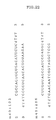
- a siRNA constructed by a sense strand consisting of the base sequence represented by SEQ ID NO: 34 and an antisense strand consisting of the base sequence represented by SEQ ID NO: 35 a siRNA constructed by a sense strand consisting of the base sequence represented by SEQ ID NO: 36, an antisense strand consisting of the base sequence represented by SEQ ID NO: 37 (FIG 22), etc.
- the siRNA can be designed based on the sequence of the polynucleotide of the present invention and manufactured by modifications of publicly known methods (e.g., Nature, 411 , 494, 2001).
- the ribozyme containing a part of the RNA encoding GPR40 can be designed based on the sequence of the polynucleotide of the present invention and manufactured by modifications of publicly known methods (e.g., TRENDS in Molecular Medicine, 7 , 221, 2001). For example, it can be manufactured by replacing a part of ribozyme publicly known with a part of the RNA encoding GPR40.
- the part of RNA encoding GPR40 includes a portion in the vicinity of the consensus sequence NUX (wherein N represents all bases and X represents a base other than G), which may be cleaved with by ribozyme publicly known.
- the DNA encoding the partial peptide of the present invention may be any DNA so long as it contains the base sequence encoding the partial peptide of the present invention described above.
- the DNA may also be any of genomic DNA, genomic DNA library, cDNA derived from the cells and tissues described above, cDNA library derived from the cells and tissues described above and synthetic DNA.
- the vector to be used for the library may be any of bacteriophage, plasmid, cosmid and phagemid.
- the DNA may also be directly amplified by reverse transcriptase polymerase chain reaction (hereinafter abbreviated as RT-PCR) using mRNA fraction prepared from the cells and tissues described above.
- RT-PCR reverse transcriptase polymerase chain reaction
- the DNA encoding the partial peptide of the present invention may be any one of, for example, (1) a DNA containing a partial base sequence of the DNA having the base sequence represented by SEQ ID NO: 2, SEQ ID NO: 4, SEQ ID NO: 6, SEQ ID NO: 18 or (2) any DNA containing a partial base sequence of the DNA having a DNA hybridizable to the DNA represented by SEQ ID NO: 2, SEQ ID NO: 4, SEQ ID NO: 6, SEQ ID NO: 18 or SEQ ID NO: 30 under highly stringent conditions and encoding the receptor protein which has the activities (e.g., the ligand-biding activities, the signal transduction activities, etc.) substantially equivalent to those of GPR40 consisting of the amino acid sequence represented by SEQ ID NO: 1, SEQ ID NO: 3, SEQ ID NO: 5, SEQ ID NO: 17 or SEQ ID NO: 29; etc.
- activities e.g., the ligand-biding activities, the signal transduction activities, etc.
- Examples of the DNA that is hybridizable to the base sequence represented by SEQ ID NO: 2, SEQ ID NO: 4, SEQ ID NO: 6, SEQ ID NO: 18 or SEQ ID NO: 30 include DNA containing a base sequence having at least about 85% homology, preferably at least about 90% homology and more preferably at least about 95% homology, to the base sequence represented by SEQ ID NO: 2, SEQ ID NO: 4, SEQ ID NO: 6, SEQ ID NO: 18 or SEQ ID NO: 30.
- the DNA may be amplified by PCR using synthetic DNA primers containing a part of the base sequence of DNA encoding the GPR40 of the present invention, or the DNA inserted into an appropriate vector can be selected by hybridization with a labeled DNA fragment or synthetic DNA that encodes a part or entire region of the GPR40 of the present invention.
- the hybridization can be carried out, for example, according to the method described in Molecular Cloning, 2nd, J. Sambrook et al., Cold Spring Harbor Lab. Press, 1989.
- the hybridization may also be performed using commercially available library in accordance with the protocol described in the attached instructions.
- Conversion of the base sequence of the DNA can be effected by publicly known methods such as the ODA-LA PCR method, the Gapped duplex method or the Kunkel method or its modification by using a publicly known kit available as MutanTM-superExpressKm (manufactured by TaKaRa Shuzo Co., Ltd.), MutanTM-K (manufactured by TaKaRa Shuzo Co., Ltd.), etc.
- MutanTM-superExpressKm manufactured by TaKaRa Shuzo Co., Ltd.
- MutanTM-K manufactured by TaKaRa Shuzo Co., Ltd.
- the cloned DNA encoding GPR40 can be used as it is, depending upon purpose or, if desired, after digestion with a restriction enzyme or after addition of a linker thereto.
- the DNA may contain ATG as a translation initiation codon at the 5' end thereof and may further contain TAA, TGA or TAG as a translation termination codon at the 3' end thereof. These translation initiation and termination codons may also be added by using an appropriate synthetic DNA adapter.
- the expression vector for the GPR40 of the present invention can be manufactured, for example, by (a) excising the desired DNA fragment from the DNA encoding the GPR40 of the present invention, and then (b) ligating the DNA fragment with an appropriate expression vector downstream a promoter in the vector.
- Examples of the vector include plasmids derived form E. coli (e.g., pBR322, pBR325, pUC12, pUC13), plasmids derived from Bacillus subtilis (e.g., pUB110, pTP5, pC194), plasmids derived from yeast (e.g., pSH19, pSH15), bacteriophages such as X phage, etc., animal viruses such as retrovirus, vaccinia virus, baculovirus, etc. as well as pA1-11, pXT1, pRc/CMV, pRc/RSV, pcDNAI/Neo, etc.
- E. coli e.g., pBR322, pBR325, pUC12, pUC13
- Bacillus subtilis e.g., pUB110, pTP5, pC194
- yeast e.g., pSH19,
- the promoter used in the present invention may be any promoter if it matches well with a host to be used for gene expression.
- examples of the promoter include SR ⁇ promoter, SV40 promoter, LTR promoter, CMV promoter, HSV-TK promoter, etc.
- CMV promoter or SR ⁇ promoter is preferably used.
- the host is bacteria of the genus Escherichia
- preferred examples of the promoter include trp promoter, lac promoter, recA promoter, ⁇ P L promoter, 1pp promoter, etc.
- preferred example of the promoter are SPO1 promoter, SPO2 promoter, penP promoter, etc.
- preferred examples of the promoter are PHO5 promoter, PGK promoter, GAP promoter, ADH promoter, etc.
- preferred examples of the promoter include polyhedrin prompter, P10 promoter, etc.
- the expression vector may further optionally contain an enhancer, a splicing signal, a polyA addition signal, a selection marker, SV40 replication origin (hereinafter sometimes abbreviated as SV40ori) etc.
- the selection marker include dihydrofolate reductase (hereinafter sometimes abbreviated as dhfr) gene [methotrexate (MTX) resistance], ampicillin resistant gene (hereinafter sometimes abbreviated as Amp r ), neomycin resistant gene (hereinafter sometimes abbreviated as Neo r , G418 resistance), etc.
- dhfr gene when dhfr gene is used as the selection marker in CHO (dhfr - ) cells, selection can also be made on thymidine free media.
- a signal sequence that matches with a host is added to the N-terminus of the receptor protein of the present invention.
- the signal sequence that can be used are Pho A signal sequence, OmpA signal sequence, etc. in the case of using bacteria of the genus Escherichia as the host; ⁇ -amylase signal sequence, subtilisin signal sequence, etc. in the case of using bacteria of the genus Bacillus as the host; MF ⁇ signal sequence, SUC2 signal sequence, etc. in the case of using yeast as the host; and insulin signal sequence, ⁇ -interferon signal sequence, antibody molecule signal sequence, etc. in the case of using animal cells as the host, respectively.
- transformants can be manufactured.
- Examples of the host which may be employed, are bacteria belonging to the genus Escherichia, bacteria belonging to the genus Bacillus, yeast, insect cells, insects and animal cells, etc.
- bacteria belonging to the genus Escherichia include Escherichia coli K12 DH1 [Proc. Natl. Acad. Sci. U.S.A., 60 , 160 (1968)), JM103 (Nucleic Acids Research, 9 , 309 (1981)], JA221 [Journal of Molecular Biology, 120, 517 (1978)], HB101 [Journal of Molecular Biology, 41 , 459 (1969)), C600 (Genetics, 39 , 440 (1954)], etc.
- Bacillus subtilis MI114 Gene, 24, 255 (1983)]
- 207-21 Journal of Biochemistry, 95, 87 (1984)]
- yeast examples include Saccharomyces cereviseae AH22, AH22R - , NA87-11A, DKD-5D, 20B-12, Schizosaccharomyces pombe NCYC1913, NCYC2036, Pichia pastoris, etc.
- insect cells examples include, for the virus AcNPV, Spodoptera frugiperda cells (Sf cells), MG1 cells derived from mid-intestine of Trichoplusia ni, High FiveTM cells derived from egg of Trichoplusia ni, cells derived from Mamestra brassicae, cells derived from Estigmena acrea, etc.; and for the virus BmNPV, Bombyx mori N cells (BmN cells), etc. are used.
- Sf cell which can be used are Sf9 cells (ATCC CRL1711) and Sf21 cells (both cells are described in Vaughn, J. L. et al., In Vivo, 13 , 213-217 (1977)).
- a larva of Bombyx mori can be used [Maeda, et al., Nature, 315, 592 (1985)].
- animal cells examples include monkey cells COS-7, Vero, Chinese hamster cells CHO (hereinafter referred to as CHO cells), dhfr gene deficient Chinese hamster cells CHO (hereinafter simply referred to as CHO(dhfr - ) cell), mouse L cells, mouse AtT-20, mouse myeloma cells, rat GH3, human FL cells, etc.
- Bacteria belonging to the genus Escherichia can be transformed, for example, by the method described in Proc. Natl. Acad. Sci. U.S.A., 69 , 2110 (1972), Gene, 17 , 107 (1982), etc.
- Bacteria belonging to the genus Bacillus can be transformed, for example, by the method described in Molecular & General Genetics, 168 , 111 (1979).
- Yeast can be transformed, for example, by the method described in Methods in Enzymology, 194 , 182-187 (1991), Proc. Natl. Acad. Sci. U.S.A., 75 , 1929 (1978), etc.
- Insect cells or insects can be transformed, for example, according to the method described in Bio/Technology, 6 , 47-55(1988), etc.
- Animal cells can be transformed, for example, according to the method described in Saibo Kogaku (Cell Engineering), extra issue 8, Shin Saibo Kogaku Jikken Protocol (New Cell Engineering Experimental Protocol), 263-267 (1995), published by Shujunsha, or Virology, 52 , 456 (1973).
- the transformant transformed with the expression vector containing the DNA encoding GPR40 can be obtained.
- the transformant can be appropriately incubated in a liquid medium which contains materials required for growth of the transformant such as carbon sources, nitrogen sources, inorganic materials, and so on.
- materials required for growth of the transformant such as carbon sources, nitrogen sources, inorganic materials, and so on.
- the carbon sources include glucose, dextrin, soluble starch, sucrose, etc.
- the nitrogen sources include inorganic or organic materials such as ammonium salts, nitrate salts, corn steep liquor, peptone, casein, meat extract, soybean cake, potato extract, etc.
- the inorganic materials are calcium chloride, sodium dihydrogenphosphate, magnesium chloride, etc.
- yeast extract, vitamins, growth promoting factors etc. may also be added to the medium.
- pH of the medium is adjusted to about 5 to about 8.
- a preferred example of the medium for incubation of the bacteria belonging to the genus Escherichia is M9 medium supplemented with glucose and Casamino acids (Miller, Journal of Experiments in Molecular Genetics, 431-433, Cold Spring Harbor Laboratory, New York, 1972). If necessary, a chemical such as 3 ⁇ -indolylacrylic acid can be added to the medium thereby to activate the promoter efficiently.
- the transformant is usually cultivated at about 15 to 43°C for about 3 hours to about 24 hours. If necessary, the culture may be aerated or agitated.
- the transformant is cultivated generally at about 30 to 40°C for about 6 to 24 hours. If necessary, the culture can be aerated or agitated.
- the transformant is cultivated, for example, in Burkholder's minimal medium [Bostian, K. L. et al., Proc. Natl. Acad. Sci. U.S.A., 77 , 4505 (1980)] or in SD medium supplemented with 0.5% Casamino acids [Bitter, G. A. et al., Proc. Natl. Acad. Sci. U.S.A., 81, 5330 (1984)].
- pH of the medium is adjusted to about 5 to about 8.
- the transformant is cultivated at about 20°C to about 35°C for about 24 to 72 hours. If necessary, the culture can be aerated or agitated.
- the transformant is cultivated in, for example, Grace's Insect Medium (Grace, T. C. C., Nature, 195, 788 (1962)) to which an appropriate additive such as immobilized 10% bovine serum is added.
- pH of the medium is adjusted to about 6.2 to about 6.4.
- the transformant is cultivated at about 27°C for about 3 days to about 5 days and, if necessary and desired, the culture can be aerated or agitated.
- the transformant is cultivated in, for example, MEM medium containing about 5% to about 20% fetal bovine serum [Science, 122 , 501 (1952)], DMEM medium [Virology, 8, 396 (1959)], RPMI 1640 medium [The Journal of the American Medical Association, 199 , 519 (1967)], 199 medium [Proceeding of the Society for the Biological Medicine, 73, 1 (1950)], etc.
- pH of the medium is adjusted to about 6 to about 8.
- the transformant is usually cultivated at about 30°C to about 40°C for about 15 hours to about 60 hours and, if necessary and desired, the culture can be aerated or agitated.
- the GPR40 of the present invention can be produced into the cell, in the cell membrane or out of the cell of the transformant.
- the GPR40 of the present invention can be separated and purified from the culture described above by the following procedures.
- the GPR40 of the present invention is extracted from the culture or cells, after cultivation the transformants or cells are collected by a publicly known method and suspended in a appropriate buffer. The transformants or cells are then disrupted by publicly known methods such as ultrasonication, a treatment with lysozyme and/or freeze-thaw cycling, followed by centrifugation, filtration, etc. Thus, the crude extract of GPR40 can be obtained.
- the buffer used for the procedures may contain a protein modifier such as urea or guanidine hydrochloride, or a surfactant such as Triton X-100TM, etc.
- the GPR40 contained in the supernatant or the extract thus obtained can be purified by appropriately combining the publicly known methods for separation and purification.
- Such publicly known methods for separation and purification include a method utilizing difference in solubility such as salting out, solvent precipitation, etc.; a method utilizing mainly difference in molecular weight such as dialysis, ultrafiltration, gel filtration, SDS-polyacrylamide gel electrophoresis, etc.; a method utilizing difference in electric charge such as ion exchange chromatography, etc.; a method utilizing difference in specific affinity such as affinity chromatography, etc.; a method utilizing difference in hydrophobicity such as reverse phase high performance liquid chromatography, etc.; a method utilizing difference in isoelectric point such as isoelectrofocusing electrophoresis; and the like.
- the GPR40 thus obtained is in a free form, it can be converted into the salt by publicly known methods or modifications thereof.
- the GPR40 when the GPR40 is obtained in the form of a salt, it can be converted into the free form or in the form of a different salt by publicly known methods or modifications thereof.
- the GPR40 produced by the recombinant can be treated, prior to or after the purification, with an appropriate protein modifying enzyme so that the GPR40 can be appropriately modified to partially remove a polypeptide.
- protein-modifying enzyme include trypsin, chymotrypsin, arginyl endopeptidase, protein kinase, glycosidase or the like.
- the activity of the thus produced GPR40 of the present invention or salts thereof can be determined by a binding experiment to a labeled ligand, by an enzyme immunoassay using a specific antibody, or the like.
- Antibodies to the GPR40 of the present invention may be any of polyclonal antibodies and monoclonal antibodies, as long as they are capable of recognizing the GPR40 of the present invention.
- the antibodies to the GPR40 of the present invention may be manufactured by publicly known methods for manufacturing antibodies or antisera, using as antigens the GPR40 of the present invention.
- the GPR40 of the present invention is administered to mammals either solely or together with carriers or diluents to the site where the production of antibody is possible by the administration.
- complete Freund's adjuvants or incomplete Freund's adjuvants may be administered.
- the administration is usually carried out once in every two to six weeks and 2 to 10 times in total. Examples of the applicable mammals are monkeys, rabbits, dogs, guinea pigs, mice, rats, sheep and goats, with mice and rats being preferred.
- mice In the preparation of monoclonal antibody-producing cells, warm-blooded animals, e.g., mice, immunized with an antigen wherein the antibody titer is noted is selected, then the spleen or lymph node is collected after 2 to 5 days from the final immunization and antibody-producing cells contained therein are fused with myeloma cells to give monoclonal antibody-producing hybridomas.
- Measurement of the antibody titer in antisera may be made, for example, by reacting a labeled form of the receptor protein, which will be described later, with the antiserum followed by assaying the binding activity of the labeling agent bound to the antibody.
- the fusion may be operated, for example, by the known Koehler and Milstein method [Nature, 256 , 495 (1975)].
- the fusion accelerator are polyethylene glycol (PEG), Sendai virus, etc., of which PEG is preferably employed.
- Examples of the myeloma cells are NS-1, P3U1, SP2/0, etc.
- P3U1 is preferably employed.
- a preferred ratio of the count of the antibody-producing cells used (spleen cells) to the count of myeloma cells is within a range of approximately 1:1 to 20:1.
- PEG preferably, PEG 1000 to PEG 6000
- PEG is added in a concentration of approximately 10 to 80% followed by incubating at about 20 to about 40°C, preferably at about 30 to about 37°C for about 1 to about 10 minutes, an efficient cell fusion can be carried out.
- Various methods can be used for screening of a monoclonal antibody-producing hybridoma.
- examples of such methods include a method which comprises adding the supernatant of hybridoma to a solid phase (e.g., microplate) adsorbed with an antigen of the receptor protein directly or together with a carrier, adding an anti-immunoglobulin antibody (when mouse cells are used for the cell fusion, anti-mouse immunoglobulin antibody is used) labeled with a radioactive substance or an enzyme, or Protein A and detecting the monoclonal antibody bound to the solid phase, and a method which comprises adding the supernatant of hybridoma to a solid phase adsorbed with an anti-immunoglobulin antibody or Protein A, adding the receptor protein labeled with a radioactive substance or an enzyme and detecting the monoclonal antibody bound to the solid phase.
- the monoclonal antibody can be selected by publicly known methods or by modifications of these methods. In general, the selection can be effected in a medium for animal cells supplemented with HAT (hypoxanthine, aminopterin and thymidine). Any selection and growth medium can be employed as far as the hybridoma can grow therein.
- HAT hyperxanthine, aminopterin and thymidine
- Any selection and growth medium can be employed as far as the hybridoma can grow therein.
- RPMI 1640 medium containing 1% to 20%, preferably 10% to 20% fetal bovine serum, GIT medium (Wako Pure Chemical Industries, Ltd.) containing 1% to 10% fetal bovine serum, a serum free medium for cultivation of a hybridoma (SFM-101, Nissui Seiyaku Co., Ltd.) and the like can be used for the selection and growth medium.
- the cultivation is carried out generally at 20°C to 40°C, preferably at about 37°C, for 5 days to 3 weeks, preferably 1 to 2 weeks.
- the cultivation can be conducted normally in 5% CO 2 .
- the antibody titer of the culture supernatant of hybridomas can be determined as in the assay for the antibody titer in antisera described above.
- Separation and purification of a monoclonal antibody can be carried out by methods applied to conventional separation and purification of immunoglobulins, as in the conventional methods for separation and purification of polyclonal antibodies [e.g., salting-out, alcohol precipitation, isoelectric point precipitation, electrophoresis, adsorption and desorption with ion exchangers (e.g., DEAE), ultracentrifugation, gel filtration, or a specific purification method which comprises collecting only an antibody with an activated adsorbent such as an antigen-binding solid phase, Protein A, Protein G, etc. and dissociating the binding to obtain the antibody].
- an activated adsorbent such as an antigen-binding solid phase, Protein A, Protein G, etc.
- the polyclonal antibody of the present invention can be manufactured by publicly known methods or modifications thereof.
- a complex of immunogen (GPR40 antigen) and a carrier protein is prepared, and a mammal is immunized with the complex in a manner similar to the method described above for the manufacture of monoclonal antibodies.
- the product containing the antibody to the GPR40 of the present invention is collected from the immunized animal followed by separation and purification of the antibody.
- the type of carrier protein and the mixing ratio of a carrier to hapten may be any type and in any ratio, as long as the antibody is efficiently produced to the hapten immunized by crosslinking to the carrier.
- bovine serum albumin, bovine thyroglobulins, keyhole limpet hemocyanin, etc. is coupled to hapten in a carrier-to-hapten weight ratio of approximately 0.1 to 20, preferably about 1 to about 5.
- a variety of condensing agents can be used for the coupling of a carrier to hapten.
- Glutaraldehyde, carbodiimide, maleimide activated ester, activated ester reagents containing thiol group or dithiopyridyl group, etc. are used for the coupling.
- the condensation product is administered to warm-blooded animals either solely or together with carriers or diluents to the site in which the antibody can be produced by the administration.
- complete Freund's adjuvant or incomplete Freund's adjuvant may be administered.
- the administration is usually made once approximately in every 2 to 6 weeks and about 3 to about 10 times in total.
- the polyclonal antibody can be collected from the blood, ascites, etc., preferably from the blood of mammals immunized by the method described above.
- the polyclonal antibody titer in antiserum can be assayed by the same procedure as that for the determination of serum antibody titer described above.
- the separation and purification of the polyclonal antibody can be carried out, following the method for the separation and purification of immunoglobulins performed as applied to the separation and purification of monoclonal antibodies described hereinabove.
- preferred examples of the antibodies to the GPR40 of the present invention are antibodies capable of recognizing the C-terminal peptide of the GPR40 of the present invention (especially monoclonal antibodies), etc. More specifically, a monoclonal antibody capable of recognizing the peptide represented by SEQ ID NO: 33, which is the C-terminal peptide of human GPR40, or its salt, and the like are used.
- One of the ligands to the GPR40 of the present invention is the fatty acid or its salt.
- unsaturated fatty acids or saturated fatty acids present in foods or in the living organism, or their salts are used. Above all, unsaturated fatty acids or saturated fatty acids having approximately 10 to 30 carbon atoms or their salts are preferably used.
- farnesoic acid 5.8.11-eicosatriynoic acid, 5.8.11.14-eicosatetraynoic acid, oleic acid, linoleic acid, linolenic acid, ⁇ -linolenic acid, ⁇ -linolenic acid, arachidonic acid, eicosapentaenoic acid, EPA, eicosadienoic acid, eicosatrienoic acid, docosahexaenoic acid, DHA, docosatrienoic acid, adrenic acid, lauric acid, palmitic acid, or salts thereof, etc.
- salts of the fatty acids there are used salts with acids (e.g., inorganic acids, organic acids, etc.), bases (e.g., alkali metals such as sodium, potassium, etc.; alkaline earth metals such as calcium, etc.) or the like, with particular preference being bases.
- acids e.g., inorganic acids, organic acids, etc.
- bases e.g., alkali metals such as sodium, potassium, etc.; alkaline earth metals such as calcium, etc.
- bases e.g., alkali metals such as sodium, potassium, etc.; alkaline earth metals such as calcium, etc.
- fatty acids or salts thereof are merely referred to as "fatty acids" throughout the specification.
- one of the ligands to the GPR40 of the present invention is the eicosanoid, and there are used, for example, ( ⁇ )14,15-dihydroxy-5Z,8Z,11Z-eicosatrienoic acid (14,15-DHT), ( ⁇ )5(6)-epoxy-8Z,11Z,14Z-eicosatrienoic acid (5,6-EET), ( ⁇ )8(9)-epoxy-5Z,11Z,14Z-eicosatrienoic acid (8,9-EET), ( ⁇ )11(12)-epoxy-5Z,8Z,14Z-eicosatrienoic acid (11,12-EET), ( ⁇ )14(15)-epoxy-5Z,8Z,11Z-eicosatrienoic acid (14,15-EET), etc.
- the GPR40 of the present invention is highly expressed especially in pancreatic Langerhans islets.
- the GPR40 of the present invention the DNA encoding GPR40 (hereinafter sometimes referred to briefly as the DNA of the present invention), the antibody to GPR40 (hereinafter sometimes referred to briefly as the antibody of the present invention), the antisense DNA to the DNA of the present invention (hereinafter sometimes merely referred to as the antisense DNA of the present invention) and the siRNA to the polynucleotide of the invention (hereinafter sometimes merely referred to as the siRNA of the present invention) have the following applications.
- the GPR40 of the present invention or b) the DNA encoding the GPR40 of the present invention can be used as a preventive and/or therapeutic agent, etc. for diseases associated with dysfunction of the GPR40 of the present invention.
- the amount of GPR40 can be increased in the boy of the patient a) by administering the GPR40 of the present invention to the patient thereby to supplement the amount of the GPR40; or b) (i) by administering the DNA encoding the GPR40 of the present invention to the patient and expressing the same, or (ii) by inserting and expressing the DNA encoding the GPR40 of the present invention in the objective cells and then transplanting the cells to the patient, thus increasing the amount of the GPR40 in the body of the patient, whereby the activities of the ligand can be sufficiently exhibited.
- the DNA encoding the GPR40 of the present invention is useful as a safe and low toxic preventive and/or therapeutic agent for diseases associated with dysfunction of the GPR40 of the present invention, a pancreatic function regulating agent (e.g., a pancreatic function improving agent), an insulin secretagogue, a hypoglycemic agent, a pancreatic ⁇ cell protecting agent, etc.
- a pancreatic function regulating agent e.g., a pancreatic function improving agent
- an insulin secretagogue e.g., a hypoglycemic agent
- a pancreatic ⁇ cell protecting agent e.g., a pancreatic ⁇ cell protecting agent
- the GPR40 of the present invention or the DNA of the present invention can be used as a preventive/therapeutic agent for, e.g., diabetes mellitus, impaired glucose tolerance, ketosis, acidosis, diabetic neuropathy, diabetic nephropathy, diabetic retinopathy, hyperlipemia, sexual dysfunction, skin disorders, arthritis, osteopenia, arteriosclerosis, thrombotic disorders, dyspepsia, deficits in memory, etc.
- Diabetes mellitus includes insulin dependent (type I) diabetes mellitus, insulin non-dependent (type II) diabetes mellitus, etc.
- the GPR40 of the present invention When used as the preventive/therapeutic agent above, the GPR40 can be prepared into a pharmaceutical composition in a conventional manner.
- the DNA of the present invention is used as the preventive/therapeutic agent described above
- the DNA itself is administered; alternatively, the DNA is inserted into an appropriate vector such as retrovirus vector, adenovirus vector, adenovirus-associated virus vector, etc. and then administered in a conventional manner.
- the DNA of the present invention may also be administered as naked DNA, or with adjuvants to assist its uptake by gene gun or through a catheter such as a catheter with a hydrogel.
- a) the GPR40 of the present invention or b) the DNA of the present invention can be used orally, for example, in the form of tablets which may be sugar coated if necessary, capsules, elixirs, microcapsules etc., or parenterally in the form of injectable preparations such as a sterile solution and a suspension in water or with other pharmaceutically acceptable liquid.
- injectable preparations such as a sterile solution and a suspension in water or with other pharmaceutically acceptable liquid.
- These preparations can be manufactured by mixing a) the GPR40 of the present invention or b) the DNA of the present invention with a physiologically acceptable known carrier, a flavoring agent, an excipient, a vehicle, an antiseptic agent, a stabilizer, a binder, etc. in a unit dosage form required in a generally accepted manner that is applied to making pharmaceutical preparations.
- the effective component in the preparation is controlled in such a dose that an appropriate dose is obtained within the specified range given.
- Additives miscible with tablets, capsules, etc. include a binder such as gelatin, corn starch, tragacanth and gum arabic, an excipient such as crystalline cellulose, a swelling agent such as corn starch, gelatin and alginic acid, a lubricant such as magnesium stearate, a sweetening agent such as sucrose, lactose and saccharin, and a flavoring agent such as peppermint, akamono oil and cherry.
- a binder such as gelatin, corn starch, tragacanth and gum arabic
- an excipient such as crystalline cellulose
- a swelling agent such as corn starch, gelatin and alginic acid
- a lubricant such as magnesium stearate
- a sweetening agent such as sucrose, lactose and saccharin
- a flavoring agent such as peppermint, akamono oil and cherry.
- liquid carriers such as oils and fats may further be used together with the additives
- a sterile composition for injection may be formulated by conventional procedures used to make pharmaceutical compositions, e.g., by dissolving or suspending the active ingredients in a vehicle such as water for injection with a naturally occurring vegetable oil such as sesame oil and coconut oil, etc. to prepare the pharmaceutical composition.
- an aqueous medium for injection examples include physiological saline and an isotonic solution containing glucose and other auxiliary agents (e.g., D-sorbitol, D-mannitol, sodium chloride, etc.) and may be used in combination with an appropriate dissolution aid such as an alcohol (e.g., ethanol or the like), a polyalcohol (e.g., propylene glycol and polyethylene glycol), a nonionic surfactant (e.g., polysorbate 80TM and HCO-50), etc.
- an alcohol e.g., ethanol or the like
- a polyalcohol e.g., propylene glycol and polyethylene glycol
- a nonionic surfactant e.g., polysorbate 80TM and HCO-50
- the oily medium examples include sesame oil and soybean oil, which may also be used in combination with a dissolution aid such as benzyl benzoate and benzyl alcohol.
- the preventive/therapeutic agent described above may further be formulated with a buffer (e.g., phosphate buffer, sodium acetate buffer, etc.), a soothing agent (e.g., benzalkonium chloride, procaine hydrochloride, etc.), a stabilizer (e.g., human serum albumin, polyethylene glycol, etc.), a preservative (e.g., benzyl alcohol, phenol, etc.), an antioxidant, etc.
- a buffer e.g., phosphate buffer, sodium acetate buffer, etc.
- a soothing agent e.g., benzalkonium chloride, procaine hydrochloride, etc.
- a stabilizer e.g., human serum albumin, polyethylene glycol, etc.
- a preservative e.g., benzyl alcohol, phenol, etc.
- an antioxidant e.g., benzyl alcohol, phenol, etc.
- the preparation can be administered to human or mammals (e.g., rats, mice, rabbits, sheep, swine, bovine, cats, dogs, monkeys, etc.).
- human or mammals e.g., rats, mice, rabbits, sheep, swine, bovine, cats, dogs, monkeys, etc.
- the dose of the GPR40 of the present invention varies depending on subject to be administered, organs to be administered, conditions, methods for administration, etc.; in oral administration, e.g., for the patient with diabetes mellitus, the dose is normally about 0.1 mg to about 100 mg, preferably about 1.0 to about 50 mg, and more preferably about 1.0 to about 20 mg per day (as 60 kg).
- parenteral administration the single dose varies depending on subject to be administered, target organ, conditions, methods for administration, etc.
- the active ingredient intravenously in a daily dose of about 0.01 to about 30 mg, preferably about 0.1 to about 20 mg, and more preferably about 0.1 to about 10 mg (as 60 kg).
- a daily dose of about 0.01 to about 30 mg, preferably about 0.1 to about 20 mg, and more preferably about 0.1 to about 10 mg (as 60 kg).
- the corresponding dose as converted per 60 kg can be administered.
- the dose of the DNA of the present invention varies depending on subject to be administered, organs to be administered, conditions, methods for administration, etc.; in oral administration, e.g., for the patient with diabetes mellitus, the dose is normally about 0.1 mg to about 100 mg, preferably about 1.0 to about 50 mg, and more preferably about 1.0 to about 20 mg per day (as 60 kg).
- parenteral administration the single dose varies depending on subject to be administered, target organ, conditions, methods for administration, etc.
- the active ingredient intravenously in a daily dose of about 0.01 to about 30 mg, preferably about 0.1 to about 20 mg, and more preferably about 0.1 to about 10 mg (as 60 kg).
- a daily dose of about 0.01 to about 30 mg, preferably about 0.1 to about 20 mg, and more preferably about 0.1 to about 10 mg (as 60 kg).
- the corresponding dose as converted per 60 kg can be administered.
- an abnormality of the DNA or mRNA encoding the GPR40 of the present invention or its partial peptides in human or mammals (e.g., rats, mice, rabbits, sheep, swine, bovine, cats, dogs, monkeys, etc.) can be detected, and are thus useful as gene diagnostic agents for the damage against the DNA or mRNA, its mutation, or its reduced expression, or increased expression or overexpression of the DNA or mRNA.
- human or mammals e.g., rats, mice, rabbits, sheep, swine, bovine, cats, dogs, monkeys, etc.
- the gene diagnosis described above using the DNA, antisense DNA or siRNA of the present invention can be performed by, for example, the publicly known Northern hybridization assay or the PCR-SSCP assay (Genomics, 5, 874-879 (1989); Proceedings of the National Academy of Sciences of the United States of America, 86 , 2766-2770 (1989)), etc..
- a reduced expression of the GPR40 of the present invention is detected, e.g., by northern hybridization, it can be diagnosed that one suffers from, for example, diseases associated with dysfunction of the GPR40 of the present invention, or it is highly likely to suffer from these disease in the future.
- the overexpression of the GPR40 of the present invention is detected, e.g., by northern hybridization, it can be diagnosed that one suffers from, for example, diseases caused by overexpression of the GPR40 of the present invention, or it is highly likely to suffer from these disease in the future.
- the diseases associated with dysfunction of the GPR40 of the present invention include diabetes mellitus, impaired glucose tolerance, ketosis, acidosis, diabetic neuropathy, diabetic nephropathy, diabetic retinopathy, hyperlipemia, sexual dysfunction, skin disorders, arthritis, osteopenia, arteriosclerosis, thrombotic disorders, dyspepsia, deficits in memory, etc.
- Diabetes mellitus includes insulin dependent (type I) diabetes mellitus, insulin non-dependent (type II) diabetes mellitus, etc.
- the diseases caused by overexpression of the GPR40 of the present invention include, for example, obesity, hyperlipemia, type II diabetes mellitus, hypoglycemia, hypertension, diabetic neuropathy, diabetic nephropathy, diabetic retinopathy, edema, insulin resistant syndrome, unstable diabetes, fatty atrophy, insulin allergy, insulinoma, arteriosclerosis, thrombotic disorders, lipotoxicity, cancer, etc.
- the DNA can be used for screening the compound that changes an expression level of the GPR40 of the present invention.
- the present invention provides methods of screening the compound that changes the expression level of the GPR40 of the present invention, which comprises measuring the amount of mRNA in the GPR40 of the present invention contained, for example, in (i) a) blood, b) particular organs, c) tissues or cells isolated from the organs of non-human mammals or in (ii) transformants, etc.
- the amount of mRNA in the GPR40 of the present invention can be specifically measured as follows.
- the compound that changes the expression level of the GPR40 of the present invention can be screened by the following procedures.
- the compound or its salt, which is obtained by the screening methods of the present invention is the compound that changes the expression level of the GPR40 of the present invention. Specifically, it is (a) the compound that potentiates the cell stimulating activities mediated by GPR40 (e.g., the activities that promote or suppress arachidonic acid release, acetylcholine release, intracellular Ca 2+ release, intracellular cAMP production, intracellular cGMP production, inositol phosphate production, alters in cell membrane potential, phosphorylation of intracellular proteins, activation of c-fos, pH reduction, etc.) by increasing the expression level of the GPR40 of the present invention; and (b) the compound that attenuates the cell-stimulating activities by decreasing the expression level of the GPR40 of the present invention.
- the compound that potentiates the cell stimulating activities mediated by GPR40 e.g., the activities that promote or suppress arachidonic acid release, acetylcholine release, intracellular Ca 2+ release
- the compounds include peptides, proteins, non-peptide compounds, synthetic compounds, fermentation products, etc. They may be novel or known compounds.
- the ligand to the GPR40 of the present invention is the fatty acid or the eicosanoid, as described above. Accordingly, the compound that changes the expression level of the GPR40 of the present invention obtained by the screening methods described above can be used as a preventive and/or therapeutic agent for diseases associated with dysfunction of the GPR40 of the present invention.
- the compound that increases the expression level of the GPR40 of the present invention to potentiate the cell stimulating activities is useful as a safe and low toxic preventive/therapeutic agent for diseases associated with dysfunction of the GPR40 of the present invention, a pancreatic function regulating agent (e.g., a pancreatic function improving agent), an insulin secretagogue, a hypoglycemic agent, a pancreatic ⁇ cell protecting agent, etc.
- a pancreatic function regulating agent e.g., a pancreatic function improving agent
- an insulin secretagogue e.g., a hypoglycemic agent
- a pancreatic ⁇ cell protecting agent e.g., a pancreatic ⁇ cell protecting agent
- the compound that decreases the expression level of the GPR40 of the present invention to attenuate the cell stimulating activities is useful as a safe and low toxic preventive/therapeutic agent for diseases caused by overexpression of the GPR40 of the present invention, a pancreatic function regulating agent (e.g., a pancreatic function improving agent), an insulin secretion suppressing agent or a hyperglycemic agent.
- a pancreatic function regulating agent e.g., a pancreatic function improving agent
- an insulin secretion suppressing agent e.g., an insulin secretion suppressing agent or a hyperglycemic agent.
- the diseases associated with dysfunction of the GPR40 of the present invention include diabetes mellitus, impaired glucose tolerance, ketosis, acidosis, diabetic neuropathy, diabetic nephropathy, diabetic retinopathy, hyperlipemia, sexual dysfunction, skin disorders, arthritis, osteopenia, arteriosclerosis, thrombotic disorders, dyspepsia, deficits in memory, etc.
- Diabetes mellitus includes insulin dependent (type I) diabetes mellitus, insulin non-dependent (type II) diabetes mellitus, etc.
- the diseases caused by overexpression of the GPR40 of the present invention include obesity, hyperlipemia, type II diabetes mellitus, hypoglycemia, hypertension, diabetic neuropathy, diabetic nephropathy, diabetic retinopathy, edema, insulin resistant syndrome, unstable diabetes, fatty atrophy, insulin allergy, insulinoma, arteriosclerosis, thrombotic disorders, lipotoxicity or cancer, etc.
- salts of the compound there are salts with physiologically acceptable acids (e.g., inorganic acids, organic acids, etc.), or bases (e.g., an alkaline metal such as sodium, potassium, etc.; an alkali earth metal such as calcium, etc.), with particular preference in the form of physiologically acceptable acid addition salts.
- physiologically acceptable acids e.g., inorganic acids, organic acids, etc.
- bases e.g., an alkaline metal such as sodium, potassium, etc.; an alkali earth metal such as calcium, etc.
- salts examples include salts with inorganic acids (e.g., hydrochloric acid, phosphoric acid, hydrobromic acid, sulfuric acid, etc.), salts with organic acids (e.g., acetic acid, formic acid, propionic acid, fumaric acid, maleic acid, succinic acid, tartaric acid, citric acid, malic acid, oxalic acid, benzoic acid, methanesulfonic acid, benzenesulfonic acid, etc.) and the like.
- inorganic acids e.g., hydrochloric acid, phosphoric acid, hydrobromic acid, sulfuric acid, etc.
- organic acids e.g., acetic acid, formic acid, propionic acid, fumaric acid, maleic acid, succinic acid, tartaric acid, citric acid, malic acid, oxalic acid, benzoic acid, methanesulfonic acid, benzenesulfonic acid, etc.
- the compound or its salt which is obtained by the screening methods of the present invention, is used as a pharmaceutical composition
- the compound or its salt can be prepared into a pharmaceutical preparation in a conventional manner.
- the compound can be used orally in the form of tablets which may be tablets, if necessary, coated with sugar, capsules, elixirs, microcapsules, etc., or parenterally in the form of injectable preparations such as a sterile solution or a suspension in water or with other pharmaceutically acceptable liquid.
- injectable preparations such as a sterile solution or a suspension in water or with other pharmaceutically acceptable liquid.
- These preparations can be manufactured, e.g., by mixing the compound, with a physiologically acceptable known carrier, flavoring agent, excipient, vehicle, antiseptic, stabilizer, binder, etc., in a unit dosage form required in a generally accepted manner applied to making pharmaceutical preparations.
- the active ingredient in the preparation is controlled in such an amount that an appropriate dose is obtained within the specified range given.
- Additives miscible with tablets, capsules, etc. include a binder such as gelatin, corn starch, tragacanth or gum arabic, an excipient such as crystalline cellulose, a swelling agent such as corn starch, gelatin, alginic acid, etc., a lubricant such as magnesium stearate, a sweetening agent such as sucrose, lactose or saccharin, a flavoring agent such as peppermint, akamono oil or cherry, and the like.
- a binder such as gelatin, corn starch, tragacanth or gum arabic
- an excipient such as crystalline cellulose
- a swelling agent such as corn starch, gelatin, alginic acid, etc.
- a lubricant such as magnesium stearate
- a sweetening agent such as sucrose, lactose or saccharin
- a flavoring agent such as peppermint, akamono oil or cherry, and the like.
- a sterile composition for injection may be formulated following a conventional manner used to make pharmaceutical compositions, e.g., by dissolving or suspending the active ingredients in a vehicle such as water for injection with a naturally occurring vegetable oil such as sesame oil, coconut oil, etc. to prepare the pharmaceutical composition.
- an aqueous medium for injection examples include physiological saline, an isotonic solution containing glucose and other auxiliary agents (e.g., D-sorbitol, D-mannitol, sodium chloride, etc.) or the like, which may be used in combination with an appropriate dissolution aid such as an alcohol (e.g., ethanol), a polyalcohol (e.g., propylene glycol, polyethylene glycol), a nonionic surfactant (e.g., polysorbate 80TM and HCO-50), etc.
- an oily medium for example, sesame oil, soybean oil or the like may be used, which can be used in combination with a dissolution aid such as benzyl benzoate, benzyl alcohol, etc.
- the preventive/therapeutic agent described above may also be formulated with a buffer (e.g., phosphate buffer, sodium acetate buffer), a soothing agent (e.g., benzalkonium chloride, procaine hydrochloride, etc.), a stabilizer (e.g., human serum albumin, polyethylene glycol, etc.), a preservative (e.g., benzyl alcohol, phenol, etc.), an antioxidant, etc.
- a buffer e.g., phosphate buffer, sodium acetate buffer
- a soothing agent e.g., benzalkonium chloride, procaine hydrochloride, etc.
- a stabilizer e.g., human serum albumin, polyethylene glycol, etc.
- a preservative e.g., benzyl alcohol, phenol, etc.
- an antioxidant e.g., benzyl alcohol, phenol, etc.
- the preparation can be administered to human or mammals (e.g., rats, mice, rabbits, sheep, swine, bovine, cats, dogs, monkeys, etc.).
- human or mammals e.g., rats, mice, rabbits, sheep, swine, bovine, cats, dogs, monkeys, etc.
- the dose of the compound or its salts varies depending on subject to be administered, target organ, conditions, methods for administration, etc.; in oral administration, the dose for a patient with diabetes mellitus (as 60 kg) is normally about 0.1 mg to about 100 mg, preferably about 1.0 to about 50 mg, and more preferably about 1.0 to about 20 mg per day.
- the single dose may vary depending on subject to be administered, target organ, conditions, methods for administration, etc. but it is advantageous to administer the active ingredient intravenously to a patient with diabetes mellitus (as 60 kg) in a daily dose of about 0.01 to about 30 mg, preferably about 0.1 to about 20 mg, and more preferably about 0.1 to about 10 mg.
- the corresponding dose as converted per 60 kg can be administered.
- the antibodies of the present invention are capable of specifically recognizing the GPR40 of the present invention. Therefore, the antibodies can be used to quantify GPR40 in a test fluid, especially for quantification by the sandwich immunoassay, etc.
- the present invention provides, for example, the following quantification methods:
- the GPR40 can be assayed. GPR40 can also be detected by tissue staining or the like.
- the antibody molecule itself may be used, or F(ab') 2 , Fab' or Fab fractions of the antibody molecule may also be used.
- the quantification methods of GPR40 using the antibodies are not particularly limited. Any quantification method can be used, so long as the amount of antibody, antigen, or antibody-antigen complex corresponding to the amount of antigen (e.g., the amount of GPR40) in the test fluid can be detected by chemical or physical means and the amount of the antigen can be calculated from a standard curve prepared from standard solutions containing known amounts of the antigen. For example, nephrometry, competitive methods, immunometric method, and sandwich method are appropriately used, with the sandwich method described below being most preferable in terms of sensitivity and specificity.
- the labeling agent for the methods using labeled substances there are employed, for example, radioisotopes, enzymes, fluorescent substances, luminescent substances, etc.
- radioisotope for example, [ 125 I], [ 131 I], [ 3 H], [ 14 C] and the like are used.
- enzyme described above stable enzymes with high specific activity are preferred; for example, ⁇ -galactosidase, ⁇ -glucosidase, alkaline phosphatase, peroxidase, malate dehydrogenase and the like are used.
- the fluorescent substance used are fluorescamine and fluorescein isothiocyanate are used.
- luminescent substance there are used, for example, luminol, luminol derivatives, luciferin, and lucigenin.
- the biotin-avidin system may be used for binding antibody or antigen to the label.
- insoluble polysaccharides such as agarose, dextran, cellulose, etc.
- synthetic resin such as polystyrene, polyacrylamide, silicon, etc., and glass or the like are used.
- the immobilized monoclonal antibody of the present invention is reacted with a test fluid (primary reaction), then with the labeled monoclonal antibody of the present invention (secondary reaction), and the activity of the label on the immobilizing carrier is measured, whereby the amount of the GPR40 of the present invention in the test fluid can be quantified.
- the order of the primary and secondary reactions may be reversed, and the reactions may be performed simultaneously or with an interval.
- the methods of labeling and immobilization can be performed by the methods described above.
- the antibody used for immobilized or labeled antibodies is not necessarily one species, but a mixture of two or more species of antibody may be used to increase the measurement sensitivity.
- antibodies that bind to different sites of GPR40 are preferably used as the monoclonal antibodies of the present invention for the primary and secondary reactions. That is, in the antibodies used for the primary and secondary reactions are, for example, when the antibody used in the secondary reaction recognizes the C-terminal region of GPR40, it is preferable to use the antibody recognizing the region other than the C-terminal region for the primary reaction, e.g., the antibody recognizing the N-terminal region.
- the monoclonal antibodies of the present invention can be used for the assay systems other than the sandwich method, for example, competitive method, immunometric method, nephrometry, etc.
- This reaction method includes a liquid phase method using a soluble antibody as an antibody, polyethylene glycol for B/F separation and a secondary antibody to the soluble antibody, and an immobilized method either using an immobilized antibody as the primary antibody, or using a soluble antibody as the primary antibody and immobilized antibody as the secondary antibody.
- antigen in a test fluid and immobilized antigen are competitively reacted with a definite amount of labeled antibody, the immobilized phase is separated from the liquid phase, or antigen in a test fluid and an excess amount of labeled antibody are reacted, immobilized antigen is then added to bind the unreacted labeled antibody to the immobilized phase, and the immobilized phase is separated from the liquid phase. Then, the amount of the label in either phase is measured to quantify the antigen in the test fluid.
- insoluble precipitate produced after the antigen-antibody reaction in gel or solution is quantified.
- laser nephrometry using scattering of laser is advantageously employed.
- the GPR40 of the present invention can be quantified with high sensitivity, using the antibodies of the present invention.
- GPR40 level where an increase in the GPR40 level is detected, it can be diagnosed that one suffers from, for example, diseases caused by overexpression of GPR40, or it is highly likely to suffer from these disease in the future.
- the diseases associated with dysfunction of the GPR40 of the present invention include diabetes mellitus, impaired glucose tolerance, ketosis, acidosis, diabetic neuropathy, diabetic nephropathy, diabetic retinopathy, hyperlipemia, sexual dysfunction, skin disorders, arthritis, osteopenia, arteriosclerosis, thrombotic disorders, dyspepsia, deficits in memory, etc.
- Diabetes mellitus includes insulin dependent (type I) diabetes mellitus, insulin non-dependent (type II) diabetes mellitus, etc.
- the diseases caused by overexpression of the GPR40 of the present invention include, for example, obesity, hyperlipemia, type II diabetes mellitus, hypoglycemia, hypertension, diabetic neuropathy, diabetic nephropathy, diabetic retinopathy, edema, insulin resistant syndrome, unstable diabetes, fatty atrophy, insulin allergy, insulinoma, arteriosclerosis, thrombotic disorders, lipotoxicity, cancer, etc.
- GPR40 is useful as a reagent for searching or determining ligands to GPR40 other than the fatty acid or eicosanoid, using the intracellular signal as an indicator.
- the present invention provides a method of determining a ligand to GPR40, which comprises assaying the intracellular Ca 2+ level increasing activity or the intracellular cAMP production suppressing activity mediated by GPR40, when a test compound is brought in contact with a cell containing GPR40.
- test compounds include publicly known ligands (for example, angiotensin, bombesin, canavinoid, cholecystokinin, glutamine, serotonin, melatonin, neuropeptide Y, opioids, purines, vasopressin, oxytocin, PACAP (e.g., PACAP27, PACAP38), secretin, glucagon, calcitonin, adrenomedulin, somatostatin, GHRH, CRF, ACTH, GRP, PTH, VIP (vasoactive intestinal and related polypeptide), somatostatin, dopamine, motilin, amylin, bradykinin, CGRP (calcitonin gene-related peptide), leukotrienes, pancreastatin, prostaglandins, thromboxane, adenosine, adrenaline, the chemokine superfamily (e.g., the CXC chemokine subfamily such as IL
- the ligand determination method of the present invention is a method of determining a compound or its salt having the GPR40-mediated intracellular Ca 2+ level increasing activities or intracellular cAMP production suppressing activities, which involves constructing the expression system of a recombinant GPR40 and assaying the GPR40-mediated cell stimulating activities by using the receptor-binding assay system using the aforesaid expression system.
- the present invention provides the following determination methods:
- the cell containing GPR40 is used in the ligand determination methods of the present invention
- the cell may be fixed using glutaraldehyde, formalin, etc.
- the fixation can be made by publicly known methods.
- the membrane fraction of the cell containing GPR40 means a fraction abundant in cell membrane obtained by cell disruption and subsequent fractionation by publicly known methods.
- Cell disruption methods include cell squashing using a Potter-Elvehjem homogenizer, disruption using a Waring blender or Polytron (manufactured by Kinematica Inc.), disruption by ultrasonication, disruption by cell spraying through thin nozzles under an increased pressure using a French press, or the like.
- Cell membrane fractionation is effected mainly by fractionation using a centrifugal force, such as centrifugation for fractionation and density gradient centrifugation.
- cell disruption fluid is centrifuged at a low speed (500 rpm to 3,000 rpm) for a short period of time (normally about 1 to about 10 minutes), the resulting supernatant is then centrifuged at a higher speed (15,000 rpm to 30,000 rpm) normally for 30 minutes to 2 hours.
- the precipitate thus obtained is used as the membrane fraction.
- the membrane fraction is rich in GPR40 expressed and membrane components such as cell-derived phospholipids, membrane proteins, etc.
- the amount of GPR40 in the cell or the cell membrane fraction is preferably 10 3 to 10 8 molecules per cell, more preferably 10 5 to 10 7 molecules per cell.
- the ligand binding activity per unit of membrane fraction increases so that not only the highly sensitive screening system can be constructed but also large quantities of samples can be assayed with the same lot.
- the GPR40-mediated intracellular Ca 2+ level increasing activities or intracellular cAMP production suppressing activities can be assayed by publicly known methods or using assay kits commercially available. Specifically, the cells containing GPR40 are first cultured on a multi-well plate, etc. Prior to the ligand determination, the medium is replaced with fresh medium or with an appropriate non-cytotoxic buffer, followed by incubation for a given period of time in the presence of a test compound, etc. Subsequently, the cells are extracted or the supernatant is recovered and the resulting product is quantified by appropriate procedures.
- an inhibitor against such a degrading enzyme may be added prior to the assay.
- activities such as the cAMP production suppression activity
- the baseline production in the cells is increased by forskolin or the like and the suppressing effect on the increased baseline production may then be detected.
- the kit for ligand determination of the present invention contains the cell containing GPR40 or a membrane fraction of the cell.
- the ligand thus determined binds to GPR40 to regulate its physiological functions and thus can be used as a preventive/therapeutic agent for diseases associated with the functions of GPR40.
- the compound e.g., peptide, protein, a non-peptide compound, a synthetic compound, fermentation product, etc.
- salts thereof that change the binding properties of the ligand to the GPR40 of the present invention can be screened efficiently.
- Examples of these compounds include (a) a compound showing the cell stimulating activities mediated by GPR40 (e.g., the activities that promote or suppress arachidonic acid release, acetylcholine release, intracellular Ca 2+ release, intracellular cAMP production, intracellular cGMP production, inositol phosphate production, change in cell membrane potential, phosphorylation of intracellular proteins, activation of c-fos, pH reduction, etc.) (so-called agonists to the GPR40 of the present invention), (b) a compound having no such cell stimulating activities (so-called antagonists to the GPR40 of the present invention), (c) a compound that potentiates the binding properties of the ligand to the GPR40 of the present invention, or (d) a compound that decreases the binding properties of the ligand to the GPR40 of the present invention, and the like.
- GPR40 e.g., the activities that promote or suppress arachidonic acid release, acetylcholine release
- the present invention provides a method of screening a compound or its salt that changes the binding properties of the GPR40 of the present invention and the ligand, which comprises comparing the following two cases: (i) the case wherein the GPR40 of the present invention is brought in contact with the ligand; and (ii) the case wherein the GPR40 of the present invention is brought in contact with the ligand and a test compound.
- the method is characterized by assaying, e.g., the binding amount of the ligand to GPR40, the cell-stimulating activities, etc. in (i) and (ii) and comparing (i) and (ii).
- the present invention provides the following methods.
- the fatty acid or eicosanoid described above is used as the ligand.
- a compound or its salt that changes the binding properties of the fatty acid or eicosanoid to GPR40 can also be used as the ligand.
- the compound or its salt that changes the binding properties of the fatty acid or eicosanoid to GPR40 can be obtained by carrying out the screening methods later described, using as the ligand, e.g., the fatty acid or eicosanoid.
- the compound or its salt that changes the binding properties of the fatty acid or eicosanoid to GPR40 is preferably a low molecular synthetic compound, which may be novel or publicly known. Especially where the GPR40 antagonist is screened, it is preferred to use a low molecular synthetic compound having an agonist activity, in place of a naturally occurring ligand.
- the low molecular synthetic compound is readily labeled as compared to the naturally occurring ligand and thus suitable for screening.
- the GPR40 of the present invention which is used for the screening method of the present invention, may be any one so long as it contains the GPR40 of the present invention described above, though membrane fractions from mammalian organs are preferably employed. Since it is very difficult to obtain human-derived organs especially, human-derived GPR40, etc. expressed abundantly by use of recombinants are suitable for use in the screening.
- the methods described above can be used, and the DNA of the present invention is preferably expressed on mammalian cells or insect cells.
- a complementary DNA may be used but is not limited thereto.
- gene fragments or a synthetic DNA may also be used as the DNA fragment.
- the DNA fragment is preferably incorporated into a polyhedron promoter of nuclear polyhedrosis virus (NPV) belonging to the Baculovirus, an SV40-derived promoter, a promoter of retrovirus, a metallothionein promoter, a human heat shock promoter, a cytomegalovirus promoter, SR ⁇ promoter, etc. at the downstream thereof.
- NDV nuclear polyhedrosis virus
- the quantity and quality of the thus expressed receptors can be examined by a publicly known method, for example, by the method described in the literature [Nambi, P. et al., J. Biol. Chem., 267, 19555-19559, 1992].
- the substance containing the GPR40 of the present invention may be GPR40 purified by publicly known methods, or a cell containing the said GPR40 or a membrane fraction of the cell containing the GPR40 may be used as well.
- the cell containing the GPR40 of the present invention may be fixed with glutaraldehyde, formalin, etc.
- the fixation may be carried out by a publicly known method.
- the cell containing the GPR40 of the present invention refers to a host cell expressing the receptor protein.
- a host cell examples include Escherichia coli, Bacillus subtilis, yeast, insect cells, animal cells, etc.
- the membrane fraction of the cell containing GPR40 means a fraction abundant in cell membrane obtained by cell disruption and subsequent fractionation by publicly known methods.
- Cell disruption methods include cell squashing using a Potter-Elvehjem homogenizer, disruption using a Waring blender or Polytron (manufactured by Kinematica Inc.), disruption by ultrasonication, disruption by cell spraying through thin nozzles under an increased pressure using a French press, or the like.
- Cell membrane fractionation is effected mainly by fractionation using a centrifugal force, such as centrifugation for fractionation and density gradient centrifugation.
- cell disruption fluid is centrifuged at a low speed (500 rpm to 3,000 rpm) for a short period of time (normally about 1 to about 10 minutes), the resulting supernatant is then centrifuged at a higher speed (15,000 rpm to 30,000 rpm) normally for 30 minutes to 2 hours.
- the precipitate thus obtained is used as the membrane fraction.
- the membrane fraction is rich in GPR40 expressed and membrane components such as cell-derived phospholipids, membrane proteins, etc.
- the amount of GPR40 in the cell or the cell membrane fraction is preferably 10 3 to 10 8 molecules per cell, more preferably 10 5 to 10 7 molecules per cell.
- the ligand binding activity per unit of membrane fraction increases so that not only the highly sensitive screening system can be constructed but also large quantities of samples can be assayed with the same lot.
- an appropriate GPR40 fraction and a labeled ligand are required.
- the GPR40 fraction is preferably a fraction of naturally occurring type GPR40 fraction or a recombinant GPR40 fraction having an activity equivalent thereto.
- the equivalent activity is intended to mean the ligand binding activity or the signal transduction activity, which is equivalent to the activity possessed by naturally occurring type GPR40.
- labeled ligand a labeled ligand, a labeled ligand analogue compound and the like are employed.
- a GPR40 preparation is prepared by suspending a cell containing the GPR40 of the present invention or a membrane fraction of the cell in a buffer appropriate for use in the screening method. Any buffer can be used so long as it does not interfere the ligand-GPR40 binding, including a phosphate buffer or a Tris-HCl buffer, having pH of 4 to 10 (preferably pH of 6 to 8), etc.
- a surfactant such as CHAPS, Tween-80TM (Kao-Atlas Inc.), digitonin, deoxycholate, etc.
- a surfactant such as CHAPS, Tween-80TM (Kao-Atlas Inc.), digitonin, deoxycholate, etc.
- a protease inhibitor such as PMSF, leupeptin, E-64 (manufactured by Peptide Institute, Inc.), pepstatin, etc. may also be added.
- a given amount (5,000 cpm to 500,000 cpm) of the labeled ligand is added to 0.01 ml to 10 ml of the receptor solution, in which 10-4 M to 10-10 M of a test compound is co-present.
- a reaction tube containing an unlabeled ligand in a large excess is also provided.
- the reaction is carried out at approximately 0°C to 50°C, preferably approximately 4°C to 37°C for about 20 minutes to about 24 hours, preferably about 30 minutes to 3 hours.
- the reaction mixture is filtrated through glass fiber filter paper, etc. and washed with an appropriate volume of the same buffer. The residual radioactivity on the glass fiber filter paper is then measured by means of a liquid scintillation counter or ⁇ -counter.
- test compound showing the specific binding amount (B minus NSB) of, e.g., 50% or less may be selected as a candidate compound.
- the method d) or e) described above for screening the compound that changes the binding properties of the ligand to the GPR40 of the present invention can be performed as follows.
- the GPR40-mediated cell stimulating activities e.g., the activities that promote or suppress arachidonic acid release, acetylcholine release, intracellular Ca 2+ release, intracellular cAMP production, intracellular cGMP production, inositol phosphate production, change in cell membrane potential, phosphorylation of intracellular proteins, activation of c-fos, pH reduction, etc.
- the GPR40-mediated cell stimulating activities e.g., the activities that promote or suppress arachidonic acid release, acetylcholine release, intracellular Ca 2+ release, intracellular cAMP production, intracellular cGMP production, inositol phosphate production, change in cell membrane potential, phosphorylation of intracellular proteins, activation of c-fos, pH reduction, etc.
- the cells containing the GPR40 of the present invention are first cultured in a multiwell plate, etc. Prior to screening, the medium is replaced with fresh medium or with an appropriate non-cytotoxic buffer, followed by incubation for a given period of time in the presence of a test compound, etc. Subsequently, the cells are extracted or the supernatant is recovered and the resulting product is quantified by appropriate procedures. Where it is difficult to detect the production of the cell-stimulating activity indicator (e.g., Ca 2+ , cAMP, etc.) due to a degrading enzyme contained in the cells, an inhibitor against such as a degrading enzyme may be added prior to the assay. For detecting the activities such as the cAMP production suppression activity, the baseline production in the cells is increased by forskolin or the like and the suppressing effect on the increased baseline production can be detected.
- the cell-stimulating activity indicator e.g., Ca 2+ , cAMP, etc.
- an inhibitor against such as a degrading enzyme may be
- cells for screening through the assay for the cell stimulating activities, cells, in which an appropriate GPR40 has been expressed, are necessary.
- Preferred cells, in which the GPR40 of the present invention has been expressed are a naturally occurring type cell line containing the GPR40 of the present invention and the aforesaid cell line, in which recombinant type GPR40 has been expressed.
- test compounds examples include peptides, proteins, non-peptide compounds, synthetic compounds, fermentation products, cell extracts, plant extracts, animal tissue extracts, etc. These test compounds may be either novel or publicly known compounds.
- the test compound which is preferably used is a compound designed to bind to the ligand-binding pocket, based on the atomic coordinate and the position of the ligand-binding pocket in the active site of GPR40.
- the atomic coordinate and the position of the ligand-binding pocket in the active site of GPR40 can be determined by publicly known methods or modifications thereof.
- the assessment criterion described in EXAMPLE 35 can be used for the assessment.
- the kit for screening the compound or its salt that changes the binding properties of the ligand to the GPR40 of the present invention is a kit comprising the GPR40 of the present invention, a cell containing the GPR40 of the present invention, or a membrane fraction of the cell containing the GPR40 of the present invention, and the like.
- Examples of the screening kit of the present invention include the following.
- the compound or its salt which is obtained by using the screening methods or the screening kits of the present invention, is the compound that changes the binding properties of the ligand to the GPR40 of the present invention.
- the compound is: (a) a compound having the cell-stimulating activities mediated by the G protein-coupled receptor (a so-called agonist to the GPR40 of the present invention); (b) a compound having no cell stimulating activity (a so-called antagonist to the GPR40 of the present invention); (c) a compound that potentiates the binding affinity of the ligand to the G protein-coupled GPR40 of the present invention; or (d) a compound that reduces the binding affinity of the ligand to the G protein-coupled GPR40 of the present invention.
- These compounds may be peptides, proteins, non-peptide compounds, synthetic compounds, fermentation products, and may be novel or known compounds.
- the compounds may be those designed based on the atomic coordinate and the position of the ligand-binding pocket in the active site of GPR40 described above.
- the agonists to the GPR40 of the present invention have the same physiological activities as those of the fatty acid or eicosanoid, which is a ligand to the GPR40 of the present invention, the agonists are useful as safe and low toxic pharmaceuticals, correspondingly to the physiological activities possessed by the fatty acid or eicosanoid.
- the antagonists to the GPR40 of the present invention can suppress the physiological activities possessed by the fatty acid or eicosanoid, which is a ligand to the GPR40 of the present invention, the antagonists are useful as safe and low toxic pharmaceuticals to suppress the physiological activities of the fatty acid or eicosanoid.
- the compound that potentiates the binding affinity of the ligand to the G protein-coupled GPR40 of the present invention can potentiate the physiological activities the ligand to the GPR40 of the present invention has.
- the compound is useful as a safe and low toxic pharmaceutical correspondingly to the physiological activities the fatty acid or eicosanoid possesses.
- the compound that reduces the binding affinity of the ligand to the G protein-coupled GPR40 of the present invention can reduce the physiological activities the ligand to the GPR40 of the present invention has.
- the compound is useful as a safe and low toxic pharmaceutical to suppress the physiological activities the fatty acid or eicosanoid possesses.
- the agonist to GPR40 or (ii) the compound or its salt that potentiates the binding affinity of the ligand to the G protein-coupled GPR40 of the present invention is useful as a preventive/therapeutic agent for diabetes mellitus, impaired glucose tolerance, ketosis, acidosis, diabetic neuropathy, diabetic nephropathy, diabetic retinopathy, hyperlipemia, sexual dysfunction, skin disorders, arthritis, osteopenia, arteriosclerosis, thrombotic disorders, dyspepsia, deficits in memory, etc., a pancreatic function regulating agent (e.g., a pancreatic function improving agent), an insulin secretagogue, a hypoglycemic agent, a pancreatic ⁇ cell protecting agent, etc.
- Diabetes mellitus includes insulin dependent (type I) diabetes mellitus, insulin non-dependent (type II) diabetes mellitus, etc.
- the antagonist to GPR40 or (ii) the compound or its salt that reduces the binding affinity of the ligand to the G protein-coupled GPR40 of the present invention is useful as a preventive/therapeutic agent for obesity, hyperlipemia, type II diabetes mellitus, hypoglycemia, hypertension, diabetic neuropathy, diabetic nephropathy, diabetic retinopathy, edema, insulin resistant syndrome, unstable diabetes, fatty atrophy, insulin allergy, insulinoma, arteriosclerosis, thrombotic disorders, lipotoxicity, cancer, etc., a pancreatic function regulating agent (e.g., a pancreatic function improving agent), an insulin secretion suppressing agent or a hyperglycemic agent.
- a pancreatic function regulating agent e.g., a pancreatic function improving agent
- the compound or its salt which is obtained by using the screening methods or screening kits of the present invention, can be used in combination with the compound or its salt that changes the expression level of GPR40 later described, other drugs for the diseases described above, drugs such as other antidiabetic agents, therapeutic agents for diabetic complications, antihyperlipidemic agents, hypotensive agents, antiobestic agents, diuretic agents, chemotherapeutic agents, immunotherapeutic agents, etc. (hereinafter sometimes referred to briefly as concomitant drugs).
- the time for administering the compound or its salt obtained by using the screening methods or screening kits of the present invention and concomitant drugs are not limited, and they may be administered simultaneously or at staggered times to the subject to be administered.
- the dose of the concomitant drug can be appropriately selected based on the dose which is clinically employed.
- a ratio of the compound or its salt obtained by using the screening methods or screening kits of the present invention to the concomitant drug can be appropriately selected, depending on the subject to be administered, administration route, target disease, clinical conditions, combination, etc.
- the concomitant drug may be used, for example, in an amount of 0.01 to 100 parts by weight per part by weight of the agonist.
- insulin preparations e.g., animal insulin preparations extracted from the bovine or porcine pancreas; human insulin preparations synthesized by a genetic engineering technique using Escherichia coli or a yeast; insulin-zinc; protarnine-insulin-zinc; insulin fragments or derivatives (e.g., INS-1, etc.) or the like
- insulin sensitizers e.g., pioglitazone hydrochloride, troglitazone, rosiglitazone or its maleate, JTT-501, MCC-555, YM-440, GI-262570, KRP-297, FK-614, CS-011, etc.
- ⁇ -glucosidase inhibitors e.g., voglibose, acarbose, miglitol, emiglitate, etc.
- biguanide preparations e.g., phenformin, metformin, buformin, etc.
- Examples of the therapeutic agents for diabetic complications include aldose reductase inhibitors (e.g., tolrestat, epalrestat, zenarestat, zopolrestat, fidarestat (SNK-860), minalrestat (ARI-509), CT-112, etc.), neurotrophic factors (e.g., NGF, NT-3, protein kinase C (PKC) inhibitors (e.g., LY-333531, etc.) and the like), AGE inhibitors (e.g., ALT-945, pimagedine, pyratoxathine, N-phenacylthiazolinium bromide (ALT-766), EXO-226, etc.), active oxygen scavengers (e.g., thioctic acid, etc.), cerebral vasodilators (e.g., tiapride), and the like.
- aldose reductase inhibitors e.g., tolrestat, epalrestat,
- antihyperlipidemic agents examples include statin compounds which are cholesterol synthesis inhibitors (e.g., pravastatin, simvastatin, lovastatin, atorvastatin, fluvastatin, cerivastatin or salts thereof (e.g., sodium salts, etc.) and the like), squalene synthase inhibitors or fibrate compounds having a triglyceride lowering action (e.g., bezafibrate, clofibrate, simfibrate, clinofibrate, etc.), and the like.
- cholesterol synthesis inhibitors e.g., pravastatin, simvastatin, lovastatin, atorvastatin, fluvastatin, cerivastatin or salts thereof (e.g., sodium salts, etc.) and the like
- squalene synthase inhibitors or fibrate compounds having a triglyceride lowering action e.g., bezafi
- hypotensive agents examples include angiotensin converting enzyme inhibitors (e.g., captopril, enalapril, delapril, etc.), angiotensin II antagonists (e.g., losartan, candesartan, cilexetil, etc.), calcium antagonist (e.g., manidipine, nifedipine, amlodipine, efonidipine, nicardipine, etc.), clonidine, and the lie.
- angiotensin converting enzyme inhibitors e.g., captopril, enalapril, delapril, etc.
- angiotensin II antagonists e.g., losartan, candesartan, cilexetil, etc.
- calcium antagonist e.g., manidipine, nifedipine, amlodipine, efonidipine, nicardipine, etc.
- clonidine e.
- antiobestic agents examples include antiobestic drugs acting on the central nervous system (e.g., dexfenfluramine, fenfluramine, phentermine, sibutramine, anfepramon, dexamphetamine, mazindol, phenylpropanolamine, clobenzorex, etc.), pancreatic lipase inhibitors (e.g., orlistat, ATL-962, etc.), ⁇ 3 agonists (e.g., CL-316243, SR-58611-A, UL-TG-307, AJ-9677, AZ40140, etc.), anorectic peptides (e.g., leptin, CNTF (ciliary neurotrophic factor), etc.), cholecystokinin agonists (e.g., lintitript, FPL-15849, etc.), and the like.
- antiobestic drugs acting on the central nervous system e.g., dexf
- diuretic agents examples include xanthine derivatives (e.g., theobromine sodium salicylate, theobromine calcium salicylate, etc.), thiazide type preparations (e.g., ethiazide, cyclopenthiazide, trichlormethiazide, hydrochlorothiazide, hydroflumethiazide, benzylhydrochlorothiazide, penflutizide, polythiazide, methyclothiazide, etc.), antialdosterone preparations (e.g., spironolactone, triamterene, etc.), carbonic anhydrase inhibitors (e.g., acetazolamide, etc.), chlorobenzenesulfonamide type preparations (e.g., chlorthalidone, mefruside, indapamide, etc.), azosemide, isosorbide, ethacrynic acid, piret
- chemotherapeutic agent examples include alkylating agents (e.g., cyclophosphamide, ifosamide, etc.), metabolic antagonists (e.g., methotrexate, 5-fluorouracil, etc.), antitumor antibiotics (e.g., mitomycin, adriamycin, etc.), plant-derived antitumor agents (e.g., vincristine, vindesine, Taxol, etc.), cisplatin, carboplatin, etoposide, etc.
- 5-fluorouracil derivatives such as Furtulon and Neo-Furtulon are preferred.
- immunotherapeutic agent examples include microorganism- or bacterium-derived components (e.g., muramyl dipeptide derivatives, Picibanil, etc.), immunopotentiator polysaccharides (e.g., lentinan, schizophyllan, krestin, etc.), genetically engineered cytokines (e.g., interferons, interleukins (IL), etc.), colony stimulating agents (e.g., granulocyte colony stimulating factor, erythropoietin, etc.) and the like.
- IL-1, IL-2, IL-12 and the like are preferred.
- agents whose effects of ameliorating cachexia have been confirmed in animal models or clinically, that is, cyclooxygenase inhibitors (e.g., indomethacin, etc.) (Cancer Research, 49, 5935-5939, 1989), progesterone derivatives (e.g., megestrol acetate, etc.) (Journal of Clinical Oncology, 12 , 213-225, 1994), glucocorticoids (e.g., dexamethasone, etc.), metoclopramide type pharmaceuticals, tetrahydrocannabinol type pharmaceuticals (the same references are applied to above), fat metabolism ameliorating agents (e.g., eicosapentanoic acid, etc.) (British Journal of Cancer, 68, 314-318, 1993), growth hormones, IGF-1, and antibodies to the cachexia-inducing factor TNF- ⁇ , LIF, IL-6 or oncostatin M, can also be used in combination with the preparation
- glycation inhibitors e.g., ALT-711, etc.
- nerve regeneration stimulators e.g., Y-128, VX853, prosaptide, etc.
- antidepressants e.g., desipramine, amitriptyline, imipramine, etc.
- anticonvulsant e.g., lamotrigine
- antiarrhythmics e.g., mexiletine
- acetylcholine receptor ligands e.g., ABT-594
- endothelin receptor antagonists e.g., ABT-627
- monoamine reuptake inhibitors e.g., tramadol
- narcotic analgesics e.g., morphine
- GABA receptor agonists e.g., gabapentin
- ⁇ 2 receptor ligands e.g., clonidine
- local analgesics e.g., capsaicin
- the compound or its salt which is obtained by using the screening methods or screening kits of the present invention, is used as the pharmaceutical composition above, the compound or its salt can be prepared into a pharmaceutical preparation in a conventional manner.
- the compound can be used orally in the form of tablets which may be tablets, if necessary, coated with sugar, capsules, elixirs, microcapsules, etc., or parenterally in the form of injectable preparations such as a sterile solution or a suspension in water or with other pharmaceutically acceptable liquid.
- injectable preparations such as a sterile solution or a suspension in water or with other pharmaceutically acceptable liquid.
- These preparations can be manufactured, e.g., by mixing the compound, with a physiologically acceptable known carrier, flavoring agent, excipient, vehicle, antiseptic, stabilizer, binder, etc., in a unit dosage form required in a generally accepted manner applied to making pharmaceutical preparations.
- the active ingredient in the preparation is controlled in such an amount that an appropriate dose is obtained within the specified range given.
- Additives miscible with tablets, capsules, etc. include a binder such as gelatin, corn starch, tragacanth or gum arabic, an excipient such as crystalline cellulose, a swelling agent such as corn starch, gelatin, alginic acid, etc., a lubricant such as magnesium stearate, a sweetening agent such as sucrose, lactose or saccharin, a flavoring agent such as peppermint, akamono oil or cherry, and the like.
- a binder such as gelatin, corn starch, tragacanth or gum arabic
- an excipient such as crystalline cellulose
- a swelling agent such as corn starch, gelatin, alginic acid, etc.
- a lubricant such as magnesium stearate
- a sweetening agent such as sucrose, lactose or saccharin
- a flavoring agent such as peppermint, akamono oil or cherry, and the like.
- a sterile composition for injection may be formulated following a conventional manner used to make pharmaceutical compositions, e.g., by dissolving or suspending the active ingredients in a vehicle such as water for injection with a naturally occurring vegetable oil such as sesame oil, coconut oil, etc. to prepare the pharmaceutical composition.
- an aqueous medium for injection examples include physiological saline, an isotonic solution containing glucose and other auxiliary agents (e.g., D-sorbitol, D-mannitol, sodium chloride, etc.) or the like, which may be used in combination with an appropriate dissolution aid such as an alcohol (e.g., ethanol), a polyalcohol (e.g., propylene glycol, polyethylene glycol), a nonionic surfactant (e.g., polysorbate 80TM and HCO-50), etc.
- an oily medium for example, sesame oil, soybean oil or the like may be used, and may be used in combination with a dissolution aid such as benzyl benzoate, benzyl alcohol, etc.
- the preventive/therapeutic agent described above may also be formulated with a buffer (e.g., phosphate buffer, sodium acetate buffer), a soothing agent (e.g., benzalkonium chloride, procaine hydrochloride, etc.), a stabilizer (e.g., human serum albumin, polyethylene glycol, etc.), a preservative (e.g., benzyl alcohol, phenol, etc.), an antioxidant, etc.
- a buffer e.g., phosphate buffer, sodium acetate buffer
- a soothing agent e.g., benzalkonium chloride, procaine hydrochloride, etc.
- a stabilizer e.g., human serum albumin, polyethylene glycol, etc.
- a preservative e.g., benzyl alcohol, phenol, etc.
- an antioxidant e.g., benzyl alcohol, phenol, etc.
- the preparation can be administered to human or mammals (e.g., rats, mice, rabbits, sheep, swine, bovine, cats, dogs, monkeys, etc.).
- human or mammals e.g., rats, mice, rabbits, sheep, swine, bovine, cats, dogs, monkeys, etc.
- the dose of the compound or its salts varies depending on subject to be administered, target organ, conditions, route for administration, etc.; in oral administration, the dose for a patient with diabetes mellitus (as 60 kg) is normally about 0.1 mg to about 100 mg, preferably about 1.0 to about 50 mg, and more preferably about 1.0 to about 20 mg per day.
- the single dose may vary depending on subject to be administered, target organ, conditions, method for administration, etc. but it is advantageous to administer the active ingredient intravenously to a patient with diabetes mellitus (as 60 kg) in a daily dose of about 0.01 to about 30 mg, preferably about 0.1 to about 20 mg, and more preferably about 0.1 to about 10 mg.
- the corresponding dose as converted per 60 kg can be administered.
- the present invention provides the following methods.
- This confirmation method can be performed by using the drug described above in lieu of the test compound in the aforesaid method of screening the compound that changes the binding properties of the ligand to GPR40.
- the kit used for the method of confirmation of the present invention contains the drug described above in place of the test compound, in the aforesaid kit for screening the compound that changes the binding properties of the ligand to GPR40.
- the antibody of the present invention is capable of specifically recognizing the GPR40 of the present invention and can be used for screening the compound that changes the amount of the GPR40 of the present invention in the cell membrane.
- the present invention provides the following methods:
- the present invention provides:
- the GPR40 of the present invention contained in the cell membrane fraction can be measured as follows.
- non-human mammals e.g., mice, rats, rabbits, sheep, swine, bovine, cats, dogs, monkeys, more specifically, rats with dementia, obese mice, rabbits with arteriosclerosis, tumor-bearing mice, etc.
- a drug e.g., an anti-dementia drug, a hypotensive drug, an anticancer agent, an antiobestic drug, etc.
- physical stress e.g., soaking stress, electric shock, light and darkness, low temperature, etc.
- organs e.g., brain, liver, spleen, etc.
- tissues or cells isolated from the organs are obtained after a specified period of time.
- the obtained organs, tissues, cells or the like are suspended in, for example, an appropriate buffer (e.g., Tris hydrochloride buffer, phosphate buffer, HEPES buffer, etc.), and the organs, tissues or cells are disrupted, and the cell membrane fraction is obtained using surfactants (e.g., Triton-X 100TM, Tween 20TM) and further using techniques such as centrifugal separation, filtration, column fractionation, etc.
- an appropriate buffer e.g., Tris hydrochloride buffer, phosphate buffer, HEPES buffer, etc.
- surfactants e.g., Triton-X 100TM, Tween 20TM
- the membrane fraction of the cell containing GPR40 means a fraction abundant in cell membrane obtained by cell disruption and subsequent fractionation by publicly known methods.
- Cell disruption methods include cell squashing using a Potter-Elvehjem homogenizer, disruption using a Waring blender or Polytron (manufactured by Kinematica Inc.), disruption by ultrasonication, disruption by cell spraying through thin nozzles under an increased pressure using a French press, or the like.
- Cell membrane fractionation is effected mainly by fractionation using a centrifugal force, such as centrifugation for fractionation and density gradient centrifugation.
- cell disruption fluid is centrifuged at a low speed (500 rpm to 3,000 rpm) for a short period of time (normally about 1 to about 10 minutes), the resulting supernatant is then centrifuged at a higher speed (15,000 rpm to 30,000 rpm) normally for 30 minutes to 2 hours.
- the precipitate thus obtained is used as the membrane fraction.
- the membrane fraction is rich in GPR40 expressed and membrane components such as cell-derived phospholipids, membrane proteins, etc.
- the GPR40 of the present invention contained in the cell membrane fraction can be quantified by, for example, the sandwich immunoassay, western blot analysis, etc. using the antibody of the present invention.
- the sandwich immunoassay can be performed as described above, and the western blot can be performed by publicly known methods.
- Transformants expressing the GPR40 of the present invention are prepared by the method described above, and the GPR40 of the present invention contained in the cell membrane fraction can be quantified.
- the compound that changes the amount of the GPR40 of the present invention in cell membranes can be screened as follows.
- the GPR40 of the present invention contained in cell membrane fractions is confirmed as follows.
- the compounds or its salts obtained by the screening methods of the present invention are the compounds that have the action of changing the amount of the GPR40 of the present invention.
- these compounds are: (a) compounds that increase the amount of the GPR40 of the present invention in cell membranes thereby to potentiate the G protein-coupled receptor-mediated cell-stimulating activities (e.g., the activities that promote or inhibit arachidonic acid release, acetylcholine release, intracellular Ca 2+ release, intracellular cAMP production, intracellular cGMP production, inositol phosphate production, changes in cell membrane potential, phosphorylation of intracellular proteins, activation of c-fos, pH reduction, etc.); and (b) compounds that decrease the amount of the GPR40 of the present invention thereby to attenuate the cell stimulating-activities.
- the G protein-coupled receptor-mediated cell-stimulating activities e.g., the activities that promote or inhibit arachidonic acid release, acetylcholine release,
- the compounds may be peptides, proteins, non-peptide compounds, synthetic compounds, fermentation products, and may be novel or publicly known compounds.
- the compounds that increase the amount of the GPR40 of the present invention thereby to potentiate the cell-stimulating activities are useful as safe and low toxic preventive/therapeutic agents, pancreatic function regulating drugs, insulin secretagogues, hypoglycemic drugs and pancreatic ⁇ cell protecting drugs.
- the compound that decreases the expression level of the GPR40 of the present invention thereby to attenuate the cell stimulating activities is useful as a safe and low toxic preventive/therapeutic agent for diseases caused by overexpression of the GPR40 of the present invention, a pancreatic function regulating agent (e.g., a pancreatic function improving agent), an insulin secretion suppressing agent or a hyperglycemic agent.
- a pancreatic function regulating agent e.g., a pancreatic function improving agent
- an insulin secretion suppressing agent e.g., an insulin secretion suppressing agent or a hyperglycemic agent.
- the compound or its salt that increases the amount of the GPR40 of the present invention can be used as a preventive/therapeutic agent for diseases, e.g., diabetes mellitus, impaired glucose tolerance, ketosis, acidosis, diabetic neuropathy, diabetic nephropathy, diabetic retinopathy, hyperlipemia, sexual dysfunction, skin disorders, arthritis, osteopenia, arteriosclerosis, thrombotic disorders, dyspepsia, deficits in memory, etc.
- Diabetes mellitus includes insulin dependent (type I) diabetes mellitus, insulin non-dependent (type II) diabetes mellitus, etc.
- the compound or its salt that decreases the amount of the GPR40 of the present invention can be used as a preventive/therapeutic agent for diseases, e.g., obesity, hyperlipemia, type II diabetes mellitus, hypoglycemia, hypertension, diabetic neuropathy, diabetic nephropathy, diabetic retinopathy, edema, insulin resistant syndrome, unstable diabetes, fatty atrophy, insulin allergy, insulinoma, arteriosclerosis, thrombotic disorders, lipotoxicity, cancer, etc.
- diseases e.g., obesity, hyperlipemia, type II diabetes mellitus, hypoglycemia, hypertension, diabetic neuropathy, diabetic nephropathy, diabetic retinopathy, edema, insulin resistant syndrome, unstable diabetes, fatty atrophy, insulin allergy, insulinoma, arteriosclerosis, thrombotic disorders, lipotoxicity, cancer, etc.
- the preventive/therapeutic agent can be used in combination with the concomitant drugs described above.
- the compound or its salt which is obtained by using the screening methods of the present invention, is used as the pharmaceutical composition above, the compound or its salt can be prepared into a pharmaceutical preparation in a conventional manner.
- the compound can be used orally in the form of tablets which may be tablets, if necessary, coated with sugar, capsules, elixirs, microcapsules, etc., or parenterally in the form of injectable preparations such as a sterile solution or a suspension in water or with other pharmaceutically acceptable liquid.
- injectable preparations such as a sterile solution or a suspension in water or with other pharmaceutically acceptable liquid.
- These preparations can be manufactured, e.g., by mixing the compound, with a physiologically acceptable known carrier, flavoring agent, excipient, vehicle, antiseptic, stabilizer, binder, etc., in a unit dosage form required in a generally accepted manner applied to making pharmaceutical preparations.
- the active ingredient in the preparation is controlled in such an amount that an appropriate dose is obtained within the specified range given.
- Additives miscible with tablets, capsules, etc. include a binder such as gelatin, corn starch, tragacanth or gum arabic, an excipient such as crystalline cellulose, a swelling agent such as corn starch, gelatin, alginic acid, etc., a lubricant such as magnesium stearate, a sweetening agent such as sucrose, lactose or saccharin, a flavoring agent such as peppermint, akamono oil or cherry, and the like.
- a binder such as gelatin, corn starch, tragacanth or gum arabic
- an excipient such as crystalline cellulose
- a swelling agent such as corn starch, gelatin, alginic acid, etc.
- a lubricant such as magnesium stearate
- a sweetening agent such as sucrose, lactose or saccharin
- a flavoring agent such as peppermint, akamono oil or cherry, and the like.
- a sterile composition for injection may be formulated following a conventional manner used to make pharmaceutical compositions, e.g., by dissolving or suspending the active ingredients in a vehicle such as water for injection with a naturally occurring vegetable oil such as sesame oil, coconut oil, etc. to prepare the pharmaceutical composition.
- an aqueous medium for injection examples include physiological saline, an isotonic solution containing glucose and other auxiliary agents (e.g., D-sorbitol, D-mannitol, sodium chloride, etc.) or the like, which may be used in combination with an appropriate dissolution aid such as an alcohol (e.g., ethanol), a polyalcohol (e.g., propylene glycol, polyethylene glycol), a nonionic surfactant (e.g., polysorbate 80TM and HCO-50), etc.
- an oily medium for example, sesame oil, soybean oil or the like may be used, which can be used in combination with a dissolution aid such as benzyl benzoate, benzyl alcohol, etc.
- the preventive/therapeutic agent described above may also be formulated with a buffer (e.g., phosphate buffer, sodium acetate buffer), a soothing agent (e.g., benzalkonium chloride, procaine hydrochloride, etc.), a stabilizer (e.g., human serum albumin, polyethylene glycol, etc.), a preservative (e.g., benzyl alcohol, phenol, etc.), an antioxidant, etc.
- a buffer e.g., phosphate buffer, sodium acetate buffer
- a soothing agent e.g., benzalkonium chloride, procaine hydrochloride, etc.
- a stabilizer e.g., human serum albumin, polyethylene glycol, etc.
- a preservative e.g., benzyl alcohol, phenol, etc.
- an antioxidant e.g., benzyl alcohol, phenol, etc.
- the preparation can be administered to human or mammals (e.g., rats, mice, rabbits, sheep, swine, bovine, cats, dogs, monkeys, etc.).
- human or mammals e.g., rats, mice, rabbits, sheep, swine, bovine, cats, dogs, monkeys, etc.
- the dose of the compound or its salts varies depending on subject to be administered, target organ, conditions, methods for administration, etc.; in oral administration, the dose for a patient with diabetes mellitus (as 60 kg) is normally about 0.1 mg to about 100 mg, preferably about 1.0 to about 50 mg, and more preferably about 1.0 to about 20 mg per day.
- the single dose may vary depending on subject to be administered, target organ, conditions, methods for administration, etc. but it is advantageous to administer the active ingredient intravenously to a patient with diabetes mellitus (as 60 kg) in a daily dose of about 0.01 to about 30 mg, preferably about 0.1 to about 20 mg, and more preferably about 0.1 to about 10 mg.
- the corresponding dose as converted per 60 kg can be administered.
- the neutralizing activity of the antibody to the GPR40 of the present invention means the activity of inactivating the signal transduction function in which the GPR40 takes part.
- the antibody can inactivate signal transduction in which the GPR40 takes part, for example, the GPR40-mediated cell stimulating activities (e.g., the activities that promote or inhibit arachidonic acid release, acetylcholine release, intracellular Ca 2+ release, intracellular cAMP production, intracellular cGMP production, inositol phosphate production, changes in cell membrane potential, phosphorylation of intracellular proteins, activation of c-fos, pH reduction, etc.).
- the GPR40-mediated cell stimulating activities e.g., the activities that promote or inhibit arachidonic acid release, acetylcholine release, intracellular Ca 2+ release, intracellular cAMP production, intracellular cGMP production, inositol phosphate production, changes in cell membrane potential, phosphorylation of intracellular proteins, activation of c-
- the neutralizing antibody to the GPR40 of the present invention can be used as a preventive/therapeutic agent for diseases caused by overexpression of GPR40, etc. (e.g., obesity, hyperlipemia, type II diabetes mellitus, hypoglycemia, hypertension, diabetic neuropathy, diabetic nephropathy, diabetic retinopathy, edema, insulin resistant syndrome, unstable diabetes, fatty atrophy, insulin allergy, insulinoma, arteriosclerosis, thrombotic disorders, lipotoxicity, cancer, etc.), a pancreatic function regulating agent (e.g., a pancreatic function improving agent), an insulin secretion suppressing agent or a hyperglycemic agent.
- diseases caused by overexpression of GPR40 e.g., obesity, hyperlipemia, type II diabetes mellitus, hypoglycemia, hypertension, diabetic neuropathy, diabetic nephropathy, diabetic retinopathy, edema, insulin resistant syndrome, unstable diabetes, fatty atrophy, insulin allergy,
- the neutralizing antibody can be used in combination with the concomitant drugs described above.
- the antisense DNA or siRNA of the present invention can be used as a preventive/therapeutic agent for diseases caused by overexpression of GPR40 (e.g., obesity, hyperlipemia, type II diabetes mellitus, hypoglycemia, hypertension, diabetic neuropathy, diabetic nephropathy, diabetic retinopathy, edema, insulin resistant syndrome, unstable diabetes, fatty atrophy, insulin allergy, insulinoma, arteriosclerosis, thrombotic disorders, lipotoxicity, cancer, etc.), a pancreatic function regulating agent (e.g., a pancreatic function improving agent), an insulin secretion suppressing agent or a hyperglycemic agent.
- GPR40 e.g., obesity, hyperlipemia, type II diabetes mellitus, hypoglycemia, hypertension, diabetic neuropathy, diabetic nephropathy, diabetic retinopathy, edema, insulin resistant syndrome, unstable diabetes, fatty atrophy, insulin allergy, insulinoma, arteriosclerosis,
- the antisense DNA or siRNA can be used in combination with the concomitant drugs described above.
- the antisense DNA or siRNA itself is administered; alternatively, the antisense DNA or siRNA is inserted into an appropriate vector such as retrovirus vector, adenovirus vector, adenovirus-associated virus vector, etc. and then administered in a conventional manner.
- the antisense DNA may also be administered as naked, or with adjuvants to assist its uptake by gene gun or through a catheter such as a catheter with a hydrogel.
- the antisense DNA may also be used as an oligonucleotide probe for diagnosis to investigate the presence of the DNA of the present invention or the state of its expression in tissues or cells.
- the present invention provides a non-human mammal bearing DNA which is exogenous (hereinafter briefly referred to as the exogenous DNA of the present invention) or its variant DNA (sometimes briefly referred to as the exogenous variant DNA of the present invention).
- the present invention provides:
- the non-human mammal bearing the exogenous DNA of the present invention or its variant DNA can be produced by transferring a desired DNA into an unfertilized egg, a fertilized egg, a spermatozoon, a germinal cell containing a primordial germinal cell thereof, or the like, preferably in the embryogenic stage in the development of a non-human mammal (more preferably in the single cell or fertilized cell stage and generally before the 8-cell phase), by standard means, such as the calcium phosphate method, the electric pulse method, the lipofection method, the agglutination method, the microinjection method, the particle gun method, the DEAE-dextran method, etc.
- standard means such as the calcium phosphate method, the electric pulse method, the lipofection method, the agglutination method, the microinjection method, the particle gun method, the DEAE-dextran method, etc.
- the exogenous DNA of the present invention into a somatic cell, a living organ, a tissue cell, or the like by the DNA transfer, and utilize the transformant for cell culture, tissue culture, etc.
- these cells may be fused with the above-described germinal cell by a publicly known cell fusion method to prepare the DNA transgenic animal of the present invention.
- mice examples include bovine, swine, sheep, goat, rabbits, dogs, cats, guinea pigs, hamsters, mice, rats, etc.
- rodents especially mice (e.g., C57B1/6 strain, DBA2 strain, etc. for a pure line and for a cross line, B6C3F 1 strain, BDF 1 strain B6D2F 1 strain, BALB/c strain, ICR strain, etc.), rats (Wistar, SD, etc.) or the like, since they are relatively short in ontogeny and life cycle from a standpoint of producing model animals for human disease.
- mammals in a recombinant vector that can be expressed in the mammals include the aforesaid non-human mammals and human.
- the exogenous DNA of the present invention refers to the DNA of the present invention that is once isolated and extracted from mammals, not the DNA of the present invention inherently possessed by the non-human mammals.
- the mutant DNA of the present invention includes mutants resulting from variation (e.g., mutation, etc.) in the base sequence of the original DNA of the present invention, specifically DNAs resulting from base addition, deletion, substitution with other bases, etc. and further including abnormal DNA.
- variation e.g., mutation, etc.
- the abnormal DNA is intended to mean DNA that expresses the abnormal GPR40 of the present invention and exemplified by the DNA that expresses GPR40 for suppressing the function of the normal GPR40 of the present invention.
- the exogenous DNA of the present invention may be any one of those derived from a mammal of the same species as, or a different species from, the mammal as the target animal.
- a DNA transgenic mammal that expresses the DNA of the present invention to a high level can be prepared by microinjecting a DNA construct (e.g., vector, etc.) ligated with the human DNA of the present invention into a fertilized egg of the target non-human mammal downstream various promoters which are capable of expressing the DNA derived from various mammals (e.g., rabbits, dogs, cats, guinea pigs, hamsters, rats, mice, etc.) bearing the DNA of the present invention highly homologous to the human DNA.
- a DNA construct e.g., vector, etc.
- various promoters which are capable of expressing the DNA derived from various mammals (e.g., rabbits, dogs, cats, guinea pigs, hamsters, rats, mice, etc.) bearing the DNA of the present invention highly homologous to the human DNA.
- Escherichia coli-derived plasmids there are Escherichia coli-derived plasmids, Bacillus subtilis-derived plasmids, yeast-derived plasmids, bacteriophages such as ⁇ phage, retroviruses such as Moloney leukemia virus, etc., and animal viruses such as vaccinia virus, baculovirus, etc.
- Escherichia coil-derived plasmids, Bacillus subtilis-derived plasmids, or yeast-derived plasmids, etc. are preferably used.
- promoters for regulating the DNA expression include (i) promoters for DNA derived from viruses (e.g., simian virus, cytomegalovirus, Moloney leukemia virus, JC virus, breast cancer virus, poliovirus, etc.), and (ii) promoters derived from various mammals (human, rabbits, dogs, cats, guinea pigs, hamsters, rats, mice, etc.), for example, promoters of albumin, insulin II, uroplakin II, elastase, erythropoietin, endothelin, muscular creatine kinase, glial fibrillary acidic protein, glutathione S-transferase, platelet-derived growth factor ⁇ , keratins K1, K10 and K14, collagen types I and II, cyclic AMP-dependent protein kinase ⁇ I subunit, dystrophin, tartarate-resistant alkaline phosphatase, atrial na
- the vectors described above have a sequence that terminates the transcription of the desired messenger RNA in the DNA transgenic animal (generally termed a terminator); for example, a sequence of each DNA derived from viruses and various mammals, and SV40 terminator of the simian virus and the like are preferably used.
- a terminator for example, a sequence of each DNA derived from viruses and various mammals, and SV40 terminator of the simian virus and the like are preferably used.
- the splicing signal and enhancer region of each DNA may also be ligated at the 5' upstream of the promoter region, or between the promoter region and the translational region, or at the 3' downstream of the translational region, depending upon purposes.
- the translational region for the normal GPR40 of the present invention can be obtained using as a starting material the entire genomic DNA or its portion of liver, kidney, thyroid cell or fibroblast origin from human or various mammals (e.g., rabbits, dogs, cats, guinea pigs, hamsters, rats, mice, etc.) or of various commercially available genomic DNA libraries, or using cDNA prepared by a publicly known method from RNA of liver, kidney, thyroid cell or fibroblast origin as a starting material.
- an exogenous abnormal DNA can produce the translational region through variation of the translational region of normal GPR40 obtained from the cells or tissues described above by point mutagenesis.
- the translational region can be prepared by a conventional DNA engineering technique, in which the DNA is ligated downstream the aforesaid promoter and if desired, upstream the translation termination site, as a DNA construct capable of being expressed in the transgenic animal.
- the exogenous DNA of the present invention is transferred at the fertilized egg cell stage in a manner such that the DNA is certainly present in all the germinal cells and somatic cells of the target mammal.
- the fact that the exogenous DNA of the present invention is present in the germinal cells of the animal prepared by DNA transfer means that all offspring of the prepared animal will maintain the exogenous DNA of the present invention in all of the germinal cells and somatic cells thereof.
- the offspring of the animal that inherits the exogenous DNA of the present invention also have the exogenous DNA of the present invention in all of the germinal cells and somatic cells thereof.
- the non-human mammal in which the normal exogenous DNA of the present invention has been transferred can be passaged as the DNA-bearing animal under ordinary rearing environment, by confirming that the exogenous DNA is stably retained by crossing.
- the DNA is retained to be excess in all of the germinal and somatic cells.
- the fact that the exogenous DNA of the present invention is excessively present in the germinal cells of the prepared animal after transfer means that the DNA of the present invention is excessively present in all of the germinal cells and somatic cells thereof.
- the offspring of the animal that inherits the exogenous DNA of the present invention have excessively the DNA of the present invention in all of the germinal cells and somatic cells thereof.
- the normal DNA of the present invention has expressed at a high level, and may eventually develop hyperfunction in the function of the GPR40 of the present invention by accelerating the function of endogenous normal DNA. Therefore, the animal can be utilized as a pathologic model animal for such a disease. For example, using the normal DNA transgenic animal of the present invention, it is possible to elucidate the mechanism of hyperfunction in the function of the GPR40 of the present invention and the pathological mechanism of the disease associated with the GPR40 of the present invention and to investigate how to treat these diseases.
- the animal is usable for screening of an drug for the treatment of diseases associated with the GPR40 of the present invention.
- a non-human mammal having the exogenous abnormal DNA of the present invention can be passaged under normal breeding conditions as the DNA-bearing animal by confirming stable retention of the exogenous DNA via crossing.
- the exogenous DNA of interest can be utilized as a starting material by inserting the DNA into the plasmid described above.
- the DNA construct with a promoter can be prepared by conventional DNA engineering techniques. The transfer of the abnormal DNA of the present invention at the fertilized egg cell stage is preserved to be present in all of the germinal and somatic cells of the target mammal.
- the fact that the abnormal DNA of the present invention is present in the germinal cells of the animal after DNA transfer means that all of the offspring of the prepared animal have the abnormal DNA of the present invention in all of the germinal and somatic cells.
- Such an offspring that passaged the exogenous DNA of the present invention will have the abnormal DNA of the present invention in all of the germinal and somatic cells.
- a homozygous animal having the introduced DNA on both of homologous chromosomes can be acquired, and by crossing these male and female animals, all the offspring can be bred to retain the DNA.
- the abnormal DNA of the present invention has expressed to a high level, and may eventually develop the function inactive type inadaptability to the GPR40 of the present invention by inhibiting the functions of endogenous normal DNA. Therefore, the animal can be utilized as a pathologic model animal for such a disease. For example, using the abnormal DNA transgenic animal of the present invention, it is possible to elucidate the mechanism of the function inactive type inadaptability to the GPR40 of the present invention and the pathological mechanism of the disease and to investigate how to treat the disease.
- the transgenic animal of the present invention expressing the abnormal DNA of the present invention at a high level is expected to serve as an experimental model to elucidate the mechanism of the functional inhibition (dominant negative effect) of a normal GPR40 by the abnormal GPR40 of the present invention in the function inactive type inadaptability of the GPR40 of the present invention.
- a mammal bearing the abnormal exogenous DNA of the present invention is also expected to serve for screening a candidate drug for the treatment of the function inactive type inadaptability of the GPR40 of the present invention, since a free form of the GPR40 of the present invention is increased in such an animal.
- Other potential applications of two kinds of the DNA transgenic animals of the present invention described above further include, for example:
- clinical conditions of a disease associated wit the GPR40 of the present invention including the function inactive type inadaptability to the GPR40 of the present invention can be determined by using the DNA transgenic animal of the present invention.
- pathological findings on each organ in a disease model associated with the GPR40 of the present invention can be obtained in more detail, leading to the development of a new method for treatment as well as the research and therapy of any secondary diseases associated with the disease.
- DNA transgenic animal of the present invention can serve to identify cells capable of producing the GPR40 of the present invention, and to study in association with apoptosis, differentiation or propagation or on the mechanism of signal transduction in these properties to inspect any abnormality therein.
- the DNA transgenic animal can provide an effective research material for the GPR40 of the present invention and for investigation of the function and effect thereof.
- an effective and rapid method for screening can be provided by using the method for inspection and the method for quantification, etc. described above. It is also possible to investigate and develop a method for DNA therapy for the treatment of diseases associated with the GPR40 of the present invention, using the DNA transgenic animal of the present invention or a vector capable of expressing the exogenous DNA of the present invention.
- the present invention provides a non-human mammalian embryonic stem cell bearing the DNA of the present invention inactivated and a non-human mammal deficient in expressing the DNA of the present invention.
- the present invention provides:
- the non-human mammal embryonic stem cell in which the DNA of the present invention is inactivated refers to a non-human mammal embryonic stem cell that suppresses the ability of the non-human mammal to express the DNA by artificially mutating the DNA of the present invention, or the DNA has no substantial ability to express the GPR40 of the present invention (hereinafter sometimes referred to as the knockout DNA of the present invention) by substantially inactivating the activities of the GPR40 of the present invention encoded by the DNA (hereinafter merely referred to as ES cell).
- the knockout DNA of the present invention may be prepared, for example, by shifting the reading frame of a codon or by disrupting the function of a promoter or exon.
- the non-human mammal embryonic stem cell in which the DNA of the present invention is inactivated (hereinafter merely referred to as the ES cell with the DNA of the present invention inactivated or the knockout ES cell of the present invention) can be obtained by, for example, isolating the DNA of the present invention that the desired non-human mammal possesses, inserting a DNA fragment having a DNA sequence constructed by inserting a drug resistant gene such as a neomycin resistant gene or a hygromycin resistant gene, or a reporter gene such as lacZ ( ⁇ -galactosidase gene) or cat (chloramphenicol acetyltransferase gene), etc.
- a drug resistant gene such as a neomycin resistant gene or a hygromycin resistant gene
- a reporter gene such as lacZ ( ⁇ -galactosidase gene) or cat (chloramphenicol acetyltransferase gene
- a targeting vector e.g., a DNA sequence that terminates gene transcription (e.g., polyA additional signal, etc.) in the intron between exons, thus inhibiting the synthesis of complete messenger RNA and eventually destroying the gene (hereinafter simply referred to as a targeting vector).
- the thus-obtained ES cells to the southern hybridization analysis with a DNA sequence on or near the DNA of the present invention as a probe, or to PCR analysis with a DNA sequence on the targeting vector and another DNA sequence near the DNA of the present invention which is not included in the targeting vector as primers, to select the knockout ES cell of the present invention.
- the parent ES cells to inactivate the DNA of the present invention by homologous recombination, etc. may be of a strain already established as described above, or may originally be established in accordance with a modification of the known method by Evans and Kaufman described above.
- mouse ES cells currently it is common practice to use ES cells of the 129 strain.
- the C57BL/6 mouse or the BDF 1 mouse F 1 hybrid between C57BL/6 and DBA/2
- the low ovum availability per C57BL/6 in the C57BL/6 mouse has been improved by crossing with DBA/2, may be preferably used, instead of obtaining a pure line of ES cells with the clear immunological genetic background and for other purposes.
- the BDF 1 mouse is advantageous in that, when a pathologic model mouse is generated using ES cells obtained therefrom, the genetic background can be changed to that of the C57BL/6 mouse by back-crossing with the C57BL/6 mouse, since its background is of the C57BL/6 mouse, as well as being advantageous in that ovum availability per animal is high and ova are robust.
- blastocytes at 3.5 days after fertilization are commonly used.
- embryos are preferably collected at the 8-cell stage, after culturing until the blastocyte stage, the embryos are used to efficiently obtain a large number of early stage embryos.
- ES cells used may be of either sex
- male ES cells are generally more convenient for generation of a germ cell line chimera. It is also desirable that sexes are identified as soon as possible to save painstaking culture time.
- Methods for sex identification of the ES cell include the method in which a gene in the sex-determining region on the Y-chromosome is amplified by the PCR process and detected.
- this method one colony of ES cells (about 50 cells) is sufficient for sex-determination analysis, which karyotype analysis, for example G-banding method, requires about 10 6 cells; therefore, the first selection of ES cells at the early stage of culture can be based on sex identification, and male cells can be selected early, which saves a significant amount of time at the early stage of culture.
- the embryonic stem cell line shows a very high growth potential, it must be subcultured with great care, since it tends to lose its ontogenic capability.
- the embryonic stem cell line is cultured at about 37°C in a carbon dioxide incubator (preferably 5% carbon dioxide and 95% air, or 5% oxygen, 5% carbon dioxide and 90% air) in the presence of LIF (1 to 10000 U/ml) on appropriate feeder cells such as STO fibroblasts, treated with a trypsin/EDTA solution (normally 0.001 to 0.5% trypsin/0.1 to about 5 mM EDTA, preferably about 0.1% trypsin/1 mM EDTA) at the time of passage to obtain separate single cells, which are then plated on freshly prepared feeder cells.
- This passage is normally conducted every 1 to 3 days; it is desirable that cells be observed at the passage and cells found to be morphologically abnormal in culture, if any, be abandoned.
- ES cells are allowed to reach a high density in mono-layers or to form cell aggregates in suspension under appropriate conditions, it is possible to differentiate the ES cells to various cell types, for example, pariental and visceral muscles, cardiac muscle or the like [M. J. Evans and M. H. Kaufman, Nature, 292, 154, 1981; G R. Martin, Proc. Natl. Acad. Sci. U.S.A., 78, 7634, 1981; T. C. Doetschman et al., Journal of Embryology Experimental Morphology, 87 , 27, 1985].
- the cells deficient in expression of the DNA of the present invention which are obtained from the differentiated ES cells of the present invention, are useful for studying the GPR40 of the present invention in vitro or the GPR40 of the present invention cytologically.
- the non-human mammal deficient in expression of the DNA of the present invention can be identified from a normal animal by measuring the mRNA level in the subject animal by a publicly known method, and indirectly comparing the degrees of expression.
- the DNA of the present invention can be made knockout by transferring a targeting vector, prepared as described above, to mouse embryonic stem cells or mouse oocytes, and conducting homologous recombination in which a targeting vector DNA sequence, wherein the DNA of the present invention is inactivated by the transfer, is replaced with the DNA of the present invention on a chromosome of a mouse embryonic stem cell or mouse embryo.
- the knockout cells with the disrupted DNA of the present invention can be identified by the southern hybridization analysis using as a probe a DNA fragment on or near the DNA of the present invention, or by the PCR analysis using as primers a DNA sequence on the targeting vector and another DNA sequence at the proximal region of other than the DNA of the present invention derived from mouse used in the targeting vector.
- a cell line wherein the DNA of the present invention is inactivated by homologous recombination is cloned; the resulting clones are injected to, e.g., a non-human mammalian embryo or blastocyst, at an appropriate stage such as the 8-cell stage.
- the resulting chimeric embryos are transplanted to the uterus of the pseudopregnant non-human mammal.
- the resulting animal is a chimeric animal constructed with both cells having the normal locus of the DNA of the present invention and those having an artificially mutated locus of the DNA of the present invention.
- an individual which entire tissue is composed of cells having a mutated locus of the DNA of the present invention can be selected from a series of offspring obtained by crossing between such a chimeric animal and a normal animal, e.g., by coat color identification, etc.
- the individuals thus obtained are normally deficient in heterozygous expression of the GPR40 of the present invention.
- the individuals deficient in homozygous expression of the GPR40 of the present invention can be obtained from offspring of the intercross between those deficient in heterozygous expression of the GPR40 of the present invention.
- a DNA solution may be injected, e.g., into the prenucleus by microinjection thereby to obtain a transgenic non-human mammal having a targeting vector introduced in its chromosome. From such transgenic non-human mammals, those having a mutation at the locus of the DNA of the present invention can be obtained by selection based on homologous recombination.
- the individuals in which the DNA of the present invention is rendered knockout permit passage rearing under ordinary rearing conditions, after the individuals obtained by their crossing have proven to have been knockout.
- the genital system may be obtained and retained by conventional methods. That is, by crossing male and female animals each having the inactivated DNA, homozygous animals having the inactivated DNA in both loci can be obtained.
- the homozygotes thus obtained may be reared so that one normal animal and two or more homozygotes are produced from a mother animal to efficiently obtain such homozygotes.
- homozygotes and heterozygotes having the inactivated DNA are proliferated and passaged.
- the non-human mammalian embryonic stem cell in which the DNA of the present invention is inactivated, is very useful for preparing a non-human mammal deficient in expression of the DNA of the present invention.
- the non-human mammal in which the DNA of the present invention is inactivated, lacks various biological activities derived from the GPR40 of the present invention, such an animal can be a disease model suspected of inactivated biological activities of the GPR40 of the present invention and thus, offers an effective study to investigate the causes for and therapy for these diseases.
- the non-human mammal deficient in expression of the DNA of the present invention can be employed for screening of a compound having a therapeutic/preventive effect on diseases caused by deficiency, damages, etc. of the DNA of the present invention.
- the present invention provides a method of screening a compound having a therapeutic/preventive effect on diseases caused by deficiency, damages, etc. of the DNA of the present invention, which comprises administering a test compound to a non-human mammal deficient in expression of the DNA of the present invention and, observing and measuring a change occurred in the animal.
- test compound examples include peptides, proteins, non-peptide compounds, synthetic compounds, fermentation products, cell extracts, plant extracts, animal tissue extracts, blood plasma, etc. These compounds may be novel compounds or publicly known compounds.
- the non-human mammal deficient in expression of the DNA of the present invention is treated with a test compound, comparison is made with an intact animal for control and a change in each organ, tissue, disease conditions, etc. of the animal is used as an indicator to assess the therapeutic/preventive effects of the test compound.
- test compound for example, oral administration, intravenous injection, etc. are applied, and the treatment can be appropriately selected depending on conditions of the test animal, properties of the test compound, etc. Furthermore, a dose of the test compound to be administered can be appropriately selected depending on the administration methods, nature of the test compound, etc.
- test compound When a test compound is administered to a test animal in the screening method and blood sugar level of the test animal increases by at least about 10%, preferably at least 30%, more preferably at least about 50%, the test compound can be selected to be a compound having a therapeutic/preventive effect on the diseases described above.
- the compound obtained using the above screening method is a compound selected from the test compounds described above and exhibits a preventive/therapeutic effect on diseases caused by deficiencies, damages, etc. of the GPR40 of the present invention (e.g., diabetes mellitus, impaired glucose tolerance, ketosis, acidosis, diabetic neuropathy, diabetic nephropathy, diabetic retinopathy, hyperlipemia, sexual dysfunction, skin disorders, arthritis, osteopenia, arteriosclerosis, thrombotic disorders, dyspepsia, deficits in memory, etc.), a pancreatic function regulating agent (e.g., a pancreatic function improving agent), an insulin secretagogue, a hypoglycemic agent, a pancreatic ⁇ cell protecting agent, etc.
- compounds derived from the compound obtained by the screening described above can be used as well.
- the compound obtained by the screening method may form salts and may be used in the form of salts with physiologically acceptable acids (e.g., inorganic acids, organic acids, etc.) or bases (e.g., alkali metal salts), preferably in the form of physiologically acceptable acid addition salts.
- physiologically acceptable acids e.g., inorganic acids, organic acids, etc.
- bases e.g., alkali metal salts
- salts examples include salts with inorganic acids (e.g., hydrochloric acid, phosphoric acid, hydrobromic acid, sulfuric acid, etc.), salts with organic acids (e.g., acetic acid, formic acid, propionic acid, fumaric acid, maleic acid, succinic acid, tartaric acid, citric acid, malic acid, oxalic acid, benzoic acid, methanesulfonic acid, benzenesulfonic acid, etc.) and the like.
- inorganic acids e.g., hydrochloric acid, phosphoric acid, hydrobromic acid, sulfuric acid, etc.
- organic acids e.g., acetic acid, formic acid, propionic acid, fumaric acid, maleic acid, succinic acid, tartaric acid, citric acid, malic acid, oxalic acid, benzoic acid, methanesulfonic acid, benzenesulfonic acid, etc.
- the pharmaceutical comprising the compound obtained by the above screening method or salts thereof can be manufactured in a manner similar to the method for preparing the pharmaceutical comprising the GPR40 of the present invention described above.
- the pharmaceutical preparation thus obtained is safe and low toxic, it can be administered to human or non-human mammal (e.g., rat, mouse, guinea pig, rabbit, sheep, swine, bovine, horse, cat, dog, monkey, etc.).
- human or non-human mammal e.g., rat, mouse, guinea pig, rabbit, sheep, swine, bovine, horse, cat, dog, monkey, etc.
- the dose of the compound or its salt may vary depending upon target disease, subject to be administered, route of administration, etc.
- the compound when the compound is orally administered to an adult (as 60 kg body weight), the compound is generally administered to the patient with diabetes mellitus in a daily dose of about 0.1 to about 100 mg, preferably about 1.0 to about 50 mg and, more preferably about 1.0 to about 20 mg.
- a single dose of said compound or its salt may vary depending upon target subject, target disease, etc.
- the compound or its salt When the compound or its salt is administered to an adult (as 60 kg body weight) with diabetes mellitus in the form of an injectable preparation, it is advantageous to administer the compound intravenously to the patient in a daily dose of about 0.01 to about 30 mg, preferably about 0.1 to about 20 mg, and more preferably about 0.1 to about 10 mg.
- the corresponding dose as converted per 60 kg weight can be administered.
- the present invention provides a method of screening a compound or its salts that promote or inhibit the activity of a promoter to the DNA of the present invention, which comprises administering a test compound to a non-human mammal deficient in expression of the DNA of the present invention and detecting the expression of the reporter gene.
- an animal in which the DNA of the present invention is inactivated by introducing a reporter gene and the reporter gene is expressed under control of a promoter to the DNA of the present invention is used as the non-human mammal deficient in expression of the DNA of the present invention, which is selected from the aforesaid non-human mammals deficient in expression of the DNA of the present invention.
- test compound applies to specific compounds used for the screening.
- reporter gene As the reporter gene, the same specific examples apply to this screening method.
- ⁇ -galactosidase lacZ
- soluble alkaline phosphatase gene luciferase gene and the like.
- the reporter gene is present under control of a promoter to the DNA of the present invention in the non-human mammal deficient in expression of the DNA of the present invention wherein the DNA of the present invention is substituted with the reporter gene, the activity of the promoter can be detected by tracing the expression of a substance encoded by the reporter gene.
- ⁇ -galactosidase gene lacZ
- ⁇ -galactosidase is expressed in a tissue where the GPR40 of the present invention should originally be expressed, instead of the GPR40 of the present invention.
- a reagent e.g., 5-bromo-4-chloro-3-indolyl- ⁇ -galactopyranoside (X-gal) which is substrate for ⁇ -galactosidase.
- a mouse deficient in the GPR40 of the present invention, or its tissue section is fixed with glutaraldehyde, etc.
- PBS phosphate buffered saline
- the system is reacted with a staining solution containing X-gal at room temperature or about 37°C for approximately 30 minutes to an hour.
- the ⁇ -galactosidase reaction is terminated by washing the tissue preparation with 1 mM EDTA/PBS solution, the color formed is observed.
- mRNA encoding lacZ may be detected in a conventional manner.
- the compound or salts thereof obtained using the screening method described above are compounds that are selected from the test compounds described above and that promote or inhibit the promoter activity to the DNA of the present invention.
- the compound obtained by the screening method above may form salts and the same salts as described above are used as the salts of the compound.
- the compound or its salt that promotes the promoter activities to the DNA of the present invention can promote expression of the GPR40 of the present invention to promote the functions of the GPR40 and is thus useful as a pharmaceutical such as a preventive/therapeutic agent for, e.g., diseases associated with dysfunction of the GPR40 of the present invention, or as a drug such as a pancreatic function regulating agent (e.g., a pancreatic function improving agent), an insulin secretagogue, a hypoglycemic agent, a pancreatic ⁇ cell protecting agent, etc.
- a pancreatic function regulating agent e.g., a pancreatic function improving agent
- an insulin secretagogue e.g., a hypoglycemic agent
- a pancreatic ⁇ cell protecting agent e.g., a pancreatic ⁇ cell protecting agent, etc.
- the compound or its salt that inhibits the promoter activities to the DNA of the present invention can inhibit expression of the GPR40 of the present invention to inhibit the functions of the GPR40 and is thus useful as a pharmaceutical such as a preventive/therapeutic agent for, e.g., diseases caused by overexpression of the GPR40 of the present invention, or as a drug such as a pancreatic function regulating agent (e.g., a pancreatic function improving agent), an insulin secretion suppressing agent, a hyperglycemic agent, etc.
- a pancreatic function regulating agent e.g., a pancreatic function improving agent
- an insulin secretion suppressing agent e.g., a hyperglycemic agent, etc.
- the diseases associated with dysfunction of the GPR40 of the present invention include diabetes mellitus, impaired glucose tolerance, ketosis, acidosis, diabetic neuropathy, diabetic nephropathy, diabetic retinopathy, hyperlipemia, sexual dysfunction, skin disorders, arthritis, osteopenia, arteriosclerosis, thrombotic disorders, dyspepsia, deficits in memory, etc.
- Diabetes mellitus includes insulin dependent (type I) diabetes mellitus, insulin non-dependent (type II) diabetes mellitus, etc.
- the diseases caused by overexpression of the GPR40 of the present invention include, for example, obesity, hyperlipemia, type II diabetes mellitus, hypoglycemia, hypertension, diabetic neuropathy, diabetic nephropathy, diabetic retinopathy, edema, insulin resistant syndrome, unstable diabetes, fatty atrophy, insulin allergy, insulinoma, arteriosclerosis, thrombotic disorders, lipotoxicity, cancer, etc.
- the pharmaceutical comprising the compound obtained by the above screening method or salts thereof can be manufactured in a manner similar to the method for preparing the pharmaceutical comprising the compound of changing the binding properties of the GPR40 of the present invention or its salt to the ligand described above.
- the pharmaceutical preparation thus obtained is safe and low toxic, it can be administered to, for example, human or non-human mammal (e.g., rat, mouse, guinea pig, rabbit, sheep, swine, bovine, horse, cat, dog, monkey, etc.).
- human or non-human mammal e.g., rat, mouse, guinea pig, rabbit, sheep, swine, bovine, horse, cat, dog, monkey, etc.
- the dose of the compound or its salt may vary depending upon target disease, subject to be administered, route of administration, etc.
- the compound when the compound is orally administered to an adult (as 60 kg body weight), the compound is generally administered to the patient with diabetes mellitus in a daily dose of about 0.1 to about 100 mg, preferably about 1.0 to about 50 mg and, more preferably about 1.0 to about 20 mg.
- a single dose of said compound or its salt may vary depending upon target subject, target disease, etc.
- the compound or its salt When the compound or its salt is administered to an adult (as 60 kg body weight) with diabetes mellitus in the form of an injectable preparation, it is advantageous to administer the compound intravenously to the patient in a daily dose of about 0.01 to about 30 mg, preferably about 0.1 to about 20 mg, and more preferably about 0.1 to about 10 mg.
- the corresponding dose as converted per 60 kg weight can be administered.
- the non-human mammal deficient in expression of the DNA of the present invention is extremely useful for screening the compound or its salt that promotes or inhibits the promoter activities to the DNA of the present invention and can greatly contribute to elucidation of causes for various diseases suspected of deficiency in expression of the DNA of the present invention and for the development of preventive/therapeutic drug for these diseases.
- a so-called transgenic animal can be prepared by using a DNA containing the promoter region of the GPR40 of the present invention, ligating genes encoding various proteins at the downstream and injecting the same into oocyte of an animal. It is thus possible to synthesize the GPR40 therein specifically and study its activity in vivo.
- an appropriate reporter gene is ligated to the promoter site described above and a cell line that expresses the gene is established, the resulting system can be utilized as the search system for a low molecular compound having the action of specifically promoting or inhibiting the in vivo productivity of the GPR40 of the present invention itself.
- sequence identification numbers in the sequence listing of the specification indicates the following sequence, respectively.
- the transformant, Escherichia coli TOP10/Zero Blunt-mGPR40 obtained in EXAMPLE 2 later described has been on deposit since March 18, 2002 under the Accession Number PERM BP-7967 at the National Institute of Advanced Industrial Science and Technology, International Patent Organism Depositary, located at Central 6, 1-1-1 Higashi, Tsukuba, Ibaraki, Japan (postal code 305-8566), and since February 14, 2002 has been on deposit at the Institute for Fermentation (IFO), located at 2-17-85, Juso-honmachi, Yodogawa-ku, Osaka-shi, Osaka, Japan (postal code 532-8686) under the Accession Number IFO 16762.
- IFO Institute for Fermentation
- the transformant, Escherichia coli JM109/pTA hamster GPR40 obtained in EXAMPLE 9 later described has been on deposit as the transformant, Escherichia coli JM109/pTAhamster GPR40 since December 11, 2002 under the Accession Number FERM BP-8258 at the National Institute of Advanced Industrial Science and Technology, International Patent Organism Depositary.
- the DNA fragment encoding human GPR40 was acquired by the following PCR procedures. That is, using 20 pmols each of oligo DNA (SEQ ID NO: 40) shown by 5'>CGTCGACCCGGCGGCCCCATGGACCTGCCCCCG ⁇ 3' as a sense strand primer and oligo DNA (SEQ ID NO: 41) shown by 5'>CATCGATTAGCAGTGGCGTTACTTCTGGGACTT ⁇ 3' as an antisense strand primer, 50 ⁇ l of a solution mixture containing 5 ⁇ l of 10 x Advantage (registered trademark) 2 PCR Buffer (CLONTECH), 1 ⁇ l of 50 x dNTP mix (CLONTECH), 1 ⁇ l of 50 x Advantage 2 Polymerase Mix (CLONTECH) and 1 ⁇ l of human pancreatic cDNA solution (CLONTECH) as a template DNA was parepared.
- oligo DNA SEQ ID NO: 40
- SEQ ID NO: 41 shown by 5'>CATCGATTAGCAGTGGCG
- the reaction was carried out on a thermal cycler (GeneAmp (registered trademark) PCR System model 9700 (Applied Biosystems)), with a program by reacting at 96°C for 1 minute and then by repeating the following cycle 35 times, one cycle set to include 96°C for 30 seconds, 61°C for 30 seconds, and 72°C for 120 seconds and finally by extension at 72°C for 10 minutes.
- the reaction solution was electrophoresed on agarose gel to give a single product.
- the product was cloned using TA Cloning Kit (Invitrogen) to confirm the gene sequence.
- a clone free from PCR error was subjected to double digestion with restriction enzymes SalI (Takara Shuzo) and ClaI (Takara Shuzo), the digestion product was electrophoresed on agarose gel to excise the single product.
- the resulting fragment (ca. 1 kb) was introduced into vector pAKKO-111, which was used for transfection of CHO cells.
- the CHO-K1 cell line was cultured in HAM F-12 medium (Invitrogen) containing 10% fetal calf serum (Invitrogen), unless otherwise indicated.
- HAM F-12 medium Invitrogen
- fetal calf serum Invitrogen
- transfection procedures were carried out by modifications of the method attached to the reagent. When a 6-well plate was used for the incubator, the following procedures were performed.
- Opti-MEM-I medium Invitrogen
- 1 ⁇ g of the expression vector was charged in one tube and in another tube, 6 ⁇ l of Lipofectamine reagent was charged, which were mixed together. The mixture was settled for 20 minutes at room temperature.
- 800 ⁇ l of Opti-MEM-I medium was added and the resulting solution mixture for transfection was added to CHO-K1 cells, which had been previously washed with Opti-MEM-I medium. Then, the cells were incubated in a CO 2 incubator for 6 hours.
- the cells were rinsed with PBS (Invitrogen), then scraped using 0.05% trypsin-EDTA solution (Invitrogen) and recovered by centrifugal operation.
- the cells obtained were counted and diluted to 5 x 10 4 cells per 200 ⁇ l of the medium.
- the dilution was dispensed onto a Black walled 96-well plate (Costar) in 200 ⁇ l each per well, followed by incubation overnight in a CO 2 incubator.
- Various test samples were added to the CHO-K1 cells in which the receptor was transiently expressed by the transfection operation described above, whereby changes in the intracellular calcium ion level were determined using FLIPR (Molecular Device).
- HBSS/HEPES solution A solution obtained by adding 20 ml of 1M HEPES (pH 7.4) (DOJIN) to 1000 ml of HBSS (Invitrogen) was prepared (hereinafter HBSS/HEPES solution), to which 10 ml of a solution mixture obtained by dissolving 710 mg of Probenecid (Sigma) in 5 ml of 1N NaOH and further adding 5 ml of HBSS/HEPES solution was added.
- the resulting solution was used as the assay buffer.
- 50 ⁇ g of Fluo-3AM was dissolved in 21 ⁇ l of DMSO (DOJIN) and an equal volume of 20% Pulronic acid (Molecular Probes) was added to and mixed with the solution.
- the mixture was then added to 10.6 ml of the assay buffer supplemented with 105 ⁇ l of fetal calf serum to prepare a fluorescent dye solution.
- the medium for the transfection-treated CHO-K1 cells was removed.
- the fluorescent dye soloution was dispensed in 100 ⁇ l each/well and the cells were incubated in a CO 2 incubator for an hour so that the fluorescent dye was taken up into the cells.
- the cells after the incubation was washed with the assay buffer described above and set on FLIPR.
- a test sample added to the receptor-expressed CHO-K1 cells was prepared using the assay buffer and set on FLIPR at the same time. After various test samples were added thereto. Following the pre-treatment above, changes in intracellular calcium level after addition of various test samples were measured on FLIPR.
- PCR was carried out using two primers, i.e., primer 1 (SEQ ID NO: 7) and primer 2 (SEQ ID NO: 8). Pyrobest DNA polymerase (Takara Shuzo) was used for PCR, followed by (1) reacting at 98°C for 1 minute, (2) repeating the reaction at 98°C for 10 seconds, 55°C for 30 seconds and 72°C for 60 seconds 40 times, and (3) extension at 72°C for 2 minutes.
- primer 1 SEQ ID NO: 7
- primer 2 SEQ ID NO: 8
- Pyrobest DNA polymerase (Takara Shuzo) was used for PCR, followed by (1) reacting at 98°C for 1 minute, (2) repeating the reaction at 98°C for 10 seconds, 55°C for 30 seconds and 72°C for 60 seconds 40 times, and (3) extension at 72°C for 2 minutes.
- the amplified product was cloned to a plasmid vector, pCR-Blunt (Invitrogen, Inc.) in accordance with the protocol of Zero Blunt PCR Cloning Kit (Invitrogen, Inc.).
- the vector was transfected to Escherichia coli TOP10 (Invitrogen, Inc.) and the plasmid-bearing clones were selected in LB agar medium containing kanamycine. Analysis of the individual clones on base sequences gave the cDNA sequence (SEQ ID NO: 2) encoding a novel G protein-coupled receptor protein.
- a novel protein containing the amino acid sequence (SEQ ID NO: 1) deduced from this cDNA was named mGPR40.
- the transformant was named Escherichia coli TOPIO/Zero Blunt-mGPR40.
- PCR was carried out using two primers, i.e., primer 3 (SEQ ID NO: 9) and primer 4 (SEQ ID NO: 10).
- Advantage 2 Polymerase mix (Clontech) was used for PCR, followed by (1) reacting at 96°C for 1 minute, (2) repeating the reaction at 96°C for 10 seconds and 72°C for 2 minutes 5 times, (3) repeating at 96°C for 10 seconds and 70°C for 2 minutes 25 times, and then extension at 72°C for 5 minutes.
- the amplified product was cloned to a plasmid vector, pCR2.1TOPO (Invitrogen, Inc.) in accordance with the protocol of TOPO TA Cloning Kit (Invitrogen, Inc.).
- the vector was transfected to Escherichia coli JM109 (Takara Shuzo) and the plasmid-bearing clones were selected in LB agar medium containing ampicillin. Analysis of the individual clones on base sequences gave the cDNA sequence (SEQ ID NO: 4) encoding a novel G protein-coupled receptor protein.
- a novel protein containing the amino acid sequence (SEQ ID NO: 3) deduced from this cDNA was named rGPR40.
- the transformant was named Escherichia coli JM109/pCR2.1-rGPR40.
- NIH-3T3 and B 104 cells were purchased from ATCC.
- the mouse spleen ⁇ cell line described in the literature (Jun-ichi Miyazaki, et al., Endocrinology, Vol. 127, No. 1, p126-132) was used.
- the respective cells were incubated in 10% FCS-containing DMEM medium (Invitrogen, Inc.) to a preconfluent stage.
- the cDNA used for expression distribution in human and mouse tissues was subjected to reverse transcription from 1 ⁇ g of polyA+RNA (Clontech, Inc.) derived from various tissues in human and mouse using random primers. Reverse transcriptase SuperScriptII (GIBCO BRL, Inc.) was used, reacted following the attached protocol, precipitated in ethanol and dissolved in 100 ⁇ l of TE.
- tissue-derived cDNA corresponding to 5 ng of RNA
- cell line-derived cDNA corresponding to 25 ng of RNA
- the final concentrations of the respective primers and probes were in accordance with the manual.
- TaqMan (trademark) PCR was carried out on ABI PRISM (trademark) 7900HT sequence detection system (Applied Biosystems Japan K. K.). The temperature cycle used was complied with the manual of TaqMan (trademark) Universal PCR Master Mix (Applied Biosystems Japan K. K.).
- Qunatitive TaqMan analysis of the amplification product was performed using 7900HT SDS software (Applied Biosystems Japan K. K.).
- the calibration curve used to count the copy number was prepared from C T values in six logarithms from 10 7 copies/well to 10 2 copies/well using cDNA fragment (human GPR40) or Plasmid DNA (mouse GPR40) of known concentrations, including the full length amplification region.
- FIG. 14 The expression distribution of GPR40 mRNA various human tissues is shown in FIG. 14 and the expression distribution of GPR40 mRNA various mouse cells in FIG. 15.
- human tissues relatively high expression was observed in the pancreas, lung, hippocampus, hypothalamus and bone marrow.
- mouse extremely high expression was observed in pancreatic cancer-derived cells.
- PCR was carried out using primer (SEQ ID NO: 19) and primer 2 (SEQ ID NO: 20).
- primer SEQ ID NO: 19
- primer 2 SEQ ID NO: 20
- TAKARA Pyrobest DNA Polymerase
- the amplified product was diluted to 1/50.
- nested PCR was carried out using primer (SEQ ID NO: 21) and primer 2 (SEQ ID NO: 22).
- the amplification product was cloned to a plasmid vector, pCR2.1TOPO (Invitrogen, Inc.) in accordance with the protocol of TOPO TA Cloning Kit (Invitrogen, Inc.).
- the plasmid was transfected to Escherichia coli JM109 (Takara Shuzo) and the plasmid-bearing clones were selected in LB agar medium containing ampicillin. Analysis of the individual clones on base sequences gave the cDNA sequence (SEQ ID NO: 18) encoding a novel G protein-coupled receptor protein.
- a novel protein containing the amino acid sequence (SEQ ID NO: 17) deduced from this cDNA was named monkey GPR40.
- the transformant was named Escherichia coli JM109/pCR2.1-monkey GPR40.
- the MIN6 cells were cultured in DMEM (high glucose, Invitrogen) containing 15% FCS (Trace Scientific Ltd.), 55 ⁇ M 2-mercaptoethanol, 100 U/ml penicillin and 100 ⁇ g/ml streptomycin, unless otherwise indicated.
- MIN6 cells were plated in a 96-well plate in 10 5 cells/well, followed by incubation at 37°C for 3 days in a CO 2 incubator adjusted to a concentration of 5%CO 2 .
- the medium was replaced by RPMI1640 (glucose free, Invitrogen) containing 10% FCS (Trace Scientific Ltd.), 5.5 mM glucose, 100 U/ml penicillin and100 ⁇ g/ml streptomycin, followed by incubation for further 24 hours.
- a solution mixture of free fatty acid-bovine serum albumin (BSA) (in a molar ratio of 4 : 1) diluted with RPMI1640 (glucose free, Invitrogen) containing 10% FCS (Trace Scientific Ltd.), 11 mM glucose, 100 U/ml penicillin and100 ⁇ g/ml streptomycin was added to the cells, followed by reacting in a CO 2 incubator adjusted to a 5%CO 2 concentration at 37°C for 90 minutes (or 60 minutes). After the reaction, the 96-well plate was centrifuged at 1500 rpm for 5 minutes and the culture supernatant was then recovered.
- BSA free fatty acid-bovine serum albumin
- the amount of insulin secreted into the culture supernatant was determined by radioimmunoassay (RIA) using the rat insulin RIA system (Amersham Pharmacia).
- RIA radioimmunoassay
- HBSS (10 ml) was added thereto and after pipetting 5 or 6 times, 10 ml of HBSS was further added followed by pipetting twice. Then, 20 ml of HBSS was added and the mixture was settled for 4 minutes. The supernatant was discarded and 10 ml of HBSS was again added followed by pipetting twice. Furthermore, 10 ml of HBSS was added. After pipetting twice, 20 ml of HBSS was added and the mixture was settled for 3 minutes. The supernatant was discarded and an adequate amount of HBSS was added thereto for suspension. The suspension was transferred to a Petri dish with the black-painted bottom.
- RPMI1640 glucose free, Invitrogen
- FCS Trigger Scientific Ltd.
- 5.5 mM glucose, 100 U/ml penicillin and100 ⁇ g/ml streptomycin was charged in another Petri dish and Langerhans islets selected stereomicroscopically were transferred from the Petri dish with the black-painted bottom to this Petri dish using a pipett chip.
- 5'-CACAGCTCTCCTTCGCTCTCTAT-3' SEQ ID NO: 23
- 5'-CAGTTTCGCGTGGGACACT-3' SEQ ID NO: 24
- 5'-(Fam) TCAGCCTTTGCACTAGGCTTTCCATTGAAC-(Tamra)-3' SEQ ID NO: 25
- RT-PCR solution 0.225 ⁇ l each of the 100 ⁇ M primer solutions, 1.25 ⁇ l of 5 ⁇ M TaqMan probe and 1 ⁇ l of the cDNA solution prepared above were added to 12.5 ⁇ l of TaqMan Universal PCR Master Mix (PE Biosystems, Inc.), and distilled water was added to make the total volume of the reaction solution 25 ⁇ l.
- PCR was carried out by reacting at 50°C for 2 minutes and 95°C for 10 minutes, repeating 40 times the cycle set to include 95°C for 15 seconds and 60°C for 1 minute. As a result, it was confirmed that GPR40 was highly expressed in the isolated Langerhans islets (FIG. 18).
- Isolation of Langerhans islets from the pancreas of cynomolgus monkey was performed by the following procedures. Incision with a scalpel was made at the both sides and the femoral region of cynomolgus monkey (female, weighing 3 kg). After blood drawing, animal underwent a laparotomy with scissors. The common bile duct was ligated with cramps at the duodenal exit. Next, a hole was made at the liver side of the common bile duct with a syringe needle and a cannula was inserted.
- RNA was prepared from the Langerhans islests obtained above and cDNA was synthesized.
- the expression amount of GPR40 mRNA was determined on Sequence Detection System Prism 7700.
- 5'-GCCCGCTTCAGCCTCTCT-3' SEQ ID NO: 26
- 5'-GAGGCAGCCCACGTAGCA-3' SEQ ID NO: 27
- 5'-(Fam) CTGCTTTTTTTCCTGCCCTTGGCC-(Tamra)-3' was used as TaqMan probe.
- PCR was carried out using primer 1 (SEQ ID NO: 31) and primer 2 (SEQ ID NO: 32).
- Klentaq DNA Polymerase (Clontech) was used for PCR, followed by (1) reacting at 95°C for 2 minute, (2) repeating the reaction at 98°C for 10 seconds, 63°C for 20 seconds and 72°C for 1 minute 35 times, and then extension at 72°C for 7 minutes.
- the amplified product was cloned to a plasmid vector, pCR2.1TOPO (Invitrogen, Inc.) in accordance with the protocol of TOPO TA Cloning Kit (Invitrogen, Inc.).
- the plasmid was transfected to Escherichia coli JM109 (Takara Shuzo) and the plasmid-bearing clones were selected in LB agar medium containing ampicillin. Analysis of the individual clones on base sequences gave the cDNA sequence (SEQ ID NO: 30) encoding a novel G protein-coupled receptor protein. A novel protein containing the amino acid sequence (SEQ ID NO: 29) deduced from this cDNA was named hamstarGPR40. Also, the transformant was named Escherichia coli JM109/pTA hamstarGPR40.
- a complex of the C-terminal peptide of human GPR40, Cys Ala Ala Arg Thr Gln Gly Gly Lys Ser Gln Lys (SEQ ID NO: 33; synthesized by a modification of publicly known procedures) and BSA was prepared and used as an immunogen. That is, 20 mg of BSA was dissolved in 2.0 ml of 0.1M phosphate buffer (pH 6.7). The solution was mixed with 200 ⁇ l of DMSO solution containing 2.8 mg of N-( ⁇ -maleimidobutyryloxy)succinimide (GMBS) and the mixture was reacted at room temperature for 30 minutes.
- GMBS N-( ⁇ -maleimidobutyryloxy)succinimide
- the C-terminal peptide described above (SEQ ID NO: 33) was crosslinked with HRP (for enzyme immunoassay, manufactured by Boehringer Mannheim), which was used as a labeled peptide for enzyme immunoassay (EIA). That is, 23 mg of HRP was dissolved in 2.3 ml of 0.1 M phosphate buffer, pH 6.7. The solution was mixed with 0.23 ml of DMF solution containing 1.6 mg of GMBS. After reacting for 30 minutes at room temperature, the reaction mixture was fractionated through Sephadex G-25 column equilibrated with 0.1 M phosphate buffer, pH 6.5, containing 2 mM EDTA.
- HRP for enzyme immunoassay, manufactured by Boehringer Mannheim
- the antibody titer in mouse antisera was assayed by the following method.
- a 0.1 ml aliquot of 0.1 M carbonate buffer solution, pH 9.6, containing 0.1 mg/ml of goat anti-mouse immunoglobulin antibody (IgG fraction, manufactured by Cappel) was dispensed onto a 96-well microplate, which was allowed to stand at 4°C for 24 hours.
- the plate was rinsed with phosphate buffered saline (PBS, pH 7.4).
- mice antiserum diluted with buffer EC [0.02 M phosphate buffer, pH 7.0, containing 0.2% BSA, 0.4 M NaCl, 0.4% Block Ace, 0.05% CHAPS [3-[(cholamidopropyl)dimethylammonio] propanesulfonic acid], 2 mM EDTA and 0.05% NaN 3 ] was added, followed by reacting at 4°C for 16 hours.
- mice which showed a relatively high antibody titer in EXAMPLE 12, received final immunization by intravenously administering the C-terminal peptide-BSA in a dose of 0.08 to 0.1 mg when calculated as BSA.
- the spleen was withdrawn from mice to give the spleen cell suspension.
- BALB/C mouse-derived myeloma cells P3-X63.Ag 8. U1 (P3U1) were used as cells for cell fusion [Current Topics in Microbiology & Immunology, 81 , 1 (1978)].
- the cell fusion was carried out by a modification from the original method [Nature, 256, 495 (1975)].
- the spleen cells and p3U1 were washed 3 times with serum-free medium, respectively, and mixed to be 6.6 : 1 in a ratio of the spleen cells to P3U1 count.
- the cells were precipitated by centrifugation at 750 rpm for 15 minutes. After the supernatant was thoroughly removed, the precipitates were gently loosened and 0.3 ml of 45% polyethylene glycol (PEG) 6000 (manufactured by Kochlight, Inc.). The mixture was settled for 7 minutes on a warm water bath of 37°C for fusion. After the fusion, 15 ml in total of MEM was gradually added to the cells, followed by centrifugation at 750 rpm for 15 minutes.
- PEG polyethylene glycol
- the supernatant was then removed.
- the cell sediment was suspended in GIT medium (Wako Pure Chemical Industries, Ltd.) containing 10% fetal calf serum (GIT-10% FCS) in 2 x 10 5 P3U1/ml.
- GIT-10% FCS 10% fetal calf serum
- the suspension was plated in 192 wells of a 96-well multi-dish (manufactured by Linbro) by 1 ml each/well. After plating, the cells were incubated in a 5% carbon dioxide gas incubator at 37°C.
- HAT selective culture was initiated by adding GIT-10% FCS medium (HAT medium) containing HAT (1 x10 -4 M hypoxanthine, 4 x 10 -7 M aminopterin and 1.6 x 10 -3 M thymidine) by 1 ml each/well.
- GIT-10% FCS medium HAT medium
- HAT 1 x10 -4 M hypoxanthine, 4 x 10 -7 M aminopterin and 1.6 x 10 -3 M thymidine
- the antibody titer in the culture supernatant was assayed by a modification of the method described in EXAMPLE. That is, 0.07 ml of the culture supernatant and 0.07 ml of Buffer EC were added to each well of the anti-mouse immunoglobulin antibody-bound microplate. After reacting at 4°C overnight, 0.1 ml of the HRP-labeled A chain N-terminal peptide diluted to 1000-fold with buffer C was reacted at room temperature for 7 hours in the presence or absence of 0.002 mM non-labeled C-terminal peptide. After the plate was washed with PBS, the enzyme activity on the solid phase was assayed by the method described in EXAMPLE 13.
- hybridomas in the wells were cloned by the dilution method. After cloning, the antibody titer in the culture supernatant was assayed in a similar manner.
- the anti-C-terminal peptide monoclonal antibody-producing hybridoma was selected from the positive clones.
- the monoclonal antibody from the hybridoma was purified through Protein-A column. That is, after about 25 ml of the hybridoma supernatant was diluted with an equal volume of binding buffer (1.5 M glycine, pH 9.0, containing 3.5 M NaCl and 0.05% NaN 3 ), the dilution was passed through recombinant Protein-A agarose (manufactured by Repligen, Inc.) previously equilibrated with the binding buffer. The specific antibody was eluted with an elution buffer (0.1 M citrate buffer, pH 3.0, containing 0.05% NaN 3 ).
- binding buffer 1.5 M glycine, pH 9.0, containing 3.5 M NaCl and 0.05% NaN 3
- the eluate was subjected to cell-free filtration through a 0.22 ⁇ m filter (manufactured by Millipore) and stored at 4°C or -80°C.
- the antibody titer in rabbit antisera was assayed by the following method.
- a 0.1 ml aliquot of 0.1 M carbonate buffer solution, pH 9.6, containing 0.1 mg/ml of goat anti-rabbit immunoglobulin antibody (IgG fraction, manufactured by Cappel) was dispensed onto a 96-well microplate, which was allowed to stand at 4°C for 24 hours.
- the plate was washed with phosphate buffered saline (PBS, pH 7.4).
- the assay system was set using palmitic acid identified to be the agonist.
- Human GPR40-expressed CHO cell line (CHO-hGPR40 No. 104) prepared by publicly known methods using human GPR40 expression vector prepared in REFERENCE EXAMPLE 1, was diluted so as to contain 3 x 10 4 cells/100 ⁇ l. The dilution was dispensed in a Black walled 96-well plate (Costar) in 100 ⁇ l/well, followed by incubaton overnight in a CO 2 incubator. Changes in intracellular calcium level were measured using FLIPR (Molecular Device), which procedures were described below.
- FLIPR Molecular Device
- the medium in the cell plate was removed.
- the fluorescent dye soloution was dispensed in 100 ⁇ l each/well and the cells were incubated in a CO 2 incubator for an hour so that the fluorescent dye was taken up into the cells.
- the cells after the incubation was washed with the assay buffer described above. Palmitic acid added to the cells was diluted to various concentrations using the assay buffer and the dilution was dispensed onto the plate.
- 12 ⁇ M ⁇ -linolenic acid solution (3 ⁇ M in the final concentration upon reaction) was dispensed onto the plate and at the same time, set on FLIPR.
- Human GPR40-expressed CHO cells (CHO-hGPR40 NO.104) prepared by publicly known methods using the human GPR40 expression vector prepared in REFERENCE EXAMPLE 1 or CHO-mock cells were plated in a 6-well plate at a density of 3 x 10 5 /well. The cells were incubated overnight in low serum medium (nucleic acid-free MEM ⁇ medium supplemented with 0.5% dialyzed fetal calf serum). The medium was replaced by a serum-free medium (nucleic acid-free MEM ⁇ medium) followed by incubation overnight. The medium was replaced by a fresh serum-free medium and after incubation for 4 hours, 10 ⁇ M of various fatty acids were added thereto.
- low serum medium nucleic acid-free MEM ⁇ medium supplemented with 0.5% dialyzed fetal calf serum
- the medium was replaced by a serum-free medium (nucleic acid-free MEM ⁇ medium) followed by incubation overnight.
- the medium was replaced by
- Mouse GPR40-GFP fusion protein-expressed CHO cells prepared by publicly known methods were plated in a 96-well plate at a density of 3 x 10 4 /well, followed by incubation for a day.
- the siRNA (Dharmacon, Inc.) having various sequences, which was prepared according to the report by Elbasir et al. (Nature 411 (6836), 494-498 (2001)) using HVJ Envelope VECTOR KIT GenomONETM (Ishihara Sangyo Kaisha, LTD.), was introduced into the cells (in a concentration of 2.86 pmols/0.5 ⁇ l or 8.57 pmols/1.5 ⁇ l), incubation followed for further one day.
- mouse GPR40-GFP The expression level of mouse GPR40-GFP was detected by enzymeimmunoassay as shown below. After the culture supernatant was discarded and the cells were washed with HBSS (Invitrogen), the cells were immobilized on 0.01% glutaraldehyde (Wako Pure Chemical) for 5 minutes, followed by blocking with 2% BSA-containing PBS (Takara Shuzo). Anti-GFP monoclonal antibody 3E6 (Nippon Gene) diluted to 500-fold was added to the cells. After incubation at room temperature for 2 hours, the cells were washed and HRP-labeled anti-mouse IgG antibody (ICN) diluted to 500-fold was added thereto followed by incubation at room temperature for 2 hours.
- ICN HRP-labeled anti-mouse IgG antibody
- FIG. 22 shows the sequences of m40i103 and m40i256.
- a DNA fragment transfected with human GPR40 gene containing poly(A)+ addition signal at the downstream of mouse insulin II promoter was prepared.
- a fragment of human GPR40 gene (SalI-SpeI fragment: 2256 bp) containing from initiation codon to the downstream of poly(A)+ addition signal was inserted at the downstream of mouse insulin II promoter (MluI-SalI fragment: 673 bp) cloned from mouse genome by PCR, which fragment of human GPR40 gene was likewise cloned from human genome by PCR, to prepare the expression unit for expressing human GPR40 gene under control of mouse insulin II promoter.
- the expression unit thus obtained was subjected to double digestion with MluI and SpeI, whereby the fragment of 2928 bp was excised and made a DNA fragment for microinjection into a fertilized egg of C57BL/6J mouse.
- mouse 129SvJBAC genome library (Invitrogen, Inc.) was screened to obtain independent 3 positive clones with 384 colonies being mixed up.
- the independent 3 positive clones with which 384 colonies were mixed up underwent colony hybridization using the DNA fragment (1.6 kbp) obtained in the above PCR by SEQ ID NO: 38 and SEQ ID NO: 39 to finally isolate 3 positive single clones.
- mouse GPR40 gene targeting vector was carried out by introducing into a basic vector pGT-N-28 (New England Biolabs, Inc.) the 11151 bp BamHI fragment of GPR40 gene obtained in EXAMPLE 20 as the 5' downstream arm and the3458bp Ecl136II (SacI) fragment as the 3' downstream arm.
- mouse GPR40 gene targeting vector pGT-GPR40 bearing neomycin-resistant gene as a positive selection marker and herpes simplex virus thymidine kinase gene as a negative selection marker was constructed (FIG. 23).
- the vector was introduced into Escherichia coli DH5 ⁇ to obtain Escherichia coli DH5 ⁇ /pGT-GPR40 as the transformant.
- the CHO cell line (CHO-hGPR40 No. 104) wherein human GPR40 prepared by publicly known methods using the human GPR40 expression vector prepared in REFERENCE EXAMPLE 1 was expressed was cultured in MEM ⁇ medium (Invitrogen) containing 10% fetal calf serum (Invitrogen), unless otherwise indicated. The cells cultured were rinsed with PBS (Invitrogen), scraped in trypsin/EDTA solution (Invitrogen) and recovered by centrifugal operation. The number of the cells obtained was counted and diluted so as to contain 3 x 10 4 cells/100 ⁇ l.
- the dilution was dispensed in a Black walled 96-well plate (Costar) in 100 ⁇ l/well, followed by incubaton overnight in a CO 2 incubator.
- the changes in intracellular calcium level in this case were measured using FLIPR (Molecular Device).
- FLIPR Molecular Device
- the cells were pre-teated by the following procedures. First, for the purpose of adding a fluorescent dye Fluo-3 AM (DOJIN) to the cells or washing the cells immediately before the FLIPR assay, an assay buffer was prepared.
- HBSS/HEPES solution A solution obtained by adding 20 ml of 1M HEPES (pH 7.4) (DOJIN) to 1000 ml of HBSS (Invitrogen) was prepared (hereinafter HBSS/HEPES solution), to which 10 ml of a solution mixture obtained by dissolving 710 mg of Probenecid (Sigma) in 5 ml of 1N NaOH and further adding 5 ml of HBSS/HEPES solution was added. The resulting solution was used as the assay buffer. Next, 50 ⁇ g of Fluo-3AM was dissolved in 21 ⁇ l of DMSO (DOJIN) and an equal volume of 20% Pulronic acid (Molecular Probes) was added to and mixed with the solution.
- DMSO DOJIN
- Pulronic acid Molecular Probes
- the mixture was then added to 10.6 ml of the assay buffer supplemented with 105 ⁇ l of fetal calf serum to prepare a fluorescent dye solution.
- the medium for the CHO cell line cultured was removed.
- the fluorescent dye soloution was dispensed in 100 ⁇ l each/well and the cells were incubated in a CO 2 incubator for an hour so that the fluorescent dye was taken up into the cells.
- the cells after the incubation was washed with the assay buffer described above and set on FLIPR.
- a test sample added to the CHO cell line was prepared using the assay buffer and set on FLIPR at the same time. After the pre-treatment above was made, the changes in intracellular calcium level after the addition of various test samples were measured on FLIPR.
- Wistar rat was sacrified and the bile duct duodenal opening was ligated. Then, 1 mg/ml of chilled collagenase/HBSS was infused through the bile duct. The pancreas infused with collagenase was cut out, transferred to a conical tube and incubated for 10 minutes while infiltrating at 37°C. After HBSS was added thereto and the tissue was thoroughloy dispersed by pipetting, the tissue was settled for 3 to 4 minutes to precipitate the tissue containing the islet. The supernatant was removed. After this operation was repeated twice, the precipitate was resuspended in HBSS and the islet was picked up stereomicroscopically. The islet isolated as described above was frozen with liquid nitrogen in O.C.T. compound and stored at -80°C.
- GPR40 antisense and sense probe were prepared by the following procedures. First, rat GPR40 cDNA was inserted into plasmid vector pCRII TOPO (Invitrogen, Inc.) by publicly known methods. This cDNA was amplified/linearly stranded by PCR using M13 primer (Invitrogen, Inc.)/Advantage GC2 polymerase (Clontech, Inc.), followed by purification through ethanol precipitation. This cDNA was subjected to in vitro transcription (40 ⁇ l scale) by SP6 or T7 using DIG RNA Labelling KIT (SP6/T7) (Roche, Inc.).
- the resulting DIG-labeled riboprobe was alkali-hydrolyzed further to 400 bp with 40 mM NaHCO 3 and 60 mM Na 2 CO 3 , pH 10.2, followed by purification through ethanol precipitation.
- the purified probe was dissolved in 100 ⁇ l of Otsuka purified water. Based on the insertion direction of cDNA, the DIG-labeled riboprobe produced by SP6 and the DIG-labeled riboprobe produced by T7 were identified to be an antisense probe and a sense probe, respectively.
- the fresh frozen section of islet isolated was used.
- the isolated islet described above was sliced in a thickness of 16 ⁇ m on a silane-coated slide using Cryostat CM3050 (Leica, Inc.). The slice was fixed in 4% paraformaldehyde-containing PBS for 10 minutes, then thoroughly washed with PBS and treated (room temperature, 10 minutes) with 0.1M triethanolamine (pH 8.0) containing 0.25% acetic anhydride to effect acetylation.
- the antisense probe or sense probe was diluted to 1000-fold with a hybridization buffer (50% formoaldehyde, 10 mM Tris-HCl, pH 7.5, 1 x Denhardt's solution, 200 ⁇ g/ml tRNA, 10% dextran sulfate, 600 mM NaCl, 0.25% SDS, 1 mM EDTA), denatured at 85°C for 10 minutes, and then added to the slice, followed by reacting at 50°C for at least 12 hours. Subsequently, the following procedures were carried out to wash the probe hybridized non-specifically.
- a hybridization buffer 50% formoaldehyde, 10 mM Tris-HCl, pH 7.5, 1 x Denhardt's solution, 200 ⁇ g/ml tRNA, 10% dextran sulfate, 600 mM NaCl, 0.25% SDS, 1 mM EDTA
- DIG-3 100 mM Tris-HCl, pH 9.5, 100 mM NaCl, 50 mM MgCl 2
- color-forming reaction was carried out at room temperature in solutions obtained by adding dimethylformamide containing 0.18 mg/ml 5-bromo-4-chloro-3-indolyl-phosphate (BCIP), 70% dimethylformamide containing 0.34 mg/ml 4-nitroblue tetrazolium (NBT) and polyvinyl alcohol in amounts of 0.35 ml, 0.45 ml and 3%, respectively, based on 10 ml of DIG-3.
- BCIP dimethylformamide containing 0.18 mg/ml 5-bromo-4-chloro-3-indolyl-phosphate
- NBT 4-nitroblue tetrazolium
- polyvinyl alcohol in amounts of 0.35 ml, 0.45 ml and 3%, respectively, based on 10 ml of DIG-3.
- the color formation was appropriately terminated by PBS washing, and
- the medium used was 4.5 g/l of glucose-containing Dulbecco's Modified Eagle Medium (DMEM, Invitrogen, Inc.) supplemented with 15% fetal calf serum (ThermoTrace, Inc.), 5.5 ⁇ M 2-mercaptethanol (Invitrogen, Inc.), 20 mM HEPES pH 7.3, 100 U/ml penicillin and 100 ⁇ g/ml streptomycin.
- DMEM glucose-containing Dulbecco's Modified Eagle Medium
- ThermoTrace, Inc. fetal calf serum
- 5.5 ⁇ M 2-mercaptethanol Invitrogen, Inc.
- 20 mM HEPES pH 7.3 100 U/ml penicillin and 100 ⁇ g/ml streptomycin.
- the mouse pancreatic ⁇ cell line MIN6 cells were plated in a 12-well plate at a density of 2 x 10 5 /well and incubated overnight. On the following morning, the medium was exchanged and incuba
- the mouse pancreatic ⁇ cell line MIN6 incubated in a flask was scraped in PBS containing 2.5 mM EDTA and plated in a 96-well plate followed by incubation for 2 days.
- the medium used was the same as in EXAMPLE 24, namely, 4.5 g/l of glucose-containing Dulbecco's Modified Eagle Medium (DMEM, Invitrogen, Inc.) supplemented with 15% fetal calf serum (ThermoTrace, Inc.), 5.5 ⁇ M 2-mercaptethanol (Invitrogen, Inc.), 20 mM HEPES pH 7.3, 100 U/ml penicillin and 100 ⁇ g/ml streptomycin.
- DMEM glucose-containing Dulbecco's Modified Eagle Medium
- ThermoTrace, Inc. fetal calf serum
- 2-mercaptethanol Invitrogen, Inc.
- 20 mM HEPES pH 7.3 100 U/ml penicillin and 100
- the cells were washed twice with modified Krebs-Ringer bicarbonate buffer (KRBH, 116 mM NaCl, 4.7 mM KCl, 1.2 mM KH 2 PO 4 , 1.2 mM MgSO 4 , 2.5 mM CaCl 2 , 25 mM NaHCO 3 , 24 mM HEPES, pH 7.3), followed by preincubation at 37°C in 5% CO 2 for 30 minutes.
- the fatty acid diluted/prepared using the aforesaid KRBH buffer added with 22 mM glucose was added to the cells after the preincubation, followed by incubation under the conditions of 37°C in 5%CO 2 for 90 minutes.
- the supernatant of the cells was recovered and stored in a frozen state.
- the insulin content in the supernatant was assayed using an insulin immunoassay kit commercially available (Amersham Pharmacia, Inc.).
- insulin immunoassay kit commercially available (Amersham Pharmacia, Inc.).
- the insulin secretion enhancing activity was significantly noted with oleic acid, linoleic acid, ⁇ -linolenic acid, ⁇ -linolenic acid, arachidonic acid and DHA, which were the fatty acids showing the marked activity in the intracellular calcium ion mobilization assay using the GPR40-expressed CHO cells, as shown in FIG. 25.
- methyl linolate (linoleic methyl) and butyric acid (Butyric acid) displaying no agonist activity on GPR40 did not show any significant insulin secretion enhancing activity. Since the GPR40 agonist activity was almost co-related to the insulin secretion enhancing activity, it was established that GPR40 is responsible for at least a part of the insulin secretion enhancing activity by fatty acids.
- EXAMPLE 18 It was already confirmed in EXAMPLE 18 that m40i103, which was a GPR40-specific siRNA, markedly suppressed the expression of mouse GPR40.
- the insulin secretion enhancing activity in the m40i103-introduced MIN6 cells using HVJ Envelope VECTOR KIT GenomONE based on the method of EXAMPLE 18 was examined.
- the insulin secretion enhancing activity by fatty acids was examined according to the method of EXAMPLE 25. As shown in FIG. 27, the insulin secretion enhancing activity by linoleic acid and ⁇ -linolenic acid was no longer noted in the m40i 103-introduced MIN6.
- Langerhans islet was isolated from the pancreas of 8 week-old male Wistar rats (Charles River Japan) by the collagenase digestion method. Approximately 1000 Langerhans islets isolated from 6 animals were washed twice with KRBH (2.8 mM Glucose) and preincubated at 37°C for 30 minutes in the presence of 5% CO 2 , as they were. After centrifugation, the supernatant was discarded and the islets were uniformly resuspended in KRBH (2.8 mM Glucose) in a concentration of 140 islets/mL. A 100 ⁇ L aliquot of the suspension was dispensed in a 96-well plate.
- KRBH 2.8 mM Glucose
- KRBH finally 16.5 mM Glucose
- various fatty acid samples including linoleic acid, ⁇ -linolenic acid and methyl linolate (finally 30 ⁇ M or 3 ⁇ M)
- the insulin level in the supernatant was determined using a commercially available immunoassay kit (Amersham).
- the insulin secretion promoting activity was confirmed also in the rat pancreatic Langerhans islets by treating with the fatty acids showing the agonist activity to GPR40. It was confirmed that GPR40 was involved in insulin secretion not only in the ⁇ cell line MIN6 examined in EXAMPLEs 25 through 27 but in the normal pancreatic Langerhans islets as well.
- fatty acids have the property of binding to albumin. Based on the method of EXAMPLE 25, effects were examined when bovine serum albumin (BSA) was present. In preincubation and incubation with a sample, the insulin secretion activity by fatty acids was examined when 0.1%BSA was added to the buffer. As shown in FIG 31, the insulin secretion activity by oleic acid and linoleic acid, which was noted in ordinary buffer, was almost suppressed in 0.1% fatty acid-free BSA-containing buffer. It was revealed that the insulin secretion activity was induced by the fatty acids which were not bound to BSA, rather than by the fatty acids bound to BSA. This indicates that the property of binding to BSA, which is inherent to fatty acids, is reflected in the reactivity.
- BSA bovine serum albumin
- CHO cell lines in which human-, mouse- and rat-derived GPR40 was stably expressed were used. Unless otherwise indicated, these CHO cell lines were incubated in ⁇ -MEM medium (Invitrogen) supplemented with 10% fetal calf serum (Invitrogen).
- the cells incubated to almost confluent stage were rinsed with PBS (Invitrogen), then scraped in 0.05% trypsin-EDTA solution (Invitrogen) and recovered by centrifugal operation.
- the number of the cells obtained was counted and diluted so as to contain 3 x 10 5 cells/1 mL of the medium.
- the dilution was dispensed in a Black welled 96-well plate (Coster) in 100 ⁇ L/well, followed by incubaton overnight in a CO 2 incubator.
- various test samples were added and the changes in intracellular calcium level in this case were measured using FLIPR (Molecular Device).
- FLIPR Molecular Device
- an assay buffer was prepared.
- the resulting solution was used as the assay buffer.
- Fluo-3AM was dissolved in 21 ⁇ L of DMSO (Wako) and an equal volume of 20% Pulronic acid (Molecular Probes) was added to and mixed with the solution. The mixture was then added to 10.6 mL of the assay buffer supplemented with 105 ⁇ L of fetal calf serum to prepare a fluorescent dye solution. On the day before the assay, the medium for the CHO cells again plated in a Black welled 96-well plate was removed. Immediately thereafter, the fluorescent dye soloution was dispensed in 100 ⁇ L each/well and the cells were incubated in a CO 2 incubator for an hour so that the fluorescent dye was taken up into the cells.
- test samples were prepared using the assay buffer, diluted to final concentrations of 30, 10, 3, 1 and 0.3 ⁇ M and set on FLIPR at the same time. After the pre-treatment above was made, the changes in intracellular calcium level after the addition of various test samples were measured on FLIPR. From these results, the dose-response curves for the respective fatty acids were prepared and the EC 50 values were calculated. The results are shown in TABLE 1.
- the cells were lysed in accordance with the formulation of cAMP Screen (ABI) and the cAMP level in the cells was assayed.
- the respective fatty acids did not show any cAMP production activity on the human and mouse GPR40-expressed CHO cells in the absence of forskolin.
- the cAMP production activity was weakly shown on the human GPR40-expressed CHO cells in the presence of forskolin, whereas no activity was shown on the mouse GPR40-expressed CHO cells (FIG. 32).
- Mouse pancreatic ⁇ cell line MIN6 incubated in a flask was scraped using PBS containing 2.5 mM EDTA and diluted so as to contain 3 x 10 5 cells/1 mL of the medium. The dilution was dispensed in a Black welled 96-well plate (Coster) in 100 ⁇ L/well, followed by incubaton in a CO 2 incubator for 2 days.
- the medium used was 4.5 g/l of glucose-containing Dulbecco's Modified Eagle Medium (DMEM, Invitrogen, Inc.) supplemented with 15% fetal calf serum (ThermoTrace, Inc.), 5.5 ⁇ M 2-mercaptethanol (Invitrogen, Inc.), 20 mM HEPES pH 7.3, 100 U/ml penicillin and 100 ⁇ g/ml streptomycin.
- DMEM glucose-containing Dulbecco's Modified Eagle Medium
- ThermoTrace, Inc. fetal calf serum
- 2-mercaptethanol Invitrogen, Inc.
- 20 mM HEPES pH 7.3 100 U/ml penicillin and 100 ⁇ g/ml streptomycin.
- various fatty acids (10 ⁇ M) were added and the changes in intracellular calcium level in this case were measured using FLIPR (Molecular Device).
- FLIPR Molecular Device
- the assay system was set up using palmitic acid identified to be the agonist.
- Human GPR40-expressed CHO cell line (CHO-hGPR40 No. 104) prepared by publicly known methods using human GPR40 expression vector prepared in REFERENCE EXAMPLE 1, was diluted so as to contain 3 x 10 4 cells/100 ⁇ l. The dilution was dispensed in a Black walled 96-well plate (Costar) in 100 ⁇ l each/well, followed by incubaton overnight in a CO 2 incubator. Changes in intracellular calcium level were measured using FLIPR (Molecular Device), which procedures were described below.
- FLIPR Molecular Device
- the medium in the cell plate was removed.
- the fluorescent dye solution was dispensed in 100 ⁇ l each/well and the cells were incubated at 37°C in a CO 2 incubator for an hour so that the fluorescent dye was taken up into the cells.
- the cells after the incubation was washed with the assay buffer described above. Palmitic acid added to the cells was diluted to various concentrations using the assay buffer and the dilution was dispensed onto the plate.
- 12 ⁇ M ⁇ -linolenic acid solution (3 ⁇ M in the final concentration upon reaction) was dispensed onto the plate and at the same time, set on FLIPR.
- the changes in intracellular calcium level after the addition of palmitic acid was measured on FRIPR to examine the agonist action, and then ⁇ -linolenic acid was added to examine the antagonist action. Since palmitic acid is the agonist, the antagonist cannot be assessed in the experiment using palmitic acid, but when a compound having only the antagonist action is added, the activity of suppressing the reaction of ⁇ -linolenic acid later added is observed.
- the EC 50 value was calculated from the dose-response curve using changes in fluorescent intensity value 30 seconds after or 40 seconds after the reaction commenced.
- Test compounds used to screen the agonist candidate were previously diluted with DMSO (Wako) to become 10 mM, which were used by diluting with the assay buffer described above upon the assay.
- DMSO DMSO
- the fluorescence intensity was assayed on the CHO cell line wherein human GPR40 prepared by publicly known methods using the human GPR40 expression vector prepared in REFERENCE EXAMPLE 1 was expressed (CHO-hGPR40 No. 104), the CHO cell line wherein human histamine H1 receptor prepared by publicly known methods using human histamine H1 receptor expression vector was expressed (CHO-H1) and Mock CHO cell line, 30 seconds or 40 seconds after the reaction commenced.
- MIN6 cells were plated in a 24-well plate and incubated for a day. Based on the method of EXAMPLE 18, m40i103 or Scramble II duplex siRNA, which was a random sequence siRNA, was then introduced using HVJ Envelope VECTOR KIT GenomONE. After incubation for 2 days, the total RNA of the same cells was prepared in a manner similar to EXAMPLE 7, using Isogen (Nippon Gene K. K.), following the manual attached.
- cDNA was synthesized using SuperScriptII reverse transcriptase (Invitrogen, Inc.), which was lysed in 40 ⁇ l of TE buffer (pH 8.0).
- the expression levels of mouse GPR40 and mouse GAPDH mRNA were determined by the method described in EXAMPLE 4. As shown in FIG. 34, the results revealed that the expression of GPR40 mRNA decreased in the MIN6 cells introduced with m40i103, than in the MIN6 cells introduced with the random sequence siRNA.
- the GPR40 of the present invention, its partial peptide, or a salt thereof, or the DNA encoding the GPR40 of the present invention or its partial peptide is useful as a preventive/therapeutic agent for diabetes mellitus, etc.
- the compound that changes the binding properties of the fatty acid to the GPR40 of the present invention, its partial peptide, or a salt thereof can be screened efficiently.
Landscapes
- Health & Medical Sciences (AREA)
- Chemical & Material Sciences (AREA)
- Life Sciences & Earth Sciences (AREA)
- Organic Chemistry (AREA)
- General Health & Medical Sciences (AREA)
- Medicinal Chemistry (AREA)
- Engineering & Computer Science (AREA)
- Veterinary Medicine (AREA)
- Chemical Kinetics & Catalysis (AREA)
- General Chemical & Material Sciences (AREA)
- Bioinformatics & Cheminformatics (AREA)
- Nuclear Medicine, Radiotherapy & Molecular Imaging (AREA)
- Public Health (AREA)
- Pharmacology & Pharmacy (AREA)
- Animal Behavior & Ethology (AREA)
- Diabetes (AREA)
- Immunology (AREA)
- Hematology (AREA)
- Biophysics (AREA)
- Biochemistry (AREA)
- Obesity (AREA)
- Proteomics, Peptides & Aminoacids (AREA)
- Molecular Biology (AREA)
- Genetics & Genomics (AREA)
- Gastroenterology & Hepatology (AREA)
- Cardiology (AREA)
- Zoology (AREA)
- Toxicology (AREA)
- Endocrinology (AREA)
- Cell Biology (AREA)
- Emergency Medicine (AREA)
- Urology & Nephrology (AREA)
- Heart & Thoracic Surgery (AREA)
- Child & Adolescent Psychology (AREA)
- Vascular Medicine (AREA)
- Neurosurgery (AREA)
- Neurology (AREA)
- Biomedical Technology (AREA)
- Peptides Or Proteins (AREA)
- Medicines That Contain Protein Lipid Enzymes And Other Medicines (AREA)
Abstract
Description
(±)14,15-dihydroxy-5Z,8Z,11Z-eicosatrienoic acid (14,15-DHT),
(±)5(6)-epoxy-8Z,11Z,14Z-eicosatrienoic acid (5,6-EET),
(±)8(9)-epoxy-5Z,11Z,14Z-eicosatrienoic acid (8,9-EET),
(±)11(12)-epoxy-5Z,8Z,14Z-eicosatrienoic acid (11,12-EET),
(±)14(15)-epoxy-5Z,8Z,11Z-eicosatrienoic acid (14,15-EET), etc.
- PMB :
- Percent maximum binding
- B :
- Value obtained in the presence of a test compound
- NSB :
- Non-specific binding
- B0 :
- Maximum binding
- DNA :
- deoxyribonucleic acid
- cDNA :
- complementary deoxyribonucleic acid
- A :
- adenine
- T :
- thymine
- G :
- guanine
- C :
- cytosine
- U :
- uracyl
- RNA :
- ribonucleic acid
- mRNA :
- messenger ribonucleic acid
- dATP :
- deoxyadenosine triphosphate
- dTTP :
- deoxythymidine triphosphate
- dGTP :
- deoxyguanosine triphosphate
- dCTP :
- deoxycytidine triphosphate
- ATP :
- adenosine triphosphate
- EDTA :
- ethylenediaminetetraacetic acid
- SDS :
- sodium dodecyl sulfate
- Gly :
- glycine
- Ala :
- alanine
- Val :
- valine
- Leu :
- leucine
- Ile :
- isoleucine
- Ser :
- serine
- Thr :
- threonine
- Cys :
- cysteine
- Met :
- methionine
- Glu :
- glutamic acid
- Asp :
- aspartic acid
- Lys :
- lysine
- Arg :
- arginine
- His :
- histidine
- Phe :
- phenylalanine
- Tyr :
- tyrosine
- Trp :
- tryptophan
- Pro :
- proline
- Asn :
- asparagine
- Gln :
- glutamine
- pGlu :
- pyroglutamic acid
- * :
- corresponding to termination codon
- Me :
- methyl group
- Et :
- ethyl group
- Bu :
- butyl group
- Ph :
- phenyl group
- TC :
- thiazolidine-4(R)-carboxamido group
- Tos :
- p-toluenesulfonyl
- CHO :
- formyl
- Bzl :
- benzyl
- Cl2-Bzl :
- 2,6-dichlorobenzyl
- Bom :
- benzyloxymethyl
- Z :
- benzyloxycarbonyl
- Cl-Z :
- 2-chlorobenzyloxycarbonyl
- Br-Z :
- 2-bromobenzyl oxycarbonyl
- Boc :
- t-butoxycarbonyl
- DNP :
- dinitrophenol
- Trt :
- trityl
- Bum :
- t-butoxymethyl
- Fmoc :
- N-9-fluorenyl methoxycarbonyl
- HOBt :
- 1-hydroxybenztriazole
- HOOBt :
- 3,4-dihydro-3-hydroxy-4-oxo-1,2,3-benzotriazine
- HONB :
- 1-hydroxy-5-norbornene-2,3-dicarboxyimide
- DCC :
- N,N'-dicyclohexylcarbodiimide
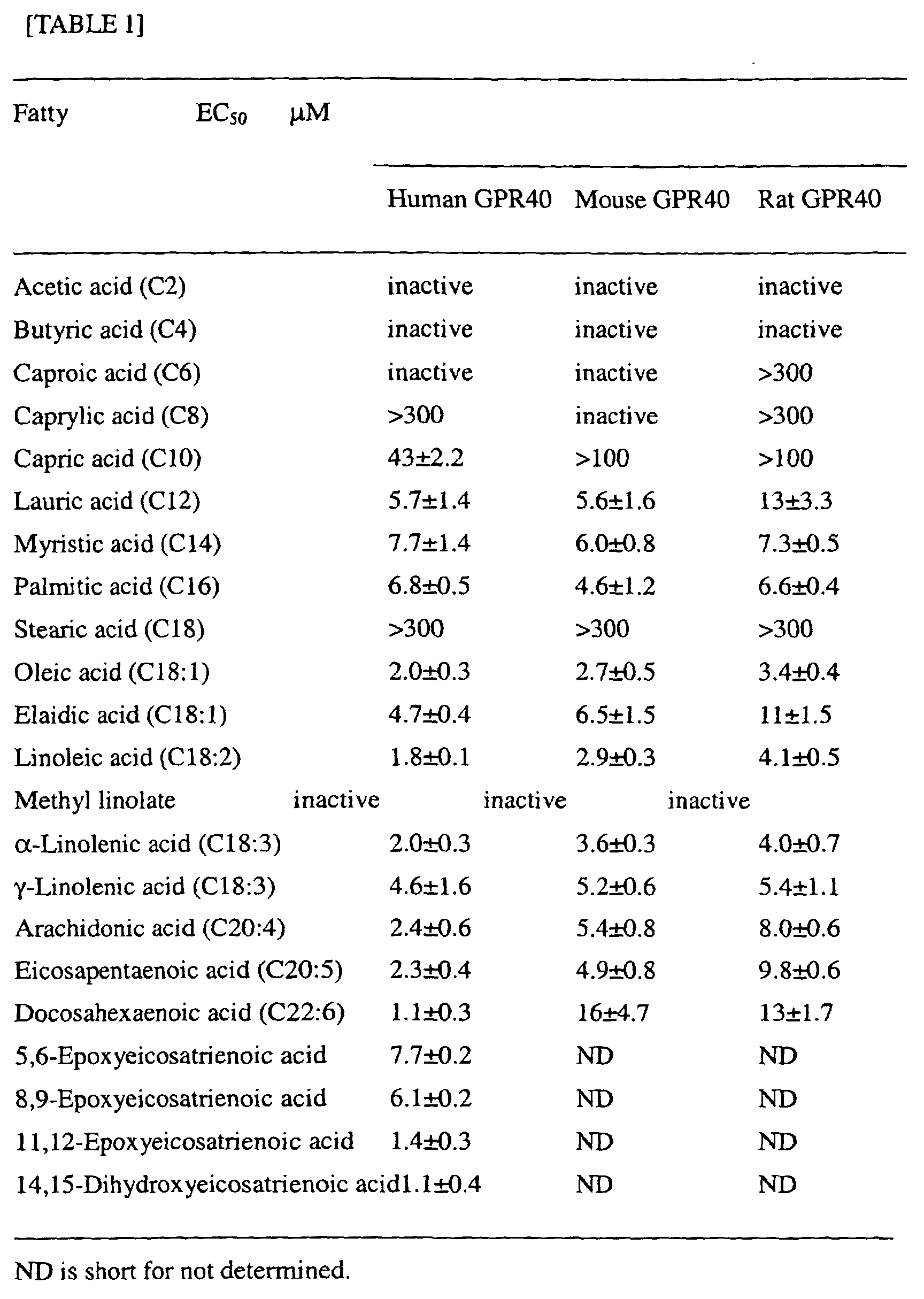
Free text for sequence identification


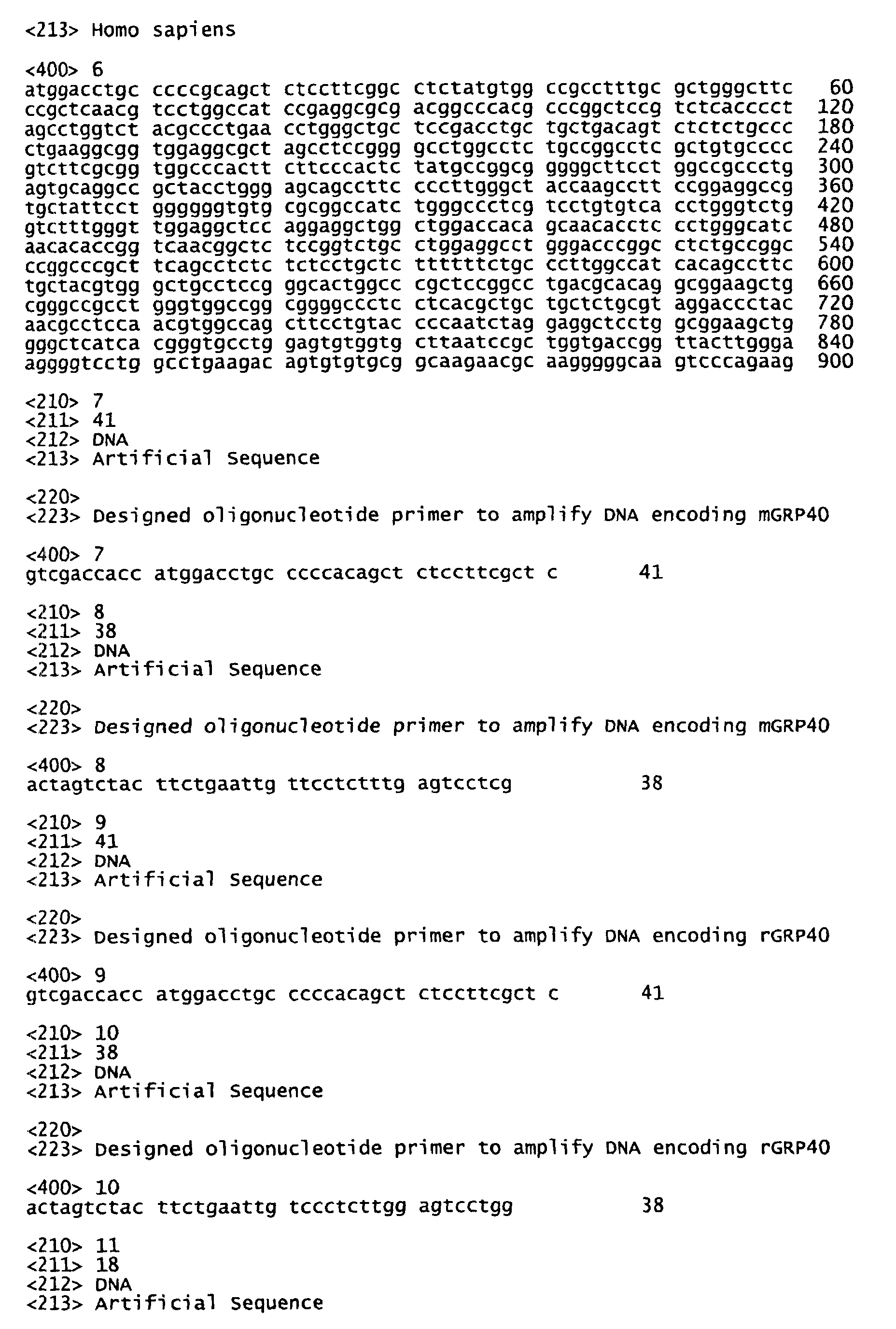


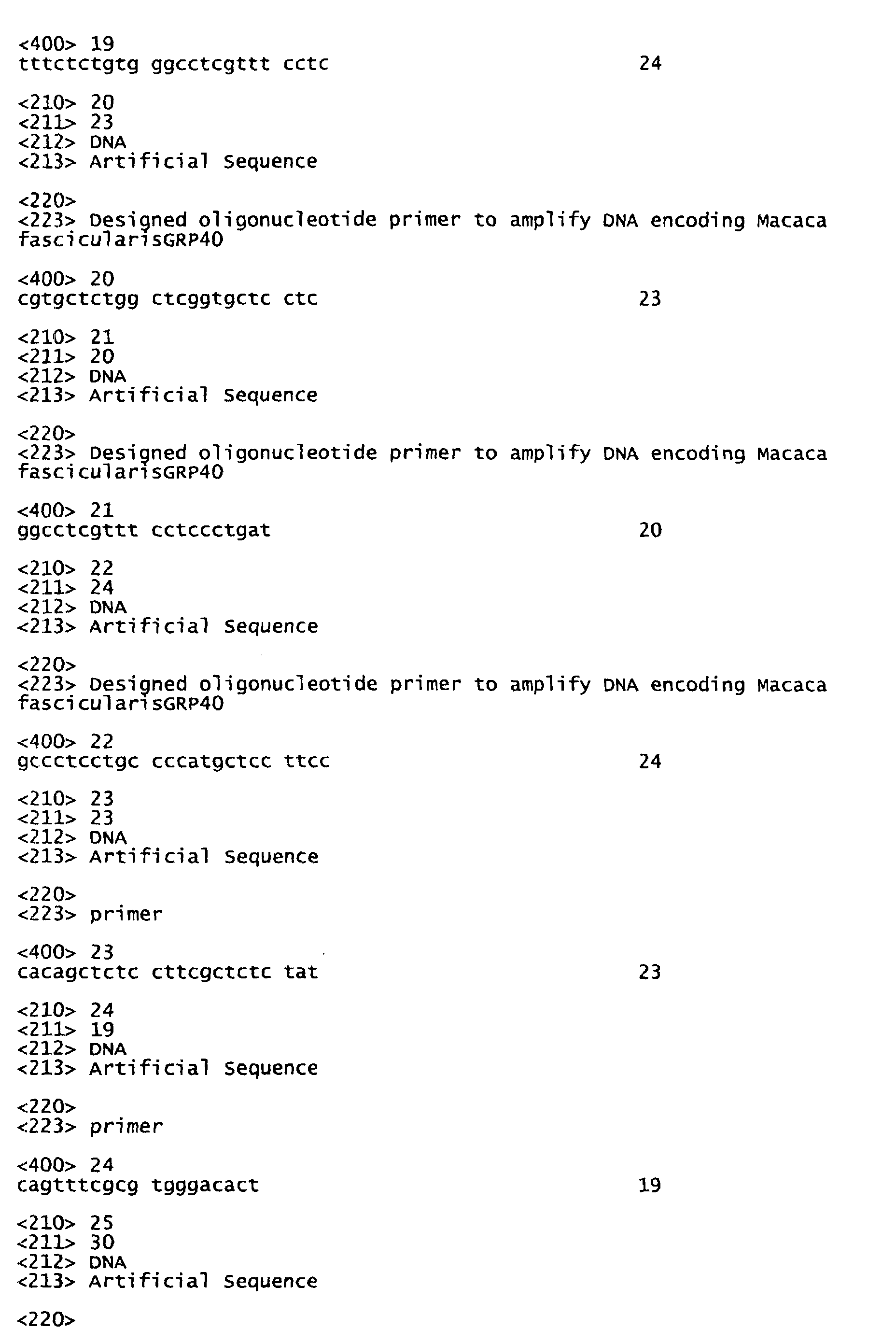


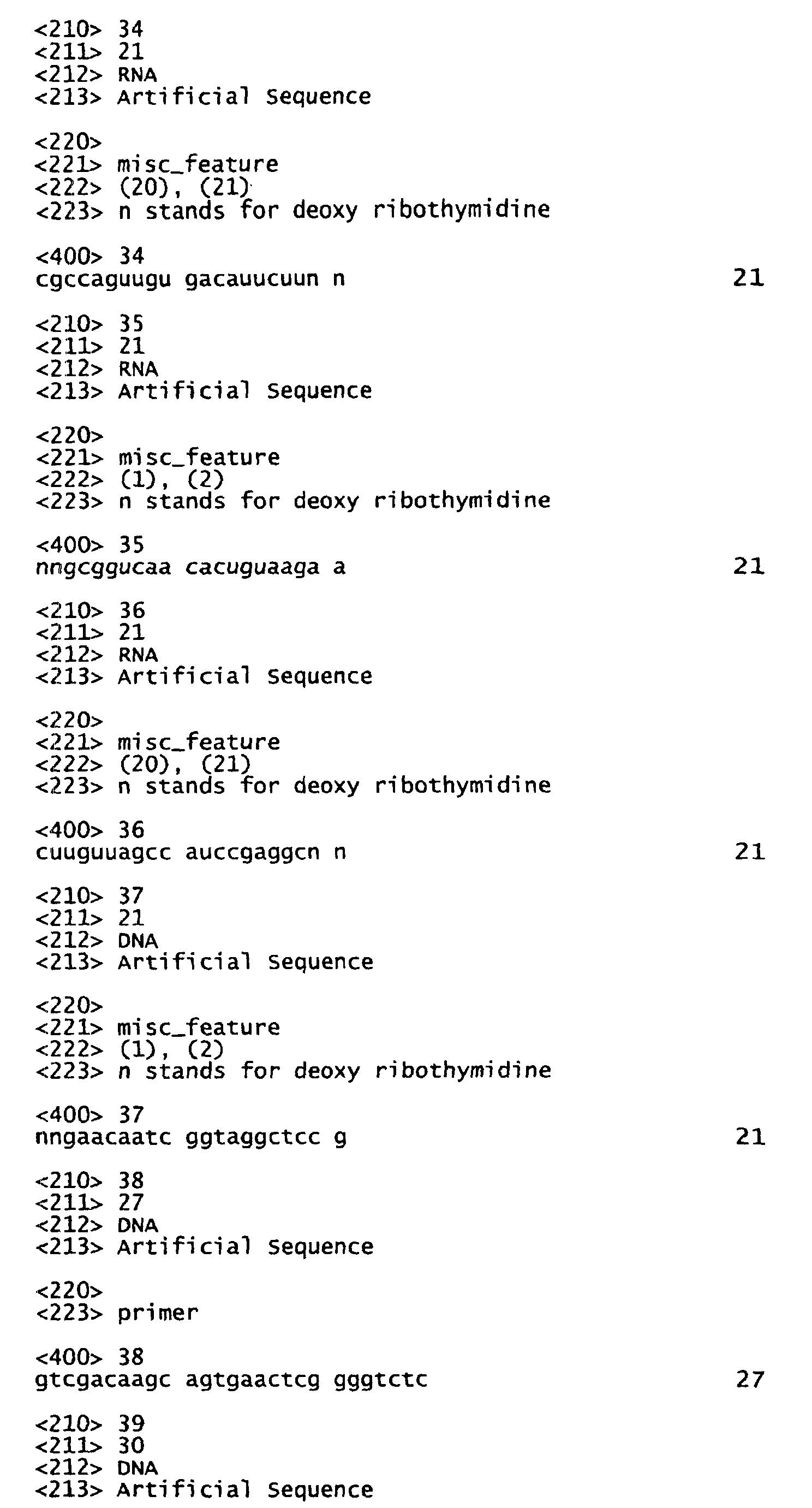
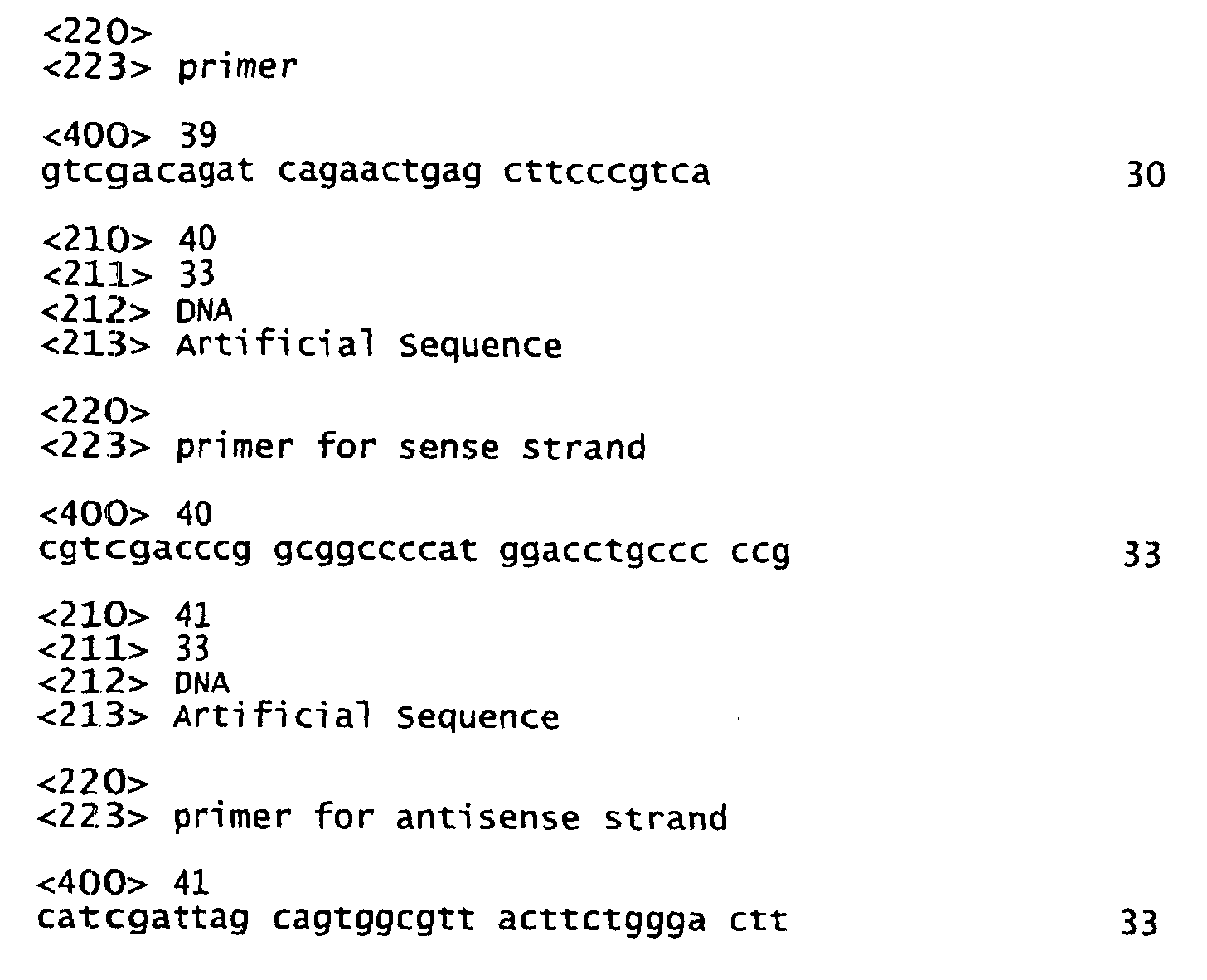
Claims (136)
- A G protein-coupled receptor protein comprising the same or substantially the same amino acid sequence as the amino acid sequence represented by SEQ ID NO: 1, SEQ ID NO: 3, SEQ ID NO: 17 or SEQ ID NO: 29, or its salt.
- A G protein-coupled receptor protein comprising the same or substantially the same amino acid sequence as the amino acid sequence represented by SEQ ID NO: 1 or SEQ ID NO: 3, or its salt.
- A G protein-coupled receptor protein consisting of the amino acid sequence represented by SEQ ID NO: 1 or SEQ ID NO: 3, or its salt.
- A G protein-coupled receptor protein consisting of the amino acid sequence represented by SEQ ID NO: 17, or its salt.
- A G protein-coupled receptor protein consisting of the amino acid sequence represented by SEQ ID NO: 29, or its salt.
- A partial peptide of the G protein-coupled receptor protein according to claim 1, or its salt.
- A polynucleotide containing a polynucleotide encoding the G protein-coupled receptor protein according to claim 1.
- A DNA encoding the G protein-coupled receptor protein according to claim 3.
- A DNA encoding the G protein-coupled receptor protein according to claim 4.
- A DNA encoding the G protein-coupled receptor protein according to claim 5.
- A DNA consisting of the base sequence represented by SEQ ID NO: 2 or SEQ ID NO: 4.
- A DNA consisting of the base sequence represented by SEQ ID NO: 18.
- A DNA consisting of the base sequence represented by SEQ ID NO: 30.
- A recombinant vector containing the polynucleotide according to claim 7.
- A transformant transformed by the recombinant vector according to claim 14.
- A method of manufacturing the G protein-coupled receptor protein or its salt according to claim 1, which comprises culturing the transformant according to claim 15 and producing the G protein-coupled receptor protein or its salt according to claim 1.
- A pharmaceutical comprising the G protein-coupled receptor protein according to claim 1, the partial peptide according to claim 6, or a salt thereof.
- A pharmaceutical comprising the polynucleotide according to claim 7.
- A diagnostic product comprising the polynucleotide according to claim 7.
- An antibody to the G protein-coupled receptor protein according to claim 1, the partial peptide according to claim 6, or a salt thereof.
- The antibody according to claim 20, which is a monoclonal antibody capable of recognizing the C-terminal peptide of the G protein-coupled receptor protein according to claim 1 or its salt.
- The antibody according to claim 20, which is a monoclonal antibody capable of recognizing the peptide represented by SEQ ID NO: 33 or its salt.
- The antibody according to claim 20, which is a neutralizing antibody capable of inactivating signal transduction of the G protein-coupled receptor protein according to claim 1.
- A diagnostic product comprising the antibody according to claim 20.
- A pharmaceutical comprising the antibody according to claim 20.
- A polynucleotide containing a base sequence complementary to the polynucleotide according to claim 7, or a part of the base sequence.
- A diagnostic product comprising the polynucleotide according to claim 26.
- A pharmaceutical comprising the polynucleotide according to claim 26.
- A siRNA to the polynucleotide according to claim 7.
- The siRNA according to claim 29, which is siRNA constructed by a sense strand consisting of the base sequence represented by SEQ ID NO: 34 and an antisense strand consisting of the base sequence represented by SEQ ID NO: 35.
- The siRNA according to claim 29, which is siRNA constructed by a sense strand consisting of the base sequence represented by SEQ ID NO: 36 and an antisense strand consisting of the base sequence represented by SEQ ID NO: 37.
- A diagnostic product comprising the siRNA according to claim 29.
- A pharmaceutical comprising the siRNA according to claim 29.
- A pancreatic function regulating agent comprising a G protein-coupled receptor protein containing the same or substantially the same amino acid sequence as the amino acid sequence represented by SEQ ID NO: 1, SEQ ID NO: 3, SEQ ID NO: 5, SEQ ID NO: 17 or SEQ ID NO: 29, its partial peptide, or a salt thereof.
- A preventive/therapeutic agent for diabetes mellitus, impaired glucose tolerance, ketosis, acidosis, diabetic neuropathy, diabetic nephropathy, diabetic retinopathy, hyperlipemia, sexual dysfunction, skin disorders, arthritis, osteopenia, arteriosclerosis, thrombotic disorders, dyspepsia or deficits in memory and learning, which comprises a G protein-coupled receptor protein containing the same or substantially the same amino acid sequence as the amino acid sequence represented by SEQ ID NO: 1, SEQ ID NO: 3, SEQ ID NO: 5, SEQ ID NO: 17 or SEQ ID NO: 29, its partial peptide, or a salt thereof.
- An insulin secretion promoting agent or hypoglycemic agent comprising a G protein-coupled receptor protein containing the same or substantially the same amino acid sequence as the amino acid sequence represented by SEQ ID NO: 1, SEQ ID NO: 3, SEQ ID NO: 5, SEQ ID NO: 17 or SEQ ID NO: 29, its partial peptide, or a salt thereof.
- A pancreatic β cell protecting agent comprising a G protein-coupled receptor protein containing the same or substantially the same amino acid sequence as the amino acid sequence represented by SEQ ID NO: 1, SEQ ID NO: 3, SEQ ID NO: 5, SEQ ID NO: 17 or SEQ ID NO: 29, its partial peptide, or a salt thereof.
- A pancreatic function regulating agent, which comprises a polynucleotide containing a polynucleotide encoding a G protein-coupled receptor protein containing the same or substantially the same amino acid sequence as the amino acid sequence represented by SEQ ID NO: 1, SEQ ID NO: 3, SEQ ID NO: 5, SEQ ID NO: 17 or SEQ ID NO: 29, or its partial peptide.
- A preventive/therapeutic agent for diabetes mellitus, impaired glucose tolerance, ketosis, acidosis, diabetic neuropathy, diabetic nephropathy, diabetic retinopathy, hyperlipemia, sexual dysfunction, skin disorders, arthritis, osteopenia, arteriosclerosis, thrombotic disorders, dyspepsia or deficits in memory and learning, which comprises a polynucleotide containing a polynucleotide encoding a G protein-coupled receptor protein containing the same or substantially the same amino acid sequence as the amino acid sequence represented by SEQ ID NO: 1, SEQ ID NO: 3, SEQ ID NO: 5, SEQ ID NO: 17 or SEQ ID NO: 29, or its partial peptide.
- An insulin secretion promoting agent or hypoglycemic agent, which comprises a polynucleotide containing a polynucleotide encoding a G protein-coupled receptor protein containing the same or substantially the same amino acid sequence as the amino acid sequence represented by SEQ ID NO: 1, SEQ ID NO: 3, SEQ ID NO: 5, SEQ ID NO: 17 or SEQ ID NO: 29, or its partial peptide.
- A pancreatic β cell protecting agent, which comprises a polynucleotide containing a polynucleotide encoding a G protein-coupled receptor protein containing the same or substantially the same amino acid sequence as the amino acid sequence represented by SEQ ID NO: 1, SEQ ID NO: 3, SEQ ID NO: 5, SEQ ID NO: 17 or SEQ ID NO: 29, or its partial peptide.
- A diagnostic product for diabetes mellitus, impaired glucose tolerance, ketosis, acidosis, diabetic neuropathy, diabetic nephropathy, diabetic retinopathy, hyperlipemia, sexual dysfunction, skin disorders, arthritis, osteopenia, arteriosclerosis, thrombotic disorders, dyspepsia, deficits in memory and learning, obesity, hyperlipemia, hypoglycemia, hypertension, edema, insulin resistance syndrome, unstable diabetes, fatty atrophy, insulin allergy, insulinoma, lipotoxicity or cancer, which comprises a polynucleotide containing a polynucleotide encoding a G protein-coupled receptor protein containing the same or substantially the same amino acid sequence as the amino acid sequence represented by SEQ ID NO: 1, SEQ ID NO: 3, SEQ ID NO: 5, SEQ ID NO: 17 or SEQ ID NO: 29, or its partial peptide.
- A diagnostic product for diabetes mellitus, impaired glucose tolerance, ketosis, acidosis, diabetic neuropathy, diabetic nephropathy, diabetic retinopathy, hyperlipemia, sexual dysfunction, skin disorders, arthritis, osteopenia, arteriosclerosis, thrombotic disorders, dyspepsia, deficits in memory and learning, obesity, hyperlipemia, hypoglycemia, hypertension, edema, insulin resistance syndrome, unstable diabetes, fatty atrophy, insulin allergy, insulinoma, lipotoxicity or cancer, which comprises an antibody to a G protein-coupled receptor protein containing the same or substantially the same amino acid sequence as the amino acid sequence represented by SEQ ID NO: 1, SEQ ID NO: 3, SEQ ID NO: 5, SEQ ID NO: 17 or SEQ ID NO: 29, its partial peptide, or a salt thereof.
- A pancreatic function regulating agent, comprising an antibody to a G protein-coupled receptor protein containing the same or substantially the same amino acid sequence as the amino acid sequence represented by SEQ ID NO: 1, SEQ ID NO: 3, SEQ ID NO: 5, SEQ ID NO: 17 or SEQ ID NO: 29, its partial peptide, or a salt thereof.
- A preventive/therapeutic agent for obesity, hyperlipemia, type II diabetes mellitus, hypoglycemia, hypertension, diabetic neuropathy, diabetic nephropathy, diabetic retinopathy, edema, insulin resistant syndrome, unstable diabetes, fatty atrophy, insulin allergy, insulinoma, arteriosclerosis, thrombotic disorders, lipotoxicity or cancer, which comprises an antibody to a G protein-coupled receptor protein containing the same or substantially the same amino acid sequence as the amino acid sequence represented by SEQ ID NO: 1, SEQ ID NO: 3, SEQ ID NO: 5, SEQ ID NO: 17 or SEQ ID NO: 29, its partial peptide, or a salt thereof.
- A pancreatic function regulating agent comprising a polynucleotide containing a base sequence complementary to a polynucleotide containing a polynucleotide encoding a G protein-coupled receptor protein containing the same or substantially the same amino acid sequence as the amino acid sequence represented by SEQ ID NO: 1, SEQ ID NO: 3, SEQ ID NO: 5, SEQ ID NO: 17 or SEQ ID NO: 29 or its partial peptide, or a part of the base sequence.
- A preventive/therapeutic agent for obesity, hyperlipemia, type II diabetes mellitus, hypoglycemia, hypertension, diabetic neuropathy, diabetic nephropathy, diabetic retinopathy, edema, insulin resistant syndrome, unstable diabetes, fatty atrophy, insulin allergy, insulinoma, arteriosclerosis, thrombotic disorders, lipotoxicity or cancer, which comprises a polynucleotide containing a base sequence complementary to a polynucleotide containing a polynucleotide encoding a G protein-coupled receptor protein containing the same or substantially the same amino acid sequence as the amino acid sequence represented by SEQ ID NO: 1, SEQ ID NO: 3, SEQ ID NO: 5, SEQ ID NO: 17 or SEQ ID NO: 29 or its partial peptide, or a part of the base sequence.
- A method of screening a compound or its salt that changes the binding properties of a G protein-coupled receptor protein containing the same or substantially the same amino acid sequence represented by SEQ ID NO: 1, SEQ ID NO: 3, SEQ ID NO: 5, SEQ ID NO: 17 or SEQ ID NO: 29 or its salt to a fatty acid or its salt, which comprises using (1) the G protein-coupled receptor protein or its partial peptide, or a salt thereof and (2) the fatty acid or its salt.
- A kit for screening a compound or its salt that changes the binding properties of a G protein-coupled receptor protein containing the same or substantially the same amino acid sequence represented by SEQ ID NO: 1, SEQ ID NO: 3, SEQ ID NO: 5, SEQ ID NO: 17 or SEQ ID NO: 29 or its salt to a fatty acid or its salt, comprising (1) the G protein-coupled receptor protein, its partial peptide, or a salt thereof and (2) the fatty acid or its salt.
- A compound or its salt that changes the binding properties of a fatty acid or its salt to a G protein-coupled receptor protein containing the same or substantially the same amino acid sequence represented by SEQ ID NO: 1, SEQ ID NO: 3, SEQ ID NO: 5, SEQ ID NO: 17 or SEQ ID NO: 29 or its salt, which is obtainable by using the screening method according to claim 48 or the screening kit according to claim 49.
- The compound or its salt according to claim 50, which is an agonist.
- The compound or its salt according to claim 50, which is an antagonist.
- A pharmaceutical comprising the compound or its salt according to claim 50.
- A pancreatic function regulating agent comprising a compound or its salt that changes the binding properties of a fatty acid or its salt to a G protein-coupled receptor protein containing the same or substantially the same amino acid sequence represented by SEQ ID NO: 1, SEQ ID NO: 3, SEQ ID NO: 5, SEQ ID NO: 17 or SEQ ID NO: 29, or its salt.
- A pharmaceutical comprising the agonist according to claim 51.
- A preventive/therapeutic agent for diabetes mellitus, impaired glucose tolerance, ketosis, acidosis, diabetic neuropathy, diabetic nephropathy, diabetic retinopathy, hyperlipemia, sexual dysfunction, skin disorders, arthritis, osteopenia, arteriosclerosis, thrombotic disorders, dyspepsia or deficits in memory and learning, which comprises an agonist to a G protein-coupled receptor protein containing the same or substantially the same amino acid sequence as the amino acid sequence represented by SEQ ID NO: 1, SEQ ID NO: 3, SEQ ID NO: 5, SEQ ID NO: 17 or SEQ ID NO: 29, or its salt.
- An insulin secretion promoting agent or hypoglycemic agent comprising an agonist to a G protein-coupled receptor protein containing the same or substantially the same amino acid sequence as the amino acid sequence represented by SEQ ID NO: 1, SEQ ID NO: 3, SEQ ID NO: 5, SEQ ID NO: 17 or SEQ ID NO: 29, or its salt.
- A pancreatic β cell protecting agent comprising an agonist to a G protein-coupled receptor protein containing the same or substantially the same amino acid sequence as the amino acid sequence represented by SEQ ID NO: 1, SEQ ID NO: 3, SEQ ID NO: 5, SEQ ID NO: 17 or SEQ ID NO: 29, or its salt.
- A pharmaceutical comprising the antagonist according to claim 52.
- A preventive/therapeutic agent for obesity, hyperlipemia, type II diabetes mellitus, hypoglycemia, hypertension, diabetic neuropathy, diabetic nephropathy, diabetic retinopathy, edema, insulin resistant syndrome, unstable diabetes, fatty atrophy, insulin allergy, insulinoma, arteriosclerosis, thrombotic disorders, lipotoxicity or cancer, which comprises an antagonist to a G protein-coupled receptor protein containing the same or substantially the same amino acid sequence as the amino acid sequence represented by SEQ ID NO: 1, SEQ ID NO: 3, SEQ ID NO: 5, SEQ ID NO: 17 or SEQ ID NO: 29, or its salt.
- A method of screening a compound or its salt having an action of changing the expression level of a G protein-coupled receptor protein containing the same or substantially the same amino acid sequence as the amino acid sequence represented by SEQ ID NO: 1, SEQ ID NO: 3, SEQ ID NO: 5, SEQ ID NO: 17 or SEQ ID NO: 29 to regulate pancreatic functions, which comprises using a polynucleotide containing a polynucleotide encoding the G protein-coupled receptor protein or its partial peptide.
- A kit for screening a compound or its salt having an action of changing the expression level of a G protein-coupled receptor protein containing the same or substantially the same amino acid sequence as the amino acid sequence represented by SEQ ID NO: 1, SEQ ID NO: 3, SEQ ID NO: 5, SEQ ID NO: 17 or SEQ ID NO: 29 to regulate pancreatic functions, comprising a polynucleotide containing a polynucleotide encoding the G protein-coupled receptor protein or its partial peptide.
- A compound or its salt having an action of changing the expression level of a G protein-coupled receptor protein containing the same or substantially the same amino acid sequence as the amino acid sequence represented by SEQ ID NO: 1, SEQ ID NO: 3, SEQ ID NO: 5, SEQ ID NO: 17 or SEQ ID NO: 29, or its partial peptide to regulate pancreatic functions, which is obtainable by using the screening method according to claim 61 or the screening kit according to claim 62.
- A compound or its salt having an action of increasing the expression level of a G protein-coupled receptor protein containing the same or substantially the same amino acid sequence as the amino acid sequence represented by SEQ ID NO: 1, SEQ ID NO: 3, SEQ ID NO: 5, SEQ ID NO: 17 or SEQ ID NO: 29, or its partial peptide to regulate pancreatic functions, which is obtainable by using the screening method according to claim 61 or the screening kit according to claim 62.
- A compound or its salt having an action of decreasing the expression level of a G protein-coupled receptor protein containing the same or substantially the same amino acid sequence as the amino acid sequence represented by SEQ ID NO: 1, SEQ ID NO: 3, SEQ ID NO: 5, SEQ ID NO: 17 or SEQ ID NO: 29, or its partial peptide to regulate pancreatic functions, which is obtainable by using the screening method according to claim 61 or the screening kit according to claim 62.
- A pancreatic function regulating agent comprising a compound or its salt having an action of changing the expression level of a G protein-coupled receptor protein containing the same or substantially the same amino acid sequence as the amino acid sequence represented by SEQ ID NO: 1, SEQ ID NO: 3, SEQ ID NO: 5, SEQ ID NO: 17 or SEQ ID NO: 29, or its partial peptide to regulate pancreatic functions.
- A preventive/therapeutic agent for diabetes mellitus, impaired glucose tolerance, ketosis, acidosis, diabetic neuropathy, diabetic nephropathy, diabetic retinopathy, hyperlipemia, sexual dysfunction, skin disorders, arthritis, osteopenia, arteriosclerosis, thrombotic disorders, dyspepsia or deficits in memory, which comprises a compound or its salt having an action of increasing the expression level of a G protein-coupled receptor protein containing the same or substantially the same amino acid sequence as the amino acid sequence represented by SEQ ID NO: 1, SEQ ID NO: 3, SEQ ID NO: 5, SEQ ID NO: 17 or SEQ ID NO: 29, or its partial peptide to regulate pancreatic functions.
- An insulin secretion promoting agent or hypoglycemic agent comprising a compound or its salt having an action of increasing the expression level of a G protein-coupled receptor protein containing the same or substantially the same amino acid sequence as the amino acid sequence represented by SEQ ID NO: 1, SEQ ID NO: 3, SEQ ID NO: 5, SEQ ID NO: 17 or SEQ ID NO: 29, or its partial peptide to regulate pancreatic functions.
- A pancreatic β cell protecting agent comprising a compound or its salt having an action of increasing the expression level of a G protein-coupled receptor protein containing the same or substantially the same amino acid sequence as the amino acid sequence represented by SEQ ID NO: 1, SEQ ID NO: 3, SEQ ID NO: 5, SEQ ID NO: 17 or SEQ ID NO: 29, or its partial peptide to regulate pancreatic functions.
- A preventive/therapeutic agent for obesity, hyperlipemia, type II diabetes mellitus, hypoglycemia, hypertension, diabetic neuropathy, diabetic nephropathy, diabetic retinopathy, edema, insulin resistant syndrome, unstable diabetes, fatty atrophy, insulin allergy, insulinoma, arteriosclerosis, thrombotic disorders, lipotoxicity or cancer, which comprises a compound or its salt having an action of decreasing the expression level of a G protein-coupled receptor protein containing the same or substantially the same amino acid sequence as the amino acid sequence represented by SEQ ID NO: 1, SEQ ID NO: 3, SEQ ID NO: 5, SEQ ID NO: 17 or SEQ ID NO: 29, or its partial peptide to regulate pancreatic functions.
- A method of determining a ligand to a G protein-coupled receptor protein containing the same or substantially the same amino acid sequence represented by SEQ ID NO: 1, SEQ ID NO: 3, SEQ ID NO: 5, SEQ ID NO: 17 or SEQ ID NO: 29 or its salt, which comprises assaying the intracellular Ca2+ level increasing activity or intracellular cAMP inhibitory activity when a test compound is brought in contact with a cell containing the receptor protein.
- A ligand, which is obtained by the determination method according to claim 71.
- A method of screening an agonist or antagonist to a G protein-coupled receptor protein containing the same or substantially the same amino acid sequence as the amino acid sequence represented by SEQ ID NO: 1, SEQ ID NO: 3, SEQ ID NO: 5, SEQ ID NO: 17 or SEQ ID NO: 29 or its salt, which comprises using (1) the G protein-coupled receptor protein or its partial peptide, or a salt thereof and (2) (i) a fatty acid or its salt or (ii) a compound or its salt that changes the binding properties of the receptor protein or its salt to a fatty acid or its salt.
- The screening method according to claim 73, wherein the binding amount of (i) a labeled form of the fatty acid or its salt or (ii) a labeled form of the compound or its salt that changes the binding properties of the receptor protein or its salt to the fatty acid or its salt, to the receptor protein, its partial peptide, or a salt thereof is measured, (1) when (i) the labeled form of the fatty acid or its salt or (ii) the labeled form of the compound or its salt that changes the binding properties of the receptor protein or its salt to the fatty acid or its salt is brought in contact with the receptor protein, its partial peptide, or a salt thereof and (2) when a test compound and (i) the labeled form of the fatty acid or its salt or (ii) the labeled form of the compound or its salt that changes the binding properties of the receptor protein or its salt to the fatty acid or its salt are brought in contact with the receptor protein, its partial peptide, or a salt thereof.
- The screening method according to claim 73, wherein the binding amount of (i) a labeled form of the fatty acid or its salt or (ii) a labeled form of the compound or its salt that changes the binding properties of the receptor protein or its salt to the fatty acid or its salt, to a cell containing the receptor protein or a membrane fraction of the cell is measured, (1) when (i) the labeled form of the fatty acid or its salt or (ii) the labeled form of the compound or its salt that changes the binding properties of the receptor protein or its salt to the fatty acid or its salt is brought in contact with the cell containing the receptor protein or a membrane fraction of the cell and (2) when a test compound and (i) the labeled form of the fatty acid or its salt or (ii) the labeled form of the compound or its salt that changes the binding properties of the receptor protein or its salt to the fatty acid or its salt are brought in contact with the cell containing the receptor protein or a membrane fraction of the cell.
- The screening method according to claim 73, wherein the intracellular Ca2+ level increasing activity or the intracellular cAMP production suppressing activity is assayed, (1) when (i) the fatty acid or its salt or (ii) the compound or its salt that changes the binding properties of the receptor protein or its salt to the fatty acid or its salt is brought in contact with a cell containing the receptor protein or a membrane fraction of the cell and (2) when a test compound and (i) the fatty acid or its salt or (ii) the compound or its salt that changes the binding properties of the receptor protein or its salt to the fatty acid or its salt are brought in contact with the cell containing the receptor protein or a membrane fraction of the cell.
- A kit for screening an agonist or antagonist to a G protein-coupled receptor protein containing the same or substantially the same amino acid sequence as the amino acid sequence represented by SEQ ID NO: 1, SEQ ID NO: 3, SEQ ID NO: 5, SEQ ID NO: 17 or SEQ ID NO: 29 or its salt, which comprises (1) the receptor protein, its partial peptide, or a salt thereof and (2) (i) a fatty acid or its salt or (ii) a compound or its salt that changes the binding properties of the receptor protein or its salt to a fatty acid or its salt.
- An agonist to a G protein-coupled receptor protein containing the same or substantially the same amino acid sequence as the amino acid sequence represented by SEQ ID NO: 1, SEQ ID NO: 3, SEQ ID NO: 5, SEQ ID NO: 17 or SEQ ID NO: 29 or its salt, which is obtainable by using the screening method according to claim 73 or the screening kit according to claim 77.
- An antagonist to a G protein-coupled receptor protein containing the same or substantially the same amino acid sequence as the amino acid sequence represented by SEQ ID NO: 1, SEQ ID NO: 3, SEQ ID NO: 5, SEQ ID NO: 17 or SEQ ID NO: 29 or its salt, which is obtainable by using the screening method according to claim 73 or the screening kit according to claim 77.
- A pharmaceutical comprising the agonist according to claim 78.
- A pharmaceutical comprising the antagonist according to claim 79.
- The screening method according to claims 74 through 76, wherein the test compound is a compound designed to bind, based on the atomic coordinate and the position of the ligand-binding pocket in the active site of a G protein-coupled receptor protein containing the same or substantially the same amino acid sequence as the amino acid sequence represented by SEQ ID NO: 1, SEQ ID NO: 3, SEQ ID NO: 5, SEQ ID NO: 17 or SEQ ID NO: 29 or its salt, to the ligand-binding pocket.
- A method for confirmation that (i) a pancreatic function regulating drug, (ii) a preventive/therapeutic drug for diabetes mellitus, impaired glucose tolerance, ketosis, acidosis, diabetic neuropathy, diabetic nephropathy, diabetic retinopathy, hyperlipemia, sexual dysfunction, skin disorders, arthritis, osteopenia, arteriosclerosis, thrombotic disorders, dyspepsia or deficits in memory, (iii) an insulin secretion promoting drug, (iv) a hypoglycemic drug, (v) a pancreatic β cell protecting drug or (vi) a preventive/therapeutic drug for obesity, hyperlipemia, type II diabetes mellitus, hypoglycemia, hypertension, diabetic neuropathy, diabetic nephropathy, diabetic retinopathy, edema, insulin resistant syndrome, unstable diabetes, fatty atrophy, insulin allergy, insulinoma, arteriosclerosis, thrombotic disorders, lipotoxicity or cancer, binds to a G protein-coupled receptor protein containing the same or substantially the same amino acid sequence as the amino acid sequence represented by SEQ ID NO: 1, SEQ ID NO: 3, SEQ ID NO: 5, SEQ ID NO: 17 or SEQ ID NO: 29, or its salt, which comprises using the receptor protein or its salt.
- A method for confirmation that (i) a preventive/therapeutic drug for diabetes mellitus, impaired glucose tolerance, ketosis, acidosis, diabetic neuropathy, diabetic nephropathy, diabetic retinopathy, hyperlipemia, sexual dysfunction, skin disorders, arthritis, osteopenia, arteriosclerosis, thrombotic disorders, dyspepsia or deficits in memory, (ii) an insulin secretion promoting drug, (iii) a hypoglycemic drug or (iv) a pancreatic β cell protection is an agonist to a G protein-coupled receptor protein containing the same or substantially the same amino acid sequence as the amino acid sequence represented by SEQ ID NO: 1, SEQ ID NO: 3, SEQ ID NO: 5, SEQ ID NO: 17 or SEQ ID NO: 29, or its salt, which comprises using the receptor protein or its salt.
- A method for confirmation that a preventive/therapeutic drug for obesity, hyperlipemia, type II diabetes mellitus, hypoglycemia, hypertension, diabetic neuropathy, diabetic nephropathy, diabetic retinopathy, edema, insulin resistant syndrome, unstable diabetes, fatty atrophy, insulin allergy, insulinoma, arteriosclerosis, thrombotic disorders, lipotoxicity or cancer is an antagonist to a G protein-coupled receptor protein containing the same or substantially the same amino acid sequence as the amino acid sequence represented by SEQ ID NO: 1, SEQ ID NO: 3, SEQ ID NO: 5, SEQ ID NO: 17 or SEQ ID NO: 29, or its salt, which comprises using the receptor protein or its salt.
- The method for confirmation according to claims 83 through 85, wherein the binding amount of each drug to the receptor protein, its partial peptide, or a salt thereof is measured when each drug is brought in contact with the receptor protein or its partial peptide, or a salt thereof.
- The method for confirmation according to claims 83 through 85, wherein the binding amount of (i) a labeled form of the fatty acid or its salt or (ii) a labeled form of the compound or its salt that changes the binding properties of the receptor protein or its salt to the fatty acid or its salt, to the receptor protein, its partial peptide, or a salt thereof is measured, (1) when (i) the labeled form of the fatty acid or its salt or (ii) the labeled form of the compound or its salt is brought in contact with the receptor protein, its partial peptide, or a salt thereof, and (2) when each drug and (i) the labeled form of the fatty acid or its salt or (ii) the labeled form of the compound or its salt are brought in contact with the receptor protein, its partial peptide, or a salt thereof.
- The method for confirmation according to claims 83 through 85, wherein the binding amount of (i) a labeled form of the fatty acid or its salt or (ii) a labeled form of the compound or its salt that changes the binding properties of the receptor protein or its salt to the fatty acid or its salt to a cell containing the receptor protein or a membrane fraction of the cell is measured, (1) when (i) the labeled form of the fatty acid or its salt or (ii) the labeled form of the compound or its salt is brought in contact with the cell containing the receptor protein or a membrane fraction of the cell and (2) when each drug and (i) the labeled form of the fatty acid or its salt or (ii) the labeled form of the compound or its salt are brought in contact with the cell containing the receptor protein or a membrane fraction of the cell.
- The method for confirmation according to claims 83 through 85, wherein the intracellular Ca2+ level increasing activity or the intracellular cAMP production suppressing activity is assayed, (1) when (i) the fatty acid or its salt or (ii) the compound or its salt that changes the binding properties of the receptor protein or its salt to the fatty acid or its salt is brought in contact with a cell containing the receptor protein or a membrane fraction of the cell and (2) when each drug and (i) the fatty acid or its salt or (ii) the compound or its salt that changes the binding properties of the receptor protein or its salt to the fatty acid or its salt are brought in contact with the cell containing the receptor protein or a membrane fraction of the cell.
- A kit for confirmation that (i) pancreatic function regulating drug, (ii) a preventive/therapeutic drug for diabetes mellitus, impaired glucose tolerance, ketosis, acidosis, diabetic neuropathy, diabetic nephropathy, diabetic retinopathy, hyperlipemia, sexual dysfunction, skin disorders, arthritis, osteopenia, arteriosclerosis, thrombotic disorders, dyspepsia or deficits in memory, (iii) an insulin secretion promoting drug, (iv) a hypoglycemic drug, (v) a pancreatic β cell protecting drug or (vi) a preventive/therapeutic drug for obesity, hyperlipemia, type II diabetes mellitus, hypoglycemia, hypertension, diabetic neuropathy, diabetic nephropathy, diabetic retinopathy, edema, insulin resistant syndrome, unstable diabetes, fatty atrophy, insulin allergy, insulinoma, arteriosclerosis, thrombotic disorders, lipotoxicity or cancer binds to a G protein-coupled receptor protein containing the same or substantially the same amino acid sequence as the amino acid sequence represented by SEQ ID NO: 1, SEQ ID NO: 3, SEQ ID NO: 5, SEQ ID NO: 17 or SEQ ID NO: 29 or its salt, which comprises the receptor protein or its partial peptide, or a salt thereof.
- (i) A pancreatic function regulating drug, (ii) a preventive/therapeutic drug for diabetes mellitus, impaired glucose tolerance, ketosis, acidosis, diabetic neuropathy, diabetic nephropathy, diabetic retinopathy, hyperlipemia, sexual dysfunction, skin disorders, arthritis, osteopenia, arteriosclerosis, thrombotic disorders, dyspepsia or deficits in memory, (iii) an insulin secretion promoting drug, (iv) a hypoglycemic drug, (v) a pancreatic β cell protecting drug or (vi) a preventive/therapeutic drug for obesity, hyperlipemia, type II diabetes mellitus, hypoglycemia, hypertension, diabetic neuropathy, diabetic nephropathy, diabetic retinopathy, edema, insulin resistant syndrome, unstable diabetes, fatty atrophy, insulin allergy, insulinoma, arteriosclerosis, thrombotic disorders, lipotoxicity or cancer, which is an agonist or antagonist to a G protein-coupled receptor protein containing the same or substantially the same amino acid sequence as the amino acid sequence represented by SEQ ID NO: 1, SEQ ID NO: 3, SEQ ID NO: 5, SEQ ID NO: 17 or SEQ ID NO: 29.
- A pharmaceutical comprising the combination of:(1) (i) an agonist or antagonist to a G protein-coupled receptor protein containing the same or substantially the same amino acid sequence as the amino acid sequence represented by SEQ ID NO: 1, SEQ ID NO: 3, SEQ ID NO: 5, SEQ ID NO: 17 or SEQ ID NO: 29 or/and (ii) a compound or its salt that changes the expression level of a G protein-coupled receptor protein containing the same or substantially the same amino acid sequence as the amino acid sequence represented by SEQ ID NO: 1, SEQ ID NO: 3, SEQ ID NO: 5, SEQ ID NO: 17 or SEQ ID NO: 29, or its partial peptide; and,(2) (i) a pancreatic function regulating drug, (ii) a preventive/therapeutic drug for diabetes mellitus, impaired glucose tolerance, ketosis, acidosis, diabetic neuropathy, diabetic nephropathy, diabetic retinopathy, hyperlipemia, sexual dysfunction, skin disorders, arthritis, osteopenia, arteriosclerosis, thrombotic disorders, dyspepsia or deficits in memory, (iii) an insulin secretion promoting drug, (iv) a hypoglycemic drug, (v) a pancreatic β cell protecting drug or (vi) a preventive/therapeutic drug for obesity, hyperlipemia, type II diabetes mellitus, hypoglycemia, hypertension, diabetic neuropathy, diabetic nephropathy, diabetic retinopathy, edema, insulin resistant syndrome, unstable diabetes, fatty atrophy, insulin allergy, insulinoma, arteriosclerosis, thrombotic disorders, lipotoxicity or cancer.
- A non-human mammal bearing an exogenous DNA encoding the G protein-coupled receptor protein according to claim 1 or its variant DNA.
- The mammal according to claim 93, wherein the non-human mammal is a rodent.
- The mammal according to claim 94, wherein the rodent is mouse or rat.
- A non-human mammalian embryonic stem cell, in which a DNA encoding the G protein-coupled receptor protein according to claim 1 is inactivated.
- The embryonic stem cell according to claim 96, wherein the DNA is inactivated by introducing a reporter gene.
- The embryonic stem cell according to claim 96, which is resistant to neomycin.
- The embryonic stem cell according to claim 96, wherein the non-human mammal is a rodent.
- The embryonic stem cell according to claim 99, wherein the rodent is mouse.
- A non-human mammal deficient in expressing the DNA encoding the G protein-coupled receptor protein according to claim 1, wherein the DNA is inactivated.
- The non-human mammal according to claim 101, wherein the DNA is inactivated by inserting a reporter gene therein and the reporter gene is capable of being expressed under control of a promoter for the DNA.
- The non-human mammal according to claim 101, wherein the non-human mammal is a rodent.
- The non-human mammal according to claim 103, wherein the rodent is mouse.
- A method of screening a compound or its salt that promotes or inhibits the promoter activity to a DNA encoding the G protein-coupled receptor protein according to claim 1, which comprises administering a test compound to the mammal according to claim 102 and detecting expression of the reporter gene.
- A method of screening a compound or its salt that changes the binding properties of a G protein-coupled receptor protein containing the same or substantially the same amino acid sequence as the amino acid sequence represented by SEQ ID NO: 1, SEQ ID NO: 3, SEQ ID NO: 5, SEQ ID NO: 17 or SEQ ID NO: 29 or its salt and an eicosanoid, which comprises using (1) the receptor protein, its partial peptide, or a salt thereof and (2) the eicosanoid.
- A kit for screening a compound or its salt that changes the binding properties of a G protein-coupled receptor protein containing the same or substantially the same amino acid sequence as the amino acid sequence represented by SEQ ID NO: 1, SEQ ID NO: 3, SEQ ID NO: 5, SEQ ID NO: 17 or SEQ ID NO: 29 or its salt and an eicosanoid, comprising (1) the receptor protein, its partial peptide, or a salt thereof and (2) the eicosanoid.
- A compound or its salt that changes the binding properties of an eicosanoid and a G protein-coupled receptor protein containing the same or substantially the same amino acid sequence as the amino acid sequence represented by SEQ ID NO: 1, SEQ ID NO: 3, SEQ ID NO: 5, SEQ ID NO: 17 or SEQ ID NO: 29 or its salt, which is obtainable by using the screening method according to claim 106 or the screening kit according to claim 107.
- The compound or its salt according to claim 108, which is an agonist.
- The compound or its salt according to claim 108, which is an antagonist.
- A pharmaceutical comprising the compound or its salt according to claim 108.
- A pancreatic function regulating agent comprising a compound or its salt that changes the binding properties of an eicosanoid to a G protein-coupled receptor protein containing the same or substantially the same amino acid sequence as the amino acid sequence represented by SEQ ID NO: 1, SEQ ID NO: 3, SEQ ID NO: 5, SEQ ID NO: 17 or SEQ ID NO: 29 or its salt.
- A pharmaceutical comprising the agonist according to claim 109.
- A pharmaceutical comprising the antagonist according to claim 110.
- A method of screening an agonist or antagonist to a G protein-coupled receptor protein containing the same or substantially the same amino acid sequence as the amino acid sequence represented by SEQ ID NO: 1, SEQ ID NO: 3, SEQ ID NO: 5, SEQ ID NO: 17 or SEQ ID NO: 29 or its salt, which comprises using (1) the receptor protein or its partial peptide, or a salt thereof and (2) (i) an eicosanoid or (ii) a compound or its salt that changes the binding properties of the receptor protein or it salt to the eicosanoid.
- The screening method according to claim 115, wherein the binding amount of (i) a labeled form of eicosanoid or (ii) a labeled form of the compound or its salt that changes the binding properties of the receptor protein or its salt to the eicosanoid, to the receptor protein, its partial peptide, or a salt thereof is measured, (1) when (i) the labeled form of the eicosanoid or (ii) the labeled form of the compound or its salt that changes the binding properties of the receptor protein or its salt to the eicosanoid is brought in contact with the receptor protein or its partial peptide, or a salt thereof and (2) when a test compound and (i) the labeled form of the the eicosanoid or (ii) the labeled form of the compound or its salt that changes the binding properties of the receptor protein or its salt to the eicosanoid are brought in contact with the receptor protein or its partial peptide, or a salt thereof.
- The screening method according to claim 115, wherein the binding amount of (i) a labeled form of the eicosanoid or (ii) a labeled form of the compound or its salt that changes the binding properties of the receptor protein or its salt to the eicosanoid, to a cell containing the receptor protein or a membrane fraction of the cell is measured, (1) when (i) the labeled form of the eicosanoid or (ii) the labeled form of the compound or its salt that changes the binding properties of the receptor protein or its salt to the eicosanoid is brought in contact with the cell containing the receptor protein or a membrane fraction of the cell and (2) when a test compound and (i) the labeled form of the eicosanoid or (ii) the labeled form of the compound or its salt that changes the binding properties of the receptor protein or its salt to the eicosanoid are brought in contact with the cell containing the receptor protein or a membrane fraction of the cell.
- The screening method according to claim 115, wherein the intracellular Ca2+ level increasing activity or the intracellular cAMP production suppressing activity is assayed, (1) when (i) the eicosanoid or (ii) the compound or its salt that changes the binding properties of the receptor protein or its salt to the eicosanoid is brought in contact with a cell containing the receptor protein or a membrane fraction of the cell and (2) when a test compound and (i) the eicosanoid or (ii) the compound or its salt that changes the binding properties of the receptor protein or its salt to the eicosanoid are brought in contact with the cell containing the receptor protein or a membrane fraction of the cell.
- A kit for screening an agonist or antagonist to a G protein-coupled receptor protein containing the same or substantially the same amino acid sequence as the amino acid sequence represented by SEQ ID NO: 1, SEQ ID NO: 3, SEQ ID NO: 5, SEQ ID NO: 17 or SEQ ID NO: 29 or its salt, comprising (1) the receptor protein or its partial peptide, or a salt thereof and (2) (i) an eicosanoid or (ii) a compound or its salt that changes the binding properties of the receptor protein or its salt to the eicosanoid.
- An agonist to a G protein-coupled receptor protein containing the same or substantially the same amino acid sequence as the amino acid sequence represented by SEQ ID NO: 1, SEQ ID NO: 3, SEQ ID NO: 5, SEQ ID NO: 17 or SEQ ID NO: 29 or its salt, which is obtainable by using the screening method according to claim 115 or the screening kit according to claim 119.
- An antagonist to a G protein-coupled receptor protein containing the same or substantially the same amino acid sequence as the amino acid sequence represented by SEQ ID NO: 1, SEQ ID NO: 3, SEQ ID NO: 5, SEQ ID NO: 17 or SEQ ID NO: 29 or its salt, which is obtainable by using the screening method according to claim 115 or the screening kit according to claim 119.
- A pharmaceutical comprising the agonist according to claim 120.
- A pharmaceutical comprising the antagonist according to claim 121.
- The screening method according to claims 116 through 118, wherein the test compound is a compound designed to bind, based on the atomic coordinate and the position of the ligand-binding pocket in the active site of a G protein-coupled receptor protein containing the same or substantially the same amino acid sequence as the amino acid sequence represented by SEQ ID NO: 1, SEQ ID NO: 3, SEQ ID NO: 5, SEQ ID NO: 17 or SEQ ID NO: 29 or its salt, to the ligand-binding pocket.
- A method of regulating pancreatic functions, which comprises administering to a mammal an effective dose of:(1) a G protein-coupled receptor protein containing the same or substantially the same amino acid sequence as the amino acid sequence represented by SEQ ID NO: 1, SEQ ID NO: 3, SEQ ID NO: 5, SEQ ID NO: 17 or SEQ ID NO: 29 or its partial peptide, or a salt thereof;(2) a polynucleotide containing a polynucleotide encoding a G protein-coupled receptor protein containing the same or substantially the same amino acid sequence as the amino acid sequence represented by SEQ ID NO: 1, SEQ ID NO: 3, SEQ ID NO: 5, SEQ ID NO: 17 or SEQ ID NO: 29 or its partial peptide;(3) an agonist to a G protein-coupled receptor protein containing the same or substantially the same amino acid sequence as the amino acid sequence represented by SEQ ID NO: 1, SEQ ID NO: 3, SEQ ID NO: 5, SEQ ID NO: 17 or SEQ ID NO: 29; or(4) a compound or its salt that increases the expression level of a G protein-coupled receptor protein containing the same or substantially the same amino acid sequence as the amino acid sequence represented by SEQ ID NO: 1, SEQ ID NO: 3, SEQ ID NO: 5, SEQ ID NO: 17 or SEQ ID NO: 29 or its partial peptide.
- A method of preventing/treating diabetes mellitus, impaired glucose tolerance, ketosis, acidosis, diabetic neuropathy, diabetic nephropathy, diabetic retinopathy, hyperlipemia, sexual dysfunction, skin disorders, arthritis, osteopenia, arteriosclerosis, thrombotic disorders, dyspepsia or deficits in memory, which comprises administering to a mammal an effective dose of:(1) a G protein-coupled receptor protein containing the same or substantially the same amino acid sequence as the amino acid sequence represented by SEQ ID NO: 1, SEQ ID NO: 3, SEQ ID NO: 5, SEQ ID NO: 17 or SEQ ID NO: 29 or its partial peptide, or a salt thereof;(2) a polynucleotide containing a polynucleotide encoding a G protein-coupled receptor protein containing the same or substantially the same amino acid sequence as the amino acid sequence represented by SEQ ID NO: 1, SEQ ID NO: 3, SEQ ID NO: 5, SEQ ID NO: 17 or SEQ ID NO: 29 or its partial peptide;(3) an agonist to a G protein-coupled receptor protein containing the same or substantially the same amino acid sequence as the amino acid sequence represented by SEQ ID NO: 1, SEQ ID NO: 3, SEQ ID NO: 5, SEQ ID NO: 17 or SEQ ID NO: 29; or(4) a compound or its salt that increases the expression level of a G protein-coupled receptor protein containing the same or substantially the same amino acid sequence as the amino acid sequence represented by SEQ ID NO: 1, SEQ ID NO: 3, SEQ ID NO: 5, SEQ ID NO: 17 or SEQ ID NO: 29 or its partial peptide.
- A method of promoting insulin secretion or reducing blood sugar, which comprises administering to a mammal an effective dose of:(1) a G protein-coupled receptor protein containing the same or substantially the same amino acid sequence as the amino acid sequence represented by SEQ ID NO: 1, SEQ ID NO: 3, SEQ ID NO: 5, SEQ ID NO: 17 or SEQ ID NO: 29 or its partial peptide, or a salt thereof;(2) a polynucleotide containing a polynucleotide encoding a G protein-coupled receptor protein containing the same or substantially the same amino acid sequence as the amino acid sequence represented by SEQ ID NO: 1, SEQ ID NO: 3, SEQ ID NO: 5, SEQ ID NO: 17 or SEQ ID NO: 29 or its partial peptide;(3) an agonist to a G protein-coupled receptor protein containing the same or substantially the same amino acid sequence as the amino acid sequence represented by SEQ ID NO: 1, SEQ ID NO: 3, SEQ ID NO: 5, SEQ ID NO: 17 or SEQ ID NO: 29; or(4) a compound or its salt that increases the expression level of a G protein-coupled receptor protein containing the same or substantially the same amino acid sequence as the amino acid sequence represented by SEQ ID NO: 1, SEQ ID NO: 3, SEQ ID NO: 5, SEQ ID NO: 17 or SEQ ID NO: 29 or its partial peptide.
- A pancreatic β cell protecting agent, which comprises administering to a mammal an effective dose of:(1) a G protein-coupled receptor protein containing the same or substantially the same amino acid sequence as the amino acid sequence represented by SEQ ID NO: 1, SEQ ID NO: 3, SEQ ID NO: 5, SEQ ID NO: 17 or SEQ ID NO: 29 or its partial peptide, or a salt thereof;(2) a polynucleotide containing a polynucleotide encoding a G protein-coupled receptor protein containing the same or substantially the same amino acid sequence as the amino acid sequence represented by SEQ ID NO: 1, SEQ ID NO: 3, SEQ ID NO: 5, SEQ ID NO: 17 or SEQ ID NO: 29 or its partial peptide;(3) an agonist to a G protein-coupled receptor protein containing the same or substantially the same amino acid sequence as the amino acid sequence represented by SEQ ID NO: 1, SEQ ID NO: 3, SEQ ID NO: 5, SEQ ID NO: 17 or SEQ ID NO: 29; or(4) a compound or its salt that increases the expression level of a G protein-coupled receptor protein containing the same or substantially the same amino acid sequence as the amino acid sequence represented by SEQ ID NO: 1, SEQ ID NO: 3, SEQ ID NO: 5, SEQ ID NO: 17 or SEQ ID NO: 29 or its partial peptide.
- A method of regulating pancreatic functions, which comprises administering to a mammal an effective dose of:(1) an antibody to a G protein-coupled receptor protein containing the same or substantially the same amino acid sequence as the amino acid sequence represented by SEQ ID NO: 1, SEQ ID NO: 3, SEQ ID NO: 5, SEQ ID NO: 17 or SEQ ID NO: 29 or its partial peptide, or a salt thereof;(2) a polynucleotide containing a base sequence complementary to a polynucleotide containing a polynucleotide encoding a G protein-coupled receptor protein containing the same or substantially the same amino acid sequence as the amino acid sequence represented by SEQ ID NO: 1, SEQ ID NO: 3, SEQ ID NO: 5, SEQ ID NO: 17 or SEQ ID NO: 29 or its partial peptide, or a part of the base sequence;(3) a siRNA to a polynucleotide containing a polynucleotide encoding a G protein-coupled receptor protein containing the same or substantially the same amino acid sequence as the amino acid sequence represented by SEQ ID NO: 1, SEQ ID NO: 3, SEQ ID NO: 5, SEQ ID NO: 17 or SEQ ID NO: 29 or its partial peptide;(4) an antagonist to a G protein-coupled receptor protein containing the same or substantially the same amino acid sequence as the amino acid sequence represented by SEQ ID NO: 1, SEQ ID NO: 3, SEQ ID NO: 5, SEQ ID NO: 17 or SEQ ID NO: 29; or,(5) a compound or its salt that decreases the expression level of a G protein-coupled receptor protein containing the same or substantially the same amino acid sequence as the amino acid sequence represented by SEQ ID NO: 1, SEQ ID NO: 3, SEQ ID NO: 5, SEQ ID NO: 17 or SEQ ID NO: 29 or its partial peptide.
- A method of preventing/treating obesity, hyperlipemia, type II diabetes mellitus, hypoglycemia, hypertension, diabetic neuropathy, diabetic nephropathy, diabetic retinopathy, edema, insulin resistant syndrome, unstable diabetes, fatty atrophy, insulin allergy, insulinoma, arteriosclerosis, thrombotic disorders, lipotoxicity or cancer, which comprises administering to a mammal an effective dose of:(1) an antibody to a G protein-coupled receptor protein containing the same or substantially the same amino acid sequence as the amino acid sequence represented by SEQ ID NO: 1, SEQ ID NO: 3, SEQ ID NO: 5, SEQ ID NO: 17 or SEQ ID NO: 29 or its partial peptide, or a salt thereof;(2) a polynucleotide containing a base sequence complementary to a polynucleotide containing a polynucleotide encoding a G protein-coupled receptor protein containing the same or substantially the same amino acid sequence as the amino acid sequence represented by SEQ ID NO: 1, SEQ ID NO: 3, SEQ ID NO: 5, SEQ ID NO: 17 or SEQ ID NO: 29 or its partial peptide, or a part of the base sequence;(3) a siRNA to a polynucleotide containing a polynucleotide encoding a G protein-coupled receptor protein containing the same or substantially the same amino acid sequence as the amino acid sequence represented by SEQ ID NO: 1, SEQ ID NO: 3, SEQ ID NO: 5, SEQ ID NO: 17 or SEQ ID NO: 29 or its partial peptide;(4) an antagonist to a G protein-coupled receptor protein containing the same or substantially the same amino acid sequence as the amino acid sequence represented by SEQ ID NO: 1, SEQ ID NO: 3, SEQ ID NO: 5, SEQ ID NO: 17 or SEQ ID NO: 29; or,(5) a compound or its salt that decreases the expression level of a G protein-coupled receptor protein containing the same or substantially the same amino acid sequence as the amino acid sequence represented by SEQ ID NO: 1, SEQ ID NO: 3, SEQ ID NO: 5, SEQ ID NO: 17 or SEQ ID NO: 29 or its partial peptide.
- Use of:(1) a G protein-coupled receptor protein containing the same or substantially the same amino acid sequence as the amino acid sequence represented by SEQ ID NO: 1, SEQ ID NO: 3, SEQ ID NO: 5, SEQ ID NO: 17 or SEQ ID NO: 29 or its partial peptide, or a salt thereof;(2) a polynucleotide containing a polynucleotide encoding a G protein-coupled receptor protein containing the same or substantially the same amino acid sequence as the amino acid sequence represented by SEQ ID NO: 1, SEQ ID NO: 3, SEQ ID NO: 5, SEQ ID NO: 17 or SEQ ID NO: 29 or its partial peptide;(3) an agonist to a G protein-coupled receptor protein containing the same or substantially the same amino acid sequence as the amino acid sequence represented by SEQ ID NO: 1, SEQ ID NO: 3, SEQ ID NO: 5, SEQ ID NO: 17 or SEQ ID NO: 29; or,(4) a compound or its salt that increases the expression level of a G protein-coupled receptor protein containing the same or substantially the same amino acid sequence as the amino acid sequence represented by SEQ ID NO: 1, SEQ ID NO: 3, SEQ ID NO: 5, SEQ ID NO: 17 or SEQ ID NO: 29 or its partial peptide, to manufacture a pancreatic function regulating agent.
- Use of:(1) a G protein-coupled receptor protein containing the same or substantially the same amino acid sequence as the amino acid sequence represented by SEQ ID NO: 1, SEQ ID NO: 3, SEQ ID NO: 5, SEQ ID NO: 17 or SEQ ID NO: 29 or its partial peptide, or a salt thereof;(2) a polynucleotide containing a polynucleotide encoding a G protein-coupled receptor protein containing the same or substantially the same amino acid sequence as the amino acid sequence represented by SEQ ID NO: 1, SEQ ID NO: 3, SEQ ID NO: 5, SEQ ID NO: 17 or SEQ ID NO: 29 or its partial peptide;(3) an agonist to a G protein-coupled receptor protein containing the same or substantially the same amino acid sequence as the amino acid sequence represented by SEQ ID NO: 1, SEQ ID NO: 3, SEQ ID NO: 5, SEQ ID NO: 17 or SEQ ID NO: 29; or,(4) a compound or its salt that increases the expression level of a G protein-coupled receptor protein containing the same or substantially the same amino acid sequence as the amino acid sequence represented by SEQ ID NO: 1, SEQ ID NO: 3, SEQ ID NO: 5, SEQ ID NO: 17 or SEQ ID NO: 29 or its partial peptide, to manufacture a preventive/therapeutic agent for diabetes mellitus, impaired glucose tolerance, ketosis, acidosis, diabetic neuropathy, diabetic nephropathy, diabetic retinopathy, hyperlipemia, sexual dysfunction, skin disorders, arthritis, osteopenia, arteriosclerosis, thrombotic disorders, dyspepsia or deficits in memory.
- Use of:(1) a G protein-coupled receptor protein containing the same or substantially the same amino acid sequence as the amino acid sequence represented by SEQ ID NO: 1, SEQ ID NO: 3, SEQ ID NO: 5, SEQ ID NO: 17 or SEQ ID NO: 29 or its partial peptide, or a salt thereof;(2) a polynucleotide containing a polynucleotide encoding a G protein-coupled receptor protein containing the same or substantially the same amino acid sequence as the amino acid sequence represented by SEQ ID NO: 1, SEQ ED NO: 3, SEQ ID NO: 5, SEQ ID NO: 17 or SEQ ID NO: 29 or its partial peptide;(3) an agonist to a G protein-coupled receptor protein containing the same or substantially the same amino acid sequence as the amino acid sequence represented by SEQ ID NO: 1, SEQ ID NO: 3, SEQ ID NO: 5, SEQ ID NO: 17 or SEQ ID NO: 29; or,(4) a compound or its salt that increases the expression level of a G protein-coupled receptor protein containing the same or substantially the same amino acid sequence as the amino acid sequence represented by SEQ ID NO: 1, SEQ ID NO: 3, SEQ ID NO: 5, SEQ ID NO: 17 or SEQ ID NO: 29 or its partial peptide, to manufacture an insulin secretion promoting agent or hypoglycemic agent.
- Use of:(1) a G protein-coupled receptor protein containing the same or substantially the same amino acid sequence as the amino acid sequence represented by SEQ ID NO: 1, SEQ ID NO: 3, SEQ ID NO: 5, SEQ ID NO: 17 or SEQ ID NO: 29 or its partial peptide, or a salt thereof;(2) a polynucleotide containing a polynucleotide encoding a G protein-coupled receptor protein containing the same or substantially the same amino acid sequence as the amino acid sequence represented by SEQ ID NO: 1, SEQ ID NO: 3, SEQ ID NO: 5, SEQ ID NO: 17 or SEQ ID NO: 29 or its partial peptide;(3) an agonist to a G protein-coupled receptor protein containing the same or substantially the same amino acid sequence as the amino acid sequence represented by SEQ ID NO: 1, SEQ ID NO: 3, SEQ ID NO: 5, SEQ ID NO: 17 or SEQ ID NO: 29; or,(4) a compound or its salt that increases the expression level of a G protein-coupled receptor protein containing the same or substantially the same amino acid sequence as the amino acid sequence represented by SEQ ID NO: 1, SEQ ID NO: 3, SEQ ID NO: 5, SEQ ID NO: 17 or SEQ ID NO: 29 or its partial peptide, to manufacture a pancreatic β cell protecting agent.
- Use of:(1) an antibody to a G protein-coupled receptor protein containing the same or substantially the same amino acid sequence as the amino acid sequence represented by SEQ ID NO: 1, SEQ ID NO: 3, SEQ ID NO: 5, SEQ ID NO: 17 or SEQ ID NO: 29 or its partial peptide, or a salt thereof;(2) a polynucleotide containing a base sequence complementary to a polynucleotide containing a polynucleotide encoding a G protein-coupled receptor protein containing the same or substantially the same amino acid sequence as the amino acid sequence represented by SEQ ID NO: 1, SEQ ID NO: 3, SEQ ID NO: 5, SEQ ID NO: 17 or SEQ ID NO: 29 or its partial peptide, or a part of the base sequence;(3) a siRNA to a polynucleotide containing a polynucleotide encoding a G protein-coupled receptor protein containing the same or substantially the same amino acid sequence as the amino acid sequence represented by SEQ ID NO: 1, SEQ ID NO: 3, SEQ ID NO: 5, SEQ ID NO: 17 or SEQ ID NO: 29 or its partial peptide;(4) an antagonist to a G protein-coupled receptor protein containing the same or substantially the same amino acid sequence as the amino acid sequence represented by SEQ ID NO: 1, SEQ ID NO: 3, SEQ ID NO: 5, SEQ ID NO: 17 or SEQ ID NO: 29; or,(5) a compound or its salt that decreases the expression level of a G protein-coupled receptor protein containing the same or substantially the same amino acid sequence as the amino acid sequence represented by SEQ ID NO: 1, SEQ ID NO: 3, SEQ ID NO: 5, SEQ ID NO: 17 or SEQ ID NO: 29 or its partial peptide, to manufacture a pancreatic function regulating agent.
- Use of:(1) an antibody to a G protein-coupled receptor protein containing the same or substantially the same amino acid sequence as the amino acid sequence represented by SEQ ID NO: 1, SEQ ID NO: 3, SEQ ID NO: 5, SEQ ID NO: 17 or SEQ ID NO: 29 or its partial peptide, or a salt thereof;(2) a polynucleotide containing a base sequence complementary to a polynucleotide containing a polynucleotide encoding a G protein-coupled receptor protein containing the same or substantially the same amino acid sequence as the amino acid sequence represented by SEQ ID NO: 1, SEQ ID NO: 3, SEQ ID NO: 5, SEQ ID NO: 17 or SEQ ID NO: 29 or its partial peptide, or a part of the base sequence;(3) a siRNA to a polynucleotide containing a polynucleotide encoding a G protein-coupled receptor protein containing the same or substantially the same amino acid sequence as the amino acid sequence represented by SEQ ID NO: 1, SEQ ID NO: 3, SEQ ID NO: 5, SEQ ID NO: 17 or SEQ ID NO: 29 or its partial peptide;(4) an antagonist to a G protein-coupled receptor protein containing the same or substantially the same amino acid sequence as the amino acid sequence represented by SEQ ID NO: 1, SEQ ID NO: 3, SEQ ID NO: 5, SEQ ID NO: 17 or SEQ ID NO: 29; or,(5) a compound or its salt that decreases the expression level of a G protein-coupled receptor protein containing the same or substantially the same amino acid sequence as the amino acid sequence represented by SEQ ID NO: 1, SEQ ID NO: 3, SEQ ID NO: 5, SEQ ID NO: 17 or SEQ ID NO: 29 or its partial peptide, to manufacture a preventive/therapeutic agent for obesity, hyperlipemia, type II diabetes mellitus, hypoglycemia, hypertension, diabetic neuropathy, diabetic nephropathy, diabetic retinopathy, edema, insulin resistant syndrome, unstable diabetes, fatty atrophy, insulin allergy, insulinoma, arteriosclerosis, thrombotic disorders, lipotoxicity or cancer.
Applications Claiming Priority (9)
| Application Number | Priority Date | Filing Date | Title |
|---|---|---|---|
| JP2002037131 | 2002-02-14 | ||
| JP2002037131 | 2002-02-14 | ||
| JP2002204163 | 2002-07-12 | ||
| JP2002204163 | 2002-07-12 | ||
| JP2002328696 | 2002-11-12 | ||
| JP2002328696 | 2002-11-12 | ||
| JP2003014032 | 2003-01-22 | ||
| JP2003014032 | 2003-01-22 | ||
| PCT/JP2003/001483 WO2003068959A1 (en) | 2002-02-14 | 2003-02-13 | Novel screening method |
Publications (3)
| Publication Number | Publication Date |
|---|---|
| EP1479768A1 true EP1479768A1 (en) | 2004-11-24 |
| EP1479768A4 EP1479768A4 (en) | 2006-02-01 |
| EP1479768B1 EP1479768B1 (en) | 2010-04-28 |
Family
ID=27739281
Family Applications (1)
| Application Number | Title | Priority Date | Filing Date |
|---|---|---|---|
| EP03705107A Expired - Lifetime EP1479768B1 (en) | 2002-02-14 | 2003-02-13 | Novel screening method |
Country Status (6)
| Country | Link |
|---|---|
| US (1) | US7214495B2 (en) |
| EP (1) | EP1479768B1 (en) |
| AT (1) | ATE466030T1 (en) |
| AU (1) | AU2003211952A1 (en) |
| DE (1) | DE60332320D1 (en) |
| WO (1) | WO2003068959A1 (en) |
Cited By (2)
| Publication number | Priority date | Publication date | Assignee | Title |
|---|---|---|---|---|
| WO2005080412A1 (en) * | 2004-02-23 | 2005-09-01 | Theratechnologies Inc | MODULATORS OF INSULIN SECRETION STIMULATED BY FATTY ACIDS AND USES THEREOF |
| EP1980148A4 (en) * | 2006-01-31 | 2010-09-22 | Takeda Pharmaceutical | GENETICALLY MODIFIED ANIMAL AND USE THEREOF |
Families Citing this family (30)
| Publication number | Priority date | Publication date | Assignee | Title |
|---|---|---|---|---|
| US7056685B1 (en) | 2002-11-05 | 2006-06-06 | Amgen Inc. | Receptor ligands and methods of modulating receptors |
| EP1559422B1 (en) * | 2002-11-08 | 2014-04-30 | Takeda Pharmaceutical Company Limited | Receptor function controlling agent |
| EP1584925B1 (en) * | 2003-01-17 | 2011-06-01 | Takeda Pharmaceutical Company Limited | Novel screening method |
| EP1659860A1 (en) * | 2003-08-18 | 2006-05-31 | Betagenon AB | New diabetes type 2 animal model |
| EA011010B1 (en) | 2004-02-27 | 2008-12-30 | Эмджен, Инк. | Compounds modulating of gpr40 receptor, pharmaceutical composition, method for treating diseases responsive to the modulation of gpr40 receptor (embodiments), method for modulating gpr40 function (embodiments) and method for modulating circulating insulin concentration |
| ATE462723T1 (en) * | 2004-03-01 | 2010-04-15 | Pharmafrontier Co Ltd | PHARMACEUTICAL COMPOSITION FOR LOWERING BLOOD SUGAR LEVELS |
| EP2253315A1 (en) | 2004-03-30 | 2010-11-24 | Takeda Pharmaceutical Company Limited | Alkoxyphenylpropanoic acid derivatives |
| US20060003344A1 (en) * | 2004-06-30 | 2006-01-05 | Pfizer Inc. | Methods related to a single nucleotide polymorphism of the G protein coupled receptor, GPR40 |
| US7465804B2 (en) | 2005-05-20 | 2008-12-16 | Amgen Inc. | Compounds, pharmaceutical compositions and methods for their use in treating metabolic disorders |
| US20070122344A1 (en) * | 2005-09-02 | 2007-05-31 | University Of Rochester Medical Center Office Of Technology Transfer | Intraoperative determination of nerve location |
| US8691498B2 (en) * | 2005-09-02 | 2014-04-08 | Arena Pharmaceuticals, Inc. | Methods of screening for a compound that reduces atherogenesis |
| EP1924546A1 (en) * | 2005-09-14 | 2008-05-28 | Amgen, Inc | Conformationally constrained 3- (4-hydroxy-phenyl) - substituted-propanoic acids useful for treating metabolic disorders |
| EP1953238B1 (en) | 2005-11-04 | 2011-12-21 | Eisai R&D Management Co., Ltd. | Method for screening of substances using GPR40 and secretory phospholipase A2 |
| CA2646430A1 (en) * | 2006-03-14 | 2007-09-20 | Amgen Inc. | Bicyclic carboxylic acid derivatives useful for treating metabolic disorders |
| US20080161744A1 (en) | 2006-09-07 | 2008-07-03 | University Of Rochester Medical Center | Pre-And Intra-Operative Localization of Penile Sentinel Nodes |
| AU2007293028B2 (en) * | 2006-09-07 | 2012-05-31 | Amgen Inc. | Heterocyclic GPR40 modulators |
| US7687526B2 (en) * | 2006-09-07 | 2010-03-30 | Amgen Inc. | Benzo-fused compounds for use in treating metabolic disorders |
| CA2683751C (en) * | 2007-04-16 | 2013-01-08 | Amgen Inc. | Substituted biphenyl phenoxy-, thiophenyl- and aminophenylpropanoic acid gpr40 modulators |
| US8318781B2 (en) | 2007-04-26 | 2012-11-27 | Japan Science And Technology Agency | G-protein-conjugated receptor agonist |
| KR20100090249A (en) | 2007-10-10 | 2010-08-13 | 암젠 인크 | Substituted biphenyl gpr 40 modulators |
| US8406860B2 (en) | 2008-01-25 | 2013-03-26 | Novadaq Technologies Inc. | Method for evaluating blush in myocardial tissue |
| US8450522B2 (en) * | 2008-03-06 | 2013-05-28 | Amgen Inc. | Conformationally constrained carboxylic acid derivatives useful for treating metabolic disorders |
| US10219742B2 (en) | 2008-04-14 | 2019-03-05 | Novadaq Technologies ULC | Locating and analyzing perforator flaps for plastic and reconstructive surgery |
| ES2671710T3 (en) | 2008-05-02 | 2018-06-08 | Novadaq Technologies ULC | Methods for the production and use of erythrocytes loaded with substances for the observation and treatment of microvascular hemodynamics |
| US8748462B2 (en) * | 2008-10-15 | 2014-06-10 | Amgen Inc. | Spirocyclic GPR40 modulators |
| US10492671B2 (en) | 2009-05-08 | 2019-12-03 | Novadaq Technologies ULC | Near infra red fluorescence imaging for visualization of blood vessels during endoscopic harvest |
| JP6028096B2 (en) | 2012-06-21 | 2016-11-16 | ノバダック テクノロジーズ インコーポレイテッド | Angiography and perfusion quantification and analysis techniques |
| KR20170067803A (en) | 2014-09-29 | 2017-06-16 | 노바다크 테크놀러지즈 인코포레이티드 | Imaging a target fluorophore in a biological material in the presence of autofluorescence |
| EP3203902B1 (en) | 2014-10-09 | 2021-07-07 | Novadaq Technologies ULC | Quantification of absolute blood flow in tissue using fluorescence-mediated photoplethysmography |
| EP4242743A3 (en) | 2017-02-10 | 2023-10-18 | Stryker European Operations Limited | Open-field handheld fluorescence imaging systems and methods |
Family Cites Families (4)
| Publication number | Priority date | Publication date | Assignee | Title |
|---|---|---|---|---|
| US6555339B1 (en) | 1997-04-14 | 2003-04-29 | Arena Pharmaceuticals, Inc. | Non-endogenous, constitutively activated human protein-coupled receptors |
| WO2002061087A2 (en) | 2000-12-19 | 2002-08-08 | Lifespan Biosciences, Inc. | Antigenic peptides, such as for g protein-coupled receptors (gpcrs), antibodies thereto, and systems for identifying such antigenic peptides |
| GB0031527D0 (en) * | 2000-12-22 | 2001-02-07 | Smithkline Beecham Plc | New use |
| US7241579B2 (en) * | 2000-12-22 | 2007-07-10 | Smithkline Beecham Corporation | Method of screening for GPR40 ligands |
-
2003
- 2003-02-13 US US10/504,726 patent/US7214495B2/en not_active Expired - Fee Related
- 2003-02-13 WO PCT/JP2003/001483 patent/WO2003068959A1/en not_active Ceased
- 2003-02-13 DE DE60332320T patent/DE60332320D1/en not_active Expired - Lifetime
- 2003-02-13 AU AU2003211952A patent/AU2003211952A1/en not_active Abandoned
- 2003-02-13 EP EP03705107A patent/EP1479768B1/en not_active Expired - Lifetime
- 2003-02-13 AT AT03705107T patent/ATE466030T1/en not_active IP Right Cessation
Cited By (2)
| Publication number | Priority date | Publication date | Assignee | Title |
|---|---|---|---|---|
| WO2005080412A1 (en) * | 2004-02-23 | 2005-09-01 | Theratechnologies Inc | MODULATORS OF INSULIN SECRETION STIMULATED BY FATTY ACIDS AND USES THEREOF |
| EP1980148A4 (en) * | 2006-01-31 | 2010-09-22 | Takeda Pharmaceutical | GENETICALLY MODIFIED ANIMAL AND USE THEREOF |
Also Published As
| Publication number | Publication date |
|---|---|
| AU2003211952A1 (en) | 2003-09-04 |
| ATE466030T1 (en) | 2010-05-15 |
| WO2003068959A1 (en) | 2003-08-21 |
| EP1479768A4 (en) | 2006-02-01 |
| US7214495B2 (en) | 2007-05-08 |
| EP1479768B1 (en) | 2010-04-28 |
| US20050089866A1 (en) | 2005-04-28 |
| DE60332320D1 (en) | 2010-06-10 |
Similar Documents
| Publication | Publication Date | Title |
|---|---|---|
| US7214495B2 (en) | Screening method | |
| US7354726B2 (en) | Screening method | |
| EP1424392A1 (en) | Novel secretory proteins and dna thereof | |
| JP2000312590A (en) | Novel g protein-coupled receptor protein, its dna and its ligand | |
| EP1273659A1 (en) | Novel g protein-coupled receptor protein and dna thereof | |
| EP1153932A1 (en) | Novel g protein-coupled receptor protein and dna thereof | |
| US7833722B2 (en) | Ligands for G protein-coupled receptor protein and use thereof | |
| US7972800B2 (en) | Screening method for binding property or signal transduction alterations | |
| US7172876B2 (en) | Method of screening therapeutic agents for nerve degeneration associated diseases | |
| US7250272B2 (en) | G protein-coupled receptor protein and DNA thereof | |
| EP1584925B1 (en) | Novel screening method | |
| EP1829969B1 (en) | Novel polypeptide and the use thereof | |
| EP1422524A1 (en) | Screening method | |
| JP4188720B2 (en) | New screening method | |
| US20040029224A1 (en) | Novel g protein-coupled receptor protein and dna thereof | |
| EP1491207A1 (en) | Novel screening method | |
| JP4574177B2 (en) | New screening method | |
| EP1876239A1 (en) | Degranulation inhibitor | |
| US7781175B2 (en) | Method of screening compounds which alter the binding properties of GPR39, and homologs thereof, to bile acid | |
| JP4772684B2 (en) | Screening method | |
| EP1424557A1 (en) | Use of g protein-coupled receptor protein | |
| US20040038238A1 (en) | Novel g protein-coupled receptor protein and dna thereof | |
| EP1617216A1 (en) | Novel method of screening | |
| US20040086505A1 (en) | Novel g-protein-coupled receptor protein and dna thereof | |
| JP2004115394A (en) | Immunological disease-preventing and treating agent |
Legal Events
| Date | Code | Title | Description |
|---|---|---|---|
| PUAI | Public reference made under article 153(3) epc to a published international application that has entered the european phase |
Free format text: ORIGINAL CODE: 0009012 |
|
| 17P | Request for examination filed |
Effective date: 20040903 |
|
| AK | Designated contracting states |
Kind code of ref document: A1 Designated state(s): AT BE BG CH CY CZ DE DK EE ES FI FR GB GR HU IE IT LI LU MC NL PT SE SI SK TR |
|
| AX | Request for extension of the european patent |
Extension state: AL LT LV MK RO |
|
| RAP1 | Party data changed (applicant data changed or rights of an application transferred) |
Owner name: TAKEDA PHARMACEUTICAL COMPANY LIMITED |
|
| A4 | Supplementary search report drawn up and despatched |
Effective date: 20051216 |
|
| RIC1 | Information provided on ipc code assigned before grant |
Ipc: C07K 14/705 20060101AFI20051212BHEP Ipc: A61K 48/00 20060101ALI20051212BHEP Ipc: A61K 38/00 20060101ALI20051212BHEP Ipc: C07K 16/28 20060101ALI20051212BHEP Ipc: A61K 45/00 20060101ALI20051212BHEP Ipc: A61K 39/395 20060101ALI20051212BHEP |
|
| GRAP | Despatch of communication of intention to grant a patent |
Free format text: ORIGINAL CODE: EPIDOSNIGR1 |
|
| GRAS | Grant fee paid |
Free format text: ORIGINAL CODE: EPIDOSNIGR3 |
|
| GRAA | (expected) grant |
Free format text: ORIGINAL CODE: 0009210 |
|
| RIN1 | Information on inventor provided before grant (corrected) |
Inventor name: FUKUSUMI, SHOJI Inventor name: HINUMA, SHUJI Inventor name: OGI, KAZUHIRO Inventor name: KIZAWA, HIDEKI Inventor name: ITO, YASUAKI Inventor name: KOBAYASHI, MAKOTO Inventor name: FUJII, RYO Inventor name: HOSOYA, MASAKI Inventor name: KAWAMATA, YUJI Inventor name: HARADA, MASATAKA Inventor name: TANAKA, HIDEYUKI Inventor name: OKUBO, SHOICHI |
|
| AK | Designated contracting states |
Kind code of ref document: B1 Designated state(s): AT BE BG CH CY CZ DE DK EE ES FI FR GB GR HU IE IT LI LU MC NL PT SE SI SK TR |
|
| REG | Reference to a national code |
Ref country code: GB Ref legal event code: FG4D |
|
| REG | Reference to a national code |
Ref country code: CH Ref legal event code: EP |
|
| REG | Reference to a national code |
Ref country code: CH Ref legal event code: NV Representative=s name: BOHEST AG |
|
| REG | Reference to a national code |
Ref country code: IE Ref legal event code: FG4D |
|
| REF | Corresponds to: |
Ref document number: 60332320 Country of ref document: DE Date of ref document: 20100610 Kind code of ref document: P |
|
| REG | Reference to a national code |
Ref country code: NL Ref legal event code: VDEP Effective date: 20100428 |
|
| PG25 | Lapsed in a contracting state [announced via postgrant information from national office to epo] |
Ref country code: SE Free format text: LAPSE BECAUSE OF FAILURE TO SUBMIT A TRANSLATION OF THE DESCRIPTION OR TO PAY THE FEE WITHIN THE PRESCRIBED TIME-LIMIT Effective date: 20100428 Ref country code: ES Free format text: LAPSE BECAUSE OF FAILURE TO SUBMIT A TRANSLATION OF THE DESCRIPTION OR TO PAY THE FEE WITHIN THE PRESCRIBED TIME-LIMIT Effective date: 20100808 Ref country code: NL Free format text: LAPSE BECAUSE OF FAILURE TO SUBMIT A TRANSLATION OF THE DESCRIPTION OR TO PAY THE FEE WITHIN THE PRESCRIBED TIME-LIMIT Effective date: 20100428 |
|
| PG25 | Lapsed in a contracting state [announced via postgrant information from national office to epo] |
Ref country code: AT Free format text: LAPSE BECAUSE OF FAILURE TO SUBMIT A TRANSLATION OF THE DESCRIPTION OR TO PAY THE FEE WITHIN THE PRESCRIBED TIME-LIMIT Effective date: 20100428 Ref country code: FI Free format text: LAPSE BECAUSE OF FAILURE TO SUBMIT A TRANSLATION OF THE DESCRIPTION OR TO PAY THE FEE WITHIN THE PRESCRIBED TIME-LIMIT Effective date: 20100428 Ref country code: SI Free format text: LAPSE BECAUSE OF FAILURE TO SUBMIT A TRANSLATION OF THE DESCRIPTION OR TO PAY THE FEE WITHIN THE PRESCRIBED TIME-LIMIT Effective date: 20100428 |
|
| PG25 | Lapsed in a contracting state [announced via postgrant information from national office to epo] |
Ref country code: GR Free format text: LAPSE BECAUSE OF FAILURE TO SUBMIT A TRANSLATION OF THE DESCRIPTION OR TO PAY THE FEE WITHIN THE PRESCRIBED TIME-LIMIT Effective date: 20100729 Ref country code: CY Free format text: LAPSE BECAUSE OF FAILURE TO SUBMIT A TRANSLATION OF THE DESCRIPTION OR TO PAY THE FEE WITHIN THE PRESCRIBED TIME-LIMIT Effective date: 20100428 |
|
| PG25 | Lapsed in a contracting state [announced via postgrant information from national office to epo] |
Ref country code: PT Free format text: LAPSE BECAUSE OF FAILURE TO SUBMIT A TRANSLATION OF THE DESCRIPTION OR TO PAY THE FEE WITHIN THE PRESCRIBED TIME-LIMIT Effective date: 20100830 Ref country code: DK Free format text: LAPSE BECAUSE OF FAILURE TO SUBMIT A TRANSLATION OF THE DESCRIPTION OR TO PAY THE FEE WITHIN THE PRESCRIBED TIME-LIMIT Effective date: 20100428 Ref country code: EE Free format text: LAPSE BECAUSE OF FAILURE TO SUBMIT A TRANSLATION OF THE DESCRIPTION OR TO PAY THE FEE WITHIN THE PRESCRIBED TIME-LIMIT Effective date: 20100428 |
|
| PG25 | Lapsed in a contracting state [announced via postgrant information from national office to epo] |
Ref country code: SK Free format text: LAPSE BECAUSE OF FAILURE TO SUBMIT A TRANSLATION OF THE DESCRIPTION OR TO PAY THE FEE WITHIN THE PRESCRIBED TIME-LIMIT Effective date: 20100428 Ref country code: BE Free format text: LAPSE BECAUSE OF FAILURE TO SUBMIT A TRANSLATION OF THE DESCRIPTION OR TO PAY THE FEE WITHIN THE PRESCRIBED TIME-LIMIT Effective date: 20100428 Ref country code: CZ Free format text: LAPSE BECAUSE OF FAILURE TO SUBMIT A TRANSLATION OF THE DESCRIPTION OR TO PAY THE FEE WITHIN THE PRESCRIBED TIME-LIMIT Effective date: 20100428 |
|
| PLBE | No opposition filed within time limit |
Free format text: ORIGINAL CODE: 0009261 |
|
| STAA | Information on the status of an ep patent application or granted ep patent |
Free format text: STATUS: NO OPPOSITION FILED WITHIN TIME LIMIT |
|
| PG25 | Lapsed in a contracting state [announced via postgrant information from national office to epo] |
Ref country code: IT Free format text: LAPSE BECAUSE OF FAILURE TO SUBMIT A TRANSLATION OF THE DESCRIPTION OR TO PAY THE FEE WITHIN THE PRESCRIBED TIME-LIMIT Effective date: 20100428 |
|
| 26N | No opposition filed |
Effective date: 20110131 |
|
| PG25 | Lapsed in a contracting state [announced via postgrant information from national office to epo] |
Ref country code: MC Free format text: LAPSE BECAUSE OF NON-PAYMENT OF DUE FEES Effective date: 20110228 |
|
| REG | Reference to a national code |
Ref country code: IE Ref legal event code: MM4A |
|
| PG25 | Lapsed in a contracting state [announced via postgrant information from national office to epo] |
Ref country code: IE Free format text: LAPSE BECAUSE OF NON-PAYMENT OF DUE FEES Effective date: 20110213 |
|
| PGFP | Annual fee paid to national office [announced via postgrant information from national office to epo] |
Ref country code: DE Payment date: 20130206 Year of fee payment: 11 Ref country code: GB Payment date: 20130213 Year of fee payment: 11 Ref country code: CH Payment date: 20130212 Year of fee payment: 11 Ref country code: FR Payment date: 20130301 Year of fee payment: 11 |
|
| PG25 | Lapsed in a contracting state [announced via postgrant information from national office to epo] |
Ref country code: LU Free format text: LAPSE BECAUSE OF NON-PAYMENT OF DUE FEES Effective date: 20110213 |
|
| PG25 | Lapsed in a contracting state [announced via postgrant information from national office to epo] |
Ref country code: BG Free format text: LAPSE BECAUSE OF FAILURE TO SUBMIT A TRANSLATION OF THE DESCRIPTION OR TO PAY THE FEE WITHIN THE PRESCRIBED TIME-LIMIT Effective date: 20100728 Ref country code: TR Free format text: LAPSE BECAUSE OF FAILURE TO SUBMIT A TRANSLATION OF THE DESCRIPTION OR TO PAY THE FEE WITHIN THE PRESCRIBED TIME-LIMIT Effective date: 20100428 |
|
| PG25 | Lapsed in a contracting state [announced via postgrant information from national office to epo] |
Ref country code: HU Free format text: LAPSE BECAUSE OF FAILURE TO SUBMIT A TRANSLATION OF THE DESCRIPTION OR TO PAY THE FEE WITHIN THE PRESCRIBED TIME-LIMIT Effective date: 20100428 |
|
| REG | Reference to a national code |
Ref country code: CH Ref legal event code: PCAR Free format text: NEW ADDRESS: HOLBEINSTRASSE 36-38, 4051 BASEL (CH) |
|
| REG | Reference to a national code |
Ref country code: DE Ref legal event code: R119 Ref document number: 60332320 Country of ref document: DE |
|
| REG | Reference to a national code |
Ref country code: CH Ref legal event code: PL |
|
| GBPC | Gb: european patent ceased through non-payment of renewal fee |
Effective date: 20140213 |
|
| PG25 | Lapsed in a contracting state [announced via postgrant information from national office to epo] |
Ref country code: CH Free format text: LAPSE BECAUSE OF NON-PAYMENT OF DUE FEES Effective date: 20140228 Ref country code: LI Free format text: LAPSE BECAUSE OF NON-PAYMENT OF DUE FEES Effective date: 20140228 |
|
| REG | Reference to a national code |
Ref country code: FR Ref legal event code: ST Effective date: 20141031 |
|
| REG | Reference to a national code |
Ref country code: DE Ref legal event code: R119 Ref document number: 60332320 Country of ref document: DE Effective date: 20140902 |
|
| PG25 | Lapsed in a contracting state [announced via postgrant information from national office to epo] |
Ref country code: GB Free format text: LAPSE BECAUSE OF NON-PAYMENT OF DUE FEES Effective date: 20140213 Ref country code: FR Free format text: LAPSE BECAUSE OF NON-PAYMENT OF DUE FEES Effective date: 20140228 Ref country code: DE Free format text: LAPSE BECAUSE OF NON-PAYMENT OF DUE FEES Effective date: 20140902 |