EP1479764A1 - Heparanase-derived peptides for vaccination of tumor patients - Google Patents
Heparanase-derived peptides for vaccination of tumor patients Download PDFInfo
- Publication number
- EP1479764A1 EP1479764A1 EP03011038A EP03011038A EP1479764A1 EP 1479764 A1 EP1479764 A1 EP 1479764A1 EP 03011038 A EP03011038 A EP 03011038A EP 03011038 A EP03011038 A EP 03011038A EP 1479764 A1 EP1479764 A1 EP 1479764A1
- Authority
- EP
- European Patent Office
- Prior art keywords
- carcinoma
- heparanase
- peptide
- cells
- seq
- Prior art date
- Legal status (The legal status is an assumption and is not a legal conclusion. Google has not performed a legal analysis and makes no representation as to the accuracy of the status listed.)
- Withdrawn
Links
Images




Classifications
-
- C—CHEMISTRY; METALLURGY
- C12—BIOCHEMISTRY; BEER; SPIRITS; WINE; VINEGAR; MICROBIOLOGY; ENZYMOLOGY; MUTATION OR GENETIC ENGINEERING
- C12Y—ENZYMES
- C12Y302/00—Hydrolases acting on glycosyl compounds, i.e. glycosylases (3.2)
- C12Y302/01—Glycosidases, i.e. enzymes hydrolysing O- and S-glycosyl compounds (3.2.1)
- C12Y302/01166—Heparanase (3.2.1.166)
-
- A—HUMAN NECESSITIES
- A61—MEDICAL OR VETERINARY SCIENCE; HYGIENE
- A61K—PREPARATIONS FOR MEDICAL, DENTAL OR TOILETRY PURPOSES
- A61K39/00—Medicinal preparations containing antigens or antibodies
- A61K39/0005—Vertebrate antigens
-
- A—HUMAN NECESSITIES
- A61—MEDICAL OR VETERINARY SCIENCE; HYGIENE
- A61K—PREPARATIONS FOR MEDICAL, DENTAL OR TOILETRY PURPOSES
- A61K39/00—Medicinal preparations containing antigens or antibodies
- A61K39/0005—Vertebrate antigens
- A61K39/0008—Antigens related to auto-immune diseases; Preparations to induce self-tolerance
-
- A—HUMAN NECESSITIES
- A61—MEDICAL OR VETERINARY SCIENCE; HYGIENE
- A61K—PREPARATIONS FOR MEDICAL, DENTAL OR TOILETRY PURPOSES
- A61K39/00—Medicinal preparations containing antigens or antibodies
- A61K39/0005—Vertebrate antigens
- A61K39/0011—Cancer antigens
- A61K39/001154—Enzymes
-
- A—HUMAN NECESSITIES
- A61—MEDICAL OR VETERINARY SCIENCE; HYGIENE
- A61P—SPECIFIC THERAPEUTIC ACTIVITY OF CHEMICAL COMPOUNDS OR MEDICINAL PREPARATIONS
- A61P35/00—Antineoplastic agents
-
- A—HUMAN NECESSITIES
- A61—MEDICAL OR VETERINARY SCIENCE; HYGIENE
- A61P—SPECIFIC THERAPEUTIC ACTIVITY OF CHEMICAL COMPOUNDS OR MEDICINAL PREPARATIONS
- A61P35/00—Antineoplastic agents
- A61P35/04—Antineoplastic agents specific for metastasis
-
- C—CHEMISTRY; METALLURGY
- C12—BIOCHEMISTRY; BEER; SPIRITS; WINE; VINEGAR; MICROBIOLOGY; ENZYMOLOGY; MUTATION OR GENETIC ENGINEERING
- C12N—MICROORGANISMS OR ENZYMES; COMPOSITIONS THEREOF; PROPAGATING, PRESERVING, OR MAINTAINING MICROORGANISMS; MUTATION OR GENETIC ENGINEERING; CULTURE MEDIA
- C12N9/00—Enzymes; Proenzymes; Compositions thereof; Processes for preparing, activating, inhibiting, separating or purifying enzymes
- C12N9/14—Hydrolases (3)
- C12N9/24—Hydrolases (3) acting on glycosyl compounds (3.2)
- C12N9/2402—Hydrolases (3) acting on glycosyl compounds (3.2) hydrolysing O- and S- glycosyl compounds (3.2.1)
-
- G—PHYSICS
- G01—MEASURING; TESTING
- G01N—INVESTIGATING OR ANALYSING MATERIALS BY DETERMINING THEIR CHEMICAL OR PHYSICAL PROPERTIES
- G01N33/00—Investigating or analysing materials by specific methods not covered by groups G01N1/00 - G01N31/00
- G01N33/48—Biological material, e.g. blood, urine; Haemocytometers
- G01N33/50—Chemical analysis of biological material, e.g. blood, urine; Testing involving biospecific ligand binding methods; Immunological testing
- G01N33/53—Immunoassay; Biospecific binding assay; Materials therefor
- G01N33/575—Immunoassay; Biospecific binding assay; Materials therefor for cancer
-
- A—HUMAN NECESSITIES
- A61—MEDICAL OR VETERINARY SCIENCE; HYGIENE
- A61K—PREPARATIONS FOR MEDICAL, DENTAL OR TOILETRY PURPOSES
- A61K39/00—Medicinal preparations containing antigens or antibodies
- A61K2039/51—Medicinal preparations containing antigens or antibodies comprising whole cells, viruses or DNA/RNA
- A61K2039/515—Animal cells
- A61K2039/5154—Antigen presenting cells [APCs], e.g. dendritic cells or macrophages
-
- A—HUMAN NECESSITIES
- A61—MEDICAL OR VETERINARY SCIENCE; HYGIENE
- A61K—PREPARATIONS FOR MEDICAL, DENTAL OR TOILETRY PURPOSES
- A61K39/00—Medicinal preparations containing antigens or antibodies
- A61K2039/51—Medicinal preparations containing antigens or antibodies comprising whole cells, viruses or DNA/RNA
- A61K2039/515—Animal cells
- A61K2039/5158—Antigen-pulsed cells, e.g. T-cells
-
- G—PHYSICS
- G01—MEASURING; TESTING
- G01N—INVESTIGATING OR ANALYSING MATERIALS BY DETERMINING THEIR CHEMICAL OR PHYSICAL PROPERTIES
- G01N2333/00—Assays involving biological materials from specific organisms or of a specific nature
- G01N2333/90—Enzymes; Proenzymes
- G01N2333/914—Hydrolases (3)
- G01N2333/924—Hydrolases (3) acting on glycosyl compounds (3.2)
Definitions
- the present invention refers to nonapeptides derived from human heparanase which are useful for the therapeutic vaccination of tumor patients as well as for generating specific immune cells for cell therapies. Furthermore, the present nonapeptides can be employed in a method to increase the immune reaction of a patient against a key enzyme in metastasis.
- the successful invasion of malignant tumor cells into the basement membrane represents an important step for the generation of tumor metastases.
- the basement membrane and the extracellular matrix (ECM) form the barriers between different tissues. These structures contain complex macromolecules, for example type IV-collagen, laminin, heparan sulfate-proteoglycan and fibronectin.
- ECM extracellular matrix
- the process of tumor invasion and metastasis involves a variety of proteinases which degrade said components of the ECM and the basement membrane and, as a consequence, enable the migration of foreign cells into the surrounding affected tissue or organ.
- Heparan sulfate (HS) and heparan sulfate-proteoglycans (HSPG) are present on the extracelluar surface and within the ECM.
- the HS-chains play a major role in cell to cell and cell to matrix interactions which are involved in various physiological and non-physiological processes. Examples of such processes are adhesion, migration, differentiation and proliferation of cells.
- Several molecules interact with HS and/or HSPG, like for example growth factors (e.g. FGF, PDGF; VEGF), cytokines (IL-2), extracellular matrix proteins (fibronectin, collagen), factors involved in hemostasis (heparin-cofactor II), or other molecules like e.g. lipoproteins, DNA topoisomerases and a ⁇ -amyloid proteins.
- growth factors e.g. FGF, PDGF; VEGF
- IL-2 cytokines
- extracellular matrix proteins fibronectin, collagen
- factors involved in hemostasis
- a known HS/HSPG-modulating enzyme which has been identified in murine metastatic melanomal cells is heparanase, an endo- ⁇ -glucuronidase. Heparanase cleaves HS into characteristic fragments with a high molecular weight. This activity correlates with the metastatic potential of melanoma cells. An increased heparanase activity has also been demonstrated in other mobile, invasive cells, for example in relationship with lymphomas, mastocytomas, adenocarcinomas, leukemias and rheumatoid fibroblasts.
- the problem underlying the present invention refers to the identification of new molecules that would interfere with heparanase expression and/or activity and, thus, prevent an undesired migration of cells into the neighboring tissue, like it is the case for metastases.
- Heparanase-derived peptides and nucleic acids which may exhibit heparanase-inhibiting properties are known to the person skilled in the art.
- WO 99/21975 describes an immunologically interactive molecule which is capable of binding to and/or inhibiting the catalytic activity of a heparanase polypeptide.
- WO-A 99/40207 discloses antagonists and inhibitors of heparanase which inhibit or eliminate the function of a heparanase polypeptide.
- an antagonist an antibody against heparanase is described.
- an inhibitor As an example of an inhibitor, a small molecule inhibitor which inactivates heparanase by binding to and occupying the catalytic site, thereby making the catalytic site inaccessible to a substrate such that the biological activity of heparanase is prevented, is described. It is further illustrated in WO-A 99/40207 that such antagonists and inhibitors may be used to treat cancer, angiogenesis by preventing heparanase from functioning to breakdown extracellular matrix and release heparan sulfate from extracellular matrix and cell surface. Furthermore, DE 199 55 803 describes heparanase inhibitors which inhibit the enzymatic activity of heparanase or its expression. According to the invention, these inhibitors bind to heparanase or to heparanase coding nucleic acids in order to be useful in the treatment of disfunctions of the heart.
- Tumor vaccination represents an efficient therapy method which relies on the induction of a tumor-specific immune response.
- tumor-specific antigens the own immune system should be enabled to recognize and destroy residual tumor cells.
- lymphomas are successfully treated with this kind of therapy from the beginning of the eighties. It is known in the art that a vaccination with tumor-specific antigens increases the frequency of tumor-specific T-cells which mediate the destruction of the tumor carrying the antigen on the cellular surface.
- the invention is based on the cognition that such a vaccine can be obtained by identifying heparanase-derived peptides which exhibit a high binding capacity to HLA-A2 (Human Leukocyte Antigen type A2), a type of so-called class I histocompatibility molecules (MHC class I). MHC class I molecules with bound peptides/antigens are commonly presented on the surface of cells, which are then recognized and destroyed by so-called cytotoxic T-cells (CD8 + -cells, T KILLER cells) of the immune system.
- HLA-A2 Human Leukocyte Antigen type A2
- MHC class I histocompatibility molecules MHC class I molecules with bound peptides/antigens are
- the applicant has identified characteristic nonapeptides derived from the heparanase molecule against which the majority of female patients with breast cancer possess pre-formed memory T-cells. In contrast, only for 10 % of the same female patients memory T-cells with specificity against the currently used peptides derived from MUC and Her2neu antigens could be detected. Memory T-cells stay in a resting state, until encountering the peptide-MHC complex they recognize (e.g. during a re-infection with the same antigen), whereupon they become mature CD8 + -cells. This indicates a particular immunological relevance and a therapeutic potential of the peptides of the present invention.
- the object of the present invention is a vaccine against a disease being associated with an enhanced heparanase expression and/or activity, wherein the vaccine contains a heparanase peptide, or a functional variant thereof, which binds to a HLA molecule.
- the disease being associated with an enhanced heparanase expression and/or activity is a metastatic tumor.
- HLA molecule encompasses both MHC class I and MHC class II molecules, both of which are encoded by at least three different HLA genes.
- HLA-A HLA-A
- HLA-B HLA-B
- HLA-C HLA-C
- the heparanase peptide binds to HLA-A-encoded molecules.
- MHC class I molecules from the HLA-A2 allele, which is expressed on the cell surface of 50% of the Northern European population.
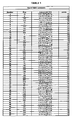
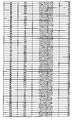
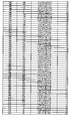
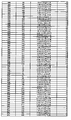
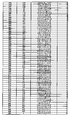
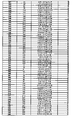
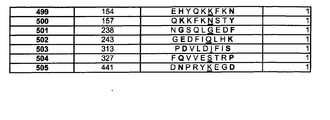
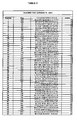
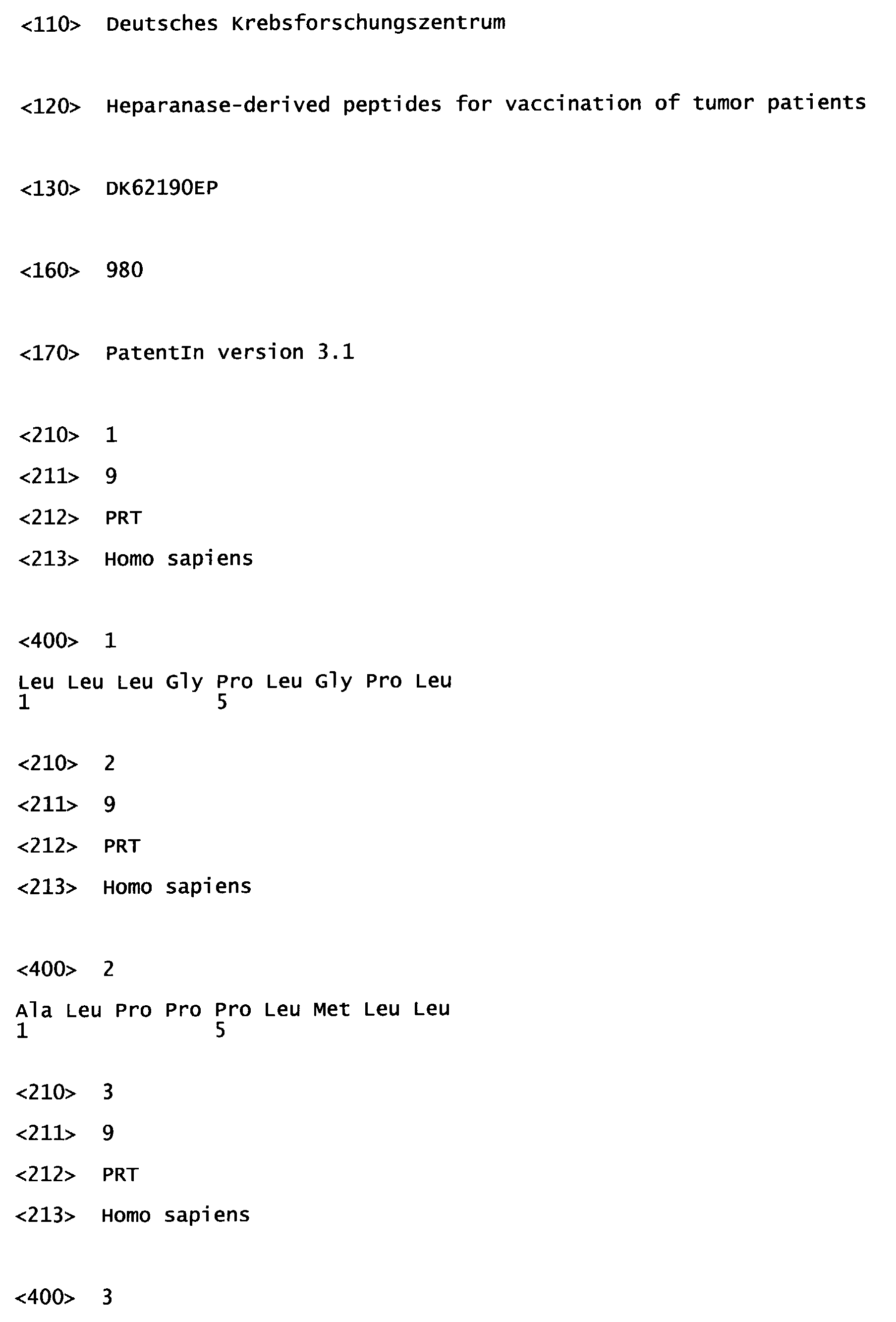
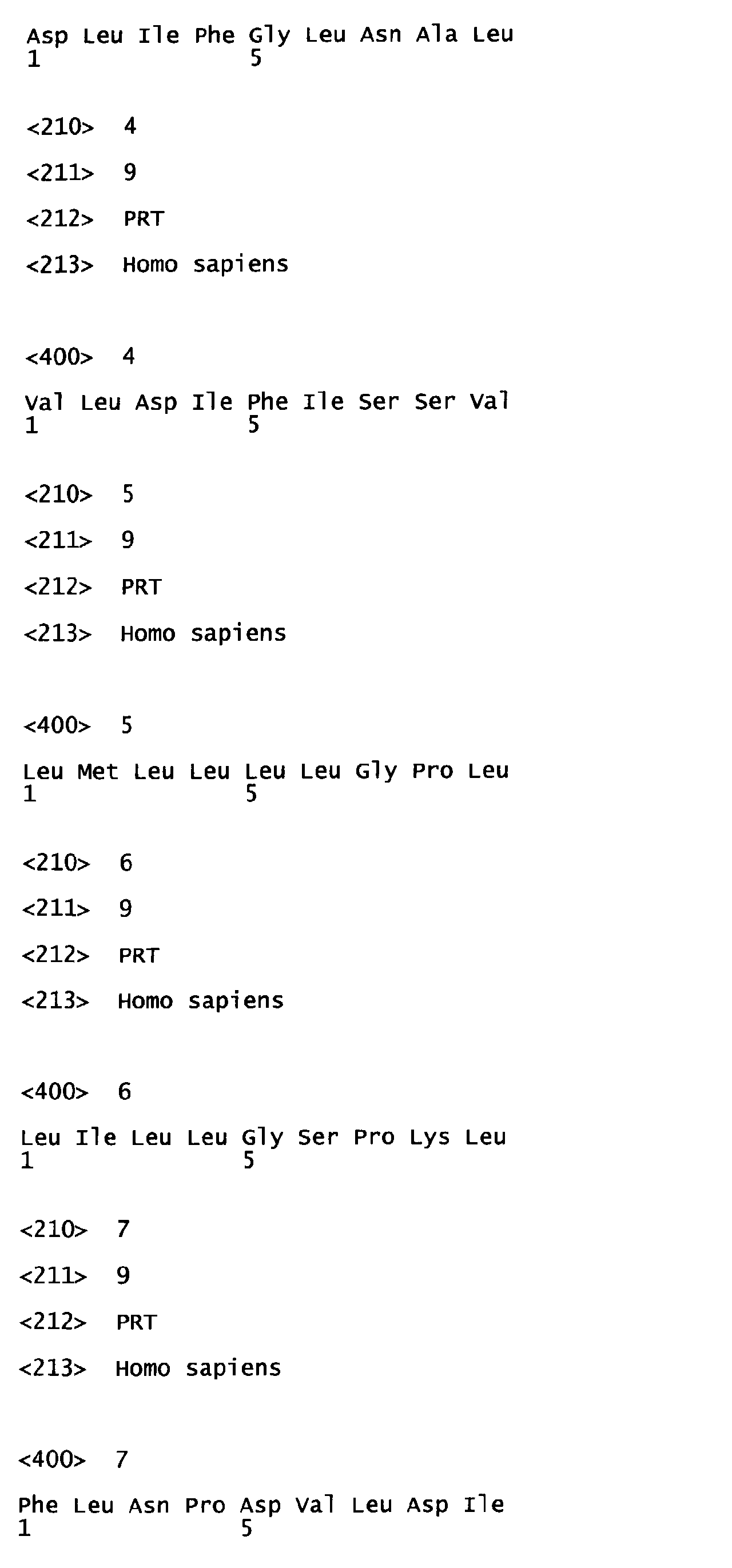
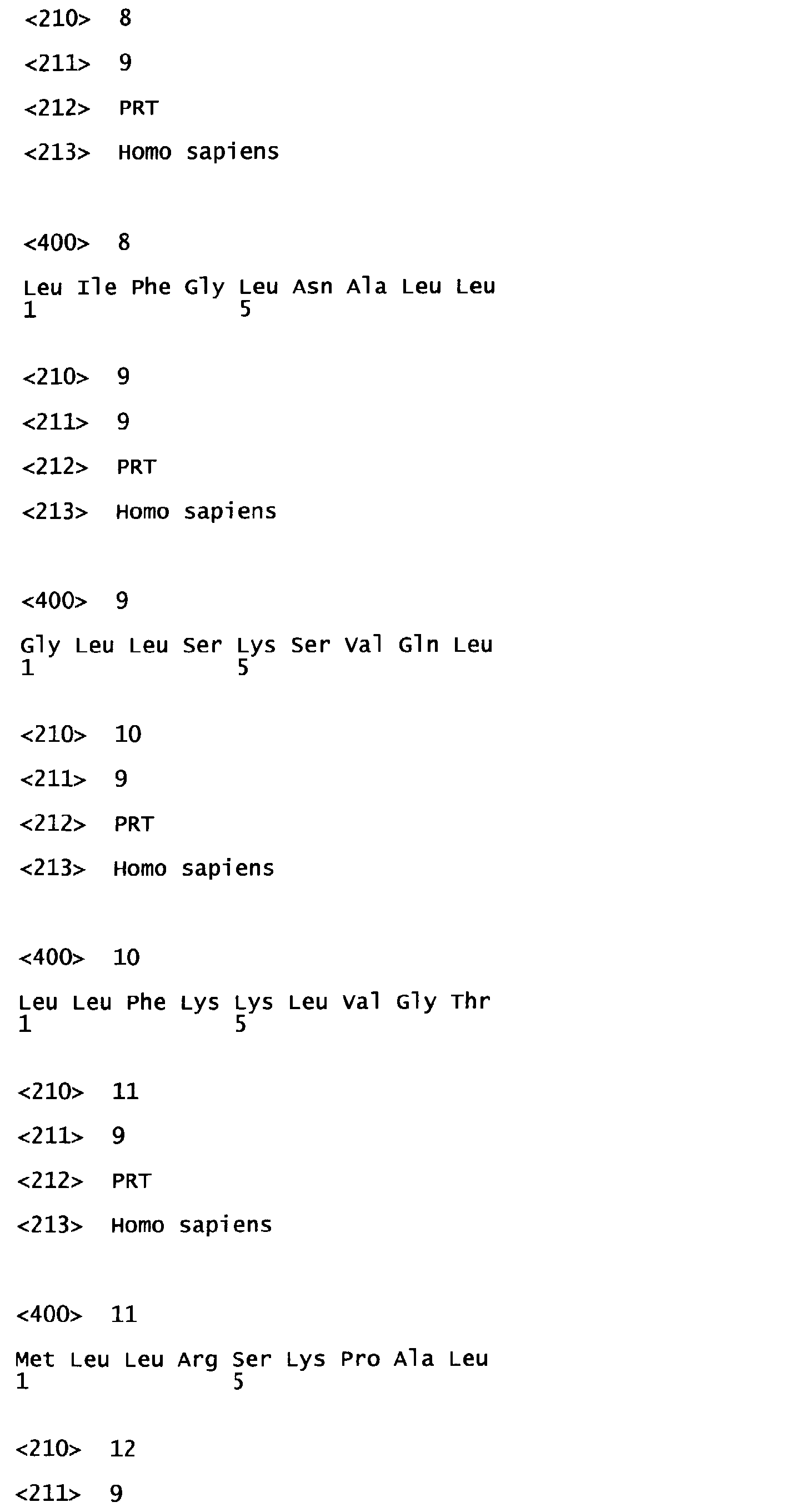
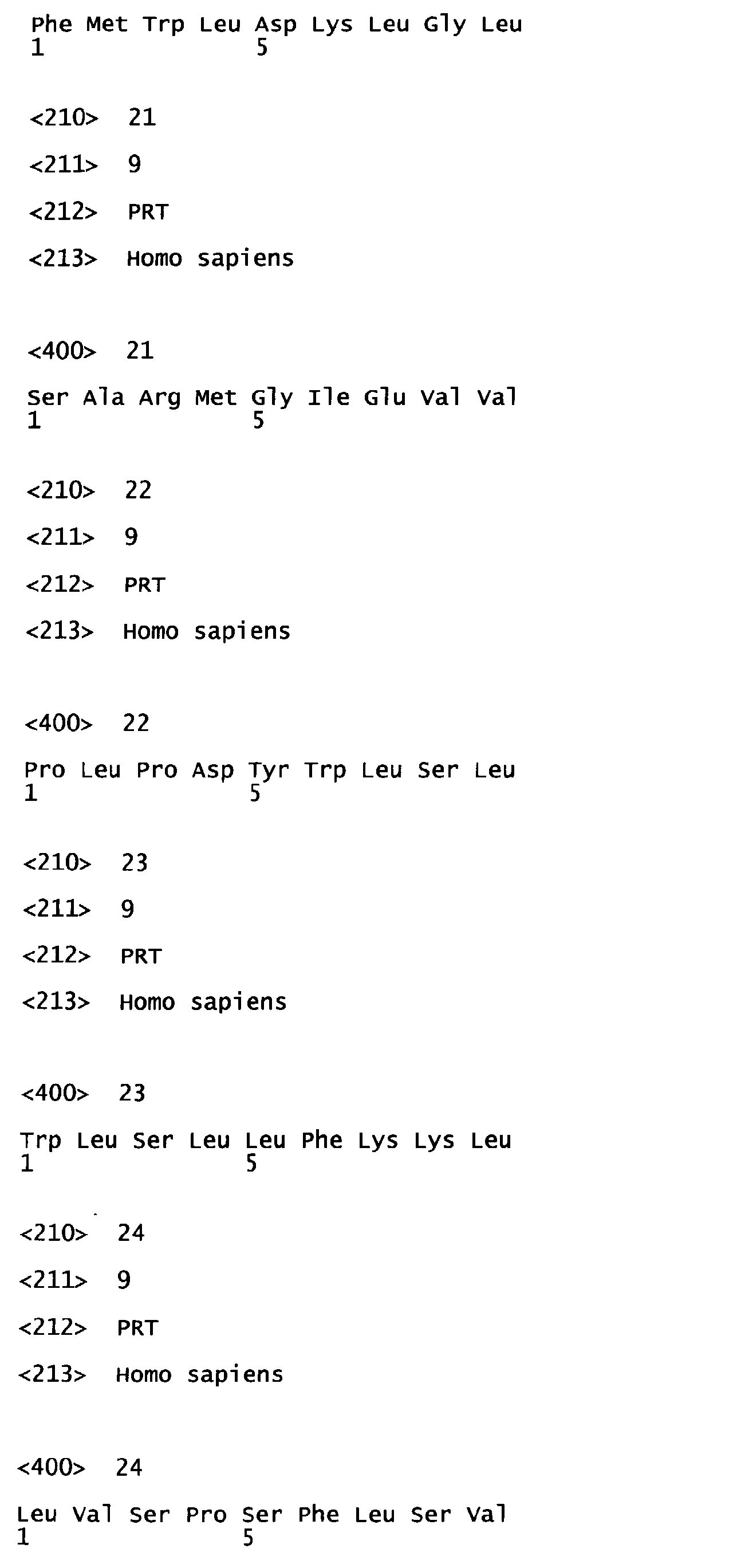
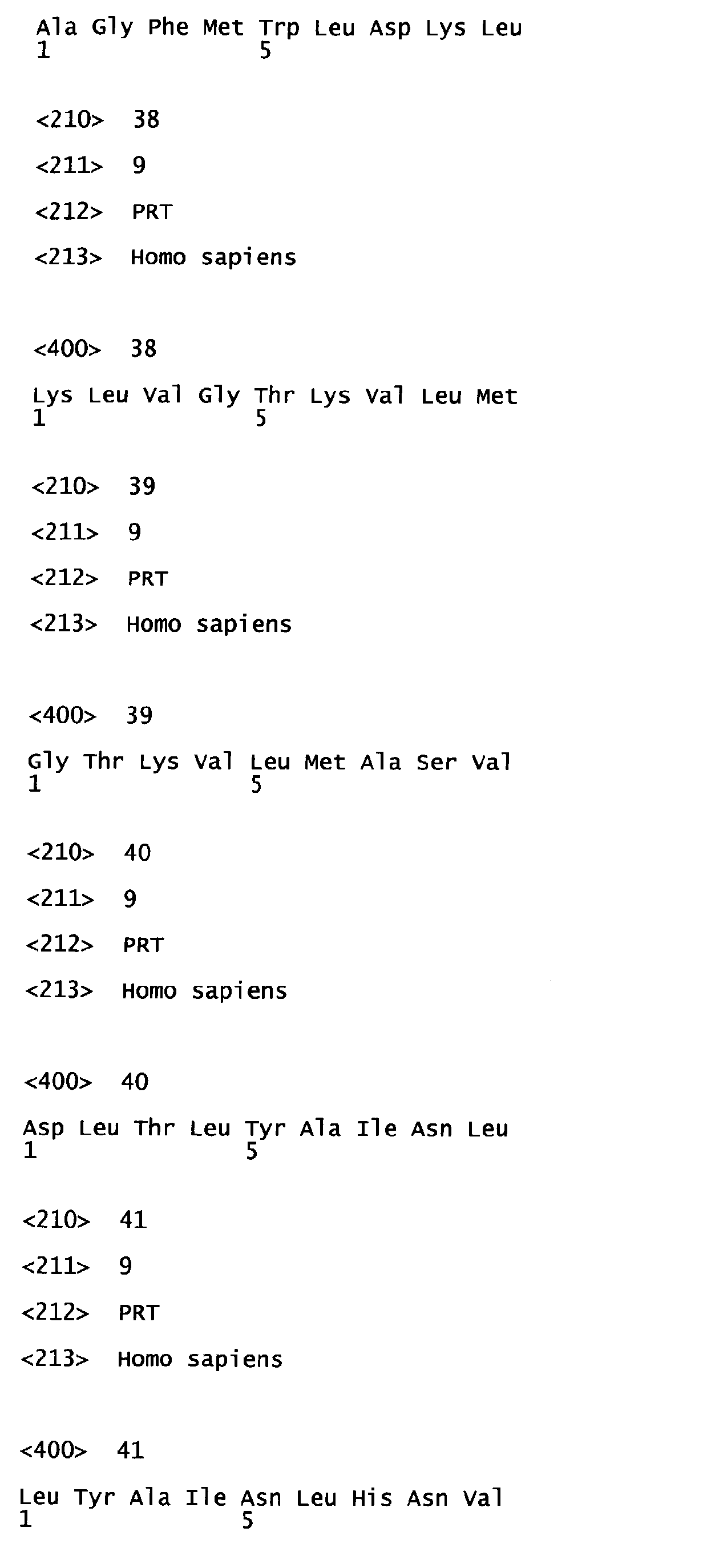
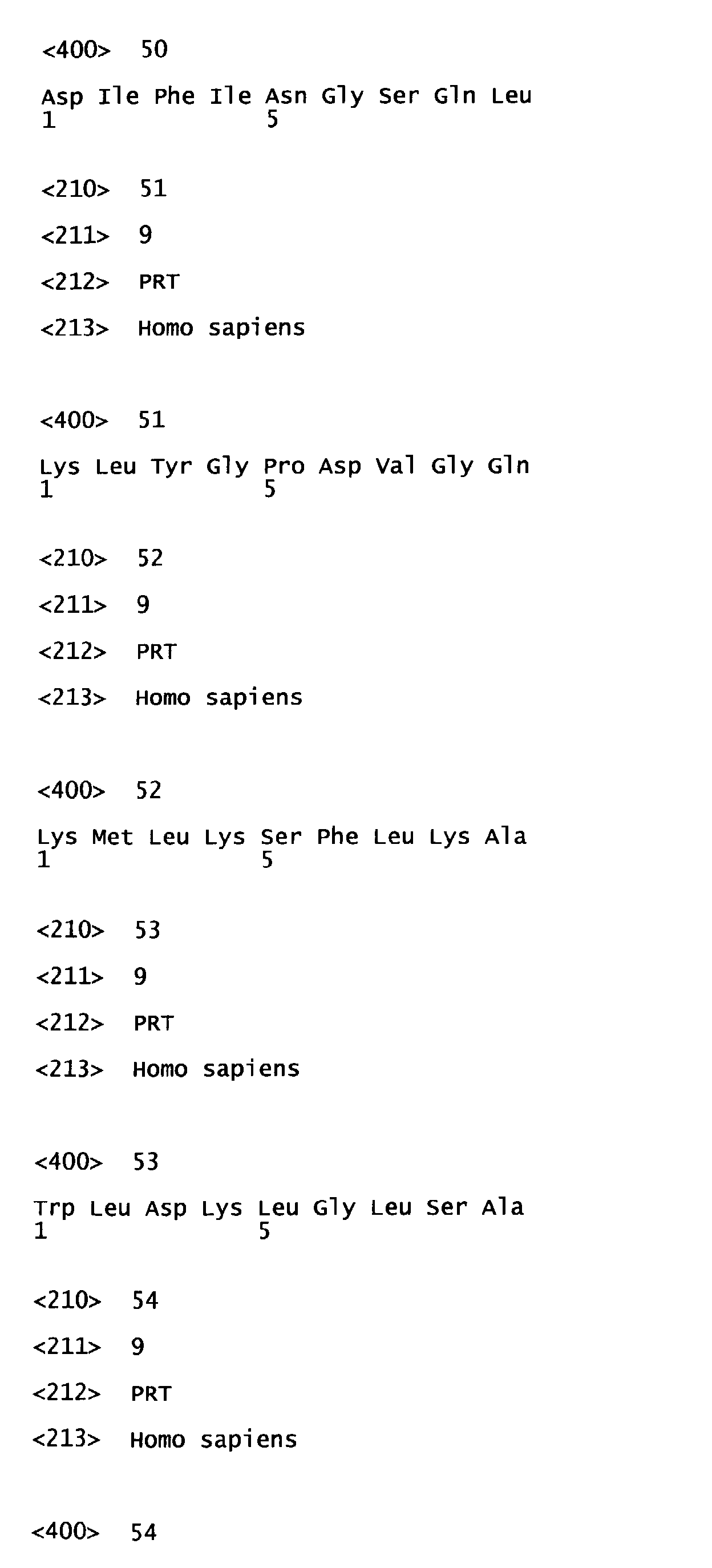
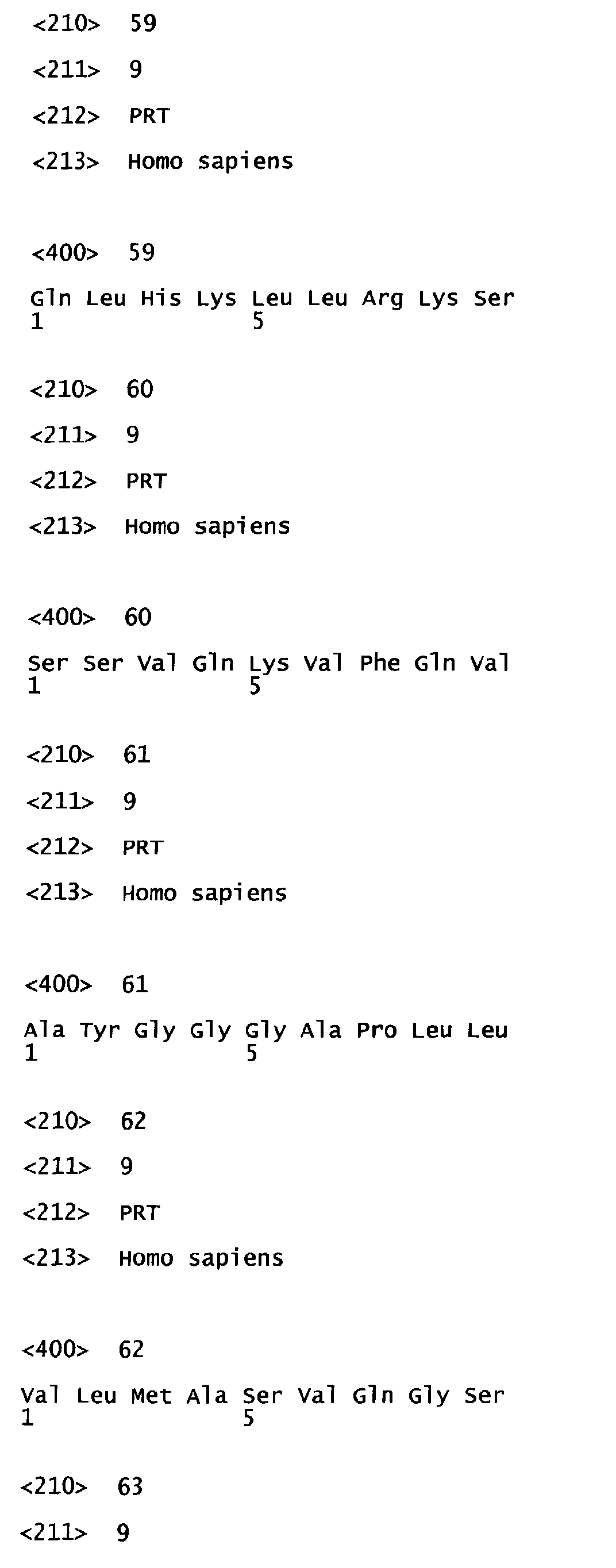
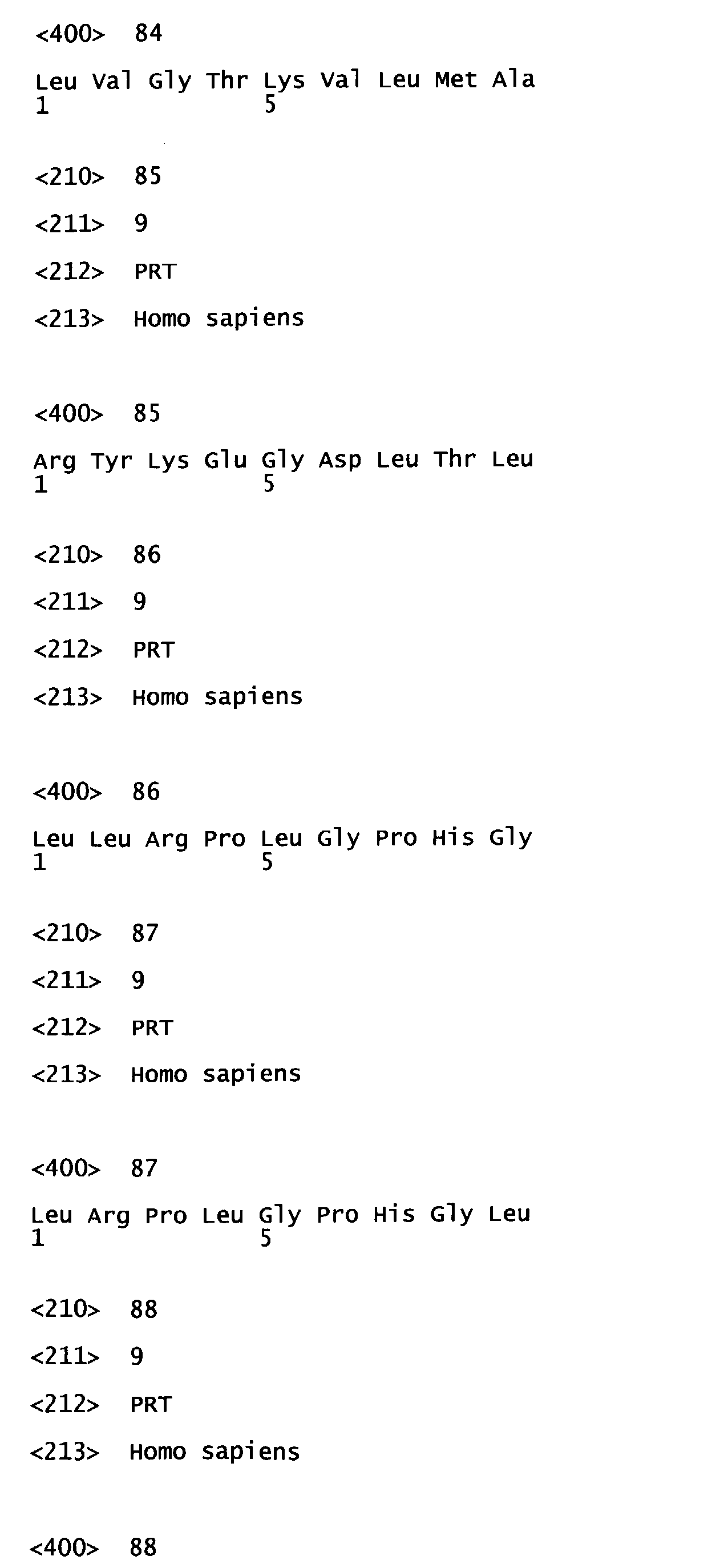
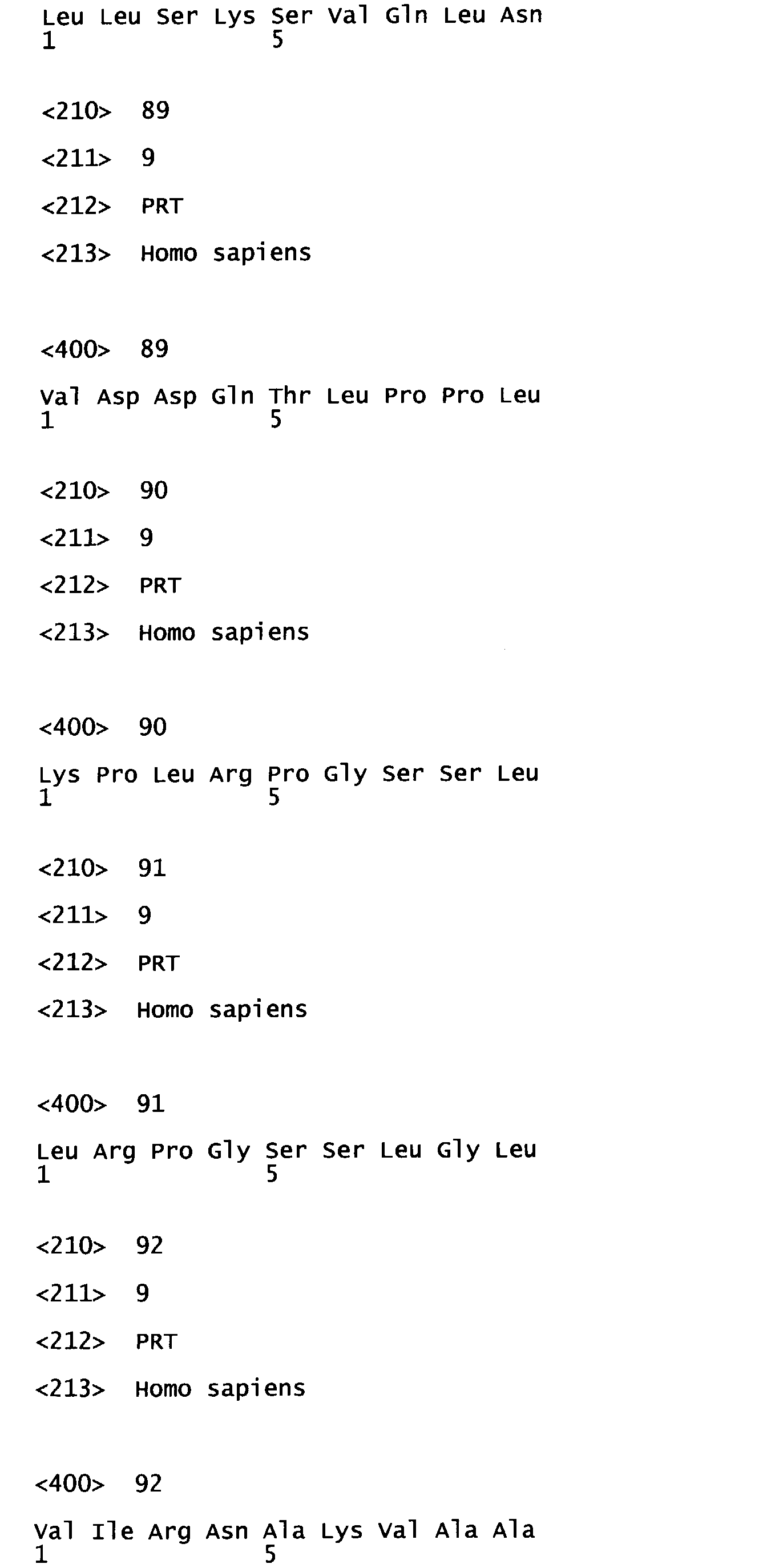
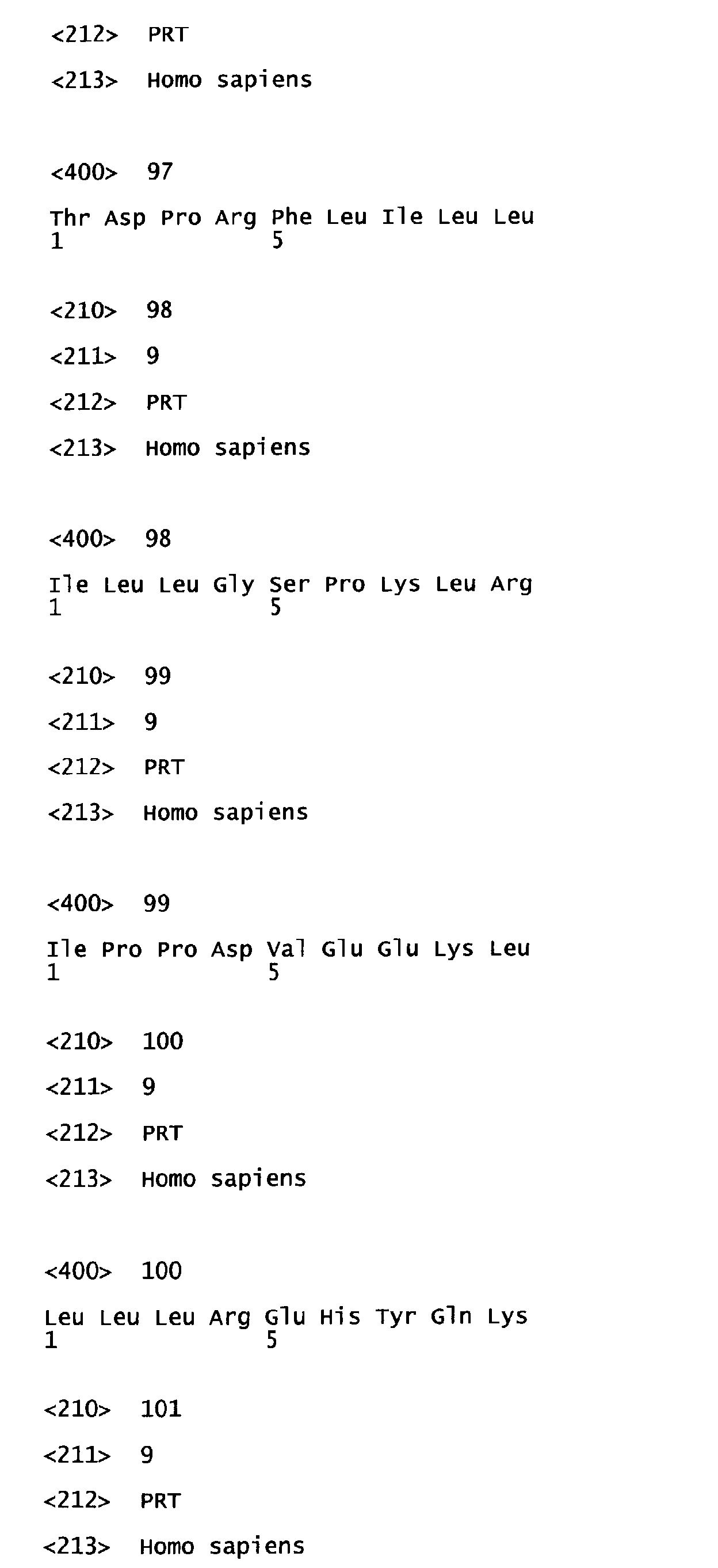
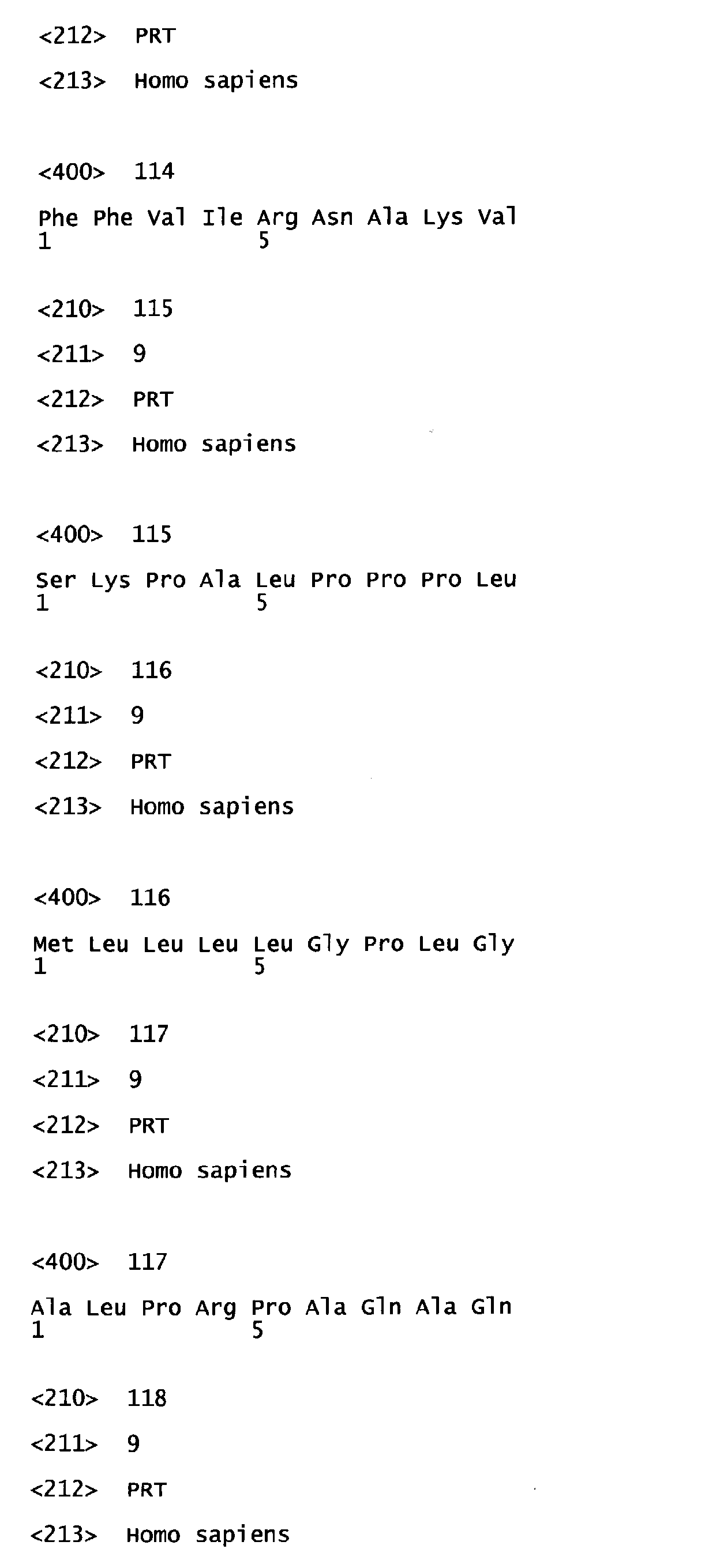
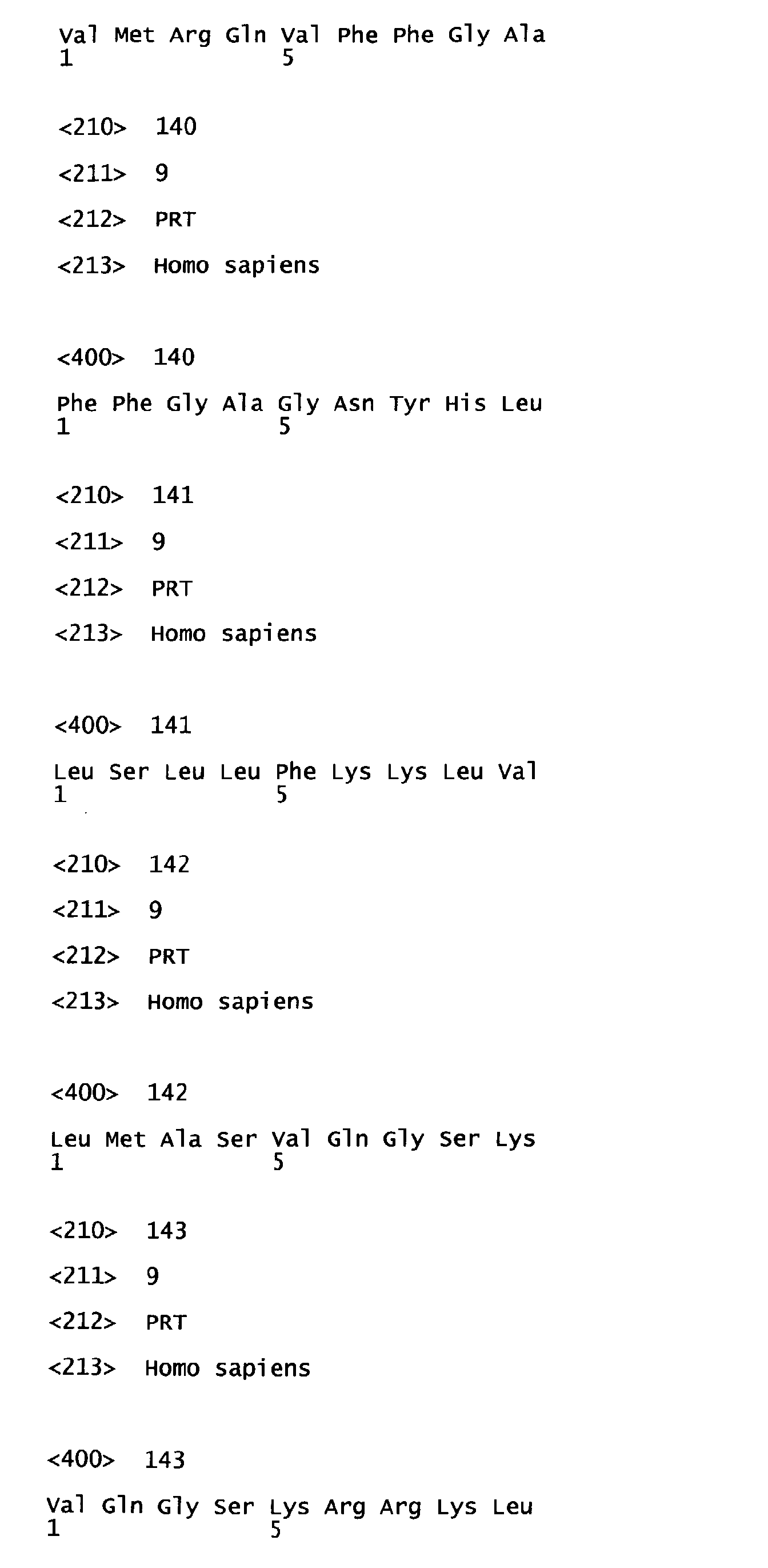
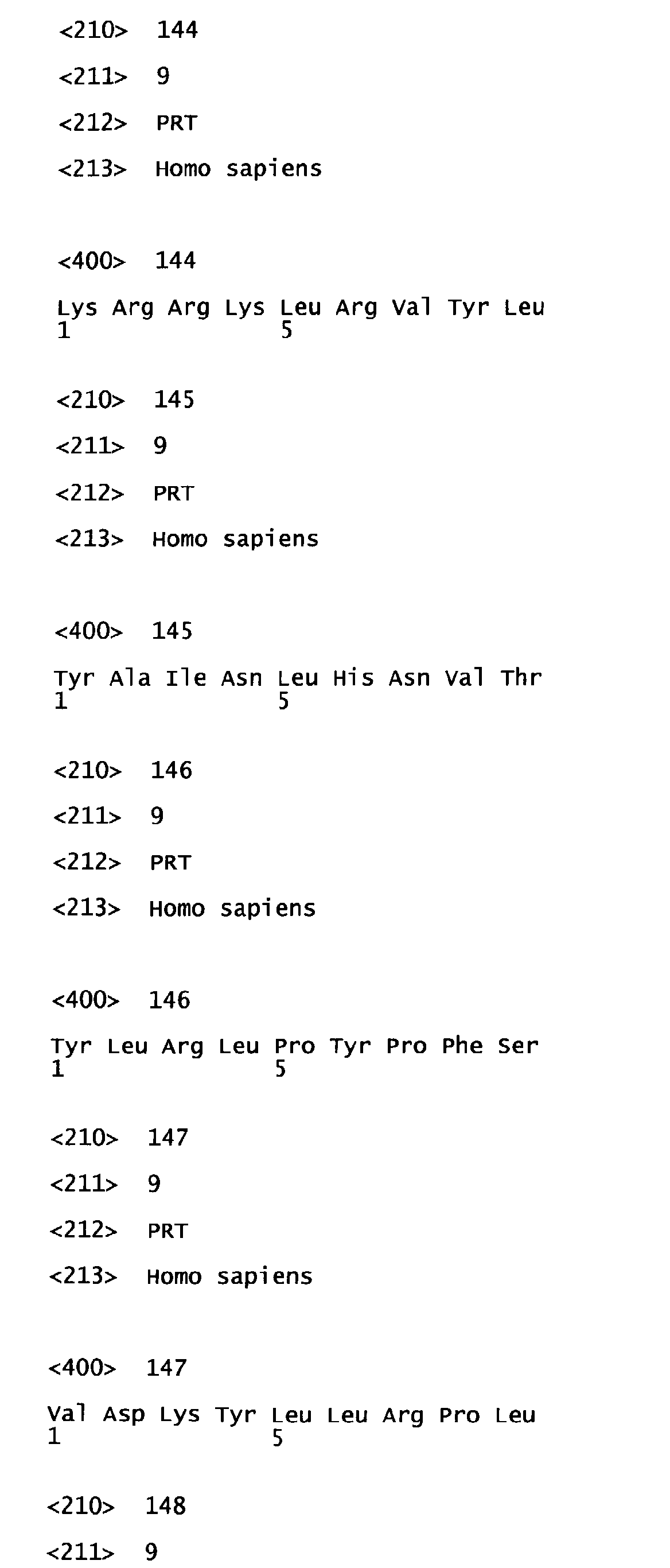
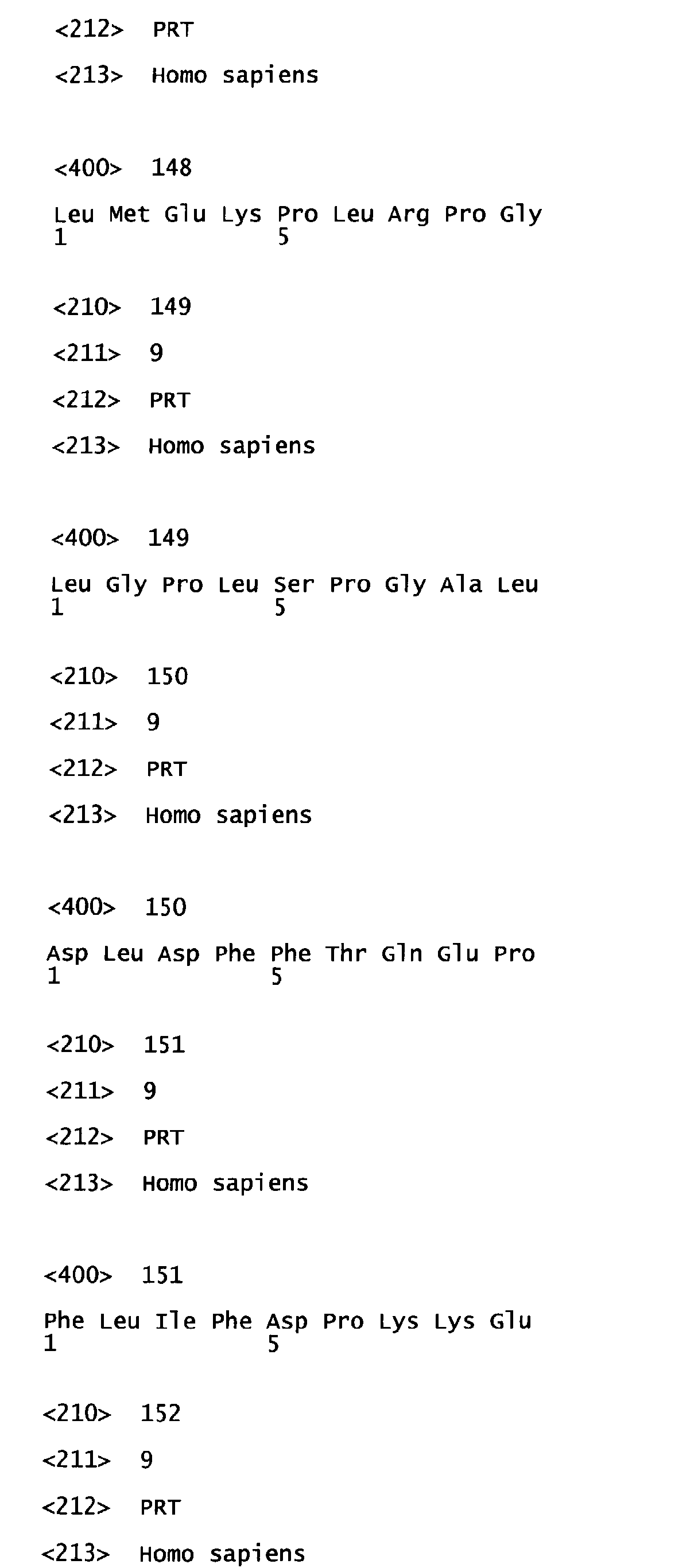
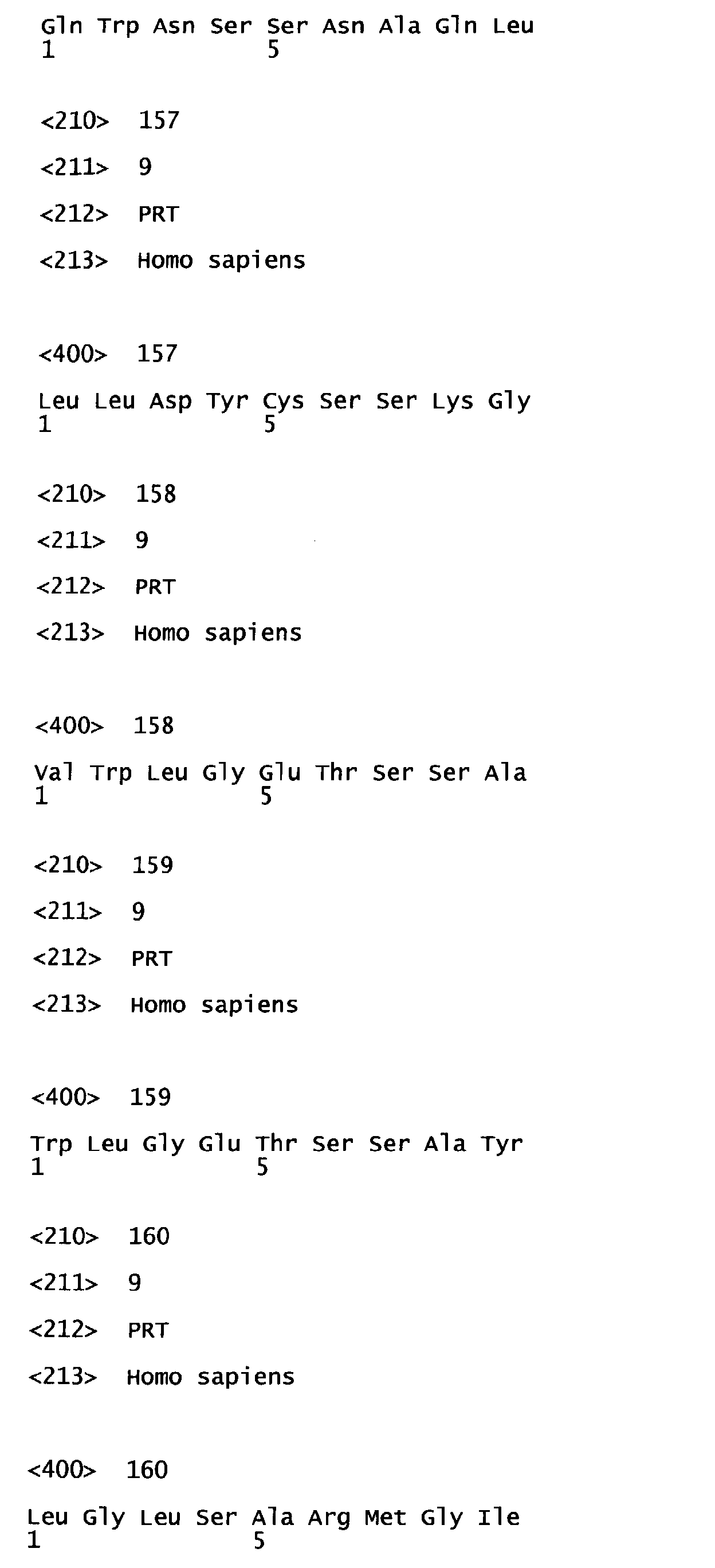
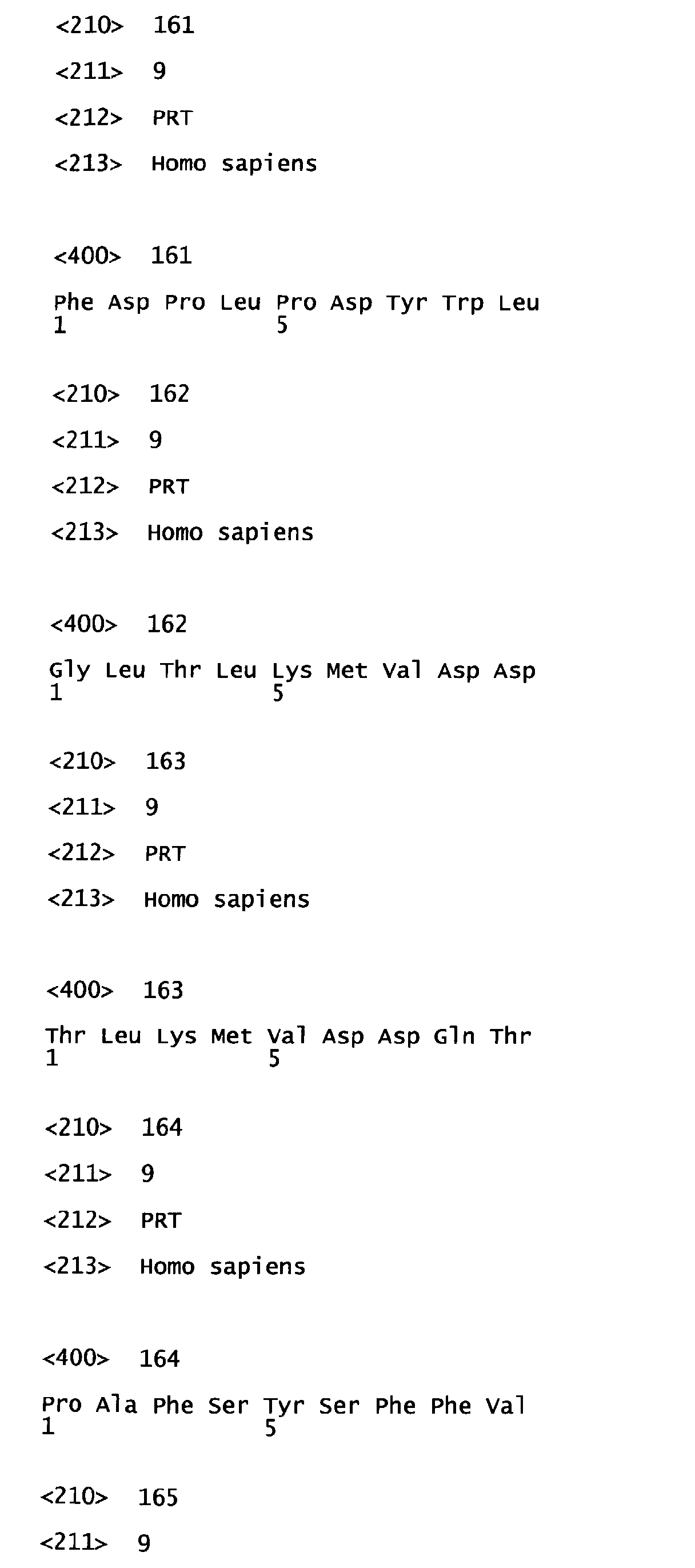
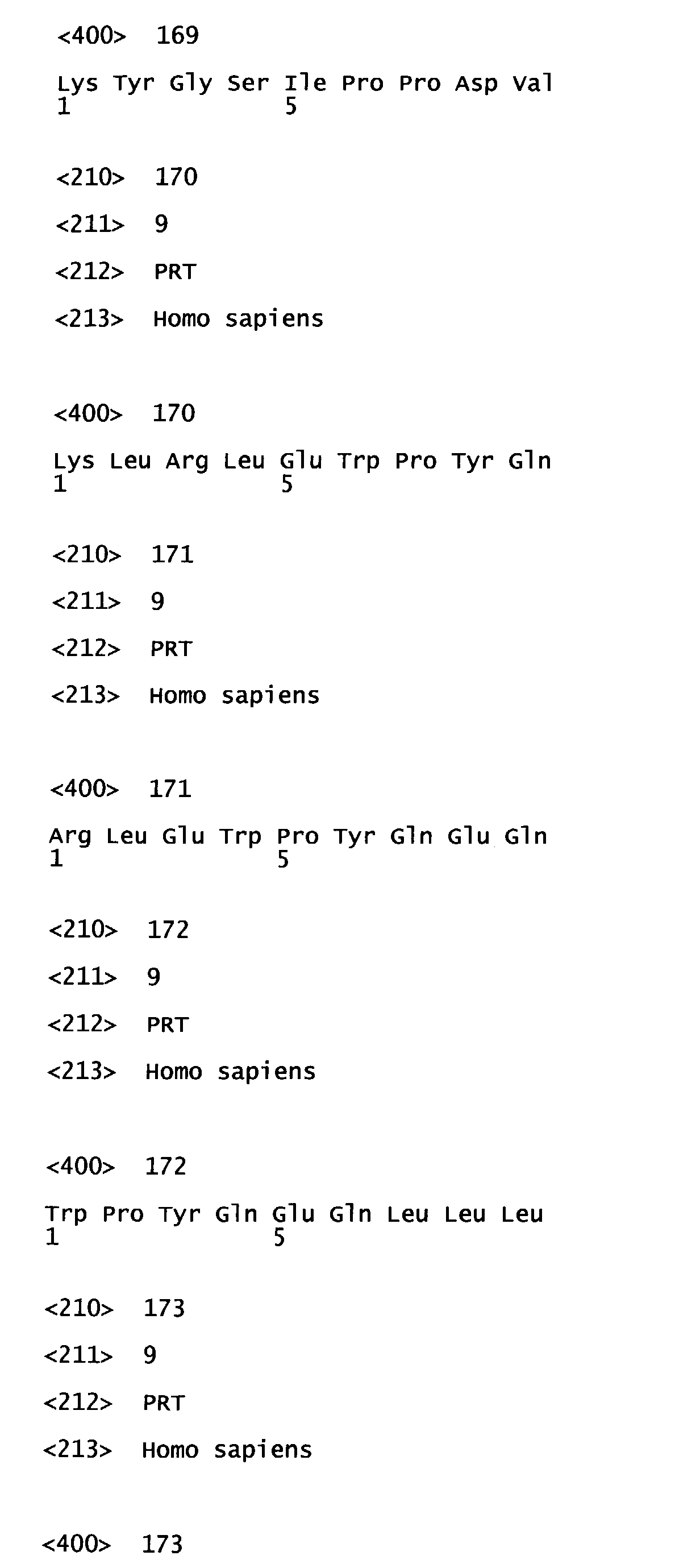
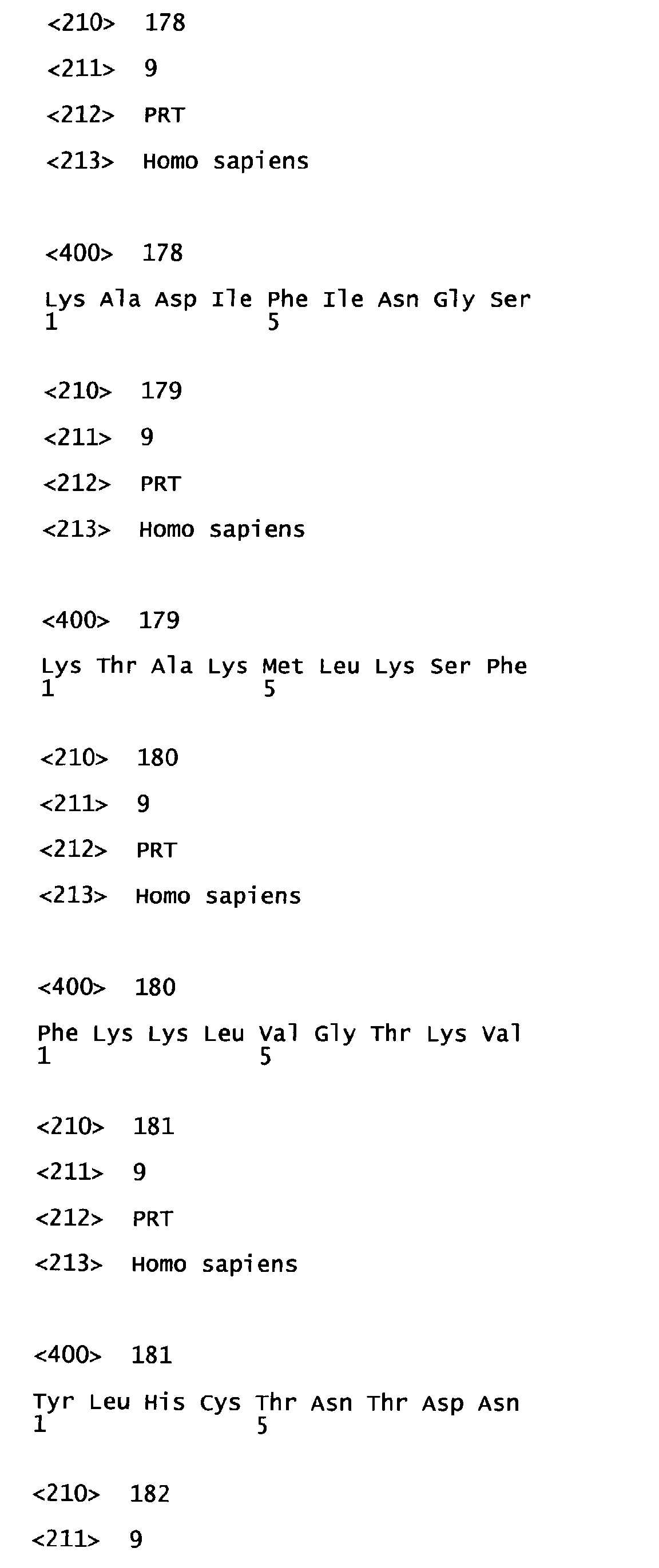
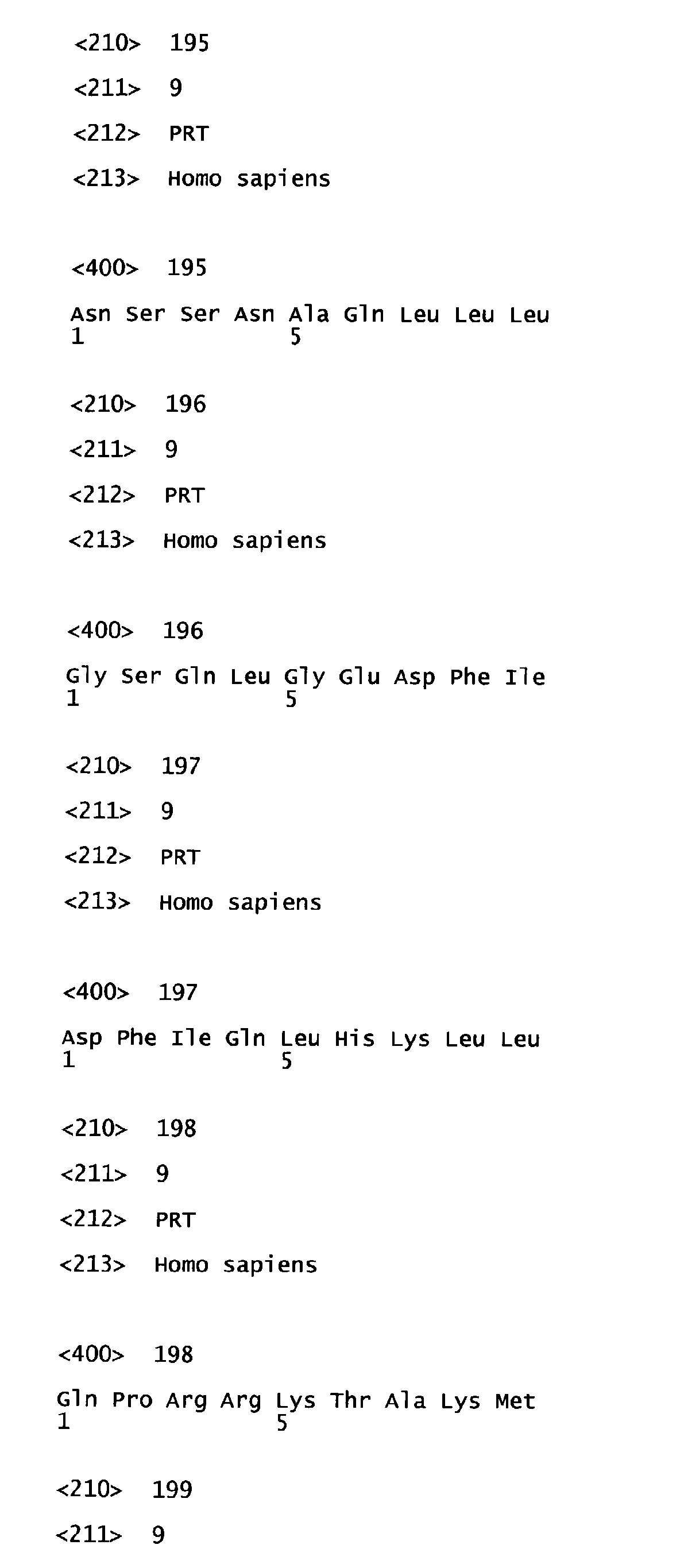
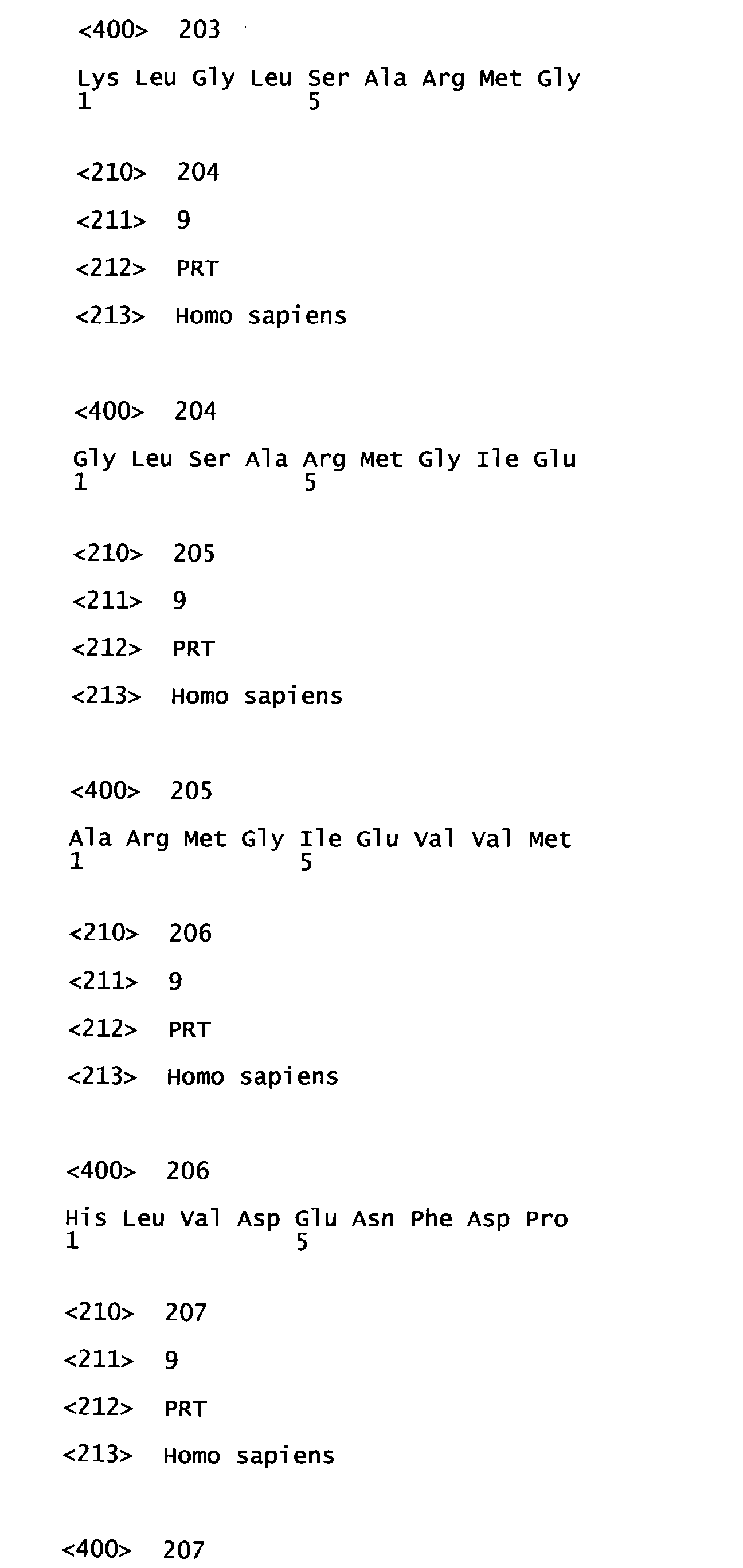
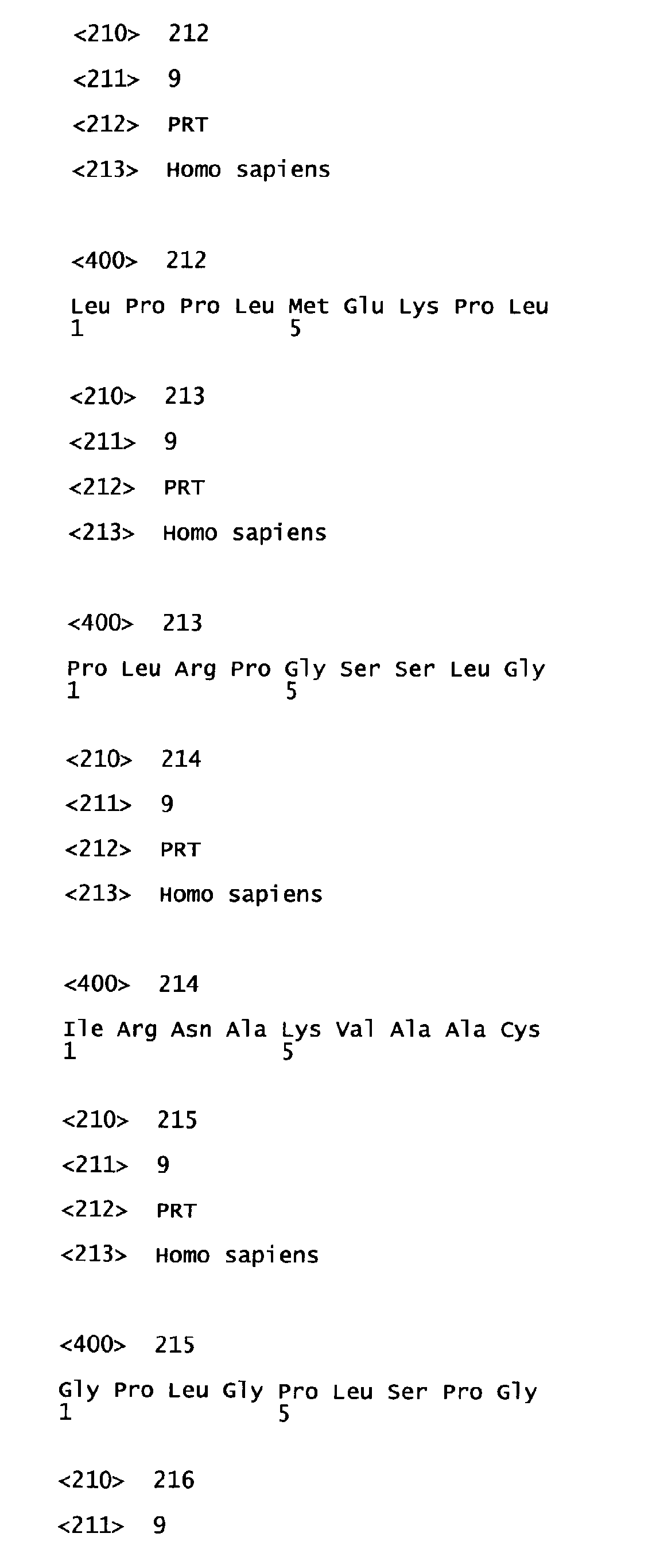
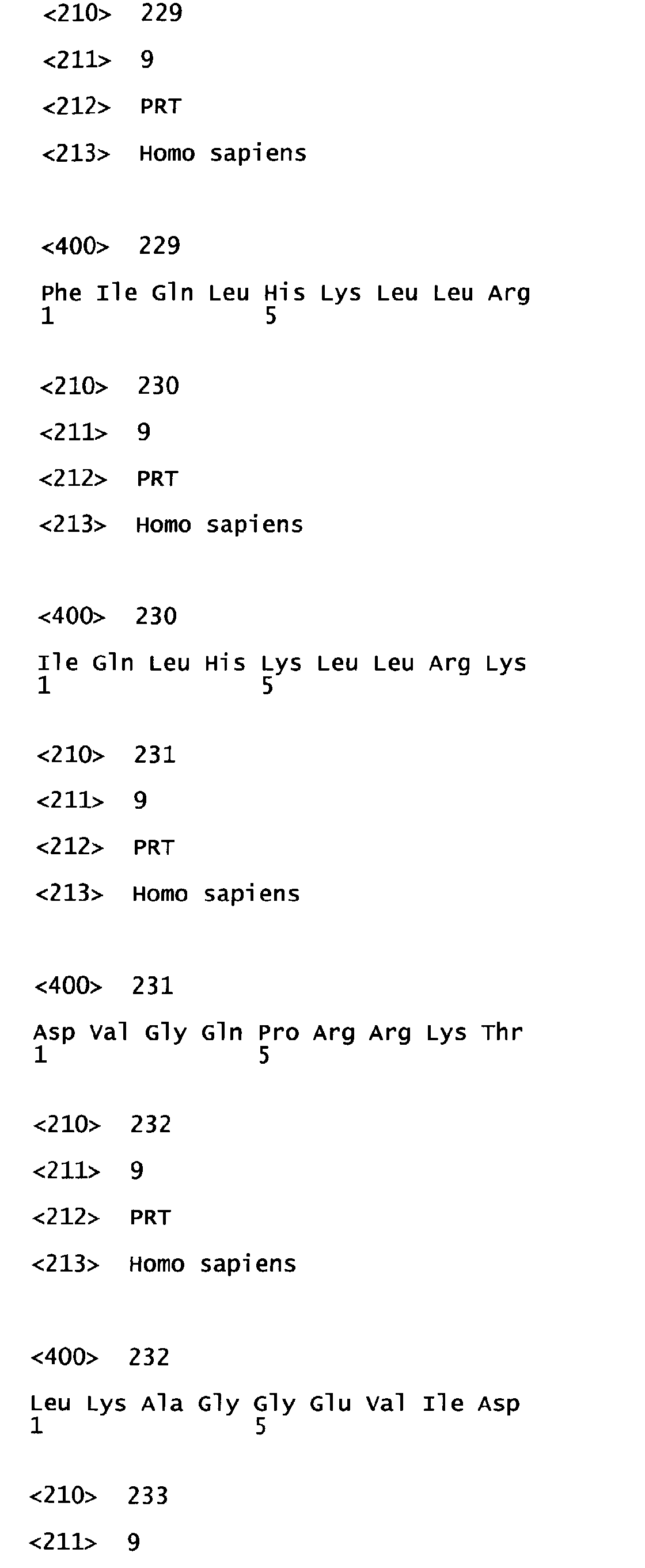
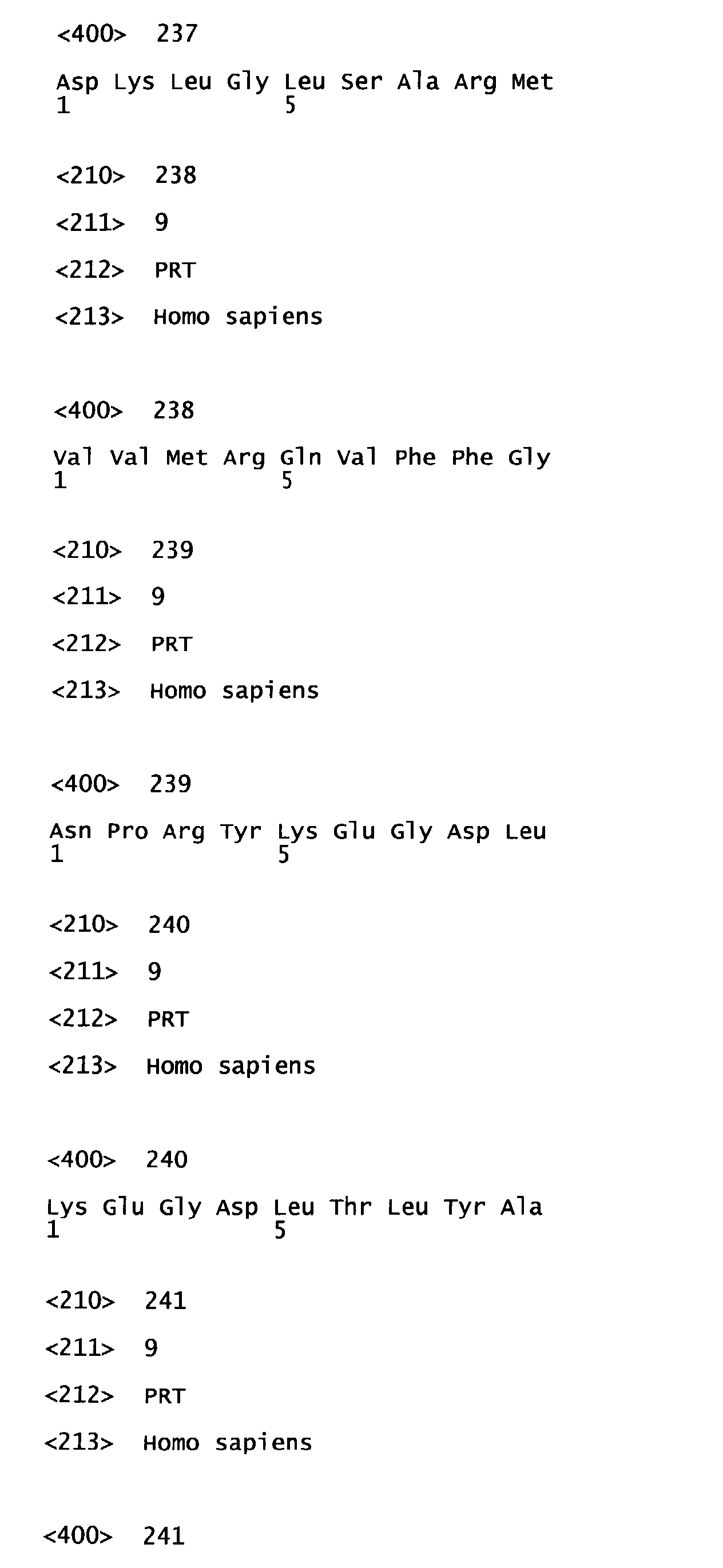
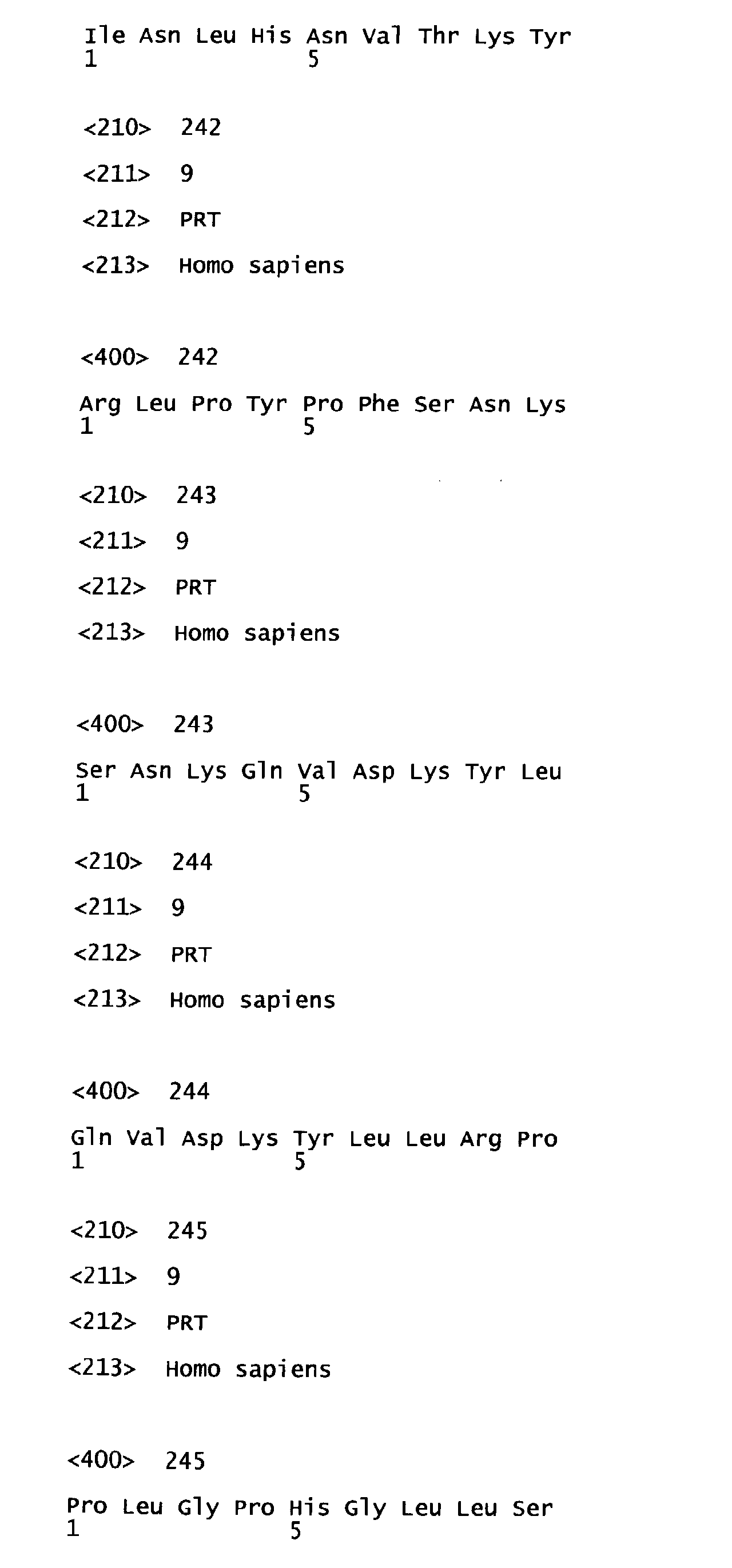
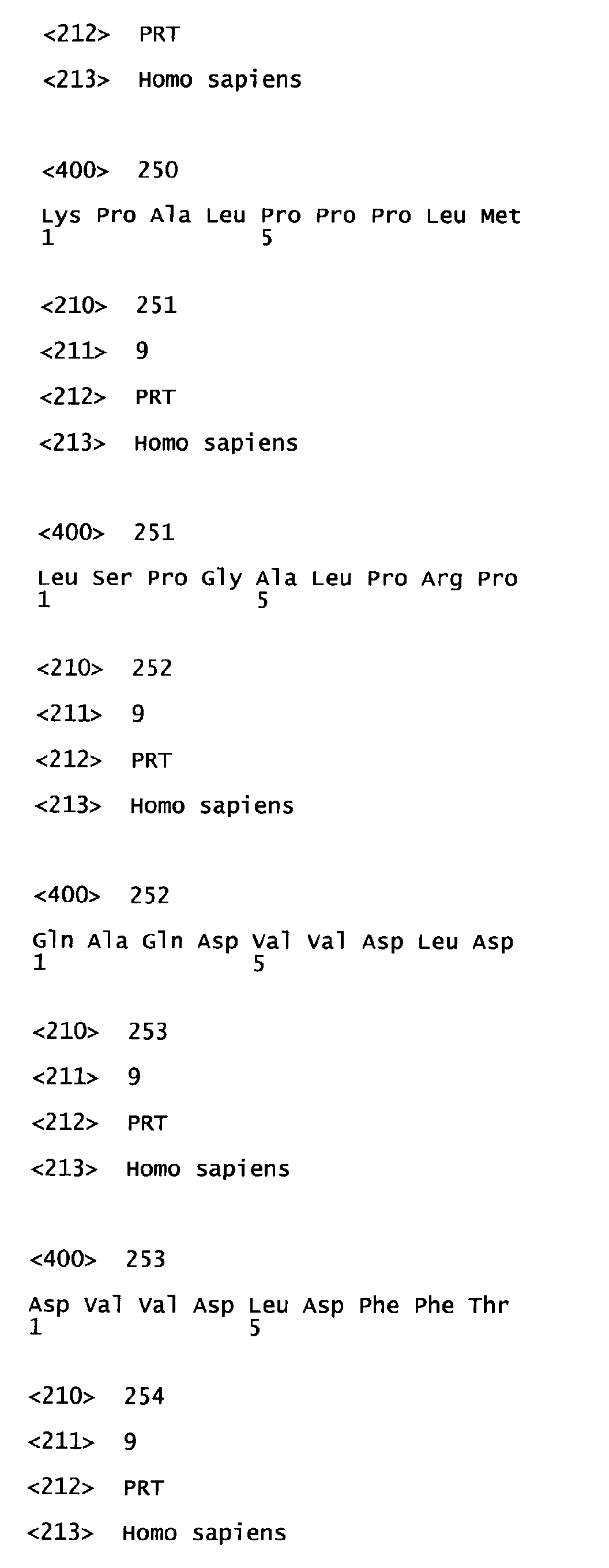
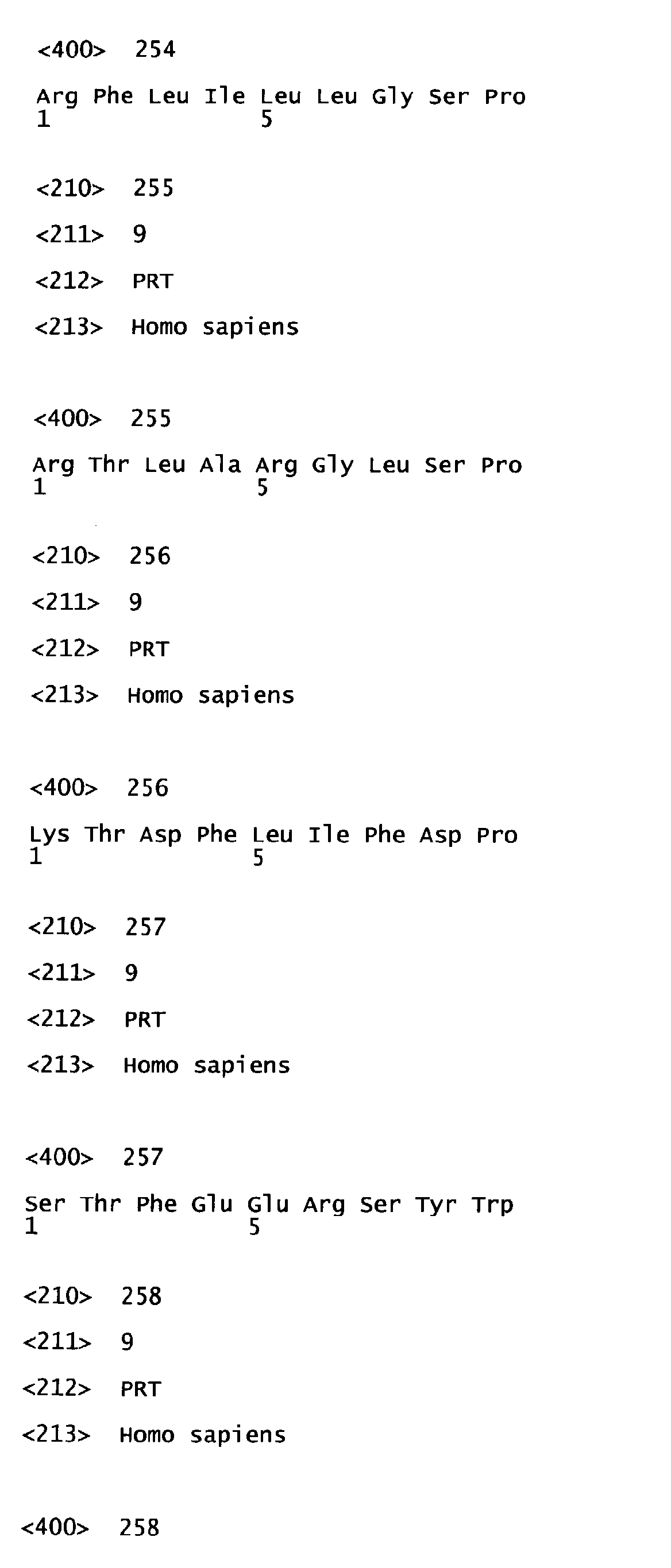
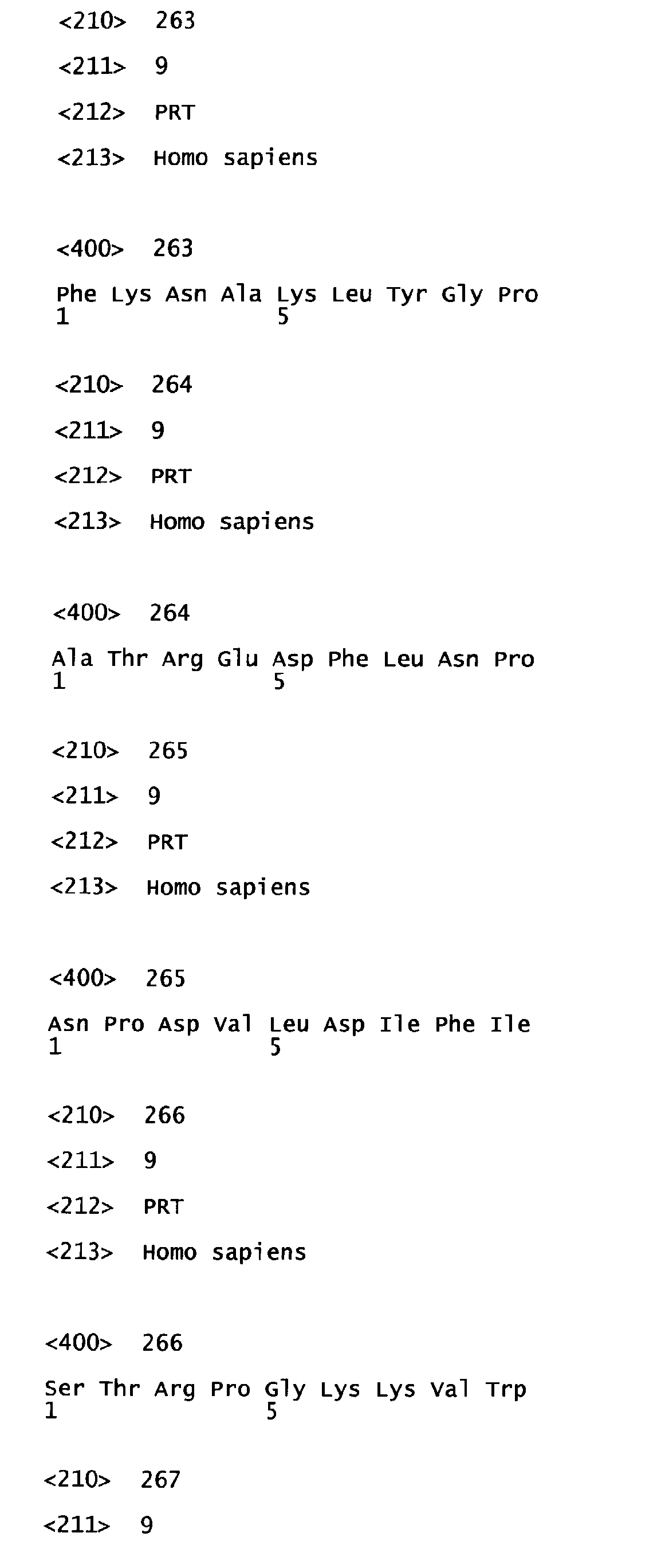
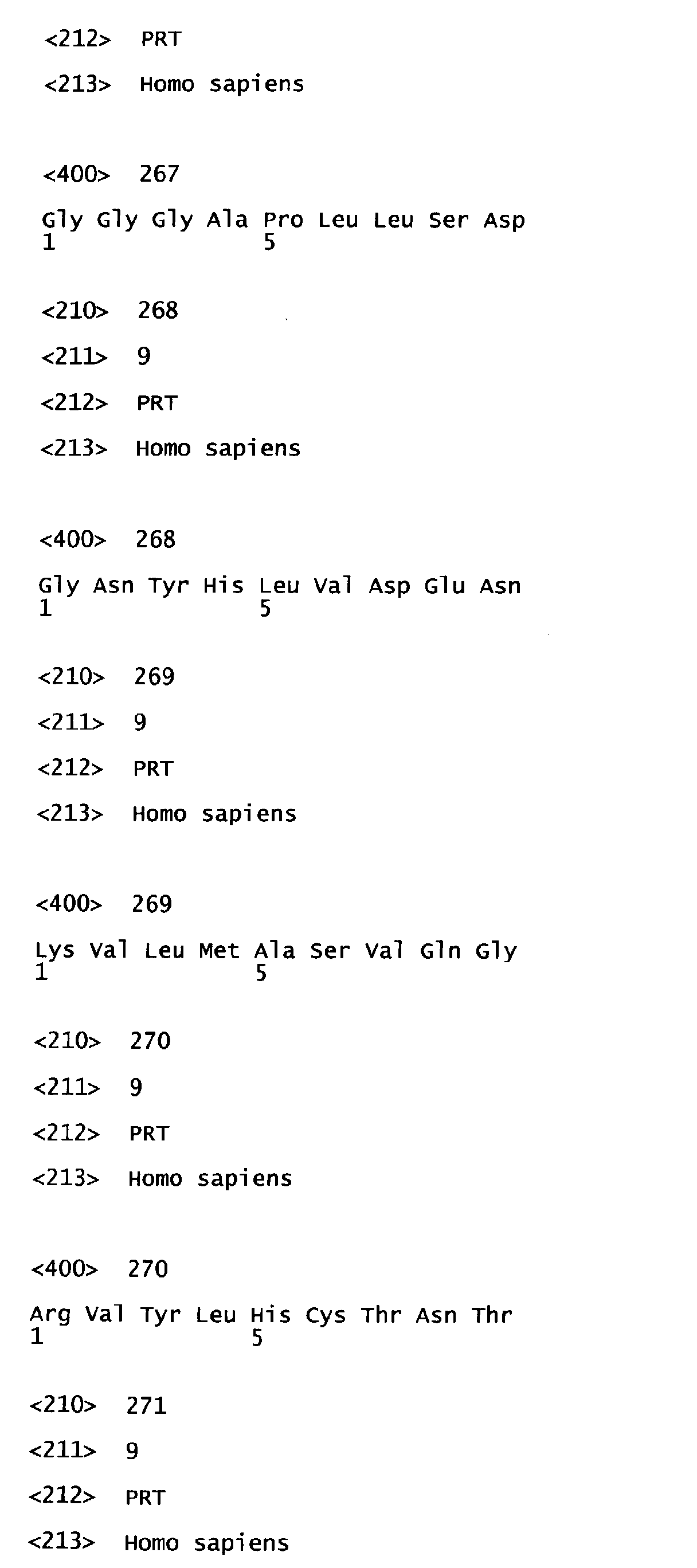
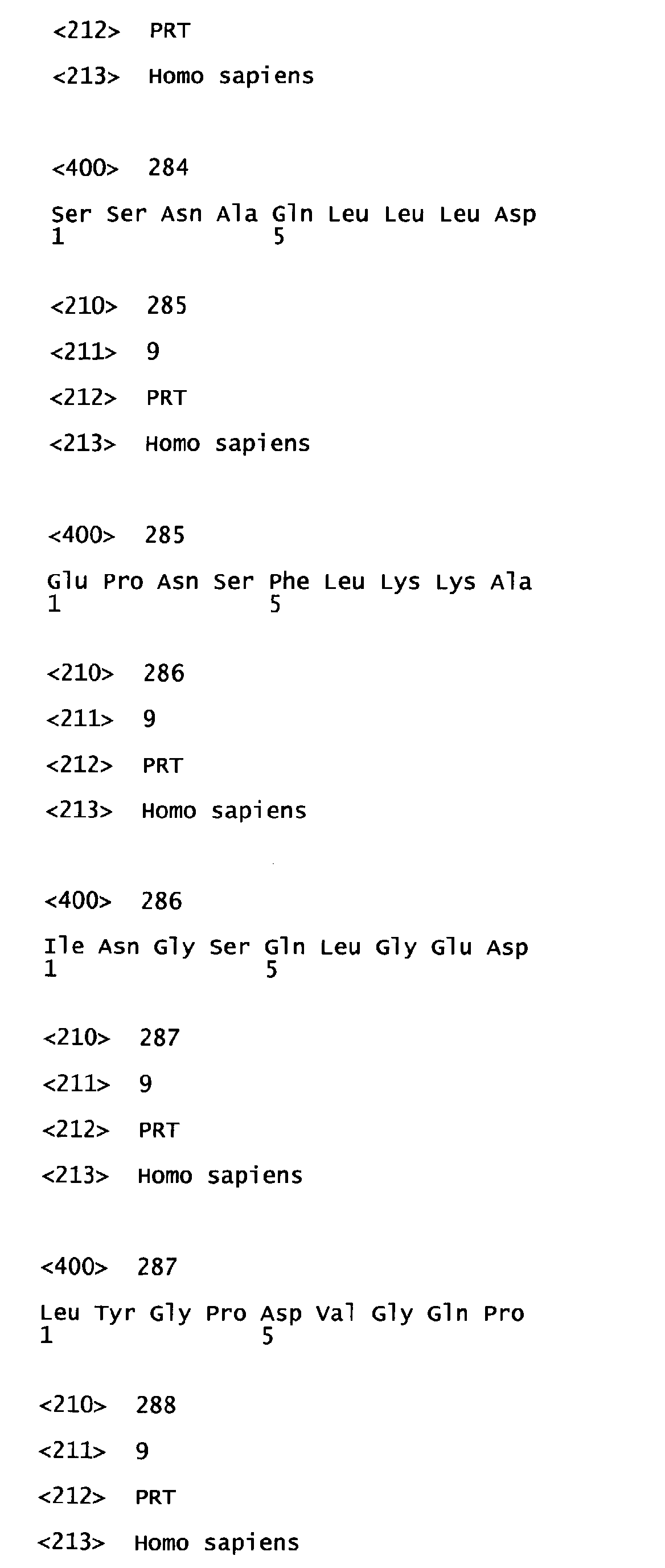
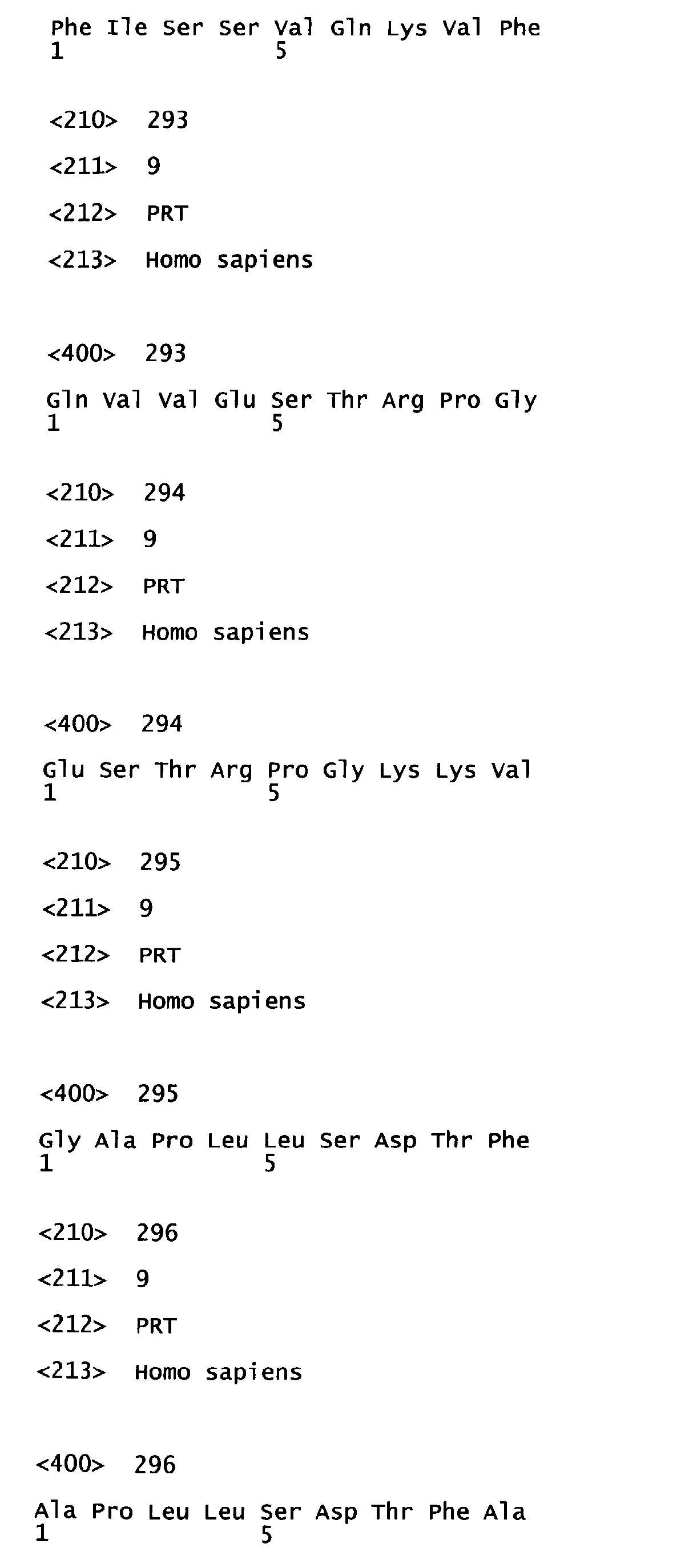
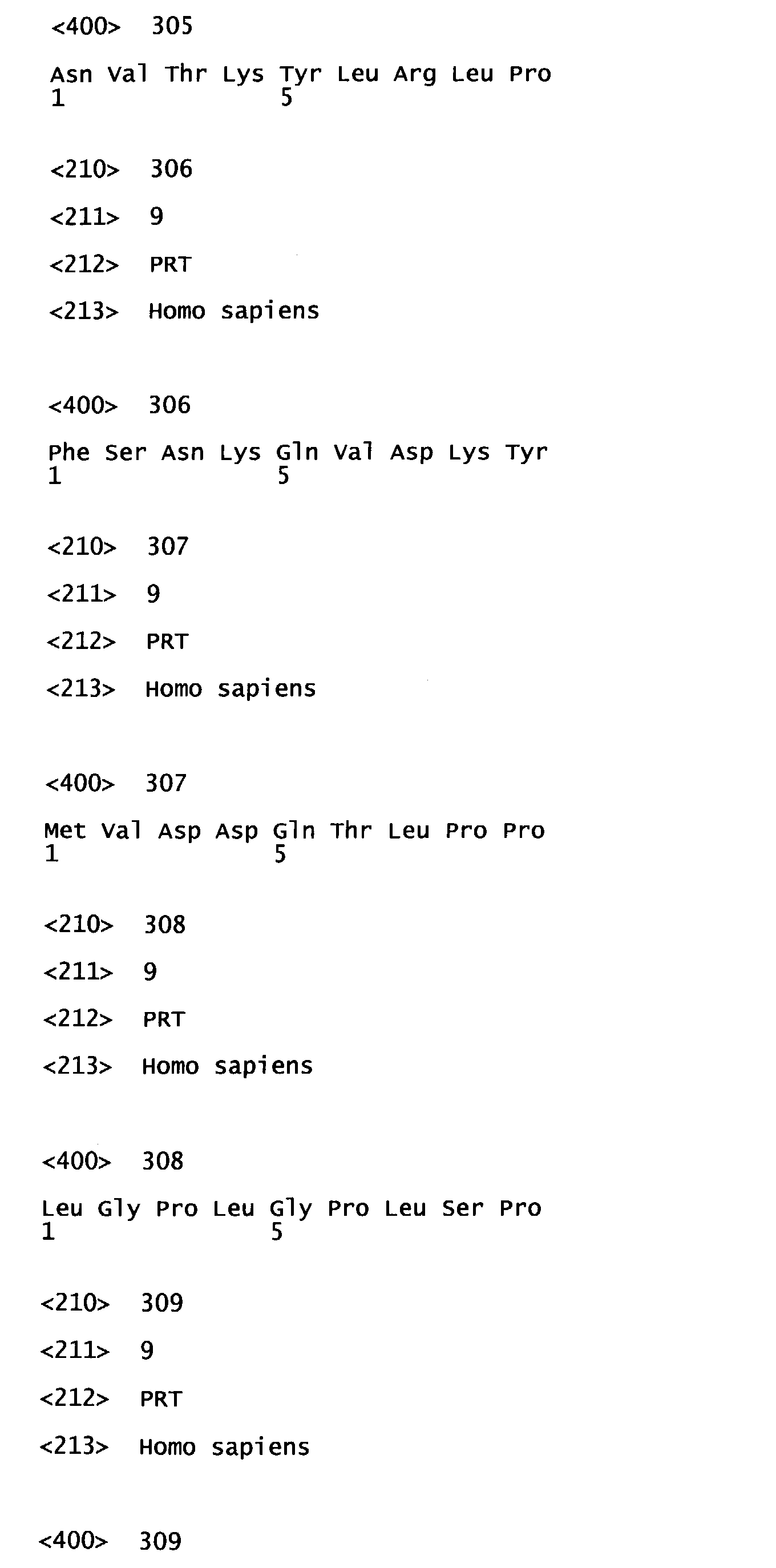
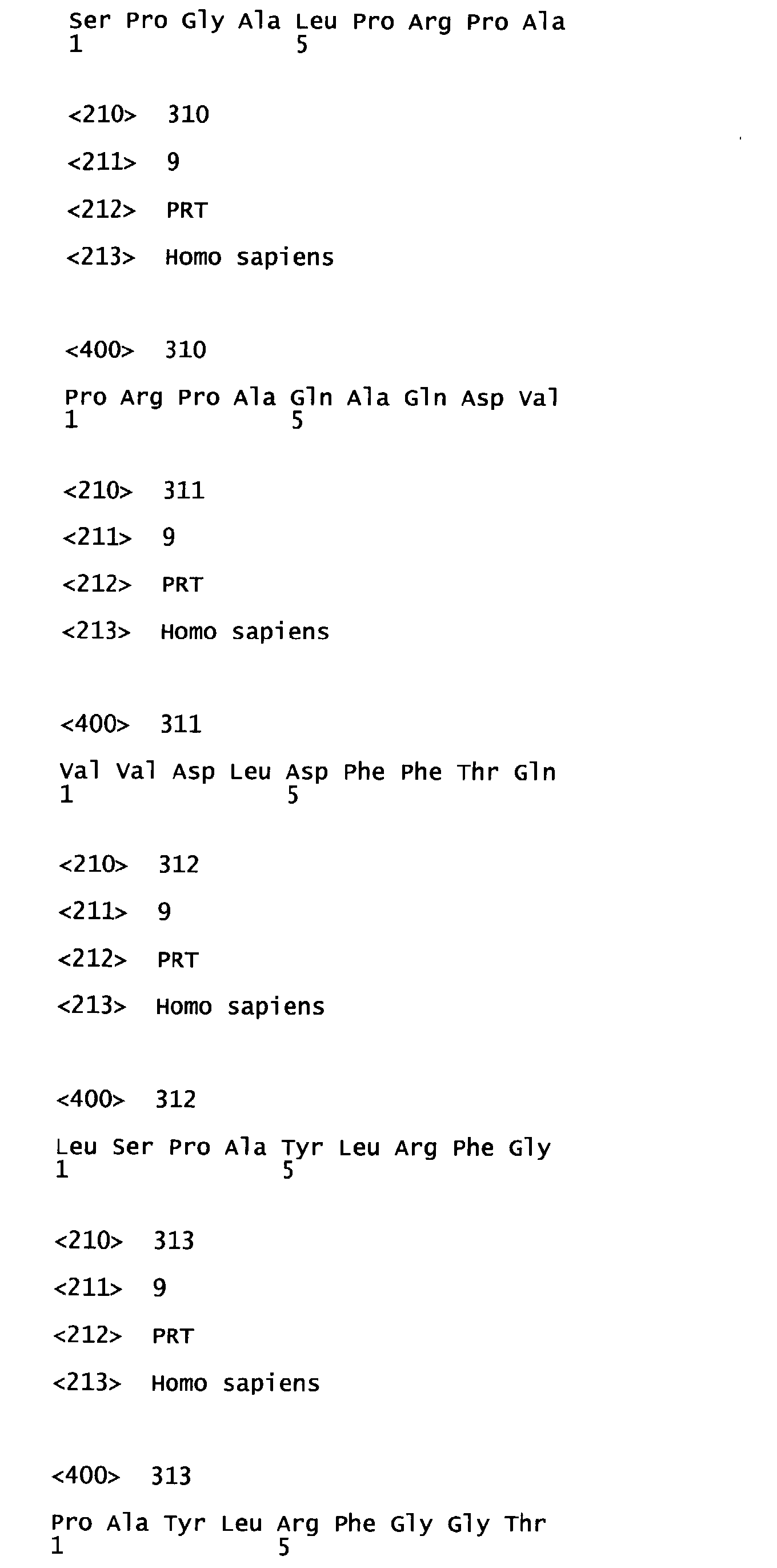
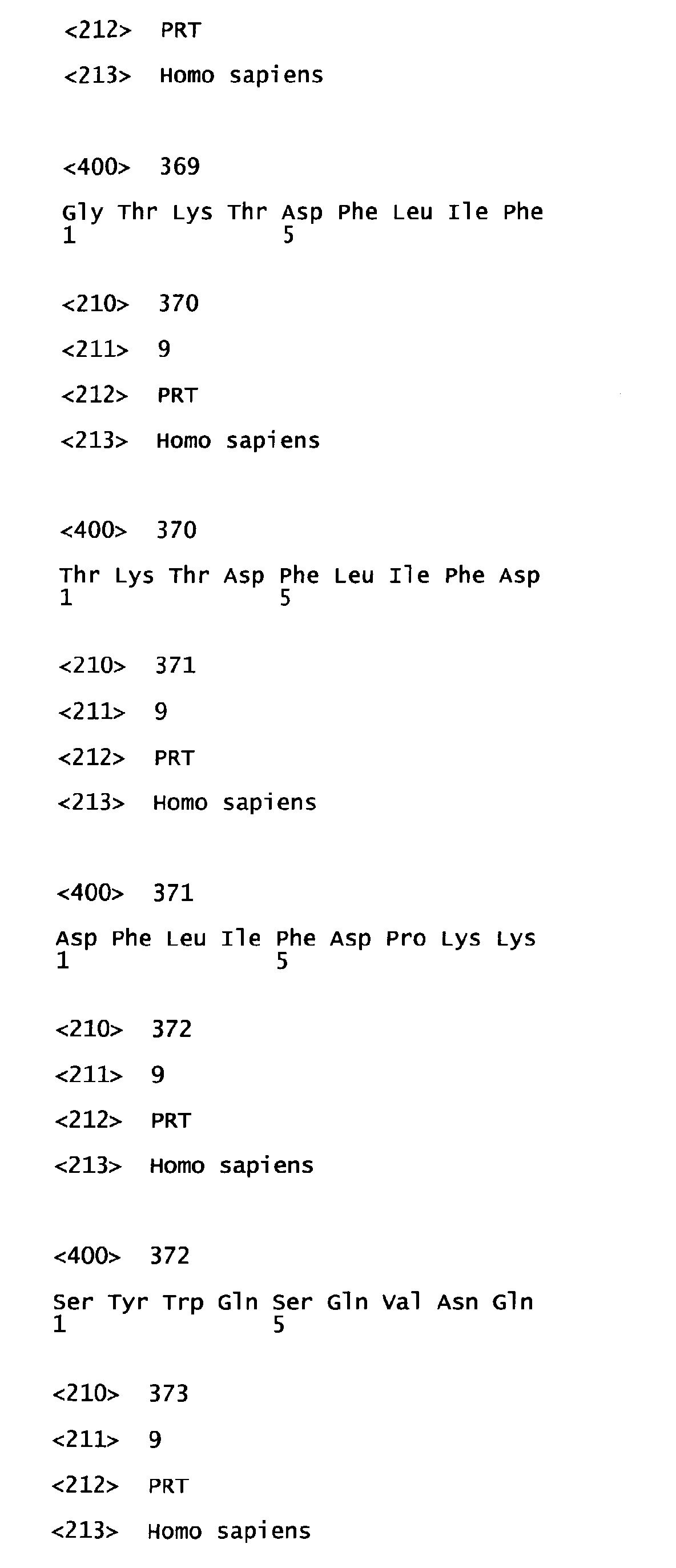
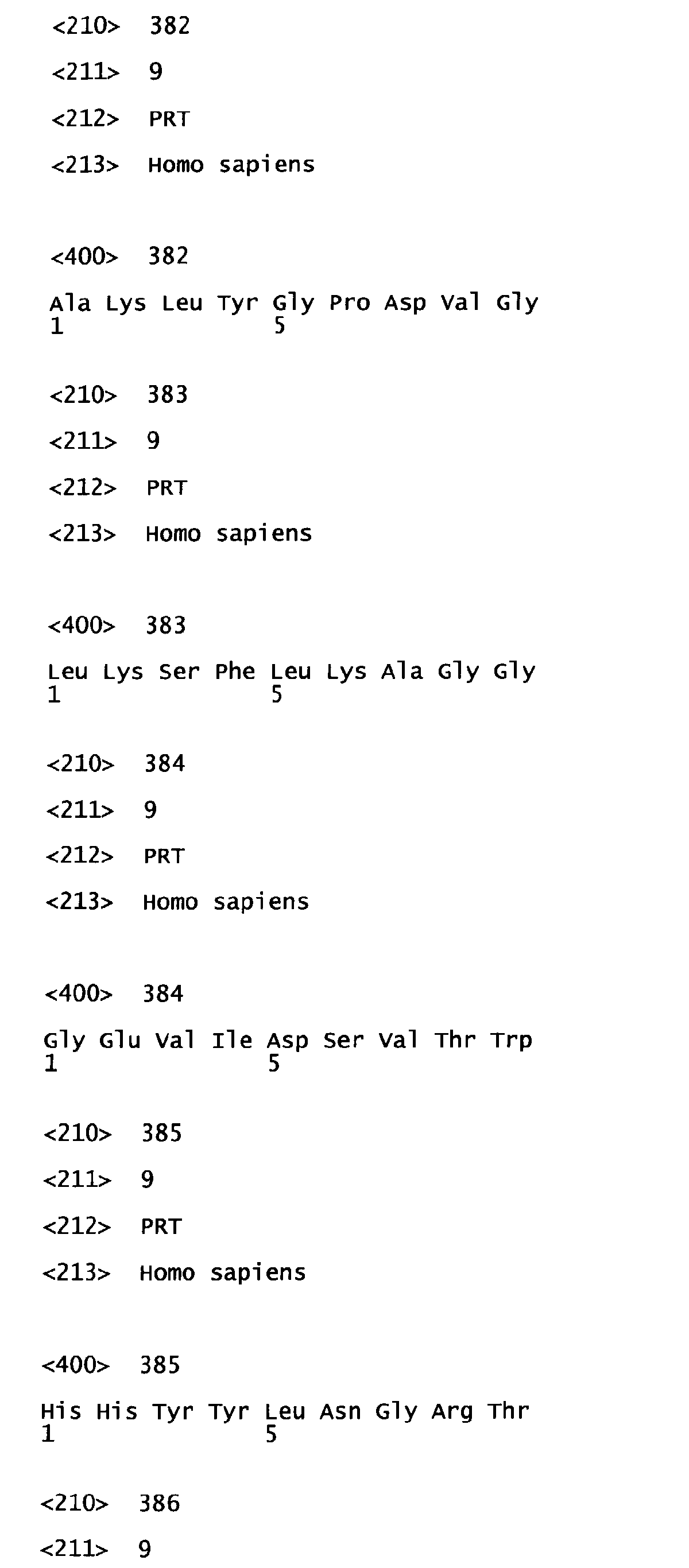
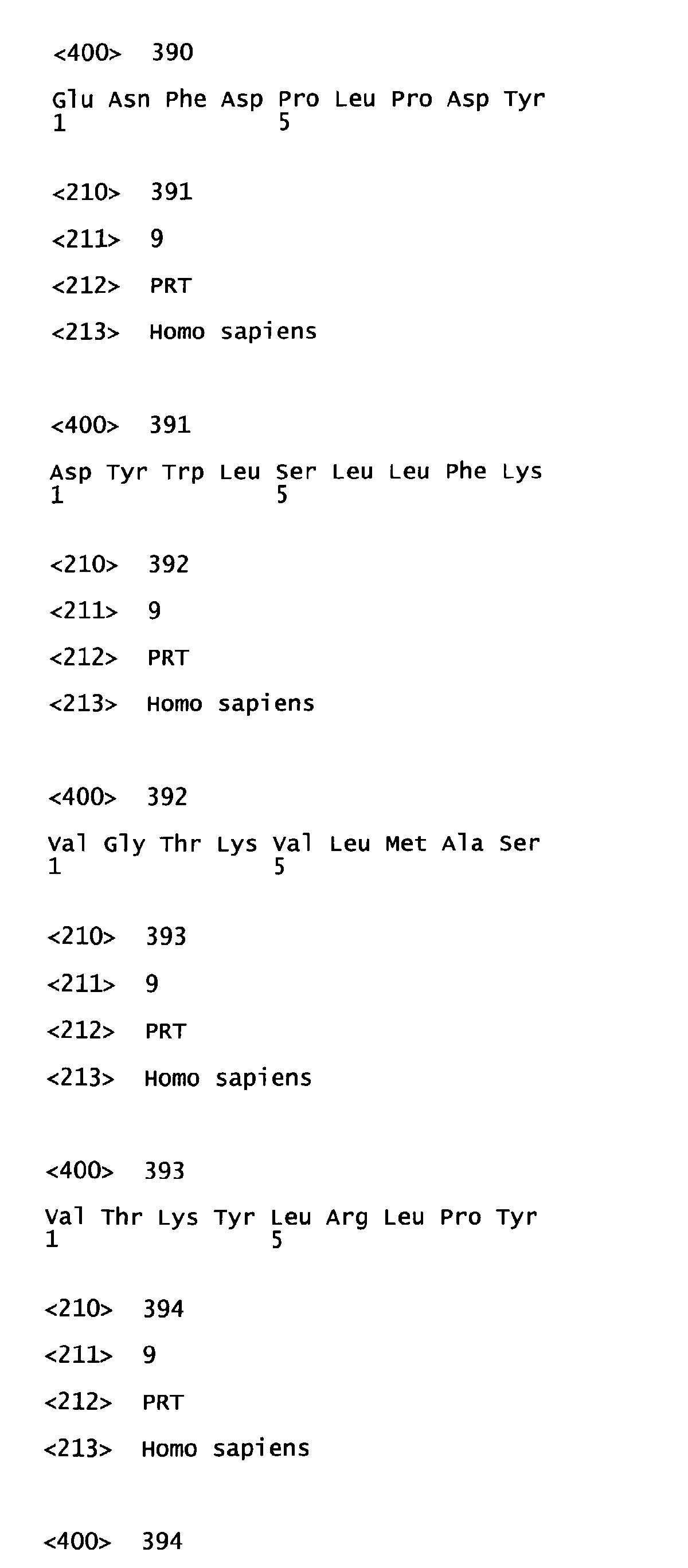
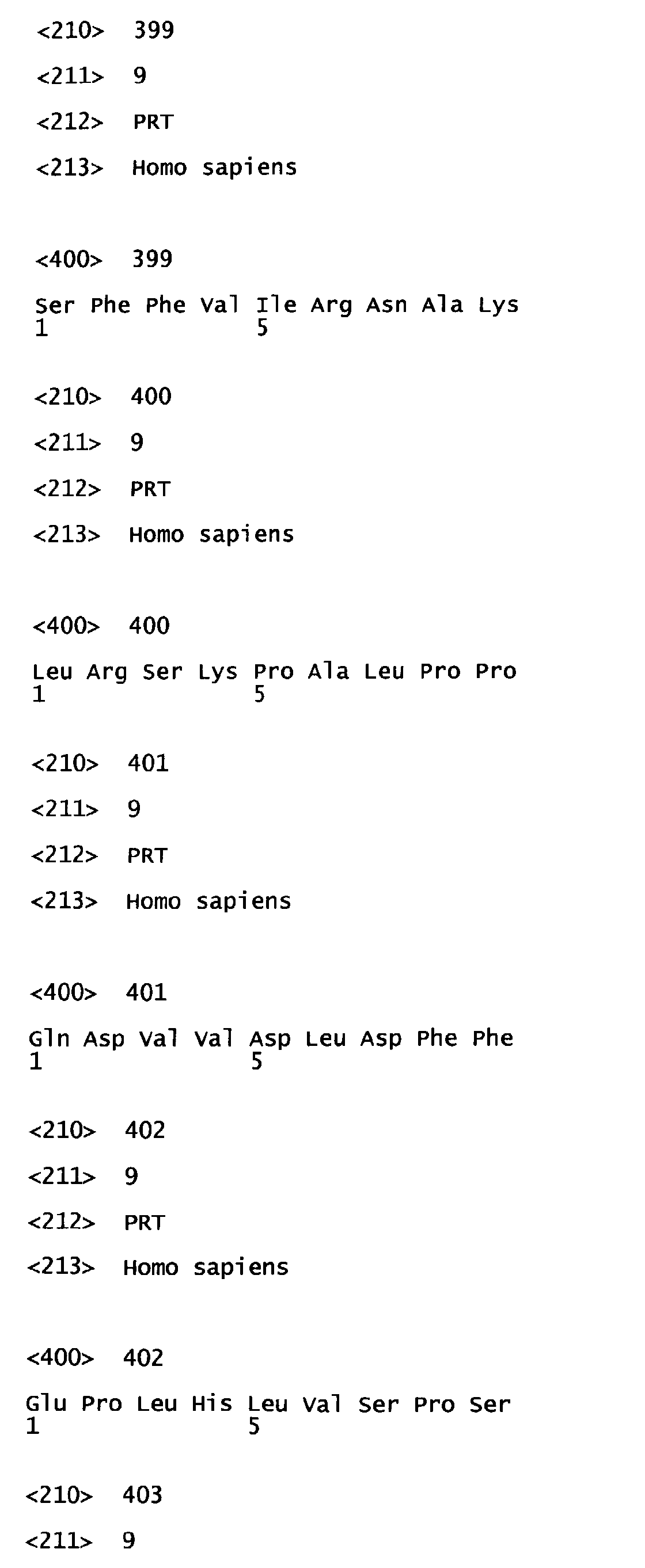
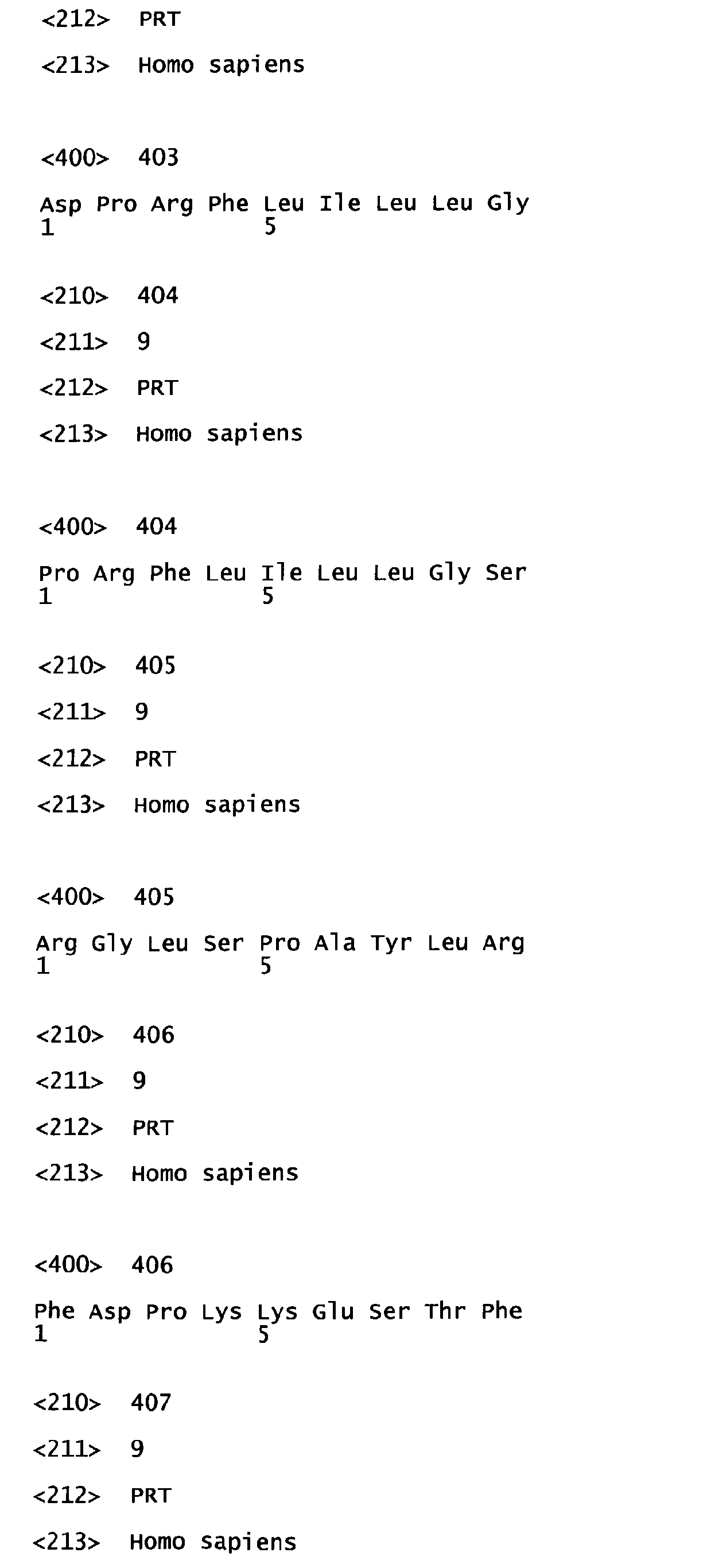
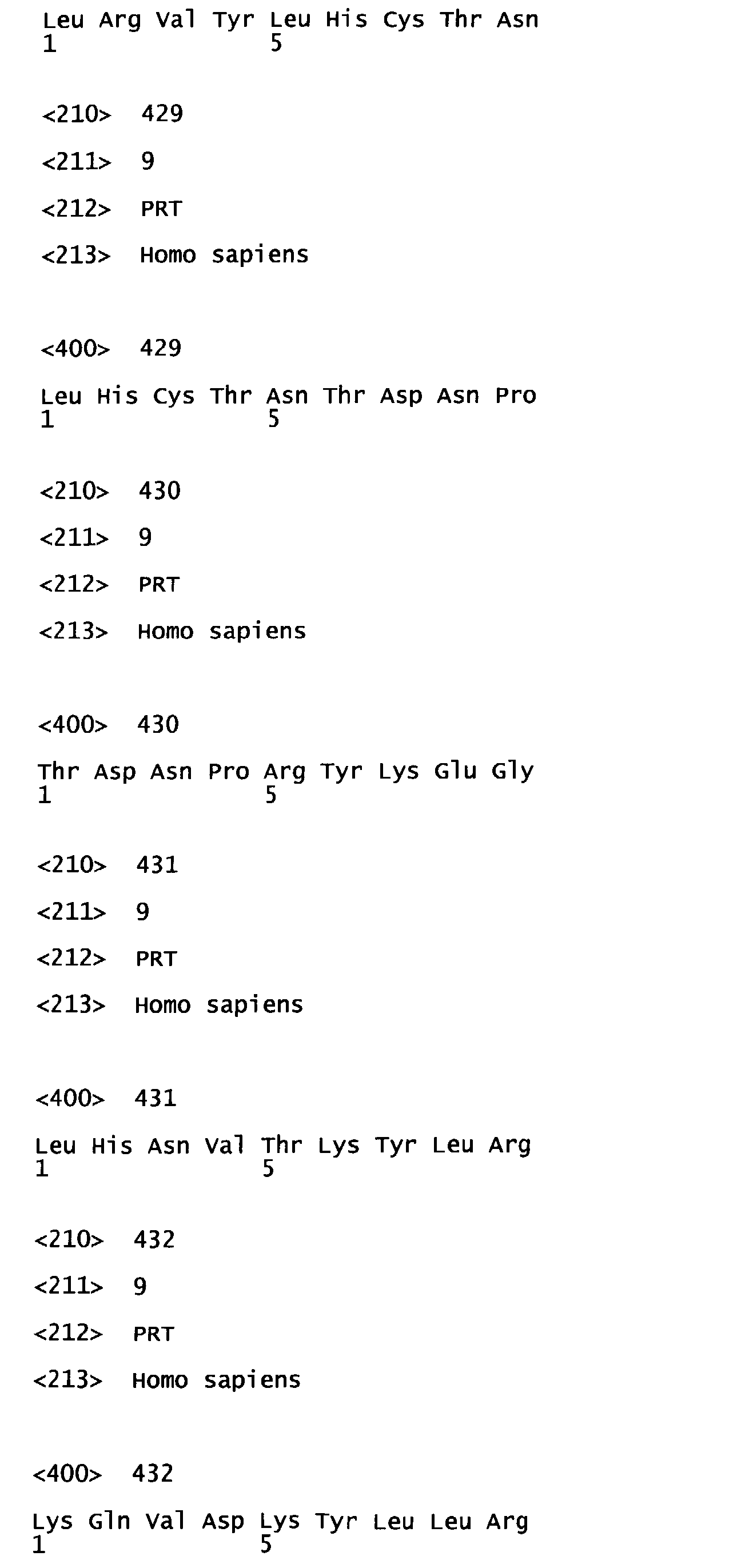
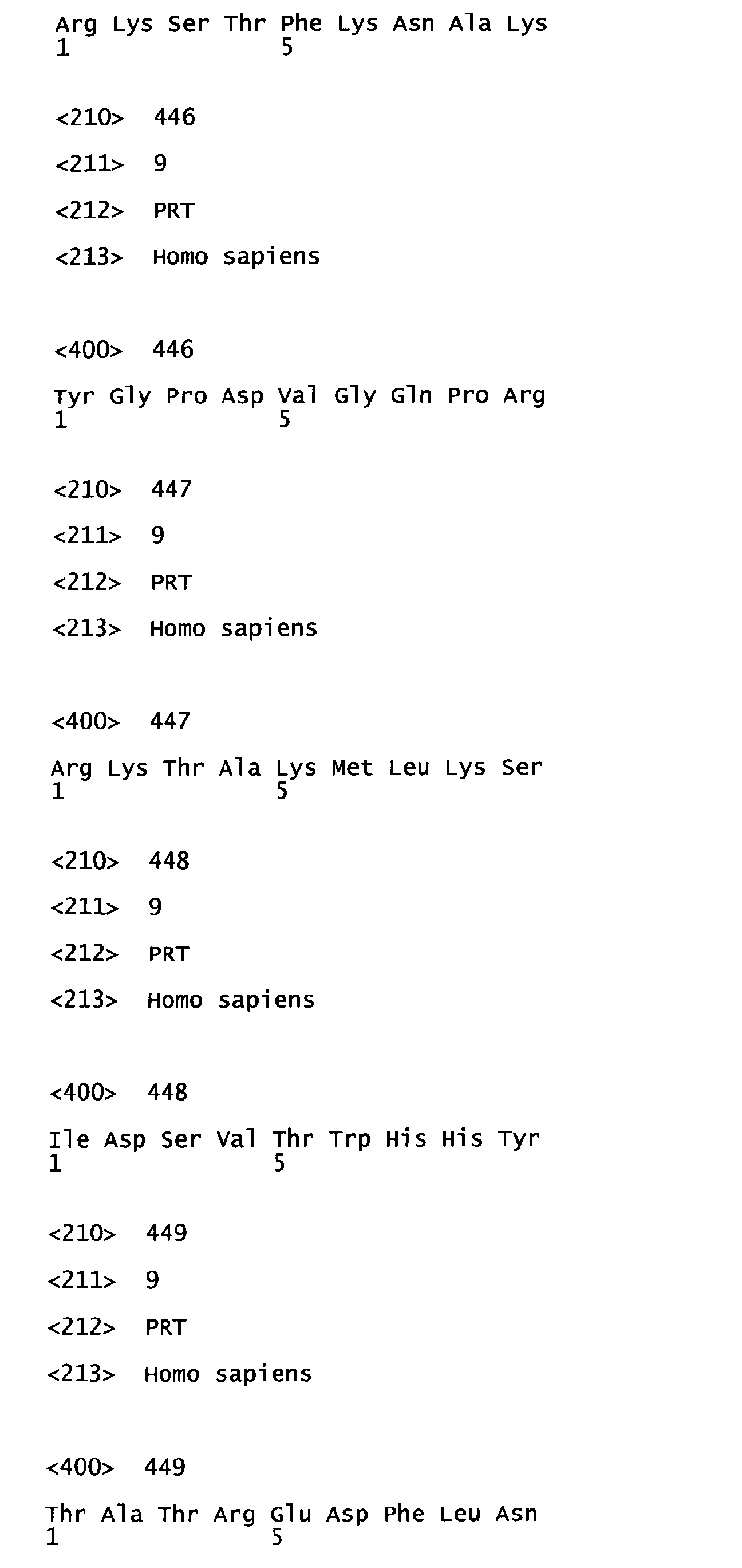
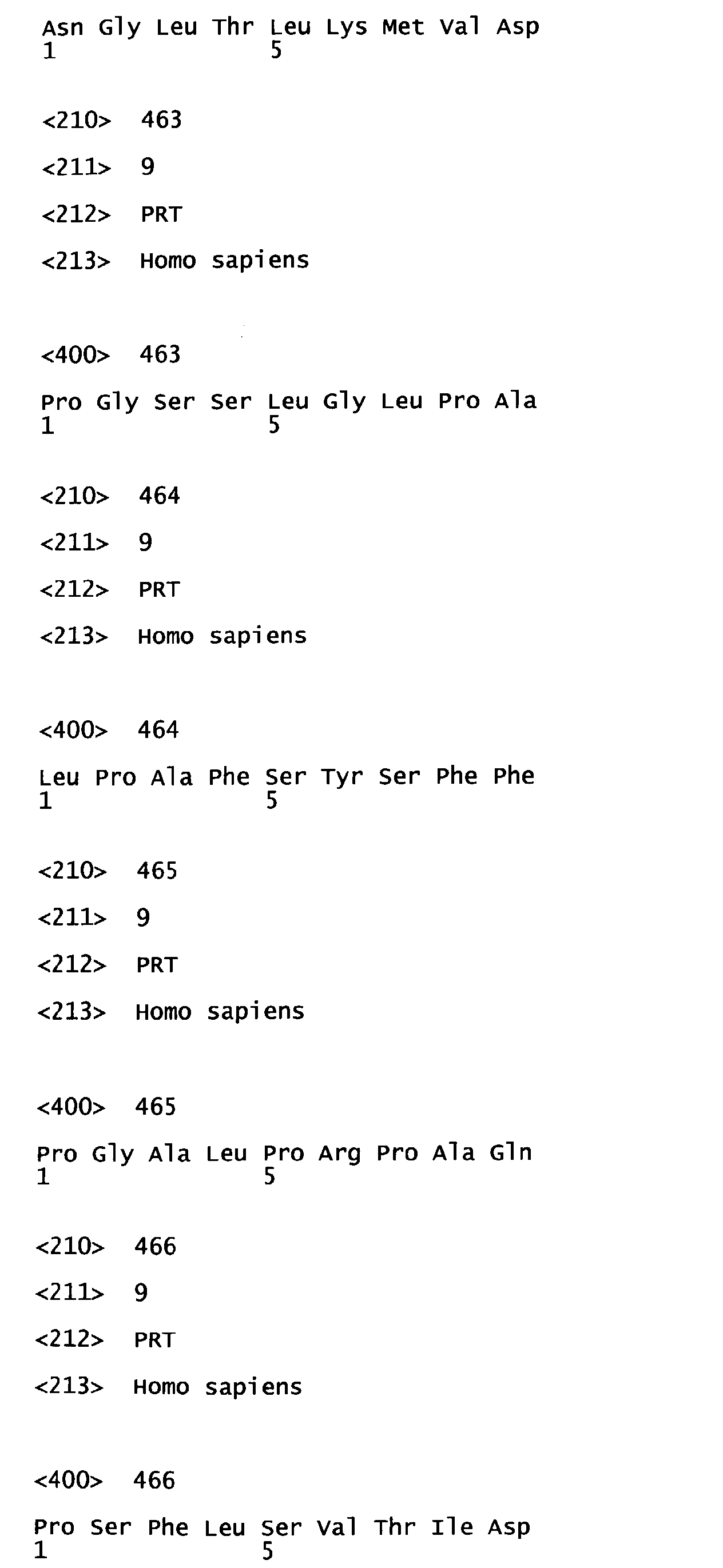
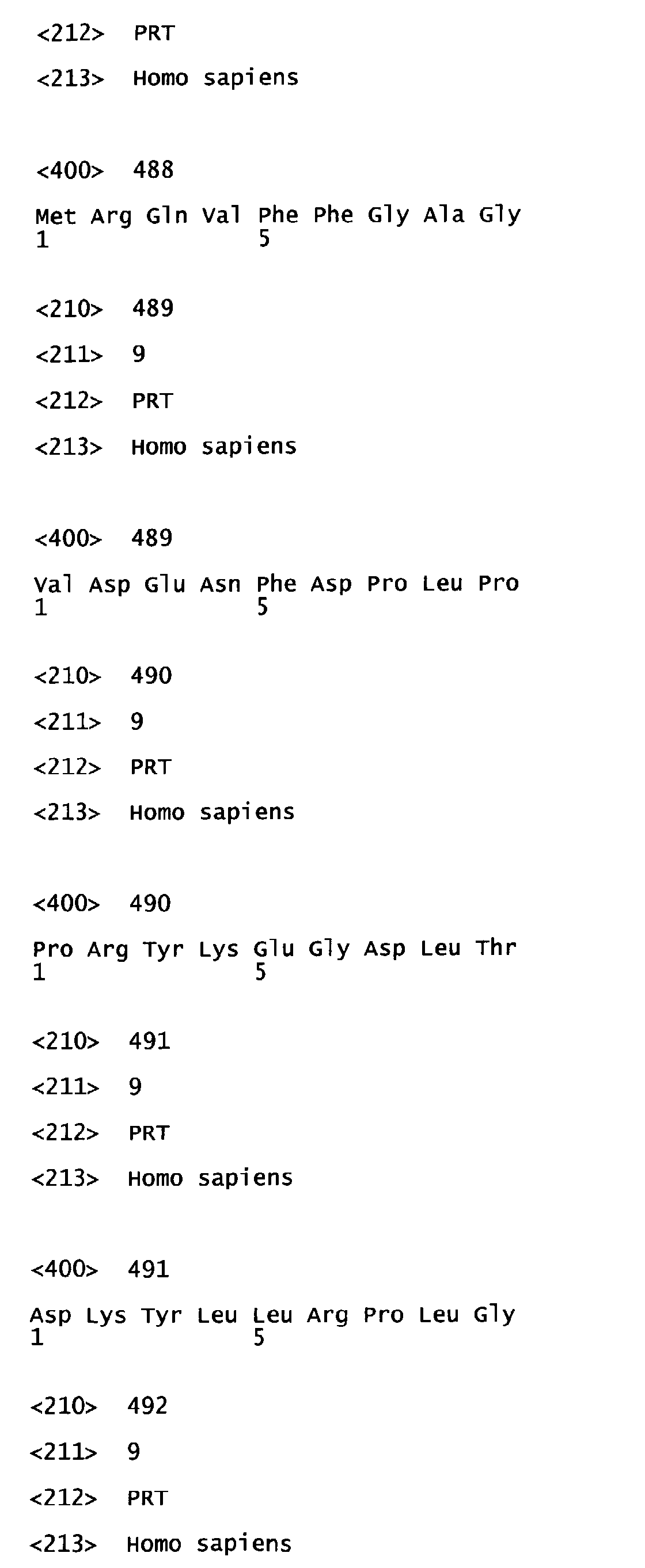
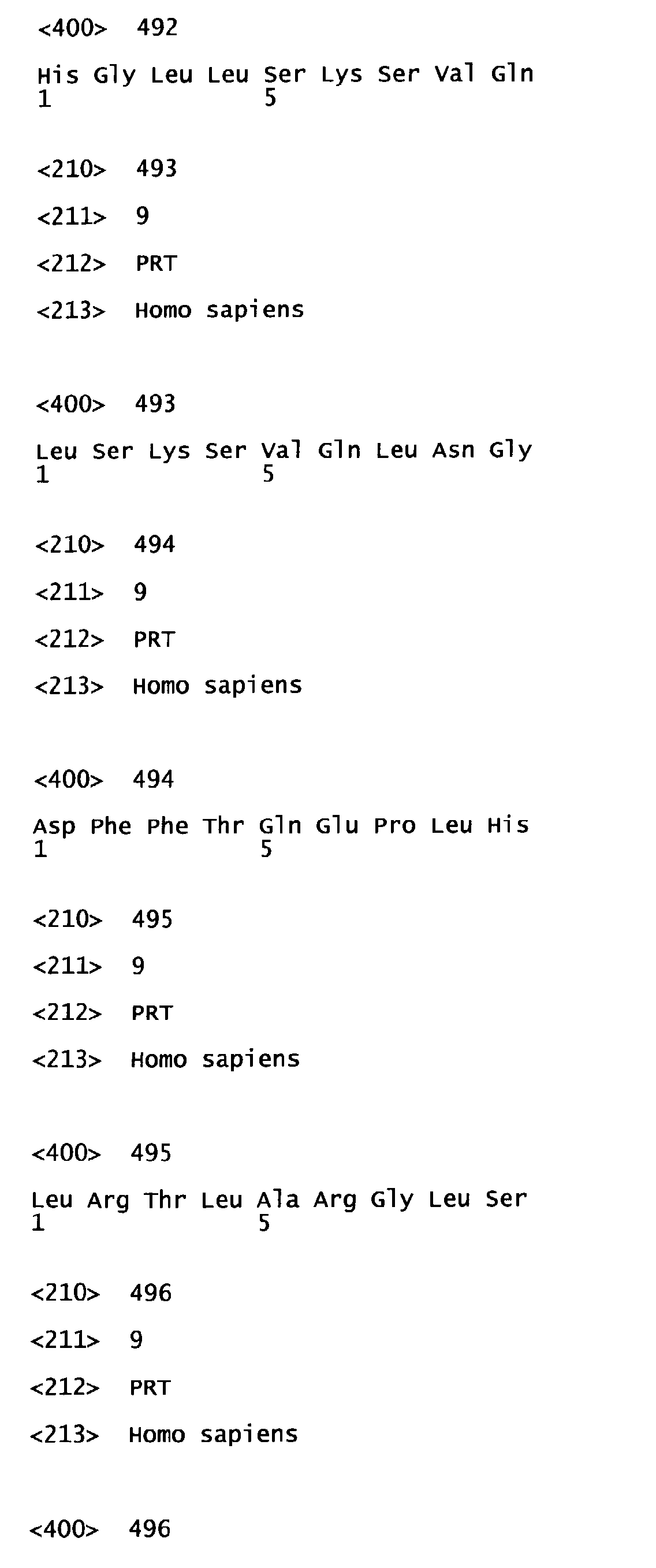
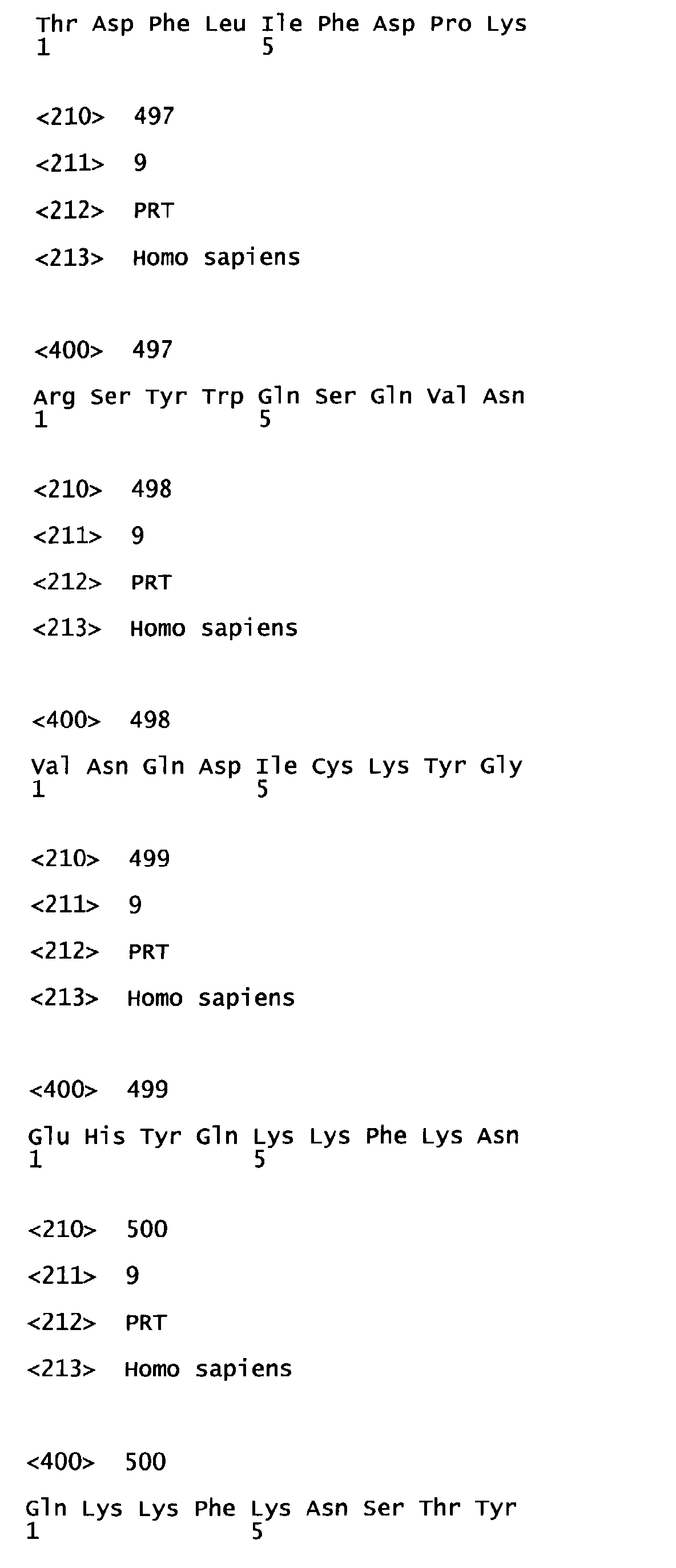
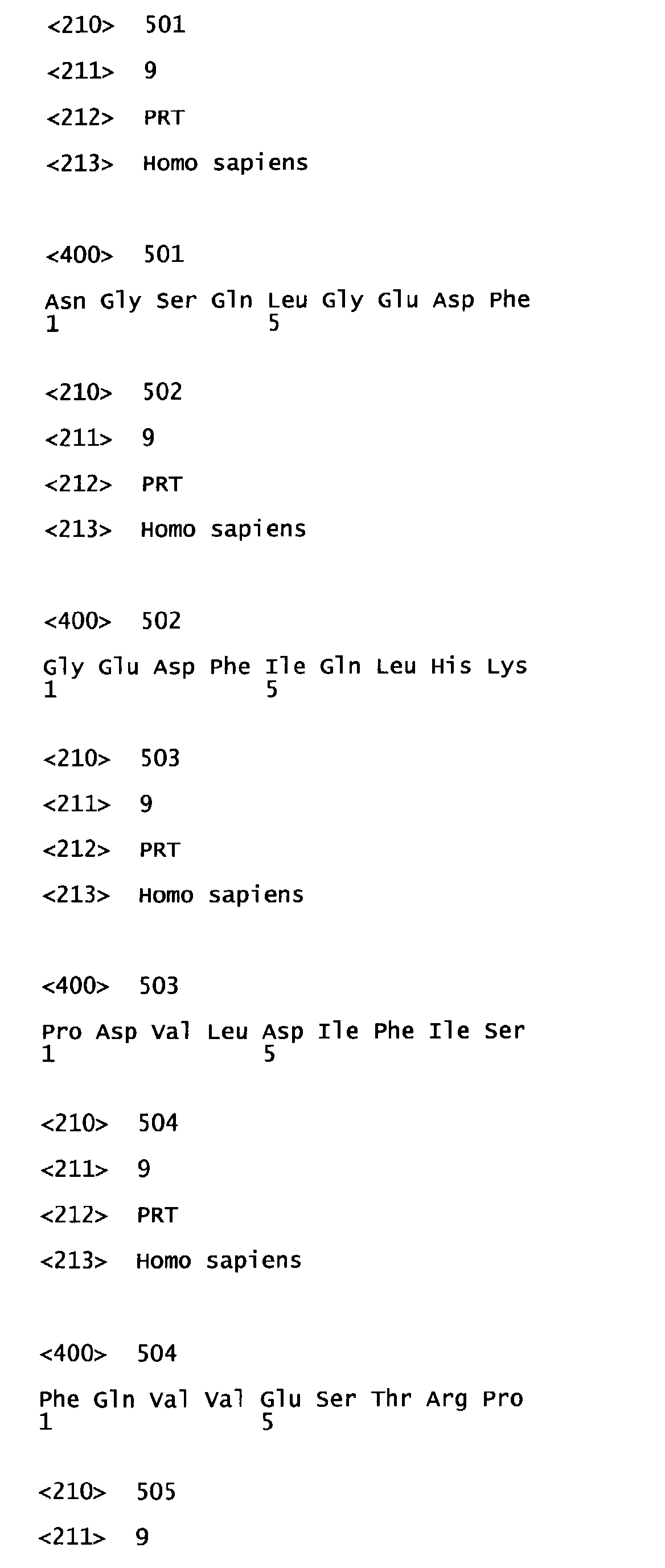
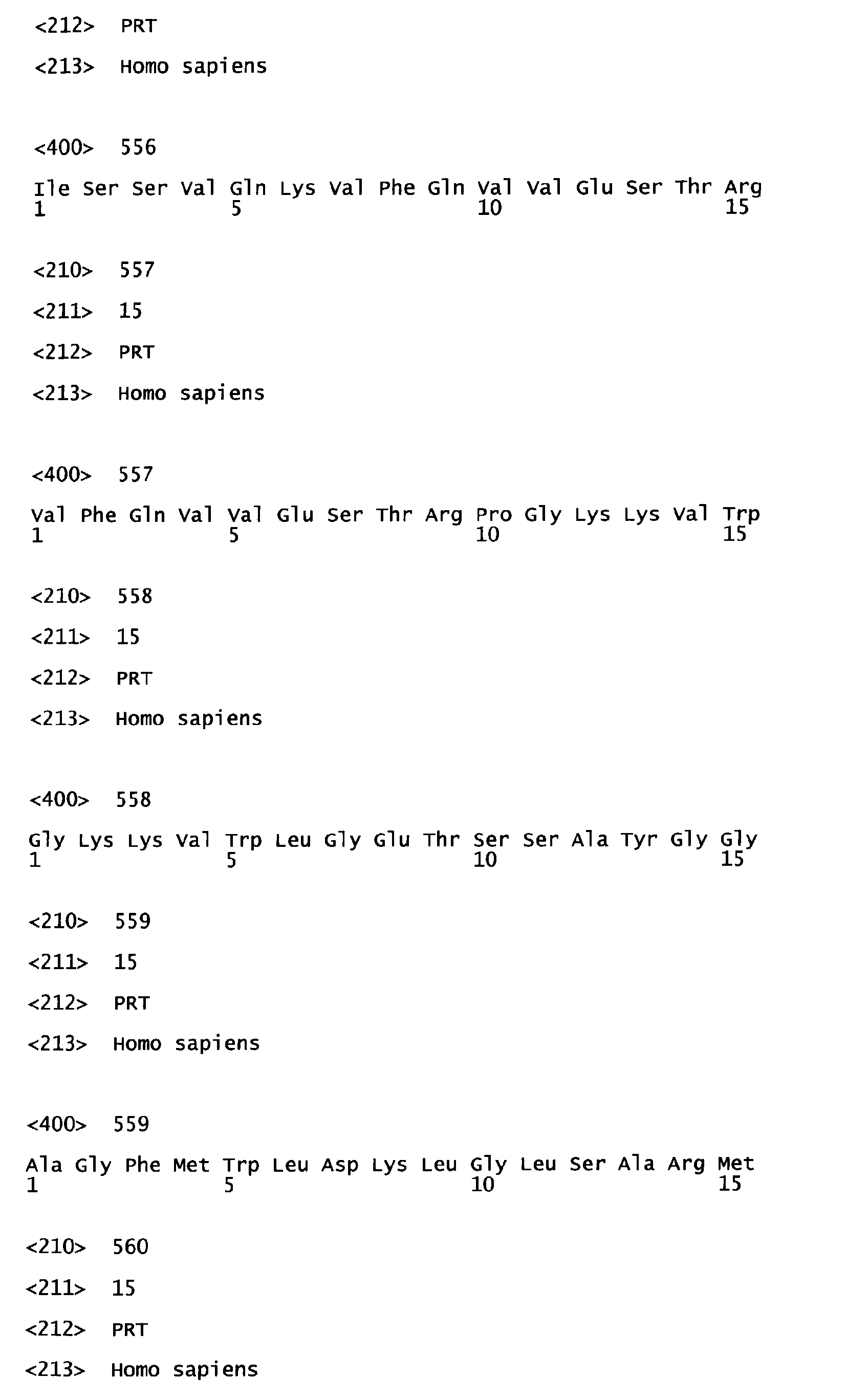
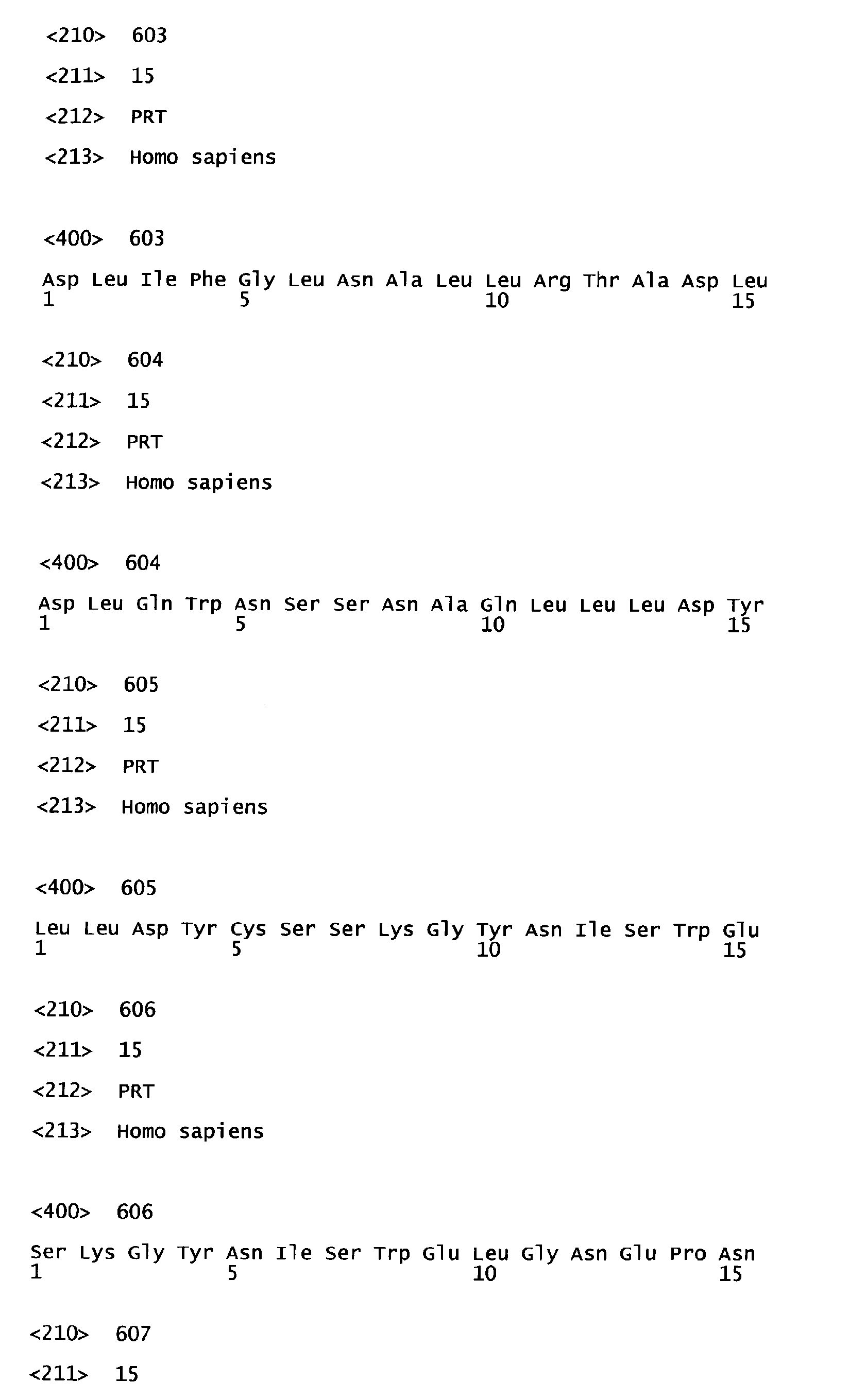
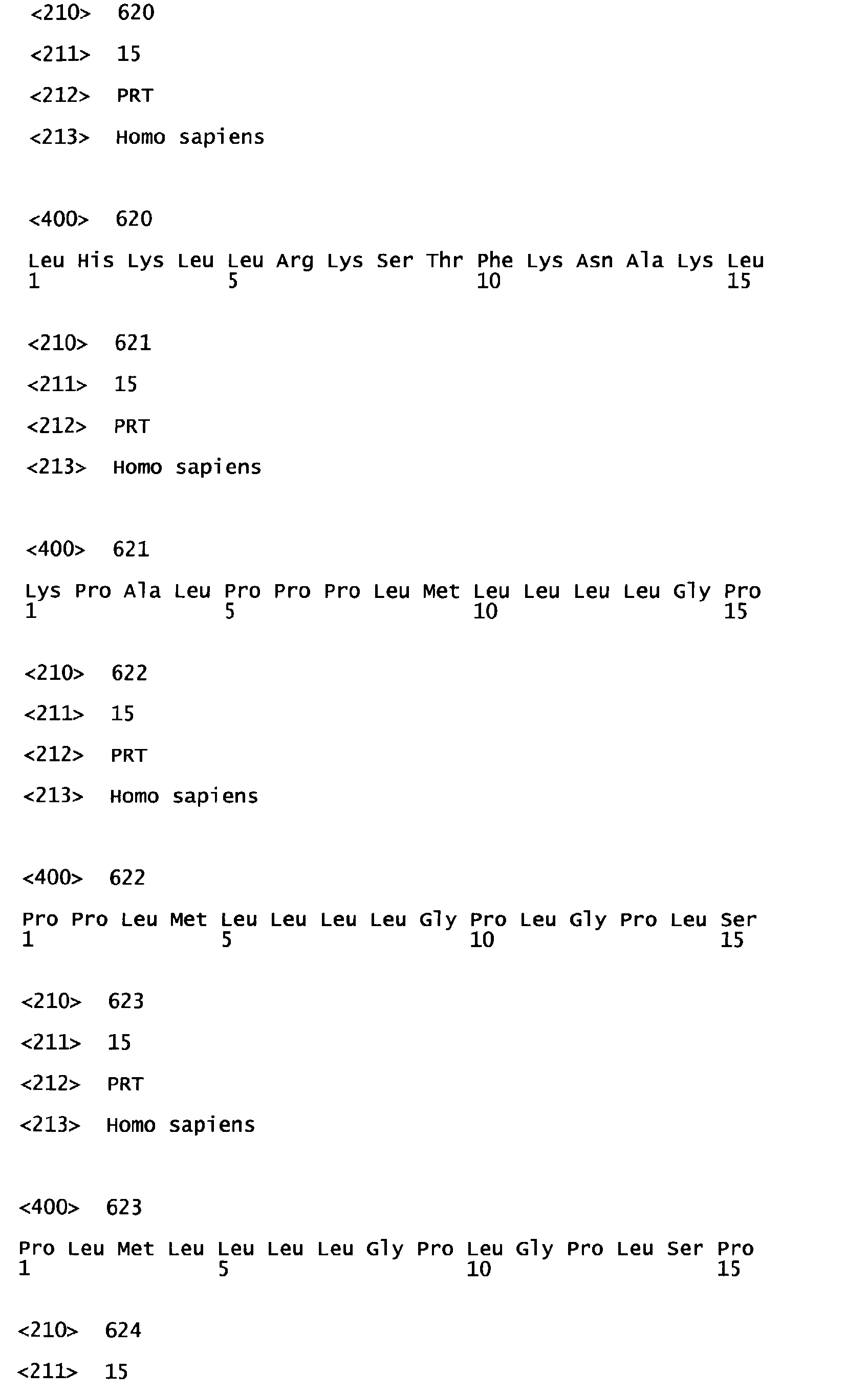
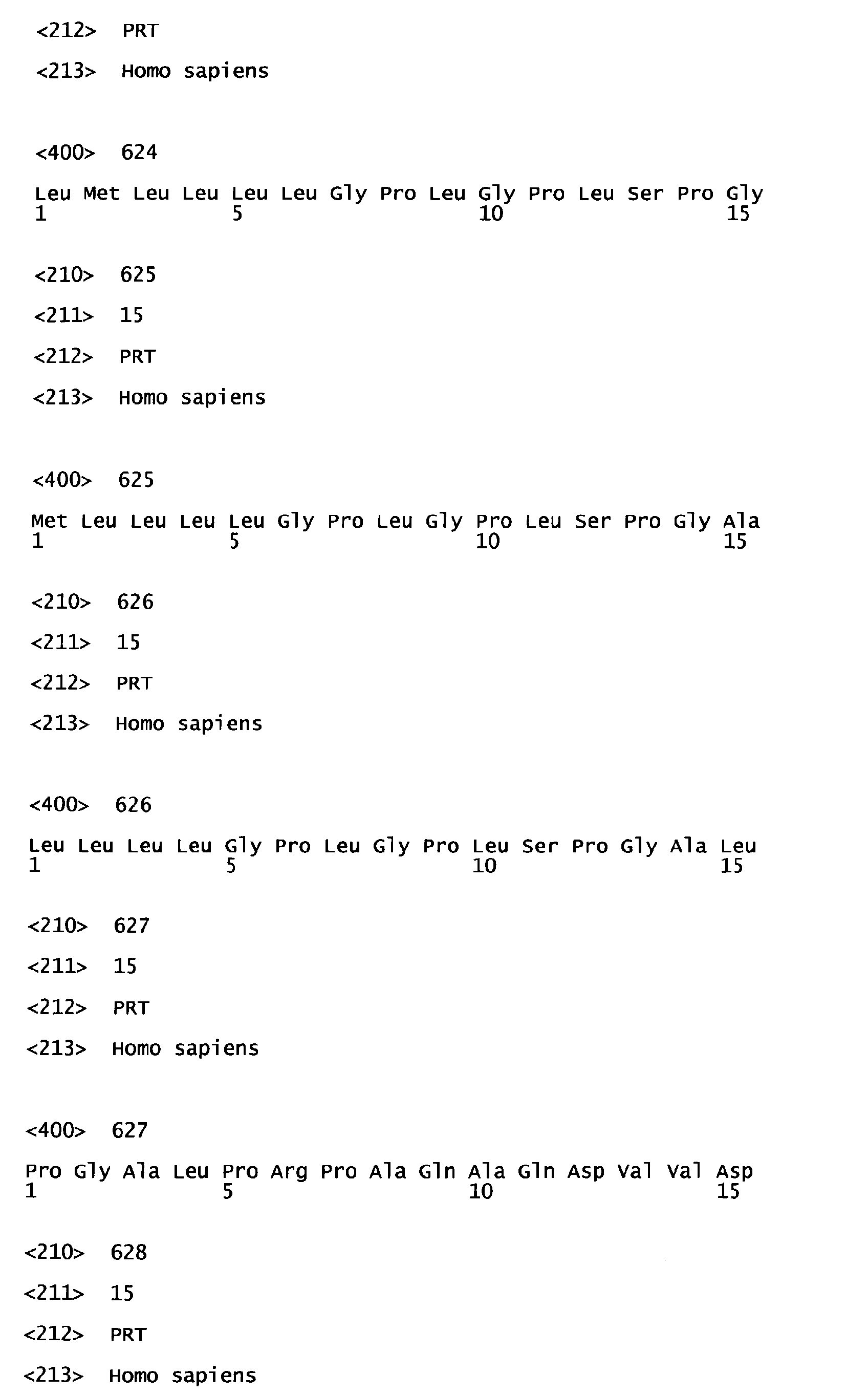
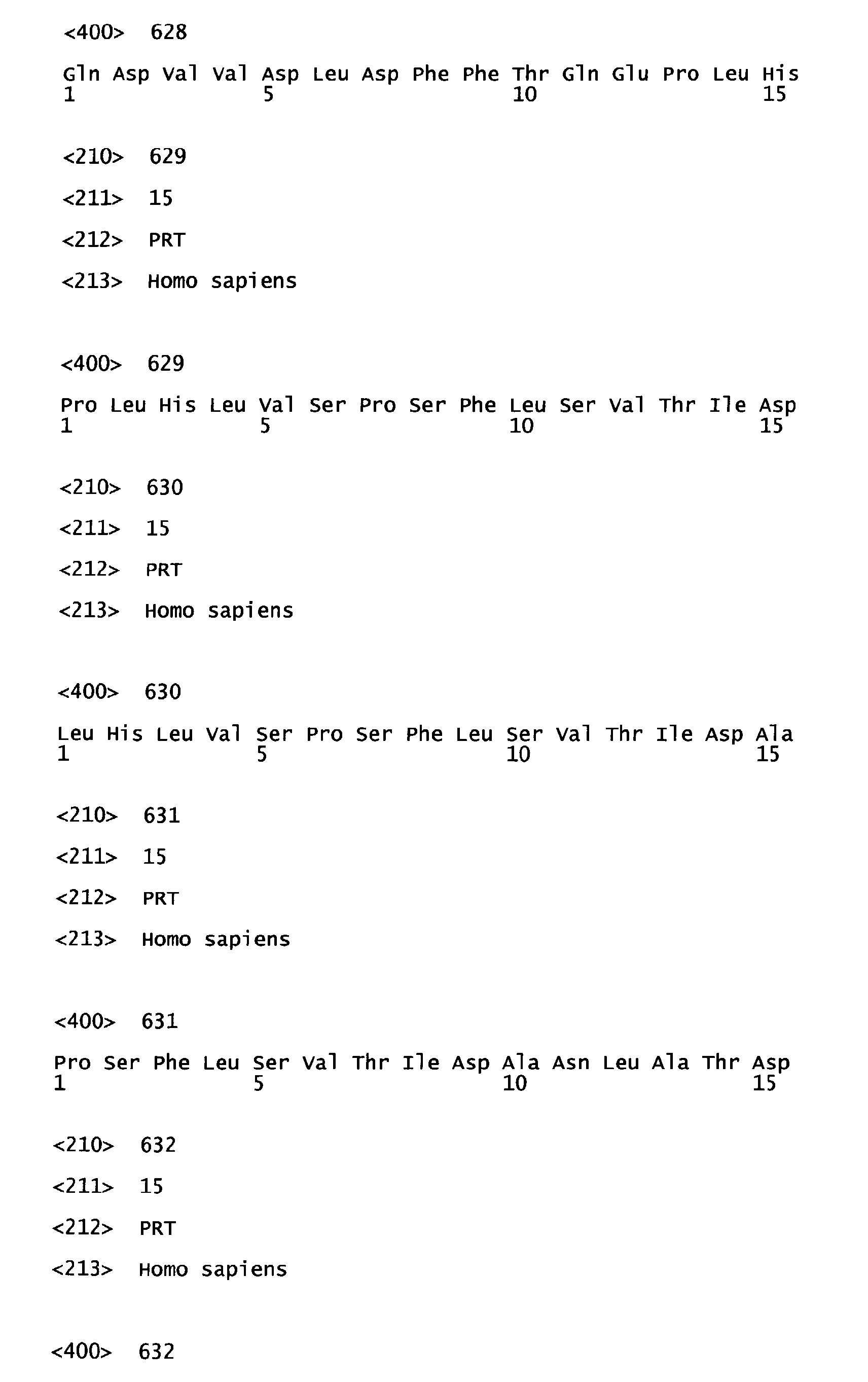
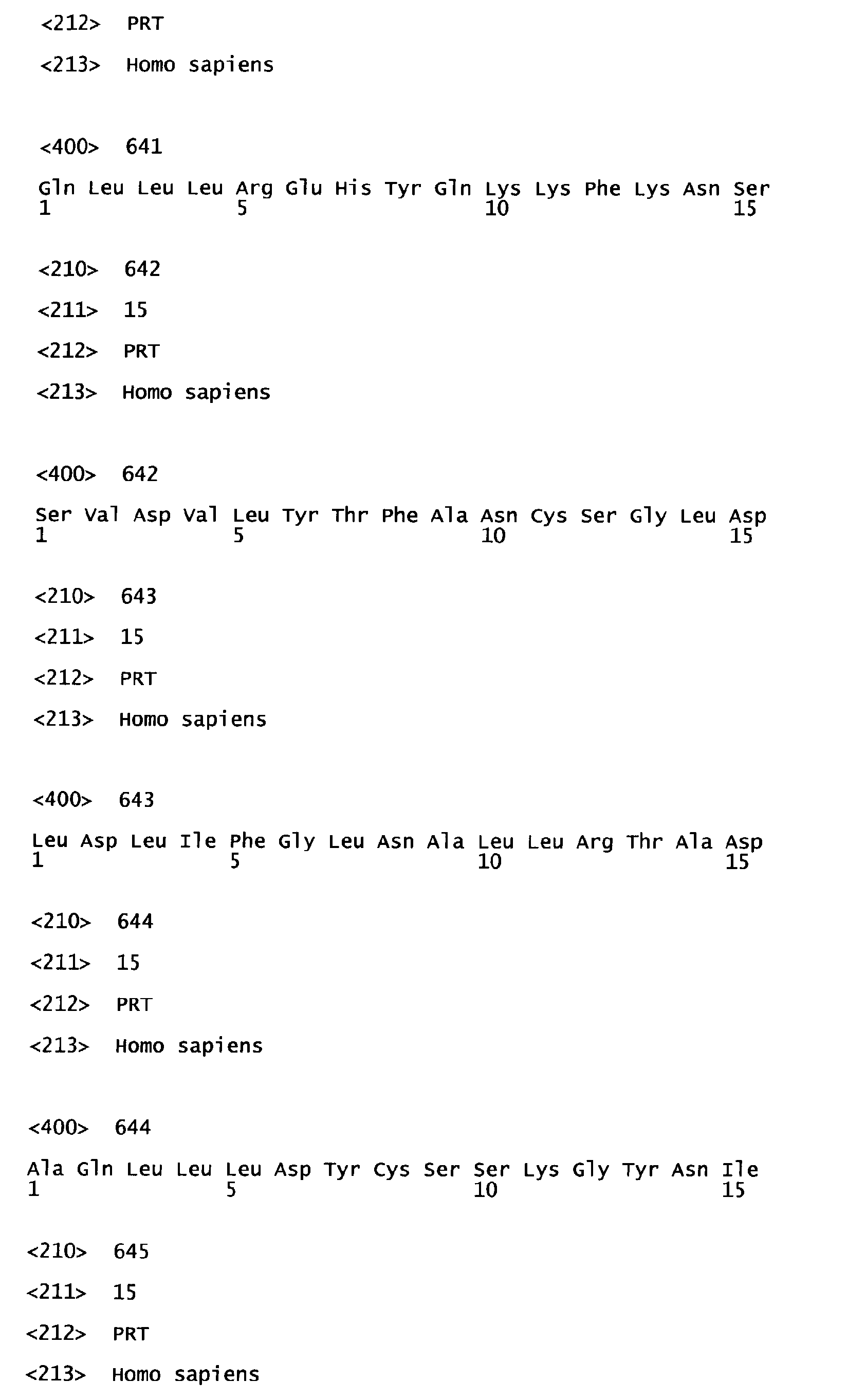
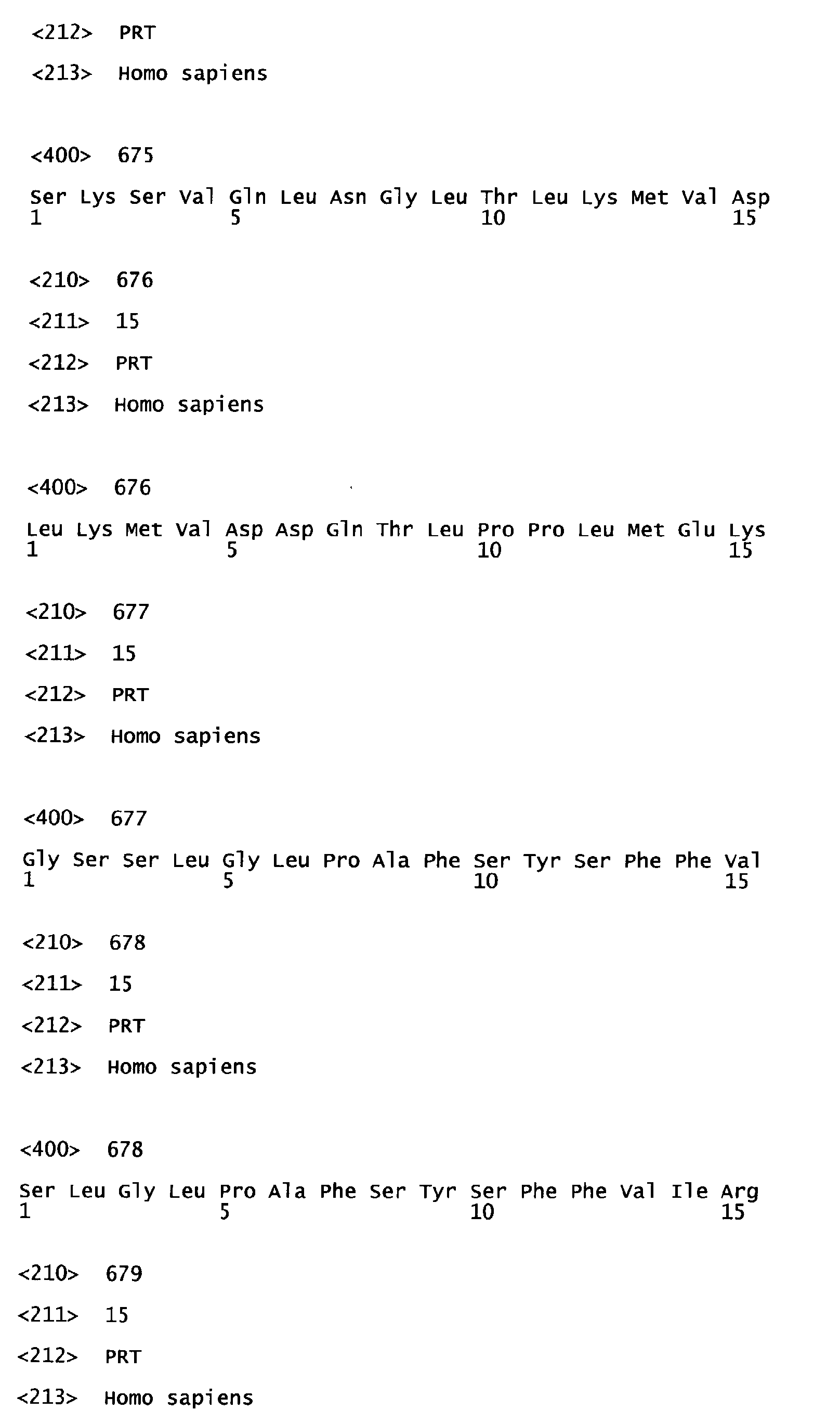
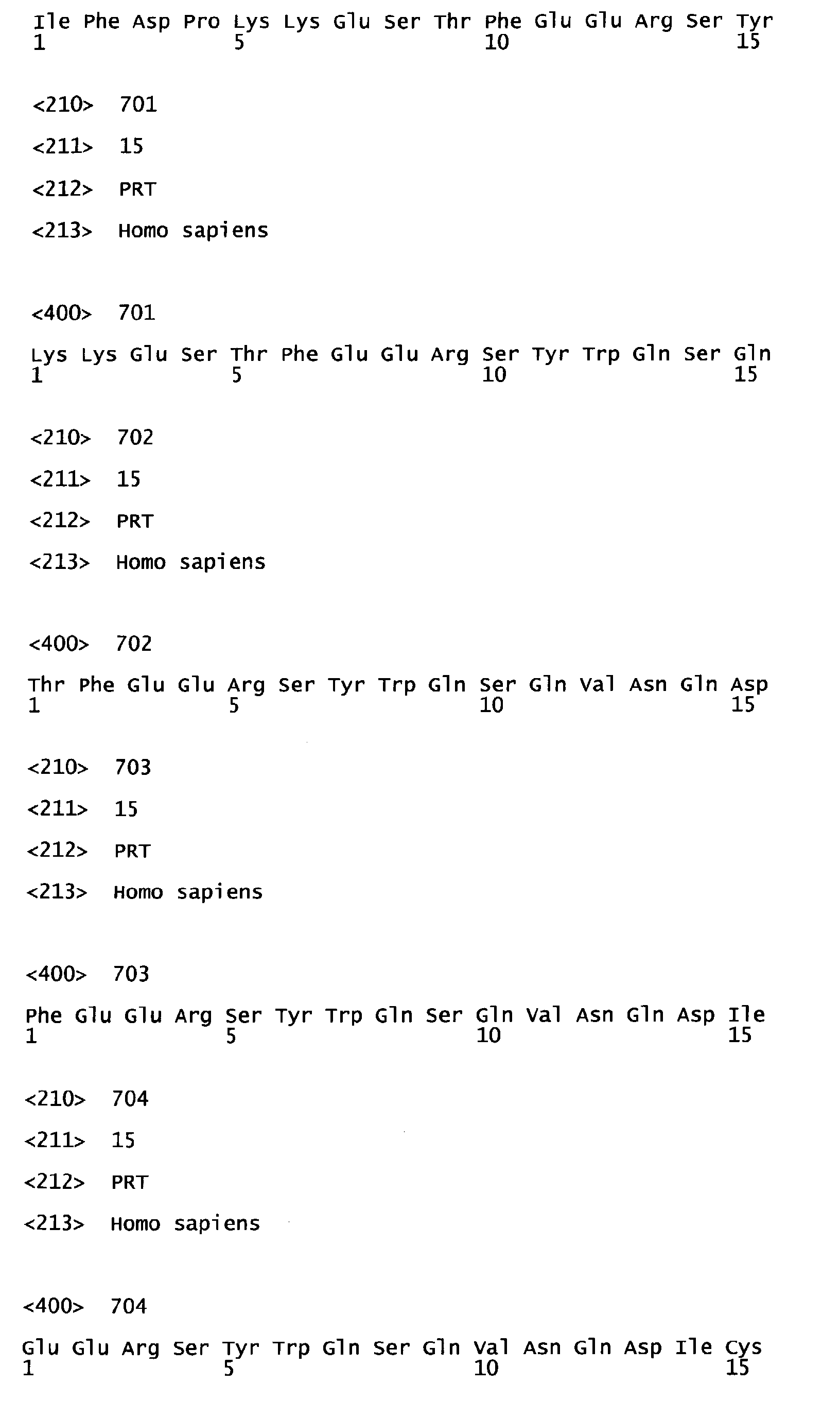
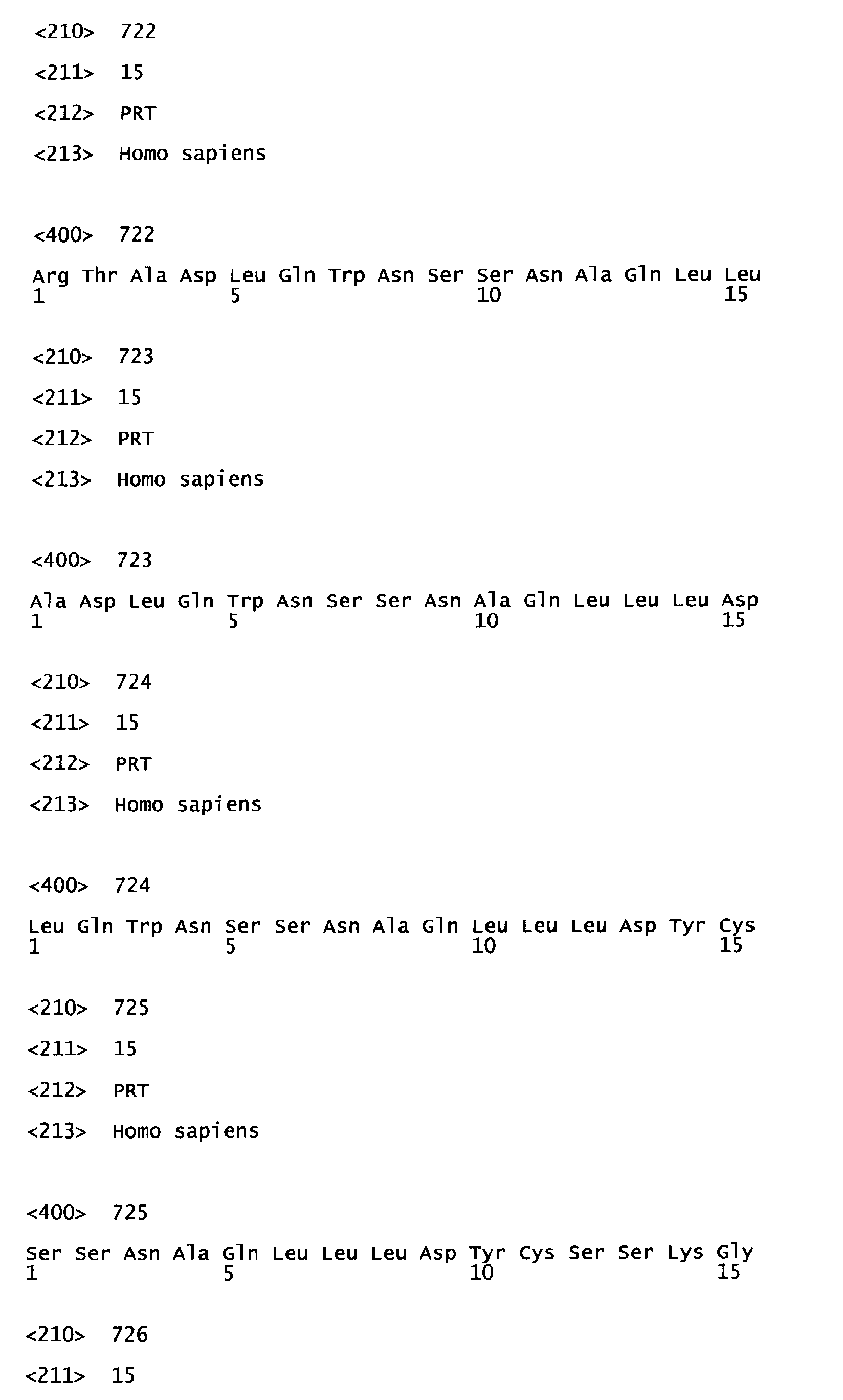
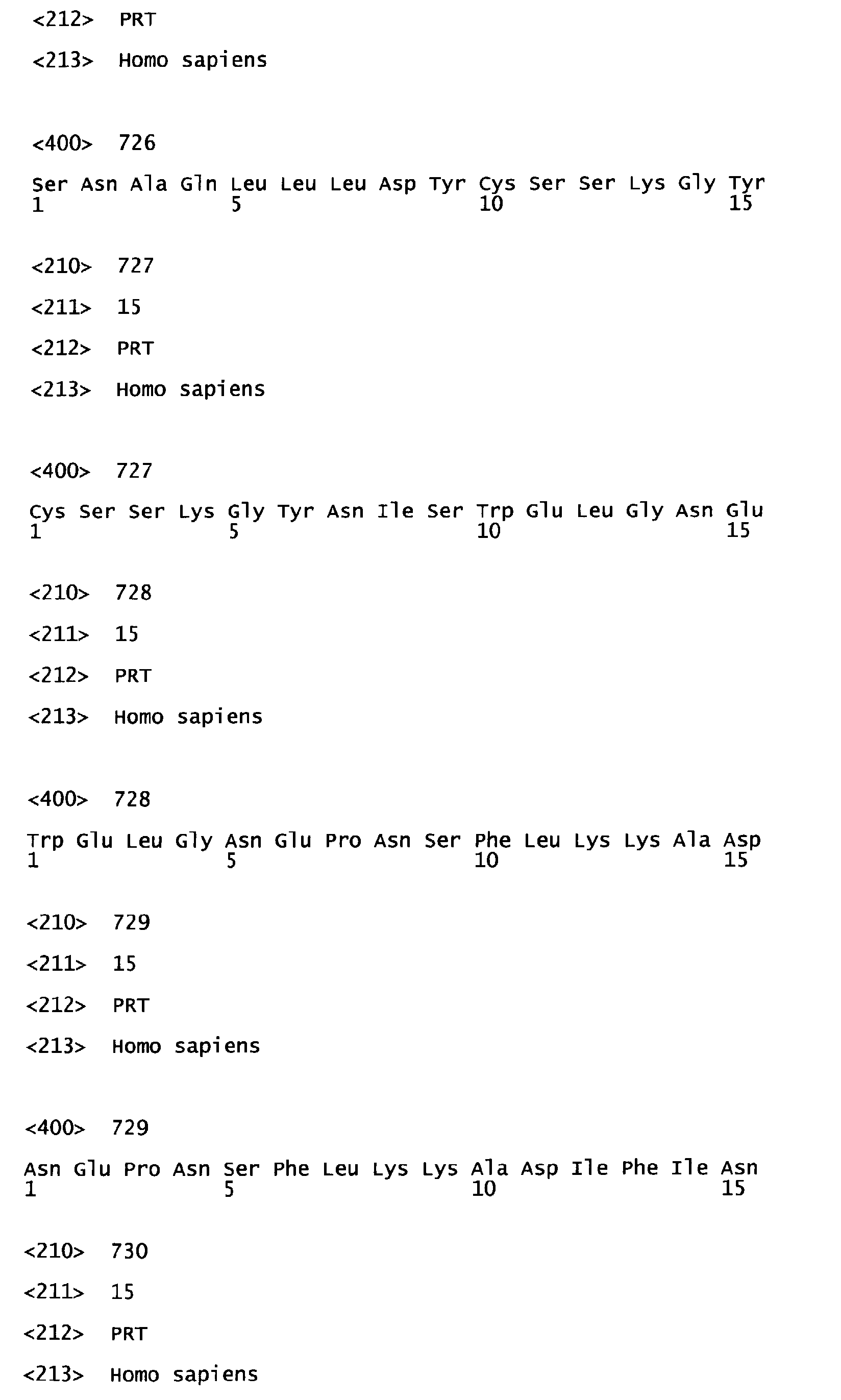
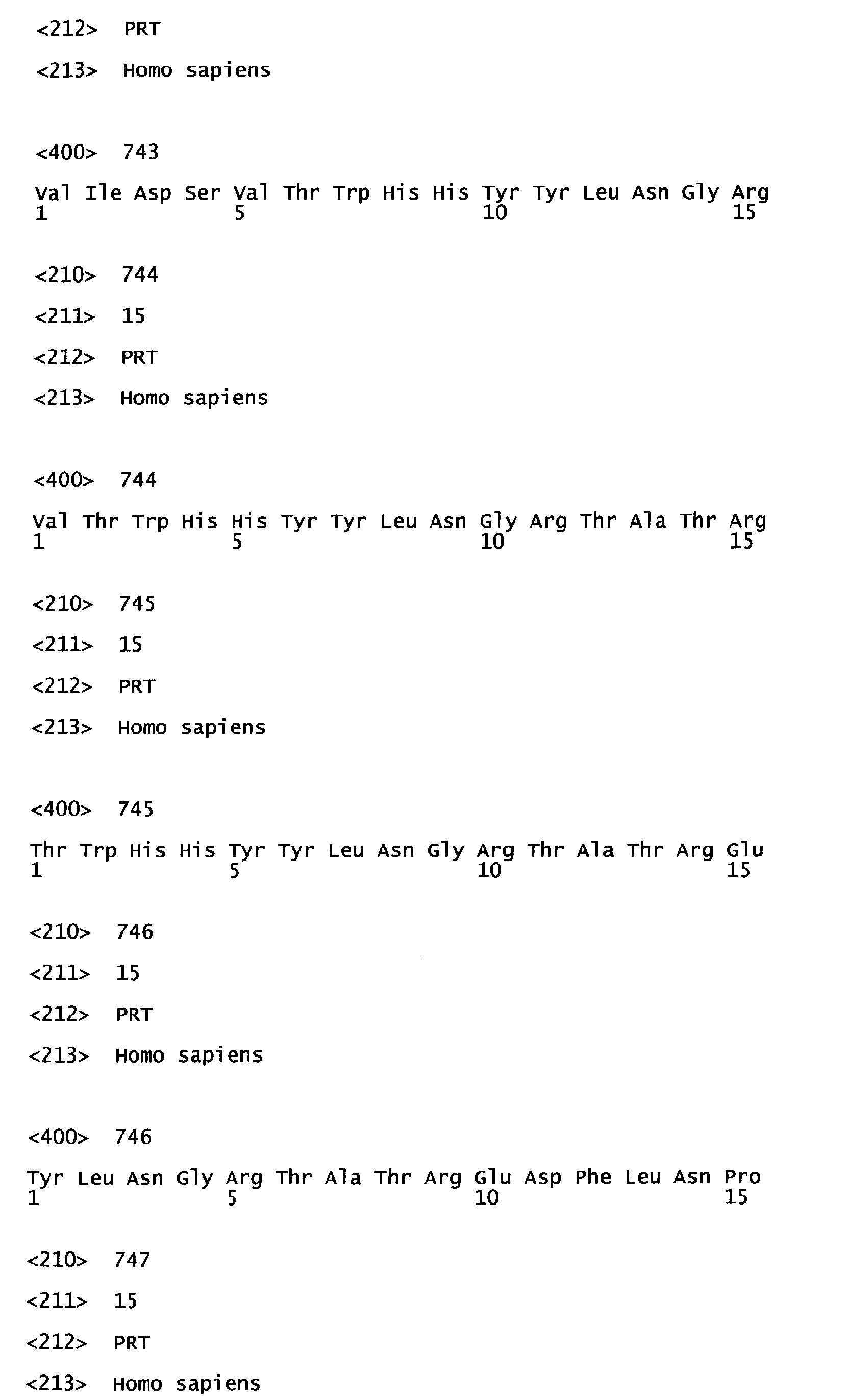
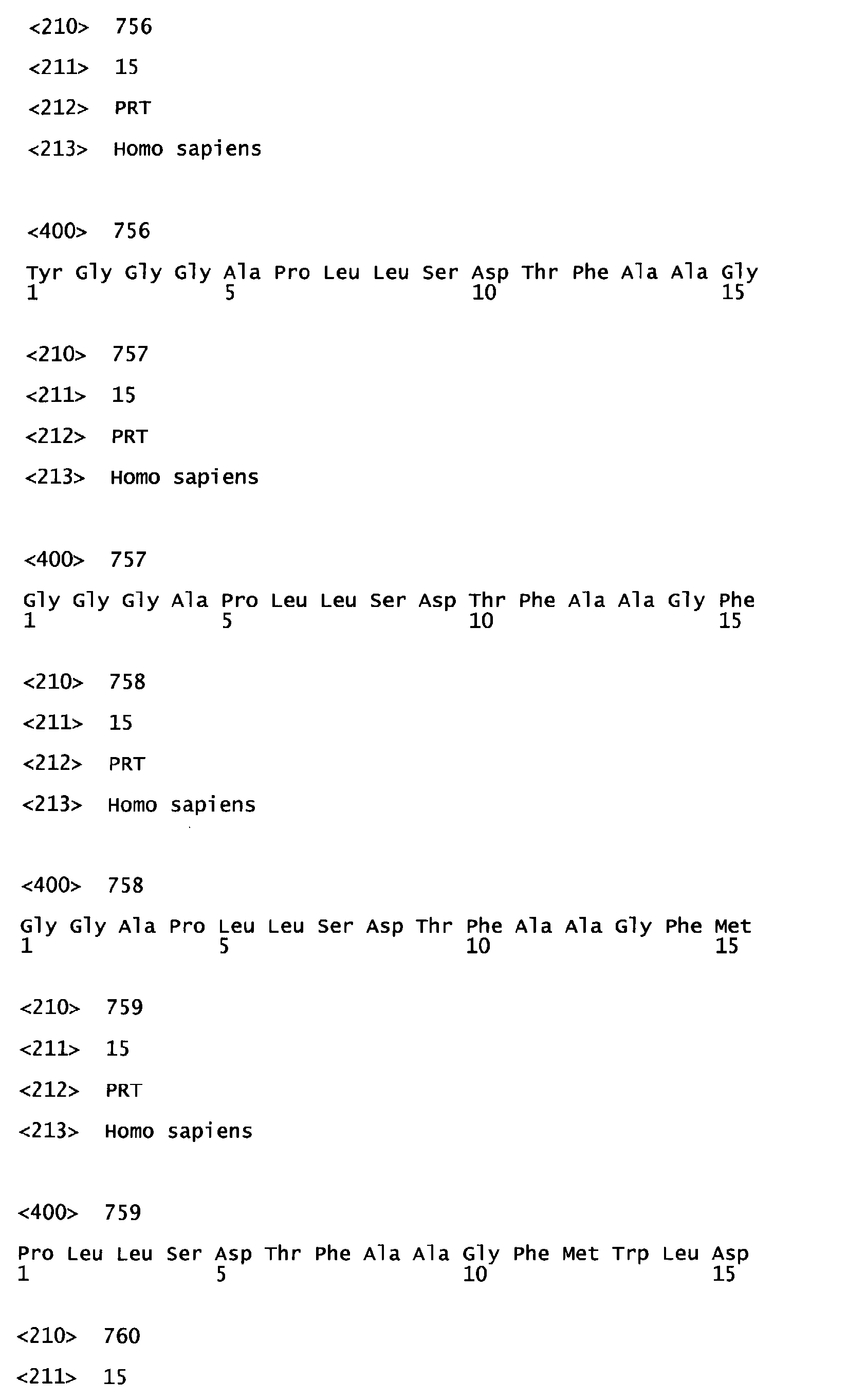
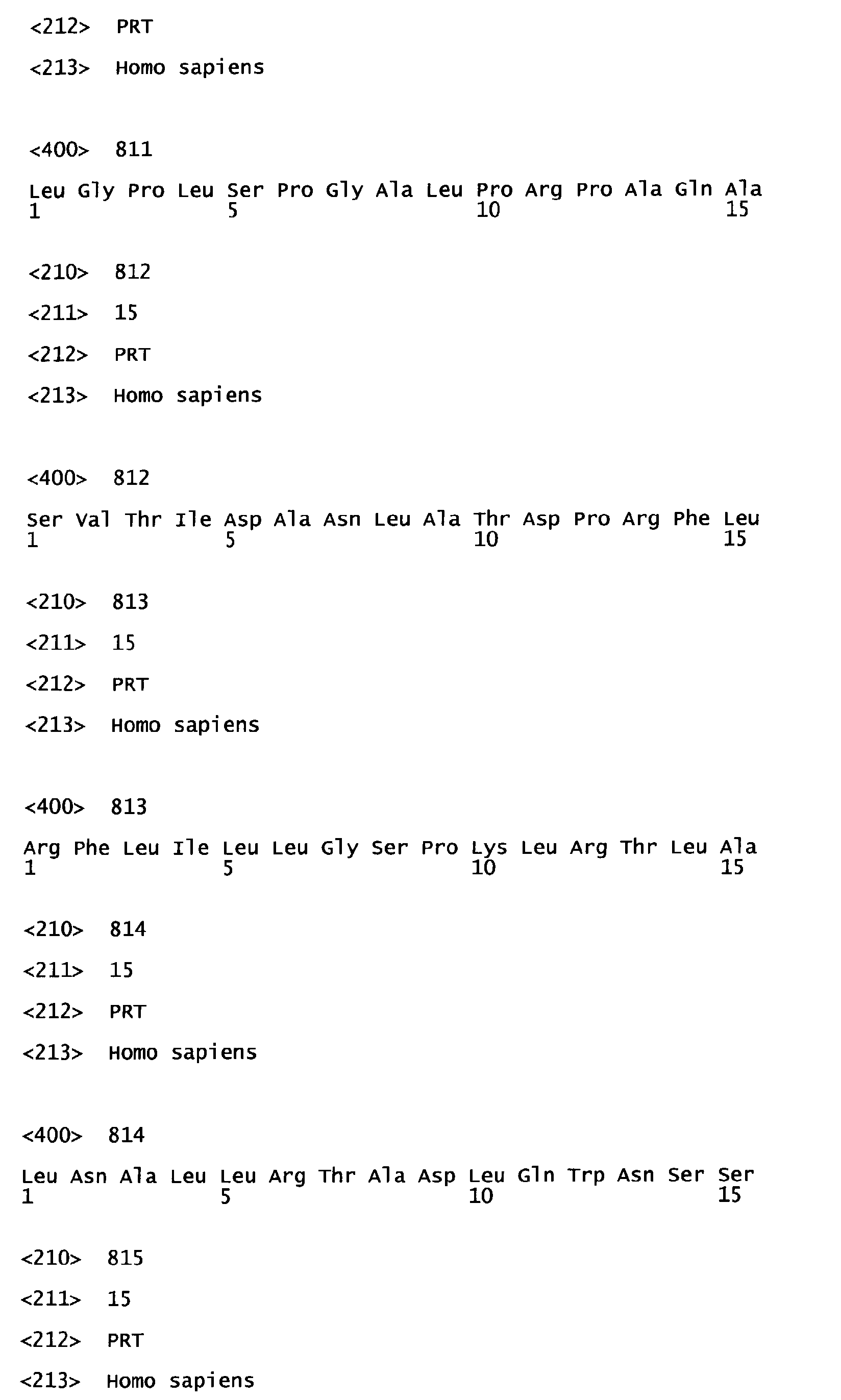
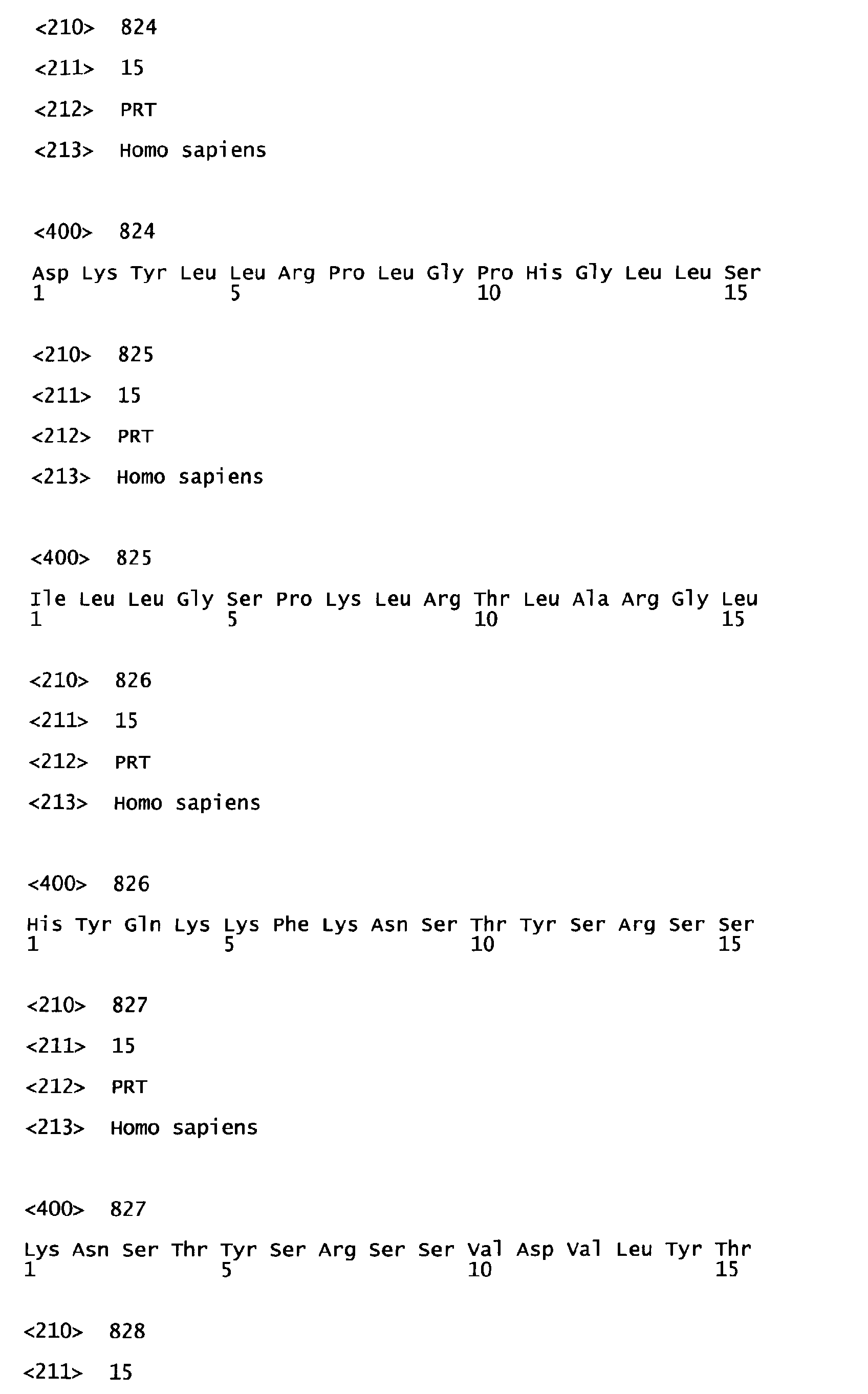
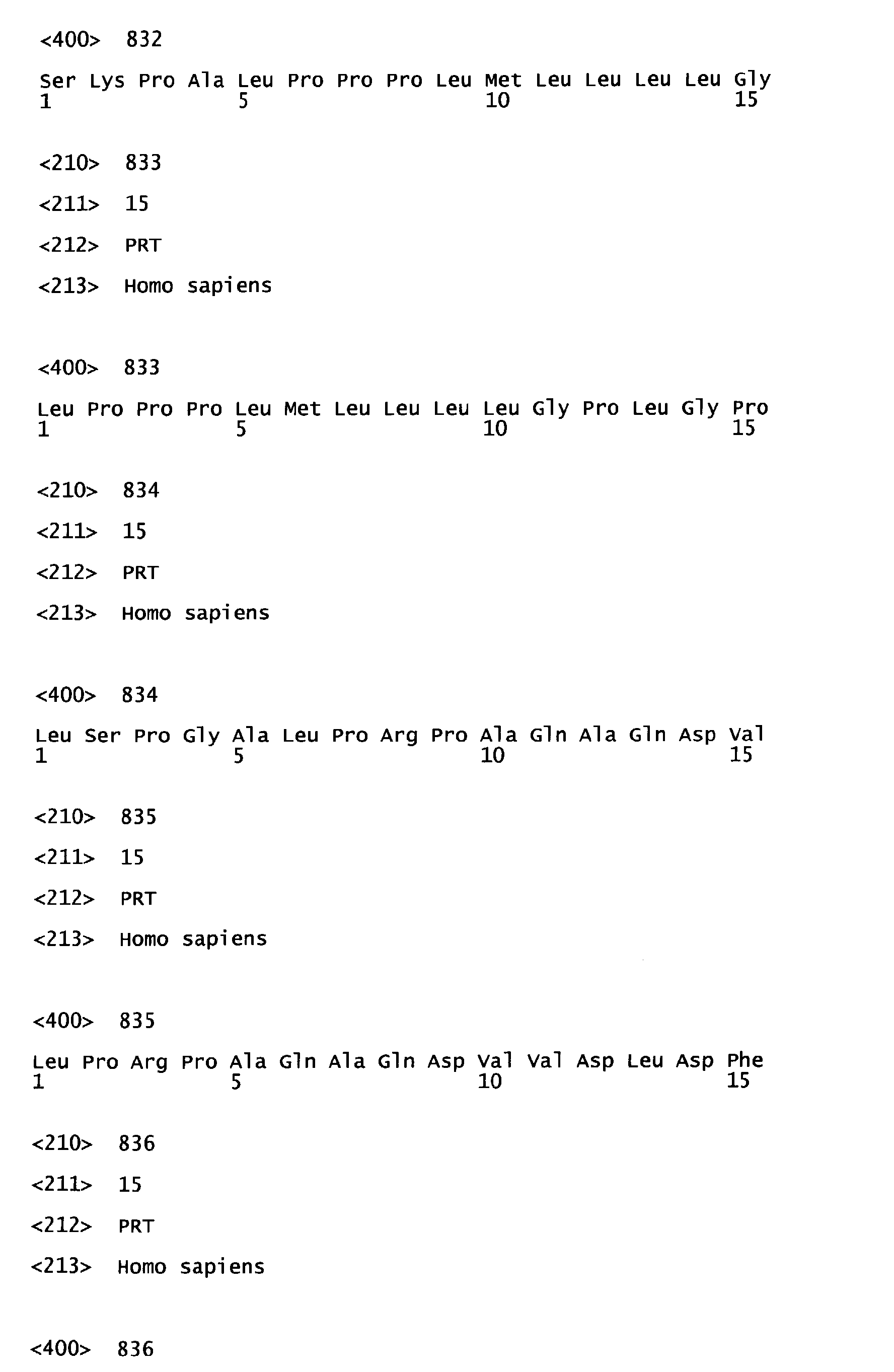
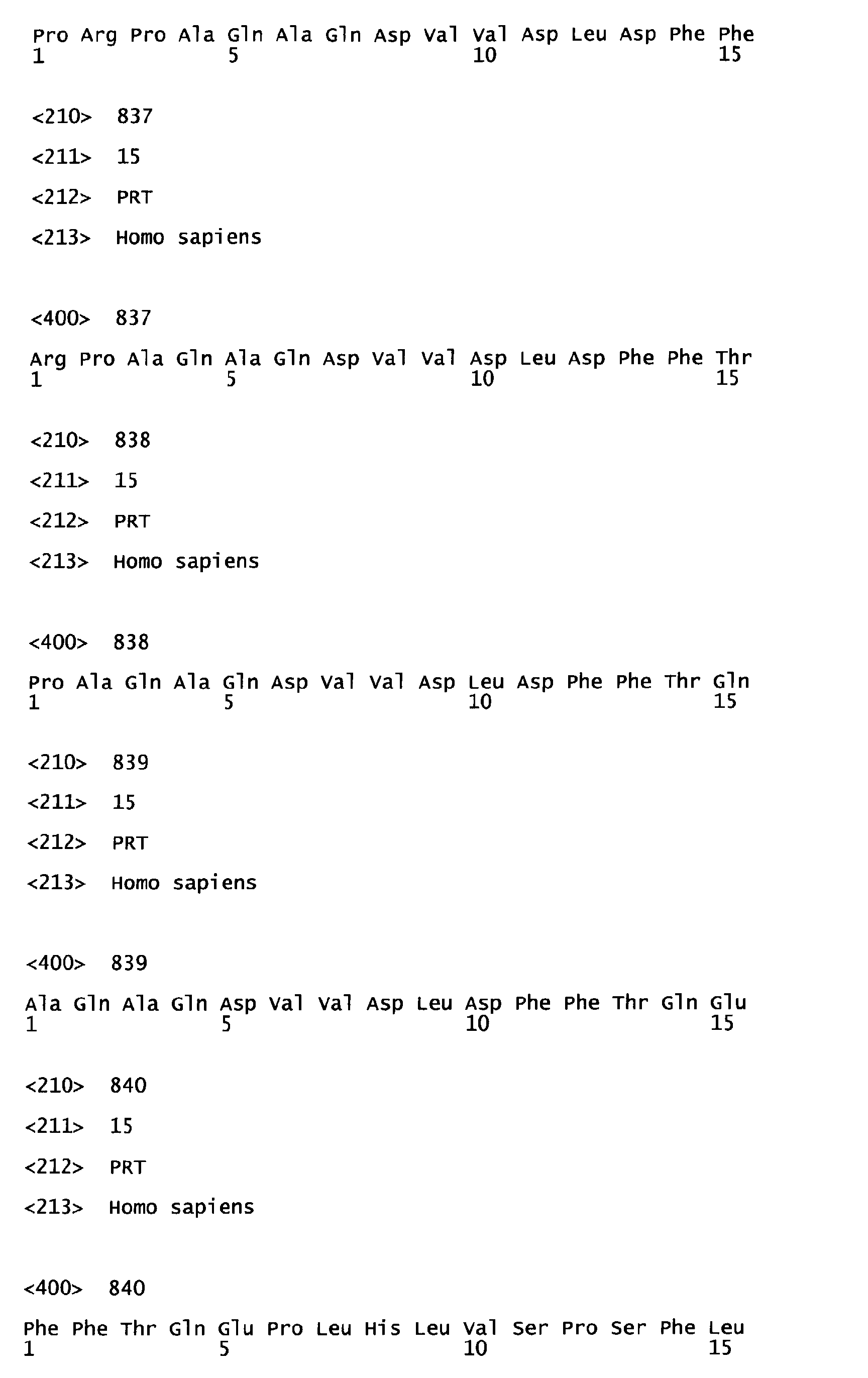
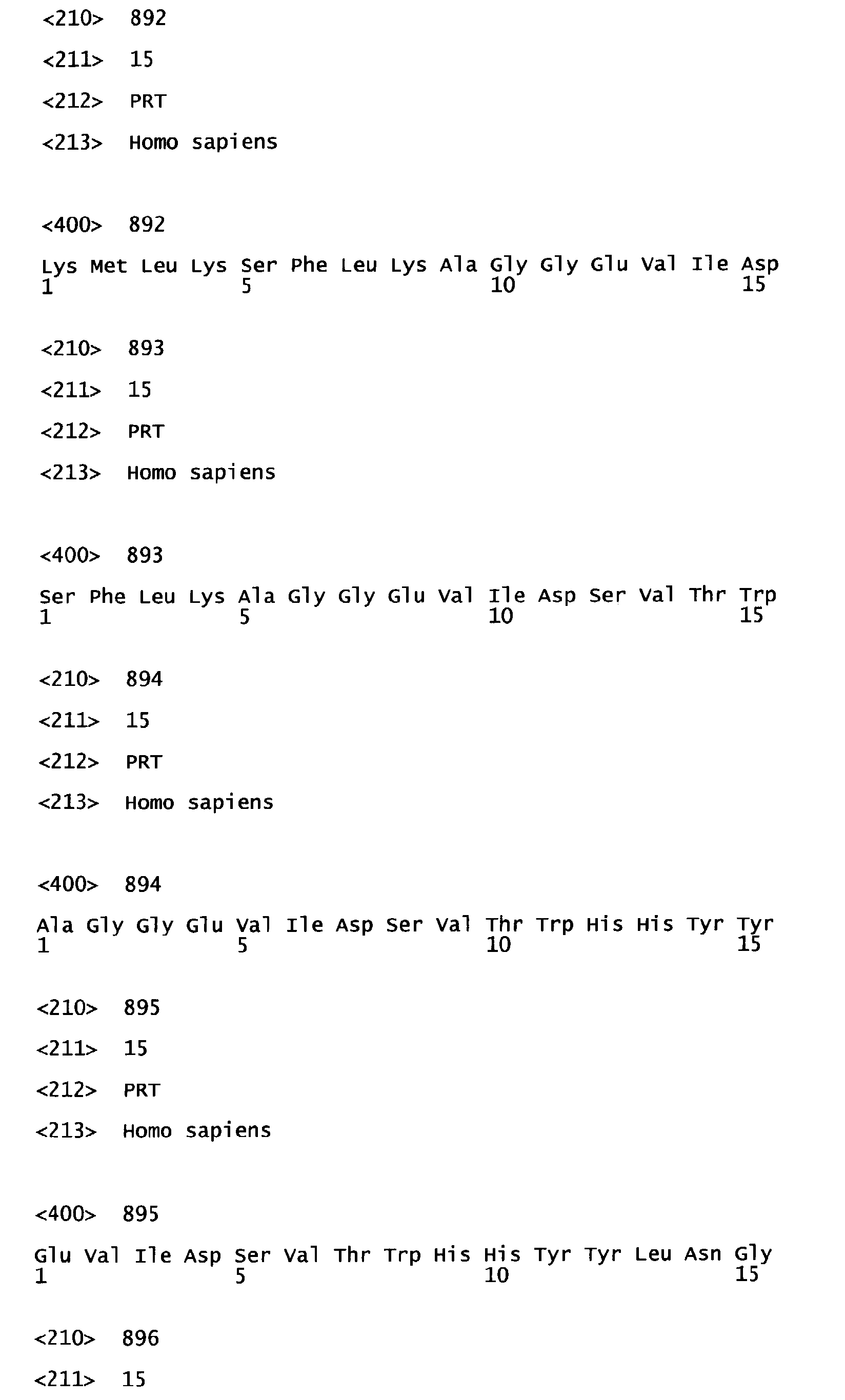
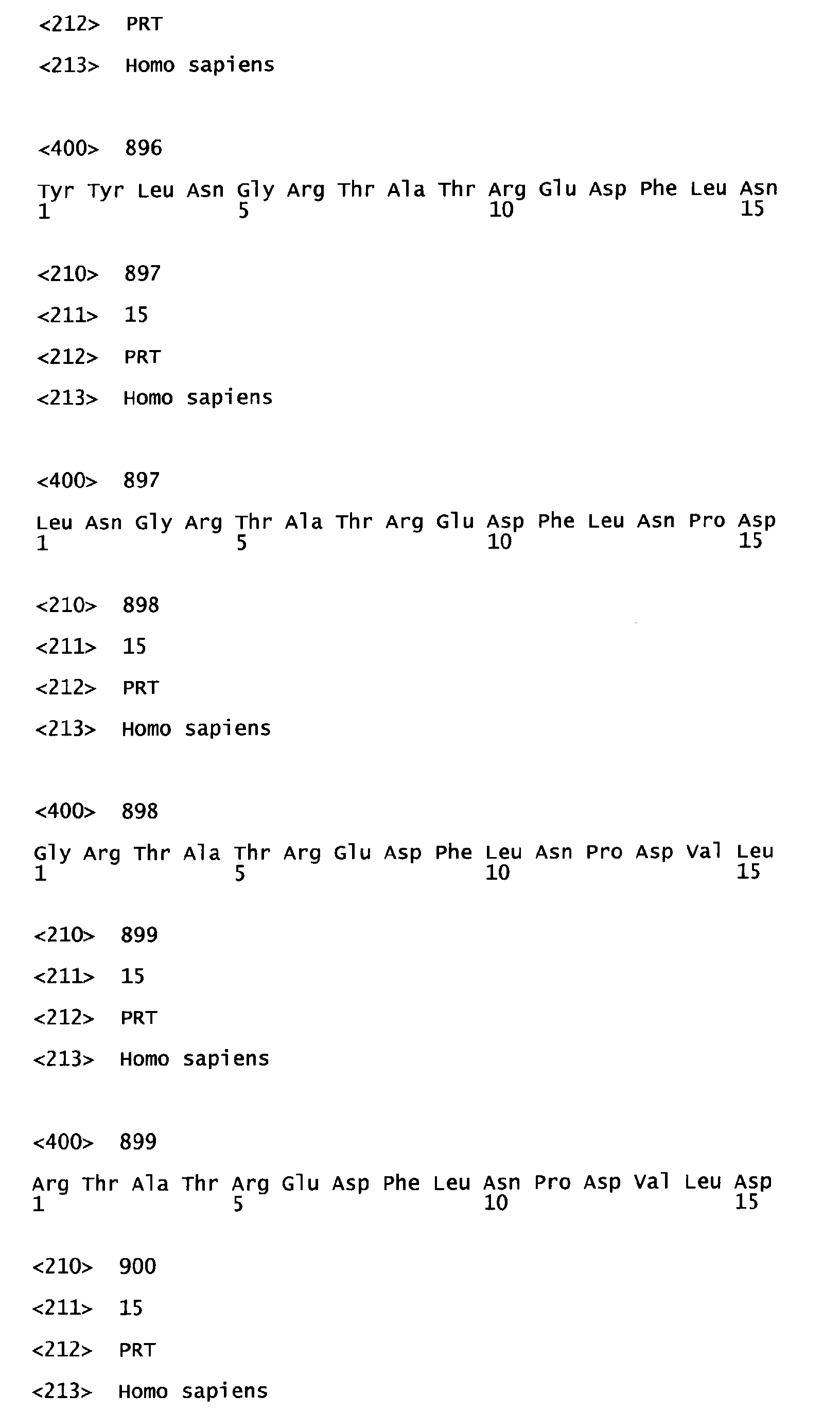
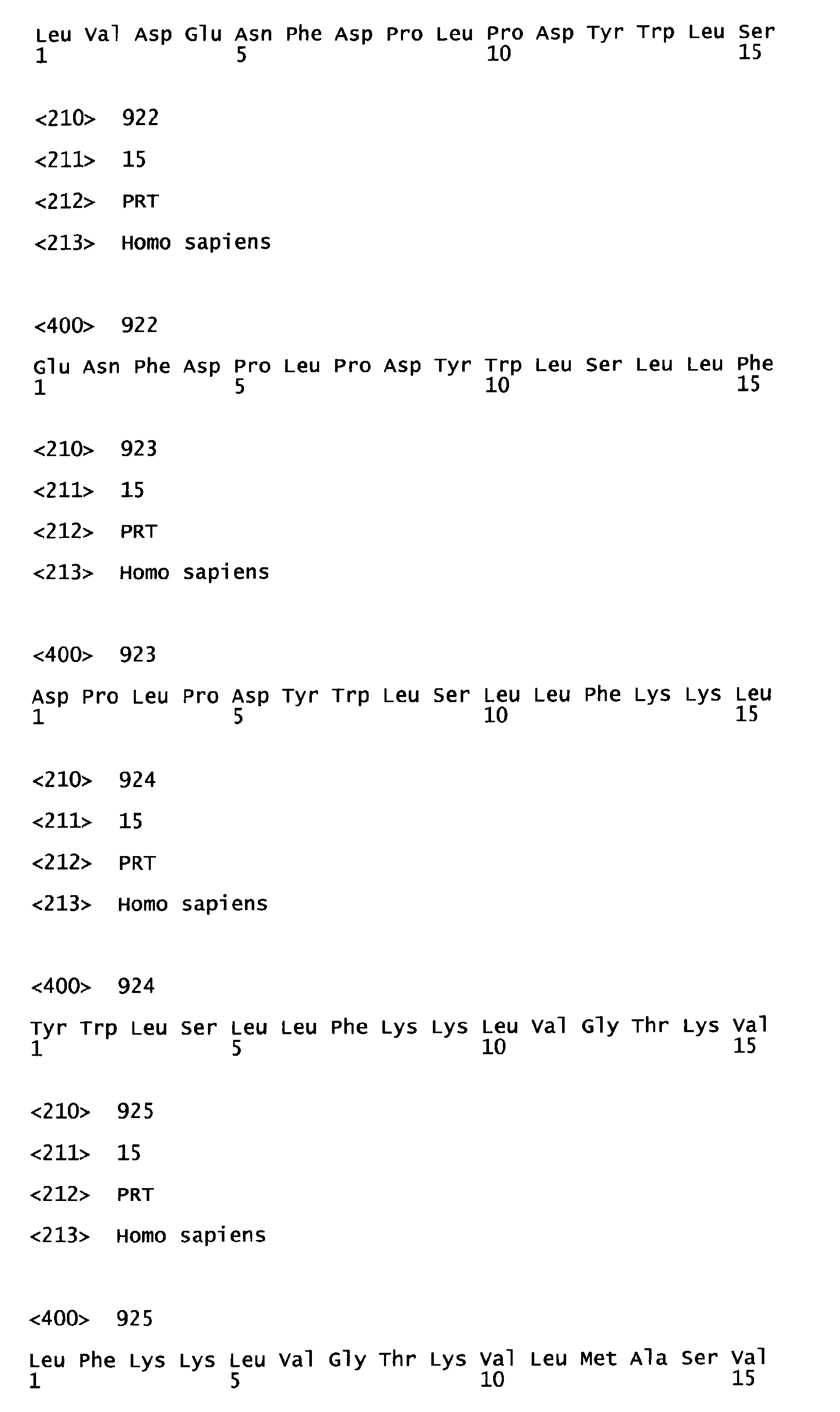
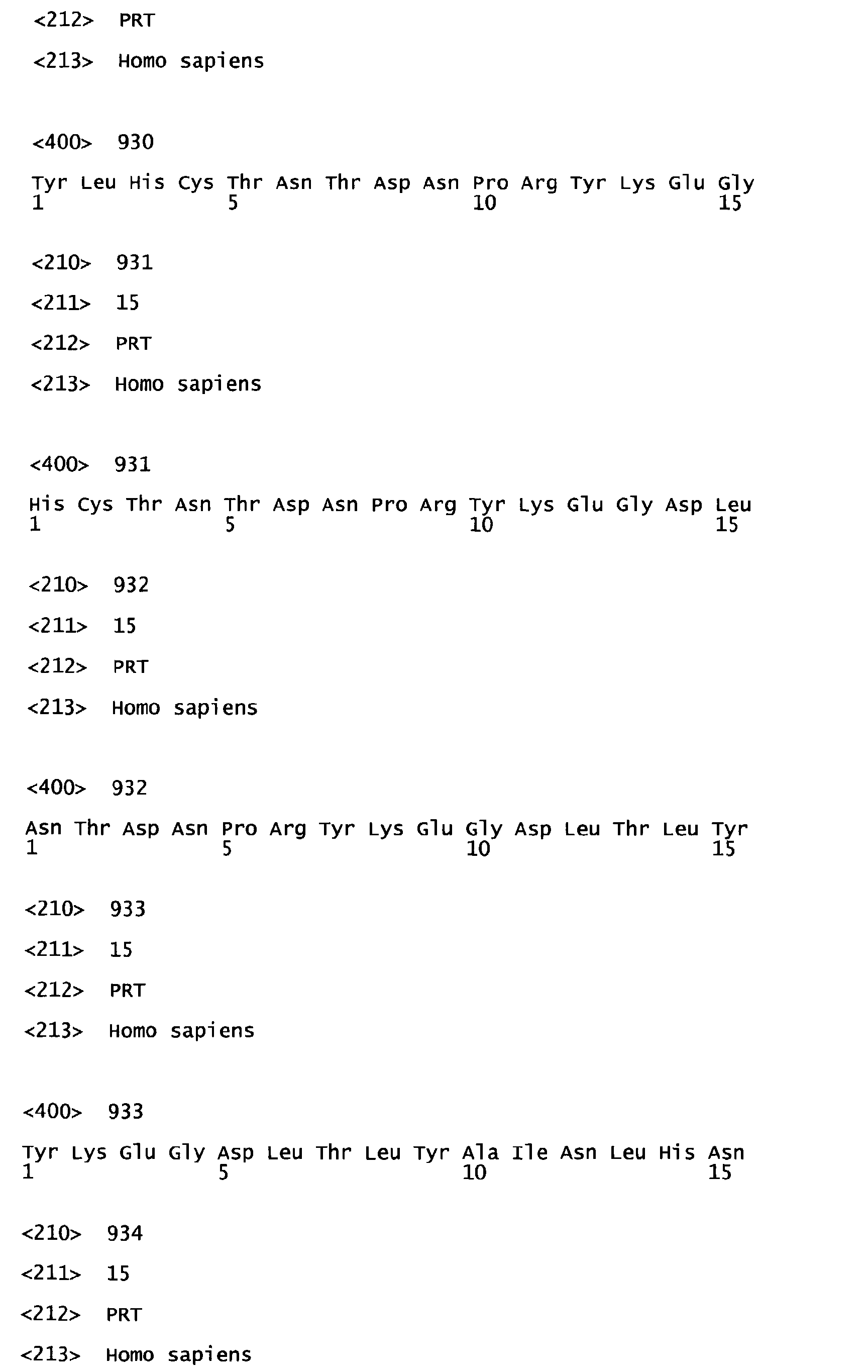
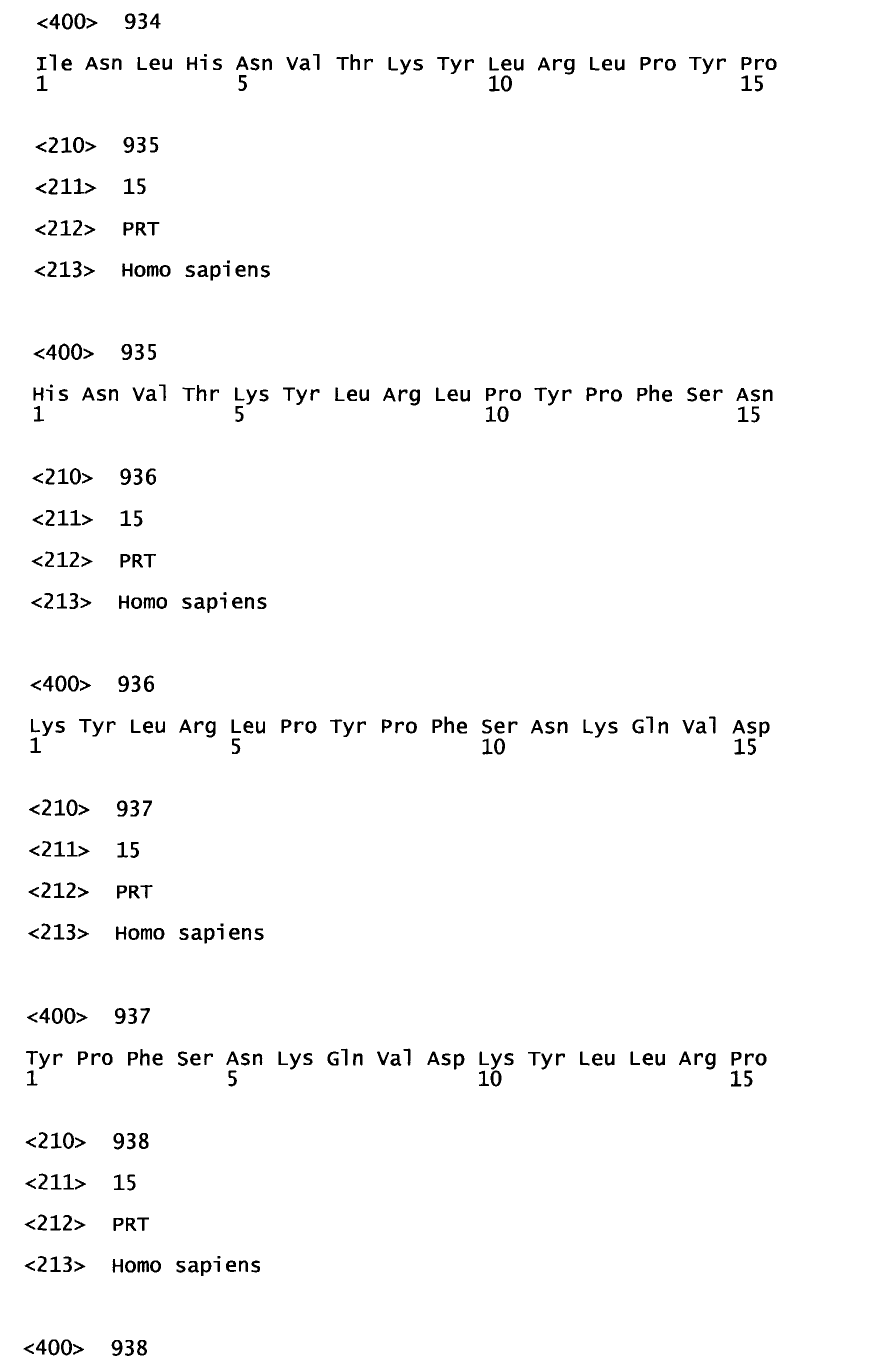
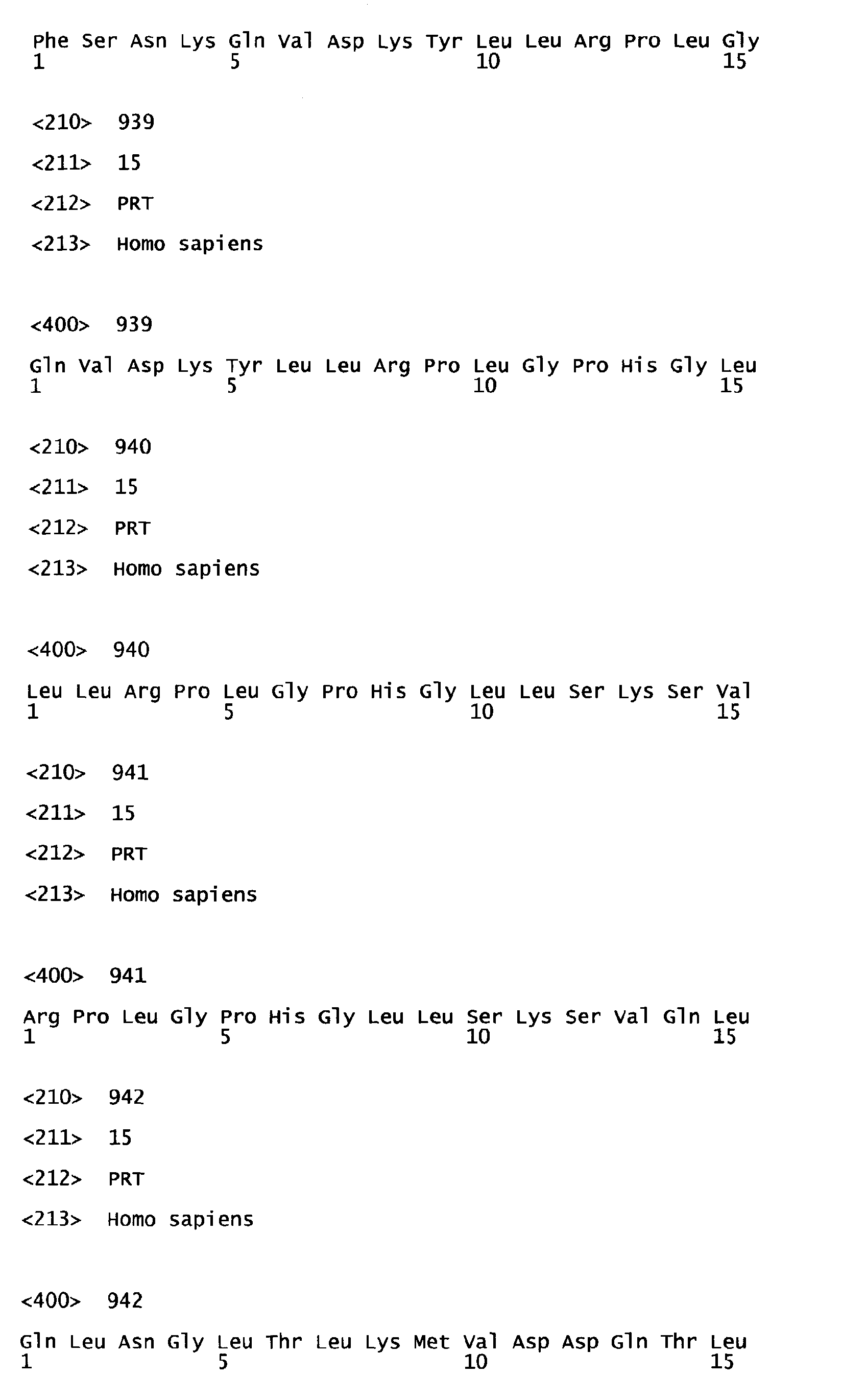
- the vaccine contains at least one heparanase peptide selected from the group consisting of SEQ ID NOs: 1-505 (see also DRAWING, Table 1).
- the vaccine contains at least one heparanase peptide selected from the group consisting of SEQ ID NOs: 1-187 (binding score 31 to 12).
- the vaccine contains at least one heparanase peptide selected from the group consisting of SEQ ID NOs: 1-92 (binding score 31 to 16).
- the vaccine contains at least one heparanase peptide selected from the group consisting of SEQ ID NOs: 1, 2, and 3 (binding score 31 to 28).
- Another object of the present invention is a heparanase peptide, or a functional derivative thereof, that binds to HLA molecule, wherein the heparanase peptide is a nonapeptide having the sequence selected from the group consisting of heparanase peptide that binds to HLA molecule, wherein the heparanase peptide is a nonapeptide having the sequence selected from the group consisting of SEQ ID NOs:1-505, preferably SEQ ID NOs:1-187, more preferably SEQ ID NOs: 1-92 and most preferably SEQ ID NOs: 1-3.
- MHC class II molecules with bound peptides/antigens are also presented on the surface of antigen presenting cells; however, in contrast to MHC class I, these cells are then recognized by so-called helper T-cells (CD4 + - T cells) of the immune system.
- helper T-cells CD4 + - T cells
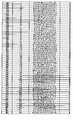
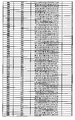
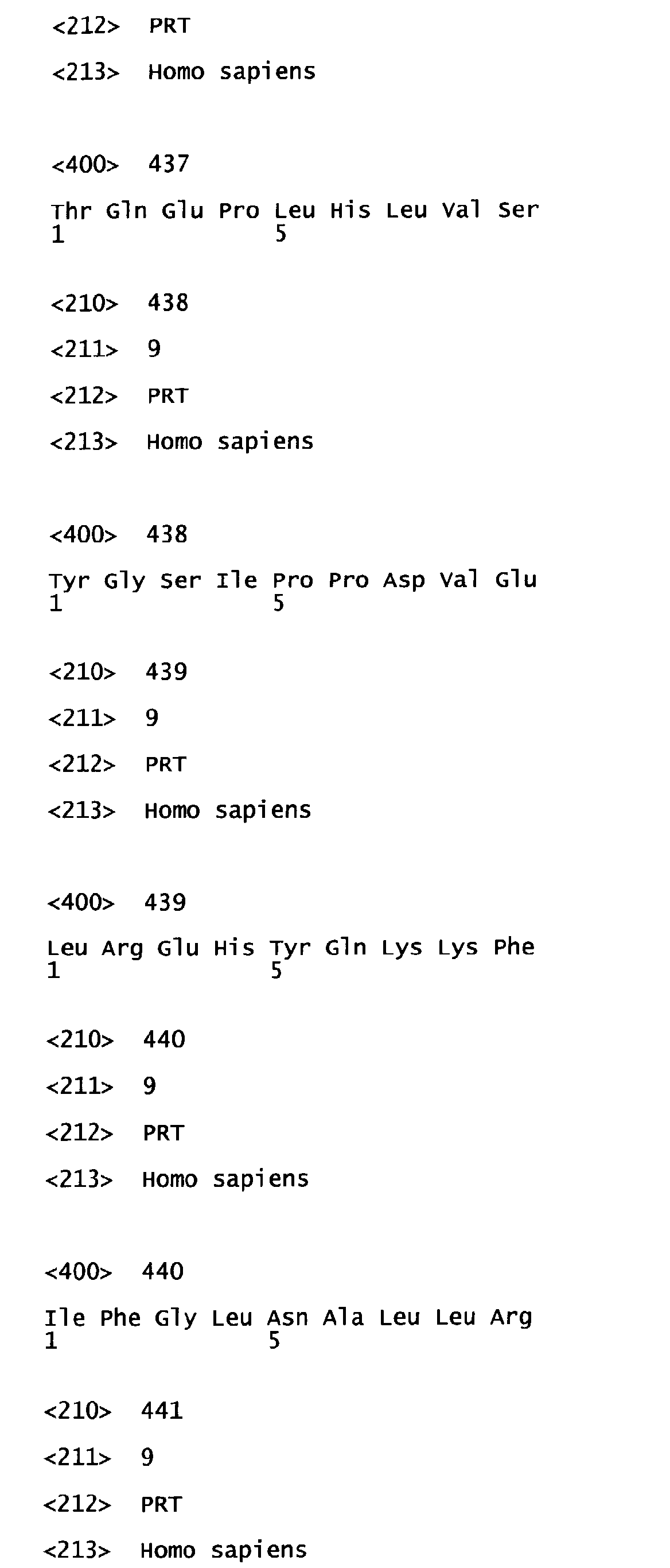
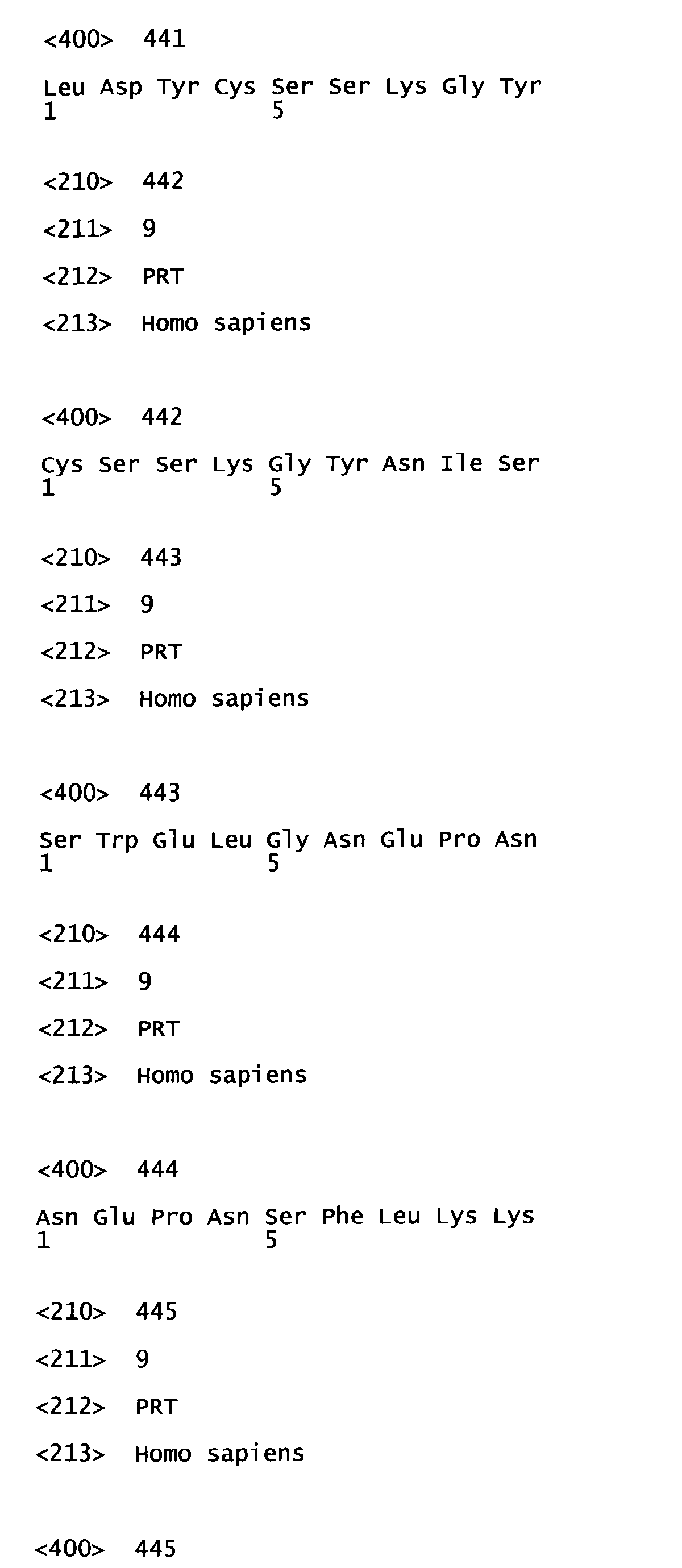
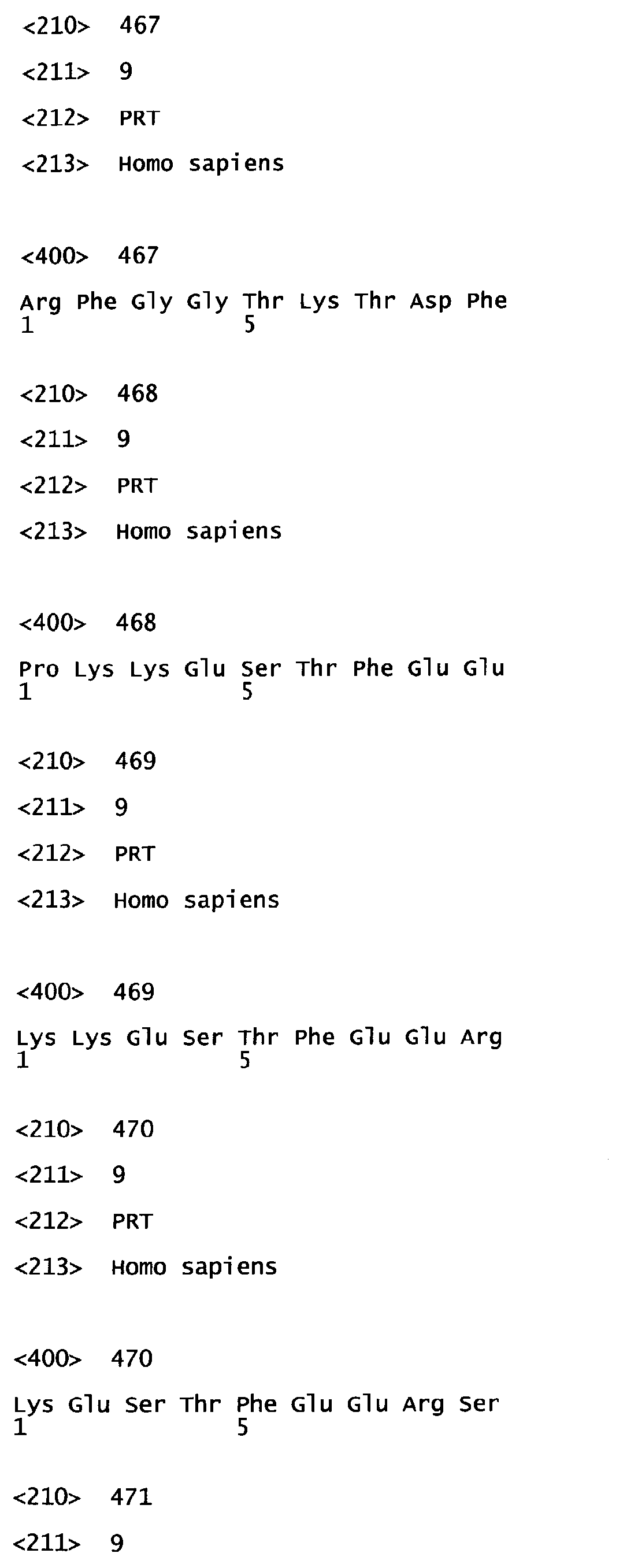
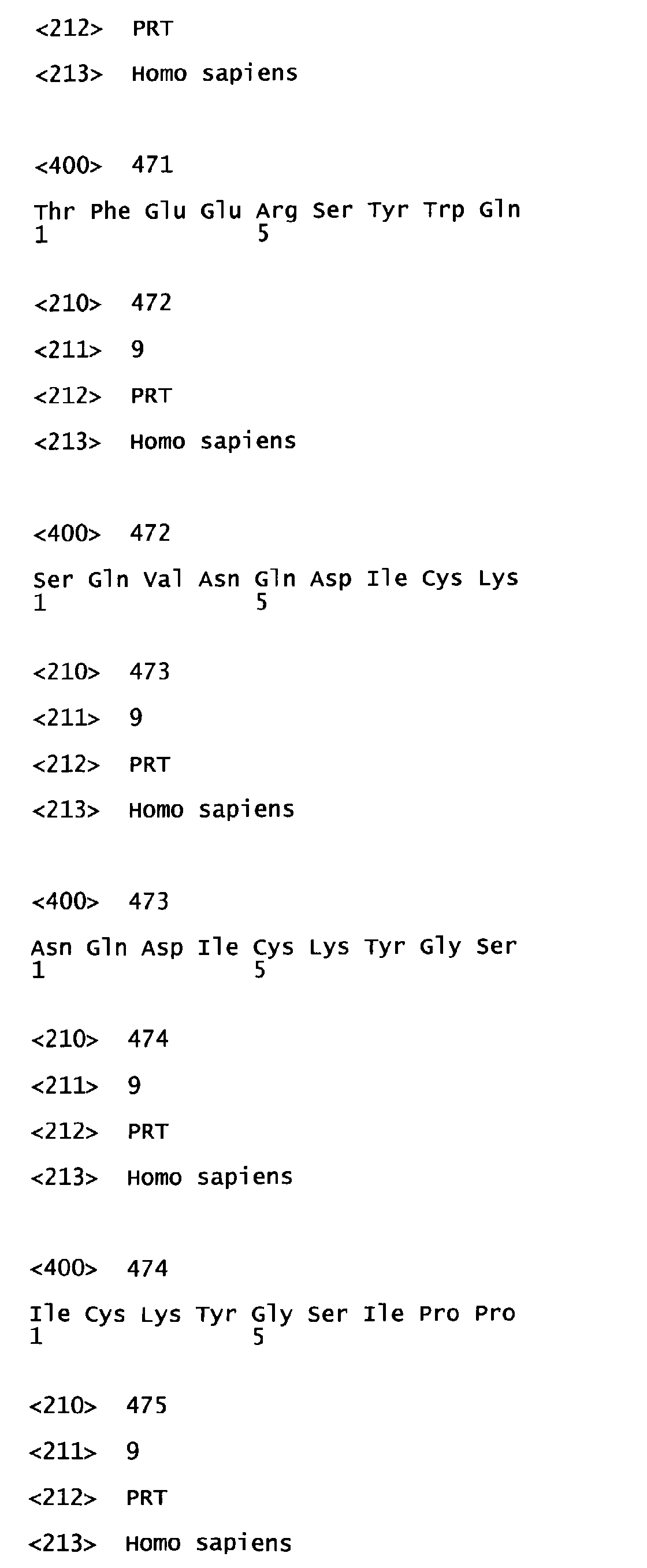
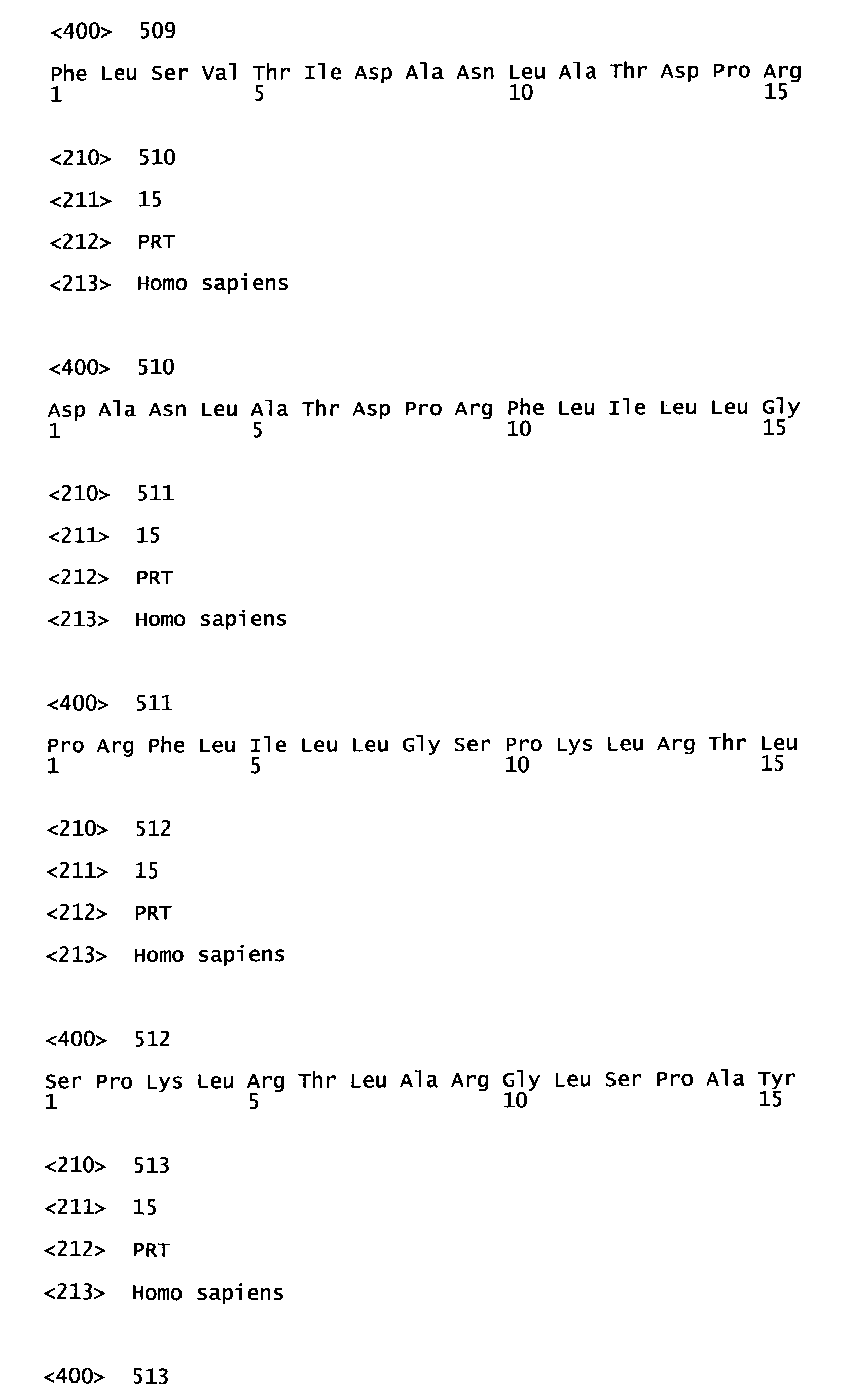
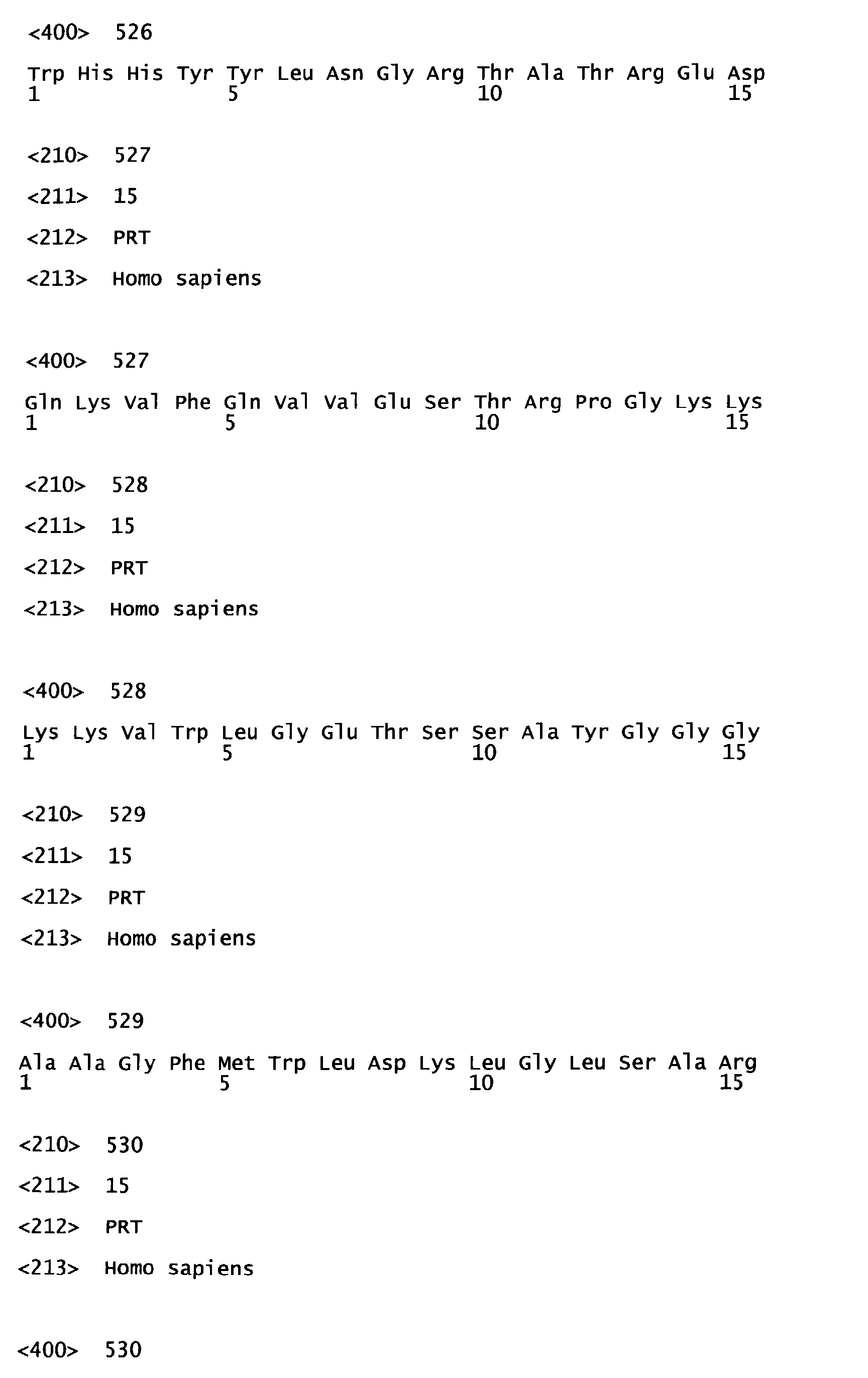
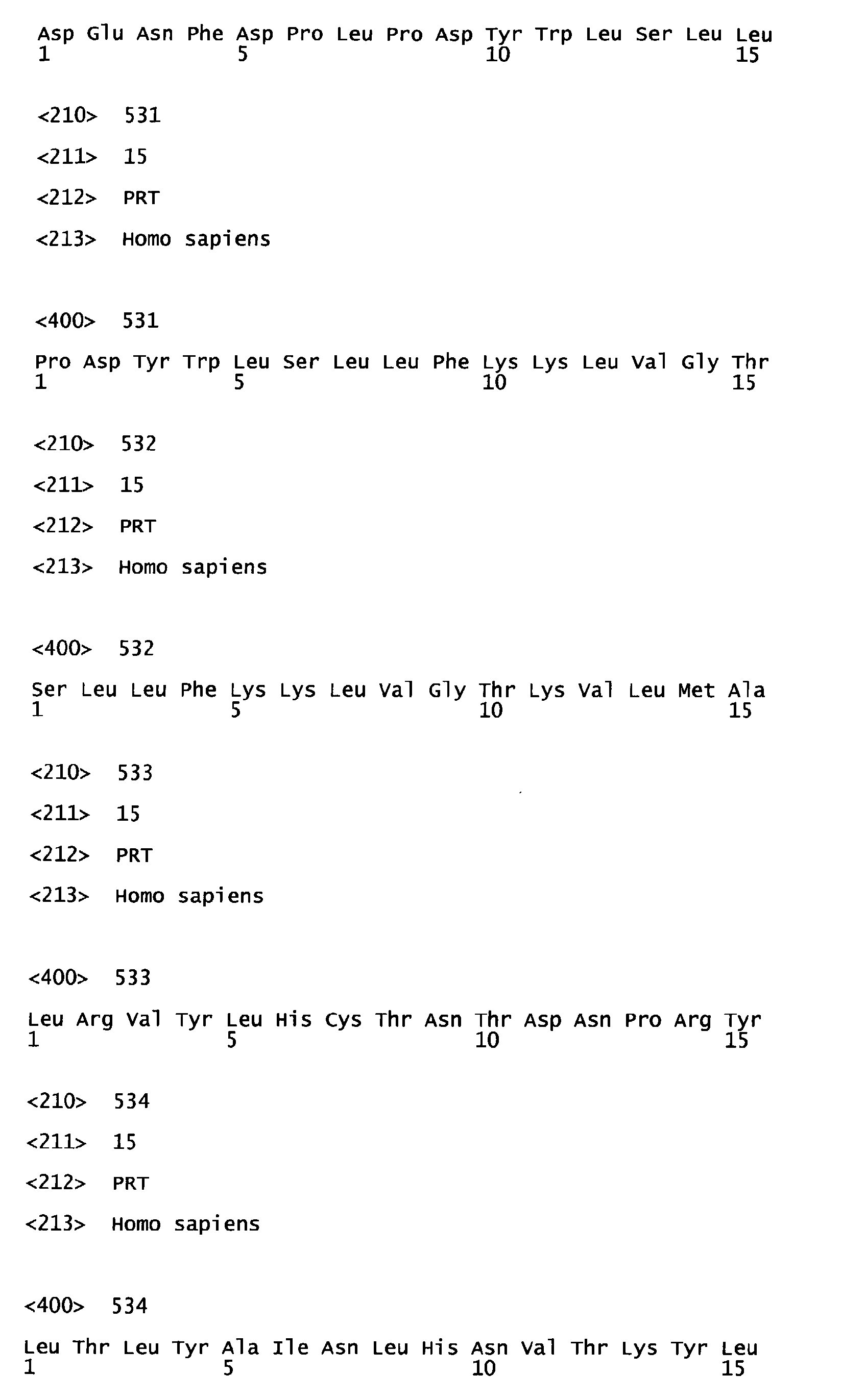
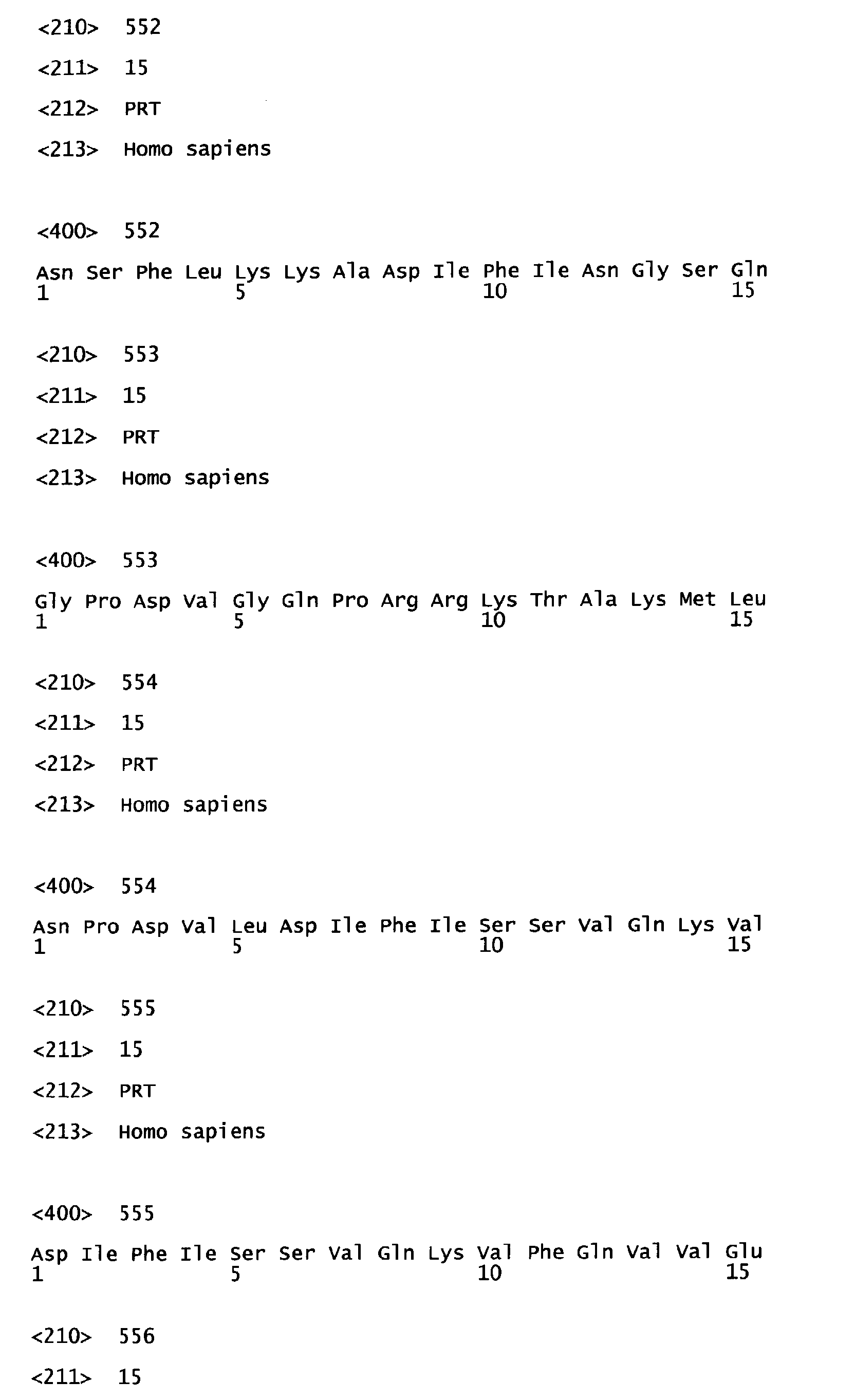
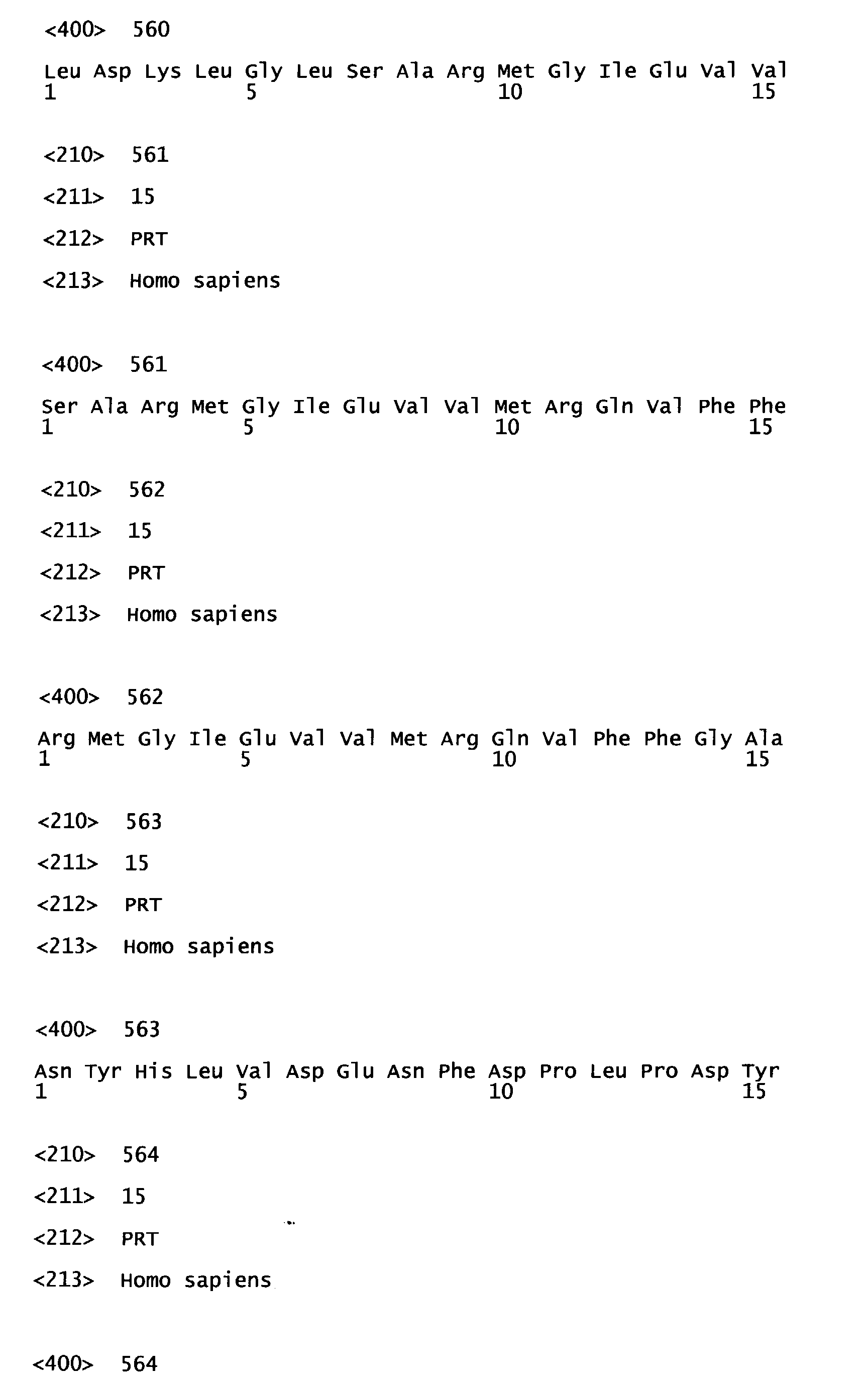
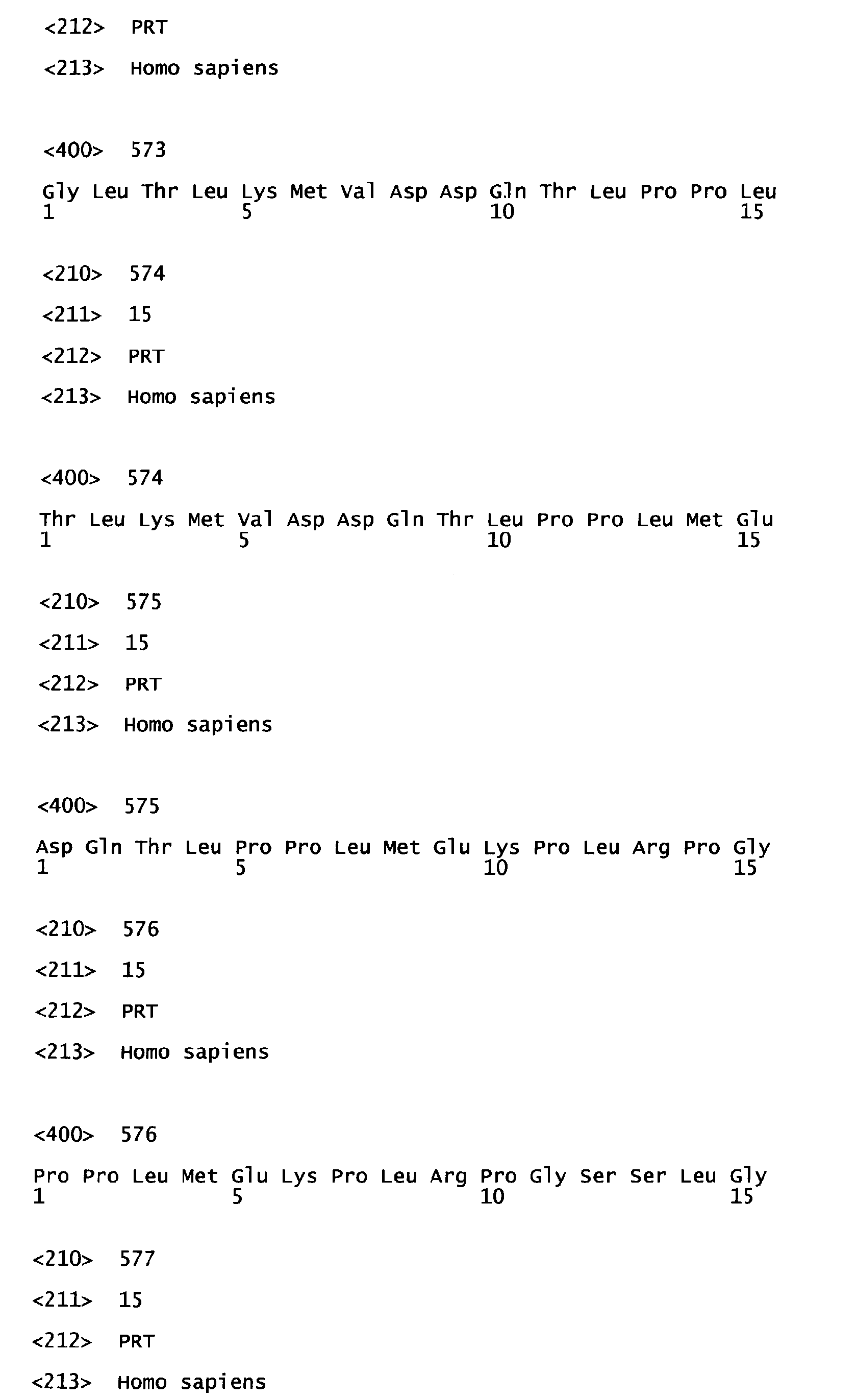
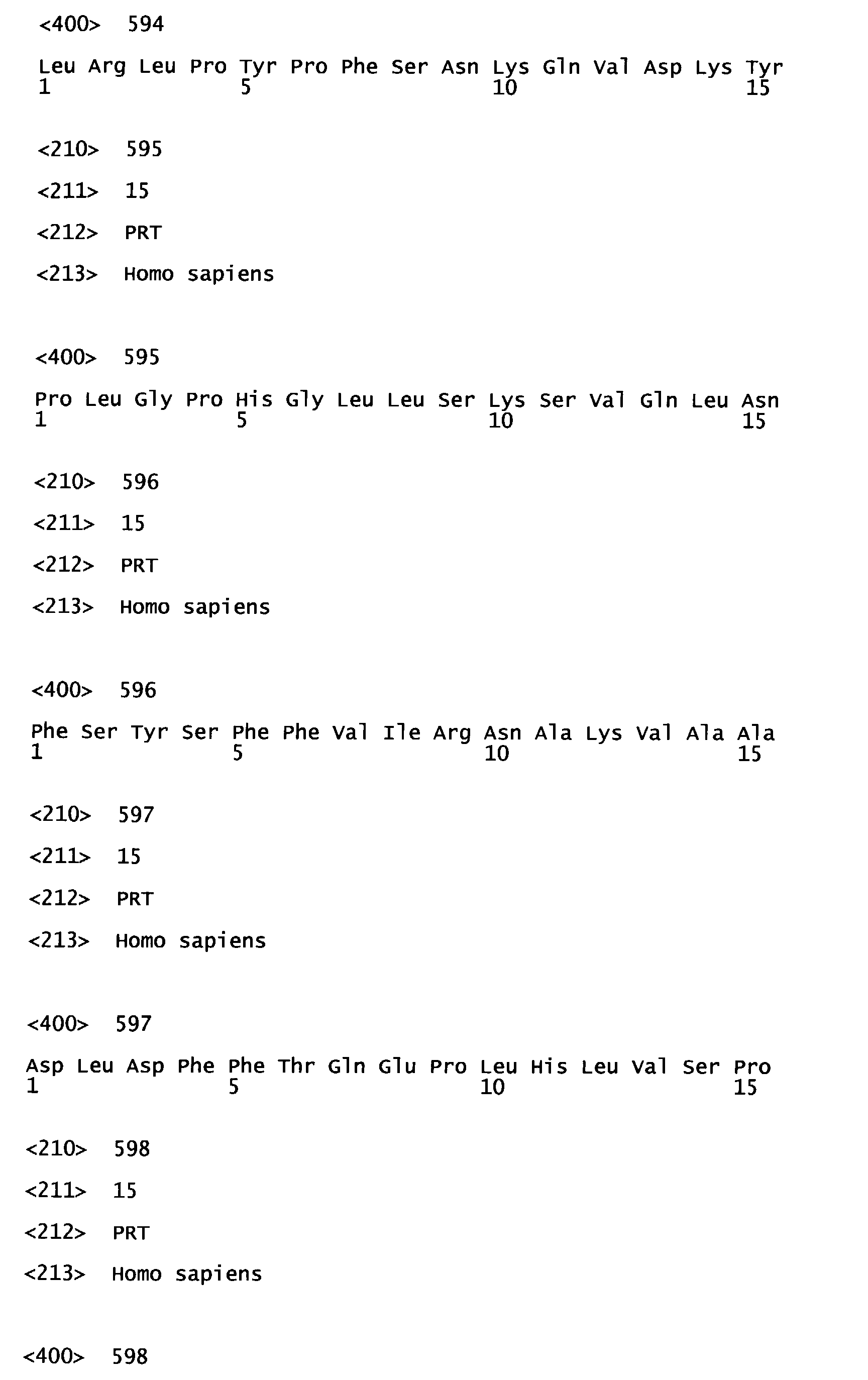
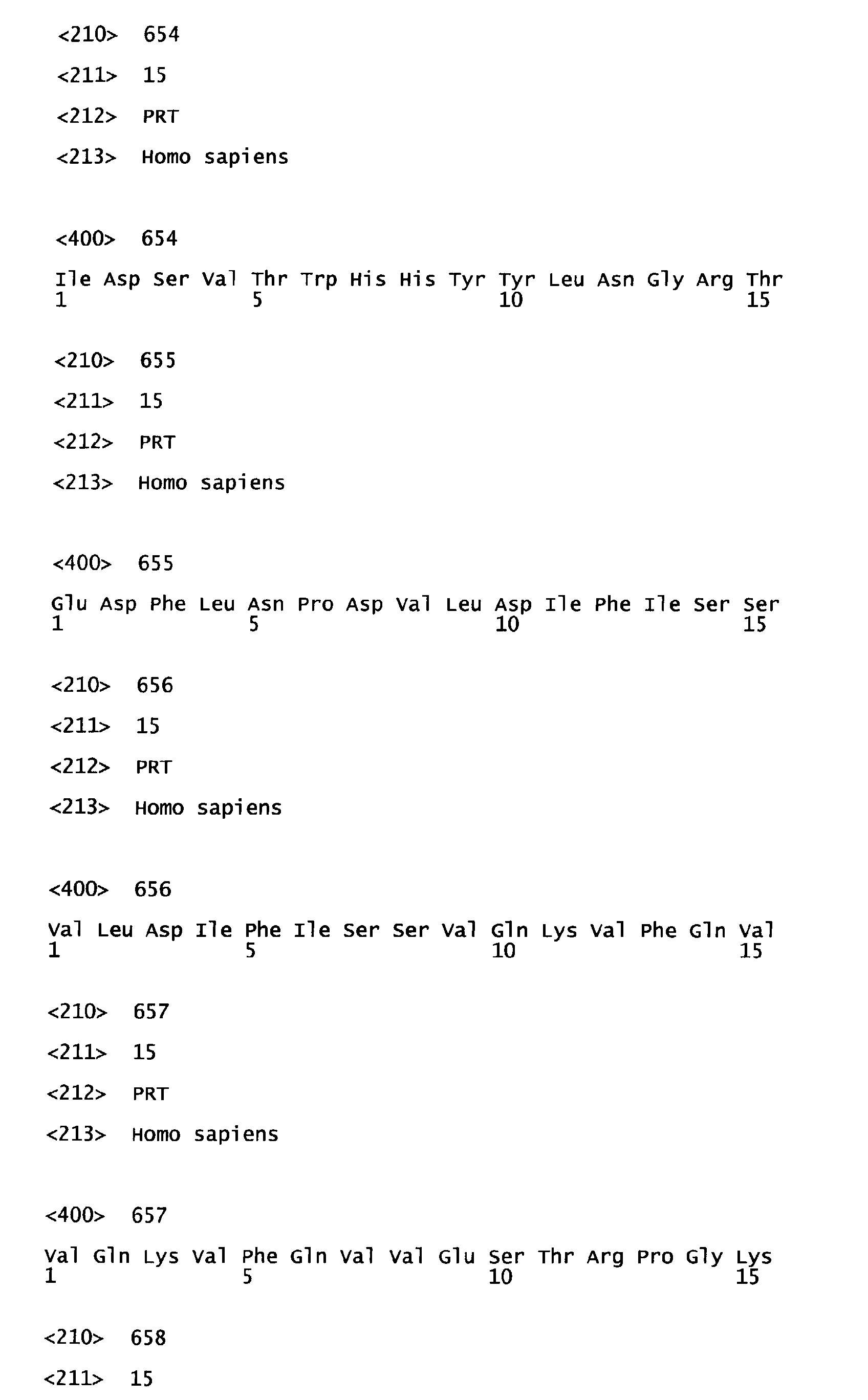
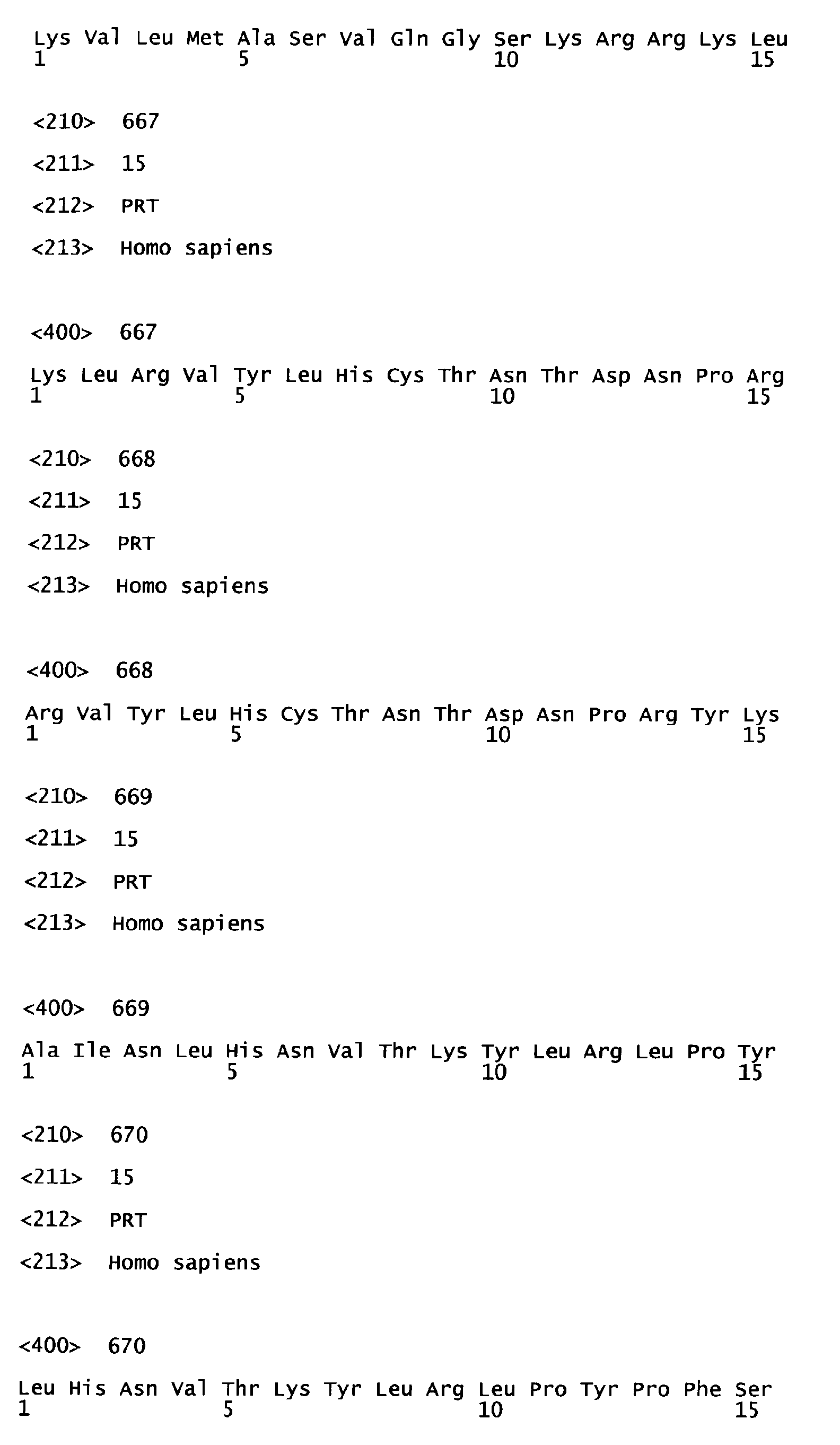
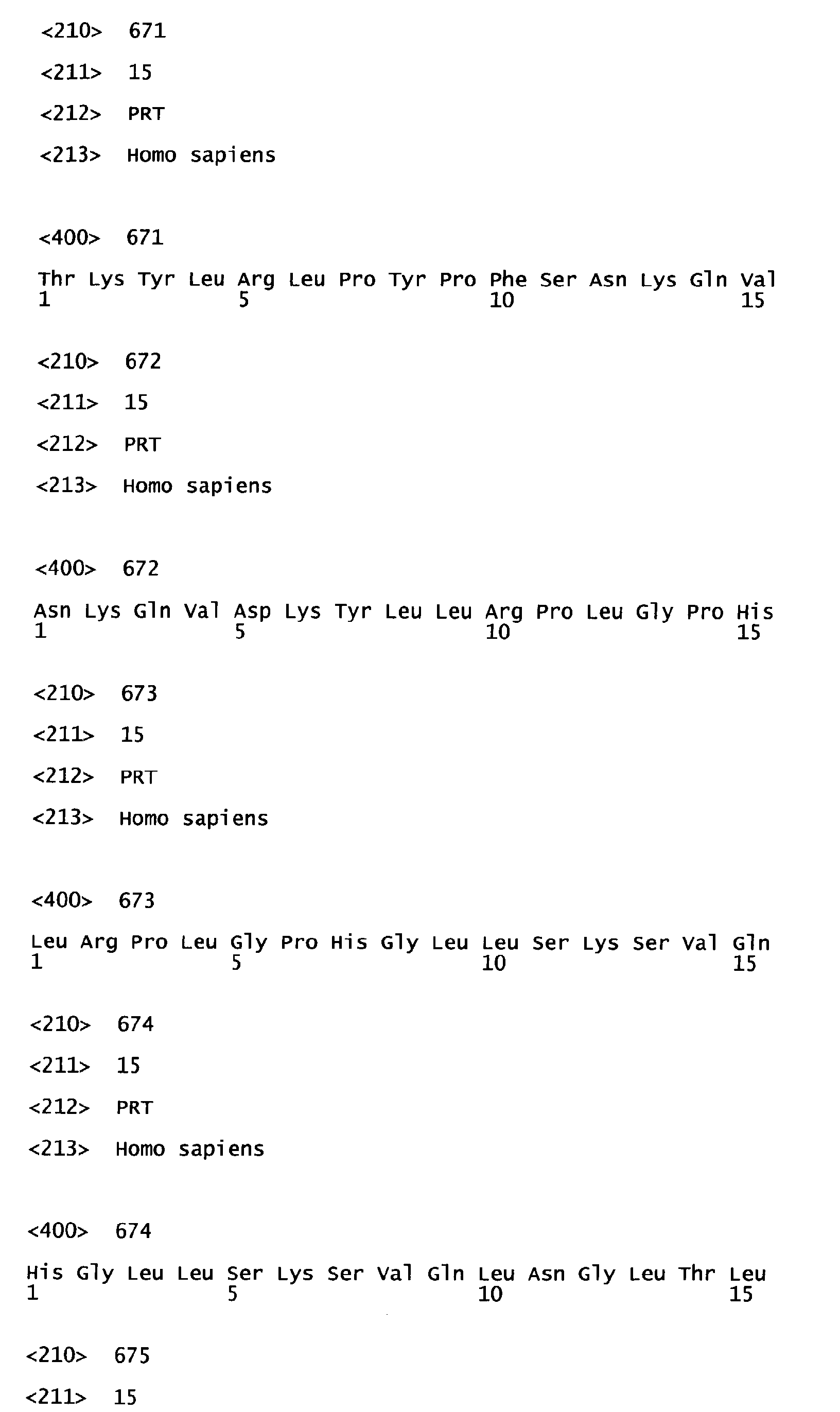
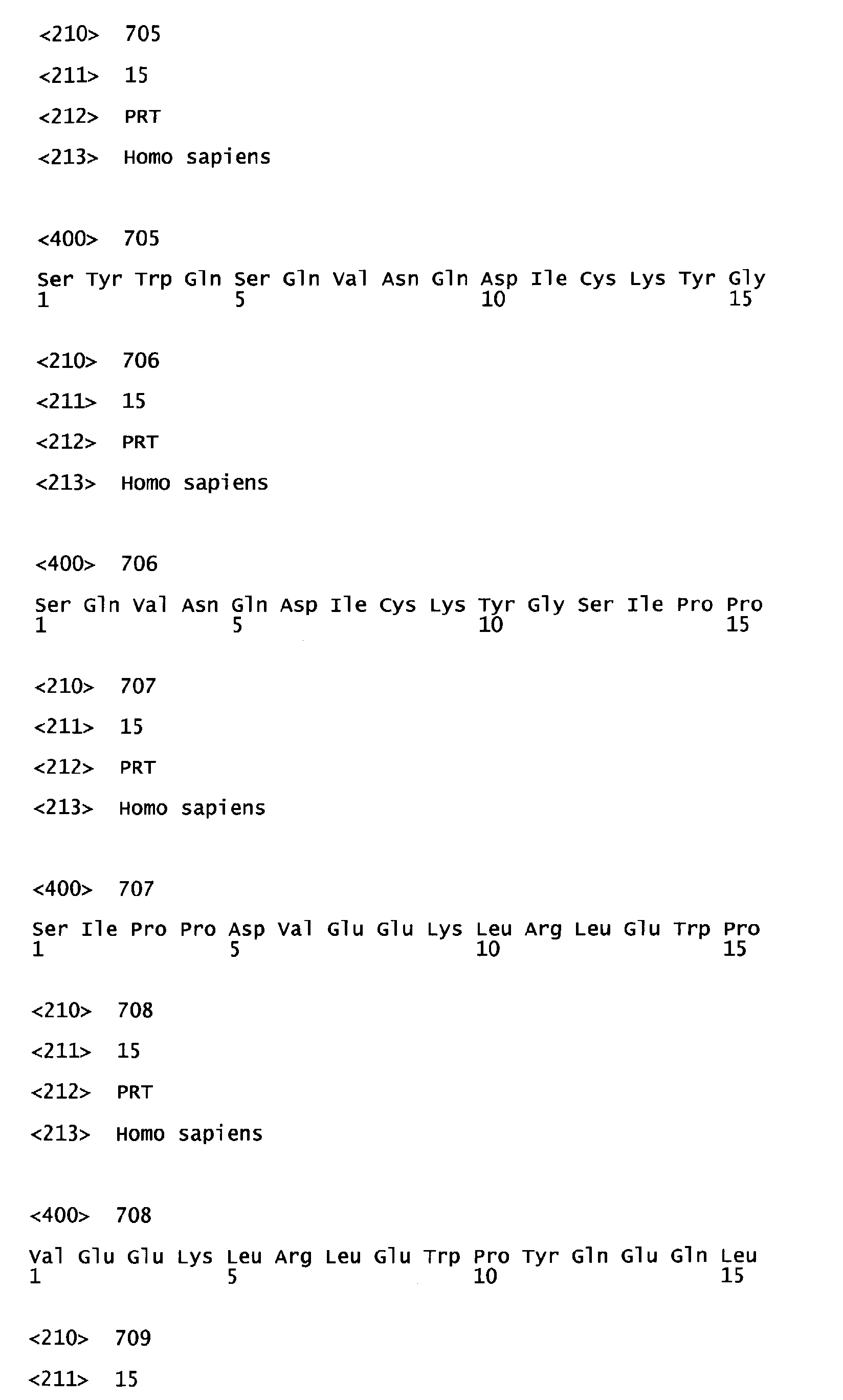
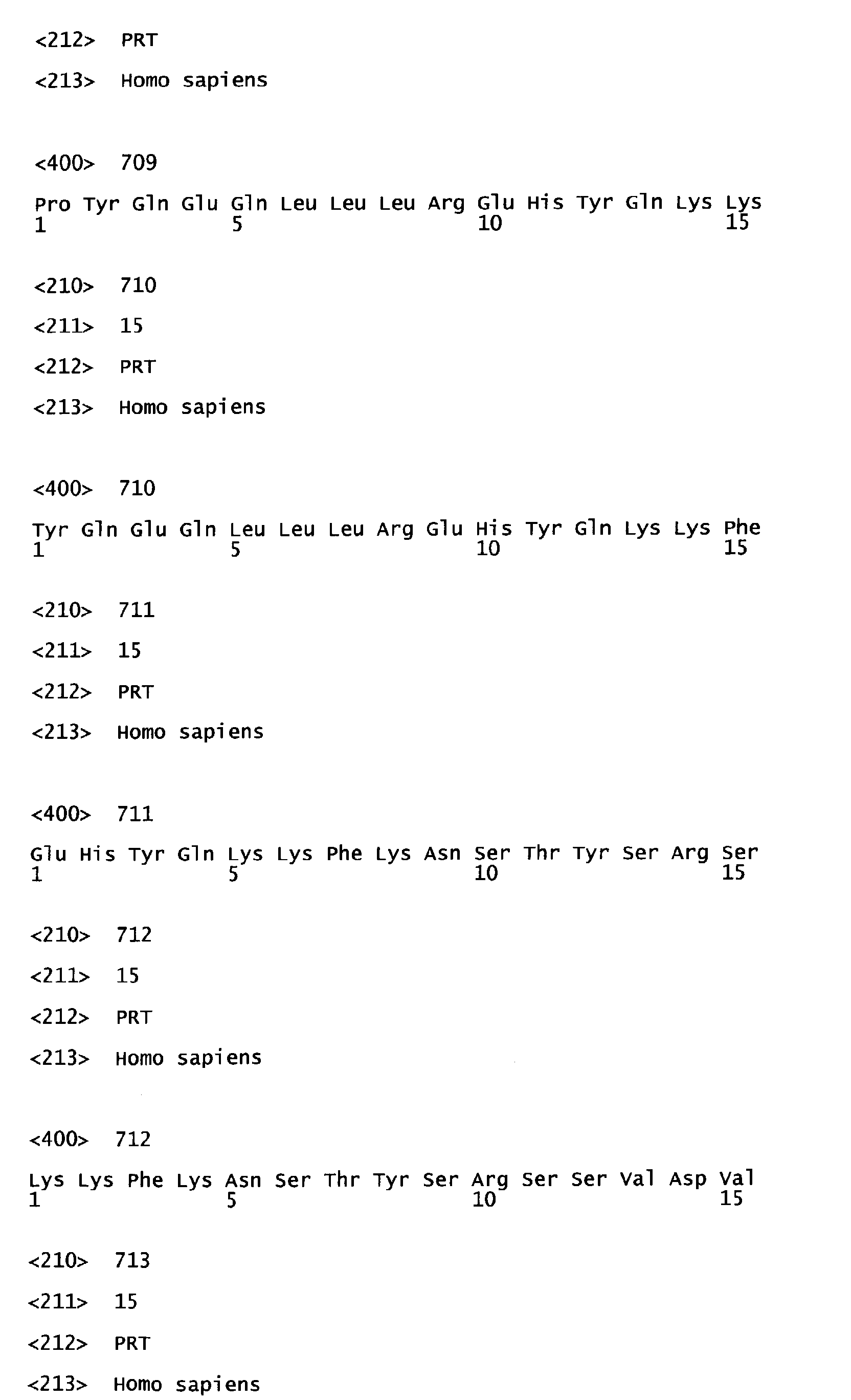
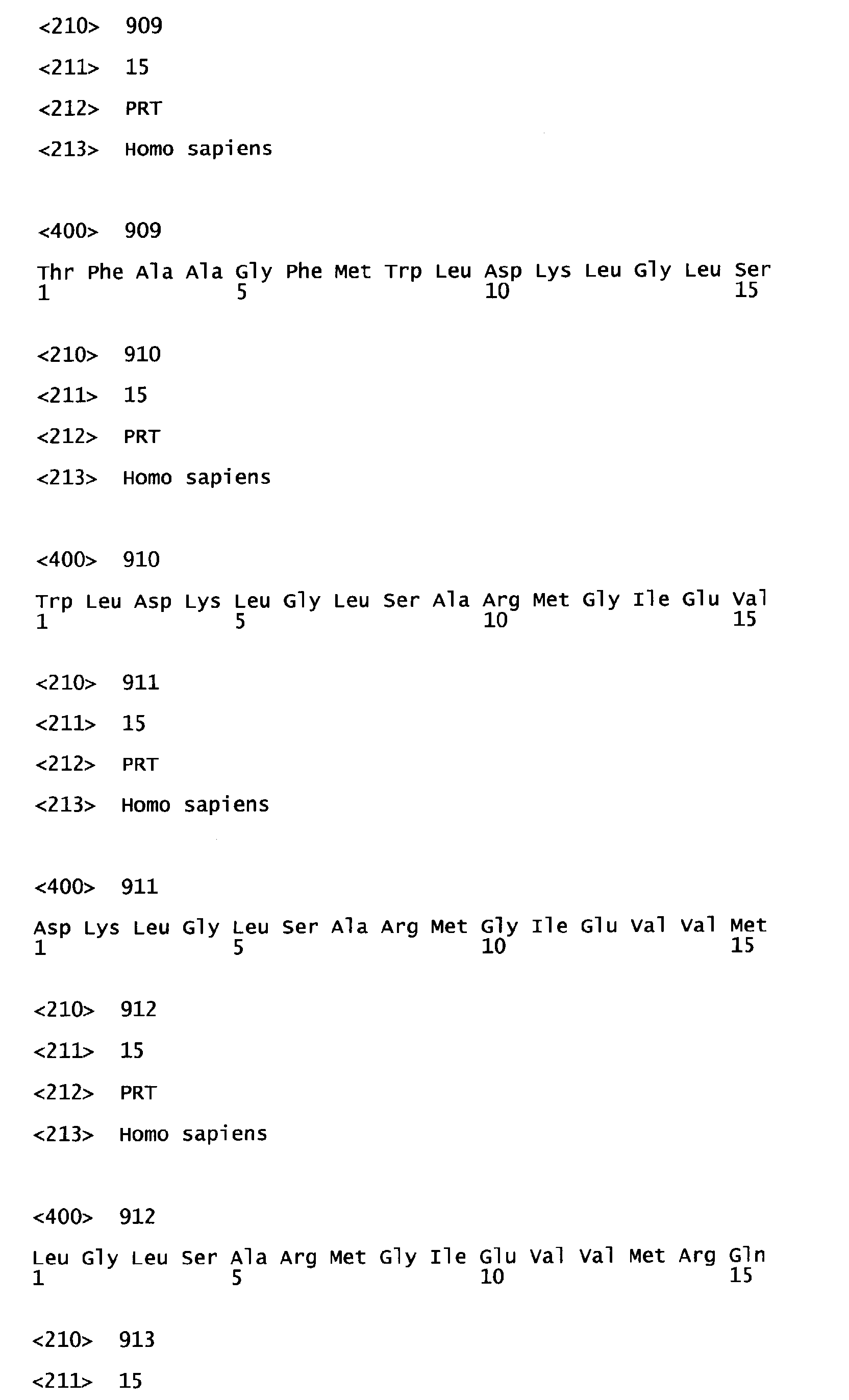
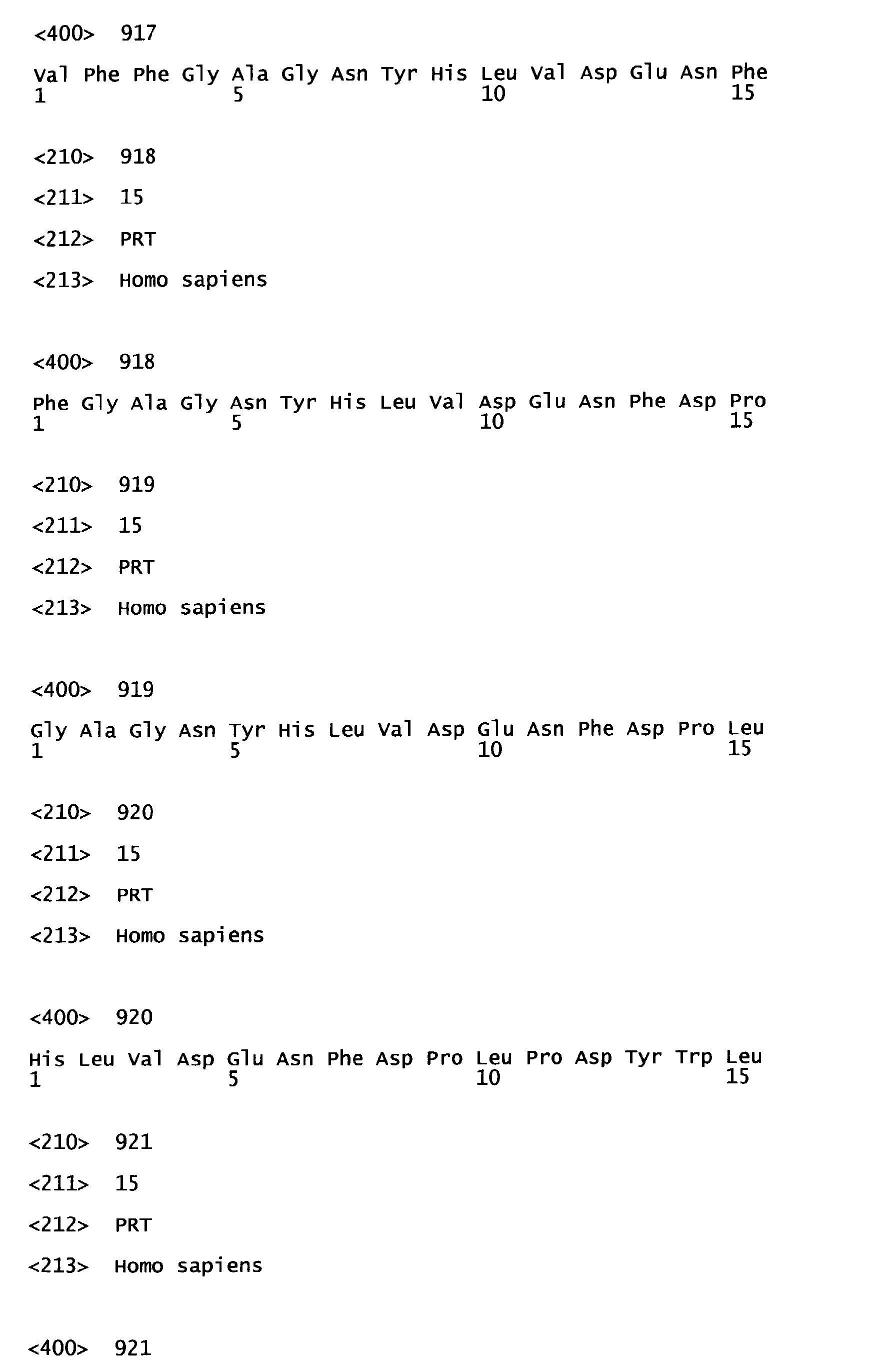
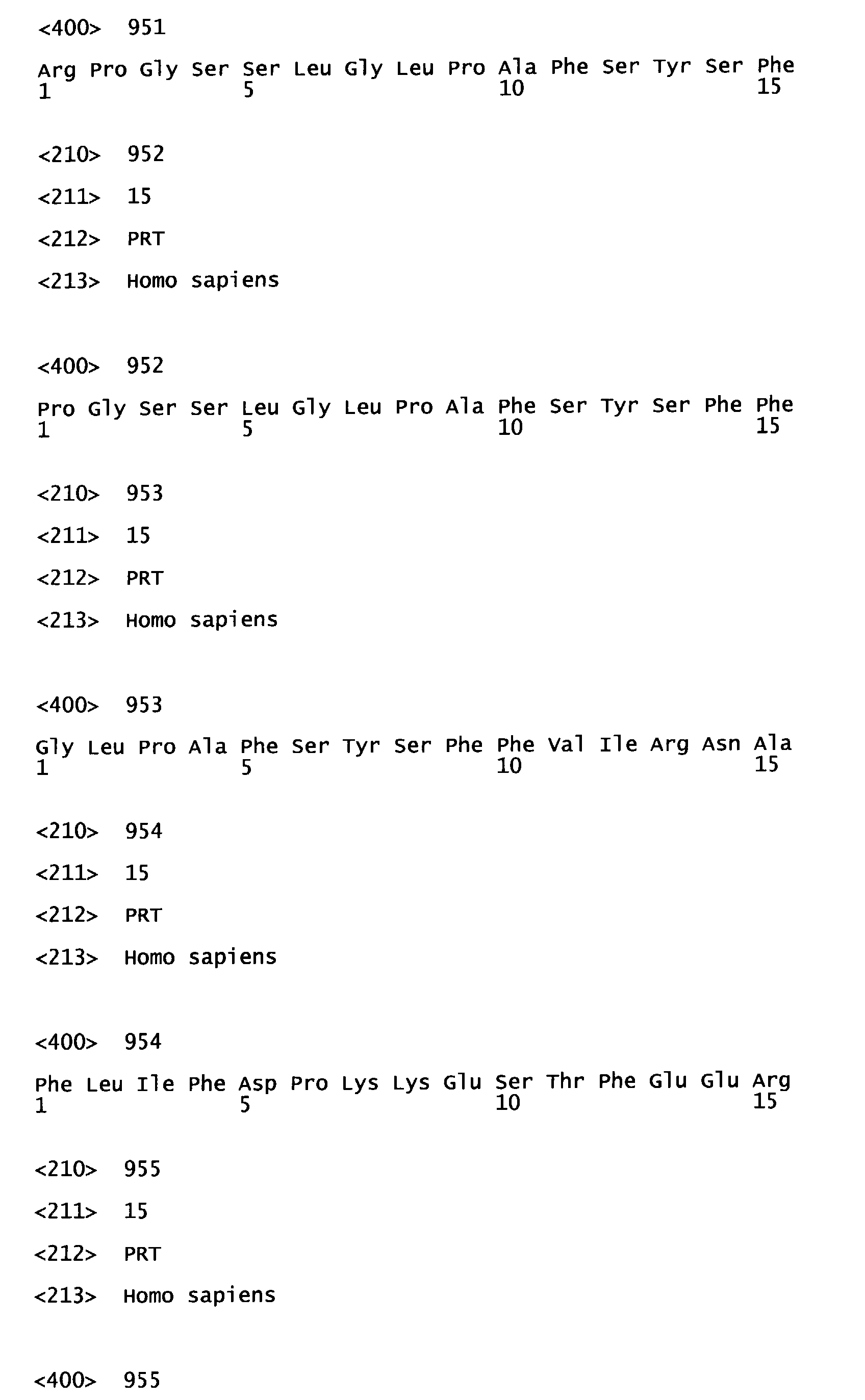
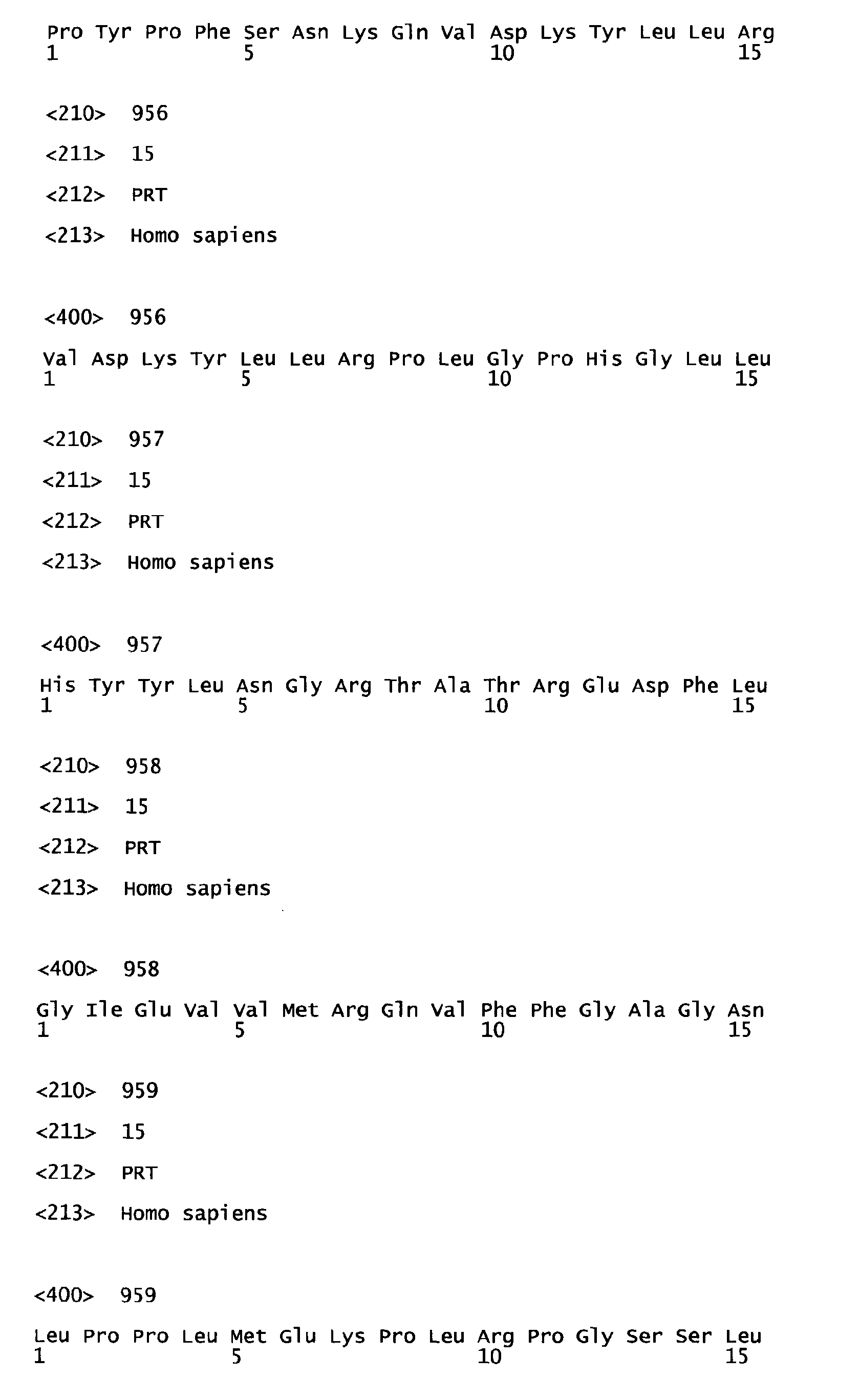
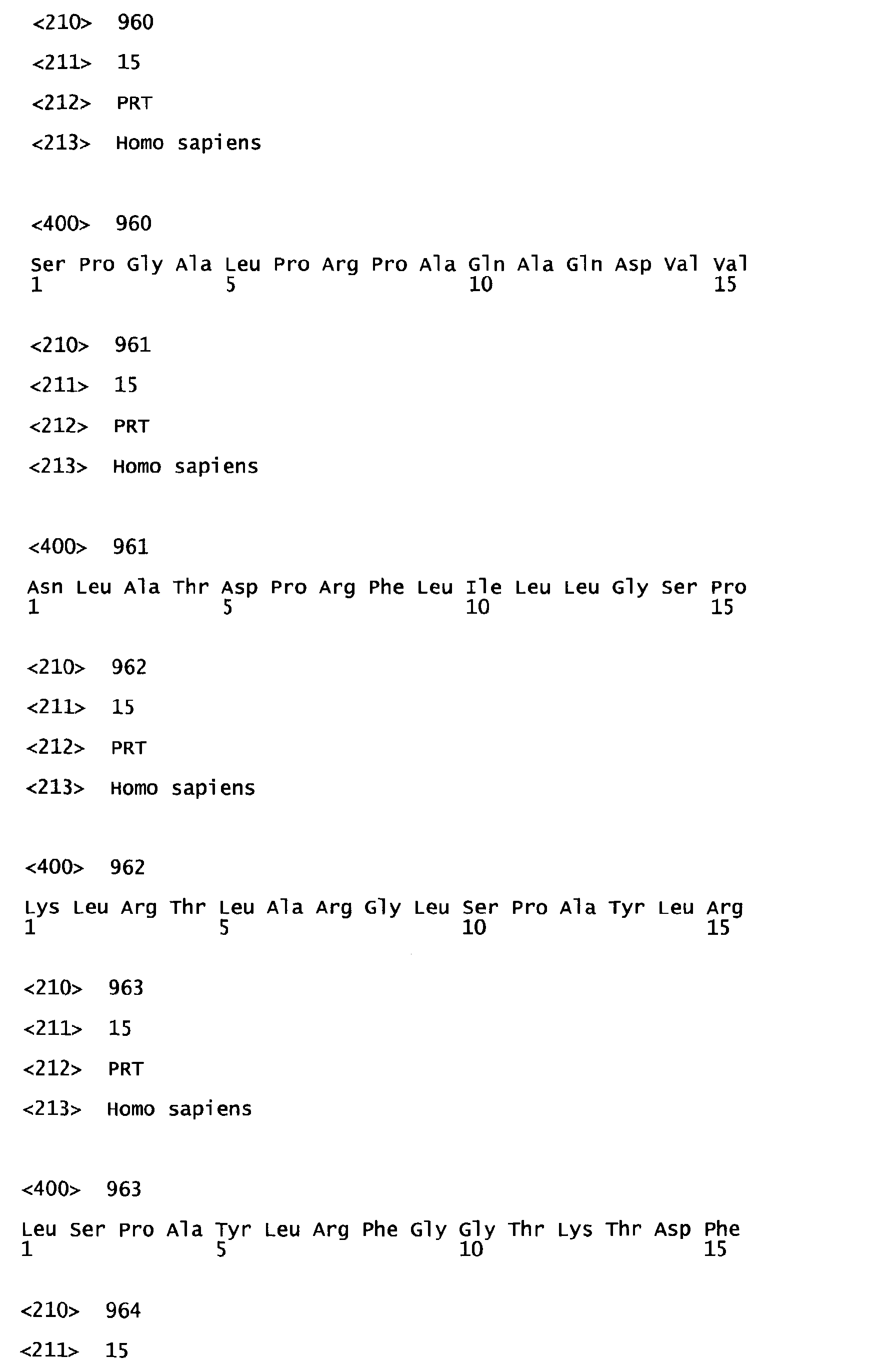
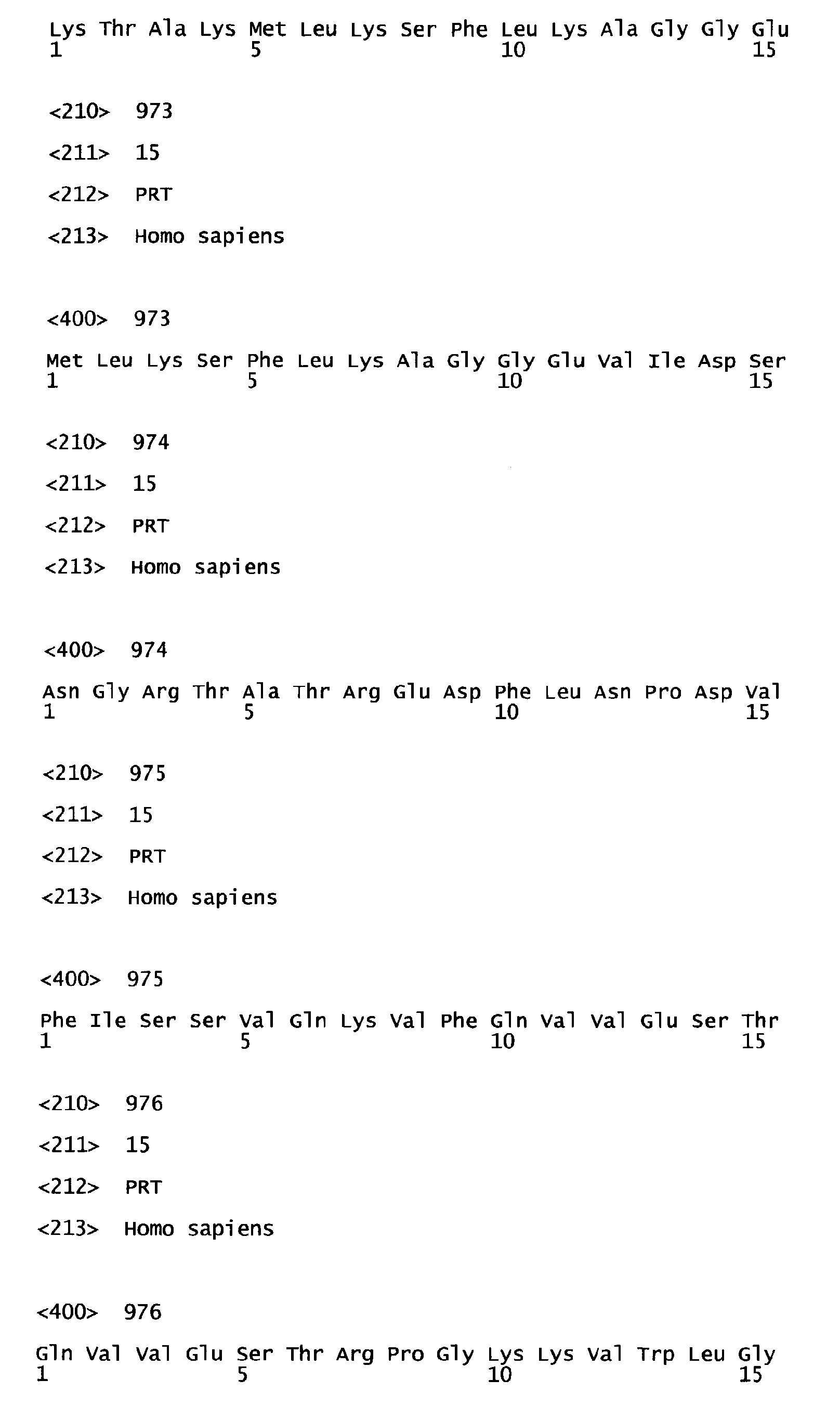
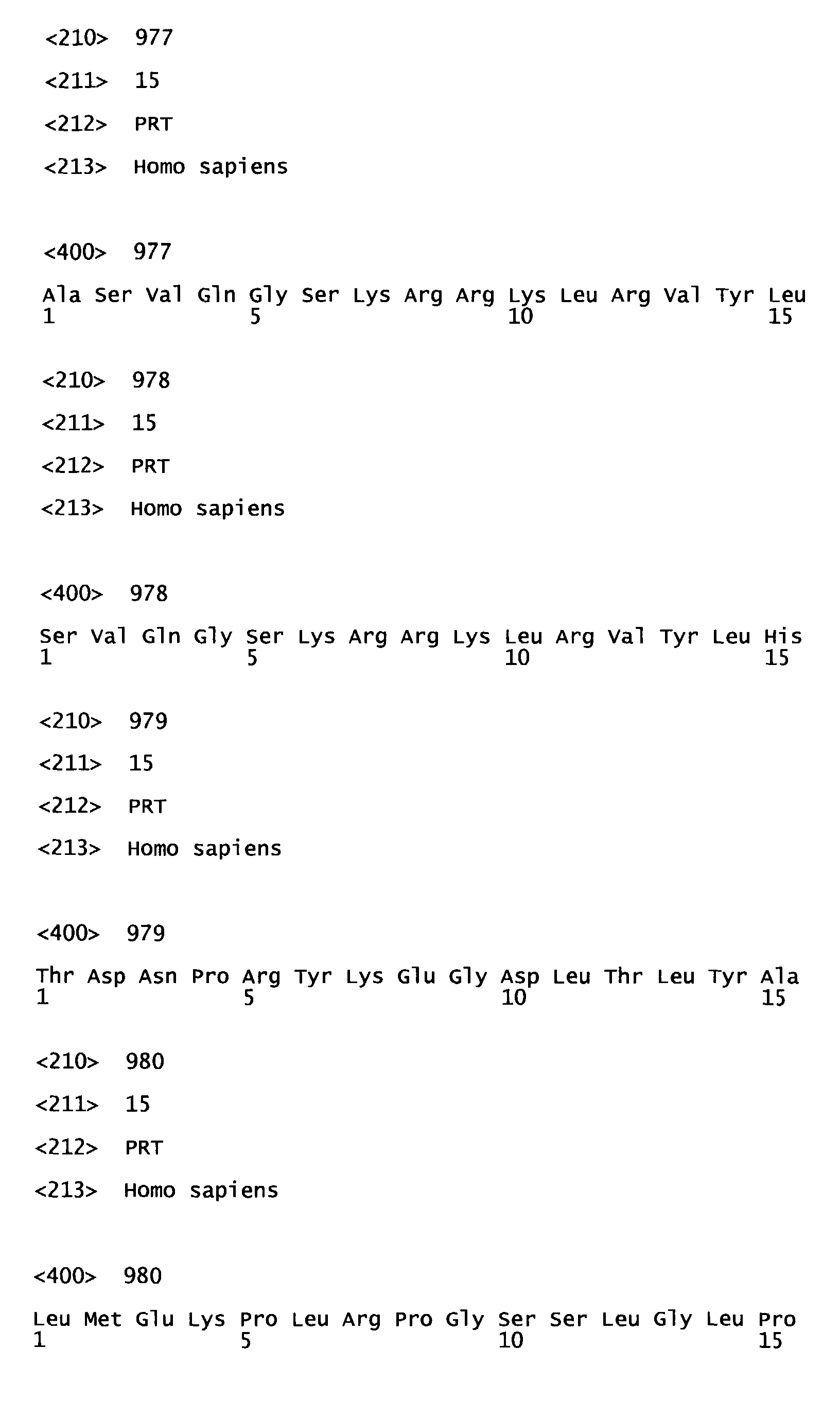
- a heparanase peptide which binds to MHC class II molecules as depicted e.g. in SEQ ID NOs: 506-980 (see also DRAWING, Table 2), induces a CD4 + - T cell - mediated immune response.
- HLA All three alleles of MHC class I molecules and all three alleles of MHC class II molecules are referred to hereinafter generally as "HLA” or "HLA molecules”.
- a functional variant of a heparanase peptide comprises all compounds which induce an immune response according to the same effect of the heparanase peptide of the present invention.
- the functional variant can be a peptide, a fragment or derivative thereof, which differs from the heparanase peptide of the present invention in that one or more amino acids are either deleted, inserted, substituted or otherwise chemically modified (e.g. acetylated, phosphorylated, glycosylated, or myristoylated), provided that the property of the functional variant, namely the induction of T cell specific immune response by binding to HLA molecules is maintained.
- the peptide can be extended or shortened on either the amino- or the carboxyterminal end or internally, or extended on one end and shortened on the other end, provided that the desired function as described is maintained.
- the heparanase peptide of the present invention is conjugated or fused to one or more other peptides or lipids, which may confer a desired property to the heparanase peptide, e.g. for the detection or the purification of the heparanase peptide.
- the heparanase peptide of the present invention can be fused to a so-called marker which enables the localization of the heparanase peptide in a cell or tissue.
- Suitable markers include "epitope tags” (like c-myc, hemagglutinin, FLAG-tag), biotin, digoxigenin, (strept-) avidin, Green Fluorescent Protein (GFP, and derivatives thereof), enzymes like horseradish peroxidase, alkaline phosphatase, beta-galactosidase, luciferase, beta-glucuronidase and beta-lactamase.
- Examples for fusion partners that allow for the purification of the heparanase peptide include HIS-tag and glutathion S transferase (GST).
- the heparanase peptide is fused to an immunogenic carrier or moiety, which can be any macromolecule that enhances the immunogenicity of the vaccine.
- immunogenic carriers include keyhole limpet hemocyanin (KLH), recombinant exoprotein A (rEPA), diphtheria protein CRM9 and tetanus toxoid (TT).
- conjugation or fusion of the heparanase peptide to any of the modifying compounds described supra can occur by any suitable method known to the skilled artisan, either by chemical or gene technological methods. The latter requires, that a nucleic acid coding for the whole fusion construct is inserted into an expression vector and expressed as an entity.
- the heparanase peptide in order to deliver the heparanase peptide directly to or into the target cell it can be fused to a carrier peptide that mediates the cellular uptake of the peptide.
- a carrier peptide that mediates the cellular uptake of the peptide.
- Appropriate carriers include TAT, fibroblast growth factor, galparan (transportan), poly-arginine, and Pep-1.
- the heparanase peptide may be fused to a ligand for a cell surface receptor, or a functional portion thereof, and thus internalized by receptor-mediated endocytosis.
- the functional variant of the heparanase peptide also encompasses nucleic acids, DNA or RNA, which encode the heparanase peptides, or their functional peptide variants, of the present invention.
- nucleic acids DNA or RNA
- Typical hosts include mammalian species, such as humans, non-human primates, dogs, cats, cattle, horses, sheep, and the like.
- the nucleic acid can be directly injected into the target cell / target tissue, or by so-called microinjection into the nucleus.
- compositions like calcium chloride, rubidium chloride, lithium chloride, calcium phosphate, DEAE dextran, cationic lipids or liposomes or methods like receptor-mediated endocytosis, biolistic particle bombardment ("gene gun” method), infection with viral vectors, electroporation, and the like.
- the nucleic acid encoding it is integrated in an expression vector.
- the expression vector is preferably a eukaryotic expression vector, or a retroviral vector, a plasmid, bacteriophage, or any other vector typically used in the biotechnology field.
- the nucleic acid encoding the heparanase peptide can be operatively linked to regulatory elements which direct the transcription and the synthesis of a translatable mRNA in pro- or eukaryotic cells.
- Such regulatory elements are promoters, enhancers or transcription termination signals, but can also comprise introns or similar elements, for example those, which promote or contribute to the stability and the amplification of the vector, the selection for successful delivery and/or the integration into the host's genome, like regions that promote homologous recombination at a desired site in the genome.
- the use of retroviral vectors has been proven to be most appropriate to deliver a desired nucleic acid into a target cell.
- the cell to which the heparanase peptide, a functional variant thereof, or the nucleic acid encoding it is applied to a professional antigen-presenting cell such as a B cell, a microphage or a dendritic cell, or any other cell within which the heparanase peptide can be loaded onto the HLA molecule and transported to the cell surface and presented as an antigen in order to induce the described immune response.
- a professional antigen-presenting cell such as a B cell, a microphage or a dendritic cell, or any other cell within which the heparanase peptide can be loaded onto the HLA molecule and transported to the cell surface and presented as an antigen in order to induce the described immune response.
- dendritic cells have been proven to be especially useful as vaccination "vehicles".
- Dendritic cells which are located in nearly all tissue types of the body incorporate a compound like heparanase peptide and migrate together with the lymph stream to the lymph node where they encounter with precursors of antigen-specific cytotoxic T cells.
- dendritic cells can be generated and cultured in vitro by cultivating monocytes in the presence of Interleukin-4 (IL-4) and Granulocyte Macrophage Colony Stimulating Factor (GM-CSF).
- IL-4 Interleukin-4
- GM-CSF Granulocyte Macrophage Colony Stimulating Factor
- dendritic cell can be generated from CD34 + haematopoietic stem cells of the periphery blood.
- dendritic cells can also be expanded in the blood in vivo by several orders of magnitude.
- Isolated dendritic or other professional antigen-presenting cells can be loaded ("pulsed") with the heparanase peptide or the nucleic acid encoding it in order to enable the presentation of the heparanase peptide on the surface of these cells.
- dendritic or other cells carrying the heparanase peptide can be applied to a tumor patient by different methods of injection: (i) sub-/intra-cutanous, which requires migration to the lymph nodes; (ii) direct intranodal injection into a lymph node, circumventing the migration requirement; and (iii) intravenous injection.
- MHC tetramers are complexes of 4 MHC molecules which are associated with heparanase peptide and bound to a fluorochrome, e.g. phycoerythrin.
- the complexes bind to a distinct set of T cell receptors (TCRs) on the surface of CD8 + T cells.
- TCRs T cell receptors
- the vaccine containing the heparanase peptide, a functional variant thereof, or the nucleic acid encoding it, as disclosed in the present invention can be used as a pharmaceutical. This is a further embodiment of the present invention.
- the vaccine containing the heparanase peptide, a functional variant thereof, or the nucleic acid encoding it can be administered alone or in combination with one or more other active compounds which may aid to increase the immunogenicity of the vaccine.
- the latter can be administered before, after or simultaneously with the administration of the heparanase peptide, a functional variant thereof, or the nucleic acid encoding it.
- the dose of either the heparanase peptide, a functional variant thereof, or the nucleic acid encoding it or the active compound as well as the duration and the temperature of incubation can be variable and depends on the target that is to be treated.
- a further object of the present invention are pharmaceutical preparations which comprise an effective dose of vaccine containing at least one heparanase peptide, a functional variant thereof, or the nucleic acid encoding it, optionally in combination with at least one active compound and a pharmaceutically acceptable carrier, i.e. one or more pharmaceutically acceptable carrier substances and/or additives.
- the pharmaceutical/vaccine according to the invention can be administered orally, for example in the form of pills, tablets, lacquered tablets, sugar-coated tablets, granules, hard and soft gelatin capsules, aqueous, alcoholic or oily solutions, syrups, emulsions or suspensions, or rectally, for example in the form of suppositories. Administration can also be carried out parenterally, for example subcutaneously, intramuscularly or intravenously in the form of solutions for injection or infusion.
- Suitable administration forms are, for example, percutaneous or topical administration, for example in the form of ointments, tinctures, sprays or transdermal therapeutic systems, or the inhalative administration in the form of nasal sprays or aerosol mixtures, or, for example, microcapsules, implants or rods.
- the preferred administration form depends, for example, on the disease to be treated and on its severity.
- compositions can be carried out in a manner known per se.
- the heparanase peptide, a functional variant thereof, or the nucleic acid encoding it and/or the active compound together with one or more solid or liquid pharmaceutical carrier substances and/or additives (or auxiliary substances) and, if desired, in combination with other pharmaceutically active compounds having therapeutic or prophylactic action, are brought into a suitable administration form or dosage form which can then be used as a pharmaceutical in human or veterinary medicine.
- Carriers for soft gelatin capsules and suppositories are, for example, fats, waxes, semisolid and liquid polyols, natural or hardened oils, etc.
- Suitable carriers for the preparation of solutions, for example of solutions for injection, or of emulsions or syrups are, for example, water, physiological sodium chloride solution, alcohols such as ethanol, glycerol, polyols, sucrose, invert sugar, glucose, mannitol, vegetable oils, etc.
- Suitable carriers for microcapsules, implants or rods are, for example, copolymers of glycolic acid and lactic acid.
- the pharmaceutical preparations can also contain additives, for example fillers, disintegrants, binders, lubricants, wetting agents, stabilizers, emulsifiers, dispersants, preservatives, sweeteners, colorants, flavorings, aromatizers, thickeners, diluents, buffer substances, solvents, solubilizers, agents for achieving a depot effect, salts for altering the osmotic pressure, coating agents or antioxidants.
- additives for example fillers, disintegrants, binders, lubricants, wetting agents, stabilizers, emulsifiers, dispersants, preservatives, sweeteners, colorants, flavorings, aromatizers, thickeners, diluents, buffer substances, solvents, solubilizers, agents for achieving a depot effect, salts for altering the osmotic pressure, coating agents or antioxidants.
- the dosage of the vaccine containing the heparanase peptide, a functional variant thereof, or the nucleic acid encoding it, in combination with one or more active compounds to be administered depends on the individual case and is, as is customary, to be adapted to the individual circumstances to achieve an optimum effect. Thus, it depends on the nature and the severity of the disorder to be treated, and also on the sex, age, weight and individual responsiveness of the human or animal to be treated, on the efficacy and duration of action of the compounds used, on whether the therapy is acute or chronic or prophylactic, or on whether other active compounds are administered in addition to the heparanase peptide, a functional variant thereof, or the nucleic acid encoding it.
- the vaccine containing the heparanase peptide according to the present invention, or a functional variant thereof, respectively the medicaments containing it, can be used for the treatment of all metastatic and invasive cancer types or tumors exhibiting an increased heparanase expression and/or activity.
- cancer types comprise neuroblastoma, intestine carcinoma such as rectum carcinoma, colon carcinoma, familiary adenomatous polyposis carcinoma and hereditary non-polyposis colorectal cancer, esophageal carcinoma, labial carcinoma, larynx carcinoma, hypopharynx carcinoma, tong carcinoma, salivary gland carcinoma, gastric carcinoma, adenocarcinoma, medullary thyroid carcinoma, papillary thyroid carcinoma, follicular thyroid carcinoma, anaplastic thyroid carcinoma, renal carcinoma, kidney parenchym carcinoma, ovarian carcinoma, cervix carcinoma, uterine corpus carcinoma, endometrium carcinoma, chorion carcinoma, pancreatic carcinoma, prostate carcinoma, testis carcinoma, breast carcinoma, urinary carcinoma, melanoma, brain tumors such as glioblastoma, astrocytoma, meningioma, medulloblastoma and peripheral neuroectodermal tumors, Hodgkin lymphoma, non-Hodgkin lymphom, non
- Examples of invasive cancer types where the use of the vaccine containing the heparanase peptide according to the present invention, respectively the medicaments containing it, is particularly advantageous include breast carcinoma, lung carcinoma, prostate carcinoma and colon carcinoma. Most preferably, the heparanase peptide is useful for the treatment of breast carcinoma.
- the vaccine containing the heparanase peptide according to the present invention can also be used for the treatment of all autoimmune or other inflammatory diseases which are accompanied by an increased cell migration due to an enhanced heparanase activity.
- autoimmune diseases include collagen diseases such as rheumatoid arthritis, Lupus erythematodes disseminatus, Sharp syndrome, CREST syndrome (calcinosis, Raynaud syndrome, esophageal dysmotility, teleangiectasia), dermatomyositis, vasculitis (Morbus Wegener) and Sjögren syndrome, renal diseases such as Goodpasture syndrome, rapidly-progressing glomerulonephritis and membrane-proliferative glomerulonephritis type II, endocrine diseases such as type-1 diabetes, autoimmune polyendocrinopathy-candidiasis-ectodermal dystrophy (APECED), autoimmune parathyreoidism, pernicious anemia, gonad insufficiency, idiopathic Morbus Addison, hyperthyreosis, Hashimoto thyreoiditis and primary myxedemia, skin diseases such as Pemphigus vulgaris
- the present invention refers to a diagnostic method which can be used to determine the presence and frequency of T cells which are specific for a heparanase peptide of the present invention.
- the method comprises the following steps:
- the method can be employed by incubating the dendritic cells of a patient or animal to be diagnosed with heparanase peptide only and by determining the frequency of heparanase peptide specific T cells with the so-called Interferon-gamma Enzyme Linked Immuno Assay (ELISpot), a technique which is known to the person skilled in the art and further described in Example 4.
- ELISpot Interferon-gamma Enzyme Linked Immuno Assay
- the invention refers to a diagnostic kit comprising at least a heparanase peptide, or a functional variant thereof, and/or the nucleic encoding it, optionally together with a HLA tetramer/dimer, and optionally together with other compounds (e.g. enzymes, chromophores, salts, buffers) which are necessary to perform an optimal measurement.
- a diagnostic kit comprising at least a heparanase peptide, or a functional variant thereof, and/or the nucleic encoding it, optionally together with a HLA tetramer/dimer, and optionally together with other compounds (e.g. enzymes, chromophores, salts, buffers) which are necessary to perform an optimal measurement.
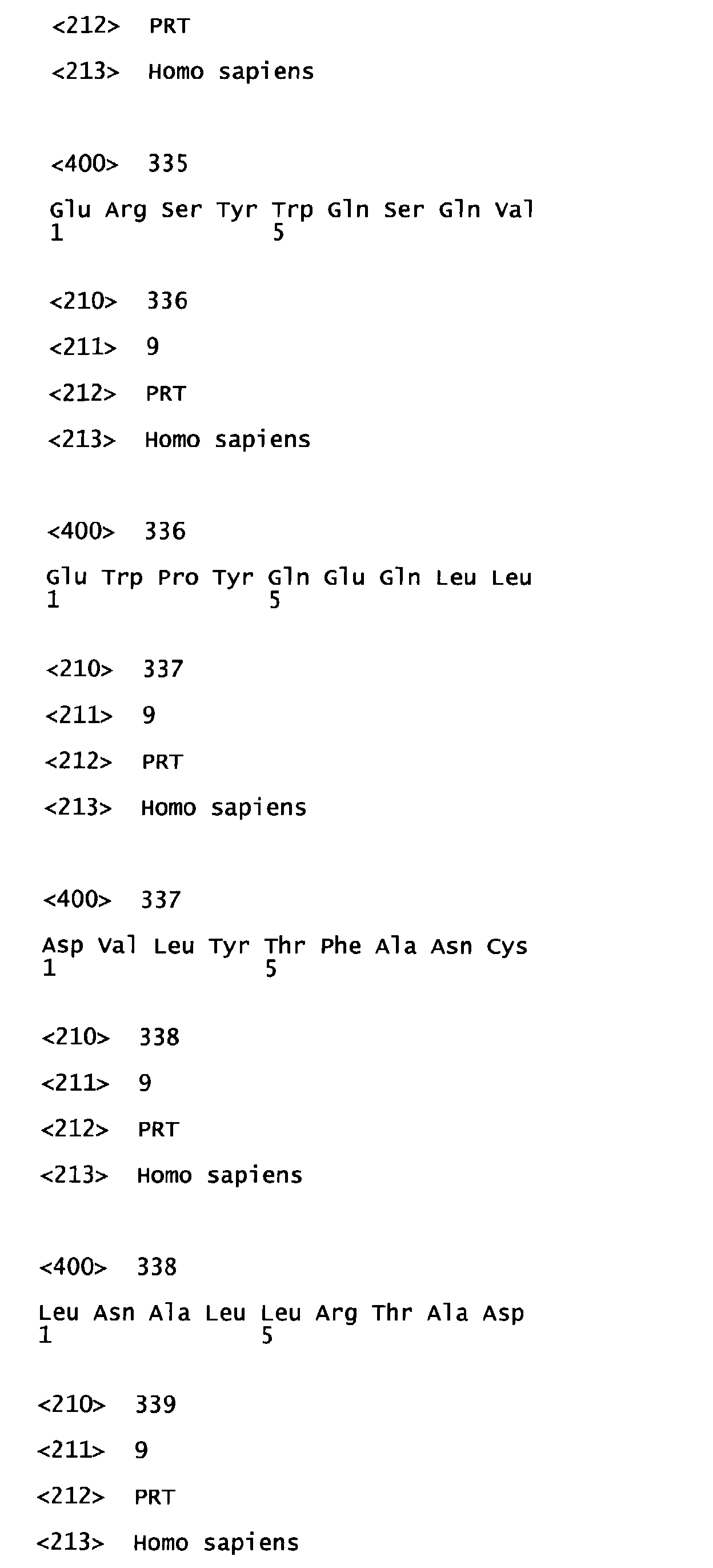
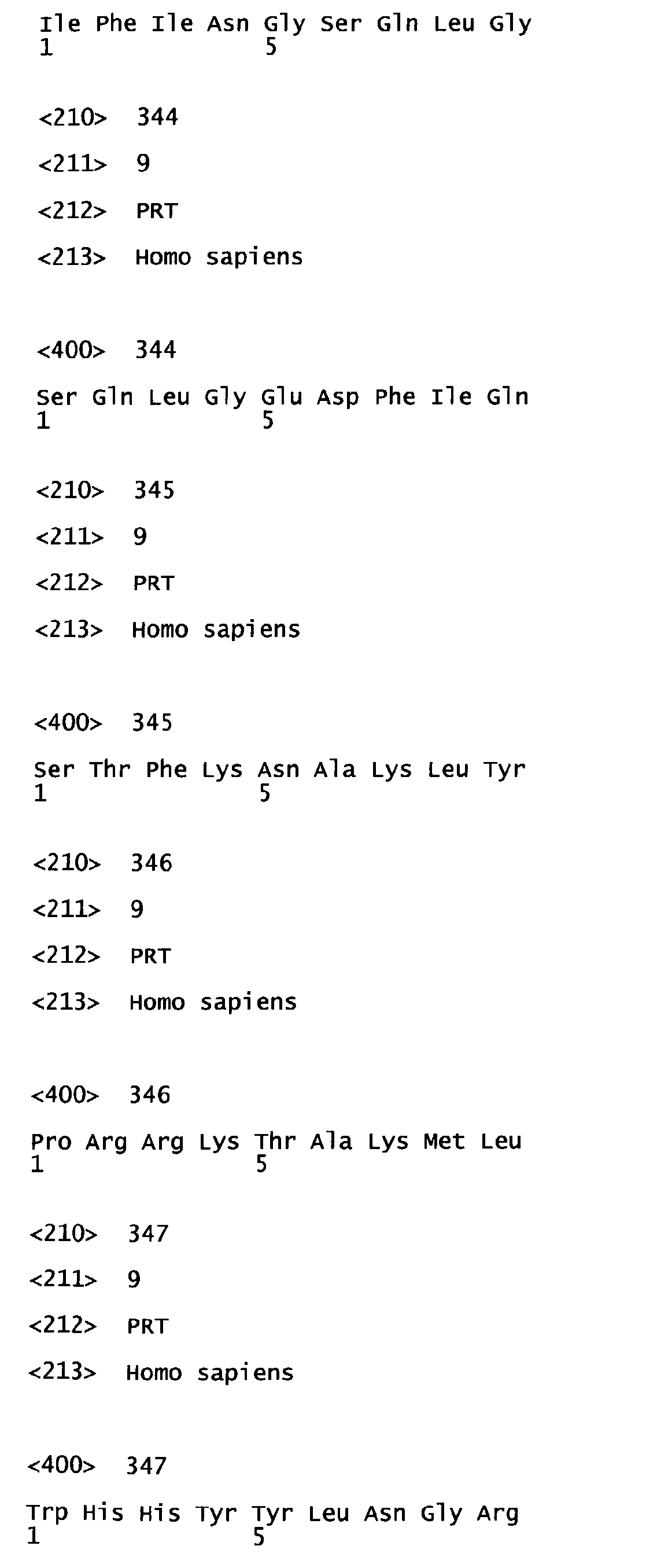
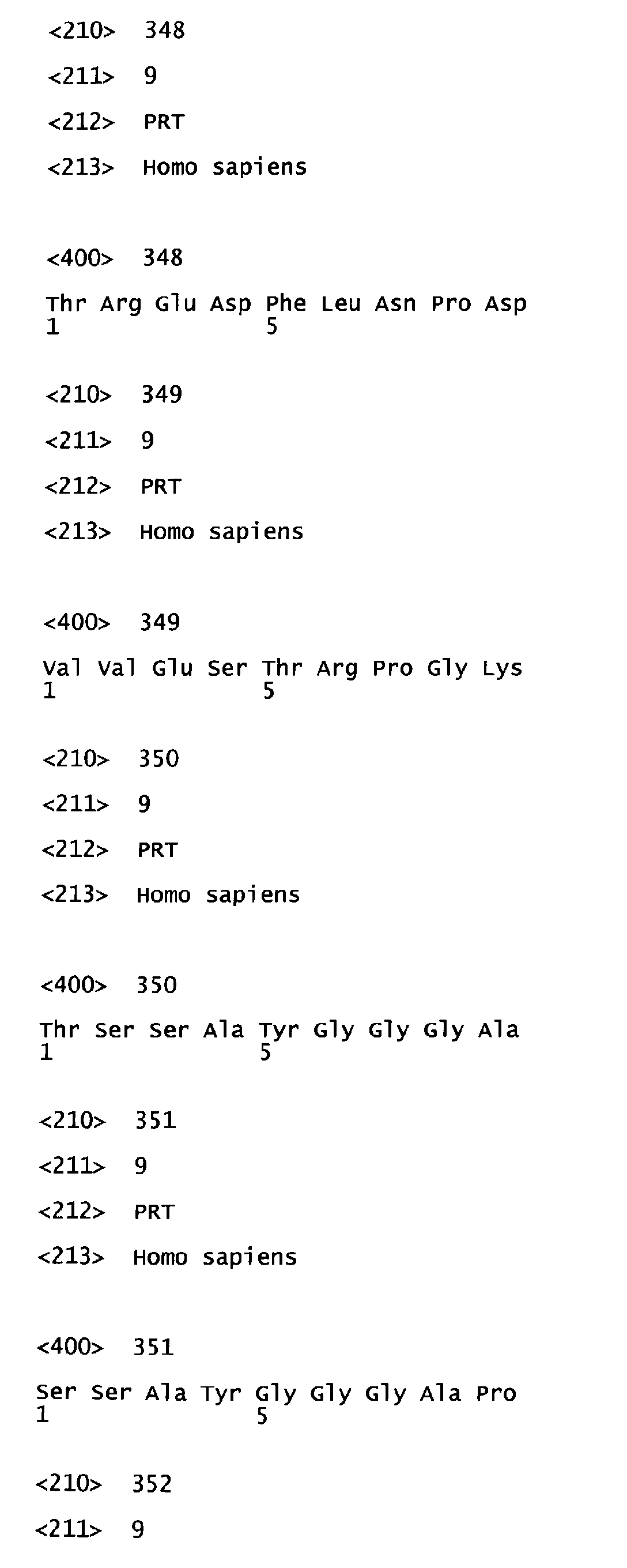
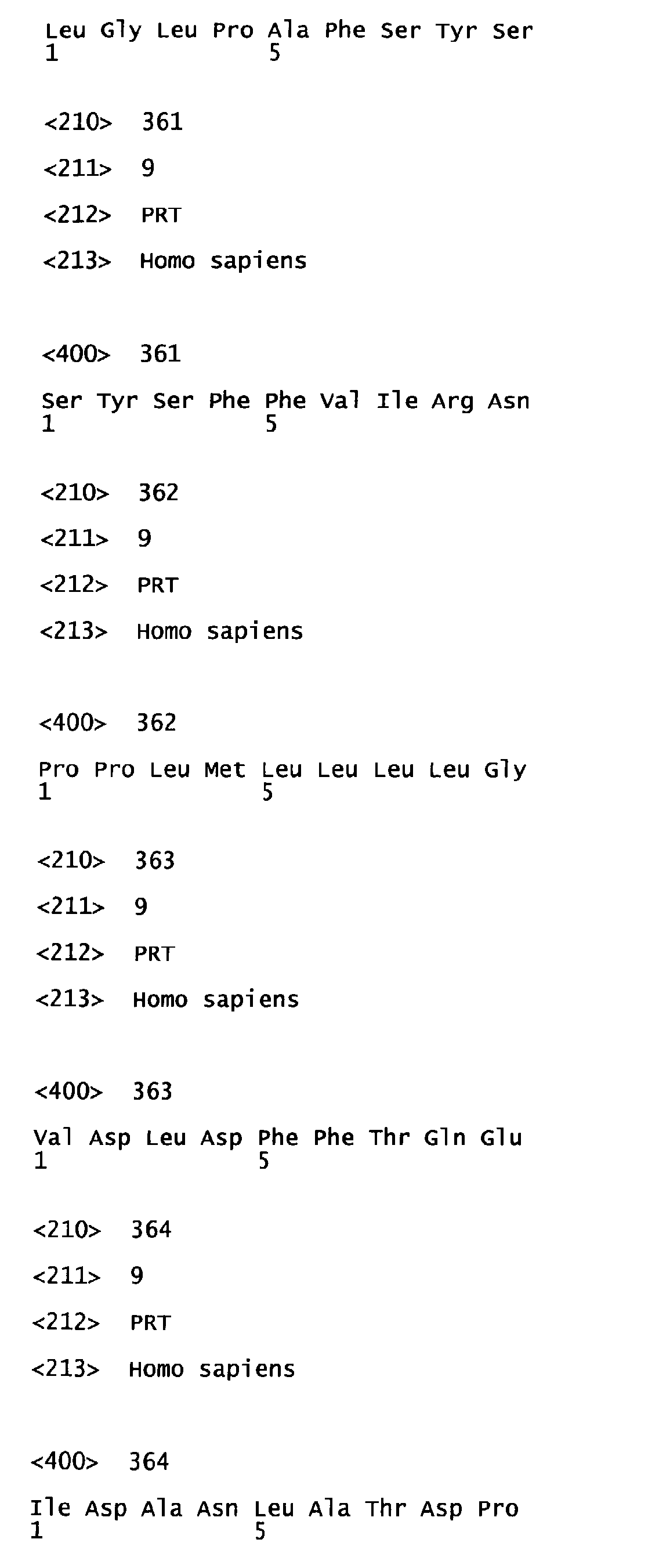
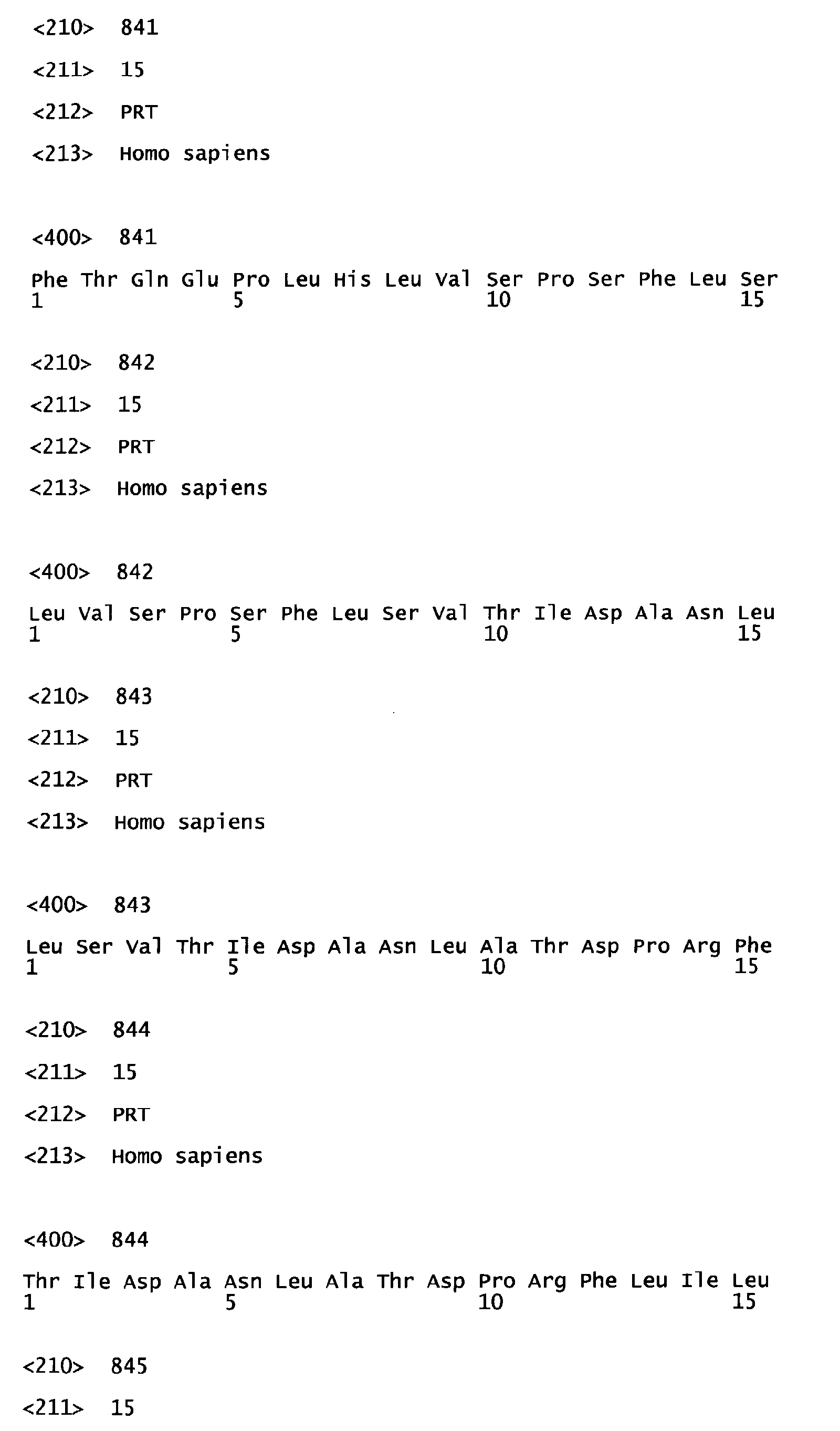
- Table 1 shows 505 heparanase derived nonamers, selected from full-length amino acid sequence of human heparanase according to their capacity to bind to HLA-A2 molecules. Calculated binding score (last column) decreases from the top to the bottom.
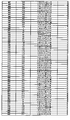
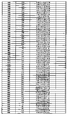
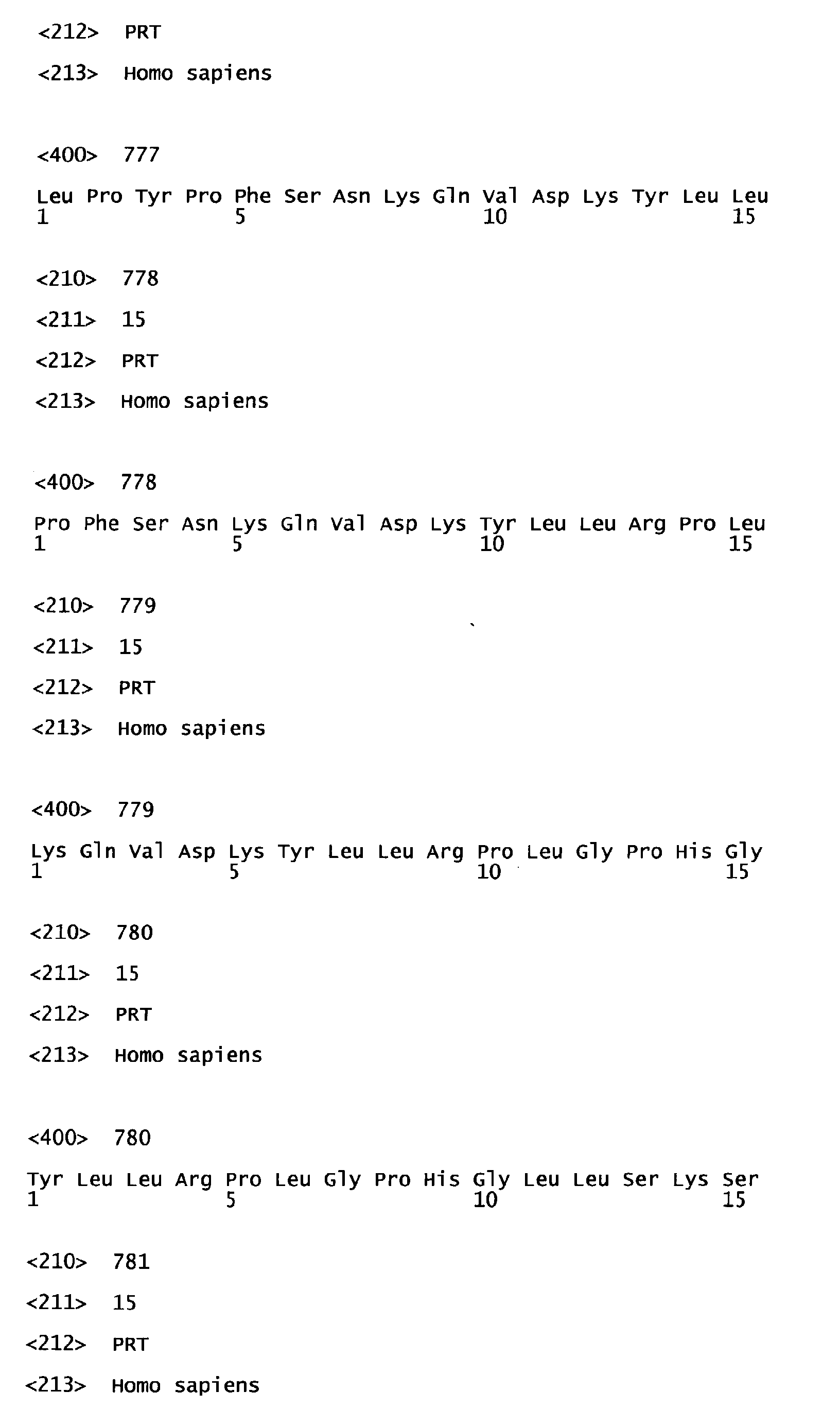
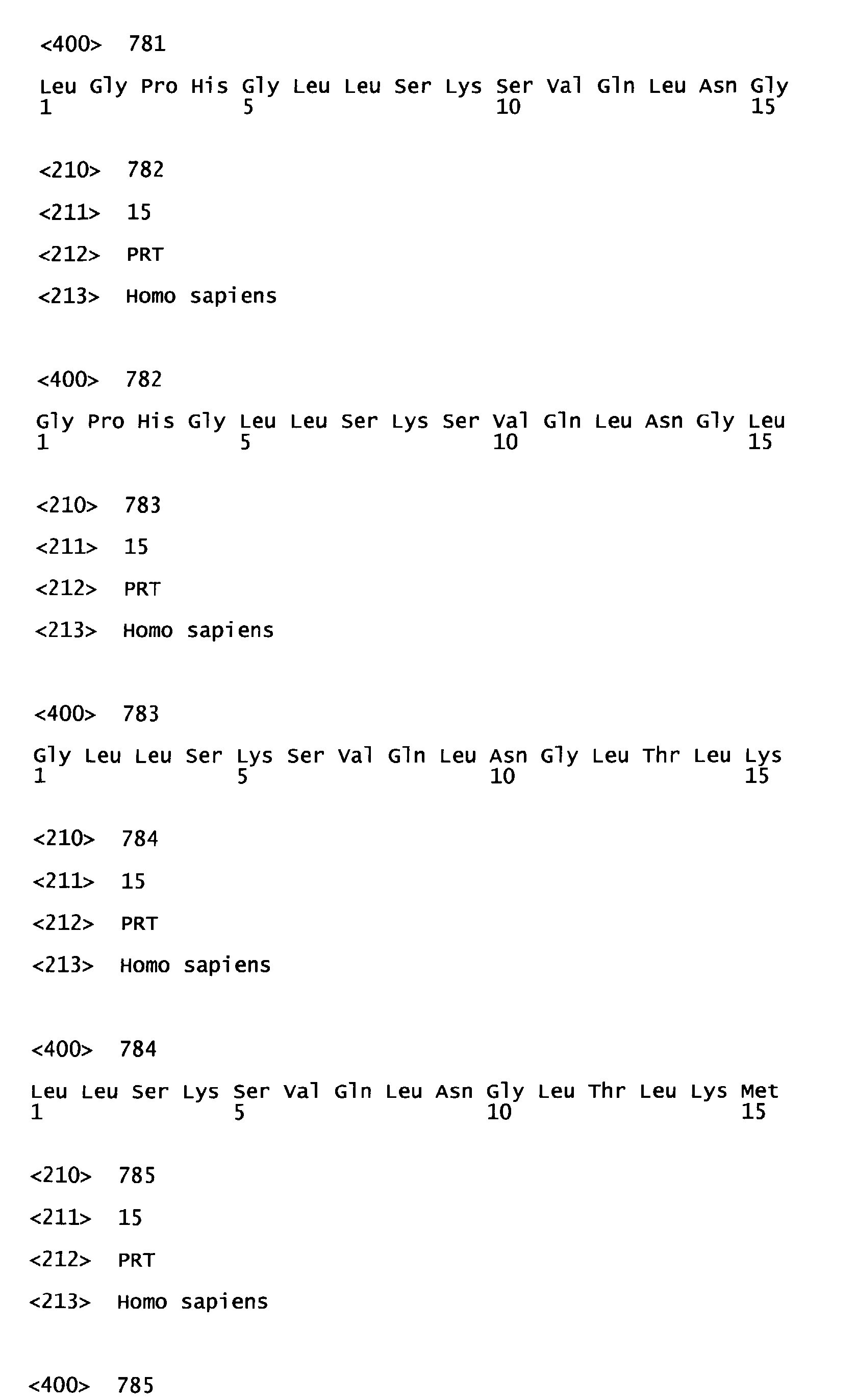
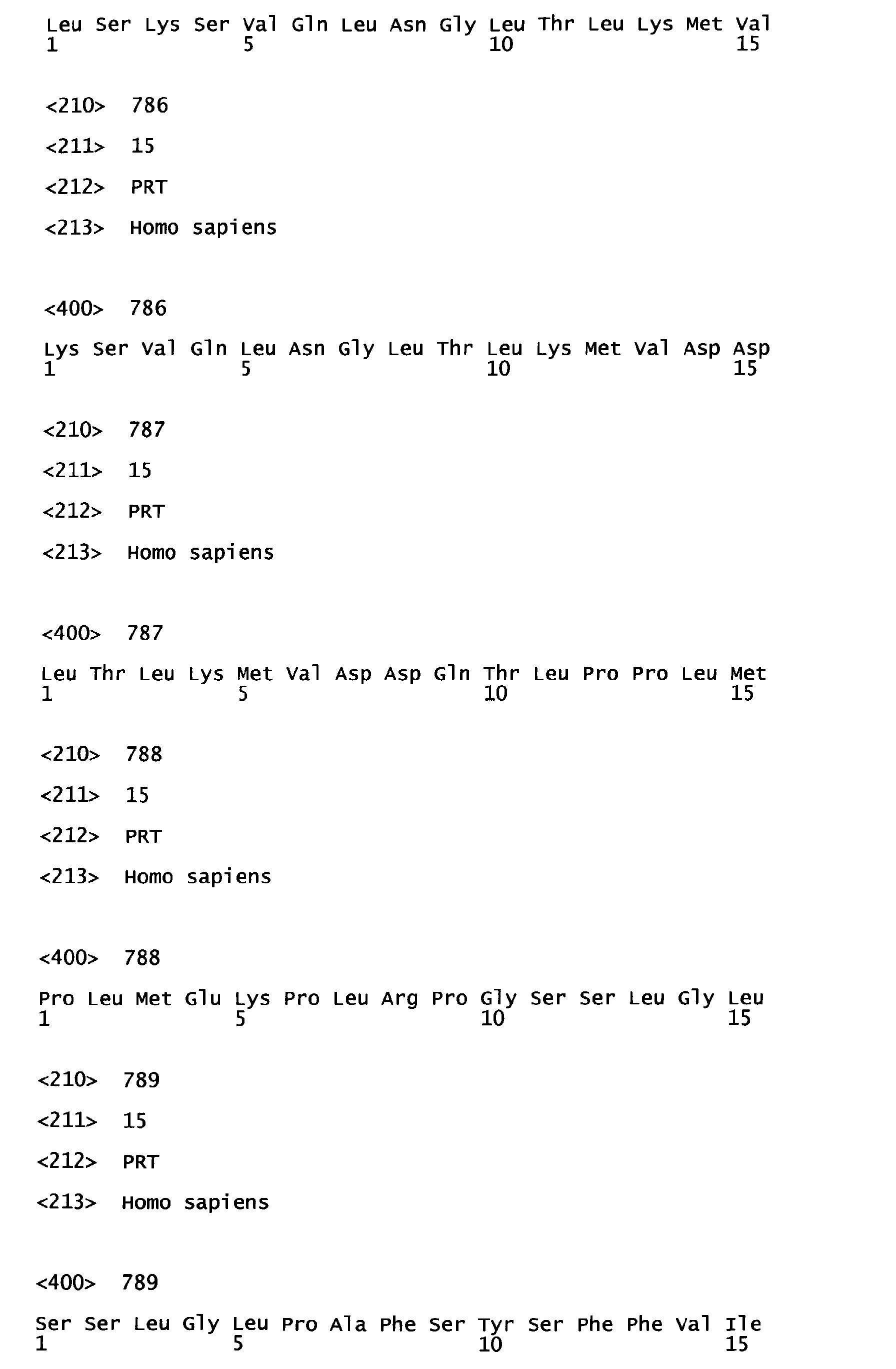
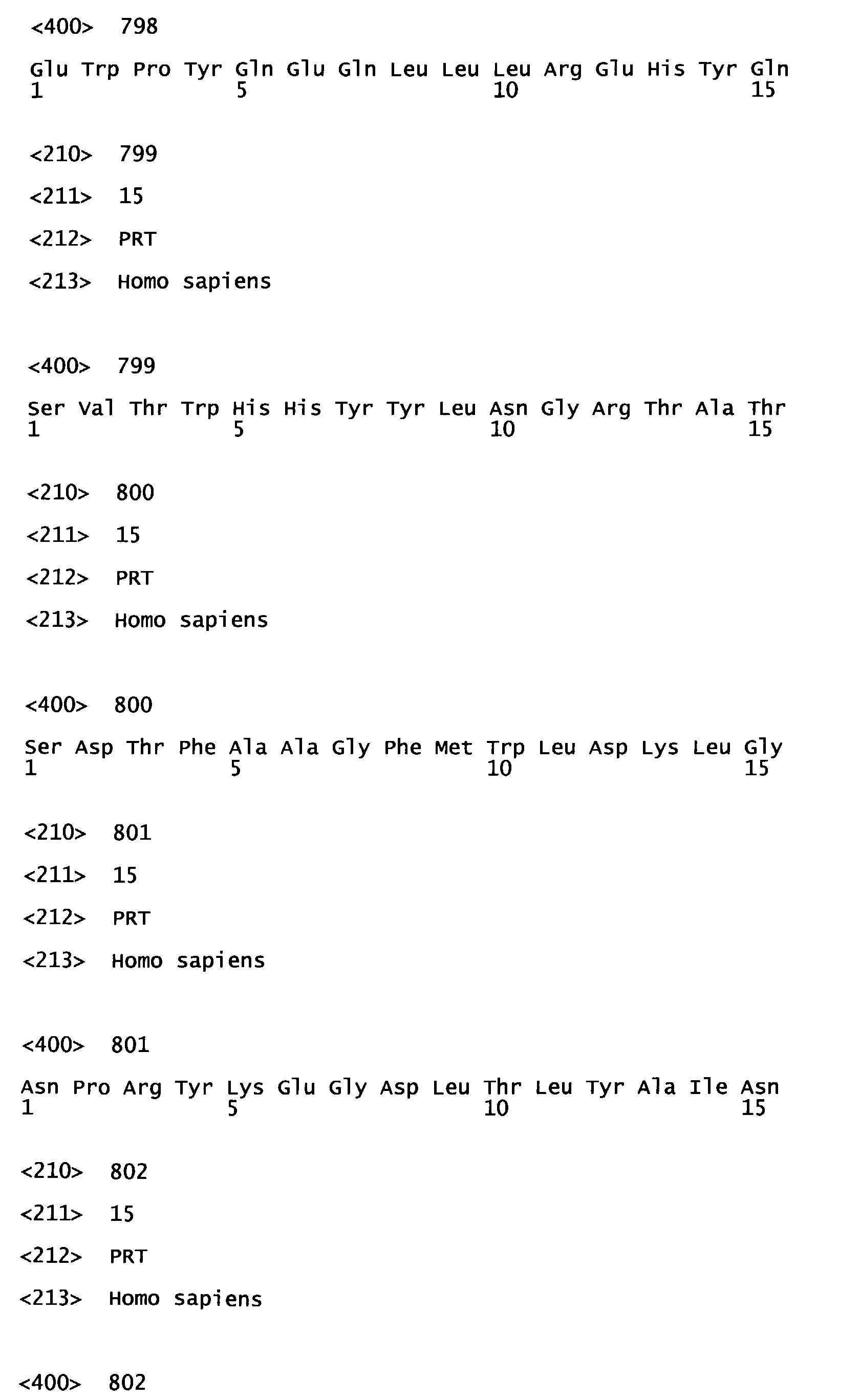
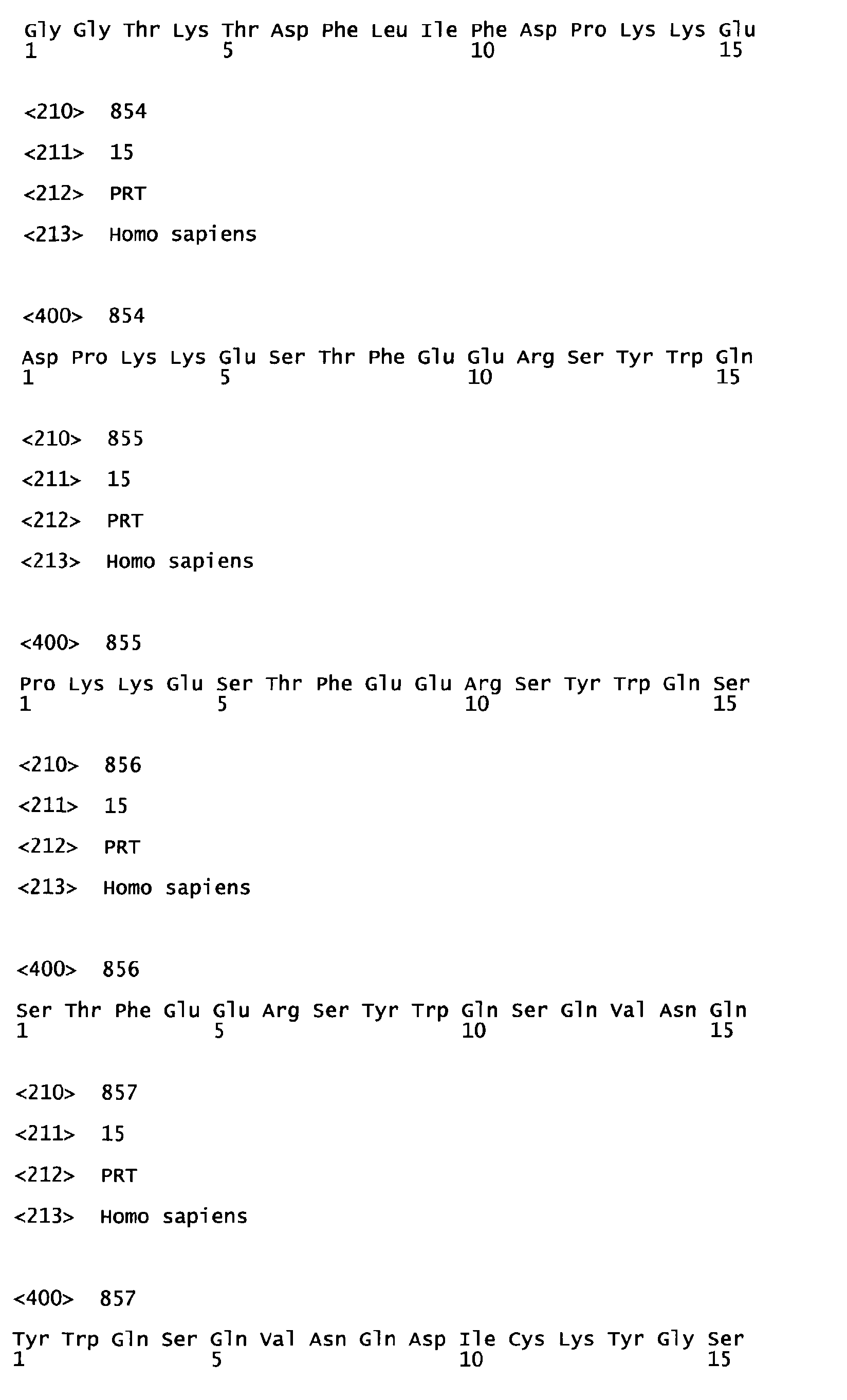
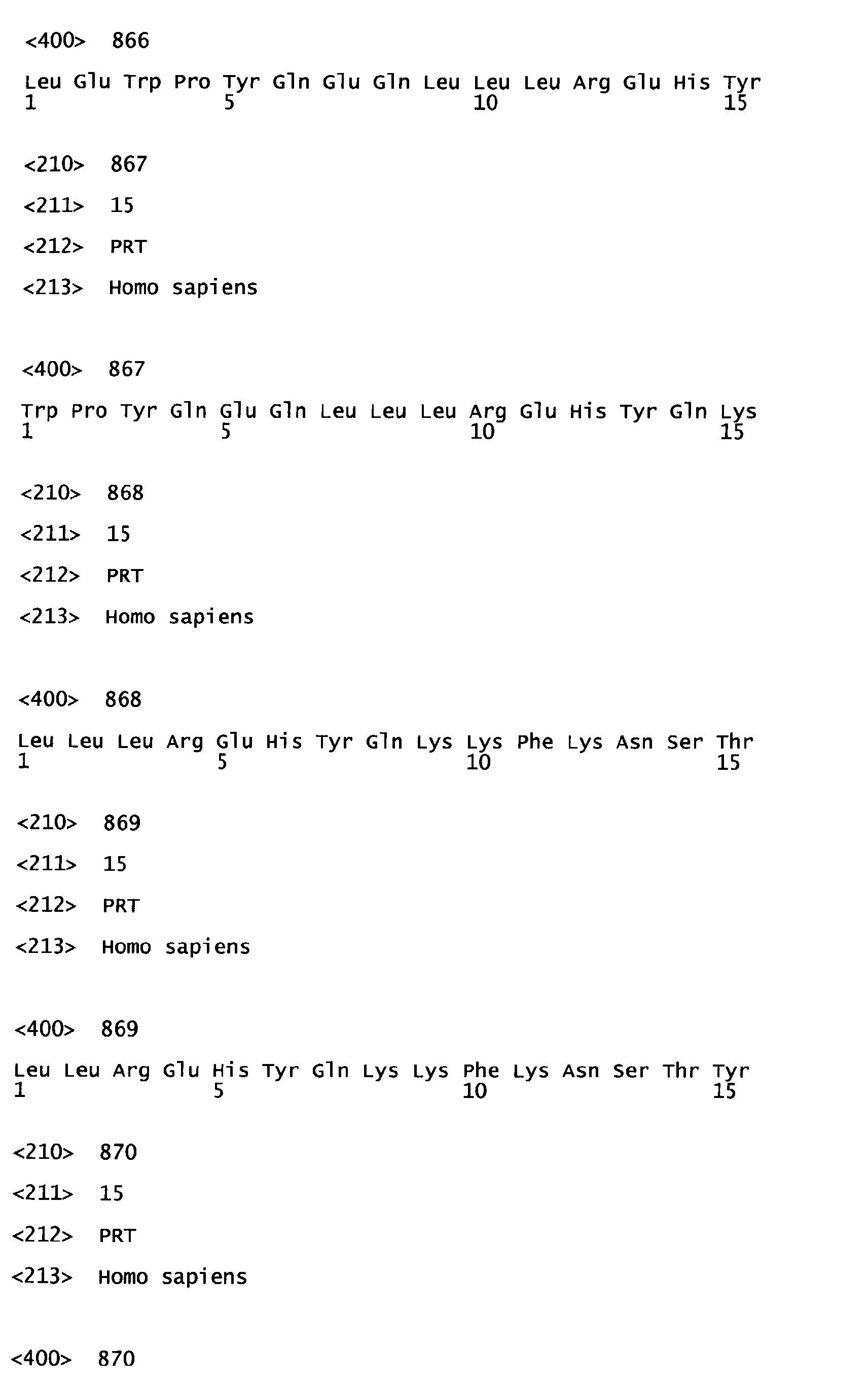
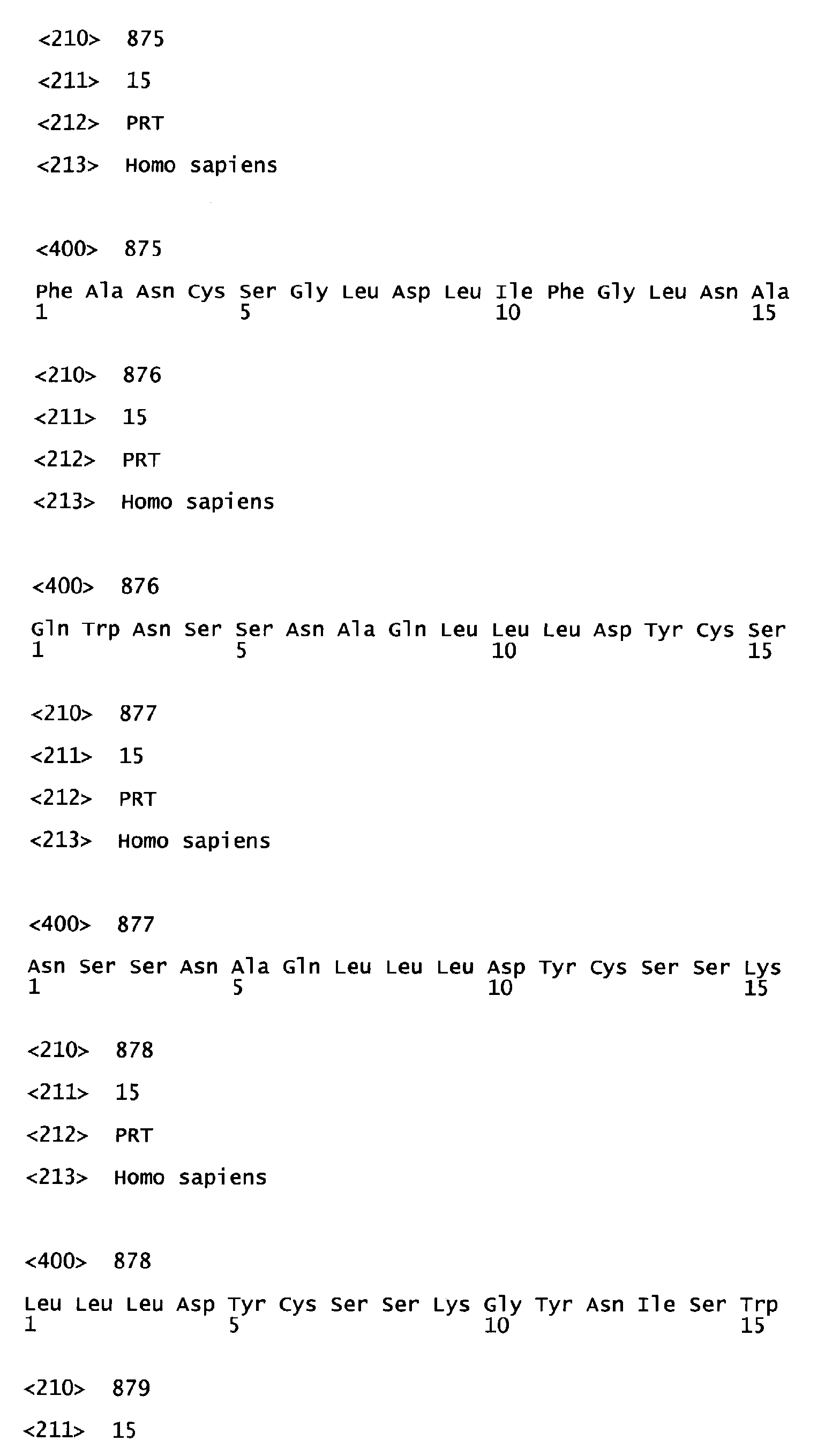
- Table 2 shows 475 heparanase derived 15-mers, selected from full-length amino acid sequence of human heparanase according to their capacity to bind to HLA-DR molecules. Calculated binding score (last column) decreases from the top to the bottom.
- Nonameric peptides with a potential (calculated) binding capacity to HLA-A2 molecules have been selected from the full-length amino acid sequence of human heparanase (gene bank accession no. NP_006656 and NM_006665). The search was carried out with the use of the SYFPEITHY web page (http://www.uni-tuebingen.de/uni/kxi). As examples, three peptides (heparanase p8: A L P P P L M L L), heparanase p16: L L L G P L G P L, and heparanase p183: D L I F G L N A L) have been synthesized in the laboratory of Dr. Pipkorn (German Cancer Research Centre). The peptides were dissolved in ddH 2 O 10 % DMSO.
- MNC Mononuclear cells from periphery blood (PB) and bone marrow (BM) were isolated via Ficoll gradients (Biocoll separating solution, Biochrom AG). MNC were washed two times with RPMI 1640, transferred to uncoated cell culture dishes, and grown for two hours at 37°C, 5% CO 2 in x-VIVO-20 media (BioWhittaker, Walkersville, Maryland) for adhesion. Adherent cells were cultivated for 7 day in x-VIVO-20 media with the addition of GM-CSF (50 ⁇ g/ml; Behringwerke, Marburg) and IL-4 (1000 U/ml; Promocell, Heidelberg).
- GM-CSF 50 ⁇ g/ml
- IL-4 1000 U/ml; Promocell, Heidelberg.
- DCs Dendritic cells
- Non-adherent cells were cultivated for 7 days in RPMI 1640 supplemented with 8% human AB sera (Sigma), rhuIL-2 (100 U/ml; Chiron, Ratingen) and IL-4 (60 U/ml).
- T cells (TCs) were purified via anti-CD-56-coated, anti-CD-19-coated and anti-CD-15-coated magnetic beads.
- HLA-typing of test patients was performed by staining of mononuclear cells with the hybridoma supernatant BB7.2 (mouse-anti-human-HLA-A2), and goat-anti-mouse-FITC (Immuno Research). The analysis was performed by fluorescent flow cytometry (FACSCan).
- the number of peptide-specific T-cells from the bone marrow (BMTCs) of female patients is determined by the ELISpot method.
- a 96-well ELISpot plate (Millipore) is coated with anti-human-IFN ⁇ antibodies (ELISpot Kit, Mabtech) over night at 4 °C and then one hour blocked with RPMI 5 % AB sera (37°C, 5 % CO 2 ).
- 10 4 DCs, 10 5 TCs and 10 ⁇ g/ml peptide are cultivated on the IFN- ⁇ -coated ELISpot plate for 40 hours (37°C, 5% CO 2 ). Supernatants are discarded and the plate is developed via the ELISpot kit (Mabtech).
- IFN- ⁇ producing cells are counted with Axioplan Mikroskop (Zeiss) by using the KS ELISpot software.
- Zeiss Axioplan Mikroskop
- KS ELISpot software For negative controls, HIV or insulin peptides are used. Each group is determined in triplicate. Positive results are measured via the so-called T-test (p ⁇ 0.05).
- the cytotoxic activity of peptide-specific T-cells is measured with a cytotoxicity assay (Chrome-51 Release Assay).
- Isolated DCs and TCs are co-cultivated at a ratio ranging from 1:10 to 1:40 in RPMI supplemented with 8% AB sera and 20 U/1 rhuIL-2 (recombinant human interleukin-2) for 7 days.
- a cytotoxicity assay Chrome-51 Release Assay
- MCF-7 cells human breast epithelial cancer cells, mock- and hpahu-treated
- Chromated targets and pre-stimulated TCs are titrated in triplicate and incubated for 4 hours at 37°C and 5% CO 2 .
- the supernatant is transferred to scintillation tubes and measured in a gamma-counter for 50 sec/tube.
- Phycoerythrin (PE-)conjugated tetramer complexes consisting of HLA-A2 and either heparanase p8, heparanase p16 or HIV (S L Y N T V A T L) peptides are obtained from the NIAID facility (Bethesda, Maryland). 10 6 of each BM-MNC and PB-MNC are blocked with 5% endobulin (immunoglobulin G), incubated with tetramers on ice for 45 min and then stained with CD8-FITC (Becton Dickinson). Dead cells are identified by propidium iodide. The number of T-cells which are double positive for CD8 and tetramer are determined by flow cytometry.
- HLA-A2 peptide staining of 2 examined patients revealed enriched fractions of CD8-positive T cells with specificity for i) heparanase-derived peptide Hpa.8-17/ALPPPLMLL (see % values of CD8-positive T cells), and for ii) heparanase-derived peptide Hpa.16-23/LLLGPLGPL (see % values of CD8-positive T cells).
- the staining of HLA-A2/HIV-peptide complexes as negative controls resulted in significantly lower values (0.1 and 0.01 respectively).
Landscapes
- Health & Medical Sciences (AREA)
- Life Sciences & Earth Sciences (AREA)
- Chemical & Material Sciences (AREA)
- General Health & Medical Sciences (AREA)
- Immunology (AREA)
- Medicinal Chemistry (AREA)
- Engineering & Computer Science (AREA)
- Organic Chemistry (AREA)
- Microbiology (AREA)
- Pharmacology & Pharmacy (AREA)
- Animal Behavior & Ethology (AREA)
- Public Health (AREA)
- Veterinary Medicine (AREA)
- Zoology (AREA)
- Mycology (AREA)
- Bioinformatics & Cheminformatics (AREA)
- Biomedical Technology (AREA)
- Molecular Biology (AREA)
- Genetics & Genomics (AREA)
- Wood Science & Technology (AREA)
- Epidemiology (AREA)
- Biochemistry (AREA)
- General Engineering & Computer Science (AREA)
- Hematology (AREA)
- Urology & Nephrology (AREA)
- Biotechnology (AREA)
- Oncology (AREA)
- General Chemical & Material Sciences (AREA)
- Rheumatology (AREA)
- Cell Biology (AREA)
- Nuclear Medicine, Radiotherapy & Molecular Imaging (AREA)
- Chemical Kinetics & Catalysis (AREA)
- Food Science & Technology (AREA)
- Physics & Mathematics (AREA)
- Analytical Chemistry (AREA)
- General Physics & Mathematics (AREA)
- Pathology (AREA)
- Medicines Containing Antibodies Or Antigens For Use As Internal Diagnostic Agents (AREA)
- Medicines That Contain Protein Lipid Enzymes And Other Medicines (AREA)
- Peptides Or Proteins (AREA)
Abstract
Disclosed is a vaccine against diseases, particularly tumor diseases, being associated with
an enhanced heparanase expression and/or activity, wherein the vaccine contains a
heparanase peptide, which binds to a HLA molecule.
Description
- The present invention refers to nonapeptides derived from human heparanase which are useful for the therapeutic vaccination of tumor patients as well as for generating specific immune cells for cell therapies. Furthermore, the present nonapeptides can be employed in a method to increase the immune reaction of a patient against a key enzyme in metastasis.
- The successful invasion of malignant tumor cells into the basement membrane represents an important step for the generation of tumor metastases. The basement membrane and the extracellular matrix (ECM) form the barriers between different tissues. These structures contain complex macromolecules, for example type IV-collagen, laminin, heparan sulfate-proteoglycan and fibronectin. The process of tumor invasion and metastasis involves a variety of proteinases which degrade said components of the ECM and the basement membrane and, as a consequence, enable the migration of foreign cells into the surrounding affected tissue or organ.
- Heparan sulfate (HS) and heparan sulfate-proteoglycans (HSPG) are present on the extracelluar surface and within the ECM. The HS-chains play a major role in cell to cell and cell to matrix interactions which are involved in various physiological and non-physiological processes. Examples of such processes are adhesion, migration, differentiation and proliferation of cells. Several molecules interact with HS and/or HSPG, like for example growth factors (e.g. FGF, PDGF; VEGF), cytokines (IL-2), extracellular matrix proteins (fibronectin, collagen), factors involved in hemostasis (heparin-cofactor II), or other molecules like e.g. lipoproteins, DNA topoisomerases and a β-amyloid proteins. Thus, it becomes evident that enzymes which modulate HS and/or HSPG may play a pivotal role in any of the above described processes.
- A known HS/HSPG-modulating enzyme which has been identified in murine metastatic melanomal cells is heparanase, an endo-β-glucuronidase. Heparanase cleaves HS into characteristic fragments with a high molecular weight. This activity correlates with the metastatic potential of melanoma cells. An increased heparanase activity has also been demonstrated in other mobile, invasive cells, for example in relationship with lymphomas, mastocytomas, adenocarcinomas, leukemias and rheumatoid fibroblasts.
- Based on the observations described in a prior art the problem underlying the present invention refers to the identification of new molecules that would interfere with heparanase expression and/or activity and, thus, prevent an undesired migration of cells into the neighboring tissue, like it is the case for metastases.
- Heparanase-derived peptides and nucleic acids which may exhibit heparanase-inhibiting properties are known to the person skilled in the art. For example, WO 99/21975 describes an immunologically interactive molecule which is capable of binding to and/or inhibiting the catalytic activity of a heparanase polypeptide. WO-A 99/40207 discloses antagonists and inhibitors of heparanase which inhibit or eliminate the function of a heparanase polypeptide. As an example for an antagonist, an antibody against heparanase is described. As an example of an inhibitor, a small molecule inhibitor which inactivates heparanase by binding to and occupying the catalytic site, thereby making the catalytic site inaccessible to a substrate such that the biological activity of heparanase is prevented, is described. It is further illustrated in WO-A 99/40207 that such antagonists and inhibitors may be used to treat cancer, angiogenesis by preventing heparanase from functioning to breakdown extracellular matrix and release heparan sulfate from extracellular matrix and cell surface. Furthermore,
DE 199 55 803 describes heparanase inhibitors which inhibit the enzymatic activity of heparanase or its expression. According to the invention, these inhibitors bind to heparanase or to heparanase coding nucleic acids in order to be useful in the treatment of disfunctions of the heart. - In none of the documents known in the state of the art peptides were identified which can be employed for vaccination even though the tumor-associated antigen heparanase is highly over-expressed on the surface of tumor cells. Tumor vaccination represents an efficient therapy method which relies on the induction of a tumor-specific immune response. Through vaccination with tumor-specific antigens the own immune system should be enabled to recognize and destroy residual tumor cells. For example, lymphomas are successfully treated with this kind of therapy from the beginning of the eighties. It is known in the art that a vaccination with tumor-specific antigens increases the frequency of tumor-specific T-cells which mediate the destruction of the tumor carrying the antigen on the cellular surface.
- Only a small portion of tumor patients possesses pre-formed memory T-cells against the tumor peptides known from the prior art (for example MUC1, or Her2neu). However, it could be assumed that successful therapeutic vaccination strategies may depend on the prevalence of pre-formed peptide-specific memory T cells. A low number of memory T-cells may be the reason for a rather weak response of tumor patients to peptide vaccination described so far in the prior art.
- It is therefore an object of the present invention to provide a vaccine against diseases, preferably tumor diseases, being accompanied with an increased heparanase expression, which overcome the disadvantages of the presently known vaccines namely the relatively weak induction of an immune response and the low abundance of memory T cells. The invention is based on the cognition that such a vaccine can be obtained by identifying heparanase-derived peptides which exhibit a high binding capacity to HLA-A2 (Human Leukocyte Antigen type A2), a type of so-called class I histocompatibility molecules (MHC class I). MHC class I molecules with bound peptides/antigens are commonly presented on the surface of cells, which are then recognized and destroyed by so-called cytotoxic T-cells (CD8+-cells, TKILLER cells) of the immune system.
- The applicant has identified characteristic nonapeptides derived from the heparanase molecule against which the majority of female patients with breast cancer possess pre-formed memory T-cells. In contrast, only for 10 % of the same female patients memory T-cells with specificity against the currently used peptides derived from MUC and Her2neu antigens could be detected. Memory T-cells stay in a resting state, until encountering the peptide-MHC complex they recognize (e.g. during a re-infection with the same antigen), whereupon they become mature CD8+-cells. This indicates a particular immunological relevance and a therapeutic potential of the peptides of the present invention.
- Thus, the object of the present invention is a vaccine against a disease being associated with an enhanced heparanase expression and/or activity, wherein the vaccine contains a heparanase peptide, or a functional variant thereof, which binds to a HLA molecule. In a preferred embodiment of the present invention, the disease being associated with an enhanced heparanase expression and/or activity is a metastatic tumor.
- The term "HLA molecule" encompasses both MHC class I and MHC class II molecules, both of which are encoded by at least three different HLA genes.
- The person skilled in the art knows three HLA genes encoding MHC class I molecules: HLA-A, HLA-B and HLA-C, all of which are included in the present invention. Preferably, the heparanase peptide binds to HLA-A-encoded molecules. Most preferred it binds to MHC class I molecules from the HLA-A2 allele, which is expressed on the cell surface of 50% of the Northern European population.
- In an embodiment of the present invention, the vaccine contains at least one heparanase peptide selected from the group consisting of SEQ ID NOs: 1-505 (see also DRAWING, Table 1). Preferably, the vaccine contains at least one heparanase peptide selected from the group consisting of SEQ ID NOs: 1-187 (binding
score 31 to 12). Even more preferably, the vaccine contains at least one heparanase peptide selected from the group consisting of SEQ ID NOs: 1-92 (bindingscore 31 to 16). - In the most preferred embodiment of the present invention, the vaccine contains at least one heparanase peptide selected from the group consisting of SEQ ID NOs: 1, 2, and 3 (binding
score 31 to 28). - Another object of the present invention is a heparanase peptide, or a functional derivative thereof, that binds to HLA molecule, wherein the heparanase peptide is a nonapeptide having the sequence selected from the group consisting of heparanase peptide that binds to HLA molecule, wherein the heparanase peptide is a nonapeptide having the sequence selected from the group consisting of SEQ ID NOs:1-505, preferably SEQ ID NOs:1-187, more preferably SEQ ID NOs: 1-92 and most preferably SEQ ID NOs: 1-3.
- Furthermore, the person skilled in the art is aware of three HLA genes encoding MHC class II molecules: HLA-DP, HLA-DQ and HLA-DR, all of which are included in the present invention. MHC class II molecules with bound peptides/antigens are also presented on the surface of antigen presenting cells; however, in contrast to MHC class I, these cells are then recognized by so-called helper T-cells (CD4+- T cells) of the immune system. Thus, a heparanase peptide which binds to MHC class II molecules, as depicted e.g. in SEQ ID NOs: 506-980 (see also DRAWING, Table 2), induces a CD4+- T cell - mediated immune response.
- All three alleles of MHC class I molecules and all three alleles of MHC class II molecules are referred to hereinafter generally as "HLA" or "HLA molecules".
- In the context of the present invention, a functional variant of a heparanase peptide comprises all compounds which induce an immune response according to the same effect of the heparanase peptide of the present invention.
- More specifically, the functional variant can be a peptide, a fragment or derivative thereof, which differs from the heparanase peptide of the present invention in that one or more amino acids are either deleted, inserted, substituted or otherwise chemically modified (e.g. acetylated, phosphorylated, glycosylated, or myristoylated), provided that the property of the functional variant, namely the induction of T cell specific immune response by binding to HLA molecules is maintained. In this respect, the peptide can be extended or shortened on either the amino- or the carboxyterminal end or internally, or extended on one end and shortened on the other end, provided that the desired function as described is maintained.
- It is also possible that the heparanase peptide of the present invention is conjugated or fused to one or more other peptides or lipids, which may confer a desired property to the heparanase peptide, e.g. for the detection or the purification of the heparanase peptide. For example, the heparanase peptide of the present invention can be fused to a so-called marker which enables the localization of the heparanase peptide in a cell or tissue. Suitable markers include "epitope tags" (like c-myc, hemagglutinin, FLAG-tag), biotin, digoxigenin, (strept-) avidin, Green Fluorescent Protein (GFP, and derivatives thereof), enzymes like horseradish peroxidase, alkaline phosphatase, beta-galactosidase, luciferase, beta-glucuronidase and beta-lactamase. Examples for fusion partners that allow for the purification of the heparanase peptide include HIS-tag and glutathion S transferase (GST).
- For the present invention it can also be useful if the heparanase peptide is fused to an immunogenic carrier or moiety, which can be any macromolecule that enhances the immunogenicity of the vaccine. Examples of such immunogenic carriers include keyhole limpet hemocyanin (KLH), recombinant exoprotein A (rEPA), diphtheria protein CRM9 and tetanus toxoid (TT).
- The conjugation or fusion of the heparanase peptide to any of the modifying compounds described supra can occur by any suitable method known to the skilled artisan, either by chemical or gene technological methods. The latter requires, that a nucleic acid coding for the whole fusion construct is inserted into an expression vector and expressed as an entity.
- Furthermore, in order to deliver the heparanase peptide directly to or into the target cell it can be fused to a carrier peptide that mediates the cellular uptake of the peptide. Appropriate carriers are known to the person skilled in the art and include TAT, fibroblast growth factor, galparan (transportan), poly-arginine, and Pep-1. Furthermore, the heparanase peptide may be fused to a ligand for a cell surface receptor, or a functional portion thereof, and thus internalized by receptor-mediated endocytosis.
- In a further embodiment, the functional variant of the heparanase peptide also encompasses nucleic acids, DNA or RNA, which encode the heparanase peptides, or their functional peptide variants, of the present invention. There are several well-known methods of introducing nucleic acids into animal cells, any of which may be used in the present invention and which depend on the host. Typical hosts include mammalian species, such as humans, non-human primates, dogs, cats, cattle, horses, sheep, and the like. At the simplest, the nucleic acid can be directly injected into the target cell / target tissue, or by so-called microinjection into the nucleus. Other methods include fusion of the recipient cell with bacterial protoplasts containing the nucleic acid, the use of compositions like calcium chloride, rubidium chloride, lithium chloride, calcium phosphate, DEAE dextran, cationic lipids or liposomes or methods like receptor-mediated endocytosis, biolistic particle bombardment ("gene gun" method), infection with viral vectors, electroporation, and the like.
- For the introduction of the heparanase peptide, respectively the nucleic acid encoding it, into the cell and its expression it can be advantageous if the nucleic acid is integrated in an expression vector. The expression vector is preferably a eukaryotic expression vector, or a retroviral vector, a plasmid, bacteriophage, or any other vector typically used in the biotechnology field. If necessary or desired, the nucleic acid encoding the heparanase peptide can be operatively linked to regulatory elements which direct the transcription and the synthesis of a translatable mRNA in pro- or eukaryotic cells. Such regulatory elements are promoters, enhancers or transcription termination signals, but can also comprise introns or similar elements, for example those, which promote or contribute to the stability and the amplification of the vector, the selection for successful delivery and/or the integration into the host's genome, like regions that promote homologous recombination at a desired site in the genome. For therapeutic purposes, the use of retroviral vectors has been proven to be most appropriate to deliver a desired nucleic acid into a target cell.
- The cell to which the heparanase peptide, a functional variant thereof, or the nucleic acid encoding it, is applied to a professional antigen-presenting cell such as a B cell, a microphage or a dendritic cell, or any other cell within which the heparanase peptide can be loaded onto the HLA molecule and transported to the cell surface and presented as an antigen in order to induce the described immune response.
- In particular, dendritic cells have been proven to be especially useful as vaccination "vehicles". Dendritic cells which are located in nearly all tissue types of the body incorporate a compound like heparanase peptide and migrate together with the lymph stream to the lymph node where they encounter with precursors of antigen-specific cytotoxic T cells. For the purposes of the present invention as well as for therapeutic purposes in general, dendritic cells can be generated and cultured in vitro by cultivating monocytes in the presence of Interleukin-4 (IL-4) and Granulocyte Macrophage Colony Stimulating Factor (GM-CSF). Alternatively, dendritic cell can be generated from CD34+ haematopoietic stem cells of the periphery blood. By systematic application of growth factors, like e.g. Flt3 ligand, dendritic cells can also be expanded in the blood in vivo by several orders of magnitude. Isolated dendritic or other professional antigen-presenting cells can be loaded ("pulsed") with the heparanase peptide or the nucleic acid encoding it in order to enable the presentation of the heparanase peptide on the surface of these cells.
- For the purpose of the present invention, dendritic or other cells carrying the heparanase peptide can be applied to a tumor patient by different methods of injection: (i) sub-/intra-cutanous, which requires migration to the lymph nodes; (ii) direct intranodal injection into a lymph node, circumventing the migration requirement; and (iii) intravenous injection.
- Particularly useful to determine the frequency of heparanase peptide-specific CD8+ T cells in immunised patients is the tetramer analysis. Such MHC tetramers are complexes of 4 MHC molecules which are associated with heparanase peptide and bound to a fluorochrome, e.g. phycoerythrin. The complexes bind to a distinct set of T cell receptors (TCRs) on the surface of CD8+ T cells. Thus, by mixing tetramers with mononuclear cells from peripheral blood or bone marrow or whole blood of tumor patients and using flow cytometry as a detection system, a count of all T cells that are specific for heparanase is provided. The invention further includes the similar detection by using MHC dimers instead of tetramers.
- The vaccine containing the heparanase peptide, a functional variant thereof, or the nucleic acid encoding it, as disclosed in the present invention can be used as a pharmaceutical. This is a further embodiment of the present invention.
- The vaccine containing the heparanase peptide, a functional variant thereof, or the nucleic acid encoding it can be administered alone or in combination with one or more other active compounds which may aid to increase the immunogenicity of the vaccine. The latter can be administered before, after or simultaneously with the administration of the heparanase peptide, a functional variant thereof, or the nucleic acid encoding it. The dose of either the heparanase peptide, a functional variant thereof, or the nucleic acid encoding it or the active compound as well as the duration and the temperature of incubation can be variable and depends on the target that is to be treated.
- A further object of the present invention are pharmaceutical preparations which comprise an effective dose of vaccine containing at least one heparanase peptide, a functional variant thereof, or the nucleic acid encoding it, optionally in combination with at least one active compound and a pharmaceutically acceptable carrier, i.e. one or more pharmaceutically acceptable carrier substances and/or additives.
- The pharmaceutical/vaccine according to the invention can be administered orally, for example in the form of pills, tablets, lacquered tablets, sugar-coated tablets, granules, hard and soft gelatin capsules, aqueous, alcoholic or oily solutions, syrups, emulsions or suspensions, or rectally, for example in the form of suppositories. Administration can also be carried out parenterally, for example subcutaneously, intramuscularly or intravenously in the form of solutions for injection or infusion. Other suitable administration forms are, for example, percutaneous or topical administration, for example in the form of ointments, tinctures, sprays or transdermal therapeutic systems, or the inhalative administration in the form of nasal sprays or aerosol mixtures, or, for example, microcapsules, implants or rods. The preferred administration form depends, for example, on the disease to be treated and on its severity.
- The preparation of the pharmaceutical compositions can be carried out in a manner known per se. To this end, the heparanase peptide, a functional variant thereof, or the nucleic acid encoding it and/or the active compound, together with one or more solid or liquid pharmaceutical carrier substances and/or additives (or auxiliary substances) and, if desired, in combination with other pharmaceutically active compounds having therapeutic or prophylactic action, are brought into a suitable administration form or dosage form which can then be used as a pharmaceutical in human or veterinary medicine.
- For the production of pills, tablets, sugar-coated tablets and hard gelatin capsules it is possible to use, for example, lactose, starch, for example maize starch, or starch derivatives, talc, stearic acid or its salts, etc. Carriers for soft gelatin capsules and suppositories are, for example, fats, waxes, semisolid and liquid polyols, natural or hardened oils, etc. Suitable carriers for the preparation of solutions, for example of solutions for injection, or of emulsions or syrups are, for example, water, physiological sodium chloride solution, alcohols such as ethanol, glycerol, polyols, sucrose, invert sugar, glucose, mannitol, vegetable oils, etc. It is also possible to lyophilize the heparanase peptide, a functional variant thereof, or the nucleic acid encoding it, and/or the active compound and to use the resulting lyophilisates, for example, for preparing preparations for injection or infusion. Suitable carriers for microcapsules, implants or rods are, for example, copolymers of glycolic acid and lactic acid.
- The pharmaceutical preparations can also contain additives, for example fillers, disintegrants, binders, lubricants, wetting agents, stabilizers, emulsifiers, dispersants, preservatives, sweeteners, colorants, flavorings, aromatizers, thickeners, diluents, buffer substances, solvents, solubilizers, agents for achieving a depot effect, salts for altering the osmotic pressure, coating agents or antioxidants.
- The dosage of the vaccine containing the heparanase peptide, a functional variant thereof, or the nucleic acid encoding it, in combination with one or more active compounds to be administered, depends on the individual case and is, as is customary, to be adapted to the individual circumstances to achieve an optimum effect. Thus, it depends on the nature and the severity of the disorder to be treated, and also on the sex, age, weight and individual responsiveness of the human or animal to be treated, on the efficacy and duration of action of the compounds used, on whether the therapy is acute or chronic or prophylactic, or on whether other active compounds are administered in addition to the heparanase peptide, a functional variant thereof, or the nucleic acid encoding it.
- The vaccine containing the heparanase peptide according to the present invention, or a functional variant thereof, respectively the medicaments containing it, can be used for the treatment of all metastatic and invasive cancer types or tumors exhibiting an increased heparanase expression and/or activity. Examples of such cancer types comprise neuroblastoma, intestine carcinoma such as rectum carcinoma, colon carcinoma, familiary adenomatous polyposis carcinoma and hereditary non-polyposis colorectal cancer, esophageal carcinoma, labial carcinoma, larynx carcinoma, hypopharynx carcinoma, tong carcinoma, salivary gland carcinoma, gastric carcinoma, adenocarcinoma, medullary thyroid carcinoma, papillary thyroid carcinoma, follicular thyroid carcinoma, anaplastic thyroid carcinoma, renal carcinoma, kidney parenchym carcinoma, ovarian carcinoma, cervix carcinoma, uterine corpus carcinoma, endometrium carcinoma, chorion carcinoma, pancreatic carcinoma, prostate carcinoma, testis carcinoma, breast carcinoma, urinary carcinoma, melanoma, brain tumors such as glioblastoma, astrocytoma, meningioma, medulloblastoma and peripheral neuroectodermal tumors, Hodgkin lymphoma, non-Hodgkin lymphoma, Burkitt lymphoma, acute lymphatic leukemia (ALL), chronic lymphatic leukemia (CLL), acute myeolid leukemia (AML), chronic myeloid leukemia (CML), adult T-cell leukemia lymphoma, hepatocellular carcinoma, gall bladder carcinoma, bronchial carcinoma, small cell lung carcinoma, non-small cell lung carcinoma, multiple myeloma, basalioma, teratoma, retinoblastoma, choroidea melanoma, seminoma, rhabdomyosarcoma, craniopharyngeoma, osteosarcoma, chondrosarcoma, myosarcoma, liposarcoma, fibrosarcoma, Ewing sarcoma and plasmocytoma.
- Examples of invasive cancer types where the use of the vaccine containing the heparanase peptide according to the present invention, respectively the medicaments containing it, is particularly advantageous include breast carcinoma, lung carcinoma, prostate carcinoma and colon carcinoma. Most preferably, the heparanase peptide is useful for the treatment of breast carcinoma.
- Furthermore, the vaccine containing the heparanase peptide according to the present invention, respectively the medicaments containing it, can also be used for the treatment of all autoimmune or other inflammatory diseases which are accompanied by an increased cell migration due to an enhanced heparanase activity.
- Examples of autoimmune diseases include collagen diseases such as rheumatoid arthritis, Lupus erythematodes disseminatus, Sharp syndrome, CREST syndrome (calcinosis, Raynaud syndrome, esophageal dysmotility, teleangiectasia), dermatomyositis, vasculitis (Morbus Wegener) and Sjögren syndrome, renal diseases such as Goodpasture syndrome, rapidly-progressing glomerulonephritis and membrane-proliferative glomerulonephritis type II, endocrine diseases such as type-1 diabetes, autoimmune polyendocrinopathy-candidiasis-ectodermal dystrophy (APECED), autoimmune parathyreoidism, pernicious anemia, gonad insufficiency, idiopathic Morbus Addison, hyperthyreosis, Hashimoto thyreoiditis and primary myxedemia, skin diseases such as Pemphigus vulgaris, bullous pemphigoid, Herpes gestationis, Epidermolysis bullosa and Erythema multiforme major, liver diseases such as primary biliary cirrhosis, autoimmune cholangitis, autoimmune hepatitis type-1, autoimmune hepatitis type-2, primary sclerosing cholangitis, neuronal diseases such as multiple sclerosis, Myastenia gravis, myasthenic Lambert-Eaton syndrome, acquired neuromyotony, Guillain-Barre syndrome (Muller-Fischer syndrome), Stiff-man syndrome, cerebellar degeneration, ataxia, opsoklonus, sensoric neuropathy and achalasia, blood diseases such as autoimmune hemolytic anemia, idiopathic thrombocytopenic purpura (Morbus Werlhof), infectious diseases with associated autoimmune reactions such as AIDS, Malaria and Chagas disease.
- In a further embodiment, the present invention refers to a diagnostic method which can be used to determine the presence and frequency of T cells which are specific for a heparanase peptide of the present invention. The method comprises the following steps:
- (a) isolating mononuclear cells from the peripheral blood or bone marrow of a patient,
- (b) incubating the cells with heparanase-conjugated HLA tetramers, dimers or other multimers, and
- (c) measuring the number of CD8+- or CD4+-/tetramer double-positive T cells.
-
- Alternatively, the method can be employed by incubating the dendritic cells of a patient or animal to be diagnosed with heparanase peptide only and by determining the frequency of heparanase peptide specific T cells with the so-called Interferon-gamma Enzyme Linked Immuno Assay (ELISpot), a technique which is known to the person skilled in the art and further described in Example 4.
- Therefore, in a further aspect the invention refers to a diagnostic kit comprising at least a heparanase peptide, or a functional variant thereof, and/or the nucleic encoding it, optionally together with a HLA tetramer/dimer, and optionally together with other compounds (e.g. enzymes, chromophores, salts, buffers) which are necessary to perform an optimal measurement.
- Table 1 shows 505 heparanase derived nonamers, selected from full-length amino acid sequence of human heparanase according to their capacity to bind to HLA-A2 molecules. Calculated binding score (last column) decreases from the top to the bottom.
- Table 2 shows 475 heparanase derived 15-mers, selected from full-length amino acid sequence of human heparanase according to their capacity to bind to HLA-DR molecules. Calculated binding score (last column) decreases from the top to the bottom.
- The invention is further illustrated by the following examples.
- Nonameric peptides with a potential (calculated) binding capacity to HLA-A2 molecules have been selected from the full-length amino acid sequence of human heparanase (gene bank accession no. NP_006656 and NM_006665). The search was carried out with the use of the SYFPEITHY web page (http://www.uni-tuebingen.de/uni/kxi). As examples, three peptides (heparanase p8: A L P P P L M L L), heparanase p16: L L L G P L G P L, and heparanase p183: D L I F G L N A L) have been synthesized in the laboratory of Dr. Pipkorn (German Cancer Research Centre). The peptides were dissolved in ddH2O 10 % DMSO.
- Mononuclear cells (MNC) from periphery blood (PB) and bone marrow (BM) were isolated via Ficoll gradients (Biocoll separating solution, Biochrom AG). MNC were washed two times with RPMI 1640, transferred to uncoated cell culture dishes, and grown for two hours at 37°C, 5% CO2 in x-VIVO-20 media (BioWhittaker, Walkersville, Maryland) for adhesion. Adherent cells were cultivated for 7 day in x-VIVO-20 media with the addition of GM-CSF (50 µg/ml; Behringwerke, Marburg) and IL-4 (1000 U/ml; Promocell, Heidelberg). Dendritic cells (DCs) were magnetically isolated via anti-CD-3-coated and anti-CD-19-coated magnetic beads (Dynal). Non-adherent cells were cultivated for 7 days in RPMI 1640 supplemented with 8% human AB sera (Sigma), rhuIL-2 (100 U/ml; Chiron, Ratingen) and IL-4 (60 U/ml). T cells (TCs) were purified via anti-CD-56-coated, anti-CD-19-coated and anti-CD-15-coated magnetic beads.
- HLA-typing of test patients was performed by staining of mononuclear cells with the hybridoma supernatant BB7.2 (mouse-anti-human-HLA-A2), and goat-anti-mouse-FITC (Immuno Research). The analysis was performed by fluorescent flow cytometry (FACSCan).
- The number of peptide-specific T-cells from the bone marrow (BMTCs) of female patients is determined by the ELISpot method. For this purpose, a 96-well ELISpot plate (Millipore) is coated with anti-human-IFNγ antibodies (ELISpot Kit, Mabtech) over night at 4 °C and then one hour blocked with
RPMI 5 % AB sera (37°C, 5 % CO2). 104 DCs, 105 TCs and 10 µg/ml peptide are cultivated on the IFN-γ-coated ELISpot plate for 40 hours (37°C, 5% CO2). Supernatants are discarded and the plate is developed via the ELISpot kit (Mabtech). IFN-γ producing cells are counted with Axioplan Mikroskop (Zeiss) by using the KS ELISpot software. For negative controls, HIV or insulin peptides are used. Each group is determined in triplicate. Positive results are measured via the so-called T-test (p < 0.05). - (BMTCs of 15 female breast cancer patients, insulin p34 [H L V E A L Y L V] was used as negative control):
53% (8 out of 15) of the patients significantly reacted against human heparanase peptides. In particular, 20% (3/15) reacted against heparanase p8 (Hpa8), 33% (5/15) against heparanase p16 (Hpa16), and 40% (6/15) against Hpa183) (see Table 3).Patient Hpa p8 Hpa p16 Hpa p183 p < 0,05 frequency p < 0,05 frequency p < 0,05 frequency 503 0,019 1 : 4100 0,012 1 : 3600 0,008 1 : 3500 505 - - - 512 - - - 579 - 0,038 1 : 1700 0,043 1 : 1600 581 - - 0,023 1 : 3000 595 - - - 590 - 0,023 1 : 1200 - 639 0,008 1 : 650 0,039 1: 580 0,017 1 : 660 662 - - - 696 - - - 704 0,025 1 : 2700 - - 753 - - 0,037 1 : 12500 756 - - - 771 - - - 790 - 0,032 1 : 3200 0,045 1 : 6000 - The cytotoxic activity of peptide-specific T-cells is measured with a cytotoxicity assay (Chrome-51 Release Assay).
Isolated DCs and TCs are co-cultivated at a ratio ranging from 1:10 to 1:40 in RPMI supplemented with 8% AB sera and 20 U/1 rhuIL-2 (recombinant human interleukin-2) for 7 days. At aday 0, (heparanase p8, heparanase p16, heparanase p183) at a concentration of 10 µg/ml are added. 5 x 10⁵ target cells, MCF-7 cells (human breast epithelial cancer cells, mock- and hpahu-treated) are incubated with 200 µci radioactive chrome-51 for 90 minutes. Chromated targets and pre-stimulated TCs are titrated in triplicate and incubated for 4 hours at 37°C and 5% CO2. The supernatant is transferred to scintillation tubes and measured in a gamma-counter for 50 sec/tube. - Phycoerythrin (PE-)conjugated tetramer complexes consisting of HLA-A2 and either heparanase p8, heparanase p16 or HIV (S L Y N T V A T L) peptides are obtained from the NIAID facility (Bethesda, Maryland).
106 of each BM-MNC and PB-MNC are blocked with 5% endobulin (immunoglobulin G), incubated with tetramers on ice for 45 min and then stained with CD8-FITC (Becton Dickinson). Dead cells are identified by propidium iodide. The number of T-cells which are double positive for CD8 and tetramer are determined by flow cytometry. - HLA-A2 peptide staining of 2 examined patients (MaCa numbers Table 4) revealed enriched fractions of CD8-positive T cells with specificity for i) heparanase-derived peptide Hpa.8-17/ALPPPLMLL (see % values of CD8-positive T cells), and for ii) heparanase-derived peptide Hpa.16-23/LLLGPLGPL (see % values of CD8-positive T cells). The staining of HLA-A2/HIV-peptide complexes as negative controls resulted in significantly lower values (0.1 and 0.01 respectively). (see table 4)
MaCa Tetramer HIV Tetramer Hpa 8 Tetramer Hpa 16889 PBTC - - - BMTC 0.01 % 0.19 % 0.11 % 923 PBTC 0.09 % 0.55 % 3.05 % BMTC 0.06 % 0.34 % 5.7 % 959 PBTC 0.07 % 0.07 % 0.52 % BMTC 0.1 % 0.08 % 0.73 % 961 PBTC 0.1 % 0.05 % 0.14 % BMTC 0.05 % 0 % 0.33 % -






































































































Claims (19)
- A vaccine against a disease being associated with an enhanced heparanase expression and/or activity, wherein the vaccine contains a heparanase peptide, or a functional variant thereof, which binds to a HLA molecule.
- A vaccine according to claim 1, wherein the HLA molecule is HLA-A2.
- A vaccine according to claim 1 or 2, wherein the heparanase peptide is selected from the group consisting of SEQ ID NOs: 1-505.
- A vaccine according to any of claims 1 to 3, wherein the heparanase peptide is selected from the group consisting of SEQ ID NOs: 1-92.
- A vaccine according to any of claims 1 to 4, wherein the heparanase peptide is selected from the group consisting of SEQ ID NOs: 1, 2, and 3.
- A vaccine according to any of claims 1 to 5, wherein the functional variant is a nucleic acid coding for heparanase peptide according to SEQ ID NOs: 1, 2, or 3.
- A vaccine according to claim 6, wherein the nucleic acid is inserted into an expression vector.
- A vaccine according to any of claims 1 to 7, wherein said vaccine is suitable to be delivered into a cell.
- A cell containing a vaccine according to any of claims 1 to 8.
- The use of a heparanase peptide selected from the group consisting of SEQ ID NOs: 1-505, or a functional derivative thereof, which binds to a HLA molecule, for the manufacture of a medicament which induces an immune response.
- The use of a heparanase peptide selected from the group consisting of SEQ ID NOs: 1-505, or a functional derivative thereof, which binds to a HLA molecule, for the manufacture of a medicament for the treatment of metastatic tumors.
- The use according to claim 11, wherein the metastatic tumor is selected from the group consisting of neuroblastoma, rectum carcinoma, colon carcinoma, familiary adenomatous polyposis carcinoma and hereditary non-polyposis colorectal cancer, esophageal carcinoma, labial carcinoma, larynx carcinoma, hypopharynx carcinoma, tong carcinoma, salivary gland carcinoma, gastric carcinoma, adenocarcinoma, medullary thyroid carcinoma, papillary thyroid carcinoma, follicular thyroid carcinoma, anaplastic thyroid carcinoma, renal carcinoma, kidney parenchym carcinoma, ovarian carcinoma, cervix carcinoma, uterine corpus carcinoma, endometrium carcinoma, chorion carcinoma, pancreatic carcinoma, prostate carcinoma, testis carcinoma, breast carcinoma, urinary carcinoma, melanoma, glioblastoma, astrocytoma, meningioma, medulloblastoma and peripheral neuroectodermal tumors, Hodgkin lymphoma, non-Hodgkin lymphoma, Burkitt lymphoma, acute lymphatic leukemia (ALL), chronic lymphatic leukemia (CLL), acute myeolid leukemia (AML), chronic myeloid leukemia (CML), adult T-cell leukemia lymphoma, hepatocellular carcinoma, gall bladder carcinoma, bronchial carcinoma, small cell lung carcinoma, non-small cell lung carcinoma, multiple myeloma, basalioma, teratoma, retinoblastoma, choroidea melanoma, seminoma, rhabdomyosarcoma, craniopharyngeoma, osteosarcoma, chondrosarcoma, myosarcoma, liposarcoma, fibrosarcoma, Ewing sarcoma and plasmocytoma.
- The use according to claim 11 or 12, wherein the metastatic tumor is selected from the group consisting of breast carcinoma, lung carcinoma, prostate carcinoma and colon carcinoma.
- The use according to any of claims 11 to 13, wherein the metastatic tumor is breast carcinoma.
- A medicament for the treatment of metastatic carcinoma, containing at least a vaccine according to any of claims 1 to 8, optionally in combination with a pharmaceutically acceptable carrier.
- A diagnostic method for the determination of the presence and frequency of T cells which are specific for a heparanase peptide according to SEQ ID NOs: 1, 2 and/or 3, the method comprising(a) isolating mononuclear cells from the periphery blood of bone marrow of a patient,(b) incubating the cells with heparanase-conjugated HLA tetramers or dimers, and(c) measuring the number of CD8+- or CD4+-/tetramer double-positive cells.
- A diagnostic kit containing at least one heparanase peptide, or a functional variant thereof, optionally together with a HLA tetramer or dimer, and optionally together with other compounds.
- A heparanase peptide that binds to HLA molecule, wherein the heparanase peptide is a nonapeptide having the sequence selected from the group consisting of SEQ ID NOs: 1-505, or a functional derivative thereof.
- A heparanase peptide according to claim 18, wherein the heparanase peptide is a nonapeptide having the sequence selected from the group consisting of SEQ ID NOs: 1 -3, or a functional derivative thereof.
Priority Applications (4)
| Application Number | Priority Date | Filing Date | Title |
|---|---|---|---|
| EP03011038A EP1479764A1 (en) | 2003-05-19 | 2003-05-19 | Heparanase-derived peptides for vaccination of tumor patients |
| US10/557,249 US7842782B2 (en) | 2003-05-19 | 2004-05-18 | Heparanase-derived peptides for vaccination of tumor patients |
| PCT/EP2004/005332 WO2004101780A2 (en) | 2003-05-19 | 2004-05-18 | Heparanase-derived peptides for vaccination of tumor patients |
| EP04733544A EP1625218A2 (en) | 2003-05-19 | 2004-05-18 | Heparanase-derived peptides for vaccination of tumor patients |
Applications Claiming Priority (1)
| Application Number | Priority Date | Filing Date | Title |
|---|---|---|---|
| EP03011038A EP1479764A1 (en) | 2003-05-19 | 2003-05-19 | Heparanase-derived peptides for vaccination of tumor patients |
Publications (1)
| Publication Number | Publication Date |
|---|---|
| EP1479764A1 true EP1479764A1 (en) | 2004-11-24 |
Family
ID=33040942
Family Applications (2)
| Application Number | Title | Priority Date | Filing Date |
|---|---|---|---|
| EP03011038A Withdrawn EP1479764A1 (en) | 2003-05-19 | 2003-05-19 | Heparanase-derived peptides for vaccination of tumor patients |
| EP04733544A Withdrawn EP1625218A2 (en) | 2003-05-19 | 2004-05-18 | Heparanase-derived peptides for vaccination of tumor patients |
Family Applications After (1)
| Application Number | Title | Priority Date | Filing Date |
|---|---|---|---|
| EP04733544A Withdrawn EP1625218A2 (en) | 2003-05-19 | 2004-05-18 | Heparanase-derived peptides for vaccination of tumor patients |
Country Status (3)
| Country | Link |
|---|---|
| US (1) | US7842782B2 (en) |
| EP (2) | EP1479764A1 (en) |
| WO (1) | WO2004101780A2 (en) |
Cited By (2)
| Publication number | Priority date | Publication date | Assignee | Title |
|---|---|---|---|---|
| EP1621546A1 (en) * | 2004-07-30 | 2006-02-01 | Tecnogen S.C.P.A. | Peptide ligands specific to immonoglobulins |
| WO2009010957A3 (en) * | 2007-07-17 | 2009-04-30 | Hadasit Med Res Service | Heparanase c-terminal domain, sequences derived therefrom, substances directed against said domain and uses thereof as modulators of heparanase biological activity |
Families Citing this family (1)
| Publication number | Priority date | Publication date | Assignee | Title |
|---|---|---|---|---|
| IL160025A0 (en) * | 2004-01-22 | 2004-06-20 | Hadasit Med Res Service | Heparanase inhibitors directed against a specific sequence essential for heparanase catalytic activity and uses thereof |
Citations (3)
| Publication number | Priority date | Publication date | Assignee | Title |
|---|---|---|---|---|
| WO2000052178A1 (en) * | 1999-03-01 | 2000-09-08 | Insight Strategy & Marketing Ltd. | Polynucleotide encoding a polypeptide having heparanase activity and expression of same in genetically modified cells |
| WO2001021814A1 (en) * | 1999-09-23 | 2001-03-29 | Merck Patent Gmbh | Heparanase-2, a member of the heparanase protein family |
| WO2003006645A2 (en) * | 2001-07-13 | 2003-01-23 | Imclone Systems Incorporated | Method and composition for inhibiting heparanase activity |
Family Cites Families (3)
| Publication number | Priority date | Publication date | Assignee | Title |
|---|---|---|---|---|
| JP2002510462A (en) | 1997-10-28 | 2002-04-09 | ジ・オーストラリアン・ナショナル・ユニバーシティー | Isolated nucleic acid molecules encoding mammalian endoglucuronidase and uses thereof |
| GB9802725D0 (en) | 1998-02-09 | 1998-04-08 | Ciba Geigy Ag | Organic compounds |
| DE19955803A1 (en) | 1999-11-19 | 2001-05-23 | Knoll Ag | Use of heparanase inhibitors for the treatment of cardiac insufficiency |
-
2003
- 2003-05-19 EP EP03011038A patent/EP1479764A1/en not_active Withdrawn
-
2004
- 2004-05-18 US US10/557,249 patent/US7842782B2/en not_active Expired - Fee Related
- 2004-05-18 WO PCT/EP2004/005332 patent/WO2004101780A2/en not_active Ceased
- 2004-05-18 EP EP04733544A patent/EP1625218A2/en not_active Withdrawn
Patent Citations (3)
| Publication number | Priority date | Publication date | Assignee | Title |
|---|---|---|---|---|
| WO2000052178A1 (en) * | 1999-03-01 | 2000-09-08 | Insight Strategy & Marketing Ltd. | Polynucleotide encoding a polypeptide having heparanase activity and expression of same in genetically modified cells |
| WO2001021814A1 (en) * | 1999-09-23 | 2001-03-29 | Merck Patent Gmbh | Heparanase-2, a member of the heparanase protein family |
| WO2003006645A2 (en) * | 2001-07-13 | 2003-01-23 | Imclone Systems Incorporated | Method and composition for inhibiting heparanase activity |
Non-Patent Citations (4)
| Title |
|---|
| KRAUSA P ET AL: "HLA-A2 polymorphism and immune functions", EUROPEAN JOURNAL OF IMMUNOGENETICS, vol. 23, no. 4, 1996, pages 261 - 274, XP009020307, ISSN: 0960-7420 * |
| MOINGEON P: "Cancer vaccines", VACCINE, BUTTERWORTH SCIENTIFIC. GUILDFORD, GB, vol. 19, no. 11-12, 8 December 2001 (2001-12-08), pages 1305 - 1326, XP004313943, ISSN: 0264-410X * |
| RAMMENSEE HANS-GEORG ET AL: "SYFPEITHI: Database for MHC ligands and peptide motifs.", IMMUNOGENETICS, vol. 50, no. 3-4, November 1999 (1999-11-01), pages 213 - 219, XP002254433, ISSN: 0093-7711 * |
| VLODAVSKY ISRAEL ET AL: "Mammalian heparanase: involvement in cancer metastasis, angiogenesis and normal development.", SEMINARS IN CANCER BIOLOGY. UNITED STATES APR 2002, vol. 12, no. 2, April 2002 (2002-04-01), pages 121 - 129, XP002254432, ISSN: 1044-579X * |
Cited By (2)
| Publication number | Priority date | Publication date | Assignee | Title |
|---|---|---|---|---|
| EP1621546A1 (en) * | 2004-07-30 | 2006-02-01 | Tecnogen S.C.P.A. | Peptide ligands specific to immonoglobulins |
| WO2009010957A3 (en) * | 2007-07-17 | 2009-04-30 | Hadasit Med Res Service | Heparanase c-terminal domain, sequences derived therefrom, substances directed against said domain and uses thereof as modulators of heparanase biological activity |
Also Published As
| Publication number | Publication date |
|---|---|
| US20070253970A1 (en) | 2007-11-01 |
| WO2004101780A3 (en) | 2005-03-31 |
| WO2004101780A2 (en) | 2004-11-25 |
| EP1625218A2 (en) | 2006-02-15 |
| US7842782B2 (en) | 2010-11-30 |
Similar Documents
| Publication | Publication Date | Title |
|---|---|---|
| Dissanayake et al. | Wnt5A regulates expression of tumor-associated antigens in melanoma via changes in signal transducers and activators of transcription 3 phosphorylation | |
| CN107148427B (en) | Novel Immunogenic Peptides | |
| AU2019377983B2 (en) | Immunogenic peptides with improved oxidoreductase motifs | |
| US12583891B2 (en) | Peptides and methods for the treatment of diabetes | |
| US10617748B2 (en) | Immunogenic control of tumours and tumour cells | |
| JPH09502086A (en) | Cloning and characterization of the complete MAGE1 gene | |
| CN108473960A (en) | Dendritic cell compositions | |
| US9855330B2 (en) | Granulysin in immunotherapy | |
| US20080125390A1 (en) | Methods for Modulating Immune and Inflammatory Responses | |
| WO2021224397A1 (en) | Immunogenic peptides with extended oxidoreductase motifs | |
| US7842782B2 (en) | Heparanase-derived peptides for vaccination of tumor patients | |
| US20230136112A1 (en) | Methods for stratifying diabetes patients | |
| CN115850377A (en) | Tumor neoantigen polypeptide based on NRAS gene Q61K mutation and application thereof | |
| JP2021523892A (en) | OCA-B Peptide Conjugates and Treatment Methods | |
| US20230134801A1 (en) | Mhc restricted immunogenic telomerase reverse transcriptase -specific peptides, their complex conjugates, and methods of using the same | |
| HK1188131B (en) | Immunogenic control of tumours and tumour cells |
Legal Events
| Date | Code | Title | Description |
|---|---|---|---|
| PUAI | Public reference made under article 153(3) epc to a published international application that has entered the european phase |
Free format text: ORIGINAL CODE: 0009012 |
|
| AK | Designated contracting states |
Kind code of ref document: A1 Designated state(s): AT BE BG CH CY CZ DE DK EE ES FI FR GB GR HU IE IT LI LU MC NL PT RO SE SI SK TR |
|
| AX | Request for extension of the european patent |
Extension state: AL LT LV MK |
|
| AKX | Designation fees paid | ||
| REG | Reference to a national code |
Ref country code: DE Ref legal event code: 8566 |
|
| STAA | Information on the status of an ep patent application or granted ep patent |
Free format text: STATUS: THE APPLICATION IS DEEMED TO BE WITHDRAWN |
|
| 18D | Application deemed to be withdrawn |
Effective date: 20050525 |