EP1471903B1 - Use of glutathione synthesis stimulating compounds in reducing insulin resistance - Google Patents
Use of glutathione synthesis stimulating compounds in reducing insulin resistance Download PDFInfo
- Publication number
- EP1471903B1 EP1471903B1 EP03700276.3A EP03700276A EP1471903B1 EP 1471903 B1 EP1471903 B1 EP 1471903B1 EP 03700276 A EP03700276 A EP 03700276A EP 1471903 B1 EP1471903 B1 EP 1471903B1
- Authority
- EP
- European Patent Office
- Prior art keywords
- nitrosylated
- glutathione
- pharmaceutical composition
- hepatic
- use according
- Prior art date
- Legal status (The legal status is an assumption and is not a legal conclusion. Google has not performed a legal analysis and makes no representation as to the accuracy of the status listed.)
- Expired - Lifetime
Links
- RWSXRVCMGQZWBV-WDSKDSINSA-N glutathione Chemical compound OC(=O)[C@@H](N)CCC(=O)N[C@@H](CS)C(=O)NCC(O)=O RWSXRVCMGQZWBV-WDSKDSINSA-N 0.000 title claims description 124
- 150000001875 compounds Chemical class 0.000 title claims description 62
- 229960003180 glutathione Drugs 0.000 title claims description 61
- 206010022489 Insulin Resistance Diseases 0.000 title claims description 53
- 208000001072 type 2 diabetes mellitus Diseases 0.000 title claims description 51
- 108010024636 Glutathione Proteins 0.000 title claims description 33
- 230000015572 biosynthetic process Effects 0.000 title description 6
- 238000003786 synthesis reaction Methods 0.000 title description 6
- 230000004936 stimulating effect Effects 0.000 title 1
- MWUXSHHQAYIFBG-UHFFFAOYSA-N Nitric oxide Chemical compound O=[N] MWUXSHHQAYIFBG-UHFFFAOYSA-N 0.000 claims description 78
- NOESYZHRGYRDHS-UHFFFAOYSA-N insulin Chemical compound N1C(=O)C(NC(=O)C(CCC(N)=O)NC(=O)C(CCC(O)=O)NC(=O)C(C(C)C)NC(=O)C(NC(=O)CN)C(C)CC)CSSCC(C(NC(CO)C(=O)NC(CC(C)C)C(=O)NC(CC=2C=CC(O)=CC=2)C(=O)NC(CCC(N)=O)C(=O)NC(CC(C)C)C(=O)NC(CCC(O)=O)C(=O)NC(CC(N)=O)C(=O)NC(CC=2C=CC(O)=CC=2)C(=O)NC(CSSCC(NC(=O)C(C(C)C)NC(=O)C(CC(C)C)NC(=O)C(CC=2C=CC(O)=CC=2)NC(=O)C(CC(C)C)NC(=O)C(C)NC(=O)C(CCC(O)=O)NC(=O)C(C(C)C)NC(=O)C(CC(C)C)NC(=O)C(CC=2NC=NC=2)NC(=O)C(CO)NC(=O)CNC2=O)C(=O)NCC(=O)NC(CCC(O)=O)C(=O)NC(CCCNC(N)=N)C(=O)NCC(=O)NC(CC=3C=CC=CC=3)C(=O)NC(CC=3C=CC=CC=3)C(=O)NC(CC=3C=CC(O)=CC=3)C(=O)NC(C(C)O)C(=O)N3C(CCC3)C(=O)NC(CCCCN)C(=O)NC(C)C(O)=O)C(=O)NC(CC(N)=O)C(O)=O)=O)NC(=O)C(C(C)CC)NC(=O)C(CO)NC(=O)C(C(C)O)NC(=O)C1CSSCC2NC(=O)C(CC(C)C)NC(=O)C(NC(=O)C(CCC(N)=O)NC(=O)C(CC(N)=O)NC(=O)C(NC(=O)C(N)CC=1C=CC=CC=1)C(C)C)CC1=CN=CN1 NOESYZHRGYRDHS-UHFFFAOYSA-N 0.000 claims description 73
- 230000002440 hepatic effect Effects 0.000 claims description 53
- 102000004877 Insulin Human genes 0.000 claims description 36
- 108090001061 Insulin Proteins 0.000 claims description 36
- 229940125396 insulin Drugs 0.000 claims description 36
- 239000008194 pharmaceutical composition Substances 0.000 claims description 18
- MEFKEPWMEQBLKI-AIRLBKTGSA-N S-adenosyl-L-methioninate Chemical compound O[C@@H]1[C@H](O)[C@@H](C[S+](CC[C@H](N)C([O-])=O)C)O[C@H]1N1C2=NC=NC(N)=C2N=C1 MEFKEPWMEQBLKI-AIRLBKTGSA-N 0.000 claims description 17
- 229960001570 ademetionine Drugs 0.000 claims description 17
- NCGICGYLBXGBGN-UHFFFAOYSA-N 3-morpholin-4-yl-1-oxa-3-azonia-2-azanidacyclopent-3-en-5-imine;hydrochloride Chemical compound Cl.[N-]1OC(=N)C=[N+]1N1CCOCC1 NCGICGYLBXGBGN-UHFFFAOYSA-N 0.000 claims description 14
- 230000001419 dependent effect Effects 0.000 claims description 13
- 230000000694 effects Effects 0.000 claims description 8
- YUFCOOWNNHGGOD-UMMCILCDSA-N 8-bromo-3',5'-cyclic GMP Chemical compound C([C@H]1O2)OP(O)(=O)O[C@H]1[C@@H](O)[C@@H]2N1C(N=C(NC2=O)N)=C2N=C1Br YUFCOOWNNHGGOD-UMMCILCDSA-N 0.000 claims description 6
- PWKSKIMOESPYIA-BYPYZUCNSA-N L-N-acetyl-Cysteine Chemical compound CC(=O)N[C@@H](CS)C(O)=O PWKSKIMOESPYIA-BYPYZUCNSA-N 0.000 claims description 6
- 229960004308 acetylcysteine Drugs 0.000 claims description 6
- 230000004190 glucose uptake Effects 0.000 claims description 6
- AGBQKNBQESQNJD-UHFFFAOYSA-M lipoate Chemical compound [O-]C(=O)CCCCC1CCSS1 AGBQKNBQESQNJD-UHFFFAOYSA-M 0.000 claims description 6
- 235000019136 lipoic acid Nutrition 0.000 claims description 6
- 229960002663 thioctic acid Drugs 0.000 claims description 6
- MVNCPACIPXNJIW-IUCAKERBSA-N (2s)-2-azaniumyl-5-oxo-5-[[(2r)-1-oxo-1-[(2-oxo-2-propan-2-yloxyethyl)amino]-3-sulfanylpropan-2-yl]amino]pentanoate Chemical compound CC(C)OC(=O)CNC(=O)[C@H](CS)NC(=O)CC[C@H](N)C(O)=O MVNCPACIPXNJIW-IUCAKERBSA-N 0.000 claims description 5
- HMFDVPSBWOHOAP-YUMQZZPRSA-N Glutathione ethyl ester Chemical compound OC(=O)CNC(=O)[C@H](CSCC)NC(=O)CC[C@H](N)C(O)=O HMFDVPSBWOHOAP-YUMQZZPRSA-N 0.000 claims description 5
- FFEARJCKVFRZRR-BYPYZUCNSA-N L-methionine Chemical compound CSCC[C@H](N)C(O)=O FFEARJCKVFRZRR-BYPYZUCNSA-N 0.000 claims description 5
- 108700024319 S-ethyl glutathione Proteins 0.000 claims description 5
- 150000001944 cysteine derivatives Chemical class 0.000 claims description 5
- 229960003067 cystine Drugs 0.000 claims description 5
- 108700041175 glutathione monoisopropyl ester Proteins 0.000 claims description 5
- 229930182817 methionine Natural products 0.000 claims description 5
- 238000011282 treatment Methods 0.000 claims description 5
- 208000008589 Obesity Diseases 0.000 claims description 4
- XUJNEKJLAYXESH-UHFFFAOYSA-N cysteine Natural products SCC(N)C(O)=O XUJNEKJLAYXESH-UHFFFAOYSA-N 0.000 claims description 4
- 235000018417 cysteine Nutrition 0.000 claims description 4
- 125000004494 ethyl ester group Chemical group 0.000 claims description 4
- 230000002503 metabolic effect Effects 0.000 claims description 4
- 235000020824 obesity Nutrition 0.000 claims description 4
- 230000001235 sensitizing effect Effects 0.000 claims description 4
- 239000000126 substance Substances 0.000 claims description 4
- XUJNEKJLAYXESH-REOHCLBHSA-N L-Cysteine Chemical compound SC[C@H](N)C(O)=O XUJNEKJLAYXESH-REOHCLBHSA-N 0.000 claims description 3
- 229960002433 cysteine Drugs 0.000 claims description 3
- 108010068906 gamma-glutamylcysteine Proteins 0.000 claims description 3
- 229960004452 methionine Drugs 0.000 claims description 3
- RITKHVBHSGLULN-CRCLSJGQSA-N γ-glutamylcysteine Chemical compound OC(=O)[C@@H](N)CCC(=O)N[C@H](CS)C(O)=O RITKHVBHSGLULN-CRCLSJGQSA-N 0.000 claims description 3
- 208000007530 Essential hypertension Diseases 0.000 claims description 2
- LFQSCWFLJHTTHZ-UHFFFAOYSA-N Ethanol Chemical compound CCO LFQSCWFLJHTTHZ-UHFFFAOYSA-N 0.000 claims description 2
- 208000037976 chronic inflammation Diseases 0.000 claims description 2
- 208000037893 chronic inflammatory disorder Diseases 0.000 claims description 2
- 230000001605 fetal effect Effects 0.000 claims description 2
- 208000019423 liver disease Diseases 0.000 claims description 2
- LEVWYRKDKASIDU-QWWZWVQMSA-N D-cystine Chemical compound OC(=O)[C@H](N)CSSC[C@@H](N)C(O)=O LEVWYRKDKASIDU-QWWZWVQMSA-N 0.000 claims 3
- RTZKZFJDLAIYFH-UHFFFAOYSA-N Diethyl ether Chemical compound CCOCC RTZKZFJDLAIYFH-UHFFFAOYSA-N 0.000 claims 2
- PABVKUJVLNMOJP-WHFBIAKZSA-N Glu-Cys Chemical compound OC(=O)CC[C@H](N)C(=O)N[C@@H](CS)C(O)=O PABVKUJVLNMOJP-WHFBIAKZSA-N 0.000 claims 2
- 238000010253 intravenous injection Methods 0.000 claims 2
- 210000004185 liver Anatomy 0.000 description 38
- WQZGKKKJIJFFOK-GASJEMHNSA-N Glucose Natural products OC[C@H]1OC(O)[C@H](O)[C@@H](O)[C@@H]1O WQZGKKKJIJFFOK-GASJEMHNSA-N 0.000 description 37
- 239000008103 glucose Substances 0.000 description 37
- 230000009471 action Effects 0.000 description 15
- 238000000034 method Methods 0.000 description 14
- 210000002027 skeletal muscle Anatomy 0.000 description 14
- KJQFBVYMGADDTQ-CVSPRKDYSA-N L-buthionine-(S,R)-sulfoximine Chemical group CCCCS(=N)(=O)CC[C@H](N)C(O)=O KJQFBVYMGADDTQ-CVSPRKDYSA-N 0.000 description 13
- 239000008280 blood Substances 0.000 description 12
- 210000004369 blood Anatomy 0.000 description 12
- 238000004519 manufacturing process Methods 0.000 description 10
- 230000004044 response Effects 0.000 description 9
- 235000012054 meals Nutrition 0.000 description 8
- 230000001734 parasympathetic effect Effects 0.000 description 8
- 230000037396 body weight Effects 0.000 description 7
- 238000012360 testing method Methods 0.000 description 7
- 241000282326 Felis catus Species 0.000 description 6
- 102000008299 Nitric Oxide Synthase Human genes 0.000 description 6
- 108010021487 Nitric Oxide Synthase Proteins 0.000 description 6
- 238000006243 chemical reaction Methods 0.000 description 6
- 230000002638 denervation Effects 0.000 description 6
- 230000002829 reductive effect Effects 0.000 description 6
- 230000011514 reflex Effects 0.000 description 6
- 229930003347 Atropine Natural products 0.000 description 5
- RKUNBYITZUJHSG-UHFFFAOYSA-N Hyosciamin-hydrochlorid Natural products CN1C(C2)CCC1CC2OC(=O)C(CO)C1=CC=CC=C1 RKUNBYITZUJHSG-UHFFFAOYSA-N 0.000 description 5
- KCWZGJVSDFYRIX-YFKPBYRVSA-N N(gamma)-nitro-L-arginine methyl ester Chemical compound COC(=O)[C@@H](N)CCCN=C(N)N[N+]([O-])=O KCWZGJVSDFYRIX-YFKPBYRVSA-N 0.000 description 5
- RKUNBYITZUJHSG-SPUOUPEWSA-N atropine Chemical compound O([C@H]1C[C@H]2CC[C@@H](C1)N2C)C(=O)C(CO)C1=CC=CC=C1 RKUNBYITZUJHSG-SPUOUPEWSA-N 0.000 description 5
- 229960000396 atropine Drugs 0.000 description 5
- 230000007246 mechanism Effects 0.000 description 5
- 210000000056 organ Anatomy 0.000 description 5
- 210000001519 tissue Anatomy 0.000 description 5
- GVJHHUAWPYXKBD-UHFFFAOYSA-N (±)-α-Tocopherol Chemical compound OC1=C(C)C(C)=C2OC(CCCC(C)CCCC(C)CCCC(C)C)(C)CCC2=C1C GVJHHUAWPYXKBD-UHFFFAOYSA-N 0.000 description 4
- CIWBSHSKHKDKBQ-JLAZNSOCSA-N Ascorbic acid Chemical compound OC[C@H](O)[C@H]1OC(=O)C(O)=C1O CIWBSHSKHKDKBQ-JLAZNSOCSA-N 0.000 description 4
- 241000700159 Rattus Species 0.000 description 4
- OIPILFWXSMYKGL-UHFFFAOYSA-N acetylcholine Chemical compound CC(=O)OCC[N+](C)(C)C OIPILFWXSMYKGL-UHFFFAOYSA-N 0.000 description 4
- 229960004373 acetylcholine Drugs 0.000 description 4
- 239000005557 antagonist Substances 0.000 description 4
- 239000003795 chemical substances by application Substances 0.000 description 4
- 230000003247 decreasing effect Effects 0.000 description 4
- 238000001990 intravenous administration Methods 0.000 description 4
- 239000002840 nitric oxide donor Substances 0.000 description 4
- 230000009467 reduction Effects 0.000 description 4
- 102000004190 Enzymes Human genes 0.000 description 3
- 108090000790 Enzymes Proteins 0.000 description 3
- 229920002527 Glycogen Polymers 0.000 description 3
- 206010012601 diabetes mellitus Diseases 0.000 description 3
- 239000003814 drug Substances 0.000 description 3
- 229940088598 enzyme Drugs 0.000 description 3
- 229940096919 glycogen Drugs 0.000 description 3
- 230000001771 impaired effect Effects 0.000 description 3
- 210000000496 pancreas Anatomy 0.000 description 3
- 210000003240 portal vein Anatomy 0.000 description 3
- 239000002243 precursor Substances 0.000 description 3
- 239000000376 reactant Substances 0.000 description 3
- 230000001225 therapeutic effect Effects 0.000 description 3
- ZZZCUOFIHGPKAK-UHFFFAOYSA-N D-erythro-ascorbic acid Natural products OCC1OC(=O)C(O)=C1O ZZZCUOFIHGPKAK-UHFFFAOYSA-N 0.000 description 2
- LEVWYRKDKASIDU-IMJSIDKUSA-N L-cystine Chemical compound [O-]C(=O)[C@@H]([NH3+])CSSC[C@H]([NH3+])C([O-])=O LEVWYRKDKASIDU-IMJSIDKUSA-N 0.000 description 2
- 241001465754 Metazoa Species 0.000 description 2
- 229940121948 Muscarinic receptor antagonist Drugs 0.000 description 2
- 102100037469 Protein DEPP1 Human genes 0.000 description 2
- 241000700157 Rattus norvegicus Species 0.000 description 2
- YASAKCUCGLMORW-UHFFFAOYSA-N Rosiglitazone Chemical compound C=1C=CC=NC=1N(C)CCOC(C=C1)=CC=C1CC1SC(=O)NC1=O YASAKCUCGLMORW-UHFFFAOYSA-N 0.000 description 2
- HYHSBSXUHZOYLX-WDSKDSINSA-N S-nitrosoglutathione Chemical compound OC(=O)[C@@H](N)CCC(=O)N[C@@H](CSN=O)C(=O)NCC(O)=O HYHSBSXUHZOYLX-WDSKDSINSA-N 0.000 description 2
- FAPWRFPIFSIZLT-UHFFFAOYSA-M Sodium chloride Chemical compound [Na+].[Cl-] FAPWRFPIFSIZLT-UHFFFAOYSA-M 0.000 description 2
- 229930003268 Vitamin C Natural products 0.000 description 2
- 229930003427 Vitamin E Natural products 0.000 description 2
- 210000000577 adipose tissue Anatomy 0.000 description 2
- RYYVLZVUVIJVGH-UHFFFAOYSA-N caffeine Chemical compound CN1C(=O)N(C)C(=O)C2=C1N=CN2C RYYVLZVUVIJVGH-UHFFFAOYSA-N 0.000 description 2
- 230000015556 catabolic process Effects 0.000 description 2
- 238000006731 degradation reaction Methods 0.000 description 2
- ADEBPBSSDYVVLD-UHFFFAOYSA-N donepezil Chemical compound O=C1C=2C=C(OC)C(OC)=CC=2CC1CC(CC1)CCN1CC1=CC=CC=C1 ADEBPBSSDYVVLD-UHFFFAOYSA-N 0.000 description 2
- 229940079593 drug Drugs 0.000 description 2
- 230000001610 euglycemic effect Effects 0.000 description 2
- ASUTZQLVASHGKV-JDFRZJQESA-N galanthamine Chemical compound O1C(=C23)C(OC)=CC=C2CN(C)CC[C@]23[C@@H]1C[C@@H](O)C=C2 ASUTZQLVASHGKV-JDFRZJQESA-N 0.000 description 2
- WIGCFUFOHFEKBI-UHFFFAOYSA-N gamma-tocopherol Natural products CC(C)CCCC(C)CCCC(C)CCCC1CCC2C(C)C(O)C(C)C(C)C2O1 WIGCFUFOHFEKBI-UHFFFAOYSA-N 0.000 description 2
- 238000001802 infusion Methods 0.000 description 2
- 230000005764 inhibitory process Effects 0.000 description 2
- 210000003141 lower extremity Anatomy 0.000 description 2
- 230000001404 mediated effect Effects 0.000 description 2
- 230000004060 metabolic process Effects 0.000 description 2
- 239000000203 mixture Substances 0.000 description 2
- 238000012544 monitoring process Methods 0.000 description 2
- 239000003149 muscarinic antagonist Substances 0.000 description 2
- 210000005036 nerve Anatomy 0.000 description 2
- 235000015097 nutrients Nutrition 0.000 description 2
- 210000005037 parasympathetic nerve Anatomy 0.000 description 2
- HYAFETHFCAUJAY-UHFFFAOYSA-N pioglitazone Chemical compound N1=CC(CC)=CC=C1CCOC(C=C1)=CC=C1CC1C(=O)NC(=O)S1 HYAFETHFCAUJAY-UHFFFAOYSA-N 0.000 description 2
- 230000002441 reversible effect Effects 0.000 description 2
- 230000035945 sensitivity Effects 0.000 description 2
- BNRNXUUZRGQAQC-UHFFFAOYSA-N sildenafil Chemical compound CCCC1=NN(C)C(C(N2)=O)=C1N=C2C(C(=CC=1)OCC)=CC=1S(=O)(=O)N1CCN(C)CC1 BNRNXUUZRGQAQC-UHFFFAOYSA-N 0.000 description 2
- 239000011780 sodium chloride Substances 0.000 description 2
- 230000008685 targeting Effects 0.000 description 2
- ZFXYFBGIUFBOJW-UHFFFAOYSA-N theophylline Chemical compound O=C1N(C)C(=O)N(C)C2=C1NC=N2 ZFXYFBGIUFBOJW-UHFFFAOYSA-N 0.000 description 2
- 235000019154 vitamin C Nutrition 0.000 description 2
- 239000011718 vitamin C Substances 0.000 description 2
- 235000019165 vitamin E Nutrition 0.000 description 2
- 229940046009 vitamin E Drugs 0.000 description 2
- 239000011709 vitamin E Substances 0.000 description 2
- XUFXOAAUWZOOIT-SXARVLRPSA-N (2R,3R,4R,5S,6R)-5-[[(2R,3R,4R,5S,6R)-5-[[(2R,3R,4S,5S,6R)-3,4-dihydroxy-6-methyl-5-[[(1S,4R,5S,6S)-4,5,6-trihydroxy-3-(hydroxymethyl)-1-cyclohex-2-enyl]amino]-2-oxanyl]oxy]-3,4-dihydroxy-6-(hydroxymethyl)-2-oxanyl]oxy]-6-(hydroxymethyl)oxane-2,3,4-triol Chemical compound O([C@H]1O[C@H](CO)[C@H]([C@@H]([C@H]1O)O)O[C@H]1O[C@@H]([C@H]([C@H](O)[C@H]1O)N[C@@H]1[C@@H]([C@@H](O)[C@H](O)C(CO)=C1)O)C)[C@@H]1[C@@H](CO)O[C@@H](O)[C@H](O)[C@H]1O XUFXOAAUWZOOIT-SXARVLRPSA-N 0.000 description 1
- ZOBPZXTWZATXDG-UHFFFAOYSA-N 1,3-thiazolidine-2,4-dione Chemical compound O=C1CSC(=O)N1 ZOBPZXTWZATXDG-UHFFFAOYSA-N 0.000 description 1
- HPOIPOPJGBKXIR-UHFFFAOYSA-N 3,6-dimethoxy-10-methyl-galantham-1-ene Natural products O1C(C(=CC=2)OC)=C3C=2CN(C)CCC23C1CC(OC)C=C2 HPOIPOPJGBKXIR-UHFFFAOYSA-N 0.000 description 1
- SWLAMJPTOQZTAE-UHFFFAOYSA-N 4-[2-[(5-chloro-2-methoxybenzoyl)amino]ethyl]benzoic acid Chemical compound COC1=CC=C(Cl)C=C1C(=O)NCCC1=CC=C(C(O)=O)C=C1 SWLAMJPTOQZTAE-UHFFFAOYSA-N 0.000 description 1
- 102000009027 Albumins Human genes 0.000 description 1
- 108010088751 Albumins Proteins 0.000 description 1
- 229940077274 Alpha glucosidase inhibitor Drugs 0.000 description 1
- 229940123208 Biguanide Drugs 0.000 description 1
- XNCOSPRUTUOJCJ-UHFFFAOYSA-N Biguanide Chemical compound NC(N)=NC(N)=N XNCOSPRUTUOJCJ-UHFFFAOYSA-N 0.000 description 1
- LPCKPBWOSNVCEL-UHFFFAOYSA-N Chlidanthine Natural products O1C(C(=CC=2)O)=C3C=2CN(C)CCC23C1CC(OC)C=C2 LPCKPBWOSNVCEL-UHFFFAOYSA-N 0.000 description 1
- RKWGIWYCVPQPMF-UHFFFAOYSA-N Chloropropamide Chemical compound CCCNC(=O)NS(=O)(=O)C1=CC=C(Cl)C=C1 RKWGIWYCVPQPMF-UHFFFAOYSA-N 0.000 description 1
- VWLHWLSRQJQWRG-UHFFFAOYSA-O Edrophonum Chemical compound CC[N+](C)(C)C1=CC=CC(O)=C1 VWLHWLSRQJQWRG-UHFFFAOYSA-O 0.000 description 1
- 102000051325 Glucagon Human genes 0.000 description 1
- 108060003199 Glucagon Proteins 0.000 description 1
- FAEKWTJYAYMJKF-QHCPKHFHSA-N GlucoNorm Chemical compound C1=C(C(O)=O)C(OCC)=CC(CC(=O)N[C@@H](CC(C)C)C=2C(=CC=CC=2)N2CCCCC2)=C1 FAEKWTJYAYMJKF-QHCPKHFHSA-N 0.000 description 1
- 208000033892 Hyperhomocysteinemia Diseases 0.000 description 1
- 208000013016 Hypoglycemia Diseases 0.000 description 1
- DGAQECJNVWCQMB-PUAWFVPOSA-M Ilexoside XXIX Chemical compound C[C@@H]1CC[C@@]2(CC[C@@]3(C(=CC[C@H]4[C@]3(CC[C@@H]5[C@@]4(CC[C@@H](C5(C)C)OS(=O)(=O)[O-])C)C)[C@@H]2[C@]1(C)O)C)C(=O)O[C@H]6[C@@H]([C@H]([C@@H]([C@H](O6)CO)O)O)O.[Na+] DGAQECJNVWCQMB-PUAWFVPOSA-M 0.000 description 1
- 229940122355 Insulin sensitizer Drugs 0.000 description 1
- LPHGQDQBBGAPDZ-UHFFFAOYSA-N Isocaffeine Natural products CN1C(=O)N(C)C(=O)C2=C1N(C)C=N2 LPHGQDQBBGAPDZ-UHFFFAOYSA-N 0.000 description 1
- FFFHZYDWPBMWHY-VKHMYHEASA-N L-homocysteine Chemical compound OC(=O)[C@@H](N)CCS FFFHZYDWPBMWHY-VKHMYHEASA-N 0.000 description 1
- 102000004895 Lipoproteins Human genes 0.000 description 1
- 108090001030 Lipoproteins Proteins 0.000 description 1
- 241000124008 Mammalia Species 0.000 description 1
- IBAQFPQHRJAVAV-ULAWRXDQSA-N Miglitol Chemical compound OCCN1C[C@H](O)[C@@H](O)[C@H](O)[C@H]1CO IBAQFPQHRJAVAV-ULAWRXDQSA-N 0.000 description 1
- 102000014415 Muscarinic acetylcholine receptor Human genes 0.000 description 1
- 108050003473 Muscarinic acetylcholine receptor Proteins 0.000 description 1
- NTNWOCRCBQPEKQ-YFKPBYRVSA-N N(omega)-methyl-L-arginine Chemical compound CN=C(N)NCCC[C@H](N)C(O)=O NTNWOCRCBQPEKQ-YFKPBYRVSA-N 0.000 description 1
- NTNWOCRCBQPEKQ-UHFFFAOYSA-N NG-mono-methyl-L-arginine Natural products CN=C(N)NCCCC(N)C(O)=O NTNWOCRCBQPEKQ-UHFFFAOYSA-N 0.000 description 1
- RVOLLAQWKVFTGE-UHFFFAOYSA-N Pyridostigmine Chemical compound CN(C)C(=O)OC1=CC=C[N+](C)=C1 RVOLLAQWKVFTGE-UHFFFAOYSA-N 0.000 description 1
- 229940100389 Sulfonylurea Drugs 0.000 description 1
- 229940123464 Thiazolidinedione Drugs 0.000 description 1
- JLRGJRBPOGGCBT-UHFFFAOYSA-N Tolbutamide Chemical compound CCCCNC(=O)NS(=O)(=O)C1=CC=C(C)C=C1 JLRGJRBPOGGCBT-UHFFFAOYSA-N 0.000 description 1
- SECKRCOLJRRGGV-UHFFFAOYSA-N Vardenafil Chemical compound CCCC1=NC(C)=C(C(N=2)=O)N1NC=2C(C(=CC=1)OCC)=CC=1S(=O)(=O)N1CCN(CC)CC1 SECKRCOLJRRGGV-UHFFFAOYSA-N 0.000 description 1
- 229960002632 acarbose Drugs 0.000 description 1
- XUFXOAAUWZOOIT-UHFFFAOYSA-N acarviostatin I01 Natural products OC1C(O)C(NC2C(C(O)C(O)C(CO)=C2)O)C(C)OC1OC(C(C1O)O)C(CO)OC1OC1C(CO)OC(O)C(O)C1O XUFXOAAUWZOOIT-UHFFFAOYSA-N 0.000 description 1
- 229960001466 acetohexamide Drugs 0.000 description 1
- VGZSUPCWNCWDAN-UHFFFAOYSA-N acetohexamide Chemical compound C1=CC(C(=O)C)=CC=C1S(=O)(=O)NC(=O)NC1CCCCC1 VGZSUPCWNCWDAN-UHFFFAOYSA-N 0.000 description 1
- 230000001154 acute effect Effects 0.000 description 1
- 239000003888 alpha glucosidase inhibitor Substances 0.000 description 1
- OTBXOEAOVRKTNQ-UHFFFAOYSA-N anagrelide Chemical compound N1=C2NC(=O)CN2CC2=C(Cl)C(Cl)=CC=C21 OTBXOEAOVRKTNQ-UHFFFAOYSA-N 0.000 description 1
- 229960001694 anagrelide Drugs 0.000 description 1
- 238000004458 analytical method Methods 0.000 description 1
- 230000003466 anti-cipated effect Effects 0.000 description 1
- 239000003963 antioxidant agent Substances 0.000 description 1
- 235000006708 antioxidants Nutrition 0.000 description 1
- 238000003556 assay Methods 0.000 description 1
- YEESUBCSWGVPCE-UHFFFAOYSA-N azanylidyneoxidanium iron(2+) pentacyanide Chemical compound [Fe++].[C-]#N.[C-]#N.[C-]#N.[C-]#N.[C-]#N.N#[O+] YEESUBCSWGVPCE-UHFFFAOYSA-N 0.000 description 1
- 230000008901 benefit Effects 0.000 description 1
- NZUPCNDJBJXXRF-UHFFFAOYSA-O bethanechol Chemical compound C[N+](C)(C)CC(C)OC(N)=O NZUPCNDJBJXXRF-UHFFFAOYSA-O 0.000 description 1
- 229960000910 bethanechol Drugs 0.000 description 1
- 230000002146 bilateral effect Effects 0.000 description 1
- 239000003833 bile salt Substances 0.000 description 1
- 229940093761 bile salts Drugs 0.000 description 1
- 230000033228 biological regulation Effects 0.000 description 1
- 230000036760 body temperature Effects 0.000 description 1
- 229960001948 caffeine Drugs 0.000 description 1
- VJEONQKOZGKCAK-UHFFFAOYSA-N caffeine Natural products CN1C(=O)N(C)C(=O)C2=C1C=CN2C VJEONQKOZGKCAK-UHFFFAOYSA-N 0.000 description 1
- 229960004484 carbachol Drugs 0.000 description 1
- AIXAANGOTKPUOY-UHFFFAOYSA-N carbachol Chemical compound [Cl-].C[N+](C)(C)CCOC(N)=O AIXAANGOTKPUOY-UHFFFAOYSA-N 0.000 description 1
- 229940082638 cardiac stimulant phosphodiesterase inhibitors Drugs 0.000 description 1
- 210000001715 carotid artery Anatomy 0.000 description 1
- 150000003943 catecholamines Chemical class 0.000 description 1
- 230000036755 cellular response Effects 0.000 description 1
- 229960001761 chlorpropamide Drugs 0.000 description 1
- 239000000064 cholinergic agonist Substances 0.000 description 1
- 230000001713 cholinergic effect Effects 0.000 description 1
- 239000000544 cholinesterase inhibitor Substances 0.000 description 1
- 230000007665 chronic toxicity Effects 0.000 description 1
- 231100000160 chronic toxicity Toxicity 0.000 description 1
- 229960004588 cilostazol Drugs 0.000 description 1
- RRGUKTPIGVIEKM-UHFFFAOYSA-N cilostazol Chemical compound C=1C=C2NC(=O)CCC2=CC=1OCCCCC1=NN=NN1C1CCCCC1 RRGUKTPIGVIEKM-UHFFFAOYSA-N 0.000 description 1
- 230000002860 competitive effect Effects 0.000 description 1
- 230000001010 compromised effect Effects 0.000 description 1
- RWZVPVOZTJJMNU-UHFFFAOYSA-N demarcarium Chemical compound C=1C=CC([N+](C)(C)C)=CC=1OC(=O)N(C)CCCCCCCCCCN(C)C(=O)OC1=CC=CC([N+](C)(C)C)=C1 RWZVPVOZTJJMNU-UHFFFAOYSA-N 0.000 description 1
- 229960004656 demecarium Drugs 0.000 description 1
- 238000011161 development Methods 0.000 description 1
- 229960002819 diprophylline Drugs 0.000 description 1
- 229960002768 dipyridamole Drugs 0.000 description 1
- IZEKFCXSFNUWAM-UHFFFAOYSA-N dipyridamole Chemical compound C=12N=C(N(CCO)CCO)N=C(N3CCCCC3)C2=NC(N(CCO)CCO)=NC=1N1CCCCC1 IZEKFCXSFNUWAM-UHFFFAOYSA-N 0.000 description 1
- 229960003530 donepezil Drugs 0.000 description 1
- 239000003937 drug carrier Substances 0.000 description 1
- KSCFJBIXMNOVSH-UHFFFAOYSA-N dyphylline Chemical compound O=C1N(C)C(=O)N(C)C2=C1N(CC(O)CO)C=N2 KSCFJBIXMNOVSH-UHFFFAOYSA-N 0.000 description 1
- 230000004064 dysfunction Effects 0.000 description 1
- 229960002017 echothiophate Drugs 0.000 description 1
- BJOLKYGKSZKIGU-UHFFFAOYSA-N ecothiopate Chemical compound CCOP(=O)(OCC)SCC[N+](C)(C)C BJOLKYGKSZKIGU-UHFFFAOYSA-N 0.000 description 1
- 229960003748 edrophonium Drugs 0.000 description 1
- 238000009472 formulation Methods 0.000 description 1
- 229960003980 galantamine Drugs 0.000 description 1
- BGLNUNCBNALFOZ-WMLDXEAASA-N galanthamine Natural products COc1ccc2CCCC[C@@]34C=CCC[C@@H]3Oc1c24 BGLNUNCBNALFOZ-WMLDXEAASA-N 0.000 description 1
- ASUTZQLVASHGKV-UHFFFAOYSA-N galanthamine hydrochloride Natural products O1C(=C23)C(OC)=CC=C2CN(C)CCC23C1CC(O)C=C2 ASUTZQLVASHGKV-UHFFFAOYSA-N 0.000 description 1
- 229960004580 glibenclamide Drugs 0.000 description 1
- 229960004346 glimepiride Drugs 0.000 description 1
- WIGIZIANZCJQQY-RUCARUNLSA-N glimepiride Chemical compound O=C1C(CC)=C(C)CN1C(=O)NCCC1=CC=C(S(=O)(=O)NC(=O)N[C@@H]2CC[C@@H](C)CC2)C=C1 WIGIZIANZCJQQY-RUCARUNLSA-N 0.000 description 1
- 229960001381 glipizide Drugs 0.000 description 1
- ZJJXGWJIGJFDTL-UHFFFAOYSA-N glipizide Chemical compound C1=NC(C)=CN=C1C(=O)NCCC1=CC=C(S(=O)(=O)NC(=O)NC2CCCCC2)C=C1 ZJJXGWJIGJFDTL-UHFFFAOYSA-N 0.000 description 1
- MASNOZXLGMXCHN-ZLPAWPGGSA-N glucagon Chemical compound C([C@@H](C(=O)N[C@H](C(=O)N[C@@H](CCC(N)=O)C(=O)N[C@@H](CC=1C2=CC=CC=C2NC=1)C(=O)N[C@@H](CC(C)C)C(=O)N[C@@H](CCSC)C(=O)N[C@@H](CC(N)=O)C(=O)N[C@@H]([C@@H](C)O)C(O)=O)C(C)C)NC(=O)[C@H](CC(O)=O)NC(=O)[C@H](CCC(N)=O)NC(=O)[C@H](C)NC(=O)[C@H](CCCNC(N)=N)NC(=O)[C@H](CCCNC(N)=N)NC(=O)[C@H](CO)NC(=O)[C@H](CC(O)=O)NC(=O)[C@H](CC(C)C)NC(=O)[C@H](CC=1C=CC(O)=CC=1)NC(=O)[C@H](CCCCN)NC(=O)[C@H](CO)NC(=O)[C@H](CC=1C=CC(O)=CC=1)NC(=O)[C@H](CC(O)=O)NC(=O)[C@H](CO)NC(=O)[C@@H](NC(=O)[C@H](CC=1C=CC=CC=1)NC(=O)[C@@H](NC(=O)CNC(=O)[C@H](CCC(N)=O)NC(=O)[C@H](CO)NC(=O)[C@@H](N)CC=1NC=NC=1)[C@@H](C)O)[C@@H](C)O)C1=CC=CC=C1 MASNOZXLGMXCHN-ZLPAWPGGSA-N 0.000 description 1
- 229960004666 glucagon Drugs 0.000 description 1
- ZNNLBTZKUZBEKO-UHFFFAOYSA-N glyburide Chemical compound COC1=CC=C(Cl)C=C1C(=O)NCCC1=CC=C(S(=O)(=O)NC(=O)NC2CCCCC2)C=C1 ZNNLBTZKUZBEKO-UHFFFAOYSA-N 0.000 description 1
- 230000036541 health Effects 0.000 description 1
- 229940088597 hormone Drugs 0.000 description 1
- 239000005556 hormone Substances 0.000 description 1
- 201000001421 hyperglycemia Diseases 0.000 description 1
- 230000002218 hypoglycaemic effect Effects 0.000 description 1
- 238000002347 injection Methods 0.000 description 1
- 239000007924 injection Substances 0.000 description 1
- 230000006362 insulin response pathway Effects 0.000 description 1
- 210000000936 intestine Anatomy 0.000 description 1
- 238000010255 intramuscular injection Methods 0.000 description 1
- 239000007927 intramuscular injection Substances 0.000 description 1
- 238000011835 investigation Methods 0.000 description 1
- 210000004731 jugular vein Anatomy 0.000 description 1
- 230000000670 limiting effect Effects 0.000 description 1
- 150000002632 lipids Chemical class 0.000 description 1
- 239000002502 liposome Substances 0.000 description 1
- 210000005229 liver cell Anatomy 0.000 description 1
- IYVSXSLYJLAZAT-NOLJZWGESA-N lycoramine Natural products CN1CC[C@@]23CC[C@H](O)C[C@@H]2Oc4cccc(C1)c34 IYVSXSLYJLAZAT-NOLJZWGESA-N 0.000 description 1
- 239000000463 material Substances 0.000 description 1
- 230000010534 mechanism of action Effects 0.000 description 1
- 229950004994 meglitinide Drugs 0.000 description 1
- XZWYZXLIPXDOLR-UHFFFAOYSA-N metformin Chemical compound CN(C)C(=N)NC(N)=N XZWYZXLIPXDOLR-UHFFFAOYSA-N 0.000 description 1
- 229960003105 metformin Drugs 0.000 description 1
- NZWOPGCLSHLLPA-UHFFFAOYSA-N methacholine Chemical compound C[N+](C)(C)CC(C)OC(C)=O NZWOPGCLSHLLPA-UHFFFAOYSA-N 0.000 description 1
- 229960002329 methacholine Drugs 0.000 description 1
- RPMBYDYUVKEZJA-UHFFFAOYSA-N methoctramine Chemical compound COC1=CC=CC=C1CNCCCCCCNCCCCCCCCNCCCCCCNCC1=CC=CC=C1OC RPMBYDYUVKEZJA-UHFFFAOYSA-N 0.000 description 1
- 229960001952 metrifonate Drugs 0.000 description 1
- 229960001110 miglitol Drugs 0.000 description 1
- 229960003574 milrinone Drugs 0.000 description 1
- PZRHRDRVRGEVNW-UHFFFAOYSA-N milrinone Chemical compound N1C(=O)C(C#N)=CC(C=2C=CN=CC=2)=C1C PZRHRDRVRGEVNW-UHFFFAOYSA-N 0.000 description 1
- 230000003551 muscarinic effect Effects 0.000 description 1
- 210000003205 muscle Anatomy 0.000 description 1
- 229960002362 neostigmine Drugs 0.000 description 1
- LULNWZDBKTWDGK-UHFFFAOYSA-M neostigmine bromide Chemical compound [Br-].CN(C)C(=O)OC1=CC=CC([N+](C)(C)C)=C1 LULNWZDBKTWDGK-UHFFFAOYSA-M 0.000 description 1
- 229960002460 nitroprusside Drugs 0.000 description 1
- 230000009935 nitrosation Effects 0.000 description 1
- 238000007034 nitrosation reaction Methods 0.000 description 1
- 235000016709 nutrition Nutrition 0.000 description 1
- 230000035764 nutrition Effects 0.000 description 1
- 230000003764 parasympathetic denervation Effects 0.000 description 1
- 230000002093 peripheral effect Effects 0.000 description 1
- 230000000144 pharmacologic effect Effects 0.000 description 1
- 239000002571 phosphodiesterase inhibitor Substances 0.000 description 1
- 229960002139 pilocarpine hydrochloride Drugs 0.000 description 1
- RNAICSBVACLLGM-GNAZCLTHSA-N pilocarpine hydrochloride Chemical compound Cl.C1OC(=O)[C@@H](CC)[C@H]1CC1=CN=CN1C RNAICSBVACLLGM-GNAZCLTHSA-N 0.000 description 1
- 229960005095 pioglitazone Drugs 0.000 description 1
- RMHMFHUVIITRHF-UHFFFAOYSA-N pirenzepine Chemical compound C1CN(C)CCN1CC(=O)N1C2=NC=CC=C2NC(=O)C2=CC=CC=C21 RMHMFHUVIITRHF-UHFFFAOYSA-N 0.000 description 1
- 229960004633 pirenzepine Drugs 0.000 description 1
- 229960002290 pyridostigmine Drugs 0.000 description 1
- 229960002354 repaglinide Drugs 0.000 description 1
- 230000004043 responsiveness Effects 0.000 description 1
- 229960004586 rosiglitazone Drugs 0.000 description 1
- 150000003839 salts Chemical class 0.000 description 1
- 230000028327 secretion Effects 0.000 description 1
- 229960003310 sildenafil Drugs 0.000 description 1
- 229910052708 sodium Inorganic materials 0.000 description 1
- 239000011734 sodium Substances 0.000 description 1
- 238000000638 solvent extraction Methods 0.000 description 1
- YROXIXLRRCOBKF-UHFFFAOYSA-N sulfonylurea Chemical class OC(=N)N=S(=O)=O YROXIXLRRCOBKF-UHFFFAOYSA-N 0.000 description 1
- 229960001685 tacrine Drugs 0.000 description 1
- YLJREFDVOIBQDA-UHFFFAOYSA-N tacrine Chemical compound C1=CC=C2C(N)=C(CCCC3)C3=NC2=C1 YLJREFDVOIBQDA-UHFFFAOYSA-N 0.000 description 1
- 229960000835 tadalafil Drugs 0.000 description 1
- IEHKWSGCTWLXFU-IIBYNOLFSA-N tadalafil Chemical compound C1=C2OCOC2=CC([C@@H]2C3=C([C]4C=CC=CC4=N3)C[C@H]3N2C(=O)CN(C3=O)C)=C1 IEHKWSGCTWLXFU-IIBYNOLFSA-N 0.000 description 1
- 229960000278 theophylline Drugs 0.000 description 1
- 229960002277 tolazamide Drugs 0.000 description 1
- OUDSBRTVNLOZBN-UHFFFAOYSA-N tolazamide Chemical compound C1=CC(C)=CC=C1S(=O)(=O)NC(=O)NN1CCCCCC1 OUDSBRTVNLOZBN-UHFFFAOYSA-N 0.000 description 1
- 229960005371 tolbutamide Drugs 0.000 description 1
- 231100000331 toxic Toxicity 0.000 description 1
- 230000002588 toxic effect Effects 0.000 description 1
- 231100000419 toxicity Toxicity 0.000 description 1
- 230000001988 toxicity Effects 0.000 description 1
- NFACJZMKEDPNKN-UHFFFAOYSA-N trichlorfon Chemical compound COP(=O)(OC)C(O)C(Cl)(Cl)Cl NFACJZMKEDPNKN-UHFFFAOYSA-N 0.000 description 1
- 229960001641 troglitazone Drugs 0.000 description 1
- GXPHKUHSUJUWKP-UHFFFAOYSA-N troglitazone Chemical compound C1CC=2C(C)=C(O)C(C)=C(C)C=2OC1(C)COC(C=C1)=CC=C1CC1SC(=O)NC1=O GXPHKUHSUJUWKP-UHFFFAOYSA-N 0.000 description 1
- GXPHKUHSUJUWKP-NTKDMRAZSA-N troglitazone Natural products C([C@@]1(OC=2C(C)=C(C(=C(C)C=2CC1)O)C)C)OC(C=C1)=CC=C1C[C@H]1SC(=O)NC1=O GXPHKUHSUJUWKP-NTKDMRAZSA-N 0.000 description 1
- 229960002381 vardenafil Drugs 0.000 description 1
- PMBLXLOXUGVTGB-UHFFFAOYSA-N zanapezil Chemical compound C=1C=C2CCCCNC2=CC=1C(=O)CCC(CC1)CCN1CC1=CC=CC=C1 PMBLXLOXUGVTGB-UHFFFAOYSA-N 0.000 description 1
- 229950010696 zanapezil Drugs 0.000 description 1
Images



Classifications
-
- A—HUMAN NECESSITIES
- A61—MEDICAL OR VETERINARY SCIENCE; HYGIENE
- A61K—PREPARATIONS FOR MEDICAL, DENTAL OR TOILETRY PURPOSES
- A61K31/00—Medicinal preparations containing organic active ingredients
-
- A—HUMAN NECESSITIES
- A61—MEDICAL OR VETERINARY SCIENCE; HYGIENE
- A61K—PREPARATIONS FOR MEDICAL, DENTAL OR TOILETRY PURPOSES
- A61K31/00—Medicinal preparations containing organic active ingredients
- A61K31/185—Acids; Anhydrides, halides or salts thereof, e.g. sulfur acids, imidic, hydrazonic or hydroximic acids
- A61K31/19—Carboxylic acids, e.g. valproic acid
- A61K31/195—Carboxylic acids, e.g. valproic acid having an amino group
- A61K31/197—Carboxylic acids, e.g. valproic acid having an amino group the amino and the carboxyl groups being attached to the same acyclic carbon chain, e.g. gamma-aminobutyric acid [GABA], beta-alanine, epsilon-aminocaproic acid or pantothenic acid
- A61K31/198—Alpha-amino acids, e.g. alanine or edetic acid [EDTA]
-
- A—HUMAN NECESSITIES
- A61—MEDICAL OR VETERINARY SCIENCE; HYGIENE
- A61K—PREPARATIONS FOR MEDICAL, DENTAL OR TOILETRY PURPOSES
- A61K31/00—Medicinal preparations containing organic active ingredients
- A61K31/33—Heterocyclic compounds
- A61K31/38—Heterocyclic compounds having sulfur as a ring hetero atom
- A61K31/385—Heterocyclic compounds having sulfur as a ring hetero atom having two or more sulfur atoms in the same ring
-
- A—HUMAN NECESSITIES
- A61—MEDICAL OR VETERINARY SCIENCE; HYGIENE
- A61K—PREPARATIONS FOR MEDICAL, DENTAL OR TOILETRY PURPOSES
- A61K31/00—Medicinal preparations containing organic active ingredients
- A61K31/33—Heterocyclic compounds
- A61K31/395—Heterocyclic compounds having nitrogen as a ring hetero atom, e.g. guanethidine or rifamycins
- A61K31/41—Heterocyclic compounds having nitrogen as a ring hetero atom, e.g. guanethidine or rifamycins having five-membered rings with two or more ring hetero atoms, at least one of which being nitrogen, e.g. tetrazole
- A61K31/425—Thiazoles
-
- A—HUMAN NECESSITIES
- A61—MEDICAL OR VETERINARY SCIENCE; HYGIENE
- A61P—SPECIFIC THERAPEUTIC ACTIVITY OF CHEMICAL COMPOUNDS OR MEDICINAL PREPARATIONS
- A61P3/00—Drugs for disorders of the metabolism
- A61P3/08—Drugs for disorders of the metabolism for glucose homeostasis
- A61P3/10—Drugs for disorders of the metabolism for glucose homeostasis for hyperglycaemia, e.g. antidiabetics
Definitions
- the invention relates to the field of treatments for insulin resistance.
- Insulin resistance is a significant health challenge for a wide range of patients, including those with type II diabetes, metabolic obesity, and various liver conditions.
- the picture that is emerging is one of complex multiple interacting systems with reflex parasympathetic effects in the liver capable of causing more than one reaction and of triggering reactions in other organs.
- the degree of reduction of response to insulin was maximal after anterior plexus denervation and did not increase further with addition of denervation of the posterior nerve plexus or bilateral vagotomy thus demonstrating that all of the nerves of relevance were in the anterior plexus.
- the rapid insulin sensitivity test was employed ( Lautt et al., Can. J. Physiol. Pharmacol. 76:1080 (1998 )) to avoid the complexity of the reaction to hypoglycemia.
- the RIST involves use of a euglycemic clamp following the administration of insulin and quantitation of the response as the amount of glucose required to be infused over the test period in order to hold arterial blood glucose levels constant.
- the RIST methodology has been published in detail and has been demonstrated in both cats and rats. It is highly reproducible with up to five consecutive responses being obtainable in cats and four in rats with blood glucose levels returning to control levels between each test. Insulin, glucagon, and catecholamine levels remain unchanged between tests.
- Cats show a dose-related development of insulin resistance using atropine (a cholinergic muscarinic receptor antagonist) that was of a similar magnitude to that produced by surgical denervation.
- the dose of atropine required to produce a full insulin resistance is 3 mg/kg (4 ⁇ mol/kg) administered into the portal vein.
- a similar degree of insulin resistance was achieved with 10 -7 mmol/kg of the M 1 muscarinic selective antagonist, pirenzepine, and with 10 -6 ⁇ mol/kg of the M 2 selective antagonist, methoctramine.
- the data suggest that the response may be mediated by the M 1 muscarinic receptor subtype.
- liver appeared to be the organ that produced the insulin resistance, it was not clear that the liver was the resistant organ.
- a further series was done in cats that measured arterial-venous glucose responses across the hindlimbs, extrahepatic splanchnic organs, and liver.
- the intestine was unresponsive to the bolus insulin administration both before and after atropine or anterior plexus denervation or the combination of both.
- the hepatic response was also not notably altered whereas the glucose uptake across the hindlimbs, primarily representing skeletal muscle uptake, was decreased following atropine or hepatic parasympathetic denervation.
- the same degree of resistance could be produced by pharmacological blockade of parasympathetic nerve function using the muscarinic receptor antagonist, atropine.
- insulin is released from the pancreas.
- the presence of insulin in the blood elicits a hepatic parasympathetic reflex that results in the release of acetylcholine in the liver that results in the generation and release of nitric oxide which acts to control the sensitivity of skeletal muscle to insulin through the action of a hormone released from the liver, a hepatic insulin sensitizing substance (HISS) which selectively stimulates glucose uptake and storage as glycogen in tissues including skeletal muscle.
- HISS hepatic insulin sensitizing substance
- HISS release in response to insulin is minimal or absent so that if insulin is released in this situation, there is a minimal metabolic effect.
- the parasympathetic reflex mechanism is amplified so that HISS release occurs and results in the majority of the ingested glucose stored in skeletal muscle.
- HISS-dependent insulin resistance HISS-dependent insulin resistance
- the pancreas is required to secrete substantially larger amounts of insulin in order that the glucose in the blood is disposed of to prevent hyperglycemia from occurring. If this condition persists, insulin resistance will progress to a state of type 2 diabetes (non-insulin dependent diabetes mellitus) and eventually will lead to a complete exhaustion of the pancreas thus requiring the patient to resort to injections of insulin.
- type 2 diabetes non-insulin dependent diabetes mellitus
- the liver Normally after a meal the liver takes up a small proportion of glucose and releases HISS to stimulate skeletal muscle to take up the majority of the glucose load. In the absence of HISS, the skeletal muscle is unable to take up the majority of glucose thus leaving the liver to compensate.
- the hepatic glycogen storage capacity is insufficient to handle all of the glucose, with the excess being converted to lipids which are then incorporated into lipoproteins and transported to adipose tissue for storage as fat. Provision of HISS to these individuals would restore the nutrition partitioning so that the nutrients are stored primarily as glycogen in the skeletal muscle rather than as fat in the adipose tissue.
- WO 00/19992 is directed to a method for treating insulin resistance through hepatic nitric oxide.
- WO 00/07575 pertains to a method of increasing insulin sensitivity in a subject by administering N-acetyl cysteine and to pharmaceutical compositions comprising the same.
- WO 92/18002 discloses nitrosation of homocysteine as a method for treating homocysteinemia.
- HISS hepatic insulin sensitizing substance
- a method of reducing HISS-dependent insulin resistance in a mammalian patient suffering therefrom comprising administering a glutathione-increasing compound and in some instances a nitric oxide increasing compound.
- Acetylcholine infused directly into the portal vein results in a complete reversal of the insulin resistance induced by surgical denervation.
- Administration of the same dose of acetylcholine intravenously produces no reversal.
- Intraportal administration directly targets the liver whereas intravenous infusion bypasses the liver and is not organ selective. This demonstration is extremely important in that the data suggest that the signal from the liver to skeletal muscle is blood-borne.
- NO nitric oxide
- Int. Pub. WO 00/19992 of Lautt A role for nitric oxide (“NO") in reducing insulin resistance has been previously reported (Int. Pub. WO 00/19992 of Lautt).
- NO alone is insufficient to fully overcome HISS-dependent insulin resistance in patients suffering therefrom and having low levels of hepatic GSH.
- NO alone can increase insulin sensitivity in such patients, the effect is not complete and may not be sufficient for therapeutic purposes.
- the phrase "low levels of hepatic GSH” refers to GSH levels lower than 3.5 ⁇ mol/g fresh liver when assayed after a 16 to 24 hour fast.
- N-acetylcysteine is known to increase insulin sensitivity in a subject ( WO-A-0007575 ).
- a glutathione-increasing compound and a nitric oxide increasing compound in reducing HISS-dependent insulin resistance in a mammalian patient suffering therefrom.
- a glutathione-increasing compound and a nitric oxide increasing compound in the manufacture of a medicament useful in the treatment of HISS-dependent insulin resistance.
- composition comprising a glutathione-increasing compound and a nitric oxide-increasing compound in improving glucose uptake in a patient suffering from insulin resistance.
- HISS-dependent insulin resistance refers to the reduced uptake of glucose by HISS-sensitive tissues in the absence of HISS or when HISS levels are insufficient.
- One example of such reduced uptake is that of skeletal muscle when observed in the presence of insulin but in the absence of a normal hepatic parasympathetic reflex. While administration of GSH alone or NO alone may reduce insulin resistance somewhat in such a situation, the remaining insulin resistance (not treatable with NO or GSH alone) is HDIR and can be treated by the method disclosed herein.
- patients suffering from insulin resistance caused by insufficient HISS activity can be treated through the administration of a hepatic glutathione-increasing compound together with a hepatic NO-increasing compound.
- hepatic glutathione may be increased by increasing the rate of glutathione synthesis in the liver, reducing the rate of glutathione degradation (other than to form HISS) in the liver, or by providing exogenous glutathione in a form which is taken up by the liver cells.
- the rate of glutathione synthesis in the liver may in some instances be increased using one or more compounds: (a) which stimulate enzymes involved in glutathione synthesis (but the compounds are not reactants in the reactions producing glutathione); (b) which are reactants in the reaction producing glutathione; or (c) which stimulate the production of one or more subsequent compounds which either stimulate glutathione producing enzymes or are reactants in the reaction producing glutathione.
- one skilled in the art could select a suitable method of increasing hepatic glutathione.
- the glutathione-increasing compounds are n-acetylcysteine, cysteine esters, L-2-oxothiazolidine-4-carboxolate ("OTC"), gamma glutamylcysteine and its ethyl ester, glutathione ethyl ester, glutathione isopropyl ester, lipoic acid, cystine, cysteine, methionine, and s-adenosylmethionine.
- OTC L-2-oxothiazolidine-4-carboxolate
- hepatic NO levels can be increased by increasing the rate of NO synthesis in the liver (such as by increasing NO synthase activity), by reducing the rate of NO degradation in the liver (other than to form HISS), or by providing exogenous NO or an exogenous carrier or precursor which is taken up and releases NO in the liver.
- NO-increasing compounds are SIN-1 and molsidamine, and nitrosylated forms of: N-acetylcysteine, cysteine esters, L-2-oxothiazolidine-4-carboxolate ("OTC"), gamma glutamylcysteine and its ethyl ester, glutathione ethyl ester, glutathione isopropyl ester, lipoic acid, cystine, cysteine, methionine, and s-adenosylmethionine.
- N-acetylcysteine cysteine esters
- L-2-oxothiazolidine-4-carboxolate OTC
- gamma glutamylcysteine and its ethyl ester glutathione ethyl ester
- glutathione isopropyl ester
- lipoic acid cystine, cysteine, methionine, and s-aden
- nitrosylated forms of glutathione-increasing compounds When nitrosylated forms of glutathione-increasing compounds are administered, these compounds can perform the role of both a nitric oxide-increasing compound and a glutathione-increasing compound.
- SAMe S-adenosylmethionine
- SAMe administration causes intrahepatic glutathione to be restored to near-normal levels.
- SAMe administration (together with an NO-increasing compound) allows HISS production in patients otherwise suffering from insufficient HISS as a result of insufficient hepatic glutathione.
- one method of increasing hepatic glutathione is by the administration of SAMe together with an NO-increasing compound.
- SAMe includes SAMe itself as well as pharmacologically acceptable salts thereof.
- SAMe is preferably administered orally at a dose of 0.5 to 25 mg/kg, by intramuscular injection at a dose of 0.2 to 10 mg/kg, or by another route of administration with an equivalent dose.
- Peak glutathione levels are typically seen about 3-6 hours after oral administration of SAMe.
- SAMe is administered once per day. In some instances the daily oral dose is preferably taken in the morning.
- glutathione-increasing compound and NO-increasing compound desirable will be determined by a number of factors which will be apparent to those skilled in the art, in light of the disclosure herein.
- identity of the glutathione-increasing compound and the NO-increasing compound and its mechanism of action if known
- the formulation and route of administration employed the unstimulated level of HISS production in response to the patient's endogenous glutathione and/or NO levels
- the patient's gender, age and weight as well as the extent of unstimulated hepatic glutathione and/or NO production and the severity of the condition to be treated should be considered.
- the appropriate dose can be determined through the administration of a dose suitable for a majority of patients similar to the subject in respect of those factors which have been assessed, followed by monitoring of the patient to determine if HISS production is increased. Such monitoring may be by any suitable means including, for example, the RIST.
- a patient suffering from insulin resistance is treated for that condition by the administration of one or more of S-adenosylmethionine, vitamin E, vitamin C and 3-morpholinosyndnonimine and other pharmaceutically acceptable anti-oxidants, together with a NO-increasing compound.
- the components are preferably administered immediately before a meal: SAMe (1 to 20 mg/kg, preferably 6 mg/kg body weight), vitamin E (1 to 20 mg/kg, preferably 6 mg/kg body weight), vitamin C (1 to 20 mg/kg, preferably 7 mg/kg body weight), and 3-morpholinosyndnonimine (“SIN-1”) (50 to 400 mg/kg, preferably 150 mg/kg body weight).
- SAMe 1 to 20 mg/kg, preferably 6 mg/kg body weight
- vitamin E 1 to 20 mg/kg, preferably 6 mg/kg body weight
- vitamin C 1 to 20 mg/kg, preferably 7 mg/kg body weight
- SI-1 3-morpholinosyndnonimine
- the glutathione-increasing compound is 8-bromo-cGMP.
- 8-bromo-cGMP for administration to a patient may be in any pharmaceutically acceptable carrier.
- intravenous administration at a dose of 0.05 to 1 mg/kg/min infused continuously will be desired.
- a dose of 1 to 0.5 mg/kg/min will be desired.
- Infusion will preferably commence near the time of a meal so that 8-bromo-cGMP levels in the liver will peak when blood glucose levels are elevated above pre-meal levels.
- 8-bromo-cGMP may be continuously administered for 1 to 60 minutes. In some instances administration for 5 to 30 minutes will be desirable.
- Comparable oral doses may also be employed, although in some instances it may be desirable to administer an oral dose a greater time prior to a meal than the comparable intravenous dose would be administered.
- the NO-increasing compound is SIN-1.
- SIN-1 administration to a patient may be in any suitable carrier.
- an intravenous dose of between about 1 and 25 mg/kg body weight administered over a 5 minute period to 1 hour will be desired.
- a dose of between about 5 and 20 mg/kg body weight will be desired.
- a dose of between 8 and 15 mg/kg body weight will be desired.
- the period over which the dose is administered will be adjusted to allow hepatic NO levels to rise in parallel to hepatic GSH levels.
- Any suitable glutathione-increasing compound and any suitable NO-increasing compound may be employed.
- a glutathione-increasing or NO-increasing compound will be "suitable” if: (a) at the dose and method of administration to the mammalian patient, it is not acutely toxic, and does not result in chronic toxicity disproportionate to the therapeutic benefit derived from treatment; and (b) at the dose and method of administration to the mammalian patient, including the impact of a suitable dose of the other (GSH or NO) increasing compound, it reduces insulin resistance in the patient.
- a pharmaceutical composition including a hepatic glutathione-increasing compound and a hepatic nitric oxide-increasing compound.
- the glutathione-increasing compound and NO-increasing compound are preferentially targeted to the liver.
- Targeting to the liver can be accomplished through the use of any pharmaceutically acceptable liver targeting substance.
- each compound can be bound to albumin for preferential delivery to liver; alternatively, the compounds may be incorporated into or encapsulated within liposomes which are preferentially targeted to the liver.
- Compounds can be bound to bile salts which are selectively taken up by the liver.
- one or both compounds are administered in a precursor form, and the precursor is selected to be metabolised to the active form by enzymes preferentially found in the liver.
- the glutathione-increasing compound may be administered so as to maintain a relatively constant level of the glutathione-increasing compound in the liver at all times. In some instances it will be preferable to administer the glutathione-increasing compound so as to have its concentrations peak when blood glucose is high, such as after a meal, allowing HISS production and glucose uptake at that time. Where toxicity is a concern, it may be desirable to keep glutathione-increasing compound levels low until blood glucose levels become elevated above normal levels. Alternatively, the glutathione-increasing compound may be administered so as to maintain a relatively constant level of HISS in the liver at all times. Alternatively, the glutathione-increasing compound may be administered to have HISS concentrations peak when blood glucose is high, and to remain high for no more than about 4 to 6 hours.
- a NO-increasing compound and a GSH-increasing compound together with at least one other drug used in the treatment of diabetes, examples of which are listed in Table I.
- Table I a. Insulin and insulin analogues b. Type II Diabetes drugs i. Sulfonylurea agents 1. First Generation a. Tolbutamide b. Acetohexamide c. Tolazamide d. Chlorpropamide 2. Second Generation a. Glyburide b. Glipizide c. Glimepiride ii. Biguanide agents 1. metformin iii. Alpha-glucosidase inhibitors 1. Acarbose 2. Miglitol iv.
- Thiazolidinedione Agents (insulin sensitizers) 1. Rosiglitazone 2. Pioglitazone 3. Troglitazone v. Meglitinide Agents 1. Repaglinide c. Phosphodiesterase Inhibitors i. Anagrelide ii. Tadalafil iii. Dipyridamole iv. Dyphylline v. Vardenafil vi. Cilostazol vii. Milrinone viii. Theophylline ix. Sildenafil x. Caffeine d. Cholinesterase Inhibitors i. Donepezil ii. Tacrine iii. Edrophonium iv. Demecarium v.
- a method of reducing insulin resistance in a mammalian patient having lower than normal hepatic glutathione levels comprises: selecting a patient suffering from insulin resistance, determining if hepatic glutathione levels are lower than normal in the patient, and administering a compound which increases hepatic glutathione.
- the phrase "lower than normal hepatic glutathione levels” means hepatic glutathione levels lower than those observed in an average healthy individual of the same gender, age, weight, fed-state, and blood sugar level.
- the patient is preferably a mammal. In one aspect the patient is a human. In another aspect the patient is a domestic animal such as a cat, dog or horse.
- GSH depletion was induced in 5 week old Wistar rats using buthionine sulfoximine (BS), 2 mmol/kg bw, i.p. for 20 days.
- Control rats were injected with an equal volume of saline.
- Insulin sensitivity was measured using a euglycemic clamp, the Rapid Insulin Sensitivity Test - RIST.
- SG saline group
- BG BSO group
- BG showed a reduction of 48.3 ⁇ 6.9% in hepatic GSH content compared to SG.
- the control RIST 248.0 ⁇ 15.8 mg glucose/kg for SG, was impaired in the BG (158.4 ⁇ 12.2 mg glucose/kg; p ⁇ 0.01).
- the SG RIST was 129.0 ⁇ 1.9 mg glucose/kg and the BG RIST was 109.0 ⁇ 9.1 mg glucose/kg.
- SIN-1 administration only restored insulin action in the SG (246.0 ⁇ 11.5 mg glucose/kg).
- HISS action quantified by subtracting the post L-NAME RIST from the control RIST, was 114.0 ⁇ 15.8 mg glucose/kg for SG and only 49.3 ⁇ 8.6 mg glucose/kg for BG (p ⁇ 0.01).
- HISS dependent insulin resistance appears to be related to impaired levels of GSH in the liver, leading to a compromised HISS secretion/release.
- SIN-1 is a NO donor.
- L-NAME and L-NMMA are nitric oxide synthase (NOS) antagonists.
- SIN-1 produces NO and O 2 2- simultaneously. Nitrosatin of GSH by NO/O 2 2- to produce GSNO is efficient. GSNO is apparently essential for HISS release. Nitroprusside is not able to restore HISS action after NOS blockade.
- FIG. 1 The overall experimental protocol is shown in Figure 1 .
- Male Wistar rats (8 weeks) were anaesthetized with sodium pentobaribtial (65 mg/kg). Body temperature was maintained at 37 ⁇ 0.5 ⁇ C.
- An arterial-venous loop (carotid artery and internal jugular vein) was employed. A catheter was inserted into the portal vein.
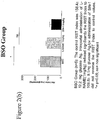
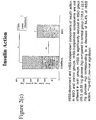
- HISS-dependent and HISS-independent components of insulin action in BSO and control groups HISS-independent components are not different in both groups.
- the direct glucose disposal action of insulin is unaltered by GSH depletion.
- HISS-independent component of insulin action is not altered in the GSH depleted rats.
- the HISS dependent component of insulin action is decreased significantly in BSO group compared with control group.
- HISS synthesis/release is dependent on the presence of GSH in the liver.
- a model of low hepatic GSH and NO production is produced by overnight fasting. Normal hepatic levels of GSH are reduced by an overnight fast.
- SIN-1 at doses from 2.5 to 10 mg/kg i.p.v. do not reverse fasting induced HDIR but prior administration of glutathione esters raises hepatic GSH levels to those seen in fed animals and restores the ability of the NO donor SIN-1 to serve as the permissive signal that allows insulin to cause HISS release thereby reversing fasting -induced HDIR.
- GSH administration by itself results in minor reversal of HDIR which only becomes therapeutically significant after the addition of the NO donor.
Landscapes
- Health & Medical Sciences (AREA)
- Chemical & Material Sciences (AREA)
- Medicinal Chemistry (AREA)
- Pharmacology & Pharmacy (AREA)
- Life Sciences & Earth Sciences (AREA)
- Animal Behavior & Ethology (AREA)
- General Health & Medical Sciences (AREA)
- Public Health (AREA)
- Veterinary Medicine (AREA)
- Epidemiology (AREA)
- Diabetes (AREA)
- Emergency Medicine (AREA)
- Endocrinology (AREA)
- Engineering & Computer Science (AREA)
- Bioinformatics & Cheminformatics (AREA)
- Hematology (AREA)
- Obesity (AREA)
- Chemical Kinetics & Catalysis (AREA)
- General Chemical & Material Sciences (AREA)
- Nuclear Medicine, Radiotherapy & Molecular Imaging (AREA)
- Organic Chemistry (AREA)
- Medicines That Contain Protein Lipid Enzymes And Other Medicines (AREA)
- Pharmaceuticals Containing Other Organic And Inorganic Compounds (AREA)
Description
- The invention relates to the field of treatments for insulin resistance.
- Insulin resistance is a significant health challenge for a wide range of patients, including those with type II diabetes, metabolic obesity, and various liver conditions.
- The picture that is emerging is one of complex multiple interacting systems with reflex parasympathetic effects in the liver capable of causing more than one reaction and of triggering reactions in other organs.
- Fasted cats develop insulin resistance immediately following acute denervation of the liver. In such studies, the degree of reduction of response to insulin was maximal after anterior plexus denervation and did not increase further with addition of denervation of the posterior nerve plexus or bilateral vagotomy thus demonstrating that all of the nerves of relevance were in the anterior plexus.
- The rapid insulin sensitivity test (RIST) was employed (Lautt et al., Can. J. Physiol. Pharmacol. 76:1080 (1998)) to avoid the complexity of the reaction to hypoglycemia. The RIST involves use of a euglycemic clamp following the administration of insulin and quantitation of the response as the amount of glucose required to be infused over the test period in order to hold arterial blood glucose levels constant. The RIST methodology has been published in detail and has been demonstrated in both cats and rats. It is highly reproducible with up to five consecutive responses being obtainable in cats and four in rats with blood glucose levels returning to control levels between each test. Insulin, glucagon, and catecholamine levels remain unchanged between tests.
- Cats show a dose-related development of insulin resistance using atropine (a cholinergic muscarinic receptor antagonist) that was of a similar magnitude to that produced by surgical denervation. The dose of atropine required to produce a full insulin resistance is 3 mg/kg (4 µmol/kg) administered into the portal vein. A similar degree of insulin resistance was achieved with 10-7 mmol/kg of the M1 muscarinic selective antagonist, pirenzepine, and with 10-6 µmol/kg of the M2 selective antagonist, methoctramine. Although not conclusive, the data suggest that the response may be mediated by the M1 muscarinic receptor subtype.
- Although the liver appeared to be the organ that produced the insulin resistance, it was not clear that the liver was the resistant organ. In order to determine the site of insulin resistance, a further series was done in cats that measured arterial-venous glucose responses across the hindlimbs, extrahepatic splanchnic organs, and liver. The intestine was unresponsive to the bolus insulin administration both before and after atropine or anterior plexus denervation or the combination of both. The hepatic response was also not notably altered whereas the glucose uptake across the hindlimbs, primarily representing skeletal muscle uptake, was decreased following atropine or hepatic parasympathetic denervation. These results indicated that interference with hepatic parasympathetic nerves led to insulin resistance in skeletal muscle.
- It was further demonstrated that the same degree of resistance could be produced by pharmacological blockade of parasympathetic nerve function using the muscarinic receptor antagonist, atropine. Following a meal, insulin is released from the pancreas. The presence of insulin in the blood elicits a hepatic parasympathetic reflex that results in the release of acetylcholine in the liver that results in the generation and release of nitric oxide which acts to control the sensitivity of skeletal muscle to insulin through the action of a hormone released from the liver, a hepatic insulin sensitizing substance (HISS) which selectively stimulates glucose uptake and storage as glycogen in tissues including skeletal muscle.
- In the absence of HISS, the large muscle mass is highly resistant to insulin and the glucose storage in skeletal muscle is severely reduced. Interruption of any part of the parasympathetic-mediated release of HISS results in insulin resistance. This parasympathetic reflex regulation of HISS release is an important mechanism by which the body regulates responsiveness to insulin and this mechanism is adjusted according to the prandial state, that is, according to how recently there has been an oral consumption of nutrients.
- In a fasted condition, HISS release in response to insulin is minimal or absent so that if insulin is released in this situation, there is a minimal metabolic effect. Following a meal, the parasympathetic reflex mechanism is amplified so that HISS release occurs and results in the majority of the ingested glucose stored in skeletal muscle.
- The consequence of lack of HISS release is the absence of HISS which results in severe insulin resistance, referred to as HISS-dependent insulin resistance ("HDIR"). In this situation, the pancreas is required to secrete substantially larger amounts of insulin in order that the glucose in the blood is disposed of to prevent hyperglycemia from occurring. If this condition persists, insulin resistance will progress to a state of
type 2 diabetes (non-insulin dependent diabetes mellitus) and eventually will lead to a complete exhaustion of the pancreas thus requiring the patient to resort to injections of insulin. Thus, it appears that any condition in which the hepatic parasympathetic reflex is dysfunctional will result in insulin resistance. - It is believed that the insulin resistance that is seen in a variety of conditions (non-insulin dependent diabetes, essential hypertension, obesity, chronic liver disease, fetal alcohol effects, old age, and chronic inflammatory diseases) represents a state of HDIR parasympathetic dysfunction. Lack of HISS would also be anticipated to result in obesity at the early stage of the resultant metabolic disturbance (the obese often become diabetic).
- Normally after a meal the liver takes up a small proportion of glucose and releases HISS to stimulate skeletal muscle to take up the majority of the glucose load. In the absence of HISS, the skeletal muscle is unable to take up the majority of glucose thus leaving the liver to compensate. The hepatic glycogen storage capacity is insufficient to handle all of the glucose, with the excess being converted to lipids which are then incorporated into lipoproteins and transported to adipose tissue for storage as fat. Provision of HISS to these individuals would restore the nutrition partitioning so that the nutrients are stored primarily as glycogen in the skeletal muscle rather than as fat in the adipose tissue.
-
WO 00/19992 -
WO 00/07575 -
WO 92/18002 - Rett K. et al., Diabetes und Stoffwechsel, Kirchheim, DE, vol. 5, no. Suppl. 3, 1996, p. 59-63 discloses that lipoic acid acutely ameliorates insulin sensitivity in obese subjects with
type 2 diabetes. - Thus, it is an object of the invention to provide a method of reducing insulin resistance.
- Nitric oxide (NO), GSH and insulin are believed to act within the liver to cause the release of a hepatic insulin sensitizing substance (HISS) into the blood. HISS controls the sensitivity of certain tissues (including skeletal muscle) to insulin. When HISS is present in significant amounts these tissues become more sensitive to insulin and can rapidly take up and store glucose. While the invention is not limited to any particular mechanism, the insulin sensitizing effect of HISS is believed to result when insulin causes HISS release and then HISS action is imposed on skeletal muscle. The direct action of insulin on peripheral tissues is not believed to be directly altered. Similarly, the term HISS-dependant insulin resistance refers to the decreased glucose storage effect produced by insulin as a result of lack of HISS action, not a direct reduction in cellular response to insulin.
- In an embodiment of the invention there is provided a method of reducing HISS-dependent insulin resistance in a mammalian patient suffering therefrom comprising administering a glutathione-increasing compound and in some instances a nitric oxide increasing compound.
- Acetylcholine infused directly into the portal vein (2.5 µg/kg/min) results in a complete reversal of the insulin resistance induced by surgical denervation. Administration of the same dose of acetylcholine intravenously produces no reversal. Intraportal administration directly targets the liver whereas intravenous infusion bypasses the liver and is not organ selective. This demonstration is extremely important in that the data suggest that the signal from the liver to skeletal muscle is blood-borne.
- A small but significant reduction in insulin resistance is observed following the administration of GSH alone. However, this effect is insufficient for many therapeutic purposes and is believed to be HISS-independent. Improved insulin sensitivity is obtained when both NO and GSH are administered.
- A role for nitric oxide ("NO") in reducing insulin resistance has been previously reported (Int. Pub.
WO 00/19992 - Administration of N-acetylcysteine is known to increase insulin sensitivity in a subject (
WO-A-0007575 - In an embodiment of the invention there is provided use of a glutathione-increasing compound and a nitric oxide increasing compound in reducing HISS-dependent insulin resistance in a mammalian patient suffering therefrom.
- In an embodiment of the invention there is provided use of a glutathione-increasing compound and a nitric oxide increasing compound in the manufacture of a medicament useful in the treatment of HISS-dependent insulin resistance.
- In an embodiment of the invention there is provided use of a composition comprising a glutathione-increasing compound and a nitric oxide-increasing compound in improving glucose uptake in a patient suffering from insulin resistance.
-
-
FIGURE 1 is a schematic illustration of the experimental protocol employed in Example 1. -
FIGURES 2a-d depict the RIST index for the control group BSO group in Example 1, as well as HISS dependent and independent components of insulin action in the BSO and control groups, and hepatic GSH content in those groups. - Surprisingly, it has been learned that the combined action of glutathione and nitric oxide ("NO") play an important role in the production of HISS in the liver. Glutathione, NO and insulin are needed for the release of sufficient active HISS to overcome HISS-dependent insulin resistance ("HDIR").
- HISS-dependent insulin resistance refers to the reduced uptake of glucose by HISS-sensitive tissues in the absence of HISS or when HISS levels are insufficient. One example of such reduced uptake is that of skeletal muscle when observed in the presence of insulin but in the absence of a normal hepatic parasympathetic reflex. While administration of GSH alone or NO alone may reduce insulin resistance somewhat in such a situation, the remaining insulin resistance (not treatable with NO or GSH alone) is HDIR and can be treated by the method disclosed herein.
- While the invention is not limited to any particular mechanism, it is believed that the administration of a glutathione increasing compound and an NO-increasing compound restores HISS release from the liver and/or restores HISS effect at skeletal muscle and other HISS-sensitive sites of glucose uptake.
- Thus, patients suffering from insulin resistance caused by insufficient HISS activity can be treated through the administration of a hepatic glutathione-increasing compound together with a hepatic NO-increasing compound.
- It will be apparent, in light of the disclosure herein, that a number of ways of increasing hepatic glutathione and NO are specifically contemplated and fall within the scope of the invention. For example, hepatic glutathione may be increased by increasing the rate of glutathione synthesis in the liver, reducing the rate of glutathione degradation (other than to form HISS) in the liver, or by providing exogenous glutathione in a form which is taken up by the liver cells. By way of non-limiting example, the rate of glutathione synthesis in the liver may in some instances be increased using one or more compounds: (a) which stimulate enzymes involved in glutathione synthesis (but the compounds are not reactants in the reactions producing glutathione); (b) which are reactants in the reaction producing glutathione; or (c) which stimulate the production of one or more subsequent compounds which either stimulate glutathione producing enzymes or are reactants in the reaction producing glutathione. In light of the disclosure herein, one skilled in the art could select a suitable method of increasing hepatic glutathione. The glutathione-increasing compounds are n-acetylcysteine, cysteine esters, L-2-oxothiazolidine-4-carboxolate ("OTC"), gamma glutamylcysteine and its ethyl ester, glutathione ethyl ester, glutathione isopropyl ester, lipoic acid, cystine, cysteine, methionine, and s-adenosylmethionine.
- Similarly, hepatic NO levels can be increased by increasing the rate of NO synthesis in the liver (such as by increasing NO synthase activity), by reducing the rate of NO degradation in the liver (other than to form HISS), or by providing exogenous NO or an exogenous carrier or precursor which is taken up and releases NO in the liver.
- NO-increasing compounds are SIN-1 and molsidamine, and nitrosylated forms of: N-acetylcysteine, cysteine esters, L-2-oxothiazolidine-4-carboxolate ("OTC"), gamma glutamylcysteine and its ethyl ester, glutathione ethyl ester, glutathione isopropyl ester, lipoic acid, cystine, cysteine, methionine, and s-adenosylmethionine.
- When nitrosylated forms of glutathione-increasing compounds are administered, these compounds can perform the role of both a nitric oxide-increasing compound and a glutathione-increasing compound.
- S-adenosylmethionine (SAMe) is a major regulator of hepatic glutathione. SAMe administration causes intrahepatic glutathione to be restored to near-normal levels. Thus, SAMe administration (together with an NO-increasing compound) allows HISS production in patients otherwise suffering from insufficient HISS as a result of insufficient hepatic glutathione. Thus, one method of increasing hepatic glutathione is by the administration of SAMe together with an NO-increasing compound. As used herein "SAMe" includes SAMe itself as well as pharmacologically acceptable salts thereof.
- SAMe is preferably administered orally at a dose of 0.5 to 25 mg/kg, by intramuscular injection at a dose of 0.2 to 10 mg/kg, or by another route of administration with an equivalent dose.
- Peak glutathione levels are typically seen about 3-6 hours after oral administration of SAMe. In one embodiment, SAMe is administered once per day. In some instances the daily oral dose is preferably taken in the morning.
- The precise dose of glutathione-increasing compound and NO-increasing compound desirable will be determined by a number of factors which will be apparent to those skilled in the art, in light of the disclosure herein. In particular, the identity of the glutathione-increasing compound and the NO-increasing compound and its mechanism of action (if known), the formulation and route of administration employed, the unstimulated level of HISS production in response to the patient's endogenous glutathione and/or NO levels, the patient's gender, age and weight, as well as the extent of unstimulated hepatic glutathione and/or NO production and the severity of the condition to be treated should be considered. Where it is impractical to conduct the tests necessary to determine the glutathione and/or NO response and/or the other factors such as the extent of hepatic glutathione and/or NO production, the appropriate dose can be determined through the administration of a dose suitable for a majority of patients similar to the subject in respect of those factors which have been assessed, followed by monitoring of the patient to determine if HISS production is increased. Such monitoring may be by any suitable means including, for example, the RIST.
- In one embodiment of the invention, a patient suffering from insulin resistance is treated for that condition by the administration of one or more of S-adenosylmethionine, vitamin E, vitamin C and 3-morpholinosyndnonimine and other pharmaceutically acceptable anti-oxidants, together with a NO-increasing compound.
- For oral administration, in some instances the components are preferably administered immediately before a meal: SAMe (1 to 20 mg/kg, preferably 6 mg/kg body weight), vitamin E (1 to 20 mg/kg, preferably 6 mg/kg body weight), vitamin C (1 to 20 mg/kg, preferably 7 mg/kg body weight), and 3-morpholinosyndnonimine ("SIN-1") (50 to 400 mg/kg, preferably 150 mg/kg body weight).
- In one embodiment of the invention the glutathione-increasing compound is 8-bromo-cGMP. 8-bromo-cGMP for administration to a patient may be in any pharmaceutically acceptable carrier. In some instances intravenous administration at a dose of 0.05 to 1 mg/kg/min infused continuously will be desired. In some instances a dose of 1 to 0.5 mg/kg/min will be desired. Infusion will preferably commence near the time of a meal so that 8-bromo-cGMP levels in the liver will peak when blood glucose levels are elevated above pre-meal levels. In some instances 8-bromo-cGMP may be continuously administered for 1 to 60 minutes. In some instances administration for 5 to 30 minutes will be desirable. Comparable oral doses may also be employed, although in some instances it may be desirable to administer an oral dose a greater time prior to a meal than the comparable intravenous dose would be administered.
- In one embodiment, the NO-increasing compound is SIN-1. SIN-1 administration to a patient may be in any suitable carrier. In some instances, an intravenous dose of between about 1 and 25 mg/kg body weight administered over a 5 minute period to 1 hour will be desired. In some instances a dose of between about 5 and 20 mg/kg body weight will be desired. In some instances a dose of between 8 and 15 mg/kg body weight will be desired. In some instances the period over which the dose is administered will be adjusted to allow hepatic NO levels to rise in parallel to hepatic GSH levels.
- Any suitable glutathione-increasing compound and any suitable NO-increasing compound may be employed. A glutathione-increasing or NO-increasing compound will be "suitable" if: (a) at the dose and method of administration to the mammalian patient, it is not acutely toxic, and does not result in chronic toxicity disproportionate to the therapeutic benefit derived from treatment; and (b) at the dose and method of administration to the mammalian patient, including the impact of a suitable dose of the other (GSH or NO) increasing compound, it reduces insulin resistance in the patient.
- In one embodiment there is provided a pharmaceutical composition including a hepatic glutathione-increasing compound and a hepatic nitric oxide-increasing compound.
- In one embodiment of the invention, the glutathione-increasing compound and NO-increasing compound are preferentially targeted to the liver. Targeting to the liver can be accomplished through the use of any pharmaceutically acceptable liver targeting substance. For example, each compound can be bound to albumin for preferential delivery to liver; alternatively, the compounds may be incorporated into or encapsulated within liposomes which are preferentially targeted to the liver. Compounds can be bound to bile salts which are selectively taken up by the liver. In one embodiment, one or both compounds are administered in a precursor form, and the precursor is selected to be metabolised to the active form by enzymes preferentially found in the liver.
- The glutathione-increasing compound may be administered so as to maintain a relatively constant level of the glutathione-increasing compound in the liver at all times. In some instances it will be preferable to administer the glutathione-increasing compound so as to have its concentrations peak when blood glucose is high, such as after a meal, allowing HISS production and glucose uptake at that time. Where toxicity is a concern, it may be desirable to keep glutathione-increasing compound levels low until blood glucose levels become elevated above normal levels. Alternatively, the glutathione-increasing compound may be administered so as to maintain a relatively constant level of HISS in the liver at all times. Alternatively, the glutathione-increasing compound may be administered to have HISS concentrations peak when blood glucose is high, and to remain high for no more than about 4 to 6 hours.
- In some instances, it will be desirable to administer a NO-increasing compound and a GSH-increasing compound together with at least one other drug used in the treatment of diabetes, examples of which are listed in Table I.
Table I a. Insulin and insulin analogues b. Type II Diabetes drugs i. Sulfonylurea agents 1. First Generation a. Tolbutamide b. Acetohexamide c. Tolazamide d. Chlorpropamide 2. Second Generation a. Glyburide b. Glipizide c. Glimepiride ii. Biguanide agents 1. metformin iii. Alpha- glucosidase inhibitors 1. Acarbose 2. Miglitol iv. Thiazolidinedione Agents (insulin sensitizers) 1. Rosiglitazone 2. Pioglitazone 3. Troglitazone v. Meglitinide Agents 1. Repaglinide c. Phosphodiesterase Inhibitors i. Anagrelide ii. Tadalafil iii. Dipyridamole iv. Dyphylline v. Vardenafil vi. Cilostazol vii. Milrinone viii. Theophylline ix. Sildenafil x. Caffeine d. Cholinesterase Inhibitors i. Donepezil ii. Tacrine iii. Edrophonium iv. Demecarium v. Pyridostigmine vi. Phospholine vii. Metrifonate viii. Neostigmine ix. Galanthamine x. Zanapezil e. Cholinergic Agonists i. Acetylcholine ii. Methacholine iii. Bethanechol iv. Carbachol v. Pilocarpine hydrochloride - In one aspect of the invention there is provided a method of reducing insulin resistance in a mammalian patient having lower than normal hepatic glutathione levels. In this embodiment the method comprises: selecting a patient suffering from insulin resistance, determining if hepatic glutathione levels are lower than normal in the patient, and administering a compound which increases hepatic glutathione.
- As used herein, the phrase "lower than normal hepatic glutathione levels" means hepatic glutathione levels lower than those observed in an average healthy individual of the same gender, age, weight, fed-state, and blood sugar level.
- The patient is preferably a mammal. In one aspect the patient is a human. In another aspect the patient is a domestic animal such as a cat, dog or horse.
- Summary: GSH depletion was induced in 5 week old Wistar rats using buthionine sulfoximine (BS), 2 mmol/kg bw, i.p. for 20 days. Control rats were injected with an equal volume of saline. Insulin sensitivity was measured using a euglycemic clamp, the Rapid Insulin Sensitivity Test - RIST. In both the saline group (SG) and BSO group (BG) a control RIST followed by a RIST post-L-NAME (1 mg/kg i.p.v.), a NOS competitive antagonist, and a RIST post-SIN-1 (5 mg/kg i.p.v.), a NO donor, were performed. The liver was removed for further determined of hepatic GSH content using the GSH peroxidase-reductase assay. BG showed a reduction of 48.3 ± 6.9% in hepatic GSH content compared to SG. The control RIST, 248.0 ± 15.8 mg glucose/kg for SG, was impaired in the BG (158.4 ± 12.2 mg glucose/kg; p<0.01). After L-NAME the SG RIST was 129.0 ± 1.9 mg glucose/kg and the BG RIST was 109.0 ± 9.1 mg glucose/kg. SIN-1 administration only restored insulin action in the SG (246.0 ± 11.5 mg glucose/kg). HISS action, quantified by subtracting the post L-NAME RIST from the control RIST, was 114.0 ±15.8 mg glucose/kg for SG and only 49.3 ± 8.6 mg glucose/kg for BG (p<0.01). HISS dependent insulin resistance appears to be related to impaired levels of GSH in the liver, leading to a compromised HISS secretion/release.
- SIN-1 is a NO donor. L-NAME and L-NMMA are nitric oxide synthase (NOS) antagonists.
- SIN-1 reverses HISS inhibition after NOS blockade.
- SIN-1 produces NO and O2 2- simultaneously. Nitrosatin of GSH by NO/O2 2- to produce GSNO is efficient. GSNO is apparently essential for HISS release. Nitroprusside is not able to restore HISS action after NOS blockade.
- The overall experimental protocol is shown in
Figure 1 . Male Wistar rats (8 weeks) were anaesthetized with sodium pentobaribtial (65 mg/kg). Body temperature was maintained at 37 ± 0.5□C. An arterial-venous loop (carotid artery and internal jugular vein) was employed. A catheter was inserted into the portal vein. - RIST (Rapid Insulin Sensitivity Test): Blood samples (25 µl) for arterial glucose analysis were taken from the arterial-venous loop. A stable glucose baseline was established. Insulin (50 mU/kg i.v.) was infused over 5 minutes. Arterial blood samples were taken every 2 minutes. Glucose was adjusted to maintain euglycemia. RIST index = mg glucose/kg infused during RIST.
- CONTROL GROUP: Control group (n=6): L-NAME (1 mg/kg i.p.v.) reduces the RIST index from 260.2 ± 15.6 mg glucose/kg to 121.2 ± 12.8 mg glucose/kg (52.3 ± 5.8% inhibition). SIN-1 (5 mg/kg i.p.v.) restores insulin response with a RIST index of 258.1 ± 18.5 mg glucose/kg. ***=p<0.001.
- BSO GROUP: BSO group (n=5): The control RIST index was 158.4 ± 12.2 mg glucose/kg. Intraportal administration of L-NAME (1 mg/kg) reduced significantly the RIST index to 109.8 ± 9.1 mg glucose/kg i.p.v. Administration of SIN-1 did not reverse the RIST index to control values. *=p<0.05; ns=non significant.
- INSULIN ACTION: HISS-dependent and HISS-independent components of insulin action in BSO and control groups. HISS-independent components are not different in both groups. The direct glucose disposal action of insulin is unaltered by GSH depletion. HISS is significantly reduced in BSO group (49.3 ± 8.56 mg glucose/kg) compared to control group (138.9 ± 22.8 mg glucose/kg) corresponding to a decrease of 64.4% of HISS action. **=p<0.01; ns=non significant.
- HEPATIC GSH CONTENT: Hepatic glutathione content in BSO (n=5) and control (n=6) groups. In control group hepatic GSH content was significantly higher (5.66 ± 0.1 µmol/g fresh liver) than in BSO group (2.96 ± 0.4 µmol/g fresh liver). Hepatic GSH content was decreased in 48.3 ± 6.9% in BSO group. ***=p<0.001.
- The results are shown in
Figure 2 (a-d). - An impaired content of hepatic GSH appears to lead to insulin resistance. The HISS-independent component of insulin action is not altered in the GSH depleted rats. The HISS dependent component of insulin action is decreased significantly in BSO group compared with control group. HISS synthesis/release is dependent on the presence of GSH in the liver.
- A model of low hepatic GSH and NO production is produced by overnight fasting. Normal hepatic levels of GSH are reduced by an overnight fast. SIN-1 at doses from 2.5 to 10 mg/kg i.p.v. do not reverse fasting induced HDIR but prior administration of glutathione esters raises hepatic GSH levels to those seen in fed animals and restores the ability of the NO donor SIN-1 to serve as the permissive signal that allows insulin to cause HISS release thereby reversing fasting -induced HDIR. GSH administration by itself results in minor reversal of HDIR which only becomes therapeutically significant after the addition of the NO donor.
- Thus, there has been provided a method of reducing insulin resistance.
Publications relating to the material described herein include:
Dowell, F.J et al.: Eur. J. Pharmacol. 379(23):175-182 (1999); Young, M.E., Leighton, B.: Biochem. J. 329:73 (1998); Xie, H., Lautt, W.W.: Am. J. Physiol. 270:E858 (1996); Lautt, W.W. et al.: Can. J. Physiol. Pharmacol. 76:1 (1998); Sadri, P., Lautt, W.W.: Am. J. Physiol. 277:G101 (1999); Modan, M., Halkin, H., Almog, S.: Journal of Clinical Investigation. 75:809 (1985); DeMattia, G. et al.: Metabolism 47:993 (1998); Czech, M.P. et al.: Metabolism. 27:1987 (1978); Xie, H., Lautt, W.W.: Am. J. Physiol. 270:E858 (1996); Sadri, P., Lautt, W.W.: Am. J. Physiol. 277:G1 (1999); Khamaisi, M., Kavel, O., Rosenstock, M., Porat, M., Yull, M., Kaiser, N., Rudich A.: Biochem. J. 349:579 (2000); Lautt, W.W., Wang, X., Sadri, P., Legare, D., Macedo, M.P.: Can. J. Physiol. Pharmacol. 76:1 (1998); Marinho, H.S., Baptista, M., Pinto, R.E.: Biochem. Biophys. Acta. 1360:157 (1997); Schrammel, A., Pfeiffer, S., Schmidt, K., Koesling, D., Mayer, B.: Mol. Pharmacol. 54:207 (1998).
Claims (16)
- A pharmaceutical composition comprising a hepatic glutathione increasing compound selected from N-acetylcysteine, cysteine esters, L-2-oxothiazolidine-4-carboxolate ("OTC"), gamma glutamylcysteine and its ethyl ester, glutathione ethyl ester, glutathione isopropyl ester, lipoic acid, cystine, cysteine, methionine, 8-bromo-cGMP and S-adenosylmethionine ("SAMe") and a hepatic nitric oxide-increasing compound selected from SIN-1, molsidamine, nitrosylated N-acetylcysteine, nitrosylated cysteine esters, nitrosylated L-2-oxothiazolidine-4-carboxolate (NOTC), nitrosylated gamma glutamylcystein and its ethyl ester, nitrosylated glutathione ethyl ester, nitrosylated glutathione isopropyl ester, nitrosylated lipoic acid, nitrosylated cysteine, nitrosylated cystine, nitrosylated methionine, or nitrosylated S-adenosylmethionine.
- A pharmaceutical composition comprising at least one of nitrosylated cysteine esters, nitrosylated L-2-oxothiazolidine-4-carboxolate (NOTC), nitrosylated gamma glutamylcystein and its ethyl ether, nitrosylated glutathione ethyl ester, nitrosylated glutathione isopropyl ester, nitrosylated lipoic acid, nitrosylated cystine, nitrosylated methionine, or nitrosylated S-adenosylmethionine.
- Pharmaceutical composition according to claim 1 for use in the treatment of insulin resistance.
- Pharmaceutical composition according to claim 1 for use in improving glucose uptake in a patient suffering from insulin resistance.
- Pharmaceutical composition according to claim 1 for use in reducing insulin resistance in a mammalian patient having lower than normal hepatic glutathione levels.
- Pharmaceutical composition for use according to claim 3, 4, or 5 wherein the insulin resistance is hepatic insulin sensitizing substance ("HISS")-dependent insulin resistance.
- Pharmaceutical composition for use according to claim 6 wherein the hepatic glutathione-increasing compound administered causes an increase in hepatic glutathione sythesis.
- Pharmaceutical composition for use according to any preceding claim wherein the glutathione-increasing compound is to be administered orally.
- Pharmaceutical composition for use according to any preceding claim wherein the glutathione-increasing compound is to be administered by intravenous injection.
- Pharmaceutical composition for use according to any preceding claim wherein the glutathione-increasing compound is 8-bromo-cGMP.
- Pharmaceutical composition for use according to any preceding claim wherein the compound which increases hepatic nitric oxide (NO) is to be administered orally.
- Pharmaceutical composition for use according to any preceding claim wherein the compound which increases hepatic nitric oxide (NO) is to be administered by intravenous injection.
- Pharmaceutical composition for use according to any preceding claim wherein the compound which increases hepatic nitric oxide is SIN-1.
- Pharmaceutical composition for use according to any preceding claim wherein the compound which increases hepatic nitric oxide (NO) is molsidamine.
- Pharmaceutical composition for use according to any preceding claim wherein the patient suffers from at least one of non-insulin dependent diabetes, essential hypertension, metabolic obesity, chronic liver disease, fetal alcohol effects, and a chronic inflammatory disease.
- Pharmaceutical composition for use according to any preceding claim wherein the patient is a human.
Applications Claiming Priority (3)
| Application Number | Priority Date | Filing Date | Title |
|---|---|---|---|
| US35095502P | 2002-01-25 | 2002-01-25 | |
| US350955P | 2002-01-25 | ||
| PCT/CA2003/000079 WO2003061639A2 (en) | 2002-01-25 | 2003-01-27 | Use of glutathione synthesis stimulating compounds in reducing insulin resistance |
Publications (2)
| Publication Number | Publication Date |
|---|---|
| EP1471903A2 EP1471903A2 (en) | 2004-11-03 |
| EP1471903B1 true EP1471903B1 (en) | 2019-11-20 |
Family
ID=27613445
Family Applications (1)
| Application Number | Title | Priority Date | Filing Date |
|---|---|---|---|
| EP03700276.3A Expired - Lifetime EP1471903B1 (en) | 2002-01-25 | 2003-01-27 | Use of glutathione synthesis stimulating compounds in reducing insulin resistance |
Country Status (5)
| Country | Link |
|---|---|
| US (1) | US7622447B2 (en) |
| EP (1) | EP1471903B1 (en) |
| AU (1) | AU2003201579B2 (en) |
| CA (1) | CA2514090C (en) |
| WO (1) | WO2003061639A2 (en) |
Families Citing this family (10)
| Publication number | Priority date | Publication date | Assignee | Title |
|---|---|---|---|---|
| AU2005245240B2 (en) * | 2004-05-20 | 2010-04-29 | Scimar Ltd. | Use of drug combinations for treating insulin resistance |
| CN101959530A (en) * | 2008-02-25 | 2011-01-26 | 味之素株式会社 | Preventive or therapeutic agent for diabetes or obesity |
| WO2013173923A1 (en) | 2012-05-25 | 2013-11-28 | Diamedica, Inc. | Formulations of human tissue kallikrein-1 for parenteral delivery and related methods |
| PT2854841T (en) | 2012-06-04 | 2017-05-15 | Diamedica Inc | Human tissue kallikrein 1 glycosylation isoforms |
| JOP20190146A1 (en) | 2016-12-19 | 2019-06-18 | Axcella Health Inc | Amino acid compositions and methods for the treatment of liver diseases |
| US11857608B2 (en) | 2017-03-09 | 2024-01-02 | Diamedica Inc. | Dosage forms of tissue kallikrein 1 |
| SG11202001142VA (en) | 2017-08-14 | 2020-03-30 | Axcella Health Inc | Amino acid compositions for the treatment of liver disease |
| US10596136B2 (en) | 2018-06-20 | 2020-03-24 | Axcella Health Inc. | Compositions and methods for the treatment of fat infiltration in muscle |
| CN110115755A (en) * | 2019-01-23 | 2019-08-13 | 温州医科大学 | The new medical use of glutathione |
| CN119889721B (en) * | 2024-12-30 | 2025-07-15 | 中国医学科学院基础医学研究所 | Internet medical service-based time-dependent senile insulin sensitivity damage intelligent diagnosis and treatment system and equipment |
Family Cites Families (4)
| Publication number | Priority date | Publication date | Assignee | Title |
|---|---|---|---|---|
| US5385937A (en) | 1991-04-10 | 1995-01-31 | Brigham & Women's Hospital | Nitrosation of homocysteine as a method for treating homocysteinemia |
| US6436996B1 (en) * | 1997-09-30 | 2002-08-20 | Duke University | Modulation of nitric oxide production |
| US6258848B1 (en) * | 1998-07-31 | 2001-07-10 | Mount Sinai Hospital | Methods and compositions for increasing insulin sensitivity |
| CA2381095C (en) * | 1998-10-06 | 2012-08-14 | Scimar Ltd. | Method for treating insulin resistance through hepatic nitric oxide |
-
2003
- 2003-01-27 US US10/502,065 patent/US7622447B2/en not_active Expired - Lifetime
- 2003-01-27 EP EP03700276.3A patent/EP1471903B1/en not_active Expired - Lifetime
- 2003-01-27 CA CA2514090A patent/CA2514090C/en not_active Expired - Lifetime
- 2003-01-27 WO PCT/CA2003/000079 patent/WO2003061639A2/en not_active Ceased
- 2003-01-27 AU AU2003201579A patent/AU2003201579B2/en not_active Expired
Non-Patent Citations (1)
| Title |
|---|
| None * |
Also Published As
| Publication number | Publication date |
|---|---|
| CA2514090A1 (en) | 2003-07-31 |
| AU2003201579B2 (en) | 2008-07-24 |
| US20050124552A1 (en) | 2005-06-09 |
| WO2003061639A3 (en) | 2003-10-16 |
| EP1471903A2 (en) | 2004-11-03 |
| US7622447B2 (en) | 2009-11-24 |
| WO2003061639A2 (en) | 2003-07-31 |
| CA2514090C (en) | 2012-08-21 |
Similar Documents
| Publication | Publication Date | Title |
|---|---|---|
| AU2003201577B2 (en) | Use of phosphodiesterase antagonists to treat insulin resistance | |
| CA2514088C (en) | Use of cholinesterase antagonists to treat insulin resistance | |
| AU2003201577A1 (en) | Use of phosphodiesterase antagonists to treat insulin resistance | |
| AU2003201578A1 (en) | Use of cholinesterase antagonists to treat insulin resistance | |
| US20090324701A1 (en) | Compositions containing (s)-bethanechol and their use in the treatment of insulin resistance, type 2 diabetes, glucose intolerance and related disorders | |
| EP0861666B1 (en) | Pharmaceutical composition for use in treatment of diabetes | |
| EP1377278B1 (en) | Treatment of type 2 diabetes with inhibitors of dipeptidyl peptidase iv | |
| KR101653071B1 (en) | Dosing Regimen for a Selective S1P1 Receptor Agonist | |
| EP3132792B1 (en) | Composition and methods for increasing insulin sensitivity | |
| JP2015091854A (en) | Method of preserving function of insulin-producing cells | |
| KR20120016051A (en) | Pharmaceutical composition | |
| JP2012188448A (en) | Roflumilast for the treatment of diabetes mellitus | |
| US20050085498A1 (en) | Oral formulation of lipid soluble thiamine, lipoic acid, creatine derivative, and L-arginine alpha-ketoglutarate | |
| CA2538415A1 (en) | Use of antagonists of hepatic sympathetic nerve activity | |
| US7622447B2 (en) | Use of glutathione synthesis stimulating compounds in reducing insulin resistance | |
| US6316458B1 (en) | Method of enhancing insulin action | |
| ZA200300044B (en) | A combination of FBPase inhibitors and antidiabetic agents useful for the treatment of diabetes. | |
| AU2003201579A1 (en) | Use of glutathione synthesis stimulating compounds in reducing insulin resistance | |
| US20070287685A1 (en) | Medicinal composition containing FBPase inhibitor | |
| TWI672145B (en) | Use and pharmaceutical composition for metabolic disease prevention and/or treatment | |
| Hu et al. | The nature of interaction of nateglinide with KATP channels in pancreatic β-cells underlies its unique in vivo insulinotropic action | |
| HK1116077B (en) | Roflumilast for the treatment of diabetes mellitus | |
| HK1165292A (en) | Pharmaceutical compositions |
Legal Events
| Date | Code | Title | Description |
|---|---|---|---|
| PUAI | Public reference made under article 153(3) epc to a published international application that has entered the european phase |
Free format text: ORIGINAL CODE: 0009012 |
|
| 17P | Request for examination filed |
Effective date: 20040825 |
|
| AK | Designated contracting states |
Kind code of ref document: A2 Designated state(s): AT BE BG CH CY CZ DE DK EE ES FI FR GB GR HU IE IT LI LU MC NL PT SE SI SK TR |
|
| AX | Request for extension of the european patent |
Extension state: AL LT LV MK RO |
|
| 17Q | First examination report despatched |
Effective date: 20081127 |
|
| STAA | Information on the status of an ep patent application or granted ep patent |
Free format text: STATUS: EXAMINATION IS IN PROGRESS |
|
| GRAP | Despatch of communication of intention to grant a patent |
Free format text: ORIGINAL CODE: EPIDOSNIGR1 |
|
| STAA | Information on the status of an ep patent application or granted ep patent |
Free format text: STATUS: GRANT OF PATENT IS INTENDED |
|
| INTG | Intention to grant announced |
Effective date: 20181017 |
|
| GRAJ | Information related to disapproval of communication of intention to grant by the applicant or resumption of examination proceedings by the epo deleted |
Free format text: ORIGINAL CODE: EPIDOSDIGR1 |
|
| STAA | Information on the status of an ep patent application or granted ep patent |
Free format text: STATUS: EXAMINATION IS IN PROGRESS |
|
| INTC | Intention to grant announced (deleted) | ||
| GRAS | Grant fee paid |
Free format text: ORIGINAL CODE: EPIDOSNIGR3 |
|
| STAA | Information on the status of an ep patent application or granted ep patent |
Free format text: STATUS: GRANT OF PATENT IS INTENDED |
|
| GRAP | Despatch of communication of intention to grant a patent |
Free format text: ORIGINAL CODE: EPIDOSNIGR1 |
|
| RAP1 | Party data changed (applicant data changed or rights of an application transferred) |
Owner name: SCIMAR LTD. |
|
| INTG | Intention to grant announced |
Effective date: 20190612 |
|
| GRAA | (expected) grant |
Free format text: ORIGINAL CODE: 0009210 |
|
| STAA | Information on the status of an ep patent application or granted ep patent |
Free format text: STATUS: THE PATENT HAS BEEN GRANTED |
|
| AK | Designated contracting states |
Kind code of ref document: B1 Designated state(s): AT BE BG CH CY CZ DE DK EE ES FI FR GB GR HU IE IT LI LU MC NL PT SE SI SK TR |
|
| REG | Reference to a national code |
Ref country code: GB Ref legal event code: FG4D |
|
| REG | Reference to a national code |
Ref country code: CH Ref legal event code: EP |
|
| REG | Reference to a national code |
Ref country code: IE Ref legal event code: FG4D |
|
| REG | Reference to a national code |
Ref country code: DE Ref legal event code: R096 Ref document number: 60352296 Country of ref document: DE |
|
| REG | Reference to a national code |
Ref country code: AT Ref legal event code: REF Ref document number: 1203392 Country of ref document: AT Kind code of ref document: T Effective date: 20191215 |
|
| REG | Reference to a national code |
Ref country code: NL Ref legal event code: MP Effective date: 20191120 |
|
| PG25 | Lapsed in a contracting state [announced via postgrant information from national office to epo] |
Ref country code: FI Free format text: LAPSE BECAUSE OF FAILURE TO SUBMIT A TRANSLATION OF THE DESCRIPTION OR TO PAY THE FEE WITHIN THE PRESCRIBED TIME-LIMIT Effective date: 20191120 Ref country code: BG Free format text: LAPSE BECAUSE OF FAILURE TO SUBMIT A TRANSLATION OF THE DESCRIPTION OR TO PAY THE FEE WITHIN THE PRESCRIBED TIME-LIMIT Effective date: 20200220 Ref country code: GR Free format text: LAPSE BECAUSE OF FAILURE TO SUBMIT A TRANSLATION OF THE DESCRIPTION OR TO PAY THE FEE WITHIN THE PRESCRIBED TIME-LIMIT Effective date: 20200221 Ref country code: NL Free format text: LAPSE BECAUSE OF FAILURE TO SUBMIT A TRANSLATION OF THE DESCRIPTION OR TO PAY THE FEE WITHIN THE PRESCRIBED TIME-LIMIT Effective date: 20191120 Ref country code: ES Free format text: LAPSE BECAUSE OF FAILURE TO SUBMIT A TRANSLATION OF THE DESCRIPTION OR TO PAY THE FEE WITHIN THE PRESCRIBED TIME-LIMIT Effective date: 20191120 Ref country code: SE Free format text: LAPSE BECAUSE OF FAILURE TO SUBMIT A TRANSLATION OF THE DESCRIPTION OR TO PAY THE FEE WITHIN THE PRESCRIBED TIME-LIMIT Effective date: 20191120 |
|
| PG25 | Lapsed in a contracting state [announced via postgrant information from national office to epo] |
Ref country code: DK Free format text: LAPSE BECAUSE OF FAILURE TO SUBMIT A TRANSLATION OF THE DESCRIPTION OR TO PAY THE FEE WITHIN THE PRESCRIBED TIME-LIMIT Effective date: 20191120 Ref country code: CZ Free format text: LAPSE BECAUSE OF FAILURE TO SUBMIT A TRANSLATION OF THE DESCRIPTION OR TO PAY THE FEE WITHIN THE PRESCRIBED TIME-LIMIT Effective date: 20191120 Ref country code: EE Free format text: LAPSE BECAUSE OF FAILURE TO SUBMIT A TRANSLATION OF THE DESCRIPTION OR TO PAY THE FEE WITHIN THE PRESCRIBED TIME-LIMIT Effective date: 20191120 Ref country code: PT Free format text: LAPSE BECAUSE OF FAILURE TO SUBMIT A TRANSLATION OF THE DESCRIPTION OR TO PAY THE FEE WITHIN THE PRESCRIBED TIME-LIMIT Effective date: 20200412 |
|
| REG | Reference to a national code |
Ref country code: AT Ref legal event code: MK05 Ref document number: 1203392 Country of ref document: AT Kind code of ref document: T Effective date: 20191120 |
|
| REG | Reference to a national code |
Ref country code: DE Ref legal event code: R097 Ref document number: 60352296 Country of ref document: DE |
|
| PG25 | Lapsed in a contracting state [announced via postgrant information from national office to epo] |
Ref country code: MC Free format text: LAPSE BECAUSE OF FAILURE TO SUBMIT A TRANSLATION OF THE DESCRIPTION OR TO PAY THE FEE WITHIN THE PRESCRIBED TIME-LIMIT Effective date: 20191120 Ref country code: SK Free format text: LAPSE BECAUSE OF FAILURE TO SUBMIT A TRANSLATION OF THE DESCRIPTION OR TO PAY THE FEE WITHIN THE PRESCRIBED TIME-LIMIT Effective date: 20191120 |
|
| REG | Reference to a national code |
Ref country code: CH Ref legal event code: PL |
|
| PLBE | No opposition filed within time limit |
Free format text: ORIGINAL CODE: 0009261 |
|
| STAA | Information on the status of an ep patent application or granted ep patent |
Free format text: STATUS: NO OPPOSITION FILED WITHIN TIME LIMIT |
|
| REG | Reference to a national code |
Ref country code: BE Ref legal event code: MM Effective date: 20200131 |
|
| 26N | No opposition filed |
Effective date: 20200821 |
|
| PG25 | Lapsed in a contracting state [announced via postgrant information from national office to epo] |
Ref country code: LU Free format text: LAPSE BECAUSE OF NON-PAYMENT OF DUE FEES Effective date: 20200127 |
|
| PG25 | Lapsed in a contracting state [announced via postgrant information from national office to epo] |
Ref country code: BE Free format text: LAPSE BECAUSE OF NON-PAYMENT OF DUE FEES Effective date: 20200131 Ref country code: AT Free format text: LAPSE BECAUSE OF FAILURE TO SUBMIT A TRANSLATION OF THE DESCRIPTION OR TO PAY THE FEE WITHIN THE PRESCRIBED TIME-LIMIT Effective date: 20191120 Ref country code: CH Free format text: LAPSE BECAUSE OF NON-PAYMENT OF DUE FEES Effective date: 20200131 Ref country code: SI Free format text: LAPSE BECAUSE OF FAILURE TO SUBMIT A TRANSLATION OF THE DESCRIPTION OR TO PAY THE FEE WITHIN THE PRESCRIBED TIME-LIMIT Effective date: 20191120 Ref country code: LI Free format text: LAPSE BECAUSE OF NON-PAYMENT OF DUE FEES Effective date: 20200131 |
|
| PG25 | Lapsed in a contracting state [announced via postgrant information from national office to epo] |
Ref country code: IE Free format text: LAPSE BECAUSE OF NON-PAYMENT OF DUE FEES Effective date: 20200127 Ref country code: IT Free format text: LAPSE BECAUSE OF FAILURE TO SUBMIT A TRANSLATION OF THE DESCRIPTION OR TO PAY THE FEE WITHIN THE PRESCRIBED TIME-LIMIT Effective date: 20191120 |
|
| PGFP | Annual fee paid to national office [announced via postgrant information from national office to epo] |
Ref country code: GB Payment date: 20220118 Year of fee payment: 20 Ref country code: DE Payment date: 20220329 Year of fee payment: 20 |
|
| PG25 | Lapsed in a contracting state [announced via postgrant information from national office to epo] |
Ref country code: TR Free format text: LAPSE BECAUSE OF FAILURE TO SUBMIT A TRANSLATION OF THE DESCRIPTION OR TO PAY THE FEE WITHIN THE PRESCRIBED TIME-LIMIT Effective date: 20191120 Ref country code: CY Free format text: LAPSE BECAUSE OF FAILURE TO SUBMIT A TRANSLATION OF THE DESCRIPTION OR TO PAY THE FEE WITHIN THE PRESCRIBED TIME-LIMIT Effective date: 20191120 |
|
| PGFP | Annual fee paid to national office [announced via postgrant information from national office to epo] |
Ref country code: FR Payment date: 20220126 Year of fee payment: 20 |
|
| REG | Reference to a national code |
Ref country code: DE Ref legal event code: R071 Ref document number: 60352296 Country of ref document: DE |
|
| REG | Reference to a national code |
Ref country code: GB Ref legal event code: PE20 Expiry date: 20230126 |
|
| PG25 | Lapsed in a contracting state [announced via postgrant information from national office to epo] |
Ref country code: GB Free format text: LAPSE BECAUSE OF EXPIRATION OF PROTECTION Effective date: 20230126 |