EP1449925A1 - Method of diagnosis of type 2 diabetes - Google Patents
Method of diagnosis of type 2 diabetes Download PDFInfo
- Publication number
- EP1449925A1 EP1449925A1 EP03290412A EP03290412A EP1449925A1 EP 1449925 A1 EP1449925 A1 EP 1449925A1 EP 03290412 A EP03290412 A EP 03290412A EP 03290412 A EP03290412 A EP 03290412A EP 1449925 A1 EP1449925 A1 EP 1449925A1
- Authority
- EP
- European Patent Office
- Prior art keywords
- tieg2
- gene
- type
- diabetes
- seq
- Prior art date
- Legal status (The legal status is an assumption and is not a legal conclusion. Google has not performed a legal analysis and makes no representation as to the accuracy of the status listed.)
- Withdrawn
Links
- 208000001072 type 2 diabetes mellitus Diseases 0.000 title claims abstract description 55
- 238000000034 method Methods 0.000 title claims abstract description 29
- 238000003745 diagnosis Methods 0.000 title abstract description 3
- 108090000623 proteins and genes Proteins 0.000 claims abstract description 68
- 101001006895 Homo sapiens Krueppel-like factor 11 Proteins 0.000 claims description 73
- 102100027797 Krueppel-like factor 11 Human genes 0.000 claims description 66
- 239000000523 sample Substances 0.000 claims description 42
- 108020004414 DNA Proteins 0.000 claims description 19
- 102200133963 rs35927125 Human genes 0.000 claims description 14
- 241001465754 Metazoa Species 0.000 claims description 12
- 238000009396 hybridization Methods 0.000 claims description 11
- 102000004169 proteins and genes Human genes 0.000 claims description 10
- 239000013598 vector Substances 0.000 claims description 10
- 150000001875 compounds Chemical class 0.000 claims description 9
- 230000014509 gene expression Effects 0.000 claims description 9
- 108091026890 Coding region Proteins 0.000 claims description 7
- 108020004711 Nucleic Acid Probes Proteins 0.000 claims description 7
- 239000002853 nucleic acid probe Substances 0.000 claims description 7
- 230000009261 transgenic effect Effects 0.000 claims description 6
- 230000003321 amplification Effects 0.000 claims description 5
- 210000004602 germ cell Anatomy 0.000 claims description 5
- 238000003199 nucleic acid amplification method Methods 0.000 claims description 5
- 238000010171 animal model Methods 0.000 claims description 4
- 238000003556 assay Methods 0.000 claims description 4
- 230000000295 complement effect Effects 0.000 claims description 4
- 239000003814 drug Substances 0.000 claims description 4
- 150000007523 nucleic acids Chemical group 0.000 claims description 4
- 238000009007 Diagnostic Kit Methods 0.000 claims description 3
- 230000001105 regulatory effect Effects 0.000 claims description 3
- 238000012286 ELISA Assay Methods 0.000 claims description 2
- 108091028043 Nucleic acid sequence Proteins 0.000 claims description 2
- 108091081024 Start codon Proteins 0.000 claims description 2
- 239000003153 chemical reaction reagent Substances 0.000 claims description 2
- 238000001415 gene therapy Methods 0.000 claims description 2
- 210000005260 human cell Anatomy 0.000 claims description 2
- 230000002055 immunohistochemical effect Effects 0.000 claims description 2
- 238000004519 manufacturing process Methods 0.000 claims description 2
- 238000012216 screening Methods 0.000 claims description 2
- 238000001262 western blot Methods 0.000 claims description 2
- 238000002560 therapeutic procedure Methods 0.000 abstract description 3
- 206010012601 diabetes mellitus Diseases 0.000 description 10
- 230000000694 effects Effects 0.000 description 10
- 108700028369 Alleles Proteins 0.000 description 7
- 101001006892 Homo sapiens Krueppel-like factor 10 Proteins 0.000 description 7
- 210000004027 cell Anatomy 0.000 description 7
- 238000011161 development Methods 0.000 description 7
- 230000018109 developmental process Effects 0.000 description 7
- 230000003993 interaction Effects 0.000 description 7
- 102100027798 Krueppel-like factor 10 Human genes 0.000 description 6
- 238000012360 testing method Methods 0.000 description 6
- 101710144033 Pancreas/duodenum homeobox protein 1 Proteins 0.000 description 5
- 102100041030 Pancreas/duodenum homeobox protein 1 Human genes 0.000 description 5
- 230000033228 biological regulation Effects 0.000 description 5
- 201000010099 disease Diseases 0.000 description 5
- 208000037265 diseases, disorders, signs and symptoms Diseases 0.000 description 5
- 230000002018 overexpression Effects 0.000 description 5
- 210000000496 pancreas Anatomy 0.000 description 5
- 102000004887 Transforming Growth Factor beta Human genes 0.000 description 4
- 108090001012 Transforming Growth Factor beta Proteins 0.000 description 4
- 230000004075 alteration Effects 0.000 description 4
- 238000004458 analytical method Methods 0.000 description 4
- 210000000349 chromosome Anatomy 0.000 description 4
- NOESYZHRGYRDHS-UHFFFAOYSA-N insulin Chemical compound N1C(=O)C(NC(=O)C(CCC(N)=O)NC(=O)C(CCC(O)=O)NC(=O)C(C(C)C)NC(=O)C(NC(=O)CN)C(C)CC)CSSCC(C(NC(CO)C(=O)NC(CC(C)C)C(=O)NC(CC=2C=CC(O)=CC=2)C(=O)NC(CCC(N)=O)C(=O)NC(CC(C)C)C(=O)NC(CCC(O)=O)C(=O)NC(CC(N)=O)C(=O)NC(CC=2C=CC(O)=CC=2)C(=O)NC(CSSCC(NC(=O)C(C(C)C)NC(=O)C(CC(C)C)NC(=O)C(CC=2C=CC(O)=CC=2)NC(=O)C(CC(C)C)NC(=O)C(C)NC(=O)C(CCC(O)=O)NC(=O)C(C(C)C)NC(=O)C(CC(C)C)NC(=O)C(CC=2NC=NC=2)NC(=O)C(CO)NC(=O)CNC2=O)C(=O)NCC(=O)NC(CCC(O)=O)C(=O)NC(CCCNC(N)=N)C(=O)NCC(=O)NC(CC=3C=CC=CC=3)C(=O)NC(CC=3C=CC=CC=3)C(=O)NC(CC=3C=CC(O)=CC=3)C(=O)NC(C(C)O)C(=O)N3C(CCC3)C(=O)NC(CCCCN)C(=O)NC(C)C(O)=O)C(=O)NC(CC(N)=O)C(O)=O)=O)NC(=O)C(C(C)CC)NC(=O)C(CO)NC(=O)C(C(C)O)NC(=O)C1CSSCC2NC(=O)C(CC(C)C)NC(=O)C(NC(=O)C(CCC(N)=O)NC(=O)C(CC(N)=O)NC(=O)C(NC(=O)C(N)CC=1C=CC=CC=1)C(C)C)CC1=CN=CN1 NOESYZHRGYRDHS-UHFFFAOYSA-N 0.000 description 4
- 238000013507 mapping Methods 0.000 description 4
- 239000003550 marker Substances 0.000 description 4
- 108020004999 messenger RNA Proteins 0.000 description 4
- ZRKFYGHZFMAOKI-QMGMOQQFSA-N tgfbeta Chemical compound C([C@H](NC(=O)[C@H](C(C)C)NC(=O)CNC(=O)[C@H](CCC(O)=O)NC(=O)[C@H](CCCNC(N)=N)NC(=O)[C@H](CC(N)=O)NC(=O)[C@H](CC(C)C)NC(=O)[C@H]([C@@H](C)O)NC(=O)[C@H](CCC(O)=O)NC(=O)[C@H]([C@@H](C)O)NC(=O)[C@H](CC(C)C)NC(=O)CNC(=O)[C@H](C)NC(=O)[C@H](CO)NC(=O)[C@H](CCC(N)=O)NC(=O)[C@@H](NC(=O)[C@H](C)NC(=O)[C@H](C)NC(=O)[C@@H](NC(=O)[C@H](CC(C)C)NC(=O)[C@@H](N)CCSC)C(C)C)[C@@H](C)CC)C(=O)N[C@@H]([C@@H](C)O)C(=O)N[C@@H](C(C)C)C(=O)N[C@@H](CC=1C=CC=CC=1)C(=O)N[C@@H](C)C(=O)N1[C@@H](CCC1)C(=O)N[C@@H]([C@@H](C)O)C(=O)N[C@@H](CC(N)=O)C(=O)N[C@@H](CCC(O)=O)C(=O)N[C@@H](C)C(=O)N[C@@H](CC=1C=CC=CC=1)C(=O)N[C@@H](CCCNC(N)=N)C(=O)N[C@@H](C)C(=O)N[C@@H](CC(C)C)C(=O)N1[C@@H](CCC1)C(=O)N1[C@@H](CCC1)C(=O)N[C@@H](CCCNC(N)=N)C(=O)N[C@@H](CCC(O)=O)C(=O)N[C@@H](CCCNC(N)=N)C(=O)N[C@@H](CO)C(=O)N[C@@H](CCCNC(N)=N)C(=O)N[C@@H](CC(C)C)C(=O)N[C@@H](CC(C)C)C(O)=O)C1=CC=C(O)C=C1 ZRKFYGHZFMAOKI-QMGMOQQFSA-N 0.000 description 4
- 210000001519 tissue Anatomy 0.000 description 4
- 239000003155 DNA primer Substances 0.000 description 3
- 108090001061 Insulin Proteins 0.000 description 3
- 101100519293 Neurospora crassa (strain ATCC 24698 / 74-OR23-1A / CBS 708.71 / DSM 1257 / FGSC 987) pdx-1 gene Proteins 0.000 description 3
- 238000002405 diagnostic procedure Methods 0.000 description 3
- 229940079593 drug Drugs 0.000 description 3
- 210000003020 exocrine pancreas Anatomy 0.000 description 3
- 230000002068 genetic effect Effects 0.000 description 3
- 239000013615 primer Substances 0.000 description 3
- 230000035755 proliferation Effects 0.000 description 3
- 238000013518 transcription Methods 0.000 description 3
- 230000035897 transcription Effects 0.000 description 3
- 230000037426 transcriptional repression Effects 0.000 description 3
- YBJHBAHKTGYVGT-ZKWXMUAHSA-N (+)-Biotin Chemical compound N1C(=O)N[C@@H]2[C@H](CCCCC(=O)O)SC[C@@H]21 YBJHBAHKTGYVGT-ZKWXMUAHSA-N 0.000 description 2
- 108010060434 Co-Repressor Proteins Proteins 0.000 description 2
- 102000008169 Co-Repressor Proteins Human genes 0.000 description 2
- 108700028146 Genetic Enhancer Elements Proteins 0.000 description 2
- 208000034826 Genetic Predisposition to Disease Diseases 0.000 description 2
- 102000004877 Insulin Human genes 0.000 description 2
- 238000013459 approach Methods 0.000 description 2
- 230000008859 change Effects 0.000 description 2
- 239000003623 enhancer Substances 0.000 description 2
- 239000000499 gel Substances 0.000 description 2
- 238000003205 genotyping method Methods 0.000 description 2
- 238000003780 insertion Methods 0.000 description 2
- 230000037431 insertion Effects 0.000 description 2
- 229940125396 insulin Drugs 0.000 description 2
- 210000001161 mammalian embryo Anatomy 0.000 description 2
- 230000001404 mediated effect Effects 0.000 description 2
- 230000004048 modification Effects 0.000 description 2
- 238000012986 modification Methods 0.000 description 2
- 230000035772 mutation Effects 0.000 description 2
- 102000039446 nucleic acids Human genes 0.000 description 2
- 108020004707 nucleic acids Proteins 0.000 description 2
- 210000004923 pancreatic tissue Anatomy 0.000 description 2
- 239000008194 pharmaceutical composition Substances 0.000 description 2
- 230000026731 phosphorylation Effects 0.000 description 2
- 238000006366 phosphorylation reaction Methods 0.000 description 2
- 230000011664 signaling Effects 0.000 description 2
- 210000002027 skeletal muscle Anatomy 0.000 description 2
- 238000013519 translation Methods 0.000 description 2
- 238000011282 treatment Methods 0.000 description 2
- 108091032973 (ribonucleotides)n+m Proteins 0.000 description 1
- 108090001008 Avidin Proteins 0.000 description 1
- 102000053602 DNA Human genes 0.000 description 1
- 241000702421 Dependoparvovirus Species 0.000 description 1
- WQZGKKKJIJFFOK-GASJEMHNSA-N Glucose Natural products OC[C@H]1OC(O)[C@H](O)[C@@H](O)[C@@H]1O WQZGKKKJIJFFOK-GASJEMHNSA-N 0.000 description 1
- 102000003964 Histone deacetylase Human genes 0.000 description 1
- 108090000353 Histone deacetylase Proteins 0.000 description 1
- 101001076292 Homo sapiens Insulin-like growth factor II Proteins 0.000 description 1
- 101001139112 Homo sapiens Krueppel-like factor 9 Proteins 0.000 description 1
- 206010022489 Insulin Resistance Diseases 0.000 description 1
- 102100025947 Insulin-like growth factor II Human genes 0.000 description 1
- 102100020684 Krueppel-like factor 9 Human genes 0.000 description 1
- 208000035180 MODY Diseases 0.000 description 1
- 241000124008 Mammalia Species 0.000 description 1
- 108091092878 Microsatellite Proteins 0.000 description 1
- 101710143112 Mothers against decapentaplegic homolog 4 Proteins 0.000 description 1
- 102100025725 Mothers against decapentaplegic homolog 4 Human genes 0.000 description 1
- 241000699666 Mus <mouse, genus> Species 0.000 description 1
- 241000699660 Mus musculus Species 0.000 description 1
- 241000699670 Mus sp. Species 0.000 description 1
- 208000008589 Obesity Diseases 0.000 description 1
- 206010033603 Pancreatic atrophy Diseases 0.000 description 1
- 102000003923 Protein Kinase C Human genes 0.000 description 1
- 108090000315 Protein Kinase C Proteins 0.000 description 1
- 241000283984 Rodentia Species 0.000 description 1
- MTCFGRXMJLQNBG-UHFFFAOYSA-N Serine Natural products OCC(N)C(O)=O MTCFGRXMJLQNBG-UHFFFAOYSA-N 0.000 description 1
- 108020004682 Single-Stranded DNA Proteins 0.000 description 1
- 108010052160 Site-specific recombinase Proteins 0.000 description 1
- 108010090804 Streptavidin Proteins 0.000 description 1
- 210000000577 adipose tissue Anatomy 0.000 description 1
- 239000000556 agonist Substances 0.000 description 1
- 230000006907 apoptotic process Effects 0.000 description 1
- 210000000227 basophil cell of anterior lobe of hypophysis Anatomy 0.000 description 1
- 230000005540 biological transmission Effects 0.000 description 1
- 239000005082 bioluminescent agent Substances 0.000 description 1
- 230000015572 biosynthetic process Effects 0.000 description 1
- 229960002685 biotin Drugs 0.000 description 1
- 235000020958 biotin Nutrition 0.000 description 1
- 239000011616 biotin Substances 0.000 description 1
- 210000002459 blastocyst Anatomy 0.000 description 1
- 210000004556 brain Anatomy 0.000 description 1
- 210000005013 brain tissue Anatomy 0.000 description 1
- 230000001364 causal effect Effects 0.000 description 1
- 230000003915 cell function Effects 0.000 description 1
- 230000010261 cell growth Effects 0.000 description 1
- 238000010367 cloning Methods 0.000 description 1
- 230000007547 defect Effects 0.000 description 1
- 238000004925 denaturation Methods 0.000 description 1
- 230000036425 denaturation Effects 0.000 description 1
- 230000004069 differentiation Effects 0.000 description 1
- 238000009510 drug design Methods 0.000 description 1
- 239000000975 dye Substances 0.000 description 1
- 238000001962 electrophoresis Methods 0.000 description 1
- 230000002124 endocrine Effects 0.000 description 1
- 210000003890 endocrine cell Anatomy 0.000 description 1
- 210000002907 exocrine cell Anatomy 0.000 description 1
- 238000010195 expression analysis Methods 0.000 description 1
- 239000013604 expression vector Substances 0.000 description 1
- 239000007850 fluorescent dye Substances 0.000 description 1
- 239000012634 fragment Substances 0.000 description 1
- PGBHMTALBVVCIT-VCIWKGPPSA-N framycetin Chemical compound N[C@@H]1[C@@H](O)[C@H](O)[C@H](CN)O[C@@H]1O[C@H]1[C@@H](O)[C@H](O[C@H]2[C@@H]([C@@H](N)C[C@@H](N)[C@@H]2O)O[C@@H]2[C@@H]([C@@H](O)[C@H](O)[C@@H](CN)O2)N)O[C@@H]1CO PGBHMTALBVVCIT-VCIWKGPPSA-N 0.000 description 1
- 230000006870 function Effects 0.000 description 1
- 239000008103 glucose Substances 0.000 description 1
- ZDXPYRJPNDTMRX-UHFFFAOYSA-N glutamine Natural products OC(=O)C(N)CCC(N)=O ZDXPYRJPNDTMRX-UHFFFAOYSA-N 0.000 description 1
- 238000003119 immunoblot Methods 0.000 description 1
- 238000003365 immunocytochemistry Methods 0.000 description 1
- 238000010324 immunological assay Methods 0.000 description 1
- 238000007901 in situ hybridization Methods 0.000 description 1
- 238000001727 in vivo Methods 0.000 description 1
- 230000002401 inhibitory effect Effects 0.000 description 1
- 238000002347 injection Methods 0.000 description 1
- 239000007924 injection Substances 0.000 description 1
- 238000001361 intraarterial administration Methods 0.000 description 1
- 238000001990 intravenous administration Methods 0.000 description 1
- 210000004153 islets of langerhan Anatomy 0.000 description 1
- 238000002372 labelling Methods 0.000 description 1
- 239000002502 liposome Substances 0.000 description 1
- 238000007477 logistic regression Methods 0.000 description 1
- 239000000891 luminescent agent Substances 0.000 description 1
- 201000006950 maturity-onset diabetes of the young Diseases 0.000 description 1
- 201000001251 maturity-onset diabetes of the young type 4 Diseases 0.000 description 1
- 230000007246 mechanism Effects 0.000 description 1
- 238000000520 microinjection Methods 0.000 description 1
- 230000003278 mimic effect Effects 0.000 description 1
- 239000013642 negative control Substances 0.000 description 1
- 230000009707 neogenesis Effects 0.000 description 1
- 239000002773 nucleotide Substances 0.000 description 1
- 125000003729 nucleotide group Chemical group 0.000 description 1
- 210000004940 nucleus Anatomy 0.000 description 1
- 235000020824 obesity Nutrition 0.000 description 1
- 210000000963 osteoblast Anatomy 0.000 description 1
- 239000000546 pharmaceutical excipient Substances 0.000 description 1
- 239000005080 phosphorescent agent Substances 0.000 description 1
- 229920002401 polyacrylamide Polymers 0.000 description 1
- 229920000642 polymer Polymers 0.000 description 1
- 102000054765 polymorphisms of proteins Human genes 0.000 description 1
- 229920001184 polypeptide Polymers 0.000 description 1
- 239000013641 positive control Substances 0.000 description 1
- 230000029279 positive regulation of transcription, DNA-dependent Effects 0.000 description 1
- 230000002265 prevention Effects 0.000 description 1
- 102000004196 processed proteins & peptides Human genes 0.000 description 1
- 108090000765 processed proteins & peptides Proteins 0.000 description 1
- 230000002035 prolonged effect Effects 0.000 description 1
- 230000004952 protein activity Effects 0.000 description 1
- 230000006916 protein interaction Effects 0.000 description 1
- 230000017854 proteolysis Effects 0.000 description 1
- 230000002285 radioactive effect Effects 0.000 description 1
- 230000008929 regeneration Effects 0.000 description 1
- 238000011069 regeneration method Methods 0.000 description 1
- 230000022983 regulation of cell cycle Effects 0.000 description 1
- 230000010076 replication Effects 0.000 description 1
- 230000001718 repressive effect Effects 0.000 description 1
- 230000004044 response Effects 0.000 description 1
- 230000035945 sensitivity Effects 0.000 description 1
- 238000007619 statistical method Methods 0.000 description 1
- 210000000130 stem cell Anatomy 0.000 description 1
- 230000000699 topical effect Effects 0.000 description 1
- 230000002103 transcriptional effect Effects 0.000 description 1
- 238000012546 transfer Methods 0.000 description 1
- 238000011830 transgenic mouse model Methods 0.000 description 1
- 230000005945 translocation Effects 0.000 description 1
- 241000701161 unidentified adenovirus Species 0.000 description 1
- 241001529453 unidentified herpesvirus Species 0.000 description 1
- 241001430294 unidentified retrovirus Species 0.000 description 1
- 238000011144 upstream manufacturing Methods 0.000 description 1
- 210000004291 uterus Anatomy 0.000 description 1
- 239000013603 viral vector Substances 0.000 description 1
Images


Classifications
-
- C—CHEMISTRY; METALLURGY
- C12—BIOCHEMISTRY; BEER; SPIRITS; WINE; VINEGAR; MICROBIOLOGY; ENZYMOLOGY; MUTATION OR GENETIC ENGINEERING
- C12Q—MEASURING OR TESTING PROCESSES INVOLVING ENZYMES, NUCLEIC ACIDS OR MICROORGANISMS; COMPOSITIONS OR TEST PAPERS THEREFOR; PROCESSES OF PREPARING SUCH COMPOSITIONS; CONDITION-RESPONSIVE CONTROL IN MICROBIOLOGICAL OR ENZYMOLOGICAL PROCESSES
- C12Q1/00—Measuring or testing processes involving enzymes, nucleic acids or microorganisms; Compositions therefor; Processes of preparing such compositions
- C12Q1/68—Measuring or testing processes involving enzymes, nucleic acids or microorganisms; Compositions therefor; Processes of preparing such compositions involving nucleic acids
- C12Q1/6876—Nucleic acid products used in the analysis of nucleic acids, e.g. primers or probes
- C12Q1/6883—Nucleic acid products used in the analysis of nucleic acids, e.g. primers or probes for diseases caused by alterations of genetic material
-
- C—CHEMISTRY; METALLURGY
- C07—ORGANIC CHEMISTRY
- C07K—PEPTIDES
- C07K14/00—Peptides having more than 20 amino acids; Gastrins; Somatostatins; Melanotropins; Derivatives thereof
- C07K14/435—Peptides having more than 20 amino acids; Gastrins; Somatostatins; Melanotropins; Derivatives thereof from animals; from humans
- C07K14/46—Peptides having more than 20 amino acids; Gastrins; Somatostatins; Melanotropins; Derivatives thereof from animals; from humans from vertebrates
- C07K14/47—Peptides having more than 20 amino acids; Gastrins; Somatostatins; Melanotropins; Derivatives thereof from animals; from humans from vertebrates from mammals
- C07K14/4701—Peptides having more than 20 amino acids; Gastrins; Somatostatins; Melanotropins; Derivatives thereof from animals; from humans from vertebrates from mammals not used
- C07K14/4702—Regulators; Modulating activity
-
- A—HUMAN NECESSITIES
- A01—AGRICULTURE; FORESTRY; ANIMAL HUSBANDRY; HUNTING; TRAPPING; FISHING
- A01K—ANIMAL HUSBANDRY; AVICULTURE; APICULTURE; PISCICULTURE; FISHING; REARING OR BREEDING ANIMALS, NOT OTHERWISE PROVIDED FOR; NEW BREEDS OF ANIMALS
- A01K2217/00—Genetically modified animals
- A01K2217/05—Animals comprising random inserted nucleic acids (transgenic)
-
- A—HUMAN NECESSITIES
- A01—AGRICULTURE; FORESTRY; ANIMAL HUSBANDRY; HUNTING; TRAPPING; FISHING
- A01K—ANIMAL HUSBANDRY; AVICULTURE; APICULTURE; PISCICULTURE; FISHING; REARING OR BREEDING ANIMALS, NOT OTHERWISE PROVIDED FOR; NEW BREEDS OF ANIMALS
- A01K2217/00—Genetically modified animals
- A01K2217/07—Animals genetically altered by homologous recombination
- A01K2217/075—Animals genetically altered by homologous recombination inducing loss of function, i.e. knock out
-
- C—CHEMISTRY; METALLURGY
- C12—BIOCHEMISTRY; BEER; SPIRITS; WINE; VINEGAR; MICROBIOLOGY; ENZYMOLOGY; MUTATION OR GENETIC ENGINEERING
- C12Q—MEASURING OR TESTING PROCESSES INVOLVING ENZYMES, NUCLEIC ACIDS OR MICROORGANISMS; COMPOSITIONS OR TEST PAPERS THEREFOR; PROCESSES OF PREPARING SUCH COMPOSITIONS; CONDITION-RESPONSIVE CONTROL IN MICROBIOLOGICAL OR ENZYMOLOGICAL PROCESSES
- C12Q2600/00—Oligonucleotides characterized by their use
- C12Q2600/156—Polymorphic or mutational markers
Definitions
- the invention pertains to the field of human genetics and relates to new methods of diagnosis and therapy of type 2 diabetes, based on the identification of the A185G variation located at exon 2 of the tieg2 gene as well as the G-1534C, 54a and 304a variations.
- Type 2 diabetes also known as noninsulin dependent diabetes mellitus (NIDDM) or adult onset diabetes, is the most common form of diabetes.
- NIDDM noninsulin dependent diabetes mellitus
- type 2 diabetes the pancreatic cells produce little or no insulin, or the cells throughout the body are unable to utilize the insulin (insulin resistance). It represents 95% of all cases in the western countries, which affects about 15 million people in the United States alone.
- FPG fasting plasma glucose
- type 2 diabetes There is strong evidence to support the involvement of genetic factors in the genesis of type 2 diabetes.
- the risk rate for type 2 diabetes between identical twins is around 60 to 90 percent (Bennett PH. Epidemiology of diabetes mellitus. In: Rifkin H, Porte D Jr., eds. Ellenburg and Rifkin's Diabetes Mellitus. New York: Elsevier, 1990:363-77).
- having one first-degree relative with type 2 diabetes doubles the risk of developing the disease (Leslie RD, Pyke DA. Genetics of diabetes. In: Alberti KG, Krall LP, eds. The diabetes annual. Amsterdam: Elsevier, 1987:39-54).
- LD mapping involves the genotyping of a vast amount of single nucleotide polymorphisms (SNPs).
- TIEG genes are induced by TGF- ⁇ (Cook et al. 1998; Blok et al. 1995) and may control pancreatic cell growth (Cook et al. 1998; Cook and Urrutia 2000).
- TIEG1 over expression in the exocrine PANC1 cell line induced apoptosis (Tachibana et al. 1997) and a similar proliferation inhibiting effect was shown for TIEG2 (Cook et al. 1998).
- Transgenic mice that express TIEG2 in the acinar cells of the exocrine pancreas show a similar pancreatic atrophy as mice over expressing TGF- ⁇ (Sanvito et al. 1995).
- TGF- ⁇ induced TIEG 1 and 2 are able to mimic effects of TGF- ⁇ , in particular those effects observed on exocrine pancreatic tissues.
- SNP199b A>G
- Gln62Arg a non synonymous variation in exon 2 of TIEG2, which can alter the repressive properties of TIEG2 on transcription.
- G-1534C an additional variant, G-1534C, which is in close disequilibrium with A185G. This variant is located 1.5 Kb from the translation start site and may reside in the yet undefined promotor of the TIEG2 gene.
- altered regulation of progenitor cells in the developing pancreas and/or altered neogenesis of ⁇ cells in the adult human pancreas may change the balance between exocrine and endocrine cells.
- TIEG2 is implicated in the endocrine exocrine balance of the pancreas, and is postulated here to be important in the development and regeneration of pancreatic tissues, which could influence the development of type 2 diabetes.
- TIEG2 is ubiquitous expression, but has elevated mRNA levels in skeletal muscle, exocrine pancreas, brain and adipose tissue, which suggest that TIEG2 may have additional roles, which could involve proliferation/differentiation and cell cycle regulation, that could influence susceptibility to type 2 diabetes in several tissues.
- the present invention contributes to a better handling of type 2 diabetes and provides evidence of the implication of TIEG2 mediated signaling in susceptibility for type 2 diabetes.
- TIEG2 represents a novel target for drug design for Type 2 diabetes.
- the association of TIEG2 variant TG2Q62R with type 2 diabetes is particularly useful as a diagnostic test to analyze predisposition to type 2 diabetes.
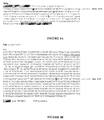
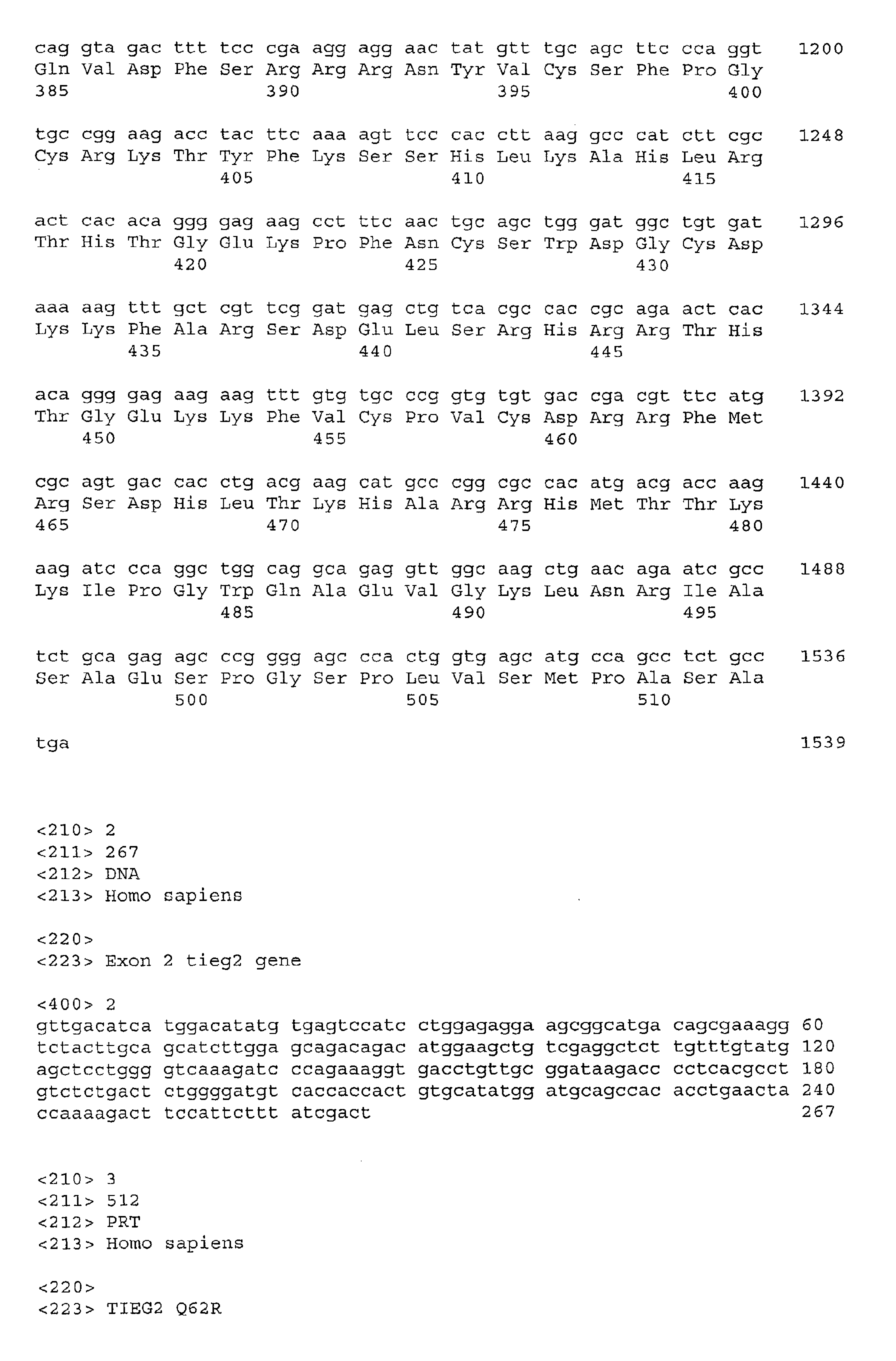
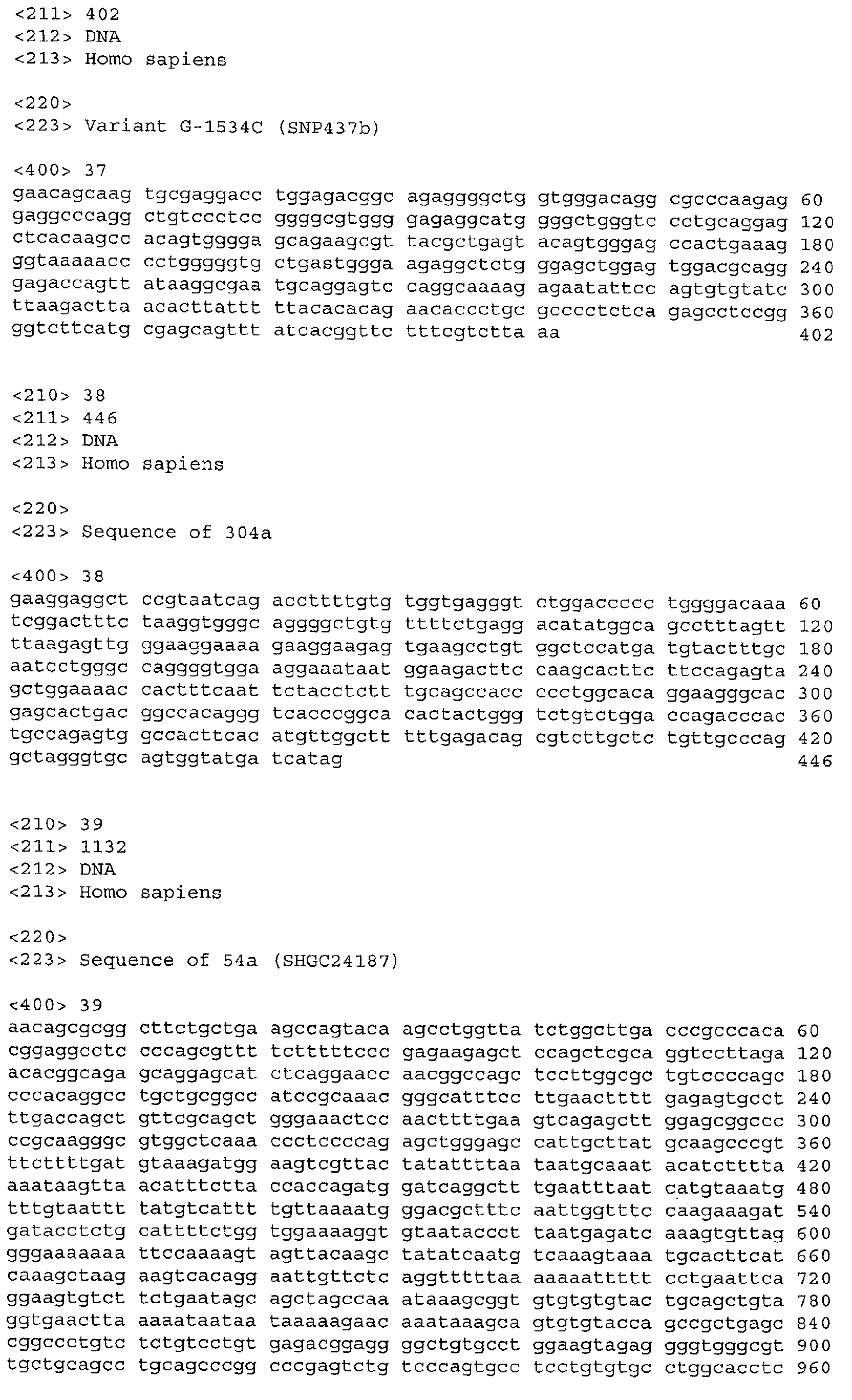
- the invention relates to a method for diagnosing a predisposition for type 2 diabetes in a human subject which comprises determining whether there is a germline variation in the sequence of the tieg2 gene, said variation being indicative of a predisposition to type 2 diabetes, wherein said variation is selected from A185G numbered with regards to the start codon of the tieg2 gene, the coding sequence of which is represented by SEQ ID N° I, G-1534C as shown in SEQ ID N° 4, 54a or 304a as shown in figure 4A and 4B.
- It also relates to a method for diagnosing a predisposition for type 2 diabetes as depicted above comprising determination of the presence of germline variations that are in close association with a variation selected from variation A185G, G-1534C, 54a or 304a.
- the invention relates more generally to the study of the tieg2 gene.
- the invention relates to a method for identifying variations in the sequence of the tieg2 gene, comprising determining whether there is a mismatch between molecules (1) a region tieg2 gene genomic DNA isolated from said sample, and (2) a nucleic acid probe complementary to human wild-type region of the tieg2 gene DNA, when molecules (1) and (2) are hybridized to each other to form a duplex, and said mismatch being due to the presence of at least one variation in the sequence of the tieg2 gene genomic DNA isolated from said sample.
- the invention is aimed at a method for identifying variations in exon 2 of the tieg2 gene comprising determining whether there is a mismatch between molecules (1) exon 2 of the tieg2 gene genomic DNA isolated from said sample, and (2) a nucleic acid probe complementary to human wild-type exon 2 region of the tieg2 gene DNA as represented by SEQ ID N° 2, when molecules (1) and (2) are hybridized to each other to form a duplex, and said mismatch being due to the presence of at least one variation in the sequence of the tieg2 gene genomic DNA isolated from said sample.
- mRNA of the sample is contacted with a tieg2 gene probe under conditions suitable for hybridization of said probe to a RNA corresponding to said tieg2 gene and hybridization of said probe is determined, and the level of signal after hybridization is compared with a standard signal (which is either a positive control, a negative control or both).
- the hybridization complex emits a signal, which may be due to the labeling of the probe, or directly of the mRNA.
- the different labels that may be used are well known to the person skilled in the art, and one can cite 32 P, 33 P, 35 S, 3 H or 125 I.
- Non radioactive labels may be selected from ligants as biotin, avidin, streptavidin, dioxygenin, haptens, dyes, luminescent agents like radioluminescent, chemoluminescent, bioluminescent, fluorescent or phosphorescent agents.
- Said tieg2 gene region probe is either a "wild-type" DNA, (i.e. the searched SNP is not present on the probe, and hybridization occurs when no SNP according to the invention is present on the DNA in the sample) or a "mutant" one (i.e. carrying the searched SNP, and hybridization only occurs if the SNP is present on the DNA in the sample).
- a "wild-type" DNA i.e. the searched SNP is not present on the probe, and hybridization occurs when no SNP according to the invention is present on the DNA in the sample
- a "mutant" one i.e. carrying the searched SNP, and hybridization only occurs if the SNP is present on the DNA in the sample.
- the invention is performed by determining whether there is an alteration in the germline sequence of the tieg2 gene exon 2 region or other regions in said sample by observing shifts in electrophoretic mobility of single-stranded DNA from said sample on denaturing or non-denaturing polyacrylamide gels.
- Said single-stranded nucleic acids may be obtained after amplification of the genomic DNA, using suitable primers, and denaturation (the gel and electrophoresis conditions are usually denaturing for such a purpose).
- the invention is performed by amplification of all or part of the tieg2 gene exon 2 region or other regions from said sample, and determination of the sequence of said amplified DNA.
- allele specific oligonucleotide primers are employed to determine whether a specific tieg2 mutant allele is present in said sample, the amplification only occurring in this case.
- primers cover the sequences -caaagatccc R gaaaggtgac- (SEQ ID No 5) and -ggggtgctga S tgggaagagg- (SEQ ID No 6) for, respectively, A185G and G-1534C, wherein R designates A or G and wherein S designates C or G.
- all or part of the tieg2 gene exon 2 region from said sample is cloned to produce a cloned sequence and the sequence of said cloned sequence is determined.
- the method depicted above can be practiced by amplification of tieg2 gene exon 2 region sequences in said sample and hybridization of the amplified sequences to one or more nucleic acid probes issued from the wild-type tieg2 gene exon 2 region sequence (as represented in SEQ ID N° 2) or a mutant tieg2 gene exon 2 region sequence, said probes being selected from probes specific for the A185G variation and the G-1534C variation.
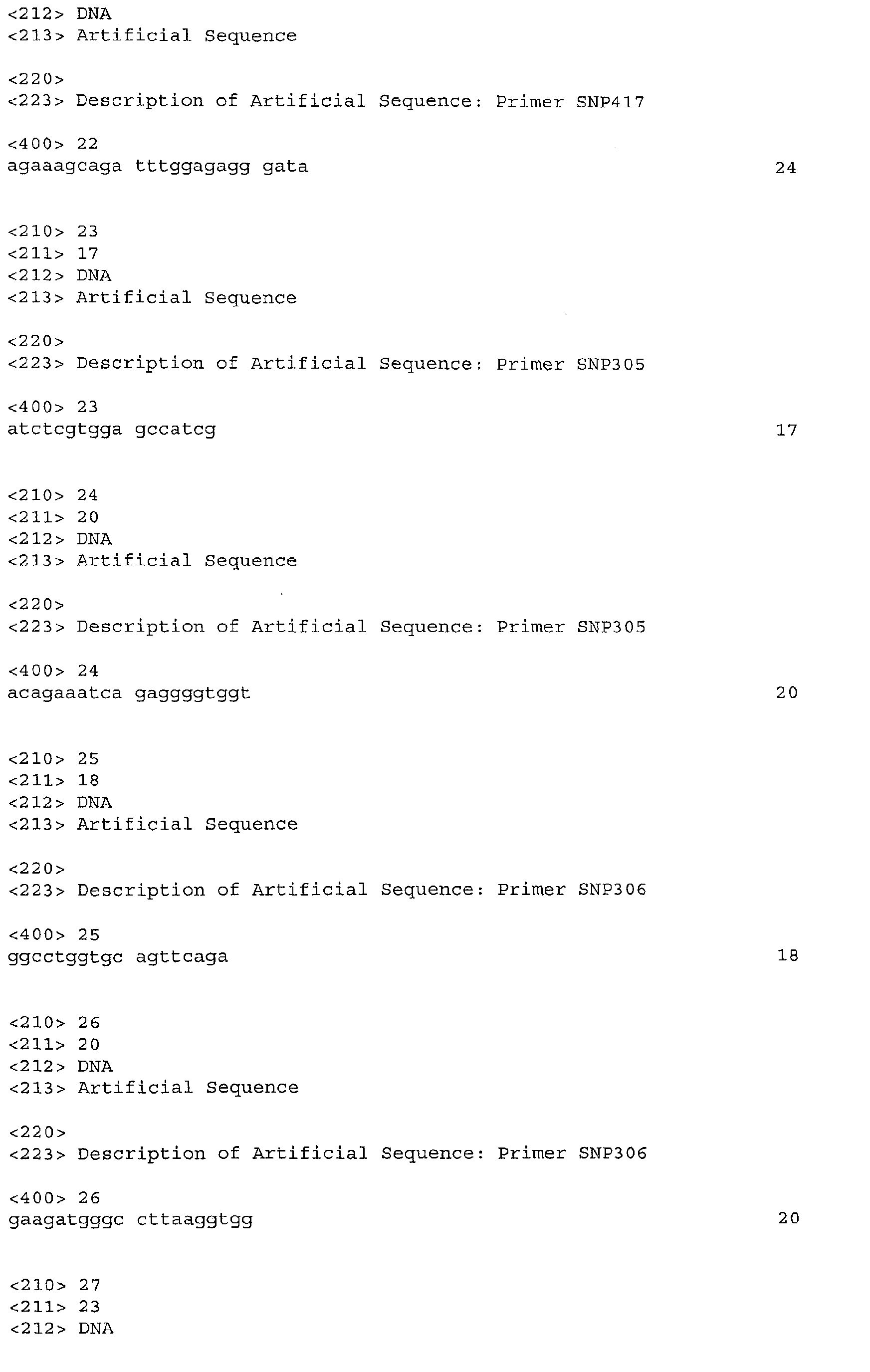
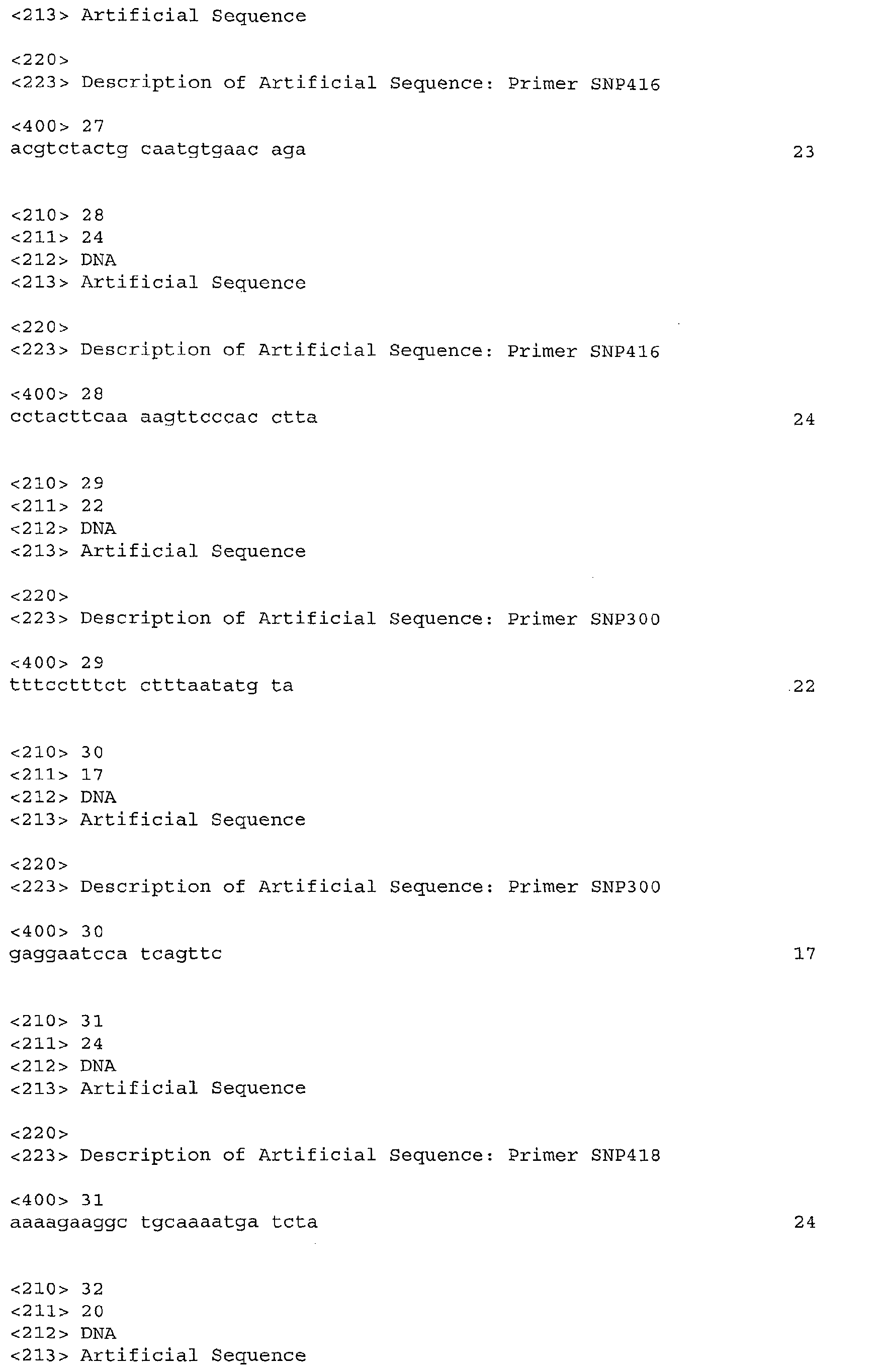
- the A185G variation assay can be performed by a PCR with oligonucleotide primers to amplify the genomic sequence of exon 2 TIEG2 5'-CTC GGT GTT TGT TGC TAT AGA CT-3' (SEQ ID N° 7) and 5'-CAG GGA ATC TTC TCA CAA GTT CT-3' (SEQ ID N° 8), Table 1), whereafter the allelic variation can be measured by differential Tm changes using a lightcycler (Roche) with the probes LCRed640-ATC CCA GAA AGG TGA CCT (SEQ ID N° 33) and TCT TGT TTG TAT GAG CTC CTG GGG TCA-fluorescine (SEQ ID N° 34).
- the G-1534C variation assay can be performed by a PCR with oligonucleotide primers to amplify the genomic sequence upstream of TIEG2 (5'-GTT TAA GAC GAA AGA ACC GTG ATA-3' (SEQ ID N° 9) and 5'-GAA CAG CAA GTG CGA GGA C-3', (SEQ ID N° 10), Table 1), whereafter the allelic variation can be measured by differential Tm changes using a lightcycler (Roche) with the probes LCRed640-TCTTCCCACTCAGCAC (SEQ ID N° 35) and TCCCTGCGTCCACTCCAGCTCCCAGA-fluorescine (SEQ ID N° 36).
- the fluorescent molecules attached to the probes are shown as examples and are not limiting.
- the invention is aimed at a probes or a primer selected from SEQ ID N°5 to SEQ ID N°36 (see Tables 1 hereinafter).
- the invention is also directed to the fragments of SEQ ID No 1 and SEQ ID No 4 amplified with the probes listed in table 1 and diagnostic kits comprising at least one of the identified variants.
- the invention also relates to a method which comprises determining in situ hybridization of the tieg2 gene exon 2 region in said sample with one or more nucleic acid probes issued from a wild-type or a mutant tieg2 gene exon 2 region sequence.
- the inventors have demonstrated that the presence of the GIn62Arg variation of TIEG2 may interfere with the TIEG2 transcriptional repression activity in several ways. It is thus credible to speculate that other modifications in the exon 2 region or in other regions of the tieg2 gene, leading to a modification of the transcriptional repression activity of TIEG2 protein, will also lead to predisposition to type 2 diabetes, due to an alteration of the interaction with mSin3A.
- the invention relates to a method for diagnosing a predisposition for type 2 diabetes in a human subject, wherein the alteration of the interaction of TIEG2 protein with mSin3A and expression levels of TIEG2 mRNA in said sample is investigated.
- Alteration of interaction between protein and nucleic acid can be detected by any techniques known in the art.
- the invention relates to the GIn62Arg variant of TIEG2 of SEQ ID n°3.
- this polypeptide may be detected by immunoblotting or immunocytochemistry.
- the invention is aimed at antibodies specific for this TIEG2 variant, i-e antibodies capable of discriminating between normal TIEG2 and variant TIEG2, can be used to detect the presence or the absence of said variant in the sample of a patient.
- Immunological assays can be performed using standard knowledge in the art. These include Western blots, immunohistochemical assays and ELISA assays.
- the invention encompasses a diagnostic kit comprising such an antibody and reagents suitable for these tests.
- the invention opens up a new area in the treatment and/or prevention of type 2 diabetes, especially for patient in families where genetic susceptibility is suspected.
- the invention also relates to a method for screening compounds capable of preventing and/or treating type 2 diabetes which comprises: combining (i) a candidate compound and (ii) a TIEG2 polypeptide and determining the amount of binding of the TIEG2 polypeptide to said compound.
- agonists of TIEG2 will reinstate its transcriptional repression activity and can be considered as useful drugs for treating type 2 diabetes, alone or in association with other treatments.
- TIEG2 must be understood as including the GIn62Arg variant as well as wild-type TIEG2.
- the invention also relates to a pharmaceutical composition
- a pharmaceutical composition comprising a pharmaceutically acceptable excipient and a compound identified by a method according to the invention, and to the use of a compound identified by a method according to the invention for the manufacture of a drug intended to treat and/or prevent type 2 diabetes.
- the invention also relates to a method for the therapy of type 2 diabetes comprising administration of the pharmaceutical composition of the invention.
- a vector more particularly a vector suitable for gene therapy, comprising the coding sequence for the wild-type TIEG2 operatively linked to a promoter allowing the expression of said coding sequence in human cells.
- vectors can be adapted for direct in vivo gene transfer and include viral vectors, such as adenovirus, retrovirus, herpes virus vectors, and adeno-associated virus (AAV).
- Nonviral vectors may also be used, including liposomes, molecular conjugates, polymers and other vectors. Direct injection into tissues, intravenous or intra-arterial administration, inhalation, or topical application and other routes of administration are known in the art.
- the invention also relates to new animal models useful for studying type 2 diabetes, wherein said tieg2 variant is expressed in said animal.
- the methods to obtain animals according to the invention are known by the persons skilled in the art, and are useful in particular for testing some drugs that can be identified according to the methods of the invention.
- the methods include genetically modifying animals to provide a new line capable of germinal transmission of said tieg2 variant gene, chimeric animals, and animals which have been transfected with a vector expressing said tieg2 variant.
- the insertion of the construct in the genome of the transgenic animal of the invention may be performed by methods well known by the artisan in the art, and can be either random or targeted.
- the person skilled in the art will construct a vector containing the sequence to insert within the genome, and a selection marker (for example the gene coding for the protein that gives resistance to neomycine), and may have it enter in the Embryonic Stem (ES) cells of an animal.
- the cells are then selected with the selection marker, and incorporated into an embryo, for example by microinjection into a blastocyst, that can be harvested by perfusing the uterus of pregnant females. Reimplantation of the embryo and selection of the transformed animals, followed by potential back-crossing allow to obtain such transgenic animal.
- the selection marker gene may be excised by use of a site-specific recombinase, if flanked by the correct sequences.
- the invention thus relates to a transgenic non-human mammal having integrated into its genome the nucleic acid sequence of the tieg2 variant gene or the coding sequence thereof, operatively linked to regulatory elements, leading to the expression of the TIEG2 GIn62Arg variant protein.
- the tieg2 sequence foreseen for the preceding embodiment may be a human tieg2 gene sequence introduced within the genome of the animal of the invention, or the endogenous tieg2 gene sequence the promoter of which has been modified in order to induce overexpression, so long as the variation is present in the sequence.
- the invention also relates to a transgenic non-human mammal whose genome comprises a disruption of the endogenous tieg2 gene, as an animal model for testing links bewteen TIEG2 and type 2 diabetes.
- said disruption comprises the insertion of a selectable marker sequence.
- said disruption is a homozygous disruption, and said homozygous disruption results in a null mutation of the endogenous gene encoding TIEG2.
- the mammal of the invention is preferably a rodent such as a mouse.
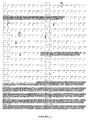
- FIGURE 1 SNP map and contig close to TIEG
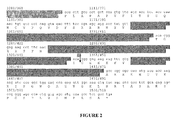
- FIGURE 2 illustrated TIEG2 CDS
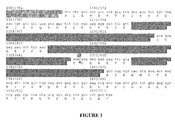
- FIGURE 3 illustrated tieg2mtQ62R
- FIGURE 4 illustrated Sequence of 304a and 54a
- EXAMPLE 1 Genetic evidence for implication of TIEG2 in type 2 Diabetes (T2D)
- SNP199b (A>G) is a exonic variation of TIEG2.
- a robust association of SNP 199b (TG2Q62R) with T2D was shown to exist in a French Caucasian cohort of familial T2D and controls (Logistic regression (stratified for aga and sex) under dominant model TG2Q62R p ⁇ 10-5).
- SNP 199b, 437b, 54a and 304a are in strong association (chi-square p ⁇ 0.0001).
- SNP 437b (G>C) is a genomic variation that may reside in the yet undefined promotor of the TIEG2 gene.
- the Gln62Arg is located in the proximity of the first repressor domain of the TIEG2-protein, which has been shown to interact with mSin3A corepressor. It has been shown that the R1 domain of TIEG2 adopts an a-helix conformation, and that this a -helical repression motif (oc-HRM), which is conserved in TIEG 1, BTEB1, 3 and 4, is responsible for the interaction with mSin3A (Sin Interacting Domain; (Zhang et al. 2001)).
- oc-HRM a -helical repression motif
- glutamine to arginine-change adds extra charge to the protein and may, therefore, change its isoelectric point and its binding properties to mSin3A.
- Gln62Arg is next to a serine, which may be phosphorylated by Protein kinase C. Phosphorylation can play a crucial role in either regulating protein activity, translocation to the nucleus or interaction with other proteins and sensitivity to proteolytic degradation.
- G-1534C is located 1.5 Kb from the translation start site and may reside in the yet undefined promotor of the TIEG2 gene. Analysing this sequence with TransFac (Heinemeyer et al 1998) predicted that the introduction of the C allele creates an AP-1 site. The presence of both the -1534C and 185G allele (linkage disequilibrium 0.95) could result in overexpression of a non-functional TIEG2 protein.
- TIEG2 has been implicated in the proliferation of exocrine pancreatic cells
- analyses of the newly identified TG2Q62R (SNP199b) has, for the first time, directly implicated an altered TIEG2 in susceptibility for Type 2 diabetes.
- TIEG2 may affect susceptibility to T2D by its effect on these tissues.
- the association of TG2Q62R (SNP199b) with type 2 diabetes is useful as a diagnostic test to analyse predisposition to type 2 diabetes.
- TIEG2 To further investigate the role of TIEG2 in the development of type 2 diabetes, we aimed at identifying target genes of TIEG2.
- TIEG2 binding elements Based on the reported SPl-like binding site for TIEG2 (Cook et al 1998), we expect TIEG2 binding elements in the promoters of Smad4, IGF2 and PDX-1. For PDX-1 this binding element may reside in the recently characterised ⁇ Enhancer 1> element (Ben-Shushan et al 2001). Indeed, we have shown that a TIEG2 expression vector (kind gift of Dr. R.
- Urrutia stimulates the activity of the PDX-1 enhancer element severeal fold, whereas it had no effects on the mutated enhancer element (figure..).
- PDX-1 is critical for development of the pancreas and regulates transcription of genes crucial for proper islet cell function, e.g. insulin gene (reviewed by Hui et al 2002).
- mutations of the PDX-1 gene are held responsible for the development of maturity onset diabetes of the young type 4 (MODY 4).
- MODY 4 maturity onset diabetes of the young type 4
- TIEG2 may affect PDX-1 gene expression via regulation of smad signalling since it was recently reported that the closely related TIEG1 regulate both smad7 and smad2 gene expression (Johnsen et al 2002a, b).
- a pancreatic beta -cell-specific enhancer in the human PDX-1 gene is regulated by hepatocyte nuclear factor 3beta (HNF-3beta ), HNF-lalpha, and SPs transcription factors. J. Biol. Chem. 276,17533-17540.
- TGFbeta inducible early gene enhances TGFbeta/Smad-dependent transcriptional responses. Oncogene 21, 5783-5790.
- TGF-beta I overexpression in murine pancreas induces chronic pancreatitis and, together with TNF-alpha, triggers insulindependent diabetes.
- Tachibana 1 Imoto M, Adjei PN, Gores GJ, Subramaniam M, Spelsberg TC, Urrutia R (1997) Overexpression of the TGFbeta-regulated zinc finger encoding gene, TIEG, induces apoptosis in pancreatic epithelial cells. J Clin Invest 99:2365-74.
Landscapes
- Chemical & Material Sciences (AREA)
- Health & Medical Sciences (AREA)
- Life Sciences & Earth Sciences (AREA)
- Organic Chemistry (AREA)
- Proteomics, Peptides & Aminoacids (AREA)
- Genetics & Genomics (AREA)
- Zoology (AREA)
- Analytical Chemistry (AREA)
- General Health & Medical Sciences (AREA)
- Biophysics (AREA)
- Engineering & Computer Science (AREA)
- Biochemistry (AREA)
- Wood Science & Technology (AREA)
- Molecular Biology (AREA)
- Physics & Mathematics (AREA)
- Microbiology (AREA)
- Immunology (AREA)
- Biotechnology (AREA)
- Bioinformatics & Cheminformatics (AREA)
- General Engineering & Computer Science (AREA)
- Pathology (AREA)
- Toxicology (AREA)
- Gastroenterology & Hepatology (AREA)
- Medicinal Chemistry (AREA)
- Measuring Or Testing Involving Enzymes Or Micro-Organisms (AREA)
- Medicines That Contain Protein Lipid Enzymes And Other Medicines (AREA)
- Investigating Or Analysing Biological Materials (AREA)
- Peptides Or Proteins (AREA)
Abstract
Description
- The invention pertains to the field of human genetics and relates to new methods of diagnosis and therapy of
type 2 diabetes, based on the identification of the A185G variation located atexon 2 of the tieg2 gene as well as the G-1534C, 54a and 304a variations. -
Type 2 diabetes, also known as noninsulin dependent diabetes mellitus (NIDDM) or adult onset diabetes, is the most common form of diabetes. Intype 2 diabetes, the pancreatic cells produce little or no insulin, or the cells throughout the body are unable to utilize the insulin (insulin resistance). It represents 95% of all cases in the western countries, which affects about 15 million people in the United States alone. - As of today, the fasting plasma glucose (FPG) test is employed for diagnosing diabetes. However, this test is only relevant once the disease has developed. Therefore, there is a need for a diagnostic test capable of evaluating the genetic risk factor associated with this disease. Such a test would be of great interest in order to adapt the lifestyle of people at risk and to prevent the onset of the disease.
- There is strong evidence to support the involvement of genetic factors in the genesis of
type 2 diabetes. For example, the risk rate fortype 2 diabetes between identical twins is around 60 to 90 percent (Bennett PH. Epidemiology of diabetes mellitus. In: Rifkin H, Porte D Jr., eds. Ellenburg and Rifkin's Diabetes Mellitus. New York: Elsevier, 1990:363-77). In addition, having one first-degree relative withtype 2 diabetes doubles the risk of developing the disease (Leslie RD, Pyke DA. Genetics of diabetes. In: Alberti KG, Krall LP, eds. The diabetes annual. Amsterdam: Elsevier, 1987:39-54). - More recently, numerous scientific studies have established that there is a genetic predisposition to
type 2 diabetes. We have performed a genome wide scan of diabetic and obese families, which led to the identification of several genomic regions showing evidence for linkage to these diseases (Vionnet N et al. (2000): - Genomewide search for
type 2 diabetes susceptibility genes in French whites: Evidence for a novel susceptibility locus for early onset diabetes on chromosome 3q27 qter and independent replication of atype 2 diabetes locus on chromosome 1q21 q24. Am. J. Hum. Genet. 67 : 1470 1480 and Hager J et al. (1998): A genome wide scan for human obesity genes reveals a major susceptibility locus on chromosome 10. Nat. Genet. 20 :304 308.). -
- Further fine mapping with microsatellite markers allowed us to limit this region to approximately 5 Mbases, which makes it feasible to identify candidate genes and apply a LD mapping strategy for this region. LD mapping involves the genotyping of a vast amount of single nucleotide polymorphisms (SNPs).
- Over the years, we have developed complete strategies and methodologies to identify positional gene candidates. These include statistical analysis, a bioinformatic pipeline, SNP genotyping and tissue expression profiling. Our approach has resulted in fine mapping of the chr2 interval and analysis of this genomic region by a positional cloning approach. The SNP map established for
chromosome 2 region has lead to the identification of TIEG2 as gene related to susceptibility totype 2 diabetes. - Both TIEG genes are induced by TGF-β (Cook et al. 1998; Blok et al. 1995) and may control pancreatic cell growth (Cook et al. 1998; Cook and Urrutia 2000). TIEG1 over expression in the exocrine PANC1 cell line induced apoptosis (Tachibana et al. 1997) and a similar proliferation inhibiting effect was shown for TIEG2 (Cook et al. 1998). Transgenic mice that express TIEG2 in the acinar cells of the exocrine pancreas (Mladek et al. 1999) show a similar pancreatic atrophy as mice over expressing TGF- β (Sanvito et al. 1995). Moreover, TIEG has been shown to induce similar effects as TGF-β (in osteoblast cells (Hefferan et al. 2000). Thus, TGF-β induced
TIEG - In connection with the invention, we identified and analyzed the variant A185G located at
exon 2 of TIEG2 (=2SNP199b, TG2Q62R, TG2AI85G) and we have shown that TIEG2 is related to susceptibility totype 2 diabetes. The SNP199b (A>G) is a non synonymous (Gln62Arg) variation inexon 2 of TIEG2, which can alter the repressive properties of TIEG2 on transcription.
In connection with the invention, we identified and analyzed an additional variant, G-1534C, which is in close disequilibrium with A185G. This variant is located 1.5 Kb from the translation start site and may reside in the yet undefined promotor of the TIEG2 gene. Analysing this sequence with TransFac (Heinemeyer et al 1998) predicted that the introduction of the C allele creates a AP-1 site. The presence of both the -1534C and 185G allele could result in overexpression of a non-functional TIEG2 protein. - In this regards, altered regulation of progenitor cells in the developing pancreas and/or altered neogenesis of β cells in the adult human pancreas, which might be caused by a less functional TIEG2 regulation, may change the balance between exocrine and endocrine cells.
- TIEG2 is implicated in the endocrine exocrine balance of the pancreas, and is postulated here to be important in the development and regeneration of pancreatic tissues, which could influence the development of
type 2 diabetes. TIEG2 is ubiquitous expression, but has elevated mRNA levels in skeletal muscle, exocrine pancreas, brain and adipose tissue, which suggest that TIEG2 may have additional roles, which could involve proliferation/differentiation and cell cycle regulation, that could influence susceptibility totype 2 diabetes in several tissues. - Therefore, the present invention contributes to a better handling of
type 2 diabetes and provides evidence of the implication of TIEG2 mediated signaling in susceptibility fortype 2 diabetes. As a result, TIEG2 represents a novel target for drug design forType 2 diabetes. The association of TIEG2 variant TG2Q62R withtype 2 diabetes is particularly useful as a diagnostic test to analyze predisposition totype 2 diabetes. - In a first aspect, the invention relates to a method for diagnosing a predisposition for
type 2 diabetes in a human subject which comprises determining whether there is a germline variation in the sequence of the tieg2 gene, said variation being indicative of a predisposition totype 2 diabetes, wherein said variation is selected from A185G numbered with regards to the start codon of the tieg2 gene, the coding sequence of which is represented by SEQ ID N° I, G-1534C as shown in SEQ ID N° 4, 54a or 304a as shown in figure 4A and 4B. - It also relates to a method for diagnosing a predisposition for
type 2 diabetes as depicted above comprising determination of the presence of germline variations that are in close association with a variation selected from variation A185G, G-1534C, 54a or 304a. - The invention relates more generally to the study of the tieg2 gene.
In this regard, the invention relates to a method for identifying variations in the sequence of the tieg2 gene, comprising determining whether there is a mismatch between molecules (1) a region tieg2 gene genomic DNA isolated from said sample, and (2) a nucleic acid probe complementary to human wild-type region of the tieg2 gene DNA, when molecules (1) and (2) are hybridized to each other to form a duplex, and said mismatch being due to the presence of at least one variation in the sequence of the tieg2 gene genomic DNA isolated from said sample. - More specifically, the invention is aimed at a method for identifying variations in
exon 2 of the tieg2 gene comprising determining whether there is a mismatch between molecules (1)exon 2 of the tieg2 gene genomic DNA isolated from said sample, and (2) a nucleic acid probe complementary to human wild-type exon 2 region of the tieg2 gene DNA as represented by SEQ ID N° 2, when molecules (1) and (2) are hybridized to each other to form a duplex, and said mismatch being due to the presence of at least one variation in the sequence of the tieg2 gene genomic DNA isolated from said sample. - In the above mentioned method, mRNA of the sample is contacted with a tieg2 gene probe under conditions suitable for hybridization of said probe to a RNA corresponding to said tieg2 gene and hybridization of said probe is determined, and the level of signal after hybridization is compared with a standard signal (which is either a positive control, a negative control or both).
- The hybridization complex emits a signal, which may be due to the labeling of the probe, or directly of the mRNA. The different labels that may be used are well known to the person skilled in the art, and one can cite 32P, 33P, 35S, 3H or 125I. Non radioactive labels may be selected from ligants as biotin, avidin, streptavidin, dioxygenin, haptens, dyes, luminescent agents like radioluminescent, chemoluminescent, bioluminescent, fluorescent or phosphorescent agents.
In order to identify the SNPs mentioned in the present application, it is possible to contact a tieg2 gene probe with genomic DNA isolated from said sample under conditions suitable for hybridization of said probe to said gene and hybridization of said probe is determined. - Said tieg2 gene region probe is either a "wild-type" DNA, (i.e. the searched SNP is not present on the probe, and hybridization occurs when no SNP according to the invention is present on the DNA in the sample) or a "mutant" one (i.e. carrying the searched SNP, and hybridization only occurs if the SNP is present on the DNA in the sample).
The person skilled in the art knows the techniques to determine the allele specific probes to use in this embodiment, their lengths, or the hybridization conditions. - In another embodiment, the invention is performed by determining whether there is an alteration in the germline sequence of the
tieg2 gene exon 2 region or other regions in said sample by observing shifts in electrophoretic mobility of single-stranded DNA from said sample on denaturing or non-denaturing polyacrylamide gels. Said single-stranded nucleic acids may be obtained after amplification of the genomic DNA, using suitable primers, and denaturation (the gel and electrophoresis conditions are usually denaturing for such a purpose). - In another embodiment, the invention is performed by amplification of all or part of the
tieg2 gene exon 2 region or other regions from said sample, and determination of the sequence of said amplified DNA. - In another embodiment, allele specific oligonucleotide primers are employed to determine whether a specific tieg2 mutant allele is present in said sample, the amplification only occurring in this case.
- These primers cover the sequences -caaagatcccRgaaaggtgac- (SEQ ID No 5) and -ggggtgctgaStgggaagagg- (SEQ ID No 6) for, respectively, A185G and G-1534C, wherein R designates A or G and wherein S designates C or G.
- In another embodiment, all or part of the
tieg2 gene exon 2 region from said sample is cloned to produce a cloned sequence and the sequence of said cloned sequence is determined. - The method depicted above can be practiced by amplification of
tieg2 gene exon 2 region sequences in said sample and hybridization of the amplified sequences to one or more nucleic acid probes issued from the wild-typetieg2 gene exon 2 region sequence (as represented in SEQ ID N° 2) or a mutanttieg2 gene exon 2 region sequence, said probes being selected from probes specific for the A185G variation and the G-1534C variation. - The A185G variation assay can be performed by a PCR with oligonucleotide primers to amplify the genomic sequence of
exon 2 TIEG2 5'-CTC GGT GTT TGT TGC TAT AGA CT-3' (SEQ ID N° 7) and 5'-CAG GGA ATC TTC TCA CAA GTT CT-3' (SEQ ID N° 8), Table 1), whereafter the allelic variation can be measured by differential Tm changes using a lightcycler (Roche) with the probes LCRed640-ATC CCA GAA AGG TGA CCT (SEQ ID N° 33) and TCT TGT TTG TAT GAG CTC CTG GGG TCA-fluorescine (SEQ ID N° 34). - The G-1534C variation assay can be performed by a PCR with oligonucleotide primers to amplify the genomic sequence upstream of TIEG2 (5'-GTT TAA GAC GAA AGA ACC GTG ATA-3' (SEQ ID N° 9) and 5'-GAA CAG CAA GTG CGA GGA C-3', (SEQ ID N° 10), Table 1), whereafter the allelic variation can be measured by differential Tm changes using a lightcycler (Roche) with the probes LCRed640-TCTTCCCACTCAGCAC (SEQ ID N° 35)
and TCCCTGCGTCCACTCCAGCTCCCAGA-fluorescine (SEQ ID N° 36). - The fluorescent molecules attached to the probes are shown as examples and are not limiting.
- In still another embodiment, the invention is aimed at a probes or a primer selected from SEQ ID N°5 to SEQ ID N°36 (see Tables 1 hereinafter).

- The invention is also directed to the fragments of
SEQ ID No 1 andSEQ ID No 4 amplified with the probes listed in table 1 and diagnostic kits comprising at least one of the identified variants. - The invention also relates to a method which comprises determining in situ hybridization of the
tieg2 gene exon 2 region in said sample with one or more nucleic acid probes issued from a wild-type or a mutanttieg2 gene exon 2 region sequence. - The inventors have demonstrated that the presence of the GIn62Arg variation of TIEG2 may interfere with the TIEG2 transcriptional repression activity in several ways. It is thus credible to speculate that other modifications in the
exon 2 region or in other regions of the tieg2 gene, leading to a modification of the transcriptional repression activity of TIEG2 protein, will also lead to predisposition to type 2 diabetes, due to an alteration of the interaction with mSin3A. - In general, shown for the first time for Mad proteins, interaction with the corepressor mSin3A evokes recrutement of histone deacetylases and the formation of a functional transcription repressor complex. Recently it has been shown that phosphorylation nearby the first repressor domain disrupts the mSin3A binding to TIEG2 and results in loss of TIEG2's repressor activity (Ellenrieder et al 2002). Similar, occurence of the 62R variant may interfere with mSin3A binding changing the repressor activity of TIEG2. In addition, occurence of the 185G variant with the - 1534C (%) variant, which introduces a possible transcriptional upregulation of TIEG2 via introduction of an AP-1 response site in TIEG2's promoter, could result in overexpression of a non-functional TIEG2 protein.
- Thus, in one embodiment, the invention relates to a method for diagnosing a predisposition for
type 2 diabetes in a human subject, wherein the alteration of the interaction of TIEG2 protein with mSin3A and expression levels of TIEG2 mRNA in said sample is investigated. Alteration of interaction between protein and nucleic acid can be detected by any techniques known in the art. - In a second aspect, the invention relates to the GIn62Arg variant of TIEG2 of SEQ ID n°3. In particular, this polypeptide may be detected by immunoblotting or immunocytochemistry.
- Thus, the invention is aimed at antibodies specific for this TIEG2 variant, i-e antibodies capable of discriminating between normal TIEG2 and variant TIEG2, can be used to detect the presence or the absence of said variant in the sample of a patient. Immunological assays can be performed using standard knowledge in the art. These include Western blots, immunohistochemical assays and ELISA assays. The invention encompasses a diagnostic kit comprising such an antibody and reagents suitable for these tests.
- The invention opens up a new area in the treatment and/or prevention of
type 2 diabetes, especially for patient in families where genetic susceptibility is suspected.
Thus, the invention also relates to a method for screening compounds capable of preventing and/or treatingtype 2 diabetes which comprises: combining (i) a candidate compound and (ii) a TIEG2 polypeptide and determining the amount of binding of the TIEG2 polypeptide to said compound. Indeed, agonists of TIEG2 will reinstate its transcriptional repression activity and can be considered as useful drugs for treatingtype 2 diabetes, alone or in association with other treatments. - In this embodiment, the term "TIEG2" must be understood as including the GIn62Arg variant as well as wild-type TIEG2.
- The invention also relates to a pharmaceutical composition comprising a pharmaceutically acceptable excipient and a compound identified by a method according to the invention, and to the use of a compound identified by a method according to the invention for the manufacture of a drug intended to treat and/or prevent
type 2 diabetes. - The invention also relates to a method for the therapy of
type 2 diabetes comprising administration of the pharmaceutical composition of the invention. - In order to correct the defect due to the GIn62Arg variant, another embodiment of the invention relates to a vector, more particularly a vector suitable for gene therapy, comprising the coding sequence for the wild-type TIEG2 operatively linked to a promoter allowing the expression of said coding sequence in human cells. Such vectors can be adapted for direct in vivo gene transfer and include viral vectors, such as adenovirus, retrovirus, herpes virus vectors, and adeno-associated virus (AAV). Nonviral vectors may also be used, including liposomes, molecular conjugates, polymers and other vectors. Direct injection into tissues, intravenous or intra-arterial administration, inhalation, or topical application and other routes of administration are known in the art.
- The invention also relates to new animal models useful for studying
type 2 diabetes, wherein said tieg2 variant is expressed in said animal. The methods to obtain animals according to the invention are known by the persons skilled in the art, and are useful in particular for testing some drugs that can be identified according to the methods of the invention. The methods include genetically modifying animals to provide a new line capable of germinal transmission of said tieg2 variant gene, chimeric animals, and animals which have been transfected with a vector expressing said tieg2 variant. - The insertion of the construct in the genome of the transgenic animal of the invention may be performed by methods well known by the artisan in the art, and can be either random or targeted. In a few words, the person skilled in the art will construct a vector containing the sequence to insert within the genome, and a selection marker (for example the gene coding for the protein that gives resistance to neomycine), and may have it enter in the Embryonic Stem (ES) cells of an animal. The cells are then selected with the selection marker, and incorporated into an embryo, for example by microinjection into a blastocyst, that can be harvested by perfusing the uterus of pregnant females. Reimplantation of the embryo and selection of the transformed animals, followed by potential back-crossing allow to obtain such transgenic animal. To obtain a "cleaner" animal, the selection marker gene may be excised by use of a site-specific recombinase, if flanked by the correct sequences.
- The invention thus relates to a transgenic non-human mammal having integrated into its genome the nucleic acid sequence of the tieg2 variant gene or the coding sequence thereof, operatively linked to regulatory elements, leading to the expression of the TIEG2 GIn62Arg variant protein.
- The tieg2 sequence foreseen for the preceding embodiment may be a human tieg2 gene sequence introduced within the genome of the animal of the invention, or the endogenous tieg2 gene sequence the promoter of which has been modified in order to induce overexpression, so long as the variation is present in the sequence.
- Furthermore, the invention also relates to a transgenic non-human mammal whose genome comprises a disruption of the endogenous tieg2 gene, as an animal model for testing links bewteen TIEG2 and
type 2 diabetes. In particular, said disruption comprises the insertion of a selectable marker sequence. In particular, said disruption is a homozygous disruption, and said homozygous disruption results in a null mutation of the endogenous gene encoding TIEG2.
The mammal of the invention is preferably a rodent such as a mouse. -

-


- SNP199b (A>G) is a exonic variation of TIEG2. A robust association of SNP 199b (TG2Q62R) with T2D was shown to exist in a French Caucasian cohort of familial T2D and controls (Logistic regression (stratified for aga and sex) under dominant model TG2Q62R p<10-5).
SNP SNP 437b (G>C) is a genomic variation that may reside in the yet undefined promotor of the TIEG2 gene. We have shown association of 54a with diabetes in all members of the genome wide scan families showing linkage evidence to chr 2 (phenotype large/strict, xtd lod-score 4.45 (p=0.04)). In contrast to the dominant association withfamilial type 2 diabetes (in the cohort of 352 controls vs 287 diabetics), no dominant association to diabetes was identified in the more heterogeneous 'Corbeil' population (947 diabetics). However, the variances remained recessively associated with a higher BMI. - The Gln62Arg is located in the proximity of the first repressor domain of the TIEG2-protein, which has been shown to interact with mSin3A corepressor. It has been shown that the R1 domain of TIEG2 adopts an a-helix conformation, and that this a -helical repression motif (oc-HRM), which is conserved in
TIEG 1, BTEB1, 3 and 4, is responsible for the interaction with mSin3A (Sin Interacting Domain; (Zhang et al. 2001)). Analyses of the secondary protein structure of TIEG2 (62G1n) and 62Arg-TIEG2 (protein containing TG2Q62R) with PIX (UK HGMP resource centre http://www.hizmp.mrc.ac.uk~ showed that DSC (one out of three 2D analysing programs used (King et al. 2000)) predicted a prolonged a-helix for the 62Arg-TIEG2 in proximity of the SID. Thus, an altered conformation of 62Arg-TIEG2, may interfere with the a -HRM-mediated interaction with mSin3A. - In addition, the glutamine to arginine-change adds extra charge to the protein and may, therefore, change its isoelectric point and its binding properties to mSin3A.
- Furthermore, Gln62Arg is next to a serine, which may be phosphorylated by Protein kinase C. Phosphorylation can play a crucial role in either regulating protein activity, translocation to the nucleus or interaction with other proteins and sensitivity to proteolytic degradation.
- G-1534C is located 1.5 Kb from the translation start site and may reside in the yet undefined promotor of the TIEG2 gene. Analysing this sequence with TransFac (Heinemeyer et al 1998) predicted that the introduction of the C allele creates an AP-1 site. The presence of both the -1534C and 185G allele (linkage disequilibrium 0.95) could result in overexpression of a non-functional TIEG2 protein.
- In summary, although TIEG2 has been implicated in the proliferation of exocrine pancreatic cells, analyses of the newly identified TG2Q62R (SNP199b) has, for the first time, directly implicated an altered TIEG2 in susceptibility for
Type 2 diabetes. Furthermore, we hypothyse that since TIEG2 is ubiquitous expressed but higher expression levels are found in skeletal muscle, exocrine pancreas, brain and adypocytes, TIEG2 may affect susceptibility to T2D by its effect on these tissues. The association of TG2Q62R (SNP199b) withtype 2 diabetes is useful as a diagnostic test to analyse predisposition to type 2 diabetes. - To further investigate the role of TIEG2 in the development of
type 2 diabetes, we aimed at identifying target genes of TIEG2. First, we have concentrated on genes playing a major role in the pancreas. Based on the reported SPl-like binding site for TIEG2 (Cook et al 1998), we expect TIEG2 binding elements in the promoters of Smad4, IGF2 and PDX-1. For PDX-1 this binding element may reside in the recently characterised <Enhancer 1> element (Ben-Shushan et al 2001). Indeed, we have shown that a TIEG2 expression vector (kind gift of Dr. R. Urrutia) stimulates the activity of the PDX-1 enhancer element severeal fold, whereas it had no effects on the mutated enhancer element (figure..). PDX-1 is critical for development of the pancreas and regulates transcription of genes crucial for proper islet cell function, e.g. insulin gene (reviewed by Hui et al 2002). Moreover, mutations of the PDX-1 gene are held responsible for the development of maturity onset diabetes of the young type 4 (MODY 4). Thus, regulation of PDX-1 by TIEG2 shows that inproper function of TIEG2 may contribute to the development oftype 2 diabetes. We are curently investigating the exact mechanism of PDX-1 gene regulation by TIEG2. On one hand, this may occur via direct interaction with theEnhancer 1 element. On the other hand, TIEG2 may affect PDX-1 gene expression via regulation of smad signalling since it was recently reported that the closely related TIEG1 regulate both smad7 and smad2 gene expression (Johnsen et al 2002a, b). - Therefore, we conclude that the G-1534C and Gln62Arg variation of TIEG2 may interfere with TIEG2 transcriptional activity in several ways, and consequently may have a causal association with the development of
type 2 diabetes. - Ben-Shushan E, Marshak S, Shoshkes M, Cerasi E, Melloul D. (2001) A pancreatic beta -cell-specific enhancer in the human PDX-1 gene is regulated by hepatocyte nuclear factor 3beta (HNF-3beta ), HNF-lalpha, and SPs transcription factors. J. Biol. Chem. 276,17533-17540.
- Blok LJ, Grossmann ME, Perry JE, Tindall DJ (1995) Characterization of an early growth response gene, which encodes a zinc finger transcription factor, potentially involved in cell cycle regulation. Mol Endocrinol 9:1610-20.
- Cook T, Gebelein B, Mesa K, Mladek A, Urrutia R (1998) Molecular cloning and characterization of TIEG2 reveals a new subfamily of transforming growth factor-beta-inducible Spl-like zinc finger- encoding genes tnvolved in the regulation of cell growth. JBiol Chem 273:25929-36.
- Cook T, Urrutia R (2000) TIEG proteins join the Smads as TGF-beta-regulated transcription factors that control pancreatic cell growth. Am JPhysiol Gastrointest Liver Physiol 278: 6513-21.
- Ellenrieder V, Zhang JS, Kaczynski J, Urrutia R.(2002) Signaling disrupts mSin3A binding to the Madl-like Sin3-interacting domain of TIEG2, an Sp1-like repressor. EMBO J. 21,2451-2460.
- Hefferan TE, Reinholz GG, Rickard DJ, Johnsen SA, Waters KM, Subramaniam M, Spelsberg TC (2000) Overexpression of a nuclear protein, TIEG, mimics transforming growth factor-beta action in human osteoblast cells.
J Biol Chem 2 75:20255-9. - Heinemeyer, T., Wingender, E., Reuter, I., Hermjakob, H., Kel, A. E., Kel, O. V., Ignatieva, E. V., Ananko, E. A., Podkolodnaya, O. A., Kolpakov, F. A., Podkolodny N. L. and Kolchanov, N. A.(1998) Databases on Transcriptional Regulation: TRANSFAC, TRRD, and COMPEL. Nucleic Acids Res. 26, 364-370
- Hui H, Perfetti R.(2002) Pancreas duodenum homeobox-1 regulates pancreas development during embryogenesis and islet cell function in adulthood. Eur. J. Endocrinol. 146,129-141.
- Johnsen SA, Subramaniam M, Janknecht R, Spelsberg TC. (2002a) TGFbeta inducible early gene enhances TGFbeta/Smad-dependent transcriptional responses. Oncogene 21, 5783-5790.
- Johnsen SA, Subramaniam M, Katagiri T, Janknecht R, Spelsberg TC. (2002b) Transcriptional regulation of Smad2 is required for enhancement of TGFbeta/Smad signaling by TGFbeta inducible early gene. J .Cell Biochem. 87, 233-241.
- Mladek A, Burgart JL, Urrutia R (1999) Morphological changes in the exocrine pancreas of transgenic mice overexpressing the TGFfi-inducible zinc finger transcription factor TIEG2 in an acinar-specific manner (abstract). Gastroenterology 116:G4837.
- Sanvito F, Nichols A, Herrera PL, Huarte J, Wohlwend A, Vassalli JD, Orci L (1995) TGF-beta I overexpression in murine pancreas induces chronic pancreatitis and, together with TNF-alpha, triggers insulindependent diabetes. Biochem Biophys Res Commun 217:1279-86.
-
Tachibana 1, Imoto M, Adjei PN, Gores GJ, Subramaniam M, Spelsberg TC, Urrutia R (1997) Overexpression of the TGFbeta-regulated zinc finger encoding gene, TIEG, induces apoptosis in pancreatic epithelial cells. J Clin Invest 99:2365-74.





Claims (15)
- A method for diagnosing a predisposition for type 2 diabetes in a human subject which comprises determining whether there is a germline variation in the sequence of the tieg2 gene, said variation being indicative of a predisposition to type 2 diabetes, wherein said variation is selected from A185G numbered with regards to the start codon of the tieg2 gene, the coding sequence of which is represented by SEQ ID N° 1, G-1534C as shown in SEQ ID N° 4, 54a or 304a as shown in figure 4A and 4B.
- A method according to claim 1 comprising determination of the presence of germline variations that are in close association with a variation selected from variation Al 85G, G-1534C, 54a or 304a.
- A method for identifying variations in the sequence of the tieg2 gene, comprising determining whether there is a mismatch between molecules (1) a region tieg2 gene genomic DNA isolated from said sample, and (2) a nucleic acid probe complementary to human wild-type region of the tieg2 gene DNA, when molecules (1) and (2) are hybridized to each other to form a duplex, and said mismatch being due to the presence of at least one variation in the sequence of the tieg2 gene genomic DNA isolated from said sample.
- A method for identifying variations in exon 2 of the tieg2 gene comprising determining whether there is a mismatch between molecules (1) exon 2 of the tieg2 gene genomic DNA isolated from said sample, and (2) a nucleic acid probe complementary to human wild-type exon 2 region of the tieg2 gene DNA as represented by SEQ ID N° 2, when molecules (1) and (2) are hybridized to each other to form a duplex, and said mismatch being due to the presence of at least one variation in the sequence of the tieg2 gene genomic DNA isolated from said sample.
- A method according to claim 4 comprising the amplification of tieg2 gene exon 2 region sequences in said sample and hybridization of the amplified sequences to one or more nucleic acid probes issued from the wild-type tieg2 gene exon 2 region sequence (as represented in SEQ ID N° 2) or a mutant tieg2 gene exon 2 region sequence, said probes or primers covering the sequences -caaagatcccRgaaaggtgac-(SEQ ID No 5) and -ggggtgctgaStgggaagagg- (SEQ ID No 6) for the TIEG2 variants A185G and G-1534C, respectively, wherein R designates A or G and wherein S designates C or G.
- A probes or a primer selected from SEQ ID N°5 to SEQ ID N°36.
- The GIn62Arg protein variant of TIEG2 of SEQ ID n°3.
- An antibody capable of discriminating between normal TIEG2 and the variant TIEG2 according to claim 7.
- A diagnostic kit comprising an antibody according to claim 7 and reagents suitable for Western blots, immunohistochemical assays and ELISA assays or at least one probe according to claim 6.
- A method for screening compounds capable of preventing and/or treating type 2 diabetes which comprises: combining (i) a candidate compound and (ii) a TIEG2 polypeptide and determining the amount of binding of the TIEG2 polypeptide to said compound.
- A vector suitable for gene therapy, comprising the coding sequence for the wild-type TIEG2 operatively linked to a promoter allowing the expression of said coding sequence in human cells.
- Use of a compound identified by the method of claim 10 or of a vector according to claim 11 to manufacture a medicament for preventing and/or treating type 2 diabetes.
- An animal model useful for studying type 2 diabetes, wherein the protein variant of claim 7 is expressed in said animal.
- A transgenic non-human mammal having integrated into its genome a nucleic acid sequence coding for protein variant of claim 7, operatively linked to regulatory elements, leading to the expression of the TIEG2 GIn62Arg variant protein.
- A transgenic non-human mammal whose genome comprises a disruption of the endogenous tieg2 gene, as an animal model for type 2 diabetes.
Priority Applications (6)
| Application Number | Priority Date | Filing Date | Title |
|---|---|---|---|
| EP03290412A EP1449925A1 (en) | 2003-02-20 | 2003-02-20 | Method of diagnosis of type 2 diabetes |
| JP2006502500A JP2006518213A (en) | 2003-02-20 | 2004-02-20 | Method for diagnosis of type 2 diabetes and its early onset |
| CA002516371A CA2516371A1 (en) | 2003-02-20 | 2004-02-20 | Method of diagnosis of type 2 diabetes and early onset thereof |
| US10/546,451 US20060223063A1 (en) | 2003-02-20 | 2004-02-20 | Method of diagnosis of type 2 diabetes and early onset thereof |
| EP04713151A EP1594988A2 (en) | 2003-02-20 | 2004-02-20 | Method of diagnosis of type 2 diabetes and early onset thereof |
| PCT/IB2004/000947 WO2004074514A2 (en) | 2003-02-20 | 2004-02-20 | Method of diagnosis of type 2 diabetes and early onset thereof |
Applications Claiming Priority (1)
| Application Number | Priority Date | Filing Date | Title |
|---|---|---|---|
| EP03290412A EP1449925A1 (en) | 2003-02-20 | 2003-02-20 | Method of diagnosis of type 2 diabetes |
Publications (1)
| Publication Number | Publication Date |
|---|---|
| EP1449925A1 true EP1449925A1 (en) | 2004-08-25 |
Family
ID=32731613
Family Applications (2)
| Application Number | Title | Priority Date | Filing Date |
|---|---|---|---|
| EP03290412A Withdrawn EP1449925A1 (en) | 2003-02-20 | 2003-02-20 | Method of diagnosis of type 2 diabetes |
| EP04713151A Withdrawn EP1594988A2 (en) | 2003-02-20 | 2004-02-20 | Method of diagnosis of type 2 diabetes and early onset thereof |
Family Applications After (1)
| Application Number | Title | Priority Date | Filing Date |
|---|---|---|---|
| EP04713151A Withdrawn EP1594988A2 (en) | 2003-02-20 | 2004-02-20 | Method of diagnosis of type 2 diabetes and early onset thereof |
Country Status (5)
| Country | Link |
|---|---|
| US (1) | US20060223063A1 (en) |
| EP (2) | EP1449925A1 (en) |
| JP (1) | JP2006518213A (en) |
| CA (1) | CA2516371A1 (en) |
| WO (1) | WO2004074514A2 (en) |
Cited By (1)
| Publication number | Priority date | Publication date | Assignee | Title |
|---|---|---|---|---|
| EP1662863A4 (en) * | 2003-09-18 | 2009-01-28 | Mayo Foundation | NON-HUMAN ANIMALS TRANSGENIC TIEG |
Families Citing this family (5)
| Publication number | Priority date | Publication date | Assignee | Title |
|---|---|---|---|---|
| FI20050011L (en) * | 2005-01-05 | 2006-07-06 | Jurilab Ltd Oy | Method and test kit for detecting the risk of type 2 diabetes mellitus |
| WO2006104812A2 (en) * | 2005-03-25 | 2006-10-05 | Novartis Ag | Biomarkers for pharmacogenetic diagnosis of type 2 diabetes |
| WO2007027630A2 (en) * | 2005-08-30 | 2007-03-08 | Smithkline Beecham Corporation | Genes associated with type ii diabetes mellitus |
| JP5033392B2 (en) * | 2006-03-10 | 2012-09-26 | 国立大学法人三重大学 | Genetic risk detection method for type 2 diabetes |
| CN110747270A (en) * | 2019-11-05 | 2020-02-04 | 福州福瑞医学检验实验室有限公司 | DNA library for detecting adult diabetes pathogenic gene for diagnosing juvenile onset and application thereof |
-
2003
- 2003-02-20 EP EP03290412A patent/EP1449925A1/en not_active Withdrawn
-
2004
- 2004-02-20 US US10/546,451 patent/US20060223063A1/en not_active Abandoned
- 2004-02-20 EP EP04713151A patent/EP1594988A2/en not_active Withdrawn
- 2004-02-20 JP JP2006502500A patent/JP2006518213A/en active Pending
- 2004-02-20 WO PCT/IB2004/000947 patent/WO2004074514A2/en not_active Ceased
- 2004-02-20 CA CA002516371A patent/CA2516371A1/en not_active Abandoned
Non-Patent Citations (4)
| Title |
|---|
| COOK TIFFANY ET AL: "Molecular cloning and characterization of TIEG2 reveals a new subfamily of transforming growth factor-beta-inducible Sp1-like zinc finger-encoding genes involved in the regulation of cell growth.", JOURNAL OF BIOLOGICAL CHEMISTRY, vol. 273, no. 40, 2 October 1998 (1998-10-02), pages 25929 - 25936, XP002247899, ISSN: 0021-9258 * |
| JORDE L B: "Linkage disequilibrium and the search for complex disease genes", GENOME RESEARCH, COLD SPRING HARBOR LABORATORY PRESS, US, vol. 10, no. 10, October 2000 (2000-10-01), pages 1435 - 1444, XP002224534, ISSN: 1088-9051 * |
| NEVE B ET AL: "Rapid SNP allele frequency determination in genomic DNA pools by PyrosequencingTM.", BIOTECHNIQUES, vol. 32, no. 5, May 2002 (2002-05-01), May, 2002, pages 1138 - 1142, XP001153597, ISSN: 0736-6205 * |
| VIONNET NATHALIE ET AL: "Genomewide search for type 2 diabetes-susceptibility genes in French whites: Evidence for a novel susceptibility locus for early-onset diabetes on chromosome 3q27-qter and independent replication of a type 2-diabetes locus on chromosome 1q21-q24.", AMERICAN JOURNAL OF HUMAN GENETICS, vol. 67, no. 6, December 2000 (2000-12-01), pages 1470 - 1480, XP002247900, ISSN: 0002-9297 * |
Cited By (1)
| Publication number | Priority date | Publication date | Assignee | Title |
|---|---|---|---|---|
| EP1662863A4 (en) * | 2003-09-18 | 2009-01-28 | Mayo Foundation | NON-HUMAN ANIMALS TRANSGENIC TIEG |
Also Published As
| Publication number | Publication date |
|---|---|
| EP1594988A2 (en) | 2005-11-16 |
| US20060223063A1 (en) | 2006-10-05 |
| CA2516371A1 (en) | 2004-09-02 |
| JP2006518213A (en) | 2006-08-10 |
| WO2004074514A2 (en) | 2004-09-02 |
| WO2004074514A3 (en) | 2005-01-27 |
Similar Documents
| Publication | Publication Date | Title |
|---|---|---|
| ES2379764T3 (en) | VKORC1 recycling polypeptide of vitamin K-epoxide, a therapeutic target of curamine and its derivatives | |
| EP1254260B1 (en) | Methods for diagnosing and treating heart disease | |
| EP1449925A1 (en) | Method of diagnosis of type 2 diabetes | |
| JP2008517931A (en) | Methods and compositions for modulating PGC-1β for treating lipid-related diseases and disorders | |
| JP5854423B2 (en) | Moyamoya disease-related genes and their use | |
| JP2002510508A (en) | Glaucoma treatment and diagnostic agents | |
| EP1664344B1 (en) | Method of diagnosis of obesity | |
| US20030190617A1 (en) | Optineurin nucleic acid molecules and uses thereof | |
| EP1428875B1 (en) | Method of diagnosis of obesity | |
| US6660483B1 (en) | Diagnostic marker for neurological conditions | |
| US8420309B2 (en) | Method of screening compounds using CALHM (FAM26C) | |
| US20150126438A1 (en) | Novel ChREBP Isoforms and Methods Using the Same | |
| US20150031569A1 (en) | Mutations of the GPR179 Gene in Congenital Stationary Night Blindness | |
| US20130261059A1 (en) | Compositions and Methods for the Diagnosis and Treatment of Primary Insulin-Like Growth Factor Deficiency (PIGFD) and Idiopathic Short Stature (ISS) | |
| CA2684707A1 (en) | Mo-1, a gene associated with morbid obesity | |
| GB2383044A (en) | ALMS1 gene | |
| AU1451801A (en) | Insulin-responsive sequence DNA binding protein-1 (IRSDBP-1), gene encoding it and uses thereof | |
| Class et al. | Patent application title: FAM26C POLYMORPHISMS AND USE THEREOF FOR THE DIAGNOSTIC AND TREATMENT OF LATE ONSET ALZHEIMER'S DISEASE Inventors: Philippe Marambaud (Astoria, NY, US) Fabien Campagne (Astoria, NY, US) | |
| WO1999021996A1 (en) | Methods and compositions for the diagnosis and treatment of cataracts |
Legal Events
| Date | Code | Title | Description |
|---|---|---|---|
| PUAI | Public reference made under article 153(3) epc to a published international application that has entered the european phase |
Free format text: ORIGINAL CODE: 0009012 |
|
| AK | Designated contracting states |
Kind code of ref document: A1 Designated state(s): AT BE BG CH CY CZ DE DK EE ES FI FR GB GR HU IE IT LI LU MC NL PT SE SI SK TR |
|
| AX | Request for extension of the european patent |
Extension state: AL LT LV MK RO |
|
| 17P | Request for examination filed |
Effective date: 20050224 |
|
| AKX | Designation fees paid |
Designated state(s): AT BE BG CH CY CZ DE DK EE ES FI FR GB GR HU IE IT LI LU MC NL PT SE SI SK TR |
|
| 17Q | First examination report despatched |
Effective date: 20061109 |
|
| STAA | Information on the status of an ep patent application or granted ep patent |
Free format text: STATUS: THE APPLICATION IS DEEMED TO BE WITHDRAWN |
|
| 18D | Application deemed to be withdrawn |
Effective date: 20100302 |