EP1443113A1 - Method of obtaining indolocarbazoles using biosynthetic rebeccamycin genes - Google Patents
Method of obtaining indolocarbazoles using biosynthetic rebeccamycin genes Download PDFInfo
- Publication number
- EP1443113A1 EP1443113A1 EP02801342A EP02801342A EP1443113A1 EP 1443113 A1 EP1443113 A1 EP 1443113A1 EP 02801342 A EP02801342 A EP 02801342A EP 02801342 A EP02801342 A EP 02801342A EP 1443113 A1 EP1443113 A1 EP 1443113A1
- Authority
- EP
- European Patent Office
- Prior art keywords
- rebeccamycin
- indolocarbazole
- seq
- nucleic acid
- acid molecule
- Prior art date
- Legal status (The legal status is an assumption and is not a legal conclusion. Google has not performed a legal analysis and makes no representation as to the accuracy of the status listed.)
- Granted
Links
Images






Classifications
-
- C—CHEMISTRY; METALLURGY
- C12—BIOCHEMISTRY; BEER; SPIRITS; WINE; VINEGAR; MICROBIOLOGY; ENZYMOLOGY; MUTATION OR GENETIC ENGINEERING
- C12Q—MEASURING OR TESTING PROCESSES INVOLVING ENZYMES, NUCLEIC ACIDS OR MICROORGANISMS; COMPOSITIONS OR TEST PAPERS THEREFOR; PROCESSES OF PREPARING SUCH COMPOSITIONS; CONDITION-RESPONSIVE CONTROL IN MICROBIOLOGICAL OR ENZYMOLOGICAL PROCESSES
- C12Q1/00—Measuring or testing processes involving enzymes, nucleic acids or microorganisms; Compositions therefor; Processes of preparing such compositions
- C12Q1/68—Measuring or testing processes involving enzymes, nucleic acids or microorganisms; Compositions therefor; Processes of preparing such compositions involving nucleic acids
- C12Q1/6876—Nucleic acid products used in the analysis of nucleic acids, e.g. primers or probes
- C12Q1/6888—Nucleic acid products used in the analysis of nucleic acids, e.g. primers or probes for detection or identification of organisms
- C12Q1/689—Nucleic acid products used in the analysis of nucleic acids, e.g. primers or probes for detection or identification of organisms for bacteria
-
- C—CHEMISTRY; METALLURGY
- C12—BIOCHEMISTRY; BEER; SPIRITS; WINE; VINEGAR; MICROBIOLOGY; ENZYMOLOGY; MUTATION OR GENETIC ENGINEERING
- C12P—FERMENTATION OR ENZYME-USING PROCESSES TO SYNTHESISE A DESIRED CHEMICAL COMPOUND OR COMPOSITION OR TO SEPARATE OPTICAL ISOMERS FROM A RACEMIC MIXTURE
- C12P19/00—Preparation of compounds containing saccharide radicals
- C12P19/26—Preparation of nitrogen-containing carbohydrates
- C12P19/28—N-glycosides
-
- A—HUMAN NECESSITIES
- A61—MEDICAL OR VETERINARY SCIENCE; HYGIENE
- A61P—SPECIFIC THERAPEUTIC ACTIVITY OF CHEMICAL COMPOUNDS OR MEDICINAL PREPARATIONS
- A61P35/00—Antineoplastic agents
-
- C—CHEMISTRY; METALLURGY
- C07—ORGANIC CHEMISTRY
- C07H—SUGARS; DERIVATIVES THEREOF; NUCLEOSIDES; NUCLEOTIDES; NUCLEIC ACIDS
- C07H19/00—Compounds containing a hetero ring sharing one ring hetero atom with a saccharide radical; Nucleosides; Mononucleotides; Anhydro-derivatives thereof
- C07H19/02—Compounds containing a hetero ring sharing one ring hetero atom with a saccharide radical; Nucleosides; Mononucleotides; Anhydro-derivatives thereof sharing nitrogen
- C07H19/04—Heterocyclic radicals containing only nitrogen atoms as ring hetero atom
-
- C—CHEMISTRY; METALLURGY
- C12—BIOCHEMISTRY; BEER; SPIRITS; WINE; VINEGAR; MICROBIOLOGY; ENZYMOLOGY; MUTATION OR GENETIC ENGINEERING
- C12N—MICROORGANISMS OR ENZYMES; COMPOSITIONS THEREOF; PROPAGATING, PRESERVING, OR MAINTAINING MICROORGANISMS; MUTATION OR GENETIC ENGINEERING; CULTURE MEDIA
- C12N15/00—Mutation or genetic engineering; DNA or RNA concerning genetic engineering, vectors, e.g. plasmids, or their isolation, preparation or purification; Use of hosts therefor
- C12N15/09—Recombinant DNA-technology
- C12N15/11—DNA or RNA fragments; Modified forms thereof; Non-coding nucleic acids having a biological activity
- C12N15/52—Genes encoding for enzymes or proenzymes
Definitions
- the invention refers to the pharmaceutical field and particularly to compounds with potential application in oncology, with indolocarbazole chemical structure and obtained by fermentation of transforme microorganisms.
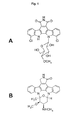
- Rebeccamycin ( Figure 1, A) is a natural product of Saccharothrix aerocolonigenes ATCC39243, a Gram-positive bacterium of the actinomycetes group (Bush et al. J. Antibiot . 40: 668-678, 1987). Actinomycetes are natural soil inhabitants with great industrial and biotechnological interest, especially the Streptomyces genus, because they are the source of many known bioactive compounds. Many of these compounds have pharmaceutical application due to their antitumor, antibacterial, antifungal, antiparasitic, or immunosupressor activity.
- Rebeccamycin shows antibacterial activity against Gram-positive bacteria such as Staphylococcus aureus, Micrococcus luteus and Streptococcus faecalis (Bush et al. J. Antibiot . 40: 668-678, 1987).
- Gram-positive bacteria such as Staphylococcus aureus, Micrococcus luteus and Streptococcus faecalis
- its major significance resides in its antitumor activity, demonstrated in vivo against several tumors implanted in mice, and in vitro against several tumor cell lines (Bush et al. J. Antibiot. 40: 668-678, 1987).
- There are currently two rebeccamycin derivatives in clinical trials for their future use as antineoplasic agents (NB-506, NSC655649).
- rebeccamycin belongs to the indolocarbazole family of natural products. Since their discovery in 1977, more than 60 indolocarbazole natural products have been described, which can be classified in three groups containing either an indolo[2,3- a ]pyrrolo[3,4- c ]carbazole core (e.g. rebeccamycin), an indolo[2,3- a ]carbazole core (e.g. tjipanazoles), or a bis -indolylmaleimide core (e.g. arcyriarubin).
- an indolo[2,3- a ]pyrrolo[3,4- c ]carbazole core e.g. rebeccamycin
- an indolo[2,3- a ]carbazole core e.g. tjipanazoles
- a bis -indolylmaleimide core e.g. arcyr
- indolopyrrolocarbazoles constitute a new class of antitumor agents, which can be further classified in two subgroups according to their mechanism of action.
- One subgroup consists of protein kinase inhibitors (especially protein kinase C inhibitors), and includes staurosporine ( Figure 1, B) and analogs.
- the second subgroup consists of DNA-damaging agents acting on topoisomerase I or II, but not on protein kinases, and includes rebeccamycin ( Figure 1, A) and analogs.
- the chemical structures of most indolocarbazole natural products consist of two components: the indolocarbazole aglycon, and one or more sugar moieties.
- the indolocarbazole aglycon is biosynthesized from two tryptophan molecules, at least in the case of indolopyrrolocarbazoles.
- the sugar moiety present in rebeccamycin is a 4- O -methyl- ⁇ -D-glucose ( Figure 1, A).
- the sugar is an L-rhamnose derivative ( Figure 1, B).
- the present invention refers to a method for production of indolocarbazoles by using rebeccamycin biosynthetic genes, which includes the following steps:
- Step 1 Isolation of a chromosomal region from Saccharothrix aerocolonigenes which contains (among others) a gene encoding the rebeccamycin N -glucosyltransferase.
- Example 1 Construction of a genomic library of the DNA of Saccharothrix aerocolonigenes ATCC39243.
- vector pKC505 For preparation of a genomic library of the DNA of Saccharothrix aerocolonigenes we used vector pKC505, which can replicate in both Escherichia coli and Streptomyces spp.
- Vector pKC505 was completely cleaved with restriction enzyme Hpa I, followed by phenol/chloroform extraction and ethanol precipitation, and then treated with alkaline phosphatase (Boehringer Mannheim). After phosphatase inactivation, the vector was completely digested with restriction enzyme Bam HI, followed by phenol/chloroform extraction and ethanol precipitation. The vector was then ligated to the (previously obtained) partially-digested genomic DNA by using T4 DNA ligase (New England Biolabs).
- This ligation mixture was in vitro packaged into lambda phage particles by using a DNA Packaging Kit (Boehringer Mannheim).
- the phage suspension was used to infect Escherichia coli ED8767 cells, and transductants were selected on plates containing TSA medium (tryptone soya broth [Oxoid] plus 2% agar) containing 20 ⁇ g/ml tobramycin.
- TSA medium tryptone soya broth [Oxoid] plus 2% agar
- About 3000 randomly-chosen transductant colonies were grown on microtiter plates, forming a genomic library representative of the genomic DNA of Saccharothrix aerocolonigenes .
- glycerol was added (25% final concentration) to the microtiter plates, which were stored at -70°C.
- Example 2 Analysis of the Saccharothrix aerocolonigenes genomic library using an ngt probe.
- the identification of those clones in the genomic library containing rebeccamycin biosynthetic genes was done by colony hybridization, using as a probe an internal fragment of the ngt gene from Saccharothrix aerocolonigenes encoding rebeccamycin N -glucosyltransferase (Ohuchi et al. J. Antibiot. 53: 393-403, 2000).
- a fragment of the ngt gene was obtained by standard PCR techniques, using genomic DNA from Saccharothrix aerocolonigenes as template (obtained following Example 1) and synthetic oligonucleotides CS003 SEQ ID NO: 20 and CS004 SEQ ID NO: 21, designed from the reported ngt sequence (Ohuchi et al. J.
- Step 2 Transfer of the ability to biosynthesize rebeccamycin to a Streptomyces spp. microorganism by introduction of said chromosomal region.
- Vector pKC505 (as a control) and the four cosmids including the ngt gene were separately introduced into a Streptomyces spp. strain by protoplast transformation following a method described in Kieser et al (Practical Streptomyces genetics, The John Innes Foundation, Norwich, UK, 2000).
- the chosen host strain was Streptomyces albus J1074, which does not produce rebeccamycin or any other similar metabolites, though for this purpose any other actinomycete may be used as far as vector pKC505 can replicate in said microorganism.
- Several colonies from each transformation were grown at 28°C for 10 days in solid R5A medium containing 25 ⁇ g/ml apramycin and 2.2% agar.
- R5A medium is modified R5 medium described by Fernández et al. ( J. Bacteriol. 180: 4929-4937, 1998). These cultures were acetone extracted, and the resulting extracts were analyzed by bioassay and by HPLC, screening for rebeccamycin. Bioassays were performed following standard microbiological techniques using the bacterium Micrococcus luteus ATCC1024, which is sensitive to rebeccamycin. The extracts obtained from S. albus J1074/14E8 transformants and S. albus J1074/17A12 transformants inhibited M. luteus growth, while the extracts obtained from control S. albus J1074/pKC505 had no apparent effect.
- HPLC analysis was performed in a reversed-phase column (Symmetry C18, 4.6 x 250 mm, Waters), with acetonitrile and 0.1% trifluoroacetic acid in water as solvents. A linear gradient from 20% to 75% acetonitrile in 20 minutes, at a flow rate of 1 ml/min, was used. Detection and spectral characterization of peaks were performed with a photodiode array detector and Millennium software (Waters), and two-dimension chromatograms were extracted at 316 nm. HPLC analysis of extracts from S . albus J1074/14E8 and S.
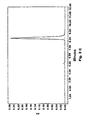
- albus J1074/17A12 resulted in similar chromatograms, with two new peaks (Figure 2, B) not detected in the extract from control S. albus J1074/pKC505 ( Figure 2, A).
- the major peak eluted with same retention time than a sample of pure rebeccamycin ( Figure 2, C) and showed rebeccamycin characteristic absorption spectrum.
- the minor peak while having a different retention time, also showed rebeccamycin-like absorption spectrum. This minor peak could correspond to a rebeccamycin degradation product, as sometimes it is detected in HPLC chromatograms of pure rebeccamycin samples.
- the compound corresponding to the major peak was purified as follows. Spores of strain S. albus J1074/14E8 were inoculated in TSB medium (tryptone soya broth, Oxoid) containing 25 ⁇ g/ml apramycin, followed by incubation for 24 hours at 30°C and 250 rpm. This seed culture was used to inoculate (at 2.5%, v/v) eight 2-liter Erlenmeyer flasks containing 400 ml of R5A medium. After incubation for 5 days at 30°C and 250 rpm, cells were harvested by centrifugation (12000 rpm, 30 min). The relevant compound was found largely associated with the mycelium; therefore, the supernatant was discarded.
- TSB medium tryptone soya broth, Oxoid
- the mycelium was extracted with 400 ml acetone, shaken for 2 hours, centrifuged, and the organic extract was evaporated in vacuo.
- This material was dissolved in 5 ml DMSO:acetone mixture (50:50) and chromatographed in a ⁇ Bondapak C18 radial compression cartridge (PrepPak Cartridge, 25 x 100 mm, Waters), via isocratic elution with acetonitrile:water (55:45) at 10 ml/min.
- the purified compound was collected after multiple injections, dried in vacuo and finally lyophilized.
- This compound was analyzed by MALDI-ToF mass spectrometry using a Voyager-DE STR Biospectrometry Workstation. As result of this, a major peak was obtained with a mass of 568 corresponding to rebeccamycin, and a secondary peak with a mass of 392 corresponding to rebeccamycin aglycon.
- Rebeccamycin displays antibacterial activity against some Gram-positive bacteria (Bush et al. J. Antibiot . 40: 668-678, 1987), and it produces a weak inhibition of growth against some Streptomyces spp. including S. albus J1074. Therefore cosmids 14E8 and 17A12, which conferred the ability to produce rebeccamycin, should also confer resistance to rebeccamycin.
- cosmids 14E8 and 17A12 which conferred the ability to produce rebeccamycin, should also confer resistance to rebeccamycin.
- spores of each strain were used to inoculate plates of Bennett's agar (Kieser et al.
- Step 3 Determination and analysis of the nucleotide sequence of the gene cluster responsible for rebeccamycin biosynthesis.
- Example 5 Determination and analysis of the nucleotide sequence of the insert in cosmid 14E8.
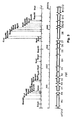
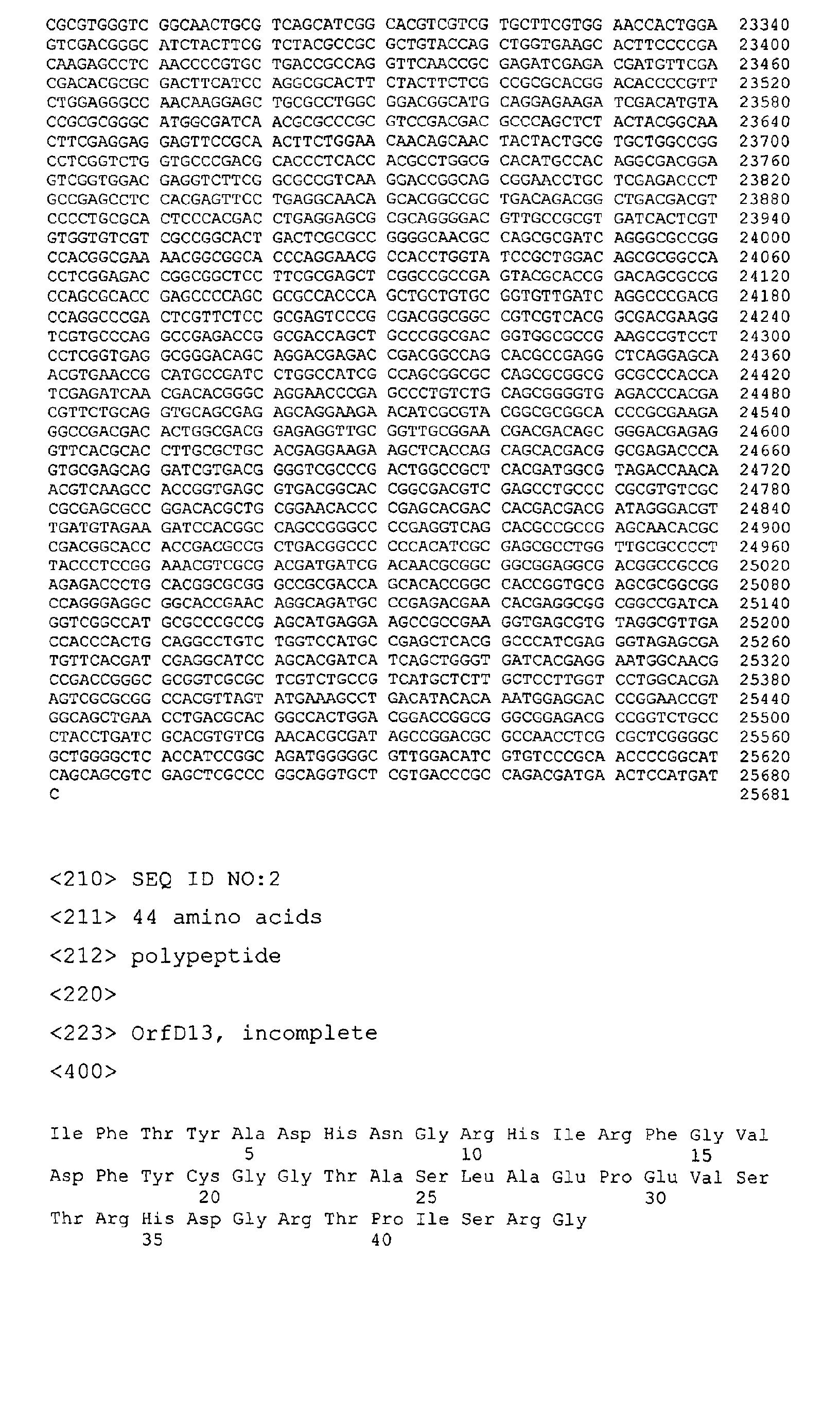
- Cosmid 14E8 was chosen for further study, and the complete DNA sequence of its insert was determined. Sequencing was performed on double-stranded DNA templates in pUC18, using the dideoxynucleotide chain termination method and the Cy5 AutoCycle Sequencing Kit (Amersham Pharmacia Biotech). Both DNA strands were sequenced, using an Alf-Express automatic DNA sequencer (Amersham Pharmacia Biotech). Computer-aided sequence analysis was carried out using software by the University of Wisconsin Genetics Computer Group (GCG). The determined sequence (SEQ ID NO:1) consisted of 25,681 nucleotides. Computer-aided analysis of this sequence revealed the presence of 16 complete open reading frames (ORFs) and two incomplete ORFs ( Figure 3).
- Step 4 Expression of certain genes from the mentioned gene cluster in a host organism, in order to produce rebeccamycin-derived indolocarbazoles.
- Plasmid pREB5 was made by inserting a DNA fragment encompassing nucleotides 7119 ( Bgl II) and 17783 ( Eco RI) of SEQ ID NO:1 into vector pWHM3 (Kieser et al. Practical Streptomyces genetics, The John Innes Foundation, Norwich, UK, 2000). Plasmid pREB6 was constructed by inserting a DNA fragment encompassing nucleotides 8562 ( Bgl II) and 17783 ( Eco RI) of SEQ ID NO:1 into vector pEM4 (Quirós et al. Mol. Microbiol. 28: 1177-1185, 1998).
- Plasmid pREB7 was made by inserting a DNA fragment encompassing nucleotides 7119 ( Bgl II) and 22241 ( Eco RI) of SEQ ID NO:1 into vector pWHM3 (Kieser et al. Practical Streptomyces genetics, The John Innes Foundation, Norwich, UK, 2000).
- plasmid pREB6 contains an additional promoter, from the erythromycin resistance gene (ermE) of Saccharopolyspora erythraea , which would cause a constitutive expression of the included genes.
- ermE erythromycin resistance gene
- Example 7 Production of rebeccamycin intermediates in Streptomyces albus directed by plasmids pREB5, pREB6 and pREB7.
- Plasmids pREB5, pREB6, pREB7, and control pEM4 were separately introduced into Streptomyces albus J1074 by protoplast transformation, as described in Kieser et al. (Practical Streptomyces genetics, The John Innes Foundation, Norwich, UK, 2000). We chose again Streptomyces albus J1074 as host strain but many other actinomycetes can be utilized, due to the wide host range of the vectors used for construction of pREBS, pREB6 and pREB7. Transformants were grown and extracts were obtained that were analyzed by HPLC, under conditions described in Example 3.
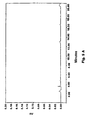
- Extracts obtained from transformants S . albus J1074/pREB5 did not appear to contain any indolocarbazole, and their HPLC chromatograms were essentially identical to those of extracts from control strain S. albus J1074/pEM4 ( Figure 5, A).
Landscapes
- Chemical & Material Sciences (AREA)
- Life Sciences & Earth Sciences (AREA)
- Health & Medical Sciences (AREA)
- Organic Chemistry (AREA)
- Engineering & Computer Science (AREA)
- Genetics & Genomics (AREA)
- Wood Science & Technology (AREA)
- Zoology (AREA)
- Biotechnology (AREA)
- Molecular Biology (AREA)
- General Health & Medical Sciences (AREA)
- Biochemistry (AREA)
- Bioinformatics & Cheminformatics (AREA)
- General Engineering & Computer Science (AREA)
- Biomedical Technology (AREA)
- Microbiology (AREA)
- Analytical Chemistry (AREA)
- Proteomics, Peptides & Aminoacids (AREA)
- Physics & Mathematics (AREA)
- Biophysics (AREA)
- General Chemical & Material Sciences (AREA)
- Chemical Kinetics & Catalysis (AREA)
- Plant Pathology (AREA)
- Immunology (AREA)
- Nuclear Medicine, Radiotherapy & Molecular Imaging (AREA)
- Veterinary Medicine (AREA)
- Public Health (AREA)
- Pharmacology & Pharmacy (AREA)
- Medicinal Chemistry (AREA)
- Animal Behavior & Ethology (AREA)
- Micro-Organisms Or Cultivation Processes Thereof (AREA)
- Preparation Of Compounds By Using Micro-Organisms (AREA)
- Pharmaceuticals Containing Other Organic And Inorganic Compounds (AREA)
- Saccharide Compounds (AREA)
- Compounds Of Unknown Constitution (AREA)
Abstract
Description
- The invention refers to the pharmaceutical field and particularly to compounds with potential application in oncology, with indolocarbazole chemical structure and obtained by fermentation of transforme microorganisms.
- Rebeccamycin (Figure 1, A) is a natural product of Saccharothrix aerocolonigenes ATCC39243, a Gram-positive bacterium of the actinomycetes group (Bush et al. J. Antibiot. 40: 668-678, 1987). Actinomycetes are natural soil inhabitants with great industrial and biotechnological interest, especially the Streptomyces genus, because they are the source of many known bioactive compounds. Many of these compounds have pharmaceutical application due to their antitumor, antibacterial, antifungal, antiparasitic, or immunosupressor activity. Rebeccamycin shows antibacterial activity against Gram-positive bacteria such as Staphylococcus aureus, Micrococcus luteus and Streptococcus faecalis (Bush et al. J. Antibiot. 40: 668-678, 1987). However, its major significance resides in its antitumor activity, demonstrated in vivo against several tumors implanted in mice, and in vitro against several tumor cell lines (Bush et al. J. Antibiot. 40: 668-678, 1987). There are currently two rebeccamycin derivatives in clinical trials for their future use as antineoplasic agents (NB-506, NSC655649).
- Because of its chemical structure, rebeccamycin belongs to the indolocarbazole family of natural products. Since their discovery in 1977, more than 60 indolocarbazole natural products have been described, which can be classified in three groups containing either an indolo[2,3-a]pyrrolo[3,4-c]carbazole core (e.g. rebeccamycin), an indolo[2,3-a]carbazole core (e.g. tjipanazoles), or a bis-indolylmaleimide core (e.g. arcyriarubin). Due to their novel structures and the wide variety of activities displayed (antimicrobial, antifungal, immunosupressor, antitumor, etc.), this group of alkaloids has attracted great interest. In particular, indolopyrrolocarbazoles constitute a new class of antitumor agents, which can be further classified in two subgroups according to their mechanism of action. One subgroup consists of protein kinase inhibitors (especially protein kinase C inhibitors), and includes staurosporine (Figure 1, B) and analogs. The second subgroup consists of DNA-damaging agents acting on topoisomerase I or II, but not on protein kinases, and includes rebeccamycin (Figure 1, A) and analogs. Several indolocarbazoles have already entered clinical trials in the USA, Japan and Europe, including protein kinase inhibitors (UCN-01, CGP41251, CEP-751) and DNA-damaging agents (NB-506, NSC655649) (Akinaga et al. Anti-Cancer Drug Design 15: 43-52, 2000).
- Nowadays there is a great need for new antitumor agents, with improved activity, lower undesirable secondary effects, and greater selectivity, as compared to drugs currently in use. Traditionally, pharmaceutical companies have developed new drugs by using two major approaches: (1) screening for new natural products, and (2) chemical synthesis and/or modification of specific compounds. These methods are still useful, but they usually need very important inputs of resources (time, money, energy), because analysis of thousands of products is generally required to find a new promising compound. Development of the genetic engineering of microorganisms has set the stage for generation of new bioactive compounds through manipulation of genes involved in biosynthesis of antitumor agents, mainly from actinomycetes. These techniques can also be used to improve present production levels of known natural drugs, as wild type strains usually yield low concentrations of the desired metabolite.
- The chemical structures of most indolocarbazole natural products consist of two components: the indolocarbazole aglycon, and one or more sugar moieties. The indolocarbazole aglycon is biosynthesized from two tryptophan molecules, at least in the case of indolopyrrolocarbazoles. The sugar moiety present in rebeccamycin is a 4-O-methyl-□-D-glucose (Figure 1, A). In the case of staurosporine, the sugar is an L-rhamnose derivative (Figure 1, B). Recently, some genes involved in biosynthesis of the sugar moieties for the two mentioned indolocarbazoles have been reported:
- (1) A chromosomal region of Streptomyces longisporoflavus DSM10189 involved in biosynthesis of the staurosporine sugar. This DNA region was able to complement a mutation impairing biosynthesis of the sugar moiety. There are not any reported evidences for the involvement of the mentioned DNA region in biosynthesis of the indolocarbazole aglycon (US6210935).
- (2) A gene, called ngt, that codes for the rebeccamycin N-glucosyltransferase of Saccharothrix aerocolonigenes ATCC39243, responsible for sugar transfer to the indolocarbazole aglycon (Ohuchi et al. J. Antibiot. 53: 393-403, 2000). There are not any reported evidences for the involvement of the identified DNA region in the biosynthesis of the indolocarbazole aglycon. The DNA sequence of the ngt gene has previously been used for bioconversion of indolocarbazole aglycons to D-glucosilated derivatives. The procedure consisted of adding a particular indolocarbazole aglycon (either chemically synthesized or isolated from a producer strain) to the culture broth of a Streptomyces lividans strain harboring a plasmid containing the ngt gene, and isolating the glucosylated product from the culture (Ohuchi et al. J. Antibiot. 53: 393-403, 2000).
-
- With the mentioned exception of the ngt gene (Ohuchi et al. J. Antibiot. 53: 393-403, 2000), there are not any previously reported descriptions of the nucleotide sequence which the present invention refers to. Moreover, there are not any previously reported descriptions of nucleotide sequences involved in biosynthesis of an indolocarbazole aglycon.
- The present invention refers to a method for production of indolocarbazoles by using rebeccamycin biosynthetic genes, which includes the following steps:
- (1) Isolation of a chromosomal region from Saccharothrix aerocolonigenes, the said chromosomal region containing (among other genes) a gene encoding the rebeccamycin N-glucosyltransferase.
- (2) Transfer of the ability to biosynthesize rebeccamycin to a Streptomyces spp. microorganism, by introduction of said chromosomal region.
- (3) Determination and analysis of the nucleotide sequence of the gene cluster responsible for rebeccamycin biosynthesis.
- (4) Expression of certain genes from the mentioned gene cluster in a host organism, in order to produce rebeccamycin-derived indolocarbazoles.
-
- Molecular biology techniques used in the presente invention are described in Kieser et al. (Practical Streptomyces genetics, The John Innes Foundation, Norwich, United Kingdom, 2000) and Sambrook et al. (Molecular cloning: a laboratory manual, Cold Spring Harbor Laboratory Press, Cold Spring Harbor, New York, USA, 1989).
- In order to isolate genomic DNA from Saccharothrix aerocolonigenes ATCC39243, a concentrated suspension of spores from this organism was used to inoculate 250-ml Erlenmeyer flasks containing 25 ml TSB medium (tryptone soya broth, Oxoid), and they were incubated at 28°C for 48 hours. Cells were harvested by centrifugation and processed following the method for isolation of genomic DNA described in Kieser et al. (Practical Streptomyces genetics, The John Innes Foundation, Norwich, UK, 2000). This genomic DNA was then partially digested with restriction enzyme Sau3AI, yielding DNA fragments of about 30 kb in size. The requisite amount of enzyme and digestion time were determined empirically by analysis of the digestion using agarose gel electrophoresis. The enzymatic reaction was stopped by quick freezing, followed by phenol/chloroform extraction and ethanol precipitation.
- For preparation of a genomic library of the DNA of Saccharothrix aerocolonigenes we used vector pKC505, which can replicate in both Escherichia coli and Streptomyces spp. Vector pKC505 was completely cleaved with restriction enzyme HpaI, followed by phenol/chloroform extraction and ethanol precipitation, and then treated with alkaline phosphatase (Boehringer Mannheim). After phosphatase inactivation, the vector was completely digested with restriction enzyme BamHI, followed by phenol/chloroform extraction and ethanol precipitation. The vector was then ligated to the (previously obtained) partially-digested genomic DNA by using T4 DNA ligase (New England Biolabs). This ligation mixture was in vitro packaged into lambda phage particles by using a DNA Packaging Kit (Boehringer Mannheim). The phage suspension was used to infect Escherichia coli ED8767 cells, and transductants were selected on plates containing TSA medium (tryptone soya broth [Oxoid] plus 2% agar) containing 20 µg/ml tobramycin. About 3000 randomly-chosen transductant colonies were grown on microtiter plates, forming a genomic library representative of the genomic DNA of Saccharothrix aerocolonigenes. For preservation, glycerol was added (25% final concentration) to the microtiter plates, which were stored at -70°C.
- The identification of those clones in the genomic library containing rebeccamycin biosynthetic genes was done by colony hybridization, using as a probe an internal fragment of the ngt gene from Saccharothrix aerocolonigenes encoding rebeccamycin N-glucosyltransferase (Ohuchi et al. J. Antibiot. 53: 393-403, 2000). A fragment of the ngt gene was obtained by standard PCR techniques, using genomic DNA from Saccharothrix aerocolonigenes as template (obtained following Example 1) and synthetic oligonucleotides CS003 SEQ ID NO: 20 and CS004 SEQ ID NO: 21, designed from the reported ngt sequence (Ohuchi et al. J. Antibiot. 53: 393-403, 2000). The identity of the amplified DNA fragment was confirmed by its cloning into vector pUC19 followed by nucleotide sequencing using standard molecular biology techniques. This DNA fragment was used as a probe in colony hybridization against the Saccharothrix aerocolonigenes genomic library. For this purpose, we used a DIG DNA Labeling and Detection Kit (Boehringer Mannheim) following standard procedures and manufacturer's recommendations. Several positive clones were obtained, and the corresponding cosmids were studied by Southern analysis using the same ngt probe. Four cosmids were selected that contained the ngt gene and showed overlapping restriction maps: cosmids 10A4, 14E8, 17A12 and 24B2. Strain E. coli ED8767 harboring cosmid 14E8 was deposited on 10/10/2001 at the Spanish Type Culture Collection (Colección Espanola de Cultivos Tipo, CECT), Universidad de Valencia, Campus de Burjassot, 46100 Burjassot (Valencia, Spain) with accession number CECT 5984.
- Vector pKC505 (as a control) and the four cosmids including the ngt gene were separately introduced into a Streptomyces spp. strain by protoplast transformation following a method described in Kieser et al (Practical Streptomyces genetics, The John Innes Foundation, Norwich, UK, 2000). The chosen host strain was Streptomyces albus J1074, which does not produce rebeccamycin or any other similar metabolites, though for this purpose any other actinomycete may be used as far as vector pKC505 can replicate in said microorganism. Several colonies from each transformation were grown at 28°C for 10 days in solid R5A medium containing 25 µg/ml apramycin and 2.2% agar. R5A medium is modified R5 medium described by Fernández et al. (J. Bacteriol. 180: 4929-4937, 1998). These cultures were acetone extracted, and the resulting extracts were analyzed by bioassay and by HPLC, screening for rebeccamycin. Bioassays were performed following standard microbiological techniques using the bacterium Micrococcus luteus ATCC1024, which is sensitive to rebeccamycin. The extracts obtained from S. albus J1074/14E8 transformants and S. albus J1074/17A12 transformants inhibited M. luteus growth, while the extracts obtained from control S. albus J1074/pKC505 had no apparent effect.
- HPLC analysis was performed in a reversed-phase column (Symmetry C18, 4.6 x 250 mm, Waters), with acetonitrile and 0.1% trifluoroacetic acid in water as solvents. A linear gradient from 20% to 75% acetonitrile in 20 minutes, at a flow rate of 1 ml/min, was used. Detection and spectral characterization of peaks were performed with a photodiode array detector and Millennium software (Waters), and two-dimension chromatograms were extracted at 316 nm. HPLC analysis of extracts from S. albus J1074/14E8 and S. albus J1074/17A12 resulted in similar chromatograms, with two new peaks (Figure 2, B) not detected in the extract from control S. albus J1074/pKC505 (Figure 2, A). The major peak eluted with same retention time than a sample of pure rebeccamycin (Figure 2, C) and showed rebeccamycin characteristic absorption spectrum. The minor peak, while having a different retention time, also showed rebeccamycin-like absorption spectrum. This minor peak could correspond to a rebeccamycin degradation product, as sometimes it is detected in HPLC chromatograms of pure rebeccamycin samples.
- The compound corresponding to the major peak was purified as follows. Spores of strain S. albus J1074/14E8 were inoculated in TSB medium (tryptone soya broth, Oxoid) containing 25 µg/ml apramycin, followed by incubation for 24 hours at 30°C and 250 rpm. This seed culture was used to inoculate (at 2.5%, v/v) eight 2-liter Erlenmeyer flasks containing 400 ml of R5A medium. After incubation for 5 days at 30°C and 250 rpm, cells were harvested by centrifugation (12000 rpm, 30 min). The relevant compound was found largely associated with the mycelium; therefore, the supernatant was discarded. The mycelium was extracted with 400 ml acetone, shaken for 2 hours, centrifuged, and the organic extract was evaporated in vacuo. This material was dissolved in 5 ml DMSO:acetone mixture (50:50) and chromatographed in a µBondapak C18 radial compression cartridge (PrepPak Cartridge, 25 x 100 mm, Waters), via isocratic elution with acetonitrile:water (55:45) at 10 ml/min. The purified compound was collected after multiple injections, dried in vacuo and finally lyophilized. This compound was analyzed by MALDI-ToF mass spectrometry using a Voyager-DE STR Biospectrometry Workstation. As result of this, a major peak was obtained with a mass of 568 corresponding to rebeccamycin, and a secondary peak with a mass of 392 corresponding to rebeccamycin aglycon.
- Rebeccamycin production levels obtained in strain S. albus J1074/14E8 were several fold greater than the levels observed in the same conditions with the natural strain Saccharothrix aerocolonigenes ATCC39243.
- Rebeccamycin displays antibacterial activity against some Gram-positive bacteria (Bush et al. J. Antibiot. 40: 668-678, 1987), and it produces a weak inhibition of growth against some Streptomyces spp. including S. albus J1074. Therefore cosmids 14E8 and 17A12, which conferred the ability to produce rebeccamycin, should also confer resistance to rebeccamycin. In order to confirm this point, we studied the effect of exogenously added rebeccamycin on the growth of S. albus J1074/14E8 and control strain S. albus J1074/pKC505. For this purpose, spores of each strain were used to inoculate plates of Bennett's agar (Kieser et al. Practical Streptomyces genetics, The John Innes Foundation, Norwich, UK, 2000) containing 25 µg/ml apramycin. Different amounts of rebeccamycin (dissolved in acetone) were added to paper discs placed on this pre-seeded medium. The plates were left at 4°C for an hour to allow diffusion of the rebeccamycin solution, and then they were incubated at 28°C for 4 days. In the described conditions, growth of control strain S. albus J1074/pKC505 was totally inhibited by 100 µg rebeccamycin, whereas S. albus J1074/14E8 was fully resistant to 100 and 200 µg rebeccamycin.
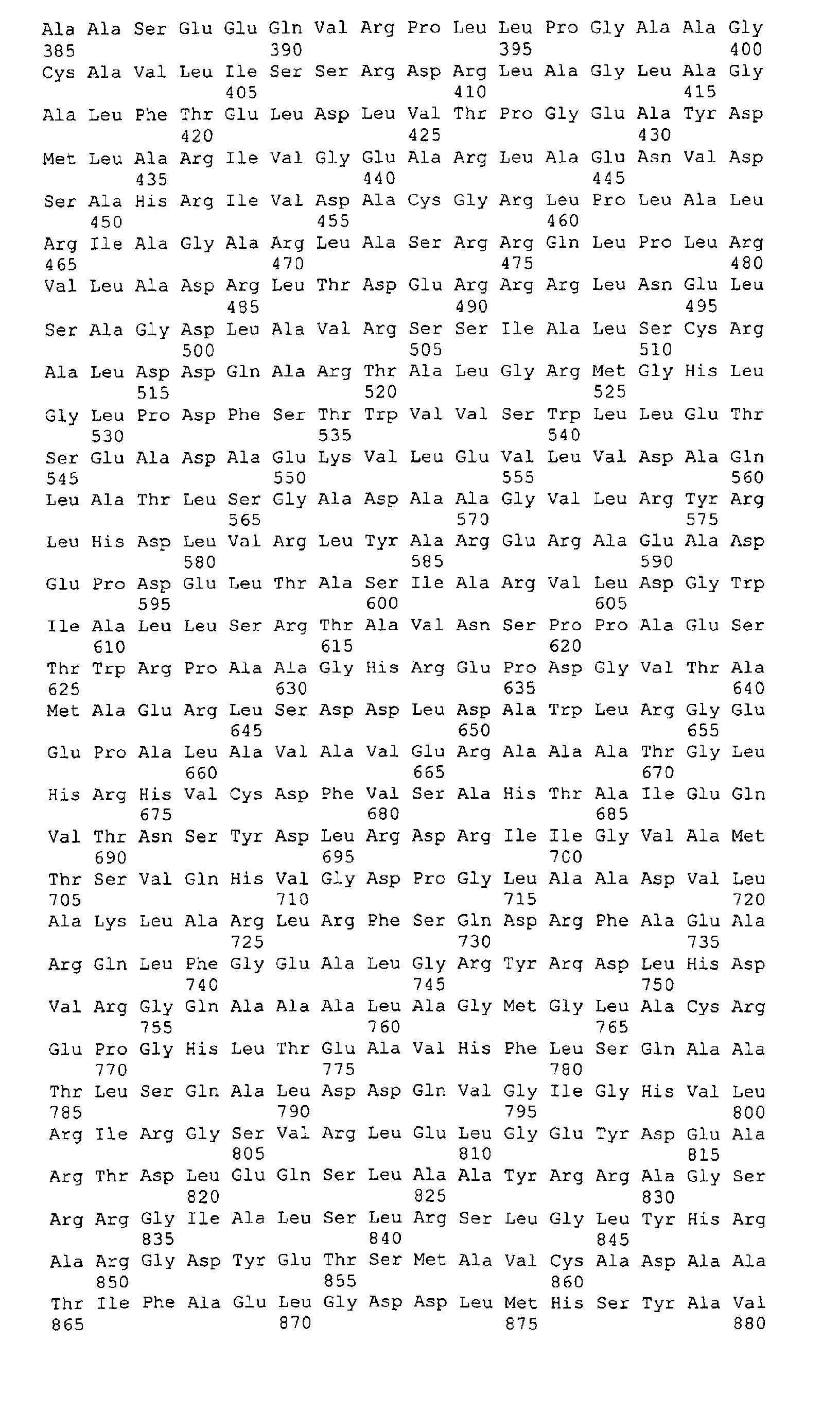
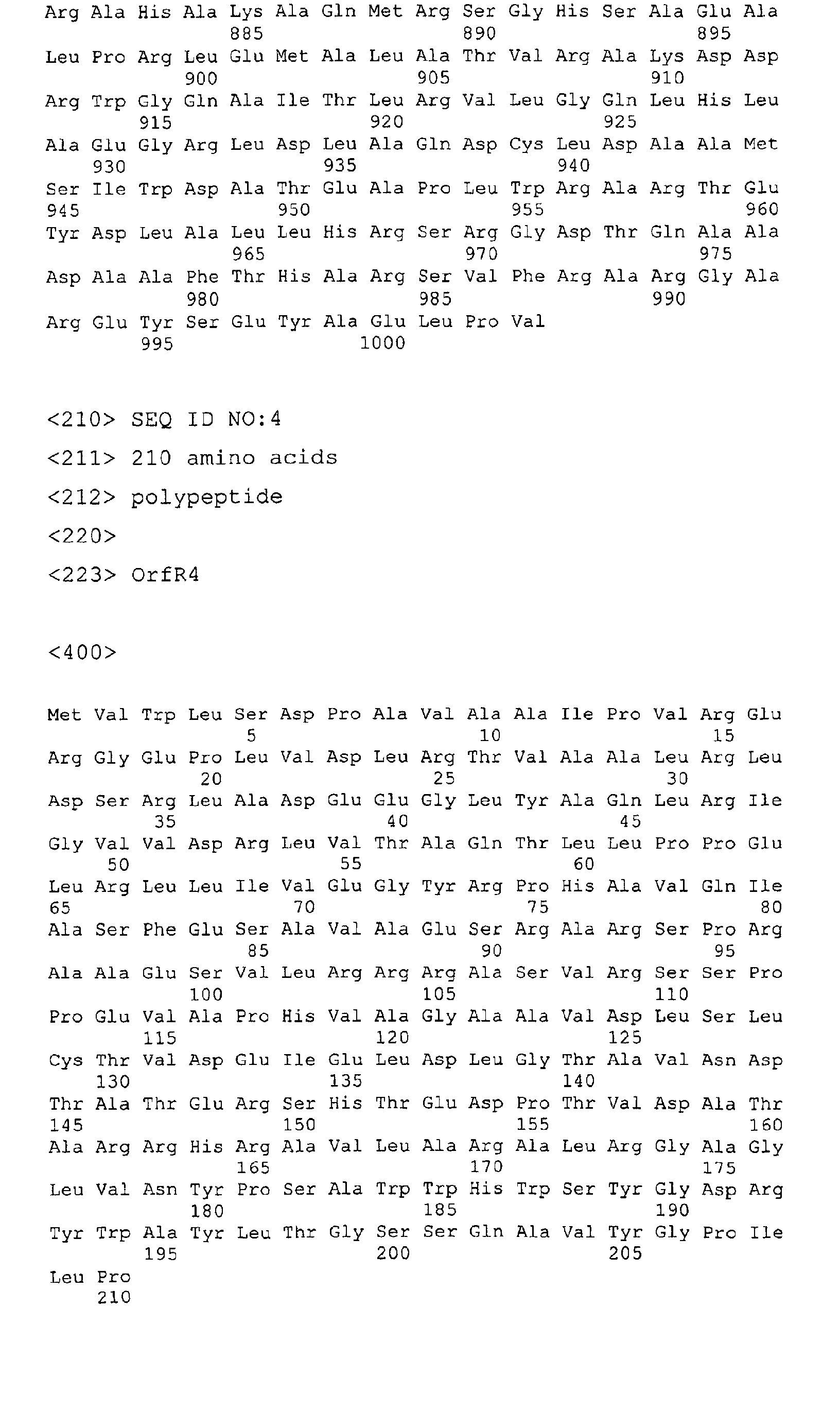
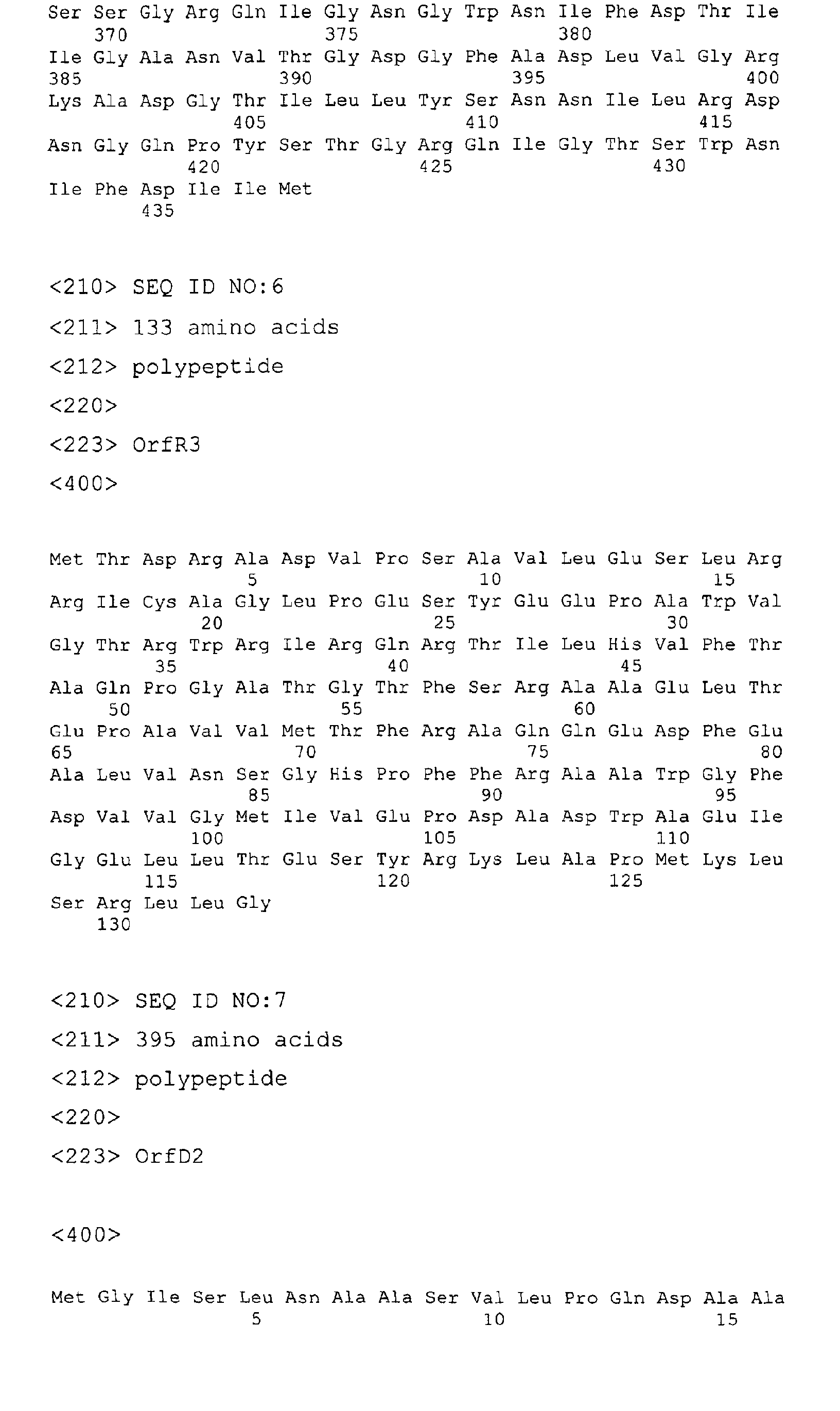
- Cosmid 14E8 was chosen for further study, and the complete DNA sequence of its insert was determined. Sequencing was performed on double-stranded DNA templates in pUC18, using the dideoxynucleotide chain termination method and the Cy5 AutoCycle Sequencing Kit (Amersham Pharmacia Biotech). Both DNA strands were sequenced, using an Alf-Express automatic DNA sequencer (Amersham Pharmacia Biotech). Computer-aided sequence analysis was carried out using software by the University of Wisconsin Genetics Computer Group (GCG). The determined sequence (SEQ ID NO:1) consisted of 25,681 nucleotides. Computer-aided analysis of this sequence revealed the presence of 16 complete open reading frames (ORFs) and two incomplete ORFs (Figure 3). Gene products deduced for these ORFs were compared to proteins of known function (available in public databases) by using the BLAST program. This allowed us to propose putative functions for most of the ORFs, as shown in Table 1.
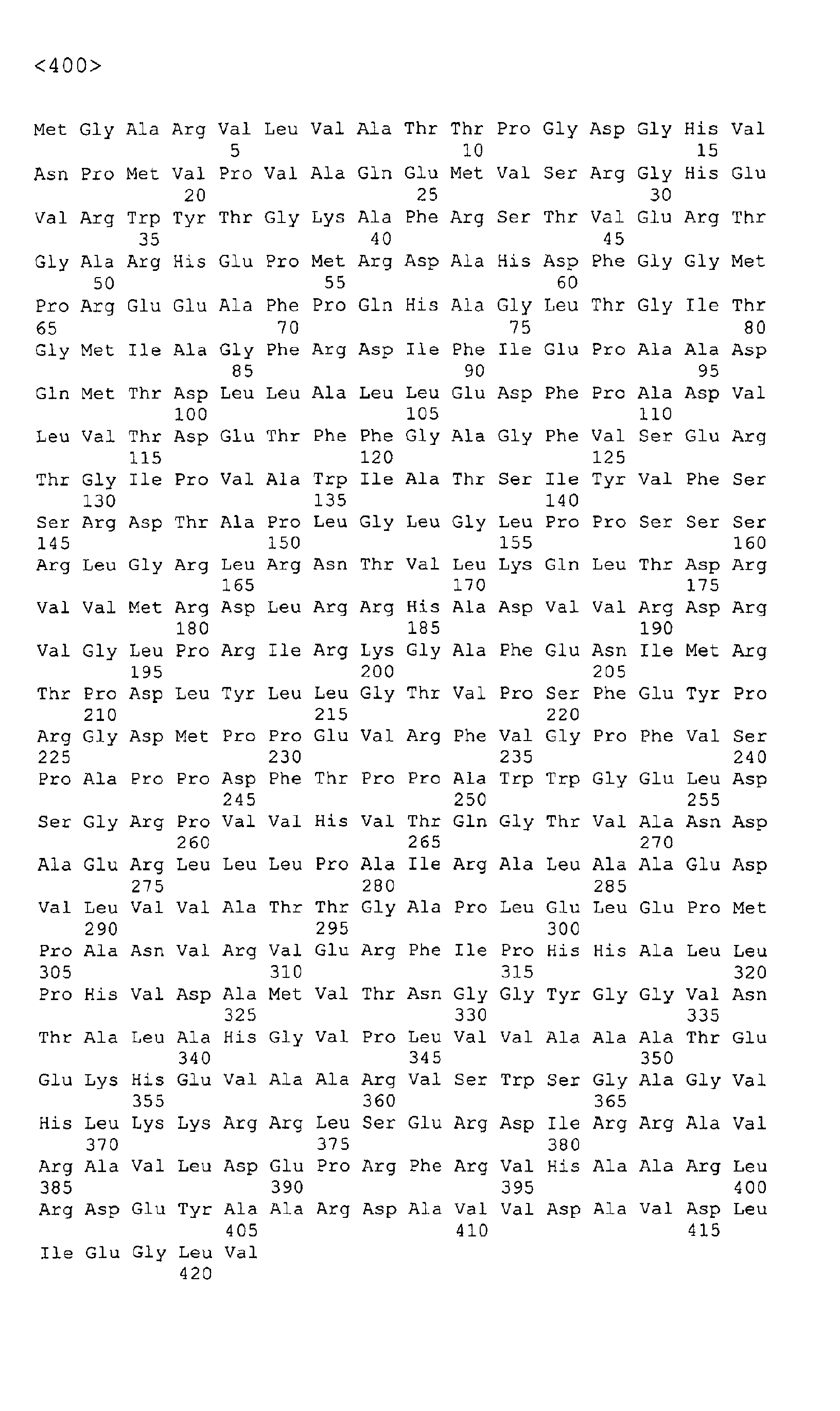
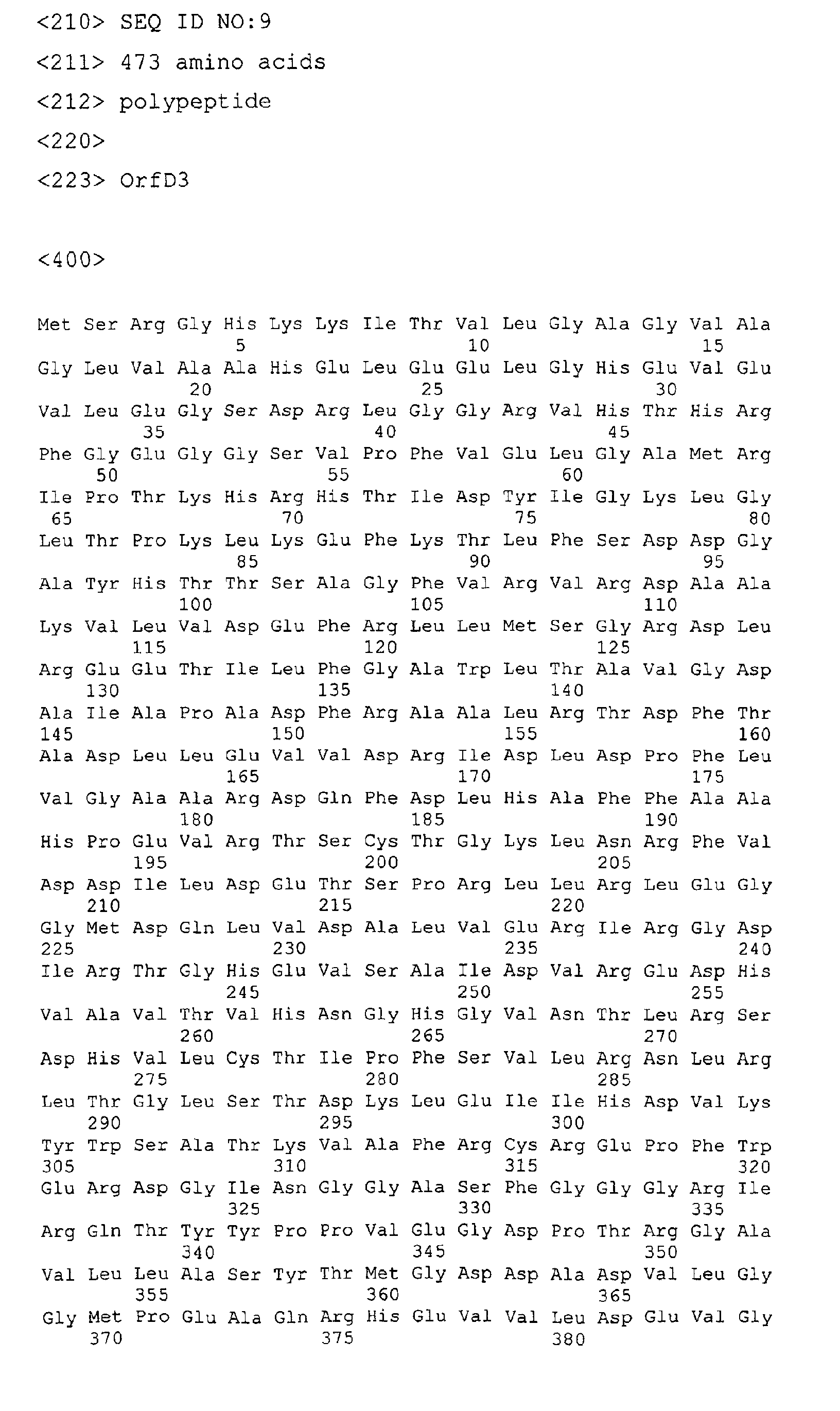
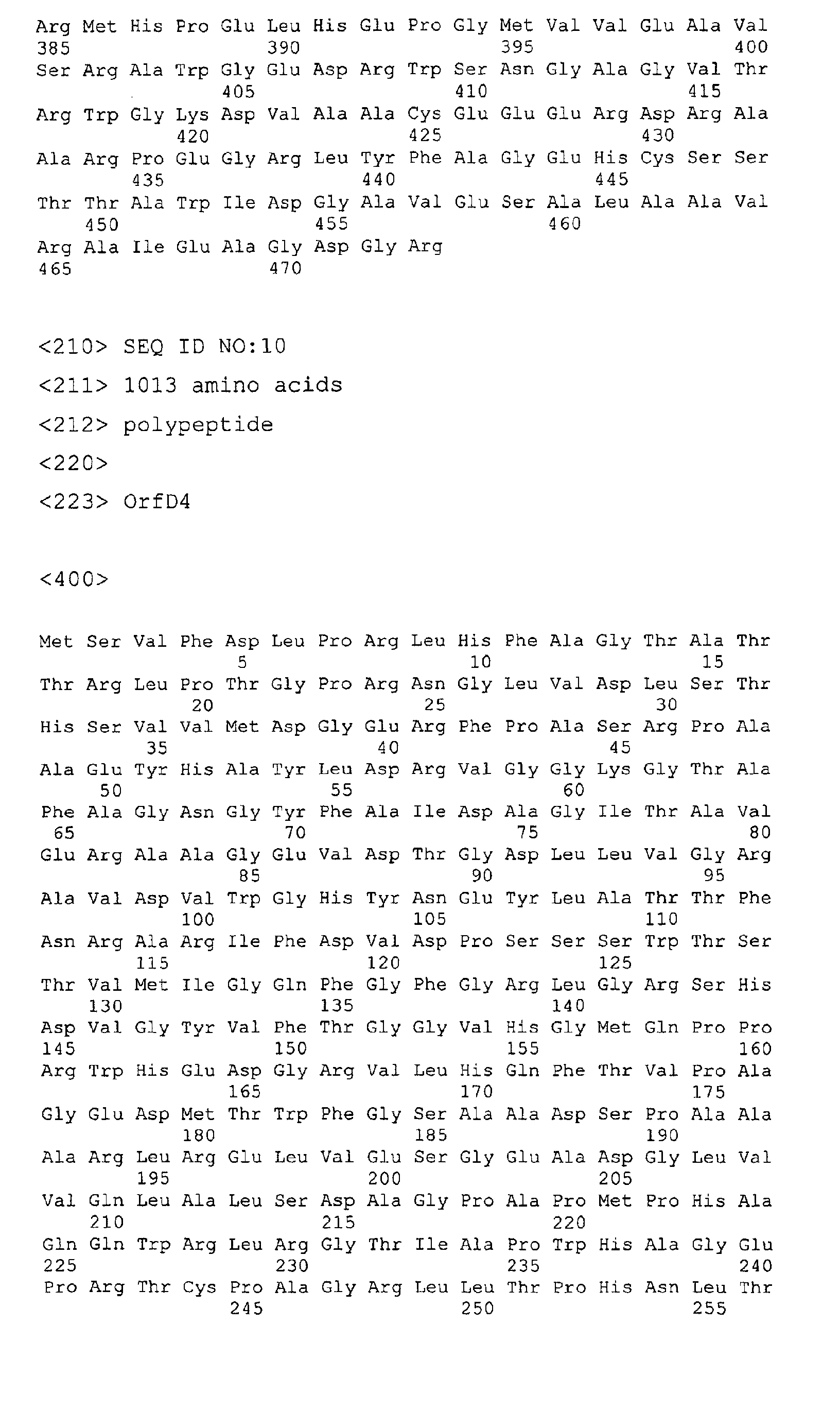
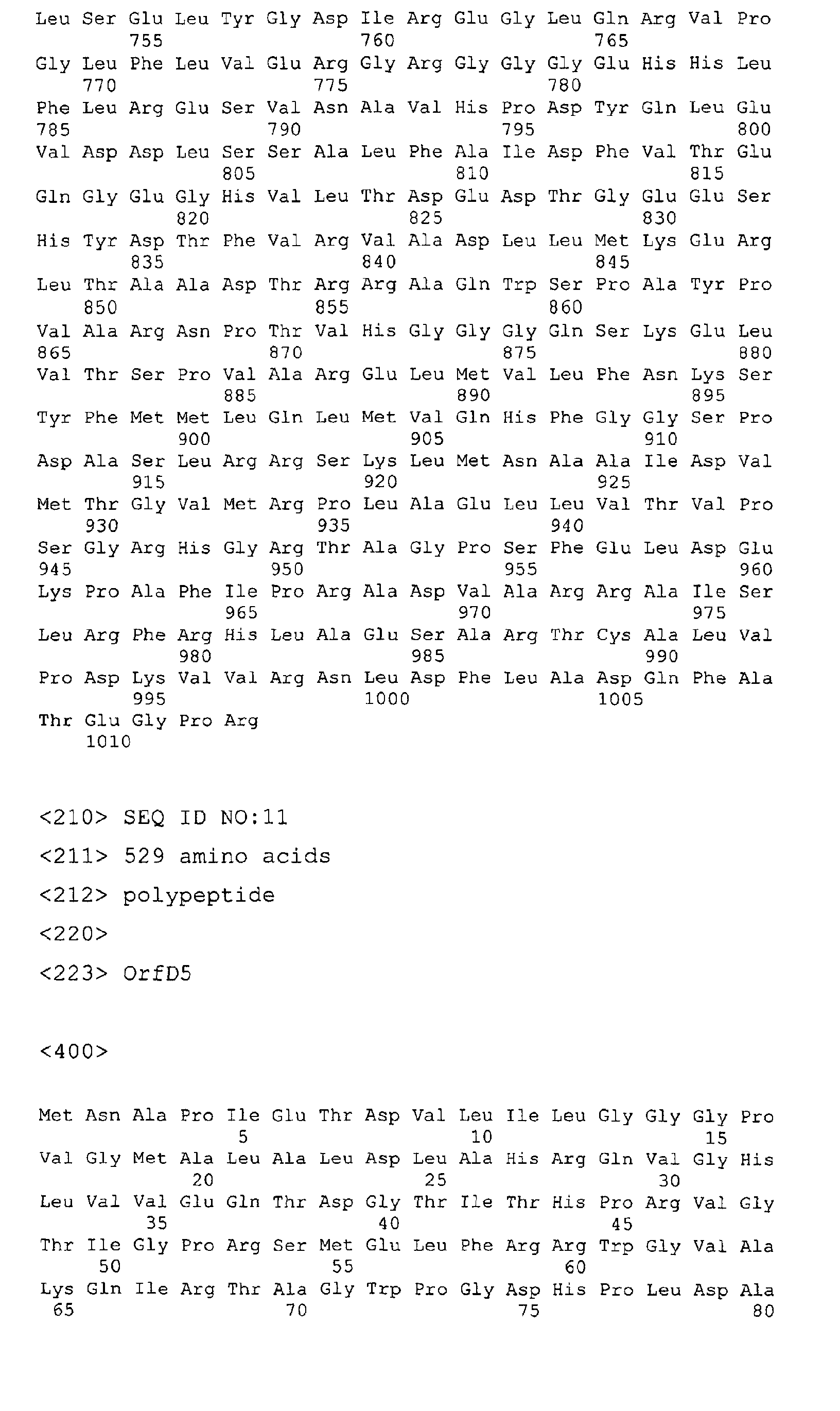
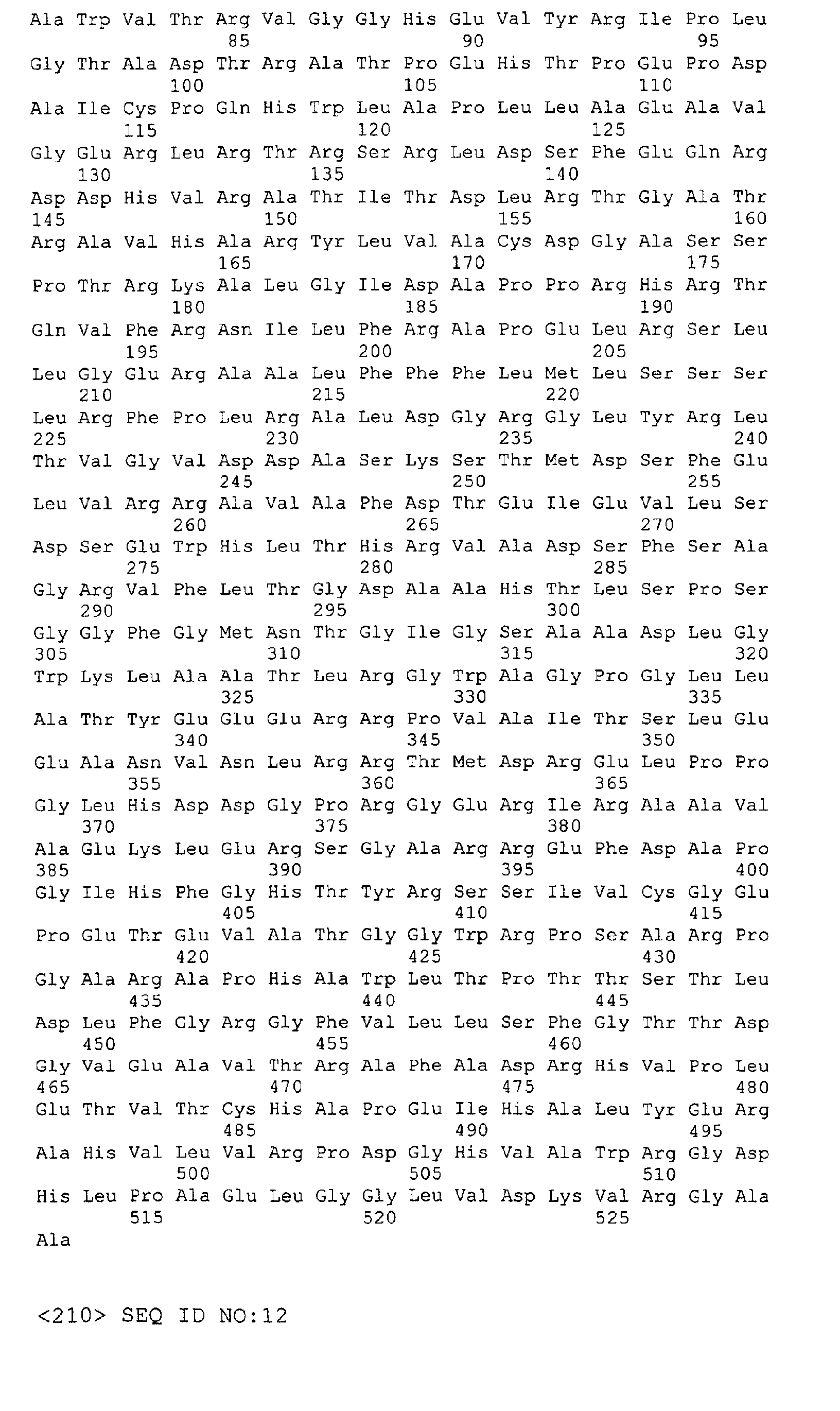
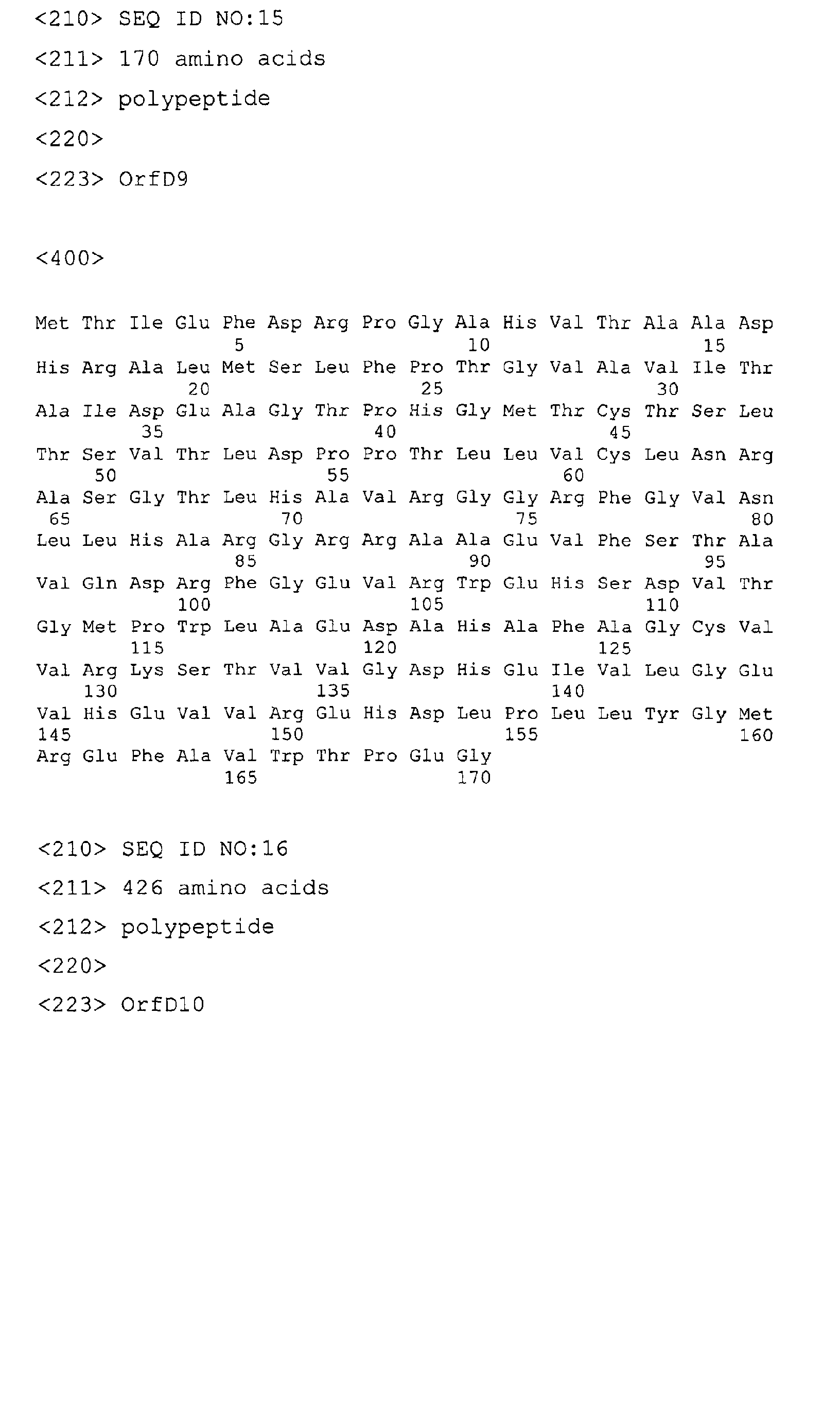
Gene Position Amino acids Deduced function Notes orfD13 1-136 44 SEQ ID NO:2 orfR5 302-3313 complement 1003 regulatory protein SEQ ID NO:3 orfR4 3395-4027 complement 210 dipeptidase SEQ ID NO:4 orfD1 4402-5718 438 esterase SEQ ID NO:5 orfR3 5946-6347 complement 133 SEQ ID NO:6 orfD2 6581-7768 395 SEQ ID NO:7 orfR2 7841-9106 complement 421 N-glucosyltransferase SEQ ID NO:8 orfD3 9316-10737 473 L-tryptophan oxidase SEQ ID NO:9 orfD4 10734-13775 1013 SEQ ID NO:10 orfD5 13772-15361 529 monooxygenase SEQ ID NO:11 orfD6 15358-16551 397 cytochrome P450 SEQ ID NO:12 orfD7 16578-17399 273 methyltransferase SEQ ID NO:13 orfD8 17730-20501 923 regulatory protein SEQ ID NO:14 orfD9 20498-21010 170 flavin reductase SEQ ID NO:15 orfD10 21007-22287 426 membrane transporter SEQ ID NO:16 orfD11 22271-23863 530 tryptophan halogenase SEQ ID NO:17 orfR1 23933-25354 complement 473 membrane transporter SEQ ID NO:18 orfD12 25439-25681 81 regulatory protein SEQ ID NO:19 - In order to determine the minimal amount of DNA needed to direct the biosynthesis of rebeccamycin or rebeccamycin derivatives, three new plasmids were constructed (pREB5, pREB6 and pREB7) containing fragments of the insert present in cosmid 14E8 (Figure 4). For this purpose, standard molecular biology techniques were used as described in Sambrook et al. (Molecular cloning: a laboratory manual, Cold Spring Harbor Laboratory Press, Cold Spring Harbor, New York, USA, 1989).
- Plasmid pREB5 was made by inserting a DNA fragment encompassing nucleotides 7119 (BglII) and 17783 (EcoRI) of SEQ ID NO:1 into vector pWHM3 (Kieser et al. Practical Streptomyces genetics, The John Innes Foundation, Norwich, UK, 2000). Plasmid pREB6 was constructed by inserting a DNA fragment encompassing nucleotides 8562 (BglII) and 17783 (EcoRI) of SEQ ID NO:1 into vector pEM4 (Quirós et al. Mol. Microbiol. 28: 1177-1185, 1998). Finally, plasmid pREB7 was made by inserting a DNA fragment encompassing nucleotides 7119 (BglII) and 22241 (EcoRI) of SEQ ID NO:1 into vector pWHM3 (Kieser et al. Practical Streptomyces genetics, The John Innes Foundation, Norwich, UK, 2000).
- All three plasmids can replicate in high copy number in E. coli and in Streptomyces, due to the choice of vectors used for their construction. In pREB5 and pREB7, putative expression of the included genes might occur due to their own natural promoter and regulatory sequences. However, plasmid pREB6 contains an additional promoter, from the erythromycin resistance gene (ermE) of Saccharopolyspora erythraea, which would cause a constitutive expression of the included genes. Choice of different vectors and/or addition of particular promoter or regulatory sequences allow the expression of the mentioned genes in different organisms.
- Plasmids pREB5, pREB6, pREB7, and control pEM4 were separately introduced into Streptomyces albus J1074 by protoplast transformation, as described in Kieser et al. (Practical Streptomyces genetics, The John Innes Foundation, Norwich, UK, 2000). We chose again Streptomyces albus J1074 as host strain but many other actinomycetes can be utilized, due to the wide host range of the vectors used for construction of pREBS, pREB6 and pREB7. Transformants were grown and extracts were obtained that were analyzed by HPLC, under conditions described in Example 3.
- Extracts obtained from transformants S. albus J1074/pREB5 did not appear to contain any indolocarbazole, and their HPLC chromatograms were essentially identical to those of extracts from control strain S. albus J1074/pEM4 (Figure 5, A).
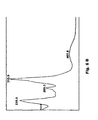
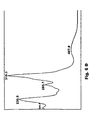
- HPLC analysis of extracts from transformants S. albus J1074/pREB6 (Figure 5, B) showed a new product, which we called RM62, with an elution time different to that of rebeccamycin (Figure 5, D). Comparison of RM62 absorption spectrum (Figure 6, B) to that of rebeccamycin (Figure 6, A) indicates that RM62 is actually an indolocarbazole, derivative or precursor of rebeccamycin. This finding suggests that the lack of indolocarbazole production in S. albus J1074/pREB5 is due to a low expression of the included genes, and this defect is circumvented in pREB6 by the additional promoter from the erythromycin resistance gene.
- HPLC analysis of extracts from transformants S. albus J1074/pREB7 (Figure 5, C) showed two new products: RM761 (minor product) and RM762. Both RM761 and RM762 had elution times different to that of rebeccamycin (Figure 5, D), but their absorption spectra (Figure 6, C-D) indicate that they are rebeccamycin derivatives or precursors. Comparison of these results to those obtained with pREB5 and pREB6 suggests that the DNA fragment included in pREB7 contains some regulatory element (probably orfD8) that stimulates the expression of the indolocarbazole biosynthetic genes.
- Introduction, in a particular organism of rebeccamycin biosynthetic genes described within the presente invention can be utilized for different purposes, including:
- (1) If the said organism does not naturally produce any
kind of indolocarbazole, rebeccamycin biosynthetic
genes can be utilized for:
- (a) Production of rebeccamycin, by using the complete gene cluster.
- (b) Production of rebeccamycin biosynthetic intermediates, by the use of a part of the gene cluster.
- (c) Obtaining an organism resistant to rebeccamycin.
- (2) If additional genes from different organisms are introduced into an organism as the one described in paragraph (1), production of rebeccamycin derivatives can be achieved. For instance, if a gene encoding a particular tryptophan modifier enzyme (e.g. hydroxylase) is introduced, rebeccamycin derivatives with specifically modified indolocarbazole aglycons (e.g. hydroxylated at certain positions) can be obtained. Another example: if one or several genes involved in biosynthesis of a particular sugar are introduced, it is possible to obtain rebeccamycin derivatives with new sugars in place of 4-O-methyl-β-D-glucose.
- (3) If the said organism naturally produces some kind
of indolocarbazole (such as staurosporine, K-252a, UCN-01,
J-104303, AT-2433, arcyriaflavins, arciryarubin,
arcyriacianin, arcyroxocin, arcyriaverdin, etc.),
rebeccamycin biosynthetic genes can be utilized for:
- (a) Yield improvement in the production of the said indolocarbazole, by using a regulatory gene such as orfD8.
- (b) Production of new ("hybrid") indolocarbazoles, by the use of the complete rebeccamycin gene cluster or by the use of a part of the gene cluster. For instance, if gene orfD11 (or both genes orfD9 and orfD11) coding for a tryptophan halogenase is introduced, new halogenated indolocarbazoles can be obtained. Another example: if gene orfR2 or gene orfD7 (or both) are introduced, new indolocarbazoles with modified sugars can be obtained.
- (4) If the said organism naturally produces some non-indolocarbazole metabolites biosynthesized from tryptophan (such as violacein), rebeccamycin biosynthetic genes can be used for production of new ("hybrid") derivatives of the said metabolites, in a similar way to that described in paragraph (3b).
-
-
- Figure 1. Structures of rebeccamycin (A) and staurosporine (B).
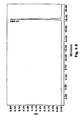
- Figure 2. HPLC analysis of:
- (A) An extract from Streptomyces albus J1074/pKC505.
- (B) An extract from S. albus J1074/14E8.
- (C) A sample of pure rebeccamycin.
- Figure 3. Restriction map of the insert contained in cosmid 14E8, which includes the rebeccamycin biosynthetic gene cluster.
- Figure 4. Scheme of inserts included in plasmids pREB5, pREB6 and pREB7.
- Figure 5. HPLC analysis of:
- (A) An extract from S. albus J1074/pEM4.
- (B) An extract from S. albus J1074/pREB6. The major peak corresponds to product RM62.
- (C) An extract from S. albus J1074/pREB7. The major peak corresponds to product RM762. The minor peak, around minute 12.3, corresponds to product RM761.
- (D) A sample of pure rebeccamycin.
- Figure 6. Absorption spectra of:
- (A)Rebeccamycin.
- (B)Product RM62, from an S. albus J1074/pREB6 extract.
- (C) Product RM761, from an S. albus J1074/pREB7 extract.
- (D)Product RM762, from an S. albus J1074/pREB7 extract.
-










Claims (30)
- Method for production of indolocarbazoles by using rebeccamycin biosynthetic genes, comprising the following steps:(a) Isolating a DNA fragment from the genome of Saccharothrix aerocolonigenes.(b) Inserting said DNA fragment, or any desired combinations of parts of it, into a vector suitable for host cells.(c) Introducing said recombinant vector into host cells, in a way that it can be stably maintained.(d) Culturing the obtained host cells in a culture medium adequate for indolocarbazole production.
- A nucleic acid molecule comprising:(a) a nucleotide sequence as shown in SEQ ID NO:1; or(b) a nucleotide sequence which is the complement of SEQ ID NO:1; or(c) a nucleotide sequence which is degenerate with SEQ ID NO:1; or(d) a nucleotide sequence hybridizing under conditions of high stringency to SEQ ID NO:1, to the complement of SEQ ID NO:1, or to a hybridization probe derived from SEQ ID NO:1 or the complement thereof; or(e) a nucleotide sequence having at least 80% sequence identity with SEQ ID NO:1; or(f) a nucleotide sequence having at least 65% sequence identity with SEQ ID NO:1 wherein said sequence preferably encodes or is complementary to a sequence encoding at least one rebeccamycin biosynthetic enzyme or a part thereof.
- A nucleic acid molecule comprising a part of a nucleotide sequence as defined in claim 2, wherein said part is at least 15 nucleotides in length.
- A nucleic acid molecule as claimed in any ones of claims 2 to 3, which encodes one or more polypeptides, or comprises one or more genetic elements, having functional activity in the synthesis of an indolocarbazole or an indolocarbazole precursor.
- A nucleic acid molecule as claimed in claim 4, wherein said indolocarbazole structure is rebeccamycin, or a rebeccamycin derivative, or a rebeccamycin precursor.
- A nucleic acid molecule as claimed in any one of claims 2 to 3, said molecule comprising one or more genes, and/or one or more regulatory sequences, and/or non-coding or coding functional genetic elements of an indolocarbazole biosynthetic gene cluster.
- A nucleic acid molecule comprising a nucleotide sequence encoding one or more amino acid sequences selected from SEQ ID Nos:2 to 19, or a nucleotide sequence which is complementary thereto or degenerate therewith or comprising a nucleotide sequence which encodes one or more amino acid sequences which exhibit at least 60% sequence identity with any one of SEQ ID Nos:2 to 19.
- A nucleic acid molecule, as claimed in claim 7, which encodes one or more amino acid sequences which exhibit at least 85% sequence identity with any one of SEQ ID Nos:2 to 19.
- A polypeptide encoded by a nucleic acid molecule as defined in any one of claims 2 to 8.
- A polypeptide as claimed in claim 9, comprising:(a) all or part of an amino acid sequence as shown in any one or more of SEQ ID Nos:2 to 19; or(b) all or part of an amino acid sequence which has at least 60% sequence identity with any one or more of SEQ ID Nos:2 to 19.
- A polypeptide as claimed in claim 10, wherein said amino acid sequence at (b) has at least 85% sequence identity with any one or more of SEQ ID Nos:2 to 19.
- A polypeptide as claimed in any one of claims 9 to 11 having functional activity in the synthesis of an indolocarbazole structure.
- A vector comprising a nucleic acid molecule as defined in any one of claims 2 to 8.
- A vector as claimed in claim 13, which is the cosmid 14E8 deposited in Escherichia coli strain ED8767/14E8 with the accession number CECT 5984.
- A host cell or transgenic organism comprising a nucleic acid molecule as defined in any one of claims 2 to 8.
- A host cell or transgenic organism comprising a vector as defined in claim 13.
- Host cells as claimed in any one of claims 15 to 16, consisting of a pure strain of Streptomyces spp., or its mutants, or its transformed derivatives.
- Host cells as claimed in claim 17, consisting of a pure strain of Streptomyces albus, or its mutants, or its transformed derivatives.
- Host cells as claimed in any one of claims 15 to 18, expressing resistance to rebeccamycin.
- Host cells as claimed in any one of claims 15 to 18, expressing resistance to an indolocarbazole.
- Use of a nucleic acid molecule as defined in any one of claims 2 to 8 in the production of indolocarbazoles, or indolocarbazole derivatives, or indolocarbazole precursors.
- Use of a nucleic acid molecule as defined in any one of claims 2 to 8 in the production of rebeccamycin, or rebeccamycin derivatives, or rebeccamycin precursors.
- Use of a nucleic acid molecule as defined in any one of claims 2 to 8 to increase the production level of an indolocarbazole.
- Use of a nucleic acid molecule as defined in any one of claims 2 to 8 to obtain host cells expressing resistance to an indolocarbazole.
- Use of a nucleic acid molecule as defined in any one of claims 2 to 8 to inactivate indolocarbazole biosynthetic genes.
- Use of a nucleic acid molecule as defined in any one of claims 2 to 8 in PCR techniques directed to the isolation and/or utilization of indolocarbazole biosynthetic genes.
- Use of host cells or transgenic organisms as defined in any one of claims 15 to 20 in the production of indolocarbazoles, or indolocarbazole derivatives, or indolocarbazole precursors.
- Use of host cells or transgenic organisms as defined in any one of claims 15 to 20 in the production of rebeccamycin, or rebeccamycin derivatives, or rebeccamycin precursors.
- An indolocarbazole or an indolocarbazole precursor produced by a host cell or transgenic organism as defined in any one of claims 15 to 20.
- Use of an indolocarbazole or an indolocarbazole precursor as defined in claim 29 in the production of active compositions for the treatment of tumor processes.
Applications Claiming Priority (3)
| Application Number | Priority Date | Filing Date | Title |
|---|---|---|---|
| ES200102312 | 2001-10-19 | ||
| ES200102312A ES2255331B1 (en) | 2001-10-19 | 2001-10-19 | PROCEDURE FOR OBTAINING INDOLOCARBAZOLS BY USING BIOSYNTHETIC GENES OF REBECAMYCIN. |
| PCT/ES2002/000492 WO2003033706A1 (en) | 2001-10-19 | 2002-10-17 | Method of obtaining indolocarbazoles using biosynthetic rebeccamycin genes |
Publications (2)
| Publication Number | Publication Date |
|---|---|
| EP1443113A1 true EP1443113A1 (en) | 2004-08-04 |
| EP1443113B1 EP1443113B1 (en) | 2010-08-18 |
Family
ID=8499217
Family Applications (1)
| Application Number | Title | Priority Date | Filing Date |
|---|---|---|---|
| EP02801342A Expired - Lifetime EP1443113B1 (en) | 2001-10-19 | 2002-10-17 | Method of obtaining indolocarbazoles using biosynthetic rebeccamycin genes |
Country Status (7)
| Country | Link |
|---|---|
| US (1) | US8207321B2 (en) |
| EP (1) | EP1443113B1 (en) |
| AT (1) | ATE478149T1 (en) |
| DE (1) | DE60237382D1 (en) |
| ES (2) | ES2255331B1 (en) |
| MX (1) | MXPA04003701A (en) |
| WO (1) | WO2003033706A1 (en) |
Cited By (3)
| Publication number | Priority date | Publication date | Assignee | Title |
|---|---|---|---|---|
| EP1826267A1 (en) * | 2006-02-22 | 2007-08-29 | Combinature Biopharm AG | Novel halogenases |
| CN107674105A (en) * | 2017-09-27 | 2018-02-09 | 杭州科兴生物化工有限公司 | Indole carbazole compound and its preparation method and application |
| WO2021052989A1 (en) * | 2019-09-16 | 2021-03-25 | Danmarks Tekniske Universitet | Yeast cells and methods for production of tryptophan derivatives |
Families Citing this family (4)
| Publication number | Priority date | Publication date | Assignee | Title |
|---|---|---|---|---|
| ES2326459B1 (en) * | 2008-04-08 | 2010-05-28 | Universidad De Oviedo | GLYCOLSILATED INDOLOCARBAZOLS, ITS PROCESSING PROCEDURE AND ITS USES. |
| US10344267B2 (en) | 2013-11-27 | 2019-07-09 | The University Of Chicago | Directed evolution of a regioselective halogenase for increased thermostability |
| CN112852899A (en) * | 2021-03-17 | 2021-05-28 | 百缮药业(苏州)有限公司 | Catalytic synthesis system and catalytic synthesis method of staurosporine intermediate K252c and derivatives thereof |
| CN116716233A (en) * | 2023-05-06 | 2023-09-08 | 国药集团健康产业研究院有限公司 | A genetically engineered bacterium that produces staurosporine and its preparation method |
Family Cites Families (2)
| Publication number | Priority date | Publication date | Assignee | Title |
|---|---|---|---|---|
| WO1995034663A1 (en) * | 1994-06-13 | 1995-12-21 | Banyu Pharmaceutical Co., Ltd. | Gene coding for glycosyltransferase and use thereof |
| WO1997008323A1 (en) * | 1995-08-30 | 1997-03-06 | Novartis Ag | Staurosporin biosynthesis gene clusters |
-
2001
- 2001-10-19 ES ES200102312A patent/ES2255331B1/en not_active Expired - Fee Related
-
2002
- 2002-10-17 MX MXPA04003701A patent/MXPA04003701A/en not_active Application Discontinuation
- 2002-10-17 WO PCT/ES2002/000492 patent/WO2003033706A1/en not_active Ceased
- 2002-10-17 AT AT02801342T patent/ATE478149T1/en not_active IP Right Cessation
- 2002-10-17 ES ES02801342T patent/ES2350685T3/en not_active Expired - Lifetime
- 2002-10-17 US US10/493,000 patent/US8207321B2/en not_active Expired - Fee Related
- 2002-10-17 EP EP02801342A patent/EP1443113B1/en not_active Expired - Lifetime
- 2002-10-17 DE DE60237382T patent/DE60237382D1/en not_active Expired - Lifetime
Non-Patent Citations (1)
| Title |
|---|
| See references of WO03033706A1 * |
Cited By (4)
| Publication number | Priority date | Publication date | Assignee | Title |
|---|---|---|---|---|
| EP1826267A1 (en) * | 2006-02-22 | 2007-08-29 | Combinature Biopharm AG | Novel halogenases |
| CN107674105A (en) * | 2017-09-27 | 2018-02-09 | 杭州科兴生物化工有限公司 | Indole carbazole compound and its preparation method and application |
| CN107674105B (en) * | 2017-09-27 | 2020-05-22 | 杭州科兴生物化工有限公司 | Indole carbazole compound and preparation method and application thereof |
| WO2021052989A1 (en) * | 2019-09-16 | 2021-03-25 | Danmarks Tekniske Universitet | Yeast cells and methods for production of tryptophan derivatives |
Also Published As
| Publication number | Publication date |
|---|---|
| US8207321B2 (en) | 2012-06-26 |
| EP1443113B1 (en) | 2010-08-18 |
| MXPA04003701A (en) | 2005-04-08 |
| ES2255331A1 (en) | 2006-06-16 |
| ES2350685T3 (en) | 2011-01-26 |
| ES2255331B1 (en) | 2007-08-16 |
| ATE478149T1 (en) | 2010-09-15 |
| DE60237382D1 (en) | 2010-09-30 |
| US20080004326A1 (en) | 2008-01-03 |
| WO2003033706A1 (en) | 2003-04-24 |
Similar Documents
| Publication | Publication Date | Title |
|---|---|---|
| Wiest et al. | Identification of peptaibols from Trichoderma virens and cloning of a peptaibol synthetase | |
| EP2271666B1 (en) | Nrps-pks gene cluster and its manipulation and utility | |
| Mellouli et al. | Isolation, purification and partial characterization of antibacterial activities produced by a newly isolated Streptomyces sp. US24 strain | |
| Sucipto et al. | Exploring Chemical Diversity of α‐Pyrone Antibiotics: Molecular Basis of Myxopyronin Biosynthesis | |
| CN110305881B (en) | Biosynthetic gene cluster of polyketide neoenterocins and application thereof | |
| Xu et al. | Discovery and biosynthesis of bosamycins from Streptomyces sp. 120454 | |
| KR20050086873A (en) | Process for producing macrolide compound | |
| ES2206506T3 (en) | GEN THAT CODIFIES GLICOSIL-TRANSFERASA, AND ITS USE. | |
| US8030325B2 (en) | Biosynthetic gene cluster for the production of a complex polyketide | |
| CN107868789A (en) | Rokitamycin biological synthesis gene cluster | |
| US8207321B2 (en) | Method of obtaining idolocarbazoles using biosynthetic rebeccamycin genes | |
| Praseuth et al. | Complete sequence of biosynthetic gene cluster responsible for producing triostin A and evaluation of quinomycin‐type antibiotics from Streptomyces triostinicus | |
| Arn et al. | Isolation and identification of actinomycetes strains from Switzerland and their biotechnological potential | |
| CN101363022B (en) | Biological synthesis gene cluster of tetrokacin A and use thereof | |
| CN103215282B (en) | The biological synthesis gene cluster of cross-country statin and application thereof | |
| Sun et al. | Identification of a gene cluster encoding meilingmycin biosynthesis among multiple polyketide synthase contigs isolated from Streptomyces nanchangensis NS3226 | |
| CN101962647B (en) | Biosynthesis gene cluster of Nocathiacins and application thereof | |
| US6733998B1 (en) | Micromonospora echinospora genes coding for biosynthesis of calicheamicin and self-resistance thereto | |
| EP1137796A2 (en) | Micromonospora echinospora genes encoding for biosynthesis of calicheamicin and self-resistance thereto | |
| CN109266662A (en) | a group of biosynthetic syntheticmycin or open-loop innovativemycin gene clusters | |
| Wang et al. | Metabolic blockade-based genome mining of Streptomyces cacaoi SCSIO 68063: Isolation and identification of BE-18257 and pentaminomycin analogues | |
| EP2297181B1 (en) | Synthetic pathway enzymes for the production of argyrins | |
| Praseuth et al. | APPLIED CELLULAR PHYSIOLOGY AND METABOLIC ENGINEERING | |
| KR100834257B1 (en) | Actinomadura hibisca mutant strains in which the gene of O-methyltransferase, a biosynthetic enzyme of pradimycin, was destroyed, and dimethylpradimycin, a product thereof. | |
| Chen | Understanding the biosynthesis of halogenated nucleosides from Streptomycetes |
Legal Events
| Date | Code | Title | Description |
|---|---|---|---|
| PUAI | Public reference made under article 153(3) epc to a published international application that has entered the european phase |
Free format text: ORIGINAL CODE: 0009012 |
|
| 17P | Request for examination filed |
Effective date: 20040510 |
|
| AK | Designated contracting states |
Kind code of ref document: A1 Designated state(s): AT BE BG CH CY CZ DE DK EE ES FI FR GB GR IE IT LI LU MC NL PT SE SK TR |
|
| AX | Request for extension of the european patent |
Extension state: AL LT LV MK RO SI |
|
| 17Q | First examination report despatched |
Effective date: 20040803 |
|
| RIN1 | Information on inventor provided before grant (corrected) |
Inventor name: SANCHEZ REILLO, CESARDEPARTAM. DE BIOL. FUNCIONAL Inventor name: SALAS FERNANDEZDEPARTAM. DE BIOLOGIA FUNCIONAL Inventor name: FERNANDEZ BRANA, ALFREDO DEPT. DE BIOL. FUNCIONAL Inventor name: MENDEZ FERNANDEZ, CARMENDEPT. DE BIOL. FUNCIONAL |
|
| 17Q | First examination report despatched |
Effective date: 20040803 |
|
| GRAP | Despatch of communication of intention to grant a patent |
Free format text: ORIGINAL CODE: EPIDOSNIGR1 |
|
| GRAS | Grant fee paid |
Free format text: ORIGINAL CODE: EPIDOSNIGR3 |
|
| GRAA | (expected) grant |
Free format text: ORIGINAL CODE: 0009210 |
|
| AK | Designated contracting states |
Kind code of ref document: B1 Designated state(s): AT BE BG CH CY CZ DE DK EE ES FI FR GB GR IE IT LI LU MC NL PT SE SK TR |
|
| AX | Request for extension of the european patent |
Extension state: AL LT LV MK RO SI |
|
| REG | Reference to a national code |
Ref country code: GB Ref legal event code: FG4D |
|
| REG | Reference to a national code |
Ref country code: CH Ref legal event code: EP |
|
| REG | Reference to a national code |
Ref country code: IE Ref legal event code: FG4D |
|
| REF | Corresponds to: |
Ref document number: 60237382 Country of ref document: DE Date of ref document: 20100930 Kind code of ref document: P |
|
| REG | Reference to a national code |
Ref country code: NL Ref legal event code: VDEP Effective date: 20100818 |
|
| LTIE | Lt: invalidation of european patent or patent extension |
Effective date: 20100818 |
|
| REG | Reference to a national code |
Ref country code: ES Ref legal event code: FG2A Effective date: 20110114 |
|
| PG25 | Lapsed in a contracting state [announced via postgrant information from national office to epo] |
Ref country code: AT Free format text: LAPSE BECAUSE OF FAILURE TO SUBMIT A TRANSLATION OF THE DESCRIPTION OR TO PAY THE FEE WITHIN THE PRESCRIBED TIME-LIMIT Effective date: 20100818 Ref country code: FI Free format text: LAPSE BECAUSE OF FAILURE TO SUBMIT A TRANSLATION OF THE DESCRIPTION OR TO PAY THE FEE WITHIN THE PRESCRIBED TIME-LIMIT Effective date: 20100818 |
|
| PG25 | Lapsed in a contracting state [announced via postgrant information from national office to epo] |
Ref country code: PT Free format text: LAPSE BECAUSE OF FAILURE TO SUBMIT A TRANSLATION OF THE DESCRIPTION OR TO PAY THE FEE WITHIN THE PRESCRIBED TIME-LIMIT Effective date: 20101220 Ref country code: BG Free format text: LAPSE BECAUSE OF FAILURE TO SUBMIT A TRANSLATION OF THE DESCRIPTION OR TO PAY THE FEE WITHIN THE PRESCRIBED TIME-LIMIT Effective date: 20101118 Ref country code: CY Free format text: LAPSE BECAUSE OF FAILURE TO SUBMIT A TRANSLATION OF THE DESCRIPTION OR TO PAY THE FEE WITHIN THE PRESCRIBED TIME-LIMIT Effective date: 20100818 |
|
| PG25 | Lapsed in a contracting state [announced via postgrant information from national office to epo] |
Ref country code: GR Free format text: LAPSE BECAUSE OF FAILURE TO SUBMIT A TRANSLATION OF THE DESCRIPTION OR TO PAY THE FEE WITHIN THE PRESCRIBED TIME-LIMIT Effective date: 20101119 Ref country code: BE Free format text: LAPSE BECAUSE OF FAILURE TO SUBMIT A TRANSLATION OF THE DESCRIPTION OR TO PAY THE FEE WITHIN THE PRESCRIBED TIME-LIMIT Effective date: 20100818 Ref country code: NL Free format text: LAPSE BECAUSE OF FAILURE TO SUBMIT A TRANSLATION OF THE DESCRIPTION OR TO PAY THE FEE WITHIN THE PRESCRIBED TIME-LIMIT Effective date: 20100818 Ref country code: SE Free format text: LAPSE BECAUSE OF FAILURE TO SUBMIT A TRANSLATION OF THE DESCRIPTION OR TO PAY THE FEE WITHIN THE PRESCRIBED TIME-LIMIT Effective date: 20100818 |
|
| PG25 | Lapsed in a contracting state [announced via postgrant information from national office to epo] |
Ref country code: DK Free format text: LAPSE BECAUSE OF FAILURE TO SUBMIT A TRANSLATION OF THE DESCRIPTION OR TO PAY THE FEE WITHIN THE PRESCRIBED TIME-LIMIT Effective date: 20100818 |
|
| PG25 | Lapsed in a contracting state [announced via postgrant information from national office to epo] |
Ref country code: IT Free format text: LAPSE BECAUSE OF FAILURE TO SUBMIT A TRANSLATION OF THE DESCRIPTION OR TO PAY THE FEE WITHIN THE PRESCRIBED TIME-LIMIT Effective date: 20100818 Ref country code: CZ Free format text: LAPSE BECAUSE OF FAILURE TO SUBMIT A TRANSLATION OF THE DESCRIPTION OR TO PAY THE FEE WITHIN THE PRESCRIBED TIME-LIMIT Effective date: 20100818 Ref country code: SK Free format text: LAPSE BECAUSE OF FAILURE TO SUBMIT A TRANSLATION OF THE DESCRIPTION OR TO PAY THE FEE WITHIN THE PRESCRIBED TIME-LIMIT Effective date: 20100818 Ref country code: MC Free format text: LAPSE BECAUSE OF NON-PAYMENT OF DUE FEES Effective date: 20101031 Ref country code: EE Free format text: LAPSE BECAUSE OF FAILURE TO SUBMIT A TRANSLATION OF THE DESCRIPTION OR TO PAY THE FEE WITHIN THE PRESCRIBED TIME-LIMIT Effective date: 20100818 |
|
| REG | Reference to a national code |
Ref country code: CH Ref legal event code: PL |
|
| PLBE | No opposition filed within time limit |
Free format text: ORIGINAL CODE: 0009261 |
|
| STAA | Information on the status of an ep patent application or granted ep patent |
Free format text: STATUS: NO OPPOSITION FILED WITHIN TIME LIMIT |
|
| 26N | No opposition filed |
Effective date: 20110519 |
|
| PG25 | Lapsed in a contracting state [announced via postgrant information from national office to epo] |
Ref country code: CH Free format text: LAPSE BECAUSE OF NON-PAYMENT OF DUE FEES Effective date: 20101031 Ref country code: LI Free format text: LAPSE BECAUSE OF NON-PAYMENT OF DUE FEES Effective date: 20101031 |
|
| REG | Reference to a national code |
Ref country code: DE Ref legal event code: R097 Ref document number: 60237382 Country of ref document: DE Effective date: 20110519 |
|
| PG25 | Lapsed in a contracting state [announced via postgrant information from national office to epo] |
Ref country code: IE Free format text: LAPSE BECAUSE OF NON-PAYMENT OF DUE FEES Effective date: 20101017 |
|
| PG25 | Lapsed in a contracting state [announced via postgrant information from national office to epo] |
Ref country code: LU Free format text: LAPSE BECAUSE OF NON-PAYMENT OF DUE FEES Effective date: 20101017 |
|
| PG25 | Lapsed in a contracting state [announced via postgrant information from national office to epo] |
Ref country code: TR Free format text: LAPSE BECAUSE OF FAILURE TO SUBMIT A TRANSLATION OF THE DESCRIPTION OR TO PAY THE FEE WITHIN THE PRESCRIBED TIME-LIMIT Effective date: 20100818 |
|
| REG | Reference to a national code |
Ref country code: FR Ref legal event code: PLFP Year of fee payment: 14 |
|
| REG | Reference to a national code |
Ref country code: FR Ref legal event code: PLFP Year of fee payment: 15 |
|
| REG | Reference to a national code |
Ref country code: FR Ref legal event code: PLFP Year of fee payment: 16 |
|
| REG | Reference to a national code |
Ref country code: FR Ref legal event code: PLFP Year of fee payment: 17 |
|
| PGFP | Annual fee paid to national office [announced via postgrant information from national office to epo] |
Ref country code: DE Payment date: 20191021 Year of fee payment: 18 |
|
| PGFP | Annual fee paid to national office [announced via postgrant information from national office to epo] |
Ref country code: FR Payment date: 20191028 Year of fee payment: 18 |
|
| PGFP | Annual fee paid to national office [announced via postgrant information from national office to epo] |
Ref country code: GB Payment date: 20191021 Year of fee payment: 18 |
|
| REG | Reference to a national code |
Ref country code: DE Ref legal event code: R119 Ref document number: 60237382 Country of ref document: DE |
|
| GBPC | Gb: european patent ceased through non-payment of renewal fee |
Effective date: 20201017 |
|
| PG25 | Lapsed in a contracting state [announced via postgrant information from national office to epo] |
Ref country code: FR Free format text: LAPSE BECAUSE OF NON-PAYMENT OF DUE FEES Effective date: 20201031 Ref country code: DE Free format text: LAPSE BECAUSE OF NON-PAYMENT OF DUE FEES Effective date: 20210501 |
|
| PG25 | Lapsed in a contracting state [announced via postgrant information from national office to epo] |
Ref country code: GB Free format text: LAPSE BECAUSE OF NON-PAYMENT OF DUE FEES Effective date: 20201017 |
|
| PGFP | Annual fee paid to national office [announced via postgrant information from national office to epo] |
Ref country code: ES Payment date: 20211031 Year of fee payment: 20 |
|
| REG | Reference to a national code |
Ref country code: ES Ref legal event code: FD2A Effective date: 20221028 |
|
| PG25 | Lapsed in a contracting state [announced via postgrant information from national office to epo] |
Ref country code: ES Free format text: LAPSE BECAUSE OF EXPIRATION OF PROTECTION Effective date: 20221018 |