EP1443047A1 - Novel carbapenem compounds - Google Patents
Novel carbapenem compounds Download PDFInfo
- Publication number
- EP1443047A1 EP1443047A1 EP02775484A EP02775484A EP1443047A1 EP 1443047 A1 EP1443047 A1 EP 1443047A1 EP 02775484 A EP02775484 A EP 02775484A EP 02775484 A EP02775484 A EP 02775484A EP 1443047 A1 EP1443047 A1 EP 1443047A1
- Authority
- EP
- European Patent Office
- Prior art keywords
- benzene
- ring
- pharmaceutically acceptable
- acceptable salt
- hydrogen atom
- Prior art date
- Legal status (The legal status is an assumption and is not a legal conclusion. Google has not performed a legal analysis and makes no representation as to the accuracy of the status listed.)
- Withdrawn
Links
- 0 C[C@]([C@](C1)[C@](CC(c(cc2)ccc2N)=C2*)N2C1=O)O Chemical compound C[C@]([C@](C1)[C@](CC(c(cc2)ccc2N)=C2*)N2C1=O)O 0.000 description 7
- NUOZABDTGVWAFC-HJMRYINQSA-N CC(C)(C)C(OCOC(C(N([C@](C1)(C2C(C)=O)N=C)C2=O)=C1C(C=C1)=CCC1NC(C)=O)=O)=O Chemical compound CC(C)(C)C(OCOC(C(N([C@](C1)(C2C(C)=O)N=C)C2=O)=C1C(C=C1)=CCC1NC(C)=O)=O)=O NUOZABDTGVWAFC-HJMRYINQSA-N 0.000 description 1
- UIDFAXBFTAHXIL-IEBWSBKVSA-N CC(C)(C)C(OCOC(CN([C@H](CC(c(cc1)ccc1N)=C)[C@H]1C(C)=O)C1=O)=O)=O Chemical compound CC(C)(C)C(OCOC(CN([C@H](CC(c(cc1)ccc1N)=C)[C@H]1C(C)=O)C1=O)=O)=O UIDFAXBFTAHXIL-IEBWSBKVSA-N 0.000 description 1
- YVGVHNSCDMAKNP-DVOHRLIQSA-N C[C@H](C([C@@H](CC(c(cc1)ccc1NC(c1ncccc1)=O)=O)N1C(C(OCC=C)=O)=P(c2ccccc2)(c2ccccc2)c2ccccc2)C1=O)O Chemical compound C[C@H](C([C@@H](CC(c(cc1)ccc1NC(c1ncccc1)=O)=O)N1C(C(OCC=C)=O)=P(c2ccccc2)(c2ccccc2)c2ccccc2)C1=O)O YVGVHNSCDMAKNP-DVOHRLIQSA-N 0.000 description 1
Classifications
-
- C—CHEMISTRY; METALLURGY
- C07—ORGANIC CHEMISTRY
- C07D—HETEROCYCLIC COMPOUNDS
- C07D477/00—Heterocyclic compounds containing 1-azabicyclo [3.2.0] heptane ring systems, i.e. compounds containing a ring system of the formula:, e.g. carbapenicillins, thienamycins; Such ring systems being further condensed, e.g. 2,3-condensed with an oxygen-, nitrogen- or sulphur-containing hetero ring
- C07D477/10—Heterocyclic compounds containing 1-azabicyclo [3.2.0] heptane ring systems, i.e. compounds containing a ring system of the formula:, e.g. carbapenicillins, thienamycins; Such ring systems being further condensed, e.g. 2,3-condensed with an oxygen-, nitrogen- or sulphur-containing hetero ring with hydrogen atoms, hydrocarbon or substituted hydrocarbon radicals, directly attached in position 4, and with a carbon atom having three bonds to hetero atoms with at the most one bond to halogen, e.g. an ester or nitrile radical, directly attached in position 2
- C07D477/12—Heterocyclic compounds containing 1-azabicyclo [3.2.0] heptane ring systems, i.e. compounds containing a ring system of the formula:, e.g. carbapenicillins, thienamycins; Such ring systems being further condensed, e.g. 2,3-condensed with an oxygen-, nitrogen- or sulphur-containing hetero ring with hydrogen atoms, hydrocarbon or substituted hydrocarbon radicals, directly attached in position 4, and with a carbon atom having three bonds to hetero atoms with at the most one bond to halogen, e.g. an ester or nitrile radical, directly attached in position 2 with hydrogen atoms, hydrocarbon or substituted hydrocarbon radicals, attached in position 6
- C07D477/14—Heterocyclic compounds containing 1-azabicyclo [3.2.0] heptane ring systems, i.e. compounds containing a ring system of the formula:, e.g. carbapenicillins, thienamycins; Such ring systems being further condensed, e.g. 2,3-condensed with an oxygen-, nitrogen- or sulphur-containing hetero ring with hydrogen atoms, hydrocarbon or substituted hydrocarbon radicals, directly attached in position 4, and with a carbon atom having three bonds to hetero atoms with at the most one bond to halogen, e.g. an ester or nitrile radical, directly attached in position 2 with hydrogen atoms, hydrocarbon or substituted hydrocarbon radicals, attached in position 6 with hydrogen atoms, hydrocarbon or substituted hydrocarbon radicals, attached in position 3
-
- A—HUMAN NECESSITIES
- A61—MEDICAL OR VETERINARY SCIENCE; HYGIENE
- A61P—SPECIFIC THERAPEUTIC ACTIVITY OF CHEMICAL COMPOUNDS OR MEDICINAL PREPARATIONS
- A61P31/00—Antiinfectives, i.e. antibiotics, antiseptics, chemotherapeutics
- A61P31/04—Antibacterial agents
Definitions
- the present invention relates to a new carbapenem compound.
- the present invention relates to a carbapenem compound, wherein a substituted phenyl or a substituted thienyl is directly substituted at position 3 of 7-oxo-1-azabicyclo[3.2.0]hept-2-ene which is a basic nucleus of the carbapenem compound.
- the present invention relates to an antibacterial agent containing such a compound.
- the carbapenem compounds which have been developed and commercialized are poor in absorbability from the digestive tract and therefore, they are clinically used only in a form of injection, mainly intravenous injection.
- oral administration of an antibacterial agent is easy and convenient for administration to a patient in comparison with injection.
- oral administration of the antibacterial agent is more convenient and the clinical usability is extremely high.
- carbapenem compounds having an aryl ring via C-C bond as a side chain structure were known since 1980s (U.S.Patent 4775669, U.S.Patent 5258509, Tetrahedron, 1983,Vol. 39, p2531-2549, Journal of Medicinal Chemistry, 1987, Vol. 30, p871-880). Although there are many other reports on these compounds, these reports are concerned only to studies and developments on injections thereof, but not to studies for oral application thereof.
- the object of the present invention is to provide a carbapenem compound which has a potent antibacterial activity against Gram positive bacteria and Gram negative bacteria, especially Haemophilus influenzae (which obtain resistance to the inhibitory effect of known ⁇ -lactam agents together with mutation of a penicillin binding protein (PBP) such as penicillin resistant Streptococcus pneumoniae (PRSP) and ⁇ -lactamase non-producing ampicillin resistant Haemophilus influenzae (BLNAR), which are recently increasingly isolated and provide a clinical problem) and has excellent oral absorbability.
- PBP penicillin binding protein
- PRSP penicillin resistant Streptococcus pneumoniae
- BBNAR ampicillin resistant Haemophilus influenzae
- the carbapenem compound wherein a substituted phenyl or a substituted thienyl is directly substituted at position 3 of 7-oxo-1-azabicyclo[3.2.0]hept-2-ene which is a basic nucleus of the carbapenem compound, has a potent antibacterial activity against Gram positive bacteria and Gram negative bacteria, especially Haemophilus influenzae which obtain resistance to inhibitory effect of known ⁇ -lactam agents together with mutation of a penicillin binding protein (PBP) such as penicillin resistant Streptococcus pneumoniae (PRSP) and ⁇ -lactamase non-producing ampicillin resistant Haemophilus influenzae (BLNAR), (which have been recently increasingly isolated and provide a clinical problem.).
- PBP penicillin binding protein
- PRSP penicillin resistant Streptococcus pneumoniae
- BBNAR ampicillin resistant Haemophilus influenzae
- a compound having a group substituted onto the 2-carboxyl group the said group being capable of regenerating a carboxyl group by hydrolyzing in the living body, shows a good absorbability from the digestive tract by oral administration, and shows a potent antibacterial activity after converted into a 2-de-esterified compound in the living body, and further shows an excellent resistance to renal dehydropeptidase, and finally have accomplished the present invention.
- the present invention relates to:
- the first aspect of the present invention relates to the above carbapenem compounds.
- Various terms and preferable examples referred to the present specification are explained as follows.
- C 1 to C 3 alkyl in R 1 includes a straight or branched chain C 1 to C 3 alkyl, such as methyl, ethyl, n-propyl, isopropyl, etc., preferably ethyl or isopropyl.
- C 1 to C 3 alkyl substituted by hydroxy in R 1 includes a group having C 1 to C 3 , such as hydroxymethyl, 1-hydroxyethyl, 2-hydroxyethyl, 1-hydroxy-1-methylethyl, 1-hydroxypropyl, preferably 1-hydroxyethyl, 2-hydroxyethyl, 1-hydroxy-1-methylethyl, etc., and more preferably, 1-hydroxyethyl.
- C 1 to C 6 alkyl includes a straight or branched chain C 1 to C 6 alkyl, such as methyl, ethyl, n-propyl, isopropyl, n-butyl, isobutyl, tert-butyl, n-pentyl, n-hexyl, etc., preferably a straight or branched chain C 1 to C 3 alkyl, such as methyl, ethyl, n-propyl, isopropyl, etc., and more preferably methyl or ethyl.
- Aryl which may optionally contain heteroatom(s) therein includes a 5 to 10 membered mono cyclic or fused polycyclic aromatic ring containing 0 to 3 heteroatoms selected from nitrogen, oxygen and sulfur atoms, such as phenyl, pyridyl, pyrimidyl, pyridazinyl, thienyl, furyl, pyrrolyl, imidazolyl, oxazolyl, isoxazolyl, thiazolyl, isothiazolyl, triazolyl, indolyl, benzothiazolyl, naphthyl, quinazolyl, isoquinazolyl, etc., preferably pyridyl, pyrimidinyl, pyridazinyl, thienyl, furyl, pyrrolyl, imidazolyl, oxazolyl, isoxazolyl, thiazolyl, isothiazolyl or triazolyl,
- Alkyl in which ring may optionally contain heteroatom(s) therein includes a combination of a 5 to 10 membered mono cyclic or fused polycyclic aromatic ring containing 0 to 3 heteroatoms selected from nitrogen, oxygen and sulfur atoms with C 1 to C 3 alkylene, such as benzyl, phenethyl, pyridylmethyl, pyrimidylmethyl, pyridazinylmethyl, thienylmethyl, furylmethyl, pyrrolylmethyl, imidazolylmethyl, oxazolylmethyl, isoxazolylmethyl, thiazolylmethyl, isothiazolylmethyl, triazolylmethyl, indolylmethyl, benzothiazolylmethyl, naphthylmethyl, quinazolylmethyl, isoquinazolylmethyl, etc., preferably pyridylmethyl, pyrimidylmethyl, pyridazinylmethyl, thienylmethyl, fu
- C 3 to C 7 cycloalkyl includes one having C 3 to C 7 , such as cyclopropyl, cyclobutyl, cyclopentyl, cyclohexyl, cycloheptyl, etc.
- the substituent of "optionally substituted C 1 to C 6 alkyl", “optionally substituted C 3 to C 7 cycloalkyl", “optionally substituted aryl which may optionally contain heteroatom(s) therein” and “optionally substituted aralkyl in which a ring may optionally contain heteroatom(s) therein” includes hydroxy group, C 1 to C 6 alkyloxy, C 1 to C 6 alkylthio, C 2 to C 7 alkylcarbonyl, C 2 to C 7 alkylcarbonyloxy, C 2 to C 7 alkyloxycarbonyl, C 3 to C 7 cycloalkyl, optionally protected carboxyi, a halogen atom, cyano, -NR 4 R 5 , -CONR 4 R 5 , -OCONR 4 R 5 , -CONR 4 SO 2 R 5 , -SO 2 NR 4 R 5 , -R 4 SO 2 NR 4 R 5 , -NR 4 CONR 4 R 5 , (
- C 1 to C 6 alkyloxy includes a straight or branched chain C 1 to C 6 alkyloxy, such as methoxy, ethoxy, n-propoxy, isopropoxy, n-butoxy, isobutoxy, tert-butoxy, n-pentyloxy, n-hexyloxy, etc., preferably a straight or branched chain C 1 to C 3 alkyloxy, such as methoxy, ethoxy n-propoxy, isopropoxy, etc., more preferably methoxy or ethoxy.
- C 1 to C 6 alkylthio includes a straight or branched chain C 1 to C 6 alkylthio, such as methylthio, ethylthio, n-propylthio, isopropylthio, n-butylthio, isobutylthio, tert-butylthio, n-pentylthio, n-hexylthio, etc., preferably a straight or branched chain C 1 to C 3 alkylthio, such as methylthio, ethylthio n-propylthio, isopropylthio, more preferably methylthio or ethylthio.
- C 2 to C 7 alkylcarbonyl includes a straight or branched chain C 2 to C 7 alkylcarbonyl, such as acetyl, propionyl, n-propylcarbonyl, isopropylcarbonyl, n-butylcarbonyl, isobutylcarbonyl, tert-butylcarbonyl, n-pentylcarbonyl, n-hexylcarbonyl, etc., preferably a straight or branched chain C 2 to C 4 alkylcarbonyl, such as acetyl, propionyl, n-propylcarbonyl, isopropylcarbonyl, etc., more preferably acetyl or propionyl.
- C 2 to C 7 alkylcarbonyloxy includes a straight or branched chain C 2 to C 7 alkylcarbonyloxy, such as acetyloxy, propionyloxy, n-propylcarbonyloxy, isopropylcarbonyloxy, n-butylcarbonyloxy, isobutylcarbonyloxy, tert-butylcarbonyloxy, n-pentylcarbonyloxy, n-hexylcarbonyloxy, etc., preferably a straight or branched chain C 2 to C 4 alkylcarbonyloxy, such as acetyloxy, propionyloxy, n-propylcarbonyloxy, isopropylcarbonyloxy, etc., more preferably acetyloxy or propionyloxy.
- C 2 to C 7 alkyloxycarbonyl includes a straight or branched chain C 2 to C 7 alkyloxycarbonyl, such as methoxycarbonyl, ethoxycarbonyl, n-propoxycarbonyl, isopropoxycarbonyl, n-butoxycarbonyl, isobutoxycarbonyl, tert-butoxycarbonyl, n-pentyloxycarbonyl, n-hexyloxycarbonyl, etc., preferably a straight or branched chain C 2 to C 4 alkyloxycarbonyl, such as methoxycarbonyl, ethoxycarbonyl n-propoxycarbonyl, isopropoxycarbonyl, etc., more preferably methoxycarbonyl or ethoxycarbonyl.
- a halogen atom includes fluorine atom, chlorine atom, bromine atom or iodine atom, preferably fluorine atom, chlorine atom, or bromine atom.
- R 2 and R 3 is hydrogen atom, optionally substituted C 1 to C 6 alkyl, optionally substituted aryl which may optionally contain heteroatom(s) therein, or optionally substituted aralkyl in which ring may optionally contain heteroatom(s) therein, more preferably hydrogen atom, optionally substituted methyl, optionally substituted ethyl, aryl which may optionally contain heteroatom(s) therein, or aralkyl in which ring may optionally contain heteroatom(s) therein.
- "3 to 7 membered hetero ring" in R 2 , R 3 and R 3a and “3 to 7 membered hetero ring” in which R 2 and R 3 are combined together with the nitrogen atom to form includes a 3 to 7 membered saturated or unsaturated hetero ring containing 1 to 2 nitrogen atoms, 0 to 1 sulfur atom or 0 to 1 oxygen atom, such as aziridine, azetidine, pyrrolidine, dihydropyrrole, pipendine, tetrahydropyridine, piperazine, thiazoline, thiazolidine, morpholine, thiomorpholine, azepan, tetrahydroazepine, tetrahydrodiazepine, hexahydrodiazepine, etc., preferably azetidine, pyrrolidine, tetrahydropyridine, piperazine, thiazoline, thiazolidine, morpholine, or thiomorpholine, more preferably azet
- Preferable group of R 3a is hydrogen atom, optionally substituted C 1 to C 6 alkyl, optionally substituted aryl which may optionally contain heteroatom(s) therein, or optionally substituted aralkyl in which ring may optionally contain heteroatom(s) therein, more preferably hydrogen atom, optionally substituted methyl, optionally substituted ethyl, aryl which may optionally contain heteroatom(s) therein, or aralkyl in which ring may optionally contain heteroatom(s) therein.
- a substituent on "an optionally substituted C 3 to C 7 hetero ring” includes C 1 to C 6 alkyl, hydroxy, C 1 to C 6 alkyloxy, C 2 to C 7 alkylcarbonyl, C 2 to C 7 alkylcarbonyloxy, C 2 to C 7 alkyloxycarbonyl, carboxyl, a halogen atom, cyano, etc.
- a group which regenerates a carboxyl group by hydrolysis in vivo includes any group as long as the group regenerates a carboxyl group by hydrolysis in vivo, and includes any group which is used for conversion into a compound called a prodrug, preferably is a group represented by a following formula [4], wherein R 6 , R 7 and n are the same as defined above.
- Examples thereof are pivaloyloxymethyl, acetyloxymethyl, cyclohexylacetyloxymethyl, 1-methylcyclohexylcarbonyloxymethyl, ethoxycarbonyloxy-1-ethyl, cyclohexyloxycarbonyloxy-1-ethyl, etc., preferably pivaloyloxymethyl.
- C 1 to C 6 alkyl such as methyl, ethyl etc.
- C 2 to C 12 alkyloxyalkyl such as methoxymethyl, ethoxymethyl, 2-methoxyethyl, 2-methoxyethoxymethyl, etc.
- (2-oxo-1,3-dioxol-4-yl)methyl (5-methyl-2-oxo-1,3-dioxol-4-yl)methyl, (5-tert-butyl-2-oxo-1,3-dioxol-4-yl)methyl, (5-phenyl-2-oxo-1,3-dioxol-4-yl)methyl, etc., more preferably (5-methyl-2-oxo-1,3-dioxol-4-yl)methyl.
- protecting groups used usually are used as the protecting group of carboxyl group and include preferably a straight or branched C 1 to C 6 alkyl, such as methyl, ethyl, isopropyl, tert-butyl, etc., C 1 to C 6 halogenoalkyl, such as 2-iodoethyl, 2,2,2-trichloroethyl, etc., C 2 to C 7 alkyloxymethyl, such as methoxymethyl, ethoxymethyl, isobutoxymethyl, etc, C 2 to C 7 alkylcarbonyloxymethyl, such as acetyloxymethyl, propionyloxymethyl, butyriloxymethyl, pivaloyloxymethyl, etc., C 4 to C 11 1-alkyloxycarbonyloxyethyl, such as 1-ethoxycarbonyloxyethyl, etc., aralkyl, such as benzyl, p-methoxybenzyl, o-nitrobenzyl, a
- protecting groups used usually can be used as the protecting group of hydroxy, amino, amidino or guanidino group and include preferably C 2 to C 7 alkyloxycarbonyl, such as tert-butoxycarbonyl, etc, C 1 to C 5 halogenoalkyloxycarbonyl, such as 2-iodoethoxycarbonyl, 2,2,2-trichloroethoxycarbonyl, etc., optionally substituted C 2 to C 7 alkenyloxycarbonyl, such as allyloxycarbonyl, etc., aralkyloxycarbonyl, such as benzyloxycarbonyl, p-methoxybenzyloxycarbonyl, o-nitrobenzyloxycarbonyl, p-nitrobenzyloxycarbonyl, etc., trialkylsilyl, such as trimethylsilyl, triethylsilyl, tert-butyldimethylsilyl, etc.
- various protecting groups which regenerates a hydroxy and/or amino, amidino or guanidino group by hydrolysis in vivo, can be used, such as (5-methyl-1,3-dioxolen-2-on-4-yl)methoxycarbonyl.
- Preferable ring E is benzene.
- A wherein r is 1 to 2, or s and/or t are 0 is preferable. More preferable A is -(CH 2 ) 2 -, -CH 2 -, -OCH 2 -, -CH 2 O-, -O-, -NHCH 2 -, -CH 2 NH- or -NH-.
- Preferable X is an oxygen atom.
- Preferable Y is a hydrogen atom, an optionally protected hydroxy, a C 1 to C 6 alkyloxy, a halogen atom, or a cyano group, more preferably a hydrogen atom.
- the pharmaceutically acceptable salt of the carbapenem of the present invention includes a conventional non-toxic salt.
- Such salts include, as a salt with an intramolecular carboxylic acid, a salt with an inorganic base, such as sodium, potassium, calcium, magnesium, ammonium salt, etc., a salt with an organic base, such as triethylammonium, pyridinium, diisopropylammonium salt, etc., or as a salt with an intramolecular basic group, a salt with an inorganic acid such as hydrochloric acid, sulfuric acid, phosphoric acid, or a salt with an organic acid, such as formic acid, acetic acid, oxalic acid, methanesulfonic acid, benzenesulfonic acid, etc.
- the carbapenem of the present invention or the pharmaceutically acceptable salt thereof may be in the form of an anhydride thereof, a hydrate thereof, or a solvate thereof.
- the second aspect of the present invention relates to a pharmaceutical composition containing a carbapenem compound as an active ingredient.
- the carbapenem compound of the present invention has a potent antibacterial activity, excellent oral absorbability and furthermore, has stability to DHP-1, the compound is expected as a potent antibacterial agent which is clinically applicable, especially an orally antibacterial agent.
- the carbapenem compound of the present invention exhibits broad antibacterial spectrum including gram positive bacteria, such as Staphylococcus aureus, Staphylococcus epidermidis, Streptococcus pyogenes, Streptococcus pneumoniae, Enterococcus faecalis, etc., and gram negative bacteria, such as Escherichia coli, the genus Proteus, Klebsiella pneumoniae, Haemophilus influenzae, Neisseria gonorrhoe, the genus Branhamella, etc.
- gram positive bacteria such as Staphylococcus aureus, Staphylococcus epidermidis, Streptococcus pyogenes, Streptococcus pneumoniae, Enterococcus faecalis, etc.
- gram negative bacteria such as Escherichia coli, the genus Proteus, Klebsiella pneumoniae, Haemophilus influenzae, Neisseri
- the carbapenem compound of the present invention has been found to have a potent antibacterial activity especially against Haemophilus influenzae (which widely gain resistance to the inhibitory effect of known ⁇ -lactam agents together with mutation of a penicillin binding protein (PBP), which have been recently increasingly isolated and provide a clinical trouble, such as penicillin resistant Streptococcus pneumoniae (PRSP) and ⁇ -lactamase non-producing ampicillin resistant Haemophilus influenzae (BLNAR)).
- PBP penicillin binding protein
- DHP-I dehydropeptidase-I
- a renal enzyme can easily hydrolyze a carbapenem derived from natural sources.
- Some of the present carbapenem compounds show resistance to DHP-I and it is possible to use them solely. However, it is possible to use the compound of the present invention together with a DHP-I inhibitor, if necessary.
- the carbapenem compounds of the present invention are administered, for example, orally in the form of a tablet, a capsule, powders, syrup, etc., or parenterally such as intravenous injection, intramuscular injection, or intrarectal administration.
- the suitable administration forms as mentioned above may be prepared in a conventional manner by mixing an active ingredient with a pharmaceutically acceptable carrier, excipient, binder, stabilizer, etc.
- a pharmaceutically acceptable buffering agent, a solubilizer, an isotonic agent, etc. may be added thereto.
- the dosage of the compound varies according to the symptoms, ages, body weights, the administration form, the frequency of the administration, etc., but it is usually in the range of 100 to 3000mg per day for an adult, which is administered once or divided into several dosage units. Besides, the dosage of the compound may be increased or decreased, if necessary.
- the carbapenem compound of the present invention is prepared by various known methods (Tetrahedron, 39, 2531-2549 (1983), Tetrahedron Letters, 31, 2853-2856 (1990), ibid. 34, 3211-3214 (1993), ibid. 36, 4563-4566 (1995), Japanese patent publication B 4-40357, etc.).
- R 9 is a protecting group of carboxyl group
- R 1a and R 1b are C 1 to C 3 alkyl or C 1 to C 3 alkyl substituted by a protected hydroxy group, respectively
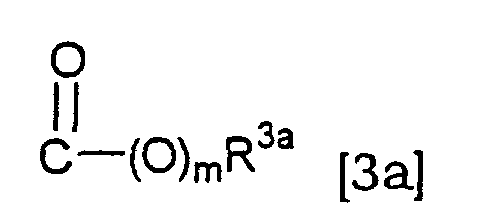
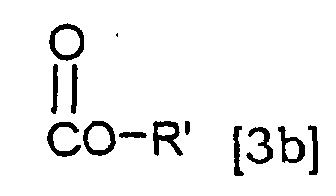
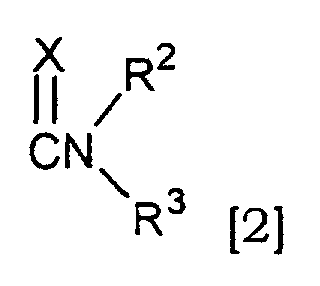
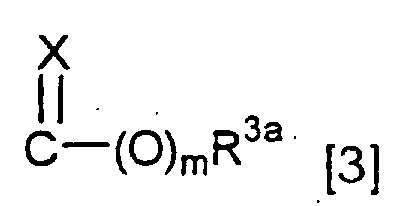
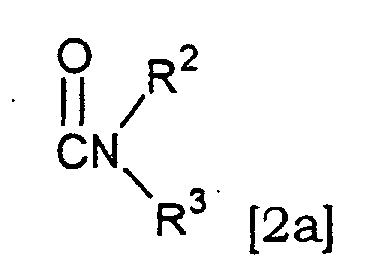
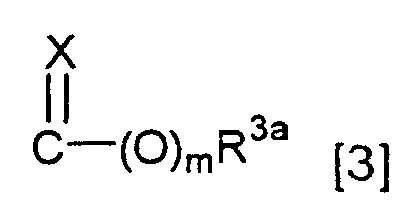
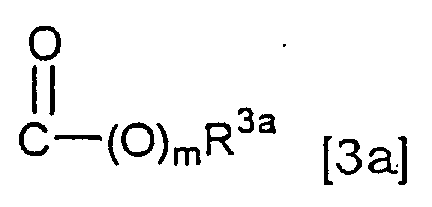
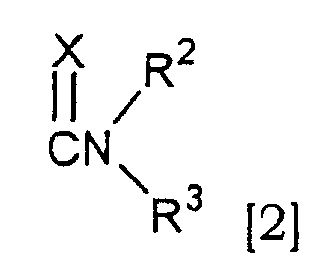
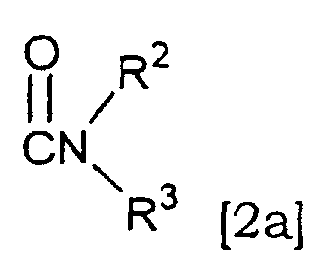
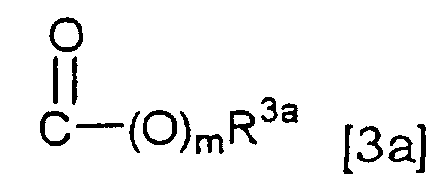
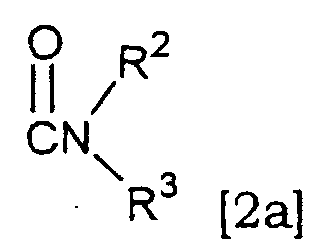
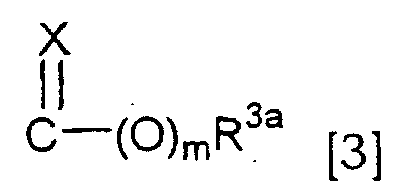
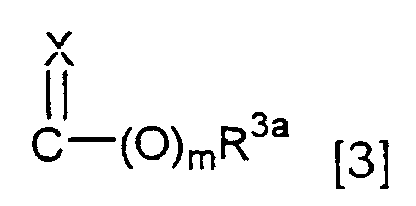
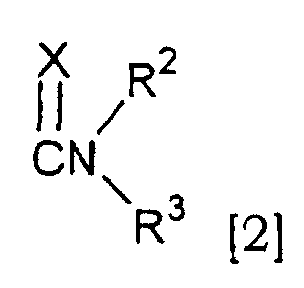
- R 0a and R 0b are respectively, hydroxy group, amino group, amidino group, guanidino group, a protecting group of mercapto group, a group represented by a following formula [2], wherein X, R 2 and R 3 are the same as defined above, or a group represented by a following formula [3], wherein X, m and R 3a are the same as defined above
- Z is chlorine atom, bromine atom or iodine atom.
- Compound 4 is prepared by the reaction of compound 2 and compound 3 in the presence of acid catalyst in an inactive solvent.
- the catalyst includes zinc chloride, zinc bromide, zinc iodide, tin(IV) chloride, trifluoromethanesulfonic acid trimethylsilyl ester, boron trifluoride diethy ether complex, etc.
- the inactive solvent includes dichloromethane, 1,2-dichloroethane, acetonitrile, monochlorobenzene, dioxane, tetrahydrofuran, benzene, toluene, etc.
- the reaction is carried out at -78 to +60°C, preferably -30 to +40°C.
- the starting material 3 is prepared by enol-etherifying various acetophenone derivatives or acetylthiophene derivatives prepared in accordance with known methods (e.g. Synthesis and reaction of organic compound [II] page 751-875 (1977), Sin Jikken Kagaku Kouza edited by The Chemical Society of Japan, Vol. 14 (Maruzen), or Organic Synthesis [III], Aldehyde ⁇ Ketone ⁇ Quinone, page 149-353 (1991), Sin Jikken Kagaku Kouza edited by The Chemical Society of Japan, 4th Edition (Maruzen)).
- a corresponding hemiacetal compound is prepared by heating compound 4 and compound 5A under dehydrated condition in an inactive solvent.
- the inactive solvent includes dichloromethane, 1,2-dichloroethane, monochlorobenzene, benzene, toluene, xylene, etc.
- reaction is carried out at +50 to +200°C, preferably +80 to +150°C.
- compound 4 and compound 5B are reacted in the presence of a base in an inactive solvent to give an imido compound and then the imido compound can be reduced to give a corresponding hemiacetal compound.
- the base includes triethylamine, diisopropylethylamine, N-methylmorpholine, etc.
- the inactive solvent used in imidation includes dichloromethane, 1,2-dichloroethane, monochlorobenzene, etc.
- the reaction temperature used in imidation is at -50 to +50°C, preferably -30 to +30°C.
- the reduction agent is preferably zinc, and the reduction is carried out preferably in a solvent such as a mixture of acetic acid and dichloromethane, a mixture of acetic acid and 1,2-dichloroethane, a mixture of acetic acid and monochlorobenzene, etc.
- the reaction temperature in reduction is at -50 to +50°C, preferably -30 to +30°C.
- hemiacetal compound is reacted with a chlorination agent, such as thionyl chloride, oxalyl chloride, phosphorous oxychloride, etc., to give compound 6.
- a chlorination agent such as thionyl chloride, oxalyl chloride, phosphorous oxychloride, etc.
- the chlorination reaction is carried out in the presence of a base, such as lutidine, pyridine, quinoline, diisopropylethylamine, triethylamine, etc., in an inactive solvent, such as ether, tetrahydrofuran, dichloromethane, etc.
- the reaction temperature is at -78 to +60°C, preferably -30 to +40°C.
- Compound 6 is reacted with triphenylphosphine in the presence of a base, such as lutidine, pyridine, quinoline, diisopropylethylamine, triethylamine, etc., in an inactive solvent, such as tetrahydrofuran, dioxane, dimethoxyethane, etc., to give compound 7.
- a base such as lutidine, pyridine, quinoline, diisopropylethylamine, triethylamine, etc.
- an inactive solvent such as tetrahydrofuran, dioxane, dimethoxyethane, etc.
- the removal of the protecting groups of hydroxy group in R 1a and a protecting group in R 0a is carried out, followed by re-protection of them to give compound 8.
- the removal of the protecting group and the introduction of the protecting group are carried out by conventional methods (See e.g., T. W. Greene: Protecting groups in Organic Synthesis, J. Wiley & Sons Inc., 1981).
- the cyclization reaction of compound 8 is carried out in an inactive solvent, such as benzene, toluene, xylene, etc., at +80 to +200°C to give compound 9.
- an inactive solvent such as benzene, toluene, xylene, etc.
- the protecting group in R 0b of compound 9 is removed, if necessary followed by subjecting to a known chemical reaction (acylation, carbamate-formation, urea-formation, etc.) to give compound 10.
- acylation, carbamate-formation, urea-formation, etc. The removal of the protecting group is carried out by conventional methods (See e.g., T. W. Greene: Protecting groups in Organic Synthesis, J. Wiley & Sons Inc., 1981).
- Carbapenem 1 can be prepared by removing a protecting group of carboxyl group in R 9 of compound 9 and when hydroxy group in R 1b is protected, by removing the protecting group.
- the removal of the protecting group is carried out by conventional methods, namely by treating with an acid, a base, a reduction agent, etc. (See e.g., T. W. Greene: Protecting groups in Organic Synthesis, J. Wiley & Sons Inc., 1981).
- R 0b is a protecting group of hydroxy group, amino group, amidino group, guanidino group or mercapto group
- a subsequent known chemical reaction (acylation, carbamate-formation, urea-formation) may be carried out, if necessary.
- the reaction solvent is not limited as long as it is an inactive solvent, and preferably dimethyl formamide, dimethyl sulfoxide, hexamethylphosphoramide, acetonitrile, dioxane, tetrahydrofuran, acetone, etc.
- the carboxylic acid salt includes preferably sodium salt and potassium salt.
- the reaction temperature is at -78 to +100°C, preferably -20 to +50°C.
- R 0b is a protecting group of hydroxy group, amino group, amidino group, or mercapto group
- a subsequent known chemical reaction (acylation, carbamate-formation, urea-formation) may be carried out, if necessary.
- reaction product is isolated by a conventional organic procedure, but when a water soluble product is obtained, a solution of the reaction mixture is neutralized, and the solution is subjected to a column chromatography using absorption resin, etc. and parts which an object compound is eluted are separated and lyophilized to give a reaction product.
- the process for preparation of the carbapenem compound is not limited by the above preparation methods.
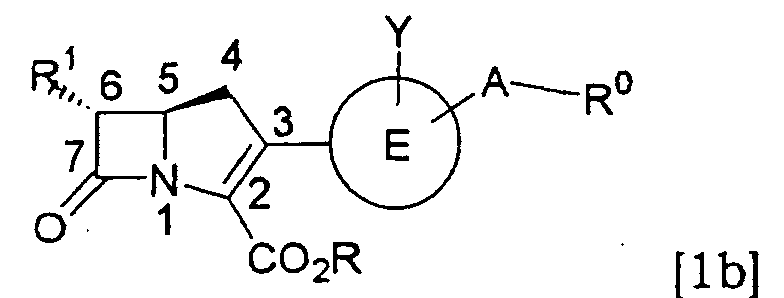
- the preferable isomers are ones wherein the 5-carbon atom has an R-configuration such as (5R, 6R)-compounds or (5R, 6S)-compounds. More preferable compounds are ones represented by a following formula [1b],
- R 1 is 1-hydroxyethyl group
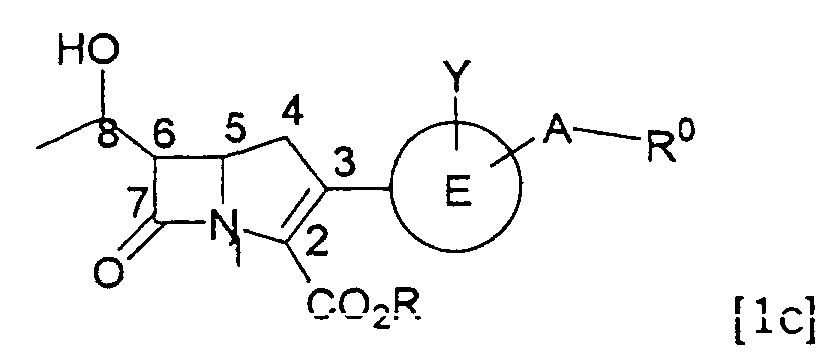
- isomers having an R-configuration and an S-configuration at the position 8 as shown in a following formula [1c] there are isomers having an R-configuration and an S-configuration at the position 8 as shown in a following formula [1c], and an isomer having the R-configuration is preferable.
- a side chain at the position 3 is not limited, and meta or para position is preferable in case of the benzene ring.
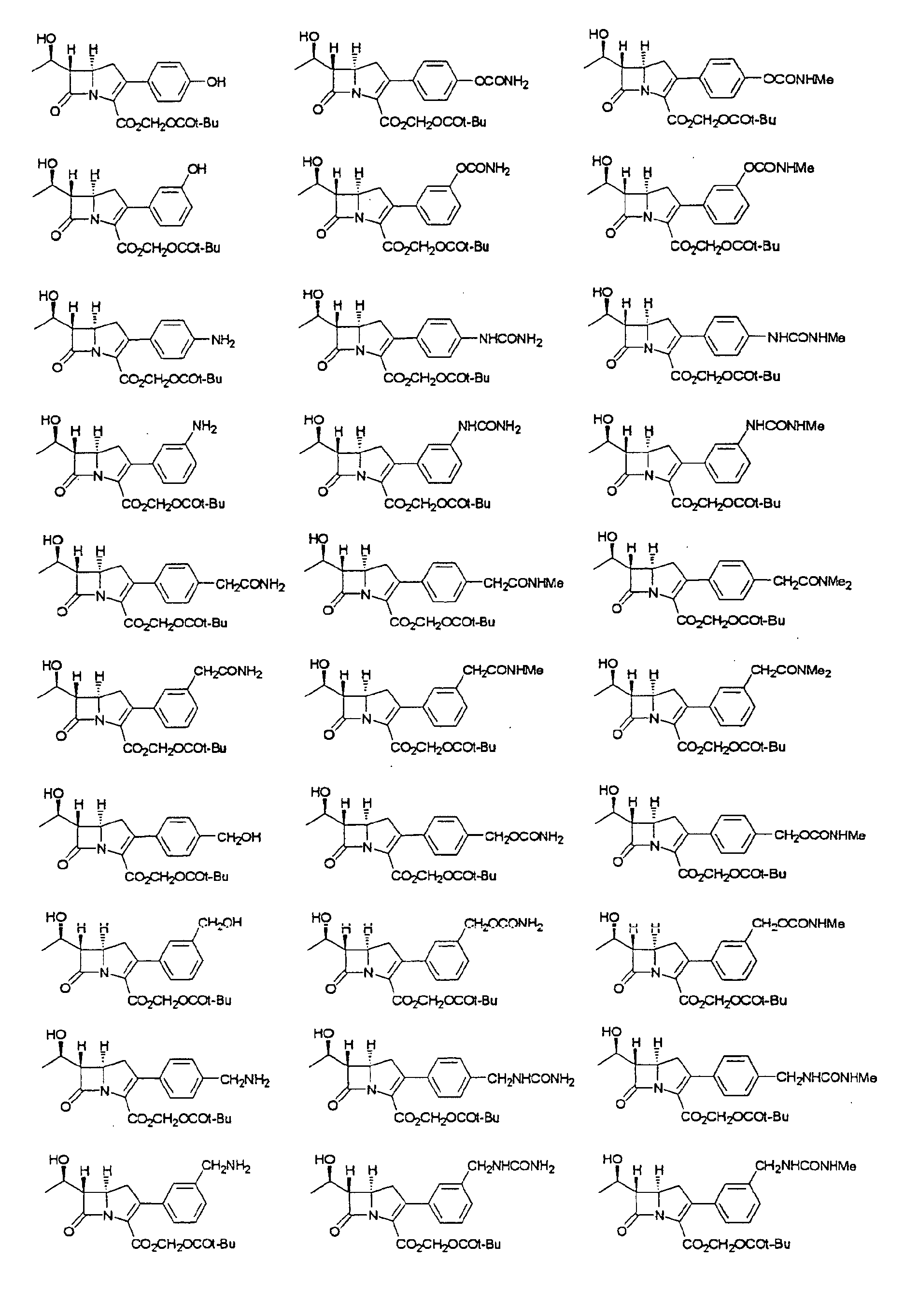
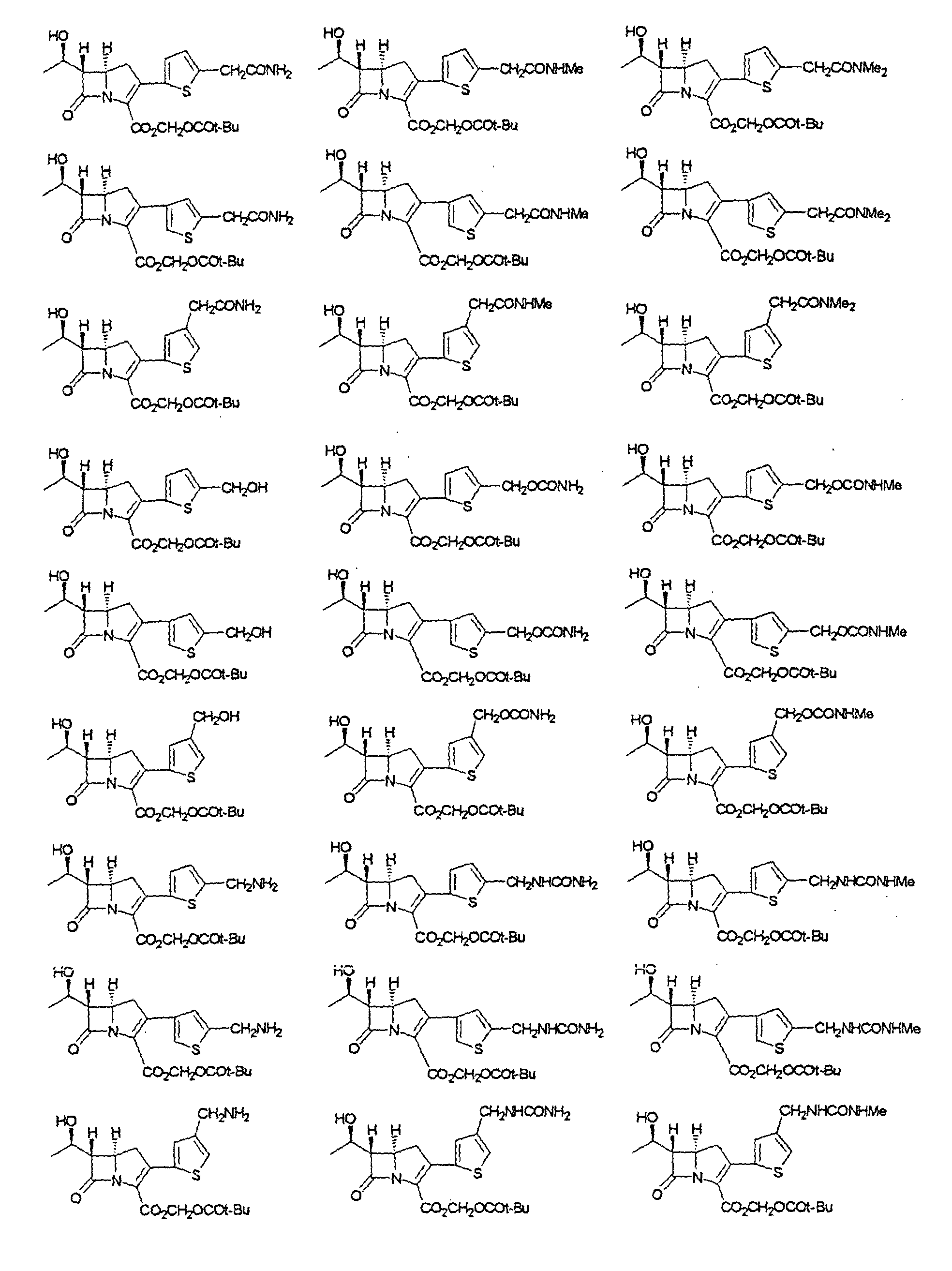
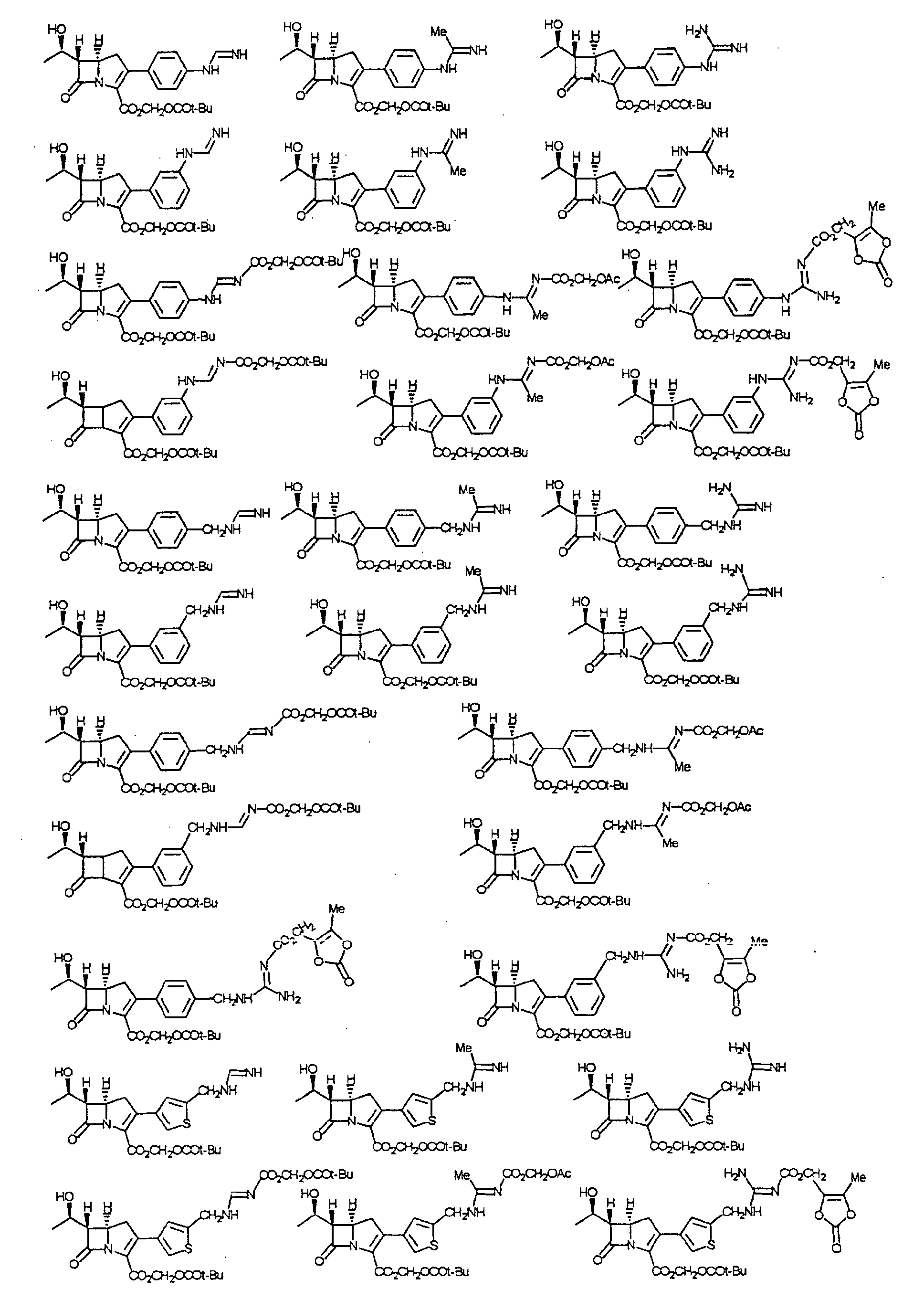
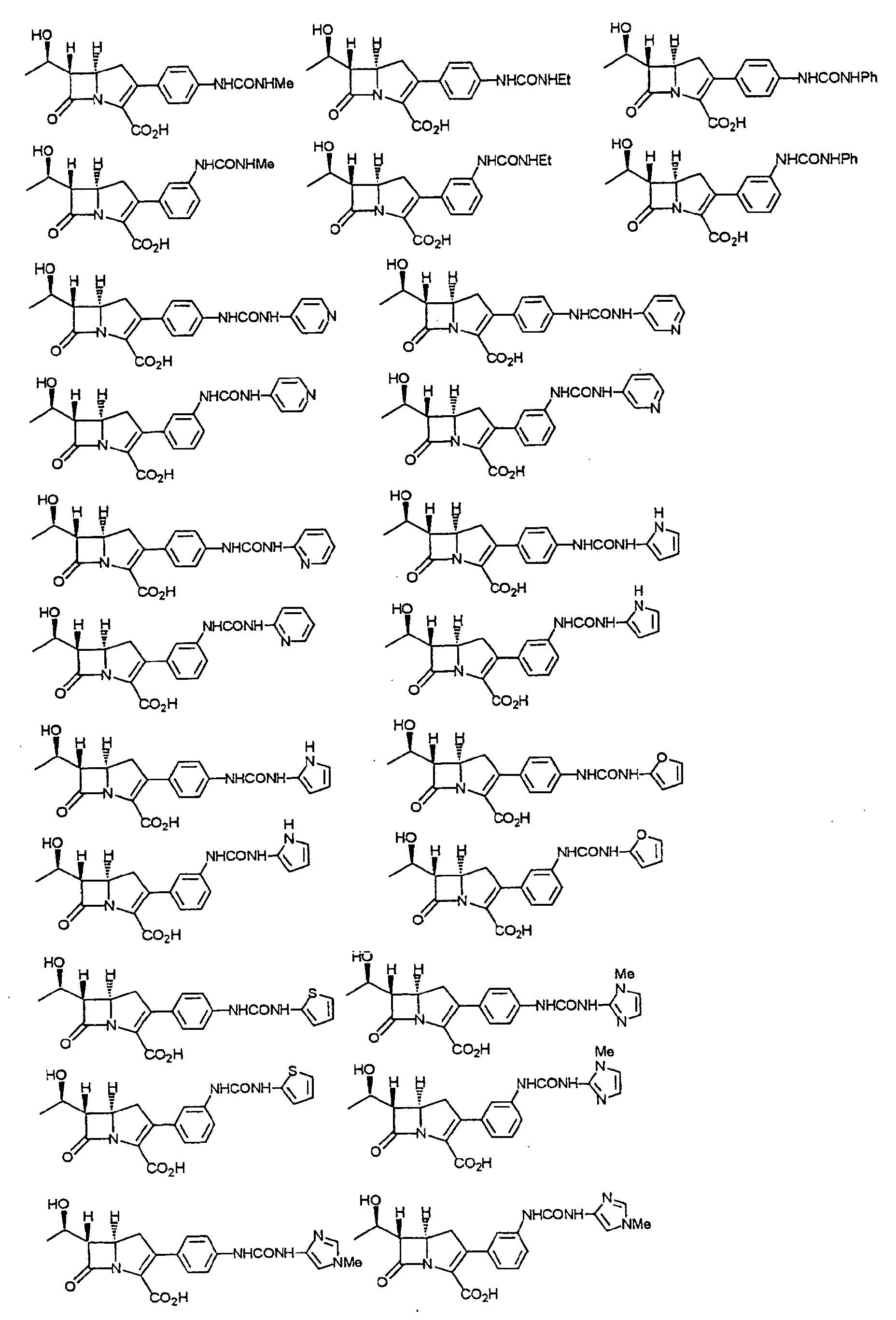
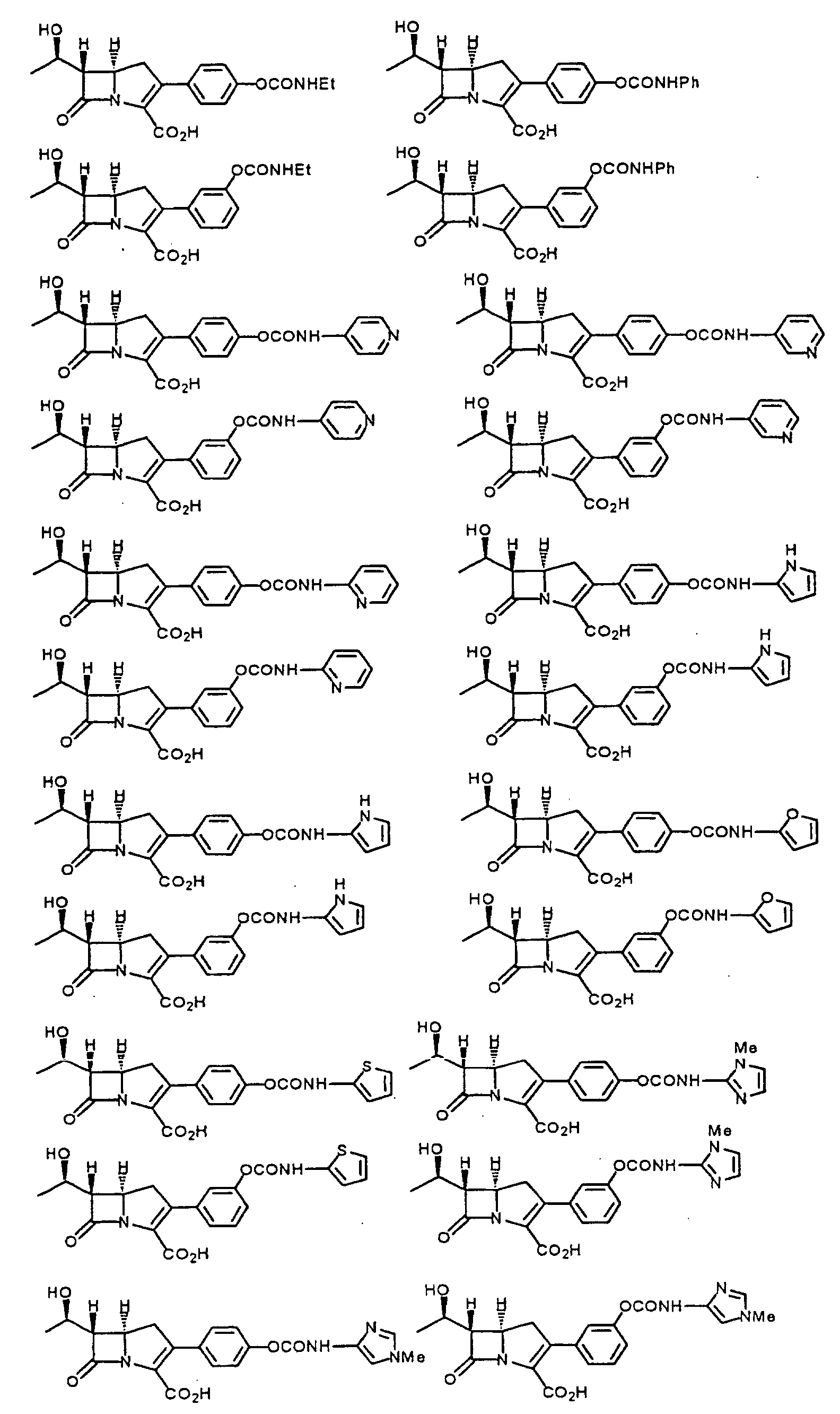
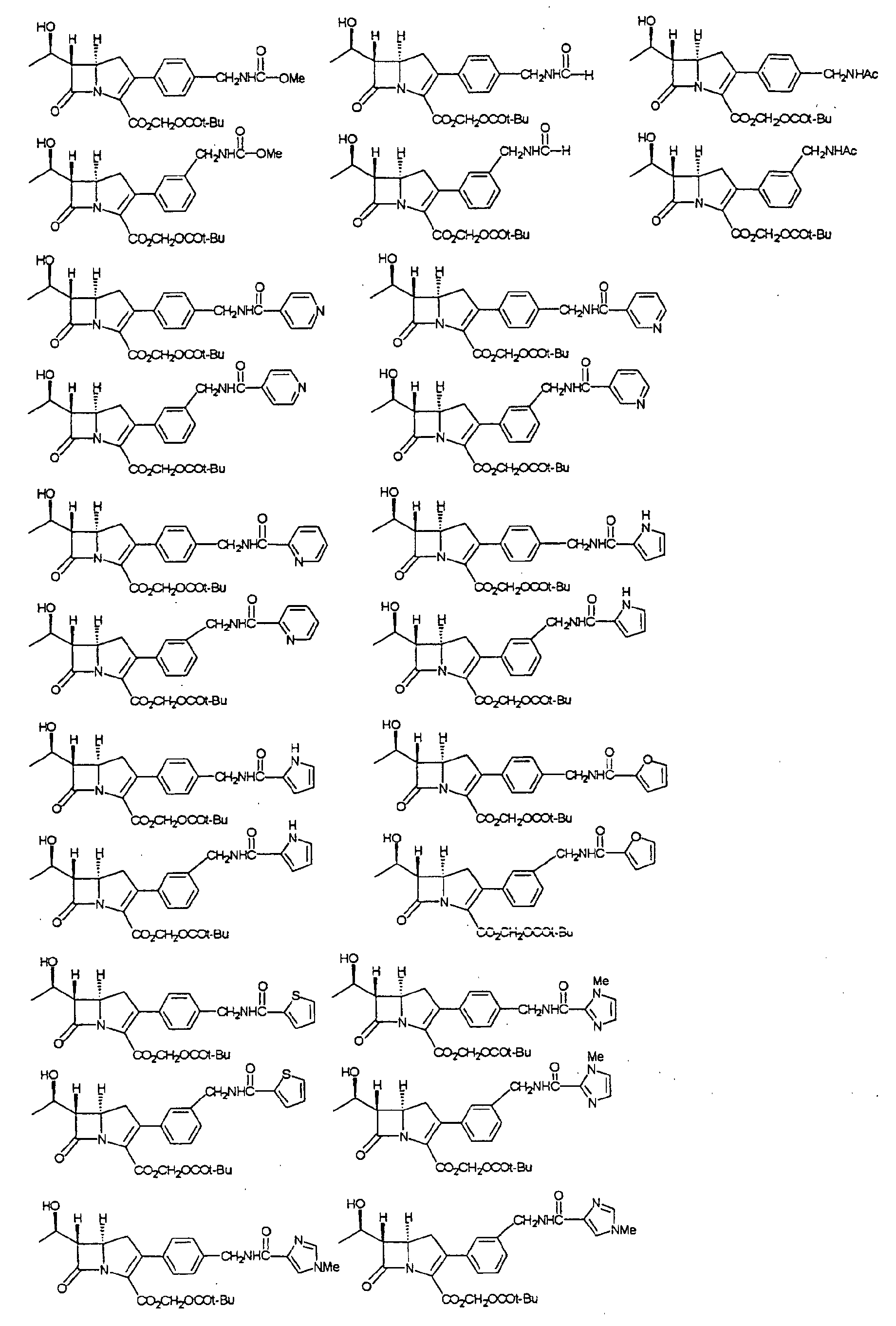
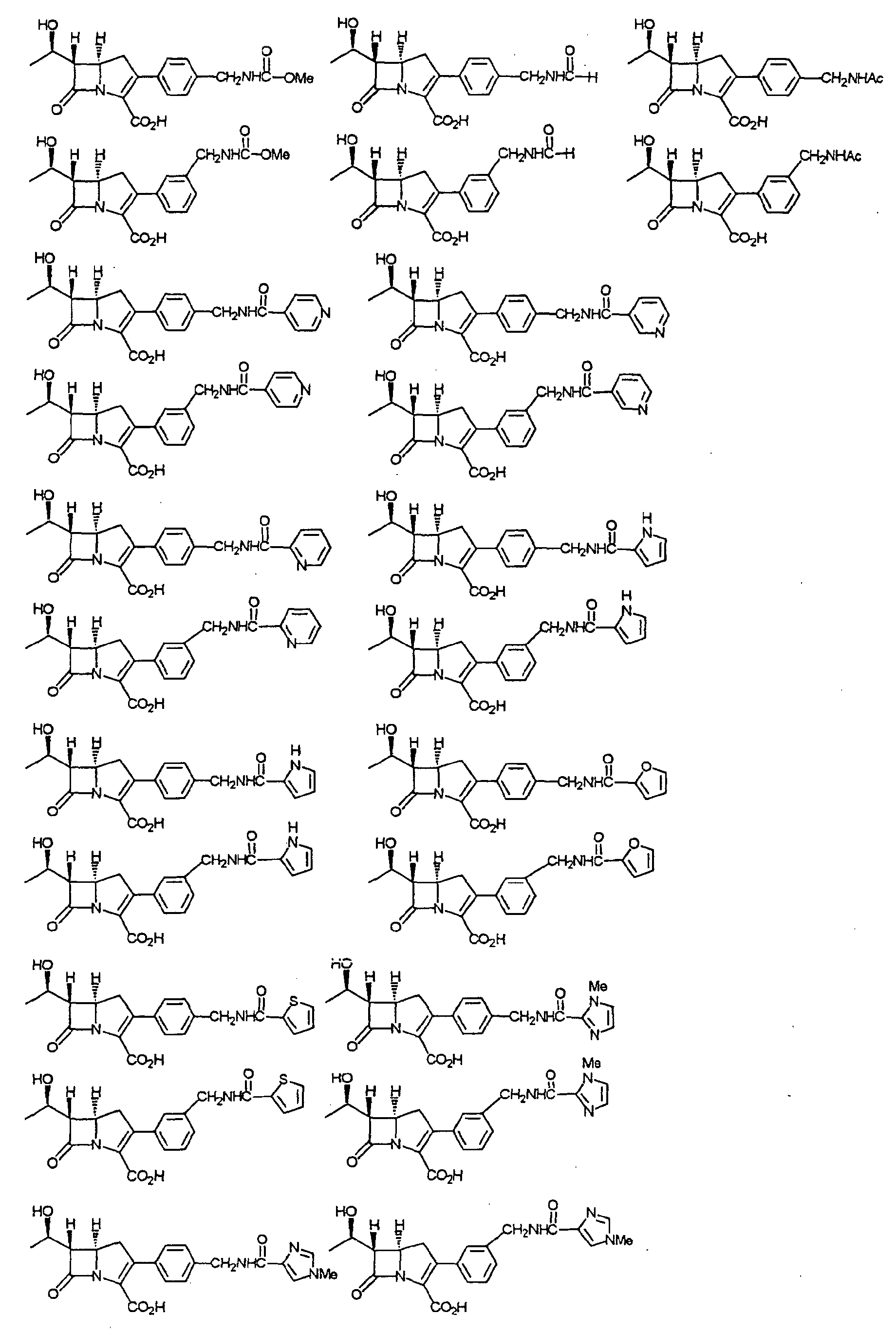
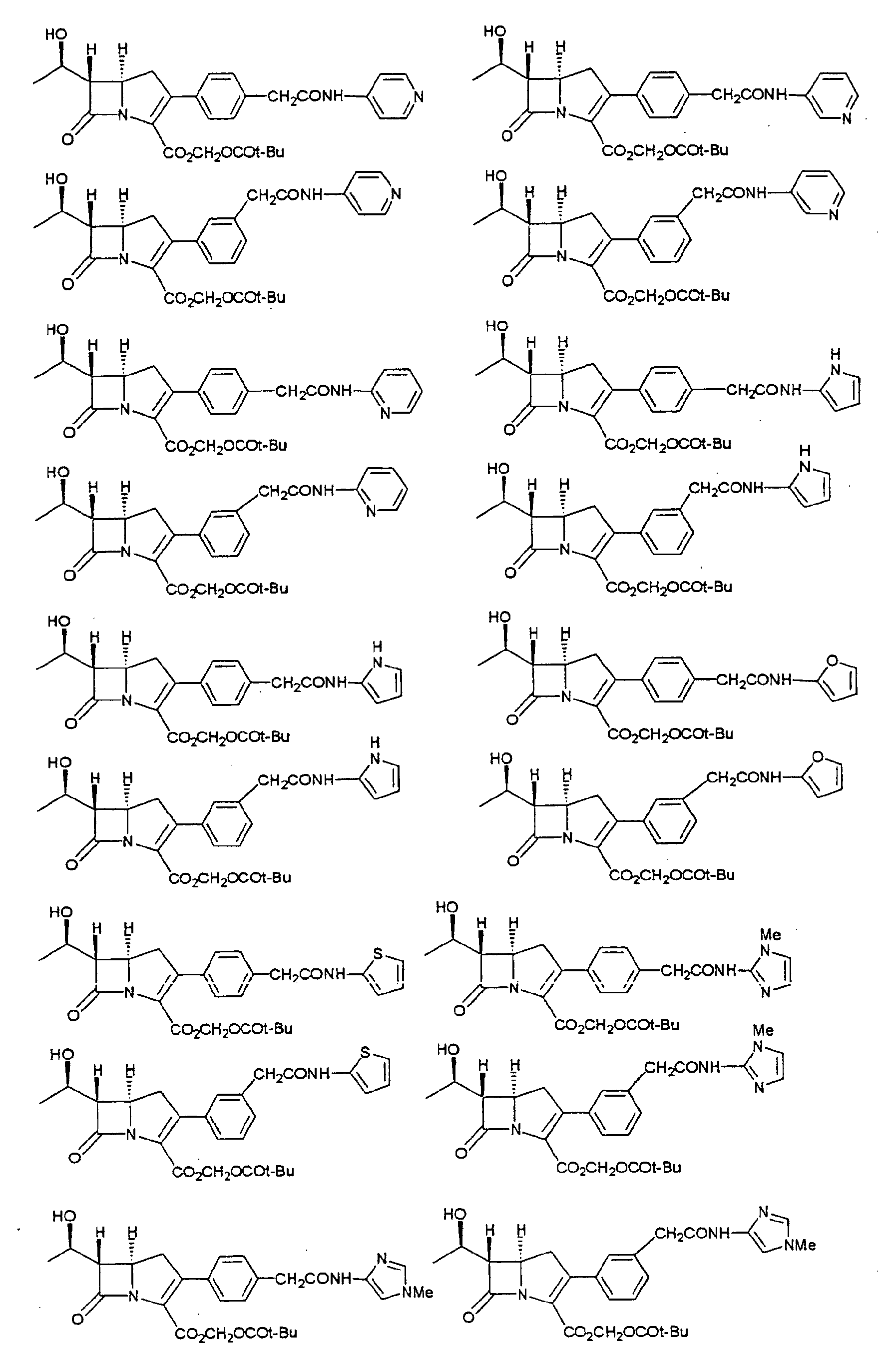
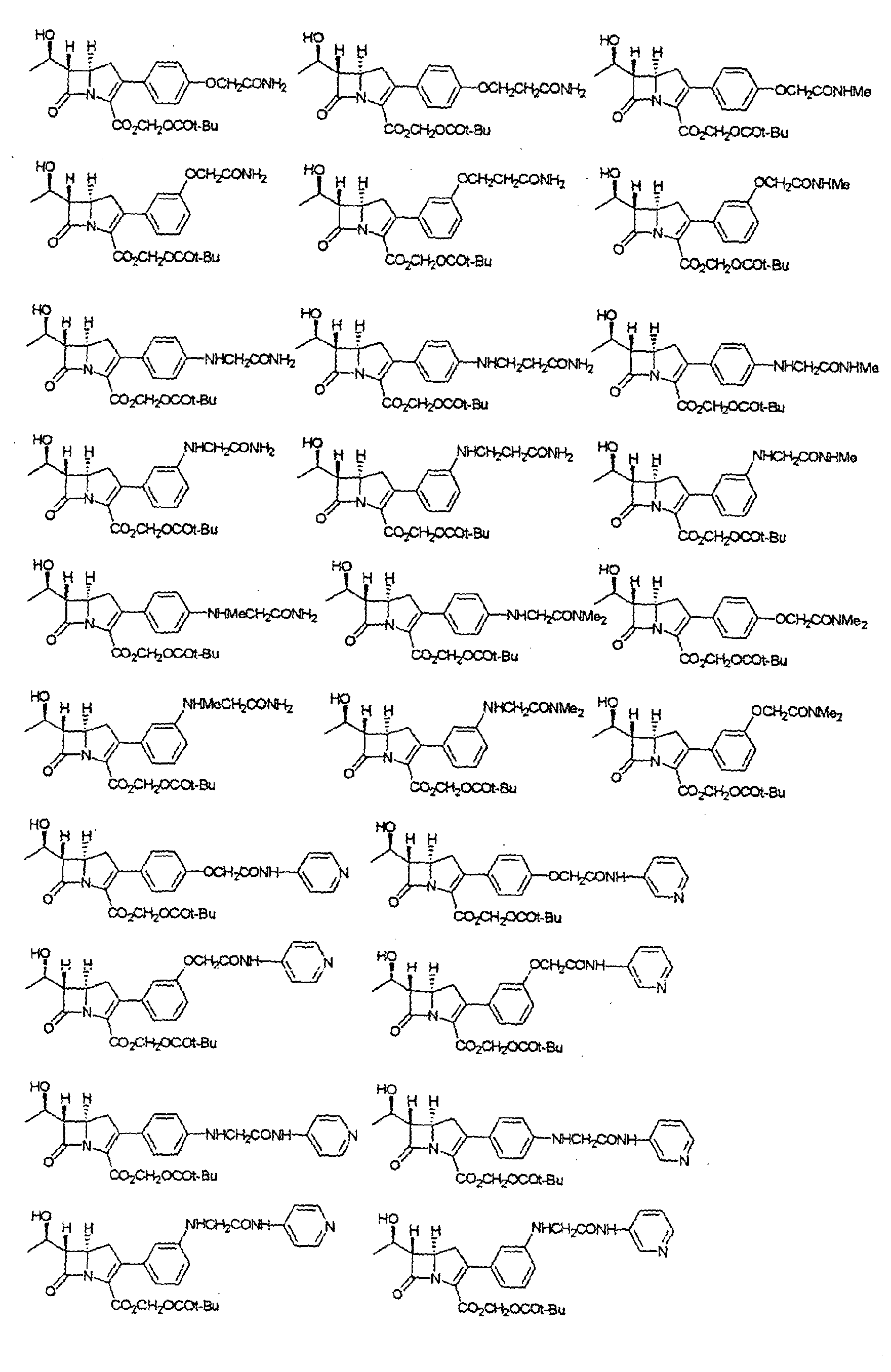
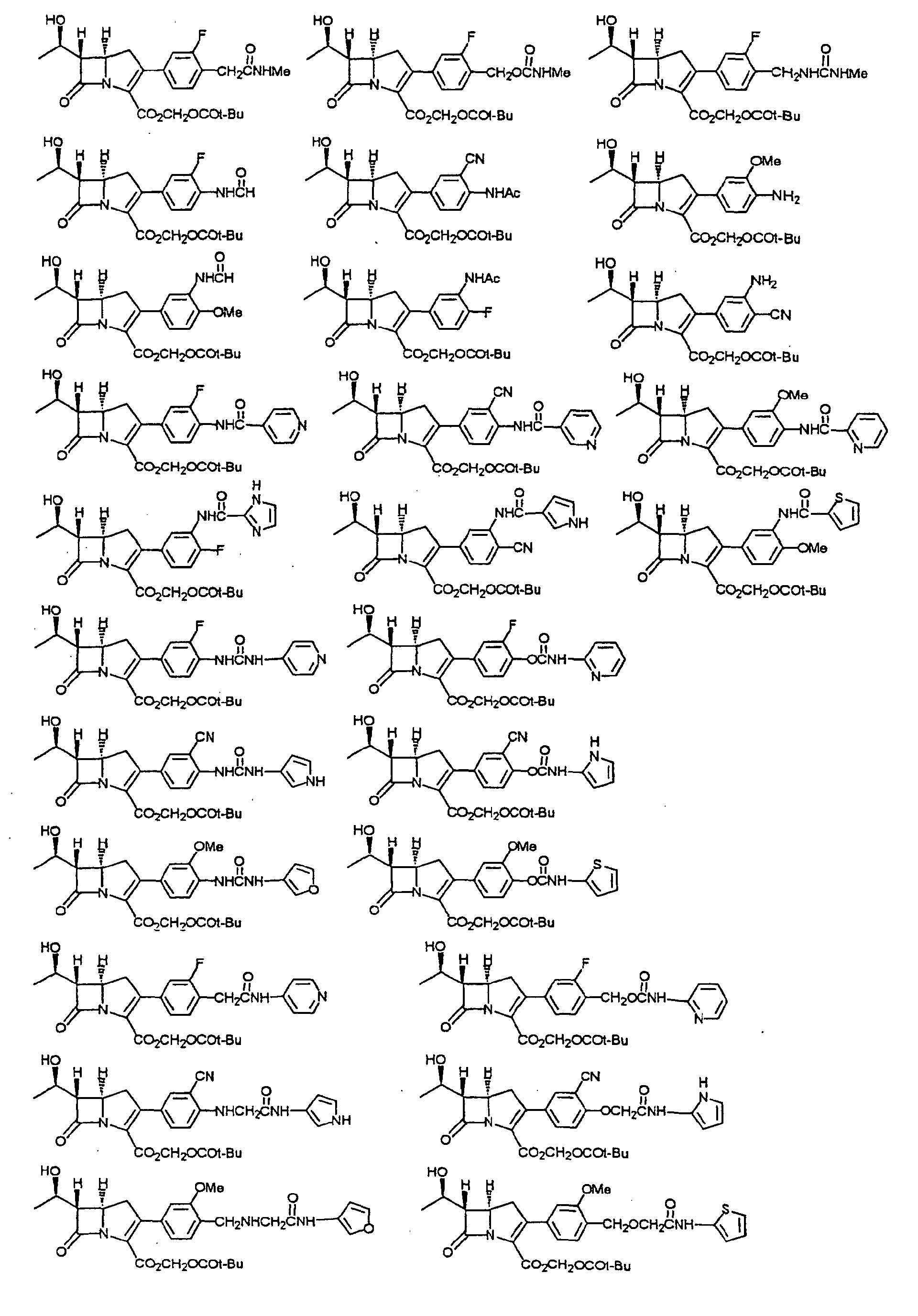
- the carbapenem compound of the present inventions can be illustrated by following examples 1 to 72.
- the compounds illustrated above have stereoisomers as described above or else stereoisomers based on asymmetric carbon atoms, and the compounds include all these isomers.
- carbapenem compounds selected from the following compounds can be prepared.
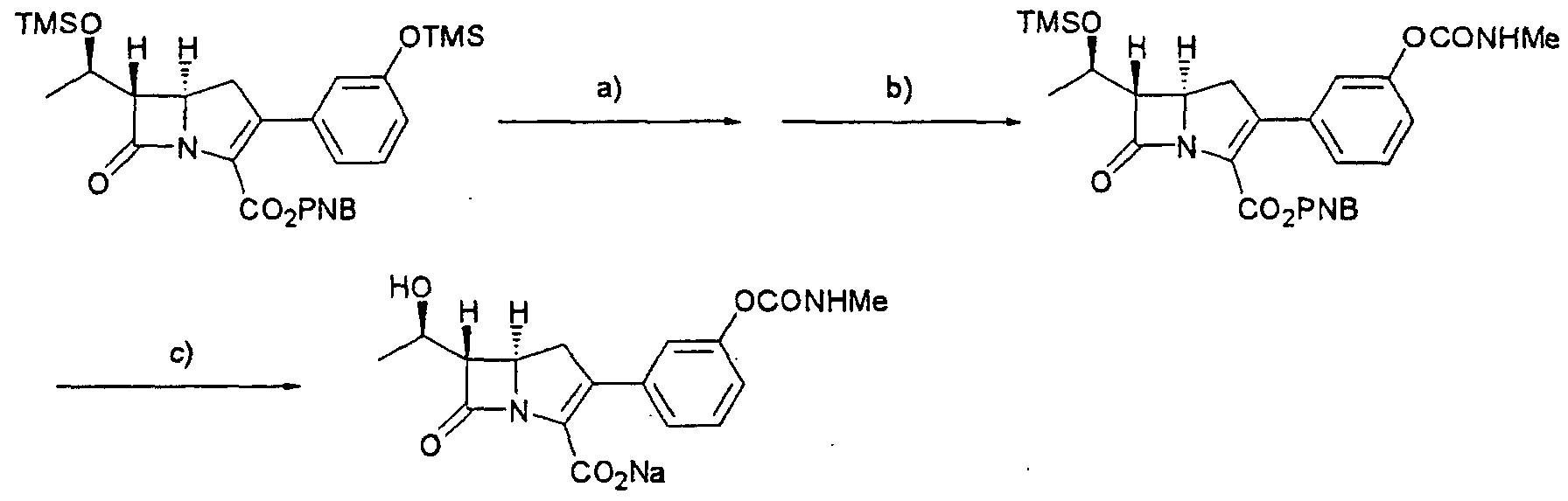
- Toluene (50ml) was added to 4-nitrobenzyl ((3 S,4 R)-2-oxo-4-(2-oxo-2- ⁇ 3-[(trimethylsilyl)oxy]phenyl ⁇ ethyl)-3- ⁇ (1R)-1-[(trimethylsilyl)oxy]ethyl ⁇ azetidin-1-yl)(triphenylphosphoranilidene)acetate prepared in the above step and 2,6-di-tert-butyl-p-cresol (catalytic amount), and the mixture was stirred for 2.5 hours in an oil bath at 100°C. Then the temperature was raised to 130°C and the mixture was stirred for 6.5 hours.
- Zinc dust (1.49g) was added thereto and the mixture was vigorously stirred for an hour under ice cooling and for additional an hour at room temperature.
- the insoluble materials were removed with celite and washed with water and chloroform. Then, the filtrate and the washed solvent were combined to separate by a separating funnel.
- the aqueous layer was washed with chloroform, twice separated with a separating funnel and an organic solvent in the aqueous layer was removed under reduced pressure.
- the aqueous solution was purified by polymer chromatography (CHP-20P), and the fractions eluted with water were collected to be subjected to freeze-drying to give sodium (5R,6S)-6-[(1R)-1-hydroxyethyl]-3-(hydroxyphenyl)-7-oxo-1-azabicyclo[3.2.0]hept-2-ene-2-carboxylate (14mg).
- the reaction mixture was poured into a mixture of a cold aqueous sodium hydrogencarbonate (72mg) and ethyl acetate. The mixture was extracted and separated by a separating funnel. The organic layer was washed with a cold saturated aqueous sodium chloride solution (three times) and cold water in the order, and dried over anhydrous sodium sulfate. The solvent was removed under reduced pressure to give 4-nitrobenzyl (5R,6S)-3-(3-hydroxyphenyl)-7-oxo-6- ⁇ (1R)-1-[(trimethylsilyl)oxy]ethyl ⁇ -1-azabicyclo[3.2.0]hept-2-ene-2-carboxylate. This product was used in the next step without further purification.
- step c) of example 2 starting from 4-nitrobenzyl (5R,6S)-3-(3- ⁇ [(methylamino)carbonyl]oxy ⁇ phenyl)-7-oxo-6- ⁇ (1R)-1-[(trimethylsilyl)oxy]ethyl ⁇ -1-azabicyclo[3.2.0]hept-2-ene-2-carboxylate (270mg), there was obtained sodium (5R,6S)-6-[(1R)-1-hydroxyethyl]-3-(3- ⁇ [(methylamino)carbonyl]oxy ⁇ phenyl)-7-oxo-1-azabicyclo[3.2.0]hept-2-ene-2-carboxylate (66mg).
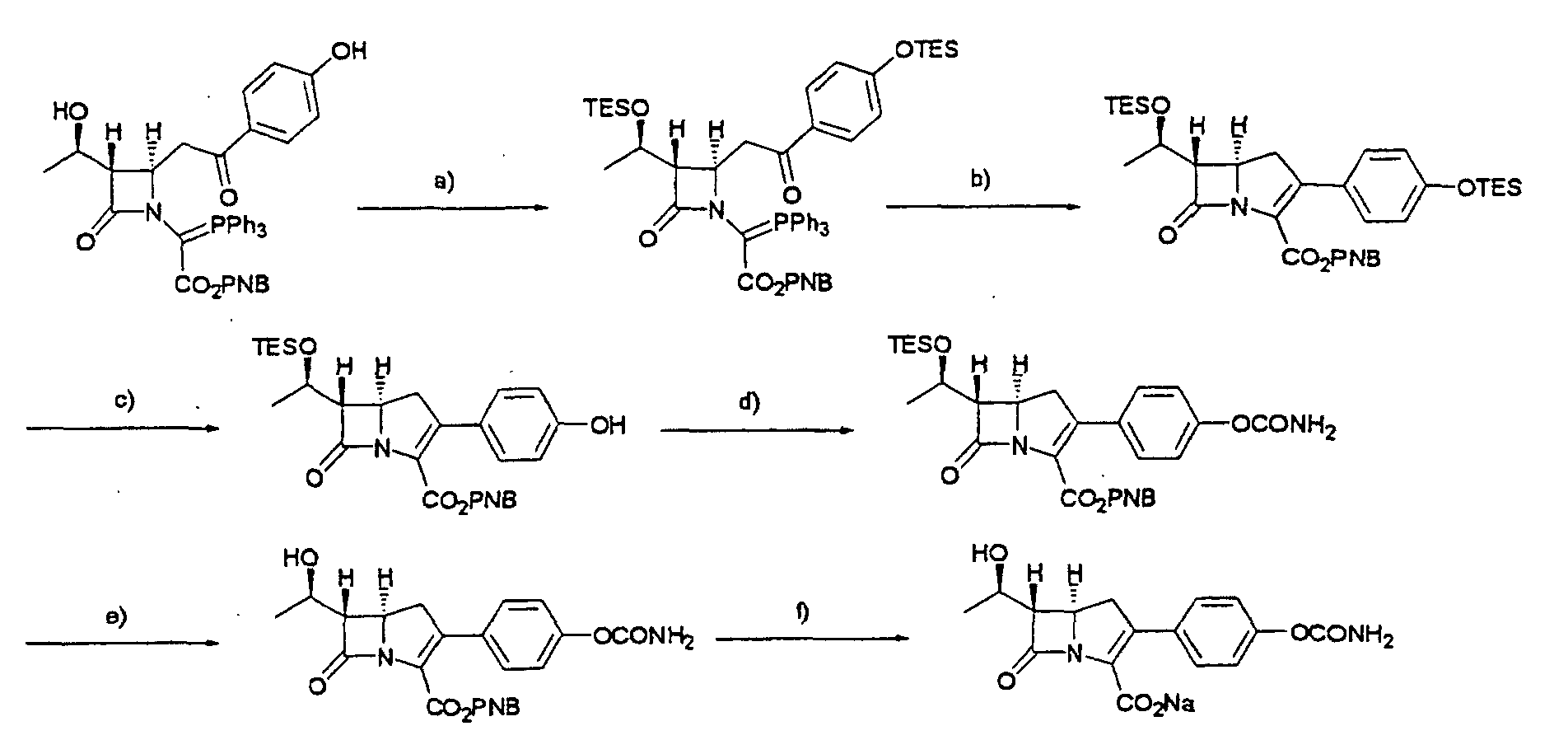
- step c) of example 2 starting from 4-nitrobenzyl (5R,6S)-3-(4- ⁇ [(methylamino)carbonyl]oxy ⁇ phenyl)-7-oxo-6- ⁇ (1R)-1-[(trimethylsilyl)oxy]ethyl ⁇ -1-azabicyclo[3.2.0]hept-2-ene-2-carboxylate (340mg), there was obtained sodium (5R,6S)-6-[(1R)-1-hydroxyethyl]- 3-(4- ⁇ [(methylamino)carbonyl]oxy ⁇ phenyl)-7-oxo-1-azabicyclo[3.2.0]hept-2-ene-2-carboxylate (112mg).
- step a) of example 2 by using chlorotriethylsilane (3.20g) instead of chlorotrimethylsilane and starting from 4-nitrobenzyl ⁇ (2R,3S)-3-[(1R)-1-hydroxyethyl]-2-[2-(4-hydroxyphenyl)-2-oxoethyl]-4-oxoazetidin-1-yl ⁇ (triphenylphosphoranilidene)acetate (1.90g), there was obtained 4-nitrobenzyl ((3S,4R)-2-oxo-4-(2-oxo-2- ⁇ 4-[(triethylsilyl)oxy]phenyl ⁇ ethyl)-3- ⁇ (1R)-1-[(triethylsilyl)oxy]ethyl ⁇ azetidin-1-yl)(triphenylphosphoranilidene)acetate. This product was used in the next step without further purification.
- step c) of example 2 starting from 4-nitrobenzyl (5R,6S)-3- ⁇ 4-[(aminocarbonyl)oxy]phenyl ⁇ -6-[(1R)-1-hydroxyethyl]-7-oxo-1-azabicyclo[3.2.0]hept-2-ene-2-carboxylate (11mg), there was obtained sodium (5R,6S)-3- ⁇ 4-[(aminocarbonyl)oxy]phenyl ⁇ -6-[(1R)-1-hydroxyethyl]-7-oxo-1-azabicyclo[3.2.0]hept-2-ene-2-carboxylate (4mg).
- step b of example 1 by using allyl ((2R, 3S)-3-((1R)-1- ⁇ [(allyloxy)carbonyl]oxy ⁇ ethyl)-2- ⁇ 2-[3-( ⁇ [(methylamino)carbonyl]amino ⁇ methyl)phenyl]-2-oxoethyl ⁇ -4-oxoazetidin-1-yl)(triphenylphosphoranilidene)acetate (94mg) prepared by reference example 7, there was obtained allyl (5R,6S)-6-((1R)-1- ⁇ [(allyloxy)carbonyl]oxy ⁇ ethyl)-3-[3-( ⁇ [(methylamino)carbonyl]amino ⁇ methyl)phenyl]-7-oxo-1-azabicyclo[3.2.0]hept-2-ene-2-carboxylate (25mg).
- the aqueous solution was purified by polymer chromatography (CHP-20P) and fractions eluted with water alone were collected and subjected to freeze-drying to give sodium (5R,6S)-6-[(1R)-1-hydroxyethyl]-3-[3-( ⁇ [(methylamino)carbonyl]amino ⁇ methyl)phenyl]-7-oxo-1-azabicyclo[3.2.0]hept-2-ene-2-carboxylate (1.4mg).
- step a) The compound (0.24g) prepared in step a) was dissolved in THF/water (12ml/3ml), and thereto was added under ice cooling 1N hydrochloric acid to adjust pH 2.5. The solution was stirred for 1 hour. Thereto were added pH 6.86 phosphate buffer (15ml) and a saturated aqueous sodium chloride solution (15ml), and the mixture was extracted with ethyl acetate (3 X 20ml). The organic layer were combined, dried over magnesium sulfate, and filtered. The solvent was removed under reduced pressure to give a yellow oil (0.24g).
- step b) of example 2 by using the compound prepared in step a), there was obtained allyl (5R,6S)-3-(4- ⁇ [(aminocarbonyl)amino]methyl ⁇ phenyl)-7-oxo-6- ⁇ (1R)-1-[(trimethylsilyl)oxy]ethyl ⁇ -1-azabicyclo[3.2.0]hept-2-ene-2-carboxylate (0.
- step b) of example 17 by using the compound (0. 14g) prepared in step b), there was obtained crude sodium (5R,6S)-3-(4- ⁇ [(aminocarbonyl)amino]methyl ⁇ phenyl)-6-[(1R)-1-hydroxyethyl]-7-oxo-1-azabicyclo[3.2.0]hept-2-ene-2-carboxylate (0.16g).
- the product was purified by polymer chromatography (CHP-20P) and fractions eluted with water alone were collected and subjected to freeze-drying to give the object compound (0.02g).
- IR (ATR) 3356 2970, 1774, 1751, 1637, 1558, 1481, 1458, 1414, 1338, 1265, 1192, 1153, 1122, 1095, 1022, 991, 978, 943, 816, 752, 665cm -1 .
- step a) and step b) of example 2 from allyl [(2R,3S)-2-[2-(4- ⁇ [(allyloxy)carbonyl]amino ⁇ phenyl)-2-oxoethyl]-3-[(1R)-1-hydroxyethyl]-4-oxoazetidin-1-yl](triphenylphosphoranilidene)acetate, there was obtained allyl (5R,6S)-3-(4- ⁇ [(allyloxy)carbonyl]amino ⁇ phenyl)-7-oxo-6- ⁇ (1R)-1-[(trimethyisilyl)oxy]ethyl ⁇ -1-azabicyclo[3.2.0]hept-2-ene-2-carboxylate.
- step a) and step b) of example 2 from allyl [(2R,3S)-3-[(1R)-1-hydroxyethyl]-2-(2- ⁇ 4-[2-(methylamino)-2-oxoethyl]phenyl ⁇ -2-oxoethyl)-4-oxoazetidin-1-yl](triphenylphosphoranilidene)acetate, there was obtained allyl (5R,6S)-3- ⁇ 4-[2-(methylamino)-2-oxoethyl]phenyl ⁇ -7-oxo-6- ⁇ (1R)-1-[(trimethylsilyl)oxy]ethyl ⁇ -1-azabicyclo[3.2.0]hept-2-ene-2-carboxylate.
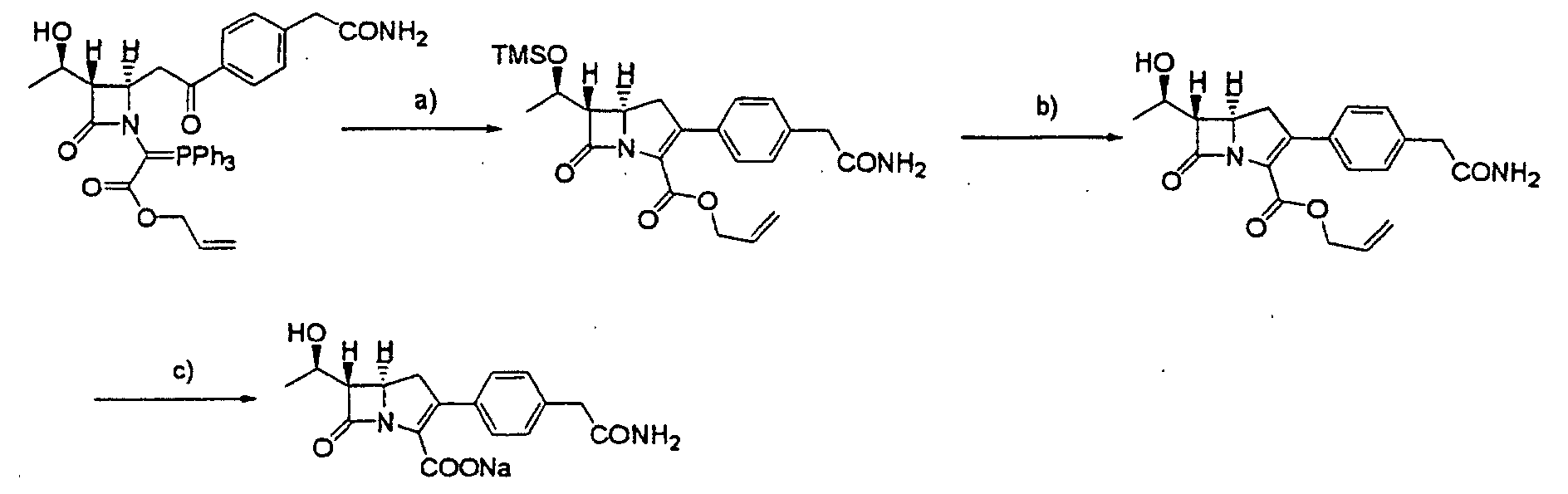
- step a) and step b) of example 2 from allyl [(2R,3S)-2- ⁇ 2-[4-(2-amino-2-oxoethyl)phenyl]-2-oxoethyl ⁇ -3-[(1R)-1-hydroxyethyl]-4-oxoazetidin-1-yl](triphenylphosphoranilidene) acetate, there was obtained allyl (5R,6S)-3-[4-(2-amino-2-oxoethyl)phenyl]-7-oxo-6- ⁇ (1R)-1-[(trimethylsilyl)oxy]ethyl ⁇ -1-azabicyclo[3.2.0]hept-2-ene-2-carboxylate.
- step a) and step b) of example 2 by using allyl [(2R, 3S)-3-[(1R)-1-hydroxyethyl]-2-(2- ⁇ 3-[2-(methylamino)-2-oxoethyl]phenyl ⁇ -2-oxoethyl)-4-oxoazetidin-1-yl](triphenylphosphoranilidene)acetate, there was obtained allyl (5R,6S)-3- ⁇ 3-[2-(methylamino)-2-oxoethyl]phenyl ⁇ -7-oxo-6- ⁇ (1R)-1-[(trimethylsilyl)oxy]ethyl ⁇ -1-azabicyclo[3.2.0]hept-2-ene-2-carboxylate.
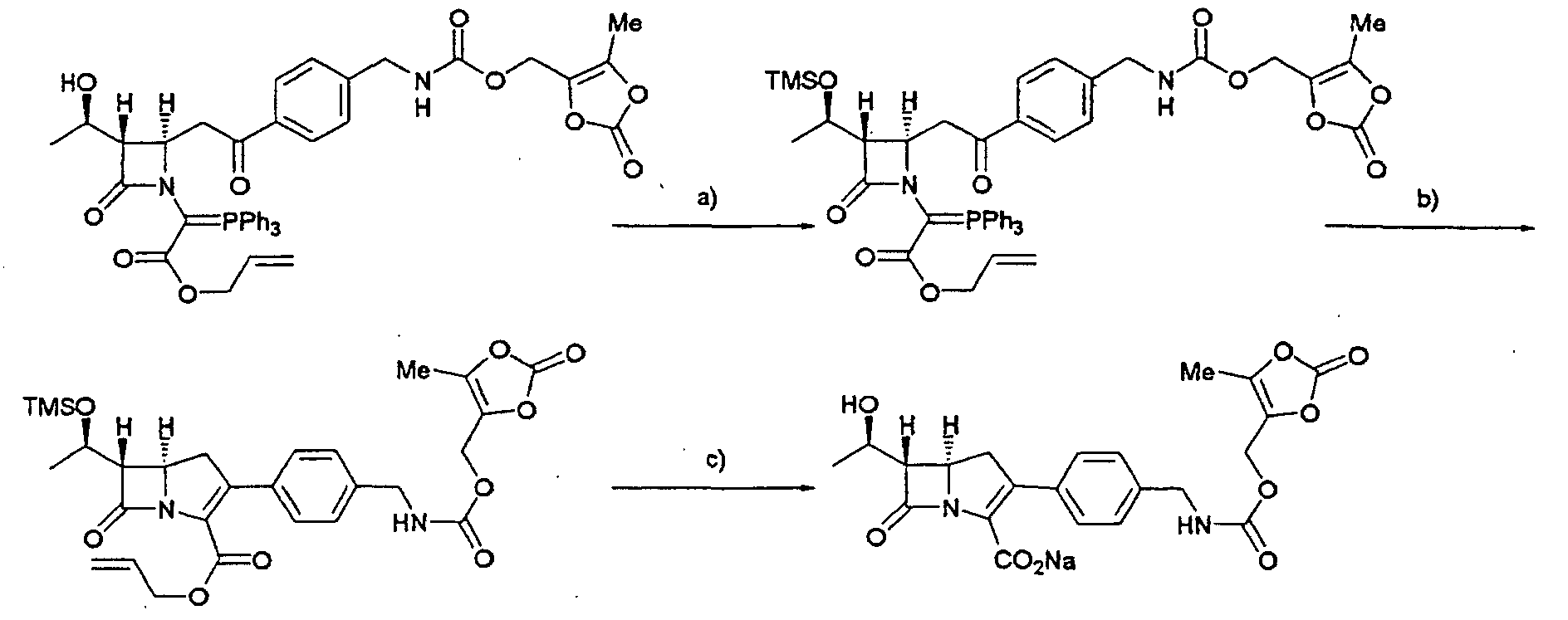
- step a) of example 2 by using allyl [(2R,3S)-3-[(1R)-1-hydroxyethyl]-2-(2- ⁇ 4-[( ⁇ [(5-methyl-2-oxo-1,3-dioxo-4-yl)methoxy]carbonyl ⁇ amino)methyl]phenyl ⁇ -2-oxoethyl)-4-oxoazetidin-1-yl](triphenylphosphoranilidene)acetate (0.52g) prepared by reference example 26, there was obtained allyl [(2R,3S)-3-[(1R)-1-( ⁇ trimethylsilyl ⁇ oxy)ethyl]-2-(2- ⁇ 4-[( ⁇ [(5-methyl-2-oxo-1,3-dioxo-4-yl)methoxy]carbonyl ⁇ amino)methyl]phenyl ⁇ -2-oxoethyl)-4-oxoazetidin-1-yl
- step b) of example 2 by using a compound prepared in the above step, there was obtained allyl (5R,6S)-3- ⁇ 4-[( ⁇ [(5-methyl-2-oxo-1,3-dioxo-4-yl)methoxy]carbonyl ⁇ amino)methyl]phenyl ⁇ -7-oxo-6- ⁇ (1R)-1-[(trimethylsilyl)oxy]ethyl ⁇ -1-azabicyclo[3.2.0]hept-2-ene-2-carboxylate (0.21g).
- step b) of example 17 by using the compound (0.05g) prepared in the above step b), there was obtained crude sodium (5R,6S)-6-[(1R)-1-hydroxyethyl]-3- ⁇ 4-[( ⁇ [(5-methyl-2-oxo-1,3-dioxo-4-yl)methoxy]carbonyl ⁇ amino)methyl]phenyl ⁇ -7-oxo-1-azabicyclo[3.2.0]hept-2-ene-2-carboxylate (0.01g), and the crude product was purified by polymer chromatography (CHP-20P) and fractions eluted with THF 2 ⁇ 8% were collected and subjected to freeze-drying to give the object compound (0.01g).
- CHP-20P polymer chromatography
- step b) of example 2 from allyl [(3S,4R)-3-[(1R)-1-hydroxyethyl]-2-oxo-4-(2-oxo-2- ⁇ 4-[(pyridin-3-ylcarbonyl)amino]phenyl ⁇ ethyl)azetidin-1-yl](triphenylphosphoranilidene)acetate (3.32g) prepared by reference example 32, there was obtained allyl ((3S,4R)-2-oxo-4-(2-oxo-2- ⁇ 4-[(pyridin-3-ylcarbonyl)amino]phenyl ⁇ ethyl)-3- ⁇ (1R)-1-[(trimethylsilyl)oxy]ethyl ⁇ azetidin-1-yl)( triphenylphosphoranilidene)acetate (2.80g).
- step b) of example 2 The product without purification was treated in the same manner as step b) of example 2 to give allyl (5R,6S)-7-oxo-3- ⁇ 4-[(pyridin-3-ylcarbonyl)amino]phenyl ⁇ -6- ⁇ (1R)-1-[(-[(trimethylsilyl)oxy]ethyl)-1-azabicyclo[3.2.0]hept-2-ene-2-carboxylate (2.86g).
- step b) of example 17 from the compound (1.43g) prepared in the above step, there was obtained allyl (5R,6S)-6-[(1R)-1-hydroxyethyl]-7-oxo-3- ⁇ 4-[(pyridin-3-ylcarbonyl)amino]phenyl ⁇ -1-azabicyclo[3.2.0]hept-2-ene-2-carboxylate (0.49g).
- step b) of example 17 from the compound (0.49g) prepared in the above step, there was obtained sodium (5R,6S)-6-[(1R)-1-hydroxyethyl]-7-oxo-3- ⁇ 4-[(pyridin-3-ylcarbonyl)amino]phenyl ⁇ -1-azabicyclo[3.2.0]hept-2-ene-2-carboxylate (0.28g).
- step b) of example 2 from allyl ((2R,3S)-3-[(1R)-1-hydroxyethyl]-2- ⁇ 2-[4-(isonicotinoylamino)phenyl]-2-oxoethyl ⁇ -4-oxoazetidin-1-yl)(triphenylphosphoranilidene)acetate (2.15g) prepared by reference example 33, there was obtained allyl ((3S,4R)-2-oxo-4-(2-oxo-2- ⁇ 4-(isonicotinoylmino)phenyl ⁇ ethyl)-3- ⁇ (1R)-1-[(trimethylsilyl)oxy]ethyl ⁇ azetidin-1-yl)(triphenylphosphoranilidene)acetate (2.16g).
- step b) of example 2 The product without purification was treated in the same manner as step b) of example 2 to give allyl (5R,6S)-3-[4-(isonicotinoylamino)phenyl]-7-oxo-6- ⁇ (1R)-1-[(trimethylsilyl)oxy]ethyl ⁇ -1-azabicyclo[3.2.0]hept-2-ene-2-carboxylate (2.35g).
- step b) of example 17 from the compound (1.18g) prepared in the above step, there was obtained allyl (5R,6S)-6-[(1R)-1-hydroxyethyl]-3-[4-(isonicotinoylamino)phenyl]-7-oxo-1-azabicyclo[3.2.0]hept-2-ene-2-carboxylate (0.25g).
- step b) of example 17 from the compound (0.25g) prepared in the above step, there was obtained sodium (5R,6S)-6-[(1R)-1-hydroxyethyl]-7-oxo-3-[4-(isonicotinoylamino)phenyl]-7-oxo-1-azabicyclo[3.2.0]hept-2-ene-2-carboxylate (0.19g).
- step b) of example 2 from allyl [(3S,4R)-3-[(1R)-1-hydroxyethyl]-2-oxo-4-(2-oxo-2- ⁇ 4-[(pyridin-2-ylcarbonyl)amino]phenyl ⁇ ethyl)azetidin-1-yl](triphenylphosphoranilidene)acetate prepared by reference example 34, there was obtained allyl ((3S,4R)-2-oxo-4-(2-oxo-2- ⁇ 4-[(pyridin-2-ylcarbonyl)amino]phenyl ⁇ ethyl)-3- ⁇ (1R)-1-[(trimethylsilyl)oxy]ethyl ⁇ azetidin-1-yl)(triphenylphosphoranilidene)acetate.
- step b) of example 2 The product without purification was treated in the same manner as step b) of example 2 to give allyl (5R,6S)-7-oxo-3- ⁇ 4-[(pyridin-2-ylcarbonyl)amino)phenyl)-6- ⁇ (1R)-1-[(-[(trimethylsilyl)oxy]ethyl)-1-azabicyclo[3.2.0]hept-2-ene-2-carboxylate.
- step b) of example 17 from the compound prepared in the above step, there was obtained allyl (5R,6S)-6-[(1R)-1-hydroxyethyl]-7-oxo-3- ⁇ 4-[(pyridin-2-ylcarbonyl)amino]phenyl ⁇ -1-azabicyclo[3.2.0]hept-2-ene-2-carboxylate.
- step b) of example 17 from the compound prepared in the above step, there was obtained sodium (5R,6S)-6-[(1R)-1-hydroxyethyl]-7-oxo-3- ⁇ 4-[(pyridin-2-ylcarbonyl)amino]phenyl ⁇ -1-azabicyclo[3.2.0]hept-2-ene-2-carboxylate.
- step b) of example 2 from allyl [(2R,3S)-3-[(1R)-1-hydroxyethyl]-2-(2- ⁇ 4-[(methoxycarbonyl)amino]phenyl ⁇ -2-hydroxyethyl)-4-oxoazetidin-1-yl](triphenylphosphoranilidene)acetate (2.64g) prepared by reference example 35, there was obtained allyl ((2R,3S)-2-(2- ⁇ 4-[(methoxycarbonyl)amino]phenyl ⁇ -2-oxoethyl)-4-oxo-3- ⁇ (1R)-1-[(trimethylsilyl)oxy]ethyl ⁇ azetidin-1-yl)(triphenylphosphoranilidene)acetate (2.59g).
- step b) of example 2 The product without purification is treated in the same manner as step b) of example 2 to give allyl (5R,6S)-3- ⁇ 4-[(methoxycarbonyl)amino]phenyl ⁇ -7-oxo-6- ⁇ (1R)-1-[(trimethylsilyl)oxy]ethyl ⁇ -1-azabicyclo[3.2.0]hept-2-ene-2-carboxylate (2.66g).
- step b) of example 17 from the compound (1.33g) prepared in the above step, there was obtained allyl (5R,6S)-6-[(1R)-1-hydroxyethyl]-3- ⁇ 4-[(methoxycarbonyl)amino]phenyl ⁇ -7-oxo-1-azabicyclo[3.2.0]hept-2-ene-2-carboxylate (0.29g).
- step b) of example 17 from the compound (0.29g) prepared in the above step, there was obtained sodium (5R,6S)-6-[(1R)-1-hydroxyethyl]-3- ⁇ 4-[(methoxycarbonyl)amino]phenyl ⁇ -7-oxo-1-azabicyclo[3.2.0]hept-2-ene-2-carboxylate (0.11g).
- step b) of example 2 from allyl [(3S,4R)-3-[(1R)-1-hydroxyethyl]-2-oxo-4-(2-oxo-2- ⁇ 3-[(pyridin-3-ylcarbonyl)amino]phenyl ⁇ ethyl)azetidin-1-yl]( triphenylphosphoranilidene)acetate prepared by reference example 38, there was obtained allyl ((3S,4R)-2-oxo-4-(2-oxo-2- ⁇ 3-[(pyridin-3-ylcarbonyl)amino]phenyl ⁇ ethyl)-3- ⁇ (1R)-1-[(trimethylsilyl)oxy]ethyl ⁇ azetidin-1-yl)(triphenylphosphoranilidene)acetate.
- step b) of example 2 The product without purification was treated in the same manner as step b) of example 2 to give allyl (5R,6S)-7-oxo-3- ⁇ 3-[(pyridin-3-ylcarbonyl)amino)phenyl)-6- ⁇ (1R)-1-[(-[(trimethylsilyl)oxy]ethyl)-1-azabicyclo[3.2.0]hept-2-ene-2-carboxylate.
- step b) of example 17 from the compound prepared in the above step, there was obtained allyl (5R,6S)-6-[(1R)-1-hydroxyethyl]-7-oxo-3- ⁇ 3-[(pyridin-3-ylcarbonyl)amino]phenyl ⁇ -1-azabicyclo[3.2.0]hept-2-ene-2-carboxylate.
- step b) of example 17 from the compound prepared in the above step, there was obtained sodium (5R,6S)-6-[(1R)-1-hydroxyethyl]-7-oxo-3- ⁇ 3-[(pyridin-3-ylcarbonyl)amino]phenyl ⁇ -1-azabicyclo[3.2.0]hept-2-ene-2-carboxylate.
- step b) of example 2 by using bistrimethylsilylamide as an additive and from allyl ((3S,4R)-2-oxo-4-(2-oxo-2- ⁇ 4-[2-oxo-2-(pyridin-4-ylamino)ethyl]phenyl ⁇ ethyl)-3- ⁇ (1R)-1-[(trimethylsilyl)oxy]ethyl ⁇ azetidin-1-yl)(triphenylphosphoranilidene)acetate (0.62g) prepared by reference example 39, there was obtained allyl (5R,6S)-7-oxo-3- ⁇ 4-[2-oxo-2-(pyridin-4-ylamino)ethyl]phenyl ⁇ -6- ⁇ (1R)-1-[(trimethylsilyl)oxy]ethyl ⁇ -1-azabicyclo[3.2.0]hept-2-ene-2-carboxylate.
- step b) of example 17 by using this compound, there was obtained sodium (5R,6S)-6-[(1R)-1-hydroxyethyl]-7-oxo-3- ⁇ 4-[2-oxo-2-(pyridin-4-ylamino)ethyl]phenyl ⁇ -1-azabicyclo[3.2.0]hept-2-ene-2-carboxylate (54.4mg).
- step b) of example 2 by using bistrimethylsilylamide as an additive and from allyl ((2R,3S)-2-[2-(4- ⁇ [(ethylamino)carbonyl]amino ⁇ phenyl)-2-oxoethyl]-4-oxo-3- ⁇ (1R)-1-[(trimethylsilyl)oxy]ethyl ⁇ azetidin-1-yl)(triphenylphosphoranilidene)acetate prepared by reference example 42, there was obtained allyl (5R,6S)-3-(4- ⁇ [(ethylamino)carbonyl]amino ⁇ phenyl)-7-oxo-6- ⁇ (1R)-1-[(trimethylsilyl)oxy]ethyl ⁇ -1-azabicyclo[3.2.0]hept-2-ene-2-carboxylate.
- step b) of example 17 by using the compound prepare in the above step, there was obtained sodium (5R,6S)-3-(4- ⁇ [(ethylamino)carbonyl]amino ⁇ phenyl)-6-[(1R)-1-hydroxyethyl]-7-oxo-1-azabicyclo[3.2.0]hept-2-ene-2-carboxylate.
- step b) of example 2 from allyl [(2R,3S)-2-[2-(3- ⁇ [(allyloxy)carbonyl]amino ⁇ phenyl)-2-oxoethyl]-3- ⁇ (1R)-1-[(trimethylsilyl)oxy]ethyl ⁇ -4-oxoazetidin-1-yl](triphenylphosphoranilidene)acetate prepared by reference example 44, there was obtained allyl (5R,6S)-3-(3- ⁇ [(allyloxy)carbonyl]amino ⁇ phenyl)-7-oxo-6- ⁇ (1R)-1-[(trimethylsilyl)oxy]ethyl ⁇ -1-azabicyclo[3.2.0]hept-2-ene-2-carboxylate.
- step b) of example 16 from the compound prepared in the above step, there was obtained sodium (5R,6S)-3-(3-aminophenyl)-6-[(1R)-1-hydroxyethyl]-7-oxo-1-azabicyclo[3.2.0]hept-2-ene-2-carboxylate.
- step a) of example 2 by using the compound prepared in the above step, there was obtained allyl ⁇ (2R,3S)-2-[2-(3- ⁇ [(aminocarbonyl)amino]methyl ⁇ phenyl)-2-oxoethyl]-3-[(1R)-1-( ⁇ trimethylsilyl ⁇ oxy)ethyl]-4-oxoazetidin-1-yl ⁇ (triphenylphosphoranilidene)acetate.
- This product was used in the next step without further purification.
- step b) of example 2 by using the compound prepared in the above step, there was obtained allyl (5R,6S)-3-(3- ⁇ [(aminocarbonyl)amino]methyl ⁇ phenyl)-7-oxo-6- ⁇ (1R)-1-[(trimethylsilyl)oxy]ethyl ⁇ -1-azabicyclo[3.2.0]hept-2-ene-2-carboxylate.
- step b) of example 8 The product was further treated in the same manner as step b) of example 8 to give sodium (5R,6S)-3-(3- ⁇ [(aminocarbonyl)amino]methyl ⁇ phenyl)-6-[(1R)-1-hydroxyethyl]-7-oxo-1-azabicyclo[3.2.0]hept-2-ene-2-carboxylate.
- step b) of example 2 by using a compound prepared in the above step, there was obtained allyl (5R,6S)-7-oxo-3-(4- ⁇ [(pyridin-3-yl-carbonyl)amino]methyl ⁇ phenyl)-6- ⁇ (1R)-1-[(trimethylsilyl)oxy]ethyl ⁇ -1-azabicyclo[3.2.0]hept-2-ene-2-carboxylate.
- step b) of example 8 The product was further treated in the same manner as step b) of example 8 to give sodium (5R,6S)-6-[(1R)-1-hydroxyethyl]-7-oxo-3-(4- ⁇ [(pyridin-3-yl-carbonyl)amino]methyl ⁇ phenyl)-1-azabicyclo[3.2.0]hept-2-ene-2-carboxylate.
- the mixture was separated by a separating funnel.
- the organic layer was washed with a saturated aqueous sodium chloride solution (twice), an aqueous sodium hydrogencarbonate solution, and a saturated aqueous sodium chloride solution in the order, and dried over anhydrous magnesium sulfate.
- the reaction mixture was cooled to room temperature, and thereto were added ethyl acetate and a cold saturated aqueous sodium chloride solution.
- the mixture was extracted and separated by a separating funnel.
- the organic layer was washed with a cold aqueous sodium hydrogencarbonate solution and a cold (three times) in the order, and dried over anhydrous sodium sulfate.
- the compound (1.0g) prepared in the above step a) was dissolved in an aqueous 70% trifluoroacetic acid solution and the solution was stirred at room temperature for 1 hour. Thereto was added 0.1M phosphate buffer (pH6.86, 10ml) and the solution was extracted with ethyl acetate (3X10ml). The organic layers were combined, dried and filtered. The solvent was removed under reduced pressure to give allyl ⁇ (2R,3S)-2- ⁇ 2-[3-(aminomethyl)phenyl]-2-oxoethyl ⁇ -3-[(1R)-1-hydroxyethyl]-4-oxoazetidin-1-yl ⁇ (triphenylphosphoranilidene)acetate.
- the mixture was reacted at room temperature for 14 hours. Thereto was added 0.1M phosphate buffer (pH6.86, 10ml) and the mixture was extracted with ethyl acetate (3X10ml), dried over sodium sulfate and filtered.
- 0.1M phosphate buffer pH6.86, 10ml
- ethyl acetate 3X10ml
- the compound (2.0g) prepared in Step a) was dissolved in an aqueous 70% trifluoroacetic acid solution and the solution was reacted overnight.
- the solution was neutralized with an aqueous saturated sodium hydrogencarbonate solution (10ml) and sodium hydrogencarbonate, and the mixture was extracted with chloroform (3X20ml).
- the organic layers were combined, dried over magnesium sulfate and filtered.
- the solvent was removed under reduced pressure to give allyl ⁇ (2R,3S)-2- ⁇ 2-[4-(aminomethyl)phenyl]-2-oxoethyl ⁇ -3-[(1R)-1-hydroxyethyl]-4-oxoazetidin-1-yl ⁇ (triphenylphosphoranilidene)acetate.
- the reaction mixture was poured into ice water, and the mixture was diluted, extracted with ethyl acetate and separated by a separating funnel.
- the organic layer was washed with an aqueous 5% potassium hydrogensulfate solution, water and a saturated aqueous sodium chloride solution in the order, and dried over anhydrous magnesium sulfate.
- the solvent was removed under reduced pressure.
- the residue was dissolved in acetonitrile (21ml) and thereto was added under ice cooling borontrifluoride-diethyl ether complex (519mg). The mixture was stirred for 15 minutes.
- the reaction mixture was poured into ice water, diluted, extracted with ethyl acetate, and separated with a separating funnel.
- the organic layer was washed with a saturated aqueous sodium chloride solution and dried over anhydrous magnesium sulfate. The solvent was removed under reduced pressure. 92/100 (by weight %) of the residue were dissolved in dichloromethane (6ml) under ice cooling and thereto were added 4-dimethylaminopyridine (410mg) and allyl chloroformate (270mg). The mixture was stirred for 3 hours. The reaction mixture was poured into ice water and diluted with ethyl acetate. After the aqueous layer was acidified with an aqueous 5% potassium hydrogensulfate solution, the mixture was extracted and separated with a separating funnel.
- the organic layer was washed with a saturated aqueous sodium chloride solution, an aqueous sodium hydrogencarbonate solution and a saturated aqueous sodium chloride solution in the order, and dried over anhydrous magnesium sulfate.
- the solvent was removed under reduced pressure.
- the residue was dissolved in methanol (30ml), and thereto was added a silica gel (10.5g).
- the mixture was left to stand at room temperature for 3 days.
- chloroform 150ml
- silica gel was filtered off. The filtrate was washed with chloroform/methanol.
- 1-ethyl-3-(dimethylaminopropyl)carbodiimide hydrochloride (0.13g) and 2.0M methylamine/THF (0.33ml) were added thereto and the mixture was reacted overnight.
- an aqueous saturated ammonium chloride solution 50ml
- the mixture was extracted with ethyl acetate (100ml).
- the organic layer was washed with a saturated aqueous sodium chloride solution (2X50ml), dried over magnesium sulfate and filtered.
- step a) of reference example 9 by using (3S,4R)-3-((1R)-1- ⁇ [tert-butyl(dimethyl)silyl]oxy ⁇ ethyl)-4- ⁇ 2-[4-(2- ⁇ [tert-butyl(dimethyl)silyl]oxy ⁇ ethyl)phenyl]-2-oxoethyl ⁇ azetidin-2-one, there was obtained allyl ((2R,3S)-3-((1R)-1- ⁇ [tert-butyl(dimethyl)silyl] oxy ⁇ ethyl)-2- ⁇ 2-[4-(2- ⁇ [tert-butyl(dimethyl)silyl]oxy ⁇ ethyl)phenyl]-2-oxoethyl ⁇ -4-oxoazetidin-1-yl)(triphenylphosphoranilidene)acetate.
- a solution, of the compound prepared in the above step in an aqueous 70% trifluoroacetic acid (45ml) was stirred for 1 hour. After concentrating the reaction solution, the mixture was diluted with ethyl acetate and washed with a saturated aqueous sodium hydrogencarbonate solution and a saturated aqueous sodium chloride solution.
- step c) of reference example 23 from (4- ⁇ [(2R,3S)-1-[2-(allyloxy)-2-oxo-1-(triphenylphosphoranilidene)ethyl]-3-((1R)-1- ⁇ [tert-butyl(dimethyl)silyl]oxy ⁇ ethyl)-4-oxoazetidin-2-yl]acetyl ⁇ phenyl)acetic acid, there was obtained allyl [(2R,3S)-2- ⁇ 2-[4-(2-amino-2-oxoethyl)phenyl]-2-oxoethyl ⁇ -3-((1R)-1- ⁇ [tert-butyl(dimethyl)silyl]oxy ⁇ ethyl)-4-oxoazetidin-1-yl](triphenylphosphoranilidene)acetate.
- step d) of reference example 23 from allyl [(2R,3S)-3-((1R)-1- ⁇ [tert-butyl(dimethyl)silyl]oxy ⁇ ethyl)-2-(2- ⁇ 3-[2-(methylamino)-2-oxoethyl]phenyl ⁇ -2-oxoethyl)-4-oxoazetidin-1-yl](triphenylphosphoranilidene)acetate, there was obtained allyl [(2R,3S)-3-[(1R)-1-hydroxyethyl]-2-(2- ⁇ 3-[2-(methylamino)-2-oxoethyl]phenyl ⁇ -2-oxoethyl)-4-oxoazetidin-1-yl](triphenylphosphoranilidene)acetate.
- step a) of reference example 12 from allyl ((2R,3S)-3-((1R)-1- ⁇ [tert-butyl(dimethyl)silyl]oxy ⁇ ethyl)-2- ⁇ 2-[3-( ⁇ [tert-butyl(dimethyl)silyl]oxy ⁇ methyl)phenyl]-2-oxoethyl ⁇ -4-oxoazetidin-1-yl)(triphenylphosphoranilidene)acetate (1.978g), there was obtained allyl ((2R,3S)-3-((1R)-1- ⁇ [tert-butyl(dimethyl)silyl]oxy ⁇ ethyl)-2- ⁇ 2-[3-(hydroxymethyl)phenyl]-2-oxoethyl ⁇ -4-oxoazetidin-1-yl)(triphenylphosphoranilidene)acetate (1.358g, pale yellow amorphous).
- the reaction mixture was poured into ice water, diluted, extracted with ethyl acetate and separated by a separating funnel.
- the organic layer was washed with a cold aqueous 5% potassium hydrogensulfate solution, a saturated aqueous sodium chloride solution, a saturated aqueous sodium hydrogencarbonate solution and a saturated aqueous sodium chloride solution, and dried over anhydrous magnesium sulfate.
- the aqueous layer was acidified with an aqueous 5% potassium hydrogensulfate solution, extracted and separated by a separating funnel.
- the organic layer was washed successively with a saturated aqueous sodium chloride solution, a saturated aqueous sodium hydrogencarbonate solution and a saturated aqueous sodium chloride solution, and dried over anhydrous magnesium sulfate.
- the mixture was heated for 7 hours in a bath at 40 °C and stirred at room temperature for 20hours.
- To the reaction solution were added ethyl acetate and a cold saturated aqueous sodium chloride solution and the mixture was extracted and separated by a separating funnel.
- the organic layer was washed successively with a cold aqueous sodium hydrogencarbonate and a cold saturated aqueous sodium chloride solution and dried over anhydrous sodium sulfate. The solvent was removed under reduced pressure.
- step b) of reference example 9 from the compound (3.0g) prepared in the above step, there was obtained allyl ⁇ (2R,3S)-2-[2-(4-aminophenyl)-2-oxoethyl]-3-[(1R)-1-hydroxyethyl]-4-oxoazetidin-1-yl ⁇ (triphenylphosphoranilidene)acetate (2.53g).
- step a) of reference example 30 from 3-acetylphenyl isocyanate (25.00g) and tert-butyl alcohol (38.75g), there was obtained m-(N-tert-butoxycarbonyl)-aminoacetophenone (33.78g).
- step b) of reference example 30 from m-(N-tert-butoxycarbonyl)aminoacetophenone (33.78g) prepared in the above step, there was obtained tert-butyl trimethylsilyl(3- ⁇ 1-[(trimethylsilyl)oxy]vinyl ⁇ phenyl) carbamate (55.7g).
- step b) of reference example 9 from the compound (10.0g) prepared in the above step, there was obtained allyl ⁇ (2R,3S)-2-[2-(3-aminophenyl)-2-oxoethyl]-3-[(1R)-1-hydroxyethyl]-4-oxoazetidin-1-yl ⁇ (triphenylphosphoranilidene)acetate (8.01g).
- step d) of reference example 23 and step a) of example 2 from allyl ⁇ (2R,3S)-3-((1R)-1- ⁇ [tert-butyl(dimethyl)silyl]oxy ⁇ ethyl)-2-[2- ⁇ 4- ⁇ [(ethylamino)carbonyl]amino ⁇ phenyl)-2-oxoethyl]-4-oxoazetidin-1-yl ⁇ (triphenylphosphoranilidene)acetate, there was obtained allyl ((2R,3S)-2-[2-(4- ⁇ [(ethylamino)carbonyl]amino ⁇ phenyl)-2-oxoethyl]-4-oxo-3- ⁇ (1R)-1-[(trimethylsilyl)oxy]ethyl ⁇ azetidin-1-yl)(triphenylphosphoranilidene)acetate.
- step b) of reference example 2 from allyl ⁇ (2R,3S)-2-[2-(3-aminophenyl)-2-oxoethyl]-3-[(1R)-1-hydroxyethyl]-4-oxoazetidin-1-yl ⁇ (triphenylphosphoranilidene)acetate prepared by step b) of reference example 37, there was obtained allyl ((2R,3S)-2-[2-(3-aminophenyl)-2-oxoethyl]-4-oxo-3- ⁇ (1R)-1-[(trimethylsilyl)oxy]ethyl ⁇ azetidin-1-yl)(triphenylphosphoranilidene)acetate.
- a ⁇ -lactam antibiotic with a high oral absorbability showing an excellent antibacterial activity over a broad range of Gram-positive and Gram-negative bacteria, in particular, penicillin-resistant Streptococcus pneumoniae (PRSP) which has been isolated at an elevated frequency in recent years and thus causes a serious clinical problem, and Haemophilus influenzae which has acquired resistance against the existing ⁇ -lactam antibiotics over a wide scope due to penicillin-binding protein (PBP) mutations such as ⁇ -lactamase non-producing ampicillin-registant (BLNAR) Haemophilus influenzae.
- PRSP penicillin-resistant Streptococcus pneumoniae
- PBP penicillin-binding protein
- BBNAR ampicillin-registant
Landscapes
- Chemical & Material Sciences (AREA)
- Organic Chemistry (AREA)
- Health & Medical Sciences (AREA)
- Chemical Kinetics & Catalysis (AREA)
- Life Sciences & Earth Sciences (AREA)
- General Chemical & Material Sciences (AREA)
- Medicinal Chemistry (AREA)
- Nuclear Medicine, Radiotherapy & Molecular Imaging (AREA)
- Communicable Diseases (AREA)
- Pharmacology & Pharmacy (AREA)
- Oncology (AREA)
- Animal Behavior & Ethology (AREA)
- General Health & Medical Sciences (AREA)
- Public Health (AREA)
- Veterinary Medicine (AREA)
- Pharmaceuticals Containing Other Organic And Inorganic Compounds (AREA)
- Nitrogen Condensed Heterocyclic Rings (AREA)
Abstract
Description

A is -(CH2)r-, wherein r is 1 to 3; -(CH2)s-O-(CH2)t-, wherein s and t are respectively independently 0 to 3; -(CH2)s-S-(CH2)t-, wherein s and t are the same as defined above; -(CH2)s-NRa-(CH2)t-, wherein s and t are the same as defined above, and Ra is hydrogen atom or optionally substituted C1 to C6 alkyl; -(CH2)s-NRa-CRb=N-(CH2)t-, wherein Ra, s and t are the same as defined above, and Rb is hydrogen atom or optionally substituted C1 to C6 alkyl; -(CH2)s-NRa-C(-NRbRc)=N-(CH2)t-, wherein Ra, Rb, s and t are the same as defined above, and Rc is hydrogen atom or optionally substituted C1 to C6 alkyl.
R0 is hydrogen atom or a following formula [2],


R is hydrogen atom or a group which regenerates a carboxyl group by hydrolysis in vivo.
Y is hydrogen atom, C1 to C6 alkyl, C3 to C7 cycloalkyl, optionally protected hydroxy group, C1 to C6 alkyloxy, C1 to C6 alkylthio, C2 to C7 alkylcarbonyl, C2 to C7 alkylcarbonyloxy, C2 to C7 alkyloxycarbonyl, optionally protected carboxyl, halogen atom, cyano, -NR4R5, -OCONR4R5, -CONR4SO2R5, -SO2 NR4R5, -NR4SO2NR4R5 or -NR4CONR4R5, or C1 to C6 alkyl substituted by a group selected from a group of optionally protected hydroxy group, C1 to C6 alkyloxy, C1 to C6 alkylthio, C2 to C7 alkylcarbonyl, C2 to C7 alkylcarbonyloxy, C2 to C7 alkyloxycarbonyl, optionally protected carboxyl, a halogen atom, cyano, -NR4R5, -CONR4R5, - OCONR4R5, -CONR4SO2R5, -SO2NR4R5, -NR4SO2NR4R5 and -NR4CONR4R5. Amino group may be optionally protected and plural Ys may be substituted on ring E.
R4 and R5 are respectively independently (1) hydrogen atom, (2) optionally substituted C1 to C6 alkyl, (3) optionally substituted C3 to C7 cycloalkyl, (4) optionally substituted aryl which may optionally contain heteroatom(s) therein, (5) optionally substituted aralkyl in which ring may optionally contain heteroatom(s), or (6) optionally substituted 3 to 7 membered hetero ring; or R4 and R5 are combined together with the N atom to form pyrrolidine, piperidine or azepane,
or its pharmaceutically acceptable salt.



A is -(CH2)r-, wherein r is 1 to 3; -(CH2)s-O-(CH2)t-, wherein s and t are respectively independently 0 to 3; -(CH2)s-S-(CH2)t-, wherein s and t are the same as defined above; -(CH2)s-NRa-(CH2)t-, wherein s and t are the same as defined above, and Ra is hydrogen atom or optionally substituted C1 to C6 alkyl; -(CH2)s-NRa-CRb=N-(CH2)t-, wherein Ra, s and t are the same as defined above, and Rb is hydrogen atom or optionally substituted C1 to C6 alkyl; -(CH2)s-NRa-C(-NRbRc)=N-(CH2)t-, wherein Ra, Rb, s and t are the same as defined above, and Rc is hydrogen atom or optionally substituted C1 to C6 alkyl,
R0 is hydrogen atom or a following formula [2],


R is hydrogen atom or a group which regenerates a carboxyl group by hydrolysis in vivo.
Y is hydrogen atom, C1 to C6 alkyl, C3 to C7 cycloalkyl, optionally protected hydroxy group, C1 to C6 alkyloxy, C1 to C6 alkylthio, C2 to C7 alkylcarbonyl, C2 to C7 alkylcarbonyloxy, C2 to C7 alkyloxycarbonyl, optionally protected carboxyl, a halogen atom, cyano, -NR4R5, -OCONR4R5, -CONR4SO2R5, -SO2NR4R5, -NR4SO2NR4R5 or -NR4CONR4R5, or, C1 to C6 alkyl substituted by a group selected from a group of optionally protected hydroxy group, C1 to C6 alkyloxy, C1 to C6 alkylthio, C2 to C7 alkylcarbonyl, C2 to C7 alkylcarbonyloxy, C2 to C7 alkyloxycarbonyl, optionally protected carboxyl, a halogen atom, cyano, -NR4R5, -CONR4R5, -OCONR4R5, -CONR4SO2R5, -SO2NR4R5, -NR4SO2NR4R5 and -NR4CONR4R5. Amino group may be optionally protected and plural Ys may substitute on ring E.
R4 and R5 are respectively independently (1) hydrogen atom, (2) optionally substituted C1 to C6 alkyl, (3) optionally substituted C3 to C7 cycloalkyl, (4) optionally substituted aryl which may optionally contain heteroatom(s) therein, (5) optionally substituted aralkyl in which ring may contain heteroatom(s) or (6) optionally substituted 3 to 7 membered hetero ring; or R4 and R5 are combined together with the N atom to form pyrrolidine, piperidine or azepan,
or its pharmaceutically acceptable salt.
















Me: methyl
t-Bu: tert-butyl
Ph: phenyl
Ac: acetyl
Boc: tert-butoxycarbonyl
ALOC: allyloxycarbonyl
TMS: trimethylsilyl
TES: triethylsilyl
TBDMS: tert-butyl(dimethyl)silyl
PNB: p-nitrobenzyl
THF: tetrahydrofuran
ATR: all radiation absorption method











1H NMR (400 MHz, CDCl3) δ0.15 (9H,s), 0.25 (9H,s), 1.30 (3H, d, J=6.2Hz), 3.11-3.35 (3H, m), 4.18-4.32 (2H, m), 5.15-5.41 (2H, m), 6.77-6.88 (2H, m), 6.90-6.99 (1H, m), 7.12-7.23 (1H, m), 7.44 (2H, d, J=8.9Hz), 8.15 (2H, d, J=8.8Hz).
1H NMR (400 MHz, D2O) δ1.23 (3H, d, J=6.4Hz), 2.90-3.04 (1H, m), 3.25-3.38 (1H, m), 3.43 (1H, dd, J=2.8Hz, 5.9Hz), 4.09-4.27 (2H, m), 6.71-6.81 (2H, m), 6.81-6.89 (1H, m), 7.18 (1H, t, J=7.9Hz).

1H NMR (400 MHz, CDCl3) δ1.20 (9H, s), 1.37 (3H, d, J=6.3Hz), 3.17-3.40 (3H, m), 4.21-4.34 (2H, m), 5.72-5.90 (2H, m), 6.80-6.95 (3H, m), 7.17-7.25 (1H, m).
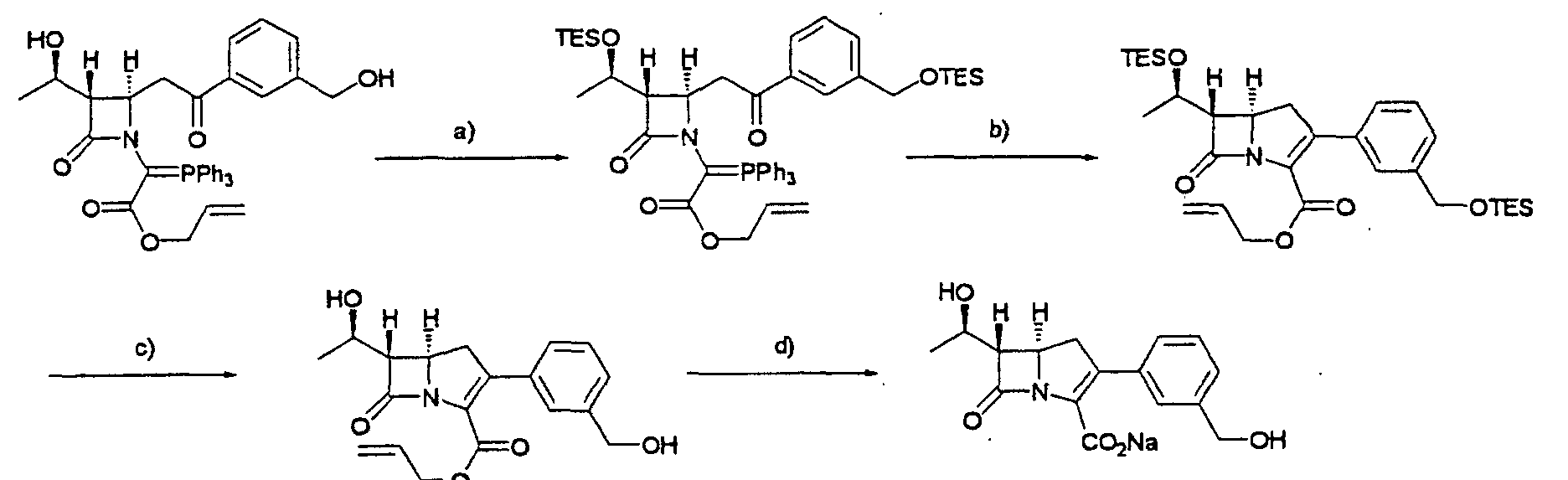
1H NMR (400 MHz, CDCl3) δ0.59-0.68 (m, 12H), 0.95-0.99 (m, 18H), 1.31 (d, 3H, J=6.2Hz), 3.12-3.32 (m, 3H), 4.22-4.27 (m, 2H), 4.59-4.69 (m, 2H), 3.71 (s, 2H), 5.15-5.27 (m, 2H), 5.79-5.87 (m, 1H), 7.23-7.31 (m, 4H).
1H NMR (400 MHz, D2O) δ1.23 (d, 3H, J=6.4Hz), 2.98-3.04 (m, 1H), 3.34-3.40 (m, 1H), 3.43-3.45 (m, 1H), 4.16-4.20 (m, 2H), 4.54 (s, 2H), 7.22-7.33 (m, 4H).

1H NMR (300 MHz, CDCl3) δ1.18 (s, 9H), 1.34 (d, 3H, J = 6.2Hz), 3.09-3.34 (m, 3H), 4.17-4.30 (m, 2H), 4.68 (s, 2H), 5.73 (d, 1H, J = 5.5 Hz), 5.83 (d, 1H, J = 5.5 Hz), 7.29-7.36 (m, 4H).

1H NMR (300 MHz, CDCl3) δ1.18 (s, 9H), 1.34 (d, 3H, J = 6.2Hz), 3.09-3.34 (m, 3H), 4.17-4.30 (m, 2H), 4.68 (s, 2H), 5.73 (d, 1H, J = 5.5 Hz), 5.83 (d, 1H, J = 5.5 Hz), 7.29-7.36 (m, 4H).
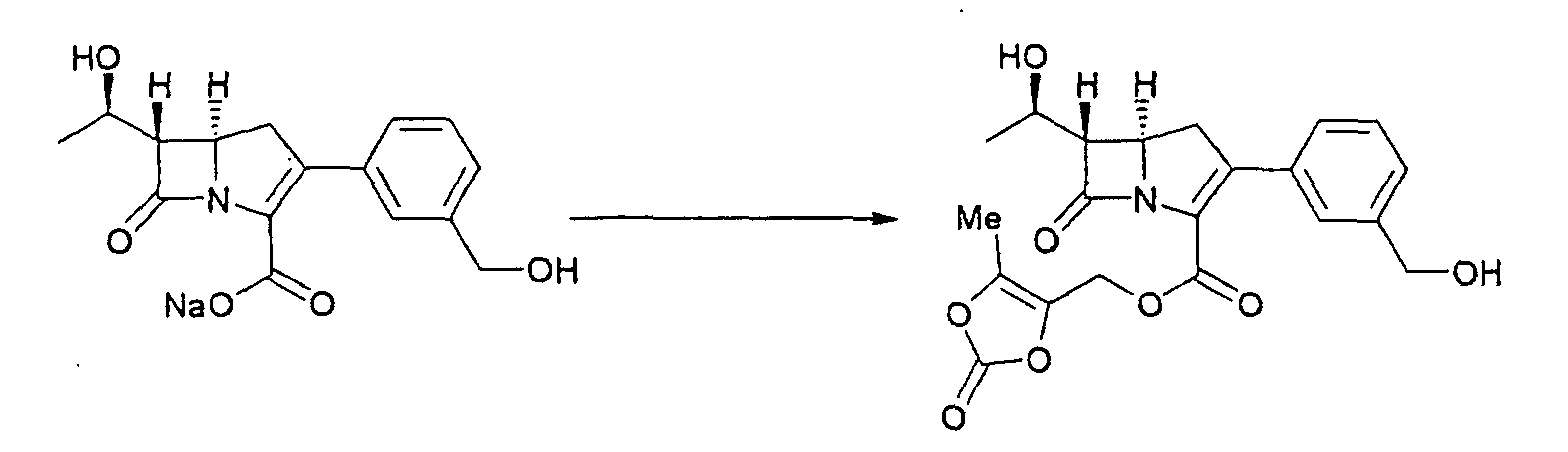
1H NMR (400 MHz, CDCl3) δ 1.38 (d, 3H, J=6.3Hz), 1.76 (broad d, 1H, J=3.9Hz), 2.13 (s, 3H), 3.19-3.37 (m, 3H), 4.28-4.34 (m, 2H), 4.72-4.73 (m, 2H), 4.79 (d, 1H, J=13.9Hz), 4.93 (d, 1H, J=13.9Hz), 7.18-7.20 (m, 1H), 7.32 (s, 1H), 7.35-7.36 (m, 2H).
IR(ATR) 3421(broad), 2968, 2927, 2877, 1817, 1770, 1732, 1718, 1437, 1387, 1338, 1267, 1228, 1190, 1030, 1009, 768, 696 cm-1
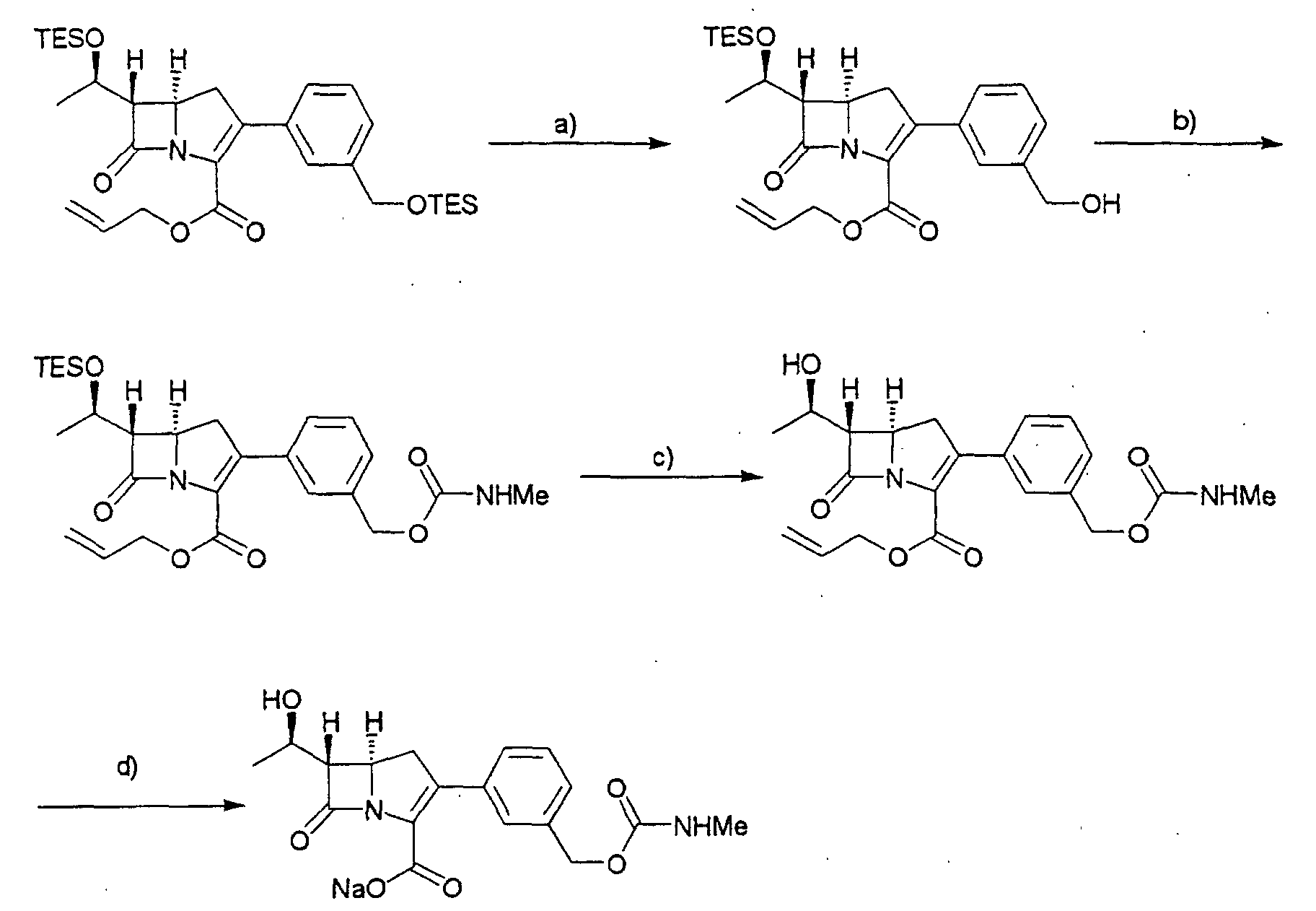
1H NMR (400 MHz, CDCl3) δ 0.57-0.67 (m, 6H), 0.95-0.99 (m, 9H), 1.30 (d, 3H, J=6.2Hz), 1.76 (broad s, 1H), 3.13-3.33 (m, 3H), 4.23-4.28 (m, 2H), 4.59-4.73 (m, 4H), 5.16-5.29 (m, 2H), 5.81-5.90 (m, 1H), 7.26-7.37 (m, 4H).
IR (KBr) 3522(broad), 2956, 2877, 1779, 1723, 1272, 1203, 1005, 746 cm-1
1H NMR (400 MHz, CDCl3) δ0.62 (q, 2H x 3, J=7.8Hz), 0.97 (t, 3H x 3, J=7.8Hz), 1.30 (d, 3H, J=6.2Hz), 2.82 (d, 3H, J=4.9Hz), 3.13-3.33 (m, 3H), 4.22-4.28 (m, 2H), 4.59-4.72 (m, 3H), 5.09 (s, 2H), 5.16-5.28 (m, 2H), 5.81-5.88 (m, 1H), 7.29-7.52 (m, 4H).
1H NMR (400 MHz, CDCl3) δ1.38 (d, 3H, J=6.3Hz), 1.77 (d, 1H, J=4.9Hz), 2.82 (d, 3H, J=4.9Hz), 3.18-3.34 (m, 3H), 4.25-4.33 (m, 2H), 4.59-4.74 (m, 3H), 5.09 (s, 2H), 5.16-5.28 (m, 2H), 5.79-5.88 (m, 1H), 7.30-7.36 (m, 4H).
1H NMR (400 MHz, D2O) δ1.22 (d, 3H, J=6.4Hz), 2.61 (s, 3H), 2.99 (dd, 1H, J=17.0Hz, 9.8Hz), 3.34 (dd, 1H, J=17.0Hz, 8.5Hz), 3.42 (dd, 1H, J=6.0Hz, 2.8Hz), 4.13-4.24 (m, 2H), 4.99 (s, 2H), 7.21-7.33 (m, 4H).
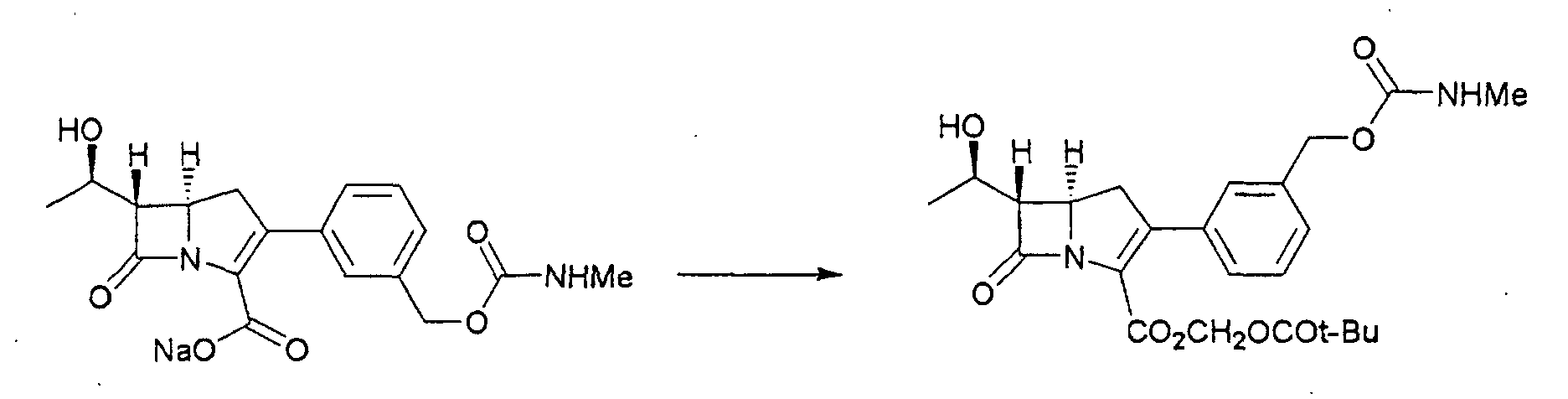
1H NMR (400 MHz, CDCl3) δ1.18 (s, 9H), 1.37 (d, 3H, J=6.3Hz), 1.86 (broad s, 1H), 2.82 (d, 3H, J=4.9Hz), 3.18-3.36 (m, 3H), 4.25-4.33 (m, 2H), 4.78 (broad s, 1H), 5.10 (s, 2H), 5.77 (d, 1H, J=5.5Hz), 5.84 (d, 1H, J=5.5Hz), 7.26-7.34 (m, 4H).
IR(ATR) 3396(broad), 2972, 1701, 1527, 1259, 1187, 1120, 1095, 1022, 980, 775, 698 cm-1

1H NMR (400 MHz, CDCl3) δ1.20 (9H, s), 1.37 (3H, d, J=6.3Hz), 3.16-3.33 (3H, m), 4.21-4.31 (2H, m), 5.74-5.91 (2H, m), 6.81 (2H, d, J=8.7Hz), 7.31 (2H, d, J=8.7Hz).
1H NMR (400 MHz, CDCl3) δ0.15 (9H, s), 1.30 (3H, d, J=6.2Hz), 2.89, 2.91 (total 3H, each s), 3.14-3.36 (3H, m), 4.18-4.31 (2H, m), 4.97 (1H, broad d, J=4.4Hz), 5.16-5.40 (2H, m), 7.04-7.22 (3H, m), 7.31 (1H, t, J=7.9 Hz), 7.43 (2H, d, J=8.7Hz), 8.15 (2H, d, J=8.8Hz).
1H NMR (400 MHz, D2O) δ1.20 (3H, d, J=6.4Hz), 2.69 (3H, s), 2.94-3.05 (1H, m), 3.26-3.37 (1H, m), 3.42 (1H, dd, J=2.8Hz, 5.9Hz), 4.10-4.26 (2H, m), 6.92-7.04 (2H, m), 7.17 (1H, d, J=7.8Hz), 7.29 (1H, t, J=7.9Hz).

1H NMR (400 MHz, CDCl3) δ1.19 (9H, s), 1.37 (3H, d, J=6.3Hz), 2.89, 2.91 (total 3H, each s), 3.17-3.37 (3H, m), 4.21-4.35 (2H, m), 4.99 (1H, broad d, J=3.4Hz), 5.74-5.90 (2H, m), 7.06-7.23 (3H, m), 7.33 (1H, t, J=7.9Hz).

1H NMR (400 MHz, D2O) δ1.22 (3H, d, J=6.4Hz), 2.70 (3H, s), 2.95-3.07 (1H, m), 3.29-3.40 (1H, m), 3.42 (1H, dd, J=2.8Hz, 5.9Hz), 4.11-4.27 (2H, m), 7.02 (2H, d, J=8.7Hz), 7.30 (2H, d, J=8.7Hz).

1H NMR (400 MHz, CDCl3) δ1.19 (9H, s), 1.37 (3H, d, J=6.3Hz), 2.90, 2.91 (total 3H, each s), 3.14-3.36 (3H, m), 4.20-4.35 (2H, m), 5.00 (1H, broad d, J=4.9Hz), 5.71-5.91 (2H, m), 7.12 (2H, d, J=8.6Hz), 7.36 (2H, d, J=8.6Hz).
1H NMR (400 MHz, CDCl3) δ0.55-0.68 (6H, m), 0.96 (9H, t, J=7.9Hz), 1.31 (3H, d, J=6.2Hz), 3.13-3.31 (3H, m), 4.21-4.31 (2H, m), 5.16-5.43 (3H, m), 6.78 (2H, d, J=8.7Hz), 7.31 (2H, d, J=8.7Hz), 7.53 (2H, d, J=8.7Hz), 8.18 (2H, d, J=8.8Hz).
1H NMR (400 MHz, CDCl3) δ0.53-0.69 (6H, m), 0.96 (9H, t, J=7.9Hz), 1.31 (3H, d, J=6.2Hz), 3.11-3.35 (3H, m), 4.22-4.35 (2H, m), 5.14-5.43 (2H, m), 7.10 (2H, d, J=8.7Hz), 7.35 (2H, d, J=8.7Hz), 7.44 (2H, d, J=8.8Hz), 8.17 (2H, d, J=8.8Hz).
1H NMR (400 MHz, CD3OD) δ1.31 (3H, d, J=6.3Hz), 3.15-3.50 (2H, m), 3.36 (1H, dd, J=2.8Hz, 6.8Hz), 4.07-4.19 (1H, m), 4.25-4.35 (1H, m), 5.18-5.40 (2H, m), 7.07 (2H, d, J=8.7Hz), 7.40 (2H, d, J=8.7Hz), 7.46 (2H, d, J=8.8Hz), 8.16 (2H, d, J=8.8Hz).
1H NMR (400 MHz, D2O) δ1.22 (3H, d, J=6.4Hz), 2.93-3.08 (1H, m), 3.25-3.40 (1H, m), 3.42 (1H, dd, J=2.8Hz, 6.0Hz), 4.10-4.28 (2H, m), 7.04 (2H, d, J=8.7Hz), 7.30 (2H, d, J=8.7Hz).

1H NMR (300 MHz, D2O) δ1.15 (d, 3H, J = 6.2Hz), 2.53 (s, 3H), 2.91 (dd, 1H, J = 10.6Hz, 17.0Hz), 3.28 (dd, 1H, J = 8.8Hz, 17.0Hz), 3.35 (dd, 1H, J = 2.9Hz, 5.8Hz), 4.07-4.14 (m, 4H), 7.06-7.21 (m, 4H).
IR (ATR) 3315 (broad), 2954, 2924, 1749, 1576, 1456, 1396, 1375, 1259, 1134, 1068, 881, 833, 785 cm-1.

1H NMR (400 MHz, CDCl3) δ0.10 (s, 9H), 1.24 (d, 3H, J = 6.2Hz), 2.64 (d, 3H, J = 4.8Hz), 3.07 (dd, 1H, J = 9.9Hz, 18.1Hz), 3.16 (dd, 1H, J = 2.7Hz, 6.6Hz), 3.20 (dd, 1H, J = 18.1Hz), 4.14-4.20 (m, 2H), 4.23 (d, 2H, J = 5.8Hz), 4.43-4.58 (m, 1H), 4.61-4.70 (m, 1H), 5.07 (q, 1H, J = 4.8Hz), 5.12-5.16 (m, 1H), 5.22-5.28 (m, 1H), 5.42 (t, 1H, J = 5.8Hz), 5.76-5.86 (m, 1H), 7.15-7.17 (m, 2H), 7.21-7.24 (m, 2H).
1H NMR (400 MHz, DMSO-d6) δ1.15 (d, 3H, J = 6.3Hz), 2.54 (d, 3H, J = 4.6Hz), 2.85 (dd, 1H, J = 9.9Hz, 15.7Hz), 3.07 (dd, 1H, J = 8.5Hz, 15.7Hz), 3.12 (dd, 1 H, J = 2.8Hz, 6.6 Hz), 3.88-3.93 (m, 1 H), 3.97-4.02 (m, 1 H), 4.12 (d, 2 H, J = 5.8 Hz), 4.99 (d, 1 H, J = 5.0 Hz), 6.01 (q, 1 H, J = 4.6 Hz), 6.56 (t, 1 H, J = 6.1 Hz), 7.07-7.09 (m, 2 H), 7.38-7.40 (m, 2 H).
IR (ATR) 3309, 2931, 1749, 1578, 1560, 1508, 1396, 1254, 1221, 1157, 1130, 1072, 808, 789, 669 cm-1.

1H NMR (400 MHz, CDCl3) δ0.15 (s, 9H), 1.29 (d, 3H, J = 6.2Hz), 3.13 (dd, 1H, J = 9.9Hz, 18.1Hz), 3.21 (dd, 1H, J = 2.8Hz, 6.7Hz), 3.26 (dd, 1H, J = 8.9Hz, 18.1Hz), 4.19-4.25 (m, 2H), 4.29 (d, 2H, J = 5.8 Hz), 4.55 (broad s, 2H), 4.58-4.63 (m, 1H), 4,66-4.71 (m, 1H), 5.17-5.21 (m, 1H), 5.29-5.34 (m, 1H), 5.38 (t, 1H, J = 5.8Hz), 5.81-5.91 (m, 1H), 7.23-7.25 (m, 2H), 7.28-7.30 (m, 2H).
1H NMR (400 MHz, DMSO-d6) δ1.21 (d, 3H, J = 6.3Hz), 2.91 (dd, 1H, J = 9.8Hz, 15.6Hz), 3.13 (dd, 1H, J = 8.5Hz, 15.6Hz), 3.19 (dd, 1 H, J = 2.8Hz, 6.6Hz), 3.95-3.98 (m, 1H), 4.03-4.08 (m, 1H), 4.17 (d, 2H, J = 5.9Hz), 5.05 (broad s, 1H), 5.60 (broad s, 2H), 6.56 (t, 1H, J = 5.9Hz), 7.13-7.16 (m, 2H), 7.45-7.47 (m, 2H).
IR (ATR) 3323, 1743, 1655, 1581, 1560, 1394, 1340, 1304, 1252, 1221, 1132, 806, 789 cm-1.
1H NMR (400 MHz, CDCl3) δ1.19 (s, 9H), 1.34 (d, 3H, J = 6.3Hz), 2.74 (d, 3H, J = 4.8Hz), 3.08 (dd, 1H, J = 9.9Hz, 18.3Hz), 3.20-3.27 (m, 2H), 4.16-4.26 (m, 2H), 4.31 (d, 2H, J = 5.7Hz), 4.86 (q, 1H, J = 4.8Hz), 5.22 (t, 1H, J = 5.7Hz), 5.73 (d, 1H, J = 5.5Hz), 5.82 (d, 1H, J = 5.5Hz), 7.21 (broad s, 4H).
IR (ATR) 3356, 2970, 1774, 1751, 1637, 1558, 1481, 1458, 1414, 1338, 1265, 1192, 1153, 1122, 1095, 1022, 991, 978, 943, 816, 752, 665cm-1.

1H NMR (400 MHz, CD3CN) δ1.05 (s, 9H), 1.10 (d, 3H, J = 6.3Hz), 2.99 (dd, 1H, J = 10.0Hz, 18.3Hz), 3.19 (dd, 1 H, J = 2.9Hz, 6.1Hz), 3.27 (dd, 1H, J = 8.8Hz, 18.3Hz), 3.34 (d, 1H, J = 4.8Hz), 3.92-4.01 (m, 1H), 4.08-4.13 (m, 3H), 4.74 (broad s, 2H), 5.58 (d, 1H, J = 5.8Hz), 5.61 (t, 1H, J = 6.0Hz), 5.66 (d, 1H, J = 5.8Hz), 7.10-7.12 (m, 2H), 7.17-7.19 (m, 2H).
IR (ATR) 3369, 2972, 1768, 1751, 1728, 1655, 1602, 1541, 1481, 1458, 1336, 1269, 1194, 1122, 1094, 1022, 991, 978, 750, 667 cm-1.
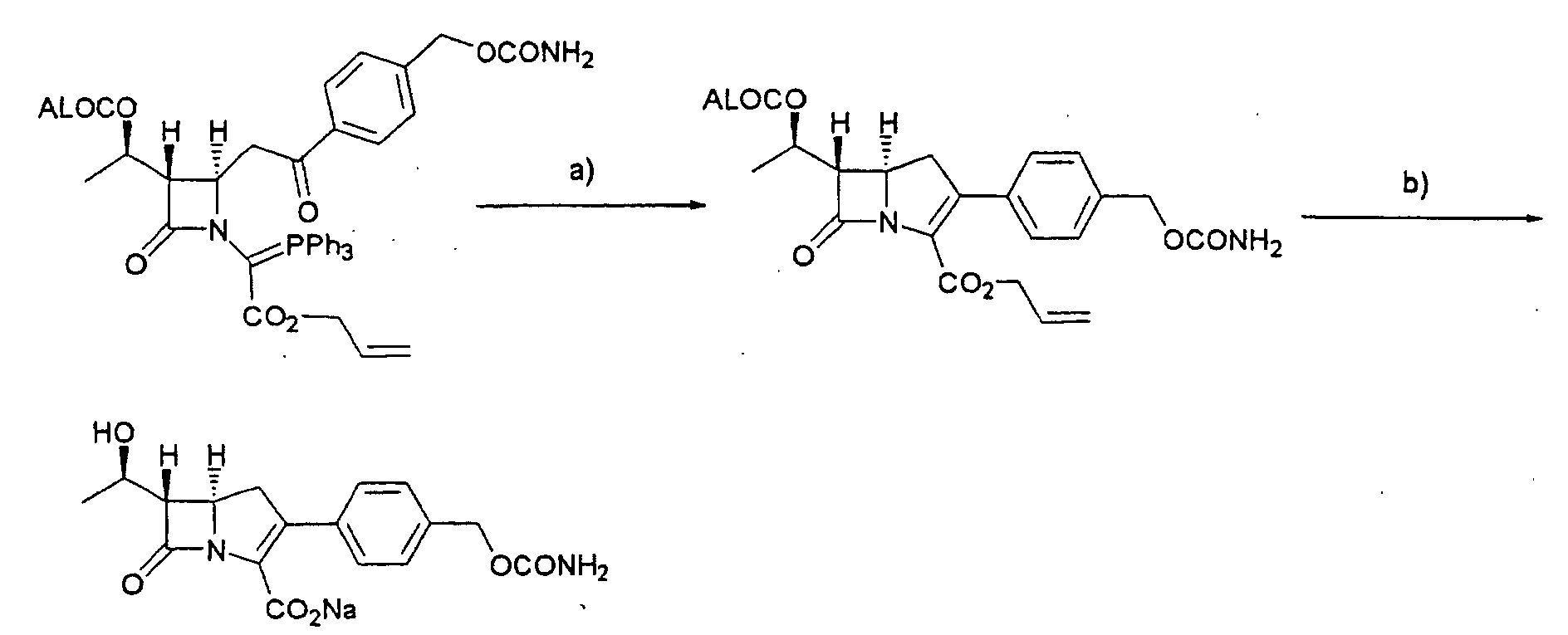
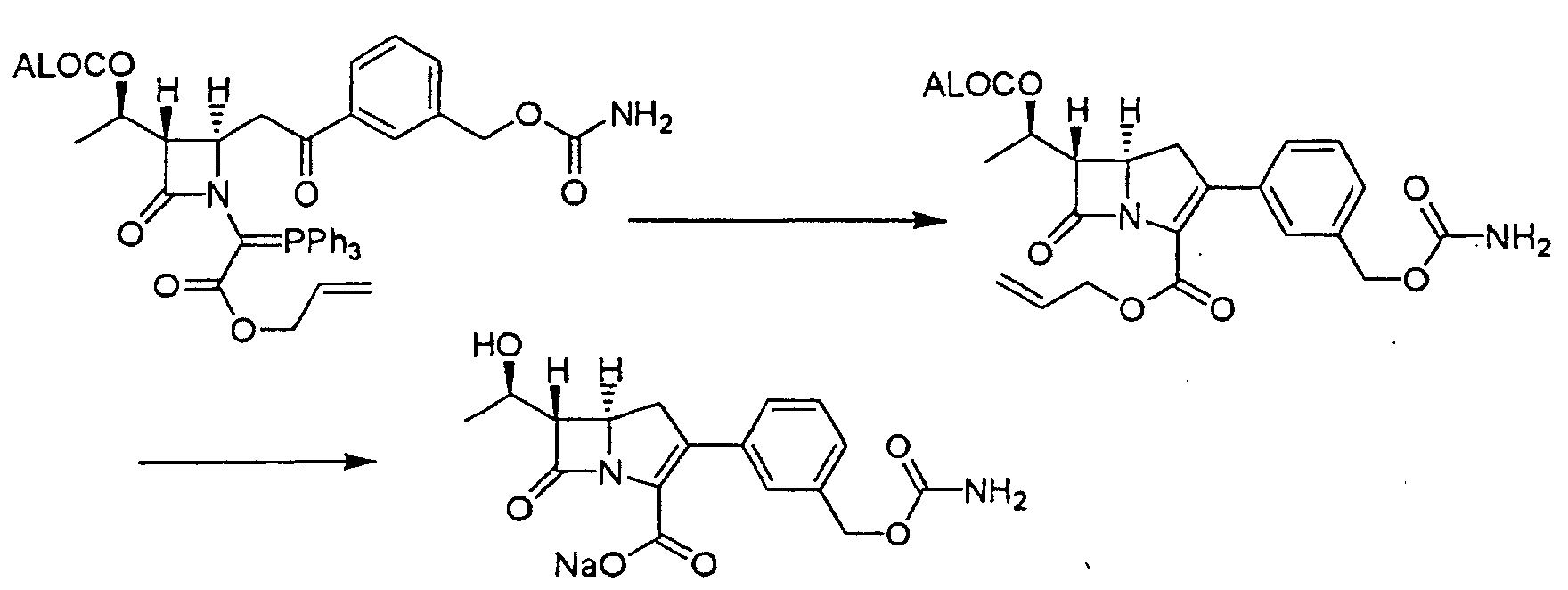
Allyl (5R,6S)-6-{(1R)-1-[(allyloxycarbonyl)oxy]ethyl}-3-(4-{[(aminocarbonyl)oxy]methyl}phenyl)-7-oxo-1-azabicyclo[3.2.0]hept-2-ene-2-carboxylate.
1H NMR (400 MHz, CD3OD) δ1.49 (3H, d, J=6.3Hz), 3.13-3.33 (2H, m), 3.42 (1H, dd, J=2.8Hz, 8.5Hz), 4.28 (1H, dt, J=2.8Hz, 9.4Hz), 4.55-4.78 (5H, m), 5.11 (2H, s), 5.12-5.42 (5H, m), 5.80-6.00 (2H, m), 7.35 (4H, s).
1H NMR (400 MHz, D2O) δ1.22 (3H, d, J=6.4Hz), 2.93-3.05 (1H, m), 3.28-3.40 (1H, m), 3.42 (1H, dd, J=2.8Hz, 6.0Hz), 4.10-4.27 (2H, m), 5.00 (2H, s), 7.29 (4H, s).

1H NMR (400 MHz, CDCl3) δ1.19 (9H, s), 1.37 (3H, d, J=6.3Hz), 3.15-3.38 (3H, m), 4.20-4.35 (2H, m), 4.73 (2H, broad s), 5.11 (2H, s), 5.74-5.90 (2H, m), 7.35 (4H, s).
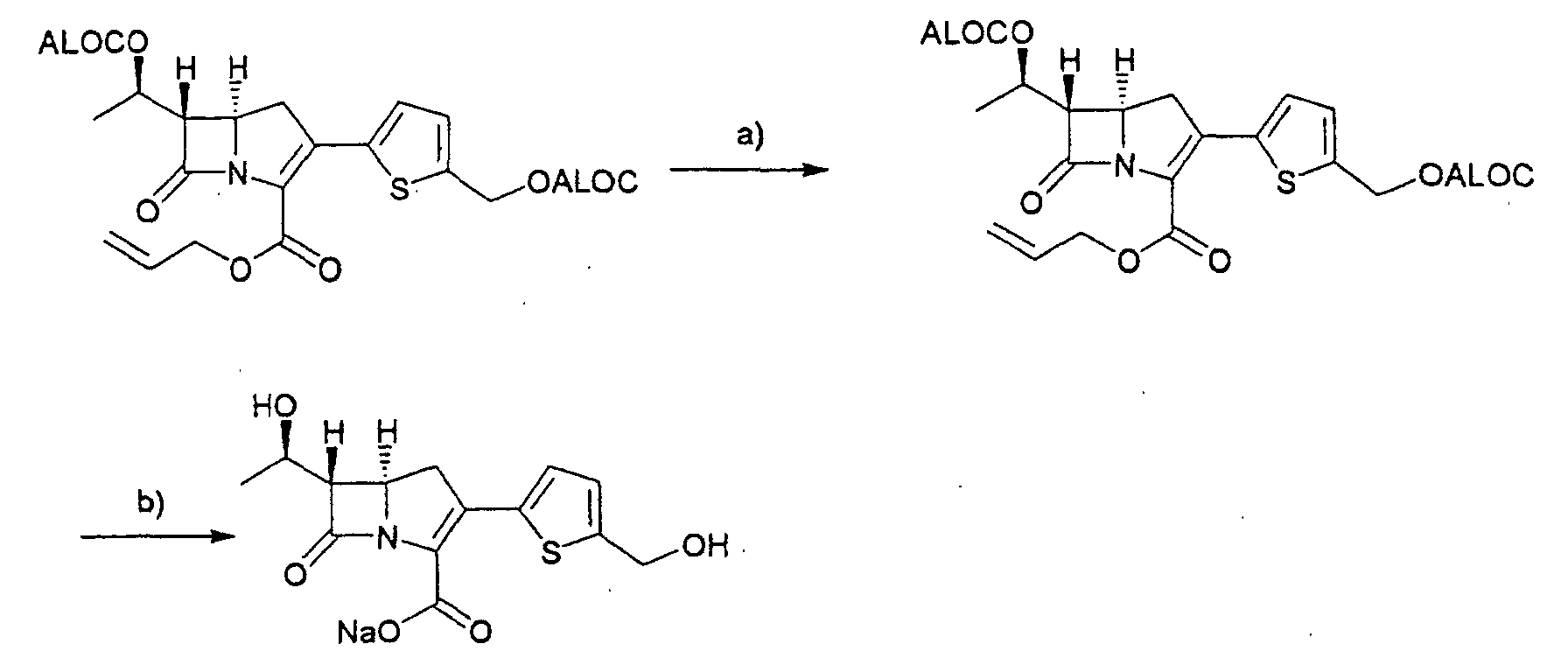
Allyl (5R,6S)-6-((1R)-1-{[(allyloxy)carbonyl]oxy}ethyl)-3-[5-({[(allyloxy)carbonyl]oxy}methyl)thien-2-yl]-7-oxo-1-azabicyclo[3.2.0]hept-2-ene-2-carboxylate
1H NMR (400 MHz, CDCl3) δ1.48 (d, 3H, J=6.3Hz), 3.28-3.46(m, 3H), 4.22 (td, 1H, J=9.4, 2.8Hz), 4.63-4.65 (m, 4H), 4.72-4.78 (m, 1H), 4.83-4.89 (m, 1H), 5.14-5.18 (m, 1H), 5.25-5.49 (m, 8H), 5.87-6.03 (m, 3H), 7.09 (d, 1H, J=3.9Hz), 7.43 (d, 1H, J=3.9Hz).
Sodium (5R,6S)-6-[(1R)-1-hydroxyethyl]-3-[5-(hydroxymethyl)thien-2-yl]-7-oxo-1-azabicyclo[3.2.0]hept-2-ene-2-carboxylate
1H NMR (400 MHz, D2O) δ1.21 (d, 3H, J=6.4Hz), 3.17-3.29 (m, 2H), 3.38 (dd, 1H, J=5.9Hz, 2.7Hz), 4.13-4.18 (m, 2H), 4.66 (s, 2H), 6.89 (d, 1H, J=3.6Hz), 7.02 (d, 1H, J=3.6Hz).
IR(ATR) 3267(broad), 2968, 1734, 1593, 1387, 1300, 1254, 1227, 1132, 1007, 802 cm-1
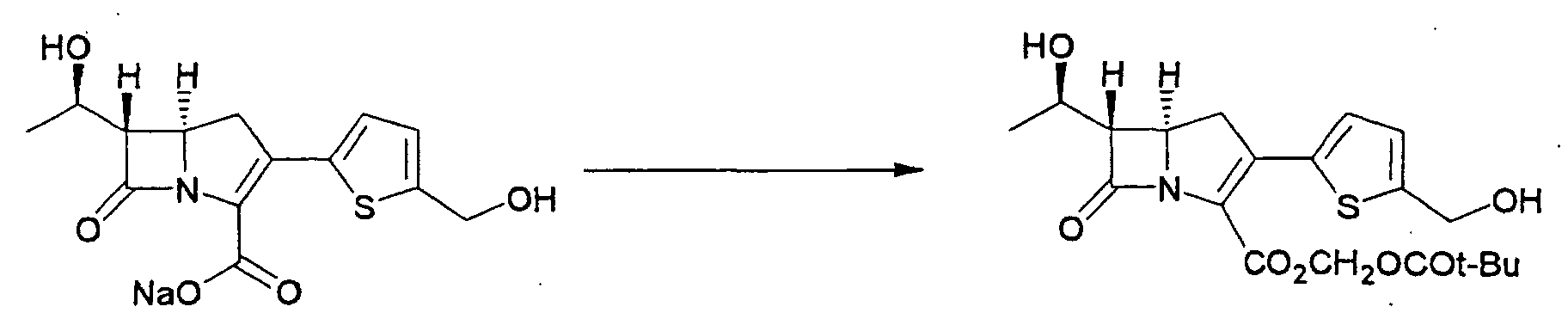
1H NMR (400 MHz, CDCl3) δ1.23 (s, 9H), 1.37 (d, 3H, J=6.3Hz), 1.80 (d, 1H, J=4.7Hz), 1.92 (t, 1H, J=6.1Hz), 3.20 (dd, 1H, J=6.8Hz, 2.8Hz), 3.31-3.49 (m, 2H), 4.21-4.29 (m, 2H), 4.84 (d, 2H, J=5.9Hz), 5.91 (d, 1H, J=5.5Hz), 5.99 (d, 1H, J=5.5Hz), 7.00 (d, 1H, J=3.9Hz), 7.47 (d, 1H, J=3.9Hz).
IR(ATR) 3408(broad), 2972, 1751, 1271, 1189, 1093, 1022, 985, 802 cm-1
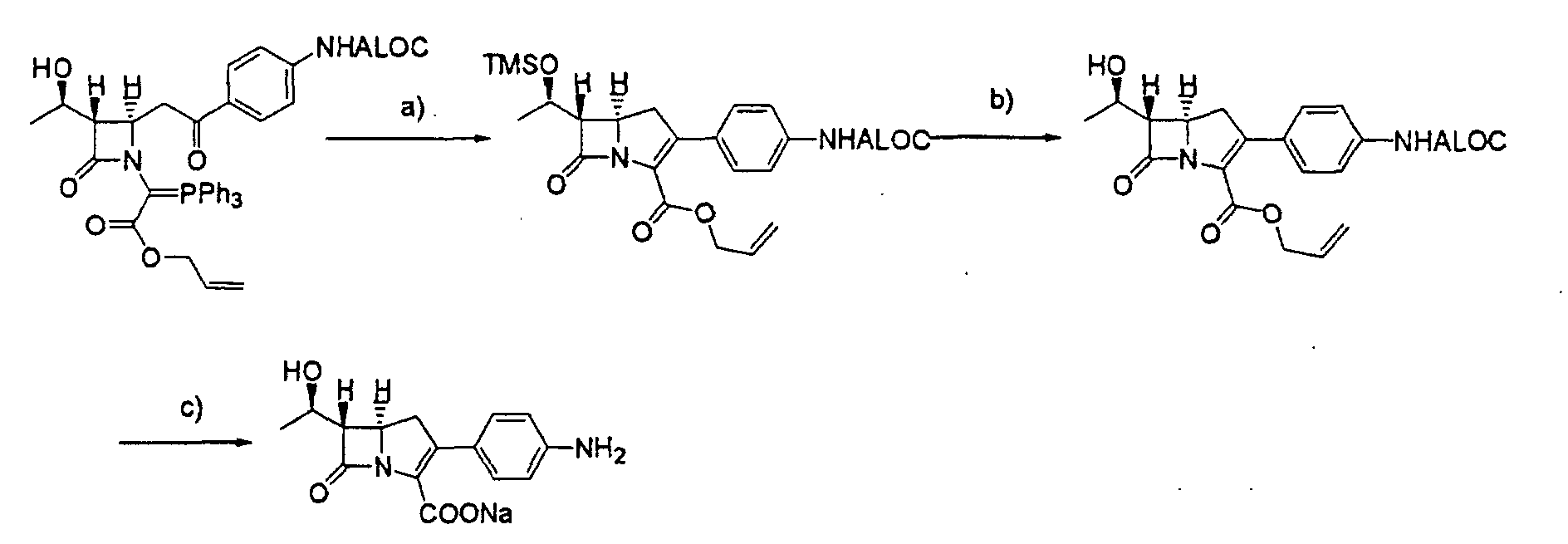
1H NMR (400 MHz, CDCl3) δ0.15 (s, 9H), 1.30 (d, 3H, J=6.1Hz), 3.15-3.30 (m, 3H), 4.17-4.24 (m, 2H), 4.64-4.73 (m, 4H), 5.17-5.40 (m, 4H), 5.86-6.00 (m, 2H), 6.76 (s, 1H), 7.32-7.40 (m, 4H).
Allyl (5R,6S)-3-(4-{[(allyloxy)carbonyl]amino}phenyl)-6-[(1R)-1-hydroxyethyl]-7-oxo-1-azabicyclo[3.2.0]hept-2-ene-2-carboxylate.
1H NMR (400 MHz, CDCl3) δ1.38 (d, 3H, J=6.3Hz), 3.17-3.30 (m, 3H), 4.22-4.30 (m, 2H), 4.64-4.74 (m, 4H), 5.17-5.40 (m, 4H), 5.84-5.98 (m, 2H), 6.73 (s, 1H), 7.34-7.38 (m, 4H).
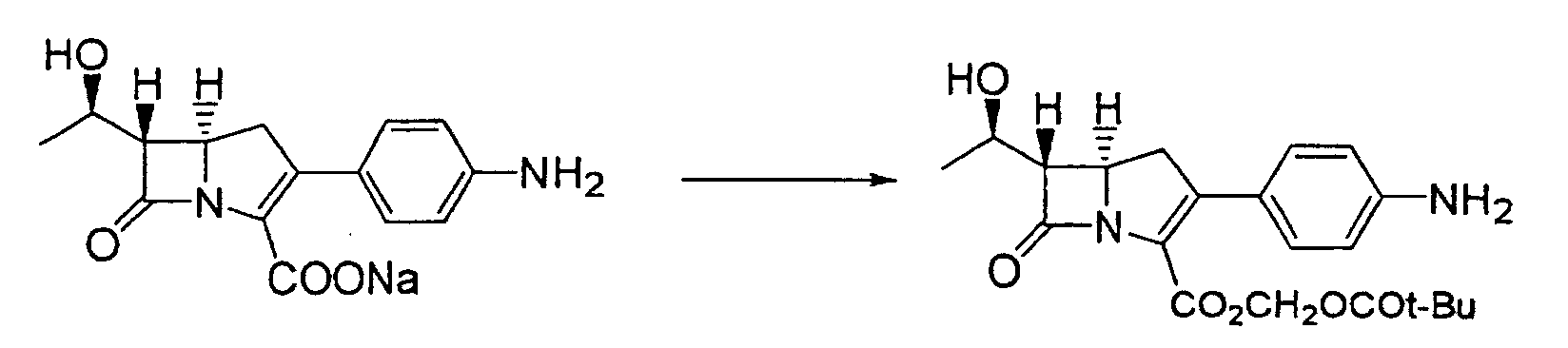
1H NMR (400 MHz, CDCl3) δ1.21 (s, 9H), 1.36 (d, 3H, J=6.3Hz), 3.16-3.26 (m, 3H), 3.89 (broads, 2H), 4.18-4.30 (m, 2H), 5.81 (d, 1H, J=5.5Hz), 5.90 (d, 1H, J=5.5Hz), 6.62 (d, 2H, J=8.6Hz), 7.28 (d, 2H, J=8.6Hz).

1H NMR (400 MHz, CDCl3) δ0.14 (s, 9H), 1.30 (d, 3H, J=6.2Hz), 2.76 (d, 3H, J=4.8Hz), 3.15-3.28 (m, 3H), 3.57 (s, 2H), 4.21-4.26 (m, 2H), 4.64-4.67 (m, 1H), 4.70-4.74 (m, 1H), 5.17-5.22 (m, 1H), 5.28-5.35 (m, 1H), 5.46 (broads, 1H), 5.82-5.90 (m, 1H), 7.26 (d, 2H, J=8.1Hz), 7.36 (d, 2H, J=8.1Hz).
1H NMR (400 MHz, CDCl3) δ1.38 (d, 3H, J=6.3Hz), 2.11 (brs, 1H), 2.77 (d, 3H, J=4.8Hz), 3.18-3.30 (m, 3H), 3.57 (s, 2H), 4.26-4.32 (m, 2H), 4.64-4.67 (m, 1H), 4.70-4.74 (m, 1H), 5.17-5.22 (m, 1H), 5.26-5.34 (m, 1H), 5.46 (broads, 1H), 5.83-5.93 (m, 1H), 7.24 (d, 2H, J=8.2Hz), 7.36 (d, 2H, J=8.2Hz).

1H NMR (400 MHz, CDCl3) δ1.18 (s, 9H), 1.38 (d, 3H, J=6.3Hz), 2.48 (d, 3H, J=4.8Hz), 3.15-3.35 (m, 3H), 3.60 (s, 2H), 4.24-4.34 (m, 2H), 5.65 (broads, 1H), 5.73 (d, 1H, J=5.5Hz), 5.82 (d, 1H, J=5.5Hz), 7.24 (d, 2H, J=8.2Hz), 7.29 (d, 2H, J=8.2Hz).
1H NMR (400 MHz, CDCl3) δ0.15 (s, 9H), 1.30 (d, 3H, J=6.2Hz), 3.15-3.28 (m, 3H), 3.58 (s, 2H), 4.20-4.25 (m, 2H), 4.63-4.67 (m, 1H), 4.68-4.72 (m, 1H), 5.17-5.22 (m, 1H), 5.27-5.33 (m, 1H), 5.52 (broads, 1H), 5.82-5.90 (m, 1H), 7.25-7.28 (m, 2H), 7.36 (d, 2H, J=8.2Hz).
allyl (5R,6S)-3-[4-(2-amino-2-oxoethyl)phenyl]-6-[(1R)-1-hydroxyethyl]-7-oxo-1-azabicyclo[3.2.0]hept-2-ene-2-carboxylate.
1H NMR (300 MHz, CDCl3) δ1.38 (d, 3H, J=6.2Hz), 3.14-3.35 (m, 3H), 3.59 (s, 2H), 4.22-4.35 (m, 2H), 4.60-4.68 (m, 1H), 4.69-4.77 (m, 1H), 5.17-5.22 (m, 1H), 5.25-5.34 (m, 1H), 5.44 (broads, 1H), 5.80-5.94 (m, 1H), 7.25-7.28 (m, 2H), 7.37 (d, 2H, J=8.2Hz).

1H NMR (400 MHz, CDCl3) δ1.18 (s, 9H), 1.37 (d, 3H, J=6.3Hz), 3.16-3.35 (m, 3H), 3.60 (s, 2H), 4.26-4.35 (m, 2H), 5.32 (broads, 1H), 5.41 (broads, 1H), 5.73(d, 1H, J=5.5Hz), 5.82 (d, 1H, J=5.5Hz), 7.25-7.34 (m, 4H).

1H NMR (400 MHz, CDCl3) δ0.15 (s, 9H), 1.30 (d, 3H, J=6.1Hz), 2.76 (d, 3H, J=4.8Hz), 3.18-3.28 (m, 3H), 3.57 (s, 2H), 4.19-4.25 (m, 2H), 4.62-4.67 (m, 1H), 4.67-4.72 (m, 1H), 5.17-5.23 (m, 1H), 5.29-5.36 (m, 1H), 5.72 (broads, 1H), 5.80-5.95 (m, 1H), 7.24-7.30 (m, 3H), 7.32-7.39 (m, 1H).
1H NMR (400 MHz, CDCl3) δ1.30 (d, 3H, J=6.1Hz), 2.77 (d, 3H, J=4.8Hz), 3.22-3.32 (m, 3H), 3.58 (s, 2H), 4.25-4.34 (m, 2H), 4.62-4.67 (m, 1H), 4.67-4.74 (m, 1H), 5.18-5.25 (m, 1H), 5.29-5.36 (m, 1H), 5.72 (broads, 1H), 5.85-5.95 (m, 1H), 7.20-7.30 (m, 3H), 7.32-7.39 (m, 1H).

1H NMR (400 MHz, CDCl3) δ1.18 (s, 9H), 1.38 (d, 3H, J=6.3Hz), 2.78 (d, 3H, J=4.8Hz), 3.21-3.57 (m, 3H), 3.59 (s, 2H), 4.25-4.34 (m, 2H), 5.77 (d, 1H, J=5.5Hz), 5.81 (broads, 1H), 5.84 (d, 1H, J=5.5Hz), 7.15-7.27 (m, 3H), 7.30-7.37 (m, 1H).
1H NMR (400 MHz, CDCl3) δ1.30 (d, 3H, J = 6.2Hz), 2.19 (s, 3H), 3.16 (dd, 1H, J = 9.9Hz, 18.1Hz), 3.22 (dd, 1H, J = 2.8Hz, 6.9Hz), 3.28 (dd, 1H, J = 8.9Hz, 18.1Hz), 4.19-4.25 (m, 2H), 4.36 (d, 2H, J = 6.0Hz), 4.60-4.65 (m, 1H), 4.69-4.74 (m, 1H), 4.84 (s, 2H), 5.17-5.21 (m, 1H), 5.28-5.33 (m, 1H), 5.30 (broad s, 1H), 5.82-5.92 (m, 1H), 7.25-7.27 (m, 2H), 7.33-7.36 (m, 2H).
1H NMR (400 MHz, DMSO-d6) δ1.09 (d, 3H, J = 6.2Hz), 2.08 (s, 3H), 2.78 (dd, 1H, J = 10.0Hz, 15.6Hz), 3.00 (dd, 1H, J = 8.6 and 15.6 Hz), 3.06 (dd, 1H, J = 2.7Hz, 6.5 Hz), 3.81-3.83 (m, 1H), 3.85-3.88 (m, 1H), 4.07 (d, 2H, J = 5.9Hz), 4.82 (s, 2H), 4.92 (br, 1H), 7.01-7.03 (m, 2H), 7.32-7.34 (m, 2H), 7.84 (t, 1H, J = 5.9Hz).
IR (ATR) 3348 (broad), 1817, 1736, 1718, 1591, 1518, 1394, 1308, 1252, 1227, 1196, 1132, 1038, 1011, 984, 769 cm-1.
IR(ATR) 3178(broad), 2981(broad), 1778, 1720, 1331, 1257, 1180, 748, 721 cm-1.
LC/MS (EI) 471 (M+1)+.
IR(ATR) 3336(broad), 2966, 1709, 1589, 1392, 1335, 1049, 787, 698 cm-1.

1H NMR (400 MHz, CDCl3) δ1.17 (s, 9H), 1.36 (d, 3H, J=6.3Hz), 1.97 (br-s, 1H), 3.19-3.36 (m, 3H), 4.25-4.33 (m, 2H), 4.74 (br-s, 2H), 5.10 (s, 2H), 5.77 (d, 1H, J=5.5Hz), 5.84 (d, 1H, J=5.5Hz), 7.28-7.37 (m, 4H).
IR(ATR) 3460(broad), 3367(broad), 2974, 1713, 1331, 1265, 1122, 1095, 1049, 1022, 980, 787, 698 cm-1.
LC/MS (EI) 461 (M+1)+.
IR(ATR) 3375(broad), 2939, 1774, 1743, 1720, 1670, 1373, 1335, 1254, 1192, 1138, 1107, 945, 752 cm-1.
LC/MS (EI) 455 (M+1)+.
IR(ATR) 3248(broad), 2974, 1743, 1659, 1585, 1385, 1308, 1242, 1223, 1130, 671 cm-1.

1H NMR (400 MHz, CDCl3) δ1.18 (s, 9H), 1.37 (d, 3H, J=5.6Hz), 1.88 (br-s, 1H), 3.17-3.34 (m, 3H), 4.24-4.33 (m, 2H), 4.44 (d, 0.3H, J=6.6Hz), 4.50 (d, 1.7H, J=5.8Hz), 5.74-5.77 (m, 1H), 5.83-5.86 (m, 1H), 5.95 (br-s, 1H), 7.29-7.36 (m, 4H), 8.19-8.28 (m, 1H).
IR(ATR) 3367(broad), 2974, 2935, 2873, 1774, 1747, 1662, 1269, 1122, 1095, 1022, 991, 980 cm-1.
LC/MS (EI) 445 (M+1)+.

1H NMR (400 MHz, CDCl3) δ1.48 (d, 3H, J=6.3Hz), 3.15-3.30 (m, 2H), 3.40-3.42 (m, 1H), 3.71 (s, 3H), 4.25-4.30 (m, 1H), 4.37 (d, 2H, J=6.0Hz), 4.60-4.66 (m, 3H), 4.69-4.75 (m, 1H), 5.02 (br-s, 1H), 5.13-5.22 (m, 2H), 5.26-5.28 (m, 1H), 5.30-5.31 (m, 1H), 5.34-5.40 (m, 1H), 5.82-5.99 (m, 2H), 7.27 (d, 2H, J=8.3Hz), 7.33 (d, 2H, J=8.3Hz).
IR(ATR) 3251(broad), 2947, 1778, 1743, 1716, 1254, 748, 721cm-1.
LC/ MS (EI) 485 (M+1)+.
IR(ATR) 3302(broad), 2966, 1747, 1693, 1589, 1551, 1389, 1261 cm-1.

1H NMR (400 MHz, CDCl3) δ1.18 (s, 9H), 1.37 (d, 3H, J=6.3Hz), 1,85 (br-s, 1H), 3.16-3.34 (m, 3H), 3.71 (s, 3H), 4.25-4.32 (m, 2H), 4.38 (d, 2H, J=5.9Hz), 5.06 (br-s, 1H), 5.76 (d, 1H, J=5.5Hz), 5.85 (d, 1H, J=5.5Hz), 7.26-7.33 (m, 4H).
IR(ATR) 3390(broad), 2974, 1701, 1527, 1261, 1192, 1122, 1095, 1022, 991, 980, 775 cm-1.
LC/MS (EI) 475(M+1)+.

1H NMR (400 MHz, CDCl3) δ0.15 (s, 9H), 1.30 (d, 3H, J=6.0Hz), 3.15-3.28 (m, 3H), 4.19-4.23 (m, 2H), 4.65-4.73 (m, 2H), 5.19-5.35 (m, 2H), 5.85-5.95 (m, 1H), 7.50-7.56 (m, 2H), 8.18(s, 1H), 8.22(d, 1H, J=8.0Hz), 9.10 (s, 1H).
1H NMR (400 MHz, CDCl3) δ1.38 (d, 3H, J=6.0Hz), 3.24-3.30 (m, 3H), 4.26-4.31 (m, 2H), 4.66-4.74 (m, 2H), 5.20-5.35 (m, 2H), 5.86-6.00 (m, 1H), 7.44 (d, 2H, J=8.4Hz), 7.67 (d, 2H, J=8.4Hz), 7.99 (s, 1H), 8.25 (d, 1H, J=7.6Hz), 8.80 (d, 1H, J=6.4Hz), 9.14 (s, 1H).
1H NMR (400 MHz, D2O) δ1.12 (d, 3H, J=6.4Hz), 2.92 (dd, 1H, J=16.8Hz, 9.8Hz), 3.26 (dd, 1H, J=16.8Hz, 8.4Hz), 3.31-3.33 (m, 1H), 4.05-4.14 (m, 2H), 7.23 (d, 2H, J=8.4Hz), 7.35 (d, 2H, J=8.4Hz), 7.40-7.43 (m, 1H), 8.10 (d, 1H, J=8.0Hz), 8.53(d, 1H, J=2.0Hz), 8.79 (d, 1H, J=8.0Hz).
1H NMR (400 MHz, CDCl3) δ1.19 (s, 9H), 1.37 (d, 3H, J=6.0Hz), 3.20-3.37 (m, 3H), 4.25-4.33 (m, 2H), 5.78 (d, 1H, J=5.6Hz), 5.87 (d, 1H, J=5.6Hz), 7.42 (d, 2H, J=8.8Hz), 7.47-7.51 (m, 1H), 7.67 (d, 2H, J=8.8Hz), 8.80 (s, 1H), 8.24 (d, 1H, J=6.8Hz), 8.79 (d, 1H, J=3.6Hz), 9.13 (s, 1H).

1H NMR (400 MHz, CDCl3) δ0.15 (s, 9H), 1.30 (d, 3H, J=6.0Hz), 3.15-3.30 (m, 3H), 4.17-4.25 (m, 2H), 5.19-5.35 (m, 2H), 5.83-5.95 (m, 1H), 7.13-7.15 (m, 2H), 7.75-7.77 (m, 2H), 7.99-8.01 (m, 2H), 8.18 (s, 1H), 8.78-8.80 (m, 2H).
1H NMR (400 MHz, CDCl3) δ1.38 (d, 3H, J=6.4Hz), 3.20-3.12 (m, 3H), 4.20-4.33 (m, 2H), 4.61-4.80 (m, 2H), 5.20-5.35 (m, 2H), 5.85-5.93 (m, 1H), 7.45 (d, 2H, J=8.8Hz), 7.65 (d, 2H, J=8.8Hz), 7.72-7.73 (d, 2H, J=8.8Hz), 7.90 (s, 1H), 8.89-8.90 (m, 2H).
1H NMR (400 MHz, D2O) δ1.23 (d, 3H, J=6.4Hz), 2.96-3.03 (m, 1H), 3.31-3.37 (m, 3H), 3.40-3.43 (m, 1H), 4.16-4.22 (m, 2H), 7.27 (s, 4H).
1H NMR (400 MHz, CDCl3) δ1.20 (s, 9H), 1.37 (d, 3H, J=6.0Hz), 3.23-3.35 (m, 3H), 4.26-4.30 (m, 2H), 5.79 (d, 1H, J=5.6Hz), 5.88 (d, 1H, J=5.6Hz), 7.42 (d, 2H, J=8.8Hz), 7.66 (d, 2H, J=8.8Hz), 7.72 (d, 2H, J=6.0Hz), 7.95 (s, 1H), 8.83 (d, 2H, J=6.0Hz).
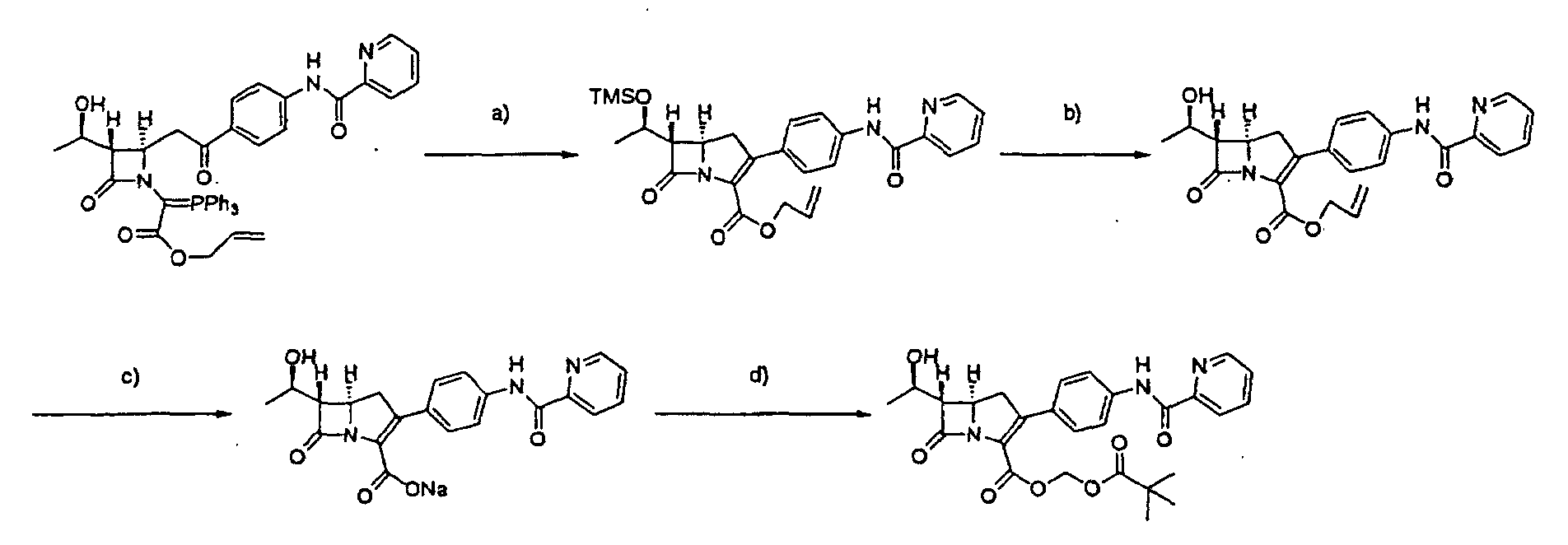
1H NMR (400 MHz, CDCl3) δ0.15 (s, 9H), 1.31 (d, 3H, J=6.0Hz), 3.12-3.35 (m, 3H), 4.15-4.25 (m, 2H), 4.60-4.67 (m, 2H), 5.19-5.34 (m, 2H), 5.85-5.95 (m, 1H), 7.44 (d, 2H, J=8.4Hz), 7.48-7.51 (m, 1H), 7.78 (d, 2H, J=8.4Hz), 7.80-7.94 (m, 1H), 8.30 (d, 1H, J=7.6Hz), 8.63 (d, 1H, J=4.4Hz).
1H NMR (400 MHz, CDCl3) δ1.38 (d, 3H, J=6.0Hz), 3.24-3.31 (m, 3H), 4.21-4.34 (m, 2H), 4.60-4.83 (m, 2H), 5.18-5.36 (m, 2H), 5.80-5.91 (m, 1H), 7.41-7.52 (m, 2H), 7.77-7.82 (m, 2H), 7.92-7.94 (m, 1H), 8.30 (d, 1H, J=4.0Hz), 8.63 (d, 1H, J=4.4Hz), 10.09-10.13 (m, 1H).
1H NMR (400 MHz, D2O) δ1.12 (d, 3H, J=6.4Hz), 2.91 (dd, 1H, J=16.8Hz, 9.6Hz), 3.22-3.33 (m, 2H), 4.03-4.14 (m, 2H), 7.23 (d, 2H, J=8.8Hz), 7.42-7.47 (m, 3H), 7.85-7.87 (m, 1H), 7.93 d, 1H, J=8.0Hz), 8.48 (d, 1H, J=4.4Hz).
1H NMR (400 MHz, CDCl3) δ1.20 (s, 9H), 1.37 (d, 3H, J=6.0Hz), 3.22-3.48 (m,3H), 4.27-4.33 (m, 2H), 5.80 (d, 1H, J=5.6Hz), 5.89 (d, 1H, J=5.6Hz), 7.44 (d, 2H, J=8.8Hz), 7.49-7.52 (m, 1H), 7.79 (d, 2H, J=8.8Hz),7.90-7.95 (m, 1H), 8.30 (d, 1H, J=8.0Hz), 8.63 (d, 1H, J=4.0Hz), 10.13 (s, 1H).
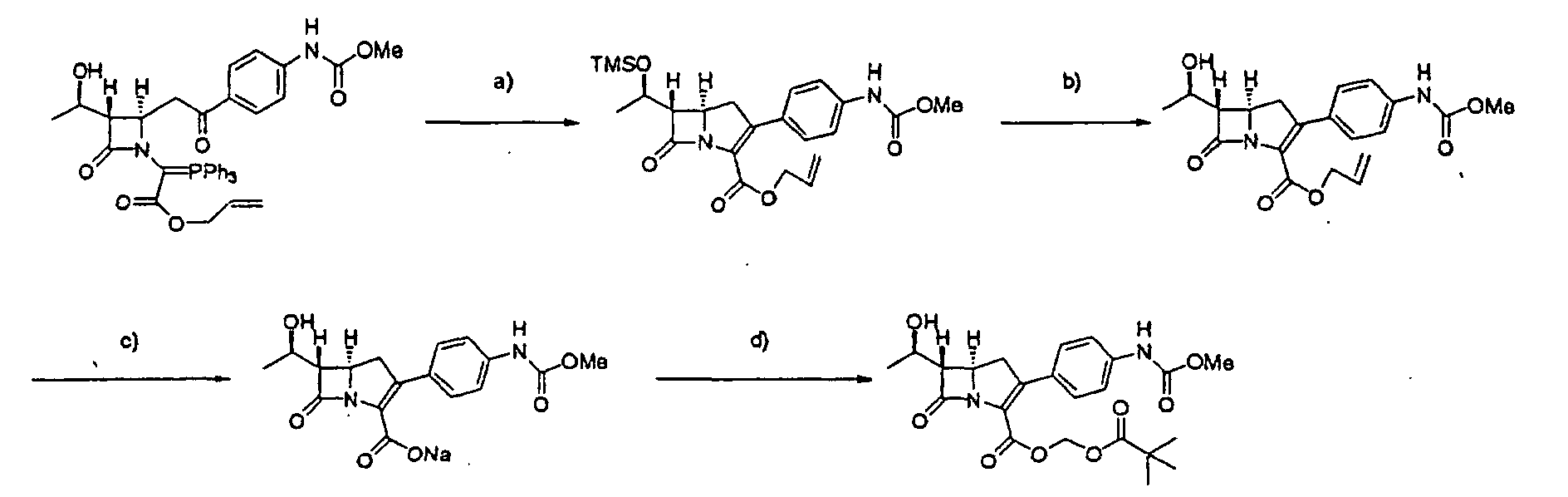
LC/MS (EI) 459 (M+1)
1H NMR (400 MHz, CDCl3) δ1.26 (d, 3H, J=6.4Hz), 3.05-3.20 (m, 3H), 3.67 (s, 3H), 4.14-4.22 (m, 2H), 4.50-4.68 (m, 2H), 5.08-5.22 (m, 2H), 5.74-5.81 (m, 1H), 6.55 (s, 1H), 7.20-7.28 (m, 4H).
1H NMR (400 MHz, D2O) δ1.11 (d, 3H, J=6.4Hz), 2.87-2.94 (m, 1H), 3.21-3.32 (m, 3H), 4.04-4.12 (m, 2H), 7.22 (d, 2H, J=8.4Hz), 7.34 (d, 2H, J=8.4Hz), 7.49 (s, 1H), 7.72 (d, 2H, J=6.0Hz), 8.52 (d, 2H, J=6.0Hz).
1H NMR (400 MHz, CDCl3) δ1.19 (s, 9H), 1.36 (d, 3H, J=6.4Hz), 3.18-3.33 (m, 3H), 3.78 (s, 3H), 4.24-4.32 (m, 2H), 5.78 (d, 1H, J=5.6Hz), 5.87 (d, 1H, J=5.6Hz), 6.68 (s, 1H), 7.30-7.38 (m, 4H).
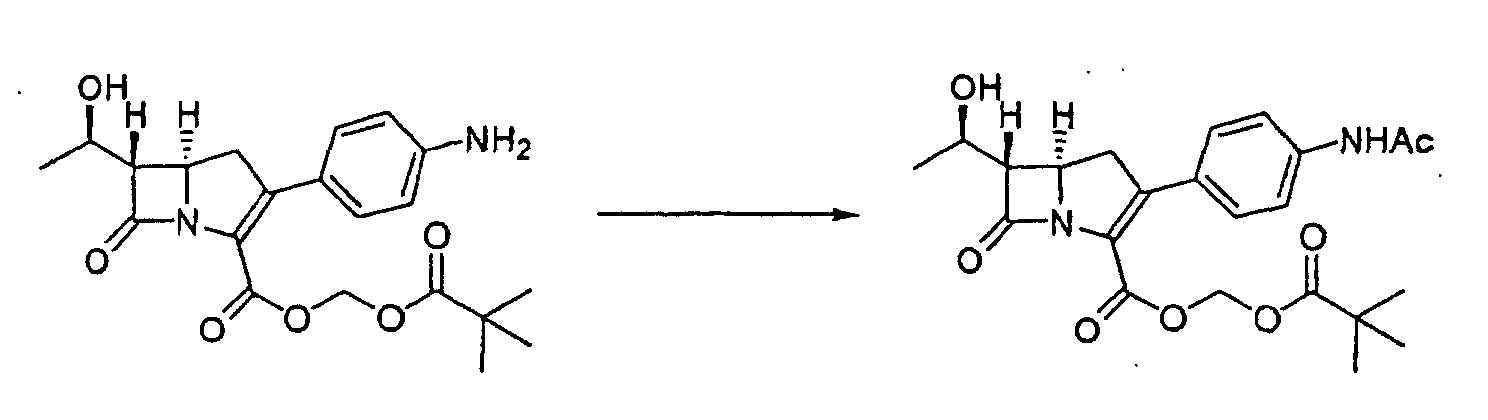
LC/MS (EI) 459 (M+1)
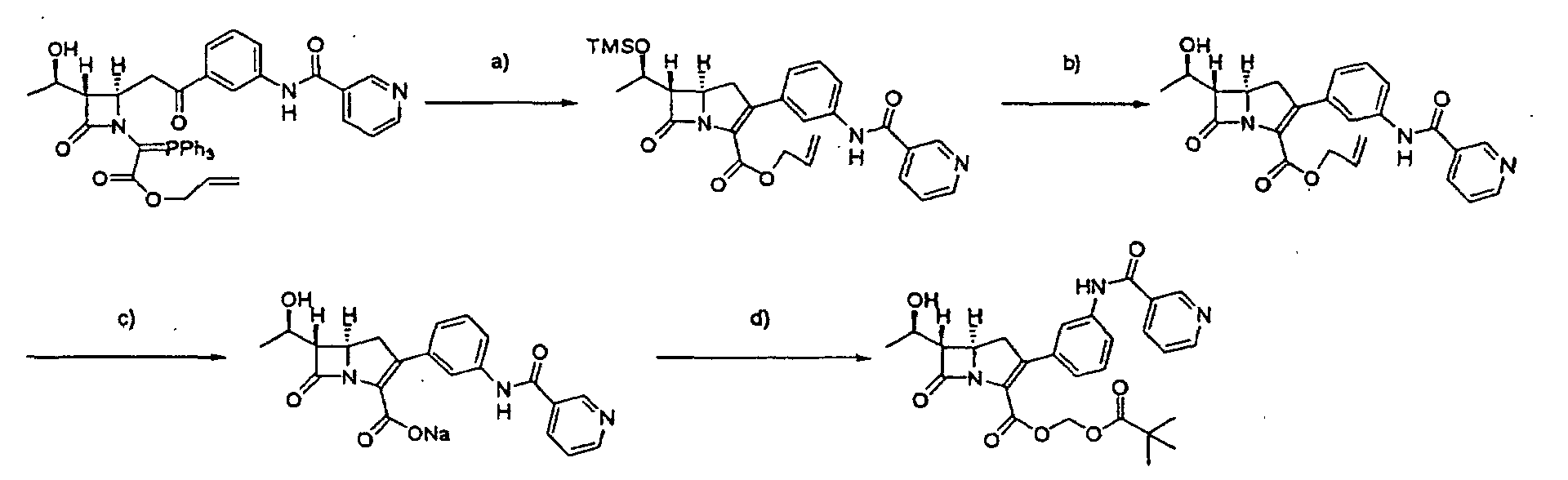
LC/MS (EI) 506(M+1)
1H NMR (400 MHz, CDCl3) δ1.37 (d, 3H, J=6.0Hz), 3.20-3.38 (m, 3H), 4.26-4.38 (m, 2H), 4.60-4.78 (m, 2H), 5.16-5.30 (m, 2H), 5.82-5.89 (m, 1H), 7.16 (d, 1H, J=6.8Hz), 7.37 (t, 1H, J=8.0Hz), 7.44-7.48 (m, 1H), 7.48 (s, 1H), 7.72 (s, 1H), 8.07 (s, 1H), 8.22 (d, 1H, J=8.0Hz), 8.78 (d, 1H, J=6.4Hz), 9.09(s, 1H).
1H NMR (400 MHz, D2O) δ1.13 (d, 3H, J=6.4Hz), 2.94 (dd, 1H, J=17.6Hz, 7.6Hz), 3.28 (dd, 1H, J=17.2Hz, 8.8Hz), 3.33-3.35 (m, 1H), 4.06-4.16 (m, 2H), 7.08 (d, 2H, J=8.4Hz), 7.25 (d, 1H, J=8.0Hz), 7.29 (s, 3H), 7.34 (d, 1H, J=7.6Hz), 7.42-7.45 (m, 1H), 8.12 (s, 1H), 8.54 (d, 1H, J=4.4Hz), 8.81 (s,1H).
1H NMR (400 MHz, CDCl3) δ1.14 (s, 9H), 1.37 (d, 3H, J=6.4Hz), 3.24-3.42 (m, 3H), 4.26-4.33 (m, 2H), 5.75 (d, 1H, J=5.6Hz), 5.82 (d, 1H, J=5.6Hz), 7.09 (d, 1H, J=6.8Hz), 7.38-7.46 (m, 3H), 8.32 (d, 1H, J=6.0Hz), 8.71 (s, 1H), 8.78 (d, 1H, J=6.0Hz), 9.24 (s, 1H).
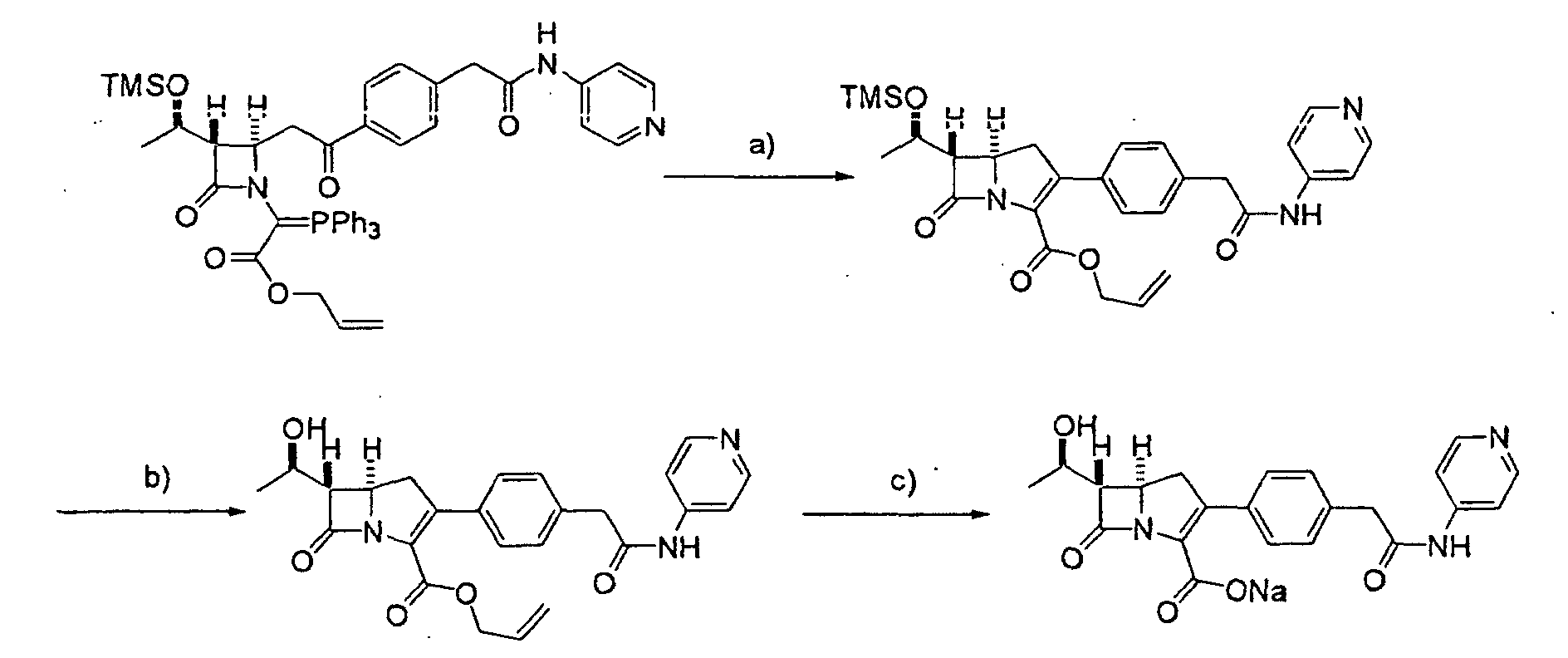
1H NMR (400 MHz, D2O) δ1.25 (d, 3H, J=6.4Hz), 2.95 (dd, 1H, J=17.0Hz, 9.8Hz), 3.32-3.42 (m, 1H), 3.42-3.47 (m, 1H), 3.77 (s, 2H), 4.17-4.24 (m, 2H), 7.47-7.52 (m, 2H), 8.34-8.38 (m, 2H).
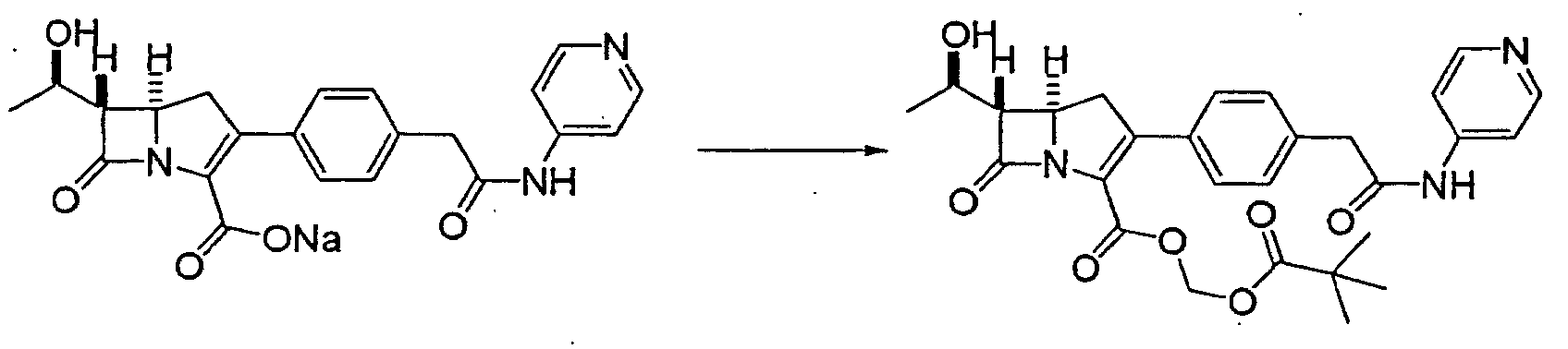
LC/MS(EI)522(M+1)
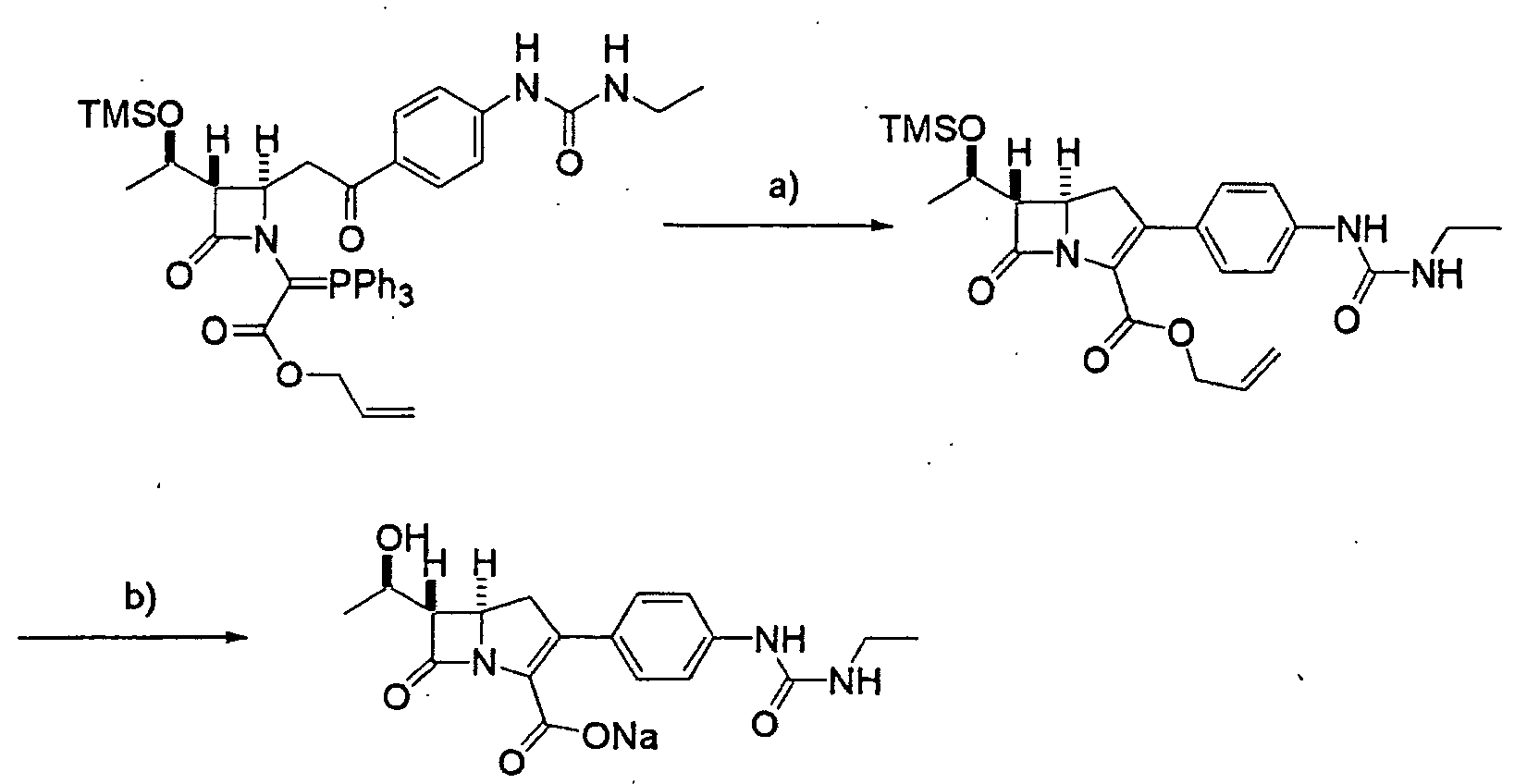
LC/MS(EI)472(M+1)
1H NMR (400 MHz, D2O) δ0.98 (t, 3H, J=7.2Hz), 1.17 (d, 3H, J=6.4Hz), 2.94 (dd, 1H, J=16.9Hz, 9.8Hz), 3.06 (q, 2H, J=7.2Hz), 3.29 (dd, 1H, J=16.9Hz, 8.5 Hz), 3.32-3.39 (m, 1H), 4.08-4.20 (m, 2H), 7.09-7.15 (m, 2H), 7.16-7.22 (m, 2H).
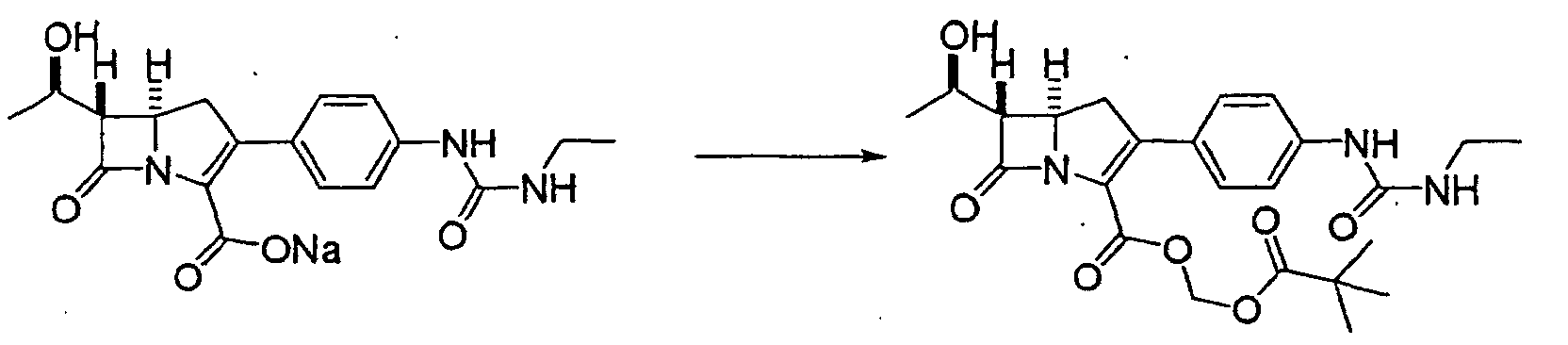
1H NMR (400 MHz, CDCl3) δ1.19 (s, 9H), 1.10-1.19 (m, 3H), 1.36 (d, 3H, J=6.3Hz), 3.12-3.38 (m, 5H), 4.11-4.28 (m, 2H), 4.92 (brs, 1H), 5.77 (d, 1H, J=5.5Hz), 5.87 (d, 1H, J=5.5Hz), 6.51 (s, 1H), 7.20- 7.35 (m, 4H).
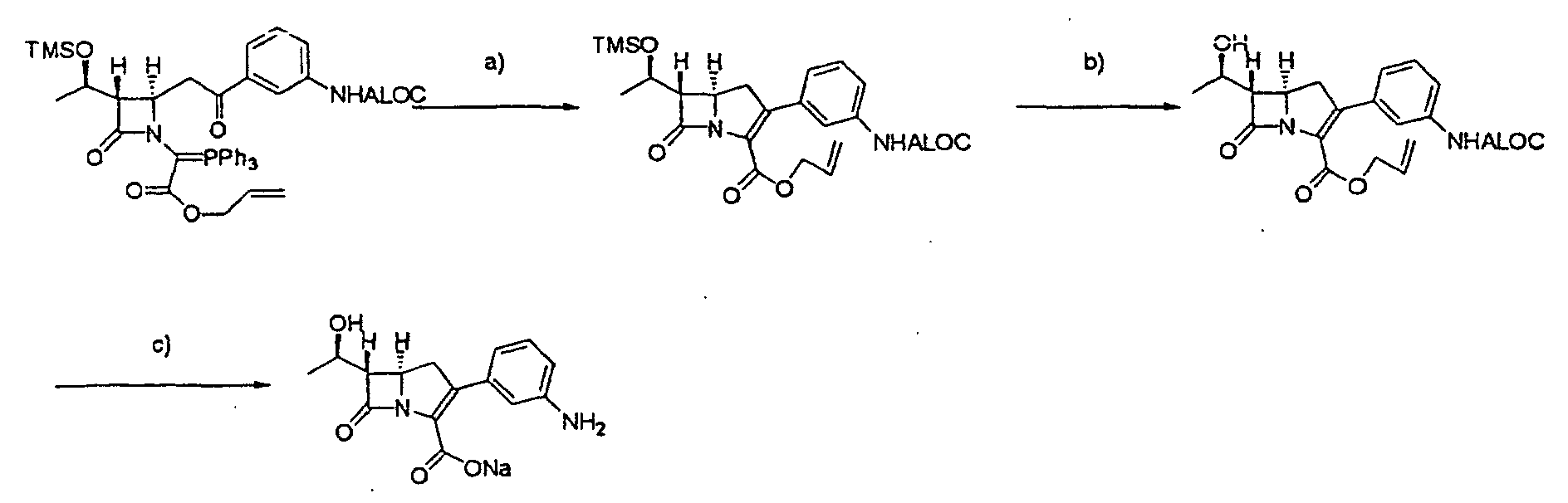
1H NMR (400 MHz, CDCl3) δ0.15 (s, 9H), 1.29 (d, 3H, J=6.1Hz), 3.16-3.28 (m, 3H), 4.17-4.25 (m, 2H), 4.57-4.78 (m, 4H), 5.13- 5.44 (m, 4H), 5.80-6.06 (m, 2H), 6.65 (brs, 1H), 7.03-7.09 (m, 1H), 7.24-7.31 (m, 2H), 7.47(brs, 1H).
1H NMR (400 MHz, CDCl3) δ1.36 (d, 3H, J=6.3Hz), 3.13-3.38 (m, 3H), 4.19-4.35 (m,2 H), 4.54-4.77 (m, 4H), 5.12-5.42 (m, 4H), 5.74-6.04 (m, 2H), 6.75 (brs, 1H), 7.02-7.09 (m, 1H), 7.24-7.32 (m, 2H), 7.47 (brs, 1H).
1H NMR (400 MHz, D2O) δ1.19 (d, 3H, J=6.4Hz), 2.94 (dd, 1H, J=17.0Hz, 9.8Hz), 3.28 (dd, 1H, J=17.0Hz, 8.5Hz), 3.35-3.42 (m, 1H), 4.10-4.20 (m, 2H), 6.62-6.73 (m, 3H), 7.03-7.11 (m, 1H).
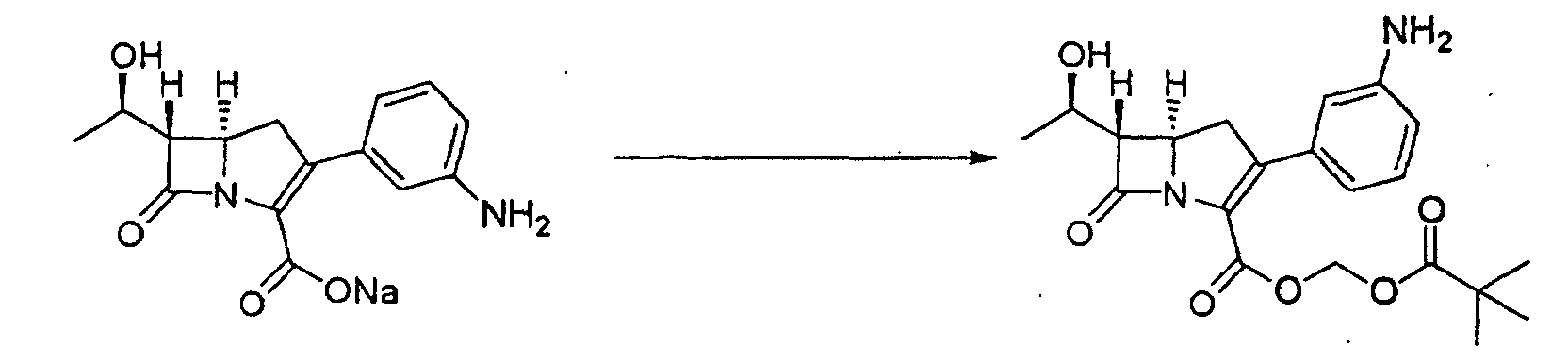
1H NMR (400 MHz, CDCl3) δ1.19 (s, 9H), 1.36 (d, 3H, J=6.3Hz), 3.12-3.28 (m, 3H), 4.20-4.31 (m, 2H), 5.72-5.78 (m, 1H), 5.79-5.84 (m, 1H), 6.62-6.73 (m, 3H), 7.07-7.16 (m, 1H).

1H NMR (400 MHz, CDCl3) δ1.15 (s, 9H), 1.33 (d, 3H, J = 6.3Hz), 2.75 (s, 3H), 3.20-3.28 (m, 2H), 4.13-4.27 (m, 2H), 4.30-4.38 (m, 2H), 5.70 (d, 1H, J = 5.6Hz), 5.79 (d, 1H, J = 5.6Hz), 7.15-7.17 (m, 1H), 7.19-7.30 (m, 3H).
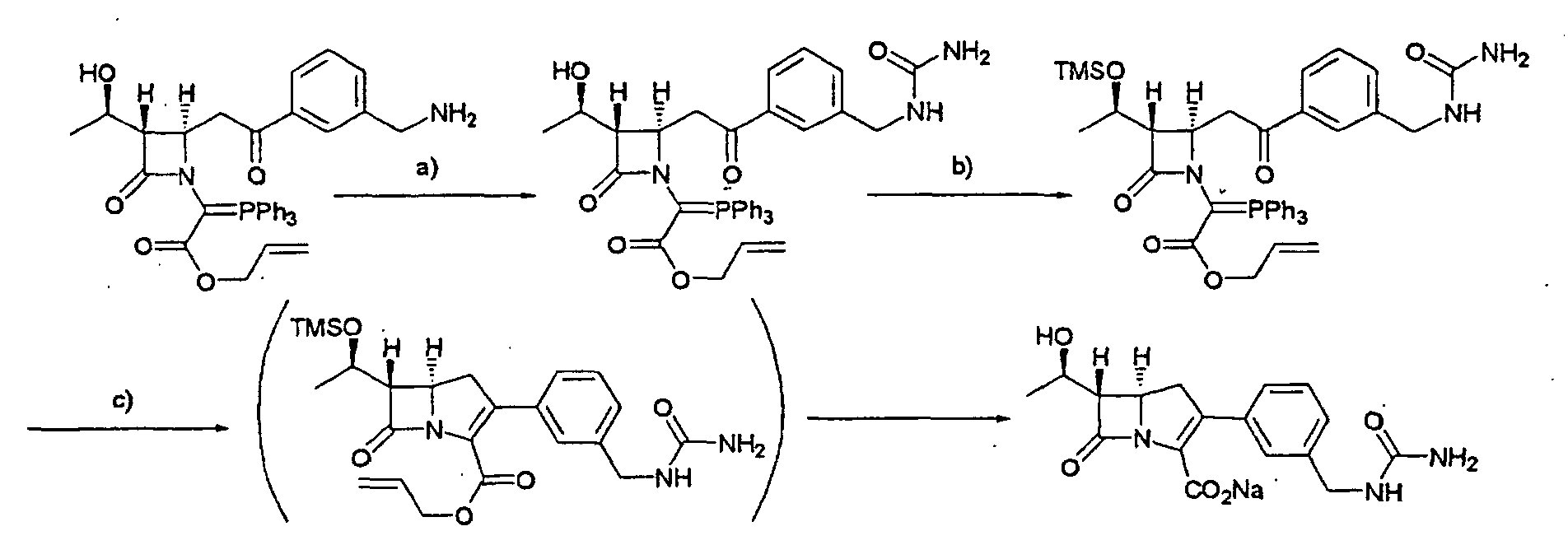
The product was further treated in the same manner as step b) of example 8 to give sodium (5R,6S)-3-(3-{[(aminocarbonyl)amino]methyl}phenyl)-6-[(1R)-1-hydroxyethyl]-7-oxo-1-azabicyclo[3.2.0]hept-2-ene-2-carboxylate.
1H NMR (400 MHz, DMSO-d6) δ1.09 (d, 3H, J = 6.3Hz), 2.78 (dd, 1H, J = 9.8, 15.6Hz), 3.01 (dd, 1H, J = 8.5, 15.6Hz), 3.07 (dd, 1H, J = 2.8, 6.5Hz), 3.80-3.88 (m, 1H), 3.91-3.96 (m, 1H), 4.03, (d, 2H, J = 5.9Hz), 4.93 (d, 1H, J = 5.0Hz), 6.32 (t, 1H, J = 5.9Hz), 6.92 (br.d, 1H, J = 7.7Hz), 7.07 (br.t, 1H, J = 7.7Hz), 7.19 (br.s, 1H), 7.33 (br.d, 1H, J = 8.0Hz).
IR (ATR) 3338(br), 2972, 1743, 1649, 1570, 1489, 1389, 1340, 1308, 1246, 1223, 1132, 1092, 1039, 999, 978, 951, 887, 783, 696 cm-1.

1H NMR (400 MHz, CD3CN) δ1.14 (s, 9H), 1.31 (d, 3H, J = 6.3Hz), 3.12 (dd, 1H, J = 18.5, 9.9Hz), 3.20-3.28 (m, 2H), 4.09-4.25 (m, 2H), 4.31 (br. s, 2H), 5.69 (d, 1H, J = 5.6Hz), 5.79 (d, 1H, J = 5.6Hz), 5.95 (br. s, 1H), 7.16-7.18 (m, 1H), 7.23-7.28 (m, 3H).

1H NMR (400 MHz, DMSO-d6) δ1.14 (d, 3H, J = 6.3Hz), 2.86 (dd, 1H, J = 15.7, 9.9Hz), 3.08 (dd, 1H, J = 15.7, 8.5Hz), 3.13 (dd, 1H, J = 6.6, 2.8Hz), 3.90 (br, 1H), 4.00 (td, 1H, J = 8.9, 2.7Hz), 4.44 (d, 2H, J = 5.9Hz), 5.01 (br. d, 1H, J = 3.7Hz), 7.17 (d, 2H, J = 8.4Hz), 7.42 (d, 2H, J = 8.4Hz), 7.49 (ddd, 1H, J = 0.8, 4.8, 7.9Hz), 8.22 (td, 1H, J = 2.0, 7.9Hz), 8.69 (dd, 1H, J = 1.7, 4.8Hz), 9.03 (dd, 1H, J = 0.8, 2.2Hz), 9.31 (t, 1H, J = 5.9Hz).
IR (ATR) 3267, 1747, 1643, 1589, 1547, 1477, 1392, 1308, 1246, 1223, 1158, 1130, 1092, 1030, 987, 945, 879, 802, 787, 706, 675, 621cm-1.

1H NMR (400 MHz, CDCl3) δ1.15 (s, 3H), 1.37 (d, 3H, J = 3.6Hz), 3.21 (dd, 1H, J = 9.9Hz,18.5Hz), 3.27 (dd, 1H, J = 2.8 Hz,6.6 Hz), 3.31 (dd, 1H, J = 8.9Hz,18.5Hz), 4.21-4.37 (m, 2H), 4.67 (d, 2H, J = 5.5Hz), 5.73 (d, 1H, J = 5.5Hz), 5.81 (d, 1H, J = 5.5Hz), 6.74 (br. t, 1 H), 7.30-7.36 (m, 4H), 7.40 (ddd, 1H, J = 0.7Hz,4.8Hz,8.0Hz), 8.18 (dt, 1H, J = 8.0Hz,2.0Hz), 8.73 (dd, 1H, J = 1.7Hz,4.8Hz), 9.02 (d, 1H, J = 1.7Hz).

1H NMR (400 MHz, CDCl3) δ0.078 (6H, s), 0.084 (6H, s), 0.22 (9H, s), 0.88 (9H, s), 1.00 (9H, s), 1.25 (3H, d, J=6.2Hz), 2.89 (1H, dd, J=2.3Hz,5.4Hz), 3.07-3.18 (1H, m), 3.37-3.49 (1H, m), 4.07-4.16 (1H, m), 4.17-4.28 (1H, m), 6.11 (1H, s), 7.03-7.12 (1H, m), 7.30-7.44 (2H, m), 7.52 (1H, d, J=7.8Hz).

IR (KBr) 3423 (broad), 1727, 1604, 1256, 750, 720, 692 cm-1.

1H NMR (400 MHz, CDCl3) δ0.08 (s, 6H), 0.12 (s, 6H), 0.87 (s, 9H), 0.95 (s, 9H), 1.25 (d, 3H, J=5.6Hz), 2.87-2.89 (m, 1H), 3.13-3.20 (m, 1H), 3.46 (dd, 1H, J=17.7, 3.0Hz), 4.21-4.24 (m, 1H), 4.80 (s, 2H), 6.11 (s, 1H), 7.46 (t, 1H, J=7.7Hz), 7.57 (d, 1H, J=7.7Hz), 7.82 (d, 1H, J=7.7Hz), 7.90 (s, 1H).

IR (KBr) 3324 (broad), 1767, 1738, 1671, 1439, 1373, 1245, 1124, 1107, 1084, 692 cm-1.

1H NMR (400 MHz, CDCl3) δ0.08 (s, 3H), 0.09 (s, 3H), 0.88 (s, 9H), 1.25 (d, 3H, J = 6.3Hz), 1.47 (s, 9H), 2.89 (dd, 1H, J = 2.2Hz,5.3Hz), 3.17 (dd, 1H, J = 10.1Hz,17.8Hz), 3.46 (dd, 1H, J = 3.0Hz,17.8Hz), 4.09-4.16 (m, 1H), 4.19-4.27 (m, 1H), 4.38 (d, 2H, J = 6.2Hz), 4.96 (broad s, 1H), 6.14 (broad s, 1H), 7.43-7.48 (m, 1H), 7.52-7.55 (m, 1H), 7.82-7.87 (m, 2H).


1H NMR (400 MHz, CDCl3) δ0.06 (s, 3H), 0.07 (s, 3H), 0.86 (s, 9H), 1.24 (d, 3H, J = 6.2Hz), 1.45 (br, 9H), 2.87 (dd, 1H, J = 2.3Hz,5.4Hz), 3.14 (dd, 1H, J = 10.2Hz,17.7Hz), 3.43 (dd, 1H, J = 3.0Hz, 17.7Hz), 4.08-4.12 (m, 1H), 4.18-4.24 (m, 1H), 4.37 (d, 2H, J = 5.9Hz), 4.95 (broad s, 1H), 6.11 (broad s, 1H), 7.37-7.39 (m, 2H), 7.89-7.91 (m, 2H).

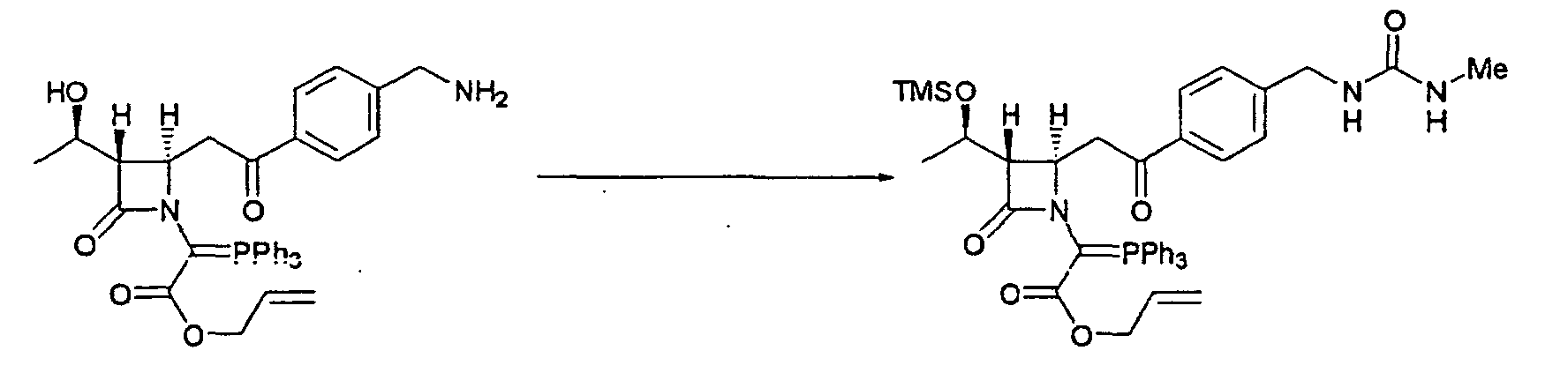
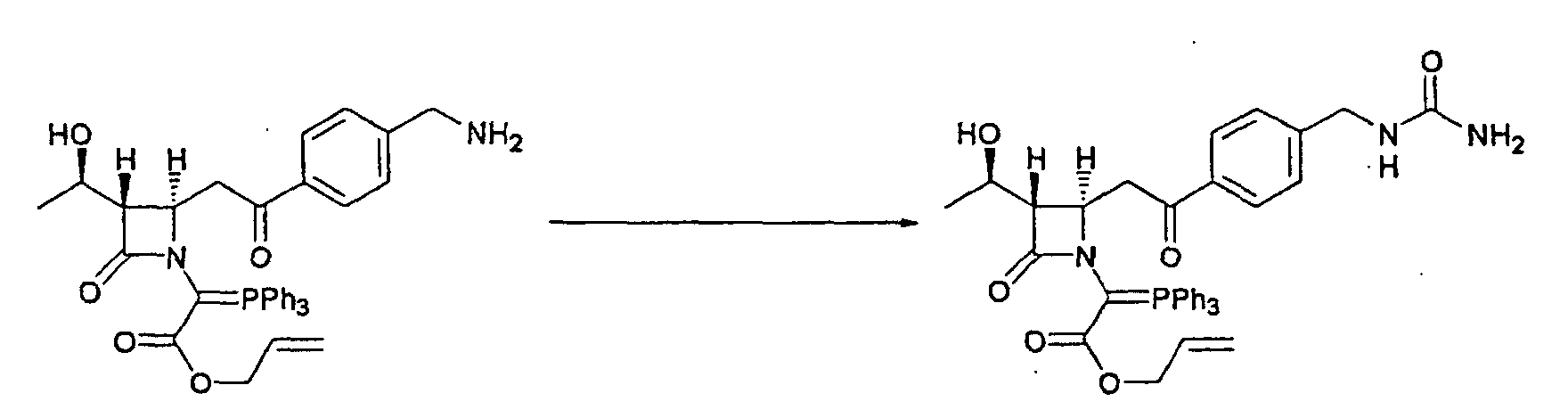

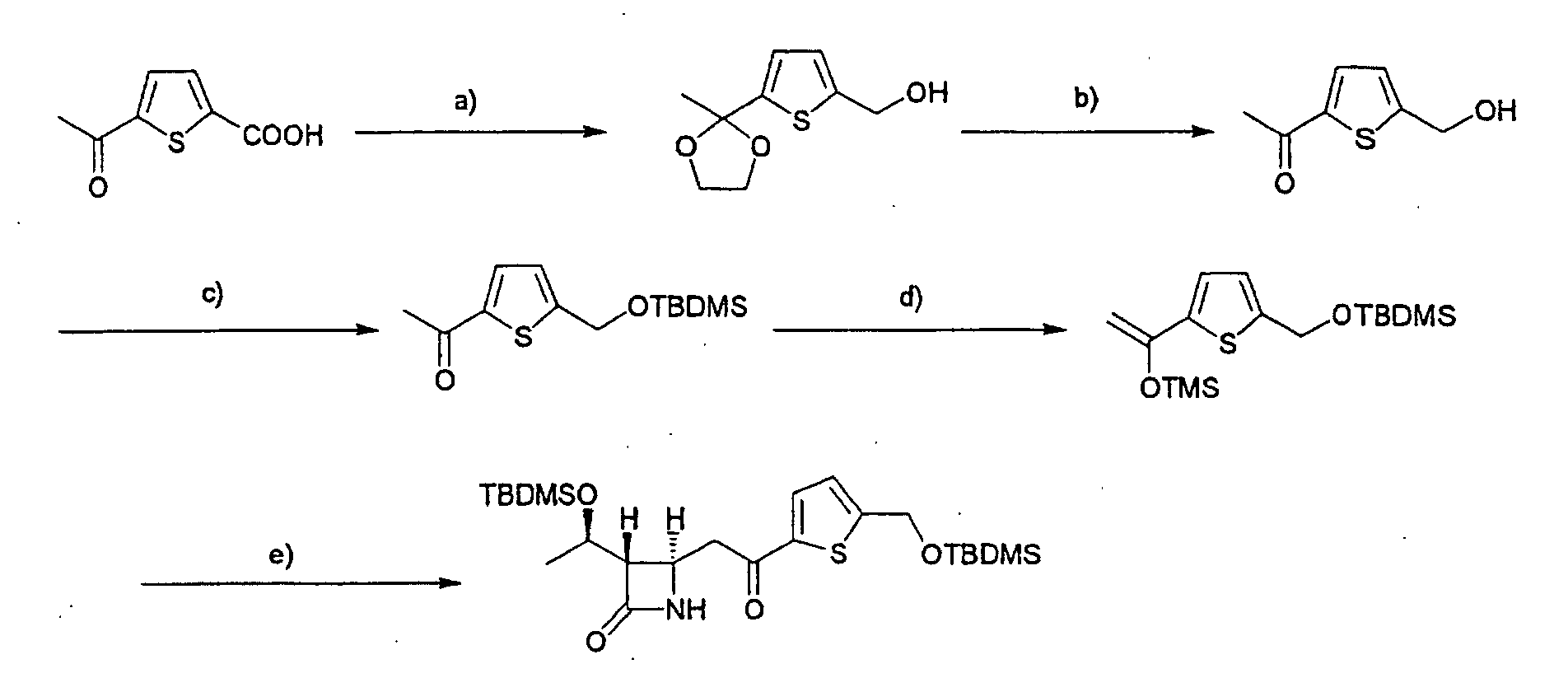
1H NMR (400 MHz, CDCl3) δ0.11 (s, 6H), 0.93 (s, 9H), 2.53 (s, 3H), 4.87 (d, 2H, J=0.9Hz), 6.92 (d, 1H, J=3.8Hz), 7.56 (d, 1H, J=3.8Hz).
1H NMR (400 MHz, CDCl3) δ0.069 (s, 3H), 0.075 (s, 3H), 0.12 (s, 3H+3H), 0.87 (s, 9H), 0.94 (s, 9H), 1.24 (d, 3H, J=6.2Hz), 2.87 (dd, 1H, J=5.4Hz, 2.2Hz), 3.07 (dd, 1H, J=16.9Hz, 10.1Hz), 3.34 (dd, 1H, J=6.9Hz,3.3Hz), 4.07-4.11 (m, 1H), 4.18-4.24 (m, 1H), 4.89 (d, 2H, J=0.7Hz), 6.08 (s, 1H), 6.94 (s, 1H, J=3.9Hz), 7.58 (d, 1H, J=3.9Hz).
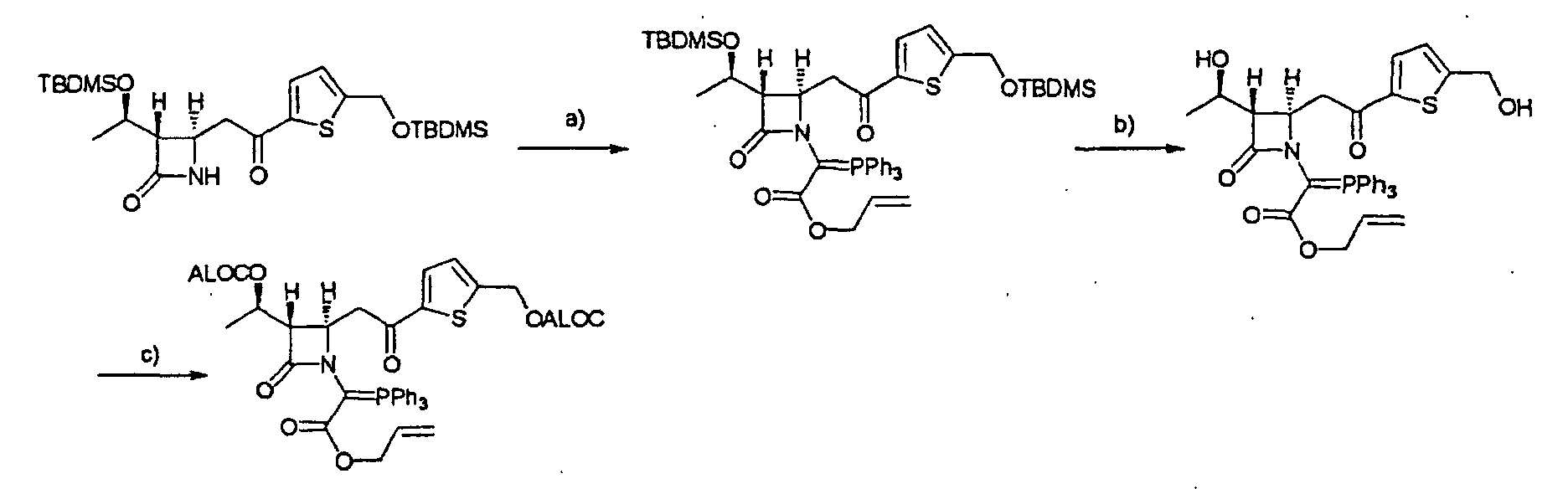

1H NMR (400 MHz, CDCl3) δ0.08 (s, 3H), 0.09 (s, 3H), 0.88 (s, 9H), 1.26 (d, 3H, J = 6.2Hz), 1.46 (br. t, 1H, J = 4.8Hz), 2.89 (dd, 1H, J = 2.3Hz, 5.4Hz), 2.95 (t, 2H, J = 6.5Hz), 3.18 (dd, 1H, J = 10.2Hz, 17.7Hz), 3.46 (dd, 1H, J = 3.0Hz, 17.7Hz), 3.91 (broad dt, 2H, J = 4.8Hz, 6.5Hz), 4.10-4.14 (m, 1H), 4.20-4.26 (m, 1H), 6.13 (broad s, 1H), 7.42-7.52 (m, 2H), 7.80-7.83 (m, 2H).

1H NMR (400 MHz, CDCl3) δ 0.07 (s, 3H), 0.08 (s, 3H), 0.87 (s, 9H), 1.24 (d, 3H, J= 6.2Hz), 2.91 (dd, 1 H, J = 2.2, 5.2Hz), 3.19 (dd, 1H, J=10.0Hz, 17.7Hz), 3.43 (dd, 1H, J= 3.1Hz, 17.7Hz), 3.72 (s, 2H), 4.11-4.19 (m, 1H), 4.20-4.26 (m, 1H), 6.39 (broad s, 1H), 7.44-7.53 (m, 2H), 7.84-7.88 (m, 2H).

1H NMR (300 MHz, CDCl3) δ0.08 (s, 3H), 0.09 (s, 3H), 0.88 (s, 9), 1.26 (d, 3H, J = 6.3Hz), 2.79 (d, 3H, J = 5.0Hz), 2.89 (dd, 1H, J = 2.3, 5.4Hz), 3.17 (dd, 1H, J = 10.1Hz, 17.8Hz), 3.47 (dd, 1H, J = 2.9Hz, 17.8Hz), 3.62 (s, 2H), 4.12-4.16 (m, 1H), 4.20-4.28 (m, 1H), 5.62 (broad s, 1H), 6.33 (broad s, 1H), 7.45-7.50 (m, 1H), 7.54-7.57 (m, 1H), 7.84-7.87 (m, 2H).


1H NMR (300 MHz, CDCl3) δ0.00 (s, 6H), 0.11 (s, 3H), 0.12 (s, 3H), 0.89 (s, 9H), 0.91 (s, 9H), 1.29 (d, 3H, J = 6.0Hz), 2.87-2.94 (m, 3H), 3.19 (dd, 1H, J = 10.2Hz, 17.6Hz), 3.49 (dd, 1H, J = 3.0Hz, 17.6Hz), 3.85-3.89 (m, 2H), 4.13-4.18 (m, 1H), 4.24-4.28 (m, 1H), 6.16 (broad s, 1H), 7.32-7.38 (m, 2H), 7.89-7.93 (m, 2H).
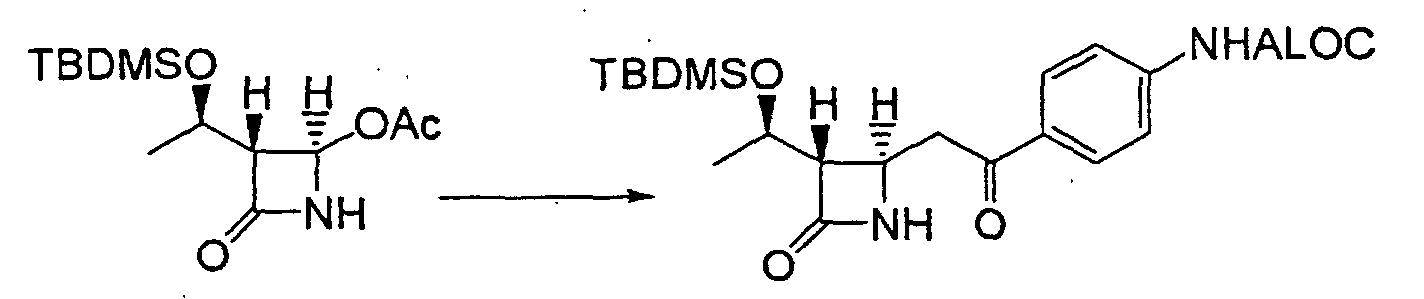
1H NMR (400 MHz, CDCl3) δ0.07 (s, 6H), 0.87 (s, 9H), 1.24 (d, 3H, J=6.2Hz), 2.86-2.89 (m, 1H), 3.08-3.16 (m, 1H), 3.39-3.45 (m, 1H), 4.09-4.13 (m, 1H), 4.18-4.25 (m, 1H), 4.69 (d, 2H, J=5.8Hz), 5.25-5.42 (m, 2H), 5.92-6.01 (m, 1H), 6.15 (s, 1H), 7.52 (d, 2H, J=8.7Hz), 7.91 (d, 2H, J=8.7Hz)

LC/MS(EI)805(M+1)
LC/MS(EI)691(M+1)
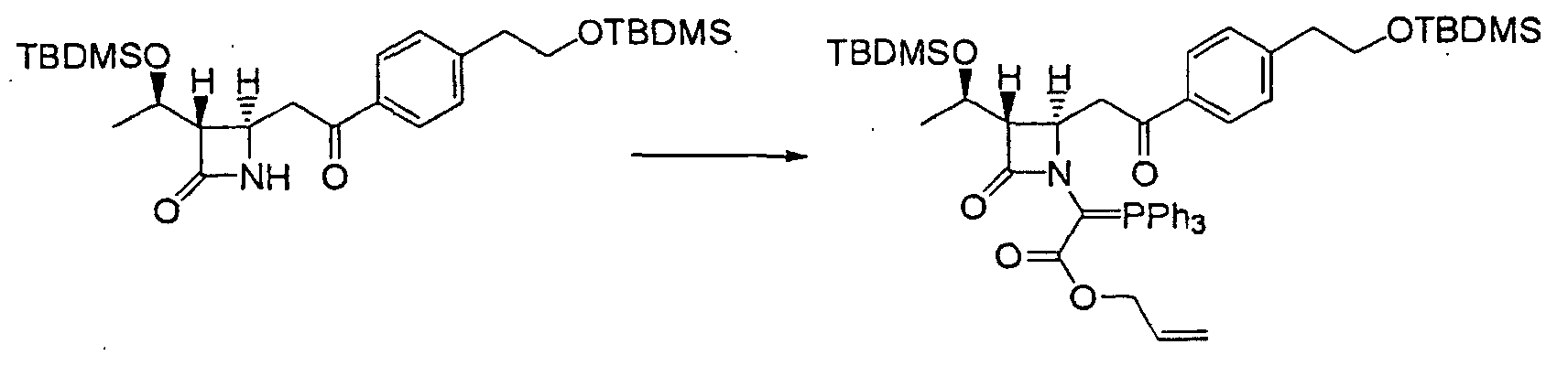
LC/MS(EI)865(M+1)
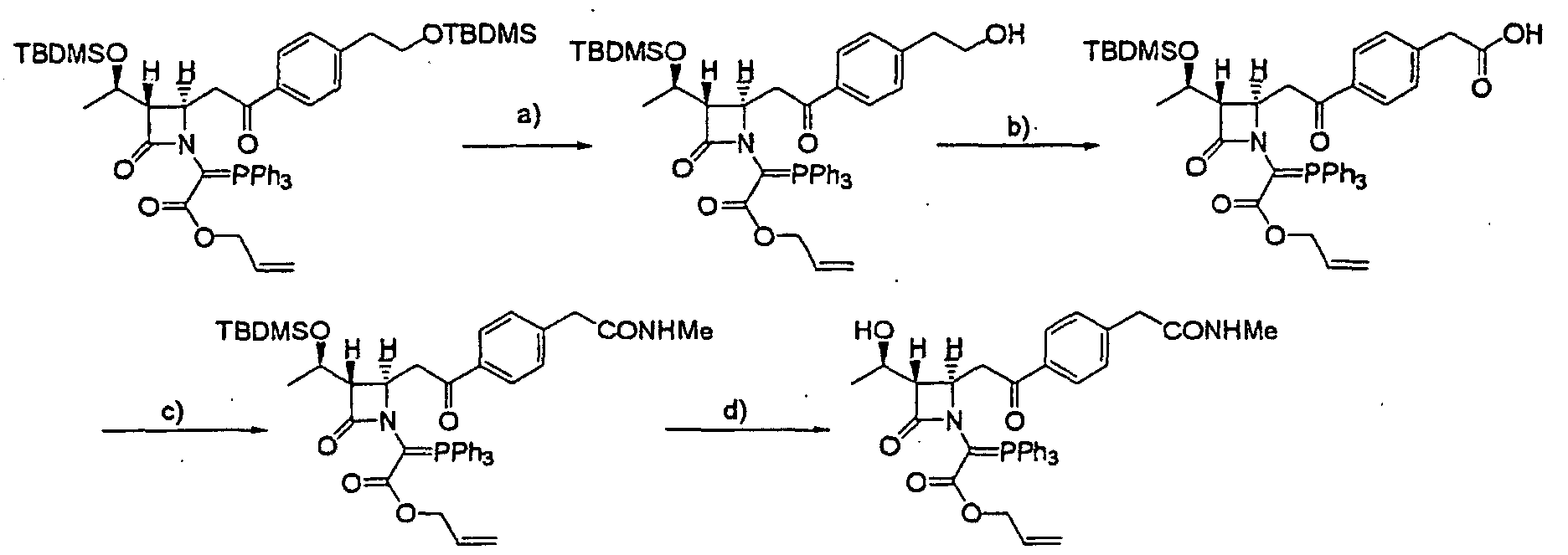
LC/MS(EI)750(M+1)
LC/MS(EI)764(M+1)
LC/MS(EI)777(M+1)
LC/MS(EI)663(M+1)
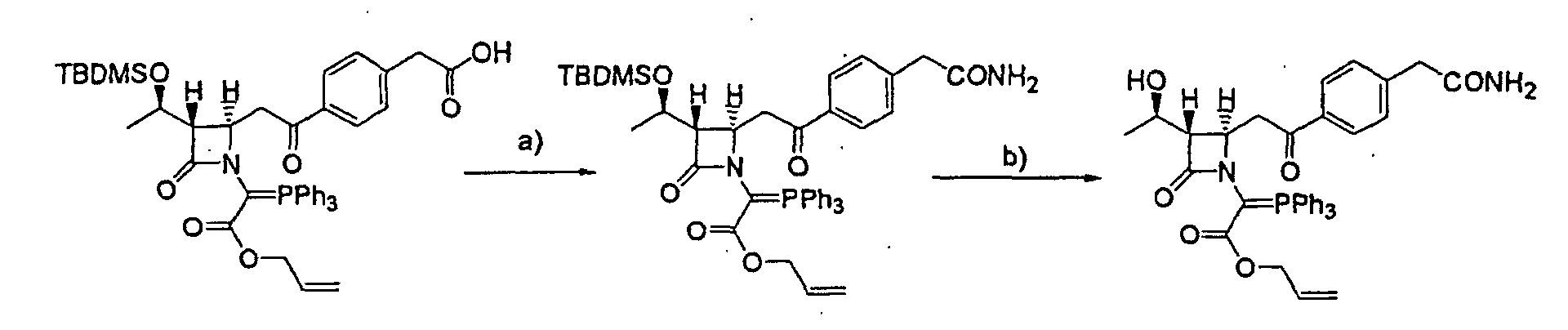
LC/MS(EI)763(M+1)
LC/MS(EI)649(M+1)

LC/MS(EI)663(M+1)
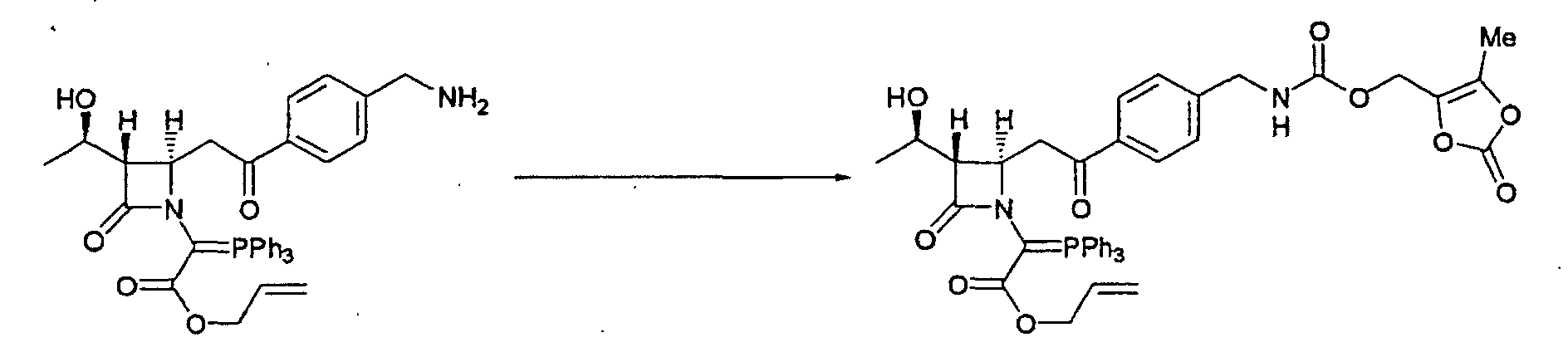
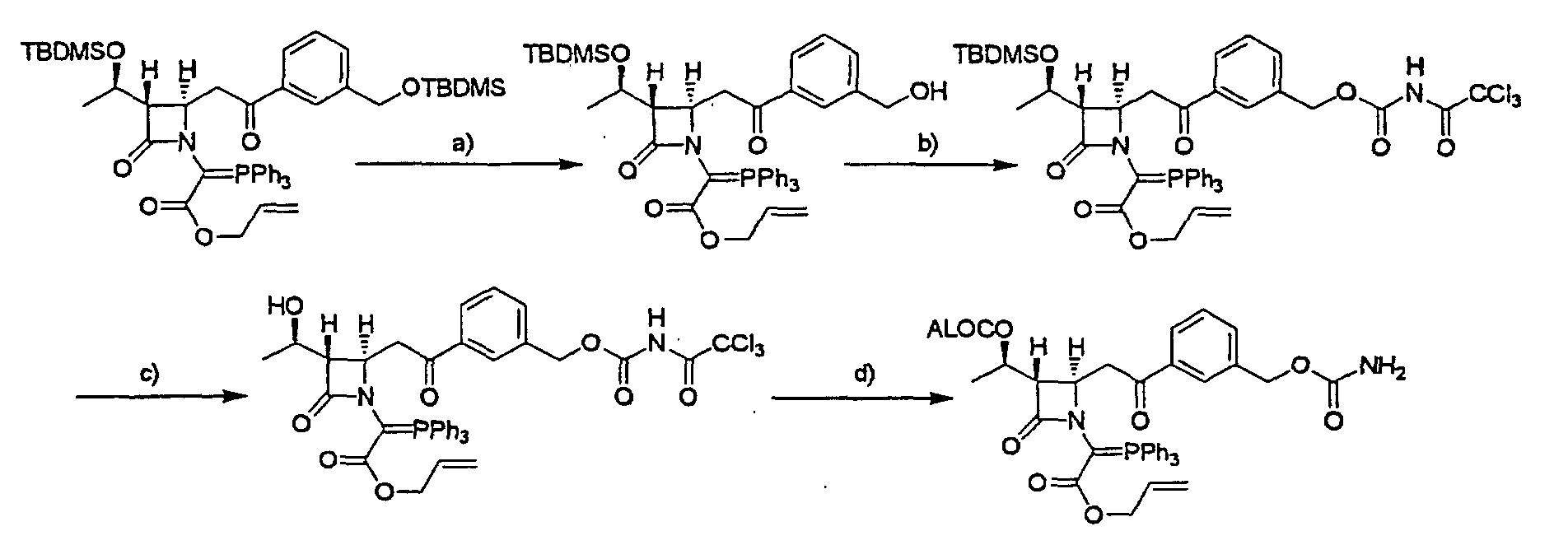
LC/MS (EI) 851 (M+1)+.
LC/MS (EI) 737 (M+1)+.
LC/MS (EI) 925.5 (M+1)+.
IR(ATR) 2951, 2931, 1797, 1724, 1605, 1439, 1246, 1169, 1103, 829, 690 cm-1.
LC/MS (EI) 811 (M+1)+.
IR(ATR) 3286(broad), 1794, 1767, 1728, 1508, 1439, 1246, 1169, 1103, 1045, 999, 825, 748, 690, 667 cm-1.
LC/MS (EI) 750 (M+1)+.
IR(ATR) 3359(broad), 2974, 2939, 1736, 1616, 1250, 1103, 1053, 752, 717, 690 cm-1.

IR(ATR) 3348(broad), 2978, 1736, 1709, 1682, 1608, 1439, 1365, 1250, 1165, 1103, 752, 717, 690 cm-1.
LC/MS (EI) 722(M+1)+.
IR(ATR) 3329(broad), 2981, 2935, 1740, 1709, 1682, 1608, 1439, 1365, 1250, 1165, 1107, 752, 717, 690 cm-1.
LC/MS (EI) 806 (M+1)+.
IR(ATR) 1743, 1674, 1142, 1107 cm-1.
LC/MS (EI) 706 (M+1)+.
IR(ATR) 3298(broad), 3059, 2935, 1740, 1678, 1608, 1439, 1377, 1450, 1103, 752, 717, 690 cm-1.
LC/MS (EI) 733 (M+1)+.

IR(ATR) 3305(broad), 3059, 2942, 1740, 1250, 1103, 752, 717, 690cm-1.
LC/MS (EI) 764 (M+1)+.
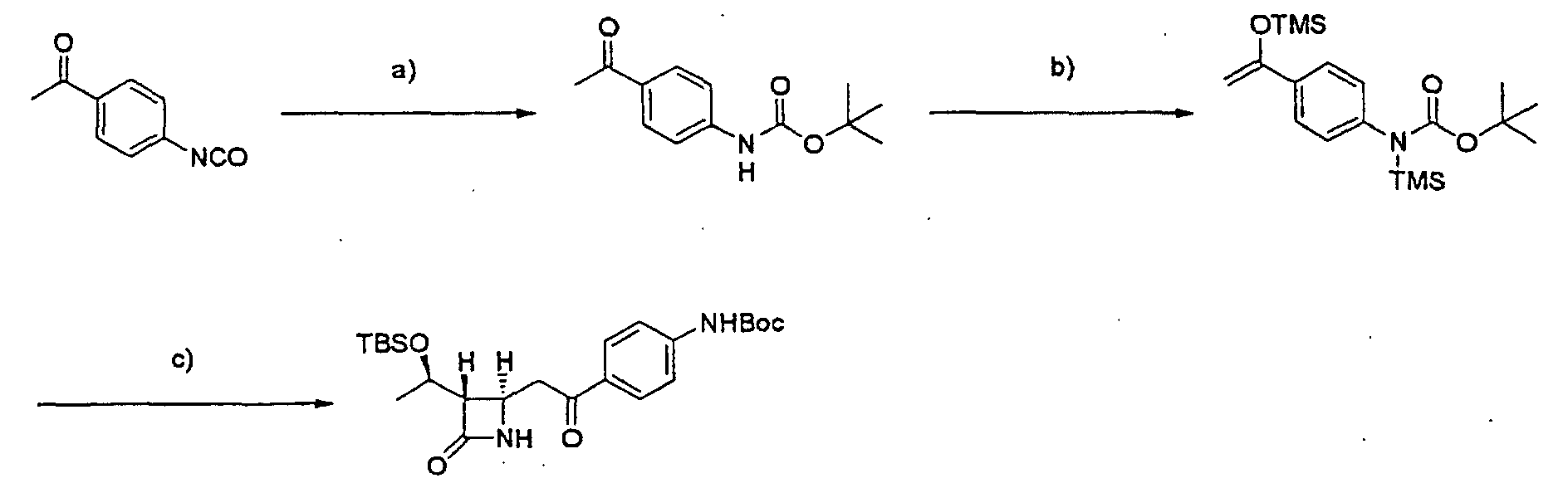
1H NMR (400 MHz, CDCl3) δ1.47 (s, 9H), 2.56 (s, 3H), 7.42 (d, 2H, J=20Hz), 7.90 (d, 2H, J= 20Hz).
1H NMR (400 MHz, CDCl3) δ0.17 (s, 9H), δ0.24 (s, 9H), δ1.48 (s, 9H), 4.38 (s, 1H), 4.86 (s, 1H), 6.98 (d, 2H, J=16Hz), 7.52 (d, 2H, J=16Hz).
1H NMR (400 MHz, CDCl3) δ0.07 (s, 6H), 0.87 (s, 9H), 1.24 (d, 3H, J=6.0Hz), 2.87 (dd, 1H, J=2.4Hz, 5.2Hz), 3.11 (dd, 1H, J=10.0Hz, 17.6Hz), 3.41 (dd, 1H, J=2.8Hz, 17.2Hz), 4.08-4.12 (m, 1H), 4.20-4.23 (m, 1H), 6.11 (s, 1H), 6.71 (s, 1H), 7.47 (d, 2H, J=8.0Hz), 7.89 (d, 2H, J=8.0Hz).

LC/MS(EI)822(M+1)
LC/MS(EI)607(M+1)

LC/MS(EI)712(M+1)

LC/MS(EI)712(M+1)
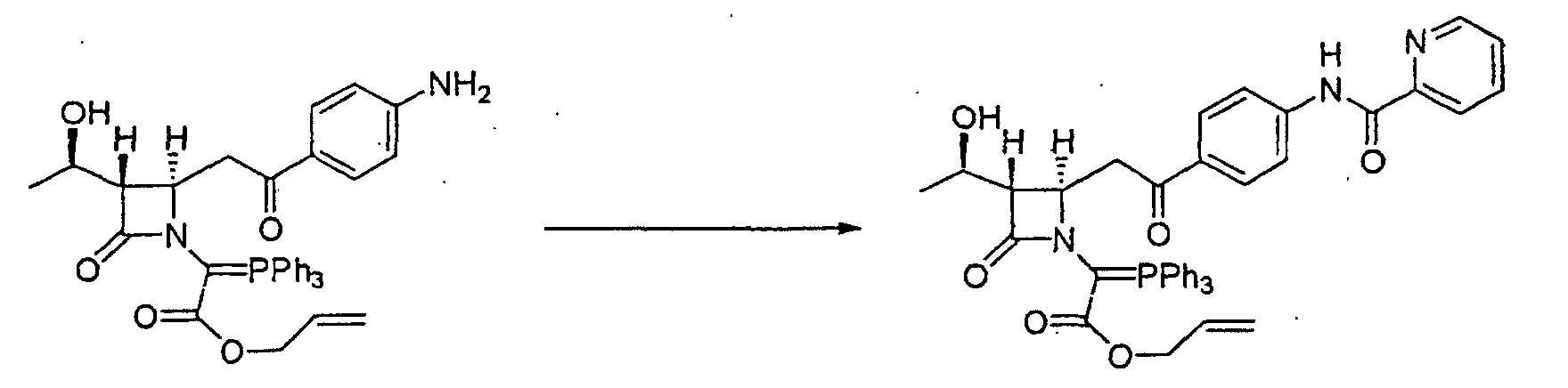
LC/MS(EI)712(M+1)

LC/MS(EI)665(M+1)
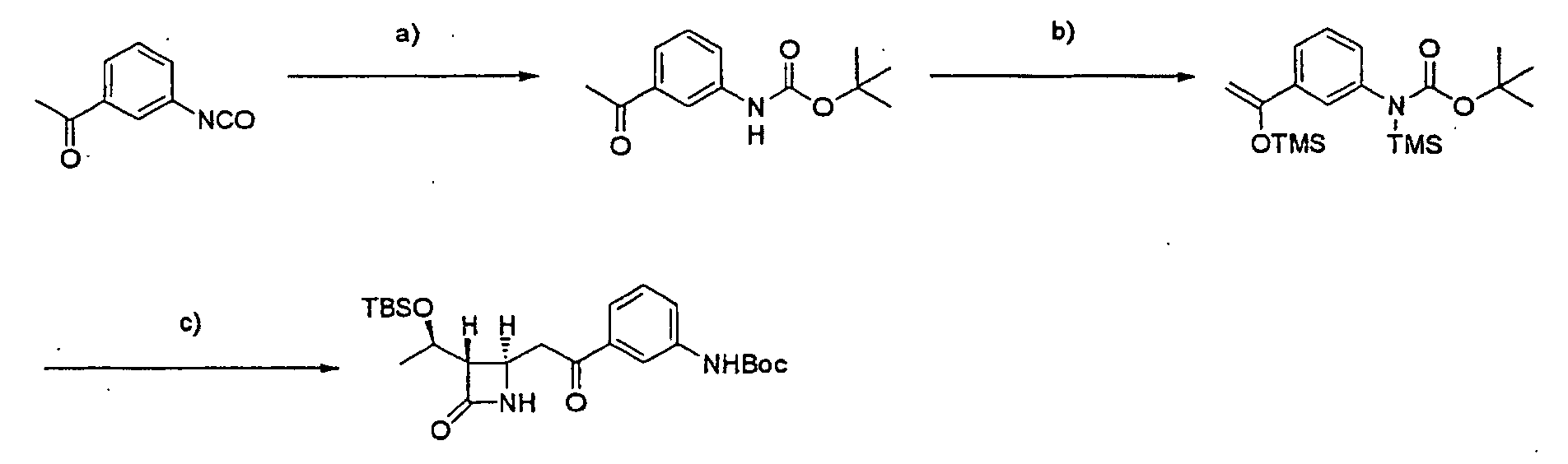
1H NMR (400 MHz, CDCl3) δ1.52 (s, 9H), 2.60 (s, 3H), 6.58 (s, 1H), 7.38 (t, 1H, J=8.0Hz), 7.60-7.65 (m, 2H), 7.91 (s, 1H).
1H NMR (400 MHz, CDCl3) δ0.17 (s, 9H), δ0.24 (s, 9H), δ1.48 (s, 9H), 4.42 (s, 1H), 4.89 (s, 1H), 6.96 (d, 1H, J=8.0Hz), 7.20 (s, 1H), 7.26 (t, 1H, J=8.0Hz), 7.43 (d, 1H, J=8.0Hz).
1H NMR (400 MHz, CDCl3) δ0.08 (s, 6H), 0.87 (s, 9H), 1.25 (d, 3H, J=6.4Hz), 2.89 (dd, 1H, J=2.4Hz, 5.2Hz), 3.16 (dd, 1H, J=10.4Hz, 17.6Hz), 3.45 (dd, 1H, J=3.2Hz, 18.0Hz), 4.09-4.14 (m, 1H), 4.21-4.23 (m, 1H), 6.10 (s, 1H), 6.60 (s, 1H), 7.40 (t, 1H, J=8.0Hz), 7.60 (t, 2H, J=8.0Hz), 7.97 (s, 1H).

LC/MS(EI)822(M+1)
LC/MS(EI)607(M+1)
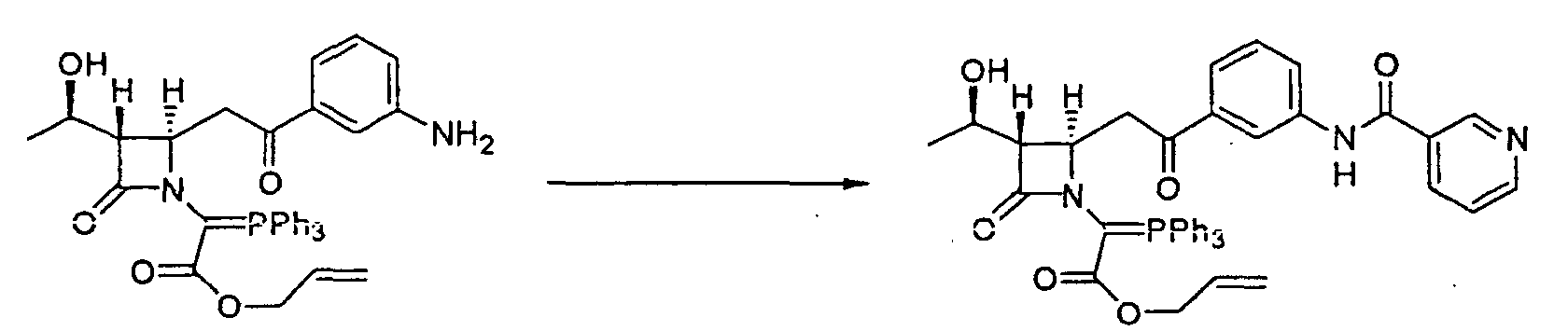
LC/MS(EI)712(M+1)

LC/MS(EI)841(M+1)
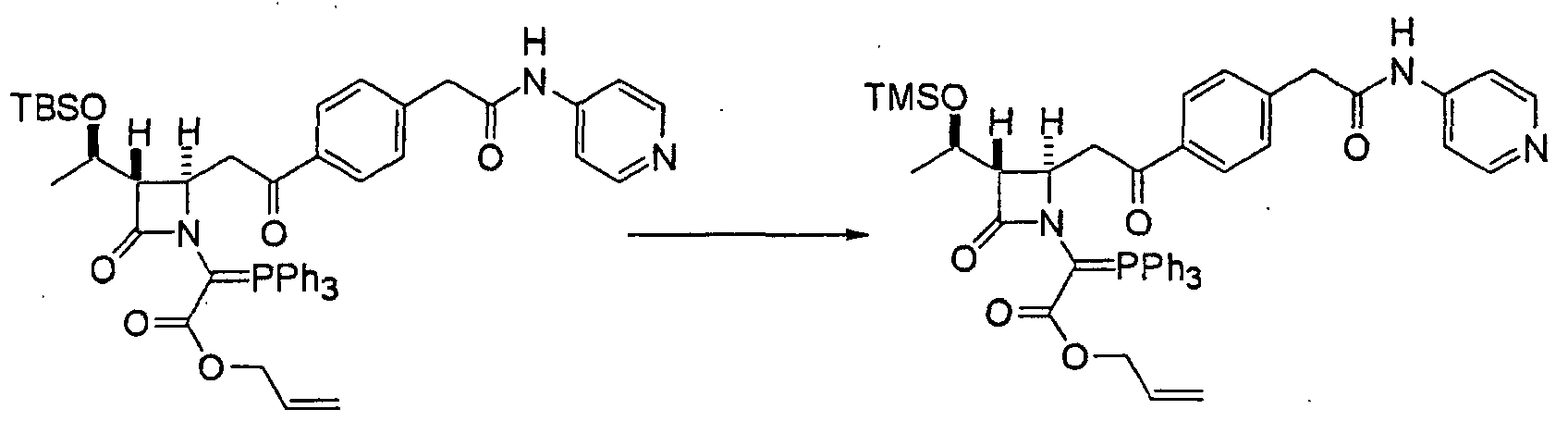

LC/MS(EI)763(M+1)

LC/MS(EI)792(M+ 1)
LC/MS(EI)750(M+1)

LC/MS(EI)679(M+1)
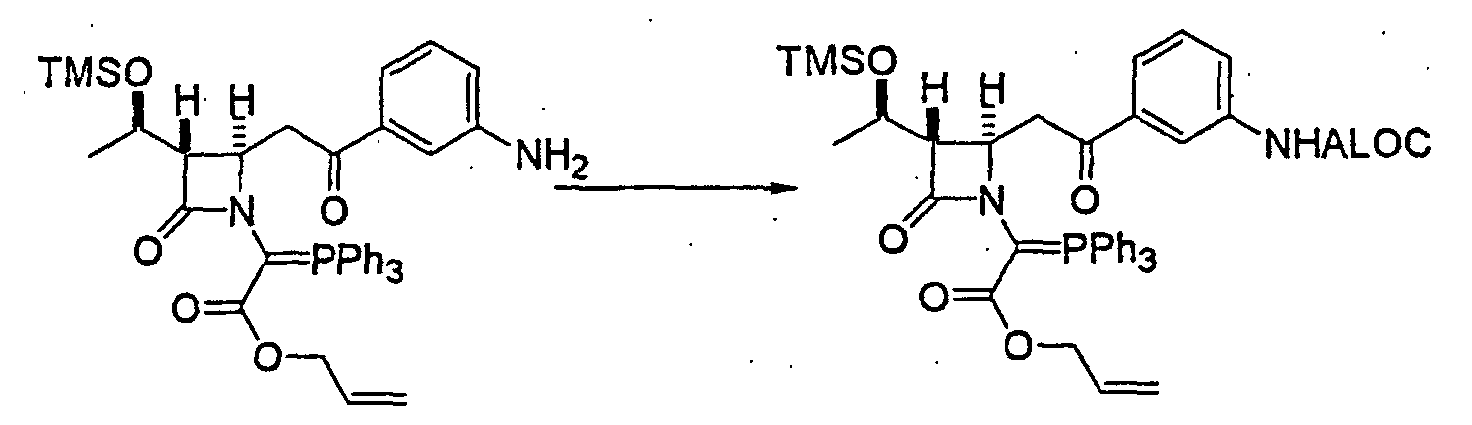
LC/MS(EI)763(M+1)
Claims (75)
- A carbapenem compound represented by a following formula [1],wherein ring E is benzene or thiophen.

R1 is C1 to C3 alkyl or C1 to C3 alkyl substituted by hydroxy.
A is -(CH2)r-, wherein r is 1 to 3; -(CH2)s-O-(CH2)t-, wherein s and t are respectively independently 0 to 3; -(CH2)s-S-(CH2)t-, wherein s and t are the same as defined above; -(CH2)s-NRa-(CH2)t-, wherein s and t are the same as defined above, and Ra is hydrogen or optionally substituted C1 to C6 alkyl; -(CH2)s-NRa-CRb=N-(CH2)t-, wherein Ra, s and t are the same as defined above, and Rb is hydrogen atom or optionally substituted C1 to C6 alkyl; -(CH2)s-NRa-C(-NRbRc)=N-(CH2)t-, wherein Ra, Rb, s and t are the same as defined above, and Rc is hydrogen atom or optionally substituted C1 to C6 alkyl.
R0 is hydrogen atom or a following formula [2],wherein X is oxygen atom or sulfur atom, R2 and R3 are respectively independently (1) hydrogen atom, (2) optionally substituted C1 to C6 alkyl, (3) optionally substituted C3 to C7 cycloalkyl, (4) optionally substituted aryl which may optionally contain heteroatom(s) therein, (5) optionally substituted aralkyl in which ring may optionally contain heteroatom(s), or (6) optionally substituted 3 to 7 membered hetero ring; or R2 and R3 are combined together with the N atom to form a 3 to 7 hetero ring which may be optionally substituted, or R0 is a following formula [3], wherein X is oxygen atom or sulfur atom, m is 0 or 1, R3a is hydrogen atom, optionally substituted C1 to C6 alkyl, optionally substituted C3 to C7 cycloalkyl, optionally substituted aryl which may optionally contain heteroatom(s) therein, optionally substituted aralkyl in which ring may optionally contain heteroatom(s), or optionally substituted 3 to 7 membered hetero ring; but when X is oxygen atom and m is 1, R3a may be further a group which reproduces a carboxyl group by hydrolysis in vivo, bur R3a is other group except hydrogen atom when t is 0, and m is 1,
R is hydrogen atom or a group which regenerates a carboxyl group by hydrolysis in vivo.
Y is hydrogen atom, C1 to C6 alkyl, C3 to C7 cycloalkyl, optionally protected hydroxy group, C1 to C6 alkyloxy, C1 to C6 alkylthio, C2 to C7 alkylcarbonyl, C2 to C7 alkylcarbonyloxy, C2 to C7 alkyloxycarbonyl, optionally protected carboxyl, halogen atom, cyano, -NR4R5, -OCONR4R5, -CONR4SO2R5, -SO2 NR4R5, -NR4SO2NR4R5 or -NR4CONR4R5, or C1 to C6 alkyl substituted by a group selected from a group of optionally protected hydroxy group, C1 to C6 alkyloxy, C1 to C6 alkylthio, C2 to C7 alkylcarbonyl, C2 to C7 alkylcarbonyloxy, C2 to C7 alkyloxycarbonyl, optionally protected carboxyl, a halogen atom, cyano, -NR4R5, -CONR4R5, -OCONR4R5, -CONR4SO2R5, -SO2NR4R5, -NR4SO2NR4R5 and -NR4CONR4R5. Amino group may be optionally protected and plural Ys may be substituted on ring E.
R4 and R5 are respectively independently (1) hydrogen atom, (2) optionally substituted C1 to C6 alkyl, (3) optionally substituted C3 to C7 cycloalkyl, (4) optionally substituted aryl which may optionally contain heteroatom(s) therein, (5) optionally substituted aralkyl in which ring may optionally contain heteroatom(s), or (6) optionally substituted 3 to 7 membered hetero ring; or R4 and R5 are combined together with the N atom to form pyrrolidine, piperidine or azepane,
or its pharmaceutically acceptable salt. - The carbapenem compound or its pharmaceutically acceptable salt according to claim 1, wherein a group which reproduces a carboxyl group by hydrolysis in vivo is represented by a following formula [4],wherein R6 is hydrogen atom or C1 to C6 alkyl, R7 is optionally substituted C1 to C6 alkyl, optionally substituted C3 to C7 cycloalkyl and n is 0 or 1.
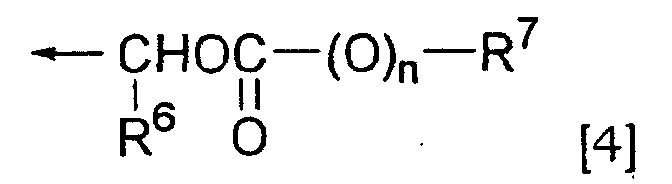
- The carbapenem compound or its pharmaceutically acceptable salt according to claim 1, wherein R is represented by a following formula [4],wherein R6, R7 and n are the same as defined in claim 2.
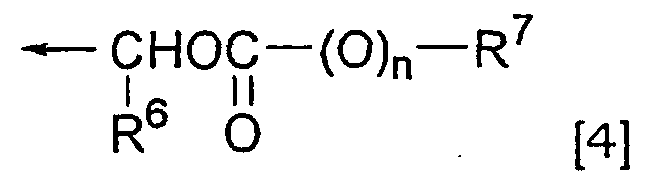
- The carbapenem compound or its pharmaceutically acceptable salt according to claim 1, wherein R is pivaloyloxymethyl group.
- The carbapenem compound or its pharmaceutically acceptable salt according to claim 1, wherein, R is hydrogen atom.
- The carbapenem compound or its pharmaceutically acceptable salt according to any one of claims 1 to 5, wherein, R1 is 1-hydroxyethyl group.
- The carbapenem compound or its pharmaceutically acceptable salt according to any one of claims 1 to 6, wherein R0 is hydrogen atom.
- The carbapenem compound or its pharmaceutically acceptable salt according to any one of claims 1 to 6, wherein R0 is represented by a following formula [2],wherein X, R2 and R3 are the same as defined in claim 1.
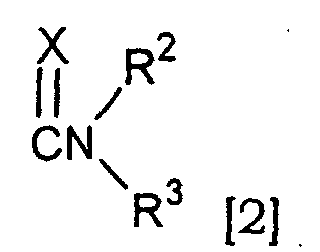
- The carbapenem compound or its pharmaceutically acceptable salt according to any one of claims 1 to 6, wherein R0 is represented by a following formula [2a],wherein R2 and R3 are the same as defined in claim 1.

- The carbapenem compound or its pharmaceutically acceptable salt according to any one of claims 1 to 6, wherein R0 is represented by a following formula [3],wherein X, m and R3a are the same as defined in claim 1.
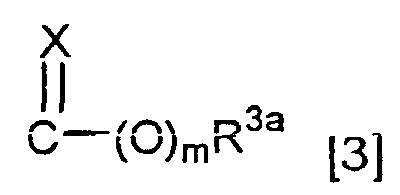
- The carbapenem compound or its pharmaceutically acceptable salt according to any one of claims 1 to 6, wherein R0 is represented by a following formula [3a],wherein m and R3a are the same as defined in claim 1.
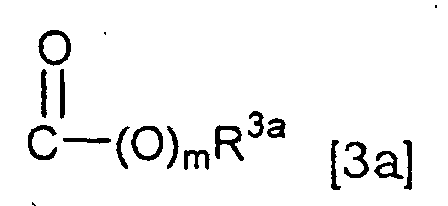
- The carbapenem compound or its pharmaceutically acceptable salt according to any one of claims 1 to 6, wherein R0 is represented by a following formula [3b],wherein R' is a group which reproduces a carboxyl group by hydrolysis in vivo.

- The carbapenem compound represented by a following formula [1d],wherein ring E is benzene or thiophen. A is -(CH2)r-, wherein r is 1 to 3; -(CH2)s-O-(CH2)t-, wherein s and t are respectively independently 0 to 3; -(CH2)s-S-(CH2)t-, wherein s and t are the same as defined above; -(CH2)s-NRa-(CH2)t-, wherein s and t are the same as defined above, and Ra is hydrogen atom or optionally substituted C1 to C6 alkyl; -(CH2)s-NRa-CRb=N-(CH2)t-, wherein Ra, s and t are the same as defined above, and Rb is hydrogen atom or optionally substituted C1 to C6 alkyl; -(CH2)s-NRa-C(-NRbRc)=N-(CH2)t-, wherein Ra, Rb, s and t are the same as defined above, and Rc is hydrogen atom or optionally substituted C1 to C6 alkyl,
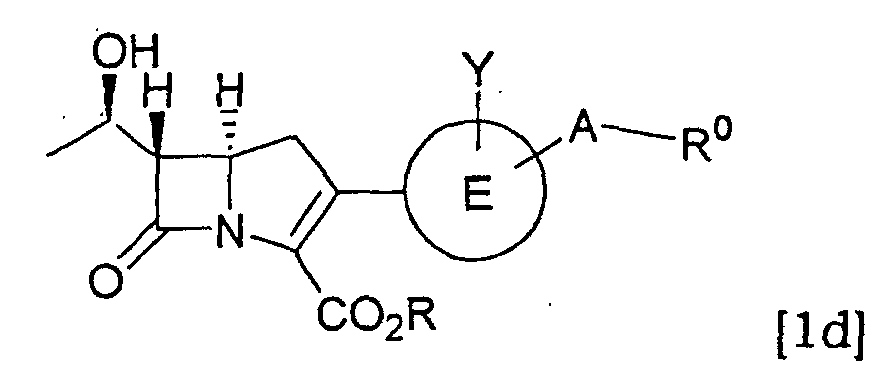
R0 is hydrogen atom or a following formula [2],wherein X is oxygen atom or sulfur atom, R2 and R3 are respectively independently (1) hydrogen atom, (2) optionally substituted C1 to C6 alkyl, (3) optionally substituted C3 to C7 cycloalkyl, (4) optionally substituted aryl which may optionally contain heteroatom(s) therein, (5) optionally substituted aralkyl in which ring may optionally contain heteroatom(s), or (6) optionally substituted 3 to 7 membered hetero ring; or R2 and R3 are combined together with the N atom to form a 3 to 7 hetero ring which may be optionally substituted, or else R0 is represented by a following formula [3],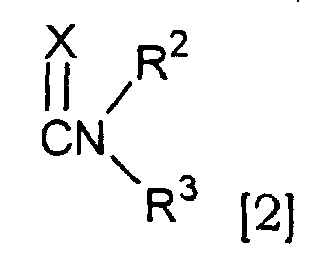 wherein X is oxygen atom or sulfur atom, m is 0 or 1, R3a is hydrogen atom, optionally substituted C1 to C6 alkyl, optionally substituted C3 to C7 cycloalkyl, optionally substituted aryl which may optionally contain heteroatom(s) therein, optionally substituted aralkyl in which ring may optionally contain heteroatom(s), or optionally substituted 3 to 7 membered hetero ring; but when X is oxygen atom and m is 1, R3a may be further a group which reproduces a carboxyl group by hydrolysis in vivo, but R3a is other group except hydrogen atom when t is 0, and m is 1,
R is hydrogen atom or a group which reproduces a carboxyl group by hydrolysis in vivo.
Y is hydrogen atom, C1 to C6 alkyl, C3 to C7 cycloalkyl, optionally protected hydroxy group, C1 to C6 alkyloxy, C1 to C6 alkylthio, C2 to C7 alkylcarbonyl, C2 to C7 alkylcarbonyloxy, C2 to C7 alkyloxycarbonyl, optionally protected carboxyl, halogen atom, cyano, -NR4R5, -OCONR4R5, -CONR4SO2R5, -SO2NR4R5, -NR4SO2NR4R5 or -NR4CONR4R5, or, C1 to C6 alkyl substituted by a group selected from a group of optionally protected hydroxy group, C1 to C6 alkyloxy, C1 to C6 alkylthio, C2 to C7 alkylcarbonyl, C2 to C7 alkylcarbonyloxy, C2 to C7 alkyloxycarbonyl, optionally protected carboxyl, a halogen atom, cyano, -NR4R5, -CONR4R5, -OCONR4R5, -CONR4SO2R5, -SO2NR4R5, -NR4SO2NR4R5 and -NR4CONR4R5. Amino group may be optionally protected and plural Ys may substitute on ring E.
R4 and R5 are respectively independently (1) hydrogen atom, (2) optionally substituted C1 to C6 alkyl, (3) optionally substituted C3 to C7 cycloalkyl, (4) optionally substituted aryl which may optionally contain heteroatom(s) therein, (5) optionally substituted aralkyl in which ring may contain heteroatom(s) or (6) optionally substituted 3 to 7 membered hetero ring; or R4 and R5 are combined together with the N atom to form pyrrolidine, piperidine or azepan,
or its pharmaceutically acceptable salt. - The carbapenem compound or its pharmaceutically acceptable salt according to claim 13, wherein R0 is hydrogen atom.
- The carbapenem compound or its pharmaceutically acceptable salt according to claim 13, wherein R0 is represented by a following formula [2],wherein X, R2 and R3 are the same as defined in claim 13.
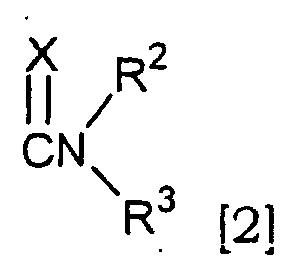
- The carbapenem compound or its pharmaceutically acceptable salt according to claim 13, wherein R0 is represented by a following formula [2a],wherein X, R2 and R3 are the same as defined in claim 13.
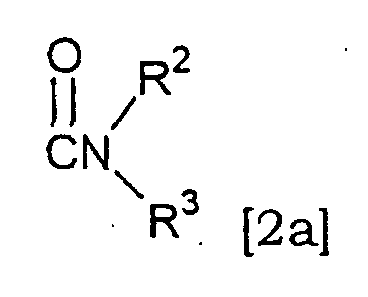
- The carbapenem compound or its pharmaceutically acceptable salt according to claim 13, wherein R0 is represented by a following formula [3],wherein X, m and R3a are the same as defined in claim 13.

- The carbapenem compound or its pharmaceutically acceptable salt according to claim 13, wherein R0 is represented by a following formula [3a],wherein m and R3a are the same as defined in claim 13.
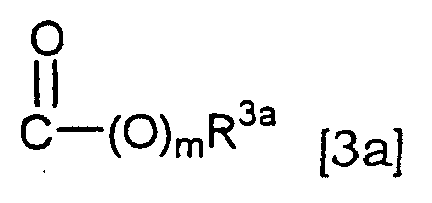
- The carbapenem compound or its pharmaceutically acceptable salt according to claim 13, wherein R0 is represented by a following formula [3b],wherein R' is the same as defined in claim 12.

- The carbapenem compound or its pharmaceutically acceptable salt according to any one of claims 13 to 19, wherein R is hydrogen atom.
- The carbapenem compound or its pharmaceutically acceptable salt according to claim 13, wherein ring E is benzene and R0 is hydrogen atom.
- The carbapenem compound or its pharmaceutically acceptable salt according to claim 13, wherein ring E is benzene and R0 is represented by a following formula [2],wherein X, R2 and R3 are the same as defined in the above 13.

- The carbapenem compound or its pharmaceutically acceptable salt according to claim 13, wherein ring E is benzene and R0 is represented by a following formula [2a],wherein R2 and R3 are the same as defined in claim 13.
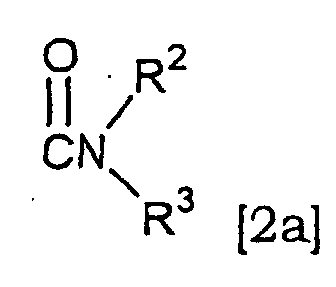
- The carbapenem compound or its pharmaceutically acceptable salt according to claim 13, wherein ring E is benzene and R0 is represented by a following formula [3],wherein X, m and R3a are the same as defined in claim 13.

- The carbapenem compound or its pharmaceutically acceptable salt according to claim 13, wherein ring E is benzene and R0 is represented by a following formula [3a],wherein m and R3a are the same as defined in claim 13.
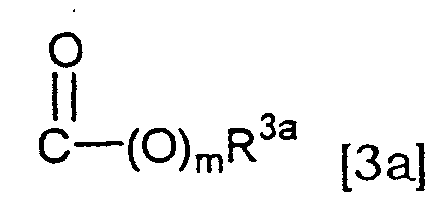
- The carbapenem compound or its pharmaceutically acceptable salt according to claim 13, wherein E is benzene and R0 is represented by a following formula [3b],wherein R' is the same as defined in claim 12.
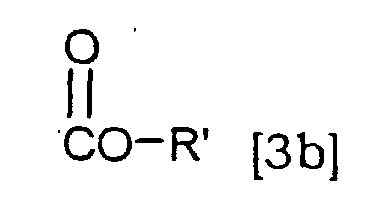
- The carbapenem compound or its pharmaceutically acceptable salt according to any one of claims 21 to 26, wherein R is hydrogen atom.
- The carbapenem compound or its pharmaceutically acceptable salt according to claim 13, wherein ring E is benzene, A is -(CH2)v-O-(CH2)w-, wherein one of v and w is 0 and the other is 0 to 3; -(CH2)v-S-(CH2)w-, wherein v and w are the same as defined above; -(CH2)v-NRa-(CH2)w-, wherein v and w are the same as defined above, and Ra is hydrogen atom or optionally substituted C1 to C6 alkyl; -(CH2)v-NRa-CRb=N-(CH2)w-, wherein Ra, v and w are the same as defined above, and Rb is hydrogen atom or optionally substituted C1 to C6 alkyl; -(CH2)v-NRa-C(-NRbRc)=N-(CH2)w-, wherein Ra, Rb, v and w are the same as defined above, and Rc is hydrogen atom or optionally substituted C1 to C6 alkyl, and R0 is hydrogen atom.
- The carbapenem compound or its pharmaceutically acceptable salt according to the above 13, wherein ring E is benzene, A is -(CH2)v-O-(CH2)w-, wherein one of v and w is 0 and the other is 0 to 3; -(CH2)v-S-(CH2)w-, wherein v and w are the same as defined above; -(CH2)v-NRa-(CH2)w-, wherein v and w are the same as defined above, and Ra is hydrogen atom or optionally substituted C1 to C6 alkyl; -(CH2)v-NRa-CRb=N-(CH2)w-, wherein Ra, v and w are the same as defined above, and Rb is hydrogen atom or optionally substituted C1 to C6 alkyl; -(CH2)v-NRa-C(-NRbRc)=N-(CH2)w-, wherein Ra, Rb, v and w are the same as defined above, and Rc is hydrogen atom or optionally substituted C1 to C6 alkyl, and R0 is a group represented by a following formula[2],wherein X, R2 and R3 are the same as defined in claim 13.

- The carbapenem compound or its pharmaceutically acceptable salt according to claim 13, wherein ring E is benzene, A is -(CH2)v-O-(CH2)w-, wherein one of v and w is 0 and the other is 0 to 3; -(CH2)v-S-(CH2)w-, wherein v and w are the same as defined above; -(CH2)v-NRa-(CH2)w-, wherein v and w are the same as defined above, and Ra is hydrogen atom or optionally substituted C1 to C6 alkyl; -(CH2)v-NRa-CRb=N-(CH2)w-, wherein Ra, v and w are the same as defined above, and Rb is hydrogen atom or optionally substituted C1 to C6 alkyl; -(CH2)v-NRa-C(-NRbRc)=N-(CH2)w-, wherein Ra, Rb, v and w are the same as defined above, and Rc is hydrogen atom or optionally substituted C1 to C6 alkyl, and R0 is a group represented by a following formula [2a],wherein R2 and R3 are the same as defined in claim 13.
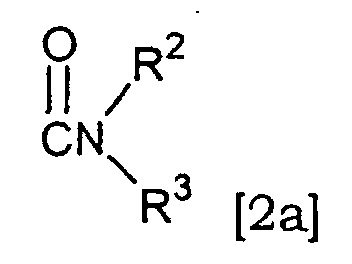
- The carbapenem compound or its pharmaceutically acceptable salt according to claim 13, wherein ring E is benzene, A is -(CH2)v-O-(CH2)w-, wherein one of v and w is 0 and the other is 0 to 3; -(CH2)v-S-(CH2)w-, wherein v and w are the same as defined above; -(CH2)v-NRa-(CH2)w-, wherein v and w are the same as defined above, and Ra is hydrogen atom or optionally substituted C1 to C6 alkyl; -(CH2)v-NRa-CRb=N-(CH2)w-, wherein Ra, v and w are the same as defined above, and Rb is hydrogen atom or optionally substituted C1 to C6 alkyl; -(CH2)v-NRa-C(-NRbRc)=N-(CH2)w-, wherein Ra, Rb, v and w are the same as defined above, and Rc is hydrogen atom or optionally substituted C1 to C6 alkyl, and R0 is a group represented by a following formula [3],wherein X, m and R3a are the same as defined in claim 13.

- The carbapenem compound or its pharmaceutically acceptable salt according to claim 13, wherein ring E is benzene, A is -(CH2)v-O-(CH2)w-, wherein one of v and w is 0 and the other is 0 to 3; -(CH2)v-S-(CH2)w-, wherein v and w are the same as defined above; -(CH2)v-NRa-(CH2)w-, wherein v and w are the same as defined above, and Ra is hydrogen atom or optionally substituted C1 to C6 alkyl; -(CH2)v-NRa-CRb=N-(CH2)w-, wherein Ra, v and w are the same as defined above, and Rb is hydrogen atom or optionally substituted C1 to C6 alkyl; -(CH2)v-NRa-C(-NRbRc)=N-(CH2)w-, wherein Ra, Rb, v and w are the same as defined above, and Rc is hydrogen atom or optionally substituted C1 to C6 alkyl, and R0 is a group represented by a following formula [3a],wherein m and R3a are the same as defined in claim 13.
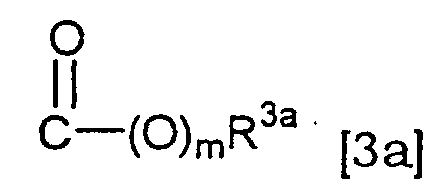
- The carbapenem compound or its pharmaceutically acceptable salt according to claim 13, wherein ring E is benzene, A is -(CH2)v-O-(CH2)w-, wherein one of v and w is 0 and the other is 0 to 3, -(CH2)v-S-(CH2)w-, wherein v and w are the same as defined above, -(CH2)v-NRa-(CH2)w-, wherein v and w are the same as defined above, and Ra is hydrogen atom or optionally substituted C1 to C6 alkyl, -(CH2)v-NRa-CRb=N-(CH2)w-, wherein Ra, v and w are the same as defined above, and Rb is hydrogen atom or optionally substituted C1 to C6 alkyl, -(CH2)v-NRa-C(-NRbRc)=N-(CH2)w-, wherein Ra, Rb, v and w are the same as defined above, and Rc is hydrogen atom or optionally substituted C1 to C6 alkyl, and R0 is a group represented by a following formula [3b],wherein R' is the same as defined in claim 12.

- The carbapenem compound or its pharmaceutically acceptable salt according to any one of claims 28 to 33, wherein R is hydrogen atom.
- The carbapenem compound or its pharmaceutically acceptable salt according to claim 13, wherein ring E is benzene, A is -(CH2)2-, -CH2-, -OCH2-, -CH2O-, -O-, -NHCH2-, -CH2NH- or -NH-, and R0 is hydrogen atom.
- The carbapenem compound or its pharmaceutically acceptable salt according to claim 13, wherein ring E is benzene, A is -(CH2)2-, -CH2-, -OCH2-, -CH2O-, -O-, -NHCH2-, -CH2NH- or -NH-, and R0 is a group represented by a following formula [2],wherein X, R2 and R3 are the same as defined in claim 13.
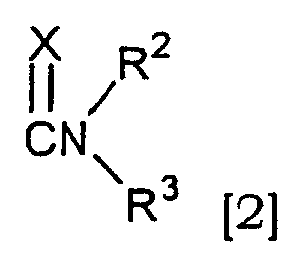
- The carbapenem compound or its pharmaceutically acceptable salt according to claim 13, wherein ring E is benzene, A is -(CH2)2-, -CH2-, -OCH2-, -CH2O-, -O-, -NHCH2-, -CH2NH- or -NH-, and a group R0 is a group represented by a following formula [2a],wherein R2 and R3 are the same as defined in claim 13.

- The carbapenem compound or its pharmaceutically acceptable salt according to claim 13, wherein ring E is benzene, A is -(CH2)2-, -CH2-, -OCH2-, -CH2O-, -O-, -NHCH2-, -CH2NH- or -NH-, and R0 is a group represented by a following formula [3],wherein X, m and R3a are the same as defined in claim 13.

- The carbapenem compound or its pharmaceutically acceptable salt according to claim 13, wherein ring E is benzene, A is -(CH2)2-, -CH2-, -OCH2-, -CH2O-, -O-, -NHCH2-, -CH2NH- or -NH-, and R0 is a group represented by a following formula [3a],wherein m and R3a are the same as defined in claim 13.
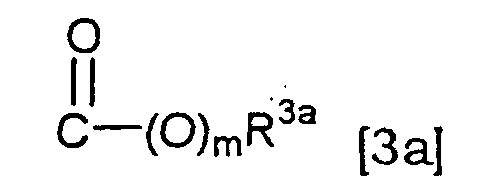
- The carbapenem compound or its pharmaceutically acceptable salt according to claim 13, wherein ring E is benzene, A is -(CH2)2-, -CH2-, -OCH2-, -CH2O-, -O-, -NHCH2-, -CH2NH- or -NH-, and a group R0 is a group represented by a following formula [3b],wherein R' is the same as defined in claim 12.
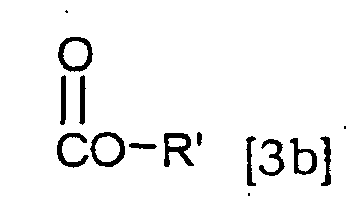
- The carbapenem compound or its pharmaceutically acceptable salt according to any one of claims 35 to 40, wherein R is hydrogen atom.
- The carbapenem compound or its pharmaceutically acceptable salt according to claim 13, wherein ring E is benzene, A is -(CH2)2-, -CH2-, -OCH2-, -CH2O-, -O-, -NHCH2-, -CH2NH- or -NH-, R is pivaloyloxymethyl and R0 is hydrogen atom.
- The carbapenem compound or its pharmaceutically acceptable salt according to claim 13, wherein ring E is benzene, A is -(CH2)2-, -CH2-, -OCH2-, -CH2O-, -O-, -NHCH2-, -CH2NH- or -NH-, R is pivaloyloxymethyl and R0 is a group represented by a following formula [2],wherein X, R2 and R3 are the same as defined in claim 13.
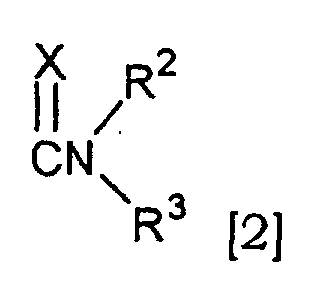
- The carbapenem compound or its pharmaceutically acceptable salt according to claim 13, wherein ring E is benzene, A is -(CH2)2-, -CH2-, -OCH2-, -CH2O-, -O-, -NHCH2-, -CH2NH- or -NH-, R is pivaloyloxymethyl and R0 is a group represented by a following formula [2a],wherein R2 and R3 are the same as defined in claim 13.
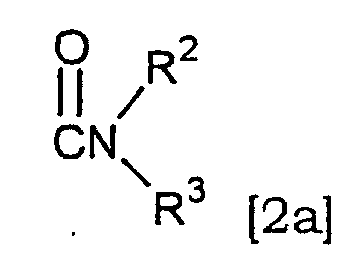
- The carbapenem compound or its pharmaceutically acceptable salt according to claim 13, wherein ring E is benzene, A is -(CH2)2-, -CH2-, -OCH2-, -CH2O-, -O-, -NHCH2-, -CH2NH- or -NH-, R is pivaloyloxymethyl and R0 is a group represented by a following formula [3],wherein X, m and R3a are the same as defined in claim 13.
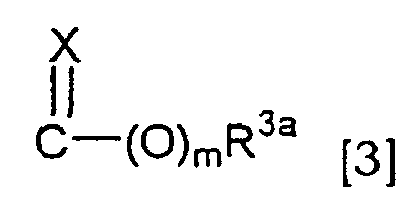
- The carbapenem compound or its pharmaceutically acceptable salt according to claim 13, wherein ring E is benzene, A is -(CH2)2-, -CH2-, -OCH2-, -CH2O-, -O-, -NHCH2-, -CH2NH- or -NH-, R is pivaloyloxymethyl and R0 is a group represented by a following formula [3a],wherein m and R3a are the same as defined in claim 13.

- The carbapenem compound or its pharmaceutically acceptable salt according to claim 13, wherein ring E is benzene, A is -(CH2)2-, -CH2-, -OCH2-, -CH2O-, -O-, -NHCH2-, -CH2NH- or -NH-, R is pivaloyloxymethyl and R0 is a group represented by a following formula [3b],wherein R' is the same as defined in claim 12.
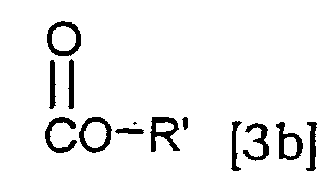
- The carbapenem compound or its pharmaceutically acceptable salt according to claim 13, wherein ring E is benzene, A is -(CH2)2-, -CH2-, -OCH2-, -CH2O-, -O-, -NHCH2-, -CH2NH- or -NH-, R is pivaloyloxymethyl, R0 is hydrogen atom, Y is hydrogen atom and the said A is bound to the benzene ring at meta or para position against the position where 7-oxo-1-azabicyclo[3.2.0]hept-2-ene is bound to the benzene.
- The carbapenem compound or its pharmaceutically acceptable salt according to claim 13, wherein ring E is benzene, A is -(CH2)2-, -CH2-, -OCH2-, -CH2O-, -O-, -NHCH2-, -CH2NH- or -NH-, R is pivaloyloxymethyl, Y is hydrogen atom and R0 is a group represented by a following formula [2],wherein X, R2 and R3 are the same as defined in claim 13, and the said A is bound to the benzene ring at meta or para position against the position where 7-oxo-1-azabicyclo[3.2.0]hept-2-ene is bound to the benzene.

- The carbapenem compound or its pharmaceutically acceptable salt according to claim 13, wherein ring E is benzene, A is -(CH2)2-, -CH2-, -OCH2-, -CH2O-, -O-, -NHCH2-, -CH2NH- or -NH-, R is pivaloyloxymethyl, Y is hydrogen atom and a group R0 is a group represented by a following formula[2a],wherein R2 and R3 are the same as defined in claim 13, and the said A is bound to the benzene ring at meta or para position against the position where 7-oxo-1-azabicyclo[3.2.0]hept-2-ene is bound to the benzene.

- The carbapenem compound or its pharmaceutically acceptable salt according to claim 13, wherein ring E is benzene, A is -(CH2)2-, -CH2-, -OCH2-, -CH2O-, -O-, -NHCH2-, -CH2NH- or -NH-, R is pivaloyloxymethyl, Y is hydrogen atom and a group R0 is a group represented by a following formula [3],wherein X, m and R3a are the same as defined in claim 13, and the said A is bound to the benzene ring at meta or para position against the position where 7-oxo-1-azabicyclo[3.2.0]hept-2-ene is bound to the benzene.
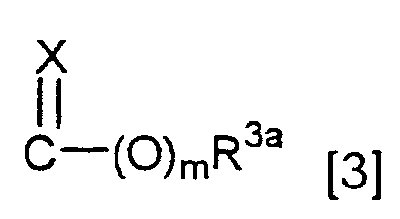
- The carbapenem compound or its pharmaceutically acceptable salt according to claim 13, wherein ring E is benzene, A is -(CH2)2-, -CH2-, -OCH2-, -CH2O-, -O-, -NHCH2-, -CH2NH- or -NH-, R is pivaloyloxymethyl, Y is hydrogen atom and a group R0 is a group represented by a following formula [3a],wherein m and R3a are the same as defined in claim 13, and the said A is bound to the benzene ring at meta or para position against the position where 7-oxo-1-azabicyclo[3.2.0]hept-2-ene is bound to the benzene.
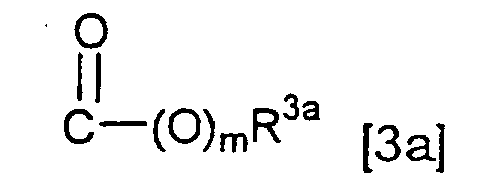
- The carbapenem compound or its pharmaceutically acceptable salt according to claim 13, wherein ring E is benzene, A is -(CH2)2-, -CH2-, -OCH2-, -CH2O-, -O-, -NHCH2-, -CH2NH- or -NH-, R is pivaloyloxymethyl, Y is hydrogen atom and a group R0 is a group represented by a following formula [3b],wherein R' is the same as defined in claim 12, and the said A is bound to the benzene ring at meta or para position against the position where 7-oxo-1-azabicyclo[3.2.0]hept-2-ene is bound to the benzene.

- The carbapenem compound or its pharmaceutically acceptable salt according to claim 13, wherein ring E is benzene, A is -(CH2)2-, -CH2-, -OCH2-, -CH2O-, -O-, -NHCH2-, -CH2NH- or -NH-, R0 is CONH2, and the said A is bound to the benzene ring at meta or para position against the position where 7-oxo-1-azabicyclo[3.2.0]hept-2-ene is bound to the benzene.
- The carbapenem compound or its pharmaceutically acceptable salt according to claim 13, wherein ring E is benzene, A is -(CH2)2-, -CH2-, -OCH2-, -CH2O-, -O-, -NHCH2-, -CH2NH- or -NH-, R0 is CONHMe, and the said A is bound to the benzene ring at meta or para position against the position where 7-oxo-1-azabicyclo[3.2.0]hept-2-ene is bound to the benzene.
- The carbapenem compound or its pharmaceutically acceptable salt according to claim 13, wherein ring E is benzene, A is -(CH2)2-, -CH2-, -OCH2-, -CH2O-, -O-, -NHCH2-, -CH2NH- or -NH-, R0 is CONMe2, and the said A is bound to the benzene ring at meta or para position against the position where 7-oxo-1-azabicyclo[3.2.0]hept-2-ene is bound to the benzene.
- The carbapenem compound or its pharmaceutically acceptable salt according to any one of claims 54 to 56, wherein Y is hydrogen atom.
- The carbapenem compound or its pharmaceutically acceptable salt according to any one of the above 54 to 57, wherein R is hydrogen atom.
- The carbapenem compound or its pharmaceutically acceptable salt according to claim 13, wherein ring E is benzene, R is pivaloyloxymethyl, A is -(CH2)2-, -CH2-, -OCH2-, -CH2O-, -O-, -NHCH2-, -CH2NH- or -NH-, R0 is CONH2, and the said A is bound to the benzene ring at meta or para position against the position where 7-oxo-1-azabicyclo[3.2.0]hept-2-ene is bound to the benzene.
- The carbapenem compound or its pharmaceutically acceptable salt according to claim 13, wherein ring E is benzene, R is pivaloyloxymethyl, A is -(CH2)2-, -CH2-, -OCH2-, -CH2O-, -O-, -NHCH2-, -CH2NH- or -NH-, R0 is CONHMe, and the said A is bound to the benzene ring at meta or para position against the position where 7-oxo-1-azabicyclo[3.2.0]hept-2-ene is bound.
- The carbapenem compound or its pharmaceutically acceptable salt according to claim 13, wherein ring E is benzene, R is pivaloyloxymethyl, A is -(CH2)2-, -CH2-, -OCH2-, -CH2O-, -O-, -NHCH2-, -CH2NH- or -NH-, R0 is CONMe2, and the said A is bound to the benzene ring at meta or para position against the position where 7-oxo-1-azabicyclo[3.2.0]hept-2-ene is bound to the benzene.
- The carbapenem compound or its pharmaceutically acceptable salt according to claim 13, wherein ring E is benzene, R is pivaloyloxymethyl, A is -(CH2)2-, -CH2-, -OCH2-, -CH2O-, -O-, -NHCH2-, -CH2NH- or -NH-, R0 is CONH2, Y is hydrogen atom and the said A is bound to the benzene ring at meta or para position against the position where 7-oxo-1-azabicyclo[3.2.0]hept-2-ene is bound to the benzene.
- The carbapenem compound or its pharmaceutically acceptable salt according to claim 13, wherein ring E is benzene, R is pivaloyloxymethyl, A is -(CH2)2-, or -CH2-, R0 is CONH2, Y is hydrogen atom and the said A is bound to the benzene ring at meta or para position against the position where 7-oxo-1-azabicyclo[3.2.0]hept-2-ene is bound to the benzene.
- The carbapenem compound or its pharmaceutically acceptable salt according to claim 13, wherein ring E is benzene, R is pivaloyloxymethyl, A is -OCH2-, -CH2O-, or -O-, R0 is CONH2, Y is hydrogen atom and the said A is bound to the benzene ring at meta or para position against the position where 7-oxo-1-azabicyclo[3.2.0]hept-2-ene is bound to the benzene.
- The carbapenem compound or its pharmaceutically acceptable salt according to claim 13, wherein ring E is benzene, R is pivaloyloxymethyl, A is -NHCH2-, -CH2NH- or -NH-, R0 is CONH2, Y is hydrogen atom and the said A is bound to the benzene ring at meta or para position against the position where 7-oxo-1-azabicyclo[3.2.0]hept-2-ene is bound to the benzene.
- The carbapenem compound or its pharmaceutically acceptable salt according to claim 13, wherein ring E is benzene, R is pivaloyloxymethyl, A is -(CH2)2-, -CH2-, -OCH2-, -CH2O-, -O-, -NHCH2-, -CH2NH- or -NH-, R0 is CONHMe, Y is hydrogen atom and the said A is bound to the benzene ring at meta or para position against the position where 7-oxo-1-azabicyclo[3.2.0]hept-2-ene is bound to the benzene.
- The carbapenem compound or its pharmaceutically acceptable salt according to claim 13, wherein ring E is benzene, R is pivaloyloxymethyl, A is -(CH2)2-, or -CH2-, R0 is CONHMe, Y is hydrogen atom and the said A is bound to the benzene ring at meta or para position against the position where 7-oxo-1-azabicyclo[3.2.0]hept-2-ene is bound to the benzene.
- The carbapenem compound or its pharmaceutically acceptable salt according to claim 13, wherein ring E is benzene, R is pivaloyloxymethyl, A is -OCH2-, -CH2O-, -O-, R0 is CONHMe, Y is hydrogen atom and the said A is bound to the benzene ring at meta or para position against the position where 7-oxo-1-azabicyclo[3.2.0]hept-2-ene is bound to the benzene.
- The carbapenem compound or its pharmaceutically acceptable salt according to claim 13, wherein ring E is benzene, R is pivaloyloxymethyl, A is -NHCH2-, -CH2NH- or -NH-, R0 is CONHMe, Y is hydrogen atom and the said A is bound to the benzene ring at meta or para position against the position where 7-oxo-1-azabicyclo[3.2.0]hept-2-ene is bound to the benzene.
- The carbapenem compound or its pharmaceutically acceptable salt according to claim 13, wherein ring E is benzene, R is pivaloyloxymethyl, A is -(CH2)2-, -CH2-, -OCH2-, -CH2O-, -O-, -NHCH2-, -CH2NH- or -NH-, R0 is CONMe2, Y is hydrogen atom and the said A is bound to the benzene ring at meta or para position against the position where 7-oxo-1-azabicyclo[3.2.0]hept-2-ene is bound to the benzene.
- The carbapenem compound or its pharmaceutically acceptable salt according to claim 13, wherein ring E is benzene, R is pivaloyloxymethyl, A is -(CH2)2-, or -CH2-, R0 is CONMe2, Y is hydrogen atom and the said A is bound to the benzene ring at meta or para position against the position where 7-oxo-1-azabicyclo[3.2.0]hept-2-ene is bound to the benzene.
- The carbapenem compound or its pharmaceutically acceptable salt according to claim 13, wherein ring E is benzene, R is pivaloyloxymethyl, A is -OCH2-, -CH2O-, -O-, R0 is CONMe2, Y is hydrogen atom and the said A is bound to the benzene ring at meta or para position against the position where 7-oxo-1-azabicyclo[3.2.0]hept-2-ene is bound to the benzene.
- The carbapenem compound or its pharmaceutically acceptable salt according to claim 13, wherein ring E is benzene, R is pivaloyloxymethyl, A is -NHCH2-, -CH2NH- or -NH-, R0 is CONMe2, Y is hydrogen atom and the said A is bound to the benzene ring at meta or para position against the position where 7-oxo-1-azabicyclo[3.2.0]hept-2-ene is bound to the benzene.
- A medicament, which comprises the carbapenem compound or its pharmaceutically acceptable salt according to any one of claims 1 to 73 as an active ingredient.
- An antibacterial agent containing the carbapenem compound or its pharmaceutically acceptable salt according to any one of claims 1 to 73 as an active ingredient.
Applications Claiming Priority (5)
| Application Number | Priority Date | Filing Date | Title |
|---|---|---|---|
| JP2001339195 | 2001-11-05 | ||
| JP2001339195 | 2001-11-05 | ||
| JP2002145485 | 2002-05-20 | ||
| JP2002145485 | 2002-05-20 | ||
| PCT/JP2002/011477 WO2003040146A1 (en) | 2001-11-05 | 2002-11-01 | Novel carbapenem compounds |
Publications (2)
| Publication Number | Publication Date |
|---|---|
| EP1443047A1 true EP1443047A1 (en) | 2004-08-04 |
| EP1443047A4 EP1443047A4 (en) | 2005-04-27 |
Family
ID=26624344
Family Applications (1)
| Application Number | Title | Priority Date | Filing Date |
|---|---|---|---|
| EP02775484A Withdrawn EP1443047A4 (en) | 2001-11-05 | 2002-11-01 | NEW CARBAPENEM COMPOUNDS |
Country Status (7)
| Country | Link |
|---|---|
| US (1) | US7205291B2 (en) |
| EP (1) | EP1443047A4 (en) |
| JP (1) | JP4377231B2 (en) |
| KR (1) | KR100945706B1 (en) |
| CN (1) | CN1330652C (en) |
| CA (1) | CA2465336C (en) |
| WO (1) | WO2003040146A1 (en) |
Families Citing this family (11)
| Publication number | Priority date | Publication date | Assignee | Title |
|---|---|---|---|---|
| CA2519794A1 (en) * | 2003-04-08 | 2004-10-21 | Sumitomo Pharmaceuticals Co., Ltd. | Novel carbapenem compounds |
| US20070265242A1 (en) * | 2004-09-03 | 2007-11-15 | Makoto Sunagawa | Novel Carbapenem Compound |
| WO2006103999A1 (en) * | 2005-03-25 | 2006-10-05 | Dainippon Sumitomo Pharma Co., Ltd. | Novel carbapenem compound |
| JP2007039383A (en) * | 2005-08-03 | 2007-02-15 | Dainippon Sumitomo Pharma Co Ltd | Method for producing arylcarbapenem compound |
| JP2007039382A (en) * | 2005-08-03 | 2007-02-15 | Dainippon Sumitomo Pharma Co Ltd | Method for producing carbapenem compounds |
| US20110118229A1 (en) * | 2007-11-23 | 2011-05-19 | Kukje Pharm. Ind. Co., Ltd. | 2-arylmethylazetidine-carbapenem-3-carboxylic acid ester derivative or its salt, process for the preparation thereof and pharmaceutical composition comprising the same |
| KR100930586B1 (en) * | 2007-11-23 | 2009-12-09 | 한국화학연구원 | 2-arylmethylazetidine-carbapenem-3-carboxylic acid ester derivative, preparation method thereof and pharmaceutical composition comprising the same |
| WO2013157583A1 (en) * | 2012-04-18 | 2013-10-24 | 大日本住友製薬株式会社 | Novel carbapenem compound |
| US10519161B2 (en) | 2012-10-29 | 2019-12-31 | Southern Methodist University | Methods of generating beta-lactamase resistant carbapenem compounds |
| KR102694317B1 (en) * | 2017-06-09 | 2024-08-09 | 포브 신서시스 인코포레이티드 | Carbapenem compounds and compositions for the treatment of bacterial infections |
| BR112022006292A2 (en) * | 2019-10-07 | 2022-06-28 | De Shaw Res Llc | ARIL HETEROBICYCLIC COMPOUNDS AS KV1.3 POTASSIUM AGITATOR CHANNEL BLOCKERS |
Family Cites Families (21)
| Publication number | Priority date | Publication date | Assignee | Title |
|---|---|---|---|---|
| US4775669A (en) | 1976-11-19 | 1988-10-04 | Merck & Co., Inc. | 1-carba-2-penem-3-carboxylic acid |
| US4260627A (en) | 1978-10-24 | 1981-04-07 | Merck & Co., Inc. | 1-, 6- And 2-substituted-1-carba-2-penem-3-carboxylic acids |
| JPH0745499B2 (en) | 1988-05-10 | 1995-05-17 | 三共株式会社 | 1-methylcarbapenem derivative |
| JP2708576B2 (en) | 1988-11-08 | 1998-02-04 | 第一製薬株式会社 | Carbapenem derivatives |
| DE68916908T2 (en) | 1988-11-08 | 1994-12-01 | Daiichi Seiyaku Co | Carbapenem derivatives. |
| US5034358A (en) * | 1989-05-05 | 1991-07-23 | Kaman Sciences Corporation | Ceramic material and method for producing the same |
| US5258509A (en) * | 1989-11-21 | 1993-11-02 | Banyu Pharmaceutical Co., Ltd. | Process for producing 2-carbon-substituted carbapenem derivatives |
| CA2036960A1 (en) * | 1990-02-26 | 1991-08-27 | Thomas A. Rano | Novel synthesis of carbapenem intermediates |
| US5034385A (en) * | 1990-06-26 | 1991-07-23 | Merck & Co., Inc. | 2-(heteroarylsubstituted)phenyl carbapenem antibacterial agents |
| PT98729B (en) | 1990-08-21 | 1999-01-29 | Glaxo Spa | PROCESS FOR THE PREPARATION OF CYCLICAL AZATRI-HETERO COMPOUNDS |
| CA2050255C (en) | 1990-09-07 | 1997-02-04 | Tameo Iwasaki | 1-methylcarbapenem derivatives and process for preparation thereof |
| US5208348A (en) | 1990-09-07 | 1993-05-04 | Tanabe Seiyaku Co., Ltd. | Mercaptan compound |
| US5256777A (en) * | 1991-10-17 | 1993-10-26 | Merck & Co., Inc. | 2-phenyl-carbapenems |
| US5338875A (en) * | 1992-11-19 | 1994-08-16 | Merck & Co., Inc. | Boron containing intermediates useful in the preparation of carbapenems |
| DK0612749T3 (en) * | 1993-02-12 | 2003-08-04 | Daiichi Suntory Pharma Co Ltd | Process for desilylating silyl ether compounds |
| AU682510B2 (en) | 1993-07-01 | 1997-10-09 | Pfizer Japan Inc. | 2-(1-(1,3-thiazolin-2-yl)azetidin-3-yl)thio-carbapenem derivatives |
| US5783703A (en) | 1993-07-01 | 1998-07-21 | Lederle (Japan), Ltd. | Sulfur-containing compounds method for their use and prodction |
| CZ272099A3 (en) | 1997-02-07 | 1999-11-17 | Kyoto Pharmaceutical Industries, Ltd. | Carbapenem compounds, their use and their intermediates |
| NZ508493A (en) | 1998-05-01 | 2002-06-28 | Kyoto Pharma Ind | Carbapenem derivatives, utilization thereof and intermediate compounds of the same |
| JP3557989B2 (en) * | 2000-02-28 | 2004-08-25 | 株式会社日立製作所 | Chemical substance comprehensive management system |
| EP1535924A1 (en) * | 2000-12-27 | 2005-06-01 | Sumitomo Pharmaceuticals Company, Limited | Novel carbapenem compounds |
-
2002
- 2002-11-01 US US10/494,603 patent/US7205291B2/en not_active Expired - Fee Related
- 2002-11-01 KR KR1020047006747A patent/KR100945706B1/en not_active Expired - Fee Related
- 2002-11-01 JP JP2003542192A patent/JP4377231B2/en not_active Expired - Fee Related
- 2002-11-01 CN CNB028267907A patent/CN1330652C/en not_active Expired - Fee Related
- 2002-11-01 CA CA002465336A patent/CA2465336C/en not_active Expired - Fee Related
- 2002-11-01 WO PCT/JP2002/011477 patent/WO2003040146A1/en not_active Ceased
- 2002-11-01 EP EP02775484A patent/EP1443047A4/en not_active Withdrawn
Also Published As
| Publication number | Publication date |
|---|---|
| CN1612879A (en) | 2005-05-04 |
| JP4377231B2 (en) | 2009-12-02 |
| US7205291B2 (en) | 2007-04-17 |
| KR20040062615A (en) | 2004-07-07 |
| KR100945706B1 (en) | 2010-03-05 |
| CA2465336A1 (en) | 2003-05-15 |
| US20050020566A1 (en) | 2005-01-27 |
| WO2003040146A1 (en) | 2003-05-15 |
| CN1330652C (en) | 2007-08-08 |
| CA2465336C (en) | 2009-04-28 |
| EP1443047A4 (en) | 2005-04-27 |
| JPWO2003040146A1 (en) | 2005-03-03 |
Similar Documents
| Publication | Publication Date | Title |
|---|---|---|
| EP1357123B1 (en) | Novel carbapenem, medical and antibacterial comprisisng the same, and uses thereof | |
| JP2542773B2 (en) | Pyrrolidyl thiocarbapenem derivative | |
| CN1330652C (en) | Novel carbapenem compounds | |
| US6825187B2 (en) | Carbapenem derivatives of quarternary salt type | |
| US7468364B2 (en) | Carbapenem compounds | |
| AU710881B2 (en) | 1-methylcarbapenem derivatives | |
| RU2276154C2 (en) | Derivatives of carbapenem, their using for preparing pharmaceutical composition, pharmaceutical composition based on thereof and method for treatment and/or prophylaxis of infectious diseases | |
| JPWO2003089431A1 (en) | New carbapenem compounds | |
| CN100379738C (en) | Novel beta-lactam compound and process for producing the same | |
| JP2965922B2 (en) | 1-methylcarbapenem derivative | |
| JPH1171277A (en) | Antimicrobial agent containing 1-methylcarbapenem derivative | |
| JPH05105681A (en) | 2-(9-fluorenoyl)carbapenem | |
| US20090029964A1 (en) | Novel carbapenem compound | |
| JPH10310582A (en) | Piperidine ring condensed carbapenem compound | |
| JP2006151815A (en) | Novel carbapenem derivative | |
| US20070265242A1 (en) | Novel Carbapenem Compound | |
| JPH11315021A (en) | Pharmaceutical preparation containing 1-methylcarbapenem derivative | |
| JP2001220391A (en) | Polycyclic carbapenem compound |
Legal Events
| Date | Code | Title | Description |
|---|---|---|---|
| PUAI | Public reference made under article 153(3) epc to a published international application that has entered the european phase |
Free format text: ORIGINAL CODE: 0009012 |
|
| 17P | Request for examination filed |
Effective date: 20040528 |
|
| AK | Designated contracting states |
Kind code of ref document: A1 Designated state(s): AT BE BG CH CY CZ DE DK EE ES FI FR GB GR IE IT LI LU MC NL PT SE SK TR |
|
| AX | Request for extension of the european patent |
Extension state: AL LT LV MK RO SI |
|
| A4 | Supplementary search report drawn up and despatched |
Effective date: 20050316 |
|
| RIC1 | Information provided on ipc code assigned before grant |
Ipc: 7C 07D 477/14 B Ipc: 7A 61P 31/04 B Ipc: 7A 61K 31/5377 B Ipc: 7A 61K 31/454 B Ipc: 7A 61K 31/4439 B Ipc: 7A 61K 31/407 B Ipc: 7C 07D 477/00 A |
|
| RAP1 | Party data changed (applicant data changed or rights of an application transferred) |
Owner name: DAINIPPON SUMITOMO PHARMA CO., LTD. |
|
| 17Q | First examination report despatched |
Effective date: 20070907 |
|
| GRAP | Despatch of communication of intention to grant a patent |
Free format text: ORIGINAL CODE: EPIDOSNIGR1 |
|
| INTG | Intention to grant announced |
Effective date: 20140218 |
|
| STAA | Information on the status of an ep patent application or granted ep patent |
Free format text: STATUS: THE APPLICATION IS DEEMED TO BE WITHDRAWN |
|
| 18D | Application deemed to be withdrawn |
Effective date: 20140701 |