EP1435794B1 - Pet food composition for regulating body weight and preventing obesity and related disorders in pets - Google Patents
Pet food composition for regulating body weight and preventing obesity and related disorders in pets Download PDFInfo
- Publication number
- EP1435794B1 EP1435794B1 EP02758285A EP02758285A EP1435794B1 EP 1435794 B1 EP1435794 B1 EP 1435794B1 EP 02758285 A EP02758285 A EP 02758285A EP 02758285 A EP02758285 A EP 02758285A EP 1435794 B1 EP1435794 B1 EP 1435794B1
- Authority
- EP
- European Patent Office
- Prior art keywords
- plant
- pet food
- leaves
- tubers
- plant extract
- Prior art date
- Legal status (The legal status is an assumption and is not a legal conclusion. Google has not performed a legal analysis and makes no representation as to the accuracy of the status listed.)
- Expired - Lifetime
Links
Images


Classifications
-
- A—HUMAN NECESSITIES
- A61—MEDICAL OR VETERINARY SCIENCE; HYGIENE
- A61K—PREPARATIONS FOR MEDICAL, DENTAL OR TOILETRY PURPOSES
- A61K36/00—Medicinal preparations of undetermined constitution containing material from algae, lichens, fungi or plants, or derivatives thereof, e.g. traditional herbal medicines
- A61K36/18—Magnoliophyta (angiosperms)
- A61K36/185—Magnoliopsida (dicotyledons)
- A61K36/53—Lamiaceae or Labiatae (Mint family), e.g. thyme, rosemary or lavender
-
- A—HUMAN NECESSITIES
- A23—FOODS OR FOODSTUFFS; TREATMENT THEREOF, NOT COVERED BY OTHER CLASSES
- A23K—FODDER
- A23K10/00—Animal feeding-stuffs
- A23K10/30—Animal feeding-stuffs from material of plant origin, e.g. roots, seeds or hay; from material of fungal origin, e.g. mushrooms
-
- A—HUMAN NECESSITIES
- A23—FOODS OR FOODSTUFFS; TREATMENT THEREOF, NOT COVERED BY OTHER CLASSES
- A23K—FODDER
- A23K20/00—Accessory food factors for animal feeding-stuffs
- A23K20/10—Organic substances
-
- A—HUMAN NECESSITIES
- A23—FOODS OR FOODSTUFFS; TREATMENT THEREOF, NOT COVERED BY OTHER CLASSES
- A23K—FODDER
- A23K50/00—Feeding-stuffs specially adapted for particular animals
- A23K50/40—Feeding-stuffs specially adapted for particular animals for carnivorous animals, e.g. cats or dogs
-
- A—HUMAN NECESSITIES
- A61—MEDICAL OR VETERINARY SCIENCE; HYGIENE
- A61K—PREPARATIONS FOR MEDICAL, DENTAL OR TOILETRY PURPOSES
- A61K36/00—Medicinal preparations of undetermined constitution containing material from algae, lichens, fungi or plants, or derivatives thereof, e.g. traditional herbal medicines
- A61K36/18—Magnoliophyta (angiosperms)
- A61K36/185—Magnoliopsida (dicotyledons)
- A61K36/48—Fabaceae or Leguminosae (Pea or Legume family); Caesalpiniaceae; Mimosaceae; Papilionaceae
-
- A—HUMAN NECESSITIES
- A61—MEDICAL OR VETERINARY SCIENCE; HYGIENE
- A61K—PREPARATIONS FOR MEDICAL, DENTAL OR TOILETRY PURPOSES
- A61K36/00—Medicinal preparations of undetermined constitution containing material from algae, lichens, fungi or plants, or derivatives thereof, e.g. traditional herbal medicines
- A61K36/18—Magnoliophyta (angiosperms)
- A61K36/185—Magnoliopsida (dicotyledons)
- A61K36/81—Solanaceae (Potato family), e.g. tobacco, nightshade, tomato, belladonna, capsicum or jimsonweed
-
- A—HUMAN NECESSITIES
- A61—MEDICAL OR VETERINARY SCIENCE; HYGIENE
- A61K—PREPARATIONS FOR MEDICAL, DENTAL OR TOILETRY PURPOSES
- A61K36/00—Medicinal preparations of undetermined constitution containing material from algae, lichens, fungi or plants, or derivatives thereof, e.g. traditional herbal medicines
- A61K36/18—Magnoliophyta (angiosperms)
- A61K36/88—Liliopsida (monocotyledons)
- A61K36/89—Cyperaceae (Sedge family)
- A61K36/8905—Cyperus (flatsedge)
-
- A—HUMAN NECESSITIES
- A61—MEDICAL OR VETERINARY SCIENCE; HYGIENE
- A61K—PREPARATIONS FOR MEDICAL, DENTAL OR TOILETRY PURPOSES
- A61K36/00—Medicinal preparations of undetermined constitution containing material from algae, lichens, fungi or plants, or derivatives thereof, e.g. traditional herbal medicines
- A61K36/18—Magnoliophyta (angiosperms)
- A61K36/88—Liliopsida (monocotyledons)
- A61K36/899—Poaceae or Gramineae (Grass family), e.g. bamboo, corn or sugar cane
-
- A—HUMAN NECESSITIES
- A61—MEDICAL OR VETERINARY SCIENCE; HYGIENE
- A61P—SPECIFIC THERAPEUTIC ACTIVITY OF CHEMICAL COMPOUNDS OR MEDICINAL PREPARATIONS
- A61P3/00—Drugs for disorders of the metabolism
- A61P3/04—Anorexiants; Antiobesity agents
-
- A—HUMAN NECESSITIES
- A61—MEDICAL OR VETERINARY SCIENCE; HYGIENE
- A61P—SPECIFIC THERAPEUTIC ACTIVITY OF CHEMICAL COMPOUNDS OR MEDICINAL PREPARATIONS
- A61P3/00—Drugs for disorders of the metabolism
- A61P3/08—Drugs for disorders of the metabolism for glucose homeostasis
-
- A—HUMAN NECESSITIES
- A61—MEDICAL OR VETERINARY SCIENCE; HYGIENE
- A61P—SPECIFIC THERAPEUTIC ACTIVITY OF CHEMICAL COMPOUNDS OR MEDICINAL PREPARATIONS
- A61P3/00—Drugs for disorders of the metabolism
- A61P3/08—Drugs for disorders of the metabolism for glucose homeostasis
- A61P3/10—Drugs for disorders of the metabolism for glucose homeostasis for hyperglycaemia, e.g. antidiabetics
Definitions
- This invention relates to a pet food composition for regulating body weight and preventing obesity and related disorders in pets.
- the invention also relates to a method for improving the health of pets, particularly by preventing obesity and metabolic disorders associated with obesity in pets. It also relates to a method for increasing energy expenditure, control the glucose homeostasis and improve activity or mobility of the pet.
- Obesity is caused by insufficient exercise or habitual hyperphagia, or by metabolic disturbance due to genetic causes or endocrine diseases and other. Obesity may be a risk factor that causes various diseases.
- WO 01/03691 describes a composition and method for promoting weight loss in a mammal by feeding an effective amount of at least three nutrients selected from L-carnitine, chromium, Vitamin A and a source of carbohydrates selected from a low glycemic index grain.
- JP06133731A describes a diet food containing forskolin for use in preventing obesity.
- ⁇ 3-adrenergic receptor which is an atypical beta-adrenergic receptor expressed essentially in adipose tissues
- ⁇ 3-AR ⁇ 3-adrenergic receptor
- the present invention provides a pet food composition for use in the treatment and/or the prevention of obesity and/ or related disorders, which comprises as an active ingredient at least one plant or plant extract having the ability to stimulate energy expenditure and/or fat burning, wherein the plant or plant extract is selected from seeds of Medicago saliva, leaves of Capsicum species, leaves or tubers of Cyperus species or tubers of Iris Pallida, or a mixture thereof.
- the invention provides a pet food composition for use in controlling the glucose homeostasis of a pet and/or stimulating lipolysis, which comprises a plant or a plant extract having the ability to stimulate energy expenditure and/or fat burning, wherein the plant or plant extract is selected from seeds of Medicago sativa, leaves of Capsicum species, leaves or tubers of Cyperus species or tubers of Iris Pallida, or a mixture thereof.
- the invention provides a pet food composition for use in improving activity and/or mobility of a pet, which comprises a plant or a plant extract having the ability to stimulate energy expenditure and/or fat burning, wherein the plant or plant extract is selected from seeds of Medicago sativa, leaves of Capsicum species, leaves or tubers of Cyperus species or tubers of Iris Pallida, or a mixture thereof.
- the invention relates to the use of at least one plant or plant extract having the ability to stimulate energy expenditure and/or fat burning, wherein the plant or plant extract is selected from seeds of Medicago sativa, leaves of Capsicum species, leaves or tubers of Cyperus species or tubers of Iris Pallida, or a mixture thereof as an active ingredient in the manufacture of a pet food composition for the treatment and/or prevention of obesity and/or related disorders.
- the invention further relates to the use of a plant or a plant extract having the ability to stimulate energy expenditure and/or fat burning, wherein the plant or plant extract is selected from seeds of Medicago sativa, leaves of Capsicum species, leaves or tubers of Cyperus species or tubers of Iris Pallida, or a mixture thereof, in the manufacture of a pet food composition for controlling the glucose homeostasis of a pet and/or stimulating lipolysis.
- It also relates to the use of use of a plant or a plant extract having the ability to stimulate energy expenditure and/or fat burning, wherein the plant or plant extract is selected from seeds of Medicago sativa, leaves of Capsicum species, leaves or tubers of Cyperus species or tubers of Iris Pallida, or a mixture thereof, in the manufacture of a pet food composition for improving activity and/or mobility of a pet.
- a food composition as described above results in an improved regulation of body weight, thus treating or preventing obesity and/or related disorders in pets.
- This food composition increases energy expenditure, lipolysis and lipid oxidation and consequently reduces the mass of white adipose tissue and the total body weight. Furthermore the increase in glucose utilisation improves the glucose homeostasis.
- the plant or plant extract according to the invention has been selected for its ability to stimulate energy expenditure and/or fat burning in adipose tissue of pets. In particular, it may be selected for its ability to stimulate the adrenergic receptors.
- the said plant or plant extract may contain a natural source of ⁇ 3-adrenergic receptor agonist.
- the plant or plant extract is selected from seeds of Medicago sativa, leaves of Capsicum species, leaves or tubers of Cypemes species, tubers of Iris Pallida or a mixture thereof.
- the plant or plant extract according to the invention may be used in the preparation of a pet food composition.
- the said composition may be administered to the pet as a supplement to its normal diet or as a component of a nutritionally complete pet food, and more preferably in an hypocaloric pet food. It may also be a pharmaceutical composition.
- the plant or plant extract may be used alone or in association with other bioactive molecule such as antioxidants, milk hydrolysates, for example.
- the pet food composition contains about 0.03 to 0.3 g of dry plants per gram of dry pet food for a 15 kg dog; and 0.007 to 0.075 g of dry plants per gram of wet pet food for a 15 kg dog.
- the nutritionally complete pet food composition according to the invention may be in powdered, dried form or a wet, chilled or shelf stable pet food product.
- These pet foods may be produced by ways known in the art. Apart from the plant or plant extract, these pet foods may include any one or more of a starch source, a protein source and a lipid source.
- Suitable starch sources are, for example, grains and legumes such as corn, rice, wheat, barley, oats, soy, and mixtures of these.
- Suitable protein sources may be selected from any suitable animal or vegetable protein source; for example meat and meal, poultry meal, fish meal, soy protein concentrates, milk proteins, gluten, and the like. For elderly animals, it is preferred for the protein source to contain a high quality protein.
- Suitable lipid sources include meats, animal fats and vegetable fats.
- the choice of the starch, protein and lipid sources will be largely determined by the nutritional needs of the animal, palatability considerations, and the type of product applied.
- the pet food preferably contains proportionally less fat than pet foods for younger pets.
- the starch sources may include one or more of rice, barley, wheat and corn.
- the pet food may optionally also contain a prebiotic, a probiotic micro-organism or another active agent, for example a long chain fatty acid.
- the amount of prebiotic in the pet food is preferably less than 10% by weight.
- the probiotic may comprise about 0.1% to about 5% by weight of the pet food.
- the chicory may be included to comprise about 0.5% to about 10% by weight of the feed mixture; more preferably about 1% to about 5% by weight.
- the pet food preferably contains about 10 4 to about 10 10 cells of the probiotic micro-organism per gram of the pet food; more preferably about 10 6 to about 10 8 cells of the probiotic micro-organism per gram.
- the pet food may contain about 0.5% to about 20% by weight of the mixture of the probiotic micro-organism; preferably about 1% to about 6% by weight; for example about 3% to about 6% by weight.
- Suitable long chain fatty acids include linoleic acid, alpha-linolenic acid, gamma linolenic acid, eicosapentanoic acid, and docosahexanoic acid.
- Fish oils are a suitable source of eicosapentanoic acids and docosahexanoic acid.
- Borage oil, blackcurrent seed oil and evening primrose oil are suitable sources of gamma linoleic acid.
- Safflower oils, sunflower oils, corn oils and soybean oils are suitable sources of linoleic acid.
- the pet food is supplemented with minerals and vitamins so that they are nutritionally complete.
- various other ingredients for example, sugar, salt, spices, seasonings, flavouring agents, and the like may also be incorporated into the pet food as desired.
- a suitable process is extrusion cooking, although baking and other suitable processes may be used.
- the dried pet food is usually provided in the form of a kibble.
- the prebiotic may be admixed with the other ingredients of the dried pet food prior to processing.
- a suitable process is described in European patent application No 0850569 .
- a probiotic micro-organism is used, the organism is preferably coated onto or filled into the dried pet food.
- European patent application No 0862863 is described in European patent application No 0862863 .
- the amount of pet food to be consumed by the pet to obtain a beneficial effect will depend on the size of the pet, the type of pet, and age of the pet. However, an amount of the pet food to provide a daily amount of about 0.5 to 5 g of dry plants per kg of body weight, would usually be adequate for dogs and cats.
- This composition has a beneficial impact on the stimulation of energy expenditure in pets. It also increases lipolysis and lipid oxidation and consequently reduces the mass of white adipose tissue and the total body weight.
- Example 1 ⁇ 3 adrenoreceptor activity of Capsicum species extracts
- the ⁇ 3 adrenoreceptor activity was measured by incubating plant extracts for 1 hour with differentiated rodent preadipocytes previously loaded with [ 14 C] Acetate. Isoproterenol, a non-specific ⁇ adrenoreceptor agonist, was used at 1 ⁇ M as a positive control. The culture medium was collected at the end of the incubation and the released-labelled fatty acids were counted with a gamma counter. The cpm counted was normalised with the protein content per well. The values are expressed as percentage of the control value.
- Binding assay was performed on membranes of rat adipose tissue. Membrane were incubated for 90 min at 37°C in the presence of [ 125 I] cyanopindolol, a ⁇ 3 adrenergic agonist, and the plant extracts tested at 250 ⁇ g/ml. Following incubation, the membranes were rapidly filtered under vacuum though glass fibre filters. Filters were then washed several times with an ice-cold buffer and bound radioactivity was measured. Results are expressed as a percent inhibition of control values obtained in the presence of plant extracts.
- Example 3 ⁇ 3 adrenoreceptor activity of Cyperus Rotondus, Medicago Sativa and Iris Pallida extracts
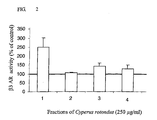
- FIG. 2 shows that the 4 extracts prepared as described in Materials and Methods of example 1 have an effect on ⁇ 3 adrenoreceptor activity.
- Figure 3 shows the effects of different doses of the hexane extract of Cyperus rotondus on ⁇ 3 adrenoreceptor activity.
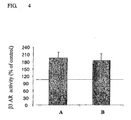
- the ⁇ 3 adrenoreceptor activity of 250 ⁇ g/ml of Medicago Sativa (A) and Iris Pallida (B) extracts is illustrated in figure 4 .
- a feed mixture is made up of about 58% by weight of com, about 5.5% by weight of corn gluten, about 22% by weight of chicken meal, 2.5% dried chicory, about 10% of capsicum leaves, salts, vitamins and minerals making up the remainder.
- the feed mixture is fed into a preconditioner and moistened.
- the moistened feed is then fed into an extruder-cooker and gelatinised.
- the gelatinised matrix leaving the extruder is forced through a die and extruded.
- the extrudate is cut into pieces suitable for feeding to dogs, dried at about 110°C for about 20 minutes, and cooled to form pellets.
- This dry dog food is able to control weight of dogs and increase their mobility.
- Example 5 Wet canned pet food with supplement
- a mixture is prepared from 73 % of poultry carcass, pig lungs and beef liver (ground), 16 % of wheat flour, 2 % of dyes, vitamins, and inorganic salts. This mixture is emulsified at 12°C and extruded in the form of a pudding, which is then cooked at a temperature of 90°C. It is cooled to 30°C and cut in chunks. 45 % of these chunks are mixed with 55 % of a sauce prepared from 98 % of water, 1 % of dye, and 1 % of guar gum. Tinplate cans are filled and sterilised at 125°C for 40 min.
- additional packaging e.g. sachet
- the corresponding amount for the pet is about 25 g / day and this can be supplied as a supplement with (e.g. on top of) the can.
- This pet food helps to control weight of dogs and to increase their mobility.
Landscapes
- Health & Medical Sciences (AREA)
- Natural Medicines & Medicinal Plants (AREA)
- Life Sciences & Earth Sciences (AREA)
- Chemical & Material Sciences (AREA)
- Engineering & Computer Science (AREA)
- Medicinal Chemistry (AREA)
- Pharmacology & Pharmacy (AREA)
- Veterinary Medicine (AREA)
- Public Health (AREA)
- General Health & Medical Sciences (AREA)
- Animal Behavior & Ethology (AREA)
- Polymers & Plastics (AREA)
- Mycology (AREA)
- Biotechnology (AREA)
- Botany (AREA)
- Alternative & Traditional Medicine (AREA)
- Medical Informatics (AREA)
- Microbiology (AREA)
- Epidemiology (AREA)
- Food Science & Technology (AREA)
- Diabetes (AREA)
- Zoology (AREA)
- Animal Husbandry (AREA)
- Bioinformatics & Cheminformatics (AREA)
- General Chemical & Material Sciences (AREA)
- Hematology (AREA)
- Chemical Kinetics & Catalysis (AREA)
- Nuclear Medicine, Radiotherapy & Molecular Imaging (AREA)
- Obesity (AREA)
- Organic Chemistry (AREA)
- Emergency Medicine (AREA)
- Molecular Biology (AREA)
- Endocrinology (AREA)
- Physiology (AREA)
- Birds (AREA)
- Child & Adolescent Psychology (AREA)
- Fodder In General (AREA)
- Feed For Specific Animals (AREA)
- Medicines Containing Plant Substances (AREA)
- Acyclic And Carbocyclic Compounds In Medicinal Compositions (AREA)
Abstract
Description
- This invention relates to a pet food composition for regulating body weight and preventing obesity and related disorders in pets. The invention also relates to a method for improving the health of pets, particularly by preventing obesity and metabolic disorders associated with obesity in pets. It also relates to a method for increasing energy expenditure, control the glucose homeostasis and improve activity or mobility of the pet.
- Obesity is caused by insufficient exercise or habitual hyperphagia, or by metabolic disturbance due to genetic causes or endocrine diseases and other. Obesity may be a risk factor that causes various diseases.
- Therefore, early therapeutic and preventive treatment of obesity is very important. Diet therapies or exercise therapies have been applied heretofore as the treatment of mild obesity, and drug therapies are sometimes used for serious obesity in combination with these therapies.
-
WO 01/03691 -
US 5,962,043 andUS B1 6,245,364 describe a food composition containing a small but sufficient amount of simmondsin and its use in weight reduction of companion pets. - H. Meyer et al.: "Ein Beitrag zur Vorkommen und zur Behandlung der Adipositas des Hundes" Deutsche Tierärztliche Wochen-Schrift, vol. 85, no. 4, 1978, pages 133-136, XP001058151 DE describes an investigation into the frequency of obesity in dogs and includes a feeding and digestibility trial using different diets. One of the diets improves physical conditions of a dog, such a body weight, and comprises lucerne (Medicago sativa) but does not comprise seeds therefrom.
- Database WPI Section Ch, Week 200014 Thomson Scientific, London, GB; Class B04, AN2000-156621 XP002187282 &
JP 2000 016916 A -
JP06133731A - M. Yoshioka et al.: "Effects of Capsaicin on abdominal fat and serum free-fatty acids in exercise-trained rats", Nutritional Research, vol. 20, no.7, 2000, pages 1041-1045, discloses that capsaicin obtained from capsicum fruits, such as hot red pepper, has a beneficial effect on body weight (body fat control).
- The stimulation by synthetic agonists of the (β3-adrenergic receptor (β3-AR), which is an atypical beta-adrenergic receptor expressed essentially in adipose tissues, has been shown to produce anti-obesity and anti-diabetic effects in rodents and in dogs (Sasaki et al. 1998, J. Vet. Med. Sci. 60 (4): 459-463). In human, β3-AR is expressed at low levels and its pharmacological properties differ from rodents and dogs.
- However, there is a need for a non-detrimental and efficient nutritional way of regulating body weight of pets and treating or preventing obesity, weight gain and related disorders.
- Accordingly, in a first aspect, the present invention provides a pet food composition for use in the treatment and/or the prevention of obesity and/ or related disorders, which comprises as an active ingredient at least one plant or plant extract having the ability to stimulate energy expenditure and/or fat burning, wherein the plant or plant extract is selected from seeds of Medicago saliva, leaves of Capsicum species, leaves or tubers of Cyperus species or tubers of Iris Pallida, or a mixture thereof.
- In another aspect, the invention provides a pet food composition for use in controlling the glucose homeostasis of a pet and/or stimulating lipolysis, which comprises a plant or a plant extract having the ability to stimulate energy expenditure and/or fat burning, wherein the plant or plant extract is selected from seeds of Medicago sativa, leaves of Capsicum species, leaves or tubers of Cyperus species or tubers of Iris Pallida, or a mixture thereof.
- In yet another aspect, the invention provides a pet food composition for use in improving activity and/or mobility of a pet, which comprises a plant or a plant extract having the ability to stimulate energy expenditure and/or fat burning, wherein the plant or plant extract is selected from seeds of Medicago sativa, leaves of Capsicum species, leaves or tubers of Cyperus species or tubers of Iris Pallida, or a mixture thereof.
- In addition, the invention relates to the use of at least one plant or plant extract having the ability to stimulate energy expenditure and/or fat burning, wherein the plant or plant extract is selected from seeds of Medicago sativa, leaves of Capsicum species, leaves or tubers of Cyperus species or tubers of Iris Pallida, or a mixture thereof as an active ingredient in the manufacture of a pet food composition for the treatment and/or prevention of obesity and/or related disorders.
- The invention further relates to the use of a plant or a plant extract having the ability to stimulate energy expenditure and/or fat burning, wherein the plant or plant extract is selected from seeds of Medicago sativa, leaves of Capsicum species, leaves or tubers of Cyperus species or tubers of Iris Pallida, or a mixture thereof, in the manufacture of a pet food composition for controlling the glucose homeostasis of a pet and/or stimulating lipolysis.
- It also relates to the use of use of a plant or a plant extract having the ability to stimulate energy expenditure and/or fat burning, wherein the plant or plant extract is selected from seeds of Medicago sativa, leaves of Capsicum species, leaves or tubers of Cyperus species or tubers of Iris Pallida, or a mixture thereof, in the manufacture of a pet food composition for improving activity and/or mobility of a pet.
- Administering to a pet, a food composition as described above, results in an improved regulation of body weight, thus treating or preventing obesity and/or related disorders in pets. This food composition increases energy expenditure, lipolysis and lipid oxidation and consequently reduces the mass of white adipose tissue and the total body weight. Furthermore the increase in glucose utilisation improves the glucose homeostasis.
- The plant or plant extract according to the invention has been selected for its ability to stimulate energy expenditure and/or fat burning in adipose tissue of pets. In particular, it may be selected for its ability to stimulate the adrenergic receptors.
- In a preferred embodiment, the said plant or plant extract may contain a natural source of β3-adrenergic receptor agonist.
- The plant or plant extract is selected from seeds of Medicago sativa, leaves of Capsicum species, leaves or tubers of Cypemes species, tubers of Iris Pallida or a mixture thereof.
- The plant or plant extract according to the invention may be used in the preparation of a pet food composition. The said composition may be administered to the pet as a supplement to its normal diet or as a component of a nutritionally complete pet food, and more preferably in an hypocaloric pet food. It may also be a pharmaceutical composition.
- The plant or plant extract may be used alone or in association with other bioactive molecule such as antioxidants, milk hydrolysates, for example.
- Preferably, the pet food composition contains about 0.03 to 0.3 g of dry plants per gram of dry pet food for a 15 kg dog; and 0.007 to 0.075 g of dry plants per gram of wet pet food for a 15 kg dog.
- The nutritionally complete pet food composition according to the invention may be in powdered, dried form or a wet, chilled or shelf stable pet food product. These pet foods may be produced by ways known in the art. Apart from the plant or plant extract, these pet foods may include any one or more of a starch source, a protein source and a lipid source.
- Suitable starch sources are, for example, grains and legumes such as corn, rice, wheat, barley, oats, soy, and mixtures of these.
- Suitable protein sources may be selected from any suitable animal or vegetable protein source; for example meat and meal, poultry meal, fish meal, soy protein concentrates, milk proteins, gluten, and the like. For elderly animals, it is preferred for the protein source to contain a high quality protein.
- Suitable lipid sources include meats, animal fats and vegetable fats.
- The choice of the starch, protein and lipid sources will be largely determined by the nutritional needs of the animal, palatability considerations, and the type of product applied. For elderly pets, the pet food preferably contains proportionally less fat than pet foods for younger pets. Furthermore, the starch sources may include one or more of rice, barley, wheat and corn.
- The pet food may optionally also contain a prebiotic, a probiotic micro-organism or another active agent, for example a long chain fatty acid. The amount of prebiotic in the pet food is preferably less than 10% by weight. For example, the probiotic may comprise about 0.1% to about 5% by weight of the pet food. For pet foods which use chicory as the source of the prebiotic, the chicory may be included to comprise about 0.5% to about 10% by weight of the feed mixture; more preferably about 1% to about 5% by weight.
- If a probiotic micro-organism is used, the pet food preferably contains about 104 to about 1010 cells of the probiotic micro-organism per gram of the pet food; more preferably about 106 to about 108 cells of the probiotic micro-organism per gram. The pet food may contain about 0.5% to about 20% by weight of the mixture of the probiotic micro-organism; preferably about 1% to about 6% by weight; for example about 3% to about 6% by weight.
- Suitable long chain fatty acids include linoleic acid, alpha-linolenic acid, gamma linolenic acid, eicosapentanoic acid, and docosahexanoic acid. Fish oils are a suitable source of eicosapentanoic acids and docosahexanoic acid. Borage oil, blackcurrent seed oil and evening primrose oil are suitable sources of gamma linoleic acid. Safflower oils, sunflower oils, corn oils and soybean oils are suitable sources of linoleic acid.
- If necessary, the pet food is supplemented with minerals and vitamins so that they are nutritionally complete. Further, various other ingredients, for example, sugar, salt, spices, seasonings, flavouring agents, and the like may also be incorporated into the pet food as desired.
- For dried pet food a suitable process is extrusion cooking, although baking and other suitable processes may be used. When extrusion cooked, the dried pet food is usually provided in the form of a kibble. If a prebiotic is used, the prebiotic may be admixed with the other ingredients of the dried pet food prior to processing. A suitable process is described in European patent application No
0850569 . If a probiotic micro-organism is used, the organism is preferably coated onto or filled into the dried pet food. A suitable process is described in European patent application No0862863 . - For wet food, the processes described in
US patents 4,781,939 and5,132,137 may be used to produce simulated meat products. Other procedures for producing chunk type products may also be used; for example cooking in a steam oven. Alternatively, loaf type products may be produced by emulsifying a suitable meat material to produce a meat emulsion, adding a suitable gelling agent, and heating the meat emulsion prior to filling into cans or other containers. - The amount of pet food to be consumed by the pet to obtain a beneficial effect will depend on the size of the pet, the type of pet, and age of the pet. However, an amount of the pet food to provide a daily amount of about 0.5 to 5 g of dry plants per kg of body weight, would usually be adequate for dogs and cats.
- Administering to a pet, a food composition as described above, results in an improved regulation of body weight, thus treating or preventing obesity and/or related disorders in pets. This composition has a beneficial impact on the stimulation of energy expenditure in pets. It also increases lipolysis and lipid oxidation and consequently reduces the mass of white adipose tissue and the total body weight.
- It may also be efficient in the control of the glucose homeostasis, which aims to prevent the development of diabetes, for example. It may further be used to improve stamina, which results in a better activity or mobility of the pet.
- The following examples are given by way of illustration only and in no way should be construed as limiting the subject matter of the present application. All percentages are given by weight unless otherwise indicated. The examples are preceded by a brief description of the figures.
-
Figure 1 : β3 adrenoreceptor activity (percentage of control) of Capsicum species extracts, A : Capsicum annuum var. Sereno (250 µg/ml) and B: Capsicum frutescens (250 µg/ml). -
Figure 2 : β3 adrenoreceptor activity of 4 fractions of Cyperus rotondus (250 µg/ml), 1 : Hexane extract, 2 : Ethyl acetate extract after HCl hydrolysis, 3 : Methanol/H2O extract, 4 : as 3 but w/o polyphenols. -
Figure 3 : effects of different doses of the hexane extract of Cyperus rotondus on β3 adrenoreceptor activity. -
Figure 4 : β3 adrenoreceptor activity of Medicago Sativa/ Ethyl acetate extract (A) and Iris Pallida/ Hexane extract (B). - Four different extracts were prepared as described below from dried Capsicum leaves:
- (1) Hexane extract: Lipids, sterols, mono and diterpenes, aliphatic hydrocarbures, aliphatic alcools...
- (2) Ethyl acetate extract after HCl hydrolysis: Flavones, flavonols, quinones, organic acids, phenol acids, coumarines, lactones, low subsitued di-tri- and tetra-terpenes, sterols, pigments, alkaloids, lignans...
- (3) Methanol/H 2 O extract: heterosides from the aglycones present in the extract (2), polyphenols, carbohydrates, hydrosoluble alkaloids, small peptides, amino acids, anthocyanosides....
- (4) as (3) but w/o polyphenols. PVPP columns
- The β3 adrenoreceptor activity was measured by incubating plant extracts for 1 hour with differentiated rodent preadipocytes previously loaded with [14C] Acetate. Isoproterenol, a non-specific β adrenoreceptor agonist, was used at 1 µM as a positive control. The culture medium was collected at the end of the incubation and the released-labelled fatty acids were counted with a gamma counter. The cpm counted was normalised with the protein content per well. The values are expressed as percentage of the control value.
- The results are given in
figure 1 , which shows that the extracts of Capsicum Sereno and Frutescens have a significant effect on β3-adrenoreceptor activity. - Binding assay was performed on membranes of rat adipose tissue. Membrane were incubated for 90 min at 37°C in the presence of [125I] cyanopindolol, a β3 adrenergic agonist, and the plant extracts tested at 250 µg/ml. Following incubation, the membranes were rapidly filtered under vacuum though glass fibre filters. Filters were then washed several times with an ice-cold buffer and bound radioactivity was measured. Results are expressed as a percent inhibition of control values obtained in the presence of plant extracts.
- The extracts of Cyperus Rotondus and Medicago Sativa were able to inhibit by and 66% and 44% the binding of [125I] cyanopindolol, respectively.
- These results clearly show that these plant extracts contain compounds able to bind to the β3 adrenergic receptors.
- Four different extracts were prepared as described in example 1 from Cyperus leaves. The β3 adrenoreceptor activity was measured by incubating plant extracts for 1 hour with differentiated rodent preadipocytes previously loaded with [14C] Acetate. Isoproterenol, a non-specific β adrenoreceptor, was used at 1 µM as a positive control. The culture medium was collected at the end of the incubation and the released-labelled fatty acids were counted with a gamma counter. The cpm counted was normalised with the protein content per well. The values are expressed as percentage of the control value.
- The results are given in
figures 2 and3 .Figure 2 shows that the 4 extracts prepared as described in Materials and Methods of example 1 have an effect on β3 adrenoreceptor activity.Figure 3 shows the effects of different doses of the hexane extract of Cyperus rotondus on β3 adrenoreceptor activity. The β3 adrenoreceptor activity of 250 µg/ml of Medicago Sativa (A) and Iris Pallida (B) extracts is illustrated infigure 4 . - A feed mixture is made up of about 58% by weight of com, about 5.5% by weight of corn gluten, about 22% by weight of chicken meal, 2.5% dried chicory, about 10% of capsicum leaves, salts, vitamins and minerals making up the remainder.
- The feed mixture is fed into a preconditioner and moistened. The moistened feed is then fed into an extruder-cooker and gelatinised. The gelatinised matrix leaving the extruder is forced through a die and extruded. The extrudate is cut into pieces suitable for feeding to dogs, dried at about 110°C for about 20 minutes, and cooled to form pellets.
- This dry dog food is able to control weight of dogs and increase their mobility.
- A mixture is prepared from 73 % of poultry carcass, pig lungs and beef liver (ground), 16 % of wheat flour, 2 % of dyes, vitamins, and inorganic salts. This mixture is emulsified at 12°C and extruded in the form of a pudding, which is then cooked at a temperature of 90°C. It is cooled to 30°C and cut in chunks. 45 % of these chunks are mixed with 55 % of a sauce prepared from 98 % of water, 1 % of dye, and 1 % of guar gum. Tinplate cans are filled and sterilised at 125°C for 40 min.
- As a supplement to be mixed with the pet-food before serving, additional packaging (e.g. sachet) contains 25 g of powdered Capsicum leaves to be added to the daily food. The corresponding amount for the pet is about 25 g / day and this can be supplied as a supplement with (e.g. on top of) the can.
- This pet food helps to control weight of dogs and to increase their mobility.
Claims (10)
- A pet food composition for use in the treatment and/or the prevention of obesity and/or related disorders, which comprises as an active ingredient at least one plant or plant extract having the ability to stimulate energy expenditure and/or fat burning, wherein the plant or plant extract is selected from seeds of Medicago sativa, leaves of Capsicum species, leaves or tubers of Cyperus species or tubers of Iris Pallida, or a mixture thereof.
- A pet food composition for use in controlling the glucose homeostasis of a pet and/or stimulating lipolysis, which comprises a plant or a plant extract having the ability to stimulate energy expenditure and/or fat burning, wherein the plant or plant extract is selected from seeds of Medicago sativa, leaves of Capsicum species, leaves or tubers of Cyperus species or tubers of Iris Pallida, or a mixture thereof.
- A pet food composition for use in improving activity and/or mobility of a pet, which comprises a plant or a plant extract having the ability to stimulate energy expenditure and/or fat burning, wherein the plant or plant extract is selected from seeds of Medicago sativa, leaves of Capsicum species, leaves or tubers of Cyperus species or tubers of Iris Pallida, or a mixture thereof.
- A pet food composition according to any of claims 1 to 3, which is in the form of a nutritionally balanced pet food, a dietary supplement or a pharmaceutical composition.
- A pet food composition according to any of claims 1 to 4, in which the plant or plant extract is present alone or in association with other bioactive molecule such as antioxidants, milk hydrolysates.
- Use of at least one plant or plant extract having the ability to stimulate energy expenditure and/or fat burning, wherein the plant or plant extract is selected from seeds of Medicago sativa, leaves of Capsicum species, leaves or tubers of Cyperus species or tubers of Iris Pallida, or a mixture thereof, as an active ingredient in the manufacture of a pet food composition for the treatment and/or prevention of obesity and/or related disorders.
- The use of a plant or a plant extract having the ability to stimulate energy expenditure and/or fat burning, wherein the plant or plant extract is selected from seeds of Medicago sativa, leaves of Capsicum species, leaves or tubers of Cyperus species or tubers of Iris Pallida, or a mixture thereof, in the manufacture of a pet food composition for controlling the glucose homeostasis of a pet and/or stimulating lipolysis.
- The use of a plant or a plant extract having the ability to stimulate energy expenditure and/or fat burning, wherein the plant or plant extract is selected from seeds of Medicago sativa, leaves of Capsicum species, leaves or tubers of Cyperus species or tubers of Iris Pallida, or a mixture thereof, in the manufacture of a pet food composition for improving activity and/or mobility of a pet.
- The use according to any of claims 6 to 8, wherein the composition is in the form of a nutritionally balanced pet food, a dietary supplement or a pharmaceutical composition.
- The use according to any of claims 6 to 9, in which the plant or plant extract is used alone or in association with other bioactive molecule such as antioxidants, milk hydrolysates.
Priority Applications (1)
| Application Number | Priority Date | Filing Date | Title |
|---|---|---|---|
| EP02758285A EP1435794B1 (en) | 2001-07-17 | 2002-06-28 | Pet food composition for regulating body weight and preventing obesity and related disorders in pets |
Applications Claiming Priority (4)
| Application Number | Priority Date | Filing Date | Title |
|---|---|---|---|
| EP01202719 | 2001-07-17 | ||
| EP01202719A EP1277412A1 (en) | 2001-07-17 | 2001-07-17 | Pet food composition for regulating body weight and preventing obesity and related disorders in pets |
| EP02758285A EP1435794B1 (en) | 2001-07-17 | 2002-06-28 | Pet food composition for regulating body weight and preventing obesity and related disorders in pets |
| PCT/EP2002/007208 WO2003007732A2 (en) | 2001-07-17 | 2002-06-28 | Pet food composition for regulating body weight and preventing obesity and related disorders in pets |
Publications (2)
| Publication Number | Publication Date |
|---|---|
| EP1435794A2 EP1435794A2 (en) | 2004-07-14 |
| EP1435794B1 true EP1435794B1 (en) | 2010-11-17 |
Family
ID=8180647
Family Applications (2)
| Application Number | Title | Priority Date | Filing Date |
|---|---|---|---|
| EP01202719A Withdrawn EP1277412A1 (en) | 2001-07-17 | 2001-07-17 | Pet food composition for regulating body weight and preventing obesity and related disorders in pets |
| EP02758285A Expired - Lifetime EP1435794B1 (en) | 2001-07-17 | 2002-06-28 | Pet food composition for regulating body weight and preventing obesity and related disorders in pets |
Family Applications Before (1)
| Application Number | Title | Priority Date | Filing Date |
|---|---|---|---|
| EP01202719A Withdrawn EP1277412A1 (en) | 2001-07-17 | 2001-07-17 | Pet food composition for regulating body weight and preventing obesity and related disorders in pets |
Country Status (14)
| Country | Link |
|---|---|
| US (2) | US20050013849A1 (en) |
| EP (2) | EP1277412A1 (en) |
| JP (1) | JP4113116B2 (en) |
| CN (1) | CN1774178B (en) |
| AR (1) | AR034799A1 (en) |
| AU (1) | AU2002325281B8 (en) |
| BR (1) | BRPI0211145B1 (en) |
| CA (1) | CA2452354C (en) |
| DE (1) | DE60238342D1 (en) |
| ES (1) | ES2354604T3 (en) |
| MX (1) | MXPA04000442A (en) |
| RU (1) | RU2313228C2 (en) |
| WO (1) | WO2003007732A2 (en) |
| ZA (1) | ZA200401222B (en) |
Families Citing this family (19)
| Publication number | Priority date | Publication date | Assignee | Title |
|---|---|---|---|---|
| US20020035071A1 (en) * | 1997-07-08 | 2002-03-21 | Josef Pitha | Mimicking the metabolic effects of caloric restriction by administration of glucose antimetabolites |
| US8563522B2 (en) | 1997-07-08 | 2013-10-22 | The Iams Company | Method of maintaining and/or attenuating a decline in quality of life |
| US7666459B2 (en) * | 2001-09-12 | 2010-02-23 | The Procter & Gamble Company | Pet food compositions |
| EP1541040A1 (en) * | 2003-12-04 | 2005-06-15 | Cognis Iberia S.L | Composition for oral administration (VI) comprising an extract or active agents of Medicago sativa |
| US8877178B2 (en) | 2003-12-19 | 2014-11-04 | The Iams Company | Methods of use of probiotic bifidobacteria for companion animals |
| US20050158294A1 (en) | 2003-12-19 | 2005-07-21 | The Procter & Gamble Company | Canine probiotic Bifidobacteria pseudolongum |
| US20050249837A1 (en) * | 2004-05-10 | 2005-11-10 | The Procter & Gamble Company | Processes for preparing plant matter extracts and pet food compositions |
| US20090252834A1 (en) * | 2004-05-10 | 2009-10-08 | Michael Griffin Hayek | Compositions comprising glucose anti-metabolites |
| DE602004013441T2 (en) * | 2004-09-21 | 2009-06-04 | Nestec S.A. | Improving the life of old cats |
| PL1885383T3 (en) | 2005-05-31 | 2017-06-30 | Iams Europe B.V. | Feline probiotic bifidobacteria |
| CN102036670A (en) * | 2007-02-01 | 2011-04-27 | 爱默思公司 | Method for decreasing inflammation and oxidative stress in mammals |
| EP2124966B1 (en) * | 2007-02-01 | 2015-09-09 | IAMS Europe B.V. | Method for decreasing inflammation and stress in a mammal using glucose antimetabolites, avocado or avocado extracts |
| CA2678808C (en) * | 2007-02-23 | 2012-07-10 | Hill's Pet Nutrition, Inc. | Compositions and methods for preventing or treating obesity in animals |
| US9771199B2 (en) | 2008-07-07 | 2017-09-26 | Mars, Incorporated | Probiotic supplement, process for making, and packaging |
| US10104903B2 (en) | 2009-07-31 | 2018-10-23 | Mars, Incorporated | Animal food and its appearance |
| WO2012087487A1 (en) * | 2010-12-20 | 2012-06-28 | Hill's Pet Nutrition, Inc. | Pet food compositions for inducing a satiety response |
| CN104664153B (en) * | 2015-02-09 | 2017-04-12 | 吉林工商学院 | Preparation method capable of applying purple perilla meal into pre-mixed powder base stock of pet food |
| CN107156453A (en) * | 2017-06-28 | 2017-09-15 | 江苏农牧科技职业学院 | A kind of feed for pet perfumed granules and preparation method thereof |
| GB201914384D0 (en) * | 2019-10-04 | 2019-11-20 | Mars Inc | Microbiome Interventions |
Citations (1)
| Publication number | Priority date | Publication date | Assignee | Title |
|---|---|---|---|---|
| JPH06133731A (en) * | 1992-10-23 | 1994-05-17 | Zenetsukusu Kk | Diet food |
Family Cites Families (22)
| Publication number | Priority date | Publication date | Assignee | Title |
|---|---|---|---|---|
| JPS62104552A (en) * | 1985-10-31 | 1987-05-15 | Morinaga Milk Ind Co Ltd | Feed composition |
| FR2598321B1 (en) * | 1986-05-12 | 1988-09-09 | Fontaine Michel | PROCESS FOR THE PREPARATION OF VEGETABLE EXTRACTS OF PEPPER (GENUS CAPSICUM) AND POPLAR (GENUS POPULUS) AND PRODUCTS THUS OBTAINED, USEABLE SEPARATELY OR IN A MIXTURE IN THE TREATMENT AND PREVENTION OF ALCOHOL ADDICTION |
| US5747297A (en) * | 1987-02-26 | 1998-05-05 | Bio Polymers Pty. Ltd. | Industrial pharmaceutical and cosmetics applications for cultured plant cell gums |
| US4908207A (en) * | 1987-04-27 | 1990-03-13 | Hakky Said I | Method of treatment of a person having a compromised human immune system |
| DE3874613T2 (en) * | 1987-06-05 | 1993-05-13 | Mitsui Toatsu Chemicals | ADDITIVES FOR CATTLE FEED, ADDITIONAL CATTLE FEED AND METHOD FOR PRODUCING AN ADDITIONAL ADDITIVE. |
| DE3815718A1 (en) * | 1988-05-07 | 1989-11-16 | Hoechst Ag | AGENTS TO INCREASE GROWTH IN ANIMALS |
| JPH0411865A (en) * | 1990-04-27 | 1992-01-16 | Meiji Seito Kk | Food additive |
| RU2052960C1 (en) * | 1992-05-22 | 1996-01-27 | Институт терапии СО РАМН | Method of preparing cholesterol-decreasing substances |
| JPH0825891B2 (en) * | 1993-06-25 | 1996-03-13 | 株式会社薬理学中央研究所 | Lipase inhibitor derived from defatted rice germ |
| US5583019A (en) * | 1995-01-24 | 1996-12-10 | Omegatech Inc. | Method for production of arachidonic acid |
| US5962043A (en) * | 1996-02-29 | 1999-10-05 | Seal Rock Technologies Incorporated | Weight reduction method for dogs and other pets |
| US6245364B1 (en) * | 1996-02-29 | 2001-06-12 | International Flora Technologies, Ltd. | Weight reduction method for cats and other pets |
| US6162473A (en) * | 1996-05-03 | 2000-12-19 | Chemgen Corporation | Hemicellulase use in feeds with low caloric content |
| US5804596A (en) * | 1997-02-27 | 1998-09-08 | Sabinsa Corporation | Method of preparing a forskohlin composition from forskohlin extract and use of forskohlin for promoting lean body mass and treating mood disorders |
| JP3814419B2 (en) * | 1998-06-29 | 2006-08-30 | 花王株式会社 | Lipolysis promoter and slimming skin cosmetics |
| US7001618B1 (en) * | 1999-07-09 | 2006-02-21 | The Iams Company | Nutritional composition for weight management |
| GB2355382A (en) * | 1999-08-24 | 2001-04-25 | Gilbertson & Page Ltd | Conjugated linoleic acid for weight reduction in a dog |
| PL354802A1 (en) * | 1999-09-06 | 2004-02-23 | Effem Foods Pty Ltd | Food product and process for manufacturing same |
| ES2261259T3 (en) * | 1999-09-22 | 2006-11-16 | Societe Des Produits Nestle S.A. | PROCEDURE TO INCREASE THE ACTIVITY OF DOMESTIC ANIMALS. |
| US20010036488A1 (en) * | 2000-01-18 | 2001-11-01 | Syuichi Hayashi | Anti-obestic composition |
| JP2001226274A (en) * | 2000-02-09 | 2001-08-21 | Matsuura Yakugyo Kk | Lipase inhibitor |
| US20010043957A1 (en) * | 2000-02-25 | 2001-11-22 | Morris Mann | Lypolytic composition |
-
2001
- 2001-07-17 EP EP01202719A patent/EP1277412A1/en not_active Withdrawn
-
2002
- 2002-06-28 RU RU2004104468/13A patent/RU2313228C2/en not_active IP Right Cessation
- 2002-06-28 BR BRPI0211145A patent/BRPI0211145B1/en not_active IP Right Cessation
- 2002-06-28 CN CN028144538A patent/CN1774178B/en not_active Expired - Fee Related
- 2002-06-28 DE DE60238342T patent/DE60238342D1/en not_active Expired - Lifetime
- 2002-06-28 AU AU2002325281A patent/AU2002325281B8/en not_active Ceased
- 2002-06-28 US US10/486,879 patent/US20050013849A1/en not_active Abandoned
- 2002-06-28 CA CA2452354A patent/CA2452354C/en not_active Expired - Fee Related
- 2002-06-28 WO PCT/EP2002/007208 patent/WO2003007732A2/en not_active Ceased
- 2002-06-28 MX MXPA04000442A patent/MXPA04000442A/en unknown
- 2002-06-28 EP EP02758285A patent/EP1435794B1/en not_active Expired - Lifetime
- 2002-06-28 JP JP2003513351A patent/JP4113116B2/en not_active Expired - Fee Related
- 2002-06-28 ES ES02758285T patent/ES2354604T3/en not_active Expired - Lifetime
- 2002-07-16 AR ARP020102668A patent/AR034799A1/en not_active Application Discontinuation
-
2004
- 2004-02-16 ZA ZA2004/01222A patent/ZA200401222B/en unknown
-
2010
- 2010-04-15 US US12/761,077 patent/US20100203174A1/en not_active Abandoned
Patent Citations (1)
| Publication number | Priority date | Publication date | Assignee | Title |
|---|---|---|---|---|
| JPH06133731A (en) * | 1992-10-23 | 1994-05-17 | Zenetsukusu Kk | Diet food |
Non-Patent Citations (2)
| Title |
|---|
| E.L. HOVE ET AL.: "The effect of lucerne-protein concentrate in the diet on growth, reproduction and body composition of rats", BRITISH JOURNAL OF NUTRITION, vol. 31, 1974, pages 147-157, XP009123981 * |
| M.YOSHIOKA, ET AL.: "Effects of Capsaicin on abdominal fat and serum free-fatty acids in exercise-trained rats", NUTRITIONAL RESEARCH, vol. 20, no. 7, 2000, pages 1041 - 1045 * |
Also Published As
| Publication number | Publication date |
|---|---|
| RU2313228C2 (en) | 2007-12-27 |
| MXPA04000442A (en) | 2004-03-18 |
| EP1277412A1 (en) | 2003-01-22 |
| DE60238342D1 (en) | 2010-12-30 |
| CN1774178A (en) | 2006-05-17 |
| US20100203174A1 (en) | 2010-08-12 |
| BR0211145A (en) | 2004-06-29 |
| BRPI0211145B1 (en) | 2016-08-09 |
| US20050013849A1 (en) | 2005-01-20 |
| ZA200401222B (en) | 2005-07-27 |
| CN1774178B (en) | 2011-07-13 |
| CA2452354C (en) | 2014-01-21 |
| CA2452354A1 (en) | 2003-01-30 |
| AU2002325281B2 (en) | 2008-01-24 |
| RU2004104468A (en) | 2005-05-10 |
| AU2002325281B8 (en) | 2008-02-21 |
| AR034799A1 (en) | 2004-03-17 |
| JP2004534550A (en) | 2004-11-18 |
| JP4113116B2 (en) | 2008-07-09 |
| EP1435794A2 (en) | 2004-07-14 |
| WO2003007732A2 (en) | 2003-01-30 |
| ES2354604T3 (en) | 2011-03-16 |
| WO2003007732A3 (en) | 2004-05-06 |
Similar Documents
| Publication | Publication Date | Title |
|---|---|---|
| US20100203174A1 (en) | Pet food composition for regulating body weight and preventing obesity and related disorders in pets | |
| CA2469551C (en) | Composition for promotion of bone growth and maintenance of bone health | |
| CN100473291C (en) | Food or pet food composition containing plant extract for bone health | |
| AU2002325281A1 (en) | Pet food composition for regulating body weight and preventing obesity and related disorders in pets | |
| WO2002096221A2 (en) | Skin diet | |
| AU2020201643A1 (en) | Oral anti-parasitic composition | |
| MXPA04012492A (en) | Nutritional composition for detoxification and cancer prevention. | |
| HK1053245A (en) | Pet food composition for regulating body weight and preventing obesity and related disorders in pets | |
| Akinyele et al. | Supplemental Value of Scent (Ocimum gratissimum Linn) Leaf Meal on Growth Performance and Haemo-biochemical Response of Broiler-chickens | |
| HK1076010B (en) | Food or pet food composition containing plant extract for bone health | |
| HK1076009B (en) | Composition for promotion of bone growth and maintenance of bone health |
Legal Events
| Date | Code | Title | Description |
|---|---|---|---|
| PUAI | Public reference made under article 153(3) epc to a published international application that has entered the european phase |
Free format text: ORIGINAL CODE: 0009012 |
|
| AK | Designated contracting states |
Kind code of ref document: A2 Designated state(s): AT BE CH CY DE DK ES FI FR GB GR IE IT LI LU MC NL PT SE TR |
|
| AX | Request for extension of the european patent |
Extension state: AL RO |
|
| 17P | Request for examination filed |
Effective date: 20041005 |
|
| 17Q | First examination report despatched |
Effective date: 20091105 |
|
| GRAP | Despatch of communication of intention to grant a patent |
Free format text: ORIGINAL CODE: EPIDOSNIGR1 |
|
| RIC1 | Information provided on ipc code assigned before grant |
Ipc: A23K 1/14 20060101AFI20100811BHEP Ipc: A23K 1/16 20060101ALI20100811BHEP Ipc: A23K 1/18 20060101ALI20100811BHEP |
|
| GRAS | Grant fee paid |
Free format text: ORIGINAL CODE: EPIDOSNIGR3 |
|
| GRAA | (expected) grant |
Free format text: ORIGINAL CODE: 0009210 |
|
| AK | Designated contracting states |
Kind code of ref document: B1 Designated state(s): DE ES FR GB IT NL |
|
| REG | Reference to a national code |
Ref country code: GB Ref legal event code: FG4D |
|
| REF | Corresponds to: |
Ref document number: 60238342 Country of ref document: DE Date of ref document: 20101230 Kind code of ref document: P |
|
| REG | Reference to a national code |
Ref country code: NL Ref legal event code: T3 |
|
| REG | Reference to a national code |
Ref country code: ES Ref legal event code: FG2A Effective date: 20110304 |
|
| PLBE | No opposition filed within time limit |
Free format text: ORIGINAL CODE: 0009261 |
|
| STAA | Information on the status of an ep patent application or granted ep patent |
Free format text: STATUS: NO OPPOSITION FILED WITHIN TIME LIMIT |
|
| 26N | No opposition filed |
Effective date: 20110818 |
|
| REG | Reference to a national code |
Ref country code: DE Ref legal event code: R097 Ref document number: 60238342 Country of ref document: DE Effective date: 20110818 |
|
| REG | Reference to a national code |
Ref country code: FR Ref legal event code: PLFP Year of fee payment: 15 |
|
| PGFP | Annual fee paid to national office [announced via postgrant information from national office to epo] |
Ref country code: DE Payment date: 20160622 Year of fee payment: 15 Ref country code: ES Payment date: 20160511 Year of fee payment: 15 Ref country code: GB Payment date: 20160622 Year of fee payment: 15 |
|
| PGFP | Annual fee paid to national office [announced via postgrant information from national office to epo] |
Ref country code: FR Payment date: 20160516 Year of fee payment: 15 Ref country code: NL Payment date: 20160610 Year of fee payment: 15 |
|
| PGFP | Annual fee paid to national office [announced via postgrant information from national office to epo] |
Ref country code: IT Payment date: 20160621 Year of fee payment: 15 |
|
| REG | Reference to a national code |
Ref country code: DE Ref legal event code: R119 Ref document number: 60238342 Country of ref document: DE |
|
| REG | Reference to a national code |
Ref country code: NL Ref legal event code: MM Effective date: 20170701 |
|
| GBPC | Gb: european patent ceased through non-payment of renewal fee |
Effective date: 20170628 |
|
| PG25 | Lapsed in a contracting state [announced via postgrant information from national office to epo] |
Ref country code: NL Free format text: LAPSE BECAUSE OF NON-PAYMENT OF DUE FEES Effective date: 20170701 |
|
| REG | Reference to a national code |
Ref country code: FR Ref legal event code: ST Effective date: 20180228 |
|
| PG25 | Lapsed in a contracting state [announced via postgrant information from national office to epo] |
Ref country code: GB Free format text: LAPSE BECAUSE OF NON-PAYMENT OF DUE FEES Effective date: 20170628 Ref country code: DE Free format text: LAPSE BECAUSE OF NON-PAYMENT OF DUE FEES Effective date: 20180103 |
|
| PG25 | Lapsed in a contracting state [announced via postgrant information from national office to epo] |
Ref country code: IT Free format text: LAPSE BECAUSE OF NON-PAYMENT OF DUE FEES Effective date: 20170628 Ref country code: FR Free format text: LAPSE BECAUSE OF NON-PAYMENT OF DUE FEES Effective date: 20170630 |
|
| REG | Reference to a national code |
Ref country code: ES Ref legal event code: FD2A Effective date: 20181106 |
|
| PG25 | Lapsed in a contracting state [announced via postgrant information from national office to epo] |
Ref country code: ES Free format text: LAPSE BECAUSE OF NON-PAYMENT OF DUE FEES Effective date: 20170629 |