FIELD OF THE INVENTION
The present invention concerns toning agents for use in
thermographic recording materials.
BACKGROUND OF THE INVENTION
Thermography is an image-forming process including a heating
step and hence includes photothermography in which the image-forming
process includes image-wise exposure and direct thermal
processes in which the image-forming process includes an image-wise
heating step. In direct thermal printing a visible image pattern is
produced by image-wise heating of a recording material.
US 3,080,254 discloses a typical heat-sensitive copy paper
including in the heat-sensitive layer a thermoplastic binder, e.g
ethyl cellulose, a water-insoluble silver salt, e.g. silver
stearate and an appropriate organic reductor, of which 4-methoxy-1-hydroxy-dihydronaphthalene
is a representative. Localized heating
of the sheet in the thermographic reproduction process, or for test
purposes by momentary contact with a metal test bar heated to a
suitable conversion temperature in the range of about 90-150 °C,
causes a visible change to occur in the heat-sensitive layer. The
initially white or lightly coloured layer is darkened to a brownish
appearance at the heated area. In order to obtain a more neutral
colour tone a heterocyclic organic toning agent such as
phthalazinone is added to the composition of the heat-sensitive
layer. Example 2 discloses the use of barbituric acid in heat-sensitive
copy sheet to improve the image tone.
WO 96/010213 discloses a thermographic imaging element
comprising a substrate having coated on at least one surface
thereof a thermographic imaging system comprising at least one
layer comprising light-insensitive organic silver salt; reducing
agent for silver ion; binder; toner; and a dye which absorbs
radiation in the wavelength range of 750-1100 n, wherein said at
least one layer comprising said light-insensitive organic silver
salt forms an image density greater than about 1.0 when exposed to
0.10 to 2.0 joules/cm2 of said radiation in 0.20 to 200
microseconds. The thermographic imaging system of Examples 2, 3, 5
and 6 contained barbituric acid in association with known toning
agents such as phthalazinone and succinimide.
US 3,893,860 discloses in a photothermographic element
comprising a support having thereon (I): (a) photographic silver
halide in association with (b) a silver salt of a heterocyclic
thione, said heterocyclic thione being represented by the formula:
wherein R represents atoms completing a 5-member heterocyclic
nucleus and Z is alkylene containing 1 to 30 carbon atoms, (c) an
organic reducing agent for said silver salt of a heterocyclic
thione, and (d) a polymeric, synthetic binder and contiguous to
(I), at least one polymer layer (II), the improvement wherein said
polymer (A) comprising at least 50% by weight of a polymer (A)
comprising the repeating units represented by the formulas:
wherein: R
1 is hydrogen or alkyl containing 1 to 4 carbon atoms; R
2
is an imidazoyl, N-substituted carbamoyl, 2-pyrrolidinyl,
acetoacetoxyethoxycarbonyl, acetoacetonylmethylphenyl,
ethoxycarbonylaceto, pyridyl, hydroxy, hydroxalkyl containing 1 to
4 carbon atoms, carboxy, carboxyethoxycarbonyl, a heterocyclic
ammonium salt group having a 5- or 6-membered azonia nitrogen-containing
ring, or a pyridinium salt group, and the weight ratio
of starting monomers for said units B and C is, respectively, about
60:40 to 100:0. US 3,893,860 also discloses the use of 2,4-dimercaptopyrimidine
as a toning agent for use in
photothermographic elements disclosed therein.
EP-A 0 921 433 discloses a thermographic recording element
having at least one image forming layer and comprising an organic
silver salt, an reducing agent, and at least one of compounds of
the following formulas (A) and (B):
wherein Z
1 and Z
2 each are a group of non-metallic atoms capable of
forming a 5- to 7-membered ring structure with the carbon atoms, Y
1
and Y
2 each as -C(=O)- or -SO
2-, X
1 and X
2 each ar a hydroxy or salt
thereof, alkoxy, aryloxy, heterocyclic oxy, mercapto or salt
thereof, alkylthio, arylthio, heterocyclic thio, amino, alkylamino,
arylamino, heterocyclic amino, acylamino, sulfonamide or
heterocyclic group, and Y
3 is hydrogen or a substituent. EP-A 0
921 433 also discloses the use of pyrimidine and asymmetric
triazines such as 2,4-dihydroxypyrimidine (uracil), 2-hydroxy-4-amino-pyrimidine
and azauracil in the thermographic recording
element disclosed therein.
US 6,479,227 discloses a thermographic recording element
comprising: a support having a pair of opposed surfaces, at least
one antistatic layer containing conductive metal oxide particles
and at least one thermographic recording layer containing an
organic silver salt and a reducing agent on the first surface of
the support, and at least two layers on the other surface of the
support, wherein the outermost layer of said at least two layers
contains a hydrophobic polymer binder and at least one layer of
said at least two layers other than said outermost layer contains a
matte agent, wherein: said conductive metal oxide particles are
acicular particles having a major axis to minor axis ratio of from
3/1 to 50/1, and said thermographic recording element further
comprises a nucleating agent. US 6,479,227 also discloses the use
of 2,4-dimercaptopyrimidine, pyrimidine and asymmetric triazines
such as 2,4-dihydroxypyrimidine (uracil), 2-hydroxy-4-amino-pyrimidine,
azauracil, 4-hydroxy-2-mercaptopyrimidine, 2-mercaptopyrimidine,
4,6-diamino-2-mercaptopryimidine, and 2-mercapto-4-methylpyrimidine
hydrochloride in the thermographic
recording element disclosed therein.
US 3,951,660 discloses a photographic radiation sensitive
recording material having therein a radiation sensitive composition
and at least one layer containing dispersed in a binding agent a
substantially non-light sensitive silver salt, a reducing agent for
the non-light sensitive silver salt, and a toner compound, the
improvement which comprises the toner being a heterocyclic toner
compound of the following formula:
in which X represents O or N-R
5; R
1, R
2, R
3 or R
4 represent
hydrogen, alkyl, cycloalkyl, alkoxy, alkylthio, hydroxy,
dialkylamino or halogen, in addition to which R
1 and R
2 or R
2 and R
3
or R
3 and R
4 can represent the ring members required to complete an
anellated aromatic ring, and R
5 represents alkyl. US 3,951,660
discloses 2,4(1
H,3
H)-quinazolinedione and various 2,4(1
H,3
H)-quinazolinedione
(benzoyleneurea) derivatives substituted at the
nitrogen atom in the 1-position i.e. 2-hydroxy-pyrimidine
derivatives annelated at the 5,6 positions with a benzene ring:
INVENTION EXAMPLES are disclosed in US 3,951,660 in which the use
of compounds 1, 3 and 26 as toning agents in thermographic
recording materials is exemplified.
US-P 3,885,967 discloses a photosensitive material for a
thermally developable lightsensitive element which comprises:
a) a silver salt component comprising silver laurate or silver
caprate, b) a catalytic amount of a photosensitive silver halide
component comprising a photosensitive silver halide, or a compound
which reacts with silver laurate or silver caprate to form a
photosensitive silver halide, c) a reducing agent, d) a binder, and
e) a toning agent comprising a compound represented by the formula:
wherein R
1, R
2, R
3 and R
4 each represents a hydrogen atom, an alkyl
group, an aryl group, an acylamido group, a halogen atom, a
hydroxyl group or a nitro group.
EP-A 0 752 616 discloses a thermographic material comprising
at least one element and wherein said element(s) contain(s) therein
a substantially light-insensitive organic heavy metal salt and an
organic reductor therefor, the said material being capable of
thermally producing an image from said organic heavy metal salt and
reductor, wherein said material contains a 1,3-benzoxazine-2,4-dione
toning agent having general formula (I):
wherein R
1 represents hydrogen, -CH
2OH, -(C=O)-R, -CONHR, or M; R
2,
R
3, R
4 and R
5 each independently represents hydrogen,
-O-(C=O)-OR or -NH-(C=O)-OR and at least one of which is not
hydrogen if R
1 is also hydrogen; R represents an alkyl or aryl
group either of which may be substituted; and M represents a
monovalent heavy metal ion.
The imaging arts have long recognized that the field of
thermography comprising both photothermography and substantially
light-insensitive thermography are clearly distinct from that of
photography. Photothermographic and substantially light-insensitive
thermographic materials differ significantly from
conventional silver halide photographic materials which require
processing using aqueous processing solutions.
In photothermographic and substantially light-insensitive
thermographic imaging materials, a visible image is created by heat
as a result of the reaction of a developer incorporated within the
element. Heat at 50°C or more is essential for this development
process and temperatures of over 100°C are routinely required for
photothermographic materials and still higher temperatures are
routinely required for substantially light-insensitive
thermographic materials. In contrast, conventional wet-processed
photographic imaging elements require processing in aqueous
processing baths to provide a visible image (e.g., developing and
fixing baths) and development is usually performed at more moderate
temperatures (e.g., 30° to 50°C) to provide a visible image.
In photothermographic elements only a small amount of silver
halide is used to capture light and a different sort of silver
(e.g., silver behenate) is used to generate the image with heat.
Thus imaged, the silver halide serves as a catalyst for the
physical development process involving the non-photosensitive,
reducible silver source and the incorporated reducing agent. In
contrast, conventional wet-processed black-and-white photographic
materials use only one form of silver (i.e. silver halide) that,
upon chemical development, is itself converted into the silver
image, or upon physical development requires addition of an
external silver source (or other reducible metal ions that form
black images upon reduction to the corresponding metal). Thus,
photothermographic materials require an amount of silver halide per
unit area that is only a fraction of that used (as little as one-hundredth)
of that used in a conventional wet-processed
photographic material.
Moreover, in photothermographic systems, all of the
"chemistry" for imaging is incorporated within the material itself.
For example, such materials include a developer (i.e. a reducing
agent for the reducible silver ions) while photographic materials
usually do not. Even in so-called "instant photography", the
developer chemistry is physically separated from the photosensitive
silver halide until development is desired. The incorporation of
the developer into substantially light-insensitive thermographic
and photothermographic materials can lead to the increased
formation of various types of "fog" or other undesirable
sensitometric side effects. Therefore, much effort has gone into
the preparation and manufacture of substantially light-insensitive
thermographic and photothermographic materials to minimize these
problems during the preparation of the substantially light-insensitive
thermographic and photothermographic dispersions as
well as during coating, storage, and post-processing handling.
Moreover, in photothermographic materials, the unexposed
silver halide generally remains intact after development and the
material must be stabilized against further imaging and
development. In contrast, silver halide is removed from
conventional photographic materials after solution development to
prevent further imaging (i.e. in the aqueous fixing step).
In photothermographic and substantially light-insensitive
thermographic materials, the binder is capable of wide variation
and a number of binders (both hydrophilic and hydrophobic) are
useful. In contrast, conventional photographic materials are
limited almost exclusively to hydrophilic binders such as gelatin.
Because photothermographic and substantially light-insensitive
thermographic elements require thermal processing, they pose
different considerations and present distinctly different problems
in manufacture and use, compared to conventional wet-processed
silver halide photographic materials. Additives that have one
effect in conventional silver halide photographic materials may
behave quite differently when incorporated in substantially light-insensitive
thermographic or photothermographic materials where the
underlying chemistry is significantly more complex. The
incorporation of such additives as, for example, stabilizers,
antifoggants, speed enhancers, sensitizers, supersensitizers and
spectral and chemical sensitizers in conventional photographic
materials is not predictive of whether such additives will prove
beneficial or detrimental in substantially light-insensitive
thermographic or photothermographic materials. For example, it is
not uncommon for a photographic antifoggant useful in conventional
photographic materials to cause various types of fog when
incorporated into substantially light-insensitive thermographic or
photothermographic materials, or for supersensitizers that are
effective in photographic materials to be inactive in
photothermographic materials.
These and other distinctions between photothermographic and
substantially light-insensitive thermographic materials and
photographic materials are described in Imaging Processes and
Materials (Neblette's Eighth Edition); J. Sturge et al, Ed; Van
Nostrand Rheinhold: New York, 1989; Chapter 9 and in Unconventional
Imaging processes; E. Brinckman et al., Ed: The focal Press: London
and New York: 1978: pp. 74-75, and in Zou, Sahyun, Levy and
Serpone, J. Imaging Sci. Technol. 1996, 40, pp. 94-103.
Differences between substantially light-insensitive thermographic
recording materials and photothermographic recording materials
The technology of substantially light-insensitive thermographic
materials in which image formation is based on the reduction of
organic silver salts is significantly different from that of
photothermographic recording materials, despite the fact that in
both cases the image results from the reduction of organic silver
salts. However, this a superficial similarity masking the fact
that the realization of the species which catalyze this reduction
is completely different, being image-wise exposure of
photosensitive silver halide-containing photo-addressable thermally
developable elements in the case of photothermographic recording
materials and image-wise heating of thermosensitive elements which
do not contain photosensitive silver halide in the case of
thermographic recording materials. This difference in technology
is further underlined by the nature of the ingredients used in the
two types of materials, the most significant difference being the
absence of photosensitive silver halide and spectral sensitizing
agents in substantially light-insensitive thermographic recording
materials, but also reflected in the different reducing agents
used, stronger reducing agents being used in substantially light-insensitive
thermographic recording materials, the different
stabilizers, the different toning agents etc. Furthermore, the
thermal development processes themselves are significantly
different in that the whole material is heated at temperatures of
less than 150°C for periods of seconds (e.g. 10s) in the case of
photothermographic recording materials, whereas in the case of
substantially light-insensitive thermographic recording materials
the materials are image-wise heated at much higher temperatures for
periods of ms (e.g. 10-20 ms). Realization of a neutral image tone
is a major problem in the case of substantially light-insensitive
thermographic recording materials due to the very short heating
times, whereas it is much less of a problem in photothermographic
recording materials due to the much longer heating times.
Problem to be solved
Thermographic and photothermographic materials with prior art
toning agents exhibit poor storage properties, as is the case with
e.g. phthalazinone, and/or an image colour which has an
insufficiently neutral tone for black and white images, as is the
case with e.g. succinimide, phthalimide, phthalic acid and phthalazine.
The use of 3,4-dihydro-2,4-dioxo-1,3,2H-benzoxazine as a
toning agent in thermographic materials, as disclosed in US-P
3,951,660, represented an improvement in storage properties and in
the neutrality of the image tone, whether substituted, as disclosed
in US-P 3,885,967 and US-P 3,951,660, or unsubstituted, as
disclosed in US-P 3,951,660. Such toning agents are insufficiently
soluble in ecologically acceptable coating solvents and
thermographic materials containing these toning agents exhibit a
undesirably strong deterioration in image colour and an undesirable
increase in image background (fog) upon storage. Furthermore, such
toning agents diffuse through the thermographic materials to the
thermal head resulting in cloudiness in the imaging material,
deposits of ingredients and by-products from the image-forming
process on the surface of the thermographic material and, in the
case of substantially light-insensitive thermographic materials in
thermal head printers, image degradation due to thermal head
contamination.
ASPECTS OF THE INVENTION
It is therefore an aspect of the present invention to provide
toning agents for use in substantially light-insensitive
thermographic recording materials suitable for use in thermographic
printers without adverse effect on the image tone.
It is therefore an aspect of the present invention to provide
toning agents for use in photothermographic materials suitable for
use in photothermographic printers without adverse effect on the
image tone.
Further aspects and advantages of the invention will become
apparent from the description hereinafter.
SUMMARY OF THE INVENTION
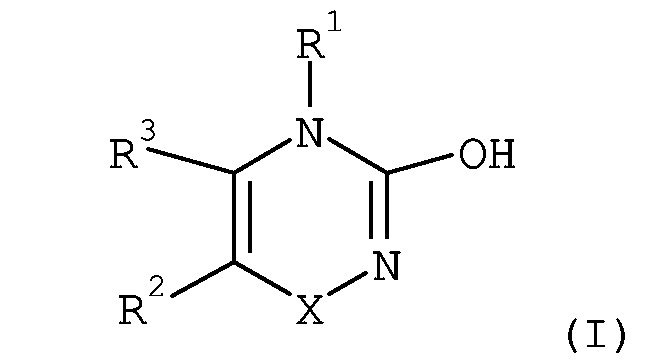
It has been surprisingly found that 2-hydroxy-pyrimidine
derivatives which adsorb particularly rapidly on silver nano-particles
as demonstrated by time-resolved SERS measurements and
bring about rapid aggregation thereof render the image tone of
thermographic materials more neutral in thermographic materials,
whose image forming process is based upon the image-wise reduction
of substantially light-insensitive organic silver salts, i.e.
exhibit so-called toning properties. Moreover, it has been
surprisingly found that in a particular binder matrix a combination
of toning agents both exhibiting rapid adsorption on silver nano-particles
and capable of bringing about rapid aggregation thereof,
but exhibiting slow and fast diffusion respectively in the
particular polymer matrix, exhibit favourable synergistic effects
with respect to image tone and diffusion thereof to the surface of
the thermographic materials.
Aspects of the present invention are realized with a black and
white monosheet thermographic recording material comprising a
support and a thermosensitive element, the thermosensitive element
containing a substantially light-insensitive organic silver salt,
an organic reducing agent therefor in thermal working relationship
therewith, a binder and at least one toning agent, characterized in
that the at least one toning agent is represented by formula (I):
wherein R
1 is a hydrogen atom or an alkyl, an alkenyl, an alkynyl,
a cycloalkyl, an alkaryl, an aryl, a heterocyclic or a heteroaryl
group all of which may be optionally substituted; R
2 and R
3 are
independently a hydrogen or a halogen atom or an amino, amide,
ester, carboxy, carbonato, alkyl, alkenyl, alkynyl, cycloalkyl,
alkaryl, aryl, heterocyclic or heteroaryl group all of which may be
optionally substituted; R
2 and R
3 may together represent the atoms
necessary to complete a heteroaromatic ring with no more than one
nitrogen atom, an alicyclic ring or a heterocyclic ring which all
may be optionally substituted; X is a carbonyl group, or is -N-R
4,
where R
4 is an alkyl group; and with the proviso that R
1 may not be
a hydrogen atom if both R
2 and R
3 are both hydrogen atoms.
Aspects of the present invention are also realized by the use
of compounds according to the above-mentioned formula (I) as toning
agents in imaging processes involving silver particles.
Preferred embodiments of the present invention are disclosed
in the detailed description of the invention.
DETAILED DESCRIPTION OF THE INVENTION
Definitions
The term thermographic material as used in disclosing the
present invention includes both photothermographic materials and
substantially light-insensitive thermographic materials.
The term alkyl means all variants possible for each number of
carbon atoms in the alkyl group i.e. for three carbon atoms: n-propyl
and isopropyl; for four carbon atoms: n-butyl, isobutyl and
tertiary-butyl; for five carbon atoms: n-pentyl, 1,1-dimethylpropyl,
2,2-dimethylpropyl and 2-methyl-butyl etc.
The term acyl group as used in disclosing the present
invention means -(C=O)-aryl and -(C=O)-alkyl groups.
The term carbocyclic ring includes both alicylic rings and
aromatic rings.
Substantially light-insensitive means not intentionally light
sensitive.
The L*, a* and b* CIELAB-values are defined in ASTM Norm E179-90
in a R(45/0) geometry with evaluation according to ASTM Norm
E308-90 and have been used to characterize the image tone of
thermographic materials of the present invention.
Heating in association with the expression a substantially
water-free condition as used herein, means heating at a temperature
of 80 to 250°C. The term "substantially water-free condition" as
used herein means that the reaction system is approximately in
equilibrium with water in the air, and water for inducing or
promoting the reaction is not particularly or positively supplied
from the exterior to the element. Such a condition is described in
T.H. James, "The Theory of the Photographic Process", Fourth
Edition, Macmillan 1977, page 374.
Thermosensitive element
The term thermosensitive element as used herein is that
element which contains all the ingredients which contribute to
image formation. According to the present invention, the
thermosensitive element contains one or more substantially light-insensitive
organic silver salts, one or more reducing agents
therefor in thermal working relationship therewith and a binder.
The element may comprise a layer system in which the above-mentioned
ingredients may be dispersed in different layers, with
the proviso that the substantially light-insensitive organic silver
salts are in reactive association with the reducing agents i.e.
during the thermal development process the reducing agent must be
present in such a way that it is able to diffuse to the particles
of substantially light-insensitive organic silver salt so that
reduction to silver can occur. Such materials include the
possibility of one or more substantially light-insensitive organic
silver salts and/or one of more organic reducing agents therefor
being encapsulated in heat-responsive microcapsules, such as
disclosed in EP-A 0 736 799 herein incorporated by reference.
Compounds represented by formula (I)
Aspects of the present invention are realized with a black and
white monosheet thermographic recording material comprising a
support and a thermosensitive element, the thermosensitive element
containing a substantially light-insensitive organic silver salt,
an organic reducing agent therefor in thermal working relationship
therewith, a binder and at least one toning agent, characterized in
that the at least one toning agent is a compound represented by
formula (I).
According to a first embodiment of the black and white
monosheet thermographic recording material, according to the
present invention, R1 is an alkyl, an alkenyl, an alkynyl, a
cycloalkyl, an alkaryl, an aryl, a heterocyclic or a heteroaryl
group all of which may be optionally substituted.
According to a second embodiment of the black and white
monosheet thermographic recording material, according to the
present invention, the compound according to formula (I) is
represented by formula (II):
wherein R
1 is a hydrogen atom or an alkyl, an alkenyl, an alkynyl,
a cycloalkyl, an alkaryl, an aryl, a heterocyclic or a heteroaryl
group all of which may be optionally substituted; R
2 and R
3 are
independently a hydrogen or a halogen atom or an amino, amide,
ester, carboxy, carbonato, alkyl, alkenyl, alkynyl, cycloalkyl,
alkaryl, aryl, heterocyclic or heteroaryl group all of which may be
optionally substituted; R
2 and R
3 may together represent the atoms
necessary to complete a heteroaromatic ring with no more than one
nitrogen atom, an alicyclic ring or a heterocyclic ring which all
may be optionally substituted; and with the proviso that R
1 may not
be a hydrogen atom if both R
2 and R
3 are both hydrogen atoms.
According to a third embodiment of the black and white
monosheet thermographic recording material, according to the
present invention, the 2-hydroxy-pyrimidine derivative is selected
from the group consisting of 2-hydroxy-pyrimidines annelated with a
heterocyclic ring, 2-hydroxy-pyrimidine derivatives annelated with
a carbocyclic ring including purine derivatives.
According to a fourth embodiment of the black and white
monosheet thermographic recording material, according to the
present invention, the substituent for R1 is selected from the
group consisting of alkyl, aryl, alkoxy, hydroxy, carboxy, ester,
amide, sulfo and sulfoalkyl groups.
According to a fifth embodiment of the black and white
monosheet thermographic recording material, according to the
present invention, the substituent for R2 is selected from the
group consisting of alkyl, aryl, alkoxy, hydroxy, carboxy, ester,
amide, sulfo and sulfoalkyl groups.
According to a sixth embodiment of the black and white
monosheet thermographic recording material, according to the
present invention, the substituent for R3 is selected from the
group consisting of alkyl, aryl, alkoxy, hydroxy, carboxy, ester,
amide, sulfo and sulfoalkyl groups.
According to a seventh embodiment of the black and white
monosheet thermographic recording material, according to the
present invention, the compound according to formula (I) is
selected from the group consisting of: xanthine (2,6-dihydroxy-purine),
xanthine derivatives and 2,6,8-trihydroxy-purine (uric
acid).
According to an eighth embodiment of the black and white
monosheet thermographic recording material, according to the
present invention, the compound according to formula (I) is
selected from the group consisting of
Suitable compounds according to formula (I), according to the
present invention, include:
According to a ninth embodiment of the black and white
monosheet thermographic recording material, according to the
present invention, the thermosensitive element further contains at
least one toning agent selected from the group consisting of
compounds according to formula (III),
wherein R
5 is an alkyl group optionally substituted with a hydroxy,
carboxy, carboxy ester, acyl or carbonato group; X is S, O or N-R
10;
R
6 is an optionally substituted alkyl group; R
6, R
7, R
8 and R
9
independently represent a hydrogen atom, a halogen atom or an
alkyl, an alkoxy, a thio-alkoxy, a nitro, a cyano, a carboxy, a
carboxy ester, an acyl, an aldehyde, an acylamido, a sulphonamido,
an acylamino, a carbonato, a hydroxy or an aryl group or at least
one of R
6 and R
7, R
7 and R
8 and R
8 and R
9 independently represent
the atoms necessary to form a carbocyclic or heterocyclic group or
at least one of R
5 and R
9 and R
6 and R
10 independently represent the
atoms necessary to form a heterocyclic ring; compounds represented
by formula (IV):
wherein R
11 is an optionally substituted alkyl group; Y is S, O or
N-R
14; R
14 is an optionally substituted alkyl group; R
12 and R
13
independently represent a hydrogen atom, a halogen atom or an
alkyl, an alkoxy, a thio-alkoxy, a nitro, a cyano, a carboxy, a
carboxy ester, an acyl, an aldehyde, an acylamido, a sulphonamido,
an acylamino, a carbonato, a hydroxy or an aryl group or R
12 and R
13
represent the atoms necessary to form a heterocyclic or a non-aromatic
carbocyclic ring or at least one of R
12 and R
14 and R
13 and
R
11 independently represent the atoms necessary to form a
heterocyclic ring; and both R
12 and R
13 cannot both be an alkyl
group, phthalazinone, phthalazinone derivatives, pyridazone,
pyridazone derivatives, benzoxazine dione, benzoxazine dione
derivatives, naphthoxazine dione and naphthoxazine dione
derivatives.
Suitable co-toning agents according to formula (I) are:
Suitable co-toning agents represented by formula (II)
according to the present invention include:
Suitable benzoxazine dione co-toning agents are:
The synergetic effect of a combination of two toning agents,
according to the present invention, or one toning agent according
to the present invention, together with a further toning agent,
such as benzoxazine dione, a benzoxazine dione derivative,
phthalazinone, a phthalazinone derivative, pyridazone or a
pyridazone derivative, in obtaining a more neutral image tone than
would be expected by additive combination of the image tone
obtained with the toning agents separately may, we believe, be due
to combining toning agents which exhibit good silver nanoparticle-aggregating
properties but have very different diffusion
coefficients.
According to a tenth embodiment of the black and white
monosheet thermographic recording material, according to the
present invention, the thermosensitive element contains at least
two toning agents with a diffusion in the binder differing by at
least a factor of 2, but less than a factor of 1000 and preferably
by at least a factor of 10.
According to an eleventh embodiment of the black and white
monosheet thermographic recording material, according to the
present invention, the thermosensitive element further contains at
least one toning agent selected from the group consisting of
benzo[e][1,3]oxazine-2,4-dione, 7-methyl-benzo[e][1,3]oxazine-2,4-dione,
7-methoxy-benzo[e][1,3]oxazine-2,4-dione, 7-butoxy-benzo[e][1,3]oxazine-2,4-dione,
7-(ethylcarbonato)-benzo[e][1,3]oxazine-2,4-dione,
According to a twelfth embodiment of the black and white
monosheet thermographic recording material of the present
invention, the organic silver salts are not double organic salts
containing a silver cation associated with a second cation e.g.
magnesium or iron ions.
According to a thirteenth embodiment of the black and white
monosheet thermographic recording material of the present
invention, at least one of the organic silver salts is a
substantially light-insensitive silver salt of an organic
carboxylic acid.
According to a fourteenth embodiment of the black and white
monosheet thermographic recording material of the present
invention, at least one of the organic silver salts is a
substantially light-insensitive silver salt of an aliphatic
carboxylic acids known as a fatty acid, wherein the aliphatic
carbon chain has preferably at least 12 C-atoms, e.g. silver
laurate, silver palmitate, silver stearate, silver hydroxystearate,
silver oleate and silver behenate, which silver salts are also
called "silver soaps". Other silver salts of an organic carboxylic
acid as described in GB-P 1,439,478, e.g. silver benzoate, may
likewise be used to produce a thermally developable silver image.
Combinations of different silver salt of an organic carboxylic
acids may also be used in the present invention, as disclosed in
EP-A 964 300.
Organic silver salts may be dispersed by standard dispersion
techniques. Ball mills, bead mills, microfluidizers, ultrasonic
apparatuses, rotor stator mixers etc. have been found to be useful
in this regard. Mixtures of organic silver salt dispersions
produced by different techniques may also be used to obtain the
desired thermographic properties e.g. of coarser and more finely
ground dispersions of organic silver salts.
Reducing agents
According to a fifteenth embodiment of the black and white
thermographic recording material, according to the present
invention, the reducing agent is an organic compound containing at
least one active hydrogen atom linked to O, N or C, such as is the
case with, aromatic di- and tri-hydroxy compounds. 1,2-dihydroxy-benzene
derivatives, such as catechol, 3-(3,4-dihydroxyphenyl)
propionic acid, 1,2-dihydroxybenzoic acid, gallic acid and esters
e.g. methyl gallate, ethyl gallate, propyl gallate and 3,4-dihydroxy-benzoic
acid esters are preferred, with those described
in EP-A 0 692 733, EP-A 0 903 625, EP-A 1 245 403 and EP-A 1 245
404 herein incorporated by reference being particularly preferred
e.g. ethyl 3,4-dihydroxybenzoate, n-butyl 3,4-dihydroxybenzoate,
3,4-dihydroxy-benzaldehyde, 3,4-dihydroxy-acetophenone, 3,4-butyrophenone,
3,4-dihydroxy-benzophenone, 3,4-dihydroxybenzophenone
derivatives, 3,4-dihydroxy-benzonitrile, and
tannic acid.
Combinations of reducing agents may also be used that on
heating become reactive partners in the reduction of the one or
more substantially light-insensitive organic silver salt. For
example, combinations of sterically hindered phenols with sulfonyl
hydrazide reducing agents such as disclosed in US 5,464,738; trityl
hydrazides and formyl-phenyl-hydrazides such as disclosed in US
5,496,695; trityl hydrazides and formyl-phenyl-hydrazides with
diverse auxiliary reducing agents as disclosed in US 5,545,505,
US 5,545,507 and US 5,558,983; acrylonitrile compounds as disclosed
in US 5,545,515 and US 5,635,339; and 2-substituted
malonodialdehyde compounds as disclosed in US 5,654,130.
Binder of the thermosensitive element
The film-forming binder of the thermosensitive element may be
all kinds of natural, modified natural or synthetic resins or
mixtures of such resins, in which the at least one organic silver
salt can be dispersed homogeneously either in aqueous or solvent
media: e.g. cellulose derivatives, starch ethers, galactomannan,
polymers derived from α,β-ethylenically unsaturated compounds such
as polyvinyl chloride, after-chlorinated polyvinyl chloride,
copolymers of vinyl chloride and vinylidene chloride, copolymers of
vinyl chloride and vinyl acetate, polyvinyl acetate and partially
hydrolyzed polyvinyl acetate, polyvinyl alcohol, polyvinyl acetals
that are made from polyvinyl alcohol as starting material in which
only a part of the repeating vinyl alcohol units may have reacted
with an aldehyde, preferably polyvinyl butyral, copolymers of
acrylonitrile and acrylamide, polyacrylates, polymethacrylates,
polystyrene and polyethylene or mixtures thereof.
Suitable water-soluble film-forming binders for use in
thermographic recording materials according to the present
invention are: polyvinyl alcohol, polyacrylamide,
polymethacrylamide, polyacrylic acid, polymethacrylic acid,
polyvinylpyrrolidone, polyethyleneglycol, proteinaceous binders,
polysaccharides and water-soluble cellulose derivatives. A
preferred water-soluble binder for use in the thermographic
recording materials of the present invention is gelatine.
The binder to organic silver salt weight ratio is preferably
in the range of 0.2 to 7, and the thickness of the thermosensitive
element is preferably in the range of 5 to 50 µm. Binders are
preferred which do not contain additives, such as certain
antioxidants (e.g. 2,6-di-tert-butyl-4-methylphenol), or impurities
which adversely affect the thermographic properties of the
thermographic recording materials in which they are used.
Stabilizers
According to a sixteenth embodiment of the black and white
monosheet thermographic recording material, according to the
present invention, the thermosensitive element further contains a
stabilizer.
According to a seventeenth embodiment of the black and white
monosheet thermographic recording material, according to the
present invention, the thermosensitive element further contains a
stabilizer selected from the group consisting of benzotriazole;
substituted benzotriazoles; aromatic polycarboxylic acid, such as
ortho-phthalic acid, 3-nitro-phthalic acid, tetrachlorophthalic
acid, mellitic acid, pyromellitic acid and trimellitic acid and
anhydrides thereof; 1-phenyl-5-mercaptotetrazole compounds in which
the phenyl group is substituted with a substituent containing an
optionally substituted aryl group, 1-(5-mercapto-1-tetrazolyl)-acetyl
compounds represented by formula (V):
wherein R
3 is -NR
4R
5, -OR
6 or an optionally substituted aryl or
heteroaryl group; R
4 is hydrogen or an optionally substituted
alkyl, aryl or heteroaryl group; R
5 is an optionally substituted
aryl or heteroaryl group; and R
6 is an optionally substituted aryl
group; and compounds with two or more groups represented by formula
(VI):
where Q comprises the necessary atoms to form a 5- or 6-membered
unsaturated heterocyclic ring, A is hydrogen, a counterion to
compensate the negative charge of the thiolate group or two or more
A groups provide a linking group between the two or more groups
represented by formula (VI).
According to an eighteenth embodiment of the black and white
monosheet thermographic recording material, according to the
present invention, the thermosensitive element further contains at
least one optionally substituted aliphatic or carbocyclic
polycarboxylic acid and/or anhydride thereof in a molar percentage
of at least 15 with respect to all the organic silver salt(s)
present and in thermal working relationship therewith. The
polycarboxylic acid may be used in anhydride form or partially
esterified on the condition that at least two free carboxylic acids
remain or are available during the heat recording step.
Photosensitive silver halide
According to a nineteenth embodiment of the black and white
monosheet thermographic material, according to the present
invention, the thermosensitive element further contains
photosensitive silver halide, thereby rendering the thermographic
material photothermographic.
The photosensitive silver halide used in the present invention
may be employed in a range of 0.1 to 100 mol percent; preferably,
from 0.2 to 80 mol percent; particularly preferably from 0.3 to 50
mol percent; especially preferably from 0.5 to 35 mol %; and
especially from 1 to 12 mol % of substantially light-insensitive
organic silver salt.
The silver halide may be any photosensitive silver halide such
as silver bromide, silver iodide, silver chloride, silver
bromoiodide, silver chlorobromoiodide, silver chlorobromide etc.
The silver halide may be in any form which is photosensitive
including, but not limited to, cubic, orthorhombic, tabular,
tetrahedral, octagonal etc. and may have epitaxial growth of
crystals thereon.
The silver halide used in the present invention may be
chemically sensitized with a chemical sensitising merocyanine dye
containing a thione group, and optionally with a chemical
sensitizing agent such as a compound containing sulphur, selenium,
tellurium etc., or a compound containing gold, platinum, palladium,
iron, ruthenium, rhodium or iridium etc. in addition to
sensitization with specific reducing agents, according to the
present invention. The details of these procedures are described
in T. H. James, "The Theory of the Photographic Process", Fourth
Edition, Macmillan Publishing Co. Inc., New York (1977), Chapter 5,
pages 149 to 169.
The grain size of the silver halide particles can be
determined by the Moeller Teller method in which the sample
containing silver halide particles is sedimented upon a filter
paper, which is submerged in electrolyte together with a negative
platinum needle-shaped electrode and a reference electrode. The
silver halide particles on the filter paper are slowly scanned
individually with the needle-shaped electrode, whereupon the silver
halide grains are individually electrochemically reduced at the
cathode. This electrochemical reduction is accompanied by a
current pulse, which is registered as a function of time and
integrated to give the charge transfer Q for the electrochemical
reduction of the silver halide particle, which is proportional to
its volume. From their volume the equivalent circular grain
diameter of each grain can be determined and therefrom the average
particle size and size distribution.
Surfactants and dispersants
Surfactants and dispersants aid the dispersion of ingredients
which are insoluble in the particular dispersion medium. The
substantially light-insensitive thermographic material used in the
present invention may contain one or more surfactants, which may be
anionic, non-ionic or cationic surfactants and/or one or more
dispersants. Suitable dispersants are natural polymeric
substances, synthetic polymeric substances and finely divided
powders, e.g. finely divided non-metallic inorganic powders such as
silica.
Support
According to a twentieth embodiment of the black and white
monosheet thermographic recording material, according to the
present invention, the support is transparent or translucent. It
is preferably a thin flexible carrier made transparent resin film,
e.g. made of a cellulose ester, e.g. cellulose triacetate,
polypropylene, polycarbonate or polyester, e.g. polyethylene
terephthalate. The support may be in sheet, ribbon or web form and
subbed if needs be to improve the adherence to the thereon coated
thermosensitive element. The support may be dyed or pigmented to
provide a transparent coloured background for the image.
Protective layer
According to a twenty-first embodiment of the black and white
monosheet thermographic recording material, according to the
present invention, the thermosensitive element is provided with a
protective layer. In general this protects the thermosensitive
element from atmospheric humidity and from surface damage by
scratching etc. and prevents direct contact of printheads or heat
sources with the recording layers. Protective layers for
thermosensitive elements which come into contact with and have to
be transported past a heat source under pressure, have to exhibit
resistance to local deformation and good slipping characteristics
during transport past the heat source during heating. A slipping
layer, being the outermost layer, may comprise a dissolved
lubricating material and/or particulate material, e.g. talc
particles, optionally protruding from the outermost layer.
Examples of suitable lubricating materials are a surface active
agent, a liquid lubricant, a solid lubricant or mixtures thereof,
with or without a polymeric binder.
Coating techniques
The coating of any layer of the substantially light-insensitive
thermographic material used in the present invention
may proceed by any coating technique e.g. such as described in
Modern Coating and Drying Technology, edited by Edward D. Cohen and
Edgar B. Gutoff, (1992) VCH Publishers Inc., 220 East 23rd Street,
Suite 909 New York, NY 10010, USA. Coating may proceed from
aqueous or solvent media with overcoating of dried, partially dried
or undried layers.
Thermographic processing
Thermographic imaging is carried out by the image-wise
application of heat either in analogue fashion by direct exposure
through an image or by reflection from an image, or in digital
fashion pixel by pixel either by using an infra-red heat source,
for example with a Nd-YAG laser or other infra-red laser, with a
substantially light-insensitive thermographic material preferably
containing an infra-red absorbing compound, or by direct thermal
imaging with a thermal head.
In thermal printing image signals are converted into electric
pulses and then through a driver circuit selectively transferred to
a thermal printhead. The thermal printhead consists of microscopic
heat resistor elements, which convert the electrical energy into
heat via Joule effect. The operating temperature of common thermal
printheads is in the range of 300 to 400°C and the heating time per
picture element (pixel) may be less than 1.0ms, the pressure
contact of the thermal printhead with the recording material being
e.g. 200-1000g/linear cm, i.e. with a contact zone (nip) of 200 to
300 µm a pressure of 5000 to 50,000 g/cm2, to ensure a good
transfer of heat.
Activation of the heating elements can be power-modulated or
pulse-length modulated at constant power. EP-A 654 355 discloses a
method for making an image by image-wise heating by means of a
thermal head having energizable heating elements, wherein the
activation of the heating elements is executed duty cycled
pulsewise. EP-A 622 217 discloses a method for making an image
using a direct thermal imaging element producing improvements in
continuous tone reproduction.
Image-wise heating of the recording material can also be
carried out using an electrically resistive ribbon incorporated
into the material. Image- or pattern-wise heating of the recording
material may also proceed by means of pixel-wise modulated ultrasound.
Photothermographic printing
Photothermographic recording materials, according to the
present invention, may be exposed with radiation of wavelength
between an X-ray wavelength and a 5 microns wavelength with the
image either being obtained by pixel-wise exposure with a finely
focused light source, such as a CRT light source; a UV, visible or
IR wavelength laser, such as a Violet-laser, a He/Ne-laser or an
IR-laser diode, e.g. emitting at 400nm, 630nm, 650nm, 780nm, 830nm
or 850nm; or a light emitting diode, for example one emitting at
659nm; or by direct exposure to the object itself or an image
therefrom with appropriate illumination e.g. with UV, visible or IR
light.
For the thermal development of image-wise exposed photothermographic
recording materials, according to the present invention,
any sort of heat source can be used that enables the recording
materials to be uniformly heated to the development temperature in
a time acceptable for the application concerned e.g. contact
heating, radiative heating, microwave heating etc.
Industrial application
Thermographic imaging can be used for the production of
reflection type prints and transparencies, in particular for use in
the medical diagnostic field in which black-imaged transparencies
are widely used in inspection techniques operating with a light
box.
The invention is illustrated hereinafter by way of comparative
examples and invention examples. The percentages and ratios given
in these examples are by weight unless otherwise indicated.
2.05 g NaH (41 mmol as 50 % suspension in mineral oil) was added to
55 ml dry dioxane. 3.87 g (28.4 mmol) phenylurea was then added
portionwise while keeping the reaction mixture under an argon
atmosphere and then was heated for a few minutes to 50°C. After
cooling the resulting mixture to room temperature, 6.31 g (42.6
mmol) of methyl 3,3-dimethoxypropionate was added, the mixture then
refluxed for 2 hours, after which the resulting mixture was allowed
to cool to room temperature. The cooled mixture was then poured
into 280 ml 40% acetic acid, stored overnight in a refrigerator and
then extracted twice with 140 ml chloroform. The collected
chloroform fractions were dried over MgSO
4 and evaporated under
reduced pressure. The residue was crystallized from methanol using
after treatment with activated carbon yielding 0.88 g (16%) of 1-phenyluracil
(m.p. 244-245°C, Lit. 244-255°C (Winckelmann et al.,
Synthesis
1986, 1041)).
2.5 g (104 mmol, 80 % suspension) of NaH was added to a suspension
of 10.5 g (93 mmol) uracil in 100 ml DMF and the reaction allowed
to continue for 2 hours at room temperature. After 2 hours 10.73 mL
(15 g, 123 mmol) allylbromide was added and the mixture heated for
2 hours at 70°C. The solvent was removed under reduced pressure and
the residue treated with methylene chloride. The residue from the
methylene chloride extract was a mixture of mono-allyl- and di-allyl-uracil.
5.5 g (39%) of 1-allyluracil was isolated by
preparative column chromatography, using chlormoform/methanol 40:1
as eluant (m.p. 108-109°C, Lit. 105-109°C, Beilstein).
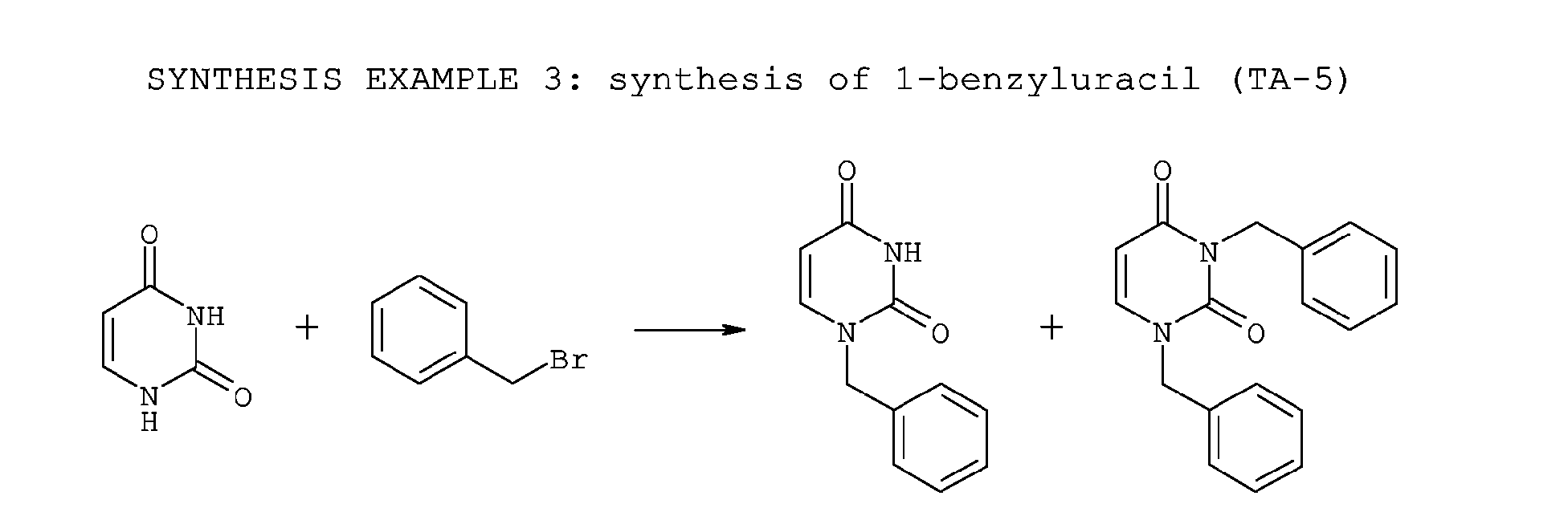
A suspension of 10 g (89 mmol) of uracil and 24.6 g of potassium
carbonate in 350 mL DMF was stirred for 12 hours at room
temperature, after which 16.5 mL (139 mmol) of benzyl bromide was
added and the reaction allowed to continue for 2 days at room
temperature. The undissolved residue was removed by filtration and
the solvent removed from the filtrate under reduced pressure. 150
mL water was added to the residue and the mixture extracted 3 times
with 100 mL methylene chloride. The collected methylene chloride
fractions were washed with water, dried over MgSO
4 and evaporated
to dryness under reduced pressure. The residue was treated with a
small amount of chloroform/methanol 40:1 from which 1-benzyluracil
partially crystallizes. 2.6 g 1-benzyluracil was isolated by
filtration and the rest was isolated by preparative column
chromatography, using chloroform/methanol 40:1 giving a yield of
3.95 g (22 %)(m.p. 168-170°C, Lit. 168-170°C, Kundu et al., J.
Chem. Soc. Perkin Trans 1,
1985, 1295).
18.31 g (0.112 mol) of 2,4-dichloro-6-methylpyrimidine was added
portionwise to 115 mL of a solution of sodium methanolate in
methanol containing 0.23 mol sodium methanolate. After 1 hour at
room temperature the reaction mixture was refluxed for 30 minutes.
The solvent was removed under reduced pressure, the residue treated
with 100 mL water and then extracted twice with 100 mL
diethylether. The collected ether fractions were dried over MgSO
4
and evaporated under reduced pressure. 14.2 g (82 %) of the crude
intermediate 2,4-dimethoxy-6-methylpyrimidine was isolated, which
was sufficiently pure to be used without further purification.
14.2 g (92 mmol) 2,4-dimethoxy-6-methylpyrimidine was
dissolved in 210 mL iodomethane and the reaction allowed to
continue for 2 days at room temperature. After 2 days, the excess
of iodomethane was evaporated off under reduced pressure, the
residue treated with 675 mL 1 N HCl and the resulting mixture
refluxed for one and a half hours. After cooling to room
temperature and neutralization with a concentrated sodium hydroxide
solution, the water was removed under reduced pressure and the
residue extracted with chloroform using a Soxhlet extractor. The
chloroform was evaporated under reduced pressure and the crude
compound recrystallized first from ethanol and then from water
yielding 4.03 g (31%) of 1,6-dimethyluracil (m.p. 221-223°C).
10 g (79.3 mmol) of thymine was dissolved in 80 mL POCl
3 and the
mixture is refluxed for 5 hours. The excess of POCl
3 was evaporated
off under reduced pressure and the residue treated with ice-water
and extracted 4 times with 100 mL diethylether. The collected ether
fractions were extracted once with water, once with 1 N NaOH, a
second time with water, dried over MgSO
4 and finally evaporated
under reduced pressure. 9.5 g (74 %) of the intermediate, 2,4-dichloro-5-methylpyrimidine,
was isolated and could be used without
further purification.
9.5 g (58.5 mmol) of 2,4-dichloro-5-methylpyrimidine was added
portionwise to 45 mL of a solution of sodium methanolate in
methanol containing 145 mmol sodium methanolate. After 10 minutes
at room temperature, the reaction mixture was refluxed for 5
minutes, after which the solvent was evaporated under reduced
pressure. The residue was treated with 100 mL water and the
mixture extracted twice with diethylether. The collected
diethylether fractions were washed with water, dried over MgSO4 and
then evaporated under reduced pressure yielding 5.9 g (66%) of the
intermediate 2,4-dimethoxy-5-methylpyrimidine (m.p. 61°C, Lit. m.p.
61°C).
5.9 g (18.7 mmol) of 2,4-dimethoxy-5-methylpyrimidine was
dissolved in 80 mL iodomethane and the reaction allowed to continue
for 2 days at room temperature. The excess iodomethane was
evaporated under reduced pressure, the residue treated with 140 mL
1 N HCl and the mixture refluxed for one and a half hour. 1,5-dimethyluracil
crystallized from the medium and was isolated by
filtration, washed twice with water and dried yielding 4.4 g of
1,4-dimethyluracil (m.p. unsharp 273-291, Lit. 280-291).

A solution of 13.1 g (0.10 mol) ethoxycarbonylisothiocyanaat in 15
mL diethylether was added dropwise to a solution of 15.3 g (0.10
mol) 1-morpholinocyclopentene in 60 mL diethylether. After 1 hour
at room temperature, 1-(ethoxycarbonylthiocarbamoyl)-2-morpholino-cyclopentene
precipitated from the medium and was isolated by
filtration. The isolated intermediate, 1-(ethoxycarbonylthio-carbamoyl)-2-morpholinocyclopentene,
was washed with diethylether
and dried yielding 24.7 g (87%) of 1-(ethoxycarbonylthiocarbamoy)-2-morpholinocyclopentene
(m.p. 114-118°C, Lit. 124-125°C).
14.6 g (51 mmol) 1-(ethoxycarbonylthiocarbamoy)-2-morpholinocyclopentene
was dissolved in 145 mL of a 40% solution of
methylamine in water. After 12 hours at room temperature, the
excess of methylamine was removed under reduced pressure and the pH
of the residual solution adjusted to pH = 3 with concentrated
hydrochloric acid. 1-methyl-2-oxo-4-thiono-1,2,3,4,6,7-hexahydro-5H-cyclopenta[d]pyrimidine
precipitated from the medium, was
isolated by filtration, washed with water and finally dried
yielding 8 g (86 %) of the intermediate 1-methyl-2-oxo-4-thiono-1,2,3,4,6,7-hexahydro-5H-cyclopenta[d]pyrimidine
(m.p. 245-250°C,
Lit. 245-249°C).
5.47 g (30 mmol) 1-methyl-2-oxo-4-thiono-1,2,3,4,6,7-hexahydro-5H-cyclopenta[d]pyrimidine
was dissolved in 30 mL 1N NaOH. 2.18 mL
(5.0 g, 35 mmol) iodomethane was added and the reaction allowed to
continue for 30 minutes at room temperature during which the
iodomethane gradually dissolved. The pH of the reaction mixture was
adjusted to pH = 7 with 2N HCl and then extracted 3 times with 50
mL chloroform. The collected chloroform fractions were washed with
water, dried over MgSO4 and evaporated under reduced pressure. The
residue was treated with 40 mL diethylether/hexane (1:1) and 5.16 g
(88 %) of the intermidiate 1-methyl-4-methylthio-2-oxo-1,2,6,7-tetrahydro-5H-cyclopenta[d]pyrimidine
was obtained after filtration
and drying (m.p. 139-140°C, Lit. 141-142°C).
7.54 g (38.5 mmol) of 1-methyl-4-methylthio-2-oxo-1,2,6,7-tetrahydro-5H-cyclopenta[d]pyrimidine
was refluxed for 2 hours in
200 mL 2N HCl. After cooling to room temperature, 1-methyl-2,4-dioxo-1,2,3,4,6,7-hexahydro-5H-cyclopenta[d]pyrimidine
precipitated
from the medium, was filtered off, washed with water and dried to
yield 3.13 g (49 %) of1-methyl-2,4-dioxo-1,2,3,4,6,7-hexahydro-5H-cyclopenta[d]pyrimidine
(m.p. 250-251°C, Lit. 248-249°C).
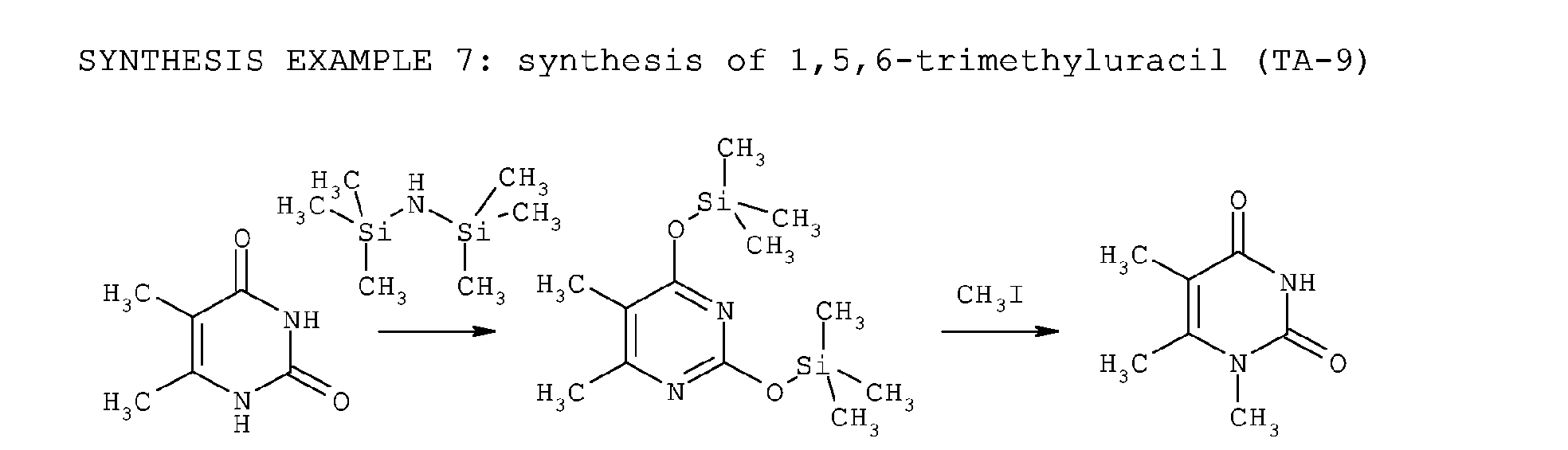
6.00 g (42.9 mmol) 5,6-dimethyluracil was dissolved in 26 mL of
hexamethyldisilazane and 2.1 mL DMF. The mixture was heated for 11
hours at 150°C and the excess of hexamethyldisilazane was removed
under reduced pressure. Toluene was added to the mixture and
evaporated off under reduced pressure to remove any residual
hexamethyldisilazane. The residue was dissolved in 25 mL of
iodomethane, refluxed for 2 hours, the excess iodomethane then
evaporated off under reduced pressure and the residue
recrystallized from deionised water yielding after drying 5.76 g
(87%) of 1,5,6-trimethyluracil (m.p. 254-257°C, lit. 256-258°C).
2.12 g (15 mmol) 6-amino-1-methyluracil was suspended in 30 mL 1N
HCl and a solution of 1.38 g NaNO
2 in 10 mL water added over 10
minutes. After 1 hour at room temperature, the pH was adjusted to 5
with a concentrated ammonia solution and the purple nitroso-intermediate
precipitated from the medium. After filtering off,
washing with water and drying 2.42 g (92%) of the intermediate 6-amino-1-methyl-5-nitrosouracil
was obtained.
To a suspersion of 2.42 g (14.3 mmol) of the 6-amino-1-methyl-5-nitrosouracil
in water heated to 90°C, was added 30 mL of a 38%
solution of NaHSO3 over 10 minutes and the reaction allowed to
continue until the reaction mixture was completely decolourized.
After cooling the reaction mixture to 0°C, 5,6-diamino-1-methyluracil
crystallized from the medium. After filtering off,
washing with water, ethanol and diethylether and drying 2.14 g
(80%) of the intermediate 5,6-diamino-1-methyluracil was isolated.
8.71 g (55.8 mmol) of 5,6-diamino-1-methyluracil was dissolved
in 100 mL water and 50 mL acetic acid upon heating. After cooling
to room temperature, a solution of 3.86 g (55.9 mmol) NaNO
2 in 17
mL water was added over 5 minutes. The mixture was stirred for 5
minutes and then refluxed for a short time. After standing for two
days at room temperature, 3-methyl-8-aza-9H-xanthine crystallized
from the mixture. After filtering off, drying, recrystallization
from water/ethanol 1:1 and drying 3.57 g (38%) of 3-methyl-8-aza-9H-xanthine
was obtained (m.p. 313-320°C).

15.8 g (0.136 mol) isobutylurea (prepared from potassium cyanate
and isobutylamine by refluxing the mixture at pH 4 to 5 for 1 hour)
and 12.7 g (0.149 mol) cyanoacetic acid were dissolved in 39 mL
acetic anhydride and heated to 80°C for 2 hours. After cooling the
mixture was treated with 70 mL diethylether, then cooled to 0°C
whereupon 1-cyanoacetyl-3-isobutylurea precipitates out. After
filtering off, washing with diethylether and drying, 16.23 g (0.089
mol) of 1-cyanoacetyl-3-isobutylurea was suspended in 40 mL water
and 20 mL ethanol and the mixture heated to 85°C. 10.5 mL of a 10%-NaOH
solution was then added dropwise and the reaction allowed to
continue for 45 minutes at 85°C, keeping the reaction mixture
slightly alkaline. After cooling to room temperature, the reaction
mixture was acidified with a 2N HCl-solution and the mixture then
further cooled to 0°C whereupon 6-amino-1-isobutyluracil
precipitates out. After filtering off, washing with water and
drying 6.46 g (26%) of the intermediate 6-amino-1-isobutyluracil
was obtained (m.p. 269-272°C, Lit. 271-272°C).
15.0 g (81.9 mmol) of 6-amino-1-isobutyluracil was suspended
in 165 mL 1N HCl and a solution of 7.54 g (109 mmol) NaNO2 in 55 mL
water then added over 10 minutes. After 1 hour at room temperature,
the pH was adjusted to 5 with a concentrated ammonia solution,
whereupon the purple nitroso-compound precipitated from the medium.
After filtering off, washing with water and drying 14.1 g (81%) of
the intermediate 6-amino-1-isobutyl-5-nitrosouracil was obtained
(m.p. 238-242°C, Lit. 235-236°C).
After suspending 19.4 (91.5 mmol) 6-amino-1-isobutyl-5-nitrosouracil
in 195 mL water and heating the mixture heated 90°C,
214 mL of a 38% solution of NaHSO3 was added dropwise and the
reaction is allowed to continue until the mixture was completely
decolourized. The reaction mixture was then concentrated to one
fifth of its volume, whereupon 5,6-diamino-1-isobutyluracil
crystallized out from the medium. After filtering, washing with
water and drying 15.4 g (85 %) of the intermediate 5,6-diamino-1-isobutyluracil
was obtained.
After dissolving 19.8 g (100 mmol) 5,6-diamino-1-isobutyluracil
in 1 liter of 1N HCl at 70°C, 186.3 g of glyoxal
sodium bisulfite addition compound hydrate was added and the
mixture refluxed for 1 hour. After extracting the mixture several
times with ethyl acetate, the collected ethyl acetate fractions
were washed with water, dried over MgSO
4 and evaporated. The crude
product was purified by preparative column chromatography using
chloroform/methanol 9:1 as eluant yielding 4.25 g (18%)of 1-isobutyl-1H-pteridine-2,4-dione
(m.p. 200-201°C, Lit. 195-197°C).
14.34 g (101.7 mmol) 6-amino-1-methyluracil and 26 mL (108
mmol) 1,1,3,3-tetraethoxypropane are dissolved in a mixture of 250
mL ethanol and 1 liter water and refluxed for 3 hours. After
cooling down to room temperature, the precipitated intermediate is
isolated by filtration washed with water and dried. 7.71 g of the
condensation product of the acetal and the amino group is added to
12.5 mL concentrated sulfuric acid and the mixture is heated to
160°C. After cooling down to room temperature, the mixture is
poured into 125 g ice. The crude product precipitates from the
medium, is isolated by filtration, washed to neutral pH and dried.
4.84 g of the crude product is dissolved in 2 1 refluxing methanol.
300 mL silicagel is added and the mixture is evaporated under
reduced pressure. The crude product loaded onto the silicagel is
purified by preparative column chromatography using
chloroform/methanol 9:1. 3.49g (19%) 1-methylpyrido[2,3-d]pyrimidine-2,4(1H,3H)-dione
is isolated (m.p. 277-285°C, Lit.
285°C).
APPLICATION EXAMPLES
Subbing layer Nr. 01 on the emulsion side of the support had the
composition:
| copolymer of 88% vinylidene chloride, 10% methyl acrylate and 2% itaconic acid | 79.1 mg/m2 |
| Kieselsol® 100F, a colloidal silica from BAYER | 18.6 mg/m2 |
| Mersolat® H, a surfactant from BAYER | 0.4 mg/m2 |
| Ultravon® W, a surfactant from CIBA-GEIGY | 1.9 mg/m2 |
Ingredients in the thermosensitive element in addition to the
above-mentioned ingredients:
- BL5HP =
- S-LEC BL5HP, a polyvinyl butyral from SEKISUI;
- Oil =
- BAYSILON, a silicone oil from BAYER;
- VL =
- DESMODUR VL, a 4,4'-diisocyanatodiphenylmethane from
BAYER;
Reducing agents:
- R01 =
- 3,4-dihydroxybenzonitrile;
- R02 =
- 3,4-dihydroxybenzophenone;
Stabilizers:
- S01 =
- glutaric acid
- S02 =
- tetrachlorophthalic acid anhydride
- S03 =
- benzotriazole
Ingredients in the protective layer:
- ERCOL™ 48 20 =
- a polyvinylalcohol from ACETEX EUROPE;
- LEVASIL™ VP AC 4055 =
- a 15% aqueous dispersion of colloidal silica
with acid groups predominantly neutralized with
sodium ions and a specific surface are of 500
m2/g, from BAYER AG has been converted into the
ammonium salt;
- ULTRAVON™ W =
- 75-85% concentrate of a sodium arylsulfonate from
Ciba Geigy converted into acid form by passing
through an ion exchange column;
- SYLOID™ 72 =
- a silica from Grace;
- SERVOXYL™ VPDZ 3/100 =
- a mono [isotridecyl polyglycolether (3 EO)]
phosphate, from SERVO DELBEN B.V.;
- SERVOXYL™ VPAZ 100 =
- a mixture of monolauryl and dilauryl phosphate,
from SERVO DELDEN B.V.;
- MICROACE TALC P3 =
- an Indian talc from NIPPON TALC;
- RILANIT™ GMS =
- a glycerine monotallow acid ester, from HENKEL
AG
- TMOS =
- tetramethylorthosilicate hydrolyzed in the
presence of methanesulfonic acid.
COMPARATIVE EXAMPLES 1 to 5 and INVENTION EXAMPLE 1
Influence on aggregation of silver nano-particles of TA-1
A screening method was developed using a silver hydrosol,
which was prepared 20 to 30 minutes before the compound TA-1 was
screened. 1 mL of a 0.001M solution of the compound being screened
was then added to 10 mL of this yellow silver hydrosol. If the
silver hydrosol changed colour within one hour, 10 mL of a 0.5%
aqueous gelatin solution was added 10s after this change of colour
to prevent further silver aggregation. If no change in colour was
observed after 1 hour, the concentration of the compound being
screened in the hydrosol was increased from 10-4M to 10-3M. Control
experiments were carried out with each batch of silver hydrosol to
check its performance with a 10-3M solution of BOD06, a compound
giving immediate aggregation.
It is well known that the absorption of silver nano-particles
shifts upon aggregation to ever longer wavelengths with ever
increasing aggregate size. This shift is perceived as a change in
colour from a very pale yellow colour for 10 nm silver particles to
orange to red to purple to blue. The degree of aggregation was
therefore assessed visually on a scale of 6 levels ranging from
++++ to --, according to the following criteria:
| Degree of aggregation of ++++ | = | Strong dark purple-blue colour |
| Degree of aggregation of +++ | = | Dark red to purple colour |
| Degree of aggregation of ++ | = | Red colour |
| Degree of aggregation of + | = | Orange-red colour |
| Degree of aggregation of - | = | Weak orange colour |
| Degree of aggregation of -- | = | No colour change |
The degrees of aggregation obtained with TA-1 is given in Table 1A
below and the degrees of aggregation for BOD01 to BOD05 are given
in Table 1B below.
The diffusion experiments were carried out with the surface of
a 15g/m2 layer of S-LEC BL5HP containing the compound being
screened in a concentration of 15 mol% with respect to a quantity
of silver behenate a quarter of that of the S-LEC BL5HP coverage
coated on a glass support in contact with the surface of a 10g/m2
layer of S-LEC BL5HP containing glutaric acid in a concentration of
24 mol% with respect to a quantity of silver behenate a quarter of
that of the S-LEC BL5HP coverage coated on a SERS-probe. In this
configuration the SERS-probe was uppermost. The diffusion
experiment was carried out by heating the S-LEC BL5HP-coated glass
support with the glass support in contact with an electrically
heated plate at a temperature of 150°C for a predetermined time.
The configuration was then removed from the heated plate and a
Raman spectrum was taken by Dilor XY-laser spectroscopy with the
514 nm line of a Coherent Innova 70C argon/krypton mixed gas laser
at 12mW through the glass plate to ascertain whether the ingredient
being screened had diffused to the silver nano-particles in the
SERS-probe on the basis of its surface-enhanced Raman spectrum due
to contact with silver using the so-called "Surface Enhanced Raman
Scattering" (SERS)-effect.
The coated glass support and the coated SERS-probe were
prepared by coating the glass support and SERS-probe respectively
with a 2-butanone solution of S-LEC BL5HP and the ingredient being
screened and glutaric acid respectively, drying at room temperature
and finally heating the coated glass support and the coated SERS-probe
for 10 minutes at 85°C.
The SERS-probe was prepared by adding an aqueous solution of
silver nitrate to an aqueous solution of potassium borohydride and
stabilizing the 5 to 10 nm silver nuclei by adding polyvinyl
alcohol, the final composition being 0.01M in silver nitrate,
0.015M in potassium borohydride and 1% in polyvinyl alcohol. The
resulting silver hydrosol was then added to a solution of gelatin
containing a hardener, a biocide, an inorganic pigment and a
hardening regulator. The resulting mixture was coated to a dry
thickness of 100 nm onto glass plates giving a thin, yellow
transparent film containing silver nuclei 5 to 10 nm in diameter.
The coated glass plate was then immersed in deionised water at 40°C
for 15 minutes and then in a 0.001M aqueous solution of silver
nitrate containing 0.5% of gelatin and 0.001M in ascorbic acid, a
reducing agent for silver cations, at 25°C. Electroless deposition
of silver occurred on the silver nuclei rather than nucleation of
new particle, because nucleation requires much more energy than
growth of the silver nuclei already present. Finally the layer
containing 90 nm silver particles was rinsed with deionised water
and dried. These 90nm silver particles were required for the laser
wavelength used in these experiments (514.5 nm). Other silver
particle sizes can be obtained, depending upon the composition of
the bath, its temperature and the time of immersion.
Reference Raman spectra were obtained by placing a drop of an
aqueous solution of the molecules given in Table 1 for the
particular INVENTION or COMPARATIVE EXAMPLE onto the SERS-probe and
measuring the Raman spectrum by Dilor XY-laser spectroscopy with
the 514 nm line of a Coherent Innova 70C argon/krypton mixed gas
laser at 12mW measured surface-enhanced as a result of the "Surface
Enhanced Raman Scattering" (SERS)-effect with silver.
The diffusion result obtained with TA-1 and those for BOD01 to
BOD05 are given in Table 1 below.
| Invention example nr. | | aggregation assessment | aggregation time of silver nano-particles [s] | Diffusion time through BL5HP with glutaric acid at 150°C [s] |
| 1 | TA-1 | +++ | 10 | 120 |
| Comparative example nr. |
| 1 | BOD01 | +++ | 10 | 5 |
| 2 | BOD02 | ++ | 10 | 30 |
| 3 | BOD03 | + | 10 | 30 |
| 4 | BOD04 | + | 10 | 10 |
| 5 | BOD05 | + | 10 | - |
TA-1, according to the present invention, produced a degree of
silver particle aggregation of +++ within 10s and exhibited a
diffusion time at 150°C through S-LEC BL5HP in the presence of
glutaric acid of 120s.
Compounds BOD01 to BOD05 all belong to the prior art and
produced degrees of silver particle aggregation between + and +++
within 10s and exhibited diffusion times at 150°C through S-LEC
BL5HP in the presence of glutaric acid between 5 and 30s, which
results in undesirable rapid diffusion to the surface of
thermographic materials.
COMPARATIVE EXAMPLES 6 to 13 and INVENTION EXAMPLES 2 to 6
The substantially light-insensitive thermographic materials of
COMPARATIVE EXAMPLES 6 to 13 and INVENTION EXAMPLES 2 to 6 were
prepared by coating a dispersion with the following ingredients in
2-butanone onto a 175µm thick blue-pigmented polyethylene
terephthalate support with CIELAB a*- and b*- values of -9.5 and
-17.9 respectively subbed on the emulsion-coated side with subbing
layer 01 giving layers after drying at 85°C for 3 minutes in a
drying cupboard with the compositions given in Table 2 below.
| Comparative example nr. | toning agent of present invention | AgBeh cover age [g/m2] | BL5HP [g/ m2] | R01 mol% vs AgB | R02 mol% vs AgB | S01 mol% vs AgB | S02 mol% vs AgB | S03 mol% vs AgB | VL [g /m2] | Oil [g/ m2] |
| | type | mol% vs AgB |
| 6 | BOD01 | 15 | 4.15 | 16.6 | 35 | 45 | 24 | 4.91 | 9.84 | 0.19 | 0.037 |
| 7 | BOD02 | 15 | 4.15 | 16.6 | 35 | 45 | 24 | 4.91 | 9.84 | 0.19 | 0.037 |
| 8 | BOD03 | 15 | 4.15 | 16.6 | 35 | 45 | 24 | 4.91 | 9.84 | 0.19 | 0.037 |
| 9 | BOD04 | 15 | 4.15 | 16.6 | 35 | 45 | 24 | 4.91 | 9.84 | 0.19 | 0.037 |
| 10 | BOD01/BOD05 | 5/10 | 4.15 | 16.6 | 35 | 45 | 24 | 4.91 | 9.84 | 0.19 | 0.037 |
| 11 | BOD05 | 15 | 4.15 | 16.6 | 35 | 45 | 24 | 4.91 | 9.84 | 0.19 | 0.037 |
| 12 | - | - | 4.15 | 16.6 | 35 | 45 | 24 | 4.91 | 9.84 | 0.19 | 0.037 |
| 13 | CTA-I-2 | 15 | 4.15 | 16.6 | 35 | 45 | 24 | 4.91 | 9.84 | 0.19 | 0.037 |
| Invention example nr. |
| 2 | CTA-I-2/TA-1 | 5/10 | 4.15 | 16.6 | 35 | 45 | 24 | 4.91 | 9.84 | 0.19 | 0.037 |
| 3 | TA-1 | 15 | 4.15 | 16.6 | 35 | 45 | 24 | 4.91 | 9.84 | 0.19 | 0.037 |
| 4 | TA-1/BOD02 | 5/10 | 4.15 | 16.6 | 35 | 45 | 24 | 4.91 | 9.84 | 0.19 | 0.037 |
| 5 | TA-1/BOD03 | 10/5 | 4.15 | 16.6 | 35 | 45 | 24 | 4.91 | 9.84 | 0.19 | 0.037 |
| 6 | TA-1/BOD04 | 10/5 | 4.15 | 16.6 | 35 | 45 | 24 | 4.91 | 9.84 | 0.19 | 0.037 |
The thermosensitive elements were then coated with an aqueous
composition with the following ingredients, which was adjusted to a
pH of 3.8 with 1N nitric acid, to a wet layer thickness of 85 µm
and then dried at 50°C for 15 minutes to produce a protective layer
with the composition:
| ERCOL™ 48 20 | 2.1g/m2 |
| LEVASIL™ VP AC 4055 | 1.05g/m2 |
| ULTRAVON™ W | 0.075g/m2 |
| SYLOID™ 72 | 0.09 g/m2 |
| SERVOXYL™ VPDZ 3/100 | 0.075g/m2 |
| SERVOXYL™ VPAZ 100 | 0.075g/m2 |
| MICROACE TALC P3 | 0.045g/m2 |
| RILANIT™ GMS | 0.15g/m2 |
| TMOS | 0.87g/m2 (assuming that the TMOS was completely converted to SiO2) |
After coating the protective layer was hardened by heating the
substantially light-insensitive thermographic material at 45°C for
7 days at a relative humidity of 70%.
The substantially light-insensitive thermographic recording
materials of COMPARATIVE EXAMPLES 6 to 13 and INVENTION EXAMPLES 2
to 6 were printed using a DRYSTAR™ 4500 printer from AGFA-GEVAERT
with a resolution of 508 dpi which had been modified to operate at
a printing speed of 14 mm/s and a line-time of 3.5 ms instead of
7.1 ms and in which the 75 µm long (in the transport direction) and
50 µm wide thermal head resistors were power-modulated to produce
different image densities.
Evaluation of thermographic properties
The image tone of fresh prints made with the substantially
light-insensitive thermographic recording materials of COMPARATIVE
EXAMPLES 6 to 13 and INVENTION EXAMPLES 2 to 6 was assessed on the
basis of the L*, a* and b* CIELAB-values at optical densities, D,
of 1.0 and 2.0 and the results given in Tables 3 to 8.
Assessment of diffusion of ingredients and reaction products of the
imaging forming process to protective layer surface
The diffusion of ingredients and reaction products of the
imaging forming process to the surface of the protective layer was
assessed visually according to a scale of 0 to 5 according to the
following criteria:
| diffusion assessment of 0: | no diffusion |
| diffusion assessment of 1: | first indication of diffusion upon examination under an intense lighting after rubbing with a paper tissue |
| diffusion assessment of 2: | visible in daylight after rubbing with a paper tissue |
| diffusion assessment of 3: | just visible in daylight without rubbing with a paper tissue |
| diffusion assessment of 4: | moderately strong deposition without rubbing with a paper tissue |
| diffusion assessment of 5: | very strong deposition without rubbing with a paper tissue |
The results for printed materials after 3 days at 57°C and 34%
relative humidity are given in Tables 3 to 9 below.
| Comparative Example Nr. | Toning agent | CIELAB values for fresh prints | assessment of post-printing diffusion after 3d/57°C/34%RH |
| | type | mol% vs AgB | for D=1.0 | for D=2.0 |
| | | | a* | b* | a* | b* |
| 13 | CTA-I-2 | 15 | +10.16 | -0.38 | +11.60 | +0.70 | 5 |
| Invention Example Nr. |
| 2 | CTA-I-2/TA-1 | 5/10 | +4.94 | -3.5 | +8.61 | -2.98 | 3 |
| 3 | TA-1 | 15 | +7.71 | -2.64 | +11.93 | -0.01 | 5 |
The results in Table 3 show that a combination of two toning
agents, according to the present invention, CTA-I-2 and TA-1
surprisingly resulted in a* and b* CIELAB values which are more
negative than would be expected by combining the properties of the
two toning agents indicating an unexpected synergetic effect.
| Invention Example Nr. | Toning agent | CIELAB values for fresh prints | assessment of post-printing diffusion after 3d/57°C/34%RH |
| | type | mol% vs AgB | for D=1.0 | for D=2.0 |
| | | | a* | b* | a* | b* |
| 3 | TA-1 | 15 | +7.71 | -2.64 | +11.93 | -0.01 | 5 |
| 4 | TA-1/BOD02 | 5/10 | -1.37 | -8.42 | +1.99 | -5.03 | 4 |
| Comparative Example nr. |
| 7 | BOD02 | 15 | +0.99 | -7.90 | +2.67 | -5.25 | 5 |
The results in Tables 3 and 4 show that two combinations of a
toning agent, according to the present invention, TA-1 and CTA-I-2
respectively with a benzoxazine dione toning agent, BOD02, also
surprisingly resulted in a* and b* CIELAB values which are more
negative than would be expected by combining the properties of the
two toning agents indicating an unexpected synergetic effect.
| Invention Example Nr. | Toning agent | CIELAB values for fresh prints |
| | | for D=1.0 | for D=2.0 |
| | type | mol% vs AgB | a* | b* | a* | b* |
| 3 | TA-1 | 15 | +7.71 | -2.64 | +11.93 | -0.01 |
| 5 | TA-1/BOD03 | 10/5 | -1.77 | -7.6 | +1.08 | -3.85 |
| Comparative Example nr. |
| 8 | BOD03 | 15 | -1.89 | -6.95 | -1.64 | -3.96 |
The results in Table 5 also show that a combination of a toning
agent, according to the present invention, TA-1, with a different
benzoxazine dione toning agent, BOD03, also surprisingly resulted
in a* and b* CIELAB values which are more negative than would be
expected by combining the properties of the two toning agents
indicating an unexpected synergetic effect.
| Invention Example Nr. | Toning agent | CIELAB values for fresh prints |
| | type | mol% vs AgB | for D=1.0 | for D=2.0 |
| | | | a* | b* | a* | b* |
| 3 | TA-1 | 15 | +7.71 | -2.64 | +11.93 | -0.01 |
| 6 | TA-1/BOD04 | 10/5 | -1.54 | -6.53 | +1.61 | -2.62 |
| Comparative Example nr. |
| 9 | BOD04 | 15 | -4.37 | -5.24 | -2.52 | -3.10 |
The results in Table 6 also show that a combination of a toning
agent, according to the present invention, TA-1, with a different
benzoxazine dione toning agent, BOD04, also surprisingly resulted
in a* and b* CIELAB values which are more negative than would be
expected by combining the properties of the two toning agents
indicating an unexpected synergetic effect.
| Comparative Example Nr. | Toning agent | CIELAB values for fresh prints | assessment of post-printing diffusion after 3d/57°C/34%RH |
| | type | mol% vs AgB | for D=1.0 | for D=2.0 |
| | | | a* | b* | a* | b* |
| 6 | BOD01 | 15 | -3.63 | -8.75 | -2.41 | -5.73 | 5 |
| 10 | BOD01/BOD05 | 5/10 | -3.74 | -6.39 | -1.25 | -4.37 | 5 |
| 11 | BOD05 | 15 | -3.67 | -7.48 | -1.66 | -5.24 | 5 |
The results in Table 7 show that a combinations of two benzoxazine
dione toning agents does not exhibit the synergetic more negative
a* and b* CIELAB values or the synergetic reduction in diffusion
exhibited by a combination of a toning agent, according to the
present invention, and a benzoxazine dione toning agent.
| Invention Example Nr. | Toning agent | a* CIELAB-values for fresh prints |
| | type | mol% vs AgB | for D=1.0 | for D=2.0 |
| 3 | TA-1 | 15 | +7.71 | +11.93 |
| Comparative Example nr. |
| 12 | - | - | +11.71 | +14.81 |
The results in Table 8 show that toning agents, according to the
present invention, exhibit in a particular thermosensitive element
a marginally more neutral a* CIELAB-value. However, the a* CIELAB-value
observed is strongly dependent upon the ingredients used in
the substantially light-insensitive thermographic material, which
means that with other ingredients a similar difference in a*
CIELAB-value would mean the difference between tone neutrality i.e.
an a* CIELAB value in the neighbourhood of 0 and a strongly reddish
image tone i.e. a strongly positive a* CIELAB-value.
The substantially light-insensitive thermographic materials of
COMPARATIVE EXAMPLES 14 to 18 and INVENTION EXAMPLES 7 to 20 were
prepared by coating a dispersion with the following ingredients in
2-butanone onto a 175µm thick blue-pigmented polyethylene
terephthalate support with CIELAB a*- and b*- values of -9.5 and
-17.9 respectively subbed on the emulsion-coated side with subbing
layer 01 giving layers after drying at 85°C for 3 minutes in a
drying cupboard with the compositions given in Table 9 below.
| Comparative example nr. | toning agent of present invention | AgBeh cover age [g/m2] | BL5HP [g/ m2] | R01 mol% vs AgB | R02 mol% vs AgB | S01 mol% vs AgB | S02 mol% vs AgB | S03 mol% vs AgB | VL [g /m2] | Oil [g/ m2] |
| | type | mol% vs AgB |
| 14 | COMP-1 | 15 | 4.15 | 16.6 | 35 | 45 | 24 | 4.91 | 9.84 | 0.19 | 0.037 |
| 15 | COMP-2 | 15 | 4.15 | 16.6 | 35 | 45 | 24 | 4.91 | 9.84 | 0.19 | 0.037 |
| 16 | COMP-3 | 15 | 4.15 | 16.6 | 35 | 45 | 24 | 4.91 | 9.84 | 0.19 | 0.037 |
| 17 | BOD08 | 15 | 4.15 | 16.6 | 35 | 45 | 24 | 4.91 | 9.84 | 0.19 | 0.037 |
| 18 | - | - | 4.15 | 16.6 | 35 | 45 | 24 | 4.91 | 9.84 | 0.19 | 0.037 |
| Invention example nr. |
| 7 | TA-1 | 15 | 4.15 | 16.6 | 35 | 45 | 24 | 4.91 | 9.84 | 0.19 | 0.037 |
| 8 | TA-3 | 15 | 4.15 | 16.6 | 35 | 45 | 24 | 4.91 | 9.84 | 0.19 | 0.037 |
| 9 | TA-4 | 15 | 4.15 | 16.6 | 35 | 45 | 24 | 4.91 | 9.84 | 0.19 | 0.037 |
| 10 | TA-5 | 15 | 4.15 | 16.6 | 35 | 45 | 24 | 4.91 | 9.84 | 0.19 | 0.037 |
| 11 | TA-6 | 15 | 4.15 | 16.6 | 35 | 45 | 24 | 4.91 | 9.84 | 0.19 | 0.037 |
| 12 | TA-7 | 15 | 4.15 | 16.6 | 35 | 45 | 24 | 4.91 | 9.84 | 0.19 | 0.037 |
| 13 | TA-8 | 15 | 4.15 | 16.6 | 35 | 45 | 24 | 4.91 | 9.84 | 0.19 | 0.037 |
| 14 | TA-9 | 15 | 4.15 | 16.6 | 35 | 45 | 24 | 4.91 | 9.84 | 0.19 | 0.037 |
| 15 | TA-10 | 15 | 4.15 | 16.6 | 35 | 45 | 24 | 4.91 | 9.84 | 0.19 | 0.037 |
| 16 | TA-11 | 15 | 4.15 | 16.6 | 35 | 45 | 24 | 4.91 | 9.84 | 0.19 | 0.037 |
| 17 | TA-12 | 15 | 4.15 | 16.6 | 35 | 45 | 24 | 4.91 | 9.84 | 0.19 | 0.037 |
| 18 | TA-15 | 15 | 4.15 | 16.6 | 35 | 45 | 24 | 4.91 | 9.84 | 0.19 | 0.037 |
| 19 | TA-16 | 15 | 4.15 | 16.6 | 35 | 45 | 24 | 4.91 | 9.84 | 0.19 | 0.037 |
| 20 | TA-16/BOD08 | 2/13 | 4.15 | 16.6 | 35 | 45 | 24 | 4.91 | 9.84 | 0.19 | 0.037 |
The thermosensitive elements were then coated with an aqueous
composition with the following ingredients, which was adjusted to a
pH of 3.8 with 1N nitric acid, to a wet layer thickness of 85 µm
and then dried at 50°C for 15 minutes to produce a protective layer
with the composition:
| ERCOL™ 48 20 | 2.1g/m2 |
| LEVASIL™ VP AC 4055 | 1.05g/m2 |
| ULTRAVON™ W | 0.075g/m2 |
| SYLOID™ 72 | 0.09 g/m2 |
| SERVOXYL™ VPDZ 3/100 | 0.075g/m2 |
| SERVOXYL™ VPAZ 100 | 0.075g/m2 |
| MICROACE TALC P3 | 0.045g/m2 |
| RILANIT™ GMS | 0.15g/m2 |
| TMOS | 0.87g/m2 (assuming that the TMOS was completely converted to SiO2) |
After coating the protective layer was hardened by heating the
substantially light-insensitive thermographic material at 45°C for
7 days at a relative humidity of 70%.
Prints were produced with the thermographic recording
materials of COMPARATIVE EXAMPLES 14 to 18 and INVENTION EXAMPLES 7
to 20 as described for the thermographic recording materials of
COMPARATIVE EXAMPLE 6 to 13 and INVENTION EXAMPLES 2 to 6 and the
image tone of fresh prints assessed as for the thermographic
recording materials of COMPARATIVE EXAMPLE 6 to 13 and INVENTION
EXAMPLES 2 to 6. The results are given in Tables 10 and 11.
| Comparative Example Nr. | Toning agent | CIELAB values for fresh prints |
| | type | mol% vs AgB | for D=1.0 | for D=2.0 |
| | | | a* | b* | a* | b* |
| 14 | COMP-1 | 15 | +12.38 | +0.65 | +14.42 | +0.29 |
| 15 | COMP-2 | 15 | +3.60 | -1.70 | +4.56 | -1.47 |
| 16 | COMP-3 | 15 | +17.36 | +4.15 | +20.62 | +3.98 |
| 18 | - | - | +10.91 | -0.73 | +15.93 | +0.11 |
| Invention Example nr. |
| 7 | TA-1 | 15 | +6.31 | -4.11 | +8.13 | -1.09 |
| 8 | TA-3 | 15 | +4.53 | -5.87 | +9.36 | -4.84 |
| 9 | TA-4 | 15 | +4.73 | -6.48 | +7.12 | -5.64 |
| 10 | TA-5 | 15 | +7.52 | -5.55 | +10.06 | -4.93 |
| 11 | TA-6 | 15 | -0.77 | -9.18 | +1.51 | -6.94 |
| 12 | TA-7 | 15 | +3.76 | -8.36 | +4.61 | -5.64 |
| 13 | TA-8 | 15 | +6.05 | -7.51 | +7.85 | -5.07 |
| 14 | TA-9 | 15 | +3.79 | -9.04 | +6.88 | -7.22 |
| 15 | TA-10 | 15 | +4.25 | -6.65 | +6.54 | -5.81 |
| 16 | TA-11 | 15 | +9.51 | -5.38 | +13.34 | -3.24 |
| 17 | TA-12 | 15 | +4.96 | -9.42 | +8.92 | -6.60 |
| 18 | TA-15 | 15 | +6.67 | -6.34 | +9.84 | -4.80 |
| 19 | TA-16 | 15 | +2.41 | -6.77 | +4.10 | -5.81 |
The CIELAB b*-values for a density of 1.0, which is that density
which is most determinant in the visual perception of the viewer,
were all yellower, as indicated by more negative values, for the
thermographic recording materials of COMPARATIVE EXAMPLES 14 to 16
and 18 than for those for the thermographic recording materials of
INVENTION EXAMPLES 7 to 19. In other words the image tones for the
thermographic recording materials of INVENTION EXAMPLES 7 to 19
were all more blue and hence more acceptable for a radiologist
viewing images in transmission than those of the thermographic
recording materials of COMPARATIVE EXAMPLES 14 to 16 and 18. This
demonstrates that toning agents TA-1, TA-3 to TA-12, TA 15 and TA-16
exhibit more favourable image toning properties as indicated by
the less positive a*- and b*-values of the corresponding
thermographic recording materials compared with those of the
thermographic recording material of COMPARATIVE EXAMPLE 17 which
does not contain a toning agent. This also demonstrates the
superior image toning properties of toning agents TA-1, TA-3 to TA-12,
TA-15 and TA-16 over COMP-1 to COMP-3, toning agents outside
the scope of the present invention, as indicated by the less
negative b*-values at a density of 1.0 of the corresponding
thermographic recording materials, compared with the thermographic
recording material of COMPARATIVE EXAMPLES 14 to 16 using COMP-1 to
COMP-3.
| Comparative Example Nr. | Toning agent | CIELAB values for fresh prints |
| | type | mol% vs AgB | for D=1.0 | for D=2.0 |
| | | | a* | b* | a* | b* |
| 17 | BOD08 | 15 | -0.91 | -8.44 | +1.27 | -6.02 |
| Invention Example nr. |
| 19 | TA-16 | 15 | +2.41 | -6.77 | +4.10 | -5.81 |
| 20 | TA-16/BOD08 | 2/13 | -1.70 | -9.21 | +0.50 | -6.68 |
The results in Table 11 show that a combination of a toning agent
according to the present invention, TA-16, with a benzoxazine dione
toning agent, BOD08, surprisingly resulted in a reduction in both
a* and b* CIELAB values compared with the values that would be
expected by combining the properties of the two toning agents
indicating an unexpected synergetic effect.
The present invention may include any feature or combination of
features disclosed herein either implicitly or explicitly or any
generalisation thereof irrespective of whether it relates to the
presently claimed invention. In view of the foregoing description
it will be evident to a person skilled in the art that various
modifications may be made within the scope of the invention.




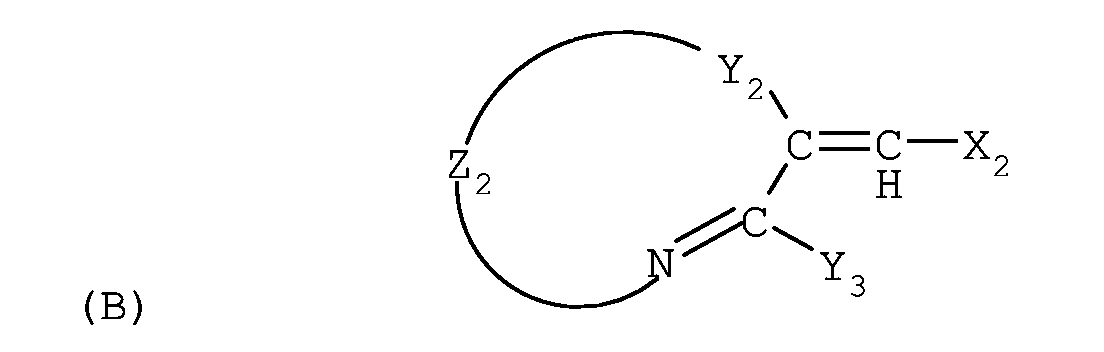
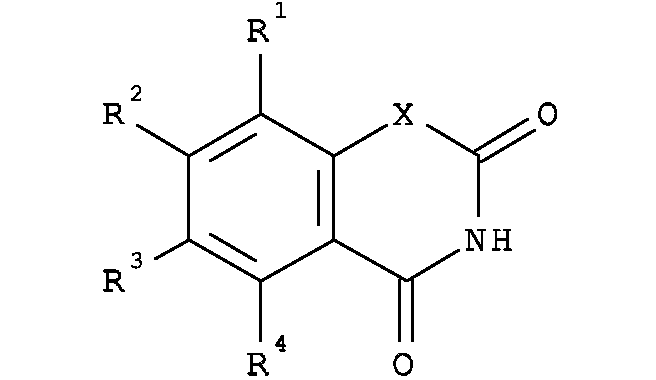
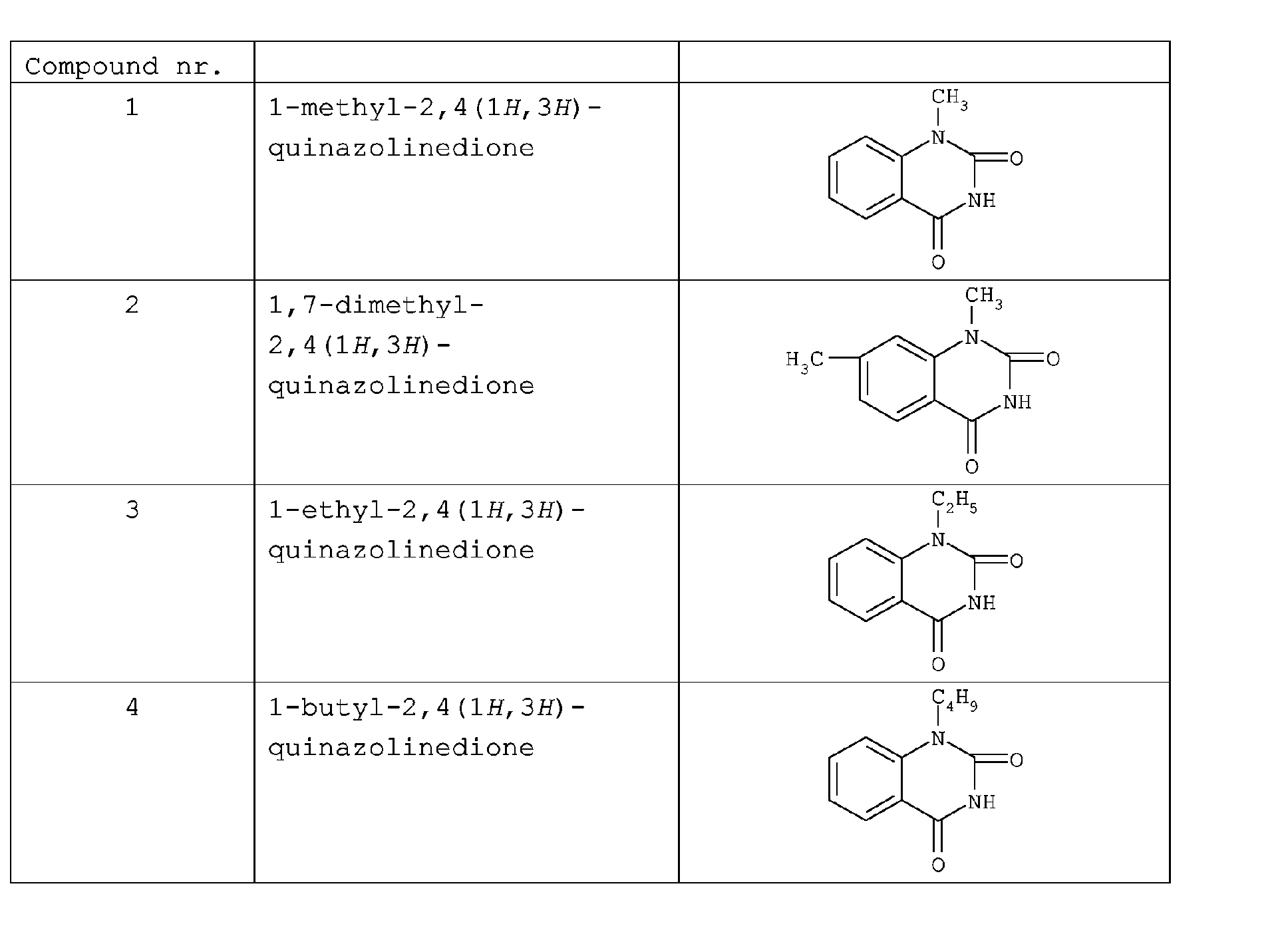

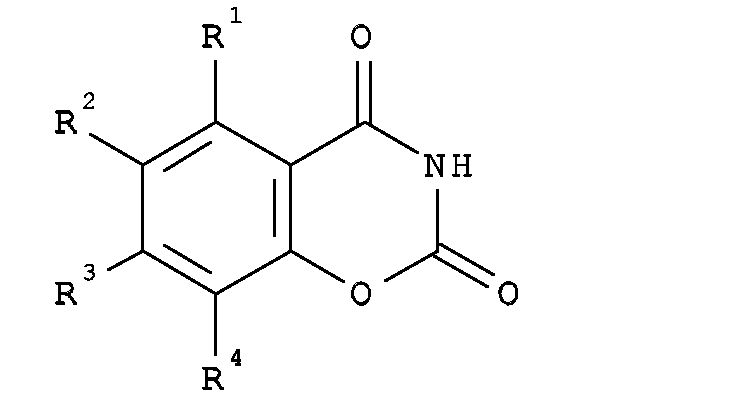
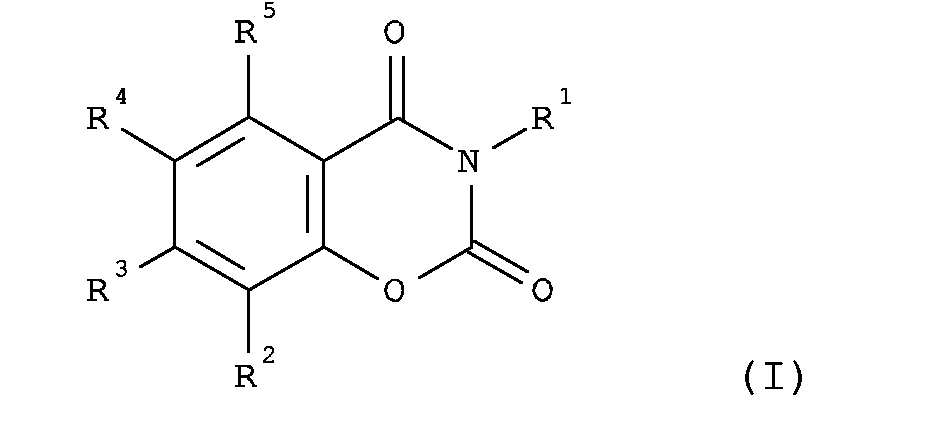
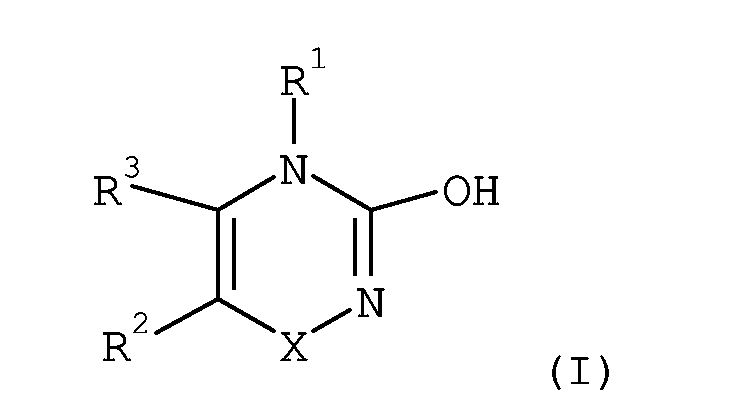


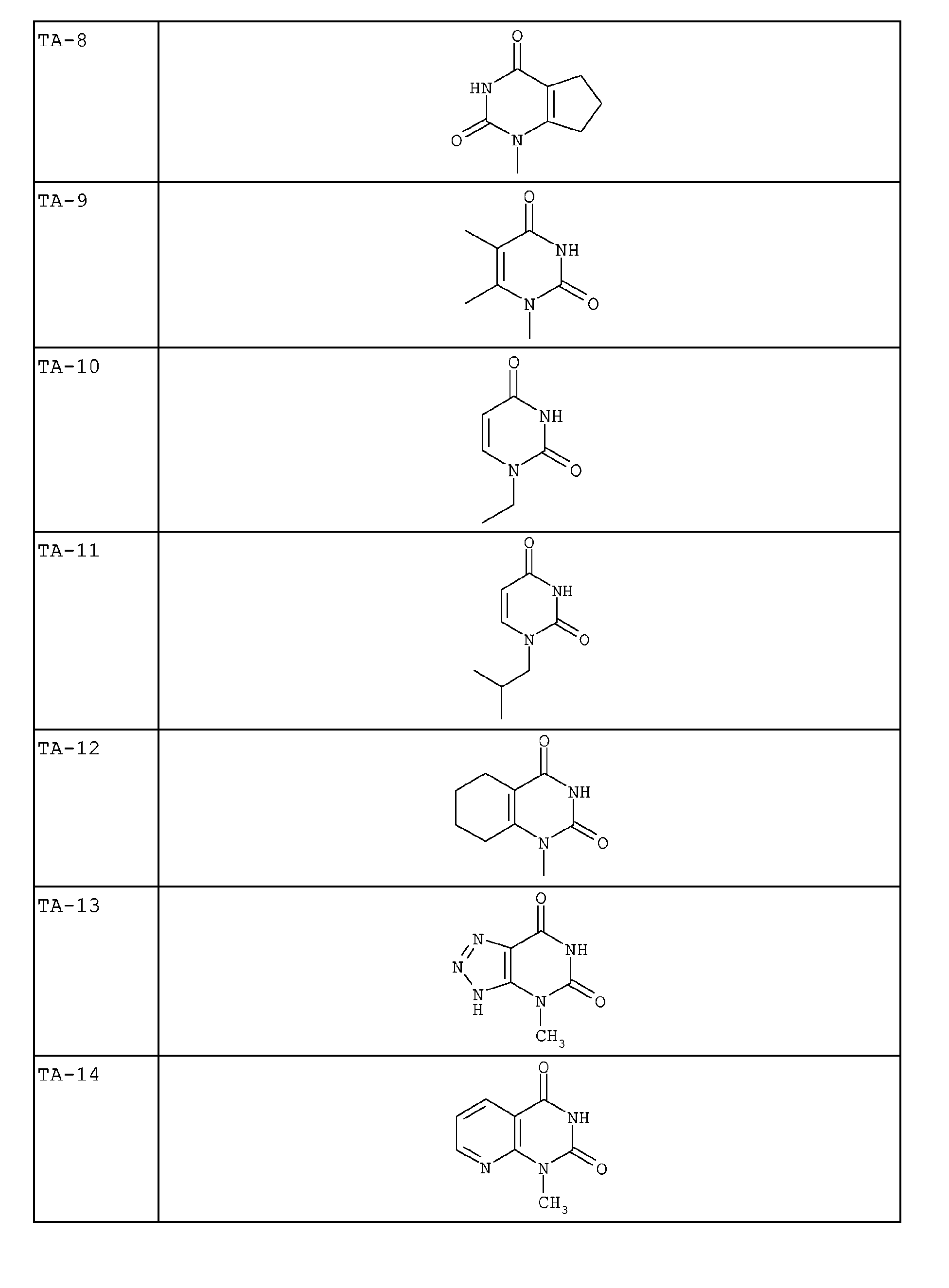


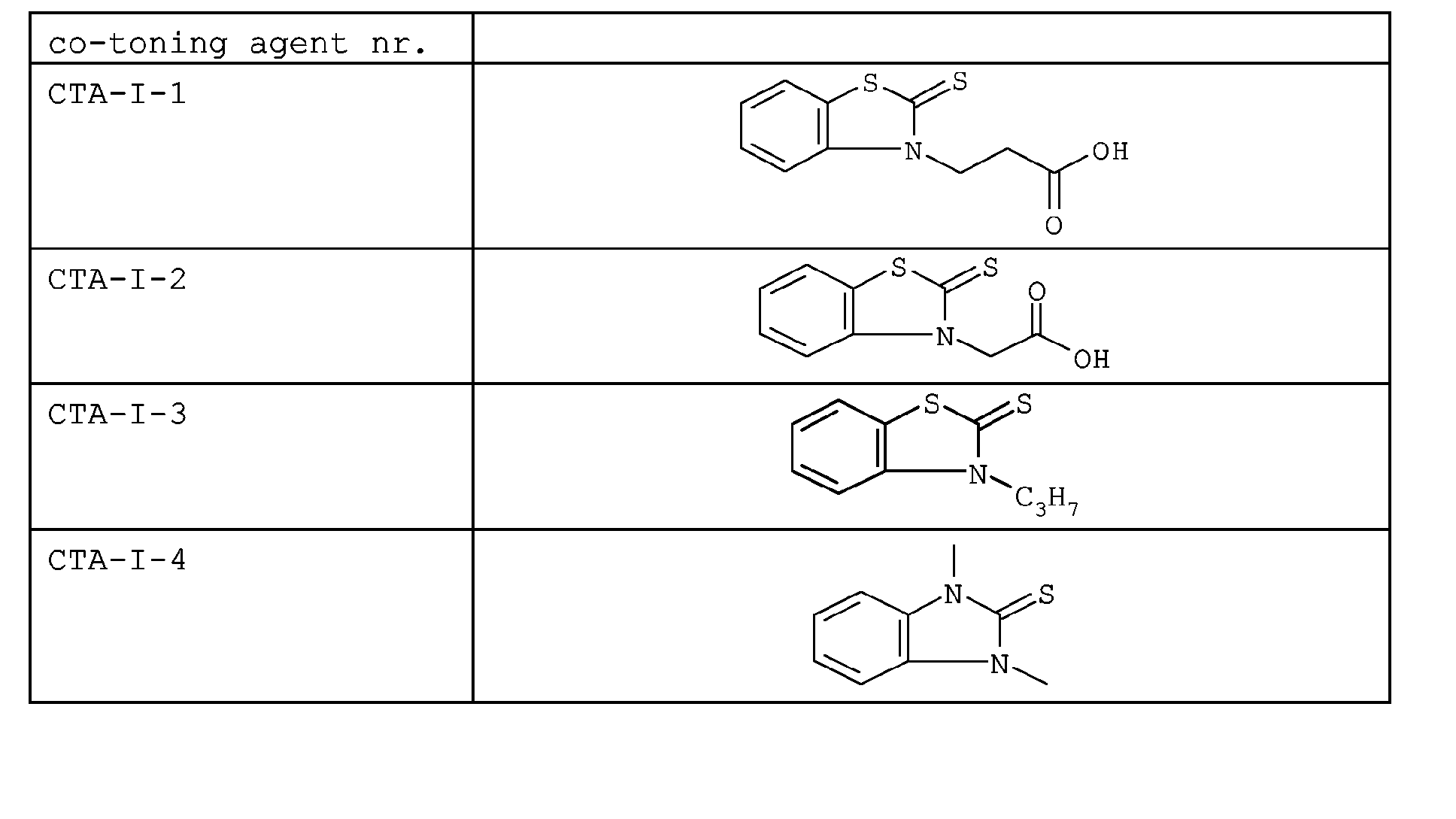
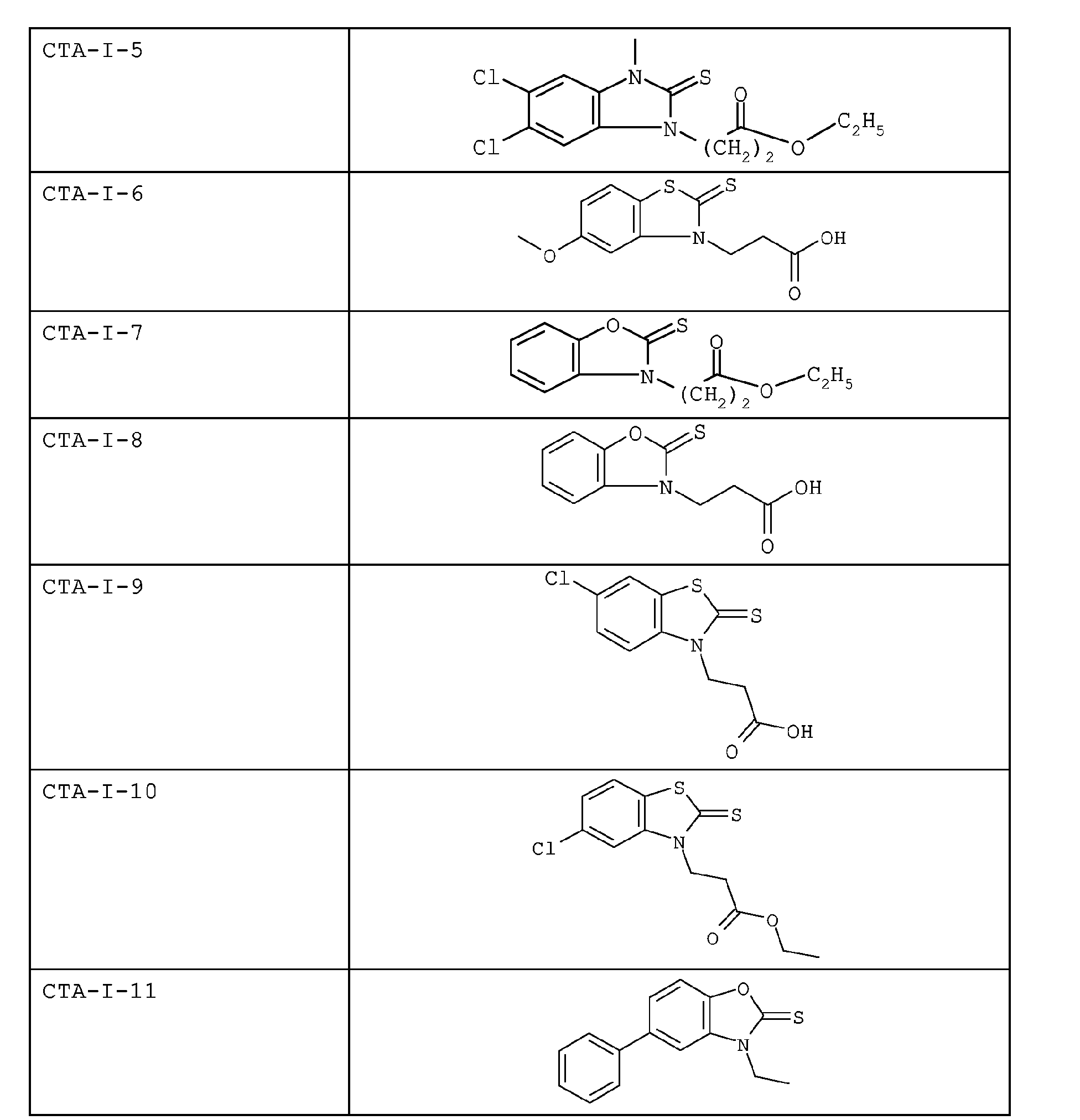

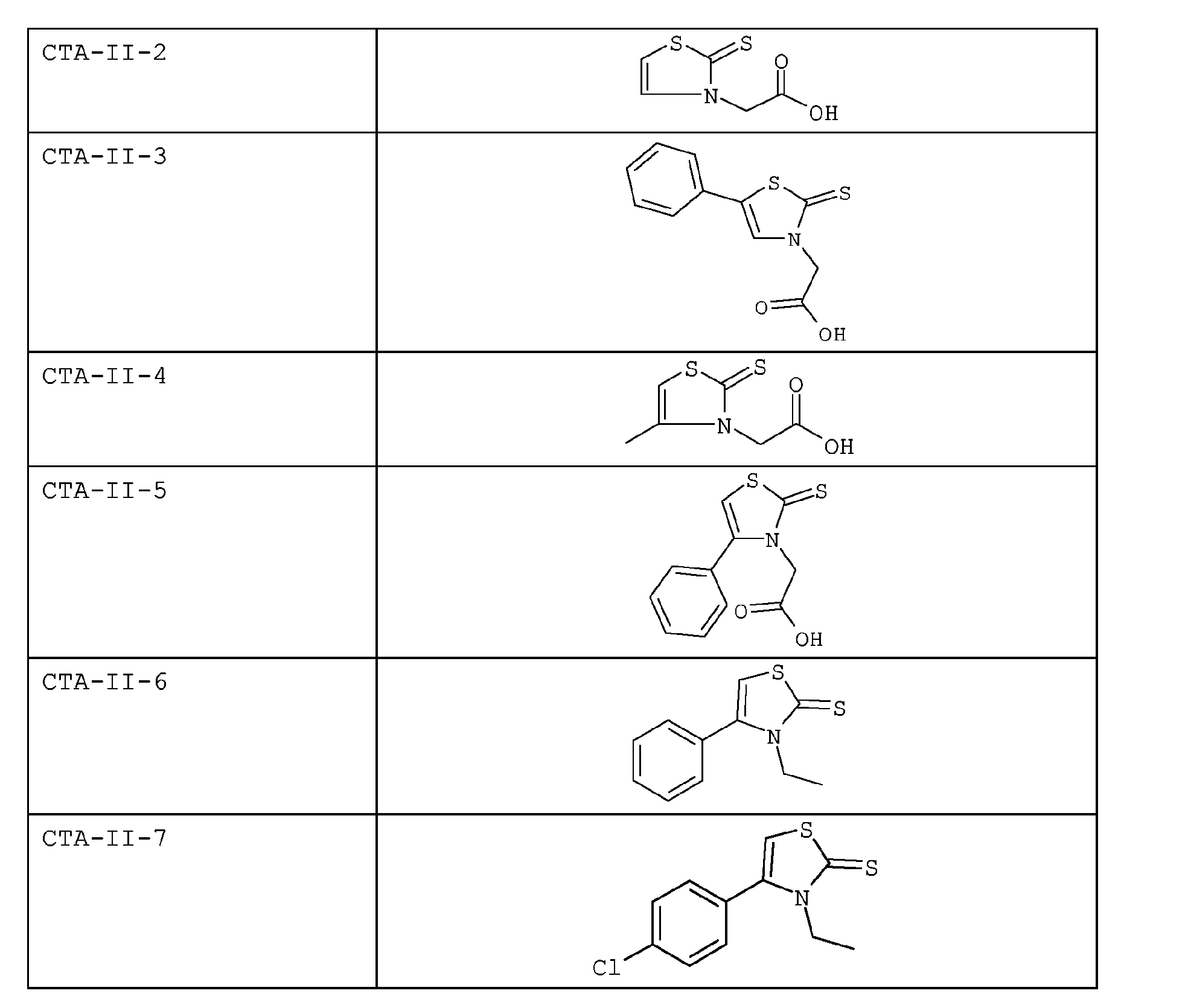
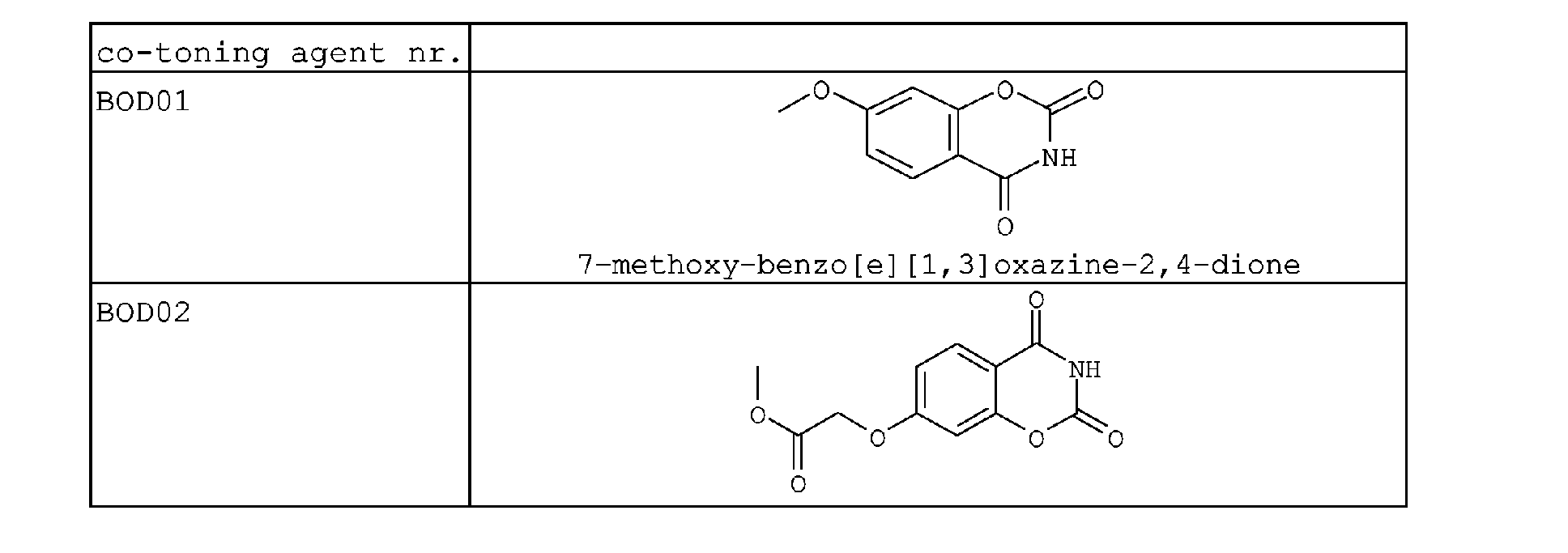


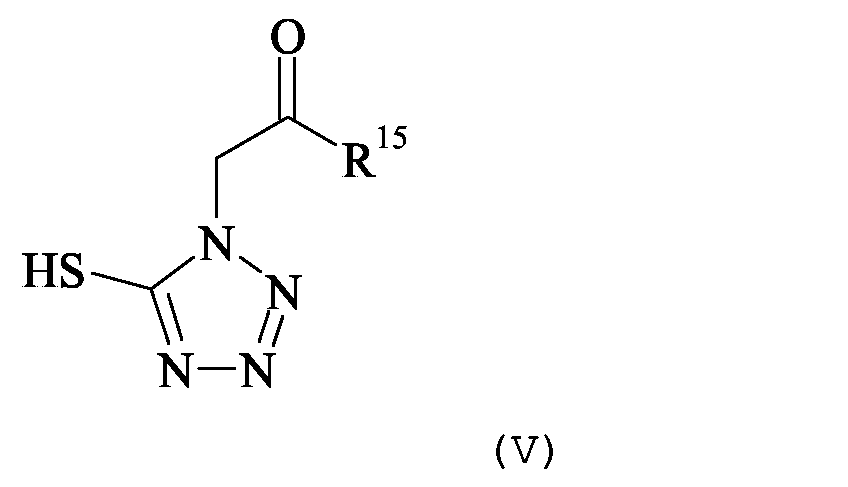

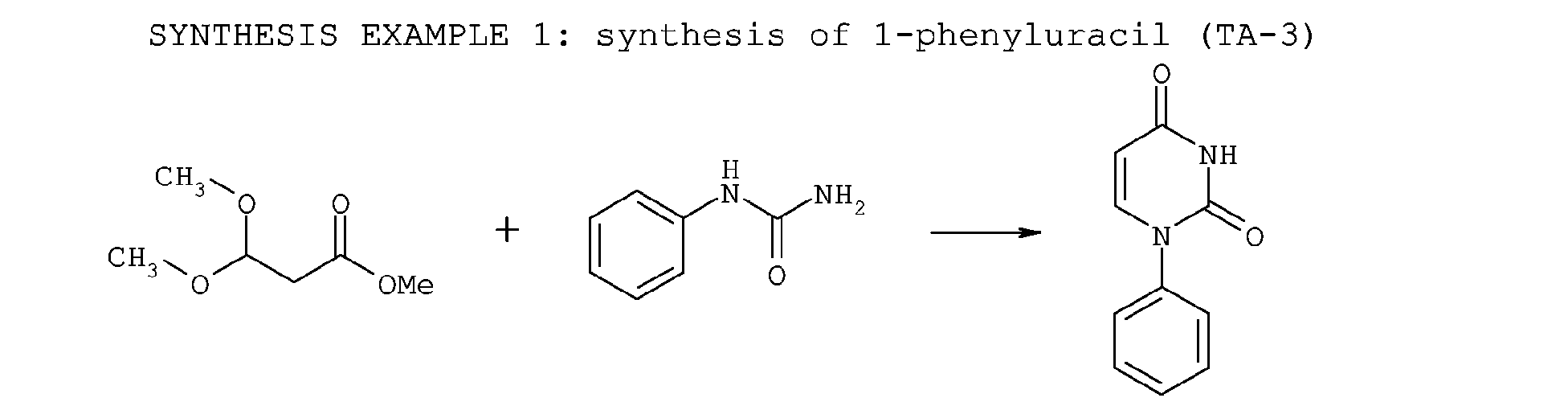


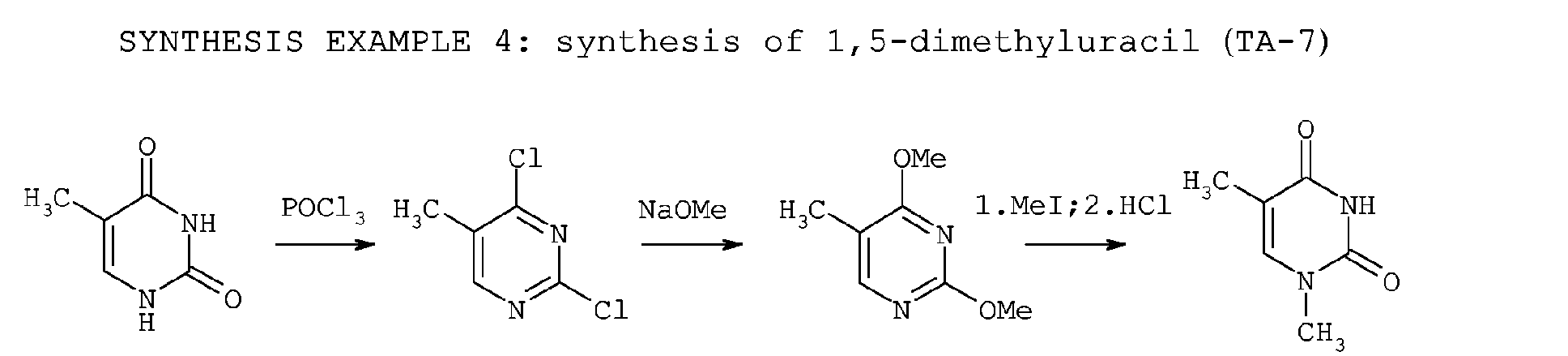
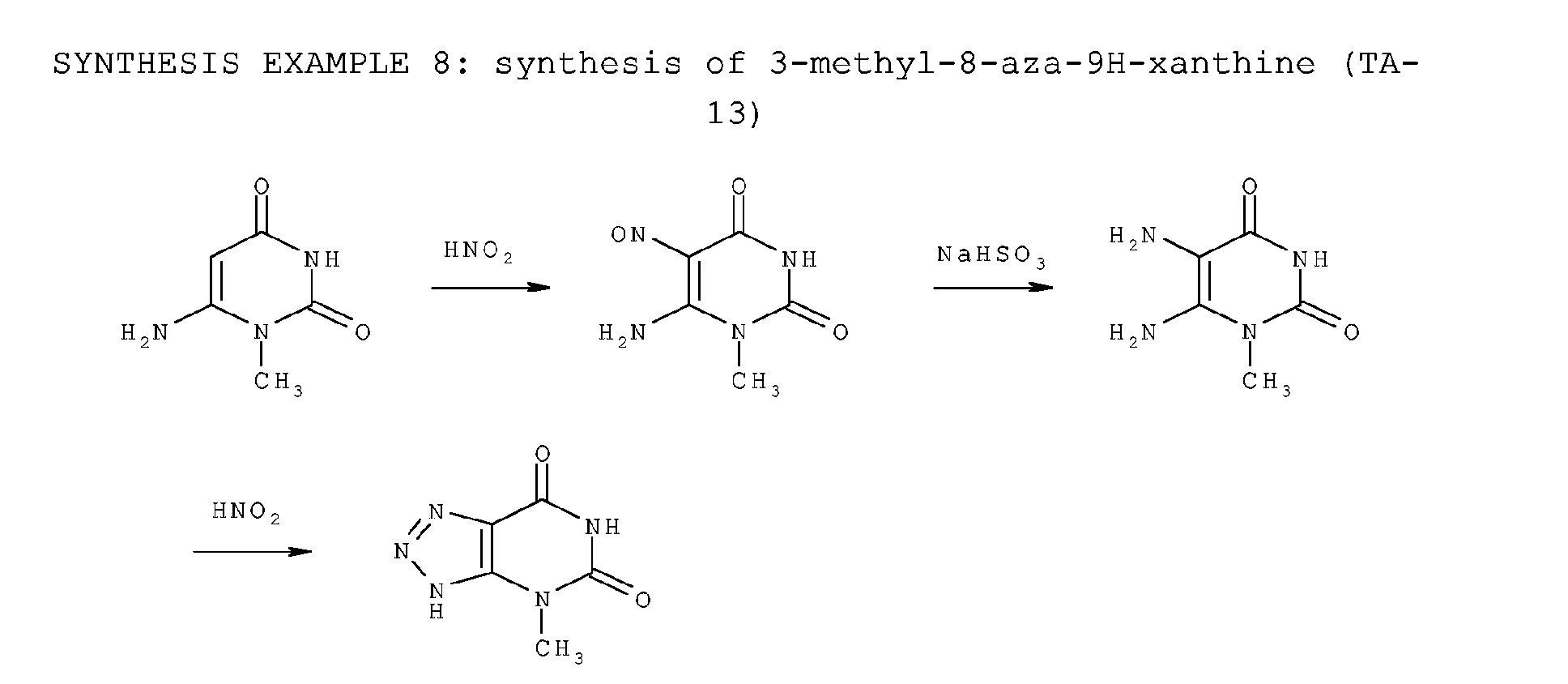
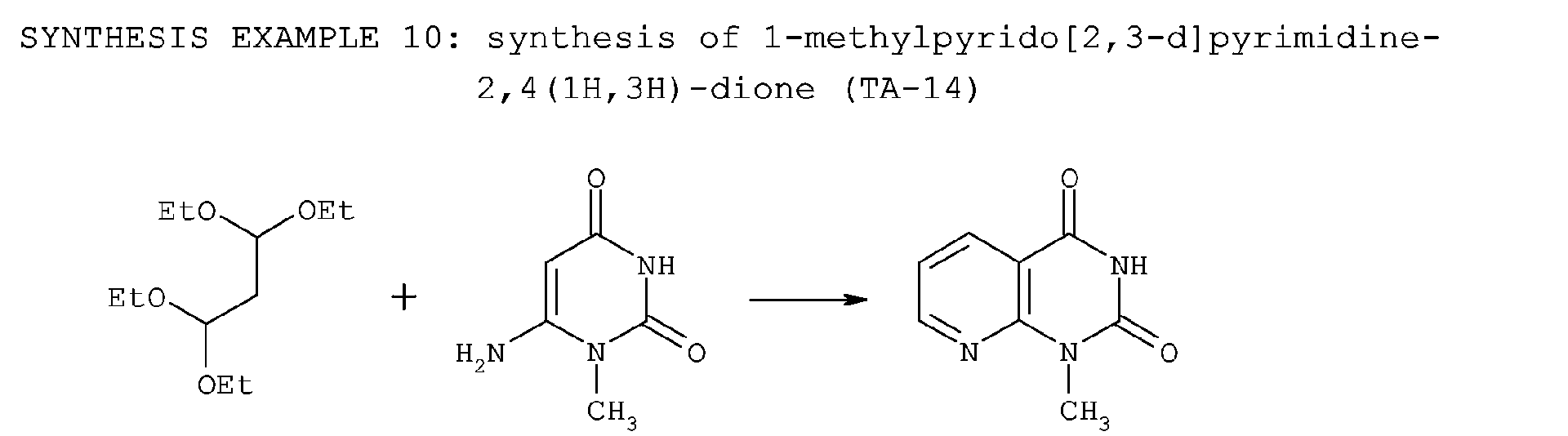
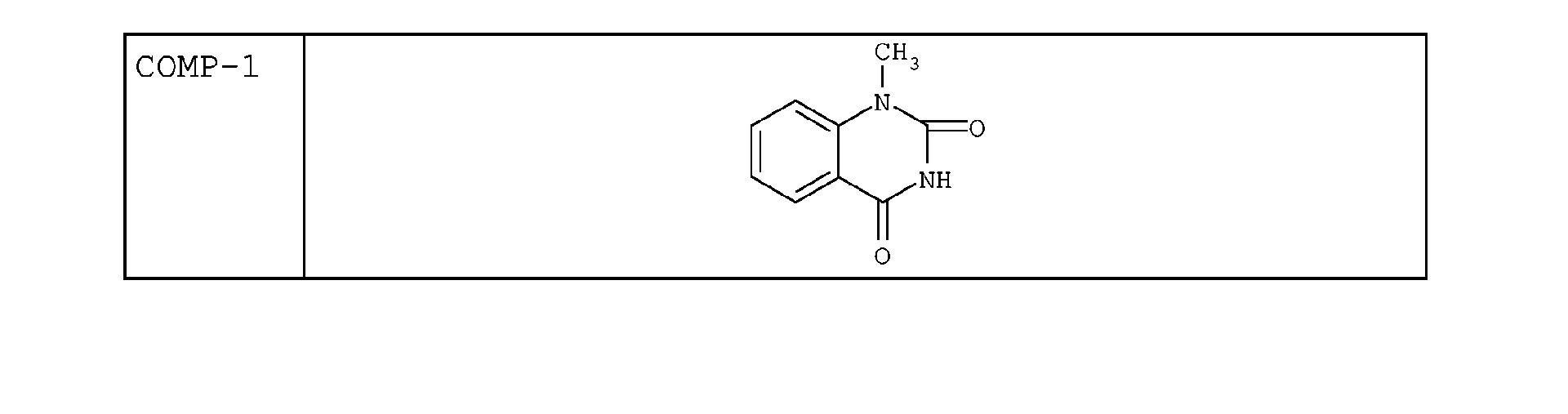
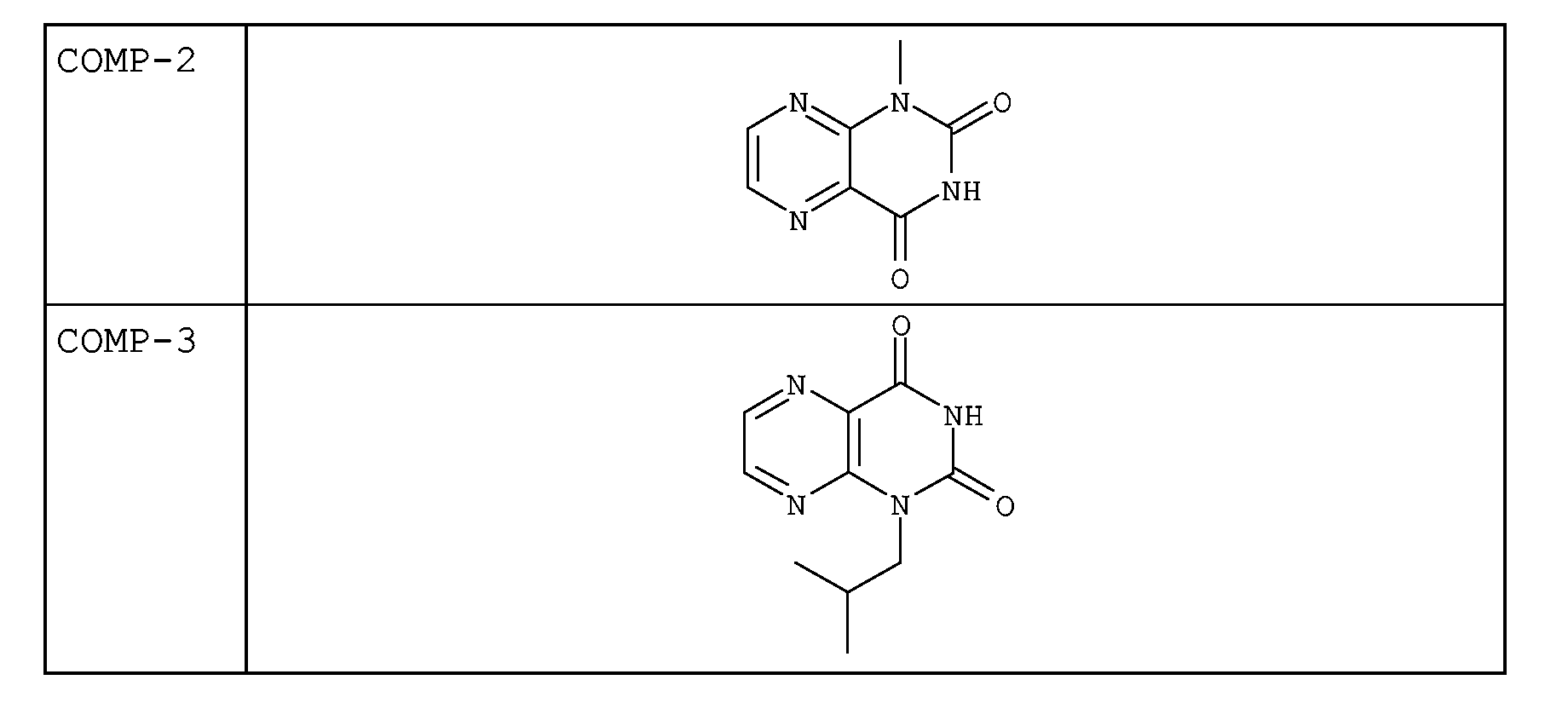
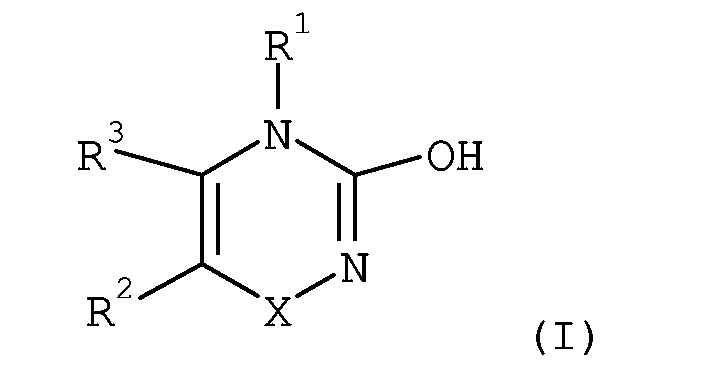


 wherein R11 is an optionally substituted alkyl group; Y is S, O or N-R14; R14 is an optionally substituted alkyl group; R12 and R13 independently represent a hydrogen atom, a halogen atom or an alkyl, an alkoxy, a thio-alkoxy, a nitro, a cyano, a carboxy, a carboxy ester, an acyl, an aldehyde, an acylamido, a sulphonamido, an acylamino, a carbonato, a hydroxy or an aryl group or R12 and R13 represent the atoms necessary to form a heterocyclic or a non-aromatic carbocyclic ring or at least one of R12 and R14 and R13 and R11 independently represent the atoms necessary to form a heterocyclic ring; and both R12 and R13 cannot both be an alkyl group, phthalazinone, phthalazinone derivatives, pyridazone, pyridazone derivatives, benzoxazine dione, benzoxazine dione derivatives, naphthoxazine dione and naphthoxazine dione derivatives.