EP1428529A1 - Apolipo protein e secretion promoters - Google Patents
Apolipo protein e secretion promoters Download PDFInfo
- Publication number
- EP1428529A1 EP1428529A1 EP02765385A EP02765385A EP1428529A1 EP 1428529 A1 EP1428529 A1 EP 1428529A1 EP 02765385 A EP02765385 A EP 02765385A EP 02765385 A EP02765385 A EP 02765385A EP 1428529 A1 EP1428529 A1 EP 1428529A1
- Authority
- EP
- European Patent Office
- Prior art keywords
- group
- substituted
- atherosclerotic plaques
- formula
- compound represented
- Prior art date
- Legal status (The legal status is an assumption and is not a legal conclusion. Google has not performed a legal analysis and makes no representation as to the accuracy of the status listed.)
- Withdrawn
Links
- 0 Cc(c1c(cc2*)OC(*)(*)C1)c2O Chemical compound Cc(c1c(cc2*)OC(*)(*)C1)c2O 0.000 description 1
Images
Classifications
-
- C—CHEMISTRY; METALLURGY
- C07—ORGANIC CHEMISTRY
- C07D—HETEROCYCLIC COMPOUNDS
- C07D307/00—Heterocyclic compounds containing five-membered rings having one oxygen atom as the only ring hetero atom
- C07D307/77—Heterocyclic compounds containing five-membered rings having one oxygen atom as the only ring hetero atom ortho- or peri-condensed with carbocyclic rings or ring systems
- C07D307/78—Benzo [b] furans; Hydrogenated benzo [b] furans
- C07D307/79—Benzo [b] furans; Hydrogenated benzo [b] furans with only hydrogen atoms, hydrocarbon or substituted hydrocarbon radicals, directly attached to carbon atoms of the hetero ring
-
- A—HUMAN NECESSITIES
- A61—MEDICAL OR VETERINARY SCIENCE; HYGIENE
- A61K—PREPARATIONS FOR MEDICAL, DENTAL OR TOILETRY PURPOSES
- A61K31/00—Medicinal preparations containing organic active ingredients
- A61K31/33—Heterocyclic compounds
- A61K31/335—Heterocyclic compounds having oxygen as the only ring hetero atom, e.g. fungichromin
- A61K31/34—Heterocyclic compounds having oxygen as the only ring hetero atom, e.g. fungichromin having five-membered rings with one oxygen as the only ring hetero atom, e.g. isosorbide
- A61K31/343—Heterocyclic compounds having oxygen as the only ring hetero atom, e.g. fungichromin having five-membered rings with one oxygen as the only ring hetero atom, e.g. isosorbide condensed with a carbocyclic ring, e.g. coumaran, bufuralol, befunolol, clobenfurol, amiodarone
-
- A—HUMAN NECESSITIES
- A61—MEDICAL OR VETERINARY SCIENCE; HYGIENE
- A61P—SPECIFIC THERAPEUTIC ACTIVITY OF CHEMICAL COMPOUNDS OR MEDICINAL PREPARATIONS
- A61P3/00—Drugs for disorders of the metabolism
- A61P3/06—Antihyperlipidemics
-
- A—HUMAN NECESSITIES
- A61—MEDICAL OR VETERINARY SCIENCE; HYGIENE
- A61P—SPECIFIC THERAPEUTIC ACTIVITY OF CHEMICAL COMPOUNDS OR MEDICINAL PREPARATIONS
- A61P43/00—Drugs for specific purposes, not provided for in groups A61P1/00-A61P41/00
-
- A—HUMAN NECESSITIES
- A61—MEDICAL OR VETERINARY SCIENCE; HYGIENE
- A61P—SPECIFIC THERAPEUTIC ACTIVITY OF CHEMICAL COMPOUNDS OR MEDICINAL PREPARATIONS
- A61P9/00—Drugs for disorders of the cardiovascular system
- A61P9/10—Drugs for disorders of the cardiovascular system for treating ischaemic or atherosclerotic diseases, e.g. antianginal drugs, coronary vasodilators, drugs for myocardial infarction, retinopathy, cerebrovascula insufficiency, renal arteriosclerosis
Definitions
- the present invention relates to a pharmaceutical composition for promoting the secretion of apolipoprotein E (hereinafter referred to as ApoE), to a method for promoting the same, and to a use of a compound in manufacturing such a pharmaceutical composition. More specifically, this invention relates to a pharmaceutical composition for promoting the secretion of ApoE comprising a certain 4,6-di-t-butyl-dihydrobenzofuran derivative, to a method for promoting the same, and to a use of certain 4,6-di-t-butyl-dihydrobenzofuran derivatives in manufacturing such a pharmaceutical composition.
- ApoE apolipoprotein E
- ApoE is one of the major constituents of apolipoproteins contained in lipoproteins such as chylomicron, very low density lipoprotein (VLDL), and high density lipoprotein (HDL). It is a glycoprotein composed of 299 amino acid residues and some sugar moieties containing sialic acids and has a molecular weight of approximately 34,000. ApoE is produced in kidney, brain, macrophages and the like, and mainly in liver.
- Apolipoproteins contained in lipoproteins are believed to be important to the binding of the lipoproteins to their respective receptors. Therefore, ApoEs can bind to a variety of receptors, such as low density lipoprotein (LDL) receptor, VLDL receptor, LDL receptor-related protein, and ApoE receptor 2, which receptors are present on cell surfaces throughout a living body.
- LDL low density lipoprotein
- VLDL receptor VLDL receptor
- LDL receptor-related protein LDL receptor-related protein
- ApoE receptor 2 which receptors are present on cell surfaces throughout a living body.
- the lipoproteins are delivered to all the organs of a living body where the lipoproteins are decomposed into triglycerides and cholesterol (hereinafter the term "cholesterol” includes both the free and ester forms of cholesterol).
- ApoEs are also known to be essential for a normal lipid metabolism of macrophages. Further, ApoEs are believed to play an important role in the reverse cholesterol transport from peripheral tissues to liver. Furthermore, it is known that ApoEs produced in macrophages or hepatic cells undergo a saccharification and, consequently, most of them remain bound to the cells and are not secreted. See, Schmitt M, Grand-Perret T, "Regulated turnover of a cell surface-associated pool of newly synthesized apolipoprotein E in HepG2 cells", Journal of Lipid Research. 40(1):39-49 (1999); Zhao Y, Mazzone T, "Transport and processing of endogenously synthesized ApoE on the macrophage cell surface", Journal of Biological Chemistry, 275(7):4759-65 (2000).
- ApoE deficient mouse A normal mouse is inherently strongly resistant to arteriosclerosis.
- an ApoE deficient mouse is known to be susceptible to type III hyperlipidemia due to the deletion of a single gene coding for ApoE, which disease then spontaneously progresses to atherosclerosis characterized by the lipid accumulation in arterial wall.
- Atherosclerosis is characterized in that lipids are deposited on the inner walls of arteries.
- the excess free cholesterol is esterified by acyl CoA-cholesterol acyltransferase and then stored as cholesteryl ester in the cells.
- cells are macrophages, they accumulate large excesses of cholesteryl ester therein due to the expression of scavenger receptors by the macrophages which is not regulated by sterol regulatory element binding proteins, and such macrophages then become foam cells.
- the accumulated cholesteryl is hydrolyzed into free cholesterol by neutral cholesterol esterase, as necessary.
- cholesterol excreted from cells by ApoE is mainly free cholesterol present on the cell membrane.
- Cellular cholesteryl ester is hydrolyzed into free cholesterol to keep the level of free cholesterol on the cell membrane constant. As a result, the cholesterol content of the cells decreases.
- ACS acute coronary syndrome
- lipids especially cholesterol
- the lipids thus accumulated are normally taken up by macrophages. Accordingly, the removal of such cholesterol taken up by macrophages will promote the removal of cholesterol deposited in intercellular space, thereby allowing an efficient removal of lipids from lipid-rich cores.
- Circulation 103 926-933; Fukumoto Y., Libby P., Rabkin E., Hill C. C., Enomoto M., Hirouchi Y., Shiomi M., Aikawa M, "Statins Alter Smooth Muscle Cell Accumulation and Collagen Content in Established Atheroma of Watanabe Heritable Hyperlipidemic Rabbits". Circulation 103: 993-999 (2001).
- LXR Liver X receptor
- the present invention provides a pharmaceutical composition which can remove intracellular lipids via the promoted secretion of ApoE.
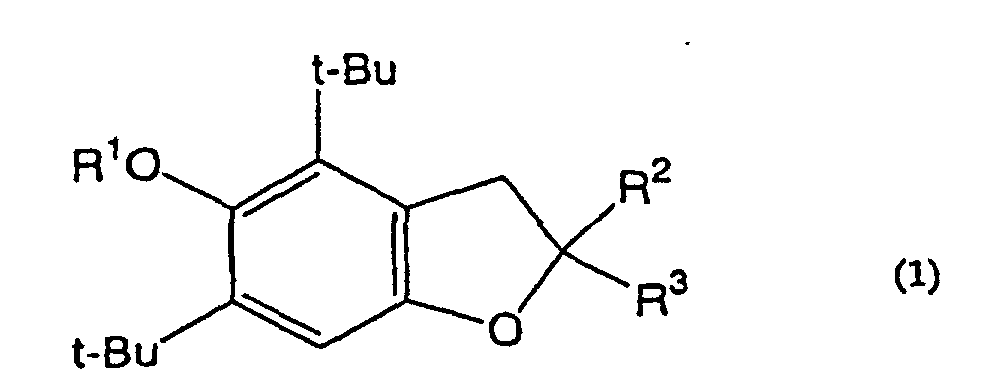
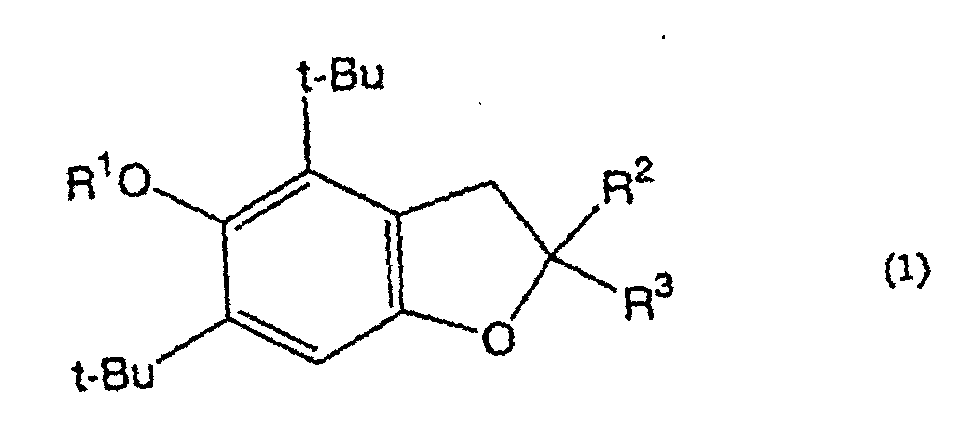
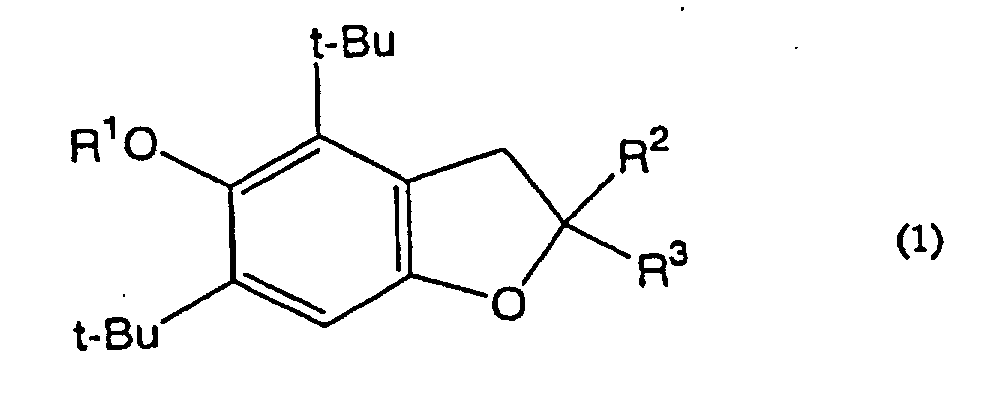
- the present invention provides a pharmaceutical composition for promoting the secretion of ApoE, comprising a compound represented by formula (1): wherein R 1 represents hydrogen atom, an acyl group or an arylalkoxycarbonyl group, and R 2 and R 3 are each independently a substituted or unsubstituted alkyl group, a substituted or unsubstituted alkenyl group, or a substituted or unsubstituted alkynyl group, or R 2 and R 3 may combine to form a cycloalkyl group.
- R 1 represents hydrogen atom, an acyl group or an arylalkoxycarbonyl group
- R 2 and R 3 are each independently a substituted or unsubstituted alkyl group, a substituted or unsubstituted alkenyl group, or a substituted or unsubstituted alkynyl group, or R 2 and R 3 may combine to form a cycloalkyl group.
- the present invention provides a pharmaceutical composition for increasing a blood ApoE level or topical ApoE level in an organ, whereby an intracellular lipid content is decreased.
- the intracellular lipid is present in atherosclerotic plaques, and more preferably the intracellular lipid is cholesterol present in atherosclerotic plaques.
- the present invention provides a pharmaceutical composition for removing intracellular cholesterol from atherosclerotic plaques to stabilize atherosclerotic plaques, i.e., to prevent the disruption of atherosclerotic plaques, whereby the risk of acute coronary syndrome such as acute myocardial infarction or unstable angina is reduced or the severity of the disease is alleviated.
- the present invention also provides a pharmaceutical composition for reducing the risk of acute coronary syndrome or alleviating the severity of the disease, comprising a compound represented by formula (1).
- the present invention provides a pharmaceutical composition for lowering intracellular lipid content, comprising a compound represented by formula (1).
- the present invention provides a method for promoting the secretion of ApoE, comprising administering an promoting-effective amount of a compound represented by formula (1) to a patient in need of such promotion.
- the present invention also provides a method for reducing the risk of acute coronary syndrome such as acute myocardial infarction or unstable angina or alleviating the severity of the disease, comprising administering a therapeutically effective amount of a compound represented by formula (1) to a patient in need of such treatment.
- the present invention provides a method for lowering intracellular lipid content, comprising administering a therapeutically effective amount of a compound represented by formula (1) to a patient in need of such treatment.
- the present invention provides a use of a compound represented by formula (1) in manufacturing the foregoing pharmaceutical composition.
- R 1 in the compounds of the present invention of formula (1) is hydrogen atom, an acyl group or an arylalkoxycarbonyl group.
- Preferred acyl groups are those having 1 to 10 carbon atoms, and examples include formyl, acetyl, propionyl and benzoyl groups.
- Preferred arylalkoxycarbonyl groups are those having 7 to 11 carbon atoms, and examples include benzyloxycarbonyl and naphthylmethoxycarbonyl groups.
- R 1 is preferably hydrogen atom or an acyl group, more preferably hydrogen atom or acetyl group, especially hydrogen atom.
- R 2 and R 3 in the compounds of formula (1) are each independently a substituted or unsubstituted alkyl group, a substituted or unsubstituted alkenyl group, or a substituted or unsubstituted alkynyl group.
- Preferred alkyl groups are straight or branched alkyl groups having 1 to 20 carbon atoms, and examples include methyl, ethyl, n-propyl, isopropyl, n-butyl, isobutyl, s-butyl, t-butyl, n-pentyl, isopentyl, sec-pentyl, t-pentyl, neopentyl, n-hexyl, isohexyl, ethylbutyl, n-heptyl, isoheptyl, ethylpentyl, n-octyl, ethylhexyl, propylpentyl, nonyl, decyl, pentadecyl and stearyl groups. More preferred alkyl groups are straight or branched alkyl groups having 1 to 10 carbon atoms, especially straight alkyl groups having 3 to 8 carbon atoms.
- Preferred alkenyl groups are straight or branched alkyl groups having 2 to 20 carbon atoms, and examples include ethenyl, propenyl, isopropenyl, butenyl, isobutenyl, pentenyl, isopentenyl, hexenyl, isohexenyl, ethylbutenyl, heptenyl, isoheptenyl, ethylpentenyl, octenyl, nonenyl, decenyl and pentadecenyl groups. More preferred alkenyl groups are straight or branched alkenyl groups having 2 to 10 carbon atoms, especially straight alkenyl groups having 3 to 8 carbon atoms.
- Preferred alkynyl groups are straight or branched alkynyl groups having 2 to 20 carbon atoms, preferably 2 to 10 carbon atoms, especially straight alkynyl groups having 3 to 8 carbon atoms.
- the examples of alkynyl groups include those corresponding to the examples of alkenyl groups.
- R 2 and R 3 may combine to form a cycloalkyl group having 5 to 10 carbon atoms.
- Preferred examples of cycloalkyl group are cyclopentyl, cyclohexyl, cycloheptyl, cyclooctyl, cyclononyl and cyclodecyl groups.
- R 2 and R 3 are each alkyl, alkenyl or alkynyl group, they may have one or more substituents, and examples include a halogen, a lower alkoxy, hydroxy, amino, nitro and trifluoromethyl groups.
- Preferred compounds of formula (1) are as follows:
- the examples of organs where an ApoE level is topically increased include intima and, in particular, those in which numerous macrophages are located.
- a blood ApoE level can be determined according to an immunological method in which an anti-ApoE antibody is used.
- a topical ApoE level in an organ can be determined according to such an immunological method or a molecular biological method such as FISH method in which an ApoE-gene or a fragment thereof is used.
- intracellular lipids refers to phospholipids, triglycerides, cholesteryl esters, and free cholesterol.
- cholesteryl esters and free cholesterol represent main intracellular lipids.
- the examples of cells in which these lipids are accumulated typically include vascular smooth muscle cells and, in particular, macrophages.
- the term "removal of intracellular lipids” refers to the event in which intracellular lipids or cell membrane lipids are removed from the cells via the formation of a nascent lipoprotein by the action of ApoE on the lipids.
- the foamed macrophages which were cultured in the presence of BO-653 and harvested at the same time as the collection of the supernatants were extracted with a mixed solvent of hexane/2-propanol (3:2 v/v) to obtain lipids.
- the total amount of cholesterol in the lipids was measured using the enzymatic method described by Yoshiki Kawabe et al., "Oxidation-Induced Aggregation of Rabbit Low-Density Lipoprotein by Azo Initiator", Achieves of Biochemistry and Biophysics 310, 489-496 (1994).
- Yoshiki Kawabe et al. "Oxidation-Induced Aggregation of Rabbit Low-Density Lipoprotein by Azo Initiator", Achieves of Biochemistry and Biophysics 310, 489-496 (1994).
- Table 1 shows percent reduction in intracellular cholesterol content of BO-653-treated macrophages relative to the vehicle used for culturing the macrophages. The data demonstrate a decrease in intracellular cholesterol content due to the treatment with BO-653. Reduction in Intracellular Cholesterol Content BO-653 ( ⁇ mol/L) Cholesterol Reduction (%) Means S.D. 0 100.0 6.9 3 132.6 23.1 10 145.9 28.1
- mice Seven-week-old C57BL/6J mice were divided into first group of three and second group of four.
- the animals of the first and second groups were fed a high fat diet containing no BO-653 and 0.65% BO-653, respectively.
- the animals were anesthetized with ether and their blood was individually drawn from vena cava descendens. Serum samples were prepared from the drawn blood and 100 ⁇ L of each of the samples was placed into a tube.
- 900 ⁇ L of sodium bromide solution having 1.256 density was added, and the tube was centrifuged in TL-100 desk type ultracentrifuge at 100,000 rpm for 20 hours using TLA-100.2 rotor.
- Lipoprotein-containing fraction thus obtained was collected and treated with 10 w/v% trichloroacetic acid solution.
- the precipitate was collected and dissolved into 80 ⁇ L of solution for SDS-PAGE.
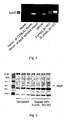
- 10 ⁇ L of the solution was subjected to 15 w/v% SDS-PAGE and the gels were stained with Coomassie brilliant blue. By comparing the bands with molecular weight markers, ApoE was identified. The results are shown in Fig. 2.
- the compounds of formula (1) are disclosed in JP 11-21238A and in the corresponding patents issued in other countries as an active ingredient of a pharmaceutical composition for preventing and treating arteriosclerosis.
- the compounds of formula (1) are described as inhibitors of the formation of arteriosclerotic lesions which inhibits the formation in a direct manner, as can be seen from the descriptions of their Test Examples.
- the compounds of formula (1) act via the following mechanism: promotion of the secretion of ApoE, removal of free cholesterol, and then amelioration of peripheral diseases.
- non-arteriosclerotic diseases such as acute myocardial infarction and unstable angina will be suppressed with the compounds. Therefore, the pharmaceutical activity of the compounds of formula (1) found by the present inventors is remarkably different from that disclosed in the above patents.
Landscapes
- Health & Medical Sciences (AREA)
- Chemical & Material Sciences (AREA)
- Organic Chemistry (AREA)
- General Health & Medical Sciences (AREA)
- Veterinary Medicine (AREA)
- Medicinal Chemistry (AREA)
- Public Health (AREA)
- Pharmacology & Pharmacy (AREA)
- Life Sciences & Earth Sciences (AREA)
- Animal Behavior & Ethology (AREA)
- Engineering & Computer Science (AREA)
- Bioinformatics & Cheminformatics (AREA)
- General Chemical & Material Sciences (AREA)
- Nuclear Medicine, Radiotherapy & Molecular Imaging (AREA)
- Chemical Kinetics & Catalysis (AREA)
- Epidemiology (AREA)
- Urology & Nephrology (AREA)
- Vascular Medicine (AREA)
- Cardiology (AREA)
- Heart & Thoracic Surgery (AREA)
- Diabetes (AREA)
- Hematology (AREA)
- Obesity (AREA)
- Pharmaceuticals Containing Other Organic And Inorganic Compounds (AREA)
- Medicines That Contain Protein Lipid Enzymes And Other Medicines (AREA)
Abstract
A pharmaceutical composition comprising a compound
represented by the following formula:
Description
The present invention relates to a pharmaceutical
composition for promoting the secretion of apolipoprotein E
(hereinafter referred to as ApoE), to a method for promoting
the same, and to a use of a compound in manufacturing such a
pharmaceutical composition. More specifically, this
invention relates to a pharmaceutical composition for
promoting the secretion of ApoE comprising a certain 4,6-di-t-butyl-dihydrobenzofuran
derivative, to a method for
promoting the same, and to a use of certain 4,6-di-t-butyl-dihydrobenzofuran
derivatives in manufacturing such a
pharmaceutical composition.
ApoE is one of the major constituents of
apolipoproteins contained in lipoproteins such as
chylomicron, very low density lipoprotein (VLDL), and high
density lipoprotein (HDL). It is a glycoprotein composed of
299 amino acid residues and some sugar moieties containing
sialic acids and has a molecular weight of approximately
34,000. ApoE is produced in kidney, brain, macrophages and
the like, and mainly in liver.
Apolipoproteins contained in lipoproteins are believed
to be important to the binding of the lipoproteins to their
respective receptors. Therefore, ApoEs can bind to a
variety of receptors, such as low density lipoprotein (LDL)
receptor, VLDL receptor, LDL receptor-related protein, and
ApoE receptor 2, which receptors are present on cell
surfaces throughout a living body. Hence, as a result of
the interaction of ApoEs contained in chylomicrons, VLDLs
and HDLs with the corresponding receptors, the lipoproteins
are delivered to all the organs of a living body where the
lipoproteins are decomposed into triglycerides and
cholesterol (hereinafter the term "cholesterol" includes
both the free and ester forms of cholesterol). See,
Davignon J, Cohn JS, Mabile L, Bernier L, "Apolipoprotein E
and atherosclerosis: insight from animal and human studies",
Clinica Chimica Acta. 286 (1-2):115-43 (1999); Rubin. E.M.
and Plump. A.S., p.199 in Lipoproteins in health and disease,
Ed. Betteridge, D.J., Illingworth. and Shepherd. J. (1999)
Arnold.
ApoEs are also known to be essential for a normal
lipid metabolism of macrophages. Further, ApoEs are
believed to play an important role in the reverse
cholesterol transport from peripheral tissues to liver.
Furthermore, it is known that ApoEs produced in macrophages
or hepatic cells undergo a saccharification and,
consequently, most of them remain bound to the cells and are
not secreted. See, Schmitt M, Grand-Perret T, "Regulated
turnover of a cell surface-associated pool of newly
synthesized apolipoprotein E in HepG2 cells", Journal of
Lipid Research. 40(1):39-49 (1999); Zhao Y, Mazzone T,
"Transport and processing of endogenously synthesized ApoE
on the macrophage cell surface", Journal of Biological
Chemistry, 275(7):4759-65 (2000).
Advances have been made in recent years in
embryological engineering and various types of transgenic
mice have been developed, such as ApoE deficient mouse. A
normal mouse is inherently strongly resistant to
arteriosclerosis. However, an ApoE deficient mouse is known
to be susceptible to type III hyperlipidemia due to the
deletion of a single gene coding for ApoE, which disease
then spontaneously progresses to atherosclerosis
characterized by the lipid accumulation in arterial wall.
Atherosclerosis is characterized in that lipids are
deposited on the inner walls of arteries.
It has been observed that introduction of ApoE-producing
macrophages obtained from a wild type mouse into
an ApoE deficient mouse via a bone marrow transplantation
inhibits lipid deposition on inner walls of arteries of the
ApoE deficient mouse. See, Linton MF, Atkinson JB, Fazio S.
"Prevention of atherosclerosis in apolipoprotein E-deficient
mice by bone marrow transplantation." Science 267:1034-1037
(1995); Boisvert W.A., Spangenberg J. & Curtiss L.K.,
"Treatment of severe hypercholesterolemia in apolipoprotein
E-deficient mice by bone marrow transplantation." J. Clin.
Invest. 96, 1118-1124 (1995); Bellosta S, Mahley RW, Sanan
DA, Murata J, Newland DL, Taylor JM, Pitas RE., "Macrophage-specific
expression of human apolipoprotein E reduces
atherosclerosis in hypercholesterolemic apolipoprotein E-null
mice.", J Clin Invest 96:2170-2179 (1995).
It has also been observed that transplantation of
macrophages obtained from an ApoE deficient mouse to a wild
type mouse promotes a lipid deposition on inner walls of
arteries of the wild type mouse. See, Fazio S, Babaev V R,
Murray, A B, Hasty A H, Carter K J, Gleaves L A, Atkinson J
B & Linton M F, "Increased atherosclerosis in mice
reconstituted with apolipoprotein E null macrophages", Proc.
Natl. Acad. Sci. USA, 94, 4647-4652 (1997).
These results were obtained even in the cases where no
influence of the transplantation on the hyperlipidemic
condition was observed, suggesting that the secretion of
ApoE from macrophages is a more crucial factor than the
distribution of serum lipoprotein in inhibiting lipid
deposition on inner walls of arteries.
Cholesterol efflux capacity of serum which has been
lost due to ApoE-deficiency may be restored by a low-dose
expression of ApoE in macrophages. See, Yenhong Zhu,
Stefano Bellosta, Claus Langer, Franco Bernini, Robert E.
Pitas, Robert W. Mahley, Gerd Assmann, and Arnold von
Eckardstein, "Low-dose expression of a human apolipoprotein
E transgene in macrophages restores cholesterol efflux
capacity of apolipoprotein E-deficient mouse plasma", PNAS
95: 7585-7590 (1998). ApoE-secretion from macrophages is
essential for the promotion of cholesterol efflux. See, Lin
CY, Duan H, Mazzone T, "Apolipoprotein E-dependent
cholesterol efflux from macrophages: kinetic study and
divergent mechanisms for endogenous versus exogenous
apolipoprotein E", Journal of Lipid Research. 40(9):1618-27
(1999). Hence, it is believed that ApoE secreted from
macrophages plays an important role in the aforementioned
inhibitory effect on lipid deposition.
Cholesterol, especially free cholesterol, not only is
an important constituent of plasma membrane but also plays
an important role as a constituent of organelle membrane in
cells. However, due to the interference with cell functions
made by the presence of excess free cholesterol, the excess
free cholesterol is esterified by acyl CoA-cholesterol
acyltransferase and then stored as cholesteryl ester in the
cells. In the case where cells are macrophages, they
accumulate large excesses of cholesteryl ester therein due
to the expression of scavenger receptors by the macrophages
which is not regulated by sterol regulatory element binding
proteins, and such macrophages then become foam cells. The
accumulated cholesteryl is hydrolyzed into free cholesterol
by neutral cholesterol esterase, as necessary.
It is believed that cholesterol excreted from cells by
ApoE is mainly free cholesterol present on the cell membrane.
Cellular cholesteryl ester is hydrolyzed into free
cholesterol to keep the level of free cholesterol on the
cell membrane constant. As a result, the cholesterol
content of the cells decreases.
It was believed that acute myocardial infarction is
caused by a stenosis of responsible coronary artery.
However, recent studies revealed that the proportion of the
cases where significant organic stenosis is observed in
infract-related coronary artery before the onset of acute
myocardial infarction is less than 15 percent, and, in many
cases, the cause of acute myocardial infarction is an
obstruction in coronary artery resulting from thrombi which
have been formed via a disruption of atherosclerotic plaques.
It was also revealed that an unstable angina is the case
where thrombi formed by the disruption of plaques are
transient and do not bring about a myocardial infarction.
A series of diseases caused by the thrombotic
obstruction of coronary artery resulting from the disruption
of atherosclerotic plaques is collectively called acute
coronary syndrome (ACS). See, Davies M J., "Stability and
instability: two faces of coronary atherosclerosis",
Circulation., 94:2013-2020 (1996); Libby P, "The molecular
bases of the acute coronary syndromes", Circulation.,
91:2844-2850 (1995); Falk E, Shah P, Fuster V, "Coronary
plaque disruption", Circulation., 92:657671 (1995). In view
of the cause of ACS, ACS can undoubtedly be inhibited by
making it hard to disrupt the atherosclerotic plaques.
It has become evident that the liability of
atherosclerotic plaques to be disrupted depends on their
composition rather than their size or degree of clustering
in coronary artery. One of the most significant features of
atherosclerotic plaques which make them liable to be
disrupted is that the plaques have lipid-rich cores which
are composed of macrophage-derived foam cells and therefore
contain a large amount of cholesteryl ester. See, Libby P,
Clinton SK., "The role of macrophages in atherogenesis",
Curr Opin Lipidol., 4:355-363 (1993). Thus, the removal of
cholesteryl ester from the lipid-rich cores or the foam
cells will make it hard to disrupt atherosclerotic plaques.
In the lipid-rich cores, it is also observed that lipids,
especially cholesterol, are accumulated in intercellular
space of the foam cells. The lipids thus accumulated are
normally taken up by macrophages. Accordingly, the removal
of such cholesterol taken up by macrophages will promote the
removal of cholesterol deposited in intercellular space,
thereby allowing an efficient removal of lipids from lipid-rich
cores.
Recently, it has been shown that a reduction in the
lipid content of lipid-rich cores results in stabilized
atherosclerotic plaques which are hard to disrupt. Aikawa M
et al showed that atherosclerotic plaques in an animal were
stabilized and made hard to disrupt by giving to the animal
a diet containing a lowered content of lipids. See, Aikawa
M, Rabkin E, Okada Y, Voglic SJ, Clinton SK, Brinckerhoff CE,
Sukhova GK, Libby P, "Lipid lowering by diet reduces matrix
metalloproteinase activity and increases collagen content of
rabbit atheroma: a potential mechanism of lesion
stabilization. Circulation", 97(24):2433-44 (1998). Further,
Crisby et al showed that a significant decrease in serum
cholesterol was achieved by administering antihyperlipidemic
agent, HMG-CoA reductase inhibitor, thereby atherosclerotaic
plaques being stabilized and made hard to disrupt. See,
Crisby M, Nordin-Fredriksson G, Shah P. K., Yano J., Zhu J.,
Nilsson J.(2001), "Pravastatin Treatment Increases Collagen
Content and Decreases Lipid Content, Inflammation,
Metalloproteinases, and Cell Death in Human Carotid
Plaques": "Implications for Plaque Stabilization",
Circulation 103: 926-933; Fukumoto Y., Libby P., Rabkin E.,
Hill C. C., Enomoto M., Hirouchi Y., Shiomi M., Aikawa M,
"Statins Alter Smooth Muscle Cell Accumulation and Collagen
Content in Established Atheroma of Watanabe Heritable
Hyperlipidemic Rabbits". Circulation 103: 993-999 (2001).
Accordingly, if the secretion of ApoE is promoted,
whereby the cholesterol efflux capacity of serum is promoted,
and if the efflux capacity thus promoted contributes to the
removal of cholesterol from atherosclerotic plaques, i.e.,
to the stabilization of the plaques, it will become possible
to prevent and treat ACS such as acute myocardial infarction
and unstable angina.
Liver X receptor (LXR) has been reported to have a
capability of promoting the secretion of ApoE. However, it
has not yet been clinically used. Therefore, there exists a
need in the art for a further drug which has an activity
increasing a topical or blood ApoE level.
The compounds represented by the formula:
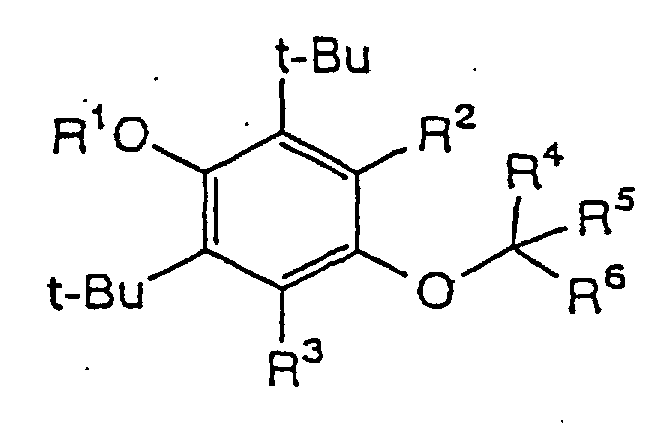 are disclosed in JP 6-206842A, the corresponding US Patent
No.5,574,178, and the corresponding European Patent
No.0665208B, as having an antioxidant activity.
The same compounds are also disclosed in JP 11-21238A,
the corresponding US Patent No.6,156,793, and the
corresponding European Patent Appln. No.98917638.3, as
active ingredients of a pharmaceutical composition for
preventing and treating arteriosclerosis.
However, these publications and patents do not
disclose that the compounds have an activity promoting
secretion of ApoE or decreasing intracellular lipid content,
especially intracellular cholesterol content, via the
promoted secretion of ApoE.
The present invention provides a pharmaceutical
composition which can remove intracellular lipids via the
promoted secretion of ApoE.
We found that certain 4,6-di-t-butyl-dihydrobenzofuran
derivatives promote the secretion of ApoE in cells so that a
blood ApoE level or topical ApoE level in an organ is
increased, whereby an intracellular lipid content,
especially intracellular cholesterol content, is decreased.
Therefore, the present invention provides a
pharmaceutical composition for promoting the secretion of
ApoE, comprising a compound represented by formula (1):
 wherein
R1 represents hydrogen atom, an acyl group or an arylalkoxycarbonyl group, and
R2 and R3 are each independently a substituted or unsubstituted alkyl group, a substituted or unsubstituted alkenyl group, or a substituted or unsubstituted alkynyl group, or R2 and R3 may combine to form a cycloalkyl group.
In one embodiment, the present invention provides a
pharmaceutical composition for increasing a blood ApoE level
or topical ApoE level in an organ, whereby an intracellular
lipid content is decreased.
In a preferred embodiment, the intracellular lipid is
present in atherosclerotic plaques, and more preferably the
intracellular lipid is cholesterol present in
atherosclerotic plaques.
In a more preferred embodiment, the present invention
provides a pharmaceutical composition for removing
intracellular cholesterol from atherosclerotic plaques to
stabilize atherosclerotic plaques, i.e., to prevent the
disruption of atherosclerotic plaques, whereby the risk of
acute coronary syndrome such as acute myocardial infarction
or unstable angina is reduced or the severity of the disease
is alleviated.
The present invention also provides a pharmaceutical
composition for reducing the risk of acute coronary syndrome
or alleviating the severity of the disease, comprising a
compound represented by formula (1).
Further, the present invention provides a
pharmaceutical composition for lowering intracellular lipid
content, comprising a compound represented by formula (1).
Furthermore, the present invention provides a method
for promoting the secretion of ApoE, comprising
administering an promoting-effective amount of a compound
represented by formula (1) to a patient in need of such
promotion.
The present invention also provides a method for
reducing the risk of acute coronary syndrome such as acute
myocardial infarction or unstable angina or alleviating the
severity of the disease, comprising administering a
therapeutically effective amount of a compound represented
by formula (1) to a patient in need of such treatment.
Further, the present invention provides a method for
lowering intracellular lipid content, comprising
administering a therapeutically effective amount of a
compound represented by formula (1) to a patient in need of
such treatment.
Furthermore, the present invention provides a use of a
compound represented by formula (1) in manufacturing the
foregoing pharmaceutical composition.
R1 in the compounds of the present invention of
formula (1) is hydrogen atom, an acyl group or an
arylalkoxycarbonyl group. Preferred acyl groups are those
having 1 to 10 carbon atoms, and examples include formyl,
acetyl, propionyl and benzoyl groups. Preferred
arylalkoxycarbonyl groups are those having 7 to 11 carbon
atoms, and examples include benzyloxycarbonyl and
naphthylmethoxycarbonyl groups.
R1 is preferably hydrogen atom or an acyl group, more
preferably hydrogen atom or acetyl group, especially
hydrogen atom.
R2 and R3 in the compounds of formula (1) are each
independently a substituted or unsubstituted alkyl group, a
substituted or unsubstituted alkenyl group, or a substituted
or unsubstituted alkynyl group.
Preferred alkyl groups are straight or branched alkyl
groups having 1 to 20 carbon atoms, and examples include
methyl, ethyl, n-propyl, isopropyl, n-butyl, isobutyl, s-butyl,
t-butyl, n-pentyl, isopentyl, sec-pentyl, t-pentyl,
neopentyl, n-hexyl, isohexyl, ethylbutyl, n-heptyl,
isoheptyl, ethylpentyl, n-octyl, ethylhexyl, propylpentyl,
nonyl, decyl, pentadecyl and stearyl groups. More preferred
alkyl groups are straight or branched alkyl groups having 1
to 10 carbon atoms, especially straight alkyl groups having
3 to 8 carbon atoms.
Preferred alkenyl groups are straight or branched
alkyl groups having 2 to 20 carbon atoms, and examples
include ethenyl, propenyl, isopropenyl, butenyl, isobutenyl,
pentenyl, isopentenyl, hexenyl, isohexenyl, ethylbutenyl,
heptenyl, isoheptenyl, ethylpentenyl, octenyl, nonenyl,
decenyl and pentadecenyl groups. More preferred alkenyl
groups are straight or branched alkenyl groups having 2 to
10 carbon atoms, especially straight alkenyl groups having 3
to 8 carbon atoms.
Preferred alkynyl groups are straight or branched
alkynyl groups having 2 to 20 carbon atoms, preferably 2 to
10 carbon atoms, especially straight alkynyl groups having 3
to 8 carbon atoms. The examples of alkynyl groups include
those corresponding to the examples of alkenyl groups.
R2 and R3 may combine to form a cycloalkyl group
having 5 to 10 carbon atoms. Preferred examples of
cycloalkyl group are cyclopentyl, cyclohexyl, cycloheptyl,
cyclooctyl, cyclononyl and cyclodecyl groups.
When R2 and R3 are each alkyl, alkenyl or alkynyl
group, they may have one or more substituents, and examples
include a halogen, a lower alkoxy, hydroxy, amino, nitro and
trifluoromethyl groups.
Preferred examples of R2 and R3 are straight and
unsubstituted alkyl groups having 3 to 8 carbon atoms, and
most preferably both R2 and R3 are n-pentyl group.
Preferred compounds of formula (1) are as follows:
Especially preferable compound of formula (1) is 4,6-di-t-butyl-5-hydroxy-2,2-di-n-pentyl-2,3-dihydrobenzofuran.
The compounds of formula (1) used in the present
invention can be synthesized according to the procedures
described in JP 6-206842A, the corresponding US Patent
No.5,574,178, or the corresponding European Patent
No.0665208B, for example.
In the present invention, the examples of organs where
an ApoE level is topically increased include intima and, in
particular, those in which numerous macrophages are located.
A blood ApoE level can be determined according to an
immunological method in which an anti-ApoE antibody is used.
On the other hand, a topical ApoE level in an organ can be
determined according to such an immunological method or a
molecular biological method such as FISH method in which an
ApoE-gene or a fragment thereof is used.
The term "intracellular lipids" as used herein refers
to phospholipids, triglycerides, cholesteryl esters, and
free cholesterol. In particular, cholesteryl esters and
free cholesterol represent main intracellular lipids. The
examples of cells in which these lipids are accumulated
typically include vascular smooth muscle cells and, in
particular, macrophages. The term "removal of intracellular
lipids" refers to the event in which intracellular lipids or
cell membrane lipids are removed from the cells via the
formation of a nascent lipoprotein by the action of ApoE on
the lipids.
The term "atherosclerotic plaques" as used herein
refers to a vascular lesion formed by a fibrous capsule
composed of macrophage-derived foam cells and smooth muscle
cells which covers lipid-rich cores.
The term "disruption of atherosclerotic plaques" means
that the fibrous capsule composed of smooth muscle cells
which covers the lipid-rich cores is disrupted. Due to the
disruption, tissue factors expressed in the foam cells and
located on their surface are exposed to flowing-blood and
then formed into thrombi. When the formation of thrombi
occurs in coronary artery, they may cause the onset of acute
myocardial infarction or unstable angina.
The term "stabilization of atherosclerotic plaques" as
used herein means that the atherosclerotic plaques become
hard to disrupt by reducing the lipid content of lipid-rich
cores.
The pharmaceutical composition of the present
invention may be formulated in various dosage forms
depending on the route of administration, by combining a
compound represented by formula (1) which is an active
ingredient with physiologically acceptable solid or liquid
pharmaceutical carriers. The examples of the route of
administration include oral route and parenteral routes such
as intravenous injection. Further, the composition may be
administered as a sustained-release formulation, or
topically by means of a catheter. The examples of the
pharmaceutical carriers include those commonly used, such as
excipients, binders, disintegrants, lubricants, coating
agents, dissolution-aids, emulsifiers, suspending agents,
stabilizers, fats and oils, and solvents. The examples of
the dosage forms include tablets, granules, pills, capsules,
solutions, syrups, suspensions, emulsions and injections.
The actual dosage of the compound represented by
formula (1) of the present invention will be determined
depending on the age of the patient, the severity of the
condition to be treated, the route of administration, and
the like. However, the dosage will normally fall within 1 -
1000 mg, preferably 50 - 400 mg per day in the treatment of
adult human, and can be taken all at once or divided up
several times.
The following examples are provided herein for
purposes of illustration only, and are not intended to limit
the scope of the present invention.
4.05 w/v% thioglycollate-elicited intraperitoneally
exuded cells were prepared from C57BL/6J and ApoE-deficient
mice. The cells were inoculated on 12-well plate at 1.0 x
105 cells/well. The cells were cultured at 37°C under 5 vol%
CO2. After 3 hours of culture, the culture medium was
changed to a fresh one to remove inadhesive cells, leaving
mouse-peritoneal macrophages in each of the wells. Next day,
the mouse-peritoneal macrophages were cultured in a medium
containing 50 µg of protein per mL of acetylated LDL for 24
hours to form foam cells.
To the wells containing the foamed C57BL/6J mouse-derived
macrophages, 4,6-di-t-butyl-2,2-dipentyl-5-hydroxy-2,3-dihydrobenzofuran
(BO-653) was added to final
concentrations of 0, 3 and 10 µmol/L. After 24 hours of
culture, the supernatants were collected to prepare samples
for SDS-PAGE.
The samples were subjected to 10 w/v% SDS-PAGE.
Following the SDS-PAGE, the bands were transferred onto
nitrocellulose papers using semi-drying method and blocked
with TBS containing 10 w/v% skim milk and 0.1 vol% Tween-20.
Rabbit anti-mouse ApoE-antibody (#K23100R, BIODESIGN) and
peroxidase-labeled anti-rabbit IgG antibody (#7071-1, Cell
Signaling TECHNOLOGY) were used as the first and secondary
antibodies, respectively. ApoE was detected using
chemoluminescence method (PIERCE). The results are shown in
Fig. 1.
As can be seen from Fig. 1, the increased
saccharified-ApoE expression was observed in the cultures to
which BO-653 was added. In contrast, no saccharified-ApoE
was observed in the cultures of macrophages derived from
ApoE-deficient mouse.
On the other hand, the foamed macrophages which were
cultured in the presence of BO-653 and harvested at the same
time as the collection of the supernatants were extracted
with a mixed solvent of hexane/2-propanol (3:2 v/v) to
obtain lipids. Then, the total amount of cholesterol in the
lipids was measured using the enzymatic method described by
Yoshiki Kawabe et al., "Oxidation-Induced Aggregation of
Rabbit Low-Density Lipoprotein by Azo Initiator", Achieves
of Biochemistry and Biophysics 310, 489-496 (1994). We
regarded the total amount of cholesterol as intracellular
cholesterol content of the macrophages. Table 1 shows
percent reduction in intracellular cholesterol content of
BO-653-treated macrophages relative to the vehicle used for
culturing the macrophages. The data demonstrate a decrease
in intracellular cholesterol content due to the treatment
with BO-653.
| Reduction in Intracellular Cholesterol Content | ||
| BO-653 (µmol/L) | Cholesterol Reduction (%) | |
| Means | S.D. | |
| 0 | 100.0 | 6.9 |
| 3 | 132.6 | 23.1 |
| 10 | 145.9 | 28.1 |
Seven-week-old C57BL/6J mice were divided into first
group of three and second group of four. The animals of the
first and second groups were fed a high fat diet containing
no BO-653 and 0.65% BO-653, respectively. After 5 weeks of
diet initiation, the animals were anesthetized with ether
and their blood was individually drawn from vena cava
descendens. Serum samples were prepared from the drawn
blood and 100 µL of each of the samples was placed into a
tube. To the tube, 900 µL of sodium bromide solution having
1.256 density was added, and the tube was centrifuged in TL-100
desk type ultracentrifuge at 100,000 rpm for 20 hours
using TLA-100.2 rotor. Lipoprotein-containing fraction thus
obtained was collected and treated with 10 w/v%
trichloroacetic acid solution. The precipitate was
collected and dissolved into 80 µL of solution for SDS-PAGE.
10 µL of the solution was subjected to 15 w/v% SDS-PAGE and
the gels were stained with Coomassie brilliant blue. By
comparing the bands with molecular weight markers, ApoE was
identified. The results are shown in Fig. 2.
As can be seen from Fig. 2, an increased ApoE
production was observed in the animals of the second group
relative to the first group.
As described previously, the compounds of formula (1)
are disclosed in JP 11-21238A and in the corresponding
patents issued in other countries as an active ingredient of
a pharmaceutical composition for preventing and treating
arteriosclerosis. However, in those patents, the compounds
of formula (1) are described as inhibitors of the formation
of arteriosclerotic lesions which inhibits the formation in
a direct manner, as can be seen from the descriptions of
their Test Examples. In contrast, according to the present
invention, the compounds of formula (1) act via the
following mechanism: promotion of the secretion of ApoE,
removal of free cholesterol, and then amelioration of
peripheral diseases. As a result, it can be expected that
non-arteriosclerotic diseases such as acute myocardial
infarction and unstable angina will be suppressed with the
compounds. Therefore, the pharmaceutical activity of the
compounds of formula (1) found by the present inventors is
remarkably different from that disclosed in the above
patents.
Claims (54)
- A pharmaceutical composition for promoting the secretion of apolipoprotein E, comprising a compound represented by formula (1):wherein
R1 represents hydrogen atom, an acyl group or an arylalkoxycarbonyl group, and
R2 and R3 are each independently a substituted or unsubstituted alkyl group, a substituted or unsubstituted alkenyl group, or a substituted or unsubstituted alkynyl group, or R2 and R3 may combine to form a cycloalkyl group. - The composition of Claim 1, wherein said secretion of apolipoprotein E increases a blood apolipoprotein E level or a topical apolipoprotein E level in an organ.
- The composition of Claim 1, wherein intracellular lipids are removed via the increase in an apolipoprotein E level.
- The composition of Claim 3, wherein said intracellular lipids are present in atherosclerotic plaques.
- The composition of Claim 4, wherein said removal of intracellular lipids results in stabilization of atherosclerotic plaques for the prevention of the disruption of atherosclerotic plaques.
- The composition of Claim 3, wherein said intracellular lipids are free cholesterol or cholesteryl esters.
- The composition of Claim 5, wherein said prevention of the disruption of atherosclerotic plaques reduces the risk of or alleviates the severity of acute coronary syndrome.
- The composition of Claim 7, wherein said acute coronary syndrome is acute myocardial infarction or unstable angina.
- The composition of Claim 1, wherein said compound represented by formula (1) is 4,6-di-t-butyl-5-hydroxy-2,2-di-n-pentyl-2,3-dihydrobenzofuran.
- A pharmaceutical composition for reducing the risk of or alleviating the severity of acute coronary syndrome, comprising a compound represented by formula (1):wherein

R1 represents hydrogen atom, an acyl group or an arylalkoxycarbonyl group, and
R2 and R3 are each independently a substituted or unsubstituted alkyl group, a substituted or unsubstituted alkenyl group, or a substituted or unsubstituted alkynyl group, or R2 and R3 may combine to form a cycloalkyl group. - The composition of Claim 10, wherein said acute coronary syndrome is acute myocardial infarction or unstable angina.
- The composition of Claim 10, wherein said compound represented by formula (1) is 4,6-di-t-butyl-5-hydroxy-2,2-di-n-pentyl-2,3-dihydrobenzofuran.
- A pharmaceutical composition for decreasing an intracellular lipid content, comprising a compound represented by formula (1):wherein

R1 represents hydrogen atom, an acyl group or an arylalkoxycarbonyl group, and
R2 and R3 are each independently a substituted or unsubstituted alkyl group, a substituted or unsubstituted alkenyl group, or a substituted or unsubstituted alkynyl group, or R2 and R3 may combine to form a cycloalkyl group. - The composition of Claim 13, wherein said intracellular lipids are present in atherosclerotic plaques.
- The composition of Claim 13, wherein said intracellular lipids are free cholesterol or cholesteryl esters.
- The composition of Claim 13, wherein said decrease in intracellular lipid content results in prevention of the disruption of atherosclerotic plaques.
- The composition of Claim 16, wherein said prevention of the disruption of atherosclerotic plaques reduces the risk of or alleviates the severity of acute coronary syndrome.
- The composition of Claim 13, wherein said compound represented by formula (1) is 4,6-di-t-butyl-5-hydroxy-2,2-di-n-pentyl-2,3-dihydrobenzofuran.
- A method for promoting the secretion of apolipoprotein E in a patient in need thereof which comprises administering to the patient an promoting effective amount of a compound represented by formula (1):wherein
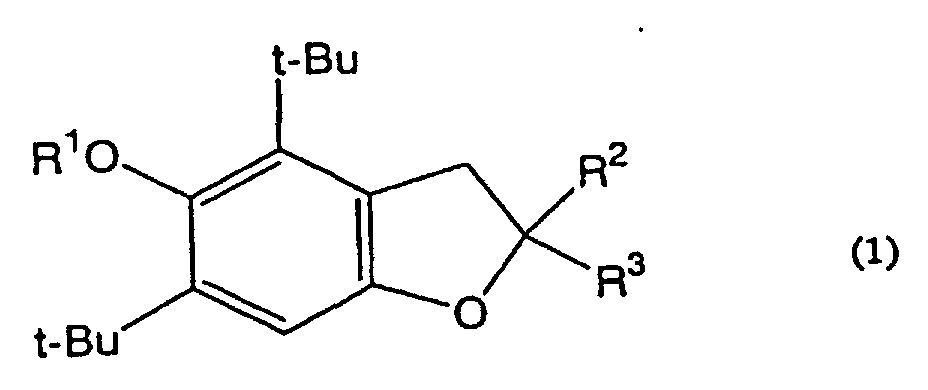
R1 represents hydrogen atom, an acyl group or an arylalkoxycarbonyl group, and
R2 and R3 are each independently a substituted or unsubstituted alkyl group, a substituted or unsubstituted alkenyl group, or a substituted or unsubstituted alkynyl group, or R2 and R3 may combine to form a cycloalkyl group. - The method of Claim 19, wherein said secretion of apolipoprotein E increases a blood apolipoprotein E level or a topical apolipoprotein E level in an organ.
- The method of Claim 20, wherein intracellular lipids are removed via the increase in a level of apolipoprotein E.
- The method of Claim 21, wherein said intracellular lipids are present in atherosclerotic plaques.
- The method of Claim 22, wherein said removal of intracellular lipids results in stabilization of atherosclerotic plaques for the prevention of the disruption of atherosclerotic plaques.
- The method of Claim 21, wherein said intracellular lipids are free cholesterol or cholesteryl esters.
- The method of Claim 23, wherein said prevention of the disruption of atherosclerotic plaques reduces the risk of or alleviates the severity of acute coronary syndrome.
- The method of Claim 25, wherein said acute coronary syndrome is acute myocardial infarction or unstable angina.
- The method of Claim 19, wherein said compound represented by formula (1) is 4,6-di-t-butyl-5-hydroxy-2,2-di-n-pentyl-2,3-dihydrobenzofuran.
- A method for reducing the risk of or alleviating the severity of acute coronary syndrome in a patient in need thereof which comprises administering to the patient a therapeutically effective amount of a compound represented by formula (1):wherein
R1 represents hydrogen atom, an acyl group or an arylalkoxycarbonyl group, and
R2 and R3 are each independently a substituted or unsubstituted alkyl group, a substituted or unsubstituted alkenyl group, or a substituted or unsubstituted alkynyl group, or R2 and R3 may combine to form a cycloalkyl group. - The method of Claim 28, wherein said acute coronary syndrome is acute myocardial infarction or unstable angina.
- The method of Claim 28, wherein said compound represented by formula (1) is 4,6-di-t-butyl-5-hydroxy-2,2-di-n-pentyl-2,3-dihydrobenzofuran.
- A method for decreasing an intracellular lipid content in a patient in need thereof which comprises administering to the patient a therapeutically effective amount of a compound represented by formula (1):wherein

R1 represents hydrogen atom, an acyl group or an arylalkoxycarbonyl group, and
R2 and R3 are each independently a substituted or unsubstituted alkyl group, a substituted or unsubstituted alkenyl group, or a substituted or unsubstituted alkynyl group, or R2 and R3 may combine to form a cycloalkyl group. - The method of Claim 31, wherein said intracellular lipids are present in atherosclerotic plaques.
- The method of Claim 31, wherein said intracellular lipids are free cholesterol or cholesteryl esters.
- The method of Claim 31, wherein said decrease in intracellular lipids results in prevention of the disruption of atherosclerotic plaques.
- The method of Claim 34, wherein said prevention of the disruption of atherosclerotic plaques reduces the risk of or alleviates the severity of acute coronary syndrome.
- The method of Claim 31, wherein said compound represented by formula (1) is 4,6-di-t-butyl-5-hydroxy-2,2-di-n-pentyl-2,3-dihydrobenzofuran.
- Use of a compound represented by formula (1):wherein

R1 represents hydrogen atom, an acyl group or an arylalkoxycarbonyl group, and
R2 and R3 are each independently a substituted or unsubstituted alkyl group, a substituted or unsubstituted alkenyl group, or a substituted or unsubstituted alkynyl group, or R2 and R3 may combine to form a cycloalkyl group, in manufacturing a pharmaceutical composition for promoting the secretion of apolipoprotein E. - The use of Claim 37, wherein said secretion of apolipoprotein E increases a blood apolipoprotein E level or a topical apolipoprotein E level in an organ.
- The use of Claim 38, wherein intracellular lipids are removed via the increase in a level of apolipoprotein E.
- The use of Claim 39, wherein said intracellular lipids are present in atherosclerotic plaques.
- The use of Claim 40, wherein said removal of intracellular lipids results in stabilization of atherosclerotic plaques for the prevention of the disruption of atherosclerotic plaques.
- The use of Claim 39, wherein said intracellular lipids are free cholesterol or cholesteryl esters.
- The use of Claim 41, wherein said prevention of the disruption of atherosclerotic plaques reduces the risk of or alleviates the severity of acute coronary syndrome.
- The use of Claim 43, wherein said acute coronary syndrome is acute myocardial infarction or unstable angina.
- The use of Claim 37, wherein said compound represented by formula (1) is 4,6-di-t-butyl-5-hydroxy-2,2-di-n-pentyl-2,3-dihydrobenzofuran.
- Use of a compound represented by formula (1):wherein
R1 represents hydrogen atom, an acyl group or an arylalkoxycarbonyl group, and
R2 and R3 are each independently a substituted or unsubstituted alkyl group, a substituted or unsubstituted alkenyl group, or a substituted or unsubstituted alkynyl group, or R2 and R3 may combine to form a cycloalkyl group, in manufacturing a pharmaceutical composition for reducing the risk of or alleviating the severity of acute coronary syndrome. - The use of Claim 46, wherein said acute coronary syndrome is acute myocardial infarction or unstable angina.
- The use of Claim 46, wherein said compound represented by formula (1) is 4,6-di-t-butyl-5-hydroxy-2,2-di-n-pentyl-2,3-dihydrobenzofuran.
- Use of a compound represented by formula (1):wherein

R1 represents hydrogen atom, an acyl group or an arylalkoxycarbonyl group, and
R2 and R3 are each independently a substituted or unsubstituted alkyl group, a substituted or unsubstituted alkenyl group, or a substituted or unsubstituted alkynyl group, or R2 and R3 may combine to form a cycloalkyl group, in manufacturing a pharmaceutical composition for decreasing an intracellular lipid content. - The use of Claim 49, wherein said intracellular lipids are present in atherosclerotic plaques.
- The use of Claim 49, wherein said intracellular lipids are free cholesterol or cholesteryl esters.
- The use of Claim 49, wherein said decrease in intracellular lipid content results in prevention of the disruption of atherosclerotic plaques.
- The use of Claim 52, wherein said prevention of the disruption of atherosclerotic plaques reduces the risk of or alleviates the severity of acute coronary syndrome.
- The use of Claim 49, wherein said compound represented by formula (1) is 4,6-di-t-butyl-5-hydroxy-2,2-di-n-pentyl-2,3-dihydrobenzofuran.
Applications Claiming Priority (3)
| Application Number | Priority Date | Filing Date | Title |
|---|---|---|---|
| JP2001263547 | 2001-08-31 | ||
| JP2001263547 | 2001-08-31 | ||
| PCT/JP2002/008807 WO2003018001A1 (en) | 2001-08-31 | 2002-08-30 | Apolipo protein e secretion promoters |
Publications (2)
| Publication Number | Publication Date |
|---|---|
| EP1428529A1 true EP1428529A1 (en) | 2004-06-16 |
| EP1428529A4 EP1428529A4 (en) | 2005-10-05 |
Family
ID=19090286
Family Applications (1)
| Application Number | Title | Priority Date | Filing Date |
|---|---|---|---|
| EP02765385A Withdrawn EP1428529A4 (en) | 2001-08-31 | 2002-08-30 | PROMOTERS OF SECRETION OF APOLIPOPROTEIN E |
Country Status (4)
| Country | Link |
|---|---|
| US (1) | US20040242678A1 (en) |
| EP (1) | EP1428529A4 (en) |
| JP (1) | JPWO2003018001A1 (en) |
| WO (1) | WO2003018001A1 (en) |
Family Cites Families (5)
| Publication number | Priority date | Publication date | Assignee | Title |
|---|---|---|---|---|
| TW393475B (en) * | 1992-10-16 | 2000-06-11 | Chugai Pharmaceutical Co Ltd | 4-alkoxyl-2,6-di-t-butyl phenol derivatives |
| JP3050733B2 (en) * | 1992-10-16 | 2000-06-12 | 中外製薬株式会社 | 4-alkoxy-2,6-di-t-butylphenol derivative |
| EP0919126B1 (en) * | 1996-06-04 | 2003-09-03 | Nippon Soda Co., Ltd. | Novel agricultural/horticultural bactericidal compositions |
| JP3519943B2 (en) * | 1997-05-08 | 2004-04-19 | 中外製薬株式会社 | Prevention and treatment of arteriosclerosis |
| CA2289676A1 (en) * | 1997-05-08 | 1998-11-12 | Chugai Seiyaku Kabushiki Kaisha | Prophylactic/therapeutic agents for atherosclerosis |
-
2002
- 2002-08-30 JP JP2003522521A patent/JPWO2003018001A1/en active Pending
- 2002-08-30 WO PCT/JP2002/008807 patent/WO2003018001A1/en not_active Ceased
- 2002-08-30 US US10/488,184 patent/US20040242678A1/en not_active Abandoned
- 2002-08-30 EP EP02765385A patent/EP1428529A4/en not_active Withdrawn
Also Published As
| Publication number | Publication date |
|---|---|
| WO2003018001A1 (en) | 2003-03-06 |
| EP1428529A4 (en) | 2005-10-05 |
| US20040242678A1 (en) | 2004-12-02 |
| JPWO2003018001A1 (en) | 2004-12-09 |
Similar Documents
| Publication | Publication Date | Title |
|---|---|---|
| Jong et al. | Hyperlipidemia and cutaneous abnormalities in transgenic mice overexpressing human apolipoprotein C1. | |
| Pitas et al. | Astrocytes synthesize apolipoprotein E and metabolize apolipoprotein E-containing lipoproteins | |
| US10864255B2 (en) | Lipid hydrolysis therapy for atherosclerosis and related diseases | |
| Le Lay et al. | Regulation of ABCA1 expression and cholesterol efflux during adipose differentiation of 3T3-L1 cells | |
| Sargolzaei et al. | The role of adiponectin and adipolin as anti-inflammatory adipokines in the formation of macrophage foam cells and their association with cardiovascular diseases | |
| Cooper | Role of the liver in the degradation of lipoproteins | |
| Cabana et al. | Influence of apoA-I and apoE on the formation of serum amyloid A-containing lipoproteins in vivo and in vitro | |
| JP2005539091A (en) | Growth hormone releasing peptides in the treatment or prevention of atherosclerosis and hypercholesterolemia | |
| Jiang | The effect of phospholipid transfer protein on lipoprotein metabolism and atherosclerosis | |
| US20040242678A1 (en) | Apolipo protein e secretion promoters | |
| US20100324075A1 (en) | Therapeutic use of carboxyl ester lipase inhibitors | |
| JPWO2003099319A1 (en) | Arteriosclerosis preventive and therapeutic drug | |
| JPH107569A (en) | HSP47 synthesis inhibitor containing berberine derivative | |
| Kaptein et al. | Cotranslational inhibition of apoB-100 synthesis by cyclosporin A in the human hepatoma cell line HepG2. | |
| JPWO2019176693A1 (en) | Inhibitors of expression of bone formation-related factors or calcification-related factors in extraosseous tissue | |
| EA023954B1 (en) | 3-hydroxyanthranilic acid (3-haa) therapy for prevention and treatment of hyperlipidemia and its cardiovascular complications | |
| Sampietro et al. | HDL: The ‘new’target of cardiovascular medicine | |
| WO1994027629A1 (en) | Method to control appetite and treat obesity | |
| Balkan et al. | Effect of a taurine treatment on the regression of existing atherosclerotic lesions in rabbits fed on a high-cholesterol diet | |
| Klimov et al. | Evolution of cholesterol concept of atherogenesis from Anitchkov to our days | |
| US7361684B2 (en) | Screening of compounds for treatment of atherosclerosis and heart attack | |
| US20030232879A1 (en) | Lipid-altering compositions for the treatment of infertility | |
| JP3003978B2 (en) | HSP47 synthesis inhibitor containing paeoniflorin | |
| JPH08176007A (en) | Lipid metabolism disorder therapeutic agent | |
| Ng | Treating low HDL—From bench to bedside |
Legal Events
| Date | Code | Title | Description |
|---|---|---|---|
| PUAI | Public reference made under article 153(3) epc to a published international application that has entered the european phase |
Free format text: ORIGINAL CODE: 0009012 |
|
| 17P | Request for examination filed |
Effective date: 20040312 |
|
| AK | Designated contracting states |
Kind code of ref document: A1 Designated state(s): AT BE BG CH CY CZ DE DK EE ES FI FR GB GR IE IT LI LU MC NL PT SE SK TR |
|
| AX | Request for extension of the european patent |
Extension state: AL LT LV MK RO SI |
|
| A4 | Supplementary search report drawn up and despatched |
Effective date: 20050824 |
|
| STAA | Information on the status of an ep patent application or granted ep patent |
Free format text: STATUS: THE APPLICATION HAS BEEN WITHDRAWN |
|
| 18W | Application withdrawn |
Effective date: 20051107 |