EP1426846B1 - Signing-in to software applications having secured features - Google Patents
Signing-in to software applications having secured features Download PDFInfo
- Publication number
- EP1426846B1 EP1426846B1 EP03026014A EP03026014A EP1426846B1 EP 1426846 B1 EP1426846 B1 EP 1426846B1 EP 03026014 A EP03026014 A EP 03026014A EP 03026014 A EP03026014 A EP 03026014A EP 1426846 B1 EP1426846 B1 EP 1426846B1
- Authority
- EP
- European Patent Office
- Prior art keywords
- credential
- software application
- sign
- condition
- request
- Prior art date
- Legal status (The legal status is an assumption and is not a legal conclusion. Google has not performed a legal analysis and makes no representation as to the accuracy of the status listed.)
- Expired - Lifetime
Links
Images



Classifications
-
- G—PHYSICS
- G06—COMPUTING OR CALCULATING; COUNTING
- G06F—ELECTRIC DIGITAL DATA PROCESSING
- G06F21/00—Security arrangements for protecting computers, components thereof, programs or data against unauthorised activity
- G06F21/30—Authentication, i.e. establishing the identity or authorisation of security principals
- G06F21/31—User authentication
- G06F21/33—User authentication using certificates
-
- G—PHYSICS
- G06—COMPUTING OR CALCULATING; COUNTING
- G06F—ELECTRIC DIGITAL DATA PROCESSING
- G06F21/00—Security arrangements for protecting computers, components thereof, programs or data against unauthorised activity
- G06F21/10—Protecting distributed programs or content, e.g. vending or licensing of copyrighted material ; Digital rights management [DRM]
-
- G—PHYSICS
- G06—COMPUTING OR CALCULATING; COUNTING
- G06F—ELECTRIC DIGITAL DATA PROCESSING
- G06F21/00—Security arrangements for protecting computers, components thereof, programs or data against unauthorised activity
- G06F21/30—Authentication, i.e. establishing the identity or authorisation of security principals
- G06F21/31—User authentication
-
- G—PHYSICS
- G06—COMPUTING OR CALCULATING; COUNTING
- G06F—ELECTRIC DIGITAL DATA PROCESSING
- G06F21/00—Security arrangements for protecting computers, components thereof, programs or data against unauthorised activity
- G06F21/60—Protecting data
- G06F21/62—Protecting access to data via a platform, e.g. using keys or access control rules
- G06F21/6209—Protecting access to data via a platform, e.g. using keys or access control rules to a single file or object, e.g. in a secure envelope, encrypted and accessed using a key, or with access control rules appended to the object itself
-
- G—PHYSICS
- G06—COMPUTING OR CALCULATING; COUNTING
- G06F—ELECTRIC DIGITAL DATA PROCESSING
- G06F2221/00—Indexing scheme relating to security arrangements for protecting computers, components thereof, programs or data against unauthorised activity
- G06F2221/21—Indexing scheme relating to G06F21/00 and subgroups addressing additional information or applications relating to security arrangements for protecting computers, components thereof, programs or data against unauthorised activity
- G06F2221/2147—Locking files
Definitions
- the present invention generally relates to computer systems that authenticate the identity of users or computing devices. More specifically, the present invention relates to computer operations for signing-in to software applications having secured features.
- Today's software applications are manufactured with network service capability that requires users and computers to verify their identity by signing-in to access secured features within software applications and thereby connecting to authentication services.
- Authentication services such as PASSPORT.NET available from MICROSOFT CORPORATION of Redmond, Washington are becoming an integral part of software applications needing to authenticate users for access to secured features. These authentication services control access to secured features within software applications and provide identity and authentication services for network users. For instance, a secured network fax service used from within a word processing application would require the entry of a username and password to authenticate the identity of the user and authorize use of the network fax service. Once identity is authenticated, the authentication operation acts as an authentication gateway by allowing users to securely access network services within the word processing application without entering a username and password at every network service or website accessed during the signed in session.
- Some web-based cookie operations save passwords and usernames but still have a number of drawbacks.
- First of all the web-based systems still require user prompts and intervention with saved password displays.
- the 'save password' functionality is lost if the user changes computers.
- sign-in operations are not controllable by network administrative policy and are not adaptable to network preferences.
- US 2002/095571 A1 discloses a computer system that provides system-wide computer application security using role-based identifiers.
- the hierarchical identifiers are grouped together into privilege sets.
- the privilege sets and other hierarchical identifiers are grouped together into job functions, which are in turn grouped into larger subsets called user roles. These user roles are stored in a data store.
- User identifiers are created. Each user identifier is linked to one user role in the data store.
- a user is given permission to access secured functions within an application by retrieving a surrogate identifier from the data store, which shares the same user role as the user. Access rights are determined using the surrogate identifier to validate permissions on a security provider.
- a platform coordinator When a user turns on a computer, the computer runs through its normal boot sequence. Assuming the computer is connected to a network, the user logs onto the network through the normal logon sequence.
- An authentication provider is the system security provider which contains the user's account information and therefore can determine if the user ID and password are valid.
- a platform coordinator receives an authorization request, it performs two checks against its cache before sending the request to the security broker. First, the platform coordinator checks its cache for a valid authentication token. Second, the platform coordinator searches its cache for the requested secured resource. If a matching entry is found and if the entry has not expired, the permissions contained in the cache are passed back to the embedded component and no call is made to the security broker. It is adjusted to support simultaneously "policy-based" and "role-based” access control definitions.
- the present invention automatically signs a user in without user interface prompts or manual intervention when a user starts a software application having secured features.
- a software application is started and an automatic sign-in condition is enabled, the software application transitions to a signed-in state as long as security criteria are met.
- the transition to a signed-in state takes place without prompting a user to enter a credential (e.g. username and password).
- a credential e.g. username and password
- an automatic sign-in condition is initiated in a number of ways.
- An automatic sign-in condition may be initiated through initial system setup, from a prompt to enter a credential, or through a service options menu.
- This feature permits the software applications in a suite to each have an enabled automatic sign-in condition. This enhances the ability of the software applications to work well together.
- credential information is stored in an encrypted format as a domain credential. Further, a registry key is set, thereby enabling an automatic sign-in condition. This offers advantages of added security and roaming capabilities.
- the invention may be implemented as a computer process, a computing system or as an article of manufacture such as a computer program product or computer readable media.
- the computer program product may be a computer storage media readable by a computer system and encoding a computer program of instructions for executing a computer process.
- the computer program product may also be a propagated signal on a carrier, readable by a computing system and encoding a computer program of instructions for executing a computer process.
- An advantage of the present invention is that network efficiency is improved because network transmissions are executed on an as-needed basis.
- the software application is in a signed-in state, network traffic is reduced by only making network transmissions when secured features are requested.
- the automatic sign-in condition is capable of roaming to other computers within a network, thereby following mobile users.
- the automatic sign-in condition is controllable by network administrative policy, giving network administrators the ability to disable its functionality when desired.
- the great utility of the invention is that after starting a software application, users are automatically signed-in to access secured features within the software application without utilizing user prompts for credential entry and requiring manual intervention.
- a client computer 20 that connects to an authentication server 60 through a network 40.
- the client computer 20 comprises a standard personal computer that connects to a network 40, such as the Internet through a connection, such as a Digital Subscriber Line or a cable modem.
- a connection such as a Digital Subscriber Line or a cable modem.
- the client computer 20 may comprise another type of computing device such as a personal digital assistant and may be connected to the network 40 through another type of connection, such as a dial up or satellite connection.
- the client computer 20 is capable of executing a standard Web browser application program such as INTERNET EXPLORER from MICROSOFT CORPORATION of Redmond, Washington.
- the Web browser application program may be utilized to access secured network sites and services 80 if the client computer 20 has an authenticated credential.
- a credential is authenticated after the client computer 20 transmits the credential to the authentication server 60 through the network 40.
- the authentication server 60 authenticates the identity of users before granting a user access to secured services or websites 80. For instance, before a user of client computer 20 may access a secured faxing or printing service within a word processing software application equipped with secured faxing and printing features, the user must submit a credential (e.g. username and password) to the authentication server 60 via the network 40.
- a credential e.g. username and password
- Client computer 20 prompts the user to sign-in or login to access secured features within the software application with a credential whenever a secured feature within the software application is requested.
- a condition of automatic sign-in is enabled on client computer 20
- the necessity of user intervention is removed and the software application transitions to a signed-in state without prompting action on the part of the user. If the automatic sign-in condition is enabled, and security criteria are met, a signed-in state is achieved when the software application having secured features is launched.
- authentication server 60 returns an encrypted cookie to the client computer 20.
- the encrypted cookie gives the client computer 20 access to secured services and websites.
- client computer 20 may access secured sites and services through the software application via the network 40 without authenticating the credential again during a signed-in session.
- the user if the user exits the software application and starts the secured features within software application again, the user will be prompted to enter a credential unless automatic sign-in is active and enabled within the software application on client computer 20.
- FIGURE 2 illustrates a suitable computing environment in which embodiments of the invention may be implemented.
- One embodiment of the invention will be described in the general context of computer-executable instructions being executed by a personal computer.
- Those skilled in the art will appreciate that the invention may be practiced with other computer system configurations, including hand-held devices, multiprocessor systems, microprocessor-based or programmable consumer electronics, network PCs, minicomputers, mainframe computers, and the like.
- the invention may also be practiced in distributed computing environments where tasks are performed by remote processing devices that are linked through a communications network.
- an exemplary system for implementing the invention includes a general purpose computing device in the form of a conventional client computer 20, including a processing unit 204, a system memory 206, and a system bus 212 that couples various system components including the system memory to the processing unit 204.
- the system bus 212 may be any of several types of bus structures including a memory bus or memory controller, a peripheral bus, and a local bus using any of a variety of bus architectures.
- the system memory includes read only memory (ROM) 210 and random access memory (RAM) 208.
- ROM read only memory
- RAM random access memory
- a basic input/output system 222 (BIOS) containing the basic routine that helps to transfer information between elements within the client computer 20, such as during start-up, is stored in ROM 210.
- the client computer 20 further includes a storage device 214 for storing an operating system 216, software application programs with secured features 230, such as OFFICE from MICROSOFT CORPORATION of Redmond, Washington, other application programs 235, a standard Web browser application program such as INTERNET EXPLORER from MICROSOFT CORPORATION of Redmond, Washington, and registry information, wherein an encrypted credential is written and an automatic sign-in enable mechanism is registered.
- the operating system 216 works in conjunction with a credential manager 232, which is a mechanism used to securely store credentials on the client computer 20.. Further the operating system 216 works in conjunction with an encrypted cookie 228 that is sent from authentication server 60.. The encrypted cookie 228 gives the client computer 20 access to secured services and sites running on the network 40.
- An encrypted cookie 228 may be obtained after the user starts and signs-in to one of the software application having secured features 230 by entering a credential when prompted. If a condition of automatic sign-in is enabled when the user starts one of the software applications 230, the sign-in or login prompt is bypassed and the client computer 20 signs-in to the software application without intervention from the user.
- a condition of automatic sign-in or login is enabled an auto sign-in or login registry key 234 is active and an authenticated credential is stored in the credential manager 232.
- the registry key 234 written in home HKEY current user (hkcu) has roaming characteristics that may follow a user profile to other client computers, therefore enabling the roaming characteristics of the automatic sign-in or login condition.
- the storage device 214 is connected to the CPU 204 through a storage controller (not shown) connected to the bus 212.
- the storage device 214 and its associated computer-readable media provide non-volatile storage for the client computer 20.
- computer-readable media can be any available media that can be accessed by the personal computer 20.
- Computer-readable media may comprise computer storage media and communication media.
- Computer storage media includes volatile and non-volatile, removable and non-removable media implemented in any method or technology for storage of information such as computer-readable instructions, data structures, program modules or other data.
- Computer storage media includes, but is not limited to, RAM, ROM, EPROM, EEPROM, flash memory or other solid state memory technology, CD-ROM, DVD, or other optical storage, magnetic cassettes, magnetic tape, magnetic disk storage or other magnetic storage devices, or any other medium which can be used to store the desired information and which can be accessed by the computer.
- Communication media typically embodies computer-readable instructions, data structures, program modules or other data in a modulated data signal such as a carrier wave or other transport mechanism and includes any information delivery media.
- modulated data signal means a signal that has one or more of its characteristics set or changed in such a manner as to encode information in the signal.
- communication media includes wired media such as a wired network or direct-wired connection, and wireless media such as acoustic, RF, infrared, and other wireless media. Combinations of any of the above should also be included within the scope of computer-readable media.
- Computer-readable media may also be referred to as computer program product.
- the client computer 20 may operate in a networked environment using logical connections to remote computers through a network 40, such as the Internet.
- the client computer 20 may connect to the network 40 through a network interface unit 220 connected to the bus 212.
- the network interface unit 220 may also be utilized to connect to other types of networks and remote computer systems.
- the client computer 20 may also include an input/output controller 222 for receiving and processing input from a number of devices, including a keyboard, mouse, or electronic stylus (not shown in FIGURE 2 ).
- an input/output controller 222 may provide output to a display screen, a printer, or other type of output device.
- a number of program modules and data files may be stored in the storage device 214 and RAM 208 of the client computer 20, including an operating system 216 suitable for controlling the operation of a networked personal computer, such as the WINDOWS XP operating system from MICROSOFT CORPORATION of Redmond, Washington.
- the storage device 214 and RAM 208 may also store one or more data files.
- the storage device 214 and RAM 208 may store the credential that is written to the credential manager 232 and registry data written to the registry 233. Additional details regarding the operation of the automatic sign-in or login operation will be described in greater detail below.
- FIGURE 3 a screen diagram will be described that shows an illustrative computer display provided by an actual embodiment of the present invention.
- FIGURE 3 shows a user interface 30 that is displayed when a credential is requested in order to access secured features within a software application.
- a credential is requested in order to access secured features within a software application.
- an option or checkbox for enabling an automatic sign-in or login condition is presented as a checkbox 36. If the checkbox 36 is affirmed or clicked an operation to enable an automatic sign-in or login condition is initiated.
- FIGURE 4 a screen diagram will be described that shows an illustrative computer display provided by an actual embodiment of the present invention.
- FIGURE 4 shows a user interface 40 that is displayed in response to a user selecting a service option menu to review or modify client computer 20 preferences for interacting with network services and sites.
- an automatic sign-in condition may be initiated from user interface 40. If an automatic sign-in condition has not been enabled, a user name 42, an option to save the password, and the auto sign-in option 48 are displayed with blank fields. To initiate the operation to enable the automatic sign-in condition the username 42, save password 46 and the auto sign-in fields are filled in and affirmed or activated. The user name is filled by clicking the Sign-In button 44 which displays the user interface 30 allowing a user to enter a user name and password.
- the sign-in or login operation will still display a request prompt for user intervention. For instance the user may be required to click on a 'Sign-In" button on the user interface. Further, the auto sign-in option 48 is grayed as inactive until the save password option 46 is affirmed. If the user selects Sign-In 44, a user interface 30 to enter a credential will be displayed. Additional details regarding enabling an automatic sign-in or login condition and signing-in without user intervention will be provided below.
- the logical operations of the various embodiments of the present invention are implemented (1) as a sequence of computer implemented acts or program modules running on a computing system and/or (2) as interconnected machine logic circuits or circuit modules within the computing system.
- the implementation is a matter of choice dependent on the performance requirements of the computing system implementing the invention. Accordingly, the logical operations making up the embodiments of the present invention described herein are referred to variously as operations, structural devices, acts or modules. It will be recognized by one skilled in the art that these operations, structural devices, acts and modules may be implemented in software, in firmware, in special purpose digital logic, and any combination thereof without deviating from the spirit and scope of the present invention as recited within the claims attached hereto.
- FIGURE 5 illustrates an operational flow 500 executed or performed to automatically sign-in or login to a software application having secured features without prompting user intervention.
- the operational flow 500 starts with an enabling operation 502 whereby an automatic sign-in condition is registered.
- an operation flow 600 illustrates an embodiment of the present invention in enabling operation 502 where an automatic sign-in or login condition is enabled from a credential request prompt 30 displayed in display operation 604 after a request to sign-in for access to secured features in receipt operation 602.
- the enabling of an automatic sign-in condition may be performed by displaying a request 30 to sign-in or login for access to the secured software application, receiving a credential 32 and 34 for signing-in logging-in to a software application having secured features in receipt operation 606, and receiving a request 36 to hereafter sign-in or login to software applications having secured features automatically in receipt operation 608.
- Receiving a request may be accomplished by a user clicking on a "sign me in automatically" checkbox.
- the automatic sign-in condition is further enabled by authenticating the credential in authentication operation 610 and detecting whether the credential is valid in detect operation 612.
- the encrypted credential is transmitted to authentication server 60 where a determination is made as to whether the credential is valid. If the credential is not valid, operational flow 600 branches back to display operation 604. However if the credential is valid operation flow 600 proceeds by storing the credential 32 and 34 in a credential manager 232 and activating registry key 233 in writing operation 614. At this point the automatic sign-in condition is enabled. Operation control returns to other routines at connector 620.
- Detect operation 506 determines whether security criteria are satisfied.
- Security criteria may comprise a network connection being detected, a valid credential being stored, the registry key being active, a lock being used, and more. If detect operation 506 detects that the security criteria are not satisfied, operational flow 500 exits at operation 508.
- detect operation 506 detects that the security criteria are satisfied, the software application transitions to a signed-in state at transition operation 510, thereby granting access to secured features without prompting manual intervention to enter a credential or click on a sign-in button. Operation control returns to other routines at connector 512.
- FIGURES 7A-B illustrate another embodiment of the present invention where a software application having secured features is transitioned to a signed-in or logged-in state in operational flow 700 based on starting the software application with start operation 722 and specific security or automatic login criteria and conditions being satisfied.
- start operation 722 start operation 722
- specific security or automatic login criteria and conditions being satisfied.
- start operation 723 determines whether a network connection exists. If the network connection is not present the automatic sign-in condition is hindered and control is returned to other routines at connector 738.
- operational flow 700 then advances to detection operation 724 where a determination is made as to whether one or more other software applications having secured features are currently in a running or open state. If one or more other applications are in a running or open state, operational flow 700 returns control to other routines at connector 738. If other applications are not in a running or open state, detection operation 726 determines whether a lock is currently being used to sign-in or login another software application. If the lock is not being used, the locking operation 728 acquires the lock so criteria detection may be continued without interruption by other applications signing-in.
- Operational flow 700 continues with detection operation 730 determining whether an automatic sign-in or login condition has been enabled by administrative policy.
- a network administrator may disable auto sign-in or login functionality by setting a registry key in the client computer system registry section under administrator control. This feature may primarily be used for public, corporate network, or KIOSK computers having multiple users. The default setting for this key enables functionality.
- detection operation 732 determines whether the version of the operating system supports the automatic sign-in condition. Operating system versions should be equipped to support an automatic sign-in or login condition.
- operational flow 700 continues with detection operation 734 determining if the registry key 230 is active. If the registry key 230 is active, detection operation 740 determines if a credential is stored in the credential manager. The credential being present, the authentication operation 742 proceeds to authenticate the credential. Here the credential is transmitted to authentication server 60 where detection operation 743 determines if the credential is valid. If the credential is not valid an error is displayed and operational flow 700 branches to connector 752 where operation control is returned to other routines. If the credential is valid, an encrypted cookie is transmitted from authentication server 60 to the client computer 20 and the software application transitions to a signed-in state at transition operation 746.
- Operational flow 700 then proceeds from transition operation 746 to messaging operation 748 where the user interface is changed to indicate a signed-in or logged-in state for the software application and other applications receive notice that an auto sign-in or login has occurred. Once the other software applications have been notified, locking operation 750 releases the lock. Next operation control is returned to other routines at connector 752.
Landscapes
- Engineering & Computer Science (AREA)
- Theoretical Computer Science (AREA)
- Computer Security & Cryptography (AREA)
- Software Systems (AREA)
- Computer Hardware Design (AREA)
- Physics & Mathematics (AREA)
- General Engineering & Computer Science (AREA)
- General Physics & Mathematics (AREA)
- Multimedia (AREA)
- Technology Law (AREA)
- Health & Medical Sciences (AREA)
- Bioethics (AREA)
- General Health & Medical Sciences (AREA)
- Storage Device Security (AREA)
- Information Transfer Between Computers (AREA)
- Stored Programmes (AREA)
- Mobile Radio Communication Systems (AREA)
Abstract
Description
- The present invention generally relates to computer systems that authenticate the identity of users or computing devices. More specifically, the present invention relates to computer operations for signing-in to software applications having secured features.
- Today's software applications are manufactured with network service capability that requires users and computers to verify their identity by signing-in to access secured features within software applications and thereby connecting to authentication services.
- Authentication services such as PASSPORT.NET available from MICROSOFT CORPORATION of Redmond, Washington are becoming an integral part of software applications needing to authenticate users for access to secured features. These authentication services control access to secured features within software applications and provide identity and authentication services for network users. For instance, a secured network fax service used from within a word processing application would require the entry of a username and password to authenticate the identity of the user and authorize use of the network fax service. Once identity is authenticated, the authentication operation acts as an authentication gateway by allowing users to securely access network services within the word processing application without entering a username and password at every network service or website accessed during the signed in session.
- However users must still enter a username and password or click a sign-in button to initially access secured features within a software application. One drawback of current sign-in operations is their pervasiveness, requiring user intervention with an interface to sign-in to secured software features on a repetitive basis. This must be done every time a user signs-in after closing a software application with secured features. For instance, if a user wants to use a secured feature within a software application the user must start the application and either type in a username and password or click on an interface button to enter a saved password. If the user changes computers the benefit of a saved password is lost and the user is again prompted to enter a username and password. These drawbacks have an annoying affect on users who access secured features on a regular basis.
- Further, some web-based cookie operations save passwords and usernames but still have a number of drawbacks. First of all the web-based systems still require user prompts and intervention with saved password displays. Secondly, the 'save password' functionality is lost if the user changes computers. Lastly, sign-in operations are not controllable by network administrative policy and are not adaptable to network preferences.
-
US 2002/095571 A1 discloses a computer system that provides system-wide computer application security using role-based identifiers. The hierarchical identifiers are grouped together into privilege sets. The privilege sets and other hierarchical identifiers are grouped together into job functions, which are in turn grouped into larger subsets called user roles. These user roles are stored in a data store. User identifiers are created. Each user identifier is linked to one user role in the data store. A user is given permission to access secured functions within an application by retrieving a surrogate identifier from the data store, which shares the same user role as the user. Access rights are determined using the surrogate identifier to validate permissions on a security provider. When a user turns on a computer, the computer runs through its normal boot sequence. Assuming the computer is connected to a network, the user logs onto the network through the normal logon sequence. An authentication provider is the system security provider which contains the user's account information and therefore can determine if the user ID and password are valid. When a platform coordinator receives an authorization request, it performs two checks against its cache before sending the request to the security broker. First, the platform coordinator checks its cache for a valid authentication token. Second, the platform coordinator searches its cache for the requested secured resource. If a matching entry is found and if the entry has not expired, the permissions contained in the cache are passed back to the embedded component and no call is made to the security broker. It is adjusted to support simultaneously "policy-based" and "role-based" access control definitions. - It is the object of the present invention to provide an improved method for signing-in to a software application, as well as a corresponding computer program product and system, that allows an automatic sign-in of a user without user interface prompts or manual intervention when a user starts a software application having secured features.
- This object is solved by the subject matter of the independent claims.
- Preferred embodiments are defined by the dependent claims.
- It is with respect to these considerations and others that the present invention has been made.
- In accordance with the present invention, the above and other problems are solved by automatically signing-in to access secured features within software applications. The present invention automatically signs a user in without user interface prompts or manual intervention when a user starts a software application having secured features. When a software application is started and an automatic sign-in condition is enabled, the software application transitions to a signed-in state as long as security criteria are met. The transition to a signed-in state takes place without prompting a user to enter a credential (e.g. username and password). As a result, unnecessary and repetitive steps are avoided when signing-in and intrusive pop-up sign-in dialogs at random intervals are less likely while using the software application.
- Another feature of the present invention is that the automatic sign-in condition is initiated in a number of ways. An automatic sign-in condition may be initiated through initial system setup, from a prompt to enter a credential, or through a service options menu. This feature permits the software applications in a suite to each have an enabled automatic sign-in condition. This enhances the ability of the software applications to work well together.
- In another feature of the present invention, credential information is stored in an encrypted format as a domain credential. Further, a registry key is set, thereby enabling an automatic sign-in condition. This offers advantages of added security and roaming capabilities.
- The invention may be implemented as a computer process, a computing system or as an article of manufacture such as a computer program product or computer readable media. The computer program product may be a computer storage media readable by a computer system and encoding a computer program of instructions for executing a computer process. The computer program product may also be a propagated signal on a carrier, readable by a computing system and encoding a computer program of instructions for executing a computer process.
- An advantage of the present invention is that network efficiency is improved because network transmissions are executed on an as-needed basis. Although the software application is in a signed-in state, network traffic is reduced by only making network transmissions when secured features are requested.
- Another advantage of the present invention is that the automatic sign-in condition is capable of roaming to other computers within a network, thereby following mobile users. A further advantage of the present invention is that the automatic sign-in condition is controllable by network administrative policy, giving network administrators the ability to disable its functionality when desired.
- The great utility of the invention is that after starting a software application, users are automatically signed-in to access secured features within the software application without utilizing user prompts for credential entry and requiring manual intervention.
- These and various other features as well as advantages, which characterize the present invention, will be apparent from a reading of the following detailed description and review of the associated drawings.
-
-
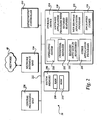
FIGURE 1 is a diagram illustrating system architecture utilized in an actual embodiment of the present invention; -
FIGURE 2 illustrates one computing environment in which the invention may be implemented; -
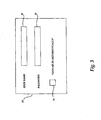
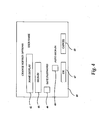
FIGURES 3 and4 are screen diagrams showing illustrative computer displays provided by an actual embodiment of the present invention; -
FIGURE 5 illustrates a flow of operations to perform sign-in to a software application having secured features in one embodiment of the present invention; -
FIGURE 6 illustrates an embodiment of the present invention where an automatic sign-in condition is enabled from a credential request prompt displayed after a request to sign-in; -
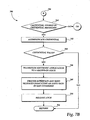
FIGURES 7A-B illustrate another embodiment of the present invention where a software application having secured features is transitioned to a signed-in state based on specific security criteria and conditions being satisfied. - Referring to
FIGURE 1 , an illustrative diagram showing asystem architecture 10 utilized in an actual embodiment of the present invention will be described. As shown inFIGURE 1 , aclient computer 20 is provided that connects to anauthentication server 60 through anetwork 40. According to one actual embodiment described herein, theclient computer 20 comprises a standard personal computer that connects to anetwork 40, such as the Internet through a connection, such as a Digital Subscriber Line or a cable modem. However, it should be appreciated that theclient computer 20 may comprise another type of computing device such as a personal digital assistant and may be connected to thenetwork 40 through another type of connection, such as a dial up or satellite connection. - The
client computer 20 is capable of executing a standard Web browser application program such as INTERNET EXPLORER from MICROSOFT CORPORATION of Redmond, Washington. The Web browser application program may be utilized to access secured network sites andservices 80 if theclient computer 20 has an authenticated credential. A credential is authenticated after theclient computer 20 transmits the credential to theauthentication server 60 through thenetwork 40. Theauthentication server 60 authenticates the identity of users before granting a user access to secured services orwebsites 80. For instance, before a user ofclient computer 20 may access a secured faxing or printing service within a word processing software application equipped with secured faxing and printing features, the user must submit a credential (e.g. username and password) to theauthentication server 60 via thenetwork 40. -
Client computer 20 prompts the user to sign-in or login to access secured features within the software application with a credential whenever a secured feature within the software application is requested. However, when a condition of automatic sign-in is enabled onclient computer 20, the necessity of user intervention is removed and the software application transitions to a signed-in state without prompting action on the part of the user. If the automatic sign-in condition is enabled, and security criteria are met, a signed-in state is achieved when the software application having secured features is launched. - Once the credential is validated,
authentication server 60 returns an encrypted cookie to theclient computer 20. The encrypted cookie gives theclient computer 20 access to secured services and websites. Once the memory for the software application receives the encrypted cookie,client computer 20 may access secured sites and services through the software application via thenetwork 40 without authenticating the credential again during a signed-in session. However, if the user exits the software application and starts the secured features within software application again, the user will be prompted to enter a credential unless automatic sign-in is active and enabled within the software application onclient computer 20. -
FIGURE 2 illustrates a suitable computing environment in which embodiments of the invention may be implemented. One embodiment of the invention will be described in the general context of computer-executable instructions being executed by a personal computer. Those skilled in the art will appreciate that the invention may be practiced with other computer system configurations, including hand-held devices, multiprocessor systems, microprocessor-based or programmable consumer electronics, network PCs, minicomputers, mainframe computers, and the like. The invention may also be practiced in distributed computing environments where tasks are performed by remote processing devices that are linked through a communications network. - With reference to
FIG. 2 , an exemplary system for implementing the invention includes a general purpose computing device in the form of aconventional client computer 20, including aprocessing unit 204, asystem memory 206, and asystem bus 212 that couples various system components including the system memory to theprocessing unit 204. Thesystem bus 212 may be any of several types of bus structures including a memory bus or memory controller, a peripheral bus, and a local bus using any of a variety of bus architectures. The system memory includes read only memory (ROM) 210 and random access memory (RAM) 208. A basic input/output system 222 (BIOS), containing the basic routine that helps to transfer information between elements within theclient computer 20, such as during start-up, is stored inROM 210. - The
client computer 20 further includes astorage device 214 for storing anoperating system 216, software application programs withsecured features 230, such as OFFICE from MICROSOFT CORPORATION of Redmond, Washington,other application programs 235, a standard Web browser application program such as INTERNET EXPLORER from MICROSOFT CORPORATION of Redmond, Washington, and registry information, wherein an encrypted credential is written and an automatic sign-in enable mechanism is registered. Theoperating system 216 works in conjunction with acredential manager 232, which is a mechanism used to securely store credentials on theclient computer 20.. Further theoperating system 216 works in conjunction with anencrypted cookie 228 that is sent fromauthentication server 60.. Theencrypted cookie 228 gives theclient computer 20 access to secured services and sites running on thenetwork 40. - An
encrypted cookie 228 may be obtained after the user starts and signs-in to one of the software application having securedfeatures 230 by entering a credential when prompted. If a condition of automatic sign-in is enabled when the user starts one of thesoftware applications 230, the sign-in or login prompt is bypassed and theclient computer 20 signs-in to the software application without intervention from the user. When a condition of automatic sign-in or login is enabled an auto sign-in or login registry key 234 is active and an authenticated credential is stored in thecredential manager 232. The registry key 234 written in home HKEY current user (hkcu) has roaming characteristics that may follow a user profile to other client computers, therefore enabling the roaming characteristics of the automatic sign-in or login condition. - The
storage device 214 is connected to theCPU 204 through a storage controller (not shown) connected to thebus 212. Thestorage device 214 and its associated computer-readable media, provide non-volatile storage for theclient computer 20. Although the description of computer-readable media contained herein refers to a storage device, such as a hard disk or CD-ROM drive, it should be appreciated by those skilled in the art that computer-readable media can be any available media that can be accessed by thepersonal computer 20. - By way of example, and not limitation, computer-readable media may comprise computer storage media and communication media. Computer storage media includes volatile and non-volatile, removable and non-removable media implemented in any method or technology for storage of information such as computer-readable instructions, data structures, program modules or other data. Computer storage media includes, but is not limited to, RAM, ROM, EPROM, EEPROM, flash memory or other solid state memory technology, CD-ROM, DVD, or other optical storage, magnetic cassettes, magnetic tape, magnetic disk storage or other magnetic storage devices, or any other medium which can be used to store the desired information and which can be accessed by the computer.
- Communication media typically embodies computer-readable instructions, data structures, program modules or other data in a modulated data signal such as a carrier wave or other transport mechanism and includes any information delivery media. The term "modulated data signal" means a signal that has one or more of its characteristics set or changed in such a manner as to encode information in the signal. By way of example, and not limitation, communication media includes wired media such as a wired network or direct-wired connection, and wireless media such as acoustic, RF, infrared, and other wireless media. Combinations of any of the above should also be included within the scope of computer-readable media. Computer-readable media may also be referred to as computer program product.
- According to various embodiments of the invention, the
client computer 20 may operate in a networked environment using logical connections to remote computers through anetwork 40, such as the Internet. Theclient computer 20 may connect to thenetwork 40 through anetwork interface unit 220 connected to thebus 212. It should be appreciated that thenetwork interface unit 220 may also be utilized to connect to other types of networks and remote computer systems. Theclient computer 20 may also include an input/output controller 222 for receiving and processing input from a number of devices, including a keyboard, mouse, or electronic stylus (not shown inFIGURE 2 ). Similarly, an input/output controller 222 may provide output to a display screen, a printer, or other type of output device. - As mentioned briefly above, a number of program modules and data files may be stored in the
storage device 214 andRAM 208 of theclient computer 20, including anoperating system 216 suitable for controlling the operation of a networked personal computer, such as the WINDOWS XP operating system from MICROSOFT CORPORATION of Redmond, Washington. Thestorage device 214 andRAM 208 may also store one or more data files. In particular, thestorage device 214 andRAM 208 may store the credential that is written to thecredential manager 232 and registry data written to theregistry 233. Additional details regarding the operation of the automatic sign-in or login operation will be described in greater detail below. - Referring now to
FIGURE 3 , a screen diagram will be described that shows an illustrative computer display provided by an actual embodiment of the present invention.FIGURE 3 shows auser interface 30 that is displayed when a credential is requested in order to access secured features within a software application. After auser name 32 andpassword 34 are received, an option or checkbox for enabling an automatic sign-in or login condition is presented as acheckbox 36. If thecheckbox 36 is affirmed or clicked an operation to enable an automatic sign-in or login condition is initiated. - Turning to
FIGURE 4 a screen diagram will be described that shows an illustrative computer display provided by an actual embodiment of the present invention.FIGURE 4 shows auser interface 40 that is displayed in response to a user selecting a service option menu to review or modifyclient computer 20 preferences for interacting with network services and sites. Alternatively, an automatic sign-in condition may be initiated fromuser interface 40. If an automatic sign-in condition has not been enabled, auser name 42, an option to save the password, and the auto sign-inoption 48 are displayed with blank fields. To initiate the operation to enable the automatic sign-in condition theusername 42, savepassword 46 and the auto sign-in fields are filled in and affirmed or activated. The user name is filled by clicking the Sign-Inbutton 44 which displays theuser interface 30 allowing a user to enter a user name and password. - If the
save password option 46 is affirmed without automatic sign-in 48 being affirmed, the sign-in or login operation will still display a request prompt for user intervention. For instance the user may be required to click on a 'Sign-In" button on the user interface. Further, the auto sign-inoption 48 is grayed as inactive until the savepassword option 46 is affirmed. If the user selects Sign-In 44, auser interface 30 to enter a credential will be displayed. Additional details regarding enabling an automatic sign-in or login condition and signing-in without user intervention will be provided below. - The logical operations of the various embodiments of the present invention are implemented (1) as a sequence of computer implemented acts or program modules running on a computing system and/or (2) as interconnected machine logic circuits or circuit modules within the computing system. The implementation is a matter of choice dependent on the performance requirements of the computing system implementing the invention. Accordingly, the logical operations making up the embodiments of the present invention described herein are referred to variously as operations, structural devices, acts or modules. It will be recognized by one skilled in the art that these operations, structural devices, acts and modules may be implemented in software, in firmware, in special purpose digital logic, and any combination thereof without deviating from the spirit and scope of the present invention as recited within the claims attached hereto.
-
FIGURE 5 illustrates anoperational flow 500 executed or performed to automatically sign-in or login to a software application having secured features without prompting user intervention. Theoperational flow 500 starts with an enablingoperation 502 whereby an automatic sign-in condition is registered. Referring toFIGURE 6 anoperation flow 600 illustrates an embodiment of the present invention in enablingoperation 502 where an automatic sign-in or login condition is enabled from a credential request prompt 30 displayed indisplay operation 604 after a request to sign-in for access to secured features inreceipt operation 602. The enabling of an automatic sign-in condition may be performed by displaying arequest 30 to sign-in or login for access to the secured software application, receiving acredential receipt operation 606, and receiving arequest 36 to hereafter sign-in or login to software applications having secured features automatically inreceipt operation 608. Receiving a request may be accomplished by a user clicking on a "sign me in automatically" checkbox. - Next the automatic sign-in condition is further enabled by authenticating the credential in
authentication operation 610 and detecting whether the credential is valid in detectoperation 612. Here the encrypted credential is transmitted toauthentication server 60 where a determination is made as to whether the credential is valid. If the credential is not valid,operational flow 600 branches back todisplay operation 604. However if the credential isvalid operation flow 600 proceeds by storing thecredential credential manager 232 and activatingregistry key 233 inwriting operation 614. At this point the automatic sign-in condition is enabled. Operation control returns to other routines atconnector 620. - Turning back to
FIGURE 5 , after the automatic sign-in condition has been enabled in enableoperation 502, the software application is started or launched inoperation 504 while in the automatic sign-in condition. Detectoperation 506 then determines whether security criteria are satisfied. Security criteria may comprise a network connection being detected, a valid credential being stored, the registry key being active, a lock being used, and more. If detectoperation 506 detects that the security criteria are not satisfied,operational flow 500 exits atoperation 508. - If detect
operation 506 detects that the security criteria are satisfied, the software application transitions to a signed-in state attransition operation 510, thereby granting access to secured features without prompting manual intervention to enter a credential or click on a sign-in button. Operation control returns to other routines atconnector 512. -
FIGURES 7A-B illustrate another embodiment of the present invention where a software application having secured features is transitioned to a signed-in or logged-in state inoperational flow 700 based on starting the software application withstart operation 722 and specific security or automatic login criteria and conditions being satisfied. After starting the softwareapplication detection operation 723 determines whether a network connection exists. If the network connection is not present the automatic sign-in condition is hindered and control is returned to other routines atconnector 738. - If the network connection is present,
operational flow 700 then advances todetection operation 724 where a determination is made as to whether one or more other software applications having secured features are currently in a running or open state. If one or more other applications are in a running or open state,operational flow 700 returns control to other routines atconnector 738. If other applications are not in a running or open state,detection operation 726 determines whether a lock is currently being used to sign-in or login another software application. If the lock is not being used, the lockingoperation 728 acquires the lock so criteria detection may be continued without interruption by other applications signing-in. -
Operational flow 700 continues withdetection operation 730 determining whether an automatic sign-in or login condition has been enabled by administrative policy. A network administrator may disable auto sign-in or login functionality by setting a registry key in the client computer system registry section under administrator control. This feature may primarily be used for public, corporate network, or KIOSK computers having multiple users. The default setting for this key enables functionality. If the automatic sign-in or login condition is enabled atdetection operation 730,detection operation 732 determines whether the version of the operating system supports the automatic sign-in condition. Operating system versions should be equipped to support an automatic sign-in or login condition. - If the operating system version supports the automatic sign-in or login condition,
operational flow 700 continues withdetection operation 734 determining if theregistry key 230 is active. If theregistry key 230 is active,detection operation 740 determines if a credential is stored in the credential manager. The credential being present, theauthentication operation 742 proceeds to authenticate the credential. Here the credential is transmitted toauthentication server 60 wheredetection operation 743 determines if the credential is valid. If the credential is not valid an error is displayed andoperational flow 700 branches toconnector 752 where operation control is returned to other routines. If the credential is valid, an encrypted cookie is transmitted fromauthentication server 60 to theclient computer 20 and the software application transitions to a signed-in state attransition operation 746. -
Operational flow 700 then proceeds fromtransition operation 746 tomessaging operation 748 where the user interface is changed to indicate a signed-in or logged-in state for the software application and other applications receive notice that an auto sign-in or login has occurred. Once the other software applications have been notified, lockingoperation 750 releases the lock. Next operation control is returned to other routines atconnector 752. - While the invention has been particularly shown and described with reference to embodiments thereof, it will be understood by those skilled in the art that various other changes in the form and details may be made therein without departing from the scope of the invention.
Claims (25)
- A method for signing-in to a software application, wherein the software application has one or more secured features, comprising:enabling (502) an automatic sign-in condition, wherein said automatic sign-in condition is enabled by receiving (606) a credential, authenticating (610) said credential and transmitting said are dential to an authentication server (60) for determing whether said credential is valid, and if said coedential is valid, storing (614) said credential in a credential manager (232) and activating a system registry key (230), wherein said stored coedential is for signing-in for access the the secured features after software application is started;starting (504) the software application when in the automatic sign-in condition;detecting (506) whether security criteria are satisfied when in the automatic sign-in condition, wherein the security criteria comprise:a network connection being detected,a lock currently not being used to sign-another software application,the automatic sign-in condition being enabled by a system administrative policy,the system registry key being active;the credential being stored in said coedential manager to sign-in for access to the secured features of the software application, wherein if stored credential is stored, said stored credential is authenticated (742) and transmitted to said authentication server for validating (743) the transmitted credential, wherein the security criterion is statisfied, if the credential is stored is the credential manager, the credential is authenticated and is valid; andin response to all of said security criteria being satisfied, transitioning (510; 746) the software application to a signed-in state within the software application with access to the secured features.
- The method of claim 1, further comprising:receiving a request to access the secured features within the software application;in response to the request, transmitting authentication information and accessing the secured features.
- The method of claim 2, wherein authentication information comprises an encrypted cookie received from an authentication server (60).
- The method of claim 1, wherein enabling an automatic sign-in condition further comprises the operations of:receiving (602) a request to access the secured features within the software application;displaying (604) a request for a credential; andreceiving (608) a request to hereafter automatically sign-in for access to one or more secured features within one or more software applications having secure features.
- The method of claim 4, wherein the credential is stored in an encrypted format.
- The method of claim 4, wherein the request to hereafter automatically sign-in comprises a user clicking a "sign me in automatically" checkbox (48) to make the request.
- The method of claim 1, wherein enabling an automatic sign-in condition further comprises:receiving a request to display a service options menu (40);displaying the service options menu;receiving (604) a request to hereafter automatically sign-in for access to one or more secured features within one or more software applications; anddisplaying (604) a request for a credential.
- The method of claim 7, wherein the request to hereafter automatically sign-in comprises an active 'save password' option (46) and an active 'auto sign-in' option affirmed by a user within the service options menu (40).
- The method of claim 1, wherein the software application is part of a suite of two or more software applications having secured features, wherein an operating system supports the automatic sign-in condition, and wherein the security criteria further comprises no one or more other software applications within the suite being in a running state when the software application starts.
- The method of claim 9, further comprising:activating an interface of the software application to indicate the signed-in state;sending one or more messages indicating that an automatic sign-in has occurred; andreleasing use of the lock.
- The method of claim 1, wherein the credential comprises a username and a password.
- The method of claim 1, wherein the automatic sign-in condition may be disabled by a system administrative policy.
- The method of claim 1, wherein the secured features comprise one or more host websites and one or more host services.
- A computer program product readable by a computing system and encoding instructions for executing a computer process for signing-in to a software application, wherein the software application has one or more secured features, said computer process comprising:enabling (502) an automatic sign-in condition; wherein said automatic sign-in condition is enabled by receiving (606) a credential, authenticating (610) said credential and transmitting said credential to an authentication server (60) for determing whether said credential is valid, and if said coedential is valid, storing (614) said credential in a credential manager (232) and activating a system registry key (230), wherein said stored credential is for signing-in for access the the secured features after software application is started;starting (504) the software application when in the automatic sign-in condition;determining (506) whether security criteria are satisfied when in the automatic sign-in condition, wherein the security criteria comprise:a network connection being detected,a lock currently not being used to sign-in another software application,the automatic sign-in condition being enabled by a system administrative policy;the system registry key being active;the credential being stored in said credential manager to sign-in for access to the secured features of the software application, wherein if the stored credential is stored, said stored coedential is authenticated (742) and transmitted to said authentication server for validating (743) the transmitted credential, wherein the security criterion is statisfied, if the credential is stored is the credential manager, the credential is authenticated and is valid; andin response to all of security criteria being satisfied, transitioning (510; 746) the software application to a signed-in state within the software application with access to the secured features.
- The computer program product of claim 14, wherein the computer process further comprises:receiving a request to access a secured feature within the software application; andin response to the request, transmitting authentication information and accessing the secured feature.
- The computer program product of claim 14, wherein enabling an automatic sign-in condition further comprises:receiving (602) a request to access the secured features within the software application;displaying (604) a request for a credential; andreceiving (608) a request to hereafter access one or more secured features of one or more software applications, by launching the software applications.
- The computer program product of claim 16, wherein the credential is stored in an encrypted format.
- The computer program product of claim 16, wherein the request to hereafter automatically sign-in comprises a user clicking a "sign me in automatically" checkbox (48) to make the request.
- The computer program product of claim 16, wherein the request to hereafter automatically sign-in comprises an active 'save password' option (46) and an active 'auto sign-in' option (48) activated by a user within the service options menu.
- The computer program product of claim 14, wherein the software application is part of a suite of two or more software applications having secured features, wherein an operating system supports the automatic sign-in condition, and wherein the security criteria further comprises no one or more other software applications within the suite being in an open state when the software application starts.
- The computer program product of claim 14, wherein the credential comprises a username and a password.
- The computer program product of claim 14, further comprising:changing an interface of the software application to indicate the signed-in state;sending one or more messages indicating that an automatic sign-in has occurred; andreleasing use of the lock.
- The computer program product of claim 14, wherein the automatic sign-in condition may be disabled by the system administrative policy.
- A system (10; 20) for signing-in to a software application, wherein the software application has one or more security criteria and one or more secured features, comprising:a memory unit adapted for storing an automatic sign-in condition; anda processing unit adapted for:enabling (502) the automatic sign-in condition, wherein said automatic sign-in condition is enabled by receiving (606) a credential, authenticating (610) said credential and transmitting said credential to an authentication server (60) for determing whether said credential is valid, and if said coedential is valid, storing (614) said credential in a credential manager (232) and activating a system registry key (230), wherein said stored coedential is for signing-in for access the the secured features after software application is started ;starting the software application when in the automatic sign-in condition and detecting whether are of a plurality of security criteria are satisfied, in response to all of said security criteria being satisfied, the processing unit transitioning the software application to a signed-in state within the software application with access to the secured features, wherein the plurality of security criteria comprise:a network connection being detected,a lock currently not being used to sign-in another software application,the automatic sign-in condition being enabled by a system administrative policy;the system registry key being active;the credential being stored in said credential manager to sign-in for access to the secured features of the software application, wherein if the stored credential is stored, said stored coedential is authenticated (742) and transmitted to said authentication server for validating (743) the transmitted credential, wherein the security criterion is statisfied, if the credential is stored is the credential manager, the credential is authenticated and is valid.
- The system of claim 24, further comprising:a display unit to indicate the signed-in state and network activity.
Applications Claiming Priority (2)
| Application Number | Priority Date | Filing Date | Title |
|---|---|---|---|
| US309650 | 1981-10-08 | ||
| US10/309,650 US8024781B2 (en) | 2002-12-04 | 2002-12-04 | Signing-in to software applications having secured features |
Publications (3)
| Publication Number | Publication Date |
|---|---|
| EP1426846A2 EP1426846A2 (en) | 2004-06-09 |
| EP1426846A3 EP1426846A3 (en) | 2005-05-25 |
| EP1426846B1 true EP1426846B1 (en) | 2011-12-21 |
Family
ID=32312244
Family Applications (1)
| Application Number | Title | Priority Date | Filing Date |
|---|---|---|---|
| EP03026014A Expired - Lifetime EP1426846B1 (en) | 2002-12-04 | 2003-11-11 | Signing-in to software applications having secured features |
Country Status (5)
| Country | Link |
|---|---|
| US (1) | US8024781B2 (en) |
| EP (1) | EP1426846B1 (en) |
| JP (1) | JP4603791B2 (en) |
| AT (1) | ATE538427T1 (en) |
| ES (1) | ES2375711T3 (en) |
Cited By (2)
| Publication number | Priority date | Publication date | Assignee | Title |
|---|---|---|---|---|
| WO2014109630A1 (en) | 2013-01-14 | 2014-07-17 | Mimos Berhad | A system and method for an application execution |
| US11934561B2 (en) | 2020-11-10 | 2024-03-19 | Netskope, Inc. | Additional security with wrapped program including payload and administrative credential |
Families Citing this family (60)
| Publication number | Priority date | Publication date | Assignee | Title |
|---|---|---|---|---|
| US8024781B2 (en) | 2002-12-04 | 2011-09-20 | Microsoft Corporation | Signing-in to software applications having secured features |
| US7254831B2 (en) * | 2002-12-04 | 2007-08-07 | Microsoft Corporation | Sharing a sign-in among software applications having secured features |
| US8146141B1 (en) | 2003-12-16 | 2012-03-27 | Citibank Development Center, Inc. | Method and system for secure authentication of a user by a host system |
| US20050183021A1 (en) * | 2004-02-13 | 2005-08-18 | Allen Joel E. | Method for electronically packaging a user's personal computing environment on a computer or device, and mobilizing it for transfer over a network |
| US20060048179A1 (en) * | 2004-08-27 | 2006-03-02 | Kortum Philip T | Method and system to access PC-based services from non-PC hardware |
| KR100813791B1 (en) * | 2004-09-30 | 2008-03-13 | 주식회사 케이티 | Integrated authentication processing device and method for personal mobility in wired / wireless integrated service network |
| US20070022289A1 (en) * | 2005-07-20 | 2007-01-25 | Mci, Inc. | Method and system for providing secure credential storage to support interdomain traversal |
| US8272058B2 (en) | 2005-07-29 | 2012-09-18 | Bit 9, Inc. | Centralized timed analysis in a network security system |
| US8984636B2 (en) | 2005-07-29 | 2015-03-17 | Bit9, Inc. | Content extractor and analysis system |
| US7895651B2 (en) | 2005-07-29 | 2011-02-22 | Bit 9, Inc. | Content tracking in a network security system |
| US8005459B2 (en) * | 2005-12-16 | 2011-08-23 | Research In Motion Limited | System and method of authenticating login credentials in a wireless communication system |
| US8099082B2 (en) | 2005-12-16 | 2012-01-17 | Research In Motion Limited | System and method wireless messaging in a wireless communication system |
| US8768778B2 (en) | 2007-06-29 | 2014-07-01 | Boku, Inc. | Effecting an electronic payment |
| US8094812B1 (en) | 2007-09-28 | 2012-01-10 | Juniper Networks, Inc. | Updating stored passwords |
| GB2457445A (en) * | 2008-02-12 | 2009-08-19 | Vidicom Ltd | Verifying payment transactions |
| US8205098B2 (en) * | 2008-02-25 | 2012-06-19 | Microsoft Corporation | Secure and usable protection of a roamable credentials store |
| GB0809383D0 (en) | 2008-05-23 | 2008-07-02 | Vidicom Ltd | Customer to supplier funds transfer |
| US8386773B2 (en) * | 2008-12-09 | 2013-02-26 | Research In Motion Limited | Verification methods and apparatus for use in providing application services to mobile communication devices |
| US9652761B2 (en) | 2009-01-23 | 2017-05-16 | Boku, Inc. | Systems and methods to facilitate electronic payments |
| US9990623B2 (en) * | 2009-03-02 | 2018-06-05 | Boku, Inc. | Systems and methods to provide information |
| US8700530B2 (en) | 2009-03-10 | 2014-04-15 | Boku, Inc. | Systems and methods to process user initiated transactions |
| US9595028B2 (en) * | 2009-06-08 | 2017-03-14 | Boku, Inc. | Systems and methods to add funds to an account via a mobile communication device |
| US9697510B2 (en) * | 2009-07-23 | 2017-07-04 | Boku, Inc. | Systems and methods to facilitate retail transactions |
| US9519892B2 (en) * | 2009-08-04 | 2016-12-13 | Boku, Inc. | Systems and methods to accelerate transactions |
| WO2011056906A2 (en) * | 2009-11-05 | 2011-05-12 | Vmware, Inc. | Single sign on for a remote user session |
| US20110125610A1 (en) * | 2009-11-20 | 2011-05-26 | Boku, Inc. | Systems and Methods to Automate the Initiation of Transactions via Mobile Devices |
| WO2011070442A2 (en) * | 2009-12-10 | 2011-06-16 | Ape Payment Oy | Method and system for anonymous user identification in a website |
| US20110185406A1 (en) * | 2010-01-26 | 2011-07-28 | Boku, Inc. | Systems and Methods to Authenticate Users |
| US20110213671A1 (en) * | 2010-02-26 | 2011-09-01 | Boku, Inc. | Systems and Methods to Process Payments |
| US20110217994A1 (en) * | 2010-03-03 | 2011-09-08 | Boku, Inc. | Systems and Methods to Automate Transactions via Mobile Devices |
| US20110238483A1 (en) * | 2010-03-29 | 2011-09-29 | Boku, Inc. | Systems and Methods to Distribute and Redeem Offers |
| US8583504B2 (en) * | 2010-03-29 | 2013-11-12 | Boku, Inc. | Systems and methods to provide offers on mobile devices |
| US8689303B1 (en) * | 2010-11-04 | 2014-04-01 | Sprint Communications Company L.P. | Cookie-handling gateway |
| US8607306B1 (en) * | 2010-11-10 | 2013-12-10 | Google Inc. | Background auto-submit of login credentials |
| US8699994B2 (en) | 2010-12-16 | 2014-04-15 | Boku, Inc. | Systems and methods to selectively authenticate via mobile communications |
| US8583496B2 (en) | 2010-12-29 | 2013-11-12 | Boku, Inc. | Systems and methods to process payments via account identifiers and phone numbers |
| US8543087B2 (en) | 2011-04-26 | 2013-09-24 | Boku, Inc. | Systems and methods to facilitate repeated purchases |
| US9830622B1 (en) | 2011-04-28 | 2017-11-28 | Boku, Inc. | Systems and methods to process donations |
| US8544069B1 (en) * | 2011-04-29 | 2013-09-24 | Intuit Inc. | Methods systems and articles of manufacture for implementing user access to remote resources |
| US8918853B2 (en) * | 2011-06-29 | 2014-12-23 | Sharp Laboratories Of America, Inc. | Method and system for automatic recovery from lost security token on embedded device |
| EP2740090A4 (en) * | 2011-08-02 | 2015-04-15 | Matthew Campbell Patterson | SYSTEM AND METHOD FOR ACCESSING A CONCENTRATOR |
| US9118619B2 (en) | 2011-11-07 | 2015-08-25 | Qualcomm Incorported | Prevention of cross site request forgery attacks by conditional use cookies |
| US10742634B1 (en) | 2011-12-27 | 2020-08-11 | Majid Shahbazi | Methods for single sign-on (SSO) using optical codes |
| US9356924B1 (en) * | 2011-12-27 | 2016-05-31 | Majid Shahbazi | Systems, methods, and computer readable media for single sign-on (SSO) using optical codes |
| US8819444B2 (en) * | 2011-12-27 | 2014-08-26 | Majid Shahbazi | Methods for single signon (SSO) using decentralized password and credential management |
| US9208298B2 (en) * | 2012-06-18 | 2015-12-08 | Google Inc. | Pass through service login to application login |
| US9848276B2 (en) | 2013-03-11 | 2017-12-19 | Rovi Guides, Inc. | Systems and methods for auto-configuring a user equipment device with content consumption material |
| US9565211B2 (en) | 2013-03-15 | 2017-02-07 | True Ultimate Standards Everywhere, Inc. | Managing exchanges of sensitive data |
| US9159078B2 (en) * | 2013-03-15 | 2015-10-13 | True Ultimate Standards Everywhere, Inc. | Managing identifiers |
| US10482397B2 (en) | 2013-03-15 | 2019-11-19 | Trustarc Inc | Managing identifiers |
| US9864873B2 (en) | 2013-03-15 | 2018-01-09 | Trustarc Inc | Managing data handling policies |
| US9858407B2 (en) * | 2013-05-24 | 2018-01-02 | Mcafee, Llc | Secure automatic authorized access to any application through a third party |
| WO2015020658A1 (en) * | 2013-08-08 | 2015-02-12 | Empire Technology Development Llc | Automatic log-in function control |
| JP6346443B2 (en) * | 2014-01-08 | 2018-06-20 | キヤノン株式会社 | Information processing apparatus, control method therefor, and program |
| US9524172B2 (en) * | 2014-09-29 | 2016-12-20 | Bank Of America Corporation | Fast start |
| US10509900B1 (en) | 2015-08-06 | 2019-12-17 | Majid Shahbazi | Computer program products for user account management |
| US10469474B2 (en) * | 2017-05-23 | 2019-11-05 | Google Llc | Mobile assisted television sign in using discovery and launch protocol |
| US10891372B1 (en) | 2017-12-01 | 2021-01-12 | Majid Shahbazi | Systems, methods, and products for user account authentication and protection |
| US11416585B2 (en) * | 2019-12-18 | 2022-08-16 | Disney Enterprises, Inc. | Define return value at runtime |
| CN112583912A (en) * | 2020-12-03 | 2021-03-30 | 海腾保险代理有限公司 | VPN automatic connection method, device, equipment and storage medium |
Family Cites Families (21)
| Publication number | Priority date | Publication date | Assignee | Title |
|---|---|---|---|---|
| JPS63276158A (en) | 1987-05-08 | 1988-11-14 | Hitachi Ltd | Password input control system |
| JPH07134696A (en) | 1993-11-10 | 1995-05-23 | Hitachi Ltd | Security function switching method |
| US5774551A (en) | 1995-08-07 | 1998-06-30 | Sun Microsystems, Inc. | Pluggable account management interface with unified login and logout and multiple user authentication services |
| JP4086340B2 (en) | 1996-05-17 | 2008-05-14 | 富士通株式会社 | Network authentication system |
| US6182142B1 (en) * | 1998-07-10 | 2001-01-30 | Encommerce, Inc. | Distributed access management of information resources |
| US6718332B1 (en) | 1999-01-04 | 2004-04-06 | Cisco Technology, Inc. | Seamless importation of data |
| JP2000259566A (en) | 1999-03-05 | 2000-09-22 | Ntt Communicationware Corp | Password management system |
| AU3527200A (en) | 1999-03-12 | 2000-09-28 | Sun Microsystems, Inc. | Resource locator |
| JP2000285077A (en) * | 1999-03-30 | 2000-10-13 | Canon Inc | User information management device, management method, and storage medium |
| DE60031755T2 (en) | 1999-09-24 | 2007-09-06 | Citicorp Development Center, Inc., Los Angeles | A method and apparatus for authenticated access to a plurality of network operators by a single login |
| IL150728A0 (en) | 2000-01-14 | 2003-02-12 | Catavault | Method and system for secure registration, storage, management and linkage of personal authentication credentials data over a network |
| AU2001239746A1 (en) | 2000-02-07 | 2001-08-14 | Matthew Eichner | Group-browsing system |
| CN1142653C (en) | 2000-04-28 | 2004-03-17 | 杨宏伟 | Dynamic password authentication system and method |
| JP3526435B2 (en) | 2000-06-08 | 2004-05-17 | 株式会社東芝 | Network system |
| JP2002041380A (en) | 2000-07-28 | 2002-02-08 | Five Any Inc | System and method for processing data |
| US7131000B2 (en) | 2001-01-18 | 2006-10-31 | Bradee Robert L | Computer security system |
| US7783765B2 (en) | 2001-12-12 | 2010-08-24 | Hildebrand Hal S | System and method for providing distributed access control to secured documents |
| US20030163513A1 (en) | 2002-02-22 | 2003-08-28 | International Business Machines Corporation | Providing role-based views from business web portals |
| US7529933B2 (en) | 2002-05-30 | 2009-05-05 | Microsoft Corporation | TLS tunneling |
| US8024781B2 (en) | 2002-12-04 | 2011-09-20 | Microsoft Corporation | Signing-in to software applications having secured features |
| US7254831B2 (en) | 2002-12-04 | 2007-08-07 | Microsoft Corporation | Sharing a sign-in among software applications having secured features |
-
2002
- 2002-12-04 US US10/309,650 patent/US8024781B2/en not_active Expired - Fee Related
-
2003
- 2003-11-11 AT AT03026014T patent/ATE538427T1/en active
- 2003-11-11 EP EP03026014A patent/EP1426846B1/en not_active Expired - Lifetime
- 2003-11-11 ES ES03026014T patent/ES2375711T3/en not_active Expired - Lifetime
- 2003-12-04 JP JP2003406557A patent/JP4603791B2/en not_active Expired - Fee Related
Cited By (2)
| Publication number | Priority date | Publication date | Assignee | Title |
|---|---|---|---|---|
| WO2014109630A1 (en) | 2013-01-14 | 2014-07-17 | Mimos Berhad | A system and method for an application execution |
| US11934561B2 (en) | 2020-11-10 | 2024-03-19 | Netskope, Inc. | Additional security with wrapped program including payload and administrative credential |
Also Published As
| Publication number | Publication date |
|---|---|
| US20040111620A1 (en) | 2004-06-10 |
| EP1426846A2 (en) | 2004-06-09 |
| ATE538427T1 (en) | 2012-01-15 |
| ES2375711T3 (en) | 2012-03-05 |
| JP2004185624A (en) | 2004-07-02 |
| US8024781B2 (en) | 2011-09-20 |
| EP1426846A3 (en) | 2005-05-25 |
| JP4603791B2 (en) | 2010-12-22 |
Similar Documents
| Publication | Publication Date | Title |
|---|---|---|
| US8024781B2 (en) | Signing-in to software applications having secured features | |
| EP1426847B1 (en) | Sharing a sign-in among software applications having secured features | |
| KR101614578B1 (en) | Information processing apparatus, control method thereof, storage medium, and image processing apparatus | |
| EP2109955B1 (en) | Provisioning of digital identity representations | |
| US8640213B2 (en) | Method and system for automatic authentication | |
| US8407767B2 (en) | Provisioning of digital identity representations | |
| EP0977399B1 (en) | Authentication and access control in a management console program for managing services in a computer network | |
| US7519816B2 (en) | Portable computing environment solution | |
| US8898754B2 (en) | Enabling authentication of OpenID user when requested identity provider is unavailable | |
| KR101177456B1 (en) | Method for authenticating a user by using server and image forming apparatus using it | |
| US9210159B2 (en) | Information processing system, information processing device, and authentication method | |
| US20100325716A1 (en) | Managing Access To A Document-Processing Device Using An Identification Token | |
| US20250184146A1 (en) | Passkey integration techniques for identity management | |
| US20100095372A1 (en) | Trusted relying party proxy for information card tokens | |
| JP2013517584A (en) | Personal portable and secure network access system | |
| AU2005222507B2 (en) | Portable computing environment | |
| JP2007272542A (en) | Access control device, access control method, and program | |
| US20190182234A1 (en) | Storing, managing and accessing information in a repository within a security context | |
| GB2590421A (en) | Method for operating a multimedia system |
Legal Events
| Date | Code | Title | Description |
|---|---|---|---|
| PUAI | Public reference made under article 153(3) epc to a published international application that has entered the european phase |
Free format text: ORIGINAL CODE: 0009012 |
|
| 17P | Request for examination filed |
Effective date: 20031111 |
|
| AK | Designated contracting states |
Kind code of ref document: A2 Designated state(s): AT BE BG CH CY CZ DE DK EE ES FI FR GB GR HU IE IT LI LU MC NL PT RO SE SI SK TR |
|
| AX | Request for extension of the european patent |
Extension state: AL LT LV MK |
|
| PUAL | Search report despatched |
Free format text: ORIGINAL CODE: 0009013 |
|
| AK | Designated contracting states |
Kind code of ref document: A3 Designated state(s): AT BE BG CH CY CZ DE DK EE ES FI FR GB GR HU IE IT LI LU MC NL PT RO SE SI SK TR |
|
| AX | Request for extension of the european patent |
Extension state: AL LT LV MK |
|
| AKX | Designation fees paid |
Designated state(s): AT BE BG CH CY CZ DE DK EE ES FI FR GB GR HU IE IT LI LU MC NL PT RO SE SI SK TR |
|
| 17Q | First examination report despatched |
Effective date: 20070219 |
|
| GRAP | Despatch of communication of intention to grant a patent |
Free format text: ORIGINAL CODE: EPIDOSNIGR1 |
|
| GRAS | Grant fee paid |
Free format text: ORIGINAL CODE: EPIDOSNIGR3 |
|
| GRAA | (expected) grant |
Free format text: ORIGINAL CODE: 0009210 |
|
| AK | Designated contracting states |
Kind code of ref document: B1 Designated state(s): AT BE BG CH CY CZ DE DK EE ES FI FR GB GR HU IE IT LI LU MC NL PT RO SE SI SK TR |
|
| REG | Reference to a national code |
Ref country code: GB Ref legal event code: FG4D |
|
| REG | Reference to a national code |
Ref country code: CH Ref legal event code: EP |
|
| REG | Reference to a national code |
Ref country code: AT Ref legal event code: REF Ref document number: 538427 Country of ref document: AT Kind code of ref document: T Effective date: 20120115 |
|
| REG | Reference to a national code |
Ref country code: IE Ref legal event code: FG4D |
|
| REG | Reference to a national code |
Ref country code: SE Ref legal event code: TRGR |
|
| REG | Reference to a national code |
Ref country code: DE Ref legal event code: R096 Ref document number: 60339445 Country of ref document: DE Effective date: 20120301 |
|
| REG | Reference to a national code |
Ref country code: ES Ref legal event code: FG2A Ref document number: 2375711 Country of ref document: ES Kind code of ref document: T3 Effective date: 20120305 |
|
| REG | Reference to a national code |
Ref country code: NL Ref legal event code: VDEP Effective date: 20111221 |
|
| PG25 | Lapsed in a contracting state [announced via postgrant information from national office to epo] |
Ref country code: NL Free format text: LAPSE BECAUSE OF FAILURE TO SUBMIT A TRANSLATION OF THE DESCRIPTION OR TO PAY THE FEE WITHIN THE PRESCRIBED TIME-LIMIT Effective date: 20111221 Ref country code: GR Free format text: LAPSE BECAUSE OF FAILURE TO SUBMIT A TRANSLATION OF THE DESCRIPTION OR TO PAY THE FEE WITHIN THE PRESCRIBED TIME-LIMIT Effective date: 20120322 Ref country code: SI Free format text: LAPSE BECAUSE OF FAILURE TO SUBMIT A TRANSLATION OF THE DESCRIPTION OR TO PAY THE FEE WITHIN THE PRESCRIBED TIME-LIMIT Effective date: 20111221 |
|
| PG25 | Lapsed in a contracting state [announced via postgrant information from national office to epo] |
Ref country code: CY Free format text: LAPSE BECAUSE OF FAILURE TO SUBMIT A TRANSLATION OF THE DESCRIPTION OR TO PAY THE FEE WITHIN THE PRESCRIBED TIME-LIMIT Effective date: 20111221 |
|
| PG25 | Lapsed in a contracting state [announced via postgrant information from national office to epo] |
Ref country code: BG Free format text: LAPSE BECAUSE OF FAILURE TO SUBMIT A TRANSLATION OF THE DESCRIPTION OR TO PAY THE FEE WITHIN THE PRESCRIBED TIME-LIMIT Effective date: 20120321 Ref country code: CZ Free format text: LAPSE BECAUSE OF FAILURE TO SUBMIT A TRANSLATION OF THE DESCRIPTION OR TO PAY THE FEE WITHIN THE PRESCRIBED TIME-LIMIT Effective date: 20111221 Ref country code: SK Free format text: LAPSE BECAUSE OF FAILURE TO SUBMIT A TRANSLATION OF THE DESCRIPTION OR TO PAY THE FEE WITHIN THE PRESCRIBED TIME-LIMIT Effective date: 20111221 Ref country code: EE Free format text: LAPSE BECAUSE OF FAILURE TO SUBMIT A TRANSLATION OF THE DESCRIPTION OR TO PAY THE FEE WITHIN THE PRESCRIBED TIME-LIMIT Effective date: 20111221 |
|
| PG25 | Lapsed in a contracting state [announced via postgrant information from national office to epo] |
Ref country code: RO Free format text: LAPSE BECAUSE OF FAILURE TO SUBMIT A TRANSLATION OF THE DESCRIPTION OR TO PAY THE FEE WITHIN THE PRESCRIBED TIME-LIMIT Effective date: 20111221 Ref country code: PT Free format text: LAPSE BECAUSE OF FAILURE TO SUBMIT A TRANSLATION OF THE DESCRIPTION OR TO PAY THE FEE WITHIN THE PRESCRIBED TIME-LIMIT Effective date: 20120423 |
|
| REG | Reference to a national code |
Ref country code: AT Ref legal event code: MK05 Ref document number: 538427 Country of ref document: AT Kind code of ref document: T Effective date: 20111221 |
|
| PLBE | No opposition filed within time limit |
Free format text: ORIGINAL CODE: 0009261 |
|
| STAA | Information on the status of an ep patent application or granted ep patent |
Free format text: STATUS: NO OPPOSITION FILED WITHIN TIME LIMIT |
|
| PG25 | Lapsed in a contracting state [announced via postgrant information from national office to epo] |
Ref country code: DK Free format text: LAPSE BECAUSE OF FAILURE TO SUBMIT A TRANSLATION OF THE DESCRIPTION OR TO PAY THE FEE WITHIN THE PRESCRIBED TIME-LIMIT Effective date: 20111221 |
|
| 26N | No opposition filed |
Effective date: 20120924 |
|
| REG | Reference to a national code |
Ref country code: DE Ref legal event code: R097 Ref document number: 60339445 Country of ref document: DE Effective date: 20120924 |
|
| PG25 | Lapsed in a contracting state [announced via postgrant information from national office to epo] |
Ref country code: AT Free format text: LAPSE BECAUSE OF FAILURE TO SUBMIT A TRANSLATION OF THE DESCRIPTION OR TO PAY THE FEE WITHIN THE PRESCRIBED TIME-LIMIT Effective date: 20111221 |
|
| PG25 | Lapsed in a contracting state [announced via postgrant information from national office to epo] |
Ref country code: FI Free format text: LAPSE BECAUSE OF FAILURE TO SUBMIT A TRANSLATION OF THE DESCRIPTION OR TO PAY THE FEE WITHIN THE PRESCRIBED TIME-LIMIT Effective date: 20111221 |
|
| REG | Reference to a national code |
Ref country code: CH Ref legal event code: PL |
|
| PG25 | Lapsed in a contracting state [announced via postgrant information from national office to epo] |
Ref country code: CH Free format text: LAPSE BECAUSE OF NON-PAYMENT OF DUE FEES Effective date: 20121130 Ref country code: SE Free format text: LAPSE BECAUSE OF NON-PAYMENT OF DUE FEES Effective date: 20121112 Ref country code: LI Free format text: LAPSE BECAUSE OF NON-PAYMENT OF DUE FEES Effective date: 20121130 |
|
| PG25 | Lapsed in a contracting state [announced via postgrant information from national office to epo] |
Ref country code: IT Free format text: LAPSE BECAUSE OF NON-PAYMENT OF DUE FEES Effective date: 20121111 |
|
| REG | Reference to a national code |
Ref country code: ES Ref legal event code: FD2A Effective date: 20140305 |
|
| PG25 | Lapsed in a contracting state [announced via postgrant information from national office to epo] |
Ref country code: MC Free format text: LAPSE BECAUSE OF NON-PAYMENT OF DUE FEES Effective date: 20121130 Ref country code: TR Free format text: LAPSE BECAUSE OF FAILURE TO SUBMIT A TRANSLATION OF THE DESCRIPTION OR TO PAY THE FEE WITHIN THE PRESCRIBED TIME-LIMIT Effective date: 20111221 |
|
| PG25 | Lapsed in a contracting state [announced via postgrant information from national office to epo] |
Ref country code: LU Free format text: LAPSE BECAUSE OF NON-PAYMENT OF DUE FEES Effective date: 20121111 Ref country code: ES Free format text: LAPSE BECAUSE OF NON-PAYMENT OF DUE FEES Effective date: 20121112 |
|
| PG25 | Lapsed in a contracting state [announced via postgrant information from national office to epo] |
Ref country code: HU Free format text: LAPSE BECAUSE OF FAILURE TO SUBMIT A TRANSLATION OF THE DESCRIPTION OR TO PAY THE FEE WITHIN THE PRESCRIBED TIME-LIMIT Effective date: 20031111 |
|
| REG | Reference to a national code |
Ref country code: DE Ref legal event code: R082 Ref document number: 60339445 Country of ref document: DE Representative=s name: GRUENECKER, KINKELDEY, STOCKMAIR & SCHWANHAEUS, DE |
|
| REG | Reference to a national code |
Ref country code: GB Ref legal event code: 732E Free format text: REGISTERED BETWEEN 20150115 AND 20150121 |
|
| REG | Reference to a national code |
Ref country code: DE Ref legal event code: R082 Ref document number: 60339445 Country of ref document: DE Representative=s name: GRUENECKER PATENT- UND RECHTSANWAELTE PARTG MB, DE Effective date: 20150126 Ref country code: DE Ref legal event code: R081 Ref document number: 60339445 Country of ref document: DE Owner name: MICROSOFT TECHNOLOGY LICENSING, LLC, REDMOND, US Free format text: FORMER OWNER: MICROSOFT CORPORATION, REDMOND, WASH., US Effective date: 20150126 Ref country code: DE Ref legal event code: R081 Ref document number: 60339445 Country of ref document: DE Owner name: MICROSOFT TECHNOLOGY LICENSING, LLC, REDMOND, US Free format text: FORMER OWNER: MICROSOFT CORP., REDMOND, WASH., US Effective date: 20120109 |
|
| REG | Reference to a national code |
Ref country code: FR Ref legal event code: TP Owner name: MICROSOFT TECHNOLOGY LICENSING, LLC, US Effective date: 20150724 |
|
| REG | Reference to a national code |
Ref country code: FR Ref legal event code: PLFP Year of fee payment: 13 |
|
| REG | Reference to a national code |
Ref country code: FR Ref legal event code: PLFP Year of fee payment: 14 |
|
| REG | Reference to a national code |
Ref country code: FR Ref legal event code: PLFP Year of fee payment: 15 |
|
| REG | Reference to a national code |
Ref country code: FR Ref legal event code: PLFP Year of fee payment: 16 |
|
| PGFP | Annual fee paid to national office [announced via postgrant information from national office to epo] |
Ref country code: DE Payment date: 20181030 Year of fee payment: 16 Ref country code: IE Payment date: 20181109 Year of fee payment: 16 |
|
| PGFP | Annual fee paid to national office [announced via postgrant information from national office to epo] |
Ref country code: FR Payment date: 20181011 Year of fee payment: 16 Ref country code: GB Payment date: 20181107 Year of fee payment: 16 Ref country code: BE Payment date: 20181015 Year of fee payment: 16 |
|
| REG | Reference to a national code |
Ref country code: DE Ref legal event code: R119 Ref document number: 60339445 Country of ref document: DE |
|
| REG | Reference to a national code |
Ref country code: BE Ref legal event code: MM Effective date: 20191130 |
|
| GBPC | Gb: european patent ceased through non-payment of renewal fee |
Effective date: 20191111 |
|
| PG25 | Lapsed in a contracting state [announced via postgrant information from national office to epo] |
Ref country code: FR Free format text: LAPSE BECAUSE OF NON-PAYMENT OF DUE FEES Effective date: 20191130 Ref country code: IE Free format text: LAPSE BECAUSE OF NON-PAYMENT OF DUE FEES Effective date: 20191111 Ref country code: DE Free format text: LAPSE BECAUSE OF NON-PAYMENT OF DUE FEES Effective date: 20200603 Ref country code: GB Free format text: LAPSE BECAUSE OF NON-PAYMENT OF DUE FEES Effective date: 20191111 |
|
| PG25 | Lapsed in a contracting state [announced via postgrant information from national office to epo] |
Ref country code: BE Free format text: LAPSE BECAUSE OF NON-PAYMENT OF DUE FEES Effective date: 20191130 |