BACKGROUND OF THE INVENTION
Field of the Invention
The present invention relates to a method of treating waste water
discharged from medical facilities. More specifically, the present invention
relates to an apparatus and method of treating pharmaceutical drugs
included in waste water by means of electrolysis to the extent that the
pharmacological activity and toxicity thereof are eliminated or reduced to
an acceptable level.
Description of the Background Art
Nature including the river and ocean is affected in one way or
another by the activities of humans. Usage of water supplied from rivers
and oceans as well as sewerage releasing used water back to the rivers are
critical factors in the environment. As to the issue of sewerage, the used
water output from households, companies, plants and the like, i.e. waste
water, should be restored as close as possible to the former state before
being dispatched back to the rivers and oceans for environmental reasons.
As such, various public and governmental regulations have been
established. Presently, particular types of waste water are subjected to
some treatment to a level so as not to effect the environment.
It is appreciated that waste water from hospitals and medical
facilities is one of the factors of discharged hazardous substances.
However, only those related to infectious waste are subject to the
aforementioned regulations. Those related to noninfectious waste are just
regulated as industrial waste under special supervision. In other words,
there are some chemicals among noninfectious waste from hospitals and
medical facilities that are released to the river without undergoing
substantially any treatment. Such noninfectious waste includes harmful
remnants such as injection needles and surgical knives as well as
hazardous waste such as antiseptic solutions, antibiotics, antitumor agents
and the like.
Such hazardous waste of antitumor agents, antiseptic solutions,
antibiotics, and the like exhibit various properties of cytotoxicity,
mutagenicity, teratogenicity and the like, killing biological organisms and
bacteria as well as inducing damage on the gene level. If the waste is not
treated to a level of eliminating or reducing the pharmacological activity
before being discharged into the river, there is a possibility of the ecology
and environment being adversely affected potentially.
Agents identified as such hazardous waste may not be metabolized
in the human body, when applied to a human being, so that it will be
excreted in the original form of the agent. No legal regulations are
established at the current stage as to such agents included in excretion.
The effect of such agents excreted from the human body on the ecological
system and environment, when discharged to nature in an untreated form,
is a matter of concern.
It is therefore necessary to apply some treatment on the waste fluid
discharged from medical facilities to a level where the toxicity of the agent
included in the waste is eliminated or reduced.
As to the current treatment of medical waste, mainly incineration is
employed, as disclosed in Japanese Patent Laying-Open Nos. 2001-62437,
7-313584, 5-302706, and "Supervision Techniques of Hazardous Microbes",
Volume II, pp. 733-735. An evaporation concentration incineration
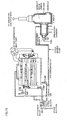
method disclosed therein will be described hereinafter. As shown in Fig.
18, this method is a combination of evaporation concentration and
incineration. The method includes the steps of condensing the waste
water by distillation to increase the concentration of the organic matter,
approaching the calorific value of 10,500 kJ/kg corresponding to hypergolic
waste water, and then incinerated together with another waste fluid.
The initial expense to introduce the equipment for this method as
well as the running cost thereof are extremely high. This method is not
preferable for economic reasons. Furthermore, considerable energy is
required for incineration and evaporation, and the energy efficiency is poor.
There is also a problem that the discharged amount of carbon dioxide is
great.
Additionally, a pretreatment of condensing and the like is required
prior to incineration. The efficiency from the standpoint of time is also
poor since the waste fluid must be transported from the medical facility to
the incineration facility. Furthermore, the cost for transportation will be
incurred.
SUMMARY OF THE INVENTION
The present invention is directed to solve the environmental
problems set forth above related to rivers and oceans. An object of the
present invention is to provide an apparatus and method of treating,
economically and with favorable efficiency in energy and time, waste water
discharged from medical facilities such as hospitals to a level so as not to
influence the ecology. More specifically, an object of the present invention
is to provide an apparatus and method of treating a pharmaceutical drug
included in waste water by decomposing or altering partially the structure
of the pharmaceutical drug through electrolysis to render inactive the
pharmaceutical drug, such that it will not affect the ecology and
environment of rivers and the like.
According to an aspect of the present invention, a water treatment
apparatus includes a storage unit for storing water to be treated including
a pharmaceutical drug, an apply unit for applying the water to be treated
into the storage unit, an addition unit for adding, into the water to be
treated, metal salt that generates halide ions when dissolved in the water
to be treated, and an energizing unit for applying current through a pair of
electrodes immersed in the water to be treated in the storage unit.
In accordance with the present invention, waste fluid from a
medical facility or the like is subjected to a treatment employing
electrolysis, whereby the pharmaceutical drug in the waste fluid can be
rendered inactive more efficiently from the standpoint of energy and
economical aspects, as compared to the case of incineration carried out at
an incineration facility. By treating the waste fluid in accordance with the
water treatment apparatus and method of the present invention prior to
the passage of the well-known sewerage for disposal, the adverse effect of
the treated water on the environment, when discharged to the river or
ocean, can be reduced.
Preferably, the apply unit includes an input valve through which
the water to be treated flowing into the storage unit passes, and an output
valve through which the water discharged from the storage unit passes.
Adjustment of the amount of waste fluid flowing into the storage
unit by opening/closing the valves is advantageous in that manual contact
with the waste fluid per se is eliminated. The treatment can be carried
out arbitrarily without the substance in the waste fluid adversely affecting
the human body.
Preferably, the water treatment apparatus of the present invention
further includes a mixing unit for mixing the contents in the storage unit,
and a separation unit for separating a solid from liquid in the storage unit.
By conducting electrolysis while mixing the contents in the storage
unit by the mixing unit, the efficiency of electrolysis is improved. Also, the
provision of the separation unit to separate the solid from liquid allows the
precipitates and sludge generated by electrolysis to be effectively and
reliably drawn away from the electrodes.
Preferably, the pair of electrodes is formed of a material including
at least Pt.
Preferably, the water treatment apparatus of the present invention
further includes a liquid level sensing unit for sensing the liquid level of
the water to be treated in the storage unit. The liquid level sensing unit,
energizing unit, and apply unit are under control of a control unit.
By providing a sensor sensing the liquid level under control of the
control unit, the liquid level in the storage unit can be maintained at a
predetermined level. Also, electrolysis can be conducted automatically for
a predetermined period of time.
Preferably, the pharmaceutical drug is at least one of a sterilant,
anticancer drug, and antibiotic.
A water treatment method of the present invention includes the
step of decomposing or altering at least a portion of the chemical structure
of a pharmaceutical drug included in water to be treated through
electrolysis to eliminate or reduce the pharmacological activity of the
pharmaceutical drug.
By treating the waste fluid from a medical facility or the like
through electrolysis in accordance with the present invention, the
pharmaceutical drug in the waste fluid can be rendered inactive more
efficiently from the standpoint of energy and economical aspects, as
compared to the conventional case of incineration at an incineration facility.
By treating the waste fluid in accordance with the water treatment method
of the present invention prior to the passage of the well-known sewerage for
disposal, the adverse effect of the treated water on the environment, when
discharged to the river or ocean, can be reduced.
A water treatment method of the present invention includes the
steps of applying water to be treated including a pharmaceutical drug into
a storage unit storing the water to be treated, adding into the water to be
treated, metal salt generating halide ions when dissolved in the water to be
treated, and applying current through a pair of electrodes immersed in the
water to be treated in the storage unit for a predetermined period of time.
In accordance with the water treatment method of the present
invention, the pharmacological activity of the pharmaceutical drug
included in the waste fluid can be eliminated or reduced effectively.
Preferably, the water treatment method of the present invention
controls the amount of water to be treated into the storage unit by
controlling the opening/closing of an input valve through which the water
to be treated flowing into the storage unit passes and an output valve
through which the treated water to be discharged from the storage unit
passes.
Adjustment of the amount of waste fluid flowing into the storage
unit by opening/closing the valves is advantageous in that manual contact
with the waste fluid per se is eliminated. The treatment can be carried
out arbitrarily without the substance in the waste fluid adversely affecting
the human body.
Preferably, the water treatment method of the present invention
further includes the step of mixing the contents in the storage unit. By
conducting electrolysis while mixing, the reaction efficiency is increased.
Preferably, the water treatment method of the present invention
further includes a step of separating a solid from liquid in the storage unit.
By removing the reaction product generated by electrolysis, when solid,
deposition of solid precipitates in the storage unit can be prevented.
Preferably in the water treatment method of the present invention,
the pair of electrodes is formed of a material including at least Pt. Also
preferably, the waste fluid is waste fluid discharged from facilities handling
pharmaceutical drugs.
Preferably in the water treatment method of the present invention,
the pharmacological activity is at least one of bactericidal action,
disinfection action, cytotoxicity, and mutagenicity. By eliminating or
reducing such pharmacological activity, the influence to the ecology when
discharged to the river and the like can be prevented.
Preferably in the water treatment method of the present invention,
the metal salt is sodium chloride. The pharmaceutical drug is preferably
any of a sterilant, anticancer drug, and antibiotic.
In accordance with the water treatment method of the present
invention, waste fluid discharged from medical facilities including a
sterilant, antibiotic, and anticancer drug is treated by electrolysis, whereby
the pharmacological activity and/or toxicity of the agent can be eliminated
or reduced. The waste fluid subjected to the water treatment method of
the present invention is passed through the current sewerage system and
then discharged to the river and ocean, whereby the order of the ecology
and environment can be maintained. The water treatment method of the
present invention is advantageous in that the processing apparatus can be
made significantly smaller, as compared to the conventional waste
treatment process such as through incineration. Also, since the energy
required for the process is smaller than that required for incineration, the
economical effect is great since the cost required for introducing the
equipment and the running cost can be reduced. The present invention is
absent of the output of toxic substances such as dioxin, NOx, SOx and CO2,
and provides a clean method of treatment from the standpoint of
environmental aspects.
The foregoing and other objects, features, aspects and advantages of
the present invention will become more apparent from the following
detailed description of the present invention when taken in conjunction
with the accompanying drawings.
BRIEF DESCRIPTION OF THE DRAWINGS
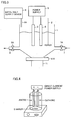
Fig. 1 is a schematic sectional view of a water treatment apparatus
of the present invention.
Fig. 2 is a schematic sectional view of another water treatment
apparatus of the present invention.
Fig. 3 is a schematic sectional view of still another water treatment
apparatus of the present invention.
Fig. 4 schematically shows an electrolysis equipment used in
testing in examples.
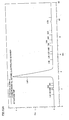
Figs. 5A and 5B are gas chromatograph charts of glutaral, wherein
the former corresponds to zero hours after initiating electrolysis and the
latter corresponds to six hours after initiating electrolysis.
Fig. 6 is a graph representing the relationship between the
electrolyzing time and the minimum inhibitory concentration of glutaral.
Fig. 7 is a graph representing the relationship of each nitrogen
component concentration to the electrolyzing period of time of the process.
Figs. 8A and 8B are charts of high performance liquid
chromatography on amikacin sulfate, wherein the former corresponds to
zero hours after initiating electrolysis and the latter corresponds to six
hours after initiating electrolysis.
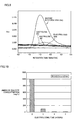
Fig. 9 is a graph representing change in the peak intensity of
amikacin sulfate by electrolysis at 4.2 minutes of the retention time.
Fig. 10 is a graph representing the relationship between the
electrolyzing period of time and amikacin sulfate concentration.
Fig. 11 is a graph representing the relationship between the
electrolyzing period of time and minimum inhibitor concentration of
amikacin sulfate.
Fig. 12 is a graph representing the relationship between the
electrolyzing period of time and concentration of epirubicin hydrochloride.
Figs. 13A and 13B are charts of high performance liquid
chromatography on epirubicin hydrochloride, wherein the former
corresponds to zero hours after initiating electrolysis and the latter
corresponds to six hours after initiating electrolysis.
Fig. 14 is a graph representing the relationship between the
electrolyzing period of time and the minimum inhibitory concentration of
epirubicin hydrochloride for Staphylococcus aureus.
Fig. 15 is a graph representing the relationship between the
concentration of epirubicin hydrochloride at respective periods of time after
initiating electrolysis and survival rate of Molt-4 cells.
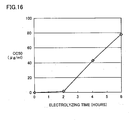
Fig. 16 is a graph representing the change in CC50 of epirubicin
hydrochloride with respect to electrolysis.
Figs. 17A, 17B, 17C, and 17D are graphs representing the results of
the umu-test on epirubicin hydrochloride after initiating electrolysis.
Fig. 18 schematically shows an incineration process of medical
waste liquid.
DESCRIPTION OF THE PREFERRED EMBODIMENTS
The water treatment apparatus and method of the present
invention is characterized in that at least a portion of the chemical
structure of the pharmaceutical drug included in water to be treated is
decomposed or altered through electrolysis to eliminate or reduce the
pharmacological activity of the pharmaceutical drug.
In the present invention, the water to be treated that is the subject
of treatment is waste fluid discharged from medical facilities, various
research facilities, and medical-related facilities such as plants of medicine
and food, including pharmaceutical drugs with the possibility of exhibiting
chronic toxicity such as cytotoxicity, carcinogenicity, mutagenicity,
teratogenicity, and spermotoxicity. The risk and harm of a hazardous
pharmaceutical drug on humans and other lives as well as on the
environment of organisms can be eliminated or reduced by the water
treatment apparatus and method of the present invention.
Although the chemical mechanism of the pharmacological activity
of a pharmaceutical drug being eliminated or reduced by electrolysis is not
yet made clear in detail, it is considered that some chemical change has
occurred in at least a portion of the chemical structure of the
pharmaceutical drug. In the present invention, the expression of
"alteration of at least a portion of the chemical structure" as used herein
refers to at least a portion of an atom or an atomic group defining the
chemical characteristic and property of the pharmaceutical drug, and that
can contribute to the acting mechanism or that can exhibit activity at the
acting site in homines or other organisms, being altered. Specifically, it is
considered that at least a portion of the functional group constituting the
chemical structure of the pharmaceutical drug is altered. The term
"alteration" as used herein refers to all chemical, physical, and
electrochemical changes. For example, it includes changes caused by
chemical reaction that may occur in the pharmaceutical drug such as
substitution, cyclization, addition, condensation, polymerization, oxidation,
and reduction. Examples of a pharmaceutical drug included in the water
to be treated include hazardous waste, specifically, sterilants, antibiotics,
and anticancer drugs.
<Electrolysis>
In accordance with the water treatment apparatus and method of
the present invention, the pharmacological activity and/or toxicity of the
pharmaceutical drug having toxicity is rendered inactive through
electrolysis. In the present invention, common means well known in the
field of chemistry for electrolysis can be used. Electrolysis refers to
passage of current through an ion conductor such as an electrolyte solution,
fused electrolyte, and the like to cause chemical change. By applying
electrical energy, a reaction of increase in free energy, absent in a general
chemical reaction, can be established.
The electrolytic method of the present invention will be described
schematically hereinafter. One pair of electrodes is inserted into the water
to be treated. Both ends of the electrodes are connected to a power supply.
Either direct current or altering current can be employed for the power
supply. In the present invention, direct current power supply is preferably
employed. In the treating water phase including ion conductors, current is
carried through mobility of ions. At the interface between the electrode
and solution, the charge is shifted by the progress of electrode reaction. At
the anode electrode, oxidation reaction occurs to cause a flow of anode
current. At the cathode electrode, reduction reaction occurs to cause a flow
of cathode current.
In the present invention, the electrolyte preferably includes alkali
metal halide. Accordingly, the halide ions are oxidized at the anode
electrode to cause generation of halogen gas. This halogen gas reacts with
water in the electrolyte to produce hypohalogen acid.
For the alkali metal halide, sodium chloride is preferable. In the
electrolyte solution, sodium chloride is ionized to sodium ions and chloride
ions in accordance with the formula of:
NaCl → Na+ + Cl-.
The chloride ions are oxidized during electrolysis at the anode
electrode in accordance with the formula of:
2Cl- → Cl2 + 2e-
whereby chlorine gas is generated. Then, the generated chlorine gas
reacts with water in accordance with the formula of:
Cl2 + H2O → HClO + H+ + CL-
to generate hypochlorous acid and hydrochloric acid.
As those exhibiting an action similar to that of the alkali metal
halide during electrolysis set forth above in the present invention,
potassium chloride, calcium chloride (CaCl2), magnesium chloride (MgCl2),
and the like can be used.
In the present invention, there are cases where the pharmaceutical
drug may be directly oxidized at the anode electrode, or a substance other
than the pharmaceutical drug oxidized at the anode electrode may react
with the pharmaceutical drug to cause decomposition or alteration of at
least a portion of the chemical structure of the pharmaceutical drug,
whereby the pharmacological activity and/or toxicity of the pharmaceutical
drug may be eliminated or reduced. Specifically, the hypohalogen acid
may react with the pharmaceutical drug in the present invention to cause
decomposition or alteration of at least a portion of the chemical structure of
the pharmaceutical drug, whereby the pharmacological activity and/or
toxicity of the pharmaceutical drug may be eliminated or reduced.
In the present invention, reaction at the cathode electrode during
electrolysis is not made clear in detail. There is a possibility of the
pharmaceutical drug included in the water to be treated set forth above
being directly changed in chemical aspect at the cathode electrode.
Although the pharmaceutical drug does not directly react with the cathode
electrode, there are cases where a substance other than the pharmaceutical
drug undergoing reduction reaction at the cathode electrode may react with
the pharmaceutical drug in a secondary manner. The present invention
also includes the case where the chemical structure of at least a portion of
the chemical structure of the pharmaceutical drug may be decomposed or
altered by the indirect reaction between a substance other than the
pharmaceutical drug undergoing reduction reaction and the
pharmaceutical drug, whereby the pharmacological activity of the
pharmaceutical drug may be eliminated or reduced.
<Sterilant>
A sterilant (sterilizing agent) has cytotoxicity which kills
pathogenic microbes by a contact of just a short period of time. It is to be
particularly noted that a chlorine-type sterilant may possibly generate
trihalomethane in the waste with the possibility of carcinogenicity. From
the standpoint of protecting the environment and maintaining the order of
the ecology, the sterilant must be discharged to the river with the toxicity of
the sterilant removed. Such toxicity can be eliminated or reduced by
virtue of the water treatment apparatus and method of the present
invention.
Glutaral, for example, can be cited as a specific example of the
sterilant. Glutaral has the formula of:
CHO·CH2·CH2·CH2·CHO
exhibiting high reaction with amino groups and sulfhydryl groups such as
of cell walls, virus protein, and the like, or the action of protein synthesis
inhibition, DNA synthesis inhibition and the like. By altering or
decomposing a portion of the chemical structure of the glutaral through
electrolysis in accordance with the water treatment apparatus and method
of the present invention, the pharmacological activity of glutaral can be
rendered inactive.
<Antibiotic>
An antibiotic is generally a chemical substance produced by
microorganisms, acting on other microorganisms (microbes that becomes
the cause of infection) or on biological cells to inhibit or eliminate the
multiplication or function at low concentration. The antibiotic includes
substances chemically synthesized, exhibiting the action set forth above.
Chemically synthesized antibiotics are also called antimicrobial agents.
Although such antibiotics act on the biochemical difference in the
life support mechanism present between microorganisms and the cells of
homines and are not hazardous to cells of homines, it is considered to be a
favorable chemotherapeutic drug from its selective toxicity such as
exhibiting toxicity to cells of microorganisms.
In accordance with the usage of antibiotics, microorganisms
originally sensitive to antibiotics may no longer be sensitive to the
antibiotic and exhibit tolerance thereto. Also such antibiotics may be the
cause of allergy, microbial substitution, and the like.
If such antibiotics exhibiting tolerance and having cytotoxicity are
discharged to the river or ocean without any treatment, biological
organisms (including microbes) populating the rivers and oceans will
intake the antibiotic. In view of the biological organisms exhibiting such
tolerance and side effects set forth above, it cannot be denied that the order
of the environment and ecology will be disturbed greatly if such antibiotics
are discharged to the river and ocean after just the conventional passage of
the sewerage.
In the present invention, the pharmacological activity of antibiotics
exhibiting the above-described action is eliminated or reduced by means of
electrolysis. By discharging the waste fluid subjected to the water
treatment method of the present invention before the passage of the
conventional sewerage, the adverse effect on the ecology and the
environment can be eliminated or reduced.
Antibiotics include various types such as penicillins, cephems,
carbapenems, monobactams, amino glycosides, macrolides, tetracyclines,
chloramphenicols, anti-fungi, and the like.
The action mechanism of the antibiotics set forth above differs
depending upon their system. Main mechanisms are set forth below.
(1) Cell Wall Composition Inhibition
Cell wall composition inhibition inhibits composition of the
mesh-like resilient cell wall formed of peptide and polysaccharide, located
at the outer side of the cell membrane of a bacillus, destroying the cell
membrane through the intracellular pressure to kill the bacillus. More
specifically, the biosynthesis of peptide glycan constituting the cell wall is
inhibited during multiplication of the cell to eliminate the cell wall,
whereby bacteriolysis and disinfection are exhibited on the bacillus. In
cell wall composition inhibition, the biosynthesis procedure of peptide
glycan of the cell wall includes intracytoplasmic reaction (first stage),
reaction on cell membrane (second stage), and cross linkage reaction (cross
coupling by peptide chain, last stage).
(2) Cell Membrane Function Inhibition
Cell membrane function inhibition refers to irreversible coupling
with ergosterol of the cell membrane to accelerate membrane permeability
to cause leakage of the contents, whereby the bacteria is killed by
disinfection.
(3) Protein Synthesis Inhibition
Protein synthesis inhibition inhibits protein synthesis of a bacillus.
Specifically, ribosome associated with protein synthesis of the bacillus
consists of two subunits differing in size by 70S. The subunits are coupled
to control the peptide transition reaction, whereby protein synthesis is
inhibited.
(4) Nucleic Acid Synthesis Inhibition
Nucleic acid synthesis inhibition inhibits synthesis of folic acid as
the metabolic antagonism agent of para aminobenzoic acid (PABA) to
suppress multiplication of bacilli. PABA is the constitutional component
of folic acid indispensable for metabolism of bacilli. Sulfa drug that is
similar in structure with the PABA is made to intervene competitively to
inhibit biosynthesis of folic acid.
In the present invention, at least a portion of the chemical structure
constituting the antibiotic set forth above, for example at least a portion of
the chemical structure constituting an antibiotic that contributes to the
four inhibition action mechanisms described above is decomposed or altered
by electrolysis, whereby the pharmacological activity of the antibiotic may
be eliminated or reduced.
The chemical structure constituting an antibiotic that can
contribute to the action mechanisms of the above (1)-(4) includes, for
example: a chemical structure that can contribute to exhibiting a synthesis
inhibiting action in any of the procedure of biosynthesis of peptide glycan
for (1); a chemical structure that can contribute to irreversible coupling
with ergosterol for (2); a chemical structure that can contribute to coupling
the subunits of ribosome in the bacillus for (3); and a chemical structure
similar to PABA for (4).
The water treatment apparatus and method of the present
invention is characterized in that at least a portion of the chemical
structure forming the constitutional substance associated with a chemical
reaction in the action mechanism of respective antibiotics is decomposed or
altered, whereby the pharmacological activity is eliminated or reduced
through electrolysis.
In the present invention, a chemical structure contributing
indirectly to the action mechanism of an antibiotic to provide some
influence on the actions set forth above is also taken as the subject of
decomposition or alteration through electrolysis in the present invention, in
addition to the above-described chemical structure that can contribute
directly to the action mechanism of an antibiotic. The term "indirectly" as
used herein implies the case where, though not involved as a principal in
the mechanism that can occur when pharmacological activity is exhibited
and in the reaction at an active site, a portion of the antibiotic is formed
and can contribute to at least the reaction. Therefore, if the chemical
structure contributing indirectly as set forth above is decomposed or altered,
the action mechanism of the antibiotic may no longer be exhibited.
An amino glycolside antibiotic mainly inhibits the process of
multiplication of cell division by inhibiting protein synthesis of a bacillus
described above in (3), and has the action mechanism of suppressing
multiplication of bacillus. Amikacin sulfate is known as an example of
such amino glycolside antibiotics. Amikacin sulfate has the following
formula:
Amikacin sulfate is an antibiotic having a wide antibacterial
spectrum, exhibiting intense antimicrobial activity with respect to Gram
negative bacteria such as Psedomonas aeruginosa, Myxomcetes, Serratia,
coliform bacillus, Klebsiella, and the like.
In the present invention, at least a portion of the chemical structure
constituting amikacin sulfate may be decomposed or altered through
electrolysis to eliminate or reduce the pharmacological activity of amikacin
sulfate- The effect of such amikacin sulfate on the environment and
ecology when discharged to the natural world can be obviated.
In the present invention, there is a possibility of the functional
group characterizing the property of amikacin sulfate, for example the
property of inhibiting protein synthesis, being decomposed or altered by the
electrolysis in accordance with the water treatment apparatus and method
of the present invention. However, this is not limited to such functional
groups. Decomposition or alteration of the chemical structure of other
functional groups may occur to eliminate or reduce the pharmacological
activity or toxicity of amikacin sulfate.
In the case where the pharmacological activity and toxicity of
amikacin sulfate are eliminated or reduced when the chemical structure is
decomposed or altered by electrolysis, though not directly or indirectly
contributing to the reaction set forth above, such a decomposing or altering
chemical structure is also included as the subject of electrolysis in the
present invention.
The amino glycolside antibiotic includes, in addition to amikacin
sulfate, arbekacinsulfate, isepamicin sulfate, kanamycin sulfate,
gentamicin sulfate, dibekacin sulfate, streptomycin sulfate, tobramycin,
and the like. Such amino glycolside antibiotics can be subjected to
electrolysis in accordance with the water treatment apparatus and method
of the present invention to have the pharmacological activity eliminated or
reduced.
These amino glycolside antibiotics have a common chemical
structure, and a similar action mechanism of inhibiting protein synthesis.
In the present invention, the advantage of the pharmacological activity or
toxicity of the antibiotic, for example the activity of inhibiting protein
synthesis in a bacillus, being eliminated or reduced as a result of at least a
portion of the chemical structure constituting the amino glycolside
antibiotic being decomposed or altered by electrolysis, may be common to
respective antibiotics belonging to the amino glycolsides set forth above,
based on the fact that the amino glycolside antibiotics set forth above have
a similar action mechanism.
<Anticancer Drug>
An anticancer drug is generally an agent acting on malignant
tumors such as solid cancer, leukemia, malignant lymphoma, sarcoma and
the like, curing or alleviating, as well as preventing generation, of such
malignant tumors. The anticancer drug includes an alkylating agent, an
antimetabolite, antitumor antibiotic, plant alkaloid, platinum compound,
and monoclonal antibodies.
The anticancer drug has the action mechanism set forth below.
The alkylating agent, for example, has the activity of alkylating the DNA or
protein, and inhibiting multiplication of the tumor cell. The
antimetabolite has the action mechanism of antagonizing the metabolic
pathway of the cell.
The anticancer drug has the property of inhibiting mainly DNA or
RNA synthesis by the action of coupling with the DNA or cutting the DNA
chain. The plant alkaloid has the property of inhibiting the mitosis of
tumor cells. The platinum compound couples with the DNA to exhibit a
killer cell effect.
While such anticancer drugs are favorable agents that can inhibit
multiplication and generation of cancer cells by the various action
mechanisms set forth above, it cannot be denied that such anticancer drugs
have toxicity such as carcinogenicity, mutagenicity, teratogenicity,
spermotoxicity, and the like. Such toxicity is attributed to such anticancer
drugs taking advantage of the difference in the sensitivity between a
normal cell and a tumor cell as well as the difference in the introduction of
the medicant. It is necessary to take into account the fact that anticancer
drugs affect, not only tumor cells, but also normal cells.
Thus, the toxicity of such anticancer drugs must be treated to be
reduced to a level where the toxicity thereof is rendered inactive prior to
the disposal of such anticancer drugs to nature. In accordance with the
water treatment apparatus and method of the present invention, the
anticancer drugs exhibiting toxicity set forth above has the toxicity
eliminated or reduced by decomposing or altering at least a portion of the
chemical structure constituting the anticancer drug through electrolysis.
In the present invention, a chemical structure contributing
indirectly to the action mechanism of anticancer drugs to provide some
influence on the action of the anticancer drug is taken as the subject of
electrolysis in the present invention, in addition to the chemical structure
set forth above contributing directly to the action mechanism of anticancer
drugs. As used herein, "indirectly" is as defined previously in the
description of antibiotics. Therefore, if the chemical structure contributing
indirectly as set forth above is decomposed or altered, the toxicity of the
anticancer drug may no longer be exhibited.
(1) Alkylating Agent
The alkylating agent has the action mechanism of inhibiting the
function of the DNA and protein to inhibit multiplication of tumor cells by
alkylating the nucleic acid, particularly the DNA and protein.
Cyclophosphamide can be cited as an example of an alkylating agent.
Cyclophosphamide has the following formula:
It is known that the action mechanism of cyclophosphamide inhibits
nucleic acid metabolism of a malignant tumor cell after rendered active in
vivo.
In accordance with the water treatment apparatus and method of
the present invention, at least a portion of the chemical structure
constituting cyclophosphamide may be decomposed or altered through
electrolysis, whereby the toxicity of cyclophosphamide may be eliminated or
reduced. The chemical structure refers to the atom or atomic group
constituting cyclophosphamide, wherein at least a portion characterizing
the property of cyclophosphamide is altered or decomposed. The atom or
atomic group may be those that directly or indirectly contribute to the
reaction in the action mechanism of cyclophosphamide. The meaning of
"indirectly" is as defined previously.
In the case where the pharmacological activity and toxicity of
cyclophosphamide are eliminated or reduced when the chemical structure is
decomposed or altered by electrolysis, though not directly or indirectly
contributing to the reaction set forth above, such a decomposing or altering
chemical structure is also included as the subject of electrolysis in the
present invention.
Specific examples of alkylating agents other than cyclophosphamide
includes ifosfamido, dacarbazine, nitrogen mustard-N-oxide hydrochloride,
nimustine hydrochloride, busulfan, merphalan, ranimustine, thiotepa,
carboquone, estramustine phosphate, and the like.
These alkylating agents have a similar action mechanism of
inhibiting the function of DNA and protein, and inhibiting multiplication of
tumor cells by alkylating DNA and protein. In the present invention, the
advantage of the toxicity of the alkylating agent being eliminated or
reduced by decomposing or altering at least a portion of the chemical
structure constituting the alkylating agent through electrolysis is common
to respective anticancer drugs belonging to the alkylating agents set forth
above, based on the fact that the alkylating agents have a similar action
mechanism.
(2) Antimetabolite
The antimetabolite has the action mechanism of inhibiting nucleic
acid metabolism required for the tumor cells to multiplicate, as described
above. Methotrexate can be cited as an example of the antimetabolite.
The formula of methotrexate is as follows:
Methotrexate has the action mechanism of inhibiting the operation
of DHFR that produces active folic acid required for thymiclylic acid
synthesis, inhibiting synthesis of thymidylic acid and purine biosynthesis
as well as cell multiplication.
In accordance with the water treatment apparatus and method of
the present invention, the pharmacological activity and/or toxicity of
methotrexate can be eliminated or reduced by electrolysis. By means of
electrolysis, at least a portion of the chemical structure constituting
methotrexate may be altered or decomposed.
The chemical structure set forth above may be a structure that
contributes directly or indirectly to the reaction in the action mechanism of
methotrexate having toxicity. The meaning of "indirectly" is as defined
before. In the case where the pharmacological activity and toxicity of
methotrexate are eliminated or reduced when the chemical structure is
decomposed or altered by electrolysis, though not directly or indirectly
contributing to the reaction set forth above, such a decomposing or altering
chemical structure is also included as the subject of electrolysis in the
present invention.
Specific examples of antimetabolites in addition to methotrexate
includes enocitabine, carmofur, cytarabine, cytarabine ocfosfate, tegafur,
doxifluridine, fluorouracil, hydroxycarbamide, procarbazine hydrochloride,
methotrexate, mercaptopurine, tegafur·gimeracil·oteracil potassium,
compounding agent, gemstabine hydrochloride, pentostadine, fludarabine
phosphate, futraful·uracil compounding agent.
The advantage of the pharmacological activity or toxicity of the
antimetabolite being eliminated or reduced by electrolysis is common to
respective agents of the antimetabolite, based on the fact that the
antimetabolite has the action mechanism of inhibiting nucleic acid
metabolism required for the tumor cell to multiply.
(3) Antitumor antibiotic
Antitumor antibiotic has an action mechanism of affinity with DNA,
and inhibiting synthesis of one or both of DNA and RNA, as described
above. Mytomycin C is known as an example of the antitumor antibiotic.
Mytomycin C has a formula set forth below:
Mytomycin C has an action mechanism of coupling to the DNA of
the tumor cell, inhibiting duplication of DNA via cross linkage to a double
chain DNA, suppressing division of tumor cells.
Mytomycin C is an antitumor antibiotic having toxicity such as
chronic toxicity, teratogenicity, carcinogenicity, and the like, and must be
rendered inactive before allowing it to be discharged to nature.
In accordance with the water treatment apparatus and method of
the present invention, the pharmacological activity and/or toxicity of
mytomycin C can be eliminated or reduced by means of electrolysis. By
electrolysis, at least a portion of the chemical structure constituting
mytomycin C can be decomposed or altered.
The chemical structure set forth above may be a chemical structure
contributing directly or indirectly to the reaction related to exhibition of the
pharmacological activity and toxicity of mytomycin C. In the case where
the pharmacological activity and toxicity of mytomycin C is eliminated or
reduced when the chemical structure is decomposed or altered by
electrolysis, though not directly or indirectly involved in the reaction set
forth above, such a decomposing or altering chemical structure is also
included as the subject of electrolysis in the present invention.
Examples of antitumor antibiotics other than mytomycin C include
idarubicin hydrochloride, epirubicin hydrochloride, zinostatin stimalamer,
daunorubicin hydrochloride, doxorubicin hydrochloride, pirarubicin
hydrochloride, peplomycin sulfate, bleomycin hydrochloride, bleomycin
sulfate, mitoxantrone hydrochloride, actinomycin D and amrubicin
hydrochloride.
The antitumor antibiotics have a common chemical structure, and
also a common action mechanism of inhibiting synthesis of both or one of
DNA and RNA. By altering or decomposing at least a portion of the
chemical structure constituting the antitumor antibiotic in the present
invention, the pharmacological activity and toxicity of the antitumor
antibiotic can be eliminated or reduced through electrolysis.
(4) Plant Alkaloid
As described above, plant alkaloid has the action mechanism of
inhibiting mitosis of cells. Vincristine sulfate is cited as an example of the
plant alkaloid.
The formula of vincristine sulfate is as follows:
Vincristine sulfate also has the action mechanism of acting on the
spindle in the metaphase of the cell's mitosis, exhibiting a typical
metaphase arrest, and is known as an effective anticancer drug for
leukemia, malignant lymphoma, pediatric tumor and the like. Vincristine
sulfate is also known have various types of toxicity such as subacute
toxicity, chronic toxicity and tetratogenicity.
In the present invention, the pharmacological activity and the
toxicity of vincristine sulfate can be eliminated or reduced through
electrolysis. By means of electrolysis, at least a portion of the chemical
structure constituting crystalline sulfate can be decomposed or altered.
The chemical structure set forth above may be a structure that contributes
directly or indirectly to the action mechanism of vincristine sulfate. The
meaning of the term "indirectly" is as defined before.
In the case where the pharmacological activity and toxicity of
vincristine sulfate are eliminated or reduced when the chemical structure is
decomposed or altered by electrolysis, though not directly or indirectly
contributing to the reaction set forth above, such a decomposing or altering
chemical structure is also included as the chemical structure that is
electrolyzed in the present invention.
Paclitaxel is cited as another example of plant alkaloid. The
formula of paclitaxel is as follows:
Paclitaxel is considered to have the action mechanism of promoting
and stabilizing microtube organization to affect the development and
function of the spindle during the cell division period (M term), exhibiting
cell damage inhibiting the M term of the cell cycle. It is also known that
paclitaxel has toxicity such as antigenicity, mutagenicity, local irritation,
toxicity of solvents, neutrotoxicity and the like in addition to the general
chronic toxicity encountered in anticancer drugs.
In accordance with the present invention, the pharmacological
activity and toxicity of paclitaxel may be eliminated or reduced through
electrolysis. By means of electrolysis, at least a portion of the chemical
structure constituting paclitaxel can be decomposed or altered. The
chemical structure set forth above may be a structure that contributes
directly or indirectly to the action mechanism of paclitaxel. The meaning
of "indirectly" is as defined before.
In the case where the pharmacological activity or toxicity of
paclitaxel is eliminated or reduced when the chemical structure of
paclitaxel is decomposed or altered by electrolysis, though not directly or
indirectly contributing to the reaction set forth above, such a decomposing
or altering chemical structure is also included as the chemical structure
electrolyzed in the present invention.
Irinotecan hydrochloride is cited as another example of plant
alkaloid. The formula of irinotecan hydrochloride is as follows:
Irinotecan hydrochloride has an action mechanism of inhibiting the
DNA by inhibiting I type DNA topoisomerases (TopoI). The killer cell
effect is distinctive during the S term of the cell cycle. Irinotecan
hydrochloride is known as an agent effective to limited time dependency.
Irinotecan hydrochloride is also known as having toxicity such as
antigenicity, mutagenicity, carcinogenicity and the like in addition to the
general chronic toxicity of anticancer drugs.
In accordance with the present invention, the pharmacological
activity and toxicity of irinotecan hydrochloride may be eliminated or
reduced through electrolysis. By means of electrolysis, at least a portion of
the chemical structure constituting irinotecan hydrochloride can be
decomposed or altered. The chemical structure set forth above may be a
structure that contributes directly or indirectly to action mechanism of
irinotecan hydrochloride. The meaning of "indirectly" is as defined before.
In the case where the pharmacological activity or toxicity of
irinotecan hydrochloride is eliminated or reduced when the chemical
structure is decomposed or altered by electrolysis, though not directly or
indirectly contributing to the reaction set forth above, such a decomposing
or altering chemical structure is also included as the chemical structure
electrolyzed in the present invention.
In addition to the above vincristine sulfate, paclitaxel, and
irinotecan hydrochloride set forth above, docetaxel hydrate, nogitecan
hydrochloride, vinblastine sulfate, vindesine sulfate, vinorelbine ditartrate
and the like can be cited.
The anticancer drugs of plant alkaloid system have a common
action mechanism of inhibiting mitosis of cells. In accordance with the
present invention, at least a portion of the chemical structure constituting
the anticancer drugs of plant alkaloid may be decomposed or altered by
electrolysis to eliminate or reduce the pharmacological activity and toxicity
of such anticancer drugs, based on the fact that such anticancer drugs have
the same action mechanism.
(5) Platinum Compound
Anticancer drugs belonging to platinum compounds are of a new
category, formed of inorganic compounds of complex including platinum
atoms. Cisplatin can be cited as an example of the anticancer drug in this
category. The formula of cisplatin is as follows:
Cisplatin has an action mechanism of exhibiting a killer cell effect
by coupling to the DNA, mainly including the case of forming crosslinking
between the DNA base and protein, and the case of coupling to two bases of
one DNA chain. Cisplatin exhibits toxicity such as mutagenicity,
carcinogenicity, hemolysis, local irritation, ototoxicity, antigenicity, and the
like in addition to the general chronic toxicity of anticancer drugs.
The present invention is characterized in that the pharmacological
activity and toxicity of cisplatin is eliminated or reduced through
electrolysis. By means of electrolysis, at least a portion of the chemical
structure constituting cisplatin can be decomposed or altered. As used
herein, the chemical structure set forth above may be a structure directly or
indirectly contributing to the action mechanism of cisplatin. The meaning
of "indirectly" is as described before.
Also, in the case where the pharmacological activity or toxicity of
cisplatin is eliminated or reduced when the chemical structure is
decomposed or altered by electrolysis, though not directly or indirectly
contributing to the reaction set forth above, such a decomposing or altering
chemical structure is also included as the chemical structure electrolyzed in
the present invention.
As anticancer drugs of platinum compound other than cisplatin set
forth above, nedaplatin, carboplatin can be cited. At least a portion of the
chemical structure constituting such anticancer drugs may be decomposed
or altered to eliminate or reduce the pharmacological activity and toxicity of
such anticancer drugs, based on the fact that they have a common action
mechanism.
In addition to anticancer drugs set forth above, rituximab,
L-asparaginase, trastuzumab, sizofiran, and the like can be cited. By
decomposing or altering at least a portion of the chemical structure thereof
in accordance with the water treatment method of the present invention,
the pharmacological activity of the anticancer drugs can be eliminated or
reduced.
<Test>
As a method of confirming that the sterilant, antibiotic, and
anticancer drug are decomposed or altered through electrolysis in
accordance with the water treatment apparatus and method of the present
invention, total nitrogen analysis employing gas chromatography, high
performance liquid chromatography, ion chromatography,
infrared-absorption-spectrum method, and flow injection method can be
cited.
As a method of confirming that the pharmacological activity and/or
toxicity of the sterilant, antibiotic, and anticancer drug has been eliminated
or reduced by the water treatment method of the present invention,
antibacterial examination, mutagenicity test, cytotoxicity examination, and
the like can be employed.
<Apparatus>
An example of an apparatus applicable to the water treatment
apparatus and method of the present invention is schematically shown in
Fig. 1. In the water treatment apparatus of the present invention, water
to be treated is introduced through an inlet 7 into a storage unit 1 storing
the waste fluid. The treated water subjected to electrolysis is output from
an outlet 8 of storage unit 1. Electrodes 3 and 4 are immersed in the
water to be treated. The amount of water to be treated introduced through
inlet 7 and the amount of waste fluid from outlet 8 can be controlled
through pulse 7A and 8A, respectively.
By supplying power from direct current power supply 5 to
electrodes 3 and 4 in storage unit 1, electrode 3 is established as an anode
and electrode 4 is established as a cathode for execution of electrolysis of
the water to be treated. Alkali metal halide is supplied into storage unit 1
via a tube 6A from a metal salt supply device 6. A mixer 2 for mixing the
contents in storage unit 1 is provided in storage unit 1. Mixer 2 mixes the
water to be treated in storage unit 1 during electrolysis to promote the
electrolyzing process.
A method of using the apparatus set forth above will be described
hereinafter. The water to be treated is introduced into storage unit 1 with
valve 8A closed and valve 7A open. Valve 7A is closed when the liquid
level of the water to be treated in storage unit arrives at a predetermined
liquid level.
Then, alkali metal halide is supplied into storage unit 1 from metal
salt supply device 6. The alkali metal halide supplied into storage unit 1
is dissolved in the water to be treated to be ionized into metal ions and
halide ions.
Electrolysis is effected by conducting a current for a predetermined
period of time to electrodes 3 and 4 using a power device 5. As used herein,
the aforementioned "predetermined period of time" refers to a sufficient
period of time required to render the pharmaceutical drug inactive
pharmacologically. It is preferable to determine this period of time in
advance and set this time at the apparatus in the present invention.
During electrolysis, halide ions at the anode react with the anode to
generate halogen gas. This halogen gas reacts with water to produce
hypohalogen acid. The hypohalogen acid reacts with the pharmaceutical
drug of the present invention to decompose or eliminate at least the portion
of the chemical structure constituting the pharmaceutical drug to eliminate
or reduce the pharmacological activity of the pharmaceutical drug.
The reaction at the cathode is as described before. At least a
portion of the chemical structure of the pharmaceutical drug in the water to
be treated can be decomposed or altered to a level where the
pharmacological activity is eliminated or reduced.
The electrolyzed water is delivered to the next process by opening
valve 8A. The apparatus of the present invention corresponds to a
primary process. In the case where the medical association set forth above
is equipped with the facility of biological treatment, the output from the
apparatus of the present invention is subjected to the biological treatment
before the passage of the general sewerage. The general sewerage
includes the treatment to satisfy the chemical oxygen demand (COD),
biochemical oxygen demand (BOD) and the like. In the case where the
medical association is not equipped with a secondary facility of biological
treatment, the output from the apparatus of the present invention is
supplied to the sewerage.
The water treatment apparatus of the present invention can
reliably reduce or eliminate the pharmacological activity of the
pharmaceutical drug by electrolyzing the pharmaceutical drug in the water
to be treated in batches. On a batch-by-batch basis, the water to be
treated in the storage unit 1 is completely exchanged for each treatment.
As an alternative to the batch manner, the pharmaceutical drug may be
electrolyzed in a continuous manner by operating valves 7A and 8A.
In the apparatus set forth above, the applicable electrode is formed
of a material including at least Pt. An insoluble electrode is preferably
employed. Specifically, an electrode having Pt attached through the
well-known technique around a Ti base, an electrode formed of Pt alone, an
electrode of Pt and any of Ir, Ru and Pt, and the like can be employed.
Another apparatus applicable to the water treatment method of the
present invention is shown in Fig. 2. The apparatus of Fig. 2 is a
modification of the apparatus of Fig. 1, further equipped with a control
circuit 9 and a liquid level sensor 10. Liquid level sensor 10 senses the
height of the liquid surface (liquid level) of the waste water in storage unit
1. The sense signal is transmitted to control circuit 9. Control circuit 9
controls the opening/closing of valves 7A and 8A based on the signal
transmitted from liquid level sensor 10 to adjust the amount of water
flowing into storage unit 1. Control circuit 9 can control the power
suitable to electrolysis, supplied to electrodes 3 and 4.
By virtue of the apparatus of Fig. 2, the amount of water to be
treated flowing into storage unit 1 is regulated by control circuit 9
opening/ closing valves 7A and 8A based on the signals from liquid level
sensor 10. Accordingly, the water to be treated in storage unit 1 is
maintained at a predetermined liquid level in storage unit 1.
Still another apparatus applicable to the water treatment
apparatus and method of the present invention is shown in Fig. 3. The
apparatus of Fig. 3 is a modification of the apparatus of Fig. 1. Storage
unit 1 has a hopper-type bottom. A drain opening 11 at the bottom is
provided with a drain valve 11A.
During electrolysis, a substance other than the pharmaceutical
drug included in the water to be treated or the pharmaceutical drug per se
may be deposited at the bottom of storage unit 1 by the electrolytic process
in the form of solid precipitates or sludge. By opening drain valve 1A after
the electrolyzing process to remove such precipitates and sludge, the
precipitates and sludge in storage unit 1 can be promptly and reliably
drawn away from electrodes 3 and 4. This is advantageous in that the
reaction on electrodes 3 and 4 will not be impeded by such precipitates or
sludge.
EXAMPLES
The present invention will be described in more detail hereinafter
based on examples. The following examples are to be considered as
exemplary of the present invention.
Example 1: Inactivation of sterilant by electrolysis
1. Electrolyzer
The apparatus of Fig. 4 was employed to confirm that the activity of
the sterilant, antibiotic, and anticancer drug set forth above has been
eliminated or reduced by electrolysis in the present example. Fig. 4
schematically shows an electrolytic cell employed in electrolysis. A pair of
Pt electrodes is inserted in a 200 ml-container. Each electrode is
connected to a direct current power supply. One and the other of the
electrodes are established as an anode and a cathode, respectively. The
distance between the anode and cathode is 10 mm. Each electrode has the
size of 3.5 × 5 cm. The fluid in the container can be mixed by the rotation
of a stirrer upon a magnetic field being applied by a magnetic device
provided at the bottom of the container.
2. Electrolysis
A buffer agent of 0.3 ml was mixed into 2 mass% of 10 ml-Sterihide
(R) (available from MARUISHI Pharmaceutical Co. Ltd.). Then, pure
water was further added to set the total to 200 ml. 0.2g of NaCl was
added to this solution to prepare glutaral solution. This solution was
introduced into the container of Fig. 4. Direct current was applied for six
hours so as to establish the current density of 4mA/dm2. Samples of the
electrolyte were taken zero, two, four and six hours from the initiation of
electrolysis.
Into the electrolyte samples of respective hours was added 250 µl of
1% of sodium thiosulfate solution as a neutralizer to prepare samples with
the residual chlorine and combined chlorine set to zero.
3. Electrolyzed Solution
Decomposition of glutaral was evaluated by gas chromatograph
(Shimadzu Corporation GC-14A). The measurement conditions are as
follows. Detector: FID; column: DB-WAX 0.53 × 30m df = 1.0 µm; carrier
gas: He (0.5 kf/cm2), COL temperature: 170°C; INJ temperature: 190°C;
introduced sample: 0.5 µl. The results are shown in Figs. 5A and 5B.
Figs. 5A and 5B are charts of gas chromatograph of the samples
taken 0 and 6 hours, respectively, from the initiation of electrolysis. In the
charts, time (minutes) is plotted along the abscissa. Glutaral
corresponding to 0 hours from the initiation of electrolysis, i.e. not yet
electrolyzed, has a retention time (RT) of 3.14 minutes. The peak area of
RT3.14 minutes was compared between the samples corresponding to 0
hours and 6 hours. The peak area of the sample taken six hours from
initiation of electrolysis was 1/25 the peak area of the sample taken 0 hours
from initiation of electrolysis. Four peaks, not seen before electrolysis, was
identified from the chart corresponding to the sample taken 6 hours from
initiation of electrolysis.
It is appreciated from the above results that glutaral is decomposed
by treating glutaral in accordance with the water treatment method of the
present invention.
4. Sterilizing Activity Test
The sterilizing activity of glutaral was evaluated based on MIC
measurement by a small amount broth dilution method, which is the
standard method of the Japanese Society of Chemotherapy. In the present
example, the presence of bacillus by the bacterial number of survivals after
a solution including bacillus was brought into contact with glutaral for a
predetermined period of time (60 minutes) taking into account the fact that
sterilization is neutralized when glutaral is mixed with the culture medium.
The pharmaceutical stock solution disclosed in the standard method was
replaced with the sample of the present example for testing.
4-1. Preparation of Culture Medium
As the culture medium for measuring sensitivity, Cation
Supplemented Mueller-Hinton Broth: CSMHB (obtained from EIKEN
CHEMICAL CO., LTD.) was used. This CSMHB was dividedly-poured 90
µl each into a U-shaped bottom 96-well microplate. This is called Plate 1.
4-2. Preparation of Samples
The samples taken 0, 2, 4 and 6 hours from initiation of electrolysis
described in the above 1. were prepared. In accordance with the method of
[Example 1] recited in the additional rule of the standard method, a diluted
solution of sterilized phosphate buffer (PBS) was produced for each sample.
In the present example, the test was carried out at 1/2 the scale cited in the
standard method. The containing amount of glutaral in the first tube was
approximately 1000 µg/ml titer. The PBS dilution was dividedly-poured
0.1 ml each into another U-shaped microplate. This is called plate 2.
4-3. Preparation of Solution including Bacillus and Inoculation of
Bacillus
In the present example, Staphylococcus aureus (staphylococcus
bacteria) FD209Pstrain and Escherichia coli (coliform bacillus) NIHJ JC-2
strain were employed as the bacilli for testing sensitivity.
The bacillus to be tested on an agar media cultured overnight was
suspended to 0.5Mc Farland (approximately 108CFU/ml) and diluted by ten
times (approximately 107CFU/ml) with sterilized physiologic saline as the
solution including bacillus for inoculation. The water to be treated and
the solution including bacillus were inoculated and mixed 0.01 ml each in
each well of Plate 1 within 15 minutes from preparation of the solution
including bacillus. In Plate 1, a culture medium not containing the agent
was poured into 1-2 wells as the control of growth of bacillus.
4-4. Contact and Culture
At an elapse of 60 minutes from the mixing, 10 µl of the solution of
plate 2 was each introduced into the same well of Plate 1. Then,
cultivation was conducted for 18 to 24 hours at 35°C.
4-5. Evaluation
The criteria of Positive Growth (+) and Inhibited Growth (-) after
cultivation was determined as set forth below. Positive growth (+) was
accepted when cloudiness was identified by the naked eye or a precipitate
of at least 1 mm in diameter, or when two or more masses of precipitate,
even though the diameter thereof is below 1 mm, was identified. Inhibited
growth (-) was accepted when cloudiness by the naked eye was not
identified, or when only one precipitate with a diameter below 1mm was
identified.
4-6. Results
The results of the sterilizing activity test are shown in Tables 1 and
2 and Fig. 6. Table 1 represents the correlation between the minimum
inhibitor concentration of glutaral with respect to Staphylococcus aureus
(staphylococcus bacteria) and Escherichia coli (coliform bacillus) and the
electrolyzing time of glutaral. Table 2 indicates the relative values of the
minimum inhibitor concentration of glutaral corresponding to respective
times of electrolysis with the minimum inhibitor concentration of glutaral
at 0 hours from initiation of electrolysis set as 1. Fig. 6 is a graph
representing the relationship between the electrolizing time and the
minimum inhibitor concentration of glutaral for the two bacilli set forth
above. The electrolyzing time (hours) is plotted along the abscissa and the
minimum inhibitor concentration (µg/ml) is plotted along the ordinate.
| (unit: µg /ml) |
| Electrolyzing time (hours) | S.aureus 209P (staphylococcus bacteria) | E.coli JC-2 (coliform bacillus) |
| 0 | 62.5 | 31.25 |
| 2 | 125 | 125 |
| 4 | 500 | >1000 |
| 6 | >1000 | >1000 |
| (when preceding electrolysis is 1) |
| Electrolyzing time (hours) | S.aureus 209P (staphylococcus bacteria) | E.coli JC-2 (coliform bacillus) |
| 0 | 1 | 1 |
| 2 | 1/2 | 1/4 |
| 4 | 1/8 | <1/32 |
| 6 | <1/16 | <1/32 |
It can be considered by the above results of sterilizing activity test
that glutaral has a sterilizing action of the same level to both
Staphylococcus aureus (staphylococcus bacteria) and Escherichia coli
(coliform bacillus). The minimum inhibitor concentration of glutaral
increases in proportion to a longer electrolyzing time. At 4 hours from
initiation of electrolysis, staphylococcus bacteria had the minimum
inhibitor concentration of 500 µg/ml and coliform bacillus had the minimum
inhibitor concentration of > 1000 µg/ml. At 6 hours from initiation of
electrolysis, the minimum inhibitor concentration exceeded the maximum
value that can be evaluated in the present test method (above 1000 µg/ml).
As shown in Fig. 6, the relationship between the electrolyzing time
and minimum inhibitor concentration can be approximated by the following
formula:
staphylococcus bacteria y = 62.5e 0.4853x
coliform bacillus: y = 31.25e 0.8318x
where y represents the minimum inhibitor concentration (µg/ml) and x
represents the time (hours) from initiating electrolysis.
The obtained minimum inhibitor concentration of staphylococcus
bacteria and coliform bacillus at 6 hours from initiation of electrolysis was
1150 µg/ml and 4600 µg/ml, respectively, based on the above formulas.
It is therefore appreciated that the sterilizing activity of glutaral is
reduced by the electrolytic process of the present invention. By conducting
electrolysis for 6 hours or more, the minimum inhibitor concentration for
the staphylococcus bacteria and coliform bacillus can be set to
approximately 1/18 and approximately 1/37, respectively.
Example 2: Inactivation of Antibiotic by Electrolysis
1. Electrolyzer
An electrolyzer identical to that of Example 1 was employed in the
present Example 2.
2. Electrolysis
One ample of amikacin sulfate (obtained from BANYU
PHARMACEUTICAL CO. LTD., 200 mg titer, 2 ml) was mixed into 200 ml
of 0.1% of NaCl solution. This mixture was introduced into the container
of Fig. 4. Direct current was applied for 6 hours to establish the current
density of 4A/dm2. Samples of the electrolyte were taken 0, 1, 2, 3, 5, and
6 hours from initiation of electrolysis.
Into the electrolyte samples taken at respective hours from
initiation of electrolysis was added 250 µl of 1% sodium thiosulfate solution
as a neutralizer to prepare samples with the residual chlorine and
combined chlorine set to 0.
3. Analysis of Electrolyzed Solution
The samples of amikacin sulfate after electrolysis was evaluated by
ion chromatograph (DIONEX X-120), total nitrogen analyzer (Mitsubishi
Chemical Corporation TN-30) and high performance liquid chromatograph
(Shimadzu Corporation). The concentration of nitrate nitrogen (NO3-N),
nitrite nitrogen (NO2-N) and ammonia nitrogen (NH4-N) in the solution
were measured by ion chromatograph, focusing attention on the form of
nitrogen in the solution since the chemical structure of amikacin sulfate
includes an amino group.
The total nitrogen concentration (T-N) was measured using the
aforementioned total nitrogen analyzer. The organic nitrogen
concentration (Org-N) was obtained by subtracting nitrate nitrogen
(NO3-N), nitrite nitrogen (NO2-N) and ammonia nitrogen (NH4-N) from the
total nitrogen concentration (T-N). The measurement conditions for
respective analysis are set forth below.
<Ion Chromatograph Analysis Conditions>
- Separation column: IonPac AS4A - SC
- Guard column: IonPac AG4A - SC
- Eluent: 1.8mM Na2CO3/1.7mM NaCO3
- Flow rate: 1.2 ml/min
- Suppressor: ASRS - I (recycle mode)
- Detector: Electric conductivity detector
<Principle of Total Nitrogen Analysis>
The flow injection method was employed in the present example.
Liquid specimen (nitrogen compound of various forms set forth above) was
introduced into the carrier solution (pure water) flowing continuously, then
mixed with an alkali solution of potassium peroxodisulfate, and
thermalized at 145°C to obtain nitrate nitrogen. Hydrochloric acid was
added to this solution for neutralization. Absorbancy was measured using
an ultraviolet wave of 220 nm.
<Liquid Chromatograph Analysis Conditions>
- Column: Wakopac Navi C22 - 5 4.6 × 250 mm
- Eluent: 50mM NH4PF6
- Flow rate: 1.0 ml/min
- Column temperature: 40°C
- Detection wavelength: UV210nm
- Introduced amount: 10µL.
The results of total nitrogen analysis and ion chromatograph
analysis of the electrolyzed solution of amikacin sulfate are shown in Table
3. The relation of each nitrogen component concentration with respect to
the electrolyzing time is shown in Fig. 7. In Fig. 7, the electrolyzing time
(hours) is plotted along the ordinate whereas the nitrogen concentration
(mg/L) is plotted along the abscissa.
| Electrolyzing time (hours) | Nitrogen Concentration (mg/L) |
| | NO3-N | NO2-N | NH4-N | T-N | Org-N |
| 0 | 0.22 | 0 | 0 | 80.1 | 79.88 |
| 1 | 1 | 0 | 4.18 | 30.7 | 25.52 |
| 2 | 2.39 | 0 | 9.06 | 29.65 | 18.20 |
| 3 | 4.21 | 0 | 10.93 | 32.17 | 17.03 |
| 4 | 8.6 | 0 | 13.43 | 32.75 | 10.72 |
| 5 | 11.82 | 0 | 16 | 33.04 | 5.22 |
| 6 | 16.94 | 0 | 17.84 | 32.27 | -2.51 |
It was appreciated from the results of Table 3 and Fig. 7 that the
total nitrogen (T-N) of 0 hours from initiation of electrolysis was completely
organic nitrogen, i.e. the nitrogen component of amikacin sulfate. The T-N
of the sample taken 1 hour from initiation of electrolysis became as low as
approximately 30 mg/L. It is considered that the removed T-N component
was decomposed by electrolysis to be discharged outside the system as N2
gas.
The T-N value after 1 hour from initiation of electrolysis was
constant at approximately 30 mg/L. As to the ratio of the nitrogen
component, organic nitrogen (Org-N) was reduced whereas nitrate nitrogen
and ammonia nitrogen were increased.
At 6 hours from initiation of electrolysis, all the organic nitrogen
(Org-N) was substantially lost. Nitrate nitrogen (NO3-N) and ammonia
nitrogen (NH4-N) respectively occupied approximately 50% of the total
nitrogen (T-N).
It is appreciated from the results of Table 3 and Fig. 7 that the
usage of the water treatment method of the present invention allows at
least a portion of the chemical structure constituting an antibiotic such as
amikacin sulfate to be decomposed or altered.
The results of analyzing the electrolytic solution using high
performance liquid chromatograph are shown in Table 4. As to the
concentration of amikacin sulfate in Table 4, the concentration of the liquid
at 0 hours from initiation of electrolysis was taken as 1,000 mg/L, and
calculated from the peak area at the retention time of 4.2 minutes. The
high performance liquid chromatograph at 0 and 6 hours from initiation of
electrolysis is shown in Figs. 8A and 8B, respectively. Figs. 8A and 8B are
charts of high performance liquid chromatograph corresponding to 0 hour
and 6 hours, respectively, from initiation of electrolysis.
Fig. 9 is a chart with the peak profile of the retention time of 4.2
minutes overlapped. Fig. 10 shows the relationship between the
electrolyzing time and the concentration of amikacin sulfate.
| Electrolyzing time (hours) | Retention time (minutes) | Area | Concentration (mg/L) |
| 0 | 4.208 | 1384313 | 1000 |
| 2 | 4.251 | 136464 | 98.579 |
| 4 | 4.245 | 22030 | 15.914 |
| 6 | 4.226 | 15104 | 10.911 |
It is appreciated from the results of Table 4 and Figs. 9 and 10 that
the usage of the water treatment method of the present invention allows
the chemical structure constituting amikacin sulfate to be decomposed or
altered. Specifically, approximately 90% of amikacin sulfate was
decomposed at 2 hours from initiation of electrolysis, and approximately
99% of amikacin sulfate was decomposed at 4 hours and thereafter from
initiation of electrolysis.
4. Test of Antibacterial Activity
In accordance with the MIC measurement by a small amount broth
dilution method which is the standard method of the Japanese Society of
Chemotherapy, the antibacterial activity of amikacin sulfate was
evaluated.
4-1. Preparation of Culture Medium
As the culture medium for measuring sensitivity, Cation
Supplemented Mueller-Hinton Broth: CSMHB (obtained from EIKEN
CHEMICAL CO., LTD.) was employed. This CSMHB was
dividedly-poured 90 µl each into a U-shaped bottom 96-well microplate.
4-2. Preparation of Samples
Samples taken 0, 2, 4 and 6 hours from initiation of electrolysis
described in the above 1. were prepared. A diluted solution was prepared
in accordance with the standard method for each of these samples. The
diluted solution was poured 0.1 ml each into the microplate set forth above.
4-3. Preparation of Solution Including Bacillus and Inoculation of
Bacillus
The bacilli used in the present example are identical to the two
types of bacilli used in Example 1, i.e. Staphylococcus aureus
(staphylococcus bacteria) FDA 209P and Escherichia coli (coliform bacillus)
NIHJ JC-2.
A solution including bacillus for inoculation similar to that of
Example 1 was prepared. The solution including bacillus was inoculated
approximately 0.005 ml each into each well of the plate set forth above
within 15 minutes from preparation of the solution including bacillus. In
this plate, a medium not containing the agent was poured into 1-2 wells as
the control of the growth of the bacillus.
4-4. Contact and Culture
Cultivation was conducted for 18 to 24 hours at 35°C.
4-5. Evaluation
The evaluation method is identical to that employed in Example1.
4-6. Results
The results of the test of the antibacterial activity are shown in
Tables 5, 6 and Fig. 11. Table 5 represents the correlation between the
minimum inhibitory concentration (MIC) of amikacin sulfate with respect
to Staphylococcus aureus (staphylococcus bacteria) and Escherichia coli
(coliform bacillus). Table 6 indicates the relative values of the MIC of
amikacin sulfate corresponding to respective electrolyzing time with the
MIC of amikacin sulfate at 0 hours from initiation of electrolysis set as 1.
Fig. 11 is a graph representing the relationship between the electrolyzing
time and the minimum inhibitory concentration of amikacin sulfate. In
Fig. 11, the electrolyzing time (hours) is plotted along the abscissa and the
minimum inhibitory concentration (µg/ml) is plotted along the ordinate.
| (unit: µg/ml) |
| Electrolyzing time (hours) | S.aureus 209P (staphylococcus bacteria) | E.coli JC-2 (coliform bacillus) |
| 0 | 0.195 | 3.125 |
| 2 | 1.56 | 12.5 |
| 4 | 6.25 | 50 |
| 6 | 100 | 664 |
| (when 1 succeeding electrolysis) |
| Electrolyzing time (hours) | S.aureus 209P (staphylococcus bacteria) | E.coli JC-2 (coliform bacillus) |
| 0 | 1 | 1 |
| 2 | 1/8 | 1/4 |
| 4 | 1/32 | 1/16 |
| 6 | 1/512 | 1/212 |
It is appreciated from the above testing results of antibacterial
activity that the minimum inhibitory concentration (MIC) of amikacin
sulfate increases in proportion to the electrolyzing time in both
Staphylococcus aureus (staphylococcus bacteria) and Escherichia coli
(coliform bacillus). The MIC of staphylococcus bacteria and coliform
bacillus was 100 µg/ml and > 100 µg/ml, respectively, at 6 hours from
initiation of electrolysis.
From Fig. 11, the relationship between the electrolyzing time and
MIC can be approximated by the following formula:
staphylococcus bacteria: y = 62.5e 0.4853x
coliform bacillus: y = 31.25e 0.8318x
where y represents the MIC (µg/ml) and x represents the time (hours) from
initiation of electrolysis.
The obtained MIC of coliform bacillus at 6 hours from initiation of
electrolysis is 664 µg/ml, calculated based on the above formula (4) in
Tables 5 and 6.
In view of the foregoing, it is appreciated that the antibacterial
activity of amikacin sulfate can be reduced by the electrolytic process of the
present invention. By performing electrolysis for at least 6 hours, the MIC
for staphylococcus bacteria and coliform bacillus can be set to
approximately 1/512 and approximately 1/212, respectively.
Example 3: Inactivation of anticancer drug of antitumor antibiotics
by electrolysis
1. Electrolyzer
The electrolyzer employed in Example 3 was substantially similar
to that employed in Example 1, provided that Pt-Ir material was employed
as the electrode having the size of 35 × 8mm. The electrodes were set
apart 5 mm from each other.
2. Electrolysis
20 mg of NaCl was added into 1 vial of epirubicin hydrochloride
(using "Farmorubicin RTU injection" of KYOWA HAKKO KOGYO CO.,
LTD., including 10 mg titer of epirubicin hydrochloride in 1 vial (5 ml)).
The mixture was introduced into the container of Fig. 4. Direct current
was applied for 6 hours so that current density of 4 mA/dm2 was
established. Samples were taken 0, 2, 4, and 6 hours from initiation of
electrolysis.
Into the electrolyte samples corresponding to respective
electrolyzing hours was added 25 µl of sodium thiosulfate solution as a
neutralizer to prepare samples with the residual chlorine and combined
chlorine set to zero.
3. Analysis of Electrolyzed Solution
The electrolyzed samples of epirubicin hydrochloride were
evaluated by high performance liquid chromatograph (Shimadzu
Corporation). The high performance liquid chromatography method and
measurement conditions are set forth in the following:
<High Performance Liquid Chromatograph Analysis Conditions>
- Column: ODS 4.6 × 150 mm
- Eluent: water + acetonitorile mixture solution (69:31,
pH2)
- Flow rate: 1.0 ml/min
- Column temperature: 40°C
- Detection wavelength: UV210 nm
- Introduced amount: 10 µL
The results of analysis of the electrolytic process solution of
epirubicin hydrochloride by high performance liquid chromatography are
shown in Table 7. The relationship between the electrolyzing time and
concentration of epirubicin hydrochloride is shown in Fig. 12. Figs. 13A
and 13B are charts of the high performance liquid chromatograph of
epirubicin hydrochloride corresponding to 0 and 6 hours, respectively, from
initiation of electrolysis.
| Analyzing time (hours) | Retention time (minutes) | Area | Concentration (mg/L) |
| 0 | 3.585 | 59448173 | 2000 |
| 2 | 3.559 | 132206 | 4.45 |
| 4 | 3.567 | 171976 | 5.79 |
| 6 | 3.572 | 139749 | 4.70 |
Epirubicin hydrochloride exhibits a peak at approximately 3.6
minutes retention time (RT). In Example 3, the peak area of the sample
corresponding to 0 hour from initiation of electrolysis was obtained by
integration as the control. The concentration of epirubicin hydrochloride
in the sample of respective electrolyzing time was calculated from the ratio
of electrolyzed samples and the control sample at the peak of approximately
3.6 minutes of the retention time. The concentration Ct of epirubicin
hydrochloride in the sample corresponding to respective electrolyzing time
can be calculated by the equation of: Ct = C0 × (St/S0), where S0 is the peak
area of approximately 3.6 minutes of the retention time at 0 hours from
initiation of electrolysis, St is the peak area at approximately 3.6 minutes of
the retention time after electrolysis, and C0 is the concentration of the
sample at 0 hours from initiation of electrolysis.
It is appreciated from the above results that the chemical structure
constituting epirubicin hydrochloride was decomposed or altered by the
water treatment method of the present invention.
4. Test of Antibacterial Activity
The antibacterial activity of epirubicin hydrochloride was evaluated
in accordance with the MIC measurement by a small amount broth dilution
method, which is the standard method of the Japanese Society of
Chemotherapy. The pharmaceutical stock solution disclosed in the
standard method was replaced with the samples of the present example for
testing.
4-1. Preparation of Culture Medium
As the culture medium for measuring sensitivity, Cation
Supplemented Mueller-Hinton Broth: CSMHB (obtained from EIKEN
CHEMICAL CO., LTD.) was employed. This CSMHB was poured 90 µl
each into a U-shaped bottom 96-well microplate.
4-2. Preparation of Samples
Samples taken 0, 2, 4 and 6 hours from initiation of electrolysis
described in the above 2 were prepared. A diluted solution of respective
samples was prepared in accordance with the standard method. The
diluted solution was poured 0.1 ml each into the microplate set forth above.
4-3. Preparation of Solution Including Bacillus and Inoculation of
Bacillus
The bacilli used in the present example were identical to the two
types of bacillus employed in Example 1, i.e. Staphylococcus aureus
(staphylococcus bacteria) FDA 209P and Escherichia coli (coliform bacillus)
NIHJ JC-2.
A solution including bacillus for inoculation was prepared in a
manner similar to that of Example 1. This solution was inoculated
approximately 0.005 ml in each well of the plate set forth above within 15
minutes from preparation of the solution including bacillus. A medium
not containing the agent was poured into 1-2-wells as the control of the
development of bacillus.
4-4. Contact and Culture
Cultivation was conducted for 18-24 hours at 35°C.
4-5. Evaluation
The evaluation method employed is similar to that of Example 1.
The results of the test of antibacterial activity are shown in Tables
8 and 9 and Fig. 14. Table 8 represents the correlation between the
minimum inhibitory concentration (MIC) and the electrolyzing time of
epirubicin hydrochloride with respect to Staphylococcus aureus
(staphylococcus bacteria) and Escherichia coli (coliform bacillus). Table 9
indicates the relative MIC values of epirubicin hydrochloride corresponding
to respective electrolyzing time with the MIC of epirubicin hydrochloride
with respect to staphylococcus bacteria at 0 hour from initiation of
electrolysis set as 1. Fig. 14 is a graph representing the relationship
between the electrolyzing time and the minimum inhibitory concentration
of epirubicin hydrochloride with respect to staphylococcus bacteria. In Fig.
14, the electrolyzing time (hours) is plotted along the abscissa whereas the
minimum inhibitory concentration (µg/ml) is plotted along the abscissa.
| (unit: µg/ml) |
| Electrolyzing time (hours) | S.aureus 209P (staphylococcus bacteria) | E.coli JC-2 (coliform bacillus) |
| 0 | 1.5625 | >200 |
| 2 | 25 | >200 |
| 4 | >200 | >200 |
| 6 | >200 | >200 |
| (when 1 succeeding electrolysis) |
| Electrolyzing time (hours) | S.aureus 209P (staphylococcus bacteria) | E.coli JC-2 (coliform bacillus) |
| 0 | 1 | - |
| 2 | 1/16 | - |
| 4 | <1/128 | - |
| 6 | <1/128 | - |
In general, antibacterial activity is not expected for epirubicin
hydrochloride which is an anticancer drug of the antitumor antibiotics.
However, it became apparent from the above results of antibacterial
activity that it exhibits antibacterial activity on staphylococcus bacteria.
No antibacterial activity was recognized for coliform bacillus.
It was appreciated from the results of the tests of antibacterial
activity that the minimum inhibitory concentration (MIC) of epirubicin
hydrochloride with respect to staphylococcus bacteria increases in
proportion to the electrolyzing time. The MIC exceeded 200 µg/ml for the
staphylococcus bacteria at the electrolyzing time of 4 hours, exceeding the
range that can be measured in the present example.
From Fig. 14, the relationship between the electrolyzing time and
MIC can be approximated by the following formula:
staphylococcus bacteria: y = 1.5625e 1.2477x
where y represents the MIC (µg/ml), and x represents the electrolyzing time
(hours).
In view of the foregoing, it was appreciated that the antibacterial
activity of epirubicin hydrochloride was reduced by the electrolysis of the
present invention.
5. Cytotoxicity (CC50) Test
5-1.
In the present example, the cytotoxicity (CC50) was measured using
a MOLT-4 cell which is a human lymphocyte established cell to test the
cytotoxicity of epirubicin hydrochloride. For the measurement of the
number of cells, tetrazolium salt WST-8 (Cell Counting Kit-8 available as a
kit) was employed as the chromophone.
The basic principle of the cytotoxicity (CC50) test is set forth below.
WST-8 is reduced by intracellular dehydrogenation enzyme to produce
soluble formazan. Since the number of cells and the amount of generated
formazan is linearly proportional, the number of cells can be readily
measured by directly measuring the absorbancy of formazan at 450 nm.
The specific procedure for measurement is set forth below.
5-2. Procedure
180 µl of a culture medium was introduced into each of the wells in
the range of rows A-D and columns 3-10 in a 96-well flat microtiter plate
for diluting the agent. 240 µl of the sample taken at 0 hours from
initiation of electrolysis was added to the well of row A, column 2 in the
microtiter plate. 240 µl of the sample taken 2 hours from initiation of
electrolysis was added to the well of row B, column 2. 240 µl of the sample
taken 4 hours from initiation of electrolysis was added to the well of row C,
column 2. 240 µl of the sample taken 6 hours from initiation of electrolysis
was added to the well of row D, column 2.
To produce respective columns of sample dilutions, samples of 60 µl
each was taken from the above-described samples of 240 µl. These
samples of 60 µl were sequentially added to the right side well to be
sufficiently pipeted. This was conducted up to column 10. Two of
U-bottom 96-well microtiter plates for cultivation were prepared, and 200
µl of PBS was applied to all the side-most wells.
100 µl of culture medium was introduced into each of the wells of
rows B-G, columns 2-9. 150 µl of culture medium was introduced into the
wells of columns 10 and 11. Then, 50 µl of cell suspension solution
prepared to 5 x 10⁶cell/ml was introduced into each of the wells of rows B-G,
columns 2-9 and column 11. The wells of column 10 were absent of cells.
Then, 50 µl of the above-described sample dilution was introduced,
into each of the wells of rows B-G, columns 2-10, every three rows for one
line to be sufficiently pipeted.
These two U-bottom 96-well microtiter plates for cultivation were
introduced into a CO2 incubator of 5% CO2 concentration to be cultured for
three days.
10 µl of WST-8 solution each was introduced into two flat 96-well
microtiter plates. Each well of the U-bottom microtiter plate subjected to
cultivation was pipeted sufficiently. 100 µl each was introduced and pipeted
sufficiently
Reaction was conducted for one hour in a CO2 incubator. Then, the
O.D. was measured at 450 nm and 620 nm using a microplate reader.
5-3. Results
Fig. 15 shows the relationship between the concentration of
epirubicin hydrochloride taken at respective times from initiation of
electrolysis and the survival rate of Molt-4 cells. It is appreciated from Fig.
15 that the survival rate of the Molt-4 cells depends upon the concentration
of epirubicin hydrochloride. At 0 hours from initiation of electrolysis,
there was change in the survival rate of the Molt-4 cells in the epirubicin
hydrochloride concentration range of approximately 0.01 to 1 (µg/ml).
Similarly, there was change in the survival rate of the Molt-4 cells in a
predetermined epirubicin hydrochloride concentration range at 2, 4, and 6
hours from initiation of electrolysis.
The epirubicin hydrochloride concentration CC50 (agent
concentration of 50% cell survival) exhibiting the survival rate of 50% for
Molt-4 cells was obtained in the region with concentration dependency.
Table 10 represents the CC50 to Molt-4 cells for the epirubicin
hydrochloride concentration at respective time from initiation of electrolysis.
The CC50 is represented in the graph in Fig. 16. In Fig. 16, the
electrolyzing time (hours) is plotted along the abscissa whereas CC50
(10µ/ml) is plotted along the ordinate.
| Electrolyzing time (hours) | CC50 (µg/ml) |
| 0 | 0.066 |
| 2 | 1.43 |
| 4 | 42.49 |
| 6 | 78.02 |
It is appreciated from Table 10 and Fig. 16 that the CC50 of
epirubicin hydrochloride increases in proportion to a longer electrolyzing
time. Thus, it is apparent that cytotoxicity is reduced. It was identified
that CC50 increases in proportion to the electrolyzing time at the elapse of
2 hours from initiation of electrolysis. In the present example,
hypochlorous acid and sodium thiosulfate exhibited almost no contribution
to cytotoxicity.
It is therefore appreciated that the toxicity of epirubicin
hydrochloride that is the anticancer drug of antitumor antibiotic has been
reduced by the electrolysis in accordance with the water treatment method
of the present invention.
6. Mutagenicity Test
6-1.
In the present example, the presence of mutagenicity of epirubicin
hydrochloride at respective hours from initiation of electrolysis and the
relationship between the concentration of epirubicin hydrochloride and
mutagenicity induction level was tested.
6-2. Procedure
The test was conducted according to the instruction manual
included in the kit of "Umu-test" from Japan Immunoresearch Laboratories
Co., Ltd.
6-3. Results
The results of the umu-test (measured at O.D.620 nm)
corresponding to 0, 2, 4, 6 hours from initiation of electrolysis of epirubicin
hydrochloride are shown in Figs. 17A to 17D. The "cut off value" that is
the break point in determining the positivity and negativity based on the
absorbancy of CD620 nm was approximately 0.18 when m + 2SD, where m
is the average of the absorbancy when the agent is not added and SD is the
standard deviation. In view of this value, epirubicin hydrochloride
exhibited positivity at all of 0, 2, 4 and 6 hours from initiation of
electrolysis since the first tube exceeded 0.2.
The mutagenicity induction level at the fifth tube (24.7 µ/ml) at 0
hours from initiation of electrolysis was shifted to the first tube (2000
µg/ml) at 2, 4, and 6 hours from initiation of electrolysis. Since the
umu-test of the present example was carried out at lines diluted by three
times, the mutagenicity of epirubicin hydrochloride by the electrolytic
process was reduced to 1/34 = 1/81.
Although the present invention has been described and illustrated
in detail, it is clearly understood that the same is by way of illustration and
example only and is not to be taken by way of limitation, the spirit and
scope of the present invention being limited only by the terms of the
appended claims.