EP1425964A1 - Rat highly sensitive to carcinogen - Google Patents
Rat highly sensitive to carcinogen Download PDFInfo
- Publication number
- EP1425964A1 EP1425964A1 EP02758860A EP02758860A EP1425964A1 EP 1425964 A1 EP1425964 A1 EP 1425964A1 EP 02758860 A EP02758860 A EP 02758860A EP 02758860 A EP02758860 A EP 02758860A EP 1425964 A1 EP1425964 A1 EP 1425964A1
- Authority
- EP
- European Patent Office
- Prior art keywords
- rat
- carcinogen
- connexin
- highly sensitive
- function
- Prior art date
- Legal status (The legal status is an assumption and is not a legal conclusion. Google has not performed a legal analysis and makes no representation as to the accuracy of the status listed.)
- Withdrawn
Links
Images



Classifications
-
- C—CHEMISTRY; METALLURGY
- C12—BIOCHEMISTRY; BEER; SPIRITS; WINE; VINEGAR; MICROBIOLOGY; ENZYMOLOGY; MUTATION OR GENETIC ENGINEERING
- C12N—MICROORGANISMS OR ENZYMES; COMPOSITIONS THEREOF; PROPAGATING, PRESERVING, OR MAINTAINING MICROORGANISMS; MUTATION OR GENETIC ENGINEERING; CULTURE MEDIA
- C12N15/00—Mutation or genetic engineering; DNA or RNA concerning genetic engineering, vectors, e.g. plasmids, or their isolation, preparation or purification; Use of hosts therefor
- C12N15/09—Recombinant DNA-technology
- C12N15/63—Introduction of foreign genetic material using vectors; Vectors; Use of hosts therefor; Regulation of expression
- C12N15/79—Vectors or expression systems specially adapted for eukaryotic hosts
- C12N15/85—Vectors or expression systems specially adapted for eukaryotic hosts for animal cells
- C12N15/8509—Vectors or expression systems specially adapted for eukaryotic hosts for animal cells for producing genetically modified animals, e.g. transgenic
-
- C—CHEMISTRY; METALLURGY
- C07—ORGANIC CHEMISTRY
- C07K—PEPTIDES
- C07K14/00—Peptides having more than 20 amino acids; Gastrins; Somatostatins; Melanotropins; Derivatives thereof
- C07K14/435—Peptides having more than 20 amino acids; Gastrins; Somatostatins; Melanotropins; Derivatives thereof from animals; from humans
- C07K14/705—Receptors; Cell surface antigens; Cell surface determinants
-
- A—HUMAN NECESSITIES
- A01—AGRICULTURE; FORESTRY; ANIMAL HUSBANDRY; HUNTING; TRAPPING; FISHING
- A01K—ANIMAL HUSBANDRY; AVICULTURE; APICULTURE; PISCICULTURE; FISHING; REARING OR BREEDING ANIMALS, NOT OTHERWISE PROVIDED FOR; NEW BREEDS OF ANIMALS
- A01K2217/00—Genetically modified animals
- A01K2217/05—Animals comprising random inserted nucleic acids (transgenic)
-
- A—HUMAN NECESSITIES
- A01—AGRICULTURE; FORESTRY; ANIMAL HUSBANDRY; HUNTING; TRAPPING; FISHING
- A01K—ANIMAL HUSBANDRY; AVICULTURE; APICULTURE; PISCICULTURE; FISHING; REARING OR BREEDING ANIMALS, NOT OTHERWISE PROVIDED FOR; NEW BREEDS OF ANIMALS
- A01K2227/00—Animals characterised by species
- A01K2227/10—Mammal
- A01K2227/105—Murine
-
- A—HUMAN NECESSITIES
- A01—AGRICULTURE; FORESTRY; ANIMAL HUSBANDRY; HUNTING; TRAPPING; FISHING
- A01K—ANIMAL HUSBANDRY; AVICULTURE; APICULTURE; PISCICULTURE; FISHING; REARING OR BREEDING ANIMALS, NOT OTHERWISE PROVIDED FOR; NEW BREEDS OF ANIMALS
- A01K2267/00—Animals characterised by purpose
- A01K2267/03—Animal model, e.g. for test or diseases
- A01K2267/0331—Animal model for proliferative diseases
Definitions
- the present invention relates to a rat having a high sensitivity to a carcinogen, in particular, a rat having a high sensitivity to a carcinogen whose normal function in gap junction is inhibited, a method for producing the rat and use thereof.
- Gap junction a structure wherein intercalated disks connected to plasma membranes of contiguous cells are juxtaposed to each other and thereby junctions of intercellular gaps are apparently adhered, is found in many cells/tissues. It is presumed that gap junction is responsible for intercellular communication wherein an intracellular signal transmitter is delivered to a contiguous cell, and serves to maintain the homeostasis of cell proliferation in multicellular organisms. Cell canceration can be regarded as cell proliferation which deviates from homeostasis in normal cells, and it is thought that inhibition of gap junctional function plays an important role in cell canceration ("Experimental Medicine” Vol. 11, No. 16, 28-33, 1993; Histol. Histopathol. 12, 761-768, 1997).
- Gap junction is an intercellular channel comprised of a pair of hemichannels formed by each of the contiguous cells, that is, a pair of connexons.
- the connexon has a structure wherein a bridge is formed by a cylindrical protein which penetrates into an intercalated disk connected to a plasma membrane of a contiguous cell. This channel has a function to deliver substances with molecular weight up to about 1 kD from the inside of a cell to that of a contiguous cell.
- the connexon is comprised of an assembly of six proteins called connexin. There are many kinds of connexins, and 12 different connexin cDNAs have been cloned so far.
- Connexins are designated based on the size of proteins they encode, and called, for instance, connexin 26, connexin 32 (Seq. ID No. 2), and connexin 43 (cx26, cx32, and cx43), respectively ("Experimental Medicine” Vol. 11, No. 16, 28-33, 1993).
- mice are originally less responsive than rats to hepatocarcinogens and hepatocarcinogenesis modifiers.
- GST-P glutathione S-transferase placental form
- the object of the present invention is to provide a rat having a high sensitivity to a carcinogen, a method for detecting carcinogens using the rat, and a method for screening anticancer substances using the rat made to develop a cancer in order to make it possible to detect a carcinogen highly sensitively and more easily in a short time.
- the present inventors have conducted keen study and found that a rat whose normal function in gap junction, in particular, channel function of connexon, is inhibited, has a high sensitivity to a carcinogen, and thus the present invention has been completed.
- the inhibition of channel function of connexon part of a connexin gene is made to be deficient and a plasmid vector engineered to carry a gene deficient in connexin function is introduced into a rat to make a transgenic rat.
- the present invention relates to a rat highly sensitive to a carcinogenwhose normal function in gap junction is inhibited (claim 1), the rat highly sensitive to a carcinogen according to claim 1, wherein the inhibition of the normal function in gap junction is an inhibition of channel function of connexon (claim 2), the rat highly sensitive to a carcinogen according to claim 2, wherein the inhibition of channel function of connexon is based on a deficiency of connexin function (claim 3), and the rat highly sensitive to a carcinogen according to claim 3, wherein the deficiency of connexin function is based on amutation of connexin 32 (claim 4).
- the present invention also relates to a method for producing a rat highly sensitive to a carcinogen comprising the steps of: constructing a plasmid vector engineered to carry mutated rat connexin cDNA downstream of a promoter, and microinjecting the plasmid vector into a fertilized egg and then transplanting the fertilized egg into an oviduct (claim 5), the method for producing a rat highly sensitive to a carcinogen according to claim 5, wherein the promoter is an albumin promoter and the mutated rat connexin cDNA is a cDNA that encodes an amino acid sequence of rat connexin 32 wherein part of an amino acid is deleted (claim 6), a method for detecting a carcinogen wherein a test substance is administered to the rat highly sensitive to a carcinogen according to any one of claims 1 to 4 (claim 7), a method for screening an anticancer substance wherein a test substance is administered to a rat made to develop a cancer by using the rat highly
- the present invention comprises the production of a rat whose normal function in gap junction is inhibited, in particular, the production of a rat whose channel function of connexon in gap junction is inhibited. So far, ES cells of rats have not been established yet and it is impossible to produce a gene-deficient rat. However, as to connexon, whose channel is formed by connexin molecule hexamers, the function of normal connexin does not express since channel function will be inhibited if any one of the hexamers is a mutant connexin. Therefore, a rat whose normal function in gap junction is inhibited can be produced by producing a transgenic rat having a mutant connexin gene.
- mutant connexin 32 gene wherein the function of normal connexin does not express can be advantageously used.
- Various methods for mutation can be used to produce mutant connexin wherein the function of normal connexin does not express , however, a method using cDNA wherein part of a gene encoding connexin is made to be deficient can be advantageously used.
- gap junction having normal function is not formed in hepatocytes because there is mutant connexin 32, and the expression of a mutant character by surrounding normal cells through gap junction is not controlled sufficiently in initiated cells. Consequently, a precancerous lesion is in a more advantageous proliferation environment and therefore it expresses a character highly sensitive to a carcinogen.
- a method comprising the steps of: constructing a plasmid vector engineered to carry mutated rat connexin cDNA downstream of a promoter, and injecting the plasmid vector into a fertilized egg and then transplanting the fertilized egg into an oviduct can be advantageously used.
- the promoter is not particularly limited, but an albumin promoter is particularly preferable.
- a transgenic rat can be obtained by the method comprising the following steps: constructing a plasmid vector engineered to carry rat connexin cDNA mutated by, for example, deleting part of an amino acid, downstream of this promoter, and injecting this plasmid vector into a male pronucleus of a rat fertilized egg and then transplanting the fertilized egg into an oviduct of a female being false pregnant.
- the rat of the present invention is used to detect carcinogens. That is, the rat highly sensitive to a carcinogen of the present invention is administered with a test substance and then carcinogens are detected.
- the method for administering a test substance and the method for detecting carcinogens are not particularly limited and methods usually employed in this field are used.
- carcinogens can be used for carcinogenesis in rat.
- the method for administering a test substance and the method for detecting anticancer substances are not particularly limited and methods usually employed in this field are used.
- a plasmid vector Cx32/pGEM-Alb engineered to carry a gene connected to rat connexin 32 cDNA (GeneBank, NM017251: Seq. ID No. 1) downstream of an albumin promoter was provided by Dr. Hiroshi Yamasaki (IARC, Lyon, Kwansei Gakuin University, School of Science).
- the amino acids in the 113 th to 124 th position of this connexin 32 cDNA were deleted, and further, for a marker to be used after the introduction of this gene, a construct to which six histidines are inserted at the position immediatly before the termination codon (Seq. ID No.
- Baby rats were obtained by the method comprising the following steps: microinjecting the above-mentioned transgene into a male pronucleus of a fertilized egg of SD rat, culturing the obtained egg cell, and then transplanting the fertilized egg into an oviduct of a female being false pregnant.
- DNA was extracted from a tail part of the obtained babies, and the transgene was confirmed by PCR using primer 1 (5'-AACGTGGCGCAGGTGGTGTA-3'; Seq. ID No. 4: P1) and primer 2 (5'-ATGGTGATGGTGATGATGGC-3' ; Seq. ID No. 5: P2) for the transgene, and primer 3 (5'-GGGAAGGTTTGATGGAGTAAT-3'; Seq. ID No.
- RNA was extracted from the liver and RT-PCR was conducted (Fig. 2).
- Tg-H means a strain of transgenic rats with high expression of the transgene
- Tg-G means a strain of transgenic rats with low expression of the transgene
- Wild means wild-type rat (SD rat), respectively.
- transgenic rats used for the following examples were obtained by intercrossing male transgenic rats and female wild-type SD rats.
- Frozen sections of the livers of the transgenic rats and wild-type rats obtained in Example 3 were fixed with acetone at -20° C for five minutes and followed by air-drying, and then blocked by treating with methanol/H 2 O 2 .
- the frozen sections were incubated in the coexistence of anti-connexin 32 rabbit polyclonal antibody (Zymed), followed by immunofluorescent staining with biotinylated anti-rabbit IgG antibody (Vector) and FITC-labeled streptavidin (Vector), then the localization was observed by a fluorescent microscope (AX7C; Olympus).
- the liver was sliced into pieces about 5 mm thick, and a vertical cut about 1 mm deep was made on the sliced face with a knife. A sufficient amount of 0.05% lucifer yellow was dropped on the cut and the slice was kept still for three minutes, then washed three times with PBS, and embedded in OTC compound (TissuTek, Miles), then frozen. A frozen section of 6 ⁇ m thick was made by cryostat and the spread of fluorescence was observed under a fluorescent microscope. From this observation, it has been revealed that in the livers of wild-type rat, the fluorescence taken up through the cells damaged by the knife widely spread to the surrounding hepatocytes by intercellular communication through gap junction. On the other hand, in the livers of transgenic rats, the spread of fluorescence was obviously in low level, and it has been revealed that intercellular communication ability was inhibited.
- the number and the area of the GST-P-positive foci, which is precancerous foci, per unit area (1 cm 2 ) in the transgenic rats were remarkably increased in comparison to those in wild-type rats, that is, the number was 11.1 for wild-type rats and 79.8 for the transgenic rats, and the area was 0.2 mm 2 for the wild-type rats and 3.32 mm 2 for the transgenic rats. Therefore, it has been found that these transgenic rats exhibit an extremely high sensitivity to diethyl nitrosamine, a hepatocarcinogen.
- Example 6 Liver-specific gene expression of transgenic rat by cDNA array and RT-PCR
- genes of drug-metabolizing enzymes such as various molecular species of cytochrome p450 (CYP) and glutathion S-transferase (GST) were fixed as a gene that shows changes in the expression in the transgenic rats compared to that in the wild-type rats. Then, changes in the expression of various molecular species of CYP and GST were examined by quantitative RT-PCR using LightCycler (Loche). According to this examination, the clearest change was that CYP1A1 and CYP1A2 were expressedhighly in the livers of transgenic rats (Fig. 5).
- CYP cytochrome p450
- GST glutathion S-transferase
- the rat whose normal function in gap junction is inhibited of the present invention has a high sensitivity to a carcinogen, and makes it possible to detect a carcinogen highly sensitively and more easily in a short time.
- the transgenic rat of the present invention made to develop a cancer shows extremely high degree of usefulness, for example, it can be used effectively for the screening of anticancer substances.
Landscapes
- Health & Medical Sciences (AREA)
- Life Sciences & Earth Sciences (AREA)
- Chemical & Material Sciences (AREA)
- Genetics & Genomics (AREA)
- Organic Chemistry (AREA)
- Engineering & Computer Science (AREA)
- Zoology (AREA)
- General Engineering & Computer Science (AREA)
- Bioinformatics & Cheminformatics (AREA)
- Biophysics (AREA)
- General Health & Medical Sciences (AREA)
- Wood Science & Technology (AREA)
- Biochemistry (AREA)
- Molecular Biology (AREA)
- Biotechnology (AREA)
- Biomedical Technology (AREA)
- Veterinary Medicine (AREA)
- Physics & Mathematics (AREA)
- Immunology (AREA)
- Toxicology (AREA)
- Proteomics, Peptides & Aminoacids (AREA)
- Cell Biology (AREA)
- Plant Pathology (AREA)
- Medicinal Chemistry (AREA)
- Microbiology (AREA)
- Gastroenterology & Hepatology (AREA)
- Investigating Or Analysing Biological Materials (AREA)
- Medicines That Contain Protein Lipid Enzymes And Other Medicines (AREA)
Abstract
In order to make it possible to detect a carcinogen highly
sensitively andmore easily in a short time, the present invention
provides a rat having a high sensitivity to a carcinogen, and
a method for detecting carcinogens using the rat, and a method
for screening anticancer substances using the rat made to develop
a cancer. It has been found that a rat whose normal function
in gap junction is inhibited has a high sensitivity to a carcinogen.
For the inhibition of normal function in gap junction, part of
a connexin gene is made to be deficient and a plasmid vector
engineered to carry a gene deficient in connexin function is
introduced into a rat to make a transgenic rat. By using the
rat of the present invention, it becomes possible to detect a
carcinogen highly sensitively and more easily in a short time,
and the rat of the present invention made to develop a cancer
can be effectively used for the screening of anticancer
substances.
Description
- The present invention relates to a rat having a high sensitivity to a carcinogen, in particular, a rat having a high sensitivity to a carcinogen whose normal function in gap junction is inhibited, a method for producing the rat and use thereof.
- Gap junction, a structure wherein intercalated disks connected to plasma membranes of contiguous cells are juxtaposed to each other and thereby junctions of intercellular gaps are apparently adhered, is found in many cells/tissues. It is presumed that gap junction is responsible for intercellular communication wherein an intracellular signal transmitter is delivered to a contiguous cell, and serves to maintain the homeostasis of cell proliferation in multicellular organisms. Cell canceration can be regarded as cell proliferation which deviates from homeostasis in normal cells, and it is thought that inhibition of gap junctional function plays an important role in cell canceration ("Experimental Medicine" Vol. 11, No. 16, 28-33, 1993; Histol. Histopathol. 12, 761-768, 1997).
- For example, it is presumed that even though a gene in a certain cell mutates and consequently there is a cell at the early stage of canceration (an initiation cell), if the intercellular communication ability of the cell directed to surrounding normal cells is maintained, the characteristic expression of the initiation cell as a cancerous cell is inhibited, and as a result, the progress of carcinogenesis process is inhibited. In fact, it is known that about 60% of about 300 kinds of carcinogens and cancer promoters inhibit intercellular communication ability in in vitro system using cells. Further, decrease of connexin protein expression is observed in carcinogenesis process of various organs of human, rat and mouse, and it is presumed that the abnormality in gap junction is greatly involved in carcinogenesis.
- Gap junction is an intercellular channel comprised of a pair of hemichannels formed by each of the contiguous cells, that is, a pair of connexons. The connexon has a structure wherein a bridge is formed by a cylindrical protein which penetrates into an intercalated disk connected to a plasma membrane of a contiguous cell. This channel has a function to deliver substances with molecular weight up to about 1 kD from the inside of a cell to that of a contiguous cell. The connexon is comprised of an assembly of six proteins called connexin. There are many kinds of connexins, and 12 different connexin cDNAs have been cloned so far. Connexins are designated based on the size of proteins they encode, and called, for instance, connexin 26, connexin 32 (Seq. ID No. 2), and connexin 43 (cx26, cx32, and cx43), respectively ("Experimental Medicine" Vol. 11, No. 16, 28-33, 1993).
- A mouse deficient in
connexin 32 gene, mainly expressed in the liver, has been already produced and reported by a German group (CANCER RESEARCH, 60, 5087-5091, 2000; Carcinogenesis vol. 20, no. 7, 1379-1382, 1999; Current Biology, 7, 713-716, 1997). However, mice are originally less responsive than rats to hepatocarcinogens and hepatocarcinogenesis modifiers. - Meanwhile, there exists glutathione S-transferase placental form (GST-P) as a precancerous hepatic lesion marker in rats, and therefore, a precancerous lesion as an object of analysis can be measured efficiently in a short time. By contrast, there is no precancerous lesion marker for mice, such as GST-P for rats. ES cells of rats have not been established yet and it is impossible to produce a gene-deficient rat.
- The object of the present invention is to provide a rat having a high sensitivity to a carcinogen, a method for detecting carcinogens using the rat, and a method for screening anticancer substances using the rat made to develop a cancer in order to make it possible to detect a carcinogen highly sensitively and more easily in a short time.
- In order to attain the above-mentioned object, the present inventors have conducted keen study and found that a rat whose normal function in gap junction, in particular, channel function of connexon, is inhibited, has a high sensitivity to a carcinogen, and thus the present invention has been completed. As for the inhibition of channel function of connexon, part of a connexin gene is made to be deficient and a plasmid vector engineered to carry a gene deficient in connexin function is introduced into a rat to make a transgenic rat. By using the rat of the present invention, it becomes possible to detect a carcinogen highly sensitively and more easily in a short time, and the rat of the present invention made to develop a cancer can be effectively used for the screening of anticancer substances.
- The present invention relates to a rat highly sensitive to a carcinogenwhose normal function in gap junction is inhibited (claim 1), the rat highly sensitive to a carcinogen according to claim 1, wherein the inhibition of the normal function in gap junction is an inhibition of channel function of connexon (claim 2), the rat highly sensitive to a carcinogen according to claim 2, wherein the inhibition of channel function of connexon is based on a deficiency of connexin function (claim 3), and the rat highly sensitive to a carcinogen according to
claim 3, wherein the deficiency of connexin function is based on amutation of connexin 32 (claim 4). - The present invention also relates to a method for producing a rat highly sensitive to a carcinogen comprising the steps of: constructing a plasmid vector engineered to carry mutated rat connexin cDNA downstream of a promoter, and microinjecting the plasmid vector into a fertilized egg and then transplanting the fertilized egg into an oviduct (claim 5), the method for producing a rat highly sensitive to a carcinogen according to claim 5, wherein the promoter is an albumin promoter and the mutated rat connexin cDNA is a cDNA that encodes an amino acid sequence of
rat connexin 32 wherein part of an amino acid is deleted (claim 6), a method for detecting a carcinogen wherein a test substance is administered to the rat highly sensitive to a carcinogen according to any one of claims 1 to 4 (claim 7), a method for screening an anticancer substance wherein a test substance is administered to a rat made to develop a cancer by using the rat highly sensitive to a carcinogen according to any one of claims 1 to 4 (claim 8), and the method for screening an anticancer substance according to claim 8, wherein carcinogenesis of the rat highly sensitive to a carcinogen is caused by the administration of a carcinogen (claim 9). -
- Fig. 1 is a view showing a plasmid vector Cx32/pGEM-Alb
engineered to carry a gene connected to
rat connexin 32 cDNA (GeneBank, NM017251) downstream of an albumin promoter, being used in the present invention. - Fig. 2 is a view showing the result of transgene expression confirmed by RT-PCR in total RNA extracted from a transgenic rat (baby rat) produced by the method of the present invention.
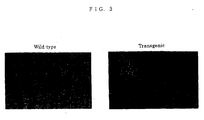
- Fig. 3 comprises photographs showing the results of
fluorescent microscopic observation using immunofluorescent
staining of localization of
connexin 32 in the livers of a transgenic rat and a wild-type rat of the present invention. - Fig. 4 comprises a photograph of an immunostained precancerous hepatic lesion marker resulted from 20-week observation after administering diethyl nitrosoamine to a transgenic rat and a wild-type rat of the present invention, and a photograph showing measurement results of the number and area of foci per unit area in the lesion.
- Fig. 5 is a view showing the result that a transgenic rat exhibits much higher expression in comparison to the expression of CYP1A1 and CYP1A2 in the livers of a transgenic rat (Tg) and a wild-type rat (Wild) of the present invention.
-
- The present invention comprises the production of a rat whose normal function in gap junction is inhibited, in particular, the production of a rat whose channel function of connexon in gap junction is inhibited. So far, ES cells of rats have not been established yet and it is impossible to produce a gene-deficient rat. However, as to connexon, whose channel is formed by connexin molecule hexamers, the function of normal connexin does not express since channel function will be inhibited if any one of the hexamers is a mutant connexin. Therefore, a rat whose normal function in gap junction is inhibited can be produced by producing a transgenic rat having a mutant connexin gene.
- There is no particular limitation as to the mutant connexin gene, but
mutant connexin 32 gene wherein the function of normal connexin does not express can be advantageously used. Various methods for mutation can be used to produce mutant connexin wherein the function of normal connexin does not express , however, a method using cDNA wherein part of a gene encoding connexin is made to be deficient can be advantageously used. In a transgenic rat mutated by amutant connexin 32 gene wherein the function of normal connexin does not express, gap junction having normal function is not formed in hepatocytes because there ismutant connexin 32, and the expression of a mutant character by surrounding normal cells through gap junction is not controlled sufficiently in initiated cells. Consequently, a precancerous lesion is in a more advantageous proliferation environment and therefore it expresses a character highly sensitive to a carcinogen. - In order to introduce a mutated rat connexin gene into a rat in the present invention, appropriate methods employed in this field can be used, however, a method comprising the steps of: constructing a plasmid vector engineered to carry mutated rat connexin cDNA downstream of a promoter, and injecting the plasmid vector into a fertilized egg and then transplanting the fertilized egg into an oviduct can be advantageously used. The promoter is not particularly limited, but an albumin promoter is particularly preferable. A transgenic rat can be obtained by the method comprising the following steps: constructing a plasmid vector engineered to carry rat connexin cDNA mutated by, for example, deleting part of an amino acid, downstream of this promoter, and injecting this plasmid vector into a male pronucleus of a rat fertilized egg and then transplanting the fertilized egg into an oviduct of a female being false pregnant.
- The rat of the present invention is used to detect carcinogens. That is, the rat highly sensitive to a carcinogen of the present invention is administered with a test substance and then carcinogens are detected. The method for administering a test substance and the method for detecting carcinogens are not particularly limited and methods usually employed in this field are used. Further, in the present invention, it is possible to screen anticancer substances by administering a test substance to an individual made to develop a cancer by using the rat highly sensitive to a carcinogen of the present invention. For carcinogenesis in rat, carcinogens can be used. The method for administering a test substance and the method for detecting anticancer substances are not particularly limited and methods usually employed in this field are used.
- The present invention will be described more specifically with examples, but the scope of the present invention is not limited to these examples.
- A plasmid vector Cx32/pGEM-Alb engineered to carry a gene connected to
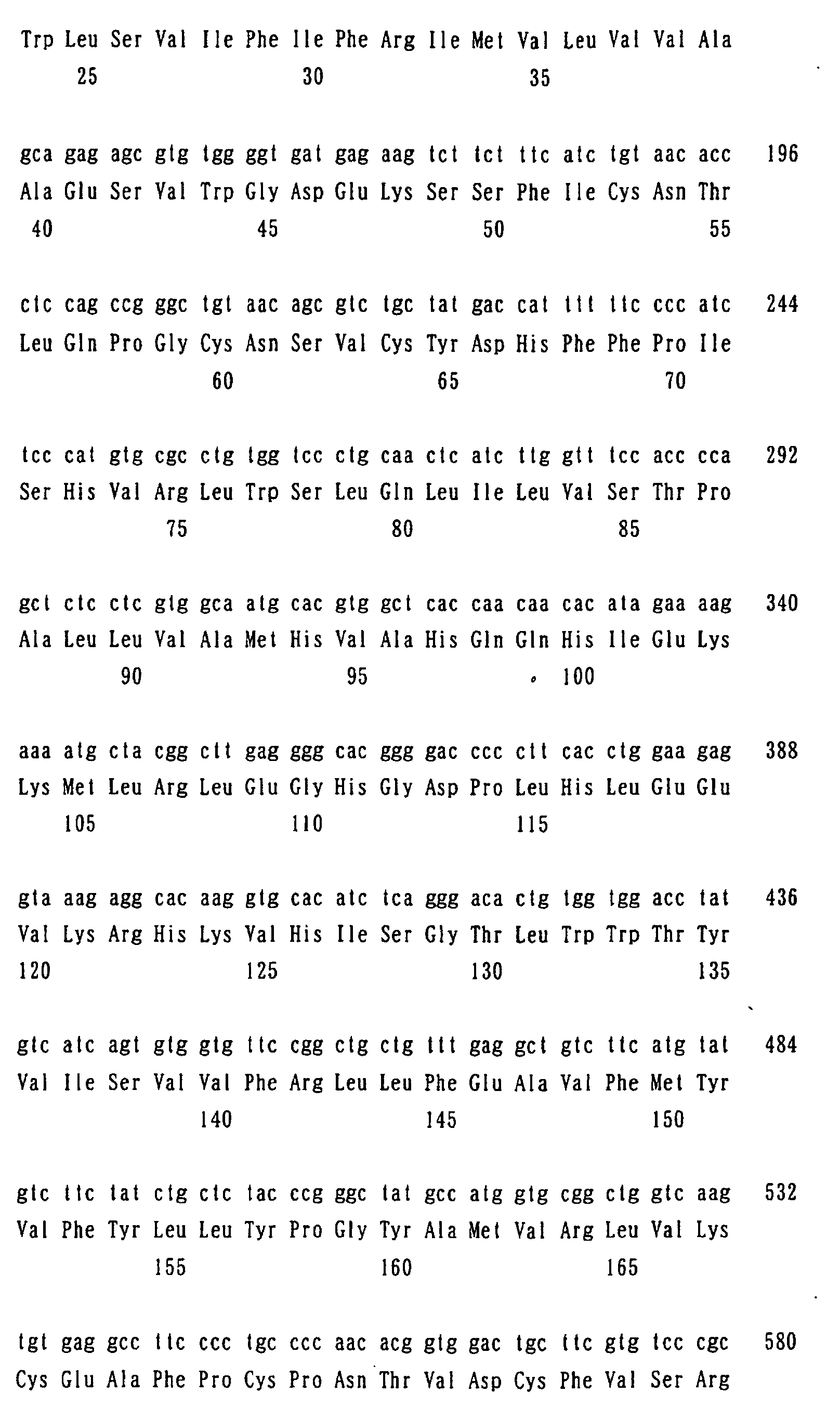
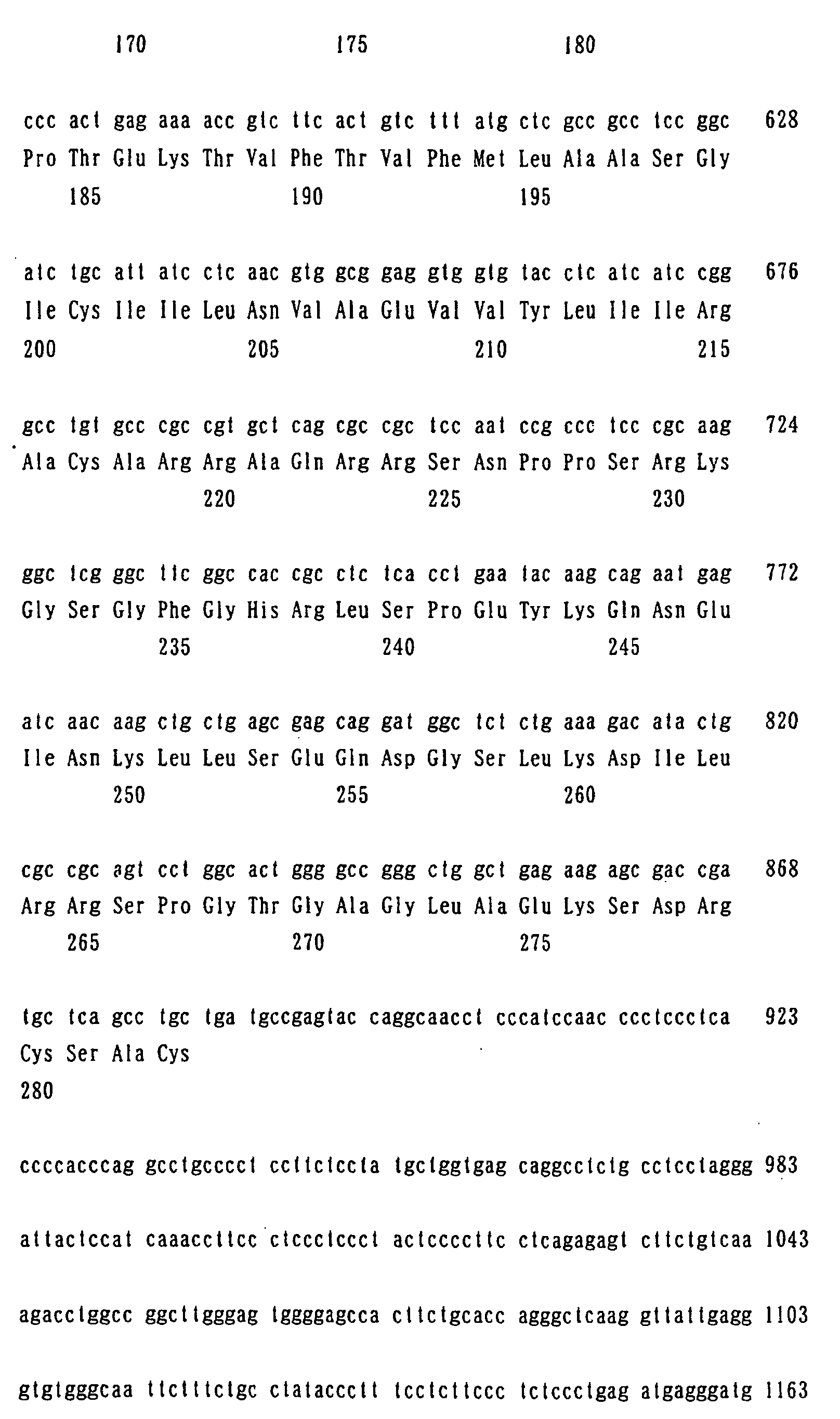
rat connexin 32 cDNA (GeneBank, NM017251: Seq. ID No. 1) downstream of an albumin promoter was provided by Dr. Hiroshi Yamasaki (IARC, Lyon, Kwansei Gakuin University, School of Science). The amino acids in the 113th to 124th position of thisconnexin 32 cDNA were deleted, and further, for a marker to be used after the introduction of this gene, a construct to which six histidines are inserted at the position immediatly before the termination codon (Seq. ID No. 3) was made with the use of ExSite-PCR-Based Site-Directed Mutagenesis Kit (Stratagene) (Fig. 1). This construct was cut out from a plasmid moiety at Apa I and Mlu I, and used as a transgene. - Baby rats were obtained by the method comprising the following steps: microinjecting the above-mentioned transgene into a male pronucleus of a fertilized egg of SD rat, culturing the obtained egg cell, and then transplanting the fertilized egg into an oviduct of a female being false pregnant. DNA was extracted from a tail part of the obtained babies, and the transgene was confirmed by PCR using primer 1 (5'-AACGTGGCGCAGGTGGTGTA-3'; Seq. ID No. 4: P1) and primer 2 (5'-ATGGTGATGGTGATGATGGC-3' ; Seq. ID No. 5: P2) for the transgene, and primer 3 (5'-GGGAAGGTTTGATGGAGTAAT-3'; Seq. ID No. 6: P3) for endogenous connexin 32 (cx32). The primer 2 corresponds to the introduced histidine, and PCR product can be obtained only when both the transgene and the primer 1 exist. In addition, in order to search the expression of the transgene in the liver, total RNA was extracted from the liver and RT-PCR was conducted (Fig. 2). In Fig. 2, Tg-H means a strain of transgenic rats with high expression of the transgene, Tg-G means a strain of transgenic rats with low expression of the transgene, and Wild means wild-type rat (SD rat), respectively. As a result, it was confirmed that the transgene existed in five rats in total, and that four of them transmitted the transgene to the next generation, and that mRNA of the transgene was expressed in the livers of two strains of them. A strain with higher expression was selected from the two strains and used for the following examples. The transgenic rats used for the following examples were obtained by intercrossing male transgenic rats and female wild-type SD rats.
- Frozen sections of the livers of the transgenic rats and wild-type rats obtained in Example 3 were fixed with acetone at -20° C for five minutes and followed by air-drying, and then blocked by treating with methanol/H2O2. The frozen sections were incubated in the coexistence of
anti-connexin 32 rabbit polyclonal antibody (Zymed), followed by immunofluorescent staining with biotinylated anti-rabbit IgG antibody (Vector) and FITC-labeled streptavidin (Vector), then the localization was observed by a fluorescent microscope (AX7C; Olympus). As a result, in the livers of wild-type rats, a number of spotlike localization ofconnexin 32 was observed on the membranes of contiguous hepatocytes. Meanwhile, no clear localization ofconnexin 32 was found in the livers of transgenic rats. Thus, it was confirmed that spotlike localization of normalendogenous connexin 32 on the membrane was inhibited by the expression ofconnexin 32 that had been introduced (Fig. 3). - After extracting the liver from a rat, the liver was sliced into pieces about 5 mm thick, and a vertical cut about 1 mm deep was made on the sliced face with a knife. A sufficient amount of 0.05% lucifer yellow was dropped on the cut and the slice was kept still for three minutes, then washed three times with PBS, and embedded in OTC compound (TissuTek, Miles), then frozen. A frozen section of 6 µm thick was made by cryostat and the spread of fluorescence was observed under a fluorescent microscope. From this observation, it has been revealed that in the livers of wild-type rat, the fluorescence taken up through the cells damaged by the knife widely spread to the surrounding hepatocytes by intercellular communication through gap junction. On the other hand, in the livers of transgenic rats, the spread of fluorescence was obviously in low level, and it has been revealed that intercellular communication ability was inhibited.
- 200 mg/kg diethyl nitrosamine was intraperitoneally administered to eight-week-oldmale transgenic rats orwild-type rats, and the rats were observed for 20 weeks after the administration, and then slaughtered and dissected. The livers taken from each of the above-mentioned rats were fixed with acetone and embedded in paraffine, sliced, and then GST-P, a precancerous hepatic lesion marker, was immunostained for visualization (Fig. 4, left). Further, the number and the area of positive foci per unit area in the GST-P-positive foci were measured with an image analyzer (IPAP, Olympus) (Fig. 4, right). As a result of these observations, the number and the area of the GST-P-positive foci, which is precancerous foci, per unit area (1 cm2) in the transgenic rats were remarkably increased in comparison to those in wild-type rats, that is, the number was 11.1 for wild-type rats and 79.8 for the transgenic rats, and the area was 0.2 mm2 for the wild-type rats and 3.32 mm2 for the transgenic rats. Therefore, it has been found that these transgenic rats exhibit an extremely high sensitivity to diethyl nitrosamine, a hepatocarcinogen.
- Total RNA was extracted from the livers of male transgenic rats and wild-type rats by ISOGEN (NIPPON GENE), and the changes in the expression of each gene were searched by using Atlas rat toxicology array (Clontech).
- Based on the results, according to the search with cDNA array, genes of drug-metabolizing enzymes such as various molecular species of cytochrome p450 (CYP) and glutathion S-transferase (GST) were fixed as a gene that shows changes in the expression in the transgenic rats compared to that in the wild-type rats. Then, changes in the expression of various molecular species of CYP and GST were examined by quantitative RT-PCR using LightCycler (Loche). According to this examination, the clearest change was that CYP1A1 and CYP1A2 were expressedhighly in the livers of transgenic rats (Fig. 5). These enzymes contribute to metabolic activation of many carcinogens including diethyl nitrosamine, and are thought to be one mechanism of increasing the sensitivity of transgenic rats to hepatocarcinogenesis. Conventionally, inhibition of intercellular communication ability has been considered to be deeply involved in the promotion activity of carcinogenesis, and this experimental result further reveals that inhibition of intercellular communication ability affects the expression of drug-metabolizing enzymes, and makes a situation wherein carcinogens tend to be metabolically activated.
- The rat whose normal function in gap junction is inhibited of the present invention has a high sensitivity to a carcinogen, and makes it possible to detect a carcinogen highly sensitively and more easily in a short time. In addition, the transgenic rat of the present invention made to develop a cancer shows extremely high degree of usefulness, for example, it can be used effectively for the screening of anticancer substances.



Claims (9)
- A rat highly sensitive to a carcinogen whose normal function in gap junction is inhibited.
- The rat highly sensitive to a carcinogen according to claim 1, wherein the inhibition of the normal function in gap junction is an inhibition of channel function of connexon.
- The rat highly sensitive to a carcinogen according to claim 2, wherein the inhibition of channel function of connexon is based on a deficiency of connexin function.
- The rat highly sensitive to a carcinogen according to claim 3, wherein the deficiency of connexin function is based on a mutation of connexin 32.
- A method for producing a rat highly sensitive to a carcinogen comprising the steps of : constructing aplasmidvectorengineered to carry mutated rat connexin cDNA downstream of a promoter, and microinjecting the plasmid vector into a fertilized egg and then transplanting the fertilized egg into an oviduct.
- The method for producing a rat highly sensitive to a carcinogen according to claim 5, wherein the promoter is an albumin promoter and the mutated rat connexin cDNA is a cDNA that encodes an amino acid sequence of rat connexin 32 wherein part of an amino acid is deleted.
- A method for detecting a carcinogen wherein a test substance is administered to the rat highly sensitive to a carcinogen according to any one of claims 1 to 4.
- A method for screening an anticancer substance wherein a test substance is administered to a rat made to develop a cancer by using the rat highly sensitive to a carcinogen according to any one of claims 1 to 4.
- The method for screening an anticancer substance according to claim 8, wherein carcinogenesis of the rat highly sensitive to a carcinogen is caused by the administration of a carcinogen.
Applications Claiming Priority (3)
| Application Number | Priority Date | Filing Date | Title |
|---|---|---|---|
| JP2001253241 | 2001-08-23 | ||
| JP2001253241A JP2003061512A (en) | 2001-08-23 | 2001-08-23 | Carcinogen-sensitive rat |
| PCT/JP2002/008373 WO2003017756A1 (en) | 2001-08-23 | 2002-08-20 | Rat highly sensitive to carcinogen |
Publications (2)
| Publication Number | Publication Date |
|---|---|
| EP1425964A1 true EP1425964A1 (en) | 2004-06-09 |
| EP1425964A4 EP1425964A4 (en) | 2004-12-15 |
Family
ID=19081600
Family Applications (1)
| Application Number | Title | Priority Date | Filing Date |
|---|---|---|---|
| EP02758860A Withdrawn EP1425964A4 (en) | 2001-08-23 | 2002-08-20 | RAT HIGHLY SENSITIVE TO CANCEROGENIC SUBSTANCES |
Country Status (4)
| Country | Link |
|---|---|
| US (1) | US20050044578A1 (en) |
| EP (1) | EP1425964A4 (en) |
| JP (1) | JP2003061512A (en) |
| WO (1) | WO2003017756A1 (en) |
Families Citing this family (1)
| Publication number | Priority date | Publication date | Assignee | Title |
|---|---|---|---|---|
| JP4925428B2 (en) * | 2006-10-03 | 2012-04-25 | 独立行政法人放射線医学総合研究所 | Analytical standard preparation method |
-
2001
- 2001-08-23 JP JP2001253241A patent/JP2003061512A/en active Pending
-
2002
- 2002-08-20 EP EP02758860A patent/EP1425964A4/en not_active Withdrawn
- 2002-08-20 WO PCT/JP2002/008373 patent/WO2003017756A1/en not_active Ceased
-
2004
- 2004-02-23 US US10/784,633 patent/US20050044578A1/en not_active Abandoned
Non-Patent Citations (5)
| Title |
|---|
| ASAMOTO MAKOTO ET AL: "Connexin 32 dominant-negative mutant transgenic rats are resistant to hepatic damage by chemicals." HEPATOLOGY (BALTIMORE, MD.) JUL 2004, vol. 40, no. 1, July 2004 (2004-07), pages 205-210, XP009037537 ISSN: 0270-9139 * |
| INOGUCHI TOYOSHI ET AL: "Altered gap junction activity in cardiovascular tissues of diabetes" MEDICAL ELECTRON MICROSCOPY, vol. 34, no. 2, June 2001 (2001-06), pages 86-91, XP002299622 ISSN: 0918-4287 * |
| See also references of WO03017756A1 * |
| TEMME ACHIM ET AL: "High incidence of spontaneous and chemically induced liver tumors in mice deficient for connexin32" CURRENT BIOLOGY, vol. 7, no. 9, 1997, pages 713-716, XP002299660 ISSN: 0960-9822 * |
| YAMASAKI HIROSHI ET AL: "Role of connexin (gap junction) genes in cell growth control and carcinogenesis" COMPTES RENDUS DE L'ACADEMIE DES SCIENCES SERIE III SCIENCES DE LA VIE, vol. 322, no. 2-3, February 1999 (1999-02), pages 151-159, XP002299674 & SYMPOSIUM ON CARCINOGENIC RISKS DUE TO IONIZING RADIATIONS; PARIS, FRANCE; MAY 14-16, 1998 ISSN: 0764-4469 * |
Also Published As
| Publication number | Publication date |
|---|---|
| EP1425964A4 (en) | 2004-12-15 |
| WO2003017756A1 (en) | 2003-03-06 |
| JP2003061512A (en) | 2003-03-04 |
| US20050044578A1 (en) | 2005-02-24 |
Similar Documents
| Publication | Publication Date | Title |
|---|---|---|
| Schnell et al. | Gimap4 accelerates T-cell death | |
| AU2008322038B2 (en) | Mammalian artificial chromosome vector comprising human cytochrome P450 gene (cluster) and non-human mammalian animal retaining the same | |
| CN101407815B (en) | Application of glycine N-methyltransferase in preparation of medicine for preventing or treating diseases caused by aflatoxin | |
| US11536713B2 (en) | Method for searching and screening for target of anti-cancer agent using non-human animal model having NOG established cancer cell line transplanted therein | |
| US20100233135A1 (en) | Compositions and methods for hematopoietic stem cell expansion or for modulating angiogenesis | |
| Talbot et al. | Pharyngeal morphogenesis requires fras1-itga8-dependent epithelial-mesenchymal interaction | |
| Zhou et al. | Targeted expression of Cre recombinase provokes placental-specific DNA recombination in transgenic mice | |
| US6093873A (en) | Genetically engineered mice containing alterations in the gene encoding RXR | |
| US20090029872A1 (en) | Orthotopic and genetically tractable non-human animal model for liver cancer and the uses thereof | |
| EP2842417B1 (en) | Urokinase-type plasminogen activator transgenic mouse | |
| US20050044578A1 (en) | Rat highly sensitive to carcinogen | |
| EP2695515B1 (en) | Epo knockout gfp anemic mouse | |
| US8487087B2 (en) | Model animal in which state of disease condition is observable in real time, gene construct for achieving the same and use of the same | |
| KR20080016687A (en) | Expression vectors containing a promoter sequence of a mammalian homolog gene derived from mammal and use thereof | |
| WO2009142271A1 (en) | Cancer stem cell having high level of sld5 expression therein | |
| EP1180684A1 (en) | High estrogen-sensitive medaka fish | |
| CA2549482A1 (en) | Megsin/rage/inos overexpressing renaldisease model animals and methods for evaluating compounds using the model animals | |
| US20100095391A1 (en) | Regulation of lipid droplet formation by modulation of fit1 and fit2 and uses thereof | |
| EP4074821A1 (en) | System for detecting extracellular purinergic receptor ligand and nonhuman animal having same transferred thereinto | |
| EP1210874A1 (en) | Alpha-tocopherol transport protein knockout animal | |
| US20060277615A1 (en) | Method of determining xenograft responses | |
| KR20170068943A (en) | Method for Detecting ATF4 under Endoplasmic reticulum Stress | |
| CN121490086A (en) | Application of substances targeting the Asprosin-PTPRF pathway in the preparation of drugs regulating glucose and lipid metabolism | |
| WO2013121038A1 (en) | Mammalian homologues of flower, their use in cancer diagnostics, prevention and treatment | |
| Mori et al. | p31 Deficiency Influences Endoplasmic |
Legal Events
| Date | Code | Title | Description |
|---|---|---|---|
| PUAI | Public reference made under article 153(3) epc to a published international application that has entered the european phase |
Free format text: ORIGINAL CODE: 0009012 |
|
| 17P | Request for examination filed |
Effective date: 20040310 |
|
| AK | Designated contracting states |
Kind code of ref document: A1 Designated state(s): AT BE BG CH CY CZ DE DK EE ES FI FR GB GR IE IT LI LU MC NL PT SE SK TR |
|
| A4 | Supplementary search report drawn up and despatched |
Effective date: 20041102 |
|
| STAA | Information on the status of an ep patent application or granted ep patent |
Free format text: STATUS: THE APPLICATION IS DEEMED TO BE WITHDRAWN |
|
| 18D | Application deemed to be withdrawn |
Effective date: 20050315 |