EP1420317A2 - System and methodology providing automation security analysis, validation, and learning in an industrial controller environment - Google Patents
System and methodology providing automation security analysis, validation, and learning in an industrial controller environment Download PDFInfo
- Publication number
- EP1420317A2 EP1420317A2 EP03023916A EP03023916A EP1420317A2 EP 1420317 A2 EP1420317 A2 EP 1420317A2 EP 03023916 A EP03023916 A EP 03023916A EP 03023916 A EP03023916 A EP 03023916A EP 1420317 A2 EP1420317 A2 EP 1420317A2
- Authority
- EP
- European Patent Office
- Prior art keywords
- security
- network
- data
- automation
- component
- Prior art date
- Legal status (The legal status is an assumption and is not a legal conclusion. Google has not performed a legal analysis and makes no representation as to the accuracy of the status listed.)
- Granted
Links
Images




Classifications
-
- H—ELECTRICITY
- H04—ELECTRIC COMMUNICATION TECHNIQUE
- H04L—TRANSMISSION OF DIGITAL INFORMATION, e.g. TELEGRAPHIC COMMUNICATION
- H04L63/00—Network architectures or network communication protocols for network security
- H04L63/14—Network architectures or network communication protocols for network security for detecting or protecting against malicious traffic
- H04L63/1441—Countermeasures against malicious traffic
-
- G—PHYSICS
- G05—CONTROLLING; REGULATING
- G05B—CONTROL OR REGULATING SYSTEMS IN GENERAL; FUNCTIONAL ELEMENTS OF SUCH SYSTEMS; MONITORING OR TESTING ARRANGEMENTS FOR SUCH SYSTEMS OR ELEMENTS
- G05B15/00—Systems controlled by a computer
- G05B15/02—Systems controlled by a computer electric
-
- G—PHYSICS
- G06—COMPUTING OR CALCULATING; COUNTING
- G06N—COMPUTING ARRANGEMENTS BASED ON SPECIFIC COMPUTATIONAL MODELS
- G06N20/00—Machine learning
-
- H—ELECTRICITY
- H04—ELECTRIC COMMUNICATION TECHNIQUE
- H04L—TRANSMISSION OF DIGITAL INFORMATION, e.g. TELEGRAPHIC COMMUNICATION
- H04L63/00—Network architectures or network communication protocols for network security
- H04L63/14—Network architectures or network communication protocols for network security for detecting or protecting against malicious traffic
- H04L63/1408—Network architectures or network communication protocols for network security for detecting or protecting against malicious traffic by monitoring network traffic
-
- H—ELECTRICITY
- H04—ELECTRIC COMMUNICATION TECHNIQUE
- H04L—TRANSMISSION OF DIGITAL INFORMATION, e.g. TELEGRAPHIC COMMUNICATION
- H04L67/00—Network arrangements or protocols for supporting network services or applications
- H04L67/01—Protocols
- H04L67/12—Protocols specially adapted for proprietary or special-purpose networking environments, e.g. medical networks, sensor networks, networks in vehicles or remote metering networks
-
- H—ELECTRICITY
- H04—ELECTRIC COMMUNICATION TECHNIQUE
- H04L—TRANSMISSION OF DIGITAL INFORMATION, e.g. TELEGRAPHIC COMMUNICATION
- H04L69/00—Network arrangements, protocols or services independent of the application payload and not provided for in the other groups of this subclass
- H04L69/30—Definitions, standards or architectural aspects of layered protocol stacks
- H04L69/32—Architecture of open systems interconnection [OSI] 7-layer type protocol stacks, e.g. the interfaces between the data link level and the physical level
- H04L69/322—Intralayer communication protocols among peer entities or protocol data unit [PDU] definitions
- H04L69/329—Intralayer communication protocols among peer entities or protocol data unit [PDU] definitions in the application layer [OSI layer 7]
Definitions
- the present invention relates generally to industrial control systems, and more particularly to a system and methodology to facilitate electronic and network security in an industrial automation system.
- Industrial controllers are special-purpose computers utilized for controlling industrial processes, manufacturing equipment, and other factory automation, such as data collection or networked systems.
- the industrial controller having an associated processor (or processors), measures one or more process variables or inputs reflecting the status of a controlled system, and changes outputs effecting control of such system.
- the inputs and outputs may be binary, ( e . g ., on or off), as well as analog inputs and outputs assuming a continuous range of values.
- I/O input/output
- I/O modules serve as an electrical interface to the controller and may be located proximate or remote from the controller including remote network interfaces to associated systems.
- Inputs and outputs may be recorded in an I/O table in processor memory, wherein input values may be asynchronously read from one or more input modules and output values written to the I/O table for subsequent communication to the control system by specialized communications circuitry ( e . g ., back plane interface, communications module).
- Output modules may interface directly with one or more control elements, by receiving an output from the I/O table to control a device such as a motor, valve, solenoid, amplifier, and the like.
- a logic processor such as a Programmable Logic Controller (PLC) or PC-based controller.
- PLC Programmable Logic Controller
- Programmable Logic Controllers are programmed by systems designers to operate manufacturing processes via user-designed logic programs or user programs.
- the user programs are stored in memory and generally executed by the PLC in a sequential manner although instruction jumping, looping and interrupt routines, for example, are also common.
- Associated with the user program are a plurality of memory elements or variables that provide dynamics to PLC operations and programs. These variables can be user-defined and can be defined as bits, bytes, words, integers, floating point numbers, timers, counters and/or other data types to name but a few examples.
- One attempt at providing security in industrial control systems relates to simple password protection to limit access to the systems. This can take the form of a plant or controls Engineer or Administrator entering an alpha-numeric string that is typed by an operator each time access is attempted, wherein the controller grants access based on a successful typing of the password.
- These type passwords are highly prone to attack or discovery, however.
- users employ passwords that are relatively easy to determine (e . g ., person's name or birthday).
- users exchange passwords with other users, whereby the password is overheard or simply, a user with improper authorization comes in contact with the password.
- parties employing sophisticated hacking techniques can often penetrate sensitive control systems, whereby access should be limited to authorized users and/or systems in order to mitigate potentially harmful consequences.
- a Security Analysis Methodology (SAM) and tool provides an automated process, component, and tool that generates a set (or subset) of security guidelines, security data, and/or security components.
- An input to the tool can be in the form of an abstract description or model of a factory, wherein the factory description includes one or more assets to be protected and associated pathways to access the assets.
- Security data generated by the tool includes a set of recommended security components, related interconnection topology, connection configurations, application procedures, security policies, rules, user procedures, and/or user practices, for example.
- SAM can be modeled on a risk-based/cost-based approach, if desired.
- a suitable level of protection can be determined to facilitate integrity, privacy, and/or availability of assets based on risk and/or cost.
- descriptions of shop floor access, Intranet access, Internet access, and/or wireless access can also be processed by the tool. Since multiparty involvement can be accommodated (IT, Manufacturing, Engineering, etc.), the tool can be adapted for partitioned security specification entry and sign-off.
- the security data of the SAM tool can be generated in a structured security data format (e.g., XML, SQL) that facilitates further validation and compliance checking of the security data, if desired.
- a security Validation Methodology and associated tools can be provided.
- the validation tools perform initial and periodic live security assessment of a physical system. This enables security flaws or weaknesses to be identified.
- One aspect of the tools is to check a system prior to security modifications in order to assess current security levels.
- Another aspect is to check a system for conformance ⁇ either to recommendations of a security analysis, and/or against standards such as ISO, for example.
- the validation tools can be executed on end devices (host based), and/or executed as an independent device that is operatively coupled to a network (network based) at selected points.
- One function of host-validation tools is to perform vulnerability scanning and/or auditing on devices. This includes revision checks, improper configuration check, file system/registry/database permissions check, user privilege/password and/or account policy checks, for example.
- One function of the network validation tools is to perform vulnerability scanning and auditing on the networks. This includes checking for susceptibility to common network-based attacks, searching for open TCP/UDP ports, and scanning for vulnerable network services. The tools can also attempt to gain key identity information about end devices that may enable hacker entry. Another function of the network validation tools is to perform vulnerability scanning and auditing on firewalls, routers, and/or other network/security devices.
- a complementary tool can be provided to assess CIP-based factory automation systems for security. This will typically be a network-based tool, since factory automation devices often are not as capable as general purpose computing devices.
- the tool can also be operable in an assessment mode to discover system flaws with little or no configuration, and the tool can operate in a validation mode to check system security against security analysis methodology determinations described above. Still yet other functions can include non-destructively mapping a topology of IT and automation devices, checking revisions and configurations, checking user attributes, and/or checking access control lists.
- the validation tools described herein can also be adapted to automatically correct security problems (e.g., automatically adjust security parameters/rules/policies, install new security components, remove suspicious components, and so forth).
- a Security Learning system can include network-based aspects and/or host-based aspects and similar to some of the security aspects described above with respect to the Validation tools.
- a network-based security learning system (also referred to as learning component) is provided that monitors an automation network during a predetermined training period (e.g., monitor network activities for 1 week). During the training period, the learning component monitors and learns activities or patterns such as: the number of network requests to and from one or more assets; the type of requests ( e .
- status or counter data e.g., network access counters, error codes which can be provided or queried from a learning or status component within the asset; and/or monitor and learn about substantially any data type or pattern that may be retrieved from the network and/or the asset.
- the learning component monitors the automation network and/or assets for detected deviations from data patterns learned during the training period.
- a user interface can be provided, wherein one or more pattern thresholds can be adjusted (also can provide options for the type of data patterns to monitor/learn). For example, if the number of network requests to the asset has been monitored and learned to be about 1000 requests per hour during the past month, then a threshold can be set via the user interface that triggers an alarm or causes an automated event to occur if a deviation is detected outside of the threshold ( e . g ., automatically disable all network requests from the other networks if the number of network requests to the asset exceeds 10% of the average daily network requests detected during the training period).
- Various learning functions and/or processes can be provided to facilitate automated learning within the learning components. This can include mathematical processes, statistical processes, functions, and/or algorithms and include more elaborate systems such as a neural network, for example.
- artificial intelligence functions, components and/or processes can be provided.
- Such components can include automated classifiers for monitoring and learning data patterns, wherein such classifiers include inference models, Hidden Markov Models (HMM), Bayesian models, Support Vector Machines (SVM), vector-based models, decision trees, and the like.
- HMM Hidden Markov Models
- SVM Support Vector Machines
- the present invention relates to a system and methodology facilitating automation security in a networked-based industrial controller environment.
- Various components, systems and methodologies are provided to facilitate varying levels of automation security in accordance with security analysis tools, security validation tools and/or security learning systems.
- the security analysis tool receives abstract factory models or descriptions for input and generates an output that can include security guidelines, components, topologies, procedures, rules, policies, and the like for deployment in an automation security network.
- the validation tools are operative in the automation security network, wherein the tools perform security checking and/or auditing functions, for example, to determine if security components are in place and/or in suitable working order.
- the security learning system monitors/learns network traffic patterns during a learning phase, fires alarms or events based upon detected deviations from the learned patterns, and/or causes other automated actions to occur.
- a component may be, but is not limited to being, a process running on a processor, a processor, an object, an executable, a thread of execution, a program and a computer.
- an application running on a server and the server can be components.
- One or more components may reside within a process and/or thread of execution and a component may be localized on one computer and/or distributed between two or more computers, industrial controllers, and/or modules communicating therewith.
- a system 100 illustrates various automation security tools in accordance with an aspect of the present invention.
- One or more automation assets 120 communicate and cooperate with various network devices 124 across a network 130.
- the automation assets 120 include substantially any type of control, communications module, computer, I/O device, Human Machine Interface (HMI)) that communicate via the network 130 which includes control, automation, and/or public networks.
- the automation assets 120 include Programmable Logic Controllers (PLC) that can also communicate to and control various other assets such as Input/Output modules including Analog, Digital, Programmed/Intelligent I/O modules, other programmable controllers, communications modules, and the like.
- PLC Programmable Logic Controllers
- the network 130 includes public networks such as the Internet, Intranets, and automation networks such as Control and Information Protocol (CIP) networks including DeviceNet and ControlNet.
- Other networks 130 include Ethernet, DH/DH+, Remote I/O, Fieldbus, Modbus, Profibus, wireless networks, serial protocols, and so forth.
- the network devices 124 include various possibilities (hardware and/or software components). These include components such as switches with virtual local area network (VLAN) capability, LANs, WANs, proxies, gateways, routers, firewalls, virtual private network (VPN) devices, intrusion detection systems, servers, clients, computers, configuration tools, monitoring tools, and/or other devices.
- VLAN virtual local area network
- WANs wide area network
- proxies proxies
- gateways gateways
- routers firewalls
- VPN virtual private network
- various security tools can be provided with the system 100. Although three tools are illustrated, it is to be appreciated that more or less than three tools can be employed with the present invention and in a plurality of similar or different combinations.
- a security analysis tool 140 is provided that receives factory input data 144 describing or modeling various aspects of the automation assets 120, network devices 124, network 130, and/or system 100. The security analysis tool 140 processes the factory input data 144 and generates security output data 150 which is then deployed to machines and/or users in order to facilitate suitable network security measures and practices in the system 100.
- such measures can include security recommendations, configuration guidelines or adjustments, procedures, rules, policies, and security parameters, for example, that are utilized to mitigate unwanted intrusions or attacks from the network 130 that may affect the automation assets 120 and/or network devices 124.
- one or more validation tools 160 can be provided (can be host and/or networked based) that perform automated security auditing and checking functions on the network 130, the automation assets 120, and/or network devices 124 to determine if suitable security standards have been implemented.
- the validation tools also perform periodic or monitored assessments within the system 100 to determine if potential network threats or attacks are at hand. As will be described in more detail below, this can include automated and/or healing operations to mitigate network security threats.
- one or more learning tools 170 can be provided (can also be host and/or networked based) that learn system activities or patterns during a training or configuration period, then perform automated actions in response to detected deviations from the learned activities or patterns.
- Such automated actions can include altering network activity (e . g ., preventing further network attempts to automation assets or network devices) and firing an alarm such as an e-mail or pager to notify an entity (user and/or machine) of a potential or detected problem.
- altering network activity e . g ., preventing further network attempts to automation assets or network devices
- firing an alarm such as an e-mail or pager to notify an entity (user and/or machine) of a potential or detected problem.
- the security tools 140, 150 and/or 160 can share or exchange information between tools.
- the security analysis tool 140 can receive input from the validation tool 160 (e.g., three new network devices detected in topology), wherein the security analysis tool generates new or adjusted security output data 150 in response thereto.
- the automation assets 120 may directly access the network 130 and/or may employ the network devices 124 to achieve network access.
- a security analysis tool 200 is illustrated in accordance with an aspect of the present invention.
- the security analysis tool 200 operates on a computer or workstation and receives one or more factory inputs 210 that can be generated from a plurality of sources.
- Such sources can include user input, model input (e . g ., asset models, network models), schemas, formulas, equations, maps, and codes, for example.
- the factory inputs 210 are then processed by the security analysis tool 200 to generate one or more security outputs 220 which can also be provided in various forms such as manuals, documents, schemas, executables, codes, e-mails, and/or other electronic data that is described in more detail below.
- GUI Graphical User Interface 230
- interface application can be provided to interact with the security analysis tool 200, factory inputs 210, and/or security outputs 220.
- This can include substantially any type of application that sends, retrieves, processes, and/or manipulates factory input data 210, receives, displays, formats, and/or communicates security output data 220, and/or facilitates operation of the security analysis tool 200.
- interfaces 230 can also be associated with an engine, editor tool or web browser although other type applications can be utilized.
- the GUI 230 includes a display 234 having one or more display objects (not shown) including such aspects as configurable icons, buttons, sliders, input boxes, selection options, menus, tabs and so forth having multiple configurable dimensions, shapes, colors, text, data and sounds to facilitate operations with the security analysis tool 200.
- the GUI 230 can also include a plurality of other inputs 240 or controls for adjusting and configuring one or more aspects of the present invention. This can include receiving user commands from a mouse, keyboard, speech input, web site, remote web service and/or other device such as a camera or video input to affect or modify operations of the GUI 230.
- the security analyzer 300 can be an automated process, application, component, and/or tool that generates a set of security guidelines or security data 310 and executes a Security Analysis Method (SAM) in accordance with the present invention.
- SAM Security Analysis Method
- An input to the security analyzer 300 is an abstract description of a factory depicted as factory data 320.
- the factory data 320 can describe or model one or more automation assets to be protected and associated network pathways to access the assets.
- Other factory data 320 can include risk data, cost data, security feedback from other security tools, network access patterns, and partitioning data, for example.
- Security data 310 generated by the security analyzer 300 includes a set of recommended security components, related interconnection topology, connection configurations, application procedures, security policies, rules, user procedures, and/or user practices, for example, that is employed to guide users and adapt systems with various security measures.
- security analyzer 300 can also be modeled on a risk-based/cost-based approach, if desired.
- a suitable level of protection can be determined to facilitate integrity, privacy, and/or availability of assets based on risk and/or cost.
- security parameters, policies, and procedures for example, can be increased if lower security risks and associated costs are desired, whereas security measures can be decreased if higher risks and/or costs associated with network attacks or intrusions are deemed acceptable.
- descriptions of shop floor access, Intranet access, Internet access, wireless access and/or other network access patterns can also be described as factory data 320 and processed by the security analyzer 300. Since multiple party involvement can be accommodated ( e .
- the security analyzer 300 can be adapted for partitioned security specification entry and sign-off.
- the security data 310 can be generated in a structured security data format (e . g ., XML, SQL) that facilitates further validation and compliance checking of the security data, if desired.
- a security analysis schema 330 which is described in more detail below, can be derived from the security data 310 and can be provided to other entities such as users or machines for further security processing/implementations.
- Fig. 4 illustrates an exemplary schema that may be employed for security deployments, communications, and configurations in accordance with the present invention.
- the schema represents one possible manner in which to transfer data to and from an entity such as a user, interface, file, an automation component and associated network devices, it is to be appreciated that other possible data transfer mechanisms may be employed.
- data can be transmitted in the form of binary or other type data packets that convey information in accordance with the present invention.
- the security analysis schema 400 includes one or more XML elements 410 through 440 (defined by starting and ending tags with ( ⁇ /> symbols), arranged in substantially any order) that relate to one or more security items or data and provide information to facilitate security guidelines and configurations.
- the security analysis schema 400 can then be deployed to various systems and/or components to control/adapt network access based upon the security contents specified therein.
- a recommendations element can be provided having associated recommendations data. This can include suggestions as to how to adapt automation components and network devices for suitable security measures (e.g., in view of risk and cost criteria).
- a suggestion can be in the form of a statement "All real time control devices and networks should only be connected to public networks via front-end server having virus detection, intrusion detection, and virtual private network capabilities.”
- "Remote factory network devices must be identified, authorized, and authenticated before achieving access to control network, otherwise, local factory network devices should communicate with low-end encryption technologies.”
- a plurality of such recommendations can be provided.
- a topologies element can be provided.
- topology data 414 can be in the form of symbols or codes that are employed to construct topology or network maps/displays via a visual or other type application.
- configuration data can be provided.
- This type of data can include settings or parameters for adapting network components with suitable security measures (e . g ., communications module word three should be set to value 03AA Hex for extended security checking, set dip switch two on gateway to cause authentication and authorization procedures with outside network devices, install virus detection software on network server).
- the configuration data can be sent or deployed to devices via the schema 400 and loaded to cause automatic configurations.
- an applications procedure element can be provided having associated procedure data.
- Such data can include the types of security applications to load, any security adjustments or settings relating to the applications, application status information to verify, and procedures for correctly operating respective security applications to mitigate potential attacks or threats.
- policy data can be provided.
- the policy can be general and/or specific, applied system wide and/or to a device or subset of devices. For example location-based policies can be initiated (e . g ., all network requests from listed URL's are to be denied, network requests from Pittsburgh server limited to 100 per day). Time-based policies can also be defined ( e . g ., no outside network requests allowed between 10:00AM and 2:00PM). Process-based policies can be defined such as for example, "Limit outside network requests to below 50 during real time batch operations.” Other policies include load-based policies, whereby network requests that are responded to are regulated in accordance with an amount of desired network traffic ( e . g ., regulated according to requests/hour).
- policies may be related to the type of requests (e.g., all requests to write data to the PLC are to be denied, outside devices cannot update analog module configuration data, communications module to provide status data only).
- substantially any policy that defines, regulates, and/or limits network activities in view of security considerations can be employed with the present invention.
- one or more security rules can be provided that have similar effects as the policies described above.
- rules can be provided in an If / Then construct (can include else, else if, Boolean expressions and the like), wherein if a defined condition or conditions occur, then one or more listed actions result (can included nested constructs) ( e . g ., If more than 3 network access attempts are negotiated unsuccessfully, then deny further communications with node or address).
- user procedure data can be provided. This can include actual procedure data and/or links to databases or websites to acquire the data. Such data can instruct users on suitable security procedures, security precautions, training, configurations, examples, wizards, manuals, trouble shooting, emergency contacts, contact information, maintenance, and the like which are designed to mitigate system security problems.
- Fig. 5 illustrates a validation system 500, methodology, and validation tools 550, 560 in accordance with an aspect of the present invention.
- the validation tools 550 and 560 perform initial and periodic live security assessment of a physical system. This enables security flaws or weaknesses to be identified.
- One aspect of the tools is to check the system 500 prior to proposed or attempted security modifications in order to assess current security levels.
- Another aspect is to check the system 500 for conformance ⁇ to the recommendations of a security analysis tool described above, and/or against standards such as ISO, for example.
- the validation tools 550 and 560 can be executed on end devices 570 (host based), and/or executed as an independent device 580 that is attached to a network 590 (network based) at selected points.
- One function of the host-validation tool 550 is to perform vulnerability scanning and/or auditing on devices. This includes revision checks, improper configuration check, file system/registry/database permissions check, user privilege/password and/or account policy checks, for example.
- the network validation tool 560 performs vulnerability scanning and auditing on the networks 590. This includes checking for susceptibility to common network-based attacks, searching for open TCP/UDP ports, and scanning for vulnerable network services.
- the tools 550 and 560 can also attempt to gain key identity information about end devices that may enable hacker entry.
- Another function of the network validation tool 560 is to perform vulnerability scanning and auditing on firewalls, routers, and/or other security devices.
- a complementary tool can be provided to assess CIP-based factory automation systems for security (includes substantially any factory protocol). This will typically be a network-based tool, since factory automation devices often are not as capable as general purpose computing devices.
- the network validation tool 560 can also be operable in an assessment mode to discover system flaws with little or no configuration, and the tool can operate in a validation mode to check system security against security analysis methodology determinations described above. Still yet other functions can include non-destructively mapping a topology of IT and automation devices, checking revisions and configurations, checking user attributes, and/or checking access control lists.
- the validation tools described herein can also be adapted to automatically correct security problems (e . g ., automatically adjust security parameters, install new security components, remove suspicious components, and so forth). It is to be appreciated that one or more of the functions described herein for the host validation tool 550 may be shared/interchanged with the network validation tool 560, and visa versa .
- the validation analyzer 600 can be a hardware device, computer, processor, application, and/or combination thereof that process one or more security data inputs 610 such as can be received or communicated from a network (not shown).
- the security data inputs 610 include current security data, network data, audit data, device data, security analysis data, and/or other data that can be derived from scanning or querying a network and associated devices via the validation analyzer 600 for information regarding current network security conditions.
- Various components can be provided with the validation analyzer 600 to facilitate security monitoring and processing.
- an assessment component 620 can be provided.
- the assessment component 620 performs initial and/or periodic security determinations on network systems to identify security deficiencies or problems therein. For example, the assessment component 620 may compare a stored security configuration with a network configuration received from the security data inputs 610, flag such conditions, and/or institute further actions if differences are detected.
- a standards component 624 can be provided to perform security compliance checking. This can include automated checking prior to proposed or attempted network security modifications in order to assess current security levels. Compliance checking can also include determining conformance to other automated security analysis recommendations, conformance to applicable device/network security standards, and/or in accordance with predetermined or factory-specific standards, for example. Such checking can be in accordance with stored standards or procedures within the validation analyzer 600, or can include remote checking to such resources as network databases, web sites, web services (e.g., databases linked to Internet Protocol Security Standard, IEEE database). It is noted that the assessment component 620 and/or standards component 624 can initiate vulnerability scanning and/or auditing on devices/networks/systems.
- such checking can include comparisons to local/remote databases or sites as noted above.
- a learning/analyzer component 628 can optionally be provided within the validation analyzer 600. This component can be adapted to learn network, device, and/or system patterns, scan current network data, and process the current network data in accordance with the learned patterns to possibly initiate other automated actions.
- the learning/analyzer component 628 will be described in more detail below with respect to Figs. 7-9.
- a flag or event can be fired that triggers an automated action component 650, wherein one or more automated security actions can be initiated.
- the automated security actions can include automatically correcting security problems at 654 such as automatically adjusting security parameters, altering network traffic patterns at 658 ( e .
- the validation analyzer 600 can be configured and interacted with via a user interface 680 having similar input and output functionality as described above with respect to the user interface depicted in Fig. 2.
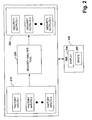
- Fig. 7 illustrates a security learning system 700 in accordance with an aspect of the present invention.
- the security learning system 700 that can include network-based aspects and/or host-based aspects and similar to some of the security aspects described above with respect to Fig. 5.
- a network-based security learning system 710 (also referred to as learning component 710) is provided that monitors an automation network 714 during a predetermined training period (e.g., monitor network activities for 1 month).
- the learning component 710 monitors and learns activities or patterns such as:
- Network activities can also include network requests that are received from outside networks 730 that may be routed through a security gateway or server 734 before reaching the automation network 714.
- the learning component 710 monitors the automation network 714 and/or assets 720 for detected deviations from data patterns learned during the training period.
- a user interface (not shown) can be provided, wherein one or more pattern thresholds can be adjusted (also can provide options for the type of data patterns to monitor/learn). For example, if the number of network requests to the asset 720 has been monitored and learned to be about 1000 requests per hour during the past month, then a threshold can be set via the user interface that triggers an alarm or causes an automated event to occur if a deviation is detected outside of the threshold ( e . g ., automatically disable all network requests from the other networks 730 if the number of network requests to the asset 720 exceeds a set or determined percentage of the average daily network requests detected during the training period).
- the learning component 710 and associated detection parameters or thresholds can be provided as a network-based tool or tools that can reside at various portions of the automation network 714.
- the learning component can be provided as a host-based component as illustrated at 724 - depending on the resources available for the asset 720.
- Various learning functions and/or processes can be provided to facilitate automated learning within the learning components 710 and 724.
- This can include mathematical processes, statistical processes, functions, and/or algorithms and include more elaborate systems such as a neural network, for example.
- artificial intelligence functions, components and/or processes can be provided.
- Such components can include automated classifiers for monitoring and learning data patterns, wherein such classifiers include inference models, Hidden Markov Models (HMM), Bayesian models, Support Vector Machines (SVM), vector-based models, decision trees, and the like.
- HMM Hidden Markov Models
- SVM Support Vector Machines
- Fig. 8 illustrates a learning component 800 in accordance with an aspect of the present invention.
- the learning component 800 can be configured with various data types, circuits, algorithms, applications, and so forth that are adapted to learn from data or events generated from a training data set 810.
- the training data set 810 is derived by monitoring network or device activities over a predetermined timeframe. Such activities include network events, network data, network device activities, automations asset activities, and monitoring status information, for example.
- the activities can also include network access patterns, network attempts, network sources, data transfer and exchange activities, network/device load considerations, time considerations, and location considerations, for example ( e . g ., what time does heaviest network traffic occur, where do most network requests originate, what regions do most hacking attempts originate).
- the learning component 800 includes one or more learning models 820 and/or learning variables 830.
- the learning models 820 can include such aspects as neural network functions, inference models, mathematical models, statistical models, probabilistic models, classifiers, and so forth that learn network patterns or occurrences from the training data 810. It is also noted that the learning models can be adapted similarly (e . g ., all models configured as Hidden Markov Models) or adapted in various combinations ( e . g ., 40 models configured as a neural network, 3 models adapted in a Bayesian configuration, 1 model configured as a vector-based classifier).
- the learning variables 830 can be focused on selected events or circumstances.
- a network load variable may record the average number of outside network requests per hour.
- a PLC variable may record the average number of network retries that an associated PLC experiences in a given timeframe, whereas another PLC variable records the maximum number of network retries that the PLC experienced during the same timeframe.
- the learning variables 820 may be employed as counters to record amounts for various events (e.g., record the number of PLC network transfers to I/O device over the last hour). As can be appreciated, a plurality of such variables can be defined and updated to log various network events during a selected training period. After training, the learning component 810 stores learned patterns or events that are then employed by a learning analyzer component described below to monitor and detect network security problems or identify potential security issues.
- Fig. 9 illustrates a learning analyzer 900 in accordance with an aspect of the present invention.
- the learning analyzer 900 monitors current network and/or device data 910, determines whether the current data is within tolerance of historical data patterns that were previously learned/recorded, and initiates one or more automated actions 920 if current data 910 including trends derived therefrom are determined outside of the tolerance. These determinations can be achieved via a comparison analyzer 930 that compares learned data patterns with current data patterns 944 in accordance with threshold and/or range data illustrated at 950. For example, a learned pattern 940 could be that between 11:00 and 12:00, network load between four network devices is about ten million data packet transfers.
- the comparison analyzer 930 would detect this overload (e.g., via subtraction of current and learned data, then comparing to threshold data) and initiate the automated actions 920.
- the automated actions 920 can include automatically correcting security problems such as automatically adjusting security parameters, altering network traffic patterns, installing new security components, removing/disabling suspicious components, firing alarms, and/or automatically notifying entities about detected problems and/or concerns among other actions, for example.
- security problems such as automatically adjusting security parameters, altering network traffic patterns, installing new security components, removing/disabling suspicious components, firing alarms, and/or automatically notifying entities about detected problems and/or concerns among other actions, for example.
- the threshold data 950 can include range data thus providing upper and lower thresholds for given patterns.
- a range can be specified to detect events that occur within or outside the selected range.
- a range may have been specified as plus and minus one million transfers (do not have to be equidistant ranges), thus if current data patterns were detected to be above eleven million or below nine million transfers, then an automated action 920 would be initiated by the comparison analyzer 930 if current data patterns were outside the selected range of 10 million, +/- 1million transfers.
- a plurality of thresholds and/or ranges 950 can be specified.
- the threshold and range data 950 can be specified in various formats ( e . g ., in accordance with standard deviation), and can include dynamically adjustable thresholds or ranges ( e . g ., set threshold high in the morning and lower in the afternoon, change threshold according to real time processing requirements).
- the comparison analyzer 930 can also monitor, analyze, and detect deviations of stored variables 960 and current variables 964 in view of the threshold and range data 950.
- a user interface 970 having similar display/input functionality as previously described, can be provided to specify/adjust the threshold and/or range data 950.
- the user interface 970 can also interact with and control the learning analyzer 900 (e.g., set threshold or ranges, add, remove, adjust learning models, view analyzer status, configure automated actions, monitor variables, adjust variables, generate security reports and the like).
- Figs. 10-12 illustrate security methodologies in accordance with an aspect the present invention. While, for purposes of simplicity of explanation, the methodologies are shown and described as a series of acts, it is to be understood and appreciated that the present invention is not limited by the order of acts, as some acts may, in accordance with the present invention, occur in different orders and/or concurrently with other acts from that shown and described herein. For example, those skilled in the art will understand and appreciate that a methodology could alternatively be represented as a series of interrelated states or events, such as in a state diagram. Moreover, not all illustrated acts may be required to implement a methodology in accordance with the present invention.
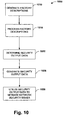
- Fig. 10 illustrates a security analysis process 1000 in accordance with an aspect of the present invention.
- factory descriptions of automation assets, network devices, network topologies, and/or other factory data are generated.
- Such data can include an abstract description of a factory, models, equations, maps, and network pathways to access the automation assets.
- the descriptions can also include risk data, cost data, security data from other security tools, and partitioning or user data, for example.
- the factory descriptions are processed such as via an object, application, security engine, ASIC, computer, web service, and so forth.
- security output data is determined in accordance with the factory descriptions and processing described above.
- the security output data can include a set or subset of recommended security components, codes, parameters, settings, related interconnection topology, connection configurations, application procedures, security policies, rules, user procedures, and/or user practices, for example, as noted above.
- security output data is generated that can be automatically deployed to one or more entities such as users or devices in order to implement various security measures within an automation environment (e.g., data file or schema generated to automatically configure devices, provide user training and precautions, provide security configurations and topologies).
- entities employ the security data to mitigate network security issues such as unwanted network access and/or network attack.
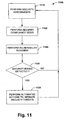
- Fig. 11 illustrates a security validation process 1100 in accordance with an aspect of the present invention and includes host-based and/or network based processing as noted above.
- security assessments are performed. This can include initial and/or periodic live security assessment of a physical system to identify security flaws or weaknesses.
- security compliance tests are performed. This can include automated checking prior to proposed or attempted network security modifications in order to assess current security levels. Compliance checking can also include determining conformance to other automated security analysis recommendations, conformance to applicable device/network security standards, and/or in accordance with predetermined or factory-specific guidelines, for example.
- vulnerability scanning and/or auditing on devices/networks is performed. This includes revision checks, improper configuration checks, file system/ registry/database permissions checks, user privilege/password and/or account policy checks, checking for susceptibility to common network-based attacks, searching for open network ports, scanning for vulnerable network services, learning identity information about end devices/users that may enable hacker entry, performing vulnerability scanning and auditing on firewalls, routers, and/or other security devices, non-destructively mapping a topology of IT and automation devices, checking revisions and configurations, checking user attributes, and/or checking access control lists.
- a determination is made as to whether security issues have been detected such as in accordance with the assessments, compliance testing, and scanning/auditing described above.
- the process proceeds back to 1110. If security issues are detected at 1124, the process proceeds to 1110. If security issues are detected at 1130, the process proceeds to 1134.
- one or more automated security actions are performed to mitigate security threats. This can include automatically correcting security problems such as automatically adjusting security parameters, altering network traffic patterns, installing new security components, removing suspicious components, firing alarms, and/or automatically notifying entities about detected problems and/or suspicions. After automated processing at 1134, the process proceeds back to 1110 for further security processing, analysis, scanning, and detection.
- Fig. 12 illustrates a security learning and detection process 1200 in accordance with an aspect of the present invention and can also include network-based aspects and/or host-based aspects as noted above.
- one or more learning components such as learning models, learning systems, parameters, and/or variables are defined that describe various network and/or system properties.
- Such components can be adapted to determine statistical or pattern information regarding network and system activities. This information can include the number, quantity or average of network requests to and from one or more assets or network devices, the type of requests ( e . g ., read/write, role/identity of person/system requesting access, time of requests, location of requests), status or counter data ( e .
- system learning is performed. This includes monitoring an automation network during a predetermined training period, wherein the learning components described above acquire information about network, system, user, and/or device activities during the training period. For example, a counter variable may learn the average number of network requests that are sent to an automation asset in a given time period (can also be other statistical measures than average).
- an intelligent component such as a Bayesian inference model, probability determination, or neural network learns patterns such as "During heaviest network loads, the PLC responds to 25% fewer requests, and during real time processing operations, 35% fewer requests for a maximum of 23 requests per minute processed during such periods, +/- 1 standard deviation.”
- learned patterns are compared to current data patterns in view of predetermined threshold or range settings at 1218. For example, if the mean number of factory network packets transmitted is learned to be about 20,000 bytes per/second, +/- 5000 bytes, and a range is set up so that if network traffic goes above 26,000 bytes per second or below 10,000 bytes per second, then system security performance is considered acceptable as long as network traffic remains in the selected range. It is noted that thresholds/ranges can be set according to user desires, automated determinations, and/or according to the amount of risk and/or costs that are deemed acceptable ( e . g ., for lesser amount of security risk, set thresholds closer to learned patterns).
- security problems such as automatically adjusting security parameters, altering network traffic patterns, installing new security components, removing suspicious components, firing alarms, and/or automatically notifying entities about detected problems and/or suspicions (e.g., sending an e-mail,
Landscapes
- Engineering & Computer Science (AREA)
- Computer Security & Cryptography (AREA)
- Computer Networks & Wireless Communication (AREA)
- Signal Processing (AREA)
- Computing Systems (AREA)
- General Engineering & Computer Science (AREA)
- Medical Informatics (AREA)
- Software Systems (AREA)
- Theoretical Computer Science (AREA)
- Computer Hardware Design (AREA)
- Physics & Mathematics (AREA)
- General Physics & Mathematics (AREA)
- Health & Medical Sciences (AREA)
- General Health & Medical Sciences (AREA)
- Artificial Intelligence (AREA)
- Computer Vision & Pattern Recognition (AREA)
- Data Mining & Analysis (AREA)
- Evolutionary Computation (AREA)
- Mathematical Physics (AREA)
- Automation & Control Theory (AREA)
- Computer And Data Communications (AREA)
- Data Exchanges In Wide-Area Networks (AREA)
- Testing And Monitoring For Control Systems (AREA)
Abstract
Description
- The number of network requests to and from one or
more assets 720; - the type of requests (e.g., read/write, role/identity of person/system requesting access, time of requests);
- status or counter data (e.g., network access counters, error codes) which can be
provided or queried from a learning or
status component 724 within theasset 720; and/or - monitor and learn about substantially any data type or pattern that may be
retrieved from the network 714 and/or the
asset 720.
Claims (44)
- A security analysis tool for an automation system, comprising:an interface component to generate a description of factory assets; andan analyzer component to generate one or more security outputs based on the description.
- The tool of claim 1, at least one of the interface component and the analyzer component operate on a computer and receive one or more factory inputs that provide the description.
- The tool of claim 2, the factory inputs include user input, model inputs, schemas, formulas, equations, files, maps, and codes.
- The tool of claim 2, the factory inputs are processed by the analyzer component to generate the security outputs, the security outputs including at least one of manuals, documents, schemas, executables, codes, files, e-mails, recommendations, topologies, configurations, application procedures, parameters, policies, rules, user procedures, and user practices that are employed to facilitate security measures in an automation system.
- The tool of claim 1, the interface component includes at least one of a display output having associated display objects and at least one input to facilitate operations with the analyzer component, the interface component is associated with at least one of an engine, an application, an editor tool, a web browser, and a web service.
- The tool of claim 5, the display objects include at least one of configurable icons, buttons, sliders, input boxes, selection options, menus, and tabs, the display objects having multiple configurable dimensions, shapes, colors, text, data and sounds to facilitate operations with the analyzer component.
- The tool of claim 5, the at least one inputs includes receiving user commands from a mouse, keyboard, speech input, web site, remote web service, camera, and video input to affect operations of the interface component and the analyzer component.
- The tool of claim 1, the description includes a model of one or more automation assets to be protected and associated network pathways to access the automation assets.
- The tool of claim 1, the description includes at least one of risk data and cost data that is employed by the analyzer component to determine suitable security measures.
- The tool of claim 1, the description includes at least one of shop floor access patterns, Intranet access patterns, Internet access patterns, and wireless access patterns.
- The tool of claim 1, the analyzer component is adapted for partitioned security specification entry and sign-off from various groups.
- A security analysis method, comprising:inputting a at least one model related to one or more factory assets; andgenerating one or more security outputs based on the model.
- The method of claim 12, the at least one model is related to at least one of a risk-based model and a cost-based model.
- The method of claim 12, the security outputs include at least one of recommended security components, codes, parameters, settings, related interconnection topologies, connection configurations, application procedures, security policies, rules, user procedures, and user practices.
- The method of claim 12, further comprising at least one of:automatically deploying the security outputs to one or more entities; andutilizing the security outputs to mitigate at least one of unwanted network access and network attack.
- A security analysis system in an automation environment, comprising:means for receiving abstract descriptions of at least one of factory assets and network devices; andmeans for generating one or more security outputs based on the abstract description; andmeans for automatically distributing the security outputs to facilitate network security in the automation environment.
- A security validation system, comprising:a scanner component to automatically interrogate an automation system at periodic intervals for security related data; anda validation component to automatically assess security capabilities of the automation system based upon a comparison of the security related data and one or more predetermined security guidelines.
- The system of claim 17, the scanner component and the validation component are at least one of a host-based component and a network-based component.
- The system of claim 17, the validation component performs at least one of a security audit, a vulnerability scan, a revision check, an improper configuration check, file system check, a registry check, a database permissions check, a user privileges check, a password check, and an account policy check.
- The system of claim 17, the security guidelines are automatically determined.
- The system of claim 18, the host-based component performs vulnerability scanning and auditing on devices, the network-based component performs vulnerability scanning and auditing on networks.
- The system of claim 21, at least one of host-based component and the network-based component at least one of determines susceptibility to common network-based attacks, searches for open TCP/UDP ports, scans for vulnerable network services, attempts to gain identity information about end devices that relates to hacker entry, performs vulnerability scanning and auditing on firewalls, routers, security devices, and factory protocols.
- The system of claim 21, at least one of host-based component and the network-based component at least one of includes non-destructively mapping a topology of IT and automation devices, checking revisions and configurations, checking user attributes, and checking access control lists.
- The system of claim 17, further comprising a component to automatically initiate a security action in response to detected security problems.
- The system of claim 24, the security action includes at least one of automatically correcting security problems, automatically adjusting security parameters, altering network traffic patterns, add security components, removing security components, firing alarms, automatically notifying entities about detected problems and concerns, generating an error or log file, generating a schema, generating data to re-configure or re-route network connections, updating a database, and updating a remote site.
- An automated security validation method, comprising:scanning one or more networks or automation devices for potential security violations; andperforming an automated security procedure if a security violation is detected.
- The method of claim 26, further comprising at least one of:checking for susceptibility to network-based attacks;searching for open TCP/UDP ports; andscanning for vulnerable network services.
- The method of claim 26, further comprising at least one of:automatically performing security assessments;automatically performing security compliance checks; andautomatically performing security vulnerability scanning.
- The method of claim 26, the automated security procedures include at least one of automatically performing corrective actions, altering network patterns, adding security components, removing security components, adjusting security parameters, and generating security data to mitigate network security problems.
- An automated security validation system, comprising:means for scanning one or more networks or automation devices for potential security violations;means for initiating a security procedure in response to the security violations; andmeans for performing at least one of security assessments, security compliance checks; and security vulnerability scanning to mitigate the security violations.
- A security learning system for an automation environment, comprising:a learning component to monitor and learn automation activities during a training period; anda detection component to automatically trigger a security event based upon detected deviations of subsequent automation activities after the training period.
- The system of claim 31, the automation activities includes at least one of a network activity and a device activity.
- The system of claim 31, the learning component including at least one of a learning model and a variable
- The system of claim 31, the automation activities include at least one of a number of network requests, a type of network requests, a time of requests, a location of requests, status information, and counter data.
- The system of claim 31, the detection component employs at least one of a threshold and a range to determine the deviations.
- The system of claim 35, the threshold and the range are dynamically adjustable.
- The system of claim 33, the learning model includes at least one of mathematical models, statistical models, probabilistic models, functions, algorithms, and neural networks, classifiers, inference models, Hidden Markov Models (HMM), Bayesian models, Support Vector Machines (SVM), vector-based models, and decision trees.
- The system of claim 31, the security event includes at least one of automatically performing corrective actions, altering network patterns, adding security components, removing security components, adjusting security parameters, firing an alarm, notifying an entity, generating an e-mail, interacting with a web site, and generating security data to mitigate network security problems.
- A security learning method, comprising:monitoring a network for a predetermined time;automatically learning at least one data pattern during the predetermined time; andgenerating an alarm if a current data pattern is determined to be outside of a predetermined threshold associated with the at least one data pattern.
- The method of claim 39, the at least one data pattern employed as input for a security analysis process.
- A security learning system in an automation environment, comprising:means for scanning a network;means for learning data patterns from the network; andmeans for generating a security event if current data patterns are determined to be out of tolerance from stored data patterns.
- A security schema for a factory automation system, comprising:a first data field to describe device security parameters;a second data field to describe network security parameters;a third data field to describe security guidelines; anda schema to represent the data fields, the schema employed to mitigate network security problems in the factory automation system.
- The schema of claim 42, the schema is processed in an at least one of an XML format and an SQL format.
- The schema of claim 42, further comprising at least one of a recommendations element, a topologies element, a configurations element, an application procedures element, a policies element, a rules element, and a user procedures element to mitigate network security problems.
Applications Claiming Priority (4)
| Application Number | Priority Date | Filing Date | Title |
|---|---|---|---|
| US42000602P | 2002-10-21 | 2002-10-21 | |
| US420006P | 2002-10-21 | ||
| US661696P | 2003-09-12 | ||
| US10/661,696 US8909926B2 (en) | 2002-10-21 | 2003-09-12 | System and methodology providing automation security analysis, validation, and learning in an industrial controller environment |
Publications (3)
| Publication Number | Publication Date |
|---|---|
| EP1420317A2 true EP1420317A2 (en) | 2004-05-19 |
| EP1420317A3 EP1420317A3 (en) | 2005-12-21 |
| EP1420317B1 EP1420317B1 (en) | 2016-12-14 |
Family
ID=32511422
Family Applications (1)
| Application Number | Title | Priority Date | Filing Date |
|---|---|---|---|
| EP03023916.4A Expired - Lifetime EP1420317B1 (en) | 2002-10-21 | 2003-10-21 | System and methodology providing automation security analysis, validation, and learning in an industrial controller environment |
Country Status (2)
| Country | Link |
|---|---|
| US (2) | US8909926B2 (en) |
| EP (1) | EP1420317B1 (en) |
Cited By (19)
| Publication number | Priority date | Publication date | Assignee | Title |
|---|---|---|---|---|
| WO2006020882A1 (en) * | 2004-08-13 | 2006-02-23 | Honeywell International Inc. | Anomaly-based intrusion detection |
| EP1655647A1 (en) * | 2004-11-04 | 2006-05-10 | Prüftechnik Dieter Busch Ag | Secured connectivity system for Internet-based CM systems |
| AT502241B1 (en) * | 2005-02-24 | 2007-04-15 | Arc Seibersdorf Res Gmbh | PROCEDURE AND ARRANGEMENT FOR DETERMINING THE DEVIATION OF IDENTIFIED VALUES |
| SG131103A1 (en) * | 2005-09-30 | 2007-04-26 | Rockwell Automation Tech Inc | Hybrid user interface having base presentation information with variably prominent supplemental information |
| WO2007101118A2 (en) | 2006-02-24 | 2007-09-07 | Rockwell Automation Technologies, Inc. | Auto-detection capabilities for out of the box experience |
| WO2007145872A3 (en) * | 2006-06-06 | 2008-08-07 | Cisco Tech Inc | Dynamically responding to non-network events at a network device in a computer network |
| WO2011151768A1 (en) * | 2010-06-01 | 2011-12-08 | Radiflow Ltd. | Plant communication network |
| WO2013000710A1 (en) * | 2011-06-29 | 2013-01-03 | Siemens Aktiengesellschaft | Method and apparatus for monitoring a vpn tunnel |
| US8726085B2 (en) | 2011-02-14 | 2014-05-13 | International Business Machines Corporation | Anomaly detection to implement security protection of a control system |
| US9075410B2 (en) | 2011-02-15 | 2015-07-07 | International Business Machines Corporation | Abnormality detection for isolating a control system |
| US9426248B2 (en) | 2012-11-22 | 2016-08-23 | Mitsubishi Electric Corporation | Data collection and transfer apparatus |
| EP3258661A1 (en) * | 2016-06-16 | 2017-12-20 | ABB Schweiz AG | Detection of abnormal configuration changes |
| EP3544262A1 (en) * | 2018-03-22 | 2019-09-25 | Mitsubishi Electric R&D Centre Europe B.V. | Method of improving security in a factory automation network |
| EP3542510A1 (en) * | 2016-11-18 | 2019-09-25 | Continental Automotive GmbH | Method for a communications network, and electronic control unit |
| US10447540B2 (en) * | 2016-04-08 | 2019-10-15 | Cisco Technology, Inc. | Deriving a network policy for an industrial automation network |
| US10678911B2 (en) | 2011-02-04 | 2020-06-09 | International Business Machines Corporation | Increasing availability of an industrial control system |
| WO2021219337A1 (en) * | 2020-04-27 | 2021-11-04 | Bayerische Motoren Werke Aktiengesellschaft | Identifying errors in a computer network |
| CN113673966A (en) * | 2021-09-03 | 2021-11-19 | 海尔数字科技(青岛)有限公司 | Information security construction plan generation method, device, electronic device and storage medium |
| EP4047898A1 (en) * | 2021-02-17 | 2022-08-24 | ABB Schweiz AG | Defending industrial automation systems against attack |
Families Citing this family (355)
| Publication number | Priority date | Publication date | Assignee | Title |
|---|---|---|---|---|
| US20070112512A1 (en) * | 1987-09-28 | 2007-05-17 | Verizon Corporate Services Group Inc. | Methods and systems for locating source of computer-originated attack based on GPS equipped computing device |
| US7708189B1 (en) | 2002-05-17 | 2010-05-04 | Cipriano Joseph J | Identification verification system and method |
| US9009084B2 (en) | 2002-10-21 | 2015-04-14 | Rockwell Automation Technologies, Inc. | System and methodology providing automation security analysis and network intrusion protection in an industrial environment |
| US7467018B1 (en) | 2002-11-18 | 2008-12-16 | Rockwell Automation Technologies, Inc. | Embedded database systems and methods in an industrial controller environment |
| US20110202565A1 (en) * | 2002-12-31 | 2011-08-18 | American Express Travel Related Services Company, Inc. | Method and system for implementing and managing an enterprise identity management for distributed security in a computer system |
| US7143095B2 (en) * | 2002-12-31 | 2006-11-28 | American Express Travel Related Services Company, Inc. | Method and system for implementing and managing an enterprise identity management for distributed security |
| US7751546B2 (en) * | 2003-01-22 | 2010-07-06 | Avaya Canada Corp. | Call transfer system, method and network devices |
| US7185015B2 (en) | 2003-03-14 | 2007-02-27 | Websense, Inc. | System and method of monitoring and controlling application files |
| US7529754B2 (en) * | 2003-03-14 | 2009-05-05 | Websense, Inc. | System and method of monitoring and controlling application files |
| US20040210773A1 (en) * | 2003-04-16 | 2004-10-21 | Charles Markosi | System and method for network security |
| US9118710B2 (en) | 2003-07-01 | 2015-08-25 | Securityprofiling, Llc | System, method, and computer program product for reporting an occurrence in different manners |
| US8984644B2 (en) | 2003-07-01 | 2015-03-17 | Securityprofiling, Llc | Anti-vulnerability system, method, and computer program product |
| US9118709B2 (en) | 2003-07-01 | 2015-08-25 | Securityprofiling, Llc | Anti-vulnerability system, method, and computer program product |
| US9350752B2 (en) | 2003-07-01 | 2016-05-24 | Securityprofiling, Llc | Anti-vulnerability system, method, and computer program product |
| US9118708B2 (en) | 2003-07-01 | 2015-08-25 | Securityprofiling, Llc | Multi-path remediation |
| US9118711B2 (en) | 2003-07-01 | 2015-08-25 | Securityprofiling, Llc | Anti-vulnerability system, method, and computer program product |
| US9100431B2 (en) | 2003-07-01 | 2015-08-04 | Securityprofiling, Llc | Computer program product and apparatus for multi-path remediation |
| US20070113272A2 (en) | 2003-07-01 | 2007-05-17 | Securityprofiling, Inc. | Real-time vulnerability monitoring |
| US7068161B2 (en) * | 2003-07-31 | 2006-06-27 | Ch2M Hill, Inc. | Method and system for analyzing the security of a facility |
| US7194446B1 (en) * | 2003-09-25 | 2007-03-20 | Rockwell Automation Technologies, Inc. | Location-based execution of software/HMI |
| US7483986B2 (en) * | 2003-12-03 | 2009-01-27 | International Business Machines Corporation | Dynamically tuning networks of relationships in self-organizing multi-agent systems |
| US8190723B2 (en) * | 2003-12-14 | 2012-05-29 | Cisco Technology, Inc. | Method and system for automatically determining commands for a network element |
| US8983966B2 (en) * | 2004-02-27 | 2015-03-17 | Ebay Inc. | Method and system to monitor a diverse heterogeneous application environment |
| US8881282B1 (en) | 2004-04-01 | 2014-11-04 | Fireeye, Inc. | Systems and methods for malware attack detection and identification |
| US8793787B2 (en) | 2004-04-01 | 2014-07-29 | Fireeye, Inc. | Detecting malicious network content using virtual environment components |
| US8898788B1 (en) | 2004-04-01 | 2014-11-25 | Fireeye, Inc. | Systems and methods for malware attack prevention |
| US7587537B1 (en) | 2007-11-30 | 2009-09-08 | Altera Corporation | Serializer-deserializer circuits formed from input-output circuit registers |
| US8566946B1 (en) | 2006-04-20 | 2013-10-22 | Fireeye, Inc. | Malware containment on connection |
| US9106694B2 (en) | 2004-04-01 | 2015-08-11 | Fireeye, Inc. | Electronic message analysis for malware detection |
| US8584239B2 (en) | 2004-04-01 | 2013-11-12 | Fireeye, Inc. | Virtual machine with dynamic data flow analysis |
| US8549638B2 (en) | 2004-06-14 | 2013-10-01 | Fireeye, Inc. | System and method of containing computer worms |
| US8171553B2 (en) | 2004-04-01 | 2012-05-01 | Fireeye, Inc. | Heuristic based capture with replay to virtual machine |
| US8528086B1 (en) | 2004-04-01 | 2013-09-03 | Fireeye, Inc. | System and method of detecting computer worms |
| US8010952B2 (en) * | 2004-06-08 | 2011-08-30 | Cisco Technology, Inc. | Method and apparatus for configuration syntax and semantic validation |
| US20060015591A1 (en) * | 2004-06-08 | 2006-01-19 | Datla Krishnam R | Apparatus and method for intelligent configuration editor |
| US7860874B2 (en) * | 2004-06-08 | 2010-12-28 | Siemens Industry, Inc. | Method for searching across a PLC network |
| US7735140B2 (en) * | 2004-06-08 | 2010-06-08 | Cisco Technology, Inc. | Method and apparatus providing unified compliant network audit |
| US7721304B2 (en) | 2004-06-08 | 2010-05-18 | Cisco Technology, Inc. | Method and apparatus providing programmable network intelligence |
| EP1612639A1 (en) * | 2004-06-30 | 2006-01-04 | ST Incard S.r.l. | Method for detecting and reacting against possible attack to security enforcing operation performed by a cryptographic token or card |
| US7607166B2 (en) * | 2004-07-12 | 2009-10-20 | Cisco Technology, Inc. | Secure manufacturing devices in a switched Ethernet network |
| US8091130B1 (en) * | 2004-08-12 | 2012-01-03 | Verizon Corporate Services Group Inc. | Geographical intrusion response prioritization mapping system |
| US8082506B1 (en) | 2004-08-12 | 2011-12-20 | Verizon Corporate Services Group Inc. | Geographical vulnerability mitigation response mapping system |
| US8631493B2 (en) * | 2004-08-12 | 2014-01-14 | Verizon Patent And Licensing Inc. | Geographical intrusion mapping system using telecommunication billing and inventory systems |
| US8572734B2 (en) | 2004-08-12 | 2013-10-29 | Verizon Patent And Licensing Inc. | Geographical intrusion response prioritization mapping through authentication and flight data correlation |
| US8418246B2 (en) * | 2004-08-12 | 2013-04-09 | Verizon Patent And Licensing Inc. | Geographical threat response prioritization mapping system and methods of use |
| US7950044B2 (en) * | 2004-09-28 | 2011-05-24 | Rockwell Automation Technologies, Inc. | Centrally managed proxy-based security for legacy automation systems |
| US7979706B1 (en) * | 2004-09-29 | 2011-07-12 | Rockwell Automation Technologies, Inc. | Systems and methods for queuing an action in industrial automation systems |
| US8031913B1 (en) | 2004-09-29 | 2011-10-04 | Rockwell Automation Technologies, Inc. | Preemptive change verification via electronic signatures in industrial automation systems |
| US7861085B1 (en) * | 2004-09-29 | 2010-12-28 | Rockwell Automation Technologies, Inc. | Systems and methods providing distributed management of electronic signatures in industrial automation systems |
| US8132225B2 (en) * | 2004-09-30 | 2012-03-06 | Rockwell Automation Technologies, Inc. | Scalable and flexible information security for industrial automation |
| US8756521B1 (en) | 2004-09-30 | 2014-06-17 | Rockwell Automation Technologies, Inc. | Systems and methods for automatic visualization configuration |
| US7860318B2 (en) | 2004-11-09 | 2010-12-28 | Intelli-Check, Inc | System and method for comparing documents |
| US8078881B1 (en) * | 2004-11-12 | 2011-12-13 | Liu Gary G | Password resetting method |
| US7832005B1 (en) * | 2004-11-29 | 2010-11-09 | Symantec Corporation | Behavioral learning based security |
| US7310669B2 (en) | 2005-01-19 | 2007-12-18 | Lockdown Networks, Inc. | Network appliance for vulnerability assessment auditing over multiple networks |
| US20060164199A1 (en) * | 2005-01-26 | 2006-07-27 | Lockdown Networks, Inc. | Network appliance for securely quarantining a node on a network |
| US8520512B2 (en) | 2005-01-26 | 2013-08-27 | Mcafee, Inc. | Network appliance for customizable quarantining of a node on a network |
| US7810138B2 (en) | 2005-01-26 | 2010-10-05 | Mcafee, Inc. | Enabling dynamic authentication with different protocols on the same port for a switch |
| US8590011B1 (en) * | 2005-02-24 | 2013-11-19 | Versata Development Group, Inc. | Variable domain resource data security for data processing systems |
| US7706895B2 (en) | 2005-02-25 | 2010-04-27 | Rockwell Automation Technologies, Inc. | Reliable messaging instruction |
| US7565351B1 (en) * | 2005-03-14 | 2009-07-21 | Rockwell Automation Technologies, Inc. | Automation device data interface |
| CA2544681C (en) * | 2005-04-22 | 2015-11-17 | Protexis Inc. | Location-specific or range-based licensing system |
| US8799800B2 (en) * | 2005-05-13 | 2014-08-05 | Rockwell Automation Technologies, Inc. | Automatic user interface generation |
| US7809683B2 (en) | 2005-05-13 | 2010-10-05 | Rockwell Automation Technologies, Inc. | Library that includes modifiable industrial automation objects |
| US7650405B2 (en) * | 2005-05-13 | 2010-01-19 | Rockwell Automation Technologies, Inc. | Tracking and tracing across process boundaries in an industrial automation environment |
| US7676281B2 (en) * | 2005-05-13 | 2010-03-09 | Rockwell Automation Technologies, Inc. | Distributed database in an industrial automation environment |
| US7672737B2 (en) * | 2005-05-13 | 2010-03-02 | Rockwell Automation Technologies, Inc. | Hierarchically structured data model for utilization in industrial automation environments |
| US8800042B2 (en) * | 2005-05-16 | 2014-08-05 | Hewlett-Packard Development Company, L.P. | Secure web application development and execution environment |
| US7233830B1 (en) * | 2005-05-31 | 2007-06-19 | Rockwell Automation Technologies, Inc. | Application and service management for industrial control devices |
| GB0512744D0 (en) * | 2005-06-22 | 2005-07-27 | Blackspider Technologies | Method and system for filtering electronic messages |
| US20070019641A1 (en) * | 2005-07-22 | 2007-01-25 | Rockwell Automation Technologies, Inc. | Execution of industrial automation applications on communication infrastructure devices |
| US8955032B2 (en) * | 2005-08-20 | 2015-02-10 | Riverbed Technology, Inc. | Assessing network and device compliance with security policies |
| US9286469B2 (en) * | 2005-12-16 | 2016-03-15 | Cisco Technology, Inc. | Methods and apparatus providing computer and network security utilizing probabilistic signature generation |
| US8495743B2 (en) * | 2005-12-16 | 2013-07-23 | Cisco Technology, Inc. | Methods and apparatus providing automatic signature generation and enforcement |
| US8413245B2 (en) * | 2005-12-16 | 2013-04-02 | Cisco Technology, Inc. | Methods and apparatus providing computer and network security for polymorphic attacks |
| US7882560B2 (en) * | 2005-12-16 | 2011-02-01 | Cisco Technology, Inc. | Methods and apparatus providing computer and network security utilizing probabilistic policy reposturing |
| US8453243B2 (en) | 2005-12-28 | 2013-05-28 | Websense, Inc. | Real time lockdown |
| US7877409B2 (en) * | 2005-12-29 | 2011-01-25 | Nextlabs, Inc. | Preventing conflicts of interests between two or more groups using applications |
| US7787390B1 (en) * | 2006-01-30 | 2010-08-31 | Marvell International Ltd. | Custom automatic remote monitoring for network devices |
| US7865612B2 (en) | 2006-01-31 | 2011-01-04 | Genband Us Llc | Method and apparatus for partitioning resources within a session-over-internet-protocol (SoIP) session controller |
| US7861003B2 (en) * | 2006-01-31 | 2010-12-28 | Genband Us Llc | Adaptive feedback for session over internet protocol |
| US7860990B2 (en) * | 2006-01-31 | 2010-12-28 | Genband Us Llc | Session data records and related alarming within a session over internet protocol (SOIP) network |
| US8509218B2 (en) * | 2006-02-28 | 2013-08-13 | Genband Us Llc | Prioritization within a session over internet protocol (SOIP) network |
| US8259706B2 (en) * | 2006-02-28 | 2012-09-04 | Genband Us Llc | Multistage prioritization of packets within a session over internet protocol (SOIP) network |
| US7814069B2 (en) * | 2006-03-30 | 2010-10-12 | Oracle International Corporation | Wrapper for use with global standards compliance checkers |
| US7950056B1 (en) * | 2006-06-30 | 2011-05-24 | Symantec Corporation | Behavior based processing of a new version or variant of a previously characterized program |
| PL1881388T3 (en) * | 2006-07-07 | 2014-04-30 | Ansaldo Energia Spa | Industrial plant security apparatus and monitoring method of security of an industrial plant |
| US8359248B2 (en) * | 2006-08-24 | 2013-01-22 | Blue Pillar, Inc. | Systems, methods, and devices for managing emergency power supply systems |
| US20080137266A1 (en) * | 2006-09-29 | 2008-06-12 | Rockwell Automation Technologies, Inc. | Motor control center with power and data distribution bus |
| FR2907930B1 (en) * | 2006-10-27 | 2009-02-13 | Viaccess Sa | METHOD FOR DETECTING ABNORMAL USE OF A SECURITY PROCESSOR |
| US9654495B2 (en) * | 2006-12-01 | 2017-05-16 | Websense, Llc | System and method of analyzing web addresses |
| US9008617B2 (en) * | 2006-12-28 | 2015-04-14 | Verizon Patent And Licensing Inc. | Layered graphical event mapping |
| GB2458094A (en) | 2007-01-09 | 2009-09-09 | Surfcontrol On Demand Ltd | URL interception and categorization in firewalls |
| GB2445764A (en) | 2007-01-22 | 2008-07-23 | Surfcontrol Plc | Resource access filtering system and database structure for use therewith |
| US8938773B2 (en) * | 2007-02-02 | 2015-01-20 | Websense, Inc. | System and method for adding context to prevent data leakage over a computer network |
| US8042171B1 (en) | 2007-03-27 | 2011-10-18 | Amazon Technologies, Inc. | Providing continuing service for a third-party network site during adverse network conditions |
| US8533841B2 (en) * | 2007-04-02 | 2013-09-10 | Microsoft Corporation | Deriving remediations from security compliance rules |
| GB0709527D0 (en) | 2007-05-18 | 2007-06-27 | Surfcontrol Plc | Electronic messaging system, message processing apparatus and message processing method |
| US7912062B2 (en) * | 2007-09-28 | 2011-03-22 | Genband Us Llc | Methods and apparatus for managing addresses related to virtual partitions of a session exchange device |
| US20110001604A1 (en) * | 2007-11-05 | 2011-01-06 | Nelson Ludlow | Automatic incident reporting in an access control system |
| US8122510B2 (en) * | 2007-11-14 | 2012-02-21 | Bank Of America Corporation | Method for analyzing and managing unstructured data |
| US20090144545A1 (en) * | 2007-11-29 | 2009-06-04 | International Business Machines Corporation | Computer system security using file system access pattern heuristics |
| US8086582B1 (en) * | 2007-12-18 | 2011-12-27 | Mcafee, Inc. | System, method and computer program product for scanning and indexing data for different purposes |
| WO2009114649A2 (en) | 2008-03-12 | 2009-09-17 | Aptima, Inc. | Probabilistic decision making system and methods of use |
| US9015842B2 (en) | 2008-03-19 | 2015-04-21 | Websense, Inc. | Method and system for protection against information stealing software |
| US9130986B2 (en) * | 2008-03-19 | 2015-09-08 | Websense, Inc. | Method and system for protection against information stealing software |
| US8370948B2 (en) * | 2008-03-19 | 2013-02-05 | Websense, Inc. | System and method for analysis of electronic information dissemination events |
| US8407784B2 (en) * | 2008-03-19 | 2013-03-26 | Websense, Inc. | Method and system for protection against information stealing software |
| US20090319531A1 (en) * | 2008-06-20 | 2009-12-24 | Bong Jun Ko | Method and Apparatus for Detecting Devices Having Implementation Characteristics Different from Documented Characteristics |
| EP2318955A1 (en) | 2008-06-30 | 2011-05-11 | Websense, Inc. | System and method for dynamic and real-time categorization of webpages |
| US20100064297A1 (en) * | 2008-09-05 | 2010-03-11 | Invensys Systems, Inc. | Configuring And Providing Enhanced Access To Profibus Device Diagnostic Data |
| US8997219B2 (en) | 2008-11-03 | 2015-03-31 | Fireeye, Inc. | Systems and methods for detecting malicious PDF network content |
| EP2200249A1 (en) * | 2008-12-17 | 2010-06-23 | Abb Research Ltd. | Network analysis |
| US8341748B2 (en) * | 2008-12-18 | 2012-12-25 | Caterpillar Inc. | Method and system to detect breaks in a border of a computer network |
| EP2443580A1 (en) | 2009-05-26 | 2012-04-25 | Websense, Inc. | Systems and methods for efficeint detection of fingerprinted data and information |
| US9489651B2 (en) * | 2009-07-29 | 2016-11-08 | International Business Machines Corporation | Autonomic manufacturing operator authorization adjustment |
| EP2296340A3 (en) | 2009-09-14 | 2014-10-01 | Hirschmann Automation and Control GmbH | Method for operating a firewall device in automation networks |
| US8832829B2 (en) | 2009-09-30 | 2014-09-09 | Fireeye, Inc. | Network-based binary file extraction and analysis for malware detection |
| US8984533B2 (en) | 2010-04-15 | 2015-03-17 | Rockwell Automation Technologies, Inc. | Systems and methods for conducting communications among components of multidomain industrial automation system |
| US9392072B2 (en) | 2010-04-15 | 2016-07-12 | Rockwell Automation Technologies, Inc. | Systems and methods for conducting communications among components of multidomain industrial automation system |
| US8484401B2 (en) | 2010-04-15 | 2013-07-09 | Rockwell Automation Technologies, Inc. | Systems and methods for conducting communications among components of multidomain industrial automation system |
| US20120117656A1 (en) * | 2010-11-10 | 2012-05-10 | Sap Ag | Security Validation of Business Processes |
| US8775607B2 (en) * | 2010-12-10 | 2014-07-08 | International Business Machines Corporation | Identifying stray assets in a computing enviroment and responsively taking resolution actions |
| US20120159624A1 (en) * | 2010-12-21 | 2012-06-21 | Fujitsu Technology Solutions Intellectual Property Gmbh | Computer security method, system and model |
| US8893216B2 (en) * | 2011-06-15 | 2014-11-18 | Cisco Technology, Inc. | Security measures for the smart grid |
| US8839349B2 (en) | 2011-10-18 | 2014-09-16 | Mcafee, Inc. | Integrating security policy and event management |
| US9594367B2 (en) * | 2011-10-31 | 2017-03-14 | Rockwell Automation Technologies, Inc. | Systems and methods for process control including process-initiated workflow |
| EP2624083A1 (en) * | 2012-02-01 | 2013-08-07 | ABB Research Ltd. | Dynamic configuration of an industrial control system |
| US9032520B2 (en) * | 2012-02-22 | 2015-05-12 | iScanOnline, Inc. | Remote security self-assessment framework |
| ES2628462T3 (en) | 2012-03-12 | 2017-08-02 | Verisure Sàrl | Method and apparatus for controlling a domestic wireless system |
| US8726393B2 (en) | 2012-04-23 | 2014-05-13 | Abb Technology Ag | Cyber security analyzer |
| US10290221B2 (en) * | 2012-04-27 | 2019-05-14 | Aptima, Inc. | Systems and methods to customize student instruction |
| US10552764B1 (en) | 2012-04-27 | 2020-02-04 | Aptima, Inc. | Machine learning system for a training model of an adaptive trainer |
| US8863307B2 (en) * | 2012-06-05 | 2014-10-14 | Broadcom Corporation | Authenticating users based upon an identity footprint |
| US8972526B2 (en) * | 2012-10-17 | 2015-03-03 | Wal-Mart Stores, Inc. | HTTP parallel processing router |
| US10572665B2 (en) | 2012-12-28 | 2020-02-25 | Fireeye, Inc. | System and method to create a number of breakpoints in a virtual machine via virtual machine trapping events |
| US9177139B2 (en) * | 2012-12-30 | 2015-11-03 | Honeywell International Inc. | Control system cyber security |
| US9367681B1 (en) | 2013-02-23 | 2016-06-14 | Fireeye, Inc. | Framework for efficient security coverage of mobile software applications using symbolic execution to reach regions of interest within an application |
| US9176843B1 (en) | 2013-02-23 | 2015-11-03 | Fireeye, Inc. | Framework for efficient security coverage of mobile software applications |
| US9195829B1 (en) | 2013-02-23 | 2015-11-24 | Fireeye, Inc. | User interface with real-time visual playback along with synchronous textual analysis log display and event/time index for anomalous behavior detection in applications |
| US9355247B1 (en) | 2013-03-13 | 2016-05-31 | Fireeye, Inc. | File extraction from memory dump for malicious content analysis |
| US10438156B2 (en) | 2013-03-13 | 2019-10-08 | Aptima, Inc. | Systems and methods to provide training guidance |
| US9104867B1 (en) | 2013-03-13 | 2015-08-11 | Fireeye, Inc. | Malicious content analysis using simulated user interaction without user involvement |
| US9626509B1 (en) | 2013-03-13 | 2017-04-18 | Fireeye, Inc. | Malicious content analysis with multi-version application support within single operating environment |
| US9430646B1 (en) | 2013-03-14 | 2016-08-30 | Fireeye, Inc. | Distributed systems and methods for automatically detecting unknown bots and botnets |
| US20140277612A1 (en) * | 2013-03-14 | 2014-09-18 | General Electric Company | Automatic generation of a dynamic pre-start checklist |
| US9311479B1 (en) | 2013-03-14 | 2016-04-12 | Fireeye, Inc. | Correlation and consolidation of analytic data for holistic view of a malware attack |
| US10713358B2 (en) | 2013-03-15 | 2020-07-14 | Fireeye, Inc. | System and method to extract and utilize disassembly features to classify software intent |
| WO2014145805A1 (en) | 2013-03-15 | 2014-09-18 | Mandiant, Llc | System and method employing structured intelligence to verify and contain threats at endpoints |
| WO2014163607A1 (en) | 2013-03-31 | 2014-10-09 | Schneider Electric USA, Inc. | Analyzing scada systems |
| WO2014163606A1 (en) * | 2013-03-31 | 2014-10-09 | Schneider Electric USA, Inc. | Analyzing scada systems |
| US9495180B2 (en) | 2013-05-10 | 2016-11-15 | Fireeye, Inc. | Optimized resource allocation for virtual machines within a malware content detection system |
| US9635039B1 (en) | 2013-05-13 | 2017-04-25 | Fireeye, Inc. | Classifying sets of malicious indicators for detecting command and control communications associated with malware |
| US10133863B2 (en) | 2013-06-24 | 2018-11-20 | Fireeye, Inc. | Zero-day discovery system |
| US9300686B2 (en) | 2013-06-28 | 2016-03-29 | Fireeye, Inc. | System and method for detecting malicious links in electronic messages |
| US9992230B1 (en) * | 2013-09-27 | 2018-06-05 | Tripwire, Inc. | Assessing security control quality and state in an information technology infrastructure |
| US9690936B1 (en) | 2013-09-30 | 2017-06-27 | Fireeye, Inc. | Multistage system and method for analyzing obfuscated content for malware |
| US9171160B2 (en) | 2013-09-30 | 2015-10-27 | Fireeye, Inc. | Dynamically adaptive framework and method for classifying malware using intelligent static, emulation, and dynamic analyses |
| US10515214B1 (en) | 2013-09-30 | 2019-12-24 | Fireeye, Inc. | System and method for classifying malware within content created during analysis of a specimen |
| US9736179B2 (en) | 2013-09-30 | 2017-08-15 | Fireeye, Inc. | System, apparatus and method for using malware analysis results to drive adaptive instrumentation of virtual machines to improve exploit detection |
| US9294501B2 (en) | 2013-09-30 | 2016-03-22 | Fireeye, Inc. | Fuzzy hash of behavioral results |
| US9628507B2 (en) | 2013-09-30 | 2017-04-18 | Fireeye, Inc. | Advanced persistent threat (APT) detection center |
| US9774448B2 (en) | 2013-10-30 | 2017-09-26 | Duo Security, Inc. | System and methods for opportunistic cryptographic key management on an electronic device |
| US9921978B1 (en) | 2013-11-08 | 2018-03-20 | Fireeye, Inc. | System and method for enhanced security of storage devices |
| US9756074B2 (en) | 2013-12-26 | 2017-09-05 | Fireeye, Inc. | System and method for IPS and VM-based detection of suspicious objects |
| US9747446B1 (en) | 2013-12-26 | 2017-08-29 | Fireeye, Inc. | System and method for run-time object classification |
| US9292686B2 (en) | 2014-01-16 | 2016-03-22 | Fireeye, Inc. | Micro-virtualization architecture for threat-aware microvisor deployment in a node of a network environment |
| US10691215B2 (en) | 2014-01-31 | 2020-06-23 | Nanotronics Imaging, Inc. | Apparatus and method for manipulating objects with gesture controls |
| US9262635B2 (en) | 2014-02-05 | 2016-02-16 | Fireeye, Inc. | Detection efficacy of virtual machine-based analysis with application specific events |
| US9369478B2 (en) * | 2014-02-06 | 2016-06-14 | Nicira, Inc. | OWL-based intelligent security audit |
| US9241010B1 (en) | 2014-03-20 | 2016-01-19 | Fireeye, Inc. | System and method for network behavior detection |
| US10242185B1 (en) | 2014-03-21 | 2019-03-26 | Fireeye, Inc. | Dynamic guest image creation and rollback |
| US20150281008A1 (en) * | 2014-03-25 | 2015-10-01 | Emulex Corporation | Automatic derivation of system performance metric thresholds |
| US9591015B1 (en) | 2014-03-28 | 2017-03-07 | Fireeye, Inc. | System and method for offloading packet processing and static analysis operations |
| US9432389B1 (en) | 2014-03-31 | 2016-08-30 | Fireeye, Inc. | System, apparatus and method for detecting a malicious attack based on static analysis of a multi-flow object |
| US9223972B1 (en) | 2014-03-31 | 2015-12-29 | Fireeye, Inc. | Dynamically remote tuning of a malware content detection system |
| US9594912B1 (en) | 2014-06-06 | 2017-03-14 | Fireeye, Inc. | Return-oriented programming detection |
| US9438623B1 (en) | 2014-06-06 | 2016-09-06 | Fireeye, Inc. | Computer exploit detection using heap spray pattern matching |
| US9973531B1 (en) | 2014-06-06 | 2018-05-15 | Fireeye, Inc. | Shellcode detection |
| US10084813B2 (en) | 2014-06-24 | 2018-09-25 | Fireeye, Inc. | Intrusion prevention and remedy system |
| US9398028B1 (en) | 2014-06-26 | 2016-07-19 | Fireeye, Inc. | System, device and method for detecting a malicious attack based on communcations between remotely hosted virtual machines and malicious web servers |
| US10805340B1 (en) | 2014-06-26 | 2020-10-13 | Fireeye, Inc. | Infection vector and malware tracking with an interactive user display |
| KR20160002058A (en) * | 2014-06-30 | 2016-01-07 | 한국전자통신연구원 | Modbus Communication Pattern Learning Based Abnormal Traffic Detection Apparatus and Method |
| US10002252B2 (en) | 2014-07-01 | 2018-06-19 | Fireeye, Inc. | Verification of trusted threat-aware microvisor |
| US9363280B1 (en) | 2014-08-22 | 2016-06-07 | Fireeye, Inc. | System and method of detecting delivery of malware using cross-customer data |
| US10671726B1 (en) | 2014-09-22 | 2020-06-02 | Fireeye Inc. | System and method for malware analysis using thread-level event monitoring |
| US10027689B1 (en) | 2014-09-29 | 2018-07-17 | Fireeye, Inc. | Interactive infection visualization for improved exploit detection and signature generation for malware and malware families |
| US9773112B1 (en) | 2014-09-29 | 2017-09-26 | Fireeye, Inc. | Exploit detection of malware and malware families |
| US9787572B2 (en) * | 2014-10-07 | 2017-10-10 | Cisco Technology, Inc. | Conflict avoidant traffic routing in a network environment |
| US10373409B2 (en) | 2014-10-31 | 2019-08-06 | Intellicheck, Inc. | Identification scan in compliance with jurisdictional or other rules |
| US9690933B1 (en) | 2014-12-22 | 2017-06-27 | Fireeye, Inc. | Framework for classifying an object as malicious with machine learning for deploying updated predictive models |
| US10075455B2 (en) | 2014-12-26 | 2018-09-11 | Fireeye, Inc. | Zero-day rotating guest image profile |
| US9934376B1 (en) | 2014-12-29 | 2018-04-03 | Fireeye, Inc. | Malware detection appliance architecture |
| US9838417B1 (en) | 2014-12-30 | 2017-12-05 | Fireeye, Inc. | Intelligent context aware user interaction for malware detection |
| US9913201B1 (en) | 2015-01-29 | 2018-03-06 | Symantec Corporation | Systems and methods for detecting potentially illegitimate wireless access points |
| US10075475B2 (en) * | 2015-02-06 | 2018-09-11 | Honeywell International Inc. | Apparatus and method for dynamic customization of cyber-security risk item rules |
| US9781604B1 (en) * | 2015-02-09 | 2017-10-03 | Symantec Corporation | Systems and methods for detecting illegitimate devices on wireless networks |
| US10148688B1 (en) | 2015-02-09 | 2018-12-04 | Symantec Corporation | Systems and methods for detecting illegitimate devices on wireless networks |
| US9730075B1 (en) | 2015-02-09 | 2017-08-08 | Symantec Corporation | Systems and methods for detecting illegitimate devices on wireless networks |
| US10944764B2 (en) * | 2015-02-13 | 2021-03-09 | Fisher-Rosemount Systems, Inc. | Security event detection through virtual machine introspection |
| US9882931B1 (en) | 2015-02-18 | 2018-01-30 | Symantec Corporation | Systems and methods for detecting potentially illegitimate wireless access points |
| US10148693B2 (en) | 2015-03-25 | 2018-12-04 | Fireeye, Inc. | Exploit detection system |
| US9690606B1 (en) | 2015-03-25 | 2017-06-27 | Fireeye, Inc. | Selective system call monitoring |
| US9438613B1 (en) | 2015-03-30 | 2016-09-06 | Fireeye, Inc. | Dynamic content activation for automated analysis of embedded objects |
| US9483644B1 (en) | 2015-03-31 | 2016-11-01 | Fireeye, Inc. | Methods for detecting file altering malware in VM based analysis |
| US10417031B2 (en) | 2015-03-31 | 2019-09-17 | Fireeye, Inc. | Selective virtualization for security threat detection |
| US10474813B1 (en) | 2015-03-31 | 2019-11-12 | Fireeye, Inc. | Code injection technique for remediation at an endpoint of a network |
| US9641341B2 (en) | 2015-03-31 | 2017-05-02 | Duo Security, Inc. | Method for distributed trust authentication |
| US9654485B1 (en) | 2015-04-13 | 2017-05-16 | Fireeye, Inc. | Analytics-based security monitoring system and method |
| US9594904B1 (en) | 2015-04-23 | 2017-03-14 | Fireeye, Inc. | Detecting malware based on reflection |
| US9781601B1 (en) | 2015-06-08 | 2017-10-03 | Symantec Corporation | Systems and methods for detecting potentially illegitimate wireless access points |
| JP6487072B2 (en) * | 2015-06-30 | 2019-03-20 | ケー4コネクト インコーポレイテッド | Home automation system including a security controller that terminates communication with an addressable device that operates abnormally and associated method |
| US11113086B1 (en) | 2015-06-30 | 2021-09-07 | Fireeye, Inc. | Virtual system and method for securing external network connectivity |
| US10630649B2 (en) | 2015-06-30 | 2020-04-21 | K4Connect Inc. | Home automation system including encrypted device connection based upon publicly accessible connection file and related methods |
| US10642753B1 (en) | 2015-06-30 | 2020-05-05 | Fireeye, Inc. | System and method for protecting a software component running in virtual machine using a virtualization layer |
| US10454950B1 (en) | 2015-06-30 | 2019-10-22 | Fireeye, Inc. | Centralized aggregation technique for detecting lateral movement of stealthy cyber-attacks |
| US10726127B1 (en) | 2015-06-30 | 2020-07-28 | Fireeye, Inc. | System and method for protecting a software component running in a virtual machine through virtual interrupts by the virtualization layer |
| US10715542B1 (en) | 2015-08-14 | 2020-07-14 | Fireeye, Inc. | Mobile application risk analysis |
| US10032031B1 (en) | 2015-08-27 | 2018-07-24 | Amazon Technologies, Inc. | Detecting unknown software vulnerabilities and system compromises |
| US10019572B1 (en) | 2015-08-27 | 2018-07-10 | Amazon Technologies, Inc. | Detecting malicious activities by imported software packages |
| US10176321B2 (en) | 2015-09-22 | 2019-01-08 | Fireeye, Inc. | Leveraging behavior-based rules for malware family classification |
| US10033747B1 (en) | 2015-09-29 | 2018-07-24 | Fireeye, Inc. | System and method for detecting interpreter-based exploit attacks |
| US9825989B1 (en) | 2015-09-30 | 2017-11-21 | Fireeye, Inc. | Cyber attack early warning system |
| US9825976B1 (en) | 2015-09-30 | 2017-11-21 | Fireeye, Inc. | Detection and classification of exploit kits |
| US10601865B1 (en) | 2015-09-30 | 2020-03-24 | Fireeye, Inc. | Detection of credential spearphishing attacks using email analysis |
| US10210329B1 (en) | 2015-09-30 | 2019-02-19 | Fireeye, Inc. | Method to detect application execution hijacking using memory protection |
| US10706149B1 (en) | 2015-09-30 | 2020-07-07 | Fireeye, Inc. | Detecting delayed activation malware using a primary controller and plural time controllers |
| US10817606B1 (en) | 2015-09-30 | 2020-10-27 | Fireeye, Inc. | Detecting delayed activation malware using a run-time monitoring agent and time-dilation logic |
| US10284575B2 (en) | 2015-11-10 | 2019-05-07 | Fireeye, Inc. | Launcher for setting analysis environment variations for malware detection |
| US10645167B2 (en) * | 2015-11-23 | 2020-05-05 | Cybirical, LLC | Distributed setting of network security devices from power system IED settings files |
| US9918224B1 (en) | 2015-11-24 | 2018-03-13 | Symantec Corporation | Systems and methods for preventing computing devices from sending wireless probe packets |
| US10447728B1 (en) | 2015-12-10 | 2019-10-15 | Fireeye, Inc. | Technique for protecting guest processes using a layered virtualization architecture |
| US10846117B1 (en) | 2015-12-10 | 2020-11-24 | Fireeye, Inc. | Technique for establishing secure communication between host and guest processes of a virtualization architecture |
| US10108446B1 (en) | 2015-12-11 | 2018-10-23 | Fireeye, Inc. | Late load technique for deploying a virtualization layer underneath a running operating system |
| US10511481B1 (en) * | 2015-12-15 | 2019-12-17 | Amazon Technologies, Inc. | Optimizing application configurations in a provider network |
| US9652962B1 (en) * | 2015-12-21 | 2017-05-16 | General Electric Company | Systems and methods for safety and proximity sensing in industrial environments |
| US10621338B1 (en) | 2015-12-30 | 2020-04-14 | Fireeye, Inc. | Method to detect forgery and exploits using last branch recording registers |
| US10133866B1 (en) | 2015-12-30 | 2018-11-20 | Fireeye, Inc. | System and method for triggering analysis of an object for malware in response to modification of that object |
| US10565378B1 (en) | 2015-12-30 | 2020-02-18 | Fireeye, Inc. | Exploit of privilege detection framework |
| US10050998B1 (en) | 2015-12-30 | 2018-08-14 | Fireeye, Inc. | Malicious message analysis system |
| US9824216B1 (en) | 2015-12-31 | 2017-11-21 | Fireeye, Inc. | Susceptible environment detection system |
| US11552986B1 (en) | 2015-12-31 | 2023-01-10 | Fireeye Security Holdings Us Llc | Cyber-security framework for application of virtual features |
| US10581874B1 (en) | 2015-12-31 | 2020-03-03 | Fireeye, Inc. | Malware detection system with contextual analysis |
| US10785255B1 (en) | 2016-03-25 | 2020-09-22 | Fireeye, Inc. | Cluster configuration within a scalable malware detection system |
| US10616266B1 (en) | 2016-03-25 | 2020-04-07 | Fireeye, Inc. | Distributed malware detection system and submission workflow thereof |
| US10671721B1 (en) | 2016-03-25 | 2020-06-02 | Fireeye, Inc. | Timeout management services |
| US10601863B1 (en) | 2016-03-25 | 2020-03-24 | Fireeye, Inc. | System and method for managing sensor enrollment |
| US10826933B1 (en) | 2016-03-31 | 2020-11-03 | Fireeye, Inc. | Technique for verifying exploit/malware at malware detection appliance through correlation with endpoints |
| US10893059B1 (en) | 2016-03-31 | 2021-01-12 | Fireeye, Inc. | Verification and enhancement using detection systems located at the network periphery and endpoint devices |
| US10318903B2 (en) | 2016-05-06 | 2019-06-11 | General Electric Company | Constrained cash computing system to optimally schedule aircraft repair capacity with closed loop dynamic physical state and asset utilization attainment control |
| US9935852B2 (en) * | 2016-06-06 | 2018-04-03 | General Electric Company | Methods and systems for network monitoring |
| US10169585B1 (en) | 2016-06-22 | 2019-01-01 | Fireeye, Inc. | System and methods for advanced malware detection through placement of transition events |
| US10462173B1 (en) | 2016-06-30 | 2019-10-29 | Fireeye, Inc. | Malware detection verification and enhancement by coordinating endpoint and malware detection systems |
| US10348755B1 (en) | 2016-06-30 | 2019-07-09 | Symantec Corporation | Systems and methods for detecting network security deficiencies on endpoint devices |
| US11042506B2 (en) * | 2016-07-20 | 2021-06-22 | Microsoft Technology Licensing, Llc | Compliance violation detection |
| US10592678B1 (en) | 2016-09-09 | 2020-03-17 | Fireeye, Inc. | Secure communications between peers using a verified virtual trusted platform module |
| US10491627B1 (en) | 2016-09-29 | 2019-11-26 | Fireeye, Inc. | Advanced malware detection using similarity analysis |
| GB201617620D0 (en) * | 2016-10-18 | 2016-11-30 | Cybernetica As | Composite digital signatures |
| US10795991B1 (en) | 2016-11-08 | 2020-10-06 | Fireeye, Inc. | Enterprise search |
| US10587647B1 (en) | 2016-11-22 | 2020-03-10 | Fireeye, Inc. | Technique for malware detection capability comparison of network security devices |
| US10552610B1 (en) | 2016-12-22 | 2020-02-04 | Fireeye, Inc. | Adaptive virtual machine snapshot update framework for malware behavioral analysis |
| US10581879B1 (en) | 2016-12-22 | 2020-03-03 | Fireeye, Inc. | Enhanced malware detection for generated objects |
| US10523609B1 (en) | 2016-12-27 | 2019-12-31 | Fireeye, Inc. | Multi-vector malware detection and analysis |
| US10268170B2 (en) | 2017-01-03 | 2019-04-23 | General Electric Company | Validation of control command in substantially real time for industrial asset control system threat detection |
| DE102017202002A1 (en) | 2017-02-08 | 2018-08-09 | Siemens Aktiengesellschaft | Method and computer for cryptographically protecting control communication in and / or service access to IT systems, in particular in connection with the diagnosis and configuration in an automation, control or monitoring system |
| EP3373544A1 (en) * | 2017-03-07 | 2018-09-12 | ABB Schweiz AG | Automatic communication network system hardening |
| US10904286B1 (en) | 2017-03-24 | 2021-01-26 | Fireeye, Inc. | Detection of phishing attacks using similarity analysis |
| US10791138B1 (en) | 2017-03-30 | 2020-09-29 | Fireeye, Inc. | Subscription-based malware detection |
| US10554507B1 (en) | 2017-03-30 | 2020-02-04 | Fireeye, Inc. | Multi-level control for enhanced resource and object evaluation management of malware detection system |
| US10902119B1 (en) | 2017-03-30 | 2021-01-26 | Fireeye, Inc. | Data extraction system for malware analysis |
| US10798112B2 (en) | 2017-03-30 | 2020-10-06 | Fireeye, Inc. | Attribute-controlled malware detection |
| US10432647B2 (en) * | 2017-06-27 | 2019-10-01 | Honeywell International Inc. | Malicious industrial internet of things node activity detection for connected plants |
| US10503904B1 (en) | 2017-06-29 | 2019-12-10 | Fireeye, Inc. | Ransomware detection and mitigation |
| US10601848B1 (en) | 2017-06-29 | 2020-03-24 | Fireeye, Inc. | Cyber-security system and method for weak indicator detection and correlation to generate strong indicators |
| US10855700B1 (en) | 2017-06-29 | 2020-12-01 | Fireeye, Inc. | Post-intrusion detection of cyber-attacks during lateral movement within networks |
| US10893068B1 (en) | 2017-06-30 | 2021-01-12 | Fireeye, Inc. | Ransomware file modification prevention technique |
| EP3457286B1 (en) * | 2017-09-14 | 2022-07-13 | ABB Schweiz AG | Method and computing device for commissioning an industrial automation control system |
| US10948883B2 (en) | 2017-09-20 | 2021-03-16 | Rockwell Automation Technologies, Inc. | Machine logic characterization, modeling, and code generation |
| US10747872B1 (en) | 2017-09-27 | 2020-08-18 | Fireeye, Inc. | System and method for preventing malware evasion |
| US10805346B2 (en) | 2017-10-01 | 2020-10-13 | Fireeye, Inc. | Phishing attack detection |
| EP3474509B1 (en) * | 2017-10-18 | 2021-10-06 | ABB Schweiz AG | Methods for controlling a device and control system |
| US11108809B2 (en) | 2017-10-27 | 2021-08-31 | Fireeye, Inc. | System and method for analyzing binary code for malware classification using artificial neural network techniques |
| US10416661B2 (en) | 2017-11-30 | 2019-09-17 | Abb Schweiz Ag | Apparatuses, systems and methods of secure cloud-based monitoring of industrial plants |
| US10645121B1 (en) * | 2017-12-11 | 2020-05-05 | Juniper Networks, Inc. | Network traffic management based on network entity attributes |
| US11271955B2 (en) | 2017-12-28 | 2022-03-08 | Fireeye Security Holdings Us Llc | Platform and method for retroactive reclassification employing a cybersecurity-based global data store |
| US11240275B1 (en) | 2017-12-28 | 2022-02-01 | Fireeye Security Holdings Us Llc | Platform and method for performing cybersecurity analyses employing an intelligence hub with a modular architecture |
| US11005860B1 (en) | 2017-12-28 | 2021-05-11 | Fireeye, Inc. | Method and system for efficient cybersecurity analysis of endpoint events |
| US10841322B2 (en) | 2018-01-18 | 2020-11-17 | General Electric Company | Decision system and method for separating faults from attacks |
| US10908940B1 (en) | 2018-02-26 | 2021-02-02 | Amazon Technologies, Inc. | Dynamically managed virtual server system |
| US10826931B1 (en) | 2018-03-29 | 2020-11-03 | Fireeye, Inc. | System and method for predicting and mitigating cybersecurity system misconfigurations |
| US11558401B1 (en) | 2018-03-30 | 2023-01-17 | Fireeye Security Holdings Us Llc | Multi-vector malware detection data sharing system for improved detection |
| US10956477B1 (en) | 2018-03-30 | 2021-03-23 | Fireeye, Inc. | System and method for detecting malicious scripts through natural language processing modeling |
| US11003773B1 (en) | 2018-03-30 | 2021-05-11 | Fireeye, Inc. | System and method for automatically generating malware detection rule recommendations |
| US11084225B2 (en) | 2018-04-02 | 2021-08-10 | Nanotronics Imaging, Inc. | Systems, methods, and media for artificial intelligence process control in additive manufacturing |
| CN108521423A (en) * | 2018-04-10 | 2018-09-11 | 江苏亨通工控安全研究院有限公司 | HWIL simulation industry control network target range system |
| US10867044B2 (en) * | 2018-05-30 | 2020-12-15 | AppOmni, Inc. | Automatic computer system change monitoring and security gap detection system |
| US11709946B2 (en) | 2018-06-06 | 2023-07-25 | Reliaquest Holdings, Llc | Threat mitigation system and method |
| US10855711B2 (en) | 2018-06-06 | 2020-12-01 | Reliaquest Holdings, Llc | Threat mitigation system and method |
| US11314859B1 (en) | 2018-06-27 | 2022-04-26 | FireEye Security Holdings, Inc. | Cyber-security system and method for detecting escalation of privileges within an access token |
| US11075930B1 (en) | 2018-06-27 | 2021-07-27 | Fireeye, Inc. | System and method for detecting repetitive cybersecurity attacks constituting an email campaign |
| US11228491B1 (en) | 2018-06-28 | 2022-01-18 | Fireeye Security Holdings Us Llc | System and method for distributed cluster configuration monitoring and management |
| US11316900B1 (en) | 2018-06-29 | 2022-04-26 | FireEye Security Holdings Inc. | System and method for automatically prioritizing rules for cyber-threat detection and mitigation |
| US11182473B1 (en) | 2018-09-13 | 2021-11-23 | Fireeye Security Holdings Us Llc | System and method for mitigating cyberattacks against processor operability by a guest process |
| US11763004B1 (en) | 2018-09-27 | 2023-09-19 | Fireeye Security Holdings Us Llc | System and method for bootkit detection |
| US11153152B2 (en) | 2018-11-21 | 2021-10-19 | Cisco Technology, Inc. | System and methods to validate issue detection and classification in a network assurance system |
| US11252046B2 (en) * | 2018-12-14 | 2022-02-15 | Juniper Networks, Inc. | System for identifying and assisting in the creation and implementation of a network service configuration using Hidden Markov Models (HMMs) |
| US11743290B2 (en) | 2018-12-21 | 2023-08-29 | Fireeye Security Holdings Us Llc | System and method for detecting cyberattacks impersonating legitimate sources |
| US12074887B1 (en) | 2018-12-21 | 2024-08-27 | Musarubra Us Llc | System and method for selectively processing content after identification and removal of malicious content |
| US11176251B1 (en) | 2018-12-21 | 2021-11-16 | Fireeye, Inc. | Determining malware via symbolic function hash analysis |
| US11368475B1 (en) | 2018-12-21 | 2022-06-21 | Fireeye Security Holdings Us Llc | System and method for scanning remote services to locate stored objects with malware |
| US11601444B1 (en) | 2018-12-31 | 2023-03-07 | Fireeye Security Holdings Us Llc | Automated system for triage of customer issues |
| US11209795B2 (en) | 2019-02-28 | 2021-12-28 | Nanotronics Imaging, Inc. | Assembly error correction for assembly lines |
| US11968240B2 (en) * | 2019-03-04 | 2024-04-23 | Cisco Technology, Inc. | Network posture based suggestion of applications and services |
| US11310238B1 (en) | 2019-03-26 | 2022-04-19 | FireEye Security Holdings, Inc. | System and method for retrieval and analysis of operational data from customer, cloud-hosted virtual resources |
| US11677786B1 (en) | 2019-03-29 | 2023-06-13 | Fireeye Security Holdings Us Llc | System and method for detecting and protecting against cybersecurity attacks on servers |
| US11636198B1 (en) | 2019-03-30 | 2023-04-25 | Fireeye Security Holdings Us Llc | System and method for cybersecurity analyzer update and concurrent management system |
| EP3731203B1 (en) | 2019-04-24 | 2023-05-31 | Carrier Corporation | Alarm system |
| US11005822B2 (en) * | 2019-05-03 | 2021-05-11 | Cisco Technology, Inc. | Securing substation communications using security groups based on substation configurations |
| US11083919B2 (en) | 2019-05-29 | 2021-08-10 | Honeywell International Inc. | Operating a fire control system |
| USD926809S1 (en) | 2019-06-05 | 2021-08-03 | Reliaquest Holdings, Llc | Display screen or portion thereof with a graphical user interface |
| USD926810S1 (en) | 2019-06-05 | 2021-08-03 | Reliaquest Holdings, Llc | Display screen or portion thereof with a graphical user interface |
| USD926200S1 (en) | 2019-06-06 | 2021-07-27 | Reliaquest Holdings, Llc | Display screen or portion thereof with a graphical user interface |
| USD926782S1 (en) | 2019-06-06 | 2021-08-03 | Reliaquest Holdings, Llc | Display screen or portion thereof with a graphical user interface |
| USD926811S1 (en) | 2019-06-06 | 2021-08-03 | Reliaquest Holdings, Llc | Display screen or portion thereof with a graphical user interface |
| US11258806B1 (en) | 2019-06-24 | 2022-02-22 | Mandiant, Inc. | System and method for automatically associating cybersecurity intelligence to cyberthreat actors |
| US11156991B2 (en) | 2019-06-24 | 2021-10-26 | Nanotronics Imaging, Inc. | Predictive process control for a manufacturing process |
| US11556640B1 (en) | 2019-06-27 | 2023-01-17 | Mandiant, Inc. | Systems and methods for automated cybersecurity analysis of extracted binary string sets |
| US11392700B1 (en) | 2019-06-28 | 2022-07-19 | Fireeye Security Holdings Us Llc | System and method for supporting cross-platform data verification |
| US12445458B1 (en) | 2019-06-28 | 2025-10-14 | Google Llc | System and method for identifying malicious hosts prior to commencement of a cyber-attack |
| US12425453B2 (en) | 2019-07-24 | 2025-09-23 | International Business Machines Corporation | Security layer for configuring blockchain |
| US12200013B2 (en) | 2019-08-07 | 2025-01-14 | Musarubra Us Llc | System and method for detecting cyberattacks impersonating legitimate sources |
| CA3150288A1 (en) * | 2019-09-09 | 2021-03-18 | Reliaquest Holdings, Llc | THREAT MITIGATION SYSTEM AND METHOD |
| CN114450135A (en) | 2019-09-10 | 2022-05-06 | 纳米电子成像有限公司 | Systems, methods, and media for manufacturing processes |
| US11886585B1 (en) | 2019-09-27 | 2024-01-30 | Musarubra Us Llc | System and method for identifying and mitigating cyberattacks through malicious position-independent code execution |
| US11637862B1 (en) | 2019-09-30 | 2023-04-25 | Mandiant, Inc. | System and method for surfacing cyber-security threats with a self-learning recommendation engine |
| US11063965B1 (en) | 2019-12-19 | 2021-07-13 | Nanotronics Imaging, Inc. | Dynamic monitoring and securing of factory processes, equipment and automated systems |
| US11100221B2 (en) | 2019-10-08 | 2021-08-24 | Nanotronics Imaging, Inc. | Dynamic monitoring and securing of factory processes, equipment and automated systems |
| US11163890B2 (en) | 2019-10-09 | 2021-11-02 | United States Of America As Represented By The Secretary Of The Navy | Self-targeting method of automated cybersecurity analysis on an operating system |
| WO2021092329A1 (en) | 2019-11-06 | 2021-05-14 | Nanotronics Imaging, Inc. | Systems, methods, and media for manufacturing processes |
| US12153408B2 (en) | 2019-11-06 | 2024-11-26 | Nanotronics Imaging, Inc. | Systems, methods, and media for manufacturing processes |
| US12165353B2 (en) | 2019-11-06 | 2024-12-10 | Nanotronics Imaging, Inc. | Systems, methods, and media for manufacturing processes |
| EP4062285A4 (en) | 2019-11-20 | 2023-12-27 | Nanotronics Imaging, Inc. | Securing industrial production from sophisticated attacks |
| US11218360B2 (en) | 2019-12-09 | 2022-01-04 | Quest Automated Services, LLC | Automation system with edge computing |
| US11522884B1 (en) | 2019-12-24 | 2022-12-06 | Fireeye Security Holdings Us Llc | Subscription and key management system |
| US11838300B1 (en) | 2019-12-24 | 2023-12-05 | Musarubra Us Llc | Run-time configurable cybersecurity system |
| US11436327B1 (en) | 2019-12-24 | 2022-09-06 | Fireeye Security Holdings Us Llc | System and method for circumventing evasive code for cyberthreat detection |
| US11086988B1 (en) | 2020-02-28 | 2021-08-10 | Nanotronics Imaging, Inc. | Method, systems and apparatus for intelligently emulating factory control systems and simulating response data |
| DE102020209993A1 (en) * | 2020-08-06 | 2022-02-10 | Robert Bosch Gesellschaft mit beschränkter Haftung | Method and device for processing data from a technical system |
| KR102807321B1 (en) | 2020-10-20 | 2025-05-15 | 삼성전자주식회사 | Electronic apparatus and method for controlling thereof |
| CN113098892B (en) * | 2021-04-19 | 2023-04-18 | 恒安嘉新(北京)科技股份公司 | Data leakage prevention system and method based on industrial Internet |
| CN115081396A (en) * | 2022-05-12 | 2022-09-20 | 中国南方电网有限责任公司 | Method and device for intelligently editing operation files |
| US12457509B2 (en) | 2022-06-30 | 2025-10-28 | T-Mobile Usa, Inc. | Repurposing corrective actions as preemptive actions for adjacent clusters of user devices |
| CN116760716B (en) * | 2023-08-18 | 2023-11-03 | 南京天谷电气科技有限公司 | Intelligent network topology management system and method for new energy station |
| EP4589883A1 (en) * | 2024-01-17 | 2025-07-23 | Abb Schweiz Ag | Computer-implemented method and system for automatically generating a security configuration for a control system |
| CN119668346B (en) * | 2025-02-20 | 2025-05-13 | 北京瑞利恒安科技有限责任公司 | Control method and device for three-proofing system of airtight space based on multiple sensors |
Family Cites Families (113)
| Publication number | Priority date | Publication date | Assignee | Title |
|---|---|---|---|---|
| US4200770A (en) * | 1977-09-06 | 1980-04-29 | Stanford University | Cryptographic apparatus and method |
| GB8524455D0 (en) * | 1985-10-03 | 1985-11-06 | Isolation Systems Ltd | Monitoring activity of peripheral devices |
| US4882752A (en) * | 1986-06-25 | 1989-11-21 | Lindman Richard S | Computer security system |
| US4831582A (en) * | 1986-11-07 | 1989-05-16 | Allen-Bradley Company, Inc. | Database access machine for factory automation network |
| US5051837A (en) * | 1990-06-06 | 1991-09-24 | Mcjunkin Thomas N | Home entertainment equipment control apparatus |
| JP2658633B2 (en) * | 1991-07-10 | 1997-09-30 | 三菱電機株式会社 | Communication device |
| US5903454A (en) * | 1991-12-23 | 1999-05-11 | Hoffberg; Linda Irene | Human-factored interface corporating adaptive pattern recognition based controller apparatus |
| US5917840A (en) * | 1992-03-13 | 1999-06-29 | Foxboro Company | Protection against communications crosstalk in a factory process control system |
| US5583928A (en) * | 1992-06-19 | 1996-12-10 | British Telecommunications Public Limited Company | Detecting local exchange failure and resultant control of a communications network |
| US5446903A (en) * | 1993-05-04 | 1995-08-29 | International Business Machines Corporation | Method and apparatus for controlling access to data elements in a data processing system based on status of an industrial process by mapping user's security categories and industrial process steps |
| US5371794A (en) * | 1993-11-02 | 1994-12-06 | Sun Microsystems, Inc. | Method and apparatus for privacy and authentication in wireless networks |
| US5535276A (en) * | 1994-11-09 | 1996-07-09 | Bell Atlantic Network Services, Inc. | Yaksha, an improved system and method for securing communications using split private key asymmetric cryptography |
| US7139843B1 (en) | 1995-05-30 | 2006-11-21 | Roy-G-Biv Corporation | System and methods for generating and communicating motion data through a distributed network |
| US6571141B1 (en) * | 1995-05-30 | 2003-05-27 | Roy-G-Biv Corporation | Application programs for motion control devices including access limitations |
| US6272341B1 (en) * | 1995-11-30 | 2001-08-07 | Motient Services Inc. | Network engineering/systems engineering system for mobile satellite communication system |
| DE69736278T2 (en) * | 1996-02-22 | 2007-06-06 | Kvaser Consultant Ab | Device for influencing messages in a CAN system |
| AU3477397A (en) * | 1996-06-04 | 1998-01-05 | Paul J. Werbos | 3-brain architecture for an intelligent decision and control system |
| US5796721A (en) * | 1996-06-21 | 1998-08-18 | National Instruments Corporation | Method and system for monitoring fieldbus network with dynamically alterable packet filter |
| US6023456A (en) * | 1996-12-23 | 2000-02-08 | Nortel Networks Corporation | Dynamic traffic conditioning |
| US5923756A (en) * | 1997-02-12 | 1999-07-13 | Gte Laboratories Incorporated | Method for providing secure remote command execution over an insecure computer network |
| US6108785A (en) * | 1997-03-31 | 2000-08-22 | Intel Corporation | Method and apparatus for preventing unauthorized usage of a computer system |
| US6418533B2 (en) * | 1997-08-29 | 2002-07-09 | Compaq Information Technologies Group, L.P. | “J” system for securing a portable computer which optionally requires an entry of an invalid power on password (POP), by forcing an entry of a valid POP |
| US6321272B1 (en) * | 1997-09-10 | 2001-11-20 | Schneider Automation, Inc. | Apparatus for controlling internetwork communications |
| US6732191B1 (en) * | 1997-09-10 | 2004-05-04 | Schneider Automation Inc. | Web interface to an input/output device |
| US7035898B1 (en) | 1997-09-10 | 2006-04-25 | Schneider Automation Inc. | System for programming a factory automation device using a web browser |
| US20020152289A1 (en) * | 1997-09-10 | 2002-10-17 | Schneider Automation Inc. | System and method for accessing devices in a factory automation network |
| JP3369445B2 (en) * | 1997-09-22 | 2003-01-20 | 富士通株式会社 | Network service server load adjusting device, method and recording medium |
| US6598167B2 (en) | 1997-09-26 | 2003-07-22 | Worldcom, Inc. | Secure customer interface for web based data management |
| US6088679A (en) * | 1997-12-01 | 2000-07-11 | The United States Of America As Represented By The Secretary Of Commerce | Workflow management employing role-based access control |
| US6088804A (en) * | 1998-01-12 | 2000-07-11 | Motorola, Inc. | Adaptive system and method for responding to computer network security attacks |
| US6754820B1 (en) * | 2001-01-30 | 2004-06-22 | Tecsec, Inc. | Multiple level access system |
| US6298445B1 (en) * | 1998-04-30 | 2001-10-02 | Netect, Ltd. | Computer security |
| US7047423B1 (en) * | 1998-07-21 | 2006-05-16 | Computer Associates Think, Inc. | Information security analysis system |
| US6374358B1 (en) * | 1998-08-05 | 2002-04-16 | Sun Microsystems, Inc. | Adaptive countermeasure selection method and apparatus |
| DE19848618A1 (en) * | 1998-10-21 | 2000-06-29 | Siemens Ag | System and method for remote maintenance and / or remote diagnosis of an automation system via email |
| US6321338B1 (en) * | 1998-11-09 | 2001-11-20 | Sri International | Network surveillance |
| US6035240A (en) * | 1998-11-12 | 2000-03-07 | Moorehead; Jack | Flexible distributed processing system for sensor data acquisition and control |
| DE69924349T2 (en) * | 1999-01-28 | 2006-02-09 | International Business Machines Corp. | Electronic access control system and procedures |
| US6542993B1 (en) * | 1999-03-12 | 2003-04-01 | Lucent Technologies Inc. | Security management system and method |
| US7272815B1 (en) * | 1999-05-17 | 2007-09-18 | Invensys Systems, Inc. | Methods and apparatus for control configuration with versioning, security, composite blocks, edit selection, object swapping, formulaic values and other aspects |
| US6788980B1 (en) * | 1999-06-11 | 2004-09-07 | Invensys Systems, Inc. | Methods and apparatus for control using control devices that provide a virtual machine environment and that communicate via an IP network |
| US6842860B1 (en) * | 1999-07-23 | 2005-01-11 | Networks Associates Technology, Inc. | System and method for selectively authenticating data |
| US6609198B1 (en) * | 1999-08-05 | 2003-08-19 | Sun Microsystems, Inc. | Log-on service providing credential level change without loss of session continuity |
| US7010590B1 (en) * | 1999-09-15 | 2006-03-07 | Datawire Communications Networks, Inc. | System and method for secure transactions over a network |
| US7020701B1 (en) | 1999-10-06 | 2006-03-28 | Sensoria Corporation | Method for collecting and processing data using internetworked wireless integrated network sensors (WINS) |
| AU7871900A (en) | 1999-10-06 | 2001-05-10 | Sensoria Corporation | Wireless networked sensors |
| US6957348B1 (en) * | 2000-01-10 | 2005-10-18 | Ncircle Network Security, Inc. | Interoperability of vulnerability and intrusion detection systems |
| US6883101B1 (en) * | 2000-02-08 | 2005-04-19 | Harris Corporation | System and method for assessing the security posture of a network using goal oriented fuzzy logic decision rules |
| US6421571B1 (en) * | 2000-02-29 | 2002-07-16 | Bently Nevada Corporation | Industrial plant asset management system: apparatus and method |
| US7127526B1 (en) | 2000-03-20 | 2006-10-24 | Nortel Networks Limited | Method and apparatus for dynamically loading and managing software services on a network device |
| US6961584B2 (en) * | 2000-03-22 | 2005-11-01 | Mlr, Llc | Tiered wireless, multi-modal access system and method |
| US6930978B2 (en) * | 2000-05-17 | 2005-08-16 | Deep Nines, Inc. | System and method for traffic management control in a data transmission network |
| US7089303B2 (en) * | 2000-05-31 | 2006-08-08 | Invicta Networks, Inc. | Systems and methods for distributed network protection |
| US7069580B1 (en) | 2000-06-16 | 2006-06-27 | Fisher-Rosemount Systems, Inc. | Function-based process control verification and security in a process control system |
| EP1176493A3 (en) | 2000-07-28 | 2002-07-10 | Jan Pathuel | Method and system of securing data and systems |
| US6760782B1 (en) | 2000-08-04 | 2004-07-06 | Schneider Automation Inc. | Apparatus for controlling internetwork communications |
| US7058154B1 (en) | 2000-08-08 | 2006-06-06 | General Electric Company | Systems and methods for managing assets using an interactive database |
| US20020032871A1 (en) * | 2000-09-08 | 2002-03-14 | The Regents Of The University Of Michigan | Method and system for detecting, tracking and blocking denial of service attacks over a computer network |
| US9027121B2 (en) * | 2000-10-10 | 2015-05-05 | International Business Machines Corporation | Method and system for creating a record for one or more computer security incidents |
| SE518491C2 (en) * | 2000-10-12 | 2002-10-15 | Abb Ab | Computer based system and method for access control of objects |
| US20020078153A1 (en) | 2000-11-02 | 2002-06-20 | Chit Chung | Providing secure, instantaneous, directory-integrated, multiparty, communications services |
| US7146644B2 (en) | 2000-11-13 | 2006-12-05 | Digital Doors, Inc. | Data security system and method responsive to electronic attacks |
| US7349987B2 (en) * | 2000-11-13 | 2008-03-25 | Digital Doors, Inc. | Data security system and method with parsing and dispersion techniques |
| US20020120728A1 (en) * | 2000-12-22 | 2002-08-29 | Jason Braatz | Method and apparatus for network-enablement of devices using device intelligence and network architecture |
| US6735601B1 (en) | 2000-12-29 | 2004-05-11 | Vmware, Inc. | System and method for remote file access by computer |
| US6871299B2 (en) * | 2001-02-05 | 2005-03-22 | Fisher-Rosemount Systems, Inc. | Hierarchical failure management for process control systems |
| US7360075B2 (en) * | 2001-02-12 | 2008-04-15 | Aventail Corporation, A Wholly Owned Subsidiary Of Sonicwall, Inc. | Method and apparatus for providing secure streaming data transmission facilities using unreliable protocols |
| US7013395B1 (en) * | 2001-03-13 | 2006-03-14 | Sandra Corporation | Method and tool for network vulnerability analysis |
| US6920558B2 (en) | 2001-03-20 | 2005-07-19 | Networks Associates Technology, Inc. | Method and apparatus for securely and dynamically modifying security policy configurations in a distributed system |
| US20020147820A1 (en) | 2001-04-06 | 2002-10-10 | Docomo Communications Laboratories Usa, Inc. | Method for implementing IP security in mobile IP networks |
| FI110464B (en) | 2001-04-26 | 2003-01-31 | Nokia Corp | IP security and mobile network connections |
| US7061899B2 (en) * | 2001-05-01 | 2006-06-13 | Hewlett-Packard Development Company, L.P. | Method and apparatus for providing network security |
| FR2824936B1 (en) * | 2001-05-16 | 2005-09-02 | Schneider Automation | PREDICTIVE DIAGNOSTIC SYSTEM IN A PROGRAMMABLE AUTOMATE |
| US7076801B2 (en) | 2001-06-11 | 2006-07-11 | Research Triangle Institute | Intrusion tolerant server system |
| US20020199122A1 (en) * | 2001-06-22 | 2002-12-26 | Davis Lauren B. | Computer security vulnerability analysis methodology |
| US7162534B2 (en) * | 2001-07-10 | 2007-01-09 | Fisher-Rosemount Systems, Inc. | Transactional data communications for process control systems |
| US7243374B2 (en) * | 2001-08-08 | 2007-07-10 | Microsoft Corporation | Rapid application security threat analysis |
| EP1298506A1 (en) * | 2001-09-27 | 2003-04-02 | Siemens Aktiengesellschaft | Dynamic access to automation resources |
| US20030105535A1 (en) * | 2001-11-05 | 2003-06-05 | Roman Rammler | Unit controller with integral full-featured human-machine interface |
| US7200613B2 (en) * | 2001-11-09 | 2007-04-03 | Xerox Corporation | Asset management system for network-based and non-network-based assets and information |
| US7254601B2 (en) | 2001-12-20 | 2007-08-07 | Questra Corporation | Method and apparatus for managing intelligent assets in a distributed environment |
| KR20040069324A (en) * | 2001-12-31 | 2004-08-05 | 시타델 시큐리티 소프트웨어, 인크. | Automated computer vulnerability resolution system |
| US7093121B2 (en) * | 2002-01-10 | 2006-08-15 | Mcafee, Inc. | Transferring data via a secure network connection |
| US7734716B2 (en) * | 2002-01-24 | 2010-06-08 | Ge Fanuc Automation North America, Inc. | Methods and systems for management and control of an automation control module |
| DE60308251T2 (en) * | 2002-04-17 | 2007-08-30 | Canon K.K. | Device for the provision of public key certificates |
| AU2003233640A1 (en) * | 2002-05-22 | 2003-12-12 | Lucid Security Corporation | Adaptive intrusion detection system |
| US7448077B2 (en) | 2002-05-23 | 2008-11-04 | International Business Machines Corporation | File level security for a metadata controller in a storage area network |
| US7193993B2 (en) * | 2002-05-23 | 2007-03-20 | Intel Corporation | Integrated medium access control device and physical layer device |
| US7536548B1 (en) * | 2002-06-04 | 2009-05-19 | Rockwell Automation Technologies, Inc. | System and methodology providing multi-tier-security for network data exchange with industrial control components |
| US20030229812A1 (en) * | 2002-06-05 | 2003-12-11 | Cristina Buchholz | Authorization mechanism |
| EP1556749A1 (en) * | 2002-06-18 | 2005-07-27 | Honeywell International, Inc. | Master dongle for a secured data communications network |
| US7370350B1 (en) * | 2002-06-27 | 2008-05-06 | Cisco Technology, Inc. | Method and apparatus for re-authenticating computing devices |
| US20040015619A1 (en) * | 2002-07-18 | 2004-01-22 | International Business Machines Corporation | Method and system for monitoring the status and operation of devices from a central location |
| US7770212B2 (en) * | 2002-08-15 | 2010-08-03 | Activcard | System and method for privilege delegation and control |
| US7441114B2 (en) * | 2002-09-10 | 2008-10-21 | Ge Fanuc Automation North America, Inc. | Methods and systems for management and control of an automation control module |
| DE10242917A1 (en) * | 2002-09-16 | 2004-03-25 | Siemens Ag | System for recording and displaying a secure status of devices |
| US20040059920A1 (en) * | 2002-09-19 | 2004-03-25 | International Business Machines Corporation | Security health checking tool |
| US20040075590A1 (en) * | 2002-09-25 | 2004-04-22 | Pearson Esther Mae | E-learning biometric identification information system |
| US20040107345A1 (en) * | 2002-10-21 | 2004-06-03 | Brandt David D. | System and methodology providing automation security protocols and intrusion detection in an industrial controller environment |
| US20040139353A1 (en) * | 2002-11-19 | 2004-07-15 | Forcade Jonathan Brett | Methodology and system for real time information system application intrusion detection |
| US20040260954A1 (en) * | 2003-06-19 | 2004-12-23 | Schneider Automation Inc. | Biometrics PLC access and control system and method |
| US20050021839A1 (en) * | 2003-06-23 | 2005-01-27 | Russell Thomas C. | Method and apparatus for providing a selectively isolated equipment area network for machine elements with data communication therebetween and with remote sites |
| US8190893B2 (en) * | 2003-10-27 | 2012-05-29 | Jp Morgan Chase Bank | Portable security transaction protocol |
| US7761460B1 (en) * | 2004-02-04 | 2010-07-20 | Rockwell Automation Technologies, Inc. | Systems and methods that utilize a standard database interface to access data within an industrial device |
| US7437551B2 (en) * | 2004-04-02 | 2008-10-14 | Microsoft Corporation | Public key infrastructure scalability certificate revocation status validation |
| US7950044B2 (en) * | 2004-09-28 | 2011-05-24 | Rockwell Automation Technologies, Inc. | Centrally managed proxy-based security for legacy automation systems |
| US7716489B1 (en) * | 2004-09-29 | 2010-05-11 | Rockwell Automation Technologies, Inc. | Access control method for disconnected automation systems |
| US8429393B1 (en) * | 2004-09-30 | 2013-04-23 | Rockwell Automation Technologies, Inc. | Method for obscuring a control device's network presence by dynamically changing the device's network addresses using a cryptography-based pattern |
| US7370202B2 (en) * | 2004-11-02 | 2008-05-06 | Voltage Security, Inc. | Security device for cryptographic communications |
| WO2006074436A2 (en) * | 2005-01-06 | 2006-07-13 | Rockwell Automation Technologies, Inc. | Firewall method and apparatus for industrial systems |
| US7900247B2 (en) * | 2005-03-14 | 2011-03-01 | Microsoft Corporation | Trusted third party authentication for web services |
| US8732658B2 (en) * | 2006-09-29 | 2014-05-20 | Rockwell Automation Technologies, Inc. | Layered interface in an industrial environment |
| US8776092B2 (en) * | 2006-09-29 | 2014-07-08 | Rockwell Automation Technologies, Inc. | Multiple interface support |
-
2003
- 2003-09-12 US US10/661,696 patent/US8909926B2/en active Active
- 2003-10-21 EP EP03023916.4A patent/EP1420317B1/en not_active Expired - Lifetime
-
2014
- 2014-11-06 US US14/535,291 patent/US20150067844A1/en not_active Abandoned
Cited By (41)
| Publication number | Priority date | Publication date | Assignee | Title |
|---|---|---|---|---|
| WO2006020882A1 (en) * | 2004-08-13 | 2006-02-23 | Honeywell International Inc. | Anomaly-based intrusion detection |
| EP1655647A1 (en) * | 2004-11-04 | 2006-05-10 | Prüftechnik Dieter Busch Ag | Secured connectivity system for Internet-based CM systems |
| AT502241B1 (en) * | 2005-02-24 | 2007-04-15 | Arc Seibersdorf Res Gmbh | PROCEDURE AND ARRANGEMENT FOR DETERMINING THE DEVIATION OF IDENTIFIED VALUES |
| SG131103A1 (en) * | 2005-09-30 | 2007-04-26 | Rockwell Automation Tech Inc | Hybrid user interface having base presentation information with variably prominent supplemental information |
| US7962229B2 (en) | 2005-09-30 | 2011-06-14 | Rockwell Automation Technologies, Inc. | Hybrid user interface having base presentation information with variably prominent supplemental information |
| WO2007101118A2 (en) | 2006-02-24 | 2007-09-07 | Rockwell Automation Technologies, Inc. | Auto-detection capabilities for out of the box experience |
| EP1999625A4 (en) * | 2006-02-24 | 2011-09-28 | Rockwell Automation Tech Inc | Auto-detection capabilities for out of the box experience |
| US8185618B2 (en) | 2006-06-06 | 2012-05-22 | Cisco Technology, Inc. | Dynamically responding to non-network events at a network device in a computer network |
| WO2007145872A3 (en) * | 2006-06-06 | 2008-08-07 | Cisco Tech Inc | Dynamically responding to non-network events at a network device in a computer network |
| GB2452454A (en) * | 2006-06-06 | 2009-03-04 | Cisco Tech Inc | Dynamically responding to non-network events at a network device in a computer network |
| GB2452454B (en) * | 2006-06-06 | 2010-12-22 | Cisco Tech Inc | Dynamically responding to non-network events at a network device in a computer network |
| WO2011151768A1 (en) * | 2010-06-01 | 2011-12-08 | Radiflow Ltd. | Plant communication network |
| US9191367B2 (en) | 2010-06-01 | 2015-11-17 | Radiflow Ltd. | Plant communication network |
| US10678911B2 (en) | 2011-02-04 | 2020-06-09 | International Business Machines Corporation | Increasing availability of an industrial control system |
| US8726085B2 (en) | 2011-02-14 | 2014-05-13 | International Business Machines Corporation | Anomaly detection to implement security protection of a control system |
| US9064110B2 (en) | 2011-02-14 | 2015-06-23 | International Business Machines Corporation | Anomaly detection to implement security protection of a control system |
| US9075410B2 (en) | 2011-02-15 | 2015-07-07 | International Business Machines Corporation | Abnormality detection for isolating a control system |
| US9354625B2 (en) | 2011-02-15 | 2016-05-31 | International Business Machines Corporation | Abnormality detection for isolating a control system |
| WO2013000710A1 (en) * | 2011-06-29 | 2013-01-03 | Siemens Aktiengesellschaft | Method and apparatus for monitoring a vpn tunnel |
| CN103621043A (en) * | 2011-06-29 | 2014-03-05 | 西门子公司 | Method and apparatus for monitoring a vpn tunnel |
| CN103621043B (en) * | 2011-06-29 | 2016-04-13 | 西门子公司 | For monitoring the method and apparatus of vpn tunneling |
| US9426248B2 (en) | 2012-11-22 | 2016-08-23 | Mitsubishi Electric Corporation | Data collection and transfer apparatus |
| DE112012007061B4 (en) * | 2012-11-22 | 2016-09-08 | Mitsubishi Electric Corp. | Data collection and transmission device |
| US10447540B2 (en) * | 2016-04-08 | 2019-10-15 | Cisco Technology, Inc. | Deriving a network policy for an industrial automation network |
| CN107526349A (en) * | 2016-06-16 | 2017-12-29 | Abb瑞士股份有限公司 | The detection of abnormal configuration change |
| CN107526349B (en) * | 2016-06-16 | 2022-03-01 | 日立能源瑞士股份公司 | Method for analyzing abnormal events and industrial automation and control system |
| EP3258661A1 (en) * | 2016-06-16 | 2017-12-20 | ABB Schweiz AG | Detection of abnormal configuration changes |
| US11243508B2 (en) | 2016-06-16 | 2022-02-08 | Hitachi Energy Switzerland Ag | Detection of abnormal configuration changes |
| US11038912B2 (en) | 2016-11-18 | 2021-06-15 | Continental Automotive Gmbh | Method of selecting the most secure communication path |
| EP3542510A1 (en) * | 2016-11-18 | 2019-09-25 | Continental Automotive GmbH | Method for a communications network, and electronic control unit |
| WO2019181258A1 (en) * | 2018-03-22 | 2019-09-26 | Mitsubishi Electric Corporation | Network probe and method of processing message |
| CN111869189A (en) * | 2018-03-22 | 2020-10-30 | 三菱电机株式会社 | Network probes and methods for processing messages |
| KR20200118887A (en) * | 2018-03-22 | 2020-10-16 | 미쓰비시덴키 가부시키가이샤 | Network probes and methods for handling messages |
| EP3544262A1 (en) * | 2018-03-22 | 2019-09-25 | Mitsubishi Electric R&D Centre Europe B.V. | Method of improving security in a factory automation network |
| US11271952B2 (en) | 2018-03-22 | 2022-03-08 | Mitsubishi Electric Corporation | Network probe and method of processing message |
| WO2021219337A1 (en) * | 2020-04-27 | 2021-11-04 | Bayerische Motoren Werke Aktiengesellschaft | Identifying errors in a computer network |
| US12452183B2 (en) | 2020-04-27 | 2025-10-21 | Bayerische Motoren Werke Aktiengesellschaft | Identifying errors in a computer network by comparing an actual configuration with a target configuration |
| EP4047898A1 (en) * | 2021-02-17 | 2022-08-24 | ABB Schweiz AG | Defending industrial automation systems against attack |
| WO2022175139A1 (en) * | 2021-02-17 | 2022-08-25 | Abb Schweiz Ag | Defending industrial automation systems against attack |
| CN113673966A (en) * | 2021-09-03 | 2021-11-19 | 海尔数字科技(青岛)有限公司 | Information security construction plan generation method, device, electronic device and storage medium |
| CN113673966B (en) * | 2021-09-03 | 2024-03-08 | 卡奥斯数字科技(青岛)有限公司 | Information security construction scheme generation method and device, electronic equipment and storage medium |
Also Published As
| Publication number | Publication date |
|---|---|
| US20040117624A1 (en) | 2004-06-17 |
| US8909926B2 (en) | 2014-12-09 |
| EP1420317B1 (en) | 2016-12-14 |
| EP1420317A3 (en) | 2005-12-21 |
| US20150067844A1 (en) | 2015-03-05 |
Similar Documents
| Publication | Publication Date | Title |
|---|---|---|
| EP1420317B1 (en) | System and methodology providing automation security analysis, validation, and learning in an industrial controller environment | |
| US10862902B2 (en) | System and methodology providing automation security analysis and network intrusion protection in an industrial environment | |
| US12363157B2 (en) | Cyber security appliance for an operational technology network | |
| Rubio et al. | Current cyber-defense trends in industrial control systems | |
| US20240214351A1 (en) | Security system, device, and method for protecting control systems | |
| US9961099B2 (en) | Systems and methods for detecting and tracking adversary trajectory | |
| US9853999B2 (en) | Context-aware knowledge system and methods for deploying deception mechanisms | |
| US11038887B2 (en) | Enhanced smart process control switch port lockdown | |
| US20060236374A1 (en) | Industrial dynamic anomaly detection method and apparatus | |
| US20170214708A1 (en) | Detecting security threats by combining deception mechanisms and data science | |
| US20170093910A1 (en) | Dynamic security mechanisms | |
| US10530749B1 (en) | Security system, device, and method for operational technology networks | |
| JP2016163352A (en) | Anomaly detection, anomaly detection system and method for anomaly detection in industrial communication networks | |
| CN107786532A (en) | The system and method that Virtual honeypot is used in industrial automation system and cloud connector | |
| CN112543175A (en) | White list for HART communication in a process control system | |
| Hilal et al. | Network security analysis SCADA system automation on industrial process | |
| US12549519B2 (en) | Security system, device, and method for protecting control systems | |
| Settanni et al. | Countering targeted cyber-physical attacks using anomaly detection in self-adaptive Industry 4.0 Systems | |
| US20180309724A1 (en) | Control plane network security | |
| Samant et al. | Security Fortifying Critical Infrastructure: AI-Based Identity and Access Management (IAM) for Industrial Automation | |
| Wei et al. | On protecting industrial automation and control systems against electronic attacks | |
| Rahman et al. | Exploring Supervisory Systems Security Threats: Legacy SCADA Vulnerabilities, Communication Protocols, and System Security Strategies | |
| Rehan | Cybersecurity with AWS IoT | |
| de Moura et al. | Strategies for protecting serial (non-IP) industrial networks in cyber-physical systems 2.0 | |
| Dilworth | Characterizing Cyber Intrusions in Critical Infrastructure Networks Using Discrete-Event Simulation |
Legal Events
| Date | Code | Title | Description |
|---|---|---|---|
| PUAI | Public reference made under article 153(3) epc to a published international application that has entered the european phase |
Free format text: ORIGINAL CODE: 0009012 |
|
| AK | Designated contracting states |
Kind code of ref document: A2 Designated state(s): AT BE BG CH CY CZ DE DK EE ES FI FR GB GR HU IE IT LI LU MC NL PT RO SE SI SK TR |
|
| AX | Request for extension of the european patent |
Extension state: AL LT LV MK |
|
| RIC1 | Information provided on ipc code assigned before grant |
Ipc: 7G 05B 15/02 B Ipc: 7G 05B 23/02 B Ipc: 7H 04L 29/06 A |
|
| PUAL | Search report despatched |
Free format text: ORIGINAL CODE: 0009013 |
|
| AK | Designated contracting states |
Kind code of ref document: A3 Designated state(s): AT BE BG CH CY CZ DE DK EE ES FI FR GB GR HU IE IT LI LU MC NL PT RO SE SI SK TR |
|
| AX | Request for extension of the european patent |
Extension state: AL LT LV MK |
|
| 17P | Request for examination filed |
Effective date: 20060614 |
|
| AKX | Designation fees paid |
Designated state(s): DE FR GB IT |
|
| 17Q | First examination report despatched |
Effective date: 20060824 |
|
| GRAP | Despatch of communication of intention to grant a patent |
Free format text: ORIGINAL CODE: EPIDOSNIGR1 |
|
| INTG | Intention to grant announced |
Effective date: 20160719 |
|
| GRAS | Grant fee paid |
Free format text: ORIGINAL CODE: EPIDOSNIGR3 |
|
| GRAA | (expected) grant |
Free format text: ORIGINAL CODE: 0009210 |
|
| AK | Designated contracting states |
Kind code of ref document: B1 Designated state(s): DE FR GB IT |
|
| REG | Reference to a national code |
Ref country code: GB Ref legal event code: FG4D |
|
| REG | Reference to a national code |
Ref country code: DE Ref legal event code: R081 Ref document number: 60349709 Country of ref document: DE Owner name: ROCKWELL AUTOMATION TECHNOLOGIES, INC., MAYFIE, US Free format text: FORMER OWNER: ROCKWELL AUTOMATION TECHNOLOGIES, INC., MAYFIELD HEIGHTS, OHIO, US |
|
| REG | Reference to a national code |
Ref country code: DE Ref legal event code: R096 Ref document number: 60349709 Country of ref document: DE |
|
| RAP2 | Party data changed (patent owner data changed or rights of a patent transferred) |
Owner name: ROCKWELL AUTOMATION TECHNOLOGIES, INC. |
|
| REG | Reference to a national code |
Ref country code: DE Ref legal event code: R082 Ref document number: 60349709 Country of ref document: DE Representative=s name: GRUENECKER PATENT- UND RECHTSANWAELTE PARTG MB, DE Ref country code: DE Ref legal event code: R081 Ref document number: 60349709 Country of ref document: DE Owner name: ROCKWELL AUTOMATION TECHNOLOGIES, INC., MAYFIE, US Free format text: FORMER OWNER: ROCKWELL AUTOMATION TECHNOLOGIES, INC., MILWAUKEE, WIS., US |
|
| REG | Reference to a national code |
Ref country code: DE Ref legal event code: R097 Ref document number: 60349709 Country of ref document: DE |
|
| PLBE | No opposition filed within time limit |
Free format text: ORIGINAL CODE: 0009261 |
|
| STAA | Information on the status of an ep patent application or granted ep patent |
Free format text: STATUS: NO OPPOSITION FILED WITHIN TIME LIMIT |
|
| REG | Reference to a national code |
Ref country code: FR Ref legal event code: PLFP Year of fee payment: 15 |
|
| 26N | No opposition filed |
Effective date: 20170915 |
|
| REG | Reference to a national code |
Ref country code: FR Ref legal event code: PLFP Year of fee payment: 16 |
|
| PGFP | Annual fee paid to national office [announced via postgrant information from national office to epo] |
Ref country code: FR Payment date: 20210922 Year of fee payment: 19 Ref country code: IT Payment date: 20210922 Year of fee payment: 19 |
|
| REG | Reference to a national code |
Ref country code: DE Ref legal event code: R079 Ref document number: 60349709 Country of ref document: DE Free format text: PREVIOUS MAIN CLASS: H04L0029060000 Ipc: H04L0065000000 |
|
| PGFP | Annual fee paid to national office [announced via postgrant information from national office to epo] |
Ref country code: GB Payment date: 20210922 Year of fee payment: 19 |
|
| PGFP | Annual fee paid to national office [announced via postgrant information from national office to epo] |
Ref country code: DE Payment date: 20210921 Year of fee payment: 19 |
|
| REG | Reference to a national code |
Ref country code: DE Ref legal event code: R119 Ref document number: 60349709 Country of ref document: DE |
|
| P01 | Opt-out of the competence of the unified patent court (upc) registered |
Effective date: 20230404 |
|
| GBPC | Gb: european patent ceased through non-payment of renewal fee |
Effective date: 20221021 |
|
| PG25 | Lapsed in a contracting state [announced via postgrant information from national office to epo] |
Ref country code: FR Free format text: LAPSE BECAUSE OF NON-PAYMENT OF DUE FEES Effective date: 20221031 Ref country code: DE Free format text: LAPSE BECAUSE OF NON-PAYMENT OF DUE FEES Effective date: 20230503 |
|
| PG25 | Lapsed in a contracting state [announced via postgrant information from national office to epo] |
Ref country code: IT Free format text: LAPSE BECAUSE OF NON-PAYMENT OF DUE FEES Effective date: 20221021 Ref country code: GB Free format text: LAPSE BECAUSE OF NON-PAYMENT OF DUE FEES Effective date: 20221021 |