EP1416048A1 - Nucleic acid participating in the formation of presenilin-2-gene exon 5-;defective splicing variant - Google Patents
Nucleic acid participating in the formation of presenilin-2-gene exon 5-;defective splicing variant Download PDFInfo
- Publication number
- EP1416048A1 EP1416048A1 EP02743740A EP02743740A EP1416048A1 EP 1416048 A1 EP1416048 A1 EP 1416048A1 EP 02743740 A EP02743740 A EP 02743740A EP 02743740 A EP02743740 A EP 02743740A EP 1416048 A1 EP1416048 A1 EP 1416048A1
- Authority
- EP
- European Patent Office
- Prior art keywords
- hmg
- binding
- nucleic acid
- protein
- seq
- Prior art date
- Legal status (The legal status is an assumption and is not a legal conclusion. Google has not performed a legal analysis and makes no representation as to the accuracy of the status listed.)
- Granted
Links
Images











Classifications
-
- C—CHEMISTRY; METALLURGY
- C07—ORGANIC CHEMISTRY
- C07K—PEPTIDES
- C07K14/00—Peptides having more than 20 amino acids; Gastrins; Somatostatins; Melanotropins; Derivatives thereof
- C07K14/435—Peptides having more than 20 amino acids; Gastrins; Somatostatins; Melanotropins; Derivatives thereof from animals; from humans
- C07K14/46—Peptides having more than 20 amino acids; Gastrins; Somatostatins; Melanotropins; Derivatives thereof from animals; from humans from vertebrates
- C07K14/47—Peptides having more than 20 amino acids; Gastrins; Somatostatins; Melanotropins; Derivatives thereof from animals; from humans from vertebrates from mammals
- C07K14/4701—Peptides having more than 20 amino acids; Gastrins; Somatostatins; Melanotropins; Derivatives thereof from animals; from humans from vertebrates from mammals not used
- C07K14/4711—Alzheimer's disease; Amyloid plaque core protein
-
- A—HUMAN NECESSITIES
- A61—MEDICAL OR VETERINARY SCIENCE; HYGIENE
- A61P—SPECIFIC THERAPEUTIC ACTIVITY OF CHEMICAL COMPOUNDS OR MEDICINAL PREPARATIONS
- A61P25/00—Drugs for disorders of the nervous system
- A61P25/28—Drugs for disorders of the nervous system for treating neurodegenerative disorders of the central nervous system, e.g. nootropic agents, cognition enhancers, drugs for treating Alzheimer's disease or other forms of dementia
-
- A—HUMAN NECESSITIES
- A61—MEDICAL OR VETERINARY SCIENCE; HYGIENE
- A61P—SPECIFIC THERAPEUTIC ACTIVITY OF CHEMICAL COMPOUNDS OR MEDICINAL PREPARATIONS
- A61P43/00—Drugs for specific purposes, not provided for in groups A61P1/00-A61P41/00
-
- C—CHEMISTRY; METALLURGY
- C12—BIOCHEMISTRY; BEER; SPIRITS; WINE; VINEGAR; MICROBIOLOGY; ENZYMOLOGY; MUTATION OR GENETIC ENGINEERING
- C12Q—MEASURING OR TESTING PROCESSES INVOLVING ENZYMES, NUCLEIC ACIDS OR MICROORGANISMS; COMPOSITIONS OR TEST PAPERS THEREFOR; PROCESSES OF PREPARING SUCH COMPOSITIONS; CONDITION-RESPONSIVE CONTROL IN MICROBIOLOGICAL OR ENZYMOLOGICAL PROCESSES
- C12Q1/00—Measuring or testing processes involving enzymes, nucleic acids or microorganisms; Compositions therefor; Processes of preparing such compositions
- C12Q1/68—Measuring or testing processes involving enzymes, nucleic acids or microorganisms; Compositions therefor; Processes of preparing such compositions involving nucleic acids
- C12Q1/6876—Nucleic acid products used in the analysis of nucleic acids, e.g. primers or probes
- C12Q1/6883—Nucleic acid products used in the analysis of nucleic acids, e.g. primers or probes for diseases caused by alterations of genetic material
-
- G—PHYSICS
- G01—MEASURING; TESTING
- G01N—INVESTIGATING OR ANALYSING MATERIALS BY DETERMINING THEIR CHEMICAL OR PHYSICAL PROPERTIES
- G01N33/00—Investigating or analysing materials by specific methods not covered by groups G01N1/00 - G01N31/00
- G01N33/48—Biological material, e.g. blood, urine; Haemocytometers
- G01N33/50—Chemical analysis of biological material, e.g. blood, urine; Testing involving biospecific ligand binding methods; Immunological testing
- G01N33/68—Chemical analysis of biological material, e.g. blood, urine; Testing involving biospecific ligand binding methods; Immunological testing involving proteins, peptides or amino acids
- G01N33/6893—Chemical analysis of biological material, e.g. blood, urine; Testing involving biospecific ligand binding methods; Immunological testing involving proteins, peptides or amino acids related to diseases not provided for elsewhere
- G01N33/6896—Neurological disorders, e.g. Alzheimer's disease
-
- C—CHEMISTRY; METALLURGY
- C12—BIOCHEMISTRY; BEER; SPIRITS; WINE; VINEGAR; MICROBIOLOGY; ENZYMOLOGY; MUTATION OR GENETIC ENGINEERING
- C12Q—MEASURING OR TESTING PROCESSES INVOLVING ENZYMES, NUCLEIC ACIDS OR MICROORGANISMS; COMPOSITIONS OR TEST PAPERS THEREFOR; PROCESSES OF PREPARING SUCH COMPOSITIONS; CONDITION-RESPONSIVE CONTROL IN MICROBIOLOGICAL OR ENZYMOLOGICAL PROCESSES
- C12Q2600/00—Oligonucleotides characterized by their use
- C12Q2600/156—Polymorphic or mutational markers
-
- G—PHYSICS
- G01—MEASURING; TESTING
- G01N—INVESTIGATING OR ANALYSING MATERIALS BY DETERMINING THEIR CHEMICAL OR PHYSICAL PROPERTIES
- G01N2500/00—Screening for compounds of potential therapeutic value
Definitions
- the present invention relates to a nucleic acid which can be a target for treatment and/or prevention of a disease caused by aberrant splicing, a neurodegenerative disease represented by Alzheimer's disease, or the like, an inhibitor for inhibiting a binding between protein-nucleic acid caused by aberrant splicing, and a method for screening the inhibitor.
- AD Alzheimer's disease
- sAD sporadic Alzheimer's disease
- the AD patients show clinical features such as progressive loss of memory and other cognitive abilities.
- Pathologically neuronal loss, glial proliferation, accumulations in the brain of intraneuronal neurofibrillary tangles and extracellular deposition of senile plaques primarily composed of ⁇ -amyloid protein (A ⁇ ), are found in the AD brain [Selkoe, D. J. et al., Annu. Rev . Neurosci ., 17 , 489-517 (1994)].
- a ⁇ ⁇ -amyloid protein
- an aberrant protein (PS2V) encoded by a variant of presenilin-2 gene is found in apoptotic pyramidal cells of each of cerebral cortex and hippocampal CA1 region of the sAD brain by immunohistochemical analysis [Sato, N. et al., J. Biol. Chem ., 276 , 2108-2114 (2001)].
- PS2V has been known to be induced by hypoxic stimulation in cultured human neuroblastoma SK-N-SH cells [Sato, N. et al., J. Neurochem ., 72 , 2498-2505 (1999)]. Further, this hypoxia-induced PS2V is shown be dependent on a new protein synthesis in each of oxidative stress and SK-N-SH cells by using an antioxidant and cycloheximide [Sato et al. mentioned above, (1999)].
- GRP78 glucose-regulated protein
- ER endoplasmic reticulum
- An object of the present invention is to provide a nucleic acid capable of achieving at least one of providing a factor relating to the generation of a splice variant that lacks exon 5 of presenilin-2 gene found in sporadic Alzheimer's disease and its information, providing a region in which the factor and presenilin-2 gene are associated to bind thereto and its information, and providing a target for a treatment and/or prevention of a disease caused by aberrant splicing based on an inhibitory mechanism of the factor or the binding, namely a nucleic acid which can be associated with the generation of a splice variant that lacks exon 5 of presenilin-2 gene.
- Another object of the present invention is to provide a method for screening an inhibitor for inhibiting binding between the factor and presenilin-2 gene, capable of providing a compound capable of treating and/or preventing a disease caused by aberrant splicing on the basis of the inhibitory mechanism of the above factor or the above binding.
- a further object of the present invention is to provide an inhibitor for inhibiting binding between exon 5 of presenilin-2 gene and HMG-I protein, capable of inhibiting generation of a splice variant that lacks exon 5 of presenilin-2 gene, and treating and/or preventing a disease which can be caused by aberrant splicing.
- the present invention relates to:
- the present invention is based on the surprising findings made by the present inventors that there exists a proteinous factor for inhibiting normal splicing of presenilin-2 gene, the proteinous factor relating to generation of the splicing variant of presenilin-2 in SK-N-SH cell under hypoxic stimulation which is a condition for appearance of a splicing variant of presenilin-2.
- the presenilin-2 gene is a gene which is thought to be one of a causative gene in Alzheimer's disease, wherein the gene encodes a membrane protein existing in the endoplasmic reticulum Golgi body, the protein relating to amyloid metabolism or deposition.
- the above presenilin-2 gene is constituted by 12 exons, out of which 10 exons encode a protein [see, for instance, Levy-Lahad et al., Genomics, 34 , 198-204 (1996); Levy-Lahad et al., Science, 269 , 973-977 (1995); Rogaev et al., Nature, 376 , 775-778 (1995), and the like].
- a nucleotide sequence of the presenilin-2 gene and the amino acid sequence thereof are described in, for instance, Accession Nos. XM002127, XM002128, XP002127 or the like in GenBank.
- the information on the factor relating to the generation of a splice variant that lacks exon 5 of presenilin-2 gene observed in sporadic Alzheimer's disease and the information on a region in which the factor is associated to bind to the presenilin-2 gene. Accordingly, there is provided a target for treatment and/or prevention of diseases caused by aberrant splicing on the basis of the factor or the inhibitory mechanism for binding.
- the "factor relating to generation of a splice variant that lacks exon 5 of presenilin-2 gene” includes, for instance, a factor which is identified as HMG-I by the present inventors, as set forth the Examples given below.
- the nucleic acid of the present invention is a nucleic acid consisting of a sequence of a region (referred to as binding region) in which the above "factor relating to generation of a splice variant that lacks exon 5 of presenilin-2 gene" is associated to bind to presenilin-2 mRNA, or a nucleic acid comprising a sequence of the binding region.
- binding region a region in which the above "factor relating to generation of a splice variant that lacks exon 5 of presenilin-2 gene" is associated to bind to presenilin-2 mRNA, or a nucleic acid comprising a sequence of the binding region.
- the nucleic acid of the present invention is:
- a part of a presenilin-2 mRNA precursor refers to a portion consisting of preferably from 10 to 100 bases in length, more preferably 10 to 50 bases in length and still more preferably 10 to 42 bases in length in the sequence of the presenilin-2 mRNA precursor.
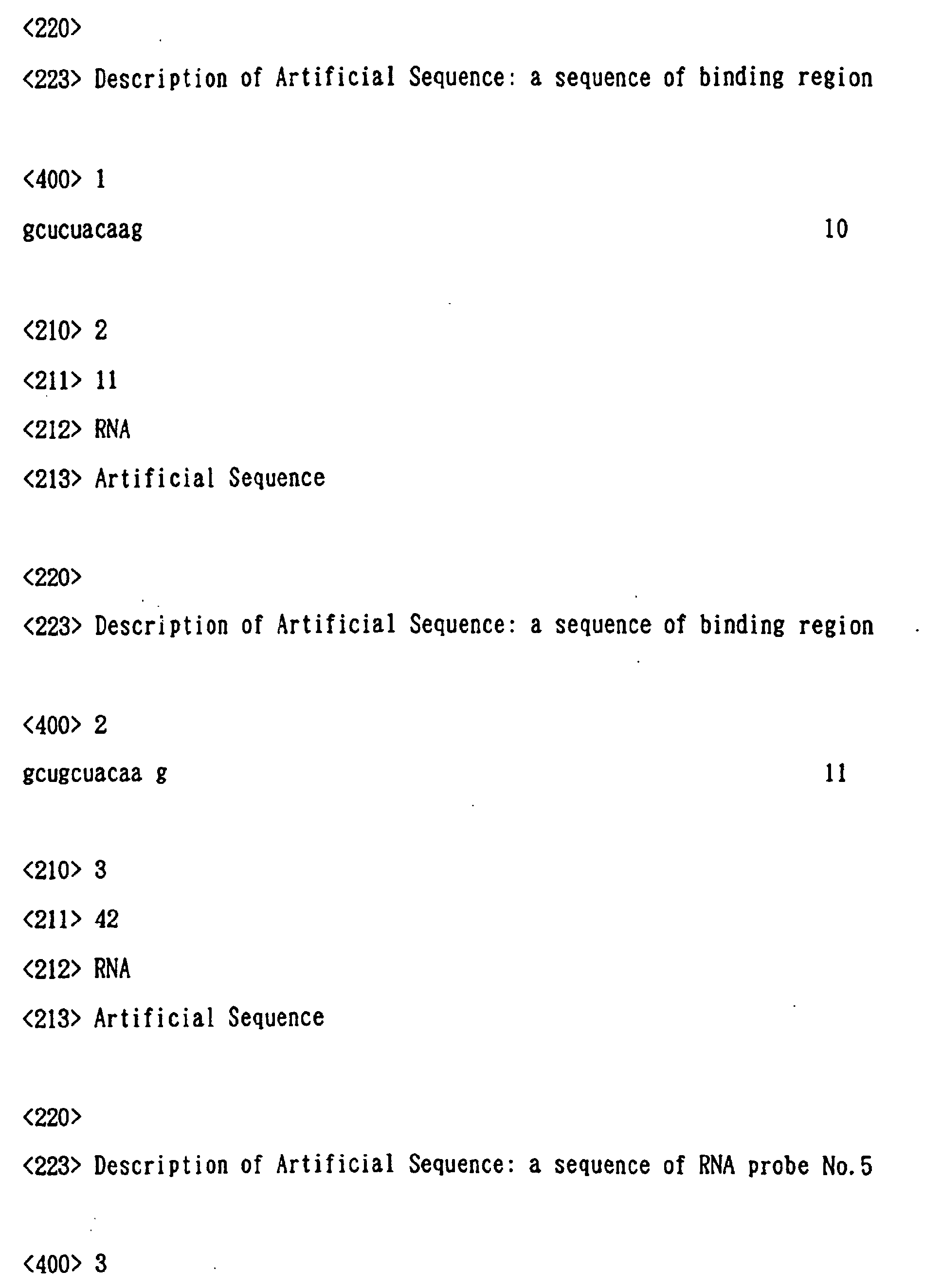
- nucleic acid of the present invention binds to the HMG-I protein and comprises (i) the nucleotide sequence shown in SEQ ID NO: 1 and/or (I) the nucleotide sequence shown in SEQ ID NO: 2. Since the nucleic acid of the present invention comprises the nucleotide sequence of the above (i) or (I), the nucleic acid is recognized by and bound to the HMG-I protein.
- the nucleic acid of the present invention comprises the nucleotide sequence of (i) and/or the nucleotide sequence of (I), the nucleic acid is capable of binding to the "factor relating to generation of a splice variant that lacks exon 5 of presenilin-2 gene.” Therefore, there is exhibited an excellent effect that the nucleic acid can be used for screening, for instance, a substance capable of inhibiting the binding between HMG-I and presenilin-2 mRNA by using as an index the presence or absence of binding of the nucleic acid to the above "factor relating to generation of a splice variant that lacks exon 5 of presenilin-2 gene" or the binding strength of the binding (for instance, binding affinity or the like).
- the nucleic acid of the present invention may be a mutant of the above "nucleic acid comprising the nucleotide sequence shown in SEQ ID NO: 1 and/or the nucleotide sequence shown in SEQ ID NO: 2" as long as the nucleic acid shows binding affinity of the equivalent level to the binding affinity between HMG-I and the nucleic acid comprising the nucleotide sequence of (i) and/or the nucleotide sequence of (I).
- the nucleotide sequence corresponding to the above (i) may be, for instance, (ii) a nucleotide sequence having mutation(s) of at least one residue, one or more residues, in the nucleotide sequence shown in SEQ ID NO: 1; (iii) a nucleotide sequence of a nucleic acid capable of hybridizing under stringent conditions to a nucleic acid consisting of the nucleotide sequence shown in SEQ ID NO: 1; or (iv) a nucleotide sequence having at least 90%, preferably 95% or more sequence identity to the nucleotide sequence shown in SEQ ID NO: 1.
- nucleotide sequence corresponding to the above (I) may be, for instance, (II) a nucleotide sequence having mutation(s) of at least one residue, one or more residues, in the nucleotide sequence shown in SEQ ID NO: 2, (III) a nucleotide sequence of a nucleic acid capable of hybridizing under stringent conditions to a nucleic acid consisting of the nucleotide sequence shown in SEQ ID NO: 2, or (IV) a nucleotide sequence having at least 90%, preferably 95% or more sequence identity to the nucleotide sequence shown in SEQ ID NO: 2.
- nucleic acid of the present invention encompasses a nucleic acid comprising one member selected from the group consisting of the followings 1 and 2:
- the above mutant may be those obtained by introducing mutation at a desired position according to a conventional site-directed mutagenesis, or may be those obtained by synthesizing the desired sequence by a conventional nucleic acid synthesis method. Also, the above mutant includes naturally occurring mutants.
- the number of mutations of residues in one member selected from the group consisting of the nucleotide sequence of the above (i) and the nucleotide sequence of the above (I) is appropriately selected within the range in which the nucleic acid having the mutation exhibits a binding affinity of the equivalent level to that of the binding affinity between the HMG-I protein and the nucleic acid comprising one member selected from the group consisting of the nucleotide sequence of (i) and the nucleotide sequence of (I).
- the above site-directed mutagenesis includes, for instance, gapped duplex method [see, for instance, Nucleic Acids Research , 12 , 9441-9456 (1984) or the like], Kunkel method [see, for instance, Proc. Natl. Acad Sci. USA, 82 , 488-492 (1985) or the like], a PCR method using primers for mutagenesis, and the like.
- the above nucleic acid synthesis method includes, for instance, a triphosphate method, a phosphoramidite method, a H-phosphonate method and the like.
- stringent conditions include, for instance, hybridization conditions described in Sambrook et al., Molecular Cloning: A Laboratory Manual 2nd Edition (1989), and the like. Concretely, there are included, for instance, those conditions of carrying out incubation at 60°C for 12 to 20 hours in a solution containing 6 ⁇ SSC (1 ⁇ SSC shows 0.15 M NaCl, 0.015 M sodium citrate, pH 7.0), 0.5% SDS, 5 ⁇ Denhardt's, and 0.01% denatured salmon sperm nucleic acid.
- nucleic acid capable of hybridizing under stringent conditions can be obtained, for instance, by incubating a nucleic acid to be tested and a nitrocellulose membrane immobilized with either one of a nucleic acid consisting of the nucleotide sequence shown in SEQ ID NO: 1 or a nucleic acid consisting of the nucleotide sequence shown in SEQ ID NO: 2, in a solution containing 6 ⁇ SSC (1 ⁇ SSC shows 0.15 M NaCl, 0.015 M sodium citrate, pH 7.0), 0.5% SDS, 5 ⁇ Denhardt's and 0.01% denatured salmon sperm nucleic acid at 60°C for 12 to 20 hours, washing the resulting membrane with 2 ⁇ SSC containing 0.5% SDS at 37°C, and further washing the membrane until a signal ascribed to the immobilized nucleic acid can be distinguished from the background under the conditions in which the SSC concentrations are changed in the range of down to 0.1 times and the temperatures are changed in the range up to 50
- sequence identity refers to identity in residues between either one of nucleic acid molecules of a nucleic acid molecule consisting of the nucleotide sequence shown in SEQ ID NO: 1 or a nucleic acid molecule consisting of the nucleotide sequence shown in SEQ ID NO: 2 and a nucleic molecule to be compared.
- sequence identity can be determined by comparing two nucleotide sequences aligned in an optimal state over the region of the nucleotide sequence to be compared.
- the numerical value (percentage) of sequence identity can be calculated by determining identical bases existing in both the sequences, determining the number of matching sites, dividing the number of matching sites by a total number of bases in the sequence to be compared, and multiplying the obtained numerical value by 100.
- the algorism for obtaining an optimal alignment and homology includes, for instance, local homology algorism of Smith et al. [ Add. APL. Math ., 2 , 482 (1981)], homology algorism of Needleman et al. [ J. Mol. Biol ., 48 , 443 (1970)], a homology searching method according to Pearson et al. [ Proc. Natl. Acad. Sci . USA, 85 , 2444 (1988)], and the like. More concretely, there are included a dynamic programming method, a gap penalty method, Smith-Waterman algorism, Good-Kanehisa algorism, BLAST algorism, FASTA algorism and the like.
- nucleic acid which can be confirmed to have a binding ability to HMG-I protein by evaluating the binding between the nucleic acid and HMG-I protein by conventional techniques used in analysis of a protein-nucleic acid interaction, such as gel shift assay, Southwestern analysis, resonance plasmon interaction analysis and the like.
- the length of the nucleic acid of the present invention may be a length within a range in which the nucleic acid comprises one member selected from the group consisting of the followings 1. and 2.:
- the nucleic acid of the present invention includes a nucleic acid capable of binding to HMG-I protein, wherein the nucleic acid comprises a sequence of:
- the nucleic acid having a sequence of the above (a) includes, for instance, the following nucleic acids:
- the nucleic acid having the nucleotide of the above (b) includes, for instance, the following nucleic acids:
- an antisense molecule of a nucleic acid having a nucleotide sequence such as the above (i) to (iv), (I) to (IV), (a), (b) or the like has a possibility of inhibiting the binding between the sense nucleic acid and the HMG-I protein.
- the antisense molecule is also encompassed within the scope of the present invention.
- the antisense molecule of the present invention since there is a possibility of inhibiting the binding between the sense nucleic acid and the HMG-I protein, for instance, there can be expected to prevent the generation of aberrant splicing caused by binding of the protein to the sense nucleic acid. Therefore, according to the antisense molecule, there is expected treatment and/or prevention of a disease caused by aberrant splicing.
- the antisense molecule can be prepared by chemical synthesis or the like.
- the above "disease caused by aberrant splicing" includes ALS, FTDP, FAD and the like.
- the inhibitory ability or suppressive ability of the substance to be tested for the above binding can be evaluated by detecting the binding between the nucleic acid and HMG-I protein in the presence of a substance to be tested or determining the binding strength of the binding (for instance, binding affinity or the like).
- a method for screening an inhibitor for the binding between exon 5 of presenilin-2 gene and the HMG-I protein is also encompassed within the scope of the present invention.
- the "inhibitor” is intended to encompass both a substance completely inhibiting the binding and a substance reducing a binding strength of the binding (for instance, binding affinity or the like).
- the method comprises detecting in the presence and absence of a substance to be tested, the binding between the nucleic acid of the present invention (the nucleic acid of the above 1 ⁇ or 2 ⁇ ) and HMG-I protein, or determining the binding strength of the binding (for instance, binding affinity or the like), wherein either one of the following I) or II):
- Process 1 a process (referred to as Process 1), comprising the steps of (A) contacting the nucleic acid (sense nucleic acid) of the present invention with HMG-I protein in the presence of a substance to be tested and (B) detecting the binding between the nucleic acid and the HMG-I protein.
- Process 2 a process (referred to as Process 2) comprising the steps of (a) contacting the nucleic acid (sense nucleic acid) of the present invention with HMG-I protein in the presence and absence of a substance to be tested, and (B) determining a binding strength a between the nucleic acid and the HMG-I protein in the presence of the substance to be tested and a binding strength b between the nucleic acid and the HMG-I protein in the absence of the substance to be tested.
- Process 2 a process comprising the steps of (a) contacting the nucleic acid (sense nucleic acid) of the present invention with HMG-I protein in the presence and absence of a substance to be tested, and (B) determining a binding strength a between the nucleic acid and the HMG-I protein in the presence of the substance to be tested and a binding strength b between the nucleic acid and the HMG-I protein in the absence of the substance to be tested.
- the above substance to be tested may be any one of polypeptides, nucleic acids and other compounds.
- the above substance to be tested can be subjected to the screening method of the present invention at an appropriate series of dilution.
- the nucleic acid (sense nucleic acid) of the present invention or the HMG-I protein may be labeled with a detectable labeling substance.
- the above labeling substance includes conventionally used fluorescent substances, radioactive substances and the like.
- the labeling of the nucleic acid or the protein can be carried out by conventional techniques. For instance, when the nucleic acid is labeled with the above labeling substance, the nucleic acid can be labeled by, for instance, a method described in Sambrook et al., Molecular Cloning, A LABORATORY MANUAL / SECOND EDITION, Cold Spring Harbor Laboratory Press (1989), and the like.
- the contacting of the nucleic acid (sense nucleic acid) of the present invention with the HMG-I protein in the presence of a substance to be tested can be carried out under the same conditions as those of the binding of the nucleic acid (sense nucleic acid) to the HMG-I protein in the absence of a substance to be tested.
- the above step (A) may be carried out with suitable modification of the conditions of temperature, buffer and the like within the range in which the binding between the nucleic acid (sense nucleic acid) and the HMG-I protein can be maintained in the absence of the substance to be tested.
- binding conditions the conditions by which the nucleic acid (sense nucleic acid) of the present invention binds to the HMG-I protein in the absence of a substance to be tested are also referred to as "binding conditions".
- the above HMG-I protein can be intracellularly expressed, for instance, by culturing an appropriate cell under normoxia conditions and then culturing the cell under hypoxia conditions, to subject them to hypoxic exposure.
- the above cell includes, for instance, cells in the central nervous system such as nerve cells, glia cells and astral cells; fibroblasts and the like. More concretely, the cell includes, for instance, SK-N-SH cells (ATCC HTB-11) and the like.
- the normoxia conditions can be appropriately set depending on the cells used, including, for instance, in the case of SK-N-SH cells, the conditions of culturing the cells in 5% CO 2 at 37°C and the like.
- the hypoxia conditions include, for instance, those of hypoxic pressure (8 torr).
- the cells can be subjected to hypoxic stimulation by exposing the culture to low oxygen at 37°C for 21 hours in an incubator equipped with a hypoxic chamber maintained in a humidity atmosphere at a hypoxic pressure (8 torr
- the detection of the binding between the nucleic acid (sense nucleic acid) of the present invention and HMG-I protein can be carried out by conventional techniques used in analysis of a protein-nucleic acid interaction, such as the above resonance plasmon interaction analysis and gel shift assay.
- a matrix in which the nucleic acid (sense nucleic acid) of the present invention is immobilized on an appropriate support is contacted with HMG-I protein, or a matrix in which HMG-I protein is immobilized on an appropriate support is contacted with a nucleic acid (sense nucleic acid) of the present invention, in the presence of a substance to be tested.
- a change in mass or a change in fluorescence intensity in the presence of the substance to be tested is determined.
- the substance to be tested is an inhibitor of the binding between exon 5 of the presenilin-2 gene and the HMG-I protein.
- a sample suitable for gel shift assay is prepared from the mixture obtained by mixing a substance to be tested, a nucleic acid (sense nucleic acid) of the present invention and HMG-I protein under the above binding conditions, and subjected to gel shift assay.
- a binding product obtained by maintaining the nucleic acid (sense nucleic acid) of the present invention and the HMG-I protein under the above binding conditions is used. Either one of the nucleic acid (sense nucleic acid) of the present invention or the HMG-I protein is labeled with the above labeling substance.
- the procedures for removing the substance may be carried out.
- the above procedures for gel shift assay can be carried out in reference to " Molecular Biology Protocol," Revised 2nd Edition (1999) published by Nankodo or the like with appropriate modifications thereto.
- a signal ascribed to the labeling substance is not detected at a position of the same mobility as that of the binding product, it is used as an index that the above binding is not formed, in which it is shown that the substance to be tested is an inhibitor for the binding between exon 5 of presenilin-2 gene and HMG-I protein.
- the contacting of the nucleic acid (sense nucleic acid) of the present invention with the HMG-I protein under each of the conditions of the presence and absence of a substance to be tested can be carried out under the same conditions as the binding conditions in the above method screening for an inhibitor.
- the determinations of the binding strength a and the binding strength b can be carried out by determining the mass, fluorescence intensity, radioactivity or the like by a conventional technique used in the analysis of a protein-nucleic acid interaction, such as the resonance plasmon interaction analysis or the gel shift assay.
- a matrix in which the nucleic acid (sense nucleic acid) of the present invention is immobilized on an appropriate support is contacted with the HMG-I protein, or a matrix in which the HMG-I protein is immobilized on an appropriate support is contacted with the nucleic acid (sense nucleic acid) of the present invention, in the presence and absence of a substance to be tested.
- the mass or fluorescence intensity in the presence of the substance to be tested and the mass or fluorescence intensity in the absence of the substance to be tested are determined.
- binding strength a when the mass or fluorescence intensity in the presence of the substance to be tested (binding strength a ) is lower than the mass or fluorescence intensity in the absence of the substance to be tested (binding strength b ), it is shown that the substance to be tested is an inhibitor for the binding between exon 5 of the presenilin-2 gene and the HMG-I protein.
- a sample suitable for gel shift assay is prepared from the mixture obtained by mixing a substance to be tested, the nucleic acid (sense nucleic acid) of the present invention and HMG-I protein under the binding conditions described above, and subjected to gel shift assay.
- Either one of the nucleic acid (sense nucleic acid) of the present invention or HMG-I protein is labeled with the labeling substance.
- the intensity of a signal ascribed to the above labeling substance at the position of the binding product is determined in the presence and absence of the substance to be tested.
- the intensity of the signal can be determined by a commonly used densitometer or the like.
- binding strength a when the mass or fluorescence intensity in the presence of the substance to be tested (binding strength a ) is smaller than the mass or fluorescence intensity in the absence of the substance to be tested (binding strength b ), it is shown that the substance to be tested is an inhibitor for the binding between exon 5 of the presenilin-2 gene and the HMG-I protein.
- an inhibitor of the present invention there may be further carried out the steps of determining the binding between HMG-I protein and a DNA having the nucleotide sequence shown in SEQ ID NO: 66 in the presence of a substance to be tested, and selecting a compound not inhibiting the binding.
- an inhibitor of the present invention there can also be carried out pharmacological evaluation on the inhibitor of the binding between the nucleic acid (sense nucleic acid) of the present invention and the HMG-I protein. Especially, according to the above Process 2, a suppressive ability for the binding by the inhibitor can also be evaluated.
- the inhibitor obtained according to the method for screening an inhibitor of the present invention is also encompassed within the scope of the invention.
- the inhibitory ability or suppressive ability for the binding regarding the inhibitor can be evaluated by examining, for instance, the index of the above I) or II) in the presence of the inhibitor in the same manner as in the above method for screening the inhibitor.
- Human neuroblastoma SK-N-SH cells were cultured in 5% CO 2 at 37°C in ⁇ MEM (manufactured by GIBCO BRL) containing 10% fetal bovine serum.
- ⁇ MEM manufactured by GIBCO BRL
- serum-containing ⁇ -MEM in the culture was exchanged with serum-free ⁇ MEM.
- the culture obtained after medium exchange was further cultured for 4 hours.
- HEK-293T Cells and HeLa cells were cultured respectively in 5% CO 2 at 37°C in a Dulbecco's minimum essential medium (manufactured by GIBCO BRL) containing 10% fetal bovine serum.
- a Dulbecco's minimum essential medium manufactured by GIBCO BRL
- 10% fetal bovine serum 10% fetal bovine serum.
- hypoxic stimulation the resulting culture was exposed to hypoxia at 37°C for 21 hours in an incubator equipped with a hypoxic chamber maintained in a humidified atmosphere with a low oxygen pressure (8 torr).
- Total RNAs were extracted and purified from SK-N-SH cells and HEK-293T cells under normoxia conditions, upon exposure to hypoxia, or at the time of overexpression of HMG-I, by using an RNeasy total RNA kit (manufactured by Qiagen) according to manufacture's instructions.
- RNA and a mouse molony leukemia virus reverse transcriptase (manufactured by Promega) were used, to perform reverse transcription at 42°C for 1 hour.
- a mouse molony leukemia virus reverse transcriptase manufactured by Promega
- nested PCR was carried out.
- a thermal profile of PCR is 30 cycles, wherein one cycle consists of reactions at 95°C for 30 seconds, 60°C for 30 seconds and 72°C for 1 minute (2 minutes in the final cycle).
- primer ps251 (5'-attcagacctctctgcggcc-3' [SEQ ID NO: 9]) and primer ps231 (5'-aagcgggagccaaagtctgg-3' [SEQ ID NO: 10]).
- the resulting product was electrophoresed on 5% polyacrylamide gel and visualized by staining with ethidium bromide.
- each cell construct was homogenized at 2°C in 50 volumes [315 ⁇ l/plate] of 10 mM HEPES-NaOH buffer (pH 7.9) containing 10 mM KCl, 1 mM EDTA, 1 mM EGTA, 5 mM dithiothreitol (DTT) and 1 mM (p-amidinophenyl)methanesulfonyl fluoride (PMSF).
- Nonidet P-40 was added at a final concentration of 0.6% to the resulting homogenate.
- the resulting mixture was centrifuged at 15000 rpm for 5 minutes.
- the resulting pellet was suspended in 10 volumes [0.1 ml] of 20 mM Tris-HCl (pH 7.5) containing 400 mM KCl, 1 mM EDTA, 1 mM EGTA, 1 mM DTT and 1 mM PMSF, and then cooled on ice for 30 minutes.
- the suspension obtained after cooling on ice was centrifuged at 15000 rpm for 5 minutes.
- the resulting supernatant was used as a nuclear extract for pre-mRNA binding assay, gel shift assay and supershift assay.
- the above nuclear extract was stored at -80°C before use.
- a brain structure was homogenized at 2°C in 10 mM HEPES-NaOH buffer (pH 7.9) [315 ⁇ l/plate] containing 10 mM KCl, 1 mM EDTA, 1 mM EGTA, 5 mM DTT and 1 mM PMSF. 10% Nonidet P-40 was added at a final concentration of 0.6% to the resulting homogenate. The resulting mixture was centrifuged at 15000 rpm for 5 minutes, to give a pellet [nuclear fraction (insoluble in NP-40)] and a supernatant [cytosol fraction (soluble in NP-40)]. The above pellet was suspended in 50 mM Tris-HCl (pH 7.5) [50 ⁇ l] containing 1 mM EDTA, 1 mM EGTA and PMSF, to give a nuclear fraction (insoluble in NP-40).
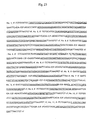
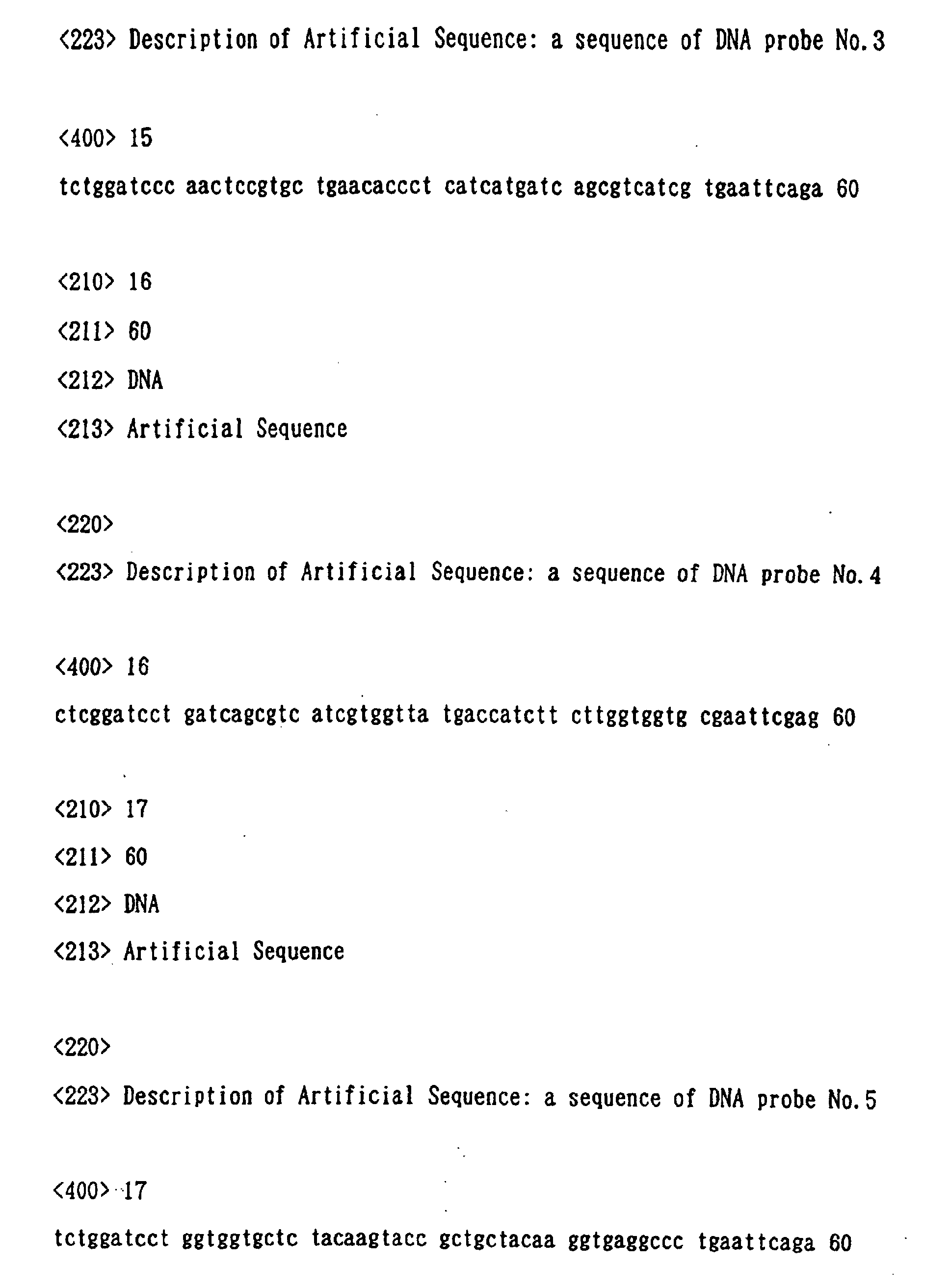
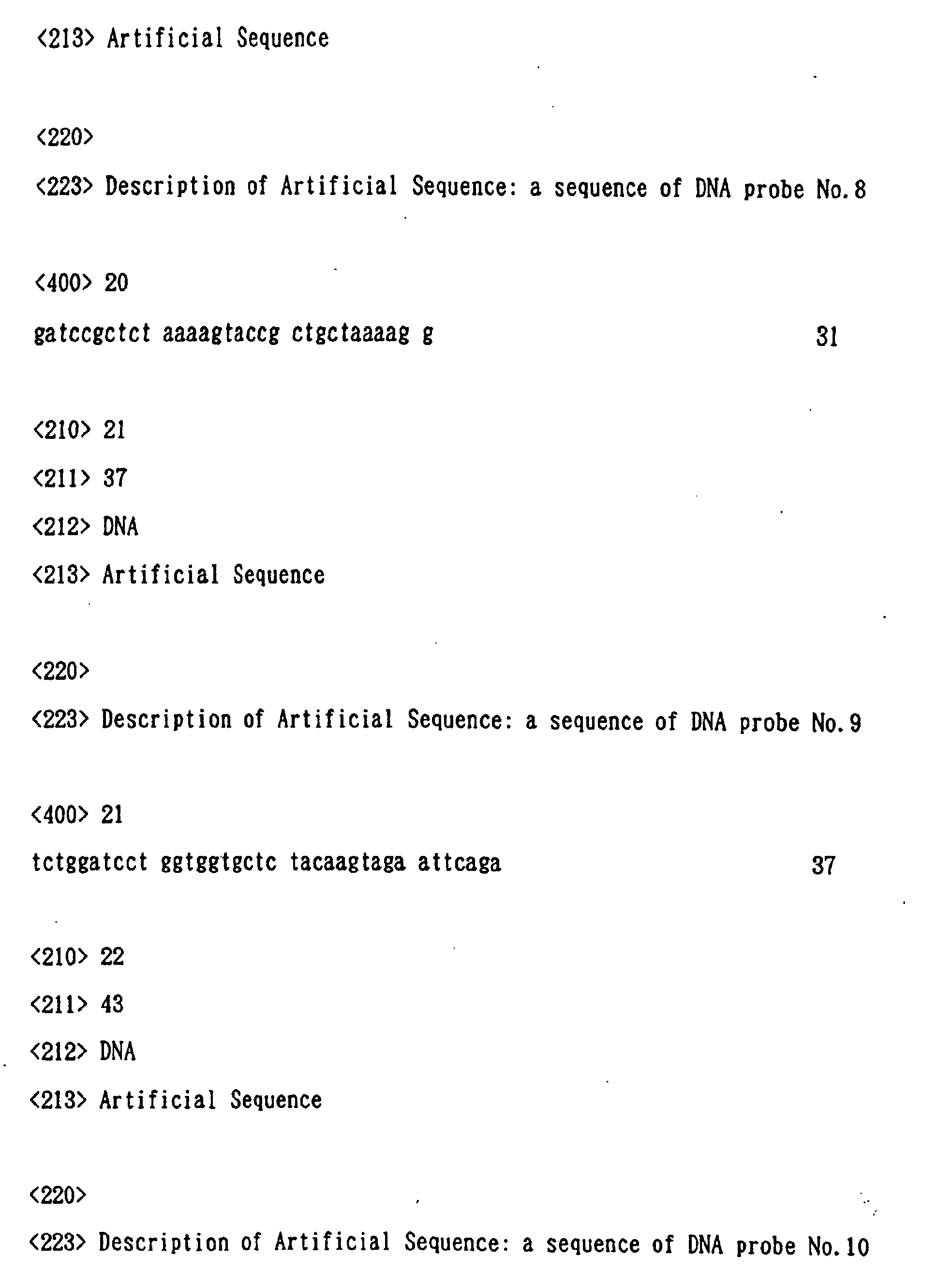
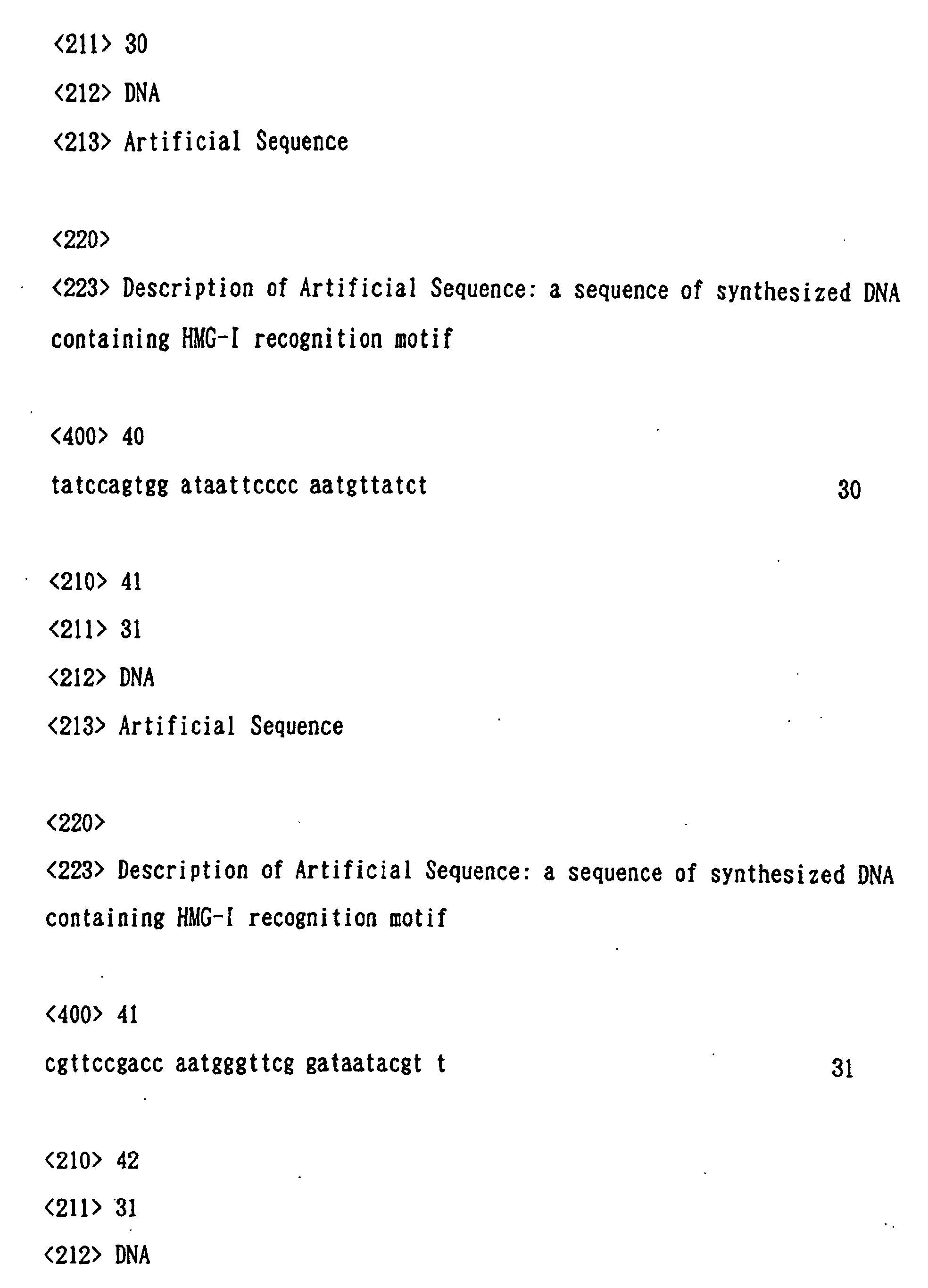
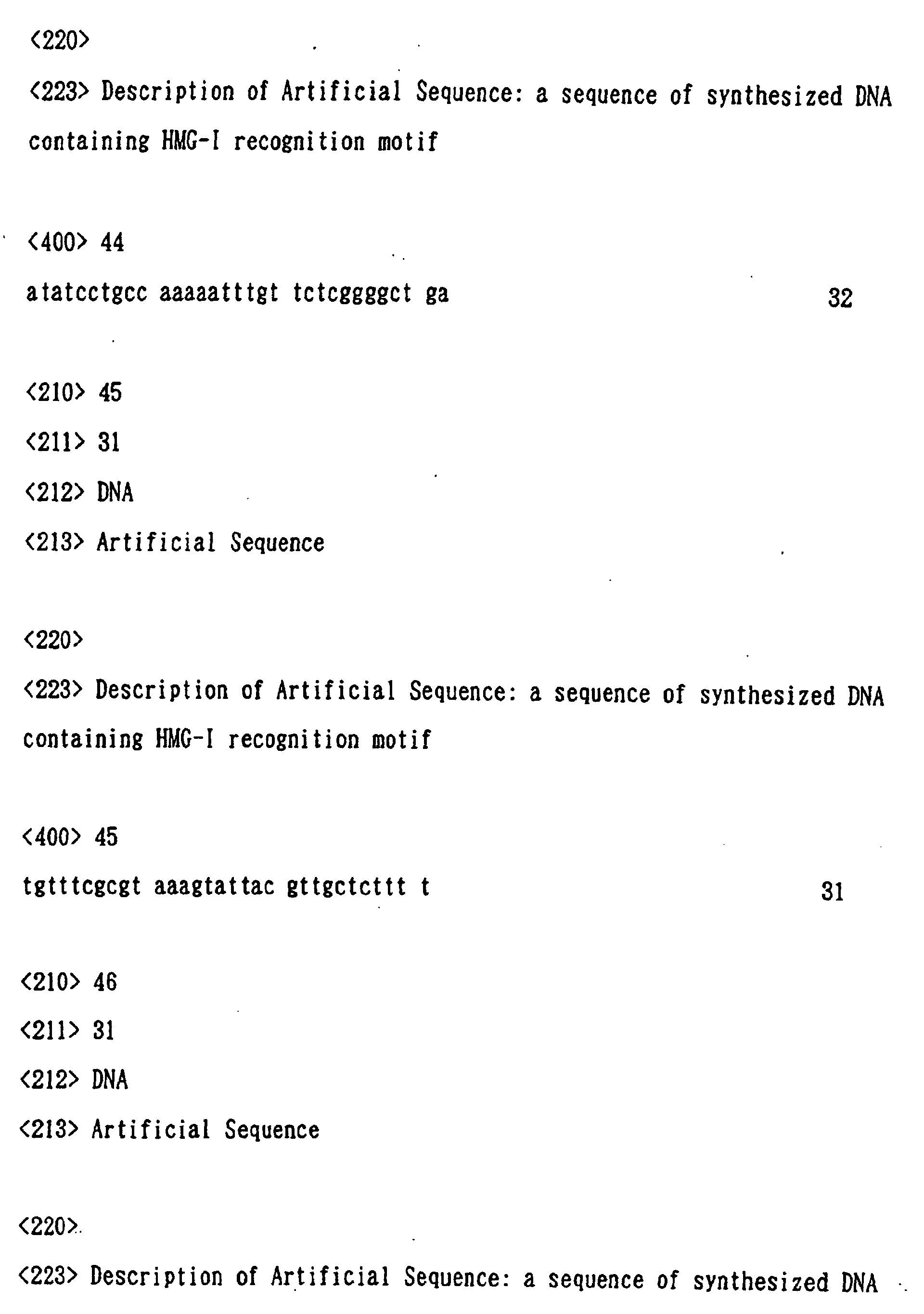
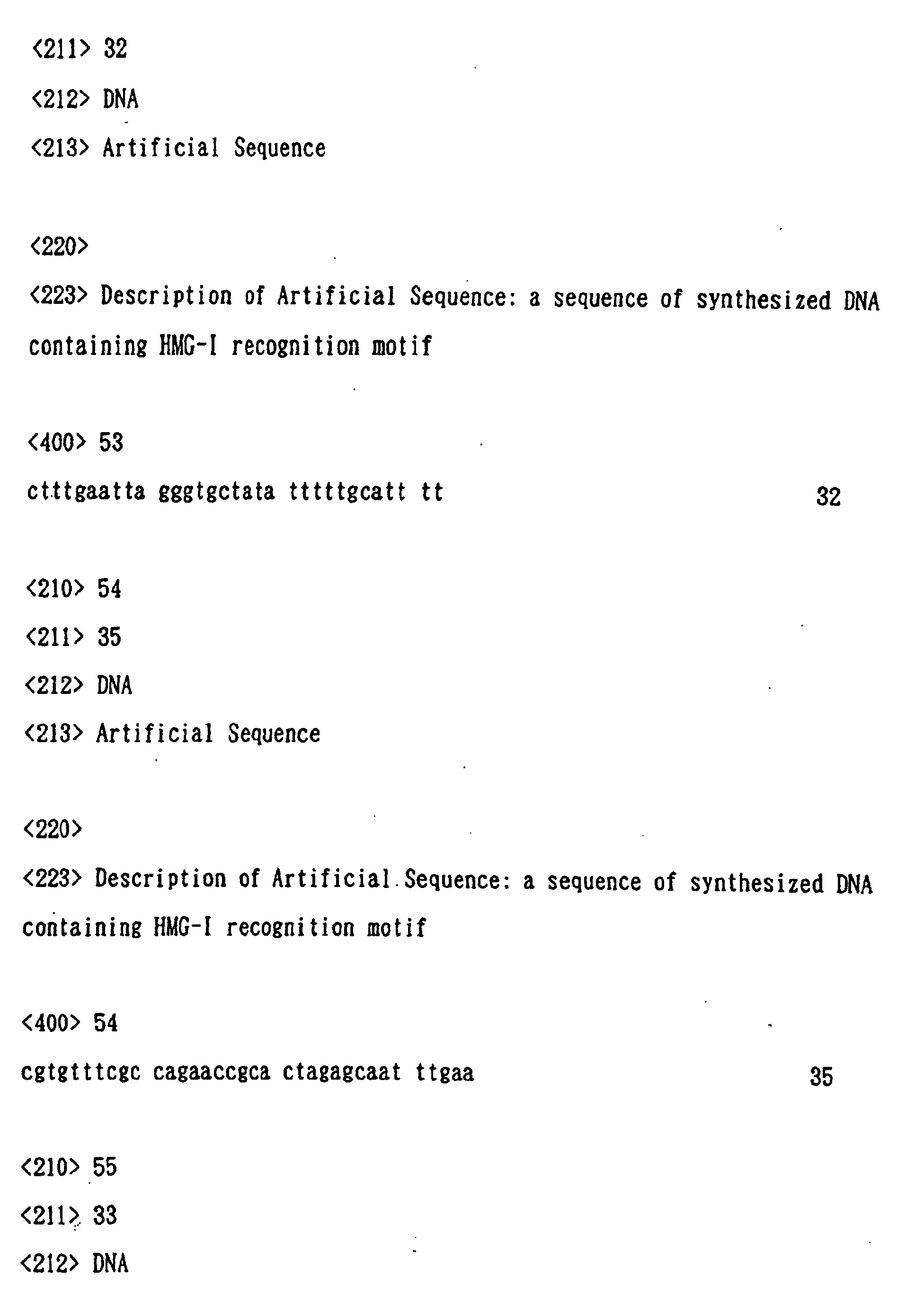
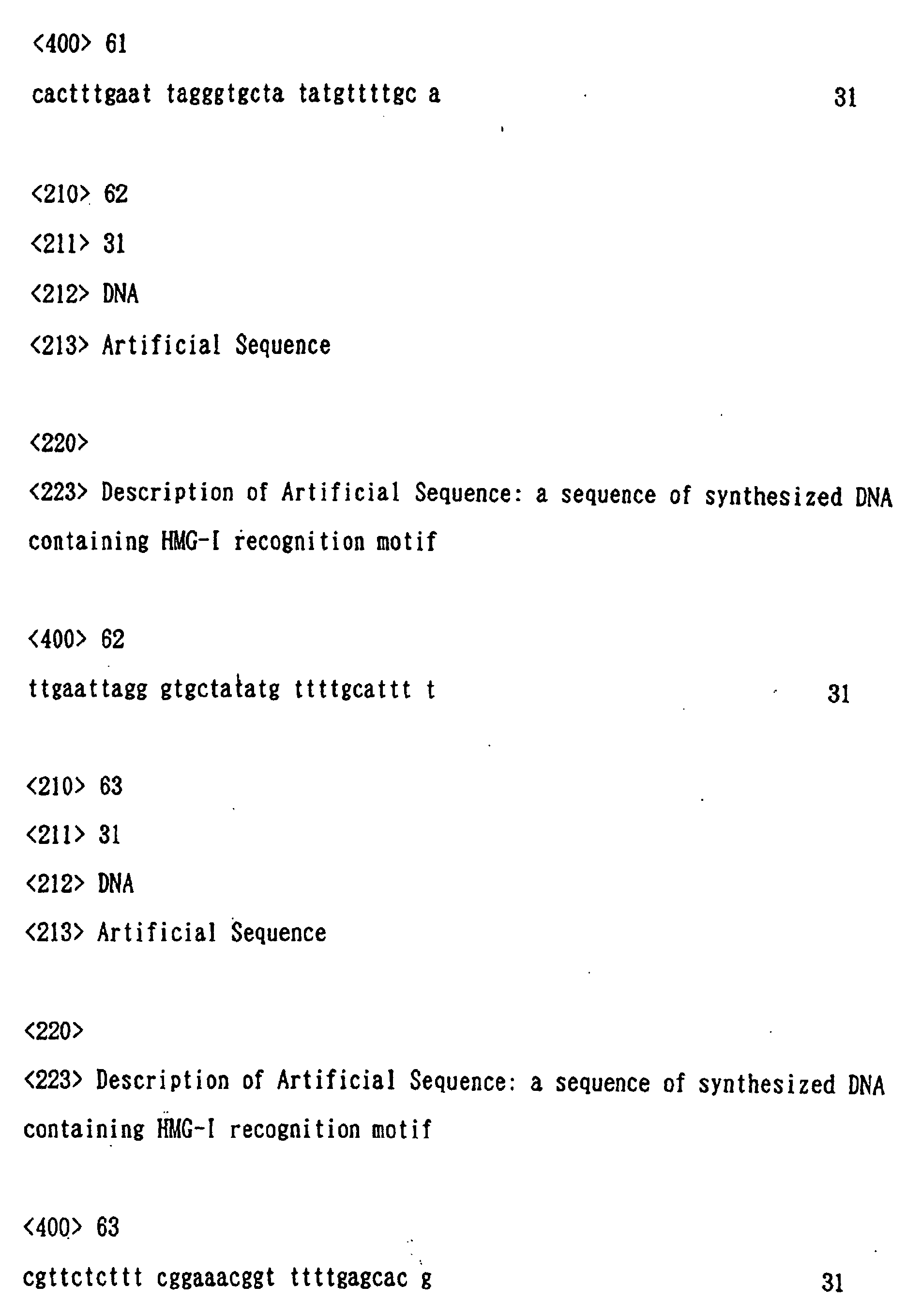
- oligonucleotides shown in Fig. 23 were synthesized according to a conventional method. Two complementary oligonucleotides each having a nucleotide length of a 24-mer or 60-mer were used in annealing, to give double-stranded DNA fragments of Nos. 1 to 11 (SEQ ID NOs: 13 to 23). In the Figure, each fragment of PS2 exon 5 is underlined and shown in bold letters in each oligonucleotide.
- Each of the resulting double-stranded DNA fragments was incorporated into pcDNA vector, to give DNA constructs.
- Each of the above double-stranded DNA fragments was sequenced by using a DNA sequencer type 373A (manufactured by Applied Biosystem).
- the DNA constructs obtained in Experimental Example 5 were linearized with Eco RI, to give template DNAs.
- the above template DNAs were then subjected to in vitro transcription by incubation at 37°C for 1 hour in a transcription buffer containing [ ⁇ - 35 S]-labeled UTP (62.5 ⁇ Ci) or [ ⁇ - 32 P]-labeled UTP (50 ⁇ Ci), 0.25 mM UTP, 0.5 mM ATP, 0.5 mM CTP, 0.5 mM GTP, a T7 RNA polymerase buffer, 20 U of T7 RNA polymerase (manufactured by Promega) and 40 U of RNase inhibitor (manufactured by Toyobo), to give pre-mRNA probes (RNA probes of Nos. 1 to 11).
- the nuclear extract of an amount equivalent to 5 ⁇ g of protein was incubated with 10 ⁇ g tRNA and each of 35 S-labeled RNA probes (1 ⁇ g) at 25°C for 30 minutes in an incubation buffer (12 mM HEPES-NaOH buffer [pH 7.9] containing 60 mM KCl, 4 mM MgCl 2 , 1 mM EDTA, 1 mM EGTA, 1 mM DTT, 10% glycerol and 1 mM PMSF) (total volume 25 ⁇ l).
- the resulting reaction product was irradiated with ultraviolet (UV) rays for 15 minutes at room temperature under an UV irradiation equipment (254 nm, 60 W). Thereafter, 10 ⁇ g RNase A was added to the reaction product after irradiation with UV rays, and then incubated at 25°C for 30 minutes, to digest the probe in the above reaction product.
- UV ultraviolet
- the resulting product was treated with sodium dodecyl sulfate (SDS) by mixing it in a volume ratio of 1 : 4 with 10 mM Tris-HCl buffer (pH 6.8) containing 10% glycerol, 2% SDS, 0.01% Bromophenol Blue and 5% 2-mercaptoethanol.
- SDS sodium dodecyl sulfate
- the solution treated with SDS was subjected to electrophoresis on 10 to 20% gradient polyacrylamide gel and 15% polyacrylamide gel each containing 0.1% SDS at a constant current of 15 mA/plate for 2 hours at room temperature.
- the gel obtained after the electrophoresis was fixed, dried and exposed to an imaging plate.
- the resulting mixture was boiled at 100°C for 10 minutes.
- a given amount of each aliquot (an amount equivalent to 25 ⁇ g of protein for the nuclear extract or 50 ⁇ g of protein for the whole lysate, cytosol fraction or nuclear fraction) was electrophoresed on 15% polyacrylamide gel containing 0.1% SDS at a constant current of 15 mA/plate for 2 hours at room temperature.
- Each gel after electrophoresis was blotted onto a polyvinylidene difluoride (PVDF) membrane activated with 100% methanol.
- PVDF membrane obtained after blotting was blocked with PBS containing 0.05% Tween-20 and 5% skim milk.
- the PVDF membrane was reacted with an anti-HMG-I/Y antibody diluted with PBS containing 0.05% Tween-20 in which 1% skim milk was contained.
- the PVDF membrane was then reacted with an alkaline phosphatase-conjugated anti-goat immunoglobulin G (IgG) antibody.
- IgG immunoglobulin G
- the immunoreactivity was visualized in 100 mM Tris-HCl buffer (pH 9.5) containing 100 mM NaCl, 5 mM MgCl 2 , 66.7% 4-nitro blue tetrazolium chloride (NTB) and 33.3% X-phosphate/5-bromo-4-chloro-3-indolyl phosphate (BCIP).
- the nuclear extract derived from SK-N-SH cells under normoxia or the nuclear extract derived from SK-N-SH cells exposed to hypoxia was incubated at 4°C for 8 hours with an anti-HMG-I antibody (manufactured by Santa Cruz Biotechnology).
- the resulting product was mixed with protein-G agarose (manufactured by Pharmacia Biotech) and kept at 4°C for 1 hour.
- the resulting mixture was centrifuged at 3000 rpm for 5 minutes, and the resulting precipitates were suspended in PBS. Further, the resulting suspension was centrifuged at 3000 rpm for 5 minutes.
- the resulting precipitates were suspended in Mili-Q water. This suspension was treated with SDS, and the resulting solution was subjected to SDS-PAGE.
- the resulting gel was subjected to immunoblot assay using an antibody against U1 (70 K) snRNP.
- the nuclear extracts were subjected to immunoprecipitation using an anti-U1 (70 K) snRNP antibody (manufactured by Santa Cruz Biotechnology) in place of the above anti-HMG-I antibody, and then subjected to immunoblot assay using an antibody against HMG-I/Y (anti-HMG-I/Y antibody, manufactured by Santa Cruz Biotechnology) in place of the above antibody against U1 (70 K) snRNP.
- an anti-U1 (70 K) snRNP antibody manufactured by Santa Cruz Biotechnology
- SK-N-SH cells were maintained under normoxia conditions, or the cells were exposed to hypoxic conditions for 21 hours. Then, the resulting cells were fixed in 4% paraformaldehyde at room temperature for 2 hours and permeated in 0.3% Triton-X100 for at least 5 minutes. The fixed and permeated cells were washed 3 times with PBS. The washed cells were subjected to immunoreaction using an anti-HMG-I/Y antibody and anti-SC35 antibody (manufactured by Sigma) at 4°C for 12 hours.
- an anti-HMG-I/Y antibody and anti-SC35 antibody manufactured by Sigma
- the cells were washed 3 times with PBS and incubated with FITC-conjugated anti-goat IgG antibody and Cy3-conjugated anti-mouse IgG antibody at room temperature for 2 hours.
- the immunoreactive protein was observed with a 488 nm excitation filter under a microscope equipped with a computer.
- An immunohistochemical method was carried out by using a modified immunoperoxidase method described in the above literature by Sato et al. [Sato N. et al., J. BioL Chem ., 276 , 2108-2114 (2001)]. Specifically, a control or an sAD brain section was fixed at room temperature for 2 hours, and then treated for HMG-I/Y immunohistochemistry. The anti-HMG-I/Y antibody or anti-SS MAG antibody was used at a dilution of 1 : 1000. A biotinylated anti-goat antibody or biotinylated anti-rabbit IgG (manufactured by Vectastain Elite) was used as a secondary antibody. Immunoreactivity was visualized with 0.05% DAB and 0.01% hydrogen peroxide in 50 mM Tris (pH 7.6).
- a nuclear extract of an amount equivalent to 5 ⁇ g of protein was pretreated by incubation at 4°C for 8 hours with 1 ⁇ g anti-HMG-I/Y antibody (manufactured by Santa Cruz Biotechnology) or 0.5 to 2.0 ⁇ g anti-U1 (70 K) snRNP antibody (manufactured by Santa Cruz Biotechnology).
- the resulting pretreated product was incubated with 2 ⁇ g or 10 ⁇ g tRNA in an incubation buffer [composition: 12 mM HEPES-NaOH buffer (pH 7.9) containing 60 mM KCl, 4 mM MgCl 2 , 1 mM EDTA, 1 mM EGTA, 1 mM DTT, 10% glycerol and 1 mM PMSF]. Then, 32 P-labeled RNA probe [1 ⁇ g, the probe of No. 5 shown in Fig. 4] was added thereto and incubated at 25°C for 30 minutes (total volume 50 ⁇ l).
- the resulting reaction product was electrophoresed at a constant voltage of 11 V/cm for 1.5 hours at 4°C on 4% polyacrylamide gel in a buffer (pH 8.5) containing 50 mM Tris, 0.38 M glycine and 2 mM EDTA, whereby the bound probe was separated from the free probe. After electrophoresis, the gel was fixed, dried and then exposed to an X-ray film.
- Example 1 Expression of PS2V in brain of patient with sporadic Alzheimer's disease and in cultured cells
- RNA derived from the brain of a patient with sporadic Alzheimer's disease (sAD) or the total RNA derived from a control brain of an age-matched patient was assayed by RT-PCR.
- mRNA was isolated from the sAD brain and the control brain.
- PCR molony leukemia virus reverse transcriptase
- the thermal profile of PCR is 30 cycles, wherein one cycle consists of denaturation: 95°C, 2 minutes/95°C, 30 seconds, annealing: 60°C, 30 seconds and extension: 72°C, 1 minute.
- the 1st primers the above primers ps251 and ps231 were used, and as the 2nd primers, the primers ps252 and ps233 were used.
- the resulting reaction product was electrophoresed on 5% polyacrylamide gel.
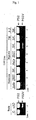
- the amplified product was visualized by staining with ethidium bromide. The results are shown in Fig. 1.
- the full-length PS2 can be detected as the major RT-PCR product in the control brain.
- a shorter chain product in addition to the full-length PS2, can be detected in the sAD brain.
- the above shorter chain product is a variant that lacks exon 5 of PS2 gene (hereinafter, referred to as PS2V).
- PS2 and a short chain product confirmed to be PS2V by direct sequencing, are detected in SK-N-SH cells exposed to hypoxic conditions [lane 6 in the right panel in Fig. 1; Sato et al., J. Neurochem ., 72 , 2498-2505 (1999)] and in the sAD brain.
- RNA probes 35 S-labeled pre-mRNA probes (RNA probes) shown in Fig. 4 were prepared.
- RNA probes 35 S-labeled pre-mRNA probes
- the fraction to be tested was assayed by adding it to the pre-mRNA-binding reaction product and measuring an increase in the binding activity to the probe of No. 5.
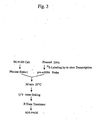
- Fig. 7 Scheme of purification procedures are shown in Fig. 7.
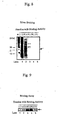
- the respective fractions (I) to (V) shown in Fig. 7 were assayed by silver staining (Fig. 8) and RNA binding assays (Fig. 9).
- the nuclear extract (Fig. 9, lane 1) derived from SK-N-SH cells exposed to hypoxic conditions in the same manner as in Example 1 was fractionated with 60% saturated ammonium sulfate, to give a fraction as a supernatant having a binding activity to the RNA probe of No. 5 [fraction (II), Fig. 7 (II)].
- the result of silver staining of the above fraction (II) is shown in lane 2 in Fig. 8, and the result of RNA binding assay is shown in lane 2 in Fig. 9.
- the resulting solution was subjected to reverse-phase chromatography on Waters 5C18-MS (4.6 mm ⁇ 150 mm) column. Specifically, the column was washed with Mili-Q water containing 0.1% TFA. Thereafter, the elution was carried out by using a linear gradient of 0 to 100% acetonitrile in 25 ml Mili-Q water containing 0.1% TFA, followed by 5 ml of 100% acetonitrile containing 0.1% TFA.
- the resulting fraction was separated by electrophoresis on 12% polyacrylamide gel containing 0.1% SDS at a constant current of 15 mA/plate for 2 hours at room temperature. Thereafter, a gel section containing the separated protein band was cut out, and the protein was digested in gel with trypsin.
- the eluted peptide fragment was separated by HPLC with TSK gel ODS-80Ts QA column (2.0 mm ⁇ 250 mm, manufactured by Tosoh). Then, the separated peptide fragment was analyzed with an automated protein sequencer (HP G1005A Protein Sequencing System). The obtained information on the peptide sequence was used for searching data bases.
- the single band in the final fraction was analyzed for its peptide sequence, to give 17 amino acid sequences.
- the obtained peptide sequence was compared with known proteins in a sequence data base, and as a result, PS2 pre-mRNA-binding protein in the nuclear extract derived from hypoxia-exposed SK-N-SH cells matched completely with HMG-I (GenBank Accession No. P17096).
- HMG-I actually has a binding activity on the basis of the results in Example 3.
- an antibody against HMG-I protein and the nuclear extract derived from hypoxia-exposed SK-N-SH cells or the nuclear extract derived from SK-N-SH cells under normoxia conditions were used in supershift assays according to Experimental Example 13, as follows.
- the nuclear extract of an amount equivalent to 5 ⁇ g of protein was pretreated by incubation at 4°C for 8 hours with 0.5 to 2.0 ⁇ g anti-HMG-I/Y antibody (manufactured by Santa Cruz Biotechnology).
- the pretreated nuclear extract was incubated with 10 ⁇ g tRNA in the incubation buffer, and then a total volume of 50 ⁇ l of 32 P-labeled RNA probe [1 ⁇ g, the probe of No. 5 shown in Fig. 4] was added to the resulting product and incubated at 25°C for 30 minutes.
- the bound probe was separated from the free probe by electrophoresis at a constant voltage of 11 V/cm for 1.5 hours at 4°C on 4% polyacrylamide gel in a buffer (pH 8.5) containing 50 mM Tris, 0.38 M glycine and 2 mM EDTA. The gel was fixed and dried. Then, the dried gel was exposed to an X-ray film, thereby performing to autoradiography.
- the nuclear extract derived from hypoxia-exposed SK-N-SH cells showed more potent binding activity than that of the nuclear extract derived from SK-N-SH cells under normoxia conditions, as shown in lanes 1 and 2 in the right panel in Fig. 10.
- this increase in the binding activity was super-shifted in an antibody concentration-dependent manner, as shown in lanes 3 to 5 in the right panel in Fig. 10.
- the nuclear extract derived from SK-N-SH cells under normoxia conditions in the control experiment did not show a significant effect attributable to addition of the HMG-I/Y antibody, as shown in the left panel in Fig. 10.
- the binding activity of HMG-I protein to the probe of No. 5 does not depend on UV irradiation in the pre-mRNA binding assay.
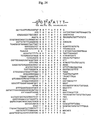
- the present inventors directed to their attention to two repeated analogous sequences (repeated sequences) at the 3'-terminal of PS2 exon 5 for the probe of No. 5 in Fig. 4, and estimated that HMG-I protein bind to these repeated sequences. Accordingly, six RNA probes (the probes of Nos. 6 to 11) shown in Fig. 11 were prepared as derivatives of the probe of No. 5, and the resulting probes were used in pre-mRNA binding assays according to the above Experimental Example 7. The results are shown in Fig. 12. The above repeated sequences are the underlined sequences in the probe of No. 5 in Fig. 11, and shown in SEQ ID NOs: 1 and 2, respectively.
- the binding activity to the probe of No. 5 could not be detected in the nuclear extract derived from SK-N-SH cells exposed to normoxia conditions.
- the binding activity to the probe of No. 5 was strongly increased at the position of the molecular weight indicated by the black arrow, as shown in lane 2 in Fig. 12 similar to those in Figs. 5 and 6.
- Fig. 12 shows that either one or both of SEQ ID NOs: 1 and 2 are necessary for the binding activity of HMG-I to PS2 pre-mRNA.
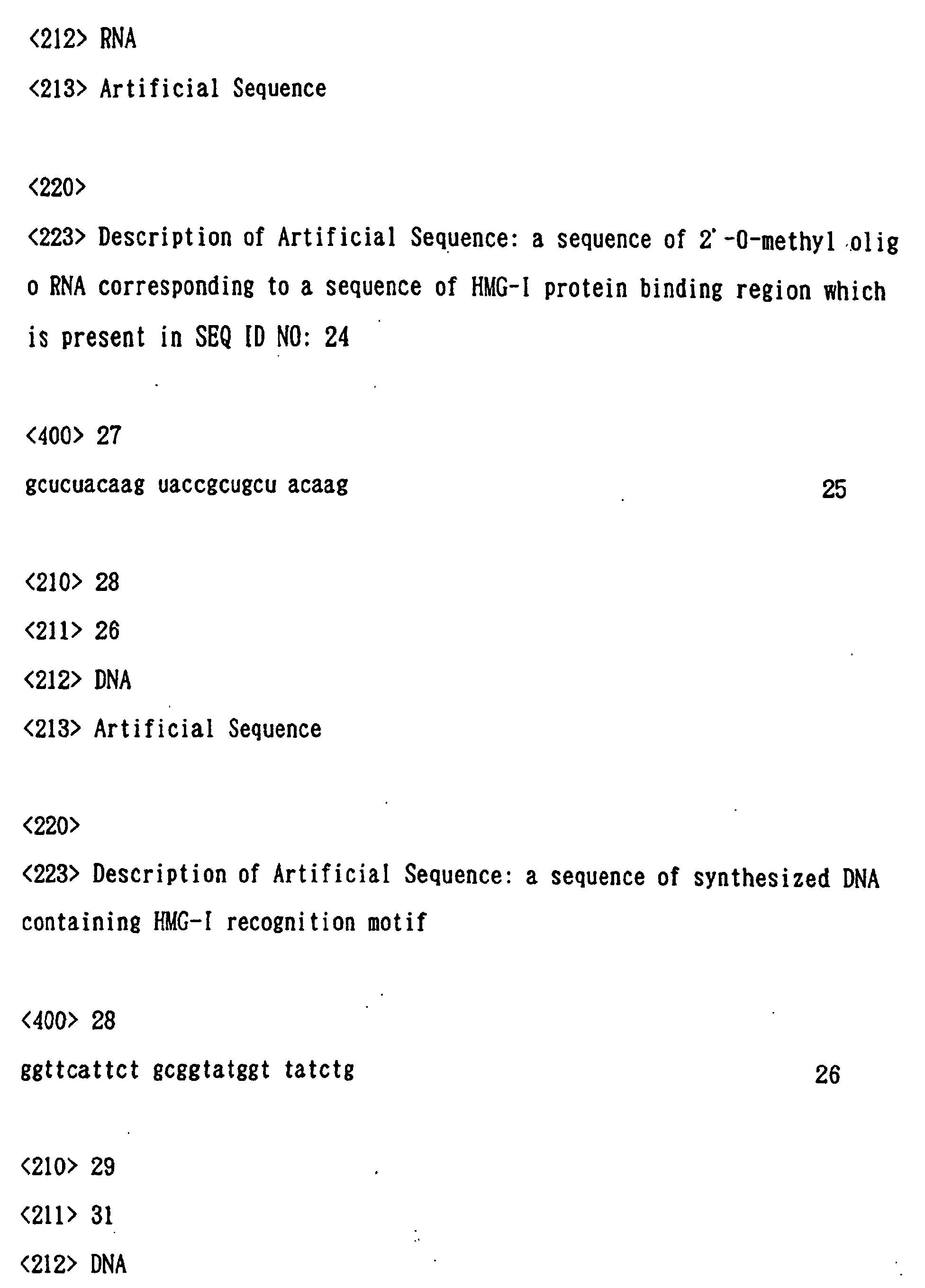
- the HMG-I/Y protein binds to a single-stranded RNA, and the HMG-I protein recognizes and binds to a site consisting of a sequence comprising gcucuacaag (SEQ ID NO: 1) and/or gcugcuacaag (SEQ ID NO: 2).
- Example 6 Influence of hypoxia on expression of HMG-I mRNA and immunoreactive HMG-I protein
- HMG-I HMG-I mRNA and the protein under normoxia conditions was compared with those upon exposure to hypoxia.
- Example 7 Localization of HMG-I protein at the cellular level
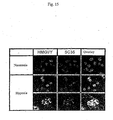
- the SK-N-SH cell culture was exposed to hypoxic conditions for 21 hours, and the HMG-I protein was detected under an immunofluorescence microscope by using an anti-HMG-I/Y antibody and anti-SC35 antibody.
- the above anti-SC35 antibody is an antibody against SC35 protein, a factor essential for splicing.
- an immunocytochemistry was carried out using the above anti-SC35 antibody as a maker for a speckle where a splicing factor is present.
- the HMG-I protein is not only induced in the SK-N-SH cells by hypoxic stimulation but also accumulated from the cytoplasm to the nuclei, and there would be a correlation between expression of HMG-I and induction of PS2V.
- the abnormal RT-PCR product is an alternative splicing product of PS2 lacking exon 5.
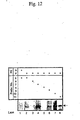
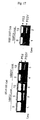
- weak induction of PS2V is observed in SK-N-SH cells upon the transient transfection of HMG-Y, but the HMGY protein is not induced by hypoxia in the nuclear extract derived from SK-N-SH cells, as shown in lanes 4 and 5 in Fig. 17.
- the HEK-293T cell which is a cell line wherein PS2V is not induced by hypoxia (Fig. 2), PS2V is detected due to overexpression of HMG-I, as shown in Fig. 17.
- U1 (70 K) snRNP an essential factor for splicing
- HMG-I can inhibit the binding of U1 snRNP to pre-mRNA.
- the effect of HMG-I on the binding activity of U1 (70K) snRNP to pre-mRNA in the nuclear extract derived from SK-N-SH cells was examined.
- the nuclear extract of an amount equivalent to 5 ⁇ g of protein was pretreated by incubation at 4°C for 8 hours with 1 ⁇ g anti-HMG-I/Y antibody (manufactured by Santa Cruz Biotechnology).
- the resulting pretreated product was incubated with 2 ⁇ g tRNA in an incubation buffer [composition: 12 mM HEPES-NaOH buffer (pH 7.9) containing 60 mM KCl, 4 mM MgCl 2 , 1 mM EDTA, 1 mM EGTA, 1 mM DTT, 10% glycerol and 1 mM PMSF].
- 32 P-labeled RNA probe [1 ⁇ g, the probe of No. 5 shown in Fig.
- HMG-I binds directly to U1 (70 K) snRNP in the nuclear extract derived from hypoxia-exposed SK-N-SH cells, but does not bind to U1 (70 K) snRNP in the nuclear extract derived from the cells exposed to normoxia conditions.
- U1 (70 K) snRNP is an essential factor for splicing, and recognizes a 5'-splicing site and binds to the 5'-splicing site.
- U1 (70 K) snRNP recognition sequence and HMG-I recognition sequence are close to each other on the probe of No. 5.
- the binding activity of U1 (70 K) snRNP to PS2 mRNA was inhibited in vitro in the nuclear extract derived from HMG-I-transfected SK-N-SH (Fig. 18).
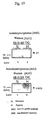
- HMG-I protein bound to U1 (70 K) snRNP in the nuclear extract derived from hypoxia-exposed SK-N-SH cells (Fig. 19). It is presumed that the association between HMG-I and U1 (70 K) snRNP observed in this example inhibits the binding of SF2/ASF to U1 (70 K) snRNP, resulting in inhibition of the binding activity of U1 (70 K) snRNP to pre-mRNA.
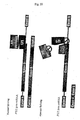
- HMG-I inhibits the binding of U1 (70 K) snRNP to pre-mRNA or another splicing factor as shown in Fig. 20, thereby inhibiting the action of U1 (70 K) snRNP on PS2 pre-mRNA.
- Example 9 Expression of HMG-I/Y protein in sAD brain
- HMG-I protein actually induces alternative splicing of PS2 lacking exon 5
- higher expression of HMG-I must be observed in a sAD brain than in a control brain.
- the expression level of HMG-I in the control brain was compared with that of the sAD brain by immunoblot assays. The results are shown in Fig. 21.
- both HMG-I protein and HMG-Y protein are increased as compared with those in the age-matched control, and expressed in the whole lysate and nuclear fraction derived from the hippocampuses of three different sAD patients.
- the cytosol fraction of hippocampus there is no significant difference between the sAD patients and the control, as shown in the middle panel in Fig. 21.
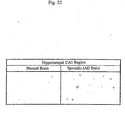
- the immunoreactive HMG-I/Y protein was detected in the nuclear fraction derived from the hippocampus of the control brain (Fig. 21), but substantially no HMG-I/Y protein was detected in the hippocampal CA1 region of the control brain (Fig. 22). This is because HMG-I/Y was expressed in a region of hippocampal stratum lacunosum-moleculare of the control, and there was no difference as compared with the sAD brain.
- HMG-I protein and HMG-Y protein More potent expression of both HMG-I protein and HMG-Y protein was observed in the nuclear fraction of the hippocampus of the sAD brain than in the control, but not observed in the cytosol fraction (Fig. 21). Also, by immunohistological assay, the HMG-I/Y protein was detected in pyramidal cells in the hippocampus CA1 region of the sAD brain (Fig. 22). These results show a possibility that the HMG-I/Y protein binds to PS2 pre-mRNA, to actually induce a splicing variant of PS2 gene lacking exon 5 in the brain and the cell line with sAD.
- Example 10 Screening of inhibitor of binding between presenilin-2 gene exon 5 and HMG-I protein
- a chemical library, antisense nucleic acids designed on the basis of the nucleotide sequence of SEQ ID NO: 1 and/or the nucleotide sequence of SEQ ID NO: 2, and derivatives thereof are used as test substances.
- the test substance can be a candidate substance of an inhibitor of the binding.
- a nucleotide sequence of the HMG-I recognition motif was determined by in vitro DNA screening assay.
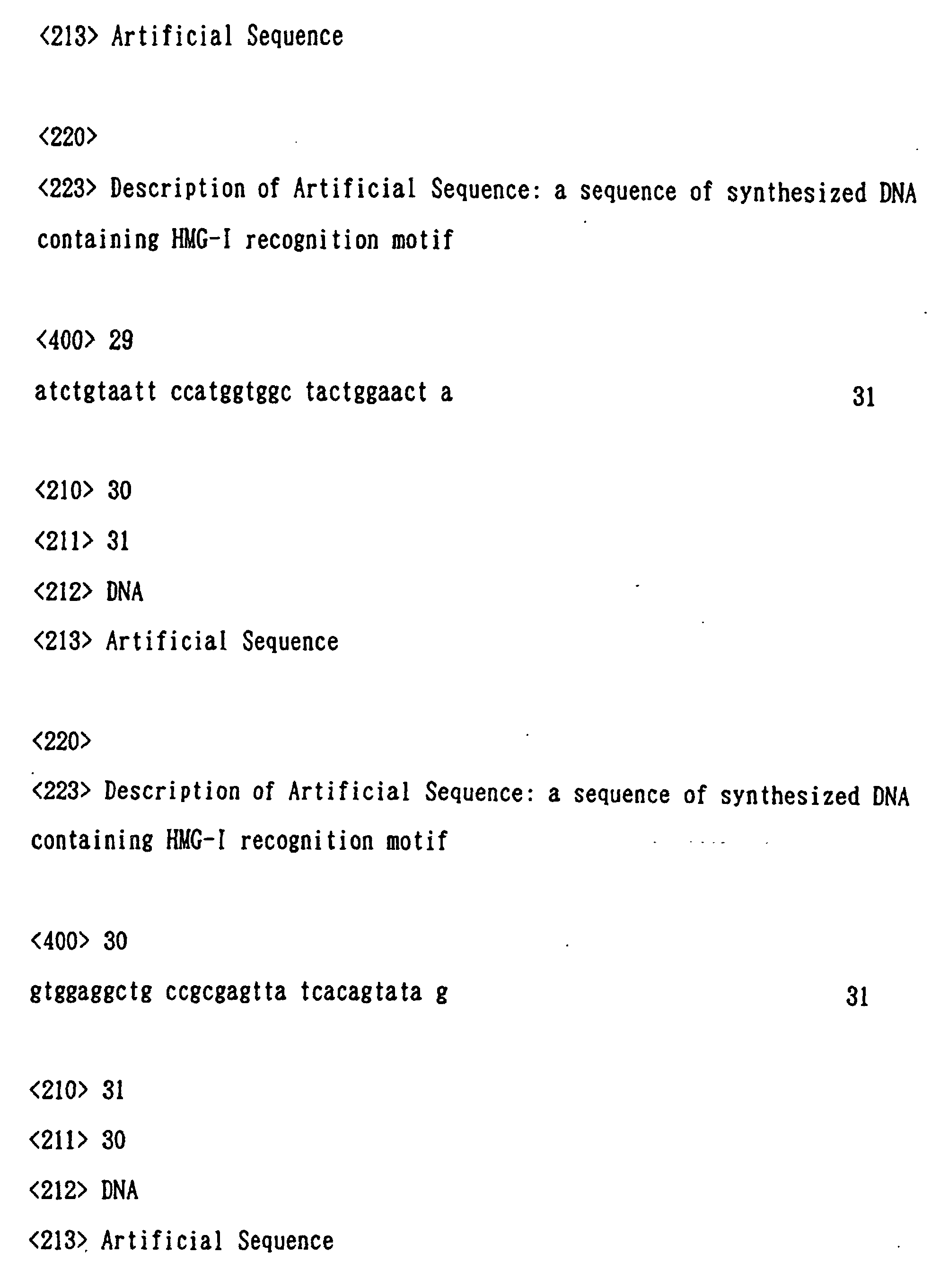
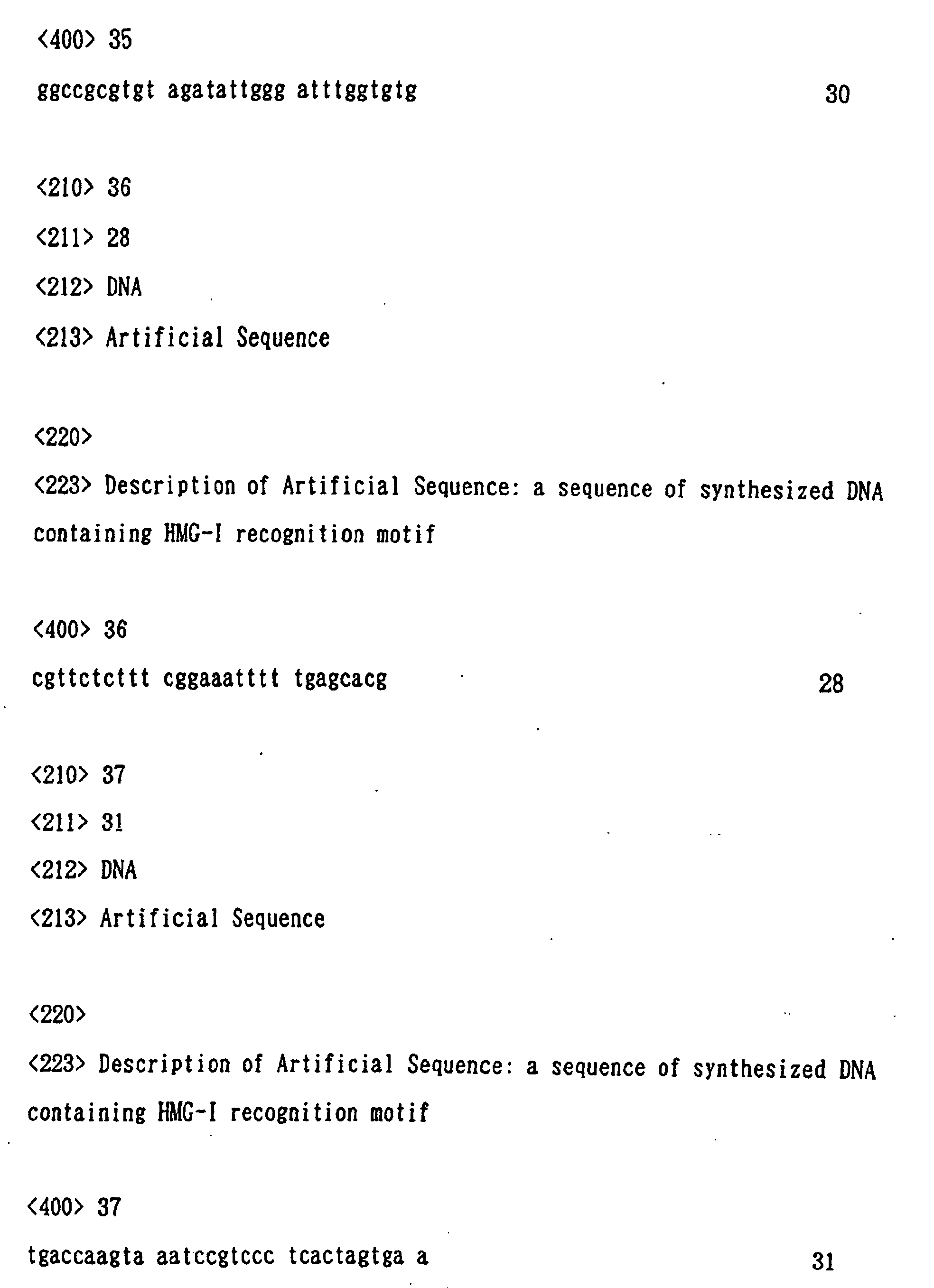
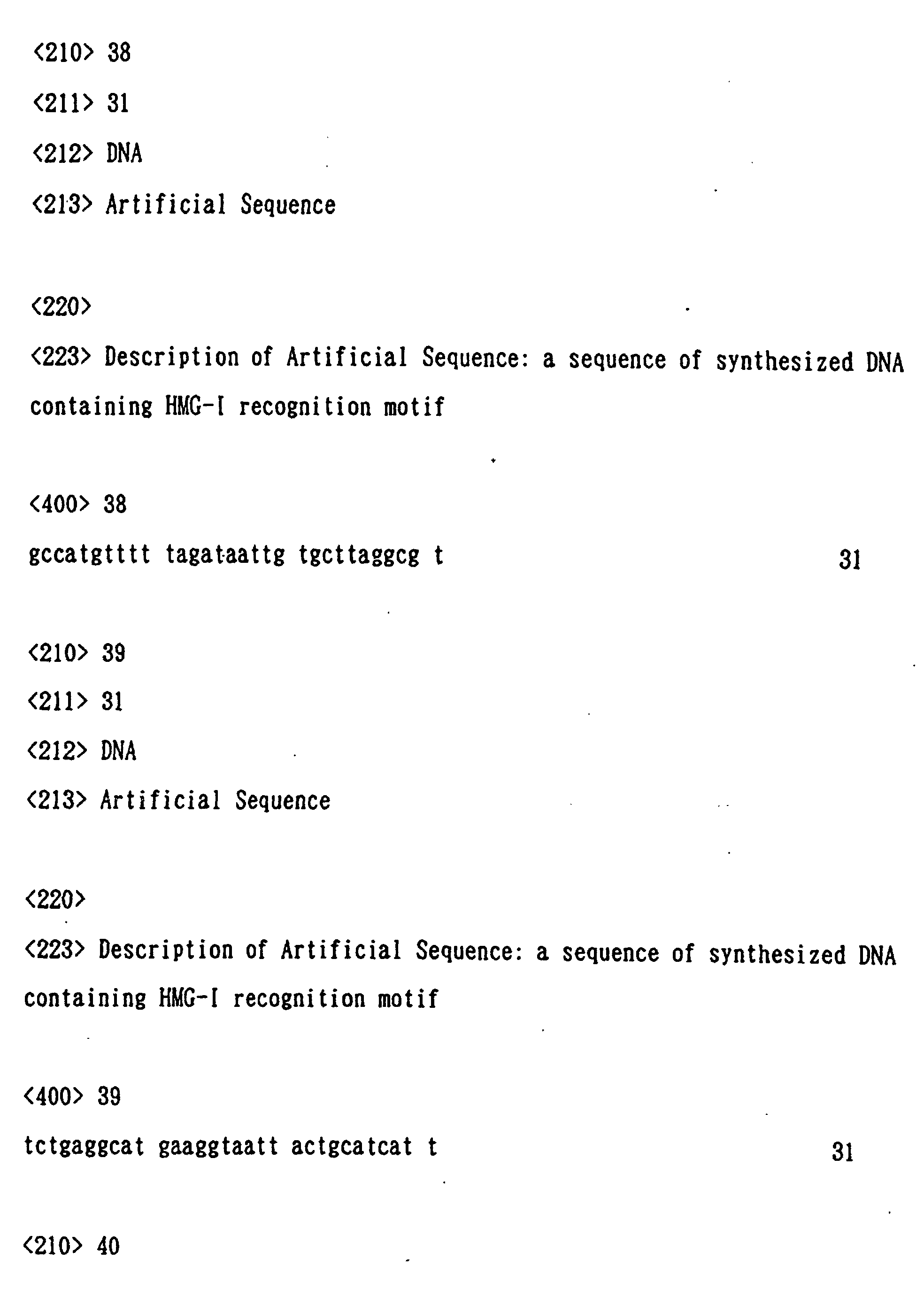
- the procedure of the in vitro DNA screening assay is as follows: a synthetic DNA [5'-GGTGATCAGATTCTGATCCA(N 31 )TGAAGCTTGGATCCGTCGC-3' (SEQ ID NO: 65)] containing a random sequence of 31 nucleotides (20.7% A, 22.7% C, 31.5% T and 25.1% G as determined by direct sequencing of 16 clones) was amplified by using 5'-GTAATACGACTCACTATAGGGTGATCAGATTCTGATCCA-3' (SEQ ID NO: 67) and 5'-GCGACGGATCCAAGCTTCA-3' (SEQ ID NO: 68) as primers in PCR of 7 cycles, wherein one cycle consists of reactions at 94°C for 1 minute/53°C for 1 minute/72°C for 1 minute.
- rHMG-I E. coli expression recombinant HMG-I
- incubation buffer 12 mM HEPES-NaOH (pH 7.9) containing 60 mM KCl, 4 mM MgCl 2 , 1 mM EDTA, 1 mM EGTA, 1 mM DTT, 10% glycerol and 1 mM PMSF
- the resulting reaction solution was subjected to immunoprecipitation with an antibody against HMG-I.
- PCR of 7 cycles wherein one cycle consists of reactions at 94°C for 1 minute/53°C for 1 minute/72°C for 1 minute were carried out using the immunoprecipitated product as the template and 5'-GTAATACGACTCACTATAGGGTGATCAGATTCTGATCCA-3' (SEQ ID NO: 67) and 5'-GCGACGGATCCAAGCTTCA-3' (SEQ ID NO: 68) as the primers.
- the resulting PCR product was cloned into pGEM-T vector (manufactured by Promega) and analyzed by direct sequencing.
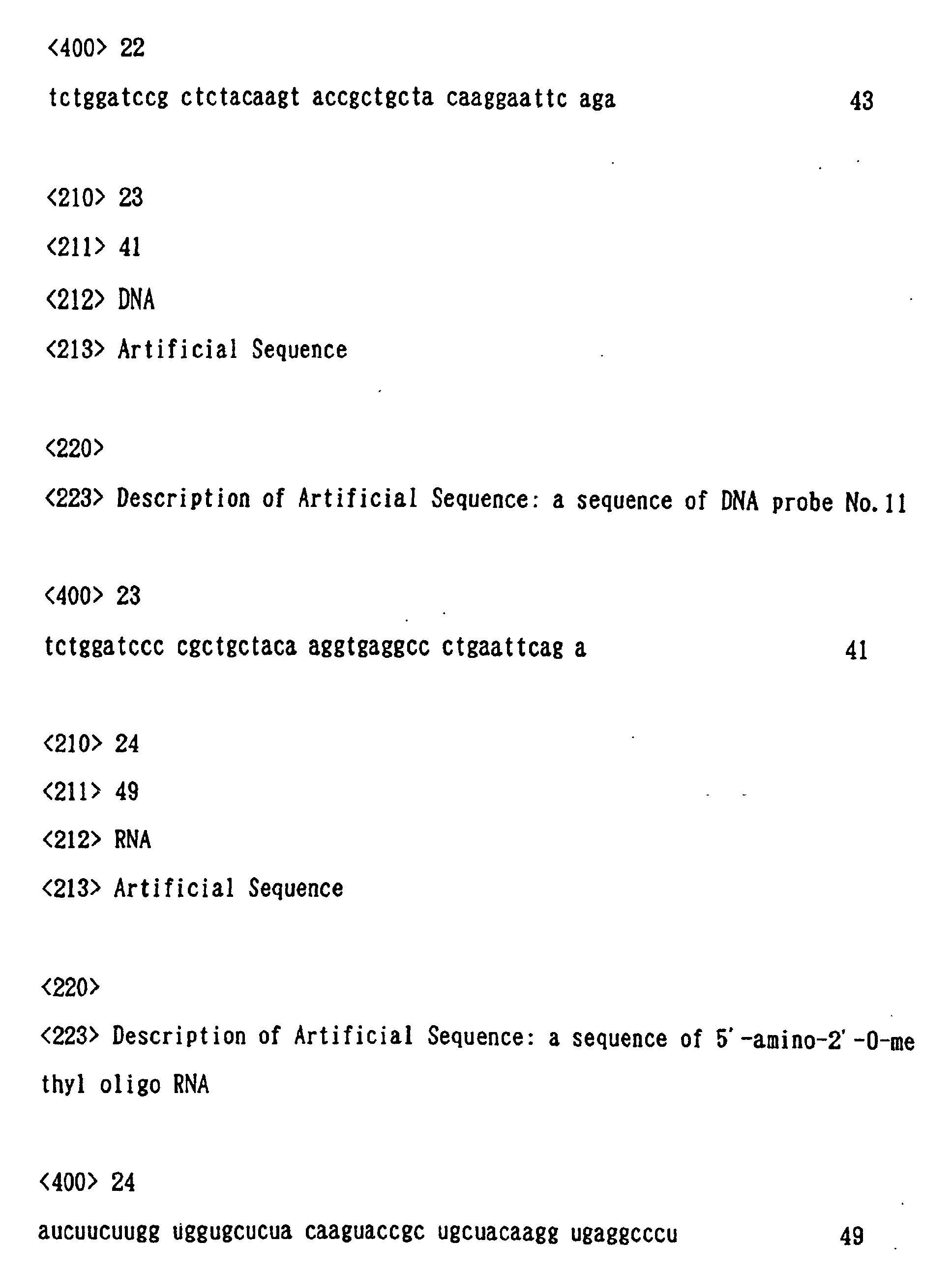
- each of extracts of an amount equivalent to 5 ⁇ g of protein, 1 ⁇ g poly dIdC, and 2'-O-methyl oligo RNA (SEQ ID NO: 27) at various concentrations were added to the above incubation buffer, and then 1 ⁇ g 32 P-labeled DNA probe [gcgG(A)GT(A)A(T)ATTTcgc (SEQ ID NO: 66)] was added thereto to form 50 ⁇ l solution which was then incubated at 25°C for 30 minutes.
- reaction solution was electrophoresed for 1.5 hours at 4°C at a constant voltage of 11 V/cm on 4% polyacrylamide gel in a buffer containing 50 mM Tris, 0.38 M glycine and 2 mM EDTA, whereby the bound probe was separated from the free probe. After electrophoresis, the gel was dried and analyzed by autoradiography.
- the inhibitory action of the above 2'-O-methyl oligo RNA is specific to the binding of HMG-I to RNA, but not specific to the binding of HMG-I to DNA.
- an element that can be associated with the generation of PS2V According to the nucleic acid of the present invention, there are exhibited some excellent characteristics that the nucleic acid can be a target for treatment and/or prevention of a disease caused by aberrant splicing, a neurodegenerative disease represented by Alzheimer's disease, or the like.
- the method for screening an inhibitor that can inhibit the generation of PS2V of the present invention there can be provided an inhibitor for inhibiting a binding between protein-nucleic acid caused by aberrant splicing.
Landscapes
- Health & Medical Sciences (AREA)
- Life Sciences & Earth Sciences (AREA)
- Chemical & Material Sciences (AREA)
- Engineering & Computer Science (AREA)
- Organic Chemistry (AREA)
- Biomedical Technology (AREA)
- Proteomics, Peptides & Aminoacids (AREA)
- General Health & Medical Sciences (AREA)
- Molecular Biology (AREA)
- Immunology (AREA)
- Medicinal Chemistry (AREA)
- Analytical Chemistry (AREA)
- Zoology (AREA)
- Genetics & Genomics (AREA)
- Biochemistry (AREA)
- Neurology (AREA)
- Bioinformatics & Cheminformatics (AREA)
- Urology & Nephrology (AREA)
- Wood Science & Technology (AREA)
- Pathology (AREA)
- Physics & Mathematics (AREA)
- Biophysics (AREA)
- Microbiology (AREA)
- Hematology (AREA)
- Biotechnology (AREA)
- Neurosurgery (AREA)
- Chemical Kinetics & Catalysis (AREA)
- Toxicology (AREA)
- Pharmacology & Pharmacy (AREA)
- Cell Biology (AREA)
- Animal Behavior & Ethology (AREA)
- Nuclear Medicine, Radiotherapy & Molecular Imaging (AREA)
- Public Health (AREA)
- General Chemical & Material Sciences (AREA)
- Veterinary Medicine (AREA)
- General Engineering & Computer Science (AREA)
- Gastroenterology & Hepatology (AREA)
- General Physics & Mathematics (AREA)
- Food Science & Technology (AREA)
- Hospice & Palliative Care (AREA)
Abstract
Description
- I) a case where the binding between the nucleic acid and the HMG-I protein is not detected in the presence of the substance to be tested, or
- II) a case where a binding strength a of binding between the nucleic acid and
the HMG-I protein in the presence of the substance to be tested is smaller than a
binding strength b of binding between the nucleic acid and the HMG-I protein in
the absence of the substance to be tested
is used as an index showing that the substance to be tested is an inhibitor for
binding between
exon 5 of presenilin-2 gene and HMG-I protein;
- I) a case where the binding between the nucleic acid and the HMG-I protein is not detected in the presence of the substance to be tested, or
- II) a case where a binding strength a of binding between the nucleic acid and the HMG-I protein in the presence of the substance to be tested is smaller than a binding strength b of binding of the nucleic acid to the HMG-I protein in the absence of the substance to be tested













Claims (12)
- A nucleic acid capable of binding to HMG-I protein, wherein the nucleic acid causes presenilin-2 gene exon 5-lacked type aberrant splicing by the association with the HMG-I protein.
- A nucleic acid capable of binding to HMG-I protein, wherein the nucleic acid is a part of a presenilin-2 mRNA precursor.
- A nucleic acid capable of binding to HMG-I protein, comprising the nucleotide sequence shown in SEQ ID NO: 1 and/or the nucleotide sequence shown in SEQ ID NO: 2.
- The nucleic acid according to claim 3 capable of binding to the HMG-I protein, wherein the nucleic acid comprises at least one nucleotide sequence selected from the group consisting of SEQ ID NO: 3, 4, 5, 6 and 7.
- The nucleic acid according to claim 3 or 4, wherein the nucleic acid has 10 to 100 bases in length.
- An antisense molecule of the nucleic acid according to any one of claims 1 to 5.
- A method for screening an inhibitor for binding between exon 5 of presenilin-2 gene and HMG-I protein, characterized by detecting in the presence or absence of a substance to be tested a binding between HMG-I protein andor determining a binding strength of the binding,1 ○ a nucleic acid capable of binding to HMG-I protein, wherein the nucleic acid causes presenilin-2 gene exon 5-lacked type aberrant splicing by the association with the HMG-I protein, or2 ○ a nucleic acid capable of binding to HMG-I protein, wherein the nucleic acid is a part of a presenilin-2 mRNA precursor,
wherein the following I) or II):is used as an index showing that the substance to be tested is an inhibitor for binding between exon 5 of presenilin-2 gene and HMG-I protein.I) a case where the binding between the nucleic acid and the HMG-I protein is not detected in the presence of the substance to be tested, orII) a case where a binding strength a of binding between the nucleic acid and the HMG-I protein in the presence of the substance to be tested is smaller than a binding strength b of binding between the nucleic acid and the HMG-I protein in the absence of the substance to be tested - The screening method according to claim 7, wherein the method comprises the steps of:(A) contacting1 ○ a nucleic acid capable of binding to HMG-I protein, wherein the nucleic acid causes presenilin-2 gene exon 5-lacked type aberrant splicing by the association with the HMG-I protein, or2 ○ a nucleic acid capable of binding to HMG-I protein, wherein the nucleic acid is a part of a presenilin-2 mRNA precursor, with HMG-I protein in the presence of the substance to be tested; and(B) detecting binding between the nucleic acid and the HMG-I protein.
- The screening method according to claim 7, wherein the method comprises the steps of:(a) contactingwith HMG-I protein under each condition of the presence and absence of the substance to be tested; and1 ○ a nucleic acid capable of binding to HMG-I protein, wherein the nucleic acid causes presenilin-2 gene exon 5-lacked type aberrant splicing by the association with the HMG-I protein, or2 ○ a nucleic acid capable of binding to HMG-I protein, wherein the nucleic acid is a part of a presenilin-2 mRNA precursor,(b) determining a binding strength a of binding between the nucleic acid and the HMG-I protein in the presence of a substance to be tested and a binding strength b of binding between the nucleic acid and the HMG-I protein in the absence of a substance to be tested.
- The screening method according to any one of claims 7 to 9, wherein the nucleic acid is the nucleic acid of any one of claims 3 to 5.
- The screening method according to any one of claims 7 to 10, further comprising the steps of determining binding between a DNA having the nucleotide sequence shown in SEQ ID NO: 66 and the HMG-I protein in the presence of the substance to be tested, and screening a compound not inhibiting the binding.
- An inhibitor for binding between exon 5 of presenilin-2 gene and HMG-I protein, obtainable by a method for screening an inhibitor for binding between exon 5 of presenilin-2 gene and HMG-I protein, characterized by detecting in the presence or absence of a substance to be tested a binding between HMG-I protein andwherein the following I) or II):1 ○ a nucleic acid capable of binding to HMG-I protein, wherein the nucleic acid causes presenilin-2 gene exon 5-lacked type aberrant splicing by the association with the HMG-I protein, or2 ○ a nucleic acid capable of binding to HMG-I protein, wherein the nucleic acid is a part of a presenilin-2 mRNA precursor, or determining a binding strength of the binding,is used as an index showing that the substance to be tested is an inhibitor for binding between exon 5 of presenilin-2 gene and HMG-I protein.I) a case where the binding between the nucleic acid and the HMG-I protein is not detected in the presence of the substance to be tested, orII) a case where a binding strength a of binding between the nucleic acid and the HMG-I protein in the presence of the substance to be tested is smaller than a binding strength b of binding of the nucleic acid to the HMG-I protein in the absence of the substance to be tested
Applications Claiming Priority (3)
| Application Number | Priority Date | Filing Date | Title |
|---|---|---|---|
| JP2001195472 | 2001-06-27 | ||
| JP2001195472A JP2003018991A (en) | 2001-06-27 | 2001-06-27 | Nucleic acid involved in generation of exon 5 defective splicing abnormality in presenilin-2 gene |
| PCT/JP2002/006462 WO2003002742A1 (en) | 2001-06-27 | 2002-06-27 | Nucleic acid participating in the formation of presenilin-2-gene exon 5-defective splicing variant |
Publications (3)
| Publication Number | Publication Date |
|---|---|
| EP1416048A1 true EP1416048A1 (en) | 2004-05-06 |
| EP1416048A4 EP1416048A4 (en) | 2005-01-26 |
| EP1416048B1 EP1416048B1 (en) | 2009-08-12 |
Family
ID=19033439
Family Applications (1)
| Application Number | Title | Priority Date | Filing Date |
|---|---|---|---|
| EP02743740A Expired - Lifetime EP1416048B1 (en) | 2001-06-27 | 2002-06-27 | Nucleic acid participating in the formation of presenilin-2-gene exon 5-defective splicing variant |
Country Status (8)
| Country | Link |
|---|---|
| US (1) | US7364847B2 (en) |
| EP (1) | EP1416048B1 (en) |
| JP (2) | JP2003018991A (en) |
| AT (1) | ATE439442T1 (en) |
| AU (1) | AU2002346224B8 (en) |
| CA (1) | CA2451959A1 (en) |
| DE (1) | DE60233329D1 (en) |
| WO (1) | WO2003002742A1 (en) |
Families Citing this family (3)
| Publication number | Priority date | Publication date | Assignee | Title |
|---|---|---|---|---|
| GB0219143D0 (en) * | 2002-08-16 | 2002-09-25 | Univ Leicester | Modified tailed oligonucleotides |
| WO2007123680A2 (en) | 2006-03-31 | 2007-11-01 | The Regents Of The University Of California | Methods and compositions for treating neurodegenerative disorders and alzheimer's disease and improving normal memory |
| US8129334B2 (en) | 2006-03-31 | 2012-03-06 | The Regents Of The University Of California | Methods and compositions for treating neurodegenerative disorders and Alzheimer'S disease and improving normal memory |
Family Cites Families (4)
| Publication number | Priority date | Publication date | Assignee | Title |
|---|---|---|---|---|
| DE69635207T2 (en) * | 1995-07-07 | 2006-06-22 | Darwin Molecular Corp. | Genome located on chromosome 1 whose gene product is associated with Alzheimer's disease. |
| WO1997027296A1 (en) * | 1996-01-26 | 1997-07-31 | Hsc Research And Development Limited Partnership | Nucleic acids and proteins related to alzheimer's disease, and uses therefor |
| WO1999016874A1 (en) * | 1997-10-01 | 1999-04-08 | Aventis Pharma S.A. | Nucleic acids coding for proteins capable of interacting with presenilins |
| DE69940906D1 (en) * | 1998-05-21 | 2009-07-02 | Mitsubishi Tanabe Pharma Corp | METHOD FOR THE INVESTIGATION OF DISEASES OF THE CENTRAL NERVOUS SYSTEM AND METHOD FOR SEARCHING MEDICAMENTS |
-
2001
- 2001-06-27 JP JP2001195472A patent/JP2003018991A/en active Pending
-
2002
- 2002-06-27 WO PCT/JP2002/006462 patent/WO2003002742A1/en not_active Ceased
- 2002-06-27 JP JP2003509103A patent/JP3930855B2/en not_active Expired - Fee Related
- 2002-06-27 DE DE60233329T patent/DE60233329D1/en not_active Expired - Lifetime
- 2002-06-27 AT AT02743740T patent/ATE439442T1/en not_active IP Right Cessation
- 2002-06-27 EP EP02743740A patent/EP1416048B1/en not_active Expired - Lifetime
- 2002-06-27 AU AU2002346224A patent/AU2002346224B8/en not_active Ceased
- 2002-06-27 CA CA002451959A patent/CA2451959A1/en not_active Abandoned
- 2002-06-27 US US10/482,115 patent/US7364847B2/en not_active Expired - Fee Related
Non-Patent Citations (9)
Also Published As
| Publication number | Publication date |
|---|---|
| WO2003002742A1 (en) | 2003-01-09 |
| AU2002346224B8 (en) | 2006-02-09 |
| US20040267004A1 (en) | 2004-12-30 |
| US7364847B2 (en) | 2008-04-29 |
| JP3930855B2 (en) | 2007-06-13 |
| EP1416048A4 (en) | 2005-01-26 |
| JP2003018991A (en) | 2003-01-21 |
| AU2002346224B2 (en) | 2005-10-13 |
| EP1416048B1 (en) | 2009-08-12 |
| CA2451959A1 (en) | 2003-01-09 |
| JPWO2003002742A1 (en) | 2004-10-21 |
| ATE439442T1 (en) | 2009-08-15 |
| DE60233329D1 (en) | 2009-09-24 |
Similar Documents
| Publication | Publication Date | Title |
|---|---|---|
| Manabe et al. | Induced HMGA1a expression causes aberrant splicing of Presenilin-2 pre-mRNA in sporadic Alzheimer's disease | |
| Taylor et al. | Thymopoietin (lamina‐associated polypeptide 2) gene mutation associated with dilated cardiomyopathy | |
| Satoh et al. | A novel membrane protein, encoded by the gene covering KIAA0233, is transcriptionally induced in senile plaque-associated astrocytes | |
| EP2364325A1 (en) | Syngap1 dysfunctions and uses thereof in diagnostic and therapeutic applications for mental retardation | |
| JPH08509808A (en) | Neurofilament protein gene expression and detection of Alzheimer's disease | |
| Takahashi et al. | Expression of Ndrg2 in the rat frontal cortex after antidepressant and electroconvulsive treatment | |
| US20040053265A1 (en) | Diagnostic and therapeutic use of a caveolae-associated integral membrane protein for alzheimer's disease and related neurodegenerative disorders | |
| Wong-Riley et al. | Human COX6A1 gene: promoter analysis, cDNA isolation and expression in the monkey brain | |
| US7364847B2 (en) | Nucleic acid participating in the formation of presenilin-2-gene exon 5-defective splicing variant | |
| US7070940B2 (en) | Method for determining the ability of a compound to modify the interaction between parkin and the p38 protein | |
| US20060040315A1 (en) | Methods for detecting neurological disorders | |
| Kwaśnicka-Crawford et al. | IQCJ–SCHIP1, a novel fusion transcript encoding a calmodulin-binding IQ motif protein | |
| JP4948768B2 (en) | Diagnosis or prediction of susceptibility to mental disorders | |
| AU2002346223B2 (en) | Medicinal compositions | |
| EP1379882B1 (en) | Diagnostic and therapeutic use of a nuclear restricted protein for alzheimer's disease and related neurodegenerative disorders | |
| WO2002022867A2 (en) | Diagnostic and therapeutic use of a phosphoprotein enriched in astrocytes for alzheimer's disease and related neurodegenerative disorders | |
| Satoh et al. | Mitsugumin 29 is transcriptionally induced in senile plaque-associated astrocytes | |
| JPWO2003070947A1 (en) | Apoptosis-promoting substance and inhibitory substance interacting with CGI-94 and screening method thereof | |
| EP1357181A1 (en) | Novel atopic dermatitis-associated gene and proteins | |
| JPWO2003074701A1 (en) | p18AβrP gene and p18AβrP protein, a novel gene / protein (p60TRP) that interacts with these to suppress cell death, and a substance that promotes cell death | |
| JPH11346772A (en) | Method of screening for neuronal death inhibitor | |
| JP2003339378A (en) | Alzheimer's disease marker and use thereof | |
| HK1145856B (en) | Cd44 splice variants in neurodegenerative diseases | |
| AU2003218331A1 (en) | Novel compositions and methods in cancer associated with altered expression of prdm 11 |
Legal Events
| Date | Code | Title | Description |
|---|---|---|---|
| PUAI | Public reference made under article 153(3) epc to a published international application that has entered the european phase |
Free format text: ORIGINAL CODE: 0009012 |
|
| 17P | Request for examination filed |
Effective date: 20040126 |
|
| AK | Designated contracting states |
Kind code of ref document: A1 Designated state(s): AT BE CH CY DE DK ES FI FR GB GR IE IT LI LU MC NL PT SE TR |
|
| AX | Request for extension of the european patent |
Extension state: AL LT LV MK RO SI |
|
| A4 | Supplementary search report drawn up and despatched |
Effective date: 20041214 |
|
| RIC1 | Information provided on ipc code assigned before grant |
Ipc: 7C 12Q 1/68 B Ipc: 7C 12N 15/12 A Ipc: 7G 01N 33/50 B Ipc: 7C 07K 14/47 B |
|
| RAP1 | Party data changed (applicant data changed or rights of an application transferred) |
Owner name: JAPAN SCIENCE AND TECHNOLOGY AGENCY |
|
| 17Q | First examination report despatched |
Effective date: 20070424 |
|
| GRAP | Despatch of communication of intention to grant a patent |
Free format text: ORIGINAL CODE: EPIDOSNIGR1 |
|
| GRAP | Despatch of communication of intention to grant a patent |
Free format text: ORIGINAL CODE: EPIDOSNIGR1 |
|
| RAP1 | Party data changed (applicant data changed or rights of an application transferred) |
Owner name: JAPAN SCIENCE AND TECHNOLOGY AGENCY |
|
| GRAS | Grant fee paid |
Free format text: ORIGINAL CODE: EPIDOSNIGR3 |
|
| GRAA | (expected) grant |
Free format text: ORIGINAL CODE: 0009210 |
|
| RTI1 | Title (correction) |
Free format text: NUCLEIC ACID PARTICIPATING IN THE FORMATION OF PRESENILIN-2-GENE EXON 5-DEFECTIVE SPLICING VARIANT |
|
| AK | Designated contracting states |
Kind code of ref document: B1 Designated state(s): AT BE CH CY DE DK ES FI FR GB GR IE IT LI LU MC NL PT SE TR |
|
| REG | Reference to a national code |
Ref country code: GB Ref legal event code: FG4D |
|
| REG | Reference to a national code |
Ref country code: CH Ref legal event code: EP |
|
| REG | Reference to a national code |
Ref country code: CH Ref legal event code: NV Representative=s name: VOSSIUS & PARTNER |
|
| REG | Reference to a national code |
Ref country code: IE Ref legal event code: FG4D |
|
| REF | Corresponds to: |
Ref document number: 60233329 Country of ref document: DE Date of ref document: 20090924 Kind code of ref document: P |
|
| PG25 | Lapsed in a contracting state [announced via postgrant information from national office to epo] |
Ref country code: SE Free format text: LAPSE BECAUSE OF FAILURE TO SUBMIT A TRANSLATION OF THE DESCRIPTION OR TO PAY THE FEE WITHIN THE PRESCRIBED TIME-LIMIT Effective date: 20090812 Ref country code: AT Free format text: LAPSE BECAUSE OF FAILURE TO SUBMIT A TRANSLATION OF THE DESCRIPTION OR TO PAY THE FEE WITHIN THE PRESCRIBED TIME-LIMIT Effective date: 20090812 Ref country code: ES Free format text: LAPSE BECAUSE OF FAILURE TO SUBMIT A TRANSLATION OF THE DESCRIPTION OR TO PAY THE FEE WITHIN THE PRESCRIBED TIME-LIMIT Effective date: 20091123 Ref country code: FI Free format text: LAPSE BECAUSE OF FAILURE TO SUBMIT A TRANSLATION OF THE DESCRIPTION OR TO PAY THE FEE WITHIN THE PRESCRIBED TIME-LIMIT Effective date: 20090812 |
|
| NLV1 | Nl: lapsed or annulled due to failure to fulfill the requirements of art. 29p and 29m of the patents act | ||
| PG25 | Lapsed in a contracting state [announced via postgrant information from national office to epo] |
Ref country code: NL Free format text: LAPSE BECAUSE OF FAILURE TO SUBMIT A TRANSLATION OF THE DESCRIPTION OR TO PAY THE FEE WITHIN THE PRESCRIBED TIME-LIMIT Effective date: 20090812 |
|
| PG25 | Lapsed in a contracting state [announced via postgrant information from national office to epo] |
Ref country code: PT Free format text: LAPSE BECAUSE OF FAILURE TO SUBMIT A TRANSLATION OF THE DESCRIPTION OR TO PAY THE FEE WITHIN THE PRESCRIBED TIME-LIMIT Effective date: 20091212 |
|
| PG25 | Lapsed in a contracting state [announced via postgrant information from national office to epo] |
Ref country code: DK Free format text: LAPSE BECAUSE OF FAILURE TO SUBMIT A TRANSLATION OF THE DESCRIPTION OR TO PAY THE FEE WITHIN THE PRESCRIBED TIME-LIMIT Effective date: 20090812 |
|
| PLBE | No opposition filed within time limit |
Free format text: ORIGINAL CODE: 0009261 |
|
| STAA | Information on the status of an ep patent application or granted ep patent |
Free format text: STATUS: NO OPPOSITION FILED WITHIN TIME LIMIT |
|
| PG25 | Lapsed in a contracting state [announced via postgrant information from national office to epo] |
Ref country code: BE Free format text: LAPSE BECAUSE OF FAILURE TO SUBMIT A TRANSLATION OF THE DESCRIPTION OR TO PAY THE FEE WITHIN THE PRESCRIBED TIME-LIMIT Effective date: 20090812 |
|
| 26N | No opposition filed |
Effective date: 20100517 |
|
| PG25 | Lapsed in a contracting state [announced via postgrant information from national office to epo] |
Ref country code: GR Free format text: LAPSE BECAUSE OF FAILURE TO SUBMIT A TRANSLATION OF THE DESCRIPTION OR TO PAY THE FEE WITHIN THE PRESCRIBED TIME-LIMIT Effective date: 20091113 |
|
| PG25 | Lapsed in a contracting state [announced via postgrant information from national office to epo] |
Ref country code: MC Free format text: LAPSE BECAUSE OF NON-PAYMENT OF DUE FEES Effective date: 20100630 |
|
| PG25 | Lapsed in a contracting state [announced via postgrant information from national office to epo] |
Ref country code: IT Free format text: LAPSE BECAUSE OF FAILURE TO SUBMIT A TRANSLATION OF THE DESCRIPTION OR TO PAY THE FEE WITHIN THE PRESCRIBED TIME-LIMIT Effective date: 20090812 |
|
| PG25 | Lapsed in a contracting state [announced via postgrant information from national office to epo] |
Ref country code: IE Free format text: LAPSE BECAUSE OF NON-PAYMENT OF DUE FEES Effective date: 20100627 |
|
| PG25 | Lapsed in a contracting state [announced via postgrant information from national office to epo] |
Ref country code: CY Free format text: LAPSE BECAUSE OF FAILURE TO SUBMIT A TRANSLATION OF THE DESCRIPTION OR TO PAY THE FEE WITHIN THE PRESCRIBED TIME-LIMIT Effective date: 20090812 |
|
| PG25 | Lapsed in a contracting state [announced via postgrant information from national office to epo] |
Ref country code: LU Free format text: LAPSE BECAUSE OF NON-PAYMENT OF DUE FEES Effective date: 20100627 |
|
| PG25 | Lapsed in a contracting state [announced via postgrant information from national office to epo] |
Ref country code: TR Free format text: LAPSE BECAUSE OF FAILURE TO SUBMIT A TRANSLATION OF THE DESCRIPTION OR TO PAY THE FEE WITHIN THE PRESCRIBED TIME-LIMIT Effective date: 20090812 |
|
| PGFP | Annual fee paid to national office [announced via postgrant information from national office to epo] |
Ref country code: GB Payment date: 20140513 Year of fee payment: 13 |
|
| PGFP | Annual fee paid to national office [announced via postgrant information from national office to epo] |
Ref country code: FR Payment date: 20140513 Year of fee payment: 13 Ref country code: CH Payment date: 20140513 Year of fee payment: 13 Ref country code: DE Payment date: 20140513 Year of fee payment: 13 |
|
| REG | Reference to a national code |
Ref country code: DE Ref legal event code: R119 Ref document number: 60233329 Country of ref document: DE |
|
| REG | Reference to a national code |
Ref country code: CH Ref legal event code: PL |
|
| GBPC | Gb: european patent ceased through non-payment of renewal fee |
Effective date: 20150627 |
|
| REG | Reference to a national code |
Ref country code: FR Ref legal event code: ST Effective date: 20160229 |
|
| PG25 | Lapsed in a contracting state [announced via postgrant information from national office to epo] |
Ref country code: CH Free format text: LAPSE BECAUSE OF NON-PAYMENT OF DUE FEES Effective date: 20150630 Ref country code: LI Free format text: LAPSE BECAUSE OF NON-PAYMENT OF DUE FEES Effective date: 20150630 Ref country code: DE Free format text: LAPSE BECAUSE OF NON-PAYMENT OF DUE FEES Effective date: 20160101 Ref country code: GB Free format text: LAPSE BECAUSE OF NON-PAYMENT OF DUE FEES Effective date: 20150627 |
|
| PG25 | Lapsed in a contracting state [announced via postgrant information from national office to epo] |
Ref country code: FR Free format text: LAPSE BECAUSE OF NON-PAYMENT OF DUE FEES Effective date: 20150630 |