EP1415667A1 - Pancreatic juice secretion regulators comprising lpa receptor controller - Google Patents
Pancreatic juice secretion regulators comprising lpa receptor controller Download PDFInfo
- Publication number
- EP1415667A1 EP1415667A1 EP02746091A EP02746091A EP1415667A1 EP 1415667 A1 EP1415667 A1 EP 1415667A1 EP 02746091 A EP02746091 A EP 02746091A EP 02746091 A EP02746091 A EP 02746091A EP 1415667 A1 EP1415667 A1 EP 1415667A1
- Authority
- EP
- European Patent Office
- Prior art keywords
- lpa
- edg
- lpa receptor
- use according
- pancreatic
- Prior art date
- Legal status (The legal status is an assumption and is not a legal conclusion. Google has not performed a legal analysis and makes no representation as to the accuracy of the status listed.)
- Granted
Links
- 0 **C(OCC(*)CN)=O Chemical compound **C(OCC(*)CN)=O 0.000 description 1
Images

Classifications
-
- A—HUMAN NECESSITIES
- A61—MEDICAL OR VETERINARY SCIENCE; HYGIENE
- A61K—PREPARATIONS FOR MEDICAL, DENTAL OR TOILETRY PURPOSES
- A61K31/00—Medicinal preparations containing organic active ingredients
- A61K31/66—Phosphorus compounds
- A61K31/661—Phosphorus acids or esters thereof not having P—C bonds, e.g. fosfosal, dichlorvos, malathion or mevinphos
-
- A—HUMAN NECESSITIES
- A61—MEDICAL OR VETERINARY SCIENCE; HYGIENE
- A61K—PREPARATIONS FOR MEDICAL, DENTAL OR TOILETRY PURPOSES
- A61K31/00—Medicinal preparations containing organic active ingredients
-
- A—HUMAN NECESSITIES
- A61—MEDICAL OR VETERINARY SCIENCE; HYGIENE
- A61K—PREPARATIONS FOR MEDICAL, DENTAL OR TOILETRY PURPOSES
- A61K31/00—Medicinal preparations containing organic active ingredients
- A61K31/33—Heterocyclic compounds
- A61K31/395—Heterocyclic compounds having nitrogen as a ring hetero atom, e.g. guanethidine or rifamycins
- A61K31/41—Heterocyclic compounds having nitrogen as a ring hetero atom, e.g. guanethidine or rifamycins having five-membered rings with two or more ring hetero atoms, at least one of which being nitrogen, e.g. tetrazole
- A61K31/42—Oxazoles
-
- A—HUMAN NECESSITIES
- A61—MEDICAL OR VETERINARY SCIENCE; HYGIENE
- A61K—PREPARATIONS FOR MEDICAL, DENTAL OR TOILETRY PURPOSES
- A61K31/00—Medicinal preparations containing organic active ingredients
- A61K31/66—Phosphorus compounds
-
- A—HUMAN NECESSITIES
- A61—MEDICAL OR VETERINARY SCIENCE; HYGIENE
- A61P—SPECIFIC THERAPEUTIC ACTIVITY OF CHEMICAL COMPOUNDS OR MEDICINAL PREPARATIONS
- A61P1/00—Drugs for disorders of the alimentary tract or the digestive system
-
- A—HUMAN NECESSITIES
- A61—MEDICAL OR VETERINARY SCIENCE; HYGIENE
- A61P—SPECIFIC THERAPEUTIC ACTIVITY OF CHEMICAL COMPOUNDS OR MEDICINAL PREPARATIONS
- A61P1/00—Drugs for disorders of the alimentary tract or the digestive system
- A61P1/10—Laxatives
-
- A—HUMAN NECESSITIES
- A61—MEDICAL OR VETERINARY SCIENCE; HYGIENE
- A61P—SPECIFIC THERAPEUTIC ACTIVITY OF CHEMICAL COMPOUNDS OR MEDICINAL PREPARATIONS
- A61P1/00—Drugs for disorders of the alimentary tract or the digestive system
- A61P1/12—Antidiarrhoeals
-
- A—HUMAN NECESSITIES
- A61—MEDICAL OR VETERINARY SCIENCE; HYGIENE
- A61P—SPECIFIC THERAPEUTIC ACTIVITY OF CHEMICAL COMPOUNDS OR MEDICINAL PREPARATIONS
- A61P1/00—Drugs for disorders of the alimentary tract or the digestive system
- A61P1/14—Prodigestives, e.g. acids, enzymes, appetite stimulants, antidyspeptics, tonics, antiflatulents
-
- A—HUMAN NECESSITIES
- A61—MEDICAL OR VETERINARY SCIENCE; HYGIENE
- A61P—SPECIFIC THERAPEUTIC ACTIVITY OF CHEMICAL COMPOUNDS OR MEDICINAL PREPARATIONS
- A61P1/00—Drugs for disorders of the alimentary tract or the digestive system
- A61P1/16—Drugs for disorders of the alimentary tract or the digestive system for liver or gallbladder disorders, e.g. hepatoprotective agents, cholagogues, litholytics
-
- A—HUMAN NECESSITIES
- A61—MEDICAL OR VETERINARY SCIENCE; HYGIENE
- A61P—SPECIFIC THERAPEUTIC ACTIVITY OF CHEMICAL COMPOUNDS OR MEDICINAL PREPARATIONS
- A61P1/00—Drugs for disorders of the alimentary tract or the digestive system
- A61P1/18—Drugs for disorders of the alimentary tract or the digestive system for pancreatic disorders, e.g. pancreatic enzymes
-
- A—HUMAN NECESSITIES
- A61—MEDICAL OR VETERINARY SCIENCE; HYGIENE
- A61P—SPECIFIC THERAPEUTIC ACTIVITY OF CHEMICAL COMPOUNDS OR MEDICINAL PREPARATIONS
- A61P43/00—Drugs for specific purposes, not provided for in groups A61P1/00-A61P41/00
Definitions
- the present invention relates to a pharmaceutical composition for regulation of pancreatic juice secretion comprising a lysophosphatidic acid (hereinafter abbreviated to as LPA) receptor modulator.
- LPA lysophosphatidic acid
- a pharmaceutical composition for inhibition of pancreatic juice secretion comprising an LPA receptor agonist a pharmaceutical composition for acceleration of pancreatic juice secretion comprising an LPA receptor antagonist, and a pharmaceutical composition comprising them as the active ingredient.
- a pharmaceutical composition for inhibition of pancreatic juice secretion comprising an EDG-2 agonist a pharmaceutical composition for acceleration of pancreatic juice secretion comprising an EDG-2 antagonist, and a pharmaceutical composition comprising them as the active ingredient.
- lipid mediators such as eicosanoid and platelet activating factor (PAF) are produced by the activity of phospholipase from cell membranes.
- PAF platelet activating factor
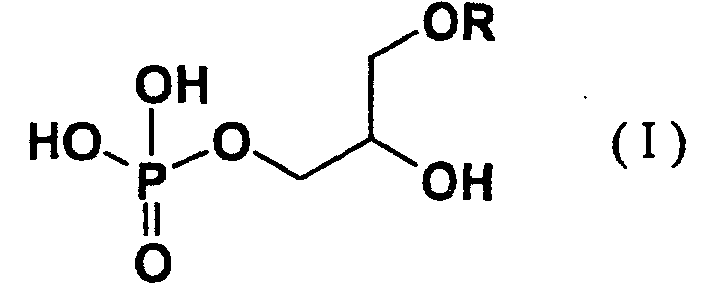
- Lysophosphatidic acid a lipid mediator, represented by formula (I) (wherein R is acyl, alkenyl or alkyl) is a lipid which is produced from cell membranes or in blood, acts as a mediator in the signal transduction system and delivers various signals into cells.
- LPA that exists naturally is L- ⁇ -LPA.
- EDG Endothelial differentiation gene
- LPA 1 , LPA 2 and LPA 3 Three subtypes of LPA receptor are called EDG (Endothelial differentiation gene) -2, 4 and 7 (LPA 1 , LPA 2 and LPA 3 ), respectively, and form part of EDG receptor family as well as EDG-1, 3, 5, 6 and 8 (S1P 1 , S1P 2 , S1P 3 , S1P 4 and S1P 5 ) that are sphingosine-1-phosphate receptor.
- EDG-2 is called VZG-1, too ( Mol Pharmacol , 2000 Dec; 58(6) : 1188-96).
- LPA receptor to which LPA binds delivers signals into cells via G-protein coupled receptor.
- G proteins capable of binding to the LPA receptors Gs, Gi, Gq, G 12/13 and the like are known, and the diversity is greatly involved in the action mechanism of LPA.
- EDGs-2, -4 and -7 which are widely distributed in organisms are different in a way of localization depending on their sub-types, and their role in receptors is accordingly considered diverse on tissues.
- the sub-type of receptors localized in various tissues has not yet been specified.
- LPA LPA-induced fibroblast growth acceleration
- smooth muscle contraction J . Pharm . Pharmcol ., 43 , 774 (1991), J . Pharm . Pharmacol ., 34 , 514 (1982)
- modulation of cytokine release from immunocytes and the like.
- increase of blood pressure in rats and constriction of the airway in guinea pigs have been known.
- pancreatic juice might cause a pathological feature of acute or chronic pancreatitis (Illustrative Digestive Organ Diseases, Series 14, Pancreatitis and Pancreatic Cancer, 90, published by Medical View Co.). This has been considered that amylase and proteolytic enzymes contained in pancreatic juice could excessively act to destroy self-tissues.
- pancreatitis include camostat mesilate of which the effect is to inhibit proteolytic enzymes mainly including trypsin ( Gendai Iryo , 16 , 844 (1984)) and loxiglumide which inhibits the pancreatic juice secretion depending on cholecystokinin ( Kan Tan Sui , 37 (5), 703-728 (1998)).
- pancreatic lipase is an important lipolytic enzyme.
- a pancreatic lipase inhibitor could inhibit absorption of fats and lipids from digestive organs, the effect being related with anti-obesity and resulting in launch of an anti-fat agent, orlistat, which inhibits pancreatic lipase ( Expert Opinion Pharmacother , 1 (4), 841-847, 2000 May,). Therefore, decrease of the pancreatic lipase level in pancreatic juice is expected to have the anti-obesity effect.
- the present inventors have studied on physiological activities of LPA receptor modulators in various ways in order to elucidate the role of LPA receptors and found unexpectedly that they act on pancreas and are involved in the pancreatic juice secretion. In addition, they have found that EDG-2 among the sub-type of LPA receptors is particularly involved in it. These were first ascertained by the present inventors in their experiment, though not expected from the prior art in the least.
- the invention relates to a pharmaceutical composition for regulation of pancreatic juice secretion in the following items (1) to (24) and a method for screening of modulators of LPA receptors in the following items (25) to (28).
- LPA means lysophosphatidic acid represented by formula (I) and it is a generic name of compounds in which one of two hydroxyl groups of glycerol in glycerophosphoric acid is substituted to fatty acid.
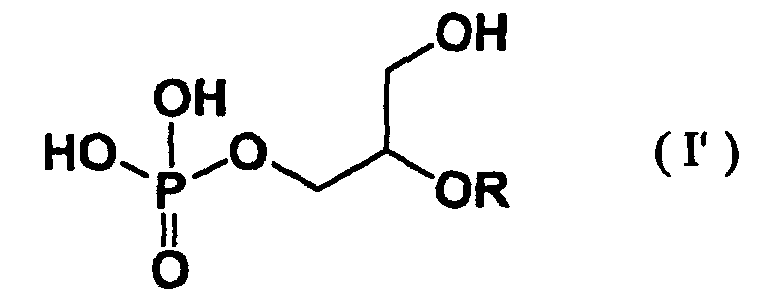
- LPA the structural formula of LPA is represented by formula (I), and LPA also includes compounds in which the group R is bonded to the other hydroxyl group of glycerol, that is compounds of the following formula (I'): wherein R has the same meaning as described above.
- LPA receptor modulator means LPA receptor agonist and LPA receptor antagonist.
- the LPA receptor agonist includes all of naturally occurring and non-natural compounds which act on and activate the LPA receptors.
- the agonists are preferably low molecular compounds having a molecular weight of 100 to 700, more preferably LPA derivatives, more preferably 18:3-LPA (the compound of formula (I) wherein R is 1-linolenoyl) and 18:1-LPA (the compound of formula (I) wherein R is 1-oleoyl), and particularly 18:3-LPA.
- the following compounds are preferably used.
- LPAs represented by formula (I) a naturally occurring L- ⁇ -LPA is preferred.
- the LPA receptor agonists have an effect inhibiting pancreatic juice secretion, they are useful in treatment and/or prevention of diseases caused by excessive pancreatic juice secretion, i.e., pancreatic diseases (congenital exocrine dysfunction, acute pancreatitis, chronic pancreatitis, pancreatic lithiasis, cholelithiasis, pancreatic tumor, pancreatic cyst) and obesity associated with pancreatic lipase.
- pancreatic diseases congenital exocrine dysfunction, acute pancreatitis, chronic pancreatitis, pancreatic lithiasis, cholelithiasis, pancreatic tumor, pancreatic cyst
- pancreatic diseases congenital exocrine dysfunction, acute pancreatitis, chronic pancreatitis, pancreatic lithiasis, cholelithiasis, pancreatic tumor, pancreatic cyst
- obesity associated with pancreatic lipase i.e., pancreatic diseases (
- EDG-2 agonists are particularly preferred.
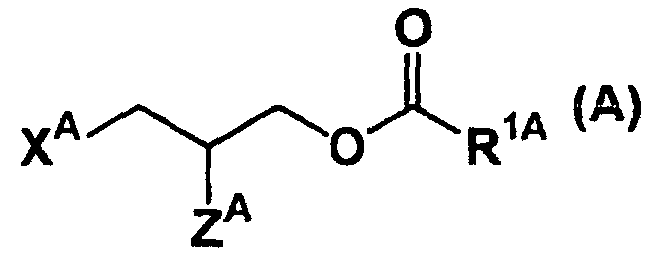
- the compounds of formula (A) and of formula (B) are preferred.
- the compounds which are expected to be found in future should be included naturally in addition to the so far known compounds.
- preferred are those as described in Mol . Pharmacol ., 60 (6), 1173-1180 (2001). Particularly preferred compounds are NAEPA, VPC31143, VPC31144, VPC31139, VPC31180, VPC12178, VPC12048, VPC12086, VPC12101, VPC12109, VPC12115, VPC12098, VPC40105, VPC12084, VPC12255, and VPC12204.
- LPA receptor antagonist whatever inactivates LPA receptor is allowed.
- the LPA receptor antagonists have an effect promoting pancreatic juice secretion, they are useful in treatment and/or prevention of diseases caused by insufficient pancreatic juice secretion, i.e., indigestion, constipation, diarrhea, and cibophobia.
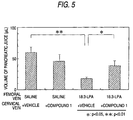
- the EDG-2 antagonists do not accelerate the pancreatic juice secretion in normal animals (Example 6, Fig. 5). Thus, they are expected to have a good effect on decreased pancreatic juice secretion when digestive and absorptive function has been obstructed for a long term by surgery of digestive organs, hepatobiliary disorder, pancreatic diseases or Crohn's disease, resulting in diarrhea and soft feces, poor absorption of various nutrients, and malnutrition (that is, malabsorption syndrome).
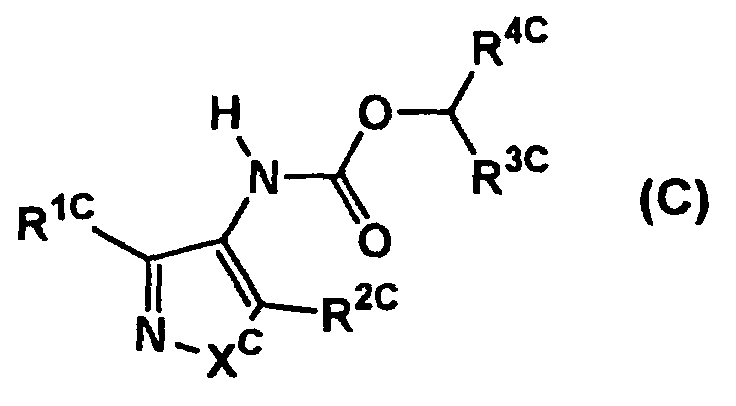
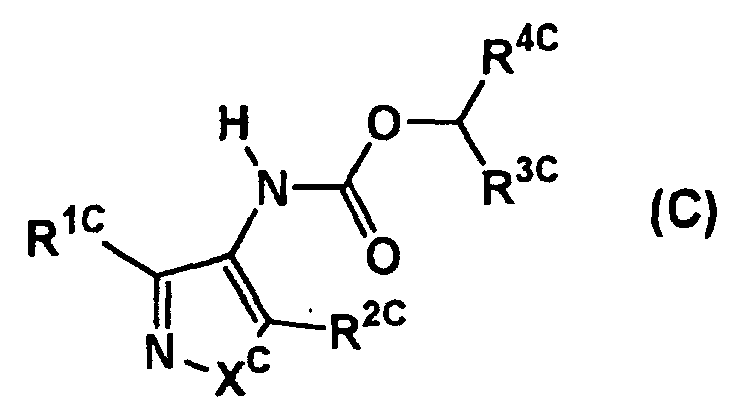
- the compounds represented by formulae (B) and (C) are preferred.
- the present inventors have confirmed that 18:3-LPA has a strong effect on pancreas in vivo .
- administration of LPA inhibits pancreatic juice secretion (Example 1), reduces the volume of amylase and lipase secreted (Example 2 and Example 3), and moderates increase of pancreatic juice secretion induced by stimulation with cholecystokinin (CCK) (Example 4).
- CCK has been known as a factor to make pancreatitis worse or to give stress to a living body. Since LPA inhibits a CCK signal, it is considered that the effect of LPA might reduce the condition of pancreatitis caused by CCK and relieve from stress.
- LPA receptors include 3 kinds of EDGs (endothelial differentiation gene) 2, 4 and 7; thus, the compounds which act particularly on them are considered effective to pancreatic diseases.
- the LPA receptor antagonist is expected to work to promote the pancreatic juice secretion.
- the LPA receptor agonist is expected to inhibit the pancreatic juice secretion.
- LPA pancreatic juice secretion in pancreas found in the present invention
- LPA itself as well as the LPA receptor agonist and antagonist are useful as therapeutics in diseases caused by abnormal pancreatic juice secretion.
- the method for determining the effect on the pancreatic juice secretion disclosed in the present invention is useful as an in vivo screening method for LPA receptor modulators, particularly EDG-2 modulators in mammals such as rats.
- the compound used in the present invention has low toxicity so that use of it as a pharmaceutical can be considered as safe enough.
- the LPA receptor modulators used in the present invention i.e., LPA receptor agonists and antagonists, bind to the LPA receptors to exhibit the effect of activation or inactivation. Therefore, they are considered useful in prevention and/or treatment of diseases caused by abnormal pancreatic juice secretion.
- the LPA receptor agonists, which inhibit pancreatic juice secretion are considered useful in treatment and/or prevention of pancreatic diseases and obesity.
- the LPA receptor antagonists, which promote pancreatic juice secretion are considered useful in treatment and/or prevention of indigestion, constipation, diarrhea and cibophobia.
- the LPA receptor modulators used in the present invention are normally administered systemically or topically, and orally or parenterally for the above purpose.
- LPA receptor modulators may be administered in combination with other drugs for the purpose of 1) complement and/or enhancement of preventing and/or treating effect, 2) improvement of dynamics and absorption of the compound, and lowering of dose, and/or 3) alleviation of side effect of the compound.
- the LPA receptor modulators may be administered in combination with other drugs as a composition in one drug product comprising these components, or may be administered separately. When they are administered independently, they may be administered simultaneously or with time lag. Administering with time lag includes the method of administering LPA receptor modulators before other drugs and vice versa; they may be administered in the same route or not.
- the above combination takes effects on whichever disease treating and/or preventing effect of LPA receptor modulators is complemented and/or enhanced.
- pancreatic diseases pancreatic diseases
- protease inhibitors for example, protease inhibitors, inhibitors of gastric-acid secretion, antispasmodic agents (COMT inhibitors, anti-serotonin agents etc. ), nonsteroidal antiinflammatory drugs, centrally-acting analgesic agents, sedative drugs, digestive drugs, antacids, H2-blockers, anti-depressants, gastric mucosa anesthetic agents, function modulators of digestive tract (CCK-A antagonists), mitochondria benzodiazepine receptor antagonists etc. are given.
- LPA receptor agonist for example, beta3 agonists, pancreatic lipase inhibitors etc . are given.
- SR-58611A As beta3 agonists, SR-58611A, AJ-9677, KUL-7211, SB-418790, GW-427353, N-5984, SR-59062A etc. are given.
- pancreatic lipase inhibitors As pancreatic lipase inhibitors, orlistat etc. are given.
- LPA receptor antagonist for indigestion and/or indigestion syndrome for example, antacids, H2-blockers, function modulators of digestive tract, function accelerators of digestive tract, antianxiety drug, tranquilizers, digestive drugs, proton pump inhibitors, antimuscarinic agents, anticholinergic drugs, defensive factor fortifiers, dopamine antagonists, digestive accelerators, drugs for controlling intestinal function, mitochondria benzodiazepine receptor antagonists etc. are given.
- laxatives for small intestine (castor oil, olive oil), osmotic (saline) laxatives (magnesium sulfate, sodium sulfate, sodium hydrogenphosphate, artificial Karlsbad salt), bulk cathartics (methyl cellulose, carmellose sodium, agar), demulcent laxatives (liquid paraffin), infiltrative laxatives (dioctyl sodium sulfosuccinate), laxatives for large intestine (bisacodyl, phenovalin, sodium picosulfate, sennoside) etc. are given.
- LPA receptor antagonist for diarrhea As other drugs to complement and/or to enhance the preventing and/or treating effect of LPA receptor antagonist for diarrhea, for example, antidiarrheal drugs etc. are given.
- astringens albumin tannate, bismuth subnitrate, bismuth subgallate
- anticholinergic drugs propantheline bromide, scopolia extract, scopolamine
- opioidergic compounds morphine, loperamide hydrochloride
- absorbing agents mediumcinal char, aluminum silicate
- SSRI serotonin re-uptake inhibitor
- SNRI selective serotonin and norepinephrine re-uptake inhibitor
- minaprine hydrochloride sibutramine hydrochloride, tramadole hydrochloride, venlafaxine hydrochloride, paroxetine hydrochloride, milnacipran hydrochloride, citalopram hydrobromide, nefazolon hydrochloride, celtraline hydrochloride, esitalopram, duloxetine hydrochloride, tramadol hydrochloride etc. are given.
- Weight ratio of LPA receptor modulator and other drugs is not limited. Other drugs may be administered as a combination of any two or more drugs.
- drugs to complement and/or to enhance the preventing and/or treating effect of LPA receptor modulator drugs that not only exist now but also may be found in the future on the basis of above mechanisms are included.
- LPA receptor modulator with other drugs are used for the above-described purpose, it is usually administered systemically or topically via an oral or parenteral route.
- the doses to be administered are determined depending upon, for example, age, body weight, symptom, the desired therapeutic effect, the route of administration, and the duration of the treatment.
- the doses per person are generally from 1 mg to 1000 mg, by oral administration, up to several times per day, or from 0.1 mg to 100 mg, by parenteral administration (preferably intravenous administration), up to several times per day, or continuous administration from 1 to 24 hours per day from vein.
- the doses to be used depend upon various conditions. Therefore, there are cases in which doses lower than or greater than the ranges specified above may be used.
- the LPA receptor modulator or LPA receptor modulator and other drugs may be administered in the composition of, for example, solid compositions, liquid compositions or other compositions each for oral administration, or injections, liniments or suppositories, each for parenteral administration.
- Solid compositions for oral administration include compressed tablets, pills, capsules, powders and granules.
- Capsules include hard capsules and soft capsules.
- one or more of the active substance(s) may be used as it stands or as pharmaceuticals by the law of the art in combination with diluting agent (lactose, mannitol, glucose, microcrystallite cellulose, starch etc .), binder (hydroxypropylcellulose, polyvinylpyrrolidone, magnesium aluminometasilicate etc .), disintegrants (cellulose calcium glycolate etc .), lubricants (magnesium stearate etc .), stabilizer and solubilizing agent (glutamic acid, aspartic acid etc .) etc ..
- diluting agent lactose, mannitol, glucose, microcrystallite cellulose, starch etc .
- binder hydroxypropylcellulose, polyvinylpyrrolidone, magnesium aluminometasilicate etc .
- disintegrants cellulose calcium glycolate etc .
- lubricants magnesium stearate etc .
- stabilizer and solubilizing agent g
- capsules made of a substance which can be absorbed in the body, for example, gelatin, are included.
- Liquid compositions for oral administration include pharmaceutically acceptable solutions, suspensions, emulsions, syrups and elixirs.
- one or more of the active substance(s) may be solved, suspended or emulsified in generally used inert diluent(s) (purified water, ethanol or mixtures thereof etc .).
- the compositions may comprise, in addition to the inert diluent, humectants, suspending agents, emulsifying agent, sweetening agents, flavoring agents, aromatic agents preservatives and buffer agents.
- formulation of external use include, for example, ointment, ger, cream, poultice, patch, liniment, atomized agent, inhalation, spray, eye drops and nasal drops etc .
- formulation of external use include, for example, ointment, ger, cream, poultice, patch, liniment, atomized agent, inhalation, spray, eye drops and nasal drops etc .
- They includes one or more of the active compound(s) and be prepared by known method or usual method.
- Ointment is prepared by known method or usual method. For example, it is prepared by levigation or fusion of one or more of the active compound(s) and substrate.
- the substrate of ointment is selected from known or usual one.
- higher fatty acid or higher fatty acid ester adipic acid, myristic acid, palmitic acid, stearic acid, oleic acid, adipic acid ester, myristic acid ester, palmitic acid ester, stearic acid ester, oleic acid ester etc.
- wax yellow beeswax, Spermaceti, ceresin etc .
- surfactant polyoxyethylene alkyl ether phosphoric acid ester etc.
- humectant, preservative agent, stabilizer, antioxidative agent, fragrant materials etc. may be contained.
- Gel is prepared by known method or usual method. For example, it is prepared by fusion of one or more of the active compound(s) and substrate.
- the substrate of gel is selected from known or usual one.
- lower alcohol ethanol, isopropylalcohol, etc.
- gelling agent carboxy methyl cellulose, hydroxy ethyl cellulose, hydroxy propyl cellulose, ethyl cellulose, etc.
- neutralizing agent triethanolamine, diisopropanolamine, etc.
- surfactant monostearate, polyethylene glycol, etc .
- gum water, absorption accelerator, skin fit inhibitor, etc.
- preservative agent, antioxidative agent, fragrant materials, etc. may be contained.
- Cream is prepared by known method or usual method. For example, it is prepared by fusion or emulsification of one or more of the active compound(s) and substrate.
- the substrate of cream is selected from known or usual one.
- higher fatty acid ester, lower alcohol, hydrocarbon, polyalcohol (propylene glycol, 1,3-butylene glycol, etc. ), higher alcohol (2-hexyldecanol, cetanol, etc. ), emulsifying agent (polyoxyethylene alkyl ether, fatty acid ester, etc. ), water, absorption accelerator, skin fit inhibitor, etc. are used as single substance selected from them or mixture which consists of two or more kinds that is selected from them.
- preservative agent, antioxidative agent, fragrant materials, etc. may be contained.
- Poultice is prepared by known method or usual method. For example, it is prepared by fusion of one or more of the active compound(s) and substrate, and then the kneaded one is laid over support medium.
- the substrate for poultice is selected from known or usual one.
- thickening agent polyacrylic acid, polyvinylpyrolidone, gum arabia, starch, gelatin, methyl cellulose, etc .
- humectant urea, glycerin, propylene glycol, etc .
- bulking agent kaolin, zinc oxide, talc, calcium, magnesium, etc .
- solubilizing agent, thickener, skin fit inhibitor, etc . are used as single substance selected from them or mixture which consists of two or more kinds that is selected from them.
- preservative agent, antioxidative agent, fragrant materials, etc. may be contained.
- Patch is prepared by known method or usual method. For example, it is prepared by fusion of one or more of the active compound(s) and substrate, and then laid over support medium.
- the substrate for patch is selected from known or usual one.
- polymer substrate, fat, higher fatty acid, thickener, skin fit inhibitor, etc. are used as single substance selected from them or mixture which consists of two or more kinds that is selected from them.
- preservative agent, antioxidative agent, fragrant materials, etc. may be contained.
- Liniment is prepared by known method or usual method.
- one or more of the active compound(s) may be dissolved, suspended or emulsified in water, alcohol (ethanol, polyethylene glycol, etc .), higher fatty acid, glycerin, soap, emulsifying agent, suspending agent, etc. as single substance selected from them or mixture which consists of two or more kinds that is selected from them.
- preservative agent, antioxidative agent, fragrant materials, etc. may be contained.
- Atomized agent, inhalation and spray may comprise in addition to a generally used diluent, a stabilizer such as sodium bisulfite and an isotonization buffer such as sodium chloride, sodium citrate or citric acid.
- a stabilizer such as sodium bisulfite
- an isotonization buffer such as sodium chloride, sodium citrate or citric acid.
- Injections for parenteral administration include aqueous, suspensions, emulsions and solid forms which are dissolved or suspended into solvent(s) for injection immediately before use.
- one or more of the active compound(s) may be dissolved, suspended or emulsified into solvent(s).
- the solvents may include distilled water for injection, physiological salt solution, vegetable oil, propylene glycol, polyethylene glycol, alcohol such as ethanol, or a mixture thereof
- these injections may comprise some additives, such as stabilizing agents, solution adjuvants (such as glutamic acid, aspartic acid or POLYSORBATE80 (registered trade mark), etc. ), suspending agents, emulsifying agents, soothing agent, buffering agents, preservative.
- They may be sterilized at a final step, or may be prepared and compensated according to sterile methods. They may also be manufactured in the form of sterile solid forms, for example, freeze-dried products, which may be dissolved in sterile water or some other sterile diluent(s) for injection immediately before use.
- the dosage form of eye drops for parenteral administration include ophthalmic solutions, ophthalmic suspensions, ophthalmic emulsions, ophthalmic solutions dissolved before use and eye ointments.
- Such eye drops are prepared in a known method.
- one or more of the active compound(s) may be dissolved, suspended or emulsified in solvent(s).
- solvent for eye drops for example, distilled water for injection, physiological salt solution, other aqueous solvent, non-aqueous solvent for injection (for example, vegetable oil etc. ) and combination thereof are given.
- eye drops may comprise one or more additives such as isotonizing agent (such as sodium chloride or concentrated glycerin), a buffering agent (such as sodium phosphate or sodium acetate), a surfactant (such as "Polysorbate 80" (trade name), polyoxyl 40 stearate or polyoxyethylene hydrogenated castor oil), a stabilizer (such as sodium citrate or edetate sodium) and an antiseptic (such as benzalkonium chloride or p-aminobenzonic acid).
- isotonizing agent such as sodium chloride or concentrated glycerin
- a buffering agent such as sodium phosphate or sodium acetate
- a surfactant such as "Polysorbate 80" (trade name), polyoxyl 40 stearate or polyoxyethylene hydrogenated castor oil
- a stabilizer such as sodium citrate or edetate sodium
- an antiseptic such as benzalkonium chloride or p-aminobenzonic acid.
- They may be sterilize
- the dosage of inhalations for parenteral administration include aerosol, powders for inhalation or liquids for inhalation.
- the liquids for inhalation may be dissolved or suspended in water or the other appropriate solvent as needed.
- Such inhalations are prepared in a known method.
- a liquid for inhalation is prepared by using proper additives selected from an antiseptic (such as benzalkonium chloride or p-aminobenzonic acid), a coloring agent, a buffering agent (such as sodium phosphate or sodium acetate), an isotonizing agent (such as sodium chloride or concentrated glycerin), thickening agent (such as carboxyvinylpolymer), or an accelerator of absorption, etc. , if necessary.
- an antiseptic such as benzalkonium chloride or p-aminobenzonic acid
- a coloring agent such as sodium phosphate or sodium acetate
- an isotonizing agent such as sodium chloride or concentrated glycerin
- thickening agent such as carboxyvinylpolymer
- an accelerator of absorption etc.
- a powder for inhalation is prepared by using proper additives selected from a lubricant agent (such as stearin acid and the salt thereof), a binding agent, (such as starch, dextrin), a diluting agent (such as lactose, cellulose), a coloring agent, an antiseptic (such as benzalkonium chloride or p-aminobenzonic acid), an accelerator of absorption, etc. , if necessary.
- a lubricant agent such as stearin acid and the salt thereof
- a binding agent such as starch, dextrin
- a diluting agent such as lactose, cellulose
- a coloring agent such as lactose, cellulose
- an antiseptic such as benzalkonium chloride or p-aminobenzonic acid
- an accelerator of absorption etc.
- spray atomizer, nebulizer
- powder for inhalation inhalation administration apparatus for powder agents is usually used.
- compositions for parenteral administration include suppositories for intrarectal administration and pessaries for vaginal administration which comprise one or more of the active substance(s) and may be prepared by methods known per se.
- Reference example 1 The preparation of 1-linolenoyl (18:3)-LPA
- 1-linolenoyl (18:3)-LPC lysophosphatidyl choline) (SRL-B641) 3mg/mL, phospholipase D (Sigma P-8023) 60 U/mL, 200mM Tris-
- Lysophosphatidic acid if desired, can be prepared using a corresponding lysophosphatidyl choline (LPC).
- Example 1 Determination of the amount of pancreatic juice secreted in rats
- the drug was continuously administered through the femoral vein with saline.
- a saline containing 18:3-LPA, 18:3-LPC or 0.5% bovine serum albumin (Sigma, A-0281) as control (vehicle) was infused (1 ml/h) through the cervical vein, and pancreatic juice was collected for 1 hour.
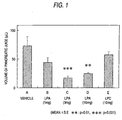
- Dose-dependent inhibitory effect of LPA on the pancreatic juice secretion in rats was confirmed.
- the test was conducted according to the protocol as shown in Table 1. i.v. infusion: 1ml/h Pre-Admn.(1hr) Admn. (1hr) Gp (n) Major Drug Admn.
- the volume of the collected pancreatic juice was measured.
- saline was infused through the cervical vein and the femoral vein 1 hour before administration of the drug, during which time the amount of pancreatic juice secreted was measured in order to ascertain that there was no considerable difference between individual animals in the pre-value to the pancreatic juice secretion in the individual animals.
- pancreatic juice secretion in rats was decreased by 18:3-LPA, of which the effect on LPA varied dose-dependently and reached approximately the maximum by i.v. infusion at 3mg/kg/h and 1ml/h (Fig. 1).
- 18:3-LPC 10mg/kg/h, 1ml/h, i.v. infusion
- LPA works to inhibit the pancreatic juice secretion through the LPA receptors.
- pancreatic juice collected in Example 1 was diluted with Dulbecco's phosphate-buffered saline(-) (PBS(-)) at an appropriate dilution rate, of which the amylase activity was determined with a reagent of a Diacolor AMY Neorate (Ono Pharmaceutical) kit.
- PBS(-) Dulbecco's phosphate-buffered saline(-)
- Diacolor AMY Neorate Ono Pharmaceutical
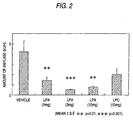
- the amount of amylase secreted was reduced by administration of LPA at 1, 3 or 10mg/kg/h.
- LPA works to inhibit the amylase secretion through the LPA receptors as described above.
- pancreatic juice collected in Example 1 was diluted with saline at an appropriate dilution rate and the lipase activity was measured with a reagent contained in Liquitech Lipase Color kit (Roche Diagnostics). Then, 100 ⁇ l of a kit R-1 solution was added to 10 ⁇ l of a lipase standard solution (Worthington Biochemical; prepared to 1U/L to 1,000U/L with saline) or the collected diluted pancreatic juice, and the mixture was incubated at 37°C for 5 minutes. Then, 60 ⁇ l of a kit R-2 solution was added and the variation (Vmax) of optical density (OD) at 570-700nm was monitored at 37°C for 3 minutes (SPECTRAMAX 250).
- kit R-1 solution 100 ⁇ l of a kit R-1 solution was added to 10 ⁇ l of a lipase standard solution (Worthington Biochemical; prepared to 1U/L to 1,000U/L with saline) or the collected diluted pancreatic juice, and the mixture
- the lipase activity of the pancreatic juice was calculated from a lipase standard curve to evaluate the effect of the subject substance by means of the secreted amount of the enzyme (U/h) obtained by the enzyme activity (concentration)(U/L) multiplied by the amount of pancreatic juice collected (L/h).
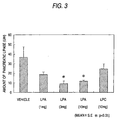
- Fig. 3 shows the results.
- LPA reduced significantly the amount of lipase secreted at 3 and 10mg/kg/h.
- the effect of a phospholipid LPC which has the same fatty acid side chain was examined, indicating that 18:3-LPC (10mg/kg/h, 1ml/h, i.v. infusion) had no inhibitory effect on the lipase secretion in rats as observed in LPA.
- LPA works to inhibit the lipase secretion through the LPA receptors.
- Example 4 Determination of the amount of rat's pancreatic juice secreted by stimulation with cholecytokinin (CCK)
- pancreatic juice secreted in rats was collected in the same manner as described in Example 1.
- CCK CCK-8 (Sigma No.C-2175) was used. i.v.
- Saline was infused through the cervical vein and the femoral vein 1 hour before administration of the drug, during which time the amount of pancreatic juice secreted was measured in order to ascertain that there was no considerable difference between individual animals in the pre-value to the pancreatic juice secretion in the individual animals.
- CCK-8 was intravenously infused for stimulation through the cervical vein in order to examine the effect of LPA on the excessive pancreatic juice secretion.
- saline was administered through the femoral vein.
- Admn.2 the volume of pancreatic juice collected was measured.
- Fig. 4 shows the results.
- EDG-2 The effect on EDG-2 was proved, for example, by the following experiment.
- CHO Chinese hamster ovary
- FBS fetal bovine serum
- penicillin/streptomycin penicillin/streptomycin
- blasticidin 5 ⁇ g/ml
- Fura2-AM (Dojindo)
- the cells were incubated in a 5 ⁇ M Fura2-AM solution [Ham's F12 medium containing 10% FBS, HEPES buffer (20 mM, pH7.4), and probenecid (2.5 mM, Sigma, No.P-8761)] at 37°C for 60 minutes, and then washed once with a Hank's solution containing HEPES buffer (20mM, pH7.4) and probenecid (2.5mM) and immersed into the Hank's solution. Subsequently, evaluation was made according to the following method (i) or (ii).
- a plate was set on a fluorescent drug screening system (Hamamatsu Photonics), and after measurement for 30 seconds with no stimulation, a solution of a compound to be tested was added. After lapse of 5 minutes, 18:3-LPA (final concentration: 100nM) was added, the intracellular calcium ion concentration before and after the addition was measured every 3 seconds (excitation wave length: 340nm and 380nm; fluorescent wave length: 500nm). The compound was dissolved in DMSO and added so as to be 1nM to 10 ⁇ M of the final concentration.
- 18:3-LPA (1-linolenoyl LPA) was synthesized from 18:3-LPC (1-linolenoyl lisophosphatidylcholine) (Sedary) using phospholipase D.
- the antagonizing activity of EDG-2 was calculated as an inhibition rate (%) by the following equation, wherein the peak value of LPA (final concentration: 100nM) in a well into which DMSO containing no Compound 1 was added was regarded as a control value (A), and in the cells treated with the compound the difference (B) between the value before addition of the compound and that after the addition was obtained and compared with the control value.
- Inhibition rate (%) ((A-B) / A) ⁇ 100
- the IC 50 value was calculated as a concentration of the compound of the present invention which showed 50% inhibition.
- Compound 1 A compound as described in WO01/60819, that is, methyl 3-( ⁇ 4-[4-( ⁇ [1-(2-chlorophenyl)ethoxy]carbonyl ⁇ amino)-3-methyl-5-isoxazolyl]benzyl ⁇ sulfanyl)propanoate (referred to as Compound 1) was employed as a subject compound, and the inhibitory activity to EDG-2 was determined. IC 50 of Compound 1 was 1.5 ⁇ M.
- a plate was set on the above-mentioned fluorescent drug screening system, and after measurement for 30 seconds with no stimulation, a solution of a compound to be tested was added.
- the compound to be evaluated was dissolved in DMSO and added so as to be 0.1 nM to 10 ⁇ M of the final concentration, i.e., 1/1000 concentration as a DMSO solution.
- the intracellular Ca 2+ concentration (Fura2-Ca 2+ fluorescence) was measured every 3 seconds (excitation wave length: 340nm and 380nm; fluorescent wave length: 500nm).
- EDG-2 agonist on the pancreatic juice secretion in rats can be confirmed, for example, according to the following method.
- LPA receptor or EDG-2 agonist the effect of LPA on the pancreatic juice secretion was examined.
- An LPA receptor agonist 18:3-LPA was intravenously infused to a rat through the cervical vein, and the amount of pancreatic juice secreted was measured.
- 18:3-LPA was administered, the pancreatic juice secretion was inhibited in rats.
- the effect of the LPA receptor or EDG-2 antagonist on the pancreatic juice secretion can be confirmed according to the following method.
- Example 5 Using Compound 1 having the effect as a EDC-2 antagonist was confirmed in Example 5, the effect of LPA on the pancreatic juice secretion was examined.
- pancreatic juice was collected in order to ascertain that there was no difference in the initial volumes of the secreted pancreatic juice in rats in each group.
- Fig.5 shows the results.
- Compound 1 10mg/kg/h, i.v. infusion
- the control group 5% bovine serum albumin/10% DMSO/saline
- 18:3-LPA 3 mg/kg/h, i.v. infusion
- the pancreatic juice secretion was significantly recovered from the inhibition by 18:3-LPA. This strongly suggests that the inhibition of pancreatic juice secretion by 18:3-LPA is achieved through EDG-2.
- the following components were admixed in a conventional method, punched out to give 100 tablets each containing 50 mg of active ingredient.
- the resulting solution was sterilized by a conventional method and 5 ml portions thereof were filled in amples, respectively, and freeze-dried by a conventional method to obtain 100 amples for injection containing each 20 mg of the active ingredient.
- the following components were admixed in a conventional method, punched out to give 100 tablets each containing 50 mg of active ingredient.
- the resulting solution was sterilized by a conventional method and 5 ml portions thereof were filled in amples, respectively, and freeze-dried by a conventional method to obtain 100 amples for injection containing each 20 mg of the active ingredient.
Landscapes
- Health & Medical Sciences (AREA)
- Life Sciences & Earth Sciences (AREA)
- Chemical & Material Sciences (AREA)
- Veterinary Medicine (AREA)
- Public Health (AREA)
- Medicinal Chemistry (AREA)
- General Health & Medical Sciences (AREA)
- Animal Behavior & Ethology (AREA)
- Pharmacology & Pharmacy (AREA)
- Epidemiology (AREA)
- General Chemical & Material Sciences (AREA)
- Organic Chemistry (AREA)
- Nuclear Medicine, Radiotherapy & Molecular Imaging (AREA)
- Engineering & Computer Science (AREA)
- Chemical Kinetics & Catalysis (AREA)
- Bioinformatics & Cheminformatics (AREA)
- Nutrition Science (AREA)
- Gastroenterology & Hepatology (AREA)
- Pharmaceuticals Containing Other Organic And Inorganic Compounds (AREA)
- Medicines That Contain Protein Lipid Enzymes And Other Medicines (AREA)
- Medicines Containing Plant Substances (AREA)
- Non-Alcoholic Beverages (AREA)
Abstract
Description



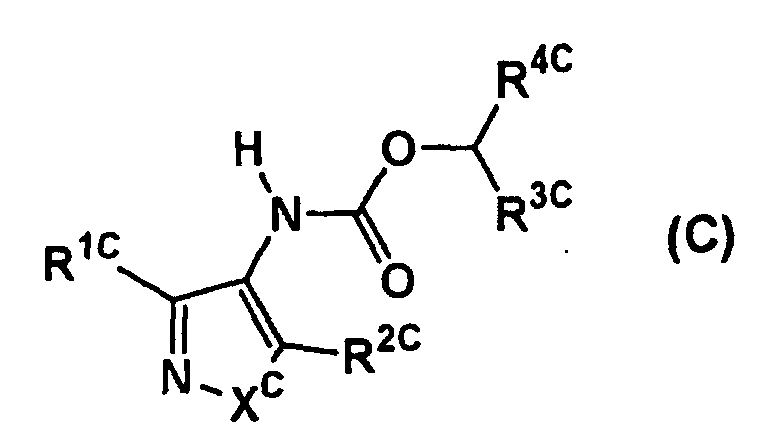
R2C represents alkyl, aryl, a heterocyclic group, alkyloxy or aryloxy which may be have a substituent(s) or halogen;
R3C represents hydrogen atom, lower alkyl or halogenated alkyl;
R4C represents a group selected from the group consisting of (a) phenyl, aryl or a heterocyclic group which may have a substituent(s); (b) substituted or unsubstituted alkyl; and (c) substituted or unsubstituted alkenyl;
X represents oxygen or sulfur, and
wherein R3C and R4C taken with the carbon atom to which they bond may form a 5- to 10-membered cyclic structure, and when R3C is a hydrogen atom, R4C is a group other than methyl.

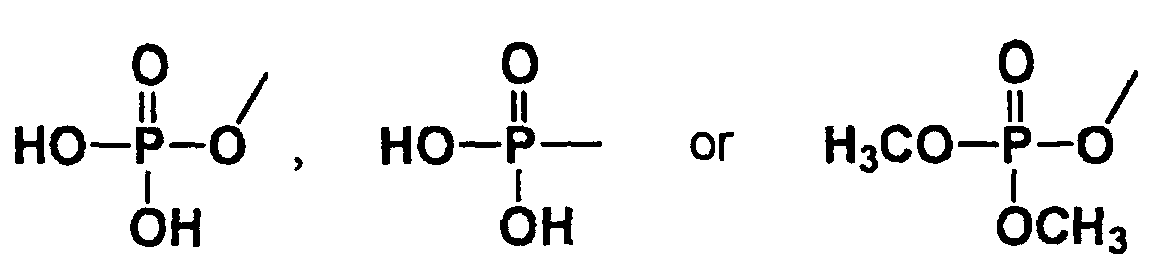


R2C represents alkyl, aryl, a heterocyclic group, alkyloxy or aryloxy which may have a substituent(s), or halogen;
R3C represents hydrogen, lower alkyl or halogenated alkyl;
R4C represents a group selected from the group consisting of (a) phenyl, aryl or a heterocyclic group which may have a substituent(s); (b) substituted or unsubstituted alkyl; and (c) substituted or unsubstituted alkenyl;
X represents oxygen or sulfur, and
wherein R3C and R4C taken with the carbon atom to which they bond may form a 5- to 10-membered cyclic structure, and when R3C is a hydrogen atom, R4C is a group other than methyl.



| i.v. infusion: 1ml/h | Pre-Admn.(1hr) | Admn. (1hr) | ||||
| Gp | (n) | Major Drug Admn. | cervical vein | femoral vein | cervical vein | femoral vein |
| A | 4 | Vehicle | saline | saline | vehicle | saline |
| B | 4 | 18:3-LPA (1mg/kg/h) | saline | saline | | saline |
| C | ||||||
| 5 | 18:3-LPA (3mg/kg/h) | saline | saline | LPA | saline | |
| D | 4 | 18:3-LPA (10mg/kg/h) | saline | saline | | saline |
| E | ||||||
| 5 | 18:3-LPC (10mg/kg/h) | saline | saline | LPC | saline |
| i.v. infusion: 1ml/h | Pre-Admn.(1hr) | Admn.1 (1hr) | Admn.2 (1hr) | |||||
| Gp | (n) | Mainly administered drug | cervical vein | femoral vein | cervical vein | femoral vein | cervical vein | |
| A | ||||||||
| 5 | No stimuli Control | saline | saline | saline | saline | 0.5%BSA /saline | saline | |
| B | 4 | vehicle | saline | saline | saline | saline | CCK-8 | saline |
| C | 4 | 18:3-LPA (3mg/kg/h) | saline | saline | saline | LPA | CCK-8 | LPA |
| D | 4 | 18:3-LPC (10mg/kg/h) | saline | saline | saline | LPC | CCK-8 | LPC |
- 18:3-LPA (1-linolenoyl lysophosphatidic acid) 5.0g
- calcium carboxymethylcellulose (disintegrant) 0.2g
- magnesium stearate (lubricant) 0.1g
- microcrystalline cellulose 4.7g
- 18 : 3-LPA 2.0 mg
- Mannitol 20 g
- Distilled water 1000 ml
- methyl 3-({4-[4-({[1-(2-chlorophenyl)ethoxy]carbonyl}amino)-3-methyl-5-isoxazolyl]benzyl}sulfanyl)propanoate 5.0g
- calcium carboxymethylcellulose (disintegrant) 0.2g
- magnesium stearate (lubricant) 0.1g
- microcrystalline cellulose 4.7g
Claims (28)
- Use of a lysophosphatidic acid (LPA) receptor modulator for the preparation of a pharmaceutical composition for regulation of pancreatic juice secretion.
- Use according to claim 1, wherein the LPA receptor modulator is an LPA receptor agonist.
- Use according to claim 1 or 2, wherein the pharmaceutical composition has an activity of inhibiting pancreatic juice secretion.
- Use of an LPA receptor agonist for the preparation of a pharmaceutical composition for treatment and/or prevention for pancreatic diseases or obesity.
- Use according to claim 4, wherein the pancreatic disease is congenital exocrine dysfunction, acute pancretitis, chronic pancreatitis, pancreatic lithiasis, cholelithiasis, pancreatic tumor, pancreatic cyst or pancreatic diseases accompanied by abnormality in autonomic nervous system.
- Use according to claim 2, wherein the LPA receptor agonist is 1-linolenoyl-lysophosphatidic acid or 1-oleoyl-lysophosphatidic acid.
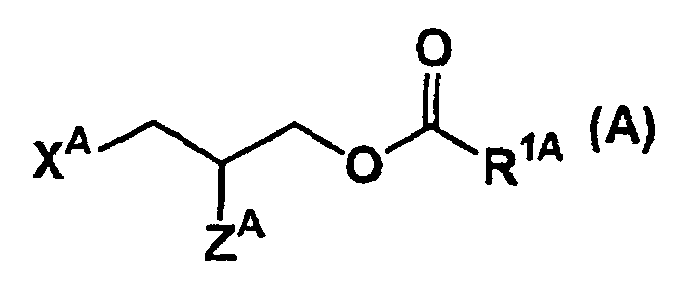
- Use according to claim 2, wherein the LPA receptor agonist is a compound represented by formula (A):wherein XA represents hydroxyl,
 ZA represents hydrogen, bromine, chlorine, fluorine, iodine or OR2A; R2A represents unsaturated alkyl having 1 to 3 carbon atoms; and R1A represents saturated or unsaturated alkyl having 15 to 17 carbon atoms.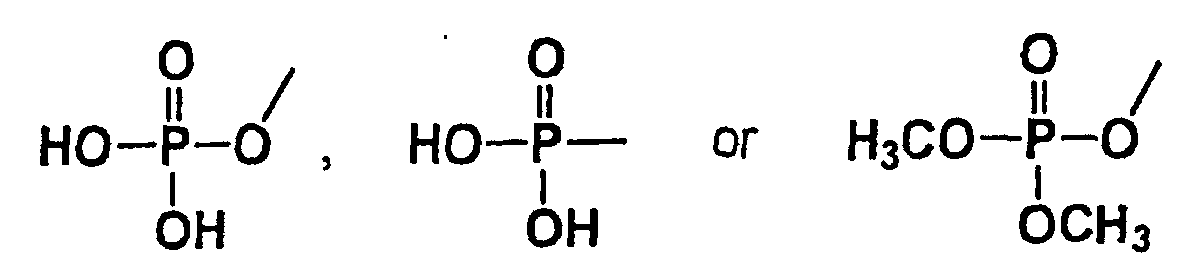
- Use according to claim 2, wherein the LPA receptor agonist is a compound represented by formula (B) :wherein one of R1B and R2B represents hydrogen, methylenehydroxy, carbomethyl, methylenamino, methyl, ethyl, isopropyl, benzyl, or benzyl-4-oxybenzyl, and the other is necessarily hydrogen.

- Use according to claim 1, wherein the LPA receptor modulator is an LPA receptor antagonist.
- Use according to claim 1 or 9, wherein the pharmaceutical composition has an activity of accelerating pancreatic juice secretion.
- Use of an LPA receptor antagonist for the preparation of a pharmaceutical composition for treatment and/or prevention for digestive organ diseases.
- Use according to claim 11, wherein the digestive organ disease is indigestion, constipation, diarrhea, cibophobia or malabsorption syndrome.
- Use according to claim 9, wherein the LPA receptor antagonist is a compound represented by the formula (B):wherein one of R1B and R2B represents hydrogen, methylenehydroxy, carbomethyl, methylenamino, methyl, ethyl, isopropyl, benzyl or benzyl-4-oxybenzyl, and the other is necessarily hydrogen.

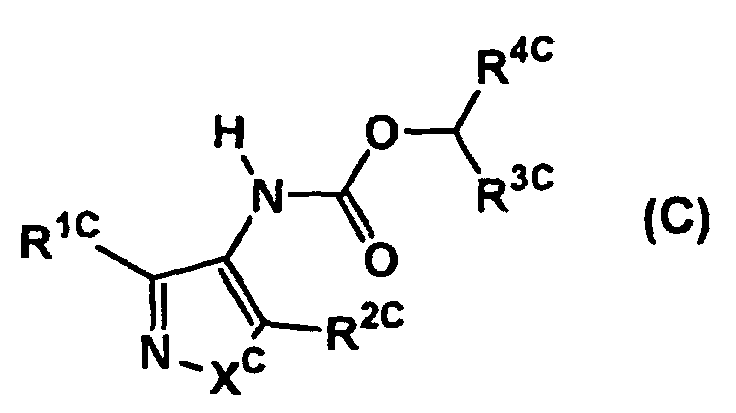
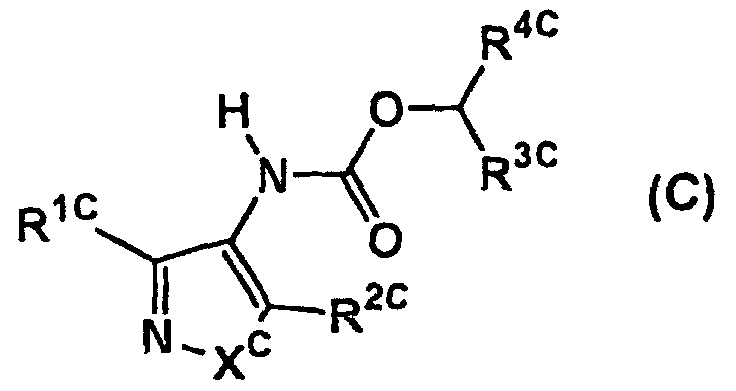
- Use according to claim 9, wherein the LPA receptor antagonist is a compound represented by formula (C):wherein R1C represents alkyl, aryl, a heterocyclic group, alkyloxy, aryloxy, alkylthio or arylthio which may have a substituent(s), or halogen;
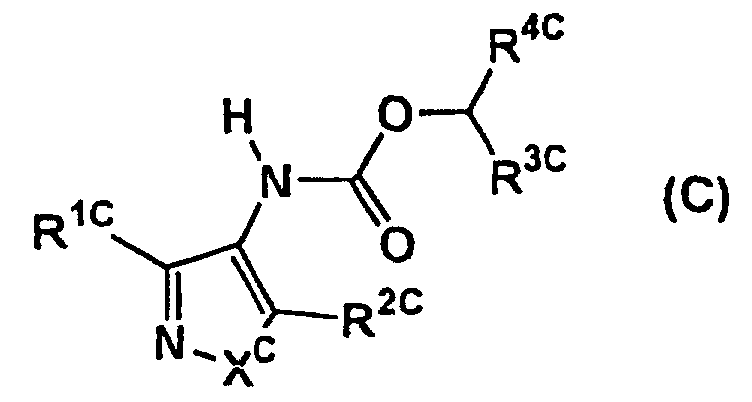
R2C represents alkyl, aryl, a heterocyclic group, alkyloxy or aryloxy which may have a substituent(s), or halogen;
R3C represents hydrogen, lower alkyl or halogenated alkyl;
R4C represents a group selected from the group consisting of (a) phenyl, aryl or a heterocyclic group which may have a substituent(s); (b) substituted or unsubstituted alkyl; and (c) substituted or unsubstituted alkenyl;
X represents oxygen or sulfur, and
wherein R3C and R4C taken with the carbon atom to which they bond may form a 5- to 10-membered cyclic structure, and when R3C is a hydrogen atom, R4C is a group other than methyl. - Use according to claim 14, wherein the LPA receptor antagonist is methyl 3-({4-[4({[1-(2-chlorophenyl) ethoxy] carbonyl}amino)-3-methyl-5-isoxazolyl]benzyl}sulfanyl) propanoate.
- Use according to claim 2, wherein the LPA receptor is EDG-2, EDG-4 or EDG-7.
- Use according to claim 16, wherein the LPA receptor is EDG-2.
- Use according to claim 17, wherein the EDG-2 agonist is a compound represented by formula (A):wherein all symbols have the meanings as described in claim 7.
- Use according to claim 17, wherein the EDG-2 agonist is a compound represented by formula (B):wherein all symbols have the same meanings as described in claim 8.

- Use according to claim 9, wherein the LPA receptor is EDG-2, EDG-4 or EDG-7.
- Use according to claim 9, wherein the LPA receptor is EDG-2.
- Use according to claim 21, wherein the EDG-2 antagonist is a compound represented by formula (B):wherein all symbols have the same meanings as described in claim 8.

- Use according to claim 21, wherein the EDG-2 antagonist is a compound represented by formula (C):wherein all symbols have the same meanings as described in claim 14.
- Use according to claim 23, wherein the EDG-2 antagonist is methyl 3-({4-[4({[1-(2-chlorophenyl) ethoxy] carbonyl}amino)-3-methyl-5-isoxazolyl]benzyl}sulfanyl) propanoate.
- A method for screening of a modulator for an LPA receptor in mammals, which comprises evaluating the effect of pancreatic juice secretion.
- The method for screening according to claim 25, wherein the modulator for an LPA receptor is an LPA receptor agonist.
- The method for screening according to claim 25, wherein the modulator for an LPA receptor is an LPA receptor antagonist.
- The method for screening according to any one of claims 25 to 27, wherein the LPA receptor is EDG-2, EDG-4 or EDG-7.
Applications Claiming Priority (3)
| Application Number | Priority Date | Filing Date | Title |
|---|---|---|---|
| JP2001216133 | 2001-07-17 | ||
| JP2001216133 | 2001-07-17 | ||
| PCT/JP2002/007213 WO2003007991A1 (en) | 2001-07-17 | 2002-07-16 | Pancreatic juice secretion regulators comprising lpa receptor controller |
Publications (3)
| Publication Number | Publication Date |
|---|---|
| EP1415667A1 true EP1415667A1 (en) | 2004-05-06 |
| EP1415667A4 EP1415667A4 (en) | 2006-04-19 |
| EP1415667B1 EP1415667B1 (en) | 2008-09-03 |
Family
ID=19050646
Family Applications (1)
| Application Number | Title | Priority Date | Filing Date |
|---|---|---|---|
| EP02746091A Expired - Lifetime EP1415667B1 (en) | 2001-07-17 | 2002-07-16 | Pancreatic juice secretion regulators comprising lpa receptor controller |
Country Status (7)
| Country | Link |
|---|---|
| US (2) | US20040171582A1 (en) |
| EP (1) | EP1415667B1 (en) |
| JP (1) | JPWO2003007991A1 (en) |
| AT (1) | ATE406915T1 (en) |
| DE (1) | DE60228732D1 (en) |
| ES (1) | ES2312588T3 (en) |
| WO (1) | WO2003007991A1 (en) |
Cited By (1)
| Publication number | Priority date | Publication date | Assignee | Title |
|---|---|---|---|---|
| CN106170302A (en) * | 2014-04-04 | 2016-11-30 | 国立大学法人大阪大学 | Drug delivery accelerator containing the material making Lysophospholipid Receptor activate |
Families Citing this family (16)
| Publication number | Priority date | Publication date | Assignee | Title |
|---|---|---|---|---|
| US20050113283A1 (en) * | 2002-01-18 | 2005-05-26 | David Solow-Cordero | Methods of treating conditions associated with an EDG-4 receptor |
| EP1550461A1 (en) * | 2002-06-26 | 2005-07-06 | Ono Pharmaceutical Co., Ltd. | Remedy for chronic disease |
| TW200408393A (en) | 2002-10-03 | 2004-06-01 | Ono Pharmaceutical Co | Antagonist of lysophosphatidine acid receptor |
| JP4692281B2 (en) * | 2003-08-05 | 2011-06-01 | 味の素株式会社 | New azole compounds |
| US7700792B2 (en) | 2003-12-26 | 2010-04-20 | Ono Pharmaceutical Co., Ltd. | Highly active lysophosphatidic acid and method of screening therewith |
| US20090068281A1 (en) * | 2005-03-29 | 2009-03-12 | Koji Toyomura | Composition, Functional Food and Pharmaceutical Composition for Improvement in Obesity |
| WO2009082491A1 (en) * | 2007-12-26 | 2009-07-02 | Alp Life Sciences, Llc | Nanovesontm: treatment, biomarkers and diagnostic tests for liver diseases and comorbid diseases |
| JP5692746B2 (en) | 2008-08-07 | 2015-04-01 | 国立大学法人 長崎大学 | Treatment or prevention of systemic pain syndrome |
| WO2010068775A2 (en) | 2008-12-11 | 2010-06-17 | Amira Pharmaceuticals, Inc. | Alkyne antagonists of lysophosphatidic acid receptors |
| GB2466121B (en) * | 2008-12-15 | 2010-12-08 | Amira Pharmaceuticals Inc | Antagonists of lysophosphatidic acid receptors |
| GB2470833B (en) | 2009-06-03 | 2011-06-01 | Amira Pharmaceuticals Inc | Polycyclic antagonists of lysophosphatidic acid receptors |
| CN102574822A (en) | 2009-08-04 | 2012-07-11 | 阿米拉制药公司 | Compounds as lysophosphatidic acid receptor antagonists |
| GB2474748B (en) | 2009-10-01 | 2011-10-12 | Amira Pharmaceuticals Inc | Polycyclic compounds as lysophosphatidic acid receptor antagonists |
| GB2474120B (en) | 2009-10-01 | 2011-12-21 | Amira Pharmaceuticals Inc | Compounds as Lysophosphatidic acid receptor antagonists |
| CN103596947A (en) | 2011-04-05 | 2014-02-19 | 艾米拉医药股份有限公司 | 3- or 5 - bi phenyl - 4 - ylisoxazole - based compounds useful for the treatment of fibrosis, pain, cancer and respiratory, allergic, nervous system or cardiovascular disorders |
| CA2844982A1 (en) | 2011-08-15 | 2013-02-21 | Intermune, Inc. | Lysophosphatidic acid receptor antagonists |
Family Cites Families (5)
| Publication number | Priority date | Publication date | Assignee | Title |
|---|---|---|---|---|
| CA2324972A1 (en) * | 1997-12-30 | 1999-07-15 | Nps Allelix Corp. | Identification of lysolipid receptors involved in inflammatory response |
| US6380177B1 (en) * | 1999-06-25 | 2002-04-30 | Atairgin Technologies, Inc. | LPA analogs as agonists of the Edg2 LPA receptor |
| PT1258484E (en) * | 2000-02-18 | 2009-04-03 | Kyowa Hakko Kirin Co Ltd | Novel isoxazole and thiazole compounds and use thereof as drugs |
| DK1263752T3 (en) * | 2000-03-17 | 2008-04-14 | Univ Tennessee Res Corp | LPA receptor agonists and antagonists and methods for their use |
| EP1364659B1 (en) * | 2001-02-08 | 2009-11-11 | Ono Pharmaceutical Co., Ltd. | Remedies for urinary diseases comprising lpa receptor controlling agents |
-
2002
- 2002-07-16 WO PCT/JP2002/007213 patent/WO2003007991A1/en not_active Ceased
- 2002-07-16 DE DE60228732T patent/DE60228732D1/en not_active Expired - Fee Related
- 2002-07-16 JP JP2003513596A patent/JPWO2003007991A1/en not_active Withdrawn
- 2002-07-16 AT AT02746091T patent/ATE406915T1/en not_active IP Right Cessation
- 2002-07-16 ES ES02746091T patent/ES2312588T3/en not_active Expired - Lifetime
- 2002-07-16 US US10/483,815 patent/US20040171582A1/en not_active Abandoned
- 2002-07-16 EP EP02746091A patent/EP1415667B1/en not_active Expired - Lifetime
-
2008
- 2008-04-30 US US12/112,538 patent/US20080234230A1/en not_active Abandoned
Cited By (2)
| Publication number | Priority date | Publication date | Assignee | Title |
|---|---|---|---|---|
| CN106170302A (en) * | 2014-04-04 | 2016-11-30 | 国立大学法人大阪大学 | Drug delivery accelerator containing the material making Lysophospholipid Receptor activate |
| CN106170302B (en) * | 2014-04-04 | 2020-11-06 | 国立大学法人大阪大学 | Drug delivery accelerator containing a substance that activates a lysophospholipid receptor |
Also Published As
| Publication number | Publication date |
|---|---|
| ES2312588T3 (en) | 2009-03-01 |
| WO2003007991A1 (en) | 2003-01-30 |
| US20080234230A1 (en) | 2008-09-25 |
| DE60228732D1 (en) | 2008-10-16 |
| EP1415667A4 (en) | 2006-04-19 |
| EP1415667B1 (en) | 2008-09-03 |
| US20040171582A1 (en) | 2004-09-02 |
| ATE406915T1 (en) | 2008-09-15 |
| JPWO2003007991A1 (en) | 2004-11-04 |
Similar Documents
| Publication | Publication Date | Title |
|---|---|---|
| US20080234230A1 (en) | Pharmaceutical Composition for Regulation of Pancreatic Juice Secretion Comprising a LPA Receptor Modulator | |
| EP1364659B1 (en) | Remedies for urinary diseases comprising lpa receptor controlling agents | |
| RU2470631C2 (en) | Liquid formulations | |
| KR20210010956A (en) | S1p receptor modulators for treating multiple sclerosis | |
| US5284839A (en) | Use of inositoltrisphosphate to treat abnornal gastrointestinal motility and secretion | |
| JP2002526408A (en) | MGLUR5 antagonists for the treatment of pain and anxiety | |
| KR20050057673A (en) | Treatment of pain with jnk inhibitors | |
| US8455548B2 (en) | Method of treating sensorimotor disorders with alpha-2 adrenergic receptor agonists | |
| JP2015003914A (en) | Angiogenesis inhibitors and methods of use | |
| EP1256344B1 (en) | Remedies for endothelin-induced diseases | |
| TW200416031A (en) | Therapeutic treatment | |
| US20110053913A1 (en) | Methods and Therapies for Alleviating Pain | |
| KR20040027892A (en) | Use of BIBN4096 in combination with other antimigraine drugs for the treatment of migraine | |
| WO2005102381A1 (en) | Bone densifying agent characterized by use of cathepsin k inhibitor with pth | |
| JP2002534477A (en) | New use of melagatran | |
| TW201726146A (en) | Aminophosphine derivatives for the prevention and treatment of eye pain | |
| ZA200404053B (en) | Use of desoxypeganine for treating clinical depression. | |
| HUP0102112A2 (en) | Utilization of aryl(or heteroaryl)azolylcarbinol derivatives in the preparation of a medicament for the treatment of neurogenic inflammation | |
| US20160279079A1 (en) | Compositions and methods for treating bone diseases | |
| US20070105940A1 (en) | Method for treating pain | |
| WO1995028933A1 (en) | Use of arylpiperazine derivatives for the treatment of parkinson's disease and psychosis | |
| EP1408944B1 (en) | Erucamide compounds for the treatment and prevention of disturbances of the secretory system | |
| TW575421B (en) | Medicine for coronary artery disease | |
| US20040242694A1 (en) | Remedial agent for cardiac failure | |
| WO2002011729A1 (en) | Novel compositions and methods for treatment of male erectile dysfunction |
Legal Events
| Date | Code | Title | Description |
|---|---|---|---|
| PUAI | Public reference made under article 153(3) epc to a published international application that has entered the european phase |
Free format text: ORIGINAL CODE: 0009012 |
|
| 17P | Request for examination filed |
Effective date: 20040116 |
|
| AK | Designated contracting states |
Kind code of ref document: A1 Designated state(s): AT BE BG CH CY CZ DE DK EE ES FI FR GB GR IE IT LI LU MC NL PT SE SK TR |
|
| AX | Request for extension of the european patent |
Extension state: AL LT LV MK RO SI |
|
| RIN1 | Information on inventor provided before grant (corrected) |
Inventor name: NAKADE, SHINJI,ONO PHARMACEUTICAL CO., LTD. Inventor name: SAGA, HIROSHI,ONO PHARMACEUTICAL CO., LTD. |
|
| A4 | Supplementary search report drawn up and despatched |
Effective date: 20060306 |
|
| 17Q | First examination report despatched |
Effective date: 20061205 |
|
| GRAP | Despatch of communication of intention to grant a patent |
Free format text: ORIGINAL CODE: EPIDOSNIGR1 |
|
| GRAS | Grant fee paid |
Free format text: ORIGINAL CODE: EPIDOSNIGR3 |
|
| GRAA | (expected) grant |
Free format text: ORIGINAL CODE: 0009210 |
|
| AK | Designated contracting states |
Kind code of ref document: B1 Designated state(s): AT BE BG CH CY CZ DE DK EE ES FI FR GB GR IE IT LI LU MC NL PT SE SK TR |
|
| REG | Reference to a national code |
Ref country code: GB Ref legal event code: FG4D |
|
| REG | Reference to a national code |
Ref country code: CH Ref legal event code: EP |
|
| REG | Reference to a national code |
Ref country code: IE Ref legal event code: FG4D |
|
| REF | Corresponds to: |
Ref document number: 60228732 Country of ref document: DE Date of ref document: 20081016 Kind code of ref document: P |
|
| PG25 | Lapsed in a contracting state [announced via postgrant information from national office to epo] |
Ref country code: NL Free format text: LAPSE BECAUSE OF FAILURE TO SUBMIT A TRANSLATION OF THE DESCRIPTION OR TO PAY THE FEE WITHIN THE PRESCRIBED TIME-LIMIT Effective date: 20080903 |
|
| PG25 | Lapsed in a contracting state [announced via postgrant information from national office to epo] |
Ref country code: FI Free format text: LAPSE BECAUSE OF FAILURE TO SUBMIT A TRANSLATION OF THE DESCRIPTION OR TO PAY THE FEE WITHIN THE PRESCRIBED TIME-LIMIT Effective date: 20080903 Ref country code: AT Free format text: LAPSE BECAUSE OF FAILURE TO SUBMIT A TRANSLATION OF THE DESCRIPTION OR TO PAY THE FEE WITHIN THE PRESCRIBED TIME-LIMIT Effective date: 20080903 |
|
| REG | Reference to a national code |
Ref country code: ES Ref legal event code: FG2A Ref document number: 2312588 Country of ref document: ES Kind code of ref document: T3 |
|
| NLV1 | Nl: lapsed or annulled due to failure to fulfill the requirements of art. 29p and 29m of the patents act | ||
| PG25 | Lapsed in a contracting state [announced via postgrant information from national office to epo] |
Ref country code: BE Free format text: LAPSE BECAUSE OF FAILURE TO SUBMIT A TRANSLATION OF THE DESCRIPTION OR TO PAY THE FEE WITHIN THE PRESCRIBED TIME-LIMIT Effective date: 20080903 |
|
| PG25 | Lapsed in a contracting state [announced via postgrant information from national office to epo] |
Ref country code: BG Free format text: LAPSE BECAUSE OF FAILURE TO SUBMIT A TRANSLATION OF THE DESCRIPTION OR TO PAY THE FEE WITHIN THE PRESCRIBED TIME-LIMIT Effective date: 20081203 |
|
| PG25 | Lapsed in a contracting state [announced via postgrant information from national office to epo] |
Ref country code: CZ Free format text: LAPSE BECAUSE OF FAILURE TO SUBMIT A TRANSLATION OF THE DESCRIPTION OR TO PAY THE FEE WITHIN THE PRESCRIBED TIME-LIMIT Effective date: 20080903 Ref country code: PT Free format text: LAPSE BECAUSE OF FAILURE TO SUBMIT A TRANSLATION OF THE DESCRIPTION OR TO PAY THE FEE WITHIN THE PRESCRIBED TIME-LIMIT Effective date: 20090203 Ref country code: SK Free format text: LAPSE BECAUSE OF FAILURE TO SUBMIT A TRANSLATION OF THE DESCRIPTION OR TO PAY THE FEE WITHIN THE PRESCRIBED TIME-LIMIT Effective date: 20080903 |
|
| PLBE | No opposition filed within time limit |
Free format text: ORIGINAL CODE: 0009261 |
|
| STAA | Information on the status of an ep patent application or granted ep patent |
Free format text: STATUS: NO OPPOSITION FILED WITHIN TIME LIMIT |
|
| PG25 | Lapsed in a contracting state [announced via postgrant information from national office to epo] |
Ref country code: EE Free format text: LAPSE BECAUSE OF FAILURE TO SUBMIT A TRANSLATION OF THE DESCRIPTION OR TO PAY THE FEE WITHIN THE PRESCRIBED TIME-LIMIT Effective date: 20080903 Ref country code: DK Free format text: LAPSE BECAUSE OF FAILURE TO SUBMIT A TRANSLATION OF THE DESCRIPTION OR TO PAY THE FEE WITHIN THE PRESCRIBED TIME-LIMIT Effective date: 20080903 |
|
| 26N | No opposition filed |
Effective date: 20090604 |
|
| PG25 | Lapsed in a contracting state [announced via postgrant information from national office to epo] |
Ref country code: SE Free format text: LAPSE BECAUSE OF FAILURE TO SUBMIT A TRANSLATION OF THE DESCRIPTION OR TO PAY THE FEE WITHIN THE PRESCRIBED TIME-LIMIT Effective date: 20081203 |
|
| PG25 | Lapsed in a contracting state [announced via postgrant information from national office to epo] |
Ref country code: MC Free format text: LAPSE BECAUSE OF NON-PAYMENT OF DUE FEES Effective date: 20090731 |
|
| REG | Reference to a national code |
Ref country code: CH Ref legal event code: PL |
|
| GBPC | Gb: european patent ceased through non-payment of renewal fee |
Effective date: 20090716 |
|
| REG | Reference to a national code |
Ref country code: FR Ref legal event code: ST Effective date: 20100331 |
|
| REG | Reference to a national code |
Ref country code: IE Ref legal event code: MM4A |
|
| PG25 | Lapsed in a contracting state [announced via postgrant information from national office to epo] |
Ref country code: FR Free format text: LAPSE BECAUSE OF NON-PAYMENT OF DUE FEES Effective date: 20090731 Ref country code: LI Free format text: LAPSE BECAUSE OF NON-PAYMENT OF DUE FEES Effective date: 20090731 Ref country code: CH Free format text: LAPSE BECAUSE OF NON-PAYMENT OF DUE FEES Effective date: 20090731 |
|
| PG25 | Lapsed in a contracting state [announced via postgrant information from national office to epo] |
Ref country code: GB Free format text: LAPSE BECAUSE OF NON-PAYMENT OF DUE FEES Effective date: 20090716 |
|
| PG25 | Lapsed in a contracting state [announced via postgrant information from national office to epo] |
Ref country code: DE Free format text: LAPSE BECAUSE OF NON-PAYMENT OF DUE FEES Effective date: 20100202 |
|
| PG25 | Lapsed in a contracting state [announced via postgrant information from national office to epo] |
Ref country code: IE Free format text: LAPSE BECAUSE OF NON-PAYMENT OF DUE FEES Effective date: 20090716 |
|
| REG | Reference to a national code |
Ref country code: ES Ref legal event code: FD2A Effective date: 20090717 |
|
| PG25 | Lapsed in a contracting state [announced via postgrant information from national office to epo] |
Ref country code: ES Free format text: LAPSE BECAUSE OF NON-PAYMENT OF DUE FEES Effective date: 20090717 Ref country code: GR Free format text: LAPSE BECAUSE OF FAILURE TO SUBMIT A TRANSLATION OF THE DESCRIPTION OR TO PAY THE FEE WITHIN THE PRESCRIBED TIME-LIMIT Effective date: 20081204 |
|
| PG25 | Lapsed in a contracting state [announced via postgrant information from national office to epo] |
Ref country code: IT Free format text: LAPSE BECAUSE OF NON-PAYMENT OF DUE FEES Effective date: 20090716 |
|
| PG25 | Lapsed in a contracting state [announced via postgrant information from national office to epo] |
Ref country code: LU Free format text: LAPSE BECAUSE OF NON-PAYMENT OF DUE FEES Effective date: 20090716 |
|
| PG25 | Lapsed in a contracting state [announced via postgrant information from national office to epo] |
Ref country code: TR Free format text: LAPSE BECAUSE OF FAILURE TO SUBMIT A TRANSLATION OF THE DESCRIPTION OR TO PAY THE FEE WITHIN THE PRESCRIBED TIME-LIMIT Effective date: 20080903 |
|
| PG25 | Lapsed in a contracting state [announced via postgrant information from national office to epo] |
Ref country code: CY Free format text: LAPSE BECAUSE OF FAILURE TO SUBMIT A TRANSLATION OF THE DESCRIPTION OR TO PAY THE FEE WITHIN THE PRESCRIBED TIME-LIMIT Effective date: 20080903 |