EP1407266B1 - Method for estimation of the amount of specific neutrophil cell types - Google Patents
Method for estimation of the amount of specific neutrophil cell types Download PDFInfo
- Publication number
- EP1407266B1 EP1407266B1 EP02780858A EP02780858A EP1407266B1 EP 1407266 B1 EP1407266 B1 EP 1407266B1 EP 02780858 A EP02780858 A EP 02780858A EP 02780858 A EP02780858 A EP 02780858A EP 1407266 B1 EP1407266 B1 EP 1407266B1
- Authority
- EP
- European Patent Office
- Prior art keywords
- blood
- cell
- estimation
- amount
- mpo
- Prior art date
- Legal status (The legal status is an assumption and is not a legal conclusion. Google has not performed a legal analysis and makes no representation as to the accuracy of the status listed.)
- Expired - Lifetime
Links
- 210000000440 neutrophil Anatomy 0.000 title claims description 31
- 238000000034 method Methods 0.000 title claims description 14
- 210000004027 cell Anatomy 0.000 claims abstract description 34
- 210000004369 blood Anatomy 0.000 claims abstract description 27
- 239000008280 blood Substances 0.000 claims abstract description 26
- 102000004169 proteins and genes Human genes 0.000 claims abstract description 21
- 108090000623 proteins and genes Proteins 0.000 claims abstract description 21
- 235000018102 proteins Nutrition 0.000 claims description 20
- 108010063045 Lactoferrin Proteins 0.000 claims description 13
- 102000010445 Lactoferrin Human genes 0.000 claims description 13
- CSSYQJWUGATIHM-IKGCZBKSSA-N l-phenylalanyl-l-lysyl-l-cysteinyl-l-arginyl-l-arginyl-l-tryptophyl-l-glutaminyl-l-tryptophyl-l-arginyl-l-methionyl-l-lysyl-l-lysyl-l-leucylglycyl-l-alanyl-l-prolyl-l-seryl-l-isoleucyl-l-threonyl-l-cysteinyl-l-valyl-l-arginyl-l-arginyl-l-alanyl-l-phenylal Chemical compound C([C@H](N)C(=O)N[C@@H](CCCCN)C(=O)N[C@@H](CS)C(=O)N[C@@H](CCCNC(N)=N)C(=O)N[C@@H](CCCNC(N)=N)C(=O)N[C@@H](CC=1C2=CC=CC=C2NC=1)C(=O)N[C@@H](CCC(N)=O)C(=O)N[C@@H](CC=1C2=CC=CC=C2NC=1)C(=O)N[C@@H](CCCNC(N)=N)C(=O)N[C@@H](CCSC)C(=O)N[C@@H](CCCCN)C(=O)N[C@@H](CCCCN)C(=O)N[C@@H](CC(C)C)C(=O)NCC(=O)N[C@@H](C)C(=O)N1CCC[C@H]1C(=O)N[C@@H](CO)C(=O)N[C@@H]([C@@H](C)CC)C(=O)N[C@@H]([C@@H](C)O)C(=O)N[C@@H](CS)C(=O)N[C@@H](C(C)C)C(=O)N[C@@H](CCCNC(N)=N)C(=O)N[C@@H](CCCNC(N)=N)C(=O)N[C@@H](C)C(=O)N[C@@H](CC=1C=CC=CC=1)C(O)=O)C1=CC=CC=C1 CSSYQJWUGATIHM-IKGCZBKSSA-N 0.000 claims description 13
- 235000021242 lactoferrin Nutrition 0.000 claims description 13
- 229940078795 lactoferrin Drugs 0.000 claims description 13
- 239000003599 detergent Substances 0.000 claims description 8
- 239000000523 sample Substances 0.000 claims description 8
- 238000000605 extraction Methods 0.000 claims description 6
- 102000019298 Lipocalin Human genes 0.000 claims description 4
- 108050006654 Lipocalin Proteins 0.000 claims description 4
- 102000003896 Myeloperoxidases Human genes 0.000 claims description 4
- 108090000235 Myeloperoxidases Proteins 0.000 claims description 4
- LZZYPRNAOMGNLH-UHFFFAOYSA-M Cetrimonium bromide Chemical group [Br-].CCCCCCCCCCCCCCCC[N+](C)(C)C LZZYPRNAOMGNLH-UHFFFAOYSA-M 0.000 claims description 3
- 239000013610 patient sample Substances 0.000 claims description 3
- 125000002091 cationic group Chemical group 0.000 claims description 2
- 238000010324 immunological assay Methods 0.000 claims description 2
- 238000000338 in vitro Methods 0.000 claims description 2
- 238000005259 measurement Methods 0.000 abstract description 10
- 210000000265 leukocyte Anatomy 0.000 abstract description 7
- 239000000284 extract Substances 0.000 abstract description 6
- 208000026935 allergic disease Diseases 0.000 abstract description 5
- 208000015181 infectious disease Diseases 0.000 abstract description 5
- 206010020751 Hypersensitivity Diseases 0.000 abstract description 4
- 206010028980 Neoplasm Diseases 0.000 abstract description 4
- 230000007815 allergy Effects 0.000 abstract description 4
- 208000006673 asthma Diseases 0.000 abstract description 3
- 201000011510 cancer Diseases 0.000 abstract description 3
- 208000027866 inflammatory disease Diseases 0.000 abstract description 3
- 208000035473 Communicable disease Diseases 0.000 abstract description 2
- 239000012620 biological material Substances 0.000 abstract description 2
- 238000003759 clinical diagnosis Methods 0.000 abstract description 2
- 210000003979 eosinophil Anatomy 0.000 description 16
- 108010092408 Eosinophil Peroxidase Proteins 0.000 description 12
- 102000044708 Eosinophil peroxidases Human genes 0.000 description 12
- 239000008187 granular material Substances 0.000 description 9
- 108010050456 Eosinophil-Derived Neurotoxin Proteins 0.000 description 7
- 102000013888 Eosinophil-Derived Neurotoxin Human genes 0.000 description 7
- 230000035800 maturation Effects 0.000 description 6
- 238000003556 assay Methods 0.000 description 5
- 238000003018 immunoassay Methods 0.000 description 5
- 238000004519 manufacturing process Methods 0.000 description 5
- 239000000427 antigen Substances 0.000 description 4
- 102000036639 antigens Human genes 0.000 description 4
- 108091007433 antigens Proteins 0.000 description 4
- 238000001514 detection method Methods 0.000 description 4
- LKDMKWNDBAVNQZ-UHFFFAOYSA-N 4-[[1-[[1-[2-[[1-(4-nitroanilino)-1-oxo-3-phenylpropan-2-yl]carbamoyl]pyrrolidin-1-yl]-1-oxopropan-2-yl]amino]-1-oxopropan-2-yl]amino]-4-oxobutanoic acid Chemical compound OC(=O)CCC(=O)NC(C)C(=O)NC(C)C(=O)N1CCCC1C(=O)NC(C(=O)NC=1C=CC(=CC=1)[N+]([O-])=O)CC1=CC=CC=C1 LKDMKWNDBAVNQZ-UHFFFAOYSA-N 0.000 description 3
- 102000004173 Cathepsin G Human genes 0.000 description 3
- 108090000617 Cathepsin G Proteins 0.000 description 3
- 238000002965 ELISA Methods 0.000 description 3
- 102000057955 Eosinophil Cationic Human genes 0.000 description 3
- 101710191360 Eosinophil cationic protein Proteins 0.000 description 3
- 102000016943 Muramidase Human genes 0.000 description 3
- 108010014251 Muramidase Proteins 0.000 description 3
- 108010062010 N-Acetylmuramoyl-L-alanine Amidase Proteins 0.000 description 3
- 102000016387 Pancreatic elastase Human genes 0.000 description 3
- 108010067372 Pancreatic elastase Proteins 0.000 description 3
- CZMRCDWAGMRECN-UGDNZRGBSA-N Sucrose Chemical compound O[C@H]1[C@H](O)[C@@H](CO)O[C@@]1(CO)O[C@@H]1[C@H](O)[C@@H](O)[C@H](O)[C@@H](CO)O1 CZMRCDWAGMRECN-UGDNZRGBSA-N 0.000 description 3
- 229930006000 Sucrose Natural products 0.000 description 3
- 230000001154 acute effect Effects 0.000 description 3
- 210000001124 body fluid Anatomy 0.000 description 3
- 239000010839 body fluid Substances 0.000 description 3
- 201000010099 disease Diseases 0.000 description 3
- 208000037265 diseases, disorders, signs and symptoms Diseases 0.000 description 3
- 235000010335 lysozyme Nutrition 0.000 description 3
- 229960000274 lysozyme Drugs 0.000 description 3
- 239000004325 lysozyme Substances 0.000 description 3
- 238000002360 preparation method Methods 0.000 description 3
- 238000003127 radioimmunoassay Methods 0.000 description 3
- 239000005720 sucrose Substances 0.000 description 3
- 239000006228 supernatant Substances 0.000 description 3
- 241000283973 Oryctolagus cuniculus Species 0.000 description 2
- FAPWRFPIFSIZLT-UHFFFAOYSA-M Sodium chloride Chemical compound [Na+].[Cl-] FAPWRFPIFSIZLT-UHFFFAOYSA-M 0.000 description 2
- 238000002835 absorbance Methods 0.000 description 2
- 239000002671 adjuvant Substances 0.000 description 2
- 210000003651 basophil Anatomy 0.000 description 2
- 238000004364 calculation method Methods 0.000 description 2
- 208000037976 chronic inflammation Diseases 0.000 description 2
- 208000037893 chronic inflammatory disorder Diseases 0.000 description 2
- 230000002596 correlated effect Effects 0.000 description 2
- 230000000875 corresponding effect Effects 0.000 description 2
- 239000000824 cytostatic agent Substances 0.000 description 2
- LOKCTEFSRHRXRJ-UHFFFAOYSA-I dipotassium trisodium dihydrogen phosphate hydrogen phosphate dichloride Chemical compound P(=O)(O)(O)[O-].[K+].P(=O)(O)([O-])[O-].[Na+].[Na+].[Cl-].[K+].[Cl-].[Na+] LOKCTEFSRHRXRJ-UHFFFAOYSA-I 0.000 description 2
- 238000001962 electrophoresis Methods 0.000 description 2
- 210000003714 granulocyte Anatomy 0.000 description 2
- 230000003834 intracellular effect Effects 0.000 description 2
- 210000004698 lymphocyte Anatomy 0.000 description 2
- 210000000066 myeloid cell Anatomy 0.000 description 2
- 229910052757 nitrogen Inorganic materials 0.000 description 2
- 239000002953 phosphate buffered saline Substances 0.000 description 2
- 238000000746 purification Methods 0.000 description 2
- 239000013049 sediment Substances 0.000 description 2
- 238000002415 sodium dodecyl sulfate polyacrylamide gel electrophoresis Methods 0.000 description 2
- 229920000936 Agarose Polymers 0.000 description 1
- 208000002109 Argyria Diseases 0.000 description 1
- 102100022005 B-lymphocyte antigen CD20 Human genes 0.000 description 1
- 208000035143 Bacterial infection Diseases 0.000 description 1
- 229920002307 Dextran Polymers 0.000 description 1
- KCXVZYZYPLLWCC-UHFFFAOYSA-N EDTA Chemical compound OC(=O)CN(CC(O)=O)CCN(CC(O)=O)CC(O)=O KCXVZYZYPLLWCC-UHFFFAOYSA-N 0.000 description 1
- 102000004468 Eosinophil Granule Proteins Human genes 0.000 description 1
- 108010056876 Eosinophil Granule Proteins Proteins 0.000 description 1
- 241001203952 Feia Species 0.000 description 1
- 208000017604 Hodgkin disease Diseases 0.000 description 1
- 208000010747 Hodgkins lymphoma Diseases 0.000 description 1
- 101000897405 Homo sapiens B-lymphocyte antigen CD20 Proteins 0.000 description 1
- 101000987586 Homo sapiens Eosinophil peroxidase Proteins 0.000 description 1
- 101000946889 Homo sapiens Monocyte differentiation antigen CD14 Proteins 0.000 description 1
- -1 MPO Proteins 0.000 description 1
- 102100035877 Monocyte differentiation antigen CD14 Human genes 0.000 description 1
- 241000699670 Mus sp. Species 0.000 description 1
- 208000030852 Parasitic disease Diseases 0.000 description 1
- 206010035226 Plasma cell myeloma Diseases 0.000 description 1
- 210000001744 T-lymphocyte Anatomy 0.000 description 1
- 241000364021 Tulsa Species 0.000 description 1
- 230000002411 adverse Effects 0.000 description 1
- 238000004458 analytical method Methods 0.000 description 1
- 210000003719 b-lymphocyte Anatomy 0.000 description 1
- 208000022362 bacterial infectious disease Diseases 0.000 description 1
- 238000004820 blood count Methods 0.000 description 1
- 210000001772 blood platelet Anatomy 0.000 description 1
- 210000001185 bone marrow Anatomy 0.000 description 1
- 238000004113 cell culture Methods 0.000 description 1
- 238000012512 characterization method Methods 0.000 description 1
- 230000001085 cytostatic effect Effects 0.000 description 1
- 238000003745 diagnosis Methods 0.000 description 1
- 239000003814 drug Substances 0.000 description 1
- 230000000694 effects Effects 0.000 description 1
- 210000003743 erythrocyte Anatomy 0.000 description 1
- 238000002474 experimental method Methods 0.000 description 1
- 239000012530 fluid Substances 0.000 description 1
- 230000001744 histochemical effect Effects 0.000 description 1
- 210000004408 hybridoma Anatomy 0.000 description 1
- 239000007924 injection Substances 0.000 description 1
- 238000002347 injection Methods 0.000 description 1
- 238000002955 isolation Methods 0.000 description 1
- 208000032839 leukemia Diseases 0.000 description 1
- 239000000203 mixture Substances 0.000 description 1
- 238000012986 modification Methods 0.000 description 1
- 230000004048 modification Effects 0.000 description 1
- 238000012544 monitoring process Methods 0.000 description 1
- 210000001616 monocyte Anatomy 0.000 description 1
- 210000001167 myeloblast Anatomy 0.000 description 1
- 210000003887 myelocyte Anatomy 0.000 description 1
- 208000025113 myeloid leukemia Diseases 0.000 description 1
- 201000000050 myeloid neoplasm Diseases 0.000 description 1
- 208000004235 neutropenia Diseases 0.000 description 1
- 239000002245 particle Substances 0.000 description 1
- 230000037452 priming Effects 0.000 description 1
- 210000004765 promyelocyte Anatomy 0.000 description 1
- 238000000611 regression analysis Methods 0.000 description 1
- 239000011780 sodium chloride Substances 0.000 description 1
- 210000004989 spleen cell Anatomy 0.000 description 1
- 238000010186 staining Methods 0.000 description 1
- 238000010972 statistical evaluation Methods 0.000 description 1
- 238000012360 testing method Methods 0.000 description 1
- 210000001519 tissue Anatomy 0.000 description 1
- AISMNBXOJRHCIA-UHFFFAOYSA-N trimethylazanium;bromide Chemical compound Br.CN(C)C AISMNBXOJRHCIA-UHFFFAOYSA-N 0.000 description 1
- 230000007306 turnover Effects 0.000 description 1
Images


Classifications
-
- G—PHYSICS
- G01—MEASURING; TESTING
- G01N—INVESTIGATING OR ANALYSING MATERIALS BY DETERMINING THEIR CHEMICAL OR PHYSICAL PROPERTIES
- G01N33/00—Investigating or analysing materials by specific methods not covered by groups G01N1/00 - G01N31/00
- G01N33/48—Biological material, e.g. blood, urine; Haemocytometers
- G01N33/50—Chemical analysis of biological material, e.g. blood, urine; Testing involving biospecific ligand binding methods; Immunological testing
- G01N33/53—Immunoassay; Biospecific binding assay; Materials therefor
- G01N33/569—Immunoassay; Biospecific binding assay; Materials therefor for microorganisms, e.g. protozoa, bacteria, viruses
- G01N33/56966—Animal cells
- G01N33/56972—White blood cells
-
- G—PHYSICS
- G01—MEASURING; TESTING
- G01N—INVESTIGATING OR ANALYSING MATERIALS BY DETERMINING THEIR CHEMICAL OR PHYSICAL PROPERTIES
- G01N33/00—Investigating or analysing materials by specific methods not covered by groups G01N1/00 - G01N31/00
- G01N33/48—Biological material, e.g. blood, urine; Haemocytometers
- G01N33/50—Chemical analysis of biological material, e.g. blood, urine; Testing involving biospecific ligand binding methods; Immunological testing
-
- G—PHYSICS
- G01—MEASURING; TESTING
- G01N—INVESTIGATING OR ANALYSING MATERIALS BY DETERMINING THEIR CHEMICAL OR PHYSICAL PROPERTIES
- G01N33/00—Investigating or analysing materials by specific methods not covered by groups G01N1/00 - G01N31/00
- G01N33/48—Biological material, e.g. blood, urine; Haemocytometers
- G01N33/50—Chemical analysis of biological material, e.g. blood, urine; Testing involving biospecific ligand binding methods; Immunological testing
- G01N33/5005—Chemical analysis of biological material, e.g. blood, urine; Testing involving biospecific ligand binding methods; Immunological testing involving human or animal cells
- G01N33/5094—Chemical analysis of biological material, e.g. blood, urine; Testing involving biospecific ligand binding methods; Immunological testing involving human or animal cells for blood cell populations
-
- G—PHYSICS
- G01—MEASURING; TESTING
- G01N—INVESTIGATING OR ANALYSING MATERIALS BY DETERMINING THEIR CHEMICAL OR PHYSICAL PROPERTIES
- G01N33/00—Investigating or analysing materials by specific methods not covered by groups G01N1/00 - G01N31/00
- G01N33/48—Biological material, e.g. blood, urine; Haemocytometers
- G01N33/50—Chemical analysis of biological material, e.g. blood, urine; Testing involving biospecific ligand binding methods; Immunological testing
- G01N33/53—Immunoassay; Biospecific binding assay; Materials therefor
-
- G—PHYSICS
- G01—MEASURING; TESTING
- G01N—INVESTIGATING OR ANALYSING MATERIALS BY DETERMINING THEIR CHEMICAL OR PHYSICAL PROPERTIES
- G01N33/00—Investigating or analysing materials by specific methods not covered by groups G01N1/00 - G01N31/00
- G01N33/48—Biological material, e.g. blood, urine; Haemocytometers
- G01N33/50—Chemical analysis of biological material, e.g. blood, urine; Testing involving biospecific ligand binding methods; Immunological testing
- G01N33/53—Immunoassay; Biospecific binding assay; Materials therefor
- G01N33/566—Immunoassay; Biospecific binding assay; Materials therefor using specific carrier or receptor proteins as ligand binding reagents where possible specific carrier or receptor proteins are classified with their target compounds
-
- G—PHYSICS
- G01—MEASURING; TESTING
- G01N—INVESTIGATING OR ANALYSING MATERIALS BY DETERMINING THEIR CHEMICAL OR PHYSICAL PROPERTIES
- G01N2333/00—Assays involving biological materials from specific organisms or of a specific nature
- G01N2333/435—Assays involving biological materials from specific organisms or of a specific nature from animals; from humans
- G01N2333/705—Assays involving receptors, cell surface antigens or cell surface determinants
-
- G—PHYSICS
- G01—MEASURING; TESTING
- G01N—INVESTIGATING OR ANALYSING MATERIALS BY DETERMINING THEIR CHEMICAL OR PHYSICAL PROPERTIES
- G01N2333/00—Assays involving biological materials from specific organisms or of a specific nature
- G01N2333/435—Assays involving biological materials from specific organisms or of a specific nature from animals; from humans
- G01N2333/705—Assays involving receptors, cell surface antigens or cell surface determinants
- G01N2333/70503—Immunoglobulin superfamily, e.g. VCAMs, PECAM, LFA-3
- G01N2333/7051—T-cell receptor (TcR)-CD3 complex
-
- G—PHYSICS
- G01—MEASURING; TESTING
- G01N—INVESTIGATING OR ANALYSING MATERIALS BY DETERMINING THEIR CHEMICAL OR PHYSICAL PROPERTIES
- G01N2333/00—Assays involving biological materials from specific organisms or of a specific nature
- G01N2333/435—Assays involving biological materials from specific organisms or of a specific nature from animals; from humans
- G01N2333/705—Assays involving receptors, cell surface antigens or cell surface determinants
- G01N2333/70503—Immunoglobulin superfamily, e.g. VCAMs, PECAM, LFA-3
- G01N2333/70514—CD4
-
- G—PHYSICS
- G01—MEASURING; TESTING
- G01N—INVESTIGATING OR ANALYSING MATERIALS BY DETERMINING THEIR CHEMICAL OR PHYSICAL PROPERTIES
- G01N2333/00—Assays involving biological materials from specific organisms or of a specific nature
- G01N2333/435—Assays involving biological materials from specific organisms or of a specific nature from animals; from humans
- G01N2333/705—Assays involving receptors, cell surface antigens or cell surface determinants
- G01N2333/70503—Immunoglobulin superfamily, e.g. VCAMs, PECAM, LFA-3
- G01N2333/70517—CD8
-
- G—PHYSICS
- G01—MEASURING; TESTING
- G01N—INVESTIGATING OR ANALYSING MATERIALS BY DETERMINING THEIR CHEMICAL OR PHYSICAL PROPERTIES
- G01N2333/00—Assays involving biological materials from specific organisms or of a specific nature
- G01N2333/435—Assays involving biological materials from specific organisms or of a specific nature from animals; from humans
- G01N2333/745—Assays involving non-enzymic blood coagulation factors
- G01N2333/7452—Thrombomodulin
Definitions
- the present invention relates to the estimation of the amount of subtypes of specific cells, for example the number of certain subtypes of leukocytes, by measurements of unique proteins in extracts of blood and other biological material.
- the knowledge of the number or amount of specific subtypes of white cells is important in the clinical diagnosis and surveillance of subjects with inflammatory disease including infectious disease, cancer, allergy/asthma etc.
- the estimation of the number of various leukocytes in blood and other body fluids is one of the most widely used tools in medicine.
- the traditional way of obtaining this information is the counting and differentiating of the cells under the light microscope.
- This technique is complemented by the automated counting in cell counters based on the principle of counting the number of particles in the fluid and the measurement of various physical parameters such as size, forward and side scatter, but also my histochemical staining of cells.
- An extension of these techniques is the flow cytometer principle in which antibodies are used to identify individual cells based on their cell surface antigens or by means of their content of intracellular antigens after permeabilisation of the cells.
- the present inventor has found that the extraction of whole blood with for example detergents such as CTAB (N-cetyl- N , N , N -trimethylammonium bromide), and the subsequent measurement by specific immunoassays of the neutrophil proteins, MPO (mycloperoxidase), HNL (human neutrophil lipocalin) or lactoferrin, or the specific measurements of eosinophil proteins such as EPX (eosinophil protein x) or EPO (eosinophil peroxidase), will accurately identify the number of or eosinophils present in the blood.
- detergents such as CTAB (N-cetyl- N , N , N -trimethylammonium bromide)
- MPO mycloperoxidase
- HNL human neutrophil lipocalin
- lactoferrin or the specific measurements of eosinophil proteins
- EPX eosinophil protein x
- EPO eosinophil peroxidase
- the estimation of the numbers of neutrophils is useful in the diagnosis and monitoring of subjects with inflammatory diseases such as infections, rheumatoid diseases, but also in conjunction with medical treatment, in particular cytostatic treatment, where the reduced production of neutrophils i.e. neutropenia, may occur as a serious adverse effect of treatment.
- eosinophil numbers is useful in patients with allergic disease, chronic inflammatory diseases, parasitic disease, certain cancers such as Hodgkin's disease, but also as a general indicator of disease, since elevated numbers of eosinophils may occur in a number of diseases for unknown reasons.
- the invention refers to the estimation of populations at various maturation stages of myeloid cells, since some intracellular proteins are produced primarily by immature cells and other proteins primarily by more mature cells.
- the invention relates to a method to in vitro estimate the amount, wherein the amount refers to either the number or ratio of specific cell subtypes in a patient sample, comprising
- the sample is preferably blood or other body fluid.
- a very small amount of sample is extracted, such as 1-10 ⁇ l of sample but larger volumes might be considered.
- the extraction is preferably with cationic detergent.
- the extraction time is very short, for example 1 minute.
- the detergent is CTAB.
- the measuring in step b) is by an immunoassay, such as ELISA, EIA, FEIA, RIA.
- an immunoassay such as ELISA, EIA, FEIA, RIA.
- the cell specific molecule(s) are neutrophil proteins such as MPO (myeloperaxidase), HNL (human neutrophil lipocalin) or lactoferrin for measuring neutrophils.
- MPO myeloperaxidase
- HNL human neutrophil lipocalin
- lactoferrin for measuring neutrophils.
- Granules were prepared from the buffy coat of granulocytes obtained from healthy blood donors using a modification of the procedure described by Peterson et al (Eur. J. Haematol. 40 (1988) 415-423 ). In brief, the red blood cells were allowed to sediment using Dextran T-500 before collection of the leukocyte rich plasma. Leucocytes were washed twice in 0,34 M Sucrose and the suspended in 5 volumes of 0,34 M Sucrose. The leukocytes were cavitated using N 2 at a pressure of 750 psi for 30 min at +4 °C ( Klempner et al., J. Cell. Biol.
- HNL Human neutrophil lipocalin
- Eosinophil Peroxidase EPO was purified as described ( Carlson et al J. Immunol. 134 (1985) 1875-1879 ) and the final preparation was homogenous according to the absorbance ratio A415 nm/A280 nm that was 1,15.
- Eosinophil protein EPX was purified to homogeneity as described ( Peterson et al., Immunol. 50 (1983) 19-26 . The final preparation appeared as one band on SDS-PAGE electrophoresis and did not react with antibodies against eosinophil cationic protein (ECP), elastase, cathepsin G, MPO and EPO.
- ECP eosinophil cationic protein
- Antibodies against MPO, HNL, EPO and EPX was raised in rabbits by multiple site intracutaneous injections into the rabbits of total 50-100 ⁇ g of the purified proteins suspended in Freund's complete and incomplete adjuvant The specificity of the antibodies was evaluated by double immuno diffussion ( Ouchterlony Acta Pathol. Microbiol. Scand 26 (1949) 507 -) in agarose and tested against extracts of neutrophils and eosinophil granules and the following purified proteins: cathepsin G, elastase, MPO, lysozyme, lactoferrin, ECP, EPX; EPO.
- mice Female Balb/c mice were immunized subcutaneously with purified protein. Priming was done by injecting 50 ⁇ g of pure protein mixed with Freund's complete adjuvant. Three boosters were done with approximately 50 ⁇ g of pure protein in PBS (phosphate buffered saline).Spleen cells were fused as described ( Galfré et al., Nature 266 (1977) 550-552 ) with Sp2/0 myeloma cells. Supernatants from the cell cultures were screened for antibodies using ELISA technique with antigen-coated wells. Antibodies in supernatants were also screened for specificity to respective granule protein and mapped for epitopes in BIAcore® (BIAcore, Uppsala, Sweden). Hybridomas were selected according to the ELISA and BIAcore experiments and cloned, expanded and purified. All selected antibodies were of IgG1 subtype.
- HNL was assessed using a radioimmunoassay as described ( Xu et al., J. Immunol. Methods 171 (1994) 245-252 .
- Inter- and intra assay variations were less than 10 % and detection limit was less than 4 ⁇ g/l.
- EPX and Myeloperoxidase was measured using commercially available radioimmunoassays (Pharmacia Diagnostics AB, Uppsala, Sweden).
- Inter- and intra assay variations were less than 10 % and detection limit was less than 3 and 8 ⁇ g/l, respectively EPO was measured using a protype immunofluorometric assay utilising the Pharmacia CAP system® as described ( Nielsen et al., Allergy 53 (1998) 778-785 .
- Inter- and intra assay variations were less than 8 % and detection limit was less than 0,5 ⁇ g/l. Lactoferrin was estimated as described ( Olofsson et al., Scand J Haematol 18 (1977) 73-80 ). Inter- and intra assay variations were less than 8 % and detection limit was less than 2 ⁇ g/l.
- EDTA-containing blood samples drawn from patients were randomly collected at the University Hospital, Uppsala, Sweden. Blood cell counts were performed on each sample by means of a Coulter STKS (Beckman Coulter, Inc.) cell counter. Granule proteins were extracted from granulocytes by means of adding CTAB (N-cetyl- N , N , N trimethyl-ammonium bromide) at a final concentration of 0.05-0.5% to a small aliquot of blood, 1-10 ⁇ l. The mixture was then incubated for at least 1 minute and then stored frozen at -20°C before analysis.
- CTAB N-cetyl- N , N , N trimethyl-ammonium bromide
- Example 1 Estimation of the number of blood neutrophils:
- the present invention shows that extraction of a small aliquot of blood, 1-10 ⁇ l, with CTAB, final concentration 0.05-0.5%, for at least 1 minute and subsequent measurement of the neutrophil protein MPO by means of a specific immunoassay accurately estimates the numbers of neutrophils in the blood.
- Example 2 Estimation of the degree of maturation of the neutrophil population:
- MPO is stored in the primary granules of neutrophils
- lactoferrin and HNL are stored in secondary granules. This is because the production of MPO primarily takes place during the early maturation steps i.e. by myeloblasts and promyelocytes, whereas lactoferrin and HNL primarily are produced during later maturation steps i.e. by myelocytes. It is also known that production of MPO is less affected by an increased requirement of neutrophils in the circulation, such as in acute infections, than the production of lactoferrin and HNL. The ratio between the content of either of the secondary granule proteins and MPO would therefore provide us with an estimate of the relative size of the various maturation stages of neutrophils in the blood and an indication of the bone marrow turnover of neutrophils.
- Example 3 Estimation of the number of blood eosinophils:
- the basophil protein BB1 may measure basophils.
- Cell surface markers such as CD20 may measure B-lymphocytes and CD3 T-lymphocytes.
- the cell surface markers CD4 and CD8 may be used to measure different lymphocyte populations.
- Monocytes may be measured by CD14 or lysozyme.
- Thrombocytes may be measured by ⁇ -tromboglobulin
Landscapes
- Health & Medical Sciences (AREA)
- Life Sciences & Earth Sciences (AREA)
- Engineering & Computer Science (AREA)
- Immunology (AREA)
- Hematology (AREA)
- Urology & Nephrology (AREA)
- Biomedical Technology (AREA)
- Chemical & Material Sciences (AREA)
- Molecular Biology (AREA)
- Cell Biology (AREA)
- Food Science & Technology (AREA)
- General Health & Medical Sciences (AREA)
- Biotechnology (AREA)
- Medicinal Chemistry (AREA)
- Physics & Mathematics (AREA)
- Analytical Chemistry (AREA)
- Biochemistry (AREA)
- Microbiology (AREA)
- General Physics & Mathematics (AREA)
- Pathology (AREA)
- Tropical Medicine & Parasitology (AREA)
- Ecology (AREA)
- Zoology (AREA)
- Virology (AREA)
- Investigating Or Analysing Biological Materials (AREA)
Abstract
Description
- The present invention relates to the estimation of the amount of subtypes of specific cells, for example the number of certain subtypes of leukocytes, by measurements of unique proteins in extracts of blood and other biological material. The knowledge of the number or amount of specific subtypes of white cells is important in the clinical diagnosis and surveillance of subjects with inflammatory disease including infectious disease, cancer, allergy/asthma etc.
- The estimation of the number of various leukocytes in blood and other body fluids is one of the most widely used tools in medicine. The traditional way of obtaining this information is the counting and differentiating of the cells under the light microscope. This technique is complemented by the automated counting in cell counters based on the principle of counting the number of particles in the fluid and the measurement of various physical parameters such as size, forward and side scatter, but also my histochemical staining of cells. An extension of these techniques is the flow cytometer principle in which antibodies are used to identify individual cells based on their cell surface antigens or by means of their content of intracellular antigens after permeabilisation of the cells.
- In
WO 00/58726 - There exists a need of easy-to-use, inexpensive and reliable tests to estimate the number of various white bloods cells such as neutrophils and eosinophils, in blood and other body fluids, applicable in the point-of-care situation, thus supporting the medical doctor in his/hers immediate decision-making.
- The present inventor has found that the extraction of whole blood with for example detergents such as CTAB (N-cetyl-N,N,N-trimethylammonium bromide), and the subsequent measurement by specific immunoassays of the neutrophil proteins, MPO (mycloperoxidase), HNL (human neutrophil lipocalin) or lactoferrin, or the specific measurements of eosinophil proteins such as EPX (eosinophil protein x) or EPO (eosinophil peroxidase), will accurately identify the number of or eosinophils present in the blood. The estimation of the numbers of neutrophils is useful in the diagnosis and monitoring of subjects with inflammatory diseases such as infections, rheumatoid diseases, but also in conjunction with medical treatment, in particular cytostatic treatment, where the reduced production of neutrophils i.e. neutropenia, may occur as a serious adverse effect of treatment. The estimation of eosinophil numbers is useful in patients with allergic disease, chronic inflammatory diseases, parasitic disease, certain cancers such as Hodgkin's disease, but also as a general indicator of disease, since elevated numbers of eosinophils may occur in a number of diseases for unknown reasons.
- The invention refers to the estimation of populations at various maturation stages of myeloid cells, since some intracellular proteins are produced primarily by immature cells and other proteins primarily by more mature cells.
- Thus, the invention relates to a method to in vitro estimate the amount, wherein the amount refers to either the number or ratio of specific cell subtypes in a patient sample, comprising
- a) extracting an aliquot of said sample; and
- b) measuring the concentration of two cell specific molecules in said extracted sample by an immunological assay and determining a ratio between the concentrations of said molecules,
- The sample is preferably blood or other body fluid. A very small amount of sample is extracted, such as 1-10 µl of sample but larger volumes might be considered.
- The extraction is preferably with cationic detergent. The extraction time is very short, for example 1 minute. Preferably, the detergent is CTAB.
- Preferably, the measuring in step b) is by an immunoassay, such as ELISA, EIA, FEIA, RIA.
- The cell specific molecule(s) are neutrophil proteins such as MPO (myeloperaxidase), HNL (human neutrophil lipocalin) or lactoferrin for measuring neutrophils.
- The present invention will be described more closely below in association with the accompanying drawings in which
-
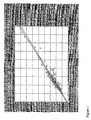
Fig. 1 shows a correlation between the number of blood neutrophils and the concentration of MPO protein in detergent extracted whole blood. -
Fig. 2 shows ratio between MPO and lactoferrin in detergent extracted whole blood. -
Fig. 3 shows a correlation between the number of eosinophils and the concentration of EPO protein in detergent extracted whole blood. - Granules were prepared from the buffy coat of granulocytes obtained from healthy blood donors using a modification of the procedure described by Peterson et al (Eur. J. Haematol. 40 (1988) 415-423). In brief, the red blood cells were allowed to sediment using Dextran T-500 before collection of the leukocyte rich plasma. Leucocytes were washed twice in 0,34 M Sucrose and the suspended in 5 volumes of 0,34 M Sucrose. The leukocytes were cavitated using N2 at a pressure of 750 psi for 30 min at +4 °C (Klempner et al., J. Cell. Biol. 86 (1980) 21-28; and Borregaard et al., .J. Cell. Biol. 97 (1983) 52-61). The cavitate was suspended in 0,34 M Sucrose, 0,17 M NaCl and centrifuged for 20 min at 450xg at +4 °C
The supernatant was centrifuged for 20 min at 10,000 x g at +4 °C to sediment the granules. Myeloperoxidase (MPO) was purified from granule extracts according Olsson et al (Scand. J. Haematol. 9 (1972) 483-491) and Cooray et al (Vet. Immunol. Immunopathol. 38 (1993) 261-272). The final preparation was completely homogenous according to the absorbance ratio A430 mn/A280 nm which was 0,80 (Agner Acta. Chem. Scand. 12 (1958) 89-94.
Human neutrophil lipocalin (HNL) was purified as described (Xu et al., Scand J Clin Lab Invest 54 (1994) 365-376. HNL was purified to homogeneity according SDS-PAGE electrophoresis and silver staining and the antigen did not react with antibodies against the other neutrophil proteins, MPO; Lactoferrin, Cathepsin G, Elastase and Lysozyme. Lactoferrin was purified as described (Reiter Int. J. Tissue React. 5 (1983) 87-96.
Eosinophil Peroxidase (EPO) was purified as described (Carlson et al J. Immunol. 134 (1985) 1875-1879) and the final preparation was homogenous according to the absorbance ratio A415 nm/A280 nm that was 1,15.
Eosinophil protein (EPX) was purified to homogeneity as described (Peterson et al., Immunol. 50 (1983) 19-26. The final preparation appeared as one band on SDS-PAGE electrophoresis and did not react with antibodies against eosinophil cationic protein (ECP), elastase, cathepsin G, MPO and EPO. - Antibodies against MPO, HNL, EPO and EPX was raised in rabbits by multiple site intracutaneous injections into the rabbits of total 50-100 µg of the purified proteins suspended in Freund's complete and incomplete adjuvant The specificity of the antibodies was evaluated by double immuno diffussion (Ouchterlony Acta Pathol. Microbiol. Scand 26 (1949) 507-) in agarose and tested against extracts of neutrophils and eosinophil granules and the following purified proteins: cathepsin G, elastase, MPO, lysozyme, lactoferrin, ECP, EPX; EPO.
- Female Balb/c mice were immunized subcutaneously with purified protein. Priming was done by injecting 50 µg of pure protein mixed with Freund's complete adjuvant. Three boosters were done with approximately 50 µg of pure protein in PBS (phosphate buffered saline).Spleen cells were fused as described (Galfré et al., Nature 266 (1977) 550-552) with Sp2/0 myeloma cells. Supernatants from the cell cultures were screened for antibodies using ELISA technique with antigen-coated wells. Antibodies in supernatants were also screened for specificity to respective granule protein and mapped for epitopes in BIAcore® (BIAcore, Uppsala, Sweden). Hybridomas were selected according to the ELISA and BIAcore experiments and cloned, expanded and purified. All selected antibodies were of IgG1 subtype.
- HNL was assessed using a radioimmunoassay as described (Xu et al., J. Immunol. Methods 171 (1994) 245-252. Inter- and intra assay variations were less than 10 % and detection limit was less than 4 µg/l.
EPX and Myeloperoxidase was measured using commercially available radioimmunoassays (Pharmacia Diagnostics AB, Uppsala, Sweden). Inter- and intra assay variations were less than 10 % and detection limit was less than 3 and 8 µg/l, respectively
EPO was measured using a protype immunofluorometric assay utilising the Pharmacia CAP system® as described (Nielsen et al., Allergy 53 (1998) 778-785. Inter- and intra assay variations were less than 8 % and detection limit was less than 0,5 µg/l.
Lactoferrin was estimated as described (Olofsson et al., Scand J Haematol 18 (1977) 73-80). Inter- and intra assay variations were less than 8 % and detection limit was less than 2 µg/l. - EDTA-containing blood samples drawn from patients were randomly collected at the University Hospital, Uppsala, Sweden. Blood cell counts were performed on each sample by means of a Coulter STKS (Beckman Coulter, Inc.) cell counter.
Granule proteins were extracted from granulocytes by means of adding CTAB (N-cetyl-N,N,N trimethyl-ammonium bromide) at a final concentration of 0.05-0.5% to a small aliquot of blood, 1-10 µl. The mixture was then incubated for at least 1 minute and then stored frozen at -20°C before analysis. - Regression analysis was performed using the statistical package, Statistica (Statsoft, Tulsa, USA).
- The present invention shows that extraction of a small aliquot of blood, 1-10 µl, with CTAB, final concentration 0.05-0.5%, for at least 1 minute and subsequent measurement of the neutrophil protein MPO by means of a specific immunoassay accurately estimates the numbers of neutrophils in the blood.
- As shown in
figure 1 , the concentration of MPO in the extract was significantly and linearly correlated (r=0.96) to the number of neutrophils in the extracted blood as estimated by means of a Coulter STKS (Beckman Coulter, Inc.) cell counter. From the equation of the regression line it is apparent that the deviation from origo was minimal, indicating the cell specificity of the measurement. The results were obtained from a mixed population of hospitalised patients (n=275) having both elevated and reduced levels of neutrophils in the their blood. Thus, some patients had highly elevated levels due to acute bacterial infections and others had seriously reduced levels due to leukaemia or cytostatic drug treatment. In spite of the inclusion of these extremes in the calculation, the relationship between number of neutrophils and the concentration of MPO was linear over the entire range measured. When HNL was measured the corresponding correlation was r=0.93 and also with a linear relationship to the number of neutrophils over the entire range. Lactoferrin measurement also showed a linear relationship over the entire range and a correlation coefficient of r=0.82. - It is well known that MPO is stored in the primary granules of neutrophils, whereas lactoferrin and HNL are stored in secondary granules. This is because the production of MPO primarily takes place during the early maturation steps i.e. by myeloblasts and promyelocytes, whereas lactoferrin and HNL primarily are produced during later maturation steps i.e. by myelocytes. It is also known that production of MPO is less affected by an increased requirement of neutrophils in the circulation, such as in acute infections, than the production of lactoferrin and HNL. The ratio between the content of either of the secondary granule proteins and MPO would therefore provide us with an estimate of the relative size of the various maturation stages of neutrophils in the blood and an indication of the bone marrow turnover of neutrophils.
- It is shown in
fig 2 that a ratio between MPO concentration and lactoferrin concentration in extracted whole blood varies about 20-fold between patients, with myeloid leukaemia patients having the highest ratios. - In this example it is shown that extraction of a small aliquot of blood, 1-10 µl, with CTAB, 0.05-0.5%, for at least 1 minute and the subsequent measurement of the eosinophil protein EPO by means of a specific immunoassay accurately estimates the numbers of eosinophils in the blood.
- As shown in
figure 3 , the concentration of EPO in the extract was significantly and linearly correlated (r=0.95) to the number of eosinophils in the extracted blood as estimated by means of a Coulter STKS (Beckman Coulter, Inc.) cell counter. From the equation of the regression line it is apparent that the deviation from origo was minimal, indicating the cell specificity of the measurement. The results were obtained from a mixed population of hospitalised patients (n=275) having both elevated and reduced levels of eosinophils in the their blood. Thus, some patients had elevated numbers because of allergy and asthma, chronic inflammatory diseases, cancer etc. and some had reduced numbers because of, among other things, acute infections.
In spite of the inclusion of these extremes in the calculation, the relationship between number of eosinophils and the concentration of EPO was linear over the entire range measured. When EPX was measured the corresponding correlation was r=0.93 and also with a linear relationship to the number of eosinophils over the entire range. - The above examples 1-3 describe neutrophils, different maturation forms of neutrophils, and eosinophils. However the invention is not to be construed as limited to these cell types.
For example the basophil protein BB1 may measure basophils.
Cell surface markers such as CD20 may measure B-lymphocytes and CD3 T-lymphocytes. The cell surface markers CD4 and CD8 may be used to measure different lymphocyte populations.
Monocytes may be measured by CD14 or lysozyme.
Thrombocytes may be measured by β-tromboglobulin - Determination of ratios is especially interesting for myeloid cells as described in Example 2, but also for various subpopulations of lymphocytes.
-
- Agner K. Crystalline myeloperoxidase. Acta Chem Scand 1958; 12:89-94.
- Borregaard N, Heiple JM, Simons ER et al. Subcellular localization of the b-cytochrome component of the human neutrophil microbicidal oxidase: translocation during activation. J. Cell. Biol. 1983;97:52-61
- Carlson MGCh, Peterson CGB, Venge P. Human eosinophil peroxidase: Purification and characterization. J Immunol 1985; 134:1875-9.
- Cooray R, Petersson CGB, Holmberg O. Isolation and purification of bovine myeloperoxidase from neutrophil granules. Vet Immunol Immunopathol 1993; 38:261-72.
- Galfré G, Howe SC, Milstein C et al. Antibodies to major histocompatibility antigens produced by hybrid cell lines. Nature 1977;266:550-552
- Klempner MS, Mikkelsen RB, Corfman DH et al. Neutrophil plasma membranes. I. High-yield purification of human neutrophil plasma membrane vesicles by nitrogen cavitation and differential centrifugation.et al., J Cell Biol 1980 Jul;86(1):21-28.
- Nielsen LP, Bjerke T, Christensen MB et al. Eosinophil markers in seasonal allergic rhinitis. Intranasal fluticasone propionate inhibits local and systemic increases during the pollen season. Allergy 1998; 53:778-85.
- Olofsson T, Olsson I, Venge P et al. Serum myeloperoxidase and lactoferrin in neutropenia. Scand J Haematol 1977; 18(1):73-80.
- Olsson I, Olofsson T, Odeberg H. Myeloperoxidase-mediated iodination in granulocytes. Scand J Haematol 1972; 9(5):483-91.
- Oucterlony Ö. Antigen antibody reactions in gels. Acta Pathol Microbiol Scand 1949;26:507-.
- Peterson CGB, Jörnvall H, Venge P. Purification and characterization of eosinophil cationic protein from normal human eosinophils. Eur J Haematol 1988; 40:415-23.
- Peterson CGB, Venge P. Purification and characterization of a new cationic protein-eosinophil protein-X (EPX) - from granules of human eosinophils. Immunol 1983; 50:19-26.
- Reiter B. The biological significance of lactoferrin. Int J Tissue React 1983; 5:87-96.
- Xu SY, Carlson M, Engström et al. Purification and characterization of a human neutrophil lipocalin (HNL) from the secondary granules of human neutrophils. Scand J Clin Lab Invest 1994; 54:365-76.
- Xu SY, Peterson CGB, Carlson M et al. The development of an assay for human neutrophil lipocalin (HNL) - to be used as a specific marker of neutrophil activity in vivo and vitro. J Immunol Methods 1994; I71:245-52.
Claims (5)
- A method to in vitro estimate the amount of specific cells in a patient sample, wherein cell specific molecules are used to calculate the specific cell count number, comprisinga) extracting an aliquot of said sample; andb) measuring the concentration of two cell specific molecules in said extracted sample by an immunological assay and determining a ratio between the concentrations of said molecules,wherein the cell specific molecules are neutrophil proteins.
- A method according to claim 1, wherein the extraction is with cationic detergent.
- A method according to claim 2, wherein the detergent is CTAB (N-cetyl-N,N,N-trimethylammonium bromide).
- A method according to any of the above claims, wherein the patient sample is whole blood.
- A method according to any of the above claims, wherein the cell specific molecules are MPO (myeloperoxidase), HNL (human neutrophil lipocalin) or lactoferrin.
Applications Claiming Priority (3)
| Application Number | Priority Date | Filing Date | Title |
|---|---|---|---|
| SE0102220A SE0102220D0 (en) | 2001-06-25 | 2001-06-25 | Method for estimating the amount of specific cell types |
| SE0102220 | 2001-06-25 | ||
| PCT/SE2002/001214 WO2003001205A1 (en) | 2001-06-25 | 2002-06-24 | Method for estimation of the amount of specific cell types |
Publications (2)
| Publication Number | Publication Date |
|---|---|
| EP1407266A1 EP1407266A1 (en) | 2004-04-14 |
| EP1407266B1 true EP1407266B1 (en) | 2010-02-17 |
Family
ID=20284572
Family Applications (1)
| Application Number | Title | Priority Date | Filing Date |
|---|---|---|---|
| EP02780858A Expired - Lifetime EP1407266B1 (en) | 2001-06-25 | 2002-06-24 | Method for estimation of the amount of specific neutrophil cell types |
Country Status (10)
| Country | Link |
|---|---|
| EP (1) | EP1407266B1 (en) |
| JP (1) | JP2004532994A (en) |
| AT (1) | ATE458198T1 (en) |
| AU (1) | AU2002350797B2 (en) |
| CA (1) | CA2447843A1 (en) |
| DE (1) | DE60235368D1 (en) |
| DK (1) | DK1407266T3 (en) |
| ES (1) | ES2340472T3 (en) |
| SE (1) | SE0102220D0 (en) |
| WO (1) | WO2003001205A1 (en) |
Families Citing this family (3)
| Publication number | Priority date | Publication date | Assignee | Title |
|---|---|---|---|---|
| WO2008144850A1 (en) * | 2007-05-30 | 2008-12-04 | Advanced Diagnostic Systems Ltd | Assay for determining risk of development of allergic disorders |
| WO2016043683A1 (en) * | 2014-09-18 | 2016-03-24 | Ciftci Ihsan Hakki | A blood count device |
| CN114720358B (en) * | 2022-04-11 | 2022-09-27 | 浙江普罗亭健康科技有限公司 | Antibody combination for substituting side scattered light signals in mass spectrum flow type blood tumor immunology typing and application |
Family Cites Families (9)
| Publication number | Priority date | Publication date | Assignee | Title |
|---|---|---|---|---|
| US5426029A (en) * | 1986-03-31 | 1995-06-20 | T Cell Diagnostics, Inc. | Therapeutic and diagnostic methods using leukocyte surface antigens |
| US5374531A (en) * | 1993-03-22 | 1994-12-20 | Zynaxis, Inc. | Immunoassay for determination of cells |
| JP3522865B2 (en) * | 1994-11-25 | 2004-04-26 | 株式会社いかがく | Urine leukocyte detection method |
| US5658745A (en) * | 1995-02-17 | 1997-08-19 | E. I. Du Pont De Nemours And Company | Cell enumeration immunoassay |
| JP2000510581A (en) * | 1996-03-29 | 2000-08-15 | ユニバーシティー オブ ブリティッシュ コロンビア | Platelet count assay using platelet granule protein |
| JP2000019170A (en) * | 1998-06-29 | 2000-01-21 | Shima Kenkyusho:Kk | Granulocyte counting method, and leucocyte counting method and device |
| WO2000042436A1 (en) * | 1999-01-14 | 2000-07-20 | Ca*Tx, Inc. | Immunoassays to detect diseases or disease susceptibility traits |
| US6363802B1 (en) * | 1999-03-25 | 2002-04-02 | Coulter International Corp. | Apparatus for aspirating liquid from a vessel |
| US6599713B1 (en) * | 1999-03-29 | 2003-07-29 | Asahi Kasei Kabushiki Kaisha | Method for quantitating leukocyte count in whole blood sample |
-
2001
- 2001-06-25 SE SE0102220A patent/SE0102220D0/en unknown
-
2002
- 2002-06-24 ES ES02780858T patent/ES2340472T3/en not_active Expired - Lifetime
- 2002-06-24 WO PCT/SE2002/001214 patent/WO2003001205A1/en not_active Ceased
- 2002-06-24 JP JP2003507549A patent/JP2004532994A/en active Pending
- 2002-06-24 AU AU2002350797A patent/AU2002350797B2/en not_active Ceased
- 2002-06-24 CA CA002447843A patent/CA2447843A1/en not_active Abandoned
- 2002-06-24 EP EP02780858A patent/EP1407266B1/en not_active Expired - Lifetime
- 2002-06-24 DK DK02780858.3T patent/DK1407266T3/en active
- 2002-06-24 DE DE60235368T patent/DE60235368D1/en not_active Expired - Lifetime
- 2002-06-24 AT AT02780858T patent/ATE458198T1/en not_active IP Right Cessation
Also Published As
| Publication number | Publication date |
|---|---|
| JP2004532994A (en) | 2004-10-28 |
| DK1407266T3 (en) | 2010-05-31 |
| CA2447843A1 (en) | 2003-01-03 |
| SE0102220D0 (en) | 2001-06-25 |
| AU2002350797B2 (en) | 2008-03-20 |
| WO2003001205A1 (en) | 2003-01-03 |
| EP1407266A1 (en) | 2004-04-14 |
| DE60235368D1 (en) | 2010-04-01 |
| ES2340472T3 (en) | 2010-06-04 |
| ATE458198T1 (en) | 2010-03-15 |
Similar Documents
| Publication | Publication Date | Title |
|---|---|---|
| Sainte-Laudy et al. | Analysis of anti-IgE and allergen induced human basophil activation by flow cytometry. Comparison with histamine release | |
| Austgulen et al. | Increased maternal plasma levels of soluble adhesion molecules (ICAM-1, VCAM-1, E-selectin) in preeclampsia | |
| Troelstra et al. | Dual effects of soluble CD14 on LPS priming of neutrophils | |
| EP0956304B1 (en) | Dendritic cell-specific antibodies | |
| Terstappen et al. | A rapid sample preparation technique for flow cytometric analysis of immunofluorescence allowing absolute enumeration of cell subpopulations | |
| CA2095626A1 (en) | Therapeutic and diagnostic methods using total leukocyte surface antigens | |
| Swaak et al. | An analysis of the levels of complement components in the synovial fluid in rheumatic diseases | |
| McCarthy et al. | A simple flow cytometric procedure for the determination of surface antigens on unfixed leucocytes in whole blood | |
| Pliyev et al. | Release of the soluble urokinase-type plasminogen activator receptor (suPAR) by activated neutrophils in rheumatoid arthritis | |
| Sevéus et al. | Human neutrophil lipocalin (HNL) is a specific granule constituent of the neutrophil granulocyte. Studies in bronchial and lung parenchymal tissue and peripheral blood cells | |
| Hübl et al. | Toward a new reference method for the leukocyte five‐part differential | |
| Adeyemi et al. | Plasma lactoferrin and neutrophil elastase in rheumatoid arthritis and systemic lupus erythematosus | |
| US20070026387A1 (en) | Diagnosing and monitoring inflammatory diseases by measuring complement components on white blood cells | |
| Langlois et al. | Distribution of lymphocyte subsets in bone marrow and peripheral blood is associated with haptoglobin type. Binding of haptoglobin to the B-cell lectin CD22 | |
| Manivannan et al. | Diagnosis of paroxysmal nocturnal hemoglobinuria: recent advances | |
| Fanelli et al. | Flow cytometric detection of circulating activated platelets in primary antiphospholipid syndrome. Correlation with thrombocytopenia and anticardiolipin antibodies | |
| Kuryliszyn-Moskal et al. | Circulating intercellular adhesion molecule 1 in rheumatoid arthritis—relationship to systemic vasculitis and microvascular injury in nailfold capillary microscopy | |
| AU2002350797B2 (en) | Method for estimation of the amount of specific cell types | |
| CA2172243C (en) | Method for quantifying bpi in body fluids | |
| JP2007532885A (en) | Real-time method for detecting acute inflammatory conditions | |
| WO2013107826A2 (en) | Use of cellular biomarkers expression to diagnose sepsis among intensive care patients | |
| Olteanu et al. | Differential usefulness of various markers in the flow cytometric detection of paroxysmal nocturnal hemoglobinuria in blood and bone marrow | |
| US7405047B2 (en) | Method for estimation of the amount of specific cell types | |
| AU2002350797A1 (en) | Method for estimation of the amount of specific cell types | |
| Daniels et al. | Hemagglutination inhibition of Cromer blood group antibodies with soluble recombinant decay‐accelerating factor |
Legal Events
| Date | Code | Title | Description |
|---|---|---|---|
| PUAI | Public reference made under article 153(3) epc to a published international application that has entered the european phase |
Free format text: ORIGINAL CODE: 0009012 |
|
| 17P | Request for examination filed |
Effective date: 20040119 |
|
| AK | Designated contracting states |
Kind code of ref document: A1 Designated state(s): AT BE CH CY DE DK ES FI FR GB GR IE IT LI LU MC NL PT SE TR |
|
| AX | Request for extension of the european patent |
Extension state: AL LT LV MK RO SI |
|
| RAP1 | Party data changed (applicant data changed or rights of an application transferred) |
Owner name: PHARMACIA DIAGNOSTICS AB |
|
| RAP1 | Party data changed (applicant data changed or rights of an application transferred) |
Owner name: PHADIA AB |
|
| 17Q | First examination report despatched |
Effective date: 20080715 |
|
| GRAP | Despatch of communication of intention to grant a patent |
Free format text: ORIGINAL CODE: EPIDOSNIGR1 |
|
| RTI1 | Title (correction) |
Free format text: METHOD FOR ESTIMATION OF THE AMOUNT OF SPECIFIC NEUTROPHIL CELL TYPES |
|
| GRAS | Grant fee paid |
Free format text: ORIGINAL CODE: EPIDOSNIGR3 |
|
| GRAA | (expected) grant |
Free format text: ORIGINAL CODE: 0009210 |
|
| AK | Designated contracting states |
Kind code of ref document: B1 Designated state(s): AT BE CH CY DE DK ES FI FR GB GR IE IT LI LU MC NL PT SE TR |
|
| REG | Reference to a national code |
Ref country code: GB Ref legal event code: FG4D |
|
| REG | Reference to a national code |
Ref country code: CH Ref legal event code: EP |
|
| REG | Reference to a national code |
Ref country code: IE Ref legal event code: FG4D |
|
| REF | Corresponds to: |
Ref document number: 60235368 Country of ref document: DE Date of ref document: 20100401 Kind code of ref document: P |
|
| REG | Reference to a national code |
Ref country code: CH Ref legal event code: NV Representative=s name: PATENTANWAELTE SCHAAD, BALASS, MENZL & PARTNER AG |
|
| REG | Reference to a national code |
Ref country code: NL Ref legal event code: T3 |
|
| REG | Reference to a national code |
Ref country code: DK Ref legal event code: T3 |
|
| REG | Reference to a national code |
Ref country code: SE Ref legal event code: TRGR |
|
| REG | Reference to a national code |
Ref country code: ES Ref legal event code: FG2A Ref document number: 2340472 Country of ref document: ES Kind code of ref document: T3 |
|
| PG25 | Lapsed in a contracting state [announced via postgrant information from national office to epo] |
Ref country code: PT Free format text: LAPSE BECAUSE OF FAILURE TO SUBMIT A TRANSLATION OF THE DESCRIPTION OR TO PAY THE FEE WITHIN THE PRESCRIBED TIME-LIMIT Effective date: 20100617 |
|
| PG25 | Lapsed in a contracting state [announced via postgrant information from national office to epo] |
Ref country code: FI Free format text: LAPSE BECAUSE OF FAILURE TO SUBMIT A TRANSLATION OF THE DESCRIPTION OR TO PAY THE FEE WITHIN THE PRESCRIBED TIME-LIMIT Effective date: 20100217 Ref country code: AT Free format text: LAPSE BECAUSE OF FAILURE TO SUBMIT A TRANSLATION OF THE DESCRIPTION OR TO PAY THE FEE WITHIN THE PRESCRIBED TIME-LIMIT Effective date: 20100217 |
|
| PG25 | Lapsed in a contracting state [announced via postgrant information from national office to epo] |
Ref country code: BE Free format text: LAPSE BECAUSE OF FAILURE TO SUBMIT A TRANSLATION OF THE DESCRIPTION OR TO PAY THE FEE WITHIN THE PRESCRIBED TIME-LIMIT Effective date: 20100217 Ref country code: GR Free format text: LAPSE BECAUSE OF FAILURE TO SUBMIT A TRANSLATION OF THE DESCRIPTION OR TO PAY THE FEE WITHIN THE PRESCRIBED TIME-LIMIT Effective date: 20100518 Ref country code: CY Free format text: LAPSE BECAUSE OF FAILURE TO SUBMIT A TRANSLATION OF THE DESCRIPTION OR TO PAY THE FEE WITHIN THE PRESCRIBED TIME-LIMIT Effective date: 20100217 |
|
| PLBE | No opposition filed within time limit |
Free format text: ORIGINAL CODE: 0009261 |
|
| STAA | Information on the status of an ep patent application or granted ep patent |
Free format text: STATUS: NO OPPOSITION FILED WITHIN TIME LIMIT |
|
| 26N | No opposition filed |
Effective date: 20101118 |
|
| PG25 | Lapsed in a contracting state [announced via postgrant information from national office to epo] |
Ref country code: MC Free format text: LAPSE BECAUSE OF NON-PAYMENT OF DUE FEES Effective date: 20100630 |
|
| PG25 | Lapsed in a contracting state [announced via postgrant information from national office to epo] |
Ref country code: IE Free format text: LAPSE BECAUSE OF NON-PAYMENT OF DUE FEES Effective date: 20100624 |
|
| PG25 | Lapsed in a contracting state [announced via postgrant information from national office to epo] |
Ref country code: LU Free format text: LAPSE BECAUSE OF NON-PAYMENT OF DUE FEES Effective date: 20100624 |
|
| PG25 | Lapsed in a contracting state [announced via postgrant information from national office to epo] |
Ref country code: TR Free format text: LAPSE BECAUSE OF FAILURE TO SUBMIT A TRANSLATION OF THE DESCRIPTION OR TO PAY THE FEE WITHIN THE PRESCRIBED TIME-LIMIT Effective date: 20100217 |
|
| REG | Reference to a national code |
Ref country code: CH Ref legal event code: PUE Owner name: PER VENGE, SE Free format text: FORMER OWNER: PHADIA AB, SE |
|
| REG | Reference to a national code |
Ref country code: GB Ref legal event code: 732E Free format text: REGISTERED BETWEEN 20150326 AND 20150401 |
|
| REG | Reference to a national code |
Ref country code: FR Ref legal event code: PLFP Year of fee payment: 14 |
|
| REG | Reference to a national code |
Ref country code: DE Ref legal event code: R082 Ref document number: 60235368 Country of ref document: DE Representative=s name: VOSSIUS & PARTNER PATENTANWAELTE RECHTSANWAELT, DE Ref country code: DE Ref legal event code: R081 Ref document number: 60235368 Country of ref document: DE Owner name: PER VENGE, SE Free format text: FORMER OWNER: PHADIA AB, UPPSALA, SE Ref country code: DE Ref legal event code: R081 Ref document number: 60235368 Country of ref document: DE Owner name: FUTURE MEDICAL DIAGNOSTICS CO., LTD., SUZHOU, CN Free format text: FORMER OWNER: PHADIA AB, UPPSALA, SE |
|
| REG | Reference to a national code |
Ref country code: ES Ref legal event code: PC2A Owner name: PER VENGE Effective date: 20150616 |
|
| REG | Reference to a national code |
Ref country code: NL Ref legal event code: SD Effective date: 20150612 |
|
| REG | Reference to a national code |
Ref country code: FR Ref legal event code: TP Owner name: PER VENGE (430404-1454), SE Effective date: 20150608 |
|
| REG | Reference to a national code |
Ref country code: CH Ref legal event code: PUE Owner name: FUTURE MEDICAL DIAGNOSTICS CO., LTD., CN Free format text: FORMER OWNER: PER VENGE, SE |
|
| REG | Reference to a national code |
Ref country code: DE Ref legal event code: R082 Ref document number: 60235368 Country of ref document: DE Representative=s name: VOSSIUS & PARTNER PATENTANWAELTE RECHTSANWAELT, DE Ref country code: DE Ref legal event code: R081 Ref document number: 60235368 Country of ref document: DE Owner name: FUTURE MEDICAL DIAGNOSTICS CO., LTD., SUZHOU, CN Free format text: FORMER OWNER: PER VENGE, UPPSALA, SE |
|
| REG | Reference to a national code |
Ref country code: GB Ref legal event code: 732E Free format text: REGISTERED BETWEEN 20160107 AND 20160113 |
|
| REG | Reference to a national code |
Ref country code: ES Ref legal event code: PC2A Owner name: FUTURE MEDICAL DIAGNOSTICS CO., LTD Effective date: 20160222 |
|
| REG | Reference to a national code |
Ref country code: FR Ref legal event code: TP Owner name: FUTURE MEDICAL DIAGNOSTICS CO., LTD., CN Effective date: 20160224 |
|
| REG | Reference to a national code |
Ref country code: NL Ref legal event code: PD Owner name: FUTURE MEDICAL DIAGNOSTICS CO., LTD.; CN Free format text: DETAILS ASSIGNMENT: VERANDERING VAN EIGENAAR(S), OVERDRACHT; FORMER OWNER NAME: PER VENGE Effective date: 20151216 |
|
| REG | Reference to a national code |
Ref country code: FR Ref legal event code: PLFP Year of fee payment: 15 |
|
| REG | Reference to a national code |
Ref country code: FR Ref legal event code: PLFP Year of fee payment: 16 |
|
| REG | Reference to a national code |
Ref country code: FR Ref legal event code: PLFP Year of fee payment: 17 |
|
| PGFP | Annual fee paid to national office [announced via postgrant information from national office to epo] |
Ref country code: ES Payment date: 20190702 Year of fee payment: 18 |
|
| PGFP | Annual fee paid to national office [announced via postgrant information from national office to epo] |
Ref country code: NL Payment date: 20201020 Year of fee payment: 19 |
|
| PGFP | Annual fee paid to national office [announced via postgrant information from national office to epo] |
Ref country code: DE Payment date: 20201031 Year of fee payment: 19 Ref country code: CH Payment date: 20201020 Year of fee payment: 19 Ref country code: DK Payment date: 20201016 Year of fee payment: 19 Ref country code: SE Payment date: 20201016 Year of fee payment: 19 Ref country code: IT Payment date: 20201015 Year of fee payment: 19 Ref country code: FR Payment date: 20201015 Year of fee payment: 19 Ref country code: GB Payment date: 20201020 Year of fee payment: 19 |
|
| REG | Reference to a national code |
Ref country code: DE Ref legal event code: R119 Ref document number: 60235368 Country of ref document: DE |
|
| REG | Reference to a national code |
Ref country code: DK Ref legal event code: EBP Effective date: 20210630 |
|
| REG | Reference to a national code |
Ref country code: SE Ref legal event code: EUG |
|
| PG25 | Lapsed in a contracting state [announced via postgrant information from national office to epo] |
Ref country code: ES Free format text: LAPSE BECAUSE OF NON-PAYMENT OF DUE FEES Effective date: 20200625 |
|
| REG | Reference to a national code |
Ref country code: CH Ref legal event code: PL |
|
| REG | Reference to a national code |
Ref country code: NL Ref legal event code: MM Effective date: 20210701 |
|
| GBPC | Gb: european patent ceased through non-payment of renewal fee |
Effective date: 20210624 |
|
| PG25 | Lapsed in a contracting state [announced via postgrant information from national office to epo] |
Ref country code: LI Free format text: LAPSE BECAUSE OF NON-PAYMENT OF DUE FEES Effective date: 20210630 Ref country code: GB Free format text: LAPSE BECAUSE OF NON-PAYMENT OF DUE FEES Effective date: 20210624 Ref country code: DE Free format text: LAPSE BECAUSE OF NON-PAYMENT OF DUE FEES Effective date: 20220101 Ref country code: CH Free format text: LAPSE BECAUSE OF NON-PAYMENT OF DUE FEES Effective date: 20210630 |
|
| PG25 | Lapsed in a contracting state [announced via postgrant information from national office to epo] |
Ref country code: NL Free format text: LAPSE BECAUSE OF NON-PAYMENT OF DUE FEES Effective date: 20210701 Ref country code: FR Free format text: LAPSE BECAUSE OF NON-PAYMENT OF DUE FEES Effective date: 20210630 Ref country code: SE Free format text: LAPSE BECAUSE OF NON-PAYMENT OF DUE FEES Effective date: 20210625 |
|
| PG25 | Lapsed in a contracting state [announced via postgrant information from national office to epo] |
Ref country code: IT Free format text: LAPSE BECAUSE OF NON-PAYMENT OF DUE FEES Effective date: 20210624 Ref country code: DK Free format text: LAPSE BECAUSE OF NON-PAYMENT OF DUE FEES Effective date: 20210630 |