EP1402893A1 - Pharmaceutical compositions for treatment of secondary hyperparathyroidism and therapeutic agents for cardiovascular complications resulting from the treatment for secondary hyperparathyroidism. - Google Patents
Pharmaceutical compositions for treatment of secondary hyperparathyroidism and therapeutic agents for cardiovascular complications resulting from the treatment for secondary hyperparathyroidism. Download PDFInfo
- Publication number
- EP1402893A1 EP1402893A1 EP02741394A EP02741394A EP1402893A1 EP 1402893 A1 EP1402893 A1 EP 1402893A1 EP 02741394 A EP02741394 A EP 02741394A EP 02741394 A EP02741394 A EP 02741394A EP 1402893 A1 EP1402893 A1 EP 1402893A1
- Authority
- EP
- European Patent Office
- Prior art keywords
- treatment
- secondary hyperparathyroidism
- calcification
- cardiovascular complications
- vitamin
- Prior art date
- Legal status (The legal status is an assumption and is not a legal conclusion. Google has not performed a legal analysis and makes no representation as to the accuracy of the status listed.)
- Withdrawn
Links
Images

Classifications
-
- A—HUMAN NECESSITIES
- A61—MEDICAL OR VETERINARY SCIENCE; HYGIENE
- A61K—PREPARATIONS FOR MEDICAL, DENTAL OR TOILETRY PURPOSES
- A61K31/00—Medicinal preparations containing organic active ingredients
- A61K31/59—Compounds containing 9, 10- seco- cyclopenta[a]hydrophenanthrene ring systems
-
- A—HUMAN NECESSITIES
- A61—MEDICAL OR VETERINARY SCIENCE; HYGIENE
- A61K—PREPARATIONS FOR MEDICAL, DENTAL OR TOILETRY PURPOSES
- A61K31/00—Medicinal preparations containing organic active ingredients
- A61K31/59—Compounds containing 9, 10- seco- cyclopenta[a]hydrophenanthrene ring systems
- A61K31/593—9,10-Secocholestane derivatives, e.g. cholecalciferol, i.e. vitamin D3
-
- A—HUMAN NECESSITIES
- A61—MEDICAL OR VETERINARY SCIENCE; HYGIENE
- A61P—SPECIFIC THERAPEUTIC ACTIVITY OF CHEMICAL COMPOUNDS OR MEDICINAL PREPARATIONS
- A61P5/00—Drugs for disorders of the endocrine system
- A61P5/18—Drugs for disorders of the endocrine system of the parathyroid hormones
-
- A—HUMAN NECESSITIES
- A61—MEDICAL OR VETERINARY SCIENCE; HYGIENE
- A61P—SPECIFIC THERAPEUTIC ACTIVITY OF CHEMICAL COMPOUNDS OR MEDICINAL PREPARATIONS
- A61P9/00—Drugs for disorders of the cardiovascular system
- A61P9/10—Drugs for disorders of the cardiovascular system for treating ischaemic or atherosclerotic diseases, e.g. antianginal drugs, coronary vasodilators, drugs for myocardial infarction, retinopathy, cerebrovascula insufficiency, renal arteriosclerosis
Definitions
- the present invention relates to a pharmaceutical composition for the treatment of secondary hyperparathyroidism, which comprises, as an active ingredient, a vitamin D derivative not having an inducing action on cardiovascular complications associated with calcification.
- the present invention relates to a therapeutic or prophylactic agent for cardiovascular complications associated with calcification resulting from the treatment of secondary hyperparathyroidism in hemodialysis patients, which agent comprises 1 ⁇ ,3 ⁇ -dihydroxy-20S-(3-hydroxy-3-methylbutyloxy)-9,10-seco-5,7,10(19)-pregnatriene (22-oxa-1 ⁇ ,25-dihydroxyvitamin D 3 ; hereinafter also referred to as "OCT”) as an active ingredient.
- OCT 1 ⁇ ,3 ⁇ -dihydroxy-20S-(3-hydroxy-3-methylbutyloxy)-9,10-seco-5,7,10(19)-pregnatriene
- Vitamin D has been administered in the treatment of secondary hyperparathyroidism (hereinafter also referred to as "2HPT") (Drugs of the Future, 21(12), 1229-1237 (1996)).
- 2HPT secondary hyperparathyroidism
- 1,25-dihydroxyvitamin D 3 has a risk of inducing cardiovascular calcification because of its relatively strong hypercalcemic effect (Am. J. Kidney Diseases, 29, 641-649, 1997). For this reason, there has been a need to develop a pharmaceutical composition having a reduced risk of inducing cardiovascular complications associated with calcification.
- cardiovascular disorders account for nearly half the deaths in hemodialysis patients, most of who are found to have calcification in the heart and vascular system (Raggi P., Clinical Nephrology, vol. 54, No. 6, pp. 325-33, 2000).
- causes of cardiovascular disorders include platelet aggregation, blood lipids (e.g., hyperlipidemia) and vascular calcification.
- EBCT electron beam computed tomography
- vitamin D Treatment with vitamin D is effective for secondary hyperparathyroidism (hereinafter also referred to as "2HPT"), which is one of the complications in hemodialysis patients.
- 2HPT secondary hyperparathyroidism
- 1,25-dihydroxyvitamin D 3 has the risk of inducing cardiovascular calcification because of its relatively strong hypercalcemic effect (Am. J. Kidney Diseases, 29, 641-649, 1997). For this reason, there has been a need to develop compounds having a weak hypercalcemic effect and a reduced risk of inducing ectopic calcification.
- An object of the present invention is to provide a pharmaceutical composition for the treatment of secondary hyperparathyroidism, which can reduce the risk of inducing cardiovascular complications associated with calcification.
- the present invention provides a pharmaceutical composition for the treatment of secondary hyperparathyroidism, which comprises, as an active ingredient, a vitamin D derivative not having an inducing action on cardiovascular complications associated with calcification. Also, the present invention provides a pharmaceutical composition for the treatment of secondary hyperparathyroidism, which comprises, as an active ingredient, a vitamin D derivative having a prophylactic or improving action on cardiovascular complications associated with calcification resulting from the treatment of secondary hyperparathyroidism.
- cardiovascular complications include arteriosclerosis and ischemic heart disease.
- the elevating action of each vitamin D derivative on Ca ⁇ Pi product is preferably weak.
- the vitamin D derivative is preferably 1 ⁇ ,3 ⁇ -dihydroxy-20S-(3-hydroxy-3-methylbutyloxy)-9,10-seco-5,7,10(19)-pregnatriene.
- a pharmaceutical composition for the treatment of secondary hyperparathyroidism which comprises a vitamin D derivative as an active ingredient and which is administered to a patient having the risk of developing cardiovascular complications associated with calcification.
- a treatment method of secondary hyperparathyroidism which comprises administering any one of the above pharmaceutical compositions to a patient in need of such treatment, preferably to a patient having the risk of developing cardiovascular complications associated with calcification.
- vitamin D derivative not having an inducing action on cardiovascular complications associated with calcification for the manufacture of a medicament used for the treatment of secondary hyperparathyroidism.
- An object of the present invention is to provide a therapeutic or prophylactic agent for cardiovascular complications (e.g., arteriosclerosis, ischemic heart disease) associated with calcification resulting from the treatment of secondary hyperparathyroidism in a hemodialysis patient.
- cardiovascular complications e.g., arteriosclerosis, ischemic heart disease
- 1 ⁇ ,3 ⁇ -dihydroxy-20S-(3-hydroxy-3-methylbutyloxy)-9,10-seco-5,7,10(19)-pregnatriene does not cause increase in blood calcium levels of experimental nephritis model rats with 2HPT. This finding led to the provision of the present invention.
- 1 ⁇ ,3 ⁇ -dihydroxy-20S-(3-hydroxy-3-methylbutyloxy)-9,10-seco-5,7,10(19)-pregnatriene is a vitamin D derivative effective as a therapeutic agent for hyperparathyroidism.
- the present invention provides a therapeutic agent for cardiovascular complications associated with calcification resulting from the treatment of secondary hyperparathyroidism in a hemodialysis patient, which agent comprises 1 ⁇ ,3 ⁇ -dihydroxy-20S-(3-hydroxy-3-methylbutyloxy)-9,10-seco-5,7,10(19)-pregnatriene as an active ingredient.
- the cardiovascular complications are preferably selected from arteriosclerosis and ischemic heart disease.
- the present invention also provides a prophylactic agent for cardiovascular complications associated with calcification resulting from the treatment of secondary hyperparathyroidism in a hemodialysis patient, which agent comprises 1 ⁇ ,3 ⁇ -dihydroxy-20S-(3-hydroxy-3-methylbutyloxy)-9,10-seco-5,7,10(19)-pregnatriene as an active ingredient.
- the cardiovascular complications are preferably selected from arteriosclerosis and ischemic heart disease.
- a treatment method of cardiovascular complications e.g., arteriosclerosis, ischemic heart disease
- cardiovascular complications e.g., arteriosclerosis, ischemic heart disease
- calcification resulting from the treatment of secondary hyperparathyroidism in a hemodialysis patient which comprises administering to a patient in need of such treatment a therapeutically effective amount of 1 ⁇ ,3 ⁇ -dihydroxy-20S-(3-hydroxy-3-methylbutyloxy)-9,10-seco-5,7,10(19)-pregnatriene.
- cardiovascular complications e.g., arteriosclerosis, ischemic heart disease
- a prophylaxis method of cardiovascular complications e.g., arteriosclerosis, ischemic heart disease
- cardiovascular complications e.g., arteriosclerosis, ischemic heart disease
- administering to a patient in need of such prophylaxis a therapeutically effective amount of 1 ⁇ ,3 ⁇ -dihydroxy-20S-(3-hydroxy-3-methylbutyloxy)-9,10-seco-5,7,10(19)-pregnatriene.
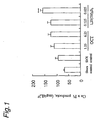
- Figure 1 is a graph showing the Ca ⁇ Pi product in rat plasma. Each bar in the graph represents the mean ⁇ SE. *** p ⁇ 0.001 versus SNX control by Dunnett's multiple comparison test.
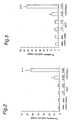
- Figure 2 is a graph showing the Ca content in rat aorta. Each bar in the graph represents the mean ⁇ SE. *** p ⁇ 0.001 versus SNX control by Dunnett's multiple comparison test.
- Figure 3 is a graph showing the Pi content in rat aorta. Each bar in the graph represents the mean ⁇ SE. *** p ⁇ 0.001 versus SNX control by Dunnett's multiple comparison test.
- Figure 4 is a graph showing the Ca content in rat heart. Each bar in the graph represents the mean ⁇ SE. *** p ⁇ 0.001 versus SNX control by Dunnett's multiple comparison test. # p ⁇ 0.05 by unpaired t-test.
- Figure 5 is a graph showing the Pi content in rat heart. Each bar in the graph represents the mean ⁇ SE. *** p ⁇ 0.001 versus SNX control by Dunnett's multiple comparison test. ## p ⁇ 0.01 by unpaired t-test.
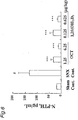
- Figure 6 is a graph showing the serum parathyroid hormone (PTH) levels. Each bar in the graph represents the mean ⁇ SE. *** p ⁇ 0.001 versus SNX control by Dunnett's multiple comparison test. # p ⁇ 0.05 by unpaired t-test.
- vitamin D derivative refers to a compound having the 9,10-secocholesta-5,7,10(19)-triene structure. It preferably refers to a compound having the (5Z,7E)-9,10-secocholesta-5,7,10(19)-triene structure.
- a compound having the (1 ⁇ ,5Z,7E)-9,10-secocholesta-5,7,10(19)-trien-1-ol structure still more preferably a compound having the (1 ⁇ ,5Z,7E)-9,10-secocholesta-5,7,10(19)-trien-1,25-diol structure, even more preferably a compound having the (1 ⁇ ,3 ⁇ ,5Z,7E)-9,10-secocholesta-5,7,10 (19)-trien-1,3-diol structure, and most preferably a compound having the (1 ⁇ ,3 ⁇ ,5Z,7E)-9,10-secocholesta-5,7,10(19)-trien-1,3,25-triol structure. All compounds having these structures can be identified as vitamin D derivatives. Such compounds may have any substituent at any position as long as they are capable of binding to vitamin D receptors.
- 1 ⁇ ,3 ⁇ -Dihydroxy-20S-(3-hydroxy-3-methylbutyloxy)-9,10-seco-5,7,10(19)-pregnatriene as used herein is a known compound, which can be synthesized as described in, e.g., JP 61-267550 A.
- treatment or “treating” is intended to mean not only that symptoms are completely eliminated, but also that symptoms already developed are somewhat ameliorated, or that the progression or exacerbation of symptoms is delayed or reduced when compared to untreated patients.
- the normal level of total serum calcium in humans will vary depending on techniques used for measurement, but usually ranges from 8.8 to 10.4 mg/dL (2.20 to 2.60 mmol/L). About 40% of the total blood calcium is bound to plasma proteins (primarily albumin). The remaining 60% is complexed with phosphate and citrate or present in the form of calcium ion. Meanwhile, most phosphorus in the body is complexed with oxygen as phosphate (PO 4 ). The body contains approximately 500 to 700 g of PO 4 , 85% of which is contained in bone, where it is an important constituent of the crystalline hydroxyapatite.
- the normal plasma inorganic PO 4 concentration in adults will vary depending on techniques used for measurement, but usually ranges from 2.5 to 4.5 mg/dL (0.81 to 1.45 mmol/L).
- the phrase "not having an inducing action on cardiovascular complications associated with calcification” is intended to mean not only that a vitamin D derivative is completely free from the inducing action on cardiovascular complications associated with calcification, but also that such an inducing action is reduced when compared to the case of administering a pharmaceutical composition comprising other vitamin D derivative (e.g., 1,25-dihydroxyvitamin D 3 ).
- other vitamin D derivative e.g., 1,25-dihydroxyvitamin D 3
- a vitamin D derivative does not have an elevating action on serum Ca x Pi product beyond the normal range or does not cause elevation in serum Ca ⁇ Pi product before and after administration.
- a vitamin D derivative results in reduced Ca and Pi deposition in the aorta and heart due to its short blood half-life, which is preferably shorter than that of 1,25-dihydroxyvitamin D 3 (e.g., less than 30 minutes).
- prophylactic is intended to mean not only that symptoms are completely prevented from developing, but also that the severity or development of symptoms is reduced or delayed when compared to the case of not administering the pharmaceutical composition of the present invention.
- improving is intended to mean that symptoms already developed are somewhat ameliorated, or that the progression or exacerbation of symptoms is delayed or reduced when compared to the case of not administering the pharmaceutical composition of the present invention. In addition to these meanings, the term means complete elimination of symptoms.
- the phrase "having a prophylactic or improving action on cardiovascular complications associated with calcification” is preferably intended to mean that a vitamin D derivative does not have an elevating action on serum Ca ⁇ Pi product beyond the normal range or does not cause elevation in serum Ca ⁇ Pi product before and after administration.
- a vitamin D derivative results in reduced Ca and Pi deposition in the aorta and heart due to its short blood half-life, which is preferably shorter than that of 1,25-dihydroxyvitamin D 3 (e.g., less than 30 minutes).
- the phrase "does not have an elevating action on serum Ca ⁇ Pi product beyond the normal range or does not cause elevation in serum Ca ⁇ Pi product before and after administration” is intended to mean in general that the serum Ca ⁇ Pi product is maintained at or below 70 (mg/dL) 2 , preferably at or below 65 (mg/dL) 2 , and more preferably at or below 60 (mg/dL) 2 . It is preferable to have no elevating action on Ca ⁇ Pi product at a dose producing a therapeutic effect on secondary hyperparathyroidism, but it is also included to have a weak elevating action on Ca ⁇ Pi product.
- the phrase "having a weak elevating action on Ca ⁇ Pi product” is intended to mean that a vitamin D derivative has a weaker elevating action on serum Ca ⁇ Pi product than 1,25-dihydroxyvitamin D 3 at a dose producing the same level of therapeutic effect on secondary hyperparathyroidism as observed in 1,25-dihydroxyvitamin D 3 .
- Whether a vitamin D derivative has an elevating action on Ca ⁇ Pi product can be determined as described herein using an animal model, etc. For example, the serum Ca ⁇ Pi product is compared between drug-administered group receiving a specific type of vitamin D derivative and control group (non-administered). If the Ca ⁇ Pi product is significantly elevated in the drug-administered group when compared to the control group, the vitamin D derivative can be identified to have an elevating action on Ca ⁇ Pi product. Alternatively, the same comparative study may also be performed on patients in need of drug treatment for secondary hyperparathyroidism.
- vitamin D derivative having a weak elevating action on Ca ⁇ Pi product is intended to mean, for example, that there is a difference between the minimum dose required for a significant therapeutic effect on secondary hyperparathyroidism and the minimum dose required for a significant elevating action on Ca ⁇ Pi product.
- significant therapeutic effect on secondary hyperparathyroidism is intended to mean a decrease in serum PTH levels.
- the dose of a vitamin D derivative is gradually increased to determine the following two doses: a dose at which the vitamin D derivative begins to produce a therapeutic effect on secondary hyperparathyroidism and a dose at which the vitamin D derivative begins to produce an elevating action on Ca ⁇ Pi product. It is desired that the difference between these two doses is preferably at least 5-fold, more preferably at least 10-fold, even more preferably at least 50-fold, and most preferably at least 100-fold.
- a vitamin D derivative can be identified to have a weak elevating action on Ca ⁇ Pi product if it shows a weaker elevating action on serum Ca ⁇ Pi product than 1,25-dihydroxyvitamin D 3 at a dose producing the same level of therapeutic effect on secondary hyperparathyroidism as observed in 1,25-dihydroxyvitamin D 3 .
- the phrase "patient having the risk of developing cardiovascular complications” refers to a patient who is suspected to develop cardiovascular complications at high frequency in the future, more specifically a secondary hyperparathyroidism patient who is suspected to develop cardiovascular complications at high frequency in the future. Whether cardiovascular complications are developed at high frequency can be determined by statistical or epidemiological research.
- the phrase "patient having the risk of developing cardiovascular complications” as used herein includes patients having a serum Ca ⁇ Pi product of at least 60 (mg/dL) 2 or at least 65 (mg/dL) 2 , particularly at least 70 (mg/dL) 2 .
- cardiovascular complications are easily induced upon administration of 1,25-dihydroxyvitamin D 3 , even patients having a serum Ca ⁇ Pi product less than 65 (mg/dL) 2 or less than 60 (mg/dL) 2 also fall within the scope of the "patient having the risk of developing cardiovascular complications" as used herein.
- examples include chronic renal failure patients and hemodialysis patients, as well as patients undergoing treatment with 1,25-dihydroxyvitamin D 3 , particularly, in order to treat secondary hyperparathyroidism.
- therapeutic agent in defining the term “therapeutic agent” as used herein, the term “therapeutic” is intended to mean not only that symptoms are completely eliminated, but also that symptoms already developed are somewhat ameliorated, or that the progression or exacerbation of symptoms is delayed or reduced when compared to the case of not administering the therapeutic agent of the present invention.
- prophylactic agent in defining the term “prophylactic agent” as used herein, the term “prophylactic” is intended to mean not only that symptoms are completely prevented from developing, but also that the severity or development of symptoms is reduced or delayed when compared to the case of not administering the prophylactic agent of the present invention.
- administration may be accomplished in any manner, for example, via oral or parenteral (e.g., intravenous, intramuscular, intraperitoneal) routes.
- oral or parenteral e.g., intravenous, intramuscular, intraperitoneal
- a vitamin D derivative as an active ingredient is preferably formulated into a suitable dosage form, if desired, in combination with pharmaceutically acceptable carriers, excipients, disintegrating agents, lubricants, binders, flavoring agents, coloring agents and the like.
- an active ingredient 1 ⁇ ,3 ⁇ -dihydroxy-20S-(3-hydroxy-3-methylbutyloxy)-9,10-seco-5,7,10(19)-pregnatriene is preferably formulated into a suitable dosage form, if desired, in combination with pharmaceutically acceptable carriers, excipients, disintegrating agents, lubricants, binders, flavoring agents, coloring agents and the like.
- Any dosage form may be employed for this purpose, including tablets, granules, fine granules, capsules, powders, injections, solutions, suspensions, emulsions, percutaneous absorption formulations and suppositories.
- the dose of the pharmaceutical composition or therapeutic or prophylactic agent of the present invention can be selected as appropriate for the type of disease to be treated, the condition, physique, diathesis, age and sex of a patient, the intended route of administration, or the type of dosage form, etc.
- the dose as the active ingredient ranges usually from 0.001 to 1000 ⁇ g/kg/day, preferably from 0.01 to 100 ⁇ g/kg/day, and more preferably from 0.1 to 10 ⁇ g/kg/day.
- Rats with 5/6 nephrectomy (5/6 nephrectomized rats) were used as an experimental model to examine the agent of the present invention for its effect on cardiovascular complications.
- Such 5/6 nephrectomized rats are widely used as an experimental nephritis model with 2HPT (Ichikawa et al., Nephrology, vol. 4, pp. 391-395, 1998).
- the nephrectomized rats were divided into 4 test groups: OCT 1.25 ⁇ g/kg group (8 rats), OCT 6.25 ⁇ g/kg group (8 rats), 1,25(OH) 2 D 3 0.125 ⁇ g/kg group (8 rats) and 1,25(OH) 2 D 3 0.625 ⁇ g/kg group (8 rats).
- the rats of each group were administered with a given dose of OCT or 1,25-dihydroxyvitamin D 3 (each dissolved in phosphate buffer, pH 6.52) via the tail vein.
- Administration was conducted three times a week for a total of 7 administration (i.e., on Monday, Wednesday, Friday, Monday, Wednesday, Friday and Monday).
- the blood was collected from the abdominal descending aorta of each rat under ether anesthesia. The rats were then sacrificed by exsanguination and the heart and aorta were excised from each rat.
- the 1,25(OH) 2 D 3 0.625 ⁇ g/kg group showed a significant elevation in serum Ca ⁇ Pi product over the SNX control group (p ⁇ 0.001).
- the OCT 6.25 ⁇ g/kg group and the 1,25(OH) 2 D 3 0.125 ⁇ g/kg group showed almost the same level.
- acetone special reagent grade, Junsei Chemical Co., Ltd.
- Ashing was carried out in a muffle furnace KDF S90 (trade name, Denken Co., Ltd., Kyoto, Japan) at 900°C for 12 hours.
- the ashed sample was mixed with 36 mol/L hydrochloric acid (1.0 mL), allowed to stand for 3 hours to dissolve sufficiently, and then collected in a polypropylene tube.
- the crucible was washed with purified water (1.0 mL), which was then also collected in the tube. Each sample was stored at 4°C until measurement.
- Ca and Pi were measured with a Hitachi 7170-E autoanalyzer to calculate the Ca and Pi contents per gram of each organ.
- 1,25-dihydroxyvitamin D 3 and OCT both had a decreasing effect on PTH levels at all doses, showing their usefulness as therapeutic agents for secondary hyperparathyroidism.
- this result indicates that 1,25-dihydroxyvitamin D 3 causes no significant elevation in Ca ⁇ Pi product at a dose of 0.125 ⁇ g/kg, whereas it causes a significant elevation at a dose of 0.625 ⁇ g/kg.
- the therapeutic effect on secondary hyperparathyroidism i.e., the decreasing effect on PTH levels was observed at a dose of either 0.125 or 0.625 ⁇ g/kg.
- the minimum dose of 1,25-dihydroxyvitamin D 3 required to produce an elevating action on Ca ⁇ Pi product is 0.625 ⁇ g/kg, and the therapeutic effect on secondary hyperparathyroidism can be produced at a dose of 0.125 ⁇ g/kg.
- these observations indicate that there is only a minimum of 5-fold difference between these two doses.
- no significant elevating action on Ca ⁇ Pi product could be observed at a dose of either 1.25 or 6.25 ⁇ g/kg, whereas the decreasing effect on PTH levels was observed at a dose of either 1.25 ⁇ g/kg or 6.25 ⁇ g/kg.
- Elevated blood Ca ⁇ Pi product is one of the major factors for calcification of soft tissues, but other various factors are also involved.
- vitamin D derivatives generally have a stimulatory effect on intracellular uptake of calcium and phosphate and, in turn, typically promote calcification.
- vitamin D derivatives free from these effects may not promote cardiovascular calcification.
- vitamin D derivatives having a short blood retention time may also not promote cardiovascular calcification.
- the pharmaceutical composition of the present invention is useful in treating secondary hyperparathyroidism because it can reduce the risk of inducing cardiovascular complications associated with calcification.
- the therapeutic agent of the present invention is useful as a therapeutic or prophylactic agent for cardiovascular complications resulting from the treatment of secondary hyperparathyroidism in a hemodialysis patient.
Landscapes
- Health & Medical Sciences (AREA)
- Public Health (AREA)
- Animal Behavior & Ethology (AREA)
- Pharmacology & Pharmacy (AREA)
- Veterinary Medicine (AREA)
- Chemical & Material Sciences (AREA)
- General Health & Medical Sciences (AREA)
- Life Sciences & Earth Sciences (AREA)
- Medicinal Chemistry (AREA)
- Epidemiology (AREA)
- Bioinformatics & Cheminformatics (AREA)
- Engineering & Computer Science (AREA)
- Nuclear Medicine, Radiotherapy & Molecular Imaging (AREA)
- General Chemical & Material Sciences (AREA)
- Organic Chemistry (AREA)
- Chemical Kinetics & Catalysis (AREA)
- Endocrinology (AREA)
- Diabetes (AREA)
- Urology & Nephrology (AREA)
- Vascular Medicine (AREA)
- Cardiology (AREA)
- Heart & Thoracic Surgery (AREA)
- Pharmaceuticals Containing Other Organic And Inorganic Compounds (AREA)
Abstract
An object of the present invention is to provide a pharmaceutical composition for the treatment of secondary hyperparathyroidism, which can reduce the risk of inducing cardiovascular complications associated with calcification, as well as a therapeutic or prophylactic agent for cardiovascular complications (e.g., arteriosclerosis, ischemic heart disease) associated with calcification resulting from the treatment of secondary hyperparathyroidism in a hemodialysis patient.
The present invention provides a pharmaceutical composition for the treatment of secondary hyperparathyroidism, which comprises, as an active ingredient, a vitamin D derivative not having an inducing action on cardiovascular complications associated with calcification, as well as a therapeutic agent for cardiovascular complications associated with calcification resulting from the treatment of secondary hyperparathyroidism in a hemodialysis patient, which comprises 1α,3β-dihydroxy-20S-(3-hydroxy-3-methylbutyloxy)-9,10-seco-5,7,10(19)-pregnatriene as an active ingredient.
Description
- The present invention relates to a pharmaceutical composition for the treatment of secondary hyperparathyroidism, which comprises, as an active ingredient, a vitamin D derivative not having an inducing action on cardiovascular complications associated with calcification.
- In addition, the present invention relates to a therapeutic or prophylactic agent for cardiovascular complications associated with calcification resulting from the treatment of secondary hyperparathyroidism in hemodialysis patients, which agent comprises 1α,3β-dihydroxy-20S-(3-hydroxy-3-methylbutyloxy)-9,10-seco-5,7,10(19)-pregnatriene (22-oxa-1α,25-dihydroxyvitamin D3; hereinafter also referred to as "OCT") as an active ingredient.
- Vitamin D has been administered in the treatment of secondary hyperparathyroidism (hereinafter also referred to as "2HPT") (Drugs of the Future, 21(12), 1229-1237 (1996)). However, 1,25-dihydroxyvitamin D3 has a risk of inducing cardiovascular calcification because of its relatively strong hypercalcemic effect (Am. J. Kidney Diseases, 29, 641-649, 1997). For this reason, there has been a need to develop a pharmaceutical composition having a reduced risk of inducing cardiovascular complications associated with calcification.
- It is known that cardiovascular disorders account for nearly half the deaths in hemodialysis patients, most of who are found to have calcification in the heart and vascular system (Raggi P., Clinical Nephrology, vol. 54, No. 6, pp. 325-33, 2000). Causes of cardiovascular disorders include platelet aggregation, blood lipids (e.g., hyperlipidemia) and vascular calcification. Recent analyses using electron beam computed tomography (EBCT) have suggested the relationship between mitral valve calcification and heart disorders (Stehen G. et al., Kidney Int., vol. 56, pp. 383-392, 1999). It has also been reported that there is a positive relationship between vascular calcification and blood calcium x phosphorus product (Ca × Pi product) (Keigo Kimura et al., Kidney Int., vol. 56, suppl. 71, pp. S238-241, 1999). Thus, in hemodialysis patients, cardiovascular calcification associated with elevated blood Ca × Pi product may be one of the risk factors promoting heart diseases.
- Treatment with vitamin D is effective for secondary hyperparathyroidism (hereinafter also referred to as "2HPT"), which is one of the complications in hemodialysis patients. However, 1,25-dihydroxyvitamin D3 has the risk of inducing cardiovascular calcification because of its relatively strong hypercalcemic effect (Am. J. Kidney Diseases, 29, 641-649, 1997). For this reason, there has been a need to develop compounds having a weak hypercalcemic effect and a reduced risk of inducing ectopic calcification.
- An object of the present invention is to provide a pharmaceutical composition for the treatment of secondary hyperparathyroidism, which can reduce the risk of inducing cardiovascular complications associated with calcification.
- As a result of extensive and intensive efforts, the inventors of the present invention have found that the problems stated above can be overcome by using a pharmaceutical composition, which comprises a vitamin D derivative having a weak elevating action on Ca × Pi product. This finding led to the provision of the present invention.
- Namely, the present invention provides a pharmaceutical composition for the treatment of secondary hyperparathyroidism, which comprises, as an active ingredient, a vitamin D derivative not having an inducing action on cardiovascular complications associated with calcification. Also, the present invention provides a pharmaceutical composition for the treatment of secondary hyperparathyroidism, which comprises, as an active ingredient, a vitamin D derivative having a prophylactic or improving action on cardiovascular complications associated with calcification resulting from the treatment of secondary hyperparathyroidism. Examples of cardiovascular complications include arteriosclerosis and ischemic heart disease.
- In these pharmaceutical compositions, the elevating action of each vitamin D derivative on Ca × Pi product is preferably weak. Moreover, the vitamin D derivative is preferably 1α,3β-dihydroxy-20S-(3-hydroxy-3-methylbutyloxy)-9,10-seco-5,7,10(19)-pregnatriene.
- According to the present invention, there is also provided a pharmaceutical composition for the treatment of secondary hyperparathyroidism, which comprises a vitamin D derivative as an active ingredient and which is administered to a patient having the risk of developing cardiovascular complications associated with calcification.
- According to another aspect of the present invention, there is provided a treatment method of secondary hyperparathyroidism, which comprises administering any one of the above pharmaceutical compositions to a patient in need of such treatment, preferably to a patient having the risk of developing cardiovascular complications associated with calcification.
- According to yet another aspect of the present invention, there is provided the use of a vitamin D derivative not having an inducing action on cardiovascular complications associated with calcification for the manufacture of a medicament used for the treatment of secondary hyperparathyroidism.
- An object of the present invention is to provide a therapeutic or prophylactic agent for cardiovascular complications (e.g., arteriosclerosis, ischemic heart disease) associated with calcification resulting from the treatment of secondary hyperparathyroidism in a hemodialysis patient.
- As a result of extensive and intensive efforts made to overcome the problems stated above, the inventors of the present invention have found that 1α,3β-dihydroxy-20S-(3-hydroxy-3-methylbutyloxy)-9,10-seco-5,7,10(19)-pregnatriene does not cause increase in blood calcium levels of experimental nephritis model rats with 2HPT. This finding led to the provision of the present invention. As reported in JP 3-7231 A, 1α,3β-dihydroxy-20S-(3-hydroxy-3-methylbutyloxy)-9,10-seco-5,7,10(19)-pregnatriene is a vitamin D derivative effective as a therapeutic agent for hyperparathyroidism.
- Namely, the present invention provides a therapeutic agent for cardiovascular complications associated with calcification resulting from the treatment of secondary hyperparathyroidism in a hemodialysis patient, which agent comprises 1α,3β-dihydroxy-20S-(3-hydroxy-3-methylbutyloxy)-9,10-seco-5,7,10(19)-pregnatriene as an active ingredient.
- The cardiovascular complications are preferably selected from arteriosclerosis and ischemic heart disease.
- The present invention also provides a prophylactic agent for cardiovascular complications associated with calcification resulting from the treatment of secondary hyperparathyroidism in a hemodialysis patient, which agent comprises 1α,3β-dihydroxy-20S-(3-hydroxy-3-methylbutyloxy)-9,10-seco-5,7,10(19)-pregnatriene as an active ingredient.
- The cardiovascular complications are preferably selected from arteriosclerosis and ischemic heart disease.
- According to another aspect of the present invention, there is provided the use of 1α,3β-dihydroxy-20S-(3-hydroxy-3-methylbutyloxy)-9,10-seco-5,7,10(19)-pregnatriene for the manufacture of a therapeutic agent for cardiovascular complications (e.g., arteriosclerosis, ischemic heart disease) associated with calcification resulting from the treatment of secondary hyperparathyroidism in a hemodialysis patient.
- There is also provided the use of 1α,3β-dihydroxy-20S-(3-hydroxy-3-methylbutyloxy)-9,10-seco-5,7,10(19)-pregnatriene for the manufacture of a prophylactic agent for cardiovascular complications (e.g., arteriosclerosis, ischemic heart disease) associated with calcification resulting from the treatment of secondary hyperparathyroidism in a hemodialysis patient.
- According to yet another aspect of the present invention, there is provided a treatment method of cardiovascular complications (e.g., arteriosclerosis, ischemic heart disease) associated with calcification resulting from the treatment of secondary hyperparathyroidism in a hemodialysis patient, which comprises administering to a patient in need of such treatment a therapeutically effective amount of 1α,3β-dihydroxy-20S-(3-hydroxy-3-methylbutyloxy)-9,10-seco-5,7,10(19)-pregnatriene.
- There is also provided a prophylaxis method of cardiovascular complications (e.g., arteriosclerosis, ischemic heart disease) associated with calcification resulting from the treatment of secondary hyperparathyroidism in a hemodialysis patient, which comprises administering to a patient in need of such prophylaxis a therapeutically effective amount of 1α,3β-dihydroxy-20S-(3-hydroxy-3-methylbutyloxy)-9,10-seco-5,7,10(19)-pregnatriene.
- This application claims the priority of Japanese Patent Application No. 2001-201673, the disclosure of which is hereby incorporated by reference in its entirety.
- Figure 1 is a graph showing the Ca × Pi product in rat plasma. Each bar in the graph represents the mean ± SE. *** p<0.001 versus SNX control by Dunnett's multiple comparison test.
- Figure 2 is a graph showing the Ca content in rat aorta. Each bar in the graph represents the mean ± SE. *** p<0.001 versus SNX control by Dunnett's multiple comparison test.
- Figure 3 is a graph showing the Pi content in rat aorta. Each bar in the graph represents the mean ± SE. *** p<0.001 versus SNX control by Dunnett's multiple comparison test.
- Figure 4 is a graph showing the Ca content in rat heart. Each bar in the graph represents the mean ± SE. *** p<0.001 versus SNX control by Dunnett's multiple comparison test. # p<0.05 by unpaired t-test.
- Figure 5 is a graph showing the Pi content in rat heart. Each bar in the graph represents the mean ± SE. *** p<0.001 versus SNX control by Dunnett's multiple comparison test. ## p<0.01 by unpaired t-test.
- Figure 6 is a graph showing the serum parathyroid hormone (PTH) levels. Each bar in the graph represents the mean ± SE. *** p<0.001 versus SNX control by Dunnett's multiple comparison test. # p<0.05 by unpaired t-test.
- As used herein, the term "vitamin D derivative" refers to a compound having the 9,10-secocholesta-5,7,10(19)-triene structure. It preferably refers to a compound having the (5Z,7E)-9,10-secocholesta-5,7,10(19)-triene structure. More preferably, it refers to a compound having the (1α,5Z,7E)-9,10-secocholesta-5,7,10(19)-trien-1-ol structure, still more preferably a compound having the (1α,5Z,7E)-9,10-secocholesta-5,7,10(19)-trien-1,25-diol structure, even more preferably a compound having the (1α,3β,5Z,7E)-9,10-secocholesta-5,7,10 (19)-trien-1,3-diol structure, and most preferably a compound having the (1α,3β,5Z,7E)-9,10-secocholesta-5,7,10(19)-trien-1,3,25-triol structure. All compounds having these structures can be identified as vitamin D derivatives. Such compounds may have any substituent at any position as long as they are capable of binding to vitamin D receptors.
- 1α,3β-Dihydroxy-20S-(3-hydroxy-3-methylbutyloxy)-9,10-seco-5,7,10(19)-pregnatriene as used herein is a known compound, which can be synthesized as described in, e.g., JP 61-267550 A.
- As used herein, the term "treatment" or "treating" is intended to mean not only that symptoms are completely eliminated, but also that symptoms already developed are somewhat ameliorated, or that the progression or exacerbation of symptoms is delayed or reduced when compared to untreated patients.
- The normal level of total serum calcium in humans will vary depending on techniques used for measurement, but usually ranges from 8.8 to 10.4 mg/dL (2.20 to 2.60 mmol/L). About 40% of the total blood calcium is bound to plasma proteins (primarily albumin). The remaining 60% is complexed with phosphate and citrate or present in the form of calcium ion. Meanwhile, most phosphorus in the body is complexed with oxygen as phosphate (PO4). The body contains approximately 500 to 700 g of PO4, 85% of which is contained in bone, where it is an important constituent of the crystalline hydroxyapatite. The normal plasma inorganic PO4 concentration in adults will vary depending on techniques used for measurement, but usually ranges from 2.5 to 4.5 mg/dL (0.81 to 1.45 mmol/L).
- There is a close relationship between calcium and phosphate metabolisms. The regulation of both Ca concentration equilibration and PO4 concentration equilibration is influenced by the circulating blood levels of parathyroid hormone (PTH), vitamin D and calcitonin, etc. Although the Ca × Pi product in healthy adults is usually 30 (mg/dL)2, a value exceeding 70 (mg/dL)2 increases the risk of depositing calcium phosphate crystals in soft tissues (Am. J. Kidney Diseases, 31(4), 607-617, 1998).
- As used herein, the phrase "not having an inducing action on cardiovascular complications associated with calcification" is intended to mean not only that a vitamin D derivative is completely free from the inducing action on cardiovascular complications associated with calcification, but also that such an inducing action is reduced when compared to the case of administering a pharmaceutical composition comprising other vitamin D derivative (e.g., 1,25-dihydroxyvitamin D3). In other words, it is intended to mean that a vitamin D derivative does not have a risk of developing cardiovascular complications associated with calcification, or that a vitamin D derivative has a reduced risk when compared to 1,25-dihydroxyvitamin D3. Preferably, it is intended to mean that a vitamin D derivative does not have an elevating action on serum Ca x Pi product beyond the normal range or does not cause elevation in serum Ca × Pi product before and after administration. Alternatively, it is also intended to mean that a vitamin D derivative results in reduced Ca and Pi deposition in the aorta and heart due to its short blood half-life, which is preferably shorter than that of 1,25-dihydroxyvitamin D3 (e.g., less than 30 minutes).
- In defining the phrase "having a prophylactic or improving action on cardiovascular complications associated with calcification" as used herein, the term "prophylactic" is intended to mean not only that symptoms are completely prevented from developing, but also that the severity or development of symptoms is reduced or delayed when compared to the case of not administering the pharmaceutical composition of the present invention. The term "improving" is intended to mean that symptoms already developed are somewhat ameliorated, or that the progression or exacerbation of symptoms is delayed or reduced when compared to the case of not administering the pharmaceutical composition of the present invention. In addition to these meanings, the term means complete elimination of symptoms. Thus, the phrase "having a prophylactic or improving action on cardiovascular complications associated with calcification" is preferably intended to mean that a vitamin D derivative does not have an elevating action on serum Ca × Pi product beyond the normal range or does not cause elevation in serum Ca × Pi product before and after administration. Alternatively, it is also intended to mean that a vitamin D derivative results in reduced Ca and Pi deposition in the aorta and heart due to its short blood half-life, which is preferably shorter than that of 1,25-dihydroxyvitamin D3 (e.g., less than 30 minutes).
- As used herein, the phrase "does not have an elevating action on serum Ca × Pi product beyond the normal range or does not cause elevation in serum Ca × Pi product before and after administration" is intended to mean in general that the serum Ca × Pi product is maintained at or below 70 (mg/dL)2, preferably at or below 65 (mg/dL)2, and more preferably at or below 60 (mg/dL)2. It is preferable to have no elevating action on Ca × Pi product at a dose producing a therapeutic effect on secondary hyperparathyroidism, but it is also included to have a weak elevating action on Ca × Pi product.
- As used herein, the phrase "having a weak elevating action on Ca × Pi product" is intended to mean that a vitamin D derivative has a weaker elevating action on serum Ca × Pi product than 1,25-dihydroxyvitamin D3 at a dose producing the same level of therapeutic effect on secondary hyperparathyroidism as observed in 1,25-dihydroxyvitamin D3.
- Whether a vitamin D derivative has an elevating action on Ca × Pi product can be determined as described herein using an animal model, etc. For example, the serum Ca × Pi product is compared between drug-administered group receiving a specific type of vitamin D derivative and control group (non-administered). If the Ca × Pi product is significantly elevated in the drug-administered group when compared to the control group, the vitamin D derivative can be identified to have an elevating action on Ca × Pi product. Alternatively, the same comparative study may also be performed on patients in need of drug treatment for secondary hyperparathyroidism.
- As used herein, the phrase "vitamin D derivative having a weak elevating action on Ca × Pi product" is intended to mean, for example, that there is a difference between the minimum dose required for a significant therapeutic effect on secondary hyperparathyroidism and the minimum dose required for a significant elevating action on Ca × Pi product. As used herein, the phrase "significant therapeutic effect on secondary hyperparathyroidism" is intended to mean a decrease in serum PTH levels.
- More specifically, the dose of a vitamin D derivative is gradually increased to determine the following two doses: a dose at which the vitamin D derivative begins to produce a therapeutic effect on secondary hyperparathyroidism and a dose at which the vitamin D derivative begins to produce an elevating action on Ca × Pi product. It is desired that the difference between these two doses is preferably at least 5-fold, more preferably at least 10-fold, even more preferably at least 50-fold, and most preferably at least 100-fold. Alternatively, based upon a comparative study with 1,25-dihydroxyvitamin D3, a vitamin D derivative can be identified to have a weak elevating action on Ca × Pi product if it shows a weaker elevating action on serum Ca × Pi product than 1,25-dihydroxyvitamin D3 at a dose producing the same level of therapeutic effect on secondary hyperparathyroidism as observed in 1,25-dihydroxyvitamin D3.
- As used herein, the phrase "patient having the risk of developing cardiovascular complications" refers to a patient who is suspected to develop cardiovascular complications at high frequency in the future, more specifically a secondary hyperparathyroidism patient who is suspected to develop cardiovascular complications at high frequency in the future. Whether cardiovascular complications are developed at high frequency can be determined by statistical or epidemiological research. When viewed from a different angle, the phrase "patient having the risk of developing cardiovascular complications" as used herein includes patients having a serum Ca × Pi product of at least 60 (mg/dL)2 or at least 65 (mg/dL)2, particularly at least 70 (mg/dL)2.
- As long as cardiovascular complications are easily induced upon administration of 1,25-dihydroxyvitamin D3, even patients having a serum Ca × Pi product less than 65 (mg/dL)2 or less than 60 (mg/dL)2 also fall within the scope of the "patient having the risk of developing cardiovascular complications" as used herein. Examples include chronic renal failure patients and hemodialysis patients, as well as patients undergoing treatment with 1,25-dihydroxyvitamin D3, particularly, in order to treat secondary hyperparathyroidism.
- In defining the term "therapeutic agent" as used herein, the term "therapeutic" is intended to mean not only that symptoms are completely eliminated, but also that symptoms already developed are somewhat ameliorated, or that the progression or exacerbation of symptoms is delayed or reduced when compared to the case of not administering the therapeutic agent of the present invention.
- In defining the term "prophylactic agent" as used herein, the term "prophylactic" is intended to mean not only that symptoms are completely prevented from developing, but also that the severity or development of symptoms is reduced or delayed when compared to the case of not administering the prophylactic agent of the present invention.
- In the treatment method and the therapeutic or prophylactic agent of the present invention, administration may be accomplished in any manner, for example, via oral or parenteral (e.g., intravenous, intramuscular, intraperitoneal) routes.
- To prepare the pharmaceutical composition of the present invention, a vitamin D derivative as an active ingredient is preferably formulated into a suitable dosage form, if desired, in combination with pharmaceutically acceptable carriers, excipients, disintegrating agents, lubricants, binders, flavoring agents, coloring agents and the like. Likewise, to prepare the therapeutic or prophylactic agent of the present invention, an active ingredient 1α,3β-dihydroxy-20S-(3-hydroxy-3-methylbutyloxy)-9,10-seco-5,7,10(19)-pregnatriene is preferably formulated into a suitable dosage form, if desired, in combination with pharmaceutically acceptable carriers, excipients, disintegrating agents, lubricants, binders, flavoring agents, coloring agents and the like. Any dosage form may be employed for this purpose, including tablets, granules, fine granules, capsules, powders, injections, solutions, suspensions, emulsions, percutaneous absorption formulations and suppositories.
- The dose of the pharmaceutical composition or therapeutic or prophylactic agent of the present invention can be selected as appropriate for the type of disease to be treated, the condition, physique, diathesis, age and sex of a patient, the intended route of administration, or the type of dosage form, etc. The dose as the active ingredient ranges usually from 0.001 to 1000 µg/kg/day, preferably from 0.01 to 100 µg/kg/day, and more preferably from 0.1 to 10 µg/kg/day.
- The present invention will be further described in the following Examples, which are not intended to limit the scope of the invention.
- Rats with 5/6 nephrectomy (5/6 nephrectomized rats) were used as an experimental model to examine the agent of the present invention for its effect on cardiovascular complications. Such 5/6 nephrectomized rats are widely used as an experimental nephritis model with 2HPT (Ichikawa et al., Nephrology, vol. 4, pp. 391-395, 1998).
- Seven-week-old male SD rats (Japan SLC, Inc.) were subjected to 5/6 nephrectomy according to the method of Platt et al. (Platt R. et al., Clin. Sci. 11, 217-231, 1952) to remove the whole of the right kidney and 2/3 of the left kidney. The rats were then allowed to rest for 10 weeks to create a kidney failure model with 2HPT.
- The nephrectomized rats were divided into 4 test groups: OCT 1.25 µg/kg group (8 rats), OCT 6.25 µg/kg group (8 rats), 1,25(OH)2D3 0.125 µg/kg group (8 rats) and 1,25(OH)2D3 0.625 µg/kg group (8 rats).
- Starting at 10 weeks after surgery, the rats of each group were administered with a given dose of OCT or 1,25-dihydroxyvitamin D3 (each dissolved in phosphate buffer, pH 6.52) via the tail vein. Administration was conducted three times a week for a total of 7 administration (i.e., on Monday, Wednesday, Friday, Monday, Wednesday, Friday and Monday). Twenty-four hours after the last administration, the blood was collected from the abdominal descending aorta of each rat under ether anesthesia. The rats were then sacrificed by exsanguination and the heart and aorta were excised from each rat.
- Six rats of sham-operated (Sham control) group were subjected to renal decapsulation alone instead of 5/6 nephrectomy and then treated in the same manner as used for the test groups, except that phosphate buffer (Ph 6.52) was administered instead of OCT or 1,25-dihydroxyvitamin D3. Likewise, 9 rats of SNX control group were treated in the same manner as used for the test groups, except that phosphate buffer (pH 6.52) was administered instead of OCT or 1,25-dihydroxyvitamin D3.
- After serum was separated from the collected blood; Ca and Pi contained in the serum were measured with a Hitachi 7170-E autoanalyzer using an Autosera reagent (Daiichi Pure Chemicals Co., Ltd.) to determine the serum Ca × Pi product for each rat.
- The results obtained are shown in Figure 1. The relationship between Sham control group and SNX control group was analyzed by unpaired t-test. The relationship between SNX control group and each OCT- or 1,25(OH)2D3- administered group was analyzed by Dunnett's multiple comparison test.
- As shown in Figure 1, the 1,25(OH)2D3 0.625 µg/kg group showed a significant elevation in serum Ca × Pi product over the SNX control group (p<0.001). The OCT 6.25 µg/kg group and the 1,25(OH)2D3 0.125 µg/kg group showed almost the same level.
- Each heart and aorta were lyophilized for 24 hours in a FREEZE DRYER FD-5N (trade name, EYELA) and then treated for 48 hours with a chloroform/methanol solution (chloroform:methanol = 2:1, special-reagent-grade chloroform and methanol were both purchased from Junsei Chemical Co., Ltd.). Subsequently, each organ was dehydrated for 3 hours with acetone (special reagent grade, Junsei Chemical Co., Ltd.) and then allowed to stand at room temperature for 24 hours. After delipidization and dehydration, each organ was transferred to a crucible and weighed to determine dry weight (Mettler). Ashing was carried out in a muffle furnace KDF S90 (trade name, Denken Co., Ltd., Kyoto, Japan) at 900°C for 12 hours. The ashed sample was mixed with 36 mol/L hydrochloric acid (1.0 mL), allowed to stand for 3 hours to dissolve sufficiently, and then collected in a polypropylene tube. The crucible was washed with purified water (1.0 mL), which was then also collected in the tube. Each sample was stored at 4°C until measurement. Ca and Pi were measured with a Hitachi 7170-E autoanalyzer to calculate the Ca and Pi contents per gram of each organ.
- The results obtained are shown in Figures 2 to 5. The relationship between Sham control group and SNX control group was analyzed by unpaired t-test. The relationship between SNX control group and each OCT- or 1,25(OH)2D3-administered group was analyzed by Dunnett's multiple comparison test.
- As shown in Figures 2 and 3, the administration of 1,25-dihydroxyvitamin D3 caused dose-dependent significant increases in Ca and Pi contents in the aorta over the SNX control group (p<0.001). When a comparison was made between OCT 6.25 µg/kg group and 1,25(OH)2D3 0.125 µg/kg group, both of which showed almost the same level of serum Ca × Pi product, it was indicated that 1,25-dihydroxyvitamin D3 resulted in apparently higher deposition of Ca and Pi in the aorta as compared to OCT.
- As shown in Figures 4 and 5, the administration of 1,25-dihydroxyvitamin D3 caused dose-dependent significant increases in Ca and Pi contents in the heart over the SNX control group (p<0.001). When a comparison was made between OCT 6.25 µg/kg group and 1,25(OH)2D3 0.125 µg/kg group, both of which showed almost the same level of serum Ca × Pi product, it was indicated that 1,25-dihydroxyvitamin D3 resulted in significantly higher deposition of Ca and Pi in the heart as compared to OCT (Ca: p<0.05; Pi: p<0.01).
- After serum was separated from the collected blood, the level of parathyroid hormone (PTH) contained in the serum was measured with a commercially available radioimmunoassay kit (Immutopics, Inc., USA).
- The results obtained are shown in Figure 6. The relationship between Sham control group and SNX control group was analyzed by unpaired t-test. The relationship between SNX control group and each OCT- or 1,25(OH)2D3- administered group was analyzed by Dunnett's multiple comparison test.
- As shown in the figure, 1,25-dihydroxyvitamin D3 and OCT both had a decreasing effect on PTH levels at all doses, showing their usefulness as therapeutic agents for secondary hyperparathyroidism. When compared to Figure 1, this result indicates that 1,25-dihydroxyvitamin D3 causes no significant elevation in Ca × Pi product at a dose of 0.125 µg/kg, whereas it causes a significant elevation at a dose of 0.625 µg/kg. On the other hand, the therapeutic effect on secondary hyperparathyroidism, i.e., the decreasing effect on PTH levels was observed at a dose of either 0.125 or 0.625 µg/kg. Thus, the minimum dose of 1,25-dihydroxyvitamin D3 required to produce an elevating action on Ca × Pi product is 0.625 µg/kg, and the therapeutic effect on secondary hyperparathyroidism can be produced at a dose of 0.125 µg/kg. Taken together, these observations indicate that there is only a minimum of 5-fold difference between these two doses. In the case of OCT, no significant elevating action on Ca × Pi product could be observed at a dose of either 1.25 or 6.25 µg/kg, whereas the decreasing effect on PTH levels was observed at a dose of either 1.25 µg/kg or 6.25 µg/kg. Thus, there is at least a 5-fold (estimatively at least 25-fold) difference between the doses of OCT required to produce a decreasing effect on PTH levels and an elevating action on Ca × Pi product.
- Elevated blood Ca × Pi product is one of the major factors for calcification of soft tissues, but other various factors are also involved. For example, vitamin D derivatives generally have a stimulatory effect on intracellular uptake of calcium and phosphate and, in turn, typically promote calcification. However, vitamin D derivatives free from these effects may not promote cardiovascular calcification. Alternatively, in view of the fact that calcification occurs in blood vessels, vitamin D derivatives having a short blood retention time may also not promote cardiovascular calcification.
- The OCT used in the above examples has a blood half-life of about 20 minutes and rapidly disappears from the blood when compared to 1,25-dihydroxyvitamin D3 whose blood half-life is 1 hour or longer. Such a difference in half-life may also contribute to the result that the OCT-administered groups showed significantly lower deposition of Ca and Pi in the aorta and heart than the 1,25(OH)2D3- administered groups. Thus, reduced Ca and Pi deposition in the aorta and heart can be expected for vitamin D derivatives having a short blood half-life, which is preferably shorter than that of 1,25-dihydroxyvitamin D3 (e.g., less than 30 minutes).
- As stated above, the pharmaceutical composition of the present invention is useful in treating secondary hyperparathyroidism because it can reduce the risk of inducing cardiovascular complications associated with calcification. Likewise, since it is evident that the risk of calcification is lower in the therapeutic agent of the present invention than in 1,25-dihydroxyvitamin D3, the therapeutic agent of the present invention is useful as a therapeutic or prophylactic agent for cardiovascular complications resulting from the treatment of secondary hyperparathyroidism in a hemodialysis patient.
Claims (13)
- A pharmaceutical composition for the treatment of secondary hyperparathyroidism, comprising a vitamin D derivative as an active ingredient, said vitamin D derivative not having an inducing action on cardiovascular complications associated with calcification.
- A pharmaceutical composition for the treatment of secondary hyperparathyroidism, comprising a vitamin D derivative as an active ingredient, said vitamin D derivative having a prophylactic or improving action on cardiovascular complications associated with calcification resulting from the treatment of secondary hyperparathyroidism.
- The pharmaceutical composition of claim 1 or 2, wherein the vitamin D derivative has a weak elevating action on Ca × Pi product.
- The pharmaceutical composition of claim 3, wherein the vitamin D derivative is 1α,3β-dihydroxy-20S-(3-hydroxy-3-methylbutyloxy)-9,10-seco-5,7,10(19)-pregnatriene.
- A treatment method of secondary hyperparathyroidism, comprising administering the pharmaceutical composition of any one of claims 1 to 4 to a patient in need of such treatment.
- The method of claim 5, wherein the patient has the risk of developing cardiovascular complications associated with calcification.
- A pharmaceutical composition for the treatment of secondary hyperparathyroidism, comprising a vitamin D derivative as an active ingredient, and being administered to a patient having the risk of developing cardiovascular complications associated with calcification.
- A therapeutic agent for cardiovascular complications associated with calcification resulting from the treatment of secondary hyperparathyroidism in a hemodialysis patient, comprising 1α,3β-dihydroxy-20S-(3-hydroxy-3-methylbutyloxy)-9,10-seco-5,7,10(19)-pregnatriene as an active ingredient.
- The therapeutic agent of claim 8, wherein the cardiovascular complication is arteriosclerosis or ischemic heart disease.
- A prophylactic agent for cardiovascular complications associated with calcification resulting from the treatment of secondary hyperparathyroidism in a hemodialysis patient, comprising 1α,3β-dihydroxy-20S-(3-hydroxy-3-methylbutyloxy)-9,10-seco-5,7,10(19)-pregnatriene as an active ingredient.
- The prophylactic agent of claim 10, wherein the cardiovascular complication is arteriosclerosis or ischemic heart disease.
- The use of 1α,3β-dihydroxy-20S-(3-hydroxy-3-methylbutyloxy)-9,10-seco-5,7,10(19)-pregnatriene for the manufacture of a prophylactic or therapeutic agent for cardiovascular complications associated with calcification resulting from the treatment of secondary hyperparathyroidism in a hemodialysis patient.
- A prophylactic or treatment method of cardiovascular complications associated with calcification resulting from the treatment of secondary hyperparathyroidism in a hemodialysis patient, comprising administering to a patient in need of such treatment a therapeutically effective amount of 1α,3β-dihydroxy-20S-(3-hydroxy-3-methylbutyloxy)-9,10-seco-5,7,10(19)-pregnatriene.
Applications Claiming Priority (3)
| Application Number | Priority Date | Filing Date | Title |
|---|---|---|---|
| JP2001201673 | 2001-07-03 | ||
| JP2001201673 | 2001-07-03 | ||
| PCT/JP2002/006690 WO2003004036A1 (en) | 2001-07-03 | 2002-07-02 | Medicinal compositions for treating secondary parathyroid hyperfunction and remedies for cardiovascular complications in association with treatment for secondary parathyroid hyperfunction |
Publications (2)
| Publication Number | Publication Date |
|---|---|
| EP1402893A1 true EP1402893A1 (en) | 2004-03-31 |
| EP1402893A4 EP1402893A4 (en) | 2006-02-08 |
Family
ID=19038592
Family Applications (1)
| Application Number | Title | Priority Date | Filing Date |
|---|---|---|---|
| EP02741394A Withdrawn EP1402893A4 (en) | 2001-07-03 | 2002-07-02 | MEDICINAL COMPOSITIONS FOR THE TREATMENT OF SECONDARY PARATHYROID GLAND HYPERFUNCTION AND MEDICAMENTS FOR TREATING CARDIOVASCULAR COMPLICATIONS RELATED TO THE TREATMENT OF SECONDARY PARATHYROID GLAND HYPERFUNCTION |
Country Status (5)
| Country | Link |
|---|---|
| US (1) | US20040248859A1 (en) |
| EP (1) | EP1402893A4 (en) |
| JP (1) | JPWO2003004036A1 (en) |
| KR (1) | KR20040012983A (en) |
| WO (1) | WO2003004036A1 (en) |
Cited By (1)
| Publication number | Priority date | Publication date | Assignee | Title |
|---|---|---|---|---|
| WO2005011651A3 (en) * | 2003-07-30 | 2005-08-11 | Abbott Lab | Use of a vitamin d receptor activator or a vitamin d analog to treat cardiovascular disease |
Family Cites Families (2)
| Publication number | Priority date | Publication date | Assignee | Title |
|---|---|---|---|---|
| US4948789A (en) * | 1989-03-28 | 1990-08-14 | Chugai Seiyaku Kabushiki Kaisha | Suppression of parathyroid hormone synthesis and secretion |
| US6242434B1 (en) * | 1997-08-08 | 2001-06-05 | Bone Care International, Inc. | 24-hydroxyvitamin D, analogs and uses thereof |
-
2002
- 2002-07-02 JP JP2003510047A patent/JPWO2003004036A1/en not_active Withdrawn
- 2002-07-02 KR KR10-2003-7016988A patent/KR20040012983A/en not_active Ceased
- 2002-07-02 US US10/482,666 patent/US20040248859A1/en not_active Abandoned
- 2002-07-02 EP EP02741394A patent/EP1402893A4/en not_active Withdrawn
- 2002-07-02 WO PCT/JP2002/006690 patent/WO2003004036A1/en not_active Ceased
Non-Patent Citations (3)
| Title |
|---|
| FINCH JANE L ET AL: "Differential effects of 1,25-dihydroxyvitamin D-3 and 22-oxacalcitriol on phosphate and calcium metabolism" KIDNEY INTERNATIONAL, vol. 43, no. 3, 1993, pages 561-566, XP009059197 ISSN: 0085-2538 * |
| KUROKAWA K ET AL: "EFFECT OF 22-OXACALCITRIOL ON HYPERPARATHYROIDISM OF DIALYSIS PATIENTS: RESULTS OF A PRELIMINARY STUDY" NEPHROLOGY DIALYSIS TRANSPLANTATION, OXFORD UNIVERSITY PRESS, GB, vol. 11, no. SUPPL 3, 1996, pages 121-124, XP009005479 ISSN: 0931-0509 * |
| See also references of WO03004036A1 * |
Cited By (1)
| Publication number | Priority date | Publication date | Assignee | Title |
|---|---|---|---|---|
| WO2005011651A3 (en) * | 2003-07-30 | 2005-08-11 | Abbott Lab | Use of a vitamin d receptor activator or a vitamin d analog to treat cardiovascular disease |
Also Published As
| Publication number | Publication date |
|---|---|
| WO2003004036A1 (en) | 2003-01-16 |
| EP1402893A4 (en) | 2006-02-08 |
| KR20040012983A (en) | 2004-02-11 |
| JPWO2003004036A1 (en) | 2004-10-21 |
| US20040248859A1 (en) | 2004-12-09 |
Similar Documents
| Publication | Publication Date | Title |
|---|---|---|
| CA2253593C (en) | Prevention and treatment of colorectal cancer by 6-fluoroursodeoxycholic acid (6-fudca) | |
| Goodman | Recent developments in the management of secondary hyperparathyroidism | |
| JP4173553B2 (en) | How to treat renal failure | |
| KR100411380B1 (en) | A composition comprising cisplatin and 2,2'-dithio-bis (ethanesulfonate) (Dimesna) | |
| ZA200302772B (en) | Compositions and methods for lowering plasma lipo-protein(a) and risk factors of cardiovascular disesases. | |
| AU2002211452A1 (en) | Compositions and methods for lowering plasma lipoprotein(a) and risk factors of cardiovascular diseases | |
| JP2003519183A (en) | Use of low-dose bisphosphonates to inhibit cardiac and arterial calcification | |
| EP0390114B1 (en) | Suppression of parathyroid hormone synthesis and secretion with vitamin D3 derivatives | |
| Gimenez et al. | Prevention of phosphate-induced progression of uremia in rats by 3-phosphocitric acid | |
| ES2236742T3 (en) | USE OF 19-NOR-VITAMIN D COMPOUNDS FOR THE PREVENTION OF. | |
| US20040248859A1 (en) | Medicinal compositions for treating secondary parathyroid hyperfunction and remedies for cardiovascular complications in association with treatment for secondary parathyroid hyperfunction | |
| WO1990001321A2 (en) | Method for treating and preventing loss of bone mass | |
| CN108472333B (en) | combination | |
| JP3796693B2 (en) | Bone mass anabolic composition comprising olpadronate | |
| JP2003292453A (en) | Pharmaceutical combination for bone disease treatment | |
| WO2002017911A1 (en) | Parathyroid hormone production inhibitors containing vitamin d3 derivatives | |
| EP1179346B1 (en) | Remedies for glomerulosclerosis | |
| Pascalis et al. | Long-term efficacy and toxicity of cyclosporin A+ fluocortolone+ methotrexate in the treatment of rheumatoid arthritis | |
| TW201922249A (en) | Combination of dicarboxylic acid compound with phosphorus adsorbent | |
| Minuck | Reactions to Drugs during Surgery and Anæsthesia | |
| Fournier et al. | Prevention of secondary hyperparathyroidism in chronic renal failure before dialysis | |
| JPH04279522A (en) | Medicine for regulating serum calcium concentration | |
| JPS61282317A (en) | Agent for promoting bone metabolism | |
| JPH07126167A (en) | Therapeutic agent for renal disease and dialyzing fluid for artificial kidney | |
| JPH0413621A (en) | Ca metabolism abnormality improver containing ascochlorin derivative as active ingredient |
Legal Events
| Date | Code | Title | Description |
|---|---|---|---|
| PUAI | Public reference made under article 153(3) epc to a published international application that has entered the european phase |
Free format text: ORIGINAL CODE: 0009012 |
|
| 17P | Request for examination filed |
Effective date: 20040108 |
|
| AK | Designated contracting states |
Kind code of ref document: A1 Designated state(s): AT BE BG CH CY CZ DE DK EE ES FI FR GB GR IE IT LI LU MC NL PT SE SK TR |
|
| AX | Request for extension of the european patent |
Extension state: AL LT LV MK RO SI |
|
| A4 | Supplementary search report drawn up and despatched |
Effective date: 20051228 |
|
| 17Q | First examination report despatched |
Effective date: 20061207 |
|
| STAA | Information on the status of an ep patent application or granted ep patent |
Free format text: STATUS: THE APPLICATION IS DEEMED TO BE WITHDRAWN |
|
| 18D | Application deemed to be withdrawn |
Effective date: 20080514 |