EP1401808B1 - Gpe analogs and peptidomimetics - Google Patents
Gpe analogs and peptidomimetics Download PDFInfo
- Publication number
- EP1401808B1 EP1401808B1 EP02731918A EP02731918A EP1401808B1 EP 1401808 B1 EP1401808 B1 EP 1401808B1 EP 02731918 A EP02731918 A EP 02731918A EP 02731918 A EP02731918 A EP 02731918A EP 1401808 B1 EP1401808 B1 EP 1401808B1
- Authority
- EP
- European Patent Office
- Prior art keywords
- alkyl
- compound
- growth factor
- disease
- factor
- Prior art date
- Legal status (The legal status is an assumption and is not a legal conclusion. Google has not performed a legal analysis and makes no representation as to the accuracy of the status listed.)
- Expired - Lifetime
Links
Images






Classifications
-
- C—CHEMISTRY; METALLURGY
- C07—ORGANIC CHEMISTRY
- C07K—PEPTIDES
- C07K5/00—Peptides containing up to four amino acids in a fully defined sequence; Derivatives thereof
- C07K5/04—Peptides containing up to four amino acids in a fully defined sequence; Derivatives thereof containing only normal peptide links
- C07K5/06—Dipeptides
- C07K5/06008—Dipeptides with the first amino acid being neutral
- C07K5/06017—Dipeptides with the first amino acid being neutral and aliphatic
- C07K5/06026—Dipeptides with the first amino acid being neutral and aliphatic the side chain containing 0 or 1 carbon atom, i.e. Gly or Ala
-
- A—HUMAN NECESSITIES
- A61—MEDICAL OR VETERINARY SCIENCE; HYGIENE
- A61P—SPECIFIC THERAPEUTIC ACTIVITY OF CHEMICAL COMPOUNDS OR MEDICINAL PREPARATIONS
- A61P25/00—Drugs for disorders of the nervous system
-
- A—HUMAN NECESSITIES
- A61—MEDICAL OR VETERINARY SCIENCE; HYGIENE
- A61P—SPECIFIC THERAPEUTIC ACTIVITY OF CHEMICAL COMPOUNDS OR MEDICINAL PREPARATIONS
- A61P25/00—Drugs for disorders of the nervous system
- A61P25/02—Drugs for disorders of the nervous system for peripheral neuropathies
-
- A—HUMAN NECESSITIES
- A61—MEDICAL OR VETERINARY SCIENCE; HYGIENE
- A61P—SPECIFIC THERAPEUTIC ACTIVITY OF CHEMICAL COMPOUNDS OR MEDICINAL PREPARATIONS
- A61P25/00—Drugs for disorders of the nervous system
- A61P25/14—Drugs for disorders of the nervous system for treating abnormal movements, e.g. chorea, dyskinesia
-
- A—HUMAN NECESSITIES
- A61—MEDICAL OR VETERINARY SCIENCE; HYGIENE
- A61P—SPECIFIC THERAPEUTIC ACTIVITY OF CHEMICAL COMPOUNDS OR MEDICINAL PREPARATIONS
- A61P25/00—Drugs for disorders of the nervous system
- A61P25/14—Drugs for disorders of the nervous system for treating abnormal movements, e.g. chorea, dyskinesia
- A61P25/16—Anti-Parkinson drugs
-
- A—HUMAN NECESSITIES
- A61—MEDICAL OR VETERINARY SCIENCE; HYGIENE
- A61P—SPECIFIC THERAPEUTIC ACTIVITY OF CHEMICAL COMPOUNDS OR MEDICINAL PREPARATIONS
- A61P25/00—Drugs for disorders of the nervous system
- A61P25/28—Drugs for disorders of the nervous system for treating neurodegenerative disorders of the central nervous system, e.g. nootropic agents, cognition enhancers, drugs for treating Alzheimer's disease or other forms of dementia
-
- A—HUMAN NECESSITIES
- A61—MEDICAL OR VETERINARY SCIENCE; HYGIENE
- A61P—SPECIFIC THERAPEUTIC ACTIVITY OF CHEMICAL COMPOUNDS OR MEDICINAL PREPARATIONS
- A61P3/00—Drugs for disorders of the metabolism
- A61P3/08—Drugs for disorders of the metabolism for glucose homeostasis
- A61P3/10—Drugs for disorders of the metabolism for glucose homeostasis for hyperglycaemia, e.g. antidiabetics
-
- A—HUMAN NECESSITIES
- A61—MEDICAL OR VETERINARY SCIENCE; HYGIENE
- A61P—SPECIFIC THERAPEUTIC ACTIVITY OF CHEMICAL COMPOUNDS OR MEDICINAL PREPARATIONS
- A61P9/00—Drugs for disorders of the cardiovascular system
- A61P9/10—Drugs for disorders of the cardiovascular system for treating ischaemic or atherosclerotic diseases, e.g. antianginal drugs, coronary vasodilators, drugs for myocardial infarction, retinopathy, cerebrovascula insufficiency, renal arteriosclerosis
-
- C—CHEMISTRY; METALLURGY
- C07—ORGANIC CHEMISTRY
- C07K—PEPTIDES
- C07K5/00—Peptides containing up to four amino acids in a fully defined sequence; Derivatives thereof
- C07K5/02—Peptides containing up to four amino acids in a fully defined sequence; Derivatives thereof containing at least one abnormal peptide link
- C07K5/0202—Peptides containing up to four amino acids in a fully defined sequence; Derivatives thereof containing at least one abnormal peptide link containing the structure -NH-X-X-C(=0)-, X being an optionally substituted carbon atom or a heteroatom, e.g. beta-amino acids
-
- C—CHEMISTRY; METALLURGY
- C07—ORGANIC CHEMISTRY
- C07K—PEPTIDES
- C07K5/00—Peptides containing up to four amino acids in a fully defined sequence; Derivatives thereof
- C07K5/04—Peptides containing up to four amino acids in a fully defined sequence; Derivatives thereof containing only normal peptide links
- C07K5/06—Dipeptides
- C07K5/06139—Dipeptides with the first amino acid being heterocyclic
- C07K5/06165—Dipeptides with the first amino acid being heterocyclic and Pro-amino acid; Derivatives thereof
-
- C—CHEMISTRY; METALLURGY
- C07—ORGANIC CHEMISTRY
- C07K—PEPTIDES
- C07K5/00—Peptides containing up to four amino acids in a fully defined sequence; Derivatives thereof
- C07K5/04—Peptides containing up to four amino acids in a fully defined sequence; Derivatives thereof containing only normal peptide links
- C07K5/08—Tripeptides
- C07K5/0802—Tripeptides with the first amino acid being neutral
- C07K5/0804—Tripeptides with the first amino acid being neutral and aliphatic
- C07K5/0806—Tripeptides with the first amino acid being neutral and aliphatic the side chain containing 0 or 1 carbon atoms, i.e. Gly, Ala
-
- A—HUMAN NECESSITIES
- A61—MEDICAL OR VETERINARY SCIENCE; HYGIENE
- A61K—PREPARATIONS FOR MEDICAL, DENTAL OR TOILETRY PURPOSES
- A61K38/00—Medicinal preparations containing peptides
Definitions
- This invention relates to analogs and peptidomimetics of glycyl-L-prolyl-L-glutamic acid (GPE).
- GPE glycyl-L-prolyl-L-glutamic acid
- this invention relates to GPE analogs and peptidomimetics that are anti-apoptotic and anti-necrotic, to methods of making them, to pharmaceutical compositions containing them, and to their use.
- EP 0 366 638 discloses GPE (a tri-peptide consisting of the amino acids Gly-Pro-Glu) and its di-peptide derivatives Gly-Pro and Pro-Glu.
- GPE is effective as a neuromodulator and is able to affect the electrical properties of neurons.
- WO95/172904 discloses that GPE has neuroprotective properties and that administration of GPE can reduce damage to the central nervous system (CNS) by the prevention or inhibition of neuronal and glial cell death.
- WO 98/14202 discloses that administration of GPE can increase the effective amount of choline acetyltransferase (ChAT), glutamic acid decarboxylase (GAD), and nitric oxide synthase (NOS) in the central nervous system (CNS).
- ChAT choline acetyltransferase
- GAD glutamic acid decarboxylase
- NOS nitric oxide synthase
- WO99/65509 discloses that increasing the effective amount of GPE in the CNS, such as by administration of GPE, can increase the effective amount of tyrosine hydroxylase (TH) in the CNS for increasing TH-mediated dopamine production in the treatment of diseases such as Parkinson's disease.
- TH tyrosine hydroxylase
- WO02/16408 discloses GPE analogs capable of inducing a physiological effect equivalent to GPE within a patient.
- the applications of the GPE analogs include the treatment of acute brain injury and neurodegenerative diseases, including but not limited to, injury or disease in the CNS.
- WO 93/21216 discloses N-acylprolyldipeptides having antiamnestic, antihypoxic and anorexigenic effects.
- this invention provides a compound of Formula 1: where: m is 0 or 1; n is 0 or 1; X is -NR 6 R 7 ; Y is H, C 1 -C 6 alkyl, -CO 2 R 5 , or -CONR 6 R 7 ; Z is H, C 1 -C 6 alkyl, -CO 2 R 5 , or -CONR 6 R 7 ; R 1 is H, C 1 -C 6 alkyl, or -(CH 2 ) 1-2 -Ar, where Ar is a 5- or 6-membered carbocyclic or heterocyclic aromatic ring, optionally substituted with 1 to 3 substituents selected from Cl, Br, -OH, -O-(C 1 -C 6 alkyl), -CO 2 R 8 (where R 8 is H or C 1 -C 6 alkyl) or -NR 8 R 9 where R 8 is as described previously and R 9 is H or C 1 -C 6 alkyl; R 2 is C
- this invention provides pharmaceutical compositions comprising a pharmaceutical acceptable excipient and a therapeutically effective amount of at least one compound of this invention. These compositions find use as anti-apoptotic and anti-necrotic agents, and for conditions where administration of a GPE analog or peptidomimetic is indicated.
- this invention provides a compound of Formula I for use in a method of treating an animal having a disease or injury capable of treatment by administration of a GPE analog or peptidomimetic, comprising administration to that animal of at least one compound of this invention, optionally in conj unction with at least one other conventional therapeutic agent for the disease being treated.
- this invention provides methods of preparing the compounds of the first aspect of this invention.
- this invention provides use of a compound of Formula 1 for the manufacture of a medicament useful for the treatment of a disease or injury as defined in claim 12.
- Alkyl means a linear saturated hydrocarbyl group having from one to six carbon atoms, or a branched or cyclic saturated hydrocarbyl group having from three to six carbon atoms.
- Examplary alkyl groups include methyl, ethyl, isopropyl, cyclopropyl, tert -butyl, cyclopropylmethyl, and hexyl.
- Animal includes humans and non-human mammals, such as domestic animals (cats, dogs, and the like) and farm animals (cattle, horses, sheep, goats, swine, and the like).
- Ar means a group of the formula -(CH 2 ) 1-2 Ar, where Ar is a 5- or 6-membered carbocyclic or heterocyclic aromatic ring, optionally substituted with 1 to 3 substituents selected from Cl, Br, -OH, -O-alkyl, -CO 2 R 8 (where R 8 is H or alkyl), or NR 8 R 9 , where R 8 is as described previously and R 9 is H or alkyl.
- Exemplary aralkyl groups include benzyl, 2-chlorobenzyl, 4-(dimethylamino)benzyl, phenethyl, 1-pyrrolylmethyl, 2-thienylmethyl, and 3-pyridylmethyl.
- Disease includes any unhealthy condition of an animal including particularly Parkinson's disease, Huntington's disease, Alzheimer's disease, multiple sclerosis, diabetes, and cognitive dysfunction due to aging.
- a "fatty alcohol residue” is a linear hydrocarbyl group having from seven to twenty carbon atoms, optionally containing up to three carbon-carbon double bonds.
- Exemplary fatty alcohol residues include decyl, pentadecyl, hexadecyl (cetyl), octadecyl (stearyl), oleyl, linoleyl, and eicosyl.
- a “growth factor” means an extracellular polypeptide-signaling molecule that stimulates a cell to grow or proliferate.
- “Injury” includes any acute damage of an animal including particularly non-hemorrhagic stroke, traumatic brain injury, perinatal asphyxia associated with fetal distress such as following abruption, cord occlusion or associated with intrauterine growth retardation, perinatal asphyxia associated with failure of adequate resuscitation or respiration, severe CNS insults associated with near miss drowning, near miss cot death, carbon monoxide inhalation, ammonia or other gaseous intoxication, cardiac arrest, coma, meningitis, hypoglycemia and status epilepticus, episodes of cerebral asphyxia associated with coronary bypass surgery, hypotensive episodes and hypertensive crises, and cerebral trauma.
- a "pharmaceutically acceptable excipient” means an excipient that is useful in preparing a pharmaceutical composition that is generally safe, non-toxic, and desirable, and includes excipients that are acceptable for veterinary use as well as for human pharmaceutical use. Such excipients may be solid, liquid, semisolid, or, in the case of an aerosol composition, gaseous.
- a “pharmaceutically acceptable salt” means a salt that is pharmaceutically acceptable and has the desired pharmacological properties.
- Such salts include salts that may be formed where acidic protons present in the compounds are capable of reacting with inorganic or organic bases.
- Suitable inorganic salts include those formed with the alkali metals, e.g. sodium and potassium, magnesium, calcium, and aluminum.
- Suitable organic salts include those formed with organic bases such as the amine bases e.g. ethanolamine, diethanolamine, triethanolamine, tromethamine, N-methylglucamine, and the like.
- Such salts also include acid addition salts formed with inorganic acids (e.g. hydrochloric and hydrobromic acids) and organic acids (e.g.
- a pharmaceutically acceptable salt may be a mono-acid-mono-salt or a di-salt; and similarly where there are more than two acidic groups present, some or all of such groups can be salified.
- a "protecting group” has the meaning conventionally associated with it in organic synthesis, i.e. a group that selectively blocks one or more reactive sites in a multifunctional compound such that a chemical reaction can be carried out selectively on another unprotected reactive site and such that the group can readily be removed after the selective reaction is complete.
- a “therapeutically effective amount” means the amount that, when administered to an animal for treating a disease, is sufficient to effect treatment for that disease.
- Treating" or “treatment” of a disease includes preventing the disease from occurring in an animal that may be predisposed to the disease but does not yet experience or exhibit symptoms of the disease (prophylactic treatment), inhibiting the disease (slowing or arresting its development), providing relief from the symptoms or side-effects of the disease (including palliative treatment), and relieving the disease (causing regression of the disease).
- Implicit hydrogen atoms (such as the hydrogens on the pyrrolidine ring, etc.) are omitted from the formulae for clarity, but should be understood to be present.
- Presently preferred compounds of this invention are compounds where:
- Particularly preferred compounds of the invention are compounds of Formula I wherein X is -NR 6 R 7 and R 6 and R 7 are independently alkyl or aralkyl.
- the more preferred embodiment is a compound of Formula I wherein X is -NR 6 R 7 and both R 6 and R 7 are alkyl.
- the compounds of this invention are anti-apoptotic and anti-necrotic. Their anti-apoptotic and anti-necrotic activity in vivo can be measured by cell counts, by methods such as those discussed in Klempt ND et al: Hypoxia-ischemia induces transforming growth factor ⁇ 1 mRNA in the infant rat brain. Molecular Brain Research: 13: 93-101 . Their activity can also be measured in vitro.
- the compounds of this invention are also expected to have pharmacological properties and therapeutic activities similar to those of GPE, and these activities may be measured by the methods known in the art, and discussed in the documents cited herein, for measuring the activity of GPE.
- the therapeutic ratio of a compound can be determined, for example, by comparing the dose that gives effective anti-apoptotic and anti-necrotic activity in a suitable in vivo model such as a hypoxic-ischemic injury [ Sirimanne ES, Guan J, Williams CE and Gluckman PD: Two models for determining the mechanisms of damage and repair after hypoxic-ischemic injury in the developing rat brain. Journal of Neuroscience Methods: 55: 7-14, 1994 ] in a suitable animal species such as the rat, with the dose that gives significant observable side-effects in the test animal species.
- a suitable in vivo model such as a hypoxic-ischemic injury [ Sirimanne ES, Guan J, Williams CE and Gluckman PD: Two models for determining the mechanisms of damage and repair after hypoxic-ischemic injury in the developing rat brain. Journal of Neuroscience Methods: 55: 7-14, 1994 ] in a suitable animal species such as the rat, with the dose that gives significant observable side-effect
- compounds of this invention will be administered in therapeutically effective amounts by any of the usual modes known in the art, either singly or in combination with at least one other compound of this invention and/or at least one other conventional therapeutic agent for the disease being treated.
- a therapeutically effective amount may vary widely depending on the disease or injury, its severity, the age and relative health of the animal being treated, the potency of the compound(s), and other factors.
- therapeutically effective amounts of compounds of this invention may range from 0.001 to 1000 milligrams per kilogram (mg/Kg) mass of the animal, for example, 0.1 to 10 mg/Kg, with lower doses such as 0.001 to 0.1 mg/Kg, e.g.
- compounds of this invention will be administered as pharmaceutical compositions by one of the following routes: oral, topical, systemic (e.g. transdermal, intranasal, or by suppository), parenteral (e.g. intramuscular, subcutaneous, or intravenous injection), by administration to the CNS (e.g. by intraspinal or intracisternal injection); by implantation, and by infusion through such devices as osmotic pumps, transdermal patches, and the like.
- routes e.g. oral, topical, systemic (e.g. transdermal, intranasal, or by suppository), parenteral (e.g. intramuscular, subcutaneous, or intravenous injection), by administration to the CNS (e.g. by intraspinal or intracisternal injection); by implantation, and by infusion through such devices as osmotic pumps, transdermal patches, and the like.
- compositions may take the form of tablets, pills, capsules, semisolids, powders, sustained release formulation, solutions, suspensions, elixirs, aerosols, or any other appropriate compositions; and comprise at least one compound of this invention in combination with at least one pharmaceutically acceptable excipient.
- Suitable excipients are well known to persons of ordinary skill in the art, and they, and the methods of formulating the compositions, may be found in such standard references as Gennaro AR: Remington: The Science and Practice of Pharmacy, 20th ed., Lippincott, Williams & Wilkins, 2000 .
- Suitable liquid carriers especially for injectable solutions, include water, aqueous saline solution, aqueous dextrose solution, and the like, with isotonic solutions being preferred for intravenous, intraspinal, and intracisternal administration and vehicles such as artificial cerebrospinal fluid being also especially suitable for administration of the compound to the CNS.
- sustained-release compositions include semipermeable polymer matrices in the form of shaped articles, e.g., films, or microcapsules.
- sustained-release matrices include polylactides ( U.S. Pat. No.
- Sustained-release compositions also include a liposomally entrapped compound.
- Liposomes containing the compound are prepared by methods known per se: DE 3,218,121 ; Epstein et al., 1985; Hwang et al., 1980; EP 52,322 ; EP 36,676 ; EP 88,046 ; EP 143,949 ; EP 142,641 ; Japanese Pat. Appln. 83-118008 ; U.S. Pat. Nos. 4,485,045 and 4,544,545 ; and EP 102,324 .
- the liposomes are of the small (from or about 200 to 800 Angstroms) unilamellar type in which the lipid content is greater than about 30 mole percent cholesterol, the selected proportion being adjusted for the most efficacious therapy.
- Compounds of this invention may also be PEGylated to increase their lifetime in vivo, based on, e.g., the conjugate technology described in WO 95/32003 .
- compounds of this invention when administered as anti-apoptotic and anti-necrotic agents, compounds of this invention will be administered orally.
- the amount of a compound of this invention in the composition may vary widely depending on the type of composition, size of a unit dosage, kind of excipients, and other factors well known to those of ordinary skill in the art.
- the final composition may comprise from 0.0001 percent by weight (% w) to 10% w of the compound of this invention, preferably 0.001 % w to 1 % w, with the remainder being the excipient or excipients.
- An anti-apoptotic and anti-necrotic composition may optionally contain, in addition to a compound of this invention, at least one anti-apoptotic agent selected from, for example, growth factors and associated derivatives (insulin-like growth factor-I [IGF-I], insulin-like growth factor-II [IGF-II], transforming growth factor- ⁇ 1, activin, growth hormone, nerve growth factor, growth hormone binding protein, IGF-binding proteins [especially IGFBP-3], basic fibroblast growth factor, acidic fibroblast growth factor, the hst/Kfgk gene product, FGF-3, FGF-4, FGF-6, keratinocyte growth factor, androgen-induced growth factor.
- growth factors and associated derivatives insulin-like growth factor-I [IGF-I], insulin-like growth factor-II [IGF-II], transforming growth factor- ⁇ 1, activin, growth hormone, nerve growth factor, growth hormone binding protein, IGF-binding proteins [especially IGFBP-3], basic fibroblast growth factor, acidic
- Additional members of the FGF family include, for example, int-2, fibroblast growth factor homologous factor-1 (FHF-1), FHF-2, FHF-3 and FHF-4, keratinocyte growth factor 2, glial-activating factor, FGF-10 and FGF-16, ciliary neurotrophic factor, brain derived growth factor, neurotrophin 3, neurotrophin 4, bone morphogenetic protein 2 [BMP-2], glial-cell line derived neurotrophic factor, activity-dependant neurotrophic factor, cytokine leukaemia inhibiting factor, oncostatin M, interleukin), ⁇ -, ⁇ -, ⁇ -, or consensus interferon, and TNF- ⁇ .
- neuroprotective therapeutic agents include, for example, clomethiazole; kynurenic acid, Semax, tacrolimus, L-threo-1-phenyl-2-decanoylamino-3-morpholino-1-propanol, adrenocorticotropin-(4-9) analog [ORG 2766] and dizolcipine [MK-801], selegiline; glutamate antagonists such as, NPS1506, GV1505260, MK-801, GV150526; AMPA antagonists such as 2,3-dihydroxy-6-nitro-7-sulfamoylbenzo(f)quinoxaline (NBQX), LY303070 and LY300164; anti-inflammatory agents directed against the addressin MAdCAM-1 and/or its integrin ⁇ 4 receptors ( ⁇ 4 ⁇ 1 and ⁇ 4 ⁇ 7), such as anti-MAdCAM-1mAb MECA-367 (ATCC accession no. HB-9478)- Most of these agents, especially the peptide
- the invention is also directed to the use of a compound of Formula 1 for the manufacture of a medicament useful for the treatment of a disease or injury as defined in claim 12.
- the starting materials and reagents used in preparing these compounds are either available from commercial suppliers such as Aldrich Chemical Company (Milwaukee, Wis.), Bachem (Torrance, Calif.), Sigma (St.Louis, Mo.), or are prepared by methods well known to the person of ordinary skill in the art following procedures described in such references as Fieser and Fieser's Reagents for Organic Synthesis, vols 1-17, John Wiley and Sons, New York, N.Y., 1991 ; Rodd's Chemistry of Carbon Compounds, vols. I-5 and supplements, Elsevier Science Publishers, 1989 ; Organic Reactions, vols.
- the starting materials, intermediates, and compounds of this invention may be isolated and purified using conventional techniques, including filtration, distillation, crystallization, chromatography, and the like. They may be characterized using conventional methods, including physical constants and spectral data.
- the compounds of this invention may be prepared by the methods described below and as given in the Example.
- Compounds of Formula 1 are analogs of GPE, or modifications thereof, such as esters or amides. In general, they may be prepared by methods such as are already well-known to persons of ordinary skill in the art of peptide and modified peptide synthesis, following the reaction schemes set forth in the 11 Figures following this specification, or by following other methods well-known to those of ordinary skill in the art of the synthesis of peptides and analogs.
- synthetic production of the polypeptide of the invention may be according to the solid phase synthetic method described by Merrifield et al. Solid phase peptide synthesis.
- I The synthesis of a tetrapeptide: J. Amer. Chem. Soc. 85, 2149-2156, 1963 .
- This technique is well understood and is a common method for preparation of peptides.
- the solid phase method of synthesis involves the stepwise addition of protected amino acids to a growing peptide chain which is bound by covalent bonds to a solid resin particle. By this procedure, reagents and by-products are removed by filtration, thus eliminating the necessity of purifying intermediates.
- the general concept of this method depends on attachment of the first amino acid of the chain to a solid polymer by a covalent bond. Succeeding protected amino acids are added, one at a time (stepwise strategy), or in blocks (segment strategy), until the desired sequence is assembled. Finally, the protected peptide is removed from the solid resin support and the protecting groups are cleaved off.
- the amino acids may be attached to any suitable polymer as a resin.
- the resin must contain a functional group to which the first protected amino acid can be firmly linked by a covalent bond.
- Various polymers are suitable for this purpose, such as cellulose, polyvinyl alcohol, polymethylmethacrylate, and polystyrene. Suitable resins are commercially available and well known to those of skill in the art.
- protective groups usable in such synthesis include tert -butyloxycarbonyl (BOC), benzyl (Bzl), t-amyloxycarbonyl (Aoc), tosyl (Tos), o-bromo-phenylmethoxycarbonyl (BrZ), 2,6-dichlorobenzyl (BzlCl 2 ), and phenylmethoxycarbonyl (Z or CBZ). Additional protective groups are identified in Merrifield, cited above, as well as in McOmie JFW: Protective Groups in Organic Chemistry, Plenum Press, New York, 1973.
- the general procedure of preparation of the peptides of this invention involves initially attaching the protected carboxyl-terminal amino acid to the resin. After attachment the resin is filtered, washed and the protecting group (desirably BOC) on the I-amino group of the carboxyl-terminal amino acid is removed. The removal of this protecting group must take place, of course, without breaking the bond between that amino acid and the resin. The next amino, and if necessary, side chain protected amino acid, is then coupled to the free I-amino group of the amino acid on the resin. This coupling takes place by the formation of an amide bond between the free carboxyl group of the second amino acid and the amino group of the first amino acid attached to the resin.
- the protecting group desirably BOC
- peptide synthesis Alternative techniques for peptide synthesis are described in Bodanszky et al, Peptide Synthesis, 2nd ed, John Wiley and Sons, New York, 1976 .
- the peptides of the invention may also be synthesized using standard solution peptide synthesis methodologies, involving either stepwise or block coupling of amino acids or peptide fragments using chemical or enzymatic methods of amide bond formation.
- standard solution peptide synthesis methodologies involving either stepwise or block coupling of amino acids or peptide fragments using chemical or enzymatic methods of amide bond formation.
- These solution synthesis methods are well known in the art
- analogs in which the glycine residue of GPE is replaced by an alternative amino acid, or by a non-amino acid may conveniently be prepared by the preparation of a protected proline-glutamic acid di-peptide (such as the dibenzyl ester), and coupling that dipeptide with a protected glycine analog, such as BOC- N -methylglycine, BOC-L-valine, N -pyrrolidineacetic acid, and the like, followed by deprotection, as illustrated in FIGS. 2 and 3 .
- a protected proline-glutamic acid di-peptide such as the dibenzyl ester
- a protected glycine analog such as BOC- N -methylglycine, BOC-L-valine, N -pyrrolidineacetic acid, and the like
- Analogs in which the glutamic acid residue of GPE is replaced by an alternative amino acid or an amino acid amide or ester may conveniently be prepared by the preparation of a protected glycine-L-proline dipeptide (such as BOC-glycyl-L-proline), and coupling that dipeptide with a protected glutamic acid or analog thereof, such as tert -butyl ⁇ -aminobutyrate, tert -butyl 4-methyl-4-aminopentanoate, tert -butyl 4-aminopentanoate, methyl 4-amino-4-dimethylcarbamoylbutyrate, L-glutamine methyl ester, dimethyl 1-methyl-L-glutamate, etc.
- a protected glycine-L-proline dipeptide such as BOC-glycyl-L-proline
- a protected glutamic acid or analog thereof such as tert -butyl ⁇ -aminobutyrate,
- Lactones may be prepared by the preparation of an appropriate mono-acid-monoester derivative and reduction Analogs in which R 2 is alkyl may conveniently be prepared simply by use of the appropriate 2-alkylproline- in the synthesis, and similarly analogs in which R 3 is alkyl may conveniently be prepared by the use of the appropriate N -alkylglutamic acid or analog in the synthesis. Where modifications are to be made to two or more amino acids, the coupling techniques will still be the same, with just more than one modified amino acid or analog being used in the synthesis.
- the choice of appropriate protecting groups for the method chosen (solid-phase or solution-phase), and of appropriate substrates if solid-phase synthesis is used, will be within the skill of a person of ordinary skill in the art.
- a dam was sacrificed by CO 2 -treatment in a chamber for up to 4 minutes and was prepared then for cesarean section. After surgery, the embryos were removed from their amniotic sacs, decapitated and the heads put on ice in DMEM/F12 medium for striatum and PBS + 0.65% D(+)-glucose for cortex.
- the collected striatal tissue was triturated by using a P1000 pipettor in 1ml of volume.
- the tissue was triturated by gently pipetting the solution up and down into the pipette tip about 15 times, using shearing force on alternate outflows.
- the tissue pieces settled to the bottom of the Falcon tube within 30 seconds, subsequently the supernatant was transferred to a new sterile Falcon tube on ice.
- the supernatant contained a suspension of dissociated single cells.
- the tissue pieces underwent a second trituration to avoid excessively damaging cells already dissociated by over triturating them.
- 1 Milliliter of ice-cold DMEM/F12 medium was added to the tissue pieces in the first tube and triturated as before.
- the tissue pieces were allowed to settle and the supernatant was removed to a new sterile Falcon tube on ice.
- the cells were centrifuged at 250g for 5 minutes at 4°C. The resuspended cell pellet was ready for cell counting.
- Striatal cells were plated into Poly-L-Lysine (0.1 mg/ml) coated 96-well plates (the inner 60 wells only) at a density of 200,000 cells /cm 2 in Neurobasal/B27 medium (Invitrogen). The cells were cultivated in the presence of 5% CO 2 at 37°C under 100% humidity. Complete medium was changed on days 1, 3 and 6.
- the two cortical hemispheres were carefully removed by a spatula from the whole brain with the ventral side facing upside into a PBS +0.65% D(+)-glucose containing petri dish.
- Forcips were put into the rostral part (near B. olfactorius) of the cortex for fixing the tissue and two lateral - sagittal oriented cuttings were done to remove the paraform and entorhinal cortices.
- the next cut involved a frontal oriented cut at the posterior end to remove the hippocampal formation.
- a final frontal cut was done a few millimeters away from the last cut in order to get hold of area 17/18 of the visual cortex.
- the collected cortices on ice in PBS+0.65% D(+)-glucose were centrifuged at 350g for 5min. The supernatant was removed and trypsin/EDTA (0.05%/0.53mM) was added for 8min at 37°C. The reaction was stopped by adding an equal amount of DMEM+10% fetal calf serum. The supernatant was removed by centrifugation followed by two subsequent washes in Neurobasal/B27 medium.
- the cells were triturated once with a glass Pasteur pipette in 1 ml of Neurobasal/B27 medium and subsequently twice by using a 1ml insulin syringe with a 22 gauge needle.
- the cell suspension was passed through a 100 ⁇ m cell strainer and subsequently rinsed by 1ml of Neurobasal/B27 medium. Cells were counted and adjusted to 50,000 cells per 60 ⁇ l.
- 96-well plates were coated with 0.2mg/ml Poly-L-Lysine and subsequently coated with 2 ⁇ g/ml laminin in PBS, after which 60 ⁇ l of cortical astrocyte-conditioned medium was added to each well. Subsequently, 60 ⁇ l of cortical cell suspension was added. The cells were cultivated in the presence of 10% CO 2 at 37°C under 100% humidity. At day 1, there was a complete medium change (1:1- Neurobasal/B27 and astrocyte-conditioned medium) with addition of 1 ⁇ M cytosine-B-D-arabino-furanoside (mitosis inhibitor). On the second day, 2/3 of medium was changed. On day 5, 2/3 of the medium was changed again.
- the laminated cerebellar cortices of the two hemispheres were explanted from a P8 rat, cut into small pieces in PBS + 0.65% D(+)glucose solution and triturated by a 23gauge needle and subsequently pressed through a 125 ⁇ m pore size sieve.
- the microexplants that were obtained were centrifuged (60 g) twice (media exchange) into serum-free BSA-supplemented START V-medium (Biochrom). Finally, the microexplants were reconstituted in 1500 ⁇ l STARTV-medium (Biochrom).
- the GPE analogue G-2Methyl-PE exhibited comparable neuroprotective capabilities within all three tested in vitro-systems ( Figures 12-15 ).
Landscapes
- Health & Medical Sciences (AREA)
- Chemical & Material Sciences (AREA)
- Organic Chemistry (AREA)
- Medicinal Chemistry (AREA)
- General Health & Medical Sciences (AREA)
- Life Sciences & Earth Sciences (AREA)
- Engineering & Computer Science (AREA)
- Bioinformatics & Cheminformatics (AREA)
- Biochemistry (AREA)
- Proteomics, Peptides & Aminoacids (AREA)
- Biophysics (AREA)
- Genetics & Genomics (AREA)
- Molecular Biology (AREA)
- Pharmacology & Pharmacy (AREA)
- Neurology (AREA)
- Animal Behavior & Ethology (AREA)
- Public Health (AREA)
- Veterinary Medicine (AREA)
- Nuclear Medicine, Radiotherapy & Molecular Imaging (AREA)
- Chemical Kinetics & Catalysis (AREA)
- Neurosurgery (AREA)
- General Chemical & Material Sciences (AREA)
- Biomedical Technology (AREA)
- Diabetes (AREA)
- Crystallography & Structural Chemistry (AREA)
- Psychology (AREA)
- Obesity (AREA)
- Hematology (AREA)
- Hospice & Palliative Care (AREA)
- Psychiatry (AREA)
- Urology & Nephrology (AREA)
- Endocrinology (AREA)
- Emergency Medicine (AREA)
- Vascular Medicine (AREA)
- Cardiology (AREA)
- Heart & Thoracic Surgery (AREA)
- Medicines That Contain Protein Lipid Enzymes And Other Medicines (AREA)
- Peptides Or Proteins (AREA)
- Medicines Containing Antibodies Or Antigens For Use As Internal Diagnostic Agents (AREA)
- Combined Controls Of Internal Combustion Engines (AREA)
Abstract
Description
- This invention relates to analogs and peptidomimetics of glycyl-L-prolyl-L-glutamic acid (GPE). In particular, this invention relates to GPE analogs and peptidomimetics that are anti-apoptotic and anti-necrotic, to methods of making them, to pharmaceutical compositions containing them, and to their use.
-
EP 0 366 638EP 0 366 638 -
WO95/172904 -
WO 98/14202 -
WO99/65509 -
WO02/16408 -
WO 93/21216 - In its first aspect, this invention provides a compound of Formula 1:

m is 0 or 1;
n is 0 or 1;
X is -NR6R7;
Y is H, C1-C6 alkyl, -CO2R5, or -CONR6R7;
Z is H, C1-C6 alkyl, -CO2R5, or -CONR6R7;
R1 is H, C1-C6 alkyl, or -(CH2)1-2-Ar, where Ar is a 5- or 6-membered carbocyclic or heterocyclic aromatic ring, optionally substituted with 1 to 3 substituents selected from Cl, Br, -OH, -O-(C1-C6alkyl), -CO2R8 (where R8 is
H or C1-C6 alkyl) or -NR8R9 where R8 is as described previously and R9 is H
or C1-C6 alkyl;
R2 is C1-C6 alkyl;
R3 and R4 are independently H or C1-C6 alkyl;
each R5 is independently H, C1-C6 alkyl, or a C7-C20 fatty alcohol residue;
each R6 and R7 is independently H, C1-C6 alkyl, or -(CH2)1-2-Ar, where Ar is a 5- or 6-membered carbocyclic or heterocyclic aromatic ring, optionally substituted with 1 to 3 substituents selected from Cl, Br, -OH, -O-(C1-C6 alkyl), -CO2R8 (where R8 is H or C1-C6 alkyl) or -NR8R9 where R8 is as described previously and R9 is H or C1-C6 alkyl, or NR6R7 is pyrrolidino, piperidino, or morpholino; or a lactone formed when a compound of Formula I where Y is -CO2(C1-C6 alkyl) and Z is -CO2H or where Y is -CO2H and Z is -CO2(C1-C6 alkyl) is lactonized; or a pharmaceutically acceptable salt thereof. - In a second aspect, this invention provides pharmaceutical compositions comprising a pharmaceutical acceptable excipient and a therapeutically effective amount of at least one compound of this invention. These compositions find use as anti-apoptotic and anti-necrotic agents, and for conditions where administration of a GPE analog or peptidomimetic is indicated.
- In a third aspect, this invention provides a compound of Formula I for use in a method of treating an animal having a disease or injury capable of treatment by administration of a GPE analog or peptidomimetic, comprising administration to that animal of at least one compound of this invention, optionally in conj unction with at least one other conventional therapeutic agent for the disease being treated.
- In a fourth aspect, this invention provides methods of preparing the compounds of the first aspect of this invention.
- In a fifth aspect, this invention provides use of a compound of Formula 1 for the manufacture of a medicament useful for the treatment of a disease or injury as defined in claim 12.
-
-
FIG. 1 is a general scheme for preparation of compounds of the invention. -
FIGS. 2 and3 are schemes for the modification of the glycine residue within compounds of the invention. -
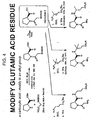
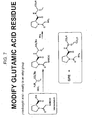
FIGS. 4 through 9 are schemes for the modification of the glutamic acid residue within compounds of the invention. -
FIGS. 10 and11 are schemes for the modification of peptide linkages within compounds of the invention. -
FIGS 12-15 summarize the testing results. - "Alkyl" means a linear saturated hydrocarbyl group having from one to six carbon atoms, or a branched or cyclic saturated hydrocarbyl group having from three to six carbon atoms. Examplary alkyl groups include methyl, ethyl, isopropyl, cyclopropyl, tert-butyl, cyclopropylmethyl, and hexyl.
- "Animal" includes humans and non-human mammals, such as domestic animals (cats, dogs, and the like) and farm animals (cattle, horses, sheep, goats, swine, and the like).
- "Aralkyl" means a group of the formula -(CH2)1-2Ar, where Ar is a 5- or 6-membered carbocyclic or heterocyclic aromatic ring, optionally substituted with 1 to 3 substituents selected from Cl, Br, -OH, -O-alkyl, -CO2R8 (where R8 is H or alkyl), or NR8R9, where R8 is as described previously and R9 is H or alkyl. Exemplary aralkyl groups include benzyl, 2-chlorobenzyl, 4-(dimethylamino)benzyl, phenethyl, 1-pyrrolylmethyl, 2-thienylmethyl, and 3-pyridylmethyl.
- "Disease" includes any unhealthy condition of an animal including particularly Parkinson's disease, Huntington's disease, Alzheimer's disease, multiple sclerosis, diabetes, and cognitive dysfunction due to aging.
- A "fatty alcohol residue" is a linear hydrocarbyl group having from seven to twenty carbon atoms, optionally containing up to three carbon-carbon double bonds. Exemplary fatty alcohol residues include decyl, pentadecyl, hexadecyl (cetyl), octadecyl (stearyl), oleyl, linoleyl, and eicosyl.
- A "growth factor" means an extracellular polypeptide-signaling molecule that stimulates a cell to grow or proliferate.
- "Injury" includes any acute damage of an animal including particularly non-hemorrhagic stroke, traumatic brain injury, perinatal asphyxia associated with fetal distress such as following abruption, cord occlusion or associated with intrauterine growth retardation, perinatal asphyxia associated with failure of adequate resuscitation or respiration, severe CNS insults associated with near miss drowning, near miss cot death, carbon monoxide inhalation, ammonia or other gaseous intoxication, cardiac arrest, coma, meningitis, hypoglycemia and status epilepticus, episodes of cerebral asphyxia associated with coronary bypass surgery, hypotensive episodes and hypertensive crises, and cerebral trauma.
- A "pharmaceutically acceptable excipient" means an excipient that is useful in preparing a pharmaceutical composition that is generally safe, non-toxic, and desirable, and includes excipients that are acceptable for veterinary use as well as for human pharmaceutical use. Such excipients may be solid, liquid, semisolid, or, in the case of an aerosol composition, gaseous.
- A "pharmaceutically acceptable salt" means a salt that is pharmaceutically acceptable and has the desired pharmacological properties. Such salts include salts that may be formed where acidic protons present in the compounds are capable of reacting with inorganic or organic bases. Suitable inorganic salts include those formed with the alkali metals, e.g. sodium and potassium, magnesium, calcium, and aluminum. Suitable organic salts include those formed with organic bases such as the amine bases e.g. ethanolamine, diethanolamine, triethanolamine, tromethamine, N-methylglucamine, and the like. Such salts also include acid addition salts formed with inorganic acids (e.g. hydrochloric and hydrobromic acids) and organic acids (e.g. acetic acid, citric acid, maleic acid, and the alkane- and arene-sulfonic acids such as methanesulfonic acid and benzenesulfonic acid). When there are two acidic groups present, a pharmaceutically acceptable salt may be a mono-acid-mono-salt or a di-salt; and similarly where there are more than two acidic groups present, some or all of such groups can be salified.
- A "protecting group" has the meaning conventionally associated with it in organic synthesis, i.e. a group that selectively blocks one or more reactive sites in a multifunctional compound such that a chemical reaction can be carried out selectively on another unprotected reactive site and such that the group can readily be removed after the selective reaction is complete.
- A "therapeutically effective amount" means the amount that, when administered to an animal for treating a disease, is sufficient to effect treatment for that disease.
- "Treating" or "treatment" of a disease includes preventing the disease from occurring in an animal that may be predisposed to the disease but does not yet experience or exhibit symptoms of the disease (prophylactic treatment), inhibiting the disease (slowing or arresting its development), providing relief from the symptoms or side-effects of the disease (including palliative treatment), and relieving the disease (causing regression of the disease).
- Implicit hydrogen atoms (such as the hydrogens on the pyrrolidine ring, etc.) are omitted from the formulae for clarity, but should be understood to be present.
- While the broadest definition of the invention is set out in the Summary of the Invention, certain compounds of this invention are presently preferred.
- Presently preferred compounds of this invention are compounds where:
- (a) m is 0;
- (b) n is 1;
- (c) Y is -CO2R5 or -CO2NR6R7; and
- (d) Z is -CO2R5 or-CO2NR6R7.
- Particularly preferred compounds of the invention are compounds of Formula I wherein X is -NR6R7 and R6 and R7 are independently alkyl or aralkyl. The more preferred embodiment is a compound of Formula I wherein X is -NR6R7 and both R6 and R7 are alkyl.
- A number of different preferences have been given above, and following any one of these preferences results in a compound of this invention that is more presently preferred than a compound in which that particular preference is not followed. However, these preferences are generally independent, and additive; and following more than one of these preferences may result in a more presently preferred compound than one in which fewer preferences are followed.
- The compounds of this invention are anti-apoptotic and anti-necrotic. Their anti-apoptotic and anti-necrotic activity in vivo can be measured by cell counts, by methods such as those discussed in Klempt ND et al: Hypoxia-ischemia induces transforming growth factor β1 mRNA in the infant rat brain. Molecular Brain Research: 13: 93-101. Their activity can also be measured in vitro. The compounds of this invention are also expected to have pharmacological properties and therapeutic activities similar to those of GPE, and these activities may be measured by the methods known in the art, and discussed in the documents cited herein, for measuring the activity of GPE.
- The therapeutic ratio of a compound can be determined, for example, by comparing the dose that gives effective anti-apoptotic and anti-necrotic activity in a suitable in vivo model such as a hypoxic-ischemic injury [Sirimanne ES, Guan J, Williams CE and Gluckman PD: Two models for determining the mechanisms of damage and repair after hypoxic-ischemic injury in the developing rat brain. Journal of Neuroscience Methods: 55: 7-14, 1994] in a suitable animal species such as the rat, with the dose that gives significant observable side-effects in the test animal species.
- In general, compounds of this invention will be administered in therapeutically effective amounts by any of the usual modes known in the art, either singly or in combination with at least one other compound of this invention and/or at least one other conventional therapeutic agent for the disease being treated. A therapeutically effective amount may vary widely depending on the disease or injury, its severity, the age and relative health of the animal being treated, the potency of the compound(s), and other factors. As anti-apoptotic and anti-necrotic agents, therapeutically effective amounts of compounds of this invention may range from 0.001 to 1000 milligrams per kilogram (mg/Kg) mass of the animal, for example, 0.1 to 10 mg/Kg, with lower doses such as 0.001 to 0.1 mg/Kg, e.g. about 0.01 mg/Kg, being appropriate for administration through the cerebrospinal fluid, such as by intracerebroventricular administration, and higher doses such as 1 to 100 mg/Kg, e.g. about 10 mg/Kg, being appropriate for administration by methods such as oral, systemic (e.g. transdermal), or parenteral (e.g. intravenous) administration. A person of ordinary skill in the art will be able without undue experimentation, having regard to that skill and this disclosure, to determine a therapeutically effective amount of a compound of this invention for a given disease or injury.
- In general, compounds of this invention will be administered as pharmaceutical compositions by one of the following routes: oral, topical, systemic (e.g. transdermal, intranasal, or by suppository), parenteral (e.g. intramuscular, subcutaneous, or intravenous injection), by administration to the CNS (e.g. by intraspinal or intracisternal injection); by implantation, and by infusion through such devices as osmotic pumps, transdermal patches, and the like. Compositions may take the form of tablets, pills, capsules, semisolids, powders, sustained release formulation, solutions, suspensions, elixirs, aerosols, or any other appropriate compositions; and comprise at least one compound of this invention in combination with at least one pharmaceutically acceptable excipient. Suitable excipients are well known to persons of ordinary skill in the art, and they, and the methods of formulating the compositions, may be found in such standard references as Gennaro AR: Remington: The Science and Practice of Pharmacy, 20th ed., Lippincott, Williams & Wilkins, 2000. Suitable liquid carriers, especially for injectable solutions, include water, aqueous saline solution, aqueous dextrose solution, and the like, with isotonic solutions being preferred for intravenous, intraspinal, and intracisternal administration and vehicles such as artificial cerebrospinal fluid being also especially suitable for administration of the compound to the CNS.
- Compounds of this invention are also suitably administered by a sustained-release system. Suitable examples of sustained-release compositions include semipermeable polymer matrices in the form of shaped articles, e.g., films, or microcapsules. Sustained-release matrices include polylactides (
U.S. Pat. No. 3,773,919 ;EP 58.481 EP 133,988 DE 3,218,121 ; Epstein et al., 1985; Hwang et al., 1980;EP 52,322 EP 36,676 EP 88,046 EP 143,949 EP 142,641 83-118008 U.S. Pat. Nos. 4,485,045 and4,544,545 ; andEP 102,324 - Compounds of this invention may also be PEGylated to increase their lifetime in vivo, based on, e.g., the conjugate technology described in
WO 95/32003 - Desirably, if possible, when administered as anti-apoptotic and anti-necrotic agents, compounds of this invention will be administered orally. The amount of a compound of this invention in the composition may vary widely depending on the type of composition, size of a unit dosage, kind of excipients, and other factors well known to those of ordinary skill in the art. In general, the final composition may comprise from 0.0001 percent by weight (% w) to 10% w of the compound of this invention, preferably 0.001 % w to 1 % w, with the remainder being the excipient or excipients.
- An anti-apoptotic and anti-necrotic composition may optionally contain, in addition to a compound of this invention, at least one anti-apoptotic agent selected from, for example, growth factors and associated derivatives (insulin-like growth factor-I [IGF-I], insulin-like growth factor-II [IGF-II], transforming growth factor-β1, activin, growth hormone, nerve growth factor, growth hormone binding protein, IGF-binding proteins [especially IGFBP-3], basic fibroblast growth factor, acidic fibroblast growth factor, the hst/Kfgk gene product, FGF-3, FGF-4, FGF-6, keratinocyte growth factor, androgen-induced growth factor. Additional members of the FGF family include, for example, int-2, fibroblast growth factor homologous factor-1 (FHF-1), FHF-2, FHF-3 and FHF-4,
keratinocyte growth factor 2, glial-activating factor, FGF-10 and FGF-16, ciliary neurotrophic factor, brain derived growth factor,neurotrophin 3, neurotrophin 4, bone morphogenetic protein 2 [BMP-2], glial-cell line derived neurotrophic factor, activity-dependant neurotrophic factor, cytokine leukaemia inhibiting factor, oncostatin M, interleukin), α-, β-, γ-, or consensus interferon, and TNF-α. Other forms of neuroprotective therapeutic agents include, for example, clomethiazole; kynurenic acid, Semax, tacrolimus, L-threo-1-phenyl-2-decanoylamino-3-morpholino-1-propanol, adrenocorticotropin-(4-9) analog [ORG 2766] and dizolcipine [MK-801], selegiline; glutamate antagonists such as, NPS1506, GV1505260, MK-801, GV150526; AMPA antagonists such as 2,3-dihydroxy-6-nitro-7-sulfamoylbenzo(f)quinoxaline (NBQX), LY303070 and LY300164; anti-inflammatory agents directed against the addressin MAdCAM-1 and/or its integrin α4 receptors (α4β1 and α4β7), such as anti-MAdCAM-1mAb MECA-367 (ATCC accession no. HB-9478)- Most of these agents, especially the peptides such as the growth factors, etc. are not orally active, and will require administration by injection or infusion. - The invention is also directed to the use of a compound of
Formula 1 for the manufacture of a medicament useful for the treatment of a disease or injury as defined in claim 12. - The starting materials and reagents used in preparing these compounds are either available from commercial suppliers such as Aldrich Chemical Company (Milwaukee, Wis.), Bachem (Torrance, Calif.), Sigma (St.Louis, Mo.), or are prepared by methods well known to the person of ordinary skill in the art following procedures described in such references as Fieser and Fieser's Reagents for Organic Synthesis, vols 1-17, John Wiley and Sons, New York, N.Y., 1991; Rodd's Chemistry of Carbon Compounds, vols. I-5 and supplements, Elsevier Science Publishers, 1989; Organic Reactions, vols. 1-40, John Wiley and Sons, New York, N.Y., 1991; March J; Advanced Organic Chemistry, 4th ed. John Wiley and Sons, New York, N.Y., 1992; and Larock: Comprehensive Organic Transformations, VCH Publishers, 1989. In most instances, amino acids and their esters or amides, and protected amino acids, are widely commercially available; and the preparation of modified amino acids and their amides or esters are extensively described in the chemical and biochemical literature and thus well-known to persons of ordinary skill in the art. For example, N-pyrrolidineacetic acid is described in Dega-Szafran Z and Pryzbylak R. Synthesis, IR, and NMR studies of zwitterionic α-(1-pyrrolidine)alkanocarboxylic acids and their N-methyl derivatives. J. Mol. Struct.: 436-7, 107-121, 1997; and N-piperidineacetic acid is described in Matsuda O, Ito S, and Sekiya M. Reaction of N-(alkoxymethyl)dialkylamines and N,N'-methylenebisdialkylamines with isocyanides. Chem. Pharm. Bull.: 23(1), 219-221, 1975.
- The starting materials, intermediates, and compounds of this invention may be isolated and purified using conventional techniques, including filtration, distillation, crystallization, chromatography, and the like. They may be characterized using conventional methods, including physical constants and spectral data.
- Unless specified to the contrary, the reactions described herein take place at atmospheric pressure over a temperature range between about 0°C and 125°C.
- The compounds of this invention may be prepared by the methods described below and as given in the Example.
- Compounds of
Formula 1 are analogs of GPE, or modifications thereof, such as esters or amides. In general, they may be prepared by methods such as are already well-known to persons of ordinary skill in the art of peptide and modified peptide synthesis, following the reaction schemes set forth in the 11 Figures following this specification, or by following other methods well-known to those of ordinary skill in the art of the synthesis of peptides and analogs. - Conveniently, synthetic production of the polypeptide of the invention may be according to the solid phase synthetic method described by Merrifield et al. Solid phase peptide synthesis. I. The synthesis of a tetrapeptide: J. Amer. Chem. Soc. 85, 2149-2156, 1963. This technique is well understood and is a common method for preparation of peptides. The solid phase method of synthesis involves the stepwise addition of protected amino acids to a growing peptide chain which is bound by covalent bonds to a solid resin particle. By this procedure, reagents and by-products are removed by filtration, thus eliminating the necessity of purifying intermediates. The general concept of this method depends on attachment of the first amino acid of the chain to a solid polymer by a covalent bond. Succeeding protected amino acids are added, one at a time (stepwise strategy), or in blocks (segment strategy), until the desired sequence is assembled. Finally, the protected peptide is removed from the solid resin support and the protecting groups are cleaved off.
- The amino acids may be attached to any suitable polymer as a resin. The resin must contain a functional group to which the first protected amino acid can be firmly linked by a covalent bond. Various polymers are suitable for this purpose, such as cellulose, polyvinyl alcohol, polymethylmethacrylate, and polystyrene. Suitable resins are commercially available and well known to those of skill in the art. Appropriate protective groups usable in such synthesis include tert-butyloxycarbonyl (BOC), benzyl (Bzl), t-amyloxycarbonyl (Aoc), tosyl (Tos), o-bromo-phenylmethoxycarbonyl (BrZ), 2,6-dichlorobenzyl (BzlCl2), and phenylmethoxycarbonyl (Z or CBZ). Additional protective groups are identified in Merrifield, cited above, as well as in McOmie JFW: Protective Groups in Organic Chemistry, Plenum Press, New York, 1973.
- The general procedure of preparation of the peptides of this invention involves initially attaching the protected carboxyl-terminal amino acid to the resin. After attachment the resin is filtered, washed and the protecting group (desirably BOC) on the I-amino group of the carboxyl-terminal amino acid is removed. The removal of this protecting group must take place, of course, without breaking the bond between that amino acid and the resin. The next amino, and if necessary, side chain protected amino acid, is then coupled to the free I-amino group of the amino acid on the resin. This coupling takes place by the formation of an amide bond between the free carboxyl group of the second amino acid and the amino group of the first amino acid attached to the resin. This sequence of events is repeated with successive amino acids until all amino acids are attached to the resin. Finally, the protected peptide is cleaved from the resin and the protecting groups removed to reveal the desired peptide. The cleavage techniques used to separate the peptide from the resin and to remove the protecting groups depend upon the selection of resin and protecting groups and are known to those familiar with the art of peptide synthesis.
- Alternative techniques for peptide synthesis are described in Bodanszky et al, Peptide Synthesis, 2nd ed, John Wiley and Sons, New York, 1976. For example, the peptides of the invention may also be synthesized using standard solution peptide synthesis methodologies, involving either stepwise or block coupling of amino acids or peptide fragments using chemical or enzymatic methods of amide bond formation. [See, e.g. H. D. Jakubke in The Peptides, Analysis, Synthesis, Biology, Academic Press, New York, 1987, p. 103-165; J. D. Glass, ibid., pp. 167-184; and European Patent
0324659 A2 , describing enzymatic peptide synthesis methods.] These solution synthesis methods are well known in the art. - Commercial peptide synthesizers, such as the Applied Biosystems Model 430A, are available for the practice of these methods.
- A person of ordinary skill in the art will have no difficulty, taking account of that skill and the knowledge available, and of this disclosure, in developing one or more suitable synthetic methods for compounds of this invention.
- For example, analogs in which the glycine residue of GPE is replaced by an alternative amino acid, or by a non-amino acid, may conveniently be prepared by the preparation of a protected proline-glutamic acid di-peptide (such as the dibenzyl ester), and coupling that dipeptide with a protected glycine analog, such as BOC-N-methylglycine, BOC-L-valine, N-pyrrolidineacetic acid, and the like, followed by deprotection, as illustrated in
FIGS. 2 and3 . Analogs in which the glutamic acid residue of GPE is replaced by an alternative amino acid or an amino acid amide or ester may conveniently be prepared by the preparation of a protected glycine-L-proline dipeptide (such as BOC-glycyl-L-proline), and coupling that dipeptide with a protected glutamic acid or analog thereof, such as tert-butyl γ-aminobutyrate, tert-butyl 4-methyl-4-aminopentanoate, tert-butyl 4-aminopentanoate, methyl 4-amino-4-dimethylcarbamoylbutyrate, L-glutamine methyl ester, dimethyl 1-methyl-L-glutamate, etc. Lactones may be prepared by the preparation of an appropriate mono-acid-monoester derivative and reduction Analogs in which R2 is alkyl may conveniently be prepared simply by use of the appropriate 2-alkylproline- in the synthesis, and similarly analogs in which R3 is alkyl may conveniently be prepared by the use of the appropriate N-alkylglutamic acid or analog in the synthesis. Where modifications are to be made to two or more amino acids, the coupling techniques will still be the same, with just more than one modified amino acid or analog being used in the synthesis. The choice of appropriate protecting groups for the method chosen (solid-phase or solution-phase), and of appropriate substrates if solid-phase synthesis is used, will be within the skill of a person of ordinary skill in the art. - The following non-limiting example illustrates the synthesis of N,N-dimethylglycyl-L-prolyl-L-glutamic acid.

- All starting materials and other reagents were purchased from Aldrich; BOC = tert-butoxycarbonyl; Bn = benzyl.
- To a solution of BOC-proline [Anderson GW and McGregor AC: J. Amer. Chem. Soc.: 79, 6180, 1957] (10 mmol) in dichloromethane (50 ml), cooled to 0 °C, was added triethylamine (1.39 ml, 10 mmol) and ethyl chloroformate (0.96 ml, 10 mmol). The resultant mixture was stirred at 0 °C for 30 minutes. A solution of dibenzyl L-glutamate (10 mmol) was then added and the mixture stirred at 0 °C for 2 hours then warmed to room temperature and stirred overnight. The reaction mixture was washed with aqueous sodium bicarbonate and citric acid (2 mol 1-1) then dried (MgSO4) and concentrated at reduced pressure to give BOC-(γ-benzyl)-L-prolyl-L-glutamic acid dibenzyl ester (5.0 g, 95%).
- A solution of BOC-(γ-benzyl)-L-prolyl-L-glutamic acid dibenzyl ester (3.4 g, 10 mmol), cooled to 0 °C, was treated with trifluoroacetic acid (25 ml) for 2 hr at room temperature. After removal of the volatiles at reduced pressure the residue was triturated with ether to give (γ-benzyl)-L-prolyl-L-glutamic acid dibenzyl ester (I).
- A solution of dicyclohexylcarbodiimide (10.3 mmol) in dichloromethane (10 ml) was added to a stirred and cooled (0 °C) solution of (γ-benzyl)-L-prolyl-L-glutamic acid dibenzyl ester (10 mmol), N,N-dimethylglycine (10 mmol) and triethylamine (10.3 mmol) in dichloromethane (30 ml). The mixture was stirred at 0 °C overnight and then at room temperature for 3 h. After filtration, the filtrate was evaporated at reduced pressure. The resulting crude dibenzyl ester was dissolved in a mixture of ethyl acetate (30 ml) and methanol (30 ml) containing 10% palladium on charcoal (0.5 g) then hydrogenated at room temperature and pressure until the uptake of hydrogen ceased. The filtered solution was evaporated and the residue recrystallized from ethyl acetate to yield the tri-peptide derivative.
- It will be evident that following the method of the Example, and using alternative amino acids or their amides or esters, will yield other compounds of
Formula 1. - The following experimental protocol followed guidelines approved by the University of Auckland animal ethics committee.
- One cortical hemisphere from a
postnatal day 1 rat was used and collected into 4ml of DMEM. Trituration was done with a 5ml glass pipette and subsequently through an 18 gauge needle. Afterwards, the cell suspension was sieved through a 100µm cell strainer and washed in 50ml DMEM (centrifugation for 5min at 250g). The sediment was resuspended into 20ml DMEM+10% fetal calf serum. 10 Milliliters of suspension was added into each of two 25cm3 flasks and cultivated at 37°C in the presence of 10% CO2 with a medium change twice weekly. After cells reached confluence, they were washed three times with PBS and adjusted to Neurobasal/B27 and incubated for another 3 days. This supernatant was frozen for transient storage until usage at -80°C. - A dam was sacrificed by CO2-treatment in a chamber for up to 4 minutes and was prepared then for cesarean section. After surgery, the embryos were removed from their amniotic sacs, decapitated and the heads put on ice in DMEM/F12 medium for striatum and PBS + 0.65% D(+)-glucose for cortex.
- Whole brain was removed from the skull with the ventral side facing upside in DMEM/F12 medium. The striatum was dissected out from both hemispheres under a stereomicroscope and the striatal tissue was placed into the Falcon tube on ice.
- The collected striatal tissue was triturated by using a P1000 pipettor in 1ml of volume. The tissue was triturated by gently pipetting the solution up and down into the pipette tip about 15 times, using shearing force on alternate outflows. The tissue pieces settled to the bottom of the Falcon tube within 30 seconds, subsequently the supernatant was transferred to a new sterile Falcon tube on ice. The supernatant contained a suspension of dissociated single cells. The tissue pieces underwent a second trituration to avoid excessively damaging cells already dissociated by over triturating them. 1 Milliliter of ice-cold DMEM/F12 medium was added to the tissue pieces in the first tube and triturated as before. The tissue pieces were allowed to settle and the supernatant was removed to a new sterile Falcon tube on ice. The cells were centrifuged at 250g for 5 minutes at 4°C. The resuspended cell pellet was ready for cell counting.
- Striatal cells were plated into Poly-L-Lysine (0.1 mg/ml) coated 96-well plates (the inner 60 wells only) at a density of 200,000 cells /cm2 in Neurobasal/B27 medium (Invitrogen). The cells were cultivated in the presence of 5% CO2 at 37°C under 100% humidity. Complete medium was changed on
days - The two cortical hemispheres were carefully removed by a spatula from the whole brain with the ventral side facing upside into a PBS +0.65% D(+)-glucose containing petri dish. Forcips were put into the rostral part (near B. olfactorius) of the cortex for fixing the tissue and two lateral - sagittal oriented cuttings were done to remove the paraform and entorhinal cortices. The next cut involved a frontal oriented cut at the posterior end to remove the hippocampal formation. A final frontal cut was done a few millimeters away from the last cut in order to get hold of area 17/18 of the visual cortex.
- The collected cortices on ice in PBS+0.65% D(+)-glucose were centrifuged at 350g for 5min. The supernatant was removed and trypsin/EDTA (0.05%/0.53mM) was added for 8min at 37°C. The reaction was stopped by adding an equal amount of DMEM+10% fetal calf serum. The supernatant was removed by centrifugation followed by two subsequent washes in Neurobasal/B27 medium.
- The cells were triturated once with a glass Pasteur pipette in 1 ml of Neurobasal/B27 medium and subsequently twice by using a 1ml insulin syringe with a 22 gauge needle. The cell suspension was passed through a 100µm cell strainer and subsequently rinsed by 1ml of Neurobasal/B27 medium. Cells were counted and adjusted to 50,000 cells per 60µl.
- 96-well plates were coated with 0.2mg/ml Poly-L-Lysine and subsequently coated with 2µg/ml laminin in PBS, after which 60µl of cortical astrocyte-conditioned medium was added to each well. Subsequently, 60µl of cortical cell suspension was added. The cells were cultivated in the presence of 10% CO2 at 37°C under 100% humidity. At
day 1, there was a complete medium change (1:1- Neurobasal/B27 and astrocyte-conditioned medium) with addition of 1µM cytosine-B-D-arabino-furanoside (mitosis inhibitor). On the second day, 2/3 of medium was changed. Onday 5, 2/3 of the medium was changed again. - The laminated cerebellar cortices of the two hemispheres were explanted from a P8 rat, cut into small pieces in PBS + 0.65% D(+)glucose solution and triturated by a 23gauge needle and subsequently pressed through a 125 µm pore size sieve. The microexplants that were obtained were centrifuged (60 g) twice (media exchange) into serum-free BSA-supplemented START V-medium (Biochrom). Finally, the microexplants were reconstituted in 1500 µl STARTV-medium (Biochrom). For cultivation, 40µl of cell suspension was adhered for 3 hours on a Poly-D-Lysine (0.1mg/ml) coated cover slip placed in 35mm sized 6-well plates in the presence of 5% CO2 under 100% humidity at 34°C. Subsequently, 1ml of STARTV-medium was added together with the toxins and drugs. The cultures were monitored (evaluated) after 2-3 days of cultivation in the presence of 5% CO2 under 100% humidity. For cell counting analysis, the cultures were fixed in rising concentrations of paraformaldehyde (0.4%, 1.2%, 3% and 4% for 3min each) followed by a wash in PBS.
- All toxin and drug administration experiments were designed that 1/100 parts of okadaic acid (30nM and 100nM concentration and 0.5mM 3-nitropropionic acid for cerebellar microexplants only), GPE (1nM -1mM) and G-2Methyl-PE (1nM-1mM) were used respectively at 8DIV for cortical cultures and 9DIV for striatal cultures. The incubation time was 24hrs. The survival rate was determined by a colorimetric end-point MTT-assay at 595nm in a multi-well plate reader. For the cerebellar microexplants four windows (field of 0.65 mm2) with highest cell density were chosen and cells displaying neurite outgrowth were counted.
- The GPE analogue G-2Methyl-PE exhibited comparable neuroprotective capabilities within all three tested in vitro-systems (
Figures 12-15 ). - The cortical cultures responded to higher concentrations of GPE (
Figure 12 ) /or G-2Methyl-PE (10µM,Figure 13 ) with 64% and 59% neuroprotection, respectively. - Whereas the other 2 types of cultures demonstrated neuroprotection at lower doses of G-2Methyl-PE (
Figures 14 and15 ). The striatal cells demonstrated neuroprotection within the range of 1nM to 1mM of G-2Methyl-PE (Figure 15 ) while the postnatal cerebellar microexplants demonstrated neuroprotection with G-2Methyl-PE in the dose range between 1nM and 100nM (Figure 14 ).
Claims (13)
- A compound of Formula 1:

m is 0 or 1;
n is 0 or 1;
X is -NR6R7;
Y is H, C1-C6 alkyl, -CO2R5, or -CONR6R7;
Z is H, C1-C6 alkyl, -CO2R5, or -CONR6R7;
R1 is H, C1-C6 alkyl, or -(CH2)1-2-Ar, where Ar is a 5- or 6-membered carbocyclic or heterocyclic aromatic ring, optionally substituted with 1 to 3 substituents selected from Cl, Br, -OH, -O-(C1-C6 alkyl), -CO2R8 (where R8 is H or C1-C6 alkyl) or -NR8R9 where R8 is as described previously and R9 is H or C1-C6 alkyl;
R2 is C1-C6 alkyl;
R3 and R4 are independently H or C1-C6 alkyl;
each R5 is independently H, C1-C6 alkyl, or a C7-C20 fatty alcohol residue; each R6 and R7 is independently H, C1-C6 alkyl, or -(CH2)1-2-Ar, where Ar is a 5- or 6-membered carbocyclic or heterocyclic aromatic ring, optionally substituted with 1 to 3 substituents selected from Cl, Br, -OH, -O-(C1-C6 alkyl), -CO2R8 (where R8 is H or C1-C6 alkyl) or -NR8R9 where R8 is as described previously and R9 is H or C1-C6 alkyl,
or NR6R7 is pyrrolidino, piperidino, or morpholino;
or a lactone formed when a compound of Formula I where Y is -CO2(C1-C6 alkyl) and Z is -CO2H or where Y is -CO2H and Z is -CO2(C1-C6 alkyl) is lactonized;
or a pharmaceutically acceptable salt thereof. - The compound of claim 1, where m is 0.
- The compound of claim 1 or 2, where n is 1.
- The compound of any one of claims 1 to 3 where Y is -CO2R6 or -CO2NR6R7.
- The compound of any one of claims 1 to 3 where Z is -CO2R6 or -CO2NR6R7.
- Glycyl-2-methylprolyl-L-glutamic acid (G-2Me-PE), or a therapeutically acceptable salt thereof.
- A pharmaceutical composition comprising: (a) a therapeutically effective amount of a compound of any one of claims 1 to 6; and (b) a pharmaceutically acceptable excipient.
- A compound according to any one of claims 1 to 6 for use in a method of treatment of the human or animal body by therapy.
- A compound according to any one of claims 1 to 6 and at least one other anti-apoptotic or neuroprotective agent for use in a method of treatment of the human or animal body by therapy.
- A compound and other agent for use according to claim 9, wherein the at least one other anti-apoptotic or neuroprotective agent is selected from growth factors and associated derivatives (insulin-like growth factor-I [IGF-1], insulin-like growth factor-II [IGF-II], transforming growth factor-β1, activin, growth hormone, nerve growth factor, growth hormone binding protein, IGF-binding proteins [especially IGFBP-3], basic fibroblast growth factor, acidic fibroblast growth factor, the hst/Kfgk gene product, FGF-3, FGF-4, FGF-6, keratinocyte growth factor, androgen-induced growth factor, int-2, fibroblast growth factor homologous factor-1 (FHF-1), FHF-2, FHF-3 and FHF-4, keratinocyte growth factor 2, glial-activating factor, FGF-10 and FGF-16, ciliary neurotrophic factor, brain derived growth factor, neurotrophin 3, neurotrophin 4, bone morphogenetic protein 2 [BMP-2], glial-cell line derived neurotrophic factor, activity-dependent neurotrophic factor, cytokine leukaemia inhibiting factor, oncostatin M, interleukin α-, β-, y or consensus interferon, TNF-α, clomethiazole; kynwenic acid, Sernax, tacrolimus, L-threo-1-phenyl-2-decanoylamino-3-morpholino-1-propanol, adrenocorticotropin- (4-9) analog [ORG 2766], dizolcipine [MK-801], selegiline, glutamate antagonists such as NPS1506, GV1505260, MK-801, GV 150526, AMPA antagonists such as 2,3-dihydroxy6-nitro-7-sulfamoylbenzo(f)quinoxaline (NBQX), LY303070 and LY300164, and anti-inflammatory agents directed against the addressin MAdCAM-1 and/or its integrin α4 receptors (α4β1 and α4β7), such as anti-MAdCAM-1mAb MECA-367 (ATCC accession no. HB-9478).
- A compound for use according to claim 8, 9 or 10 wherein said human or animal has a disease or injury condition selected from the group consisting of Alzheimer's disease, multiple sclerosis, Huntingdon's disease, Parkinson's disease, peripheral neuropathy, type I diabetes, type II diabetes, stroke, traumatic brain injury, hypoxic brain injury, ischemic brain injury, perinatal asphyxia, and cognitive dysfunction due to aging.
- Use of a compound according to any one of claims 1 to 6 for the manufacture of a medicament useful for the treatment of Alzheimer's disease, multiple sclerosis, Parkinson's disease, peripheral neuropathy, Huntingdon's disease, type I diabetes, type II diabetes, stroke, traumatic brain injury, hypoxic brain injury, ischemic brain injury, perinatal asphyxia or cognitive dysfunction due to aging.
- Use according to claim 12 wherein said medicament further comprises at least one other anti-apoptotic or neuroprotective agent for use in a method of treatment of the human or animal body by therapy.
Applications Claiming Priority (3)
| Application Number | Priority Date | Filing Date | Title |
|---|---|---|---|
| US29385301P | 2001-05-24 | 2001-05-24 | |
| US293853P | 2001-05-24 | ||
| PCT/US2002/016361 WO2002094856A2 (en) | 2001-05-24 | 2002-05-24 | Gpe analogs and peptidomimetics |
Publications (3)
| Publication Number | Publication Date |
|---|---|
| EP1401808A2 EP1401808A2 (en) | 2004-03-31 |
| EP1401808A4 EP1401808A4 (en) | 2004-08-25 |
| EP1401808B1 true EP1401808B1 (en) | 2009-07-08 |
Family
ID=23130863
Family Applications (1)
| Application Number | Title | Priority Date | Filing Date |
|---|---|---|---|
| EP02731918A Expired - Lifetime EP1401808B1 (en) | 2001-05-24 | 2002-05-24 | Gpe analogs and peptidomimetics |
Country Status (8)
| Country | Link |
|---|---|
| US (1) | US7041314B2 (en) |
| EP (1) | EP1401808B1 (en) |
| JP (1) | JP2004536069A (en) |
| AT (1) | ATE435852T1 (en) |
| AU (1) | AU2002303856A1 (en) |
| DE (1) | DE60232880D1 (en) |
| ES (1) | ES2325983T3 (en) |
| WO (1) | WO2002094856A2 (en) |
Families Citing this family (18)
| Publication number | Priority date | Publication date | Assignee | Title |
|---|---|---|---|---|
| WO2006127702A2 (en) * | 2005-05-23 | 2006-11-30 | Neuren Pharmaceuticals Limited | Analogs of glycyl-prolyl-glutamate |
| US7714020B2 (en) | 2001-05-24 | 2010-05-11 | Neuren Pharmaceuticals Limited | Treatment of non-convulsive seizures in brain injury using G-2-methyl-prolyl glutamate |
| US7605177B2 (en) | 2001-05-24 | 2009-10-20 | Neuren Pharmaceuticals Limited | Effects of glycyl-2 methyl prolyl glutamate on neurodegeneration |
| US7863304B2 (en) * | 2001-05-24 | 2011-01-04 | Neuren Pharmaceuticals Limited | Analogs of glycyl-prolyl-glutamate |
| ATE435852T1 (en) | 2001-05-24 | 2009-07-15 | Neuren Pharmaceuticals Ltd | GPE ANALOGUE AND PEPTIDOMIMETICS |
| US20070004641A1 (en) * | 2001-05-24 | 2007-01-04 | Neuren Pharmaceuticals Limited | Cognitive enhancement and cognitive therapy using glycyl-L-2-methylprolyl-L-glutamate |
| US7485630B2 (en) * | 2003-03-20 | 2009-02-03 | Neuren Pharmaceuticals Limited | Neuroprotective macrocyclic compounds and methods for their use |
| JP4972551B2 (en) | 2005-06-21 | 2012-07-11 | 興和株式会社 | Preventive or therapeutic agent for glaucoma |
| WO2007106555A2 (en) * | 2006-03-14 | 2007-09-20 | Neuren Pharmaceuticals Limited | Oral formulations of glycyl-2-methylprolyl-glutamate |
| US7994127B2 (en) * | 2007-06-08 | 2011-08-09 | Massachusetts Institute Of Technology | Treatment of rett syndrome |
| JP2009016396A (en) * | 2007-06-29 | 2009-01-22 | Optical Comb Inc | Wavelength scanning type fiber laser light source |
| EP2338492A1 (en) * | 2009-12-24 | 2011-06-29 | Universidad del Pais Vasco | Methods and compositions for the treatment of alzheimer |
| SI2667715T1 (en) | 2011-01-27 | 2017-11-30 | Neuren Pharmaceuticals Limited | Treatment of autism spectrum disorders using glycyl-l-2-methylprolyl-l-glutamic acid |
| EP2928300A4 (en) * | 2012-11-28 | 2016-07-13 | Neuren Pharmaceuticals Ltd | TREATMENT OF AUTISTIC SPECTRUM DISORDERS USING GLYCYL-L-2-METHYLPROLYL-L-GLUTAMIC ACID |
| CA2922239A1 (en) * | 2013-09-23 | 2015-03-26 | Dr. August Wolff Gmbh & Co. Kg Arzneimittel | Anti-inflammatory tripeptides |
| CN114667136A (en) | 2019-08-05 | 2022-06-24 | 诺仁制药有限公司 | Composition of TROFINETIDE |
| US11827600B2 (en) | 2021-07-12 | 2023-11-28 | Acadia Pharmaceuticals Inc. | Crystalline forms of trofinetide |
| CN120000765A (en) * | 2025-03-28 | 2025-05-16 | 首都医科大学宣武医院 | Use of a GPE analog in preparing a drug for preventing and/or treating Alzheimer's disease |
Family Cites Families (72)
| Publication number | Priority date | Publication date | Assignee | Title |
|---|---|---|---|---|
| US4444879A (en) | 1981-01-29 | 1984-04-24 | Science Research Center, Inc. | Immunoassay with article having support film and immunological counterpart of analyte |
| US4699875A (en) | 1982-11-24 | 1987-10-13 | Baylor College Of Medicine | Diagnosis of amyotrophic lateral sclerosis by neurotrophic factors |
| US5618697A (en) | 1982-12-10 | 1997-04-08 | Novo Nordisk A/S | Process for preparing a desired protein |
| DK55685A (en) | 1985-02-07 | 1986-08-08 | Nordisk Gentofte | ENZYM OR ENZYM COMPLEX WITH PROTEOLYTIC ACTIVITY |
| US4511390A (en) | 1983-06-10 | 1985-04-16 | E. I. Du Pont De Nemours And Company | Aralkylcarbamoyl peptide alcohols |
| US5149657A (en) | 1984-09-13 | 1992-09-22 | Enzon Labs Inc. | Escherichia coli expression vector encoding bioadhesive precursor protein analogs comprising three to twenty repeats of the decapeptide (Ala-Lys-Pro-Ser-Tyr-Pro-Pro-Thr-Tyr-Lys) |
| DE3502041A1 (en) | 1985-01-23 | 1986-07-24 | Grünenthal GmbH, 5190 Stolberg | USE OF DIPEPTIDE DERIVATIVES FOR THE TREATMENT OF POSTTRAUMATIC NERVOUS DAMAGE |
| US4783524A (en) | 1985-09-17 | 1988-11-08 | Monsanto Company | Growth factors |
| SE8505920D0 (en) | 1985-12-13 | 1985-12-13 | Kabigen Ab | NEW PROTEIN AND ITS USE |
| US5496712A (en) | 1990-11-06 | 1996-03-05 | Protein Polymer | High molecular weight collagen-like protein polymers |
| JPH01501755A (en) | 1986-11-04 | 1989-06-22 | シントロ コーポレイション | Construction of synthetic DNA and its use in the synthesis of large polypeptides |
| US5243038A (en) | 1986-11-04 | 1993-09-07 | Protein Polymer Technologies, Inc. | Construction of synthetic DNA and its use in large polypeptide synthesis |
| US5089406A (en) | 1987-01-07 | 1992-02-18 | Allied-Signal Inc. | Method of producing a gene cassette coding for polypeptides with repeating amino acid sequences |
| DE3851776T2 (en) | 1987-04-28 | 1995-05-04 | Boehringer Mannheim Gmbh | Use of IGF-II for the treatment of bone diseases. |
| US4923696A (en) | 1987-05-04 | 1990-05-08 | Baylor College Of Medicine | Method to prepare a neurotrophic composition |
| WO1988009171A1 (en) | 1987-05-19 | 1988-12-01 | Baylor College Of Medicine | Phosphoethanolamine for treatment of alzheimer's disease |
| US5004697A (en) | 1987-08-17 | 1991-04-02 | Univ. Of Ca | Cationized antibodies for delivery through the blood-brain barrier |
| SE8703625D0 (en) | 1987-09-18 | 1987-09-18 | Kabivitrum Ab | NEW MEDICAL USE |
| JP2507106B2 (en) | 1987-12-24 | 1996-06-12 | グロペップ プロプライエタリー リミテッド | Insulin-like growth factor 1 (IGF-1) or factor 2 (IGF-2) related peptides |
| ATE86496T1 (en) | 1988-02-05 | 1993-03-15 | Ciba Geigy Ag | USE OF IGF I IN THE MANUFACTURE OF A PREPARATION FOR THE TREATMENT OF KIDNEY DISEASES. |
| US5057494A (en) | 1988-08-03 | 1991-10-15 | Ethicon, Inc. | Method for preventing tissue damage after an ischemic episode |
| SE8803847A0 (en) * | 1988-10-27 | 1990-04-28 | Kabigen Ab | Neuromodulatory peptide |
| AU630643B2 (en) | 1988-11-09 | 1992-11-05 | Protein Polymers Technologies, Inc. | Functional recombinantly prepared synthetic protein polymer |
| US5093317A (en) | 1989-06-05 | 1992-03-03 | Cephalon, Inc. | Treating disorders by application of insulin-like growth factor |
| US5652214A (en) | 1989-06-05 | 1997-07-29 | Cephalon, Inc. | Treating disorders by application of insulin-like growth factors and analogs |
| US5114840A (en) | 1989-07-07 | 1992-05-19 | Karl Tryggvason | Method for determining the nucleotide sequence of a novel α5(IV) chain of human type IV collagen |
| EP0816505B1 (en) | 1990-11-28 | 2003-09-24 | E.I. Du Pont De Nemours And Company | Structural proteins from artificial genes |
| US5750376A (en) | 1991-07-08 | 1998-05-12 | Neurospheres Holdings Ltd. | In vitro growth and proliferation of genetically modified multipotent neural stem cells and their progeny |
| US5861373A (en) | 1991-08-01 | 1999-01-19 | Genentech, Inc | IGF-1 to improve the neural condition |
| DE69218948T2 (en) | 1991-08-01 | 1997-07-31 | Auckland Uniservices Ltd | IGF-I to improve the neuronal position |
| US6310040B1 (en) | 1991-11-08 | 2001-10-30 | Cephalon, Inc. | Treating retinal neuronal disorders by the application of insulin-like growth factors and analogs |
| US5733871A (en) | 1991-11-08 | 1998-03-31 | The General Hospital Corporation | Methods for the treatment of neuronal damage associated with ischemia, hypoxia or neurodegeneration |
| WO1993010806A1 (en) | 1991-11-25 | 1993-06-10 | Institute Of Molecular Biology, Inc. | Medicament for promoting growth of mammalian nerve |
| US5439930A (en) | 1992-04-14 | 1995-08-08 | Russian-American Institute For New Drug Development | Biologically active n-acylprolydipeptides having antiamnestic, antihypoxic and anorexigenic effects |
| US5420112A (en) | 1992-06-12 | 1995-05-30 | Lewis; Michael E. | Prevention and treatment of peripheral neuropathy |
| NZ253867A (en) | 1992-06-12 | 1996-08-27 | Cephalon Inc | Treating peripheral neuropathy using igf-1 or igf-3 |
| US5273961A (en) | 1992-09-22 | 1993-12-28 | Genentech, Inc. | Method of prophylaxis of acute renal failure |
| PT696205E (en) | 1993-04-13 | 2002-07-31 | Us Gov Health & Human Serv | USE OF NAURO-DERIVED FETAAL CELL LINES FOR TRANSPLANTATION THERAPY |
| SE9301667D0 (en) | 1993-05-14 | 1993-05-14 | Kabi Pharmacia Ab | NEW USE |
| FR2707170A1 (en) | 1993-06-04 | 1995-01-13 | Pasteur Institut | Expression of CD4 and CD26 receptors in recombinant cells, CD26 receptor inhibitors. |
| US5639729A (en) | 1993-08-26 | 1997-06-17 | Immunobiology Research Institute, Inc. | Tripeptides useful in immune and CNS therapy |
| JPH09509140A (en) | 1993-11-15 | 1997-09-16 | セルトリックス ファーマシューティカルズ,インコーポレイテッド | How to treat neurological disorders |
| US5451660A (en) | 1993-12-13 | 1995-09-19 | Genentech, Inc. | Method for purifying polypeptides |
| US6812208B2 (en) * | 1993-12-23 | 2004-11-02 | Neuronz Ltd. | Methods to improve neural outcome |
| WO1995017204A1 (en) * | 1993-12-23 | 1995-06-29 | Auckland Uniservices Limited | Composition and methods to improve neural outcome |
| WO1995019567A1 (en) | 1994-01-13 | 1995-07-20 | The Trustees Of Columbia University In The City Of New York | Synthetic receptors, libraries and uses thereof |
| US5710252A (en) | 1995-02-03 | 1998-01-20 | Eastman Kodak Company | Method for recombinant yeast expression and isolation of water-soluble collagen-type polypeptides |
| US5670616A (en) | 1995-02-03 | 1997-09-23 | Eastman Kodak Company | Collagen-like polypeptides and biopolymers and nucleic acids encoding same |
| US5965531A (en) | 1995-08-31 | 1999-10-12 | National Institutes Of Health | Method of reducing perivascular lesions using insulin-like growth factor I |
| WO1997017090A1 (en) | 1995-11-07 | 1997-05-15 | Baylor College Of Medicine | Adenovirus-mediated production of bioactive proteins by mammalian cells and animals |
| US5686423A (en) | 1996-02-16 | 1997-11-11 | Department Of Health, The Executive Yuan, Republic Of China | Di-and tri-peptide mimetic compounds for Parkinson's disease |
| CA2224859A1 (en) | 1996-04-17 | 1997-10-23 | Amitabh Gaur | Ligand inhibitors of insulin-like growth factor binding proteins and methods of use therefor |
| AU714318B2 (en) | 1996-06-11 | 2000-01-06 | Roche Diagnostics Gmbh | Process for the activation of denatured protein |
| AU740783B2 (en) | 1996-09-18 | 2001-11-15 | Applied Genetics Incorporated Dermatics | Pharmaceutical compositions and methods |
| WO1998014202A1 (en) | 1996-10-04 | 1998-04-09 | Auckland Uniservices Limited | Regulation of neural enzymes |
| JP2001527451A (en) | 1997-05-16 | 2001-12-25 | ノバルティス アクチエンゲゼルシャフト | Collagen-like polymer with cell binding activity |
| US6054579A (en) * | 1997-06-26 | 2000-04-25 | Leukosite, Inc. | Synthesis of substituted lactams |
| US6187906B1 (en) | 1997-08-11 | 2001-02-13 | Aukland Uniservices Limited | Methods to improve neural outcome |
| US6013253A (en) | 1997-08-15 | 2000-01-11 | Amgen, Inc. | Treatment of multiple sclerosis using consensus interferon and IL-1 receptor antagonist |
| WO1999015192A1 (en) | 1997-09-19 | 1999-04-01 | Auckland Uniservices Limited | Neuronal rescue agent |
| CA2319828A1 (en) | 1998-01-29 | 1999-08-05 | Miller, Samuel | High density arrays for proteome analysis and methods and compositions therefor |
| EP1087782A4 (en) | 1998-06-15 | 2001-09-12 | Neuronz Ltd | REGULATION OF TYROSINE HYDROXYLASE |
| CN1261158C (en) * | 1998-09-03 | 2006-06-28 | 诺兰兹公司 | Use of growth hormone in the preparation of a medicament for inducing neuroprotection |
| US6444657B1 (en) | 1998-12-31 | 2002-09-03 | Guilford Pharmaceuticals Inc. | Methods for treating certain diseases using naaladase inhibitors |
| EP1043027A1 (en) | 1999-04-08 | 2000-10-11 | Applied Research Systems ARS Holding N.V. | Treatment of multiple sclerosis with a combination of Interferon and Growth hormone |
| AU2001289160A1 (en) | 2000-08-24 | 2002-03-04 | Neuronz Ltd. | Gpe analogs |
| AU2002246619A1 (en) | 2000-12-08 | 2003-06-23 | Neuronz Limited | Use of insuline-like growth factor-i for promoting remyelination of axons |
| US20020177239A1 (en) | 2001-03-16 | 2002-11-28 | Thomas Gregory Brian | Anti-GPE antibodies, their uses, and analytical methods for GPE |
| US6682753B2 (en) * | 2001-03-23 | 2004-01-27 | Neuronz Limited | Methods for promoting weight gain using GPE-related compounds |
| WO2002088298A1 (en) * | 2001-04-27 | 2002-11-07 | The Procter & Gamble Company | Compounds, compositions, and methods for controlling biofilms |
| ATE435852T1 (en) | 2001-05-24 | 2009-07-15 | Neuren Pharmaceuticals Ltd | GPE ANALOGUE AND PEPTIDOMIMETICS |
| EP2382982A3 (en) | 2001-08-24 | 2012-02-22 | Neuren Pharmaceuticals Limited | Neural regeneration peptide and methods for their use in treatment of brain damage |
-
2002
- 2002-05-24 AT AT02731918T patent/ATE435852T1/en not_active IP Right Cessation
- 2002-05-24 US US10/155,864 patent/US7041314B2/en not_active Expired - Lifetime
- 2002-05-24 WO PCT/US2002/016361 patent/WO2002094856A2/en not_active Ceased
- 2002-05-24 EP EP02731918A patent/EP1401808B1/en not_active Expired - Lifetime
- 2002-05-24 DE DE60232880T patent/DE60232880D1/en not_active Expired - Lifetime
- 2002-05-24 ES ES02731918T patent/ES2325983T3/en not_active Expired - Lifetime
- 2002-05-24 AU AU2002303856A patent/AU2002303856A1/en not_active Abandoned
- 2002-05-24 JP JP2002592330A patent/JP2004536069A/en active Pending
Also Published As
| Publication number | Publication date |
|---|---|
| ES2325983T3 (en) | 2009-09-28 |
| US7041314B2 (en) | 2006-05-09 |
| EP1401808A2 (en) | 2004-03-31 |
| US20030055004A1 (en) | 2003-03-20 |
| JP2004536069A (en) | 2004-12-02 |
| ATE435852T1 (en) | 2009-07-15 |
| DE60232880D1 (en) | 2009-08-20 |
| EP1401808A4 (en) | 2004-08-25 |
| WO2002094856A2 (en) | 2002-11-28 |
| AU2002303856A1 (en) | 2002-12-03 |
| WO2002094856A3 (en) | 2003-05-15 |
Similar Documents
| Publication | Publication Date | Title |
|---|---|---|
| US7041314B2 (en) | GPE analogs and peptidominetics | |
| EP1438966B1 (en) | Use of depsipeptide and congeners thereof as immunosuppressants for treating an infectious disease, an autoimmune disease, allergic reactions or a hyperproliferative skin disease. | |
| JP4511042B2 (en) | FSH mimics for the treatment of infertility | |
| AU2012209466B2 (en) | Treatment of Autism Spectrum Disorders using Glycyl-L-2-Methylprolyl-L-Glutamic Acid | |
| US8173643B2 (en) | N-substituted thiomorpholine derivatives as the inhibitors of dipeptidyl peptidase IV and the pharmaceutical uses thereof | |
| JP2003519099A (en) | New effectors of topically used dipeptidyl peptidase IV | |
| US8637567B2 (en) | Cognitive enhancement and cognitive therapy using glycyl-L-2-methylprolyl-L-glutamic acid | |
| US11142546B2 (en) | Neuropeptide S receptor (NPSR) agonists | |
| US8013170B2 (en) | Substituted pyrrolo[1,2-d][1,4]-diazonines and treatment of brain damage | |
| US6828302B1 (en) | Therapeutic uses of depsipeptides and congeners thereof | |
| AU722421B2 (en) | Compounds with growth hormone releasing properties | |
| US20080145335A1 (en) | Analogs of Glycyl-Prolyl-Glutamate | |
| RU2559880C1 (en) | Substituted bisdipeptide with neuroprotective and antidepressant effect | |
| EP1888618A2 (en) | Analogs of glycyl-prolyl-glutamate | |
| US7605177B2 (en) | Effects of glycyl-2 methyl prolyl glutamate on neurodegeneration | |
| US5494898A (en) | Peptide skeletal muscle relaxants | |
| WO2002096934A1 (en) | Non-natural galanin receptor ligands | |
| US9169289B2 (en) | Peptide derivatives for treatment, prevention or alleviation of a condition associated with bone loss or low bone density or to inhibit osteoclast differentiation and stimulation | |
| US20070004641A1 (en) | Cognitive enhancement and cognitive therapy using glycyl-L-2-methylprolyl-L-glutamate | |
| US6747060B2 (en) | Non-natural galanin receptor ligands | |
| HK1070268B (en) | Use of depsipeptide and congeners thereof as immunosuppressants for treating an infectious disease, an autoimmune disease, allergic reactions or a hyperproliferative skin disease |
Legal Events
| Date | Code | Title | Description |
|---|---|---|---|
| PUAI | Public reference made under article 153(3) epc to a published international application that has entered the european phase |
Free format text: ORIGINAL CODE: 0009012 |
|
| 17P | Request for examination filed |
Effective date: 20031223 |
|
| AK | Designated contracting states |
Kind code of ref document: A2 Designated state(s): AT BE CH CY DE DK ES FI FR GB GR IE IT LI LU MC NL PT SE TR |
|
| AX | Request for extension of the european patent |
Extension state: AL LT LV MK RO SI |
|
| A4 | Supplementary search report drawn up and despatched |
Effective date: 20040709 |
|
| RIC1 | Information provided on ipc code assigned before grant |
Ipc: 7C 07K 5/06 B Ipc: 7C 07K 5/02 B Ipc: 7A 61K 38/04 B Ipc: 7C 07D 207/16 A Ipc: 7A 61K 31/40 B Ipc: 7C 07K 5/08 B |
|
| RAP1 | Party data changed (applicant data changed or rights of an application transferred) |
Owner name: NEUREN PHARMACEUTICALS LIMITED |
|
| 17Q | First examination report despatched |
Effective date: 20061025 |
|
| RAP1 | Party data changed (applicant data changed or rights of an application transferred) |
Owner name: NEUREN PHARMACEUTICALS LIMITED |
|
| GRAP | Despatch of communication of intention to grant a patent |
Free format text: ORIGINAL CODE: EPIDOSNIGR1 |
|
| GRAP | Despatch of communication of intention to grant a patent |
Free format text: ORIGINAL CODE: EPIDOSNIGR1 |
|
| GRAS | Grant fee paid |
Free format text: ORIGINAL CODE: EPIDOSNIGR3 |
|
| RAP1 | Party data changed (applicant data changed or rights of an application transferred) |
Owner name: NEUREN PHARMACEUTICALS LIMITED |
|
| RAP1 | Party data changed (applicant data changed or rights of an application transferred) |
Owner name: NEUREN PHARMACEUTICALS LIMITED |
|
| GRAA | (expected) grant |
Free format text: ORIGINAL CODE: 0009210 |
|
| AK | Designated contracting states |
Kind code of ref document: B1 Designated state(s): AT BE CH CY DE DK ES FI FR GB GR IE IT LI LU MC NL PT SE TR |
|
| REG | Reference to a national code |
Ref country code: GB Ref legal event code: FG4D |
|
| REG | Reference to a national code |
Ref country code: CH Ref legal event code: EP |
|
| REG | Reference to a national code |
Ref country code: IE Ref legal event code: FG4D |
|
| REF | Corresponds to: |
Ref document number: 60232880 Country of ref document: DE Date of ref document: 20090820 Kind code of ref document: P |
|
| REG | Reference to a national code |
Ref country code: CH Ref legal event code: NV Representative=s name: PATENTANWAELTE SCHAAD, BALASS, MENZL & PARTNER AG |
|
| REG | Reference to a national code |
Ref country code: ES Ref legal event code: FG2A Ref document number: 2325983 Country of ref document: ES Kind code of ref document: T3 |
|
| REG | Reference to a national code |
Ref country code: SE Ref legal event code: TRGR |
|
| NLV1 | Nl: lapsed or annulled due to failure to fulfill the requirements of art. 29p and 29m of the patents act | ||
| PG25 | Lapsed in a contracting state [announced via postgrant information from national office to epo] |
Ref country code: AT Free format text: LAPSE BECAUSE OF FAILURE TO SUBMIT A TRANSLATION OF THE DESCRIPTION OR TO PAY THE FEE WITHIN THE PRESCRIBED TIME-LIMIT Effective date: 20090708 Ref country code: FI Free format text: LAPSE BECAUSE OF FAILURE TO SUBMIT A TRANSLATION OF THE DESCRIPTION OR TO PAY THE FEE WITHIN THE PRESCRIBED TIME-LIMIT Effective date: 20090708 |
|
| PG25 | Lapsed in a contracting state [announced via postgrant information from national office to epo] |
Ref country code: NL Free format text: LAPSE BECAUSE OF FAILURE TO SUBMIT A TRANSLATION OF THE DESCRIPTION OR TO PAY THE FEE WITHIN THE PRESCRIBED TIME-LIMIT Effective date: 20090708 |
|
| PG25 | Lapsed in a contracting state [announced via postgrant information from national office to epo] |
Ref country code: PT Free format text: LAPSE BECAUSE OF FAILURE TO SUBMIT A TRANSLATION OF THE DESCRIPTION OR TO PAY THE FEE WITHIN THE PRESCRIBED TIME-LIMIT Effective date: 20091109 |
|
| PG25 | Lapsed in a contracting state [announced via postgrant information from national office to epo] |
Ref country code: DK Free format text: LAPSE BECAUSE OF FAILURE TO SUBMIT A TRANSLATION OF THE DESCRIPTION OR TO PAY THE FEE WITHIN THE PRESCRIBED TIME-LIMIT Effective date: 20090708 |
|
| PLBE | No opposition filed within time limit |
Free format text: ORIGINAL CODE: 0009261 |
|
| STAA | Information on the status of an ep patent application or granted ep patent |
Free format text: STATUS: NO OPPOSITION FILED WITHIN TIME LIMIT |
|
| PG25 | Lapsed in a contracting state [announced via postgrant information from national office to epo] |
Ref country code: BE Free format text: LAPSE BECAUSE OF FAILURE TO SUBMIT A TRANSLATION OF THE DESCRIPTION OR TO PAY THE FEE WITHIN THE PRESCRIBED TIME-LIMIT Effective date: 20090708 |
|
| 26N | No opposition filed |
Effective date: 20100409 |
|
| PG25 | Lapsed in a contracting state [announced via postgrant information from national office to epo] |
Ref country code: GR Free format text: LAPSE BECAUSE OF FAILURE TO SUBMIT A TRANSLATION OF THE DESCRIPTION OR TO PAY THE FEE WITHIN THE PRESCRIBED TIME-LIMIT Effective date: 20091009 |
|
| PG25 | Lapsed in a contracting state [announced via postgrant information from national office to epo] |
Ref country code: MC Free format text: LAPSE BECAUSE OF NON-PAYMENT OF DUE FEES Effective date: 20100531 |
|
| PG25 | Lapsed in a contracting state [announced via postgrant information from national office to epo] |
Ref country code: CY Free format text: LAPSE BECAUSE OF FAILURE TO SUBMIT A TRANSLATION OF THE DESCRIPTION OR TO PAY THE FEE WITHIN THE PRESCRIBED TIME-LIMIT Effective date: 20090708 |
|
| PG25 | Lapsed in a contracting state [announced via postgrant information from national office to epo] |
Ref country code: LU Free format text: LAPSE BECAUSE OF NON-PAYMENT OF DUE FEES Effective date: 20100524 |
|
| PG25 | Lapsed in a contracting state [announced via postgrant information from national office to epo] |
Ref country code: TR Free format text: LAPSE BECAUSE OF FAILURE TO SUBMIT A TRANSLATION OF THE DESCRIPTION OR TO PAY THE FEE WITHIN THE PRESCRIBED TIME-LIMIT Effective date: 20090708 |
|
| REG | Reference to a national code |
Ref country code: FR Ref legal event code: PLFP Year of fee payment: 15 |
|
| REG | Reference to a national code |
Ref country code: FR Ref legal event code: PLFP Year of fee payment: 16 |
|
| REG | Reference to a national code |
Ref country code: FR Ref legal event code: PLFP Year of fee payment: 17 |
|
| PGFP | Annual fee paid to national office [announced via postgrant information from national office to epo] |
Ref country code: DE Payment date: 20210520 Year of fee payment: 20 Ref country code: FR Payment date: 20210520 Year of fee payment: 20 Ref country code: IT Payment date: 20210527 Year of fee payment: 20 |
|
| PGFP | Annual fee paid to national office [announced via postgrant information from national office to epo] |
Ref country code: CH Payment date: 20210519 Year of fee payment: 20 Ref country code: GB Payment date: 20210520 Year of fee payment: 20 Ref country code: SE Payment date: 20210519 Year of fee payment: 20 Ref country code: IE Payment date: 20210519 Year of fee payment: 20 |
|
| PGFP | Annual fee paid to national office [announced via postgrant information from national office to epo] |
Ref country code: ES Payment date: 20210721 Year of fee payment: 20 |
|
| REG | Reference to a national code |
Ref country code: DE Ref legal event code: R071 Ref document number: 60232880 Country of ref document: DE |
|
| REG | Reference to a national code |
Ref country code: CH Ref legal event code: PL Ref country code: GB Ref legal event code: PE20 Expiry date: 20220523 |
|
| REG | Reference to a national code |
Ref country code: IE Ref legal event code: MK9A |
|
| PG25 | Lapsed in a contracting state [announced via postgrant information from national office to epo] |
Ref country code: IE Free format text: LAPSE BECAUSE OF EXPIRATION OF PROTECTION Effective date: 20220524 Ref country code: GB Free format text: LAPSE BECAUSE OF EXPIRATION OF PROTECTION Effective date: 20220523 |
|
| REG | Reference to a national code |
Ref country code: ES Ref legal event code: FD2A Effective date: 20220802 |
|
| PG25 | Lapsed in a contracting state [announced via postgrant information from national office to epo] |
Ref country code: ES Free format text: LAPSE BECAUSE OF EXPIRATION OF PROTECTION Effective date: 20220525 |