EP1401492B1 - Ltb4 as vaccine adjuvant - Google Patents
Ltb4 as vaccine adjuvant Download PDFInfo
- Publication number
- EP1401492B1 EP1401492B1 EP02737698A EP02737698A EP1401492B1 EP 1401492 B1 EP1401492 B1 EP 1401492B1 EP 02737698 A EP02737698 A EP 02737698A EP 02737698 A EP02737698 A EP 02737698A EP 1401492 B1 EP1401492 B1 EP 1401492B1
- Authority
- EP
- European Patent Office
- Prior art keywords
- ltb
- vaccine
- hydroxy
- mice
- hydroperoxy
- Prior art date
- Legal status (The legal status is an assumption and is not a legal conclusion. Google has not performed a legal analysis and makes no representation as to the accuracy of the status listed.)
- Expired - Lifetime
Links
Images


Classifications
-
- A—HUMAN NECESSITIES
- A61—MEDICAL OR VETERINARY SCIENCE; HYGIENE
- A61K—PREPARATIONS FOR MEDICAL, DENTAL OR TOILETRY PURPOSES
- A61K39/00—Medicinal preparations containing antigens or antibodies
- A61K39/39—Medicinal preparations containing antigens or antibodies characterised by the immunostimulating additives, e.g. chemical adjuvants
-
- A—HUMAN NECESSITIES
- A61—MEDICAL OR VETERINARY SCIENCE; HYGIENE
- A61K—PREPARATIONS FOR MEDICAL, DENTAL OR TOILETRY PURPOSES
- A61K31/00—Medicinal preparations containing organic active ingredients
- A61K31/557—Eicosanoids, e.g. leukotrienes or prostaglandins
-
- A—HUMAN NECESSITIES
- A61—MEDICAL OR VETERINARY SCIENCE; HYGIENE
- A61K—PREPARATIONS FOR MEDICAL, DENTAL OR TOILETRY PURPOSES
- A61K39/00—Medicinal preparations containing antigens or antibodies
- A61K39/02—Bacterial antigens
- A61K39/04—Mycobacterium, e.g. Mycobacterium tuberculosis
-
- A—HUMAN NECESSITIES
- A61—MEDICAL OR VETERINARY SCIENCE; HYGIENE
- A61K—PREPARATIONS FOR MEDICAL, DENTAL OR TOILETRY PURPOSES
- A61K39/00—Medicinal preparations containing antigens or antibodies
- A61K39/12—Viral antigens
-
- A—HUMAN NECESSITIES
- A61—MEDICAL OR VETERINARY SCIENCE; HYGIENE
- A61K—PREPARATIONS FOR MEDICAL, DENTAL OR TOILETRY PURPOSES
- A61K39/00—Medicinal preparations containing antigens or antibodies
- A61K39/12—Viral antigens
- A61K39/145—Orthomyxoviridae, e.g. influenza virus
-
- A—HUMAN NECESSITIES
- A61—MEDICAL OR VETERINARY SCIENCE; HYGIENE
- A61K—PREPARATIONS FOR MEDICAL, DENTAL OR TOILETRY PURPOSES
- A61K39/00—Medicinal preparations containing antigens or antibodies
- A61K39/12—Viral antigens
- A61K39/245—Herpetoviridae, e.g. herpes simplex virus
-
- A—HUMAN NECESSITIES
- A61—MEDICAL OR VETERINARY SCIENCE; HYGIENE
- A61P—SPECIFIC THERAPEUTIC ACTIVITY OF CHEMICAL COMPOUNDS OR MEDICINAL PREPARATIONS
- A61P31/00—Antiinfectives, i.e. antibiotics, antiseptics, chemotherapeutics
- A61P31/04—Antibacterial agents
- A61P31/06—Antibacterial agents for tuberculosis
-
- A—HUMAN NECESSITIES
- A61—MEDICAL OR VETERINARY SCIENCE; HYGIENE
- A61P—SPECIFIC THERAPEUTIC ACTIVITY OF CHEMICAL COMPOUNDS OR MEDICINAL PREPARATIONS
- A61P31/00—Antiinfectives, i.e. antibiotics, antiseptics, chemotherapeutics
- A61P31/12—Antivirals
- A61P31/14—Antivirals for RNA viruses
- A61P31/16—Antivirals for RNA viruses for influenza or rhinoviruses
-
- A—HUMAN NECESSITIES
- A61—MEDICAL OR VETERINARY SCIENCE; HYGIENE
- A61K—PREPARATIONS FOR MEDICAL, DENTAL OR TOILETRY PURPOSES
- A61K39/00—Medicinal preparations containing antigens or antibodies
- A61K2039/51—Medicinal preparations containing antigens or antibodies comprising whole cells, viruses or DNA/RNA
- A61K2039/525—Virus
- A61K2039/5252—Virus inactivated (killed)
-
- A—HUMAN NECESSITIES
- A61—MEDICAL OR VETERINARY SCIENCE; HYGIENE
- A61K—PREPARATIONS FOR MEDICAL, DENTAL OR TOILETRY PURPOSES
- A61K39/00—Medicinal preparations containing antigens or antibodies
- A61K2039/555—Medicinal preparations containing antigens or antibodies characterised by a specific combination antigen/adjuvant
- A61K2039/55511—Organic adjuvants
-
- A—HUMAN NECESSITIES
- A61—MEDICAL OR VETERINARY SCIENCE; HYGIENE
- A61K—PREPARATIONS FOR MEDICAL, DENTAL OR TOILETRY PURPOSES
- A61K39/00—Medicinal preparations containing antigens or antibodies
- A61K2039/555—Medicinal preparations containing antigens or antibodies characterised by a specific combination antigen/adjuvant
- A61K2039/55511—Organic adjuvants
- A61K2039/55516—Proteins; Peptides
-
- A—HUMAN NECESSITIES
- A61—MEDICAL OR VETERINARY SCIENCE; HYGIENE
- A61K—PREPARATIONS FOR MEDICAL, DENTAL OR TOILETRY PURPOSES
- A61K39/00—Medicinal preparations containing antigens or antibodies
- A61K2039/70—Multivalent vaccine
-
- C—CHEMISTRY; METALLURGY
- C12—BIOCHEMISTRY; BEER; SPIRITS; WINE; VINEGAR; MICROBIOLOGY; ENZYMOLOGY; MUTATION OR GENETIC ENGINEERING
- C12N—MICROORGANISMS OR ENZYMES; COMPOSITIONS THEREOF; PROPAGATING, PRESERVING, OR MAINTAINING MICROORGANISMS; MUTATION OR GENETIC ENGINEERING; CULTURE MEDIA
- C12N2710/00—MICROORGANISMS OR ENZYMES; COMPOSITIONS THEREOF; PROPAGATING, PRESERVING, OR MAINTAINING MICROORGANISMS; MUTATION OR GENETIC ENGINEERING; CULTURE MEDIA dsDNA viruses
- C12N2710/00011—Details
- C12N2710/16011—Herpesviridae
- C12N2710/16111—Cytomegalovirus, e.g. human herpesvirus 5
- C12N2710/16134—Use of virus or viral component as vaccine, e.g. live-attenuated or inactivated virus, VLP, viral protein
-
- C—CHEMISTRY; METALLURGY
- C12—BIOCHEMISTRY; BEER; SPIRITS; WINE; VINEGAR; MICROBIOLOGY; ENZYMOLOGY; MUTATION OR GENETIC ENGINEERING
- C12N—MICROORGANISMS OR ENZYMES; COMPOSITIONS THEREOF; PROPAGATING, PRESERVING, OR MAINTAINING MICROORGANISMS; MUTATION OR GENETIC ENGINEERING; CULTURE MEDIA
- C12N2760/00—MICROORGANISMS OR ENZYMES; COMPOSITIONS THEREOF; PROPAGATING, PRESERVING, OR MAINTAINING MICROORGANISMS; MUTATION OR GENETIC ENGINEERING; CULTURE MEDIA ssRNA viruses negative-sense
- C12N2760/00011—Details
- C12N2760/16011—Orthomyxoviridae
- C12N2760/16111—Influenzavirus A, i.e. influenza A virus
- C12N2760/16134—Use of virus or viral component as vaccine, e.g. live-attenuated or inactivated virus, VLP, viral protein
-
- C—CHEMISTRY; METALLURGY
- C12—BIOCHEMISTRY; BEER; SPIRITS; WINE; VINEGAR; MICROBIOLOGY; ENZYMOLOGY; MUTATION OR GENETIC ENGINEERING
- C12N—MICROORGANISMS OR ENZYMES; COMPOSITIONS THEREOF; PROPAGATING, PRESERVING, OR MAINTAINING MICROORGANISMS; MUTATION OR GENETIC ENGINEERING; CULTURE MEDIA
- C12N2760/00—MICROORGANISMS OR ENZYMES; COMPOSITIONS THEREOF; PROPAGATING, PRESERVING, OR MAINTAINING MICROORGANISMS; MUTATION OR GENETIC ENGINEERING; CULTURE MEDIA ssRNA viruses negative-sense
- C12N2760/00011—Details
- C12N2760/16011—Orthomyxoviridae
- C12N2760/16211—Influenzavirus B, i.e. influenza B virus
- C12N2760/16234—Use of virus or viral component as vaccine, e.g. live-attenuated or inactivated virus, VLP, viral protein
Definitions
- the invention relates to the use of a leukotriene B4 (LTB 4 ) agent as an adjuvant to vaccine preparations.
- LTB 4 leukotriene B4
- Vaccines have been used for decades for the prevention of diseases in humans.
- the efficacy of any vaccine preparation largely depends on its immunogenicity, i.e., their ability to induce strong humoral and cellular immunity.
- many vaccines currently in use have moderate efficacy due to their weak immunogenicity.
- several attempts have been made to supplement vaccine preparations with adjuvants in order to increase the ability of a given vaccine to induce a strong immunity.
- most of the substance used as adjuvants have undesirable side effects, which prevent their use in humans.
- Adjuvants have been used extensively to improve the generation of an immune response following immunization with a particular antigen, especially in laboratory animals.
- classical and effective adjuvants such as the Freund's adjuvant, cause undesirable side effects, which prevent their use in humans.
- vaccines for human use are often poorly immunogenic and multiple immunization regimens are required to achieve proper protection against a given pathogen.
- long-lasting immunity is often lost in absence of repeated immunization. Intense efforts are therefore devoted to the identification of new effective adjuvants to complement currently used vaccines.
- LTB 4 Leukotriene B4
- LTB 4 is a known natural molecule.
- LTB 4 is a metabolite of arachidonic acid derived from the 5-lipoxygenase pathway.
- LTB 4 has many reported biological properties.
- LTB 4 is considered as a potent pro-inflammatory compound; its most important biological activity is its chemotactic and chemokinetic effects on leukocytes.
- LTB 4 has been shown to be a potent chemoattractant for human polymorphonuclear leukocytes, monocytes and macrophages, both in vitro and in vivo.
- LTB 4 also activates other leukocyte functions such as degranulation and superoxide anion synthesis.
- LTB 4 is considered as a putative component in defense mechanisms. Moreover, LTB 4 is synthesized by inflammatory cells such as polymorphonuclear leukocytes, monocytes and macrophages and is also synthetized by B lymphocytes.
- LTB 4 The effects of LTB 4 on B cell activity have been previously studied under in vitro experimental conditions. B lymphocyte proliferation, expression of activation markers such as CD23 and immunoglobulin secretion were evaluated. Most studies reached similar conclusions stating that LTB 4 by itself, in absence of exogenous cytokines or stimuli (Protein A or S. aureus), had no effects on B cell proliferation or immunoflobulin synthesis (IgG or IgM) ( Yamaoka, K.A., et al., 1989, J. Immunol. 143: 1996-2000 ; Dugas, B., et al., 1990, J. Immunol. 145:3406-3411 ; Odlander, B., et al., 1989, Int. J.
- an LTB 4 agent as an adjuvant, for example, with vaccines against the Flu (Influenza) and Tuberculosis (BCG), among others.
- a vaccine preparation causing enhanced immune response from an individual, which comprises an immune-enhancing effective amount of an LTB 4 agent in association with a vaccine preparation.
- an immune-enhancing effective amount of an LTB 4 agent for the preparation of a vaccine causing enhanced immune response from an individual, which comprises an immune-enhancing effective amount of an LTB 4 agent in association with a vaccine preparation.
- the immune response is a humoral immune response.
- the vaccine of the present invention is immunoprotective against a pathogen selected from the group consisting of Influenza and Tuberculosis.
- LTB 4 agents can be obtained by chemical synthesis by methods described in the literature and most are commercially available.
- LTB 4 agent is intended to mean one or more of the following polyunsaturated fatty acids, which in addition to LTB 4 itself, are analogs of LTB 4 , or precursors or metabolites of LTB 4 or LTB 4 analogs: LTB 4 , 14,15-dihydro-LTB 4 , 17,18-dehydro-LTB 4 , 19-hydroxy-LTB 4 , 20-hydroxy-LTB 4 and their 5(R)-hydroxy, 5-keto, 5(S)hydroperoxy, 5(R)-hydroperoxy and 5-doxy analogs; LTA 4 ; 14,15-dihydro-LTA 4 , 17,18-dehydro-LTA 4 ; 5(S)hydroxy-6,8,11,14(E,Z,Z,Z)-eicosatetraenoic acid (“5-HETE”), 14,15-dihydro-5-HETE, 17,18-dehydro-5-HETE, and their 5(R)-hydroxy, 5-keto,
- LTB 4 agent also includes 12(S)-hydroxy-5,8,10(Z,E,E)-heptadecatrienoic acid; all isomeric 5,12-dihydroxy-6,8,10,14-eicosatetraenoic acids, 20,20,20-trifluoromethyl-LTB 4 , 3-thio-LTB 4 , and 3-hydroxy-LTB 4 .
- LTB 4 also includes variants which are non-covalently modified fatty acids such as the sodium or the potassium salts of the LTB 4 agents.
- LTB 4 agent also includes formulations of compounds which might contain a mixture of two or several LTB 4 agents or an LTB 4 agent and one or several equally or less active isomer(s) of the LTB 4 agent (positional, geometrical or optical isomers).
- the vaccines for which LTB 4 can be used as an adjuvant include all vaccines available for humans and animals.
- the expression "vaccine” is intended to include any types of preparations (purified or recombinant proteins, whole-inactivated microorganisms, fragmented microorganisms, live-attenuated microorganisms, complex sugars, etc).
- the expression "microorganisms” includes DNA and RNA viruses, retroviruses, bacteria, parasites and fungi.
- mice were immunized once by intramuscular injection with 5 ⁇ l of the commercial "Fluviral" vaccine preparation in combination with saline or 1 ng of LTB 4 .
- mice were bled and sera analyzed for specific anti-Influenza IgG antibodies by ELISA.
- the results obtained indicate that mice that received LTB concomitantly with the vaccine developed a greater anti-Influenza antibody response (* p ⁇ 0.05) in all of the three dilutions tested.
- a dose of 1 ng of LTB 4 was found to be optimal.
- Another vaccine preparation that would greatly benefit from an adjuvant is the BCG vaccine against tuberculosis.
- This live attenuated vaccine from Pasteur-Merieux Connaught is weakly immunogenic requiring multiple administrations in order to induce anti-BCG antibodies.
- LTB 4 could influence anti-BCG antibody development.
- mice were infected by intraperitoneal (i.p.) injection with 10,000 pfu of murine CMV.
- sera was taken from each mouse and tested for anti-CMV specific antibodies.
- mice receiving LTB 4 had more anti-CMV antibodies than mice from the placebo-treated group indicating that LTB 4 can positively influenced anti-CMV antibody formation.
- the 2 sera of infected mice that received saline were able to reduce, in average, CMV infectivity by 24%.
- mice Female mice were immunized by intramuscular injection with 5 ⁇ l of the commercial Influenza (Fluviral) vaccine in combination or not with 1 ng of LTB 4 . Fourteen days later, mice were bled by cardiac puncture and sera obtained. Anti-Influenza antibodies were quantitated by enzyme-linked immunosorbent assay (ELISA). Wells of a 96-well plate were coated with the Fluvial vaccine preparation (1/100 dilution) in 0.1 M carbonate buffer (pH 9.0) by overnight incubation at 4°C.
- ELISA enzyme-linked immunosorbent assay
- TBS-T Tris-buffered saline with 0.1 % Tween-20
- the wells were washed six times with TBS-T.
- One hundred ⁇ l of alkaline-labeled goat anti-mouse IgG were added to each well and incubation allowed to proceed for one hour at room temperature.
- Wells were washed six more times with TBS-T followed by the addition of OPD substrate and developer solution. After 30 minutes, the absorbance (405 nm) from each well was recorded using an ELISA plate reader.
- mice receiving a combination of vaccine and 1 ng of LTB 4 generated a significantly higher anti-Influenza antibody response when compared to the mice receiving the vaccine and saline.
- mice Female BALB/c mice were immunized by intradermic injections with 25 ⁇ l of the anti-tuberculosis BCG vaccine in combination or not with varying doses (1-10 ng) of LTB 4 . In all cases, the injected volumes were brought up to 100 ⁇ l with saline. Mice were immunized on days 0, 24, 68 and 145. On day 160, mice were bled by cardiac punctures and sera tested for anti-mycobacterium tuberculosis antibodies. ELISA plates were coated with 1/50 dilution of the BCG vaccine preparation in 0.1 M carbonate buffer (pH 9.0) by overnight incubation at 4°C.
- Wells were washed with TBS-T and non -specific sites were blocked by the addition of saline containing 10% fetal bovine serum for one hour at room temperature. After several washes, 100 ⁇ l of increasing dilutions of the sera to be tested were added to each well. As a negative control (background), the serum of a naive BALB/c mouse was used. After a 2-hour incubation at room temperature, the wells were washed six times with TBS-T. One hundred ⁇ l of alkaline-labeled goat anti-mouse IgG were added to each well and incubation allowed to proceed for one hour at room temperature. Wells were washed six more times with TBS-T followed by the addition of OPD substrate and developer solution.
- mice were infected by intraperitoneal (I.P.) injection with 1x10 4 pfu of murine CMV. Starting on the fifth day post-infection, mice were injected with saline or LTB 4 (5 ⁇ g/kg) by I.P. injection at a frequency of three times a week for 12 weeks. Mice were then bled and sacrificed. Total anti-CMV antibodies from each mouse were quantified by ELISA. ELISA plates were coated with a lysates from CMV-infected fibroblasts as the source of CMV antigens. One ⁇ g of protein lysates were added to each well and incubated overnight at 4°C.
- mice had no neutralizing antibodies against CMV, as expected (Table 1).
- Table 1 illustrates the effects of prolonged LTB 4 administration on neutralizing anti-CMV antibody generation during acute CMV infection in BALB/c mice. TABLE 1 Effects of LTB 4 administration of the generation of CMV neutralizing antibodies Mice sera with CMV-neutralizing activity (%) Naive (uninfected) 0/10 (0%) Placebo 2/10 (20%) LTB 4 7/9 (78%)
- mice Two out of 10 mice (20%) treated with saline were found to possess sera with CMV neutralizing activity at a 1/100 dilution. This is in sharp contrast with 78% (7/9) of sera from LTB 4 treated-mice, which showed CMV neutralizing activity (Table 1).
- the 2 sera of saline treated-mice were able to reduce, in average, CMV infectivity by 24%.
- the 7 sera of LTB 4 treated-mice were found capable of reducing CMV infectivity by 45%, almost twice the activity of control mice.
Landscapes
- Health & Medical Sciences (AREA)
- Life Sciences & Earth Sciences (AREA)
- Chemical & Material Sciences (AREA)
- General Health & Medical Sciences (AREA)
- Veterinary Medicine (AREA)
- Public Health (AREA)
- Medicinal Chemistry (AREA)
- Animal Behavior & Ethology (AREA)
- Pharmacology & Pharmacy (AREA)
- Virology (AREA)
- Epidemiology (AREA)
- Immunology (AREA)
- Mycology (AREA)
- Microbiology (AREA)
- Pulmonology (AREA)
- Chemical Kinetics & Catalysis (AREA)
- General Chemical & Material Sciences (AREA)
- Communicable Diseases (AREA)
- Oncology (AREA)
- Nuclear Medicine, Radiotherapy & Molecular Imaging (AREA)
- Organic Chemistry (AREA)
- Molecular Biology (AREA)
- Medicines Containing Antibodies Or Antigens For Use As Internal Diagnostic Agents (AREA)
- Vending Machines For Individual Products (AREA)
- Amplifiers (AREA)
- Refinement Of Pig-Iron, Manufacture Of Cast Iron, And Steel Manufacture Other Than In Revolving Furnaces (AREA)
Abstract
Description
- The invention relates to the use of a leukotriene B4 (LTB4) agent as an adjuvant to vaccine preparations.
- Vaccines have been used for decades for the prevention of diseases in humans. The efficacy of any vaccine preparation largely depends on its immunogenicity, i.e., their ability to induce strong humoral and cellular immunity. However, many vaccines currently in use have moderate efficacy due to their weak immunogenicity. Because of this, several attempts have been made to supplement vaccine preparations with adjuvants in order to increase the ability of a given vaccine to induce a strong immunity. Unfortunately, most of the substance used as adjuvants have undesirable side effects, which prevent their use in humans.
- Adjuvants have been used extensively to improve the generation of an immune response following immunization with a particular antigen, especially in laboratory animals. However, classical and effective adjuvants, such as the Freund's adjuvant, cause undesirable side effects, which prevent their use in humans. Less toxic adjuvants, such as aluminum hydroxide (alum), although relatively well tolerated, do not offer the same degree of immunopotentiation as the Freund's adjuvant.
- Thus, because of a lack of effective adjuvant, vaccines for human use are often poorly immunogenic and multiple immunization regimens are required to achieve proper protection against a given pathogen. In addition, long-lasting immunity is often lost in absence of repeated immunization. Intense efforts are therefore devoted to the identification of new effective adjuvants to complement currently used vaccines.
- Leukotriene B4 (LTB4) is a known natural molecule. LTB4 is a metabolite of arachidonic acid derived from the 5-lipoxygenase pathway. LTB4 has many reported biological properties. In particular, LTB4 is considered as a potent pro-inflammatory compound; its most important biological activity is its chemotactic and chemokinetic effects on leukocytes. Indeed, LTB4 has been shown to be a potent chemoattractant for human polymorphonuclear leukocytes, monocytes and macrophages, both in vitro and in vivo. LTB4 also activates other leukocyte functions such as degranulation and superoxide anion synthesis. Because of these pro-inflammatory effects, LTB4 is considered as a putative component in defense mechanisms. Moreover, LTB4 is synthesized by inflammatory cells such as polymorphonuclear leukocytes, monocytes and macrophages and is also synthetized by B lymphocytes.
- The effects of LTB4 on B cell activity have been previously studied under in vitro experimental conditions. B lymphocyte proliferation, expression of activation markers such as CD23 and immunoglobulin secretion were evaluated. Most studies reached similar conclusions stating that LTB4 by itself, in absence of exogenous cytokines or stimuli (Protein A or S. aureus), had no effects on B cell proliferation or immunoflobulin synthesis (IgG or IgM) (Yamaoka, K.A., et al., 1989, J. Immunol. 143: 1996-2000; Dugas, B., et al., 1990, J. Immunol. 145:3406-3411; Odlander, B., et al., 1989, Int. J. Tiss. Reac. XI(6):277-289). The only observable effects of LTB4 on B lymphocytes were recorded when combined to a stimulating agents (Protein A or S. aurens) and cytokines. A conflicting paper also reports that LTB4 had an inhibitory effects on the synthesis of immunoglobulin from B lymphocytes (Rola-Plecszczynski, M., et al., 1982, Biochem. Biophys. Res. Commun. 108:1531-1537).
WO 97/29751 - It would be highly desirable to be provided with an adjuvant with greater efficacy than the currently used hydroxide aluminum based adjuvant and which would not present the undesirable side effects of the more potent Freund's adjuvant.
- In accordance with the present invention there is provided the use of an LTB4 agent as an adjuvant, for example, with vaccines against the Flu (Influenza) and Tuberculosis (BCG), among others.
- In accordance with the present invention there is provided a vaccine preparation causing enhanced immune response from an individual, which comprises an immune-enhancing effective amount of an LTB4 agent in association with a vaccine preparation.
- In accordance with the present invention there is provided the use of an immune-enhancing effective amount of an LTB4 agent for the preparation of a vaccine causing enhanced immune response from an individual, which comprises an immune-enhancing effective amount of an LTB4 agent in association with a vaccine preparation.
- More preferably, the immune response, enhanced by the vaccine of the present invention, is a humoral immune response.
- More preferably, the vaccine of the present invention is immunoprotective against a pathogen selected from the group consisting of Influenza and Tuberculosis.
-
-
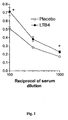
Fig.1 illustrates the effects of concomitant administration of LTB4 to the Fluviral vaccine on anti-Influenza antibody generation in BALB/c mice. -
Fig.2 illustrates the effects of concomitant admistration of LTB4 to the BCG vaccine on anti-mycobacterium tuberculosis antibody generation in BALB/c mice. -
Fig.3 illustrates the effects of prolonged LTB4 administration on anti-cytomegalovirus (CMV) antibody generation during acute CMV infection in BALB/c mice. - All of the LTB4 agents can be obtained by chemical synthesis by methods described in the literature and most are commercially available.
- As used herein, the term "LTB4 agent" is intended to mean one or more of the following polyunsaturated fatty acids, which in addition to LTB4 itself, are analogs of LTB4, or precursors or metabolites of LTB4 or LTB4 analogs: LTB4, 14,15-dihydro-LTB4, 17,18-dehydro-LTB4, 19-hydroxy-LTB4, 20-hydroxy-LTB4 and their 5(R)-hydroxy, 5-keto, 5(S)hydroperoxy, 5(R)-hydroperoxy and 5-doxy analogs; LTA4; 14,15-dihydro-LTA4, 17,18-dehydro-LTA4; 5(S)hydroxy-6,8,11,14(E,Z,Z,Z)-eicosatetraenoic acid ("5-HETE"), 14,15-dihydro-5-HETE, 17,18-dehydro-5-HETE, and their 5(R)-hydroxy, 5-keto, 5(S)-hydroperoxy, 5(R)-hydroperoxy analogs; 12(R)-hydroxy-5,8,10,14(Z,Z,E,Z)-eicasatetraenoic acid ("12-HETE"), 5,6-dihydro-12-HETE, 14,15-dihydro-12-HETE, 17,18-dehydro-12-HETE and their 12(S)-hydroxy, 12-keto, 12(S)-hydroperoxy and 12(R)-hydroperoxy analogs and 12-oxo-5,8,10(Z,Z,E)-dodecatnenoic acid, 15(S)-hydroxy-5,8,11,13(Z,Z,Z,E)-eicosatetraenoic acid ("15-HETE"), 5,6- dihydro-15-HETE, 17,18-dehydro-15-HETE and their 15(R)-hydroxy, 5-keto, 15(S)-hydroperoxy, and 15(R)-hydroperoxy analogs.
- The term LTB4 agent also includes 12(S)-hydroxy-5,8,10(Z,E,E)-heptadecatrienoic acid; all isomeric 5,12-dihydroxy-6,8,10,14-eicosatetraenoic acids, 20,20,20-trifluoromethyl-LTB4, 3-thio-LTB4, and 3-hydroxy-LTB4.
- The term LTB4 also includes variants which are non-covalently modified fatty acids such as the sodium or the potassium salts of the LTB4 agents.
- The term LTB4 agent also includes formulations of compounds which might contain a mixture of two or several LTB4 agents or an LTB4 agent and one or several equally or less active isomer(s) of the LTB4 agent (positional, geometrical or optical isomers).
- The vaccines for which LTB4 can be used as an adjuvant include all vaccines available for humans and animals. The expression "vaccine" is intended to include any types of preparations (purified or recombinant proteins, whole-inactivated microorganisms, fragmented microorganisms, live-attenuated microorganisms, complex sugars, etc). The expression "microorganisms" includes DNA and RNA viruses, retroviruses, bacteria, parasites and fungi.
- To test the adjuvant potential of LTB4, groups of 10 BALB/c mice were immunized once by intramuscular injection with 5 µl of the commercial "Fluviral" vaccine preparation in combination with saline or 1 ng of LTB4. Fourteen days following immunization, mice were bled and sera analyzed for specific anti-Influenza IgG antibodies by ELISA. The results obtained indicate that mice that received LTB concomitantly with the vaccine developed a greater anti-Influenza antibody response (* p<0.05) in all of the three dilutions tested. A dose of 1 ng of LTB4 was found to be optimal. These results clearly show that a simple addition of LTB4 to the vaccine preparation can positively influence specific antibody production.
- Another vaccine preparation that would greatly benefit from an adjuvant is the BCG vaccine against tuberculosis. This live attenuated vaccine from Pasteur-Merieux Connaught is weakly immunogenic requiring multiple administrations in order to induce anti-BCG antibodies. We tested whether LTB4 could influence anti-BCG antibody development. BALB/c mice (n=4-5/group) were immunized intradermally four times with the vaccine preparation in combination or not with varying doses of LTB4 (1-10 ng). Mice were immunized on day 0, 24, 68 and 145. On day 160, mice were bled and sera analyzed for anti-BCG antibodies by ELISA. The results indicate that sera from LTB4 treated mice had higher levels of anti-BCG antibodies than the BCG + saline group, over all dilutions of sera tested. These results clearly show that a weak vaccine, such as the BCG vaccine, can greatly benefit from the adjuvant properties of LTB4, making it more efficient at inducing a specific antibody response.
- Our next series of experiments were designed to test the potential of LTB4 to modulate antibody response during an acute CMV infection. BALB/c mice were infected by intraperitoneal (i.p.) injection with 10,000 pfu of murine CMV. On day 5 post-infection, mice (n=10) received saline by i.p. injection or LTB4 (5 µg/kg) (n=9) by i.p. injection 3 times a week for 12 weeks. At that time, sera was taken from each mouse and tested for anti-CMV specific antibodies. The results obtained indicate that mice receiving LTB4 had more anti-CMV antibodies than mice from the placebo-treated group indicating that LTB4 can positively influenced anti-CMV antibody formation.
- Lastly, the sera from each mouse infected with CMV and treated with saline or LTB4 (see above) were analyzed for neutralizing antibodies. Briefly, a 1/100 dilution of individual serum was incubated with 175 pfu of murine CMV for 1 hour on ice. Samples (sera-virus) were then added to mouse embryonic fibroblast and incubated at 37°C for 2 hour. Unadsorbed viruses were removed and cells were overlaid with methyl cellulose and incubated for 4 days at 37°C in a humidified atmosphere with 5% CO2. At this time cells were fixed, colored with violet crystal and the number of plaques (CMV infected foci) counted. A reduction in plaque number indicates that a serum has neutralizing activity. Uninfected mice had no neutralizing antibodies against CMV, as expected. Two out of 10 mice (20%) treated with a placebo were found to possess sera with CMV neutralizing activity. This is in sharp contrast with 78% of sera of LTB4 treated-mice, which showed CMV neutralizing activity. We next compared the neutralizing activity of sera that tested positive for CMV neutralization. The 2 sera of infected mice that received saline were able to reduce, in average, CMV infectivity by 24%. In contrast, the 7 sera of LTB4 treated-mice were found capable of reducing CMV infectivity by 45%, almost twice the activity of control mice.
- The present invention will be more readily understood by referring to the following examples which are given to illustrate the invention rather than to limit its scope.
- Adult (6-8 weeks) BALB/c female mice were immunized by intramuscular injection with 5 µl of the commercial Influenza (Fluviral) vaccine in combination or not with 1 ng of LTB4. Fourteen days later, mice were bled by cardiac puncture and sera obtained. Anti-Influenza antibodies were quantitated by enzyme-linked immunosorbent assay (ELISA). Wells of a 96-well plate were coated with the Fluvial vaccine preparation (1/100 dilution) in 0.1 M carbonate buffer (pH 9.0) by overnight incubation at 4°C. Wells were washed with Tris-buffered saline with 0.1 % Tween-20 (TBS-T) followed by the addition of 100 µl of increasing dilutions of the sera to be tested. After a 2-hour incubation at room temperature, the wells were washed six times with TBS-T. One hundred µl of alkaline-labeled goat anti-mouse IgG were added to each well and incubation allowed to proceed for one hour at room temperature. Wells were washed six more times with TBS-T followed by the addition of OPD substrate and developer solution. After 30 minutes, the absorbance (405 nm) from each well was recorded using an ELISA plate reader. The values, expressed as optical density (OD), were plotted against the reciprocal of serum dilution. Results show the mean OD of sera from 5 animals per group + S.D. in one experiment representative of two (2) other. As shown in
Fig. 1 , mice receiving a combination of vaccine and 1 ng of LTB4 generated a significantly higher anti-Influenza antibody response when compared to the mice receiving the vaccine and saline. - Adult (6-8 weeks) female BALB/c mice were immunized by intradermic injections with 25 µl of the anti-tuberculosis BCG vaccine in combination or not with varying doses (1-10 ng) of LTB4. In all cases, the injected volumes were brought up to 100 µl with saline. Mice were immunized on days 0, 24, 68 and 145. On day 160, mice were bled by cardiac punctures and sera tested for anti-mycobacterium tuberculosis antibodies. ELISA plates were coated with 1/50 dilution of the BCG vaccine preparation in 0.1 M carbonate buffer (pH 9.0) by overnight incubation at 4°C. Wells were washed with TBS-T and non -specific sites were blocked by the addition of saline containing 10% fetal bovine serum for one hour at room temperature. After several washes, 100 µl of increasing dilutions of the sera to be tested were added to each well. As a negative control (background), the serum of a naive BALB/c mouse was used. After a 2-hour incubation at room temperature, the wells were washed six times with TBS-T. One hundred µl of alkaline-labeled goat anti-mouse IgG were added to each well and incubation allowed to proceed for one hour at room temperature. Wells were washed six more times with TBS-T followed by the addition of OPD substrate and developer solution. After 30 minutes, the absorbance (405 nm) from each well was recorded using an ELISA plate reader. The values, expressed as optical density (OD), were plotted against the reciprocal of serum dilution. Results (
Fig. 2 ) show the mean OD of each group of serum. In average, sera of mice receiving a combination of BCG vaccine and LTB4 had greater reactivity against mycobacterium antigens than the group receiving BCG + saline, indicating a higher specific antibody response. - Adult (6-8 weeks) female BALB/c mice were infected by intraperitoneal (I.P.) injection with 1x10⁴ pfu of murine CMV. Starting on the fifth day post-infection, mice were injected with saline or LTB4 (5 µg/kg) by I.P. injection at a frequency of three times a week for 12 weeks. Mice were then bled and sacrificed. Total anti-CMV antibodies from each mouse were quantified by ELISA. ELISA plates were coated with a lysates from CMV-infected fibroblasts as the source of CMV antigens. One µg of protein lysates were added to each well and incubated overnight at 4°C. After several washes with TBS-T, non -specific sites were blocked by the addition of saline containing 10% fetal bovine serum for one hour at room temperature. Wells were rinsed 3 times with TBS-T and reacted with diluted sera preparations from each mouse. Sera were allowed to react for 2 hours at room temperature with the serum of a naive (uninfected) BALB/c mouse used as negative control. After a 2-hour incubation at room temperature, the wells were washed six times with TBS-T. One hundred µl of alkaline-labeled goat anti-mouse IgG were added to each well and incubation allowed to proceed for one hour at room temperature. Wells were washed six more times with TBS-T followed by the addition of OPD substrate and developer solution. After 30 minutes, the absorbance (405 nm) from each well was recorded using an ELISA plate reader. The values, expressed as optical density (OD), were plotted against the reciprocal of serum dilution. Results (
figure 3 ) represent the mean and standard error derived from 9 data points for each group. The results obtained indicate that mice receiving LTB4 had more anti-CMV antibodies than mice from the saline-treated group indicating that LTB4 can positively influenced anti-CMV antibody formation. - The serum from each mouse, described above, were tested for their CMV neutralizing activity. Briefly, a 1/100 dilution of individual serum was incubated with 175 pfu of murine CMV for 1 hour on ice. Samples (sera-virus) were then added to mouse embryonic fibroblast and incubated at 37°C for 2 hour. Unadsorbed viruses were removed and cells were overlaid with methyl cellulose and incubated for 4 days at 37°C in a humidified atmosphere with 5% CO2. At this time cells were fixed, colored with violet crystal and the number of plaques (CMV infected foci) counted. A reduction in plaque number indicates that a serum has neutralizing activity. Uninfected mice had no neutralizing antibodies against CMV, as expected (Table 1). Table 1 illustrates the effects of prolonged LTB4 administration on neutralizing anti-CMV antibody generation during acute CMV infection in BALB/c mice.
TABLE 1 Effects of LTB4 administration of the generation of CMV neutralizing antibodies Mice sera with CMV-neutralizing activity (%) Naive (uninfected) 0/10 (0%) Placebo 2/10 (20%) LTB4 7/9 (78%) - Two out of 10 mice (20%) treated with saline were found to possess sera with CMV neutralizing activity at a 1/100 dilution. This is in sharp contrast with 78% (7/9) of sera from LTB4 treated-mice, which showed CMV neutralizing activity (Table 1). We next compared the neutralizing activity of sera that tested positive for CMV neutralization. The 2 sera of saline treated-mice were able to reduce, in average, CMV infectivity by 24%. In contrast, the 7 sera of LTB4 treated-mice were found capable of reducing CMV infectivity by 45%, almost twice the activity of control mice.
- While the invention has been described in connection with specific embodiments thereof, it will be understood that it is capable of further modifications.
Claims (6)
- A vaccine preparation causing enhanced immune response from an individual, which comprises an immune-enhancing effective amount of an LTB4 agent in association with a vaccine.
- The vaccine of claim 1, wherein said vaccine is immunoprotective against a pathogen selected from the group consisting of Influenza and Tuberculosis.
- The vaccine of any one of claims 1 or 2, wherein said LTB4 agent is one or more compounds selected from the group consisting of LTB4, 14,15-dihydro-LTB4, 17,18-dehydro-LTB4, 19-hydroxy-LTB4, 20-hydroxy-LTB4 and their 5(R)-hydroxy, 5(S)hydroperoxy, 5(R)-hydroperoxy and 5-deoxy analogs; LTA4; 14,15-dihydro-LTA4, 17,18-dehydro-LTA4; 5(S)-hydroxy-6,8,11,14(E,Z,Z,Z)-eicosatetraenoic acid ("5-HETE"), 14,15-dihydro-5-HETE, 17,18-dehydro-5-HETE, and their 5(R)-hydroxy, 5(S)-hydroperoxy, 5(R)-hydroperoxy analogs; or non-covalently modified analogs thereof, such as the sodium or potassium salts.
- Use of an immune-enhancing effective amount of an LTB4 agent for the preparation of a vaccine causing enhanced immune response from an individual, which comprises an immune-enhancing effective amount of an LTB4 agent in association with a vaccine.
- The use of claim 4, wherein said vaccine is immunoprotective against a pathogen selected from the group consisting of Influenza and Tuberculosis.
- The use of any one of claims 4 or 5, wherein said LTB4 agent is one or more compounds selected from the group consisting of LTB4, 14,15-dihydro-LTB4, 17,18-dehydro-LTB4, 19-hydroxy-LTB4, 20-hydroxy-LTB4 and their 5(R)-hydroxy, 5(S)hydroperoxy, 5(R)-hydroperoxy and 5-deoxy analogs; LTA4; 14,15-dihydro-LTA4, 17,18-dehydro-LTA4; 5(S)-hydroxy-6,8,11,14(E,Z,Z,Z)-eicosatetraenoic acid ("5-HETE"), 14,15-dihydro-5-HETE, 17,18-dehydro-5-HETE, and their 5(R)-hydroxy, 5(S)-hydroperoxy, 5(R)-hydroperoxy analogs; or non-covalently modified analogs thereof, such as the sodium or potassium salts.
Applications Claiming Priority (3)
| Application Number | Priority Date | Filing Date | Title |
|---|---|---|---|
| US30270501P | 2001-07-05 | 2001-07-05 | |
| US302705P | 2001-07-05 | ||
| PCT/CA2002/000955 WO2003004054A1 (en) | 2001-07-05 | 2002-06-26 | Ltb4 as vaccine aduvant |
Publications (2)
| Publication Number | Publication Date |
|---|---|
| EP1401492A1 EP1401492A1 (en) | 2004-03-31 |
| EP1401492B1 true EP1401492B1 (en) | 2009-05-20 |
Family
ID=23168877
Family Applications (1)
| Application Number | Title | Priority Date | Filing Date |
|---|---|---|---|
| EP02737698A Expired - Lifetime EP1401492B1 (en) | 2001-07-05 | 2002-06-26 | Ltb4 as vaccine adjuvant |
Country Status (8)
| Country | Link |
|---|---|
| US (1) | US7914800B2 (en) |
| EP (1) | EP1401492B1 (en) |
| AT (1) | ATE431745T1 (en) |
| CA (1) | CA2452008C (en) |
| DE (1) | DE60232413D1 (en) |
| DK (1) | DK1401492T3 (en) |
| ES (1) | ES2329118T3 (en) |
| WO (1) | WO2003004054A1 (en) |
Families Citing this family (4)
| Publication number | Priority date | Publication date | Assignee | Title |
|---|---|---|---|---|
| US7473708B2 (en) | 1996-02-15 | 2009-01-06 | Jean Gosselin | Agents with leukotriene B4-like antiviral (enveloped RNA) activities |
| US20050239889A1 (en) * | 2004-04-26 | 2005-10-27 | Jean Gosselin | In vivo release of endogenous anti-microbial mediators by leukotriene B4 (LTB4) administration |
| US8664271B2 (en) * | 2004-09-20 | 2014-03-04 | Ltb4 Sweden Ab | Stabilized leukotriene B4 (LTB4) agent pharmaceutical formulation |
| CA2803444A1 (en) * | 2010-06-29 | 2012-01-05 | Universite Laval | Use of leukotriene b4 in combination with a toll-like receptor ligand, a rig-l-like receptor ligand or a nod-like receptor ligand to enhance the innate immune response |
Family Cites Families (2)
| Publication number | Priority date | Publication date | Assignee | Title |
|---|---|---|---|---|
| US5789441A (en) * | 1996-02-15 | 1998-08-04 | Virocell Inc. | Leukotriene B4 as an antiviral and anti-neoplastic agent |
| US5919480A (en) * | 1996-06-24 | 1999-07-06 | Yissum Research Development Company Of The Hebrew University Of Jerusalem | Liposomal influenza vaccine composition and method |
-
2002
- 2002-06-26 WO PCT/CA2002/000955 patent/WO2003004054A1/en not_active Ceased
- 2002-06-26 ES ES02737698T patent/ES2329118T3/en not_active Expired - Lifetime
- 2002-06-26 DK DK02737698T patent/DK1401492T3/en active
- 2002-06-26 DE DE60232413T patent/DE60232413D1/en not_active Expired - Lifetime
- 2002-06-26 AT AT02737698T patent/ATE431745T1/en not_active IP Right Cessation
- 2002-06-26 US US10/482,393 patent/US7914800B2/en not_active Expired - Fee Related
- 2002-06-26 CA CA2452008A patent/CA2452008C/en not_active Expired - Fee Related
- 2002-06-26 EP EP02737698A patent/EP1401492B1/en not_active Expired - Lifetime
Also Published As
| Publication number | Publication date |
|---|---|
| US20040208882A1 (en) | 2004-10-21 |
| CA2452008C (en) | 2012-03-06 |
| DK1401492T3 (en) | 2009-09-14 |
| EP1401492A1 (en) | 2004-03-31 |
| WO2003004054A1 (en) | 2003-01-16 |
| DE60232413D1 (en) | 2009-07-02 |
| CA2452008A1 (en) | 2003-01-16 |
| US7914800B2 (en) | 2011-03-29 |
| ATE431745T1 (en) | 2009-06-15 |
| ES2329118T3 (en) | 2009-11-23 |
Similar Documents
| Publication | Publication Date | Title |
|---|---|---|
| Claassen et al. | The iscom structure as an immune enhancing moiety: experience with viral systems. | |
| Ebensen et al. | Bis-(3′, 5′)-cyclic dimeric adenosine monophosphate: strong Th1/Th2/Th17 promoting mucosal adjuvant | |
| US6372223B1 (en) | Influenza virus vaccine composition | |
| Bomford et al. | The control of the antibody isotype response to recombinant human immunodeficiency virus gp120 antigen by adjuvants | |
| US6641816B1 (en) | Use of poxviruses as enhancer of specific immunity | |
| JP2021054854A (en) | Herpes zoster vaccine composition | |
| CN1224422C (en) | Vaccines comprising interleukin-12 and herpes simplex viral antigen | |
| US9017699B2 (en) | Adjuvancy and immune potentiating properties of natural products of Onchocerca volvulus | |
| Hassan et al. | Immune responses in mice induced by HSV-1 glycoproteins presented with ISCOMs or NISV delivery systems | |
| US4510129A (en) | Immunostimulating agent | |
| US7914800B2 (en) | LTB4 as vaccine adjuvant | |
| Borges et al. | Peptide‐based analysis of the amino acid sequence important to the immunoregulatory function of Trypanosoma cruzi Tc52 virulence factor | |
| AU2005222909B2 (en) | Enhanced activity of HIV vaccine using a second generation immunomodulatory oligonucleotide | |
| EP0604727A1 (en) | Improved immunogenicity of a vaccine by incorporation of a cytokine within an immune-stimulating complex containing an antigen | |
| EP3785719A1 (en) | New use of cyclic dinucleotides | |
| RS52507B (en) | APPLICATION OF SPECIFIC HISTONS FOR THE TREATMENT OF PARASITIC DISEASES | |
| US6905712B2 (en) | Vaccine adjuvants comprising ginseng plant extract and added aluminum salt | |
| EP0544712A1 (en) | Neuraminidase and galactose oxidase as vaccine adjuvant. | |
| RU2203071C2 (en) | Application of proteins as antiretroviral agents | |
| HK1114789A (en) | Enhanced activity of hiv vaccine using a second generation immunomodulatory oligonucleotide | |
| JP2002525339A (en) | Carbohydrate vaccine for viral diseases |
Legal Events
| Date | Code | Title | Description |
|---|---|---|---|
| PUAI | Public reference made under article 153(3) epc to a published international application that has entered the european phase |
Free format text: ORIGINAL CODE: 0009012 |
|
| 17P | Request for examination filed |
Effective date: 20040108 |
|
| AK | Designated contracting states |
Kind code of ref document: A1 Designated state(s): AT BE CH CY DE DK ES FI FR GB GR IE IT LI LU MC NL PT SE TR |
|
| AX | Request for extension of the european patent |
Extension state: AL LT LV MK RO SI |
|
| RAP1 | Party data changed (applicant data changed or rights of an application transferred) |
Owner name: LTB4 SWEDEN AB (556656-6674) |
|
| RAP1 | Party data changed (applicant data changed or rights of an application transferred) |
Owner name: LTB4 SWEDEN AB |
|
| 17Q | First examination report despatched |
Effective date: 20070118 |
|
| GRAP | Despatch of communication of intention to grant a patent |
Free format text: ORIGINAL CODE: EPIDOSNIGR1 |
|
| GRAC | Information related to communication of intention to grant a patent modified |
Free format text: ORIGINAL CODE: EPIDOSCIGR1 |
|
| GRAC | Information related to communication of intention to grant a patent modified |
Free format text: ORIGINAL CODE: EPIDOSCIGR1 |
|
| GRAS | Grant fee paid |
Free format text: ORIGINAL CODE: EPIDOSNIGR3 |
|
| GRAA | (expected) grant |
Free format text: ORIGINAL CODE: 0009210 |
|
| RIN1 | Information on inventor provided before grant (corrected) |
Inventor name: GOSSELIN, JEAN Inventor name: FLAMAND, LOUIS Inventor name: BORGEAT, PIERRE |
|
| AK | Designated contracting states |
Kind code of ref document: B1 Designated state(s): AT BE CH CY DE DK ES FI FR GB GR IE IT LI LU MC NL PT SE TR |
|
| REG | Reference to a national code |
Ref country code: GB Ref legal event code: FG4D |
|
| REG | Reference to a national code |
Ref country code: CH Ref legal event code: EP |
|
| REG | Reference to a national code |
Ref country code: IE Ref legal event code: FG4D |
|
| REF | Corresponds to: |
Ref document number: 60232413 Country of ref document: DE Date of ref document: 20090702 Kind code of ref document: P |
|
| REG | Reference to a national code |
Ref country code: SE Ref legal event code: TRGR |
|
| REG | Reference to a national code |
Ref country code: DK Ref legal event code: T3 |
|
| REG | Reference to a national code |
Ref country code: CH Ref legal event code: NV Representative=s name: N&G PATENT SERVICES SA |
|
| PG25 | Lapsed in a contracting state [announced via postgrant information from national office to epo] |
Ref country code: FI Free format text: LAPSE BECAUSE OF FAILURE TO SUBMIT A TRANSLATION OF THE DESCRIPTION OR TO PAY THE FEE WITHIN THE PRESCRIBED TIME-LIMIT Effective date: 20090520 Ref country code: PT Free format text: LAPSE BECAUSE OF FAILURE TO SUBMIT A TRANSLATION OF THE DESCRIPTION OR TO PAY THE FEE WITHIN THE PRESCRIBED TIME-LIMIT Effective date: 20090920 Ref country code: AT Free format text: LAPSE BECAUSE OF FAILURE TO SUBMIT A TRANSLATION OF THE DESCRIPTION OR TO PAY THE FEE WITHIN THE PRESCRIBED TIME-LIMIT Effective date: 20090520 |
|
| REG | Reference to a national code |
Ref country code: ES Ref legal event code: FG2A Ref document number: 2329118 Country of ref document: ES Kind code of ref document: T3 |
|
| PG25 | Lapsed in a contracting state [announced via postgrant information from national office to epo] |
Ref country code: MC Free format text: LAPSE BECAUSE OF NON-PAYMENT OF DUE FEES Effective date: 20090630 |
|
| PG25 | Lapsed in a contracting state [announced via postgrant information from national office to epo] |
Ref country code: BE Free format text: LAPSE BECAUSE OF FAILURE TO SUBMIT A TRANSLATION OF THE DESCRIPTION OR TO PAY THE FEE WITHIN THE PRESCRIBED TIME-LIMIT Effective date: 20090520 |
|
| PLBE | No opposition filed within time limit |
Free format text: ORIGINAL CODE: 0009261 |
|
| STAA | Information on the status of an ep patent application or granted ep patent |
Free format text: STATUS: NO OPPOSITION FILED WITHIN TIME LIMIT |
|
| REG | Reference to a national code |
Ref country code: IE Ref legal event code: MM4A |
|
| 26N | No opposition filed |
Effective date: 20100223 |
|
| PG25 | Lapsed in a contracting state [announced via postgrant information from national office to epo] |
Ref country code: IE Free format text: LAPSE BECAUSE OF NON-PAYMENT OF DUE FEES Effective date: 20090626 |
|
| PG25 | Lapsed in a contracting state [announced via postgrant information from national office to epo] |
Ref country code: GR Free format text: LAPSE BECAUSE OF FAILURE TO SUBMIT A TRANSLATION OF THE DESCRIPTION OR TO PAY THE FEE WITHIN THE PRESCRIBED TIME-LIMIT Effective date: 20090821 |
|
| PG25 | Lapsed in a contracting state [announced via postgrant information from national office to epo] |
Ref country code: LU Free format text: LAPSE BECAUSE OF NON-PAYMENT OF DUE FEES Effective date: 20090626 |
|
| PG25 | Lapsed in a contracting state [announced via postgrant information from national office to epo] |
Ref country code: TR Free format text: LAPSE BECAUSE OF FAILURE TO SUBMIT A TRANSLATION OF THE DESCRIPTION OR TO PAY THE FEE WITHIN THE PRESCRIBED TIME-LIMIT Effective date: 20090520 |
|
| PG25 | Lapsed in a contracting state [announced via postgrant information from national office to epo] |
Ref country code: CY Free format text: LAPSE BECAUSE OF FAILURE TO SUBMIT A TRANSLATION OF THE DESCRIPTION OR TO PAY THE FEE WITHIN THE PRESCRIBED TIME-LIMIT Effective date: 20090520 |
|
| REG | Reference to a national code |
Ref country code: FR Ref legal event code: PLFP Year of fee payment: 14 |
|
| REG | Reference to a national code |
Ref country code: FR Ref legal event code: PLFP Year of fee payment: 15 |
|
| PGFP | Annual fee paid to national office [announced via postgrant information from national office to epo] |
Ref country code: ES Payment date: 20160614 Year of fee payment: 15 Ref country code: GB Payment date: 20160621 Year of fee payment: 15 Ref country code: DE Payment date: 20160621 Year of fee payment: 15 Ref country code: CH Payment date: 20160620 Year of fee payment: 15 |
|
| PGFP | Annual fee paid to national office [announced via postgrant information from national office to epo] |
Ref country code: SE Payment date: 20160620 Year of fee payment: 15 Ref country code: NL Payment date: 20160620 Year of fee payment: 15 Ref country code: DK Payment date: 20160620 Year of fee payment: 15 Ref country code: FR Payment date: 20160627 Year of fee payment: 15 |
|
| PGFP | Annual fee paid to national office [announced via postgrant information from national office to epo] |
Ref country code: IT Payment date: 20160628 Year of fee payment: 15 |
|
| REG | Reference to a national code |
Ref country code: DE Ref legal event code: R119 Ref document number: 60232413 Country of ref document: DE |
|
| REG | Reference to a national code |
Ref country code: DK Ref legal event code: EBP Effective date: 20170630 |
|
| REG | Reference to a national code |
Ref country code: SE Ref legal event code: EUG |
|
| REG | Reference to a national code |
Ref country code: CH Ref legal event code: PL |
|
| REG | Reference to a national code |
Ref country code: NL Ref legal event code: MM Effective date: 20170701 |
|
| GBPC | Gb: european patent ceased through non-payment of renewal fee |
Effective date: 20170626 |
|
| PG25 | Lapsed in a contracting state [announced via postgrant information from national office to epo] |
Ref country code: SE Free format text: LAPSE BECAUSE OF NON-PAYMENT OF DUE FEES Effective date: 20170627 |
|
| PG25 | Lapsed in a contracting state [announced via postgrant information from national office to epo] |
Ref country code: NL Free format text: LAPSE BECAUSE OF NON-PAYMENT OF DUE FEES Effective date: 20170701 |
|
| REG | Reference to a national code |
Ref country code: FR Ref legal event code: ST Effective date: 20180228 |
|
| PG25 | Lapsed in a contracting state [announced via postgrant information from national office to epo] |
Ref country code: DE Free format text: LAPSE BECAUSE OF NON-PAYMENT OF DUE FEES Effective date: 20180103 Ref country code: LI Free format text: LAPSE BECAUSE OF NON-PAYMENT OF DUE FEES Effective date: 20170630 Ref country code: GB Free format text: LAPSE BECAUSE OF NON-PAYMENT OF DUE FEES Effective date: 20170626 Ref country code: CH Free format text: LAPSE BECAUSE OF NON-PAYMENT OF DUE FEES Effective date: 20170630 |
|
| PG25 | Lapsed in a contracting state [announced via postgrant information from national office to epo] |
Ref country code: IT Free format text: LAPSE BECAUSE OF NON-PAYMENT OF DUE FEES Effective date: 20170626 Ref country code: FR Free format text: LAPSE BECAUSE OF NON-PAYMENT OF DUE FEES Effective date: 20170630 |
|
| PG25 | Lapsed in a contracting state [announced via postgrant information from national office to epo] |
Ref country code: DK Free format text: LAPSE BECAUSE OF NON-PAYMENT OF DUE FEES Effective date: 20170630 |
|
| REG | Reference to a national code |
Ref country code: ES Ref legal event code: FD2A Effective date: 20181106 |
|
| PG25 | Lapsed in a contracting state [announced via postgrant information from national office to epo] |
Ref country code: ES Free format text: LAPSE BECAUSE OF NON-PAYMENT OF DUE FEES Effective date: 20170627 |