EP1395669B1 - Matrix attachment regions and methods for use thereof - Google Patents
Matrix attachment regions and methods for use thereof Download PDFInfo
- Publication number
- EP1395669B1 EP1395669B1 EP02726395A EP02726395A EP1395669B1 EP 1395669 B1 EP1395669 B1 EP 1395669B1 EP 02726395 A EP02726395 A EP 02726395A EP 02726395 A EP02726395 A EP 02726395A EP 1395669 B1 EP1395669 B1 EP 1395669B1
- Authority
- EP
- European Patent Office
- Prior art keywords
- expression
- mar
- gene
- vector
- chromatin
- Prior art date
- Legal status (The legal status is an assumption and is not a legal conclusion. Google has not performed a legal analysis and makes no representation as to the accuracy of the status listed.)
- Expired - Lifetime
Links
Images






Classifications
-
- C—CHEMISTRY; METALLURGY
- C12—BIOCHEMISTRY; BEER; SPIRITS; WINE; VINEGAR; MICROBIOLOGY; ENZYMOLOGY; MUTATION OR GENETIC ENGINEERING
- C12N—MICROORGANISMS OR ENZYMES; COMPOSITIONS THEREOF; PROPAGATING, PRESERVING, OR MAINTAINING MICROORGANISMS; MUTATION OR GENETIC ENGINEERING; CULTURE MEDIA
- C12N15/00—Mutation or genetic engineering; DNA or RNA concerning genetic engineering, vectors, e.g. plasmids, or their isolation, preparation or purification; Use of hosts therefor
- C12N15/09—Recombinant DNA-technology
- C12N15/63—Introduction of foreign genetic material using vectors; Vectors; Use of hosts therefor; Regulation of expression
- C12N15/79—Vectors or expression systems specially adapted for eukaryotic hosts
- C12N15/85—Vectors or expression systems specially adapted for eukaryotic hosts for animal cells
-
- C—CHEMISTRY; METALLURGY
- C12—BIOCHEMISTRY; BEER; SPIRITS; WINE; VINEGAR; MICROBIOLOGY; ENZYMOLOGY; MUTATION OR GENETIC ENGINEERING
- C12N—MICROORGANISMS OR ENZYMES; COMPOSITIONS THEREOF; PROPAGATING, PRESERVING, OR MAINTAINING MICROORGANISMS; MUTATION OR GENETIC ENGINEERING; CULTURE MEDIA
- C12N2830/00—Vector systems having a special element relevant for transcription
- C12N2830/46—Vector systems having a special element relevant for transcription elements influencing chromatin structure, e.g. scaffold/matrix attachment region, methylation free island
-
- C—CHEMISTRY; METALLURGY
- C12—BIOCHEMISTRY; BEER; SPIRITS; WINE; VINEGAR; MICROBIOLOGY; ENZYMOLOGY; MUTATION OR GENETIC ENGINEERING
- C12N—MICROORGANISMS OR ENZYMES; COMPOSITIONS THEREOF; PROPAGATING, PRESERVING, OR MAINTAINING MICROORGANISMS; MUTATION OR GENETIC ENGINEERING; CULTURE MEDIA
- C12N2840/00—Vectors comprising a special translation-regulating system
- C12N2840/20—Vectors comprising a special translation-regulating system translation of more than one cistron
- C12N2840/203—Vectors comprising a special translation-regulating system translation of more than one cistron having an IRES
Definitions
- the present invention relates generally to matrix attachment regions (MARs) and to methods for use of MARs.
- the invention relates to the uses of such methods for the development of stable eukaryotic cell lines.
- Eukaryotic cell lines can be genetically modified to express one or more desired proteins.
- Current selection and screening procedures to identify a clonal cell line with the requisite expression characteristics for regulated expression or production are tedious and time-consuming.
- CHO Chinese hamster ovary
- the classical approach to achieve maximal expression involves the use of mutant cell lines and a gradual increase in the selection pressure over several months for a co-transfected selection marker such as dihydrofolate reductase.
- the present invention provides a method for transforming eukaryotic cells using transfection of two or more unlinked nucleic acid vectors, the first vector having a promoter, a heterologous gene coding for a desired protein and a first chromatin element; and the second vector having a second chromatin element.
- the first chromatin element may be located 5' (upstream) or 3' (downstream) of the promoter and the heterologous gene.
- the second vector contains two or more chromatin elements (e.g ., a third, fourth, fifth or six chromatin element).
- At least one of the first, second, third, fourth, fifth and sixth chromatin elements may be MAR elements (e.g ., a chicken lysozyme MAR element).
- the eukaryotic cell is co-transfected with a third vector.
- This third vector may include at least one genes (e.g ., structural, regulatory or selection genes) and/or at least one chromatin element (e.g ., a MAR element).
- the molar ratios of the first, second, and possibly third vectors are modulated.
- the invention provides one or more eukaryotic cells containing two or more nucleic acid vectors, the first vector having a promoter, a heterologous gene coding for a desired protein and a MAR element, and the second vector having at least one MAR element.
- the one or more eukaryotic cells are butyrate-treated cells.
- kits containing in one or more containers, one or more eukaryotic cells containing two or more nucleic acid vectors, the first vector having a promoter, a heterologous gene coding for a desired protein and a MAR element, and the second vector having at least one MAR element.
- the kit additionally comprises butyrate.
- chromatin elements such as boundary elements, matrix attachment regions, and locus control regions, are known to exert an effect on gene expression only when integrated in the genome. While the use of chromatin elements in the next generation of gene therapy vectors is currently being considered to improve expression of therapeutic transgenes (Neff et al., 1997), few studies have systematically addressed the potential of such elements to modify or improve the expression of gene constructs. In order to exploit the favorable properties of chromatin elements in the development of stable cell lines, their usefulness must be established.
- the elements used to this end should improve the frequency of obtaining high-level expression clones, irrespective of the chromosomal integration site and the number of copies integrated. This effect should not be specific to a particular cell type, but rather should be observed in all cell lines commonly used in biotechnology and gene or cell therapy. Furthermore, the element should act independently of the promoter, enabling it to be used with diverse constructs.
- compositions and methods according to the present invention possess new capacities and abilities in the transfection of eukaryotic cells.
- the present invention enables the transfection of nucleic acids, such as genes encoding recombinant proteins, into eukaryotic cells, particularly mammalian cells.
- compositions and methods according to the present invention are particularly suited for generating cell lines that express one or more genes encoding for recombinant proteins.
- Variability in expression levels of a heterologous gene transfected into a eukaryotic cell is thought to reflect the influence of the chromatin structure and/or the presence of regulatory elements at the site of integration of the heterologous gene in the host genome, a phenomenon referred to as the "position effect".
- a simple and rapid approach to overcome position effects is to make use of chromatin elements that prevent the neighboring chromatin from affecting transgene expression. This approach improves the probability of isolating a clone exhibiting the desired regulated expression. This approach is useful, e.g ., for ex vivo gene therapy, or for high-level expression for production of a recombinant protein, thereby reducing the time spent screening clones.
- chromatin elements that are potentially capable of overcoming position effects, and hence are of interest for the development of stable cell lines, include boundary elements (BEs), matrix attachment regions (MARs), locus control regions (LCRs), and universal chromatin opening elements (UCOEs).
- Boundary elements or insulator elements, define boundaries in chromatin in many cases (Bell and Felsenfeld, 1999; Udvardy, 1999) and may play a role in defining a transcriptional domain in vivo. BEs lack intrinsic promoter/enhancer activity, but rather are thought to protect genes from the transcriptional influence of regulatory elements in the surrounding chromatin.
- the enhancer-block assay is commonly used to identify insulator elements. In this assay, the chromatin element is placed between an enhancer and a promoter, and enhancer-activated transcription is measured.
- Boundary elements have been shown to be able to protect stably transfected reporter genes against position effects in Drosophila, yeast and in mammalian cells (Bi and Broach, 1999; Cuvier et al., 1998; Walters et al., 1999). They have also been shown to increase the proportion of transgenic mice with inducible transgene expression (Wang et al., 1997).
- MARs Matrix Attachment Regions
- S/MARs Scaffold Attachment Regions
- MARs are DNA sequences that bind isolated nuclear scaffolds or nuclear matrices in vitro with high affinity (Hart and Laemmli, 1998). As such, they may define boundaries of independent chromatin domains, such that only the encompassing cis -regulatory elements control the expression of the genes within the domain. However, their ability to fully shield a chromosomal locus from nearby chromatin elements, and thus confer position-independent gene expression, has not been seen in stably transfected cells (Poljak et al., 1994).
- MAR sequences have been shown to interact with enhancers to increase local chromatin accessibility (Jenuwein et al., 1997). Specifically, MAR elements can enhance expression of heterologous genes in cell culture lines (Kalos and Fournier, 1995; Klehr et al., 1991; Phi-Van et al., 1990; Poljak et al., 1994), transgenic mice (Castilla et al., 1998) and plants (Allen et al., 1996). The utility of MAR sequences for developing improved vectors for gene therapy is also recognized (Agarwal et al., 1998).
- Locus control regions are cis -regulatory elements required for the initial chromatin activation of a locus and subsequent gene transcription in their native locations (reviewed in Grosveld, 1999).
- the activating function of LCRs also allows the expression of a coupled transgene in the appropriate tissue in transgenic mice, irrespective of the site of integration in the host genome. While LCRs generally confer tissue-specific levels of expression on linked genes, efficient expression in nearly all tissues in transgenic mice has been reported for a truncated human T-cell receptor LCR (Ortiz et al., 1997) and a rat LAP LCR (Talbot et al., 1994). The most extensively characterized LCR is that of the globin locus. Its use in vectors for the gene therapy of sickle cell disease and ⁇ -thalassemias is currently being evaluated (Pawliuk et al., 1998).
- Ubiquitous chromatin opening elements (UCOEs”, also known as “ubiquitously-acting chromatin opening elements”) have recently been reported (See WO00/05393 ).
- the chicken lysozyme 5' MAR element is able to significantly improve stable transgene expression in CHO cells, a cell line commonly used in recombinant protein production.
- the chicken lysozyme 5' MAR element is also able to significantly improve transient transfections, particularly when the transfected cells are contacted with butyrate.
- This chicken MAR element has previously been shown to enhance transcription from a heterologous promoter in heterologous cells (Phi-Van et al., 1990), and to confer position-independent hormonal and developmental regulation of the expression of the whey acidic protein gene in transgenic mice (McKnight et al., 1992).
- co-transfection of a plasmid bearing the chicken lysozyme 5' MAR element with one or more expression vectors results in increased stable transgene expression.
- This simple approach obviates the necessity of cloning MAR elements in expression constructs.
- the size of the MAR element is no longer a limitation.
- Co-transfection with the MAR element is shown to increase the average level of expression of stable clones, as well as to increase the probability of obtaining clones expressing at higher levels than those obtained upon transfection of the expression plasmids alone.
- the distance and sequence between the MAR elements and the expression unit is an important consideration.
- the effect of MARs has been detected for a proximal gene, and not for a more distally located one (Bode et al., 1995).
- the effect of co-transfection of the MAR has not found to be saturated (See Fig. 2 ), a potential limitation of this technique is the quantity of DNA that can be transfected per cell.
- One skilled in the art would be able to determine the maximum quantity of DNA to transfect for a given cell type with minimal experimentation.
- Chromatin is the nucleic acid material having the chromosomes of a eukaryotic cell, and refers to DNA, RNA and associated proteins.
- a "chromatin element” means a nucleic acid sequence on a chromosome.
- Cross refers to the placement of two or more elements (such as chromatin elements) on the same nucleic acid molecule (such as the same vector or chromosome).
- Trans refers to the placement of two or more elements (such as chromatin elements) on two or more different nucleic acid molecules (such as on two vectors or two chromosomes).
- Crop activation refers to activation of a gene by an activator (such as an enhancer) located on the same nucleic acid molecule (such as the same vector or chromosome).
- an activator such as an enhancer located on the same nucleic acid molecule (such as the same vector or chromosome).
- Downstream refers to the direction going towards the 3' end of a nucleotide sequence.
- an “enhancer” is a nucleotide sequence that acts to potentiate the transcription of genes independent of the identity of the gene, the position of the sequence in relation to the gene, or the orientation of the sequence.
- the vectors of the present invention optionally include enhancers.
- a “gene” is a deoxyribonucleotide (DNA) sequence coding for a given mature protein.
- the term "gene” shall not include untranslated flanking regions such as RNA transcription initiation signals, polyadenylation addition sites, promoters or enhancers.
- selection gene is a gene that confers a phenotype on cells which express the gene as a detectable protein.
- selection genes include, but are not limited to, antibiotic resistance genes and genes encoding enzymes that produce or modify intermediate compounds of cellular metabolism or compounds exogenously added to the cell (e.g., drugs).
- selection agent is a condition, agent or substance that enables the detection of the expression of a selection gene.
- Phenotype refers to the observable properties of a cell as expressed by the cellular genotype.
- a “product gene” is a gene that encodes a protein product having desirable characteristics such as diagnostic or therapeutic utility.
- a product gene includes, e.g ., structural genes and regulatory genes.
- a “structural gene” refers to a gene that encodes a structural protein.
- structural genes include but are not limited to, cytoskeletal proteins, extracellular matrix proteins, enzymes, nuclear pore proteins and nuclear scaffold proteins, ion channels and transporters, contractile proteins, and chaperones.
- Preferred structural genes encode for antibodies or antibody fragments.
- regulatory gene refers to a gene that encodes a regulatory protein.
- regulatory proteins include, but are not limited to, transcription factors, hormones, growth factors, cytokines, signal transduction molecules, oncogenes, proto-oncogenes, transmembrane receptors, and protein kinases.
- Gene refers to the genetic information contained within a cell as opposed to its expression, which is observed as the cellular phenotype.
- Ligand is the process for forming a phosphodiester bond between the 5' and 3' ends of two DNA strands. This may be accomplished by several well known enzymatic techniques, including, but not limited to, blunt end ligation by T4 DNA ligase.
- Orientation refers to the order of nucleotides in a given DNA sequence.
- an inverted orientation of a DNA sequence is one in which the 5' to 3' order of the sequence in relation to another sequence is reversed when compared to a point of reference in the DNA from which the sequence was obtained.
- reference points can include the direction of transcription of other specified DNA sequences in the source DNA and/or the origin of replication of replicable vectors containing the sequence.
- Transcription means the synthesis of RNA from a DNA template.
- Translation refers to the synthesis of a polypeptide from messenger RNA.
- vector refers to a nucleic acid molecule capable of transporting another nucleic acid to which it has been linked.
- Eukaryotic cell refers to any mammalian or non-mammalian cell from a eukaryotic organism.
- any eukaryotic cell which is capable of being maintained under cell culture conditions and subsequently transfected would be included in this invention.
- Especially preferable cell types include, e.g ., stem cells, embryonic stem cells, Chinese hamster ovary cells (CHO), COS, BHK21, NIH3T3, HeLa, C2C12, cancer cells, and primary differentiated or undifferentiated cells.
- Other suitable host cells are known to those skilled in the art.
- Transformation refers to modifying a eukaryotic cell by the addition of a nucleic acid.
- transforming a cell could include transfecting the cell with a nucleic acid, such as a DNA vector.
- Transfection is the introduction of a nucleic acid into a recipient eukaryotic cell, such as by electroporation or by chemical means. Transfection may be detected in some cases by an alteration in cell phenotype. In some cases, transfected cells are called transfectants and pre-transfection cells are referred to as parental cells.
- Promoter refers to a nucleic acid sequence that regulates expression of a gene.
- Co-transfection means the process of transfecting a eukaryotic cell with more than one exogenous gene foreign to the cell, one of which may confer a selectable phenotype on the cell.
- Eukaryotic transfection of nucleic acid vectors is, in general, a well-known process, and may be accomplished by a variety of standard methods.
- One type of vector is a "plasmid", which refers to a circular double stranded DNA loop into which additional DNA segments can be ligated.
- Another type of vector is a viral vector, wherein additional DNA segments can be ligated into the viral genome.
- Certain vectors are capable of autonomous replication in a host cell into which they are introduced (e.g ., bacterial vectors having a bacterial origin of replication and episomal mammalian vectors).
- vectors e.g ., non-episomal mammalian vectors
- Other vectors are integrated into the genome of a host cell upon introduction into the host cell, and thereby are replicated along with the host genome.
- certain vectors are capable of directing the expression of genes to which they are operatively-linked.
- Such vectors are referred to herein as "expression vectors".
- expression vectors of utility in recombinant DNA techniques are often in the form of plasmids.
- plasmid and vector are used interchangeably, as the plasmid is the most commonly used vector form.
- the invention is intended to include such other forms of expression vectors, including, but not limited to, viral vectors (e.g ., replication defective retroviruses, adenoviruses and adeno-associated viruses), which serve equivalent functions.
- the recombinant expression vectors of the invention contain a nucleic acid of the invention in a form suitable for expression of the nucleic acid in a host cell.
- the recombinant expression vectors include one or more regulatory sequences, selected on the basis of the host cells to be used for expression, that is operatively-linked to the nucleic acid sequence to be expressed.
- the term "operably-linked" is intended to mean that the nucleotide sequence of interest is linked to the regulatory sequence(s) in a manner that allows for expression of the nucleotide sequence (e.g., in an in vitro transcription/translation system or in a host cell when the vector is introduced into the host cell).
- regulatory sequences are described, for example, in Goeddel, GENE EXPRESSION TECHNOLOGY: METHODS IN ENZYMOLOGY 185, Academic Press, San Diego, Calif. (1990 ). Regulatory sequences include those that direct constitutive expression of a nucleotide sequence in many types of host cell and those that direct expression of the nucleotide sequence only in certain host cells (e.g ., tissue-specific regulatory sequences). It will be appreciated by those skilled in the art that the design of the expression vector can depend on such factors as the choice of the host cell to be transfected, the level of expression of protein desired, etc.
- the recombinant expression vector(s) used herein can be designed for expression of desired proteins in eukaryotic cells. Suitable host cells are discussed further in Goeddel, GENE EXPRESSION TECHNOLOGY: METHODS IN ENZYMOLOGY 185, Academic Press, San Diego, Calf (1990 ).
- the expression vector(s) used herein may be a yeast expression vector.
- yeast Saccharomyces cerivisae examples include pYepSec1 ( Baldari, et al., 1987. EMBO J. 6: 229-234 ), pMFa ( Kurjan and Herskowitz, 1982. Cell 30: 933-943 ), pJRY88 ( Schultz et al., 1987. Gene 54: 113-123 ), pYES2 (Invitrogen Corporation, San Diego, Calif.), and picZ (InVitrogen Corp, San Diego, Calif.).
- the expression vector(s) used herein may be a baculovirus expression vector.
- Baculovirus vectors available for expression of proteins in cultured insect cells include the pAc series ( Smith, et al., 1983. Mol. Cell. Biol. 3: 2156-2165 ) and the pVL series ( Lucklow and Summers, 1989. Virology 170: 31-39 ).
- a nucleic acid of the invention may also be expressed in mammalian cells using a mammalian expression vector.
- mammalian expression vectors include pCDM8 ( Seed, 1987. Nature 329: 840 ) and pMT2PC ( Kaufman, et al., 1987. EMBO J. 6: 187-195 ).
- the expression vector's control functions are often provided by viral regulatory elements.
- commonly used promoters are derived from polyoma, adenovirus 2, cytomegalovirus, and simian virus 40.
- a recombinant mammalian expression vector is capable of directing expression of the nucleic acid preferentially in a particular cell type (e.g ., tissue-specific regulatory elements are used to express the nucleic acid).
- tissue-specific regulatory elements are known in the art.
- suitable tissue-specific promoters include the albumin promoter (liver-specific; Pinkert, et al., 1987. Genes Dev. 1: 268-277 ), lymphoid-specific promoters ( Calame and Eaton, 1988. Adv. Immunol. 43: 235-275 ), in particular promoters of T cell receptors ( Winoto and Baltimore, 1989. EMBO J.
- promoters are also encompassed. Examples of such promoters include, e.g., the murine hox promoters ( Kessel and Gruss, 1990. Science 249: 374-379 ) and the ⁇ -fetoprotein promoter ( Campes and Tilghman, 1989. Genes Dev. 3: 537-546 ).
- Regulatable gene expression promoters are well known in the art, and include, by way of non-limiting example, any promoter that modulates expression of a gene encoding a desired protein by binding an exogenous molecule, such as the CRE/LOX system, the TET system, the NFkappaB/UV light system, the Leu3p/isopropylmalate system, and the GLVPc/GAL4 system (See e.g ., Sauer, 1998, Methods 14(4): 381-92 ; Lewandoski, 2001, Nat. Rev. Genet 2(10):743-55 ; Legrand-Poels et al., 1998, J. Photochem. Photobiol. B. 45:1-8 ; Guo et al., 1996, FEBS Lett. 390(2):191-5 ; Wang et al., PNAS USA, 1999, 96(15):8483-8 ).
- an exogenous molecule such as the CRE/LOX system, the
- host cell and “recombinant host cell” are used interchangeably herein to indicate a eukaryotic cell into which one or more vectors of the invention have been introduced. It is understood that such terms refer not only to the particular subject cell but also to the progeny or potential progeny of such a cell. Because certain modifications may occur in succeeding generations due to either mutation or environmental influences, such progeny may not, in fact, be identical to the parent cell, but are still included within the scope of the term as used herein.
- transfection refers to a variety of art-recognized techniques for introducing foreign nucleic acid (e.g ., DNA) into a host cell, including calcium phosphate or calcium chloride co-precipitation, DEAE-dextran-mediated transfection, lipofection, or electroporation. Suitable methods for transforming or transfecting host cells can be found in Sambrook, et al. (MOLECULAR CLONING: A LABORATORY MANUAL. 2nd ed., Cold Spring Harbor Laboratory, Cold Spring Harbor Laboratory Press, Cold Spring Harbor, N.Y., 1989 ), and other laboratory manuals.
- a gene that encodes a selectable marker e.g ., resistance to antibiotics
- a selectable marker e.g ., resistance to antibiotics
- Various selectable markers include those that confer resistance to drugs, such as G418, hygromycin and methotrexate.
- Nucleic acid encoding a selectable marker can be introduced into a host cell on the same vector as that encoding a structural or regulatory protein, or can be introduced on a separate vector. Cells stably transfected with the introduced nucleic acid can be identified by drug selection (e.g., cells that have incorporated the selectable marker gene will survive, while the other cells die).
- the present invention involves compositions and methods that can modulate the efficiency of eukaryotic cell transfection using chromatin elements (e.g ., MAR elements, BEs and LCRs).
- MAR elements may be used in eukaryotic cell transfection methods.
- a MAR element suitable for use in the present invention includes chicken lysozyme MAR element, which is shown in SEQ ID NO: 1 (See Table 1A) or a fragment thereof.
- MAR elements to be used in accordance with the invention may be identified, isolated, and cloned using a variety of techniques well known to those of ordinary skill in the art.
- the invention provides a method of transforming one or more eukaryotic cells by co-transfecting two or more nucleic acid vectors into the cell.
- the nucleic acid sequences of SEQ ID NOs 1-5 are useful as MAR elements of the present invention.
- the first and second vectors are integrated into the host cell's chromosomal DNA. Those skilled in the art will recognize that any means of transfection can be used in accordance with the methods disclosed herein.
- the first vector contains a single chromatin element (e.g ., a MAR element).
- the invention provides a method of transforming one or more eukaryotic cells by co-transfecting three or more nucleic acid vectors into the cell. Additionally transfected vectors may include, e.g ., genes encoding for structural or regulatory proteins, or selection genes.
- enhancer elements are optionally included in one or more of the vectors of the invention.
- the ratio of the first and second vectors may be adapted as required for the use of specific cell types, and is routine experimentation to one of ordinary skill in the are
- a non-limiting exemplary range of molar ratios of the first vector to second vector is between about 1:2 and about 1:10.
- other ratios are also envisioned by this invention, including 2:1, 1:1, 1:20, 1:50, 1:100 and 1:1000 or more.
- butyrate to modulate (e.g ., increase) transgene expression (see, e.g., Example 6, infra ).
- Butyrate may be added to the cell prior to, concomitant with, or following addition of the nucleic acid vectors.
- One skilled in the art would easily determine the most advantageous time and concentration of butyrate for the cell line being transfected. For example, butyrate may be added in a concentration of about 0.1 mM to about 1 M.
- butyrate in an amount of about 1-500 mM, 1-250 mM, 1-100 mM, 1-75 mM, 1-50 mM, 1-25 mM, 1-20 mM, 1-15 mM, 1-14 mM, 1-13 mM, 1-12 mM, 1-11 mM or 1-10 mM.
- Butyrate may be added in the form of sodium butyrate or any other compound known to those skilled in the art.
- the invention further encompasses the co-transfection of the eukaryotic cell with one or more unlinked nucleic acid vectors in addition to the first vector containing a gene encoding a desired protein to be expressed by the cell and at least one chromatin element the expression of this gene is controlled by a promoter, and the second vector containing at least one chromatin element (e.g., a chicken lysozyme MAR element).
- the additional vector or vectors may encode selection genes or product genes or both. In such embodiments where three unlinked vectors are co-transfected, the ratio of first, second and third vectors may be adapted as required for the use of specific cell types.
- a non-limiting molar ratio range of the first, second and third vectors is between about 1:1.75:5.5 and about 1:1.75:11.
- Other ratios including 1:2:20, 1:2:50, 1:2:100 or 1:2:1000 or more, are also envisioned by this invention.
- the invention also encompasses a eukaryotic cell that has been co-transfected, containing two or more vectors, a first vector having a first promoter, a first gene encoding a desired gene or a portion thereof and a MAR element, and a second vector comprising at least one MAR element.
- the invention further encompasses a eukaryotic cell that has been co-transfected, containing three or more vectors, a first vector having a first promoter and a first gene encoding a desired gene or a portion thereof and at least one chromatin element a second vector comprising at least one MAR element, and a third vector comprising a second promoter and a second gene encoding a desired gene or a portion thereof.
- the second gene encodes for a selection gene or a gene encoding a detectable gene product (e.g ., a fluorescent protein such as green fluorescent protein, or a luminescent protein such as luciferase).
- a detectable gene product e.g ., a fluorescent protein such as green fluorescent protein, or a luminescent protein such as luciferase.
- the first and/or the second vectors are integrated into the chromosomal DNA of the eukaryotic cell.
- the co-transfected eukaryotic cell may be a butyrate-treated cell.
- kits for transfecting eukaryotic cells In an embodiment, the invention provides kits, containing in one or more containers, one or more eukaryotic cells containing two or more nucleic acid vectors, the first vector having a promoter, a heterologous gene coding for a desired protein and a MAR element, and the second vector having one or more MAR elements. In an embodiment, the kit additionally comprises butyrate.
- the vectors of the kits are provided in ratios that one skilled in the art would be able to use on a cell line under study with minimal experimentation.
- the luciferase expression vectors used to test the chromatin elements are all based on pGL3-Conrtrol (Promega).
- This plasmid contains an SV40 promoter in front of a modified firefly luciferase cDNA, followed by the SV40 late poly(A) signal and the SV40 enhancer.
- the Drosophila melanogaster elements come from the p7, p83 and p1314 plasmids (Poljak et al., 1994).
- the 1.8 kb SalI scs (special chromatin structure) BE fragment comes from p83, as well as the 960 bp BamHI-XhoI heat shock 87A locus SAR (hsp SAR).
- the 500 bp BamHI scs' BE fragment is derived from p7, whereas the 657 bp EcoRI-HinfI histone SAR (his SAR) comes from p1314.
- Construct pMZ67-1 was obtained by cloning the KpnI-BamHI hsp SAR and BamHI scs BE fragments into the KpnI BgIII sites of pMZ61, whereas pMZ70-1 resulted from cloning the same fragments into pMZ62.
- Vector pMZ71 was constructed by introducing the KpnI-EcoRI his SAR and EcoRI-BamHI scs' BE fragments in the KpnI BglII sites of pMZ61, whereas pMZ68 resulted from cloning the same fragments in pMZ62.
- pMZ69 was obtained by cloning the XbaI-EcoRI scs' BE and EcoRI-BamHI his SAR fragments in the Nhel BglII sites of pMZ63.
- the 2.95 kb BamHI-XbaI chicken lysozyme MAR (lys MAR) fragment (Phi-Van and Strätling, 1988) is from pUC-B-1-X1 (Wolf Stratling). It was first cloned into the BamHI SalI sites of pGL3-Control, giving pMZ50.
- Construct pMZ52 was obtained by inserting a second MAR as a KpnI-XbaI fragment into the KpnI Nhel sites of pMZ50.
- the mouse T-cell receptor ⁇ LCR 6kb subregion originated from p3'LCR-72 (Astar Winoto). It was cloned into the Sall and filled-in BamHI sites of pGL3-Control as a Sall and filled-in EcoRI fragment, giving pMZ74.
- the 2 kb Nhel fragment from S 1 LIP (Ueli Schibler) presumably encompasses the rat LAP LCR (Talbot et al., 1994). It was cloned in both orientations as a KpnI-filled in NotI fragment into the KpnI SmaI sites of pGL3-Control to give pMZ44 and pMZ45.
- the immunoglobulin expression vectors, pMZ57 and pMZ36 are identical to those described elsewhere (Miescher et al.), except that the human cytomegalovirus MIE promoter/enhancer drives light and heavy chain expression.
- the plasmids for the regulated expression system, pEFI-TetRNLS-TR450W, pPGK-TetRNLS-TR450W, pSV-TetRNLS-KoxW, pVG-GTTI-Luc+, p5xGTTI-GVP and p5xGTTI-mEpoires ⁇ Geo have previously been described (Imhof et al., 2000) All plasmids were constructed using standard techniques.
- the CHO DG44 cell line (Urlaub et al., 1983) was cultivated in DMEM:F12 (Gibco-BRL) supplemented with HT (Gibco-BRL) and either 2 or 10 % FBS (Gibco-BRL). Pools of stable CHO cells expressing luciferase were obtained by transfection with polyethyleneimine (PEI) (Boussif et al., 1995). Cells were seeded in 6-well plates at 500-750 000 cells/well and allowed to attach overnight.
- PEI polyethyleneimine
- Stable CHO clones expressing human anti-Rhesus D IgG1 antibody were obtained by co-transfecting the light chain vector pMZ57, the heavy chain vector pMZ36 and either the MAR-bearing plasmid pUC-B-1-X1, or pUC18 as a control.
- C2C12 cell culture and transfection The C2C12 cell line was cultured in DMEM (Gibco-BRL) supplemented with 10 % FCS. Stable C2C12 clones expressing the repressor were obtained by co-transfection using LipofectinTM (Gibco-BRL) of TK-Hyg, one of the repressor expression plasmids, pEF1-TetRNLS-TR450W, pPGK-TetRNLS-TR450W, pSV-TetRNLS-KoxW, and the MAR plasmid pUC-B-1-X1, in a 1:4 molar ratio.
- LipofectinTM Gibco-BRL
- the pool of clones with the pEF1-TetRNLS-TR450W repressor was co-transfected with the activator expression plasmid p5xGTTI-GVP, the reporter plasmid p5xGTTI-mEpoires ⁇ Geo and the MAR plasmid pUC-B1-X-1.
- flow cytometric analysis of the pool of clones using fluorescein di- ⁇ -D galactopyranoside (Molecular Probes) was performed according to the manufacturer. Cells with an intermediate expression of ⁇ -galactosidase were sorted, and these clones were expanded in medium without doxycycline.
- clones were screened for induction in the presence of 100 ng/ml doxycycline hydrochloride, and those expressing ⁇ -galactosidase were selected. Following culture in medium without doxycycline hydrochloride, the clones were assayed in the presence and absence of doxycycline.
- Cell lysates and reporter assays were prepared as follows for luciferase and protein measurements. Cells were washed with PBS and incubated with 100 ⁇ l lysis buffer (25 mM Tris-phosphate, pH 7.8, 2 mM DTT, 2 mM CDTA, 10% glycerol, 0.5% Triton X-100) for 20 min at room temperature. Luciferase measurements were carried out with 20 ⁇ l of extract in white 96 well plates. The constant glow type assay was performed in an EG&G Berthold Microplate 96V luminometer, using the reagents described in the Luciferase Assay Reagent protocol (Promega). For each well, 100 ⁇ l substrate solution was added by injection.
- lysis buffer 25 mM Tris-phosphate, pH 7.8, 2 mM DTT, 2 mM CDTA, 10% glycerol, 0.5% Triton X-100
- the luciferase values were normalized with respect to ⁇ -galactosidase activity, and the ⁇ -galactosidase values with the protein content.
- Human immunoglobulin secreted into the medium was measured by a sandwich ELISA, with unconjugated goat anti-human kappa light chain antibody and alkaline phosphatase-conjugated goat anti-human IgGy as capture and detection antibodies respectively (BioSource).
- Genomic DNA for Southern analysis was isolated with Nucleospin C+T (Macherey & Nagel, Germany) according to the manufacturer's instructions. Aliquots (4 ⁇ g) were digested to completion with EcoRI, separated by agarose gel electrophoresis, and blotted onto Hybond N+ membranes (Amersham, England). The full-length MAR probe was isolated from pUC-B-1-X1 as a BamHI-XbaI fragment. Radiolabeling was performed with HighPrime (Roche, Switzerland).
- episomal DNA was isolated from stable cell lines generated by the transfection of the IgG1 and MAR vectors, from untransfected CHO DG44 cells, and from cells transiently transfected with pUC-B-1-X1 one week before DNA isolation. Cells were counted, lysed in alkaline conditions and plasmids purified with the Nucleospin kit (Macherey & Nagel, Germany). Competent E . coli cells (Electro ax DH10B, Gibco) were electroporated with the plasmid-extract from approximately 10 5 cells with a BioRad Gene Pulser unit according to the cell supplier's instructions. Transformants were selected on LB plates containing 100 ⁇ g/ml ampicillin.
- cis MAR expression vectors The cis MAR SV40 IgG-kappa and gamma vectors were created by cloning the BamH1-Xba I MAR fragment from pUC-B1-X1 in plasmids pMZ59 and pMZ37, respectively, linearized with EcoRI and BamHI. The Xbal site of the MAR fragment and EcoRI site of pMZ59 and pMZ37 were first blunted with Pfu.
- pMZ57 and pMZ36 were first digested with AvaI and Kpnl, respectively, blunted with T4DNA polymerase and then cut with BamHI.
- the Xbal filled BamHI MAR fragment described above was cloned in the latter vectors.
- Example 2 Chromatin elements and stable transgene expression in CHO cells
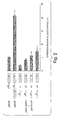
- chromatin elements or combinations of chromatin elements were cloned on either, or both sides, of the luciferase expression unit of pGL3-Control as depicted in Fig. 1 .
- Various combinations of Drosophila melanogaster SAR and BE elements were tested flanking the reporter expression cassette. These elements had previously been shown to stimulate stable reporter gene expression in HeLa and L cells (Poljak et al., 1994).
- the chicken lysozyme 5' MAR element (lys MAR), or 'A-element' was cloned flanking the luciferase expression cassette, in a configuration previously shown to confer elevated expression in chicken promacrophage and rat fibroblast cells (Phi-Van et al., 1990; Stief et al., 1989).
- the mouse T-cell receptor ⁇ LCR (TCR ⁇ LCR) and the rat liver activated protein LCR (LAP LCR) have both been shown to direct high-level expression in multiple tissues in transgenic mice (Ortiz et al., 1997; Talbot et al., 1994). The position and orientation of the two LCRs with respect to the transgene promoter was as in their original locus.
- chromatin elements had little or no effect on transient expression levels where chromatin structure does not come into play.
- Pools of stably transfected CHO cells were analyzed for transgene expression ( Fig. 1 ).
- a modest 2- to 4-fold increase in expression levels was seen for all combinations tested of the Drosophila SAR and BE elements, as well as for the two LCRs tested.
- the only element tested showing an important increase in stable reporter expression was the chicken lysozyme 5' MAR, which gave a 20-fold increase in luciferase expression as compared to the pGL3-Control construct.
- the orientation of the two MAR elements flanking the reporter expression cassette had no effect on transgene expression.
- Example 3 Co-transfection of the MAR improves stable transgene expression.
- pGL3-Control reporter was co-transfected with increasing amounts of plasmid pUC-B-1-X1 bearing the chicken lysozyme MAR.
- Fig. 2 shows the luciferase activity in pools of CHO clones, including results for constructs pMZ50 and pMZ52 with one and two MARs adjacent to the luciferase transcription unit respectively. Comparison of stable expression with pMZ50 and pMZ52 shows that two flanking MARs have a greater effect than a single MAR, when present on the expression plasmid itself. On the other hand, increasing the ratio of MAR plasmid to reporter construct from a molar ratio of 1:1 to 4:1 also results in increased stable expression.
- Co-transfection of the reporter construct with two MARs yields the same stable expression as the pMZ50 construct with one MAR. Although co-transfection with MARs does not result in stable luciferase expression levels comparable to those obtained with the pMZ52 construct with two flanking MARs, it may also provide an alternative means to enhance stable transgene expression.
- Example 4 The MAR increases the prevalence of top producing clones
- CHO cells were transfected with luciferase expression vectors containing none, one, or two MARs, and fifteen individual colonies were randomly isolated and analyzed for each construct.
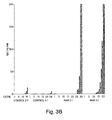
- the level of antibody expression of the most productive clones is markedly higher for the MAR colonies than for the controls.
- the chicken lysozyme MAR increases both the proportion of top producing clones and their expression levels. This is true when the MAR is present on the expression construct, as well as when the MAR is co-transfected with one or more expression constructs. Practically, this means that complex cloning strategies can be bypassed by co-transfection with the MAR element, resulting in the same advantages for stable cell line development. Most importantly, these advantages are also seen upon co-transfection of a MAR element-bearing plasmid with several expression vectors.
- MAR element In order to confirm that the MAR element has been integrated into the host cell genome, four randomly chosen antibody-expressing clones were analysed by Southern blotting ( FIG. 3C ). Two fragments, a 1.8 kb MAR fragment and a fragment of variable size corresponding to the remainder of the MAR, are present in all clones and absent in the parent CHO DG44 cell line. Both the light and heavy chain vectors also integrated.
- a MAR element has recently been shown to enable episomal replication of SV40 ori-containing transfected vectors in CHO cells (Piechaczek et al., 1999). No 3.8 kb band corresponding to pUC-B-1-X1 replicating episomally in CHO cells is detected in the Southern blots.
- Plasmid rescue experiments were carried out to determine whether the plasmid is present episomally at low copy numbers. Control CHO transient transfections with one copy of the MAR-bearing plasmid pUC-B-1-X1 per cell yielded over 200 colonies. In contrast, the four clones and DG44 yielded a background of up to 4 colonies containing DNA unrelated to the transfected plasmids. Together, these experiments provide evidence that the transfected MAR is not replicating episomally but is integrated into the chromosome of the stable clones.
- regulated gene-expression systems are based on multiple components.
- the stable expression of individual regulatory elements is critical to the control of the expression of the transgene.
- chromatin elements have rarely been employed in such systems and their use has essentially been restricted to inserting such elements so as to flank the transgene construct (Wang et al., 1997; Wells et al., 1999). It was examined whether a stable regulated expression system can be obtained by co-transfection of the MAR with the components of a regulated expression system (Imhof et al., 2000). This tetracycline-based switch system involves chimeric repressor and activator proteins acting to control transgene transcription.
- the repressor protein expression vector is stably transfected. Initially, transfection of the vector alone yielded clones in which transgene expression could not be regulated. These clones exhibited unstable repressor protein expression, especially after removal of selective pressure.
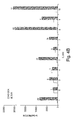
- the three repressor protein expression vectors with the chicken lysozyme 5' MAR plasmid were then separately transfected. The results of a screen of 24 clones, obtained by lipofection, for their ability to induce luciferase expression upon addition of doxycycline is shown in Fig. 4A .
- the activator and reporter constructs are stably transfected into clones expressing the repressor.
- the activator and reporter constructs were stably co-transfected with the chicken lysozyme 5' MAR plasmid, and individual cell clones expressing an intermediate level of ⁇ -galactosidase were isolated by FACS sorting.
- Plasmids encoding anti-RhesusD IgG kappa and gamma chains, pMZ59 and pMZ37, are as previously described for pMZ58 and pMZ36, respectively, except that they contain the SV40 early promoter instead of the CMV promoter (see Example 1).
- pMZ126 and pMZ127 derive from pMZ59 and pMZ37, but contain in addition one MAR element in cis upstream from the SV40 promoter.
- pMZ126 and pMZ127 were constructed as follows: pUCB1X1 was digested with XbaI, blunt-ended with Pfu DNA polymerase, digested with BamHI and subcloned directionally in pMZ59 and pMZ37, respectively, that had been first cleaved with EcoRI, blunt-ended with Pfu DNA polymerase, and then digested with BamHI.
- CHO cells were grown as described in Example 1.
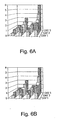
- cells were treated as described previously with the following modification: 24 h. after addition of 1 ml of DMEM supplemented with 10% FBS (Gibco, Life Technologies) to each well, 26 ⁇ l of 500 mM NaButyrate pH 6,9 in PBS was added to half of the wells where indicated in the figure legend. Aliquots of 2 ⁇ l were taken at 24 h. intervals and transfered in 248 ⁇ l of blocking solution in a 96-wells plate. IgG titer was determined as described previously by double sandwich ELISA.
- the MAR elements of the invention include fragments of MAR elements, such as fragments of SEQ ID NO:1.
- Figure 7 demonstrates that four copies of the MAR fragment F (pF4L) display similar expression as those obtained with the longer, natural MAR sequences. Other fragments display lower (K, B) or no (G) expression.
- pF4L the MAR fragment F
- Other fragments display lower (K, B) or no (G) expression.
- the various MAR fragments (i.e . B, K, F and G) were amplified by polymerase chain reaction using pUC-BI-XI as template with specific primer sets that introduced a BgIII and a BamHI site in 5'- and 3'-end, respectively. After release of the latter restriction sites, the fragments were self-ligated in presence of BgIII and BamHI. The dimer- and tetramer-repeats in direct orientation were cloned between the Bglll-BamHI sites of pGL3-Control (Promega).
- the various tetramers were excised as BglII-BamHI fragments and subcloned into plasmid pGL3-Control at the BglII site.
- the F4, K4 and B4 fragments were cloned into the BgIII site of plasmid pG4L, respectively.
- the plasmids pK4F4L and pB4F4L were constructed by cloning K4 and B4 in pF4L and pB4K4L was generated by cloning B4 into the BglII site of pK4L.
- CHO DG44 cells were grown as described (See supra ).
- the above pLuc-derivatives and pGL3-Control were transfected in parallel in order to create the recipient cell lines for expression studies of MAR fragments vectors and control vectors.
- cells were seeded in 24-well plates at 1.3 E5 cell/well and allowed to attach for 16H. After washing with PBS, cells were transfected in triplicate with mixes in a final volume of 81 ⁇ l OptiMEM (Gibco, Life Sciences).
- the mixes contained 0.327 pmol of MAR-derivative plasmids and pGL3-Control and 23,4 fmol of pSVneo.
- Relative light units were calculated by normalizing luciferase for Bradford measurement. Data points represent the average of the triplicate of two independent transfection experiments.
Landscapes
- Genetics & Genomics (AREA)
- Health & Medical Sciences (AREA)
- Life Sciences & Earth Sciences (AREA)
- Engineering & Computer Science (AREA)
- Wood Science & Technology (AREA)
- Organic Chemistry (AREA)
- Biomedical Technology (AREA)
- Biotechnology (AREA)
- General Engineering & Computer Science (AREA)
- Chemical & Material Sciences (AREA)
- Zoology (AREA)
- Bioinformatics & Cheminformatics (AREA)
- Biophysics (AREA)
- Microbiology (AREA)
- Plant Pathology (AREA)
- Molecular Biology (AREA)
- Biochemistry (AREA)
- General Health & Medical Sciences (AREA)
- Physics & Mathematics (AREA)
- Micro-Organisms Or Cultivation Processes Thereof (AREA)
- Measuring Or Testing Involving Enzymes Or Micro-Organisms (AREA)
- Local Oxidation Of Silicon (AREA)
- Medicines Containing Antibodies Or Antigens For Use As Internal Diagnostic Agents (AREA)
- Electric Connection Of Electric Components To Printed Circuits (AREA)
- Wire Bonding (AREA)
Abstract
Description
- The present invention relates generally to matrix attachment regions (MARs) and to methods for use of MARs. In particular, the invention relates to the uses of such methods for the development of stable eukaryotic cell lines.
- Eukaryotic cell lines can be genetically modified to express one or more desired proteins. Current selection and screening procedures to identify a clonal cell line with the requisite expression characteristics for regulated expression or production are tedious and time-consuming. For example, in Chinese hamster ovary (CHO) cells, the classical approach to achieve maximal expression involves the use of mutant cell lines and a gradual increase in the selection pressure over several months for a co-transfected selection marker such as dihydrofolate reductase. (Kaufman and Sharp, 1982; Schimke et al., 1982) While new approaches to the problem include the identification of rare sites on a chromosome with high transcriptional activity, combined with targeted integration and the improvement of selection and of screening procedures (Fussenegger et al., 1999), these are nevertheless all laborintensive processes.
- In one aspect, the present invention provides a method for transforming eukaryotic cells using transfection of two or more unlinked nucleic acid vectors, the first vector having a promoter, a heterologous gene coding for a desired protein and a first chromatin element; and the second vector having a second chromatin element. In alternative embodiments, the first chromatin element may be located 5' (upstream) or 3' (downstream) of the promoter and the heterologous gene. In other embodiments, the second vector contains two or more chromatin elements (e.g., a third, fourth, fifth or six chromatin element). In preferred embodiments of the present invention, at least one of the first, second, third, fourth, fifth and sixth chromatin elements may be MAR elements (e.g., a chicken lysozyme MAR element). In another preferred embodiment, the eukaryotic cell is co-transfected with a third vector. This third vector may include at least one genes (e.g., structural, regulatory or selection genes) and/or at least one chromatin element (e.g., a MAR element). In certain preferred embodiments of the present invention, the molar ratios of the first, second, and possibly third vectors are modulated.
- In another aspect, the invention provides one or more eukaryotic cells containing two or more nucleic acid vectors, the first vector having a promoter, a heterologous gene coding for a desired protein and a MAR element, and the second vector having at least one MAR element. In some embodiments, the one or more eukaryotic cells are butyrate-treated cells.
- In a further aspect, the invention provides kits, containing in one or more containers, one or more eukaryotic cells containing two or more nucleic acid vectors, the first vector having a promoter, a heterologous gene coding for a desired protein and a MAR element, and the second vector having at least one MAR element. In an embodiment, the kit additionally comprises butyrate.
- Unless otherwise defined, all technical and scientific terms used herein have the same meaning as commonly understood by one of ordinary skill in the art to which this invention pertains. Although methods and materials similar or equivalent to those described herein can be used in the practice or testing of the present invention, suitable methods and materials are described below. In case of conflict, the present specification, including definitions, will control. In addition, the materials, methods, and examples are illustrative only and are not intended to be limiting.
- Other features and advantages of the invention will be apparent from the following detailed description and from the claims.
-
-
Fig.1 demonstrates the effect of chromatin elements on stable transgene expression. Chromatin elements were cloned on one or both sides of the luciferase expression unit (black line and arrow) of the pGL3-Control plasmid. The resulting constructs, shown schematically in the left hand panel, were digested with PvuI and co-transfected with pSV2neo. The luciferase activity of pools of CHO clones, normalized with respect to protein content and expressed relative to pGL3-Control, is shown in the right hand panel. Error bars correspond to the standard error, based on at least three independent transfections. Chromatin elements examined include those chromatin elements potentially capable of overcoming position effects, including boundary elements (BEs; black boxes), matrix attachment regions (MARs; white boxes), and locus control regions (LCRs; hatched boxes). The arrow depicting lys MAR orientation points from BamHI to Xbal, while the arrow for the LAP LCR points in the direction of the LAP gene and its direction of transcription. -
Fig. 2 is a diagram that indicates stable reporter expression using the chicken lysozyme MAR. Constructs with one or two MARs cloned in pGL3-Control (pMZ50 and pMZ52 respectively), as well as the pGL3-Control and pUC-B-1-X1 plasmids in the indicated molar ratios were co-transfected with pSV2neo in CHO cells. The figure shows the luciferase activity of pools of clones, normalized with respect to protein content, and expressed relative to pGL3-Control. Error bars correspond to the standard error, based on at least three independent transfections. -
Fig. 3 demonstrates gene expression in stable CHO clones.Fig. 3A shows luciferase expression for clones obtained with either pGL3-Control, pMZ50, or pMZ52, corresponding to plasmids bearing no, one, or two chicken lysozyme MARs. Luciferase activity, normalized with respect to protein content, is shown for 15 clones for each construct, ranked from lowest to highest expression level.Fig. 3B shows anti-Rhesus D IgG1 antibody expression for clones obtained by co-transfecting the light and heavy chain expression vectors, pMZ57 and pMZ36 respectively, with the indicated molar ratios of either control pUC18 or MAR-bearing pUC-B-1-X1 plasmid. Supernatant antibody concentration is shown for clones ranked from lowest to highest expression level.Fig. 3C demonstrates the molecular analysis of anti-Rhesus D antibody-expressing clones. The top panel shows a schematic diagram of the pUC-B-1-X1 vector, with the hatched box corresponding to the MAR sequence. Fragment sizes obtained upon digestion are indicated above the map. The bottom panel shows the results of a Southern blot analysis of four stable cell clones with the MAR from panel B (labeled #1 - #4). Genomic DNA was digested with EcoRI and probed with the entire MAR sequence. The molecular mass of fragments is given in kilobase pairs on the left. -
Fig. 4 shows the regulated gene expression in stable C2C12 clones.Fig. 4A depicts the screening of randomly picked stable C2C12 clones with the repressor construct. The luciferase activity, normalized with respect to β-galactosidase activity, is shown for 24 clones. White columns correspond to expression in the absence of doxycycline (no dox); black columns correspond to expression induced by the addition of doxycycline (dox), with the fold induction indicated above the black column.Fig. 4B shows the expression in clones selected by FACS with the stably integrated regulated expression system. The β-galactosidase activity, normalized with respect to protein content, is shown for 10 clones. White columns correspond to expression in the absence of doxycycline (no dox); black columns correspond to expression induced by the addition of doxycycline (dox), with the fold induction indicated above the black column. -
Fig. 5 demonstrates the effect of MARs on IgG productivity in CHO cells. Fold induction of SV40-promoter (panel A) and CMV-promoter (panel B) driven expression of recombinant IgG with different combinations of MARs. Results are expressed as means of specific productivity of pools of stably transfected cells from two experiments done in triplicates. Specific productivity of single cell clones with 1 MARs in cis + 4 MAR in trans ranged up to 38 pg/cell/day and 40 pg/cell/day with the SV40 and CMV promoter, respectively. Transfections are as generally described in the art, (See e.g., Zahn-Zabal et al., 2001 J. Biotechnol. 87:29, and infra) using plasmids pMZ36, pMZ37, pMZ57 and pMZ59. Plasmid used for the expression of IgG containing one MAR element in cis (1 MAR in cis) were constructed as described in Example 1. -
Fig. 6 demonstrates the effect of MAR elements and sodium butyrate on IgG secretion in transiently transfected CHO cells by indicating the time-course accumulation of IgG (µg) per 1.3 ml of culture medium supernatant in a single well of a 24-well plate (the average of triplicate wells is shown). In the left panel, cells were transfected with 1.69 µg of control (first two rows of columns) or with equimolar amount (2.28 µg) of MAR- containing plasmids (rows 3 and 4) per three wells. The ratio between the heavy and light chain-encoding plasmids was 2:1. The total amount of plasmid DNA was adjusted to 2.5 µg with pGL3 (Promega, Inc).Rows rows 3 and 4) per three wells, respectively. The ratio between the heavy and light chain-encoding plasmids was 2:1.Rows -
Figure 7 . demonstrates the effect of MAR fragments on a reporter luciferase gene in stably transfected CHO cells.Figure 7A shows a map for the MAR fragment-linked luciferase gene constructs. The pML construct shows the natural MAR sequence, arbitrarily segmented in parts A, B, C, D, E, F, G and K, the SV40 early promoter, as indicated by the SV40-labelled box, and the luciferase reporter transgene. Construct pLM has the luciferase transgene placed between the SV40 promoter and natural MAR sequence. Other constructs shown in Example 7 pML contain multimerized portions of the MAR element as indicated. The DNA sequence of the MAR segments is provided in Example 7.Figure 7B shows the results of luciferase measurements performed with extracts of cells containing a reporter construct lacking MAR sequence (pGL3) or derivatives containing in cis one copy of the natural MAR sequences (pML, pLM), or containing multimerized MAR elements as indicated in part (A). Analyses were performed with G-418 selected populations (polyclonal pools of stably transfected CHO cells), as in the art. The results represent data from two independent sets of experiments. - To date, the development of stable cell lines has been hampered by the negative effects of surrounding chromatin on the expression of randomly integrated vector sequences. Chromatin elements, such as boundary elements, matrix attachment regions, and locus control regions, are known to exert an effect on gene expression only when integrated in the genome. While the use of chromatin elements in the next generation of gene therapy vectors is currently being considered to improve expression of therapeutic transgenes (Neff et al., 1997), few studies have systematically addressed the potential of such elements to modify or improve the expression of gene constructs. In order to exploit the favorable properties of chromatin elements in the development of stable cell lines, their usefulness must be established. The elements used to this end should improve the frequency of obtaining high-level expression clones, irrespective of the chromosomal integration site and the number of copies integrated. This effect should not be specific to a particular cell type, but rather should be observed in all cell lines commonly used in biotechnology and gene or cell therapy. Furthermore, the element should act independently of the promoter, enabling it to be used with diverse constructs.
- The compositions and methods according to the present invention possess new capacities and abilities in the transfection of eukaryotic cells. The present invention enables the transfection of nucleic acids, such as genes encoding recombinant proteins, into eukaryotic cells, particularly mammalian cells.
- The compositions and methods according to the present invention are particularly suited for generating cell lines that express one or more genes encoding for recombinant proteins.
- Variability in expression levels of a heterologous gene transfected into a eukaryotic cell is thought to reflect the influence of the chromatin structure and/or the presence of regulatory elements at the site of integration of the heterologous gene in the host genome, a phenomenon referred to as the "position effect". A simple and rapid approach to overcome position effects is to make use of chromatin elements that prevent the neighboring chromatin from affecting transgene expression. This approach improves the probability of isolating a clone exhibiting the desired regulated expression. This approach is useful, e.g., for ex vivo gene therapy, or for high-level expression for production of a recombinant protein, thereby reducing the time spent screening clones. Furthermore, position-independent transgene expression has significant potential in the construction of regulated gene expression systems, because the expression of a therapeutic gene (along with its controlling components) would be independent of the chromatin structure at the integration site. Chromatin elements that are potentially capable of overcoming position effects, and hence are of interest for the development of stable cell lines, include boundary elements (BEs), matrix attachment regions (MARs), locus control regions (LCRs), and universal chromatin opening elements (UCOEs).
- Boundary elements ("BEs"), or insulator elements, define boundaries in chromatin in many cases (Bell and Felsenfeld, 1999; Udvardy, 1999) and may play a role in defining a transcriptional domain in vivo. BEs lack intrinsic promoter/enhancer activity, but rather are thought to protect genes from the transcriptional influence of regulatory elements in the surrounding chromatin. The enhancer-block assay is commonly used to identify insulator elements. In this assay, the chromatin element is placed between an enhancer and a promoter, and enhancer-activated transcription is measured. Boundary elements have been shown to be able to protect stably transfected reporter genes against position effects in Drosophila, yeast and in mammalian cells (Bi and Broach, 1999; Cuvier et al., 1998; Walters et al., 1999). They have also been shown to increase the proportion of transgenic mice with inducible transgene expression (Wang et al., 1997).
- Matrix Attachment Regions ("MARs"; also known as Scaffold Attachment Regions or Scaffold/Matrix Attachment Regions ("S/MARs")) are DNA sequences that bind isolated nuclear scaffolds or nuclear matrices in vitro with high affinity (Hart and Laemmli, 1998). As such, they may define boundaries of independent chromatin domains, such that only the encompassing cis-regulatory elements control the expression of the genes within the domain. However, their ability to fully shield a chromosomal locus from nearby chromatin elements, and thus confer position-independent gene expression, has not been seen in stably transfected cells (Poljak et al., 1994). On the other hand, MAR sequences have been shown to interact with enhancers to increase local chromatin accessibility (Jenuwein et al., 1997). Specifically, MAR elements can enhance expression of heterologous genes in cell culture lines (Kalos and Fournier, 1995; Klehr et al., 1991; Phi-Van et al., 1990; Poljak et al., 1994), transgenic mice (Castilla et al., 1998) and plants (Allen et al., 1996). The utility of MAR sequences for developing improved vectors for gene therapy is also recognized (Agarwal et al., 1998).
- Locus control regions ("LCRs") are cis-regulatory elements required for the initial chromatin activation of a locus and subsequent gene transcription in their native locations (reviewed in Grosveld, 1999). The activating function of LCRs also allows the expression of a coupled transgene in the appropriate tissue in transgenic mice, irrespective of the site of integration in the host genome. While LCRs generally confer tissue-specific levels of expression on linked genes, efficient expression in nearly all tissues in transgenic mice has been reported for a truncated human T-cell receptor LCR (Ortiz et al., 1997) and a rat LAP LCR (Talbot et al., 1994). The most extensively characterized LCR is that of the globin locus. Its use in vectors for the gene therapy of sickle cell disease and β-thalassemias is currently being evaluated (Pawliuk et al., 1998).
- Ubiquitous chromatin opening elements ("UCOEs", also known as "ubiquitously-acting chromatin opening elements") have recently been reported (See
WO00/05393 - The chicken lysozyme 5' MAR element is able to significantly improve stable transgene expression in CHO cells, a cell line commonly used in recombinant protein production. The chicken lysozyme 5' MAR element is also able to significantly improve transient transfections, particularly when the transfected cells are contacted with butyrate. This chicken MAR element has previously been shown to enhance transcription from a heterologous promoter in heterologous cells (Phi-Van et al., 1990), and to confer position-independent hormonal and developmental regulation of the expression of the whey acidic protein gene in transgenic mice (McKnight et al., 1992).
- Importantly, co-transfection of a plasmid bearing the chicken lysozyme 5' MAR element with one or more expression vectors results in increased stable transgene expression. This simple approach obviates the necessity of cloning MAR elements in expression constructs. Furthermore, the size of the MAR element is no longer a limitation. Co-transfection with the MAR element is shown to increase the average level of expression of stable clones, as well as to increase the probability of obtaining clones expressing at higher levels than those obtained upon transfection of the expression plasmids alone.
- Without wishing to be bound by theory, it is possible that the distance and sequence between the MAR elements and the expression unit is an important consideration. The effect of MARs has been detected for a proximal gene, and not for a more distally located one (Bode et al., 1995). The effect of co-transfection of the MAR has not found to be saturated (See
Fig. 2 ), a potential limitation of this technique is the quantity of DNA that can be transfected per cell. One skilled in the art would be able to determine the maximum quantity of DNA to transfect for a given cell type with minimal experimentation. - As used herein, the following definitions are supplied in order to facilitate the understanding of this case. To the extent that the definitions vary from meanings circulating within the art, the definitions below are to control.
- "Chromatin" is the nucleic acid material having the chromosomes of a eukaryotic cell, and refers to DNA, RNA and associated proteins.
- A "chromatin element" means a nucleic acid sequence on a chromosome.
- "Cis" refers to the placement of two or more elements (such as chromatin elements) on the same nucleic acid molecule (such as the same vector or chromosome).
- "Trans" refers to the placement of two or more elements (such as chromatin elements) on two or more different nucleic acid molecules (such as on two vectors or two chromosomes).
- "Cis activation" refers to activation of a gene by an activator (such as an enhancer) located on the same nucleic acid molecule (such as the same vector or chromosome).
- "Downstream" refers to the direction going towards the 3' end of a nucleotide sequence.
- An "enhancer" is a nucleotide sequence that acts to potentiate the transcription of genes independent of the identity of the gene, the position of the sequence in relation to the gene, or the orientation of the sequence. The vectors of the present invention optionally include enhancers.
- A "gene" is a deoxyribonucleotide (DNA) sequence coding for a given mature protein. As used herein, the term"gene" shall not include untranslated flanking regions such as RNA transcription initiation signals, polyadenylation addition sites, promoters or enhancers.
- A "selection gene" is a gene that confers a phenotype on cells which express the gene as a detectable protein. Examples of selection genes include, but are not limited to, antibiotic resistance genes and genes encoding enzymes that produce or modify intermediate compounds of cellular metabolism or compounds exogenously added to the cell (e.g., drugs).
- A "selection agent" is a condition, agent or substance that enables the detection of the expression of a selection gene.
- "Phenotype" refers to the observable properties of a cell as expressed by the cellular genotype.
- A "product gene" is a gene that encodes a protein product having desirable characteristics such as diagnostic or therapeutic utility. A product gene includes, e.g., structural genes and regulatory genes.
- A "structural gene" refers to a gene that encodes a structural protein. Examples of structural genes include but are not limited to, cytoskeletal proteins, extracellular matrix proteins, enzymes, nuclear pore proteins and nuclear scaffold proteins, ion channels and transporters, contractile proteins, and chaperones. Preferred structural genes encode for antibodies or antibody fragments.
- A "regulatory gene" refers to a gene that encodes a regulatory protein. Examples of regulatory proteins include, but are not limited to, transcription factors, hormones, growth factors, cytokines, signal transduction molecules, oncogenes, proto-oncogenes, transmembrane receptors, and protein kinases.
- "Genotype" refers to the genetic information contained within a cell as opposed to its expression, which is observed as the cellular phenotype.
- "Ligation" is the process for forming a phosphodiester bond between the 5' and 3' ends of two DNA strands. This may be accomplished by several well known enzymatic techniques, including, but not limited to, blunt end ligation by T4 DNA ligase.
- "Orientation" refers to the order of nucleotides in a given DNA sequence. For example, an inverted orientation of a DNA sequence is one in which the 5' to 3' order of the sequence in relation to another sequence is reversed when compared to a point of reference in the DNA from which the sequence was obtained. Such reference points can include the direction of transcription of other specified DNA sequences in the source DNA and/or the origin of replication of replicable vectors containing the sequence.
- "Transcription" means the synthesis of RNA from a DNA template.
- "Translation" refers to the synthesis of a polypeptide from messenger RNA.
- The term "vector" as used herein refers to a nucleic acid molecule capable of transporting another nucleic acid to which it has been linked.
- "Eukaryotic cell" refers to any mammalian or non-mammalian cell from a eukaryotic organism. By way of non-limiting example, any eukaryotic cell which is capable of being maintained under cell culture conditions and subsequently transfected would be included in this invention. Especially preferable cell types include, e.g., stem cells, embryonic stem cells, Chinese hamster ovary cells (CHO), COS, BHK21, NIH3T3, HeLa, C2C12, cancer cells, and primary differentiated or undifferentiated cells. Other suitable host cells are known to those skilled in the art.
- "Transformation" as used herein refers to modifying a eukaryotic cell by the addition of a nucleic acid. For example, transforming a cell could include transfecting the cell with a nucleic acid, such as a DNA vector.
- "Transfection" is the introduction of a nucleic acid into a recipient eukaryotic cell, such as by electroporation or by chemical means. Transfection may be detected in some cases by an alteration in cell phenotype. In some cases, transfected cells are called transfectants and pre-transfection cells are referred to as parental cells.
- "Promoter" as used herein refers to a nucleic acid sequence that regulates expression of a gene.
- "Co-transfection" means the process of transfecting a eukaryotic cell with more than one exogenous gene foreign to the cell, one of which may confer a selectable phenotype on the cell.
- Eukaryotic transfection of nucleic acid vectors is, in general, a well-known process, and may be accomplished by a variety of standard methods. One type of vector is a "plasmid", which refers to a circular double stranded DNA loop into which additional DNA segments can be ligated. Another type of vector is a viral vector, wherein additional DNA segments can be ligated into the viral genome. Certain vectors are capable of autonomous replication in a host cell into which they are introduced (e.g., bacterial vectors having a bacterial origin of replication and episomal mammalian vectors). Other vectors (e.g., non-episomal mammalian vectors) are integrated into the genome of a host cell upon introduction into the host cell, and thereby are replicated along with the host genome. Moreover, certain vectors are capable of directing the expression of genes to which they are operatively-linked. Such vectors are referred to herein as "expression vectors". In general, expression vectors of utility in recombinant DNA techniques are often in the form of plasmids. As used herein, "plasmid" and "vector" are used interchangeably, as the plasmid is the most commonly used vector form. However, the invention is intended to include such other forms of expression vectors, including, but not limited to, viral vectors (e.g., replication defective retroviruses, adenoviruses and adeno-associated viruses), which serve equivalent functions.
- The recombinant expression vectors of the invention contain a nucleic acid of the invention in a form suitable for expression of the nucleic acid in a host cell. Specifically, this means that the recombinant expression vectors include one or more regulatory sequences, selected on the basis of the host cells to be used for expression, that is operatively-linked to the nucleic acid sequence to be expressed. Within a recombinant expression vector, the term "operably-linked" is intended to mean that the nucleotide sequence of interest is linked to the regulatory sequence(s) in a manner that allows for expression of the nucleotide sequence (e.g., in an in vitro transcription/translation system or in a host cell when the vector is introduced into the host cell). Such regulatory sequences are described, for example, in Goeddel, GENE EXPRESSION TECHNOLOGY: METHODS IN ENZYMOLOGY 185, Academic Press, San Diego, Calif. (1990). Regulatory sequences include those that direct constitutive expression of a nucleotide sequence in many types of host cell and those that direct expression of the nucleotide sequence only in certain host cells (e.g., tissue-specific regulatory sequences). It will be appreciated by those skilled in the art that the design of the expression vector can depend on such factors as the choice of the host cell to be transfected, the level of expression of protein desired, etc.
- The recombinant expression vector(s) used herein can be designed for expression of desired proteins in eukaryotic cells. Suitable host cells are discussed further in Goeddel, GENE EXPRESSION TECHNOLOGY: METHODS IN ENZYMOLOGY 185, Academic Press, San Diego, Calf (1990).
- The expression vector(s) used herein may be a yeast expression vector. Examples of vectors for expression in yeast Saccharomyces cerivisae include pYepSec1 (Baldari, et al., 1987. EMBO J. 6: 229-234), pMFa (Kurjan and Herskowitz, 1982. Cell 30: 933-943), pJRY88 (Schultz et al., 1987. Gene 54: 113-123), pYES2 (Invitrogen Corporation, San Diego, Calif.), and picZ (InVitrogen Corp, San Diego, Calif.).
- Alternatively, the expression vector(s) used herein may be a baculovirus expression vector. Baculovirus vectors available for expression of proteins in cultured insect cells (e.g., SF9 cells) include the pAc series (Smith, et al., 1983. Mol. Cell. Biol. 3: 2156-2165) and the pVL series (Lucklow and Summers, 1989. Virology 170: 31-39).
- A nucleic acid of the invention may also be expressed in mammalian cells using a mammalian expression vector. Examples of mammalian expression vectors include pCDM8 (Seed, 1987. Nature 329: 840) and pMT2PC (Kaufman, et al., 1987. EMBO J. 6: 187-195). When used in mammalian cells, the expression vector's control functions are often provided by viral regulatory elements. For example, commonly used promoters are derived from polyoma,
adenovirus 2, cytomegalovirus, and simian virus 40. For other suitable expression systems for both prokaryotic and eukaryotic cells see, e.g.,Chapters - A recombinant mammalian expression vector is capable of directing expression of the nucleic acid preferentially in a particular cell type (e.g., tissue-specific regulatory elements are used to express the nucleic acid). Tissue-specific regulatory elements are known in the art. Non-limiting examples of suitable tissue-specific promoters include the albumin promoter (liver-specific; Pinkert, et al., 1987. Genes Dev. 1: 268-277), lymphoid-specific promoters (Calame and Eaton, 1988. Adv. Immunol. 43: 235-275), in particular promoters of T cell receptors (Winoto and Baltimore, 1989. EMBO J. 8: 729-733) and immunoglobulins (Banerji, et al., 1983. Cell 33: 729-740; Queen and Baltimore, 1983. Cell 33: 741-748), neuron-specific promoters (e.g., the neurofilament promoter; Byrne and Ruddle, 1989. Proc. Natl. Acad. Sci. USA 86: 5473-5477), pancreas-specific promoters (Edlund, et al., 1985. Science 230: 912-916), and mammary gland-specific promoters (e.g., milk whey promoter;
U.S. Pat. No. 4,873,316 and European Application Publication No.264,166 - Regulatable gene expression promoters are well known in the art, and include, by way of non-limiting example, any promoter that modulates expression of a gene encoding a desired protein by binding an exogenous molecule, such as the CRE/LOX system, the TET system, the NFkappaB/UV light system, the Leu3p/isopropylmalate system, and the GLVPc/GAL4 system (See e.g., Sauer, 1998, Methods 14(4): 381-92; Lewandoski, 2001, Nat. Rev. Genet 2(10):743-55; Legrand-Poels et al., 1998, J. Photochem. Photobiol. B. 45:1-8; Guo et al., 1996, FEBS Lett. 390(2):191-5; Wang et al., PNAS USA, 1999, 96(15):8483-8).
- Moreover, the terms "host cell" and "recombinant host cell" are used interchangeably herein to indicate a eukaryotic cell into which one or more vectors of the invention have been introduced. It is understood that such terms refer not only to the particular subject cell but also to the progeny or potential progeny of such a cell. Because certain modifications may occur in succeeding generations due to either mutation or environmental influences, such progeny may not, in fact, be identical to the parent cell, but are still included within the scope of the term as used herein.
- As noted, the term "transfection" refers to a variety of art-recognized techniques for introducing foreign nucleic acid (e.g., DNA) into a host cell, including calcium phosphate or calcium chloride co-precipitation, DEAE-dextran-mediated transfection, lipofection, or electroporation. Suitable methods for transforming or transfecting host cells can be found in Sambrook, et al. (MOLECULAR CLONING: A LABORATORY MANUAL. 2nd ed., Cold Spring Harbor Laboratory, Cold Spring Harbor Laboratory Press, Cold Spring Harbor, N.Y., 1989), and other laboratory manuals.
- For stable transfection of mammalian cells, it is known that, depending upon the expression vector and transfection technique used, only a small fraction of cells may integrate the foreign DNA into their genome. In order to identify and select these successful integrants, a gene that encodes a selectable marker (e.g., resistance to antibiotics) is generally introduced into the host cells along with the gene of interest. Various selectable markers include those that confer resistance to drugs, such as G418, hygromycin and methotrexate. Nucleic acid encoding a selectable marker can be introduced into a host cell on the same vector as that encoding a structural or regulatory protein, or can be introduced on a separate vector. Cells stably transfected with the introduced nucleic acid can be identified by drug selection (e.g., cells that have incorporated the selectable marker gene will survive, while the other cells die).
- The present invention involves compositions and methods that can modulate the efficiency of eukaryotic cell transfection using chromatin elements (e.g., MAR elements, BEs and LCRs). In accordance with the invention, MAR elements may be used in eukaryotic cell transfection methods. For example, a MAR element suitable for use in the present invention includes chicken lysozyme MAR element, which is shown in SEQ ID NO: 1 (See Table 1A) or a fragment thereof. Also useful are the nucleotide sequences recited in GenBank Accession numbers X52989 (SEQ ID NO: 2), X84223 (SEQ ID NO: 3), X98408 (SEQ ID NO: 4), and AJ277960 (SEQ ID NO: 5) (See Tables 1B-1E) or fragments thereof. Additional MAR elements to be used in accordance with the invention may be identified, isolated, and cloned using a variety of techniques well known to those of ordinary skill in the art.


- The invention provides a method of transforming one or more eukaryotic cells by co-transfecting two or more nucleic acid vectors into the cell. The nucleic acid sequences of SEQ ID NOs 1-5 are useful as MAR elements of the present invention. In various embodiments, the first and second vectors are integrated into the host cell's chromosomal DNA. Those skilled in the art will recognize that any means of transfection can be used in accordance with the methods disclosed herein. In some embodiments, the first vector contains a single chromatin element (e.g., a MAR element). In some other embodiments, the invention provides a method of transforming one or more eukaryotic cells by co-transfecting three or more nucleic acid vectors into the cell. Additionally transfected vectors may include, e.g., genes encoding for structural or regulatory proteins, or selection genes.
- In some embodiments, enhancer elements are optionally included in one or more of the vectors of the invention.
- The ratio of the first and second vectors may be adapted as required for the use of specific cell types, and is routine experimentation to one of ordinary skill in the are A non-limiting exemplary range of molar ratios of the first vector to second vector is between about 1:2 and about 1:10. However, other ratios are also envisioned by this invention, including 2:1, 1:1, 1:20, 1:50, 1:100 and 1:1000 or more.
- The present invention also envisions the use of butyrate to modulate (e.g., increase) transgene expression (see, e.g., Example 6, infra). Butyrate may be added to the cell prior to, concomitant with, or following addition of the nucleic acid vectors. One skilled in the art would easily determine the most advantageous time and concentration of butyrate for the cell line being transfected. For example, butyrate may be added in a concentration of about 0.1 mM to about 1 M. Preferably, in an amount of about 1-500 mM, 1-250 mM, 1-100 mM, 1-75 mM, 1-50 mM, 1-25 mM, 1-20 mM, 1-15 mM, 1-14 mM, 1-13 mM, 1-12 mM, 1-11 mM or 1-10 mM. Those skilled in the art will recognize that the specific effect(s) of butyrate depend upon the cell type used in the co-transfection, and that the addition of butyrate may or may not affect the proliferation or differentiation of the transfected cells. Butyrate may be added in the form of sodium butyrate or any other compound known to those skilled in the art.
- The invention further encompasses the co-transfection of the eukaryotic cell with one or more unlinked nucleic acid vectors in addition to the first vector containing a gene encoding a desired protein to be expressed by the cell and at least one chromatin element the expression of this gene is controlled by a promoter, and the second vector containing at least one chromatin element (e.g., a chicken lysozyme MAR element). The additional vector or vectors may encode selection genes or product genes or both. In such embodiments where three unlinked vectors are co-transfected, the ratio of first, second and third vectors may be adapted as required for the use of specific cell types. Determination of the ratio of these vectors is a matter of is routine experimentation to one of ordinary skill in the art. For example, a non-limiting molar ratio range of the first, second and third vectors is between about 1:1.75:5.5 and about 1:1.75:11. Other ratios including 1:2:20, 1:2:50, 1:2:100 or 1:2:1000 or more, are also envisioned by this invention.
- The invention also encompasses a eukaryotic cell that has been co-transfected, containing two or more vectors, a first vector having a first promoter, a first gene encoding a desired gene or a portion thereof and a MAR element, and a second vector comprising at least one MAR element. The invention further encompasses a eukaryotic cell that has been co-transfected, containing three or more vectors, a first vector having a first promoter and a first gene encoding a desired gene or a portion thereof and at least one chromatin element a second vector comprising at least one MAR element, and a third vector comprising a second promoter and a second gene encoding a desired gene or a portion thereof. In some embodiments of the invention, the second gene encodes for a selection gene or a gene encoding a detectable gene product (e.g., a fluorescent protein such as green fluorescent protein, or a luminescent protein such as luciferase). As an embodiment of the invention, the first and/or the second vectors are integrated into the chromosomal DNA of the eukaryotic cell. The co-transfected eukaryotic cell may be a butyrate-treated cell.
- The present invention provides kits for transfecting eukaryotic cells. In an embodiment, the invention provides kits, containing in one or more containers, one or more eukaryotic cells containing two or more nucleic acid vectors, the first vector having a promoter, a heterologous gene coding for a desired protein and a MAR element, and the second vector having one or more MAR elements. In an embodiment, the kit additionally comprises butyrate. The vectors of the kits are provided in ratios that one skilled in the art would be able to use on a cell line under study with minimal experimentation.
- The invention will be further described in the following examples, which do not limit the scope of the invention described in the claims.
- Plasmid construction. The luciferase expression vectors used to test the chromatin elements are all based on pGL3-Conrtrol (Promega). This plasmid contains an SV40 promoter in front of a modified firefly luciferase cDNA, followed by the SV40 late poly(A) signal and the SV40 enhancer. The Drosophila melanogaster elements come from the p7, p83 and p1314 plasmids (Poljak et al., 1994). The 1.8 kb SalI scs (special chromatin structure) BE fragment comes from p83, as well as the 960 bp BamHI-XhoI heat shock 87A locus SAR (hsp SAR). The 500 bp BamHI scs' BE fragment is derived from p7, whereas the 657 bp EcoRI-HinfI histone SAR (his SAR) comes from p1314.
- Combinations of these elements were first cloned into the BamHI SalI sites of pGL3-Control. The scs' BE and hsp SAR were cloned as BamHI-EcoRI and EcoRI-SalI fragments respectively, giving pMZ61. Similarly, the BamHI-EcoRI scs' BE fragment and EcoRI-Sail his SAR fragment were inserted to give pMZ62, and the BamHI-EcoRI his SAR and EcoRI-Sall scs' BE were introduced to yield pMZ63. Chromatin elements were then cloned in sites upstream of the luciferase expression cassette. Construct pMZ67-1 was obtained by cloning the KpnI-BamHI hsp SAR and BamHI scs BE fragments into the KpnI BgIII sites of pMZ61, whereas pMZ70-1 resulted from cloning the same fragments into pMZ62. Vector pMZ71 was constructed by introducing the KpnI-EcoRI his SAR and EcoRI-BamHI scs' BE fragments in the KpnI BglII sites of pMZ61, whereas pMZ68 resulted from cloning the same fragments in pMZ62. Lastly, pMZ69 was obtained by cloning the XbaI-EcoRI scs' BE and EcoRI-BamHI his SAR fragments in the Nhel BglII sites of pMZ63. The 2.95 kb BamHI-XbaI chicken lysozyme MAR (lys MAR) fragment (Phi-Van and Strätling, 1988) is from pUC-B-1-X1 (Wolf Stratling). It was first cloned into the BamHI SalI sites of pGL3-Control, giving pMZ50. Construct pMZ52 was obtained by inserting a second MAR as a KpnI-XbaI fragment into the KpnI Nhel sites of pMZ50. The mouse T-cell receptor α LCR 6kb subregion (Ortiz et al., 1997) originated from p3'LCR-72 (Astar Winoto). It was cloned into the Sall and filled-in BamHI sites of pGL3-Control as a Sall and filled-in EcoRI fragment, giving pMZ74. The 2 kb Nhel fragment from
S 1 LIP (Ueli Schibler) presumably encompasses the rat LAP LCR (Talbot et al., 1994). It was cloned in both orientations as a KpnI-filled in NotI fragment into the KpnI SmaI sites of pGL3-Control to give pMZ44 and pMZ45. - The immunoglobulin expression vectors, pMZ57 and pMZ36, are identical to those described elsewhere (Miescher et al.), except that the human cytomegalovirus MIE promoter/enhancer drives light and heavy chain expression. The plasmids for the regulated expression system, pEFI-TetRNLS-TR450W, pPGK-TetRNLS-TR450W, pSV-TetRNLS-KoxW, pVG-GTTI-Luc+, p5xGTTI-GVP and p5xGTTI-mEpoiresβGeo have previously been described (Imhof et al., 2000) All plasmids were constructed using standard techniques.
- CHO cell culture and transfection. The CHO DG44 cell line (Urlaub et al., 1983) was cultivated in DMEM:F12 (Gibco-BRL) supplemented with HT (Gibco-BRL) and either 2 or 10 % FBS (Gibco-BRL). Pools of stable CHO cells expressing luciferase were obtained by transfection with polyethyleneimine (PEI) (Boussif et al., 1995). Cells were seeded in 6-well plates at 500-750 000 cells/well and allowed to attach overnight. Equimolar amounts of PvuI-linearized test constructs, corresponding to 2 - 3 µg pGL3-Control, were co-transfected with pSV2neo (CLONTECH Laboratories, Inc.) in a 10:1 1 molar ratio, with transfection mixes brought to a total of 10 µg with either pUC19 or pBluescript. Plasmid DNA was diluted in 150 mM NaCl, and an equal volume of 150 mM NaCl solution containing 35
µl 10 mM PEI25 (Fluka) was added. Following a 15 min. incubation at room temperature, the transfection mix was added to the cells. The medium was either replaced or supplemented with fresh medium after 4 hours. After 48 hours, cells were washed with PBS, trypsinized and replated in medium supplemented with 700 µg/ml geneticin (G-418 sulphate, Gibco-BRL). Subsequent medium changes were carried out with medium supplemented with 500 µg/ml geneticin, with pools of clones assayed after 13 and 15 days of selection. Individual clones expressing luciferase were picked after 12 -14 days of selection, and maintained in selective medium prior to analysis. - Stable CHO clones expressing human anti-Rhesus D IgG1 antibody were obtained by co-transfecting the light chain vector pMZ57, the heavy chain vector pMZ36 and either the MAR-bearing plasmid pUC-B-1-X1, or pUC18 as a control. A total of 2.5 µg of DNA per well, with either a 1:1.75:5.5 or 1:1.75:11 molar ratio of pMZ57:pMZ36:pUC-B-1-X1 was used, corresponding to a 2:1 and 4:1 molar ratio of MAR: antibody plasmids respectively. Cells were seeded in a 12-well plate at 140 000 cells/well, 18 h prior to transfection using an optimized calcium-phosphate precipitation method (Jordan et al., 1996). A glycerol shock (10% glycerol in PBS 1X) was applied 3 hours after transfection, and cells were maintained for 2 days under non selective conditions in medium supplemented with 8% FCS. Selection in MEM (GHT-) medium (Sigma), supplemented with 100 µM L-Proline, 5% dialyzed fetal bovine serum (Gibco-BRL) and buffered with 10 mM HEPES, was carried out upon replating the cells in 10 cm dishes. Colonies arose after 10-14 days, and stable clones were transferred to 24-well plates. After 8 days, culture supernatants were diluted two- and ten-fold, and antibody concentration determined by ELISA.
- C2C12 cell culture and transfection. The C2C12 cell line was cultured in DMEM (Gibco-BRL) supplemented with 10 % FCS. Stable C2C12 clones expressing the repressor were obtained by co-transfection using Lipofectin™ (Gibco-BRL) of TK-Hyg, one of the repressor expression plasmids, pEF1-TetRNLS-TR450W, pPGK-TetRNLS-TR450W, pSV-TetRNLS-KoxW, and the MAR plasmid pUC-B-1-X1, in a 1:4 molar ratio. Clones were picked after selection for 9 days with 200 µg/ml hygromycin B (Gibco-BRL). Transient transfection with pVG-GTTI-Luc+, and pCMVβgal (MacGregor and Caskey, 1989) as an internal standard for transfection efficiency, was performed in triplicate essentially as described previously (Imhof et al., 2000). The medium, with or without 100 ng/ml doxycycline hydrochloride (Sigma), was changed every 24 hours, and cells were harvested 48 hours post-transfection. The pool of clones with the pEF1-TetRNLS-TR450W repressor was co-transfected with the activator expression plasmid p5xGTTI-GVP, the reporter plasmid p5xGTTI-mEpoiresβGeo and the MAR plasmid pUC-B1-X-1. After selection with 500 µg/ml geneticin, flow cytometric analysis of the pool of clones using fluorescein di-β-D galactopyranoside (Molecular Probes) was performed according to the manufacturer. Cells with an intermediate expression of β-galactosidase were sorted, and these clones were expanded in medium without doxycycline. These clones were screened for induction in the presence of 100 ng/ml doxycycline hydrochloride, and those expressing β-galactosidase were selected. Following culture in medium without doxycycline hydrochloride, the clones were assayed in the presence and absence of doxycycline.
- Cell lysates and reporter assays. Cell extracts were prepared as follows for luciferase and protein measurements. Cells were washed with PBS and incubated with 100 µl lysis buffer (25 mM Tris-phosphate, pH 7.8, 2 mM DTT, 2 mM CDTA, 10% glycerol, 0.5% Triton X-100) for 20 min at room temperature. Luciferase measurements were carried out with 20 µl of extract in white 96 well plates. The constant glow type assay was performed in an EG&G Berthold Microplate 96V luminometer, using the reagents described in the Luciferase Assay Reagent protocol (Promega). For each well, 100 µl substrate solution was added by injection. After a delay of 2 sec light emission was measured for 2 seconds. Colorimetric determination of β-galactosidase activity was performed as previously described (Imhof et al., 2000). Colorimetric determination of protein content was performed by adding a mix of 155 µl water and 40 µl protein assay dye reagent concentrate (BioRad) to 5 µl cell extract in 96 well plates and measuring the absorbance at 595 nm (Spectramax 340, Molecular Devices). All absorbance values were within the linear range of a standard curve established with BSA. Luciferase values were normalized with respect to protein content for CHO clones. For the C2C12 clones, the luciferase values were normalized with respect to β-galactosidase activity, and the β-galactosidase values with the protein content. Human immunoglobulin secreted into the medium was measured by a sandwich ELISA, with unconjugated goat anti-human kappa light chain antibody and alkaline phosphatase-conjugated goat anti-human IgGy as capture and detection antibodies respectively (BioSource).
- Southern and plasmid rescue analyses. Genomic DNA for Southern analysis was isolated with Nucleospin C+T (Macherey & Nagel, Germany) according to the manufacturer's instructions. Aliquots (4 µg) were digested to completion with EcoRI, separated by agarose gel electrophoresis, and blotted onto Hybond N+ membranes (Amersham, England). The full-length MAR probe was isolated from pUC-B-1-X1 as a BamHI-XbaI fragment. Radiolabeling was performed with HighPrime (Roche, Switzerland).
- For the plasmid rescue experiments, episomal DNA was isolated from stable cell lines generated by the transfection of the IgG1 and MAR vectors, from untransfected CHO DG44 cells, and from cells transiently transfected with pUC-B-1-X1 one week before DNA isolation. Cells were counted, lysed in alkaline conditions and plasmids purified with the Nucleospin kit (Macherey & Nagel, Germany). Competent E. coli cells (Electro ax DH10B, Gibco) were electroporated with the plasmid-extract from approximately 105 cells with a BioRad Gene Pulser unit according to the cell supplier's instructions. Transformants were selected on LB plates containing 100 µg/ml ampicillin.
- Construction of cis MAR expression vectors. The cis MAR SV40 IgG-kappa and gamma vectors were created by cloning the BamH1-Xba I MAR fragment from pUC-B1-X1 in plasmids pMZ59 and pMZ37, respectively, linearized with EcoRI and BamHI. The Xbal site of the MAR fragment and EcoRI site of pMZ59 and pMZ37 were first blunted with Pfu. To synthesize the cis MAR CMV IgG kappa and gamma vectors, pMZ57 and pMZ36 were first digested with AvaI and Kpnl, respectively, blunted with T4DNA polymerase and then cut with BamHI. The Xbal filled BamHI MAR fragment described above was cloned in the latter vectors.
- The use of structural chromatin components to overcome silencing of stably integrated genes by the surrounding chromosomal environment will prove particularly useful in biotechnology. Unfortunately, fully characterized chromatin elements in higher eukaryotes are rare. Moreover, most of these have not been tested with a heterologous promoter in heterologous cells. Elements which counteract the effect of neighboring chromatin structure on stable transgene expression are expected to raise the average transgene expression in pools of stable clones, where the effects of different integration sites and the number of active copies become averaged.
- Single chromatin elements or combinations of chromatin elements were cloned on either, or both sides, of the luciferase expression unit of pGL3-Control as depicted in
Fig. 1 . Various combinations of Drosophila melanogaster SAR and BE elements were tested flanking the reporter expression cassette. These elements had previously been shown to stimulate stable reporter gene expression in HeLa and L cells (Poljak et al., 1994). The chicken lysozyme 5' MAR element (lys MAR), or 'A-element' was cloned flanking the luciferase expression cassette, in a configuration previously shown to confer elevated expression in chicken promacrophage and rat fibroblast cells (Phi-Van et al., 1990; Stief et al., 1989). The mouse T-cell receptor α LCR (TCRα LCR) and the rat liver activated protein LCR (LAP LCR) have both been shown to direct high-level expression in multiple tissues in transgenic mice (Ortiz et al., 1997; Talbot et al., 1994). The position and orientation of the two LCRs with respect to the transgene promoter was as in their original locus. - The chromatin elements had little or no effect on transient expression levels where chromatin structure does not come into play. Pools of stably transfected CHO cells were analyzed for transgene expression (
Fig. 1 ). A modest 2- to 4-fold increase in expression levels was seen for all combinations tested of the Drosophila SAR and BE elements, as well as for the two LCRs tested. The only element tested showing an important increase in stable reporter expression was the chicken lysozyme 5' MAR, which gave a 20-fold increase in luciferase expression as compared to the pGL3-Control construct. In accordance with previous results in chicken cells (Stief et al., 1989), the orientation of the two MAR elements flanking the reporter expression cassette had no effect on transgene expression. Following this initial screening of the chromatin elements in CHO cells, attention was focused on the use of the chicken lysozyme MAR for its usefulness in stable cell line development. - An alternative strategy to cloning the MAR element into the reporter expression vector is that of co-transfecting a MAR element-containing plasmid with the transgene expression vector. The observation that transfection with multiple plasmids appears to result in co-integration of multiple plasmid copies at the same chromosomal site (Wurm et al., 1992) suggests that the MAR element does not need to be physically linked with the transgene expression cassette at the time of transfection. However, the organization of the various integrated plasmids, and how these may recombine to generate the integrated DNA, is not known. A significant increase in stable transgene expression level is observed when MAR elements flank both sides of the reporter gene expression cassette, suggesting that a precise order of the genetic elements is required. While MAR orientation does not affect stable expression, a particular arrangement with defined spacing may be required. Nevertheless, whether co-transfection of the MAR and the plasmid bearing the reporter expression cassette may also result in enhanced stable transgene expression was determined.
- The pGL3-Control reporter was co-transfected with increasing amounts of plasmid pUC-B-1-X1 bearing the chicken lysozyme MAR.
Fig. 2 shows the luciferase activity in pools of CHO clones, including results for constructs pMZ50 and pMZ52 with one and two MARs adjacent to the luciferase transcription unit respectively. Comparison of stable expression with pMZ50 and pMZ52 shows that two flanking MARs have a greater effect than a single MAR, when present on the expression plasmid itself. On the other hand, increasing the ratio of MAR plasmid to reporter construct from a molar ratio of 1:1 to 4:1 also results in increased stable expression. Co-transfection of the reporter construct with two MARs yields the same stable expression as the pMZ50 construct with one MAR. Although co-transfection with MARs does not result in stable luciferase expression levels comparable to those obtained with the pMZ52 construct with two flanking MARs, it may also provide an alternative means to enhance stable transgene expression. - While increased expression in pools of stable clones is indicative of an overall positive effect of the chicken lysozyme MAR on transgene expression, it does not provide information as to the probability of isolating a high producer clone. To address this issue, individual colonies were isolated and the level of expression of the transgene was measured.
- CHO cells were transfected with luciferase expression vectors containing none, one, or two MARs, and fifteen individual colonies were randomly isolated and analyzed for each construct. The level of stable luciferase expression of individual colonies, ranked from lowest to highest, is shown in
Fig. 3A . Consistent with the results obtained with pools of stable clones, the average expression level of the clones analyzed increases with the number of MARs present on the construct. More importantly, having MARs on the expression construct clearly increases the prevalence of top producing clones. Furthermore, the expression level of the most productive clones is higher for constructs bearing MARs. Thus fewer clones need to be picked and analyzed to identify a high-level production clone when MARs are present on the expression plasmid. - A more complex situation occurs with the stable production of a protein composed of multiple subunits expressed from separate plasmids. Instead of cloning the MAR element into each separate vector, whether a simple co-transfection of MARs can also result in improved stable expression levels was examined. To do so, expression vectors for the light and heavy chain of the medically relevant human anti-Rhesus D antibody (Miescher et al., in press) were used. Light and heavy chain expression vectors containing introns, were transfected along with either the pUC-B-1-X1 MAR-bearing plasmid or its pUC backbone as a control. Individual stable CHO colonies were picked and analyzed for antibody expression (
Fig. 3B ). While few colonies express antibody in the control with pUC18, the proportion of colonies expressing detectable amounts of anti-Rhesus D antibody increases with increasing amounts of MAR. - As seen with the MAR-bearing luciferase constructs, the level of antibody expression of the most productive clones is markedly higher for the MAR colonies than for the controls. Thus the chicken lysozyme MAR increases both the proportion of top producing clones and their expression levels. This is true when the MAR is present on the expression construct, as well as when the MAR is co-transfected with one or more expression constructs. Practically, this means that complex cloning strategies can be bypassed by co-transfection with the MAR element, resulting in the same advantages for stable cell line development. Most importantly, these advantages are also seen upon co-transfection of a MAR element-bearing plasmid with several expression vectors.
- In order to confirm that the MAR element has been integrated into the host cell genome, four randomly chosen antibody-expressing clones were analysed by Southern blotting (
Fig. 3C ). Two fragments, a 1.8 kb MAR fragment and a fragment of variable size corresponding to the remainder of the MAR, are present in all clones and absent in the parent CHO DG44 cell line. Both the light and heavy chain vectors also integrated. A MAR element has recently been shown to enable episomal replication of SV40 ori-containing transfected vectors in CHO cells (Piechaczek et al., 1999). No 3.8 kb band corresponding to pUC-B-1-X1 replicating episomally in CHO cells is detected in the Southern blots. Plasmid rescue experiments were carried out to determine whether the plasmid is present episomally at low copy numbers. Control CHO transient transfections with one copy of the MAR-bearing plasmid pUC-B-1-X1 per cell yielded over 200 colonies. In contrast, the four clones and DG44 yielded a background of up to 4 colonies containing DNA unrelated to the transfected plasmids. Together, these experiments provide evidence that the transfected MAR is not replicating episomally but is integrated into the chromosome of the stable clones. - Most currently used regulated gene-expression systems are based on multiple components. In such systems, the stable expression of individual regulatory elements is critical to the control of the expression of the transgene. To date, chromatin elements have rarely been employed in such systems and their use has essentially been restricted to inserting such elements so as to flank the transgene construct (Wang et al., 1997; Wells et al., 1999). It was examined whether a stable regulated expression system can be obtained by co-transfection of the MAR with the components of a regulated expression system (Imhof et al., 2000). This tetracycline-based switch system involves chimeric repressor and activator proteins acting to control transgene transcription.
- In a first step, the repressor protein expression vector is stably transfected. Initially, transfection of the vector alone yielded clones in which transgene expression could not be regulated. These clones exhibited unstable repressor protein expression, especially after removal of selective pressure. The three repressor protein expression vectors with the chicken lysozyme 5' MAR plasmid were then separately transfected. The results of a screen of 24 clones, obtained by lipofection, for their ability to induce luciferase expression upon addition of doxycycline is shown in
Fig. 4A . A majority of the clones (21 out of 24) show regulated transgene expression, with several exhibiting over 400-fold induction of reporter expression in the presence of doxycycline. Furthermore, regulated gene expression was obtained irrespective of the method of transfection and of the promoter driving repressor protein expression. - In a second step, the activator and reporter constructs are stably transfected into clones expressing the repressor. A pool of clones stably expressing the repressor protein, and from which
clones 1 through 8 inFig. 4A were isolated, was used to this end. The activator and reporter constructs were stably co-transfected with the chicken lysozyme 5' MAR plasmid, and individual cell clones expressing an intermediate level of β-galactosidase were isolated by FACS sorting. These were screened for induction in the presence of doxycycline, and the resulting ten clones tested for the regulation of β-galactosidase expression in the absence and presence of doxycycline after 3 days (Fig. 4B ). Five of these clones show regulated expression of β-galactosidase, with an induction ranging from 17- to 45-fold in the presence of doxycycline. Regulated expression of the second transgene, mouse erythropoietin, is also observed (Imhof et al., 2000). Hence cell lines showing regulated expression were obtained by co-transfection of the chicken lysozyme MAR with the elements of the expression system. - A dramatic increase in transgene expression occurs when the chicken 5'-lysozyme MAR is combined with the addition of sodium butyrate to the cell culture medium. Without wishing to be bound by theory, this effect may result from an increased efficiency of DNA transfection, alterations in cell proliferation and/or differentiation, and/or other cellular mechanisms. Butyrate has been used in transient or stable transfections (Gorman et al., 1983 Nucl. Acids Res. 11:7631; Reeves et al., 1985, Nuci. Acids Res. 13:3599).
- Vectors: Plasmids encoding anti-RhesusD IgG kappa and gamma chains, pMZ59 and pMZ37, are as previously described for pMZ58 and pMZ36, respectively, except that they contain the SV40 early promoter instead of the CMV promoter (see Example 1). pMZ126 and pMZ127 derive from pMZ59 and pMZ37, but contain in addition one MAR element in cis upstream from the SV40 promoter. pMZ126 and pMZ127 were constructed as follows: pUCB1X1 was digested with XbaI, blunt-ended with Pfu DNA polymerase, digested with BamHI and subcloned directionally in pMZ59 and pMZ37, respectively, that had been first cleaved with EcoRI, blunt-ended with Pfu DNA polymerase, and then digested with BamHI.
- Cell culture and transfection: CHO cells were grown as described in Example 1. For transfection, cells were treated as described previously with the following modification: 24 h. after addition of 1 ml of DMEM supplemented with 10% FBS (Gibco, Life Technologies) to each well, 26 µl of 500
mM NaButyrate pH - The MAR elements of the invention include fragments of MAR elements, such as fragments of SEQ ID NO:1.
Figure 7 demonstrates that four copies of the MAR fragment F (pF4L) display similar expression as those obtained with the longer, natural MAR sequences. Other fragments display lower (K, B) or no (G) expression. When two distinct MAR element fragments are combined, in PK4F4L or in pB4K4L, higher expression than the full length MAR element (SEQ ID NO: 1) is obtained. Thus, particular combinations of MAR element fragments are prefered in order to modulate transgene expression, depending on whether a small size or maximal expression is desired. - The various MAR fragments (i.e. B, K, F and G) were amplified by polymerase chain reaction using pUC-BI-XI as template with specific primer sets that introduced a BgIII and a BamHI site in 5'- and 3'-end, respectively. After release of the latter restriction sites, the fragments were self-ligated in presence of BgIII and BamHI. The dimer- and tetramer-repeats in direct orientation were cloned between the Bglll-BamHI sites of pGL3-Control (Promega). To construct the pLuc-based plasmids, the various tetramers were excised as BglII-BamHI fragments and subcloned into plasmid pGL3-Control at the BglII site. For pF4G4L, pK4G4L and pB4G4L, the F4, K4 and B4 fragments were cloned into the BgIII site of plasmid pG4L, respectively. The plasmids pK4F4L and pB4F4L were constructed by cloning K4 and B4 in pF4L and pB4K4L was generated by cloning B4 into the BglII site of pK4L.
- CHO DG44 cells were grown as described (See supra). The above pLuc-derivatives and pGL3-Control were transfected in parallel in order to create the recipient cell lines for expression studies of MAR fragments vectors and control vectors. For transfection, cells were seeded in 24-well plates at 1.3 E5 cell/well and allowed to attach for 16H. After washing with PBS, cells were transfected in triplicate with mixes in a final volume of 81 µl OptiMEM (Gibco, Life Sciences). Typically, the mixes contained 0.327 pmol of MAR-derivative plasmids and pGL3-Control and 23,4 fmol of pSVneo. In a polystyrene tube, 77 µl OptiMEM were combined with 4 µl of LipofectAMIN2000 (Gibco, Life Sciences) per triplicate and incubated for 5 min. Subsequently, the DNA and Lipofectamin2000 mixes were combined in a polystyrene tube. After 15 min at room temperature, the mixes were supplemented with 1 ml OptiMEM per triplicate and 300 µl of these mixes were aliquoted into each well. Cells were exposed to the transfection mixes for 3H. Thereafter, 1ml of DMEM supplemented with 10%FBS (Gibco, Life Sciences) was added to each well. Cells were passaged 48H post-transfection and the triplicates pooled into T-7S containing 14 ml of medium supplemented with 750 µg G-418. The medium was replaced every 4 days. Cells were passaged two weeks post-transfection.
- Triplicate 250 µl samples of cell suspension were harvested by centrifugation, washed with PBS, and incubated with 100 µl lysis buffer for 20 min at room temperature. 20 µl of extracts were transfered to a flat bottom 96 well for subsequent luciferase measurement. 5 µl of extracts were used for protein determination by Bradford.
- Relative light units were calculated by normalizing luciferase for Bradford measurement. Data points represent the average of the triplicate of two independent transfection experiments.
-



-
- Agarwal, M., Austin, T., Morel, F., Chen, J., Bohnlein, E., and Plavec, I. (1998). Scaffold attachment region-mediated enhancement of retroviral vector expression in primary T cells. J Virol 72, 3720-3728.
- Allen, G., Hall, G. J., Michalowski, S., Newman, W., Spiker, S., Weissinger, A., and Thompson, W. (1996). High-level transgene expression in plant cells: effects of a strong scaffold attachment region from tobacco. .
- Bell, A., and Felsenfeld, G. (1999). Stopped at the border: boundaries and insulators. Curr .
- Bi, X., and Broach, J. (1999). UASrpg can function as a heterochromatin boundary element in yeast. .
- Bode, J., Benham, C., Knopp, A., and Mielke, C. (2000). Transcriptional augmentation: modulation of gene expression by scaffold/matrix-attached regions (S/MAR elements). Crit Rev .
- Bode, J., Schlake, T., Rios-Ramirez, M., Mielke, C., Stengert, M., Kay, V., and Klehr-Wirth, D. (1995). Scaffold/matrix-attached regions: structural properties creating transcriptionally active loci. In Structural and Functional Organization of the Nuclear Matrix, R. Berezney and K. Jeon, eds. (San Diego: Academic Press, Inc.), pp. 389-454.
- Boussif, O., Lezoualc'h, F., Zanta, M., Mergny, M., Scherman, D., Demeneix, B., and Behr, J.-P. (1995). A versatile vector for gene and oligonucleotide transfer into cells in culture and in vivo: polyethylenimine. Proc Natl Acad Sci U S A 92, 7297-7301.
- Castilla, J., Pintado, B., Sola, I., Sanchez-Morgado, J., and Enjuanes, L. (1998). Engineering passive immunity in transgenic mice secreting virus-neutralizing antibodies in milk. .
- Cuvier, O., Hart, C., and Laemmli, U. (1998). Identification of a class of chromatin boundary elements. .
- Fussenegger, M., Bailey, J., Hauser, H., and Mueller, P. (1999). Genetic optimization of recombinant glycoprotein production by mammalian cells. .
- Grosveld, F. (1999). Activation by locus control regions? Curr .
- Hart, C., and Laemmli, U. (1998). Facilitation of chromatin dynamics by SARs. Curr .
- Imhof, M., Chatellard, P., and Mermod, N. (2000). A regulatory network for the efficient control of transgene expression. .
- Jenuwein, T., Forrester, W., Fernandez-Herrero, L., Laible, G., Dull, M., and Grosschedl, R. (1997). Extension of chromatin accessibility by nuclear matrix attachment regions. Nature 385, 269-272.
- Jordan, M., Schallhorn, A., and Wurm, F. (1996). Transfecting mammalian cells: optimization of critical parameters affecting calcium-phosphate precipitate formation. .
- Kalos, M., and Fournier, R. (1995). Position-independent transgene expression mediated by boundary elements from the apolipoprotein B chromatin domain. .
- Kaufman, R., and Sharp, P. (1982). Amplification and expression of sequences cotransfected with a modular dihydrofolate reductase complementary DNA gene. J Mol Biol 159, 601-621.
- Klehr, D., Maass, K., and Bode, J. (1991). Scaffold-attached regions from the human interferon β domain can be used to enhance the stable expression of genes under the control of various promoters. .
- MacGregor, G., and Caskey, C. (1989). Construction of plasmids that express E. coli β-galactosidase in mammalian cells. .
- McKnight, R., Shamay, A., Sankaran, L., and Wall, R. (1992). Matrix-attachment regions can impart position-independent regulation of a tissue-specific gene in transgenic mice. Proc Natl Acad Sci U S A 89, 6943-6947.
- Miescher, S., Zahn-Zabal, M., Jesus, M. d., Moudry, R., Fisch, I., Vogel, M., Imboden, M., Mermod, N., Stadler, B., Amstutz, H., and Wurm, F. CHO expression of a novel human recombinant IgG1 anti-Rh D antibody isolated by phage panning on bromelin treated rhesus DVI+ red blood cells. (in press).
- Neff, T., Shotkoski, F., and Stamatoyannopoulos, G. (1997). Stem cell gene therapy, position effects and chromatin insulators. .
- Ortiz, B., Cado, D., Chen, V., Diaz, P., and Winoto, A. (1997). Adjacent DNA elements dominantly restrict the ubiquitous activity of a novel chromatin-opening region to specific tissues. .
- Pawliuk, R., Bachelot, T., Raftopoulos, H., Kalberer, C., Humphries, R., Bank, A., and Leboulch, P. (1998). Retroviral vectors aimed at the gene therapy of human beta-globin gene disorders. Ann N Y Acad Sci 850, 151-162.
- Phi-Van, L., Kries, J. v., Ostertag, W., and Strätling, W. (1990). The chicken lysozyme 5' matrix attachment region increases transcription from a heterologous promoter in heterologous cells and dampens position effects on the expression of transfected genes. .
- Phi-Van, L., and Stratling, W. (1988). The matrix attachment regions of the chicken lysozyme gene co-map with the boundaries of the chromatin domain. .
- Piechaczek, C., Fetzer, C., Baiker, A., Bode, J., and Lipps, H. (1999). A vector based on the SV40 origin of replication and chromosomal S/MARs replicates episomally in CHO cells. Nucleic Acids Res 27, 426-428.
- Poljak, L., Seum, C., Mattioni, T., and Laemmli, U. (1994). SARs stimulate but do not confer position independent gene expression. .
- Schimke, R., Brown, P., and Kaufman, R. (1982). Gene amplification and drug resistance in mammalian cells. Natl Cancer Inst Monogr 60, 79-86.
- Stief, A., Winter, D., Strätling, W., and Sippel, A. (1989). A nuclear DNA attachment element mediates elevated and position-independent gene activity. Nature 341, 343-345.
- Talbot, D., Descombes, P., and Schibler, U. (1994). The 5' flanking region of the rat LAP (C/EPBβ ) gene can direct high-level, position-independent, copy number-dependent expression in multiple tissues in transgenic mice. .
- Udvardy, A. (1999). Dividing the empire: boundary chromatin elements delimit the territory of enhancers. .
- Urlaub, G., Käs, E., Carothers, A., and Chasin, L. (1983). Deletion of the diploid dihydrofolate reductase locus from cultured mammalian cells. Cell 33, 405-412.
- Walters, M., Fiering, S., Bouhassira, E., Scalzo, D., Goeke, S., Magis, W., Garrick, D., Whitelaw, E., and Martin, D. (1999). The chicken beta-globin 5'HS4 boundary element blocks enhancer-mediated suppression of silencing. .
- Wang, Y., DeMayo, F., Tsai, S., and O'Malley, B. (1997). Ligand-inducible and liver-specific target gene expression in transgenic mice. .
- Wells, K., Foster, J., Moore, K., Pursel, V., and Wall, R. (1999). Codon optimization, genetic insulation, and an rtTA reporter improve performance of the tetracycline switch. .
- Wurm, F., Pallavicini, M., and Arathoon, R. (1992). Integration and stability of CHO amplicons containing plasmid sequences. Dev Biol Stand 76, 69-82.
- It is to be understood that, while the invention has been described in conjunction with the detailed description thereof, the foregoing description is intended to illustrate and not limit the scope of the invention, which is defined by the scope of the appended claims.
Claims (20)
- A method for transforming a eukaryotic cell in vitro or ex vivo to incorporate a desired gene or portion thereof by the technique of co-transfecting with unlinked vectors, the method comprising co-transfecting the cell with:a first vector comprising a first promoter and a first heterologous gene encoding the desired gene or portion thereof under the transcriptional control of the first promoter, and one first chromatin element; and,a second unlinked vector comprising a second chromatin element,wherein the chromatin element prevents the neighboring chromatin from affecting transgene expression.
- The method of claim 1, wherein said first chromatin element is a MAR (Matrix Attachment Region) element.
- The method of claim 2, wherein said MAR element is a chicken lysozyme MAR element.
- The method of claim 1, wherein said first chromatin element is selected from the group consisting of SEQ ID NO: 1-5 or a fragment thereof.
- The method of claim 1, wherein the second chromatin element is the same as the first chromatin element.
- The method of claim 1, wherein said desired gene is selected from the group consisting of a structural gene and a regulatory gene.
- The method of claim 1, wherein the desired gene encodes a polypeptide selected from the group consisting of an antibody, antibody fragment, an antibody light chain and an antibody heavy chain.
- The method of claim 1, wherein the desired gene encodes for a human anti-Rhesus D IgG antibody.
- The method of claim 1, wherein the method further comprises introducing into said eukaryotic cell a third vector, wherein said third vector optionally comprises a second promoter and a second heterologous gene.
- The method of claim 1, wherein the cell is transfected with the first vector and second vector in a molar ratio of between about 1: 2 to about 1: 10.
- The method of claim 1, wherein the method further comprises introducing into said eukaryotic cell a third vector, wherein said first, second and third vectors are introduced in a molar ratio of between about 1: 1.75: 5.5 to about 1: 1.75: 11.
- The method of claim 1, wherein the first vector further comprises a regulatable gene expression element that permits regulation of expression of the desired gene product by administration of an exogenous molecule.
- The method of claim 12, wherein the regulatable gene expression element is the Tet-regulatable element.
- The method of claim 1, further comprising contacting said cell with butyrate.
- The method of claim 14, wherein the concentration of said butyrate is about 10 mM.
- The method of claim 1, wherein said first chromatin element is located 5' to said promoter and said first heterologous gene.
- The method of claim 1, wherein said first chromatin element is located 3' to said promoter and said first heterologous gene.
- An in vitro or ex vivo eukaryotic cell containing two or more vectors, a first vector having a first promoter, a first gene encoding the desired gene or portion thereof and a MAR (Matrix Attachment Region) element, and a second vector comprising at least one MAR element.
- A kit, comprising in one or more containers, one or more eukaryotic cells containing two or more nucleic acid vectors, the first vector having a promoter, a heterologous gene coding for a desired protein and a MAR element, and the second vector having one or more MAR (Matrix Attachment Region) elements.
- The kit of claim 19, further comprising butyrate.
Applications Claiming Priority (5)
| Application Number | Priority Date | Filing Date | Title |
|---|---|---|---|
| US26435501P | 2001-01-26 | 2001-01-26 | |
| US264355P | 2001-01-26 | ||
| US28139101P | 2001-04-04 | 2001-04-04 | |
| US281391P | 2001-04-04 | ||
| PCT/IB2002/002137 WO2002074969A2 (en) | 2001-01-26 | 2002-01-28 | Matrix attachment regions and methods for use thereof |
Publications (2)
| Publication Number | Publication Date |
|---|---|
| EP1395669A2 EP1395669A2 (en) | 2004-03-10 |
| EP1395669B1 true EP1395669B1 (en) | 2009-07-22 |
Family
ID=26950488
Family Applications (1)
| Application Number | Title | Priority Date | Filing Date |
|---|---|---|---|
| EP02726395A Expired - Lifetime EP1395669B1 (en) | 2001-01-26 | 2002-01-28 | Matrix attachment regions and methods for use thereof |
Country Status (10)
| Country | Link |
|---|---|
| US (1) | US7129062B2 (en) |
| EP (1) | EP1395669B1 (en) |
| JP (1) | JP4307079B2 (en) |
| AT (1) | ATE437233T1 (en) |
| CA (1) | CA2435972C (en) |
| DE (1) | DE60233049D1 (en) |
| DK (1) | DK1395669T3 (en) |
| ES (1) | ES2330201T3 (en) |
| SG (1) | SG141239A1 (en) |
| WO (1) | WO2002074969A2 (en) |
Families Citing this family (66)
| Publication number | Priority date | Publication date | Assignee | Title |
|---|---|---|---|---|
| KR100408844B1 (en) * | 2000-07-29 | 2003-12-06 | 한국산업기술평가원 | Expression vector using for animal cell |
| NZ536475A (en) * | 2002-05-24 | 2008-06-30 | Schering Corp | Neutralizing human anti-igfr antibody |
| EP2314629B2 (en) | 2002-07-18 | 2022-11-16 | Merus N.V. | Recombinant production of mixtures of antibodies |
| USRE47770E1 (en) | 2002-07-18 | 2019-12-17 | Merus N.V. | Recombinant production of mixtures of antibodies |
| ATE354645T1 (en) | 2002-12-20 | 2007-03-15 | Chromagenics Bv | MEANS AND METHODS FOR PRODUCING A PROTEIN THROUGH CHROMATIN OPENERS WHICH CAN MAKE CHROMATIN MORE ACCESSIBLE TO TRANSCRIPTION FACTORS |
| US20100069614A1 (en) | 2008-06-27 | 2010-03-18 | Merus B.V. | Antibody producing non-human mammals |
| WO2004106375A1 (en) | 2003-05-30 | 2004-12-09 | Merus Biopharmaceuticals B.V. I.O. | Fab library for the preparation of anti vegf and anti rabies virus fabs |
| JP2005031812A (en) * | 2003-07-08 | 2005-02-03 | Toshiba Corp | Image forming apparatus and control method thereof |
| PL1959011T3 (en) | 2003-10-24 | 2012-07-31 | Selexis Sa | High efficiency gene transfer and expression in mammalian cells by a multiple transfection procedure of matrix attachment region sequences |
| ATE514783T1 (en) | 2003-11-12 | 2011-07-15 | Schering Corp | PLASMID SYSTEM FOR EXPRESSING MULTIPLE GENES |
| PE20050928A1 (en) | 2003-11-21 | 2005-11-08 | Schering Corp | THERAPEUTIC COMBINATIONS OF ANTI-IGFR1 ANTIBODY |
| GB0327919D0 (en) * | 2003-12-02 | 2004-01-07 | Plant Bioscience Ltd | Enhanced expression |
| AU2005205412B2 (en) | 2004-01-20 | 2011-08-11 | Merus N.V. | Mixtures of binding proteins |
| US20060195935A1 (en) | 2004-11-08 | 2006-08-31 | Chromagenics B.V. | Selection of host cells expressing protein at high levels |
| US8999667B2 (en) | 2004-11-08 | 2015-04-07 | Chromagenics B.V. | Selection of host cells expressing protein at high levels |
| US8039230B2 (en) | 2004-11-08 | 2011-10-18 | Chromagenics B.V. | Selection of host cells expressing protein at high levels |
| CN101090968B (en) | 2004-11-08 | 2011-10-26 | 科罗迈吉尼科斯公司 | Selection of host cells expressing protein at high levels |
| PL1809750T3 (en) | 2004-11-08 | 2012-08-31 | Chromagenics Bv | Selection of host cells expressing protein at high levels |
| DE602005025685D1 (en) * | 2004-12-03 | 2011-02-10 | Schering Corp | BIOLOGICAL MARKERS FOR THE PRESELECTION OF PATIENTS FOR ANTI-IGF1R THERAPY |
| JP2008543283A (en) * | 2005-06-10 | 2008-12-04 | ジェネンテック・インコーポレーテッド | Improving antibody expression using vectors containing insulator elements |
| JP4958905B2 (en) * | 2005-08-11 | 2012-06-20 | セントカー・インコーポレーテツド | Substances and methods for increasing peptide chain expression |
| US7968700B2 (en) | 2006-03-20 | 2011-06-28 | Chromagenics B.V. | Expression augmenting DNA fragments, use thereof, and methods for finding thereof |
| WO2008085956A2 (en) * | 2007-01-08 | 2008-07-17 | Millipore Corporation | High expression cell line that eliminates gene amplification |
| US8058027B2 (en) * | 2007-01-08 | 2011-11-15 | Millipore Corporation | Cell culture methods for producing recombinant proteins in the presence of reduced levels of one or more contaminants |
| WO2008121324A2 (en) * | 2007-03-30 | 2008-10-09 | Abbott Laboratories | Recombinant expression vector elements (reves) for enhancing expression of recombinant proteins in host cells |
| KR101617895B1 (en) | 2007-12-24 | 2016-05-03 | 글락소스미스클라인 바이오로지칼즈 에스.에이. | Recombinant RSV antigens |
| EP2245145B1 (en) | 2008-01-18 | 2016-12-14 | BioMarin Pharmaceutical Inc. | Manufacture of active highly phosphorylated human lysosomal sulfatase enzymes and uses thereof |
| AU2009309387A1 (en) * | 2008-10-28 | 2010-05-06 | Avesthagen Limited | An expression vector and processes thereof |
| WO2010081494A1 (en) | 2009-01-19 | 2010-07-22 | King Faisal Specialist Hospital And Research Centre | A method of increasing protein expression in eukaryotic cells |
| ES2539045T3 (en) | 2009-01-19 | 2015-06-25 | Innate Pharma | Anti-KIR3D antibodies |
| DK2445526T3 (en) | 2009-06-24 | 2016-06-27 | Glaxosmithkline Biologicals Sa | Recombinant RSV antigens. |
| MX2012000036A (en) | 2009-06-24 | 2012-02-28 | Glaxosmithkline Biolog Sa | Vaccine. |
| TW201116294A (en) | 2009-07-15 | 2011-05-16 | Novartis Ag | RSV F protein compositions and methods for making same |
| WO2011015917A2 (en) * | 2009-08-03 | 2011-02-10 | Avesthagen Limited | Vectors and compounds for expression of recombinant tnk-tpa (tenecteplase) |
| WO2011015918A2 (en) * | 2009-08-03 | 2011-02-10 | Avesthagen Limited | Vectors and compounds for expression of recombinant cetuximab |
| WO2011015916A2 (en) * | 2009-08-03 | 2011-02-10 | Avesthagen Limited | Vectors and compounds for expression of recombinant infliximab |
| WO2011015924A2 (en) * | 2009-08-03 | 2011-02-10 | Avesthagen Limited | Vectors and compounds for expression of recombinant trastuzumab |
| CN102575264A (en) | 2009-09-18 | 2012-07-11 | 瑟莱克斯公司 | Products and methods for enhanced transgene expression and processing |
| AR082319A1 (en) | 2010-07-22 | 2012-11-28 | Biomarin Pharm Inc | PRODUCTION OF A HIGHLY ACTIVE PHOSPHORILED HUMAN N-ACETILGALACTOSAMINE-6-SULPHATASE AND ITS USES |
| CA2813903A1 (en) * | 2010-10-08 | 2012-04-12 | Cadila Healthcare Limited | Expression vector for high level expression of recombinant proteins |
| WO2012095514A1 (en) | 2011-01-14 | 2012-07-19 | Vivalis | Recombinant protein production system |
| CN103842374A (en) | 2011-05-13 | 2014-06-04 | 诺华股份有限公司 | Pre-fusion rsv f antigens |
| ES2806146T3 (en) | 2011-09-22 | 2021-02-16 | Amgen Inc | CD27L antigen-binding proteins |
| DK2838918T3 (en) | 2012-04-20 | 2019-08-12 | Merus Nv | METHODS AND METHODS FOR PREPARING HETERODIMER IG-LIKE MOLECULES |
| AR091069A1 (en) | 2012-05-18 | 2014-12-30 | Amgen Inc | PROTEINS OF UNION TO ANTIGEN DIRECTED AGAINST THE ST2 RECEIVER |
| UY35148A (en) | 2012-11-21 | 2014-05-30 | Amgen Inc | HETERODIMERIC IMMUNOGLOBULINS |
| HUE043103T2 (en) | 2013-02-01 | 2019-08-28 | Selexis Sa | Enhanced transgene expression and processing |
| US9546203B2 (en) | 2013-03-14 | 2017-01-17 | Amgen Inc. | Aglycosylated Fc-containing polypeptides with cysteine substitutions |
| WO2014144817A2 (en) | 2013-03-15 | 2014-09-18 | Amgen Inc. | Inhibitory polypeptides specific to wnt inhibitors |
| SG11201508829QA (en) | 2013-05-30 | 2015-12-30 | Biogen Ma Inc | Oncostatin m receptor antigen binding proteins |
| CA2923145C (en) | 2013-09-05 | 2025-09-16 | Amgen Inc. | Fc-containing molecules exhibiting predictable, consistent, and reproducible glycoform profiles |
| WO2015060935A1 (en) * | 2013-10-22 | 2015-04-30 | Lubris, Llc | Control of rheological properties of mixed hyaluronate/lubricin solutions |
| MX2017012966A (en) | 2015-04-10 | 2018-06-06 | Amgen Inc | Interleukin-2 muteins for the expansion of t-regulatory cells. |
| EP3286227A2 (en) | 2015-04-24 | 2018-02-28 | F. Hoffmann-La Roche AG | Multispecific antigen-binding proteins |
| AU2016329001A1 (en) | 2015-09-22 | 2018-03-29 | Genentech, Inc. | Expression of Fc-containing proteins |
| WO2017059551A1 (en) | 2015-10-08 | 2017-04-13 | Zymeworks Inc. | Antigen-binding polypeptide constructs comprising kappa and lambda light chains and uses thereof |
| WO2017079165A1 (en) | 2015-11-02 | 2017-05-11 | Genentech, Inc. | Methods of making fucosylated and afucosylated forms of a protein |
| CN115073581A (en) | 2016-05-04 | 2022-09-20 | 美国安进公司 | Interleukin-2 muteins for expansion of T regulatory cells |
| EP3293263A1 (en) * | 2016-09-07 | 2018-03-14 | Steinbeis Innovation gGmbH | Inducible gene expression by linear at-rich dna fragments in mammalian cells and methods relating thereto |
| RU2019142330A (en) | 2017-06-30 | 2021-07-30 | Займворкс, Инк. | STABILIZED CHIMERIC FAB |
| CN113348248B (en) | 2018-10-24 | 2024-12-31 | 思兰克斯有限公司 | Expression system, recombinant cell and its use |
| UY38836A (en) | 2019-08-13 | 2021-02-26 | Amgen Inc | INTERLEUKIN-2 MUTEINS FOR THE EXPANSION OF REGULATORY T-CELLS |
| CN114867749A (en) | 2019-12-17 | 2022-08-05 | 安进公司 | Dual interleukin-2/TNF receptor agonists for use in therapy |
| US20230127949A1 (en) | 2020-02-24 | 2023-04-27 | Novartis Ag | Purification of recombinantly produced polypeptides |
| EP4185692A1 (en) * | 2020-07-22 | 2023-05-31 | Deutsches Krebsforschungszentrum | 5' s/mar applications |
| AU2024307352A1 (en) | 2023-06-27 | 2025-12-11 | Amgen Inc. | Charge pair mutations to enable correct heavy-light chain pairing |
Family Cites Families (80)
| Publication number | Priority date | Publication date | Assignee | Title |
|---|---|---|---|---|
| GB8925590D0 (en) * | 1989-11-13 | 1990-01-04 | Central Blood Lab Authority | Monoclonal antibodies |
| US5968502A (en) * | 1991-11-05 | 1999-10-19 | Transkaryotic Therapies, Inc. | Protein production and protein delivery |
| US6063630A (en) * | 1991-11-05 | 2000-05-16 | Transkaryotic Therapies, Inc. | Targeted introduction of DNA into primary or secondary cells and their use for gene therapy |
| DE69331908T2 (en) | 1992-10-05 | 2002-12-12 | North Carolina State University, Raleigh | METHOD FOR INCREASING EXPRESSION AND REDUCING EXPRESSION VARIABILITY OF FOREIGN GENES IN PLANT CELLS |
| US5610053A (en) * | 1993-04-07 | 1997-03-11 | The United States Of America As Represented By The Department Of Health And Human Services | DNA sequence which acts as a chromatin insulator element to protect expressed genes from cis-acting regulatory sequences in mammalian cells |
| US5888981A (en) * | 1993-06-14 | 1999-03-30 | Basf Aktiengesellschaft | Methods for regulating gene expression |
| US5464758A (en) * | 1993-06-14 | 1995-11-07 | Gossen; Manfred | Tight control of gene expression in eucaryotic cells by tetracycline-responsive promoters |
| WO2000073434A1 (en) * | 1999-05-28 | 2000-12-07 | Sangamo Biosciences, Inc. | Gene switches |
| US5907078A (en) * | 1994-12-09 | 1999-05-25 | Greenberg; Norman M. | Transgenic mouse model for prostate cancer |
| DE19541450C2 (en) * | 1995-11-07 | 1997-10-02 | Gsf Forschungszentrum Umwelt | Gene construct and its use |
| US6596514B2 (en) * | 1996-01-11 | 2003-07-22 | Immunex Corporation | Expression augmenting sequence elements (EASE) for eukaryotic expression systems |
| US5773695A (en) * | 1996-01-26 | 1998-06-30 | North Carolina State University | Plant nuclear scaffold attachment region and method for increasing gene expression in transgenic cells |
| EP0914421A2 (en) * | 1996-02-29 | 1999-05-12 | Immusol, Inc. | Hepatitis c virus ribozymes |
| AU718551B2 (en) * | 1996-06-06 | 2000-04-13 | Novartis Ag | Vectors comprising SAR elements |
| CA2689842A1 (en) | 1996-12-02 | 1998-06-11 | Genaera Corporation | Il-9 receptor variants, useful in treating and diagnosing atopic allergies including asthma and related disorders |
| US6245974B1 (en) | 1997-08-06 | 2001-06-12 | North Carolina State University | Matrix attachment regions |
| US6897066B1 (en) * | 1997-09-26 | 2005-05-24 | Athersys, Inc. | Compositions and methods for non-targeted activation of endogenous genes |
| WO1999022773A2 (en) * | 1997-11-05 | 1999-05-14 | Baylor College Of Medicine | Sequences for targeting metastatic cells |
| US6635806B1 (en) * | 1998-05-14 | 2003-10-21 | Dekalb Genetics Corporation | Methods and compositions for expression of transgenes in plants |
| CN100365127C (en) | 1998-07-21 | 2008-01-30 | 密理博公司 | Polynucleotide with Ubiquitous Chromatin Opening Element (UCOE) |
| US6388066B1 (en) * | 1998-09-29 | 2002-05-14 | Pioneer Hi-Bred International, Inc. | MAR/SAR elements flanking RSYN7-driven construct |
| DE19848017A1 (en) * | 1998-10-17 | 2000-04-20 | Multigene Biotech Gmbh | Episomally replicating vectors, useful in gene therapy, contain origins of replication and scaffold-matrix attached region sequences but no viral coding sequences |
| EP1135512B1 (en) | 1998-12-01 | 2004-10-13 | Dow AgroSciences LLC | Artificial matrix attachment region for increasing expression of genes introduced in plant cells |
| US6225113B1 (en) * | 1998-12-04 | 2001-05-01 | Genvec, Inc. | Use of trans-activation and cis-activation to modulate the persistence of expression of a transgene in an at least E4-deficient adenovirus |
| US6429357B1 (en) * | 1999-05-14 | 2002-08-06 | Dekalb Genetics Corp. | Rice actin 2 promoter and intron and methods for use thereof |
| US6232526B1 (en) * | 1999-05-14 | 2001-05-15 | Dekalb Genetics Corp. | Maize A3 promoter and methods for use thereof |
| US6207879B1 (en) * | 1999-05-14 | 2001-03-27 | Dekalb Genetics Corporation | Maize RS81 promoter and methods for use thereof |
| US6194636B1 (en) * | 1999-05-14 | 2001-02-27 | Dekalb Genetics Corp. | Maize RS324 promoter and methods for use thereof |
| US20050129669A1 (en) * | 1999-06-21 | 2005-06-16 | Transkaryotic Therapies, Inc., A Massachusetts Corporation | DNA construct for effecting homologous recombination and uses thereof |
| US6972349B1 (en) * | 1999-11-12 | 2005-12-06 | University Of South Carolina | Control of post-transcriptional gene silencing in plants |
| JP3507858B2 (en) * | 1999-11-19 | 2004-03-15 | 奈良先端科学技術大学院大学長 | DNA fragments that stabilize the expression of foreign genes in plants, gene introduction methods for stably expressing foreign genes in plants, transformed plants that stably express foreign genes |
| WO2001040488A1 (en) | 1999-11-30 | 2001-06-07 | Novartis Ag | Increased transgene expression in retroviral vectors having scaffold attachment region |
| US6864085B2 (en) | 1999-12-14 | 2005-03-08 | Novartis Ag | Bovine immunodeficiency virus (BIV) based vectors |
| US20020127199A1 (en) | 2000-02-03 | 2002-09-12 | Tang Y. Tom | Novel nucleic acids and polypeptides |
| US6821775B1 (en) * | 2000-02-11 | 2004-11-23 | Genvec, Inc. | Viral vector encoding pigment epithelium-derived factor |
| DE10006886A1 (en) | 2000-02-16 | 2001-08-23 | Hepavec Ag Fuer Gentherapie | Non-human helper dependent virus vector |
| US6569681B1 (en) * | 2000-03-14 | 2003-05-27 | Transkaryotic Therapies, Inc. | Methods of improving homologous recombination |
| US6747189B1 (en) * | 2000-03-21 | 2004-06-08 | Dekalb Genetics Corporation | Maize glycine rich protein promoter compositions and methods for use thereof |
| US6730826B2 (en) * | 2000-03-22 | 2004-05-04 | University Of Kentucky Research Foundation | Plant trichome gland specific promoter sequence |
| US20030157715A1 (en) * | 2000-06-26 | 2003-08-21 | Ulrich Laemmli | Modulation of chromosome function by chromatin remodeling agents |
| CA2409408A1 (en) | 2000-06-26 | 2002-01-03 | Ulrich Laemmli | Modulation of chromosome function by chromatin remodeling agents |
| WO2002009507A1 (en) | 2000-07-27 | 2002-02-07 | Apogene Gmbh & Co. Kg | Somatic cloning gene transfer for the production of recombinant proteins, cells and organs |
| KR100408844B1 (en) * | 2000-07-29 | 2003-12-06 | 한국산업기술평가원 | Expression vector using for animal cell |
| CN1330753C (en) * | 2000-08-30 | 2007-08-08 | 北卡罗莱纳州立大学 | Transgenic plants containing molecular inducers that alter protein content |
| WO2002020811A2 (en) * | 2000-09-09 | 2002-03-14 | Basf Plant Science Gmbh | Modified tet-inducible system for regulation of gene expression in plants |
| GB0022995D0 (en) * | 2000-09-20 | 2000-11-01 | Cobra Therapeutics Ltd | Polynucleotide |
| US6919204B2 (en) * | 2000-09-29 | 2005-07-19 | Sangamo Biosciences, Inc. | Modulation of gene expression using localization domains |
| JP2004515233A (en) * | 2000-11-01 | 2004-05-27 | イルーシス セラポーティクス,インコーポレーテッド | Method for producing bispecific molecules by protein trans-splicing |
| DE10061150A1 (en) * | 2000-12-08 | 2002-06-13 | Icon Genetics Ag | Methods and vectors for the production of transgenic plants |
| WO2002048379A1 (en) * | 2000-12-15 | 2002-06-20 | Pangen Biotech Inc. | Expression vector for animal cell containing nuclear matrix attachment region fo interferon beta |
| US7151204B2 (en) | 2001-01-09 | 2006-12-19 | Monsanto Technology Llc | Maize chloroplast aldolase promoter compositions and methods for use thereof |
| DE10109780A1 (en) | 2001-02-28 | 2002-09-05 | Cardion Ag | Episomal vectors containing matrix attachment regions for cell-specific gene expression |
| WO2002072138A1 (en) | 2001-03-08 | 2002-09-19 | Hyseq, Inc. | Methods and materials relating to fibulin-like polypeptides and polynucleotides |
| JP4817514B2 (en) * | 2001-03-09 | 2011-11-16 | 協和発酵キリン株式会社 | Novel animal cell vectors and uses thereof |
| US20040076954A1 (en) * | 2001-03-12 | 2004-04-22 | Irm, Llc | Genomics-driven high speed cellular assays, development thereof, and collections of cellular reporters |
| US7070993B2 (en) * | 2001-03-13 | 2006-07-04 | Novartis Ag | Lentiviral packaging constructs |
| AU2002255995A1 (en) * | 2001-03-30 | 2002-10-15 | Avigenics, Inc. | Avian lysozyme promoter |
| DE10129010A1 (en) * | 2001-06-13 | 2002-12-19 | Icon Genetics Ag | Producing a transgenic plant or plant cell expressing a transgene under control of native transcription and translation elements already present in the genome is useful to give stable expression of transgenes |
| US20040126189A1 (en) * | 2001-06-27 | 2004-07-01 | Chowdhury Ajit K. | Method for stabilizing chromium-contaminated materials |
| US20030032597A1 (en) * | 2001-07-31 | 2003-02-13 | Sebestyen Magdolna G. | Targeting nucleic acids to a cellular nucleus |
| US7122715B2 (en) * | 2001-09-20 | 2006-10-17 | Monsanto Technology Llc | In vitro method to create circular molecules for use in transformation |
| AU2002341795A1 (en) | 2001-09-21 | 2003-04-01 | Avigenics, Inc. | Production of transgenic avians using sperm-mediated transfection |
| US7138278B2 (en) * | 2001-11-20 | 2006-11-21 | Monsanto Technology, L.L.C. | Maize cytoplasmic glutamine synthetase promoter compositions and methods for use thereof |
| FR2832423B1 (en) | 2001-11-22 | 2004-10-08 | Vivalis | EXOGENOUS PROTEIN EXPRESSION SYSTEM IN AN AVIAN SYSTEM |
| US6875588B2 (en) * | 2001-11-30 | 2005-04-05 | Avigenics, Inc. | Ovomucoid promoter and methods of use |
| CA2427190A1 (en) * | 2002-04-30 | 2003-10-30 | Alberta Research Council Inc. | Production of recombinant epidermal growth factor in plants |
| US20030224477A1 (en) * | 2002-05-31 | 2003-12-04 | Heartlein Michael W. | Optimized promoter constructs |
| EP1513929A4 (en) * | 2002-06-18 | 2006-04-19 | Zymogenetics Inc | Hybrid vector having a cytomegalovirus enhancer and myeloproliferative sarcoma virus promoter |
| US20040016015A1 (en) * | 2002-07-17 | 2004-01-22 | Nguyen Thanh-Tuyen T. | High efficiency germline transformation system |
| US6933136B2 (en) * | 2002-09-20 | 2005-08-23 | Novo Nordisk A/S | Method for making recombinant proteins |
| CN1263860C (en) * | 2002-09-30 | 2006-07-12 | 华南农业大学 | Construction method of multigene carrier and its application |
| WO2004053106A2 (en) | 2002-12-05 | 2004-06-24 | Regulome Corporation | Profiled regulatory sites useful for gene control |
| WO2004053137A2 (en) | 2002-12-11 | 2004-06-24 | Cytos Biotechnology Ag | Method for protein production |
| AU2002953381A0 (en) | 2002-12-18 | 2003-01-09 | Diatech Pty Ltd | In vivo affinity maturation scheme |
| EP1445320A1 (en) | 2003-02-05 | 2004-08-11 | ARTEMIS Pharmaceuticals GmbH | Automated gene-targeting using non-toxic detectable markers |
| JP2006523438A (en) | 2003-04-15 | 2006-10-19 | ユニバーシティ・オブ・ジョージア・リサーチ・ファウンデイション・インコーポレイテッド | Avian gene recombination using chicken ovalbumin gene region |
| WO2004106375A1 (en) | 2003-05-30 | 2004-12-09 | Merus Biopharmaceuticals B.V. I.O. | Fab library for the preparation of anti vegf and anti rabies virus fabs |
| WO2005005644A1 (en) * | 2003-07-11 | 2005-01-20 | Cytos Biotechnology Ag | Gene expression system |
| US20070143872A1 (en) | 2003-08-27 | 2007-06-21 | Orf Liftaekni Hf. | Enhancing accumulation of heterologous polypeptides in plant seeds through targeted suppression of endogenous storage proteins |
| ATE484591T1 (en) | 2003-10-21 | 2010-10-15 | Merck Serono Sa | MINIMAL DNA SEQUENCE ACTING AS A CHROMATIN INSULATOR AND ITS USE FOR PROTEIN EXPRESSION |
-
2002
- 2002-01-28 EP EP02726395A patent/EP1395669B1/en not_active Expired - Lifetime
- 2002-01-28 SG SG200504635-4A patent/SG141239A1/en unknown
- 2002-01-28 ES ES02726395T patent/ES2330201T3/en not_active Expired - Lifetime
- 2002-01-28 DK DK02726395T patent/DK1395669T3/en active
- 2002-01-28 JP JP2002574359A patent/JP4307079B2/en not_active Expired - Lifetime
- 2002-01-28 DE DE60233049T patent/DE60233049D1/en not_active Expired - Lifetime
- 2002-01-28 CA CA2435972A patent/CA2435972C/en not_active Expired - Lifetime
- 2002-01-28 AT AT02726395T patent/ATE437233T1/en active
- 2002-01-28 US US10/059,561 patent/US7129062B2/en not_active Expired - Lifetime
- 2002-01-28 WO PCT/IB2002/002137 patent/WO2002074969A2/en not_active Ceased
Non-Patent Citations (3)
| Title |
|---|
| DE JESUS M.J. ET AL: "Establishing and developing CHO cell lines for the commercial production of human anti-rhesus D IgG", 1999, IN: A. BERNARD ET AL. (EDS), ANIMAL CELL TECHNOLOGY: PRODUCTS FROM CELLS, CELLS AS PRODUCTS (1999) KLUWER ACADEMIC PUBLISHERS, NETHERLANDS * |
| PIECHACZEK C. ET AL: "A vector based on the SV40 origin of replication and chromosomal S/MARs replicates episomally in CHO cells.", NUCL. ACIDS RES., vol. 27, no. 2, 1999, pages 426 - 428 * |
| ZAHN M. ET AL: "Matrix attachment regions in stable CHO cell line development", 1999, IN: A. BERNARD ET AL (EDS), ANIMAL CELL TECHNOLOGY: PRODUCTS FROM CELLS, CELLS AS PRODUCTS (1999), KLUWER ACADEMIC PRESS * |
Also Published As
| Publication number | Publication date |
|---|---|
| CA2435972A1 (en) | 2002-09-26 |
| WO2002074969A3 (en) | 2003-12-24 |
| DK1395669T3 (en) | 2009-11-16 |
| CA2435972C (en) | 2011-09-13 |
| JP2004519246A (en) | 2004-07-02 |
| EP1395669A2 (en) | 2004-03-10 |
| ATE437233T1 (en) | 2009-08-15 |
| US20030087342A1 (en) | 2003-05-08 |
| ES2330201T3 (en) | 2009-12-07 |
| JP4307079B2 (en) | 2009-08-05 |
| US7129062B2 (en) | 2006-10-31 |
| WO2002074969A2 (en) | 2002-09-26 |
| SG141239A1 (en) | 2008-04-28 |
| DE60233049D1 (en) | 2009-09-03 |
Similar Documents
| Publication | Publication Date | Title |
|---|---|---|
| JP4307079B2 (en) | Matrix attachment region and method of use | |
| Zahn-Zabal et al. | Development of stable cell lines for production or regulated expression using matrix attachment regions | |
| Serfling et al. | Enhancers and eukaryotic gene transcription | |
| US8771984B2 (en) | Selection of host cells expressing protein at high levels | |
| JP5225107B2 (en) | Selection of host cells that express proteins at high levels | |
| EA010863B1 (en) | Selection of host cells expressing protein at high levels | |
| US20110171729A1 (en) | Method for Producing Stable Mammalian Cell Lines Producing High Levels of Recombinant Proteins | |
| US20110097798A1 (en) | Mammalian cell expression vectors and utilization | |
| US8263393B2 (en) | Means and methods for producing a protein through chromatin openers that are capable of rendering chromatin more accessible to transcription factors | |
| US7968700B2 (en) | Expression augmenting DNA fragments, use thereof, and methods for finding thereof | |
| Yang et al. | Mutated polyadenylation signals for controlling expression levels of multiple genes in mammalian cells | |
| WO2006005718A2 (en) | Novel sequence for improving expression of nucleic acid | |
| KR20100102235A (en) | How to reduce directional bias in expression | |
| CN101705244B (en) | Animal cell bicistronic high-efficiency expression vector | |
| AU2002256863B2 (en) | Matrix attachment regions and methods for use thereof | |
| US7723102B2 (en) | Enhanced transfection system | |
| CA2420771C (en) | Enhanced transfection system | |
| AU2002256863A1 (en) | Matrix attachment regions and methods for use thereof | |
| ES2372703T3 (en) | DNA FRAGMENTS THAT INCREASE EXPRESSION, USE OF THE SAME AND PROCEDURES TO FIND THEM. | |
| NZ539423A (en) | Ferritin heavy chain gene locus vectors that include 5' and 3' sequences, which can convey high levels of expression to heterologous genes in stable transfectants | |
| WO2000077231A1 (en) | Regulatory sequences for animal cells and recombinant expression vectors | |
| EP1763586A2 (en) | Novel sequence for improving expression of nucleic acid |
Legal Events
| Date | Code | Title | Description |
|---|---|---|---|
| PUAI | Public reference made under article 153(3) epc to a published international application that has entered the european phase |
Free format text: ORIGINAL CODE: 0009012 |
|
| 17P | Request for examination filed |
Effective date: 20030820 |
|
| AK | Designated contracting states |
Kind code of ref document: A2 Designated state(s): AT BE CH CY DE DK ES FI FR GB GR IE IT LI LU MC NL PT SE TR |
|
| AX | Request for extension of the european patent |
Extension state: AL LT LV MK RO SI |
|
| RAP1 | Party data changed (applicant data changed or rights of an application transferred) |
Owner name: SELEXIS S.A. |
|
| 17Q | First examination report despatched |
Effective date: 20070226 |
|
| 111L | Licence recorded |
Free format text: 0100 GLENMARK PHARMACEUTICALS S.A. Effective date: 20071123 |
|
| GRAP | Despatch of communication of intention to grant a patent |
Free format text: ORIGINAL CODE: EPIDOSNIGR1 |
|
| GRAS | Grant fee paid |
Free format text: ORIGINAL CODE: EPIDOSNIGR3 |
|
| GRAA | (expected) grant |
Free format text: ORIGINAL CODE: 0009210 |
|
| AK | Designated contracting states |
Kind code of ref document: B1 Designated state(s): AT BE CH CY DE DK ES FI FR GB GR IE IT LI LU MC NL PT SE TR |
|
| AX | Request for extension of the european patent |
Extension state: LT LV |
|
| REG | Reference to a national code |
Ref country code: GB Ref legal event code: FG4D |
|
| REG | Reference to a national code |
Ref country code: CH Ref legal event code: PK Free format text: ERGAENZUNG LIZENZEINTRAG: NICHT AUSSCHLIESSLICHE LIZENZ Ref country code: CH Ref legal event code: EP |
|
| REG | Reference to a national code |
Ref country code: IE Ref legal event code: FG4D |
|
| REF | Corresponds to: |
Ref document number: 60233049 Country of ref document: DE Date of ref document: 20090903 Kind code of ref document: P |
|
| REG | Reference to a national code |
Ref country code: DK Ref legal event code: T3 |
|
| REG | Reference to a national code |
Ref country code: SE Ref legal event code: TRGR |
|
| REG | Reference to a national code |
Ref country code: ES Ref legal event code: FG2A Ref document number: 2330201 Country of ref document: ES Kind code of ref document: T3 |
|
| PG25 | Lapsed in a contracting state [announced via postgrant information from national office to epo] |
Ref country code: PT Free format text: LAPSE BECAUSE OF FAILURE TO SUBMIT A TRANSLATION OF THE DESCRIPTION OR TO PAY THE FEE WITHIN THE PRESCRIBED TIME-LIMIT Effective date: 20091122 |
|
| PLBE | No opposition filed within time limit |
Free format text: ORIGINAL CODE: 0009261 |
|
| STAA | Information on the status of an ep patent application or granted ep patent |
Free format text: STATUS: NO OPPOSITION FILED WITHIN TIME LIMIT |
|
| 26N | No opposition filed |
Effective date: 20100423 |
|
| PG25 | Lapsed in a contracting state [announced via postgrant information from national office to epo] |
Ref country code: MC Free format text: LAPSE BECAUSE OF NON-PAYMENT OF DUE FEES Effective date: 20100131 |
|
| PG25 | Lapsed in a contracting state [announced via postgrant information from national office to epo] |
Ref country code: GR Free format text: LAPSE BECAUSE OF FAILURE TO SUBMIT A TRANSLATION OF THE DESCRIPTION OR TO PAY THE FEE WITHIN THE PRESCRIBED TIME-LIMIT Effective date: 20091023 |
|
| PG25 | Lapsed in a contracting state [announced via postgrant information from national office to epo] |
Ref country code: CY Free format text: LAPSE BECAUSE OF FAILURE TO SUBMIT A TRANSLATION OF THE DESCRIPTION OR TO PAY THE FEE WITHIN THE PRESCRIBED TIME-LIMIT Effective date: 20090722 |
|
| PG25 | Lapsed in a contracting state [announced via postgrant information from national office to epo] |
Ref country code: LU Free format text: LAPSE BECAUSE OF NON-PAYMENT OF DUE FEES Effective date: 20100128 |
|
| PG25 | Lapsed in a contracting state [announced via postgrant information from national office to epo] |
Ref country code: TR Free format text: LAPSE BECAUSE OF FAILURE TO SUBMIT A TRANSLATION OF THE DESCRIPTION OR TO PAY THE FEE WITHIN THE PRESCRIBED TIME-LIMIT Effective date: 20090722 |
|
| REG | Reference to a national code |
Ref country code: CH Ref legal event code: PVP |
|
| REG | Reference to a national code |
Ref country code: GB Ref legal event code: 732E Free format text: REGISTERED BETWEEN 20130919 AND 20130925 |
|
| REG | Reference to a national code |
Ref country code: FR Ref legal event code: GC Effective date: 20131030 |
|
| REG | Reference to a national code |
Ref country code: FR Ref legal event code: PLFP Year of fee payment: 15 |
|
| REG | Reference to a national code |
Ref country code: FR Ref legal event code: PLFP Year of fee payment: 16 |
|
| REG | Reference to a national code |
Ref country code: FR Ref legal event code: PLFP Year of fee payment: 17 |
|
| PGFP | Annual fee paid to national office [announced via postgrant information from national office to epo] |
Ref country code: CH Payment date: 20201211 Year of fee payment: 20 |
|
| PGFP | Annual fee paid to national office [announced via postgrant information from national office to epo] |
Ref country code: NL Payment date: 20210113 Year of fee payment: 20 Ref country code: IE Payment date: 20210120 Year of fee payment: 20 Ref country code: FI Payment date: 20210129 Year of fee payment: 20 Ref country code: FR Payment date: 20210128 Year of fee payment: 20 |
|
| PGFP | Annual fee paid to national office [announced via postgrant information from national office to epo] |
Ref country code: DE Payment date: 20210127 Year of fee payment: 20 Ref country code: SE Payment date: 20210112 Year of fee payment: 20 Ref country code: AT Payment date: 20210127 Year of fee payment: 20 Ref country code: BE Payment date: 20210108 Year of fee payment: 20 Ref country code: DK Payment date: 20210128 Year of fee payment: 20 Ref country code: ES Payment date: 20210217 Year of fee payment: 20 Ref country code: GB Payment date: 20210119 Year of fee payment: 20 |
|
| PGFP | Annual fee paid to national office [announced via postgrant information from national office to epo] |
Ref country code: IT Payment date: 20210125 Year of fee payment: 20 |
|
| REG | Reference to a national code |
Ref country code: DE Ref legal event code: R071 Ref document number: 60233049 Country of ref document: DE |
|
| REG | Reference to a national code |
Ref country code: CH Ref legal event code: PL Ref country code: DK Ref legal event code: EUP Expiry date: 20220128 |
|
| REG | Reference to a national code |
Ref country code: NL Ref legal event code: MK Effective date: 20220127 |
|
| REG | Reference to a national code |
Ref country code: LT Ref legal event code: MM9A Effective date: 20220128 |
|
| REG | Reference to a national code |
Ref country code: GB Ref legal event code: PE20 Expiry date: 20220127 |
|
| REG | Reference to a national code |
Ref country code: BE Ref legal event code: MK Effective date: 20220128 |
|
| REG | Reference to a national code |
Ref country code: FI Ref legal event code: MAE |
|
| REG | Reference to a national code |
Ref country code: IE Ref legal event code: MK9A |
|
| REG | Reference to a national code |
Ref country code: AT Ref legal event code: MK07 Ref document number: 437233 Country of ref document: AT Kind code of ref document: T Effective date: 20220128 |
|
| PG25 | Lapsed in a contracting state [announced via postgrant information from national office to epo] |
Ref country code: IE Free format text: LAPSE BECAUSE OF EXPIRATION OF PROTECTION Effective date: 20220128 Ref country code: GB Free format text: LAPSE BECAUSE OF EXPIRATION OF PROTECTION Effective date: 20220127 |
|
| REG | Reference to a national code |
Ref country code: ES Ref legal event code: FD2A Effective date: 20220506 |
|
| PG25 | Lapsed in a contracting state [announced via postgrant information from national office to epo] |
Ref country code: ES Free format text: LAPSE BECAUSE OF EXPIRATION OF PROTECTION Effective date: 20220129 |