EP1393623A1 - Interstitial prostatism model animal - Google Patents
Interstitial prostatism model animal Download PDFInfo
- Publication number
- EP1393623A1 EP1393623A1 EP02769216A EP02769216A EP1393623A1 EP 1393623 A1 EP1393623 A1 EP 1393623A1 EP 02769216 A EP02769216 A EP 02769216A EP 02769216 A EP02769216 A EP 02769216A EP 1393623 A1 EP1393623 A1 EP 1393623A1
- Authority
- EP
- European Patent Office
- Prior art keywords
- prostatic
- hyperplasia
- human animal
- stromal
- animal model
- Prior art date
- Legal status (The legal status is an assumption and is not a legal conclusion. Google has not performed a legal analysis and makes no representation as to the accuracy of the status listed.)
- Withdrawn
Links
Images



Classifications
-
- C—CHEMISTRY; METALLURGY
- C12—BIOCHEMISTRY; BEER; SPIRITS; WINE; VINEGAR; MICROBIOLOGY; ENZYMOLOGY; MUTATION OR GENETIC ENGINEERING
- C12N—MICROORGANISMS OR ENZYMES; COMPOSITIONS THEREOF; PROPAGATING, PRESERVING, OR MAINTAINING MICROORGANISMS; MUTATION OR GENETIC ENGINEERING; CULTURE MEDIA
- C12N5/00—Undifferentiated human, animal or plant cells, e.g. cell lines; Tissues; Cultivation or maintenance thereof; Culture media therefor
- C12N5/06—Animal cells or tissues; Human cells or tissues
- C12N5/0602—Vertebrate cells
- C12N5/0681—Cells of the genital tract; Non-germinal cells from gonads
- C12N5/0683—Cells of the male genital tract, e.g. prostate, epididymis; Non-germinal cells from testis, e.g. Leydig cells, Sertoli cells
-
- A—HUMAN NECESSITIES
- A01—AGRICULTURE; FORESTRY; ANIMAL HUSBANDRY; HUNTING; TRAPPING; FISHING
- A01K—ANIMAL HUSBANDRY; AVICULTURE; APICULTURE; PISCICULTURE; FISHING; REARING OR BREEDING ANIMALS, NOT OTHERWISE PROVIDED FOR; NEW BREEDS OF ANIMALS
- A01K67/00—Rearing or breeding animals, not otherwise provided for; New or modified breeds of animals
- A01K67/027—New or modified breeds of vertebrates
- A01K67/0271—Chimeric vertebrates, e.g. comprising exogenous cells
-
- A—HUMAN NECESSITIES
- A61—MEDICAL OR VETERINARY SCIENCE; HYGIENE
- A61P—SPECIFIC THERAPEUTIC ACTIVITY OF CHEMICAL COMPOUNDS OR MEDICINAL PREPARATIONS
- A61P13/00—Drugs for disorders of the urinary system
- A61P13/08—Drugs for disorders of the urinary system of the prostate
-
- A—HUMAN NECESSITIES
- A61—MEDICAL OR VETERINARY SCIENCE; HYGIENE
- A61P—SPECIFIC THERAPEUTIC ACTIVITY OF CHEMICAL COMPOUNDS OR MEDICINAL PREPARATIONS
- A61P43/00—Drugs for specific purposes, not provided for in groups A61P1/00-A61P41/00
-
- G—PHYSICS
- G01—MEASURING; TESTING
- G01N—INVESTIGATING OR ANALYSING MATERIALS BY DETERMINING THEIR CHEMICAL OR PHYSICAL PROPERTIES
- G01N33/00—Investigating or analysing materials by specific methods not covered by groups G01N1/00 - G01N31/00
- G01N33/48—Biological material, e.g. blood, urine; Haemocytometers
- G01N33/50—Chemical analysis of biological material, e.g. blood, urine; Testing involving biospecific ligand binding methods; Immunological testing
- G01N33/68—Chemical analysis of biological material, e.g. blood, urine; Testing involving biospecific ligand binding methods; Immunological testing involving proteins, peptides or amino acids
- G01N33/6893—Chemical analysis of biological material, e.g. blood, urine; Testing involving biospecific ligand binding methods; Immunological testing involving proteins, peptides or amino acids related to diseases not provided for elsewhere
-
- A—HUMAN NECESSITIES
- A01—AGRICULTURE; FORESTRY; ANIMAL HUSBANDRY; HUNTING; TRAPPING; FISHING
- A01K—ANIMAL HUSBANDRY; AVICULTURE; APICULTURE; PISCICULTURE; FISHING; REARING OR BREEDING ANIMALS, NOT OTHERWISE PROVIDED FOR; NEW BREEDS OF ANIMALS
- A01K2227/00—Animals characterised by species
- A01K2227/10—Mammal
- A01K2227/105—Murine
-
- A—HUMAN NECESSITIES
- A01—AGRICULTURE; FORESTRY; ANIMAL HUSBANDRY; HUNTING; TRAPPING; FISHING
- A01K—ANIMAL HUSBANDRY; AVICULTURE; APICULTURE; PISCICULTURE; FISHING; REARING OR BREEDING ANIMALS, NOT OTHERWISE PROVIDED FOR; NEW BREEDS OF ANIMALS
- A01K2267/00—Animals characterised by purpose
- A01K2267/03—Animal model, e.g. for test or diseases
- A01K2267/0331—Animal model for proliferative diseases
-
- G—PHYSICS
- G01—MEASURING; TESTING
- G01N—INVESTIGATING OR ANALYSING MATERIALS BY DETERMINING THEIR CHEMICAL OR PHYSICAL PROPERTIES
- G01N2800/00—Detection or diagnosis of diseases
- G01N2800/34—Genitourinary disorders
- G01N2800/342—Prostate diseases, e.g. BPH, prostatitis
Definitions
- the present invention relates to an animal model for prostatic stromal hyperplasia and a process for producing it.
- the invention also relates to a method for screening for a substance effective for preventing or treating human benign prostatic hyperplasia using such an animal model.
- the invention is further directed to a method for evaluating the preventive or therapeutic effect of each test substance on human benign prostatic hyperplasia.
- the prostate gland is a chestnut-shaped, hard mass of tissue located in the anteroinferior part of the male urinary bladder and between the urinary bladder and the urogenital diaphragm.
- the average weight of the adult prostate gland is about 20 grams.
- the urethra and a pair of ejaculatory ducts run through the center front of the prostate gland, thereby the prostate gland is anatomically divided into four lobes.
- fibromuscular or glandular nodules appear on the glands around the urethra and gradually grow into large nodes. These nodes are benign tumors.
- the prostate gland with these nodes enlarges as a whole (60 to 100 g), this being called benign prostatic hyperplasia.
- the incidence of histologically enlarged prostate (enlarged nodes) increases with age. Prostatic hyperplasia is recognized in 50% of males over 60 years old, and about 90% of those over 85 years old.
- benign prostatic hyperplasia (BPH) is not absolutely clear, it is understood as a disease that causes obstruction of the urethra due to the enlarged prostate gland.
- the subjective symptoms of benign prostatic hyperplasia are roughly divided into two types, i.e., obstructive symptoms such as urination difficulty, anuresis, prolonged urination, intermittent urination, and the like; and irritable symptoms such as frequent urination, urinary incontinence, nocturia, urinary urgency, and the like.
- the aforementioned obstructive symptoms is considered to be caused by two different mechanisms, i.e., organic obstruction in which enlarged prostate tumors press the urethra, and functional obstruction in which the prostatic capsule and stromal smooth muscles contract in response to sympathetic nerve stimulation.
- the functional obstruction is known to be caused by the stimulation of the sympathetic nervous system through ⁇ -receptors, and the therapeutic effect of such functional obstruction has recently been increased due to the development of ⁇ -blockers.
- the specific mechanism inducing organic obstruction has not yet been revealed, and no effective therapeutic agents have been developed. Therefore, the immediate development of such therapeutic agents is desired.
- the prostate tissue primarily consists of epithelial and stromal components.
- human benign prostatic hyperplasia in which organic disorders are caused by the enlargement of the prostate tissue, it has been reported that stromal enlargement resulting from the increase of stromal components is frequently observed as a morphologic feature.
- the increase of epithelial components is known to result primarily from the growth of hormone-sensitive epithelial cells, and as a therapeutic agent anti-hormonal agents are used.
- no pharmaceuticals that can specifically inhibit the above-described stromal enlargement that is frequently observed in humans are known. Therefore, demand exists for pharmaceuticals that have activity to specifically inhibit or improve such prostatic stromal hyperplasia.
- the present invention provides a non-human animal pathological model effective for use in developing pharmaceuticals for preventing or treating human benign prostatic hyperplasia.
- the invention provides a non-human animal pathological model for prostatic hyperplasia, having enlarged stromal tissue as specifically observed in a human benign prostatic hyperplasia patient.
- the invention provides a method for producing a non-human animal pathological model for prostatic hyperplasia, having enlarged stromal tissue as specifically observed in a human benign prostatic hyperplasia patient.
- the present invention provides a method for screening for a pharmaceutical effective for preventing or treating human benign prostatic hyperplasia, and a method for evaluating the medicinal effects of each test substance on preventing or treating human benign prostatic hyperplasia.
- the urogenital sinus is the strom of the prostate gland formed at the front part of the endodermal cloaca during the fetal period.
- a prostate epithelial blast cell appeared at the stroma of the posterior wall of the urogenital sinus. This blast cell differentiates and proliferates into the matured prostate.
- McNeal et al. presume that the trait of tissue and cells during the fetal period in which cells actively divide is similar to that of pathological tissues in which cells excessively proliferate (McNeal JE: Origin and evolution of benign prostatic enlargement. Invest. Urol.
- the inventors conducted extensive research to produce an animal model having stroma-dominant, prostate-like tissue that can reflect human benign prostatic hyperplasia.
- the inventors then found that, by subcutaneously implanting the urogenital sinus of a fetus (20 or 21 day-old) of a non-human animal (donor) into a non-human animal (recipient), the implanted fetal urogenital sinus differentiates and develops under the skin to form stroma-dominant tissue, as specifically observed in human benign prostatic hyperplasia patients.
- the inventors found that, by implanting a fetal urogenital sinus beneath the prostatic capsule of a non-human animal (recipient), the implanted fetal urogenital sinus differentiates and develops beneath the prostatic capsule to form stroma-dominant tissue as specifically observed in human hyperplasia patients.
- the stroma-dominant tissue formed under the skin or beneath the prostatic capsule by implanting a fetal urogenital sinus, which is a prostate gland-strom cellular structure, is prostate-like tissue reflecting human benign prostatic hyperplasia.
- non-human animals having such tissue as described above are useful as animal pathological models for human benign prostatic hyperplasia.
- the use of such animal models enables pharmaceuticals effective for preventing or treating human benign prostatic hyperplasia to be obtained, and enables the preventive or therapeutic effects of various substances with respect to human benign prostatic hyperplasia to be evaluated.
- the present invention was accomplished based on such findings.
- the invention relates to animal models of prostatic stromal hyperplasia described in Items A and B below:
- Embodiments of such a non-human animal model of prostatic stromal hyperplasia include the following:
- the non-human animal model for prostatic stromal hyperplasia described above is animal pathological model having under the skin stromal-dominant tissue as specifically observed in benign prostatic hyperplasia patients.
- Embodiments of such a non-human animal model for prostatic stromal hyperplasia include the following:
- the non-human animal model for prostatic stromal hyperplasia described above is animal pathological model reflecting more closely the pathogenic conditions of human benign prostatic hyperplasia by having beneath the prostatic capsule stroma-dominant tissue as specifically observed in a benign prostatic hyperplasia patient.
- the present invention is directed to methods for producing animal models for prostatic stromal hyperplasia as described in Items C and D below.
- the non-human animal model for prostatic stromal hyperplasia described in Item A can be produced according to the method described in Item C below.
- the non-human animal model for prostatic stromal hyperplasia described in Item B can be produced according to the method described in Item D below.
- Embodiments of the said method for producing a non-human animal model for prostatic stromal hyperplasia include the following:
- Embodiments of the method for producing a non-human animal model for prostatic stromal hyperplasia include the following:
- non-human animal models for prostatic stromal hyperplasia prepared in step (i) can be effectively used in methods described herein below for screening for a substance effective for preventing human prostatic stromal hyperplasia, and for evaluating the preventive effect of a test substance on human prostatic stromal hyperplasia.
- non-human animal models for prostatic stromal hyperplasia prepared by steps (i) and (ii) can be effectively used in methods that will be described later for screening for a substance effective for treating human prostatic stromal hyperplasia, and for evaluating the therapeutic effect of a test substance on human prostatic stromal hyperplasia.
- the present invention is directed to a method for screening for a substance effective for preventing or treating human benign prostatic hyperplasia as described in Item E below:
- the extraneous fetal urogenital sinus or tissue derived therefrom refers to the fetal urogenital sinus immediately after implantation into an animal or in an early stage of rearing the animal, as well as to the tissue (fetal urogenital sinus-derived tissue) formed from the fetal urogenital sinus after a certain period of time after implantation.
- tissue fetal urogenital sinus-derived tissue
- the extraneous fetal urogenital sinus and tissue derived therefrom is sometimes simply called “the implanted tissue”.
- extraneous fetal urogenital sinus is sometimes simply called “fetal urogenital sinus”
- tissue derived from the extraneous fetal urogenital sinus is sometimes simply called “fetal urogenital sinus-derived tissue”.
- the non-human animal model for prostatic stromal hyperplasia of Item (A) or (B) includes their respective specific embodiments, i.e., the non-human animal models for prostatic stromal hyperplasia disclosed in Items (A-1) to (A-5) and Items (B-1) to (B-4).
- the screening method described in Item E includes the following embodiments:
- the present invention is directed. to a pharmaceutical composition for preventing or treating human benign prostatic hyperplasia as described in Item F below:
- Such a pharmaceutical composition includes the following embodiments:
- the present invention relates to a method for evaluating the preventive or therapeutic effect of a test substance on human benign.prostatic hyperplasia as described in Item G below:
- the preventive effect or therapeutic effect of a test substance administered on an extraneous fetal urogenital sinus or tissue derived therefrom can be evaluated by measuring the change in the configuration, specifically stromal area ratio, or in the weight, of the extraneous fetal urogenital sinus or tissue derived therefrom (implanted tissue).
- the non-human animal model for prostatic stromal hyperplasia of Item (A) or (B) used above includes their respective specific embodiments, i.e., the non-human animal models for prostatic stromal hyperplasia disclosed in Items (A-1) to (A-5) and Items (B-1) to (B-4).
- Such an evaluation method includes the following embodiments:
- the non-human animal model for prostatic stromal hyperplasia of the present invention refers to animals other than humans, having stroma-dominant tissue as specifically observed in the prostate tissue of human benign prostatic hyperplasia patients.
- the phrase "having stroma-dominant tissue” collectively refers to both of the cases in having stroma-dominant tissue as a practical matter and cases in having stroma-dominant tissue with implications (in other words, animals possess a possibility of developing stroma-dominant tissue in the future).
- the animal models of the invention can be largely divided into an animal model (i) that has stroma-dominant tissue under the skin, and an animal model (ii) that has stroma-dominant tissue beneath the prostatic capsule.
- the latter animal model (ii) substantially has prostate-like tissue exhibiting a stroma-dominant tissue, and can be considered as an animal pathological model directly reflecting human benign prostatic hyperplasia.
- the animal model (i) of the invention has an extraneous fetal urogenital sinus or fetal urogenital sinus-derived tissue formed therefrom under the skin, while the animal model (ii) of the invention has an extraneous fetal urogenital sinus or fetal urogenital sinus-derived tissue formed therefrom beneath the prostatic capsule.
- extraneous herein refers to being derived from non-self.
- animal models having an extraneous fetal urogenital sinus or tissue derived therefrom mean.animal models having a fetal urogenital sinus originating from a different individual or fetal urogenital sinus-derived tissue formed therefrom regardless of the animal species.
- animals for use in producing such animal models include, for both donor animal that provides the fetal urogenital sinus and recipient animal that is implanted with the donated fetal urogenital sinus, non-human mammals that are generally used in experiments, such as rats, nude rats, mice, nude mice, guinea pigs, hamsters, rabbits, dogs, and monkeys.
- rodents such as rats, nude rats, mice, nude mice, guinea pigs, hamsters, rabbits, etc.
- More preferable, for'ease of operation and rearing are rats, nude rats, mice, and nude mice.
- Donor animal and recipient animal can be of the same or different species. Although it is preferred that donor animal and recipient animal are of the same species each other from the immunological view point, when an immunodeficient animal such as a nude mouse, a nude rat, etc., is used as a recipient, animal of different species can be used as a donor.
- donor animals are rats and mice.
- recipient animals are mice, nude mice, rats, and nude rats.
- Such an animal model can be produced by implanting the fetal urogenital sinus of a donor animal under the skin of a recipient animal.
- donor animal is a pregnant female with fetus because it donates fetal urogenital sinus.
- the fetal urogenital sinus to be implanted into a recipient animal can be removed and collected from the fetuse of the donor animal.
- fetuse is not limited, when a rat is used, 18- to 21-day-old fetuse is preferable for use.
- the fetal age can be selected according to the type of recipient animal into which the fetal urogenital sinus is implanted. For example, when recipient is a rat, 20-day-old fetuse is preferable. When recipient is a nude mouse, 21-day-old fetuse is preferable.
- recipient animal is a rat, mouse, nude mouse, nude rat, etc.
- recipient animal is a rat, mouse, nude mouse, nude rat, etc.
- 5- to 8-week-old recipient animal is preferable for use.
- the animal model of the present invention can be.produced according to the method described below.
- the urogenital sinus removed from the fetus of a donor animal is subcutaneously implanted into a recipient animal.
- a subcutaneous site requires a simple implantation procedure and therefore is a preferable implantation site.
- subcutaneous implantation is conducted, although not limited, it is performed under the abdominal skin for high graft survival (about 80% or more) of the implanted urogenital sinus.
- Subcutaneous implantation, especially abdominal subcutaneous implantation is preferably conducted, although also not limited to, using a nude mouse as a recipient animal.
- the implantation operation of the urogenital sinus is not limited and can be performed according to standard implantation procedures.
- the animal model of the invention is produced by implanting the fetal urogenital sinus provided by a donor animal under the skin of a recipient animal and suturing the implantation site.
- the animal model of the invention after implantation may be reared under normal or aseptic conditions as required. Rearing conditions are not limited, and examples of specific conditions are temperature: 20 to 26°C; humidity: 30 to 70%; feeding/watering: ad libitum; and lighting: 12-hour light-dark cycle.
- the rearing period after implantation is, but not limited to, preferably 12 days or more, more.preferably 14 days or more, for any of a rat, a mouse, a nude rat, and a nude mouse. More specifically, the preferable rearing period for a rat or nude rat is 14 days or more, and more. preferably 21 days or more. The preferable rearing period for a mouse or nude mouse is 12 days or more, and especially 14 days or more.
- the subcutaneously implanted urogenital sinus differentiates and develops at the implantation site into tissue having stroma-dominant, prostate-like histological characteristics.
- the weight of implanted tissue increased nearly 9 to 10 times, and the stromal component accounted for 70% or more of the implanted tissues.
- the implanted tissue fetal urogenital sinus-derived tissue
- secreted substances were observed in the lumen composed of epithelial cells, showing that the implanted tissue differentiated to a tissue having a secretory function equivalent to the prostate tissue.
- the animal model of the invention produced by rearing for a certain period after fetal urogenital sinus implantation has tissue exhibiting stroma-dominant characteristics under the skin that is similar to the prostate tissue of human benign prostatic hyperplastic patients, and thereby can be provided as an animal pathological model for human benign prostatic hyperplasia.
- Such an animal model can be produced by implanting the fetal urogenital sinus of a donor animal beneath the prostatic capsule of a recipient animal.
- Donor animals used herein methods for removing fetuses and fetal urogenital sinuses from donor animals, fetal ages, and recipient animals are identical to those described in (i) above.
- the animal model of the present invention can be produced according to the method described below.
- the urogenital sinus removed from the fetus of a donor animal is implanted beneath the prostatic capsule of a recipient animal.
- a site beneath the prostatic capsule is a preferable implantation site because the environment of the implanted urogenital sinus is .physiologically close to the environment the prostate gland is located in, and an animal model having stroma-enlarged, prostate-like tissue that exhibits the desired pathological state of prostatic hyperplasia can be obtained.
- Implantation beneath the prostatic capsule is preferably conducted, without being limited, to using a rat as a recipient animal.
- the implanting operation of the urogenital sinus is not restricted and can be performed according to standard implantation procedures.
- the animal model of the invention is produced by implanting the fetal urogenital sinus provided by a donor animal beneath the prostatic capsule of a recipient animal and suturing the implantation site.
- the animal model of the invention after implantation may be reared under normal or aseptic conditions as required. Rearing conditions are not limited, and examples of specific conditions are temperature: 20 to 26°C; humidity: 30 to 70%; feeding/watering: ad libitum; and lighting: 12-hour light-dark cycle.
- the rearing period after implantation is, but not be limited to, as with the animal model described in (i) above, 12 days or more, preferably for 14 days or more, for any of a rat, a nude rat, a mouse, and a nude mouse. More specifically, the preferable rearing period for a rat or nude rat is 14 days or more, especially 21 days or more. The preferable rearing period for a mouse or nude mouse is 12 days or more, especially 14 days or more.
- the urogenital sinus implanted beneath the prostatic capsule differentiates and develops into tissue having stroma-dominant, prostate gland-like histological characteristics. Specifically, as evidenced in the Examples below, by rearing rats for 21 days or more after. implantation, the weight of implanted tissue (fetal urogenital sinus-derived tissue) significantly increased, and the stromal component accounted for 70% or more of the implanted tissue. In the implanted tissue (fetal urogenital sinus-derived tissue), secreted substances were observed in the lumen composed of epithelial cells, showing that the implanted tissue differentiated to a tissue having a secretory function equivalent to the prostate tissue.
- the animal model of the invention produced by rearing for a certain period after fetal urogenital sinus implantation beneath the prostatic capsule has tissue exhibiting stroma-dominant characteristics similar to the prostate tissue of human benign prostatic hyperplasia patients, and thereby can be provided as an animal pathological model for human benign prostatic hyperplasia.
- Animal models (i) and (ii) of the present invention broadly include non-human animals implanted with a fetal urogenital sinus regardless of the presence or absence of rearing period after fetal urogenital sinus implantation, or the length of the rearing period.
- animal model for prostatic hyperplasia refers to an animal having stroma-dominant, prostate-like tissue under the skin similar to the tissue of a human. benign prostatic hyperplasia patient or an animal that is. likely to develop such tissue in the future.
- animal model for prostatic hyperplasia includes an animal pathological model having beneath the prostatic capsule the stroma-dominant prostate gland reflecting prostatic hyperplasia or an animal model that may develop such a pathological condition in the future.
- Animal models (i) and (ii) can both be effectively used in evaluating/determining the medicinal properties of pharmaceuticals (test substances) that are expected to have a preventive or therapeutic effect on human benign prostatic hyperplasia, especially that caused by stromal enlargement, and can be effectively used in screening for active substances that have a preventive or therapeutic effect on human benign prostatic hyperplasia.
- the purpose of screening whether screening for.substances effective for remedy or for substances effective for prevention
- the purpose of evaluation whether evaluating a therapeutic effect or a preventive effect
- animal models (i) and (ii), which are produced by implanting a fetal urogenital sinus under the skin or beneath the prostatic capsule, and then without rearing or rearing for a short period can be effectively used in searching for substances effective for preventing human benign prostatic hyperplasia and in evaluating the preventive effects of test substances on human benign prostatic hyperplasia.
- animal models (i) and (ii) produced by implanting a fetal urogenital sinus under the skin or beneath the prostatic capsule, and then rearing for a certain period can be effectively used in searching for substances effective for treating human benign prostatic hyperplasia and in evaluating the therapeutic effect of each test substance on human benign prostatic hyperplasia.
- the present invention is directed to a method using the animal model of the above-mentioned present invention for screening for a substance effective for preventing or treating the benign prostatic hyperplasia caused especially by stromal enlargement.
- the method can be practiced by administering a test substance to the non-human animal model for prostatic stromal hyperplasia (i) or (ii), and measuring the preventive or therapeutic effect of the test substance on the implanted tissue (fetal urogenital sinus or fetal urogenital sinus-derived tissue) of the animal model.
- Test substances usable herein are not limited and examples thereof include low-molecular-weight organic/inorganic compounds, high-molecular-weight organic/inorganic compounds, nucleic acids; amino acids, peptides, and proteins. These substances can be in purified form, or in crudely purified form such as extracts obtained from plants, animals, microorganisms, etc. Moreover, methods for producing test substances are not limited. Test substances can be those that are isolated from natural materials, chemically or biochemically synthesized, and genetically engineered.
- Methods for administering the test substance to the non-human animal model for prostatic stromal hyperplasia are also not limited.
- oral administration or parenteral administration such as subcutaneous, intravenous, topical, percutaneous, or enteral administration can suitably be selected.
- Oral administration is preferable regardless of the animal models of both (i) and (ii).
- Screening for a substance effective for preventing benign prostatic hyperplasia can be practiced by administering a test substance to the non-human animal model for prostatic stromal hyperplasia (i) or (ii), rearing the animal model for a certain period, measuring the weight and histologic properties (stromal component ratio and the like.) of the implanted tissue (fetal urogenital sinus-derived tissue) of the animal model, and evaluating the test substance.
- animal model (i) or (ii) used in screening for. a preventive substance
- animal model (i) or (ii) is used, which is produced by without rearing or rearing a short period after implanting a fetal urogenital sinus under the skin or beneath the prostatic capsule.
- this animal model is used either immediately after implanting the fetal urogenital sinus, or within 14 days of rearing after implantation, and preferably within 12 days.
- this animal model is used either immediately after implanting the fetal urogenital sinus, or within 21 days of rearing after the implantation and preferably within 14 days.
- a method for administering a test substance into the non-human animal model for prostatic stromal hyperplasia (i) or (ii) is as described above.
- the non-human animal model for prostatic stromal hyperplasia (i) or (ii) administered with a test substance is reared for a certain period.
- Rearing conditions are not limited, and normal conditions and aseptic conditions can be employed as necessary. Examples of specific conditions are, although not limited to, temperature: 20 to 26°C; humidity: 30 to 70%; feeding/watering: ad libitum; and lighting: 12-hour light-dark cycle.
- the rearing period after implantation is not limited, but desirable rearing period is 12 days or more, and preferably 14 days or more, for a rat, a mouse, a nude rat, or a nude mouse. More specifically, 14 days or more of rearing period is desirable for a rat or nude rat, especially 21 days or more. For a mouse or nude mouse, 12 days or more of rearing period is desirable, especially 14 days or more.
- the test substance can be evaluated, after removing the implanted tissue (the fetal urogenital sinus-derived tissue) of the animal model, by measuring the weight of the implanted tissue or examining the histological properties of the implanted tissue.
- the test substance can be evaluated by measuring the weight of the implanted tissue (fetal urogenital sinus-derived tissue), and examining its influence on the weight increase, as specifically observed in the prostate tissue affected by human benign prostatic hyperplasia, or examining its influence on the increase of the proportion of the stromal component (stromal area ratio), as specifically observed in prostate tissue affected by human benign prostatic hyperplasia.
- the proportion of the stromal component in tissue (stromal area ratio) can be calculated using, for example, keratin staining, hematoxylin-eosin staining, and the like, although it is not limited to these methods.
- test substance can be conducted as follows: A control non-human animal model for prostatic stromal hyperplasia administered with no test substances is reared in the same manner; the weight or the proportion of the stromal component (stromal area ratio) of the implanted tissue (fetal urogenital sinus-derived tissue) is measured; and the weight or the proportion of the stromal component (or extent of its increase) of the implanted tissue of the test animal administered with a test substance and the weight or the proportion of the stromal component of the implanted tissue of the aforementioned control animal are compared.
- a test substance that decreases the weight of the implanted tissue (fetal urogenital sinus-derived tissue) or the proportion of the stromal component (or the extent of its increase) of the implanted tissue of the test animal when compared with that of the control animal is identified as a substance that inhibits or alleviates the prostate tissue enlargement, i.e., an active substance having a preventive effect on human benign prostatic hyperplasia.
- Such a substance effective for prevention can be screened using as a test subject the non-human animal model for prostatic stromal hyperplasia either (i) or (ii).
- the screening method using the non-human animal model for prostatic stromal hyperplasia provides the advantage of enabling the test substance to be screened for by using a small amount of the test substance and a simple operation, and the advantage of enabling the medicinal properties of the test substance to be evaluated in a short period (about 2 weeks) because of the use of the animal model produced by subcutaneous implantation.
- the screening method using the non-human animal model for prostatic stromal hyperplasia provides the advantage of enabling a test substance to be selected with more precise because the animal model is in a condition more similar to the clinical state (actual pathological state), and the advantage of more reliably selecting a clinically useful substance because the medicinal effects of the test substance can be observed and evaluated over a long period (3 weeks or more).
- the aforementioned screening (first screening) using the non-human animal model for prostatic stromal hyperplasia (i) to roughly screen the test substances, and on the test substances selected thereby, the aforementioned screening (second screening) is conducted using the non-human animal model for prostatic stromal hyperplasia (ii).
- first screening using the non-human animal model for prostatic stromal hyperplasia
- second screening is conducted using the non-human animal model for prostatic stromal hyperplasia (ii).
- the substance thus selected is useful as an active ingredient in preventive agents for human benign prostatic hyperplasia, especially that accompanying stromal enlargement.
- Screening for a substance effective for treating benign prostatic hyperplasia can be practiced by administering a test substance into the non-human animal model for prostatic stromal hyperplasia (i) or (ii), rearing the animal model for a certain period, measuring the weight and histologic properties (stromal component ratio and the like) of the implanted tissue (fetal urogenital sinus-derived tissue) of the animal model, and evaluating the test substance.
- animal model (i) or (ii) which is produced by implanting a fetal urogenital sinus under the skin or beneath the prostatic capsule and rearing it for a certain period, is used.
- animal model (i) or (ii) is used that is prepared by, implanting a fetal urogenital sinus, and then rearing it for 12 days or more, and preferably for 14 days or more, when it is a mouse or nude mouse; or implanting a fetal urogenital sinus, and then rearing it for 14 days or more, preferably for 21 days or more, when it is a rat or nude rat.
- a method for administering a test substance into the non-human animal model for prostatic stromal hyperplasia (i) or (ii) is as described above.
- the non-human animal model for prostatic stromal hyperplasia (.i) or (ii) administered with a test substance is reared for a certain period.
- Rearing conditions are not limited, and normal conditions and aseptic conditions can be employed as necessary. Examples of specific conditions are as those described in regard to the preventive substances above.
- the rearing period after implantation is not limited, but the desirable rearing period is 12 days or more, and preferably 14 days or more, for any of a rat, a mouse, a nude rat, and a nude mouse. More specifically, 14 days or more of rearing period is desirable for a rat or nude rat, and especially 21 days or more. For a mouse or nude mouse, 12 days or more of rearing period is desirable, and especially 14 days or more.
- the test substance can be evaluated, after removing the implanted tissue (.fetal urogenital sinus-derived tissue) from the model animal, by measuring the weight of the implanted tissue or examining the histological properties of the implanted tissue. Specifically, the test substance can be evaluated by measuring the weight of the implanted tissue (fetal urogenital sinus-derived tissue) and examining the weight reduction or the degree thereof, or by examining the reduction in the proportion of the stromal component (stromal area ratio) in the implanted tissue or the degree thereof. The proportion of the stromal component in tissue (stromal area ratio) can be calculated using, as described earlier, keratin staining, hematoxylin-eosin staining, or the like, although it is not limited to these methods.
- a substance that reduces the weight of the implanted tissue (fetal urogenital sinus-derived tissue) or the proportion of the stromal component (stromal area ratio) of the implanted tissue can be identified as a substance that alleviates the enlargement of the prostate tissue or that reduces the enlarged prostate tissue, i.e., an active substance having.a therapeutic effect on human prostatic stromal hyperplasia.
- a therapeutic substance can be selected as follows: A control non-human animal model for prostatic stromal hyperplasia administered with no test substances is reared in the same manner; the weight of the implanted tissue (fetal urogenital sinus-derived tissue) or the proportion of the stromal component (stromal area ratio) of the implanted tissue is measured; and the weight or the proportion of the stromal component (or extent of its increase) of the implanted tissue of the test animal administered with a test substance and the weight or the proportion of the stromal component of the implanted tissue of the aforementioned control animal are compared.
- Such a therapeutic substance can be screened using as a test subject the non-human animal model for prostatic stromal hyperplasia either (i) or (ii).
- the respective screening methods and advantages thereof using the non-human animal model for prostatic stromal hyperplasia (i) or (ii) are as described above. Therefore, considering these advantages, it is preferable to conduct the aforementioned screening (first screening) using the non-human animal model for prostatic stromal hyperplasia (i) to roughly screen the test substances, and on the test substances selected thereby, the aforementioned screening (second screening) is conducted.using the non-human animal model for prostatic stromal hyperplasia (ii). As a result, a clinically useful substance having a therapeutic effect on human prostatic stromal hyperplasia can be readily selected.
- the substance thus selected is useful as an active ingredient in therapeutic agents for human benign prostatic hyperplasia, especially that accompanying stromal enlargement.
- the substance effective for preventing or treating human benign prostatic hyperplasia selected according to the screening method of the invention can be further subjected to additional efficacy tests, safety tests, clinical tests using human benign prostatic hyperplasia patients, or other such tests, to be screened as a highly effective and highly practical preventive or therapeutic substance.
- the preventive or therapeutic substance thus screened can be industrially produced by chemical synthesis, biochemical synthesis (fermentation), or genetic engineering based on its structural analysis.
- a substance effective for preventing or treating human benign prostatic hyperplasia obtained according to the aforementioned screening method can be prepared as a pharmaceutical composition per se , or it can be prepared as a pharmaceutical composition in combination with known a pharmaceutically acceptable carrier (including excipients, extenders, binders, lubricants, and the like) and a standard additive.
- a pharmaceutically acceptable carrier including excipients, extenders, binders, lubricants, and the like
- the present invention provides such pharmaceutical composition for preventing or treating human benign prostatic hyperplasia.
- the active ingredient of the pharmaceutical composition is not limited to those screened and directly obtained by the aforementioned methods, and include one chemically.synthesized, biochemically synthesized, or genetically engineered according to standard methods based on data obtained from the above-screened substance.
- the pharmaceutical composition can be orally or parenterally administered according to the form of the pharmaceutical composition prepared (tablet, pill, capsule, powder, granule, syrup, injection solution, drip fluid, externally-applied preparation, suppository, etc.).
- dosage cannot be specified because it depends on the type of active ingredient, administration route, administration subject, symptom, etc., it is about 0.0001 to about 5 g per day in single or divided doses.
- the pharmaceutical composition can be effectively used as a preventive or therapeutic agent for human prostatic stromal hyperplasia caused by prostatic stromal enlargement, in particular.
- the aforementioned non-human animal model for prostatic stromal hyperplasia (i) or (ii) can be used as an animal model in evaluating the preventive or therapeutic effect of each test substance on human benign prostatic hyperplasia.
- the invention provides a method for evaluating the preventive or therapeutic effect of the test substance on human benign prostatic hyperplasia through the use of the non-human animal model for prostatic stromal hyperplasia (i).or (ii) of the present invention.
- such an evaluation method can be practiced by administering the test substance to the non-human animal model for prostatic stromal hyperplasia (i) or (ii), and measuring the preventive or therapeutic effect of the test substance administered on the implanted tissue (fetal urogenital sinuses or fetal urogenital sinus-derived tissue).
- the preventive or therapeutic effect of the test substance administered can be evaluated by examining its influence upon morphological changes, especially the proportion of the stromal component in the tissue (stromal area ratio), or weight of the implanted tissue (the fetal urogenital sinus or fetal urogenital sinus-derived tissue).
- the aforementioned non-human animal model for prostatic stromal hyperplasia (i) or (ii) used in the screening for a preventive substance can be likewise used in evaluating the preventive effect of the test substance.
- the method for administering the test substance to the non-human animal model for prostatic stromal hyperplasia (i) or (ii), and method for rearing it thereafter, are as described above in regard to the screening method.
- the preventive effect of the test substance can be evaluated, after removing the implanted tissue (fetal urogenital sinus-derived tissue) of the animal model, by measuring the weight of the implanted tissue or examining the histological properties of the implanted tissue, in a similar way as the screening method.
- the preventive effect can be evaluated by measuring the weight of the implanted tissue (fetal urogenital sinus-derived tissue) and examining the influence upon weight increase, as specifically observed in prostate tissue affected by human benign prostatic hyperplasia, or by examining the influence upon the increase of the proportion of the stromal component (stromal area ratio), as specifically observed in prostate tissue affected by human benign.prostatic hyperplasia.
- the evaluation can be conducted as follows: A control non-human animal model for prostatic stromal hyperplasia administered with no test substances is reared in the same manner; the weight of the implanted tissue (fetal urogenital sinus-derived tissue) or the proportion of the stromal component (stromal area ratio) of the implanted tissue is measured; and the weight or the stromal area ratio (or extent of its increase) of the implanted tissue of the test animal administered with the test substance and the weight or the stromal area ratio of the implanted tissue of the aforementioned control animal is compared.
- the implanted tissue fetal urogenital sinus-derived tissue
- stromal area ratio stromal area ratio
- the test substance administered into such a test animal can be identified as having a preventive effect on human prostatic stromal hyperplasia, and according to the extent of its reduction (or extent of increase being reduced) the preventive effect can be evaluated.
- the evaluation of preventive effect can be conducted using the non-human animal model for prostatic stromal hyperplasia either (i) or (ii).
- Animal model (i) or (ii) can be suitably selected according to the purpose of evaluation in consideration of the respective advantages described above of using the non-human animal model for prostatic stromal hyperplasia (i) or (ii).
- the preventive effect is to be roughly evaluated in a short period of time, it is preferable to use the non-human animal model for prostatic stromal hyperplasia (i).
- the preventive effect is to be evaluated with high reliability, it is preferable to use the non-human animal model for prostatic stromal hyperplasia (ii).
- the aforementioned non-human animal model for prostatic stromal hyperplasia (i) or (ii) used in the screening for a therapeutic substance can be likewise used in evaluating the therapeutic effect of the test substance.
- the method for administering the test substance to the non-human animal model for prostatic stromal hyperplasia (i) or (ii), and method for rearing it thereafter, are as described above in regard to the screening method.
- the therapeutic effect of the test substance can be evaluated, after removing the implanted tissue (fetal urogenital sinus-derived tissue) of the model animal, by measuring the weight of the implanted tissue or examining the histological properties of the implanted tissue, in a similar way as the screening method.
- implanted tissue fetal urogenital sinus-derived tissue
- whether the test substance has a therapeutic effect on human prostatic stromal hyperplasia or not, or the extent of such a therapeutic effect can be evaluated according to the presence or absence of a reduction in weight of the implanted tissue (fetal urogenital sinus-derived tissue) or in proportion of the stromal component (stromal area ratio) of the implanted tissue (fetal urogenital sinus-derived tissue), or the extent of such a reduction, in comparison with the weight of the implanted tissue (fetal urogenital sinus-derived tissue) or the proportion of the stromal component (stromal area ratio) of the. implanted tissue of the non-human animal model for prostatic stromal hyperplasia before administering the test substance.
- a control non-human animal model for prostatic stromal hyperplasia administered with no test substances is reared in the same manner; the weight of the implanted tissue (fetal urogenital sinus-derived tissue) or the proportion of the stromal component (stromal area ratio) of the implanted tissue is measured; and the weight of the implanted tissue (fetal urogenital sinus-derived tissue) or proportion of the stromal component (stromal area ratio) of the implanted tissue of the test animal administered with the test substance and the weight or stromal area ratio of the implanted tissue of the aforementioned control animal are compared.
- the test substance administered into such a test animal can be identified as having a therapeutic effect on human benign stromal prostatic hyperplasia, and according to the extent of its reduction, the therapeutic effect can be evaluated.
- Evaluation of therapeutic effect can be conducted using the non-human animal model for prostatic stromal hyperplasia either (i) or (ii).
- Animal model (i) or (ii) can be suitably selected according to the purpose of evaluation in consideration of the respective advantages described above of using the non-human the animal model for prostatic stromal hyperplasia (i) or (ii).
- the therapeutic effect is to be roughly evaluated in a short period of time, it is preferable to use the non-human animal model for prostatic stromal hyperplasia (i).
- the therapeutic effect is to be evaluated with high reliability, it is preferable to use the non-human animal model for prostatic stromal hyperplasia (ii).
- the animal model of the present invention exhibits a conspicuous increased prostate tissue weight, and has prostate-like tissue having stroma-dominant histological characteristics, as specifically observed in human benign prostatic hyperplasia patients.
- it can be considered as an animal model more closely reflecting the pathological conditions of human benign prostatic hyperplasia. Therefore, the animal.model of the invention is useful in screening for pharmaceuticals that exhibit preventive or therapeutic effects on human benign prostatic hyperplasia, especially that accompanying stroma enlargement as its pathological condition, and in evaluating the medicinal properties of such pharmaceuticals.
- the present invention thus contributes to the development of pharmaceuticals to prevent or therapy human benign prostatic hyperplasia.
- fetuses were removed from female SD rats that were 21 days pregnant. From the removed male fetuses, urogenital sinuses were removed also under ether anesthesia while observing through a stereoscopic microscope. The urogenital sinuses were stored in a sterilized culture medium until implantation.
- mice The abdominal skin adjacent the left femoral region of 6-week old BALB/c male nude mice was cut open about 2 to 3 mm under ether anesthesia.
- a single rat fetal urogenital sinus obtained in (1) above was subcutaneously implanted after incision using a forceps and the incision was sutured. Thereafter, these nude mice were reared in clean racks (Rat Bracket Cages, 3 to 4 mice/cage) for 2 weeks under the following conditions:
- the implanted tissues (rat fetal urogenital sinus-derived tissues) were removed from the above-described nude mice on 14 days after implantation, and the tissues were weighed.
- a paraffin block was produced by embedding and fixing the implanted tissues (rat fetal urogenital sinus-derived tissues) (14 days after implantation) in 10% neutral buffered formalin. This paraffin block was thin-sectioned and, according to the method described in (5) below, subjected to keratin staining, which specifically stains the epithelial tissue.
- the thin paraffin sections prepared above were keratin-stained according to the enzyme-labeled antibody technique (streptavidin method).
- an anti-keratin antibody polyclonal rabbit anti-human keratin, Dako
- Treatment after the reaction with the secondary antibody was conducted using a Histofine SAB-PO® kit (Nichirei).
- the thin paraffin sections obtained above were deparaffinized by xylol and subjected to digestion treatment by adding trypsin. These sections were then reacted with the primary antibody (anti-keratin antibody) and the secondary antibody (biotinylated anti-rabbit IgG (Goat), Nichirei), treated with peroxidase-conjugated streptavidin, and colored by 3,3'-diaminobenzidine.
- the nucleus was eventually ethylene blue-stained, and the stained specimens thus obtained were covered by a cover glass.
- Microscope images of the keratin-stained tissue sections were uploaded into a computer, and the stromal area ratio was calculated. Specifically, the stromal area was calculated as a difference (T-E) by subtracting the area (E) including the keratin-stained portions and the portions surrounded thereby (epithelium and lumen) from the area (T) of the entire tissue sections.
- the proportion of the stromal area (T-E) to the area (T) of the entire tissue section scalculated [(T-E)/(T) x 100] was regarded as the stromal area ratio (%) of the removed implanted tissue (rat. fetal urogenital sinus-derived tissue).
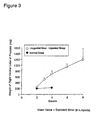
- the stromal area.ratio in the implanted tissues was monitored over 28 days.
- the implanted tissues rat fetal urogenital sinus-derived tissues
- the implanted tissues at least 14 days subsequent to implantation had a stromal area ratio of about 70%. This value nearly matched the stromal area ratio (%) of human benign prostatic hyperplasia patients ( Figure 2).
- tissue rat fetal urogenital sinus-derived tissue
- secreted substance was observed in the lumen composed of epithelial cells, thereby showing that the implanted rat fetal urogenital sinus was differentiated and developed into tissue (rat fetal urogenital sinus-derived tissue) having a secretory function equivalent to the prostate tissue.
- the inventors confirmed that the tissue (rat fetal urogenital sinus-derived tissue) implanted under the abdominal skin of the nude mouse formed histologically stroma-dominant, prostate-like tissue.
- a nude mouse produced according to the method described above can thus be considered as an animal model that has prostate-like, stroma-enlarged tissue histologically reflecting the pathological conditions of human benign prostatic hyperplasia, under the skin.
- fetuses were removed from female SD rats that were 20 days pregnant. From the removed fetuses, the urogenital sinuses were removed under ether anesthesia while observing through a stereoscopic microscope. The urogenital sinuses were stored in a sterilized culture medium until implantation.
- the prostate glands were exposed by midline incision using 6-week old male SD rats under ether anesthesia.
- the capsule of right ventral lobe of prostate was slightly cut open while observing through a stereoscopic microscope.
- Two of the fetal urogenital sinuses obtained in (1) above were implanted using a forceps beneath the capsule, and the incision in the capsule was sutured.
- the cut abdominal skin then closed and the rats were reared for 2 to 8 weeks in normal rearing cages (Rat Bracket Cages, 3 to 4 rats/cage) under the following conditions:
- the implanted tissues obtained from the right ventral lobes removed on 2, 3, 4, 6, or 8 weeks after implantation were subjected to histological evaluation using the keratin staining in the same manners as in Example s 1 (4) and 1 (5).
- Example 1 microscope image of the keratin-stained tissue sections was uploaded into a computer, and the stromal area ratio (%) of the implanted tissues (rat fetal urogenital sinus-derived tissues) was calculated.
- implanted tissues rat fetal urogenital sinus-derived tissues
- stromal area ratio of about 70%.
- This value nearly matched the stromal area ratio (%) of human benign prostatic hyperplasia patients ( Figure 4).
- the stromal area ratio (%) of the prostate tissue of normal rats (10 weeks old) was about 20%, and the tissue was epithelium-dominant.
- tissue rat fetal urogenital sinus-derived tissues
- secreted substance was observed in the lumen composed of epithelial cells, thereby showing that the implanted rat fetal urogenital sinus was differentiated and developed into tissue (rat fetal urogenital sinus-derived tissue) having a secretory function equivalent to prostate tissue.
- tissue rat fetal urogenital sinus-derived tissue
- a rat produced according to the method described above can thus be considered as an animal model that has, beneath the prostatic capsule, prostate-like stroma-enlarged tissue histologically reflecting the pathological conditions of human benign prostatic hyperplasia.
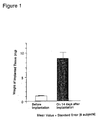
- the right ventral lobes of the prostate glands removed after 3 weeks from implantation exhibited a narked increase in weight compared with the right ventral Lobes before implantation, and the upward trend was significant compared to the right ventral lobes of the prostate glands of normal rats.
- a rat by using the change in configuration of tissue (stromal area ratio) or in weight of the implanted tissue (rat fetal urogenital sinus-derived tissue) as an indicator, can be effectively used in evaluating the medicinal effect of test pharmaceuticals (test substance) on benign prostatic hyperplasia.
- Urogenital sinuses were removed from the fetuses of female SD rats (donor animal) that were 20 days pregnant in the same manner as in Example 2 (1). The urogenital sinuses were stored in a sterilized culture medium until implantation.
- Animal models for prostatic stromal hyperplasia of the invention were prepared according to the methods described in Example 1 (1) and (2) by implanting the urogenital sinuses of rat fetuses (21 day-old) beneath the abdominal skin of 6-week-old male nude mice (BALB/cA Jcl-nu).
- model animals Two weeks after the beginning of administration (day 14), the model animals were sacrificed by over anesthesia, and the implanted tissues (rat fetal urogenital sinus-derived tissues) were removed and weighed (weights from the test substance-administered groups).
- implanted tissues rat fetal urogenital sinus-derived tissues
- weights from the test substance-administered groups weights from the test substance-administered groups.
- the implanted tissues Two weeks after the beginning of administration (day 14), the implanted tissues (rat fetal urogenital sinus-derived tissues) were likewise removed from the control mice and weighed (tissue weight from the solvent-administered group).
- the inhibition rate to weight increase of the subcutaneously-implanted, rat fetal urogenital sinus-derived tissues was calculated according to the formula shown in Equation 1, with respect to each chlormadinone acetate-administered group, and the effects of the therapeutic agent for benign prostatic hyperplasia (chlormadinone acetate) upon these tissues were then evaluated.
- Table 1 shows the results.
- chlormadinone acetate a known therapeutic agent for benign prostatic hyperplasia, acts on the fetal urogenital sinus-derived tissues subcutaneously developed during 2 weeks of rearing after implantation and significantly inhibits the tissues weight increase specifically observed in benign prostatic hyperplasia.
- Animal models for prostatic stromal hyperplasia of the present invention were prepared according to the methods described in Examples 2 (1) and (2) by implanting the urogenital sinuses of rat fetuses (20 days of intrauterine life) beneath the capsules of prostate ventral lobes of 6-week-old male SD rats. The following Experiments (1) and (2) were conducted using these animal models for prostatic stromal hyperplasia:
- Table 2 shows. the results of Experiments (1) and (2): Period of administration Amount administered Rate of inhibition (%) Ex. (1): for 3 weeks from implantation date 10 mg/kg ⁇ day 30.7 Ex. (2): for 3 weeks from 3 weeks after implantation 10 mg/kg ⁇ day 67.0
- chlormadinone acetate a known therapeutic agent for benign prostatic hyperplasia
- significantly inhibits the tissue weight increase as specifically observed in benign prostatic hyperplasia This fact demonstrates that the animal model of the present invention produced by implanting a fetal urogenital sinus beneath the prostatic capsule can be used as an animal pathological model for evaluating therapeutic or preventive effects on benign prostatic hyperplasia.
Landscapes
- Life Sciences & Earth Sciences (AREA)
- Health & Medical Sciences (AREA)
- Engineering & Computer Science (AREA)
- Chemical & Material Sciences (AREA)
- Biomedical Technology (AREA)
- General Health & Medical Sciences (AREA)
- Bioinformatics & Cheminformatics (AREA)
- Zoology (AREA)
- Cell Biology (AREA)
- Biotechnology (AREA)
- Organic Chemistry (AREA)
- Urology & Nephrology (AREA)
- Hematology (AREA)
- Molecular Biology (AREA)
- Environmental Sciences (AREA)
- Animal Behavior & Ethology (AREA)
- Wood Science & Technology (AREA)
- Genetics & Genomics (AREA)
- Reproductive Health (AREA)
- Medicinal Chemistry (AREA)
- Biochemistry (AREA)
- Immunology (AREA)
- Microbiology (AREA)
- General Chemical & Material Sciences (AREA)
- Proteomics, Peptides & Aminoacids (AREA)
- Physics & Mathematics (AREA)
- Analytical Chemistry (AREA)
- Public Health (AREA)
- General Physics & Mathematics (AREA)
- Pathology (AREA)
- Nuclear Medicine, Radiotherapy & Molecular Imaging (AREA)
- Pharmacology & Pharmacy (AREA)
- Food Science & Technology (AREA)
- Chemical Kinetics & Catalysis (AREA)
- General Engineering & Computer Science (AREA)
- Animal Husbandry (AREA)
- Biodiversity & Conservation Biology (AREA)
- Veterinary Medicine (AREA)
- Investigating Or Analysing Biological Materials (AREA)
- Medicines That Contain Protein Lipid Enzymes And Other Medicines (AREA)
Abstract
Description
wherein the animal donating the fetal urogenital sinus is a mouse or rat, and the non-human animal model for prostatic stromal hyperplasia is, the same or different, a non-human animal selected from a mouse, a nude mouse, a rat, and a nude rat.
wherein the animal donating the fetal urogenital sinus is a mouse or rat, and the non-human animal model for prostatic stromal hyperplasia is, the same or different, a non-human animal selected from a mouse, a nude mouse, a rat, and a nude rat.
wherein a subcutaneous site where the fetal urogenital sinus is implanted is an abdominal subcutaneous site.
- D. A method for producing a non-human animal model
for prostatic stromal hyperplasia comprising the steps of:
- (i) implanting a fetal urogenital sinus of a non-human animal beneath the prostatic capsule of a non-human animal belonging to the species of the same as or different from the said animal, and
- (ii) forming stroma-enlarged tissue beneath the prostatic capsule by rearing the urogenital sinus-implanted non-human animal, as required.
wherein step (i) comprises implanting the fetal urogenital sinus of a non-human animal beneath the prostatic capsule of a non-human animal belonging to the same species as a non-human animal donating the fetal urogenital sinus.
- G-2-1. A method for evaluating the preventive effect of
a test substance on human benign prostatic hyperplasia
comprising steps (a) and (b) below:
- (a) administering a test substance to at least one of the non-human animal models for prostatic stromal hyperplasia of Item (A) and (B), and rearing it; and
- (b) comparing the stromal area ratio or weight of the implanted tissue for the non-human animal model of prostatic stromal hyperplasia with the stromal area ratio or weight of the implanted tissue of a corresponding control animal model for prostatic stromal hyperplasia that is not administered with the test substance.

| Amount administered | Rate of inhibition (%) |
| 30 mg/kg·day | 21.8 |
| 100 mg/kg·day | 39.5 |
| 300 mg/kg·day | 38.8 |

| Period of administration | Amount administered | Rate of inhibition (%) |
| Ex. (1): for 3 weeks from | 10 mg/kg·day | 30.7 |
| Ex. (2): for 3 weeks from 3 weeks after | 10 mg/kg·day | 67.0 |
Claims (22)
- A non-human animal model for prostatic stromal hyperplasia having an extraneous fetal urogenital sinus or tissue derived therefrom under the skin.
- A non-human animal model for prostatic stromal hyperplasia according to Claim 1, wherein subcutaneous refers to abdominal subcutaneous.
- A non-human animal model of prostatic stromal hyperplasia according to Claim 1, wherein the fetal urogenital sinus is donated from an animal belonging to the species of the same as or different from the non-human animal model for prostatic stromal hyperplasia.
- A non-human animal model for prostatic stromal hyperplasia according to Claim 1, produced by subcutaneously implanting the fetal urogenital sinus of a non-human animal.into a non-human animal belonging to the species of the same as or different from the said animal.
- A non-human animal model for prostatic stromal hyperplasia according to Claim 1, wherein the animal donating the fetal urogenital sinus is a rat or mouse, and the non-human animal model for prostatic stromal hyperplasia is, the same or different, a non-human animal selected from a mouse, a nude mouse, a rat, and a nude rat.
- A non-human animal model for prostatic stromal hyperplasia having an extraneous fetal urogenital sinus or tissue derived therefrom beneath the prostatic capsule.
- A non-human animal model for prostatic stromal hyperplasia according to Claim 6, wherein the fetal urogenital sinus is donated from an animal belonging to the species of the same as or different from the non-human animal model for prostatic stromal hyperplasia.
- A non-human animal model for prostatic stromal hyperplasia according to Claim 6, produced by implanting the fetal urogenital sinus of a non-human animal beneath the prostatic capsule of a non-human animal belonging to the species of the same as or different from the said animal.
- A non-human animal model for prostatic stromal hyperplasia according to Claim 6, wherein an animal donating the fetal urogenital sinus is a rat or mouse, and the.non-human animal model for prostatic stromal hyperplasia is, the same or different, a non-human animal selected from a mouse, a nude mouse, a rat, and a nude rat.
- A method for producing a non-human animal model for prostatic stromal hyperplasia comprising the steps of:(i) subcutaneously implanting a fetal urogenital sinus of a non-human animal into a non-human animal belonging to the species of the same as or different from the said animal, and(ii) forming stroma-enlarged tissue under the skin by rearing the urogenital sinus-implanted non-human animal, as required.
- A method for producing a non-human animal model for prostatic stromal hyperplasia according to Claim 10, wherein a subcutaneous site where the fetal urogenital sinus is implanted is an abdominal subcutaneous site.
- A method for producing a non-human animal model for prostatic stromal hyperplasia according to Claim 10, wherein step (i) comprises implanting the fetal urogenital sinus of a rat under the abdominal skin of a nude mouse.
- A method for producing a non-human animal model for prostatic stromal hyperplasia comprising the steps of:(i ) implanting a fetal urogenital sinus of non-human animal beneath the prostatic capsule of a non-human animal belonging to the species of the same as or different from the said animal, and(ii) forming stroma-enlarged tissue under the prostatic capsule by rearing the urogenital sinus-implanted non-human animal, as required.
- A method for producing a non-human animal model for prostatic stromal hyperplasia according to Claim 13, wherein step (i) comprises implanting the fetal urogenital sinus of a rat beneath the prostatic capsule of a rat.
- A method for screening for a substance effective for preventing or treating human benign prostatic hyperplasia comprising:administering a test substance to the non-human animal model for prostatic stromal hyperplasia of Claim 1 or 6, andmeasuring the preventive or therapeutic effect of the test substance on the extraneous fetal urogenital sinus or tissue derived therefrom of the non-human animal model for prostatic stromal hyperplasia.
- A method for screening for a substance effective for treating human benign prostatic hyperplasia comprising steps (a) to (c) below:(a) administering a test substance to at least one of the non-human animal models for prostatic stromal hyperplasia of Claim (1) and (6), and rearing it;(b) measuring the stromal area ratio or weight of extraneous urogenital sinus-derived tissue of the non-human animal model for prostatic stromal hyperplasia; and(c) selecting a test substance that reduces the stromal area ratio or weight based on the result obtained in (b) in comparison with the stromal area ratio or weight of extraneous urogenital sinus-derived tissue of the non-human animal model for prostatic stromal hyperplasia before administering the test substance.
- A method for screening for a substance effective for preventing human benign prostatic hyperplasia comprising steps (a) to (c) below:(a) administering a test substance to at least one of the non-human animal models for prostatic stromal hyperplasia of Claim (1) and (6), and rearing it;(b) measuring the stromal area ratio or weight of extraneous urogenital sinus-derived tissue of the non-human animal model for prostatic stromal hyperplasia; and(c) selecting a test substance that inhibits the increase of the stromal area ratio or weight based on the result obtained in (b) in comparison with the stromal area ratio or weight of extraneous urogenital sinus-derived tissue of a control non-human animal model for prostatic stromal hyperplasia that is not administered with the test substance.
- A pharmaceutical composition for preventing or treating human benign prostatic hyperplasia comprising as an active ingredient a substance selected according to the screening method of Claim 15.
- A method for evaluating the preventive or therapeutic effect of a test substance on human benign prostatic hyperplasia comprising:administering a test substance to at least one of the non-human animal models for prostatic stromal hyperplasia of Claim 1 and 6, andmeasuring the preventive or therapeutic effect of administering the test substance on an extraneous fetal urogenital sinus or tissue derived therefrom.
- A method for evaluating the preventive or therapeutic effect of a test substance on human benign prostatic hyperplasia comprising:administering a test substance to at least one of the animal models for prostatic stromal hyperplasia of Claim 1 and 6, andmeasuring the change in stromal area ratio or weight of extraneous fetal urogenital sinus or tissue derived therefrom.
- A method for evaluating the therapeutic effect of a test substance on human benign prostatic hyperplasia comprising steps (a) and (b) below:(a) administering a test substance to at least one of the non-human animal models for prostatic stromal hyperplasia of Claim 1 and 6, and rearing it; and(b) comparing the stromal area ratio or weight of extraneous urogenital sinus-derived tissue of the non-human animal model for prostatic stromal hyperplasia with the stromal area ratio or weight of extraneous urogenital sinus-derived tissue of the non-human animal model of prostatic stromal hyperplasia before administering the test substance.
- A method for evaluating the preventive effect of a test substance against human benign prostatic hyperplasia comprising steps (a) and (b) below:(a) administering a test substance to at least one of the non-human animal models for prostatic stromal hyperplasia of Claim 1 and 6, and rearing it; and(b) comparing the stromal area ratio or weight of extraneous urogenital sinus-derived tissue of the non-human animal model for prostatic stromal hyperplasia with the stromal area ratio or weight of extraneous urogenital sinus-derived tissue of a corresponding control animal model for prostatic stromal hyperplasia that is not administered with the test substance.
Applications Claiming Priority (3)
| Application Number | Priority Date | Filing Date | Title |
|---|---|---|---|
| JP2001138123 | 2001-05-09 | ||
| JP2001138123 | 2001-05-09 | ||
| PCT/JP2002/004477 WO2002089566A1 (en) | 2001-05-09 | 2002-05-08 | Interstitial prostatism model animal |
Publications (2)
| Publication Number | Publication Date |
|---|---|
| EP1393623A1 true EP1393623A1 (en) | 2004-03-03 |
| EP1393623A4 EP1393623A4 (en) | 2005-12-21 |
Family
ID=18985113
Family Applications (1)
| Application Number | Title | Priority Date | Filing Date |
|---|---|---|---|
| EP02769216A Withdrawn EP1393623A4 (en) | 2001-05-09 | 2002-05-08 | ANIMAL MODEL OF INTERSTANTIAL PROSTATISM |
Country Status (4)
| Country | Link |
|---|---|
| US (2) | US7417175B2 (en) |
| EP (1) | EP1393623A4 (en) |
| JP (1) | JP3951270B2 (en) |
| WO (1) | WO2002089566A1 (en) |
Families Citing this family (23)
| Publication number | Priority date | Publication date | Assignee | Title |
|---|---|---|---|---|
| US7758594B2 (en) | 2005-05-20 | 2010-07-20 | Neotract, Inc. | Devices, systems and methods for treating benign prostatic hyperplasia and other conditions |
| US9504461B2 (en) | 2005-05-20 | 2016-11-29 | Neotract, Inc. | Anchor delivery system |
| US8945152B2 (en) | 2005-05-20 | 2015-02-03 | Neotract, Inc. | Multi-actuating trigger anchor delivery system |
| US8834492B2 (en) | 2005-05-20 | 2014-09-16 | Neotract, Inc. | Continuous indentation lateral lobe apparatus and method |
| US9549739B2 (en) | 2005-05-20 | 2017-01-24 | Neotract, Inc. | Devices, systems and methods for treating benign prostatic hyperplasia and other conditions |
| US8425535B2 (en) | 2005-05-20 | 2013-04-23 | Neotract, Inc. | Multi-actuating trigger anchor delivery system |
| US8603106B2 (en) | 2005-05-20 | 2013-12-10 | Neotract, Inc. | Integrated handle assembly for anchor delivery system |
| US10925587B2 (en) | 2005-05-20 | 2021-02-23 | Neotract, Inc. | Anchor delivery system |
| US10195014B2 (en) | 2005-05-20 | 2019-02-05 | Neotract, Inc. | Devices, systems and methods for treating benign prostatic hyperplasia and other conditions |
| US8529584B2 (en) | 2005-05-20 | 2013-09-10 | Neotract, Inc. | Median lobe band implant apparatus and method |
| US7645286B2 (en) | 2005-05-20 | 2010-01-12 | Neotract, Inc. | Devices, systems and methods for retracting, lifting, compressing, supporting or repositioning tissues or anatomical structures |
| US8491606B2 (en) | 2005-05-20 | 2013-07-23 | Neotract, Inc. | Median lobe retraction apparatus and method |
| US7896891B2 (en) | 2005-05-20 | 2011-03-01 | Neotract, Inc. | Apparatus and method for manipulating or retracting tissue and anatomical structure |
| US8628542B2 (en) | 2005-05-20 | 2014-01-14 | Neotract, Inc. | Median lobe destruction apparatus and method |
| US8157815B2 (en) | 2005-05-20 | 2012-04-17 | Neotract, Inc. | Integrated handle assembly for anchor delivery system |
| US8668705B2 (en) | 2005-05-20 | 2014-03-11 | Neotract, Inc. | Latching anchor device |
| EP2339970B1 (en) | 2008-07-30 | 2018-11-14 | Neotract, Inc. | Anchor delivery system with replaceable cartridge |
| US9161749B2 (en) | 2011-04-14 | 2015-10-20 | Neotract, Inc. | Method and apparatus for treating sexual dysfunction |
| US10292801B2 (en) | 2012-03-29 | 2019-05-21 | Neotract, Inc. | System for delivering anchors for treating incontinence |
| US10130353B2 (en) | 2012-06-29 | 2018-11-20 | Neotract, Inc. | Flexible system for delivering an anchor |
| WO2019126718A1 (en) | 2017-12-23 | 2019-06-27 | Neotract, Inc. | Expandable tissue engagement apparatus and method |
| WO2020096827A1 (en) | 2018-11-07 | 2020-05-14 | Neotract, Inc. | System for delivery of a fiducial marker |
| WO2022031455A1 (en) | 2020-08-03 | 2022-02-10 | Teleflex Life Sciences Limited | Handle and cartridge system for medical interventions |
Family Cites Families (1)
| Publication number | Priority date | Publication date | Assignee | Title |
|---|---|---|---|---|
| WO1997010348A1 (en) * | 1995-09-14 | 1997-03-20 | The Regents Of The University Of California | Methods for inducing selected cell types |
-
2002
- 2002-05-08 EP EP02769216A patent/EP1393623A4/en not_active Withdrawn
- 2002-05-08 WO PCT/JP2002/004477 patent/WO2002089566A1/en not_active Ceased
- 2002-05-08 JP JP2002586719A patent/JP3951270B2/en not_active Expired - Fee Related
- 2002-05-08 US US10/477,077 patent/US7417175B2/en not_active Expired - Fee Related
-
2008
- 2008-06-12 US US12/138,320 patent/US20080255253A1/en not_active Abandoned
Also Published As
| Publication number | Publication date |
|---|---|
| US20040139486A1 (en) | 2004-07-15 |
| EP1393623A4 (en) | 2005-12-21 |
| JP3951270B2 (en) | 2007-08-01 |
| JPWO2002089566A1 (en) | 2004-08-19 |
| US7417175B2 (en) | 2008-08-26 |
| WO2002089566A1 (en) | 2002-11-14 |
| US20080255253A1 (en) | 2008-10-16 |
Similar Documents
| Publication | Publication Date | Title |
|---|---|---|
| US20080255253A1 (en) | Animal model for prostatic stromal hyperplasia | |
| Zhang et al. | Animal models of benign prostatic hyperplasia | |
| Ashby et al. | Lack of effects for low dose levels of bisphenol A and diethylstilbestrol on the prostate gland of CF1 mice exposed in utero | |
| Nakao et al. | Tenascin-C promotes healing of Habu-snake venom-induced glomerulonephritis: studies in knockout congenic mice and in culture | |
| de Vallière et al. | A novel OGR1 (GPR68) inhibitor attenuates inflammation in murine models of colitis | |
| KR20170132879A (en) | Pharmaceutical compositions for combination therapy | |
| KR20200027481A (en) | Treatment with gonadotropin-releasing hormone antagonist for the treatment of endometriosis | |
| KR20150063027A (en) | Methods for monitoring physiological status of a body organ | |
| Kugler et al. | Partial skeletal muscle-specific Drp1 knockout enhances insulin sensitivity in diet-induced obese mice, but not in lean mice | |
| JP6626094B2 (en) | Use of ginsenoside M1 for inhibiting renal fibrosis | |
| Castelán et al. | Morphometry of paravaginal ganglia from the pelvic plexus: impact of multiparity, primiparity, and pregnancy | |
| Gonçalves et al. | Endocrine control of sexual behavior in sneaker males of the peacock blenny Salaria pavo: effects of castration, aromatase inhibition, testosterone and estradiol | |
| Grupe et al. | Metabolic changes during pregnancy in glucose‐intolerant NZO mice: A polygenic model with prediabetic metabolism | |
| Beamer et al. | Granulosa cell tumorigenesis in genetically hypogonadal-immunodeficient mice grafted with ovaries from tumor-susceptible donors | |
| AU735644B2 (en) | Endometriosis mouse model | |
| Steele et al. | Teratogenic action of hypolipidemic agents: an in vitro study with postimplantation rat embryos | |
| Simon et al. | In utero contiguity to males does not influence morphology, behavioral sensitivity to testosterone, or hypothalamic androgen binding in CF-1 female mice | |
| EP2363132B1 (en) | Sophoricoside for use in the treatment of cartilage degeneration | |
| JP2020510001A (en) | Compounds for use in the prevention and / or treatment of non-alcoholic steatohepatitis and non-alcoholic steatohepatitis | |
| Seagroves et al. | VHL deletion impairs mammary alveologenesis but is not sufficient for mammary tumorigenesis | |
| US7220890B2 (en) | Chimeric mouse model for endometriosis | |
| Grümmer | Models of endometriosis: In vitro and in vivo models | |
| US20210267969A1 (en) | Pharmaceutical Composition Comprising Aldehyde Inhibitor and Anticancer Agent for Treatment of Brain Cancer | |
| Kurachi et al. | Behavioral competition between infant care and sexual behavior in male but not female common marmosets | |
| CN118593504B (en) | New use of deuterated colestitinib or its salt in preparing PVNS drugs |
Legal Events
| Date | Code | Title | Description |
|---|---|---|---|
| PUAI | Public reference made under article 153(3) epc to a published international application that has entered the european phase |
Free format text: ORIGINAL CODE: 0009012 |
|
| 17P | Request for examination filed |
Effective date: 20031205 |
|
| AK | Designated contracting states |
Kind code of ref document: A1 Designated state(s): AT BE CH CY DE DK ES FI FR GB GR IE IT LI LU MC NL PT SE TR |
|
| RIC1 | Information provided on ipc code assigned before grant |
Ipc: 7C 12N 5/06 B Ipc: 7A 01K 67/027 A Ipc: 7G 01N 33/50 B Ipc: 7G 01N 33/574 B Ipc: 7G 01N 33/68 B |
|
| A4 | Supplementary search report drawn up and despatched |
Effective date: 20051108 |
|
| 17Q | First examination report despatched |
Effective date: 20060904 |
|
| GRAP | Despatch of communication of intention to grant a patent |
Free format text: ORIGINAL CODE: EPIDOSNIGR1 |
|
| STAA | Information on the status of an ep patent application or granted ep patent |
Free format text: STATUS: THE APPLICATION IS DEEMED TO BE WITHDRAWN |
|
| 18D | Application deemed to be withdrawn |
Effective date: 20100420 |