EP1385548B1 - Combinations of sterol absorption inhibitor(s) with cardiovascular agent(s) for the treatment of vascular conditions - Google Patents
Combinations of sterol absorption inhibitor(s) with cardiovascular agent(s) for the treatment of vascular conditions Download PDFInfo
- Publication number
- EP1385548B1 EP1385548B1 EP02707500A EP02707500A EP1385548B1 EP 1385548 B1 EP1385548 B1 EP 1385548B1 EP 02707500 A EP02707500 A EP 02707500A EP 02707500 A EP02707500 A EP 02707500A EP 1385548 B1 EP1385548 B1 EP 1385548B1
- Authority
- EP
- European Patent Office
- Prior art keywords
- hydrochloride
- composition according
- group
- maleate
- cardiovascular agent
- Prior art date
- Legal status (The legal status is an assumption and is not a legal conclusion. Google has not performed a legal analysis and makes no representation as to the accuracy of the status listed.)
- Revoked
Links
- 0 *=C(CC[C@](C(c(cc1)ccc1O)N1c(cc2)ccc2F)C1=O)c(cc1)ccc1F Chemical compound *=C(CC[C@](C(c(cc1)ccc1O)N1c(cc2)ccc2F)C1=O)c(cc1)ccc1F 0.000 description 3
- OLNTVTPDXPETLC-XPWALMASSA-N O[C@@H](CC[C@H]([C@@H](c(cc1)ccc1O)N1c(cc2)ccc2F)C1=O)c(cc1)ccc1F Chemical compound O[C@@H](CC[C@H]([C@@H](c(cc1)ccc1O)N1c(cc2)ccc2F)C1=O)c(cc1)ccc1F OLNTVTPDXPETLC-XPWALMASSA-N 0.000 description 1
Classifications
-
- A—HUMAN NECESSITIES
- A61—MEDICAL OR VETERINARY SCIENCE; HYGIENE
- A61K—PREPARATIONS FOR MEDICAL, DENTAL OR TOILETRY PURPOSES
- A61K31/00—Medicinal preparations containing organic active ingredients
- A61K31/74—Synthetic polymeric materials
-
- A—HUMAN NECESSITIES
- A61—MEDICAL OR VETERINARY SCIENCE; HYGIENE
- A61K—PREPARATIONS FOR MEDICAL, DENTAL OR TOILETRY PURPOSES
- A61K31/00—Medicinal preparations containing organic active ingredients
- A61K31/33—Heterocyclic compounds
- A61K31/335—Heterocyclic compounds having oxygen as the only ring hetero atom, e.g. fungichromin
- A61K31/337—Heterocyclic compounds having oxygen as the only ring hetero atom, e.g. fungichromin having four-membered rings, e.g. taxol
-
- A—HUMAN NECESSITIES
- A61—MEDICAL OR VETERINARY SCIENCE; HYGIENE
- A61K—PREPARATIONS FOR MEDICAL, DENTAL OR TOILETRY PURPOSES
- A61K31/00—Medicinal preparations containing organic active ingredients
- A61K31/33—Heterocyclic compounds
- A61K31/395—Heterocyclic compounds having nitrogen as a ring hetero atom, e.g. guanethidine or rifamycins
- A61K31/397—Heterocyclic compounds having nitrogen as a ring hetero atom, e.g. guanethidine or rifamycins having four-membered rings, e.g. azetidine
-
- A—HUMAN NECESSITIES
- A61—MEDICAL OR VETERINARY SCIENCE; HYGIENE
- A61K—PREPARATIONS FOR MEDICAL, DENTAL OR TOILETRY PURPOSES
- A61K31/00—Medicinal preparations containing organic active ingredients
- A61K31/33—Heterocyclic compounds
- A61K31/395—Heterocyclic compounds having nitrogen as a ring hetero atom, e.g. guanethidine or rifamycins
- A61K31/435—Heterocyclic compounds having nitrogen as a ring hetero atom, e.g. guanethidine or rifamycins having six-membered rings with one nitrogen as the only ring hetero atom
- A61K31/44—Non condensed pyridines; Hydrogenated derivatives thereof
- A61K31/455—Nicotinic acids, e.g. niacin; Derivatives thereof, e.g. esters, amides
-
- A—HUMAN NECESSITIES
- A61—MEDICAL OR VETERINARY SCIENCE; HYGIENE
- A61K—PREPARATIONS FOR MEDICAL, DENTAL OR TOILETRY PURPOSES
- A61K31/00—Medicinal preparations containing organic active ingredients
- A61K31/655—Azo (—N=N—), diazo (=N2), azoxy (>N—O—N< or N(=O)—N<), azido (—N3) or diazoamino (—N=N—N<) compounds
-
- A—HUMAN NECESSITIES
- A61—MEDICAL OR VETERINARY SCIENCE; HYGIENE
- A61K—PREPARATIONS FOR MEDICAL, DENTAL OR TOILETRY PURPOSES
- A61K31/00—Medicinal preparations containing organic active ingredients
- A61K31/70—Carbohydrates; Sugars; Derivatives thereof
- A61K31/7042—Compounds having saccharide radicals and heterocyclic rings
- A61K31/7052—Compounds having saccharide radicals and heterocyclic rings having nitrogen as a ring hetero atom, e.g. nucleosides, nucleotides
-
- A—HUMAN NECESSITIES
- A61—MEDICAL OR VETERINARY SCIENCE; HYGIENE
- A61K—PREPARATIONS FOR MEDICAL, DENTAL OR TOILETRY PURPOSES
- A61K45/00—Medicinal preparations containing active ingredients not provided for in groups A61K31/00 - A61K41/00
- A61K45/06—Mixtures of active ingredients without chemical characterisation, e.g. antiphlogistics and cardiaca
-
- A—HUMAN NECESSITIES
- A61—MEDICAL OR VETERINARY SCIENCE; HYGIENE
- A61P—SPECIFIC THERAPEUTIC ACTIVITY OF CHEMICAL COMPOUNDS OR MEDICINAL PREPARATIONS
- A61P3/00—Drugs for disorders of the metabolism
- A61P3/04—Anorexiants; Antiobesity agents
-
- A—HUMAN NECESSITIES
- A61—MEDICAL OR VETERINARY SCIENCE; HYGIENE
- A61P—SPECIFIC THERAPEUTIC ACTIVITY OF CHEMICAL COMPOUNDS OR MEDICINAL PREPARATIONS
- A61P3/00—Drugs for disorders of the metabolism
- A61P3/06—Antihyperlipidemics
-
- A—HUMAN NECESSITIES
- A61—MEDICAL OR VETERINARY SCIENCE; HYGIENE
- A61P—SPECIFIC THERAPEUTIC ACTIVITY OF CHEMICAL COMPOUNDS OR MEDICINAL PREPARATIONS
- A61P3/00—Drugs for disorders of the metabolism
- A61P3/08—Drugs for disorders of the metabolism for glucose homeostasis
- A61P3/10—Drugs for disorders of the metabolism for glucose homeostasis for hyperglycaemia, e.g. antidiabetics
-
- A—HUMAN NECESSITIES
- A61—MEDICAL OR VETERINARY SCIENCE; HYGIENE
- A61P—SPECIFIC THERAPEUTIC ACTIVITY OF CHEMICAL COMPOUNDS OR MEDICINAL PREPARATIONS
- A61P43/00—Drugs for specific purposes, not provided for in groups A61P1/00-A61P41/00
-
- A—HUMAN NECESSITIES
- A61—MEDICAL OR VETERINARY SCIENCE; HYGIENE
- A61P—SPECIFIC THERAPEUTIC ACTIVITY OF CHEMICAL COMPOUNDS OR MEDICINAL PREPARATIONS
- A61P7/00—Drugs for disorders of the blood or the extracellular fluid
- A61P7/10—Antioedematous agents; Diuretics
-
- A—HUMAN NECESSITIES
- A61—MEDICAL OR VETERINARY SCIENCE; HYGIENE
- A61P—SPECIFIC THERAPEUTIC ACTIVITY OF CHEMICAL COMPOUNDS OR MEDICINAL PREPARATIONS
- A61P9/00—Drugs for disorders of the cardiovascular system
-
- A—HUMAN NECESSITIES
- A61—MEDICAL OR VETERINARY SCIENCE; HYGIENE
- A61P—SPECIFIC THERAPEUTIC ACTIVITY OF CHEMICAL COMPOUNDS OR MEDICINAL PREPARATIONS
- A61P9/00—Drugs for disorders of the cardiovascular system
- A61P9/04—Inotropic agents, i.e. stimulants of cardiac contraction; Drugs for heart failure
-
- A—HUMAN NECESSITIES
- A61—MEDICAL OR VETERINARY SCIENCE; HYGIENE
- A61P—SPECIFIC THERAPEUTIC ACTIVITY OF CHEMICAL COMPOUNDS OR MEDICINAL PREPARATIONS
- A61P9/00—Drugs for disorders of the cardiovascular system
- A61P9/06—Antiarrhythmics
-
- A—HUMAN NECESSITIES
- A61—MEDICAL OR VETERINARY SCIENCE; HYGIENE
- A61P—SPECIFIC THERAPEUTIC ACTIVITY OF CHEMICAL COMPOUNDS OR MEDICINAL PREPARATIONS
- A61P9/00—Drugs for disorders of the cardiovascular system
- A61P9/10—Drugs for disorders of the cardiovascular system for treating ischaemic or atherosclerotic diseases, e.g. antianginal drugs, coronary vasodilators, drugs for myocardial infarction, retinopathy, cerebrovascula insufficiency, renal arteriosclerosis
-
- A—HUMAN NECESSITIES
- A61—MEDICAL OR VETERINARY SCIENCE; HYGIENE
- A61P—SPECIFIC THERAPEUTIC ACTIVITY OF CHEMICAL COMPOUNDS OR MEDICINAL PREPARATIONS
- A61P9/00—Drugs for disorders of the cardiovascular system
- A61P9/12—Antihypertensives
Definitions
- the present invention relates to compositions and therapeutic combinations comprising certain cardiovascular agents and sterol absorption inhibitors for treating atherosclerosis, coronary artery disease and other vascular conditions in mammals.
- Vascular disease is a term that broadly encompasses all disorders of blood vessels including small and large arteries and veins and blood flow.
- arteriosclerosis a condition associated with the thickening and hardening of the arterial wall.
- Arteriosclerosis of the large vessels is referred to as atherosclerosis.
- Atherosclerosis is the predominant underlying factor in vascular disorders such as coronary artery disease, aortic aneurysm, arterial disease of the lower extremities and cerebrovascular disease.
- a major risk factor for arteriosclerosis is high serum cholesterol.
- a total cholesterol level in excess of 225-250 mg/dl is associated with significant elevation of risk of vascular disease, particularly coronary heart disease.
- Cholesteryl esters are a major component of atherosclerotic lesions and the major storage form of cholesterol in arterial wall cells. Formation of cholesteryl esters is also a step in the intestinal absorption of dietary cholesterol. Thus, inhibition of cholesteryl ester formation and reduction of serum cholesterol can inhibit the progression of atherosclerotic lesion formation, decrease the accumulation of cholesteryl esters in the arterial wall, and block the intestinal absorption of dietary cholesterol.
- the regulation of whole-body cholesterol homeostasis in mammals and animals involves the regulation of dietary cholesterol and modulation of cholesterol biosynthesis, bile acid biosynthesis and the catabolism of the cholesterol-containing plasma lipoproteins.
- the liver is the major organ responsible for cholesterol biosynthesis and catabolism and, for this reason, it is a prime determinant of plasma cholesterol levels.
- the liver is the site of synthesis and secretion of very low density lipoproteins (VLDL) which are subsequently metabolized to low density lipoproteins (LDL) in the circulation.
- VLDL very low density lipoproteins
- LDL low density lipoproteins
- LDL are the predominant cholesterol-carrying lipoproteins in the plasma and an increase in their concentration is correlated with increased atherosclerosis.
- PCT Patent Application No. WO 00/38725 discloses cardiovascular therapeutic combinations including an ileal bile acid transport inhibitor or cholesteryl ester transport protein inhibitor in combination with a fibric acid derivative, nicotinic acid derivative, microsomal triglyceride transfer protein inhibitor, cholesterol absorption antagonist, phytosterol, stanol, antihypertensive agent or bile acid sequestrant.
- U.S. Patent No. 5,698,527 discloses ergostanone derivatives substituted with disaccharides as cholesterol absorption inhibitors, employed alone or in combination with certain other cholesterol lowering agents, which are useful in the treatment of hypercholesterolemia and related disorders.
- vascular conditions frequently coexist with cholesterol levels associated with atherosclerosis. These may include hypertension, angina and/or arrhythmia.
- elevated blood pressure as a risk factor for atherosclerosis, cardiovascular and cerebrovascular disease in both men and women has been clarified in a large number of epidemiological studies.
- WO 95/35277 describes substituted azetidinone hypercholesterolemic agents and pharmaceutical acceptable salts thereof, as well as a method of lowering cholesterol by administering said compounds, alone or in combination with a cholesterol biosynthesis inhibitor, and pharmaceutical compositions containing them.
- WO 02/081454 (prior art under Article 51 (3) EPC) relates to derivatives of aryl acids. The compounds are said to be active as hyperlipidemic, antihyperglycemic compounds.
- WO 02/50068 (prior art under Article 54 (3) EPC) described diphenyl azetidinone derivatives.
- the compounds are said to be suited for use e.g. as hyperlipidemic drugs.
- EPC relates to 1,2-diphenyl azetidinones and the use thereof for treating disorder of the lipid metabolism, e.g. as hyperlipidemics.
- WO 02/26729 (prior art under Article 54 (3) EPC) describes benzpyran carboxylic acid derivatives for the treatment of diabetes and lipid disorders.
- Said benzopyran carboxylic acid derivatives are said to be potent agonists of PPARa and/or y, and are therefore useful in the treatment, control or prevention of non-insulin dependent diabetes mellitus, hyperglycemia, dislipidemia, hyperlipidemia, hypercholesterolemia, hypertriglyceridemia, atherosclerosis, obesity, vascular restinonsis, inflammation and other PPAR ⁇ and/or ⁇ mediated diseases, disorders and conditions.
- WO 02/064094 (prior art under Article 54 (3) EPC) is concerned with 2-aryloxy-2-arylalkanoic acids, which are useful as therapeutic compounds in the treatment and prevention of type 2 diabetes mellitus.
- WO 02/50060 (prior art under Article 54 (3) EPC) relates to diphenyl azetidinone derivatives, which are said to be suited for use as hyperlipidemic drugs.
- the present invention provides a composition
- a composition comprising (a) at least one sterol absorption inhibitor according to formula (I) or (II) below or pharmaceutically acceptable salt or solvate thereof; and (b) at least one cardiovascular agent for treating a vascular condition, diabetes, obesity and/or lowering a concentration of a sterol in plasma of a mammal which is different from the at least one sterol absorption inhibitor and is selected from the compounds listed belows.
- Therapeutic combinations also are provided comprising: (a) a first amount of at least one sterol absorption inhibitor according to formula (I) or (II) below or pharmaceutically acceptable salt or solvate thereof; and (b) a second amount of at least one cardiovascular agent for treating a vascular condition in a mammal which is different from the at least one sterol absorption inhibitor and is selected from the compounds listed below, wherein the first amount and the second amount together comprise a therapeutically effective amount for the treatment or prevention of a vascular condition, diabetes, obesity and/or lowering a concentration of a sterol in plasma of a mammal.
- compositions for the treatment or prevention of vascular conditions, obesity, diabetes and/or lowering a concentration of a sterol in plasma of a mammal comprising a therapeutically effective amount of the above compositions or therapeutic combinations and a pharmaceutically acceptable carrier also are provided.
- Use of the pharmaceutical compositions for the preparation of a medicament for the treatment or prevention of vascular conditions, obesity, diabetes or lowering a concentration of a sterol in plasma of a mammal, comprising the step of administering to a mammal in need of such treatment an effective amount of the above compositions or therapeutic combinations also are provided.
- the present invention is directed to compositions, pharmaceutical compositions, therapeutic combinations, kits and methods of treatment using the same comprising (a) at least one (one or more) sterol absorption inhibitor(s) according to formula (I) or (II) below; and (b) at least one (one or more) cardiovascular agent(s) different from the sterol absorption inhibitor(s) (component (a)) and selected from the compounds listed below.
- compositions and therapeutic combinations of the present invention can be administered to a mammal in need of such treatment in a therapeutically effective amount to treat vascular conditions such as atherosclerosis, hyperlipidaemia (including but not limited to hypercholesterolaemia, hypertriglyceridaemia, sitosterolemia), hypertension, vascular inflammation, angina, cardiac arrhythmias, stroke, as well as diabetes, obesity, and/or to reduce the level of sterol(s) in the plasma.
- vascular conditions such as atherosclerosis, hyperlipidaemia (including but not limited to hypercholesterolaemia, hypertriglyceridaemia, sitosterolemia), hypertension, vascular inflammation, angina, cardiac arrhythmias, stroke, as well as diabetes, obesity, and/or to reduce the level of sterol(s) in the plasma.
- the compositions and treatments can be administered by any suitable means which produce contact of these compounds with the site of action in the body, for example in the plasma, liver or small intestine of a mammal or
- Cardiovascular agents which may used to treat the vascular conditions of the present invention, obesity or diabetes and/or to reduce the level of sterol(s) in the plasma, as used herein, are members of different classes, including calcium channel blockers, angiotensin-converting enzyme (ACE) inhibitors, angiotensin-II receptor antagonists, diuretics, adrenergic blockers including beta-adrenergic receptor blockers and alpha-adrenergic receptor blockers, adrenergic stimulants, coronary vasodilators, antihypertensive agents, diuretics, anti-anginal agents and combinations thereof.
- ACE angiotensin-converting enzyme
- diuretics diuretics
- adrenergic blockers including beta-adrenergic receptor blockers and alpha-adrenergic receptor blockers
- adrenergic stimulants include coronary vasodilators, antihypertensive agents, diuretics, anti-anginal agents and combinations thereof.
- cardiovascular agents as defined above are chemically or structurally different from the sterol absorption inhibitor(s) discussed below, for example, they contain one or more different atoms, have a different arrangement of atoms or a different number of one or more atoms than the sterol absorption inhibitor(s) discussed below.
- Adrenergic blockers include those compounds which are ⁇ -receptor inhibitors and/or ⁇ -receptor inhibitors.
- Adrenergic blockers which are ⁇ receptor inhibitors receptor inhibitors include a class of drugs that antagonize the cardiovascular effects of catecholamines in hypertension, angina pectoris, and cardiac arrhythmias.
- ⁇ -adrenergic receptor blockers include, bunolol hydrochloride (1(2H)-Naphthalenone, 5-[3-(1,1-dimethylethyl)amino]-2-hydroxypropoxy]-3,4-dihydro-,hydrochloride, CAS RN 31969-05-8 which can be obtained from Parke-Davis); acebutolol ( ⁇ N-[3-Acetyl-4-[2-hydroxy-3-[(1 methylethyl)amino]propoxy]phenyl]-butanamide, or ( ⁇ )-3'-Acetyt-4'-[2-hydroxy -3-(isopropylamino) propoxy] butyranilide); acebutolol hydrochloride (such as N-[3-acetyl-4-[2-hydroxy-3-[1-methyl-ethyle)amino]propoxy]phenyl]-,monohydrocochloride, ( ⁇ -;-3'
- Atenolol such as benzeneacetamide 4-[2'-hydroxy-3'-[(1-methylethyl)amino]propoxy]- , for example, TENORMIN ® I.V.
- carteolol hydrochloride such as 5-[3-[(1,1-dimethylethyl)amino]-2-hydroxypropoxy]-3,4-dihydro-2(1H)-quinolinone monohydrochloride, for example, Cartrol ® Filmtab ® Tablets available from Abbott); Celiprolol hydrochloride (3-[3-Acetyl-4-[3-( tert -butylamino)-2-hydroxypropoxyl]phenyl]-1,1-diethylurea monohydrochloride, CAS RN 57470-78-7, also see in US Patent No.
- cetamolol hydrochloride (Acetamide, 2-[2-[3-[(1,1-dimethylethyl)amino]-2-hydroxypropoxy]-phenoxy]-N-methyl-,monohydrochloride, CAS RN 77590-95-5, see also US Patent No.
- labetalol hydrochloride such as 5-[1-hydroxy-2-[(1-methyl-3-phenylpropyl) amino] ethyl]salicylamide monohydrochloride, for example, NORMODYNE ® Tablets available from Schering; esmolol hydrochloride (( ⁇ )-Methyl p-[2-hydroxy-3-(isopropylamino) propoxy] hydrocinnamate hydrochloride, for example, BREVIBLOC ® Injection available from Baxter); levobetaxolol hydrochloride (such as (S)-1-[p-[2-(cyclopropylmethoxy)ethyl]phenoxy]-3-(isopropylamino)-2-propanol hydrochloride, for example, BETAXON TM Ophthalmic Suspension available from Alcon); levobunolol hydrochloride (such as (-)-5-[3-(tert-
- cicloprolol hydrochloride such 2-Propanol, 1-[4-[2-(cyclopropylmethoxy)ethoxy]phenoxy]-3-[1-methylethyl)amino]-,hydrochloride, A.A.S.
- dexpropranolol hydrochloride (2-Propanol, 1-[1-methylethyl)-amino]-3-(1-naphthalenyloxy)-hydrochloride (CAS RN 13071-11-9); diacetolol hydrochloride (Acetamide, N-[3-acetyl-4-[2-hydroxy-3-[(1-methyl-ethyl)amino]propoxy][phenyl]-,monohydrochloride CAS RN 69796-04-9);dilevalol hydrochloride (Benzamide, 2-hydroxy-5-[1-hydroxy-2-[1-methyl-3-phenylpropyl)amino]ethyl]-,monohydrochloride, CAS RN 75659-08-4); exaprolol hydrochloride (2-Propanol, 1-(2-cyclohexytphenoxy)-3-[(1-methylethyl)amino]-,
- Adrenergic receptors which are ⁇ -receptor inhibitors act to block vasoconstriction induced by endogenous catecholamines. The resulting fall in peripheral resistance leads to a fall in mean blood pressure. The magnitude of this effect is dependent upon the degree of sympathetic tone at the time the antagonist is administered.
- Suitable adrenergic receptors which are ⁇ -receptor inhibitors include, fenspiride, hydrochloride (which may be prepared as disclosed in US Patent No. 3,399,192; proroxan (CAS RN 33743-96-3); alfuzosin hydrochloride (CAS RN : 81403-68-1); and labetalol hydrochloride as described above or combinations thereof.
- Adrenergic blockers with ⁇ and ⁇ receptor inhibitor activity which may be used with the present invention include, dihydroergtamine mesylate (such as ergotaman-3', 6',18-trione,9,-10-dihydro-12'-hydroxy-2'-methyl-5'-(phenylmethyl)-,(5'(alpha))-, monomethanesulfonate, for example, DHE 45 ® Injection available from Novartis); carvedilol (such as ( ⁇ )-1-(Carbazol-4-yloxy)-3-[[2-(o-methoxyphenoxy)ethyl]amino]-2-propanol, for example, COREG ® Tablets available from SmithKline Beecham);.
- dihydroergtamine mesylate such as ergotaman-3', 6',18-trione,9,-10-dihydro-12'-hydroxy-2'-methyl-5'-(phenylmethyl)-,(5'(alpha
- labetalol such as 5-[1-hydroxy-2-[(1-methyl-3-phenylpropyl) amino] ethyl]salicylamide monohydrochloride, for example, NORMODYNE ® Tablets available from Schering
- bretylium tosylate Benzenemethanaminium, 2-bromo-N-ethyl-N,N-dimethyl-, salt with 4-methylbenzenesulfonic acid (1:1) CAS RN 61-75-6
- phentolamine mesylate Phenol, 3-[[(4,5-dihydro-1 H-imidazol-2-yl)methyl](4-methylphenyl)amino]-, monomethanesulfonate (salt) CAS RN 65-28-1
- solypertine tartrate 5H-1,3-Dioxolo[4,5-f]indole, 7-[2-[4-(2-methoxyphenyl)-1-
- vascular conditions may be caused or aggravated by hypertension.
- Hypertension is defined as persistently high blood pressure. Generally, adults are classified as being hypertensive when systolic blood pressure is persistently above 140 mmHg or when diastolic blood pressure is above 90 mmHG. Long-term risks for cardiovascular mortality increase in a direct relationship with persistent blood pressure.
- antihypertensive agents which may be used in the present invention include althiazide (2H-1,2,4-Benzothiadiazine-7-sulfonamide, 6-chloro-3,4-dihydro-3-[(2-propenylthio)methyl]-, 1,1-dioxide CAS RN 5588-16-9); benzthiazide (2H-1,2,4-Benzothiadiazine-7-sulfonamide, 6-chloro-3-[[(phenylmethyl)thio]methyl]-, 1,1-dioxide CAS RN 91-33-8); captopril (L-Proline, 1-[(2S)-3-mercapto-2-methyl-1-oxopropyl]- CAS RN 62571-86-2); carvedilol (2-Propanol, 1-(9H-carbazol-4-yloxy)-3-[[2-(2-methoxyphenoxy)ethyl]amino]- CAS RN 72956-0
- An angiotensin system inhibitor is an agent that interferes with the function, synthesis or catabolism of angiotensin II.
- agents which may be used in the present invention include angiotensin-converting enzyme (ACE) inhibitors, angiotensin II antagonists, angiotensin II receptor antagonists, agents that activate the catabolism of angiotensin II and agents that prevent the synthesis of angiotensin I from which angiotensin II is ultimately derived.
- ACE angiotensin-converting enzyme
- the renin-angiotensin system is involved in the regulation of hemodynamics and water and electrolyte balance. Factors that lower blood volume, renal profusion, or the concentration of Na+ in plasma tend to activate the system, while factors that increase these parameters tend to suppress its function.
- Angiotensin_ I and angiotensin II are synthesized by the enzymatic renin-angiotensin pathway. The synthetic process is initiated when the enzyme renin acts on angiotensinogen, a pseudoglobulin in blood plasma, to produce the cecapeptide angiotensin I. Angiotensin I is converted by angiotensin-converting enzyme (ACE) to angiotensin II.
- ACE angiotensin-converting enzyme
- the latter is an active pressor substance which has been implicated as a causative agent in several forms of hypertension in various mammalian species.
- Angiotensin II receptor antagonists are compounds which interfere with the activity of angiotensin II by binding to angiotensin II receptors and interfering with its activity.
- Well known angiotensin II receptor antagonists which may be used in the present invention include peptide compounds and non-peptide compounds.
- angiotensin II receptor antagonists include: candesartan cilexetil (1 H-Benzimidazole-7-carboxylic acid, 2-ethoxy-1-[[2'-(1 H-tetrazol-5-yl)[1,1'-biphenyl]-4-yl]methyl]-, 1-[[(cyclohexyloxy)carbonyl]oxy]ethyl ester) CAS RN 145040-37-5); telmisartan(-[1,1'-Biphenyl]-2-carboxylic acid, 4'-[(1,4'-dimethyl-2'-propyl[2,6'-bi-1H-benzimidazol]-1'-yl)methyl]- CAS RN 144701-48-4); candesartan (1H-Benzimidazole-7-carboxylic acid, 2-ethoxy-1-[[2'-(1H-tetrazol-5-yl)[1,1'-biphenyl]-4
- Angiotensin-converting enzyme is an enzyme which catalyzes the conversion of angiotensin I to angiotensin II.
- ACE inhibitors which may be used in the present invention include amino acids and derivatives thereof, peptides, including di and tri peptides and antibodies to ACE which intervene renin-angiotensin system by inhibiting the activity of ACE thereby reducing or eliminating the formation of pressor substance angiotensin II.
- ACE inhibitors have been used medically to treat hypertension, congestive heart failure, myocardial infarction and renal disease.
- Suitable ACE inhibitors include benazepril hydrochloride (such as 3-[[1-(ethoxycarbonyl)-3-phenyl-(1S)-propyl]amino]-2,3,4,5-tetrahydro-2-oxo-1 H-1-(3S)-benzazepine-1-acetic acid monohydrochloride, for example, LOTREL ® Capsules available from Novartis); captopril (such as 1-[(2S)-3-mercapto-2-methylpropionyl]-L-proline, for example, CAPTOPRIL Tablets available from Mylan); fosinopril (such as L-proline, 4-cyclohexyl-1-[[[2-methyl-1-(1-oxopropoxy) propoxy] (4-phenylbutyl) phosphinyl] acetyl]-, sodium salt, trans -., for example, MONOPRIL ® Tablets available from Bristol-Myers Squibb
- Calcium channel blockers are a chemically diverse class of compounds having important therapeutic value in the control of a variety of diseases including several cardiovascular disorders such as hypertension, angina, and cardiac arrhythmias (Fleckenstein, Cir. Res. V. 52 (suppl. 1), p. 13-16 (1983); Fleckenstein, Experimental Facts and Therapeutic Prospects, John Wiley, New York (1983); McCall, D. , Curr. Pract Cardiol., v . 10, p.1-11 (1985)). Calcium channel blockers are a heterogeneous group of drugs that prevent or slow the entry of calcium into cells by regulating cellular calcium channels (Remington, The Science and Practice of Pharmacy, Nineteenth Edition, Mack Publishing Company, Eaton, PA, p. 963 (1995)).
- Calcium channel blockers useful in the present invention include but are not limited to, the besylate salt of amiodipine (such as 3-ethyl-5-methyl-2-(2-aminoethoxymethyl)-4-(2-chlorophenyl)-1,4-dihydro-6-methyl-3,5-pyridinedicarboxylate benzenesulphonate, for example, NORVASC ® available from Pfizer); clentiazem maleate (1,5-Benzothiazepin-4(5H)-one.
- amiodipine such as 3-ethyl-5-methyl-2-(2-aminoethoxymethyl)-4-(2-chlorophenyl)-1,4-dihydro-6-methyl-3,5-pyridinedicarboxylate benzenesulphonate, for example, NORVASC ® available from Pfizer
- clentiazem maleate (1,5-Benzothiazepin-4(5H)-one.
- Cardiovascular agents of the present invention which also act as "anti-anginal agents" are useful in the present invention.
- Angina includes those symptoms that occur when myocardial oxygen availability is insufficient to meet myocardial oxygen demand.
- these agents include: ranolazine (hydrochloride1-Piperazineacetamide, N-(2,6-dimethylphenyl)-4-[2-hydroxy-3-(2-methoxyphenoxy)propyl]-, dihydrochloride CAS RN 95635-56-6); betaxolol hydrochloride (2-Propanol, 1-[4-[2 (cyclopropylmethoxy)ethyl]phenoxy]-3-[(1-methylethyl)amino]-, hydrochloride CAS RN 63659-19-8); butoprozine hydrochloride (Methanone, [4-[3(dibutylamino)propoxy]phenyl](2-ethyl-3-indolizinyl)
- Coronary vasodilators may act to reduce angina systems by increasing the oxygen supply to the heart.
- Coronary vasodilators useful in the present invention include diltiazem hydrochloride (such as 1,5-Benzothiazepin-4(5H)-one,3-(acetyloxy)-5[2-(dimethylamino)ethyl]-2,-3-dihydro-2(4-methoxyphenyl)-, monohydrochloride, (+)-cis, for example, TIAZAC ® Capsules available from Forest); isosorbide dinitrate (such as 1,4:3,6-dianhydro-D-glucitol 2,5-dinitrate, for example, ISORDIL ® TITRADOSE ® Tablets available from Wyeth-Ayerst); sosorbide mononitrate (such as 1,4:3,6-dianhydro-D-glucitol,5-nitrate, an organic nitrate, for example, Ismo
- diuretic includes compounds that increase the excretion of solutes (mainly NaCl) and water.
- solutes mainly NaCl
- water in general, the primary goal of diuretic therapy is to reduce extracellular fluid volume in order to lower blood pressure or rid the body of excess interstitial fluid (edema).
- diuretics which may be used within the scope of this invention include althiazide (which may be prepared as disclosed in British Patent No. 902,658); benzthiazide (which may be prepared as disclosed in U.S. Patent No. 3,108,097); buthiazide (which may be prepared as disclosed in British Patent Nos. 861,367); chlorothiazide (which may be prepared as disclosed in U.S. 2,809,194); spironolactone (CAS Number 52-01-7); and triamterene (CAS Number 396-01-0).
- Adrenergic stimulants useful as cardiovascular agents in the present invention include guanfacine hydrochloride (such as N-amidino-2-(2,6-dichlorophenyl) acetamide hydrochloride, for example, TENEX ® Tablets available from Robins); methyldopa-hydrochlorothiazide (such as levo-3-(3,4-dihydroxyphenyl)-2-methylalanine) combined with Hydrochlorothiazide (such as 6-chloro-3,4-dihydro-2 H -1,2,4-benzothiadiazine-7- sulfonamide 1,1-dioxide, for example, the combination as, for example, ALDORIL ® Tablets available from Merck); methyldopa-chlorothiazide (such as 6-chloro-2 H -1, 2, 4-benzothiadiazine-7-sulfonamide 1, 1-dioxide and methyldopa as described above, for example, ALDOC
- a total dosage of the above-described agents or medications can range from 1 to 3,000 mg/day, preferably from about 1 to 1,000 mg/day and more preferably from about 1 to 200 mg/day in single or 2-4 divided doses.
- the cardiovascular agents useful for treating vascular conditions are administered in a therapeutically effective amount to treat the specified condition, for example, in a daily dose preferably ranging from about 1 to about 3000 mg per day, and more preferably about 5 to about 200 mg per day, given in a single dose or 2-4 divided doses.
- a daily dose preferably ranging from about 1 to about 3000 mg per day, and more preferably about 5 to about 200 mg per day, given in a single dose or 2-4 divided doses.
- the exact dose is determined by the attending clinician and is dependent on such factors as the potency of the compound administered, the age, weight, condition and response of the patient.
- terapéuticaally effective amount means that amount of a therapeutic agent of the composition, such as the cardiovascular agents, sterol absorption inhibitor(s) and other pharmacological or therapeutic agents described below, that will elicit a biological or medical response of a tissue, system, animal or mammal that is being sought by the administrator (such as a researcher, doctor or veterinarian) which includes alleviation of the symptoms of the condition or disease being treated and the prevention, slowing or halting of progression of the condition (for example a vascular condition as discussed above).
- a therapeutic agent of the composition such as the cardiovascular agents, sterol absorption inhibitor(s) and other pharmacological or therapeutic agents described below.
- “combination therapy” or “therapeutic combination” means the administration of two or more different therapeutic agents, such as cardiovascular agent(s) and sterol absorption inhibitor(s), to prevent or treat a vascular condition, such as hyperlipidaemia (for example atherosclerosis, hypercholesterolemia or sitosterolemia), stroke, diabetes, obesity and/or reduce the level of sterol(s) in the plasma.
- vascular comprises cardiovascular, cerebrovascular and combinations thereof.
- Such administration includes coadministration of these therapeutic agents in a substantially simultaneous manner, such as in a single tablet or capsule having a fixed ratio of active ingredients or in multiple, separate capsules for each therapeutic agent. Also, such administration includes use of each type of therapeutic agent in a sequential manner.
- a potential advantage of the combination therapy disclosed herein may be a reduction in the required amount of an individual therapeutic compound or the overall total amount of therapeutic compounds that are effective in treating the vascular condition.
- the side effects of the individual compounds can be reduced as compared to a monotherapy, which can improve patient compliance.
- therapeutic agents can be selected to provide a broader range of complimentary effects or complimentary modes of action.
- compositions, pharmaceutical compositions and therapeutic combinations of the present invention comprise one or more sterol absorption inhibitors, such as the substituted azetidinone sterol absorption inhibitors or substituted ⁇ -lactam sterol absorption inhibitors discussed in detail below.
- sterol absorption inhibitors such as the substituted azetidinone sterol absorption inhibitors or substituted ⁇ -lactam sterol absorption inhibitors discussed in detail below.
- sterol absorption inhibitor means a compound capable of inhibiting the absorption of one or more sterols, including but not limited to cholesterol, phytosterols (such as sitosterol, campesterol, stigmasterol and avenosterol), 5 ⁇ -stanols (such as cholestanol, 5 ⁇ -campestanol, 5 ⁇ -sitostanol), and mixtures thereof, when administered in a therapeutically effective (sterol absorption inhibiting) amount to a mammal or human.
- phytosterols such as sitosterol, campesterol, stigmasterol and avenosterol
- 5 ⁇ -stanols such as cholestanol, 5 ⁇ -campestanol, 5 ⁇ -sitostanol
- mixtures thereof when administered in a therapeutically effective (sterol absorption inhibiting) amount to a mammal or human.
- sterol absorption inhibitors useful in the compositions, therapeutic combinations and uses of the present invention are represented by Formula (I) below: or isomers of the compounds of Formula (I), or pharmaceutically acceptable salts or solvates of the compounds of Formula (I) or of the isomers of the compounds of Formula (I), wherein:
- R 4 is 1-3 independently selected substituents
- R 5 is preferably 1-3 independently selected substituents.
- alkyl or "lower alkyl” means straight or branched alkyl chains having from 1 to 6 carbon atoms and "alkoxy” means alkoxy groups having 1 to 6 carbon atoms.
- alkyl groups include, for example, methyl, ethyl, propyl, and butyl groups.
- alkenyl means straight or branched carbon chains having one or more double bonds in the chain, conjugated or unconjugated.
- alkynyl means straight or branched carbon chains having one or more triple bonds in the chain.
- Cycloalkyl means a saturated carbon ring of 3 to 6 carbon atoms, while “cycloalkylene” refers to a corresponding bivalent ring, wherein the points of attachment to other groups include all positional isomers.
- Halogeno refers to fluorine, chlorine, bromine or iodine radicals.
- Aryl means phenyl, naphthyl, indenyl, tetrahydronaphthyl or indanyl.
- Phenylene means a bivalent phenyl group, including ortho, meta and para-substitution.
- R, R 1 , R 2 and R 3 are said to be independently selected from a group of substituents, mean that R, R 1 , R 2 and R 3 are independently selected, but also that where an R, R 1 , R 2 and R 3 variable occurs more than once in a molecule, each occurrence is independently selected (e.g., if R is -OR 6 , wherein R 6 is hydrogen, R 2 can be -OR 6 wherein R 6 is lower alkyl).
- R 6 is hydrogen
- R 2 can be -OR 6 wherein R 6 is lower alkyl
- Compounds of the invention have at least one asymmetrical carbon atom and therefore all isomers, including enantiomers, stereoisomers; rotamers, tautomers and racemates of the compounds of Formulae (I-II) (where they exist) are contemplated as being part of this invention.
- the invention includes d and I isomers in both pure form and in admixture, including racemic mixtures.
- Isomers can be prepared using conventional techniques, either by reacting optically pure or optically enriched starting materials or by separating isomers of a compound of the Formulae I-II. Isomers may also include geometric isomers, e.g., when a double bond is present.
- Compounds of the invention with an amino group can form pharmaceutically acceptable salts with organic and inorganic acids.
- suitable acids for salt formation are hydrochloric, sulfuric, phosphoric, acetic, citric, oxalic, malonic, salicylic, malic, fumaric, succinic, ascorbic, maleic, methanesulfonic and other mineral and carboxylic acids well known to those in the art.
- the salt is prepared by contacting the free base form with a sufficient amount of the desired acid to produce a salt.
- the free base form may be regenerated by treating the salt with a suitable dilute aqueous base solution such as dilute aqueous sodium bicarbonate.
- the free base form differs from its respective salt form somewhat in certain physical properties, such as solubility in polar solvents, but the salt is otherwise equivalent to its respective free base forms for purposes of the invention.
- Certain compounds of the invention are acidic (e.g., those compounds which possess a carboxyl group). These compounds form pharmaceutically acceptable salts with inorganic and organic bases. Examples of such salts are the sodium, potassium, calcium, aluminum, gold and silver salts. Also included are salts formed with pharmaceutically acceptable amines such as ammonia, alkyl amines, hydroxyalkylamines, N-methylglucamine and the like.
- solvate means a molecular or ionic complex of molecules or ions of solvent with those of solute (for example, one or more compounds of Formulae I-II, isomers of the compounds of Formulae I-II.
- solvents include polar, protic solvents such as water and/or alcohols (for example methanol).
- Preferred compounds of Formula (I) are those in which Ar 1 is phenyl or R 4 -substituted phenyl, more preferably (4-R 4 )-substituted phenyl.
- Ar 2 is preferably phenyl or R 4 -substituted phenyl, more preferably (4-R 4 )-substituted phenyl.
- Ar 3 is preferably R 5 -substituted phenyl, more preferably (4-R 5 )-substituted phenyl.
- R 4 is preferably a halogen.
- R 4 is preferably halogen or -OR 6 and R 5 is preferably -OR 6 wherein R 6 is lower alkyl or hydrogen.
- R 4 is preferably halogen or -OR 6 and R 5 is preferably -OR 6 wherein R 6 is lower alkyl or hydrogen.
- R 4 is preferably halogen or -OR 6 and R 5 is preferably -OR 6 wherein R 6 is lower alkyl or hydrogen.
- R 6 is lower alkyl or hydrogen.
- Ar 1 and Ar 2 is 4-fluorophenyl and Ar 3 is 4-hydroxyphenyl or 4-methoxyphenyl.
- X, Y and Z are each preferably -CH 2 -.
- R and R 3 are each preferably hydrogen.
- R and R 2 are preferably -OR 6 wherein R 6 is hydrogen, or a group readily metabolizable to a hydroxyl (such as -O(CO)R 6 , -O(CO)OR 9 and -O(CO)NR 6 R 7 , defined above).
- m, n, p, q and r is preferably 2, 3 or 4, more preferably 3.
- Preferred are compounds wherein m, n and r are each zero, q is 1 and p is 2.
- compounds of Formula (I) in which p, q and n are each zero, r is 1 and m is 2 or 3. More preferred are compounds wherein m, n and r are each zero, q is 1, p is 2, Z is -CH 2 - and R is -OR 6 , especially when R 6 is hydrogen.
- Another group of preferred compounds of Formula (I) is that in which Ar 1 is phenyl or R 4 -substituted phenyl, Ar 2 is phenyl or R 4 -substituted phenyl and Ar 3 is R 5 -substituted phenyl. Also preferred are compounds in which Ar 1 is phenyl or R 4 -substituted phenyl, Ar 2 is phenyl or R 4 -substituted phenyl, Ar 3 is R 5 -substituted phenyl, and the sum of m, n, p, q and r is 2, 3 or 4, more preferably 3.
- Ar 1 is phenyl or R 4 -substituted phenyl
- Ar 2 is phenyl or R 4 -substituted phenyl
- Ar 3 is R 5 -substituted phenyl
- m, n and r are each zero, q is 1 and p is 2, or wherein p, q and n are each zero, r is 1 and m is 2 or 3.
- a sterol inhibitor of Formula (I) useful in the compositions, therapeutic combinations and methods of the present invention is represented by Formula (II) (ezetimibe) below: or pharmaceutically acceptable salts or solvates of the compounds of Formula (II).
- Compounds of Formula I can be prepared by a variety of methods well known to those skilled in the art, for example such as are disclosed in U.S. Patents Nos. 5,631,365, 5,767,115, 5,846,966, 6,207,822, U.S. Provisional Patent Application No. 60/279,288 filed March 28, 2001 and PCT Patent Application WO 93/02048, and in the Example below.
- suitable compounds of Formula I can be prepared by a method comprising the steps of:
- compositions, pharmaceutical compositions, therapeutic combinations, kits and uses in the preparation of a medicament for the treatment as described above comprise: (a) a first amount of at least one cardiovascular agent; selected from the compound listed above and (b) a second amount of at least one sterol absorption inhibitor according to formula (I) or (II), or pharmaceutically acceptable salt or solvate thereof, wherein the first amount and the second amount together in their totality (whether administered concurrently or consecutively) comprise a therapeutically effective amount for the treatment or prevention of a vascular condition, diabetes, obesity or lowering of a concentration or level of a sterol in plasma of a mammal.
- Sterol absorption inhibitors include the compounds discussed above in Formulae I-II, salts or solvates thereof.
- the compounds of Formulae I-II can be prepared by known methods, including the methods discussed above and, for example, WO 93/02048 describes the preparation of compounds wherein-R 1 -Q- is alkylene, alkenylene or alkylene interrupted by a hetero atom, Phenylene or cycloalkylene; WO 94/17038 describes the preparation of compounds wherein Q is a spirocyclic group; WO 95/08532 describes the preparation of compounds wherein -R 1 -Q- is a hydroxy-substituted alkylene group; PCT/US95/03196 describes compounds wherein -R 1 -Q- is a hydroxy-substituted alkylene attached to the Ar 1 moiety through an -O- or S(O) 0-2 - group; and U.S.
- the daily dose of the sterol absorption inhibitor(s) can range from about 0.1 to about 1000 mg per day, preferably about 0.25 to about 50 mg/day, and more preferably is about 10 mg, given in a single dose or 2-4 divided doses.
- the exact dose is determined by the attending clinician and is dependent on the potency of the compound administered, the age, weight, condition and response of the patient.
- the weights indicated above refer to the weight of the acid equivalent or the base equivalent of the therapeutic compound derived from the salt.
- compositions or therapeutic combinations can further comprise one or more pharmacological or therapeutic agents or drugs such as cholesterol biosynthesis inhibitors and/or lipid-lowering agents discussed below.
- cholesterol biosynthesis inhibitors for use in the compositions, therapeutic combinations and methods of the present invention include competitive inhibitors of HMG CoA reductase, the rate-limiting step in cholesterol biosynthesis, squalene synthase inhibitors, squalene epoxidase inhibitors and mixtures thereof.
- HMG CoA reductase inhibitors include statins such as lovastatin (for example MEVACOR® which is available from Merck & Co.), pravastatin (for example PRAVACHOL® which is available from Bristol Meyers Squibb), fluvastatin, simvastatin (for example ZOCOR® which is available from Merck & Co.), atorvastatin, cerivastatin, rosuvastatin, rivastatin (sodium 7-(4-fluorophenyl)-2,6-diisopropyl-5-methoxymethylpyridin-3-yl)-3,5-dihydroxy-6-heptanoate, Cl-981 and pitavastatin (such as NK-104 of Negma Kowa of Japan); HMG CoA synthetase inhibitors, for example L-659,699 ((E,E)-11-[3'R-(hydroxymethyl)-4'-oxo-2'R-ox
- a total daily dosage of cholesterol biosynthesis inhibitor(s) can range from about 0.1 to about 160 mg per day, and preferably about 0.2 to about 80 mg/day in single or 2-3 divided doses.
- composition or treatment comprises the compound of Formula (II) in combination with one or more cardiovascular agents and one or more cholesterol biosynthesis inhibitors.
- the cholesterol biosynthesis inhibitor comprises one or more HMG CoA reductase inhibitors, such as, for example, lovastatin, pravastatin and/or simvastatin.
- compositions or treatments of the present invention can further comprise nicotinic acid (niacin) and/or derivatives thereof coadministered with or in combination with the cardiovascular agent(s) and sterol absorption inhibitor(s) discussed above.
- nicotinic acid niacin
- derivatives thereof coadministered with or in combination with the cardiovascular agent(s) and sterol absorption inhibitor(s) discussed above.
- nicotinic acid derivative means a compound comprising a pyridine-3-carboxylate structure or a pyrazine-2-carboxylate structure, including acid forms, salts, esters, zwitterions and tautomers, where available.
- nicotinic acid derivatives include niceritrol, nicofuranose and acipimox (5-methyl pyrazine-2-carboxylic acid 4-oxide). Nicotinic acid and its derivatives inhibit hepatic production of VLDL and its metabolite LDL and increases HDL and apo A-1 levels.
- An example of a suitable nicotinic acid product is NIASPAN® (niacin extended-release tablets) which are available from Kos.
- a total daily dosage of nicotinic acid or a derivative thereof can range from about 500 to about 10,000 mg/day, preferably about 1000 to about 8000 mg/day, and more preferably about 3000 to about 6000 mg/day in single or divided doses.
- compositions or treatments of the present invention can further comprise one or more AcylCoA:Cholesterol O-acyltransferase (“ACAT”) Inhibitors, which can reduce LDL and VLDL levels, coadministered with or in combination with the cardiovascular agent(s) and sterol absorption inhibitor(s) discussed above.
- ACAT is an enzyme responsible for esterifying excess intracellular cholesterol and may reduce the synthesis of VLDL, which is a product of cholesterol esterification, and overproduction of apo B-100-containing lipoproteins.
- ACAT inhibitors examples include avasimibe ([[2,4,6-tris(1-methylethyl)phenyl]acetyl]sulfamic acid, 2,6-bis(1-methylethyl)phenyl ester, formerly known as Cl-1011), HL-004, lecimibide (DuP-128) and CL-277082 ( N -(2,4-difluorophenyl)- N -[[4-(2,2-dimethylpropyl)phenyl]methyl]- N -heptylurea). See P. Chang et al., "Current, New and Future Treatments in Dyslipidaemia and Atherosclerosis", Drugs 2000 Jul;60(1); 55-93.
- compositions or treatments of the present invention can further comprise probucol or derivatives thereof (such as AGI-1067 and other derivatives disclosed in U.S. Patents Nos. 6,121,319 and 6,147,250), which can reduce LDL levels, coadministered with or in combination with the cardiovascular agent(s) and sterol absorption inhibitor(s) discussed above.
- probucol or derivatives thereof such as AGI-1067 and other derivatives disclosed in U.S. Patents Nos. 6,121,319 and 6,147,250
- a total daily dosage of probucol or derivatives thereof can range from about 10 to about 2000 mg/day, and preferably about 500 to about 1500 mg/day in single or 2-4 divided doses.
- compositions or treatments of the present invention can further comprise low-density lipoprotein (LDL) receptor activators, coadministered with or in combination with the cardiovascular agent(s) and sterol absorption inhibitor(s) discussed above.
- LDL-receptor activators include HOE-402, an imidazolidinyl-pyrimidine derivative that directly stimulates LDL receptor activity. See M. Huettinger et al., "Hypolipidemic activity of HOE-402 is Mediated by Stimulation of the LDL Receptor Pathway", Arterioscler. Thromb. 1993; 13:1005-12.
- a total daily dosage of LDL receptor activator(s) can range from about 1 to about 1000 mg/day in single or 2-4 divided doses.
- compositions or treatments of the present invention can further comprise fish oil, which contains Omega 3 fatty acids (3-PUFA), which can reduce VLDL and triglyceride levels, coadministered with or in combination with the cardiovascular agent(s) and sterol absorption inhibitor(s) discussed above.
- fish oil which contains Omega 3 fatty acids (3-PUFA)
- a total daily dosage of fish oil or Omega 3 fatty acids can range from about 1 to about 30 grams per day in single or 2-4 divided doses.
- compositions or treatments of the present invention can further comprise natural water soluble fibers, such as psyllium, guar, oat and pectin, which can reduce cholesterol levels, coadministered with or in combination with the cardiovascular agent(s) and sterol absorption inhibitor(s) discussed above.
- natural water soluble fibers such as psyllium, guar, oat and pectin
- a total daily dosage of natural water soluble fibers can range from about 0.1 to about 10 grams per day in single or 2-4 divided doses.
- compositions or treatments of the present invention can further comprise plant sterols, plant stanols and/or fatty acid esters of plant stanols, such as sitostanol ester used in BENECOL® margarine, which can reduce cholesterol levels, coadministered with or in combination with the cardiovascular agent(s) and sterol absorption inhibitor(s) discussed above.
- a total daily dosage of plant sterols, plant stanols and/or fatty acid esters of plant stanols can range from about 0.5 to about 20 grams per day in single or 2-4 divided doses.
- compositions or treatments of the present invention can further comprise antioxidants, such as probucol, tocopherol, ascorbic acid, ⁇ -carotene and selenium, or vitamins such as vitamin B 6 or vitamin B 12 , coadministered with or in combination with the cardiovascular agent(s) and sterol absorption inhibitor(s) discussed above.
- antioxidants such as probucol, tocopherol, ascorbic acid, ⁇ -carotene and selenium
- vitamins such as vitamin B 6 or vitamin B 12
- a total daily dosage of antioxidants or vitamins can range from about 0.05 to about 10 grams per day in single or 2-4 divided doses.
- compositions, therapeutic combinations or methods of the present invention can further comprise one or more bile acid sequestrants (insoluble anion exchange resins), coadministered with or in combination with the cardiovascular agents and sterol absorption inhibitor(s) discussed above.
- bile acid sequestrants insoluble anion exchange resins
- Bile acid sequestrants bind bile acids in the intestine, interrupting the enterohepatic circulation of bile acids and causing an increase in the faecal excretion of steroids. Use of bile acid sequestrants is desirable because of their non-systemic mode of action. Bile acid sequestrants can lower intrahepatic cholesterol and promote the synthesis of apo B/E (LDL) receptors which bind LDL from plasma to further reduce cholesterol levels in the blood.
- LDL apo B/E
- Suitable inorganic cholesterol sequestrants include bismuth salicylate plus montmorillonite clay, aluminum hydroxide and calcium carbonate antacids.
- a total daily dosage of bile acid sequestrant(s) can range from about 1 to about 50 grams per day, and preferably about 2 to about 16 grams per day in single or 2-4 divided doses.
- compositions or uses of the present invention can further comprise one or more ileal bile acid transport (“IBAT”) inhibitors (or apical sodium co-dependent bile acid transport (“ASBT”) inhibitors) coadministered with or in combination with the cardiovascular agent(s) and sterol absorption inhibitor(s) discussed above.
- IBAT inhibitors can inhibit bile acid transport to reduce LDL cholesterol levels.
- suitable IBAT inhibitors include benzothiepines such as therapeutic compounds comprising a 2,3,4,5-tetrahydro-1-benzothiepine 1,1-dioxide structure such as are disclosed in PCT Patent Application WO 00/38727 which is incorporated herein by reference.
- a total daily dosage of IBAT inhibitor(s) can range from about 0.01 to about 1000 mg/day, and preferably about 0.1 to about 50 mg/day in single or 2-4 divided doses.
- compositions or uses of the present invention can further comprise one or more Cholesteryl Ester Transfer Protein ("CETP”) Inhibitors coadministered with or in combination with the cardiovascular agent(s) and sterol absorption inhibitor(s) discussed above.
- CETP is responsible for the exchange or transfer of cholesteryl ester carrying HDL and triglycerides in VLDL.
- Suitable CETP inhibitors are disclosed in PCT Patent Application No. WO 00/38721 and U.S. Patent No. 6,147,090, which are incorporated herein by reference.
- Pancreatic cholesteryl ester hydrolase (pCEH) inhibitors such as WAY-121898 also can be coadministered with or in combination with the peroxisome proliferator-activated receptor(s) activator and sterol absorption inhibitor(s) discussed above.
- a total daily dosage of CETP inhibitor(s) can range from about 0.01 to about 1000 mg/day, and preferably about 0.5 to about 20 mg/kg body weight/day in single or divided doses.
- compositions or uses of the present invention can further comprise probucol or derivatives thereof (such as AGI-1067 and other derivatives disclosed in U.S. Patents Nos. 6,121,319 and 6,147,250), which can reduce LDL and HDL levels, coadministered with or in combination with the cardiovascular agent(s) and sterol absorption inhibitor(s) discussed above.
- probucol or derivatives thereof such as AGI-1067 and other derivatives disclosed in U.S. Patents Nos. 6,121,319 and 6,147,250
- compositions or uses of the present invention can further comprise monocyte and macrophage inhibitors such as polyunsaturated fatty acids (PUFA), thyroid hormones including throxine analogues such as CGS-26214 (a thyroxine compound with a fluorinated ring), gene therapy and use of recombinant proteins such as recombinant apo E.
- monocyte and macrophage inhibitors such as polyunsaturated fatty acids (PUFA), thyroid hormones including throxine analogues such as CGS-26214 (a thyroxine compound with a fluorinated ring), gene therapy and use of recombinant proteins such as recombinant apo E.
- PUFA polyunsaturated fatty acids
- thyroid hormones including throxine analogues such as CGS-26214 (a thyroxine compound with a fluorinated ring)
- gene therapy such as recombinant proteins
- recombinant proteins such as recombinant
- compositions or therapeutic combinations which further comprise hormone replacement agents and compositions.
- Useful hormone agents and compositions for hormone replacement therapy of the present invention include androgens, estrogens, progestins, their pharmaceutically acceptable salts and derivatives. Combinations of these agents and compositions are also useful.
- the dosage of androgen and estrogen combinations vary, desirably from about 1 mg to about 4 mg androgen and from about 1 mg to about 3 mg estrogen.
- Examples include, but are not limited to, androgen and estrogen combinations such as the combination of esterified estrogens (sodium estrone sulfate and sodium equilin sulfate) and methyltestosterone (17-hydroxy-17-methyl-, (17B)- androst-4-en-3-one) available from Solvay Pharmaceuticals, Inc., Marietta, GA, under the tradename Estratest TM .
- Estrogens and estrogen combinations may vary in dosage from about 0.01 mg up to 8 mg, desirably from about 0.3 mg to about 3.0 mg.
- Examples of useful estrogens and estrogen combinations include:
- Progestins and estrogens may also be administered with a variety of dosages, generally from about .05 to about 2.0 mg progestin and about .0.01 mg to about 2 mg estrogen, desirably from about .1 mg to about 1 mg progestin and about 0.01 mg to about .5 mg estrogen.
- Examples of progestin and estrogen combinations that may vary in dosage and regimen include:
- a dosage of progestins may vary from about .05 mg to about 10 mg or up to about 200 mg if microsized progesterone is administered.
- progestins include norethindrone; available from ESI Lederle, Inc., Philadelphia, PA, under the tradename Aygestin TM , from Ortho-McNeil under the tradename Micronor TM , and from Watson under the tradename Nor-QD TM ; norgestrel; available from Wyeth-Ayerst under the tradename Ovrette TM ; micronized progesterone (pregn-4-ene-3, 20-dione); available from Solvay under the tradename Prometrium TM ; and medroxyprogesterone acetate; available from Pharmacia & Upjohn under the tradename Provera TM .
- compositions, therapeutic combinations or uses of the present invention can further comprise one or more obesity control medications.
- Different obesity control medications include, drugs that reduce energy intake or suppress appetite, drugs that increase energy expenditure and nutrient-partitioning agents.
- Suitable obesity control medications include noradrenergic agents (such as diethylpropion, mazindol, phenylpropanolamine, phentermine, phendimetrazine, phendamine tartrate, methamphetamine, phendimetrazine and tartrate); serotonergic agents (such as sibutramine, fenfluramine, dexfenfluramine, fluoxetine, fluvoxamine and paroxtine); thermogenic agents (such as ephedrine, caffeine, theophylline, and selective ⁇ 3-adrenergic agonists); an alpha-blocking agent; a kainite or AMPA receptor antagonist; a leptin-lipolysis stimulated receptor, a phosphodiesterase enzyme inhibitor, a
- compositions, therapeutic combinations or uses of the present invention can further comprise one or more blood modifiers which are chemically or structurally different from the sterol absorption inhibitors (such as compounds (I-XI) above) and the cardiovascular agents discussed above, for example, they contain one or more different atoms, have a different arrangement of atoms or a different number of one or more atoms than the sterol absorption inhibitor(s) and the cardiovascular agents discussed above.
- blood modifiers which are chemically or structurally different from the sterol absorption inhibitors (such as compounds (I-XI) above) and the cardiovascular agents discussed above, for example, they contain one or more different atoms, have a different arrangement of atoms or a different number of one or more atoms than the sterol absorption inhibitor(s) and the cardiovascular agents discussed above.
- Different blood modifiers include but are not limited to anticoagulants (argatroban, bivalirudin, dalteparin sodium, desirudin, dicumarol, lyapolate sodium, nafamostat mesylate, phenprocoumon, tinzaparin sodium, warfarin sodium); antithrombotic (anagrelide hydrochloride, bivalirudin, cilostazol, dalteparin sodium, danaparoid sodium, dazoxiben hydrochloride, efegatran sulfate, enoxaparin sodium, fluretofen, ifetroban, ifetroban sodium, lamifiban, lotrafiban hydrochloride, napsagatran, orbofiban acetate, roxifiban acetate, sibrafiban, tinzaparin sodium, trifenagrel, abciximab, zolimomab aritox); fibrinogen receptor antagonists (roxif
- compositions, therapeutic combinations or uses of the present invention can further comprise one or more antidiabetic medications for reducing blood glucose levels in a human.
- antidiabetic medications include, but are not limited to, drugs that reduce energy intake or suppress appetite, drugs that increase energy expenditure and nutrient-partitioning agents.
- Suitable antidiabetic medications include, but are not limited to, sulfonylurea (such as acetohexamide, chlorpropamide, gliamilide, gliclazide, glimepiride, glipizide, glyburide, glibenclamide, tolazamide, and tolbutamide), meglitinide (such as repaglinide and nateglinide), biguanide (such as metformin and buformin), thiazolidinedione (such as troglitazone, rosiglitazone, pioglitazone, ciglitazone, englitazone, and darglitazone), alpha-glucosidase inhibitor (such as acarbose, miglitol, camiglibose, and voglibose), certain peptides (such as amlintide, pramlintide, exendin, and GLP-1 agonistic peptides
- compositions and therapeutic combinations of these other embodiments of the present invention can be used in the compositions and therapeutic combinations of these other embodiments of the present invention.
- the compositions and therapeutic combinations of the present invention can be administered to a mammal in need of such treatment in a therapeutically effective amount to treat vascular conditions such as hypertension.
- the compositions and treatments can be administered by any suitable means that produce contact of these compounds with the site of action in the body, for example in the plasma, liver or small intestine of a mammal.
- the daily dosage for the various compositions and therapeutic combinations described above can be administered to a patient in a single dose or in multiple subdoses, as desired. Subdoses can be administered 2 to 6 times per day, for example. Sustained release dosages can be used. Where the cardiovascular agents and sterol absorption inhibitor(s) are administered in separate dosages, the number of doses of each component given per day may not necessarily be the same, e.g., one component may have a greater duration of activity and will therefore need to be administered less frequently.
- the pharmaceutical treatment compositions and therapeutic combinations of the present invention can further comprise one or more pharmaceutically acceptable carriers, one or more excipients and/or one or more additives.
- pharmaceutically acceptable carriers include solids and/or liquids such as ethanol, glycerol, water and the like.
- the amount of carrier in the treatment composition can range from about 5 to about 99 weight percent of the total weight of the treatment composition or therapeutic combination.
- suitable pharmaceutically acceptable excipients and additives include non-toxic compatible fillers, binders such as starch, disintegrants, buffers, preservatives, anti-oxidants, lubricants, flavorings, thickeners, coloring agents, emulsifiers and the like.
- the amount of excipient or additive can range from about 0.1 to about 90 weight percent of the total weight of the treatment composition or therapeutic combination.
- the amount of carrier(s), excipients and additives can vary.
- the treatment compositions of the present invention can be administered in any conventional dosage form, preferably an oral dosage form such as a capsule, tablet, powder, cachet, suspension or solution.
- an oral dosage form such as a capsule, tablet, powder, cachet, suspension or solution.
- the formulations and pharmaceutical compositions can be prepared using conventional pharmaceutically acceptable and conventional techniques. Several examples of preparation of dosage formulations are provided below.
- the above-described tablet can be coadministered with a tablet, capsule, etc. comprising a dosage of Active Compound II, for example a cardiovascular agent as described above.
- compositions comprising a cholesterol absorption inhibitor such as are discussed above are well known in the art and representative formulations comprising a cardiovascular agent such as are discussed above are well known in the art. It is contemplated that where the two active ingredients are administered as a single composition, the dosage forms disclosed above for sterol absorption inhibitor may readily be modified using the knowledge of one skilled in the art.
- kits are contemplated wherein two separate units are combined: a pharmaceutical composition comprising at least one cardiovascular agent and a separate pharmaceutical composition comprising at least one sterol absorption inhibitor as described above.
- the kit will preferably include directions for the administration of the separate components.
- the kit form is particularly advantageous when the separate components must be administered in different dosage forms (e.g., oral and parenteral) or are administered at different dosage intervals.
- the treatment compositions and therapeutic combinations of the present invention can inhibit the intestinal absorption of cholesterol in mammals and can be useful in the treatment and/or prevention of vascular conditions, such as vascular inflammation, atherosclerosis, hypercholesterolemia and sitosterolemia, stroke, obesity and lowering of plasma levels of cholesterol in mammals, in particular in humans.
- vascular conditions such as vascular inflammation, atherosclerosis, hypercholesterolemia and sitosterolemia, stroke, obesity and lowering of plasma levels of cholesterol in mammals, in particular in humans.
- compositions and therapeutic combinations of the present invention can inhibit sterol absorption or reduce plasma concentration of at least one sterol selected from the group consisting of phytosterols (such as sitosterol, campesterol, stigmasterol and avenosterol), 5 ⁇ -stanols (such as cholestanol, 5 ⁇ -campestanol, 5 ⁇ -sitostanol), cholesterol and mixtures thereof.
- the plasma concentration can be reduced by administering to a mammal in need of such treatment an effective amount of at least one treatment composition or therapeutic combination comprising at least one cardiovascular agent and at least one sterol absorption inhibitor described above.
- the reduction in plasma concentration of sterols can range from about 1 to about 70 percent, and preferably about 10 to about 50 percent.
- Methods of measuring serum total blood cholesterol and total LDL cholesterol are well known to those skilled in the art and for example include those disclosed in PCT WO 99/38498 at page 11.
- Methods of determining levels of other sterols in serum are disclosed in H. Gylling et al., "Serum Sterols During Stanol Ester Feeding in a Mildly Hypercholesterolemic Population", J. Lipid Res. 40: 593-600 (1999), incorporated by reference herein.
- Step 1) To a solution of (S)-4-phenyl-2-oxazolidinone (41 g, 0.25 mol) in CH 2 Cl 2 (200 ml), was added 4-dimethylaminopyridine (2.5 g, 0.02 mol) and triethylamine (84.7 ml, 0.61 mol) and the reaction mixture was cooled to 0°C. Methyl-4-(chloroformyl)butyrate (50 g, 0.3 mol) was added as a solution in CH 2 Cl 2 (375 ml) dropwise over 1 h, and the reaction was allowed to warm to 22°C.
- Step 2 To a solution of TiCl 4 (18.2 ml, 0.165 mol) in CH 2 Cl 2 (600 ml) at 0°C, was added titanium isopropoxide (16.5 ml, 0.055 mol). After 15 min., the product of Step 1 (49.0 g, 0.17 mol) was added as a solution in CH 2 Cl 2 (100 ml).
- DIPEA diisopropylethylamine
- Step 3 To a solution of the product of Step 2 (8.9 g, 14.9 mmol) in toluene (100 ml) at 50°C, was added N,O-bis(trimethylsilyl)acetamide (BSA) (7.50 ml, 30.3 mmol). After 0.5 h, solid TBAF (0.39 g, 1.5 mmol) was added and the reaction mixture stirred at 50°C for an additional 3 h. The reaction mixture was cooled to 220C, CH 3 OH (10 ml), was added. The reaction mixture was washed with HCl (1 N), NaHCO 3 (1 N) and NaCl (sat'd.), and the organic layer was dried over MgSO 4 .
- BSA N,O-bis(trimethylsilyl)acetamide
- Step 4) To a solution of the product of Step 3 (0.94 g, 2.2 mmol) in CH 3 OH (3 ml), was added water (1 ml) and LiOH ⁇ H 2 O (102 mg, 2.4 mmole). The reaction mixture was stirred at 22°C for 1 h and then additional LiOH ⁇ H 2 O (54 mg, 1.3 mmole) was added. After a total of 2 h, HCl (1N) and EtOAc was added, the layers were separated, the organic layer was dried and concentrated in vacuo.
- Step 5 To an efficiently stirred suspension of 4-fluorophenylzinc chloride (4.4 mmol) prepared from 4-fluorophenylmagnesium bromide (1 M in THF, 4.4 ml, 4.4 mmol) and ZnCl 2 (0.6 g, 4.4 mmol) at 4°C, was added tetrakis(triphenylphosphine)palladium (0.25 g, 0.21 mmol) followed by the product of Step 4 (0.94 g, 2.2 mmol) as a solution in THF (2 ml). The reaction was stirred for 1 h at 0°C and then for 0.5 h at 22°C.
- Step 6) To the product of Step 5 (0.95 g, 1.91 mmol) in THF (3 ml), was added (R)-tetrahydro-1-methyl-3,3-diphenyl-1H,3H-pyrrolo-[1,2-c][1,3,2] oxazaborole (120 mg, 0.43 mmol) and the mixture was cooled to -20°C. After 5 min, borohydridedimethylsulfide complex (2M in THF, 0.85 ml, 1.7 mmol) was added dropwise over 0.5 h.
- Step 6' (Altemative): To a solution of the product of Step 5 (0.14 g, 0.3 mmol) in ethanol (2 ml), was added 10% Pd/C (0.03 g) and the reaction was stirred under a pressure (60 psi) of H 2 gas for 16 h. The reaction mixture was filtered and the solvent was concentrated to afford a 1:1 mixture of compounds 6A and 6B.
Landscapes
- Health & Medical Sciences (AREA)
- Life Sciences & Earth Sciences (AREA)
- Veterinary Medicine (AREA)
- Chemical & Material Sciences (AREA)
- Public Health (AREA)
- Medicinal Chemistry (AREA)
- General Health & Medical Sciences (AREA)
- Animal Behavior & Ethology (AREA)
- Pharmacology & Pharmacy (AREA)
- Epidemiology (AREA)
- Engineering & Computer Science (AREA)
- Bioinformatics & Cheminformatics (AREA)
- General Chemical & Material Sciences (AREA)
- Nuclear Medicine, Radiotherapy & Molecular Imaging (AREA)
- Chemical Kinetics & Catalysis (AREA)
- Organic Chemistry (AREA)
- Diabetes (AREA)
- Cardiology (AREA)
- Heart & Thoracic Surgery (AREA)
- Hematology (AREA)
- Obesity (AREA)
- Molecular Biology (AREA)
- Hospice & Palliative Care (AREA)
- Child & Adolescent Psychology (AREA)
- Urology & Nephrology (AREA)
- Vascular Medicine (AREA)
- Emergency Medicine (AREA)
- Endocrinology (AREA)
- Pharmaceuticals Containing Other Organic And Inorganic Compounds (AREA)
- Medicines That Contain Protein Lipid Enzymes And Other Medicines (AREA)
- Acyclic And Carbocyclic Compounds In Medicinal Compositions (AREA)
Abstract
Description
- The present invention relates to compositions and therapeutic combinations comprising certain cardiovascular agents and sterol absorption inhibitors for treating atherosclerosis, coronary artery disease and other vascular conditions in mammals.
- Vascular disease is a term that broadly encompasses all disorders of blood vessels including small and large arteries and veins and blood flow. The most prevalent form of vascular disease is arteriosclerosis, a condition associated with the thickening and hardening of the arterial wall. Arteriosclerosis of the large vessels is referred to as atherosclerosis. Atherosclerosis is the predominant underlying factor in vascular disorders such as coronary artery disease, aortic aneurysm, arterial disease of the lower extremities and cerebrovascular disease.
- One major risk factor for arteriosclerosis is high serum cholesterol. A total cholesterol level in excess of 225-250 mg/dl is associated with significant elevation of risk of vascular disease, particularly coronary heart disease.
- Cholesteryl esters are a major component of atherosclerotic lesions and the major storage form of cholesterol in arterial wall cells. Formation of cholesteryl esters is also a step in the intestinal absorption of dietary cholesterol. Thus, inhibition of cholesteryl ester formation and reduction of serum cholesterol can inhibit the progression of atherosclerotic lesion formation, decrease the accumulation of cholesteryl esters in the arterial wall, and block the intestinal absorption of dietary cholesterol.
- The regulation of whole-body cholesterol homeostasis in mammals and animals involves the regulation of dietary cholesterol and modulation of cholesterol biosynthesis, bile acid biosynthesis and the catabolism of the cholesterol-containing plasma lipoproteins. The liver is the major organ responsible for cholesterol biosynthesis and catabolism and, for this reason, it is a prime determinant of plasma cholesterol levels. The liver is the site of synthesis and secretion of very low density lipoproteins (VLDL) which are subsequently metabolized to low density lipoproteins (LDL) in the circulation. LDL are the predominant cholesterol-carrying lipoproteins in the plasma and an increase in their concentration is correlated with increased atherosclerosis. When intestinal cholesterol absorption is reduced, by whatever means, less cholesterol is delivered to the liver. The consequence of this action is decreased hepatic lipoprotein (VLDL) production and an increase in the hepatic clearance of plasma cholesterol, mostly as LDL. Thus, the net effect of inhibiting intestinal cholesterol absorption is a decrease in plasma cholesterol levels.
- U.S. Patents Nos. 5,767,115, 5,624,920, 5,668,990, 5,656,624 and 5,688,787, respectively, disclose hydroxy-substituted azetidinone compounds and substituted β-lactam compounds useful for lowering cholesterol and/or in inhibiting the formation of cholesterol-containing lesions in mammalian arterial walls. U.S. Patents Nos. 5,846,966 and 5,661,145, respectively, disclose hydroxy-substituted azetidinone compounds or substituted β-lactam compounds in combination with HMG CoA reductase inhibitors for preventing or treating atherosclerosis and reducing plasma cholesterol levels.
- PCT Patent Application No. WO 00/38725 discloses cardiovascular therapeutic combinations including an ileal bile acid transport inhibitor or cholesteryl ester transport protein inhibitor in combination with a fibric acid derivative, nicotinic acid derivative, microsomal triglyceride transfer protein inhibitor, cholesterol absorption antagonist, phytosterol, stanol, antihypertensive agent or bile acid sequestrant.
- U.S. Patent No. 5,698,527 discloses ergostanone derivatives substituted with disaccharides as cholesterol absorption inhibitors, employed alone or in combination with certain other cholesterol lowering agents, which are useful in the treatment of hypercholesterolemia and related disorders.
- Other vascular conditions frequently coexist with cholesterol levels associated with atherosclerosis. These may include hypertension, angina and/or arrhythmia. The relevance of, for example, elevated blood pressure as a risk factor for atherosclerosis, cardiovascular and cerebrovascular disease in both men and women has been clarified in a large number of epidemiological studies.
- Clinical trials of blood pressure lowering using cardiovascular agents including, for example, calcium channel blockers, have shown beneficial effects in the treatment of early atherosclerotic lesions (see, e.g., Lichtien, P.R. et al. :Lancet, 335: 1109-1113 (1990) and Waters, D. et al. Circulation 82: 1940-1953 (1990)). Scott (PCT patent Application No. WO 99/11260) describes combinations of an HMG CoA reductase inhibitor with an antihypertensive agent for the treatment of atherosclerosis and other symptoms of vascular disease risk. Additionally, Egon et al. (PCT Patent Application No. WO 96/40255) describe a combination therapy of antihypertensive agents including eplerenone and angiotensin II antagonist for treating cardiovascular disease.
- Despite recent improvements in the treatment of vascular disease, there remains a need in the art for improved compositions and treatments for atherosclerosis, other vascular diseases and conditions associated with vascular diseases such as hypertension, atherosclerosis, and hyperlipidaemia.
- WO 95/35277 describes substituted azetidinone hypercholesterolemic agents and pharmaceutical acceptable salts thereof, as well as a method of lowering cholesterol by administering said compounds, alone or in combination with a cholesterol biosynthesis inhibitor, and pharmaceutical compositions containing them.
- Thompson J.R. et al. "Expert opinion on investigational drugs", vol. 9, no. 11, December 2000 relates to combination therapies including compounds with different mechanisms of action are disclosed The document mentions nicotinic acid, bile acid sequestants, HMGCoA reductase inhibitors, cholesterol absorption inhibitors, acylcoA:colesterol acytrasferase inhibitors and their therapeutic modes and metabolic targets. The document mentions that in some cases improved efficiency for cardiovascular indications can be achieved by combining two or more of the compounds discussed in this document.
- WO 02/081454 (prior art under Article 51 (3) EPC) relates to derivatives of aryl acids. The compounds are said to be active as hyperlipidemic, antihyperglycemic compounds.
- WO 02/50068 (prior art under Article 54 (3) EPC) described diphenyl azetidinone derivatives. The compounds are said to be suited for use e.g. as hyperlipidemic drugs.
- WO 02/50027 (prior art under Article 54 (3) EPC relates to 1,2-diphenyl azetidinones and the use thereof for treating disorder of the lipid metabolism, e.g. as hyperlipidemics.
- WO 02/26729 (prior art under Article 54 (3) EPC) describes benzpyran carboxylic acid derivatives for the treatment of diabetes and lipid disorders. Said benzopyran carboxylic acid derivatives are said to be potent agonists of PPARa and/or y, and are therefore useful in the treatment, control or prevention of non-insulin dependent diabetes mellitus, hyperglycemia, dislipidemia, hyperlipidemia, hypercholesterolemia, hypertriglyceridemia, atherosclerosis, obesity, vascular restinonsis, inflammation and other PPAR α and/or γ mediated diseases, disorders and conditions.
- WO 02/064094 (prior art under Article 54 (3) EPC) is concerned with 2-aryloxy-2-arylalkanoic acids, which are useful as therapeutic compounds in the treatment and prevention of type 2 diabetes mellitus.
- WO 02/50060 (prior art under Article 54 (3) EPC) relates to diphenyl azetidinone derivatives, which are said to be suited for use as hyperlipidemic drugs.
- In one embodiment the present invention provides a composition comprising (a) at least one sterol absorption inhibitor according to formula (I) or (II) below or pharmaceutically acceptable salt or solvate thereof; and (b) at least one cardiovascular agent for treating a vascular condition, diabetes, obesity and/or lowering a concentration of a sterol in plasma of a mammal which is different from the at least one sterol absorption inhibitor and is selected from the compounds listed belows.
- Therapeutic combinations also are provided comprising: (a) a first amount of at least one sterol absorption inhibitor according to formula (I) or (II) below or pharmaceutically acceptable salt or solvate thereof; and (b) a second amount of at least one cardiovascular agent for treating a vascular condition in a mammal which is different from the at least one sterol absorption inhibitor and is selected from the compounds listed below, wherein the first amount and the second amount together comprise a therapeutically effective amount for the treatment or prevention of a vascular condition, diabetes, obesity and/or lowering a concentration of a sterol in plasma of a mammal.
- Pharmaceutical compositions for the treatment or prevention of vascular conditions, obesity, diabetes and/or lowering a concentration of a sterol in plasma of a mammal, comprising a therapeutically effective amount of the above compositions or therapeutic combinations and a pharmaceutically acceptable carrier also are provided. Use of the pharmaceutical compositions for the preparation of a medicament for the treatment or prevention of vascular conditions, obesity, diabetes or lowering a concentration of a sterol in plasma of a mammal, comprising the step of administering to a mammal in need of such treatment an effective amount of the above compositions or therapeutic combinations also are provided.
- In one embodiment, the present invention is directed to compositions, pharmaceutical compositions, therapeutic combinations, kits and methods of treatment using the same comprising (a) at least one (one or more) sterol absorption inhibitor(s) according to formula (I) or (II) below; and (b) at least one (one or more) cardiovascular agent(s) different from the sterol absorption inhibitor(s) (component (a)) and selected from the compounds listed below.
- The compositions and therapeutic combinations of the present invention can be administered to a mammal in need of such treatment in a therapeutically effective amount to treat vascular conditions such as atherosclerosis, hyperlipidaemia (including but not limited to hypercholesterolaemia, hypertriglyceridaemia, sitosterolemia), hypertension, vascular inflammation, angina, cardiac arrhythmias, stroke, as well as diabetes, obesity, and/or to reduce the level of sterol(s) in the plasma. The compositions and treatments can be administered by any suitable means which produce contact of these compounds with the site of action in the body, for example in the plasma, liver or small intestine of a mammal or human.
- "Cardiovascular agents" which may used to treat the vascular conditions of the present invention, obesity or diabetes and/or to reduce the level of sterol(s) in the plasma, as used herein, are members of different classes, including calcium channel blockers, angiotensin-converting enzyme (ACE) inhibitors, angiotensin-II receptor antagonists, diuretics, adrenergic blockers including beta-adrenergic receptor blockers and alpha-adrenergic receptor blockers, adrenergic stimulants, coronary vasodilators, antihypertensive agents, diuretics, anti-anginal agents and combinations thereof. The phrase "cardiovascular agents" as used herein does not include HMGCoA reductase inhibitors. The cardiovascular agents as defined above are chemically or structurally different from the sterol absorption inhibitor(s) discussed below, for example, they contain one or more different atoms, have a different arrangement of atoms or a different number of one or more atoms than the sterol absorption inhibitor(s) discussed below.
- Useful "adrenergic blockers" include those compounds which are β-receptor inhibitors and/or α-receptor inhibitors. Adrenergic blockers which are β receptor inhibitors receptor inhibitors include a class of drugs that antagonize the cardiovascular effects of catecholamines in hypertension, angina pectoris, and cardiac arrhythmias. β-adrenergic receptor blockers include, bunolol hydrochloride (1(2H)-Naphthalenone, 5-[3-(1,1-dimethylethyl)amino]-2-hydroxypropoxy]-3,4-dihydro-,hydrochloride, CAS RN 31969-05-8 which can be obtained from Parke-Davis); acebutolol (±N-[3-Acetyl-4-[2-hydroxy-3-[(1 methylethyl)amino]propoxy]phenyl]-butanamide, or (±)-3'-Acetyt-4'-[2-hydroxy -3-(isopropylamino) propoxy] butyranilide); acebutolol hydrochloride (such as N-[3-acetyl-4-[2-hydroxy-3-[1-methyl-ethyle)amino]propoxy]phenyl]-,monohydrocochloride, (±-;-3'-Acetyl-4'-[2-hydroxy-3-(isopropylamino)propoxy]butyranilide monohydrochloride, for example, SECTRAL® Capsules available from Wyeth-Ayerst); alprenolol hydrochloride (2-Propanol, 1-[(1-methylethyl)amino]-3-[2-(2-propenyl)phenoxy]-,hydrochloride, CAS RN 13707-88-5 see Netherlands Patent Application No. 6,605,692); atenolol (such as benzeneacetamide 4-[2'-hydroxy-3'-[(1-methylethyl)amino]propoxy]- , for example, TENORMIN® I.V. Injection available from AstraZeneca); carteolol hydrochloride (such as 5-[3-[(1,1-dimethylethyl)amino]-2-hydroxypropoxy]-3,4-dihydro-2(1H)-quinolinone monohydrochloride, for example, Cartrol® Filmtab® Tablets available from Abbott); Celiprolol hydrochloride (3-[3-Acetyl-4-[3-(tert-butylamino)-2-hydroxypropoxyl]phenyl]-1,1-diethylurea monohydrochloride, CAS RN 57470-78-7, also see in US Patent No. 4,034,009); cetamolol hydrochloride (Acetamide, 2-[2-[3-[(1,1-dimethylethyl)amino]-2-hydroxypropoxy]-phenoxy]-N-methyl-,monohydrochloride, CAS RN 77590-95-5, see also US Patent No. 4,059,622); labetalol hydrochloride (such as 5-[1-hydroxy-2-[(1-methyl-3-phenylpropyl) amino] ethyl]salicylamide monohydrochloride, for example, NORMODYNE® Tablets available from Schering; esmolol hydrochloride ((±)-Methyl p-[2-hydroxy-3-(isopropylamino) propoxy] hydrocinnamate hydrochloride, for example, BREVIBLOC® Injection available from Baxter); levobetaxolol hydrochloride (such as (S)-1-[p-[2-(cyclopropylmethoxy)ethyl]phenoxy]-3-(isopropylamino)-2-propanol hydrochloride, for example, BETAXON™ Ophthalmic Suspension available from Alcon); levobunolol hydrochloride (such as (-)-5-[3-(tert-Butylamino)-2-hydroxypropoxy]-3,4-dihydro-1 (2H)-naphthalenone hydrochloride, for example, BETAGAN® Liquifilm® with C CAP® Compliance Cap available from Allergan); nadolol (such as 1-(tert-butylamino)-3-[(5,6,7,8-tetrahydro-cis-6,7-dihydroxy-1-naphthyl)oxy]-2-propanol, for example, Nadolol Tablets available from Mylan); practolol (Acetamide, N-[4-[2-hydroxy-3-[1-methylethyl)amino]-propoxy]phenyl]-, CAS RN 6673-35-4, see also US Patent No3,408,387); propranolol hydrochloride (1-(Isopropylamino)-3-(1-naphthyloxy)-2-propanol hydrochloride CAS RN 318-98-9); sotalol hydrochloride (such as d,l-N-[4-[1-hydroxy-2-[(1-methylethyl)amino]ethyl]-phenyl]methane-sulfonamide monohydrochloride, for example, BETAPACE AF™ Tablets available from Berlex);timolol (2-Propanol, 1-[(1,1-dimethylethyl)amino]-3-[[4-4(4-morpholinyl)-1,2,5-thiadiazol-3-yl]oxy]-,hemihydrate, (S)-, CAS RN 91524-16-2); timolol maleate (S)-1-[(1, 1-dimethylethyl) amino]-3-[[4- (4-morpholinyl)-1, 2, 5-thiadiazol -3- yl] oxy]-2-propanol (Z)-2-butenedioate (1:1) salt, CAS RN 26921-17-5); bisoprolol (2-Propanol, 1-[4-[[2-(1-methylethoxy)ethoxy]-methyl]phenoxyl]-3-[(1-methylethyl)amino]-, (±), CAS RN 66722-44-9); bisoprolol fumarate (such as (±)-1-[4-[[2-(1-Methylethoxy) ethoxy]methyl]phenoxy]-3-[(1-methylethyl)amino]-2-propanol (E) -2-butenedioate (2:1) (salt), for example, ZEBETA™ Tablets available from Lederle Consumer); nebivalol (2H-1-Benzopyran-2-methanol, αα'-[iminobis(methylene)]bis[6-fluoro-3,4-dihydro-, CAS RN 99200-09-6 see also US Patent No. 4,654,362); cicloprolol hydrochloride, such 2-Propanol, 1-[4-[2-(cyclopropylmethoxy)ethoxy]phenoxy]-3-[1-methylethyl)amino]-,hydrochloride, A.A.S. RN 63686-79-3); and dexpropranolol hydrochloride (2-Propanol, 1-[1-methylethyl)-amino]-3-(1-naphthalenyloxy)-hydrochloride (CAS RN 13071-11-9); diacetolol hydrochloride (Acetamide, N-[3-acetyl-4-[2-hydroxy-3-[(1-methyl-ethyl)amino]propoxy][phenyl]-,monohydrochloride CAS RN 69796-04-9);dilevalol hydrochloride (Benzamide, 2-hydroxy-5-[1-hydroxy-2-[1-methyl-3-phenylpropyl)amino]ethyl]-,monohydrochloride, CAS RN 75659-08-4); exaprolol hydrochloride (2-Propanol, 1-(2-cyclohexytphenoxy)-3-[(1-methylethyl)amino]-,hydrochloride CAS RN 59333-90-3); flestolol sulfate (Benzoic acid, 2-fluro-,3-[[2-[aminocarbonyl)amino]-1-dimethylethyl]amino]-2-hydroxypropyl ester, (±)- sulfate (1:1) (salt), CAS RN 88844-73-9; metalol hydrochloride (Methanesulfonamide, N-[4-[1-hydroxy-2-(methylamino)propyl]phenyl]-,monohydrochloride CAS RN 7701-65-7);metoprolol 2-Propanol, 1-[4-(2-methoxyethyl)phenoxy]-3-[1-methylethyl)amino]-; CAS RN 37350-58-6);metoprolol tartrate (such as 2-Propanol, 1-[4-(2-methoxyethyl)phenoxy]-3-[(1-methylethyl)amino]-, for example, LOPRESSOR® available from Novartis); pamatolol sulfate (Carbamic acid, [2-[4-[2-hydroxy-3-[(1-methylethyl)amino]propoxyl]phenyl]-ethyl]-methyl ester, (±) sulfate (salt) (2:1), CAS RN 59954-01-7); penbutolol sulfate (2-Propanol, 1-(2-cyclopentylphenoxy)-3-[1,1-dimethylethyl)amino]1, (S)-, sulfate (2:1) (salt), CAS RN 38363-32-5); tiprenolol hydrochloride (Propanol, 1-[(1-methylethyl)amino]-3-[2-(methylthio)-phenoxy]-, hydrochloride, (±), CAS RN 39832-43-4); tolamolol (Benzamide, 4-[2-[[2-hydroxy-3-(2-methylphenoxy)-propyl]amino]ethoxyl]-, CAS RN 38103-61-6).
- Adrenergic receptors which are α-receptor inhibitors act to block vasoconstriction induced by endogenous catecholamines. The resulting fall in peripheral resistance leads to a fall in mean blood pressure. The magnitude of this effect is dependent upon the degree of sympathetic tone at the time the antagonist is administered.
- Suitable adrenergic receptors which are α-receptor inhibitors include, fenspiride, hydrochloride (which may be prepared as disclosed in US Patent No. 3,399,192; proroxan (CAS RN 33743-96-3); alfuzosin hydrochloride (CAS RN : 81403-68-1); and labetalol hydrochloride as described above or combinations thereof.
- Adrenergic blockers with α and β receptor inhibitor activity which may be used with the present invention include, dihydroergtamine mesylate (such as ergotaman-3', 6',18-trione,9,-10-dihydro-12'-hydroxy-2'-methyl-5'-(phenylmethyl)-,(5'(alpha))-, monomethanesulfonate, for example, DHE 45® Injection available from Novartis); carvedilol (such as (±)-1-(Carbazol-4-yloxy)-3-[[2-(o-methoxyphenoxy)ethyl]amino]-2-propanol, for example, COREG® Tablets available from SmithKline Beecham);. labetalol (such as 5-[1-hydroxy-2-[(1-methyl-3-phenylpropyl) amino] ethyl]salicylamide monohydrochloride, for example, NORMODYNE® Tablets available from Schering); bretylium tosylate (Benzenemethanaminium, 2-bromo-N-ethyl-N,N-dimethyl-, salt with 4-methylbenzenesulfonic acid (1:1) CAS RN 61-75-6); phentolamine mesylate (Phenol, 3-[[(4,5-dihydro-1 H-imidazol-2-yl)methyl](4-methylphenyl)amino]-, monomethanesulfonate (salt) CAS RN 65-28-1); solypertine tartrate (5H-1,3-Dioxolo[4,5-f]indole, 7-[2-[4-(2-methoxyphenyl)-1-piperazinyl]ethyl]-, (2R,3R)-2,3-dihydroxybutanedioate (1:1) CAS RN 5591-43-5); zolertine hydrochloride (Piperazine, 1-phenyl-4-[2-(1H-tetrazol-5-yl)ethyl]-, monohydrochloride (8Cl, 9CI) CAS RN 7241-94-3)
- Vascular conditions may be caused or aggravated by hypertension. Hypertension is defined as persistently high blood pressure. Generally, adults are classified as being hypertensive when systolic blood pressure is persistently above 140 mmHg or when diastolic blood pressure is above 90 mmHG. Long-term risks for cardiovascular mortality increase in a direct relationship with persistent blood pressure. Suitable examples of antihypertensive agents which may be used in the present invention include althiazide (2H-1,2,4-Benzothiadiazine-7-sulfonamide, 6-chloro-3,4-dihydro-3-[(2-propenylthio)methyl]-, 1,1-dioxide CAS RN 5588-16-9); benzthiazide (2H-1,2,4-Benzothiadiazine-7-sulfonamide, 6-chloro-3-[[(phenylmethyl)thio]methyl]-, 1,1-dioxide CAS RN 91-33-8); captopril (L-Proline, 1-[(2S)-3-mercapto-2-methyl-1-oxopropyl]- CAS RN 62571-86-2); carvedilol (2-Propanol, 1-(9H-carbazol-4-yloxy)-3-[[2-(2-methoxyphenoxy)ethyl]amino]- CAS RN 72956-09-3), chlorothiazide (sodium 2-Propanol, 1-(9H-carbazol-4-yloxy)-3-[[2-(2-methoxyphenoxy)ethyl]amino]- CAS RN 72956-09-3); clonidine hydrochloride (1H-Imidazol-2-amine, N-(2,6-dichlorophenyl)-4,5-dihydro-, monohydrochloride CAS RN 4205-91-8); cyclothiazide (2H-1,2,4-Benzothiadiazine-7-sulfonamide, 3-bicyclo[2.2.1]hept-5-en-2-yl-6-chloro-3,4-dihydro-, 1,1-dioxide CAS RN 2259-96-3); delapril hydrochloride (2H-1,2,4-Benzothiadiazine-7-sulfonamide, 3-bicyclo[2.2.1]hept-5-en-2-yl-6-chloro-3,4-dihydro-, 1,1-dioxide CAS RN 2259-96-3); dilevalol hydrochloride (2H-1,2,4-Benzothiadiazine-7-sulfonamide, 3-bicyclo[2.2.1]hept-5-en-2-yl-6-chloro-3,4-dihydro-, 1,1-dioxide CAS RN 2259-96-3); delapril hydrochloride (Glycine, N-[(1 S)-1-(ethoxycarbonyl)-3-phenytropyl]-L-alanyl-N-(2,3-dihydro-1 H-inden-2-yl)-, monohydrochloride CAS RN 83435-67-0); doxazosin mesylate (Piperazine, 1-(4-amino-6,7-dimethoxy-2-quinazolinyl)-4-[(2,3-dihydro-1,4-benzodioxin-2-yl)carbonyl]-, monomethanesulfonate CAS RN 77883-43-3); fosinopril sodium (L-Proline, 4-cyclohexyl-1-[[(R)-[(1S)-2-methyl-1-(1-oxopropoxy)propox); moexipril hydrochloride (3-isoquinolinecarboxylic acid, 2-[(2S)-2-[[(1S)-1-(ethoxycarbonyl)-3-phenylpropyl]amino]-1-oxopropyl]-1,2,3,4-tetrahydro-6,7-dimethoxy-, monohydrochloride, (3S)- CAS RN 82586-52-5); monatepil maleate (1-Piperazinebutanamide, N-(6,11-dihydrodibenzo(b,e)thiepin-11-yl)-4-(4-fluorophenyl)-, (±)-, (Z)-2-butenedioate (1:1) (±)-N-(6,11-Dihydrodibenzo(b,e)thiepin-11-yl)-4-(p-fluorophenyl)-1-piperazinebutyramide maleate (1:1) CAS RN 132046-06-1), Metoprolol succinate (Butanedioic acid, compd. with 1-[4-(2-methoxyethyl)phenoxy]-3-[(1-methylethyl)amino]-2-propanol (1:2) CAS RN 98418-47-4); guanfacine hydrochloride (Benzeneacetamide, N-(aminoiminomethyl)-2,6-dichloro-, monohydrochloride CAS RN 29110-48-3; methyldopa (L-Tyrosine, 3-hydroxy-.alpha.-methyl- CAS RN 555-30-6); quinaprilat (3-Isoquinolinecarboxylic acid, 2-[(2S)-2-[[(1 S)-1-carboxy-3-phenylpropyl]amino]-1-oxopropyl]-1,2,3,4-tetrahydro-, (3S)- CAS RN 82768-85-2); quinapril hydrochloride (3-Isoquinolinecarboxylic acid, 2-[(2S)-2-[[(1S)-1-(ethoxycarbonyl)-3-phenylpropyl]amino]-1-oxopropyl]-1,2,3,4-tetrahydro-, monohydrochloride, (3S)- CAS RN 82586-55-8); Primidolol (2,4(1 H,3H)-Pyrimidinedione, 1-[2-[[2-hydroxy-3-(2-methylphenoxy)propyl]amino]ethyl]-5-methyl- CAS RN 67227-55-8); prazosin hydrochloride (Piperazine, 1-(4-amino-6,7-dimethoxy-2-quinazolinyl)-4-(2-furanylcarbonyl)-, monohydrochloride CAS RN 19237-84-4); pelanserin hydrochloride 2,4(1 H,3H)-Quinazolinedione, 3-[3-(4-phenyl-1-piperazinyl)propyl]-, monohydrochloride CAS RN 42877-18-9); phenoxybenzamine hydrochloride (Benzenemethanamine, N-(2-chloroethyl)-N-(1-methyl-2-phenoxyethyl)-, hydrochloride CAS RN 63-92-3); candesartan cilexetil (1H-Benzimidazole-7-carboxylic acid, 2-ethoxy-1-[[2'-(1H-tetrazol-5-yl)[1,1'-biphenyl]-4-yl]methyl]-, 1-[[(cyclohexyloxy)carbonyl]oxy]ethyl ester CAS RN 145040-37-5); telmisartan (1,1'-Biphenyl]-2-carboxylic acid, 4'-[(1,4-dimethyl-2'-propyl[2,6-bi-1H-benzimidazol]-1'-yl)methyl]- CAS RN 144701-48-4); candesartan1H-Benzimidazole-7-carboxylic acid, 2-ethoxy-1-[[2'-(1H-tetrazol-5-yl)[1,1'-biphenyl]-4-yl]methyl]- CAS RN 139481-59-7); amlodipine besylate3,5-Pyridinedicarboxylic acid, 2-[(2-aminoethoxy)methyl]-4-(2-chlorophenyl)-1,4-dihydro-6-methyl-, 3-ethyl 5-methyl ester, monobenzenesulfonate CAS RN 111470-99-6 Amlodipine maleate 3,5-Pyridinedicarboxylic acid, 2-[(2-aminoethoxy)methyl]-4-(2-chtorophenyl)-1,4-dihydro-6-methyl-, 3-ethyl 5-methyl ester, (2Z)-2-butenedioate (1:1) CAS RN 88150-47-4); terazosin hydrochloride (Piperazine, 1-(4-amino-6,7-dimethoxy-2-quinazolinyl)-4[(tetrahydro-2-furanyl)carbonyl]-, monohydrochloride CAS RN 63074-08-8); bevantolol hydrochloride (2-Propanol, 1-[[2-(3,4-dimethoxyphenyl)ethyl]amino]-3-(3-methylphenoxy)-, hydrochloride CAS RN 42864-78-8); ramipril (Cyclopenta[b]pyrrole-2-carboxylic acid, 1-[(2S)-2-[[(1 S)-1-(ethoxycarbonyl)-3-phenylpropyl]amino]-1-oxopropyl]octahydro-, (2S,3aS,6aS)- CAS RN 87333-19-5).
- An angiotensin system inhibitor is an agent that interferes with the function, synthesis or catabolism of angiotensin II. These agents which may be used in the present invention include angiotensin-converting enzyme (ACE) inhibitors, angiotensin II antagonists, angiotensin II receptor antagonists, agents that activate the catabolism of angiotensin II and agents that prevent the synthesis of angiotensin I from which angiotensin II is ultimately derived. The renin-angiotensin system is involved in the regulation of hemodynamics and water and electrolyte balance. Factors that lower blood volume, renal profusion, or the concentration of Na+ in plasma tend to activate the system, while factors that increase these parameters tend to suppress its function. Angiotensin_ I and angiotensin II are synthesized by the enzymatic renin-angiotensin pathway. The synthetic process is initiated when the enzyme renin acts on angiotensinogen, a pseudoglobulin in blood plasma, to produce the cecapeptide angiotensin I. Angiotensin I is converted by angiotensin-converting enzyme (ACE) to angiotensin II. The latter is an active pressor substance which has been implicated as a causative agent in several forms of hypertension in various mammalian species.
- "Angiotensin II receptor antagonists" are compounds which interfere with the activity of angiotensin II by binding to angiotensin II receptors and interfering with its activity. Well known angiotensin II receptor antagonists which may be used in the present invention include peptide compounds and non-peptide compounds. Examples of angiotensin II receptor antagonists include: candesartan cilexetil (1 H-Benzimidazole-7-carboxylic acid, 2-ethoxy-1-[[2'-(1 H-tetrazol-5-yl)[1,1'-biphenyl]-4-yl]methyl]-, 1-[[(cyclohexyloxy)carbonyl]oxy]ethyl ester) CAS RN 145040-37-5); telmisartan(-[1,1'-Biphenyl]-2-carboxylic acid, 4'-[(1,4'-dimethyl-2'-propyl[2,6'-bi-1H-benzimidazol]-1'-yl)methyl]- CAS RN 144701-48-4); candesartan (1H-Benzimidazole-7-carboxylic acid, 2-ethoxy-1-[[2'-(1H-tetrazol-5-yl)[1,1'-biphenyl]-4-yl]methyl]- CAS RN 139481-59-7); losartan potassium (1H-imidazole-5-methanol, 2-butyl-4-chloro-1-[[2'-(1H-tetrazol-5-yl)[1,1'-biphenyl]-4-yl]methyl]-, monopotassium Irbesartan1,3-Diazaspiro[4.4]non-1-en-4-one. 2-butyl-3-[[2'-(1H-tetrazol-5-yl)[1,1'-bipheny]-4-yl]methyl]- CAS RN 138402-11-6).
- "Angiotensin-converting enzyme (ACE), is an enzyme which catalyzes the conversion of angiotensin I to angiotensin II. ACE inhibitors which may be used in the present invention include amino acids and derivatives thereof, peptides, including di and tri peptides and antibodies to ACE which intervene renin-angiotensin system by inhibiting the activity of ACE thereby reducing or eliminating the formation of pressor substance angiotensin II. ACE inhibitors have been used medically to treat hypertension, congestive heart failure, myocardial infarction and renal disease. Suitable ACE inhibitors include benazepril hydrochloride (such as 3-[[1-(ethoxycarbonyl)-3-phenyl-(1S)-propyl]amino]-2,3,4,5-tetrahydro-2-oxo-1 H-1-(3S)-benzazepine-1-acetic acid monohydrochloride, for example, LOTREL® Capsules available from Novartis); captopril (such as 1-[(2S)-3-mercapto-2-methylpropionyl]-L-proline, for example, CAPTOPRIL Tablets available from Mylan); fosinopril (such as L-proline, 4-cyclohexyl-1-[[[2-methyl-1-(1-oxopropoxy) propoxy] (4-phenylbutyl) phosphinyl] acetyl]-, sodium salt, trans -., for example, MONOPRIL® Tablets available from Bristol-Myers Squibb); moexipril hydrochloride (such as [3S-[2[R*(R*)],3R*]]-2-[2-[[1- (Ethoxycarbonyl)-3-phenylpropyl]amino]-1-oxopropyl]-1,2,3,4-tetrahydro-6,7-dimethoxy-3-isoquinolinecarboxylic acid, monohydrochloride, for example, UNIRETIC® Tablets available from Schwarz); perindopril erbumine (such as 2S,3aS,7aS)-1-[(S)-N-[(S)-1-Carboxybutyl]alanyl]hexahydro-2-indolinecarboxylic acid, 1-ethyl ester, compound with tert-butylamine (1:1), for example, ACEON® Tablets available from Solvay); quinapril (such as [3S-[2[R*(R*)],3R*]]-2-[2-[[1-(ethoxycarbonyl)-3-phenylpropyl]amino]-1-oxopropyl]-1,2,3,4-tetrahydro-3-isoquinolinecarboxylic acid, monohydrochloride, for example, ACCURETIC® Tablets available from Parke-Davis); ramipril (such as 2-aza-bicyclo [3.3.0]-octane-3-carboxylic acid derivative, for example, ALTACE® Capsules available from Monarch); enalapril maleate (such as (S)-1-[N -[1-(ethoxycarbonyl)-3- phenylpropyl]-L-alanyl]-L-proline, (Z)-2-butenedioate salt (1:1)., for example, VASOTEC® Tablets available from Merck); lisinopril (such as (S)-1-[N 2-(1-carboxy-3-phenylpropyl)-L-lysyl]-L-proline dihydrate, for example, PRINZIDE® Tablets available from Merck); delapril (which may be prepared as disclosed in US Patent No. 4,385,051); and spirapril (which may be prepared as disclosed in US Patent No. 4,470,972); benazeprilat (1H-1-Benzazepine-1-acetic acid, 3-[[(1S)-1-carboxy-3-phenylpropyl]amino]-2,3,4,5-tetrahydro-2-oxo-, (3S)- CAS RN 86541-78-8); delapril hydrochloride (Glycine, N-[(1S)-1-(ethoxycarbonyl)-3-phenylpropyl]-L-alanyl-N-(2,3-dihydro-1H-inden-2-yl), monohydrochloride CAS RN 83435-67-0); fosinopril sodium (L-Proline, 4-cyclohexyl-1-[[(R)-[(1S)-2-methyl-1-(1-oxopropoxy)propoxy](4-phenylbutyl)phosphinyl]acetyl]-, sodium salt, (4S)- CAS RN 88889-14-9); libenzapril (1H-1-Benzazepine-1-acetic acid, 3-[[(1S)-5-amino-1-carboxypentyl]amino]-2,3,4,5-tetrahydro-2-oxo-, (3S)- CAS RN 109214-55-3); pentopril (1H-Indole-1-pentanoic acid, 2-carboxy-2,3-dihydro-.alpha.,.gamma.-dimethyl-.delta.-oxo-, .alpha.-ethyl ester, (.alpha.R,.gamma.R,2S)-CAS RN 82924-03-6); perindopril 1H-indole-2-carboxylic acid, 1-[(2S)-2-[[(1S)-1-(ethoxycarbonyl)butyl]amino]-1-oxopropyl]octahydro-, (2S,3aS,7aS)- CAS RN 82834-16-0); quinapril hydrochloride (3-Isoquinolinecarboxylic acid, 2-[(2S)-2-[[(1S)-1-(ethoxycarbonyl)-3-phenylpropyl]amino]-1-oxopropyl]-1,2,3,4-tetrahydro-, monohydrochloride, (3S)- CAS RN 82586-55-); quinaprilat (3-Isoquinolinecarboxylic acid, 2-[(2S)-2-[[(1S)-1-carboxy-3-phenylpropyl]amino]-1-oxopropyl]-1,2,3,4-tetrahydro-, (3S)- CAS RN 82768-85-2); spirapril hydrochloride (1,4-Dithia-7-azaspiro[4.4]nonane-8-carboxylic acid, 7-[(2S)-2-[[(1S)-1-(ethoxycarbonyl)-3-phenylpropyl]amino]-1-oxopropyl]-, monohydrochloride, (8S)- CAS RN 94841-17-5); spiraprilat 1(,4-Dithia-7-azaspiro[4.4]nonane-8-carboxylic acid, 7-[(2S)-2-[[(1S)-1-carboxy-3-phenylpropyl]amino]-1-oxopropyl]-, (8S)- CAS RN 83602-05-5); teprotide (Bradykinin potentiator BPP9a CAS RN 35115-60-7); lisinopril (L-Proline, N2-[(1S)-1-carboxy-3-phenylpropyl]-L-lysyl- CAS RN 76547-98-3); zofenopril (L-Proline, 1-[(2S)-3-(benzoylthio)-2-methyl-1-oxopropyl]-4-(phenylthio)-, calcium salt (2:1), (4S)- CAS RN 81938-43-4).
- "Calcium channel blockers" are a chemically diverse class of compounds having important therapeutic value in the control of a variety of diseases including several cardiovascular disorders such as hypertension, angina, and cardiac arrhythmias (Fleckenstein, Cir. Res. V. 52 (suppl. 1), p. 13-16 (1983); Fleckenstein, Experimental Facts and Therapeutic Prospects, John Wiley, New York (1983); McCall, D., Curr. Pract Cardiol., v. 10, p.1-11 (1985)). Calcium channel blockers are a heterogeneous group of drugs that prevent or slow the entry of calcium into cells by regulating cellular calcium channels (Remington, The Science and Practice of Pharmacy, Nineteenth Edition, Mack Publishing Company, Eaton, PA, p. 963 (1995)). Calcium channel blockers useful in the present invention include but are not limited to, the besylate salt of amiodipine (such as 3-ethyl-5-methyl-2-(2-aminoethoxymethyl)-4-(2-chlorophenyl)-1,4-dihydro-6-methyl-3,5-pyridinedicarboxylate benzenesulphonate, for example, NORVASC® available from Pfizer); clentiazem maleate (1,5-Benzothiazepin-4(5H)-one. 3-(acetyloxy)-8-chloro-5-[2-(dimethylamino)ethyl]-2,3-dihydro-2-(4-methoxyphenyl)-(2S-cis)-, (Z)-2-butenedioate (1:1), see also U.S. Patent No. 4,567,195); isradipine (3,5-Pyridinedicarboxylic acid, 4-(4-benzofurazanyl)-1,4-dihydro-2,6-dimethyl-,methyl 1-methylethyl ester, (±)-4(4-benzofurazanyl)-1,4-dihydro-2,6-dimethyl-3,5-pyridinedicarboxylate, see also US Patent 4,466,972); nimodipine (such as is isopropyl (2 - methoxyethyl) 1, 4- dihydro- 2, 6 - dimethyl - 4 - (3 - nitrophenyl) - 3, 5 - pyridine - dicarboxylate, for example, NIMOTOP® available from Bayer); felodipine (such as ethyl methyl 4-(2,3-dichlorophenyl)-1,4-dihydro-2,6-dimethyl-3,5-pyridinedicarboxylate, for example, PLENDIL® Extended-Release Tablets available from AstraZeneca LP); nilvadipine (3,5-Pyridinedicarboxylic acid, 2-cyano-1,4-dihydro-6-methyl-4-(3-nitrophenyl)-3-methyl 5-(1-methylethyl) ester, also see US Patent No.3,799,934); nifedipine (such as 3,5-pyridinedicarboxylic acid,1,4-dihydro-2,6-dimethyl-4-(2-nitrophenyl)-, dimethyl ester, for example, PROCARDIA XL® Extended Release Tablets GVailable from Pfizer); diltiazem hydrochloride (such as 1,5-Benzothiazepin-4(5H)-one,3-(acetytoxy)-5[2-(dimethylamino)ethyl]-2,-3-dihydro-2(4-methoxyphenyl)-, monohydrochloride, (+)-cis., for example, TIAZAC® Capsules available from Forest); verapamil hydrochloride (such as benzeneacetronitrile, (alpha)-[[3-[[2-(3,4-dimethoxyphenyl) ethyl] methylamino] propyl]-3,4-dimethoxy-(alpha)-(1-methylethyl)hydrochloride, for example, ISOPTIN® SR Tablets available from Knoll Labs); teludipine hydrochloride (3,5-Pyridinedicarboxylic acid, 2-[(dimethylamino)methyl]-4-[2-[(1E)-3-(1,1-dimethylethoxy)-3-oxo-1-propenyl]phenyl]-1,4-dihydro-6-methyl-, diethyl ester, monohydrochloride) CAS RN 108700-03-4); belfosdil (Phosphonic acid, [2-(2-phenoxyethyl)-1,3-propanediyl]bis-, tetrabutyl ester CAS RN 103486-79-9); fostedil (Phosphonic acid, [[4-(2-benzothiazolyl)phenyl]methyl]-, diethyl ester CAS RN 75889-62-2).
- Cardiovascular agents of the present invention which also act as "anti-anginal agents" are useful in the present invention. Angina includes those symptoms that occur when myocardial oxygen availability is insufficient to meet myocardial oxygen demand. Examples of these agents include: ranolazine (hydrochloride1-Piperazineacetamide, N-(2,6-dimethylphenyl)-4-[2-hydroxy-3-(2-methoxyphenoxy)propyl]-, dihydrochloride CAS RN 95635-56-6); betaxolol hydrochloride (2-Propanol, 1-[4-[2 (cyclopropylmethoxy)ethyl]phenoxy]-3-[(1-methylethyl)amino]-, hydrochloride CAS RN 63659-19-8); butoprozine hydrochloride (Methanone, [4-[3(dibutylamino)propoxy]phenyl](2-ethyl-3-indolizinyl)-, monohydrochloride CAS RN 62134-34-3); cinepazet maleate1-Piperazineacetic acid, 4-[1-oxo-3-(3,4,5-trimethoxyphenyl)-2-propenyl]-, ethyl ester, (2Z)-2-butenedioate (1:1) CAS RN 50679-07-7); tosifen (Benzenesulfonamide, 4-methyl-N-[[[(1S)-1-methyl-2-phenylethyl]amino]carbonyl]- CAS RN 32295-18-4); verapamilhydrochloride (Benzeneacetonitrile, alpha-[3-[[2-(3,4-dimethoxyphenyl)ethyl]methylamino]propyl]-3,4-dimethoxy-.alpha.-(1-methylethyl)-, monohydrochloride CAS RN 152-11-4); molsidomine (1,2,3-Oxadiazolium, 5-[(ethoxycarbonyl)amino]-3-(4-morpholinyl)-, inner salt CAS RN 25717-80-0); ranolazine hydrochloride (1-Piperazineacetamide, N-(2,6-dimethylphenyl)-4-[2-hydroxy-3-(2-methoxyphenoxy)propyl]-, dihydrochloride CAS RN 95635-56-6); tosifen (Benzenesulfonamide, 4-methyl-N-[[[(1S)-1-methyl-2-phenylethyl]amino]carbonyl]- CAS RN 32295-18-4).
- "Coronary vasodilators" may act to reduce angina systems by increasing the oxygen supply to the heart. Coronary vasodilators useful in the present invention include diltiazem hydrochloride (such as 1,5-Benzothiazepin-4(5H)-one,3-(acetyloxy)-5[2-(dimethylamino)ethyl]-2,-3-dihydro-2(4-methoxyphenyl)-, monohydrochloride, (+)-cis, for example, TIAZAC® Capsules available from Forest); isosorbide dinitrate (such as 1,4:3,6-dianhydro-D-glucitol 2,5-dinitrate, for example, ISORDIL® TITRADOSE® Tablets available from Wyeth-Ayerst); sosorbide mononitrate (such as 1,4:3,6-dianhydro-D-glucitol,5-nitrate, an organic nitrate, for example, Ismo® Tablets available from Wyeth-Ayerst); nitroglycerin (such as 2,3 propanetriol trinitrate, for example, NITROSTAT® Tablets available from Parke-Davis); verapamil hydrochloride (such as benzeneacetonitrile, (±)-(alpha)[3[[2-(3,4 dimethoxyphenyl)ethyl]methylamino]propyl]-3,4-dimethoxy-(alpha)- (1-methylethyl) hydrochloride, for example, COVERA HS® Extended-Release Tablets available from Searle); chromonar (which may be prepared as disclosed in US Patent No. 3,282,938); clonitate (Annalen 1870 155); droprenilamine (which may be prepared as disclosed in German Patent No. 2,521,113); lidoflazine (which may be prepared as disclosed in US Patent No. 3,267,104); prenylamine (which may be prepared as disclosed in US Patent No. 3152173); propatyl nitrate (which may be prepared as disclosed in French Patent No. 1,103,113); mioflazine hydrochloride (1-Piperazineacetamide, 3-(aminocarbony))-4-[4,4-bis(4-fluorophenyl)butyl]-N-(2,6-dichlorophenyl)-, dihydrochloride CAS RN 83898-67-3); mixidine (Benzeneethanamine, 3,4-dimethoxy-N-(1-methyl-2-pyrrolidinylidene)-Pyrrolidine, 2-[(3,4-dimethoxyphenethyl)imino]-1-methyl- 1-Methyl-2-[(3,4-dimethoxyphenethyl)imino]pyrrolidine CAS RN 27737-38-8); molsidomine (1,2,3-Oxadiazolium, 5-[(ethoxycarbonyl)amino]-3-(4-morpholinyl)-, inner salt CAS RN 25717-80-0); isosorbide mononitrate (D-Glucitol,1,4:3,6-dianhydro-, 5-nitrate CAS RN 16051-77-7); erythrityl tetranitrate (1,2,3,4-Butanetetrol, tetranitrate, (2R,3S)-rel-CAS RN 7297-25-8); donitrate(1,2-Propanediol, 3-chloro-, dinitrate (7Cl, 8Cl, 9Cl) CAS RN 2612-33-1); dipyridamole Ethanol, 2,2',2",2'"-[(4,8-di-1-piperidinylpyrimido[5,4-d]pyrimidine-2,6-diyl)dinitrilo]tetrakis- CAS RN 58-32-2); nicorandil (CAS RN 65141-46-0 3-); pyridinecarboxamide (N-[2-(nitrooxy)ethyl]-Nisoldipine3,5-Pyridinedicarboxylic acid, 1,4-dihydro-2,6-dimethyl-4-(2-nitrophenyl)-, methyl 2-methylpropyl ester CAS RN 63675-72-9); nifedipine3,5-Pyridinedicarboxylic acid, 1,4-dihydro-2,6-dimethyl-4-(2-nitrophenyl)-, dimethyl ester CAS RN 21829-25-4); perhexiline maleate (Piperidine, 2-(2,2-dicyclohexylethyl)-, (2Z)-2-butenedioate (1:1) CAS RN 6724-53-4); oxprenolol hydrochloride2-Propanol, 1-[(1-methytethyl)amino]-3-[2-(2-propenyloxy)phenoxy]-, hydrochloride CAS RN 6452-73-9); pentrinitrol (1,3-Propanediol, 2,2-bis[(nitrooxy)methyl]-, mononitrate (ester) CAS RN 1607-17-6); verapamil (Benzeneacetonitrile, alpha-[3-[[2-(3,4-dimethoxyphenyl)ethyl]methylamino]propyl]-3,4-dimethoxy-alpha-(1-methylethyl)-CAS RN 52-53-9),
- The term "diuretic" includes compounds that increase the excretion of solutes (mainly NaCl) and water. In general, the primary goal of diuretic therapy is to reduce extracellular fluid volume in order to lower blood pressure or rid the body of excess interstitial fluid (edema). Examples of diuretics which may be used within the scope of this invention include althiazide (which may be prepared as disclosed in British Patent No. 902,658); benzthiazide (which may be prepared as disclosed in U.S. Patent No. 3,108,097); buthiazide (which may be prepared as disclosed in British Patent Nos. 861,367); chlorothiazide (which may be prepared as disclosed in U.S. 2,809,194); spironolactone (CAS Number 52-01-7); and triamterene (CAS Number 396-01-0).
- "Adrenergic stimulants" useful as cardiovascular agents in the present invention include guanfacine hydrochloride (such as N-amidino-2-(2,6-dichlorophenyl) acetamide hydrochloride, for example, TENEX® Tablets available from Robins); methyldopa-hydrochlorothiazide (such as levo-3-(3,4-dihydroxyphenyl)-2-methylalanine) combined with Hydrochlorothiazide (such as 6-chloro-3,4-dihydro-2 H -1,2,4-benzothiadiazine-7- sulfonamide 1,1-dioxide, for example, the combination as, for example, ALDORIL® Tablets available from Merck); methyldopa-chlorothiazide (such as 6-chloro-2 H -1, 2, 4-benzothiadiazine-7-sulfonamide 1, 1-dioxide and methyldopa as described above, for example, ALDOCLORr® Tablets available from Merck) ; clonidine hydrochloride (such as 2-(2,6-dichlorophenylamino)-2-imidazoline hydrochloride and chlorthalidone (such as 2-chloro-5-(1-hydroxy-3-oxo-1-isoindolinyl) benzenesulfonamide), for example, COMBIPRES® Tablets available from Boehringer Ingelheim); clonidine hydrochloride (such as 2-(2,6-dichlorophenylamino)-2-imidazoline hydrochloride, for example, CATAPRES® Tablets available from Boehringer Ingelheim); clonidine (1H-Imidazol-2-amine, N-(2,6-dichlorophenyl)-4,5-dihydro- CAS RN 4205-90-7).
- Generally, a total dosage of the above-described agents or medications can range from 1 to 3,000 mg/day, preferably from about 1 to 1,000 mg/day and more preferably from about 1 to 200 mg/day in single or 2-4 divided doses.
- The cardiovascular agents useful for treating vascular conditions are administered in a therapeutically effective amount to treat the specified condition, for example, in a daily dose preferably ranging from about 1 to about 3000 mg per day, and more preferably about 5 to about 200 mg per day, given in a single dose or 2-4 divided doses. The exact dose, however, is determined by the attending clinician and is dependent on such factors as the potency of the compound administered, the age, weight, condition and response of the patient.
- The term "therapeutically effective amount" means that amount of a therapeutic agent of the composition, such as the cardiovascular agents, sterol absorption inhibitor(s) and other pharmacological or therapeutic agents described below, that will elicit a biological or medical response of a tissue, system, animal or mammal that is being sought by the administrator (such as a researcher, doctor or veterinarian) which includes alleviation of the symptoms of the condition or disease being treated and the prevention, slowing or halting of progression of the condition (for example a vascular condition as discussed above).
- As used herein, "combination therapy" or "therapeutic combination" means the administration of two or more different therapeutic agents, such as cardiovascular agent(s) and sterol absorption inhibitor(s), to prevent or treat a vascular condition, such as hyperlipidaemia (for example atherosclerosis, hypercholesterolemia or sitosterolemia), stroke, diabetes, obesity and/or reduce the level of sterol(s) in the plasma. As used herein, "vascular" comprises cardiovascular, cerebrovascular and combinations thereof. Such administration includes coadministration of these therapeutic agents in a substantially simultaneous manner, such as in a single tablet or capsule having a fixed ratio of active ingredients or in multiple, separate capsules for each therapeutic agent. Also, such administration includes use of each type of therapeutic agent in a sequential manner. In either case, the treatment using the combination therapy will provide beneficial effects in treating the vascular condition and other conditions as discussed above. A potential advantage of the combination therapy disclosed herein may be a reduction in the required amount of an individual therapeutic compound or the overall total amount of therapeutic compounds that are effective in treating the vascular condition. By using a combination of therapeutic agents, the side effects of the individual compounds can be reduced as compared to a monotherapy, which can improve patient compliance. Also, therapeutic agents can be selected to provide a broader range of complimentary effects or complimentary modes of action.
- As discussed above, the compositions, pharmaceutical compositions and therapeutic combinations of the present invention comprise one or more sterol absorption inhibitors, such as the substituted azetidinone sterol absorption inhibitors or substituted β-lactam sterol absorption inhibitors discussed in detail below. As used herein, "sterol absorption inhibitor" means a compound capable of inhibiting the absorption of one or more sterols, including but not limited to cholesterol, phytosterols (such as sitosterol, campesterol, stigmasterol and avenosterol), 5α-stanols (such as cholestanol, 5α-campestanol, 5α-sitostanol), and mixtures thereof, when administered in a therapeutically effective (sterol absorption inhibiting) amount to a mammal or human.
- In a preferred embodiment, sterol absorption inhibitors useful in the compositions, therapeutic combinations and uses of the present invention are represented by Formula (I) below:

- Ar1 and Ar2 are independently selected from the group consisting of aryl and R4-substituted aryl;
- Ar3 is aryl or R5-substituted aryl;
- X, Y and Z are independently selected from the group consisting of -CH2-, -CH(lower alkyl)- and -C(dilower alkyl)-;
- R and R2 are independently selected from the group consisting of -OR6, -O(CO)R6, -O(CO)OR9 and -O(CO)NR6R7;
- R1and R3 are independently selected from the group consisting of hydrogen, lower alkyl and aryl;
- q is 0 or 1; r is 0 or 1; m, n and p are independently selected from 0, 1, 2, 3 or 4; provided that at least one of q and r is 1, and the sum of m, n, p, q and r is 1, 2, 3, 4, 5 or 6; and provided that when p is 0 and r is 1, the sum of m, q and n is 1, 2, 3, 4 or 5;
- R4 is 1-5 substituents independently selected from the group consisting of lower alkyl, -OR6, -O(CO)R6, -O(CO)OR9, -O(CH2)1-5OR6, -O(CO)NR6R7, -NR6R7, -NR6(CO)R7, -NR6(CO)OR9, -NR6(CO)NR7R8, -NR6SO2R9, -COOR6, -CONR6R7, -COR6, -SO2NR6R7, S(O)0-2R9, -O(CH2)1-10-COOR6, -O(CH2)1-10CONR6R7, -(lower alkylene)COOR6, -CH=CH-COOR6, -CF3, -CN, -NO2 and halogen;
- R5 is 1-5 substituents independently selected from the group consisting of -OR6, -O(CO)R6, -O(CO)OR9, -O(CH2)1-5OR6, -O(CO)NR6R7, -NR6R7, -NR6(CO)R7, -NR6(CO)OR9, -NR6(CO)NR7R8, -NR6SO2R9, -COOR6, -CONR6R7, -COR6, - SO2NR6R7, S(O)0-2R9, -O(CH2)1-10-COOR6, -O(CH2)1-10CONR6R7, -(lower alkylene)COOR6 and -CH=CH-COOR6;
- R6, R1 and R8 are independently selected from the group consisting of hydrogen, lower alkyl, aryl and aryl-substituted lower alkyl; and
- R9 is lower alkyl, aryl or aryl-substituted lower alkyl.
- Preferably, R4 is 1-3 independently selected substituents, and R5 is preferably 1-3 independently selected substituents.
- As used herein, the term "alkyl" or "lower alkyl" means straight or branched alkyl chains having from 1 to 6 carbon atoms and "alkoxy" means alkoxy groups having 1 to 6 carbon atoms. Non-limiting examples of lower alkyl groups include, for example, methyl, ethyl, propyl, and butyl groups.
- "Alkenyl" means straight or branched carbon chains having one or more double bonds in the chain, conjugated or unconjugated. Similarly, "alkynyl" means straight or branched carbon chains having one or more triple bonds in the chain. Where an alkyl, alkenyl or alkynyl chain joins two other variables and is therefore bivalent, the terms alkylene, alkenylene and alkynylene are used.
- "Cycloalkyl" means a saturated carbon ring of 3 to 6 carbon atoms, while "cycloalkylene" refers to a corresponding bivalent ring, wherein the points of attachment to other groups include all positional isomers.
- "Halogeno" refers to fluorine, chlorine, bromine or iodine radicals.
- "Aryl" means phenyl, naphthyl, indenyl, tetrahydronaphthyl or indanyl.
- "Phenylene" means a bivalent phenyl group, including ortho, meta and para-substitution.
- The statements wherein, for example, R, R1, R2 and R3, are said to be independently selected from a group of substituents, mean that R, R1, R2 and R3 are independently selected, but also that where an R, R1, R2 and R3 variable occurs more than once in a molecule, each occurrence is independently selected (e.g., if R is -OR6, wherein R6 is hydrogen, R2 can be -OR6 wherein R6 is lower alkyl). Those skilled in the art will recognize that the size and nature of the substituent(s) will affect the number of substituents that can be present.
- Compounds of the invention have at least one asymmetrical carbon atom and therefore all isomers, including enantiomers, stereoisomers; rotamers, tautomers and racemates of the compounds of Formulae (I-II) (where they exist) are contemplated as being part of this invention. The invention includes d and I isomers in both pure form and in admixture, including racemic mixtures. Isomers can be prepared using conventional techniques, either by reacting optically pure or optically enriched starting materials or by separating isomers of a compound of the Formulae I-II. Isomers may also include geometric isomers, e.g., when a double bond is present.
- Those skilled in the art will appreciate that for some of the compounds of the Formulas I-II, one isomer will show greater pharmacological activity than other isomers.
- Compounds of the invention with an amino group can form pharmaceutically acceptable salts with organic and inorganic acids. Examples of suitable acids for salt formation are hydrochloric, sulfuric, phosphoric, acetic, citric, oxalic, malonic, salicylic, malic, fumaric, succinic, ascorbic, maleic, methanesulfonic and other mineral and carboxylic acids well known to those in the art. The salt is prepared by contacting the free base form with a sufficient amount of the desired acid to produce a salt. The free base form may be regenerated by treating the salt with a suitable dilute aqueous base solution such as dilute aqueous sodium bicarbonate. The free base form differs from its respective salt form somewhat in certain physical properties, such as solubility in polar solvents, but the salt is otherwise equivalent to its respective free base forms for purposes of the invention.
- Certain compounds of the invention are acidic (e.g., those compounds which possess a carboxyl group). These compounds form pharmaceutically acceptable salts with inorganic and organic bases. Examples of such salts are the sodium, potassium, calcium, aluminum, gold and silver salts. Also included are salts formed with pharmaceutically acceptable amines such as ammonia, alkyl amines, hydroxyalkylamines, N-methylglucamine and the like.
- As used herein, "solvate" means a molecular or ionic complex of molecules or ions of solvent with those of solute (for example, one or more compounds of Formulae I-II, isomers of the compounds of Formulae I-II. Useful solvents include polar, protic solvents such as water and/or alcohols (for example methanol).
- Preferred compounds of Formula (I) are those in which Ar1 is phenyl or R4-substituted phenyl, more preferably (4-R4)-substituted phenyl. Ar2 is preferably phenyl or R4-substituted phenyl, more preferably (4-R4)-substituted phenyl. Ar3 is preferably R5-substituted phenyl, more preferably (4-R5)-substituted phenyl. When Ar1 is (4-R4)-substituted phenyl, R4 is preferably a halogen. When Ar2 and Ar3 are R4- and R5-substituted phenyl, respectively, R4 is preferably halogen or -OR6 and R5 is preferably -OR6 wherein R6 is lower alkyl or hydrogen. Especially preferred are compounds wherein each of Ar1 and Ar2 is 4-fluorophenyl and Ar3 is 4-hydroxyphenyl or 4-methoxyphenyl.
- X, Y and Z are each preferably -CH2-. R and R3 are each preferably hydrogen. R and R2 are preferably -OR6 wherein R6 is hydrogen, or a group readily metabolizable to a hydroxyl (such as -O(CO)R6, -O(CO)OR9 and -O(CO)NR6R7, defined above).
- The sum of m, n, p, q and r is preferably 2, 3 or 4, more preferably 3. Preferred are compounds wherein m, n and r are each zero, q is 1 and p is 2.
- Also preferred are compounds of Formula (I) in which p, q and n are each zero, r is 1 and m is 2 or 3. More preferred are compounds wherein m, n and r are each zero, q is 1, p is 2, Z is -CH2- and R is -OR6, especially when R6 is hydrogen.
- Also more preferred are compounds of Formula (I) wherein p, q and n are each zero, r is 1, m is 2, X is -CH2- and R2 is -OR6, especially when R6 is hydrogen.
- Another group of preferred compounds of Formula (I) is that in which Ar1 is phenyl or R4-substituted phenyl, Ar2 is phenyl or R4-substituted phenyl and Ar3 is R5-substituted phenyl. Also preferred are compounds in which Ar1 is phenyl or R4-substituted phenyl, Ar2 is phenyl or R4-substituted phenyl, Ar3 is R5-substituted phenyl, and the sum of m, n, p, q and r is 2, 3 or 4, more preferably 3. More preferred are compounds wherein Ar1 is phenyl or R4-substituted phenyl, Ar2 is phenyl or R4-substituted phenyl, Ar3 is R5-substituted phenyl, and wherein m, n and r are each zero, q is 1 and p is 2, or wherein p, q and n are each zero, r is 1 and m is 2 or 3.
- In a preferred embodiment, a sterol inhibitor of Formula (I) useful in the compositions, therapeutic combinations and methods of the present invention is represented by Formula (II) (ezetimibe) below:

- Compounds of Formula I can be prepared by a variety of methods well known to those skilled in the art, for example such as are disclosed in U.S. Patents Nos. 5,631,365, 5,767,115, 5,846,966, 6,207,822, U.S. Provisional Patent Application No. 60/279,288 filed March 28, 2001 and PCT Patent Application WO 93/02048, and in the Example below. For example, suitable compounds of Formula I can be prepared by a method comprising the steps of:
- (a) treating with a strong base a lactone of the Formula A or B:

- (b) reacting the product of step (a) with an imine of the formula
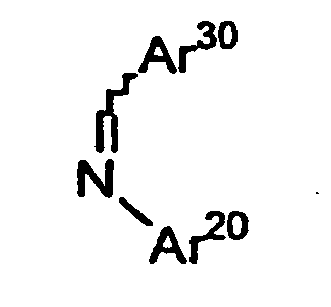
- c) quenching the reaction with an acid;
- d) optionally removing the protecting groups from R', R2', Ar10, Ar20 and Ar30, when present; and
- e) optionally functionalizing hydroxy or amino substituents at R, R2, Ar1, Ar2 and Ar3.
- Using the factories shown above, compounds of Formula IA and IB are obtained as follows:


- In another embodiment, compositions, pharmaceutical compositions, therapeutic combinations, kits and uses in the preparation of a medicament for the treatment as described above are provided which comprise: (a) a first amount of at least one cardiovascular agent; selected from the compound listed above and (b) a second amount of at least one sterol absorption inhibitor according to formula (I) or (II), or pharmaceutically acceptable salt or solvate thereof, wherein the first amount and the second amount together in their totality (whether administered concurrently or consecutively) comprise a therapeutically effective amount for the treatment or prevention of a vascular condition, diabetes, obesity or lowering of a concentration or level of a sterol in plasma of a mammal. Sterol absorption inhibitors include the compounds discussed above in Formulae I-II, salts or solvates thereof.
- The compounds of Formulae I-II can be prepared by known methods, including the methods discussed above and, for example, WO 93/02048 describes the preparation of compounds wherein-R1-Q- is alkylene, alkenylene or alkylene interrupted by a hetero atom, Phenylene or cycloalkylene; WO 94/17038 describes the preparation of compounds wherein Q is a spirocyclic group; WO 95/08532 describes the preparation of compounds wherein -R1-Q- is a hydroxy-substituted alkylene group; PCT/US95/03196 describes compounds wherein -R1-Q- is a hydroxy-substituted alkylene attached to the Ar1 moiety through an -O- or S(O)0-2- group; and U.S. Serial No. 08/463,619, filed June 5, 1995, describes the preparation of compounds wherein -R1-Q- is a hydroxy-substituted alkylene group attached the azetidinone ring by a -S(O)0-2- group.
- The daily dose of the sterol absorption inhibitor(s) can range from about 0.1 to about 1000 mg per day, preferably about 0.25 to about 50 mg/day, and more preferably is about 10 mg, given in a single dose or 2-4 divided doses. The exact dose, however, is determined by the attending clinician and is dependent on the potency of the compound administered, the age, weight, condition and response of the patient.
- For administration of pharmaceutically acceptable salts of the above compounds, the weights indicated above refer to the weight of the acid equivalent or the base equivalent of the therapeutic compound derived from the salt.
- In one embodiment of the present invention, the compositions or therapeutic combinations can further comprise one or more pharmacological or therapeutic agents or drugs such as cholesterol biosynthesis inhibitors and/or lipid-lowering agents discussed below.
- Examples of cholesterol biosynthesis inhibitors for use in the compositions, therapeutic combinations and methods of the present invention include competitive inhibitors of HMG CoA reductase, the rate-limiting step in cholesterol biosynthesis, squalene synthase inhibitors, squalene epoxidase inhibitors and mixtures thereof. Non-limiting examples of suitable HMG CoA reductase inhibitors include statins such as lovastatin (for example MEVACOR® which is available from Merck & Co.), pravastatin (for example PRAVACHOL® which is available from Bristol Meyers Squibb), fluvastatin, simvastatin (for example ZOCOR® which is available from Merck & Co.), atorvastatin, cerivastatin, rosuvastatin, rivastatin (sodium 7-(4-fluorophenyl)-2,6-diisopropyl-5-methoxymethylpyridin-3-yl)-3,5-dihydroxy-6-heptanoate, Cl-981 and pitavastatin (such as NK-104 of Negma Kowa of Japan); HMG CoA synthetase inhibitors, for example L-659,699 ((E,E)-11-[3'R-(hydroxymethyl)-4'-oxo-2'R-oxetanyl]-3,5,7R-trimethyl-2,4-undecadienoic acid); squalene synthesis inhibitors, for example squalestatin 1; and squalene epoxidase inhibitors, for example, NB-598 ((E)-N-ethyl-N-(6,6-dimethyl-2-hepten-4-ynyl)-3-[(3,3'-bithiophen-5-yl)methoxy]benzene-methanamine hydrochloride) and other sterol biosynthesis inhibitors such as DMP-565. Preferred HMG CoA reductase inhibitors include lovastatin, pravastatin and simvastatin. The most preferred HMG CoA reductase inhibitor is simvastatin.
- Generally, a total daily dosage of cholesterol biosynthesis inhibitor(s) can range from about 0.1 to about 160 mg per day, and preferably about 0.2 to about 80 mg/day in single or 2-3 divided doses.
- In another preferred embodiment, the composition or treatment comprises the compound of Formula (II) in combination with one or more cardiovascular agents and one or more cholesterol biosynthesis inhibitors. Preferably the cholesterol biosynthesis inhibitor comprises one or more HMG CoA reductase inhibitors, such as, for example, lovastatin, pravastatin and/or simvastatin.
- In another alternative embodiment, the compositions or treatments of the present invention can further comprise nicotinic acid (niacin) and/or derivatives thereof coadministered with or in combination with the cardiovascular agent(s) and sterol absorption inhibitor(s) discussed above.
- As used herein, "nicotinic acid derivative" means a compound comprising a pyridine-3-carboxylate structure or a pyrazine-2-carboxylate structure, including acid forms, salts, esters, zwitterions and tautomers, where available. Examples of nicotinic acid derivatives include niceritrol, nicofuranose and acipimox (5-methyl pyrazine-2-carboxylic acid 4-oxide). Nicotinic acid and its derivatives inhibit hepatic production of VLDL and its metabolite LDL and increases HDL and apo A-1 levels. An example of a suitable nicotinic acid product is NIASPAN® (niacin extended-release tablets) which are available from Kos.
- Generally, a total daily dosage of nicotinic acid or a derivative thereof can range from about 500 to about 10,000 mg/day, preferably about 1000 to about 8000 mg/day, and more preferably about 3000 to about 6000 mg/day in single or divided doses.
- In another alternative embodiment, the compositions or treatments of the present invention can further comprise one or more AcylCoA:Cholesterol O-acyltransferase ("ACAT") Inhibitors, which can reduce LDL and VLDL levels, coadministered with or in combination with the cardiovascular agent(s) and sterol absorption inhibitor(s) discussed above. ACAT is an enzyme responsible for esterifying excess intracellular cholesterol and may reduce the synthesis of VLDL, which is a product of cholesterol esterification, and overproduction of apo B-100-containing lipoproteins.
- Examples of useful ACAT inhibitors include avasimibe ([[2,4,6-tris(1-methylethyl)phenyl]acetyl]sulfamic acid, 2,6-bis(1-methylethyl)phenyl ester, formerly known as Cl-1011), HL-004, lecimibide (DuP-128) and CL-277082 (N-(2,4-difluorophenyl)-N-[[4-(2,2-dimethylpropyl)phenyl]methyl]-N-heptylurea). See P. Chang et al., "Current, New and Future Treatments in Dyslipidaemia and Atherosclerosis", Drugs 2000 Jul;60(1); 55-93.
- In another alternative embodiment, the compositions or treatments of the present invention can further comprise probucol or derivatives thereof (such as AGI-1067 and other derivatives disclosed in U.S. Patents Nos. 6,121,319 and 6,147,250), which can reduce LDL levels, coadministered with or in combination with the cardiovascular agent(s) and sterol absorption inhibitor(s) discussed above.
- Generally, a total daily dosage of probucol or derivatives thereof can range from about 10 to about 2000 mg/day, and preferably about 500 to about 1500 mg/day in single or 2-4 divided doses.
- In another alternative embodiment, the compositions or treatments of the present invention can further comprise low-density lipoprotein (LDL) receptor activators, coadministered with or in combination with the cardiovascular agent(s) and sterol absorption inhibitor(s) discussed above. Non-limiting examples of suitable LDL-receptor activators include HOE-402, an imidazolidinyl-pyrimidine derivative that directly stimulates LDL receptor activity. See M. Huettinger et al., "Hypolipidemic activity of HOE-402 is Mediated by Stimulation of the LDL Receptor Pathway", Arterioscler. Thromb. 1993; 13:1005-12.
- Generally, a total daily dosage of LDL receptor activator(s) can range from about 1 to about 1000 mg/day in single or 2-4 divided doses.
- In another alternative embodiment, the compositions or treatments of the present invention can further comprise fish oil, which contains Omega 3 fatty acids (3-PUFA), which can reduce VLDL and triglyceride levels, coadministered with or in combination with the cardiovascular agent(s) and sterol absorption inhibitor(s) discussed above. Generally, a total daily dosage of fish oil or Omega 3 fatty acids can range from about 1 to about 30 grams per day in single or 2-4 divided doses.
- In another alternative embodiment, the compositions or treatments of the present invention can further comprise natural water soluble fibers, such as psyllium, guar, oat and pectin, which can reduce cholesterol levels, coadministered with or in combination with the cardiovascular agent(s) and sterol absorption inhibitor(s) discussed above. Generally, a total daily dosage of natural water soluble fibers can range from about 0.1 to about 10 grams per day in single or 2-4 divided doses.
- In another alternative embodiment, the compositions or treatments of the present invention can further comprise plant sterols, plant stanols and/or fatty acid esters of plant stanols, such as sitostanol ester used in BENECOL® margarine, which can reduce cholesterol levels, coadministered with or in combination with the cardiovascular agent(s) and sterol absorption inhibitor(s) discussed above. Generally, a total daily dosage of plant sterols, plant stanols and/or fatty acid esters of plant stanols can range from about 0.5 to about 20 grams per day in single or 2-4 divided doses.
- In another alternative embodiment, the compositions or treatments of the present invention can further comprise antioxidants, such as probucol, tocopherol, ascorbic acid, β-carotene and selenium, or vitamins such as vitamin B6 or vitamin B12, coadministered with or in combination with the cardiovascular agent(s) and sterol absorption inhibitor(s) discussed above. Generally, a total daily dosage of antioxidants or vitamins can range from about 0.05 to about 10 grams per day in single or 2-4 divided doses.
- In another alternative embodiment, the compositions, therapeutic combinations or methods of the present invention can further comprise one or more bile acid sequestrants (insoluble anion exchange resins), coadministered with or in combination with the cardiovascular agents and sterol absorption inhibitor(s) discussed above.
- Bile acid sequestrants bind bile acids in the intestine, interrupting the enterohepatic circulation of bile acids and causing an increase in the faecal excretion of steroids. Use of bile acid sequestrants is desirable because of their non-systemic mode of action. Bile acid sequestrants can lower intrahepatic cholesterol and promote the synthesis of apo B/E (LDL) receptors which bind LDL from plasma to further reduce cholesterol levels in the blood.
- Examples of suitable bile acid sequestrants include cholestyramine (a styrene-divinylbenzene copolymer containing quaternary ammonium cationic groups capable of binding bile acids, such as QUESTRAN® or QUESTRAN LIGHT® cholestyramine which are available from Bristol-Myers Squibb), colestipol (a copolymer of diethylenetriamine and 1-chloro-2,3-epoxypropane, such as COLESTID® tablets which are available from Pharmacia), colesevelam hydrochloride (such as WelChol® Tablets (poly(allylamine hydrochloride) cross-linked with epichlorohydrin and alkylated with 1-bromodecane and (6=bromohexyl)-trimethylammonium bromide) which are available from Sankyo), water soluble derivatives such as 3,3-ioene, N-(cycloalkyl) alkylamines and poliglusam, insoluble quaternized polystyrenes, saponins and mixtures thereof. Other useful bile acid sequestrants are disclosed in PCT Patent Applications-Nos. WO 97/11345 and WO 98/57652, and U.S. Patents Nos. 3,692,895 and 5,703,188. Suitable inorganic cholesterol sequestrants include bismuth salicylate plus montmorillonite clay, aluminum hydroxide and calcium carbonate antacids.
- Generally, a total daily dosage of bile acid sequestrant(s) can range from about 1 to about 50 grams per day, and preferably about 2 to about 16 grams per day in single or 2-4 divided doses.
- The compositions or uses of the present invention can further comprise one or more ileal bile acid transport ("IBAT") inhibitors (or apical sodium co-dependent bile acid transport ("ASBT") inhibitors) coadministered with or in combination with the cardiovascular agent(s) and sterol absorption inhibitor(s) discussed above. The IBAT inhibitors can inhibit bile acid transport to reduce LDL cholesterol levels. Examples of suitable IBAT inhibitors include benzothiepines such as therapeutic compounds comprising a 2,3,4,5-tetrahydro-1-benzothiepine 1,1-dioxide structure such as are disclosed in PCT Patent Application WO 00/38727 which is incorporated herein by reference.
- Generally, a total daily dosage of IBAT inhibitor(s) can range from about 0.01 to about 1000 mg/day, and preferably about 0.1 to about 50 mg/day in single or 2-4 divided doses.
- The compositions or uses of the present invention can further comprise one or more Cholesteryl Ester Transfer Protein ("CETP") Inhibitors coadministered with or in combination with the cardiovascular agent(s) and sterol absorption inhibitor(s) discussed above. CETP is responsible for the exchange or transfer of cholesteryl ester carrying HDL and triglycerides in VLDL.
- Suitable CETP inhibitors are disclosed in PCT Patent Application No. WO 00/38721 and U.S. Patent No. 6,147,090, which are incorporated herein by reference. Pancreatic cholesteryl ester hydrolase (pCEH) inhibitors such as WAY-121898 also can be coadministered with or in combination with the peroxisome proliferator-activated receptor(s) activator and sterol absorption inhibitor(s) discussed above.
- Generally, a total daily dosage of CETP inhibitor(s) can range from about 0.01 to about 1000 mg/day, and preferably about 0.5 to about 20 mg/kg body weight/day in single or divided doses.
- The compositions or uses of the present invention can further comprise probucol or derivatives thereof (such as AGI-1067 and other derivatives disclosed in U.S. Patents Nos. 6,121,319 and 6,147,250), which can reduce LDL and HDL levels, coadministered with or in combination with the cardiovascular agent(s) and sterol absorption inhibitor(s) discussed above.
- The compositions or uses of the present invention can further comprise monocyte and macrophage inhibitors such as polyunsaturated fatty acids (PUFA), thyroid hormones including throxine analogues such as CGS-26214 (a thyroxine compound with a fluorinated ring), gene therapy and use of recombinant proteins such as recombinant apo E. Generally, a total daily dosage of these agents can range from about 0.01 to about 1000 mg/day in single or 2-4 divided doses.
- Also useful with the present invention are compositions or therapeutic combinations which further comprise hormone replacement agents and compositions. Useful hormone agents and compositions for hormone replacement therapy of the present invention include androgens, estrogens, progestins, their pharmaceutically acceptable salts and derivatives. Combinations of these agents and compositions are also useful.
- The dosage of androgen and estrogen combinations vary, desirably from about 1 mg to about 4 mg androgen and from about 1 mg to about 3 mg estrogen. Examples include, but are not limited to, androgen and estrogen combinations such as the combination of esterified estrogens (sodium estrone sulfate and sodium equilin sulfate) and methyltestosterone (17-hydroxy-17-methyl-, (17B)- androst-4-en-3-one) available from Solvay Pharmaceuticals, Inc., Marietta, GA, under the tradename Estratest™.
- Estrogens and estrogen combinations may vary in dosage from about 0.01 mg up to 8 mg, desirably from about 0.3 mg to about 3.0 mg. Examples of useful estrogens and estrogen combinations include:
- (a) the blend of nine (9) synthetic estrogenic substances including sodium estrone sulfate, sodium equilin sulfate, sodium 17 α -dihydroequilin sulfate, sodium 17 α -estradiol sulfate, sodium 17β -dihydroequilin sulfate, sodium 17 α -dihydroequilenin sulfate sodium 17 β -dihydroequilenin sulfate, sodium equilenin sulfate and sodium 17 β -estradiol sulfate; available from Duramed Pharmaceuticals, Inc., Cincinnati, OH, under the tradename Cenestin™;
- (b) ethinyl estradiol (19-nor-17 α -pregna-1,3,5(10)-trien-20-yne-3,17-diol; available by Schering Plough Corporation, Kenilworth, NJ, under the tradename Estinyl™;
- (c) esterified estrogen combinations such as sodium estrone sulfate and sodium equilin sulfate; available from Solvay under the tradename Estratab™ and from Monarch Pharmaceuticals, Bristol, TN, under the tradename Menest™;
- (d) estropipate (piperazine estra-1,3,5(10)-trien-17-one, 3-(sulfooxy)-estrone sulfate); available from Pharmacia & Upjohn, Peapack, NJ, under the tradename Ogen™ and from Women First Health Care, Inc., San Diego, CA, under the tradename Ortho-Est™; and
- (e) conjugated estrogens (17 α-dihydroequilin, 17 α-estradiol, and 17 β-dihydroequilin); available from Wyeth-Ayerst Pharmaceuticals, Philadelphia, PA, under the tradename Premarin™.
- Progestins and estrogens may also be administered with a variety of dosages, generally from about .05 to about 2.0 mg progestin and about .0.01 mg to about 2 mg estrogen, desirably from about .1 mg to about 1 mg progestin and about 0.01 mg to about .5 mg estrogen. Examples of progestin and estrogen combinations that may vary in dosage and regimen include:
- (a) the combination of estradiol (estra-1, 3, 5 (10)-triene-3, 17 β-diol hemihydrate) and norethindrone (17 β-acetoxy-19-nor-17 α-pregn-4-en-20-yn-3-one): which is available from Pharmacia & Upjohn, Peapack, NJ, under the tradename Activella™;
- (b) the combination of levonorgestrel (d(-)-13 β-ethyl-17α-ethinyl-17 β-hydroxygon- 4-en-3-one) and ethinyl estradial; available from Wyeth-Ayerst under the tradename Alesse™, from Watson Laboratories; Inc., Corona, CA, under the tradenames Levora™ and Trivora™, Monarch Pharmaceuticals, under the tradename Nordette™, and from Wyeth-Ayerst under the tradename Triphasil™;
- (c) the combination of ethynodiol diacetate (19-nor-17 α-pregn-4-en-20-yne-3 β, 17-diol diacetate) and ethinyl estradiol; available from G.D. Searle & Co., Chicago, IL, under.the tradename Demulen™ and from Watson under the tradename Zovia™;
- (d) the combination of desogestrel (13-ethyl-11- methylene-18,19-dinor-17 α-pregn- 4-en- 20-yn-17-ol) and ethinyl estradiol; available from Organon under the tradenames Desogen™ and Mircette™, and from Ortho-McNeil Pharmaceutical, Raritan, NJ, under the tradename Ortho-Cept™;
- (e) the combination of norethindrone and ethinyl estradiol; available from Parke-Davis, Morris Plains, NJ, under the tradenames Estrostep and femhrt, from Watson under the tradenames Microgestin™, Necon™, and Tri-Norinyl™, from Ortho-McNeil under the tradenames Modicon™ and Ortho-Novum™, and from Warner Chilcott Laboratories, Rockaway, NJ, under the tradename Ovcon™;
- (f) the combination of norgestrel ((±)-13-ethyl-17-hydroxy-18, 19-dinor-17 α-preg-4-en-20-yn-3-one) and ethinyl estradiol; available from Wyeth-Ayerst under the tradenames Ovral™ and Lo/Ovral™, and from Watson under the tradenames Ogestrel™ and Low-Ogestrel™;
- (g) the combination of norethindrone, ethinyl estradiol, and mestranol (3-methoxy-19-nor-17 α-pregna-1,3,5(10)-trien-20-yn-17-ol); available from Watson under the tradenames Brevicon™ and Norinyl™;
- (h) the combination of 17 β-estradiol (estra-1,3,5(10)-triene-3,17 β-diol) and micronized norgestimate (17 α-17-(Acetyloxyl)-13-ethyl-18,19-dinorpregn-4-en-20-yn-3-one3-oxime); available from Ortho-McNeil under the tradename Ortho-Prefest;
- (i) the combination of norgestimate (18,19-dinor-17-pregn-4-en-20-yn-3-one, 17-(acetyloxy)-13-ethyl-,oxime, (17(α)-(+)-) and ethinyl estradiol; available from Ortho-McNeil under the tradenames Ortho Cyclen™ and Ortho Tri-Cyclen™; and
- (j) the combination of conjugated estrogens (sodium estrone sulfate and sodium equilin sulfate) and medroxyprogesterone acetate (20-dione, 17-(acetyloxy)-6-methyl-, (6(α))- pregn-4-ene-3); available from Wyeth-Ayerst under the tradenames Premphase™ and Prempro™.
- In general, a dosage of progestins may vary from about .05 mg to about 10 mg or up to about 200 mg if microsized progesterone is administered. Examples of progestins include norethindrone; available from ESI Lederle, Inc., Philadelphia, PA, under the tradename Aygestin™, from Ortho-McNeil under the tradename Micronor™, and from Watson under the tradename Nor-QD™; norgestrel; available from Wyeth-Ayerst under the tradename Ovrette™; micronized progesterone (pregn-4-ene-3, 20-dione); available from Solvay under the tradename Prometrium™; and medroxyprogesterone acetate; available from Pharmacia & Upjohn under the tradename Provera™.
- The compositions, therapeutic combinations or uses of the present invention can further comprise one or more obesity control medications. Different obesity control medications include, drugs that reduce energy intake or suppress appetite, drugs that increase energy expenditure and nutrient-partitioning agents. Suitable obesity control medications include noradrenergic agents (such as diethylpropion, mazindol, phenylpropanolamine, phentermine, phendimetrazine, phendamine tartrate, methamphetamine, phendimetrazine and tartrate); serotonergic agents (such as sibutramine, fenfluramine, dexfenfluramine, fluoxetine, fluvoxamine and paroxtine); thermogenic agents (such as ephedrine, caffeine, theophylline, and selective β3-adrenergic agonists); an alpha-blocking agent; a kainite or AMPA receptor antagonist; a leptin-lipolysis stimulated receptor, a phosphodiesterase enzyme inhibitor, a compound having nucleotide sequences of the mahogany gene; a fibroblast growth factor-10 polypeptide; a monoamine oxidase inhibitor (such as befloxatone, moclobemide, brofaromine, phenoxathine, esuprone, befol, toloxatone, pirlindol, amiflamine, sercloremine, bazinaprine, lazabemide, milacemide and caroxazone); a compound for increasing lipid metabolism (such as evodiamine compounds); and a lipase inhibitor (such as ortistat): Generally, a total dosage of the above-described obesity control medications can range from 1 to 3,000 mg/day, desirably from about 1 to 1,000 mg/day and more desirably from about 1 to 200 mg/day in single or 2-4 divided doses.
- The compositions, therapeutic combinations or uses of the present invention can further comprise one or more blood modifiers which are chemically or structurally different from the sterol absorption inhibitors (such as compounds (I-XI) above) and the cardiovascular agents discussed above, for example, they contain one or more different atoms, have a different arrangement of atoms or a different number of one or more atoms than the sterol absorption inhibitor(s) and the cardiovascular agents discussed above. Different blood modifiers include but are not limited to anticoagulants (argatroban, bivalirudin, dalteparin sodium, desirudin, dicumarol, lyapolate sodium, nafamostat mesylate, phenprocoumon, tinzaparin sodium, warfarin sodium); antithrombotic (anagrelide hydrochloride, bivalirudin, cilostazol, dalteparin sodium, danaparoid sodium, dazoxiben hydrochloride, efegatran sulfate, enoxaparin sodium, fluretofen, ifetroban, ifetroban sodium, lamifiban, lotrafiban hydrochloride, napsagatran, orbofiban acetate, roxifiban acetate, sibrafiban, tinzaparin sodium, trifenagrel, abciximab, zolimomab aritox); fibrinogen receptor antagonists (roxifiban acetate, fradafiban, orbofiban, lotrafiban hydrochloride, tirofiban, xemilofiban, monoclonal antibody 7E3, sibrafiban); platelet inhibitors (cilostazol, clopidogrel bisulfate, epoprostenol, epoprostenol sodium, ticlopidine hydrochloride, aspirin, ibuprofen, naproxen, sulindae, idomethacin, mefenamate, droxicam, diclofenac, sulfinpyrazone, piroxicam, dipyridamole); platelet aggregation inhibitors (acadesine, beraprost, beraprost sodium, ciprostene calcium, itazigrel, lifarizine, lotrafiban hydrochloride, orbofiban acetate, oxagrelate, fradafiban, orbofiban, tirofiban, xemilofiban); hemorrheologic agents (pentoxifylline); lipoprotein associated coagulation inhibitor; Factor Vlla inhibitors (4H-31-benzoxazin-4-ones, 4H-3,1-benzoxazin-4-thiones, quinazolin-4-ones, quinazolin-4-thiones, benzothiazin-4-ones, imidazolyl-boronic acid-derived peptide analogues TFPI-derived peptides, naphthalene-2-sulfonic acid {1-[3-(aminoiminomethyl)-benzyl)]-2-oxo-pyrrolidin-3-(S)-yl} amide trifluoroacetate, dibenzofuran-2-sulfonic acid {1-[3-(aminomethyl)-benzyl]-5-oxo-pyrrolidin-3-yl}-amide, tolulene-4-sulfonic acid {1-[3-(aminoiminomethyl)-benzyl]-2-oxo-pyrrolidin-3-(S)-yl}-amide trifluoroacetate, 3,4-dihydro-1H-isoquinoline-2-sulfonic acid {1-[3-(aminoiminomethyl)-benzyl]-2-oxo-pyrrolin-3-(S)-yl}-amide trifluoroacetate); Factor Xa inhibitors (disubstituted pyrazolines, disubstituted triazolines, substituted n-[(aminoiminomethyl)phenyl] propylamides, substituted n-[(aminomethyl)phenyl] propylamides, tissue factor pathway inhibitor (TFPI), low molecular weight heparins, heparinoids, benzimidazolines, benzoxazolinones, benzopiperazinones, indanones, dibasic (amidinoaryl) propanoic acid derivatives, amidinophenyl-pyrrolidines, amidinophenyl-pyrrolines, amidinophenyl-isoxazolidines, amidinoindoles, amidinoazoles, bis-arlysulfonylaminobenzamide derivatives, peptidic Factor Xa inhibitors).
- The compositions, therapeutic combinations or uses of the present invention can further comprise one or more antidiabetic medications for reducing blood glucose levels in a human. Different antidiabetic medications include, but are not limited to, drugs that reduce energy intake or suppress appetite, drugs that increase energy expenditure and nutrient-partitioning agents. Suitable antidiabetic medications include, but are not limited to, sulfonylurea (such as acetohexamide, chlorpropamide, gliamilide, gliclazide, glimepiride, glipizide, glyburide, glibenclamide, tolazamide, and tolbutamide), meglitinide (such as repaglinide and nateglinide), biguanide (such as metformin and buformin), thiazolidinedione (such as troglitazone, rosiglitazone, pioglitazone, ciglitazone, englitazone, and darglitazone), alpha-glucosidase inhibitor (such as acarbose, miglitol, camiglibose, and voglibose), certain peptides (such as amlintide, pramlintide, exendin, and GLP-1 agonistic peptides), and orally administrable insulin or insulin composition for intestinal delivery thereof. Generally, a total dosage of the above-described antidiabetic medications can range from 0.1 to 1,000 mg/day in single or 2-4 divided doses.
- Mixtures of any of the pharmacological or therapeutic agents described above can be used in the compositions and therapeutic combinations of these other embodiments of the present invention. The compositions and therapeutic combinations of the present invention can be administered to a mammal in need of such treatment in a therapeutically effective amount to treat vascular conditions such as hypertension. The compositions and treatments can be administered by any suitable means that produce contact of these compounds with the site of action in the body, for example in the plasma, liver or small intestine of a mammal.
- The daily dosage for the various compositions and therapeutic combinations described above can be administered to a patient in a single dose or in multiple subdoses, as desired. Subdoses can be administered 2 to 6 times per day, for example. Sustained release dosages can be used. Where the cardiovascular agents and sterol absorption inhibitor(s) are administered in separate dosages, the number of doses of each component given per day may not necessarily be the same, e.g., one component may have a greater duration of activity and will therefore need to be administered less frequently.
- The pharmaceutical treatment compositions and therapeutic combinations of the present invention can further comprise one or more pharmaceutically acceptable carriers, one or more excipients and/or one or more additives. Examples of pharmaceutically acceptable carriers include solids and/or liquids such as ethanol, glycerol, water and the like. The amount of carrier in the treatment composition can range from about 5 to about 99 weight percent of the total weight of the treatment composition or therapeutic combination. Non-limiting examples of suitable pharmaceutically acceptable excipients and additives include non-toxic compatible fillers, binders such as starch, disintegrants, buffers, preservatives, anti-oxidants, lubricants, flavorings, thickeners, coloring agents, emulsifiers and the like. The amount of excipient or additive can range from about 0.1 to about 90 weight percent of the total weight of the treatment composition or therapeutic combination. One skilled in the art would understand that the amount of carrier(s), excipients and additives (if present) can vary.
- The treatment compositions of the present invention can be administered in any conventional dosage form, preferably an oral dosage form such as a capsule, tablet, powder, cachet, suspension or solution. The formulations and pharmaceutical compositions can be prepared using conventional pharmaceutically acceptable and conventional techniques. Several examples of preparation of dosage formulations are provided below.
- The following formulations exemplify some of the dosage forms of this invention. In each formulation, the term "Active Compound I" designates a sterol absorption inhibitor and the term "Active Compound II" designates a cardiovascular agent described herein above.
-
Tablets No. Ingredient mg/tablet 1 Active Compound I 10 2 Lactose monohydrate NF 55 3 Microcrystalline cellulose 20 4 Povidone (K29-32) USP 4 5 Croscarmellose sodium NF 8 6 Sodium lauryl sulfate 2 7 Magnesium stearate NF 1 Total 100 - In the present invention, the above-described tablet can be coadministered with a tablet, capsule, etc. comprising a dosage of Active Compound II, for example a cardiovascular agent as described above.
- Mix Item No. 4 with purified water in suitable mixer to form binder solution. Spray the binder solution and then water over Items 1, 2, 6 and a portion of Item 5 in a fluidized bed processor to granulate the ingredients. Continue fluidization to dry the damp granules. Screen the dried granules and blend with Item No. 3 and the remainder of Item 5. Add Item No. 7 and mix. Compress the mixture to appropriate size and weight on a suitable tablet machine.
- For coadministration in separate tablets or capsules, representative formulations comprising a cholesterol absorption inhibitor such as are discussed above are well known in the art and representative formulations comprising a cardiovascular agent such as are discussed above are well known in the art. It is contemplated that where the two active ingredients are administered as a single composition, the dosage forms disclosed above for sterol absorption inhibitor may readily be modified using the knowledge of one skilled in the art.
- Since the present invention relates to reducing the plasma sterol (especially cholesterol) concentrations or levels by treatment with a combination of active ingredients or treating vascular conditions, stroke or obesity wherein the active ingredients may be administered separately, the invention also relates to combining separate pharmaceutical compositions in kit form. That is, a kit is contemplated wherein two separate units are combined: a pharmaceutical composition comprising at least one cardiovascular agent and a separate pharmaceutical composition comprising at least one sterol absorption inhibitor as described above. The kit will preferably include directions for the administration of the separate components. The kit form is particularly advantageous when the separate components must be administered in different dosage forms (e.g., oral and parenteral) or are administered at different dosage intervals.
- The treatment compositions and therapeutic combinations of the present invention can inhibit the intestinal absorption of cholesterol in mammals and can be useful in the treatment and/or prevention of vascular conditions, such as vascular inflammation, atherosclerosis, hypercholesterolemia and sitosterolemia, stroke, obesity and lowering of plasma levels of cholesterol in mammals, in particular in humans.
- In another embodiment of the present invention, the compositions and therapeutic combinations of the present invention can inhibit sterol absorption or reduce plasma concentration of at least one sterol selected from the group consisting of phytosterols (such as sitosterol, campesterol, stigmasterol and avenosterol), 5α-stanols (such as cholestanol, 5α-campestanol, 5α-sitostanol), cholesterol and mixtures thereof. The plasma concentration can be reduced by administering to a mammal in need of such treatment an effective amount of at least one treatment composition or therapeutic combination comprising at least one cardiovascular agent and at least one sterol absorption inhibitor described above. The reduction in plasma concentration of sterols can range from about 1 to about 70 percent, and preferably about 10 to about 50 percent. Methods of measuring serum total blood cholesterol and total LDL cholesterol are well known to those skilled in the art and for example include those disclosed in PCT WO 99/38498 at page 11. Methods of determining levels of other sterols in serum are disclosed in H. Gylling et al., "Serum Sterols During Stanol Ester Feeding in a Mildly Hypercholesterolemic Population", J. Lipid Res. 40: 593-600 (1999), incorporated by reference herein.
- Unless otherwise indicated, all parts and percentages in the following examples, as well as throughout the specification, are by weight.
- Step 1): To a solution of (S)-4-phenyl-2-oxazolidinone (41 g, 0.25 mol) in CH2Cl2 (200 ml), was added 4-dimethylaminopyridine (2.5 g, 0.02 mol) and triethylamine (84.7 ml, 0.61 mol) and the reaction mixture was cooled to 0°C. Methyl-4-(chloroformyl)butyrate (50 g, 0.3 mol) was added as a solution in CH2Cl2 (375 ml) dropwise over 1 h, and the reaction was allowed to warm to 22°C. After 17 h, water and H2SO4 (2N, 100 ml), was added, the layers were separated, and the organic layer was washed sequentially with NaOH (10%), NaCl (sat'd) and water. The organic layer was dried over MgSO4 and concentrated to obtain a semicrystalline product.
- Step 2): To a solution of TiCl4 (18.2 ml, 0.165 mol) in CH2Cl2 (600 ml) at 0°C, was added titanium isopropoxide (16.5 ml, 0.055 mol). After 15 min., the product of Step 1 (49.0 g, 0.17 mol) was added as a solution in CH2Cl2 (100 ml). After 5 min., diisopropylethylamine (DIPEA) (65.2 ml, 0.37 mol) was added and the reaction mixture was stirred at 0°C for 1 h, the reaction mixture was cooled to -20°C, and 4-benzyloxybenzylidine(4-fluoro)aniline (114.3 g, 0.37 mol) was added as a solid. The reaction mixture was stirred vigorously for 4 h at -20°C, then acetic acid was added as a solution in CH2Cl2 dropwise over 15 min., the reaction mixture was allowed to warm to 0°C, and H2SO4 (2N) was added. The reaction mixture was stirred an additional 1 h, the layers were separated, washed with water, separated and the organic layer was dried. The crude product was crystallized from ethanol/water to obtain the pure intermediate.
- Step 3): To a solution of the product of Step 2 (8.9 g, 14.9 mmol) in toluene (100 ml) at 50°C, was added N,O-bis(trimethylsilyl)acetamide (BSA) (7.50 ml, 30.3 mmol). After 0.5 h, solid TBAF (0.39 g, 1.5 mmol) was added and the reaction mixture stirred at 50°C for an additional 3 h. The reaction mixture was cooled to 220C, CH3OH (10 ml), was added. The reaction mixture was washed with HCl (1 N), NaHCO3 (1 N) and NaCl (sat'd.), and the organic layer was dried over MgSO4.
- Step 4): To a solution of the product of Step 3 (0.94 g, 2.2 mmol) in CH3OH (3 ml), was added water (1 ml) and LiOH·H2O (102 mg, 2.4 mmole). The reaction mixture was stirred at 22°C for 1 h and then additional LiOH·H2O (54 mg, 1.3 mmole) was added. After a total of 2 h, HCl (1N) and EtOAc was added, the layers were separated, the organic layer was dried and concentrated in vacuo. To a solution of the resultant product (0.91 g, 2.2 mmol) in CH2Cl2 at 22°c, was added CICOCOCI (0.29 ml, 3.3 mmol) and the mixture stirred for 16 h. The solvent was removed in vacuo.
- Step 5): To an efficiently stirred suspension of 4-fluorophenylzinc chloride (4.4 mmol) prepared from 4-fluorophenylmagnesium bromide (1 M in THF, 4.4 ml, 4.4 mmol) and ZnCl2 (0.6 g, 4.4 mmol) at 4°C, was added tetrakis(triphenylphosphine)palladium (0.25 g, 0.21 mmol) followed by the product of Step 4 (0.94 g, 2.2 mmol) as a solution in THF (2 ml). The reaction was stirred for 1 h at 0°C and then for 0.5 h at 22°C. HCl (1N, 5 ml) was added and the mixture was extracted with EtOAc. The organic layer was concentrated to an oil and purified by silica gel chromatography to obtain 1-(4-fluorophenyl)-4(S)-(4-hydroxyphenyl)-3(R)-(3-oxo-3-phenylpropyl)2-azetidinone:
- HRMS calc'd for C24H19F2NO3 = 408.1429, found 408.1411.
- Step 6): To the product of Step 5 (0.95 g, 1.91 mmol) in THF (3 ml), was added (R)-tetrahydro-1-methyl-3,3-diphenyl-1H,3H-pyrrolo-[1,2-c][1,3,2] oxazaborole (120 mg, 0.43 mmol) and the mixture was cooled to -20°C. After 5 min, borohydridedimethylsulfide complex (2M in THF, 0.85 ml, 1.7 mmol) was added dropwise over 0.5 h. After a total of 1.5 h , CH3OH was added followed by HCl (1 N) and the reaction mixture was extracted with EtOAc to obtain 1-(4-fluorophenyl)-3(R)-[3(S)-(4-fluorophenyl)-3-hydroxypropyl)]-4(S)-[4-(phenylmethoxy)phenyl]-2-azetidinone (compound 6A-1) as an oil. 1H in CDCl3 d H3 = 4.68. J = 2.3 Hz. Cl (M+H) 500.
- Use of (S)-tetra-hydro-1-methyl-3,3-diphenyl-1H,3H-pyrrolo-[1,2-c][1,3,2] oxazaborole gives the corresponding 3(R)-hydroxypropyl azetidinone (compound 6B-1). 1H in CDCl3 d H3 = 4.69. J = 2.3 Hz. Cl (M+H) 500.
- To a solution of compound 6A-1 (0.4 g, 0.8 mmol) in ethanol (2 ml), was added 10% Pd/C (0.03 g) and the reaction mixture was stirred under a pressure (60 psi) of H2 gas for 16 h. The reaction mixture was filtered and the solvent was concentrated to obtain compound 6A. Mp 164-166°C; Cl (M+H) 410.

- Similarly treat compound 6B-1 to obtain compound 6B. Mp 129.5-132.5°C; Cl (M+H) 410. Elemental analysis calc'd for C24H21 F2NO3: C 70.41; H 5.17; N 3.42; found C 70.30; H 5.14; N 3.52.
- Step 6' (Altemative): To a solution of the product of Step 5 (0.14 g, 0.3 mmol) in ethanol (2 ml), was added 10% Pd/C (0.03 g) and the reaction was stirred under a pressure (60 psi) of H2 gas for 16 h. The reaction mixture was filtered and the solvent was concentrated to afford a 1:1 mixture of compounds 6A and 6B.
Claims (31)
- A composition comprising:(a) at least one sterol absorption inhibitor or pharmaceutically acceptable salt or solvate thereof; and(b) at least one cardiovascular agent for treating vascular conditions which is different from the at least one sterol absorption inhibitor;wherein the at least one sterol absorption inhibitor is represented by Formula (I):

wherein:Ar1 and Ar2 are independently selected from the group consisting of aryl and R4-substituted aryl;Ar3 is aryl or R5-substituted aryl;X, Y and Z are independently selected from the group consisting of -CH2-, -CH(lower alkyl)- and -C(dilower alkyl)-;R and R2 are independently selected from the group consisting of -OR6, -O(CO)R6, -O(CO)OR9 and -O(CO)NR6R7;R1 and R3 are independently selected from the group consisting of hydrogen, lower alkyl and aryl;q is 0 or 1;r is 0 or 1;m, n and p are independently selected from 0, 1, 2, 3 or 4; provided that at least one of q and r is 1, and the sum of m, n, p, q and r is 1, 2, 3, 4, 5 or 6; and provided that when p is 0 and r is 1, the sum of m, q and n is 1, 2, 3, 4 or 5;R4 is 1-5 substituents independently selected from the group consisting of lower alkyl, -OR6, -O(CO)R6, -O(CO)OR9, -O(CH2)1-5OR6, -O(CO)NR6R7, -NR6R7, -NR6(CO)R7, -NR6(CO)OR9, -NR6(CO)NR7R8, -NR6SO2R9, -COOR6, -CONR6R7, -COR6, -SO2NR6R7, S(O)0-2R9, -O(CH2)1-10-COOR6, -O(CH2)1-10CONR6R7, -(lower alkylene)COOR6, -CH=CH-COOR6, -CF3, -CN, -NO2 and halogen;R5 is 1-5 substituents independently selected from the group consisting of -OR6, -O(CO)R6, -O(CO)OR9, -O(CH2)1-5OR6, -O(CO)NR6R7, -NR6R7, -NR6(CO)R7, -NR6(CO)OR9, -NR6(CO)NR7R8, -NR6SO2R9, -COOR6, -CONR6R7, -COR6, -SO2NR6R7, S(O)0-2R9, -O(CH2)1-10-COOR6, -O(CH2)1-10CONR6R7, -(lower alkylene)COOR6 and -CH=CH-COOR6;R6, R7 and R8 are independently selected from the group consisting of hydrogen, lower alkyl, aryl and aryt-substituted lower alkyl; andR9 is lower alkyl, aryl or aryl-substituted lower alkyl, whereby the term "alkyl" or "lower alkyl" means straight or branched alkyl chains having from 1 to 6 carbon atoms; "alkoxy" means alkoxy groups having 1 to 6 carbon atoms;"Alkenyl" means straight or branched carbon chains having one or more double bonds in the chain, conjugated or unconjugated; "alkynyl" means straight or branched carbon chains having one or more triple bonds in the chain; where an alkyl, alkenyl or alkynyl chain joins two other variables and is therefore bivalent, the terms alkylene, alkenylene and alkynylene are used;"Cycloalkyl" means a saturated carbon ring of 3 to 6 carbon atoms, while "cycloalkylene" refers to a corresponding bivalent ring, wherein the points of attachment to other groups include all positional isomers;"Halogeno" refers to fluorine, chlorine, bromine or iodine radicals;"Aryl" means phenyl, naphthyl, indenyl, tetrahydronaphthyl or indanyl; and"Phenylene" means a bivalent phenyl group, including ortho, meta and para-substitution;and wherein the at least one cardiovascular agent, which is different from the at least one sterol absorption inhibitor, is selected from the group consisting of besylate salt of amlodipine, clentiazem maleate, isradipine, felodipine, nimodipine, nilvadipine, diltiazem hydrochloride, verapamil hydrochloride, teludipine hydrochloride, belfosdil, fostedil, fenspiride hydrochloride, labetalol hydrochloride, proroxan, alfuzosin hydrochloride, bretylium tosylate, carvedilol, labetalol, dihydroergotamine mesylate, phentolamine mesylate, solypertine tartrate, zolertine hydrochloride, bunolol hydrochloride, acebutolol, acebutolol hydrochloride, alprenolol hydrochloride, atenolol, carteolol hydrochloride, celiprolol hydrochloride, cetamolol hydrochloride, esmolol hydrochloride, levobetaxolol hydrochloride, levobunolol hydrochloride, practolol, propranolol hydrochloride, sotalol hydrochloride, timolol maleate, bisoprolol, bisoprolol fumarate, nebivalol, cicloprolol hydrochloride, dexpropranolol hydrochloride, flestolol sulfate, metalol hydrochloride, metoprolol tartrate, pamatolol sulfate, penbutolol sulfate, practolol, tiprenolol hydrochloride, tolamolol, guanfacine hydrochloride, methyldopa-hydrochlorothiazide combined with Hydrochlorothiazide, methyldopa-chlorothiazide, clonidine hydrochloride, clonidine, benazepril hydrochloride, captopril, fosinopril, moexipril hydrochloride, perindopril erbumine, quinapril, ramipril, enalapril maleate, delapril, spriapril, benazeprilat, delapril hydrochloride, fosinopril sodium, libenzapril, pentopril, perindopril 1H-indole-2-carboxylic acid, quinapril hydrochloride, quinaprilat, spirapril hydrochloride, lisinopril, zofenopril, althiazide, captopril, chlorothiazide, cyclothiazide, dilevalol hydrochloride, doxazosin mesylate, monatepil maleate, metoprolol succinate, primidolol, prazosin hydrochloride, phenoxybenzamine hydrochloride, candesartan cilexetil, telmisartan, candesartan, 3,5-Pyridinedicarboxylic acid, ferazosin hydrochloride, bevantolol hydrochloride, losartan potassium, ranolazine, betaxolol hydrochloride, butoprozine hydrochloride, cinepazet maleate, tosifen, ranolazine hydrochloride, isosorbide dinitrate, nitroglycerin, verapamil, chromonar, clonitate, droprenilamine, lidoflazine, prenylamine, propatyl nitrate, mioflazine hydrochloride, mixidine, isosorbide mononitrate, erythrithyl tetranitrate, clonitrate, dipyridamole; pyridinecarboxamide, nifedipine, perhexiline maleate, oxprenolol hydrochloride, pentrinitrol, althiazide, benzthiazide, buthiazide, spironolactone, triamterene, azaclorzine hydrochlroide, chromonar hydrochloride, droprenilamine, molsidomine, nicorandil, nisoldipine, oxprenolol hydrochloride, perhexilinie maleate, prenylamine, propatyl nitrate, terodiline hydrochloride, and combinations thereof. - The composition according to claim 1, wherein the sterol absorption inhibitor is represented by Formula (II) below:

- The composition according to claim 1, wherein the at least on cardiovascular agent is an adrenergic blocker selected from bunolol hydrochloride, acebutolol, acebutolol hydrochloride, alprenolol hydrochloride, atenolol, carteolol hydrochloride, celiprolol hydrochloride, cetamolol hydrochloride, labetalol hydrochloride, esmolol hydrochloride, levobetaxolol hydrochloride, levobunolol hydrochloride, practolol, propranolol hydrochloride, sotalol hydrochloride, timolol maleate, bisoprolol, bisoprolol fumarate, nebivalol, cicloprolol hydrochloride, dexpropranolol hydrochloride, flestolol sulfate, metalol hydrochloride, metoprolol tartrate, pamatolol sulfate, penbutolol sulfate, tiprenolol hydrochloride, tolamolol, fenspiride hydrochloride, proroxan, alfuzosin hydrochloride, bretylium tosylate, dihydroergtamine mesylate,carvedilol, labetalol, phentolamine mesylate, solypertine tartrate and zolertine hydrochloride
- The composition according to claim 3, wherein the adrenergic blocker is an α-receptor inhibitor selected from the group consisting of fenspiride hydrochloride, labetalol hydrochloride, proroxan, alfuzosin hydrochloride and combinations thereof.
- The composition according to claim 1, wherein theat least one cardiovascular agent for treating vascular conditions is an adrenergic blocker of β-receptor inhibitor type selected from the group consisting of acebutolol, acebutolol hydrochloride, alprenolol hydrochloride, atenotol, bunolol hydrochloride, carteolol hydrochloride, cetiprolol hydrochloride, cetamolol hydrochloride, cicloprolol hydrochloride, dexpropranolol hydrochloride, diacetolol hydrochloride, dilevalol hydrochloride, esmolol hydrochloride, exaprolol hydrochloride, flestolol sulfate, labetalol hydrochloride, levobetaxolol hydrochloride, levobunolol hydrochloride, metalol hydrochloride, metoprolol, metoprolol tartrate, nadolol, pamatolol sulfate, penbutolol sulfate, practolol, propranolol hydrochloride, sotalol hydrochloride, timolol, timotol maleate, tiprenolol hydrochloride, tolamolol, bisoprolol, bisoprolol fumarate, nebivolol and combinations thereof.
- The composition according to claim 3, wherein the adrenergic blocker is selected from the group consisting of bretylium tosylate; dihydroergotamine mesylate, phentolamine mesylate, solypertine tartrate, zolertine hydrochloride, carvedilol, labetalol hydrochloride and combinations thereof.
- The composition according to claim 1, wherein at least one cardiovascular agent calcium channel blocker selected from the group consisting of clentiazem maleate, amlodipine besylate, isradipine, nimodipine, felodipine, nilvadipine, nifedipine, teludipine hydrochloride, diltiazem hydrochloride, belfosdil, verapamil hydrochloride, fostedil and combinations thereof.
- The composition according to claim 1, wherein the at least one cardiovascular agent is an angiotensin-converting enzyme inhibitor selected from the group consisting of benazepril hydrochloride, benazeprilat, captopril, delapril hydrochloride, fosinopril sodium, libenzapril, moexipril hydrochloride, pentopril, perindopril, quinapril hydrochloride, quinaprilat, ramipril, spirapril hydrochloride, spiraprilat, teprotide, enalapril maleate, lisinopril, zofenopril calcium, perindopril erbumine and combinations thereof.
- The composition according to claim 1 wherein the at least one cardiovascular agent is an adrenergic stimulant is selected from the group consisting of the combination product of chlorothiazide and methyldopa, the combination product of methyldopa hydrochlorothiazide and methyldopa, clonidine hydrochloride, clonidine, the combination product of chlorthalidone and clonidine hydrochloride, guanfacine hydrochloride, and combinations thereof.
- The composition according to claim 1, wherein the at least one cardiovascular agent is an antihypertensive agent selected from the group consisting of althiazide, benzthiazide, captopril, carvedilol, chlorothiazide sodium, clonidine hydrochloride, cyclothiazide, delapril hydrochloride, dilevalol hydrochloride, doxazosin mesylate, fosinopril sodium, guanfacine hydrochloride, methyldopa, metoprolol succinate, moexipril hydrochloride, monatepil maleate, pelanserin hydrochloride, phenoxybenzamine hydrochloride, prazosin hydrochloride, primidolol, quinapril hydrochloride, quinaprilat, ramipril, terazosin hydrochloride, candesartan, candesartan cilexetil, telmisartan, amlodipine besylate, amlodipine maleate, bevantolol hydrochloride and combinations thereof.
- The composition according to claim 1, wherein the at least one cardiovascular agent is an angiotensin II receptor antagonist selected from the group consisting of candesartan, irbesartan, losartan potassium, candesartan cilexetil, telmisartan and combinations thereof.
- The composition according to claim 1, wherein the at least one cardiovascular agent is an anti-anginal agent selected from the group consisting of amlodipine besylate, amlodipine maleate, betaxolol hydrochloride, bevantolol hydrochloride, butoprozine hydrochloride, carvedilol, cinepazet maleate, metoprofol succinate, molsidomine, monatepil maleate, primidolol, ranolazine hydrochoride, tosifen, verapamil hydrochloride and combinations thereof.
- The composition according to claim 1, wherein the at least one cardiovascular agent is a coronary vasodilator selected from the group consisting of fostedil, azaclorzine hydrochloride, chromonar hydrochloride, clonitrate, diltiazem hydrochloride, dipyridamole, droprenilamine, erythrityl tetranitrate, isosorbide dinitrate, isosorbide mononitrate, lidoflazine, mioflazine hydrochloride, mixidine, molsidomine, nicorandil, nifedipine, nisoldipine, nitroglycerine, oxprenolol hydrochloride, pentrinitrol, perhexiline maleate, prenylamine, propatyl nitrate, terodiline hydrochloride, tolamolol, verapamil and combinations thereof.
- The composition according to claim 1, wherein the at least one cardiovascular agent is a diuretic selected from the group consisting of the combination product of hydrochlorothiazide and spironolactone and the combination product of hydrochlorothiazide and triamterene.
- The composition according to claim 1, wherein the at least one cardiovascular agent is labetalol hydrochloride.
- The composition according to claim 1, wherein the at least one cardiovascular agent for treating vascular conditions is administered to a mammal in an amount ranging from 50 to 3000 milligrams of cardiovascular agent per day.
- The composition according to claim 1, wherein the at least one sterol absorption inhibitor is administered to a mammal in an amount ranging from 0.1 to 1000 milligrams of sterol absorption inhibitor per day.
- The composition according to claim 1, further comprising at least one cholesterol biosynthesis inhibitor selected from the group consisting of lovastatin, pravastatin, fluvastatin, simvastatin, atorvastatin, cerivastatin, rosuvastatin, rivastatin, CI-981, pitavatatin, L-659,699, squalestatin 1, NB-598 and DMP-565.
- The composition according to claim 18, wherein the at least one cholesterol biosynthesis inhibitor is a HMG CoA reductase inhibitor comprising lovastatin, pravastatin, fluvastatin, simvastatin, atorvastatin, rosuvastatin, rivastatin, cerivastatin and mixtures thereof.
- The composition according to claim 19, wherein the at least one cholesterol biosynthesis inhibitor is a HMG CoA reductase inhibitor comprising simvastatine.
- The composition according to claim 1, further comprising at least one bile acid sequestrant selected from the group consisting of cholestyramine, colestipol, colesevelam hydrochloride, 3,3-ione, poliglusam, insoluble quaternized polystyrenes, saponins and mixtures thereof.
- The composition according to claim 1, further comprising at least one AcylCoA:Cholesterol O-acyltransferase inhibitor selected from the group consisting of avasimibe, lecimibide and CL-277082.
- The composition according to claim 1, further comprising probucol or AGI-1067.
- The composition according to claim 1, further comprising the low-density lipoprotein receptor activator HOE-402.
- The composition according to claim 1, further comprising at least one natural water soluble fiber selected from the group consisting of psyllium, guar, oat and pectin.
- The composition according to claim 1, further comprising at least one antioxidant selected from the group consisting of probucol, tocopherol, ascorbic acid, β-carotene, and selenium.
- The composition according to claim 1, further comprising at least one vitamin selected from the group consisting of vitamin B6 and vitamin B12.
- A pharmaceutical composition for the treatment or prevention of arteriosclerosis, coronary artery disease, aortic aneurysm, arterial disease of the lower extremities, cerebrovascular disease, hypertension, angina, arrhythmia, hperlipidemia, obesity or diabetes, comprising a therapeutically effective amount of the composition of claim 1 and a pharmaceutically acceptable carrier.
- Use of a composition according to any one of claims 1 - 27 for the manufacture of a medicament for treating or preventing arteriosclerosis, coronary artery disease, aortic aneurysm, arterial disease of the lower extremities, cerebrovascular disease, hypertension, angina, arrhythmia, hperlipidemia, diabetes or obesity.
- Use of a composition according to any one of claims 1 - 27 for the manufacture of a medicament for treating or preventing hyperlipidemia.
- A therapeutic combination, comprising the composition according to claim 1, wherein the amount of the at least one cardiovascular agent and the amount of the sterol absorption inhibitor together comprise a therapeutically effective amount for the treatment or prevention of arteriosclerosis, coronary artery disease, aortic aneurysm, arterial disease of the lower extremities, cerebrovascular disease, hypertension, angina, arrhythmia, hperlipidemia, obesity or diabetes.
Priority Applications (3)
| Application Number | Priority Date | Filing Date | Title |
|---|---|---|---|
| SI200230555T SI1385548T1 (en) | 2001-01-26 | 2002-01-25 | Combinations of sterol absorption inhibitor(s) with cardiovascular agent(s) for the treatment of vascular conditions |
| EP05003029A EP1541175A3 (en) | 2001-01-26 | 2002-01-25 | Combinations of sterol absorption inhibitor(s) with cardiovascular agent(s) for the treatment of vascular conditions |
| EP08013763A EP2039357A2 (en) | 2001-01-26 | 2002-01-25 | Combinations of sterol absorption inhibitor(s) with cardiovascular agent(s) for the treatment of vascular conditions |
Applications Claiming Priority (9)
| Application Number | Priority Date | Filing Date | Title |
|---|---|---|---|
| US26427501P | 2001-01-26 | 2001-01-26 | |
| US26460001P | 2001-01-26 | 2001-01-26 | |
| US26439601P | 2001-01-26 | 2001-01-26 | |
| US264275P | 2001-01-26 | ||
| US264396P | 2001-01-26 | ||
| US264600P | 2001-01-26 | ||
| US32384201P | 2001-09-21 | 2001-09-21 | |
| US323842P | 2001-09-21 | ||
| PCT/US2002/001196 WO2002058731A2 (en) | 2001-01-26 | 2002-01-25 | Combinations of sterol absorption inhibitor(s) with cardiovascular agent(s) for the treatment of vascular conditions |
Related Child Applications (1)
| Application Number | Title | Priority Date | Filing Date |
|---|---|---|---|
| EP05003029A Division EP1541175A3 (en) | 2001-01-26 | 2002-01-25 | Combinations of sterol absorption inhibitor(s) with cardiovascular agent(s) for the treatment of vascular conditions |
Publications (2)
| Publication Number | Publication Date |
|---|---|
| EP1385548A2 EP1385548A2 (en) | 2004-02-04 |
| EP1385548B1 true EP1385548B1 (en) | 2007-05-23 |
Family
ID=27500817
Family Applications (3)
| Application Number | Title | Priority Date | Filing Date |
|---|---|---|---|
| EP08013763A Withdrawn EP2039357A2 (en) | 2001-01-26 | 2002-01-25 | Combinations of sterol absorption inhibitor(s) with cardiovascular agent(s) for the treatment of vascular conditions |
| EP05003029A Withdrawn EP1541175A3 (en) | 2001-01-26 | 2002-01-25 | Combinations of sterol absorption inhibitor(s) with cardiovascular agent(s) for the treatment of vascular conditions |
| EP02707500A Revoked EP1385548B1 (en) | 2001-01-26 | 2002-01-25 | Combinations of sterol absorption inhibitor(s) with cardiovascular agent(s) for the treatment of vascular conditions |
Family Applications Before (2)
| Application Number | Title | Priority Date | Filing Date |
|---|---|---|---|
| EP08013763A Withdrawn EP2039357A2 (en) | 2001-01-26 | 2002-01-25 | Combinations of sterol absorption inhibitor(s) with cardiovascular agent(s) for the treatment of vascular conditions |
| EP05003029A Withdrawn EP1541175A3 (en) | 2001-01-26 | 2002-01-25 | Combinations of sterol absorption inhibitor(s) with cardiovascular agent(s) for the treatment of vascular conditions |
Country Status (27)
| Country | Link |
|---|---|
| US (1) | US20030069221A1 (en) |
| EP (3) | EP2039357A2 (en) |
| JP (1) | JP2004517919A (en) |
| KR (2) | KR20040025889A (en) |
| CN (1) | CN1582168A (en) |
| AR (2) | AR032643A1 (en) |
| AT (1) | ATE362757T1 (en) |
| AU (1) | AU2002241903B2 (en) |
| BR (1) | BR0206644A (en) |
| CA (1) | CA2434436A1 (en) |
| CY (1) | CY1106791T1 (en) |
| CZ (1) | CZ20032031A3 (en) |
| DE (1) | DE60220269T2 (en) |
| DK (1) | DK1385548T3 (en) |
| EC (1) | ECSP074704A (en) |
| ES (1) | ES2286233T3 (en) |
| HU (1) | HUP0303923A2 (en) |
| IL (2) | IL156585A0 (en) |
| MX (1) | MXPA03006724A (en) |
| NO (1) | NO20033358L (en) |
| NZ (1) | NZ545332A (en) |
| PL (1) | PL369033A1 (en) |
| PT (1) | PT1385548E (en) |
| RU (1) | RU2003126186A (en) |
| SI (1) | SI1385548T1 (en) |
| SK (1) | SK9492003A3 (en) |
| WO (1) | WO2002058731A2 (en) |
Families Citing this family (72)
| Publication number | Priority date | Publication date | Assignee | Title |
|---|---|---|---|---|
| US6982251B2 (en) | 2000-12-20 | 2006-01-03 | Schering Corporation | Substituted 2-azetidinones useful as hypocholesterolemic agents |
| RS20100015A (en) | 2001-01-26 | 2010-12-31 | Schering Corporation | Combination of receptor activator activated by fenofibrate peroxisome-proliferator (ppar) with sterol absorption inhibitor ezetimibe for vascular indications |
| PT1355644E (en) | 2001-01-26 | 2006-11-30 | Schering Corp | The use of substituted azetidinone compounds for the treatment of sitosterolemia |
| ATE369851T1 (en) * | 2001-01-26 | 2007-09-15 | Schering Corp | COMBINATIONS OF BALE ACID SEQUESTRANTS AND STEROL ABSORPTION INHIBITORS FOR THE TREATMENT OF CARDIOVASCULAR INDICATIONS |
| US7071181B2 (en) | 2001-01-26 | 2006-07-04 | Schering Corporation | Methods and therapeutic combinations for the treatment of diabetes using sterol absorption inhibitors |
| US7053080B2 (en) | 2001-09-21 | 2006-05-30 | Schering Corporation | Methods and therapeutic combinations for the treatment of obesity using sterol absorption inhibitors |
| EP1429756B1 (en) | 2001-09-21 | 2006-11-22 | Schering Corporation | Treatment of xanthoma with azetidinone derivatives as sterol absorption inhibitors |
| US7056906B2 (en) | 2001-09-21 | 2006-06-06 | Schering Corporation | Combinations of hormone replacement therapy composition(s) and sterol absorption inhibitor(s) and treatments for vascular conditions in post-menopausal women |
| CN101785772A (en) * | 2001-09-21 | 2010-07-28 | 先灵公司 | Methods for treating or preventing vascular inflammation using sterol absorption inhibitor(s) |
| CN100551370C (en) * | 2002-05-21 | 2009-10-21 | Cv医药有限公司 | Application of ranolazine in preparation of pharmaceutical composition for treating diabetes |
| US8822473B2 (en) | 2002-05-21 | 2014-09-02 | Gilead Sciences, Inc. | Method of treating diabetes |
| US6861553B2 (en) | 2002-07-03 | 2005-03-01 | Teva Pharmaceuticals Industries Ltd. | Process for preparing nateglinide and intermediates thereof |
| GB0215579D0 (en) | 2002-07-05 | 2002-08-14 | Astrazeneca Ab | Chemical compounds |
| US7534913B2 (en) * | 2002-07-18 | 2009-05-19 | Teva Pharmaceutica Industries Ltd. | Crystalline form of nateglinide |
| US7420084B2 (en) * | 2002-07-18 | 2008-09-02 | Teva Pharmaceutical Industries Ltd. | Polymorphic forms of nateglinide |
| US20050075400A1 (en) * | 2002-07-18 | 2005-04-07 | Ronit Yahalomi | Polymorphic forms of nateglinide |
| US7148376B2 (en) * | 2002-07-18 | 2006-12-12 | Teva Pharmaceutical Industries Ltd. | Polymorphic forms of nateglinide |
| US7358390B2 (en) * | 2002-07-18 | 2008-04-15 | Teva Pharmaceutical Industries Ltd. | Polymorphic forms of nateglinide |
| AR040588A1 (en) | 2002-07-26 | 2005-04-13 | Schering Corp | PHARMACEUTICAL FORMULATION INCLUDING AN INHIBITOR OF CHOLESTEROL ABSORPTION AND AN INHIBITOR OF A HMGCO TO REDUCTASE |
| WO2004028470A2 (en) * | 2002-09-27 | 2004-04-08 | Martek Biosciences Corporation | Prophylactic docosahexaenoic acid therapy for patients with subclinical inflammation |
| JP2006508188A (en) | 2002-11-06 | 2006-03-09 | シェーリング コーポレイション | Cholesterol absorption inhibitors for the treatment of demyelination |
| DE602004016123D1 (en) | 2003-03-07 | 2008-10-09 | Schering Corp | SUBSTITUTED AZETIDINONE DERIVATIVES, THEIR PHARMACEUTICAL FORMULATIONS AND THEIR USE FOR THE TREATMENT OF HYPERCHOLESTEROLMIA |
| US7459442B2 (en) * | 2003-03-07 | 2008-12-02 | Schering Corporation | Substituted azetidinone compounds, processes for preparing the same, formulations and uses thereof |
| CN1756756A (en) | 2003-03-07 | 2006-04-05 | 先灵公司 | Substituted azetidinone compounds, formulations and uses thereof for the treatment of hypercholesterolemia |
| CN1756755A (en) | 2003-03-07 | 2006-04-05 | 先灵公司 | Substituted azetidinone compounds, formulations and uses thereof for the treatment of hypercholesterolemia |
| CN100477995C (en) | 2003-05-09 | 2009-04-15 | 东丽株式会社 | Fortifier |
| JP2005015434A (en) * | 2003-06-27 | 2005-01-20 | Kotobuki Seiyaku Kk | Serum cholesterol lowering agent or preventive or therapeutic agent for atherosclerosis |
| EP1670459A4 (en) * | 2003-08-20 | 2009-03-25 | Nitromed Inc | NITROSIS AND NITROSYL CARDIOVASCULAR COMPOUNDS, COMPOSITIONS AND METHODS OF USE |
| GB0322552D0 (en) * | 2003-09-26 | 2003-10-29 | Astrazeneca Uk Ltd | Therapeutic treatment |
| AU2008201290B2 (en) * | 2003-09-26 | 2010-12-09 | Astrazeneca Uk Limited | Therapeutic treatment |
| CA2550215A1 (en) | 2003-12-23 | 2005-07-07 | Astrazeneca Ab | Diphenylazetidinone derivates possessing cholesterol absorption inhibitory activity |
| NZ549721A (en) | 2004-03-05 | 2010-08-27 | Univ Pennsylvania | Methods for treating disorders or diseases associated with hyperlipidemia and hypercholesterolemia while minimizing side-effects |
| CA2568640C (en) | 2004-06-04 | 2011-08-09 | Teva Pharmaceutical Industries Ltd. | Pharmaceutical composition containing irbesartan |
| US7803838B2 (en) | 2004-06-04 | 2010-09-28 | Forest Laboratories Holdings Limited | Compositions comprising nebivolol |
| US7838552B2 (en) | 2004-06-04 | 2010-11-23 | Forest Laboratories Holdings Limited | Compositions comprising nebivolol |
| JP2008528626A (en) * | 2005-01-31 | 2008-07-31 | マイラン ラボラトリーズ インク. | Pharmaceutical composition comprising hydroxylated nebivolol |
| KR101310037B1 (en) * | 2005-05-31 | 2013-09-24 | 밀란 인크. | Compositions comprising nebivolol |
| RU2441653C2 (en) * | 2005-05-31 | 2012-02-10 | Милан Лэборетериз, Инк. | Compositions containing nebivolol |
| SA06270191B1 (en) | 2005-06-22 | 2010-03-29 | استرازينيكا ايه بي | Novel 2-Azetidinone Derivatives as Cholesterol Absorption Inhibitors for the Treatment of Hyperlipidaemic Conditions |
| EP1919285A2 (en) * | 2005-07-28 | 2008-05-14 | Reliant Pharmaceuticals, Inc. | Treatment with dihydropyridine calcium channel blockers and omega-3 fatty acids and a combination product thereof |
| WO2007016306A2 (en) * | 2005-08-01 | 2007-02-08 | Psivida Inc. | HMGCoA REDUCTASE INHIBITOR CODRUGS AND USES THEREOF |
| SG165379A1 (en) * | 2005-09-15 | 2010-10-28 | Otsuka Pharma Co Ltd | Combination drug containing probucol and a tetrazolylalkoxy- dihydrocarbostyril derivative with superoxide supressant effects |
| JP2009511635A (en) * | 2005-10-18 | 2009-03-19 | エージェリオン ファーマシューティカルズ | Methods for treating disorders associated with hyperlipidemia in mammals |
| AR060623A1 (en) | 2006-04-27 | 2008-07-02 | Astrazeneca Ab | COMPOUNDS DERIVED FROM 2-AZETIDINONE AND A PREPARATION METHOD |
| US20080139527A1 (en) * | 2006-12-08 | 2008-06-12 | Reddy Kota J | Methods for treatment of heart disease |
| WO2008076841A1 (en) * | 2006-12-14 | 2008-06-26 | Biokey, Inc. | Pharmaceutical composition for reducing the risks associated with cardiovascular and cerebrovascular diseases |
| US20080161279A1 (en) * | 2006-12-21 | 2008-07-03 | Wisler Gerald L | Methods of Treating Obesity |
| JP2010518170A (en) * | 2007-02-13 | 2010-05-27 | ギリアード・パロ・アルト・インコーポレイテッド | Use of ranolazine for the treatment of coronary microvascular disease |
| US20090111826A1 (en) * | 2007-02-13 | 2009-04-30 | Louis Lange | Use of ranolazine for the treatment of cardiovascular diseases |
| CA2678515A1 (en) * | 2007-02-13 | 2008-08-21 | Cv Therapeutics, Inc. | Use of ranolazine for the treatment of cardiovascular diseases |
| CA2678325A1 (en) * | 2007-02-13 | 2008-08-21 | Cv Therapeutics, Inc. | Use of ranolazine for the treatment of non-coronary microvascular diseases |
| WO2008116083A1 (en) * | 2007-03-22 | 2008-09-25 | Cv Therapeutics, Inc. | Use of ranolazine for elevated brain-type natriuretic peptide |
| CN101896181A (en) * | 2007-05-31 | 2010-11-24 | 吉利德帕洛阿尔托股份有限公司 | Ranolazine for elevated BNP |
| US8969514B2 (en) | 2007-06-04 | 2015-03-03 | Synergy Pharmaceuticals, Inc. | Agonists of guanylate cyclase useful for the treatment of hypercholesterolemia, atherosclerosis, coronary heart disease, gallstone, obesity and other cardiovascular diseases |
| MX2009013293A (en) | 2007-06-04 | 2010-02-15 | Synergy Pharmaceuticals Inc | Agonists of guanylate cyclase useful for the treatment of gastrointestinal disorders, inflammation, cancer and other disorders. |
| EP2042179A1 (en) * | 2007-09-26 | 2009-04-01 | sanofi-aventis | Novel therapeutic uses of adrenergic alpha-1 receptor antagonists |
| WO2009127922A2 (en) * | 2008-02-22 | 2009-10-22 | 한올제약 주식회사 | Pharmaceutical formulation for treating cardiovascular disease |
| EP2810951B1 (en) | 2008-06-04 | 2017-03-15 | Synergy Pharmaceuticals Inc. | Agonists of guanylate cyclase useful for the treatment of gastrointestinal disorders, inflammation, cancer and other disorders |
| CA2730603C (en) | 2008-07-16 | 2019-09-24 | Synergy Pharmaceuticals Inc. | Agonists of guanylate cyclase useful for the treatment of gastrointestinal disorders, inflammation, cancer and other disorders |
| EP2414529A2 (en) | 2009-04-01 | 2012-02-08 | Matrix Laboratories Ltd | Enzymatic process for the preparation of (s)-5-(4-fluoro-phenyl)-5-hydroxy- 1morpholin-4-yl-pentan-1-one, an intermediate of ezetimibe and further conversion to ezetimibe |
| US20130156720A1 (en) | 2010-08-27 | 2013-06-20 | Ironwood Pharmaceuticals, Inc. | Compositions and methods for treating or preventing metabolic syndrome and related diseases and disorders |
| US9616097B2 (en) | 2010-09-15 | 2017-04-11 | Synergy Pharmaceuticals, Inc. | Formulations of guanylate cyclase C agonists and methods of use |
| US9446032B2 (en) * | 2011-08-26 | 2016-09-20 | Wockhardt Limited | Methods for treating cardiovascular disorders |
| EP2727587A1 (en) * | 2012-10-30 | 2014-05-07 | Pharnext | Compositions, methods and uses for the treatment of diabetes and related conditions by controlling blood glucose level |
| JP2016514670A (en) | 2013-03-15 | 2016-05-23 | シナジー ファーマシューティカルズ インコーポレイテッド | Guanylate cyclase receptor agonists in combination with other drugs |
| JP2016514671A (en) | 2013-03-15 | 2016-05-23 | シナジー ファーマシューティカルズ インコーポレイテッド | Guanylate cyclase agonists and uses thereof |
| EA201592263A1 (en) | 2013-06-05 | 2016-05-31 | Синерджи Фармасьютикалз, Инк. | ULTRASCULAR AGONISTS OF GUANYLACYCLASE C, METHOD OF THEIR RECEIVING AND USING |
| KR20150120008A (en) * | 2014-04-16 | 2015-10-27 | 씨제이헬스케어 주식회사 | Pharmaceutical combinations for oral use containing bisoprolol and rosuvastatin |
| WO2016155815A1 (en) * | 2015-04-01 | 2016-10-06 | Ceva Sante Animale | Oral solid dosage form of amlodipine and veterinary uses thereof |
| EP4188372A1 (en) | 2020-07-29 | 2023-06-07 | Amryt Pharmaceuticals Inc. | Lomitapide for use in methods of treating hyperlipidemia and hypercholesterolemia in pediatric patients |
| KR102816341B1 (en) * | 2022-01-24 | 2025-06-05 | 연세대학교 산학협력단 | Composition for prevention or treatment of cardiovascular disease |
| CN120093759B (en) * | 2025-02-24 | 2026-04-14 | 华中科技大学同济医学院附属同济医院 | Pharmaceutical composition for preventing or treating arteriosclerosis and application thereof |
Citations (6)
| Publication number | Priority date | Publication date | Assignee | Title |
|---|---|---|---|---|
| WO2002026729A2 (en) * | 2000-09-27 | 2002-04-04 | Merck & Co., Inc. | Benzopyrancarboxylic acid derivatives for the treatment of diabetes and lipid disorders |
| WO2002050027A1 (en) * | 2000-12-21 | 2002-06-27 | Aventis Pharma Deutschland Gmbh | Novel 1,2-diphenzylazetidinones, method for producing the same, medicaments containing said compounds, and the use thereof for treating disorders of the lipid metabolism |
| WO2002050068A1 (en) * | 2000-12-21 | 2002-06-27 | Aventis Pharma Deutschland Gmbh | Diphenyl azetidinone derivatives, method for the production thereof, medicaments containing these compounds, and their use |
| WO2002050060A1 (en) * | 2000-12-21 | 2002-06-27 | Avantis Pharma Deutschland Gmbh | Diphenyl azetidinone derivatives, method for the production thereof, medicaments containing these compounds, and their use |
| WO2002064094A2 (en) * | 2001-02-09 | 2002-08-22 | Merck & Co., Inc. | 2-aryloxy-2-arylalkanoic acids for diabetes and lipid disorders |
| WO2002081454A1 (en) * | 2001-04-09 | 2002-10-17 | Dr. Reddy's Laboratories Ltd. | Derivatives of aryl acids, their use in medicine, process for their preparation and pharmaceutical compositions containing them |
Family Cites Families (100)
| Publication number | Priority date | Publication date | Assignee | Title |
|---|---|---|---|---|
| US2809194A (en) * | 1957-10-08 | Thiadiazine type natriuretic agents | ||
| US3108097A (en) * | 1963-10-22 | Ehnojs | ||
| US1286A (en) * | 1839-08-13 | Richard else | ||
| BE578515A (en) * | 1958-05-07 | |||
| NL127065C (en) * | 1964-04-22 | |||
| NL137318C (en) * | 1964-06-09 | |||
| FI52570C (en) * | 1969-04-16 | 1977-10-10 | Sumitomo Chemical Co | Process for producing the cholesterol or lipoid content of the blood using phenoxyaliphatic carboxylic acid compounds and ester compounds. |
| US3692895A (en) * | 1970-09-08 | 1972-09-19 | Norman A Nelson | Method of reducing hypercholesteremia in humans employing a copolymer of polyethylenepolyamine and a bifunctional substance, such as epichlorohydria |
| DE2230383C3 (en) * | 1971-10-01 | 1981-12-03 | Boehringer Mannheim Gmbh, 6800 Mannheim | Phenoxyalkylcarboxylic acid derivatives and processes for making the same |
| US4148923A (en) * | 1972-05-31 | 1979-04-10 | Synthelabo | 1-(3'-Trifluoromethylthiophenyl)-2-ethylaminopropane pharmaceutical composition and method for treating obesity |
| US3948973A (en) * | 1972-08-29 | 1976-04-06 | Sterling Drug Inc. | Halocyclopropyl substituted phenoxyalkanoic acids |
| US4626549A (en) * | 1974-01-10 | 1986-12-02 | Eli Lilly And Company | Treatment of obesity with aryloxyphenylpropylamines |
| JPS5195049A (en) * | 1975-02-12 | 1976-08-20 | * **********so*****no***tsu*****************************************ni*no | |
| US4179515A (en) * | 1975-02-12 | 1979-12-18 | Orchimed S. A. | Benzoylphenoxy propionic acid, esters thereof and pharmaceutical composition |
| US4235896A (en) * | 1975-02-12 | 1980-11-25 | Orchimed S.A. | Benzyl-phenoxy acid esters and hyperlipaemia compositions containing the same |
| US4075000A (en) * | 1975-05-27 | 1978-02-21 | Eli Lilly And Company | Herbicidal use of 4-amino-3,3-dimethyl-1-phenyl-2-azetidinones |
| US4576753A (en) * | 1975-10-06 | 1986-03-18 | Fujisawa Pharmaceutical Co., Ltd. | Azetidinone compounds and processes for preparation thereof |
| US4304718A (en) * | 1975-10-06 | 1981-12-08 | Fujisawa Pharmaceutical Co., Ltd. | 2-Azetidinone compounds and processes for preparation thereof |
| US4472309A (en) * | 1975-10-06 | 1984-09-18 | Fujisawa Pharmaceutical Co., Ltd. | 2-Azetidinone compounds and processes for preparation thereof |
| US4166907A (en) * | 1976-11-01 | 1979-09-04 | E. R. Squibb & Sons, Inc. | 3,3-Dichloro-2-azetidinone derivatives having antiinflammatory activity |
| US4144232A (en) * | 1976-12-23 | 1979-03-13 | Eli Lilly And Company | Substituted azetidin-2-one antibiotics |
| FR2403078A1 (en) * | 1977-09-19 | 1979-04-13 | Lafon Labor | NEW PROCESS FOR THE PREPARATION OF PHARMACEUTICAL, COSMETIC OR DIAGNOSIS FORMS |
| IT1157365B (en) * | 1977-10-24 | 1987-02-11 | Sandoz Ag | MEDICATIONS TO TREAT OBESITY OR REDUCE BODY WEIGHT |
| US4250191A (en) * | 1978-11-30 | 1981-02-10 | Edwards K David | Preventing renal failure |
| US4375475A (en) * | 1979-08-17 | 1983-03-01 | Merck & Co., Inc. | Substituted pyranone inhibitors of cholesterol synthesis |
| US4260743A (en) * | 1979-12-31 | 1981-04-07 | Gist-Brocades N.V. | Preparation of β-lactams and intermediates therefor |
| US4444784A (en) * | 1980-08-05 | 1984-04-24 | Merck & Co., Inc. | Antihypercholesterolemic compounds |
| DE3107100A1 (en) * | 1981-02-20 | 1982-09-09 | Schering Ag, 1000 Berlin Und 4619 Bergkamen | AZAPROSTACYCLINE, METHOD FOR THEIR PRODUCTION AND THEIR PHARMACEUTICAL USE |
| US4500456A (en) * | 1981-03-09 | 1985-02-19 | Eli Lilly And Company | Preparation of 4-fluoroazetidinones using FClO3 |
| US4784734A (en) * | 1981-04-10 | 1988-11-15 | Otsuka Kagaku Yakuhin Kabushiki Kaisha | Azetidinone derivatives and process for the preparation of the same |
| US4602003A (en) * | 1982-05-17 | 1986-07-22 | Medical Research Foundation Of Oregon | Synthetic compounds to inhibit intestinal absorption of cholesterol in the treatment of hypercholesterolemia |
| US4602005A (en) * | 1982-05-17 | 1986-07-22 | Medical Research Foundation Of Oregon | Tigogenin cellobioside for treating hypercholesterolemia and atherosclerosis |
| US4443372A (en) * | 1982-06-23 | 1984-04-17 | Chevron Research Company | 1-Alkyl derivatives of 3-aryloxy-4-(2-carbalkoxy)-phenyl-azet-2-ones as plant growth regulators |
| US4534786A (en) * | 1982-06-23 | 1985-08-13 | Chevron Research Company | 1-Alkyl derivatives of 3-aryloxy-4-(2-carbalkoxy)-phenyl-azet-2-ones as plant growth regulators |
| US4595532A (en) * | 1983-02-02 | 1986-06-17 | University Of Notre Dame Du Lac | N-(substituted-methyl)-azetidin-2-ones |
| CA1256650A (en) * | 1983-03-25 | 1989-06-27 | Toshinari Tamura | Process of producing 2-azetidinone-4-substituted compounds, and medicaments containing the compounds |
| EP0126709B1 (en) * | 1983-03-28 | 1991-04-03 | Ciba-Geigy Ag | Process for the preparation of optically active azetidinones |
| US4675399A (en) * | 1983-03-28 | 1987-06-23 | Notre Dame University | Cyclization process for β-lactams |
| WO1985004876A1 (en) * | 1984-04-24 | 1985-11-07 | Takeda Chemical Industries, Ltd. | 2-azetidinone derivatives and process for their preparation |
| US4576749A (en) * | 1983-10-03 | 1986-03-18 | E. R. Squibb & Sons, Inc. | 3-Acylamino-1-carboxymethylaminocarbonyl-2-azetidinones |
| US5229381A (en) * | 1983-12-01 | 1993-07-20 | Merck & Co., Inc. | Substituted azetidinones as anti-inflammatory and antidegenerative agents |
| US4680391A (en) * | 1983-12-01 | 1987-07-14 | Merck & Co., Inc. | Substituted azetidinones as anti-inflammatory and antidegenerative agents |
| US5229510A (en) * | 1983-12-01 | 1993-07-20 | Merck & Co., Inc. | β-lactams useful in determining the amount of elastase in a clinical sample |
| US4654362A (en) * | 1983-12-05 | 1987-03-31 | Janssen Pharmaceutica, N.V. | Derivatives of 2,2'-iminobisethanol |
| FR2561916B1 (en) * | 1984-03-30 | 1987-12-11 | Lafon Labor | GALENIC FORM FOR ORAL ADMINISTRATION AND METHOD FOR PREPARING IT BY LYOPHILIZATION OF AN OIL-TO-WATER EMISSION |
| US4581170A (en) * | 1984-08-03 | 1986-04-08 | E. R. Squibb & Sons, Inc. | N-hydroxyl protecting groups and process and intermediates for the preparation of 3-acylamino-1-hydroxy-2-azetidinones |
| US4633017A (en) * | 1984-08-03 | 1986-12-30 | E. R. Squibb & Sons, Inc. | N-hydroxy protecting groups and process for the preparation of 3-acylamino-1-hydroxy-2-azetidinones |
| US4576748A (en) * | 1984-09-17 | 1986-03-18 | Merck & Co., Inc. | 3-Hydroxy-3-aminoethyl β-lactams |
| US4620867A (en) * | 1984-09-28 | 1986-11-04 | Chevron Research Company | 1-carbalkoxyalkyl-3-aryloxy-4-(substituted-2'-carboxyphenyl)-azet-2-ones as plant growth regulators and herbicides |
| AR240698A1 (en) * | 1985-01-19 | 1990-09-28 | Takeda Chemical Industries Ltd | Process for the preparation of 5-(4-(2-(5-ethyl-2-pyridil)-ethoxy)benzyl)-2,4-thiazolodinedione and their salts |
| US4642903A (en) * | 1985-03-26 | 1987-02-17 | R. P. Scherer Corporation | Freeze-dried foam dosage form |
| US4680289A (en) * | 1985-06-05 | 1987-07-14 | Progenics, Inc. | Treatment of obesity and diabetes using sapogenins |
| DE3787815T2 (en) * | 1986-02-19 | 1994-03-24 | Sanraku Inc | Azetidinone derivatives. |
| GB8607312D0 (en) * | 1986-03-25 | 1986-04-30 | Ici Plc | Therapeutic agents |
| FR2598146B1 (en) * | 1986-04-30 | 1989-01-20 | Rech Ind | NEW PROCESS FOR THE PREPARATION OF FIBRATES. |
| DE3621861A1 (en) * | 1986-06-30 | 1988-01-14 | Laszlo Dr Med Ilg | USE OF ARYLOXYCARBONIC ACID DERIVATIVES AGAINST DERMATOLOGICAL DISEASES |
| FR2602423B1 (en) * | 1986-08-08 | 1989-05-05 | Ethypharm Sa | PROCESS FOR THE PREPARATION OF A FENOFIBRATE-BASED MEDICINAL PRODUCT, OBTAINED BY THIS PROCESS |
| US4814354A (en) * | 1986-09-26 | 1989-03-21 | Warner-Lambert Company | Lipid regulating agents |
| US4803266A (en) * | 1986-10-17 | 1989-02-07 | Taisho Pharmaceutical Co., Ltd. | 3-Oxoalkylidene-2-azetidinone derivatives |
| US5229362A (en) * | 1986-12-15 | 1993-07-20 | Eli Lilly And Company | Antibiotic A10255 complex and factors, and process and production therefor |
| JPS63156788A (en) * | 1986-12-22 | 1988-06-29 | Sanraku Inc | Optically active azetidinones |
| US5110730A (en) * | 1987-03-31 | 1992-05-05 | The Scripps Research Institute | Human tissue factor related DNA segments |
| DE3877406T2 (en) * | 1987-04-28 | 1993-06-09 | Fujisawa Astra Ltd | BENZOTHIAZOLINONE DERIVATIVES, THEIR PRODUCTION AND PHARMACEUTICAL COMPOSITION. |
| US5106833A (en) * | 1987-07-23 | 1992-04-21 | Washington University | Coagulation inhibitors |
| US5091525A (en) * | 1987-10-07 | 1992-02-25 | Eli Lilly And Company | Monohydrate and DMF solvates of a new carbacephem antibiotic |
| US4834846A (en) * | 1987-12-07 | 1989-05-30 | Merck & Co., Inc. | Process for deblocking N-substituted β-lactams |
| FR2627696B1 (en) * | 1988-02-26 | 1991-09-13 | Fournier Innovation Synergie | NEW GALENIC FORM OF FENOFIBRATE |
| DE3807895A1 (en) * | 1988-03-10 | 1989-09-21 | Knoll Ag | PRODUCTS CONTAINING A CALCIUM ANTAGONIST AND A LIPID DOWNER |
| GB8813012D0 (en) * | 1988-06-02 | 1988-07-06 | Norsk Hydro As | Non-b-oxidizable fatty acid analogues to reduce concentration of cholesterol & triglycerides in blood of mammals |
| US4952689A (en) * | 1988-10-20 | 1990-08-28 | Taisho Pharmaceutical Co., Ltd. | 3-(substituted propylidene)-2-azetidinone derivates for blood platelet aggregation |
| US5112616A (en) * | 1988-11-30 | 1992-05-12 | Schering Corporation | Fast dissolving buccal tablet |
| US5073374A (en) * | 1988-11-30 | 1991-12-17 | Schering Corporation | Fast dissolving buccal tablet |
| US4876365A (en) * | 1988-12-05 | 1989-10-24 | Schering Corporation | Intermediate compounds for preparing penems and carbapenems |
| US5260305A (en) * | 1988-12-12 | 1993-11-09 | E. R. Squibb & Sons, Inc. | Combination of pravastatin and nicotinic acid or related acid and method for lowering serum cholesterol using such combination |
| FR2640621B1 (en) * | 1988-12-19 | 1992-10-30 | Centre Nat Rech Scient | N-ARYL-AZETIDINONES, PROCESS FOR THEIR PREPARATION AND THEIR USE AS ELASTASE INHIBITORS |
| US4990535A (en) * | 1989-05-03 | 1991-02-05 | Schering Corporation | Pharmaceutical composition comprising loratadine, ibuprofen and pseudoephedrine |
| JPH03108490A (en) * | 1989-06-30 | 1991-05-08 | Shionogi & Co Ltd | Phospholipase a2 inhibitor |
| US5021461A (en) * | 1989-07-26 | 1991-06-04 | Merrell Dow Pharmaceuticals Inc. | Method of treating diabetes mellitus with bisphenol derivatives |
| US4983597A (en) * | 1989-08-31 | 1991-01-08 | Merck & Co., Inc. | Beta-lactams as anticholesterolemic agents |
| US5219574A (en) * | 1989-09-15 | 1993-06-15 | Cima Labs. Inc. | Magnesium carbonate and oil tableting aid and flavoring additive |
| US5223264A (en) * | 1989-10-02 | 1993-06-29 | Cima Labs, Inc. | Pediatric effervescent dosage form |
| US5178878A (en) * | 1989-10-02 | 1993-01-12 | Cima Labs, Inc. | Effervescent dosage form with microparticles |
| US5188825A (en) * | 1989-12-28 | 1993-02-23 | Iles Martin C | Freeze-dried dosage forms and methods for preparing the same |
| US5120729A (en) * | 1990-06-20 | 1992-06-09 | Merck & Co., Inc. | Beta-lactams as antihypercholesterolemics |
| US5120713A (en) * | 1990-09-10 | 1992-06-09 | Applied Research Systems Ars Holding N.V. | Treatment of obesity with an alpha-2-adrenergic agonist and a growth hormone releasing peptide |
| US5130333A (en) * | 1990-10-19 | 1992-07-14 | E. R. Squibb & Sons, Inc. | Method for treating type II diabetes employing a cholesterol lowering drug |
| US5190970A (en) * | 1990-10-19 | 1993-03-02 | E. R. Squibb & Sons, Inc. | Method for preventing onset of or treating Type II diabetes employing a cholesterol lowering drug alone or in combination with an ace inhibitor |
| JP2640986B2 (en) * | 1990-11-08 | 1997-08-13 | 高砂香料工業株式会社 | Process for producing (1'R, 3S) -3- (1'-hydroxyethyl) -azetidin-2-one or a derivative thereof |
| US5145684A (en) * | 1991-01-25 | 1992-09-08 | Sterling Drug Inc. | Surface modified drug nanoparticles |
| US5157025A (en) * | 1991-04-01 | 1992-10-20 | E. R. Squibb & Sons, Inc. | Method for lowering serum cholesterol employing a phosphorus containing ace inhibitor alone or in combination with a cholesterol lowering drug |
| US5162117A (en) * | 1991-11-22 | 1992-11-10 | Schering Corporation | Controlled release flutamide composition |
| US5278176A (en) * | 1992-08-21 | 1994-01-11 | Abbott Laboratories | Nicotine derivatives that enhance cognitive function |
| US5631365A (en) * | 1993-09-21 | 1997-05-20 | Schering Corporation | Hydroxy-substituted azetidinone compounds useful as hypocholesterolemic agents |
| EP0766667A1 (en) * | 1994-06-20 | 1997-04-09 | Schering Corporation | Substituted azetidinone compounds useful as hypocholesterolemic agents |
| JP3144624B2 (en) * | 1995-06-02 | 2001-03-12 | 杏林製薬株式会社 | N-benzyldioxothiazolidylbenzamide derivative and method for producing the same |
| GB9600464D0 (en) * | 1996-01-09 | 1996-03-13 | Smithkline Beecham Plc | Novel method |
| US20030153541A1 (en) * | 1997-10-31 | 2003-08-14 | Robert Dudley | Novel anticholesterol compositions and method for using same |
| CN1342091A (en) * | 1998-12-23 | 2002-03-27 | G.D.瑟尔有限公司 | Combinations of cardiovascular indications |
| US20020013334A1 (en) * | 2000-06-15 | 2002-01-31 | Robl Jeffrey A. | HMG-CoA reductase inhibitors and method |
| JP2004523569A (en) * | 2001-03-08 | 2004-08-05 | メルク エンド カムパニー インコーポレーテッド | Combination therapy of antihypertensives and cholesterol absorption inhibitors |
-
2002
- 2002-01-25 IL IL15658502A patent/IL156585A0/en unknown
- 2002-01-25 RU RU2003126186/15A patent/RU2003126186A/en not_active Application Discontinuation
- 2002-01-25 KR KR10-2003-7009793A patent/KR20040025889A/en not_active Ceased
- 2002-01-25 AR ARP020100270A patent/AR032643A1/en unknown
- 2002-01-25 CZ CZ20032031A patent/CZ20032031A3/en unknown
- 2002-01-25 EP EP08013763A patent/EP2039357A2/en not_active Withdrawn
- 2002-01-25 DK DK02707500T patent/DK1385548T3/en active
- 2002-01-25 DE DE60220269T patent/DE60220269T2/en not_active Revoked
- 2002-01-25 US US10/057,339 patent/US20030069221A1/en not_active Abandoned
- 2002-01-25 SI SI200230555T patent/SI1385548T1/en unknown
- 2002-01-25 EP EP05003029A patent/EP1541175A3/en not_active Withdrawn
- 2002-01-25 PT PT02707500T patent/PT1385548E/en unknown
- 2002-01-25 HU HU0303923A patent/HUP0303923A2/en unknown
- 2002-01-25 NZ NZ545332A patent/NZ545332A/en unknown
- 2002-01-25 WO PCT/US2002/001196 patent/WO2002058731A2/en not_active Ceased
- 2002-01-25 AU AU2002241903A patent/AU2002241903B2/en not_active Ceased
- 2002-01-25 MX MXPA03006724A patent/MXPA03006724A/en active IP Right Grant
- 2002-01-25 SK SK949-2003A patent/SK9492003A3/en not_active Application Discontinuation
- 2002-01-25 EP EP02707500A patent/EP1385548B1/en not_active Revoked
- 2002-01-25 CA CA002434436A patent/CA2434436A1/en not_active Abandoned
- 2002-01-25 KR KR1020087018839A patent/KR20080077033A/en not_active Ceased
- 2002-01-25 PL PL02369033A patent/PL369033A1/en not_active Application Discontinuation
- 2002-01-25 BR BR0206644-0A patent/BR0206644A/en not_active IP Right Cessation
- 2002-01-25 ES ES02707500T patent/ES2286233T3/en not_active Expired - Lifetime
- 2002-01-25 JP JP2002559065A patent/JP2004517919A/en active Pending
- 2002-01-25 CN CNA028042190A patent/CN1582168A/en active Pending
- 2002-01-25 AT AT02707500T patent/ATE362757T1/en not_active IP Right Cessation
-
2003
- 2003-07-25 NO NO20033358A patent/NO20033358L/en not_active Application Discontinuation
-
2007
- 2007-08-07 CY CY20071101045T patent/CY1106791T1/en unknown
- 2007-12-07 EC EC2007004704A patent/ECSP074704A/en unknown
-
2008
- 2008-02-22 AR ARP080100736A patent/AR066143A2/en unknown
- 2008-03-13 IL IL190173A patent/IL190173A0/en unknown
Patent Citations (6)
| Publication number | Priority date | Publication date | Assignee | Title |
|---|---|---|---|---|
| WO2002026729A2 (en) * | 2000-09-27 | 2002-04-04 | Merck & Co., Inc. | Benzopyrancarboxylic acid derivatives for the treatment of diabetes and lipid disorders |
| WO2002050027A1 (en) * | 2000-12-21 | 2002-06-27 | Aventis Pharma Deutschland Gmbh | Novel 1,2-diphenzylazetidinones, method for producing the same, medicaments containing said compounds, and the use thereof for treating disorders of the lipid metabolism |
| WO2002050068A1 (en) * | 2000-12-21 | 2002-06-27 | Aventis Pharma Deutschland Gmbh | Diphenyl azetidinone derivatives, method for the production thereof, medicaments containing these compounds, and their use |
| WO2002050060A1 (en) * | 2000-12-21 | 2002-06-27 | Avantis Pharma Deutschland Gmbh | Diphenyl azetidinone derivatives, method for the production thereof, medicaments containing these compounds, and their use |
| WO2002064094A2 (en) * | 2001-02-09 | 2002-08-22 | Merck & Co., Inc. | 2-aryloxy-2-arylalkanoic acids for diabetes and lipid disorders |
| WO2002081454A1 (en) * | 2001-04-09 | 2002-10-17 | Dr. Reddy's Laboratories Ltd. | Derivatives of aryl acids, their use in medicine, process for their preparation and pharmaceutical compositions containing them |
Also Published As
Similar Documents
| Publication | Publication Date | Title |
|---|---|---|
| US20030069221A1 (en) | Combinations of sterol absorption inhibitor(s) with cardiovascular agent(s) for the treatment of vascular conditions | |
| AU2002241903A1 (en) | Combinations of sterol absorption inhibitor(s) with cardiovascular agent(s) for the treatment of vascular conditions | |
| EP1413331B1 (en) | Combinations of the peroxisome proliferator-activated receptor (PPAR) activator fenofibrate with sterol absorption inhibitor ezetimibe for vascular indications | |
| EP1363668B1 (en) | Combinations of bile acid sequestrant(s) and sterol absorption inhibitor(s) and treatments for vascular indications | |
| AU2002247019B9 (en) | Combinations of peroxisome proliferator-activated receptor (PPAR) activator(s) and sterol absorption inhibitor(s) and treatments for vascular indications | |
| EP1392287B1 (en) | Use of azetidinone substituted derivatives in the treatment of alzheimer's disease | |
| EP1429756B1 (en) | Treatment of xanthoma with azetidinone derivatives as sterol absorption inhibitors | |
| EP1427409B1 (en) | Methods for treating or preventing vascular inflammation using sterol absorption inhibitor(s) | |
| US20030119428A1 (en) | Methods and therapeutic combinations for the treatment of obesity using sterol absorption inhibitors | |
| US20050080071A1 (en) | Treatment methods | |
| AU2002247019A1 (en) | Combinations of peroxisome proliferator-activated receptor (PPAR) activator(s) and sterol absorption inhibitor(s) and treatments for vascular indications | |
| EP1671650A1 (en) | Combinations of nicotinic acid and derivatives thereof and sterol absorption inhibitor(s) and treatments for vascular indications | |
| EP1353694A2 (en) | Combinations of sterol absorption inhibitor(s) with blood modifier(s) for treating vascular conditions | |
| AU2002335770A1 (en) | Methods for treating or preventing vascular inflammation using sterol absorption inhibitor(s) | |
| HK1060854B (en) | Combinations of sterol absorption inhibitor(s) with cardiovascular agent(s) for the treatment of vascular conditions | |
| HK1077499A (en) | Combinations of sterol absorption inhibitor(s) with cardiovascular agent(s) for the treatment of vascular conditions | |
| ZA200305692B (en) | Combinations of sterol absorption inhibitor(s) with cardiovascular agent(s) for the treatment of vascular conditions. | |
| EP1911462A2 (en) | Compositions comprising a sterol absorption inhibitor | |
| HK1063607B (en) | Combinations of the peroxisome proliferator-activated receptor (ppar) activator fenofibrate with sterol absorption inhibitor ezetimibe for vascular indications | |
| EP1864680A2 (en) | Combinations of peroxisome proliferator-activated receptor (PPAR) activator(s) and sterol absorption inhibitor(s) and treatments for vascular indications | |
| HK1064950B (en) | Methods for treating or preventing vascular inflammation using sterol absorption inhibitor(s) | |
| HK1117416A (en) | Compositions comprising a sterol absorption inhibitor |
Legal Events
| Date | Code | Title | Description |
|---|---|---|---|
| PUAI | Public reference made under article 153(3) epc to a published international application that has entered the european phase |
Free format text: ORIGINAL CODE: 0009012 |
|
| 17P | Request for examination filed |
Effective date: 20030709 |
|
| AK | Designated contracting states |
Kind code of ref document: A2 Designated state(s): AT BE CH CY DE DK ES FI FR GB GR IE IT LI LU MC NL PT SE TR |
|
| AX | Request for extension of the european patent |
Extension state: AL LT LV MK RO SI |
|
| 17Q | First examination report despatched |
Effective date: 20040324 |
|
| REG | Reference to a national code |
Ref country code: HK Ref legal event code: DE Ref document number: 1060854 Country of ref document: HK |
|
| GRAP | Despatch of communication of intention to grant a patent |
Free format text: ORIGINAL CODE: EPIDOSNIGR1 |
|
| RIC1 | Information provided on ipc code assigned before grant |
Ipc: A61P 3/10 20060101ALI20060209BHEP Ipc: A61P 3/06 20060101ALI20060209BHEP Ipc: A61P 3/04 20060101ALI20060209BHEP Ipc: A61P 9/12 20060101ALI20060209BHEP Ipc: A61P 9/10 20060101ALI20060209BHEP Ipc: A61P 9/06 20060101ALI20060209BHEP Ipc: A61K 31/397 20060101AFI20060209BHEP |
|
| GRAS | Grant fee paid |
Free format text: ORIGINAL CODE: EPIDOSNIGR3 |
|
| 17Q | First examination report despatched |
Effective date: 20040324 |
|
| GRAA | (expected) grant |
Free format text: ORIGINAL CODE: 0009210 |
|
| AK | Designated contracting states |
Kind code of ref document: B1 Designated state(s): AT BE CH CY DE DK ES FI FR GB GR IE IT LI LU MC NL PT SE TR |
|
| AX | Request for extension of the european patent |
Extension state: AL LT LV MK RO SI |
|
| REG | Reference to a national code |
Ref country code: GB Ref legal event code: FG4D |
|
| REG | Reference to a national code |
Ref country code: CH Ref legal event code: EP |
|
| REG | Reference to a national code |
Ref country code: IE Ref legal event code: FG4D |
|
| REF | Corresponds to: |
Ref document number: 60220269 Country of ref document: DE Date of ref document: 20070705 Kind code of ref document: P |
|
| REG | Reference to a national code |
Ref country code: PT Ref legal event code: SC4A Free format text: AVAILABILITY OF NATIONAL TRANSLATION Effective date: 20070813 |
|
| REG | Reference to a national code |
Ref country code: SE Ref legal event code: TRGR Ref country code: GR Ref legal event code: EP Ref document number: 20070402050 Country of ref document: GR |
|
| REG | Reference to a national code |
Ref country code: HK Ref legal event code: GR Ref document number: 1060854 Country of ref document: HK |
|
| REG | Reference to a national code |
Ref country code: DK Ref legal event code: T3 |
|
| ET | Fr: translation filed | ||
| REG | Reference to a national code |
Ref country code: CH Ref legal event code: NV Representative=s name: E. BLUM & CO. AG PATENT- UND MARKENANWAELTE VSP |
|
| REG | Reference to a national code |
Ref country code: ES Ref legal event code: FG2A Ref document number: 2286233 Country of ref document: ES Kind code of ref document: T3 |
|
| PGFP | Annual fee paid to national office [announced via postgrant information from national office to epo] |
Ref country code: MC Payment date: 20071219 Year of fee payment: 7 Ref country code: LU Payment date: 20071228 Year of fee payment: 7 Ref country code: DK Payment date: 20071218 Year of fee payment: 7 |
|
| PLBI | Opposition filed |
Free format text: ORIGINAL CODE: 0009260 |
|
| 26 | Opposition filed |
Opponent name: EGIS GYOGYSZERGYAR NYRT Effective date: 20080222 |
|
| PGFP | Annual fee paid to national office [announced via postgrant information from national office to epo] |
Ref country code: GB Payment date: 20071212 Year of fee payment: 7 Ref country code: ES Payment date: 20080121 Year of fee payment: 7 Ref country code: CH Payment date: 20080108 Year of fee payment: 7 |
|
| PLAX | Notice of opposition and request to file observation + time limit sent |
Free format text: ORIGINAL CODE: EPIDOSNOBS2 |
|
| PGFP | Annual fee paid to national office [announced via postgrant information from national office to epo] |
Ref country code: SE Payment date: 20080107 Year of fee payment: 7 Ref country code: PT Payment date: 20080103 Year of fee payment: 7 Ref country code: NL Payment date: 20071219 Year of fee payment: 7 Ref country code: IT Payment date: 20080119 Year of fee payment: 7 Ref country code: IE Payment date: 20080123 Year of fee payment: 7 Ref country code: FI Payment date: 20080125 Year of fee payment: 7 Ref country code: DE Payment date: 20080131 Year of fee payment: 7 |
|
| NLR1 | Nl: opposition has been filed with the epo |
Opponent name: EGIS GYOEGYSZERGYAR NYRT |
|
| PGFP | Annual fee paid to national office [announced via postgrant information from national office to epo] |
Ref country code: CY Payment date: 20080121 Year of fee payment: 7 Ref country code: AT Payment date: 20071212 Year of fee payment: 7 |
|
| PGFP | Annual fee paid to national office [announced via postgrant information from national office to epo] |
Ref country code: FR Payment date: 20080107 Year of fee payment: 7 |
|
| PGFP | Annual fee paid to national office [announced via postgrant information from national office to epo] |
Ref country code: BE Payment date: 20080201 Year of fee payment: 7 |
|
| RDAF | Communication despatched that patent is revoked |
Free format text: ORIGINAL CODE: EPIDOSNREV1 |
|
| PGFP | Annual fee paid to national office [announced via postgrant information from national office to epo] |
Ref country code: GR Payment date: 20080116 Year of fee payment: 7 |
|
| RDAG | Patent revoked |
Free format text: ORIGINAL CODE: 0009271 |
|
| STAA | Information on the status of an ep patent application or granted ep patent |
Free format text: STATUS: PATENT REVOKED |
|
| REG | Reference to a national code |
Ref country code: CH Ref legal event code: PL |
|
| REG | Reference to a national code |
Ref country code: PT Ref legal event code: MP4A Effective date: 20090629 |
|
| 27W | Patent revoked |
Effective date: 20090213 |
|
| GBPR | Gb: patent revoked under art. 102 of the ep convention designating the uk as contracting state |
Effective date: 20090213 |
|
| NLR2 | Nl: decision of opposition |
Effective date: 20090213 |
|
| PG25 | Lapsed in a contracting state [announced via postgrant information from national office to epo] |
Ref country code: CY Free format text: LAPSE BECAUSE OF NON-PAYMENT OF DUE FEES Effective date: 20090125 |
|
| REG | Reference to a national code |
Ref country code: SI Ref legal event code: KO00 Effective date: 20090909 |
|
| REG | Reference to a national code |
Ref country code: SE Ref legal event code: ECNC |
|
| PG25 | Lapsed in a contracting state [announced via postgrant information from national office to epo] |
Ref country code: IT Free format text: LAPSE BECAUSE OF NON-PAYMENT OF DUE FEES Effective date: 20090125 |
|
| PGFP | Annual fee paid to national office [announced via postgrant information from national office to epo] |
Ref country code: TR Payment date: 20071228 Year of fee payment: 7 |
|
| PG25 | Lapsed in a contracting state [announced via postgrant information from national office to epo] |
Ref country code: ES Free format text: LAPSE BECAUSE OF NON-PAYMENT OF DUE FEES Effective date: 20090126 |