EP1383731B1 - Biaryl compounds as serine protease inhibitors - Google Patents
Biaryl compounds as serine protease inhibitors Download PDFInfo
- Publication number
- EP1383731B1 EP1383731B1 EP01981772A EP01981772A EP1383731B1 EP 1383731 B1 EP1383731 B1 EP 1383731B1 EP 01981772 A EP01981772 A EP 01981772A EP 01981772 A EP01981772 A EP 01981772A EP 1383731 B1 EP1383731 B1 EP 1383731B1
- Authority
- EP
- European Patent Office
- Prior art keywords
- dmso
- mmol
- nmr
- hnmr
- mem
- Prior art date
- Legal status (The legal status is an assumption and is not a legal conclusion. Google has not performed a legal analysis and makes no representation as to the accuracy of the status listed.)
- Expired - Lifetime
Links
- 0 CC(C)C*(C)(C)C([C@](C)C=CC(c(c(C(C)=N)c1)ccc1Oc1ccccc1)=C(C)O)=O Chemical compound CC(C)C*(C)(C)C([C@](C)C=CC(c(c(C(C)=N)c1)ccc1Oc1ccccc1)=C(C)O)=O 0.000 description 73
- VQKFNUFAXTZWDK-UHFFFAOYSA-N Cc1ccc[o]1 Chemical compound Cc1ccc[o]1 VQKFNUFAXTZWDK-UHFFFAOYSA-N 0.000 description 7
- GDOPTJXRTPNYNR-UHFFFAOYSA-N CC1CCCC1 Chemical compound CC1CCCC1 GDOPTJXRTPNYNR-UHFFFAOYSA-N 0.000 description 4
- XQQBUAPQHNYYRS-UHFFFAOYSA-N Cc1ccc[s]1 Chemical compound Cc1ccc[s]1 XQQBUAPQHNYYRS-UHFFFAOYSA-N 0.000 description 3
- YXFVVABEGXRONW-UHFFFAOYSA-N Cc1ccccc1 Chemical compound Cc1ccccc1 YXFVVABEGXRONW-UHFFFAOYSA-N 0.000 description 3
- UAEPNZWRGJTJPN-UHFFFAOYSA-N CC1CCCCC1 Chemical compound CC1CCCCC1 UAEPNZWRGJTJPN-UHFFFAOYSA-N 0.000 description 2
- ZYJMDFSUXXSPLI-UHFFFAOYSA-N CCCCCN=C Chemical compound CCCCCN=C ZYJMDFSUXXSPLI-UHFFFAOYSA-N 0.000 description 2
- RDOXTESZEPMUJZ-UHFFFAOYSA-N COc1ccccc1 Chemical compound COc1ccccc1 RDOXTESZEPMUJZ-UHFFFAOYSA-N 0.000 description 2
- QENGPZGAWFQWCZ-UHFFFAOYSA-N Cc1c[s]cc1 Chemical compound Cc1c[s]cc1 QENGPZGAWFQWCZ-UHFFFAOYSA-N 0.000 description 2
- CAVYCHAYLCWRPO-UHFFFAOYSA-N C=CC(Oc1ccc2C=O)Oc1c2Br Chemical compound C=CC(Oc1ccc2C=O)Oc1c2Br CAVYCHAYLCWRPO-UHFFFAOYSA-N 0.000 description 1
- LGFJEXPPHHYSDB-UHFFFAOYSA-N CC(C)CC1(N=C)OC1 Chemical compound CC(C)CC1(N=C)OC1 LGFJEXPPHHYSDB-UHFFFAOYSA-N 0.000 description 1
- GCMYXGCGHIMRPL-UHFFFAOYSA-N CC(C)Nc(cc1)ccc1C(NC(OC(C)(C)C)=O)=N Chemical compound CC(C)Nc(cc1)ccc1C(NC(OC(C)(C)C)=O)=N GCMYXGCGHIMRPL-UHFFFAOYSA-N 0.000 description 1
- MQWCXKGKQLNYQG-UHFFFAOYSA-N CC(CC1)CCC1O Chemical compound CC(CC1)CCC1O MQWCXKGKQLNYQG-UHFFFAOYSA-N 0.000 description 1
- UKWIWBUMUVLOTF-UHFFFAOYSA-N CC(CNc(cc1)ccc1C(N)=N)=O Chemical compound CC(CNc(cc1)ccc1C(N)=N)=O UKWIWBUMUVLOTF-UHFFFAOYSA-N 0.000 description 1
- FVJYIZOHBXIDKT-UHFFFAOYSA-M CC(N(C)CC(NI)[U]I)=C Chemical compound CC(N(C)CC(NI)[U]I)=C FVJYIZOHBXIDKT-UHFFFAOYSA-M 0.000 description 1
- UZCSFNBVELTREE-UHFFFAOYSA-N CC(c1ccc(C)cc1)=[IH]=C Chemical compound CC(c1ccc(C)cc1)=[IH]=C UZCSFNBVELTREE-UHFFFAOYSA-N 0.000 description 1
- CVXBIBXOZOUTIB-KQQUZDAGSA-N CC/C(/NC)=C\C=C(/C)\O Chemical compound CC/C(/NC)=C\C=C(/C)\O CVXBIBXOZOUTIB-KQQUZDAGSA-N 0.000 description 1
- DRNVSAULEAHHHE-UHFFFAOYSA-N CC1S=C=C(C)C1 Chemical compound CC1S=C=C(C)C1 DRNVSAULEAHHHE-UHFFFAOYSA-N 0.000 description 1
- NYWAMMVZRDBXHY-UHFFFAOYSA-N CCC(C)CC(NC)=O Chemical compound CCC(C)CC(NC)=O NYWAMMVZRDBXHY-UHFFFAOYSA-N 0.000 description 1
- LJOQIYXXIWQJJT-UHFFFAOYSA-N CCC(C)CN(CC)C(OC(C)(C)C)=O Chemical compound CCC(C)CN(CC)C(OC(C)(C)C)=O LJOQIYXXIWQJJT-UHFFFAOYSA-N 0.000 description 1
- PSUBDZSVEGLUQA-UHFFFAOYSA-N CCC(C)CNC(C)O Chemical compound CCC(C)CNC(C)O PSUBDZSVEGLUQA-UHFFFAOYSA-N 0.000 description 1
- BAGSBIKCNLYDJO-UHFFFAOYSA-N CCC1C=CCCC1 Chemical compound CCC1C=CCCC1 BAGSBIKCNLYDJO-UHFFFAOYSA-N 0.000 description 1
- JIBCYGLUNYYQKV-UHFFFAOYSA-N CCCC1C=CC=CC1 Chemical compound CCCC1C=CC=CC1 JIBCYGLUNYYQKV-UHFFFAOYSA-N 0.000 description 1
- MCMFEZDRQOJKMN-UHFFFAOYSA-N CCCC[n]1cncc1 Chemical compound CCCC[n]1cncc1 MCMFEZDRQOJKMN-UHFFFAOYSA-N 0.000 description 1
- HTBCNOQILQUIAW-UHFFFAOYSA-N CN1C=CCC1I Chemical compound CN1C=CCC1I HTBCNOQILQUIAW-UHFFFAOYSA-N 0.000 description 1
- SJRJJKPEHAURKC-UHFFFAOYSA-N CN1CCOCC1 Chemical compound CN1CCOCC1 SJRJJKPEHAURKC-UHFFFAOYSA-N 0.000 description 1
- MCSAQVGDZLPTBS-UHFFFAOYSA-N CNCc1cnccc1 Chemical compound CNCc1cnccc1 MCSAQVGDZLPTBS-UHFFFAOYSA-N 0.000 description 1
- UTIPTKYYZQIJLI-UHFFFAOYSA-N CNc(cc1)cc2c1[nH]cc2 Chemical compound CNc(cc1)cc2c1[nH]cc2 UTIPTKYYZQIJLI-UHFFFAOYSA-N 0.000 description 1
- ZXKBMWIDHJYHQM-UHFFFAOYSA-N CNc(cc1CI)ccc1N=O Chemical compound CNc(cc1CI)ccc1N=O ZXKBMWIDHJYHQM-UHFFFAOYSA-N 0.000 description 1
- NRLMBIBFSFTLSR-UHFFFAOYSA-N CNc1ccc(C=[IH])cc1 Chemical compound CNc1ccc(C=[IH])cc1 NRLMBIBFSFTLSR-UHFFFAOYSA-N 0.000 description 1
- LSCYTCMNCWMCQE-UHFFFAOYSA-N CNc1ccncc1 Chemical compound CNc1ccncc1 LSCYTCMNCWMCQE-UHFFFAOYSA-N 0.000 description 1
- UUXRFTMIMLTQCN-UHFFFAOYSA-N CNc1nc(ccc(OC)c2)c2[s]1 Chemical compound CNc1nc(ccc(OC)c2)c2[s]1 UUXRFTMIMLTQCN-UHFFFAOYSA-N 0.000 description 1
- JFLPPELZYKHKQZ-UHFFFAOYSA-O C[NH2+]Cc1cc(C(F)(F)F)ccc1 Chemical compound C[NH2+]Cc1cc(C(F)(F)F)ccc1 JFLPPELZYKHKQZ-UHFFFAOYSA-O 0.000 description 1
- WBFUBNWKSDINIX-UHFFFAOYSA-N Cc1c(C=O)cc[o]1 Chemical compound Cc1c(C=O)cc[o]1 WBFUBNWKSDINIX-UHFFFAOYSA-N 0.000 description 1
- FTYOGLDPNBZSQC-UHFFFAOYSA-N Cc1c(CO)cc[o]1 Chemical compound Cc1c(CO)cc[o]1 FTYOGLDPNBZSQC-UHFFFAOYSA-N 0.000 description 1
- AMCHKZCGZRZMDF-UHFFFAOYSA-N Cc1c[nH]cc1N Chemical compound Cc1c[nH]cc1N AMCHKZCGZRZMDF-UHFFFAOYSA-N 0.000 description 1
- LFXBQQUFGBBKJY-UHFFFAOYSA-N Cc1c[s]cc1C=O Chemical compound Cc1c[s]cc1C=O LFXBQQUFGBBKJY-UHFFFAOYSA-N 0.000 description 1
- VZWOXDYRBDIHMA-UHFFFAOYSA-N Cc1ncc[s]1 Chemical compound Cc1ncc[s]1 VZWOXDYRBDIHMA-UHFFFAOYSA-N 0.000 description 1
- QIKYZXDTTPVVAC-UHFFFAOYSA-N NC(c(cc1)ccc1N)=O Chemical compound NC(c(cc1)ccc1N)=O QIKYZXDTTPVVAC-UHFFFAOYSA-N 0.000 description 1
Classifications
-
- C—CHEMISTRY; METALLURGY
- C07—ORGANIC CHEMISTRY
- C07D—HETEROCYCLIC COMPOUNDS
- C07D209/00—Heterocyclic compounds containing five-membered rings, condensed with other rings, with one nitrogen atom as the only ring hetero atom
- C07D209/02—Heterocyclic compounds containing five-membered rings, condensed with other rings, with one nitrogen atom as the only ring hetero atom condensed with one carbocyclic ring
- C07D209/04—Indoles; Hydrogenated indoles
- C07D209/08—Indoles; Hydrogenated indoles with only hydrogen atoms or radicals containing only hydrogen and carbon atoms, directly attached to carbon atoms of the hetero ring
-
- A—HUMAN NECESSITIES
- A61—MEDICAL OR VETERINARY SCIENCE; HYGIENE
- A61K—PREPARATIONS FOR MEDICAL, DENTAL OR TOILETRY PURPOSES
- A61K31/00—Medicinal preparations containing organic active ingredients
- A61K31/185—Acids; Anhydrides, halides or salts thereof, e.g. sulfur acids, imidic, hydrazonic or hydroximic acids
- A61K31/19—Carboxylic acids, e.g. valproic acid
- A61K31/192—Carboxylic acids, e.g. valproic acid having aromatic groups, e.g. sulindac, 2-aryl-propionic acids, ethacrynic acid
-
- A—HUMAN NECESSITIES
- A61—MEDICAL OR VETERINARY SCIENCE; HYGIENE
- A61K—PREPARATIONS FOR MEDICAL, DENTAL OR TOILETRY PURPOSES
- A61K31/00—Medicinal preparations containing organic active ingredients
- A61K31/33—Heterocyclic compounds
- A61K31/335—Heterocyclic compounds having oxygen as the only ring hetero atom, e.g. fungichromin
- A61K31/34—Heterocyclic compounds having oxygen as the only ring hetero atom, e.g. fungichromin having five-membered rings with one oxygen as the only ring hetero atom, e.g. isosorbide
- A61K31/341—Heterocyclic compounds having oxygen as the only ring hetero atom, e.g. fungichromin having five-membered rings with one oxygen as the only ring hetero atom, e.g. isosorbide not condensed with another ring, e.g. ranitidine, furosemide, bufetolol, muscarine
-
- A—HUMAN NECESSITIES
- A61—MEDICAL OR VETERINARY SCIENCE; HYGIENE
- A61K—PREPARATIONS FOR MEDICAL, DENTAL OR TOILETRY PURPOSES
- A61K31/00—Medicinal preparations containing organic active ingredients
- A61K31/33—Heterocyclic compounds
- A61K31/38—Heterocyclic compounds having sulfur as a ring hetero atom
- A61K31/381—Heterocyclic compounds having sulfur as a ring hetero atom having five-membered rings
-
- A—HUMAN NECESSITIES
- A61—MEDICAL OR VETERINARY SCIENCE; HYGIENE
- A61K—PREPARATIONS FOR MEDICAL, DENTAL OR TOILETRY PURPOSES
- A61K31/00—Medicinal preparations containing organic active ingredients
- A61K31/33—Heterocyclic compounds
- A61K31/395—Heterocyclic compounds having nitrogen as a ring hetero atom, e.g. guanethidine or rifamycins
- A61K31/41—Heterocyclic compounds having nitrogen as a ring hetero atom, e.g. guanethidine or rifamycins having five-membered rings with two or more ring hetero atoms, at least one of which being nitrogen, e.g. tetrazole
- A61K31/425—Thiazoles
- A61K31/426—1,3-Thiazoles
-
- A—HUMAN NECESSITIES
- A61—MEDICAL OR VETERINARY SCIENCE; HYGIENE
- A61K—PREPARATIONS FOR MEDICAL, DENTAL OR TOILETRY PURPOSES
- A61K31/00—Medicinal preparations containing organic active ingredients
- A61K31/33—Heterocyclic compounds
- A61K31/395—Heterocyclic compounds having nitrogen as a ring hetero atom, e.g. guanethidine or rifamycins
- A61K31/435—Heterocyclic compounds having nitrogen as a ring hetero atom, e.g. guanethidine or rifamycins having six-membered rings with one nitrogen as the only ring hetero atom
- A61K31/44—Non condensed pyridines; Hydrogenated derivatives thereof
- A61K31/4418—Non condensed pyridines; Hydrogenated derivatives thereof having a carbocyclic group directly attached to the heterocyclic ring, e.g. cyproheptadine
-
- A—HUMAN NECESSITIES
- A61—MEDICAL OR VETERINARY SCIENCE; HYGIENE
- A61P—SPECIFIC THERAPEUTIC ACTIVITY OF CHEMICAL COMPOUNDS OR MEDICINAL PREPARATIONS
- A61P29/00—Non-central analgesic, antipyretic or antiinflammatory agents, e.g. antirheumatic agents; Non-steroidal antiinflammatory drugs [NSAID]
-
- A—HUMAN NECESSITIES
- A61—MEDICAL OR VETERINARY SCIENCE; HYGIENE
- A61P—SPECIFIC THERAPEUTIC ACTIVITY OF CHEMICAL COMPOUNDS OR MEDICINAL PREPARATIONS
- A61P43/00—Drugs for specific purposes, not provided for in groups A61P1/00-A61P41/00
-
- A—HUMAN NECESSITIES
- A61—MEDICAL OR VETERINARY SCIENCE; HYGIENE
- A61P—SPECIFIC THERAPEUTIC ACTIVITY OF CHEMICAL COMPOUNDS OR MEDICINAL PREPARATIONS
- A61P7/00—Drugs for disorders of the blood or the extracellular fluid
-
- A—HUMAN NECESSITIES
- A61—MEDICAL OR VETERINARY SCIENCE; HYGIENE
- A61P—SPECIFIC THERAPEUTIC ACTIVITY OF CHEMICAL COMPOUNDS OR MEDICINAL PREPARATIONS
- A61P7/00—Drugs for disorders of the blood or the extracellular fluid
- A61P7/02—Antithrombotic agents; Anticoagulants; Platelet aggregation inhibitors
-
- A—HUMAN NECESSITIES
- A61—MEDICAL OR VETERINARY SCIENCE; HYGIENE
- A61P—SPECIFIC THERAPEUTIC ACTIVITY OF CHEMICAL COMPOUNDS OR MEDICINAL PREPARATIONS
- A61P9/00—Drugs for disorders of the cardiovascular system
- A61P9/10—Drugs for disorders of the cardiovascular system for treating ischaemic or atherosclerotic diseases, e.g. antianginal drugs, coronary vasodilators, drugs for myocardial infarction, retinopathy, cerebrovascula insufficiency, renal arteriosclerosis
-
- C—CHEMISTRY; METALLURGY
- C07—ORGANIC CHEMISTRY
- C07C—ACYCLIC OR CARBOCYCLIC COMPOUNDS
- C07C229/00—Compounds containing amino and carboxyl groups bound to the same carbon skeleton
- C07C229/38—Compounds containing amino and carboxyl groups bound to the same carbon skeleton having amino groups bound to acyclic carbon atoms and carboxyl groups bound to carbon atoms of six-membered aromatic rings of the same carbon skeleton
-
- C—CHEMISTRY; METALLURGY
- C07—ORGANIC CHEMISTRY
- C07C—ACYCLIC OR CARBOCYCLIC COMPOUNDS
- C07C233/00—Carboxylic acid amides
- C07C233/01—Carboxylic acid amides having carbon atoms of carboxamide groups bound to hydrogen atoms or to acyclic carbon atoms
- C07C233/45—Carboxylic acid amides having carbon atoms of carboxamide groups bound to hydrogen atoms or to acyclic carbon atoms having the nitrogen atom of at least one of the carboxamide groups bound to a carbon atom of a hydrocarbon radical substituted by carboxyl groups
- C07C233/53—Carboxylic acid amides having carbon atoms of carboxamide groups bound to hydrogen atoms or to acyclic carbon atoms having the nitrogen atom of at least one of the carboxamide groups bound to a carbon atom of a hydrocarbon radical substituted by carboxyl groups with the substituted hydrocarbon radical bound to the nitrogen atom of the carboxamide group by a carbon atom of a six-membered aromatic ring
- C07C233/54—Carboxylic acid amides having carbon atoms of carboxamide groups bound to hydrogen atoms or to acyclic carbon atoms having the nitrogen atom of at least one of the carboxamide groups bound to a carbon atom of a hydrocarbon radical substituted by carboxyl groups with the substituted hydrocarbon radical bound to the nitrogen atom of the carboxamide group by a carbon atom of a six-membered aromatic ring having the carbon atom of the carboxamide group bound to a hydrogen atom or to a carbon atom of a saturated carbon skeleton
-
- C—CHEMISTRY; METALLURGY
- C07—ORGANIC CHEMISTRY
- C07C—ACYCLIC OR CARBOCYCLIC COMPOUNDS
- C07C235/00—Carboxylic acid amides, the carbon skeleton of the acid part being further substituted by oxygen atoms
- C07C235/70—Carboxylic acid amides, the carbon skeleton of the acid part being further substituted by oxygen atoms having carbon atoms of carboxamide groups and doubly-bound oxygen atoms bound to the same carbon skeleton
- C07C235/84—Carboxylic acid amides, the carbon skeleton of the acid part being further substituted by oxygen atoms having carbon atoms of carboxamide groups and doubly-bound oxygen atoms bound to the same carbon skeleton with the carbon atom of at least one of the carboxamide groups bound to a carbon atom of a six-membered aromatic ring
-
- C—CHEMISTRY; METALLURGY
- C07—ORGANIC CHEMISTRY
- C07C—ACYCLIC OR CARBOCYCLIC COMPOUNDS
- C07C251/00—Compounds containing nitrogen atoms doubly-bound to a carbon skeleton
- C07C251/32—Oximes
- C07C251/34—Oximes with oxygen atoms of oxyimino groups bound to hydrogen atoms or to carbon atoms of unsubstituted hydrocarbon radicals
- C07C251/48—Oximes with oxygen atoms of oxyimino groups bound to hydrogen atoms or to carbon atoms of unsubstituted hydrocarbon radicals with the carbon atom of at least one of the oxyimino groups bound to a carbon atom of a six-membered aromatic ring
-
- C—CHEMISTRY; METALLURGY
- C07—ORGANIC CHEMISTRY
- C07C—ACYCLIC OR CARBOCYCLIC COMPOUNDS
- C07C255/00—Carboxylic acid nitriles
- C07C255/49—Carboxylic acid nitriles having cyano groups bound to carbon atoms of six-membered aromatic rings of a carbon skeleton
- C07C255/57—Carboxylic acid nitriles having cyano groups bound to carbon atoms of six-membered aromatic rings of a carbon skeleton containing cyano groups and carboxyl groups, other than cyano groups, bound to the carbon skeleton
-
- C—CHEMISTRY; METALLURGY
- C07—ORGANIC CHEMISTRY
- C07C—ACYCLIC OR CARBOCYCLIC COMPOUNDS
- C07C255/00—Carboxylic acid nitriles
- C07C255/49—Carboxylic acid nitriles having cyano groups bound to carbon atoms of six-membered aromatic rings of a carbon skeleton
- C07C255/58—Carboxylic acid nitriles having cyano groups bound to carbon atoms of six-membered aromatic rings of a carbon skeleton containing cyano groups and singly-bound nitrogen atoms, not being further bound to other hetero atoms, bound to the carbon skeleton
-
- C—CHEMISTRY; METALLURGY
- C07—ORGANIC CHEMISTRY
- C07C—ACYCLIC OR CARBOCYCLIC COMPOUNDS
- C07C257/00—Compounds containing carboxyl groups, the doubly-bound oxygen atom of a carboxyl group being replaced by a doubly-bound nitrogen atom, this nitrogen atom not being further bound to an oxygen atom, e.g. imino-ethers, amidines
- C07C257/10—Compounds containing carboxyl groups, the doubly-bound oxygen atom of a carboxyl group being replaced by a doubly-bound nitrogen atom, this nitrogen atom not being further bound to an oxygen atom, e.g. imino-ethers, amidines with replacement of the other oxygen atom of the carboxyl group by nitrogen atoms, e.g. amidines
- C07C257/18—Compounds containing carboxyl groups, the doubly-bound oxygen atom of a carboxyl group being replaced by a doubly-bound nitrogen atom, this nitrogen atom not being further bound to an oxygen atom, e.g. imino-ethers, amidines with replacement of the other oxygen atom of the carboxyl group by nitrogen atoms, e.g. amidines having carbon atoms of amidino groups bound to carbon atoms of six-membered aromatic rings
-
- C—CHEMISTRY; METALLURGY
- C07—ORGANIC CHEMISTRY
- C07C—ACYCLIC OR CARBOCYCLIC COMPOUNDS
- C07C259/00—Compounds containing carboxyl groups, an oxygen atom of a carboxyl group being replaced by a nitrogen atom, this nitrogen atom being further bound to an oxygen atom and not being part of nitro or nitroso groups
- C07C259/12—Compounds containing carboxyl groups, an oxygen atom of a carboxyl group being replaced by a nitrogen atom, this nitrogen atom being further bound to an oxygen atom and not being part of nitro or nitroso groups with replacement of the other oxygen atom of the carboxyl group by nitrogen atoms, e.g. N-hydroxyamidines
- C07C259/18—Compounds containing carboxyl groups, an oxygen atom of a carboxyl group being replaced by a nitrogen atom, this nitrogen atom being further bound to an oxygen atom and not being part of nitro or nitroso groups with replacement of the other oxygen atom of the carboxyl group by nitrogen atoms, e.g. N-hydroxyamidines having carbon atoms of hydroxamidine groups bound to carbon atoms of six-membered aromatic rings
-
- C—CHEMISTRY; METALLURGY
- C07—ORGANIC CHEMISTRY
- C07C—ACYCLIC OR CARBOCYCLIC COMPOUNDS
- C07C259/00—Compounds containing carboxyl groups, an oxygen atom of a carboxyl group being replaced by a nitrogen atom, this nitrogen atom being further bound to an oxygen atom and not being part of nitro or nitroso groups
- C07C259/12—Compounds containing carboxyl groups, an oxygen atom of a carboxyl group being replaced by a nitrogen atom, this nitrogen atom being further bound to an oxygen atom and not being part of nitro or nitroso groups with replacement of the other oxygen atom of the carboxyl group by nitrogen atoms, e.g. N-hydroxyamidines
- C07C259/20—Compounds containing carboxyl groups, an oxygen atom of a carboxyl group being replaced by a nitrogen atom, this nitrogen atom being further bound to an oxygen atom and not being part of nitro or nitroso groups with replacement of the other oxygen atom of the carboxyl group by nitrogen atoms, e.g. N-hydroxyamidines with at least one nitrogen atom of hydroxamidine groups bound to another nitrogen atom
-
- C—CHEMISTRY; METALLURGY
- C07—ORGANIC CHEMISTRY
- C07C—ACYCLIC OR CARBOCYCLIC COMPOUNDS
- C07C271/00—Derivatives of carbamic acids, i.e. compounds containing any of the groups, the nitrogen atom not being part of nitro or nitroso groups
- C07C271/06—Esters of carbamic acids
- C07C271/08—Esters of carbamic acids having oxygen atoms of carbamate groups bound to acyclic carbon atoms
- C07C271/10—Esters of carbamic acids having oxygen atoms of carbamate groups bound to acyclic carbon atoms with the nitrogen atoms of the carbamate groups bound to hydrogen atoms or to acyclic carbon atoms
- C07C271/22—Esters of carbamic acids having oxygen atoms of carbamate groups bound to acyclic carbon atoms with the nitrogen atoms of the carbamate groups bound to hydrogen atoms or to acyclic carbon atoms to carbon atoms of hydrocarbon radicals substituted by carboxyl groups
-
- C—CHEMISTRY; METALLURGY
- C07—ORGANIC CHEMISTRY
- C07C—ACYCLIC OR CARBOCYCLIC COMPOUNDS
- C07C271/00—Derivatives of carbamic acids, i.e. compounds containing any of the groups, the nitrogen atom not being part of nitro or nitroso groups
- C07C271/62—Compounds containing any of the groups, X being a hetero atom, Y being any atom, e.g. N-acylcarbamates
- C07C271/64—Y being a hydrogen or a carbon atom, e.g. benzoylcarbamates
-
- C—CHEMISTRY; METALLURGY
- C07—ORGANIC CHEMISTRY
- C07C—ACYCLIC OR CARBOCYCLIC COMPOUNDS
- C07C309/00—Sulfonic acids; Halides, esters, or anhydrides thereof
- C07C309/63—Esters of sulfonic acids
- C07C309/64—Esters of sulfonic acids having sulfur atoms of esterified sulfo groups bound to acyclic carbon atoms
- C07C309/65—Esters of sulfonic acids having sulfur atoms of esterified sulfo groups bound to acyclic carbon atoms of a saturated carbon skeleton
-
- C—CHEMISTRY; METALLURGY
- C07—ORGANIC CHEMISTRY
- C07D—HETEROCYCLIC COMPOUNDS
- C07D207/00—Heterocyclic compounds containing five-membered rings not condensed with other rings, with one nitrogen atom as the only ring hetero atom
- C07D207/02—Heterocyclic compounds containing five-membered rings not condensed with other rings, with one nitrogen atom as the only ring hetero atom with only hydrogen or carbon atoms directly attached to the ring nitrogen atom
- C07D207/30—Heterocyclic compounds containing five-membered rings not condensed with other rings, with one nitrogen atom as the only ring hetero atom with only hydrogen or carbon atoms directly attached to the ring nitrogen atom having two double bonds between ring members or between ring members and non-ring members
- C07D207/32—Heterocyclic compounds containing five-membered rings not condensed with other rings, with one nitrogen atom as the only ring hetero atom with only hydrogen or carbon atoms directly attached to the ring nitrogen atom having two double bonds between ring members or between ring members and non-ring members with only hydrogen atoms, hydrocarbon or substituted hydrocarbon radicals, directly attached to ring carbon atoms
- C07D207/33—Heterocyclic compounds containing five-membered rings not condensed with other rings, with one nitrogen atom as the only ring hetero atom with only hydrogen or carbon atoms directly attached to the ring nitrogen atom having two double bonds between ring members or between ring members and non-ring members with only hydrogen atoms, hydrocarbon or substituted hydrocarbon radicals, directly attached to ring carbon atoms with substituted hydrocarbon radicals, directly attached to ring carbon atoms
- C07D207/337—Radicals substituted by carbon atoms having three bonds to hetero atoms with at the most one bond to halogen, e.g. ester or nitrile radicals
-
- C—CHEMISTRY; METALLURGY
- C07—ORGANIC CHEMISTRY
- C07D—HETEROCYCLIC COMPOUNDS
- C07D213/00—Heterocyclic compounds containing six-membered rings, not condensed with other rings, with one nitrogen atom as the only ring hetero atom and three or more double bonds between ring members or between ring members and non-ring members
- C07D213/02—Heterocyclic compounds containing six-membered rings, not condensed with other rings, with one nitrogen atom as the only ring hetero atom and three or more double bonds between ring members or between ring members and non-ring members having three double bonds between ring members or between ring members and non-ring members
- C07D213/04—Heterocyclic compounds containing six-membered rings, not condensed with other rings, with one nitrogen atom as the only ring hetero atom and three or more double bonds between ring members or between ring members and non-ring members having three double bonds between ring members or between ring members and non-ring members having no bond between the ring nitrogen atom and a non-ring member or having only hydrogen or carbon atoms directly attached to the ring nitrogen atom
- C07D213/24—Heterocyclic compounds containing six-membered rings, not condensed with other rings, with one nitrogen atom as the only ring hetero atom and three or more double bonds between ring members or between ring members and non-ring members having three double bonds between ring members or between ring members and non-ring members having no bond between the ring nitrogen atom and a non-ring member or having only hydrogen or carbon atoms directly attached to the ring nitrogen atom with substituted hydrocarbon radicals attached to ring carbon atoms
- C07D213/36—Radicals substituted by singly-bound nitrogen atoms
- C07D213/40—Acylated substituent nitrogen atom
-
- C—CHEMISTRY; METALLURGY
- C07—ORGANIC CHEMISTRY
- C07D—HETEROCYCLIC COMPOUNDS
- C07D213/00—Heterocyclic compounds containing six-membered rings, not condensed with other rings, with one nitrogen atom as the only ring hetero atom and three or more double bonds between ring members or between ring members and non-ring members
- C07D213/02—Heterocyclic compounds containing six-membered rings, not condensed with other rings, with one nitrogen atom as the only ring hetero atom and three or more double bonds between ring members or between ring members and non-ring members having three double bonds between ring members or between ring members and non-ring members
- C07D213/04—Heterocyclic compounds containing six-membered rings, not condensed with other rings, with one nitrogen atom as the only ring hetero atom and three or more double bonds between ring members or between ring members and non-ring members having three double bonds between ring members or between ring members and non-ring members having no bond between the ring nitrogen atom and a non-ring member or having only hydrogen or carbon atoms directly attached to the ring nitrogen atom
- C07D213/24—Heterocyclic compounds containing six-membered rings, not condensed with other rings, with one nitrogen atom as the only ring hetero atom and three or more double bonds between ring members or between ring members and non-ring members having three double bonds between ring members or between ring members and non-ring members having no bond between the ring nitrogen atom and a non-ring member or having only hydrogen or carbon atoms directly attached to the ring nitrogen atom with substituted hydrocarbon radicals attached to ring carbon atoms
- C07D213/54—Radicals substituted by carbon atoms having three bonds to hetero atoms with at the most one bond to halogen, e.g. ester or nitrile radicals
- C07D213/56—Amides
-
- C—CHEMISTRY; METALLURGY
- C07—ORGANIC CHEMISTRY
- C07D—HETEROCYCLIC COMPOUNDS
- C07D213/00—Heterocyclic compounds containing six-membered rings, not condensed with other rings, with one nitrogen atom as the only ring hetero atom and three or more double bonds between ring members or between ring members and non-ring members
- C07D213/02—Heterocyclic compounds containing six-membered rings, not condensed with other rings, with one nitrogen atom as the only ring hetero atom and three or more double bonds between ring members or between ring members and non-ring members having three double bonds between ring members or between ring members and non-ring members
- C07D213/04—Heterocyclic compounds containing six-membered rings, not condensed with other rings, with one nitrogen atom as the only ring hetero atom and three or more double bonds between ring members or between ring members and non-ring members having three double bonds between ring members or between ring members and non-ring members having no bond between the ring nitrogen atom and a non-ring member or having only hydrogen or carbon atoms directly attached to the ring nitrogen atom
- C07D213/60—Heterocyclic compounds containing six-membered rings, not condensed with other rings, with one nitrogen atom as the only ring hetero atom and three or more double bonds between ring members or between ring members and non-ring members having three double bonds between ring members or between ring members and non-ring members having no bond between the ring nitrogen atom and a non-ring member or having only hydrogen or carbon atoms directly attached to the ring nitrogen atom with hetero atoms or with carbon atoms having three bonds to hetero atoms with at the most one bond to halogen, e.g. ester or nitrile radicals, directly attached to ring carbon atoms
- C07D213/72—Nitrogen atoms
- C07D213/74—Amino or imino radicals substituted by hydrocarbon or substituted hydrocarbon radicals
-
- C—CHEMISTRY; METALLURGY
- C07—ORGANIC CHEMISTRY
- C07D—HETEROCYCLIC COMPOUNDS
- C07D213/00—Heterocyclic compounds containing six-membered rings, not condensed with other rings, with one nitrogen atom as the only ring hetero atom and three or more double bonds between ring members or between ring members and non-ring members
- C07D213/02—Heterocyclic compounds containing six-membered rings, not condensed with other rings, with one nitrogen atom as the only ring hetero atom and three or more double bonds between ring members or between ring members and non-ring members having three double bonds between ring members or between ring members and non-ring members
- C07D213/04—Heterocyclic compounds containing six-membered rings, not condensed with other rings, with one nitrogen atom as the only ring hetero atom and three or more double bonds between ring members or between ring members and non-ring members having three double bonds between ring members or between ring members and non-ring members having no bond between the ring nitrogen atom and a non-ring member or having only hydrogen or carbon atoms directly attached to the ring nitrogen atom
- C07D213/60—Heterocyclic compounds containing six-membered rings, not condensed with other rings, with one nitrogen atom as the only ring hetero atom and three or more double bonds between ring members or between ring members and non-ring members having three double bonds between ring members or between ring members and non-ring members having no bond between the ring nitrogen atom and a non-ring member or having only hydrogen or carbon atoms directly attached to the ring nitrogen atom with hetero atoms or with carbon atoms having three bonds to hetero atoms with at the most one bond to halogen, e.g. ester or nitrile radicals, directly attached to ring carbon atoms
- C07D213/72—Nitrogen atoms
- C07D213/75—Amino or imino radicals, acylated by carboxylic or carbonic acids, or by sulfur or nitrogen analogues thereof, e.g. carbamates
-
- C—CHEMISTRY; METALLURGY
- C07—ORGANIC CHEMISTRY
- C07D—HETEROCYCLIC COMPOUNDS
- C07D213/00—Heterocyclic compounds containing six-membered rings, not condensed with other rings, with one nitrogen atom as the only ring hetero atom and three or more double bonds between ring members or between ring members and non-ring members
- C07D213/02—Heterocyclic compounds containing six-membered rings, not condensed with other rings, with one nitrogen atom as the only ring hetero atom and three or more double bonds between ring members or between ring members and non-ring members having three double bonds between ring members or between ring members and non-ring members
- C07D213/04—Heterocyclic compounds containing six-membered rings, not condensed with other rings, with one nitrogen atom as the only ring hetero atom and three or more double bonds between ring members or between ring members and non-ring members having three double bonds between ring members or between ring members and non-ring members having no bond between the ring nitrogen atom and a non-ring member or having only hydrogen or carbon atoms directly attached to the ring nitrogen atom
- C07D213/60—Heterocyclic compounds containing six-membered rings, not condensed with other rings, with one nitrogen atom as the only ring hetero atom and three or more double bonds between ring members or between ring members and non-ring members having three double bonds between ring members or between ring members and non-ring members having no bond between the ring nitrogen atom and a non-ring member or having only hydrogen or carbon atoms directly attached to the ring nitrogen atom with hetero atoms or with carbon atoms having three bonds to hetero atoms with at the most one bond to halogen, e.g. ester or nitrile radicals, directly attached to ring carbon atoms
- C07D213/78—Carbon atoms having three bonds to hetero atoms, with at the most one bond to halogen, e.g. ester or nitrile radicals
-
- C—CHEMISTRY; METALLURGY
- C07—ORGANIC CHEMISTRY
- C07D—HETEROCYCLIC COMPOUNDS
- C07D213/00—Heterocyclic compounds containing six-membered rings, not condensed with other rings, with one nitrogen atom as the only ring hetero atom and three or more double bonds between ring members or between ring members and non-ring members
- C07D213/02—Heterocyclic compounds containing six-membered rings, not condensed with other rings, with one nitrogen atom as the only ring hetero atom and three or more double bonds between ring members or between ring members and non-ring members having three double bonds between ring members or between ring members and non-ring members
- C07D213/04—Heterocyclic compounds containing six-membered rings, not condensed with other rings, with one nitrogen atom as the only ring hetero atom and three or more double bonds between ring members or between ring members and non-ring members having three double bonds between ring members or between ring members and non-ring members having no bond between the ring nitrogen atom and a non-ring member or having only hydrogen or carbon atoms directly attached to the ring nitrogen atom
- C07D213/60—Heterocyclic compounds containing six-membered rings, not condensed with other rings, with one nitrogen atom as the only ring hetero atom and three or more double bonds between ring members or between ring members and non-ring members having three double bonds between ring members or between ring members and non-ring members having no bond between the ring nitrogen atom and a non-ring member or having only hydrogen or carbon atoms directly attached to the ring nitrogen atom with hetero atoms or with carbon atoms having three bonds to hetero atoms with at the most one bond to halogen, e.g. ester or nitrile radicals, directly attached to ring carbon atoms
- C07D213/78—Carbon atoms having three bonds to hetero atoms, with at the most one bond to halogen, e.g. ester or nitrile radicals
- C07D213/79—Acids; Esters
-
- C—CHEMISTRY; METALLURGY
- C07—ORGANIC CHEMISTRY
- C07D—HETEROCYCLIC COMPOUNDS
- C07D213/00—Heterocyclic compounds containing six-membered rings, not condensed with other rings, with one nitrogen atom as the only ring hetero atom and three or more double bonds between ring members or between ring members and non-ring members
- C07D213/02—Heterocyclic compounds containing six-membered rings, not condensed with other rings, with one nitrogen atom as the only ring hetero atom and three or more double bonds between ring members or between ring members and non-ring members having three double bonds between ring members or between ring members and non-ring members
- C07D213/04—Heterocyclic compounds containing six-membered rings, not condensed with other rings, with one nitrogen atom as the only ring hetero atom and three or more double bonds between ring members or between ring members and non-ring members having three double bonds between ring members or between ring members and non-ring members having no bond between the ring nitrogen atom and a non-ring member or having only hydrogen or carbon atoms directly attached to the ring nitrogen atom
- C07D213/60—Heterocyclic compounds containing six-membered rings, not condensed with other rings, with one nitrogen atom as the only ring hetero atom and three or more double bonds between ring members or between ring members and non-ring members having three double bonds between ring members or between ring members and non-ring members having no bond between the ring nitrogen atom and a non-ring member or having only hydrogen or carbon atoms directly attached to the ring nitrogen atom with hetero atoms or with carbon atoms having three bonds to hetero atoms with at the most one bond to halogen, e.g. ester or nitrile radicals, directly attached to ring carbon atoms
- C07D213/78—Carbon atoms having three bonds to hetero atoms, with at the most one bond to halogen, e.g. ester or nitrile radicals
- C07D213/79—Acids; Esters
- C07D213/80—Acids; Esters in position 3
-
- C—CHEMISTRY; METALLURGY
- C07—ORGANIC CHEMISTRY
- C07D—HETEROCYCLIC COMPOUNDS
- C07D213/00—Heterocyclic compounds containing six-membered rings, not condensed with other rings, with one nitrogen atom as the only ring hetero atom and three or more double bonds between ring members or between ring members and non-ring members
- C07D213/02—Heterocyclic compounds containing six-membered rings, not condensed with other rings, with one nitrogen atom as the only ring hetero atom and three or more double bonds between ring members or between ring members and non-ring members having three double bonds between ring members or between ring members and non-ring members
- C07D213/04—Heterocyclic compounds containing six-membered rings, not condensed with other rings, with one nitrogen atom as the only ring hetero atom and three or more double bonds between ring members or between ring members and non-ring members having three double bonds between ring members or between ring members and non-ring members having no bond between the ring nitrogen atom and a non-ring member or having only hydrogen or carbon atoms directly attached to the ring nitrogen atom
- C07D213/60—Heterocyclic compounds containing six-membered rings, not condensed with other rings, with one nitrogen atom as the only ring hetero atom and three or more double bonds between ring members or between ring members and non-ring members having three double bonds between ring members or between ring members and non-ring members having no bond between the ring nitrogen atom and a non-ring member or having only hydrogen or carbon atoms directly attached to the ring nitrogen atom with hetero atoms or with carbon atoms having three bonds to hetero atoms with at the most one bond to halogen, e.g. ester or nitrile radicals, directly attached to ring carbon atoms
- C07D213/78—Carbon atoms having three bonds to hetero atoms, with at the most one bond to halogen, e.g. ester or nitrile radicals
- C07D213/81—Amides; Imides
-
- C—CHEMISTRY; METALLURGY
- C07—ORGANIC CHEMISTRY
- C07D—HETEROCYCLIC COMPOUNDS
- C07D213/00—Heterocyclic compounds containing six-membered rings, not condensed with other rings, with one nitrogen atom as the only ring hetero atom and three or more double bonds between ring members or between ring members and non-ring members
- C07D213/02—Heterocyclic compounds containing six-membered rings, not condensed with other rings, with one nitrogen atom as the only ring hetero atom and three or more double bonds between ring members or between ring members and non-ring members having three double bonds between ring members or between ring members and non-ring members
- C07D213/04—Heterocyclic compounds containing six-membered rings, not condensed with other rings, with one nitrogen atom as the only ring hetero atom and three or more double bonds between ring members or between ring members and non-ring members having three double bonds between ring members or between ring members and non-ring members having no bond between the ring nitrogen atom and a non-ring member or having only hydrogen or carbon atoms directly attached to the ring nitrogen atom
- C07D213/60—Heterocyclic compounds containing six-membered rings, not condensed with other rings, with one nitrogen atom as the only ring hetero atom and three or more double bonds between ring members or between ring members and non-ring members having three double bonds between ring members or between ring members and non-ring members having no bond between the ring nitrogen atom and a non-ring member or having only hydrogen or carbon atoms directly attached to the ring nitrogen atom with hetero atoms or with carbon atoms having three bonds to hetero atoms with at the most one bond to halogen, e.g. ester or nitrile radicals, directly attached to ring carbon atoms
- C07D213/78—Carbon atoms having three bonds to hetero atoms, with at the most one bond to halogen, e.g. ester or nitrile radicals
- C07D213/81—Amides; Imides
- C07D213/82—Amides; Imides in position 3
-
- C—CHEMISTRY; METALLURGY
- C07—ORGANIC CHEMISTRY
- C07D—HETEROCYCLIC COMPOUNDS
- C07D231/00—Heterocyclic compounds containing 1,2-diazole or hydrogenated 1,2-diazole rings
- C07D231/02—Heterocyclic compounds containing 1,2-diazole or hydrogenated 1,2-diazole rings not condensed with other rings
- C07D231/10—Heterocyclic compounds containing 1,2-diazole or hydrogenated 1,2-diazole rings not condensed with other rings having two or three double bonds between ring members or between ring members and non-ring members
- C07D231/12—Heterocyclic compounds containing 1,2-diazole or hydrogenated 1,2-diazole rings not condensed with other rings having two or three double bonds between ring members or between ring members and non-ring members with only hydrogen atoms, hydrocarbon or substituted hydrocarbon radicals, directly attached to ring carbon atoms
-
- C—CHEMISTRY; METALLURGY
- C07—ORGANIC CHEMISTRY
- C07D—HETEROCYCLIC COMPOUNDS
- C07D231/00—Heterocyclic compounds containing 1,2-diazole or hydrogenated 1,2-diazole rings
- C07D231/54—Heterocyclic compounds containing 1,2-diazole or hydrogenated 1,2-diazole rings condensed with carbocyclic rings or ring systems
- C07D231/56—Benzopyrazoles; Hydrogenated benzopyrazoles
-
- C—CHEMISTRY; METALLURGY
- C07—ORGANIC CHEMISTRY
- C07D—HETEROCYCLIC COMPOUNDS
- C07D233/00—Heterocyclic compounds containing 1,3-diazole or hydrogenated 1,3-diazole rings, not condensed with other rings
- C07D233/54—Heterocyclic compounds containing 1,3-diazole or hydrogenated 1,3-diazole rings, not condensed with other rings having two double bonds between ring members or between ring members and non-ring members
- C07D233/56—Heterocyclic compounds containing 1,3-diazole or hydrogenated 1,3-diazole rings, not condensed with other rings having two double bonds between ring members or between ring members and non-ring members with only hydrogen atoms or radicals containing only hydrogen and carbon atoms, attached to ring carbon atoms
-
- C—CHEMISTRY; METALLURGY
- C07—ORGANIC CHEMISTRY
- C07D—HETEROCYCLIC COMPOUNDS
- C07D233/00—Heterocyclic compounds containing 1,3-diazole or hydrogenated 1,3-diazole rings, not condensed with other rings
- C07D233/54—Heterocyclic compounds containing 1,3-diazole or hydrogenated 1,3-diazole rings, not condensed with other rings having two double bonds between ring members or between ring members and non-ring members
- C07D233/64—Heterocyclic compounds containing 1,3-diazole or hydrogenated 1,3-diazole rings, not condensed with other rings having two double bonds between ring members or between ring members and non-ring members with substituted hydrocarbon radicals attached to ring carbon atoms, e.g. histidine
-
- C—CHEMISTRY; METALLURGY
- C07—ORGANIC CHEMISTRY
- C07D—HETEROCYCLIC COMPOUNDS
- C07D235/00—Heterocyclic compounds containing 1,3-diazole or hydrogenated 1,3-diazole rings, condensed with other rings
- C07D235/02—Heterocyclic compounds containing 1,3-diazole or hydrogenated 1,3-diazole rings, condensed with other rings condensed with carbocyclic rings or ring systems
- C07D235/04—Benzimidazoles; Hydrogenated benzimidazoles
- C07D235/06—Benzimidazoles; Hydrogenated benzimidazoles with only hydrogen atoms, hydrocarbon or substituted hydrocarbon radicals, directly attached in position 2
- C07D235/14—Radicals substituted by nitrogen atoms
-
- C—CHEMISTRY; METALLURGY
- C07—ORGANIC CHEMISTRY
- C07D—HETEROCYCLIC COMPOUNDS
- C07D235/00—Heterocyclic compounds containing 1,3-diazole or hydrogenated 1,3-diazole rings, condensed with other rings
- C07D235/02—Heterocyclic compounds containing 1,3-diazole or hydrogenated 1,3-diazole rings, condensed with other rings condensed with carbocyclic rings or ring systems
- C07D235/04—Benzimidazoles; Hydrogenated benzimidazoles
- C07D235/24—Benzimidazoles; Hydrogenated benzimidazoles with hetero atoms or with carbon atoms having three bonds to hetero atoms with at the most one bond to halogen, e.g. ester or nitrile radicals, directly attached in position 2
- C07D235/30—Nitrogen atoms not forming part of a nitro radical
-
- C—CHEMISTRY; METALLURGY
- C07—ORGANIC CHEMISTRY
- C07D—HETEROCYCLIC COMPOUNDS
- C07D235/00—Heterocyclic compounds containing 1,3-diazole or hydrogenated 1,3-diazole rings, condensed with other rings
- C07D235/02—Heterocyclic compounds containing 1,3-diazole or hydrogenated 1,3-diazole rings, condensed with other rings condensed with carbocyclic rings or ring systems
- C07D235/04—Benzimidazoles; Hydrogenated benzimidazoles
- C07D235/24—Benzimidazoles; Hydrogenated benzimidazoles with hetero atoms or with carbon atoms having three bonds to hetero atoms with at the most one bond to halogen, e.g. ester or nitrile radicals, directly attached in position 2
- C07D235/30—Nitrogen atoms not forming part of a nitro radical
- C07D235/32—Benzimidazole-2-carbamic acids, unsubstituted or substituted; Esters thereof; Thio-analogues thereof
-
- C—CHEMISTRY; METALLURGY
- C07—ORGANIC CHEMISTRY
- C07D—HETEROCYCLIC COMPOUNDS
- C07D239/00—Heterocyclic compounds containing 1,3-diazine or hydrogenated 1,3-diazine rings
- C07D239/02—Heterocyclic compounds containing 1,3-diazine or hydrogenated 1,3-diazine rings not condensed with other rings
- C07D239/06—Heterocyclic compounds containing 1,3-diazine or hydrogenated 1,3-diazine rings not condensed with other rings having one double bond between ring members or between a ring member and a non-ring member
- C07D239/08—Heterocyclic compounds containing 1,3-diazine or hydrogenated 1,3-diazine rings not condensed with other rings having one double bond between ring members or between a ring member and a non-ring member with hetero atoms directly attached in position 2
- C07D239/12—Nitrogen atoms not forming part of a nitro radical
- C07D239/14—Nitrogen atoms not forming part of a nitro radical with only hydrogen atoms, hydrocarbon or substituted hydrocarbon radicals, attached to said nitrogen atoms
-
- C—CHEMISTRY; METALLURGY
- C07—ORGANIC CHEMISTRY
- C07D—HETEROCYCLIC COMPOUNDS
- C07D239/00—Heterocyclic compounds containing 1,3-diazine or hydrogenated 1,3-diazine rings
- C07D239/02—Heterocyclic compounds containing 1,3-diazine or hydrogenated 1,3-diazine rings not condensed with other rings
- C07D239/24—Heterocyclic compounds containing 1,3-diazine or hydrogenated 1,3-diazine rings not condensed with other rings having three or more double bonds between ring members or between ring members and non-ring members
- C07D239/28—Heterocyclic compounds containing 1,3-diazine or hydrogenated 1,3-diazine rings not condensed with other rings having three or more double bonds between ring members or between ring members and non-ring members with hetero atoms or with carbon atoms having three bonds to hetero atoms with at the most one bond to halogen, directly attached to ring carbon atoms
- C07D239/32—One oxygen, sulfur or nitrogen atom
- C07D239/42—One nitrogen atom
-
- C—CHEMISTRY; METALLURGY
- C07—ORGANIC CHEMISTRY
- C07D—HETEROCYCLIC COMPOUNDS
- C07D239/00—Heterocyclic compounds containing 1,3-diazine or hydrogenated 1,3-diazine rings
- C07D239/02—Heterocyclic compounds containing 1,3-diazine or hydrogenated 1,3-diazine rings not condensed with other rings
- C07D239/24—Heterocyclic compounds containing 1,3-diazine or hydrogenated 1,3-diazine rings not condensed with other rings having three or more double bonds between ring members or between ring members and non-ring members
- C07D239/28—Heterocyclic compounds containing 1,3-diazine or hydrogenated 1,3-diazine rings not condensed with other rings having three or more double bonds between ring members or between ring members and non-ring members with hetero atoms or with carbon atoms having three bonds to hetero atoms with at the most one bond to halogen, directly attached to ring carbon atoms
- C07D239/46—Two or more oxygen, sulphur or nitrogen atoms
- C07D239/48—Two nitrogen atoms
-
- C—CHEMISTRY; METALLURGY
- C07—ORGANIC CHEMISTRY
- C07D—HETEROCYCLIC COMPOUNDS
- C07D249/00—Heterocyclic compounds containing five-membered rings having three nitrogen atoms as the only ring hetero atoms
- C07D249/02—Heterocyclic compounds containing five-membered rings having three nitrogen atoms as the only ring hetero atoms not condensed with other rings
- C07D249/08—1,2,4-Triazoles; Hydrogenated 1,2,4-triazoles
-
- C—CHEMISTRY; METALLURGY
- C07—ORGANIC CHEMISTRY
- C07D—HETEROCYCLIC COMPOUNDS
- C07D277/00—Heterocyclic compounds containing 1,3-thiazole or hydrogenated 1,3-thiazole rings
- C07D277/02—Heterocyclic compounds containing 1,3-thiazole or hydrogenated 1,3-thiazole rings not condensed with other rings
- C07D277/20—Heterocyclic compounds containing 1,3-thiazole or hydrogenated 1,3-thiazole rings not condensed with other rings having two or three double bonds between ring members or between ring members and non-ring members
- C07D277/22—Heterocyclic compounds containing 1,3-thiazole or hydrogenated 1,3-thiazole rings not condensed with other rings having two or three double bonds between ring members or between ring members and non-ring members with only hydrogen atoms, hydrocarbon or substituted hydrocarbon radicals, directly attached to ring carbon atoms
- C07D277/30—Radicals substituted by carbon atoms having three bonds to hetero atoms with at the most one bond to halogen, e.g. ester or nitrile radicals
-
- C—CHEMISTRY; METALLURGY
- C07—ORGANIC CHEMISTRY
- C07D—HETEROCYCLIC COMPOUNDS
- C07D277/00—Heterocyclic compounds containing 1,3-thiazole or hydrogenated 1,3-thiazole rings
- C07D277/60—Heterocyclic compounds containing 1,3-thiazole or hydrogenated 1,3-thiazole rings condensed with carbocyclic rings or ring systems
- C07D277/62—Benzothiazoles
- C07D277/68—Benzothiazoles with hetero atoms or with carbon atoms having three bonds to hetero atoms with at the most one bond to halogen, e.g. ester or nitrile radicals, directly attached in position 2
- C07D277/82—Nitrogen atoms
-
- C—CHEMISTRY; METALLURGY
- C07—ORGANIC CHEMISTRY
- C07D—HETEROCYCLIC COMPOUNDS
- C07D307/00—Heterocyclic compounds containing five-membered rings having one oxygen atom as the only ring hetero atom
- C07D307/02—Heterocyclic compounds containing five-membered rings having one oxygen atom as the only ring hetero atom not condensed with other rings
- C07D307/34—Heterocyclic compounds containing five-membered rings having one oxygen atom as the only ring hetero atom not condensed with other rings having two or three double bonds between ring members or between ring members and non-ring members
- C07D307/38—Heterocyclic compounds containing five-membered rings having one oxygen atom as the only ring hetero atom not condensed with other rings having two or three double bonds between ring members or between ring members and non-ring members with substituted hydrocarbon radicals attached to ring carbon atoms
- C07D307/54—Radicals substituted by carbon atoms having three bonds to hetero atoms with at the most one bond to halogen, e.g. ester or nitrile radicals
-
- C—CHEMISTRY; METALLURGY
- C07—ORGANIC CHEMISTRY
- C07D—HETEROCYCLIC COMPOUNDS
- C07D311/00—Heterocyclic compounds containing six-membered rings having one oxygen atom as the only hetero atom, condensed with other rings
- C07D311/02—Heterocyclic compounds containing six-membered rings having one oxygen atom as the only hetero atom, condensed with other rings ortho- or peri-condensed with carbocyclic rings or ring systems
- C07D311/78—Ring systems having three or more relevant rings
- C07D311/80—Dibenzopyrans; Hydrogenated dibenzopyrans
-
- C—CHEMISTRY; METALLURGY
- C07—ORGANIC CHEMISTRY
- C07D—HETEROCYCLIC COMPOUNDS
- C07D317/00—Heterocyclic compounds containing five-membered rings having two oxygen atoms as the only ring hetero atoms
- C07D317/08—Heterocyclic compounds containing five-membered rings having two oxygen atoms as the only ring hetero atoms having the hetero atoms in positions 1 and 3
- C07D317/44—Heterocyclic compounds containing five-membered rings having two oxygen atoms as the only ring hetero atoms having the hetero atoms in positions 1 and 3 ortho- or peri-condensed with carbocyclic rings or ring systems
- C07D317/46—Heterocyclic compounds containing five-membered rings having two oxygen atoms as the only ring hetero atoms having the hetero atoms in positions 1 and 3 ortho- or peri-condensed with carbocyclic rings or ring systems condensed with one six-membered ring
-
- C—CHEMISTRY; METALLURGY
- C07—ORGANIC CHEMISTRY
- C07D—HETEROCYCLIC COMPOUNDS
- C07D317/00—Heterocyclic compounds containing five-membered rings having two oxygen atoms as the only ring hetero atoms
- C07D317/08—Heterocyclic compounds containing five-membered rings having two oxygen atoms as the only ring hetero atoms having the hetero atoms in positions 1 and 3
- C07D317/44—Heterocyclic compounds containing five-membered rings having two oxygen atoms as the only ring hetero atoms having the hetero atoms in positions 1 and 3 ortho- or peri-condensed with carbocyclic rings or ring systems
- C07D317/46—Heterocyclic compounds containing five-membered rings having two oxygen atoms as the only ring hetero atoms having the hetero atoms in positions 1 and 3 ortho- or peri-condensed with carbocyclic rings or ring systems condensed with one six-membered ring
- C07D317/48—Methylenedioxybenzenes or hydrogenated methylenedioxybenzenes, unsubstituted on the hetero ring
- C07D317/62—Methylenedioxybenzenes or hydrogenated methylenedioxybenzenes, unsubstituted on the hetero ring with hetero atoms or with carbon atoms having three bonds to hetero atoms with at the most one bond to halogen, e.g. ester or nitrile radicals, directly attached to atoms of the carbocyclic ring
- C07D317/68—Carbon atoms having three bonds to hetero atoms with at the most one bond to halogen
-
- C—CHEMISTRY; METALLURGY
- C07—ORGANIC CHEMISTRY
- C07D—HETEROCYCLIC COMPOUNDS
- C07D333/00—Heterocyclic compounds containing five-membered rings having one sulfur atom as the only ring hetero atom
- C07D333/02—Heterocyclic compounds containing five-membered rings having one sulfur atom as the only ring hetero atom not condensed with other rings
- C07D333/04—Heterocyclic compounds containing five-membered rings having one sulfur atom as the only ring hetero atom not condensed with other rings not substituted on the ring sulphur atom
- C07D333/06—Heterocyclic compounds containing five-membered rings having one sulfur atom as the only ring hetero atom not condensed with other rings not substituted on the ring sulphur atom with only hydrogen atoms, hydrocarbon or substituted hydrocarbon radicals, directly attached to the ring carbon atoms
- C07D333/24—Radicals substituted by carbon atoms having three bonds to hetero atoms with at the most one bond to halogen, e.g. ester or nitrile radicals
-
- C—CHEMISTRY; METALLURGY
- C07—ORGANIC CHEMISTRY
- C07D—HETEROCYCLIC COMPOUNDS
- C07D333/00—Heterocyclic compounds containing five-membered rings having one sulfur atom as the only ring hetero atom
- C07D333/02—Heterocyclic compounds containing five-membered rings having one sulfur atom as the only ring hetero atom not condensed with other rings
- C07D333/04—Heterocyclic compounds containing five-membered rings having one sulfur atom as the only ring hetero atom not condensed with other rings not substituted on the ring sulphur atom
- C07D333/26—Heterocyclic compounds containing five-membered rings having one sulfur atom as the only ring hetero atom not condensed with other rings not substituted on the ring sulphur atom with hetero atoms or with carbon atoms having three bonds to hetero atoms with at the most one bond to halogen, e.g. ester or nitrile radicals, directly attached to ring carbon atoms
- C07D333/38—Carbon atoms having three bonds to hetero atoms with at the most one bond to halogen, e.g. ester or nitrile radicals
-
- C—CHEMISTRY; METALLURGY
- C07—ORGANIC CHEMISTRY
- C07C—ACYCLIC OR CARBOCYCLIC COMPOUNDS
- C07C2601/00—Systems containing only non-condensed rings
- C07C2601/02—Systems containing only non-condensed rings with a three-membered ring
-
- C—CHEMISTRY; METALLURGY
- C07—ORGANIC CHEMISTRY
- C07C—ACYCLIC OR CARBOCYCLIC COMPOUNDS
- C07C2601/00—Systems containing only non-condensed rings
- C07C2601/04—Systems containing only non-condensed rings with a four-membered ring
-
- C—CHEMISTRY; METALLURGY
- C07—ORGANIC CHEMISTRY
- C07C—ACYCLIC OR CARBOCYCLIC COMPOUNDS
- C07C2601/00—Systems containing only non-condensed rings
- C07C2601/06—Systems containing only non-condensed rings with a five-membered ring
- C07C2601/08—Systems containing only non-condensed rings with a five-membered ring the ring being saturated
-
- C—CHEMISTRY; METALLURGY
- C07—ORGANIC CHEMISTRY
- C07C—ACYCLIC OR CARBOCYCLIC COMPOUNDS
- C07C2601/00—Systems containing only non-condensed rings
- C07C2601/12—Systems containing only non-condensed rings with a six-membered ring
- C07C2601/14—The ring being saturated
-
- C—CHEMISTRY; METALLURGY
- C07—ORGANIC CHEMISTRY
- C07C—ACYCLIC OR CARBOCYCLIC COMPOUNDS
- C07C2601/00—Systems containing only non-condensed rings
- C07C2601/18—Systems containing only non-condensed rings with a ring being at least seven-membered
Definitions
- the present invention relates to the identification, through synthesis and testing, of heretofore unreported compounds which, in appropriate pharmaceutical compositions, exert a therapeutic effect through reversible inhibition of serine proteases.
- Serine proteases make up the largest and most extensively studied group of proteolytic enzymes. Their critical roles in physiological processes extend over such diverse areas as blood coagulation, fibrinolysis, complement activation, reproduction, digestion, and the release of physiologically active peptides. Many of these vital processes begin with cleavage of a single peptide bond or a few peptide bonds in precursor protein or peptides. Sequential limited proteolytic reactions or cascades are involved in blood clotting, fibrinolysis, and complement activation. The biological signals to start these cascades can be controlled and amplified as well. Similarly, controlled proteolysis can shut down or inactivate proteins or peptides through single bond cleavages.
- protease inhibitors While serine proteases are physiologically vital, they also can be hazardous. Their proteolytic action, if uncontrolled, can destroy cells and tissues through degradation of proteins. As a natural safeguard in normal plasma, 10% of the protein matter is composed of protease inhibitors.
- the major natural plasma inhibitors are specific for serine proteinases. Diseases (associated protease given in the parentheses) such as pulmonary emphysema (cathepsin G), adult respiratory distress syndrome (chymases), and pancreatitis (trypsin, chymotrypsin, and others) are characterized by uncontrolled serine proteases. Other proteases appear to be involved in tumor invasion (plasmin, plasminogen activator), viral transformation, and inflammation (kallikrein). Thus the design and synthesis of specific inhibitors for this class of proteinases could offer major therapeutic benefits.
- Thrombus formation that is blood coagulation, is normally initiated by tissue injury; its normal purpose is to slow or prevent blood loss and facilitate wound healing.
- tissue injury There are other conditions, however, not directly connected with tissue injury that may promote the coagulation process and lead instead to harmful consequences; examples of such conditions are atherosclerosis and inflammation.
- Blood coagulation or the coagulation cascade, is viewed mechanistically as two pathways, the extrinsic and the intrinsic (Fig. 1). Each pathway proceeds through a sequence of the Roman-numeral-designated factors until they converge at the activation of factor X after merger of the pathways.
- Thrombin generation proceeds stepwise through a common pathway. Thrombin then acts on the solution plasma protein, fibrinogen, to convert it to stable insoluble fibrin clots, thus completing the coagulation cascade.
- the extrinsic pathway is vital to the initiation phase of blood coagulation while the intrinsic pathway provides necessary factors in the maintenance and growth of fibrin.
- the initiation of the coagulation cascade involves the release of tissue factor (TF) from injured vessel endothelial cells and subendothelium. TF then acts upon factor VII to form the TF/FVIIa complex (where VIIa designates the activated factor rather than the zymogen form).
- TF tissue factor
- VIIa designates the activated factor rather than the zymogen form
- This complex initiates coagulation by activating factors IX and X.
- the resulting factor Xa forms a prothrombinase complex that activates prothrombin to produce the thrombin that converts fibrinogen to insoluble fibrin.
- the intrinsic system is activated in vivo when certain coagulation proteins contact subendothelial connective tissue.
- contact factors XII and XI are activated.
- the resulting factor XIa activates factor IX; then factor IXa activates factor X thereby intersecting with the extrinsic pathway.
- TFPI tissue factor pathway inhibitor
- Kunitz-type protease inhibitor protein which, when complexed with factor Xa, can inhibit the proteolytic activity of TF/FVIIa. If the extrinsic system is inhibited, additional factor Xa is produced through the thrombin-mediated action in the intrinsic pathway. Thrombin, therefore, exerts a dual catalytic role in (a) the conversion of fibrinogen to fibrin and (b) mediating its own production.
- the autocatalytic aspect of thrombin production affords an important safeguard against excessive blood loss, and, assuming presence of a threshold level of prothrombinase, ensures that the blood coagulation process will go to completion.
- Heparin and certain derivatives thereof are the most commonly used anti-clotting agents. These substances exert their effects mainly through inactivation of thrombin, which is inactivated 100 times faster than factor Xa. Two other thrombin-specific anticoagulants, hirudin and hirulog, are in clinical trials (as of September 1999). However, bleeding complications are associated with these agents.
- a specific inhibitor of factor VIIa would provide clinicians with a valuable and needed agent that would be safe and effective in situations where the present drugs of choice, heparin and related sulfated polysaccharides, are no better than marginally effective.
- the figure illustrates the extrinsic and intrinsic pathways of blood coagulation.
- An aspect of the present invention relates to compounds represented by the formulae as claimed.
- alkyl refers to straight or branched chain unsubstituted hydrocarbon groups of 1 to 20 carbon atoms, preferably 1 to 8 carbon atoms.
- Preferred alkyl groups are lower alkyl groups containing 1 to about 8 carbon, and more preferably 1 to about 5 carbon atoms, and can be straight or branched-chain saturated aliphatic hydrocarbon groups.
- alkyl groups examples include methyl, ethyl and propyl.
- branched alkyl groups examples include isopropyl and t-butyl.
- Pharmaceutically acceptable salts of the compounds of the present invention include those derived from pharmaceutically acceptable, inorganic and organic acids and bases.
- suitable acids include hydrochloric, hydrobromic, sulphuric, nitric, perchloric, fumaric, maleic, phosphoric, glycollic, lactic, salicyclic, succinic, toluene-p-sulphonic, tartaric, acetic, citric, methanesulphonic, formic, benzoic, malonic, naphthalene-2-sulphonic, trifluoroacetic and benzenesulphonic acids.
- Salts derived from appropriate bases include alkali such as sodium and ammonia.
- the aldehyde 24ad was oxidized to acid 24ad-i which was protected as benzyl ester to give 24ad-ii. MEM deprotection under acidic conditions produced 25ad.
- the vinyl compound 24ah was oxidized with OsO 4 to give diol 24ah-i, followed by acidic hydrolysis of the MEM group to produce 25ah.
- the organic extracts were dried over sodium sulfate or magnesium sulfate.
- reaction mixture was concentrated in vacuo to remove acetonitrile, diluted with water (10 mL) and extracted with ethyl acetate (2 X 10 mL). The organic layers were combined, washed with water, brine, dried and concentrated in vacuo to furnish crude acid. Purification was achieved, if needed, by crystallization or using flash column chromatography to obtain pure acid.
- the organic layer was separated and the aqueous layer was extracted with ethyl acetate (10 mL). The organic layers were combined and washed with brine (10 mL), dried, filtered and concentrated in vacuo. The crude product was purified by flash column chromatography to furnish the desired diol.
- the basic extracts were combined and washed with ether (10 mL).
- the basic layer was acidified to pH 4 using 6 N HCl and the solid that separated out was collected by filtration, washed with water and hexane and dried in vacuo to furnish boronic acid as a solid. If no solid product is obtained then the basic layer was extracted with ether (2 X 10 mL). The organic layers were combined, dried and concentrated in vacuo to furnish boronic acid.
- the reaction mixture was cooled to -40 °C and tributyl borate (5.6 mmol) in ether (20 mL) was added to the reaction and stirred at 4 °C for 12 h.
- the reaction mixture was allowed to warm to 0 °C and quenched with 2 M HCl (3 mmol) and heated at reflux for 2 h and added to ice water (25 mL).
- the aqueous layer was separated and the organic layer extracted twice with IN NaOH (2 X 10 mL). The basic extracts were combined and washed with ether (10 mL).
- the basic layer was acidified to pH 3 using 6 N HCl and the solid that separated out was collected by filtration, washed with water and hexane and dried in vacuo to furnish boronic acid as a solid. If no solid product was obtained, then the basic layer was extracted with ether (2 X 10 mL). The organic layers were combined, dried and concentrated in vacuo to furnish boronic acid.
- the basic extracts were combined and washed with ether (10 mL).
- the basic layer was acidified to pH 4 using 6 N HCl and the solid that separated out was collected by filtration, washed with water and hexane and dried in vacuo to furnish boronic acid as a solid. If no solid product was obtained then the mixture was extracted with ether (2 X 10 mL). The organic layers were combined, dried and concentrated in vacuo to furnish boronic acid.
- V-1 Demethylation of aryl methyl ether to phenol
- pyridine hydrochloride (10g) was heated in an oil bath at 180 °C. After the entire solid had melted, the corresponding aryl methyl ether (1 mmol) was added in small portions over a period of 20 min. The reaction mixture was heated at 180 °C for 4 h, cooled and quenched with water (100 mL). The reaction mixture was extracted with ethyl acetate (3 X 10mL). The combined organic layers were washed with brine, dried over MgSO 4 , concentrated to give phenol. This can be further purified if needed by crystallization or column chromatography.
- the organic layer was extracted with 1 N aqueous NaOH solution (2 X 20 mL).
- the basic layer was acidified to pH 5 and extracted with ethyl acetate (2 X 20 mL).
- the organic layers were combined, washed with water, dried (MgSO 4 ) and concentrated in vacuo.
- the residue obtained was purified by flash column chromatography to afford the desired phenol compound.
- a solution of methanolic HCl or ethanolic HCl was prepared by the addition of acetyl chloride (1 mL) to methanol/ethanol (9 mL) at 0 °C and stirred for 30 mins. To the solution of anhydrous methanolic HCl was added acid (1 mmol) and stirred at room temperature (or reflux if needed) overnight. The reaction mixture was concentrated to dryness in vacuo and the residue was purified by column chromatography or crystallization to furnish the desired ester.
- the water layer was extracted with ethyl acetate, and the combined organic layers were washed with brine, dried (MgSO 4 ) and evaporated to yield a solid.
- the solid was washed with hexane and dried in vacuo to furnish the desired amide.
- the mixture was diluted with water (15 mL) and washed with ether (2 x 10 mL).
- the aqueous layer was acidified to pH 2 using 6 N HCl and the solid that separated out was collected by filtration, washed with ether, dried in vacuo to furnish product, which was purified by flash column chromatography, if needed.
- the mixture was diluted with water (15 mL) and washed with ether (2 X 10 mL).
- the aqueous layer was filtered and solid obtained was kept aside (mainly product).
- the aqueous layer was acidified to pH 2 using 6 N HCl and the solid that separated out was collected by filtration.
- the combined solid materials were purified, if needed, by flash column chromatography.
- the filtrate was concentrated in vacuo to give a second crop of the crude desired aldehyde (60 g) as a dark brown solid.
- the above solids were combined and dissolved in glacial acetic acid (360 mL) by heating. Water (840 mL) was added and the solution was filtered hot. The solution was allowed to attain room temperature and kept in a refrigerator overnight. The crystals obtained were collected by filtration and washed with water, dried overnight in vacuo to furnish (60 g, 37%) of the desired product as a purplish brown crystalline solid, mp: 135 °C.
- AK Conversion of aryl triflates or halides to boronate ester
- the examples of the compounds prepared are given in the following tables.
- the tables describe the compounds, their method of preparation, the starting material, and the analytical data. In some cases, where analytical data have not been given, those compounds were characterized at the later step in the synthesis. Cpd. No.
- TF/FVIIa an amidolytic assay based upon the absorbance of p-Nitroanalide (pNA) at OD 405 was utilized.
- the IC 50 of the test compounds was determined by using KC4A data reduction software (Bio-Tek Instruments) to interpolate percent inhibition from observed Vmax values.
- TR/FVIIa assay reactions were performed in a 200 ⁇ L mixture containing 4 nM FVIIa, 10 nM lipidated tissue factor, in an assay buffer containing 100 mM Tris, pH 7.2, 150 mM NaCl, 5 mM calcium chloride, 0.1 % bovine serum albumin (BSA), and 10% dimethyl sulfoxide (DMSO).
- TF and FVIIa were allowed to equilibrate at room temperature for 15 minutes.
- Test compounds dissolved in DMSO were incubated at varied concentrations with TF/FVIIa for 10 minutes, followed by addition of 500 ⁇ M substrate Spectrozyme-FVIIa. Reactions were incubated for 5 minutes at room temperature prior to measuring the change in OD 405 nm for 10 minutes at 21 second intervals with a Powerwave x (Bio-Tek Instruments) microplate reader.
- IC 50 of the test compounds was determined by using KC4A data reduction software (Bio-Tek Instruments) to interpolate percent inhibition from observed Vmax values.
- Thrombin assay reactions were performed in a 200 ⁇ L mixture containing human thrombin at (1 U/mL) in an assay buffer containing 100 mM HEPES, 10 mM calcium chloride, and 10 % DMSO, pH 7.5. Test compounds dissolved in DMSO were added to thrombin enzyme reactions at varied concentrations, followed by the addition of substrate N ⁇ -Benzoyl-Phe-Val-Arg p-Nitroanilide at a final concentration of 1 mM. Reactions were incubated for 5 minutes at room temperature prior to measuring the change in OD 405 nm for 10 minutes at 21 second intervals with a Powerwave x (Bio-Tek Instruments) microplate reader.
- IC 50 of the test compounds was determined by using KC4A data reduction software (Bio-Tek Instruments) to interpolate percent inhibition from observed Vmax values.
- Trypsin assay reactions were performed in a 200 ⁇ L mixture containing human pancreatic trypsin at 1 ⁇ g/mL in an assay buffer containing 200 mM triethanolamine (TEA), 10 mM calcium chloride, 10 % DMSO, pH 7.8.
- Test compounds dissolved in DMSO were added to trypsin enzyme reactions at varied concentrations, followed by the addition of substrate N ⁇ -Benzoyl-L-Arginine p-Nitroanilide (L-BAPNA) at a final concentration of (0.25 mg/mL). Reactions were incubated for 5 minutes at room temperature prior to measuring the change in OD 405 nm for 10 minutes at 21 second intervals with a Powerwave x (Bio-Tek Instruments) microplate reader.
- Compounds of the present invention are useful as inhibitors of trypsin-like serine protease enzymes such as thrombin, factor VIIa, TF/FVIIa, and trypsin.
- These compounds may be employed to inhibit the coagulation cascade and prevent or limit coagulation.
- These compounds may be used to inhibit the formation of emboli or thromboli in blood vessels.
- These compounds may be used to treat thrombolymphangitis, thrombosinusitis, thromboendocarditis, thromboangitis, and thromboarteritis.
- These compounds may be used to inhibit thrombus formation following angioplasty. These may be used in combination with other antithrombolytic agents such as tissue plasminogen activators and their derivatives, streptokinase and its derivatives, or urokinase and its derivatives to prevent arterial occlusion following thrombolytic therapy.
- tissue plasminogen activators and their derivatives such as tissue plasminogen activators and their derivatives, streptokinase and its derivatives, or urokinase and its derivatives to prevent arterial occlusion following thrombolytic therapy.
- These compounds may also be used in matastatic diseases, or for any disease where inhibition of coagulation is indicated.
- These compounds may be used as diagnostic reagents in vitro for inhibiting clotting of blood in the tubes.
- These compounds may be used alone or in combination with other compounds such as heparin, aspirin, or warfarin and any other anticoagulant agents.
- These compounds may be used as anti-inflammatory agents.
- compounds may be employed in preventing ex vivo coagulation such as that encountered in the extracorporeal perfusion of blood through for example artificial valves, prothesis, stents or catheters.
- the extracorporeal device may be coated with the compositions of the invention resulting in a lower risk of clot formation due to extrinsic pathway activation.
- the compounds of this invention can be administered by any means that produces contact of the active agent's site of action with factor VIIa and other serine proteases in the body of a human, mammal, bird, or other animal. They can be administered by any conventional means, such as oral, topical, transdermal, parenteral, subcutaneous, intraperitoneal, intrapulmonary, and intranasal, available for use in conjunction with pharmaceuticals, either as individual therapeutic agents or in a combination of therapeutic agents. Parenteral infusion includes intramuscular, intravenous, and intraarterial. They can be administered alone, but generally administered with a pharmaceutical carrier elected on the basis of the chosen route of administration and standard pharmaceutical practice.
- the dosage administered will, or course, vary depending upon known factors, such as the pharmacodynamic characteristics of the particular agent and its mode and route of administration; the age, health and weight of the recipient; the nature and extent of the symptoms, the kind of concurrent treatment; the frequency of treatment; and the effect desired.
- a daily dosage of active ingredient can be expected to be about 0.0001 to 1000 milligram (mg) per kilogram (kg) of body weight, with the preferred dose being 0.1 to about 30 mg/kg.
- Dosage forms contain from about mg to about 500 mg of compound per unit.
- the compound of the present invention will ordinarily be present in an amount of about 0.5-95% by weight based on the total weight of the composition.
- the daily dose of the compounds of the invention that is to be administered can be a single daily dose or can be divided into several, for example, two, three or four, part administrations.
- the pharmaceutical compositions or medicaments of the invention can be administered orally, for example in the form of pills, tablets, lacquered tablets, coated tablets, granules, hard and soft gelatin capsules, solutions, syrups, emulsions, suspensions or aerosol mixtures.
- Administration can also be carried out rectally, for example in the form of suppositories, or parenterally, for example intravenously, intramuscularly or subcutaneously, in the form of injection solutions or infusion solutions, microcapsules, implants or rods, or percutaneously or topically, for example in the form of ointments, solutions or tinctures, or in other ways, for example in the form of aerosols or nasal sprays.
- Gelatin capsules contain a compound of the present invention and powdered carriers, such as lactose, starch, cellulose derivatives, biocompatible polymers, magnesium stearate, stearic acid, and the like. Similar diluents can be used to make compressed tablets. Both tablets and capsules can be manufactured as sustained release products to provide for continuous release of medication over a period of hours. Compressed tablets can be sugar coated to mask by unpleasant taste and protect the tablet from the atmosphere, or enteric coated for selective disintegration in the gastrointestinal tract.
- powdered carriers such as lactose, starch, cellulose derivatives, biocompatible polymers, magnesium stearate, stearic acid, and the like. Similar diluents can be used to make compressed tablets. Both tablets and capsules can be manufactured as sustained release products to provide for continuous release of medication over a period of hours. Compressed tablets can be sugar coated to mask by unpleasant taste and protect the tablet from the atmosphere, or enteric coated for selective disintegration in the gastrointestinal tract.
- Liquid dosage forms for oral administration can contain coloring and flavoring to increase patient acceptance. They may also contain buffering agents, surfactants and preservatives. Liquid oral products can be developed to have sustained-release properties. They may also contain cyclodextrin derivatives to enhance the solubility of the active ingredient and to promote its oral uptake.
- parenteral solutions In general, water, a suitable oil, saline, aqueous dextrose (glucose), and related sugar solutions and glycols such as propylene glycol or polyethylene glycols are suitable carriers for parenteral solutions.
- Solutions for parenteral administration preferably contain a water-soluble salt of the active ingredient, suitable stabilizing agents, and, if necessary, buffering agents.
- Antioxidizing agents such as sodium bisulfite, sodium sulfite, or ascorbic acid, either alone or combined, are suitable stabilizing agents.
- citric acid and its salts and sodium EDTA are also used.
- parenteral solutions can contain preservatives, such as benzalkonium chloride, methyl- or propylparaben, and chlorobutanol.
- Suitable pharmaceutical carriers are described in Remington's Pharmaceutical Sciences, Mack Publishing Company and in the Handbook of Pharmaceuticals Excipients, American Pharmaceutical Association, both standard reference texts in this field.
- Useful pharmaceutical dosage forms for administration of the compounds according to the present invention can be illustrated as follows:
- a large number of unit capsules are prepared by filling standard two-piece hard gelatin capsules each with 100 mg of powdered 1500 mg of lactose, 50 mg of cellulose, and 6 mg of magnesium stearate.
- a mixture of active ingredient in a digestible oil such as soybean oil, cottonseed oil, or olive oil is prepared and injected by means of a positive displacement pump into molten gelatin to form soft gelatin capsules containing 100 mg of the active ingredient.
- the capsules are washed and dried.
- the prodrug can be dissolved in a mixture of polyethylene glycol, glycerin and sorbitol to prepare a water miscible medicine mix.
- a large number of tablets are prepared by conventional procedures so that the dosage unit was 100 mg of active ingredient, 0.2 mg of colloidal silicon dioxide, 5 mg of magnesium stearate, 275 mg of microcystalline cellulose, 11 mg of starch, and 9.98 mg of lactose.
- Appropriate aqueous and non-aqueous coatings may be applied to increase palatability improve elegance and stability or delay absorption.
- the drug is mixed containing ingredient such as sugar, gelatin, pectin, and sweeteners.
- ingredient such as sugar, gelatin, pectin, and sweeteners.
- These liquids are solidified into solid tablets or caplets by freeze drying and solid thermoelastic sugars and polymers or effervescent components to produce porous matrices intended for immediate release, without the need of water.
- the compounds of the present invention can be administered in the form of nose drops, metered dose nasal or buccal inhalers.
- the drug is delivered from a nasal solution as a fine mist or from a powder as an aerosol.
- a compound of the invention can be used in an assay to identify the presence of factor VIIa and other serine protease or to isolate factor VIIa and other serine protease in a substantially purified form.
- the compound of the invention can be labeled with, for example, a radioisotope, and the labeled compound is detected using a routine method useful for detecting the particular label.
- a compound the invention can be used advantageously as a probe to detect the location or amount of factor VIIa and other serine protease activity in vivo, in vitro or ex vivo.
Landscapes
- Chemical & Material Sciences (AREA)
- Organic Chemistry (AREA)
- Health & Medical Sciences (AREA)
- Veterinary Medicine (AREA)
- Public Health (AREA)
- General Health & Medical Sciences (AREA)
- Animal Behavior & Ethology (AREA)
- Life Sciences & Earth Sciences (AREA)
- Pharmacology & Pharmacy (AREA)
- Medicinal Chemistry (AREA)
- Epidemiology (AREA)
- General Chemical & Material Sciences (AREA)
- Nuclear Medicine, Radiotherapy & Molecular Imaging (AREA)
- Chemical Kinetics & Catalysis (AREA)
- Bioinformatics & Cheminformatics (AREA)
- Engineering & Computer Science (AREA)
- Diabetes (AREA)
- Hematology (AREA)
- Heart & Thoracic Surgery (AREA)
- Cardiology (AREA)
- Vascular Medicine (AREA)
- Urology & Nephrology (AREA)
- Pain & Pain Management (AREA)
- Rheumatology (AREA)
- Pharmaceuticals Containing Other Organic And Inorganic Compounds (AREA)
- Acyclic And Carbocyclic Compounds In Medicinal Compositions (AREA)
- Medicines That Contain Protein Lipid Enzymes And Other Medicines (AREA)
- Organic Low-Molecular-Weight Compounds And Preparation Thereof (AREA)
- Pyridine Compounds (AREA)
- Indole Compounds (AREA)
- Furan Compounds (AREA)
- Peptides Or Proteins (AREA)
- Pyrane Compounds (AREA)
- Plural Heterocyclic Compounds (AREA)
- Pyrrole Compounds (AREA)
- Heterocyclic Compounds That Contain Two Or More Ring Oxygen Atoms (AREA)
- Heterocyclic Compounds Containing Sulfur Atoms (AREA)
- Thiazole And Isothizaole Compounds (AREA)
Abstract
Description
- The present invention relates to the identification, through synthesis and testing, of heretofore unreported compounds which, in appropriate pharmaceutical compositions, exert a therapeutic effect through reversible inhibition of serine proteases.
- Serine proteases make up the largest and most extensively studied group of proteolytic enzymes. Their critical roles in physiological processes extend over such diverse areas as blood coagulation, fibrinolysis, complement activation, reproduction, digestion, and the release of physiologically active peptides. Many of these vital processes begin with cleavage of a single peptide bond or a few peptide bonds in precursor protein or peptides. Sequential limited proteolytic reactions or cascades are involved in blood clotting, fibrinolysis, and complement activation. The biological signals to start these cascades can be controlled and amplified as well. Similarly, controlled proteolysis can shut down or inactivate proteins or peptides through single bond cleavages.
- While serine proteases are physiologically vital, they also can be hazardous. Their proteolytic action, if uncontrolled, can destroy cells and tissues through degradation of proteins. As a natural safeguard in normal plasma, 10% of the protein matter is composed of protease inhibitors. The major natural plasma inhibitors are specific for serine proteinases. Diseases (associated protease given in the parentheses) such as pulmonary emphysema (cathepsin G), adult respiratory distress syndrome (chymases), and pancreatitis (trypsin, chymotrypsin, and others) are characterized by uncontrolled serine proteases. Other proteases appear to be involved in tumor invasion (plasmin, plasminogen activator), viral transformation, and inflammation (kallikrein). Thus the design and synthesis of specific inhibitors for this class of proteinases could offer major therapeutic benefits.
- Thrombus formation, that is blood coagulation, is normally initiated by tissue injury; its normal purpose is to slow or prevent blood loss and facilitate wound healing. There are other conditions, however, not directly connected with tissue injury that may promote the coagulation process and lead instead to harmful consequences; examples of such conditions are atherosclerosis and inflammation.
- The complex pathways of blood coagulation involve a series of enzyme reactions in which plasma coagulation factors, actually enzyme precursors or zymogens, are sequentially activated by limited proteolysis. Blood coagulation, or the coagulation cascade, is viewed mechanistically as two pathways, the extrinsic and the intrinsic (Fig. 1). Each pathway proceeds through a sequence of the Roman-numeral-designated factors until they converge at the activation of factor X after merger of the pathways. Thrombin generation proceeds stepwise through a common pathway. Thrombin then acts on the solution plasma protein, fibrinogen, to convert it to stable insoluble fibrin clots, thus completing the coagulation cascade.
- The extrinsic pathway is vital to the initiation phase of blood coagulation while the intrinsic pathway provides necessary factors in the maintenance and growth of fibrin. The initiation of the coagulation cascade involves the release of tissue factor (TF) from injured vessel endothelial cells and subendothelium. TF then acts upon factor VII to form the TF/FVIIa complex (where VIIa designates the activated factor rather than the zymogen form). This complex initiates coagulation by activating factors IX and X. The resulting factor Xa forms a prothrombinase complex that activates prothrombin to produce the thrombin that converts fibrinogen to insoluble fibrin. In contrast, the intrinsic system is activated in vivo when certain coagulation proteins contact subendothelial connective tissue. In the sequence that follows, contact factors XII and XI are activated. The resulting factor XIa activates factor IX; then factor IXa activates factor X thereby intersecting with the extrinsic pathway.
- With time, the TF/FVIIIa complex (of the extrinsic pathway) loses activity due to the action of tissue factor pathway inhibitor (TFPI), a Kunitz-type protease inhibitor protein which, when complexed with factor Xa, can inhibit the proteolytic activity of TF/FVIIa. If the extrinsic system is inhibited, additional factor Xa is produced through the thrombin-mediated action in the intrinsic pathway. Thrombin, therefore, exerts a dual catalytic role in (a) the conversion of fibrinogen to fibrin and (b) mediating its own production. The autocatalytic aspect of thrombin production affords an important safeguard against excessive blood loss, and, assuming presence of a threshold level of prothrombinase, ensures that the blood coagulation process will go to completion.
- While the ability to form blood clots is vital to survival, there are disease states wherein the formation of blood clots within the circulatory system can cause death. When patients are afflicted with such disease states, it is not desirable to completely inhibit the clotting system because life-threatening hemorrhage would follow. Thus, it is highly desirable to develop agents that inhibit coagulation by inhibition of factor VIIa without directly inhibiting thrombin.
- Kohrt J.T. et al, Tetrahedron Letters, vol. 41, No.32, 5 August 2000, pages 6041-6044, report a small molecule factor VIIa inhibitior and a synthesis thereof. The molecule comprises a napthyl phenyl moiety and the synthesis relies upon a palladium catalyzed Stille coupling reaction.
- Need for the prevention of intravascular blood clots or for anti-coagulant treatment in many clinical situations is well known. Drugs in use today are often not satisfactory. A high percentage of patients who suffer internal injuries or undergo certain surgical procedures develop intravascular blood clots which, if unchecked, cause death. In total hip replacement surgery, for example, it is reported that 50% of the patients develop deep vein thrombosis (DVT). Current approved therapies involve administration of heparin in various forms, but results are not entirely satisfactory; 10-20% of patients suffer DVT and 5-10% have bleeding complications. Along these lines, see International Publication No.
WO 00/15658 - Other examples of clinical situations for which better anticoagulants would be of great value are when patients undergo transluminal coronary angioplasty and treatment for myocardial infarction or crescendo angina. The present therapy for these conditions is administration of heparin and aspirin, but this treatment is associated with a 6-8% abrupt vessel closure rate within 24 hours of the procedure. Transfusion therapy due to bleeding complications is required in approximately 7% of cases following the use of heparin. Occurrences of delayed vessel closures are also significant, but administration of heparin after termination of the procedure affords little beneficial effect and can be detrimental.
- Heparin and certain derivatives thereof are the most commonly used anti-clotting agents. These substances exert their effects mainly through inactivation of thrombin, which is inactivated 100 times faster than factor Xa. Two other thrombin-specific anticoagulants, hirudin and hirulog, are in clinical trials (as of September 1999). However, bleeding complications are associated with these agents.
- In preclinical studies in baboons and dogs, the targeting of enzymes involved in earlier stages of the coagulation cascade, such as factor VIIa or factor Xa, prevents clot formation and does not produce bleeding side effects observed with direct thrombin inhibitors.
- Several preclinical studies reveal that inhibition of TF/FVIIa offers the widest window of therapeutic effectiveness and safety with respect to bleeding risk of any anticoagulant approach tested including thrombin, platelet, and factor Xa inhibition.
- A specific inhibitor of factor VIIa would provide clinicians with a valuable and needed agent that would be safe and effective in situations where the present drugs of choice, heparin and related sulfated polysaccharides, are no better than marginally effective.
- There exists a need for a low molecular weight specific serine protease inhibitors specific toward various enzymes, particularly for factor VIIa that does not cause unwanted side effects.

- The figure illustrates the extrinsic and intrinsic pathways of blood coagulation.
- An aspect of the present invention relates to compounds represented by the formulae as claimed.
- Still other objects and advantages of the present invention will become readily apparent by those skilled in the art from the following detailed description, wherein it is shown and described preferred embodiments of the invention, simply by way of illustration of the best mode contemplated of carrying out the invention. As will be realized the invention is capable of other and different embodiments, and its several details are capable of modifications in various obvious respects, without departing from the invention. Accordingly, the description is to be regarded as illustrative in nature and not as restrictive.
- Listed below are definitions of various terms used to describe this invention. These definitions apply to the terms as they are used throughout this specification, unless otherwise limited in specific instances, either individually or as part of a larger group.
- The term "alkyl" refers to straight or branched chain unsubstituted hydrocarbon groups of 1 to 20 carbon atoms, preferably 1 to 8 carbon atoms.
- Preferred alkyl groups are lower alkyl groups containing 1 to about 8 carbon, and more preferably 1 to about 5 carbon atoms, and can be straight or branched-chain saturated aliphatic hydrocarbon groups.
- Examples of suitable alkyl groups include methyl, ethyl and propyl. Examples of branched alkyl groups include isopropyl and t-butyl.
- Pharmaceutically acceptable salts of the compounds of the present invention include those derived from pharmaceutically acceptable, inorganic and organic acids and bases. Examples of suitable acids include hydrochloric, hydrobromic, sulphuric, nitric, perchloric, fumaric, maleic, phosphoric, glycollic, lactic, salicyclic, succinic, toluene-p-sulphonic, tartaric, acetic, citric, methanesulphonic, formic, benzoic, malonic, naphthalene-2-sulphonic, trifluoroacetic and benzenesulphonic acids.
- Salts derived from appropriate bases include alkali such as sodium and ammonia.
- It is of course understood that the compounds of the present invention relate to all optical isomers and stereo-isomers at the various possible atoms of the molecule.
- The synthetic routes leading to the compounds claimed are described in the following schemes.


- The reduction of the formyl group of 24ab, 24ac, 24ae, and 24ad was accomplished with NaBH4 to give corresponding alcohols 24ab-i, 24ac-i, 24ae-i, and 24ad-i, respectively. Later, the MEM group was removed under acidic conditions to give 25ab, 25ac, 25ae, and 25af, respectively.

- The aldehyde 24ad was oxidized to acid 24ad-i which was protected as benzyl ester to give 24ad-ii. MEM deprotection under acidic conditions produced 25ad.

- The vinyl compound 24ah was oxidized with OsO4 to give diol 24ah-i, followed by acidic hydrolysis of the MEM group to produce 25ah.

- The vinyl compound 24ah on dihydroxylation with OsO4 gave diol 24ah-i. Oxidative cleavage of the diol with NaIO4 produced aldehyde 24ah-ii. The aldehyde on reduction gave alcohol 24ah-iii, which on further reaction with methane sulfonyl chloride yielded mesylate 24ah-iv. The mesylate on further reaction with sodium azide gave the corresponding azide 24ah-v, which on acidic hydrolysis produced 25ai.


- The reduction of the formyl group of 29h and 29i was accomplished with NaBH4 to give corresponding alcohols 29h-i and 29i-i, respectively. Later, the MEM group was removed under acidic conditions to give 30h and 30i, respectively.
- Compounds of the type 23 and 28, where X = -Sn(Bu)3, are prepared using the methods AG-1 or AG-2


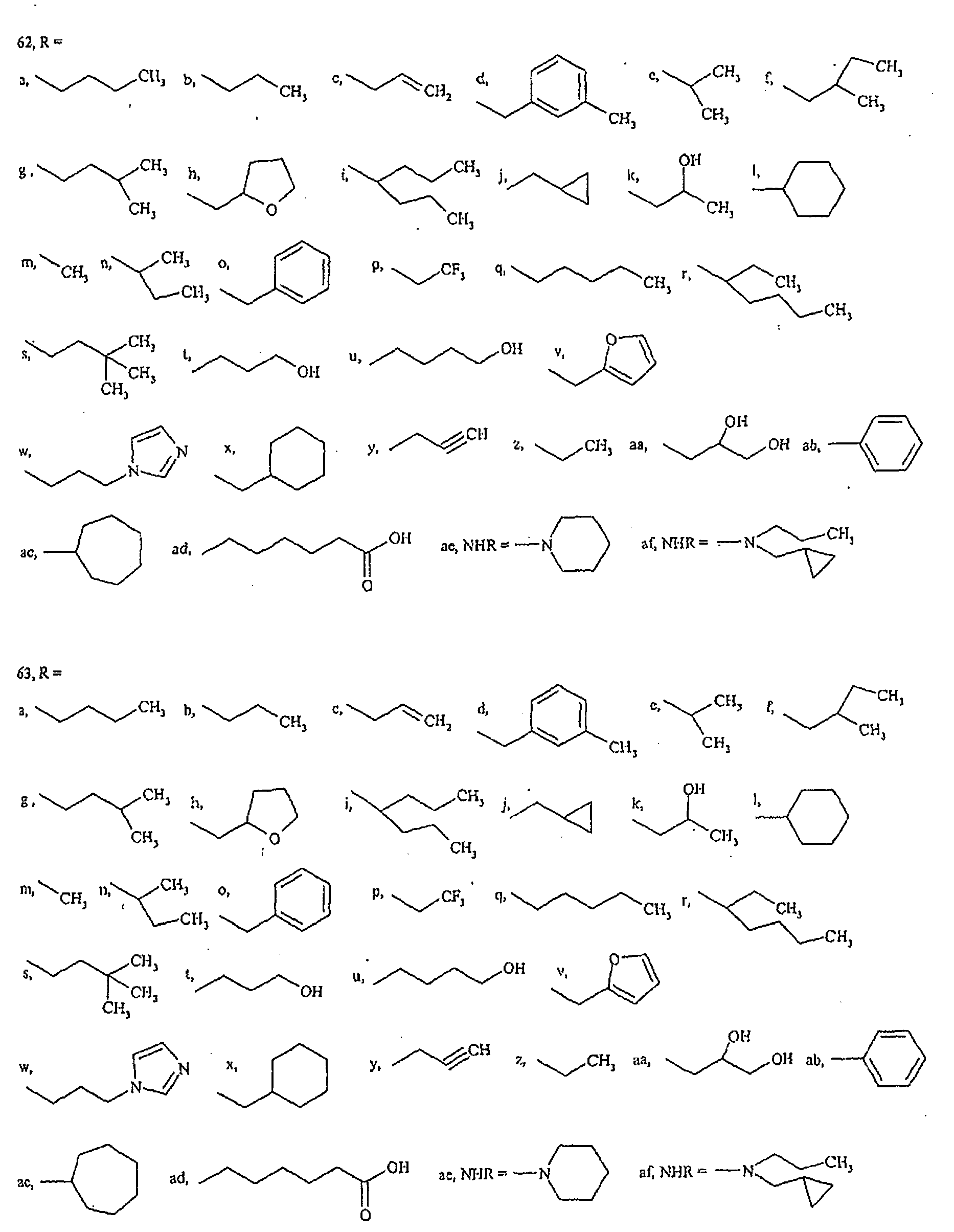


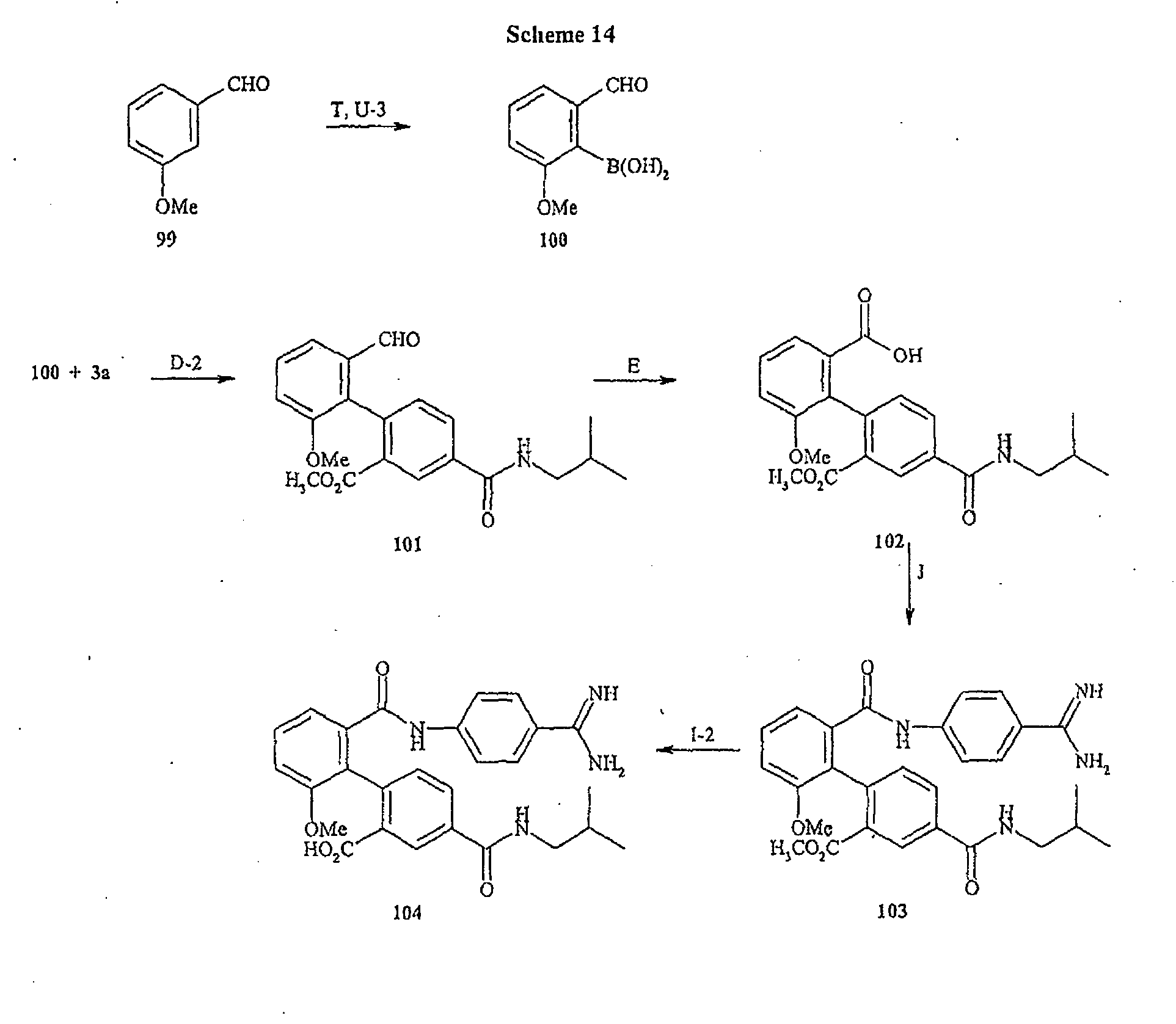


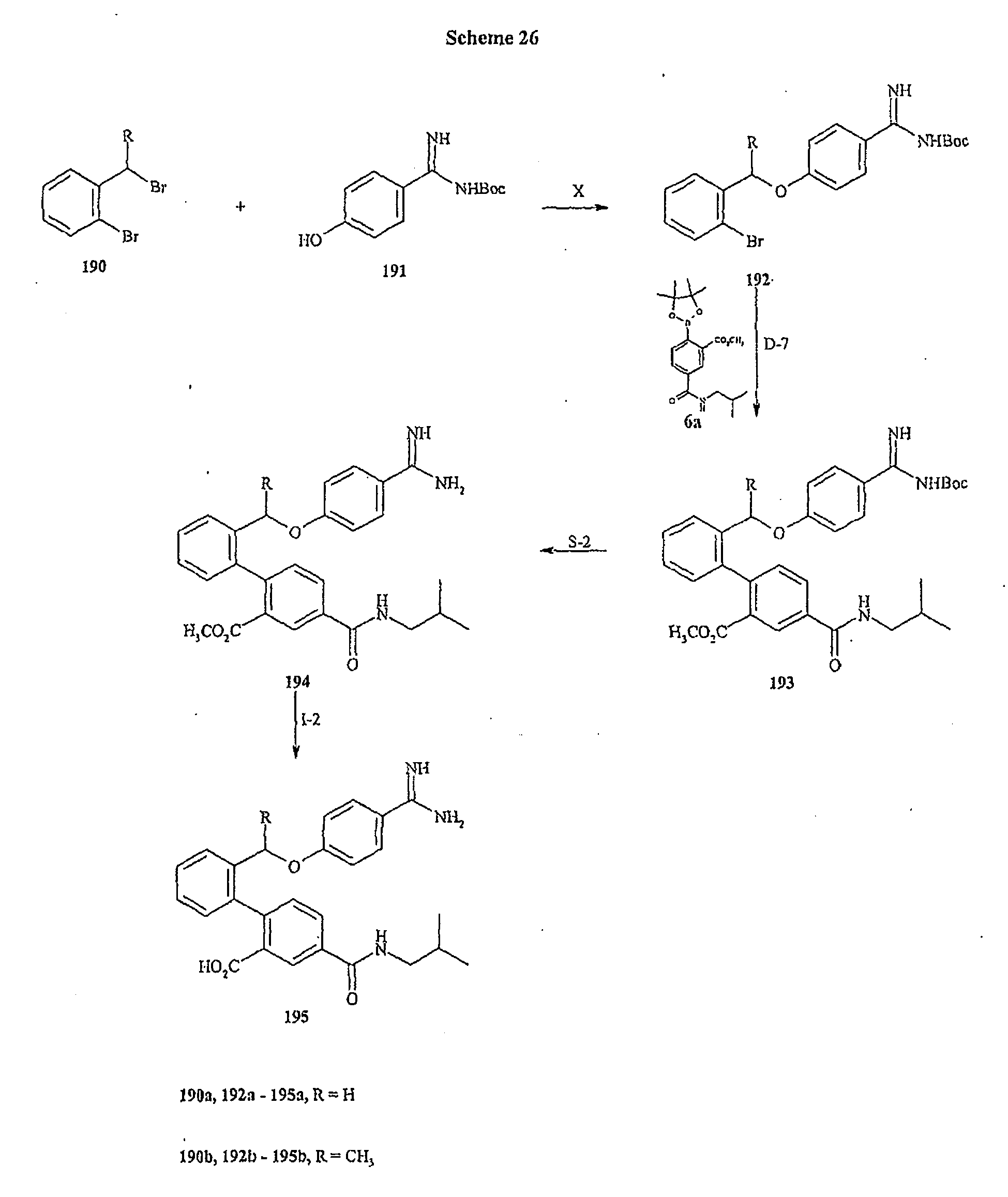


- The following abbreviations have been used:
- THF: Tetrahydrofuran; DMF: Dimethylformamide
- DME: 1,2-Dimethoxyethane; MAP; 4-(Dimethylamino)pyridine
- Boc anhydride: Di-tert-butyl dicarbonate; TIPS: Triisopropylsilyl
- MEM: Methoxyethoxymethyl; Bn: Phenylmethyl or Benzyl
- The organic extracts were dried over sodium sulfate or magnesium sulfate.
- The general methods for the preparation of the compounds of formula (I) are given below:
- To derivative (1 mmol), was added thionyl chloride (12.6 mmol) and a few drops of DMF. The reaction mixture was refluxed for 2 h and concentrated in vacuo to obtain an oily residue. The residue was dissolved in dichloromethane (3 mL); cooled with ice water and amine (5 mmol) was added. The reaction mixture was stirred at room temperature overnight, washed with 1N HCl, saturated sodium hydrogen carbonate, water, brine, dried and concentrated in vacuo. The product obtained was purified by crystallization or flash column chromatography to furnish the desired amide.
- To a solution of acid derivative (1 mmol) in dichloromethane (10 mL) at 0 °C was added triethylamine (3 mmol) and ethyl chloroformate (3 mmol). The reaction mixture was stirred at the same temperature for 30 min and the corresponding amine (6 mmol) was added. The reaction mixture was stirred at room temperature overnight and quenched with IN HCl. The organic layer was separated, washed with water, brine, dried and concentrated in vacuo. The product obtained was purified by crystallization or flash column chromatography to furnish the desired amide.
- To a solution of acid (1 mmol) in dichloromethane (5 mL) was added 2M oxalyl chloride in dichloromethane (2.5 mmol), followed by a drop of DMF. The reaction mixture was stirred for 2h at room temperature and concentrated in vacuo. The residue was co-evaporated once with dichloromethane (5 mL) and then dried in vacuo. To the residue in dichloromethane (10 mL) were further added triethylamine (3 mmol) and the corresponding amine (1.2 mmol). The reaction mixture was stirred for 16 h and washed with water, brine, dried and concentrated in vacuo. The product obtained was purified by crystallization or flash column chromatography to furnish the desired amide.
- To a solution of acid (1 mmol) in dichloromethane or THF (10 mL) cooled with an ice bath was added triethylamine (1.2 mmol) and ethyl chloroformate or isobutyl chloroformate (1.2 mmol). The reaction mixture was stirred at 0°C for 30 min and the corresponding amine (2.5 mmol) was added. The reaction mixture was stirred at room temperature overnight and quenched with 1N HCl. The organic layer was separated, washed with water, brine, dried and concentrated in vacuo. The product obtained was purified by crystallization or flash column chromatography to furnish the desired amide.
- A mixture of carboxylic acid (1 mmol), amine (1.1 mmol), 1-hydroxybenzotriazole (1 mmol) and 1-(3-dimethylaminopropyl)-3-ethylcarbodiimide methiodide (1.1 mmol) in pyridine (10 mL) was stirred overnight at room temperature and was concentrated in vacuo to dryness, The residue obtained was purified by column chromatography or used as such for the next step.
- To a solution of acid (1 mmol) in dichloromethane or THF (10 mL) at 0 °C was added triethylamine (1.2 mmol) and ethyl chloroformate or isobutyl chloroformate (1.2 mmol). The reaction mixture was stirred at 0 °C for 30 min and sodium borohydride (1.25 mmol) was added. The reaction mixture was stirred at room temperature overnight and quenched with IN HCl. The reaction mixture was extracted with ethyl acetate. The organic layers were combined, washed with water, brine, dried and concentrated in vacuo to furnish the desired alcohol. This can be purified further, if needed, by crystallization or column chromatography.
- A mixture of carboxylic acid (1 mmol), amine (1 mmol), and 4-dimethylaminopyridie (0.12 mmol) in xylene (10 mL) was stirred at 80 °C for 10 min. Phosphorus trichloride (1 mmol) was added and the reaction mixture was heated with stirring at 150°C for 2 hr. After cooling, the product was extracted with EtOAc. The organic layers were combined, washed with water, brine, dried and concentrated in vacuo. The product obtained was purified by flash column chromatography to furnish the desired amide.
- To a phenol (1 mmol) in dichloromethane (2.5 mL) was added pyridine (5 mmol) under a nitrogen atmosphere and cooled to -10 C. To the cold reaction mixture was added dropwise triflic anhydride (2 mmol) in dichloromethane (2.5 mL) over a period of 10 mins and allowed to warm to room temperature and stirred for 16 h. The reaction mixture was quenched with saturated aqueous sodium hydrogen carbonate solution and the organic layer was separated. The organic layer was washed with IN HCl, saturated sodium hydrogen carbonate, water, brine, dried and concentrated in vacuo. The product obtained was purified by crystallization or flash column chromatography to furnish the desired triflate.
- To a solution of substituted phenol (1 mmol) in DMF (10 mL) was added N-phenylbis(trifluoromethanesulphonimide) (1.1 mmol), and triethylamine (2 mmol) and stirred at room temperature overnight. The reaction mixture was quenched with ice water and extracted twice with ether. The organic layers were combined, washed with brine, dried and concentrated in vacuo to furnish the desired triflate.
- To a solution of acid derivative (1 mmol) in DMF (10 mL) was added sodium bicarbonate (1.05 mmol), and MEM-Cl (1.05 mmol) and was stirred at room temperature for 24 h. The reaction mixture was quenched with ice water and extracted twice with ether. The organic layers were combined, washed with brine, dried and concentrated in vacuo to furnish crude product. Purification by flash column chromatography or crystallization gave the desired MEM ester.
- A mixture of triflate (1 mmol), aryl boronic acid (1.5 mmol), potassium phosphate (3 mmol), potassium bromide (2.4 mmol) and tetrakis(triphenylphosphine)palladium (0.05 mmol) in dioxane (10 mL) was heated at reflux overnight under an argon atmosphere. The reaction mixture was cooled, quenched with water and was extracted with ethyl acetate. The organic layers were combined, dried and concentrated in vacuo. Purification by flash column chromatography or crystallization gave the coupled product.
- A mixture of triflate (1 mmol), aryl boronic acid (2 mmol), sodium hydrogen carbonate (3 mmol) and tetrakis(triphenylphosphine)palladium (0.05 mmol) or bis(triphenylphosphine)palladium(II)chloride (0.05 mmol) in DME/water (9:1, 10 mL) was heated at reflux overnight. The reaction mixture was cooled, quenched with water and extracted with ethyl acetate. The organic layer was dried and concentrated in vacuo. Purification by flash column chromatography or crystallization gave the coupled product.
- A mixture of triflate (1 mmol), tributyltin derivative (3 mmol), tetraethylammonium chloride (6 mmol), and bis(tripheuylphosphine)pailadium(II)-chloride (0.05 mmol) in DMF (10 mL) was heated at 70 °C overnight under an argon atmosphere. The reaction mixture was cooled, quenched with water (20 mL) and extracted with ethyl acetate (2 X 10 mL). The organic layers were combined, dried and concentrated in vacuo. Purification by flash column chromatography or crystallization gave the coupled product.
- A mixture of triflate (1 mmol), trimethyltin derivative (3 mmol), and bis(triphenylphosphine)palladium(II)chloride (0.05 mmol) in THF (10 mL) was heated at 70 °C overnight under an argon atmosphere. The reaction mixture was cooled, quenched with water and extracted with ethyl acetate (2 X 10 mL). The organic layers were combined, dried and concentrated in vacuo. Purification by flash column chromatography or crystallization gave the coupled product.
- A mixture of triflate (1 mmol), triethylamine (4.5 mmnol), substituted alkyne (3.5 mmol), and bis(triphenylphosphine)palladium(II)chloride (0.05 mmol) in DMF (10 mL) was heated at 70 °C overnight under an argon atmosphere. The reaction mixture was cooled, quenched with water (20 mL) and extracted with ethyl acetate (2 X 10 mL). The organic layers were combined, dried and concentrated in vacuo. Purification by flash column chromatography or crystallization gave the coupled product.
- A mixture of boronate ester (2 mmol), aryl bromide (1 mmol), potassium phosphate (3 mmol) and bis(diphonylphosphinoferrocene)palladium(II)chloride (0.05 mmol) in DMF (10 mL) was heated at 100 °C for overnight under an argon atmosphere. The reaction mixture was cooled, quenched with water (20 mL) and extracted with ethyl acetate (2 X 10 mL). The organic layers were combined, dried and concentrated in vacuo. Purification by flash column chromatography or crystallization gave the desired product.
- A mixture of boronate ester (2 mmol), aryl bromide (1 mmol), sodium hydrogen carbonate (3 mmol) and bis(diphenylphosphosphinoferrocene)palladium(II)chloride (0.05 mmol) in DME/water (9:1, 10 mL) was heated at 50-70 °C for overnight under an argon atmosphere. The reaction mixture was cooled, quenched with water (20 mL) and was extracted with ethyl acetate (2 X 10 mL). The organic layers were combined, dried and concentrated in vacuo. Purification by flash column chromatography or crystallization gave the coupled product.
- A mixture of phenol (1 mmol), aryl boronic acid (3 mmol), molecular sieves (4A°), pyridine (5 mmol), copper(II)acetate (1 mmol) and bis(triphenylphosphine)-palladium(II)chloride (0.05 mmol) in dichloromethane (10 mL) was stirred at room temperature overnight under an argon atmosphere. The reaction mixture was cooled, filtered through a pad of Celite and concentrated in vacuo. Purification of the crude by flash column chromatography gave the coupled aryl ether.
- To a solution of triflate (1 mmol), LiCl (4 mmol), PPh3 (0.15 mmol), CuBr (0.2 mmol), and bis(triphenylphosphine)palladimn(II)chloride (0.07 g) in DMF (10 mL) under an atmosphere of argon was added trimethylstannyl compound (0.8 mmol) and a crystal of 2,6-di-t-butyl-4-methylphenol. After the mixture was stirred at 90 °C for 3 h, a second portion of aryl-trimethylstannyl compound (0.5 mmol) was added. The reaction mixture was stirred at 90 °C overnight. Water was added and extracted with ethyl acetate. The organic layer was dried (MgSO4), concentrated and purified by flash column chromatography or crystallization to furnish the desired coupled product.
- A mixture of triflate (0.75 mmol), amine (0.9 mmol), potassium phosphate (1.1 mmol), 2-(di-t-butylphosphino)biphenyl (0.015 mmol) and tris(dibenzylideneacetone) dipalladitun(0) (10 mg) in DME (10 mL) was heated at reflux overnight under an argon atmosphere. The reaction mixture was concentrated in vacuo and the residue was purified by flash column chromatography to furnish the desired coupled product.
- To a solution of triflate (0.84 mmol), zinc cyanide (0.54 mmol), Palladium acetate (0.016 mmol), 2-(di-tert-butylphosphine)biphenyl ( 0.016 mmol) and N-methyl pyrrolidine (10 mL) was heated under argon at 160 °C for 48 h. The reaction mixture was cooled to room temperature and quenched with water (50 mL). The reaction mixture was extracted with ethyl acetate (2 X 25 mL). The organic layers were combined, dried, filtered and concentrated in vacuo. The residue obtained was purified by flash column chromatography to furnish the desired cyano compound.
- To a solution of aryl triflate or bromide (1 mmol) in DMF (5 mL) were added LiCl (5 mmol), tetravinyltin (2 mol), and dichlorbis(triphenylphosphine)palladium (II) (0.01 mmol). The reaction mixture was stirred at 70 °C under nitrogen for 5 h and then diluted with ethyl acetate and filtered. The organic layer was washed with water and brine and dried (MgSO4). After evaporating the solvent in vacuo, the compound was purified by flash-column chromatography to give the desired product.
- A mixture of aldehyde (1 mmol), tert-butanol (5 mL), water (2 mL) and acetonitrile (1 mL, additional amount may be added until the reaction mixture was homogenous) was stirred at room temperature. The solution was cooled in ice-bath and 2-methyl-2-butene (1 mL), sodium chlorite (6 mmol) and sodium dihydrogenphosphate (1.6 mmol) were added. The reaction mixture was stirred at room temperature for 2 h. If the solid separated out, the mixture was filtered to collect the solid, the desired product. If no solid separated out, then the reaction mixture was concentrated in vacuo to remove acetonitrile, diluted with water (10 mL) and extracted with ethyl acetate (2 X 10 mL). The organic layers were combined, washed with water, brine, dried and concentrated in vacuo to furnish crude acid. Purification was achieved, if needed, by crystallization or using flash column chromatography to obtain pure acid.
- To a solution of vinyl compound (1 mmol) in acetone (5 mL) was added KMnO4 (4 mmol). The reaction mixture was stirred for 3 h (the reaction is exothermic, and refluxed on its own during the addition of KMnO4). The reaction mixture was diluted with methanol and water and filtered. The organic solvents were evaporated in vacuo. and the aqueous layer was acidified to pH 1 and extracted several times with ethyl acetate/DME. The combined organic layers were dried (MgSO4) to furnish the desired acid.
- To a solution of aromatic acid (1 mmol) in THF (10 mL) was added diisopropylethylamine (2 mmol) and 2-methoxyethoxymethylchloride (1.1 mmol). The reaction mixture was stirred a room temperature for 3 h and diluted with ether (25 mL). The reaction mixture was washed with water (10 mL), brine (10 mL), dried and concentrated in vacuo to obtain product as colorless oil. The product was purified by flash column chromatography to furnish desired product.
- To a solution of appropriate substrate (1 mmol) in ethanol (10 mL) was added 10% palladium on carbon (10-wt%). The reaction mixture was hydrogenated at 50 psi for 2 to 24 h (until all starting material disappeared as confirmed by MS and TLC analysis). The catalyst was removed by filtration through a pad of Celite under nitrogen. The filtrate was concentrated in vacuo to furnish the product, which was purified by flash column chromatography or crystallization.
- To a solution of aromatic acid (1 mmol) in DMF (10 mL) was added sodium bicarbonate (1.05 mmol), and benzyl bromide (1.05 mmol) and stirred at room temperature for 24 h. The reaction mixture was quenched with ice water and extracted twice with ethyl acetate. The organic layers were combined, washed with water and brine, dried and concentrated in vacuo to furnish crude product. Purification by crystallization or flash column chromatography gave the desired ester.
- To a solution of MEM ester (1 mmol) in DME (8 mL) was added 6 N HCl (2 mL) and stirred at room temperature overnight. The reaction mixture was neutralized with solid sodium hydrogen carbonate (18 mmol) and concentrated in vacuo. The reaction mixture was acidified with 0.5 N HCl (20 mL) and extracted with ethyl acetate (2 X 20 mL). The organic layers were combined, washed with brine (20 mL), dried and concentrated in vacuo to furnish crude product. Purification of the crude by flash column chromatography gave the product. Alternatively the crude reaction mixture was diluted with water (10 mL) and concentrated in vacuo to remove DME. The solid obtained was collected by filtration and dried in vacuo to furnish pure acid.
- To a solution of ester (1 mmol) in MeOH (10 mL) was added 1 N NaOH (10 mmol). The reaction mixture was stirred at room temperature for 2-3 h, filtered through a plug of cotton, and concentrated in vacuo to remove MeOH. The pH of the aqueous layer was adjusted to below 7. The solid that separated, was collected by filtration, washed with water and dried in vacuo to furnish the desired acid.
- To a solution of acid (1 mmol) in DMF (5 mL) was added corresponding amine (1.1 mmol) and stirred at room temperature until homogenous. Pyridine (5 mL) was added to the reaction mixture followed by 1,3-dicyclohexylcarbodiimide (1.2 mmol) and stirred overnight at room temperature. The mixture was quenched with 6 N HCl (10 mL), diluted with ice cold water (10 mL) and extracted with chloroform (2 X 10 mL). The organic layers were combined washed with brine (10 mL), dried and filtered. Purification of the crude by flash column chromatography gave the product as a solid. If the product was soluble in water, then the reaction mixture was concentrated in vacuo to remove pyridine and DMF and purified by flash column chromatography.
- To a solution of aldehyde (1 mmol) in THF (10 mL) was added sodium borohydride (0.4 mmol), The reaction mixture was stirred for 30 mins and quenched with glacial acetic acid (0.3 mL). The reaction mixture was diluted with water (10 mL) and extracted with ethyl acetate (2 X 10 mL). The organic layers were combined and washed with brine (10 mL), dried, filtered and concentrated in vacuo to obtain crude product which was purified by flash column chromatography.
- To a solution of vinyl compound (1 mmol) in THF/tert-butanol (1:1,10 mL) and water (2 mL) was added 4-methylmorpholine N-oxide (2.5 mmol) and osmium tetraoxide (1 mL, 2.5 wt% in tert-butanol, 0.1 mmol). The reaction mixture was stirred at room temperature for 2 h and quenched with saturated aqueous solution of sodium sulfite (5 mL). The reaction was stirred at room temperature for 30 mins and diluted with brine (10 mL) and ethyl acetate (10 mL). The organic layer was separated and the aqueous layer was extracted with ethyl acetate (10 mL). The organic layers were combined and washed with brine (10 mL), dried, filtered and concentrated in vacuo. The crude product was purified by flash column chromatography to furnish the desired diol.
- To a solution of diol (1 mmol) in DME/water (9:1, 10 mL) was added sodium metaperiodate (3 mmol) and stirred at room temperature for 30 min. The reaction mixture was quenched with water (10 mL) and extracted with ethyl acetate (2 X 10 mL). The organic layers were combined and washed with brine (10 mL), died, filtered and concentrated in vacuo. The crude product was purified by flash column chromatography to furnish the desired aldehyde.
- To a solution of alcohol (1 mmol) in DME (10 mL) was added dimethylaminopyridine (0.1 mmol), methane sulfonyl chloride (3 mmol) and diisopropylethylamine or triethylamine (5 mmol). The reaction mixture was stirred at room temperature overnight. The reaction mixture was diluted with water (10 mL) and extracted with ethyl acetate (2 X 10 mL). The combined organic layers were washed with brine, dried, filtered and concentrated in vacuo. The residue obtained, was purified by column chromatography to furnish the desired mesylate.
- To a solution of mesylate (1 mmol) in DMSO (10 mL) was added sodium azide (25 mmol) and heated at 100 °C overnight. The reaction mixture was cooled and diluted with cold water (25 mL). The reaction mixture was extracted with ethyl acetate (2 X 115 mL). The combined organic layers were washed with water (10 mL), brine (10 mL), dried, filtered and concentrated in vacuo The residue obtained was purified by column chromatography to furnish the desired azido compound.
- A mixture of amino compound (1 mmol), benzyl chloroformate (2 mmol) and triethylamine (10 mL) in pyridine (10 mL) was stirred at room temperature overnight. The reaction mixture was concentrated in vacuo to remove organic solvents and diluted with 0.1 N HCl (10 mL). The product was extracted with chloroform (2 X 10 mL), dried, filtered and concentrated in vacuo. The residue obtained was purified by column chromatography to furnish the desired carbamate.
- A mixture of silyl protected amine (1 mmol), tetrabutylammonium fluoride (1.0 M in THF, 2 mmol) in THF (10 mL) was stirred at room temperature for 1.5 h. The reaction mixture was concentrated in vacuo and purified by column chromatography to obtain the desired product.
- To a solution of amino compound (1 mmol) in acetonitrile (5 mL) was added triethylamine (2 mmol) and BOC anhydride (1.2 mmol). The reaction mixture was stirred for 2 h and concentrated in vacuo. Water was added to the residue and extracted with ethyl acetate. The organic layer was washed with brine, dried (MgSO4), and the solvent was evaporated in vacuo to furnish tert-butyl carbamate. If needed, the product was purified by crystallization or column chromatography.
- To a solution of tert-butyl carbamate (1 mmol) in dichloromethane (10 mL) was added trifluoroacetic acid (2 mL). The solution was stirred at room temperature for 4 h and concentrated in vacuo. The residue was purified by column chromatography or crystallization to give the desired amine.
- To a solution of tert-butyl carbamate (1 mmol) in methanol (13 mL) was added 6 N HCl (8.75 mL, 52 mmol) and water (4.25 mL). The reaction mixture was stirred at room temperature for 2 days. The pH was adjusted to 7 using conc. ammonium hydroxide and the solid that separated out, was collected by filtration, washed with ether, dried in vacuo to furnish the desired product. If no solid separated out, the product was isolated by extraction with chloroform and evaporating the organic layer.
- To a solution of aldehyde (1 mmol) in ethanol (5 mL) was added triethyl orthoformate (1.4 mmol), ammonium nitrate (0.2 mmol) and stirred at room temperature overnight (if reaction was not complete by TLC and NMR analysis of an aliquot, the reaction mixture was heated at 50 °C until complete). After completion of the reaction, the mixture was quenched with triethylamine (0.2 mmol) and concentrated in vacuo to remove ethanol. The residue was dissolved in ether, filtered to remove any insoluble inorganic impurities, and evaporated to dryness. The product obtained was used as such without further purification.
- To a mixture of bromo compound (1 mmol) in ether (10 mL), cooled to -78 °C, n-butyl lithium (1.2 mmol) was added dropwise and the reaction mixture was stirred for 30 mins after the addition was completed. Tributyl borate (1.3 mmol) in ether (10 mL) was added to the reaction and stirred at -78 °C for 2 h. The reaction mixture was allowed to warm to 0 °C and quenched with 2 M HCl (10 mL). The reaction mixture was stirred at room temperature for 1h and cooled with ice. The aqueous layer was separated and the organic layer was extracted twice with 1N NaOH (2 X 10 mL). The basic extracts were combined and washed with ether (10 mL). The basic layer was acidified to pH 4 using 6 N HCl and the solid that separated out was collected by filtration, washed with water and hexane and dried in vacuo to furnish boronic acid as a solid. If no solid product is obtained then the basic layer was extracted with ether (2 X 10 mL). The organic layers were combined, dried and concentrated in vacuo to furnish boronic acid.
- To a solution of N,N,N'-trimethylethylenediamine (1 mmol) in THF/ether (10 mL, 1:1) cooled to -20 °C was added dropwise, over a period of 15 mins, n-butyl lithium (1 mmol) and stirred at -24 °C for 15 mins. Aldehyde (1 mmol) at -20 °C was added dropwise over a period of 10 mins to this mixture. The reaction mixture was further stirred for 15 mins at -20 °C followed by the addition of n-butyl lithium (2.8 mmol) dropwise over a period of 15 mins and stirred at 4 °C overnight. The reaction mixture was cooled to -40 °C and tributyl borate (5.6 mmol) in ether (20 mL) was added to the reaction and stirred at 4 °C for 12 h. The reaction mixture was allowed to warm to 0 °C and quenched with 2 M HCl (3 mmol) and heated at reflux for 2 h and added to ice water (25 mL). The aqueous layer was separated and the organic layer extracted twice with IN NaOH (2 X 10 mL). The basic extracts were combined and washed with ether (10 mL). The basic layer was acidified to pH 3 using 6 N HCl and the solid that separated out was collected by filtration, washed with water and hexane and dried in vacuo to furnish boronic acid as a solid. If no solid product was obtained, then the basic layer was extracted with ether (2 X 10 mL). The organic layers were combined, dried and concentrated in vacuo to furnish boronic acid.
- To a solution of aryl acetal compound (1 mmol) in ether (10 mL) at -78 °C, tert-butyl lithium (1.1 mmol) was added dropwise and the reaction mixture was stirred for 3 h at -20 °C after the addition was completed. Tributyl borate (1.2 mmol) in ether (10 mL) was added to the reaction and stirred at -20 °C for 1 h. The reaction mixture was allowed to warm to 0 °C and quenched with 2 M HCl (10 mL). The reaction mixture was stirred at room temperature for 1h. The aqueous layer was separated and the organic layer was extracted twice with IN NaOH (2 X 10 mL). The basic extracts were combined and washed with ether (10 mL). The basic layer was acidified to pH 4 using 6 N HCl and the solid that separated out was collected by filtration, washed with water and hexane and dried in vacuo to furnish boronic acid as a solid. If no solid product was obtained then the mixture was extracted with ether (2 X 10 mL). The organic layers were combined, dried and concentrated in vacuo to furnish boronic acid.
- In a round bottom flask (50 mL), pyridine hydrochloride (10g) was heated in an oil bath at 180 °C. After the entire solid had melted, the corresponding aryl methyl ether (1 mmol) was added in small portions over a period of 20 min. The reaction mixture was heated at 180 °C for 4 h, cooled and quenched with water (100 mL). The reaction mixture was extracted with ethyl acetate (3 X 10mL). The combined organic layers were washed with brine, dried over MgSO4, concentrated to give phenol. This can be further purified if needed by crystallization or column chromatography.
- To a solution of aryl ether (1 mmol) in dichloromethane (10 mL) cooled to -78 °C was added boron tribromide (3 mmol). The reaction mixture was allowed to warm to room temperature overnight and quenched with water (10 mL). The solid obtained was collected by filtration to give the desired product. More product was obtained after evaporation of the organic layer and washing the residue with water. Alternatively, if a homogenous biphasic mixture was obtained on addition of water, the organic layer was separated, washed with brine, dried over MgSO4, and concentrated to give the desired phenol. This can be further purified if needed by crystallization or column chromatography.
- To a solution of aryl methyl ether (1 mmol) in dichloromethane (5 mL) was added AlCl3 (8.5 mmol). The reaction mixture was heated to reflux for 12 h under nitrogen. To this mixture was added 12 mL of 1 N HCl slowly and the organic layer was separated. The aqueous layer was re-extracted several times with ethyl acetate/DME. The combined organic layers were washed with brine, dried (MgSO4), and evaporated in vacuo to furnish the desired phenol, which was purified by column chromatography.
- To a stirred slurry of NaH (2 mmol) in anhydrous toluene (5 mL) under nitrogen atmosphere was added para-thiocresol (2 mmol) dissolved in toluene (40 mL). The mixture was stirred at room temperature for 30 min and hexamethylphosphoric triamide (2 mmol) in toluene (5 mL) was added dropwise over a period of 30 min. A solution of aryl ether (1 mmol) in toluene (5 mL) was added in one portion. The reaction mixture was stirred at reflux for 9.5 h, cooled to room temperature and diluted with ethyl acetate (40 mL). The organic layer was extracted with 1 N aqueous NaOH solution (2 X 20 mL). The basic layer was acidified to pH 5 and extracted with ethyl acetate (2 X 20 mL). The organic layers were combined, washed with water, dried (MgSO4) and concentrated in vacuo. The residue obtained was purified by flash column chromatography to afford the desired phenol compound.
- A mixture of acid (1 mmol), conc. H2SO4 or conc HCl (0.5 mL) and methanol (10 mL) was heated at reflux for 16 h. The mixture was concentrated to half of its volume and the residue poured into a saturated sodium bicarbonate solution. The precipitate was collected by filtration, washed with water and dried to give the desired ester. If the ester did not come as solid, it was extracted with ethyl acetate. The organic layer was dried, filtered and concentrated to give the desired ester.
- A solution of methanolic HCl or ethanolic HCl was prepared by the addition of acetyl chloride (1 mL) to methanol/ethanol (9 mL) at 0 °C and stirred for 30 mins. To the solution of anhydrous methanolic HCl was added acid (1 mmol) and stirred at room temperature (or reflux if needed) overnight. The reaction mixture was concentrated to dryness in vacuo and the residue was purified by column chromatography or crystallization to furnish the desired ester.
- To a solution phenol or amine (1 mmol) in DMF (10 mL) was added cesium carbonate (1.25 mmol) and corresponding bromide (1.1 mmol). The reaction mixture was stirred at room temperature overnight and quenched with water (25 mL). The product was extracted with ether (2 X 25 mL), the organic layers were combined and washed with water (25 mL), brine (25 mL), dried and concentrated in vacuo to furnish crude product. The crude was purified by crystallization or flash column chromatography.
- To a solution ofnitrile compound (1 mmol) in ethyl alcohol (10 mL) was added hydroxylamine (50% aqueous solution, 5 mmol). The mixture was stirred at reflux for 2-5 h. The reaction mixture was concentrated in vacuo to furnish the desired hydroxycarbamimidoyl compound.
- A solution of potassium tert-butoxide (2.25 mmol) in DMSO (1.25 mL) was heated at 50 °C for 30 min. Methanol (1.25 mL) was added to it and continued heating at 50 °C for 30 min. To the reaction mixture was added 1,2-methylenedioxy aromatic compound (1 mmol) and continued heating at 50 °C for 30 min. The reaction mixture was cooled to room temperature and quenched with water (10 mL) and 1 N sodium hydroxide (16 mL). The reaction m mixture was washed with ether (2 X 10 mL) and acidified to pH 4 using conc HCl. The solid obtained was collected by filtration to furnish the desired product.
- To a mixture of methylene dioxy compound (1 mmol) in HMPA (2.5 mL) were added sodium methoxide (2.5 mmol) and heated with stirring at 150 °C for 12 min. The mixture was cooled and poured into ice water (20 mL), NaOH (30 mg) and stirred for 10 min. It was then extracted with ether and the aqueous layer was acidified to pH 4 with HCl and extracted with ether. The later ethereal extracts were combined, dried and concentrated. The residue was purified by crystallization or column chromatography.
- To a solution of amino compound (1 mmol) in pyridine (5 mL) was added, dropwise, acid chloride (2 mmol) at 0 °C under N2. The mixture was stirred for 45 min and was then poured into ice water and acidified with 1 N HCl. The precipitated solid was collected by filtration, washed with IN HCl, hexane, and then dried in vacuo to give crude product. The crude product was added to freshly prepared sodium methoxide solution (0.1 M, 10 mL) and stirred for 30 min at room temperature. The reaction mixture was quenched with acetic acid (1 mmol) and concentrated in vacuo. The residue was dissolved in ethyl acetate and washed with water. The water layer was extracted with ethyl acetate, and the combined organic layers were washed with brine, dried (MgSO4) and evaporated to yield a solid. The solid was washed with hexane and dried in vacuo to furnish the desired amide.
- To amidine compound (1 mmol) was added 0.1N NaOH (10 mL) and stirred at room temperature for 5 min. The reaction mixture was concentrated in vacuo and to the residue was added alkyl or aryl 4-nitrophenyl carbonate (2 mmol) in 20 mL of hexamethylphosphoramide and stirred at 45 °C for 24 h. The reaction was quenched with water (100 mL) and extracted with ethyl acetate (2 X 100 mL). The combined extracts were washed with water (100 mL) and brine (100 mL), dried over anhydrous magnesium sulfate, filtered and concentrated in vacuo. The residue obtained was purified by flash column chromatography to furnish the desired product.
- To a solution of amidine compound (1 mmol) in acetonitrile (25 mL) was added triethylamine (5 mL) and aryl/alkyl chloroformate (2 mmol) or dialkyl/aryl carbonate. The reaction mixture was stirred at room temperature for 16 h and quenched with water (100 mL). The reaction mixture was extracted with ethyl acetate (2 X 100 mL). The combined extracts were washed with brine (100 mL), dried over anhydrous magnesium sulfate, filtered and concentrated in vacuo. The residue obtained was purified by flash column chromatography to furnish the desired product.
- To a stirred solution of aldehyde (1 mmol) in ethanol (10 mL) was added pyridine (10 mL) and hydroxylamine hydrochloride (1.25 mmol). The reaction mixture was stirred overnight at room temperature under nitrogen and then concentrated in vacuo to one third of its original volume. Water (10 mL) was added and the precipitated solid was collected by filtration and dried in vacuo. The product was used as such for next step without further purification.
- To a solution of phenyl methoxyaryl aldehyde (1 mmol) in dichloromethane (10 mL) cooled to -78 °C was added dropwise under a nitrogen atmosphere boron tribromide (1M solution in dichloromethane, 1.2 mmol). The reaction mixture was allowed to warm to room temperature and stirred at room temperature overnight. The reaction mixture was quenched with water (10 mL) and the layers were separated. The aqueous layer was extracted with chloroform (10 mL). The organic layers were combined, washed with brine (10 mL), dried, filtered and concentrated in vacuo to furnish crude product. Purification of the crude by flash column chromatography furnished the desired phenolic aldehyde
- To a stirred solution of aldehyde (1 mmol) in methanol (40 mL) was added amine (3.3 mmol) followed by the addition of glacial acetic acid (0.3 mL). The reaction mixture was stirred for 30 min under nitrogen at room temperature, and then sodium cyanoborohydride (1.5 mmol) was added. After stirring for 20 min, the solvent was evaporated in vacuo, and the residue was taken in ethyl acetate. The organic layer was washed with water, and the insoluble material was removed from the organic layer by filtration. The pH of the aqueous phase was adjusted to 7 with IN NaOH and was extracted twice with ethyl acetate. The combined organic layers were washed with brine and dried (MgSO4). The solvent was evaporated in vacuo to furnish crude product. The crude product was purified by crystallization or flash column chromatography.
- To a mixture of aminoarylamidine (1.2 mmol), 4A° molecular sieves, and sodium hydroxide (1 N solution in anhydrous methanol, 1.2 mL, 1.2 mmol) in methanol (10 mL) was added a solution of aldehyde (1 mmol) in THF (10 mL). The reaction mixture was heated for 15 mins at reflux temperature and was cooled to room temperature. Acetic acid (1 %) and sodium cyanoborohydride (1 M solution in THF, 5 mmol) was added to the reaction mixture and stirred at room temperature overnight. The reaction mixture was quenched with 1 N NaOH (30 mmol) and stirred for additional 2 h and concentrated in vacuo to remove methanol. The mixture was diluted with water (15 mL) and washed with ether (2 x 10 mL). The aqueous layer was acidified to pH 2 using 6 N HCl and the solid that separated out was collected by filtration, washed with ether, dried in vacuo to furnish product, which was purified by flash column chromatography, if needed.
- A mixture of aminoarylamidine (2 mmol), 4A° molecular sieves, pyridine (6 mL) in methanol (9 mL) was heated at 50 °C for one hour. A solution of aldehyde (1 mmol) in methanol (7.5 mL) containing acetic acid (1 %) was added and continued heating for 4 h to 12 h. The reaction mixture was cooled and sodium cyanoborohydride (1 M solution in THF, 5 mmol) was added to the reaction mixture and stirred at room temperature overnight. The reaction mixture was quenched with 5 N NaOH (30 mmol) and stirred for additional 2 h. The reaction mixture was filtered through Celite (to remove molecular sieves) and concentrated to remove methanol. The mixture was diluted with water (15 mL) and washed with ether (2 X 10 mL). The aqueous layer was filtered and solid obtained was kept aside (mainly product). The aqueous layer was acidified to pH 2 using 6 N HCl and the solid that separated out was collected by filtration. The combined solid materials were purified, if needed, by flash column chromatography.
- To a mixture of aldehyde (1 mmol) and aminoarylamidine (1.1 mmol) in MeOH at room temperature was added triethyl amine (2.75 mmol), sodium cyanoborohydride (0.83 mmol) and zinc chloride (0.9 mmol). The reaction mixture was stirred at room temperature overnight and concentrated to remove methanol. The reaction mixture was quenched with 1 N NaOH (10 mL), diluted with water (10 mL), and extracted with EtOAc (5 X 20 mL). The combined organic extracts were washed with brine (15 mL), dried (MgSO4), filtered through Celite and concentrated to give the product. Purification of the crude by flash column chromatography gave the desired product.
- To a solution of amine (1.2 mmol) in MeOH (10 mL) was added aldehyde (1 mmol) in THF (10 mL) containing acetic acid (0.1 mL) drop-wise. The mixture was stirred at 50 °C for 4-12 h and then cooled to room temperature. Sodium cyanoborohydride (1.5 mmol) was added to the reaction mixture and stirred at room temperature overnight. Water was added and pH of the solution was adjusted to 7. The solution was extracted with ethyl acetate. The organic layer was dried (MgSO4) and evaporated in vacuo. The residue was purifeid by flash column chromatography to furnish the desired amine.
- Acetyl chloride (5 mL) was added to methanol (5 mL) at 0 °C drop-wise and stirred at room temperature for 15 mins. To this solution of methanolic HCl was added nitrile compound (1 mmol) and stirred at room temperature overnight. The reaction mixture was concentrated in vacuo and dried. The residue obtained of the resulting methyl imidate was dissolved in methanol (10 mL). Dry ammonia gas was bubbled into the reaction mixture at reflux temperature for 5 h. The reaction mixture was concentrated to furnish the required amidine.
- To a solution of aryl aldehyde (1 mmol) in THF (15 mL) cooled to -78 °C was added drop wise under a nitrogen atmosphere, vinyl magnesium bromide (1 M solution in THF, 5 mmol). The reaction mixture was allowed to warm to room temperature and stirred for 48 h. The reaction was quenched carefully with saturated aqueous ammonium chloride solution (10 mL) and extracted with ethyl acetate (2 X 10 mL). The organic layers were combined, washed with brine (10 mL), dried and concentrated in vacuo. The residue obtained was purified by flash column chromatography to obtain the desired addition product.
- To a solution of vinyl bromide with hydroxyl (1 mmol) in dichloromethane (20 mL) was added tert-butyldimethylsilyl chloride (1.5 mmol) and DMAP (1.5 mmol) and stirred at room temperature overnight. The reaction mixture was quenched with water (20 mL) and the aqueous layer separated. The organic layer was washed with 0.1 N aqueous HCl (10 mL), brine (20 mL), dried and concentrated in vacuo to furnish corresponding tert-butyldimethylsilyloxy compound as an oil which was used as such for the next step.
- To a solution of the above oily residue (1 mmol) in diethyl ether (20 mL) cooled to -78 °C was added dropwise tert-butyllithium (1.7 M in pentane, 2 mmol) over a period of 15 mins. The reaction mixture was stirred at -78 °C for 3 h and quenched at -78 °C with 2 N aqueous sulfuric acid (2 mL) and water (18 mL). The reaction mixture was neutralized using 2 N NaOH and the organic layer was separated. The organic layer was washed with water (20 mL), brine (20 mL), dried and concentrated in vacuo. Purification of the crude residue obtained by flash column chromatography furnished the desired tributyltin compound.
- To lithium clippings (10 mmol) in THF (10 mL) cooled to -40 °C was added dropwise tributyltin chloride (0.27 mL, I mmol) in THF (5 mL) over a period of 15 min. The reaction mixture was allowed to warm to room temperature and stirred for 16 h. The reaction mixture was filtered through glass wool to remove insoluble impurities and cooled to -40 °C. A freshly prepared solution of arylmethyl bromide or allyl bromide (1 mmol) was added dropwise over a period of 10 mins and stirred at room temperature overnight. The reaction mixture was quenched with saturated aqueous ammonium chloride solution (10 mL) and extracted with ether (2 X 10 mL). The organic layers were combined, washed with brine (10 mL), dried, filtered and concentrated in vacuo to furnish desired tributyltinalkyl and was used as such without further purification.
- To a mixture of 2-bromo-3,4-dihydroxy-benzaldehyde (2.17 g, 10.0 mmol) and K2CO3 (5.56 g, 40.2 mmol) in n-propanol (25 mL) was added dibromoacetic acid (2.18, 10.0 mmol) and the mixture was heated at reflux temperature for 24 h. After cooling to room temperature, another portion of dibromoacetic acid (1.75 g, 8.0 mmol) was added. The mixture was stirred at reflux for 46 h. n-Propanol was evaporated and water (30 mL) was added. The resulting aqueous solution was acidified to pH 2 by adding 1 N HCl and extracted with ethyl acetate (3 X 100 mL). The combined organic layers were dried (MgSO4) and evaporated in vacuo to afford crude 4-bromo-5-formyl-benzo[1,3]dioxole-2-carboxylic acid (1.34 g) as a brownish solid. This crude product was dissolved in anhydrous methanol (50 mL) and conc. H2SO4 (5 mL) was added drop by drop. The resulting mixture was refluxed overnight and cooled to room temperature. Water (50 mL) was added and the resulting aqueous solution was extracted with ethyl acetate (100 mL) X 3). The combined organic layers were dried (MgSO4) and evaporated in vacuo. The residue was purified by flash column chromatography (ethyl acetate:hexane = 5:95) to furnish 4-bromo-5-formyl-benzo[1,3]dioxole-2-carboxylic acid methyl ester as a white solid.
- To a solution of phenol (1 mmol) in pyridine (10 mL) was added 2,2-dimethyl-propionyl chloride (1.2 mmol) dropwise. The mixture was stirred at room temperature for overnight and diluted with water (100 mL). The reaction mixture was extracted with ethyl acetate (3 X 50 mL). The organic layers were combined and washed with aqueous 0.5 N HCl (100 mL), water, brine, dried (MgSO4) and concentrated in vacuo. The crude residue was purified by flash column chromatography to furnish the desired ester.
- To a solution 3-hydroxybenzaldehyde (Aldrich, 101.39 g, 805 mmol) in chloroform (1000 mL), was added bromine (45 mL, 845 mmol) in chloroform (200 mL) drop wise over a period of 2 h at room temperature. The reaction mixture was stirred at room temperature overnight and filtered to collect crude 2-bromo-5-hydroxy benzaldehyde (32 g) as a dark brown solid. The filtrate was concentrated to 200 mL, filtered through a pad of Celite and silica gel (40 g) and washed with ether (1000 mL). The filtrate was concentrated in vacuo to give a second crop of the crude desired aldehyde (60 g) as a dark brown solid. The above solids were combined and dissolved in glacial acetic acid (360 mL) by heating. Water (840 mL) was added and the solution was filtered hot. The solution was allowed to attain room temperature and kept in a refrigerator overnight. The crystals obtained were collected by filtration and washed with water, dried overnight in vacuo to furnish (60 g, 37%) of the desired product as a purplish brown crystalline solid, mp: 135 °C.
- A mixture of nitrile (1 mmol) and hydroxylamine (aqueous 50%, 1.8 mL) in EtOH (15 mL) was refluxed for 3 h and concentrated in vacuo. To the residue obtained was added EtOH (20 mL), acetic acid (2 mL) and a small amount of Raney nickel. The reaction mixture was hydrogenated (50 psi) for 14-24 h, filtered and concentrated in vacuo. The residue obtained, was purified by flash column chromatography to obtain the corresponding amidine.
- A mixture of nitrile (1 mmol) and saturated methanolic HCl solution (freshly prepared by bubbling HCl gas or prepared in-situ by premixing methanol and acetyl chloride at ice cold temperature) was stirred at room temperature overnight. The reaction mixture was concentrated in vacuo to furnish methyl imidate. To the residue of methyl imidate was added MeOH (40 mL) and ammonia gas was bubbled at reflux temperature for 16 h or till the reaction was complete. The reaction mixture was concentrated in vacuo and dried to furnish the desired amidine. Alternatively, the methyl imidate was dissolved in methanol and ammonium acetate (10 mmol) was added. The reaction mixture was concentrated in vacuo and purified by flash column chromatography to obtain the corresponding amidine.
- To a solution of nitrile (1 mmol) dissolved in methanol (5 mL) was added N-acetyl cystein (0.1 or 1 mmol) and ammonium acetate (5 mmol) and heated at reflux till the reaction was complete. The reaction mixture was concentrated in vacuo and purified by flash column chromatography to obtain the corresponding amidine.
- To dichloro[1,1'-bis(diphenylphosphino)ferrocene]palladium (II) dichloromethane adduct (0.75 mmol) under argon in dioxane (100 mL) was added aryl triflate (25 mmol), pinacolborane (31.5 mmol) and triethylamine (75 mmol). The reaction mixture was heated under argon at 100 °C for 3h or until complete as evidenced from TLC analysis. The reaction mixture was concentrated in vacuo. The residue obtained was purified by flash column chromatography to furnish the desired boronate ester. Alternatively, the following method can be used.
- To dichloro[1,1'-bis(diphenylphosphino)ferrocene]palladium (II) dichloromethane adduct (0.03 mmol), 1,1'-bis(diphenylphosphino)ferrocene (0.03 mmol) under argon in dioxane (100 mL) was added aryl triflate (1 mmol), bis(pinacolata)diboron (1.1 mmol) and potassium acetate (3 mmol). The reaction mixture was heated under argon at 100 °C for 3h or until complete as evidenced from TLC analysis. The reaction mixture was concentrated in vacuo. The residue obtained was purified by flash column chromatography to furnish the desired boronate ester.
- The examples of the compounds prepared are given in the following tables. The tables describe the compounds, their method of preparation, the starting material, and the analytical data. In some cases, where analytical data have not been given, those compounds were characterized at the later step in the synthesis.

Cpd. No. -R -R' Starting From Method Used Analytical Data 2a -OH 
1 A-1 or A-2 1H NMR (DMSO-d6): δ 10.26 (s, 1 H), 9.84 (s, 1 H), 8.15 (d, J = 3.0 Hz, 1 H), 7.64 (dd, J = 2.0 Hz and 8.9 Hz, 1 H), 6.94 (d, J = 8.9 Hz, 1 H), 3.90 (s, 3 H), 2.15 (d, J = 6.9 Hz, 2 H), 2.06 (m, J = 6.9 Hz, 1 H), 0.93 (d, J = 6.9 Hz, 1 H), 0.93 (d, J = 6 Hz, 6H); MS (ES+): 252.12 2b -OH 
1 A-1 or A-2 Characterized in the next step 2c -OH 
1 A-1 or A-2 MS (ES+): 294.54 2d -OH 
1 A-1 or A-2 MS (ES+): 288.49 (M+Na)+ 2e -OH 
1 A-1 or A-2 Characterized in the next step 2f -OH 
1 A-1 or A-2 MS (ES+): 300.40 (M+Na)+ 2g -OH 
1 A-1 or A-2 MS (ES+): 272.48 (M+Na)+; MS (ES-): 248.66 2h -OH 
1 A-1 or A-2 MS (ES+): 286.48 (M+Na)+ 2i -OH 
1 A-1 or A-2 MS (ES+): 224.54 2j -OH 
1 A-1 or A-2 Characterized in the next step 3a -OSO2CF3 
2a B-1 or B-2 MS (ES+): 384.37 3b -OSO2CF3 
2b B-1 or B-2 MS (ES+): 370.36 3c -OSO2CF3 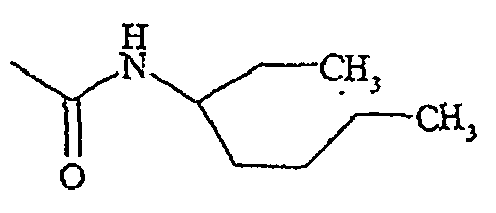
2c B-1 or B-2 MS (ES+): 426.37 3d -OSO2CF3 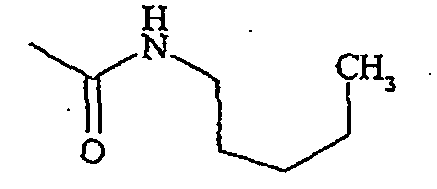
2d B-1 or B-2 Characterized in the next step 3e -OSO2CF3 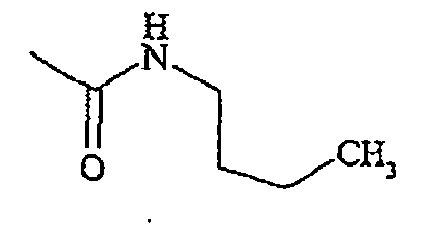
2e B-1 or B-2 1H NMR (CDCl3): δ 8.41 (d, J = 2.3 Hz, 1 H), 8.10 (dd, J = 8.5, 2.4 Hz, 1 H), 7.37 (d, J = 8.5 Hz, 1 H), 6.48 (broad, 1 H), 3.98 (s, 3 H), 3.46 (q, J = 7.2 Hz, 2 H), 1.62 (m, 2 H), 1.42 (m, 2H), 0.96 (t, J = 7.2 Hz, 3 H); MS (ES+): 384.1 3f -OSO2CF3 
2f B-1 or B-2 1H NMR (CDCl3): δ 8.45 (d, J = 2.4 Hz, 1 H), 8.14 (dd, J = 8.7, 2.4 Hz, 1 H), 7.42 (d, J = 8.7 Hz, 1 H), 6.52 (broad, 1 H), 4.14 (m, 2 H), 4.00 (s, 3 H); MS (ES+): 410.2 3g -OSO2CF3 
2g B-1 or B-2 1H NMR (CDCl3): δ 8.42 (d, J = 2.3 Hz, 1 H), 8.12 (dd, J = 8.5, 2.3 Hz, 1 H), 7.39 (d, J = 8.7 Hz, 1 H), 6.31 (broad, 1 H), 4.00 (s, 3 H), 3.34 (dd, J = 7.2, 5.5 Hz, 2 H), 1.07 (m, 1 H), 0.59 (m, 2 H), 0.30 (m, 2 H); MS (ES+): 382.2 3h -OSO2CF3 
2h B-1 or B-2 MS (ES+): 396.36 3i -OSO2CF3 
2i B-1 or B-2 1H NMR (DMSO-d6 ): δ 8.85 (t, J = 5.5 Hz, 1 H), 8.49 (d, J = 2.3 Hz, 1 H), 8.23 (dd, J = 8.7, 2.3 Hz, 1 H), 7.70 (d, J = 8.7 Hz, 1 H), 3.92 (s, 3 H), 3.31 (m, 2 H), 1.14 (t, J = 7.2 Hz, 3 H); MS (ES+): 356.1 3j -OSO2CF3 
2j B-1 or B-2 1H NMR (DMSO-d6 ): δ 8.81 (t, J = 6.0 Hz, 1 H), 8.49 (d, J = 2.3 Hz, 1 H), 8.24 (dd, J = 8.7, 2.4 Hz, 1 H), 7.71 (d, J = 8.7 Hz, 1 H), 3.92 (s, 3 H), 3.15 (m, 2 H), 1.64 (m, 1 H), 1.41 (m, 1 H), 1.12 (m, 1 H), 0.88 (m, 6 H); MS (ES+): 398.2 5 -OSO2CF3 -CO2MEM 4 B-2 1H NMR (DMSO-d6): δ 8.52 (d, J = 2.0 Hz, 1 H), 8.32 (dd, J = 2.0 and 8.9 Hz, 1 H), 7.72 (d, J = 7.9 Hz, 1 H), 5.50 (s, 2 H), 3.88 (s, 3 H), 3.78 (t, J = 4.9 Hz, 2 H), 3.44 (d, J = 4.9 Hz, 2 H), 3.17 (s, 3 H); MS (ES+): 439.1 (M+Na)+ 6a 

3a AK 1H NMR (CDCl3): δ 8.29 (d, J = 1.6 Hz, 1 H), 7.96 (dd, J = 7.5 & 1.6 Hz, 1 H), 7.58 (d, J = 7.5 Hz, 1 H), 6.24 (bs, 1 H), 3.94 (s, 3 H), 3.30 (t, J = 6.5 Hz, 2 H), 1.92 (m, 1 H), 1.43 (s, 12 H), 0.99 (d, J = 6.5 Hz, 6 H); MS (ES+) 362.2 139 -OH 
138 AA 1H NMR (DMSO-d6): δ 10.26 (s, 1 H), 9.84 (s, 1 H), 8.15 (d, J = 3.0 Hz, 1 H), 7.64 (dd, J = 2.0 Hz and 8.9 Hz, 1 H), 6.94 (d, J = 8.9 Hz, 1 H), 3.90 (s, 3 H), 2.15 (d, J = 6.9 Hz, 2 H), 2.06 (m, J = 6.9 Hz, 1 H), 0.93 (d, J = 6.9 Hz, 6 H); MS (ES+): 252.12 140 -OSO2CF3 
139 B-2 1H NMR (DMSO-d6): δ 10.38 (s, 1 H), 8.36 (d, J = 2.8 Hz, 1 H), 7.99 (dd, J = 2.6 and 8.9 Hz, 1 H), 7.52 (d, J = 9.0 Hz, 1 H), 3.89 (s, 3 H), 2.23 (d, J = 7.0 Hz, 2 H), 2.09 (m, J = 6.6 Hz, 1 H), 0.94 (d, J = 6.6 Hz, 6 H); MS (ES+): 384.0 169 -OH 
168 AC 1H NMR (CDCl3): δ 8.08 (s, 1 H), 8.00 (d, J = 2.3 Hz, 1 H), 7.75 (dd, J = 2.3 and 8.7 Hz, 1 H), 7.01 (d, J = 8.7 Hz, 1 H), 3.97 (s, 3 H), 3.50 (s, 1 H); MS (ES+): 196.1 170 -OH -CH2NH2 169 G 1H NMR (DMSO-d6 ): δ 7.79 (d, J = 2.0 Hz, 1 H), 7.5 (dd, J = 2.3 and 8.5 Hz, 1 H), 6.95 (d, J = 8.5 Hz, 1 H), 7.0 (d, J = 8.7 Hz, 1 H), 3.90 (s, 3 H), 3.72 (s, 2 H), 3.50 (bs, 2H); MS (ES+): 182.12 171 -OH 
170 AA MS (ES-): 250.50; MS (ES+): 274.50 (M+Na)+ 172 -OSO2CF3 
171 B-2 1H NMR (CDCl3): δ 7.96 (d, J = 2.3 Hz, 1 H), 7.55 (d, J = 2.3 and 8.3 Hz, 1 H), 7.26 (d, J = 8.3 Hz, 1 H), 5.90 (br s, 1 H), 4.50 (d, J = 4.1 Hz, 2 H), 3.97 (s, 3 H), 2.44 (sep, J = 7.0 Hz, 1 H), 1.20 (d, J = 7.0 Hz, 6 H); MS (ES+): 384.1 177 -OH 
168 AE-1 1H NMR (DMSO-d6): δ 10.62 (s, 1 H), 8.88 (m, 2 H), 7.99 (d, J = 2.3 Hz, 1 H), 7.70 (dd, J = 2.3 and 8.5 Hz, 1 H), 7.06 (d, J = 8.7 Hz, 1 H), 4.09 (m, 2 H), 3.91 (s, 3 H), 2.70 (m, 2 H), 1.98 (m, 1 H, J = 6.8 Hz), 0.93 (d, J = 6.8 Hz, 6 H); MS (ES+): 238.1 178 -OSO2CF3 
177 B-2 1H NMR (CDCl3): δ 8.05 (d, J = 2.3 Hz, 1 H), 7.63 (dd, J = 2.3 and 8.3 Hz, 1 H), 7.25 (d, J = 8.3 Hz, 1 H), 3.96 (s, 3 H), 3.85 (s, 2 H), 2.43 (d, J = 6.8 Hz, 2 H), 1.77 (m, J = 6.6 Hz, 1 H), 0.93 (d, J = 6.6 Hz, 1 H); MS (ES+): 370.2 179 -OSO2CF3 
178 R 1H NMR (DMSO-d6): δ 7.93 (m, 1 H), 7.47 (m, 1 H), 7.26 (m, 1 H), 4.48 (m, 2 H), 3.96 (s, 3 H), 3.03 (m, 2 H), 1.91 (m, 1 H), 1.52 (m, 9 H), 0.89 (d, J = 6.6 Hz, 6 H); MS (ES+): 492.2 (M+Na)+ 
Cpd. No. -R -R' Starting From Method Used Analytical Data 7 -OBn -CHO 6 + 3a D-2 1H NMR (DMSO-d6): δ9.78 (s, 1H), 8.85 (t, J = 5.7 Hz, 1H), 8.50 (d, J = 2.0 Hz, 1H), 8.20 (dd, J = 8.2, 1.9 Hz, 1H), 7.55 (m, 9H), 5.35 (s, 2H), 3.69 (s, 3H), 3.23 (t, J = 6.5 Hz, 2H), 1.98 (m, 1H), 1.02 (d, J = 6.8 Hz, 6H); MS (ES+): 446.3 8 -OBn -CO2H 7 E MS (ES+): 484.33 (M+Na)+ 9 -OBn -CO2MEM 8 F MS (ES+): 572.2 (M+Na)+ 10 -OH -CO2MEM 9 G MS (ES+): 482.33 [(M-MEM) = Na]+ 11 -OSO2CF3 -CO2MEM 10 B-2 1H NMR (DMSO-d6): δ8.75 (t, J = 5.6 Hz, 1 H), 8.44 (d, J =1.6 Hz, 1H), 8.11 (dd, J = 8.0, 1.9 Hz, 1H), 8.01 (d, J = 2.9 Hz, 1H), 7.84 (dd, J = 8.4, 2.6 Hz, 1H), 7.47 (d, J = 8.5 Hz, 1H), 7.41 (d, J = 8.0 Hz, 1H), 5.23 (q, AB system, 2H), 3.59 (s, 3H), 3.44 (m, 2H), 3.30 (m, 2H), 3.18 (s, 3H), 3.13(t, J =6.6 Hz, 2H), 1.88 (m, 1H), 0.91 (d, J = 6.7 Hz, 6H); MS (ES+): 614.3 (M+Na)+ 29a 
-CO2MEM 11 D-3 Characterized in the next step 29b 
-CO2MEM 11 D-3 MS (ES+): 520.2 (M+Na)+ 29c 
-CO2MEM 11 D-3 MS (ES+): 482.3 29d 
-CO2MEM 11 D-3 MS (ES+): 562.3 (M+Na)+ 29e 
-CO2MEM 11 D-3 MS (ES+): 556.4 (M+Na)+ 29f 
-CO2MEM 11 D-3 1H NMR (DMSO-d6): δ8.50 (t, J = 5.6 Hz, 1 H), 8.18 (d, J = 1.9 Hz, 1H), 7.86 (dd, J = 7.9, 1.9 Hz, 1H), 7.78 (d, J =1.7 Hz, 1H), 7.56 (dd, J = 8.0, 1.8 Hz, 1H), 7.13 (d, J = 8.0 Hz, 1H), 7.00 (d, J = 7.9 Hz, 1H), 6.67 (dd, J =17.6, 11.1 Hz, 1H), 5.76 (d, J = 17.6 Hz, 1H), 5.19 (d, J = 11.1 Hz, 1H), 4.99 (q, AB system, 2H), 3.37 (s, 3H), 3.20 (m, 2H), 3.11 (m, 2H), 2.97 (s, 3H), 2.91 (t, J = 6.7 Hz, 2H), 1.67 (m, 1H), 0.70 (d, J = 6.6 Hz, 6H); MS (ES+): 492.3 (M+Na)+ 29g 
-CO2MEM 11 D-2 MS (ES+): 576.2 (M+Na)+; MS (ES-): 552.2 29h 
-CO2MEM 11 D-2 MS (ES+): 538.2 29i 
-CO2MEM 11 D-2 MS (ES+): 560.4 (M+Na)+ 30a 
-CO2H 29a I-1 MS (ES+): 398.3 ; MS (ES-) 396.3 30b 
-CO2H 29b I-1 Characterized in the next step 30c 
-CO2H 29c I-1 MS (ES-): 392.1 30d 
-CO2H 29d I-1 MS (ES+): 452.1 30e 
-CO2H 29e I-1 MS (ES+): 446.2 30f 
-CO2H 29f I-1 MS (ES-): 380.1 30g 
-CO2H 29g K, N, O, I-1 MS (ES+): 515.3 (M+Na)+; MS (ES-): 491.2 30h 
-CO2H 29h K, I-1 MS (ES-): 450.1 30i 
-CO2H 29i K, I-1 MS (ES-): 450.3 33 -OSO2CF3 -CO2H 11 I-1 Characterized in the next step 41 
-CO2MEM 10 D-8 MS (ES-): 534.30 42 
-CO2H 41 I-1 MS (ES-): 446.30 48 -OCH3 -CHO 47 + 3a D-2 MS (ES+): 392.2 (M+Na)÷ 49 -OCH3 -CO2H 48 E MS (ES+): 386.1; 408.1 (M+Na)÷ 
Cpd. No. -R -R' Starting From Method Used Analytical Data 14 -OSO2CF3 -CHO 13 B-2 Characterized in the next step 15 -OSO2CF3 -CO2H 14 E MS (ES-): 403.58 16 -OSO2CF3 
15 A-3 or A-4 1HNMR (DMSO-d6): δ 8.83 (t, J = 6 Hz, 1 H), 8.49 (d, J = 2.6 Hz, 1 H), 8.23 (dd, J = 8.6 Hz, 1 H), 7.72 (d, J = 8.6 Hz, 1 H), 7.49 (m, 2 H), 7.41 (m, 3 H), 5.43 (s, 2 H), 3.1 (t, J = 6.9 Hz, 2 H), 2.29 (m, 1 H), 0.89 (d, J = 6.9 Hz, 6 H). 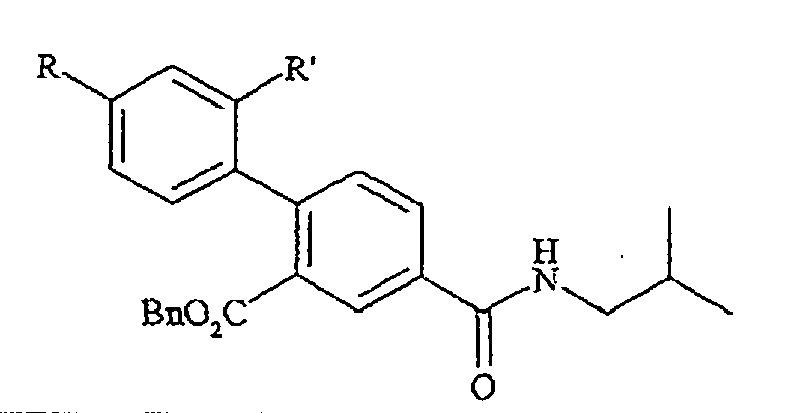
Cpd. No. -R -R' Starting From Method Used Analytical Data 17 -OBn -CHO 16+6 D-2 1HNMR (DMSO-d6): δ 0.88 (d, J = 6.0 Hz, 6 H), 1.85 (m, 1 H), 3.1 (t, J = 6.0 Hz, 2 H), 5.02 (q, J = 13 and 2.5 Hz, 2 H), 5.18 (s, 2 H), 6.88 (m, 2 H), 7.17 (d, J = 8.6 Hz, 1 H), 7.26 (m, 4 H), 7.35 (m, 1 H), 7.40 (m, 4 H), 7.49 (d, J = 7.7 Hz, 2 H), 8.07 (dd, J = 7.7 and 1.7 Hz, 1 H), 8.38 (d, J = 1.7 Hz, 1 H), 8.72 (t, J = 6 Hz, 1 H), 9.63 (s, 1 H); MS (ES+):522.89 18 -OBn -CO2H 17 E 1HNMR (DMSO-d6): δ 0.86 (d, J = 6.9 Hz, 6 H), 1.85 (m, 1 H), 3.09 (t, J = 6.9 Hz, 2 H), 5.01 (d, J = 5.01 Hz, 2 H), 5.14 (s, 2 H), 7.08 (m, 3 H), 7.14 (dd, J = 8.6 and 2.6 Hz, 1 H), 7.27 (m, 4 H), 7.34 (m, 1 H), 7.41 (m, 3 H), 7.48 (m, 2 H), 7.99 (dd, J = 6.9 and 1.8 Hz, 1 H), 8.32 (s. 1 H), 8.64 (t, J = 6 Hz, 1 H), 12.57 (s, 1 H); MS (ES+):538.86 19 -OBn -CO2MEM 18 F 1HNMR (DMSO-d6): δ 0.90 (d, J = 6.8 Hz, 6 H), 1.86 (m, 1 H), 3.10 (t, J = 6.5 Hz, 2 H), 3.16 (s, 3 H), 3.28 (dd, J = 3 and 6 Hz, 2 H), 3.36 (dd, J = 3 and 6 Hz, 2 H), 5.02 (d, J = 3.8 Hz, 2 H), 5.12 (d, J = 15 Hz, 2 H), 5.64 (s, 2 H), 7.11 (m, 3 H), 7.24 (dd, J = 8.25 and 2.75 Hz, 1 H), 7.29 (m, 4 H), 7.35 (m, 1 H), 7.42 (m, 3 H), 7.49 (m, 2 H), 8.02 (dd, J = 1.7 and 8.2 Hz, 1 H), 8.36 (d, 1.7 Hz, 1 H), 8.68 (t, J = 6 Hz, 1 H); MS (ES+): 626.44 21 -OH -CO2MEM 19 G, H 1HNMR (DMSO-d6): δ 0.88 (d, J = 6 Hz, 6 H), 1.85 (m, 1 H) 3.10 (t, J = 6 Hz, 2 H) 3.16 (s, 3 H), 3.28 (m 2 H), 3.35 (m, 2 H), 5.04 (d, J = 3.5 Hz, 2H) 5.11 (d, J = 14 Hz, 2 H), 6.98 (m, 2 H), 7.11 m, 2 H), 7.29 (m, 5 H), 8.03 (dd, J = 8 and 2 Hz, 1 H), 8.32 (d, J = 2 Hz, 1 H), 8.67 (t, J = 6 Hz, 1 H), 9.9 (s, 1 H); MS (ES+) 536.30 (100%: M+1) 22 -OSO2CF3 -CO2MEM 21 B-2 1HNMR (DMSO-d6): δ 0.89 (d, J = 6.8 Hz, 6 H), 1.86 (m, 1 H), 3.12 (t, J = 6.5 Hz, 2 H), 3.16 (s, 3 H), 3.29 (m, 2 H), 3.40 (m, 2 H), 5.04 (s, 2 H), 5.16 (dd, J = 18 and 6 Hz, 2 H), 7.15 (m, 2 H), 7.31 (m, 3 H), 7.36 (d, J = 8.5 Hz, 1 H), 7.41 (d, J = 8.5 Hz, 1 H), 7.73 (dd, J = 8.6 and 2.6 Hz, 1 H), 7.85 (d, J = 2.6 Hz, 1 H), 8.07 (dd, J = 7.7and 1.7 Hz, 1 H), 8.45 (d, J = 1.7 Hz, 1 H), 8.73 (t, J = 6 Hz, 1 H); MS (ES+) 668.15 24a 
-CO2MEM 22 + 23 D-1 1HNMR (DMSO-d6): δ 0.89 (d, J = 6.8 Hz, 6 H), 1.87 (m, 1 H), 3.12 (t, J = 6 Hz, 2 H), 3.16 (s, 3 H), 3.29 (m, 2 H), 3.39 (m, 2 H), 5.05 (d, J = 2.6 Hz, 2 H), 5.16 (d, J = 17 Hz, 2 H), 7.08 (m, 2 H), 7.21 (m, 4 H), 7.24 (d, J = 7.7 Hz, 1 H), 7.35 (d, J = 7.7 Hz, 1 H), 7.62 (d, J = 3.5 Hz, 1 H), 7.64 (d, J = 5 Hz, 1 H), 7.86 (d, J = 8.6 Hz, 1 H), 8.06 (m, 2 H), 8.42 (s, 1 H), 8.73 (t, J = 6 Hz, 1 H); MS (ES+) 602.52 24b 
-CO2MEM 22 + 23 D-1 1HNMR (DMSO-d6): δ 0.89 (d, J = 6.8 Hz, 6 H), 1.87 (m, 1 H), 3.12 (t, J = 6 and 6.8 Hz, 2 H), 3.16 (s, 3 H), 3.30 (m, 2 H), 3.39 (dd, J = 5.2 and 3.4 Hz, 2 H), 5.04 (d, J = 4.3 Hz, 2 H), 5.16 (d, J = 16 Hz, 2 H), 7.08 (m, 2 H), 7.20 (m, 3 H), 7.24 (d, J = 8.6 Hz, 1 H), 7.35 (d, J = 8.6 Hz, 1 H), 7.61 (d, J = 5 Hz, 1H), 7.71 (dd, J = 4.8 and 3 Hz, 1 H), 7.91 (dd, J = 1.7and 7.7 Hz, 1 H), 8.00 (m, 1 H), 8.06 (dd, J = 2 and 8 Hz, 1 H), 8.14 (d, J = 1.7 Hz, 1 H), 8.41 (d, J = 1.7 Hz, 1 H), 8.68 (t, J = 6 Hz, 1 H); MS (ES+) 602.27 24c 
-CO2MEM 22 + 23 D-1 1HNMR (DMSO-d6): δ 0.89 (d, J = 6.8 Hz, 6 H), 1.87 (m, 1 H), 3.12 (t, J = 6 and 6.8 Hz, 2 H), 3.16 (s, 3 H), 3.30 (m, 2 H), 3.40 (m, 2 H), 5.05 (d, J = 5 Hz, 2 H), 5.17 (d, J = 17 Hz, 2 H), 7.09 (m, 2 H), 7.21 (m, 3 H), 7.30 (d, J = 7.7 Hz, 1 H), 7.37 (d, J = 7.7 Hz, 1 H), 7.44 (m, 1 H), 7.54 (t, J = 7.7 Hz, 2 H), 7.73 (d, J = 6.8 Hz, 2 H), 7.88 (dd, J =1.7 and 7.7 Hz, 1 H), 8.07 (dd, J = 7.7 and 1.7 Hz, 1 H), 8.11 (d, J = 1.7 Hz, 1 H), 8.42 (d, J = 1.7 Hz, 1 H), 8.72 (t, J = 6 Hz, 1 H); MS (ES+) 596.45 24d 
-CO2MEM 22 + 23 D-1 MS (ES+) 616 24e 
-CO2MEM 22 + 23 D-1 MS (ES+) 586.4 24f 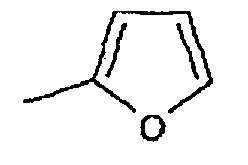
-CO2MEM 22 + 23 D-1 MS (ES+): 586.39 24g 
-CO2MEM -CO2MEM 22 + 23 D-1 MS (ES+): 616.63 24h 
-CO2MEM 22 + 23 D-1 MS (BS+): 597.25 24i 
-CO2MEM 22 + 23 D-1 MS (ES+): 597.4 24j 
-CO2MEM 22 + 23 D-1 MS (ES+): 597.4 24k 
-CO2MEM 22 + 23 D-1 MS (ES+): 644.3 241 
-CO2MEM 22 + 23 D-3 Characterized at the next step 24m 
-CO2MEM 22+23 D-10 Characterized at the next step 24n 
-CO2MEM 22 + 23 D-3 MS (ES+): 560.74 24o 
-CO2MEM 22 + 23 D-4 MS (ES+): 603.72 24p 
-CO2MEM 22 + 23 D-5 MS (ES+): 558.3 24q 
-CO2MEM 22+23 D-5 Characterized in the next step 24r 
-CO2MEM 22 + 23 D-5 MS (ES+): 610.4 (M+Na)+ 24s 
-CO2MEM 22 + 3 D-3 Characterized in the next step 24t 
-CO2MEM 22 + 23 D-3 Characterized in the next step 24u 
-CO2MEM 22 + 23 D-3 MS (ES+): 598.4 (M+Na)+ 24v 
-CO2MEM 22 + 23 D-3 MS (ES+): 500.4 [(M-MEM)-1]- 24w 
-CO2MEM 22 + 23 D-5 Characterized in the next step 24x 
-CO2MEM 22 + 23 D-3 MS (ES+): 610.5 (M+Na)+ 24y 
-CO2MEM 22 + 23 D-5 MS (ES+): 596.4 (M+Na)+ 24z 
-CO2MEM 22 + 23 D-3 MS (ES+): 576.3 (M+Na)+ 24aa 
-CO2MEM 22 + 23 D-11 Characterized in the next step 24ab 
-CO2MEM 22 + 23 D-2 MS (ES+): 630.55 24ac 
-CO2MEM 22 + 23 D-2 MS (ES+): 630.74 24ad 
-CO2MEM 22 + 23 D-2 MS (ES+): 652.3 24ae 
-CO2MEM 22 + 23 D-2 Characterized in the next step 24ag 
-CO2MEM 22 + 23 D-1 MS (ES+): 685.01 24ah 
-CO2MEM 22 + 23 D-3 MS (ES+): 546.49 25a 
CO2H 24a I-1 1HNMR (DMSO-d6): δ 0.91 (d, J = 6.9 Hz, 6 H), 1.88 (m, 1 H), 3.13 (t, J = 6.9 and 6 Hz, 2 H), 5.07 (d, J = 11.2 Hz, 2 H), 7.09 (m, 2 H), 7.22 (m, 5 H), 7.35 (d, 7.7 Hz, 1 H), 7.63 (d, 2.6 Hz, 1 H), 7.65 (d, J = 5.2 Hz, 1 H), 7.82 (dd, J = 7.7 and 1.7 Hz, 1 H), 8.05 (d, J = 1.7 Hz, 1 H), 8.07 (s, 1 H), 8.40 (s, 1 H), 8.72 (t, J = 6 Hz, 1 H), 12.77 (bis, 1 H); MS (ES+) 514.19 25b 
CO2H 24b I-1 1HNMR (DMSO-d6). δ 0.92 (d, J = 6.9 Hz, 6 H), 1.88 (m, 1 H), 3.12 (t, J = 6.9 and 6 Hz, 2 H), 5.07 (d, J = 13 Hz, 2 H), 7.09 (m, 2 H), 7.22 (m, 4 H), 7.35 (d, J = 8.6 Hz, 1 H), 7.63 (d, J = 5.2 Hz, 1 H), 7.70 (dd, J = 2.6 and 4.3 Hz, 1 H), 7.88 (dd, J = 7.2 and 1.7 Hz, 1 H), 8.02 (d, J = 1.7 Hz, 1 H), 8.07 (dd, J =1.7 and 7.7 Hz, 1 H), 8.15 (m, 1 H), 8.39 (d, J = 1.7 Hz, 1 H), 8.72 (t, J = 6 Hz, 1 H), 12.70 (brs, 1 H); MS (ES+) 514.06 25c 
CO2H 24c I-1 1HNMR (DMSO-d6): δ 12.73 (bs, 1 H), 8.73 (t, J = 6 Hz, 1 H), 8.41 (d, J = 1.7 Hz, 1 H), 8.12 (d, J = 1.7 Hz, 1 H), 8.07 (dd, J = 7.7 & 1.7 Hz, 1 H), 7.83 (dd, J = 7.7 & 1.7 Hz, 1 H), 7.72 (d, J = 6.9 Hz, 2 H), 7.54 (t, J = 7.7, 2 H), 7.44 (t, J = 7.7 Hz, 1 H), 7.37 (d, J = 7.7 Hz, 1 H), 7.28 (d, J = 7.7 Hz, 1 H), 7.21 (m, 3 H), 7.09 (m, 2 H), 5.08 (d, J = 14 Hz, 2 H), 3.13 (t, J = 6.5 Hz, 2 H), 1.88 (m, 1 H), 0.91 (d, 6.8 Hz, 6 H); MS (ES+) 507.93 25d 
CO2H 24d I-1 1HNMR (DMSO-d6): δ 12.75 (bs, 1 H), 8.71 (t, J = 6 Hz, 1 H), 8.39 (d, J = 1.7 Hz, 1 H), 8.05 (dd, J = 1.7 & 7.7 Hz, 1 H), 8.01 (d, J = 2.5 Hz, 1 H), 7.75 (dd, J = 2.5 & 7.7 Hz, 1 H), 7.42 (d, 3.4 Hz, 1 H), 7.34 (d, J = 7.7 Hz, 1 H), 7.22 (m, 3 H), 7.19 (d, J = 8.6 Hz, 1 H), 7.09 (m, 2 H), 6.95 (d, J = 3.4 Hz, 1 H), 5.06 (d, J = 11 Hz, 2 H), 3.12 (t, J = 6.5 Hz, 2 H), 2.52 (s, 3 H), 1.89 (m, 1 H), 0.81 (d, 6.8 Hz, 6 H); MS (ES+) 528.51 25e 
CO2H 24e I-1 1HNMR (DMSO-d6): δ 0.89 (d, J = 6 Hz, 6 H), 1.86 (m, 1 H), 3.12 (t, J = 6.8 and 6.0 Hz, 2 H), 5.03 (d, J = 10 Hz, 2 H), 7.02 (s, 1 H), 7.06 (m, 2 H), 7.16 (d, J = 8.6 Hz, 1 H), 7.21 (m, 3 H), 7.31 (d, J = 7.7 Hz, 1 H), 7.75 (dd, J = 8.5 and 1.7 Hz, 1 H), 7.78 (t, J = 1.7 Hz, 1 H), 8.04 (m, 2 H), 8.29 (s, 1 H), 8.36 (d, J = 1.7 Hz, 1 H), 8.66 (t, J = 6 and 5.2 Hz, 1 H), 12.58 (bs, 1 H); MS (ES+) 498.49 25f 
CO2H 24f I-1 MS (ES+): 498.36 25g 
CO2H 24g I-1 1HNMR (DMSO-d6): δ 12.72 (bs, 1 H), 8.69 (t, J = 6 Hz, 1 H), 8.39 (d, J = 1.7 Hz, 1 H), 8.06 (m, 2 H), 7.79 (dd, J = 1.7 & 7.7 Hz, 1 H), 7.45 (s, 1 H), 7.35 (d, J = 7.7 Hz, 1 H), 7.21 (m, 5 H), 7.1 (m, 2 H), 5.07 (d, J = 8.6 Hz, 2 H), 3.12 (t, J = 6.5 Hz, 2 H), 2.29 (s, 3 H), 1.89 (m, 1 H), 0.91 (d, 6.8 Hz, 6 H); MS (ES+) 528.38 25h 
CO2H 24h I-1 1HNMR (DMSO-d6): δ 12.74 (bs, 1 H), 8.73 (m, 2 H), 8.63 (d, J = 1.7 Hz, 1 H), 8.41 (d, J = 1.7 Hz, 1 H), 8.23 (dd, J = 1.7 and 7.7 Hz 1 H), 8.08 (dd, J = 1.7 & 7.7 Hz, 1 H), 8.05 (d, J = 7.7 Hz, 1 H), 7.96 (dt, J = 7.7 & 1.7 Hz, 1 H), 7.43 (dd, J = 6 & 7 Hz, 1 H), 7.37 (d, J = 7.7 Hz, 1 H), 7.29 (d, J = 8.6 Hz, 1 H), 7.18 (m, 3 H), 7.08 (m, 2 H), 5.01 (q, J = 10 & 25 Hz, 2 H), 3.13 (t, J = 6.9 and 6 Hz, 2 H), 1.89 (m, 1 H), 0.92 (d, J = 6.9 Hz, 6 H); MS (ES+) 509.58 25i 
CO2H 24i I-1 1HNMR (DMSO-d6): δ 12.70 (bs, 1 H), 8.91 (d, J = 2.6 Hz, 1 H), 8.68 (t, J = 6 & Hz, 1 H), 8.62 (d, J = 2 Hz, 1 H), 8.4 (d, J = 1.7 Hz, 1 H), 8.12 (m, 2 H), 8.05 (dd, J = 8.6 & 1.7 Hz, 1 H), 7.88 (d, 8.5 & 1.7 Hz, 1 H), 7.53 (dd, J = 8.6 & 5.2 Hz, 1 H), 7.34 (d, J = 7.7 Hz, 1 H), 7.28 (d, J = 8.6 Hz, 1 H), 7.18 (m, 3 H), 7.08 (m, 2 H), 5.04 (d, J = 12 Hz, 2 H), 3.11 (t, J = 6.5 Hz, 2 H), 1.87 (m, 1 H), 0.9 (d, 6.8 Hz, 6 H); MS (ES+) 509.11 25j 
CO2H 24j I-1 1HNMR (DMSO-d6): δ 0.90 (d, J = 6.9 Hz, 6 H), 1.88 (m, 1 H), 3.11 (t, J = 6.9 and 6 Hz, 2 H), 5.03 (s, 2 H), 7.06 (m, 2H), 7.18 (m, 3 H), 7.33 (d, 8.4 Hz, 1 H), 7.30 (d, J = 8.4 Hz, 1 H), 7.75 (d, J = 6.2 Hz, 2 H), 7.85 (m, 1 H), 8.05 (dd, J = 7.6 and 1.7 Hz, 1 H), 8.18 (s, 1 H), 8.40 (d, J = 2 Hz, 1 H), 8.71 (m, 4 H); MS (ES+) 509.49 25k 
CO2H 24K I-1 Characterized in the next step 25l 
CO2H 241 I-1 MS (FS+): 511.54 25m 
CO2H 24m I-1 MS (ES+): 501.66 25n 
CO2H 24n I-1 MS (ES+): 472.4 25o 
CO2H 24o I-1 MS (ES+): 515.65 25p 
CO2H 24p I-1 Characterized in the next step 25q 
CO2H 24q I-1 MS (ES+): 536.3 (M+Na)+ 25r 
CO2H 24r I-1 MS (ES-): 500.4 25s 
CO2H 24s I-1 Characterized in the next step 25t 
CO2H 24t I-1 Characterized in the next step 25u 
CO2H 24u I-1 MS (ES-): 486.4 25v 
CO2H 24v I-1 MS (ES+): 524.3 (M+Na)+ 25w 
CO2H 24w I-1, Q Characterized in the next step 25x 
CO2H 24x I-1 MS (ES-): 498.3 25y 
CO2H 24y I-1 MS (ES-): 484.3 25z 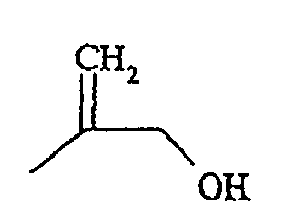
CO2H 24z I-1 MS (ES+): 488.3 25aa 
CO2H 24aa I-1 Characterized in the next step 25ab 
CO2H 24ab K, I-1 MS (ES-): 544.27 25ac 
CO2H 24ac K, I-1 MS (ES+): 544.2 25ad 
CO2H 24ad E, H, I-1 MS (ES+): 670.3 (M+Na)+ 25ae 
CO2H 24ae K, I-1 1HNMR (DMSO-d6): δ 9.1 (bs, 2 H), 8.8 (bs, 2 H), 8.5 (t, J = 6 Hz, 1 H), 8.02 (s, 1 H), 7.68 (s, 1 H), 7.62 (m, 6 H), 7.53 (d, J = 5.8 Hz, 1 H), 7.15 (d, J = 6 Hz, 1 H),), 7.13 (m, 1 H), 7.01 (s, 1 H), 5.5 (t, J = 5 Hz, 1 H), 4.7 (d, J = 5 Hz, 2 H), 3.01 (m, 2 H), 1.8 (m, 1 H), 0.85 (d, J = 6.8 Hz, 6 H) 25af 
CO2H 24ad K, I-1 MS (ES+): 566.2 (M+Na)+ 25ag 
CO2H 24ag I-1 MS (ES+): 597.7 25ah 
CO2H 24ah L, I-1 MS (ES+): 492.54 25ai 
CO2H 24ai L, M, K, N, O, I-1 Characterized in the next step 
Cpd. No. -R Starting From Method Used Analytical Data 26a 
25a J 1HNMR (DMSO-d6): δ 0.88 (d, J = 6.9 Hz, 6 H), 1.84 (m, 1 H), 3.07 (t, J = 6.9 and 6.0 Hz, 2 H), 5.05 (s, 2 H), 7.04 (d, J = 6.9 Hz, 2 H), 7.20 (m, 4 H), 7.35 (d, J = 7.7 Hz, 1 H), 7.43 (d, J = 7.7 Hz, H), 7.66 (d, J = 5.2 Hz, 1 H), 7.70 (d, J = 4.3 Hz, 1 H), 7.75 (m, 4 H), 7.82 (dd, J = 7.7 and 1.7 Hz, 1 H), 7.94 (d, J = 1.7 Hz, 1 H), 8.03 (dd, J = 7.7 and 1.7 Hz, 1 H), 8.26 (dd, J = 7.7. and 1.7 Hz, 1 H), 8.69 (t, J = 6 Hz, 1 H), 8.80 (s, 2 H), 9.17 7 (s, 2 H), 10.76 (s, 1 H); MS (ES+) 631.05 26b 
25b J 1HNMR (DMSO-d6): δ 0.88 (d, J = 6.9 Hz, 6 H), 1.84 (m, 1 H), 3.07 (t, J= 6.8 and 6.0 Hz, 2 H), 5.04 (s, 2 H), 7.02 (d, J = 6.8 Hz, 2 H), 7.20 (m, 3 H), 7.34 (d, J = 7.7 Hz, 1 H), 7.43 (d, J = 8.6 Hz, 1 H), 7.72 (m, 6 H), 7.90 (dd, J =1.7 and 7.7 Hz, 1 H), 8.05 (m, 3 H), 8.23 (d, J = 1.7 Hz, 1 H), 8.68 (t, J = 6 and 5.2 Hz, 1 H), 8.82 (s, 2 H), 9.17 (s, 2 H), 10.73 (s, 1 H); MS (ES+) 631.82 26c 
25c J 1HNMR (DMSO-d6): δ 10.75 (s, 1 H), 9.19 (s, 2 H), 8.89 (s, 2 H), 8.69 (t, J = 6 Hz, 1 H), 8.29 (d, J = 1.7 Hz, 1 H), 8.07 (dd, J = 7.7 & 1.7 Hz, 1 H), 7.99 (d, J =1.7 Hz, 1 H), 7.87 (dd, J = 7.7 & 1.7 Hz, 1 H), 7.83 (d, J = 7.7 Hz, 2 H), 7.77 (m 5 H), 7.54 (t, J = 7.7, 2 H), 7.43 (m, 3 H), 7.19 (m, 3 H), 7.03 (d, J = 6.9 Hz, 2 H), 5.04 (bs, 2 H), 3.09 (t, J = 6.5 Hz, 2 H), 1.84 (m, 1 H), 0.89 (d, 6.8 Hz, 6 H); MS (ES+) 625.81 26d 
25d J 1HNMR (DMSO-d6): δ 10.7 (s, 1 H), 9.14 (s, 2 H), 8.82 (s, 2 H), 8.64 (t, J = 6 Hz, 1 H), 8.21 (s, 1 H), 7.98 (dd, J = 7.8 & 2 Hz, 1 H), 7.8 (d, J = 2 Hz, 1 H), 7.7 (m, 4 H), 7.68 (dd, J = 2 & 7.8 Hz, 1 H), 7.44 (d, J = 3 Hz, 1 H), 7.37 (d, 7.8 Hz, 1 H), 7.27 (d, J = 7.7 Hz, 1 H), 7.16 (m, 3 H), 7.0 (s, 1 H), 6.99 (s, 1 H), 6.86 (d, J = 3 Hz, 1 H), 5.0 (s, 2 H), 3.03 (t, J = 6.5 Hz, 2 H), 2.46 (s, 3 H), 1.78 (m, 1 H), 0.83 (d, 6.8 Hz, 6 H); MS (ES+) 645.77 26e 
25e J 1HNMR (DMSO-d6): δ 0.87 (d, J = 6.2 Hz, 6 H), 1.73 (m, 1 H), 3.07 (t, J = 6.7 and 6.2 Hz, 2 H), 5.05 (s, 2 H), 7.03 (dd, J = 1.7 and 8 Hz, 2 H), 7.11 (d, J 1.7 Hz, 1 H), 7.21 (m, 3 H), 7.31 (d, J = 8 Hz, 1 H), 7.42 (d, J = 8 Hz, 1 H), 7.78 (m, 5 H), 7.92 (d, J = 1.7 Hz, 1 H), 8.02 (dd, J = 8 and 1.7 Hz, 1 H), 8.25 (d, J = 1.9 Hz, 1 H), 8.33 (s, 1 H), 8.63 (t, J = 6 and 5 Hz, 1 H), 8.80 (bs, 2 H), 9.14 (bs, 2 H), 10.67 (s, 1 H); MS (ES+) 615.75 26f 
25f J 1HNMR (DMSO-d6): δ 0.87 (d, J = 6.7 Hz, 6 H), 1.83 (m, 1 H), 3.06 (t, J = 6.7 and 6.2 Hz, 2 H), 5.04 (s, 2 H), 6.67 (m, 1 H), 7.03 (m, 2 H), 7.16 (m, 3 H), 7.35 (d, J = 8.6 Hz, 1 H), 7.42 (d, J = 8 Hz, 1 H), 7.74 (m, 4 H), 7.85 (m, 2 H), 7.98 (d, J = 1.2 Hz, 1 H), 8.03 (dd, J = 1.7 and 8 Hz, 1 H), 8.25 (d, J= 1.8 Hz, 1 H), 8.67 (t, J = 6.2 and 5.5 Hz, 1 H), 8.88 (bs, 2 H), 9.12 (bs, 2 H), 10.772 (bs, 1 H); MS (ES+) 615.75 26g 
25g J 1HNMR (DMSO-d6): δ 10.67 (s, 1 H), 9.12 (s, 2 H), 8.78 (s, 2 H), 8.61 (t, J = 6 Hz, 1 H), 8.21 (s, 1 H), 7.98 (dd, J = 7.8 & 2 Hz, 1 H), 7.84 (d, J = 2 Hz, 1 H), 7.7 (m, 5 H), 7.46 (s, 1 H), 7.39 (d, 7.8 Hz, 1 H), 7.29(d, J = 7.7 Hz, 1 H), 7.16 (m, 4H), 7.01 (s, 1 H), 6.99 (s, 1 H), 5.0 (s, 2 H), 3.03 (t, J = 6.5 Hz, 2 H), 2.23 (s, 3 H), 1.79 (m, 1 H), 0.83 (d, 6.8 Hz, 6 H); MS (ES+) 645.77 26h 
25h J 1HNMR (DMSO-d6): δ 10.77 (bs, 1 H), 8.95 (bs, 4 H), 8.76 (d, J =4.3 Hz, 1 H), 8.69 (t, J = 6 Hz, 1 H), 8.4 (s, 1 H), 8.29 (m, 2 H), 8.15 (d, J = 7.7 Hz, 1 H), 8.07 (dd, J = 1.7 and 7.7 Hz, 1 H), 7.99 (dt, J = 1.7 & 7.7 Hz, 1 H), 7.76 (m, 4 H), 7.46 (m, 2 H), 7.18 (m, 3 H), 7.05 (s, 1 H), 7.03 (s, 1 H), 5.06 (s, 2 H), 3.10 (t, J = 6.9 and 6 Hz, 2 H), 1.86 (m, 1 H), 0.89 (d, J = 6.9 Hz, 6 H); MS (ES+) 626.69 26i 
25i J 1HNMR (DMSO-d6): δ 10.73 (bs, 1 H), 9.16 (6s, 2 H), 9.05 (d, J =1.9 Hz, 1 H), 8.79 (s, 2 H), 8.69 (1, J = 6 & Hz, 1 H), 8.64 (dd, J = 1.2 & 5 Hz, 1 H), 8.29 (d, J = 1.7 Hz, 1 H), 8.24 (d, J = 8 Hz, 1 H), 8.05 (m, 2 H), 7.93 (dd, 8 & 1.8 Hz, 1 H), 7.76 (m, 5 H), 7.56 (dd, J = 8 & 4.3 Hz, 1 H), 7.44 (d, J = 7.4 Hz, 2 H), 7.18 (m, 3 H), 7.0 (m, 2 H), 5.0 (s, 2 H), 3.08 (t, J = 6.5 Hz, 2 H), 1.82 (m, 1 H), 0.88 (d, 6.8 Hz, 6 H);; MS (ES+) 626.44 26j 
25j J 1HNMR (DMSO-d6): δ 0.87 (d, J = 6.9 Hz, 6 H), 1.75 (m, 1 H), 3.08 (t, J = 6.9 and 6.0 Hz, 2 H), 5.03 (s, 2 H), 7.03 (m, 1 H), 7.18 (m, 3 H), 7.45 (t, J = 7.8 and 7 Hz, 2 H), 7.76 (s, 4 H), 7.87 (d, J = 6 Hz, 2 H), 7.94 (dd, J = 8 and 2 Hz, 1 H), 8.05 (dd, J = 8 and 2 Hz, 1 H), 8.08 (d, J = 2 Hz, 1 H), 8.29 (d, J = 2 Hz, 1 H), 8.70 (m, 3 H), 8.84 (s, 2 H), 9.11 (s, 2 H), 10.76 (s, 1 H); MS (ES+) 626.76 26k 
25k J 1HNMR (DMSO-d6): δ 10.72 (bs, 1 H), 9.15 (bs, 2 H), 8.81 (bs, 2 H), 8.86 (t, J = 6 Hz, 1 H), 8.28 (s, 1 H), 8.03 (m, 3 H), 7.91 (d, J = 7.9 Hz, 1 H), 7.81 (d, J = 4 Hz, 1 H), 7.74 (s, 4 H), 7.42 (d, J = 7.9 Hz, 1 H), 7.38 (d, J = 7.9 Hz, 1 H), 7.18 (m, 3 H), 7.04 (m, 2 H), 5.04 (bs, 2 H), 3.07 (t, J = 6 Hz, 2 H), 2.57 (s, 3 H), 1.83 (m, 1 H), 0.87 (d, J = 6.8 Hz, 6 H); MS (ES+) 673.7 26l 
25l J 1HNMR (DMSO-d6): δ 10.66 (s, 1 H), 9.20 (s, 2 H), 8.86 (s, 2 H), 8.66 (t, J = 6 Hz, 1 H), 8.24 (d, J = 2 Hz, 1 H), 8.15 (dd, J = 7.8 & 2 Hz, 1 H), 7.69 (m, 4 H), 7.68 (d, J = Hz, 1 H), 7.63 (d, J = 7.9 Hz, 1 H), 7.43 (d, J = 7.9 Hz, 1 H), 7.37 (d, J = 7.9 Hz, 1 H), 7.24 (m, 3 H), 7.09 (m, 2 H), 6.92 (s, 1 H), 6.40 (s, 1 H), 6.17 (t, J = 4 Hz, 1 H), 5.10 (bs, 2 H), 3.74 (s, 3 H), 3.09 (t, J = 6 Hz, 2 H), 1.83 (m, 1 H), 0.88 (d, J = 6.8 Hz, 6 H); MS (ES+) 628.65 26m 
25m J MS (ES+): 618.91 26n 
25n J 1HNMR (DMSO-d6): δ 10.56 (s, 1 H), 9.15 (bs, 2 H), 8.84 (bs, 2 H), 8.64 (t, J = 6 Hz, 1 H), 8.19 (d, J = 2 Hz, 1 H), 7.99 (d, J = 7 Hz, 1 H), 7.70 (m, 4 H), 7.46 (s, 1 H), 7.36 (m, 2 H), 7.24 (m, 3 H), 7.05 (s, 1 H), 7.00 (s, 1 H), 6.0 (m, 1 H), 5.18 (d, J = 16 Hz, 1 H), 5.10 (d, J = 11 Hz, 1 H), 5.0 (s, 2 H), 3.47 (d, J = 6 Hz, 1 H), 3.43 (t, J = 6 Hz, 2 H), 1.79 (m, 1 H), 0.83 (d, J = 6.8 Hz, 6 H); MS (ES+) 589.5 26o 
25o J 1HNMR (DMSO-d6): δ 10.84 (s, 1 H), 9.16 (s, 2 H), 8.78 (s, 2 H), 8.69 (t, J = 6 Hz, 1 H), 8.27 (d, J = 2 Hz, 1 H), 8.19 (s, 1 H), 8.09 (dd, J = 2 & 7.7 Hz, 1 H), 8.04 (dd, J = 2 & 7.7 Hz, 1 H), 8.01 (d, J = 4 Hz, 1 H), 7.89 (d, J = 3 Hz, 1 H), 7.73 (m, 4 H), 7.44 (dd, J = 3 & 7.8 Hz, 2 H), 7.16 (m, 3 H), 7.30 (s, H), 7.05 (s, 1 H), 5.03 (bs, 2 H), 3.06 (t, J = 6.5 Hz, 2 H), 1.82 (m, 1 H), 0.86 (d, 6.8 Hz, 6 H); MS (ES+) 632.4 26p 
25p J MS (ES+): 609.3 (M+Na)+ 26q 
25q J MS (ES+) 631.5 26r 
25r J 1HNMR (DMSO-d6): δ 10.71 (s, 1 H), 9.16 (s, 2 H), 8.81 (s, 2 H), 8.68 (t, J = 6 Hz, 1 H), 8.25 (s, 1 H), 8.03 (d, J = 7.8 Hz, 1 H), 7.73 (m, 5 H), 7.69 (s, 1 H), 7.55 (d, J = 7.8 Hz, 1 H), 7.39 (d, J = 8.9 Hz, 1 H), 7.26 (m, 3 H), 7.03 (m, 2 H), 5.02 (bs, 2 H), 4.95 (t, J = 5 Hz, 1 H), 3.62 (q, J = 6 & 12.8 Hz, 2 H), 3.07 (t, J = 6 Hz, 2 H), 2.62 (t, J = 6 Hz, 2 H), 1.83 (m, 1 H), 0.88 (d, J = 6.8 Hz, 6 H); MS (ES+) 617.4 26s 
25s J 1HNMR (DMSO-d6): δ 0.89 (d, J = 6.8 Hz, 6 H), 1.84 (m, 1 H), 1.99 (s, 3 H), 3.09 (t, J = 6 Hz, 2 H), 5.04 (s, 2 H), 5.18 (s, 1 H), 5.28 (s, 1 H), 6.73 (d, J = 16 Hz, 1 H), 7.04 (d, J = 6 Hz, 2 H), 7.23 (m, 5 H), 7.42 (d, J = 9 Hz, 1 H), 7.73 (m, 5 H), 7.85 (s, 1 H), 8.03 (dd, J = 9 and 2 Hz, 1 H), 8.26 (d, J = 2 Hz, 1 H), 8.69 (t, J = 6 Hz, 1 H), 8.87 (bs, 4 H), 10.91 (s, 1 H); MS (ES+) 615.4 26t 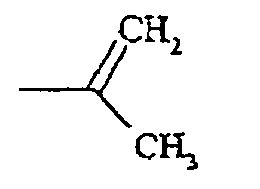
25t J 1HNMR (DMSO-d6): δ 10.8 (br s, 1 H), 9.1 and 8.9 (2 br s, 4 H), 8.6 (m, 1 H), 8.2 (s, 1 H), 8.0 (m, 1 H), 7.8-7.6 (m, 6 H), 7.40 (, J = 6.9 Hz, 1 H ), 7.3 (m, 4 H), 7.0 (d, 1 H), 5.6 (m, 1 H), 5.2 (m, 1 H), 5.0 (br s, 1 H), 3.1 (t, J = 6.8 Hz, 2 H), 2.2 ( s, 3 H), 1.8 (m, 1 H), 0.95 (d, 6 H); MS (ES+) 589.4, MS (ES-) 587.5 26u 
25u J 1HNMR (DMSO-d6): δ 0.88 (d, J = 6.8 Hz, 6 H), 1.84 (m, 1 H), 3.09 (t, J = 6 Hz, 2 H), 4.33 (t, J = 5.5 Hz, 2 H), 5.02 (s, 2 H), 5.01 (t, J = 5.5 Hz, 1 H), 5.95 (m, 1 H), 6.57 (d, J = 11.5 Hz, 1 H), 7.04 (d, J = 6.7 Hz, 2 H), 7.25 (m, 3 H), 7.31 (d, J = 7.8 Hz, 1 H), 7.43 (m, 2 H), 7.54 (s, 1 H), 7.74 (s, 4 H), 8.05 (dd, J = 7.8 and 2 Hz, 1 H), 8.23 (d, J = 2 Hz, 1 H), 8.69 (t, J = 6 Hz, 1 H), 8.83 (bs, 2 H), 9.18 (bs, 2 H), 10.66 (s, 1 H); MS (ES+) 605.3 26v 
25v J 1HNMR (DMSO-d6): δ 0.88 (d, J = 6.8 Hz, 6 H), 1.84 (m, 1 H), 2.75 (t, J = 7 Hz, 2 H), 3.09 (t, J = 6 Hz, 2 H), 3.60 (m, 2 H), 4.65 (t, J = 5 Hz, 1 H), 5.05 (s, 2 H), 7.05 (d, J = 7 Hz, 2 H), 7.29 (m, 5 H), 7.42 (d, J = 7.8 Hz, 1 H), 7.66 (dd, J = 7.8 and 2 Hz, 1 H), 7.75 (m, 6 H), 8.03 (dd, J = 7.8 and 2 Hz, 1 H), 8.25 (s, 1 H), 8.68 (t, J = 6 Hz, 1 H), 8.82 (bs, 2 H), 9.18 (bs, 2 H), 10.68 (s, 1 H); MS (ES+) 619.4 26w 
25w J 1HNMR (DMSO-d6): δ 0.88 (d, J = 6.8 Hz, 6 H), 1.84 (m, 1 H), 3.09 (t, J = 6 Hz, 2 H), 4.41 (s, 1 H), 5.04 (d, J = 11 Hz, 2 H), 7.05 (d, J = 5.5 Hz, 2 H), 7.29 (m, 3 H), 7.34 (d, J = 8 Hz, 1 H), 7.40 (d, J = 8 Hz, 1 H), 7.65 (dd, J = 8 and 2 Hz, 1 H), 7.75 (s, 4 H), 7.79 (s, 1 H), 8.05 (dd, J = 8 and 2 Hz, 1 H), 8.28 (d, J = 2 Hz, 1 H), 8.71 (t J = 6 Hz, 1 H), 8.82 (bs, 2 H), 9.17 (bs, 2 H), 10.73 (s, 1 H); MS (ES+) 573.3 26x 
25x J 1HNMR (DMSO-d6): δ 0.86 (d, J = 6.8 Hz, 6 H), 1.47 (s, 3 H), 1.74 (s, 3 H), 1.85 (m, 1 H), 3.06 (t, J = 6 Hz, 2 H), 3.43 (d, J = 8 Hz, 1 H), 5.04 (s, 2 H), 5.1 (m, 1 H), 7.03 (m, 2 H), 7.23 (m, 5 H), 7.52 (m, 2 H), 7.72 (m, 5 H), 8.02 (m, 1 H), 8.21 (s, 1 H), 8.66 (t, J = 6 Hz, 1 H), 8.81 (bs, 2 H), 9.23 (bs, 2 H), 10.52 (s, 1 H); MS (ES+) 617.6 26y 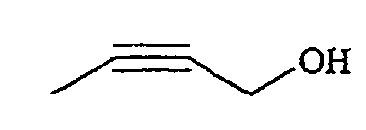
25y J 1HNMR (DMSO-d6): δ 0.87 (d, J = 6.8 Hz, 6 H), 1.72 (m, 1 H), 3.07 (t, J = 6 Hz, 2 H), 4.36 (d, J = 6 Hz, 2 H), 5.0 (m, 2 H), 5.42 (t, J = 6 Hz, 1 H), 7.03 (d, J = 7 Hz, 2 H), 7.25 (m, 3 H), 7.31 (d, J = 8 Hz, 1 H), 7.39 (d, J = 8 Hz, 1 H), 7.58 (d, J = 8 Hz, 1 H), 7.73 (m, 5 H), 8.02 (dd, J = 10 and 2 Hz, 1 H), 8.23 (s, 1 H), 8.68 (t, J = 6 Hz, 1 H), 8.76 (bs, 2 H), 9.15 (bs, 2 H), 10.71 (s, 1 H); MS (ES+) 603.4 26z 
25z J 1HNMR (DMSO-d6): δ 10.6 (s, 1 H), 9.17 (s, 1 H), 8.85 (s, 1 H), 8.68 (d, J = 5.9 Hz, 2 H), 8.25 (d, 1.98 Hz, 1 H), 8.05 (d, J = 1.96 Hz, 1 H), 8.03 (d, J = 1.9 Hz, 1 H), 7.75 (m, 4 H), 7.65 (m, 4 H), 7.41 (d, J = 7.87 Hz, 4 H), 7.25 (m, 1 H) 5.4 (s, 1 H), 5.2 (d, J = 5.9 Hz, 2 H), 4.44 (d, J = 5.9 Hz, 1 H), 3.09 (d, J = 6.89 Hz, 2 H), 1.89 (d, J = 6.89 Hz, 2 H) 0.88 (d, J = 5.9 Hz, 6 H); MS (ES+) 605.69 26aa 
25aa J Characterized in the next step 26ab 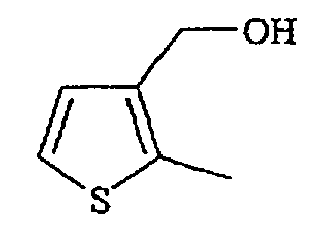
25ab J 1HNMR (DMSO-d6): δ 10.70 (s, 1 H) 9.15 (bs, 2 H), 8.77 (bs, 2 H), 8.67 (t, J = 6 Hz, 1 H), 8,25 (s, 1 H), 8.04 (d, J = 7 Hz, 1 H), 7.77 (d, J = 2 Hz, 1 H), 7.71 (m 4 H), 7.70 (d, J = 2 Hz, 1 H), 7.59 (d, J = 6 Hz, 1 H), 7.46 (d, J = 8 Hz, 1 H), 7.41 (d, J = 8 Hz, 1 H), 7.22 (m, 3 H), 7.05 (s, 1 H), 7.03 (d, J = 2 Hz, 1 H), 5.31 (t, J = 6 Hz, 1 H), 5.04 (bs, 2 H), 4.51 (d, J = 6 Hz, 2 H), 3.07 (t, J = 6 Hz, 2 H), 1.82 (m, 1 H), 0.86 (d, J = 6.8 Hz, 6 H); MS (ES+) 661.74 26ac 
25ac J 1HNMR (DMSO-d6): δ 0.87 (d, J = 6.8 Hz, 6 H), 1.83 (m, 1 H), 3.07 (t, J = 6 Hz, 2 H), 4.71 (d, J = 5 Hz, 2 H), 5.04 (bs, 2 H), 5.69 (t, J = 5 Hz, 1 H), 7.03 (d, J = 5.8 Hz, 2 H), 7.21 (m, 3 H), 7.35 (d, J = 5 Hz, 1 H), 7.38 (d, J = 8 Hz, 1 H), 7.44 (m, d, J = 8 Hz, 1 H), 7.58 (d, J = 5 Hz, 1 H), 7.74 (m, 6 H), 8.03 (d, J = 8 Hz, 1 H), 8,24 (s, 1 H), 8.67 (1, J = 6 Hz, 1 H), 8.79 (bs, 2 H), 9.14 (bs, 2 H), 10.64 (s, 1 H); MS (ES+) 661.74 26ad 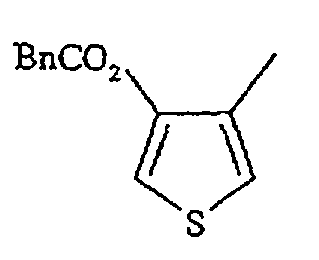
25ad J 1HNMR (DMSO-d6): δ 9.65 (s, 1 H), 8.71 (t, J = 5.15 Hz, 1 H) 8.39 (d, J = 2.57 Hz, 4 H), 8.09 (d, J = 1.79 Hz, 4 H), 8.05 (d, J = 1.79 Hz, 4 H), 7.43 (d, J = 7.77 Hz, 2 H), 7.29 (s, 2 H), 7.19 (m, 2 H), 7.08 (m, 2 H), 5.03 (d, J = 2.58 Hz, 2 H) 3.29 (m, 2 H), 3.12 (s, 4 H), 2.49 (m, 2 H), 1.87 (m, 2 H), 0.90 (d, J = 6.87 Hz, 6 H); MS (ES+) 765.4 26ae 
25ae J 1HNMR (DMSO-d6): δ 9.1 (bs, 2 H), 8.8 (bs, 2 H), 8.5 (t, J = 6 Hz, 1 H), 8.02 (s, 1 H), 7.68 (s, 1 H), 7.62 (m, 6 H), 7.53 (d, J = 5.8 Hz, 1 H), 7.15 (d, J = 6 Hz, 1 H), ), 7.13 (m, 1 H), 7.01 (s, 1 H), 5.5 (t, J = 5 Hz, 1 H), 4.7 (d, J = 5 Hz, 2 H), 3.01 (m, 2 H), 1.8 (m, 1 H), 0.85 (d, J = 6.8 Hz, 6 H); MS (ES+) 571.2 26af 
25af J 1HNMR (DMSO-d6): δ 10.6 (s, 1 H), 9.17 (s, H), 8.85 (s, 1 H), 8.68 (d, J = 5.9 Hz, 2 H), 8.25 (d, 1.98 Hz, 1 H), 7.75 (m, 4 H), 7.65 (m, 4 H), 7.41 (d, J = 7.87 Hz, 4 H), 7.25 (m, 4 H), 5.4 (s, 1 H), 5.2 (d, J = 5.9 Hz, 2 H), 4.44 (d, J = 5.9 Hz, 1 H), 3.09 (d, J = 6.89 Hz, 2 H), 1.89 (d, J = 6.89 Hz, 2 H), 0.88 (d, J = 5.9 Hz, 6 H). 26ag 
25ag J 1HNMR (DMSO-d6): δ 0.90 (d, J = 6.9 Hz, 6 H), 1.41 (s, 9 H), 1.87 (m, 1 H), 3.11 (t, J = 6.9 and 6 Hz, 2 H), 5.07 (s, 2 H), 6.37 (t, J = 3.4 Hz, 1 H), 6.51 (s, 1 H), 7.11 (m, 2 H), 7.26 (m, 3 H), 7.33 (d, 7.7 Hz, 1 H), 7.41 (d, J = 8.6 Hz, 1 H), 7.45 (d, J = 1.7 Hz, 1 H), 7.61 (dd, J = 1.7 and 7.7,1 H), 7.74 (m, 5 H), 8.05 (dd, J = 8.6 and 1.7 Hz, 1 H), 8.26 (d, J = 1.7 Hz, 1 H), 8.66 (t, J = 5 and 6 Hz, 1 H), 8.77 (bs, 2 H), 9.15 (bs, 2 H), 10.58 (s, 1 H); MS (ES+) 714.78 26ah 
25ah J MS (ES+): 609.6 26ai 
25ai J 1HNMR (DMSO-d6): δ 10.8 (s, 1 H), 6.2 and 8.9 (2 br s, 2 H each, 4H), 8.7 (t, 1 H), 8.2 (s, 1 H), 8.0 (d, J = 6 Hz, 1 H), 7.7 (m, 5 H), 7.6 (d, J = 5 Hz, 1 H), 7.4 (d, J = 5.8 Hz, 1 H), 7.35 (d, J = 6.9 Hz, 1 H), 7.29 (m, 3 H), 7.0 (m, 2 H), 5.0 (m, 2 H), 4.6 (s, 2 H), 3.01 (t, J = 6.8 Hz, 2 H), 1.81 (m, 1 H), 0.95 (d, J = 6.8 Hz, 6 H); MS (ES+) 604.3 
Cpd. No. -R -R' Starting From Method Used Analytical Data 27a 

26a I-2 1H NMR (DMSO-d6): δ 14.95 (s, 1 H), 8.97 (s, 4 H), 8.5 (t, J = 6 Hz, 1 H), 7.97 (d, J = 2 Hz, 1 H), 7.80 (d, J = 2 Hz, 1 H), 7.73 (dd, J = 7.9 and 2 Hz, 1 H), 7.61 (m, 7 H), 7.18 (t, J = 3.9 Hz, 1 H), 7.05 (d, J = 7.9 Hz, 1 H), 6.93 (d, J = 7.9 Hz, 1 H), 3.01 (t, J = 6.9 and 6.0 Hz, 2 H), 1.81 (m, 1 H), 0.84 (d, J = 6.9 Hz, 6 H); MS (ES+): 541.17 27b 

26b 1-2 1H NMR (DMSO-d6): δ 13.24 (s, 1 H), 9.05 (s, 2 H), 8.9 (s, 2 H), 8.49 (t, J = 6 and 5.2 Hz, 1 H), 7.97 (s, 1 H), 7.99 (s, 1 H), 7.87 (s, 1H), 7.75 (d, J = 7.7 Hz, 1 H), 7.65 (m, 1 H), 7.62 (m, 6 H), 7.05 (d, J = 7.7 Hz, 1 H), 6.93 (d, J = 7.7 Hz, 1 H), 3.01 (t, J = 6.9 and 6.0 Hz, 2 H), 1.81 (m, 1 H), 0.85 (d, J = 6.9 Hz, 6 H); MS (ES+): 541.42 27c 

26c I-2 1H NMR (DMSO-d6): δ 13.28 (s, 1 H), 9.04 (s, 4 H), 8.5 (t, J = 6 Hz, 1 H), 7.97 (s, 1 H), 7.82 (s, 1 H), 7.74 (m, 3 H), 7.62 (m, 5 H), 7.5 (t, J = 7.7 Hz, 2 H), 7.4 (t, J = 7,7, 1 H), 7.1 (d, J = 7.7 Hz, 2 H), 6.97 (d, J = 7.7. Hz, 1 H), 3.01 (t, J = 6.5 Hz, 2 H), 1.8 (m, 1 H), 0.85 (d, 6.8 Hz, 6 H); MS (ES+): 535.48 27d 

26d I-2 1H NMR (DMSO-d6): δ 9.03 (s, 2 H), 8.89 (s, 2 H), 8.49 (t, J = 6 Hz, 1 H), 7.99 (s, 1 H), 7.65 (m, 8 H), 7.37 (d, J = 3 Hz, 1 H), 7.04 (d, J = 7.7 Hz, 1 H), 6.98 (s, 1 H), 6.82 (d, J = 3 Hz, 1 H), 2.98 (t, J = 6.5 Hz, 2 H), 2.46 (s, 3 H), 1.76 (m, 1 H), 0.81 (d, 6.8 Hz, 6 H); MS (ES+):555.61 27e 

26e I-2 1H NMR (DMSO-d6): δ 14.10 (s, 1 H), 9.05 (bs, 2 H), 8.79 (bs, 2 H), 8.47 (t, J = 5.6 Hz, 1 H), 8.3 (s, 1 H), 7.96 (d, J = 2 Hz, 1 H), 7.78 (m, 1 H), 7.63 (m, 7 H), 7.05 (m, 1 H), 7.01 (d, J = 7.7 Hz, 1 H), 6.92 (d, J = 7.7 Hz, 1 H), 3.02 (t, J = 4.9 Hz, 2 H), 1.81 (m, 1 H), 0.85 (d, J = 6.3 Hz, 6 H); MS (ES+): 525.36 27f 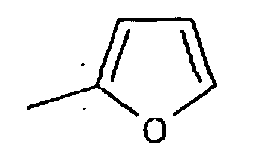

26f I-2 1H NMR (DMSO-d6): δ 9.07 (s, 2 H), 8.86 (s, 2 H), 8.53 (t, J = 5 Hz, 1 H), 8.03 (s, 1 H), 7.89 (d, J = 1.4 Hz, 1 H), 7.78 (m, 2 H), 7.65 (m, 6 H), 7.1 (m, 2 H), 7.08 (d, J = 7 Hz, 1 H), 6.64 (dd, J = 3.5 and 2 Hz, 1 H), 3.03 (t, J = 6.9 and 6.0 Hz, 2 H), 1.81 (m, 1 H), 0.86 (d, J = 6.9 Hz, 6 H); MS (ES+): 525.43 27g 

26g I-2 1H NMR (DMSO-d6): δ 13.81 (s, 1 H), 8.74 (bs, 4 H), 8.43 (t, J = 6 Hz, 1 H), 7.92 (d, J = 2 Hz, 1 H), 7.69 (d, J = 2 Hz, 1 H), 7.62 (dd, J = 7.7 & 2 Hz, 1 H), 7,54 (m, 5 H), 7.38 (s, 1 H), 7.15 (s, 1 H), 6.99 (d, J = 7.8 Hz, 1 H), 6.89 (d, J = 6.8 Hz, 1 H), 2.97 (t, J = 6.5 Hz, 2 H), 2.20 (s, 3 H), 1.76 (m, 1 H), 0.8 (d, 6.8 Hz, 6 H); MS (ES+): 555.67 27h 

26h I-2 1H NMR (DMSO-d6): δ 13.95 (bs, 1 H), 8.99 (bs, 2 H), 8.79 (bs, 2 H), 8.65 (d, J = 5 Hz, 1 H), 8.43 (t, J = 6 Hz, 1 H), 8.25 (s, 1 H), 8.09 (d, J = 7.8 Hz, 1 H), 8.00 (d, J = 7.8 Hz, 1 H), 7.94 (s, 1 H), 7.87 (t, J = 7.8 Hz, 1 H), 7.58 (m, 5 H), 7.34 (dd, J = 7.8 & 5 Hz, 1 H), 7.09 (dd, J = 7.7 Hz, 1 H), 6.90 (d, J = 7.8 Hz, 1 H), 2.97 (t, J = 5 Hz, 2 H), 1.76 (m, 1 H), 0.81 (d, 6.8 Hz, 6 H); MS (ES+): 268.64 (m/2) 27i 

26i I-2 1H NMR (DMSO-d6): δ 9.05 (bs, 2 H), 8.95 (d, J = 2.1 Hz, 1 H), 8.75 (s, 2 H), 8.65 (dd, J = 5 & 1.4 Hz, 1 H), 8.5 (t, J = 5.6 Hz, 1 H), 8.2 (dt, J = 1.8 & 7.7 Hz, 1 H), 7.99 (d, J = 2.1 Hz, 1 H), 7.9 (d, J = 2.1 Hz, 1 H), 7.85 (dd, J = 7.7 &2.2 Hz, 2 H), 7.65 (m, 5 H), 7.55 (dd, J = 7.7 & 4.5 Hz, 1 H), 7.15 (d, J = 7.7 Hz, 1 H), 6.95 (d, J = 7.7 Hz, 1 H), 3.08 (t, J = 5 Hz, 2 H), 1.82 (m, 1 H), 0.9 (d, 6.8 Hz, 6 H); MS (ES+): 268.85 (m/ 2) 27j 

26j I-2 1H MMR (DMSO-d6): δ 14.19 (s, 1 H), 9.06 (bs, 2 H), 8.67 (bs, 2 H), 8.67 (d, J = 6 Hz, 2 H), 8.50 (t, J = 6 Hz, 1 H), 7.97 (m, 2 H), 7.91 (dd, J = 7.7 and 2 Hz, 1 H), 7.80 (d, J = 6 Hz, 2 H), 7.64 (m, 6 H), 7.18 (d, J = 7.7 Hz, 1 H), 6.95 (d, J = 7.7 Hz, 1 H), 3.02 (t, J = 5.0 Hz, 2 H), 1.82 (m, 1 H), 0.80 (d, J = 6.9 Hz, 6 H); MS (ES+): 536.43 27k 

26k I-2 1H NMR (DMSO-d6): δ 9.04 (bs, 2 H), 8.78 (bs, 2 H), 8.55 (t, J = 6 Hz, 1 H), 8.1 (s, 1 H), 7.98 (d, J = 4 Hz, 1 H), 7.95 (s, 1 H), 7.87 (d, J = 7.9 Hz, 1 H), 7.75 (d, J = 6.9 Hz, 1 H), 7.66 (m, 4 H), 7.2 (m, 2 H), 7.09 (s, 1 H), 3.03 (t, J = 6 Hz, 2 H), 2.55 (s, 3 H), 1.81 (m, 1 H), 0.85 (d, J = 6.8 Hz, 6 H); MS (ES+): 583.59 271 

26l I-2 1H NMR (DMSO-d6): δ 9.1 (s, 2 H), 8.84 (s, 2 H), 8.56 (t, J = 6 Hz, 1 H), 8.08 (bs, 1 H), 7.67 (m, J = 7 H), 7.58 (d, J = 7.9 Hz, 1 H), 7.11 (m, 2 H), 6.91 (bs, 1 H), 6.31 (bs, 1 H), 6.11 (t, J = 3 Hz, 1 H), 3.74 (s, 3 H), 3.05 (t, J = 6 Hz, 2 H), 1.83 (m, 1 H), 0.88 (d, J = 6.8 Hz, 6 H); MS (ES+): 538.64 27m 

26m I-2 1H NMR (DMSO-d6): δ 9.04 (s, 2 H), 8.94 (s, 2 H), 8.46 (t, J = 6 Hz, 1 H), 7.96 (s, 1 H), 7.63 (m, 6 H), 6.94 (s, 1 H), 6.83 (d, J = 7.7 Hz, 1 H), 6.7 (d, J = 2, 1 H), 6.62 (dd, J = 7.7 and 2 Hz, 1 H), 3.28 (m, 4 H), 3.02 (t, J = 6.5 Hz, 2 H), 1.98 (m, 4 H), 1.82 (m,1H), 0.82 (d, 6.8 Hz, 6 H); MS (ES+): 528.76 27n 

26n I-2 1H NMR (DMSO-d6): δ 13.96 (s, 1 H), 9.02 (s, 2 H), 8.85 (s, 2 H), 8.46 (t, J = 6 Hz, 1 H), 7.91 (s, 1 H), 7.58 (m, 4 H), 7.39 (s, 1 H), 7.25 (d, J = 7.8 Hz, 1 H), 6.92 (d, J = 7.7, 1 H), 6.87 (d, J = 7.7 Hz, 1 H), 6.01 (m, 1 H), 5.17 (d, J = 16.7 Hz, 1 H), 5.08 (d, J =10 Hz, 1 H), 3.45 (d, J = 6 Hz, 2H), 2.99 (t, J = 6 Hz, 2 H), 1.78 (m, 1 H), 0.83 (d, J = 6.8 Hz, 6 H); MS (ES+): 499.3 27o 

26o I-2 1H NMR (DMSO-d6): δ 14.08 (bs, 1 H), 9.06 (s, 2 H), 8.79 (s, 2 H), 8.51 (t, J = 6 Hz, 1 H), 8.11 (d, J = 2 Hz, 1 H), 8.01 (m, 3 H), 7.85 (d, J = 3 Hz, 1 H), 7.63 (m, 6 H), 7.17 (d, J = 7.8 Hz, 1 H), 6.97 (d, J = 7.8 Hz, 1 H), 3.02 (t, J = 6.5 Hz, 2 H), 1.81 (m, 1 H), 0.86 (d, 6.8 Hz, 6 H); MS (ES+): 542.2) 27p 

26p I-2 1H NMR (DMSO-d6): δ 9.1 and 9.2 (2 br s, 4 H, NH proton), 8.6 (m, 1 H), 8.3 (m, 1 H), 8.0-7.6 (m, 8 H, aromatic proton), 7.3 (m, 2 H), 3.1 (t, 2 H), 2.2 (s, 3 H), 1.8 (m, 1 H), 0.9 (2s, 6 H); IR (KBr Pellets) 2957, 1676, 1480, 1324, 844 cm-1. MS (ES+) : 497 27q 

26q I-2 1H NMR (DMSO-d6): δ 9.06 (s, 2 H), 8.77 (s, 2 H), 8.53 (t, J = 6 Hz, 1 H), 8.03 (m, 1 H), 7.64 (m, 6 H), 7.46 (d, J = 6.9 Hz, 1 H), 7.05 (s, 2 H), 6.96 (s, 1 H), 5.52 (s, 1 H), 3.02 (t, J = 6.8 Hz, 2 H), 1.8 (m, 1 H), 1.48 (s, 6 H),0.85 (d, J= 6.8 Hz, 6 H); MS (ES-): 539.4 27r 

26r I-2 1H NMR (DMSO-d6): δ 9.06 (s, 2 H), 8.78 (s, 2 H), 8.52 (t, J = 6 Hz, 1 H), 8.01 (d, J = 6.8 Hz, 1 H), 7.62 (m, 7 H), 7.46 (d, J = 6.8 Hz, 1 H), 7.0 (m, 2 H), 4.94 (t, J = 6 Hz, 1 H), 3.60 (q, J = 6 & 12.8 Hz, 2 H), 3.01 (t, J = 6 Hz, 2 H), 2.58 (t, J = 6 Hz, 2 H), 1.82 (m, 1 H), 0.85 (d, J = 6.8 Hz, 6 H); MS (ES-): 525.4 27s 
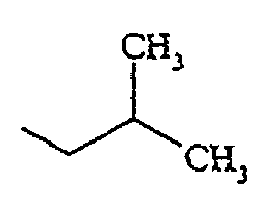
26s I-2 1H NMR (DMSO-d6): δ 9.01 (s, 2 H), 8.88 (s, 2 H), 8.5 (t, J = 6 Hz, 1 H), 8.07 (m, 1 H), 7.73 (m, 1 H), 7.63 (m, 7 H), 7.11 (d, J = 17 Hz, 1 H), 7.01 (d, J = 17 Hz, 1 H), 6.97 (m, 1 H), 6.69 (d, J = 17 Hz, 1 H), 5.24 (s, 1H), 5.14 (s, 1H), 3.03 (t, J = 6.9 and 6.0 Hz, 2 H), 1.92 (s, 3 H), 1.81 (m, 1 H), 0.84 (d, J = 6.9 Hz, 6 H); MS (ES+): 525.4 27t 

26t I-2 1H NMR (DMSO-d6): δ 9.08 (s, 2 H), 8.82 (s, 2 H), 8.53 (t, J = 6 Hz, 1 H), 8.04 (m, 1 H), 7.67 (m, 7 H), 7.04 (m, 2 H), 5.55 (s, 1H), 5.20 (s, 1H), 3.04 (t, J = 6.9 and 6.0 Hz, 2 H), 2.19 (s, 3 H), 1.81 (m, 1 H), 0.87 (d, J = 6.9 Hz, 6 H); MS (ES+): 499.4 27u 

26u I-2 1H NMR (DMSO-d6): δ 9.11 (s, 2 H), 8.86 (s, 2 H), 8.57 (t, J = 6 Hz, 1 H), 8.13 (m, 1 H), 7.53 (m, 2 H), 7.74 (m, 6 H), 7.37 (d, J = 7 Hz, 1 H), 7.17 (m, 2 H), 6.54 (d, J = 12 Hz, 1 H), 5.91 (m, 1 H), 4.99 (m, 1 H), 4.31 (m, 2 H), 3.06 (t, J = 6.9 and 6.0 Hz, 2 H), 1.83 (m, 1 H), 0.87 (d, J = 6.9 Hz, 6 H); MS (ES+): 515.4 27v 

26v I-2 1H NMR (DMSO-d6): δ 9.08 (s, 2 H), 8.82 (s, 2 H), 8.54 (t, J = 6 Hz, 1 H), 8.05 (m, 1 H), 7.63 (m, 8 H), 7.06 (m, 2 H), 5.52 (s, 1 H), 5.2 (s, 1 H), 4.63 (t, J = 5 Hz, 1 H), 3.56 (m, 2 H), 3.05 (t, J = 6.9 and 6.0 Hz, 2 H), 2.71 (t, J = 7 Hz, 2 H), 1.82 (m, 1 H), 0.87 (d, J = 6.9 Hz, 6 H); MS (ES+): 529.4 27w 

26w I-2 1H NMR (DMSO-d6): δ 9.08 (s, 2 H), 8.86 (s, 2 H), 8.54 (t, J = 6 Hz, 1 H), 8.03 (m, 1 H), 7.62 (m, 7 H), 7.08 (d, J = 7.5 Hz, 1 H), 6.99 (m, 1 H), 4.32 (s, 1 H), 3.03 (t, J = 6.9 and 6.0 Hz, 2 H), 2.71 (t, J = 7 Hz, 2 H), 1.82 (m, 1 H), 0.87 (d, J = 6.9 Hz, 6 H); MS (ES+): 483.3 27x 

26x I-2 1H NMR (DMSO-d6): δ 13.8 (s, 1 H), 9.04 (s, 2 H), 8.96 (s, 2 H), 8.47 (t, J = 6 Hz, 1 H), 7.93 (s, 1 H), 7.61 (m, 6 H), 7.42 (m, 1 H), 6.91 (m, 2 H), 6.07 (dd, J = 17 and 9 Hz, 1 H), 5.35 (m, 1 H), 5.09 (dd, J = 17 and 11 H, 1 H), 3.38 (d, J = 6.5 Hz, 1 H), 3.0 (t, J = 7 Hz, 2 H), 1.78 (m, 1 H), 1.72 (s, 3 H), 1.41 (s, 3 H), 0.84 (d, J = 6.9 Hz, 6 H); MS (ES+): 527.5 27y 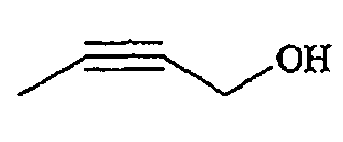

26y I-2 1H NMR (DMSO-d6): δ 8.99 (s, 2 H), 8.86 (s, 2 H), 8.52 (t, J = 6 Hz, 1 H), 8.03 (m, 1 H), 7.63 (m, 6 H), 7.50 (d, J = 7 Hz, 1 H), 7.07 (d, J = 7 Hz, 1 H), 7.12 (m, 1 H), 5.40 (t, J = 6 Hz, 1 H), 4.33 (d, J = 6.0 Hz, 2 H), 3.01 (t, J = 7 Hz, 2 H), 1.80 (m, 1 H), 0.84 (d, J = 6.9 Hz, 6 H); MS (ES+): 513.4 27z 
26z I-2 1H NMF (DMSO-d6): δ 9.50 (bs, 1 H), 8.77 (bs, 2 H), 8.49 (t, J = 6 Hz, 1 H), 7.98 (m, 1 H), 7.63 (m, 6 H), 7.55 (d, J = 6.9 Hz, 1 H), 7.01 (d, J = 7.9 Hz, 1 H), 6.99 (m, 1 H), 5.55 (s, 1 H), 5.38 (s, 1 H), 5.13 (t, J = 5 Hz, 1 H), 4.39 (d, J = 5 Hz, 2 H), 3.02 (t, J = 6.9 and 6.0 Hz, 2 H), 1.81 (m, 1 H), 0.86 (d, J = 6.9 Hz, 6 H); MS (ES+): 515.4 27aa 

26aa I-2 1H NMR (DMSO-d6): δ 9.08 (s, 2 H), 8.73 (s, 2 H), 8.53 (t, J = 6 Hz, 1 H), 8.06 (s, 1 H), 8.02 (bs, 1 H), 7.94 (d, J = 7.8 Hz, 1 H), 7.62 (m, 6 H), 7.24 (d, J = 7.8 Hz, 1 H), 6.95 (d, J = 7.8 Hz, 1 H), 3.03 (t, J = 6 Hz, 2 H), 1.82 (m, 1 H), 0.87 (d, J = 6.8 Hz, 6 H); MS (ES+): 484.3 27ab 

26ab I-2 1H NMR (DMSO-d6): δ 9.05 (bs, 2 H), 8.81 (bs, 2 H), 8.49 (t, J = 6 Hz, 1 H), 8.02 (s, 1 H), 7.68 (s, 1 H), 7.62 (m, 6 H), 7.53 (d, J = 6 Hz, 1 H), 7.21 (d, J = 6 Hz, 1 H), 7.13 (d, J = 7 Hz, 1 H), 7.01 (s, 1 H), 5.25 (t, J = 5 Hz, 1 H), 4.51 (d, J = 5 Hz, 2 H), 3.01 (t, J = 6 Hz, 2 H), 1.81 (m, 1 H), 0.85 (d, J = 6.8 Hz, 6 H); MS (ES+): 571.64 27ac 

26ac I-2 1H NMR (DMSO-d6): δ 9.05 (bs, 2 H), 8.78 (s, 2 H), 8.52 (t, J = 6 Hz, 1 H), 8.02 (bs, 1 H), 7.65 (m, 6 H), 7.53 (d, J = 5 Hz, 1 H), 7.54 (d, J = 5 Hz, 1 H), 7.26 (d, J = 5 Hz, 1 H), 7.10 (m, 1 H), 6.99 (m, 1 H), 5.64 (t, J = 5 Hz, 1H), 4.71 (d, J = 5 Hz, 2H), 3.07 (t, J = 6.9 and 6.0 Hz, 2 H), 1.73 (m, 1 H), 0.84 (d, J = 6.9 Hz, 6 H); MS (ES+): 571.56 27ad 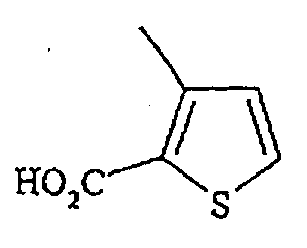

26ad I-2 MS (ES+): 585.4 27ae 

26ae I-2 1H NMR (DMSO-d6): δ 14.11 (bs, 1 H), 9.05 (bs, 2 H), 8.75 (bs, 2 H), 8.5 (m, 1 H), 8.0 (s, 1 H), 7.8-7.6 (m, 8 H), 7.49 (d, J = 3 Hz, 1 H), 7.1 (d, J = 6.9 Hz, 1 H), 7.0 (m, 1 H), 5.5 (m,1 H), 4.7 (m, 2 H), 3.09 (m, 2 H), 1.74 (m, 1 H) 0.86 (d, J = 6.9 Hz, 6 H); MS (ES+) 571.2 27af 

26af I-2 1H NMR (DMSO-d6): δ 14.11 (bs, 1 H), 9.05 (bs, 2 H), 8.75 (bs, 2 H), 8.49 (t, J = 6 Hz, 1 H), 7.97 (s, 1 H), 7.67 (d, J = 3 Hz, 1 H), 7.61 (m, 7 H), 7.54 (d, J = 3 Hz, 1 H), 7.06 (d, J = 6.9 Hz, 1 H), 6.89 (d, J = 6.9 Hz, 1 H), 5.23 (t, J = 5 Hz, 1 H), 5.42 (d, J = 5 Hz, 2 H), 3.09 (t, J = 6.9 and 6.0 Hz, 2 H), 1.74 (m, 1 H) 0.86 (d, J = 6.9 Hz, 6 H); MS (ES+): 571.3 27ag 

26ag I-2 1H NMR (DMSO-d6): δ 11.45 (s, 1 H), 9.08 (bs, 2 H), 8.88 (bs, 2 H), 8.75 (t, J = 6 Hz, 1 H), 8.04 (bs, 1 H), 7.88 (m, 1 H), 7.7 (m, 7 H), 7.03 (m, 2 H), 6.9 (m, 1 H), 6.62 (m, 1 H), 6.17 (m, 1 H), 3.07 (t, J = 6.9 and 6.0 Hz, 2 H), 1.84 (m, 1 H), 0.86 (d, J = 6.9 Hz, 6 H); MS (ES+): 524.65 27ah 

26ah I-2 1H NMR (DMSO-d6): δ 13.83 (s, 1 H), 8.9 (bs, 4 H), 8.47 (t, J = 6 Hz, 1 H), 7.95 (s, 1 H), 5.3 (s, 1 H), 7.61 (m, 6 H), 7.4 (m, 1 H), 6.95 (d, J = 7.7 Hz, 1 H), 6.85 (d, J = 7.7 Hz, 1 H), 6.64 (d, J = 9 Hz, 1 H), 6.22 (s, 1 H), 4.6 (t, J = 5.1 Hz, 1 H), 3.51 (d, J = 5.6 Hz, 2 H), 3.01 (t, J = 7 Hz, 2 H), 1.8 (m, 1 H), 0.85 (d, J = 6.9 Hz, 6 H); MS (ES+): 519.52 27ai 

26ai I-2 MS (ES+) 514.25 27aj 

26n G 1H NMR (DMSO-d6): δ 9.05 (s, 2 H), 8.67 (s, 2 H), 8.47 (t, J = 6 and 5 Hz, 1 H), 7.95 (m, 1 H), 7.95 (m, 1 H), 7.63 (m, 5H), 7.40 (s, 1 H), 7.38 (d, J = 7.7 Hz, 1 H), 6.92 (m, 2 H), 3.02 (t, J = 6.8 Hz, 2 H), 2.64 (m, 2 H), 1.80 (m, 1 H), 1.66 (m, 2 H), 0.96 (t, J = 8 and 6.5 Hz, 3 H), 0.85 (d, J = 6.8 Hz, 6 H); MS (ES-) 499.31 27ak 

32f G 1H NMR (DMSO-d6): δ 14.3 (bs, 1 H), 9.05 (bs, 2 H), 8.75 (bs, 2 H), 8.5 (m, 1 H), 8.0 (s, 1 H), 7.8-7.6 (m, 8 H), 7.49 (d, J = 3 Hz, 1 H), 7.1 (d, J = 6.9 Hz, 1 H), 7.0 (m, 1 H), 5.5 (m, 1 H), 4.7 (m, 2 H), 3.09 (m, 2 H), 1.74 (m, 1 H), 0.86 (d, J = 6.9 Hz, 6 H); MS (ES+) 487.2 27al 

26ai G MS (ES+) 488.3 (100%: M+1) 27am 

26u G 1H NMR (DMSO-d6): δ 13.9 (bs, 1 H), 9.05 (2 bs, 4 H), 8.5 (m, 1 H), 7.9 (s, 1 H), 7.7-7.5 (m, 8 H), 7.3 (d, J = 3 Hz, 1 H), 6.9 (m, 2 H), 4.6 (m, 1H), 3.5 (m, 2 H), 3.09 (m, 2 H), 2.6 (m, 2 H), 1.8 (m, 1 H) 0.85 (d, J = 6.9 Hz, 6 H); MS (ES+) 517.3 32a 

31a I-2 1H NMR (DMSO-d6): δ 9.84 (bs, 1 H), 9.07 (bs, 2 H), 8.87 (bs, 2 H), 8.51 (t, J = 6 and 5 Hz, 1 H), 8.13 (m, 1 H), 8.03 (m, 2 H), 7.65 (m, 5 H), 7.20 (d, J = 7.7 Hz, 1 H), 6.94 (d, J = 7.7.Hz, 1 H), 3.04 (t, J = 6.8 Hz, 2 H), 2.66 (s, 3 H), 1.83 (m, 1 H), 0.86 (d, J = 6.8 Hz, 6 H); MS (ES-) 499.4, (ES+) 501.4 32b 
31b I-2 Characterized in the next step 32c 
31c I-2 1H NMR (DMSO-d6): δ 14.24 (s, 1 H), 9.29 (bs, 2 H), 9.01 (bs, 2 H), 8.73 (t, J = 6 Hz, 1 H), 8.2 (d, J = 2 Hz, 1 H), 7.85 (m, 5 H), 7.74 (d, 2 Hz, 1 H), 7.4 (d, J = 8 Hz, 1 H), 7.22 (d, J = 7.4 Hz, 1 H), 7.13 (d, J = 7.5, 1 H), 6.73 (t, J = 6.8 Hz, 1 H), 5.59 (d, J = 6.8 Hz, 2 H), 3.25 (t, J = 6.8 Hz, 2 H), 2.04 (m, 1 H), 1.08 (d, J = 6.8 Hz, 6 H); MS (ES-) 495.1, (ES+) : 497.2 32d 

31d I-2 MS (ES-) : 553.3 32e 

31e I-2 1H NMR (DMSO-d6): δ 13.642 (bs, 1 H), 9.06 (s, 2 H), 8.89 (s, 2 H), 8.50 (1, J = 6 and 5 Hz, 1 H), 7.98 (s, 1 H), 7.62 (m, 7 H), 7.43 (s, 1 H), 7.33 (m, 4 H), 6.95 (m, 2 H), 4.04 (s, 2 H), 3.02 (t, J = 6.8 Hz, 2 H), 1.80 (m, 1 H), 0.86 (d, J = 6.8 Hz, 6 H); MS (ES-) : 547.4 32f 

31f I-2 1H NMR (DMSO-d6): δ 0.85 (d, J = 6.9 Hz, 6 H), 1.81 (m, 1 H), 3.03 (t, J = 7 Hz, 2 H), 5.35 (d, J = 11 Hz, 1 H), 5.94 (d, J = 17 Hz, 1 H), 6.84 (dd, J = 17 and 11 Hz, 2 H), 7.0 (m, 2 H), 7.64 (m, 8 H), 8.01 (s, 1 H), 8.54 (t, J = 6 Hz, 1 H), 8.77 (s, 2 H), 9.06 (s, 2 H); MS (ES+) :485.57 32g 

31g I-2 MS (ES+) 596..2 32h 

31h I-2 1H NMR (DMSO-d6): δ 14.2 (bs, 1 H), 9.1 (bs, 4 H), 8.6 (m, 1 H), 8.15 (s, 1 H), 7.9-7.6 (m, 8 H), 7.2 (m, 2 H), 6.7 (s, 1 H), 5.3 (br s, 1 H), 4.6 (m, 2 H), 3.1 (m, 2 H), 1.9 (m, 1 H), 0.9 (d, J = 6.7 Hz, 6 H); MS (ES+) 555.1 32i 
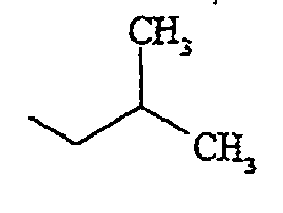
31i I-2 1H NMR (DMSO-d6): δ 13.84 (bs, 1 H), 9.01 (bs, 2 H), 8.80 (bs, 2 H), 8.46 (t, J = 6 and 5 Hz, 1 H), 8.03 (s, 1 H), 7.95 (s, 1 H), 7.77 (s, 1 H), 7.67 (m, 2 H), 7.61 (m, 5 H), 7.02 (d, J = 7.7 Hz, 1 H), 6.94 (m, 1 H), 5.13 (t, J = 5 Hz, 1 H), 4.47 (m, 2 H), 2.97 (t, J = 6.8 Hz, 2 H), 1.78 (m, 1 H), 0.80 (d, J = 6.8 Hz, 6 H); MS (ES-) 553.3, (ES+) 555.3 40 

39 I-2 MS (ES+) 524.3 44 

43 I-2 1H NMR (DMSO-d6): δ 13.82 (s, 1 H), 9.20 (bs, 1 H), 9.10 (bs, 1 H), 8.51 (t, J = 6 Hz, 1 H), 7.97 (s, 1 H), 7.73-7.45 (m, 5 H), 7.43-7.39 (m, 2 H), 7.20 (t, J = 8 Hz, 1 H), 7.10 (m, 6 H), 6.96 (d, J = 8 Hz, 1 H), 3.0 (t, J = 6 Hz, 2 H), 1.80 (m, 1 H), 0.68 (d, J = 6.8 Hz, 6 H); MS (ES+) 551.30 46 

45 I-2 1H NMR (DMSO-d6): δ 9.21 (2 bs, 2 H each, 4 H), 8.61 (m, 1 H), 8.1 (s, 1H), 7.8-7.4 (m, 10 H), 7.3 (s, 1 H), 7.2 (d, J = 7 Hz, 1 H), 7.1 (m, 2 H), 5.2 (s, 2 H), 3.1 (m, 2 H), 1.8 (m, 1 H), 0.91 (d, J = 6.8 Hz, 6 H); MS (ES+) 565.27 51 -OCH3 
50 I-2 1H NMR (CF3CO2D): δ 8.43 (s, 1 H), 8.01 (d, J = 7.5 Hz, 1 H), 7.67 (q, J = 24 and 8.4 Hz, 4 H), 7.56 (d, J = 7.7 Hz, 1 H), 7.38 (s, 1 H), 7.23 (s, 2 H), 3.98 (s, 3 H), 3.43 (d, J = 7 Hz, 2 H), 2.01 (m, 1 H), 1.01 (d, J = 6.8 Hz, 6 H); MS (ES-) 487., (ES+) 489.3 53 

52 I-2 1H NMR (DMSO-d6): δ 14.00 (bs, 1 H), 8.52 (t, J = 6 and 5 Hz, 1 H), 7.98 (s, 1 H), 7.63 (m, 8 H), 7.07 (d, J = 7.7 Hz, 1 H), 6.96 (d, J = 7.7 Hz, 1 H), 3.83 (s, 2 H), 3.02 (t, J = 6.8 Hz, 2 H), 1.81 (m, 1 H), 0.86 (d, J = 6.8 Hz, 6 H); MS (ES-) 568.1 70a 

68a I-2, S 1H NMR (DMSO-d6): δ 13.84 (br s, 1 H), 9.05 (s, 2 H), 8.94 (s, 2 H), 8.48 (t, J = 5.7 Hz, 1 H), 7.97 (d, J = 1.9 Hz, 1 H), 7.70 (m, 7 H), 7.00 (d, J = 7.9 Hz, 1 H), 6.92 (d, J = 7.9 Hz, 1 H), 6.84 (dd, J = 10.9 and 17.7 Hz, 1 H), 5.93 (d, J = 17.7 Hz, 1 H), 5.34 (d, J = 10.9 Hz, 1 H), 3.19 (m, 2 H), 1.45 (qui, J = 7.0 Hz, 2 H), 1.29 (sex, J = 7.0 Hz, 2 H), 0.87 (t, J = 7.3 Hz, 3 H); MS (ES+): 485.2 70b 

68b I-2, S 1H NMR (DMSO-d6): δ 12.71 (br s, 1 H), 9.12 (s, 2 H), 8.93 (s, 2 H), 8.20 (m, 2 H), 7.86 (m, 1 H), 7.70 (m, 6 H), 7.20 (m, 2 H), 6.87 (dd, J = 10.9 and 17.7 Hz, 1 H), 5.99 (d, J = 17.7 Hz, 1 H), 5.40 (d, J = 10.9 Hz, 1 H), 3.97 (m, 1 H), 1.50-1.20 (m, 8 H) 0.86 (t, J = 7.2 Hz, 6 H); MS (ES+): 527.3 70c 

68c I-2, S 1H NMR (DMSO-d6): δ 12.84 (br s, 1 H), 9.08 (m, 3 H), 8.36 (d, J = 7.7 Hz, 1 H), 8.18 (s, 1 H), 7.83 (m, 1 H), 7.67 (m, 6 H), 7.15 (m, 3 H), 6.86 (dd, J = 10.9 and 17.7 Hz, 1 H), 5.98 (d, J = 17.7 Hz, 1 H), 5.39 (d, J = 10.9 Hz, 1 H), 3.74 (m, 1 H), 1.84-1.55 (m, 5 H), 1.38-1.04 (m, 5 H); MS (ES+): 511.3 70d 

68d I-2, S 1H NMR (DMSO-d6): δ 9.11 (s, 2 H), 8.89 (s, 2 H), 8.81 (t, J = 5.7 Hz, 1 H), 8.21 (s, 1 H), 7.85 (m, 1 H), 7.68 (m, 7 H), 7.17 (m, 3 H), 6.87 (dd, J = 10.9 and 17.7 Hz, 1 H), 5.99 (d, J = 17.7 Hz, 1 H), 5.88 (m, 1 H), 5.39 (d, J = 10.9 Hz, 1 H), 5.12 (m, 2 H), 3.88 (t, J = 5.0 Hz, 1 H); MS (ES+): 469.2 70e 

68e I-2, S 1H NMR (DMSO-d6): δ 9.11 (s, 2 H), 9.01 (s, 2 H), 8.38 (d, J = 7.5 Hz, 1 H), 8.18 (s, 1 H), 7.83 (m, 1 H), 7.67 (m, 6 H), 7.16 (m, 3 H), 6.86 (dd, J = 10.9 and 17.7 Hz, 1 H), 5.98 (d, J = 17.7 Hz, 1 H), 5.39 (d, J = 10.9 Hz, 1 H), 4.09 (m, 1 H), 1.15 (d, J = 6.6 Hz, 6 H); MS (ES+): 471.3 70f 

68f I-2, S 1H NMR (DMSO-d6): δ 9.11 (s, 2 H), 9.05 (s, 2 H), 8.31 (d, J = 8.1 Hz, 1 H), 8.20 (s, 1 H), 7.85 (d, J = 7.7 Hz, 1 H), 7.69 (m, 6 H), 7.17 (m, 3 H), 6.86 (dd, J = 10.9 and 17.7 Hz, 1 H), 5.98 (d, J = 17.7 Hz, 1 H), 5.39 (d, J = 10.9 Hz, 1 H), 3.91 (m, 1 H), 1.50 (m, 2 H), 1.12 (d, J = 6.6 Hz, 3 H). 0.85 (t, J = 7.3 Hz, 3 H); MS (ES+): 485.3 70g 

68g I-2, S 1H NMR (DMSO-d6): δ 12.82 (br s, 1 H), 9.25 (m, 1 H), 9.12 (s, 2 H), 8.91 (s, 2 H), 8.23 (s, 1 H), 7.87 (m, 1 H), 7.68 (m, 7 H), 7.18 (m, 3 H), 6.87 (dd, J = 10.9 and 17.7 Hz, 1 H), 5.99 (d, J = 17.7 Hz, 1 H), 5.40 (d, J = 10.9 Hz, 1 H), 4.07 (m, 2 H); MS (ES+): 511.2 70h 

68h I-2, S 1H NMR (DMSO-d6): δ 10.34 (s, 1 H), 9.05 (m, 4 H) 8.18 (s, 1 H), 7.71 (m, 11 H), 7.34 (t, J = 7.8 Hz, 2 H), 7.09 (m, 3 H), 6.86 (dd, J = 10.9 and 17.7 Hz, 1 H), 5.98 (d, J = 17.7 Hz, 1 H), 5.39 (d, J = 10.9 Hz, 1 H); MS (ES+): 505.3 70i 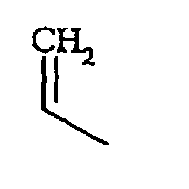

68i I-2, S 1H NMR (DMSO-d6): δ 12.64 (br s, 1 H), 9.09 (m, 4 H), 8.56 (m, 1 H), 8.09 (s, 1 H), 7.66 (m, 9 H), 7.08 (m, 3 H), 6.86 (dd, J = 10.9 and 17.7 Hz, 1 H), 5.96 (d, J = 17.7 Hz, 1 H), 5.37 (d, J = 10.9 Hz, 1 H), 4.40 (m, 2 H) 3.39 (m, 2 H), 3.22 (m, 2 H), 1.48 (m, 4 H); MS (ES+): 501.3 (100%: M+1) 70j 

68j I-2, S 1H NMR (DMSO-d6): δ 9.08 (m, 4 H), 8.69 (t, J = 6.0 Hz, 1 H), 8.16 (s, 1 H), 7.69 (m, 5 H), 7.13 (d, J = 7.7 Hz, 2 H), 7.09 (m, 3 H), 6.86 (dd, J = 10.9 and 17.7 Hz, 1 H), 5.97 (d, J = 17.7 Hz, 1 H), 5.38 (d, J = 10.9 Hz, 1 H), 3.11 (t, J = 6.0 Hz, 2 H), 1.01 (m, 1 H), 0.41 (m, 2 H), 0.21 (m, 2 H); MS (ES+): 483.3 70k 

68k I-2, S 1H NMR (DMSO-d6): δ 9.11 (s, 2 H), 8.97 (s, 2 H), 8.54 (m, 1 H), 8.12 (s, 1 H), 7.68 (m, 7 H), 7.17 (m, 4 H), 6.86 (dd, J = 10.9 and 17.7 Hz, 1 H), 5.97 (d, J = 17.7 Hz, 1 H), 5.38 (d, J = 10.9 Hz, 1 H), 2.75 (d, J = 4.3 Hz, 1 H); MS (ES+): 443.26 701 

68l 1-2, S 1H NMR (DMSO-d6): δ 9.07 (s, 2 H), 8.92 (s; 2 H), 8.53 (t, J = 5.5 Hz, 1 H), 8.02 (s, 1 H), 7.62 (m, 7 H), 7.01 (m, 2 H), 6.85 (dd, J = 10.9 and 17.7 Hz, 1 H), 5.95 (d, J = 17.7 Hz, 1 H), 5.36 (d, J = 10.9 Hz, 1 H), 3.24 (qui, J = 6.7 Hz, 2 H), 1.08 (t, J = 7.2 Hz, 3 H); MS (ES+): 457.2 70m 

68m I-2, S 1H NMR (DMSO-d6): δ 12.53 (br s, 1 H), 9.10 (m, 3 H), 8.38 (d, J = 7.9 Hz, 1 H), 8.11 (s, 1 H), 7.68 (m, 7 H), 7.12 (m, 3 H), 6.86 (dd, J = 10.9 and 17.7 Hz, 1 H), 5.96 (d, J = 17.7 Hz, 1 H), 5.37 (d, J = 10.9 Hz, 1 H), 3.94 (m, 1 H), 1.88-1.33 (m, 12 H); MS (ES+): 525.3 70n 

68n I-2, S 1H NMR (DMSO-d6): δ 9.09 (m, 4 H), 8.59 (t, J = 5.2 Hz, 1 H), 8.17 (s, 1 H), 7.70 (m, 7 H), 7.16 (m, 4 H), 6.87 (dd, J = 10.9 and 17.7 Hz, 1 H), 5.98 (d, J = 17.7 Hz, 1 H), 5.39 (d, J = 10.9 Hz, 1 H), 3.20 (q, J = 6.7 Hz, 2 H), 1.52 (sex, J = 7.2 Hz, 2 H), 0.87 (t, J = 7.3 Hz, 3 H); MS (ES+): 471.3 70o 
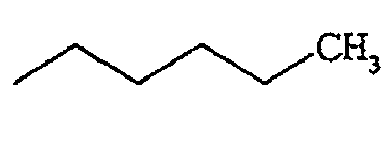
68o I-2, S 1H NMR (DMSO-d6): δ 12.97 (br s, 1 H), 9.08 (s, 2 H), 8.99 (s, 2 H), 8.53 (t, J = 5.1 Hz, 1 H), 8.06 (s, 1 H), 7.64 (m, 7 H), 7.06 (m, 2 H), 6.85 (dd, J = 10.9 and 17.7 Hz, 1 H), 5.96 (d, J = 17.7 Hz, 1 H), 5.36 (d, J = 10.9 Hz, 1 H), 3.20 (q, J = 6.5 Hz, 2 H), 1.49 (qui, J = 6.6 Hz, 2 H), 1.27 (m, 4 H), 0.86 (t, J = 6.6 Hz, 3 H); MS (ES+): 499.3 70p 

68p I-2, S 1H NMR (DMSO-d6): δ 9.10 (s, 2 H), 8.91 (s, 2 H), 8.55 (t, J = 5.5 Hz, 1 H), 8.13 (s, 1 H), 7.68 (m, 7 H), 7.12 (m, 2 H), 6.86 (dd, J = 10.9 and 17.7 Hz, 1 H), 5.98 (d, J = 17.7 Hz, 1 H), 5.38 (d, J = 10.9 Hz, 1 H), 3.10 (m, 2 H), 1.62 (m, 1 H), 1.39 (m, 1 H), 1.10 (m, 1 H), 0.86 (m, 6 H); MS (ES+): 499.3 70q 

68q I-2, S 1H NMR (DMSO-d6): δ 9.06 (s, 2 H), 8.82 (s, 2 H), 8.11 (t, J = 7.9 Hz, 1 H), 8.00 (s, 1 H), 7.62 (m, 7 H), 6.99 (m, 2 H), 6.85 (dd, J = 10.9 and 17.7 Hz, 1 H), 5.95 (d, J = 17.7 Hz, 1 H), 5.35 (d, J = 10.9 Hz, 1 H), 3.81 (q, J = 7.5 Hz, 1 H), 1.45 (m, 4 H), 1.24 (m, 4 H), 0.82 (m, 6 H); MS (ES+): 527.3 70r 

68r I-2, S 1H NMR (DMSO-d6): δ 13.81 (s, 1 H), 8.44 (m, 4 H), 7.97 (s, 1 H), 7.61 (m, 7 H), 6.90 (m, 3 H), 5.93 (d, J = 17.7 Hz, 1 H), 5.34 (d, J = 10.9 Hz, 1 H), 3.22 (m, 5 H), 2.73 (m, 2 H), 1.52 (m, 4 H); MS (ES+): 500.3 70s 

68s 1-2, S 1H NMR (DMSO-d6): δ 9.09 (s, 2 H), 8.86 (s, 2 H), 8.42 (d, J = 7.5 Hz, 1 H), 8.11 (s, 1 H), 7.68 (m, 8 H), 7.10 (m, 2 H), 6.86 (dd, J = 10.9 and 17.7 Hz, 1 H), 5.97 (d, J = 17.7 Hz, 1 H), 5.38 (d, J = 10.9 Hz, 1 H), 4.20 (q, J = 7.2 Hz, 1 H), 1.93-1.44 (m, 8 H); MS (ES+): 497.2 70t 
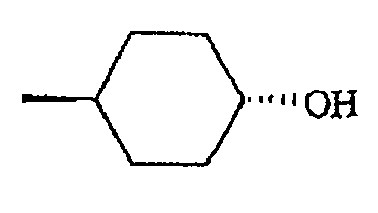
68t I-2, S 1H NMR (DMSO-d6): δ 13.78 (br s, 1 H), 9.07 (s, 2 H), 8.87 (s, 2 H), 8.25 (d, J = 8.1 Hz, 1 H), 8.00 (s, 1 H), 7.62 (m, 7 H), 6.98 (m, 2 H), 6.85 (dd, J = 10.9 and 17.7 Hz, 1 H), 5.94 (d, J = 17.7 Hz, 1 H), 5.35 (d, J = 10.9 Hz, 1 H), 4.55 (d, J = 4.1 Hz, 1 H), 3.68 (m, 1 H), 3.39 (m, 1 H), 1.79 (m, 4 H), 1.28 (m, 4 H); MS (ES+): 527.2 70u 

68u I-2, S 1H NMR (DMSO-d6): δ 13.36 (br s, 1 H), 9.05 (m, 3 H), 8.49 (s, 1 H), 7.98 (s, 1 H), 7.61 (m, 8 H), 6.92 (m, 3 H), 5.94 (d, J = 17.7 Hz, 1 H), 5.35 (d, J = 10.9 Hz, 1 H), 2.81 (m, 1 H), 0.69-0.48 (m, 4 H); MS (ES+): 469.3 70v 

68v I-2, S 1H NMR (DMSO-d6): δ 9.05 (m, 4 H), 8.75 (d, J = 7.5 Hz, 1 H), 8.15 (s, 1 H), 7.70 (m, 7 H), 7.14 (d, J = 7.9 Hz, 2 H), 6.86 (dd, J = 10.9 and 17.7 Hz, 1 H), 5.97 (d, J = 17.7 Hz, 1 H), 5.39 (d, J = 10.9 Hz, 1 H), 4.40 (q, J = 8.2 Hz, 1 H), 2.12 (m, 4 H) 1.65 (m, 2 H); MS (ES+): 483.3 70w 

68w I-2, S 1H NMR (DMSO-d6): δ 13.17 (br s, 1 H), 9.05 (m, 4 H), 8.51 (t, J = 5.8 Hz, 1 H), 8.06 (s, 1 H), 7.64 (m, 7 H), 7.03 (m, 2 H), 6.85 (dd, J = 10.9 and 17.7 Hz, 1 H), 5.95 (d, J = 17.7 Hz, 1 H), 5.36 (d, J = 10.9 Hz, 1 H), 4.72 (t, J = 5.4 Hz, 1 H) 3.47 (q, J = 5.7 Hz, 2 H), 3.28 (m, 2 H); MS (ES+): 473.2 70x 

68x I-2, S 1H NMR (DMSO-d6): δ 9.07 (s, 2 H), 8.90 (s, 2 H), 8.50 (t, J = 5.5 Hz, 1 H), 8.04 (s, 1 H), 7.63 (m, 7 H), 7.03 (m, 2 H), 6.85 (dd, J = 10.9 and 17.7 Hz, 1 H), 5.96 (d, J = 17.7 Hz, 1 H), 5.36 (d, J = 10.9 Hz, 1 H), 3.23 (q, J = 6.5 Hz, 2 H), 1.59 (m, J = 7.0 Hz, 1 H), 1.39 (q, J = 6.8 Hz, 2 H), 0.88 (d, J = 6.6 Hz, 6 H). 
Cpd. No. -R Starting From Method Used Analytical Data 31a 
30a J 1HNMR (DMSO-d6): δ 10.85 (s, 1 H), 9.21(s, 2 H), 8.91 (s, 2 H), 8.71 (t, J = 5.9 Hz, 1 H), 8.21 (d, J = 1.96 Hz, 1 H), 8.23 (d, J = 1.96 Hz, 1 H), 8.19 (d, J = 2.19 Hz, 1 H), 8.17 (d, J = 1.97 Hz, 1 H), 8.09 (d, J = 1.91 Hz, 1 H), 7.77 (s, 4 H), 7.53 (d, J = 7.53 Hz, 1 H), 3.57 (s, 3 H), 3.11 (q, J = 6.89 Hz, 1 H), 2.71 (s, 3 H), 1.86 (m, 1 H), 3.88 (d, 6.87 Hz, 6H); MS (ES+) 515.3 31b 
30b J MS (ES+): 527.2 31c 
30c J Characterized in the next step 31d 
30d J 1HNMR (DMSO-d6): δ 10.59 (bs, 1 H), 9.16 (s, 2 H), 8.85 (s, 2 H), 8.69 (t, J = 6 and 5 Hz, 1 H), 8.21 (s, 1 H), 8.04 (d, J = 1.5 Hz, 1 H), 7.73 (m, 4 H), 7.58 (s, 1 H), 7.50-7.38 (m, 3 H), 7.32 (m, 1 H), 7.03 (d, J = 7.5 Hz, 2 H), 4.31 (s, 2 H), 3.55 (s, 2 H), 3.07 (t, J = 6.8 Hz, 2 H), 1.85 (m, 1 H), 0.87 (d, J = 6.8 Hz, 6 H),; MS (ES-) 567.3, (ES+) 569.3 31e 
30e J MS (ES-): 561.4; MS (ES+): 563.4 31f 
30f J 1H NMR (DMSO-d6): δ 10.73 (s, 1H), 9.24 (s, 2H), 9.00 (s, 2H), 8.71 (t, J = 5.7 Hz, 1H), 8.24 (d, J = 1.9 Hz, 1H), 8.05 (dd, J = 8.0, 1.9 Hz, 1H), 7.77 (m, 5H), 7.71 (dd, J = 79, 1.5 Hz, 1H), 7.42 (d, J = 7.9 Hz, 1H), 7.31 (d, J = 7.9 Hz, 1H), 6.89 (dd, J = 17.6, 11.0 Hz, 1H), 6.04 (d, J = 17.6 Hz, 1H), 5.42 (d, J = 11.0 Hz, 1H), 3.56 (s, 3H), 3.10 (t, J = 6.4 Hz, 2H), 1.85 (m, 1H), 0.89 (d, J = 6.7 Hz, 6H); MS (ES+): 499.3 31g 
30g J 1HNMR (DMSO-d6): δ 10.73 (s, 1 H), 9.19 (bs, 2 H), 8.88 (bs, 2 H), 8.71 (t, J = 6 Hz, 1 H), 8.27 (d, J = 2 Hz, 1 H), 8.07 (dd, J = 7.7 and 2 Hz, 1 H), 7.88 (d, 2 Hz, 1 H), 7.8 (d, J = 2 Hz, 1 H), 7.83 (m, 4 H), 7.72 (dd, J = 2 and 7.7 Hz, 1 H), 7.46 (d, J = 7.7, 1 H), 7.41 (d, J = 7.7 Hz, 1 H), 4.56 (s, 2 H), 3.56 (s, 3 H), 3.11 (t, J = 6.8 Hz, 2 H), 1.87 (m, 1 H), 0.92 (d, J = 6.8 Hz, 6 H); MS (ES-) 608.2, (ES+) 610.3 31h 
30h J Characterized at the next step 31i 
30i J 1HNMR (DMSO-d6): δ 10.68 (s, 1 H), 9.17 (bs, 2 H), 8.82 (bs, 2 H), 8.68 (t, J = 6 Hz, 1 H), 8.25 (d, J = 2 Hz, 1 H), 8.16 (d, J = 2 Hz, 1 H), 8.05 (dd, J = 8 and 2 Hz, 1 H), 7.87 (m, 1 H), 7.89 (dd, J = 8 and 2 Hz, 1 H), 7.75 (m, 5 H), 7.44 (d, J = 9 Hz, 1 H), 7.36 (d, J = 8 Hz, 1 H), 5.22 (t, J = 5 Hz, 1 H), 4.54 (d, J = 5 Hz, 2 H), 3.57 (s, 3 H), 3.10 (t, J = 6.8 Hz, 2 H), 1.84 (m, 1 H), 0.88 (d, J = 6.8 Hz, 6 H; MS (ES-) 567.4, (ES+) 569.4 43 
42 J MS (ES-): 563.4 45 -Obn 8 J Characterized in the next step 50 -OCH3 49 J MS (ES+): 503.1 52 
31g G Characterized in the next step 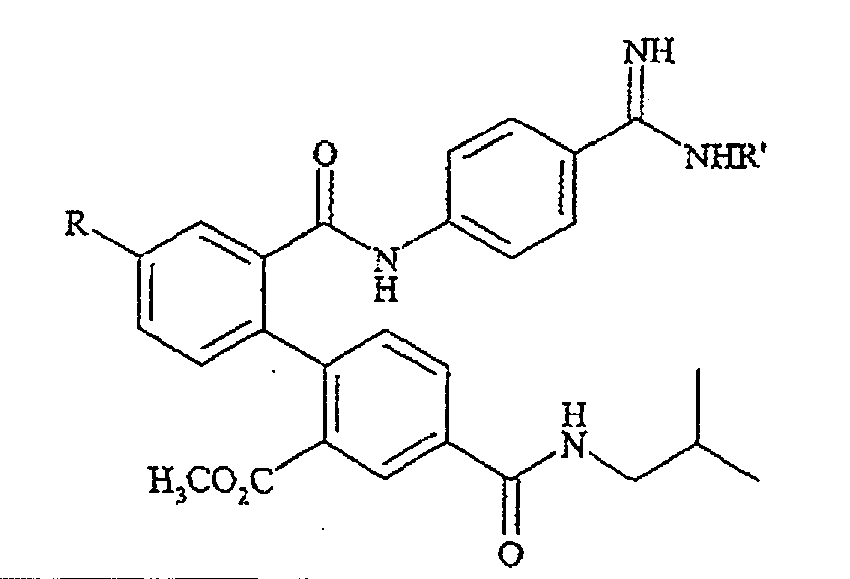
Cpd. No. -R -R' Starting From Method Used Analytical Data 34 -OSO2CF3 -H 33 J MS (ES+): 621.2 35 -OSO2CF3 
34 P MS (ES+): 755.2; (ES-) 753.3 37 

35 + 36 D-2 MS (ES+): 828.5 38 
-H 37 G MS (ES+): 694.4; (ES-) 692.4 39 
-H 38 Q Characterized in the next step 
Cpd. No. -R -R' -R" Starting From Method Used Analytical Data 54 -OBn -CHO -CO2MEM 5 + 6 D-2 1H NMR (DMSO-d6): δ 9.69 (s, 1 H), 8.49 (d, J = 2.0 Hz, 1 H), 8.22 (d, J = 6.9 Hz, 1 H), 7.53 (m, 4 H), 7.43 (m, 2 H), 7.37 (m, 2 H), 7.24 (d, J = 8.9 Hz, 1 H), 5.57 (s, 2 H), 5.26 (s, 2 H), 3.85 (t, J = 4.9 Hz, 2 H), 3.60 (s, 3 H), 3.51 (t, J = 4.9 Hz 2 H), 3.32 (s, 3 H); MS (ES+): 501.02 (M+Na)+ 55 -OBn -CO2H -CO2MEM 54 E 1H NMR (DMSO-d6): δ 12.65 (s, 1 H), 8.41 (d, J = 2.0 Hz 1 H), 8.14 (dd, J = 2.0 and 7.9 Hz, 1 H), 7.50 (m, 3 H), 7.38 (m, 4 H), 7.24 (dd, J = 3.0 and 8.9 Hz, 1 H), 7.11 (d, J = 8.9 Hz, 1 H), 5.54 (s, 2 H), 5.20 (s, 2 H), 3.82 (t, J = 4.9 Hz, 2 H), 3.57 (s, 3 H), 3.49 (t, J = 4.9 Hz, 2 H), 3.23 (s, 3 H); MS (ES-): 493.2 141 -OBn -CHO 
140 + 6 D-2 1H NMR (DMSO-d6): δ 10.2 (s, 1 H), 9.65 (s, 1 H), 8.25 (d, J = 2.0 Hz, 1 H), 7.85 (dd, J = 2.0 and 8.9 Hz, 1 H), 7.51 (d, J = 7.9 Hz, 2 H), 7.45 (m, 2 H), 7.35 (m, 3 H),7.29 (d, J = 7.9 Hz, 1 H) 7.2 (d, J = 7.9 Hz, 1 H), 5.24 (s, 2 H), 3.55 (s, 3 H), 2.3 (d, J = 6.9 Hz, 2 H) 2.1 (m, J = 6.9 Hz, 1 H), 1.0 (d, J = 6.9 Hz, 6 H); MS (ES+): 446.31 142 -OBn -CO2H 
141 E 1H NMR (DMSO-d6): δ 12.38 (s, 1 H), 10.01 (s, 1 H), 8.05 (s, 1 H), 7.68 (d, J = 7.9 Hz, 1 H), 7.41 (d, J = 7.9 Hz, 2 H), 7.35 (m, 5 H), 7.27 (m, 1 H), 7.11 (d, J = 8.9 Hz, 1 H), 7.04 (d, J = 8.9 Hz, 1 H), 6.99 (d, J = 8.9 Hz, 1 H), 5.11 (s, 2 H), 2.13 (d, J = 6.9 Hz, 2 H), 2.02 (m, J = 6.9 Hz, 1 H), 0.852 (d, J = 6.9 Hz, 6 H); MS (ES-): 460.2 143 -OBn -CO2MEM 
142 F 1H NMR (DMSO-d6): δ 10.12 (s, 1 H), 8.16 (d, J = 1.9 Hz, 1 H), 7.80 (dd, J = 1.9 and 8.3 Hz, 1 H), 7.42 (m, 6 H), 7.26 (dd, J = 2.8 and 8.3 Hz, 1 H), 7.13 (m, 2 H), 5.21 (s, 2 H), 5.17 (s, 2 H), 3.54 (s, 3 H), 3.40 (m, 2 H), 3.32 (m, 2 H), 2.22 (d, J = 7.0 Hz, 2 H), 2.10 (m, 4H), 0.95 (d, J = 6.4 Hz, 6H); MS (ES+): 572.3 (M+Na)+ 144 -OH -CO2MEM 
143 G 1H NMR (DMSO-d6): δ 12.7 (br s, 1 H), 9.09 (s, 2 H), 8.91 (s, 2 H), 8.57 (m, 1 H), 8.11 (s, 1 H), 7.92 (d, J = 1.9 Hz, 1 H), 7.81 (m, 3 H), 7.67 (m, 5 H), 7.14 (m, 3 H), 6.66 (m, 1 H), 4.40 (t, J = 5.3 Hz, 1 H), 3.39 (m, 2 H), 3.22 (m, 2 H), 1.48 (m, 4 H); MS (ES-): 592.2. 145 -OSO2CF3 -CO2MEM 
144 B-2 MS (ES+): 592.2 146a 
-CO2MEM 
145 D-2 MS (ES+): 532.5 (M+Na)+ 146b 
-CO2MEM 
145 D-2 1H NMR (DMSO-d6): δ 10.1 (s, 1 H), 8.21 (d, J = 2.0 Hz, 1 H), 8.10 (d, J = 2.0 Hz, 1 H), 7.89 (dd, J = 2.0 and 7.9 Hz, 1 H), 7.84 (d, J = 3.0 and 8.9 Hz, 1 H), 7.63 (m, 2 H), 7.25 (d, J = 7.9 Hz, 1 H), 7.19 (m, 2 H), 5.22 (d, J = 14.8 Hz, 2 H), 3.57 (s, 3 H), 3.43 (t, J = 4.9 Hz, 2 H), 3.34 (t, J = 4.9 Hz, 2 H), 3.20 (s, 3H), 2.23 (d, J = 6.9 Hz, 2 H), 2.11 (m, J = 6.9 Hz, 1 H), 0.96 (d, J = 5.9 Hz, 6 H); MS (ES+): 526.48 146c -CH=CH2 -CO2MEM 
145 D-3 MS (ES+): 470.2 (M+Na)+ 147a 
-CO2H 
146a I-1 MS (ES-); 420.29 147b 
-CO2H 
146b I-1 1H NMR (DMSO-d6): δ 12.65 (s, 1 H), 10.12 (s, 1 H), 8.18 (d, J = 1.9 Hz, 1 H), 8.07 (d, J = 3.0 Hz, 1 H), 7.83 (m, 2 H), 7.61 (m, 2 H), 7.19 (m, 3 H), 3.56 (s, 3 H), 2.22 (d, J = 6.9 Hz, 2 H), 2.11 (m, J = 6.9 Hz, 1 H), 0.96 (d, J = 6.9 Hz, 6 H); MS (ES+): 438.52 147c -CH=CH2 -CO2H 
146c 1-1 MS (ES-): 380.32 173 -H -CHO 
172 + 130 D-2 1H NMR (DMSO-d6): δ 9.70 (s, 1 H), 8.42 (t, J = 6.2 Hz, 1 H), 7.90 (dd, J = 1.1 & 6.6 Hz, H), 7.82 (d, J = 1.9 Hz, 1 H), 7.72-7.50 (m, 3 H), 7.34 (d, J = 7.7 Hz, 1 H), 7.27 (dd, J = 1.3 & 6.2 Hz, 1 H), 4.38 (d, J = 6.0 Hz, 2 H), 3.53 (s, 3 H), 2.47 (m, 1 H), 1.07 (d, J = 7.0 Hz, 6 H); MS (ES+): 340.05 174 -H -CO2H 
173 E 1H NMR (DMSO-d6): δ 12.35 (br s, 1 H), 8.31 (t, J = 7.5 Hz, 1 H), 7.80-7.31 (m, 5 H), 7.06 (m, 2 H), 4.25 (d, J = 6.0 Hz, 2 H), 3.41 (s, 3 H), 2.37 (m, 1 H), 0.97 (d, J = 7.0 Hz, 6 H); MS (ES-), 353.83 180 -H -CHO 
179 + 130 D-2 1H NMR (DMSO-d6): 5 9.70 (s, 1 H), 7.87 (m, 2 H), 7.69 (m, 1 H), 7.55 (m, 2 H), 7.35 (d, J = 7.9 Hz, 1 H), 7.27 (d, J = 7.5 Hz, 1 H), 4.51 (s, 2 H), 3.52 (s, 3 H), 3.05 (m, 2 H), 1.92 (m, 1 H), 1.40 (m, 9 H), 0.85 (d, J = 6.8 Hz, 6 H); MS (ES+): 448.3 (M+Na)+ 181 -H -CO2H 
180 E 1H NMR (DMSO-d6): δ 7.81 (m, 2 H), 7.56 (m, 1 H), 7.44 (m, 2 H), 7.16 (m, 2 H), 4.47 (s, 2 H), 3.51 (s, 3 H), 3.02 (m, 2 H), 1.92 (m, J = 7.0 Hz, 1 H), 1.41 (m, 9 H), 0.85 (d, J = 6 Hz, 6 H), MS (ES-): 440.2 184a -OBn -CHO 
3a + 6 D-2 1H NMR (DMSO-d6): δ9.78 (s, 1H), 8.85 (t, J = 5.7 Hz, 1H), 8.50 (d, J = 2.0 Hz, 1H), 8.20 (dd, J = 8.2, 1.9 Hz, 1H), 7.55 (m, 9H), 5.35 (s, 2H), 3.69 (s, 3H), 3.23 (t, J = 6.5 H2, 2H), 1.98 (m, 1H), 1.02 (d, J = 6.8 Hz, 6H); MS (ES+): 446.3 184b -OBn -CHO 
3f + 6 D-2 MS (ES-): 470.2 184c -OBn -CHO 
3i + 6 D-2 MS (ES-): 418.3 184d -OBn -CHO 
3j + 6 D-2 MS (ES+): 460.3 185a -OH -CHO 
184a AD 1HNMR (DMSO-d6): δ 10.06 (s, 1 H), 9.63 (s, 1 H), 8.73 (t, J = 6.5 Hz, 1 H), 8.36 (d, J = 2 Hz, 1 H), 8.09 (dd, J = 2 and 8 Hz, 1 H), 7.45 (d, J = 8 Hz, 1 H), 7.28 (s, 1 H), 7.11 (s, 2 H), 3.58 (s, 3 H), 3.13 (d, J = 7 Hz, 2 H), 1.87 (m, 1 H), 0.91 (d, J = 6.8 Hz, 6 H); MS (ES-): 354.2 and (ES+) 378.2 (M+Na)+) 185b -OH -CHO 
184b AD MS (ES-): 380.1 185c -OH -CHO 
184c AD 1HNMR (DMSO-d6): δ 10.21 (s, 1 H), 9.78 (s, 1 H), 8.87 (t, J = 5.80 Hz, 1 H), 8.51 (s, 1 H), 8.23 (d, J = 7.92 Hz, 1 H), 7.60 (d, J = 7.9 Hz, 1 H), 7.43 (s, 1 H), 7.25 (s, 2 H), 3.74 (s, 3 H), 3.46 (q, J = 5.65, 2 H), 1.32(t, J = 7.8 Hz, 3 H) 185d -OH -CHO 
184d AD 1HNMR (DMSO-d6): δ 10.06 (s, 1 H), 9.62 (s, 1 H), 8.69 (t, J = 5.90 Hz, 1 H), 8.36 (s, 1 H), 8.08 (d, J = 7.92 Hz, 1 H), 7.45 (d, J = 8.1 Hz, 1 H), 7.28 (s, 1 H), 7.10 (s, 2 H), 3.58 (s, 3 H), 3.22 (m, 1 H), 3.11 (m, 1 H), 1.66 (m, 1 H), 1.44 (m, 1 H), 1.18 (m, 1 H), 0.89(t, J = 6.4 Hz, 6 H). 186a -OSO2CF3 -CHO 
185a B-2 MS (ES+): 488.24 186b -OSO2CF3 -CHO 
185b B-2 1HNMR (DMSO-d6): δ 9.74 (s, 1 H), 9.44 (t, J = 5.90 Hz, 1 H), 8.51 (s, 1 H), 8.11 (d, J = 7.91 Hz, 1 H), 7.54 (m, 4 H), 4.18 (m, 2 H), 3.59 (s, 3 H). 186c -OSO2CF3 -CHO 
185c B-2 1HNMR (DMSO-d6): δ 9.45 (s, 1 H), 8.59 (t, J = 5.90 Hz, 1 H), 8.28 (s, 1 H), 7.94 (d, J = 8.10 Hz, 1 H), 7.79 (d, J = 2.8 Hz, 1 H), 7.67 (d, J = 7.9 Hz, 1 H), 7.32 (d, J = 7.9 Hz, 2 H), 3.40 (s, 3 H), 3.12 (q, J = 7.1 Hz, 2 H), 0.97 (t, J = 7.16 Hz, 3 H). 186d -OSO2CF3 -CHO 
185d B-2 1HNMR (DMSO-d6): δ 9.71 (s, 1 H), 8.78 (t, J = 5.90 Hz, 1 H), 8.49 (s, 1 H), 8.18 (d, J = 7.92 Hz, 1 H), 8.00 (s, 1 H), 7.88 (d, J = 8.51 Hz, 1 H), 7.52 (q, J = 8.1 Hz, 2 H), 3.67 (s, 3 H), 3.22 (m, 1 H), 3.16 (m, 1 H), 1.68 (m, 1 H), 1.44 (m, 1 H), 1.18 (m, 1 H), 0.89(t, J = 6.4 Hz, 6 H). 187a -CH=CH2 -CHO 
186a D-3 1HNMR (DMSO-d6): δ 9.74 (s, 1 H), 8.76 (t, J = 6.5 Hz, 1 H), 8-42 (d, J = 2 Hz, 1 H), 8.11 (dd, J = 2 and 8 Hz, 1 H), 8.00 (d, J =1.7 Hz, 1 H), 7.84 (dd, J = 8 and 2 Hz, 1 H), 7.47 (d, J = 8 Hz, 1 H), 7.27 (d, J = 8 Hz, 1 H), 6.90 (dd, J = 11 and 17.7 Hz, 1 H), 6.01 (d, J = 17.7 Hz, 1 H), 5.42 (d, J = 11 Hz, 1 H), 3.59 (s, 3 H), 3.14 (d, J = 7 Hz, 2 H), 1.88 (m, 1 H), 0.92 (d, J = 6.8 Hz, 6 H); MS (ES-): 364.2 and (ES+) 388.2 (M+Na)+ 187b -CH=CH2 -CHO 
186b D-3 MS (ES-): 390.1 187c -CH=CH2 -CHO 
186c D-3 MS (ES-): 336.2 187d -CH=CH2 -CHO 
186d D-3 MS (ES-): 378.2 
Cpd. No. -R -R' -R" Starting From Method Used Analytical Data 56 -OBn -H -CO2MEM 55 J 1H NMR (DMSO-d6): δ 10.67 (s, 1 H), 9.2 (s, 2 H), 8.87 (s, 2 H), 8.33 (d, J = 2.0 Hz, 1 H), 8.17 (dd, J = 2.0 and 7.9 Hz, 1 H), 7.77 (s, 4 H), 7.49 (m, 4 H), 7.39 (m, 2 H), 7.30 (s, 2 H), 5.54 (s, 2 H), 5.27 (s, 2 H), 3.83 (t, J = 4.9 Hz, 2 H), 3.57 (s, 3 H), 3.49 (t, J = 4.9 Hz, 2 H), 3.23 (s, 3H); MS (ES+): 612.4 57 -OBn -Boc -CO2MEM 56 R MS (ES+): 712.4 58 -OH -Boc -CO2MEM 57 G 1H NMR (DMSO-d6): δ 10.4 (s, 1 H), 10.0 (s, 1 H), 8.9 (s, 1H), 8.28 (d, J = 2.0 Hz, 1 H), 8.12 (dd, J = 2.1 and 7.7 Hz, 1 H), 7.89 (d, J = 8.4 Hz, 2 H), 7.61 (d, J = 8.4 Hz, 2 H), 7.45 (d, J = 7.7 Hz, 1 H), 7.13 (d, J = 8.4 Hz, 1 H), 7.06 (s, 1 H), 6.98 (dd, J = 2.8 and 8.4 Hz, 1 H), 5.52 (s, 2 H), 3.81 (t, J = 4.9 Hz, 2 H), 3.56 (s, 3 H), 3.46 (t, J = 4.9 Hz, 2 H), 3.20 (s, 3 H), 1.43 (s, 9 H); MS (ES-): 620.5 59 -OSO2CF3 -Boc -CO2MEM 58 B-2 1H NMR (DMSO-d6): δ 10.55 (s, 1 H), 8.38 (d, J = 2.0 Hz, 1 H), 8.18 (dd, J = 2.0 and 7.9 Hz, 1 H), 7.86 (m, 4 H), 7.75 (dd, J = 2.0 and 8.9 Hz, 1 H), 7.54 (m, 5 H), 5.51 (s, 2 H), 3.77 (t, J = 4.9 Hz, 2 H), 3.55 (s, 3 H), 3.46 (t, J = 4.9 Hz, 2 H), 3.18 (s, 3 H) 1.41 (s, 9 H); MS (ES+): 754.3 60 
-Boc -CO2MEM 59 D-2 1H NMR (DMSO-d6): δ 10.61 (s, 1 H), 8.94 (s, 1 H), 8.37 (s, 1 H), 8.19 (dd, J = 2.0 and 7.9 Hz, 1 H), 8.02 (s, 1 H), 7.89 (m, 5 H), 7.65 (d, J = 8.9 Hz, 2 H), 7.54 (d, J = 7.9 Hz, 1 H), 7.39 (d, J = 7.9 Hz, 1 H), 7.17 (d, J= 3.9 Hz, 1 H), 6.68 (m, 1 H), 5.54 (s, 2 H), 3.82 (t, J = 4.9 Hz, 2 H), 3.58 (s, 3 H), 3.49 (t, J = 4.9 Hz, 2 H), 3.22 (s, 3 H), 1.45 (s, 9 H); MS (ES+): 672.5 61 
-Boc -CO2H 60 I-1 1H NMR (DMSO-d6): δ 10.50 (s, 1 H), 8.96 (s, 1 H), 8.32 (s, 1 H), 8.07 (d, J = 7.9 Hz, 1 H), 7.98 (s, 1 H), 7.87 (m, 5 H), 7.63 (d, J = 8.9 Hz, 2 H), 7.38 (m, 2 H), 7.15 (d, J = 3.0 Hz, 1 H), 6.67 (m, 1 H), 3.57 (s, 3 H), 1.45 (s, 9 H); MS (ES1): 582.4 66 -CH=CH2 -Boc -CO2MEM 59 D-3 1H NMR (DMSO-d6): δ 10.56 (s, 1 H), 9.02 (br s, 1 H), 8.35 (d, J = 1.7 Hz, 1 H), 8.18 (dd, J = 1.9 and 6.0 Hz, 1 H), 7.88 (d, J = 9.0 Hz, 2 H), 7.80 (d, J =1.3 Hz, 1 H), 7.71 (dd, J = 1.7 and 6.2 Hz, 1 H), 7.63 (d, J = 8.9 Hz, 2 H), 7.50 (d, J = 8.3 Hz, 1 H), 7.32 (d, J= 8.1 Hz, 1 H), 6.89 (dd, J = 10.7 and 17.7 Hz, 1 H), 6.04 (d, J = 17.4 Hz, 1 H), 5.54 (s, 2 H), 5.43 (d, J = 11.7 Hz, 1 H), 3.82 (t, J = 4.5 Hz, 2 H), 3.57 (s, 3 H), 3.48 (t, J = 4.5 Hz, 2 H), 3.22 (s, 3 H), 1.44 (s, 9 H); MS (ES+): 632.1 67 -CH=CH2 -Boc -CO2H 66 I-1 1H NMR (DMSO-d6): δ 10.49 (s, 1 H), 8.99 (br s, 1 H), 8.31 (s, 1 H), 8.07 (d, J = 8.3 Hz, 1 H), 7.87 (d, J = 9.0 Hz, 2 H), 7.77 (m, 2 H), 7.66 (m, 3 H), 7.38 (d, J = 7.7 Hz, 1 H), 7.29 (d, J = 7.7 Hz, 1 H), 6.88 (dd, J = 10.7 and 17.7 Hz, 1 H), 6.03 (d, J = 17.4 Hz, 1 H), 5.41 (d, J = 10.9 Hz, 1 H), 3.56 (s, 3 H), 1.43 (s, 9 H); MS (ES-): 542.1 
Cpd. No. -R -R' Starting From Method Used Analytical Data 62a -CH3 
61 A-4 1H NMR (DMSO-d6): δ 10.57 (s, I H), 8.92 (s, 1 H), 8.64 (t, J = 5.4 Hz, 1 H), 8.24 (d, J = 2.0 Hz, 1 H), 8.02 (dd, J = 2.0 and 7.9 Hz, 1 H), 7.98 (s, 1 H), 7.88 (m, 3 H) 7.84 (s, 1 H), 7.64 (d, J = 8.9 Hz, 2 H), 7.42 (d, J = 7.9 Hz, 1 H), 7.36 (d, J = 7.9 Hz, I H), 7.14 (d, J = 3.0 Hz, 1 H), 6.67 (m, 1 H), 3.55 (s, 3 H), 3.26 (m, 2 H), 1.50 (m, J = 7.4 Hz, 2 H), 1.43 (s, 9 H), 1.32 (m, J = 7.4 Hz, 2 H), 0.89 (t, 3 H); MS (ES-): 639.5 62b -CH3 
61 A-4 MS (ES+): 625.5 62c -CH3 
61 A-4 MS (ES+): 623.4 62d -CH3 
61 A-4 MS (ES+): 687.4 62e -CH3 
61 A-4 MS (ES+): 625.4 62f -CH3 
61 A-4 MS (ES+): 653.5 62g -CH3 
61 A-4 MS (ES+): 653.5 62h -CH3 
61 A-4 MS (ES+): 667.3 62i -CH3 
61 A-4 MS (ES+): 681.5 62j -CH3 -CH3 
61 A-4 MS (ES+): 637.3 62k -CH3 
61 A-4 MS (ES+): 640.3 62i -CH3 
61 A4 MS (ES+): 665.4 62m -CH3 
61 A-4 MS (ES+): 597.3 62n -CH3 
61 A-4 MS (ES+): 639.4 62o -CH3 
61 A-4 MS (ES+): 695.4 (M+Na)+ 62p -CH3 
61 A-4 MS (ES-): 665.4 62q -CH3 
61 A-4 MS (ES+): 653.4 62r -CH3 
61 A-4 MS (ES+): 567.3 62s -CH3 
61 A-4 MS (ES+): 667.5 62t -CH3 
61 A-4 MS (ES+): 641.3 62u -CH3 
61 A-4 MS (ES+): 655.3 62v -CH3 
61 A-4 MS (ES+): 663.1 62w -CH3 
61 A-4 MS (ES-): 577.2 62x -CH3 
61 A-4 MS (ES+): 679.2 62y -CH3 
61 A-4 MS (ES+): 621.1 62z -CH3 
61 A-4 MS (ES+): 611.1 62aa -CH3 
61 A-4 MS (ES+): 657.1 62ab -CH3 
61 A-4 MS (ES+): 659.1 62ac -CH3 
61 A-4 MS (ES+): 679.3 62ad -CH3 
61 A-4 MS (ES-): 695.3 62ae -CH3 
61 A-4 MS (ES+): 651.3 62af -CH3 
61 A-4 MS (ES+): 679.4 
Cpd. No. -R -R' Starting From Method Used Analytical Data 64a 

62a I-2, S 1H NMR (DMSO-d6): δ 12.80 (s, 1 H), 9.09 (s, 2 H), 8.91 (s, 2 H), 8.57 (m, 1 H), 8.15 (s, 1 H), 7.91 (s, 1 H), 7.80 (m, 3 H), 7.67 (m, 4 H), 7.20 (m, 2 H), 7.07 (s, I H), 6.63 (s, 1 H) 3.21 (m, J = 5.9 Hz, 2 H), 1.46 (m, J = 7.4 Hz, 2 H), 1.28 (m, J = 7.4 Hz, 2 H) 0.86 (t, J = 7.4 Hz, 3 H); MS (ES+): 525.3 64b 

62b I-2, S 1H NMR (DMSO-d6): δ 12.76 (s, 1 H), 9.10 (s, 2 H), 8.82 (s, 2 H), 8.59 (m, 1 H), 8.20 (s, 1 H), 7.95 (s, 1 H), 7.83 (m, 3 H), 7.70 (s, 4 H), 7.25 (m, 2 H), 7.10 (s, 1 H), 6.65 (s, 1 H), 3.20 (q, J = 6.0 Hz, 2 H), 1.51 (m, J = 7.4 Hz, 2 H), 0.87 (t, J = 7.4 Hz, 3 H); MS (ES+): 511.2 64c 

62c I-2, S 1H NMR (DMSO-d6): δ 12.84 (s, 1 H), 9.11 (s, 2 H), 8.84 (m, 2 H), 8.26 (m, 1 H), 7.94 (m, 2 H), 7.83 (m, 3 H), 7.71 (s, 4 H), 7.28 (m, 2 H), 7.12 (s, 1 H), 6.65 (s, I H), 5.87 (m, 1 H), 5.15 (d, J = 17.2 Hz, 1 H), 5.07 (d, J = 10.3 Hz, 1 H) 3.88 (t, J = 5.2 Hz, 2 H); MS (BS+): 509.2 64d 

62d 1-2, S 1H NMR (DMSO-d6): δ 12.78 (s, 1 H), 9.11 (m, 2 H), 8.85 (s, 2 H), 8.22 (s, 1 H), 7.93 (s, 1 H), 7.83 (m, 3 H), 7.68 (s, 4 H), 7.19 (m, 3 H), 7.10 (m, 5 H), 6.65 (s, 1 H), 4.41 (s, 2 H), 2.27 (s, 3 H); MS (ES+): 573.3 64e 

62e I-2, S 1H NMR (DMSO-d6): δ 12.82 (s, 1 H), 9.11 (s, 2 H), 8.86 (s, 2 H), 8.39 (d, J = 7,7 Hz, 1 H), 8.24 (s, 1 H), 7.95 (s, 1 H), 7.90 (m, 1 H), 7.84 (m, 2 H), 7.71 (s, 4 H), 7.28 (m, 2 H), 7.11 (m, 1 H), 6.65 (s, 1 H), 4.08 (m, J = 6.9 Hz, 1 H), 1.14 (d, J = 6.9 Hz, 6 H); MS (ES+): 511.3 64f 

62f I-2, S 1H NMR (DMSO-d6): δ 13.28 (br s, 1 H), 9.05 (m, 2 H), 8.84 (s, 2 H), 8.46 (m, 1 H), 7.99 (s, 1 H), 7.88 (s, 1 H), 7.77 (m, 2 H), 7.63 (m, 5 H), 7.07 (m, 2 H), 6.96 (m, 1 H), 6.63 (s, 1 H), 3.16-2.96 (m, 2 H), 1.65-1.03 (m, 3 H), 0.85 (m, 6 H); MS (ES+): 539.3 64g 

62g I-2, S 1H NMR (DMSO-d6): δ 13.37 (s, I H), 9.06 (s, 2 H), 8.84 (s, 2 H), 8.47 (m, 1 H), 8.00 (s, 1 H), 7.88 (s, 1 H), 7.78 (m, 2 H), 7.70 (m, 5 H), 7.08 (m, 2 H), 6.97 (s, 1 H), 6.63 (s, 1 H), 3.22 (m, 2 H), 1.58 (m, J = 6.0 Hz, 1 H), 1.38 (m, J = 6.9 Hz, 2 H), 0.87 (d, J = 6.9 Hz, 6 H); MS (ES+): 539.3 64h 

62h I-2, S 1H NMR (DMSO-d6): δ 12.71 (br s, 1 H), 9.13 (s, 1 H), 8.75 (m, 3 H), 8.31 (m, 1 H), 7.97 (m, 2 H), 7.86 (m, 2 H), 7.73 (m, 4 H), 7.64 (m, 2 H), 7.33 (m, 2 H), 7.13 (m, 1 H), 6.67 (m, 1 H), 3.98 (m, 1 H), 3.77 (q, J = 6.9 Hz, 1 H), 3.62 (q, J = 6.9 Hz, 1 H), 3.29 (m, 2 H), 1.86 (m, 3 H), 1.59 (m, 1 H); MS (ES+): 553.3 64i 

62i I-2, S 1H NMR (DMSO-d6): δ 12.81 (br s, 1 H), 9.13 (s, 2 H), 8.85 (s, 2 H), 8.26 (m, 2 H), 7.96 (m, 2 H), 7.86 (m, 2 H), 7.74 (m, 5 H), 7.32 (m, 1 H), 7.13 (m, 1 H), 6.67 (m, 1 H), 3.99 (m, 1 H), 1.5.-0.85 (m, 14 H); MS (ES+): 567.3 64j 

62j I-2, S 1H NMR (DMSO-d6): δ 13.74 (br s, 1 H), 9.07 (s, 2 H), 8.92 (s, 2 H), 8.62 (t, J = 5.6 Hz, 1 H), 8.03 (s, 1 H), 7.89 (d, J = 1.7 Hz, 1 H), 7.79 (m, 2 H), 7.64 (m, 4 H), 7.10 (m, 3 H), 6.99 (d, J = 8.5 Hz, 1 H), 6.64 (m, 1 H), 3.08 (t, J = 6.0 Hz, 2 H), 1.00 (m, I H), 0.40 (m, 2 H), 0.20 (m, 2 H); MS (ES+): 523.4 64k 

62k I-2, S 1H NMR (DMSO-d6): δ 9.12 (s, 2 H), 8.88 (s, 2 H), 8.52 (m, 1 H), 8.12 (m, 1 H), 7.92 (m, 2 H), 7.81 (m, 3 H), 7.67 (m, 4 H), 7.14 (m, 3 H), 6.66 (m, 1 H), 4.75 (d, J = 4.5 Hz, 1 H), 3.77 (m, 1 H), 3.17 (m, 1 H), 1.04 (d, J = 6.0 Hz, 3 H); MS (ES+): 527.2 64l 

62l I-2, S 1H NMR (DMSO-d6): δ 13.91 (br s, 1 H), 9.07 (s, 2 H), 8.90 (s, 2 H), 8.29 (d, J = 8.1 Hz, 1 H), 8.00 (s, 1 H), 7.89 (m, 1 H), 7.78 (m, 2 H), 7.64 (m, 5 H), 7.08 (m, 2 H), 6.96 (d, J = 7.7 Hz I H), 6.64 (m, 1 H), 3.71 (m, 1 H), 1.82-1.03 (m, 10 H)p; MS (ES+): 551.33 64m 

62m I-2, S 1H NMR (DMSO-d6): δ 13.87 (br s, 1 H), 9.07 (s, 2 H), 8.90 (s, 2 H), 8.48 (m, 1 H), 7.99 (s, 1 H), 7.89 (m, 1 H), 7.79 (m, 2 H), 7.62 (m, 5 H), 7.10 (m, 2 H), 6.97 (d, J = 7.9 Hz 1 H), 6.64 (m, 1 H), 2.73 (d, J = 4.5 Hz, 3 H); MS (ES+): 483.2 64n 

62n I-2, S 1H NMR (DMSO-d6): δ 9.08 (s, 2 H), 8.85 (s, 2 H), 8.26 (d, J = 8.7 Hz, I H), 8.07 (s, 1 H), 7.91 (s, 1 H), 7.80 (m, 2 H), 7.67 (m, 5 H), 7.09 (m, 3 H), 6.65 (m, 1 H), 3.89 (m, J = 7.0 Hz, I H), 1.49 (m, J = 6.9 Hz, 2 H), 1.10 (d, J = 6.6 Hz, 3 H), 0.85 (t, J = 7.2 Hz, 3 H); MS (ES+): 525.2 64o 

62o I-2, S 1H NMR (DMSO-d6): δ 9.19 (m, 2 H), 9.10 (s, 2 H), 8.82 (s, 2 H), 8.19 (m, 1 H), 7.94 (s, 1 H), 7.83 (m, 2 H), 7.68 (m, 4 H), 7.33-7.10 (m, 8 H), 6.66 (m, 1 H), 4.45 (d, J = 5.7 Hz, 2 Hz); MS (ES+): 559.2 64p 

62p I-2, S 1H NMR (DMSO-d6): δ 9.22 (m, 2 H), 9.09 (s; 2 H), 8.81 (s, 2 H), 8.17 (m, 1 H), 7.95 (s, 1 H), 7.82 (m, 2 H), 7.68 (m, 4 H), 7.16 (m, 4 H), 6.66 (m, 1 H), 4.06 (m, 2 H); MS (ES+): 551.22 64q 

62q I-2, S 1H NMR (DMSO-d6): δ 9.10 (s, 2 H), 8.86 (s, 2 H), 8.56 (m, 1 H), 8.13 (m, 1 H), 7.93 (s, 1 H), 7.82 (m, 2 H), 7.67 (m, 5 H), 7.15 (m, 3 H), 6.66 (m, 1 H), 3.19 (m, 2 H), 1.50 (m, 2 H), 1.28 (m, 4 H), 0.87 (t, J = 7.0 Hz, 3 H); MS (ES+): 539.3 64r 

62r I-2, S 1H NMR (DMSO-d6): δ 9.09 (s, 2 H), 8.90 (m, 2 H), 8.15 (m, 2 H), 7.93 (s, 1 H), 7.81 (m, 3 H), 7.68 (m, 4 H), 7.13 (m, 3 H), 6.66 (m, 1 H), 3.83 (m, 1 H), 1.47 (m, 4 H), 1.25 (m, 4 H), 0.83 (m, 6 H); MS (ES+): 567.3 64s 

62s I-2, S 1H NMR (DMSO-d6): δ 9.08 (s, 2 H), 8.86 (s, 2 H), 8.48 (m, 1 H), 8.03 (m, 1 H), 7.90 (s, 1 H), 7.79 (m, 2 H), 7.65 (m, 5 H), 7.12 (m, 2 H), 7.02 (m, 1 H), 6.65 (m, 1 H), 3.22 (m, 2 H), 1.42 (t, J = 8.2 Hz, 2 H), 0.91 (s, 9 H); MS (ES+): 553.4 64t 

62t I-2, S 1H NMR (DMSO-d6): δ 13.61 (br s, 1 H), 9.07 (s, 2 H), 9.00 (s, 2 H), 8.52 (t, J = 5.5 Hz, 1 H), 8.02 (s, 1 H), 7.90 (d, J = 1.9 Hz, 1 H), 7.79 (m, 2 H), 7.64 (m, 5 H), 7.10 (m, 2 H), 7.00 (d, J = 7.7 Hz, 1 H), 6.64 (m, 1 H), 4.47 (t, J = 5.3 Hz, 1 H), 3.43 (m, 2 H), 3.27 (m, 2 H), 1.64 (qui, J = 6.8 Hz, 2 H); MS (ES+): 527.23 64u 

62u I-2, S 1H NMR (DMSO-d6): δ 12.7 (br s, 1 H), 9.09 (s, 2 H), 8.91 (s, 2 H), 8.57 (m, 1 H), 8.11 (s, 1 H), 7.92 (d, J = 1.9 Hz, 1 H), 7.81 (m, 3 H), 7.67 (m, 5 H), 7.14 (m, 2 H), 6.66 (m, 1 H), 4.40 (t, J = 5.3 Hz, 1 H), 3.39 (m, 2 H), 3.22 (m, 2 H), 1.48 (m, 4 H); MS (ES+): 541.34 64v 

62v I-2, S 1H NMR (DMSO-d6): δ 9.16-8.89 (m, 4 H), 8.16 (m, 1 H), 7.93 (s, 1 H), 7.81 (m, 3 H), 7.67 (m, 4 H), 7.56 (s, 1 H), 7.15 (m, 5 H), 6.65 (m, 1 H), 6.38 (m, 1 H), 6.26 (m, 1 H), 4.42 (d, J = 4.9 Hz, 2 H); MS (ES+): 549.27 64w 

62w I-2, S 1H NMR (DMSO-d6): δ 11.59 (br s, 1 H), 9.14 (s, 2 H), 8.98 (s, 2 H), 8.70 (t, J = 5.7 Hz, 1 H), 8.24 (s, 1 H), 7.99 (m, 2 H), 7.87 (m, 3 H), 7.71 (m, 3 H), 7.36 (s, 1 H), 7.27 (m, 2 H), 7.10 (m, 2 H), 6.67 (m, 1 H), 4.07 (t, J = 6.9 Hz, 2 H), 3.24 (q, J = 6.5 Hz, 2 H), 1.98 (qui, J = 6.7 Hz, 2 H); MS (ES+): 577.17 64x 

62x I-2, S 1H NMR (DMSO-d6): δ 13.72 (br s, 1 H), 9.13 (s, 2 H), 9.06 (s, 2 H), 8.50 (t, J = 5.7 Hz, 1 H), 8.00 (d, J = 1.3 Hz, 1 H), 7.89 (d, J = 1.9 Hz, 1 H), 7.78 (m, 2 H), 7.62 (m, 4 H), 7.08 (m, 2 H), 6.96 (d, J = 7.9 Hz, 1 H), 6.64 (m, 1 H), 3.04 (t, J = 6.5 Hz, 2 H), 1.72-1.43 (m, 6 H), 1.25-1.08 (m, 3 H), 0.88 (m, 2 H); MS (ES+): 565.25 64y 

62y I-2, S 1H NMR (DMSO-d6): δ 9.16-8.87 (m, 4 H), 8.09 (s, 1 H), 7.91 (s, 1 H), 7.80 (m, 2 H), 7.65 (m, 5 H), 7.12 (m, 5 H), 6.65 (m, 1 H), 4.01 (m, 2 H), 3.10 (m, 1 H); MS (ES+): 507.2 64z 

62z I-2, S 1H NMR (DMSO-d6): δ 9.10 (s, 2 H), 8.97 (s, 2 H), 8.59 (t, J = 5.7 Hz, 1 H), 8.13 (s, 1 H), 7.93 (s, 1 H), 7.80 (m, 3 H), 7.68 (m, 4 H), 7.16 (m, 4 H), 6.65 (m, 1 H), 3.26 (qui, J = 6.0 Hz, 2 H), 1.10 (t, J = 7.2 Hz, 3 H); MS (ES+): 497.2 64aa 
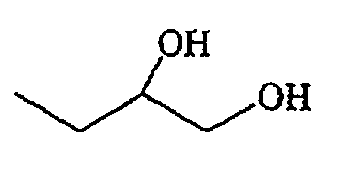
62aa I-2, S 1H NMR (DMSO-d6): δ 14.1 (br s, 1 H), 9.08 (s, 2 H), 8.79 (s, 2 H), 8.45 (m, 1 H), 8.01 (s, 1 H), 7.90 (s, 1 H), 7.79 (m, 3 H), 7.63 (m, 5 H), 7.09 (m, 2 H), 6.98 (m, 1 H), 6.65 (m, 1 H), 4.80 (d, J = 4.7 Hz, 1 H), 4.56 (t, J = 6.8 Hz, 1 H), 3.60 (m, 1 H), 3.32-2.90 (m, 3 H); MS (ES+): 543.2 64ab 

62ab I-2, S 1H NNM (DMSO-d6): δ 10.34 (s, 1 H), 9.07 (s, 2 H), 8.85 (s, 2 H), 8.18 (s, 1 H), 7.93 (s, 1 H), 7.80 (m, 6 H), 7.66 (m, 4 H), 7.34 (m, 2 H), 7.11 (m, 4 H), 6.65 (m, 1 H); MS (ES+): 545.2 64ac 

62ac I-2, S 1H NMR (DMSO-d6): δ 9.07 (m, 4 H), 8.38 (d, J = 8.5 Hz, 1 H), 8.10 (s, 1 H), 7.92 (s, 1 H), 7.84-7.62 (m, 7 H), 7.11 (m, 3 H), 6.66 (m, 1 H), 3.94 (m, 1 H), 1.88-1.35 (m, 12 H); MS (ES+): 565.3 64ad 

62ad I-2, S 1H NMR (DMSO-d6): δ 13.71 (m, 2 H), 9.36-8.57 (m, 4 H), 8.50 (m, 1 H), 7.98 (s, 1 H), 7.89 (s, 1 H), 7.78 (2 H), 7.61 (m, 5 H), 7.08 (m, 2 H), 6.95 (d, J = 7.9 Hz, 1 H), 6.63 (m, 1 H), 3.19 (m, 2 H), 2.16 (t, J = 7.2 Hz, 2 H), 1.48 (m, 4 H), 1.28 (m, 2 H); MS (ES-): 581.2 64ae 

62ae I-2, S 1H NMR (DMSO-d6): δ 9.12 (s, 2 H), 8.89 (s, 2 H), 7.91 (m, 1 H), 7.81 (m, 2 H), 7.70 (d, J = 8.7 Hz, 2 H), 7.62 (d, J = 8.9 Hz, 2 H), 7.48 (m, 1 H), 7.22 (m, 2 H), 7.11 (d, J = 3.4 Hz, 1 H), 7.05 (d, J = 7.2 Hz, 1 H), 6.65 (m, 1 H), 3.53 (m, 2 H), 3.08 (m, 2 H), 1.62-1.21 (m, 6 H); MS (ES+): 537.20 64af 

62af I-2, S 1H NMR (DMSO-d6): δ 12.81 (br s, 1 H), 9.13 (s, 2 H), 8.82 (s, 2 H), 7.95 (s, 1 H), 7.85 (m, 2 H), 7.71 (m, 5 H), 7.43 (m, 1 H), 7.29 (m, 2 H), 7.13 (m, 1 H), 6.67 (m, 1 H), 3.49-2.97 (m, 4 H), 1.67-1.37 (m, 2 H), 1.08 (m, 1 H), 0.90 (m, 3 H), 0.61-0.26 (m, 4 H); MS (ES+): 565.3 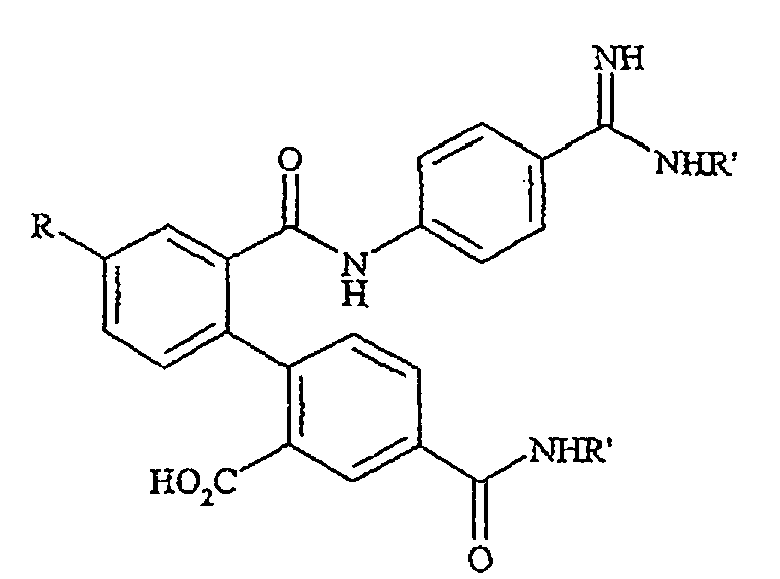
Cpd. No. -R Starting From Method Used Analytical Data 65 

61 A-4, I-2, S 1H NMR (DMSO-d6, D2O): δ 13.87 (br s, 1 H), 9.56 (m, 2 H) 9.21 (s, 1 H), 8.74 (s, 1 H), 8.47 (m, 1 H), 7.97 (m, 1 H), 7.88 (s, 1 H), 7.78 (m, 3 H), 7.58 (m, 7 H), 7.09 (m, 3 H), 6.96 (m, 1 H), 6.65 (m, 1 H), 3.14 (m, 4 H), 1.77-0.80 (m, 18 H); MS (ES+): 609.4 71a -CH=CH2 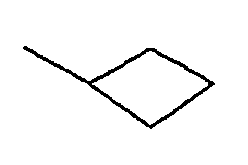
67 A-4, I-2, S 1H NMR (DMSO-d6): δ 13.80 (br s, 1 H), 9.91 (s, 1 H), 9.41 (s, 1 H), 8.63 (m, 2 H), 8.07 (s, 1 H), 7.98 (s, 1 H), 7.60 (m, 8 H), 6.90 (m, 3 H), 5.94 (d, J = 17.7 Hz, 1 H), 4.37 (m, 1 H), 4.16 (m, 1 H), 2.41-1.58 (m, 12 H); MS (ES+): 537.4 71b -CH=CH2 
67 A-4, I-2, S 1H NMR (DMSO-d6): δ 9.76 (s, 1 H), 9.41 (s, 1 H), 8.95 (s, 1 H), 8.53 (m, 1 H), 8.07 (s, 1 H), 7.65 (m, 8 H), 7.08 (m, 2 H), 6.85 (dd, J = 10.9 and 17.7 Hz, 1 H), 6.92 (m, 3 H), 5.97 (d, J = 17.7 Hz, 1 H), 5.37 (d, J = 10.9 Hz, 1 H), 2.84 (m, 1 H), 2.70 (m, 1 H), 0.98-0.51 (m, 8H); MS (ES+): 509.4 71c -CH=CH2 
67 A-4, I-2, S 1H NMR (DMSO-d6): δ 12.51 (br s, 1 H), 9.59 (s, 1 H), 9.22 (s, 1 H), 8.79 (s, 1 H), 8.58 (t, J = 5.5 Hz, 1 H), 8.17 (s, 1 H), 7.67 (m, 8 H), 7.12 (m, 2 H), 6.86 (dd, J = 10.9 and 17.7 Hz, 1 H), 5.98 (d, J = 17.7 Hz, 1 H), 5.38 (d, J = 10.9 Hz, 1 H), 3.27 (m, 4 H), 1.20 (t, J = 7.2 Hz, 1 H), 1.09 (t, J = 7.2 Hz, 1 H); MS (ES+): 485.3 
Cpd. No. -R -R' Starting From Method Used Analytical Data 68a -CH3 
67 A-4 MS (ES+): 599.4 68b -CH3 
67 A-4 MS (ES+): 641.4 68c -CH3 
67 A-4 MS (ES+): 625.3 68d -CH3 
67 A-4 MS (ES+): 583.3 68e -CH3 
67 A-4 MS (ES+): 585.3 68f -CH3 
67 A-4 MS (ES+): 599.4 68g -CH3 
67 A-4 MS (ES+): 625.2 68h -CH3 
67 A-4 MS (ES+): 619.2 68i -CH3 
67 A-4 MS (ES+): 615.3 68j -CH3 
67 A-4 MS (ES+): 597.3 68k -CH3 
67 A-4 MS (ES+): 557.3 681 -CH3 
67 A-4 MS (ES+): 571.4 68m -CH3 
67 A-4 MS (ES+): 639.4 68n -CH3 
67 A-4 Characterized in the next step 68o -CH3 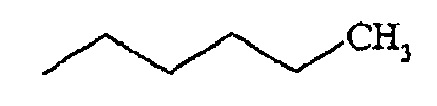
67 A-4 MS (ES+): 613.5 68p -CH3 
67 A-4 MS (ES+): 613.5 68q -CH3 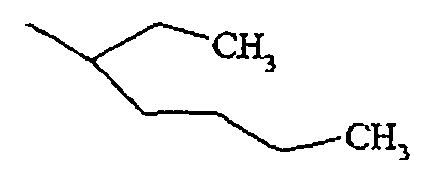
67 A-4 MS (ES+): 641.5 68r -CH3 
67 A-4 MS (ES+): 714.5 68s -CH3 
67 A-4 MS (ES+): 611.4 68t -CH3 
67 A-4 MS (ES+): 641.4 68u -CH3 
67 A-4 MS (ES+): 583.3 68v -CH3 
67 A-4 MS (ES+): 597.4 68w -CH3 
67 A-4 MS (ES+): 587.4 68x -CH3 
67 A-4 MS (ES+): 613.5 
Cpd. No. -R (Position with Respect to Phenyl Ring) -R' -R" Starting From Method Used Analytical Data 74 -OCH3 (3) -CHO -CH3 73 + 3a D-2 MS (ES-): 368.2 75a -OH (3) -CHO -CH3 74 V-2,W MS (ES-): 354.1 75b -OH (3) -CHO -Bn 74 V-1, H MS (ES-): 430.2 76a -OSO2CF3 (3) -CHO -CH3 75a B-2 MS (ES+): 488.1 76b -OSO2CF3 (3) -CHO -Bn 75b B-2 MS (ES-): 562.3 ; MS (ES+): 586.3 (M+Na)+ 77a -CH=CH2 (3) -CHO -CH3 76a D-3 MS (ES+): 366.38 77b -OCH2CO2C2H5 (3) -CHO -Bn 75b X Characterized in the next step 77c -OCH2CONH2 (3) -CHO -Bn 75b X MS (ES-): 487.3; MS (ES+): 511.35 (M+Na)+ 77d 
-CHO -Bn 76b D-2 Characterized in the next step 77e 
-CHO -Bn 75b D-8 MS (ES+): 530.3 (M+Na)+); MS (ES-): 506.3 77f 
-CHO -Bn 75b X MS (ES+): 496.3 (M+Na)+ 77g 
-CHO -Bn 75b X MS (ES+): 482.4 (M+Na)+ 77h 
-CHO -Bn 75b X MS (ES+): 510.4 (M+Na)+ 77i 
-CHO -Bn 75b X 1HNMR (CDCl3): δ 9.59 (s, 1 H), 8.39 (d, J = 2 Hz, 1 H), 8.03 (m, 2 H), 7.84 (d, J = 8.9 Hz, 1 H), 7.35 (d, J = 8 Hz, 1 H), 7.28 (m, 2 H), 7.12 (m, 2 H), 6:93 (dd, J = 2.5 and 8.8 Hz, 1 H), 6.64 (d, J = 2.5 Hz, 1 H), 6.31 (t, J = 6 and 5 Hz, 1 H), 5.06 (m, 2 H), 4.42 (t, J = 4.5 Hz, 2 H), 4.13 (m, 2 H), 3.34 (t, J =6.8 Hz, 2 H), 2.11 (s, 3 H), 1.94 (m, 1 H), 1.01 (d, J = 6.8 Hz, 6 H) 78a -CH=CH2 (3) -CO2H -CH3 77a E MS (ES-): 380.1 78b -OSO5CF3 (3) -CO2H -Bn 76b E Characterized in the next step 78c -OCH2CO2C2H5 (3) -CO2H -Bn 77b E Characterized in the next step 78d -OCH2CONH2 (3) -CO2H -Bn 77c E MS (ES+): 527.35 (M+Na)+ 78e 
-CO2H -Bn 77d E MS (ES+): 536.4 (M+Na)+ 78f 
-CO2H -Bn 77e E MS (ES-): 522.3 78g -OCH3 (3) -CO2H -CH3 74 E MS (ES-): 384.1 78h 
-CO2H -Bn 77f E MS (ES-): 488.3 78i 
-CO2H -Bn 77g E MS (ES-): 474.4 78j 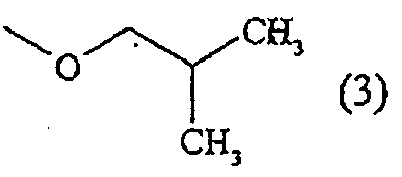
-CO2H -Bn 77h E MS (ES-): 502.4 78k 
-CO2H -Bn 77i E Characterized in the next step 90 -OBn (5) -CHO -CH3 89 + 3a D-2 1HNMR (CDCl3): δ 10.47 (s, 1 H), 8.36 (d, J = 2 Hz, 1 H), 7.96 (dd, J = 2.2 and 7.7 Hz, 1 H), 7.68 (m, 2 H), 7.46 (m, 5 H), 7.23 (d, J = 8 Hz, 1 H), 7.12 (d, J = 8.7 Hz, 1 H), 6.73 (d, J = 7.2 Hz, 1 H), 5.23 (q, J = 11 and 15 Hz, 2 H), 3.67 (s, 3 H), 3.31 (t, J = 6.8 Hz, 2 H), 1.94 (m, 1 H), 1.01 (d, J = 6.8 Hz, 6 H), MS (ES+) 468.2 (M+Na)+ (ES-) 444.2 -R' -R" Starting From Method Used Analytical Data 91 -OBn (5) -CO2H -CH3 90 E 1HNMR (CDCl3): δ 8.22 (s, 1 H), 7.83 (d, J = 7.2 Hz, 1 H), 7.34 (m, 8 H), 7.02 (d, J = 8.1 Hz, I H), 6.75 (d, J = 7.4 Hz, I H), 5.16 (s, 2 H), 3.66 (s, 3 H), 3.21 (t, J = 6.8 Hz, 2 H), 1.85 (m, 1 H), 0.94 (d, J = 6.8 Hz, 6 H), MS (ES+) 484.1 (M+Na)+ 92 -OBn (5) -CO2MEM -CH3 91 F MS (ES+): 572.2 (M+Na)+ 93 -OH (5) -CO2MEM -CH3 92 G MS (ES+): 482. (M+Na)+ 94 -OSO2CF3 (5) -CO2MEM -CH3 93 B-2 MS (ES+): 614.3 (M+Na)+ 95a 
-CO2MEM -CH3 94 D-3 MS (ES+) 562.3 (M+Na)+ 96a 
-CO2H -CH3 95a 1-1 MS (ES+) 452.1 (M+Na)+ 101 -OCH3 (2) -CHO -CH3 100 + 3a D-2 MS (ES+) 370.1 102 -OCH3 (2) -CO2H -CH3 101 E MS (ES-) 384.2; MS (ES+) 386.2 108 -OBn (2) -CHO -CH3 107 + 3a D-2 MS (ES+): 446.2 109 -OBn (2) -CO2H -CH3 108 E MS (ES-): 460.1 131 -H -CHO -CH3 130 + 3a D-2 1HNMR (CDCl3-dt): δ 9.79 (s, 1 H), 8.39 (d, J = 1.88 Hz, 1 H), 8.02 (t, J = 6.0 Hz, 2 H), 7.59 (m, 2 H), 7.38 (d, J =.7.9 Hz, I H), 7.22 (d, J = 8.1 Hz, 1 H), 6.30 (b, 1 H), 3.72 (s, 3 H), 3.36 (t, J = 6.6 Hz, 2 H), 1.96 (m, 1 H), 1.02 (d, J = 6.8 Hz, 6 MS 340.1 132 -H -CO2H -CH3 131 E H), (ES+): 1HNMR (DMSO-d6): δ 12.28 (b, 1 H), 8.52 (d, J = 6.03 Hz, 1 H), 8.12 (s, 1 H), 7.86 (d, J = 8.1 Hz, 1 H), 7.74 (d, J = 7.74 Hz, 1 H), 7.41 (t, J = 8.67 Hz, 1 H), 7.31 (t, J = 7.9 Hz, 1 H), 7.12 (d, J = 8.1 Hz, 1 H), 6.97 (d, J = 7.5 Hz, 1 H), 3.39 (s, 3 H), 2.92 (t, J = 6.0 Hz, 2 H), 1.66 (m, 1 H), 0.78 (d, J = 7.4 Hz, 6 H), MS (ES-): 354.1 193a -H 
-CH3 192a + 6a D-7 MS (ES+): 560.5 193b -H 
-CH3 192b + 6a D-7 MS (ES+): 574.5) 194a -H 
-CH3 193a S-2 MS (ES+): 460.3 194b -H 
-CH3 193b S-2 MS (ES+): 474.3 195a -H -H 
-H 194a I-2 1HNMR (DMSO-d6): δ 8.79 (bs, 4 H), 8.63 (t, J = 6.5 Hz, I H), 8.35 (s, 1 H), 7.85 (d, J = 6 Hz, 1 H), 7.62 (d, J = 8.2 Hz, 2 H), 7.26 (m, 5 H), 7.06 (m, 1 H), 5.0 (m, 2 H), 3.09 (t, J = 6.2 Hz, 2 H), 1.86 (m, 1 H), 0.89 (d, J = 6.6 Hz, 6 H); MS (ES-): 444.3 and (ES+) 446.3 195b -H 
-H 194b 1-2 1HNMR (DMSO-d6/DCl): δ 8.24 (d, J = 1.6 Hz, 1 H), 7.91 (dd, J = 7.7 and 1.6 Hz, 1 H), 7.56 (d, J = 8.7 Hz, 1 H), 7.48 (d, J = 8.7 Hz, 1 H), 7.32 (t, J = 8 Hz, 1 H), 7.16 (m, 3 H), 6.91 (t, J = 7.5 Hz, 1 H), 6.76 (d, J = 8.5 Hz, 1 H), 6.66 (d, J = 8.5 Hz, 1 H), 4.99 (m, 1 H), 2.92 (d, J = 6.9 Hz, 2 H), 1.68 (m, 1 H), 1.33 (d, J = 6 Hz, 1.2 H), 1.27 (d, J = 6 Hz, 1.8 H), 0.71 (d, J = 6.5 Hz, 6 H); MS (ES-): 458.2 and (ES+) 460.3 200 -H 
-CH3 199 + 6a D-7 MS (ES+): 573.5 201 -H 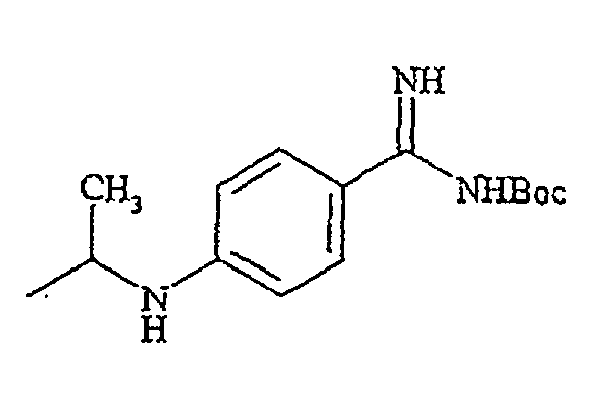
-H 200 1-2 1HNMR (DMSO-d6/DCl): δ 8.49 (t, J = 5.6 Hz, 1 H), 8.18 (d, J = 6.9 Hz, 1 H), 7.84 (t, J = 7.8 Hz, 1 H), 7.23 (m, 4 H), 7.01 (m, 2 H), 6.82 (d, J = 7 Hz, 1 H), 6.22 (d, J = 8.5 Hz, 1 H), 6.15 (d, J = 8.5 Hz, I H), 3.95 (m, 1 H), 2.85 (t, J = 5.8 Hz, 1 H), 1.62 (m, 1 H), 1.23 (s, 9 H), 1.1 (d, J = 6.7 Hz, 1.2 H), 1.05 (d, J = 6.7 Hz, 1.8 H), 0.67 (d, J = 6.6 Hz, 6 H); MS (ES+): 559.4 202 -H 
-H 201 S MS (ES+): 459.3 203 -OBn(4) 
-CH3 45 R MS (ES+): 679.4 204 -OBn (4) 
-H 203 1-2 MS (ES-): 663.4 209a -H 
-CH3 132 A-7 MS (ES-): 454.3 209b -CH=CH2 (4) 
-CH3 30f A-7 J 1HNMR (DMSO-d6): δ 10.72 (s, 1 H), 8.65 (d, J = 6.03 Hz, 1 H), 8.24 (s, I H), 8.03 (d, J = 8.1 Hz, 1 H), 7.75 (m, 6 H), 7.40 (d, J = 7.90 Hz, 1 H), 7.34 (d, J = 8.1 Hz, 1 H), 6.88 (q, J = 11.2 Hz, 1 H), 6.04 (d, J = 7.5 Hz, 1 H), 5.41 (d, = 11.1 Hz, 1 H), 3.55 (s, 3 H), 3.10 (t, J = 6.6 Hz, 2 H), 1.86 (m, 1 H), 0.88 (d, J = 6.6 Hz, 6 H); MS (ES-): 480.3 210b -CH=CH2 (4) 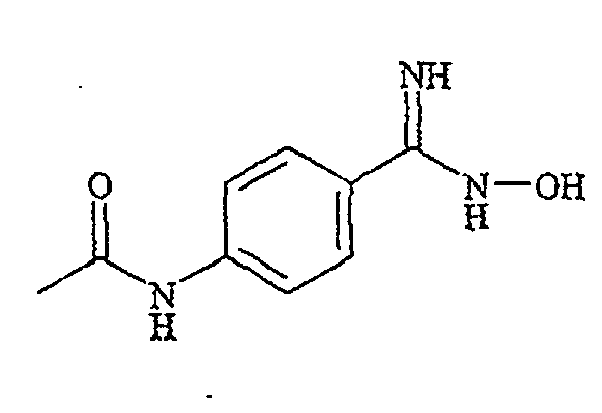
-CH3 209b Y 1HNMR (DMSO-d6): δ 10.12 (s, 1 H), 9.37 (b, 1 H), 8.48 (t, J=6.1 Hz, 1 H), 8.05 (d, J=1.9 Hz, 1 H), 7.85 (d, J=7.9 Hz, 1 H), 7.56 (d, J=7.8 Hz, 1 H), 7.49 (d, J=7.9 Hz, 1 H), 7.36 (s, 4 H), 7.21 (d, J=7.9 Hz, 1 H), 7.10 (d, J=2.8 Hz, I H), 6.69 (m, 1 H), 5.84 (d, J=15.5 Hz, 1 H), 5.60 (b, 1 H), 5.22 (d, J=11.4 Hz, 1 H), 3.38 (s, 3 H), 2.91 (t, J = 6 Hz, 2 H), 1.66 (m, 1 H), 0.71 (d, J = 6.8 Hz, 6 H); MS (ES+) 515.40 211b -CH=CH2 (4) 
-H 210b 1-2 1HNMR (DMSO-d6): δ 12.62 (bs, 1H), 10.24 (s, 1 H), 8.48 (t, J=5.65 Hz, I H), 8.15 (s, I H), 7.81 (d, J=10.9 Hz, 1 H), 7.61 (s, 1 H), 7.50 (d, J=7.9 Hz, 1 H), 7.49 (s, 6 H), 7.16 (d, J=8.1 Hz, 1 H), 7.08 (d, J=8.1 Hz, 1 H), 6.72 (m, 1 H), 5.85 (d, J=13.7 Hz, 1 H), 5.24 (d, J=11.5 Hz, 1 H), 2.93 (t, J = 6 Hz, 2 H), 1.68 (m, 1 H), 0.72 (d, J = 6.8 Hz, 6 H); MS (ES+) 501.40, (ES-) 499.2 212 -CH=CH2 (4) 
-CH3 187a AE-5 1HNMR (DMSO): δ 8.70 (t, J = 5.6 Hz, 1 H), 8.36 (d, J = 1.7 Hz, 1 H), 8.07 (dd, J = 8.1, 1.9 Hz, 1 H), 7.42 (m, 4H), 7.09 (d, J = 5.5 Hz, I H), 7.04 (d, J = 7.7 Hz, I H), 6.74 (dd, J = 17.5, 10.9 Hz, 1 H), 6.49 (d, J = 8.8 Hz, 2 H), 5.79 (d, J = 17.7 Hz, 1 H), 5.27 (d, J = 10.9 Hz, 1 H), 4.0 (t, J = 6.0 Hz, 2 H), 3.62 (s, 3 H), 3.11 (t, J = 6.2,2 H), 1.86 (m, 1 H), 0.90 (d, J = 6.6 Hz, 6 H) 213 -CH=CH2 (4) 
-CH3 212 Y 1HNMR (DMSO): δ 9.23 (s, 1 H), 8.71 (t, J = 6.2 Hz, 1 H), 8.36 (d, J = 1.9 Hz, 1 H), 8.09 (dd, J = 7.9, 1.7 Hz, 1 H), 7.49 (d, J = 7.9 Hz, 2 H), 7.40 (d, J = 8.3 Hz, 1 H), 7.32 (d, J = 8.8 Hz, 2 H), 7.04 (d, J = 7.9 Hz, 1 H), 6.73 (dd, J = 17.7, 11.1 Hz, 1 H), 6.40 (d, J = 8.5 Hz, 2 H), 6.33 (t, J = 7.0 Hz, 1 H), 5.78 (d, J = 17.7 Hz, 1 H), 5.58 (b, 1 H), 5.26 (d, J = 11. Hz, 1 H), 3.96 (m. 2 H), 3.64 (s, 3 H), 3.11 (t, J = 6.4 Hz, 2 H), 1.86 (m,, 1 H), 0.90 (d, J = 6.8 Hz, 6 H); MS (ES+): 501.3 214 -CH=CH2 (4) 
-H 213 I-2 1HNMR (DMSO): δ 8.76 (t, J= 5.8 Hz, I H), 8.37 (s, 1 H), 8.04 (d, J = 8.7 Hz, 1 H), 7.39 (m, 5 H), 7.06 (d, J = 8.3 Hz, 1 H), 6.72 (dd, J = 17.9, 11.3 Hz, 1 H), 6.43 (d, J = 8.5 Hz, 3 H), 5.76 (d, J = 17.9 Hz, 1 H), 5.24 (d, J = 11.1 Hz, 1 H), 3.98 (m. 2 H), 3.11 (t, J = 6.6 Hz, 2 H), 1.86 (h, J = 6.8 Hz, 1 H), 0.90 (d, J = 6.8, 6 H); MS (ES+): 487.2 238 -CH=CH2 (4) 
-H 237 + 187a AE-2 1HNMR (DMSO-d6): δ 8.68-8.60 (m, 1 H), 8.50 (d, J = 2.4 Hz, 1 H), 7.90-7.80 (m, 1 H), 7.76-7.70 (m, 1 H), 7.56-7.50 (m, 1 H), 7.48-7.42 (d, J = 7.7 Hz, 1 H), 7.30-7.22 (d, J = 7.9 Hz, 1 H), 7.10-7.02 (d, J = 7.7 Hz, 1 H), 6.90-6.75 (dd, J = 17, 11 Hz, 1 H), 6.5 (bs, 1 H), 5.92-5.80 (d, J = 17 Hz, 1 H), 5.40-5.30 (d, 11 Hz, 1 H), 4.50-4.20 (m, 2 H), 3.20-3.10 (t, J =6.6 Hz, 2 H), 2.10-1.88 (m, 1 H), 1.2-0.94 (d, J = 6.6 Hz, 6 H); MS (ES+ ) 471.3 256 -H 
-CH3 255 + 6a D-6 MS (ES+): 573.3 257 -H 
-H 256 I-2, S MS (ES+): 459.1 
Cpd. No. -R -R' Starting From Method Used Analytical Data 79a -CH=CH2 (3) -CH3 78a J MS (ES+): 499.2 79b -OSO2CF3 (3) -CH2C6H5 78b J Characterized in the next step 79c -OCH2CO2C2H5 (3) -CH2C6H5 78c J Characterized in the next step 79d -OCH2CONH2 (3) -CH2C6H5 78d J MS (ES+): 622.4; (ES-) 620.4 79e 
-CH2C6H5 78e J Characterized in the next step 79f 
-CH2C6H5 78f J Characterized in the next step 79g -OCH3 (3) -CH3 78g J 1HNMR (DMSO-d6): δ 10.6 (bs, 1 H), 9.29-9.32 (bs, 1 H), 9.06 (bs, 1 H), 8.82-8.75 (t, J = 5.84 Hz, 1 H), 8.32 (d, J = 1.88 Hz, 1 H), 8.13 (d, J = 1.7 Hz, 1 H), 7.83 (s, 4 H), 7.78 (d, J = 8.67 Hz, 1 H), 7.50 (d, J = 7.9 Hz, 1 H), 7.20-7.15 (dd, J = 8.67, 2.3 Hz, 1 H), 6.92 (d, J = 2.4 Hz, 1 H), 3.94 (s, 3 H), 3.64 (s, 3 H), 3.21-3.14 (t, J = 6 Hz, 2 H), 2.0-1.86 (m, 1 H), 1.0-0.94 (d, J = 6.5 Hz, 6 H); MS (ES+) 503.3 79h 
-Bn 78h J MS (ES+): 607.3 79i 
-Bn 78i J MS (ES+): 593.4 79j 
-Bn 78j J MS (ES+): 621.4 79k -O-CH2-CH2-OAc (3) -Bn 78k J MS (ES+): 651.4 80a -CH=CH2 (3) -H 79a I-2 1HNMR (DMSO-d6): δ 9.1 (s, 2 H), 8.87 (s, 2 H), 8.53 (t, J = 6 Hz, 1 H), 8.02 (s, 1 H), 7.64 (m, 7 H), 7.1 (s, 1 H), 6.98 (d, 7.4 Hz, 1 H), 6.80 (dd, J = 11 Hz, J = 17.6 Hz, 1 H), 5.90 (d, J = 17.6 Hz, 1 H), 5.35 (d, J = 12 Hz, 1 H), 3.03 (t, 6 Hz, 2 H), 1.83 (m, 1 H), 0.86 (d, J = 6.7 Hz, 6 H); MS (ES+ ) 485.2 80b -OH (3) -H 79b 1-2 1HNMR (DMSO-d6): δ 10.37 (s, 1 H), 9.20 (m, 3 H), 8.72 (t, J = 6 Hz, 1 H), 8.2 (s, 1 H), 8.85 (m, 6 H), 7.65 (d, J = 8 Hz, 1 H), 7.12 (d, 8 Hz, 1 H), 7.02 (dd, J = 2.5 Hz, J = 8 Hz, 1 H), 6.60 (d, J = 2.5 Hz, 1 H), 3.25 (t, J = 6.5 Hz, 2 H), 2.0 (m, 1 H), 1.07 (d, J = 6.8 Hz, 6 H); MS (ES+ ) 475.2 80c -OCH2CO2H (3) -H 79c 1-2 1HNMR (DMSO-d6): δ 12.7 (2H, bs, 1 H), 9.01, 8.87 (2 bs, 4 H), 8.36 (m, 1H), 7.83 (s, 1H), 7.44 (m, 6 H), 6.75 (m, 2H), 6.31 (d, J=2.2 Hz, 1H), 4.42 (s, 2H), 2.84 (m, 2H), 1.63 (m, 1H), 0.67 (d, J=6.5 Hz, 6H); MS(ES+): 533.4 80d -OCH2CONH2 (3) -H 79d G 1H NMR (DMSO-d6): δ 9.13 (bs, 5H), 8.59 (t, J=6.28 Hz, 1H), 8.14 (d, J = 1.7 Hz, 1H), 7.63 (m, 9H), 7.42 (s, 1H), 7.09 (d, J = 7.5 Hz, 1H), 7.03 (dd, J = 2.5, 12.7 Hz, 1H), 6.70 (d, J =2.5 Hz, 1H), 4.48 (s, 2H), 3.05 (t, J= 6.6 Hz, 2H), 1.83 (m, 1H), 0.87 (d, J=6.8 Hz, 6H); MS(ES+): 532.4 80e 
-H 79e 1-2 1H NMR (DMSO-d6): δ 12.6 (1H, bs, COOH), 8.98, 8.67 (2 bs, 4H), 8.46 (m, 1H), 8.08 (m,1H), 7.76 (m, 1H), 7.53 (m, 6 H), 7.39 (m, 2H), 7.06 (m; 1H), 7.04 (m, 1H), 2.89 (m, 2H), 1.66 (m, 1H), 0.69 (d, J=6.5 Hz, 6H); MS(ES+): 541.4 80f 
-H 79f 1-2 1HNMR (DMSO-d6): δ 9.14 (d, J = 10 Hz, 4 H), 8.60 (t, J = 6 Hz, 1 H), 8.22 (bs, 1 H), 7.87-7.62 (m, 7 H), 7.47 (t, J = 8 Hz, 2 H), 7.26 (t, 7 Hz, 1 H), 7.22 (m, 4 H), 6.70 (bs, 1 H), 3.09 (t, J = 6 Hz, 2 H), 1.83 (m, 1 H), 0.91 (d, J = 6.8 Hz, 6 H); MS (ES+ ) 551.4 80g -OCH3 (3) -H 79g 1-2 1HNMR (DMSO-d6): δ 9.13 (bs, 2 H), 8.78 (bs, 2H), 8.65 (t, J = 6 Hz, 1 H), 8.25 (bs, 1 H), 7.78 (m, 1 H), 7.76 (m, 5 H), 7.25 (s, 1 H), 7.17 (m, 1 H), 6.73 (bs, 1 H), 3.83 (s, 3 H), 3.10 (t, J = 6 Hz, 2 H), 1.80 (m, 1 H), 0.88 (d, J = 6.8 Hz, 6 H); MS (ES+ ) 489.3 80h 
-H 79h I-2 MS (ES+): 517.7 80i 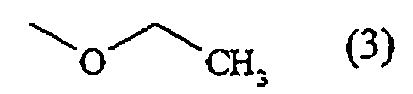
-H 79i I-2 MS (ES+): 503.4 ; MS (ES-): 501.4 80j 
-H 79j I-2 MS (ES+): 531.4 ; MS (ES-): 529.4 80k -O-CH2-CH2-OH (3) -H 79k I-2 1HNMR (DMSO-d6): δ 13.52 (bs, 1 H), 9.16 (bs, 2 H), 9.03 (bs, 2 H), 8.50 (t, J = 6 Hz, 1 H), 7.96 (d, J = 1.7 Hz, 1 H), 7.56 (m, 6 H), 7.00 (dd, J = 2.5 and 8.5 Hz, 1 H), 6.90 (d, J = 8 Hz, 1 H), 6.48 (d, J = 2.5 Hz, 1 H), 4.91 (t, J = 5.5 Hz, 1 H), 4.00 (t, J = 4.5 Hz, 2 H), 3.69 (q, J = 5.5 and 10 Hz, 2 H), 3.05 (t, J = 6.8 Hz, 2 H), 1.80 (m, 1 H), 0.84 (d, J = 6.8 Hz, 6 H); MS (ES+): 519.3, (ES-) 517.3 86a -CH(OH)CH2OH (3) -H 82 S, I-2 1HNMR (DMSO-d6): δ 9.15 (bs, 3 H), 8.65 (t, J = 6 Hz, 1 H), 8.12 (s, 2 H), 7.82-7.56 (m, 7 H), 7.55-6.96 (m, 4 H), 5.5 (bs, 1 H), 4.90 (bs, 1 H), 4.65 (bs, 1 H), 3.10 (t, J = 6 Hz, 2 H), 1.90 (m, 1 H), 0.92 (d, J = 6.8 Hz, 6 H); MS (ES+) 519.3 86b -CH2OH (3) -H 84 S, I-2 1HNMR (DMSO-d6): δ 8.82 (bs, 2 H), 8.68 (bs, 2 H), 8.40 (t, J = 6 Hz, 1 H), 7.88 (bs, 1 H), 7.53 (m, 5 H), 7.45 (d, 8 Hz, I H), 7.25 (d, J = 8 Hz, 1 H), 6.81 (m, 2 H), 5.22 (d, J = 5.5 Hz, 1 H), 4.41 (d, J = 5.5 Hz, 2 H), 2.88 (t,J = 6 Hz, 2 H), 1.65 (m, 1 H), 0.71 (d, J = 6.8 Hz, 6 H); MS (ES+) 489.2 86c -CO2H (3) -H 85 S, I-2 1HNMR (DMSO-d6-D2O): δ 13.7 (bs, 1 H), 8.32 (t, J = 6 Hz, 1 H), 7.63-7.17 (m, 7 H), 6.72 (d, 7.0 Hz, 1 H), 2.81 (t, J = 6 Hz, 2 H), 1.53 (m, 1 H), 0.64 (d, J = 6.8 Hz, 6 H); MS (ES+) 503.2 97a 
-CH3 96a J MS (ES+): 569.2 97b -OBn (5) -CH3 91 J 1HNMR (DMSO-d6): δ 10.62 (s, 1 H), 9.15 (bs, 2 H), 8.82 (bs, 2 H), 8.67 (t, J = 6 Hz, 1 H), 8.25 (d, J = 2 Hz, 1 H), 7.99 (dd, J = 8.1 and 2 Hz, 1 H), 7.69 (q, 8.8 and 16.2 Hz, 4 H), 7.44 (m, 3 H), 7.28 (m, 3 H), 6.89 (d, J = 7.7 Hz, 1 H), 5.5 (s, 2 H), 3.6 (s, 3 H), 3.08 (t, J = 5.8 and 6.8 Hz, 2 H), 1.83 (m, 1 H), 0.87 (d, J = 6.8 Hz, 6 H); MS (ES-) 577.2, (ES+) 579.3 98a 
-H 97a I-2 1HNMR (DMSO-d6): δ 13.45 (bs, 1 H), 9.06 (s, 2 H), 8.99 (s, 2 H), 8.51 (t, J = 6 and 5 Hz, 1 H), 7.99 (s, 1 H), 7.62 (m, 5 H), 7.47 (s, 1 H), 7.36 (m, 2 H), 6.99 (m, 4 H), 4.26 (s, 2 H), 3.02 (t, J = 6.8 Hz, 2 H), 1.80 (m, 1 H), 0.86 (d, J = 6.8 Hz, 6 H); MS (ES-) 553.2, (ES+) 555.2 98b -OBn (5) -H 97b I-2 1HNMR (DMSO-d6): δ 13.52 (bs, 1 H), 9.09 (bs, 2 H), 9.04 (bs, 2 H), 8.48 (t, J = 6 Hz, 1 H), 7.94 (s, 1 H), 7.61 (m, 4 H), 7.49 (s, 1 H), 7.46 (s, 1 H), 7.34 (m, 5 H), 7.15 (d, J = 8.2 Hz, 1 H), 7.00 (d, J = 8.2, 1 H), 6.02 (d, J = 7.4 Hz, 1 H), 5.21 (s, 2 H), 3.01 (t, J = 6.8 Hz, 2 H), 1.80 (m, 1 H), 0.85 (d, J = 6.8 Hz, 6 H); MS (ES-) 563.2, (ES+) 565.2 98c -OH (5) -H 98b G 1HNMR (DMSO-d6): δ 9.85 (s, 1 H), 9.07 (s, 2 H), 8.98 (s, 2 H), 8.50 (t, J = 6 and 5 Hz, 1 H), 7.99 (d, J = 1.7 Hz, 1 H), 7.63 (m, 5 H), 7.20 (t, J = 8 Hz, 2 H), 6.90 (d, J = 7.9 Hz, 1 H), 6.49 (d, J = 7.2 Hz, 1 H), 3.21 (t, J = 6.8 Hz, 2 H), 1.80 (m, 1 H), 0.85 (d, J = 6.8 Hz, 6 H); MS (ES+) 475.2; (ES-) 473.2 103 -OCH3 (2) -CH3 102 J MS (ES+) 503.1 104 -OCH3 (2) -H 103 I-2 1HNMR (DMSO-d6): δ 9.08 (bs, 2 H), 8.80 (bs, 2 H), 8.52 (t, J = 6 Hz, 1 H), 8.02 (s, 1 H), 7.64 (m, 5 H), 7.16 (m, 2 H), 7.03 (m, 2 H), 3.84 (s, 3 H), 3.03 (t, J = 6.8 Hz, 2 H), 1.81 (m, 1 H), 0.86 (d, J = 6.8 Hz, 6 H); MS (ES-) 487.3, (ES+) 489.3 110 -OBn (2) -CH3 109 J MS (ES+): 579.3 111 -OH (2) -CH3 110 G MS (ES+): 489.3 126 
-CH3 118b J Characterized in the next step 127 
-H 126 I-2 1H NMR (DMSO-d6): δ 9.06-9.09 (m, 3H), 8.56-8.50 (m, 1H), 8.05 (s, 1H), 7.71-7.58 (m, 6H), 7.55-7.28 (m, 6H), 7.10-7.01 (m, 1H), 6.63 (s, 1H), 5.19 (s, 2H), 4.05-3.97 (m, 2H), 3.05-3.01 (m, 2H), 1.86-1.77 (m, 1H), 1.29 (t, J=6.7 Hz, 3H), 0.87 (d, J=6.8 Hz, 6H) 129 
-H 128 I-2, S 1H NMR (DMSO-d6 ): 13.64 (br s, 1 H), 8.99 (br s, 2 H), 8.49 (t, J= 5.1 Hz, 1 H), 7.99 (s, 1 H), 7.73-7.56 (m, 5 H), 7.32-6.83 (m, 5 H), 6.50 (s, 1 H), 5.17 (d, J = 4.3 Hz, 1 H), 5.01 (m, 1 H), 3.75 (s, 3 H), 3.03 (t, J = 6.0 Hz, 1 H), 1.81 (m, 1 H), 1.32 (d, J = 6.2 Hz, 3 H), 0.86 (d, J = 6.6 Hz, 6 H); MS (ES+): 533.4 (100% M+1) 
Cpd. No. -R (With Respect to Phenyl Ring) Starting From Method Used Analytical Data 81 -CH=CH2 (3) 79a R MS (ES-): 597.2 82 -CH(OH)CH2OH (3) 81 L MS (ES-1): 631.3 83 -CH=O (3) 82 M MS (ES+): 601.3 84 -CH2OH (3) 83 K MS (ES-1): 601.4 85 -CO2H (3) 83 E MS (ES-1): 615.3 128 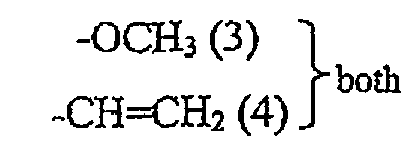
124a R MS (ES+): 629.4 
Cpd. No. -R -R1 -R2 -R3 -R4 Starting From Method Used Analytical Data 88 -Br -H -H -H -OBn 87 X 1HNMR (CDCl3): δ 10.48 (s, 1 H), 7.42 - 7.25 (m, 7 H), 7.00 (dd, J = 2 and 7.4 Hz, 1 H), 5.19 (s, 2 H); IR (KBr) 1701, 1585, 1452, 1262, 1009 cm-1; MS (ES+) 313.0, 315.0 (M+Na)+ 89 -B(OH)2 -H -H -H -OBn 88 T, U-1 1HNMR (CDCl3): δ 10.61 (s, 1 H), 7.65 (d, J = 7.2 Hz, 1 H), 7.60 (t, J = 7.9 and 7.2 Hz, 1 H), 7.41 (m, 5 H), 7.19 (d, J = 7.9 Hz, 1 H), 6.81 bs, 2 H), 5.20 (s, 2 H) 100 -B(OH)2 -OCH3 -H -H -H 99 T, U-3 1HNMR (DMSO-d6): δ 10.2 (s, 1 H), 8.34 (s, 2 H), 7.92 (d, J = 9.4 Hz, 1 H), 7.13 (m, 2 H), 3.92 (s, 3 H); MS (ES-) 179.0 107 -B(OH)2 -OBn -H -H -H 106 T, U-1 1HNMR (DMSO-d6): δ 10.1 (s, 1 H), 7.3-7.6 (m, 8 H), 5.3 (m; 2 H) 114a -Br -H -OCH3 -OH -H 113 Z MS (ES-): 229.0 and 231.0) 114b -Br -H -OC2H5 -OH -H 113 Z-1 MS (ES-): 242.9 and 244.9 114c -Br -H -OCH(CH3)2 -OH -H 113 Z-1 MS (ES-): 257.0 and 259.0 115a -Br -H -OCH3 -OBn -H 114a X MS (ES+): 321.0 and 323.0 115b -Br -H -OC2H5 -OBn -H 114b X MS (ES+): 335.0 and 337.0 115c -Br -H -OCH(CH3)2 -OBn -H 114c X MS (ES+): 349.0 and 351.0 115d -Br -H 
-OBn -H 115a X, V-4, AH Characterized in the next step 116a -B(OH)2 -H -OCH3 -OBn -H 115a T, U-1 Characterized in the next step 116b -B(OH)2 -H -OC2H5 -OBn -H 115b T, U-1 Characterized in the next step 116c -B(OH)2 -H -OCH(CH3)2 -OBn -H 115c T, U-1 Characterized in the next step 
Cpd. No. Starting From Method Used Analytical Data 112 111 I-2 1HNMR (DMSO-d6): δ 11.28 (s, 1 H), 9.31 (s, 2 H), 9.0 (s, 2 H), 8.88 (d, J = 11.30 Hz, 1 H), 8.82 (d, J = 1.88 Hz, 1 H), 8.25 (d, J = 1.88 Hz, I H), 8.18 (d , J = 1.88 Hz, 1 H), 8.04 (d, J = 8.47 Hz, 1H), 7.92 (m, J = 24.48 Hz, 2 H), 7.75 (m, J = 15.82, 1 H), 7.75 (m, J = 8.28 Hz, 1 H), 7.55 (m, J = 8.66 Hz, 1 H), 3.10 (m, J = 12.6 Hz, 1 H), 2.5 (m, J = 3.5 Hz, 1 H), 1.8 (m, J = 19.9 Hz, 2 H), 0.88 (m, J = 6.6 Hz, 6 H). 
Cpd. No. -R -R' -R" -R"' Starting From Method Used Analytical Data 117a -CH3 -OBn -CHO 
3a + 116a D-2 MS (ES-): 474.2 117b -C2H5 -OBn -CHO 
3a+ 116b D-2 MS (ES-): 488.2 117c -CH(CH3)2 -OBn -CHO 
3a+ 116c D-2 MS (ES-): 502.3 117d -CH3 -OBn -CHO 
3b+ 116a D-2 1H NMR (CDCl3): δ 9.56 (s, 1 H), 8.34 (d, J = 1.7 Hz, 1 H), 8.5 (s, 1 H), 8.01 (dd, J = 7.9 and 1.9 Hz, 1 H), 7.40 (m, 7 H), 6.9 (s, 1 H), 5.24 (m, 2 H), 4.2 (m, 1 H), 3.80 (s, 3 H), 3.52 (s, 3 H), 1.02 (d, J = 7 Hz, 6 H); MS (ES+) : 484.3 (M+Na)+ 117e -CH3 -OBn -CHO 
3c + 116a D-2 1HNMR (DMSO-d6): δ 8.43 (d, J = 1.65 Hz, 1 H), 8.31 (d, J = 8.66 Hz, 1), 8.12 (dd, J = 1.69 Hz, 1H), 7.98 (s, 1H), 7.41 (d, J = 8 and 10 Hz, 1H), 7.19 (d, J = 8.1 Hz, 1H), 5.20 (dd, J = 6.2 Hz, 1H), 3.98 (dd, J = 7.75 Hz, 3H), 3.94 (s, 3H), 3.42 (m, 3H), 3.32 (m, 3H), 3.19 (s, 3H), 2.5 (m, 3H), 2.0 (s, 4H), 1.5 (m, 2H), 1.28 (m, 3H), 0.88 (d, J = 6.59 Hz, 3H); MS (ES+): 664.3 117f -CH3 -OBn -CHO 
3d + 116a D-2 1HNMR (CDCl3): δ 9.50 (s, 1 H), 8.40 (d, J = 2.1 Hz, 1 H), 8.04 (dd, J = 8.1, 2.1 Hz, 1 H), 7.57 (s, 1 H), 7.48 (m, 5 H), 7.38 (m, 5 H), 6.67 (s, 1 H), 6.50 (broad, 1 H),) 5.27 (d, J = 11.9 Hz, 1 H), 5.22 (dd, J = 11.7, 1 H), 4.63,(m,3H) 4.17 (m, 4 H), 3.92 (s, 3 H), 3.66 (s, 3 H); MS (ES-): 488.3 117g -CH3 -OBn -CHO 
3f + 116a D-2 1H NMR (CDCl3): δ 9.50 (s, 1 H), 8.40 (d, J = 2.1 Hz, 1 H), 8.04 (dd, J = 8.1, 2.1 Hz, I H), 7.57 (s, 1 H), 7.48 (m, 2 H), 7.38 (m, 3 H), 6.67 (s, 1 H), 6.50 (broad, 1 H), 5.27 (d, J = 11.9 Hz, 1 H), 5.22 (dd, J = 11.7, 2 H), 4.17 (m, 2 H), 3.92 (s, 3 H), 3.66 (s, 3 H); MS (ES-): 500 117h -CH3 -OBn -CHO 
3e + 116a D-2 1H NNM (CDCl3): δ 9.56 (s, 1 H), 8.34 (d, J = 1.7 Hz, 1 H), 8.01 (dd, J = 7.9, 1.9 Hz, H), 7.57 (s, 1 H), 7.50 (dd, J = 7.2, 1.5, 2 H), 7.40 (m, 4 H), 6.67 (s, 1 H), 6.21 (broad, 1 H), 5.24 (d, J = 2.8 Hz, 2 H), 3.92 (s, 3 H), 3.65 (s, 3 H), 3.52 (m, 2 H), 1.65 (m, 2 H), 1.46 (m, 2 H), 0.99 (t, J = 7.3 Hz, 3 H). 117i -CH3 -OBn -CHO 
3g + 116a D-2 1H NMR (CDCl3): δ 9.57 (s, 1 H), 8.37 (d, J = 1.9 Hz, 1 H), 8.03 (dd, J = 7.9, 1.9 Hz, 1 H), 7.58 (s, 1 H), 7.50 (d, J = 7.2 Hz, 2 H), 7.38 (m, 3 H), 6.68 (s, I H), 6.33 (broad, 1H), 5.26 (d, J = 11.5 Hz, 1 H), 5.21 (d, J = 11.9 Hz, 1 H), 3.92 (s, 3 H), 3.65 (s, 3 H), 3.37 (dd, J = 7.2, 5.3 Hz, 2 H), 1.09 (m, 1 H), 0.60 (m, 2 H), 0.32 (m, 2 H); MS (ES+): 474.2 117j -CH3 -OBn -CHO 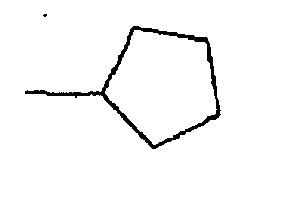
3h + 116a D-2 1H NMR (CDCl3): δ 9.55 (s, 1 H), 8.32 (d, J = 1.9 Hz, 1 H), 8.00 (dd, J =1.9 and 7.9 Hz, 1 H), 7.59-7.30 (m, 7 H), 6.67 (s, 1 H), 5.23 (m, 2 H), 4.45 (q, J = 7.0 Hz, 1 H), 3.91 (s, 3 H), 3.64 (s, 3 H), 2.21-1.46 (m, 8 H); MS (ES+): 510.3 (M + Na)+ 117k 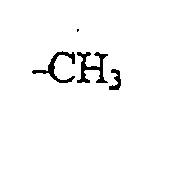
-OBn -CHO 
3i + 116a D-2 1H NMR (CDCl3): δ 9.56 (s, 1 H), 8.35 (d, J = 1.9 Hz, 1 H), 8.02 (dd, J = 1.9 and 7.9 Hz, 1 H), 7.58-7.33 (m, 7 H), 6.68 (s, 1 H), 5.24 (m, 2 H), 3.92 (s, 3 H), 3.65 (s, 3 H), 3.56 (m, 2 H), 1.30 (t, J = 7.2 Hz, 3 H); MS (ES+): 470.3 (M+ Na)+ 117l 
-OBn -CHO 
3j + 116a D-2 1H NNM (CDCl3): δ 9.56 (s, I H), 8.35 (d, J = 1.9 Hz, I H), 8.02 (dd, J = 1.9 and 7.9 Hz, 1 H), 7.58-7.33 (m, 7 H), 6.68 (s, 1 H), 5.24 (m, 2 H), 3.92 (s, 3 H), 3.65 (s, 3 H), 3.40 (m, 2 H), 1.80-0.94 (m, 9 H); MS (ES+): 512.2 (M+ Na)+ 117m 
-OBn -CHO 
6a + 115d D-6 1HNMR (DMSO-d6): δ 9.73 (s, 1 H), 8.86 (t, J = 5.7 Hz, 1 H), 8.52 (d, J = 1.5 Hz, 1 H), 8.22 (dd, J = 8 and 2 Hz, 1 H), 7.79 (s, 1 H), 7.60 (d, J = 8 Hz, 1 H), 7.5 (m, 5 H), 7.22 (s, I H), 5.35 (g, J = 11 and 17 Hz, 1 H), 3.70 (s, 3 H), 3.23 (t, J = 6.5 Hz, 2 H), 1.98 (m, 1 H), 1.3 (s, 9 H), 1.01 (d, J = 6.8 Hz, 6 H); MS (ES+): 546.4 118a -CH3 -OBn -CO2H 
117a E MS (ES-): 490.2 118b -C2H5 -OBn -CO2H 
117b E MS (ES-): 504.2 118c -CH(CH3)2 -OBn -CO2H 
117c E MS (ES-): 518.2 118d -CH3 -OBn -CO2H 
117d E Characterized in the next step 118e -CH3 -OBn -CO2H 
117e E MS (ES+): 534.3 118f -CH3 -OBn -CO2H 
117f E MS (ES+): 506.3 118g -CH3 -OBn -CO2H 
117g E Characterized in the next step 118h -CH3 -OBn -CO2H 
117h E MS (ES-1): 490.2 118i -CH3 -OBn -CO2H 
117i E MS (ES-1): 488.3 118j -CH3 -OBn -CO2H 
117j E 1H NMR (DMSO-d6 ): δ 12.19 (br s, 1 H), 8.50 (d, J = 7.4 Hz, 1 H), 8.31 (d, J = 1.9 Hz, 1 H), 8.02 (dd, J = 1.7 and 7.9 Hz, 1 H), 7.58-7.29 (m, 7 H), 6.71 (s, 1 H), 5.17 (s, 2 H), 4.27 (q, J = 6.4 Hz, 1 H), 3.80 (s, 3 H), 3.57 (s, 3 1.97-1.51 8 118k -CH3 -OBn -CO2H 
117k E H), (m, H) MS (ES-): 462.3 118l -CH3 -OBn -CO2H 
117l E 1H NMR (CDCl3): δ 8.30 (d, J = 1.9 Hz, 1.H), 7.95 (dd, J = 1.7 and 7.9 Hz, 1 H), 7.66 (s, 1 H), 7.52-7.27 (m, 6 H), 6.62 (s, 1 H), 6.49 (m, 1 H), 5.21 (s, 2 H), 3.88 (s, 3 H), 3.61 (s, 3 H), 3.38 (m, 2 H), 1.79-0.94 (m, 9 H); MS (ES-): 504.4 118m 
-OBn -CO2H 
117m E Characterized in the next step 119a -CH3 -OBn -CO2MEM 
118a F MS (ES-): 578.3 119b -C2H5 -OBn -CO2MEM 
118b F MS (ES-): 592.3 119c -CH(CH3)2 -OBn -CO2MEM 
118c F MS (ES-): 606.3 119d -CH3 -OBn -CO2MEM 
118d F MS (ES-): 564.2 119e -CH3 -OBn -CO2MEM 
118e F MS (ES-): 620.1 119f -CH3 -OBn -CO2MEM 
118f F MS (ES-): 592.3 119g -CH3 -OBn -CO2MEM 
118g F Characterized in the next step 119h -CH3 -OBn -CO2MEM 
118h F 1H NMR (CDCl3): δ 8.32 (d, J = 1.9 Hz, 1 H), 7.96 (dd, J = 7.9, 1.9 Hz, 1H), 7.68 (s, 1 H), 7.50 (m, 2 H), 7.35 (m, 4 H), 6.62 (s, 1 H), 6.33 (t, J = 5.4 Hz, 1 H), 5.24 (m, 4 H), 3.88 (s, 3 H), 3.63 (s, 3 H), 3.46 (m, 6 H), 3.34 (s, 3 H), 1.63 (m, 2 H), 1.44 (m, 2 H), 0.98 (t, J = 7.3 Hz, 3 H) 119i -CH3 -OBn -CO2MEM 
118i F 1H NMR (CDCl3): δ 8.34 (d, J = 1.9 Hz, 1 H), 8.00 (dd, J = 7.9, 2.1 Hz, 1 H), 7.68 (s, 1 H), 7.50 (m, 2 H), 7.36 (m, 4 H), 6.63 (s, 1 H), 6.42 (broad, 1 H), 5.24 (m, 4 H), 3.89 (s, 3 H), 3.64 (s, 3 H), 3.45 (s, 3 H), 3.35 (m, 5 H), 1.07 (m, 1 H), 0.58 (m, 2 H), 0.30 (m, 2 H) 119j -CH3 -OBn -CO2MEM 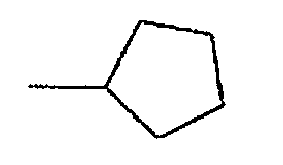
118j F 1H NMR (DMSO-d6 ): δ 8.55 (d, J = 7.4 Hz, 1 H), 8.39 (d, J = 1.9 Hz, 1 H), 8.10 (dd, J = 1.7 and 7.9 Hz, 1 H), 7.63-7.35 (m, 7 H), 6.81 (s, 1 H), 5.25-5.12 (m, 4 H), 4.31 (q, J = 6.4 Hz, 1 H), 3.86 (s, 3 H), 3.62 (s, 3 H), 3.3 (s, 3 H), 3.23 (s, 3 H) 1.99-1.53 (m, 8 H); MS (ES+): 614.3 (M+ Na)+ 119k -CH3 -OBn -CO2MEM 
118k F 1H NMR (DMSO-d6 ): δ 8.70 (t, J = 5.5 Hz, 1 H), 8.35 (d, J = 1.9 Hz, 1 H), 8.05 (dd, J = 1.7 and 7.9 Hz, 1 H), 7.59-7.30 (m, 7 H), 6.77 (s, 1 H), 5.21-5.08 (m, 4 H), 3.82 (s, 3 H), 3.58 (s, 3 H), 3.40-3.29 (m, 6 H), 3.18 (s, 3 H), 1.14 (t, J = 7.2 Hz, 3 H); MS (ES+): 574.3 (M+ Na)+ 119l -CH3 -OBn -CO2MEM 
118l F 1H NMR (DMSO-d6 ): δ 8.68 (t, J = 5.8 Hz, 1 H), 8.35 (d, J = 1.9 Hz, 1 H), 8.05 (dd, J = 1.7 and 7.9 Hz, 1 H), 7.63-7.33 (m, 7 H), 6.77 (s, 1 H), 5.22-5.08 (m, 4 H), 3.82 (s, 3 H), 3.58 (s, 3 H), 3.39-3.22 (m, 6 H), 3.18 (s, 3 H), 1.56 (qui, J = 7.0 Hz, 2 H), 1.27 (m, 1 H), 0.94-0.75 (m, 6 H); MS (ES+): 616.3 (M+ Na)+ 119m 
-OBn -CO2MEM 
118m F 1HNMR (DMSO-d6): δ 8.72 (t, J = 5.6 Hz, 1 H), 8.38 (d, J = 1.8 Hz, 1 H), 8.70 (dd, J = 1.8 and 8.1 Hz, 1 H), 7.71 (s, 1 H), 7.40 (m, 6 H), 7.02 (s, 1 H), 5.20 (m, 4 H), 3.59 (s, 3 H), 3.37 (m, 2 H), 3.31 (m, 2 H), 3.17 (s, 3 H), 3.12 (t, J = 6.5 Hz, 2 H), 1.87 (m, 1 H), 1.21 (s, 9 H), 0.91 (d, J = 6.8 Hz, 6 H); MS (ES+): 650.4 and 672.3 (M+ Na)+ 120a -CH3 -OH -CO2MEM 
119a G MS (ES-): 488.1 120b -C2H5 -OH -CO2MEM 
119b G MS (ES-): 502.2 120c -CH(CH3)2 -OH -CO2MEM 
119c G MS (ES-): 516.3 120d -CH3 -OH -CO2MEM 
119d G MS (ES-): 474.3 120e -CH3 -OH -CO2MEM 
119e G MS (ES-): 530.4 120f -CH3 -OH -CO2MEM 
119f G MS (ES-): 502.3 120g -CH3 -OH -CO2MEM 
119g G Characterized in the next step 120h -CH3 -OH -CO2MEM 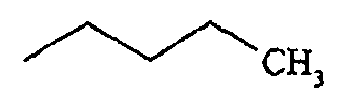
119h G Characterized in the next step 120i -CH3 -OH -CO2MEM 
119i G MS (ES-): 486.3 120j -CH3 -OH -CO2MEM 
119j G MS (ES+): 524.3 (M+ Na)+ 120k -CH3 -OH -CO2MEM 
119k G MS (ES+): 484.2 (M+ Na)+ 120l -CH3 -OH -CO2MEM 
119l G MS (ES-): 502.3 120m 
-OH -CO2MEM 
119m G 1HNMR (DMSO-d6): δ 10.83 (bs, 1 H), 8.77 (t, J = 5.6 Hz, 1 H), 8.42 (d, J = 1.8 Hz, 1 H), 8.12 (dd, J = 1.8 and 8.1 Hz,1 H), 7.68 (s, 1 H), 7.41 (d, J = 8.1 Hz, 1 H), 6.73 (s, 1 H), 5.21 (q, J = 21 and 6 Hz, 2 H), 3.65 (s, 3 H), 3.48 (m, 2 H), 3.37 (m, 2 H), 3.24 (s, 3 H), 3.18 (t, J = 6.5 Hz, 2 H), 1.94 (m, 1 H), 1.39 (s, 9 H), 0.97 (d, J = 6.8 Hz, 6 H); MS (ES+): 560.5 and 582.4 (M+ Na)+, (ES-) 558.4 121a -CH3 -OSO2CF3 -CO2MEM 
120a B-2 MS (ES+): 644.1 (M+ Na)+ 121b -C2H5 -OSO2CF3 -CO2MEM 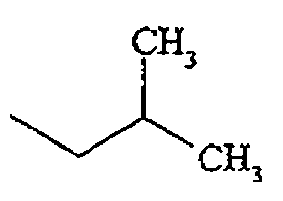
120b B-2 MS (ES+): 658.2 (M+ Na)+ 121c -CH(CH3)2 -OSO2CF3 -CO2MEM 
120c B-2 MS (ES+): 672.2 (M+ Na)+ 121d -CH3 -OSO2CF3 -CO2MEM 
120d B-2 1HNMR (DMSO-d6): δ 8.43 (d, J = 1.9 Hz, 1 H), 8.31 (s, 1 H), 8.12 (d, J = 1.69 Hz, 1 H), 7.98 (s, 1 H), 7.41 (d, J = 8.1 Hz, 1 H), 7.19 (s, 1 H), 5.20 (m, 2 H), 3.98 (m, 1 H), 3.94 (s, 3 H), 3.42 (s, 3 H), 3.19 (s, 3 H), 2.50 (m, 2 H), 1.08 (d, J = 6.59, 6 H); MS (ES+) 608.3 121e -CH3 -OSO2CF3 -CO2MEM 
120e B-2 1HNMR (DMSO-d6): δ 8.49 (s, 1 H), 8.34 (d, J = 1.8 Hz, 1 H), 8.2 (d, J = 1.8 Hz, 1 H), 7.97 (s, 1 H), 7.4 (d, J = 7.8 Hz, 1 H), 7.2 (s, I H), 5.2 (q, J = 6 and 10 Hz, 2 H), 4.0 (m, 3 H), 3.6 (s, 3 H), 3.4 (m, 4 H), 3.2 (s, 3 H), 1.5 (m, 4 H), 1.3 (m, 4 H), 0.85 (m, 6 H); MS (ES+): 664.3 121f -CH3 -OSO2CF3 -CO2MEM 
120f B-2 1HNMR (DMSO-d6): δ 8.83 (d, J = 5.46, 1 H), 8.55 (d, J = 1.88 Hz, 1 H), 8.23 (dd, J = 1.88 Hz, 1 H), 8.19 (s, 1 H), 7.73 (d, J = 7.93 Hz, 1 H), 7.29 (s, 1 H), 5.29 (dd, J = 6.217 Hz, 2 H), 4.06 (s, 3 H), 3.71 (s, 2 H), 3.54 (m, 5 H), 2.62 (t, J = 3.57 Hz, 3 H), 1.66 (t, J = 6.59 Hz, 2 H), 1.42 (m, 6 H), 0.99 (t, J = 6.79 Hz, 3 H); MS (ES+) 636.6 121g -CH3 -OSO2CF3 -CO2MEM 
120g B-2 1H NMR (CDCl3): δ 8.43 (d, J = 1.9 Hz, 1 H), 8.03 (dd, J = 7.9 Hz, 2.1 Hz, 1 H), 8.00 (s, 1 H), 7.35 (d, J = 7.9 Hz, 1 H), 6.79 (m, 2 H), 5.29 (d, J = 6.2 Hz, 1 H), 5.26 (d, J = 6.2 Hz, 1 H), 4.16 (m, 2 H), 3.94 (s, 3 H), 3.67 (s, 3 H), 3.48 (m, 4 H), 3.36 (s, 3 H); MS (ES-): 646.3 121h -CH3 -OSO2CF3 -CO2MEM 
120h B-2 1H NMR (CDCl3): δ 8.41 (s, 1 H), 7.96 (d, J = 8.3 Hz, 2 H), 7.8 (m, 1 H), 6.80 ( s, 1 H), 6.34 (m, 1 H), 5.32 (m, 2 H), 3.90 (s, 3 H), 3.66 (s, 3 H), 3.55 (m, 6 H), 3.4 ( s, 3 H), 1.7 (m, 2 H), 1.45 (m, 2 H), 0.98 (t, J = 7.3 Hz, 3 H); MS (ES-): 620 121i -CH3 -OSO2CF3 -CO2MEM 
120i B-2 1H NMR (CDCl3): δ 8.41 (d, J = 2.1 Hz, 1 H), 8.03 (dd, J = 7.9, 1.9 Hz, 1 H), 8.00 (s, 1 H), 7.32 (d, J = 7.9 Hz, 1 H), 6.43 (t, J = 4.9 Hz, 1 H), 5.30 (q, J = 6.0 Hz, 2 H), 3.94 (s, 3 H), 3.67 (s, 3 H), 3.55 (m, 2 H), 3.48 (m, 2 H), 3.35 (m, 5 H), 1.09 (m, 1 H), 0.59 (m, 2 H), 0.31 (m, 2 H); MS (ES-): 618.4 121j -CH3 -OSO2CF3 -CO2MEM 
120j B-2 1H NMR (CDCl3): δ 8.35 (d, J = 1.9 Hz, 1 H), 8.00 (m, 2 H), 7.31 (d, J = 7.9 Hz, 1 H), 6.77 (s, 1 H), 6.27 (m, 1 H), 5.28 (m, 2 H), 4.44 (q, J = 7.0 Hz, 1 H), 3.94 (s, 3 H), 3.66 (s, 3 H), 3.57-3.45 (m, 4 H), 3.35 (s, 3 H), 2.19-1.45 (m, 8 H); MS (ES+): 656.3 (M+ Na)+ 121k -CH3 -OSO2CF3 -CO2MEM 
120k B-2 1H NMR (CDCl3): δ 8.38 (s, 1 H), 8.00 (m, 2 H), 7.31 (d, J = 7.9 Hz, 1 H), 6.78 (s, 1 H), 6.37 (m, 1 H), 5.27 (m, 2 H), 3.94 (s, 3 H), 3.66 (s, 3 H), 3.59-3.43 (m, 6 H), 3.35 (s, 3 H), 1.28 (t, J = 7.2 Hz, 3 H); MS (ES+): 616.3 (M+ Na)+ 1211 -CH3 -OSO2CF3 -CO2MEM 
1201 B-2 1H NMR (CDCl3): δ 8.38 (s, 1 H), 8.00 (m, 2 H), 7.31 (d, J = 7.9 Hz, 1 H), 6.78 (s, 1 H), 6.37 (m, 1 H), 5.27 (m, 2 H), 3.94 (s, 3 H), 3.66 (s, 3 H), 3.57-3.25 (m, 9 H), 1.78-0.92 (m, 9 H); MS (ES+): 658.4 (M+ Na)+ 121m 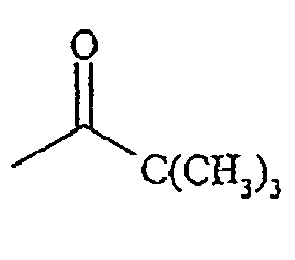
-OSO2CF3 -CO2MEM 
121m B-2 1HNMR (DMSO-d6): δ 8.75 (t, J = 5.6Hz, 1 H), 8.45 (d, J = 1.8 Hz, 1 H), 8.11 (dd, J = 1.8 and 8.1 Hz, 1 H), 8.04 (s, 1 H), 7.57 (s, 1 H), 7.42 (d, J = 8.1 Hz, 1 H), 5.23 (q, J = 21 and 6 Hz, 2 H), 3.60 (s, 3 H), 3.41 (m, 2 H), 3.32 (m, 2 H), 3.17 (s, 3 H), 3.13 (t, J = 6.5 Hz, 2 H), 1.87 (m, 1 H), 1.37 (s, 9 H), 0.91 (d, J = 6.8 Hz, 6 H); MS (ES-): 690.4 122a -CH3 -CH=CH2 -CO2MEM 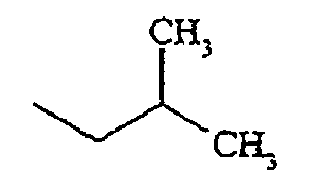
121a D-3 Characterized in the next step 122b -C2H5 -CH=CH2 -CO2MEM 
121b D-3 MS (ES+): 536.3 (M+ Na)+ 122c -CH(CH3)2 -CH=CH2 -CO2MEM 
121c D-3 MS (ES+): 550.3 (M+ Na)+ 122d -CH3 -CH=CH2 -CO2MEM 
121d D-3 MS (ES+): 486.2 122e -CH3 -CH=CH2 -CO2MEM 
121e D-3 MS (ES+): 564.5 (M+ Na)+ 122f -CH3 -CH=CH2 -CO2MEM 
121f D-3 MS (ES+): 514.4 (M+ Na)+ 122g -CH3 -CH=CH2 -CO2MEM 
121g D-3 Characterized in the next step 122h -CH3 -CH=CH2 -CO2MEM 
121h D-3 Characterized in the next step 122i -CH3 -CH=CH2 -CO2MEM 
121i D-3 Characterized in the next step 122j -CH3 -CH=CH2 -CO2MEM 
121j D-3 MS (ES-): 422.3 [(M-MeM)-1] 122k -CH3 -CH=CH2 -CO2MEM 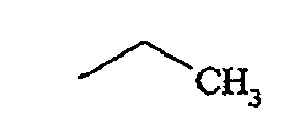
121K D-3 MS (ES+): 494.2 (M+ Na)+ 122l -CH3 -CH=CH2 -CO2MEM 
121l D-3 MS (ES+): 536.42 (M+ Na)+ 122m 
-CH=CH2 -CO2MEM 
121m D-3 1HNMR (DMSO-d6): δ 8.73 (t, J = 5.6 Hz, 1 H), 8.43 (d, J = 1.8 Hz, 1 H), 8.11 (dd, J = 1.8 and 8.1 Hz, 1 H), 7.61 (s, I H), 7.57 (s, 1 H), 7.42 (d, J = 8.1 Hz, 1 H), 6.72 (dd, J = 11 and 17.5 Hz, 1 H), 6.03 (d, J = 17.5 Hz, 1 H), 5.52 (d, J = 11 Hz, 1 H), 5.19 (q, J = 18 and 6 Hz, 2 H), 3.60 (s, 3 H), 3.41 (m, 2 H), 3.32 (m, 2 H), 3.18 (s, 3 H), 3.13 (t, J = 6.5 Hz, 2 H), 1.89 (m, 1 H), 1.38 (s, 9 H), 0.91 (d, J = 6.8 Hz, 6 H); MS (ES-): 480.4 [(M-MEM)-1] 123a -CH3 -CH=CH2 CO2H 
122a I-1 MS (ES-): 410.2 123b -C2H5 -CH=CH2 CO2H 
122b I-1 MS (ES-): 424.2 123c -CH(CH3)2 -CH=CH2 CO2H 
122c I-1 MS (ES-): 438.2 123d -CH3 -CH=CH2 CO2H 
122d I-1 MS (ES-): 396.2 123e -CH3 -CH=CH2 CO2H 
122e I-1 MS (ES+): 454.3 123f -CH3 -CH=CH2 CO2H 
122f I-1 MS (ES+): 426.3 123g -CH3 -CH=CH2 CO2H 
122g I-1 1H NMR (DMSO): δ 12.37 (s, I H), 9.35 (t, J = 6.0 Hz, 1 H), 8.42 (d, J = 1.7 Hz, 1 H), 8.10 (dd, J = 8.1 Hz, 1.9 Hz, 1 H), 8.06 (s, 1 H), 7.40 (d, J = 7.9 Hz, 1 H), 6.98 (dd, J = 17.9, 11.5 Hz, 1 H), 6.77 (s, 1 H), 5.89 (dd, J =17.7, 1.3 Hz, 1 H), 5.37 (dd, J = 11.1, 1.3 Hz, 1 H), 4.14 (m, 2 H), 3.84 (s, 3 H), 3.61 (s, 3 H); MS (ES-): 436.3 123h -CH3 -CH=CH2 CO2H 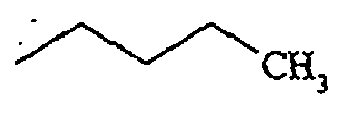
122h I-1 1H MMR (DMSO): δ 8.66 (t, J = 5.5 Hz, 1 H), 8.35 (d, J = 1.7 Hz, 1 H), 8.05 (s, 1 H), 8.03 (dd, J = 8.1, 1.9 Hz, 1 H), 7.34 (d, J = 7.9 Hz, 1 H), 6.98 (dd, J = 17.9, 11.3 Hz, 1 H), 6.75 (s, 1 H), 5.88 (dd, J = 17.7, 1.3, 1H), 5.36 (dd, J= 11.3, 1.3 Hz, 1 H), 3.84 (s, 3 H), 3.60 (s, 3 H), 3.30 (q, J = 5.6 Hz, 2 H), 1.52 (m, 2 H), 1.33 (m, 2 H), 0.96 (t, J = 7.3 Hz, 3 H); MS (ES-): 410.4 123i -CH3 -CH=CH2 CO2H 
122i I-1 1H NMR (DMSO): δ 12.34 (s, 1 H), 8.80 (t, J = 6.1 Hz, 1 H), 8.37 (d, J = 1.9 Hz, 1 H), 8.06 (dd, J = 9.8, 7.9 Hz, I H), 8.05 (s, 1 H), 7.36 (d, J = 7.9 Hz, 1 H), 6.98 (dd, J = 17.9, 11.3 Hz, I H), 6.76 (s, 1 H), 5.89 (dd, J = 17.9, 1.5 Hz, 1 H), 5.36 (dd, J = 10.9, 1.5 Hz, 1 H), 3.84 (s, 3 H), 3.60 (s, 3 H), 3.18 (t, 6.2, 2 H), 1.06 (m, 1 H), 0.45 (m, 2 H), 0.25 (m, 2 H); MS (ES-): 408.4 123j -CH3 -CH=CH2 CO2H 
122j I-1 1H NMR (DMSO-d6 ): δ 12.31 (br s, 1 H), 8.52 (d, J = 7.3 Hz, 1 H), 8.34 (d, J = 1.7 Hz, 1 H), 8.05 (m, 2 H), 7.34 (d, J = 7.9 Hz, 1 H), 6.97 (dd, J = 11.5 and 17.9 Hz, 1 H), 6.74 (s, I H), 5.89 (d, J = 17.9 Hz, 1 H), 5.37 (d, J= 11.5 Hz, 1 H), 4.27 (q, J = 7.3 Hz, 1 H), 3.84 (s, 3 H), 3.60 (s, 3 H), 1.98-1.50 (m, 8 H); MS (ES-): 422.3 123k -CH3 -CH=CH2 CO2H 
122k I-1 1H NMR (DMSO-d6 ): δ 12.27 (br s, 1 H), 8.58 (m, 1 H), 8.23 (s, 1 H), 7.92 (m, 2 H), 7.47 (m, 1 H), 7.22 (m, 1 H), 6.84 (m, I H), 6.63 (s, 1 H), 5.76 (d, J = 17.9 Hz, 1 H), 5.24 (d, J = 11.5 Hz, 1 H), 3.71 (s, 3 H), 3.47 (s, 3 H), 1.02 (m, 3 H); MS (ES-): 382.2 1231 -CH3 -CH=CH2 CO2H 
122l I-1 1H NMR (DMSO-d 6): δ 12.30 (br s, 1 H), 8.52 (d, J = 6.0 Hz, 1 H), 8.33 (d, J = 1.7 Hz, 1 H), 8.02 (m, 2 H), 7.31 (d, J = 7.9 Hz, 1 H), 6.95 (dd, J = 11.5 and 17.9 Hz, 1 H), 6.73 (s, 1 H), 5.86 (d, J = 17.9 Hz, 1 H), 5.33 (d, J = 11.5 Hz, 1 H), 3.81 (s, 3 H), 3.57 (s, 3 H), 3.14 (m, 2 H), 1.65 (m, 1 H), 1.39 (m, 1 H), 1.11 (m, 1 H), 0.87 (m, 6 H) 123m 
-CH=CH2 -CO2H 
122m I-1 1HNMR (DMSO-d6): δ 12.81 (bs, 1 H), 8.72 (t, J = 5.6 Hz, 1 H), 8.38 (d, J = 1.8 Hz, 1 H), 8.08 (dd, J = 1.8 and 8.1 Hz, 1 H), 7.61 (s, 1 H), 7.57 (s, 1 H), 7.39 (d, J = 8 Hz, 1 H), 6.72 (dd, J = 11 and 17.5 Hz, 1 H), 5.99 (d, J = 17.5 Hz, 1 H), 5.49 (d, J = 11 Hz, 1 H), 3.57 (s, 3 H), 3.13 (t, J = 6.5 Hz, 2 H), 1.87 (m, 1 H), 1.37 (s, 9 H), 0.91 (d, J = 6.8 Hz, 6 H); MS (ES-): 480.3 
Cpd. No. -R -R' R" Starting From Method Used Analytical Data 124a -CH3 -CH3 
123a J MS (ES+): 529.3 124b -C2H5 -CH3 
123b J MS (ES+): 543.3 124c -CH(CH3)2 -CH3 
123c J MS (ES+): 557.3 . 124d -CH3 -CH3 
123d J Characterized in the next step 124e -CH3 -CH3 
123e J MS (ES+): 571.6 124f -CH3 -CH3 
123f J MS (ES+): 543.6 124g -CH3 -CH3 
123g J 1H NMR (DMSO): δ 10.62 (s, 1 H), 9.35 (t, J = 6.6 Hz, 1 H), 9.20 (s, 2 H), 8.90 (s, 2 H), 8.30 (d, J = 1.9 Hz, 1 H), 8.11 (dd, J = 8.1, 1.9 Hz, 1 H), 7.86 (s, 1 H), 7.76 (s, 4 H), 7.50 (d, J = 8.1 Hz, 1 H), 7.04 (dd, J = 17.9, 11.5 Hz, 1 H), 6.94 (s, 1 H), 6.01 (dd, J = 17.7, 1.3, 1 H), 5.42 (dd, J = 11.3, 13 Hz, 1 H), 4.11 (m, 2 H), 3.89 (s, 3 H), 3.57 (s, 3 H) 124h -CH3 -CH3 
123h J 1H NMR (DMSO): δ 9.03 (broad, 3 H), 8.49 (broad, 1 H), 8.04 (s, 1 H), 7.65 (m, 6 H), 6.99 (m, 2 H), 6.61 (s, 1 H), 5.90 (d, J= 17.5 Hz, 1 H), 5.35 (d, J = 11.5 Hz, 1 H), 3.78 (s, 3 H), 3.20 (m, 2 H), 1.46 (m, 2 H), 1.28 (m, 2 H), 0.87 (t, J = 7.3 Hz, 3 H) 124i -CH3 -CH3 
123i J MS (ES+): 527.4 124j -CH3 -CH3 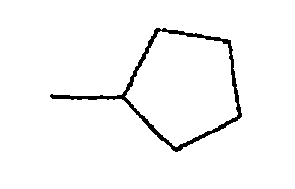
123j J MS (ES+): 541.4 124k -CH3 -CH3 
123K J MS (ES+): 501.3 124l -CH3 -CH3 
123l J MS (ES+): 543.3 124m 
-CH3 
123m J 1HNMR (DMSO-d6): δ 10.67 (s, 1H), 9.19 (bs, 2 H), 8.88 (bs, 2 H), 8.71 (t, J = 5.6 Hz, 1 H), 8.25 (d, J = 1.8 Hz, 1 H), 8.07 (dd, J = 1.8 and 8.1 Hz, 1 H), 7.73 (m, 4 H), 7.65 (s, 1 H), 7.50 (d, J = 8 Hz, 1 H), 7.45 (s, 1 H), 6.73 (dd, J = 11 and 17.5 Hz, 1 H), 6.03 (d, J = 17.5 Hz, 1 H), 5.49 (d, J = 11 Hz, 1 H), 3.56 (s, 3 H), 3.09 (t, J = 6.5 Hz, 2 H), 1.85 (m, 1 H), 1.37 (s, 9 H), 0.89 (d, J = 6.8 Hz, 6 H); MS (ES-): 597.3 and (ES+) 599.5 125a -CH3 -H 
124a 1-2 1HNMR (DMSO): δ 13.40 (bs, 1H), 9.26 and 9.03 (2s, 4H), 8.53-8.49 (t, J = 6 Hz, 1H), 8.02 (d, J=1.28 Hz, 1H), 7.71-7.53 (m, 6H), 7.0-6.9 (m, 2H), 6.5 (s, 1H), 5.89 (d, J=17.6 Hz, 1H), 5.33 (d, J=12.4 Hz, 1H), 3.77 (s, 3H), 3.04-2.99 (m, 2H), 1.85-1.75 (m, 1H), 0.86-0.84 (d, J=76.8 Hz, 6H); MS (ES+): 515.3 125b -C2H5 -H 
124b 1-2 1HNMR (DMSO): δ 9.17 and 8.92 (s, 3H), 8.67-8.63 (m, 1H), 8.28 (s, 1H), 7.95-7.93 (m, 1H), 7.83 (s, 1H), 7.73 (s, 5H), 7.29 (d, J=8.1 Hz, 1H), 7.02 (dd, J=17.7 Hz, 11.3 Hz, 1H), 6.82 (s, 1H), 6.00 (d, 17.7 Hz, 1H), 5.38 (d, 11.3 Hz, 1H), 4.14-4.06 (m, 2H), 3.11-3.04 (q, J=6.8 Hz, 2H), 1.89-1.80 (m, 1H), 1.35 (t, J=6.8 Hz, 3H), 0.88 (d, J=6.8 Hz, 6H); MS (ES+): 529.2 125c -CH(CH3)2 -H 
124c 1-2 1HNMR (DMSO): δ 13.74 (s, 1H), 8.99 (s, 3H), 8.59-8.41 (m, 1H), 7.95 (s, 1H), 7.69 (s, 1H), 7.65-7.53 (m, 6H), 7.06-6.91 (m, 2H), 6.53 (s, 1H), 5.89 (d, J=17.7 Hz, 1H), 5.32 (d, J=11.5 Hz, 1H), 4.62-4.54 (m, 1H), 3.03-2.99 (m, 2H), 1.87-1.71 (m, 1H), 1.25 (d, J=6.1 Hz, 6H), 0.85 (d, J=6.8 Hz, 6H); MS (ES-): 541.2 125d -CH3 -H 
124d I-2 1HNMR (DMSO-d6): δ 8.9 (d, J = 33.74, 4 H), 8.08 (d, J = 7.91, 1 H), 7.81 (s, 1 H), 7.51 (s, 1 H), 7.41(s, 4 H), 6.78 (s, 1 H), 6.3 (s, 2 H), 5.70 (d, J = 7.78 Hz, 1 H), 5.15 (d, J = 11.8 Hz, 2 H),) 3.82 (m, J = 20.34 Hz, 2 H), 3.56 (bs, 3 H) 0.92 (d, 6H); MS (ES+) 501.3 125e -CH3 -H 
124e I-2 1HNMR (DMSO-d6): δ 9.05 (s, 2 H), 8.85 (s, 2 H), 7.96 (d, J = 9.04 Hz, 1 H), 7.88 (s, 1 H), 6,86 (m, J = 17.8 Hz, 3 H), 7.62 (m, 1 H), 7.24 (d, J = 7.8 Hz, 1 H), 6.95 (d, J = 7.8 Hz, 1 H), 7.45 (m, J = 28.63 Hz, 5 H), 7.55 (s, 1 H), 5.75 (d, J = 17.5 Hz, 1 H); 5.61 (d, J= 11.11, 1 H) 3.61(s, 3H) 1.30 (bs, 3 H) 1.05 (s, 4 H) 0.66 (m, 6 H); MS (ES+) 555.3(100% M+1) 125f -CH3 -H 
124f I-2 1H NMR (DMSO-d6): δ 12.7 (bs, 1H), 9.01 (bs, 2H), 8.87 (bs, 2H), 8.36 (t, J = 6 Hz, 1H), 7.83 (s; 1H), 7.44 (m, 6H), 6.75 (m, 2H), 6.31 (d, J = 2.2 Hz, 1H), 5.7 (d, J = 17 Hz, 1H), 5.1 (d, J = 11 Hz, 1H), 3.5 (s, 3H), 2.84 (m, 2H), 1.3 (m, 2H), 1.1 (m, 4H), 0.7 (m, 3H); MS (MS+): 529.4 125g -CH3 -H 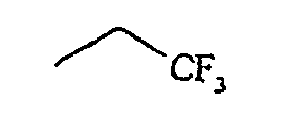
124g I-2 1H NMR (DMSO): δ 9.22 (broad, 1 H), 9.09 (s, 2 H), 8.9 (s, 2 H), 8.18 (s, 1 H), 7.80 (m, 2 H), 7.66 (m, 4 H), 7.16 (s, 1 H), 7.00 (dd, J= 17.7, 11.1 Hz, 1 H), 6.70 (s, 1 H), 5.94 (d, J = 17.7 Hz, 1 H), 5.37 (d, J = 10.9 Hz, 1 H), 4.07 (m, 2 H), 3.81 (s, 3 H); MS (ES-) 539.3 125h -CH3 -H 
124h 1-2 1H NMR (DMSO): δ 9.03 (bs, 4 H), 8.49 (bs, 1 H), 8.04 (s, 1 H), 7.65 (m, 6 H), 6.99 (m, 2 H), 6.61 (s, 1 H), 5.90 (d, J =17.5 Hz, 1 H), 5.35 (d, J = 11.5 Hz, 1 H), 3.78 (s, 3 H), 3.20 (m, 2 H), 1.46 (m, 2 H), 1.28 (m, 2 H), 0.87 (t, J = 7.3 Hz, 3 H); MS (ES+) 515.4 125i -CH3 -H 
124i 1-2 1H NMR (DMSO): δ 8.86 (s, 2 H), 8.78 (s, 2 H), 8.44 (broad, 1 H), 7.89 (s, 1 H), 7.53 (m, 2 H), 7.43 (m, 4 H), 6.86 (s, 1 H), 6.78 (dd, J = 17.5, 11.3 Hz, 1 H), 6.44 (s, 1 H), 5.71 (d, J = 17.5 Hz, 1 H), 5.14 (d, J = 11.1 Hz, 1 H), 3.59 (s, 3 H), 2.89 (m, 2H), 0.79 (m, 1 H), 0.20 (m, 2 H), 0.01 (m, 2 H); MS (ES-) 513.4 125j -CH3 -H 
124j I-2 1H NMR (DMSO): δ 13.14 (br s, 1 H), 8.84 (m, 3 H), 8.12 (d, J = 7.3 Hz, 1 H), 7.79 (s, 1 H), 7.40 (m, 8 H), 6.74 (m, 2 H), 6.33 (s, 1 H), 5.66 (d, J = 19.2 Hz, 1 H), 5.10 (d, J = 11.7 Hz, 1 H), 3.94 (m, 1 H), 3.54 (s, 3 H), 1.66-0.93 (m, 8 H); MS (ES+) 527.4 125k -CH3 -H 
124k I-2 1N MR (DMSO): δ 9.25 (m, 4 H), 8.73 (t, J = 5.7 Hz, 1 H), 8.28 (s, 1 H), 7.86 (m, 7 H), 6.84 (s, 1 H), 6.10 (d, J = 17.7 Hz, 1 H), 5.55 (d, J = 11.3 Hz, 1 H), 3.99 (s, 3 H), 3.43 (qui, J = 6.2 Hz, 2 H), 1.28 (t, J = 7.2 Hz, 3 H); MS (ES+): 487.2 125l -CH3 -H 
124l 1-2 1H NMR (DMSO): δ 8.91 (m, 4 H), 8.38 (t, J= 5.5 Hz, 1 H), 7.96 (s, 1 H), 7.53 (m, 5 H), 6.86 (m, 2 H), 6.52 (s, 1 H), 5.77 (d, J = 17.7 Hz, 1 H), 5.21 (d, J= 11.5 Hz, 1 H), 3.65 (s, 3 H), 2.94 (m, I H), 1.57-0.56 (m, 11 H); MS (ES+): 529.3 125m -H -H 
124m I-2 1HNMR (DMSO-d6): δ 10.07 (bs, 1H), 9.05 (bs, 2 H), 8.98 (bs, 2 H), 8.49 (t, J = 5.6 Hz, 1 H), 7.96 (s, 1 H), 7.62 (m, 5 H), 7.06 (s, 1 H), 7.03 (s, 1 H), 6.94 (dd, J = 11 and 18 Hz, 1 H), 5.78 (d, J = 18 Hz, 1 H), 5.26 (d, J = 11 Hz, 1 H), 3.02 (t, J = 5.7 Hz, 2 H), 1.81 (m, 1 H), 0.85 (d, J = 6.8 Hz, 6 H); MS (ES-): 499.2 and (ES+) 501.3 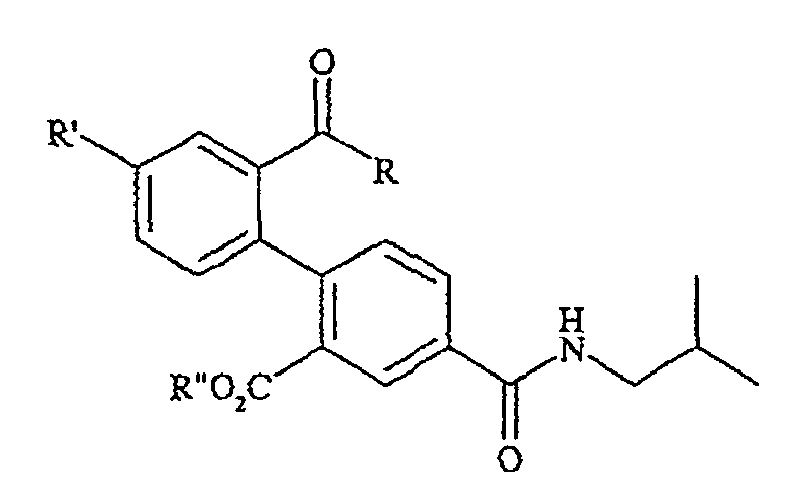
Cpd. No. -R -R' Starting From Method Used Analytical Data 133a 
-H -CH3 -CH3 132 A-5 MS (ES+): 506.4 133b 
-H -CH3 132 J MS (ES+): 499.3 133c 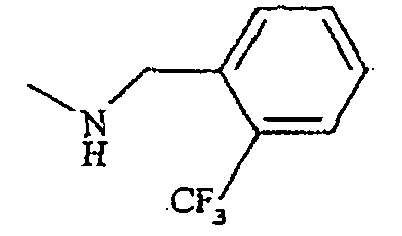
-H -CH3 132 A-5 Characterized in the next step 133d 
-H -CH3 132 A-5 Characterized in the next step 133e 
-H -CH3 132 A-5 Characterized in the next step 133f 
-H -CH3 132 A-5 Characterized in the next step 133g 
-H -CH3 132 A-5 Characterized in the next step 133h 
-H -CH3 132 A-5 Characterized in the next step 133i 
-H -CH3 132 A-5 Characterized in the next step 133j 
-H -CH3 132 A-5 Characterized in the next step 133k 
-H -CH3 132 J MS (ES+): 502.3 133l 
-H -CH3 132 J MS (ES+): 470.2 133m 
-H -CH3 132 J MS (ES+): 437.3 133n 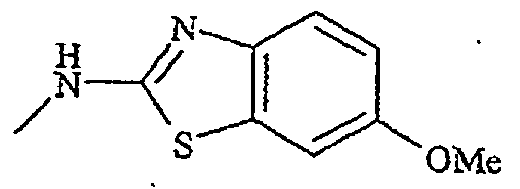
-H -CH3 132 J MS (ES+): 518.2 133o 
-H -CH3 132 J MS (ES+): 501.3 133p 
-H -CH3 132 J MS (ES-): 469.1 133q 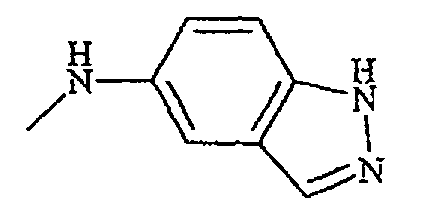
-H -CH3 132 J MS (ES-): 469.1; MS (ES+): 471.2 133r 
-H -CH3 132 A-5 Characterized in the next step 133s 
-H -CH3 132 A-5 MS (ES+): 483.2 (M+Na) 133u 
-H -CH3 132 A-5 MS (ES+): 432.2 133v 
-H -CH3 132 A-5 MS (ES+): 432.2 133w 
-H -CH3 132 A-5 MS (ES+): 447.2 133x 
-H -CH3 132 A-5 Characterized in the next step 133y 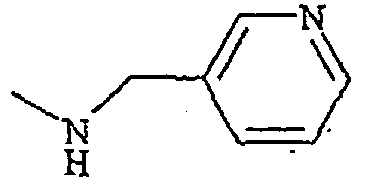
-H -CH3 132 A-5 MS (ES+): 446.3 133z 
-H -CH3 132 A-5 MS (ES+): 446.2 133aa 
-H -CH3 132 A-4 MS (ES+): 475.3 133ab 
-H -CH3 132 J MS (ES+): 499.3 (M+Na) 133ac 
-H -CH3 132 A-4 MS (ES-): 483.2; MS (ES+): 485.2 133ad 
-H -CH3 132 A-4 MS (ES+): 497.2; MS (ES-): 495.2 133ae 
-H -CH3 132 A-4 MS (ES-): 483.2; MS (ES+): 485.2 133af 
-H -CH3 132 J MS (ES+): 511.3 (M+Na)+; MS (ES-): 487.3 133ag 
-H -CH3 132 J MS (ES-): 451.3 133ai 
-H -CH3 132 J MS (ES-): 584.4 134a 
-H -H 133a 1-2 1HNMR (DMSO-d6): δ 13.13 (bs, 1 H), 8.76 (t, J = 6 and 5 Hz, 1 H), 8.32 (m, 2 H), 8.02 (dd, J = 1.9 and 8.1 Hz, 1 H), 7.42 (m, 4 H), 7.25 (m, 1 H), 3.62-3.19 (m, 12 H), 3.11 (t, J = 6.8 Hz, 2 H), 1.87 (m, 1 H), 1.76 (m, 2 H), 0.90 (d, J = 6.8 Hz, 6 H); MS (ES-) 490.3; (ES+) 492.3 134b 
-H -H 133b 1-2 1HNMR (DMSO-d6): 8 13.82 (bs, 1 H), 10.57 (bs, 2 H), 8.50 (t, J = 6 and 5 Hz, 1 H), 7.99 (d, J = 1.5 Hz, 1 H), 7.83 (s, 1 H), 7.8 (s, 1 H), 7.59 (m, 4 H), 7.46 (m, 2 H), 7.03 (m, 1 H), 6.92 (d, J = 7.9 Hz, 1 H), 3.89 (s, 4 H), 3.02 (t, J = 6.8 Hz, 2 H), 1.81 (m, 1 H), 0.8 (d, J = 6.8 Hz, 6 H);MS (ES-): 483.3; MS (ES+): 485.4 134c 
-H -H 133c I-2 1HNMR (DMSO-d6): δ 8.71 (t, J=5.5 Hz, 1 H), 8.40 (t, J=5.3 Hz, 1H), 8.30 (s, 1 H), 8.00(d, J= 7.8 Hz, 1 H), 7.63 (d, J=4.3 Hz, 2 H), 7.40 (d, J=7.4 Hz, 4 H), 7.27(d, J=8.1 Hz, 1 H), 7.18 (s, 1 H), 6.91 (d, J=7.1 Hz, 1 H), 4.42 (b, 2 H), 3.13 (t, J = 6.5 Hz, 2 H), 1.93 (m, 1 H), 0.91 (d, J = 6.8 Hz, 6 H); MS (ES-) 497.3 134d 
-H -H 133d 1-2 1HNMR (DMSO-d6): δ 10.45 (s, 1 H), 8.63 (s, 1 H), 8.27 (s, 1 H), 7.93 (d, J=8.1Hz, I H), 7.67 (t, J=6.8 Hz, 2 H), 7.55 (m, 2 H), 7.27 (m 3 H), 7.12 (m, 2 H), 3.06 (t, J = 6 Hz, 2 H), 1.82 (m, 1 H), 0.86 (d, J = 6.8 Hz, 6 H); MS(ES-) 483.3 134e 
-H -H 133e I-2 1HNMR (DMSO-d6): δ 12.92 (bs, 1 H), 8.71 (t, J=5.8Hz, 1 H), 8.49(t, J=6.2 Hz, 1 H), 8.32 (s, 1 H), 8.01 (d, J=7.8 Hz, 1 H), 7.52 (m, 5 H), 7.27 (d, J=7.9 Hz, 1 H), 7.18 (m, 1 H), 7.08 (d, J=8.2 Hz, 2 H), 4.32 (d, J=4.2 Hz, 2 H), 3.12 (t, J = 6.5 Hz, 2 H), 1.88 (m, 1 H), 0.91 (d, J = 6.8 Hz, 6 H); MS(ES-) 498.2 134f 
-H -H 133f I-2 1HNMR (DMSO-d6): δ 8.66 (t, J=5.7 Hz, 1 H), 8.27 (s, 1 H), 7.92 (d, J=8.1 Hz, 1 H), 7.45 (m, 7 H), 7.18 (m, 3 H), 4.32 (d, J=5.9 Hz, 2 H), 3.12 (t, J = 6 Hz, 2 H), 1.89 (m, 1 H), 0.91 (d, J = 6.8 Hz, 6 H); MS(ES-) 497.2 134g 
-H -H 133g I-2 1HNMR (DMSO-d6): δ 13.1 (s, 1 H), 9.58 (s, 1 H), 8.65 (s, 1 H), 8.29 (s, 1 H), 7.98 (d, J=5.9Hz, 1 H), 7.75 (d, J=5.2 Hz, 2 H), 7.30 (d, J=8 Hz, 2 H), 7.12 (d, J=12.0 Hz, 1 H), 7.12 (m, 4 H), 3.06 (t, J = 6 Hz, 2 H), 1.85 (m, I H), 0.86 (d, J = 6.8 Hz, 6 H); MS (ES-) 483.2 134h 
-H -H 133h I-2 1HNMR (DMSO-d6): δ 10.31 (s, 1 H), 8.65 (t, J=6.2 Hz, 1 H), 8.31 (s, 1 H), 7.98 (d, J= 7.9 Hz, 1 H), 7.66 (m, 1 H), 7.53 (m, 3 H), 7.27 (m, 4 H), 6.85 (m, 1 H), 3.09 (t, J = 6.5 Hz, 2 H), 1.86 (m, 1 H), 0.89 (d, J = 6.8 Hz, 6 H); MS (ES-) 433.1(M-1) 134i 
-H -H 133i I-2 1HNMR (DMSO-d6): δ 8.71 (t, J=5.7 Hz, 1 H), 8.31 (s, 1 H), 8.01 (d, J= 7.9 Hz, 1 H), 7.46 (m, 2 H), 7.39 (m, 2 H), 7.24 (s, 1 H), 3.38 (b, 8 H), 3.11 (t, J = 6.5 Hz, 2 H), 1.86 (m, 1 H), 0.91(d, J = 6.8 Hz, 6 H); MS(ES-) 409.3 134j 
-H -H 133j I-2 1HNMR (DMSO-d6): δ 9.61 (s, 1 H), 8.67 (t, J=5.5 Hz, 1 H), 8.32 (s, I H), 7.98 (d, J= 7.9 Hz, 1 H), 7.71 (m, 2 H), 7.54 (m, 2 H), 7.29 (d, J=7.9 Hz, 1 H), 7.04 (m, 4 H), 3.10 (t, J = 6.5 Hz, 2 H), 1.86 (m, 1 H), 0.89 (d, J = 6.8 Hz, 6 H); MS (ES-) 433.3 134k 
-H -H 133k I-2 1HNMR (DMSO-d6): δ 8.59 (t, J = 6 and 5 Hz, 1 H), 8.3 (d, J = 5 Hz, 2 H), 8.18 (s, 1 H), 7.86 (d, J = 8 Hz, 1 H), 7.36 (m, 5 H), 6.6 (t, J = 4.7 Hz, 1 H), 4.0 (m, 1 H), 3.75 (m, 2 H), 3.37 (m, 5 H), 3.07 (t, J = 6.8 Hz, 2 H), 1.81 (m, 1 H), 0.85 (d, J = 6.8 Hz, 6 H) 1341 
-H -H 133l I-2 1HNMR (DMSO-d6): δ 10.92 (bs, 1 H), 8.55 (t, J = 6 and 5 Hz, 1 H), 8.14 (s, 1 H), 7.76 (d, J = 7 Hz, 1 H), 7.68 (m, 1 H), 7.62 (m, 1 H), 7.45 (m, 2 H), 7.24 (t, J = 2.6 Hz, 1 H), 7.19 (s, 1 H), 7.15 (s, 1 H), 7.10 (m, 2 H), 6.95 (dd, J = 1.5 and 8.7 Hz, 1 H), 6.28 (s, 1 H), 3.04 (t, J = 6.8 Hz, 2 H), 1.82 (m, 1 H), 0.86 (d, J = 6.8 Hz, 6 H); MS (ES-) 454.3; (ES+) 456.3 134m 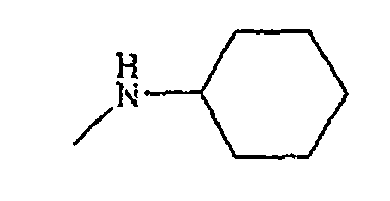
-H -H 133m I-2 1HNMR (DMSO-d6): δ 13.30 (bs, 1 H), 8.62 (t, J = 6 and 5 Hz, 1 H), 8.18 (s, 1 H), 7.87 (d, J = 7.9 Hz, 1 H), 7.42 (m, 3 H), 7.09 (m, 2 H), 3.03 (m, 1 H), 3.1 (t, J = 6.8 Hz, 2 H), 1.86 (m, 1 H), 1.4 (m, 4 H), 1.09 (m, 1 H), 0.89 (d, J = 6.8 Hz, 6 H); MS (ES-) 421.2; (ES+) 423.2 134n 
-H -H 133n I-2 1HNMR (DMSO-d6): δ 15.89 (bs, 1 H), 8.56 (t, J = 6 and 5 Hz, 1 H), 8.06 (s, 1 H), 7.67 (m, 2 H), 7.54 (d, J = 8.8 Hz, 1 H), 7.48 (m, 4 H), 7.05 (m, 1 H), 6.96 (m, 2 H), 3.77 (s, 3 H), 3.03 (t, J = 6.8 Hz, 2 H), 1.81 (m, 1 H), 0.84 (d, J = 6.8 Hz, 6 H); MS (ES-) 502.3; (ES+) 504.3 134o 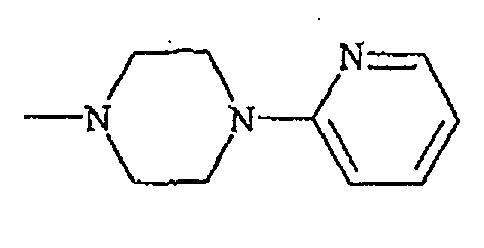
-H -H 133o I-2 1HNMR (DMSO-d6): δ 13.07 (bs, 1 H), 8.63 (t, J = 6 and 5 Hz, 1 H), 8.26 (s, 1 H), 8.05 (d, J = 4 Hz, 1 H), 7.94 (d, J = 8 Hz, 1 H), 7.43 (m, 5 H), 7.28 (m, 1 H), 6.72 (d, J = 8.8 Hz, 1 H), 6.62 (dd, J = 5.5 and 6.5 Hz, 1 H), 3.34 (m, 8 H), 3.07 (t, J = 6.8 Hz, 2 H), 1.82 (m, 1 H), 0.85 (d, J = 6.8 Hz, 6 H); MS (ES-) 486.3; (ES+) 488.3 134p 
-H -H 133p I-2 1HNMR (DMSO-d6): δ 12.94 (bs, 1 H), 10.20 (bs, I H), 8.63 (t, J = 6 and 5 Hz, 1 H), 8.28 (d, J = 1.5 Hz, 1 H), 7.96 (m, 2 H), 7.92 (d, J = 8.3 Hz, 1 H), 7.68 (m, 1 H), 7.52 (m, 2 H), 7.4 (m, 1 H), 7.3 (m, 2 H), 7.24 (m, 1 H), 3.08 (t, J = 6.8 Hz, 2 H), 1.84 (m, 1 H), 0.88 (d, J = 6.8 Hz, 6 H); MS (ES-) 455.2; (ES+) 479.2 (M+Na) 134q 
-H -H 133q I-2 1HNMR (DMSO-d6): δ 12.84 (bs, 1 H), 10.45 (bs, 1 H), 8.62 (t, J = 6 and 5 Hz, 1 H), 8.27 (d, J = ,1.5 Hz, 1 H), 8.01 (s, 1 H), 7.93 (s, 2 H), 7.9 (d, J = 1.5 Hz, 1 H), 7.69 (m, 1 H), 7.57 (d, J = 8.7 Hz, 1 H), 7.52 (m, 2 H), 7.29 (d, J = 8 Hz; 1 H), 7.23 (m, 1 H), 7.02 (dd, J = 1.5 and 8.7 Hz, 1 H), 3.07 (t, J = 6.8 Hz, 2 H), 1.83 (m, 1 H), 0.87 (d, J = 6.8 Hz, 6 H), MS (ES-) 455.2; (ES+) 479.3 (M+Na) 134r 
-H -H 133r 1-2 1HNMR (DMSO-d6): δ 8.64 (t, J=5.5 Hz, 1 H), 8.16 (s, 1 H), 7.87 (d, J=7.1 Hz, 1H), 7.50 (m, I H), 7.40 (d, J=4.1 Hz, 2 H), 7.19 (b, 3 H), 7.07 (m, 2 H), 6.51 (m, 2 H), 6.35 (d, J=7.8 Hz, 2 H), 3.97 (d, J=5.6 Hz, 2 H), 3.13 (t, J = 6.5 Hz, 2 H), 1.90 (m, 1 H), 0.91 (d, J = 6.8 Hz, 6 H) 134s 
-H -H 133s 1-2 1HNMR (DMSO-d6): δ 9.53 (bs, 1 H), 8.67 (t, J=4.7 Hz, 1 H), 8.32 (s, 1 H), 7.99 d, J=8.1 Hz, 1 H), 7.70 (d, J=7.6 Hz, 1 H), 7.52 (m, 2 H), 7.46 (d, J=11.5 Hz, 1 H), 7.32 (m, 3 H), 7.18 (m, 3 H), 4.33 (s, 2 H), 3.10 (t, J = 6.5 Hz, 2 H), 1.86 (m, 1 H), 0.89 (d, J = 6.8 Hz, 6 H); MS (ES-) 445.2 134t -OH -H -H 132 I-2 1HNMR (DMSO-d6): δ 12.57 (b, 1 H), 8.69 (t, J=5.6 Hz, 1 H), 8.36 (s, 1 H), 7.99 (d, J= 7.9 Hz, 1 H), 7.92 (d, J=7.7 Hz, 1 H), 7.57(t, J=7.5 Hz, 1H), 7.46 (t, J=7.7 Hz, 1H), 7.23 (d, J=5.2 Hz, 1H), 7.17 (d, J=7.5 Hz, 1H), 3.12 (t, J = 6.5 Hz, 2 H), 1.88 (m, 1 H), 0.91 (d, J = 6.8 Hz, 6 H); MS (ES-) 340.2 134u 
-H -H 133u 1-2 1HNMR (DMSO-d6): δ 8.56 (t, J=5.0 Hz, 1 H), 8.16 (d, J=7.0 Hz, 2 H), 7.94 (d, J=8.4 Hz, 1 H), 7.75 (d, J=7.4 Hz, 1 H), 7.63 (m, 2 H), 7.46 (m, 2 H), 7.21 (b, 1 H), 7.07 (s, 2 H), 6.99 (t, J=5.1 Hz, I H), 3.05 (t, J = 6.5 Hz, 2 H), 1.83 (m, I H), 0.86(d, J = 6.8 Hz, 6 H); MS (ES-) 416.3 134v 
-H -H 133v 1-2 1HNMR (DMSO-d6): δ 8.60 (t, J=5.6 Hz, 1 H), 8.32 (d, J=5.3 Hz, 2 H), 8.11(s, 1 H), 7.78 (d, J=7.7 Hz, 1 H), 7.65 (d, J=5.5 Hz, 1 H), 7.55 (m, 2 H), 7.43 (d, J=4.5 Hz, 2 H), 7.14 (m, 3 H), 3.06 (t, J = 6.5 Hz, 2 H), 1.83 (m, 1 H), 0.86 (d, J = 6.8 Hz, 6 H); MS (ES-) 416.2 134w 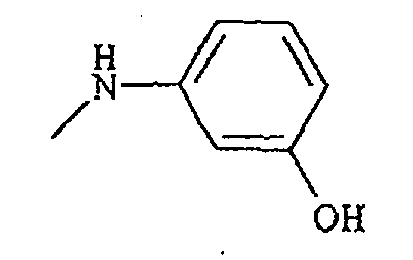
-H -H 133w I-2 1HNMR (DMSO-d6): δ 10.10 (bs, 1 H), 9.31 (s, 1 H), 8.65 (t, J=5.7 Hz, 1 H), 8.27 (s, 1 H), 7.93 (d, J=8.1 Hz, 1 H), 7.62 (d, J=5.3 Hz, 1 H), 7.48 (m, 2 H), 7.28(s, 1 H), 7.20 (d, J=12.0 Hz, I H), 7.09 (s, 1 H), 6.98 (d, J=7.0 Hz, 1 H), 6.81 (d, J=7.3 Hz, I H), 6.37 (t, J=7.6 Hz, I H), 3.09 (t, J = 6.5 Hz, 2 H), 1.85 (m, 1 H), 0.90(d, J = 6.8 Hz, 6 H); MS (ES-) 431.1 134x 
-H -H 133x I-2 1HNMR (DMSO-d6): δ 10.28 (bs, 1 H), 8.63 (t, J=5.3 Hz, 1 H), 8.34 (d, J=4.7 Hz, 1 H), 8.06 (s, 1 H), 7.82 (d, J=6.6 Hz, 1 H), 7.53 (m, 1 H), 7.42 (m, 2 H), 7.34 (t, J=8.6 Hz, 1 H), 7.18 (s, 1 H), 7.07 (d, J=2.7Hz, 2 H), 6.10 (b; 1 H), 4.43 (b; I H), 4.12 (b, 1 H), 3.12 (t, J = 6.5 Hz, 2 H), 1.89 (m, 1 H), 0.90(d, J = 6.8 Hz, 6 H); MS (ES+) 432.3, (ES-) 430.2 134y 
-H -H 133y I-2 1HNMR (DMSO-d6): δ 9.79 (bs, 1 H), 8.62 (t, J=6.0 Hz, 1 H), 8.31 (d, J=4.5 Hz, 1 H), 8.20 (s, 1 H), 8.08 (s, 1 H), 7.78 (d, J=2.1 Hz, 1 H), 7.51 (m, 1 H), 7.42 (m, 2 H), 7.06 (m, 3 H), 6.88 (m, 1 H), 4.02 (b, 2 H), 3.13 (t, J = 6.5 Hz, 2 H), 1.90 (m, 1 H), 0.93 (d, J = 6.8 Hz, 6 H); MS (ES+) 432.3, (ES-) 430.3 134z 
-H -H 133z I-2 1HNMR (DMSO-d6): δ 10.71 (bs, 1 H), 8.64 (t, J=5.9 Hz, 1 H), 8.21 (d, J=5.2 Hz, 2 H), 8.05 (s, 1 H), 7.81 (d, J=7.7 Hz, 1 H), 7.51 (m, 1 H), 7.42 (m, 2 H), 7.18 (s, 1 H), 7.04 (t, J=1.4Hz, 2 H), 6.51 (b, 2H), 4.41 (b, 1 H), 4.01 (b, 1 H), 3.13 (t, J = 6.5 Hz, 2 H), 1.91 (m, 1 H), 0.91 (d, J = 6.8 Hz, 6 H); MS (ES+) 432.2, (ES-) 430.2 134aa 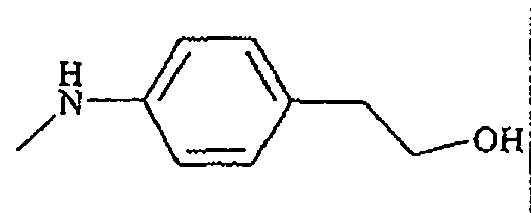
-H -H 133aa I-2 1HNMR (DMSO-d6): δ 10.02 (bs, 1 H), 8.65 (t, J = 5.7 Hz, 1 H), 8.26(s, 1 H), 7.94(d, J= 7.7 Hz, 1 H), 7.66(d, J=5.8 Hz, 1 H), 7.51(m, 2 H), 7.36 (d, J=8.4 Hz, 2 H), 7.29 (d, J=7.9 Hz, 1 H), 7.22 (d, J=5.5 Hz, 1 H), 7.07(d, J=8.3 Hz, 2 H), 4.57 (t, J=9.0 Hz, 1 H), 3.51 (m, 2 H), 3.09 (t, J = 6.5 Hz, 2 H), 2.62 (t, J=6.6 Hz, 2 H), 1.85 (m, 1 H), 0.90(d, J = 6.8 Hz, 6 H), MS(ES-) 459.2 134ab 
-H -H 133ab I-2 1HNMR (DMSO-d6): δ 9.05 (s, 1 H), 8.70 (t, J=5.7 Hz, 1 H), 8.56 (s, 1 H), 8.36 (s, 1 H), 8.12 (m, 2 H), 7.79 (m, 1 H), 7.60 (m, 1 H), 7.44 (s, 2 H), 7.09 (m, 2 H), 6.56 (d, J=8.9 Hz, 1 H), 4.89 (t, J=4.4 Hz, 1 H), 4.38 (d, J=5.6 Hz, 2 H), 3.11 (t, J = 6.5 Hz, 2 H), 1.84 (m, 1 H), 0.90 (d, J = 6.8 Hz, 6 H), MS(ES-) 461.1 134ac 
-H -H 133ac I-2 1HNMR (DMSO-d6): δ 8.60 (t, J = 6 and 5 Hz, 1 H), 8.13 (s, 2 H), 7.85 (d, J = 2 Hz, 1 H), 7.46 (m, 4 H), 7.36 (d, J = 7.7 Hz, 1 H), 7.16 (m, 4 H), 7.10 (m, 1 H), 3.17 (s, 3 H), 3.08 (t, J = 6.8 Hz, 2 H), 1.85 (m, 1 H), 0.89 (d, J = 6.8 Hz, 6 H), MS (ES-) 469.2; (ES+) 471.3 134ad 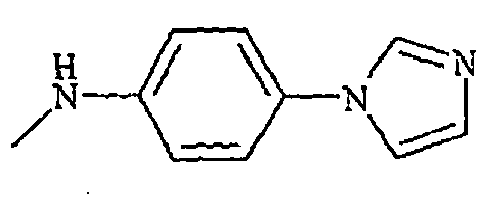
-H -H 133ad I-2 1HNMR (DMSO-d6): δ 8.55 (t, J = 6 and 5 Hz, 1 H), 8.10 (s, 2 H), 7.73 (d, J = 7.2 Hz, 1 H), 7.54 (m, 4 H), 7.46 (m, 5 H), 7.08 (m, 3 H), 3.04 (t, J = 6.8 Hz, 2 H), 1.82 (m, 1 H), 0.86 (d, J = 6.8 Hz, 6 H), MS (ES-) 481.1; (ES+) 483.3 134ae 
-H -H 133ae 1-2 1HNMR (DMSO-d6): δ 9.66 (bs, 1H), 8.54 (t, J = 6 and 5 Hz, 1 H), 8.12 (s, 2 H), 7.77 (dd, J = 8 and 2 Hz, 1 H), 7.6 (dd, J = 7 and 2 Hz, 1 H), 7.45 (m, 5 H), 7.10 (m, 4 H), 4.36 (bs, 2 H), 3.09 (t, J = 6.8 Hz, 2 H), 1.86 (m, 1 H), 0.89 (d, J = 6.8 Hz, 6 H), MS (ES-) 469.2; (ES+) 471.3 134af 
-H -H 133af 1-2 1HNMR (DMSO-d6): δ 9.76 (s, 1 H), 9.17 (s, 1 H), 8.63 (t, J=5.0 Hz, 1 H), 8.29 (s, 1 H), 7.90 (d, J=1.6 Hz, 1 H), 7.60 (s, 1 H), 7.51 (d, J=8 Hz 1 H), 7.30 (d, J=3.6 Hz, 2 H), 7.28 (d, J=8.2Hz, 1 H), 7.22 (t, 3 H), 6.60 (d, J=8.9 Hz, 1 H), 3.06 (t, J = 6 Hz, 2 H), 1.85 (m, 1 H), 0.86 (d, J = 6.8 Hz, 6 H); MS (ES-) 431.2 134ag 
-H -H 133ag I-2 1HNMR (DMSO-d6): δ 9.64 (s, 1 H), 9.06 (s, 1 H), 8.66 (t, J=5.6 Hz, 1 H), 8.29 (s, 1 H), 7.95 (d, J=7.9 Hz, 1 H), 7.63 (m, 1 H), 7.50 (m, 2 H), 7.29 (d, J=3.1 Hz, 1 H), 7.20 (d, J=8.9 Hz, 1 H), 7.11 (m, 1 H), 7.03 (m, 1 H), 6.60 (d, J=8.9 Hz, 1 H), 3.08 (t, J = 6 Hz, 2 H), 2.05 (s, 3 H), 1.85 (m, 1 H), 0.86 (d, J = 6.8 Hz, 6 H); MS (ES-) 445.2, MS (ES+) 469.3 (M+Na) 134ai 
-H -H 133ai I-2, S MS (ES+): 472.2; MS (ES-): 470.2 135a 
-CH=CH2 -CH3 30f A-4 MS (ES+): 489.3 135b 
-CH=CH2 -CH3 30f A-4 MS (ES+): 475.3; MS (ES+): 473.3 135c 
-CH=CH2 -CH3 30f J MS (ES+): 573.5; MS (ES-): 571.3 135d 
-CH=CH2 -CH3 30f A-4 MS (ES-): 472.2 135e 
-CH=CH2 -CH3 30f J MS (ES-): 489.1 135f 
-CH=CH2 -CH3 30f J MS (ES-): 498.1 135g 
-CH=CH2 -CH3 30f J MS (ES-): 494.3 135h 
-CH=CH2 -CH3 30f J MS (ES-): 584.2 136a 
-CH=CH2 -H 135a I-2 1HNMR (DMSO-d6): δ 8.66 (t, J = .55 Hz, 1 H), 8.35 (t, J = 4 and 6.4 Hz,1 H), 8.28 (d, J = 2 Hz, 1 H), 7.95 (dd, J = 7.9 and 2 Hz, 1 H), 7.69 (s, 1 H), 7.59 (m, 2 H), 7.25 (d, J = 8.1 Hz, 2 H), 7.15 (m, 2 H), 6.93 (s, 1 H), 6.88 (dd, J = 17.7 and 11.5 Hz, 1 H), 5.95 (d, J = 17.7 Hz, 1 H), 5.37 (d, J = 11.5 Hz, 1 H), 3.76 (t, J = 6.8 Hz, 2 H), 3.10 (t, J = 6.4 Hz, 2 H), 2.96 (m, 2 H), 1.86 (m, 1 H), 1.67 (m, 2 H), 0.89 (d, J = 6.8 Hz, 6 H); MS (ES-) 473.3; (ES+) 475.3 136b 
-CH=CH2 -H 135b I-2 1HNMR (DMSO-d6): δ 8.64 (t, 1 H), 8.51 (s, I H), 821(s, 1 H), 7.88 (d, J=7.8 Hz, 1 H), 7.74 (s, 1 H), 7.56 (s, 2 H), 7.15 (m, 2 H), 6.80 (t, 2 H), 5.90 (d, J=17 Hz, 1 H), 5.36 (d, J=11.0Hz, 1 H), 3.18 (m, 2 H), 3.06 (t, J = 6 Hz, 2 H), 2.43 (m, 2 H), 1.85 (m, 1 H), 0.86 (d, J = 6.8 Hz, 6 H); MS (ES+) 461.2, MS (ES-) 459.2 136c 
-CH=CH2 -H 135c I-2, S 1HNMR (DMSO-d6/D2O): δ 8.71 (t, 1 H), 8.27 (d, J= 3 Hz, 1 H), 8.21 (d, J=3 Hz, 1 H), 7.96 (q, 1 H), 7.79 (q, 1 H), 7.72 (s, 1 H), 7.63 (d, J=8 Hz 1 H), 7.30 (d, J=6 Hz, 1 H), 7.24 (d, J=7 Hz, 1 H), 6.87 (q, 2 H), 6.00 (d, J=8 Hz, 1 H), 5.41 (d, J=8 Hz, 1 H), 3.06 (t, J = 6 Hz, 2 H), 1.85 (m, 1 H), 0.86 (d, J = 6.8 Hz, 6 H); MS (ES+) 459.2 136d 
-CH=CH2 -H 135d I-2 1HNMR (DMSO-d6): δ 12.86 (bs, 1 H), 9.17 (s, 1 H), 8.65 (t, J = 6 Hz, 1 H), 8.29 (d, J = 2 Hz, 1 H), 8.26 (s, 2 H), 7.97 (dd, J = 8 and 2 Hz, 1 H), 7.76 (s, 1 H), 7.63 (d, 8 Hz, 1 H), 7.31 (d, J = 8 Hz, 1 H), 7.24 (d, J = 8 Hz, 1 H), 6.86 (dd, J = 10.7 and 17.5 Hz, 1 H), 6.49 (s, 1 H), 5.99 (d, J = 17.5, 1 H), 5.40 (d, J = 10.7 Hz, 1 H), 3.10 (t, J = 6.8 Hz, 2 H), 1.86 (m, I H), 0.89 (d, J = 6.8 Hz, 6 H); MS (ES-) 458.2, (ES+) 460.3 136e 
-CH=CH2 -H 135e I-2 1HNMR (DMSO-d6): δ 12.72 (s, broad, 1 H), 8.65(t, J=5.7 Hz, 1 H), 8.29 (s, 1 H), 7.93 (d, J=7.9 Hz, 1 H), 7.74 (m, 2 H), 7.65 (d, J=6 Hz 1 H), 7.42 (d, J=7.9 Hz, 1 H), 7.24 (m, 3 H), 7.11 (m, 1 H), 6.84 (q, J=11.1, 17.8 Hz, 1 H), 5.97 (d, J=18 Hz, 1 H), 5.58 (d, 1 H), 5.41 (d, I H), 3.08 (t, J = 6 Hz, 2 H), 1.85 (m, 1 H), 0.86 (d, J = 6.8 Hz, 6 H); MS (ES-) 475.1 136f 
-CH=CH2 -H 135f I-2 1HNMR (DMSO-d6): δ 8.67 (t, J=6.06 Hz, 1 H), 8.28 (s, 1 H), 7.90 (d, J=7.7Hz, 1 H), 7.67 (m, 4 H), 7.32 (m, 5 H), 7.09 (d, J=7.9 Hz 1 H), 6.89 (q, J=10.9 & 18.0 Hz, 1 H), 5.99 (d, J=17.5Hz, 1 H), 5.42 (d, J=11 Hz, 1 H), 3.08 (t, J=6.3 Hz, 2 H), 1.88 (m, 1 H), 0.87 (d, J = 6.8 Hz, 6 H); MS (ES-) 484.2 136g 
-CH=CH2 -H 135g I-2 1HNMR (DMSO-d6): δ 10.38 (s, 1 H), 8.66 (t, J=6.06 Hz, 1 H), 8.29 (s, 1 H), 7.95 (d, J=6.1 Hz, 1 H), 7.75 (s, 1 H), 7.63 (d, 2 H), 7.43 (d, 2 H), 7.26 (m, 3 H), 7.00 (d, J=7.7 Hz, 1 H), 6.85 (q, J=10.9 & 18.0 Hz, I H), 5.98 (d, J=17.5Hz, 1 H), 5.40 (d, J=11 Hz, 1 H), 3.98 (s, 2 H), 3.08 (t, J=6.3 Hz, 2 H), 1.86 (m, 1 H), 0.88 (d, J = 6.8 Hz, 6 H); MS (ES-) 480.2 136h 
-CH=CH2 -H 135h S, I-2 1HNMR (DMSO-d6): δ 8.55 (t, J=6.06 Hz, 1 H), 8.02 (s, 1 H), 7.60(m, 4H), 7.21 (t, J=7.1, 2 H), 6.99(m, 2 H), 6.83 (d, J=6.8 Hz, 1H), 6.81 (q, J=10.9 & 18.0 Hz, 1H), 5.92 (d, J=17.5Hz, 1 H), 5.35 (d, J=11 Hz, I H), 3.89 (s, 2H), 3.03 (t, J=6.3 Hz, 2 H), 1.36 (m, 1 H), 0.86 (d, J = 6.8 Hz, 6 H) 
Cpd. No. -R -R' -R" Starting From Method Used Analytical Data 148a 
-CH3 
147a J 1H NMR (DMSO-d6): δ 10.65 (s, 1 H), 10.15 (s, 1 H), 9.19 (s, 2 H), 8.88 (s, 2 H), 8.10 (d, J = 2.1 Hz, 1 H), 7.92 (s, 1 H), 7.93-7.75 (m, 6 H), 7.31 (dd, J = 8.4 and 23.9 Hz, 1 H), 7.12 (d, J = 3.5 Hz, 1 H), 6.67 (m, 1 H), 3.53 (s, 3 H), 2.20 (d, J = 7.0 Hz, 2 H), 2.07 (m, 1 H), 0.94 (d, J = 6.3 Hz, 6 H). 148b 
-CH3 
147b J 1H NMR (DMSO-d6): δ 10.65 (s, 1 H), 10.09 (s, 1 H), 9.17 (s, 1 H), 8.83 (s, 1 H), 8.10 (d, J= 2.0 Hz, 1 H), 7.85 (d, J = 2.0 Hz, 2 H), 7.81 (d, J= 2.0 and 7.9 Hz, 2 H), 7.76 (m, 5 H), 7.66 (d, J= 3.9 Hz, 1 H), 7.62 (d, J = 4.9 Hz, 1 H), 7.31 (d, J = 7.9 Hz, 1 H), 7.26 (d, J = 7.9 Hz, 1 H), 7.19 (t, J = 3.9 Hz, 1 H), 3.53 (s, 1 H), 2.19 (d, J = 6.9 Hz, 2 H), 2.06 (m, J = 6.9 Hz, 1 H), 0.92 (d, J = 6.9 Hz, 6 H); MS (ES+): 555.67 148c -CH=CH2 -CH3 
147c J Characterized in the next step 149a 
-H 
148a I-2 MS (ES+): 525.3 149b 
-H 
148b 1-2 1H NMR (DMSO-d6): δ 13.95 (s, 1 H), 9.79 (s, 1 H), 8.87 (s, 4 H), 7.76 (s, 1 H), 7.65 (m, 8 H), 7.46 (dd, J = 2.1 and 8.4 Hz, 1 H), 7.16 (t, J = 4.2 Hz, 1 H), 7.04 (d, J = 7.7 Hz, 1 H), 6.76 (d, J = 8.4 Hz, 1 H), 2.13 (d, J = 7.0 Hz, 2 H), 2.03 (m, J = 6.3 and 7.0 Hz, 1 H), 0.90 (d, J = 6.3 Hz, 6 H); MS (ES+): 541.62 149c -CH=CH2 -H 
148c 1-2 MS (ES+): 485.6 175 -H -CH3 
174 J 1H NMR (DMSO-d6): δ 8.81 (m, 4 H), 8.37 (t, J = 6.0 Hz, 1 H), 7.74-7.23 (m, 11 H), 4.31 (d, J = 6.2 Hz, 2 H), 3.51 (s, 3 H), 2.44 (m, 1 H), 1.04 (d, J = 7.0 Hz, 6 H); MS (ES+): 473.3 176 -H -H 
175 1-2 1H 1NMR (DMSO-d6): δ 13.79 (br s, 1 H), 9.03 (m, 3 H), 8.25 (m, 1 H), 7.78-7.35 (m, 7 H), 6.99 (m, 2 H), 6.79 (m, 1 H), 4.20 (br s, 2 H), 3.51 (s, 3 H), 2.39 (m, 1 H), 1.00 (d, J = 6.8 Hz, 6 H); MS (ES+): 459.3 182 -H -CH3 
178 J 1H NMR (DMSO-d6): δ 8.96 (m, 2 H), 7.79-7.38 (m, 9 H), 7.29 (dd, J = 7.5 and 1.7 Hz, 2 H), 4.42 (s, 2 H), 3.50 (s, 3 H), 2.97 (s, 2 H), 1.87 (m, 1 H), 1.36 (m, 9 H), 0.81 (d, J = 6.8 Hz, 6 H); MS (ES+): 559.5 183 -H -H 
182 I-2, S 1H NMR (DMSO-d6): δ 9.11 (m, 4 H), 7.86 (s, 1 H), 7.66 (m, 5 H), 7.49 (m, 2 H), 7.38 (m, 1 H), 7.08 (m, 2 H), 4.12 (s, 2 H), 2.59 (m, 2 H), 1.87 (m, I H), 0.81 (d, J = 6.6 Hz, 6 H); MS (ES+): 445.32 
Cpd. No. N (in Ring With Respect to Phenyl) -R -R' Starting From Method Used Analytical Data 151 3 -CHO -CH3 150 + 3a D-9 MS (ES-): 339.3 152 3 -CO2H -CH3 151 E 1H NMR (CDCl3): δ 8.69 (t, J = 5.8 Hz, 1 H), 8.50 (d, J = 4.9 Hz, I H), 8.33 (d, J = 1.7 Hz, 1 H), 8.24 (s, 1 H), 8.01 (dd, J = 7.9, 1.9 Hz, 1 H), 7.53 (d, J = 5.1 Hz, 1 H), 7.34 (d, J = 8.1 Hz, 1 H), 3.56 (s, 3 H), 3.12 (m, 2 H), 1.87 (m, 1 H), 0.91 (d, J = 6.6 Hz, 6 H) 153 3 
-CH3 152 J 1H NMR (CD3OD): δ 8.75 (d, J = 4.7 Hz, 2 H), 8.55 (s, 1 H), 8.42 (d, J = 1.9 Hz, 1 H), 8.07 (dd, J = 8.1, 1.9, 1 H), 7.74 (s, 3 H), 7.70 (d, J = 5.1 Hz, 1 H), 7.51 (d, J = 8.1 Hz, 1 H), 3.69 (s, 3 H), 3.21 (m, 2 H), 1.94 (m, 1 H), 0.98 (d, J = 6.6 Hz, 6 H); MS (ES+): 474 154 3 
-H 153 1-2 1H NMR (DMSO): δ 11.18 (s, 1 H), 9.31 (s, 2 H), 9.10 (s, 2 H), 8.92 (d, J = 5.1 Hz, 1 H), 8.78 (m, 2 H), 8.43 (d, J = 1.5 Hz, 1 H), 8.07 (dd, J = 7.9, 1.3 Hz, 1 H), 7.97 (d, J = 5.3 Hz, 1 H), 7.82 (d, J = 8.7 Hz, 2 H), 7.72 (d, J = 8.8 Hz, 2 H), 7.50 (d, J = 7.9 Hz, 1 H), 3.10 (t, J = 6.0 Hz, 2 H), 1.86 (m, 1 H), 0.89 (d, J =6.6 Hz, 6 H); MS (ES+) 460 156 4 -CHO -CH3 155+ 3a D-9 MS (ES+): 341.4 157 4 -CO2H -CH3 156 E 1H NMR (CDCl3): δ 8.80 (s, 1 H), 8.46 (d, J = 5.1 Hz, 1 H), 8.29 (s, 1 H), 7.85 (d, J = 7.9 Hz, 1 H), 7.13 (d, J = 7.9 Hz, 1 H), 7.00 (d, J = 5.1 Hz, 1 H), 6.83 (bs, 2 H), 3.45 (s, 3 H), 3.15 (m, 2 H), 1.84 (m, 1 H), 0.90 (d, J = 6.6 Hz, 6 H); MS (ES- ): 355.2 158 4 
-CH3 157 J 1H NMR (CD3OD): δ 8.85 (s, 1 H), 8.75 (d, J = 5.3 Hz, 1 H), 8.41 (d, J = 1.9 Hz, 1 H), 8.07 (dd, J = 8.1, 2.1, 1 H), 7.74 (s, 4 H), 7.48 (d, J = 8.1 Hz, 1 H), 7.45 (d, J = 5.1 Hz, 1 H), 3.69 (s, 3 H), 3.21 (m, 2 H), 1.94 (m, 1 H), 0.97 (d, J = 6.8 Hz, 6 H); MS (ES-): 472.4 159 4 
-H 158 1-2 1H NMR (DMSO): δ 10.97 (s, 1 H), 9.24 (s, 2 H), 8.96 (s, 3 H), 8.79 (m, 2 H), 8.40 (d, J = 1.8 Hz, 1 H), 8.06 (d, J = 7.7 Hz, 1 H), 7.77 (s, 4 H), 7.52 (m, 1 H), 7.38 (d, J = 7.5 Hz, 1 H), 3.10 (m, 2 H), 1.85 (m, 1 H), 0.89 (d, J = 5.3, 6 H); MS (ES+) 460.2 
Cpd. No. -R -R' Starting From Method Used Analytical Data 161a -CH3 -CH3 31f AB-2 1H NMR (DMSO-d6): δ 10.55 (s, 1H), 9.00 (bs, 2H), 8.68 (t, J = 5.8 Hz, 1H), 8.24 (d, J = 1.9 Hz, 1H), 8.04 (d, J = 8.1 Hz, 1H), 7.91 (d, J = 8.8 Hz, 2H), 7.77 (d, J = 1.3 Hz, 1H), 7.67 (m, 3H), 7.40 (d, J = 7.9 Hz, 1H), 7.29 (d, J = 7.9 Hz, 1H), 6.90 (dd, J = 17.7, 11.0 Hz, 1H), 6.03 (d, J = 17.7 Hz, 1H), 5.42 (d, J = 11.0 Hz, 1H), 3.61 (s, 3H), 3.56 (s, 3H), 3.10 (t, J = 6.4 Hz, 2H), 1.85 (m, 1H), 0.90 (d, J = 6.5 Hz, 6H); MS (ES+): 557.3 161b -C2H5 -CH3 31f AB-2 1H NMR (DMSO-d6): δ 10.54 (s, 1H), 9.20 (bs, 4H), 8.67 (t, J=6 Hz, 1H), 8.24 (1H), 8.02 (1H), 7.91 (2H), 7.77 (1H), 7.66 (m, 3H), 7.40 (1H), 7.29 (1H), 6.88 (dd, J = 17.3, 10.7 Hz, 1H), 6.03 (d, J = 17.3 Hz, 1H), 5.42 (d, J = 10.7 Hz, 1H), 3.56 (s, 3H), 3.5 (m, 3H), 3.09 (2H), 1.85 (m, 1H), 0.89 (6H); MS (ES+): 571.3 161c -CH2C6H5 -CH3 31f AB-2 1H NMR (DMSO-d6): δ 10.54 (s, 1H), 9.20 (bs, 2H), 8.68 (t, J = 5.8 Hz, 1H), 8.24 (d, J = 1.9 Hz, 1H), 8.03 (d, J = 8.1 Hz, 1H), 7.92 (d, J = 8.8 Hz, 2H), 7.77 (s, 1H), 7.68 (m, 4H), 7.36(m, 6H), 6.89 (dd, J = 17.7, 11.2 Hz, 1H), 5.05 (s, 2H), 6.03 (d, J = 17.7 Hz, 1H), 5.42 (d, J = 11.2 Hz, 1H), 3.56 (s, 3H), 3.09 (t, J = 6.6 Hz, 2H), 1.84 (m, 1H), 0.89 (d, J = 6.6 Hz, 6H); MS (ES+): 633.3 161d -C(CH3)3 -CH3 31f AB-2 MS (ES+): 599.3 and 499.3 161e -CH2-CCl3 -CH3 31f AB-2 1H NMR (DMSO-d6): δ 10.59 (s, 1H), 9.24(s, 2H), 8.68 (t, J = 5.6 Hz, 1H), 8.24 (d, J = 1.8 Hz, 1H), 8.03 (dd, J = 8.9, 1.9 Hz, 1H), 7.96 (d, J = 8.9 Hz, 2H), 7.79 (d, J = 1.5 Hz, 1H), 7.69 (m, 3H), 7.41 (d, J = 8.1 Hz, 1H), 7.29 (d, J = 8.0 Hz, 1H), 6.89 (dd, J = 17.7, 11.1 Hz, 1H), 6.03 (d, J = 17.7 Hz, 1H), 5.42 (d, J = 11.1 Hz, 1H), 4.88 (s, 2H), 3.56 (s, 3H), 3.10 (t, J = 6.6 Hz, 2H), 1.85 (m, 1H), 0.89 (d, J = 6.6 Hz, 6H); MS (ES+): 674.97 161f 
-CH3 31f AB-2 1H NMR (DMSO-d6): δ 10.58 (s, 1H), 9.15 (s, 2H), 8.69 (t, J = 5.4 Hz, 1H), 8.25 (d, J = 1.8 Hz, 1H), 8.04 (dd, J = 8.1, 1.9 Hz, 1H), 7.95 (d, J = 8.9 Hz, 2H), 7.78 (s, 1H), 7.68 (m, 3H), 7.40 (d, J = 8.0 Hz, 1H), 7.29 (d, J = 8.0 Hz, 1H), 7.07 (d, J = 8.8 Hz, 2H), 6.93 (d, J = 8.8 Hz, 2H), 6.89 (dd, J = 17.7, 11.1 Hz, 1H), 6.03 (d, J = 17.7 Hz, 1H), 5.42 (d, J = 11.1 Hz, 1H), 3.75 (s, 3H), 3.57 (s, 3H), 3.10 (t, J = 6.6 Hz, 2H), 1.85 (m, 1H), 0.89 (d, J = 6.6 Hz, 6H); MS (ES+): 649.3 161g 
-CH3 31f AB-2 1H NMR (DMSO-d6): δ 10.59 (s, 1H), 9.19 (s, 2H), 8.68 (t, J = 5.7 Hz, 1H), 8.25 (d, J = 1.8 Hz, 1H), 8.03 (dd, J = 8.1, 1.9 Hz, 1H), 7.95 (d, J = 8.9 Hz, 2H), 7.78 (d, J = 1.7 Hz, 1H), 7.70 (m, 3H), 7.41 (d, J = 8.1 Hz, 1H), 7.29 (d, J = 7.9 Hz, 1H), 7.20 (m, 4H), 6.90 (dd, J = 17.9, 11.1 Hz, 1H), 6.03 (d, J = 17.9 Hz, 1H), 5.42 (d, J = 11.1 Hz, 1H), 3.57 (s, 3H), 3.10 (t, J = 6.8Hz, 2H), 1.85 (m, 1H), 0.89 (d, J = 6.6 Hz, 6H); MS (ES+): 637.5 161h 
-CH3 31f AB-1 1H NMR (DMSO-d6): δ 10.5 (s, 1H), 9.00 (bs, 2H), 8.68 (t, J = 5.9 Hz, 1H), 8.24 (d, J = 1.9 Hz, 1H), 8.03 (d, J = 8.1 Hz, 1H), 7.94 (d, J = 8.9 Hz, 2H), 7.78 (d, J = 1.5 Hz, 1H), 7.68 (m, 3H), 7.40 (d, J = 8.1 Hz, 1H), 7.29 (d, J = 8.1 Hz, 1H), 6.89 (dd, J = 17.5, 11.0 Hz, 1H), 6.03 (d, J = 17.5 Hz, 1H), 5.71 (s, 2H), 5.42 (d, J = 11.0 Hz, 1H), 3.56 (s, 3H), 3.10 (t, J = 6.2 Hz, 2H), 2.07 (s, 3H), 1.85 (m, 1H), 0.89 (d, J = 6.6 Hz, 6H); MS (ES+): 615.3 161i 
-CH3 31f AB-1 1H NMR (DMSO-d6): δ 10.57 (s, 1H), 9.22 (s, 2H), 8.67 (t, J = 5.9 Hz, 1H), 8.24 (d, J = 1.9 Hz, 1H), 8.03 (dd, J = 8.1, 1.9 Hz, 1H), 7.94 (d, J = 8.9 Hz, 2H), 7.78 (d, J = 1.5 Hz, 1H), 7.69 (m, 3H), 7.41 (d, J = 7.9 Hz, 1H), 7.29 (d, J = 7.9 Hz, 1H), 6.89 (dd, J = 17.7, 11.1 Hz, 1H), 6.03 (d, J = 17.7 Hz, 1H), 5.73 (s, 2H), 5.42 (d, J = 11.1 Hz, 1H), 3.56 (s, 3H), 3.09 (t, J = 6.6 Hz, 2H), 1.85 (m, 1H), 1.14 (s, 9H), 0.89 (d, J = 6.7 Hz, 6H); MS (ES+): 657.52 161j 
-CH3 31f AB-1 1H NMR (DMSO-d6): δ 10.57 (s, 1H), 9.24 (s, 1 H), 9.17 (s, 1H), 8.68 (t, J = 6.2 Hz, 1H), 8.25 (s, 1H), 8.04 (d, J = 8.2Hz, 1H), 7.94 (d, J = 7.5 Hz, 2H), 7.67 (s, 1H), 7.67 (m, 3H), 7.40 (d, J = 7.9 Hz, 1H), 7.29 (d, J = 7.9 Hz, 1H), 6.90 (dd, J = 17.8, 11.1 Hz, 1H), 6.71 (q, J = 5.5 Hz, 1H), 6.03 (d, J = 17.7 Hz, 1H), 5.42 (d, J = 11.1 Hz, 1H), 3.56 (s, 3H), 3.10 (t, J = 6.6 Hz, 2H), 2.00 (s, 3H), 1.85 (m, 1H), 1.43 (d, J = 5.5 Hz, 3H), 0.89 (d, J = 6.7 Hz, 6H); MS (ES+): 629.4 162a -CH3 -H 161a 1-2 1H NMR (DMSO-d6): δ 9.04 (bs, 3H), 8.57 (t, J = 5.4 Hz, 1H), 8.16 (s, 1H), 7.86 (d, J = 8.5 Hz, 2H), 7.79 (d, J = 7.9 Hz, 1H), 7.72 (s, 1H), 7.58 (m, 3H), 7.12 (d, J = 8.0 Hz, 2H), 6.87 (dd, J = 17.7,11.0 Hz, 1H), 5.97 (d, J = 17.7 Hz, 1H), 5.37 (d, J = 11.0 Hz, 1H), 3.59 (s, 3H), 3.05 (t, J = 6.6 Hz, 2H), 1.83 (m, 1H), 0.87 (d, J = 6.6 Hz, 6H); MS (ES+): 543.38 162b -C2H5 -H 161b I-2 1H NMR (DMSO-d6): δ 12.8 (bs, 1H), 10.8 (bs, 1H), 9.20 (bs, 2H), 8.68 (t, J = 5.9 Hz, 1H), 8.24 (d, J = 1.9 Hz, 1H), 7.91 (m, 3H), 7.77 (d, J = 1.5 Hz, 1H), 7.64 (m, 3H), 7.28 (d, J = 8.1 Hz, 1H), 7.22 (d, J = 8.1 Hz, 1H), 6.87 (dd, J = 17.7, 11.4 Hz, 1H), 6.01 (d, J = 17.7 Hz, 1H), 5.42 (d, J = 11.4 Hz, 1H), 4.05 (q, J = 7.2 Hz, 2H), 3.08 (t, J = 6.4 Hz, 2H), 1.84 (m, 1H), 1.21 (t, J = 7.2 Hz, 3H), 0.88 (d, J = 6.6 Hz, 6H); MS (ES-): 555.2 162c -CH2C6H5 -H 161c I-2 1H NMR (DMSO-d6): δ 12.7 (bs, 1H), 10.75 (bs, 1H), 9.15 (b, 2H), 8.63 (t, J = 5.8 Hz, 1H), 8.27 (bs, 1H), 7.90 (d, J = 8.3 Hz, 2H), 7.77 (s, 1H), 7.43-7.15 (m, 8H), 7.40 (d, J = 8.1 Hz, 1H), 7.29 (d, J = 8.1 Hz, 1H), 6.87 (dd, J = 17.4, 11.0 Hz, 1H), 6.03 (d, J = 17.5 Hz, 1H), 5.71 (s, 2H), 5.42 (d, J = 11.0 Hz, 1H), 5.09 (s, 2H), 3.08 (t, J = 6.4 Hz, 2H), 1.85 (m, 1H), 0.88 (d, J = 6.6 Hz, 6H); MS (ES+1): 619.2 162d -C(CH3)3 -H 161d 1-2 1H NMR (DMSO-d6): δ 12.6 (bs, 1H), 11.0 (bs, 1H), 9.04 (b, 2H), 8.62 (t, J = 5.4 Hz, 1H), 8.24 (s, 1H), 7.86 (m, 3H), 7.77 (s, 1H), 7.62 (m, 3H), 7.24 (d, J = 8.2 Hz, 1H), 7.20 (d, J = 8.0 Hz, 1H), 6.87 (dd, J = 17.2, 11.0 Hz, 1H), 6.00 (d, J = 17.7 Hz, 1H), 5.40 (d, J = 11.0 Hz, 1H), 3.07 (t, J = 6.3 Hz, 2H), 1.84 (m, 1H), 1.44 (s, 9H), 0.88 (d, J = 6.6 Hz, 6H); MS (ES+1): 585.4 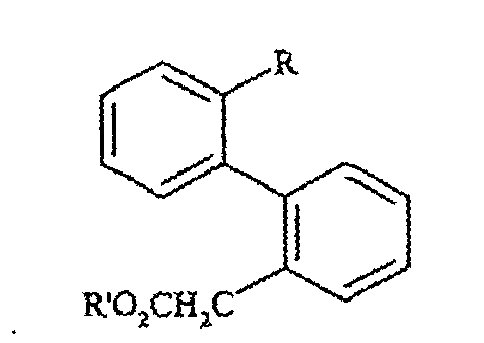
Cpd. No. -R -R' Starting From Method Used Analytical Data 164 -CHO -CH3 163 + 130 D-2 1HNMR (DMSO-d6): δ 9.58 (s, 1 H), 7.91 (dd, J = 1.2, 8.0 Hz, 1 H), 7.71 (dt, J = 1.2 and 7.4 Hz, 1 H), 7.58 (t, J = 7.4 Hz, 1 H), 7.41 (m, 2 H), 7.38 (m, 1 H), 7.32 (d, J = 8 Hz, 1 H), 7.24 (d, J = 7.4 Hz, 1 H), 3.52 (q, J = 16 and 26 Hz, 2 H), 3.35 (s, 3 H); MS (ES+): 255.32 165 -CO2H -CH3 164 E Characterized in the next step 166 
-CH3 165 J 1HNMR (DMSO-d6): δ 10.34 (s, 1 H), 9.18 (s, 2 H), 8.92 (s, 2 H), 7.72-7.5 (m, 7 H), 7.34-7.14 (m, 5 H), 3.60 (q, J = 17 & 40 Hz, 2 H), 3.48 (s, 3 H); MS (ES+) 388.67 167 
-H 166 I-2 1HNMR (DMSO-d6): δ 11.74 (bs, 1 H), 9.90 (s, I H), 8.79 (bs, 2 H), 7.64 (m, 1 H), 7.50 (m, 7 H), 7.33 (d, J = 8.6 Hz, 1 H), 7.26 (d, J = 7.4 Hz, 1 H), 7.12 (t, J = 7.4 Hz, 1 H), 7.02 (t, J = 7.4 Hz, 1 H), 6.89 (d, J = 6.8 Hz, 1 H), 3.83 (d, J = 15 Hz, 2 H); MS (ES+) 374.79 
Cpd. No. -R -R' -R" -R"' Starting From Method Used Analytical Data 188a -CH=CH2 (4) 

-H 187a AE-3 MS (ES+): 485.4 (100% M+1) 188b -CH=CH2 (4) 

-H 187b AE-3 1HNMR (DMSO-d6/D2O): δ 8.5 (d; J = 2 Hz, 1 H), 8.17 (dd, J = 8 Hz, 2 H), 7.65 (s, 1 H), 7.63 (s, 1 H), 7.54 (d, J = 8 Hz, 1 H), 7.49 (bs, 2 H), 7.14 (d, J = 7.7 Hz, 1 H), 6.78 (dd, J = 11 and 17 Hz, 1 H), 6.62 (d, J = 9 hz, 1 H), 5.83 (d, J = 17 hz, 1 H), 5.33 (d, J = 11 hz, 1 H), 4.17 (d, J = 9 hz, 1 H), 4.12 (s, 2 H); MS (ES+) : 497.3 188c -CH=CH2 (4) 

-H 187c AE-3 1HNMR (DMSO-d6/D2O): δ 8.6 (m, 3 H), 8.3 (m, 3 H), 7.9 (d, J = 7.9 Hz, 1 H), 7.45 (d, J = 8.8 Hz, 1 H), 7.3 (m, 3 H), 7.1 (m, 1 H), 7.0 (d, J = 8.1 Hz, 1 H), 6.6 (dd, J = 6 and 28 Hz, 1 H), 6.4 (d, J = 8.8 Hz, 2 H), 5.7 (d, J = 17 Hz, 1 H), 5.15 (d, J = 11 Hz, 1 H), 3.9 (m, 2 H), 3.25 (m, 2 H), 1.1 (t, J = & Hz, 3 H); MS (ES+) : 443.3 188d -CH=CH2 (4) 

H 187d AE-3 1HNMR (DMSO-d6): δ 8.8 (m, 2 H), 8.7 (m, 1 H), 8.4 (m, 2 H), 8.1 (m, 1 H), 7.6 (m, 2 H), 7.5 (m, 3 H), 7.3 (m, 1 H), 7.2 (m, 1 H), 6.8 (m, 1 H), 6.6 (m, 2 H), 5.8 (m, 1 H), 5.3 (m, 1 H), 4.1 (m, 2 H), 3.31 (m, 1 H), 3.2 (m, 1 H), 1.7 (m, 1 H), 1.6 (m, 1 H), 1.3 (m, 1 H), 1.0 (m, 6 H); MS (ES+): 485 189a -OCH3 (3) 

-H 74 AE-4, 1-2 1HNMR (DMSO-d6): δ 8.60 (t, J = 6 Hz, 1 H), 8.39 (bs, 2 H), 8.28 (bs, 1 H), 7.78 (m, 1 H), 7.56 (m, 1 H), 7.43 (dd, J = 5.8 Hz, 3.8 Hz, 2 H), 7.18 (m, 2 H), 6.80 (m, 3 H), 6.51 (bs, 1 H), 4.10 (m, 1 H), 3.85 (m, 1 H), 3.70 (s, 3 H), 3.17 (t, J = 6 Hz, 2 H), 1.80 (m, 1 H), 0.89 (d, J = 6.8 Hz, 6 H); MS (ES+) 475.2 189b -OBn (4) 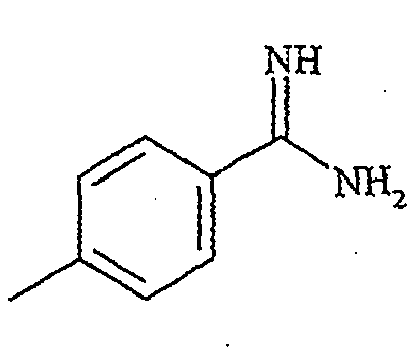

-H 184a AE-3 1HNMR (DMSO-d6/D2O): δ 8.24 (d, J = 1.5 Hz, 1 H), 7.86 (d, J = 7 Hz, 1 H), 7.49 (m, 2 H), 7.36 (m, 4 H), 7.26 (d, J = 8.3 Hz, 1 H), 6.94 (m, 3 H), 6.66 (d, J = 8.7 Hz, 2 Hz, 2 H), 5.03 (s, 2 H), 4.06 (q, J = 16 and 21 Hz, 2 H), 3.02 (d, J = 7 Hz, 2 H), 1.86 (m, 1 H), 0.89 (d, J = 6.8 Hz, 6 H); MS (ES-): 549.2 and (ES+) 551.4 189c -OH (4) 

-H 189b G 1HNMR (DMSO-d6): δ 11.3 (bs, 1 H), 9.07 (s, 1 H), 8.46 (t, J = 6 Hz, 1 H), 8.27 (bs, 2 H), 8.15 (bs, 2 H), 7.66 (d, J = 7.7 Hz, 1 H), 7.36 (d, J = 8.5 Hz, 2 H), 7.03 (d, J = 8.1 Hz, 1 H), 6.77 (m, 2 H), 6.68 (d, J = 8.3 Hz, 2 Hz, 2 H), 6.6 (s, 1 H), 6.47 9d, J = 8.2 Hz, 1 H), 4.05 (d, J = 14 Hz, 1 H), 3.09 (d, J = 14 Hz, 1 H), 3.01 (t, J = 7 Hz, 2 H), 1.79 (m, 1 H), 0.82 (d, J = 6.8 Hz, 6 H); MS (ES-): 459.2 and (ES+) 461.4 189d -H 

-H 131 AE-3 MS (ES+): 445.4; MS (ES-): 443.3 189e -H 

-H 131 AE-3 MS (ES+): 446.46; MS (ES-): 444.45 
Cpd. No. -R -R' Starting From Method Used Analytical Data 205 
-Boc 204 A-4 1HNMR (DMSO-d6): δ 11.04 (s, 0.6 H), 10.97 (bs, 0.4 H), 8.66 (t, J = 5.6 Hz, 0.6 H), 8.56 (t, J = 5.6 Hz, 0.4 H), 8.22 (s, 1 H), 8.11 (d, J = 2 Hz, 0.6 H), 8.03 (d, J = 2 Hz, 0.4 H), 7.94 (dd, J = 2 and 8 Hz, 1 H), 7.82 (m, 4 H), 7.40 (m, 8 H), 7.18 (m, 2 H), 7.04 (m, 2 H), 5.21 (s, 0.8 H), 5.11 (s, 1.2 H), 3.11 (t, J = 6.2 Hz, 1.2 H), 3.06 (t, J = 6.2 Hz, 0.8 H), 1.84 (m, 1 H), 1.43 (s, 5.4 H), 1.42 (s, 3.6 H), 0.91 (d, J = 6.8 Hz, 3.6 H), 0.88 (d, J = 6.8 Hz, 2.4 H); MS (ES+): 665.5 206 -CH2OH -Boc 204 A-6 1HNMR (DMSO-d6): δ 12.15 (bs, 1 H), 11.07 (bs, I H), 10.69 (s, 1 H), 10.38 (bs, I H), 8.68 (t, J = 5.6 Hz, 1 H), 8.12 (d, J = 1.7 Hz, 1 H), 8.00 (dd, 1.8, Hz, 1 H), 7.68 (m, 4 H), 7.46-7.30 (m, 6 H), 7.16 (d, J = 2.8 Hz, 1 H), 7.01 (d, J = 8.5 Hz, 1 H), 6.86 (dd, J = 8.5 and 2.8 Hz, 1 H), 5.07 (s, 2 H), 4.30 (d, J =7.4 Hz, 2 H), 3.15 (t, J = 6.2 Hz, 2 H), 1.86 (m, 1 H), 1.53 (s, 9 H), 0.89 (d, J = 6.8 Hz, 6 H); MS (ES-): 649.4 207 -CH2OH -H 206 S-2 1HNMR (DMSO-d6/D2O): δ 10.66 (s, 1 H), 9.19 (bs, 2 H), 8.86 (bs, 2 H), 8.69 (t, J = 5.5 Hz, 1 H), 8.13 (d, J = 2 Hz, 1 H), 8.02 (dd, J = 8 and 2 Hz, 1 H), 7.72 (m, 4 H), 7.38 (m, 6 H), 7.17 (d, J = 2.6 Hz, 1 H), 7.03 (d, J = 8.5 H, 1 H), 6.87 (dd, J = 8.5 and 2.5 Hz, 1 H), 5.39 (t, J = 4.7 Hz, 1 H), 5.08 (s, 2 H), 4.30 (m, 2 H), 3.13 (t, J = 6.5 Hz, 2 H), 1.87 (m, 1 H), 0.91 (d, J = 6.5 Hz, 6 H); MS (ES+) 551.4 208 
-H 205 S-2 1HNMR (DMSO-d6): δ 11.26 (s, 0.6 H), 11.20 (bs, 0.4 H), 9.15 (bs, 1.2 H), 9.11 (bs, 0.8 H), 8.84 (bs, 1.2 H), 8.82 (bs, 0.8 H), 8.67 (t, J = 5.6 Hz, 0.6 H), 8.58 (t, J = 5.6 Hz, 0.4 H), 8.3 (s, 1 H), 8.12 (d, J = 2 Hz, 0.6 H), 8.04 (d, J = 2 Hz, 0.4 H), 7.96 (dd, J = 2 and 8 Hz, 1 H), 7.84 (m, 1 H), 7.70 (m, 2 H), 7.57 (m, 3 H), 7.40 (m, 4 H), 7.22 (m, 2 H), 7.02 (m, 2 H), 5.21 (s, 0.8 H), 5.11 (s, 1.2 H), 3.12 (t, J = 6.5 Hz, 1.2 H), 3.06 (t, J = 6.5 Hz, 0.8 H), 1.84 (m, 1 H), 0.90 (d, J = 6.5 Hz, 3.6 H), 0.86 (d, J = 6.5 Hz, 2.4 H); MS (ES+): 564.5 
Cpd. No. -R -R' -R" Starting From Method Used Analytical Data 217 -OCH3 
-Br 216 A-3 1H NMR (DMSO-d6 ): δ 8.48 (t, J = 6.2 Hz, 1 H), 8.06 (d, J = 8.3 Hz, 1 H), 7.69 (d, J = 8.5 Hz, 1 H), 4.01 (s, 3 H), 3.15 (t, J = 6.5 Hz, 2 H), 1.91 (m, 1 H), 0.91 (d, J = 6.6 Hz, 6 H); MS (ES+): 287.1 218 -OCH3 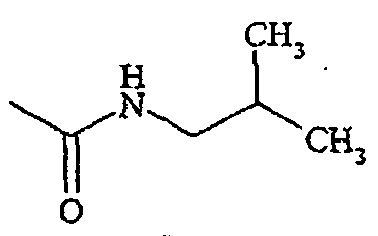
-CH=CH2 217 D-12 1H NMR (CDCl3): δ 8.08 (m, 2 H), 7.20 (m, 2 H), 6.39 (dd, J = 2.0 and 17.3 Hz, 1 H), 5.53 (dd, J = 2.0 and 10.9 Hz, 1 H), 4.01 (s, 3 H); 3.15 (t, J = 6.5 Hz, 2 H), 1.91 (m, 1 H), 0.91 (d, J = 6.6 Hz, 6 H) 219 -OH 
-CO2CH3 218 E-2, V-3, W-2 1H NMR (DMSO-d6 ): δ 11.05 (s, 1 H), 8.48 (t, J = 6.2 Hz, 1 H), 8.06 (d, J = 8.7 Hz, 1 H), 7.53 (d, J = 8.5 Hz, 1 H), 3.90 (s, 3 H), 3.12 (t, J = 6.6 Hz, 2 H), 1.85 (m, 1 H), 0.86 (d, J = 6.6 Hz, 6 H); MS 220 -OSO2CF3 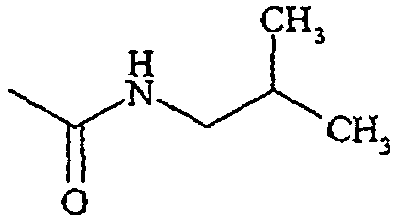
-CO2CH3 219 B-2 (ES+): 253.2 MS (ES+): 407.2 (M+Na)+ 237 
-NH2 -H 236 AF-1 MS (ES+): 137.1 
Cpd. No. -R -R' -R" Starting From Method Used Analytical Data 221 -CHO -OBn -CH3 220 + 6 D-2 1H NMR (CDCl3): δ 9.77 (s, I H), 8.40 (d, J = 7.9 Hz, 1 H), 8.13 (d, J = 6.8 Hz, I H), 7.83 (d, J = 7.9 Hz, 1 H), 7.61 (d, J = 2.60 Hz, 1 H), 7.20 (m, 5 H), 7.21 (m, 1 H), 7.18 (d, J = 8.3 Hz, 1 H), 5.18 (s, 2 H), 3.72 (s, 3 H), 3.35 (q, J = 5.8 Hz, 2 H), 1.96 (m, 1 H), 1.01 (d, J = 6.8 Hz, 6 H); MS (ES+): 447.4 222 -CO2H -OBn -CH3 221 E MS (ES-): 461.3 223 -CO2MEM -OBn -CH3 222 F MS (ES+): 573.33 (M+Na)+ 224 -CO2MEM -OH -CH3 223 G MS (ES+): 461.36 225 -CO2MEM -OSO2CF3 -CH3 224 B-2 MS (ES+): 615.58 (M+Na)+ 226 -CO2MEM -CH=CH2 -CH3 225 D-3 or D-12 MS (ES-): 381.35 [(M-MEM)-1] 227 -CO2H -CH=CH2 -CH3 226 I-1 MS (ES-): 381.35 228 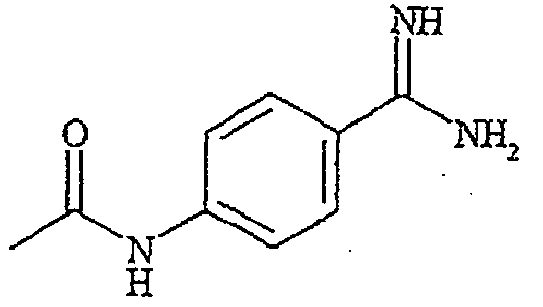
-CH=CH2 -CH3 227 J MS (ES+): 500.35 229 
-CH=CH2 -H 228 I-2 MS (ES+): 486.32 245 -CHO -OH -CH3 221 AD MS (ES+): 357.40 246 -CHO -OSO2CF3 -CH3 245 B-2 Characterized in the next step 247 -CHO -CH=CH2 -CH3 246 D-3 MS (ES+): 367.42 248 
-CH=CH2 -H 247 AE-3 MS (ES+): 472.39 249 
-OBn -CH3 222 J MS (ES+): 580.4 250 
-OBn -H 249 I-2 MS (ES+): 566.4
MS (ES-): 564.3251 
-OH -H 250 G MS (ES+): 476.3
MS (ES-): 474.2252 
-CH=CH2 -H 247 AE-3 MS (ES+): 473.44
MS (ES-): 471.43
Cpd. No. -R Starting From Method Used Analytical Data 231b -CO2CH3 230 AG-3 1H NMR (CDCl3): δ 10.17 (d, J = 0.75 Hz, 1 H), 7.62 (d, J = 8.3 Hz, 1 H), 6.94 (dd, J = 8.3, 0.75 Hz, 1 H), 6.51 (s, 1 H), 3.90 (s, 3 H) 
Cpd. No. -R -R' Starting From Method Used Analytical Data 232a -H -CHO -R" -CH3 231a + 6a D-6 or D-7 1HNMR (CDCl3): δ 9.64 (s, 1 H), 8.44 (d, J = 2 Hz, 1 H), 8.02 (dd, J = 8 and 2 Hz, 1 H), 7.60 (d, J = 8.3 Hz, 1 H), 7.40 (d, J = 8 Hz, 1 H), 6.96 (d, J = 8 Hz, 1 H), 6.32 (t, J = 6 and 5 Hz, 1 H), 6.01 (s, 2 H), 3.72 (s, 3 H), 3.33 (t, J = 6.5 Hz, 2 H), 1.93 (m, 1 H), 1.00 (d, J = 6.8 Hz, 6 H); MS (ES+): 384.3 and 406.3 (M+Na)+ 232b -CO2H -CHO -CH3 231b + 6a D-6 or D-7 1HNMR (DMSO-d6): δ 9.87 (s, 1 H), 9.49 (s, 1 H), 8.64 (d, J = 2 Hz, 1 H), 8.3 (s, I H), 7.97 (d, J = 8 Hz, 1 H), 7.43 (dd, J = 8 and 2.6 Hz, 1 H), 7.35 (m, 2 H), 6.94 (m, 1 H), 6.05 (s, 0.4 H), 5.98 (s, 0.6 H), 3.55 (s, 1.8 H), 3.52 (s, 1.2 H), 3.02 (t, J = 6.5 Hz, 2 H), 1.78 (m, 1 H), 0.81 (d, J = 6.6 Hz, 6 H); MS (ES-): 426.2 233a -H -CO2H -CH3 232a E 1HNMR (DMSO-d6): δ 12.29 (bs, 1 H), 8.69 (t, J = 5.5 Hz, 1 H), 8.38 (d, J = 2 Hz, 1 H), 8.03 (dd, J = 8 and 2 Hz, 1 H), 7.58 (d, J = 8.5 Hz, 1 H), 7.36 (d, J = 8 Hz, 1 H), 7.00 (d, J = 8.5 Hz, 1 H), 6.02 (s, 2 H), 3.64 (s, 3 H), 3.12 (t, J = 6.5 Hz, 2 H), 1.87 (m, 1 H), 0.91 (d, J = 6.8 Hz, 6 H); MS (ES-): 398.2 233b -CO2H -CO2H -CH3 232b E 1HNMR (DMSO-d6): δ 8.64 (t, J = 5.5 Hz, I H), 8.38 (d, J = 4 Hz, 1 H), 8.00 (dd, J = 8.5 and 4 Hz, 1 H), 7.59 (dd, J = 8.5 and 4 Hz, 1 H), 7.30 (dd, J = 8 and 2.5 Hz, 1 H), 6.52 (s, 0.5 H), 6.48 (s, 0.5 H), 3.60 (s, 1.5 H), 3.58 (s, 1.5 H), 3.08 (t, J = 6.5 Hz, 2 H), 1.84 (m, 1 H), 0.88 (d, J = 6.8 Hz, 6 H) 234a -H 
-CH3 233a J MS (ES+): 517.4 234b -CO2H 
-CH3 233b J 1HNMR (DMSO-d6): δ 12.41 (bs, 1 H), 11.09 (s, 1 H), 10.96 (s, 1 H), 9.22 (bs. 2 H), 8.96 (bs, 2 H), 8.70 (m, 1 H), 8.38 (dd, J = 2 and 13 Hz, 1 H), 8.04 (d, J = 8 Hz, 1 H), 7.82 (m, 4 H), 7.65 (dd, J = 8 and 5 Hz, 1 H), 7.39 (dd, J = 8 and 2.5 Hz, 1 H), 7.11 (dd, J = 8.5 and 1.7 Hz, 1 H), 6.05 (s, 1 H), 3.67 (s, 1.5 H), 3.50 (s, 1.5 H), 3.10 (t, J = 6.5 Hz, 2 H), 1.88 (m, 1 H), 0.90 (d, J = 6.8 Hz, 6 H) 235a -H 
-H 234a I-2 1HNMR (DMSO-d6+DCl one drop): δ 8.34 (d, J = 2 Hz, 1 H), 7.97 (dd, J = 8 and 2 Hz, 1 H), 7.75 (m, 4 H), 7.33 (dd, J = 3.8 and 8.1 Hz, 2 H), 7.04 (d, J = 8.1 Hz, 1 H), 6.01 (d, J = 6 Hz, 2 H), 3.07 (t, 3 = 6.5 Hz, 2 H), 1.83 (m, 1 H), 0.86 (d, J = 6.8 Hz, 6 H); MS (ES-) 501.3; (ES+) 503.3 
Cpd. No. -R -R' -R" Starting From Method Used Analytical Data 240 -CH(OH)-CH2OH -Boc -CH3 161d L 1H NMR (DMSO-d6): δ 10.47 (s, 1H), 9.07 (s, 2H), 8.72 (t, J = 5.7 Hz, 1H), 8.29 (d, J = 2 Hz, 1 H), 8.08 (dd, J = 8.0, 2 Hz, 1H), 7.95 (s, 1H), 7.92 (s, 1 H), 7.67 (m, 2 H), 7.62 (d, J = 6.5 Hz, 1 H), 7.46 (d, J = 8 Hz, 1H), 7.31 (d, J = 8 Hz, 1H), 5.50 (d, J = 4.5 Hz, 1H), 4.91 (t, J = 5.7 Hz, 1H), 4.74 (m, 1 H), 4.25 (s, 1 H), 3.63 (s, 3H), 3.15 (t, J = 6.4 Hz, 2H), 1.91 (m, 1H), 1.50 (s, 9 H), 0.95 (d, J = 6.7 Hz, 6H) 241 -CHO -Boc -CH3 240 M 1H NMR (DMSO-d6): δ 10.69 (s, 1H), 10.17 (s, 1 H), 9.10 (bs, 2 H), 8.72 (t, J = 5.7 Hz, 1H), 8.30 (d, J = 1.5 Hz, 1H), 8.22 (d, J = 1.5 Hz, 1H), 8.22 (dd, J = 1.5 and 8 Hz, 1 H), 8.07 (dd, J = 1.5 and 8 Hz, 1 H), 7.89 (s, 1H), 7.86 (s, 1 H), 7.65 (s, 1 H), 7.62 (s, 1 H), 7.57 (d, J = 8 Hz, 1H), 7.44 (d, J = 8 Hz, 1H), 3.57 (s, 3H), 3.11 (t, J = 6.4 Hz, 2H), 1.85 (m, 1H), 1.44 (s, 9 H), 0.89 (d, J = 6.7 Hz, 6H) 242 -CH(OH)-CH=CH2 -Boc -CH3 241 AG MS (ES+): 629.39 243 -CH(OH)-CH=CH2 -H -CH3 242 S MS (ES+): 529.38 244 -CH(OH)-CH=CH2 -H -H 243 I-2 MS (ES-): 515.35 
Cpd. No. -R Starting From Method Used Analytical Data 254 
253 AE-3 MS (ES+): 318.2, 320.2 255 
254 R MS (ES+): 418 - The following non-limiting examples are presented to further illustrate the present invention.
- 2'-[({4-[Amino(imino)methyl]phenyl}amino)carbonyl]-4-[(isobutylamino)carbonyl]-4'-thien-2-yl-1,1'-biphenyl-2-carboxylic acid
- 2'-[({4-[Amino(imino)methyl]phenyl}amino)carbonyl]-4-[(isobutylamino)carbonyl]-4'-thien-3-yl-1,1'-biphenyl-2-carboxylic acid
- 2'-[({4-[Amino(imino)methyl]phenyl}amino)carbonyl]-4-[(isobutylamino)carbonyl]-1,1':4',1"-terphenyl-2-carboxylic acid
- 2'-[({4-[Amino(imino)methyl]phenyl}amino)carbonyl]-4'-(3-furyl)-4-[(isobutylamino)carbonyl]-1,1'-biphenyl-2-carboxylic acid
- 2'-[({4-[Amio(imino)methyl]phenyl}amino)carbonyl]-4-[(isobutylamino)carbonyl]-4'-pyridin-4-yl-1,1'-biphenyl-2-carboxylic acid
- 2'-[({4-[Amino(imino)methyl]phenyl}amino)carbonyl]-4-[(isobutylamino)carbonyl]-4'-(1H-pyrrol-2-yl)-1,1'-biphenyl-2-carboxylic acid
- 2'-[({4-[Amino(imino)methyl]phenyl}amino)carbonyl]-4'-[2-(hydroxymethyl)thien-3-yl]-4-[(isobutylamino)carbonyl]-1,1'-biphenyl-2-carboxylic acid
- 2'-[({4-[Amino(imino)methyl]phenyl}amino)carbonyl]-4'-[3-(hydroxymethyl)thien-2-yl]-4-[(isobutylamino)carbonyl]-1,1'-biphenyl-2-carboxylic acid
- 2'-[({4-[Amino(imino)methyl]phenyl}amino)carbonyl]-4-[(isobutylamino)carbonyl]-4'-vinyl-1,1'-biphenyl-2-carboxylic acid
- 4'-Allyl-2'-[({4-[amino(imino)methyl]phenyl}amino)carbonyl]-4-[(isobutylamino)carbonyl]-1,1'-biphenyl-2-carboxylate
- 2'-[({4-[Amino(imino)methyl]phenyl}amino)carbonyl]-4-[(isobutylamino)carbonyl]-4'-(1,3-thiazol-2-yl)-1,1'-biphenyl-2-carboxylic acid
- 2'-[({4-[Amino(imino)methyl]phenyl}amino)carbonyl]-4'-[3-(hydroxymethyl)-2-furyl]-4-[(isobutylamino)carbonyl]-1,1'-biphenyl-2-carboxylic acid
- 2'-[({4-[Amino(imino)methyl]phenyl}amino)carbonyl]-4-[(isobutylamino)carbonyl]-4'-prop-1-ynyl-1,1'-biphenyl-2-carboxylic acid
- 2'-[({4-[Amino(imino)methyl]phenyl}amino)carbonyl]-4'-(3-hydroxy-3-methylbut-1-ynyl)-4-[(isobutylamino)carbonyl]-1,1'-biphenyl-2-carboxylic acid
- 2'-[({4-[Amino(imino)methyl]phenyl}amino)carbonyl]-4-[(3-methylbutanoyl)amino]-4'-vinyl-1,1'-biphenyl-2-carboxylic acid
- 2'-[({4-[Amino(imino)methyl]phenyl}amino)carbonyl]-4'-(4-hydroxybut-1-ynyl)-4-[(isobutylamino)carbonyl]-1,1'-biphenyl-2-carboxylic acid
- 2'-[({4-[Amino(imino)methyl]phenyl}amino)carbonyl]-4-[(isobutylamino)carbonyl]-4'-[(1E)-3-methylbuta-1,3-dienyl]-1,1'-biphenyl-2-carboxylic acid
- 2'-[({4-[Amino(imino)methyl]phenyl}amino)carbonyl]-4'-(3-hydroxyprop-1-ynyl)-4-[(isobutylamino)carbonyl]-1,1'-biphenyl-2-carhoxylic acid
- 2'-[({4-[Amino(imino)methyl]phenyl}amino)carbonyl]-4'-(2-furyl)-4-[(propylamino)carbonyl]-1,1'-biphenyl-2-carboxylic acid
- 2'-[({4-[Amino(imino)methyl]phenyl}amino)carbonyl]-4-[(sec-butylamino)carbonyl]-4'-(2-furyl)-1,1'-biphenyl-2-carboxylic acid
- 2'-[({4-[Amino(imino)methyl]phenyl}amino)carbonyl]-4'-(2-furyl)-4-{[(2,2,2-trifluoroethyl)amino]carbonyl}-1,1'-biphenyl-2-carboxylic acid
- 2'-[({4-[Amino(imino)methyl]phenyl}amino)carbonyl]-4'-(2-furyl)-4-{[(4-hydroxybutyl)amino]carbonyl}-1,1'-biphenyl-2-carboxylic acid
- 2'-[({4-[Amino(imino)methyl]phenyl}amino)carbonyl]-4-[(ethylamino)carbonyl]-4'-(2-furyl)-1,1'-biphenyl-2-carboxylic acid
- 2'-[({4-[Amino(imino)methyl]phenyl}amino)carbonyl]-4-[(isobutylamino)carbonyl]-5'-methoxy-4'-vinyl-1,1'-biphenyl-2-carboxylic acid
- 2'-[({4-[Amino(imino)methyl]phenyl}amino)carbonyl]-4-[(isobutylamino)carbonyl]-4'-(thien-2-ylmethyl)-1,1'-biphenyl-2-carboxylic acid
- 2-{3-[({4-[Amino(imino)methyl]phenyl}amino)carbonyl]pyridin-4-yl}-5-[(isobutylamino)carbonyl]benzoic acid
- 2'-[({4-[Amino(imino)methyl]phenyl}amino)carbonyl]-4-[(cyclopentylamino)carbonyl]-4'-vinyl-1,1'-biphenyl-2-carboxylic acid
- 2'-[({4-[Amino(imino)methyl]phenyl}amino)carbonyl]-5'-ethoxy-4-[(isobutylamino)carbonyl]-4'-vinyl-1,1'-biphenyl-2-carboxylic acid
- Methyl 2'-[({4-[({[(acetyloxy)methoxy]carbonyl}amino)(imino)methyl]phenyl} amino)carbonyl]-4-[(isobutylamino)carbonyl]-4'-vinyl-1,1'-biphenyl-2-carboxylate
- Methyl 2'-[({4-[{[(benzyloxy)carbonyl]amino}(imino)methyl]phenyl}amino) carbonyl]-4-[(isobutylamino)carbonyl]-4'-vinyl-1,1'-biphenyl-2-carboxylate
- N'-{4-[Amino(imino)methyl]phenyl}-N8-isobutyl-6-oxo-6H-benzo[c]chromene-1,8-dicarboxamide
- 2'-[({4-[Amino(imino)methyl]phenyl}amino)methyl]-4-[(isobutylamino)carbonyl]-4'-vinyl-1,1'-biphenyl-2-carboxylic acid
- 2'-({[4-(4,5-Dihydro-1H-imidazol-2-yl)phenyl]amino}carbonyl)-4-[(isobutylamino)carbonyl]-1,1'-biphenyl-2-carboxylic acid
- 2'-[({4-[Amino(imino)methyl]phenyl}amino)carbonyl]-4-[(isobutylamino)carbonyl]-5'-thien-2-yl-1,1'-biphenyl-2-carboxylic acid
- 2'-[({4-[Amino(imino)methyl]phenyl}amino)carbonyl]-5'-(2-amino-2-oxoethoxy)-4-[(isobutylamino)carbonyl]-1,1'-biphenyl-2-carboxylic acid
- 2'-[({4-[Amino(imino)methyl]phenyl}amino)carbonyl]-4'-ethoxy-4-[(isobutylamino)carbonyl]-1,1'-biphenyl-2-carboxylic acid
- 2-{5-[({4-[Amino(imino)methyl]phenyl}amino)carbonyl]-1,3-benzodioxol-4-yl}-5-[(isobutylamino)carbonyl]benzoic acid
- 2'-[1-({4-[Amino(imino)methyl]phenyl}amino)ethyl]-4-[(isobutylamino)carbonyl]-1,1'-biphenyl-2-carboxylic acid
- 3-[2-({4-[Amino(imino)methyl]phenyl}amino)carbonyl]-4-(benzyloxy)phenyl]-6-[(isobutylamino)carbonyl]pyridine-2-carboxylic acid
- 3-[2-(4-Carbamimidoyl-phenylcarbamoyl)-4-vinyl-phenyl]-6-isobutylcarbamoyl-pyridine-2-carboxylic acid
- 2'-[(5-Carbamimidoyl-pyridin-2-ylamino)-methyl]-4-isobutylcarbamoyl-4'-vinyl-biphonyl-2-carboxylic acid
- 2'-{[4-(N-Hydroxycarbamimidoyl)-phenylamino]-methyl}-4-isobutylcarbamoyl-4'-vinyl-biphenyl-2-carboxylic acid
- 2'-{[4-(N-Hydroxycarbamimidoyl)-phenylamino]-methyl}-4-isobutylcarbamoyl-4'-vinyl-biphenyl-2-carboxylic acid methyl ester
- 3-{2-[(4-Carbamimidoyl-phenylamino)-methyl]-4-vinyl-phenyl}-6-isobutylcarbamoyl-pyridine-2-carboxylic acid
- To assess the inhibition of the test compounds against the target enzyme, TF/FVIIa, an amidolytic assay based upon the absorbance of p-Nitroanalide (pNA) at OD405 was utilized. The IC50 of the test compounds was determined by using KC4A data reduction software (Bio-Tek Instruments) to interpolate percent inhibition from observed Vmax values.
- TR/FVIIa assay reactions were performed in a 200 µL mixture containing 4 nM FVIIa, 10 nM lipidated tissue factor, in an assay buffer containing 100 mM Tris, pH 7.2, 150 mM NaCl, 5 mM calcium chloride, 0.1 % bovine serum albumin (BSA), and 10% dimethyl sulfoxide (DMSO). TF and FVIIa were allowed to equilibrate at room temperature for 15 minutes. Test compounds dissolved in DMSO were incubated at varied concentrations with TF/FVIIa for 10 minutes, followed by addition of 500 □M substrate Spectrozyme-FVIIa. Reactions were incubated for 5 minutes at room temperature prior to measuring the change in OD405 nm for 10 minutes at 21 second intervals with a Powerwave x (Bio-Tek Instruments) microplate reader.
- This colorimetric assay was used to assess the ability of the test compounds to inhibit the human thrombin, enzyme. IC50 of the test compounds was determined by using KC4A data reduction software (Bio-Tek Instruments) to interpolate percent inhibition from observed Vmax values.
- Thrombin assay reactions were performed in a 200 µL mixture containing human thrombin at (1 U/mL) in an assay buffer containing 100 mM HEPES, 10 mM calcium chloride, and 10 % DMSO, pH 7.5. Test compounds dissolved in DMSO were added to thrombin enzyme reactions at varied concentrations, followed by the addition of substrate Nα-Benzoyl-Phe-Val-Arg p-Nitroanilide at a final concentration of 1 mM. Reactions were incubated for 5 minutes at room temperature prior to measuring the change in OD405 nm for 10 minutes at 21 second intervals with a Powerwave x (Bio-Tek Instruments) microplate reader.
- This enzymatic assay was employed to evaluate the ability of the test compounds to inhibit human pancreatic trypsin. IC50 of the test compounds was determined by using KC4A data reduction software (Bio-Tek Instruments) to interpolate percent inhibition from observed Vmax values.
- Trypsin assay reactions were performed in a 200 µL mixture containing human pancreatic trypsin at 1 µg/mL in an assay buffer containing 200 mM triethanolamine (TEA), 10 mM calcium chloride, 10 % DMSO, pH 7.8. Test compounds dissolved in DMSO were added to trypsin enzyme reactions at varied concentrations, followed by the addition of substrate Nα-Benzoyl-L-Arginine p-Nitroanilide (L-BAPNA) at a final concentration of (0.25 mg/mL). Reactions were incubated for 5 minutes at room temperature prior to measuring the change in OD405 nm for 10 minutes at 21 second intervals with a Powerwave x (Bio-Tek Instruments) microplate reader.
-

R (With Respect to Phenyl Ring R' TF/FVIIa Trypsin Thrombin 
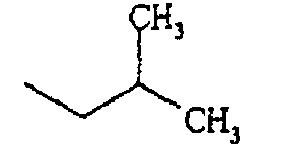
++ + + 
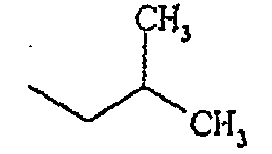
++ + + 

++ + + 

++ - - 

+ - - 

++ - - 

+++ + 
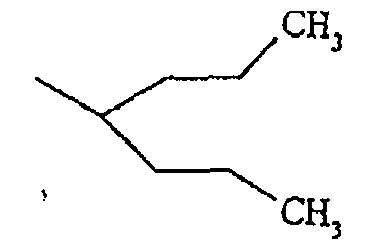
+++ ++ + 

+++ ++ + 

+++ ++ + IC50 values: + mean> µM; ++ means >100 nM; +++ means <100 nM - A comparison of Examples with R group and without R group illustrates the greatly-enhanced activity achieved pursuant to the present invention.
- Compounds of the present invention are useful as inhibitors of trypsin-like serine protease enzymes such as thrombin, factor VIIa, TF/FVIIa, and trypsin.
- These compounds may be employed to inhibit the coagulation cascade and prevent or limit coagulation.
- These compounds may be used to inhibit the formation of emboli or thromboli in blood vessels.
- These compounds may be used to treat thrombolymphangitis, thrombosinusitis, thromboendocarditis, thromboangitis, and thromboarteritis.
- These compounds may be used to inhibit thrombus formation following angioplasty. These may be used in combination with other antithrombolytic agents such as tissue plasminogen activators and their derivatives, streptokinase and its derivatives, or urokinase and its derivatives to prevent arterial occlusion following thrombolytic therapy.
- These compounds may also be used in matastatic diseases, or for any disease where inhibition of coagulation is indicated.
- These compounds may be used as diagnostic reagents in vitro for inhibiting clotting of blood in the tubes.
- These compounds may be used alone or in combination with other compounds such as heparin, aspirin, or warfarin and any other anticoagulant agents.
- These compounds may be used as anti-inflammatory agents.
- According to a further aspect of the invention, compounds may be employed in preventing ex vivo coagulation such as that encountered in the extracorporeal perfusion of blood through for example artificial valves, prothesis, stents or catheters. According to this aspect of the invention the extracorporeal device may be coated with the compositions of the invention resulting in a lower risk of clot formation due to extrinsic pathway activation.
- The compounds of this invention can be administered by any means that produces contact of the active agent's site of action with factor VIIa and other serine proteases in the body of a human, mammal, bird, or other animal. They can be administered by any conventional means, such as oral, topical, transdermal, parenteral, subcutaneous, intraperitoneal, intrapulmonary, and intranasal, available for use in conjunction with pharmaceuticals, either as individual therapeutic agents or in a combination of therapeutic agents. Parenteral infusion includes intramuscular, intravenous, and intraarterial. They can be administered alone, but generally administered with a pharmaceutical carrier elected on the basis of the chosen route of administration and standard pharmaceutical practice.
- The dosage administered will, or course, vary depending upon known factors, such as the pharmacodynamic characteristics of the particular agent and its mode and route of administration; the age, health and weight of the recipient; the nature and extent of the symptoms, the kind of concurrent treatment; the frequency of treatment; and the effect desired. A daily dosage of active ingredient can be expected to be about 0.0001 to 1000 milligram (mg) per kilogram (kg) of body weight, with the preferred dose being 0.1 to about 30 mg/kg.
- Dosage forms (compositions suitable for administration) contain from about mg to about 500 mg of compound per unit. In these pharmaceutical compositions, the compound of the present invention will ordinarily be present in an amount of about 0.5-95% by weight based on the total weight of the composition.
- The daily dose of the compounds of the invention that is to be administered can be a single daily dose or can be divided into several, for example, two, three or four, part administrations. The pharmaceutical compositions or medicaments of the invention can be administered orally, for example in the form of pills, tablets, lacquered tablets, coated tablets, granules, hard and soft gelatin capsules, solutions, syrups, emulsions, suspensions or aerosol mixtures. Administration, however, can also be carried out rectally, for example in the form of suppositories, or parenterally, for example intravenously, intramuscularly or subcutaneously, in the form of injection solutions or infusion solutions, microcapsules, implants or rods, or percutaneously or topically, for example in the form of ointments, solutions or tinctures, or in other ways, for example in the form of aerosols or nasal sprays.
- Gelatin capsules contain a compound of the present invention and powdered carriers, such as lactose, starch, cellulose derivatives, biocompatible polymers, magnesium stearate, stearic acid, and the like. Similar diluents can be used to make compressed tablets. Both tablets and capsules can be manufactured as sustained release products to provide for continuous release of medication over a period of hours. Compressed tablets can be sugar coated to mask by unpleasant taste and protect the tablet from the atmosphere, or enteric coated for selective disintegration in the gastrointestinal tract.
- Liquid dosage forms for oral administration can contain coloring and flavoring to increase patient acceptance. They may also contain buffering agents, surfactants and preservatives. Liquid oral products can be developed to have sustained-release properties. They may also contain cyclodextrin derivatives to enhance the solubility of the active ingredient and to promote its oral uptake.
- In general, water, a suitable oil, saline, aqueous dextrose (glucose), and related sugar solutions and glycols such as propylene glycol or polyethylene glycols are suitable carriers for parenteral solutions. Solutions for parenteral administration preferably contain a water-soluble salt of the active ingredient, suitable stabilizing agents, and, if necessary, buffering agents. Antioxidizing agents such as sodium bisulfite, sodium sulfite, or ascorbic acid, either alone or combined, are suitable stabilizing agents. Also used are citric acid and its salts and sodium EDTA. In addition, parenteral solutions can contain preservatives, such as benzalkonium chloride, methyl- or propylparaben, and chlorobutanol.
- Suitable pharmaceutical carriers are described in Remington's Pharmaceutical Sciences, Mack Publishing Company and in the Handbook of Pharmaceuticals Excipients, American Pharmaceutical Association, both standard reference texts in this field.
- Useful pharmaceutical dosage forms for administration of the compounds according to the present invention can be illustrated as follows:
- A large number of unit capsules are prepared by filling standard two-piece hard gelatin capsules each with 100 mg of powdered 1500 mg of lactose, 50 mg of cellulose, and 6 mg of magnesium stearate.
- A mixture of active ingredient in a digestible oil such as soybean oil, cottonseed oil, or olive oil is prepared and injected by means of a positive displacement pump into molten gelatin to form soft gelatin capsules containing 100 mg of the active ingredient. The capsules are washed and dried. The prodrug can be dissolved in a mixture of polyethylene glycol, glycerin and sorbitol to prepare a water miscible medicine mix.
- A large number of tablets are prepared by conventional procedures so that the dosage unit was 100 mg of active ingredient, 0.2 mg of colloidal silicon dioxide, 5 mg of magnesium stearate, 275 mg of microcystalline cellulose, 11 mg of starch, and 9.98 mg of lactose. Appropriate aqueous and non-aqueous coatings may be applied to increase palatability improve elegance and stability or delay absorption.
- These are solid oral dosage forms made by conventional and novel processes. These units are taken orally without water for immediate dissolution and delivery of the medication. The drug is mixed containing ingredient such as sugar, gelatin, pectin, and sweeteners. These liquids are solidified into solid tablets or caplets by freeze drying and solid thermoelastic sugars and polymers or effervescent components to produce porous matrices intended for immediate release, without the need of water.
- Moreover, the compounds of the present invention can be administered in the form of nose drops, metered dose nasal or buccal inhalers. The drug is delivered from a nasal solution as a fine mist or from a powder as an aerosol.
- A compound of the invention can be used in an assay to identify the presence of factor VIIa and other serine protease or to isolate factor VIIa and other serine protease in a substantially purified form. For example, the compound of the invention can be labeled with, for example, a radioisotope, and the labeled compound is detected using a routine method useful for detecting the particular label. In addition, a compound the invention can be used advantageously as a probe to detect the location or amount of factor VIIa and other serine protease activity in vivo, in vitro or ex vivo.
- Various modifications of the invention in addition to those shown and described herein will be apparent to those skilled in the art from the foregoing description. Such modifications are also intended to fall within the scope of the appended claims.
Claims (35)
- The compound represented by the structure

-OBn, -OH, -OSO2CF3,


-OCH3;
and R' is selected from the group consisting of -CHO, -CO2H, and -CO2MEM; and pharmaceutically acceptable salts thereof;
wherein MEM designates a methoxyethoxymethyl group. - The compound represented by the structure

-OBn, -OH, -OSO2CF3,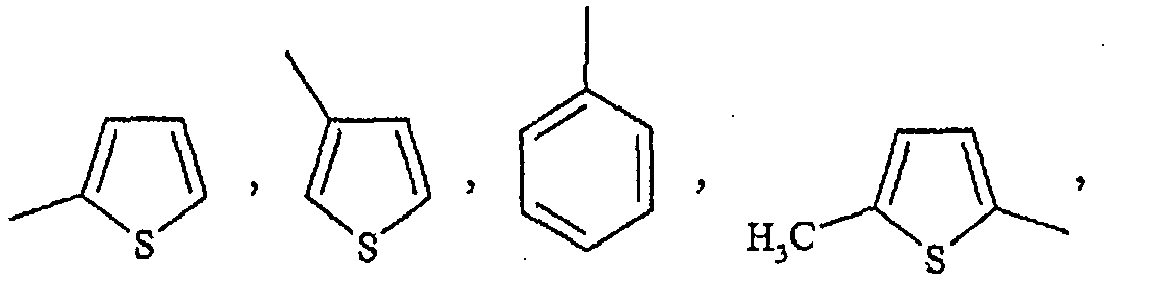
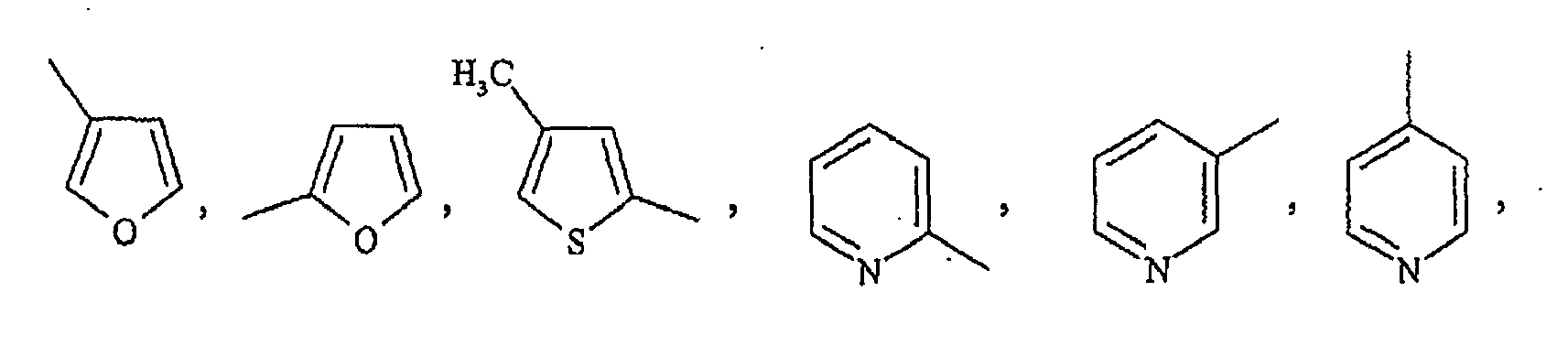



wherein MEM designates a methoxyethoxymethyl group. - The compound represented by the structure


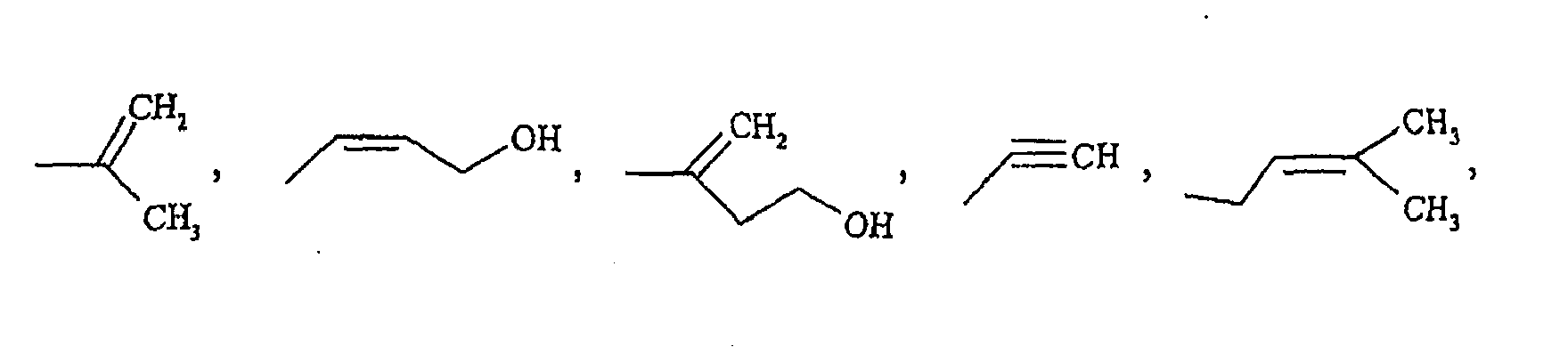


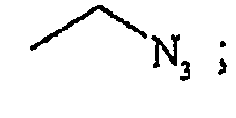
- The compound represented by the structure
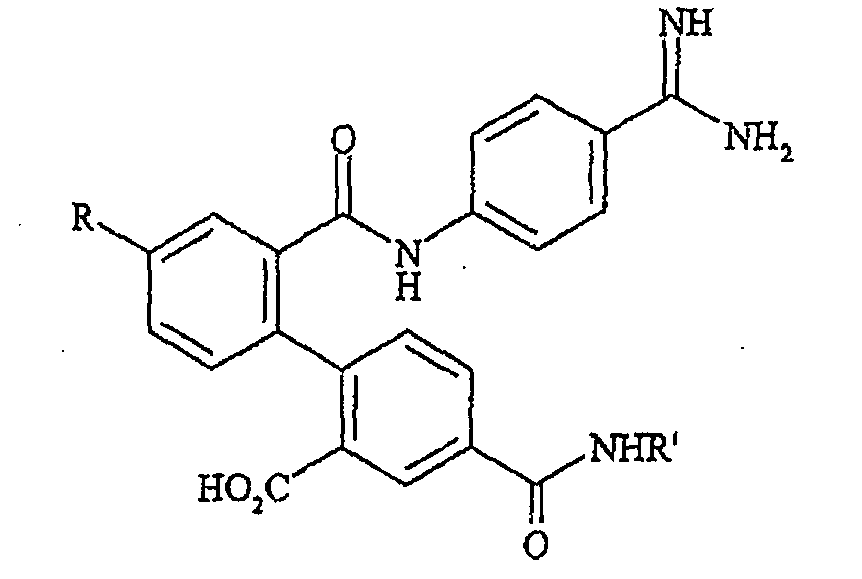


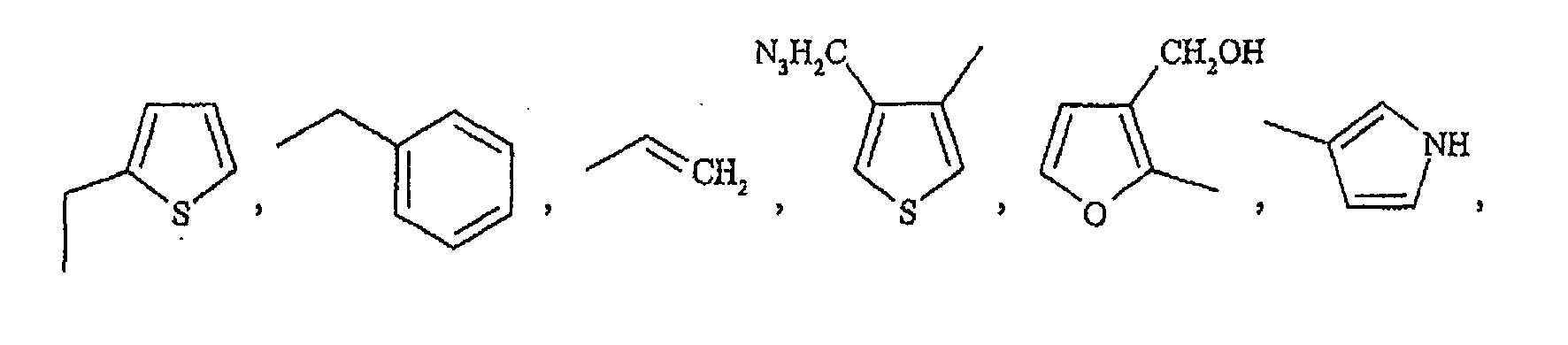





- The compound represented by the structure


- The compound represented by the structure

-OSO2CF3,

- The compound represented by the structure

-OBn, -OH, -OSO2CF3, R' is selected from the group consisting of -CHO, -CO2H, and -CO2MEM;and R" is selected from the group consisting of-CO2MEM,


and pharmaceutically acceptable salts thereof. - The compound represented by the structure

-OBn, -OH, -OSO2CF3,
R' is -H or -Boc; and R" is -CO2MEM or -CO2H; and pharmaceutically acceptable salts thereof;
wherein MEM designates a methoxyethoxymethyl group. - The compound represented by the structure









- The compound represented by the structure


- The compound of claim 1 represented by the structure


- The compound represented by the structure


- The compound represented by the structure

-OCH3, -OH, -OSO2CF3, -CH=CH2, -OCH2CO2C2H5,
-OCH2CONH2,



R' is selected from the group consisting of
-CHO, -CO2H, -CO2MEM,


wherein MEM designates a methoxyethoxymethyl group. - The compound represented by the structure


-OCH2CO2H, -O-CH2-CH2-OH, -CH(OH)CH2OH, -CH2OH, -CO2H,
-OBn, -OCH3, and -CH(OH)CH3; and R' is selected from the group consisting of -CH3, -CH2C6H5, -Bn, -H; and pharmaceutically acceptable salts thereof; - The compound represented by the structure

- The compound represented by the structure

- The compound represented by the structure

-CH3, -C2H5, -CH(CH3)2, R' is selected from the group consisting of -OBn, -OH, -OSO2CF3, and -CH=CH2;R" is selected from the group consisting of -CO2H, -CO2MEM, or -CHO;and R"' is selected from the group consisting of


- The compound represented by the structure

-CH3, -C2H5, -CH(CH3)2, R' is -H or alkyl; and R" is selected from the group consisting of


thereof; - The compound of claim 18 wherein said alkyl is -CH3.
- The compound represented by the structure


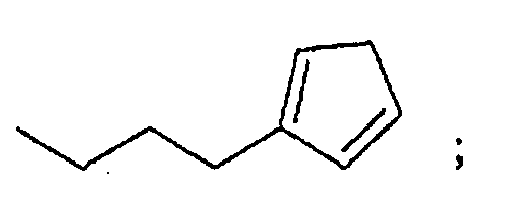 R' is -H, -CH=CH2; and R" is -H or alkyl; and pharmaceutically acceptable salts thereof;
 - The compound of claim 20 wherein said alkyl is -CH3,
- The compound represented by the structure


from the group consisting of

- The compound of claim 22 wherein said alkyl is -CH3.
- The compound represented by the structure


- The compound of claim 24 wherein said alkyl is -CH3.
- The compound represented by the structure


- The compound of claim 26 wherein alkyl is CH3.
- The compound represented by the structure

 R" is selected from the group consisting of
acceptable salts thereof; - The compound represented by the structure

 R' is selected from the group consisting of -OBn, -OH, -OSO2CF3, and -CH=CH2;and R" is -H or alkyl; and pharmaceutically acceptable salts thereof;
 - The compound of claim 29 wherein said alkyl is -CH3.
- The compound represented by the structure
 R' is selected from the group consisting of -CHO, -CO2H, and
 and R" is -H or alkyl; and pharmaceutically acceptable salts thereof.
 - The compound of claim 31 wherein said alkyl is -CH3.
- The compound represented by the structure
 R' is -Boc or -H; and R" is -H or alkyl; and pharmaceutically acceptable salts thereof;
 - The compound of claim 33 wherein said alkyl is -CH3.
- The compound represented by the structure




Priority Applications (1)
| Application Number | Priority Date | Filing Date | Title |
|---|---|---|---|
| CY20091101140T CY1110527T1 (en) | 2001-04-06 | 2009-11-04 | DIFFERENT UNIONS AS SERINE PROTECTION SUSPENDS |
Applications Claiming Priority (3)
| Application Number | Priority Date | Filing Date | Title |
|---|---|---|---|
| US28173501P | 2001-04-06 | 2001-04-06 | |
| US281735P | 2001-04-06 | ||
| PCT/US2001/032582 WO2002034711A1 (en) | 2000-10-20 | 2001-10-22 | Biaryl compounds as serine protease inhibitors |
Publications (3)
| Publication Number | Publication Date |
|---|---|
| EP1383731A1 EP1383731A1 (en) | 2004-01-28 |
| EP1383731A4 EP1383731A4 (en) | 2005-09-28 |
| EP1383731B1 true EP1383731B1 (en) | 2009-08-05 |
Family
ID=30000254
Family Applications (1)
| Application Number | Title | Priority Date | Filing Date |
|---|---|---|---|
| EP01981772A Expired - Lifetime EP1383731B1 (en) | 2001-04-06 | 2001-10-22 | Biaryl compounds as serine protease inhibitors |
Country Status (10)
| Country | Link |
|---|---|
| US (2) | US6699994B1 (en) |
| EP (1) | EP1383731B1 (en) |
| JP (1) | JP4342178B2 (en) |
| AT (1) | ATE438615T1 (en) |
| CY (1) | CY1110527T1 (en) |
| DE (1) | DE60139510D1 (en) |
| ES (1) | ES2332090T3 (en) |
| IL (2) | IL155202A (en) |
| PT (1) | PT1383731E (en) |
| RU (1) | RU2003132706A (en) |
Families Citing this family (51)
| Publication number | Priority date | Publication date | Assignee | Title |
|---|---|---|---|---|
| ES2332090T3 (en) * | 2001-04-06 | 2010-01-26 | Biocryst Pharmaceuticals, Inc. | BIARILIC COMPOUNDS AS INHIBITORS OF SERINA PROTEASA. |
| GB0124933D0 (en) * | 2001-10-17 | 2001-12-05 | Glaxo Group Ltd | Chemical compounds |
| GB0124931D0 (en) * | 2001-10-17 | 2001-12-05 | Glaxo Group Ltd | Chemical compounds |
| GB0124941D0 (en) * | 2001-10-17 | 2001-12-05 | Glaxo Group Ltd | Chemical compounds |
| GB0124938D0 (en) * | 2001-10-17 | 2001-12-05 | Glaxo Group Ltd | Chemical compounds |
| GB0124939D0 (en) * | 2001-10-17 | 2001-12-05 | Glaxo Group Ltd | Chemical compounds |
| GB0124934D0 (en) * | 2001-10-17 | 2001-12-05 | Glaxo Group Ltd | Chemical compounds |
| GB0124936D0 (en) * | 2001-10-17 | 2001-12-05 | Glaxo Group Ltd | Chemical compounds |
| BRPI0307351B8 (en) | 2002-02-12 | 2021-05-25 | Smithkline Beecham Corp | compound, pharmaceutical composition, use of a compound, and, process for preparing a compound |
| GB0217757D0 (en) | 2002-07-31 | 2002-09-11 | Glaxo Group Ltd | Novel compounds |
| EP1594505A4 (en) * | 2003-02-11 | 2008-08-13 | Bristol Myers Squibb Co | Phenylglycine derivatives useful as serine protease inhibitors |
| EP1594845A4 (en) * | 2003-02-11 | 2008-05-21 | Bristol Myers Squibb Co | Benzene acetamide compounds useful as serine protease inhibitors |
| GB0308185D0 (en) * | 2003-04-09 | 2003-05-14 | Smithkline Beecham Corp | Novel compounds |
| US7250447B2 (en) * | 2003-05-20 | 2007-07-31 | Genentech, Inc. | Acylsulfamide inhibitors of factor VIIa |
| WO2004113316A1 (en) * | 2003-05-20 | 2004-12-29 | Genentech, Inc. | Benzofuran inhibitors of factor viia |
| GB0402143D0 (en) * | 2004-01-30 | 2004-03-03 | Smithkline Beecham Corp | Novel compounds |
| US20080051416A1 (en) * | 2004-10-05 | 2008-02-28 | Smithkline Beecham Corporation | Novel Compounds |
| ATE479676T1 (en) * | 2005-01-10 | 2010-09-15 | Bristol Myers Squibb Co | PHENYLGLYCINAMIDE DERIVATIVES USABLE AS ANTICOAGULANTS |
| WO2006087538A1 (en) * | 2005-02-16 | 2006-08-24 | Astrazeneca Ab | Chemical compounds |
| JP5038912B2 (en) | 2005-02-16 | 2012-10-03 | アナコール ファーマシューティカルズ,インコーポレイテッド | Boron-containing small molecule |
| US7767657B2 (en) | 2005-02-16 | 2010-08-03 | Anacor Pharmaceuticals, Inc. | Boron-containing small molecules |
| USRE46558E1 (en) | 2005-04-28 | 2017-09-26 | Paloma Pharmaceuticals, Inc. | Compositions and methods to treat diseases characterized by cellular proliferation and angiogenesis |
| US20060257337A1 (en) * | 2005-04-28 | 2006-11-16 | David Sherris | Compositions and methods to treat skin diseases characterized by cellular proliferation and angiogenesis |
| GB0512429D0 (en) * | 2005-06-17 | 2005-07-27 | Smithkline Beecham Corp | Novel compound |
| US7456195B2 (en) * | 2005-06-24 | 2008-11-25 | Bristol-Myers Squibb Company | Phenylglycinamide and pyridylglycinamide derivatives useful as anticoagulants |
| WO2007072041A1 (en) * | 2005-12-23 | 2007-06-28 | Astex Therapeutics Limited | Therapeutic compounds |
| MX335993B (en) * | 2005-12-30 | 2016-01-07 | Anacor Pharmaceuticals Inc | Boron-containing small molecules. |
| WO2007087442A2 (en) * | 2006-01-25 | 2007-08-02 | Synta Pharmaceuticals Corp. | Substituted biaryl compounds for inflammation and immune-related uses |
| AU2007219981B2 (en) * | 2006-02-28 | 2013-11-07 | Paloma Pharmaceuticals, Inc. | Compositions and methods to treat diseases characterized by cellular proliferation and angiogenesis |
| NZ580457A (en) | 2007-04-06 | 2012-03-30 | Neurocrine Biosciences Inc | Gonadotropin-releasing hormone receptor antagonists and methods relating thereto |
| US8263588B2 (en) | 2007-04-06 | 2012-09-11 | Neurocrine Biosciences, Inc. | Gonadotropin-releasing hormone receptor antagonists and methods relating thereto |
| WO2009120799A2 (en) * | 2008-03-25 | 2009-10-01 | Paloma Pharmaceuticals, Inc. | Methods of treating fibrotic disorders |
| WO2010144686A1 (en) * | 2009-06-10 | 2010-12-16 | North Carolina State University | Inhibition and dispersion of bacterial biofilms with benzimidazole derivatives |
| US9381187B2 (en) | 2011-02-16 | 2016-07-05 | Paloma Pharmaceuticals, Inc. | Radiation countermeasure agents |
| US8980823B2 (en) | 2012-03-07 | 2015-03-17 | Shaker A. Mousa | Formulations of Factor VIIa inhibitors and utility |
| EP3016646A4 (en) * | 2013-07-05 | 2017-03-01 | Shaker A. Mousa | NOVEL FORMULATIONS OF FACTOR VIIa INHIBITORS AND UTILITY |
| US10905683B2 (en) * | 2014-08-22 | 2021-02-02 | Biocryst Pharmaceuticals, Inc. | Compositions and uses of amidine derivatives |
| WO2016029216A2 (en) | 2014-08-22 | 2016-02-25 | Biocryst Pharmaceuticals, Inc. | Method for producing amidine derivatives |
| WO2017035263A1 (en) * | 2015-08-24 | 2017-03-02 | Biocryst Pharmaceuticals, Inc. | Compositions comprising a plasma kallikrein inhibitor |
| US11447506B2 (en) | 2016-05-09 | 2022-09-20 | Anacor Pharmaceuticals, Inc. | Crystal forms of crisaborole in free form and preparation method and use thereof |
| MA46642A (en) | 2016-10-31 | 2021-04-21 | Biocryst Pharm Inc | KALLICREIN INHIBITOR MEDICINAL PRODUCTS |
| CA3069720A1 (en) | 2017-07-11 | 2019-01-17 | Vertex Pharmaceuticals Incorporated | Carboxamides as modulators of sodium channels |
| WO2020061103A1 (en) | 2018-09-18 | 2020-03-26 | Nikang Therapeutics, Inc. | Fused tricyclic ring derivatives as src homology-2 phosphatase inhibitors |
| WO2020146612A1 (en) | 2019-01-10 | 2020-07-16 | Vertex Pharmaceuticals Incorporated | Esters and carbamates as modulators of sodium channels |
| WO2020146682A1 (en) | 2019-01-10 | 2020-07-16 | Vertex Pharmaceuticals Incorporated | Carboxamides as modulators of sodium channels |
| AU2021224588B2 (en) | 2020-02-18 | 2024-07-18 | Gilead Sciences, Inc. | Antiviral compounds |
| TWI874791B (en) | 2020-02-18 | 2025-03-01 | 美商基利科學股份有限公司 | Antiviral compounds |
| TWI794742B (en) | 2020-02-18 | 2023-03-01 | 美商基利科學股份有限公司 | Antiviral compounds |
| JP7688152B2 (en) | 2021-04-16 | 2025-06-03 | ギリアード サイエンシーズ, インコーポレイテッド | Method for preparing carbanucleosides using amides |
| JP7719954B2 (en) | 2021-08-18 | 2025-08-06 | ギリアード サイエンシーズ, インコーポレイテッド | Phospholipid compounds and methods for producing and using same |
| CN116162064A (en) * | 2023-02-24 | 2023-05-26 | 宿迁盛基医药科技有限公司 | Synthesis method of dabigatran etexilate special intermediate |
Family Cites Families (6)
| Publication number | Priority date | Publication date | Assignee | Title |
|---|---|---|---|---|
| JP3436937B2 (en) * | 1997-02-14 | 2003-08-18 | 日本電信電話株式会社 | Optical waveguide circuit and manufacturing method, and optical waveguide circuit module having the optical waveguide circuit |
| FR2770307B1 (en) * | 1997-10-27 | 1999-11-26 | Commissariat Energie Atomique | PHASE ARRAY OR PHASAR DEVICE AND MANUFACTURING METHOD THEREOF |
| US5905824A (en) * | 1997-12-09 | 1999-05-18 | Delisle; Vincent | Temperature compensated insensitive optical multiplexor/demultiplexor |
| US6358960B1 (en) * | 1998-02-17 | 2002-03-19 | Ono Pharmaceutical Co., Ltd. | Amidino derivatives and drugs containing the same as the active ingredient |
| JP3434489B2 (en) * | 1999-09-24 | 2003-08-11 | 古河電気工業株式会社 | Array waveguide type diffraction grating |
| ES2332090T3 (en) * | 2001-04-06 | 2010-01-26 | Biocryst Pharmaceuticals, Inc. | BIARILIC COMPOUNDS AS INHIBITORS OF SERINA PROTEASA. |
-
2001
- 2001-10-22 ES ES01981772T patent/ES2332090T3/en not_active Expired - Lifetime
- 2001-10-22 EP EP01981772A patent/EP1383731B1/en not_active Expired - Lifetime
- 2001-10-22 PT PT01981772T patent/PT1383731E/en unknown
- 2001-10-22 RU RU2003132706/04A patent/RU2003132706A/en unknown
- 2001-10-22 AT AT01981772T patent/ATE438615T1/en active
- 2001-10-22 JP JP2002537705A patent/JP4342178B2/en not_active Expired - Lifetime
- 2001-10-22 DE DE60139510T patent/DE60139510D1/en not_active Expired - Lifetime
-
2002
- 2002-04-23 US US10/127,460 patent/US6699994B1/en not_active Expired - Lifetime
-
2003
- 2003-04-02 IL IL155202A patent/IL155202A/en active IP Right Grant
- 2003-12-18 US US10/738,027 patent/US6936719B2/en not_active Expired - Lifetime
-
2009
- 2009-11-04 CY CY20091101140T patent/CY1110527T1/en unknown
-
2012
- 2012-10-30 IL IL222773A patent/IL222773B/en active IP Right Grant
Also Published As
| Publication number | Publication date |
|---|---|
| US6699994B1 (en) | 2004-03-02 |
| RU2003132706A (en) | 2005-04-20 |
| ATE438615T1 (en) | 2009-08-15 |
| JP4342178B2 (en) | 2009-10-14 |
| DE60139510D1 (en) | 2009-09-17 |
| ES2332090T3 (en) | 2010-01-26 |
| EP1383731A4 (en) | 2005-09-28 |
| US6936719B2 (en) | 2005-08-30 |
| JP2004523481A (en) | 2004-08-05 |
| US20040162281A1 (en) | 2004-08-19 |
| PT1383731E (en) | 2009-11-03 |
| EP1383731A1 (en) | 2004-01-28 |
| IL155202A (en) | 2013-05-30 |
| IL222773B (en) | 2018-02-28 |
| IL222773A0 (en) | 2012-12-31 |
| CY1110527T1 (en) | 2015-04-29 |
Similar Documents
| Publication | Publication Date | Title |
|---|---|---|
| US6936719B2 (en) | Biaryl compounds as serine protease inhibitors | |
| AU2002213393B2 (en) | Biaryl compounds as serine protease inhibitors | |
| AU2002213393A1 (en) | Biaryl compounds as serine protease inhibitors | |
| US6262069B1 (en) | 1-amino-7-isoquinoline derivatives as serine protease inhibitors | |
| US7928137B2 (en) | Meta-benzamidine derivatives as serine protease inhibitors | |
| US7074820B2 (en) | Amidino derivatives and their use as thrombin inhibitors | |
| US6242454B1 (en) | Benzamidine derivatives substituted by amino acid and hydroxy acid derivatives and their use as anti-coagulants | |
| CA2294059C (en) | New amidino derivatives and their use as thrombin inhibitors | |
| CN100379722C (en) | new compound | |
| US6924296B2 (en) | Antithrombotic agents | |
| US7217733B2 (en) | ACE inhibitor derivatives | |
| US20080051388A1 (en) | Novel Compounds That Inhibit Factor Xa Activity | |
| EP1236712B1 (en) | Amidinophenylpyruvic acid derivative | |
| HK1062676B (en) | Biaryl compounds as serine protease inhibitors | |
| JP2774845B2 (en) | Tumor metastasis inhibitor | |
| CZ20002070A3 (en) | New compounds |
Legal Events
| Date | Code | Title | Description |
|---|---|---|---|
| PUAI | Public reference made under article 153(3) epc to a published international application that has entered the european phase |
Free format text: ORIGINAL CODE: 0009012 |
|
| 17P | Request for examination filed |
Effective date: 20031030 |
|
| AK | Designated contracting states |
Kind code of ref document: A1 Designated state(s): AT BE CH CY DE DK ES FI FR GB GR IE IT LI LU MC NL PT SE TR |
|
| AX | Request for extension of the european patent |
Extension state: AL LT LV MK RO SI |
|
| RTI1 | Title (correction) |
Free format text: BIARYL COMPOUNDS AS SERINE PROTEASE INHIBITORS |
|
| REG | Reference to a national code |
Ref country code: HK Ref legal event code: DE Ref document number: 1062676 Country of ref document: HK |
|
| A4 | Supplementary search report drawn up and despatched |
Effective date: 20050811 |
|
| RIC1 | Information provided on ipc code assigned before grant |
Ipc: 7C 07C 229/38 A Ipc: 7C 07D 207/30 B Ipc: 7A 61K 31/192 B Ipc: 7C 07C 257/00 B Ipc: 7C 07D 333/22 B Ipc: 7C 07D 211/70 B Ipc: 7C 07D 207/08 B Ipc: 7C 07D 311/78 B Ipc: 7C 07D 277/30 B Ipc: 7C 07C 317/22 B Ipc: 7A 61P 7/00 B Ipc: 7C 07C 63/04 B Ipc: 7A 61K 31/341 B Ipc: 7C 07D 307/02 B |
|
| 17Q | First examination report despatched |
Effective date: 20060814 |
|
| 17Q | First examination report despatched |
Effective date: 20060814 |
|
| GRAP | Despatch of communication of intention to grant a patent |
Free format text: ORIGINAL CODE: EPIDOSNIGR1 |
|
| GRAS | Grant fee paid |
Free format text: ORIGINAL CODE: EPIDOSNIGR3 |
|
| GRAA | (expected) grant |
Free format text: ORIGINAL CODE: 0009210 |
|
| AK | Designated contracting states |
Kind code of ref document: B1 Designated state(s): AT BE CH CY DE DK ES FI FR GB GR IE IT LI LU MC NL PT SE TR |
|
| AX | Request for extension of the european patent |
Extension state: AL LT LV MK RO SI |
|
| REG | Reference to a national code |
Ref country code: GB Ref legal event code: FG4D |
|
| REG | Reference to a national code |
Ref country code: CH Ref legal event code: EP |
|
| REG | Reference to a national code |
Ref country code: IE Ref legal event code: FG4D |
|
| REF | Corresponds to: |
Ref document number: 60139510 Country of ref document: DE Date of ref document: 20090917 Kind code of ref document: P |
|
| REG | Reference to a national code |
Ref country code: PT Ref legal event code: SC4A Free format text: AVAILABILITY OF NATIONAL TRANSLATION Effective date: 20091027 |
|
| REG | Reference to a national code |
Ref country code: SE Ref legal event code: TRGR |
|
| REG | Reference to a national code |
Ref country code: DK Ref legal event code: T3 |
|
| REG | Reference to a national code |
Ref country code: CH Ref legal event code: NV Representative=s name: ISLER & PEDRAZZINI AG |
|
| REG | Reference to a national code |
Ref country code: GR Ref legal event code: EP Ref document number: 20090402717 Country of ref document: GR |
|
| LTIE | Lt: invalidation of european patent or patent extension |
Effective date: 20090805 |
|
| REG | Reference to a national code |
Ref country code: ES Ref legal event code: FG2A Ref document number: 2332090 Country of ref document: ES Kind code of ref document: T3 |
|
| PLBE | No opposition filed within time limit |
Free format text: ORIGINAL CODE: 0009261 |
|
| STAA | Information on the status of an ep patent application or granted ep patent |
Free format text: STATUS: NO OPPOSITION FILED WITHIN TIME LIMIT |
|
| 26N | No opposition filed |
Effective date: 20100507 |
|
| REG | Reference to a national code |
Ref country code: HK Ref legal event code: GR Ref document number: 1062676 Country of ref document: HK |
|
| REG | Reference to a national code |
Ref country code: FR Ref legal event code: PLFP Year of fee payment: 16 |
|
| REG | Reference to a national code |
Ref country code: FR Ref legal event code: PLFP Year of fee payment: 17 |
|
| REG | Reference to a national code |
Ref country code: FR Ref legal event code: PLFP Year of fee payment: 18 |
|
| PGFP | Annual fee paid to national office [announced via postgrant information from national office to epo] |
Ref country code: GR Payment date: 20200910 Year of fee payment: 20 Ref country code: MC Payment date: 20200928 Year of fee payment: 20 Ref country code: FR Payment date: 20200914 Year of fee payment: 20 |
|
| PGFP | Annual fee paid to national office [announced via postgrant information from national office to epo] |
Ref country code: BE Payment date: 20200916 Year of fee payment: 20 |
|
| PGFP | Annual fee paid to national office [announced via postgrant information from national office to epo] |
Ref country code: TR Payment date: 20201020 Year of fee payment: 20 Ref country code: LU Payment date: 20201012 Year of fee payment: 20 Ref country code: NL Payment date: 20201015 Year of fee payment: 20 |
|
| PGFP | Annual fee paid to national office [announced via postgrant information from national office to epo] |
Ref country code: ES Payment date: 20201113 Year of fee payment: 20 Ref country code: FI Payment date: 20201009 Year of fee payment: 20 Ref country code: AT Payment date: 20200925 Year of fee payment: 20 Ref country code: DE Payment date: 20201006 Year of fee payment: 20 Ref country code: IE Payment date: 20201009 Year of fee payment: 20 Ref country code: DK Payment date: 20201012 Year of fee payment: 20 Ref country code: IT Payment date: 20200911 Year of fee payment: 20 Ref country code: CY Payment date: 20200911 Year of fee payment: 20 Ref country code: GB Payment date: 20201014 Year of fee payment: 20 Ref country code: SE Payment date: 20201012 Year of fee payment: 20 Ref country code: CH Payment date: 20201015 Year of fee payment: 20 Ref country code: PT Payment date: 20201022 Year of fee payment: 20 |
|
| REG | Reference to a national code |
Ref country code: DE Ref legal event code: R071 Ref document number: 60139510 Country of ref document: DE |
|
| REG | Reference to a national code |
Ref country code: DK Ref legal event code: EUP Expiry date: 20211022 |
|
| REG | Reference to a national code |
Ref country code: NL Ref legal event code: MK Effective date: 20211021 |
|
| REG | Reference to a national code |
Ref country code: CH Ref legal event code: PL |
|
| REG | Reference to a national code |
Ref country code: FI Ref legal event code: MAE Ref country code: GB Ref legal event code: PE20 Expiry date: 20211021 |
|
| REG | Reference to a national code |
Ref country code: BE Ref legal event code: MK Effective date: 20211022 |
|
| REG | Reference to a national code |
Ref country code: IE Ref legal event code: MK9A |
|
| REG | Reference to a national code |
Ref country code: SE Ref legal event code: EUG |
|
| REG | Reference to a national code |
Ref country code: AT Ref legal event code: MK07 Ref document number: 438615 Country of ref document: AT Kind code of ref document: T Effective date: 20211022 |
|
| REG | Reference to a national code |
Ref country code: ES Ref legal event code: FD2A Effective date: 20220128 |
|
| PG25 | Lapsed in a contracting state [announced via postgrant information from national office to epo] |
Ref country code: IE Free format text: LAPSE BECAUSE OF EXPIRATION OF PROTECTION Effective date: 20211022 Ref country code: GB Free format text: LAPSE BECAUSE OF EXPIRATION OF PROTECTION Effective date: 20211021 |
|
| PG25 | Lapsed in a contracting state [announced via postgrant information from national office to epo] |
Ref country code: ES Free format text: LAPSE BECAUSE OF EXPIRATION OF PROTECTION Effective date: 20211023 |