EP1382964A1 - Method of quantifying surfactant - Google Patents
Method of quantifying surfactant Download PDFInfo
- Publication number
- EP1382964A1 EP1382964A1 EP02724614A EP02724614A EP1382964A1 EP 1382964 A1 EP1382964 A1 EP 1382964A1 EP 02724614 A EP02724614 A EP 02724614A EP 02724614 A EP02724614 A EP 02724614A EP 1382964 A1 EP1382964 A1 EP 1382964A1
- Authority
- EP
- European Patent Office
- Prior art keywords
- sample
- physiologically active
- active protein
- reagent
- protein
- Prior art date
- Legal status (The legal status is an assumption and is not a legal conclusion. Google has not performed a legal analysis and makes no representation as to the accuracy of the status listed.)
- Ceased
Links
Images

Classifications
-
- G—PHYSICS
- G01—MEASURING; TESTING
- G01N—INVESTIGATING OR ANALYSING MATERIALS BY DETERMINING THEIR CHEMICAL OR PHYSICAL PROPERTIES
- G01N21/00—Investigating or analysing materials by the use of optical means, i.e. using sub-millimetre waves, infrared, visible or ultraviolet light
- G01N21/75—Systems in which material is subjected to a chemical reaction, the progress or the result of the reaction being investigated
- G01N21/77—Systems in which material is subjected to a chemical reaction, the progress or the result of the reaction being investigated by observing the effect on a chemical indicator
- G01N21/78—Systems in which material is subjected to a chemical reaction, the progress or the result of the reaction being investigated by observing the effect on a chemical indicator producing a change of colour
-
- G—PHYSICS
- G01—MEASURING; TESTING
- G01N—INVESTIGATING OR ANALYSING MATERIALS BY DETERMINING THEIR CHEMICAL OR PHYSICAL PROPERTIES
- G01N21/00—Investigating or analysing materials by the use of optical means, i.e. using sub-millimetre waves, infrared, visible or ultraviolet light
- G01N21/17—Systems in which incident light is modified in accordance with the properties of the material investigated
- G01N21/25—Colour; Spectral properties, i.e. comparison of effect of material on the light at two or more different wavelengths or wavelength bands
- G01N21/27—Colour; Spectral properties, i.e. comparison of effect of material on the light at two or more different wavelengths or wavelength bands using photo-electric detection ; circuits for computing concentration
- G01N21/274—Calibration, base line adjustment, drift correction
-
- G—PHYSICS
- G01—MEASURING; TESTING
- G01N—INVESTIGATING OR ANALYSING MATERIALS BY DETERMINING THEIR CHEMICAL OR PHYSICAL PROPERTIES
- G01N21/00—Investigating or analysing materials by the use of optical means, i.e. using sub-millimetre waves, infrared, visible or ultraviolet light
- G01N21/17—Systems in which incident light is modified in accordance with the properties of the material investigated
- G01N21/25—Colour; Spectral properties, i.e. comparison of effect of material on the light at two or more different wavelengths or wavelength bands
- G01N21/31—Investigating relative effect of material at wavelengths characteristic of specific elements or molecules, e.g. atomic absorption spectrometry
-
- Y—GENERAL TAGGING OF NEW TECHNOLOGICAL DEVELOPMENTS; GENERAL TAGGING OF CROSS-SECTIONAL TECHNOLOGIES SPANNING OVER SEVERAL SECTIONS OF THE IPC; TECHNICAL SUBJECTS COVERED BY FORMER USPC CROSS-REFERENCE ART COLLECTIONS [XRACs] AND DIGESTS
- Y10—TECHNICAL SUBJECTS COVERED BY FORMER USPC
- Y10T—TECHNICAL SUBJECTS COVERED BY FORMER US CLASSIFICATION
- Y10T436/00—Chemistry: analytical and immunological testing
- Y10T436/18—Sulfur containing
-
- Y—GENERAL TAGGING OF NEW TECHNOLOGICAL DEVELOPMENTS; GENERAL TAGGING OF CROSS-SECTIONAL TECHNOLOGIES SPANNING OVER SEVERAL SECTIONS OF THE IPC; TECHNICAL SUBJECTS COVERED BY FORMER USPC CROSS-REFERENCE ART COLLECTIONS [XRACs] AND DIGESTS
- Y10—TECHNICAL SUBJECTS COVERED BY FORMER USPC
- Y10T—TECHNICAL SUBJECTS COVERED BY FORMER US CLASSIFICATION
- Y10T436/00—Chemistry: analytical and immunological testing
- Y10T436/20—Oxygen containing
- Y10T436/203332—Hydroxyl containing
Definitions
- the present invention relates to a method of quantifying ethylene oxide based nonionic surfactants such as polysorbate in protein-containing samples such as protein-containing formulations.
- Such protein containing formulations in some cases contain nonionic surfactant of polysorbates with a view to preventing protein adsorption on the container and stabilizing.
- a granulocyte colony stimulating factor (G-CSF) formulation containing polysorbates as a stabilizer has been disclosed (JP 63-146826 A).
- Polysorbates are polyoxyethylene sorbitan fatty acid esters and, depending on the species of the fatty acid ester, are designated 20 (monolaurate), 40 (monopalmitate), 60 (monostearate) and 80 (monooleate), each bonding to a polymer comprising about 20 moles of ethylene oxide units.
- polysorbate 20 can be produced by the following method: Briefly, sorbitol is subjected to intramolecular dehydration to make sorbitan (2,6-type and 1,4-type), which in turn is reacted with lauric acid in the presence of NaOH as a catalyst to make a fatty acid ester, and the fatty acid esters then treated with ethylene oxide.
- polysorbate 20 1 mole of sorbitan monolaurate is bound to about 20 moles of ethylene oxide, and the molecule does not have a single structure.
- Polysorbates 20 and 80 are used most preferably in formulations containing proteins such as erythropoietin (EPO) and granulocyte colony stimulating factor (G-CSF).
- EPO erythropoietin
- G-CSF granulocyte colony stimulating factor
- Polysorbates are generally added to protein formulations in very small amounts of 0.001-3%, and in order to control the quality of the protein formulations, it is necessary to establish methods of verifying and quantifying such small amounts of polysorbates.
- Polysorbate 80 currently used in EPO formulations are not highly effective in preventing adsorption if its concentration is too low; on the other hand, if its concentration is too high, it promotes the decomposition of the protein. It is therefore required that the amounts of polysorbates in protein formulations be measured accurately.
- the colorimetry using the cobalt thiocyanate complex has high sensitivity, is easy to perform, does not require any special equipment or reagents, and features the widest scope of applicability.
- this method is described as an identification test for polysorbate 80 in Japanese Pharmacopoeia (A Compendium of the 12th rev. Japanese Pharmacopoeia, B-639 (polysorbate 20) and D-891 (polysorbate 80), Hirokawa Shoten) and as an identification test for polysorbate 20 in British Pharmacopoenia (British Pharmacopoeia 1988, Vol. 1, 449, London Her Majesty's Stationary office).
- the colorimetric approach using the cobalt thiocyanate complex is considered to be most suited as a method of quantifying polysorbates in drugs.
- the method comprises adding an ammonium thiocyanate/cobalt nitrate reagent to an aqueous solution of the sample, further adding an organic solvent such as chloroform or dichloromethane to the solution, mixing the ingredients by shaking to transfer the cobalt thiocyanate complex to the organic solvent layer, and performing colorimetry of the cobalt thiocyanate complex.
- the present inventors found that when an attempt was made to quantify polysorbates and other ethylene oxide based nonionic surfactants in protein containing samples, the above object could be attained by performing absorbance measurement on the resulting cobalt thiocyanate complex.
- the present invention has been accomplished on the basis of this finding.
- the present invention provides the following:
- Ethylene oxide based nonionic surfactants to be measured by the method of the invention include polyoxyethylene sorbitan fatty acid esters (polysorbates), polyoxyethylene hardened castor oil, polyoxyethylene glycerol fatty acid esters, polyoxyethylene alkyl ethers, polyoxyethylene polyoxypropylene glycol, polyoxyethylene alkyl allyl ethers, etc. and polysorbates and polyoxyethylene polyoxypropylene glycol are preferred.
- Polysorbates include polysorbate 20, 21, 40, 60, 65, 80, 81, 85, etc. and polysorbate 20 and/or 80 is preferred.
- Examples of polyoxyethylene polyoxypropylene glycol include poloxamers (e.g. Pluronic F-68 (registered trademark)).
- the ethylene oxide based nonionic surfactant in a sample containing a physiologically active protein is determined by colorimetry.
- Techniques of colorimetry preferred in the invention include observation of colors with the naked eye and measurement with a spectrophotometer, and preferably quantitation is performed by measuring absorbance with a spectrophotometer.
- an ammonium thiocyanate/cobalt nitrate reagent (CoSCN reagent) is added to a sample solution containing a physiologically active protein, and the resulting cobalt thiocyanate complex is quantified by absorbance measurement to determine the amount of the ethylene oxide based nonionic surfactant in a sample containing the physiologically active protein.
- the method of the invention comprises the following steps:
- the method of the invention starts with adding the ammonium thiocyanate/cobalt nitrate reagent (CoSCN reagent). to a sample containing a water-soluble physiologically active protein.
- CoSCN reagent ammonium thiocyanate/cobalt nitrate reagent
- the CoSCN reagent is prepared by dissolving ammonium thiocyanate (NH 4 SCN) and cobalt nitrate (Co(NO 3 ) 2 /6H 2 O) in water. For instance, 17.4 g of ammonium thiocyanate and 2.8 g of cobalt nitrate are dissolved in water to make 100 ml.
- a non-aqueous organic solvent is added to the solution, the mixture is shaken, and the non-aqueous organic solvent layer is collected.
- a cobalt thiocyanate complex blue in color
- the amount of the non-aqueous organic solvent can be set at appropriate values that will provide concentrations preferred for absorbance measurement.
- Non-aqueous organic solvents that are to be used in extracting the cobalt thiocyanate complex include dichloromethane, 1,2-dichloroethane, chloroform, toluene and benzene, with dichloromethane and 1,2-dichloroethane being preferred, and dichloromethane being the most preferred. These organic solvents are preferably used after adding water in a separating funnel, mixing them and separating a water-saturated mass. Water-saturated dichloromethane is most preferably used.
- the amount of the salts to be.added is at least 5%, preferably 10-50%, of the sample containing a physiologically active protein.
- Measurement can be performed by the preparing a standard solution of an ethylene oxide based surfactant (e.g. polysorbate), constructing a calibration curve, measuring the cobalt thiocyanate complex in a similar way, and determining the amount of the ethylene oxide based surfactant in the sample containing a physiologically active protein on the basis of that measurement.
- an ethylene oxide based surfactant e.g. polysorbate
- the theory behind the measurement according to the invention is forming a blue combined complex of the CoSCN reagent and ethylene oxide (cobalt thiocyanate complex), extracting it into the non-aqueous organic solvent layer, preferably a dichloromethane layer, and measuring it by absorbance measurement.
- the absorption spectrum shows absorption maxima in the neighborhood of 320 nm and 620 nm.
- Quantitation can be realized with a spectrophotometer (e.g. DU 640: BECKMAN) by measuring the absorbance in the neighborhood of 320 nm where the higher absorbance is observed.
- a protein aggregate may occasionally form between the water layer and the organic solvent layer, eventually lowering the extraction rate of the ethylene oxide based nonionic surfactant. According to the invention, that problem could be solved by either one of the following methods:
- an aqueous organic solvent is added to the sample containing a physiologically active protein, thereby forming a precipitate of the physiologically active protein, said precipitate is removed from the sample, and the CoSCN reagent is added to the cleared sample.
- the method of the invention comprises the following steps:
- the aqueous organic solvent is preferably acetone, ether or alcohol, with acetone being particularly preferred.
- the amount of addition of the aqueous organic solvent is preferably at least 1 ml, more preferably at least 1.5 ml, per ml of the sample. It is more preferred to extract the polysorbate after washing the removed precipitate 1-5 times with the aqueous organic solvent.
- the method of removing the precipitate is chosen in view of various criteria including extractability of the polysorbate bound to the physiologically active protein using the aqueous organic solvent, high absorbance ratio, ease of implementation, small errors and high reproducibility. Filtration or centrifugation is preferred, and centrifugation is more preferred.
- Another preferred embodiment of the invention is characterized in that a proteolytic enzyme is added to the sample containing a physiologically active protein, thereby digesting the physiologically active protein, and thereafter the CoSCN reagent is added to the sample.
- the proteolytic enzymes include proteinase K, pepsin, pancreatin, etc., with proteinase K being preferred.
- the amount of added proteolytic enzyme can be determined appropriately depending on the amount of the protein contained in the sample.
- a protein included in the sample containing the physiologically active protein is added to a standard solution at the same concentration as in the sample, and a standard curve is constructed.
- the method of the invention is preferred when the sample containing a physiologically active protein is a concentrated protein formulation and it is particularly preferred when the physiologically active protein is contained in the sample in an amount of at least 8 ⁇ g/ml.
- physiologically active protein contained in the sample to be measured by the method of the invention examples include but are not limited to hemopoietic factors such as a granulocyte colony stimulating factor (G-CSF), a granulocyte macrophage colony stimulating factor (GM-CSF), erythropoietin (EPO) and thrombopoietin, cytokines such as interferons, IL-1 and IL-6, monoclonal antibodies, tissue plasminogen activating factor (TPA), urokinase, serum albumin, blood coagulation factor VIII, leptin, insulin and stem cell growth factor (SCF).
- hemopoietic factors such as EPO, G-CSF and thrombopoietin, as well as monoclonal antibodies are preferred, with EPO, G-CSF and monoclonal antibodies being more preferred.
- the physiologically active protein has substantially the same biological activity as the physiologically active proteins in mammals, in particular, man and includes those which originate in nature as well as those which are obtained by gene recombination, with the latter being preferred. Proteins obtained by gene recombination include those having the same amino acid sequences as natural proteins, or those having one or more deletions, substitutions or additions of said amino acid sequences and which have said biological activity.
- the physiologically active protein further includes those which are chemically modified by PEG and the like.
- Particularly preferred physiologically active proteins are proteins having sugar chains.
- the origin of sugar chains is not particularly limited but those which are added by mammalian cells are preferred.
- Exemplary mammalian cells include Chinese hamster ovary cells (CHO cells), BHK cells, COS cells and human-derived cells and among these, CHO cells are most preferred.
- the physiologically active protein is EPO
- EPOs that can be used include those which were extracted by various methods from human urine, then separated and purified, as well as those which were produced in Chinese hamster ovary cells (CHO), BHK cells, COS cells, human-derived cells, etc. by genetic engineering techniques (for example, JP 61-12288 A), extracted by various methods, then separated and purified.
- EPOs chemically modified by PEG, etc. see International Patent Publication WO 90/12874.
- EPO analogs having the amino acid sequence of EPO modified such that the number of glycosylated sites, which are N-linked carbohydrate chain binding sites or O-linked carbohydrate chain binding sites, is increased by one or more (see, for example, JP 8-151398 A and JP 8-506023 A). Further, the number of sugar chain binding sites may not be changed but the amount of sugar chains may be increased by increasing the content of sialic acid or the like.
- G-CSF physiologically active protein
- G-CSF to be used in the invention may be produced by any methods and include the following: a cell line of human tumor cells is cultured and G-CSF is extracted from the culture by various methods, then separated and purified; alternatively, G-CSF is produced by genetic engineering techniques in bacteria such as E. coli , yeasts, or animal-derived cultured cells such as Chinese hamster ovary (CHO) cells, C127 cells and COS cells, extracted by various methods, then separated and purified.
- E. coli E. coli , yeasts or animal-derived cultured cells such as Chinese hamster ovary (CHO) cells, C127 cells and COS cells, extracted by various methods, then separated and purified.
- G-CSF is produced from E. coli , yeasts or CHO cells by genetic recombination.
- G-CSF is produced from CHO cells by gene recombination.
- G-CSF chemically modified with PEG, etc. see International Patent Publication WO 90
- the physiologically active protein is an antibody
- the latter may be polyclonal or monoclonal, and monoclonal antibodies are preferred.
- Monoclonal antibodies may be produced by any methods. Known technologies are basically employed to produce monoclonal antibodies; sensitizing antigens are immunized in accordance with common methods of immunization, the resulting immunocytes are fused to known parent cells by common cell fusion methods, and monoclonal antibody-producing cells are chosen by common screening methods.
- the monoclonal antibodies are not limited to those produced by hybridomas but include chimeric antibodies artificially modified with a view to lowering the characteristics as heteroantigen to human. Alternatively, reshaped human antibodies may be employed in the present invention.
- amino acids in the framework (FR) region of the variable region of a reshaped human antibody may be replaced such that its complementarity determining region will form an appropriate antigen binding site (Sato et al., Cancer Res. 53:1-6, 1993).
- reshaped human antibody is preferably exemplified by humanized anti-IL-6 receptor antibody (hPM-1) (see International Patent Publication WO 92/19759).
- a protein such as human serum albumin or purified gelatin may be contained as a stabilizer, but the sample is preferably substantially free of such proteins.
- the polysorbate can appropriately be quantified by the method of the invention, particularly by employing the above-described embodiment C).
- the polysorbate can be quantified accurately by adding human serum albumin of the same concentration to a standard solution, constructing a standard curve, and correcting the amount of the cobalt thiocyanate complex in the sample on the basis of said standard curve.
- the sample containing a physiologically active protein is a protein formulation
- its pH is preferably 4-8, more preferably 6.0-7.5.
- the pH varies with the protein contained in the sample and is not limited to the values set forth above.
- the pH is preferably 5-7, more preferably 6.0-6.7, and even more preferably 6.5.
- the preferred pH is 5-8 and the more preferred pH is 5.5-7.0.
- the preferred pH is 5.0-7.5.
- the amount of the protein contained in the sample can be determined in accordance . with the protein used, the type of the disease to be treated, the severity of the patient, the age of the patient, etc.
- the protein is contained in an amount of at least 0.01 ⁇ g/ml, preferably at least 0.1 ⁇ g/ml, more preferably at least 1 ⁇ g/ml.
- the protein content is generally 100-500000 IU/ml, preferably 200-100000 IU/ml, more preferably 750-72000 IU/ml; in the case of G-CSF, the value is generally 1-1000 ⁇ g/ml, preferably 10-800 ⁇ g/ml, more preferably 50-500 ⁇ g/ml. In the case of an antibody, the value is generally 0.1-200 mg/ml, preferably 1-120 mg/ml.
- the present invention further provides a method of quantifying an additive in a sample containing a physiologically active protein by adding a colorimetric reagent to the sample and quantifying by absorbance measurement the product formed between the colorimetric reagent and the additive in the sample containing a physiologically active protein, further including any one of the following steps:
- Additives that can be measured by the above-described method of the invention include isotonization agents, diluents, solvent promoters, vehicles, pH adjusting agents, analgesic agents, buffers, sulfur-containing reducing agents and antioxidants.
- Isotonization agents include polyethylene glycol, as well as sugars such as dextran, mannitol, sorbitol, inositol, glucose, fructose, lactose, xylose, mannose, maltose, sucrose and raffinose
- sulfur-containing reducing agents include, for example, compounds having a sulfhydryl group as exemplified by N-acetylcysteine, N-acetylhomocysteine, thioctic acid, thiodiglycol, thioethanolamine, thioglycerol, thiosorbitol, thioglycolic acid and salts thereof, sodium thiosulf
- Antioxidants include chelating agents such as erysorbic acid, dibutylhydroxytoluene, butylhydroxyanisole, ⁇ -tocopherol, tocopherol acetate, L-ascorbic acid and salts thereof, L-ascorbyl palmitate, L-ascorbyl stearate, sodium hydrogensulfite, sodium sulfite, triamyl gallate, propyl gallate or ethylenediamine tetraacetic acid disodium (EDTA), sodium pyrophosphate, sodium metaphosphate, etc.
- chelating agents such as erysorbic acid, dibutylhydroxytoluene, butylhydroxyanisole, ⁇ -tocopherol, tocopherol acetate, L-ascorbic acid and salts thereof, L-ascorbyl palmitate, L-ascorbyl stearate, sodium hydrogensulfite, sodium sulfite, triamyl gallate, propyl gallate or
- the amounts of these additives can be determined by a method including either one of the above-mentioned steps A), B) or C) in accordance with the known colorimetry.
- the contents of ethylene oxide based nonionic surfactants in protein containing solution samples can be determined in a simple and accurate manner.
- Example 1 Quantitation of polysorbate 20 in rG-CSF injection
- Standard solutions of polysorbate 20 Polysorbate 20 was dissolved in water to prepare solutions containing 0, 0.25, 0.5, 0.75 and 1.0 mg of polysorbate 20 in 2 ml of water. Those solutions were used as standard solutions of polysorbate. To 2 ml portions of those solutions, 25% human serum albumin (HSA) solution was added in 0.02 ml to prepare standard solutions.
- Sample solutions of rG-CSF injection An rG-CSF injection (containing 250 ⁇ g of recombinant G-CSF: Chugai Pharmaceutical) was put into 5 vials and 0.4 ml of water was added to each vial. The resulting solutions were combined to make a sample solution. Note that the sample solution of rG-CSF injection contained human serum albumin (HAS) as a stabilizer in an amount of about 1 mg per vial.
- HSA human serum albumin
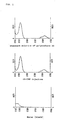
- Fig. 1 shows absorption spectra (250-700 nm) for the dichloromethane layers obtained.
- the standard solution and the sample solution had no differences in absorption spectrum and both showed absorption maxima at 320 nm and 620 nm. Those were absorptions attributed to the combined complex of polysorbate 20 and CoSCN. The blank did not show any maximum absorption in those wavelength ranges, except having a slight absorption at 320 nm (OD ⁇ 0.10).
- dichloromethane and chloroform are suitable. From the viewpoints of both measurement intensity and recovery rate, dichloromethane was found to be suitable as an extraction solvent.
- Fig. 3 shows the effect of salting out on 2 ml of the standard solution (0.5 mg/2 ml) in the case of using potassium chloride or sodium chloride as a salt. Whether potassium chloride or sodium chloride was used, the absorbance increased with the increasing the amount of addition, and had a maximum at 0.4 g. Beyond 0.7 g, poor separation occurred and the efficiency decreased again. There was little difference between potassium chloride and sodium chloride.
- the absorption intensity of HSA decreased with the increasing amount of addition, and was constant in a range of 3-10 mg where the absorption intensity decreased by about 20% from the initial value.
- Mannitol did not show any remarkable effect when it was in amounts of up to 0.5 g.
- the phosphate did not show any significant effect when it was added in amounts of up to 20 mg.
- the rG-CSF did not show any detectable effect when it was added in amounts of up to 2 mg.
- the inventors made attempts at treatment with a solid phase in a reverse-phase system (treatment with Sep-Pack C18 or Sep-Pack CN), separation with an ultrafiltration membrane, deproteinization by salting out, protein denaturation and precipitation by addition of ethanol, protein precipitation and separation with trichloroacetic acid, and none of them were able to remove only proteins with high efficiency. Therefore, the inventors decide not to remove the protein in the sample solution but to add HSA to the standard solution so that the extraction rate would correspond to that of the sample solution.
- the CoSCN reagent was added to make reaction solutions.
- a value of about 5.8 was obtained with the sample solution and about 5.4 with the standard solutions (no difference was detected between the sample solutions within the range of 0-1.0 mg/2 ml).
- a standard solution (0.5 mg/2 ml) was made from a phosphate buffer at a concentration of 5 x 10 -3 M, and the CoSCN reagent was added to make reaction solutions with pH in a range from 2.6 to 6.2.
- the absorption intensity was constant at pH of 5.2 and above, verifying that the difference in pH between the sample and standard solutions did not have any effect on the reaction.
- Calibration curves were constructed from three standard solutions, one having 5 mg of HSA added to the standard solutions of polysorbate 20 (0-1 mg/2 ml) and hereunder designated as B, another having 5 mg of HSA and 250 mg of mannitol added to those standard polysorbate solutions and hereunder designated as C, and the third having no compound added to the standard polysorbate solution and hereunder designated as A.
- good linearity was obtained over the range of 0-1 mg of polysorbate 20, with passing near the zero point.
- the recovery rate of the combined complex decreased in B and C (see above) and the absorption intensity was about 80% of the value for A, with no difference observed between B and C. Therefore, with a view to matching with the extraction rate of the combined complex from the sample solution, the calibration line for the condition of B was adopted.
- the quantitation limit was about 0.01 mg/vial.
- Recovery rate was determined for the case where polysorbate was added to the rG-CSF injection in amounts of 0.02-0.10 mg per vial.
- the total amount of polysorbate 20 in the samples made by adding the standard solutions to the rG-CSF injection was determined, and the amount of polysorbate 20 initially contained in the rG-CSF injection (0.095 mg/vial) was subtracted from that total amount.
- about 100% was exhibited when polysorbate 20 was added in amounts of 0.04 mg/ml and higher. Therefore, it was concluded that polysorbate 20 in the sample could be quantified at recovery rate of 100% by the quantitation method of the invention.
- Example 2 Quantitation of polysorbate 80 in hPM-1 (humanized anti-IL-6 receptor antibody) containing samples (removal of hPM-1 by addition of acetone)
- hPM-1 humanized anti-IL-6 receptor antibody
- a 2.5-ml of hPM-1 solution (at a concentration of 20 mg/ml or 40 mg/ml) containing polysorbate 80 (at a concentration of 0.005% or 0.01%) was prepared.
- 4 ml of acetone was added, shaken for 20 minutes, and then centrifugation was performed for 10 minutes (3000 rpm) to remove the precipitate.
- An additional 4 ml of acetone was added to the precipitate, and the mixture was shaken and centrifuged; these procedures were repeated twice and the supernatants obtained in the respective runs were combined, put into an eggplant type flask, and evaporated to dryness.
- Example 3 Quantitation of polysorbate 80 in EPO injection (protein decomposition with proteinase K)
- EPO active substance solution An EPO active substance solution, an EPO solution formulation (containing 750 units of EPO) and another EPO solution formulation (containing 24000 units of EPO) were all produced by Chugai Pharmaceutical. Each of those EPO formulations contained 0.005% of polysorbate 80.
- TE pH 8.0
- Extraction rate of polysorbate 80 differs with the extraction solvent used. Therefore, an investigation was made using dichloromethane and chloroform as extraction solvents. Using 2 ml of an aqueous solution of 0.005% polysorbate 80, the OD at 320 ⁇ 2 nm of the extraction solvent layer was measured in accordance with the standard procedure. As it turned out, a higher absorbance was obtained from extraction with dichloromethane than with chloroform.
- the absorbance increased as the volume of the reagent's solution increased, and the reaction curve (absorbance) substantially leveled off at 2 ml and above. In view of the intended range of quantitation, 2 ml was found to be sufficient as the volume of the reagent's solution.
- the extraction rate of the combined complex was observed to decrease when a protein was present in the sample.
- the extraction rate of the combined complex decreased to about 70%.
- the absorbance obtained in view of the broad. dose range of EPO formulations (0.8 ⁇ g/ml - 400 ⁇ g/ml), it was anticipated that the absorbance obtained would also vary with the dose.
- Protein digestion with proteinase K From samples of different protein contents (an aqueous solution of 0.005% polysorbate 80 (blank), EPO 750 IU/0.5 ml, EPO 24000 IU/0.5 ml), substantially identical absorbance values were obtained, and it was found that no decrease due to the protein occurred in the recovery rate of the combined complex.
- the protein content was varied and the possible effect on quantitation was investigated.
- Aqueous solutions of polysorbate 80 at 0.0025, 0.0050 and 0.0100% were measured in accordance with the test method. As it turned out, the aqueous solutions of 0.0025, 0.0050 and 0.0100% polysorbate 80 had coefficients of variation (C.V.) of 4.7, 5.2 and 4.7%, respectively. The accuracy was 102.7, 99.4 or 101.2%, respectively. The results were satisfactory in terms of both C.V. and accuracy.
Landscapes
- Physics & Mathematics (AREA)
- Chemical & Material Sciences (AREA)
- General Physics & Mathematics (AREA)
- Immunology (AREA)
- Spectroscopy & Molecular Physics (AREA)
- Health & Medical Sciences (AREA)
- Life Sciences & Earth Sciences (AREA)
- Analytical Chemistry (AREA)
- Biochemistry (AREA)
- General Health & Medical Sciences (AREA)
- Pathology (AREA)
- Engineering & Computer Science (AREA)
- Chemical Kinetics & Catalysis (AREA)
- Plasma & Fusion (AREA)
- Mathematical Physics (AREA)
- Theoretical Computer Science (AREA)
- Investigating Or Analysing Biological Materials (AREA)
- Medicinal Preparation (AREA)
- Medicines That Contain Protein Lipid Enzymes And Other Medicines (AREA)
- Investigating Or Analyzing Non-Biological Materials By The Use Of Chemical Means (AREA)
- Measuring Or Testing Involving Enzymes Or Micro-Organisms (AREA)
Abstract
Description

| Ammonium thiocyanate | 17.4 g |
| Cobalt nitrate hexahydrate | 2.8 g |
Sample solutions of rG-CSF injection: An rG-CSF injection (containing 250 µg of recombinant G-CSF: Chugai Pharmaceutical) was put into 5 vials and 0.4 ml of water was added to each vial. The resulting solutions were combined to make a sample solution. Note that the sample solution of rG-CSF injection contained human serum albumin (HAS) as a stabilizer in an amount of about 1 mg per vial.
| Comparison of recovery rates of the combined complex with extraction solvents in the presence of HSA | |
| Extraction solvent | Recovery rate of the combined complex (%) |
| 1,2-dichloroethane | 47.3 |
| dichloromethane | 73.1 |
| chloroform | 75.4 |
| | |
| blank | 0.064 |
| HSA (5 mg) | 0.056 |
| mannitol (250 mg) | 0.056 |
| phosphate (32 mg) | 0.048 |
| rG-CSF (1.25 mg) | 0.052 |
| Extraction rate of the combined complex with dichloromethane (n=3 in each run) | |||
| Extraction rate of the combined complex | |||
| 1st run | 2nd run | 3rd run | |
| standard solution | 91.5 % | 5.7 % | 2.8 % |
| sample solution | 91.8 % | 7.7 % | 0.5 % |
| Absorbance ratio as determined by acetone precipitation | ||||
| Concentration of polysorbate 80 | 0.005 % | 0.01 % | ||
| Concentration of hPM-1 (mg/mL) | 20 | 40 | 20 | 40 |
| absorbance ratio (%) | 77.63 | 93.64 | 93.68 | 110.18 |
| Summary of various methods of separation by acetone precipitation | |||||||
| Advantage | Disadvantage | Absorbance ratio (%) | CV (%) | Rating | |||
| filtration | Filter holders | 47 mm | · Easy to handle · Fewer sample transfers contributed to reducing errors | · The precipitate is difficult to wash. · Clogging is easy to occur | 101 | 10 | ○ |
| 25 mm | 84 | 18 | × | ||||
| 25 mm (3 mL) | 72 | 13 | × | ||||
| Kiriyama funnel | · Having smaller surface areas than other tools. | · The precipitate is difficult to wash. · Clogging is easy to occur. · The precipitate would spill from over the edge of the filter paper. | 88 | 26 | × | ||
| Centrifugation | · The precipitate is highly washable and hence is easy to extract. | · Time-consuming due to many sample transfers | 104 | 5 | o ○ |

| No. | Concentration of polysorbate 80 (%) | Recovery rate (%) |
| 1 | 0.0520 | 102.7 |
| 2 | 0.0527 | 104.1 |
| 3 | 0.0526 | 103.9 |
| 4 | 0.0447 | 88.4 |
| Mean recovery rate(%) | 99.8 | |
| Standard deviation of recovery rate | 7.59 | |
| 95% confidence interval of recovery rate | 7.6 |
Claims (24)
- A method of quantifying an ethylene oxide based nonionic surfactant in a sample containing a physiologically active protein, characterized in that quantitation is performed by colorimetry using an ammonium thiocyanate/cobalt nitrate reagent (CoSCN reagent).
- The method of quantifying an ethylene oxide based nonionic surfactant in a sample containing a physiologically active protein according to claim 1, characterized in that an ammonium thiocyanate/cobalt nitrate reagent (CoSCN reagent) is added to said sample solution and the resulting cobalt thiocyanate complex is quantified by absorbance measurement.
- The method according to claim 2 which comprises the following steps:1) adding the CoSCN reagent to the sample containing a physiologically active protein;2) adding a non-aqueous organic solvent to the sample and shaking the mixture;3) collecting the obtained non-aqueous organic solvent layer and quantifying the cobalt thiocyanate complex by absorbance measurement; and4) calculating the amount of the ethylene oxide based nonionic surfactant from the amount of the cobalt thiocyanate complex.
- The method according to claim 2, which comprises adding an aqueous organic solvent to the sample containing a physiologically active protein, thereby forming a precipitate of the physiologically active protein, removing the precipitate, and adding the CoSCN reagent to the cleared sample.
- The method according to claim 4 which comprises the following steps:1) adding an aqueous organic solvent to the sample containing a physiologically active protein, thereby forming a precipitate of the physiologically active protein;2) adding the CoSCN reagent to the sample cleared of said precipitate;3) adding a non-aqueous organic solvent to the sample and shaking the mixture;4) collecting the obtained non-aqueous organic solvent layer and quantifying the cobalt thiocyanate complex by absorbance measurement; and5) calculating the amount of the ethylene oxide based nonionic surfactant from the amount of the cobalt thiocyanate complex.
- The method according to claim 4 or 5, wherein the aqueous organic solvent is acetone.
- The method according to any one of claims 4-6, wherein the precipitate is removed by filtration or centrifugation.
- The method according to claim 2, wherein a proteinase is added to the sample containing a physiologically active protein, thereby digesting the physiologically active protein, and thereafter adding the CoSCN reagent to the sample.
- The method according to claim 8 which comprises the following-steps:1) adding a proteolytic enzyme to the sample containing a physiologically active protein, thereby decomposing the physiologically active protein;2) adding the CoSCN reagent to the sample obtained in 1);3) adding a non-aqueous organic solvent to the sample and shaking the mixture;4) collecting the obtained non-aqueous organic solvent layer and quantifying the cobalt thiocyanate complex by absorbance measurement; and5) calculating the amount of the ethylene oxide based nonionic surfactant from the amount of the cobalt thiocyanate complex.
- The method according to claim 8 or 9, wherein the proteolytic enzyme is proteinase K.
- The method according to claim 1 or 2, characterized in that a protein included in the sample containing the physiologically active protein is added to a standard solution at the same concentration as in the sample, and a standard curve is constructed.
- The method according to claim 11 which comprises the following steps:1) adding the CoSCN reagent to the sample containing a physiologically active protein;2) adding a non-aqueous organic solvent to the sample and shaking the mixture;3) collecting the obtained non-aqueous organic solvent layer and quantifying the cobalt thiocyanate complex by absorbance measurement;4) adding to a standard solution a protein included in the sample containing the physiologically active protein at the same concentration as in the sample, constructing a standard curve, and correcting the amount of the cobalt thiocyanate complex in the sample on the basis of said standard curve; and5) calculating the amount of the ethylene oxide based nonionic surfactant from the amount of the cobalt thiocyanate complex.
- The method according to any one of claims 1-12, wherein the ethylene oxide based nonionic surfactant is polysorbate and/or polyoxyethylene polyoxypropylene glycol.
- The method according to claim 13, wherein the polysorbate is polysorbate 20 and/or 80.
- The method according to any one of claims 1-14, wherein the non-aqueous organic solvent is dichloromethane.
- The method according to any one of claims 2-15, wherein the addition of the CoSCN reagent is accompanied by the addition of a salt before measurement.
- The method according to claim 16, wherein the salt is potassium chloride or sodium chloride.
- The method according to any one of claims 1-17, wherein the sample containing a physiologically active protein is a concentrated protein formulation.
- The method according to claim 18, wherein the physiologically active protein is contained in the sample in an amount of at least 8 µg/ml.
- The method according to any one of claims 1-19, wherein the physiologically active protein is a hemopoietic factor protein.
- The method according to claim 20, wherein the physiologically active protein is erythropoietin.
- The method according to claim 20, wherein the physiologically active protein is a granulocyte colony stimulating factor.
- The method according to any one of claims 1-19, wherein the physiologically active protein is an antibody.
- A method of quantifying an additive in a sample containing a physiologically active protein by adding a colorimetry reagent to the sample and quantifying by absorbance measurement the product formed between the colorimetry reagent and the additive in the sample containing a physiologically active protein, further including any one of the following steps:A) adding an aqueous organic solvent to the sample containing a physiologically active protein, thereby forming a precipitate of the physiologically active protein, removing said precipitate from the sample, and thereafter adding the colorimetric reagent to the cleared sample;B) adding a proteolytic enzyme, thereby decomposing the protein in the sample, and thereafter adding the colorimetry reagent; orC) adding to a standard solution a protein of the same kind in the same amount as the protein contained in the sample and constructing a standard curve.
Priority Applications (1)
| Application Number | Priority Date | Filing Date | Title |
|---|---|---|---|
| EP15179108.4A EP2975382B1 (en) | 2001-04-17 | 2002-04-17 | Method of quantifying surfactant |
Applications Claiming Priority (3)
| Application Number | Priority Date | Filing Date | Title |
|---|---|---|---|
| JP2001118510 | 2001-04-17 | ||
| JP2001118510 | 2001-04-17 | ||
| PCT/JP2002/003821 WO2002086492A1 (en) | 2001-04-17 | 2002-04-17 | Method of quantifying surfactant |
Related Child Applications (1)
| Application Number | Title | Priority Date | Filing Date |
|---|---|---|---|
| EP15179108.4A Division EP2975382B1 (en) | 2001-04-17 | 2002-04-17 | Method of quantifying surfactant |
Publications (2)
| Publication Number | Publication Date |
|---|---|
| EP1382964A1 true EP1382964A1 (en) | 2004-01-21 |
| EP1382964A4 EP1382964A4 (en) | 2009-06-10 |
Family
ID=18968890
Family Applications (2)
| Application Number | Title | Priority Date | Filing Date |
|---|---|---|---|
| EP02724614A Ceased EP1382964A4 (en) | 2001-04-17 | 2002-04-17 | METHOD FOR QUANTIFYING SURFACTANT |
| EP15179108.4A Expired - Lifetime EP2975382B1 (en) | 2001-04-17 | 2002-04-17 | Method of quantifying surfactant |
Family Applications After (1)
| Application Number | Title | Priority Date | Filing Date |
|---|---|---|---|
| EP15179108.4A Expired - Lifetime EP2975382B1 (en) | 2001-04-17 | 2002-04-17 | Method of quantifying surfactant |
Country Status (4)
| Country | Link |
|---|---|
| US (1) | US7531358B2 (en) |
| EP (2) | EP1382964A4 (en) |
| JP (1) | JP4236934B2 (en) |
| WO (1) | WO2002086492A1 (en) |
Cited By (5)
| Publication number | Priority date | Publication date | Assignee | Title |
|---|---|---|---|---|
| EP1760456A1 (en) * | 2005-08-31 | 2007-03-07 | Preventest Limited | Reagent system and its use in spectrometric determination of low and high molecular weight PEGs in an aqueous fluid, method for determining the intestinal permeability with said system |
| GB2416169B (en) * | 2003-05-07 | 2007-10-17 | Delta Biotechnology Ltd | Method of quantifying the surfactant of a protein preparation |
| WO2013175312A1 (en) * | 2012-05-23 | 2013-11-28 | Glaxosmithkline Biologicals Sa | Method for determining a concentration of a polysorbate species in a mixture |
| CN104272104A (en) * | 2012-06-18 | 2015-01-07 | 纳尔科公司 | Method for Measuring Surfactants in Fluids |
| CN104873771A (en) * | 2014-02-28 | 2015-09-02 | 复旦大学附属肿瘤医院 | A kind of method for preparing the water extract in anti-colorectal cancer compound preparation |
Families Citing this family (12)
| Publication number | Priority date | Publication date | Assignee | Title |
|---|---|---|---|---|
| GB2401040A (en) | 2003-04-28 | 2004-11-03 | Chugai Pharmaceutical Co Ltd | Method for treating interleukin-6 related diseases |
| CN102187221B (en) * | 2008-08-22 | 2015-08-12 | 电化生研株式会社 | Cysteine proteinase inhibitor C adsorption inhibitor |
| US20110117087A1 (en) | 2009-10-26 | 2011-05-19 | Reinhard Franze | Method for the production of a glycosylated immunoglobulin |
| JP5517678B2 (en) * | 2010-02-26 | 2014-06-11 | 住化エンビロサイエンス株式会社 | Simple reagent for concentration measurement of industrial chemicals and concentration measurement method |
| KR101933197B1 (en) | 2010-11-08 | 2018-12-27 | 제넨테크, 인크. | Subcutaneously administered anti-il-6 receptor antibody |
| HUE033066T2 (en) * | 2011-03-04 | 2017-11-28 | Baxalta GmbH | Method for the determination of polysorbate |
| JP2017062234A (en) * | 2015-09-27 | 2017-03-30 | Jcrファーマ株式会社 | Quantitative determination of polysorbates |
| JP6666757B2 (en) * | 2016-03-10 | 2020-03-18 | 日本メジフィジックス株式会社 | Method for quantifying polyoxyethylene nonionic surfactant and method for producing radiopharmaceutical preparation |
| US11662312B2 (en) * | 2017-06-27 | 2023-05-30 | Coriolis Pharma Research GmbH | Polysorbate quantification assay |
| CN113155823A (en) * | 2021-05-21 | 2021-07-23 | 上海药明生物技术有限公司 | Method for characterizing degradation activity of esterase in host cell protein on polysorbate |
| CN116337679B (en) * | 2023-03-01 | 2025-11-07 | 西安航天化学动力有限公司 | Method for measuring content of surface modifier in coated fine oxidant |
| CN120890932B (en) * | 2025-08-01 | 2026-05-29 | 山东金城生物药业有限公司 | Method for detecting content of residual polydimethylsiloxane in engineering bacteria source citicoline sodium by ultraviolet-visible spectrophotometry |
Family Cites Families (13)
| Publication number | Priority date | Publication date | Assignee | Title |
|---|---|---|---|---|
| JP2648301B2 (en) | 1983-12-27 | 1997-08-27 | ジエネテイツクス・インスチチユ−ト・インコ−ポレ−テツド | Vector containing auxiliary DNA for transformation of eukaryotic cells |
| JP2577742B2 (en) * | 1986-07-18 | 1997-02-05 | 中外製薬株式会社 | Stable granulocyte colony-stimulating factor containing preparation |
| US5166322A (en) | 1989-04-21 | 1992-11-24 | Genetics Institute | Cysteine added variants of interleukin-3 and chemical modifications thereof |
| AU646822B2 (en) | 1989-10-13 | 1994-03-10 | Kirin-Amgen Inc. | Erythropoietin isoforms |
| US5856298A (en) | 1989-10-13 | 1999-01-05 | Amgen Inc. | Erythropoietin isoforms |
| US5252458A (en) * | 1990-12-31 | 1993-10-12 | Symex Corp. | Method for visually detecting the presence of a virus in a clinical specimen |
| AU668349B2 (en) | 1991-04-25 | 1996-05-02 | Chugai Seiyaku Kabushiki Kaisha | Reconstituted human antibody against human interleukin 6 receptor |
| IL110669A (en) | 1993-08-17 | 2008-11-26 | Kirin Amgen Inc | Erythropoietin analogs |
| TW518219B (en) * | 1996-04-26 | 2003-01-21 | Chugai Pharmaceutical Co Ltd | Erythropoietin solution preparation |
| US6017766A (en) | 1998-01-28 | 2000-01-25 | Clariant Finance (Bvi) Limited | Process for measuring concentration of nonionic surfactants in an aqueous alkaline solution |
| DE19814500A1 (en) * | 1998-04-01 | 1999-10-14 | Henkel Kgaa | Automatic control and regulation of the surfactant content in aqueous process solutions |
| JP2001099835A (en) | 1999-09-30 | 2001-04-13 | Internatl Reagents Corp | Means for removing surfactant |
| US7001724B1 (en) * | 2000-11-28 | 2006-02-21 | Applera Corporation | Compositions, methods, and kits for isolating nucleic acids using surfactants and proteases |
-
2002
- 2002-04-17 EP EP02724614A patent/EP1382964A4/en not_active Ceased
- 2002-04-17 JP JP2002583970A patent/JP4236934B2/en not_active Expired - Lifetime
- 2002-04-17 WO PCT/JP2002/003821 patent/WO2002086492A1/en not_active Ceased
- 2002-04-17 EP EP15179108.4A patent/EP2975382B1/en not_active Expired - Lifetime
- 2002-04-17 US US10/475,163 patent/US7531358B2/en not_active Expired - Lifetime
Cited By (8)
| Publication number | Priority date | Publication date | Assignee | Title |
|---|---|---|---|---|
| GB2416169B (en) * | 2003-05-07 | 2007-10-17 | Delta Biotechnology Ltd | Method of quantifying the surfactant of a protein preparation |
| EP1760456A1 (en) * | 2005-08-31 | 2007-03-07 | Preventest Limited | Reagent system and its use in spectrometric determination of low and high molecular weight PEGs in an aqueous fluid, method for determining the intestinal permeability with said system |
| WO2013175312A1 (en) * | 2012-05-23 | 2013-11-28 | Glaxosmithkline Biologicals Sa | Method for determining a concentration of a polysorbate species in a mixture |
| CN104487823A (en) * | 2012-05-23 | 2015-04-01 | 葛兰素史密丝克莱恩生物有限公司 | Method for determining the concentration of polysorbate species in a mixture |
| US9134228B2 (en) | 2012-05-23 | 2015-09-15 | Glaxosmithkline Biologicals, S.A. | Method for determining a concentration of a polysorbate species in a mixture |
| CN104272104A (en) * | 2012-06-18 | 2015-01-07 | 纳尔科公司 | Method for Measuring Surfactants in Fluids |
| US9683935B2 (en) | 2012-06-18 | 2017-06-20 | Nalco Company | Method to measure surfactant in fluid |
| CN104873771A (en) * | 2014-02-28 | 2015-09-02 | 复旦大学附属肿瘤医院 | A kind of method for preparing the water extract in anti-colorectal cancer compound preparation |
Also Published As
| Publication number | Publication date |
|---|---|
| EP2975382A1 (en) | 2016-01-20 |
| JPWO2002086492A1 (en) | 2004-08-12 |
| EP2975382B1 (en) | 2017-12-27 |
| US7531358B2 (en) | 2009-05-12 |
| US20040185572A1 (en) | 2004-09-23 |
| EP1382964A4 (en) | 2009-06-10 |
| JP4236934B2 (en) | 2009-03-11 |
| WO2002086492A1 (en) | 2002-10-31 |
Similar Documents
| Publication | Publication Date | Title |
|---|---|---|
| US7531358B2 (en) | Method of quantifying surfactant | |
| US6251684B1 (en) | Dried chemical compositions | |
| Oshiro et al. | New method for hemoglobin determination by using sodium lauryl sulfate (SLS) | |
| DE69230318T2 (en) | REAGENT COMPOSITIONS FOR ANALYTICAL TESTING | |
| US7541190B2 (en) | Method of measurement of cellular hemoglobin | |
| EP1336410A1 (en) | Protein injection preparations | |
| US20220064307A1 (en) | Stable Formulations Comprising A Bispecific EGFR/C-Met Antibody | |
| CN110392578A (en) | Aqueous anti-PD-L1 antibody preparations | |
| KR20040018458A (en) | Liquid formulation comprising cetuximab and a polyoxyethylene sorbitan fatty acid ester | |
| FI110609B (en) | Process for the preparation of growth hormone crystals | |
| EP3855187B1 (en) | Artificial feces, and method for managing accuracy of fecal occult blood test using same | |
| US5281536A (en) | Stable liquid control serum or calibration system for use in clinical diagnostics | |
| CN106053838A (en) | Kit for determining transferrin and preparation method thereof | |
| CN117942300A (en) | Liquid formulations comprising anti-IL-17 antibodies | |
| EP0598329B1 (en) | Simultaneous determination of HbA1c and haemoglobin variants with a HbA1c analog glycation | |
| US20020137223A1 (en) | Reference standards for determining the purity or stability of amlodipine maleate and processes therefor | |
| EP1058114B1 (en) | Method providing time-independent consistency in mean corpuscular volume assays | |
| US4806486A (en) | Calibration liquid for ion-specific electrodes, process for preparing them and their application | |
| FUJITA et al. | Highly sensitive spectrophotometric determination of human serum albumin with 3', 4', 5', 6'-tetrachlorogallein-molybdenum (VI) complex | |
| Haneke et al. | Quantitation of daunorubicin, doxorubicin, and their aglycones by ion-pair reversed-phase chromatography | |
| EP3646032B1 (en) | Polysorbate quantification assay | |
| US11768184B2 (en) | Method for measurement of hemoglobin | |
| CN106093417A (en) | A kind of test kit measuring Fn Fiberonectin and preparation method thereof | |
| EP1887360A1 (en) | Test method for endotoxin | |
| EP3081934A1 (en) | Lithium reagent composition, and method and device for quantifying lithium ions using same |
Legal Events
| Date | Code | Title | Description |
|---|---|---|---|
| PUAI | Public reference made under article 153(3) epc to a published international application that has entered the european phase |
Free format text: ORIGINAL CODE: 0009012 |
|
| 17P | Request for examination filed |
Effective date: 20031113 |
|
| AK | Designated contracting states |
Kind code of ref document: A1 Designated state(s): AT BE CH CY DE DK ES FI FR GB GR IE IT LI LU MC NL PT SE TR |
|
| AX | Request for extension of the european patent |
Extension state: AL LT LV MK RO SI |
|
| A4 | Supplementary search report drawn up and despatched |
Effective date: 20090511 |
|
| 17Q | First examination report despatched |
Effective date: 20091030 |
|
| APBK | Appeal reference recorded |
Free format text: ORIGINAL CODE: EPIDOSNREFNE |
|
| APBN | Date of receipt of notice of appeal recorded |
Free format text: ORIGINAL CODE: EPIDOSNNOA2E |
|
| APBR | Date of receipt of statement of grounds of appeal recorded |
Free format text: ORIGINAL CODE: EPIDOSNNOA3E |
|
| APAI | Date of receipt of notice of appeal modified |
Free format text: ORIGINAL CODE: EPIDOSCNOA2E |
|
| APAF | Appeal reference modified |
Free format text: ORIGINAL CODE: EPIDOSCREFNE |
|
| APBX | Invitation to file observations in appeal sent |
Free format text: ORIGINAL CODE: EPIDOSNOBA2E |
|
| APBZ | Receipt of observations in appeal recorded |
Free format text: ORIGINAL CODE: EPIDOSNOBA4E |
|
| REG | Reference to a national code |
Ref country code: DE Ref legal event code: R003 |
|
| APBT | Appeal procedure closed |
Free format text: ORIGINAL CODE: EPIDOSNNOA9E |
|
| STAA | Information on the status of an ep patent application or granted ep patent |
Free format text: STATUS: THE APPLICATION HAS BEEN REFUSED |
|
| 18R | Application refused |
Effective date: 20151014 |