EP1382683A2 - Process for producing 3-hydroxycyclohexanone - Google Patents
Process for producing 3-hydroxycyclohexanone Download PDFInfo
- Publication number
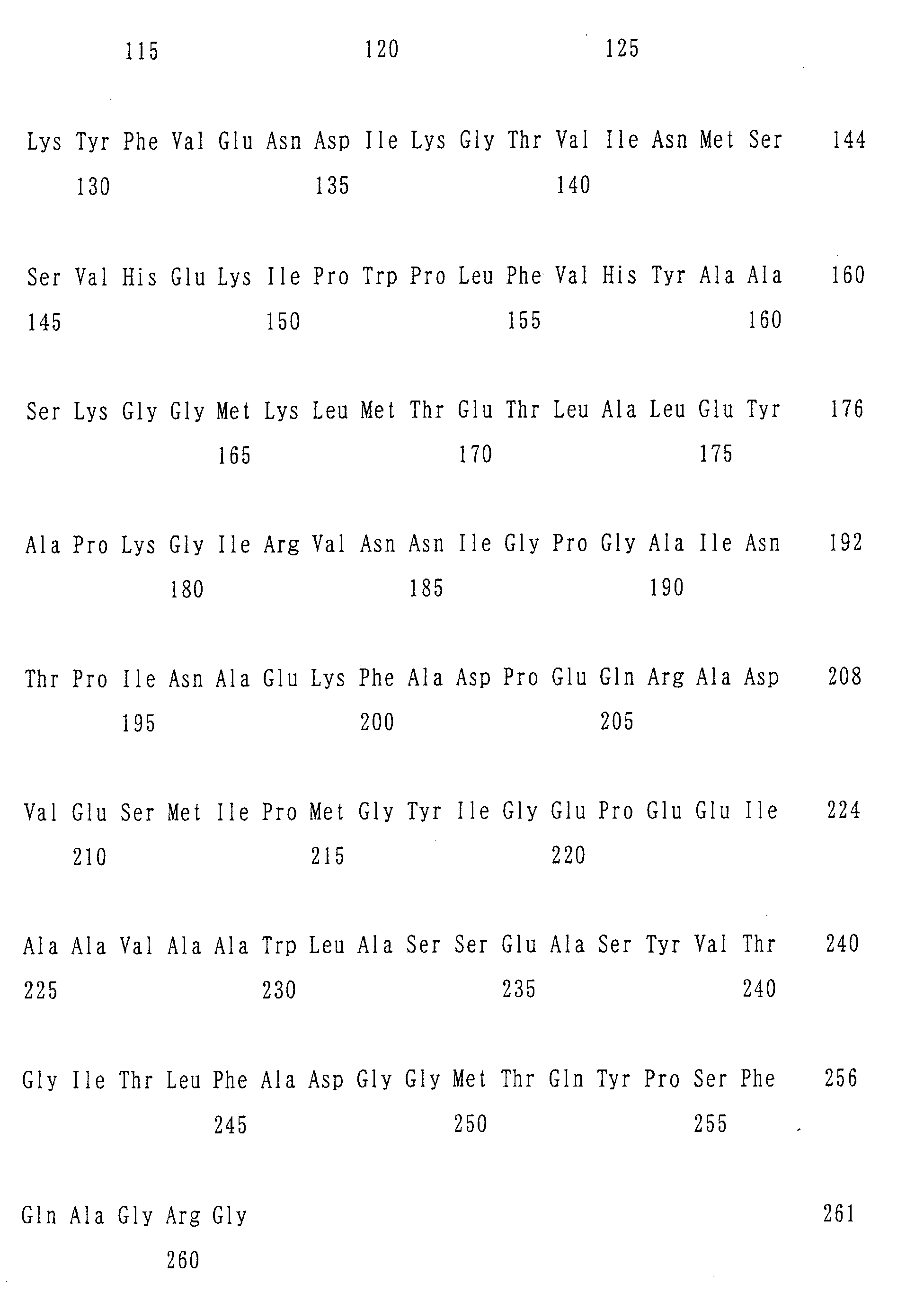
- EP1382683A2 EP1382683A2 EP03254408A EP03254408A EP1382683A2 EP 1382683 A2 EP1382683 A2 EP 1382683A2 EP 03254408 A EP03254408 A EP 03254408A EP 03254408 A EP03254408 A EP 03254408A EP 1382683 A2 EP1382683 A2 EP 1382683A2
- Authority
- EP
- European Patent Office
- Prior art keywords
- enzyme
- amino acid
- hydroxycyclohexanone
- seq
- acid sequence
- Prior art date
- Legal status (The legal status is an assumption and is not a legal conclusion. Google has not performed a legal analysis and makes no representation as to the accuracy of the status listed.)
- Granted
Links
Classifications
-
- C—CHEMISTRY; METALLURGY
- C12—BIOCHEMISTRY; BEER; SPIRITS; WINE; VINEGAR; MICROBIOLOGY; ENZYMOLOGY; MUTATION OR GENETIC ENGINEERING
- C12P—FERMENTATION OR ENZYME-USING PROCESSES TO SYNTHESISE A DESIRED CHEMICAL COMPOUND OR COMPOSITION OR TO SEPARATE OPTICAL ISOMERS FROM A RACEMIC MIXTURE
- C12P7/00—Preparation of oxygen-containing organic compounds
- C12P7/24—Preparation of oxygen-containing organic compounds containing a carbonyl group
- C12P7/26—Ketones
-
- C—CHEMISTRY; METALLURGY
- C07—ORGANIC CHEMISTRY
- C07C—ACYCLIC OR CARBOCYCLIC COMPOUNDS
- C07C49/00—Ketones; Ketenes; Dimeric ketenes; Ketonic chelates
- C07C49/385—Saturated compounds containing a keto group being part of a ring
- C07C49/487—Saturated compounds containing a keto group being part of a ring containing hydroxy groups
- C07C49/497—Saturated compounds containing a keto group being part of a ring containing hydroxy groups a keto group being part of a six-membered ring
-
- C—CHEMISTRY; METALLURGY
- C07—ORGANIC CHEMISTRY
- C07B—GENERAL METHODS OF ORGANIC CHEMISTRY; APPARATUS THEREFOR
- C07B2200/00—Indexing scheme relating to specific properties of organic compounds
- C07B2200/07—Optical isomers
Definitions
- This invention relates to a process for producing 3-hydroxycyclohexanone.
- 3 -Hydroxycyclohexanone is a compound useful for producing substituted resorcinol derivatives described in JP-A 2001-29549, etc.
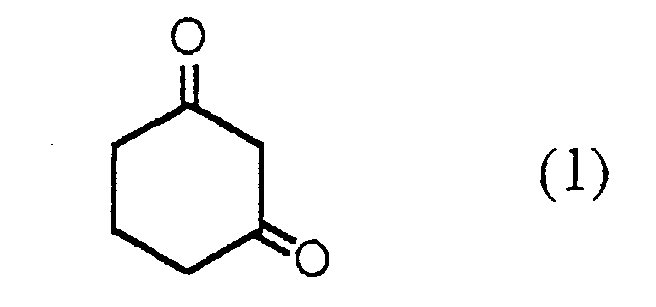
- a process for producing 3-hydroxycyclohexanone efficiently and readily by reacting 1,3-cyclohexanedione with an enzyme having an ability to reduce 1,3-cyclohexanedione to 3-hydroxycyclohexanone, a microorganism producing the enzyme, or a treated material of the microorganism, and recovering resulting 3-hydroxycyclohexanone.
- the present invention provides:
- 1,3-cyclohexanedione is a compound of formula (2):
- 3-hydroxycyclohexanone is a compound of formula (2):
- optically active 3-hydroxycyclohexanone herein means a composition containing one optical isomer of 3-hydroxycyclohexanoneis based on the asymmetric carbon atom to which the hydroxyl group is bonded in formula (2) in an amount of more than 50% (dextrorotary compound and levorotary compound), or substantially pure optical isomer thereof, containing one optical isomer in an amount of, for example 95 to 100%, more preferably 98 to 100%.
- the enzyme that may be used in the process of this invention is an enzyme having an ability to reduce 1,3-cyclohexanedione to form 3-hydroxycyclohexanone (preferably, optically active 3-hydroxycyclohexanone) (hereinafter, the enzyme is also referred to as the present reductase).
- the enzyme is also referred to as the present reductase.
- biochemical techniques or genetic engineering techniques such an enzyme can be prepared from e.g. a microorganism producing the present reductase.
- the microorganism producing the present reductase is, for example, a transformant, which includes a transformant produced by introducing at least one plasmid containing DNA of a nucleotide sequence encoding an amino acid sequence of an enzyme having an ability to reduce 1,3-cyclohexanedione to form 3-hydroxycyclohexanone (preferably, optically active 3-hydroxycyclohexanone) (hereinafter, the transformant is also referred to as the present transformant).
- the non-transformant includes a microorganism isolated through screening from commercial microorganisms or soil by using the above ability as an indicator, as described later in the Example.
- the microorganisms include microorganisms belonging to the genus Arthrobacter, Rhodotorula, Bacillus, Pseudomonas, Streptomyces, Candida, Corynebacterium or Penicillium.
- the enzyme obtained in the process of this invention may be a commercial enzyme selected by screening with the above ability as an indicator. Examples of the enzyme that may be used include, for example, commercial enzymes such as KRED1001, KRED1002, KRED1003, KRED1004, KRED1005, KRED1006, KRED1007 and KRED1008, all of which are products of Biocatalytics.
- the transformant that may be used in the process of the invention is a transformant, which is artificially endowed with an ability to reduce 1,3-cyclohexanedione to form 3-hydroxycyclohexanone (preferably, optically active 3-hydroxycyclohexanone) and an ability to regenerate a coenzyme on which the enzyme having the ability described above depends (hereinafter, the transformant is also referred to as the present transformant), the transformant is a transformant having one single introduced plasmid, or two introduced plasmids, which are:
- Such a transformant usually contains (1) an enzyme having two artificially given abilities, that is, an ability to reduce 1,3-cyclohexanedione to form 3-hydroxycyclohexanone (preferably, optically active 3-hydroxycyclohexanone) and an ability to regenerate a coenzyme on which an enzyme having the above ability depends or (2) two enzymes, that is, an enzyme having an ability to reduce 1,3-cyclohexanedione to form 3-hydroxycyclohexanone (preferably, optically active 3-hydroxycyclohexanone) and an enzyme having an ability to regenerate a coenzyme on which the above enzyme depends (hereinafter, the enzymes (1) and (2) is also referred to collectively as the present enzyme).
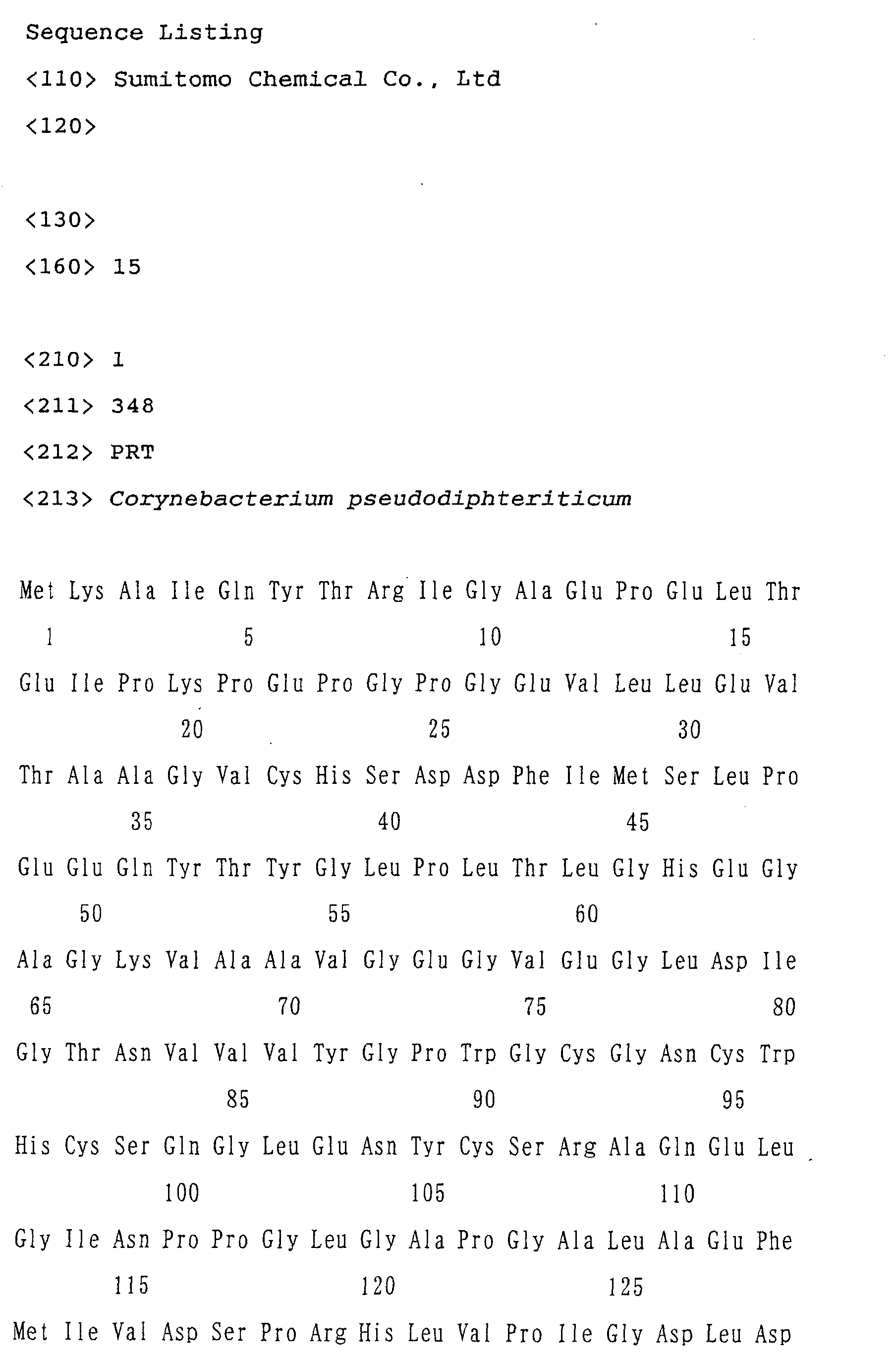
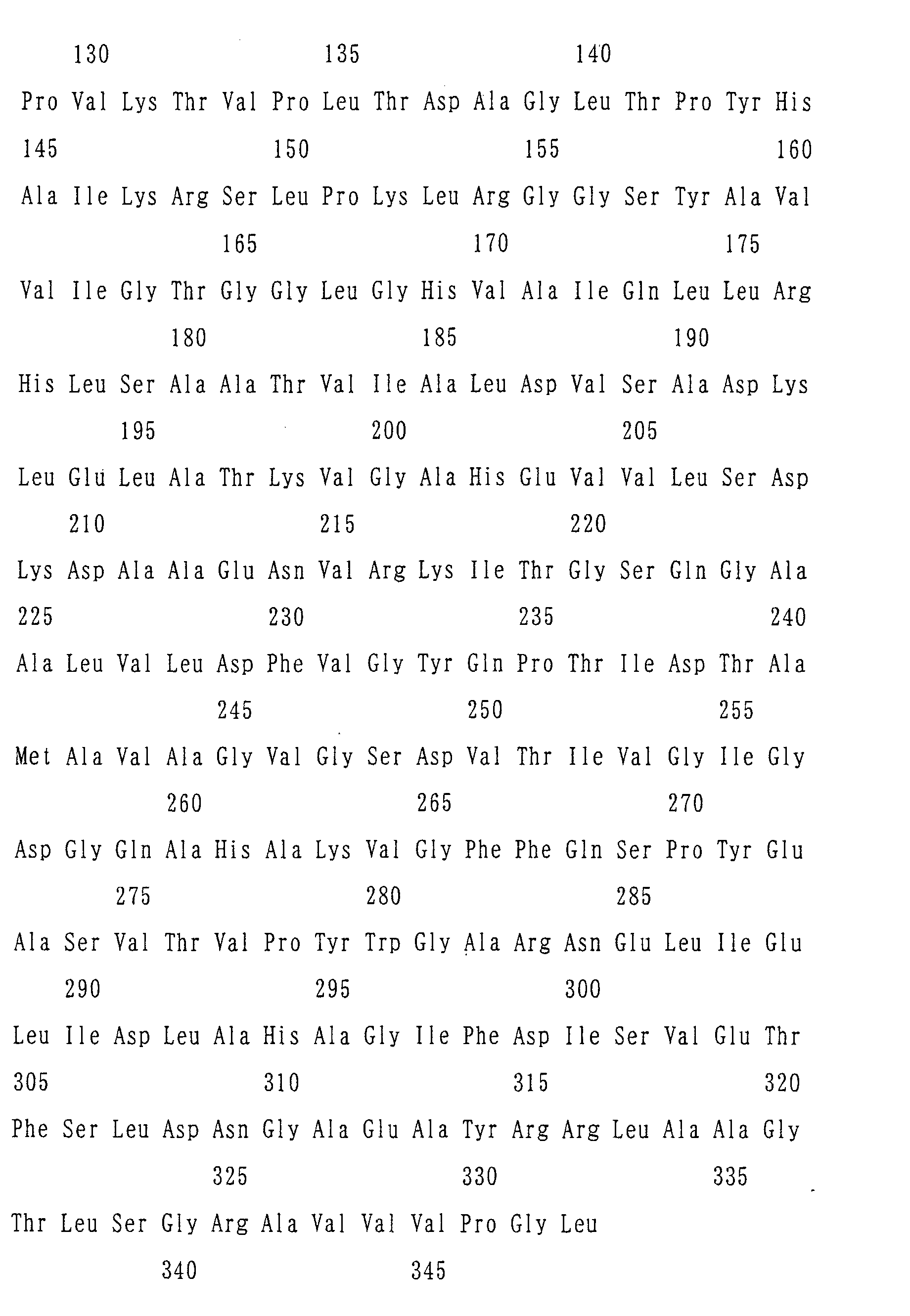
- the "ability to reduce 1,3-cyclohexanedione to form 3-hydroxycyclohexanone (preferably, optically active 3-hydroxycyclohexanone)" is, for example, an ability possessed by an enzyme having an amino acid sequence selected from the group of the following amino acid sequences:
- the gene (also referred to hereinafter as the present reductase gene) having a nucleotide sequence encoding the amino acid sequence of the enzyme (the present reductase) having an ability to reduce 1,3-cyclohexanedione to form 3-hydroxycyclohexanone (preferably, optically active 3-hydroxycyclohexanone), which is used in preparing the present transformant, may be (1) a gene cloned from a naturally occurring gene, (2) a gene cloned from a naturally occurring gene, wherein a part of the nucleotide sequence of the cloned gene is deleted, substituted or added artificially (that is, by mutation (site-directed mutagenesis or mutation) of the naturally occurring gene), or (3) an artificially synthesized gene.
- amino acid sequence having deletion, substitution, or addition of one or more amino acids in (b), (b1) or (b2) above and the "amino acid sequence encoded by a nucleotide sequence of DNA hybridizing under stringency conditions with DNA complementary to DNA” in (d), (d1) or (d2) above encompass those with naturally occurring mutations by intracellular processing of an enzyme having the amino acid sequence of SEQ ID NO: 1 or 3 , or with a species difference, individual difference and tissue difference of a living organism from which the enzyme was derived, or with artificial mutations of amino acids.
- the techniques used include those in which DNA having a nucleotide sequence encoding the amino acid sequence of SEQ ID NO: 1 or 3 is subjected to conventional site-specific mutation and then expressed in a usual manner.
- the site-specific mutation includes, for example, a method of using amber mutation (gapped duplex method, Nucleic Acids Res., 12, 9441-9456 (1984)) and a PCR method of using primers for mutation.
- Amino acids thus mutated are at least 1 residue, specifically 1 to a few or more residues.
- the number of amino acids mutated may be in such a range that the ability to reduce 1,3-cyclohexanedione to form 3-hydroxycyclohexanone (preferably, optically active 3-hydroxycyclohexanone) can be found.
- substitution is more preferably substitution of amino acids by similar amino acids in properties such as hydrophobicity, charging, pK and stereostructure.
- substitution includes, for example, substitution among amino acids within the following group: ⁇ 1> glycine and alanine, ⁇ 2> valine, isoleucine and leucine, ⁇ 3> aspartic acid, glut amic acid, asparagine and glutamine, ⁇ 4> serine and threonine, ⁇ 5> lysine and arginine, or ⁇ 6> phenylalanine and tyrosine.
- “Deletion, substitution or addition of amino acid(s)" in an amino acid sequence in the present invention typically means that there exists good sequence identity between an amino acid sequence and an amino acid sequence resulting therefrom by deletion, substitution, or addition of an amino acid(s), and sequence identity is typically, for example, 80% or more, preferably 90% or more and more preferably 95% or more sequence identity between the sequences.
- hybridizing under stringency conditions typically means that there exists good sequence identity between their nucleotide sequences. For example, it typically means sequence identity of 80% or more, preferably 90% or more and more preferably 95% or more.
- sequence identity refers to identity between two DNAs or two proteins sequences.
- sequence identity is determined by comparison between two sequences, as the subject of comparison, aligned in an optimum state.
- the DNAs or proteins as the subject of comparison may have undergone addition or deletion (e.g. gap etc.) in the optimum alignment between their two sequences.
- sequence identity can be calculated by making alignment by using e.g. Vector NTI and Clustal W algorism (Nucleic Acid Res., 22(22):4673-4680 (1994)).
- sequence identity is typically determined by using sequence analysis software, specifically an analysis tool provided by Vector NTI, GENETYX-MAC or a public database.
- the public database is generally available in e.g. a homepage address http://www.ddbj.nig.ac.jp.
- hybridization used under "hybridizing under stringency conditions" in (d), (d1) or (d2) above can be carried out, for example, by methods described by Sambrook J., Frisch E. F., Maniatis T. in Molecular Cloning, 2nd ed., Cold Spring Harbor Laboratory Press, or by Southern hybridization described in "Cloning and Sequence” (in Japanese) supervised by Tadashi Watanabe and edited by Masahiro Sugiura, published in 1989 by Nohson Bunkasha.
- stringency conditions refers, for example, to those conditions under which after a hybrid is formed at 65°C in 6 ⁇ SSC (solution containing 900 mM NaCl, 90 mM trisodium citrate; in this case, a solution prepared by dissolving 175.3 g NaCl and 88.2 g trisodium citrate in 800 ml water, adjusting the pH with 10 N NaCl and adjusting the total volume to 1000 ml is referred to as 20 ⁇ SSC), the hybrid is washed with 2 ⁇ SSC at 50°C (Molecular Biology, 6.3.1-6.3.6., John Wiley & Sons, N.Y. (1989)).
- the salt concentration selected in the washing step can be, for example, under the conditions of 2 ⁇ SSC at 50°C (low-stringency conditions) to the conditions of 0.1 ⁇ SSC at 65°C (high-stringency conditions).
- the temperature in the washing step can be selected from e.g. room temperature (low-stringency condition) to 65°C (high-stringency condition). Further, both the salt concentration and temperature can also be changed.
- the present reductase gene may be prepared according to e.g. the following preparation method.
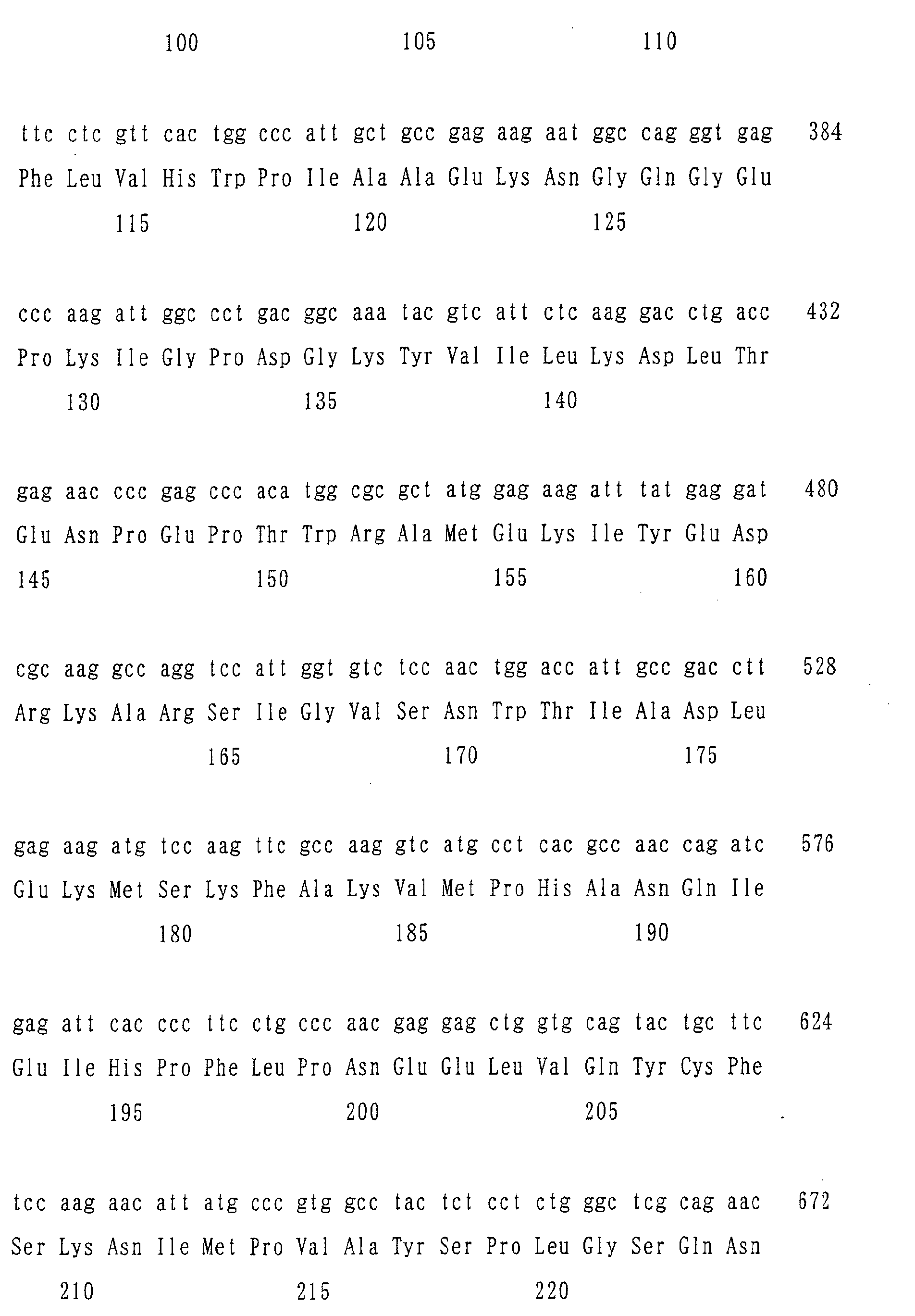
- chromosomal DNA is prepared from a microorganism belonging to the genus Corynebacterium, such as Corynebacterium pseudodiphteriticum, and PCR is carried out using the prepared chromosomal DNA as a template together with suitable primers, whereby DNA consisting of a nucleotide sequence encoding the amino acid sequence of SEQ ID NO: 1, DNA consisting of a nucleotide sequence encoding an amino acid sequence wherein one or more amino acids are deleted, substituted or added in the amino acid sequence of SEQ ID NO:1 or DNA having the nucleotide sequence of SEQ ID NO:2 is amplified to prepare the present reductase gene.
- DNA consisting of the nucleotide sequence of SEQ ID NO:2 is amplified to prepare the present reductase gene.
- the PCR conditions are those under which a reaction solution containing 20 ⁇ M each of 4 dNTPs, 15 pmol each of 2 oligonucleotide primers, 1.3 U Taq polymerase, and a cDNA library as a template is heated at 97°C (2 minutes) and then subjected to 10 cycles each consisting of reactions at 97°C (0.25 min)-50°C (0.5 min)-72°C (1.5 min) and then 20 cycles each consisting of reactions at 97°C (0.25 min)-55°C (0.5 min)-72°C (2.5 min), and the reaction solution is further kept at 72°C for 7 minutes.
- Arestriction enzyme recognition sequence etc. maybe added to the 5'-terminal of the primer used in PCR.
- the DNA amplified in the manner described above is cloned in a vector by methods described by Sambrook J., Frisch E. F., Maniatis T. in Molecular Cloning, A Laboratory Manual, 2 nd ed. , (1989), Cold Spring Harbor Laboratory Press, Current Protocols in Molecular Biology, (1987), John Wiley & Sons, Inc., ISBNO-471-50338-X, etc., whereby a recombinant vector can be obtained.
- the vector used includes , for example, pUC119 (Takara Shuzo Co., Ltd. ) , pTV118N (Takara Shuzo Co., Ltd.
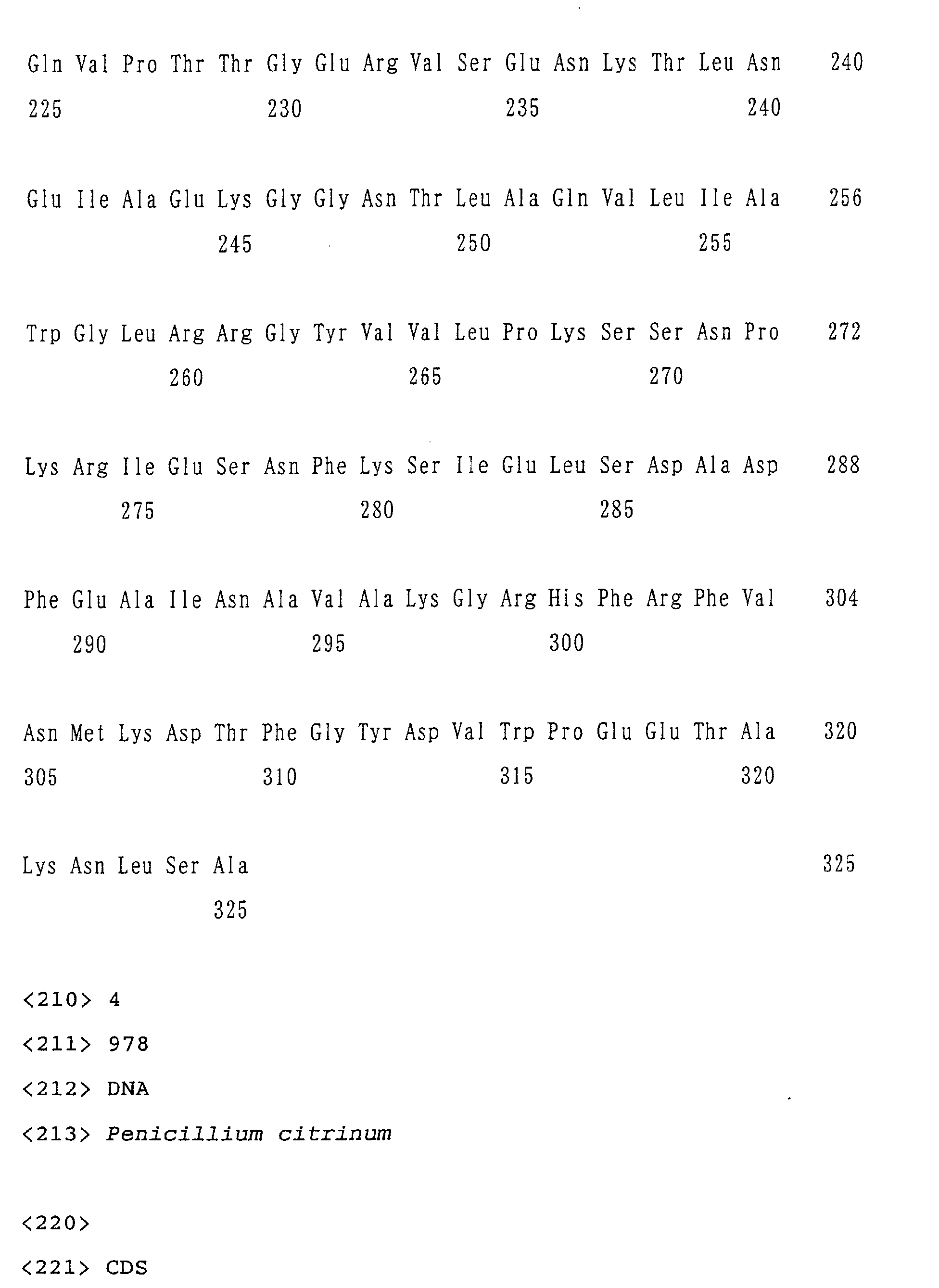
- a cDNA library is prepared from a microorganism belonging to the genus Penicillium, such as Penicillium citrinum, and PCR is carried out using the prepared cDNA library as a template together with suitable primers, whereby DNA consisting of a nucleotide sequence encoding the amino acid sequence of SEQ ID NO: 3 , DNA consisting of a nucleotide sequence encoding an amino acid sequence wherein one or more amino acids are deleted, substituted or added in the amino acid sequence of SEQ ID NO:3 or DNA having the nucleotide sequence of SEQ ID NO:4 is amplified to prepare the present reductase gene.
- the enzyme having an ability to regenerate a coenzyme on which the enzyme having an ability to reduce 1,3-cyclohexanedione to form 3-hydroxycyclohexanone (preferably, optically active 3-hydroxycyclohexanone) depends (the gene for the enzyme is also referred to hereinafter as the present coenzyme regenerating enzyme gene) is an enzyme different from the present reductase enzyme, the present coenzyme regenerating enzyme gene may be prepared, for example, according to the following preparation method.
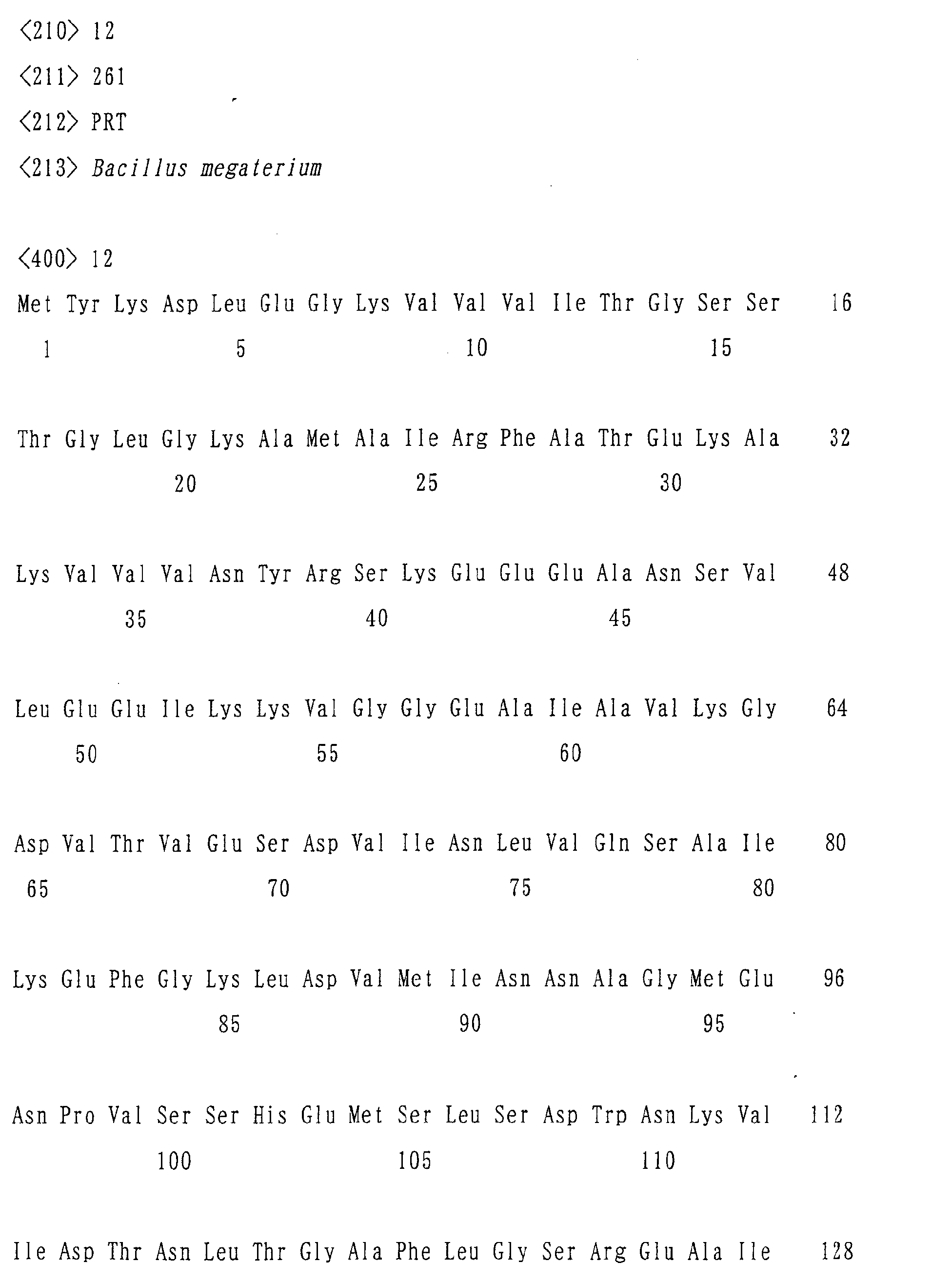
- chromosomal DNA is prepared from a microorganism belonging to the genus Bacillus, such as Bacillus megaterium, and PCR is carried out using the prepared chromosomal DNA as a template together with suitable primers, whereby DNA consisting of a nucleotide sequence encoding the amino acid sequence of SEQ ID NO:12, DNA consisting of a nucleotide sequence encoding an amino acid sequence wherein one or more amino acids are deleted, substituted or added in the amino acid sequence of SEQ ID NO: 12 or DNA having the nucleotide sequence of SEQ ID NO:11 is amplified to prepare the present coenzyme-regenerating enzyme gene.
- DNA consisting of the nucleotide sequence of SEQ ID NO: 11 is amplified to prepare the present coenzyme regenerating enzyme gene.
- the PCR conditions are for example those under which a reaction solution containing 20 ⁇ M each of 4 dNTPs, 15 pmol each of 2 oligonucleotide primers, 1.3 U Taq polymerase, and a cDNA library as a template is heated at 97°C (2 minutes) and then subjected to 10 cycles each consisting of reactions at 97°C (0.25 min)-50°C (0.5 min)-72°C (1.5 min) and then 20 cycles each consisting of reactions at 97°C (0.25 min)-55°C (0.5 min)-72°C (2.5 min), and the reaction solution is further kept at 72°C for 7 minutes.
- a restriction enzyme recognition sequence etc. may be added to the 5'-terminal of the primer used in PCR.
- the DNA amplified in the manner described above is cloned in a vector by methods described by Sambrook J., Frisch E. F., Maniatis T. in Molecular Cloning, A Laboratory Manual, 2 nd ed. , (1989), Cold Spring Harbor Laboratory Press, Current Protocols in Molecular Biology, (1987), John Wiley & Sons, Inc., ISBNO-471-50338-X, etc., whereby a recombinant vector can be obtained.
- the vector used includes , for example, pUC119 (Takara Shuzo Co., Ltd. ) , pTV118N (Takara Shuzo Co. , Ltd.
- the method of preparing the present transformant includes, for example, (1) a method of preparing a recombinant plasmid capable of expressing the present reductase gene in host cells, such as DNA wherein the present reductase gene and a promoter capable of functioning in host cells are linked in an operable form (for example, a recombinant plasmid constructed by ligating a region involved in expression regulation, such as a promoter and a terminator, with the present reductase gene, or a recombinant plasmid expressing the gene as an operon containing a plurality of cistrons, such as lactose operon) and then introducing it into host cells, (2) a method of preparing a single recombinant plasmid capable of expressing the gene in host cells, such as DNA wherein the two genes, that is, the reductase gene and the coenzyme regenerating enzyme gene, and a promoter capable of functioning in host cells are ligated
- the method of producing the transformant by introducing the single recombinant plasmid into host cells includes, for example, a method of constructing the recombinant plasmid by ligating e.g. regions involved in expression regulation, such as a promoter and a terminator, with both the genes and a method of constructing the recombinant plasmid expressing the gene as operon containing a plurality of cistrons, such as lactose operon.
- the recombinant plasmid is, for example, a plasmid which contains genetic information replicable in host cells, is capable of autonomous multiplication, can be easily isolated and purified from the host cells, and has the gene encoding the present reductase introduced in an operable form into an expression vector having a detectable marker and a promoter operable in the host cells.
- the expression vector various kinds of vectors are commercially available.
- operable form mean that upon transformation of the recombinant plasmid into host cells, the present reductase gene is linked with a promoter so as to be expressed under the control of the promoter.
- the promoter includes a lactose operon promoter from E. coli, tryptophan operon promoter from E. coli, and synthetic promoters capable of functioning in E. coli, such as tac promoter and trc promoter.
- a promoter regulating the expression of the present reductase gene in Corynebacterium pseudodiphteriticum, Penicillium citrinum or Bacillus megaterium may also be utilized.
- the expression vector used is a vector containing a selective marker gene (for example, an antibiotic resistance gene such as kanamycin resistance gene or neomycin resistance gene)
- a selective marker gene for example, an antibiotic resistance gene such as kanamycin resistance gene or neomycin resistance gene
- the transformant into which the vector was introduced can be selected easily by using e.g. the phenotype of the selective marker gene as an indicator.
- a ribosome-binding region may be ligated with a region upstream of the gene having the nucleotide sequence encoding the amino acid sequence of the present reductase.
- the ribosome-binding region used include those described by Guarente L. et al. (Cell 20, p. 543) and Taniguchi et al. (Genetics of Industrial Microorganisms, p. 202, Kodansha).
- the host cells include microbial cells such as procaryotes (for example, the genera Escherichia, Bacillus, Corynebacterium, Staphylococcus and Streptomyces) and eucaryotes (for example, the genera Saccharomyces, Kluyveromyces and Aspergillus), insect cells and mammalian cells.
- microbial cells such as procaryotes (for example, the genera Escherichia, Bacillus, Corynebacterium, Staphylococcus and Streptomyces) and eucaryotes (for example, the genera Saccharomyces, Kluyveromyces and Aspergillus), insect cells and mammalian cells.
- procaryotes for example, the genera Escherichia, Bacillus, Corynebacterium, Staphylococcus and Streptomyces
- eucaryotes for example, the genera Saccharomyces, Kluyveromyces and Aspergillus
- a conventional method may be used depending on the host cells used, and the method include, for example, the calcium chloride method described in Molecular Cloning: A Laboratory Manual, 2nd ed., (1989), Cold Spring Harbor Laboratory Press, Current Protocols in Molecular Biology, (1987), John Wiley & Sons, Inc., ISBNO-471-50338-X, etc., and the electroporation method described in Methods in Electroporation: Gene Pulser/E. coli Pulser System, Bio-Rad Laboratories, (1993), etc.
- the transformant harboring the plasmid capable of expressing the reductase gene and/or the coenzyme regenerating gene in host cells can be selected from the host cells by using the phenotype, as an indicator, of the selective marker gene contained in the vector, as described above.
- the host cells into which the plasmid was introduced that is, the transformant
- the reductase gene and/or the coenzyme regenerating enzyme gene can be confirmed by examining a restriction enzyme site or analyzing the nucleotide sequence or by Southern hybridization, Western hybridization, etc. according to conventional methods described in Molecular Cloning: A Laboratory Manual, 2 nd ed. , (1989), Cold Spring Harbor Laboratory Press, etc.
- the present transformant can be cultured by a conventional method used in culture of microorganisms, insect cells or mammalian cells.
- Escherichia coli is cultured in a medium containing a suitable carbon and nitrogen sources and trace nutrients such as vitamins.
- the culture method may be either culture on solid or culture in liquid such as test-tube shake culture, reciprocating shake culture, Jar Fermenter culture or tank culture, preferably culture in liquid such as aeration shake culture.
- the culture temperature can be changed in the range where the transformant can grow, the temperature is usually about 10 to 50°C, preferably about 20 to 40°C.
- the pH value of the medium is preferably in the range of about 6 to 8.
- the culture time is usually about 1 day to about 5 days, depending on culture conditions.
- the medium for culturing the present transformant various mediums containing a carbon source, a nitrogen source, organic salts and inorganic salts used ordinarily in culturing host cells such as microorganisms can be used.
- the carbon source includes, for example, glucose, dextrin, sugars such as sucrose, sugar alcohols such as glycerol, organic acids such as fumaric acid, citric acid and pyruvic acid, animal oils, vegetable oils and molasses.
- the amount of these carbon sources added to the medium is usually about 0.1 to 30% (w/v) relative to the culture solution.
- the nitrogen source includes, for example, naturally occurring nitrogen sources such as meat extract, peptone, yeast extract, malt extract, soybean powder, corn steep liquor, cottonseed powder, dried yeast and casamino acid, amino acids, inorganic acid ammonium salts such as sodium nitrate, inorganic acid ammonium salts such as ammonium chloride, ammonium sulfate and ammonium phosphate, organic acid ammonium salts such as ammonium fumarate and ammonium citrate, and urea.
- the organic acid ammonium salts, naturally occurring organic nitrogen sources and amino acids can also be used as the carbon source.
- the amount of these nitrogen sources to the medium is usually about 0.1 to 30% (w/v) based on the culture solution.
- the organic salts and inorganic salts include, for example, chlorides, sulfates, acetates, carbonates and phosphates such as those of potassium, sodium, magnesium, iron, manganese, cobalt and zinc. Specific examples include sodium chloride, potassium chloride, magnesium sulfate, ferrous sulfate, manganese sulfate, cobalt chloride, zinc sulfate, copper sulfate, sodium acetate, calcium carbonate, monopotassium hydrogen phosphate and dipotassium hydrogen phosphate.
- the amount of these organic acid salts and/or inorganic acid salts to the medium is usually about 0.0001 to 5% (w/v) based on the culture solution.
- IPTG isopropyl thio- ⁇ -D-galactoside
- the present transformant can be recovered in the form of a pellet by centrifuging its culture obtained by culturing. Before recovery, the transformant may be washed if necessary with a buffer such as 100 mM monopotassium phosphate-dipotassium phosphate buffer (pH 6.5).
- the enzyme having an ability to reduce 1,3-cyclohexanedione, a microorganism producing the enzyme or a treated material thereof is used as the catalyst for reducing 1,3-cyclohexanedione to form 3-hydroxycyclohexanone (preferably, optically active 3-hydroxycyclohexanone).
- the microorganism producing the enzyme having an ability to reduce 1,3-cyclohexanedione is used in the reaction in the process of this invention
- the microorganism is used in the form of (1) the culture solution and (2) the wet microorganism obtained for example by centrifuging the culture solution to collect the microorganism and then washing the microorganism with a buffer or water.
- the enzyme or the treated material used is obtained by subjecting the wet microorganism obtained for example by centrifuging the culture solution to collect the microorganism and then washing the microorganism with a buffer or water to (1) treatment with an organic solvent (acetone, ethanol etc.), (2) lyophilization, (3) alkali treatment, and (4) physical or enzymatic disruption, or the resulting treated material may be further immobilized in a known method.
- an organic solvent acetone, ethanol etc.
- the microorganism producing the enzyme and the treated material thereof the transformant artificially endowed with an ability to reduce 1,3-cyclohexanedione or its dead cells are preferably used.
- the method of preparing the dead cells includes, for example, a physical cell killing method (heating, drying, freezing, light rays, sonication, filtration, electrification) and a killing method using chemicals (alkali, acid, halogen, oxidizing agent, sulfur, boron, arsenic, metal, alcohol, phenol, amine, sulfide, ether, aldehyde, ketone, cyan, antibiotic).
- a treatment method with minimum inactivation of the activity of the present reductase and with less contamination and pollution in the reaction system is suitably selected from these killing methods, depending on various reaction conditions.
- the transformant or its dead cells thus prepared may be used for example in the form of lyophilized cells, cells treated with an organic solvent, or dried cells, or in an immobilized form (immobilized product).
- the method of obtaining the immobilized product includes , for example, a method of binding to carriers (method of adsorbing the present transformant or its dead cells onto inorganic carriers such as silica gel and ceramics or onto cellulose and ion-exchange resin) and an inclusion method (method of entrapping the present transformant or its dead cells into networks in polymers such as polyacrylamide, sulfur-containing polysaccharide gel (e.g. carrageenan gel), alginic acid gel and agar gel).
- a method of binding to carriers method of adsorbing the present transformant or its dead cells onto inorganic carriers such as silica gel and ceramics or onto cellulose and ion-exchange resin
- an inclusion method method of entrapping the present transformant or its dead cells into networks in polymers such as polyacrylamide, sulfur-containing polysaccharide gel (e.g. carrageenan gel), alginic acid gel and agar gel).
- the reaction for converting 1,3-cyclohexanedione into 3-hydroxycyclohexanone is achieved by allowing the present reductase, a microorganism producing the enzyme or a treated material thereof (and a coenzyme if necessary) to react with 1,3-cyclohexanedione.
- the reaction is carried out usually in the presence of water.
- Water may be in the form of a buffer, and the buffer used in this case includes , for example, alkali metal phosphates such as sodium phosphate and potassium phosphate and alkali metal salts such as sodium acetate and potassium acetate.
- the buffer When the buffer is used as a solvent, its amount is usually 1 to 300 parts by weight, preferably 5 to 100 parts by weight, relative to 1 part by weight of 1,3-cyclohexanedione.
- 1,3-cyclohexanedione may be added continuously or successively to the reaction system.
- the reaction temperature is usually about 0 to 70°C, preferably about 10 to 40°C, from the viewpoint of stability and reaction rate of the present reductase, or the present reductase contained in a microorganism producing the enzyme or its treated material.
- reaction pH may be suitably changed within such a range that the reaction proceeds, the pH is, for example, 5 to 8.
- the reaction can also be conducted in the coexistence of an organic solvent besides water.
- the organic solvent in this case includes, for example, ethers such as tetrahydrofuran, t-butyl methyl ether and isopropyl ether, hydrocarbons such as toluene, hexane, cyclohexane, heptane, isooctane and decane, alcohols such as t-butanol, methanol, ethanol, isopropanol and n-butanol, sulfoxides such as dimethyl sulfoxide, ketones such as acetone, nitriles such as acetonitrile, and mixtures thereof.
- ethers such as tetrahydrofuran, t-butyl methyl ether and isopropyl ether
- hydrocarbons such as toluene, hexane, cyclohexane, heptane, isooc
- the amount of the organic solvent used in the reaction is usually not higher than 100 parts by weight, preferably not higher than 70 parts by weight, based on 1,3-cyclohexanedione.
- the reaction is conducted preferably in the presence of a coenzyme such as NADH or NADPH.
- the amount of the coenzyme used in the reaction is usually not higher than 0.5 part by weight, preferably not higher than 0.1 part by weight, based on 1,3-cyclohexanedione.
- the present coenzyme-regenerating enzyme having an ability to regenerate a coenzyme on which the enzyme having an ability to reduce 1,3-cyclohexanedione to form 3-hydroxycyclohexanone (preferably, optically active 3-hydroxycyclohexanone) depends, that is, the coenzyme-regenerating enzyme having an ability to convert an oxidized coenzyme (electron acceptor), which is generated from a reduced coenzyme (electron donor) in a stoichiometric amount in an elementary reaction for reducing 1,3-cyclohexanedione, into a reduced coenzyme (electron donor) again.
- the present coenzyme-regenerating enzyme may be an independent enzyme from the present reductase catalyzing the reduction reaction, or it may be an enzyme that has an ability to catalyze the reduction reaction, or both may be used together.
- the present reductase is an enzyme that has an ability to regenerate the coenzyme together can be confirmed, for example, by contacting the isolated present enzyme with an electron-donating compound in the presence of an oxidized coenzyme and detecting a reduced coenzyme (electron donor).
- the coenzyme-regenerating enzyme includes, for example, glucose dehydrogenase, alcohol dehydrogenase, aldehyde dehydrogenase, amino acid dehydrogenase and organic dehydrogenase (malate dehydrogenase etc.) etc.
- the coenzyme-regenerating enzyme is preferably an enzyme regenerating a coenzyme by oxidizing a fatty alcohol, as an electron-donating compound,(for example, alcohols having a boiling point of 200°C or less, such as 2-propanol, 2-butanol, 2-pentanol, 2-hexanol, 2-heptanol and 2-octanol).
- the molar ratio of the fatty alcohol to 1,3-cyclohexanedione is not higher than 10, preferably not higher than 10.
- the reaction can also be carried out by adding sugars such as glucose, sucrose, fructose or the like, alcohols such as ethanol or the like, and a surfactant, if necessary.
- sugars such as glucose, sucrose, fructose or the like, alcohols such as ethanol or the like, and a surfactant, if necessary.
- the progress of the reaction can be monitored, for example, in terms of the amount of the starting compound in the reaction solution by liquid chromatography, gas chromatography etc.
- the reaction time is usually in the range of 5 minutes to 10 days, preferably 30 minutes to 4 days.
- the desired product may be collected by a recovery method conventionally used in the process for producing compounds by using an enzyme or a microorganism as a catalyst.
- the reaction solution is extracted with an organic solvent such as hexane, heptane, tert-butyl methyl ether, ethyl acetate or toluene.
- the reaction solution may be filtered or centrifuged to remove insolubles before the extraction is conducted. Then, the extracted organic layer can be dried to recover the desired product as a concentrate.
- the desired product can further be purified by column chromatography, if necessary.
- Example 1 (Preparation of the present reductase gene (No. 1) and preparation of a transformant containing the present reductase gene)
- Plasmid pKAR containing DNA consisting of the nucleotide sequence of SEQ ID NO:2 was prepared in the following manner.
- a DNA fragment containing the DNA shown in SEQ ID NO:2 was excised with PstI and SmaI from known plasmid pUAR (The plasmid was deposited under the Budapest Treaty as FERM BP-7752, which had been originally deposited as FERM P-18127.
- the depositary institution was International Patent Organism Depositary(IPOD), formerly known as the National Institute of Bioscience and Human-Technology(NIBH)) described in Appl Microbial Biotechnol 52:386-392 (1999).
- the excised DNA fragment was inserted into a region downstream of a Tac promoter in PstI/SmaI-treated pKK223-3 vector (Amersham Pharmacia Biotech). Plasmid pKAR was constructed in this manner.
- the constructed plasmid pKAR was used to transform E. coli JM109.
- a liquid medium solution of 10 g trypton, 5 g yeast extract and 5 g sodium chloride in 1000 ml water, adjusted to pH 7.0 by dropping 1 N aqueous sodium hydroxide
- 100 ml was introduced into a flask and sterilized, and 100 ⁇ g/ml ampicillin, 0.01% (w/v) ZnCl 2 and 0.4 mM isopropyl thio- ⁇ -D-galactoside (IPTG) were added thereto.
- IPTG isopropyl thio- ⁇ -D-galactoside
- the resulting culture was centrifuged (15000 ⁇ g, 15 minutes, 4°C) to recover the microorganism.
- the recovered microorganism was suspended in 30 ml of 50 mM monopotassium phosphate-dipotassium phosphate buffer (pH 7.0), and this suspension was centrifuged (15000 ⁇ g, 15 minutes, 4°C) , whereby the washed microorganism i.e. the transformant harboring the present reductase gene was obtained.
- a liquid medium (solution of 5 g trypton, 2.5 g yeast extract, 4 g sodium chloride, 2.5 g gelatin, 1.5 g sodium acetate and 2.4 g threonine in 1000 ml water, adjusted to pH 7.0 by dropping 1 N aqueous sodium hydroxide), 100 ml, was introduced into a flask and sterilized.
- To the medium thus prepared was inoculated 0.3 ml culture of known Corynebacterium pseudodiphteriticum subspecies ST-10 (Accession No. FERM P-13150) described in JP-A 10-94399 etc., previously cultured in a liquid medium having the above composition, and the microorganism was cultured under shaking at 30°C for 10 hours.
- the resulting culture was centrifuged (15000 ⁇ g, 15 minutes, 4°C) to recover the microorganism.
- the recovered microorganism was suspended in 30 ml of 50 mM monopotassium phosphate-dipotassium phosphate buffer (pH 7.0), and this suspension was centrifuged (15000 ⁇ g, 15 minutes, 4°C) , whereby the washed microorganism was obtained.
- the washed microorganism thus obtained was used to prepare chromosomal DNA by a method of J. C. Wang et al. (Appl. Microbiol. Biotechnol. 52:386-392 (1999)).
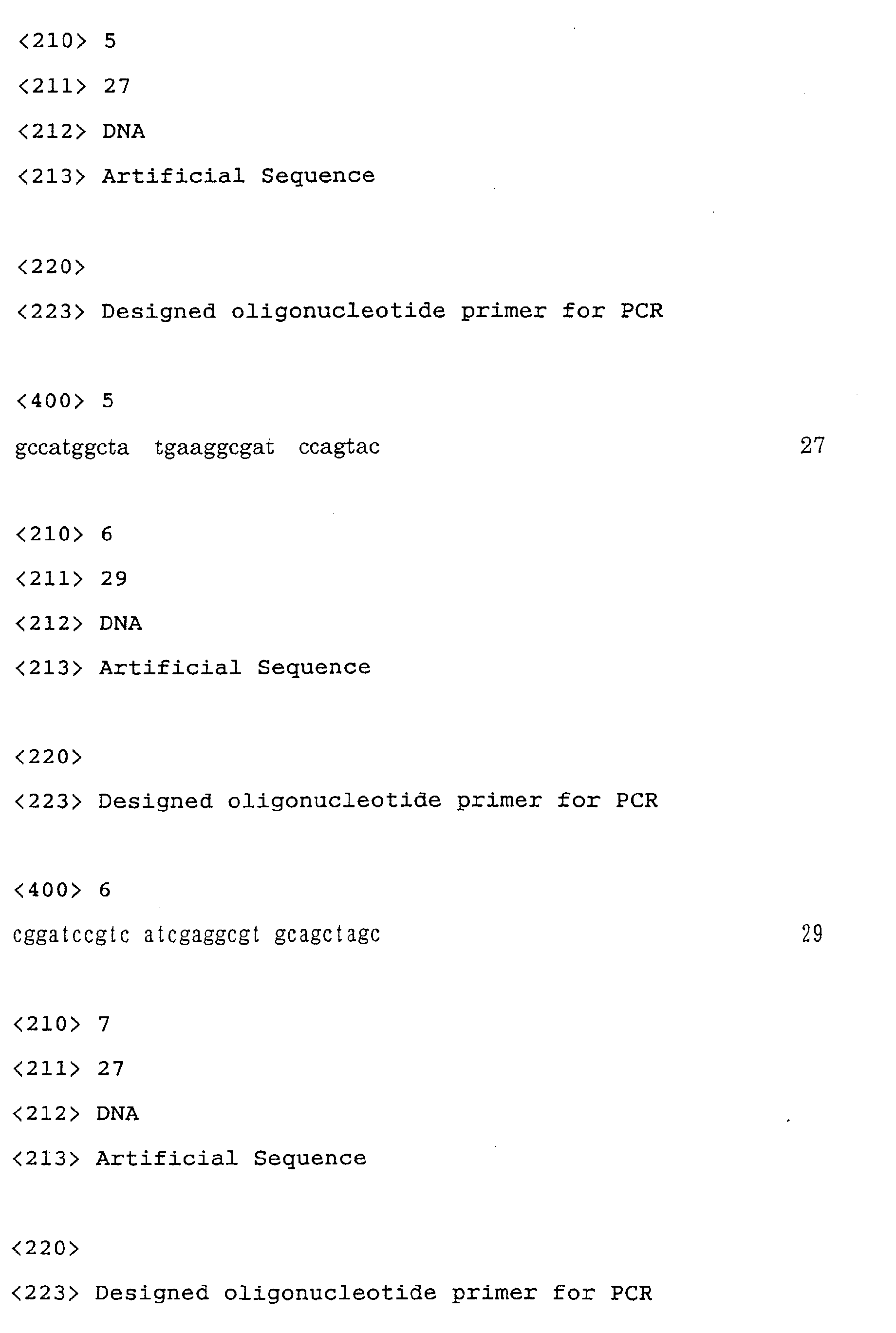
- PCR is conducted in which an oligonucleotide having the nucleotide sequence of SEQ ID NO: 5 and an oligonucleotide having the nucleotide sequence of SEQ ID NO:6 are used as the primers, and the chromosomal DNA prepared in the above item (2-1) is used as the template, and the following composition of the reaction solution and reactions conditions are used.
- (Expand High Fidelity PCR system manufactured by Roche Diagnostic was used. ) Composition of the reaction solution Chromosomal DNA 1 ⁇ l dNTP (2.5 mM mix each) 0.4 ⁇ l Primers (20 pmol/ ⁇ l) 0.75 ⁇ l each 10 ⁇ Buffer (with MgCl 2 ) 5 ⁇ l enz. expand HiFi (3.5 ⁇ 10 3 U/ml) 0.375 ⁇ l Ultra-purified water 41.725 ⁇ l
- a vessel containing the reaction solution having the above composition is set in PERKIN ELMER-GeneAmp PCR System 2400 and heated at 97°C (2 minutes), and the reaction solution is subjected to 10 cycles each consisting of reactions at 97°C (0.25 min)-55°C (0.5 min)-72°C (1.5 min) and then 20 cycles each consisting of reactions at 97°C (0.25 min)-55°C (0.5 min)-72°C (2.5 mm), and the reaction solution is further kept at 72°C for 7 minutes.
- the two purified DNA fragments thus obtained are mixed and ligated by T4 DNA ligase.
- the resulting ligation solution is transformed into E. coli DH5 ⁇ .
- plasmid pTrcPAR plasmid containing the present reductase gene
- a medium 24 g/L potato dextrose broth (Becton Dickinson) in water
- 100 ml was introduced into a 500-ml flask and sterilized at 121°C for 15 minutes.
- To the medium thus prepared was inoculated 0.5 ml culture of Penicillium citrinum IFO4631 (available from Institute for Fermentation, Osaka (IFO), Japan (www.ifo.or.jp)) previously cultured (under shaking at 30°C for 48 hours) in a medium having the same composition, and the microorganism was cultured under shaking at 30°C for 72 hours. Thereafter, the resulting culture was centrifuged (8000 ⁇ g, 10 minutes), and the formed pellet was recovered. The pellet was washed 3 times with 50 ml of 20 mM potassium phosphate buffer (pH 7.0), to give about 1.0 g washed microorganism.
- RNA having poly(A) was obtained by using Oligotex (dT) 30-Super (Takara Shuzo Co., Ltd.).
- a cDNA library was prepared according to the Gubler and Hoffman method.
- single-strand cDNA was prepared using the RNA having poly(A) obtained above, Oligo(dT)18-linker primers ((containing an XhoI site) manufactured by Takara Shuzo Co., Ltd.), RAV-2 Rtase and Superscript II Rtase.
- E. coli DNA polymerase E. coli Rnase/E. coli DNA Ligase Mixture and T4 DNA polymerase , whereby double-strand cDNA was synthesized and blunt-ended.
- the double-strand cDNA thus obtained was ligated with an EcoRI-NotI-BamHI adaptor (Takara Shuzo Co., Ltd.). After ligation, the resulting DNA was phosphorylated, cleaved with XhoI, applied to a spin column (Takara Shuzo Co., Ltd.) to remove low-molecular DNA, ligated with ⁇ ZapII (cleaved with EcoRI-XhoI), and packaged by an in vitro packaging kit (Stratagene), whereby a cDNA library (also referred to hereinafter as cDNA library (A)) was prepared.
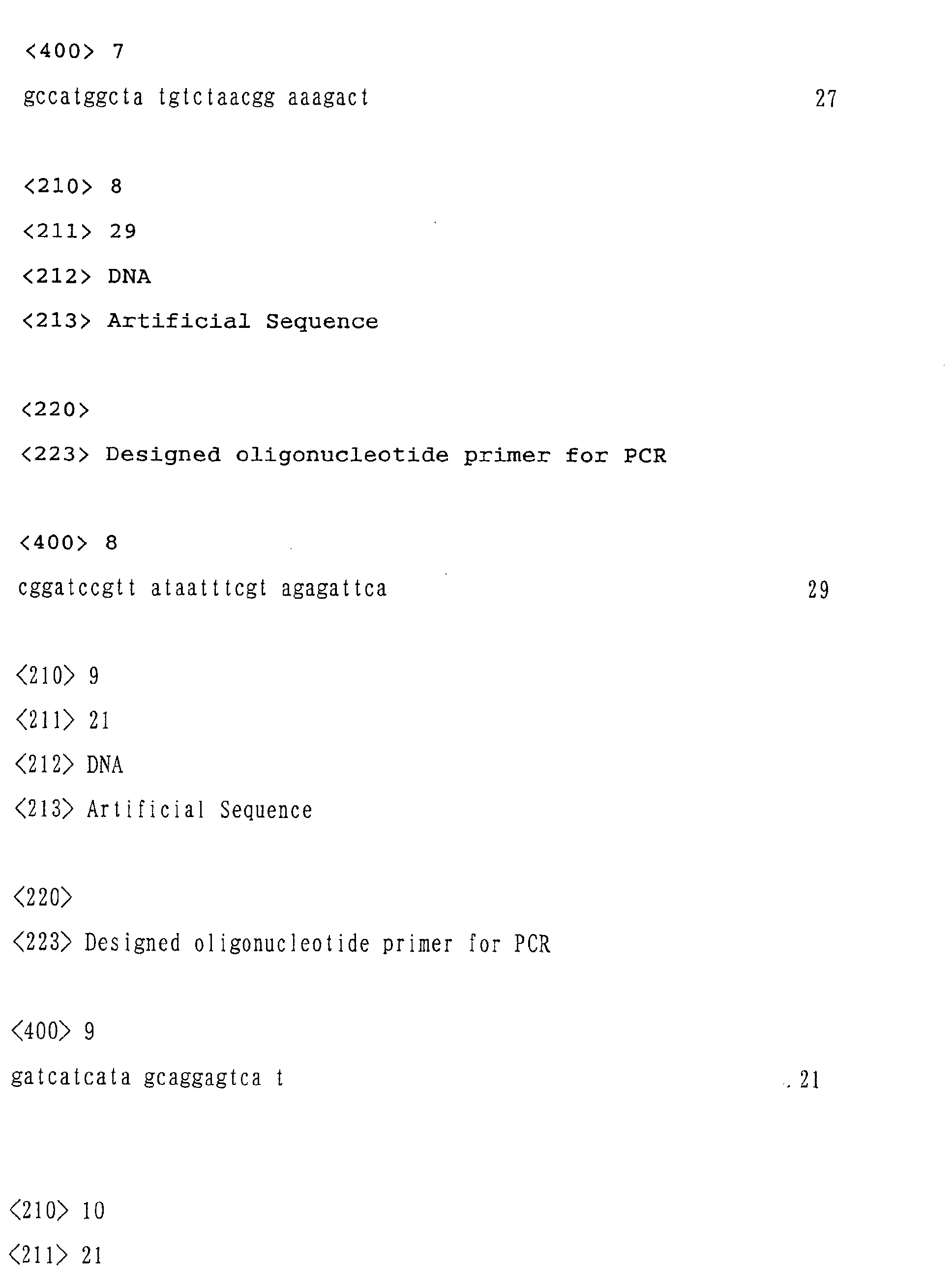
- PCR was conducted in which an oligonucleotide having the nucleotide sequence of SEQ ID NO: 7 and an oligonucleotide having the nucleotide sequence of SEQ ID NO:8 were used as the primers, and the cDNA library prepared in the above item (3-1) was used as the template, and the following composition of the reaction solution and reactions conditions were used. (Expand High Fidelity PCR system manufactured by Roche Diagnostic was used. )
- a vessel containing the reaction solution having the above composition was set in PERKIN ELMER-GeneAmp PCR System 2400 and heated at 97°C (2 minutes), and the reaction solution was subjected to 10 cycles each consisting of reactions at 97°C (0.25 min)-55°C (0.5 min)-72°C (1.5 min) and then 20 cycles each consisting of reactions at 97°C (0.25 min)-55°C (0.5 min)-72°C (2.5 min), and the reaction solution was further kept at 72°C for 7 minutes.
- the two purified DNA fragments thus obtained were mixed and ligated by T4 DNA ligase.
- the resulting ligation solution was transformed into E. coli DH5 ⁇ .
- plasmid pTrcRPc plasmid containing the present reductase gene
- An LB medium (1% trypton, 0.5% yeast extract, 1% sodium chloride), 100 ml, was introduced into a flask and sterilized.
- To the medium thus prepared was inoculated 0.3 ml culture of Bacillus megaterium IFO12108 (available from Institute for Fermentation, Osaka (IFO) (www.ifo.or.jp)) previously cultured in a liquid medium having the above composition, and the microorganism was cultured under shaking at 30°C for 10 hours.
- IFO12108 available from Institute for Fermentation, Osaka (IFO) (www.ifo.or.jp)
- the resulting culture was centrifuged (15000 ⁇ g, 15 minutes, 4°C) to recover the microorganism.
- the recovered microorganism was suspended in 30 ml of 50 mM monopotassium phosphate-dipotassium phosphate buffer (pH 7.0), and this suspension was centrifuged (15000 ⁇ g, 15 minutes, 4°C) , whereby a washed microorganism was obtained.
- chromosomal DNA was purified by using Qiagen Genomic Tip (Qiagen) according to a method described in its attached manual.
- oligonucleotide having the nucleotide sequence of SEQ ID NO:9 and an oligonucleotide having the nucleotide sequence of SEQ ID NO:10 were synthesized on the basis of the amino acid sequence of glucose dehydrogenase derived from known Bacillus megaterium IWG3 described in The Journal of Biological Chemistry Vol. 264, No. 11, 6381-6385 (1989).
- PCR was conducted in which the oligonucleotide having the nucleotide sequence of SEQ ID NO: 9 and the oligonucleotide having the nucleotide sequence of SEQ ID NO: 10 were used as the primers, and the chromosomal DNA purified in the above item (4-1) was used as the template, and the composition of the reaction solution and reactions conditions described in Example 2 (2-2) were used. (Expand High Fidelity PCR system manufactured by Roche Diagnostic was used.)
- the PCR-amplified DNA fragment obtained by purifying the PCR reaction solution was ligated into an existing "PCR Product Insertion Site" in vector pCR2. 1-TOPO by using a TOPOTM TA cloning kit manufactured by Invitrogen.
- the resulting ligation solution was transformed into E. coli DH5 ⁇ .
- plasmid pSDGDH12 a plasmid containing a glucose dehydrogenase gene
- An oligonucleotide having the nucleotide sequence of SEQ ID NO:13 and an oligonucleotide having the nucleotide sequence of SEQ ID NO:14 were synthesized on the basis of the nucleotide sequence of SEQ ID NO:11.
- PCR was conducted in which the oligonucleotide having the nucleotide sequence of SEQ ID NO:13 and the oligonucleotide having the nucleotide sequence of SEQ ID NO:14 were used as the primers, and the chromosomal DNA prepared in the above item (4-1) was used as the template, and the following composition of the reaction solution and reactions conditions were used. (Expand High Fidelity PCR system manufactured by Roche Diagnostic was used.)
- a vessel containing the reaction solution having the above composition was set in PERKIN ELMER-GeneAmp PCR System 2400 and heated at 97°C (2 minutes), and the reaction solution was subjected to 10 cycles each consisting of reactions at 97°C (0.25 min)-55°C (0.5 min)-72°C (1.5 min) and then to 20 cycles each consisting of reactions at 97°C (0.25 min)-55°C (0.5 min)-72°C (2.5 min), and the reaction solution was further kept at 72°C for 7 minutes.
- the two purified DNA fragments thus obtained were mixed and ligated by T4 DNA ligase.
- the resulting ligation solution was transformed into E. coli DH5 ⁇ .
- plasmid pTGDH12 a plasmid containing the present reductase gene (also referred to hereinafter as plasmid pTGDH12) was removed by QIAprep Spin Miniprep Kit (Qiagen).
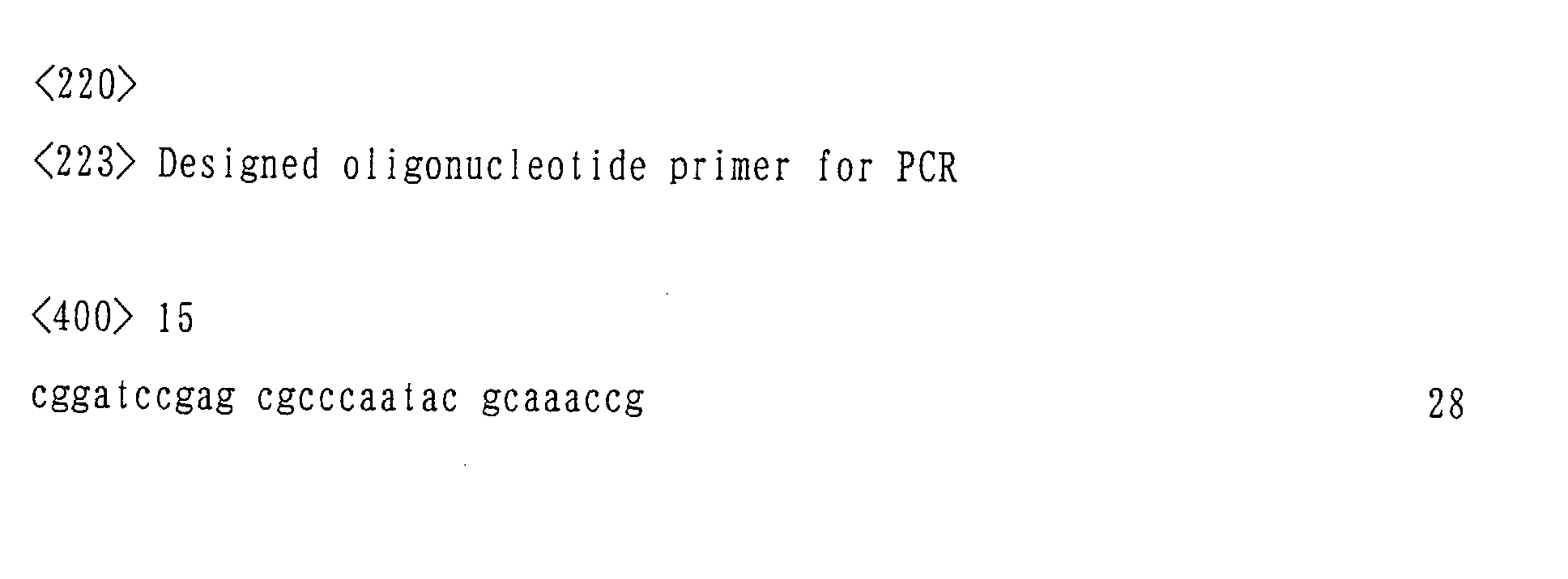
- An oligonucleotide having the nucleotide sequence of SEQ ID NO: 15 was synthesized on the basis of the nucleotide sequence of vector pTV118N (Takara Shuzo Co., Ltd.).
- PCR was conducted in which the oligonucleotide having the nucleotide sequence of SEQ ID NO: 15 and an oligonucleotide having the nucleotide sequence of SEQ ID NO: 14 were used as the primers, and plasmid pTGDH12 was used as the template, and the following composition of the reaction solution and reactions conditions were used. (Expand High Fidelity PCR system manufactured by Roche Diagnostic was used.)
- a vessel containing the reaction solution having the above composition was set in PERKIN ELMER-GeneAmp PCR System 2400 and heated at 97°C (2 minutes), and the reaction solution was subjected to 10 cycles each consisting of reactions at 97°C (0.25 min)-55°C (0.5 min)-72°C (1.5 min) and then 20 cycles each consisting of reactions at 97°C (0.25 min)-55°C (0.5 min)-72°C (2.5 min), and the reaction solution was further kept at 72°C for 7 minutes.
- the about 1000-bp DNA fragment obtained by PCR was ligated into an existing "PCR Product Insertion Site" in vector pCR2.1-TOPO, and the ligation solution was transformed into E. coli DH5 ⁇ .
- plasmid pCGDH12 a plasmid containing the present reductase gene (also referred to hereinafter as plasmid pCGDH12) was removed by QIAprep Spin Miniprep Kit (Qiagen).
- plasmid pCGDH12 By adding a restriction enzyme (BamHI) to plasmid pCGDH12, the plasmid was digested. Then, the resulting DNA fragment (about 1000 bp) was purified.
- a restriction enzyme BamHI
- a restriction enzyme (BamHI) was added to vector pACYC184 (Nippon Gene) thereby digesting the plasmid. Then, the resulting DNA fragment was purified. Further, the DNA fragment was dephosphorylated with alkaline phosphatase (Takara Shuzo Co., Ltd.) in order to prevent self-ligation.
- the two purified DNA fragments thus obtained were mixed and ligated by T4 DNA ligase.
- the resulting ligation solution was transformed into E. coli DH5 ⁇ .
- the resulting transformant was cultured in an LB agar medium containing 20 ⁇ g/ml chloramphenicol, and 4 colonies were selected at random from the proliferated colonies. Each of the selected colonies was inoculated into a sterilized LB medium (2 ml) containing 20 ⁇ g/ml chloramphenicol and cultured under shaking in a test tube (30°C, 24 hours). From the respective cultured microorganisms, plasmids were removed by QIAprep Spin Miniprep Kit (Qiagen).
- Example 5 (Preparation of a plasmid containing the reductase gene and the coenzyme regenerating enzyme gene (No. 1): Construction of plasmid pTrcPARSbG)
- Two restriction enzymes (BamHI and XbaI) are added to plasmid pSDGDH12 prepared in Example 4 (4-2), and the plasmid is digestedwith the two enzymes. Then, the digested DNA fragment is purified.
- the two purified DNA fragments thus obtained are mixed and ligated by T4 DNA ligase.
- the resulting ligation solution is transformed into E. coli DH5 ⁇ .
- plasmid pTrcPARSbG a plasmid containing the reductase gene and the coenzyme regenerating gene (also referred to hereinafter as plasmid pTrcPARSbG) is removed by QIAprep Spin Miniprep Kit (Qiagen).
- Example 6 (Preparation of a plasmid containing the reductase gene and the coenzyme regenerating enzyme gene (No. 2): Construction of plasmid pTrcRSbG12)
- Two restriction enzymes (BamHI and XbaI) were added to plasmid pSDGDH12 prepared in Example 4 (4-2), to digest the plasmid with the two enzymes. Then, the digested DNA fragment was purified.
- the two purified DNA fragments thus obtained were mixed and ligated by T4 DNA ligase.
- the resulting ligation solution was transformed into E. coli DH5 ⁇ .
- plasmid pTrcRSbG12 a plasmid containing the reductase gene and the coenzyme-regenerating gene (also referred to hereinafter as plasmid pTrcRSbG12) was removed by QIAprep Spin Miniprep Kit (Qiagen).
- Example 7 Preparation of a transformant containing the reductase gene and the coenzyme regenerating enzyme gene (No. 1)
- the plasmid pTrcPARSbG prepared in Example 5 is used to transform E . coli HB101.
- the resulting transformant is inoculated into a sterilized LB medium (100 ml ⁇ 3 tubes) containing 0.4 mM IPTG, 0.01% (w/v) ZnCl 2 and 50 ⁇ g/ml ampicillin, and then cultured under shaking (30°C, 18 hours). After the culture, the culture solution is centrifuged and washed, to recover the washed microorganism.
- Example 8 (Preparation of a transformant containing the reductase gene and the coenzyme regenerating enzyme gene (No. 2))
- the plasmid pTrcRSbG12 prepared in Example 6 was used to transform E. coli HB101.
- the resulting transformant was inoculated into a sterilized LB medium (100 ml ⁇ 3 tubes) containing 0.1 mM IPTG and 50 ⁇ g/ml ampicillin, and then cultured under shaking (30°C, 18 hours). After the culture, the culture solution was centrifuged and washed, to recover 1.2 g washed microorganism.
- the plasmid pTrcRPc prepared in Example 3 and the plasmid pAGDH12 prepared in Example 4 (4-3) are used to transform E. coli HB101.
- the resulting transformant is inoculated into a sterilized LB medium (100 ml ⁇ 3 tubes) containing 0.4 mM IPTG, 20 ⁇ g/ml chloramphenicol and 50 ⁇ g/ml ampicillin, and then cultured under shaking (30°C, 18 hours). After the culture, the culture solution is centrifuged and washed, to recover the washed microorganism.
- a commercial microorganism or a microorganism isolated from soil etc. is inoculated into a sterilized LB medium (10 ml) and cultured under shaking (30°C, 18 hours). After the culture, the culture solution is centrifuged and washed, to recover the washed microorganism.
- the washed microorganism, 1 g, prepared in the above item (1-1), 12 mg NADP + , 12 mg NAD + and 2.5 g glucose are added to 20 ml of 100 mM monopotassium phosphate-dipotassium phosphate buffer (pH 6.5). After 240 mg of 1,3-cyclohexanedione is added to this mixture, the pH value of this mixture is adjusted to 6.5 with 15% aqueous sodium carbonate. The mixture (reaction solution) thus obtained is allowed to react under stirring at 30°C for 4 hours. After the reaction is finished, 25 ml ethyl acetate is poured into the reaction solution, then stirred and centrifuged, whereby the organic layer and the aqueous layer are recovered respectively.
- 3-hydroxycyclohexanone can be produced efficiently or readily according to the invention.
- SEQ ID NO:5 shows an oligonucleotide which is a primer designed for PCR.
- SEQ ID NO:6 shows an oligonucleotide which is a primer designed for PCR.
- SEQ ID NO:7 shows an oligonucleotide which is a primer designed for PCR.
- SEQ ID NO:8 shows an oligonucleotide which is a primer designed for PCR.
- SEQ ID NO:9 shows an oligonucleotide which is a primer designed for PCR.
- SEQ ID NO:10 shows an oligonucleotide which is a primer designed for PCR.
- SEQ ID NO:13 shows an oligonucleotide which is a primer designed for PCR.
- SEQ ID NO:14 shows an oligonucleotide which is a primer designed for PCR.
- SEQ ID NO:15 shows an oligonucleotide which is a primer designed for PCR.
Landscapes
- Organic Chemistry (AREA)
- Chemical & Material Sciences (AREA)
- Engineering & Computer Science (AREA)
- Zoology (AREA)
- Life Sciences & Earth Sciences (AREA)
- Wood Science & Technology (AREA)
- Chemical Kinetics & Catalysis (AREA)
- Microbiology (AREA)
- General Chemical & Material Sciences (AREA)
- Biotechnology (AREA)
- Health & Medical Sciences (AREA)
- Biochemistry (AREA)
- Bioinformatics & Cheminformatics (AREA)
- General Engineering & Computer Science (AREA)
- General Health & Medical Sciences (AREA)
- Genetics & Genomics (AREA)
- Micro-Organisms Or Cultivation Processes Thereof (AREA)
- Preparation Of Compounds By Using Micro-Organisms (AREA)
Abstract
Description
a nucleotide sequence encoding the enzyme as defined in B) and optionally

| Chromosomal DNA | 1 µl |
| dNTP (2.5 mM mix each) | 0.4 µl |
| Primers (20 pmol/µl) | 0.75 µl each |
| 10×Buffer (with MgCl2) | 5 µl |
| enz. expand HiFi (3.5×10³ U/ml) | 0.375 µl |
| Ultra-purified water | 41.725 µl |
| Stock solution of the cDNA library | 1 µl |
| dNTP (2.5 mM mix each) | 0.4 µl |
| Primers (20 pmol/µl) | 0.75 µl each |
| 10×Buffer (with MgCl2) | 5 µl |
| enz. expand HiFi (3.5×10³ U/ml) | 0.375 µl |
| Ultra-purified water | 41.725 µl |
| Sock solution of chromosomal DNA | 1 µl |
| dNTP (2.5 mM mix each) | 0.4 µl |
| Primers (20 pmol/µl) | 0.75 µl each |
| 10×Buffer (with MgCl2) | 5 µl |
| enz. expand HiFi (3.5×10³ U/ml) | 0.375 µl |
| Ultra-purified water | 41.725 µl |
| Plasmid pTGDH12 solution | 1 µl |
| dNTP (2.5 mM mix each) | 0.4 µl |
| Primers (20 pmol/µl) | 0.75 µl each |
| 10×Buffer (with MgCl2) | 5 µl |
| enz. expand HiFi (3.5×10³ U/ml) | 0.375 µl |
| Ultra-purified water | 41.725 µl |
(Hereinafter, the removed plasmids are also referred to as plasmid pAGDH12.)
[α]D = -18° (c = 0.25, CDCl3)







Claims (15)
- A process for producing 3-hydroxycyclohexanone, which comprises the steps of:(a) reacting 1,3-cyclohexanedione with(i)an enzyme having an ability to reduce 1,3-cyclohexanedione to 3-hydroxycyclohexanone,(ii)a microorganism producing the enzyme defined in (i), or(iii)a treated material of the enzyme as defined in (i) or of the microorganism defined in (ii), and(b) recovering resulting 3-hydroxycyclohexanone.
- A process according to claim 1, whereinA) said enzyme having the ability to reduce 1,3-cyclohexanedione to 3-hydroxycyclohexanone is an enzyme:i) derived from a microorganism belonging to the genus Arthrobacter, Rhodotorula, Bacillus, Pseudomonas, Streptomyces, Candida, Corynebacterium or Penicillium; orii) having any one of the following amino acid sequences:(a) the amino acid sequence set forth in SEQ ID NO:1 or 3,(b) an amino acid sequence comprising deletion, substitution, or addition of one or more amino acids in the amino acid sequence of SEQ ID NO:1 or 3,(c) an amino acid sequence encoded by the nucleotide sequence set forth in SEQ ID NO:2 or 4, and(d) an amino acid sequence encoded by a nucleotide sequence of a DNA that hybridizes under stringency conditions with DNA complementary to DNA consisting of the nucleotide sequence of SEQ ID NO:2 or 4; orB) said microorganism producing the enzyme is a transformant having a introduced plasmid containing:i)a nucleotide sequence of the nucleotide sequence of SEQ ID NO:2 or 4, orii) a nucleotide sequence of a DNA that hybridizes under stringency conditions with DNA complementary to DNA consisting of the nucleotide sequence of SEQ ID NO:2 or 4; orC) said treated material of the microorganism producing the enzyme having an ability to reduce 1,3-cyclohexanedione to 3-hydroxycyclohexanone is dead microbial cells of the microorganism as defined in B) above.
- A process according to claim 1 or 2, wherein 3-hydroxycyclohexanone is optically active 3-hydroxycyclohexanone.
- A process according to claim 2, wherein the transformant is Escherichia coli.
- A process according to claim 2, wherein the amino acid sequence defined in (ii) is the amino acid sequence as set forth in SEQ ID NO:1.
- A process according to claim 2, wherein the amino acid sequence is the amino acid sequence as set forth in SEQ ID NO:3.
- A process according to claim 2, wherein the amino acid sequence defined in (ii) is an amino acid sequence encoded by the nucleotide sequence as set forth in SEQ ID NO:2.
- A process according to claim 2, wherein the amino acid sequence is an amino acid sequence encoded by the nucleotide sequence as set forth in SEQ ID NO:4.
- A process according to claim 2, wherein the transformant is a transformant produced by introducing:the plasmid containing
a nucleotide sequence encoding the enzyme as defined in B) and optionallya plasmid containing a nucleotide sequence that encodes an enzyme that regenerates a coenzyme on which the enzyme having the ability to reduce 1,3-cyclohexanedione to 3-hydroxycyclohexanone depends. - A process according to claim 9, wherein the coenzyme is NADH/NAD+ (nicotinamide adenine dinucleotide) or NADPH/NADP+ (nicotinamide adenine dinucleotide phosphate).
- A process according to claim 2, wherein 1,3-cyclohexanedione is allowed to react with the transformant or deadmicrobial cells thereof in the presence of a fatty alcohol.
- A process according to claim 11, wherein the fatty alcohol is an alcohol having a boiling point of 200°C or less.
- A process according to claim 11, wherein the fatty alcohol is 2-propanol.
- A process according to claim 2, wherein 1,3-cyclohexanedione is allowed to react with the transformant or dead microbial cells thereof in the presence of glucose.
- Optically active 3-hydroxycyclohexanone.
Applications Claiming Priority (2)
| Application Number | Priority Date | Filing Date | Title |
|---|---|---|---|
| JP2002205207 | 2002-07-15 | ||
| JP2002205207 | 2002-07-15 |
Publications (3)
| Publication Number | Publication Date |
|---|---|
| EP1382683A2 true EP1382683A2 (en) | 2004-01-21 |
| EP1382683A3 EP1382683A3 (en) | 2004-01-28 |
| EP1382683B1 EP1382683B1 (en) | 2006-02-22 |
Family
ID=29774585
Family Applications (1)
| Application Number | Title | Priority Date | Filing Date |
|---|---|---|---|
| EP03254408A Expired - Lifetime EP1382683B1 (en) | 2002-07-15 | 2003-07-11 | Process for producing 3-hydroxycyclohexanone |
Country Status (3)
| Country | Link |
|---|---|
| US (1) | US20050272136A1 (en) |
| EP (1) | EP1382683B1 (en) |
| DE (1) | DE60303644T2 (en) |
Cited By (3)
| Publication number | Priority date | Publication date | Assignee | Title |
|---|---|---|---|---|
| WO2005103239A3 (en) * | 2004-03-22 | 2006-03-09 | Degussa | Novel alcohol dehydrogenases |
| US7172890B2 (en) | 2004-10-28 | 2007-02-06 | Roche Diagnostics Gmbh | Inactivated enzyme variants and associated process and reagent system |
| CN101255103B (en) * | 2008-02-27 | 2011-05-11 | 厦门大学 | Preparation method of marine penicillium antitumor reactive compound and utilization thereof |
Family Cites Families (10)
| Publication number | Priority date | Publication date | Assignee | Title |
|---|---|---|---|---|
| DE3129935A1 (en) * | 1980-08-01 | 1982-04-22 | Imperial Chemical Industries Ltd., London | METHOD FOR MICROBIOLOGICALLY OXIDIZING AN ORGANIC COMPOUND, METHOD FOR ADAPTING METHANE-USING BACTERIA TO THE USE OF METHANOL AS A CARBON SOURCE, AND USING METHANE ADAPTED THROUGH THIS METHOD |
| US5233095A (en) * | 1986-03-18 | 1993-08-03 | Catalytica, Inc. | Process for manufacture of resorcinol |
| JPH0678277B2 (en) * | 1988-02-19 | 1994-10-05 | 高砂香料工業株式会社 | Process for producing optically active alcohol and its derivative |
| US5215919A (en) * | 1991-02-25 | 1993-06-01 | Takeda Chemical Industries, Ltd. | Process for producing optically active 2-hydroxycycloalkanecarboxylic acid esters using microbially derived reductase |
| US5908953A (en) * | 1996-12-18 | 1999-06-01 | Mitsubishi Chemical Corporation | Method for producing (R)-4-cyano-3-hydroxybutyric acid lower alkyl ester |
| US6218156B1 (en) * | 1997-02-07 | 2001-04-17 | Kaneka Corporation | Gene encoding carbonyl reductase, and methods for its use |
| JP2000236883A (en) * | 1998-12-21 | 2000-09-05 | Daicel Chem Ind Ltd | Novel carbonyl reductase, method for producing the enzyme, DNA encoding the enzyme, and method for producing alcohol using the same |
| US6781009B2 (en) * | 2000-10-31 | 2004-08-24 | Sumitomo Chemical Company, Limited | Method for producing 4-cyano-3-oxobutanoate and 4-ctano-3-hydroxybutanoate |
| US6884607B2 (en) * | 2000-12-07 | 2005-04-26 | Sumitomo Chemical Company, Limited | Process for producing optically active 4-halo-3-hydroxybutanoate |
| JP2003250577A (en) * | 2001-12-27 | 2003-09-09 | Sumitomo Chem Co Ltd | Method for producing 2-hydroxycycloalkanecarboxylic acid ester |
-
2003
- 2003-07-11 DE DE60303644T patent/DE60303644T2/en not_active Expired - Lifetime
- 2003-07-11 EP EP03254408A patent/EP1382683B1/en not_active Expired - Lifetime
- 2003-07-11 US US10/617,034 patent/US20050272136A1/en not_active Abandoned
Cited By (7)
| Publication number | Priority date | Publication date | Assignee | Title |
|---|---|---|---|---|
| WO2005103239A3 (en) * | 2004-03-22 | 2006-03-09 | Degussa | Novel alcohol dehydrogenases |
| JP2007529232A (en) * | 2004-03-22 | 2007-10-25 | デグサ ゲーエムベーハー | Novel alcohol dehydrogenase |
| EP1847597A3 (en) * | 2004-03-22 | 2008-02-13 | Evonik Degussa GmbH | Novel alcohol dehydrogenases |
| US7700311B2 (en) | 2004-03-22 | 2010-04-20 | Degussa Ag | Alcohol dehydrogenases |
| US7172890B2 (en) | 2004-10-28 | 2007-02-06 | Roche Diagnostics Gmbh | Inactivated enzyme variants and associated process and reagent system |
| US7517664B2 (en) | 2004-10-28 | 2009-04-14 | Roche Diagnostics Operations, Inc. | Inactivated enzyme variants and associated process and reagent system |
| CN101255103B (en) * | 2008-02-27 | 2011-05-11 | 厦门大学 | Preparation method of marine penicillium antitumor reactive compound and utilization thereof |
Also Published As
| Publication number | Publication date |
|---|---|
| EP1382683A3 (en) | 2004-01-28 |
| DE60303644D1 (en) | 2006-04-27 |
| EP1382683B1 (en) | 2006-02-22 |
| DE60303644T2 (en) | 2006-12-21 |
| US20050272136A1 (en) | 2005-12-08 |
Similar Documents
| Publication | Publication Date | Title |
|---|---|---|
| EP1179595B1 (en) | (r)-2-octanol dehydrogenases, methods for producing the enzymes, dna encoding the enzymes, and methods for producing alcohols using the enzymes | |
| JPWO2001061014A1 (en) | (R)-2-octanol dehydrogenase, method for producing said enzyme, DNA encoding said enzyme, and method for producing alcohol using said DNA | |
| EP1213354B1 (en) | Process for producing optically active 4-halo-3-hydroxybutanoate | |
| EP1323827A2 (en) | Method for producing optically active 2-hydroxycycloalkanecarboxylic acid ester | |
| US7172894B2 (en) | Reductase gene and use of the same | |
| EP1382683B1 (en) | Process for producing 3-hydroxycyclohexanone | |
| JP4736654B2 (en) | Reductase gene and its use | |
| JP4772434B2 (en) | Process for producing optically active 2-hydroxy-5- (4-methoxyphenyl) -pentanoic acid ester | |
| JP2004097208A (en) | Method for producing 3-hydroxycyclohexanone | |
| JP5169244B2 (en) | Novel reductase, its gene, and its use | |
| JP4039037B2 (en) | Reductase gene and its use | |
| US8192967B2 (en) | Reductase, gene thereof and method of using the same | |
| JP2004350625A (en) | Method for producing optically active N-benzyl-3-pyrrolidinol | |
| JP2003289895A (en) | Method for producing optically active alcohol compound by asymmetric reduction of ketone compound having methylenedioxyphenyl group | |
| JP2004041070A (en) | Method for producing optically active 3-hydroxybutanoic acid compound | |
| JP2006325495A (en) | Process for producing optically active 2-hydroxyester compound | |
| JP2004057192A (en) | Method for producing 4-acetoxy-3-hydroxybutanoate | |
| JP2004057193A (en) | Method for producing 4-acetoxy-3-hydroxybutanoate | |
| JP5954539B2 (en) | Method for producing 1-benzyl-4-hydroxy-3-piperidinecarboxylic acid alkyl ester | |
| JP2012010673A (en) | METHOD FOR PRODUCING SULFUR-CONTAINING α-AMINO ACID COMPOUND | |
| JP2006238813A (en) | Method for producing optically active alcohol |
Legal Events
| Date | Code | Title | Description |
|---|---|---|---|
| PUAI | Public reference made under article 153(3) epc to a published international application that has entered the european phase |
Free format text: ORIGINAL CODE: 0009012 |
|
| PUAL | Search report despatched |
Free format text: ORIGINAL CODE: 0009013 |
|
| AK | Designated contracting states |
Kind code of ref document: A2 Designated state(s): AT BE BG CH CY CZ DE DK EE ES FI FR GB GR HU IE IT LI LU MC NL PT RO SE SI SK TR |
|
| AX | Request for extension of the european patent |
Extension state: AL LT LV MK |
|
| AK | Designated contracting states |
Kind code of ref document: A3 Designated state(s): AT BE BG CH CY CZ DE DK EE ES FI FR GB GR HU IE IT LI LU MC NL PT RO SE SI SK TR |
|
| AX | Request for extension of the european patent |
Extension state: AL LT LV MK |
|
| 17P | Request for examination filed |
Effective date: 20040709 |
|
| AKX | Designation fees paid |
Designated state(s): CH DE FR GB IT LI |
|
| RAP1 | Party data changed (applicant data changed or rights of an application transferred) |
Owner name: SUMITOMO CHEMICAL COMPANY, LIMITED |
|
| 17Q | First examination report despatched |
Effective date: 20050104 |
|
| GRAP | Despatch of communication of intention to grant a patent |
Free format text: ORIGINAL CODE: EPIDOSNIGR1 |
|
| GRAS | Grant fee paid |
Free format text: ORIGINAL CODE: EPIDOSNIGR3 |
|
| GRAA | (expected) grant |
Free format text: ORIGINAL CODE: 0009210 |
|
| AK | Designated contracting states |
Kind code of ref document: B1 Designated state(s): CH DE FR GB IT LI |
|
| REG | Reference to a national code |
Ref country code: GB Ref legal event code: FG4D |
|
| REG | Reference to a national code |
Ref country code: CH Ref legal event code: EP |
|
| REG | Reference to a national code |
Ref country code: CH Ref legal event code: NV Representative=s name: NOVAGRAAF INTERNATIONAL SA |
|
| REF | Corresponds to: |
Ref document number: 60303644 Country of ref document: DE Date of ref document: 20060427 Kind code of ref document: P |
|
| ET | Fr: translation filed | ||
| PLBE | No opposition filed within time limit |
Free format text: ORIGINAL CODE: 0009261 |
|
| STAA | Information on the status of an ep patent application or granted ep patent |
Free format text: STATUS: NO OPPOSITION FILED WITHIN TIME LIMIT |
|
| 26N | No opposition filed |
Effective date: 20061123 |
|
| REG | Reference to a national code |
Ref country code: CH Ref legal event code: PFA Owner name: SUMITOMO CHEMICAL COMPANY, LIMITED Free format text: SUMITOMO CHEMICAL COMPANY, LIMITED#27-1, SHINKAWA 2-CHOME, CHUO-KU#TOKYO 104-8260 (JP) -TRANSFER TO- SUMITOMO CHEMICAL COMPANY, LIMITED#27-1, SHINKAWA 2-CHOME, CHUO-KU#TOKYO 104-8260 (JP) |
|
| PGFP | Annual fee paid to national office [announced via postgrant information from national office to epo] |
Ref country code: CH Payment date: 20110712 Year of fee payment: 9 |
|
| PGFP | Annual fee paid to national office [announced via postgrant information from national office to epo] |
Ref country code: GB Payment date: 20120711 Year of fee payment: 10 |
|
| PGFP | Annual fee paid to national office [announced via postgrant information from national office to epo] |
Ref country code: DE Payment date: 20120704 Year of fee payment: 10 Ref country code: FR Payment date: 20120719 Year of fee payment: 10 Ref country code: IT Payment date: 20120714 Year of fee payment: 10 |
|
| REG | Reference to a national code |
Ref country code: CH Ref legal event code: PL |
|
| GBPC | Gb: european patent ceased through non-payment of renewal fee |
Effective date: 20130711 |
|
| REG | Reference to a national code |
Ref country code: FR Ref legal event code: ST Effective date: 20140331 |
|
| PG25 | Lapsed in a contracting state [announced via postgrant information from national office to epo] |
Ref country code: LI Free format text: LAPSE BECAUSE OF NON-PAYMENT OF DUE FEES Effective date: 20130731 Ref country code: CH Free format text: LAPSE BECAUSE OF NON-PAYMENT OF DUE FEES Effective date: 20130731 Ref country code: DE Free format text: LAPSE BECAUSE OF NON-PAYMENT OF DUE FEES Effective date: 20140201 Ref country code: GB Free format text: LAPSE BECAUSE OF NON-PAYMENT OF DUE FEES Effective date: 20130711 |
|
| REG | Reference to a national code |
Ref country code: DE Ref legal event code: R119 Ref document number: 60303644 Country of ref document: DE Effective date: 20140201 |
|
| PG25 | Lapsed in a contracting state [announced via postgrant information from national office to epo] |
Ref country code: IT Free format text: LAPSE BECAUSE OF NON-PAYMENT OF DUE FEES Effective date: 20130711 Ref country code: FR Free format text: LAPSE BECAUSE OF NON-PAYMENT OF DUE FEES Effective date: 20130731 |