EP1379627B1 - Method for differentiating mesenchymal stem cells into neural cells - Google Patents
Method for differentiating mesenchymal stem cells into neural cells Download PDFInfo
- Publication number
- EP1379627B1 EP1379627B1 EP02764104A EP02764104A EP1379627B1 EP 1379627 B1 EP1379627 B1 EP 1379627B1 EP 02764104 A EP02764104 A EP 02764104A EP 02764104 A EP02764104 A EP 02764104A EP 1379627 B1 EP1379627 B1 EP 1379627B1
- Authority
- EP
- European Patent Office
- Prior art keywords
- cells
- stem cells
- neural
- mesenchymal stem
- bfgf
- Prior art date
- Legal status (The legal status is an assumption and is not a legal conclusion. Google has not performed a legal analysis and makes no representation as to the accuracy of the status listed.)
- Expired - Lifetime
Links
- 210000003061 neural cell Anatomy 0.000 title claims description 74
- 210000002901 mesenchymal stem cell Anatomy 0.000 title claims description 56
- 238000000034 method Methods 0.000 title claims description 31
- 108090000379 Fibroblast growth factor 2 Proteins 0.000 claims description 43
- 102000003974 Fibroblast growth factor 2 Human genes 0.000 claims description 39
- 102000003745 Hepatocyte Growth Factor Human genes 0.000 claims description 34
- 108090000100 Hepatocyte Growth Factor Proteins 0.000 claims description 34
- VBEQCZHXXJYVRD-GACYYNSASA-N uroanthelone Chemical compound C([C@@H](C(=O)N[C@H](C(=O)N[C@@H](CS)C(=O)N[C@@H](CC(N)=O)C(=O)N[C@@H](CS)C(=O)N[C@H](C(=O)N[C@@H]([C@@H](C)CC)C(=O)NCC(=O)N[C@@H](CC=1C=CC(O)=CC=1)C(=O)N[C@@H](CO)C(=O)NCC(=O)N[C@@H](CC(O)=O)C(=O)N[C@@H](CCCNC(N)=N)C(=O)N[C@@H](CS)C(=O)N[C@@H](CCC(N)=O)C(=O)N[C@@H]([C@@H](C)O)C(=O)N[C@@H](CCCNC(N)=N)C(=O)N[C@@H](CC(O)=O)C(=O)N[C@@H](CC(C)C)C(=O)N[C@@H](CCCNC(N)=N)C(=O)N[C@@H](CC=1C2=CC=CC=C2NC=1)C(=O)N[C@@H](CC=1C2=CC=CC=C2NC=1)C(=O)N[C@@H](CCC(O)=O)C(=O)N[C@@H](CC(C)C)C(=O)N[C@@H](CCCNC(N)=N)C(O)=O)C(C)C)[C@@H](C)O)NC(=O)[C@H](CO)NC(=O)[C@H](CC(O)=O)NC(=O)[C@H](CC(C)C)NC(=O)[C@H](CO)NC(=O)[C@H](CCC(O)=O)NC(=O)[C@@H](NC(=O)[C@H](CC=1NC=NC=1)NC(=O)[C@H](CCSC)NC(=O)[C@H](CS)NC(=O)[C@@H](NC(=O)CNC(=O)CNC(=O)[C@H](CC(N)=O)NC(=O)[C@H](CC(C)C)NC(=O)[C@H](CS)NC(=O)[C@H](CC=1C=CC(O)=CC=1)NC(=O)CNC(=O)[C@H](CC(O)=O)NC(=O)[C@H](CC=1C=CC(O)=CC=1)NC(=O)[C@H](CO)NC(=O)[C@H](CO)NC(=O)[C@H]1N(CCC1)C(=O)[C@H](CS)NC(=O)CNC(=O)[C@H]1N(CCC1)C(=O)[C@H](CC=1C=CC(O)=CC=1)NC(=O)[C@H](CO)NC(=O)[C@@H](N)CC(N)=O)C(C)C)[C@@H](C)CC)C1=CC=C(O)C=C1 VBEQCZHXXJYVRD-GACYYNSASA-N 0.000 claims description 34
- 102000009024 Epidermal Growth Factor Human genes 0.000 claims description 32
- 210000001185 bone marrow Anatomy 0.000 claims description 27
- 210000005087 mononuclear cell Anatomy 0.000 claims description 23
- 210000002569 neuron Anatomy 0.000 claims description 15
- 238000012258 culturing Methods 0.000 claims description 13
- 210000001130 astrocyte Anatomy 0.000 claims description 11
- 102100024785 Fibroblast growth factor 2 Human genes 0.000 claims 4
- 102100021866 Hepatocyte growth factor Human genes 0.000 claims 3
- 210000004027 cell Anatomy 0.000 description 103
- 101800003838 Epidermal growth factor Proteins 0.000 description 29
- 229940116977 epidermal growth factor Drugs 0.000 description 29
- 210000000130 stem cell Anatomy 0.000 description 25
- 239000002609 medium Substances 0.000 description 20
- 230000004069 differentiation Effects 0.000 description 19
- 208000037265 diseases, disorders, signs and symptoms Diseases 0.000 description 14
- 201000010099 disease Diseases 0.000 description 13
- 210000001671 embryonic stem cell Anatomy 0.000 description 12
- 230000001537 neural effect Effects 0.000 description 12
- 210000001519 tissue Anatomy 0.000 description 12
- 101710193519 Glial fibrillary acidic protein Proteins 0.000 description 9
- 210000001789 adipocyte Anatomy 0.000 description 9
- 210000001612 chondrocyte Anatomy 0.000 description 9
- 210000005046 glial fibrillary acidic protein Anatomy 0.000 description 9
- 102100028652 Gamma-enolase Human genes 0.000 description 8
- 102100039289 Glial fibrillary acidic protein Human genes 0.000 description 8
- 239000000203 mixture Substances 0.000 description 8
- 210000000963 osteoblast Anatomy 0.000 description 8
- 238000009256 replacement therapy Methods 0.000 description 8
- IAZDPXIOMUYVGZ-UHFFFAOYSA-N Dimethylsulphoxide Chemical compound CS(C)=O IAZDPXIOMUYVGZ-UHFFFAOYSA-N 0.000 description 7
- 210000003958 hematopoietic stem cell Anatomy 0.000 description 7
- 239000002953 phosphate buffered saline Substances 0.000 description 7
- 108091003079 Bovine Serum Albumin Proteins 0.000 description 5
- 239000004480 active ingredient Substances 0.000 description 5
- 239000007640 basal medium Substances 0.000 description 5
- 238000012760 immunocytochemical staining Methods 0.000 description 5
- 210000001178 neural stem cell Anatomy 0.000 description 5
- 210000000056 organ Anatomy 0.000 description 5
- 230000035755 proliferation Effects 0.000 description 5
- 210000000601 blood cell Anatomy 0.000 description 4
- 238000006243 chemical reaction Methods 0.000 description 4
- 210000001608 connective tissue cell Anatomy 0.000 description 4
- 239000012091 fetal bovine serum Substances 0.000 description 4
- 238000000338 in vitro Methods 0.000 description 4
- 239000008363 phosphate buffer Substances 0.000 description 4
- 230000002062 proliferating effect Effects 0.000 description 4
- 208000020431 spinal cord injury Diseases 0.000 description 4
- LFQSCWFLJHTTHZ-UHFFFAOYSA-N Ethanol Chemical compound CCO LFQSCWFLJHTTHZ-UHFFFAOYSA-N 0.000 description 3
- 241000124008 Mammalia Species 0.000 description 3
- 208000018737 Parkinson disease Diseases 0.000 description 3
- 102000004887 Transforming Growth Factor beta Human genes 0.000 description 3
- 108090001012 Transforming Growth Factor beta Proteins 0.000 description 3
- 102000004243 Tubulin Human genes 0.000 description 3
- 108090000704 Tubulin Proteins 0.000 description 3
- 208000036815 beta tubulin Diseases 0.000 description 3
- 229960003957 dexamethasone Drugs 0.000 description 3
- UREBDLICKHMUKA-CXSFZGCWSA-N dexamethasone Chemical compound C1CC2=CC(=O)C=C[C@]2(C)[C@]2(F)[C@@H]1[C@@H]1C[C@@H](C)[C@@](C(=O)CO)(O)[C@@]1(C)C[C@@H]2O UREBDLICKHMUKA-CXSFZGCWSA-N 0.000 description 3
- 239000003102 growth factor Substances 0.000 description 3
- 230000001900 immune effect Effects 0.000 description 3
- 238000002955 isolation Methods 0.000 description 3
- 210000000265 leukocyte Anatomy 0.000 description 3
- 239000007788 liquid Substances 0.000 description 3
- 239000003550 marker Substances 0.000 description 3
- 210000000274 microglia Anatomy 0.000 description 3
- 230000004770 neurodegeneration Effects 0.000 description 3
- 208000015122 neurodegenerative disease Diseases 0.000 description 3
- 239000000243 solution Substances 0.000 description 3
- 238000010186 staining Methods 0.000 description 3
- ZRKFYGHZFMAOKI-QMGMOQQFSA-N tgfbeta Chemical compound C([C@H](NC(=O)[C@H](C(C)C)NC(=O)CNC(=O)[C@H](CCC(O)=O)NC(=O)[C@H](CCCNC(N)=N)NC(=O)[C@H](CC(N)=O)NC(=O)[C@H](CC(C)C)NC(=O)[C@H]([C@@H](C)O)NC(=O)[C@H](CCC(O)=O)NC(=O)[C@H]([C@@H](C)O)NC(=O)[C@H](CC(C)C)NC(=O)CNC(=O)[C@H](C)NC(=O)[C@H](CO)NC(=O)[C@H](CCC(N)=O)NC(=O)[C@@H](NC(=O)[C@H](C)NC(=O)[C@H](C)NC(=O)[C@@H](NC(=O)[C@H](CC(C)C)NC(=O)[C@@H](N)CCSC)C(C)C)[C@@H](C)CC)C(=O)N[C@@H]([C@@H](C)O)C(=O)N[C@@H](C(C)C)C(=O)N[C@@H](CC=1C=CC=CC=1)C(=O)N[C@@H](C)C(=O)N1[C@@H](CCC1)C(=O)N[C@@H]([C@@H](C)O)C(=O)N[C@@H](CC(N)=O)C(=O)N[C@@H](CCC(O)=O)C(=O)N[C@@H](C)C(=O)N[C@@H](CC=1C=CC=CC=1)C(=O)N[C@@H](CCCNC(N)=N)C(=O)N[C@@H](C)C(=O)N[C@@H](CC(C)C)C(=O)N1[C@@H](CCC1)C(=O)N1[C@@H](CCC1)C(=O)N[C@@H](CCCNC(N)=N)C(=O)N[C@@H](CCC(O)=O)C(=O)N[C@@H](CCCNC(N)=N)C(=O)N[C@@H](CO)C(=O)N[C@@H](CCCNC(N)=N)C(=O)N[C@@H](CC(C)C)C(=O)N[C@@H](CC(C)C)C(O)=O)C1=CC=C(O)C=C1 ZRKFYGHZFMAOKI-QMGMOQQFSA-N 0.000 description 3
- 238000002054 transplantation Methods 0.000 description 3
- XLYOFNOQVPJJNP-UHFFFAOYSA-N water Substances O XLYOFNOQVPJJNP-UHFFFAOYSA-N 0.000 description 3
- 208000024827 Alzheimer disease Diseases 0.000 description 2
- 102000004219 Brain-derived neurotrophic factor Human genes 0.000 description 2
- 108090000715 Brain-derived neurotrophic factor Proteins 0.000 description 2
- 239000012981 Hank's balanced salt solution Substances 0.000 description 2
- UIIMBOGNXHQVGW-UHFFFAOYSA-M Sodium bicarbonate Chemical compound [Na+].OC([O-])=O UIIMBOGNXHQVGW-UHFFFAOYSA-M 0.000 description 2
- 230000015572 biosynthetic process Effects 0.000 description 2
- 210000004369 blood Anatomy 0.000 description 2
- 239000008280 blood Substances 0.000 description 2
- 210000004556 brain Anatomy 0.000 description 2
- 210000005013 brain tissue Anatomy 0.000 description 2
- 239000003795 chemical substances by application Substances 0.000 description 2
- 238000007796 conventional method Methods 0.000 description 2
- 210000001787 dendrite Anatomy 0.000 description 2
- 206010012601 diabetes mellitus Diseases 0.000 description 2
- 239000003085 diluting agent Substances 0.000 description 2
- LOKCTEFSRHRXRJ-UHFFFAOYSA-I dipotassium trisodium dihydrogen phosphate hydrogen phosphate dichloride Chemical compound P(=O)(O)(O)[O-].[K+].P(=O)(O)([O-])[O-].[Na+].[Na+].[Cl-].[K+].[Cl-].[Na+] LOKCTEFSRHRXRJ-UHFFFAOYSA-I 0.000 description 2
- 239000012153 distilled water Substances 0.000 description 2
- 210000003743 erythrocyte Anatomy 0.000 description 2
- 238000009472 formulation Methods 0.000 description 2
- 239000001963 growth medium Substances 0.000 description 2
- 230000003394 haemopoietic effect Effects 0.000 description 2
- JYGXADMDTFJGBT-VWUMJDOOSA-N hydrocortisone Chemical compound O=C1CC[C@]2(C)[C@H]3[C@@H](O)C[C@](C)([C@@](CC4)(O)C(=O)CO)[C@@H]4[C@@H]3CCC2=C1 JYGXADMDTFJGBT-VWUMJDOOSA-N 0.000 description 2
- 230000001965 increasing effect Effects 0.000 description 2
- 239000000411 inducer Substances 0.000 description 2
- 229940102223 injectable solution Drugs 0.000 description 2
- 238000011081 inoculation Methods 0.000 description 2
- NOESYZHRGYRDHS-UHFFFAOYSA-N insulin Chemical compound N1C(=O)C(NC(=O)C(CCC(N)=O)NC(=O)C(CCC(O)=O)NC(=O)C(C(C)C)NC(=O)C(NC(=O)CN)C(C)CC)CSSCC(C(NC(CO)C(=O)NC(CC(C)C)C(=O)NC(CC=2C=CC(O)=CC=2)C(=O)NC(CCC(N)=O)C(=O)NC(CC(C)C)C(=O)NC(CCC(O)=O)C(=O)NC(CC(N)=O)C(=O)NC(CC=2C=CC(O)=CC=2)C(=O)NC(CSSCC(NC(=O)C(C(C)C)NC(=O)C(CC(C)C)NC(=O)C(CC=2C=CC(O)=CC=2)NC(=O)C(CC(C)C)NC(=O)C(C)NC(=O)C(CCC(O)=O)NC(=O)C(C(C)C)NC(=O)C(CC(C)C)NC(=O)C(CC=2NC=NC=2)NC(=O)C(CO)NC(=O)CNC2=O)C(=O)NCC(=O)NC(CCC(O)=O)C(=O)NC(CCCNC(N)=N)C(=O)NCC(=O)NC(CC=3C=CC=CC=3)C(=O)NC(CC=3C=CC=CC=3)C(=O)NC(CC=3C=CC(O)=CC=3)C(=O)NC(C(C)O)C(=O)N3C(CCC3)C(=O)NC(CCCCN)C(=O)NC(C)C(O)=O)C(=O)NC(CC(N)=O)C(O)=O)=O)NC(=O)C(C(C)CC)NC(=O)C(CO)NC(=O)C(C(C)O)NC(=O)C1CSSCC2NC(=O)C(CC(C)C)NC(=O)C(NC(=O)C(CCC(N)=O)NC(=O)C(CC(N)=O)NC(=O)C(NC(=O)C(N)CC=1C=CC=CC=1)C(C)C)CC1=CN=CN1 NOESYZHRGYRDHS-UHFFFAOYSA-N 0.000 description 2
- 210000002660 insulin-secreting cell Anatomy 0.000 description 2
- 210000004698 lymphocyte Anatomy 0.000 description 2
- HQKMJHAJHXVSDF-UHFFFAOYSA-L magnesium stearate Chemical compound [Mg+2].CCCCCCCCCCCCCCCCCC([O-])=O.CCCCCCCCCCCCCCCCCC([O-])=O HQKMJHAJHXVSDF-UHFFFAOYSA-L 0.000 description 2
- 230000000877 morphologic effect Effects 0.000 description 2
- 239000008194 pharmaceutical composition Substances 0.000 description 2
- 239000000546 pharmaceutical excipient Substances 0.000 description 2
- 239000000376 reactant Substances 0.000 description 2
- 239000007787 solid Substances 0.000 description 2
- UCSJYZPVAKXKNQ-HZYVHMACSA-N streptomycin Chemical compound CN[C@H]1[C@H](O)[C@@H](O)[C@H](CO)O[C@H]1O[C@@H]1[C@](C=O)(O)[C@H](C)O[C@H]1O[C@@H]1[C@@H](NC(N)=N)[C@H](O)[C@@H](NC(N)=N)[C@H](O)[C@H]1O UCSJYZPVAKXKNQ-HZYVHMACSA-N 0.000 description 2
- JKMHFZQWWAIEOD-UHFFFAOYSA-N 2-[4-(2-hydroxyethyl)piperazin-1-yl]ethanesulfonic acid Chemical compound OCC[NH+]1CCN(CCS([O-])(=O)=O)CC1 JKMHFZQWWAIEOD-UHFFFAOYSA-N 0.000 description 1
- AUVALWUPUHHNQV-UHFFFAOYSA-N 2-hydroxy-3-propylbenzoic acid Chemical class CCCC1=CC=CC(C(O)=O)=C1O AUVALWUPUHHNQV-UHFFFAOYSA-N 0.000 description 1
- APIXJSLKIYYUKG-UHFFFAOYSA-N 3 Isobutyl 1 methylxanthine Chemical compound O=C1N(C)C(=O)N(CC(C)C)C2=C1N=CN2 APIXJSLKIYYUKG-UHFFFAOYSA-N 0.000 description 1
- WHSXTWFYRGOBGO-UHFFFAOYSA-N 3-methylsalicylic acid Chemical class CC1=CC=CC(C(O)=O)=C1O WHSXTWFYRGOBGO-UHFFFAOYSA-N 0.000 description 1
- KJDSORYAHBAGPP-UHFFFAOYSA-N 4-(3,4-diaminophenyl)benzene-1,2-diamine;hydron;tetrachloride Chemical compound Cl.Cl.Cl.Cl.C1=C(N)C(N)=CC=C1C1=CC=C(N)C(N)=C1 KJDSORYAHBAGPP-UHFFFAOYSA-N 0.000 description 1
- 244000215068 Acacia senegal Species 0.000 description 1
- 235000006491 Acacia senegal Nutrition 0.000 description 1
- 102000002260 Alkaline Phosphatase Human genes 0.000 description 1
- 108020004774 Alkaline Phosphatase Proteins 0.000 description 1
- GUBGYTABKSRVRQ-XLOQQCSPSA-N Alpha-Lactose Chemical compound O[C@@H]1[C@@H](O)[C@@H](O)[C@@H](CO)O[C@H]1O[C@@H]1[C@@H](CO)O[C@H](O)[C@H](O)[C@H]1O GUBGYTABKSRVRQ-XLOQQCSPSA-N 0.000 description 1
- 229930183010 Amphotericin Natural products 0.000 description 1
- QGGFZZLFKABGNL-UHFFFAOYSA-N Amphotericin A Natural products OC1C(N)C(O)C(C)OC1OC1C=CC=CC=CC=CCCC=CC=CC(C)C(O)C(C)C(C)OC(=O)CC(O)CC(O)CCC(O)C(O)CC(O)CC(O)(CC(O)C2C(O)=O)OC2C1 QGGFZZLFKABGNL-UHFFFAOYSA-N 0.000 description 1
- 208000014644 Brain disease Diseases 0.000 description 1
- 206010008190 Cerebrovascular accident Diseases 0.000 description 1
- 102000000503 Collagen Type II Human genes 0.000 description 1
- 108010041390 Collagen Type II Proteins 0.000 description 1
- 102000004127 Cytokines Human genes 0.000 description 1
- 108090000695 Cytokines Proteins 0.000 description 1
- FBPFZTCFMRRESA-FSIIMWSLSA-N D-Glucitol Natural products OC[C@H](O)[C@H](O)[C@@H](O)[C@H](O)CO FBPFZTCFMRRESA-FSIIMWSLSA-N 0.000 description 1
- FBPFZTCFMRRESA-KVTDHHQDSA-N D-Mannitol Chemical compound OC[C@@H](O)[C@@H](O)[C@H](O)[C@H](O)CO FBPFZTCFMRRESA-KVTDHHQDSA-N 0.000 description 1
- FBPFZTCFMRRESA-JGWLITMVSA-N D-glucitol Chemical compound OC[C@H](O)[C@@H](O)[C@H](O)[C@H](O)CO FBPFZTCFMRRESA-JGWLITMVSA-N 0.000 description 1
- 239000006144 Dulbecco’s modified Eagle's medium Substances 0.000 description 1
- 239000004386 Erythritol Substances 0.000 description 1
- UNXHWFMMPAWVPI-UHFFFAOYSA-N Erythritol Natural products OCC(O)C(O)CO UNXHWFMMPAWVPI-UHFFFAOYSA-N 0.000 description 1
- 206010055690 Foetal death Diseases 0.000 description 1
- 201000011240 Frontotemporal dementia Diseases 0.000 description 1
- 108010010803 Gelatin Proteins 0.000 description 1
- 102000053171 Glial Fibrillary Acidic Human genes 0.000 description 1
- WQZGKKKJIJFFOK-GASJEMHNSA-N Glucose Natural products OC[C@H]1OC(O)[C@H](O)[C@@H](O)[C@@H]1O WQZGKKKJIJFFOK-GASJEMHNSA-N 0.000 description 1
- 229920000084 Gum arabic Polymers 0.000 description 1
- 229910003597 H2SeO3 Inorganic materials 0.000 description 1
- 239000007995 HEPES buffer Substances 0.000 description 1
- HTTJABKRGRZYRN-UHFFFAOYSA-N Heparin Chemical compound OC1C(NC(=O)C)C(O)OC(COS(O)(=O)=O)C1OC1C(OS(O)(=O)=O)C(O)C(OC2C(C(OS(O)(=O)=O)C(OC3C(C(O)C(O)C(O3)C(O)=O)OS(O)(=O)=O)C(CO)O2)NS(O)(=O)=O)C(C(O)=O)O1 HTTJABKRGRZYRN-UHFFFAOYSA-N 0.000 description 1
- 208000023105 Huntington disease Diseases 0.000 description 1
- 206010061216 Infarction Diseases 0.000 description 1
- 102000004877 Insulin Human genes 0.000 description 1
- 108090001061 Insulin Proteins 0.000 description 1
- MIJPAVRNWPDMOR-ZAFYKAAXSA-N L-ascorbic acid 2-phosphate Chemical compound OC[C@H](O)[C@H]1OC(=O)C(OP(O)(O)=O)=C1O MIJPAVRNWPDMOR-ZAFYKAAXSA-N 0.000 description 1
- GUBGYTABKSRVRQ-QKKXKWKRSA-N Lactose Natural products OC[C@H]1O[C@@H](O[C@H]2[C@H](O)[C@@H](O)C(O)O[C@@H]2CO)[C@H](O)[C@@H](O)[C@H]1O GUBGYTABKSRVRQ-QKKXKWKRSA-N 0.000 description 1
- OYHQOLUKZRVURQ-HZJYTTRNSA-N Linoleic acid Chemical compound CCCCC\C=C/C\C=C/CCCCCCCC(O)=O OYHQOLUKZRVURQ-HZJYTTRNSA-N 0.000 description 1
- 229930195725 Mannitol Natural products 0.000 description 1
- 229920000168 Microcrystalline cellulose Polymers 0.000 description 1
- 102000006386 Myelin Proteins Human genes 0.000 description 1
- 108010083674 Myelin Proteins Proteins 0.000 description 1
- NPGIHFRTRXVWOY-UHFFFAOYSA-N Oil red O Chemical compound Cc1ccc(C)c(c1)N=Nc1cc(C)c(cc1C)N=Nc1c(O)ccc2ccccc12 NPGIHFRTRXVWOY-UHFFFAOYSA-N 0.000 description 1
- 241000283973 Oryctolagus cuniculus Species 0.000 description 1
- 229930040373 Paraformaldehyde Natural products 0.000 description 1
- 229930182555 Penicillin Natural products 0.000 description 1
- JGSARLDLIJGVTE-MBNYWOFBSA-N Penicillin G Chemical compound N([C@H]1[C@H]2SC([C@@H](N2C1=O)C(O)=O)(C)C)C(=O)CC1=CC=CC=C1 JGSARLDLIJGVTE-MBNYWOFBSA-N 0.000 description 1
- 102000012288 Phosphopyruvate Hydratase Human genes 0.000 description 1
- 108010022181 Phosphopyruvate Hydratase Proteins 0.000 description 1
- 208000000609 Pick Disease of the Brain Diseases 0.000 description 1
- 102000010780 Platelet-Derived Growth Factor Human genes 0.000 description 1
- 108010038512 Platelet-Derived Growth Factor Proteins 0.000 description 1
- 101000708422 Podarcis siculus Tissue- and phase-specific nuclear protein Proteins 0.000 description 1
- 206010037714 Quadriplegia Diseases 0.000 description 1
- 229920002472 Starch Polymers 0.000 description 1
- 208000006011 Stroke Diseases 0.000 description 1
- CZMRCDWAGMRECN-UGDNZRGBSA-N Sucrose Chemical compound O[C@H]1[C@H](O)[C@@H](CO)O[C@@]1(CO)O[C@@H]1[C@H](O)[C@@H](O)[C@H](O)[C@@H](CO)O1 CZMRCDWAGMRECN-UGDNZRGBSA-N 0.000 description 1
- 229930006000 Sucrose Natural products 0.000 description 1
- 229920004890 Triton X-100 Polymers 0.000 description 1
- 239000013504 Triton X-100 Substances 0.000 description 1
- 206010067584 Type 1 diabetes mellitus Diseases 0.000 description 1
- TVXBFESIOXBWNM-UHFFFAOYSA-N Xylitol Natural products OCCC(O)C(O)C(O)CCO TVXBFESIOXBWNM-UHFFFAOYSA-N 0.000 description 1
- 235000010489 acacia gum Nutrition 0.000 description 1
- 230000002411 adverse Effects 0.000 description 1
- 235000010443 alginic acid Nutrition 0.000 description 1
- 229920000615 alginic acid Polymers 0.000 description 1
- SHGAZHPCJJPHSC-YCNIQYBTSA-N all-trans-retinoic acid Chemical compound OC(=O)\C=C(/C)\C=C\C=C(/C)\C=C\C1=C(C)CCCC1(C)C SHGAZHPCJJPHSC-YCNIQYBTSA-N 0.000 description 1
- 229940009444 amphotericin Drugs 0.000 description 1
- APKFDSVGJQXUKY-INPOYWNPSA-N amphotericin B Chemical compound O[C@H]1[C@@H](N)[C@H](O)[C@@H](C)O[C@H]1O[C@H]1/C=C/C=C/C=C/C=C/C=C/C=C/C=C/[C@H](C)[C@@H](O)[C@@H](C)[C@H](C)OC(=O)C[C@H](O)C[C@H](O)CC[C@@H](O)[C@H](O)C[C@H](O)C[C@](O)(C[C@H](O)[C@H]2C(O)=O)O[C@H]2C1 APKFDSVGJQXUKY-INPOYWNPSA-N 0.000 description 1
- 230000003321 amplification Effects 0.000 description 1
- 206010002026 amyotrophic lateral sclerosis Diseases 0.000 description 1
- 239000003963 antioxidant agent Substances 0.000 description 1
- 239000012298 atmosphere Substances 0.000 description 1
- 210000003050 axon Anatomy 0.000 description 1
- 230000008901 benefit Effects 0.000 description 1
- WQZGKKKJIJFFOK-VFUOTHLCSA-N beta-D-glucose Chemical compound OC[C@H]1O[C@@H](O)[C@H](O)[C@@H](O)[C@@H]1O WQZGKKKJIJFFOK-VFUOTHLCSA-N 0.000 description 1
- DHCLVCXQIBBOPH-UHFFFAOYSA-N beta-glycerol phosphate Natural products OCC(CO)OP(O)(O)=O DHCLVCXQIBBOPH-UHFFFAOYSA-N 0.000 description 1
- GHRQXJHBXKYCLZ-UHFFFAOYSA-L beta-glycerolphosphate Chemical compound [Na+].[Na+].CC(CO)OOP([O-])([O-])=O GHRQXJHBXKYCLZ-UHFFFAOYSA-L 0.000 description 1
- 229960002685 biotin Drugs 0.000 description 1
- 239000011616 biotin Substances 0.000 description 1
- 210000002459 blastocyst Anatomy 0.000 description 1
- 230000037396 body weight Effects 0.000 description 1
- 229940098773 bovine serum albumin Drugs 0.000 description 1
- 229940077737 brain-derived neurotrophic factor Drugs 0.000 description 1
- 239000000872 buffer Substances 0.000 description 1
- 239000001506 calcium phosphate Substances 0.000 description 1
- 229910000389 calcium phosphate Inorganic materials 0.000 description 1
- 235000011010 calcium phosphates Nutrition 0.000 description 1
- 239000000378 calcium silicate Substances 0.000 description 1
- 229910052918 calcium silicate Inorganic materials 0.000 description 1
- 235000012241 calcium silicate Nutrition 0.000 description 1
- OYACROKNLOSFPA-UHFFFAOYSA-N calcium;dioxido(oxo)silane Chemical compound [Ca+2].[O-][Si]([O-])=O OYACROKNLOSFPA-UHFFFAOYSA-N 0.000 description 1
- 230000000747 cardiac effect Effects 0.000 description 1
- 239000000969 carrier Substances 0.000 description 1
- 239000006143 cell culture medium Substances 0.000 description 1
- 239000001913 cellulose Substances 0.000 description 1
- 235000010980 cellulose Nutrition 0.000 description 1
- 229920002678 cellulose Polymers 0.000 description 1
- 238000005119 centrifugation Methods 0.000 description 1
- 229910052927 chalcanthite Inorganic materials 0.000 description 1
- 239000013043 chemical agent Substances 0.000 description 1
- 208000019425 cirrhosis of liver Diseases 0.000 description 1
- 210000002808 connective tissue Anatomy 0.000 description 1
- 239000006059 cover glass Substances 0.000 description 1
- 210000004748 cultured cell Anatomy 0.000 description 1
- 230000007423 decrease Effects 0.000 description 1
- 230000003111 delayed effect Effects 0.000 description 1
- 238000000432 density-gradient centrifugation Methods 0.000 description 1
- 230000018109 developmental process Effects 0.000 description 1
- 239000008121 dextrose Substances 0.000 description 1
- 238000007865 diluting Methods 0.000 description 1
- 208000035475 disorder Diseases 0.000 description 1
- 239000003937 drug carrier Substances 0.000 description 1
- 230000000694 effects Effects 0.000 description 1
- 230000013020 embryo development Effects 0.000 description 1
- 210000002257 embryonic structure Anatomy 0.000 description 1
- 239000003995 emulsifying agent Substances 0.000 description 1
- 239000000839 emulsion Substances 0.000 description 1
- 235000019414 erythritol Nutrition 0.000 description 1
- UNXHWFMMPAWVPI-ZXZARUISSA-N erythritol Chemical compound OC[C@H](O)[C@H](O)CO UNXHWFMMPAWVPI-ZXZARUISSA-N 0.000 description 1
- 229940009714 erythritol Drugs 0.000 description 1
- 230000001605 fetal effect Effects 0.000 description 1
- 210000002950 fibroblast Anatomy 0.000 description 1
- 239000000945 filler Substances 0.000 description 1
- 239000000796 flavoring agent Substances 0.000 description 1
- 235000019634 flavors Nutrition 0.000 description 1
- 229920000159 gelatin Polymers 0.000 description 1
- 239000008273 gelatin Substances 0.000 description 1
- 235000019322 gelatine Nutrition 0.000 description 1
- 235000011852 gelatine desserts Nutrition 0.000 description 1
- 239000011521 glass Substances 0.000 description 1
- 229960002897 heparin Drugs 0.000 description 1
- 229920000669 heparin Polymers 0.000 description 1
- 210000001320 hippocampus Anatomy 0.000 description 1
- 210000005260 human cell Anatomy 0.000 description 1
- 229960000890 hydrocortisone Drugs 0.000 description 1
- 238000003365 immunocytochemistry Methods 0.000 description 1
- CGIGDMFJXJATDK-UHFFFAOYSA-N indomethacin Chemical compound CC1=C(CC(O)=O)C2=CC(OC)=CC=C2N1C(=O)C1=CC=C(Cl)C=C1 CGIGDMFJXJATDK-UHFFFAOYSA-N 0.000 description 1
- 229960000905 indomethacin Drugs 0.000 description 1
- 230000001939 inductive effect Effects 0.000 description 1
- 230000007574 infarction Effects 0.000 description 1
- 230000000977 initiatory effect Effects 0.000 description 1
- 238000002347 injection Methods 0.000 description 1
- 239000007924 injection Substances 0.000 description 1
- 229940125396 insulin Drugs 0.000 description 1
- 230000003834 intracellular effect Effects 0.000 description 1
- 238000007918 intramuscular administration Methods 0.000 description 1
- 238000001990 intravenous administration Methods 0.000 description 1
- 230000000302 ischemic effect Effects 0.000 description 1
- 239000008101 lactose Substances 0.000 description 1
- 208000032839 leukemia Diseases 0.000 description 1
- OYHQOLUKZRVURQ-IXWMQOLASA-N linoleic acid Natural products CCCCC\C=C/C\C=C\CCCCCCCC(O)=O OYHQOLUKZRVURQ-IXWMQOLASA-N 0.000 description 1
- 235000020778 linoleic acid Nutrition 0.000 description 1
- 230000007774 longterm Effects 0.000 description 1
- 239000000314 lubricant Substances 0.000 description 1
- 235000019359 magnesium stearate Nutrition 0.000 description 1
- 239000000845 maltitol Substances 0.000 description 1
- 235000010449 maltitol Nutrition 0.000 description 1
- VQHSOMBJVWLPSR-WUJBLJFYSA-N maltitol Chemical compound OC[C@H](O)[C@@H](O)[C@@H]([C@H](O)CO)O[C@H]1O[C@H](CO)[C@@H](O)[C@H](O)[C@H]1O VQHSOMBJVWLPSR-WUJBLJFYSA-N 0.000 description 1
- 229940035436 maltitol Drugs 0.000 description 1
- 239000000594 mannitol Substances 0.000 description 1
- 235000010355 mannitol Nutrition 0.000 description 1
- 238000004519 manufacturing process Methods 0.000 description 1
- 239000000463 material Substances 0.000 description 1
- 210000001259 mesencephalon Anatomy 0.000 description 1
- HEBKCHPVOIAQTA-UHFFFAOYSA-N meso ribitol Natural products OCC(O)C(O)C(O)CO HEBKCHPVOIAQTA-UHFFFAOYSA-N 0.000 description 1
- 229920000609 methyl cellulose Polymers 0.000 description 1
- 239000001923 methylcellulose Substances 0.000 description 1
- 235000010981 methylcellulose Nutrition 0.000 description 1
- 235000019813 microcrystalline cellulose Nutrition 0.000 description 1
- 239000008108 microcrystalline cellulose Substances 0.000 description 1
- 229940016286 microcrystalline cellulose Drugs 0.000 description 1
- 230000002025 microglial effect Effects 0.000 description 1
- 239000002480 mineral oil Substances 0.000 description 1
- 235000010446 mineral oil Nutrition 0.000 description 1
- 238000002156 mixing Methods 0.000 description 1
- 210000002161 motor neuron Anatomy 0.000 description 1
- 238000010172 mouse model Methods 0.000 description 1
- 210000003205 muscle Anatomy 0.000 description 1
- 210000000663 muscle cell Anatomy 0.000 description 1
- 210000005012 myelin Anatomy 0.000 description 1
- 210000003098 myoblast Anatomy 0.000 description 1
- 230000002107 myocardial effect Effects 0.000 description 1
- 230000001114 myogenic effect Effects 0.000 description 1
- 230000001423 neocortical effect Effects 0.000 description 1
- 210000002241 neurite Anatomy 0.000 description 1
- 210000004498 neuroglial cell Anatomy 0.000 description 1
- 238000003199 nucleic acid amplification method Methods 0.000 description 1
- 210000004248 oligodendroglia Anatomy 0.000 description 1
- 229920002866 paraformaldehyde Polymers 0.000 description 1
- 210000005034 parasympathetic neuron Anatomy 0.000 description 1
- 239000008188 pellet Substances 0.000 description 1
- 210000004197 pelvis Anatomy 0.000 description 1
- 229940049954 penicillin Drugs 0.000 description 1
- 210000001428 peripheral nervous system Anatomy 0.000 description 1
- 235000013855 polyvinylpyrrolidone Nutrition 0.000 description 1
- 239000001267 polyvinylpyrrolidone Substances 0.000 description 1
- 229920000036 polyvinylpyrrolidone Polymers 0.000 description 1
- 230000036515 potency Effects 0.000 description 1
- 239000002243 precursor Substances 0.000 description 1
- 239000003755 preservative agent Substances 0.000 description 1
- 230000008569 process Effects 0.000 description 1
- 102000004169 proteins and genes Human genes 0.000 description 1
- 108090000623 proteins and genes Proteins 0.000 description 1
- 230000001105 regulatory effect Effects 0.000 description 1
- 229930002330 retinoic acid Natural products 0.000 description 1
- 238000003757 reverse transcription PCR Methods 0.000 description 1
- 210000001044 sensory neuron Anatomy 0.000 description 1
- 210000002966 serum Anatomy 0.000 description 1
- 239000012679 serum free medium Substances 0.000 description 1
- 229910000030 sodium bicarbonate Inorganic materials 0.000 description 1
- 239000008247 solid mixture Substances 0.000 description 1
- 239000000600 sorbitol Substances 0.000 description 1
- 235000010356 sorbitol Nutrition 0.000 description 1
- 235000019698 starch Nutrition 0.000 description 1
- 230000000638 stimulation Effects 0.000 description 1
- 229960005322 streptomycin Drugs 0.000 description 1
- 238000007920 subcutaneous administration Methods 0.000 description 1
- 239000000758 substrate Substances 0.000 description 1
- 239000005720 sucrose Substances 0.000 description 1
- 239000000725 suspension Substances 0.000 description 1
- 230000002459 sustained effect Effects 0.000 description 1
- 208000024891 symptom Diseases 0.000 description 1
- 238000003786 synthesis reaction Methods 0.000 description 1
- 239000000454 talc Substances 0.000 description 1
- 229910052623 talc Inorganic materials 0.000 description 1
- 235000012222 talc Nutrition 0.000 description 1
- 229950003937 tolonium Drugs 0.000 description 1
- HNONEKILPDHFOL-UHFFFAOYSA-M tolonium chloride Chemical compound [Cl-].C1=C(C)C(N)=CC2=[S+]C3=CC(N(C)C)=CC=C3N=C21 HNONEKILPDHFOL-UHFFFAOYSA-M 0.000 description 1
- 229960001727 tretinoin Drugs 0.000 description 1
- QORWJWZARLRLPR-UHFFFAOYSA-H tricalcium bis(phosphate) Chemical compound [Ca+2].[Ca+2].[Ca+2].[O-]P([O-])([O-])=O.[O-]P([O-])([O-])=O QORWJWZARLRLPR-UHFFFAOYSA-H 0.000 description 1
- 230000002792 vascular Effects 0.000 description 1
- 230000035899 viability Effects 0.000 description 1
- 238000005406 washing Methods 0.000 description 1
- 239000000080 wetting agent Substances 0.000 description 1
- 239000000811 xylitol Substances 0.000 description 1
- 235000010447 xylitol Nutrition 0.000 description 1
- HEBKCHPVOIAQTA-SCDXWVJYSA-N xylitol Chemical compound OC[C@H](O)[C@@H](O)[C@H](O)CO HEBKCHPVOIAQTA-SCDXWVJYSA-N 0.000 description 1
- 229960002675 xylitol Drugs 0.000 description 1
- NWONKYPBYAMBJT-UHFFFAOYSA-L zinc sulfate Chemical compound [Zn+2].[O-]S([O-])(=O)=O NWONKYPBYAMBJT-UHFFFAOYSA-L 0.000 description 1
- 229910000368 zinc sulfate Inorganic materials 0.000 description 1
- 239000011686 zinc sulphate Substances 0.000 description 1
- DGVVWUTYPXICAM-UHFFFAOYSA-N β‐Mercaptoethanol Chemical compound OCCS DGVVWUTYPXICAM-UHFFFAOYSA-N 0.000 description 1
Images



Classifications
-
- C—CHEMISTRY; METALLURGY
- C12—BIOCHEMISTRY; BEER; SPIRITS; WINE; VINEGAR; MICROBIOLOGY; ENZYMOLOGY; MUTATION OR GENETIC ENGINEERING
- C12N—MICROORGANISMS OR ENZYMES; COMPOSITIONS THEREOF; PROPAGATING, PRESERVING, OR MAINTAINING MICROORGANISMS; MUTATION OR GENETIC ENGINEERING; CULTURE MEDIA
- C12N5/00—Undifferentiated human, animal or plant cells, e.g. cell lines; Tissues; Cultivation or maintenance thereof; Culture media therefor
- C12N5/06—Animal cells or tissues; Human cells or tissues
- C12N5/0602—Vertebrate cells
- C12N5/0652—Cells of skeletal and connective tissues; Mesenchyme
- C12N5/0662—Stem cells
-
- C—CHEMISTRY; METALLURGY
- C12—BIOCHEMISTRY; BEER; SPIRITS; WINE; VINEGAR; MICROBIOLOGY; ENZYMOLOGY; MUTATION OR GENETIC ENGINEERING
- C12N—MICROORGANISMS OR ENZYMES; COMPOSITIONS THEREOF; PROPAGATING, PRESERVING, OR MAINTAINING MICROORGANISMS; MUTATION OR GENETIC ENGINEERING; CULTURE MEDIA
- C12N5/00—Undifferentiated human, animal or plant cells, e.g. cell lines; Tissues; Cultivation or maintenance thereof; Culture media therefor
- C12N5/06—Animal cells or tissues; Human cells or tissues
- C12N5/0602—Vertebrate cells
- C12N5/0618—Cells of the nervous system
- C12N5/0622—Glial cells, e.g. astrocytes, oligodendrocytes; Schwann cells
-
- A—HUMAN NECESSITIES
- A61—MEDICAL OR VETERINARY SCIENCE; HYGIENE
- A61P—SPECIFIC THERAPEUTIC ACTIVITY OF CHEMICAL COMPOUNDS OR MEDICINAL PREPARATIONS
- A61P25/00—Drugs for disorders of the nervous system
-
- A—HUMAN NECESSITIES
- A61—MEDICAL OR VETERINARY SCIENCE; HYGIENE
- A61P—SPECIFIC THERAPEUTIC ACTIVITY OF CHEMICAL COMPOUNDS OR MEDICINAL PREPARATIONS
- A61P25/00—Drugs for disorders of the nervous system
- A61P25/14—Drugs for disorders of the nervous system for treating abnormal movements, e.g. chorea, dyskinesia
-
- A—HUMAN NECESSITIES
- A61—MEDICAL OR VETERINARY SCIENCE; HYGIENE
- A61P—SPECIFIC THERAPEUTIC ACTIVITY OF CHEMICAL COMPOUNDS OR MEDICINAL PREPARATIONS
- A61P25/00—Drugs for disorders of the nervous system
- A61P25/14—Drugs for disorders of the nervous system for treating abnormal movements, e.g. chorea, dyskinesia
- A61P25/16—Anti-Parkinson drugs
-
- A—HUMAN NECESSITIES
- A61—MEDICAL OR VETERINARY SCIENCE; HYGIENE
- A61P—SPECIFIC THERAPEUTIC ACTIVITY OF CHEMICAL COMPOUNDS OR MEDICINAL PREPARATIONS
- A61P25/00—Drugs for disorders of the nervous system
- A61P25/28—Drugs for disorders of the nervous system for treating neurodegenerative disorders of the central nervous system, e.g. nootropic agents, cognition enhancers, drugs for treating Alzheimer's disease or other forms of dementia
-
- C—CHEMISTRY; METALLURGY
- C12—BIOCHEMISTRY; BEER; SPIRITS; WINE; VINEGAR; MICROBIOLOGY; ENZYMOLOGY; MUTATION OR GENETIC ENGINEERING
- C12N—MICROORGANISMS OR ENZYMES; COMPOSITIONS THEREOF; PROPAGATING, PRESERVING, OR MAINTAINING MICROORGANISMS; MUTATION OR GENETIC ENGINEERING; CULTURE MEDIA
- C12N5/00—Undifferentiated human, animal or plant cells, e.g. cell lines; Tissues; Cultivation or maintenance thereof; Culture media therefor
- C12N5/06—Animal cells or tissues; Human cells or tissues
- C12N5/0602—Vertebrate cells
- C12N5/0618—Cells of the nervous system
-
- C—CHEMISTRY; METALLURGY
- C12—BIOCHEMISTRY; BEER; SPIRITS; WINE; VINEGAR; MICROBIOLOGY; ENZYMOLOGY; MUTATION OR GENETIC ENGINEERING
- C12N—MICROORGANISMS OR ENZYMES; COMPOSITIONS THEREOF; PROPAGATING, PRESERVING, OR MAINTAINING MICROORGANISMS; MUTATION OR GENETIC ENGINEERING; CULTURE MEDIA
- C12N5/00—Undifferentiated human, animal or plant cells, e.g. cell lines; Tissues; Cultivation or maintenance thereof; Culture media therefor
- C12N5/06—Animal cells or tissues; Human cells or tissues
- C12N5/0602—Vertebrate cells
- C12N5/0618—Cells of the nervous system
- C12N5/0619—Neurons
-
- A—HUMAN NECESSITIES
- A61—MEDICAL OR VETERINARY SCIENCE; HYGIENE
- A61K—PREPARATIONS FOR MEDICAL, DENTAL OR TOILETRY PURPOSES
- A61K35/00—Medicinal preparations containing materials or reaction products thereof with undetermined constitution
- A61K35/12—Materials from mammals; Compositions comprising non-specified tissues or cells; Compositions comprising non-embryonic stem cells; Genetically modified cells
-
- C—CHEMISTRY; METALLURGY
- C12—BIOCHEMISTRY; BEER; SPIRITS; WINE; VINEGAR; MICROBIOLOGY; ENZYMOLOGY; MUTATION OR GENETIC ENGINEERING
- C12N—MICROORGANISMS OR ENZYMES; COMPOSITIONS THEREOF; PROPAGATING, PRESERVING, OR MAINTAINING MICROORGANISMS; MUTATION OR GENETIC ENGINEERING; CULTURE MEDIA
- C12N2501/00—Active agents used in cell culture processes, e.g. differentation
- C12N2501/10—Growth factors
- C12N2501/11—Epidermal growth factor [EGF]
-
- C—CHEMISTRY; METALLURGY
- C12—BIOCHEMISTRY; BEER; SPIRITS; WINE; VINEGAR; MICROBIOLOGY; ENZYMOLOGY; MUTATION OR GENETIC ENGINEERING
- C12N—MICROORGANISMS OR ENZYMES; COMPOSITIONS THEREOF; PROPAGATING, PRESERVING, OR MAINTAINING MICROORGANISMS; MUTATION OR GENETIC ENGINEERING; CULTURE MEDIA
- C12N2501/00—Active agents used in cell culture processes, e.g. differentation
- C12N2501/10—Growth factors
- C12N2501/115—Basic fibroblast growth factor (bFGF, FGF-2)
-
- C—CHEMISTRY; METALLURGY
- C12—BIOCHEMISTRY; BEER; SPIRITS; WINE; VINEGAR; MICROBIOLOGY; ENZYMOLOGY; MUTATION OR GENETIC ENGINEERING
- C12N—MICROORGANISMS OR ENZYMES; COMPOSITIONS THEREOF; PROPAGATING, PRESERVING, OR MAINTAINING MICROORGANISMS; MUTATION OR GENETIC ENGINEERING; CULTURE MEDIA
- C12N2501/00—Active agents used in cell culture processes, e.g. differentation
- C12N2501/10—Growth factors
- C12N2501/12—Hepatocyte growth factor [HGF]
-
- C—CHEMISTRY; METALLURGY
- C12—BIOCHEMISTRY; BEER; SPIRITS; WINE; VINEGAR; MICROBIOLOGY; ENZYMOLOGY; MUTATION OR GENETIC ENGINEERING
- C12N—MICROORGANISMS OR ENZYMES; COMPOSITIONS THEREOF; PROPAGATING, PRESERVING, OR MAINTAINING MICROORGANISMS; MUTATION OR GENETIC ENGINEERING; CULTURE MEDIA
- C12N2506/00—Differentiation of animal cells from one lineage to another; Differentiation of pluripotent cells
- C12N2506/13—Differentiation of animal cells from one lineage to another; Differentiation of pluripotent cells from connective tissue cells, from mesenchymal cells
- C12N2506/1346—Differentiation of animal cells from one lineage to another; Differentiation of pluripotent cells from connective tissue cells, from mesenchymal cells from mesenchymal stem cells
- C12N2506/1353—Differentiation of animal cells from one lineage to another; Differentiation of pluripotent cells from connective tissue cells, from mesenchymal cells from mesenchymal stem cells from bone marrow mesenchymal stem cells (BM-MSC)
Definitions
- the present invention relates to a method for differentiating mesenchymal stem cells in bone marrow into neural cells by culturing them in a medium containing epidermal growth factor(EGF), basic fibroblast growth factor(bFGF) and hepatocyte growth factor(HGF).
- EGF epidermal growth factor
- bFGF basic fibroblast growth factor
- HGF hepatocyte growth factor
- Stem cells have the ability to divide indefinitely in culture and give rise to specialized cells constituting a tissue upon stimulation by a specific differentiation stimulus.
- ES cells embryonic stem cells
- tissue-specific stem cells depending on their differentiation potencies.
- ES cells are isolated from the inner cell mass(ICM) of embryos at the blastocyst stage and are pluripotent, i.e., they are capable of differentiating into virtually every type of cells found in an organism.
- tissue-specific stem cells appear at a stage of organ formation during the embryonic development and they are organ-specific and multipotent, i.e., they are generally committed to give rise to cells constituting a specific organ. These tissue-specific stem cells remain in most of adult organs and perform the critical role of continually replenishing the loss of cells occurring normally or pathologically.
- Representative tissue-specific stem cells include hematopoietic stem cells and mesenchymal stem cells present in bone marrow. Hematopoietic stem cells give rise to various blood cells such as erythrocytes and leukocytes; and mesenchymal stem cells, to the cells of connective tissues, e.g., osteoblasts, chondroblasts, adipocytes and myoblasts.
- stem cells have drawn an increasing interest since the successful isolation of human embryonic stem cell.
- the most noticeable potential application of the stem cells is their use as a perfect source of cell supply for a cell replacement therapy.
- Hardly curable diseases e.g., neurodegenerative disease such as Parkinson's and Alzheimer's diseases, quadriplegia resulting from spinal cord injury, leukemia, apoplexy, juvenile-onset diabetes, cardiac infarction and liver cirrhosis, are caused by the disruption and permanent functional disorder of the cells constituting an organ, and the cell replacement therapy, wherein the loss of cells is replenished from the outside, has been presented as an effective remedy.
- the conventional method wherein fully differentiated cells isolated from the tissues of a donor are transplanted into a patient, has the problem that it is difficult to obtain a sufficient amount of cells to be supplied to the patient.
- cells of a specific tissue differentiated from an isolated embryonic stem cell or differentiated cells from isolated and proliferated tissue-specific stem cells can be employed in a cell replacement therapy.
- mouse embryonic stem cells can be differentiated on a culture dish into various cells such as hematopoietic cells, myocardial cells, insulin-secreting pancreatic cells and neural cells.
- transplantation of the cells differentiated from stem cells is effective in the treatment of a disease caused by the loss of cells. For instance, synthesis of myelin in a mouse increased when myelin-synthesizing oligodendrocytes differentiated from an embryonic stem cell were transplanted into the mouse( Housele et al., Science, 285: 754-756, 1999 ).
- Blood sugar level was regulated by transplanting insulin-secreting cells differentiated from an embryonic stem cell into a diabetes mouse model ( Soria et al., Diabetes, 49: 157-162, 2000 ). Further, dyscinesia caused by spinal cord injury was remedied significantly by transplanting neural cells differentiated from an embryonic stem cell into a mouse having spinal cord injury ( McDonald et al., Nat. Med., 5(12): 1410-1412, 1999 ).
- tissue-specific stem cells are employed in a cell replacement therapy
- transplantation of neural cells is required for the treatment of a neurodegenerative disease such as Parkinson's disease.
- a neurodegenerative disease such as Parkinson's disease.
- it is difficult to obtain neural stem cells directly from the patient they are generally obtained by culturing neural stem cells isolated from the brain tissue of dead fetus and differentiating them into neural cells.
- the use of fetal brain invites the ethical problem as well as is limited by insufficient supply, and may cause an immunological rejection.
- most of neural stem cells are liable to differentiate into astrocytes rather than neurons.
- neural cells can be readily supplied and such problems as immunological rejection would not occur during treatment.
- stem cells differentiate only into the cells of a tissue belonging to a specific system. It was reported that mesenchymal stem cells formed in vitro colonies in the presence of various growth factors such as platelet-derived growth factor, basic fibroblast growth factor(bFGF), transforming growth factor- ⁇ (TGF- ⁇ ) and epidermal growth factor(EGF)( Kuznetsov et al., Br. J. Haematol., 97: 561, 1997 ; and van den Bos C.
- bFGF basic fibroblast growth factor
- TGF- ⁇ transforming growth factor- ⁇
- EGF epidermal growth factor
- mesenchymal stem cells can also differentiate into the cells of the neural system. For instance, Sanchez-Ramos et al. reported that mesenchymal stem cells differentiated into neurons and astrocytes upon culture in the presence of retinoic acid and brain-derived neurotrophic factor(BDNF)(Exp. Neurology, 164: 247-256, 2000 ). Reyes et al. reported the in vitro differentiation of mesenchymal stem cells into neuronal and glial cells in the presence of bFGF (Blood, 96: 494a, 2000 ). Deng et al. reported the in vitro differentiation of mesenchymal stem cells into neural progenitors under conditions which increase intracellular cAMP (Biochem.
- the present inventors have endeavored to discover materials that are highly safe and capable of differentiating stem cells in bone marrow into neural cells, and have discovered that HGF promotes the differentiation of mesenchymal stem cells of bone marrow into neural cells, and also that the addition of EGF and bFGF to a culture medium, together with HGF, significantly enhances both the differentiation of stem cells into neural cells and the amplification of the resulting neural cells.
- EGF and bFGF stimulate the differentiation of neural stem cells into neurons or astrocytes when they are added to a serum-free medium for culturing neural stem cells separated from the brain tissue ( Melissa et al., Exp. Neurology, 158: 265-278, 1999 ).
- HGF has been reported to enhance the viability of neurons in hippocampus and mesencephalon, and induce the growth of neurite in neocortical explant( Hamanoue M et al., J. Neurosci. Res., 43: 554-564, 1996 ). Further, in the peripheral nervous system, it functions as an existence factor for motoneurons( Ebens A et al., Neuron, 17: 1157-1172, 1996 ), and involves in the growth and existence of sensory neurons and parasympathetic neurons ( Fleur Davey et al., Mol. Cell Neurosci., 15: 79-87, 2000 ).
- mesenchymal stem cells can be differentiated into neural cells by culturing them in a medium containing EGF, bFGF and HGF.
- neural cells differentiated by said method and a pharmaceutical composition for treating a neural disease comprising the neural cells as an active ingredient.
- a method for treating a neural disease in a mammal which comprises administering the neural cells produced by the above method to a subject in need thereof.
- a method for differentiating mesenchymal stem cells in bone marrow into neural cells which comprises culturing the mesenchymal stem cells in a medium containing epidermal growth factor(EGF), basic fibroblast growth factor(bFGF) and hepatocyte growth factor(HGF).
- EGF epidermal growth factor
- bFGF basic fibroblast growth factor
- HGF hepatocyte growth factor
- the present invention provides a method for differentiating mesenchymal stem cells isolated from bone marrow into neural cells, which comprises culturing the mesenchymal stem cells in a medium containing epidermal growth factor (EGF), basic fibroblast growth factor (bFGF) and hepatocyte growth factor (HGF).
- EGF epidermal growth factor
- bFGF basic fibroblast growth factor
- HGF hepatocyte growth factor
- neural cells differentiated by said method and a pharmaceutical composition for treating a neural disease comprising the neural cells as an active ingredient are also disclosed.
- neural cells refers to the nerve-like cells including neurons, astrocytes and microglias.
- mesenchymal stem cells In order to differentiate mesenchymal stem cells into neural cells, it is preferred to culture the mesenchymal stem cells in a cell culture medium containing 1 to 1,000 ng/ml, preferably, 5 to 10 ng/ml of EGF, 1 to 1000 ng/ml, preferably, 10 to 20 ng/ml of bFGF and 1 to 1000 ng/ml, preferably, 5 to 20 ng/ml of HGF for more than one week. It is more preferable to culture the stem cells for more than 4 weeks. About 4 weeks after the initiation of culture, neural cell colonies consisting of several cells are formed and, after about 8 weeks, a massive amount of neural cells are produced by the continuous growth and proliferation of the neural cell colonies.
- the mesenchymal stem cells are cultured in the same medium but lacking HGF, the cells can not differentiate into neural cells. Further, if they are treated with HGF only, early differentiation occurs, thereby preventing proliferation.
- EGF and bFGF stimulate the cells to proliferate and HGF stimulates the stem cells to differentiate into neural cells. Further, a sufficient amount of neural cells cannot be obtained when only one of the factors is employed.
- the neural cells are completely differentiated and proliferated after 8-week culture, they can further proliferate without losing their unique characteristics as neural cells even when treated only with EGF and bFGF.
- the fully differentiated and proliferated neural cells are subsequently treated with HGF only, the cells differentiate continuously without proliferation and, consequently, the number of cells decreases. Accordingly, after culturing for 8 weeks, it is preferred to allow the neural cells to proliferate by further culturing them in a medium containing EGF and bFGF.
- neural cells which comprises 60 to 80 %, preferably 65 to 75 %, of neurons and 20 to 40 %, preferably 25 to 35 %, of astrocytes, based on the number of cells, and contains no microglia.
- mesenchymal stem cells are preferably obtained from human bone marrow.
- Mononuclear cells derived from bone marrow contains hematopoietic and mesenchymal stem cells, and when they are cultured for 1 to 2 weeks, hematopoietic stem cells easily differentiate into mature blood cells. Accordingly, the stem cells proliferating thereafter are mesenchymal stem cells, which continue to prolifereate after 20 passages of subculture.
- the mesenchymal stem cells differentiate into various connective tissue cells including osteoblasts, chondroblasts and adipocytes.
- massive production of neural cells can also be achieved when the mononuclear cells of bone marrow including the mesenchymal stem cells are used in the method of the present invention, in place of the isolated mesenchymal stem cells.
- the present method is advantageous especially in terms of safety, since the neural cells are differentiated from the mesenchymal stem cells by employing as inducers the specific proteins present in a human body, i.e., EGF, bFGF and HGF, without using a harmful differentiation inducer such as DMSO. Further, since a sufficient amount of neural cells necessary for the treatment of a disease can be produced from patient's own bone marrow, a clinical application thereof would be viable owing to ready availability of neural cells and reduced risk of immunological rejections.
- the neural cells differentiated from mesenchymal stem cells in accordance with the present invention can be used as an active ingredient of a cell composition for a cell replacement therapy for a neural disease.
- neural diseases which can be treated by using the neural cells of the present invention, include neurodegenerative diseases such as Parkinson's disease, Alzheimer's disease, Pick's disease, Huntington's disease, amyotrophic lateral sclerosis and ischemic brain disease.
- inventive neural cells can also be used in the treatment of various diseases caused by unusual loss of neural cells as well as dyscinesia caused by a spinal cord injury.
- a cell composition for preventing or treating neural diseases can be prepared by mixing the neural cells differentiated by the inventive method with a pharmaceutically acceptable excipient or carrier, or by diluting it with a pharmaceutically acceptable diluent in accordance with any of the conventional procedures.
- suitable carriers, excipients, and diluents are lactose, dextrose, sucrose, sorbitol, mannitol, xylitol, erythritol, maltitol, starches, gum acacia, alginates, gelatin, calcium phosphate, calcium silicate, cellulose, methylcellulose, microcrystalline cellulose, polyvinylpyrrolidone, water, methylhydroxybenzoates, propylhydroxybenzoates, talc, magnesium stearate and mineral oil.
- the formulations may additionally include fillers, anti-agglutinating agents, lubricating agents, wetting agents, flavors, emulsifiers, preservatives and the like.
- the cell composition of the present invention may be formulated so as to provide quick, sustained or delayed release of the active ingredient after their administration to a mammal by employing any of the procedures well known in the art.
- the formulations may be in the form of a sterile injectable solution, suspension, emulsion, solution and the like, wherein a sterile injectable solution is preferred.
- the present invention also discloses a method for treating a neural disease in a mammal, which comprises administering the neural cells produced by the inventive method to a subject in need thereof in an amount effective for treating the disease.
- the neural cells produced by the inventive method may be injected into the body of a patient by any of the conventional methods.
- the method of Douglas Kondziolka ( D. Kondziolka et al., Neuroloy 55: 556-569, 2000 ) may be used.
- the cranium of the patient is excised to create an opening having a diameter of about 1 cm, and a HBSS (Hank's balanced salt solution) containing neural cells is injected in about three spots.
- the injection is carried out by a syringe having a long needle and a stereotactic frame for injecting the desired cell solution into a deep part of the brain at a correct position.
- the cell composition of the present invention can be administered via various routes including transdermal, subcutaneous, intravenous and intramuscular introduction, surgical stereotactic introduction, intralesional introduction by vascular catheterization.
- Typical unit dose of the neural cells may range from 1 ⁇ 10 6 to 1 ⁇ 10 9 cells and they can be administered every week or every month. However, it should be understood that the amount of the active ingredient actually administered ought to be determined in light of various relevant factors including the disease to be treated, the severity of the patient's symptom, the chosen route of administration, and the age, sex and body weight of the individual patient; and, therefore, the above dose should not be intended to limit the scope of the invention in any way.
- Example 1 Isolation of mononuclear cells in bone marrow
- the mononuclear cells obtained in Example 1 were inoculated at a density of 1 ⁇ 10 6 cells/cm 2 to a culture flask containing a basal medium. The flask was incubated at 37°C, 5% CO 2 . After 4 hours, the flask was washed with fresh basal medium to remove non-attached cells.
- the basal medium was Williams' E medium(Gibco BRL) containing 3.5 ⁇ M of hydrocortisone(Sigma), 50 ng/ml of linoleic acid(Sigma Co.) mixed with fatty acid-free bovine serum albumin(Gibco BRL) at an equal molar ratio, 0.1 ⁇ M CuSO 4 ⁇ 5H 2 O (Sigma), 50 pM ZnSO 4 ⁇ 7H 2 O (Sigma), 3 ng/ml H 2 SeO 3 (Sigma), 1.05 mg/ml NaHCO 3 (Sigma Co.), 1.19 mg/ml HEPES(Sigma), 100 U/ml penicillin(Gibco BRL), 10 mg/ml streptomycin(Gibco BRL) and 25 ⁇ g/ml amphotericin(Gibco BRL).
- Example 3 Differentiation of mononuclear cells into neural cells
- the mononuclear cells obtained in Example 2 differentiate into neural cells
- the mononuclear cells were cultured at 37°C, 5% CO 2 on a basal medium containing 10 ng/ml of epidermal growth factor(Gibco BRL), 20 ng/ml of basic fibroblast growth factor(R&D Systems) and 20 ng/ml of hepatocyte growth factor(R&D Systems) ("differentiating medium").
- the differentiating medium was replenished two times a week.
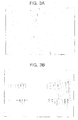
- neuron-form cells consisting of long projections such as axons and short projections such as dendrites, and astrocyte-form cells consisting only with short dendrites were observed ( see Figs. 2 and 3 ). Further, after 8 weeks, the cells proliferated with their shapes unaltered, even if cultured on a basal medium containing only EGF and bFGF(see Table 2).
- Example 3 The neural cells obtained in Example 3, which were differentiated from the mononuclear cells of bone marrow by culturing on a medium containing EGF, bFGF and HGF for 8 weeks, were attached on a 1 cm 2 cover glass at a density of 1 ⁇ 10 4 cells/cm 2 .
- the cells were washed with 0.1 M phosphate buffer for 5 minutes, fixed with 0.1 M phosphate buffer containing 4 % paraformaldehyde for 15 minutes, and washed twice with 0.1 M phosphate buffered saline(PBS).
- the cells were treated with 0.1 M PBS containing 1 % BSA and 0.2 % Triton X-100 for 5 minutes, and then, reacted for 16 hours with first antibodies; mouse anti-human neuron-specific enolase(NSE)(Chemicon Inc.), mouse anti-human neuron-specific nuclear protein (NeuN)(Chemicon Inc.), mouse anti-human ⁇ -tubulin III (Sigma Co.) and mouse anti-human glial fibrillary acidic protein(GFAP)(Sigma Co.).
- NSE mouse anti-human neuron-specific enolase
- NeN mouse anti-human neuron-specific nuclear protein
- GFAP mouse anti-human glial fibrillary acidic protein
- the remaining antibodies were removed and the cells were washed twice with 0.1 M PBS containing 0.5 % BSA each for 15 minutes.
- a secondary antibody, rabbit anti-mouse IgG (Sigma Co.) was added thereto and incubated for 30 minutes.
- the cells were washed with 0.1 M PBS containing 0.5 % BSA each for 5 minutes.
- the reaction was carried out for 30 minutes by employing Vectastain Elite ABC kit(Vector Laboratory Inc.) containing avidin-biotin.
- the cells were washed twice with 0.1 M phosphate buffer each for 5 minutes, DAB (3,3'-diaminobenzidine tetrahydrochloride dehydrate, Sigma Co.) was added thereto as a color developing substrate, and the mixture was allowed to react for 5 minutes. The reaction was stopped by treating the reactants with 0.1 M phosphate buffer for 5 minutes and washing them twice with the buffer each for 5 minutes. The resulting reactants were dried and washed with distilled water for 5 minutes. The cells were dehydrated and fixed by treating sequentially with distilled water, and 70 %, 80 %, 95 % and 100 % ethanol.
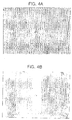
- Fig. 4A to 4C The results of the above immunocytochemical staining are shown in Fig. 4A to 4C , wherein the differentiated cells exhibit positive results for neuronal markers NeuN, NSE and ⁇ -tubulin III, and astroglial marker GFAP. These results show that the cells were differentiated into neurons and astrocytes, as judged by their biochemical as well as morphological characteristics. However, the cells were negative for microglial marker OX-42, demonstrating that the mononuclear cells did not differentiate into microglia.
- the total differentiated cells are neural cells when cultured on a medium containing EGF+bFGF+HGF for 8 weeks.
- the neural cells consisted of about 70 % neurons and about 30 % astrocytes.
- Example 5 Isolation and culture of mesenchymal stem cell
- the mononuclear cells were cultured and mesenchymal stem cells were isolated therefrom.
- the mesenchymal stem cells were examined for their capability to differentiate into various cells, as follows.
- the mononuclear cells cultured as in Example 2 were inoculated in a culture flask containing DMEM (Gibco BRL) supplemented with 10% FBS (fetal bovine serum), at a density of 1 ⁇ 10 3 cells/cm 2 .
- the cells were cultured at 37°C under an atmosphere of 5 % CO 2 . After 1 ⁇ 2 weeks, the proliferated cells were subjected to a subculture, and the proliferation continued after 20 passages of subculture.
- Mononuclear cells obtained from bone marrow include mature leukocytes, lymphocytes, scleroblasts, chondrocytes, muscle cells, fibroblasts, adipocytes as well as stem cells to be differentiated into these cells, said stem cells being divided into hematopoietic and mesenchymal stem cells.
- the hematopoietic stem cells which give rise to blood cells such as erythrocytes, leukocytes and lymphocytes, can not proliferate but easily differentiate into mature blood cells in a general culture medium. Accordingly, it can be seen that the cells proliferating continuously as above are mesenchymal stem cells.
- the proliferating cells were treated with various cytokines and chemical agents and their differentiation into various connective tissue cells, including osteoblasts, chondroblasts and adipocytes, was examined in accordance with the method of Pittenger et al., Science, 284: 143-147, 1999 .
- the cells were treated with 100 mM dexamethasone, 10 mM ⁇ - glycerol phosphate and 50 nM ascorbate-2-phosphate and 10 % FBS.
- cultured stem cells were centrifuged to obtain cell pellets, which were treated with 100 nM dexamethasone and 10 ng/ml TGF- ⁇ 3 in the absence of serum.
- the differentiation of the stem cells into adipocytes was induced by treating the stem cells with 0.5 mM 1-methyl-3-isobutylxanthine, 1 mM Dexamethasone, 10 g/ml insulin, 100 nM indomethacine and 10 % FBS.
- Osteoblasts were examined by alkaline phosphatase staining( Jaiswal et al., J. Cell Biochem., 64(2): 295-312, 1997 ); chondroblasts, by type II collagen RT-PCR( Mackay et al., Tissue Eng., 4(4): 415-428, 1998 ) and staining with toluidine blue; adipocytes, by staining with oil red O.
- Example 6 Differentiation of mesenchymal stem cells into neural cells
- Example 5 To examine whether the mesenchymal stem cells isolated in Example 5 can differentiate into neural cells, the mesenchymal stem cells were cultured for 8 weeks in a medium supplemented with EGF, bFGF and HGF, according to the procedure of Example 3.
- FIGs. 6 and 7 illustrate photomicrographs of the cells taken immediately after inoculation and after 8-week culture, respectively.
- the cells continuously proliferated while maintaining the morphological characteristics of neural cells even when they were treated only with EGF and bFGF.
- Figs. 8A to 8C show the results of immunocytochemical staining, Fig. 8A representing NSE-positive cells; Fig. 8B , NeuN-positive cells; and Fig. 8C , GFAP-positive cells.
Landscapes
- Health & Medical Sciences (AREA)
- Engineering & Computer Science (AREA)
- Biomedical Technology (AREA)
- Life Sciences & Earth Sciences (AREA)
- Bioinformatics & Cheminformatics (AREA)
- Chemical & Material Sciences (AREA)
- Organic Chemistry (AREA)
- Neurology (AREA)
- Biotechnology (AREA)
- Genetics & Genomics (AREA)
- Wood Science & Technology (AREA)
- Zoology (AREA)
- Neurosurgery (AREA)
- General Health & Medical Sciences (AREA)
- Biochemistry (AREA)
- General Engineering & Computer Science (AREA)
- Microbiology (AREA)
- Cell Biology (AREA)
- Pharmacology & Pharmacy (AREA)
- Veterinary Medicine (AREA)
- Medicinal Chemistry (AREA)
- Nuclear Medicine, Radiotherapy & Molecular Imaging (AREA)
- Chemical Kinetics & Catalysis (AREA)
- Animal Behavior & Ethology (AREA)
- Public Health (AREA)
- General Chemical & Material Sciences (AREA)
- Psychology (AREA)
- Hospice & Palliative Care (AREA)
- Psychiatry (AREA)
- Developmental Biology & Embryology (AREA)
- Rheumatology (AREA)
- Medicines Containing Material From Animals Or Micro-Organisms (AREA)
- Micro-Organisms Or Cultivation Processes Thereof (AREA)
Description
- The present invention relates to a method for differentiating mesenchymal stem cells in bone marrow into neural cells by culturing them in a medium containing epidermal growth factor(EGF), basic fibroblast growth factor(bFGF) and hepatocyte growth factor(HGF).
- Stem cells have the ability to divide indefinitely in culture and give rise to specialized cells constituting a tissue upon stimulation by a specific differentiation stimulus.
- Stem cells are divided into embryonic stem cells(ES cells) and tissue-specific stem cells depending on their differentiation potencies. ES cells are isolated from the inner cell mass(ICM) of embryos at the blastocyst stage and are pluripotent, i.e., they are capable of differentiating into virtually every type of cells found in an organism.
- In contrast, tissue-specific stem cells appear at a stage of organ formation during the embryonic development and they are organ-specific and multipotent, i.e., they are generally committed to give rise to cells constituting a specific organ. These tissue-specific stem cells remain in most of adult organs and perform the critical role of continually replenishing the loss of cells occurring normally or pathologically. Representative tissue-specific stem cells include hematopoietic stem cells and mesenchymal stem cells present in bone marrow. Hematopoietic stem cells give rise to various blood cells such as erythrocytes and leukocytes; and mesenchymal stem cells, to the cells of connective tissues, e.g., osteoblasts, chondroblasts, adipocytes and myoblasts.
- Recently, clinical applications of the stem cells have drawn an increasing interest since the successful isolation of human embryonic stem cell. The most noticeable potential application of the stem cells is their use as a perfect source of cell supply for a cell replacement therapy. Hardly curable diseases, e.g., neurodegenerative disease such as Parkinson's and Alzheimer's diseases, quadriplegia resulting from spinal cord injury, leukemia, apoplexy, juvenile-onset diabetes, cardiac infarction and liver cirrhosis, are caused by the disruption and permanent functional disorder of the cells constituting an organ, and the cell replacement therapy, wherein the loss of cells is replenished from the outside, has been presented as an effective remedy.
- However, notwithstanding the obvious benefit of the cell replacement therapy, there exist many limitations in its clinical applications. Specifically, the conventional method, wherein fully differentiated cells isolated from the tissues of a donor are transplanted into a patient, has the problem that it is difficult to obtain a sufficient amount of cells to be supplied to the patient. In order to solve this problem, cells of a specific tissue differentiated from an isolated embryonic stem cell or differentiated cells from isolated and proliferated tissue-specific stem cells can be employed in a cell replacement therapy.
- Hitherto, it has been proven that mouse embryonic stem cells can be differentiated on a culture dish into various cells such as hematopoietic cells, myocardial cells, insulin-secreting pancreatic cells and neural cells. Further, several reports have demonstrated that transplantation of the cells differentiated from stem cells is effective in the treatment of a disease caused by the loss of cells. For instance, synthesis of myelin in a mouse increased when myelin-synthesizing oligodendrocytes differentiated from an embryonic stem cell were transplanted into the mouse(Brustle et al., Science, 285: 754-756, 1999). Blood sugar level was regulated by transplanting insulin-secreting cells differentiated from an embryonic stem cell into a diabetes mouse model (Soria et al., Diabetes, 49: 157-162, 2000). Further, dyscinesia caused by spinal cord injury was remedied significantly by transplanting neural cells differentiated from an embryonic stem cell into a mouse having spinal cord injury (McDonald et al., Nat. Med., 5(12): 1410-1412, 1999).
- However, since the human embryonic stem cell has been successfully isolated only recently and there is no report on the differentiation of the embryonic stem cell on a culture dish into other specific cells than neural cells, clinical use of specific tissue cells differentiated from an embryonic stem cell in a cell replacement therapy still remains on a level of possibility.
- Further, since the efficiency of differentiation from an embryonic stem cell into target cells is low, there is a risk of an adverse side effect caused by other cells mixed with the target cells during transplantation. Accordingly, there exists a need for the development of a precise differentiation method for safer clinical application of the cells differentiated from embryonic stem cells.
- On the other hand, in case when tissue-specific stem cells are employed in a cell replacement therapy, there is the problem that lowering of the proliferating ability of the cells or differentiation into unfavorable cells may occur during a long-term culture. Further, transplantation of neural cells is required for the treatment of a neurodegenerative disease such as Parkinson's disease. Since it is difficult to obtain neural stem cells directly from the patient, they are generally obtained by culturing neural stem cells isolated from the brain tissue of dead fetus and differentiating them into neural cells. However, the use of fetal brain invites the ethical problem as well as is limited by insufficient supply, and may cause an immunological rejection. Further, most of neural stem cells are liable to differentiate into astrocytes rather than neurons.
- Accordingly, if it is possible to differentiate mesenchymal stem cells in patient's own bone marrow into neural cells to be used in a cell replacement therapy, neural cells can be readily supplied and such problems as immunological rejection would not occur during treatment.
- Hitherto, it has been considered that one kind of stem cells differentiate only into the cells of a tissue belonging to a specific system. It was reported that mesenchymal stem cells formed in vitro colonies in the presence of various growth factors such as platelet-derived growth factor, basic fibroblast growth factor(bFGF), transforming growth factor-β (TGF-β) and epidermal growth factor(EGF)(Kuznetsov et al., Br. J. Haematol., 97: 561, 1997; and van den Bos C. et al., Human Cell, 10:45, 1997), and about one-third of initially attached cells had a multipotency, thereby differentiating into connective tissue cells such as osteoblasts, chondroblasts and adipocytes(Pittenger MF et al., Science, 284: 143, 1999). Further, Ferrari G. et al. reported that bone marrow is a source of myogenic precursor cells that form new muscles(Science, 279: 1528, 1998).
- Recent studies reported that mesenchymal stem cells can also differentiate into the cells of the neural system. For instance, Sanchez-Ramos et al. reported that mesenchymal stem cells differentiated into neurons and astrocytes upon culture in the presence of retinoic acid and brain-derived neurotrophic factor(BDNF)(Exp. Neurology, 164: 247-256, 2000). Reyes et al. reported the in vitro differentiation of mesenchymal stem cells into neuronal and glial cells in the presence of bFGF (Blood, 96: 494a, 2000). Deng et al. reported the in vitro differentiation of mesenchymal stem cells into neural progenitors under conditions which increase intracellular cAMP (Biochem. and Biophys. Res. com., 282: 148-152, 2001).Dale Woodbury et al. reported that mesenchymal stem cells in bone marrow differentiated into neural cells in the presence of antioxidants such as β -mercaptoethanol and dimethyl sulfoxide(DMSO)(J. Neuro. Res., 61: 364-370, 2000). However, the use of strong differentiation-inducing agents such as DMSO may cause a problem in a clinical application.
- The present inventors have endeavored to discover materials that are highly safe and capable of differentiating stem cells in bone marrow into neural cells, and have discovered that HGF promotes the differentiation of mesenchymal stem cells of bone marrow into neural cells, and also that the addition of EGF and bFGF to a culture medium, together with HGF, significantly enhances both the differentiation of stem cells into neural cells and the amplification of the resulting neural cells.
- It has been reported that EGF and bFGF stimulate the differentiation of neural stem cells into neurons or astrocytes when they are added to a serum-free medium for culturing neural stem cells separated from the brain tissue (Melissa et al., Exp. Neurology, 158: 265-278, 1999).
- HGF has been reported to enhance the viability of neurons in hippocampus and mesencephalon, and induce the growth of neurite in neocortical explant(Hamanoue M et al., J. Neurosci. Res., 43: 554-564, 1996). Further, in the peripheral nervous system, it functions as an existence factor for motoneurons(Ebens A et al., Neuron, 17: 1157-1172, 1996), and involves in the growth and existence of sensory neurons and parasympathetic neurons (Fleur Davey et al., Mol. Cell Neurosci., 15: 79-87, 2000).
- However, it has never been reported that mesenchymal stem cells can be differentiated into neural cells by culturing them in a medium containing EGF, bFGF and HGF.
- Accordingly, it is an object of the present invention to provide a method for differentiating mesenchymal stem cells or mononuclear cells in bone marrow into neural cells.
- Furthermore disclosed are neural cells differentiated by said method and a pharmaceutical composition for treating a neural disease comprising the neural cells as an active ingredient.
- In addition, a method for treating a neural disease in a mammal is disclosed, which comprises administering the neural cells produced by the above method to a subject in need thereof.
- In accordance with the present invention, therefore, there is provided a method for differentiating mesenchymal stem cells in bone marrow into neural cells, which comprises culturing the mesenchymal stem cells in a medium containing epidermal growth factor(EGF), basic fibroblast growth factor(bFGF) and hepatocyte growth factor(HGF).
- The above and other objects and features of the present invention will become apparent from the following description of the invention, when taken in conjunction with the accompanying drawings, which respectively show:
-
Fig. 1 : a photomicrograph(x100; hereinafter, same magnification is applied) of the attached cells derived from mononuclear cells of bone marrow cultured for 4 weeks on a medium containing 10 ng/ml EGF, 20 ng/ml bFGF and 20 ng/ml HGF; -
Fig. 2 : a photomicrograph of the neural cells differentiated from mononuclear cells of bone marrow cultured for 8 weeks on a medium containing 10 ng/ml EGF, 20 ng/ml bFGF and 20 ng/ml HGF; -
Figs. 3A and 3B : photomicrographs of a neuron and an astrocyte, respectively, which are isolated from the neural cells ofFig. 2 ; -
Figs. 4A to 4C : the results of immunocytochemical staining of differentiated neural cells ofFig. 2 , whereinFig. 4A is NSE-positive cells;Fig. 4B , NeuN-positive cells andFig. 4C , GFAP-positive cells; -
Figs. 5A to 5C : photomicrographs of osteoblasts, chondroblasts and adipocytes, respectively, differentiated from mesenchymal stem cells; -
Fig. 6 : a photomicrograph of mesenchymal stem cells taken immediately after its inoculation on a medium containing 10 ng/ml EGF, 20 ng/ml bFGF and 20 ng/ml HGF; -
Fig. 7 : a photomicrograph of neural cells differentiated from the mesenchymal stem cells cultured for 8 weeks on a medium containing 10 ng/ml EGF, 20 ng/ml bFGF and 20 ng/ml HGF; and -
Figs. 8A to 8C : the results of immunocytochemical staining of the differentiated neural cells ofFig. 7 , whereinFig. 8A is NSE-positive cells;Fig. 8B , NeuN-positive cells andFig. 8C , GFAP-positive cells. - The present invention provides a method for differentiating mesenchymal stem cells isolated from bone marrow into neural cells, which comprises culturing the mesenchymal stem cells in a medium containing epidermal growth factor (EGF), basic fibroblast growth factor (bFGF) and hepatocyte growth factor (HGF).
- Further, neural cells differentiated by said method and a pharmaceutical composition for treating a neural disease comprising the neural cells as an active ingredient are also disclosed.
- As used herein, the term "neural cells" refers to the nerve-like cells including neurons, astrocytes and microglias.
- In order to differentiate mesenchymal stem cells into neural cells, it is preferred to culture the mesenchymal stem cells in a cell culture medium containing 1 to 1,000 ng/ml, preferably, 5 to 10 ng/ml of EGF, 1 to 1000 ng/ml, preferably, 10 to 20 ng/ml of bFGF and 1 to 1000 ng/ml, preferably, 5 to 20 ng/ml of HGF for more than one week. It is more preferable to culture the stem cells for more than 4 weeks. About 4 weeks after the initiation of culture, neural cell colonies consisting of several cells are formed and, after about 8 weeks, a massive amount of neural cells are produced by the continuous growth and proliferation of the neural cell colonies.
- In contrast, if the mesenchymal stem cells are cultured in the same medium but lacking HGF, the cells can not differentiate into neural cells. Further, if they are treated with HGF only, early differentiation occurs, thereby preventing proliferation. This result suggests that, in the inventive process of culturing mesenchymal stem cells to obtain neural cells, EGF and bFGF stimulate the cells to proliferate and HGF stimulates the stem cells to differentiate into neural cells. Further, a sufficient amount of neural cells cannot be obtained when only one of the factors is employed.
- Once the neural cells are completely differentiated and proliferated after 8-week culture, they can further proliferate without losing their unique characteristics as neural cells even when treated only with EGF and bFGF. On the other hand, if the fully differentiated and proliferated neural cells are subsequently treated with HGF only, the cells differentiate continuously without proliferation and, consequently, the number of cells decreases. Accordingly, after culturing for 8 weeks, it is preferred to allow the neural cells to proliferate by further culturing them in a medium containing EGF and bFGF.
- According to the present method using EGF, bFGF and HGF, more than 80 % of the total differentiated cells are neural cells, which comprises 60 to 80 %, preferably 65 to 75 %, of neurons and 20 to 40 %, preferably 25 to 35 %, of astrocytes, based on the number of cells, and contains no microglia.
- In the present invention, mesenchymal stem cells are preferably obtained from human bone marrow. Mononuclear cells derived from bone marrow contains hematopoietic and mesenchymal stem cells, and when they are cultured for 1 to 2 weeks, hematopoietic stem cells easily differentiate into mature blood cells. Accordingly, the stem cells proliferating thereafter are mesenchymal stem cells, which continue to prolifereate after 20 passages of subculture. The mesenchymal stem cells differentiate into various connective tissue cells including osteoblasts, chondroblasts and adipocytes.
- In addition, massive production of neural cells can also be achieved when the mononuclear cells of bone marrow including the mesenchymal stem cells are used in the method of the present invention, in place of the isolated mesenchymal stem cells.
- The present method is advantageous especially in terms of safety, since the neural cells are differentiated from the mesenchymal stem cells by employing as inducers the specific proteins present in a human body, i.e., EGF, bFGF and HGF, without using a harmful differentiation inducer such as DMSO. Further, since a sufficient amount of neural cells necessary for the treatment of a disease can be produced from patient's own bone marrow, a clinical application thereof would be viable owing to ready availability of neural cells and reduced risk of immunological rejections.
- The neural cells differentiated from mesenchymal stem cells in accordance with the present invention can be used as an active ingredient of a cell composition for a cell replacement therapy for a neural disease. Nonlimiting examples of neural diseases, which can be treated by using the neural cells of the present invention, include neurodegenerative diseases such as Parkinson's disease, Alzheimer's disease, Pick's disease, Huntington's disease, amyotrophic lateral sclerosis and ischemic brain disease. The inventive neural cells can also be used in the treatment of various diseases caused by unusual loss of neural cells as well as dyscinesia caused by a spinal cord injury.
- A cell composition for preventing or treating neural diseases can be prepared by mixing the neural cells differentiated by the inventive method with a pharmaceutically acceptable excipient or carrier, or by diluting it with a pharmaceutically acceptable diluent in accordance with any of the conventional procedures. Examples of suitable carriers, excipients, and diluents are lactose, dextrose, sucrose, sorbitol, mannitol, xylitol, erythritol, maltitol, starches, gum acacia, alginates, gelatin, calcium phosphate, calcium silicate, cellulose, methylcellulose, microcrystalline cellulose, polyvinylpyrrolidone, water, methylhydroxybenzoates, propylhydroxybenzoates, talc, magnesium stearate and mineral oil. The formulations may additionally include fillers, anti-agglutinating agents, lubricating agents, wetting agents, flavors, emulsifiers, preservatives and the like. The cell composition of the present invention may be formulated so as to provide quick, sustained or delayed release of the active ingredient after their administration to a mammal by employing any of the procedures well known in the art. Thus, the formulations may be in the form of a sterile injectable solution, suspension, emulsion, solution and the like, wherein a sterile injectable solution is preferred.
- Accordingly, the present invention also discloses a method for treating a neural disease in a mammal, which comprises administering the neural cells produced by the inventive method to a subject in need thereof in an amount effective for treating the disease.
- The neural cells produced by the inventive method may be injected into the body of a patient by any of the conventional methods. For instance, the method of Douglas Kondziolka(D. Kondziolka et al., Neuroloy 55: 556-569, 2000) may be used. Specifically, the cranium of the patient is excised to create an opening having a diameter of about 1 cm, and a HBSS (Hank's balanced salt solution) containing neural cells is injected in about three spots. The injection is carried out by a syringe having a long needle and a stereotactic frame for injecting the desired cell solution into a deep part of the brain at a correct position. The cell composition of the present invention can be administered via various routes including transdermal, subcutaneous, intravenous and intramuscular introduction, surgical stereotactic introduction, intralesional introduction by vascular catheterization.
- Typical unit dose of the neural cells may range from 1×10⁶ to 1×10⁹ cells and they can be administered every week or every month. However, it should be understood that the amount of the active ingredient actually administered ought to be determined in light of various relevant factors including the disease to be treated, the severity of the patient's symptom, the chosen route of administration, and the age, sex and body weight of the individual patient; and, therefore, the above dose should not be intended to limit the scope of the invention in any way.
- Further, percentages given below for solid in solid mixture, liquid in liquid, and solid in liquid are on a wt/wt, vol/vol and wt/vol basis, respectively, and all the reactions were carried out at room temperature, unless specifically indicated otherwise.
- About 10 ml of bone marrow was taken from the pelvis of each of healthy volunteers and stored in glass tubes containing heparin. 30 ml of phosphate buffered saline(PBS) was added to 10 ml of bone marrow, and 20 ml of the resulting mixture was slowly transferred onto 10 ml of Ficoll-PaqueTM plus solution(1.077 g/ml, Amersham Pharmacia Biotech), and subjected to density gradient centrifugation at 2000 rpm for 20 minutes. The mononuclear cell layer at the interface between the top layer and Ficoll-PaqueTM plus layer was recovered and subject to centrifugation at 1800 rpm for 5 minutes to obtain mononuclear cells.
- The mononuclear cells obtained in Example 1 were inoculated at a density of 1×10⁶ cells/cm2 to a culture flask containing a basal medium. The flask was incubated at 37°C, 5% CO2. After 4 hours, the flask was washed with fresh basal medium to remove non-attached cells. The basal medium was Williams' E medium(Gibco BRL) containing 3.5 µM of hydrocortisone(Sigma), 50 ng/ml of linoleic acid(Sigma Co.) mixed with fatty acid-free bovine serum albumin(Gibco BRL) at an equal molar ratio, 0.1 µM CuSO4·5H2O (Sigma), 50 pM ZnSO4·7H2O (Sigma), 3 ng/ml H2SeO3 (Sigma), 1.05 mg/ml NaHCO3(Sigma Co.), 1.19 mg/ml HEPES(Sigma), 100 U/ml penicillin(Gibco BRL), 10 mg/ml streptomycin(Gibco BRL) and 25 µg/ml amphotericin(Gibco BRL).
- In order to confirm whether the mononuclear cells obtained in Example 2 differentiate into neural cells, the mononuclear cells were cultured at 37°C, 5% CO2 on a basal medium containing 10 ng/ml of epidermal growth factor(Gibco BRL), 20 ng/ml of basic fibroblast growth factor(R&D Systems) and 20 ng/ml of hepatocyte growth factor(R&D Systems) ("differentiating medium"). The differentiating medium was replenished two times a week.
- About 4 weeks after, neural cell colonies appeared and continuously proliferated(see Table 1 and
Fig. 1 ). - About 8 weeks after, neuron-form cells consisting of long projections such as axons and short projections such as dendrites, and astrocyte-form cells consisting only with short dendrites were observed (see
Figs. 2 and3 ). Further, after 8 weeks, the cells proliferated with their shapes unaltered, even if cultured on a basal medium containing only EGF and bFGF(see Table 2). - However, when the mesenchymal stem cells were cultured in a medium containing only EGF and bFGF, the cells did not differentiate into neural cells. Further, when the mesenchymal stem cells were cultured in a medium containing HGF only, the cells differentiated early and, accordingly, they neither grew nor proliferated(see Table 1).
Table 1. Number of cells/ml of culture after 8-week culture of mesenchymal stem cells No. of inoculated cells No growth factor Treatment with HGF Treatment with EGF and bFGF Treatment with EGF, bFGF and HGF 7.5×10⁷ Not proliferated Not proliferated 1×10⁵ 2×10⁵ Table 2. Proliferation of cells after 4- or 8-week culture of neural cells differentiated from mesenchymal stem cells by 8-week culture on a medium containing EGF, bFGF and HGF (No. of inoculated cells: 1 ×10⁵) No growth factor Treatment with HGF Treatment with EGF and bFGF Treatment with EGF, bFGF and HGF After 4 weeks Not proliferated Not proliferated 2×10⁵ 2×10⁵ After 8 weeks Not proliferated Not proliferated 5×10⁵ 1×10⁵ - The neural cells obtained in Example 3, which were differentiated from the mononuclear cells of bone marrow by culturing on a medium containing EGF, bFGF and HGF for 8 weeks, were attached on a 1 cm2 cover glass at a density of 1×10⁴ cells/cm2. The cells were washed with 0.1 M phosphate buffer for 5 minutes, fixed with 0.1 M phosphate buffer containing 4 % paraformaldehyde for 15 minutes, and washed twice with 0.1 M phosphate buffered saline(PBS). The cells were treated with 0.1 M PBS containing 1 % BSA and 0.2 % Triton X-100 for 5 minutes, and then, reacted for 16 hours with first antibodies; mouse anti-human neuron-specific enolase(NSE)(Chemicon Inc.), mouse anti-human neuron-specific nuclear protein (NeuN)(Chemicon Inc.), mouse anti-human β -tubulin III (Sigma Co.) and mouse anti-human glial fibrillary acidic protein(GFAP)(Sigma Co.).
- Upon completion of the reaction with the first antibodies, the remaining antibodies were removed and the cells were washed twice with 0.1 M PBS containing 0.5 % BSA each for 15 minutes. A secondary antibody, rabbit anti-mouse IgG (Sigma Co.) was added thereto and incubated for 30 minutes. The cells were washed with 0.1 M PBS containing 0.5 % BSA each for 5 minutes. The reaction was carried out for 30 minutes by employing Vectastain Elite ABC kit(Vector Laboratory Inc.) containing avidin-biotin. The cells were washed twice with 0.1 M phosphate buffer each for 5 minutes, DAB (3,3'-diaminobenzidine tetrahydrochloride dehydrate, Sigma Co.) was added thereto as a color developing substrate, and the mixture was allowed to react for 5 minutes. The reaction was stopped by treating the reactants with 0.1 M phosphate buffer for 5 minutes and washing them twice with the buffer each for 5 minutes. The resulting reactants were dried and washed with distilled water for 5 minutes. The cells were dehydrated and fixed by treating sequentially with distilled water, and 70 %, 80 %, 95 % and 100 % ethanol.
- The results of the above immunocytochemical staining are shown in
Fig. 4A to 4C , wherein the differentiated cells exhibit positive results for neuronal markers NeuN, NSE and β -tubulin III, and astroglial marker GFAP. These results show that the cells were differentiated into neurons and astrocytes, as judged by their biochemical as well as morphological characteristics. However, the cells were negative for microglial marker OX-42, demonstrating that the mononuclear cells did not differentiate into microglia. - The proportions of neurons(which is positive for NeuN and NSE) and astrocytes(which is positive for GFAP) in the cells differentiated from the mononuclear cells of bone marrow by culturing on a medium containing EGF+bFGF+HGF or EGF+bFGF for 8 weeks, were examined and shown in Table 3.
Table 3 NSE NeuN GFAP Negative cells EGF+ bFGF ab. 0.9 % Ab. 0.8 % ab. 1.2 % ab. 89 % EGF+bFGF+HGF ab. 56 % Ab. 75 % ab. 24 % ab. 20 % - As can be seen from Table 3, about 80 % of the total differentiated cells are neural cells when cultured on a medium containing EGF+bFGF+HGF for 8 weeks. The neural cells consisted of about 70 % neurons and about 30 % astrocytes.
- In order to see whether the mesenchymal stem cells in the mononuclear cells of bone marrow would differentiate into neural cells, the mononuclear cells were cultured and mesenchymal stem cells were isolated therefrom. The mesenchymal stem cells were examined for their capability to differentiate into various cells, as follows.
- The mononuclear cells cultured as in Example 2 were inoculated in a culture flask containing DMEM (Gibco BRL) supplemented with 10% FBS (fetal bovine serum), at a density of 1×10³ cells/cm2. The cells were cultured at 37°C under an atmosphere of 5 % CO2. After 1 ∼ 2 weeks, the proliferated cells were subjected to a subculture, and the proliferation continued after 20 passages of subculture.
- Mononuclear cells obtained from bone marrow include mature leukocytes, lymphocytes, scleroblasts, chondrocytes, muscle cells, fibroblasts, adipocytes as well as stem cells to be differentiated into these cells, said stem cells being divided into hematopoietic and mesenchymal stem cells. The hematopoietic stem cells, which give rise to blood cells such as erythrocytes, leukocytes and lymphocytes, can not proliferate but easily differentiate into mature blood cells in a general culture medium. Accordingly, it can be seen that the cells proliferating continuously as above are mesenchymal stem cells.
- In order to confirm whether the proliferating cells are indeed mesenchymal stem cells, the cells were treated with various cytokines and chemical agents and their differentiation into various connective tissue cells, including osteoblasts, chondroblasts and adipocytes, was examined in accordance with the method of Pittenger et al., Science, 284: 143-147, 1999.
- In order to differentiate the stem cells into osteoblasts, the cells were treated with 100 mM dexamethasone, 10 mM β - glycerol phosphate and 50 nM ascorbate-2-phosphate and 10 % FBS.
- Further, in order to confirm the capability of the stem cells to differentiate into chondroblasts, cultured stem cells were centrifuged to obtain cell pellets, which were treated with 100 nM dexamethasone and 10 ng/ml TGF-β 3 in the absence of serum.
- The differentiation of the stem cells into adipocytes was induced by treating the stem cells with 0.5 mM 1-methyl-3-isobutylxanthine, 1 mM Dexamethasone, 10 g/ml insulin, 100 nM indomethacine and 10 % FBS.
- Osteoblasts were examined by alkaline phosphatase staining(Jaiswal et al., J. Cell Biochem., 64(2): 295-312, 1997); chondroblasts, by type II collagen RT-PCR(Mackay et al., Tissue Eng., 4(4): 415-428, 1998) and staining with toluidine blue; adipocytes, by staining with oil red O.
- Consequently, as can be seen from
Figs. 5A ,5B and 5C , positive results were observed under a light microscope in all of the samples. These results demonstrate that the mesenchymal stem cells cultured and proliferated in vitro still maintain the properties of stem cells capable of differentiating into various connective tissue cells such as osteoblasts, chondroblasts and adipocytes. - To examine whether the mesenchymal stem cells isolated in Example 5 can differentiate into neural cells, the mesenchymal stem cells were cultured for 8 weeks in a medium supplemented with EGF, bFGF and HGF, according to the procedure of Example 3.
- Consequently, like the differentiation of neural cells from mononuclear cells in bone marrow, neural cell colonies were formed after 4 weeks and the neural cells grew and proliferated continuously until the 8th week.
Figs. 6 and 7 illustrate photomicrographs of the cells taken immediately after inoculation and after 8-week culture, respectively. - After 8th week, the cells continuously proliferated while maintaining the morphological characteristics of neural cells even when they were treated only with EGF and bFGF.
- Also, immunocytochemical staining was carried out with the differentiated cells, according the procedure of Example 4.
- Consequently, like the results obtained for the neural cells derived from mononuclear cells of bone marrow, the differentiated cells were tested positive for neural markers NeuN, NSE and β -tubulin III and astroglial marker GFAP. Accordingly, it was confirmed that mesenchymal stem cells differentiate into both neurons and astrocytes(see
Figs. 8A to 8C). Figs. 8A to 8C show the results of immunocytochemical staining,Fig. 8A representing NSE-positive cells;Fig. 8B , NeuN-positive cells; andFig. 8C , GFAP-positive cells.
Claims (7)
- A method for differentiating mesenchymal stem cells into neural cells, which comprises culturing the mesenchymal stem cells in a medium containing epidermal growth factor(EGF), basic fibroblast growth factor(bFGF) and hepatocyte growth factor(HGF).
- The method of claim 1, wherein the mesenchymal stem cells are cultured in a medium containing 1 to 1000 ng/ml of EGF, 1 to 1000 ng/ml of bFGF and 1 to 1000 ng/ml of HGF for more than one week.
- The method of claim 2, wherein the culturing is carried out for more than 4 weeks.
- The method of claim 1, wherein the mesenchymal stem cells are cultured in a medium containing EGF, bFGF and HGF for more than one week and the resulting differentiated neural cells are allowed to proliferate in a medium containing EGF and bFGF.
- The method of claim 1, wherein the mesenchymal stem cells are isolated from human bone marrow.
- The method of claim 1, wherein mononuclear cells isolated from bone marrow and containing mesenchymal stem cells are used as a source of mesenchymal stem cell.
- The method of claim 1, wherein the neural cells contain neurons and astrocytes.
Applications Claiming Priority (3)
| Application Number | Priority Date | Filing Date | Title |
|---|---|---|---|
| KR10-2001-0021064A KR100449141B1 (en) | 2001-04-19 | 2001-04-19 | Method for differentiating a mesenchymal stem cell into neural cells |
| KR2001021064 | 2001-04-19 | ||
| PCT/KR2002/000718 WO2002086108A1 (en) | 2001-04-19 | 2002-04-19 | Method for differentiating mesenchymal stem cells into neural cells |
Publications (3)
| Publication Number | Publication Date |
|---|---|
| EP1379627A1 EP1379627A1 (en) | 2004-01-14 |
| EP1379627A4 EP1379627A4 (en) | 2005-08-31 |
| EP1379627B1 true EP1379627B1 (en) | 2008-08-06 |
Family
ID=19708462
Family Applications (1)
| Application Number | Title | Priority Date | Filing Date |
|---|---|---|---|
| EP02764104A Expired - Lifetime EP1379627B1 (en) | 2001-04-19 | 2002-04-19 | Method for differentiating mesenchymal stem cells into neural cells |
Country Status (8)
| Country | Link |
|---|---|
| US (1) | US7229827B2 (en) |
| EP (1) | EP1379627B1 (en) |
| JP (1) | JP3976190B2 (en) |
| KR (1) | KR100449141B1 (en) |
| CN (1) | CN100535106C (en) |
| CA (1) | CA2444724C (en) |
| DE (1) | DE60228067D1 (en) |
| WO (1) | WO2002086108A1 (en) |
Families Citing this family (79)
| Publication number | Priority date | Publication date | Assignee | Title |
|---|---|---|---|---|
| CA2381292C (en) * | 1999-08-05 | 2016-05-24 | Mcl Llc | Multipotent adult stem cells and methods for isolation |
| US7015037B1 (en) * | 1999-08-05 | 2006-03-21 | Regents Of The University Of Minnesota | Multiponent adult stem cells and methods for isolation |
| US10638734B2 (en) | 2004-01-05 | 2020-05-05 | Abt Holding Company | Multipotent adult stem cells, sources thereof, methods of obtaining and maintaining same, methods of differentiation thereof, methods of use thereof and cells derived thereof |
| US8075881B2 (en) * | 1999-08-05 | 2011-12-13 | Regents Of The University Of Minnesota | Use of multipotent adult stem cells in treatment of myocardial infarction and congestive heart failure |
| US8609412B2 (en) * | 1999-08-05 | 2013-12-17 | Regents Of The University Of Minnesota | Mapc generation of lung tissue |
| US8252280B1 (en) | 1999-08-05 | 2012-08-28 | Regents Of The University Of Minnesota | MAPC generation of muscle |
| EP1491093B1 (en) * | 2001-02-14 | 2013-07-31 | ABT Holding Company | Multipotent adult stem cells, sources thereof, methods of obtaining and maintaining same, methods of differentiation thereof, methods of use thereof and cells derived thereof |
| DE10144326B4 (en) * | 2001-09-10 | 2005-09-22 | Siemens Ag | Method and system for monitoring a tire air pressure |
| CA2473108A1 (en) * | 2002-01-14 | 2003-07-24 | Henry Ford Health System | Materials from bone marrow stromal cells for use in forming blood vessels and producing angiogenic and trophic factors |
| ES2431518T3 (en) | 2002-02-06 | 2013-11-26 | Sanbio Inc. | Differentiation / induction method of bone marrow stromal cells in nerve cells by Notch gene transfer |
| KR100519227B1 (en) * | 2002-08-17 | 2005-10-07 | 서해영 | A method for transdifferentiating mesenchymal stem cells into neuronal cells |
| KR100495532B1 (en) * | 2002-09-18 | 2005-06-14 | 에프씨비파미셀 주식회사 | Method of differentiating mesenchymal stem cell into neural cell |
| WO2004050859A2 (en) | 2002-11-27 | 2004-06-17 | Regents Of The University Of Minnesota | Homologous recombination in multipotent adult progenitor cells |
| EP1570052B1 (en) * | 2002-12-02 | 2009-01-21 | AnGes MG, Inc. | Method for culturing neural stem cells using hepatocyte growth factor |
| ZA200404101B (en) * | 2003-05-26 | 2005-03-07 | Reliance Life Sciences Pvt Ltd | In vitro culture of Mesenchymal Stem Cells (MSC) and a process for the preparation thereof for therapeutic use. |
| WO2005003320A2 (en) * | 2003-07-02 | 2005-01-13 | Regents Of The University Of Minnesota | Neuronal differentiation of stem cells |
| JP4126060B2 (en) * | 2003-10-29 | 2008-07-30 | エフシービー ファーミセル カンパニー,リミテッド | Differentiation of mesenchymal stem cells into neurons and neuronal-containing drug components for neurodegenerative diseases |
| JP2005176659A (en) * | 2003-12-17 | 2005-07-07 | Ikushu Fu | Method for producing neuron from stem cell and culture medium for culturing stem cell |
| US7534606B2 (en) | 2004-01-12 | 2009-05-19 | National Health Research Institutes | Placental stem cell and methods thereof |
| US20060251624A1 (en) * | 2004-04-12 | 2006-11-09 | Mari Dezawa | Cells exhibiting neuronal cell progenitor characteristics and methods of making them |
| JP4624033B2 (en) * | 2004-08-11 | 2011-02-02 | オリンパス株式会社 | Method for culturing mesenchymal stem cells and method for using hepatocyte growth factor |
| EP1859028B1 (en) * | 2005-02-10 | 2015-12-02 | Regents Of The University Of Minnesota | Vascular endothelial cells |
| US20080317740A1 (en) * | 2005-05-05 | 2008-12-25 | Bruce Blazar | Use of Nk Cell Inhibition to Facilitate Persistence of Engrafted Mhc-I-Negative Cells |
| WO2006121454A2 (en) * | 2005-05-05 | 2006-11-16 | Regents Of The University Of Minnesota | Use of mapc or progeny therefrom to populate lymphohematopoietic tissues |
| EP1893747B1 (en) * | 2005-06-16 | 2014-09-03 | Ramot at Tel Aviv University Ltd. | Isolated cells and populations comprising same for the treatment of cns diseases |
| US20080194024A1 (en) * | 2005-07-29 | 2008-08-14 | Mays Robert W | Culture of Non-Embryonic Cells at High Cell Density |
| EP1941032A2 (en) * | 2005-10-14 | 2008-07-09 | Regents Of The University Of Minnesota | Differentiation of non-embryonic stem cells to cells having a pancreatic phenotype |
| CN101070532B (en) * | 2006-05-12 | 2011-03-30 | 上海国睿生命科技有限公司 | Method for inducing stem cells to differentiate to blood vessel smooth muscle cells |
| US8277795B2 (en) | 2006-05-24 | 2012-10-02 | Corestem Co., Ltd. | Methods and compositions for treating motor neuron diseases comprising mesenchymal stem cells |
| US20080118477A1 (en) * | 2006-11-09 | 2008-05-22 | Rush University Medical Center | Umbilical cord mesenchymal stem cells support cord blood hematopoiesis |
| US9387226B2 (en) | 2006-11-30 | 2016-07-12 | Medipost Co., Ltd | Neural cell proliferation induced through the culture of neural cells with umbilical cord blood-derived mesenchymal stem cells |
| CN101848993A (en) * | 2007-07-19 | 2010-09-29 | 新加坡科技研究局 | Method for differentiating embryonic stem cells into cells expressing AQP-1 |
| KR100935639B1 (en) * | 2007-09-07 | 2010-01-07 | 부산대학교 산학협력단 | Mesenchymal stem cell with improved tissue regeneration ability and method for producing same |
| WO2009092092A1 (en) * | 2008-01-18 | 2009-07-23 | Regents Of The University Of Minnesota | Stem cell aggregates and methods for making and using |
| EP2620493B1 (en) | 2008-05-28 | 2019-03-27 | Ramot at Tel Aviv University Ltd. | Mesenchymal stem cells for the treatment of CNS diseases |
| US9057051B2 (en) | 2008-10-31 | 2015-06-16 | Katholieke Universiteit Leuven | Optimized methods for differentiation of cells into cells with hepatocyte progenitor phenotypes, cells produced by the methods, and methods of using the cells |
| KR20100054711A (en) | 2008-11-14 | 2010-05-25 | 메디포스트(주) | Composition comprising mesenchymal stem cells or culture solution of mesenchymal stem cells for the prevention or treatment of neural diseases |
| EP2456853B1 (en) * | 2009-07-21 | 2020-10-28 | ABT Holding Company | Use of stem cells to reduce leukocyte extravasation |
| US20110020292A1 (en) * | 2009-07-21 | 2011-01-27 | Abt Holding Company | Use of Stem Cells to Reduce Leukocyte Extravasation |
| US20110206647A1 (en) * | 2010-02-25 | 2011-08-25 | Abt Holding Company | Modulation of Angiogenesis |
| WO2011106476A1 (en) * | 2010-02-25 | 2011-09-01 | Abt Holding Company | Modulation of microglia activation |
| CN103037872B (en) | 2010-03-26 | 2015-12-02 | 国立大学法人名古屋大学 | Damage location therapeutic composition |
| DK2568991T6 (en) | 2010-05-12 | 2019-03-18 | Abt Holding Co | MODULATION OF SPLENOCYTES IN CELL THERAPY |
| JP2010207245A (en) * | 2010-06-01 | 2010-09-24 | Ikushu Fu | Method for producing neuron from stem cell and culture medium for culturing stem cell |
| WO2011158125A2 (en) | 2010-06-17 | 2011-12-22 | Katholieke Universiteit Leuven | Methods for differentiating cells into hepatic stellate cells and hepatic sinusoidal endothelial cells, cells produced by the methods, and methods for using the cells |
| SG10201914007YA (en) | 2010-08-24 | 2020-03-30 | Univ Minnesota | Non-static suspension culture of cell aggregates |
| US8895291B2 (en) | 2010-10-08 | 2014-11-25 | Terumo Bct, Inc. | Methods and systems of growing and harvesting cells in a hollow fiber bioreactor system with control conditions |
| KR20180128097A (en) | 2012-02-10 | 2018-11-30 | 재패닉 코포레이션 | Cosmetic product or skin regeneration promoter comprising nonhuman stem cell culture supernatant as starting material, and method for ion introduction for protein |
| US10034902B2 (en) * | 2012-02-22 | 2018-07-31 | Exostem Biotec Ltd. | MicroRNAs for the generation of astrocytes |
| CN102978156A (en) * | 2012-11-13 | 2013-03-20 | 湖州市中心医院 | Expansion in vitro purification culture method of mesenchymal stem cells and culture medium |
| PT2983680T (en) | 2013-04-12 | 2020-10-29 | Abt Holding Co | Improving organs for transplantation |
| EP3058063B1 (en) * | 2013-10-14 | 2018-06-06 | Hadasit Medical Research Services and Development Ltd. | Method of obtaining terminally differentiated neuronal lineages |
| KR101542848B1 (en) * | 2013-11-01 | 2015-08-10 | 주식회사 비비에이치씨 | Method for Differentiating Pluripotency Stem Cell Induced from Mesenchymal Stem Cell into Osteoblast |
| JP6612227B2 (en) | 2013-11-16 | 2019-11-27 | テルモ ビーシーティー、インコーポレーテッド | Cell growth in bioreactors |
| KR20150062817A (en) * | 2013-11-29 | 2015-06-08 | 가톨릭대학교 산학협력단 | Method of inducing differentiation of mesenchymal stem cell derived from chorion or warthon's jelly isolated from human term placenta into neuron and hair cell |
| US11008547B2 (en) | 2014-03-25 | 2021-05-18 | Terumo Bct, Inc. | Passive replacement of media |
| WO2016049421A1 (en) | 2014-09-26 | 2016-03-31 | Terumo Bct, Inc. | Scheduled feed |
| WO2017004592A1 (en) | 2015-07-02 | 2017-01-05 | Terumo Bct, Inc. | Cell growth with mechanical stimuli |
| US10478458B2 (en) | 2015-08-03 | 2019-11-19 | The Johns Hopkins University | In vitro pre-conditioned bone marrow-derived mesenchymal stem cells and uses thereof |
| US10967006B2 (en) | 2016-01-21 | 2021-04-06 | Abt Holding Company | Stem cells for wound healing |
| CN105505875A (en) * | 2016-02-16 | 2016-04-20 | 杨廷稳 | Culture medium and culture method for efficiently inducing stem cell directional differentiation |
| CN105586314A (en) * | 2016-02-16 | 2016-05-18 | 赵顺英 | Method for inducing directional differentiation of stem cells |
| WO2017205667A1 (en) | 2016-05-25 | 2017-11-30 | Terumo Bct, Inc. | Cell expansion |
| US11104874B2 (en) | 2016-06-07 | 2021-08-31 | Terumo Bct, Inc. | Coating a bioreactor |
| US11685883B2 (en) | 2016-06-07 | 2023-06-27 | Terumo Bct, Inc. | Methods and systems for coating a cell growth surface |
| CN106190963A (en) * | 2016-07-13 | 2016-12-07 | 浙江大学 | A kind of method using mitochondrial transplantation to promote injured neuron survival |
| CN106244550A (en) * | 2016-09-30 | 2016-12-21 | 广州赛莱拉干细胞科技股份有限公司 | A kind of method that cell culture fluid and application and induction skeletal muscle stem Cells neurad like cell thereof break up |
| WO2018184028A2 (en) | 2017-03-31 | 2018-10-04 | Terumo Bct, Inc. | Cell expansion |
| US12234441B2 (en) | 2017-03-31 | 2025-02-25 | Terumo Bct, Inc. | Cell expansion |
| US11624046B2 (en) | 2017-03-31 | 2023-04-11 | Terumo Bct, Inc. | Cell expansion |
| EP3853356A4 (en) | 2018-09-20 | 2022-09-14 | Mystem Biotechnologies Inc. | COLOSTRUM-DERIVED STEM CELLS, NEURAL DIFFERENTIATION, COMPOSITIONS AND SUPPLEMENTS TO IMPROVE MAMMAL HEALTH |
| CN109694851B (en) * | 2019-01-16 | 2021-03-16 | 吉林省拓华生物科技有限公司 | Inducing composition and inducing differentiation culture solution of human mesenchymal stem cells, and in-vitro inducing method and application thereof |
| US12540310B2 (en) | 2019-01-22 | 2026-02-03 | Korea University Research And Business Foundation | Differentiation method of neural stem cells manufactured by direct cell conversion into astrocytes |
| CN111733133B (en) * | 2020-07-22 | 2020-12-01 | 华夏源(上海)生命科技有限公司 | A method for promoting differentiation and growth of epidermal stem cells |
| CN112481213B (en) * | 2020-11-30 | 2022-08-09 | 德州蓝力生物技术有限公司 | Application of small molecule active peptide in inducing hUC-MSCs differentiation |
| GB2619893A (en) | 2021-03-23 | 2023-12-20 | Terumo Bct Inc | Cell capture and expansion |
| US12209689B2 (en) | 2022-02-28 | 2025-01-28 | Terumo Kabushiki Kaisha | Multiple-tube pinch valve assembly |
| USD1099116S1 (en) | 2022-09-01 | 2025-10-21 | Terumo Bct, Inc. | Display screen or portion thereof with a graphical user interface for displaying cell culture process steps and measurements of an associated bioreactor device |
| JP7587332B1 (en) * | 2024-01-18 | 2024-11-20 | 株式会社バイオ未来工房 | Method for inducing differentiation into neural cells |
Family Cites Families (6)
| Publication number | Priority date | Publication date | Assignee | Title |
|---|---|---|---|---|
| US5980885A (en) * | 1991-07-08 | 1999-11-09 | Neurospheres Holdings Ltd. | Growth factor-induced proliferation of neural precursor cells in vivo |
| US6143714A (en) * | 1994-10-24 | 2000-11-07 | Regeneron Pharmaceuticals, Inc. | Methods of using hepatocyte growth factor to promote survival, growth and differentiation of motor neurons |
| US5736396A (en) * | 1995-01-24 | 1998-04-07 | Case Western Reserve University | Lineage-directed induction of human mesenchymal stem cell differentiation |
| US5753506A (en) * | 1996-05-23 | 1998-05-19 | Cns Stem Cell Technology, Inc. | Isolation propagation and directed differentiation of stem cells from embryonic and adult central nervous system of mammals |
| AU9127098A (en) * | 1997-09-04 | 1999-03-22 | Osiris Therapeutics, Inc. | Ligands that modulate differentiation of mesenchymal stem cells |
| WO2001021766A2 (en) * | 1999-09-23 | 2001-03-29 | Cell Science Therapeutics | Methods and devices for obtaining non-hematopoietic lineage cells from hematopoietic progenitor cells |
-
2001
- 2001-04-19 KR KR10-2001-0021064A patent/KR100449141B1/en not_active Expired - Fee Related
-
2002
- 2002-04-19 DE DE60228067T patent/DE60228067D1/en not_active Expired - Lifetime
- 2002-04-19 US US10/475,056 patent/US7229827B2/en not_active Expired - Lifetime
- 2002-04-19 WO PCT/KR2002/000718 patent/WO2002086108A1/en not_active Ceased
- 2002-04-19 JP JP2002583623A patent/JP3976190B2/en not_active Expired - Fee Related
- 2002-04-19 CN CNB028083911A patent/CN100535106C/en not_active Expired - Fee Related
- 2002-04-19 EP EP02764104A patent/EP1379627B1/en not_active Expired - Lifetime
- 2002-04-19 CA CA2444724A patent/CA2444724C/en not_active Expired - Fee Related
Also Published As
| Publication number | Publication date |
|---|---|
| EP1379627A1 (en) | 2004-01-14 |
| CN1549856A (en) | 2004-11-24 |
| US7229827B2 (en) | 2007-06-12 |
| US20040151701A1 (en) | 2004-08-05 |
| WO2002086108A1 (en) | 2002-10-31 |
| EP1379627A4 (en) | 2005-08-31 |
| JP2004527250A (en) | 2004-09-09 |
| KR100449141B1 (en) | 2004-09-21 |
| CN100535106C (en) | 2009-09-02 |
| KR20020082239A (en) | 2002-10-31 |
| CA2444724C (en) | 2011-07-05 |
| JP3976190B2 (en) | 2007-09-12 |
| CA2444724A1 (en) | 2002-10-31 |
| HK1071162A1 (en) | 2005-07-08 |
| DE60228067D1 (en) | 2008-09-18 |
Similar Documents
| Publication | Publication Date | Title |
|---|---|---|
| US7229827B2 (en) | Method for differentiating mesenchymal stem cells into neural cells | |
| JP7566808B2 (en) | Methods and compositions for treating neurodegeneration | |
| US9834751B2 (en) | Pluripotent cells | |
| JP5871865B2 (en) | Method for inducing differentiation and proliferation of neural progenitor cells or neural stem cells into neurons, composition for inducing differentiation and proliferation, and pharmaceutical preparation | |
| JP2005514926A (en) | Novel mammalian multipotent stem cells and compositions, methods for their preparation and administration | |
| US7635591B2 (en) | Method for differentiating mesenchymal stem cell into neural cell and pharmaceutical composition containing the neural cell for neurodegenerative disease | |
| KR20070080561A (en) | Compositions for the treatment of central or peripheral nervous system damage | |
| Parati et al. | Neural stem cells | |
| US20090304647A1 (en) | Production of Neural Stem Cells from Bone Marrow Tissue and Use Thereof | |
| KR100833612B1 (en) | Pharmaceutical composition for the treatment of neurological diseases containing neurons differentiated from mesenchymal stem cells as an active ingredient | |
| KR100495532B1 (en) | Method of differentiating mesenchymal stem cell into neural cell | |
| KR20040062610A (en) | Method of inducing differentiation of mesodermal stem cells, ES cells or immortalized cells into nervous system cells | |
| HK1071162B (en) | Method for differentiating mesenchymal stem cells into neural cells | |
| JP2010051326A (en) | Method of inducing differentiation of mesodermal stem cell into nervous system cell | |
| HK1093755B (en) | Method for differentiating mesenchymal stem cell into neural cell | |
| EP2450432A1 (en) | Materials composition and methods to control neural progenitor and stem cell attachment, proliferation and guide cell differentiation | |
| HK1134688B (en) | Use of a composition contaning human umbilical cord blood-derived mesenchymal stem cell for inducing differentiation and proliferation of neural precursor cells or neural stem cells to neural cells |
Legal Events
| Date | Code | Title | Description |
|---|---|---|---|
| PUAI | Public reference made under article 153(3) epc to a published international application that has entered the european phase |
Free format text: ORIGINAL CODE: 0009012 |
|
| 17P | Request for examination filed |
Effective date: 20031009 |
|
| AK | Designated contracting states |
Kind code of ref document: A1 Designated state(s): AT BE CH CY DE DK ES FI FR GB GR IE IT LI LU MC NL PT SE TR |
|
| AX | Request for extension of the european patent |
Extension state: AL LT LV MK RO SI |
|
| A4 | Supplementary search report drawn up and despatched |
Effective date: 20050720 |
|
| RAP1 | Party data changed (applicant data changed or rights of an application transferred) |
Owner name: KIM, HYUN SOO |
|
| 17Q | First examination report despatched |
Effective date: 20070223 |
|
| RAP1 | Party data changed (applicant data changed or rights of an application transferred) |
Owner name: KIM, HYUN SOO Owner name: FCB-PHARMICELL CO., LTD. |
|
| GRAP | Despatch of communication of intention to grant a patent |
Free format text: ORIGINAL CODE: EPIDOSNIGR1 |
|
| RBV | Designated contracting states (corrected) |
Designated state(s): DE FR GB IT |
|
| GRAS | Grant fee paid |
Free format text: ORIGINAL CODE: EPIDOSNIGR3 |
|
| GRAA | (expected) grant |
Free format text: ORIGINAL CODE: 0009210 |
|
| AK | Designated contracting states |
Kind code of ref document: B1 Designated state(s): DE FR GB IT |
|
| REG | Reference to a national code |
Ref country code: GB Ref legal event code: FG4D |
|
| REF | Corresponds to: |
Ref document number: 60228067 Country of ref document: DE Date of ref document: 20080918 Kind code of ref document: P |
|
| PLBE | No opposition filed within time limit |
Free format text: ORIGINAL CODE: 0009261 |
|
| STAA | Information on the status of an ep patent application or granted ep patent |
Free format text: STATUS: NO OPPOSITION FILED WITHIN TIME LIMIT |
|
| 26N | No opposition filed |
Effective date: 20090507 |
|
| PG25 | Lapsed in a contracting state [announced via postgrant information from national office to epo] |
Ref country code: IT Free format text: LAPSE BECAUSE OF NON-PAYMENT OF DUE FEES Effective date: 20100419 |
|
| PGRI | Patent reinstated in contracting state [announced from national office to epo] |
Ref country code: IT Effective date: 20110616 |
|
| REG | Reference to a national code |
Ref country code: DE Ref legal event code: R082 Ref document number: 60228067 Country of ref document: DE Representative=s name: BOEHMERT & BOEHMERT, DE |
|
| REG | Reference to a national code |
Ref country code: DE Ref legal event code: R081 Ref document number: 60228067 Country of ref document: DE Owner name: KIM, HYUN-SOO, SUWON-SI, KR Free format text: FORMER OWNER: FCB PHARMICELL CO.,LTD.,HYUN-SOO KIM, , KR Effective date: 20111209 Ref country code: DE Ref legal event code: R081 Ref document number: 60228067 Country of ref document: DE Owner name: PHARMICELL CO., LTD., KR Free format text: FORMER OWNER: FCB PHARMICELL CO.,LTD.,HYUN-SOO KIM, , KR Effective date: 20111209 Ref country code: DE Ref legal event code: R082 Ref document number: 60228067 Country of ref document: DE Representative=s name: BOEHMERT & BOEHMERT ANWALTSPARTNERSCHAFT MBB -, DE Effective date: 20111209 Ref country code: DE Ref legal event code: R081 Ref document number: 60228067 Country of ref document: DE Owner name: KIM, HYUN-SOO, SUWON-SI, KR Free format text: FORMER OWNERS: FCB PHARMICELL CO.,LTD., SUNGNAM-SI, KYUNGGI-DO, KR; KIM, HYUN-SOO, SUWON-SI, KYUNGGI-DO, KR Effective date: 20111209 Ref country code: DE Ref legal event code: R081 Ref document number: 60228067 Country of ref document: DE Owner name: PHARMICELL CO., LTD., KR Free format text: FORMER OWNERS: FCB PHARMICELL CO.,LTD., SUNGNAM-SI, KYUNGGI-DO, KR; KIM, HYUN-SOO, SUWON-SI, KYUNGGI-DO, KR Effective date: 20111209 |
|
| REG | Reference to a national code |
Ref country code: FR Ref legal event code: TQ Owner name: PHARMICELL, CO., LTD., KR Effective date: 20120105 Ref country code: FR Ref legal event code: TQ Owner name: KIM, HYUN-SOO Effective date: 20120105 |
|
| REG | Reference to a national code |
Ref country code: GB Ref legal event code: 732E Free format text: REGISTERED BETWEEN 20120112 AND 20120118 |
|
| PGFP | Annual fee paid to national office [announced via postgrant information from national office to epo] |
Ref country code: DE Payment date: 20130508 Year of fee payment: 12 Ref country code: GB Payment date: 20130417 Year of fee payment: 12 |
|
| PGFP | Annual fee paid to national office [announced via postgrant information from national office to epo] |
Ref country code: FR Payment date: 20130625 Year of fee payment: 12 Ref country code: IT Payment date: 20130422 Year of fee payment: 12 |
|
| REG | Reference to a national code |
Ref country code: DE Ref legal event code: R119 Ref document number: 60228067 Country of ref document: DE |
|
| REG | Reference to a national code |
Ref country code: DE Ref legal event code: R079 Ref document number: 60228067 Country of ref document: DE Free format text: PREVIOUS MAIN CLASS: C12N0005080000 Ipc: C12N0005077500 |
|
| GBPC | Gb: european patent ceased through non-payment of renewal fee |
Effective date: 20140419 |
|
| REG | Reference to a national code |
Ref country code: DE Ref legal event code: R079 Ref document number: 60228067 Country of ref document: DE Free format text: PREVIOUS MAIN CLASS: C12N0005080000 Ipc: C12N0005077500 Effective date: 20141216 Ref country code: DE Ref legal event code: R119 Ref document number: 60228067 Country of ref document: DE Effective date: 20141101 |
|
| REG | Reference to a national code |
Ref country code: FR Ref legal event code: ST Effective date: 20141231 |
|
| PG25 | Lapsed in a contracting state [announced via postgrant information from national office to epo] |
Ref country code: DE Free format text: LAPSE BECAUSE OF NON-PAYMENT OF DUE FEES Effective date: 20141101 Ref country code: GB Free format text: LAPSE BECAUSE OF NON-PAYMENT OF DUE FEES Effective date: 20140419 |
|
| PG25 | Lapsed in a contracting state [announced via postgrant information from national office to epo] |
Ref country code: FR Free format text: LAPSE BECAUSE OF NON-PAYMENT OF DUE FEES Effective date: 20140430 |
|
| PG25 | Lapsed in a contracting state [announced via postgrant information from national office to epo] |
Ref country code: IT Free format text: LAPSE BECAUSE OF NON-PAYMENT OF DUE FEES Effective date: 20140419 |