EP1379242B1 - Method for treatment of cancer and compositions for use therein - Google Patents
Method for treatment of cancer and compositions for use therein Download PDFInfo
- Publication number
- EP1379242B1 EP1379242B1 EP02713920A EP02713920A EP1379242B1 EP 1379242 B1 EP1379242 B1 EP 1379242B1 EP 02713920 A EP02713920 A EP 02713920A EP 02713920 A EP02713920 A EP 02713920A EP 1379242 B1 EP1379242 B1 EP 1379242B1
- Authority
- EP
- European Patent Office
- Prior art keywords
- albendazole
- cells
- treatment
- cell
- drug
- Prior art date
- Legal status (The legal status is an assumption and is not a legal conclusion. Google has not performed a legal analysis and makes no representation as to the accuracy of the status listed.)
- Expired - Lifetime
Links
Images


Classifications
-
- A—HUMAN NECESSITIES
- A61—MEDICAL OR VETERINARY SCIENCE; HYGIENE
- A61K—PREPARATIONS FOR MEDICAL, DENTAL OR TOILETRY PURPOSES
- A61K9/00—Medicinal preparations characterised by special physical form
- A61K9/0012—Galenical forms characterised by the site of application
- A61K9/0019—Injectable compositions; Intramuscular, intravenous, arterial, subcutaneous administration; Compositions to be administered through the skin in an invasive manner
-
- A—HUMAN NECESSITIES
- A61—MEDICAL OR VETERINARY SCIENCE; HYGIENE
- A61K—PREPARATIONS FOR MEDICAL, DENTAL OR TOILETRY PURPOSES
- A61K31/00—Medicinal preparations containing organic active ingredients
- A61K31/33—Heterocyclic compounds
- A61K31/395—Heterocyclic compounds having nitrogen as a ring hetero atom, e.g. guanethidine or rifamycins
- A61K31/41—Heterocyclic compounds having nitrogen as a ring hetero atom, e.g. guanethidine or rifamycins having five-membered rings with two or more ring hetero atoms, at least one of which being nitrogen, e.g. tetrazole
- A61K31/4164—1,3-Diazoles
-
- A—HUMAN NECESSITIES
- A61—MEDICAL OR VETERINARY SCIENCE; HYGIENE
- A61K—PREPARATIONS FOR MEDICAL, DENTAL OR TOILETRY PURPOSES
- A61K31/00—Medicinal preparations containing organic active ingredients
- A61K31/33—Heterocyclic compounds
- A61K31/395—Heterocyclic compounds having nitrogen as a ring hetero atom, e.g. guanethidine or rifamycins
- A61K31/41—Heterocyclic compounds having nitrogen as a ring hetero atom, e.g. guanethidine or rifamycins having five-membered rings with two or more ring hetero atoms, at least one of which being nitrogen, e.g. tetrazole
- A61K31/4164—1,3-Diazoles
- A61K31/4184—1,3-Diazoles condensed with carbocyclic rings, e.g. benzimidazoles
-
- A—HUMAN NECESSITIES
- A61—MEDICAL OR VETERINARY SCIENCE; HYGIENE
- A61K—PREPARATIONS FOR MEDICAL, DENTAL OR TOILETRY PURPOSES
- A61K31/00—Medicinal preparations containing organic active ingredients
- A61K31/33—Heterocyclic compounds
- A61K31/395—Heterocyclic compounds having nitrogen as a ring hetero atom, e.g. guanethidine or rifamycins
- A61K31/495—Heterocyclic compounds having nitrogen as a ring hetero atom, e.g. guanethidine or rifamycins having six-membered rings with two or more nitrogen atoms as the only ring heteroatoms, e.g. piperazine or tetrazines
- A61K31/496—Non-condensed piperazines containing further heterocyclic rings, e.g. rifampin, thiothixene or sparfloxacin
-
- A—HUMAN NECESSITIES
- A61—MEDICAL OR VETERINARY SCIENCE; HYGIENE
- A61K—PREPARATIONS FOR MEDICAL, DENTAL OR TOILETRY PURPOSES
- A61K31/00—Medicinal preparations containing organic active ingredients
- A61K31/33—Heterocyclic compounds
- A61K31/395—Heterocyclic compounds having nitrogen as a ring hetero atom, e.g. guanethidine or rifamycins
- A61K31/535—Heterocyclic compounds having nitrogen as a ring hetero atom, e.g. guanethidine or rifamycins having six-membered rings with at least one nitrogen and one oxygen as the ring hetero atoms, e.g. 1,2-oxazines
- A61K31/5375—1,4-Oxazines, e.g. morpholine
- A61K31/5377—1,4-Oxazines, e.g. morpholine not condensed and containing further heterocyclic rings, e.g. timolol
-
- A—HUMAN NECESSITIES
- A61—MEDICAL OR VETERINARY SCIENCE; HYGIENE
- A61K—PREPARATIONS FOR MEDICAL, DENTAL OR TOILETRY PURPOSES
- A61K31/00—Medicinal preparations containing organic active ingredients
- A61K31/33—Heterocyclic compounds
- A61K31/395—Heterocyclic compounds having nitrogen as a ring hetero atom, e.g. guanethidine or rifamycins
- A61K31/54—Heterocyclic compounds having nitrogen as a ring hetero atom, e.g. guanethidine or rifamycins having six-membered rings with at least one nitrogen and one sulfur as the ring hetero atoms, e.g. sulthiame
- A61K31/541—Non-condensed thiazines containing further heterocyclic rings
-
- A—HUMAN NECESSITIES
- A61—MEDICAL OR VETERINARY SCIENCE; HYGIENE
- A61K—PREPARATIONS FOR MEDICAL, DENTAL OR TOILETRY PURPOSES
- A61K47/00—Medicinal preparations characterised by the non-active ingredients used, e.g. carriers or inert additives; Targeting or modifying agents chemically bound to the active ingredient
- A61K47/44—Oils, fats or waxes according to two or more groups of A61K47/02-A61K47/42; Natural or modified natural oils, fats or waxes, e.g. castor oil, polyethoxylated castor oil, montan wax, lignite, shellac, rosin, beeswax or lanolin
-
- A—HUMAN NECESSITIES
- A61—MEDICAL OR VETERINARY SCIENCE; HYGIENE
- A61P—SPECIFIC THERAPEUTIC ACTIVITY OF CHEMICAL COMPOUNDS OR MEDICINAL PREPARATIONS
- A61P1/00—Drugs for disorders of the alimentary tract or the digestive system
- A61P1/16—Drugs for disorders of the alimentary tract or the digestive system for liver or gallbladder disorders, e.g. hepatoprotective agents, cholagogues, litholytics
-
- A—HUMAN NECESSITIES
- A61—MEDICAL OR VETERINARY SCIENCE; HYGIENE
- A61P—SPECIFIC THERAPEUTIC ACTIVITY OF CHEMICAL COMPOUNDS OR MEDICINAL PREPARATIONS
- A61P35/00—Antineoplastic agents
-
- A—HUMAN NECESSITIES
- A61—MEDICAL OR VETERINARY SCIENCE; HYGIENE
- A61P—SPECIFIC THERAPEUTIC ACTIVITY OF CHEMICAL COMPOUNDS OR MEDICINAL PREPARATIONS
- A61P43/00—Drugs for specific purposes, not provided for in groups A61P1/00-A61P41/00
Definitions
- the present invention is concerned with compositions for the treatment of tumors, particularly the treatment of ovarian cancer.
- Hepatocellular carcinoma (HCC; hepatoma) is one of the most common malignancies and a leading cause of death worldwide (1-3). Untreated, HCC typically has a dismal prognosis. Surgical resection remains the mainstay for treatment of HCC and provides the only consistent long-term tumor-free survival (4). However, resection has been limited primarily by low resectibility rates and recurrent disease. Systemic chemotherapy as a primary treatment modality for HCC has limited value because only a small portion of patients will obtain meaningful palliation with the presently available drugs and regimens (2, 4, 5,) and because the toxicity of currently available chemotherapeutic agents often outweighs their limited benefits (6). Furthermore, liver is the most common site for metastases of colorectal carcinoma which in itself is the leading cause of cancerous death in nonsmokers in the developed world (7).
- Albendazole (ABZ; methyl 5-propylthio-1H-benzimidazole-2-yl carbamate) is a benzimidazole carbamate (BZs) anthelmintic developed as a veterinary product in 1975.
- BZs are now important broad-spectrum drugs for the control of helminth parasites in mammals. They are effective against lungworms and gastrointestinal nematodes, tapeworms and liver flukes (8).
- the intrinsic anthelmintic action of benzimidazole compounds on parasite relies on a progressive disruption of basic cell functions as a result of their binding to parasite tubulin and depolymerization of microtubules. However, a number of other mechanisms including disruption of glucose uptake and metabolism have also been described for these compounds (9-11).
- the results obtained show potent and dose dependent inhibition of proliferation of these cells by albendazole (and several other BZs).
- the present invention provides a pharmaceutical composition for use in a method of treatment, as described in claim 1.
- composition for use in the present invention comprises albendazole: or a sulphoxide or sulphone thereof.
- the composition is for use in a method of treatment of an ovarian cancer in a subject.
- the method may be used to treat primary or secondary cancers.
- the method may include concomitant treatment with a potentiator of the benzimidazole compound effect on the cancer.
- the potentiator may be an isoquinoline compound (eg praziquantel) or any other compound which will increase or add to the effectiveness of the drug.
- Albendazole is poorly absorbed from the gastrointestinal tract and also rapidly undergoes extensive first pass metabolism. At all times after the administration of a 400 mg oral dose, the concentration of the unchanged drug has been below the detection limits (18). This is mainly because of the rapid and extensive metabolism of the drug in the liver. Hydrolysis of the carbamate moiety and oxidation of the sulphur atom, the alkyl side chain and the aromatic ring have all been observed to occur in man. Five major metabolites have been identified in the human urine of which albendazole sulphoxide is the major one. The sulphoxide is biologically active and contributes to the activity of the drug. It attains peak plasma concentrations of about 200-300 ng/ml and has a plasma half life of about 8-9 hours. Together with other metabolites, it is mainly excreted in the urine with a small amount being excreted in the faeces (18,19).
- the parent drug is virtually undetectable in the body, and its anthelmintic effect seems to be partly exerted by the unabsorbed portion left in the intestine and partly by the active sulphoxide metabolite formed in the liver.
- a concentration of greater than 100 nM must be available in the immediate vicinity of the tumor cells which means that, to attain effective and sustained antitumor concentrations of albendazole, large and frequent doses must be administered.
- the use of the drug as an anthelmintic has been associated with a number of side effects including mild and transient epigastric distress, diarrhoea, nausea, dizziness, lassitude and insomnia in short term treatments and reversible low grade transaminase elevation, jaundice, gastro intestinal symptoms, alopecia, rash or pruritus and leukopenia have been reported in patients under 3 month treatment courses for hydatid disease.
- Long term toxicity studies in animals showed diarrhoea, anaemia, hypotension, marrow depression, liver function test abnormalities, and fetal toxicity, varying by species (13).
- the present inventors believe that regional administration of the benzimidazole compound to the liver may resolve the above mentioned limitations in the employment of the drug in method of treatment of the present invention. The present inventors also believe that this benefit may also be obtained through regional delivery of the benzimidazole compound to ovarian cancer
- Regional delivery of the benzimidazole compound is achieved by administering the compound in a pharmaceutically acceptable formulation.
- the composition may be administered as continuous infusion of a solution via a pump through the major artery of the diseased organ
- the formulation comprises a lipid.
- Particularly preferred are lipids for which the tumor is avid so that high concentrations of the drug may be delivered to the tumor.
- the lipid is an oil.
- the formulation comprises an iodised oil.
- a particularly preferred iodised oil is lipiodol, an iodinated ethyl ester of the poppy seed oil.
- lipid such as lipiodol
- HCC is described below for the useful understanding of the present invention.
- the oil is retained by HCCs for several weeks to over a year but is cleared from the normal liver parenchyma within 7 days.
- one of the hypotheses in attempting to explain lipiodol retention in HCCs suggests that these cells are unable to clear lipiodol because they lack a reticuloendothelial kupffer cell component.
- vitamin D compounds such as 1, 25-dihydroxyvitamin D3 dissolved in lipiodol produce a profound and sustained inhibitory effect on HepG2 cells when injected through the hepatic artery of tumor bearing rats, the drug is retained within the tumor (See WO 98/56337 and WO 99156697
- albendazole dissolved in an oil such as lipiodol and administered through the intrahepatic artery, will lead to the sustained release of the drug from the oil within the tumor cells leading to sustained inhibition of proliferation of the tumor cells.
- lipiodol coupled with the potency and lipid solubility of albendazole, makes the combination an attractive formulation for intrahepatic arterial administration in patients with HCC.
- the benzimidazole compound is present in the composition in a concentration of at least about 0.1M.
- concentration of the benzimidazole compound is preferably in the range of about 0.1 to about 10 M.
- composition of the invention may include a potentiator of the effect of the benzimidazole compound on the cancer.
- the potentiator may be, for example, praziquantel or any other compound which would increase the effectiveness of the drug, have an additive effect with it, or reduce its side effects.
- HepG2, Hep3-B, Hep1-6, SKHEP-1, PLC/PRF/5, and HTC cells were obtained from European Collection of Cell Cultures (ECACC; U.K), Novikoff was obtained from Cancer Research Centre (DKFZ) Heidelberg, Germany. Cells were cultured in MEM or DMEM supplemented with 10% FBS, 50 units / ml penicillin, 50 units/ml streptomycin, 25 ⁇ g/ml amphotericin B (Gibco, Grand Island, NY) and maintained subconfluent at 37° C in humidified incubators containing 5% CO 2 . Albendazole (Sigma, Australian subsidiary) was dissolved in absolute ethanol at concentrations that were 1000-fold higher than the final medium concentration.
- adherent cells (5-10 x 10 4 ) were plated onto 24-well Corning tissue culture dishes and were exposed to culture medium (5% FBS) containing the vehicle (0.1% ethanol) or different concentrations of albendazole (10 -8 to 10 -6 M).
- culture medium 5% FBS
- albendazole 10 -8 to 10 -6 M
- Novikoff a detached rat cell line, 2500 cells were suspended in 2 ml of DMEM (5%FBS) and kept under the same condition as for attached cells. Media were replaced with fresh media on alternate days.
- cell cultures were assayed for thymidine incorporation by the addition of 0.5 ⁇ Ci of [ 3 H]thymidine (60 Ci/mmol.
- SKEP-1 cells (2.5 x 10 4 ) were plated in six well plates. The cell treatment procedure was as described for the thymidine assay. At the end of the treatment period (1, 3 or 5 days), cells were trypsinized and counted with a hemocytometer using the trypan blue exclusion method. In all experiments, cells treated with the medium containing 0.1% ethanol were taken as the control for albendazole treated cells. All counts were obtained in quadruplicate and each experiment was repeated at least twice.
- SKHEP-1 cells (5 x 10 4 ) were plated onto six-well tissue culture plates. Triplicate samples were treated with the indicated concentrations of albendazole (100, 250 and 1000 nM). The medium was changed everyday. After 72 h the relevant group of cells were collected, washed twice with phosphate buffer and treated with ribonuclease, Triton X-100 and propidium iodide (Sigma) based on the method described by Taylor [12]. The percentage of cells within the G1, S, and G2-M phases of the cell cycle were determined using a FACScan flow cytometer (Becton Dickinson FACSort) and Multifit LT cell cycle analysis software (Verity Software INC.)
- the control group was treated with the vehicle (sesame oil). Using vernier calipers, tumor diameter (mm) was measured on day eight and then every three days up to day 20-post tumor cell inoculation. Tumor volumes were calculated using the formula: ab 2 / 2, where a and b are the smaller diameters in millimeters, respectively [13] and a piece of the tumor was preserved in paraffin for immunohistochemical determination of maximum proliferation index (MPI).
- MPI maximum proliferation index
- the specimen was processed for the detection of Ki-67 antigen with the monoclonal antibody MIB1 according to the method described by McCormick [15].
- the animal model was chosen on the basis of SKHEP-1 being the most tumorigenic human liver cancer cell line in nude mice [16] and previous experience with the model [17].
- Thymidine incorporation assay was used to determine the effect of albendazole on cell proliferation in a number of human (HepG2, Hep3-B, PLC/PRF/5, SKHEP-1), rat (HTC and Novikoff) and mice (Hep1-6) HCC cell lines. Results obtained show that, in all cell lines examined, albendazole effectively reduces thymidine incorporation (Table 1). When treated with the 100 nM concentration of albendazole, compared to other cell lines, SKHEP-1 demonstrated the highest level of sensitivity to albendazole (p ⁇ 0.01 compared to control), while the rat cell line HTC was the least responsive of all.
- SKHEP-1 Treatment with the 1000 nM concentration of albendazole reduced thymidine incorporation to less than 20% of control values (p ⁇ 0.001) in all cell lines and to less than 5% in SKHEP-1 and HepG2.
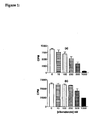
- SKHEP-1 cells displayed the highest level of sensitivity to albendazole. In these cells, thymidine incorporation was reduced to 0.6 ⁇ 0.1% of the control values corresponding to 99.4% inhibition. For this reason, SKHEP-1 was employed for all further investigations. Exposure of SKHEP-1 cells to different concentrations of albendazole for 1 day, revealed that, concentrations of 250 nM and over of albendazole still produce profound inhibition of thymidine incorporation (Fig. 1a).
- Albendazole inhibits proliferation of cells leading to a decline in cell number
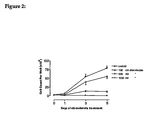
- Counting of viable cells treated with different concentrations of albendazole for 1, 3 or 5 days produced a dose dependent decline in the number of cells, showing the profound inhibition of proliferation of SKHEP-1 cells by the drug ( Fig. 2 ).
- Flow cytometric analysis of albendazole-treated cells revealed that, the drug induces a dose-dependant effect on the cell cycle kinetics of SKHEP-1 HCC cells.
- Fig. 3 demonstrates the changes induced on the distribution of cells in the different phases of the cell cycle following 3 days treatment with different concentrations of albendazole. From this, it is dearly evident that exposure of cells to the 250 nM concentration causes accumulation of cells in the G0-G1 phase and associated with this was a reduction in the percentage of cells in both S and G2-M phases of the cell cycle. Changes induced by the 500 nM concentration of the drug were identical to those of the 250 nM concentration (data not shown).
- SKHEP-1 tumors grew to a mean volume of 87.9 ⁇ 12.3 mm 3 at 20 days post inoculation. In animals receiving 50 and 150 mg / kg per day, tumor growth was slightly but not significantly retarded. However, tumor growth was profoundly suppressed in animals receiving the 300 mg / kg dose of albendazole ( Fig. 4 ) with a mean tumor volume of 12.0 ⁇ 7.8 (p ⁇ 0.001).
- results from the immunohistochemical analysis of tumors revealed that, tumors from animals receiving the 50 and 150 mg / kg dose of albendazole had reduced MPIs of 22.54 ⁇ 1.53 (mean ⁇ s.e.m.) and 13.36 ⁇ 3.04 respectively compared to 34.2 ⁇ 3.13 for the control. There was not enough tissue for the analysis of MPI in tumors of mice receiving the 300 mg / kg / day dose.
- Albendazole was also shown to exhibit dose dependent inhibition of proliferation of the ovarian cancer cell line (OVCAR-3) in vitro, (see Figure 5 ).
- the MPI data also confirm the ability of albendazole to reduce tumor proliferation rate.
- the Ki-67 antigen used in this assay is tightly linked to proliferation and has been used in a large number of studies to estimate the growth fraction of tumors [15].
- the diagnosis of CRC or HCC was made by ultrasound, CT or MRI scan, confirmed by histology and by determination of CEA or AFP levels for CRC or HCC respectively. Only patients with expected survival of more than one month were enrolled into the study. Patient characteristics are presented in Table 2.
- a partial response was defined as a 50% or more decrease in the value of the markers. In addition there must be no new lesions or progression of any other lesions. Stable disease was defined as a decrease of less than 50%, or an increase of less than 25% in the value of tumor markers, while progressive disease (PD) was a 25% or more increase in the value of the tumor markers or the appearance of any new lesions. Table 2. Characteristics of the 9 patients with inoperable liver tumors, who had failed chemotherapy, participating in the phase 1 trial of albendazole.
- Patient number 3 (carcinoid tumor and mesothelioma) did not have evaluable serum tumor markers. However, the patient was monitored for adverse effects. In patients 4 and 5 there may have been a short term control of tumor markers but these began to rise again during treatment. In patients 6, 7 and 8, albendazole therapy was associated with stable CEA levels. In patient 9, the CEA levels were less than 10 ⁇ g / L and remained so for the duration of the treatment (4 weeks).
- the present report demonstrates for the first time that, albendazole, a benzimidazole carbamate with extensive clinical use as a safe antiparasitic drug, can cause tumor marker stabilisation in patients with HCC or CRC with liver metastasis.
- the human ovarian cancer cell line NIH:OVCAR-3 was selected. This is a cell line that grows quite slowly but is tumorogenic in nude mice therefore allowing for the drug to be studied under both in-vitro and in-vivo conditions.
- albendazole is very effective against this human ovarian cancer cell.
- the degree of activity of albendazole is about X 10 more than that observed for liver or colorectal cancer cells where inhibitory activity starts at around 0.1 micromoles/L.
- Albendazole/ albendazole sulfoxide against liver, colorectal and prostate cancer cell lines :
- ABS sulphoxide
- the fist 9 cell lines were used to compare effectiveness and potency while, the last one was used to assess toxicity on bone marrow (as a rough guide).
- Albendazole sulfoxide was shown to inhibit proliferation of human liver cancer cells HepG2, SKHEP-1 and Hep 3B.
- ABS produced the same sort of activity against colorectal cell lines C-170, LOVO and HT-29.
- results obtained for ABS versus albendazole show a great degree of similarity between the 2 compounds with antiproliferative activity becoming evident at 0.01 micromoles/L concentration and dramatically increasing at 0.25 micromoles / L and nearing 100 inhibition at 1 micromoles / L.
- albendazole works as an anticancer drug
- a large variety of tests can be performed.
- One of the first is to see if albendazole induces apoptosis. This again is tested in several ways, one of the most common is to check for DNA laddering. In our laboratories, after spending some time to find the right concentration and the right period of treatment, finally we could see dear evidence of induction of DNA laddering in these ovarian cancer cells by albendazole. This shows that, albendazole treatment leads to apoptosis. This is the first time that the induction of apoptosis by albendazole has been reported.
- results obtained with the ovarian cell line show for the first time that, albendazole is profoundly effective in inhibiting its proliferation in culture in a dose-dependent fashion. This was confirmed by both thymidine uptake and cell count. Further work clearly shows that these cells undergo apoptosis as a result of albendazole treatment.
- Results obtained with the 3 human prostate cell lines indicate that, these cells too, are quite sensitive to the effect of albendazole in culture. There is no previous report on the antiproliferative activity of albendazole in prostate cell lines making this the first to show such an activity.
- MT is an antithyroid agent which acts as a competitive inhibitor of microsomal Flavin Mono-oxygenase (FMO) dependent oxidation of several drugs. MT has been shown to inhibit the metabolism of drugs dependant on this pathway. MT mediated inhibition of liver sulfoxidation of albendazole to albendazole sulfoxide has been shown both in-vitro and in-vivo.
Landscapes
- Health & Medical Sciences (AREA)
- Chemical & Material Sciences (AREA)
- Animal Behavior & Ethology (AREA)
- Veterinary Medicine (AREA)
- Medicinal Chemistry (AREA)
- Public Health (AREA)
- General Health & Medical Sciences (AREA)
- Pharmacology & Pharmacy (AREA)
- Life Sciences & Earth Sciences (AREA)
- Epidemiology (AREA)
- Organic Chemistry (AREA)
- Nuclear Medicine, Radiotherapy & Molecular Imaging (AREA)
- General Chemical & Material Sciences (AREA)
- Chemical Kinetics & Catalysis (AREA)
- Engineering & Computer Science (AREA)
- Bioinformatics & Cheminformatics (AREA)
- Dermatology (AREA)
- Oil, Petroleum & Natural Gas (AREA)
- Gastroenterology & Hepatology (AREA)
- Pharmaceuticals Containing Other Organic And Inorganic Compounds (AREA)
- Medicinal Preparation (AREA)
Abstract
Description
- The present invention is concerned with compositions for the treatment of tumors, particularly the treatment of ovarian cancer.
- Hepatocellular carcinoma (HCC; hepatoma) is one of the most common malignancies and a leading cause of death worldwide (1-3). Untreated, HCC typically has a dismal prognosis. Surgical resection remains the mainstay for treatment of HCC and provides the only consistent long-term tumor-free survival (4). However, resection has been limited primarily by low resectibility rates and recurrent disease. Systemic chemotherapy as a primary treatment modality for HCC has limited value because only a small portion of patients will obtain meaningful palliation with the presently available drugs and regimens (2, 4, 5,) and because the toxicity of currently available chemotherapeutic agents often outweighs their limited benefits (6). Furthermore, liver is the most common site for metastases of colorectal carcinoma which in itself is the leading cause of cancerous death in nonsmokers in the developed world (7).
- Albendazole (ABZ; methyl 5-propylthio-1H-benzimidazole-2-yl carbamate) is a benzimidazole carbamate (BZs) anthelmintic developed as a veterinary product in 1975. The BZs are now important broad-spectrum drugs for the control of helminth parasites in mammals. They are effective against lungworms and gastrointestinal nematodes, tapeworms and liver flukes (8). The intrinsic anthelmintic action of benzimidazole compounds on parasite relies on a progressive disruption of basic cell functions as a result of their binding to parasite tubulin and depolymerization of microtubules. However, a number of other mechanisms including disruption of glucose uptake and metabolism have also been described for these compounds (9-11).
- Pourgholumi et al. (Cancer Letters 2001, 165, 43-49) describes the in vitro and in vivo suppression of grouth of hepatocellular carcinomer cells by albendazole. The use of albendazole to treat ovarian cancer is not described.
- The present inventors tested BZs and particularly albendazole against a range of liver (HepG2, Hep3B, PLC/PRF/5, SKHEP-1, Hep1-6, HTC, Novikoff ) and colorectal cancer (C-170, HT-29 and LOVO) cell lines. The results obtained show potent and dose dependent inhibition of proliferation of these cells by albendazole (and several other BZs). Albendazole was effective against all human and animal cell lines examined, and over a 5 day treatment period, [3H]thymidine incorporation was reduced by over 80% (range 81.6 - 99.4%) in all these cell lines.
- Accordingly, the present invention provides a pharmaceutical composition for use in a method of treatment, as described in
claim 1. -
-
Fig. 1 . These figures are presented together with reference examples, for the useful understanding of the present invention. [3H] Thymidine incorporation [expressed as counts per minute (CPM)] in SKHEP-1 cells was measured either (a) immediately after 1 day treatment with albendazole or (b) after 1 day treatment with albendazole followed by 4 days treatment with the medium alone (not containing the drug). Data points are the mean ± s.e.m. -
Fig. 2 . These figures are presented together with reference examples, for the useful understanding of the present invention. Time-course effects of albendazole on SKHEP-1 cell number. Cells growing in 6 well plates were treated for 1, 3, or 5 days with albendazole (0, 100, 500 or 1000 nM) and number of viable cells were counted using the Trypan blue exclusion method. Data points are the mean ± s.e.m. -
Fig. 3 . These figures are presented together with reference examples, for the useful understanding of the present invention. Effect of albendazole on cell cycle stage of SKHEP-1 cells. Cells were treated with different concentrations of albendazole (0, 100, 250, and 1000 nM) for 3 days, stained with propidium iodide and analyzed for DNA content by flow cytometry. A total of 10/000 nuclei were analyzed from each sample. Data points are the mean ± s.e.m. of the percentage of cells within G0-G1, S and G2-M phases of the cell cycle. -
Fig. 4 . These figures are presented together with reference examples, for the useful understanding of the present invention. Effect of different doses of albendazole (0, 50, 150 & 300 mg/kg/ day in two divided dose given orally in sesame oil) on SKHEP-1 subcutaneous tumor formation and growth in nude mice. Changes in tumor volumes were measured every 3 days. Each value represents mean *± s.e.m. of 10 animals. -
Fig. 5 Concentration dependent inhibition of 3H-thymidine uptake (proliferation) of the ovarian cancer cell line (OVCAR-3) by albendazole in vitro. -
Fig. 6 . These figures are presented together with reference examples, for the useful understanding of the present invention. Serum tumor marker levels (AFP or CEA) in patients with liver tumors (CRC or HCC) under treatment with albendazole (10 mg / kg / day in two or three divided oral doses) for 28 days. Arrow indicates commencement of therapy. -
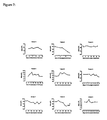
Fig. 7 . These figures are presented together with reference examples, for the useful understanding of the present invention. Serum white cell count (WCC) in patients with liver tumors (CRC or HCC) under treatment with albendazole (10 mg /kg / day in two or three divided oral doses) for 28 days. - The composition for use in the present invention comprises albendazole:

- The method may be used to treat primary or secondary cancers.
- The method may include concomitant treatment with a potentiator of the benzimidazole compound effect on the cancer. The potentiator may be an isoquinoline compound (eg praziquantel) or any other compound which will increase or add to the effectiveness of the drug.
- Albendazole is poorly absorbed from the gastrointestinal tract and also rapidly undergoes extensive first pass metabolism. At all times after the administration of a 400 mg oral dose, the concentration of the unchanged drug has been below the detection limits (18). This is mainly because of the rapid and extensive metabolism of the drug in the liver. Hydrolysis of the carbamate moiety and oxidation of the sulphur atom, the alkyl side chain and the aromatic ring have all been observed to occur in man. Five major metabolites have been identified in the human urine of which albendazole sulphoxide is the major one. The sulphoxide is biologically active and contributes to the activity of the drug. It attains peak plasma concentrations of about 200-300 ng/ml and has a plasma half life of about 8-9 hours. Together with other metabolites, it is mainly excreted in the urine with a small amount being excreted in the faeces (18,19).
- As a result of this extensive metabolism, the parent drug is virtually undetectable in the body, and its anthelmintic effect seems to be partly exerted by the unabsorbed portion left in the intestine and partly by the active sulphoxide metabolite formed in the liver. However, to be effective in the treatment of HCC a concentration of greater than 100 nM must be available in the immediate vicinity of the tumor cells which means that, to attain effective and sustained antitumor concentrations of albendazole, large and frequent doses must be administered.
- Secondly, the use of the drug as an anthelmintic has been associated with a number of side effects including mild and transient epigastric distress, diarrhoea, nausea, dizziness, lassitude and insomnia in short term treatments and reversible low grade transaminase elevation, jaundice, gastro intestinal symptoms, alopecia, rash or pruritus and leukopenia have been reported in patients under 3 month treatment courses for hydatid disease. Long term toxicity studies in animals showed diarrhoea, anaemia, hypotension, marrow depression, liver function test abnormalities, and fetal toxicity, varying by species (13).
- The present inventors believe that regional administration of the benzimidazole compound to the liver may resolve the above mentioned limitations in the employment of the drug in method of treatment of the present invention. The present inventors also believe that this benefit may also be obtained through regional delivery of the benzimidazole compound to ovarian cancer
- Regional delivery of the benzimidazole compound is achieved by administering the compound in a pharmaceutically acceptable formulation. The composition may be administered as continuous infusion of a solution via a pump through the major artery of the diseased organ
- The formulation comprises a lipid. Particularly preferred are lipids for which the tumor is avid so that high concentrations of the drug may be delivered to the tumor.
- Preferably the lipid is an oil. Preferably the formulation comprises an iodised oil. A particularly preferred iodised oil is lipiodol, an iodinated ethyl ester of the poppy seed oil.
- Compared to systemic administration, regional delivery using a lipid such as lipiodol allows achievement of higher drug concentrations in the tumor site while reducing the degree of exposure of other body organs to the unwanted effects of the drug and consequently reducing the number and the severity of side effects. In HCC this can be made even more selective and effective by choosing lipiodol as the vehicle for the drug delivery.
- HCC is described below for the useful understanding of the present invention. When injected into the hepatic artery, the oil is retained by HCCs for several weeks to over a year but is cleared from the normal liver parenchyma within 7 days. Without wishing to restrict the present invention in any way, one of the hypotheses in attempting to explain lipiodol retention in HCCs suggests that these cells are unable to clear lipiodol because they lack a reticuloendothelial kupffer cell component. We have previously shown that in vitro, vitamin D compounds such as 1, 25-dihydroxyvitamin D3 dissolved in lipiodol produce a profound and sustained inhibitory effect on HepG2 cells when injected through the hepatic artery of tumor bearing rats, the drug is retained within the tumor (See
WO 98/56337 WO 99156697 - On the basis of the present inventors experience with albendazole, lipiodol, and hepatoma cell lines, they believe that administration of albendazole dissolved in an oil such as lipiodol and administered through the intrahepatic artery, will lead to the sustained release of the drug from the oil within the tumor cells leading to sustained inhibition of proliferation of the tumor cells.
- These unique characteristics of lipiodol coupled with the potency and lipid solubility of albendazole, makes the combination an attractive formulation for intrahepatic arterial administration in patients with HCC.
- Preferably the benzimidazole compound is present in the composition in a concentration of at least about 0.1M. The concentration of the benzimidazole compound is preferably in the range of about 0.1 to about 10 M.
- The composition of the invention may include a potentiator of the effect of the benzimidazole compound on the cancer. The potentiator may be, for example, praziquantel or any other compound which would increase the effectiveness of the drug, have an additive effect with it, or reduce its side effects.
- Throughout this specification the word "comprise", or variations such as "comprises" or "comprising", will be understood to imply the inclusion of a stated element, integer or step, or group of elements, integers or steps; but not the exclusion of any other element, integer or step, or group of elements, integers or steps.
- In order that the nature of the present invention may be more fully understood the invention will now be described with reference to the following non-limiting embodiments.
- HepG2, Hep3-B, Hep1-6, SKHEP-1, PLC/PRF/5, and HTC cells were obtained from European Collection of Cell Cultures (ECACC; U.K), Novikoff was obtained from Cancer Research Centre (DKFZ) Heidelberg, Germany. Cells were cultured in MEM or DMEM supplemented with 10% FBS, 50 units / ml penicillin, 50 units/ml streptomycin, 25 µg/ml amphotericin B (Gibco, Grand Island, NY) and maintained subconfluent at 37° C in humidified incubators containing 5% CO2. Albendazole (Sigma, Australian subsidiary) was dissolved in absolute ethanol at concentrations that were 1000-fold higher than the final medium concentration.
- For the study of [3H]thymidine incorporation, adherent cells (5-10 x 104) were plated onto 24-well Corning tissue culture dishes and were exposed to culture medium (5% FBS) containing the vehicle (0.1% ethanol) or different concentrations of albendazole (10-8 to 10-6 M). For Novikoff, a detached rat cell line, 2500 cells were suspended in 2 ml of DMEM (5%FBS) and kept under the same condition as for attached cells. Media were replaced with fresh media on alternate days. At the end of the treatment period (5 days), cell cultures were assayed for thymidine incorporation by the addition of 0.5µCi of [3H]thymidine (60 Ci/mmol. ICN Biochem, Irvine, CA) to each well for the last 4 h of culture. The amount of radioactivity incorporated into cells was determined using a β-scintillation counter. Results are presented as percentage [3H]thymidine incorporation relative to control. For the recovery experiments, SKHEP-1 cells were treated for 1 day with different concentrations of albendazole and then either assayed for [3H]thymidine incorporation or the medium was replaced and the cells treated with fresh medium with out the drug for a further 4 days at the end of which, [3H] thymidine incorporation assay was performed.
- SKEP-1 cells (2.5 x 10⁴) were plated in six well plates. The cell treatment procedure was as described for the thymidine assay. At the end of the treatment period (1, 3 or 5 days), cells were trypsinized and counted with a hemocytometer using the trypan blue exclusion method. In all experiments, cells treated with the medium containing 0.1% ethanol were taken as the control for albendazole treated cells. All counts were obtained in quadruplicate and each experiment was repeated at least twice.
- SKHEP-1 cells (5 x 10⁴) were plated onto six-well tissue culture plates. Triplicate samples were treated with the indicated concentrations of albendazole (100, 250 and 1000 nM). The medium was changed everyday. After 72 h the relevant group of cells were collected, washed twice with phosphate buffer and treated with ribonuclease, Triton X-100 and propidium iodide (Sigma) based on the method described by Taylor [12]. The percentage of cells within the G1, S, and G2-M phases of the cell cycle were determined using a FACScan flow cytometer (Becton Dickinson FACSort) and Multifit LT cell cycle analysis software (Verity Software INC.)
- 6 to 10 weeks old male BALB/c Nu/Nu mice (Animal Resources Center, Perth, Australia) were inoculated subcutaneously with 106 SKHEP-1 cells into the right flank. 24 hours after inoculation animals were randomly assigned to one of the treatment groups (n=10 per group), receiving 25, 50 or 150 mg/kg twice daily oral albendazole suspended in sesame oil for 20 days.
- The control group was treated with the vehicle (sesame oil). Using vernier calipers, tumor diameter (mm) was measured on day eight and then every three days up to day 20-post tumor cell inoculation. Tumor volumes were calculated using the formula: ab2/ 2, where a and b are the smaller diameters in millimeters, respectively [13] and a piece of the tumor was preserved in paraffin for immunohistochemical determination of maximum proliferation index (MPI). Here, after fixation, the specimen was processed for the detection of Ki-67 antigen with the monoclonal antibody MIB1 according to the method described by McCormick [15].
- The animal model was chosen on the basis of SKHEP-1 being the most tumorigenic human liver cancer cell line in nude mice [16] and previous experience with the model [17].
- Differences between different treatment groups were analyzed using ANOVA followed by Tukey's test. P values of less than 0.05 were considered to represent a significant difference.
- [3H] Thymidine incorporation assay was used to determine the effect of albendazole on cell proliferation in a number of human (HepG2, Hep3-B, PLC/PRF/5, SKHEP-1), rat (HTC and Novikoff) and mice (Hep1-6) HCC cell lines. Results obtained show that, in all cell lines examined, albendazole effectively reduces thymidine incorporation (Table 1). When treated with the 100 nM concentration of albendazole, compared to other cell lines, SKHEP-1 demonstrated the highest level of sensitivity to albendazole (p<0.01 compared to control), while the rat cell line HTC was the least responsive of all. Treatment with the 1000 nM concentration of albendazole reduced thymidine incorporation to less than 20% of control values (p<0.001) in all cell lines and to less than 5% in SKHEP-1 and HepG2. Here again SKHEP-1 cells displayed the highest level of sensitivity to albendazole. In these cells, thymidine incorporation was reduced to 0.6 ± 0.1% of the control values corresponding to 99.4% inhibition. For this reason, SKHEP-1 was employed for all further investigations. Exposure of SKHEP-1 cells to different concentrations of albendazole for 1 day, revealed that, concentrations of 250 nM and over of albendazole still produce profound inhibition of thymidine incorporation (Fig. 1a). Removal of the drug and treatment of cells with the normal medium for a further 4 days led to the recovery of thymidine incorporation by the cells (Fig. 1b). Except for the 500 and the 1000 nM concentrations, cells exposed to all other concentrations of albendazole were able to recover from the inhibitory effect of the drug.
Table 1: Effect of albendazole on [3H] thymidine incorporation in HCC cell lines. Cell line [albendazole] nM 10 100 500 1000 HepG2 93.1 ± 5.6 72.9 ± 6.3 12.2 ± 2.9 3.5 ± 0.4 Hep3-B 105.7 ± 8.6 68.5 ± 5.7 22.6 ± 1.8 9.3 ± 0.7 SKHEP-1 89.6 ± 6.1 63.7 ± 3.1 4.5 ± 1.1 0.6 ± 0.1 PLC/PRF/5 92.7 ± 4.7 69.4 ± 5.2 26.9 ± 2.7 18.4 ± 2.1 Novikoff 96.5 ± 8.8 71.6 ± 5.9 29.2 ± 3.3 10.3 ± 1.8 HTC 98.4 ± 7.5 86.0 ± 6.9 28.5 ± 2.2 11.4 ± 1.3 Hep1-6 97.7 ± 4.3 79.5 ± 3.2 28.1 ± 2.5 5.6 ± 0.6 - Counting of viable cells treated with different concentrations of albendazole for 1, 3 or 5 days produced a dose dependent decline in the number of cells, showing the profound inhibition of proliferation of SKHEP-1 cells by the drug (
Fig. 2 ). - This was evident from
day 3 at the 500 and the 1000 nM concentrations. Compared to control, cells exposed to the 1000 nM concentration of the drug, were significantly reduced in number (p<0.001). - Flow cytometric analysis of albendazole-treated cells, revealed that, the drug induces a dose-dependant effect on the cell cycle kinetics of SKHEP-1 HCC cells.
Fig. 3 demonstrates the changes induced on the distribution of cells in the different phases of the cell cycle following 3 days treatment with different concentrations of albendazole. From this, it is dearly evident that exposure of cells to the 250 nM concentration causes accumulation of cells in the G0-G1 phase and associated with this was a reduction in the percentage of cells in both S and G2-M phases of the cell cycle. Changes induced by the 500 nM concentration of the drug were identical to those of the 250 nM concentration (data not shown). However, as depicted in the same figure, treatment of the cells with the 1000 nM concentration of albendazole leads to a totally different pattern of changes. Here, arrest and accumulation of cells in the G2-M phase of the cell cycle was accompanied by a dramatic reduction in percentage of cells in the G0-G1 phase, while percentage of cells in the S phase remained unchanged. - In control animals, SKHEP-1 tumors grew to a mean volume of 87.9 ± 12.3 mm3 at 20 days post inoculation. In animals receiving 50 and 150 mg / kg per day, tumor growth was slightly but not significantly retarded. However, tumor growth was profoundly suppressed in animals receiving the 300 mg / kg dose of albendazole (
Fig. 4 ) with a mean tumor volume of 12.0 ± 7.8 (p<0.001). Results from the immunohistochemical analysis of tumors revealed that, tumors from animals receiving the 50 and 150 mg / kg dose of albendazole had reduced MPIs of 22.54 ± 1.53 (mean ± s.e.m.) and 13.36 ± 3.04 respectively compared to 34.2 ± 3.13 for the control. There was not enough tissue for the analysis of MPI in tumors of mice receiving the 300 mg / kg / day dose. - Albendazole was also shown to exhibit dose dependent inhibition of proliferation of the ovarian cancer cell line (OVCAR-3) in vitro, (see
Figure 5 ). - Results from the cell proliferation studies clearly demonstrated that all human, rat and mice liver cell lines examined are profoundly inhibited by albendazole. This was manifested by the significant reduction of thymidine incorporation following treatment with albendazole doses of 100 nM and over. Similarly treatment of SKEP-1 cells with albendazole led to a dose and time dependent reduction of cell number. The reason behind the higher sensitivity of SKHEP-1 to albendazole is not clear at this stage. However, lacking the enzymes needed for the conversion of the drug to less active or inactive metabolites, may partly account for this observation [14]. Flow cytometric analysis of the cell cycle revealed that, albendazole causes differential dose-dependent effect on the cell cycle kinetics of SKHEP-1. Accumulation of cells in the G0-G1 phase following treatment with albendazole concentrations of up to 500 nM with an associated decline in percentage of cells in S and G2-M phases, indicates that progression out of the G1 phase was blocked. Many natural triggers for programmed cell death, including glucocorticoid hormones act at G1-G0 transition and the cells die in a process described as 'premature aging' [18]. However, following treatment with the 1000 nM concentration of albendazole, the pattern of cell distribution was reversed, leading to the accumulation of cells in the G2-M phase of the cycle. This indicates that the primary effect of albendazole at this concentration may be mediated by a transition delay through G2-M or mitosis.
- The data from work in nude mice suggests that, at the higher dose of the 300 mg/ kg/day, albendazole presumably reaches the necessary concentrations required to suppress tumor formation. The very high rate of metabolism of albendazole in mice and the poor blood supply to the subcutaneous tumor, are amongst a number of factors that could account for the high dose of the drug required to suppress tumor growth in these animals.
- The MPI data also confirm the ability of albendazole to reduce tumor proliferation rate. The Ki-67 antigen used in this assay is tightly linked to proliferation and has been used in a large number of studies to estimate the growth fraction of tumors [15].
- The study was single-centre, open and non-controlled. Nine patients (8 male and 1 female) with either advanced CRC and hepatic metastasis or HCC were included in this study. One patient with neuroendocrine cancer and mesothelioma was also treated on a compassionate basis. The patients aged between 38-79 years were inoperable and had failed existing chemotherapy and also, except for two, had measurable and increasing tumor markers. The majority had also already failed hepatic artery chemotherapy. The diagnosis of CRC or HCC was made by ultrasound, CT or MRI scan, confirmed by histology and by determination of CEA or AFP levels for CRC or HCC respectively. Only patients with expected survival of more than one month were enrolled into the study. Patient characteristics are presented in Table 2. The study was approved by the Human Ethics Committee for Research of SESAHS. The protocol and the aim of the study was dearly explained to each patient and informed consent obtained. The duration of this study was four weeks but was to be stopped if leukopenia (WBC < 2 x 10⁶) or severe hepatocellular injury (ALT or AST 2 x upper limit) developed. All patients received albendazole (400 mg scored tablets, Smith Kline Beecham, Australian subsidiary) 10 mg / kg orally in two or three divided doses for a planned duration of four weeks. This is the clinical dose of albendazole employed in the treatment of parasitic diseases. Patients were evaluated every three days by clinical examination together with full blood tests to monitor tumor markers, hematopoesis, liver and kidney function toxicity. A partial response (PR) was defined as a 50% or more decrease in the value of the markers. In addition there must be no new lesions or progression of any other lesions. Stable disease was defined as a decrease of less than 50%, or an increase of less than 25% in the value of tumor markers, while progressive disease (PD) was a 25% or more increase in the value of the tumor markers or the appearance of any new lesions.
Table 2. Characteristics of the 9 patients with inoperable liver tumors, who had failed chemotherapy, participating in the phase 1 trial of albendazole.Patient Sex Age Type Length of Treatment (days) Comments Site of metastatic disease 1 F 38 HCC 19 neutropenia; drug Withdrawn MBL, lung & liver 2 M 66 CRC 14 neutropenia; drug Withdrawn Liver & lung 3 F 62 * 28 days Pleura & liver 4 M 66 CRC 28 days MBL & bone 5 M 56 CRC 28 days MBL & brain 6 M 66 CRC 28 days Liver & lung 7 M 74 CRC 28 days Liver & lung 8 M 54 CRC 28 days neutropenia Withdrawn MBL 9 M 79 CRC 28 days MBL& peritoneu m MBL = multiple bilobar liver
* Mesothlioma and carcinoid tumor. - Treatment with albendazole led to stabilization of the disease in three, and progression of the disease in the other two patients (
Figure 6 ). In the remaining four, either the drug had to be withdrawn (2) or the tumor markers were not measurable (2). Inpatient number 1 suffering from HCC, albendazole treatment led to the stabilization of the disease, but because of the development of neutropenia, drug treatment was stopped in this patient onday 19. The patient visited another city after stopping albendazole and died of neutropaenic sepsis, which was almost certainly related to albendazole therapy. He had suffered neutropenia with previous chemotherapy. Patient number 2 (CRC), who was showing the greatest response to albendazole therapy, also developed neutropenia and so albendazole was also withdrawn in this patient. Patient number 3 (carcinoid tumor and mesothelioma) did not have evaluable serum tumor markers. However, the patient was monitored for adverse effects. Inpatients patients - There were no significant changes in liver and kidney function tests during the course of the trial. However, in
patients Figure 7 . - To the present inventors' knowledge, this is the first reported study of albendazole (or any other BZ) administered to human subjects for the therapy of cancer. Patients participating in this study had advanced malignancy, which had not responded to available therapy. Administration of albendazole to the only patient in the study with primary HCC led to the stabilisation of the AFP values. However, due to neutropenia, the drug had to be withdrawn. The patient had a recent history of low WCC. In the remaining patients (all with CRC) with measurable CEA levels, three had their tumor markers stabilised while on albendazole treatment. Compared to other patients, patient number two, who was withdrawn from the trial on
day 19, had the steepest fall in CEA levels. - The present report demonstrates for the first time that, albendazole, a benzimidazole carbamate with extensive clinical use as a safe antiparasitic drug, can cause tumor marker stabilisation in patients with HCC or CRC with liver metastasis.
- To study the feasibility of using albendazole in the treatment of peritoneal disease, the human ovarian cancer cell line NIH:OVCAR-3 was selected. This is a cell line that grows quite slowly but is tumorogenic in nude mice therefore allowing for the drug to be studied under both in-vitro and in-vivo conditions.
- After finding the right conditions for the growth of cells in culture, cells were treated for 5 days with various concentrations of albendazole.
- It was shown that concentrations as low as 0.001 micromoles/L of albendazole have an effect on the cell proliferation and that at a concentration of 0.25 micromoles/L, around 90% cell inhibition is achieved and at 0.5 micromoles/L inhibition of cell growth is 100%.
- These results show that, albendazole is very effective against this human ovarian cancer cell. The degree of activity of albendazole is about
X 10 more than that observed for liver or colorectal cancer cells where inhibitory activity starts at around 0.1 micromoles/L. - Cells were treated with either the medium alone (control) or 0.1 and 1 micromoles/L of albendazole for 0, 1, 3, 6 or 10 days and the number of viable cells counted. It was observed that at both doses employed albendazole treatment leads to profound reduction in cell number. This was evident from
day 1 after the treatment. - Albendazole/ albendazole sulfoxide against liver, colorectal and prostate cancer cell lines:
- Animal and human studies have shown rapid conversion of albendazole to a sulphoxide (ABS) and then to a sulphone and a number of other metabolites. As an antiparasite, ABS is considered to be responsible for most or some of the systemic biological activity of albendazole, whereas, the sulphone metabolite is pharmacologically inactive. Several studies have shown that ABS is almost equally effective against parasites as the albendazole itself. Furthermore it is believed that the activity in the clinical setting is mainly due to the formation of ABS. So much so that ABS has now been considered as a new drug (ricobendazole) by some investigators. This knowledge together with some of our observations in the colorectal patients undergoing albendazole therapy, led us to test ABS against cancer cells. To date, there has been no literature on this issue.
- In order to be able to test ABS, a proper solvent had to be found. This is because unlike albendazole ABS is not soluble in ethanol. After a number of tests, DMSO (0.5%) was found to be the most suitable solvent for this compound and for this type of investigation. Higher DMSO concentrations were found to be too toxic to the cells while lower concentrations led to incomplete solubility of ABS. Therefore to allow direct comparison between the 2 compounds, all subsequent experiments were run using 0.5% DMSO for both ABS and albendazole. In the cell lines examined, albendazole produced very similar results to what we had previously reported for the drug in liver cancer cells.
- Both albendazole and ABS were tested side by side against various cell lines as follows:
- Liver---HepG2, Hep3B, SKHEP-1
- Colorectal---C-170, LOVO, HT-29
- Prostate---PC3, LNCap, Du145
- Leukeamic---HL60
- The fist 9 cell lines were used to compare effectiveness and potency while, the last one was used to assess toxicity on bone marrow (as a rough guide).
- Cells were treated with various concentrations of each compound for a period of 5 days.
- Albendazole sulfoxide was shown to inhibit proliferation of human liver cancer cells HepG2, SKHEP-1 and Hep 3B.
- ABS produced the same sort of activity against colorectal cell lines C-170, LOVO and HT-29. In general results obtained for ABS versus albendazole show a great degree of similarity between the 2 compounds with antiproliferative activity becoming evident at 0.01 micromoles/L concentration and dramatically increasing at 0.25 micromoles / L and nearing 100 inhibition at 1 micromoles / L.
- Results obtained with prostate cell lines all demonstrate that, the drug and its major metabolite (ABS) are almost equipotent in inhibiting the proliferation of the human prostate cancer cells PC3, LNCap and Du 145.
- To find out the way albendazole works as an anticancer drug, a large variety of tests can be performed. One of the first is to see if albendazole induces apoptosis. This again is tested in several ways, one of the most common is to check for DNA laddering. In our laboratories, after spending some time to find the right concentration and the right period of treatment, finally we could see dear evidence of induction of DNA laddering in these ovarian cancer cells by albendazole. This shows that, albendazole treatment leads to apoptosis. This is the first time that the induction of apoptosis by albendazole has been reported.
- Similar results were also obtained with the human colorectal cell line LOVO. DNA obtained from LOVO cells treated with 1 µM albendazole for 16 hours showed dear laddering demonstrating that albendazole induces apoptosis in LOVO cells.
- Results obtained with the ovarian cell line (NIH:OVCAR-3) show for the first time that, albendazole is profoundly effective in inhibiting its proliferation in culture in a dose-dependent fashion. This was confirmed by both thymidine uptake and cell count. Further work clearly shows that these cells undergo apoptosis as a result of albendazole treatment.
- Results obtained in liver and colorectal cell lines confirm the antiproliferative activity of albendazole against these cell lines. Results obtained with the 3 human prostate cell lines indicate that, these cells too, are quite sensitive to the effect of albendazole in culture. There is no previous report on the antiproliferative activity of albendazole in prostate cell lines making this the first to show such an activity.
- It is well known for years that, conversion of albendazole in the body takes place quite rapidly in the liver and yields an active metabolite namely albendazole sulfoxide, which has been shown to be active against parasites. In this respect, our earlier results with the sulfoxide has shown it to be as effective as the parent drug (albendazole) in the 10 different cell lines examined. However, our latest results castes some doubt over this, and the compound is now under intensive investigation in our laboratories.
- The effect of inhibition of metabolism of albendazole on its antiproliferative activity was investigated using human colorectal cell line LOVO and the methimazole as an inhibitor of albendazole
- 5000 cells each of HepG2 and SKHEP-1 were plated into 24 wells plates and treated for 5 days with various concentrations of albendazole alone or together with MT.
- There was no growth inhibition of HepG2 cells when treated with albendazole for 5 days at the doses (0.25, 0.1 and 0.01uM) tested in this experiment. However, there was modest growth inhibition when albendazole and MT were used together. On the other hand, albendazole at 0.25 µM concentration profoundly inhibited the growth of SKHEP-1 cells. This response was further enhanced in the presence of MT. MT is an antithyroid agent which acts as a competitive inhibitor of microsomal Flavin Mono-oxygenase (FMO) dependent oxidation of several drugs. MT has been shown to inhibit the metabolism of drugs dependant on this pathway. MT mediated inhibition of liver sulfoxidation of albendazole to albendazole sulfoxide has been shown both in-vitro and in-vivo.
-
- 1. Akriviadis, E.A., Llovet, J.M., Efremidis, S.C. Hepatocellular carcinoma. Br. J. Surg. 85:1319-31,1998.
- 2. Mathurin, P., Rixe, D., Carbonell, N. et al. Review article: Overview of medical treatments in unresectable hepatocellular carcinoma - an impossible meta analysis? Aliment. Pharmacol. Ther. 12: 111-26, 1998.
- 3. Villa, E., Camollini, L., Dugani, A. et al. Variant estrogen receptor messenger RNA species detected in human primary hepatocellular carcinoma. Cancer Res. 55: 498-500, 1995.
- 4. Farmers, D. G., Rosove, M.H., Shaked, A. et al. Current treatment modalities for hepatocellular carcinoma. Ann. Surg. 219: 236-47, 1994.
- 5. Manesis, E. K., Giannoulis, G., Zoumboulis, P. et al. Treatment of hepatocellular carcinoma with combined suppression and inhibition of sex hormones: randomized controlled trial. Hepatology 21: 1535-42, 1995.
- 6. Okada, S. Chemotherapy in hepatocellular carcinoma. Hepatogastroenterology 45: 1259-63, 1998.
- 7. Kemeny, N. The systemic chemotherapy of hepatic metastases. Semin. Oncol. 10: 148-58, 1983.
- 8. Alvarez, L. I., Sanchez, S. F., Lanusse, C.E. In vivo and ex vivo uptake of albendazole and its sulfoxide metabolite by cestode parasites: relationship with their kinetic behaviour in sheep. J. Vet. Pharmacol. Therap. 22: 77-86, 1999.
- 9. Dollery, C (ed.) Therapeutic drugs, pp A31-A34; Churchil-Livingstone, 1996.
- 10. Lacey, E. The role of cytoskeletal protein, tubulin, in the mode of action and mechanism of drug resistance to benzimidazoles. Int. J. Parasitol. 18: 885-936,1988.
- 11. Lacey, E. The mode of action of benzimidazoles. Prasito. Today 6:112-115, 1990.
- 12. W. Taylor A rapid single step staining technique for DNA analysis by flow microfluorimetry. J. Histochem. Cytochem. 28 (1980) 1021-1024.
- 13. H. Yamamoto, J. Fujimoto, E. Okamoto, J. Furuyama, T. Tamaoki, T. Hashimoto-tamaoki, Suppression of growth of hepatocellular carcinoma by sodium butyrate in vitro and in vivo. Int. J. Cancer 76 (1998) 897-902.
- 14. S. Rolin, H. Souhaili-El Amri, A. M. Batt, M. Levy, D. Bagrel, G. Siest, Study of the in vitro bioactivation of albendazole in human liver microsomes and hepatoma cell lines. Cell Biol. Toxicol. 5 (1989) 1-14.
- 15. D. McCormic, H. Chong, C. Hobbs, C. Datta, P. A. Hall, Detection of the Ki-67 antigen in fixed and wax embedded sections with the monoclonal antibody MIB1. Histopathology 22 (1993) 355-360.
- 16. D. Shouval, L. Schuger, L.I. S. Levij, L.M. Reid, Z. Neeman, D. A. Shafritz, Comparative morphology and tumourigenicity of human hepatocellular carcinoma cell lines in athymic rats and mice. Virchows Arch. A Pathol. Anat. Histopathol. 412 (1988) 595-605.
- 17. M. H. Pourgholami, J. Akhter, Y. Lu, D. L. Morris, In vitro and in vivo inhibition of liver cancer cells by 1, 25-Dihydroxyvitamin D3. Cancer Lett. 151 (2000) 97-102.
- 18. L. A. Smets, Programmed cell death (apoptosis) and response to anti-cancer drugs. Anticancer Drugs 5 (1994) 3-9.
Claims (5)
- A pharmaceutical composition for use in a method of treatment of an ovarian cancer in a subject by regional delivery,
wherein the composition comprises a lipid carrier and a benzimidazole carbamate which is albendazole or a sulfoxide or sulphone thereof. - A pharmaceutical composition for use according to claim 1 in which the carrier is an oil.
- A pharmaceutical composition for use according to claim 2 in which the carrier is an iodised oil.
- A pharmaceutical composition for use according to claim 3 in which the iodised oil is an iodinated ethyl ester of the poppy seed oil.
- A pharmaceutical composition for use according to anyone of claims 1 to 4 in which the composition further comprises methimazole.
Applications Claiming Priority (5)
| Application Number | Priority Date | Filing Date | Title |
|---|---|---|---|
| US27843501P | 2001-03-26 | 2001-03-26 | |
| US278435P | 2001-03-26 | ||
| CA 2342472 CA2342472A1 (en) | 2001-03-30 | 2001-03-30 | Ram having dynamically switchable addressing modes |
| CA2342472 | 2001-03-30 | ||
| PCT/AU2002/000339 WO2002076454A1 (en) | 2001-03-26 | 2002-03-20 | Method for treatment of cancer and compositions for use therein |
Publications (3)
| Publication Number | Publication Date |
|---|---|
| EP1379242A1 EP1379242A1 (en) | 2004-01-14 |
| EP1379242A4 EP1379242A4 (en) | 2007-10-03 |
| EP1379242B1 true EP1379242B1 (en) | 2012-08-15 |
Family
ID=25682475
Family Applications (1)
| Application Number | Title | Priority Date | Filing Date |
|---|---|---|---|
| EP02713920A Expired - Lifetime EP1379242B1 (en) | 2001-03-26 | 2002-03-20 | Method for treatment of cancer and compositions for use therein |
Country Status (4)
| Country | Link |
|---|---|
| US (1) | US20050038022A1 (en) |
| EP (1) | EP1379242B1 (en) |
| JP (1) | JP2004525140A (en) |
| WO (1) | WO2002076454A1 (en) |
Families Citing this family (21)
| Publication number | Priority date | Publication date | Assignee | Title |
|---|---|---|---|---|
| AU2001273337B2 (en) | 2000-07-10 | 2006-06-29 | Board Of Regents, The University Of Texas System | Chromosome 3p21.3 genes are tumor suppressors |
| US7423015B1 (en) | 2001-01-11 | 2008-09-09 | Board Of Regents, The University Of Texas System | Antihelminthic drugs as a treatment for hyperproliferative diseases |
| JP2006513159A (en) * | 2002-11-01 | 2006-04-20 | メルク エンド カムパニー インコーポレーテッド | Carbonylamino-benzimidazole derivatives as androgen receptor modulators |
| CA2534649A1 (en) * | 2003-08-01 | 2005-02-10 | Genelabs Technologies, Inc. | Bicyclic imidazol derivatives against flaviviridae |
| US20070167505A1 (en) * | 2004-02-11 | 2007-07-19 | Basilea Pharmaceutica Ag | Substituted benzimidazoles and their use for inducing apoptosis |
| FR2868421B1 (en) | 2004-04-01 | 2008-08-01 | Aventis Pharma Sa | NOVEL BENZOTHIAZOLES AND THEIR USE AS MEDICAMENTS |
| KR20070083538A (en) * | 2004-08-31 | 2007-08-24 | 뉴사우스 이노베이션즈 피티와이 리미티드 | JEV suppression |
| JP2008522984A (en) | 2004-12-06 | 2008-07-03 | ニューサウス イノベイションズ ピーティーワイ リミテッド | Cancer treatment |
| US20060211698A1 (en) * | 2005-01-14 | 2006-09-21 | Genelabs, Inc. | Bicyclic heteroaryl derivatives for treating viruses |
| TW200720255A (en) * | 2005-07-13 | 2007-06-01 | Taiho Pharmaceutical Co Ltd | Benzoimidazole compound capable of inhibiting prostaglandin d synthetase |
| TW200804345A (en) * | 2005-08-30 | 2008-01-16 | Novartis Ag | Substituted benzimidazoles and methods of preparation |
| FR2891273B1 (en) * | 2005-09-27 | 2007-11-23 | Aventis Pharma Sa | NOVEL BENZIMIDAZOLE AND BENZOTHIAZOLE DERIVATIVES, THEIR PREPARATION AND THEIR PHARMACEUTICAL USE, IN PARTICULAR AS CMET INHIBITORS |
| WO2009043093A1 (en) * | 2007-10-04 | 2009-04-09 | Newsouth Innovations Pty Limited | Hif inhibition |
| US8835506B2 (en) | 2008-06-05 | 2014-09-16 | Stc.Unm | Methods and related compositions for the treatment of cancer |
| WO2010135534A2 (en) * | 2009-05-20 | 2010-11-25 | Children's Medical Center Corporation | Compositions for the treatment of metastatic cancer and methods of use thereof |
| AU2011218830B2 (en) | 2010-02-25 | 2014-07-24 | Merck Sharp & Dohme Corp. | Novel cyclic benzimidazole derivatives useful anti-diabetic agents |
| EP3383852A4 (en) * | 2015-11-30 | 2019-08-28 | Children's Medical Center Corporation | COMPOUNDS FOR TREATING PROLIFERATIVE DISEASES |
| JP2018002619A (en) * | 2016-06-29 | 2018-01-11 | 国立大学法人 東京大学 | Autophagy inhibitor |
| GB2559162A (en) * | 2017-01-27 | 2018-08-01 | Univ Bradford | Compound for use in medicine |
| TW202214244A (en) * | 2020-08-10 | 2022-04-16 | 國立彰化師範大學 | Pharmaceutical composition of niclosamide and disulfiram with synergistic anticancer effect and uses thereof |
| CN113648308A (en) * | 2021-09-14 | 2021-11-16 | 东莞市人民医院 | Application of orendazole as an anti-ovarian cancer drug |
Citations (1)
| Publication number | Priority date | Publication date | Assignee | Title |
|---|---|---|---|---|
| WO2000015766A1 (en) * | 1998-09-16 | 2000-03-23 | Oncopharmaceutical, Inc. | Treatment of oncologic tumors with an injectable formulation of a golgi apparatus disturbing agent |
Family Cites Families (7)
| Publication number | Priority date | Publication date | Assignee | Title |
|---|---|---|---|---|
| ZA962879B (en) * | 1995-04-12 | 1997-03-17 | Procter & Gamble | A pharmaceutical composition for inhibiting the growth of viruses and cancers |
| AUPO727097A0 (en) * | 1997-06-10 | 1997-07-03 | Unisearch Limited | Method of treatment of hepatoma and pharmaceutical compositions for use therein |
| AUPP332898A0 (en) * | 1998-05-04 | 1998-05-28 | Unisearch Limited | Pharmaceutical composition |
| GB9900752D0 (en) * | 1999-01-15 | 1999-03-03 | Angiogene Pharm Ltd | Benzimidazole vascular damaging agents |
| US6423734B1 (en) * | 1999-08-13 | 2002-07-23 | The Procter & Gamble Company | Method of preventing cancer |
| CZ301938B6 (en) * | 1999-09-03 | 2010-08-04 | Janssen Pharmaceutica N. V. | Veterinary formulation for administration of a water-insoluble drug to a target animal through a water distribution system |
| US6693125B2 (en) * | 2001-01-24 | 2004-02-17 | Combinatorx Incorporated | Combinations of drugs (e.g., a benzimidazole and pentamidine) for the treatment of neoplastic disorders |
-
2002
- 2002-03-20 WO PCT/AU2002/000339 patent/WO2002076454A1/en not_active Ceased
- 2002-03-20 JP JP2002574969A patent/JP2004525140A/en active Pending
- 2002-03-20 EP EP02713920A patent/EP1379242B1/en not_active Expired - Lifetime
- 2002-03-20 US US10/472,888 patent/US20050038022A1/en not_active Abandoned
Patent Citations (1)
| Publication number | Priority date | Publication date | Assignee | Title |
|---|---|---|---|---|
| WO2000015766A1 (en) * | 1998-09-16 | 2000-03-23 | Oncopharmaceutical, Inc. | Treatment of oncologic tumors with an injectable formulation of a golgi apparatus disturbing agent |
Non-Patent Citations (4)
| Title |
|---|
| "The Merck Manual, seventeeth edition", 1 June 1999 * |
| MAKHIJA S ET AL: "Intraperitoneal chemotherapy strategies in the treatment of epithelial ovarian carcinoma.", CURRENT OPINION IN OBSTETRICS & GYNECOLOGY FEB 1999 LNKD- PUBMED:10047959, vol. 11, no. 1, February 1999 (1999-02-01), pages 23 - 27, ISSN: 1040-872X * |
| MARKMAN M: "Is there a role for intraperitoneal chemotherapy in the management of ovarian cancer?", ONCOLOGY (WILLISTON PARK, N.Y.) JAN 2001 LNKD- PUBMED:11271985, vol. 15, no. 1, January 2001 (2001-01-01), pages 93 - 98 ; disc, ISSN: 0890-9091 * |
| WANG X ET AL: "Significance of MAD2 expression tot mitotic checkpoint control in ovarian cancer cells", CANCER RESEARCH, AMERICAN ASSOCIATION FOR CANCER REREARCH, US, vol. 62, 15 March 2002 (2002-03-15), pages 1662 - 1668, XP002989655, ISSN: 0008-5472, DOI: 10.1007/0-306-47822-6_1 * |
Also Published As
| Publication number | Publication date |
|---|---|
| WO2002076454A1 (en) | 2002-10-03 |
| JP2004525140A (en) | 2004-08-19 |
| EP1379242A1 (en) | 2004-01-14 |
| EP1379242A4 (en) | 2007-10-03 |
| US20050038022A1 (en) | 2005-02-17 |
Similar Documents
| Publication | Publication Date | Title |
|---|---|---|
| US20050038022A1 (en) | Method for treatment of cancer and compositions for use therein | |
| US10583103B2 (en) | Method of treating heart failure with preserved ejection fraction with probenecid | |
| CA2380414C (en) | Method of cancer treatment | |
| US20220323433A2 (en) | Clinical regimen for treating myelodysplastic syndrome with phosphatase inhibitor | |
| US7053072B2 (en) | Methods for the administration of amifostine and related compounds | |
| EP1368038B1 (en) | Medicament for the administration of amifostine and related compounds | |
| US20250161299A1 (en) | Oral pclx-001 in the treatment of human cancer | |
| CA2342470A1 (en) | Method for treatment of cancer and benzimidazole compositions for use therein | |
| JPH0390027A (en) | Dysuria remedy | |
| CN112587518B (en) | Brucea javanica picrol pharmaceutical composition and application thereof | |
| AU2002245927B2 (en) | Method for treatment of cancer and compositions for use therein | |
| EP4095137A1 (en) | Use of pyrido[1,2-a]pyrimidinone compound in treating lymphoma | |
| WO2025050208A1 (en) | Oral pclx-001 in the treatment of human cancer | |
| CA2441768A1 (en) | Method for treatment of cancer and compositions for use therein | |
| AU2002245927A1 (en) | Method for treatment of cancer and compositions for use therein | |
| AU2006200681A1 (en) | Method for treatment of cancer and compositions for use therein | |
| EP1423118A1 (en) | Method and composition for treatment of cancer | |
| AU2018404329A1 (en) | Antitumor agent for biliary tract cancer and method for treating biliary tract cancer | |
| JP5788143B2 (en) | Intravesical apadicone administration after transurethral resection to treat cancer | |
| PL245991B1 (en) | Pharmaceutical composition for use in the treatment of breast cancer | |
| EP4663191A1 (en) | Use of tyrosine kinase inhibitor | |
| JP3921535B2 (en) | Anticancer agent and anticancer pharmaceutical composition | |
| JP2023046235A (en) | Pharmaceutical composition and stat3 phosphorylation inhibitor | |
| Eleno et al. | Enhancement by reproterol of the ability of disodium cromoglycate to stabilize rat mastocytes | |
| Bianchi et al. | Acute effects of tolamolol on renal function in hypertensive patients |
Legal Events
| Date | Code | Title | Description |
|---|---|---|---|
| PUAI | Public reference made under article 153(3) epc to a published international application that has entered the european phase |
Free format text: ORIGINAL CODE: 0009012 |
|
| 17P | Request for examination filed |
Effective date: 20031016 |
|
| AK | Designated contracting states |
Kind code of ref document: A1 Designated state(s): AT BE CH CY DE DK ES FI FR GB GR IE IT LI LU MC NL PT SE TR |
|
| AX | Request for extension of the european patent |
Extension state: AL LT LV MK RO SI |
|
| RIN1 | Information on inventor provided before grant (corrected) |
Inventor name: POURGHOLAMI, MOHAMMAD, HOSSEIN Inventor name: MORRIS, DAVID, LAWRENCE |
|
| RAP1 | Party data changed (applicant data changed or rights of an application transferred) |
Owner name: NEWSOUTH INNOVATIONS PTY LIMITED |
|
| RAP1 | Party data changed (applicant data changed or rights of an application transferred) |
Owner name: NEWSOUTH INNOVATIONS PTY LIMITED |
|
| A4 | Supplementary search report drawn up and despatched |
Effective date: 20070904 |
|
| RIC1 | Information provided on ipc code assigned before grant |
Ipc: A61K 31/4184 20060101ALI20070827BHEP Ipc: A61P 35/00 20060101ALI20070827BHEP Ipc: A61K 47/44 20060101ALI20070827BHEP Ipc: A61K 31/4164 20060101AFI20021004BHEP |
|
| 17Q | First examination report despatched |
Effective date: 20080924 |
|
| RIN1 | Information on inventor provided before grant (corrected) |
Inventor name: POURGHOLAMI, MOHAMMAD, HOSSEIN Inventor name: MORRIS, DAVID, LAWSON |
|
| GRAP | Despatch of communication of intention to grant a patent |
Free format text: ORIGINAL CODE: EPIDOSNIGR1 |
|
| GRAS | Grant fee paid |
Free format text: ORIGINAL CODE: EPIDOSNIGR3 |
|
| GRAA | (expected) grant |
Free format text: ORIGINAL CODE: 0009210 |
|
| AK | Designated contracting states |
Kind code of ref document: B1 Designated state(s): AT BE CH CY DE DK ES FI FR GB GR IE IT LI LU MC NL PT SE TR |
|
| REG | Reference to a national code |
Ref country code: AT Ref legal event code: REF Ref document number: 570434 Country of ref document: AT Kind code of ref document: T Effective date: 20120815 Ref country code: CH Ref legal event code: EP Ref country code: GB Ref legal event code: FG4D |
|
| REG | Reference to a national code |
Ref country code: NL Ref legal event code: T3 Ref country code: IE Ref legal event code: FG4D |
|
| REG | Reference to a national code |
Ref country code: DK Ref legal event code: T3 |
|
| REG | Reference to a national code |
Ref country code: SE Ref legal event code: TRGR |
|
| REG | Reference to a national code |
Ref country code: DE Ref legal event code: R096 Ref document number: 60243516 Country of ref document: DE Effective date: 20121011 |
|
| REG | Reference to a national code |
Ref country code: CH Ref legal event code: NV Representative=s name: REUTELER AND CIE S.A., CH |
|
| REG | Reference to a national code |
Ref country code: ES Ref legal event code: FG2A Ref document number: 2393184 Country of ref document: ES Kind code of ref document: T3 Effective date: 20121219 |
|
| PG25 | Lapsed in a contracting state [announced via postgrant information from national office to epo] |
Ref country code: CY Free format text: LAPSE BECAUSE OF FAILURE TO SUBMIT A TRANSLATION OF THE DESCRIPTION OR TO PAY THE FEE WITHIN THE PRESCRIBED TIME-LIMIT Effective date: 20120815 |
|
| PG25 | Lapsed in a contracting state [announced via postgrant information from national office to epo] |
Ref country code: PT Free format text: LAPSE BECAUSE OF FAILURE TO SUBMIT A TRANSLATION OF THE DESCRIPTION OR TO PAY THE FEE WITHIN THE PRESCRIBED TIME-LIMIT Effective date: 20121217 |
|
| REG | Reference to a national code |
Ref country code: GR Ref legal event code: EP Ref document number: 20120402548 Country of ref document: GR Effective date: 20130122 |
|
| PLBE | No opposition filed within time limit |
Free format text: ORIGINAL CODE: 0009261 |
|
| STAA | Information on the status of an ep patent application or granted ep patent |
Free format text: STATUS: NO OPPOSITION FILED WITHIN TIME LIMIT |
|
| 26N | No opposition filed |
Effective date: 20130516 |
|
| REG | Reference to a national code |
Ref country code: DE Ref legal event code: R097 Ref document number: 60243516 Country of ref document: DE Effective date: 20130516 |
|
| PG25 | Lapsed in a contracting state [announced via postgrant information from national office to epo] |
Ref country code: MC Free format text: LAPSE BECAUSE OF NON-PAYMENT OF DUE FEES Effective date: 20130331 |
|
| PGFP | Annual fee paid to national office [announced via postgrant information from national office to epo] |
Ref country code: FI Payment date: 20140311 Year of fee payment: 13 Ref country code: DK Payment date: 20140311 Year of fee payment: 13 Ref country code: NL Payment date: 20140308 Year of fee payment: 13 |
|
| REG | Reference to a national code |
Ref country code: CH Ref legal event code: PUE Owner name: PITNEY PHARMACEUTICALS PTY LIMITED, AU Free format text: FORMER OWNER: NEWSOUTH INNOVATIONS PTY LIMITED, AU Ref country code: CH Ref legal event code: NV Representative=s name: SCHNEIDER FELDMANN AG PATENT- UND MARKENANWAEL, CH |
|
| PGFP | Annual fee paid to national office [announced via postgrant information from national office to epo] |
Ref country code: AT Payment date: 20140226 Year of fee payment: 13 Ref country code: GR Payment date: 20140214 Year of fee payment: 13 |
|
| REG | Reference to a national code |
Ref country code: GB Ref legal event code: 732E Free format text: REGISTERED BETWEEN 20140508 AND 20140514 Ref country code: NL Ref legal event code: SD Effective date: 20140527 |
|
| REG | Reference to a national code |
Ref country code: FR Ref legal event code: CA Effective date: 20140512 Ref country code: FR Ref legal event code: TP Owner name: PITNEY PHARMACEUTICALS PTY LIMITED, AU Effective date: 20140512 |
|
| REG | Reference to a national code |
Ref country code: DE Ref legal event code: R082 Ref document number: 60243516 Country of ref document: DE Representative=s name: OFFICE FREYLINGER S.A., LU Effective date: 20140605 Ref country code: DE Ref legal event code: R081 Ref document number: 60243516 Country of ref document: DE Owner name: PITNEY PHARMACEUTICALS PTY LIMITED, AU Free format text: FORMER OWNER: UNISEARCH LTD., SYDNEY, NEU SUED WALES, AU Effective date: 20120816 Ref country code: DE Ref legal event code: R081 Ref document number: 60243516 Country of ref document: DE Owner name: PITNEY PHARMACEUTICALS PTY LIMITED, AU Free format text: FORMER OWNER: NEWSOUTH INNOVATIONS PTY LIMITED, KENSINGTON, NSW, AU Effective date: 20140605 Ref country code: DE Ref legal event code: R081 Ref document number: 60243516 Country of ref document: DE Owner name: PITNEY PHARMACEUTICALS PTY LTD., AU Free format text: FORMER OWNER: NEWSOUTH INNOVATIONS PTY LIMITED, KENSINGTON, NSW, AU Effective date: 20140605 Ref country code: DE Ref legal event code: R081 Ref document number: 60243516 Country of ref document: DE Owner name: PITNEY PHARMACEUTICALS PTY LTD., AU Free format text: FORMER OWNER: UNISEARCH LTD., SYDNEY, NEU SUED WALES, AU Effective date: 20120816 |
|
| REG | Reference to a national code |
Ref country code: ES Ref legal event code: PC2A Owner name: PITNEY PHARMACEUTICALS PTY LIMITED Effective date: 20141121 |
|
| PGFP | Annual fee paid to national office [announced via postgrant information from national office to epo] |
Ref country code: CH Payment date: 20150313 Year of fee payment: 14 Ref country code: ES Payment date: 20150212 Year of fee payment: 14 Ref country code: IE Payment date: 20150309 Year of fee payment: 14 Ref country code: IT Payment date: 20150225 Year of fee payment: 14 |
|
| PGFP | Annual fee paid to national office [announced via postgrant information from national office to epo] |
Ref country code: SE Payment date: 20150311 Year of fee payment: 14 |
|
| PG25 | Lapsed in a contracting state [announced via postgrant information from national office to epo] |
Ref country code: TR Free format text: LAPSE BECAUSE OF FAILURE TO SUBMIT A TRANSLATION OF THE DESCRIPTION OR TO PAY THE FEE WITHIN THE PRESCRIBED TIME-LIMIT Effective date: 20120815 |
|
| PGFP | Annual fee paid to national office [announced via postgrant information from national office to epo] |
Ref country code: BE Payment date: 20150311 Year of fee payment: 14 |
|
| PG25 | Lapsed in a contracting state [announced via postgrant information from national office to epo] |
Ref country code: LU Free format text: LAPSE BECAUSE OF NON-PAYMENT OF DUE FEES Effective date: 20130320 |
|
| REG | Reference to a national code |
Ref country code: DK Ref legal event code: EBP Effective date: 20150331 |
|
| PG25 | Lapsed in a contracting state [announced via postgrant information from national office to epo] |
Ref country code: FI Free format text: LAPSE BECAUSE OF NON-PAYMENT OF DUE FEES Effective date: 20150320 |
|
| REG | Reference to a national code |
Ref country code: AT Ref legal event code: MM01 Ref document number: 570434 Country of ref document: AT Kind code of ref document: T Effective date: 20150320 |
|
| REG | Reference to a national code |
Ref country code: NL Ref legal event code: MM Effective date: 20150401 |
|
| REG | Reference to a national code |
Ref country code: GR Ref legal event code: ML Ref document number: 20120402548 Country of ref document: GR Effective date: 20151002 |
|
| PG25 | Lapsed in a contracting state [announced via postgrant information from national office to epo] |
Ref country code: GR Free format text: LAPSE BECAUSE OF NON-PAYMENT OF DUE FEES Effective date: 20151002 |
|
| REG | Reference to a national code |
Ref country code: FR Ref legal event code: PLFP Year of fee payment: 15 |
|
| PG25 | Lapsed in a contracting state [announced via postgrant information from national office to epo] |
Ref country code: AT Free format text: LAPSE BECAUSE OF NON-PAYMENT OF DUE FEES Effective date: 20150320 |
|
| PG25 | Lapsed in a contracting state [announced via postgrant information from national office to epo] |
Ref country code: DK Free format text: LAPSE BECAUSE OF NON-PAYMENT OF DUE FEES Effective date: 20150331 |
|
| PGFP | Annual fee paid to national office [announced via postgrant information from national office to epo] |
Ref country code: DE Payment date: 20160315 Year of fee payment: 15 |
|
| PGFP | Annual fee paid to national office [announced via postgrant information from national office to epo] |
Ref country code: FR Payment date: 20160208 Year of fee payment: 15 Ref country code: GB Payment date: 20160316 Year of fee payment: 15 |
|
| PG25 | Lapsed in a contracting state [announced via postgrant information from national office to epo] |
Ref country code: BE Free format text: LAPSE BECAUSE OF NON-PAYMENT OF DUE FEES Effective date: 20160331 |
|
| REG | Reference to a national code |
Ref country code: CH Ref legal event code: PL |
|
| REG | Reference to a national code |
Ref country code: SE Ref legal event code: EUG |
|
| PG25 | Lapsed in a contracting state [announced via postgrant information from national office to epo] |
Ref country code: SE Free format text: LAPSE BECAUSE OF NON-PAYMENT OF DUE FEES Effective date: 20160321 |
|
| REG | Reference to a national code |
Ref country code: IE Ref legal event code: MM4A |
|
| PG25 | Lapsed in a contracting state [announced via postgrant information from national office to epo] |
Ref country code: IE Free format text: LAPSE BECAUSE OF NON-PAYMENT OF DUE FEES Effective date: 20160320 Ref country code: CH Free format text: LAPSE BECAUSE OF NON-PAYMENT OF DUE FEES Effective date: 20160331 Ref country code: LI Free format text: LAPSE BECAUSE OF NON-PAYMENT OF DUE FEES Effective date: 20160331 |
|
| PG25 | Lapsed in a contracting state [announced via postgrant information from national office to epo] |
Ref country code: IT Free format text: LAPSE BECAUSE OF NON-PAYMENT OF DUE FEES Effective date: 20160320 |
|
| REG | Reference to a national code |
Ref country code: ES Ref legal event code: FD2A Effective date: 20170427 |
|
| PG25 | Lapsed in a contracting state [announced via postgrant information from national office to epo] |
Ref country code: NL Free format text: LAPSE BECAUSE OF NON-PAYMENT OF DUE FEES Effective date: 20150401 |
|
| PG25 | Lapsed in a contracting state [announced via postgrant information from national office to epo] |
Ref country code: ES Free format text: LAPSE BECAUSE OF NON-PAYMENT OF DUE FEES Effective date: 20160321 |
|
| REG | Reference to a national code |
Ref country code: DE Ref legal event code: R119 Ref document number: 60243516 Country of ref document: DE |
|
| GBPC | Gb: european patent ceased through non-payment of renewal fee |
Effective date: 20170320 |
|
| REG | Reference to a national code |
Ref country code: FR Ref legal event code: ST Effective date: 20171130 |
|
| PG25 | Lapsed in a contracting state [announced via postgrant information from national office to epo] |
Ref country code: FR Free format text: LAPSE BECAUSE OF NON-PAYMENT OF DUE FEES Effective date: 20170331 Ref country code: DE Free format text: LAPSE BECAUSE OF NON-PAYMENT OF DUE FEES Effective date: 20171003 |
|
| PG25 | Lapsed in a contracting state [announced via postgrant information from national office to epo] |
Ref country code: GB Free format text: LAPSE BECAUSE OF NON-PAYMENT OF DUE FEES Effective date: 20170320 |