EP1375488B1 - Triptolide prodrugs having high aqueous solubility - Google Patents
Triptolide prodrugs having high aqueous solubility Download PDFInfo
- Publication number
- EP1375488B1 EP1375488B1 EP03016090A EP03016090A EP1375488B1 EP 1375488 B1 EP1375488 B1 EP 1375488B1 EP 03016090 A EP03016090 A EP 03016090A EP 03016090 A EP03016090 A EP 03016090A EP 1375488 B1 EP1375488 B1 EP 1375488B1
- Authority
- EP
- European Patent Office
- Prior art keywords
- triptolide
- compound
- compounds
- alkyl
- sulfonate
- Prior art date
- Legal status (The legal status is an assumption and is not a legal conclusion. Google has not performed a legal analysis and makes no representation as to the accuracy of the status listed.)
- Expired - Lifetime
Links
- DFBIRQPKNDILPW-CIVMWXNOSA-N Triptolide Chemical compound O=C1OCC([C@@H]2C3)=C1CC[C@]2(C)[C@]12O[C@H]1[C@@H]1O[C@]1(C(C)C)[C@@H](O)[C@]21[C@H]3O1 DFBIRQPKNDILPW-CIVMWXNOSA-N 0.000 title description 26
- YKUJZZHGTWVWHA-UHFFFAOYSA-N triptolide Natural products COC12CC3OC3(C(C)C)C(O)C14OC4CC5C6=C(CCC25C)C(=O)OC6 YKUJZZHGTWVWHA-UHFFFAOYSA-N 0.000 title description 15
- 229940002612 prodrug Drugs 0.000 title description 3
- 239000000651 prodrug Substances 0.000 title description 3
- 150000001875 compounds Chemical class 0.000 claims description 41
- 230000001506 immunosuppresive effect Effects 0.000 claims description 18
- -1 fluoroalkyl sulfonate Chemical compound 0.000 claims description 15
- 238000011282 treatment Methods 0.000 claims description 11
- 208000009329 Graft vs Host Disease Diseases 0.000 claims description 6
- 206010062016 Immunosuppression Diseases 0.000 claims description 6
- 208000024908 graft versus host disease Diseases 0.000 claims description 6
- 125000004435 hydrogen atom Chemical group [H]* 0.000 claims description 6
- 229910002651 NO3 Inorganic materials 0.000 claims description 5
- NHNBFGGVMKEFGY-UHFFFAOYSA-N Nitrate Chemical compound [O-][N+]([O-])=O NHNBFGGVMKEFGY-UHFFFAOYSA-N 0.000 claims description 5
- UQSQSQZYBQSBJZ-UHFFFAOYSA-M fluorosulfonate Chemical compound [O-]S(F)(=O)=O UQSQSQZYBQSBJZ-UHFFFAOYSA-M 0.000 claims description 5
- 229910052739 hydrogen Inorganic materials 0.000 claims description 5
- 239000001257 hydrogen Substances 0.000 claims description 5
- 238000002054 transplantation Methods 0.000 claims description 5
- 229910019142 PO4 Inorganic materials 0.000 claims description 4
- 238000002360 preparation method Methods 0.000 claims description 4
- 208000023275 Autoimmune disease Diseases 0.000 claims description 3
- 150000008052 alkyl sulfonates Chemical class 0.000 claims description 3
- 125000005228 aryl sulfonate group Chemical group 0.000 claims description 3
- 239000010452 phosphate Substances 0.000 claims description 3
- 238000002560 therapeutic procedure Methods 0.000 claims description 3
- JOXIMZWYDAKGHI-UHFFFAOYSA-N toluene-4-sulfonic acid Chemical group CC1=CC=C(S(O)(=O)=O)C=C1 JOXIMZWYDAKGHI-UHFFFAOYSA-N 0.000 claims description 3
- 125000005208 trialkylammonium group Chemical group 0.000 claims description 3
- AFVFQIVMOAPDHO-UHFFFAOYSA-N Methanesulfonic acid Chemical group CS(O)(=O)=O AFVFQIVMOAPDHO-UHFFFAOYSA-N 0.000 claims description 2
- 230000035558 fertility Effects 0.000 claims description 2
- 230000004968 inflammatory condition Effects 0.000 claims description 2
- ITMCEJHCFYSIIV-UHFFFAOYSA-N triflic acid Chemical group OS(=O)(=O)C(F)(F)F ITMCEJHCFYSIIV-UHFFFAOYSA-N 0.000 claims description 2
- 239000008194 pharmaceutical composition Substances 0.000 claims 3
- 125000004051 hexyl group Chemical group [H]C([H])([H])C([H])([H])C([H])([H])C([H])([H])C([H])([H])C([H])([H])* 0.000 claims 1
- 239000000203 mixture Substances 0.000 description 25
- XLYOFNOQVPJJNP-UHFFFAOYSA-N water Substances O XLYOFNOQVPJJNP-UHFFFAOYSA-N 0.000 description 10
- LFQSCWFLJHTTHZ-UHFFFAOYSA-N Ethanol Chemical compound CCO LFQSCWFLJHTTHZ-UHFFFAOYSA-N 0.000 description 9
- 239000000243 solution Substances 0.000 description 8
- 238000001727 in vivo Methods 0.000 description 7
- 241000830536 Tripterygium wilfordii Species 0.000 description 6
- 125000000217 alkyl group Chemical group 0.000 description 6
- 238000000034 method Methods 0.000 description 6
- 150000002924 oxiranes Chemical class 0.000 description 6
- 239000000725 suspension Substances 0.000 description 6
- 239000007788 liquid Substances 0.000 description 5
- 239000008389 polyethoxylated castor oil Substances 0.000 description 5
- RTZKZFJDLAIYFH-UHFFFAOYSA-N Diethyl ether Chemical compound CCOCC RTZKZFJDLAIYFH-UHFFFAOYSA-N 0.000 description 4
- CSNNHWWHGAXBCP-UHFFFAOYSA-L Magnesium sulfate Chemical compound [Mg+2].[O-][S+2]([O-])([O-])[O-] CSNNHWWHGAXBCP-UHFFFAOYSA-L 0.000 description 4
- FAPWRFPIFSIZLT-UHFFFAOYSA-M Sodium chloride Chemical compound [Na+].[Cl-] FAPWRFPIFSIZLT-UHFFFAOYSA-M 0.000 description 4
- 229910052799 carbon Inorganic materials 0.000 description 4
- 238000009472 formulation Methods 0.000 description 4
- 210000002216 heart Anatomy 0.000 description 4
- 239000003018 immunosuppressive agent Substances 0.000 description 4
- 238000007911 parenteral administration Methods 0.000 description 4
- 239000000546 pharmaceutical excipient Substances 0.000 description 4
- 150000003254 radicals Chemical class 0.000 description 4
- HPTCYMNPHWXVLA-UBBHAYRHSA-N 16-hydroxytriptolide Chemical compound O=C1OCC([C@@H]2C3)=C1CC[C@]2(C)[C@]12O[C@H]1[C@@H]1O[C@]1([C@H](CO)C)[C@@H](O)[C@]21[C@H]3O1 HPTCYMNPHWXVLA-UBBHAYRHSA-N 0.000 description 3
- OKTJSMMVPCPJKN-UHFFFAOYSA-N Carbon Chemical compound [C] OKTJSMMVPCPJKN-UHFFFAOYSA-N 0.000 description 3
- PEDCQBHIVMGVHV-UHFFFAOYSA-N Glycerine Chemical compound OCC(O)CO PEDCQBHIVMGVHV-UHFFFAOYSA-N 0.000 description 3
- 241001465754 Metazoa Species 0.000 description 3
- HEMHJVSKTPXQMS-UHFFFAOYSA-M Sodium hydroxide Chemical compound [OH-].[Na+] HEMHJVSKTPXQMS-UHFFFAOYSA-M 0.000 description 3
- ZMANZCXQSJIPKH-UHFFFAOYSA-N Triethylamine Chemical compound CCN(CC)CC ZMANZCXQSJIPKH-UHFFFAOYSA-N 0.000 description 3
- PUJWFVBVNFXCHZ-SQEQANQOSA-N Tripdiolide Chemical compound O=C1OCC([C@@H]2C3)=C1[C@@H](O)C[C@]2(C)[C@]12O[C@H]1[C@@H]1O[C@]1(C(C)C)[C@@H](O)[C@]21[C@H]3O1 PUJWFVBVNFXCHZ-SQEQANQOSA-N 0.000 description 3
- 239000000443 aerosol Substances 0.000 description 3
- 238000006243 chemical reaction Methods 0.000 description 3
- 239000000839 emulsion Substances 0.000 description 3
- 238000001990 intravenous administration Methods 0.000 description 3
- 239000002245 particle Substances 0.000 description 3
- 235000021317 phosphate Nutrition 0.000 description 3
- 239000007787 solid Substances 0.000 description 3
- 239000002904 solvent Substances 0.000 description 3
- 230000001225 therapeutic effect Effects 0.000 description 3
- YYROPELSRYBVMQ-UHFFFAOYSA-N 4-toluenesulfonyl chloride Chemical compound CC1=CC=C(S(Cl)(=O)=O)C=C1 YYROPELSRYBVMQ-UHFFFAOYSA-N 0.000 description 2
- YMWUJEATGCHHMB-UHFFFAOYSA-N Dichloromethane Chemical compound ClCCl YMWUJEATGCHHMB-UHFFFAOYSA-N 0.000 description 2
- WQZGKKKJIJFFOK-GASJEMHNSA-N Glucose Natural products OC[C@H]1OC(O)[C@H](O)[C@@H](O)[C@@H]1O WQZGKKKJIJFFOK-GASJEMHNSA-N 0.000 description 2
- 241000699670 Mus sp. Species 0.000 description 2
- KDLHZDBZIXYQEI-UHFFFAOYSA-N Palladium Chemical compound [Pd] KDLHZDBZIXYQEI-UHFFFAOYSA-N 0.000 description 2
- 206010052779 Transplant rejections Diseases 0.000 description 2
- 230000001154 acute effect Effects 0.000 description 2
- 125000003342 alkenyl group Chemical group 0.000 description 2
- 239000007864 aqueous solution Substances 0.000 description 2
- 238000003556 assay Methods 0.000 description 2
- 230000015572 biosynthetic process Effects 0.000 description 2
- 230000037396 body weight Effects 0.000 description 2
- 239000012267 brine Substances 0.000 description 2
- 125000004432 carbon atom Chemical group C* 0.000 description 2
- 239000003795 chemical substances by application Substances 0.000 description 2
- 125000004122 cyclic group Chemical group 0.000 description 2
- 125000000753 cycloalkyl group Chemical group 0.000 description 2
- MHDVGSVTJDSBDK-UHFFFAOYSA-N dibenzyl ether Chemical compound C=1C=CC=CC=1COCC1=CC=CC=C1 MHDVGSVTJDSBDK-UHFFFAOYSA-N 0.000 description 2
- 150000002009 diols Chemical class 0.000 description 2
- 239000002552 dosage form Substances 0.000 description 2
- 229940079593 drug Drugs 0.000 description 2
- 239000003814 drug Substances 0.000 description 2
- 125000001495 ethyl group Chemical group [H]C([H])([H])C([H])([H])* 0.000 description 2
- 229940124589 immunosuppressive drug Drugs 0.000 description 2
- 208000015181 infectious disease Diseases 0.000 description 2
- 239000007924 injection Substances 0.000 description 2
- 238000002347 injection Methods 0.000 description 2
- 239000007928 intraperitoneal injection Substances 0.000 description 2
- 125000001972 isopentyl group Chemical group [H]C([H])([H])C([H])(C([H])([H])[H])C([H])([H])C([H])([H])* 0.000 description 2
- 150000002596 lactones Chemical group 0.000 description 2
- HQKMJHAJHXVSDF-UHFFFAOYSA-L magnesium stearate Chemical compound [Mg+2].CCCCCCCCCCCCCCCCCC([O-])=O.CCCCCCCCCCCCCCCCCC([O-])=O HQKMJHAJHXVSDF-UHFFFAOYSA-L 0.000 description 2
- 229910052943 magnesium sulfate Inorganic materials 0.000 description 2
- 125000002496 methyl group Chemical group [H]C([H])([H])* 0.000 description 2
- 125000004108 n-butyl group Chemical group [H]C([H])([H])C([H])([H])C([H])([H])C([H])([H])* 0.000 description 2
- 239000002510 pyrogen Substances 0.000 description 2
- 206010039073 rheumatoid arthritis Diseases 0.000 description 2
- 239000011780 sodium chloride Substances 0.000 description 2
- HPALAKNZSZLMCH-UHFFFAOYSA-M sodium;chloride;hydrate Chemical compound O.[Na+].[Cl-] HPALAKNZSZLMCH-UHFFFAOYSA-M 0.000 description 2
- 125000001424 substituent group Chemical group 0.000 description 2
- 208000024891 symptom Diseases 0.000 description 2
- 238000003786 synthesis reaction Methods 0.000 description 2
- 201000000596 systemic lupus erythematosus Diseases 0.000 description 2
- 125000000999 tert-butyl group Chemical group [H]C([H])([H])C(*)(C([H])([H])[H])C([H])([H])[H] 0.000 description 2
- 235000015398 thunder god vine Nutrition 0.000 description 2
- KPXIBWGPZSPABK-FXAWDEMLSA-N (3bR,9bS)-6-hydroxy-9b-methyl-7-propan-2-yl-3,3b,4,5,10,11-hexahydronaphtho[2,1-e]isobenzofuran-1-one Chemical compound C1C[C@]2(C)C3=CC=C(C(C)C)C(O)=C3CC[C@H]2C2=C1C(=O)OC2 KPXIBWGPZSPABK-FXAWDEMLSA-N 0.000 description 1
- 150000000180 1,2-diols Chemical class 0.000 description 1
- GUBGYTABKSRVRQ-XLOQQCSPSA-N Alpha-Lactose Chemical compound O[C@@H]1[C@@H](O)[C@@H](O)[C@@H](CO)O[C@H]1O[C@@H]1[C@@H](CO)O[C@H](O)[C@H](O)[C@H]1O GUBGYTABKSRVRQ-XLOQQCSPSA-N 0.000 description 1
- 201000001320 Atherosclerosis Diseases 0.000 description 1
- 108010062580 Concanavalin A Proteins 0.000 description 1
- 229930105110 Cyclosporin A Natural products 0.000 description 1
- PMATZTZNYRCHOR-CGLBZJNRSA-N Cyclosporin A Chemical compound CC[C@@H]1NC(=O)[C@H]([C@H](O)[C@H](C)C\C=C\C)N(C)C(=O)[C@H](C(C)C)N(C)C(=O)[C@H](CC(C)C)N(C)C(=O)[C@H](CC(C)C)N(C)C(=O)[C@@H](C)NC(=O)[C@H](C)NC(=O)[C@H](CC(C)C)N(C)C(=O)[C@H](C(C)C)NC(=O)[C@H](CC(C)C)N(C)C(=O)CN(C)C1=O PMATZTZNYRCHOR-CGLBZJNRSA-N 0.000 description 1
- 108010036949 Cyclosporine Proteins 0.000 description 1
- FBPFZTCFMRRESA-KVTDHHQDSA-N D-Mannitol Chemical compound OC[C@@H](O)[C@@H](O)[C@H](O)[C@H](O)CO FBPFZTCFMRRESA-KVTDHHQDSA-N 0.000 description 1
- 239000004593 Epoxy Substances 0.000 description 1
- 108010010803 Gelatin Proteins 0.000 description 1
- 206010020751 Hypersensitivity Diseases 0.000 description 1
- 206010061218 Inflammation Diseases 0.000 description 1
- GUBGYTABKSRVRQ-QKKXKWKRSA-N Lactose Natural products OC[C@H]1O[C@@H](O[C@H]2[C@H](O)[C@@H](O)C(O)O[C@@H]2CO)[C@H](O)[C@@H](O)[C@H]1O GUBGYTABKSRVRQ-QKKXKWKRSA-N 0.000 description 1
- 229930195725 Mannitol Natural products 0.000 description 1
- 201000004681 Psoriasis Diseases 0.000 description 1
- VYPSYNLAJGMNEJ-UHFFFAOYSA-N Silicium dioxide Chemical compound O=[Si]=O VYPSYNLAJGMNEJ-UHFFFAOYSA-N 0.000 description 1
- 206010041660 Splenomegaly Diseases 0.000 description 1
- 229920002472 Starch Polymers 0.000 description 1
- CZMRCDWAGMRECN-UGDNZRGBSA-N Sucrose Chemical compound O[C@H]1[C@H](O)[C@@H](CO)O[C@@]1(CO)O[C@@H]1[C@H](O)[C@@H](O)[C@H](O)[C@@H](CO)O1 CZMRCDWAGMRECN-UGDNZRGBSA-N 0.000 description 1
- 229930006000 Sucrose Natural products 0.000 description 1
- QJJXYPPXXYFBGM-LFZNUXCKSA-N Tacrolimus Chemical compound C1C[C@@H](O)[C@H](OC)C[C@@H]1\C=C(/C)[C@@H]1[C@H](C)[C@@H](O)CC(=O)[C@H](CC=C)/C=C(C)/C[C@H](C)C[C@H](OC)[C@H]([C@H](C[C@H]2C)OC)O[C@@]2(O)C(=O)C(=O)N2CCCC[C@H]2C(=O)O1 QJJXYPPXXYFBGM-LFZNUXCKSA-N 0.000 description 1
- VIYFRTDWJXBEDM-UHFFFAOYSA-N Triptophenolide Natural products CC(C)c1ccc2c(CCC3C4=COC(=O)C4=CCC23C)c1O VIYFRTDWJXBEDM-UHFFFAOYSA-N 0.000 description 1
- 206010067584 Type 1 diabetes mellitus Diseases 0.000 description 1
- 230000003187 abdominal effect Effects 0.000 description 1
- WETWJCDKMRHUPV-UHFFFAOYSA-N acetyl chloride Chemical compound CC(Cl)=O WETWJCDKMRHUPV-UHFFFAOYSA-N 0.000 description 1
- 239000012346 acetyl chloride Substances 0.000 description 1
- 230000002378 acidificating effect Effects 0.000 description 1
- 239000013543 active substance Substances 0.000 description 1
- 125000002015 acyclic group Chemical group 0.000 description 1
- 239000002671 adjuvant Substances 0.000 description 1
- 230000007815 allergy Effects 0.000 description 1
- 230000000735 allogeneic effect Effects 0.000 description 1
- 238000010171 animal model Methods 0.000 description 1
- 229940121363 anti-inflammatory agent Drugs 0.000 description 1
- 239000002260 anti-inflammatory agent Substances 0.000 description 1
- 230000003110 anti-inflammatory effect Effects 0.000 description 1
- 238000011861 anti-inflammatory therapy Methods 0.000 description 1
- 239000008365 aqueous carrier Substances 0.000 description 1
- 208000006673 asthma Diseases 0.000 description 1
- 239000012298 atmosphere Substances 0.000 description 1
- 230000001363 autoimmune Effects 0.000 description 1
- LMEKQMALGUDUQG-UHFFFAOYSA-N azathioprine Chemical compound CN1C=NC([N+]([O-])=O)=C1SC1=NC=NC2=C1NC=N2 LMEKQMALGUDUQG-UHFFFAOYSA-N 0.000 description 1
- 229960002170 azathioprine Drugs 0.000 description 1
- AQIHMSVIAGNIDM-UHFFFAOYSA-N benzoyl bromide Chemical compound BrC(=O)C1=CC=CC=C1 AQIHMSVIAGNIDM-UHFFFAOYSA-N 0.000 description 1
- WQZGKKKJIJFFOK-VFUOTHLCSA-N beta-D-glucose Chemical compound OC[C@H]1O[C@@H](O)[C@H](O)[C@@H](O)[C@@H]1O WQZGKKKJIJFFOK-VFUOTHLCSA-N 0.000 description 1
- 238000001574 biopsy Methods 0.000 description 1
- 210000001185 bone marrow Anatomy 0.000 description 1
- 125000005621 boronate group Chemical class 0.000 description 1
- 210000000621 bronchi Anatomy 0.000 description 1
- 239000000872 buffer Substances 0.000 description 1
- 239000002775 capsule Substances 0.000 description 1
- 239000000969 carrier Substances 0.000 description 1
- 239000006285 cell suspension Substances 0.000 description 1
- 230000001413 cellular effect Effects 0.000 description 1
- 239000001913 cellulose Substances 0.000 description 1
- 229920002678 cellulose Polymers 0.000 description 1
- 235000010980 cellulose Nutrition 0.000 description 1
- 239000003153 chemical reaction reagent Substances 0.000 description 1
- 238000004587 chromatography analysis Methods 0.000 description 1
- 229960001265 ciclosporin Drugs 0.000 description 1
- 239000012059 conventional drug carrier Substances 0.000 description 1
- 125000001995 cyclobutyl group Chemical group [H]C1([H])C([H])([H])C([H])(*)C1([H])[H] 0.000 description 1
- 125000000113 cyclohexyl group Chemical group [H]C1([H])C([H])([H])C([H])([H])C([H])(*)C([H])([H])C1([H])[H] 0.000 description 1
- 125000001511 cyclopentyl group Chemical group [H]C1([H])C([H])([H])C([H])([H])C([H])(*)C1([H])[H] 0.000 description 1
- 125000001559 cyclopropyl group Chemical group [H]C1([H])C([H])([H])C1([H])* 0.000 description 1
- 230000003247 decreasing effect Effects 0.000 description 1
- 238000010511 deprotection reaction Methods 0.000 description 1
- 239000008121 dextrose Substances 0.000 description 1
- 238000010790 dilution Methods 0.000 description 1
- 239000012895 dilution Substances 0.000 description 1
- 201000010099 disease Diseases 0.000 description 1
- 208000037265 diseases, disorders, signs and symptoms Diseases 0.000 description 1
- 238000006073 displacement reaction Methods 0.000 description 1
- 230000000694 effects Effects 0.000 description 1
- 239000003995 emulsifying agent Substances 0.000 description 1
- 125000003700 epoxy group Chemical group 0.000 description 1
- 239000008273 gelatin Substances 0.000 description 1
- 229920000159 gelatin Polymers 0.000 description 1
- 235000019322 gelatine Nutrition 0.000 description 1
- 235000011852 gelatine desserts Nutrition 0.000 description 1
- 239000003862 glucocorticoid Substances 0.000 description 1
- 239000008103 glucose Substances 0.000 description 1
- 235000001727 glucose Nutrition 0.000 description 1
- 231100000086 high toxicity Toxicity 0.000 description 1
- 230000036571 hydration Effects 0.000 description 1
- 238000006703 hydration reaction Methods 0.000 description 1
- 238000005984 hydrogenation reaction Methods 0.000 description 1
- XLYOFNOQVPJJNP-UHFFFAOYSA-M hydroxide Chemical compound [OH-] XLYOFNOQVPJJNP-UHFFFAOYSA-M 0.000 description 1
- 125000002887 hydroxy group Chemical group [H]O* 0.000 description 1
- 229940125721 immunosuppressive agent Drugs 0.000 description 1
- 238000002650 immunosuppressive therapy Methods 0.000 description 1
- 238000009169 immunotherapy Methods 0.000 description 1
- 230000004054 inflammatory process Effects 0.000 description 1
- 239000007972 injectable composition Substances 0.000 description 1
- 239000007927 intramuscular injection Substances 0.000 description 1
- 238000010255 intramuscular injection Methods 0.000 description 1
- 238000007912 intraperitoneal administration Methods 0.000 description 1
- 238000010253 intravenous injection Methods 0.000 description 1
- 125000000959 isobutyl group Chemical group [H]C([H])([H])C([H])(C([H])([H])[H])C([H])([H])* 0.000 description 1
- 125000001449 isopropyl group Chemical group [H]C([H])([H])C([H])(*)C([H])([H])[H] 0.000 description 1
- 210000003734 kidney Anatomy 0.000 description 1
- 239000008101 lactose Substances 0.000 description 1
- 210000000867 larynx Anatomy 0.000 description 1
- 150000002632 lipids Chemical class 0.000 description 1
- 239000008297 liquid dosage form Substances 0.000 description 1
- 210000004185 liver Anatomy 0.000 description 1
- 239000006210 lotion Substances 0.000 description 1
- 231100000053 low toxicity Toxicity 0.000 description 1
- 210000004072 lung Anatomy 0.000 description 1
- 210000004698 lymphocyte Anatomy 0.000 description 1
- 239000008176 lyophilized powder Substances 0.000 description 1
- ZLNQQNXFFQJAID-UHFFFAOYSA-L magnesium carbonate Chemical compound [Mg+2].[O-]C([O-])=O ZLNQQNXFFQJAID-UHFFFAOYSA-L 0.000 description 1
- 239000001095 magnesium carbonate Substances 0.000 description 1
- 229910000021 magnesium carbonate Inorganic materials 0.000 description 1
- 235000019359 magnesium stearate Nutrition 0.000 description 1
- 239000000594 mannitol Substances 0.000 description 1
- 235000010355 mannitol Nutrition 0.000 description 1
- 239000000463 material Substances 0.000 description 1
- 229910052987 metal hydride Inorganic materials 0.000 description 1
- 150000004681 metal hydrides Chemical class 0.000 description 1
- 125000006431 methyl cyclopropyl group Chemical group 0.000 description 1
- HPNSFSBZBAHARI-UHFFFAOYSA-N micophenolic acid Natural products OC1=C(CC=C(C)CCC(O)=O)C(OC)=C(C)C2=C1C(=O)OC2 HPNSFSBZBAHARI-UHFFFAOYSA-N 0.000 description 1
- 230000002297 mitogenic effect Effects 0.000 description 1
- 238000007799 mixed lymphocyte reaction assay Methods 0.000 description 1
- 238000012986 modification Methods 0.000 description 1
- 230000004048 modification Effects 0.000 description 1
- 201000006417 multiple sclerosis Diseases 0.000 description 1
- HPNSFSBZBAHARI-RUDMXATFSA-N mycophenolic acid Chemical compound OC1=C(C\C=C(/C)CCC(O)=O)C(OC)=C(C)C2=C1C(=O)OC2 HPNSFSBZBAHARI-RUDMXATFSA-N 0.000 description 1
- 229960000951 mycophenolic acid Drugs 0.000 description 1
- 125000003136 n-heptyl group Chemical group [H]C([H])([H])C([H])([H])C([H])([H])C([H])([H])C([H])([H])C([H])([H])C([H])([H])* 0.000 description 1
- 125000000740 n-pentyl group Chemical group [H]C([H])([H])C([H])([H])C([H])([H])C([H])([H])C([H])([H])* 0.000 description 1
- 231100000252 nontoxic Toxicity 0.000 description 1
- 230000003000 nontoxic effect Effects 0.000 description 1
- 239000012038 nucleophile Substances 0.000 description 1
- 239000002674 ointment Substances 0.000 description 1
- 230000000737 periodic effect Effects 0.000 description 1
- 229940124531 pharmaceutical excipient Drugs 0.000 description 1
- 150000003904 phospholipids Chemical class 0.000 description 1
- 239000000843 powder Substances 0.000 description 1
- 239000003380 propellant Substances 0.000 description 1
- ZAHRKKWIAAJSAO-UHFFFAOYSA-N rapamycin Natural products COCC(O)C(=C/C(C)C(=O)CC(OC(=O)C1CCCCN1C(=O)C(=O)C2(O)OC(CC(OC)C(=CC=CC=CC(C)CC(C)C(=O)C)C)CCC2C)C(C)CC3CCC(O)C(C3)OC)C ZAHRKKWIAAJSAO-UHFFFAOYSA-N 0.000 description 1
- 238000011552 rat model Methods 0.000 description 1
- 230000004044 response Effects 0.000 description 1
- 230000004043 responsiveness Effects 0.000 description 1
- 238000007142 ring opening reaction Methods 0.000 description 1
- CVHZOJJKTDOEJC-UHFFFAOYSA-N saccharin Chemical compound C1=CC=C2C(=O)NS(=O)(=O)C2=C1 CVHZOJJKTDOEJC-UHFFFAOYSA-N 0.000 description 1
- 239000012266 salt solution Substances 0.000 description 1
- 239000000741 silica gel Substances 0.000 description 1
- 229910002027 silica gel Inorganic materials 0.000 description 1
- 238000010898 silica gel chromatography Methods 0.000 description 1
- 229910000108 silver(I,III) oxide Inorganic materials 0.000 description 1
- 229960002930 sirolimus Drugs 0.000 description 1
- QFJCIRLUMZQUOT-HPLJOQBZSA-N sirolimus Chemical compound C1C[C@@H](O)[C@H](OC)C[C@@H]1C[C@@H](C)[C@H]1OC(=O)[C@@H]2CCCCN2C(=O)C(=O)[C@](O)(O2)[C@H](C)CC[C@H]2C[C@H](OC)/C(C)=C/C=C/C=C/[C@@H](C)C[C@@H](C)C(=O)[C@H](OC)[C@H](O)/C(C)=C/[C@@H](C)C(=O)C1 QFJCIRLUMZQUOT-HPLJOQBZSA-N 0.000 description 1
- 241000894007 species Species 0.000 description 1
- 210000000952 spleen Anatomy 0.000 description 1
- 210000004989 spleen cell Anatomy 0.000 description 1
- 238000005507 spraying Methods 0.000 description 1
- 239000008107 starch Substances 0.000 description 1
- 235000019698 starch Nutrition 0.000 description 1
- 239000007858 starting material Substances 0.000 description 1
- 238000003756 stirring Methods 0.000 description 1
- 238000007920 subcutaneous administration Methods 0.000 description 1
- 239000007929 subcutaneous injection Substances 0.000 description 1
- 239000000126 substance Substances 0.000 description 1
- 239000000758 substrate Substances 0.000 description 1
- 239000005720 sucrose Substances 0.000 description 1
- 238000013268 sustained release Methods 0.000 description 1
- 239000012730 sustained-release form Substances 0.000 description 1
- 208000011580 syndromic disease Diseases 0.000 description 1
- 239000006188 syrup Substances 0.000 description 1
- 235000020357 syrup Nutrition 0.000 description 1
- 239000003826 tablet Substances 0.000 description 1
- 239000000454 talc Substances 0.000 description 1
- 235000012222 talc Nutrition 0.000 description 1
- 229910052623 talc Inorganic materials 0.000 description 1
- 210000001519 tissue Anatomy 0.000 description 1
- 230000000472 traumatic effect Effects 0.000 description 1
- UFTFJSFQGQCHQW-UHFFFAOYSA-N triformin Chemical compound O=COCC(OC=O)COC=O UFTFJSFQGQCHQW-UHFFFAOYSA-N 0.000 description 1
- OIMACDABKWJVSQ-LZVGCMTRSA-N tripchlorolide Chemical compound O=C1OCC([C@@H]2C3)=C1CC[C@]2(C)[C@]12O[C@H]1[C@@H](Cl)[C@](C(C)C)(O)[C@@H](O)[C@]21[C@H]3O1 OIMACDABKWJVSQ-LZVGCMTRSA-N 0.000 description 1
- 230000035899 viability Effects 0.000 description 1
- 239000000080 wetting agent Substances 0.000 description 1
Images
Classifications
-
- C—CHEMISTRY; METALLURGY
- C07—ORGANIC CHEMISTRY
- C07D—HETEROCYCLIC COMPOUNDS
- C07D493/00—Heterocyclic compounds containing oxygen atoms as the only ring hetero atoms in the condensed system
- C07D493/12—Heterocyclic compounds containing oxygen atoms as the only ring hetero atoms in the condensed system in which the condensed system contains three hetero rings
- C07D493/14—Ortho-condensed systems
-
- A—HUMAN NECESSITIES
- A61—MEDICAL OR VETERINARY SCIENCE; HYGIENE
- A61P—SPECIFIC THERAPEUTIC ACTIVITY OF CHEMICAL COMPOUNDS OR MEDICINAL PREPARATIONS
- A61P29/00—Non-central analgesic, antipyretic or antiinflammatory agents, e.g. antirheumatic agents; Non-steroidal antiinflammatory drugs [NSAID]
Definitions
- the present invention relates to compounds useful as immunosuppressive and anti-inflammatory agents.
- the compounds have good aqueous solubility and convert to biologically active compounds in vivo .
- Immunosuppressive agents are widely used in the treatment of autoimmune disease and in treating or preventing transplantation rejection, including the treatment of graft-versus-host disease (GVHD), a condition in which transplanted marrow cells attack the recipient's cells.
- Common immunosuppressive agents include azathioprine, corticosteroids, cyclophosphamide, methotrexate, 6-mercaptopurine, vincristine, and cyclosporin A.
- azathioprine corticosteroids
- cyclophosphamide methotrexate
- 6-mercaptopurine vincristine
- cyclosporin A cyclosporin A
- cyclosporin A a widely used agent, is significantly toxic to the kidney.
- doses needed for effective treatment may increase the patient's susceptibility to infection by a variety of opportunistic invaders.
- TW Trigger wilfordii
- Representative compounds include triptolide, 16-hydroxytriptolide, triptophenolide, tripdiolide, and tripchlorolide, as described, for example, in Lipsky et al . (1994) and Zheng et al. (1991; 1994).
- immunosuppressive compounds having comparatively low toxicity and improved water solubility. Ideally, such compounds would show immunosuppressive activity in their water soluble form, or would be convertible to an immunosuppressive form in vivo.
- the invention provides compounds which are useful as prodrugs for immunosuppressive and anti-inflammatory therapy.
- the compounds are derivatives of triptolide having hydrophilic substituents, represented by structure III, as shown and described below.
- the compounds possess greater water solubility than the non-derivatized parent compound, triptolide, and are effective to hydrolytically convert to the parent compound in vivo.
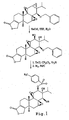
- Fig. 1 shows the preparation of an epoxy ring-opened derivative of triptolide, in accordance with structure III.
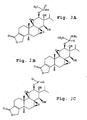
- Figs. 2A-2C show examples of specific embodiments of structure III.
- Alkyl refers to a fully saturated acyclic monovalent radical containing carbon and hydrogen, and which may be branched or a straight chain. Examples of alkyl groups are methyl, ethyl, n-butyl, t-butyl, n-heptyl, and isopropyl.
- Cycloalkyl refers to a fully saturated cyclic monovalent radical containing carbon and hydrogen, which may be further substituted with alkyl.
- cycloalkyl groups are cyclopropyl, methyl cyclopropyl, cyclobutyl, cyclopentyl, ethylcyclopentyl, and cyclohexyl
- “Lower alkyl” refers to an alkyl radical of one to six carbon atoms, as exemplified by methyl, ethyl, n-butyl, i-butyl, t-butyl, isoamyl, n-pentyl, and isopentyl.
- Alkenyl refers to a monovalent or divalent unsaturated, preferably mono-unsaturated, radical containing carbon and hydrogen, and which may be cyclic, branched or a straight chain. "Lower alkenyl” refers to such a radical having one to four carbon atoms.
- triptolide derivative or “triptolide analog,” as described herein, refers to a compound based on triptolide, 16-hydroxytriptolide or tripdiolide (2-hydroxytriptolide) which is derivatized at the 12,13-epoxy group or at the lactone ring of the parent compound.
- the present compounds which are derivatives of triptolide having hydrophilic substituents, possess greater water solubility than the non-derivatized starting compound, and are effective to hydrolyze and convert in vivo to the parent compound.
- the compounds are useful as prodrugs for immunosuppressive and anti-inflammatory applications.
- the present invention relates to a compound having the structure III: wherein
- the compounds of the invention may be prepared from triptolide, as obtained from the root xygru of the Chinese medicinal plant Tripterygium wilfordii (TW) or from other known sources.
- TW Chinese medicinal plant Tripterygium wilfordii
- the TW plant is found in the Fujiang province and other southern provinces of China; TW plant material can generally be obtained in China or through commercial sources in the United States.
- Methods for preparing triptolide and some of its derivatives are known in the an and are described, for example, in Kupchan et al . (1972, 1977); Lipsky et al . (1994); Pu et al . (1990); and Ma et al . (1992).
- triptolide analogs have the structure III, as shown above, where R 6 is a leaving group selected from the group consisting of alkyl sulfonate, fluoroalkyl sulfonate, aryl sulfonate, fluorosulfonate, nitrate, alkyl phosphate, alkyl borate, trialkylammonium, and dialkylsulfonium.
- Preferred leaving groups are tosylate, mesylate, fluorosulfonate, trifluoromethylsulfonate, nitrate, and alkyl phosphates or boronates, represented by -OP(O)(OR 4 ) 2 , and -OB(OR 4 ) 2 , where R 4 is hydrogen or lower alkyl.
- the hydroxyl at C14 is first protected as a benzyl ether, which is later removed by hydrogenation.
- the nucleophile typically hydroxide ion, attacks at the less hindered 12-carbon of the epoxide.
- the resulting 12-hydroxyl group of the 1,2-diol is then converted to the leaving group R 6 , in this case a tosylate.
- Other examples of compounds of structure III are shown in Figs, 2A-2C.
- the 13-hydroxyl (and 14-hydroxyl) may be converted to a hydrolyzable group, so that the compound will be more stable upon storage, but will still convert (albeit more slowly) to the epoxide in vivo. Because the 13-hydroxyl is tertiary and thus slow to react, use of an unhindered, reactive acylating agent, e.g., acetyl chloride, is preferred.
- an unhindered, reactive acylating agent e.g., acetyl chloride
- Formulations containing the triptolide analogs of the invention may take the form of solid, semi-solid, lyophilized powder, or liquid dosage forms, such as tablets, capsules, powders, sustained-release formulations, solutions, suspensions, emulsions, ointments, lotions, or aerosols, preferably in unit dosage forms suitable for simple administration of precise dosages.
- the compositions typically include a conventional pharmaceutical carrier or excipient and may additionally include other medicinal agents, carriers, or adjuvants.
- the composition will be about 0.5 % to 75 % by weight of a compound or compounds of the invention, with the remainder consisting of suitable pharmaceutical excipients.
- excipients include pharmaceutical grades of mannitol, lactose, starch, magnesium stearate, sodium saccharine, talcum, cellulose, glucose, gelatin, sucrose, magnesium carbonate, and the like.
- the composition may also contain minor amounts of non-toxic auxiliary substances such as wetting agents, emulsifying agents, or buffers.
- the composition may be administered to a subject orally, transdermally or parenterally, e . g ., by intravenous, subcutaneous, intraperitoneal, or intramuscular injection.
- the composition may be prepared as a solution, suspension, emulsion, or syrup, being supplied either in liquid form or a dried form suitable for hydration in water or normal saline.
- an injectable composition for parenteral administration will typically contain the iriptolide analog in a suitable intravenous solution, such as sterile physiological salt solution.
- Liquid compositions can be prepared by dissolving or dispersing the triptolide analog (about 0.5% to about 20%) and optional pharmaceutical adjuvants in a carrier, such as, for example, aqueous saline, aqueous dextrose, glycerol, or ethanol, to form a solution or suspension.
- a carrier such as, for example, aqueous saline, aqueous dextrose, glycerol, or ethanol.
- a carrier such as, for example, aqueous saline, aqueous dextrose, glycerol, or ethanol.
- a carrier such as, for example, aqueous saline, aqueous dextrose, glycerol, or ethanol.
- the high water solubility of the compounds of the invention make them particularly advantageous for administering in aqueous solution, e.g. by intraperitoneal injection.
- compositions in accordance with the invention may also be
- a triglyceride a phospholipid, or a polyethoxylated castor oil such as "CREMOPHOR EL TM "), in a liposomal suspension, or in an aqueous emulsion.
- CREMOPHOR EL TM a polyethoxylated castor oil
- the compound may also be administered by inhalation, in the form of aerosol particles, either solid or liquid, preferably of respirable size.
- aerosol particles are sufficiently small to pass through the mouth and larynx upon inhalation and into the bronchi and alveoli of the lungs.
- particles ranging from about 1 to 10 ⁇ m (microns) in size, and preferably less than about 5 ⁇ m (microns) in size, are respirable.
- Liquid compositions for inhalation comprise the active agent dispersed in an aqueous carrier, such as sterile pyrogen free saline solution or sterile pyrogen free water. If desired, the composition may be mixed with a propellant to assist in spraying the composition and forming an aerosol.
- composition to be administered will contain a quantity of the selected compound in a pharmaceutically effective amount for effecting immunosuppression in a subject.
- compositions of the present invention are useful in applications for which triptolide has proven effective, particularly in immunosuppression therapy, as in treating an autoimmune disease, preventing transplantation rejection, or treating or preventing graft-versus-host disease (GVHD).
- Triptolide and the present analogs are also useful for treatment of other inflammatory conditions, such as traumatic inflammation, and in reducing male fertility.
- autoimmune diseases which are appropriate for immunotherapy include asthma, atherosclerosis, Type I diabetes, multiple sclerosis, psoriasis, systemic lupus erythematosis (SLE), rheumatoid arthritis, and various allergies.
- SLE systemic lupus erythematosis
- rheumatoid arthritis various allergies.
- the patient is given the composition on a periodic basis, e . g ., 1-2 times per week, at a dosage level sufficient to reduce symptoms and improve patient comfort.
- the dose that is administered is preferably in the range of 1-25 mg/kg patient body weight per day, with lower amounts being preferred for parenteral administration, and higher amounts being preferred for oral administration. Optimum dosages can be determined by routine experimentation according to methods known in the art.
- Immunosuppressive activity of compounds in vivo can be evaluated by the use of established animal models known in the art. Such assays may be used to evaluate the relative effectiveness of immunosuppressive compounds and to estimate appropriate dosages for immunosuppressive treatment. These assays include, for example, a well-characterized rat model system for allografts, described by Ono and Lindsey (1969), in which a transplanted heart is attached to the abdominal great vessels of an allogeneic recipient animal, and the viability of the transplanted heart is gauged by the heart's ability to beat in the recipient animal. A xenograft model, in which the recipient animals are of a different species, is described by Wang (1991) and Murase (1993).
- a model for evaluating effectiveness against GVHD involves injection of normal F 1 mice with parental spleen cells; the mice develop a GVHD syndrome characterized by splenomegaly and immunosuppression (Korngold, 1978; Gleichmann, 1984). Single cell suspensions are prepared from individual spleens, and microwell cultures are established in the presence and absence of concanavalin A to assess the extent of mitogenic responsiveness.
- the method is intended particularly for the treatment of rejection of heart, kidney, liver, cellular, and bone marrow transplants, and may also be used in the treatment of GVHD.
- the treatment is typically initiated perioperatively, either soon before or soon after the surgical transplantation procedure, and is continued on a daily dosing regimen, for a period of at least several weeks, for treatment of acute transplantation rejection.
- the patient may be tested periodically for immunosuppression level, e . g ., by a mixed lymphocyte reaction involving allogenic lymphocytes, or by taking a biopsy of the transplanted tissue.
- the composition may be administered chronically to prevent graft rejection, or in treating acute episodes of late graft rejection.
- the dose administered is preferably 1-25 mg/kg patient body weight per day, with lower amounts being preferred for parenteral administration, and higher amounts for oral administration.
- the dose may be increased or decreased appropriately, depending on the response of the patient, and over the period of treatment, the ability of the patient to resist infection.
- the composition may be administered by intravenous injection or by direct injection into the affected joint.
- the patient may be treated at repeated intervals of at least 24 hours, over a several week period following the onset of symptoms of the disease in the patient.
- the compounds are also useful as potentiators when administered concurrently with another immunosuppressive drug for immunosuppressive treatments as discussed above.
- a conventional immunosuppressant drug such as cyclosporin A, FK506, azathioprine, rapamycin, mycophenolic acid, or a glucocorticoid, may thus be administered in an amount substantially less (e.g. 20% to 50% of the standard dose) than when the compound is administered alone.
- the triptolide analog and immunosuppresive drug are administered in amounts such that the resultant immunosuppression is greater than what would be expected or obtained from the sum of the effects obtained with the drug and triptolide analog used alone.
- the immunosuppressive drug and potentiator are administered at regular intervals over a time period of at least 2 weeks.
- the 14-hydroxyl group is first protected by conversion to a benzyl ether.
- the compound (1 eq) is reacted with BzBr (2.5 eq) in the presence of Ag 2 O (2 eq) in DMF under an inert atmosphere at 0°C (see, for example, Mori et al.).
- the mixture is allowed to come to room temperature with stirring and stirred for about 24 h.
- the mixture is diluted with ether, washed with water and brine, dried over anhydrous MgSO 4 and concentrated.
- the residue is purified, if desired, by chromatography on silica gel.
- the resulting 14-O-benzyl triptolide is then heated with NaOH in aqueous THF to convert the 12,13 epoxide to the diol.
- the solution is concentrated and the residue taken up in ether and worked up as above.
- the diol (1 eq) is dissolved in CH 2 Cl 2 , and a solution of TsCl (1.5 eq) and triethylamine (1.5 eq) in the same solvent is added. After the reaction is complete by TLC, the mixture is washed with water and brine, dried over anhydrous MgSO 4 , and concentrated. The residue is purified by silica gel chromatography.
- benzyl ether-protected tosylate is dissolved in dry THF, 5 % Pd/C (approx. 25 mg/meq of substrate) is added, and the mixture is purged with H 2 (atmospheric pressure) and stirred at room temperature until deprotection is complete, approx. 2-3 hrs. The solution is then filtered and concentrated to obtain the product.
Landscapes
- Chemical & Material Sciences (AREA)
- Organic Chemistry (AREA)
- Health & Medical Sciences (AREA)
- Pain & Pain Management (AREA)
- Rheumatology (AREA)
- Chemical Kinetics & Catalysis (AREA)
- General Chemical & Material Sciences (AREA)
- Medicinal Chemistry (AREA)
- Nuclear Medicine, Radiotherapy & Molecular Imaging (AREA)
- Pharmacology & Pharmacy (AREA)
- Life Sciences & Earth Sciences (AREA)
- Animal Behavior & Ethology (AREA)
- General Health & Medical Sciences (AREA)
- Public Health (AREA)
- Veterinary Medicine (AREA)
- Pharmaceuticals Containing Other Organic And Inorganic Compounds (AREA)
Description
- The present invention relates to compounds useful as immunosuppressive and anti-inflammatory agents. The compounds have good aqueous solubility and convert to biologically active compounds in vivo.
-
- Ferrier, R.J. in CARBOHYDRATE CHEMISTRY, Kennedy, J.F., Ed., Clarendon Press, Oxford (1990).
- Garver, L.C. et al., J. Am. Chem. Soc. 104:867 (1982).
- Gleichmann, E. et al., Immunol. Today 5:324 (1984).
- Hormi, O.E.O. and Nasman, J.H., Syn. Commun. 16:69 (1986).
- Kocienski, P.J., PROTECTING GROUPS, Georg Thieme Verlag, Stuttgart (1994).
- Korngold, R. and Sprent, J., J. Exp. Med. 148:1687 (1978).
- Kupchan, S.M. et al., J. Am. Chem. Soc. 94:7194 (1972).
- Kupchan, S.M. et al., U.S. Patent No. 3,005,108 (1977).
- Lipsky, P.E. et al., U.S. Patent No. 5,294,443 (1994).
- Ma, P-C. et al., J. Chin. Pharm. Sci. 1:12 (1992).
- Mori, S. et al., Tetrahedron 47(27):5051-5070 (1991).
- Morris, R.E., Transplant Proc. 23(6):2722-2724 (1991).
- Morris, R.E. et al., Transplant Proc. 23(1):238-240 (1991).
- Murase, N. et al., Transplantation 55:701 (1993).
- Ono and Lindsey, J. Thor. Cardiovasc. Surg. 57(2):225-29 (1969).
- Pu, L. et al., Zhongguo Yaoli Xuebao 11:76 (1990).
- Wang, J. and Morris, R.E., Transplantation Proc. 23:699 (1991).
- Yu et al., Acta Pharmaceutica Sinica 27(11):830-836 (1992).
- Zheng, J. et al., Zhongguo Yixue Kexueyuan Xuebao 13:391 (1991).
- Zheng, J. et al., Zhongguo Yixue Kexueyuan Xuebao 16:24 (1994).
- Immunosuppressive agents are widely used in the treatment of autoimmune disease and in treating or preventing transplantation rejection, including the treatment of graft-versus-host disease (GVHD), a condition in which transplanted marrow cells attack the recipient's cells. Common immunosuppressive agents include azathioprine, corticosteroids, cyclophosphamide, methotrexate, 6-mercaptopurine, vincristine, and cyclosporin A. In general, none of these drugs are completely effective, and most are limited by severe toxicity. For example, cyclosporin A, a widely used agent, is significantly toxic to the kidney. In addition, doses needed for effective treatment may increase the patient's susceptibility to infection by a variety of opportunistic invaders.
- A number of compounds isolated from the Chinese medicinal plant Tripterygium wilfordii (TW) have been identified as having immunosuppressive activity. Representative compounds include triptolide, 16-hydroxytriptolide, triptophenolide, tripdiolide, and tripchlorolide, as described, for example, in Lipsky et al. (1994) and Zheng et al. (1991; 1994).
- The administration and therapeutic effectiveness of these compounds have been limited, however, by their low water solubility. This problem has been addressed by formulating the compounds in mixtures of ethanol and polyethoxylated castor oil (e.g. , "CREMOPHOR EL™"), allowing subsequent dilution in saline for intravenous administration. However, such formulations have suffered from high toxicity, due to the high concentration of solubilizing agent required to dissolve these compounds. For example, the ratio of solubilizing agent (ethanol plus "CREMOPHOR EL™") to triptolide in such formulations is typically on the order of 1000:1 or greater, due to the poor solubility of triptolide (Morris, 1991; Morris et al., 1991). Standardization of dosage amounts is also more problematic with a suspension than with a solution.
- It is therefore desirable to provide immunosuppressive compounds having comparatively low toxicity and improved water solubility. Ideally, such compounds would show immunosuppressive activity in their water soluble form, or would be convertible to an immunosuppressive form in vivo.
- In one aspect, the invention provides compounds which are useful as prodrugs for immunosuppressive and anti-inflammatory therapy. The compounds are derivatives of triptolide having hydrophilic substituents, represented by structure III, as shown and described below. The compounds possess greater water solubility than the non-derivatized parent compound, triptolide, and are effective to hydrolytically convert to the parent compound in vivo.
- These and other objects and features of the invention will become more fully apparent when the following detailed description of the invention is read in conjunction with the accompanying drawings.
- Fig. 1 shows the preparation of an epoxy ring-opened derivative of triptolide, in accordance with structure III; and
- Figs. 2A-2C show examples of specific embodiments of structure III.
- The terms below have the following meanings unless indicated otherwise.
- "Alkyl" refers to a fully saturated acyclic monovalent radical containing carbon and hydrogen, and which may be branched or a straight chain. Examples of alkyl groups are methyl, ethyl, n-butyl, t-butyl, n-heptyl, and isopropyl. "Cycloalkyl" refers to a fully saturated cyclic monovalent radical containing carbon and hydrogen, which may be further substituted with alkyl. Examples of cycloalkyl groups are cyclopropyl, methyl cyclopropyl, cyclobutyl, cyclopentyl, ethylcyclopentyl, and cyclohexyl, "Lower alkyl" refers to an alkyl radical of one to six carbon atoms, as exemplified by methyl, ethyl, n-butyl, i-butyl, t-butyl, isoamyl, n-pentyl, and isopentyl.
- "Alkenyl" refers to a monovalent or divalent unsaturated, preferably mono-unsaturated, radical containing carbon and hydrogen, and which may be cyclic, branched or a straight chain. "Lower alkenyl" refers to such a radical having one to four carbon atoms.
- A "triptolide derivative" or "triptolide analog," as described herein, refers to a compound based on triptolide, 16-hydroxytriptolide or tripdiolide (2-hydroxytriptolide) which is derivatized at the 12,13-epoxy group or at the lactone ring of the parent compound.
- For the purposes of the current disclosure, the following numbering scheme is used for triptolide and triptolide analogs:

- This section describes the preparation of compounds as represented by structure III and described further below. The present compounds, which are derivatives of triptolide having hydrophilic substituents, possess greater water solubility than the non-derivatized starting compound, and are effective to hydrolyze and convert in vivo to the parent compound. The compounds are useful as prodrugs for immunosuppressive and anti-inflammatory applications.
- The present invention relates to a
compound having the structure III:
- R6 is a leaving group selected from the group consisting of alkyl sulfonate, fluoroalkyl sulfonate, aryl sulfonate, fluorosulfonate, nitrate, alkyl phosphate, alkyl borate, trialkylammonium, and dialkylsulfonium.
- The compounds of the invention may be prepared from triptolide, as obtained from the root xylern of the Chinese medicinal plant Tripterygium wilfordii (TW) or from other known sources. The TW plant is found in the Fujiang Province and other southern provinces of China; TW plant material can generally be obtained in China or through commercial sources in the United States. Methods for preparing triptolide and some of its derivatives (e.g. tripdiolide and 16-hydroxytriptolide) are known in the an and are described, for example, in Kupchan et al. (1972, 1977); Lipsky et al. (1994); Pu et al. (1990); and Ma et al. (1992).
- The triptolide analogs have the structure III, as shown above, where R6 is a leaving group selected from the group consisting of alkyl sulfonate, fluoroalkyl sulfonate, aryl sulfonate, fluorosulfonate, nitrate, alkyl phosphate, alkyl borate, trialkylammonium, and dialkylsulfonium. Preferred leaving groups are tosylate, mesylate, fluorosulfonate, trifluoromethylsulfonate, nitrate, and alkyl phosphates or boronates, represented by -OP(O)(OR4)2, and -OB(OR4)2, where R4 is hydrogen or lower alkyl. The group OR3 is -OH or -O-(C=O)-R, where R is lower alkyl.
- These compounds are prepared by base-catalyzed ring opening of the 12,13 epoxy group of triptolide, as illustrated in Fig. 1. As noted in Yu et al., the 12,13 epoxide of triptolide is less sterically hindered and reacts more readily than the 7,8 and 9,11 epoxides. The epoxide is regenerated in vivo by displacement of the 12-leaving group, restoring the triptolide structure.
- In the synthesis shown in Fig. 1, the hydroxyl at C14 is first protected as a benzyl ether, which is later removed by hydrogenation. The nucleophile, typically hydroxide ion, attacks at the less hindered 12-carbon of the epoxide. The resulting 12-hydroxyl group of the 1,2-diol is then converted to the leaving group R6, in this case a tosylate. Other examples of compounds of structure III are shown in Figs, 2A-2C.
- If desired, the 13-hydroxyl (and 14-hydroxyl) may be converted to a hydrolyzable group, so that the compound will be more stable upon storage, but will still convert (albeit more slowly) to the epoxide in vivo. Because the 13-hydroxyl is tertiary and thus slow to react, use of an unhindered, reactive acylating agent, e.g., acetyl chloride, is preferred.
- Formulations containing the triptolide analogs of the invention may take the form of solid, semi-solid, lyophilized powder, or liquid dosage forms, such as tablets, capsules, powders, sustained-release formulations, solutions, suspensions, emulsions, ointments, lotions, or aerosols, preferably in unit dosage forms suitable for simple administration of precise dosages. The compositions typically include a conventional pharmaceutical carrier or excipient and may additionally include other medicinal agents, carriers, or adjuvants. Preferably, the composition will be about 0.5 % to 75 % by weight of a compound or compounds of the invention, with the remainder consisting of suitable pharmaceutical excipients. For oral administration, such excipients include pharmaceutical grades of mannitol, lactose, starch, magnesium stearate, sodium saccharine, talcum, cellulose, glucose, gelatin, sucrose, magnesium carbonate, and the like. If desired, the composition may also contain minor amounts of non-toxic auxiliary substances such as wetting agents, emulsifying agents, or buffers.
- The composition may be administered to a subject orally, transdermally or parenterally, e.g., by intravenous, subcutaneous, intraperitoneal, or intramuscular injection. For use in oral liquid preparation, the composition may be prepared as a solution, suspension, emulsion, or syrup, being supplied either in liquid form or a dried form suitable for hydration in water or normal saline. For parenteral administration, an injectable composition for parenteral administration will typically contain the iriptolide analog in a suitable intravenous solution, such as sterile physiological salt solution.
- Liquid compositions can be prepared by dissolving or dispersing the triptolide analog (about 0.5% to about 20%) and optional pharmaceutical adjuvants in a carrier, such as, for example, aqueous saline, aqueous dextrose, glycerol, or ethanol, to form a solution or suspension. The high water solubility of the compounds of the invention make them particularly advantageous for administering in aqueous solution, e.g. by intraperitoneal injection. Although aqueous solutions are preferred, compositions in accordance with the invention may also be formulated as a suspension in a lipid (e.g., a triglyceride, a phospholipid, or a polyethoxylated castor oil such as "CREMOPHOR EL™"), in a liposomal suspension, or in an aqueous emulsion.
- The compound may also be administered by inhalation, in the form of aerosol particles, either solid or liquid, preferably of respirable size. Such particles are sufficiently small to pass through the mouth and larynx upon inhalation and into the bronchi and alveoli of the lungs. In general, particles ranging from about 1 to 10 µm (microns) in size, and preferably less than about 5 µm (microns) in size, are respirable. Liquid compositions for inhalation comprise the active agent dispersed in an aqueous carrier, such as sterile pyrogen free saline solution or sterile pyrogen free water. If desired, the composition may be mixed with a propellant to assist in spraying the composition and forming an aerosol.
- Methods for preparing such dosage forms are known or will be apparent to those skilled in the art; for example; see Remington's Pharmaceutical Sciences (19th Ed., Williams & Wilkins, 1995). The composition to be administered will contain a quantity of the selected compound in a pharmaceutically effective amount for effecting immunosuppression in a subject.
- The compositions of the present invention are useful in applications for which triptolide has proven effective, particularly in immunosuppression therapy, as in treating an autoimmune disease, preventing transplantation rejection, or treating or preventing graft-versus-host disease (GVHD). Triptolide and the present analogs are also useful for treatment of other inflammatory conditions, such as traumatic inflammation, and in reducing male fertility.
- Common autoimmune diseases which are appropriate for immunotherapy include asthma, atherosclerosis, Type I diabetes, multiple sclerosis, psoriasis, systemic lupus erythematosis (SLE), rheumatoid arthritis, and various allergies. In treating an autoimmune condition, the patient is given the composition on a periodic basis, e.g., 1-2 times per week, at a dosage level sufficient to reduce symptoms and improve patient comfort.
- The dose that is administered is preferably in the range of 1-25 mg/kg patient body weight per day, with lower amounts being preferred for parenteral administration, and higher amounts being preferred for oral administration. Optimum dosages can be determined by routine experimentation according to methods known in the art.
- Immunosuppressive activity of compounds in vivo can be evaluated by the use of established animal models known in the art. Such assays may be used to evaluate the relative effectiveness of immunosuppressive compounds and to estimate appropriate dosages for immunosuppressive treatment. These assays include, for example, a well-characterized rat model system for allografts, described by Ono and Lindsey (1969), in which a transplanted heart is attached to the abdominal great vessels of an allogeneic recipient animal, and the viability of the transplanted heart is gauged by the heart's ability to beat in the recipient animal. A xenograft model, in which the recipient animals are of a different species, is described by Wang (1991) and Murase (1993). A model for evaluating effectiveness against GVHD involves injection of normal F1 mice with parental spleen cells; the mice develop a GVHD syndrome characterized by splenomegaly and immunosuppression (Korngold, 1978; Gleichmann, 1984). Single cell suspensions are prepared from individual spleens, and microwell cultures are established in the presence and absence of concanavalin A to assess the extent of mitogenic responsiveness.
- For therapy in transplantation rejection, the method is intended particularly for the treatment of rejection of heart, kidney, liver, cellular, and bone marrow transplants, and may also be used in the treatment of GVHD. The treatment is typically initiated perioperatively, either soon before or soon after the surgical transplantation procedure, and is continued on a daily dosing regimen, for a period of at least several weeks, for treatment of acute transplantation rejection. During the treatment period, the patient may be tested periodically for immunosuppression level, e.g., by a mixed lymphocyte reaction involving allogenic lymphocytes, or by taking a biopsy of the transplanted tissue.
- In addition, the composition may be administered chronically to prevent graft rejection, or in treating acute episodes of late graft rejection. As above, the dose administered is preferably 1-25 mg/kg patient body weight per day, with lower amounts being preferred for parenteral administration, and higher amounts for oral administration. The dose may be increased or decreased appropriately, depending on the response of the patient, and over the period of treatment, the ability of the patient to resist infection.
- For treating rheumatoid arthritis, the composition may be administered by intravenous injection or by direct injection into the affected joint. The patient may be treated at repeated intervals of at least 24 hours, over a several week period following the onset of symptoms of the disease in the patient.
- The compounds are also useful as potentiators when administered concurrently with another immunosuppressive drug for immunosuppressive treatments as discussed above. A conventional immunosuppressant drug, such as cyclosporin A, FK506, azathioprine, rapamycin, mycophenolic acid, or a glucocorticoid, may thus be administered in an amount substantially less (e.g. 20% to 50% of the standard dose) than when the compound is administered alone. Alternatively, the triptolide analog and immunosuppresive drug are administered in amounts such that the resultant immunosuppression is greater than what would be expected or obtained from the sum of the effects obtained with the drug and triptolide analog used alone. Typically, the immunosuppressive drug and potentiator are administered at regular intervals over a time period of at least 2 weeks.
- The following example is intended to illustrate but not in any way limit the invention. While the invention has been described with reference to specific methods and embodiments, it will be appreciated that various modifications may be made without departing from the invention.
- The 14-hydroxyl group is first protected by conversion to a benzyl ether. To avoid reaction of the acidic hydrogens of the conjugated lactone with basic reagents, such as metal hydrides, the compound (1 eq) is reacted with BzBr (2.5 eq) in the presence of Ag2O (2 eq) in DMF under an inert atmosphere at 0°C (see, for example, Mori et al.). The mixture is allowed to come to room temperature with stirring and stirred for about 24 h. The mixture is diluted with ether, washed with water and brine, dried over anhydrous MgSO4 and concentrated. The residue is purified, if desired, by chromatography on silica gel.
- The resulting 14-O-benzyl triptolide is then heated with NaOH in aqueous THF to convert the 12,13 epoxide to the diol. The solution is concentrated and the residue taken up in ether and worked up as above.
- The diol (1 eq) is dissolved in CH2Cl2, and a solution of TsCl (1.5 eq) and triethylamine (1.5 eq) in the same solvent is added. After the reaction is complete by TLC, the mixture is washed with water and brine, dried over anhydrous MgSO4, and concentrated. The residue is purified by silica gel chromatography.
- The resulting benzyl ether-protected tosylate is dissolved in dry THF, 5 % Pd/C (approx. 25 mg/meq of substrate) is added, and the mixture is purged with H2 (atmospheric pressure) and stirred at room temperature until deprotection is complete, approx. 2-3 hrs. The solution is then filtered and concentrated to obtain the product.
Claims (5)
- A compound having the structure III:
 R6 is a leaving group selected from the group consisting of alkyl sulfonate, fluoroalkyl sulfonate, aryl sulfonate, fluorosulfonate, nitrate, alkyl phosphate, alkyl borate, trialkylammonium, and dialkylsulfonium.
 - A compound in accordance with claim 1, wherein R6 is selected from nitrate, tosylate, mesylate, fluorosulfonate, trifluoromethylsulfonate, -OP(O)(OR4)2, and -GB(OR4)2, where R4 is hydrogen or C1 to C6 alkyl.
- A pharmaceutical composition comprising at least one compound as defined in claim 1 or 2.
- The pharmaceutical composition of claim 3 comprising 0.5 wt.% to 75 wt.% of one or more compounds of claim 1 or 2.
- Use of a compound as defined in claim 1 or 2 for the preparation of a pharmaceutical composition for use in an immunosuppression therapy, for treating an autoimmune disease, preventing transplantation rejection, treating or preventing graft-versus-host disease, treatment of inflammatory conditions or for reducing male fertility.
Applications Claiming Priority (3)
| Application Number | Priority Date | Filing Date | Title |
|---|---|---|---|
| US9880998P | 1998-09-02 | 1998-09-02 | |
| US98809P | 1998-09-02 | ||
| EP99949582A EP1109789B1 (en) | 1998-09-02 | 1999-09-02 | Triptolide prodrugs having high aqueous solubility |
Related Parent Applications (1)
| Application Number | Title | Priority Date | Filing Date |
|---|---|---|---|
| EP99949582A Division EP1109789B1 (en) | 1998-09-02 | 1999-09-02 | Triptolide prodrugs having high aqueous solubility |
Publications (2)
| Publication Number | Publication Date |
|---|---|
| EP1375488A1 EP1375488A1 (en) | 2004-01-02 |
| EP1375488B1 true EP1375488B1 (en) | 2006-08-02 |
Family
ID=29718359
Family Applications (1)
| Application Number | Title | Priority Date | Filing Date |
|---|---|---|---|
| EP03016090A Expired - Lifetime EP1375488B1 (en) | 1998-09-02 | 1999-09-02 | Triptolide prodrugs having high aqueous solubility |
Country Status (1)
| Country | Link |
|---|---|
| EP (1) | EP1375488B1 (en) |
Family Cites Families (2)
| Publication number | Priority date | Publication date | Assignee | Title |
|---|---|---|---|---|
| CN1027371C (en) * | 1989-09-08 | 1995-01-11 | 中国医学科学院皮肤病研究所 | The synthetic method of diterpene lactone compound |
| US5663335A (en) * | 1996-03-01 | 1997-09-02 | Pharmagenesis, Inc. | Immunosuppressive compounds and methods |
-
1999
- 1999-09-02 EP EP03016090A patent/EP1375488B1/en not_active Expired - Lifetime
Also Published As
| Publication number | Publication date |
|---|---|
| EP1375488A1 (en) | 2004-01-02 |
Similar Documents
| Publication | Publication Date | Title |
|---|---|---|
| EP1109789B1 (en) | Triptolide prodrugs having high aqueous solubility | |
| EP0907652B1 (en) | Immunosuppressive compounds and methods | |
| US5962516A (en) | Immunosuppressive compounds and methods | |
| US6548537B1 (en) | Triptolide prodrugs having high aqueous solubility | |
| US7662976B2 (en) | Triptolide derivatives for modulation of apoptosis and immunosuppression | |
| JPH08503210A (en) | Carbonic acid ester of rapamycin as an immunosuppressant | |
| SK281787B6 (en) | Rapamycin hydroxyesters, process for their preparation and pharmaceutical compositions containing them | |
| JPS60215700A (en) | Novel cyclosporins | |
| EP1732536B1 (en) | Triptolide lactone ring derivatives as immunomodulators and anticancer agents | |
| WO2002074759A1 (en) | Amino acid derivatives of triptolide compounds as immune modulators and anticancer agent | |
| US7019151B2 (en) | Triptolide derivatives as immunomodulators and anticancer agents | |
| WO2004075853A9 (en) | Halogenated triptolide derivatives as immunomodulators and anticancer agents | |
| AU596791B2 (en) | New carbonic acid esters | |
| EP1375488A1 (en) | Triptolide prodrugs having high aqueous solubility | |
| HK1019444B (en) | Immunosuppressive compounds and methods |
Legal Events
| Date | Code | Title | Description |
|---|---|---|---|
| PUAI | Public reference made under article 153(3) epc to a published international application that has entered the european phase |
Free format text: ORIGINAL CODE: 0009012 |
|
| 17P | Request for examination filed |
Effective date: 20030814 |
|
| AC | Divisional application: reference to earlier application |
Ref document number: 1109789 Country of ref document: EP Kind code of ref document: P |
|
| AK | Designated contracting states |
Kind code of ref document: A1 Designated state(s): AT BE CH CY DE DK ES FI FR GB GR IE IT LI LU MC NL PT SE |
|
| AX | Request for extension of the european patent |
Extension state: AL LT LV MK RO SI |
|
| AKX | Designation fees paid |
Designated state(s): AT BE CH CY DE DK ES FI FR GB GR IE IT LI LU MC NL PT SE |
|
| 17Q | First examination report despatched |
Effective date: 20040820 |
|
| GRAP | Despatch of communication of intention to grant a patent |
Free format text: ORIGINAL CODE: EPIDOSNIGR1 |
|
| GRAS | Grant fee paid |
Free format text: ORIGINAL CODE: EPIDOSNIGR3 |
|
| GRAA | (expected) grant |
Free format text: ORIGINAL CODE: 0009210 |
|
| AC | Divisional application: reference to earlier application |
Ref document number: 1109789 Country of ref document: EP Kind code of ref document: P |
|
| AK | Designated contracting states |
Kind code of ref document: B1 Designated state(s): AT BE CH CY DE DK ES FI FR GB GR IE IT LI LU MC NL PT SE |
|
| PG25 | Lapsed in a contracting state [announced via postgrant information from national office to epo] |
Ref country code: IT Free format text: LAPSE BECAUSE OF FAILURE TO SUBMIT A TRANSLATION OF THE DESCRIPTION OR TO PAY THE FEE WITHIN THE PRESCRIBED TIME-LIMIT;WARNING: LAPSES OF ITALIAN PATENTS WITH EFFECTIVE DATE BEFORE 2007 MAY HAVE OCCURRED AT ANY TIME BEFORE 2007. THE CORRECT EFFECTIVE DATE MAY BE DIFFERENT FROM THE ONE RECORDED. Effective date: 20060802 Ref country code: LI Free format text: LAPSE BECAUSE OF FAILURE TO SUBMIT A TRANSLATION OF THE DESCRIPTION OR TO PAY THE FEE WITHIN THE PRESCRIBED TIME-LIMIT Effective date: 20060802 Ref country code: FI Free format text: LAPSE BECAUSE OF FAILURE TO SUBMIT A TRANSLATION OF THE DESCRIPTION OR TO PAY THE FEE WITHIN THE PRESCRIBED TIME-LIMIT Effective date: 20060802 Ref country code: BE Free format text: LAPSE BECAUSE OF FAILURE TO SUBMIT A TRANSLATION OF THE DESCRIPTION OR TO PAY THE FEE WITHIN THE PRESCRIBED TIME-LIMIT Effective date: 20060802 Ref country code: NL Free format text: LAPSE BECAUSE OF FAILURE TO SUBMIT A TRANSLATION OF THE DESCRIPTION OR TO PAY THE FEE WITHIN THE PRESCRIBED TIME-LIMIT Effective date: 20060802 Ref country code: CH Free format text: LAPSE BECAUSE OF FAILURE TO SUBMIT A TRANSLATION OF THE DESCRIPTION OR TO PAY THE FEE WITHIN THE PRESCRIBED TIME-LIMIT Effective date: 20060802 Ref country code: AT Free format text: LAPSE BECAUSE OF FAILURE TO SUBMIT A TRANSLATION OF THE DESCRIPTION OR TO PAY THE FEE WITHIN THE PRESCRIBED TIME-LIMIT Effective date: 20060802 |
|
| REG | Reference to a national code |
Ref country code: GB Ref legal event code: FG4D |
|
| REG | Reference to a national code |
Ref country code: CH Ref legal event code: EP |
|
| PG25 | Lapsed in a contracting state [announced via postgrant information from national office to epo] |
Ref country code: IE Free format text: LAPSE BECAUSE OF NON-PAYMENT OF DUE FEES Effective date: 20060904 |
|
| REG | Reference to a national code |
Ref country code: IE Ref legal event code: FG4D |
|
| REF | Corresponds to: |
Ref document number: 69932649 Country of ref document: DE Date of ref document: 20060914 Kind code of ref document: P |
|
| PG25 | Lapsed in a contracting state [announced via postgrant information from national office to epo] |
Ref country code: MC Free format text: LAPSE BECAUSE OF NON-PAYMENT OF DUE FEES Effective date: 20060930 |
|
| PG25 | Lapsed in a contracting state [announced via postgrant information from national office to epo] |
Ref country code: SE Free format text: LAPSE BECAUSE OF FAILURE TO SUBMIT A TRANSLATION OF THE DESCRIPTION OR TO PAY THE FEE WITHIN THE PRESCRIBED TIME-LIMIT Effective date: 20061102 Ref country code: DK Free format text: LAPSE BECAUSE OF FAILURE TO SUBMIT A TRANSLATION OF THE DESCRIPTION OR TO PAY THE FEE WITHIN THE PRESCRIBED TIME-LIMIT Effective date: 20061102 |
|
| PG25 | Lapsed in a contracting state [announced via postgrant information from national office to epo] |
Ref country code: ES Free format text: LAPSE BECAUSE OF FAILURE TO SUBMIT A TRANSLATION OF THE DESCRIPTION OR TO PAY THE FEE WITHIN THE PRESCRIBED TIME-LIMIT Effective date: 20061113 |
|
| NLV1 | Nl: lapsed or annulled due to failure to fulfill the requirements of art. 29p and 29m of the patents act | ||
| PG25 | Lapsed in a contracting state [announced via postgrant information from national office to epo] |
Ref country code: PT Free format text: LAPSE BECAUSE OF FAILURE TO SUBMIT A TRANSLATION OF THE DESCRIPTION OR TO PAY THE FEE WITHIN THE PRESCRIBED TIME-LIMIT Effective date: 20070102 |
|
| REG | Reference to a national code |
Ref country code: CH Ref legal event code: PL |
|
| ET | Fr: translation filed | ||
| PLBE | No opposition filed within time limit |
Free format text: ORIGINAL CODE: 0009261 |
|
| STAA | Information on the status of an ep patent application or granted ep patent |
Free format text: STATUS: NO OPPOSITION FILED WITHIN TIME LIMIT |
|
| 26N | No opposition filed |
Effective date: 20070503 |
|
| PGFP | Annual fee paid to national office [announced via postgrant information from national office to epo] |
Ref country code: GB Payment date: 20070926 Year of fee payment: 9 |
|
| PGFP | Annual fee paid to national office [announced via postgrant information from national office to epo] |
Ref country code: DE Payment date: 20071031 Year of fee payment: 9 |
|
| PG25 | Lapsed in a contracting state [announced via postgrant information from national office to epo] |
Ref country code: GR Free format text: LAPSE BECAUSE OF FAILURE TO SUBMIT A TRANSLATION OF THE DESCRIPTION OR TO PAY THE FEE WITHIN THE PRESCRIBED TIME-LIMIT Effective date: 20061103 |
|
| PGFP | Annual fee paid to national office [announced via postgrant information from national office to epo] |
Ref country code: FR Payment date: 20070917 Year of fee payment: 9 |
|
| PG25 | Lapsed in a contracting state [announced via postgrant information from national office to epo] |
Ref country code: LU Free format text: LAPSE BECAUSE OF NON-PAYMENT OF DUE FEES Effective date: 20060902 |
|
| PG25 | Lapsed in a contracting state [announced via postgrant information from national office to epo] |
Ref country code: CY Free format text: LAPSE BECAUSE OF FAILURE TO SUBMIT A TRANSLATION OF THE DESCRIPTION OR TO PAY THE FEE WITHIN THE PRESCRIBED TIME-LIMIT Effective date: 20060802 |
|
| GBPC | Gb: european patent ceased through non-payment of renewal fee |
Effective date: 20080902 |
|
| REG | Reference to a national code |
Ref country code: FR Ref legal event code: ST Effective date: 20090529 |
|
| PG25 | Lapsed in a contracting state [announced via postgrant information from national office to epo] |
Ref country code: DE Free format text: LAPSE BECAUSE OF NON-PAYMENT OF DUE FEES Effective date: 20090401 |
|
| PG25 | Lapsed in a contracting state [announced via postgrant information from national office to epo] |
Ref country code: FR Free format text: LAPSE BECAUSE OF NON-PAYMENT OF DUE FEES Effective date: 20080930 |
|
| PG25 | Lapsed in a contracting state [announced via postgrant information from national office to epo] |
Ref country code: GB Free format text: LAPSE BECAUSE OF NON-PAYMENT OF DUE FEES Effective date: 20080902 |